Artwork
Cain Slays Abel, from the Chapter House in Sigena
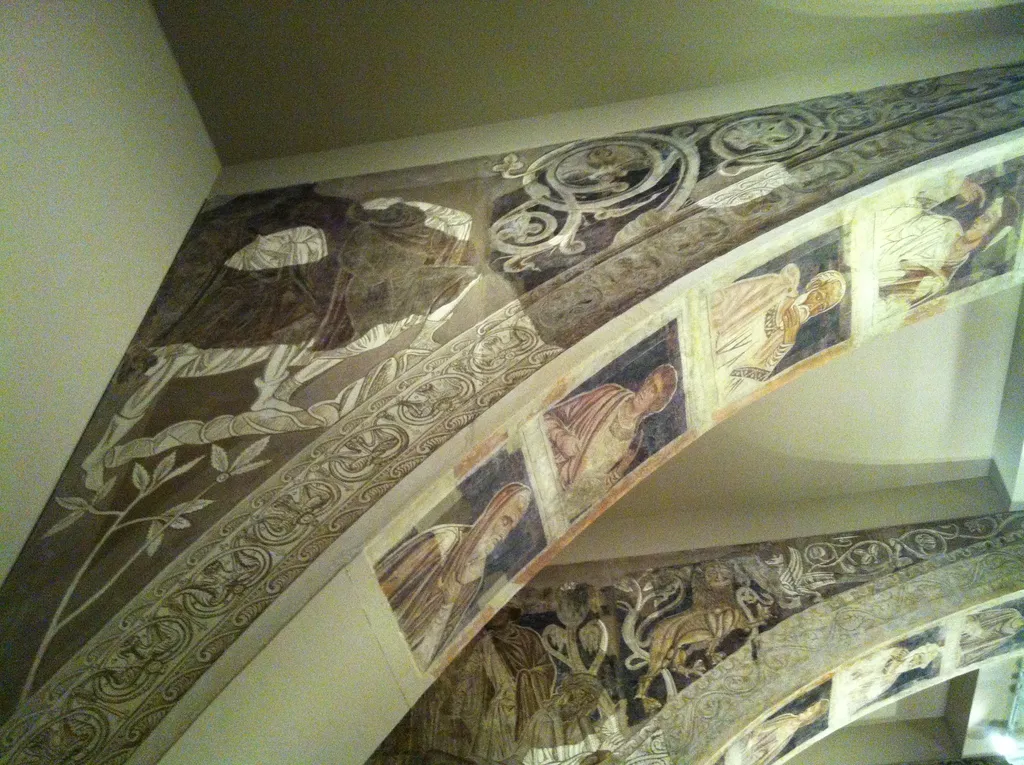
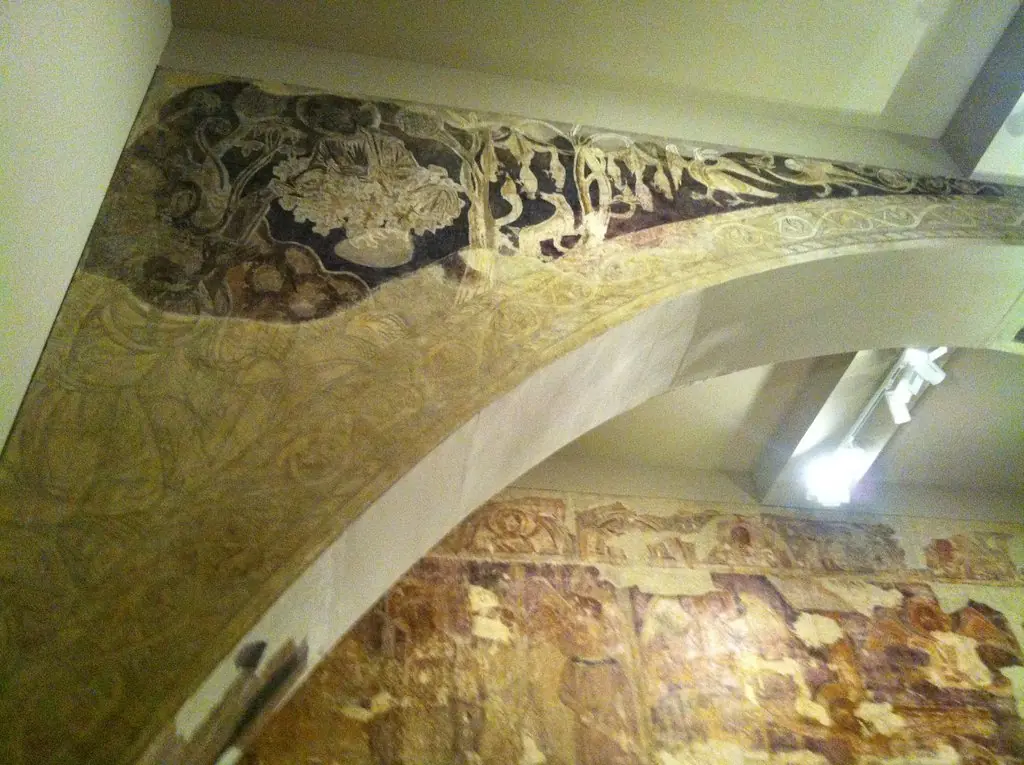
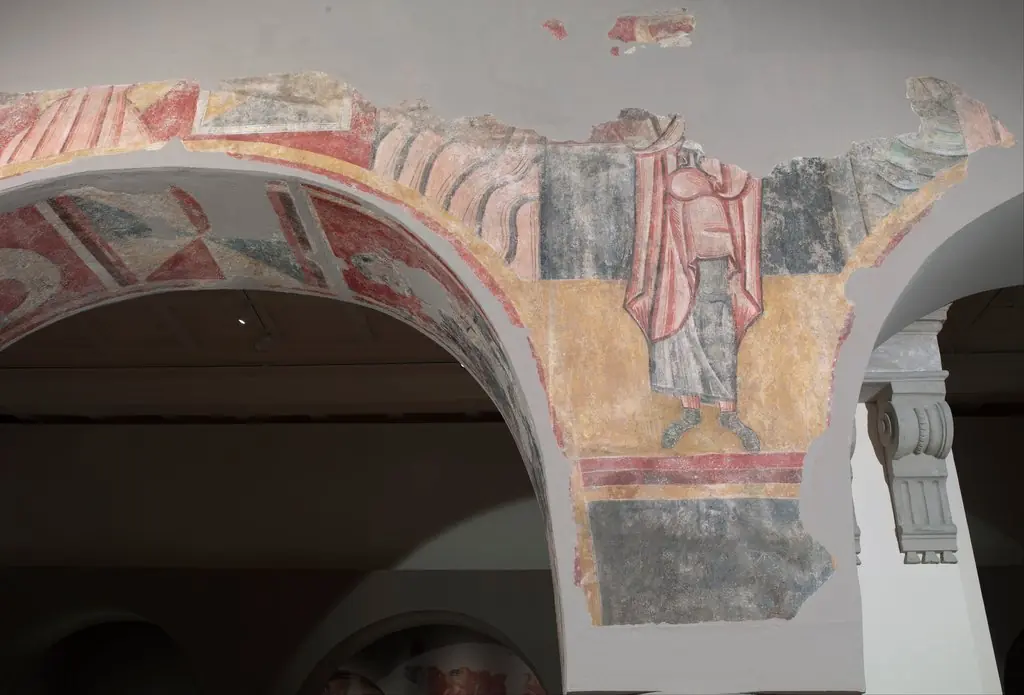
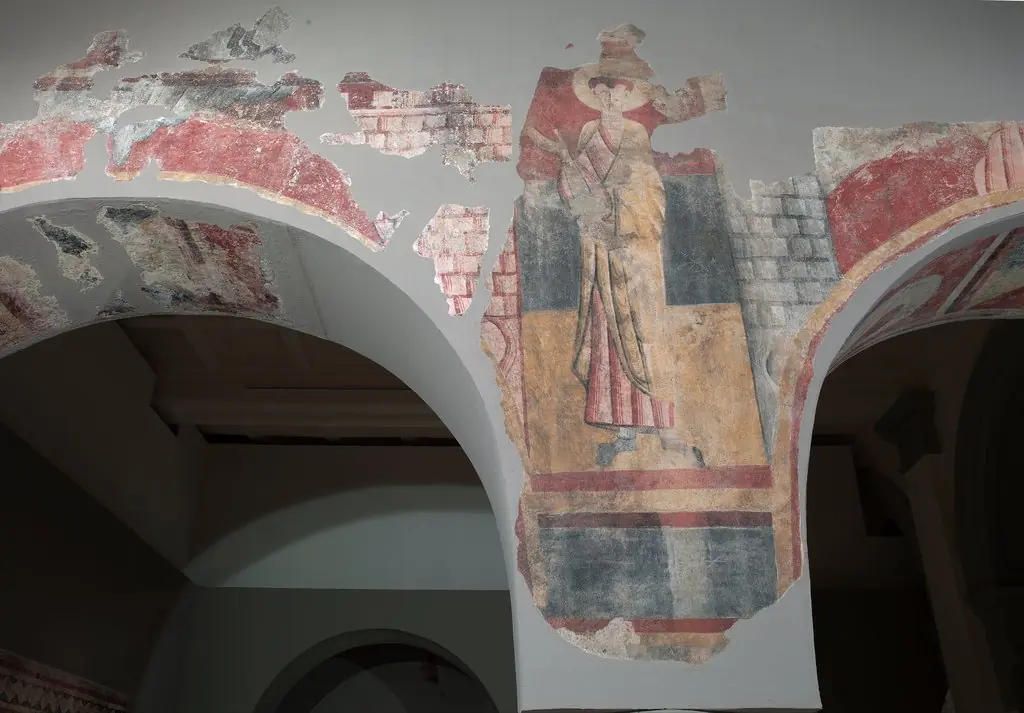
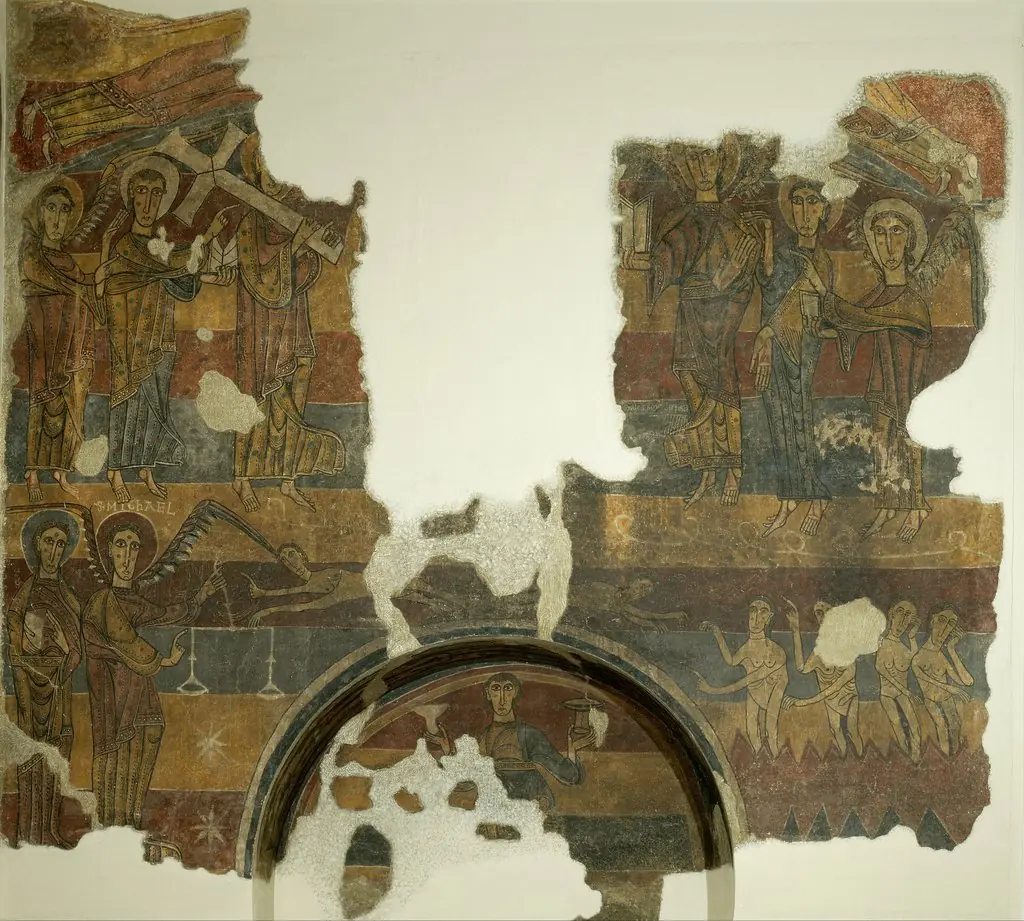
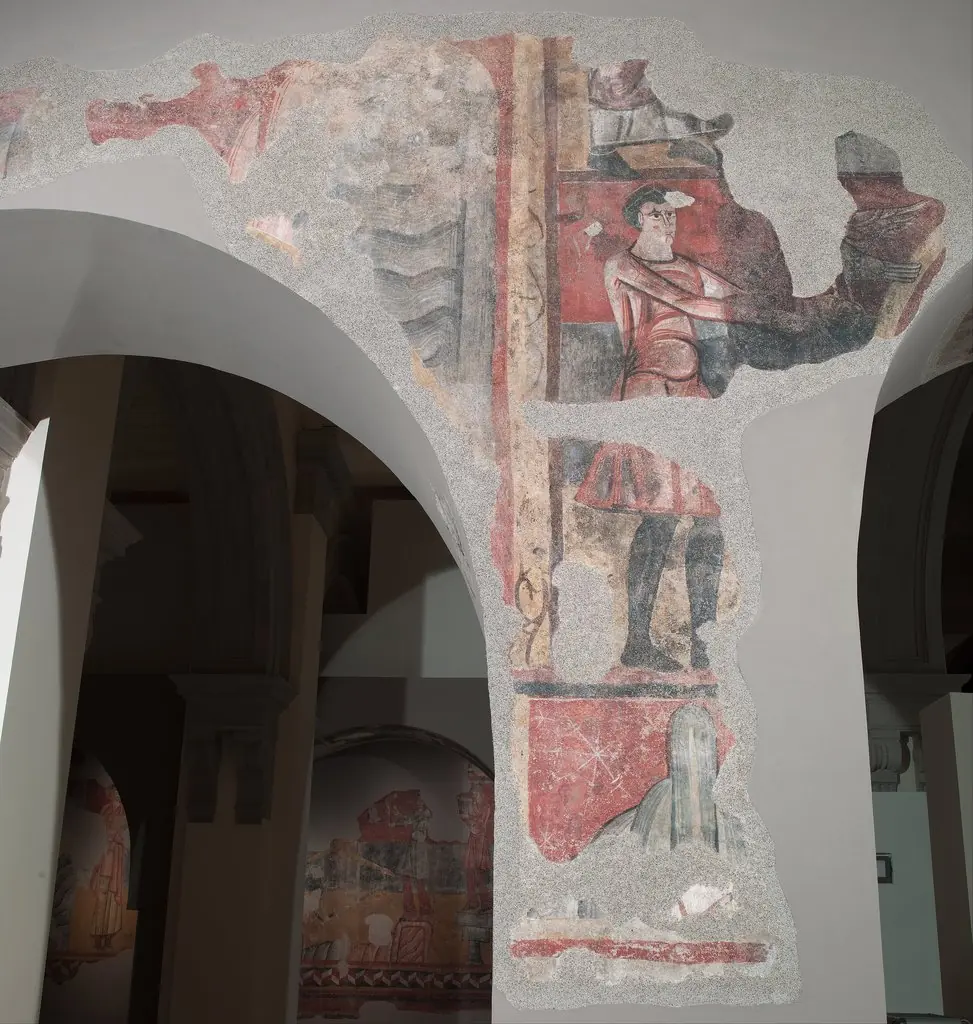
Cain Slays Abel, from the Chapter House in Sigena is an unspecified painting by the Romanesque artist Master of the Sigena chapter house. It dates from 1200 and is held in the collection of the Museu Nacional d'Art de Catalunya. Created circa 1200, the panel known as Cain Slays Abel originates from the chapter house of the monastery at Sigena.
About this work
The painting is titled Cain Slays Abel, from the Chapter House in Sigena. It was created around 1200 by the Master of the Sigena chapter house. The story of Cain and Abel is a well-known biblical tale, and this painting depicts a significant moment in that story. To learn more about the artwork and its context, visit the Museu Nacional d'Art de Catalunya.
Overview
Created circa 1200, the panel known as Cain Slays Abel originates from the chapter house of the monastery at Sigena. Executed by the anonymous hand identified as the Master of the Sigena chapter house, the work belongs to the Romanesque period and is now part of the collection of the Museu Nacional d'Art de Catalunya.
Subject & Meaning
The composition illustrates the biblical episode in which Cain murders his brother Abel, a narrative that serves as an early moral lesson on fratricide and divine justice. By focusing on the violent climax, the image emphasizes the consequences of envy and the rupture of the first human relationship.
Technique & Style
Rendered in the flat, stylised manner typical of Romanesque painting, the figures are outlined with bold contours and limited modelling. The limited palette and simplified forms convey a spiritual rather than naturalistic presence, while the composition’s tight framing draws attention to the dramatic act itself.
History & Provenance
Originally installed as a decorative element within the Sigena chapter house, the panel survived the dissolution of the monastic complex and entered the public domain in the early twentieth century. It was acquired by the Museu Nacional d'Art de Catalunya, where it remains on display as part of the museum’s medieval holdings.
Context
The work reflects the didactic function of Romanesque art in monastic settings, where biblical scenes were employed to instruct monks and lay visitors alike. Its placement in a chapter house, a space for communal reading of the Rule, underscores the moral instruction embedded in the narrative of Cain and Abel.
Own this work as a print
Artist & collection
Artist
Master of the Sigena chapter house
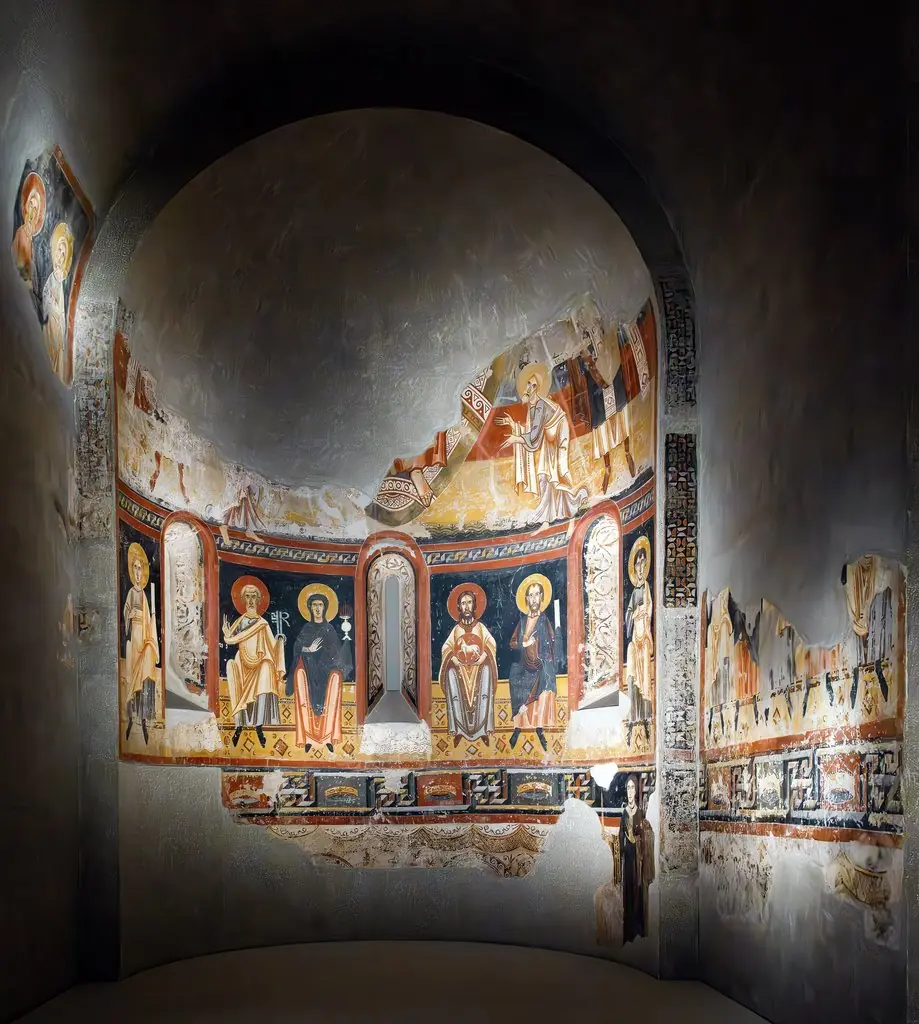
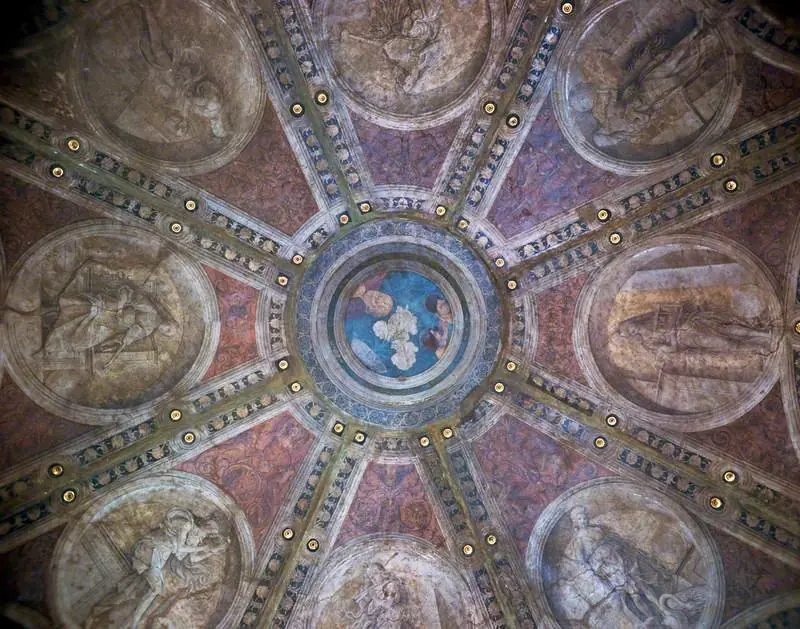
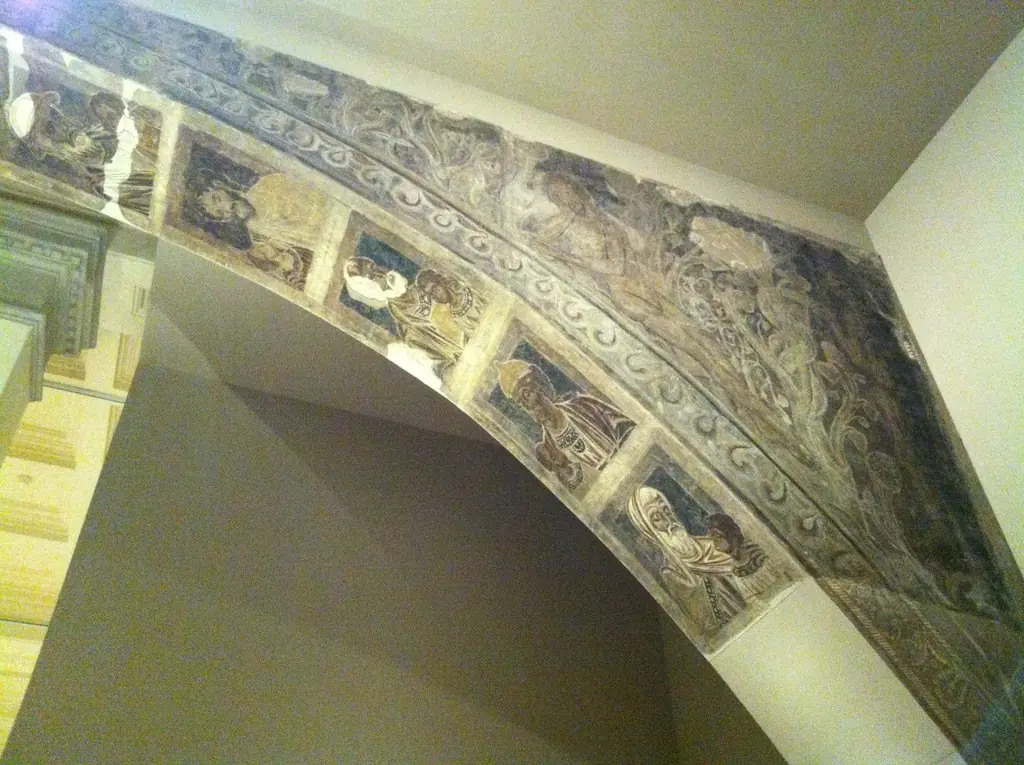
These four frescoes come from a 13th-century Spanish chapter house and show Bible stories in bold colors and stiff, symbolic figures.