Movement
Romanesque
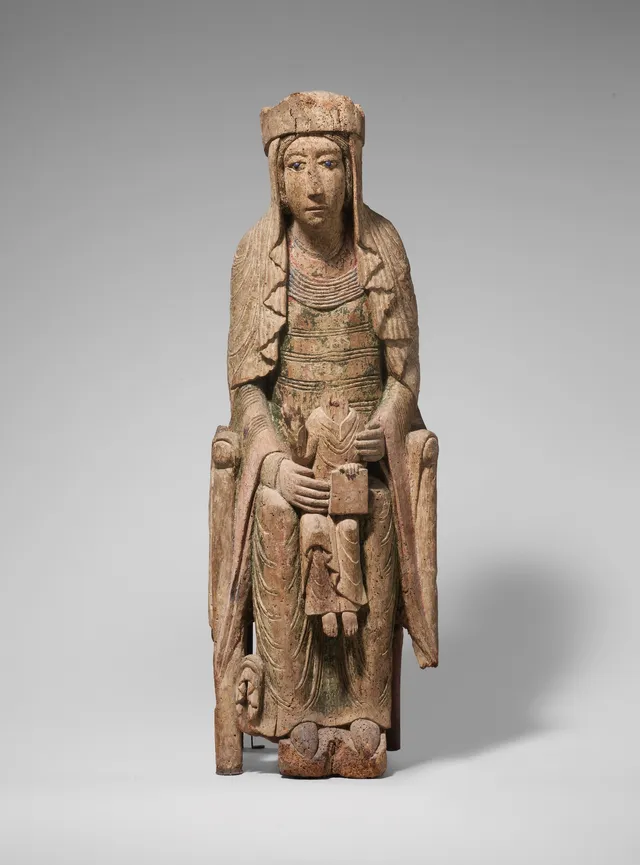
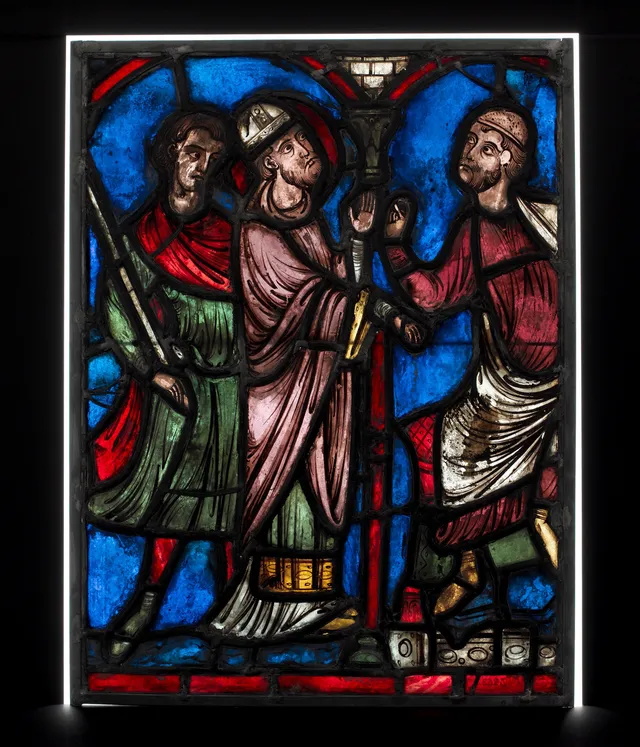
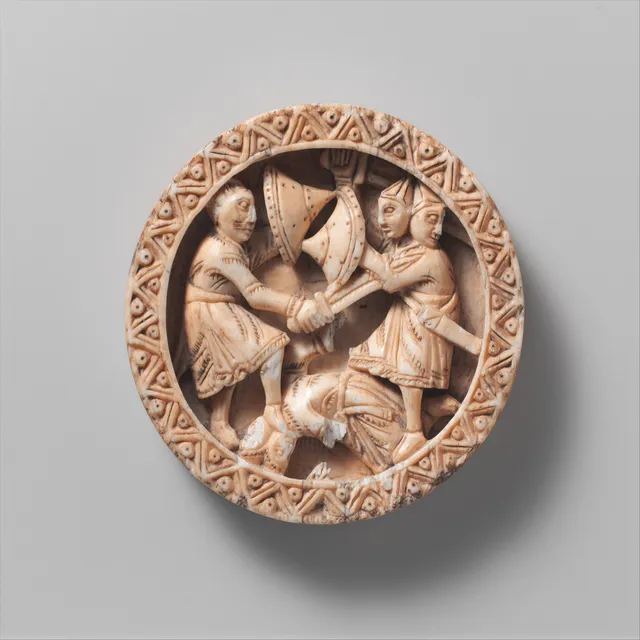
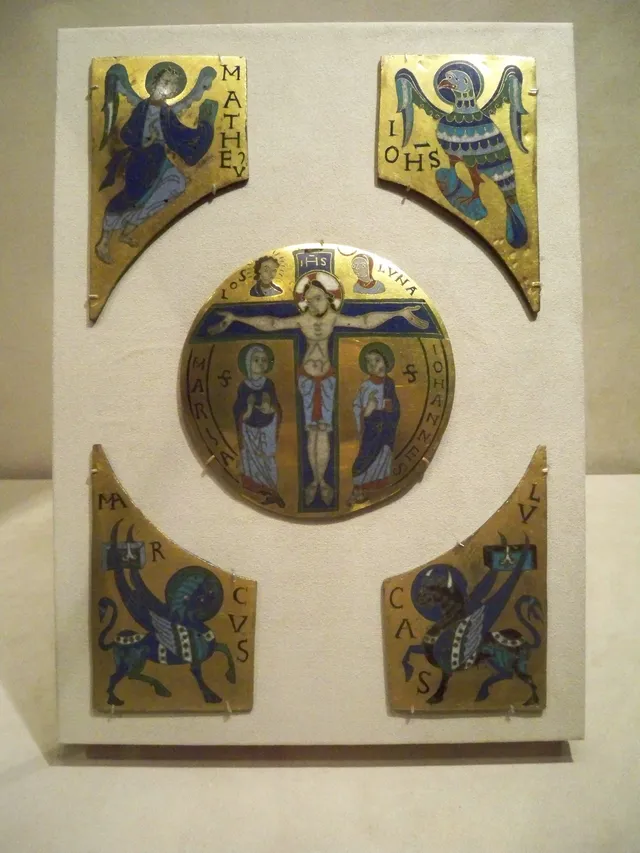
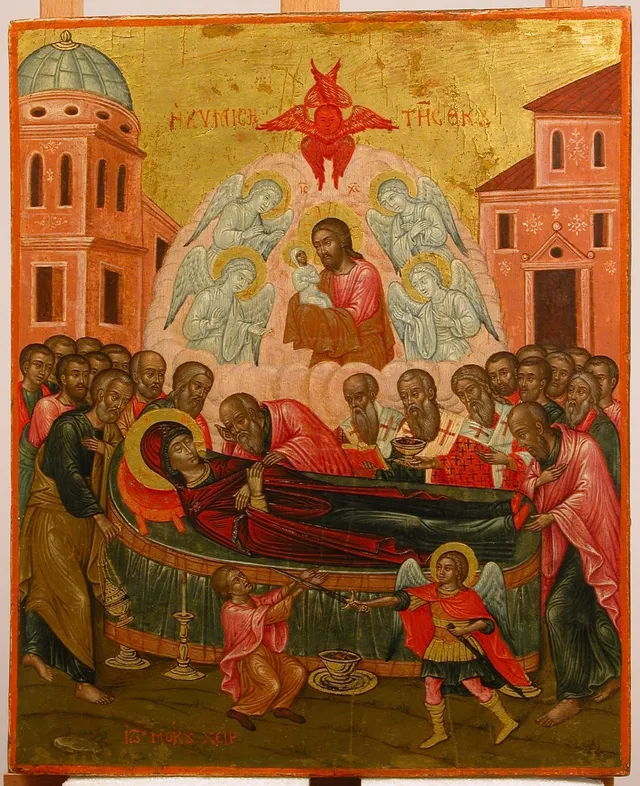
Romanesque is an art movement of the 1000–1200 period. The gallery holds 324 works in this movement, including works by Ioannis Moschos, Charles Picqué and John Robert Cozens. Browse Romanesque paintings, portraits, pictures and artworks from the world's public-domain museum collections.
Romanesque is the first truly pan-European style of the Middle Ages, flourishing roughly between 1000 and 1150 and reaching its height between about 1075 and 1125 across France, Italy, England, and the German lands. It emerged as Western Europe stabilized after the Viking raids and the fragmentation of the Carolingian Empire, carried by a surge of monastic reform, pilgrimage, and church-building. Nineteenth-century art historians coined the term "Romanesque" for the style's debt to the rounded Roman arch, but the mature manner was a fusion of Roman, Carolingian and Ottonian, Byzantine, and local Germanic traditions, welded together under the patronage of monasteries such as Cluny.
In painting, the Romanesque is bold, flat, and intensely hieratic. Mural cycles and manuscript illuminations favored strong outlines, unmodeled fields of color, frontal poses, and a symbolic rather than naturalistic space, with scale governed by spiritual importance rather than optics. The supreme surviving example is the apse of Sant Climent de Taüll in the Catalan Pyrenees, frescoed around 1123 by the anonymous Master of Taüll, whose Christ in Majesty within a mandorla—holding a book inscribed EGO SUM LUX MUNDI ("I am the light of the world")—is reckoned one of the masterpieces of European Romanesque.
Because so many painters worked anonymously, the canon is dominated by "masters" named for their works, such as the Master of Taüll and the related Catalan Master of Boí. Sculpture, by contrast, yields rare signatures: Gislebertus carved "Gislebertus hoc fecit" beneath the feet of Christ on the great Last Judgment tympanum at Autun Cathedral (c. 1130), a work over six metres wide whose expressionistic intensity foreshadows the Gothic. The age was equally a golden one for metalwork and enamel: the Mosan school of the Meuse valley, and goldsmiths such as Nicholas of Verdun and Godefroid de Claire, perfected champlevé enameling on objects like the Crucifixion plaques and enthroned Virgins also represented in this collection.
The Romanesque dissolved into the Gothic from the mid-12th century, as the rounded arch gave way to the pointed arch and rib vault, and the flat, emblematic figure yielded to greater naturalism and movement—a transition embodied by Nicholas of Verdun himself. Its legacy endures in the monumental stone churches, narrative portals, and luminous enamels that first gave medieval Europe a shared visual language.
Key artists
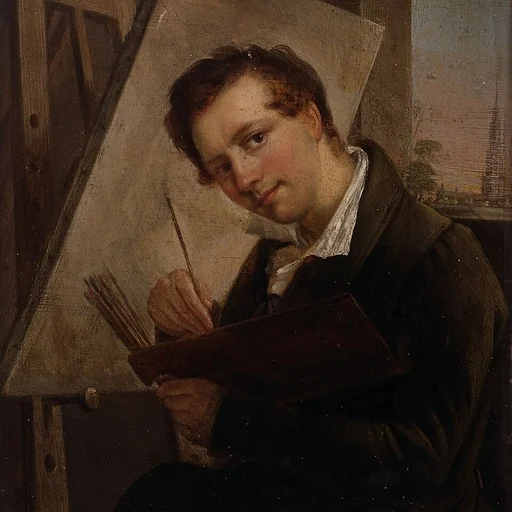
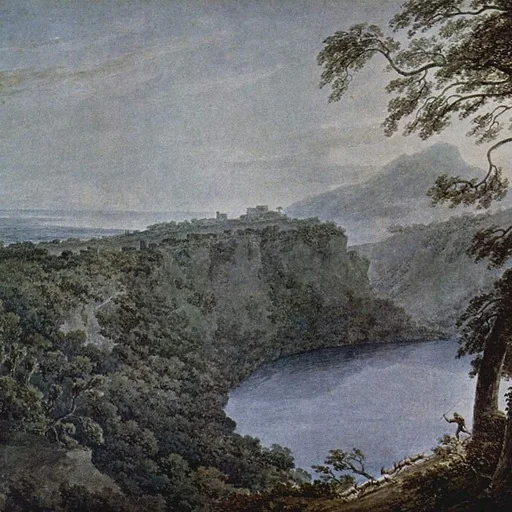
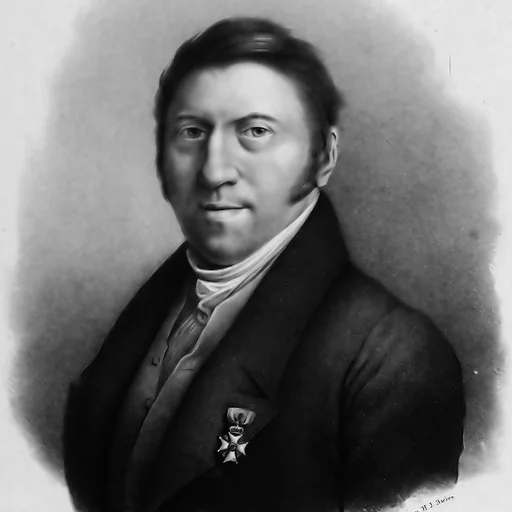
Works
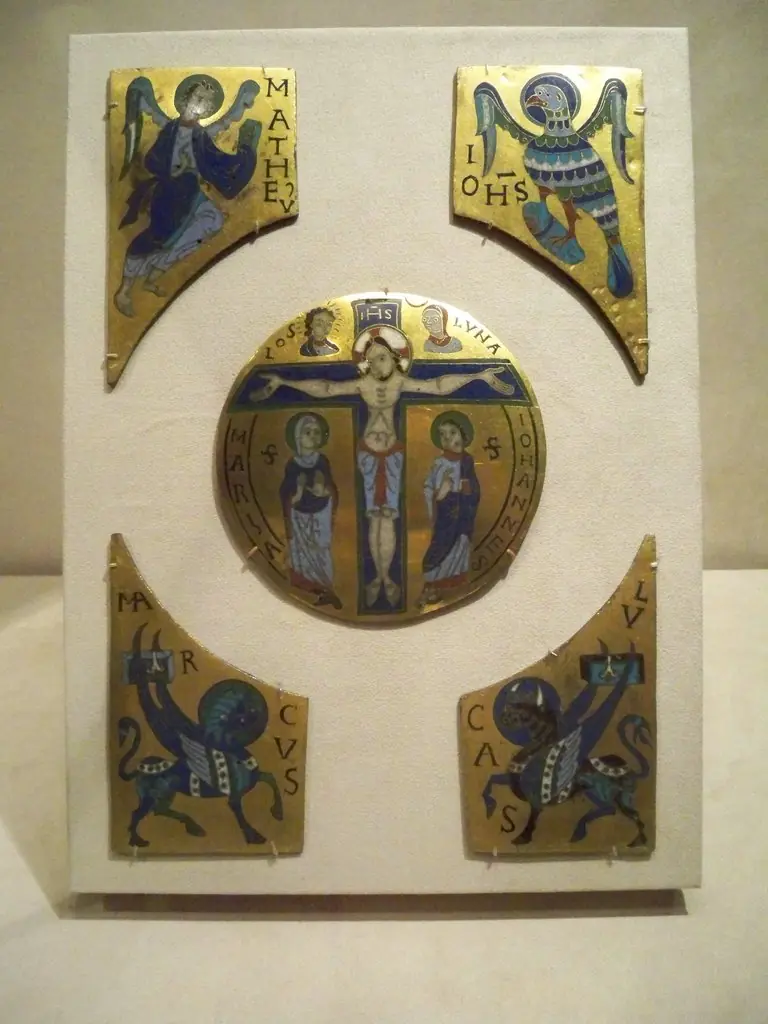 Enamels with the Crucifixion
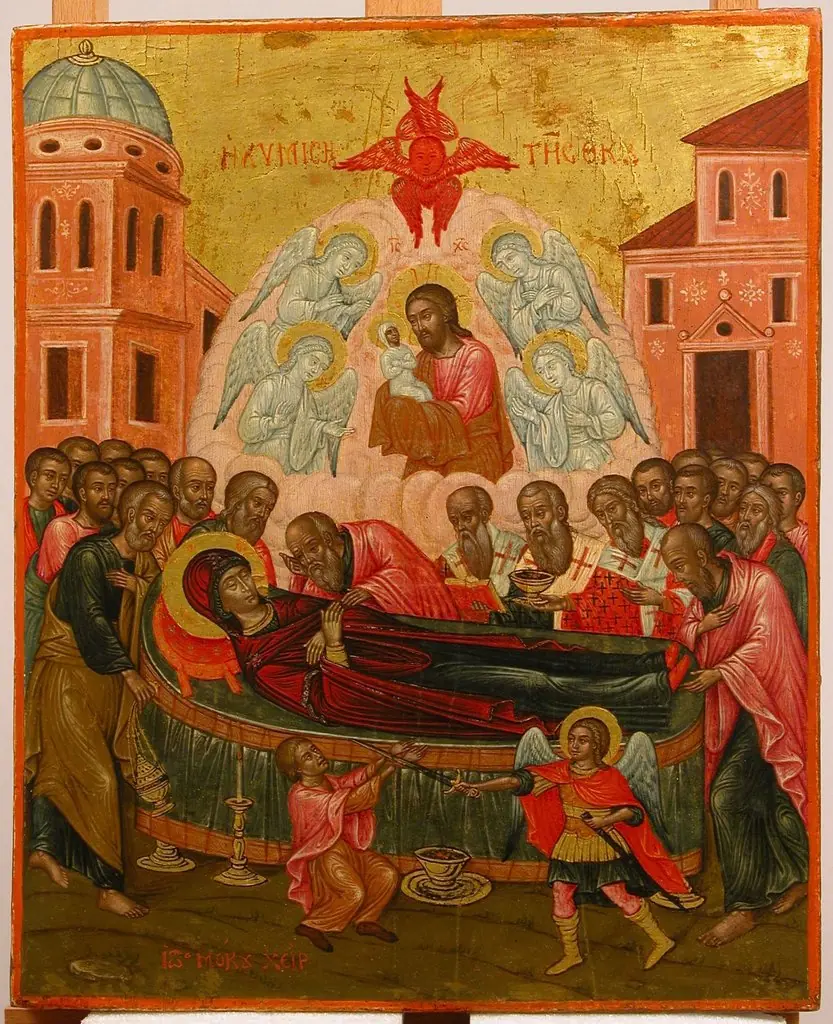 The Dormition of the Virgin
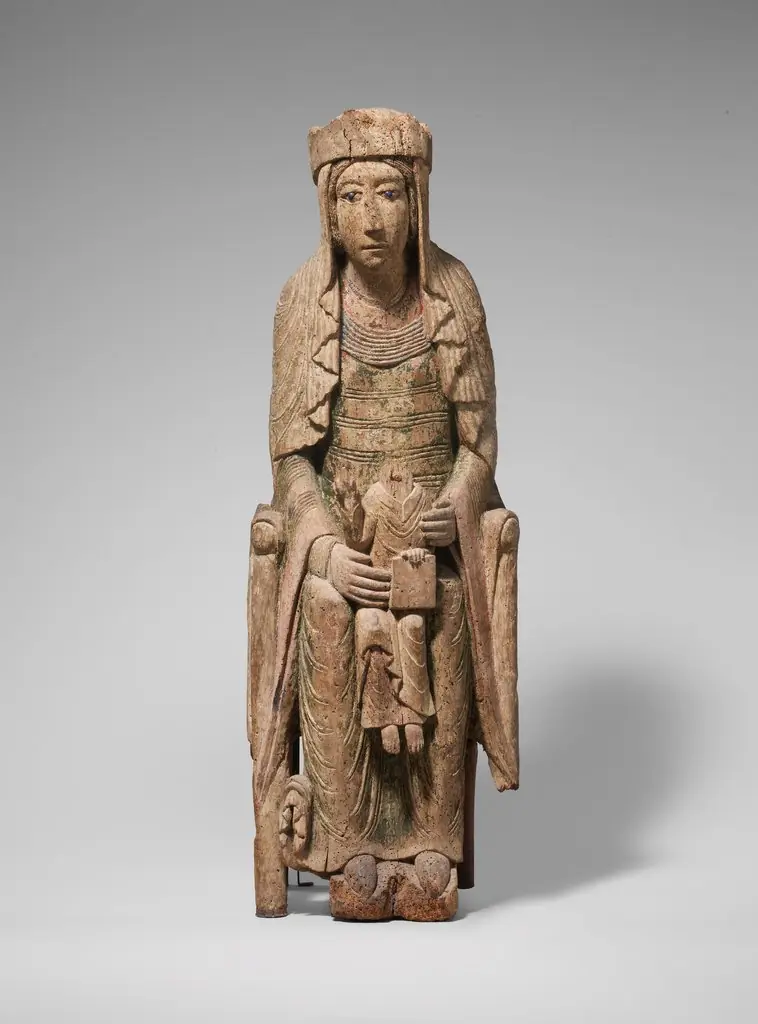 Enthroned Virgin and Child
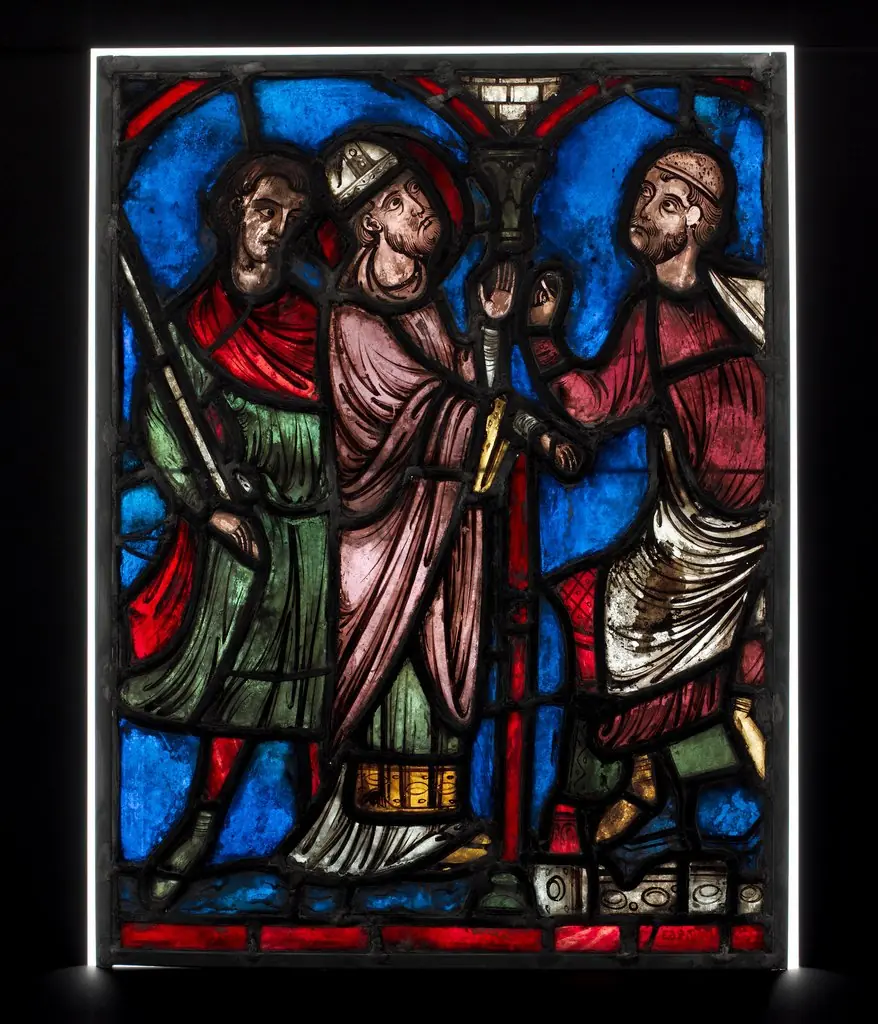 St. Nicholas Accuses the Consul from Scenes from the Life of St. Nicholas
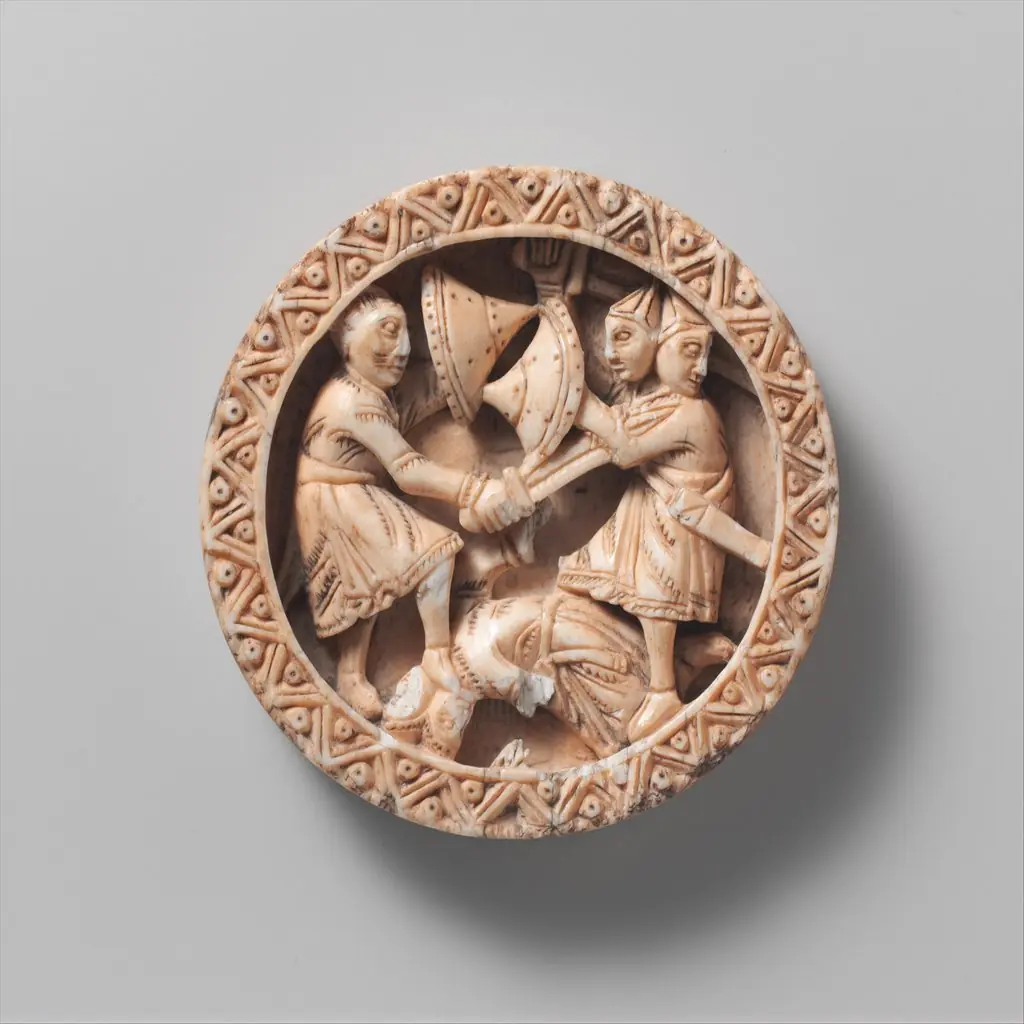 Game Piece with Hercules Slaying the Three-Headed Geryon
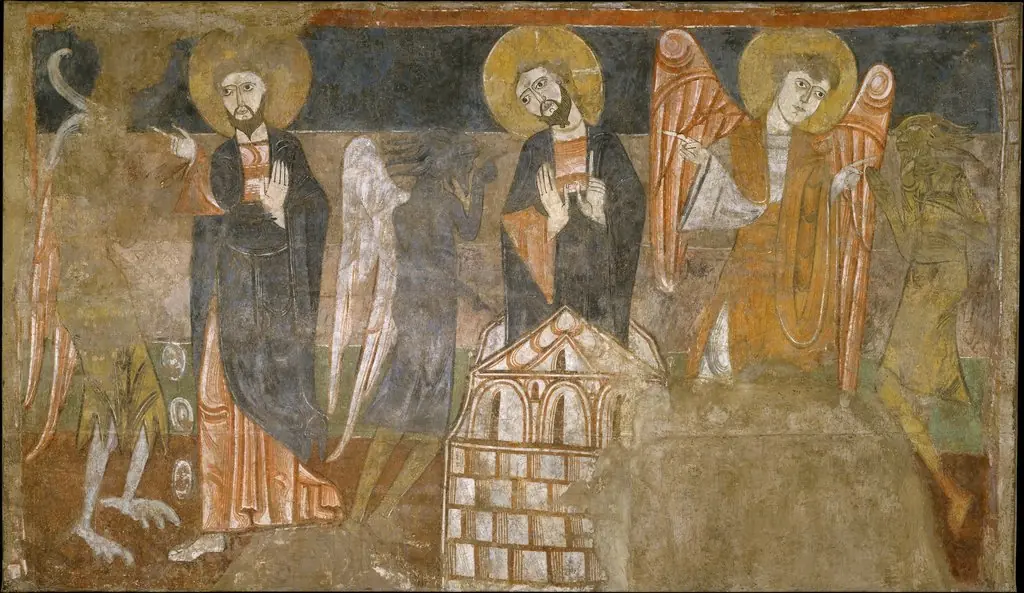 The Temptation of Christ by the Devil
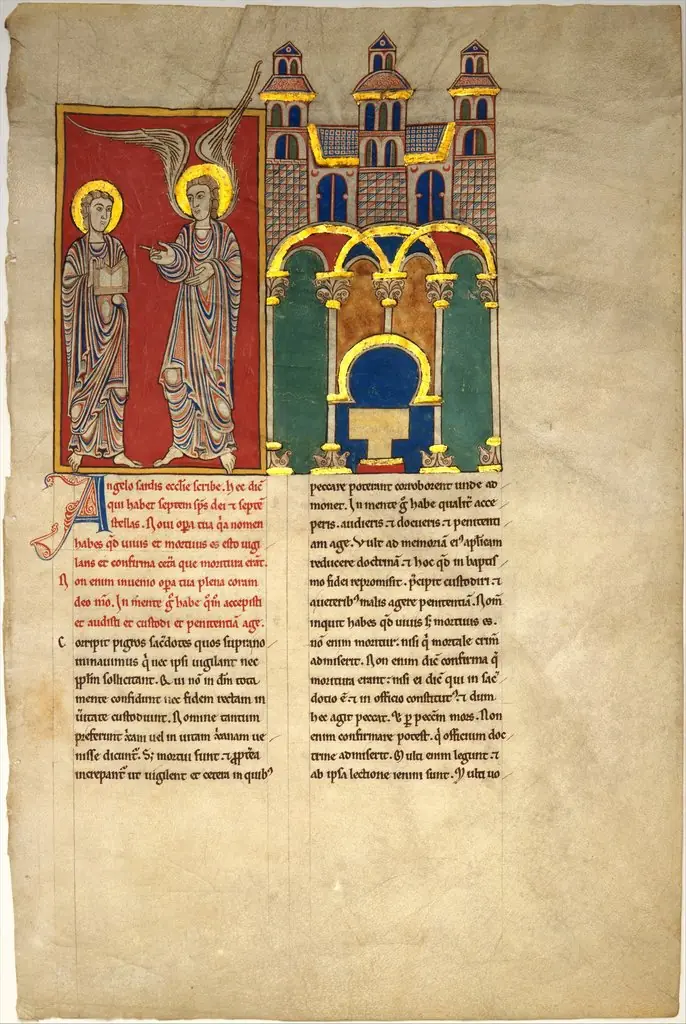 Leaf from a Beatus Manuscript: the Angel of the Church of Sardis with Saint John
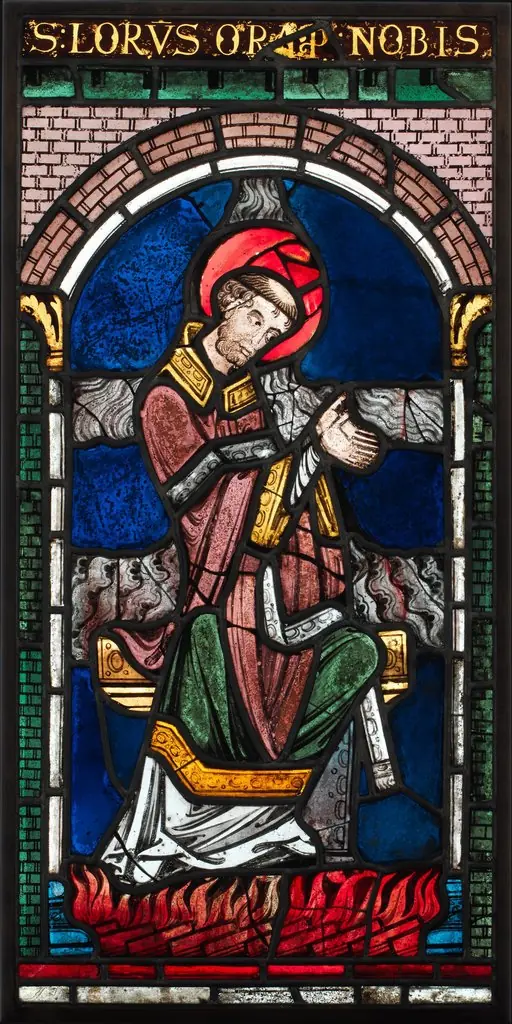 Martyrdom of Saint Lawrence
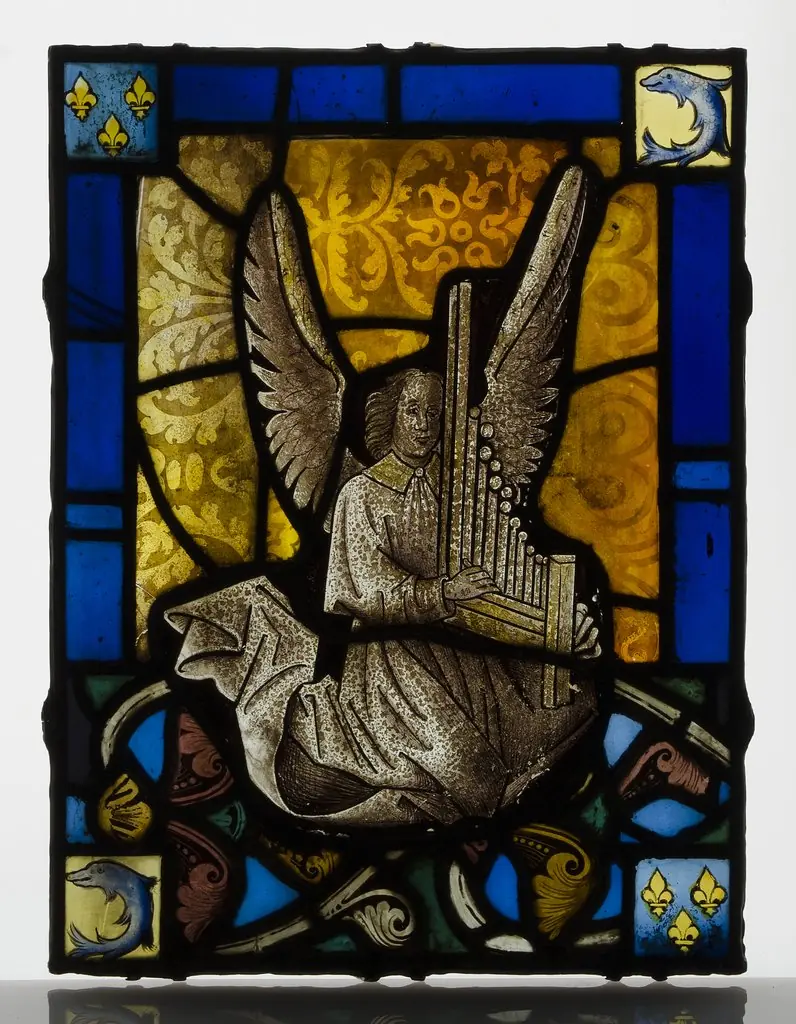 Border Fragment with Musical Angel
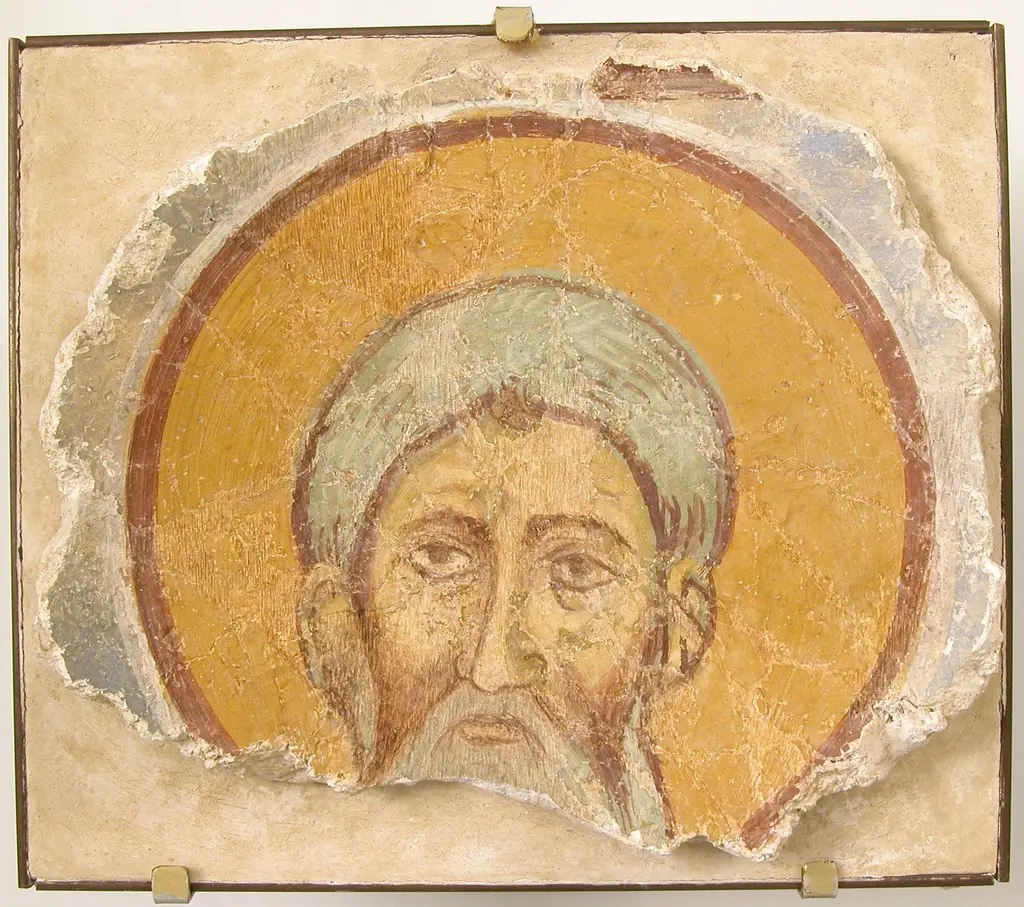 Wall Painting of a Male Saint
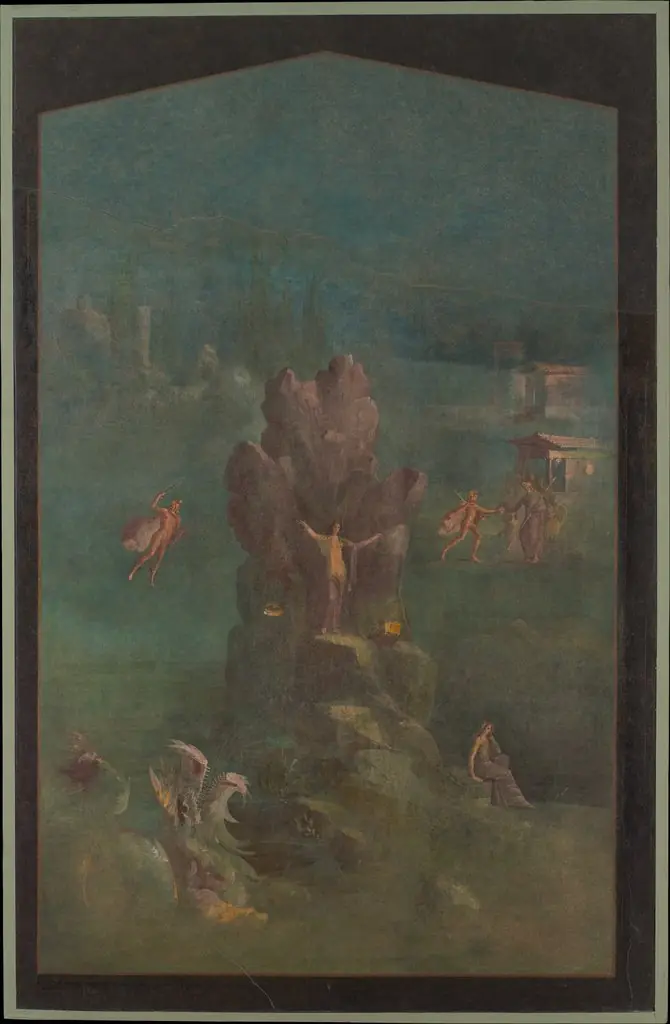 Wall painting: Perseus and Andromeda in landscape, from the imperial villa at Boscotrecase
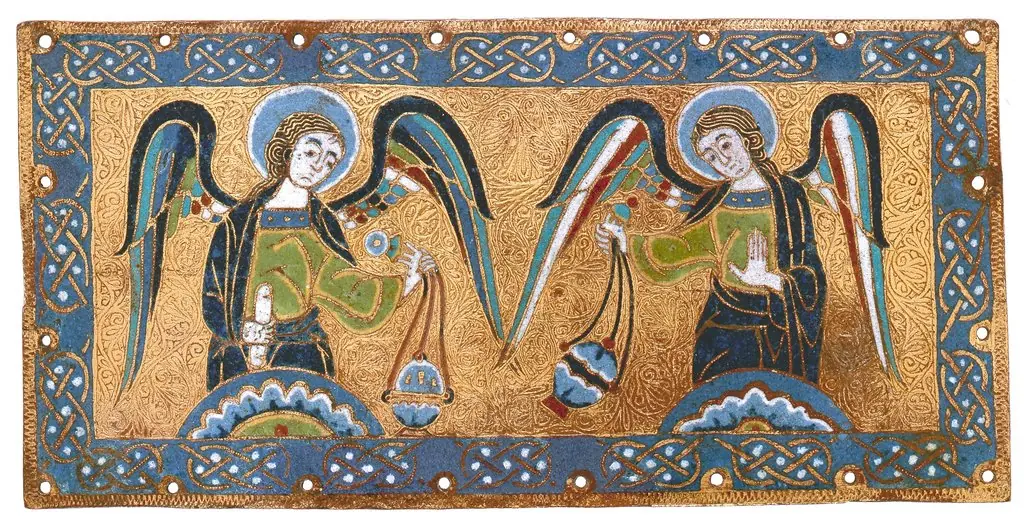 Plaque with Censing Angels
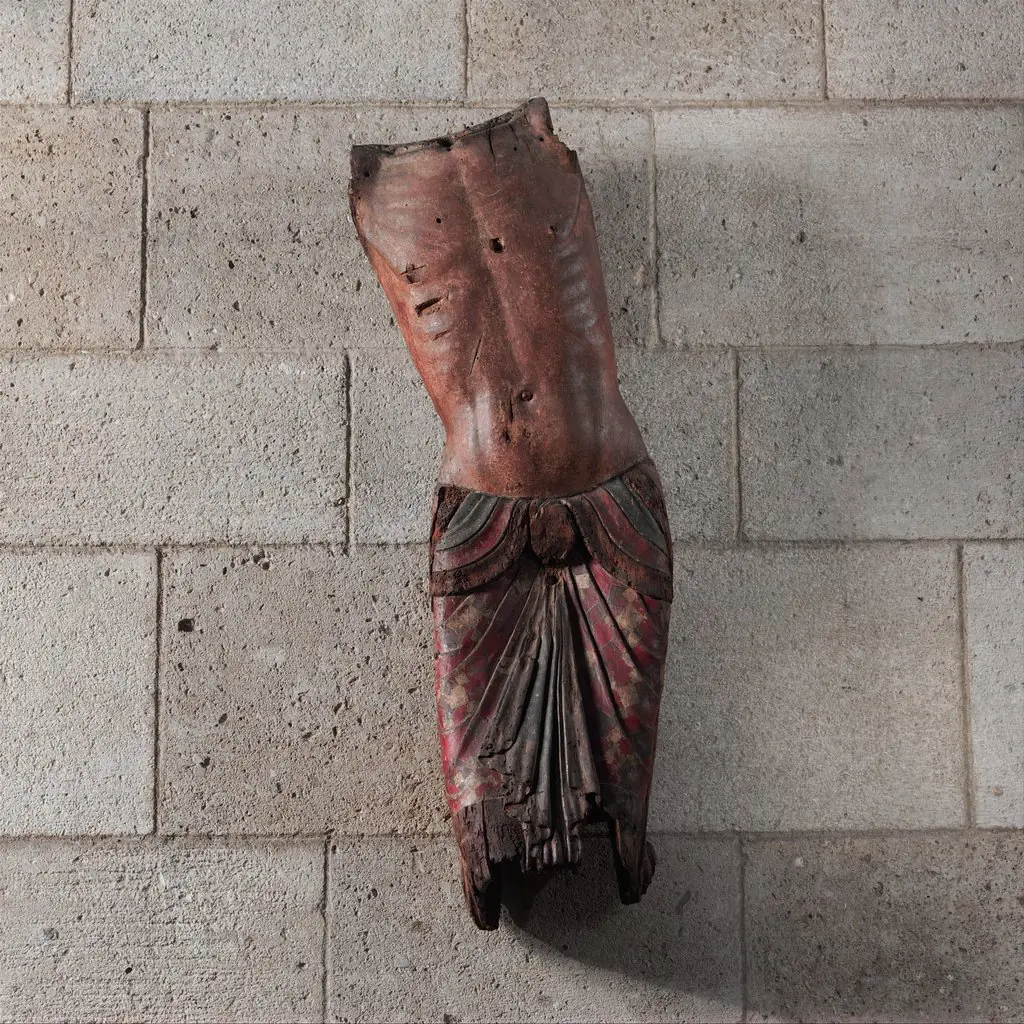 Torso of Christ from a Deposition
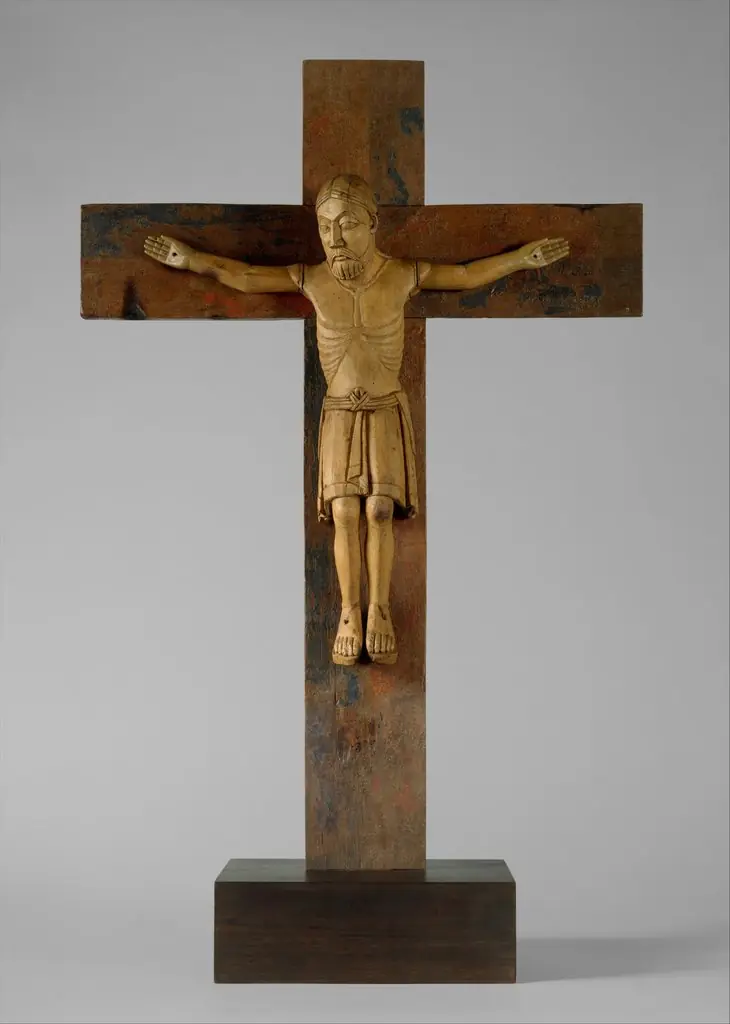 Christ on the Cross
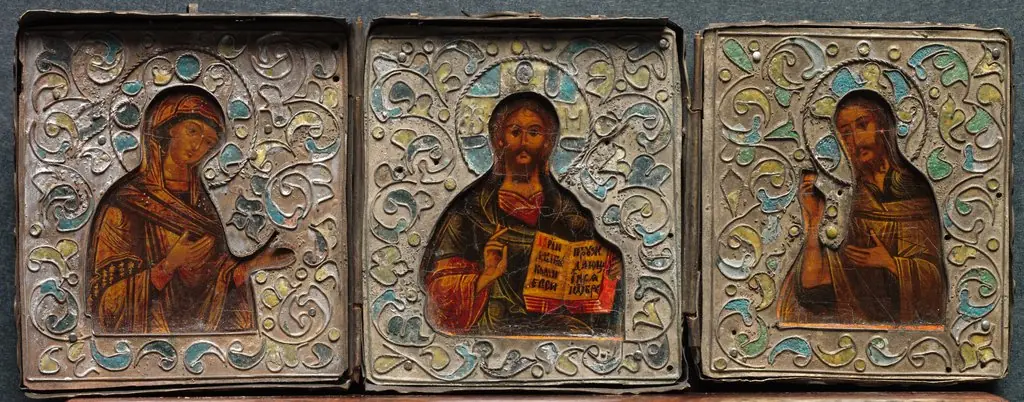 Triptych with Christ, the Virgin, and St. John the Evangelist
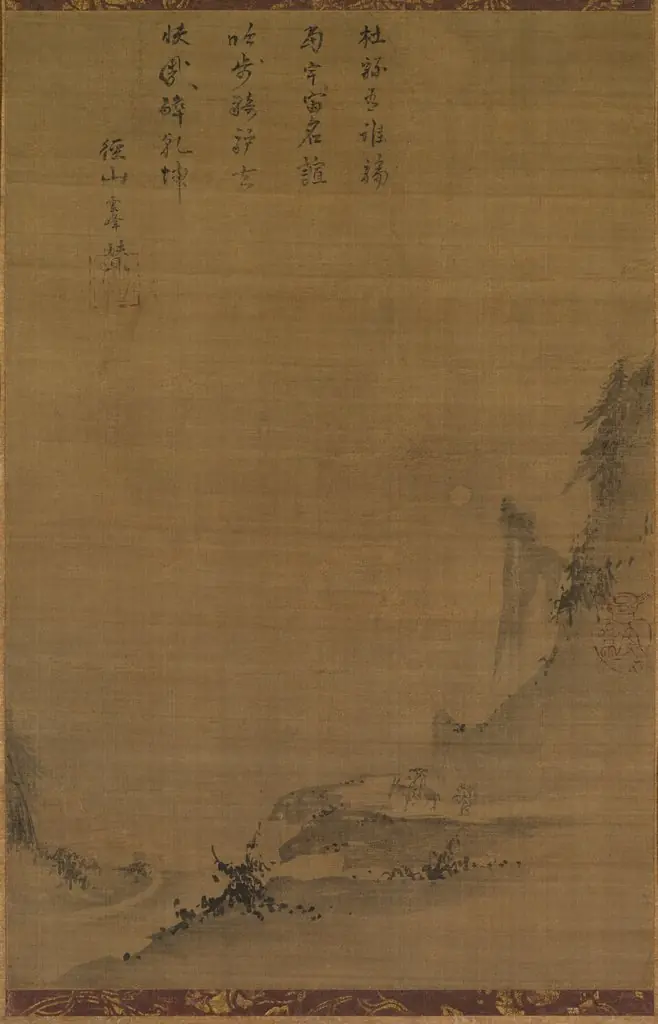 Mountain Landscape in Moonlight
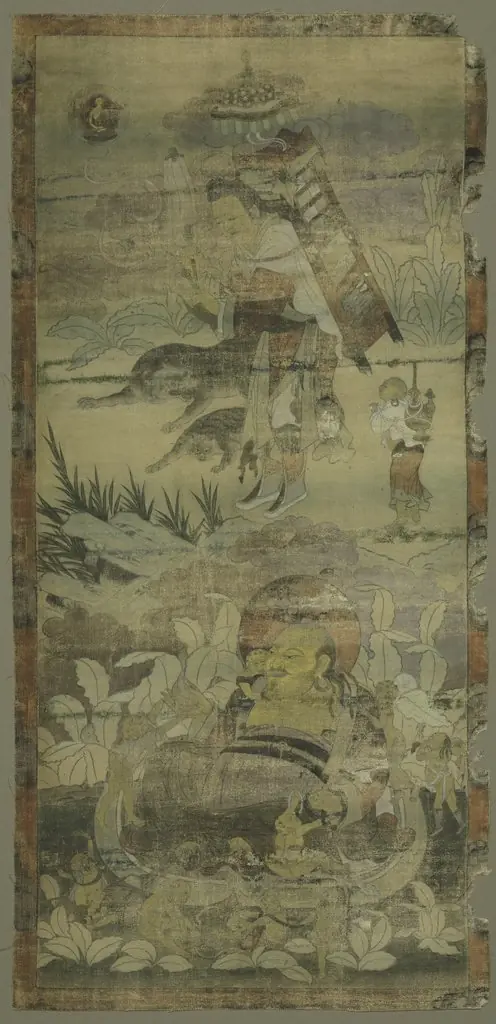 Lohans
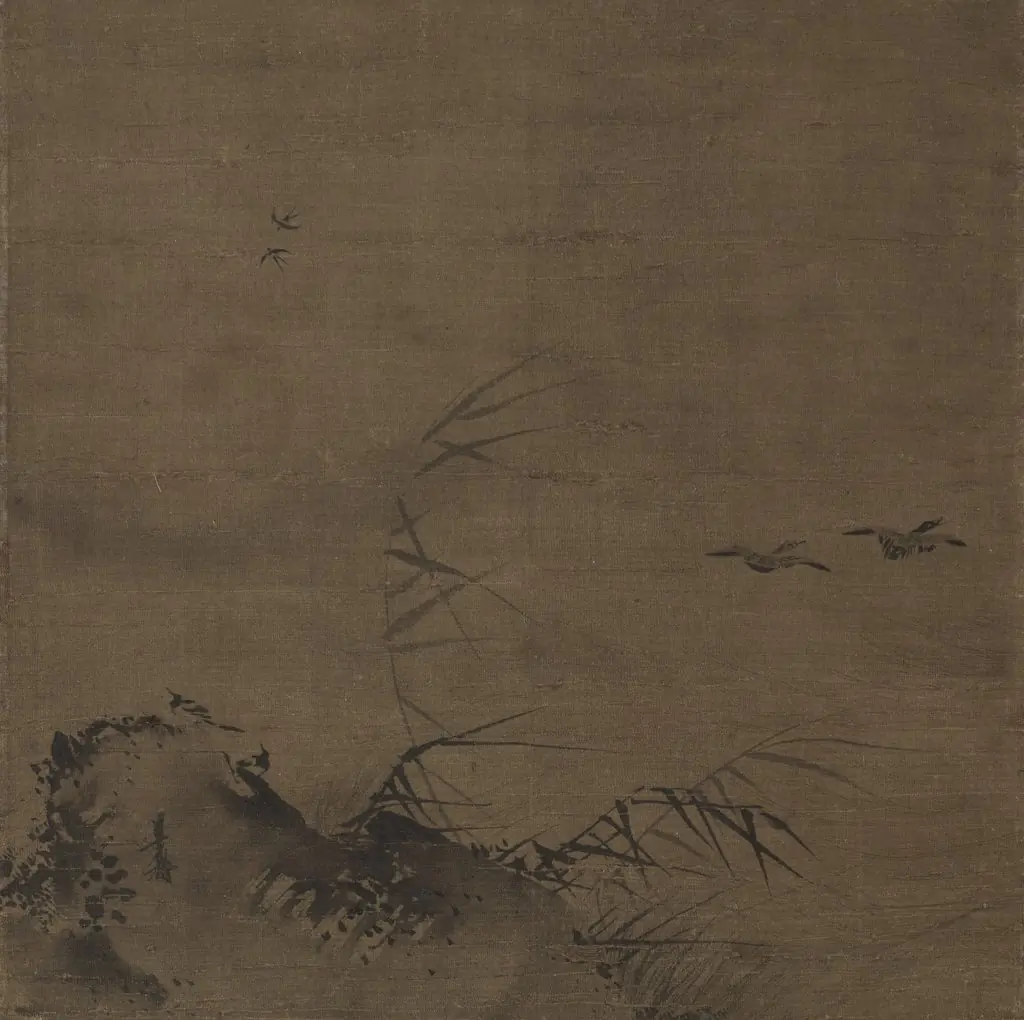 Waterfowl and Reeds
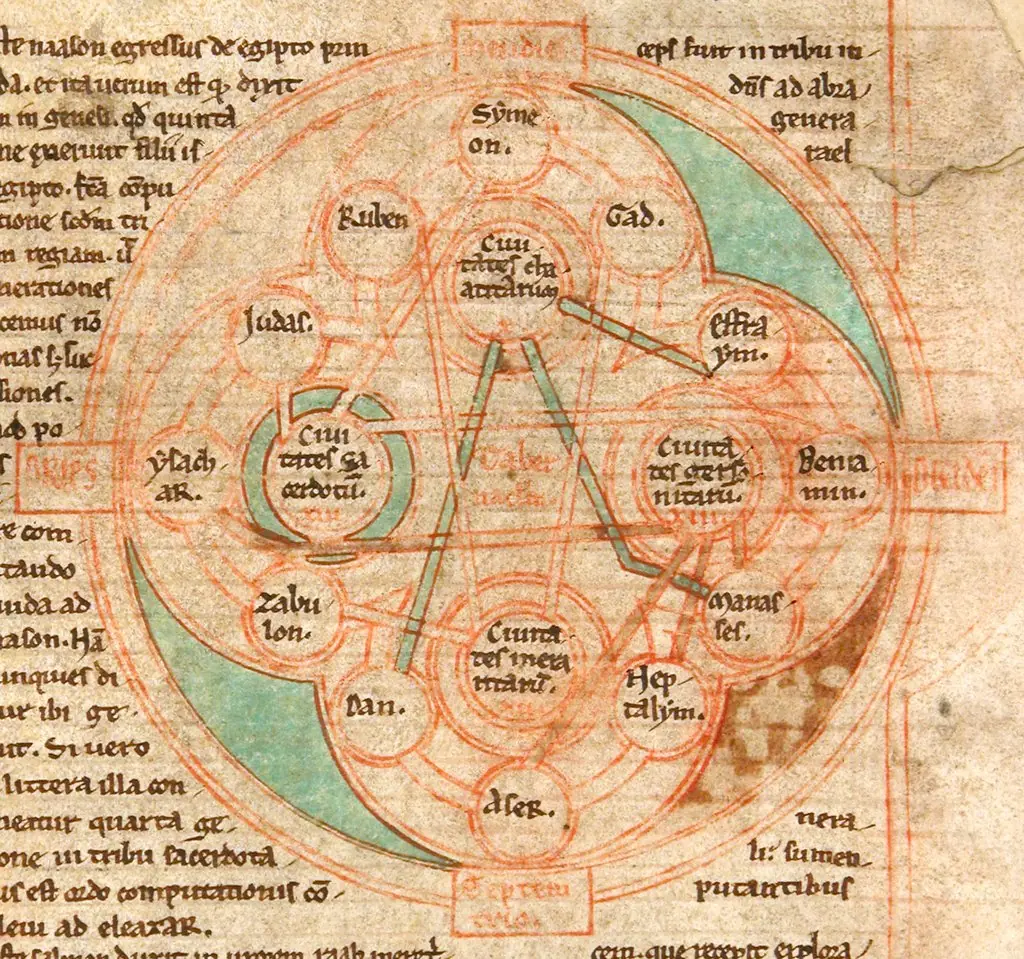 Fragment of a Compendium of the Genealogy of Christ
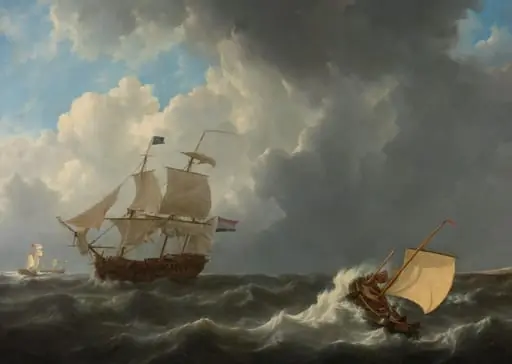 Ships in a Turbulent Sea
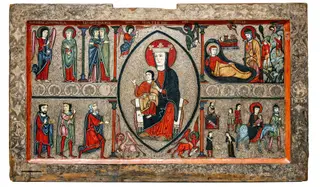 Altar frontal from Cardet
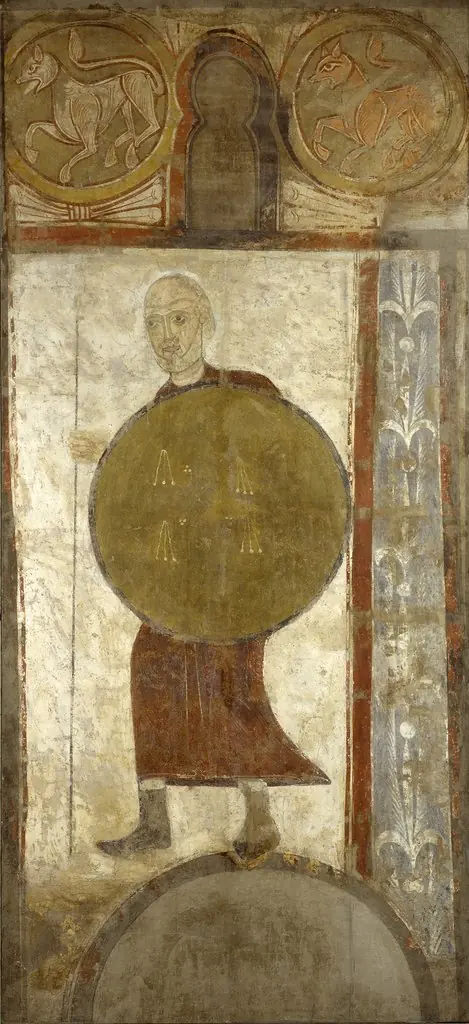 Soldier. Hermitage of San Baudelio. Casillas de Berlanga (Soria)
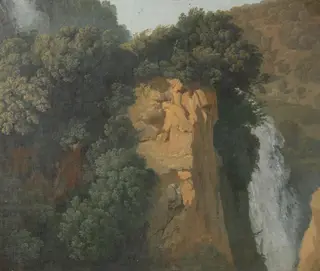 Overgrown Cliffs with a Waterfall in Italy, perhaps at Tivoli
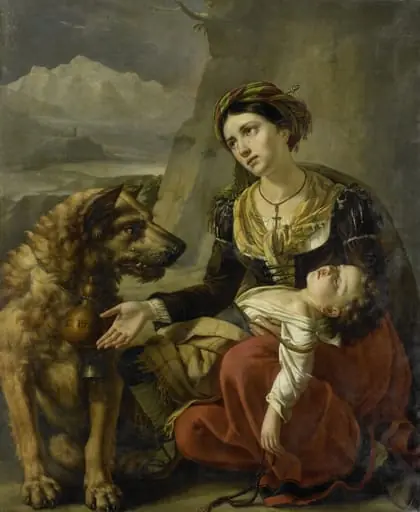 A Saint Bernard Dog Comes to the Aid of a lost Woman with a sick Child
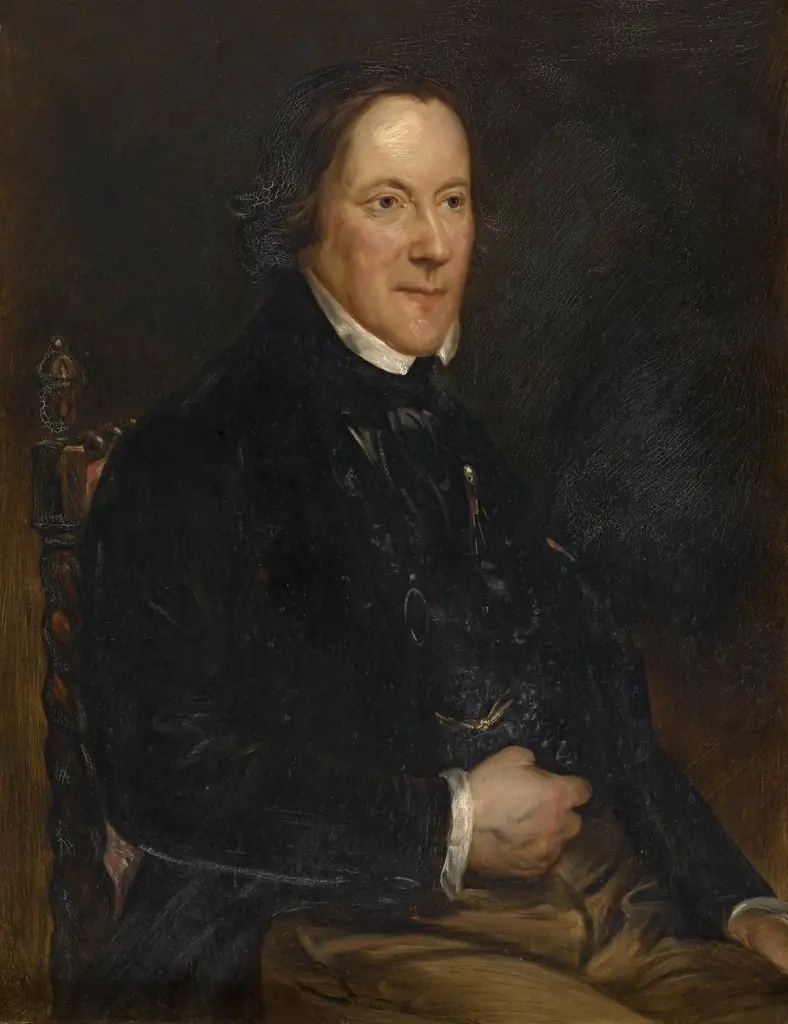 Constant van den Nest, Secretary of the Royal Academy of Fine Arts Antwerp
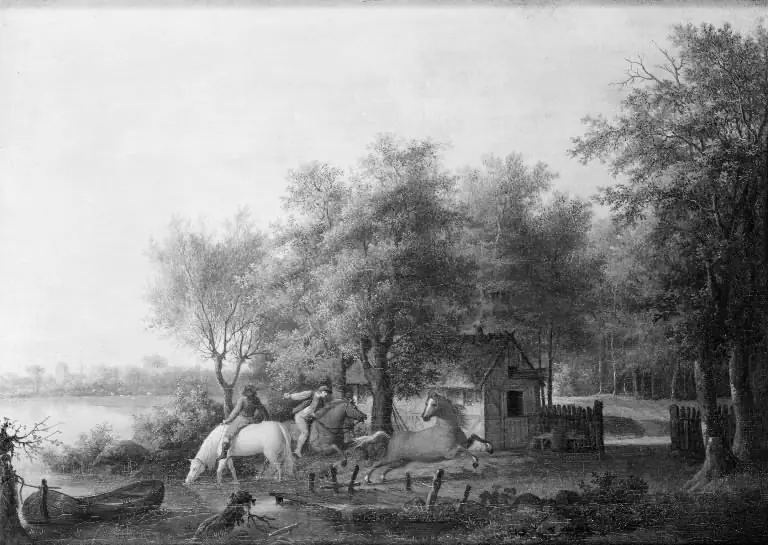 Heste vandes ved en sø
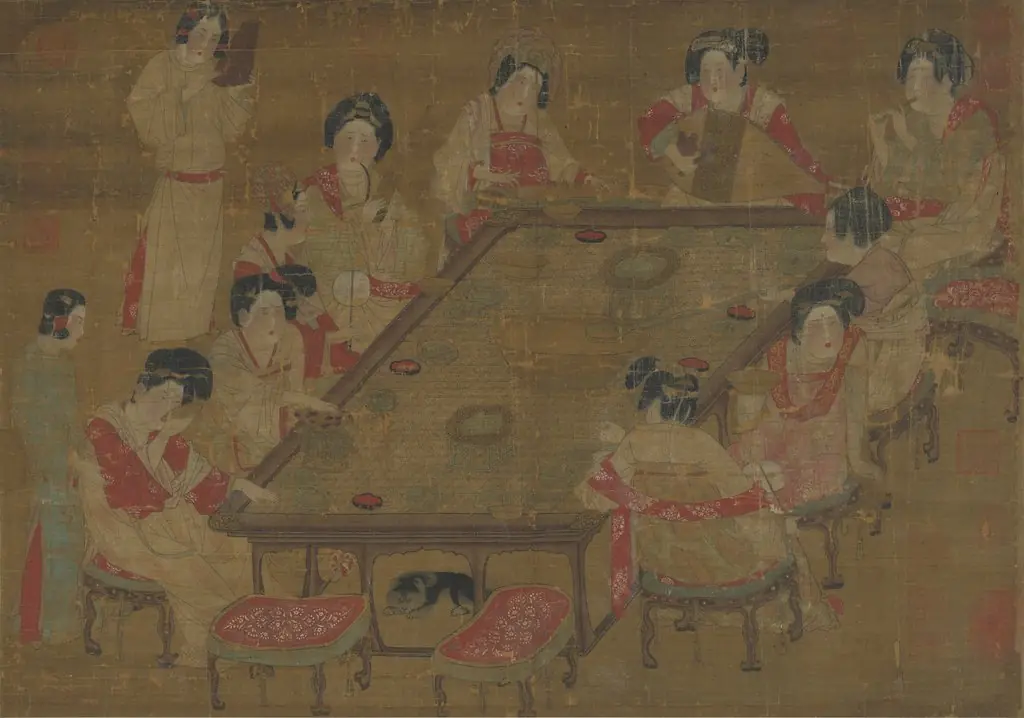 A Palace Concert
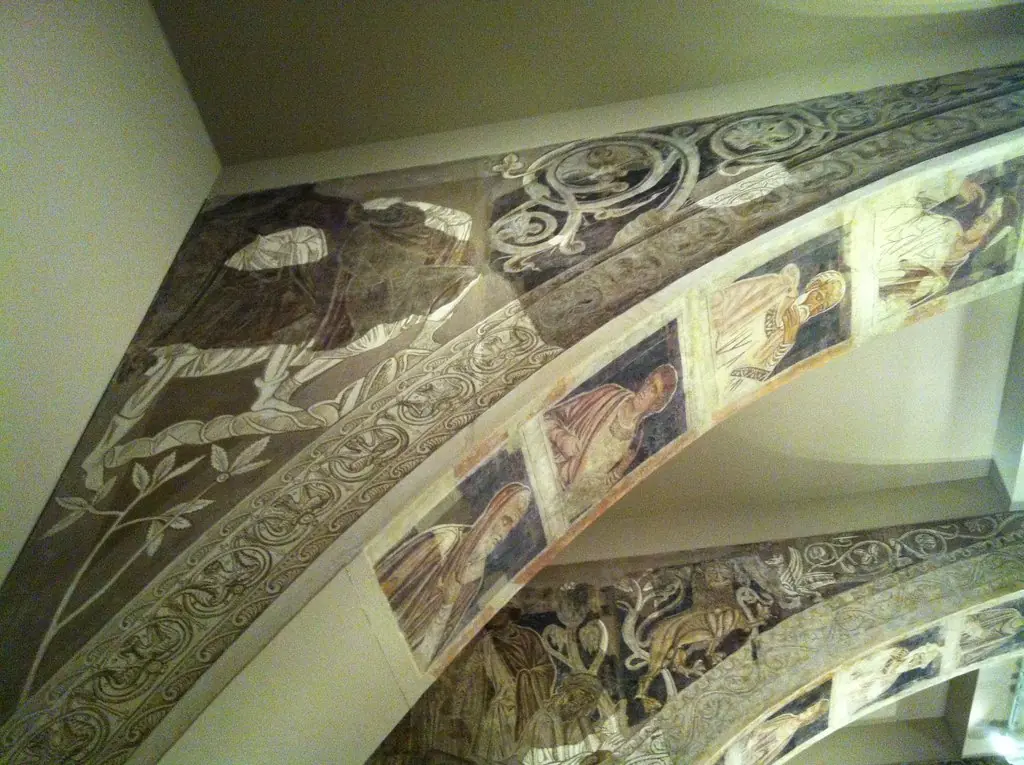 Cain Slays Abel, from the Chapter House in Sigena
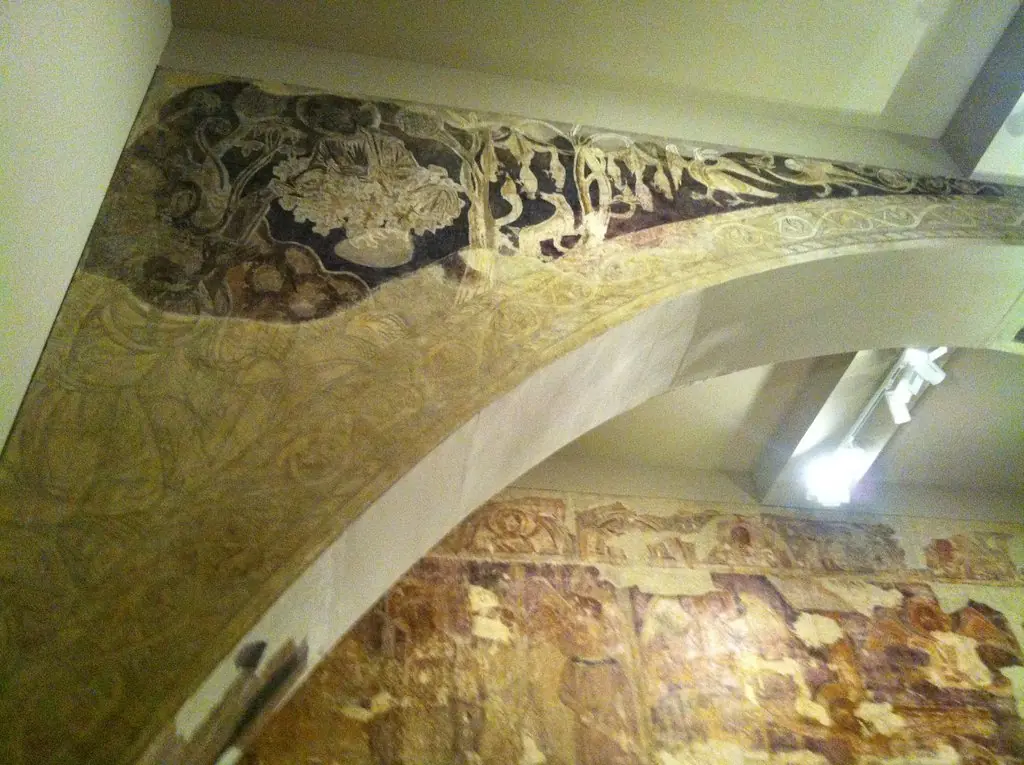 Moses receives the Tablets of the Law, from the Chapter House in Sigena
 Resurrection, from the Chapter House in Sigena
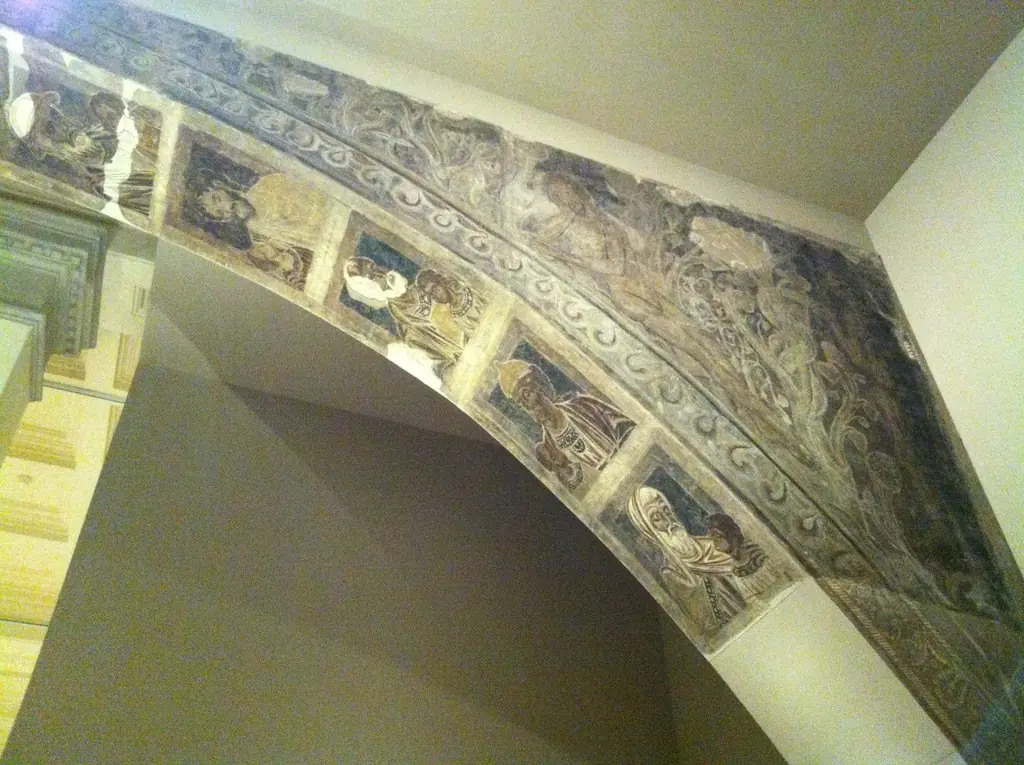 Original Sin, from the Chapter House in Sigena
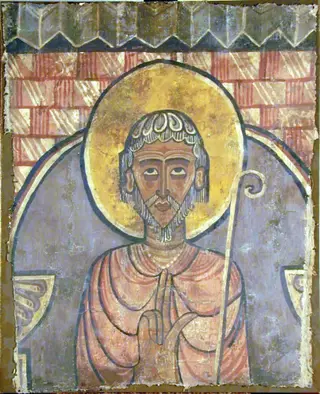 A Bishop Saint
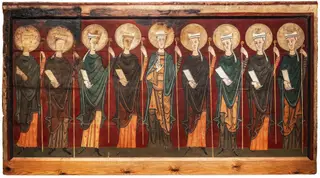 Altar frontal from Tavèrnoles
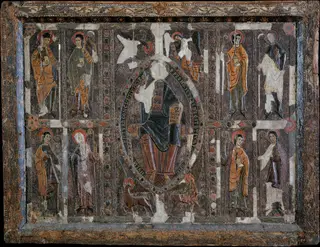 Altar frontal from Planès
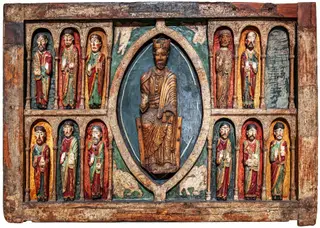 Altar frontal from Santa Maria in Taüll
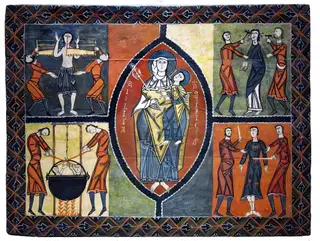 Altar frontal from Durro (detail of martyrdom of St. Quiricus)
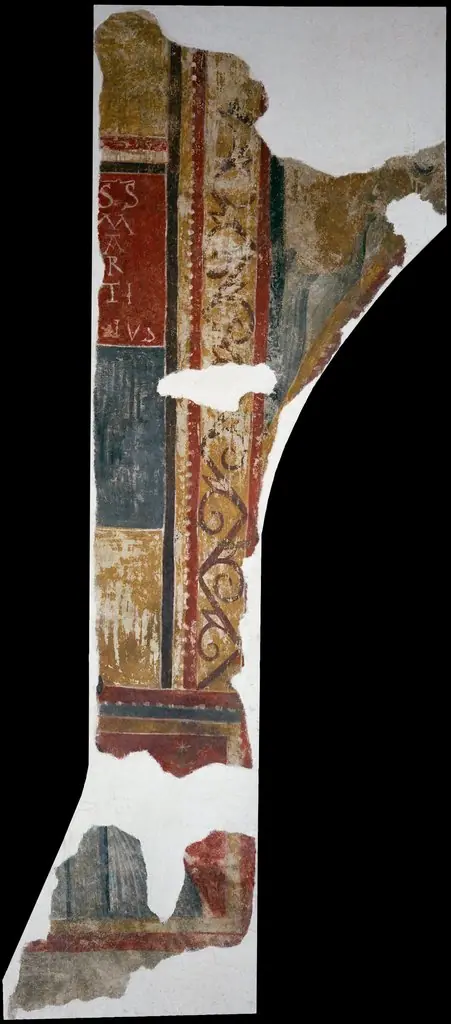 Inscription S(ANCTV)S MARTINVS from Boí
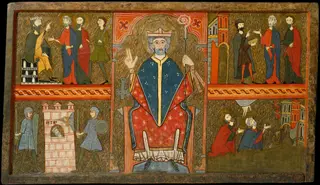 Altar frontal of Sant Pere de Boí
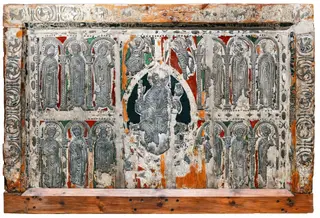 Altar frontal from Esterri de Cardós
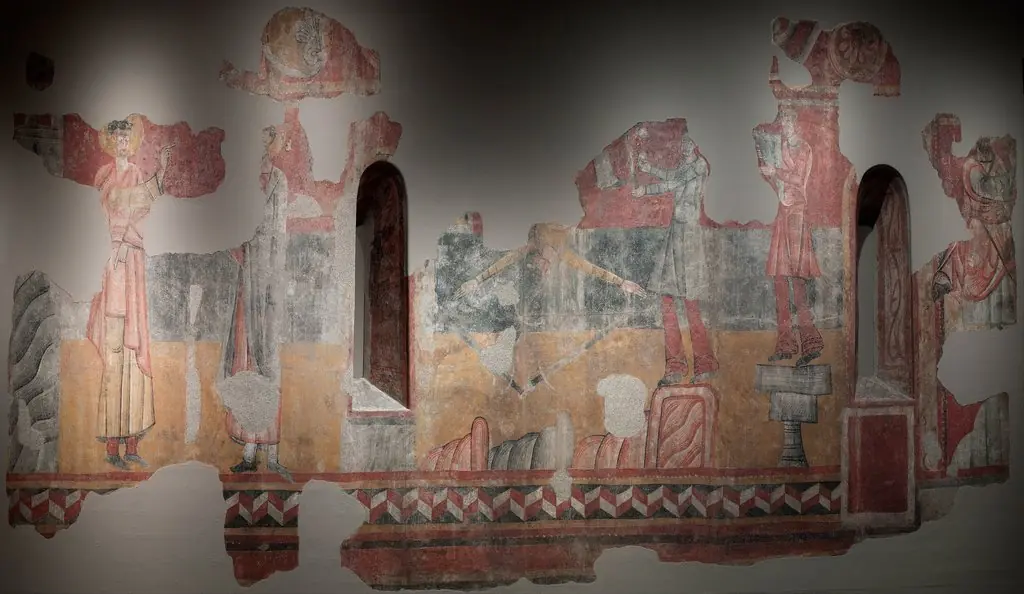 Saints and minstrels from Boí
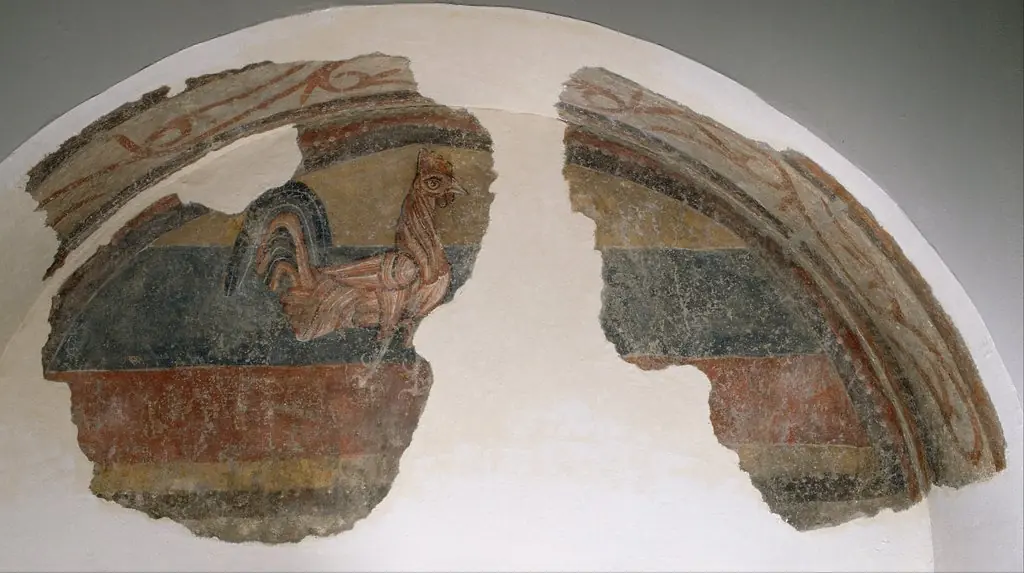 Cockerel from Sant Joan de Boí
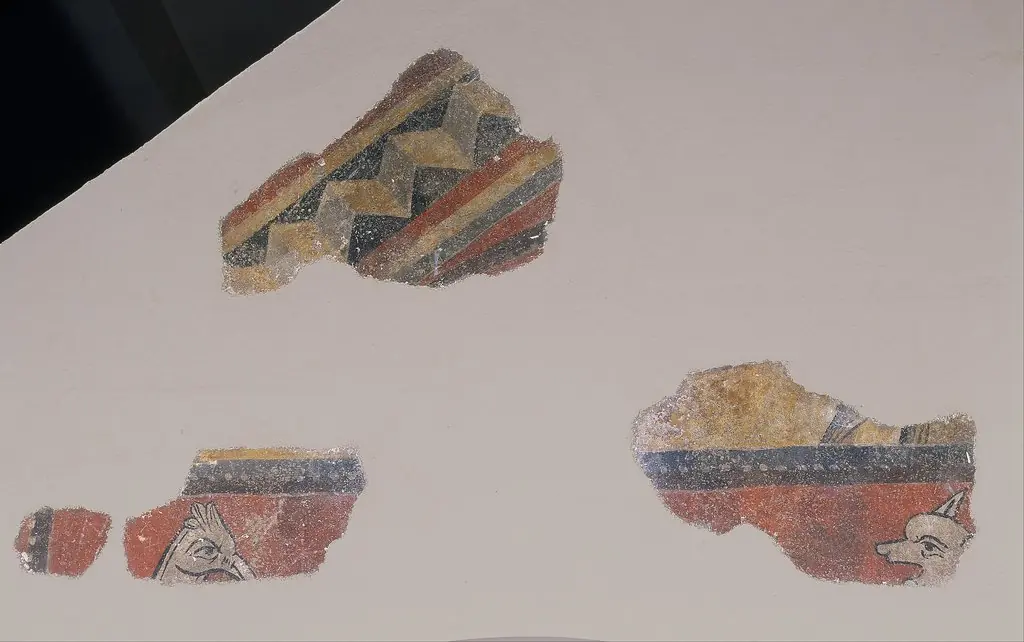 Animals face to face and zig-zag pattern from Boí
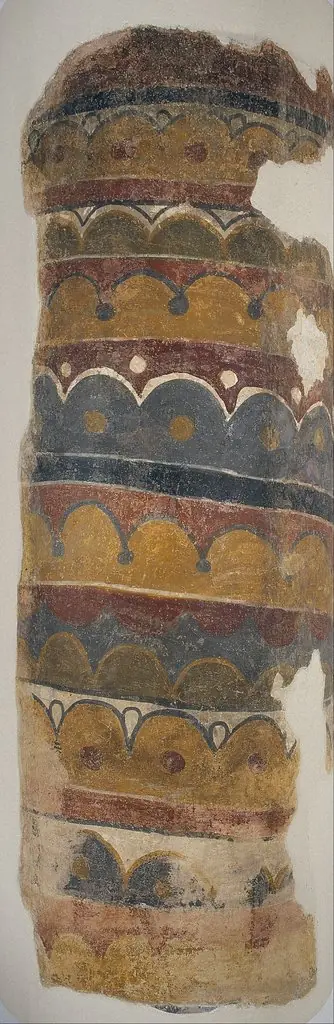 Decorated shaft from Santa Maria de Taüll
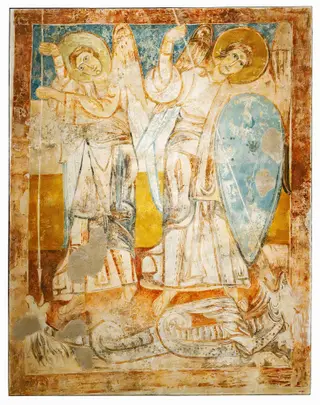 Àngels lluitant contra el drac
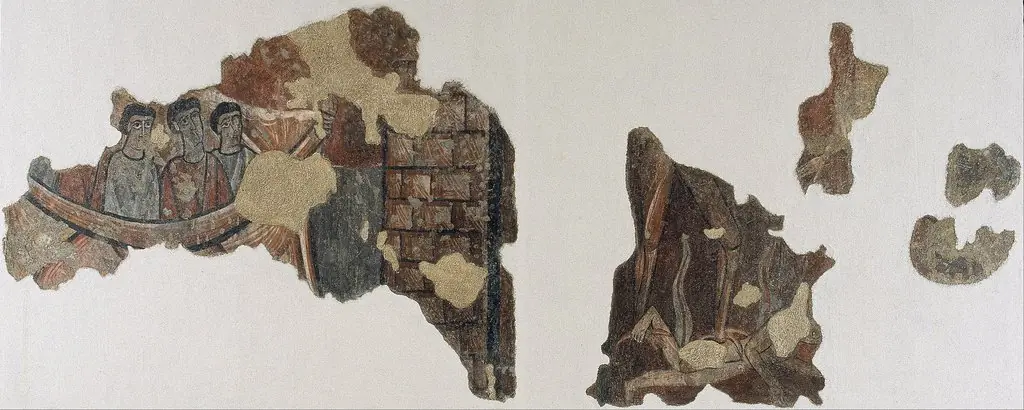 Paradise and Hell from Boí
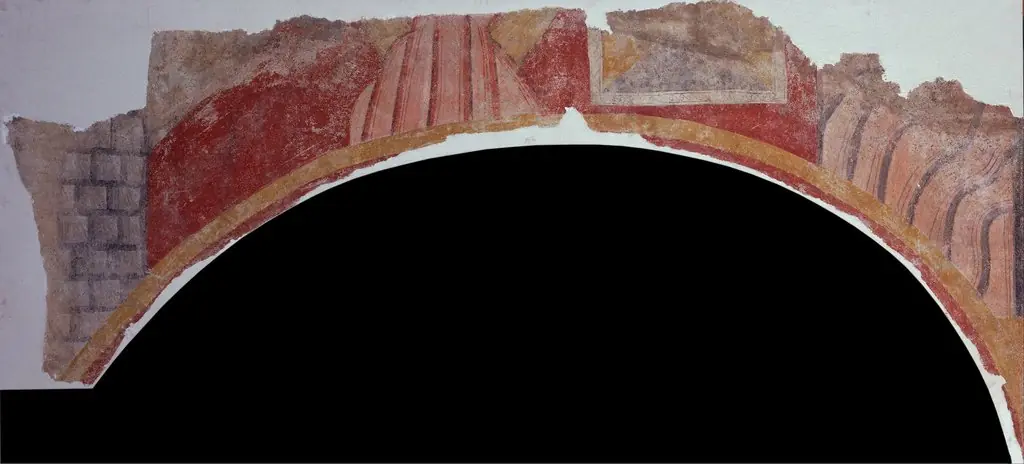 Extrados of an arch from Boí
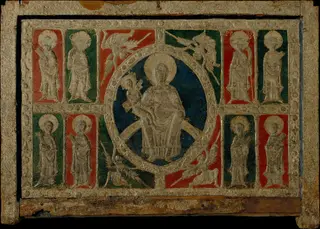 Altar frontal from Alós d'Isil
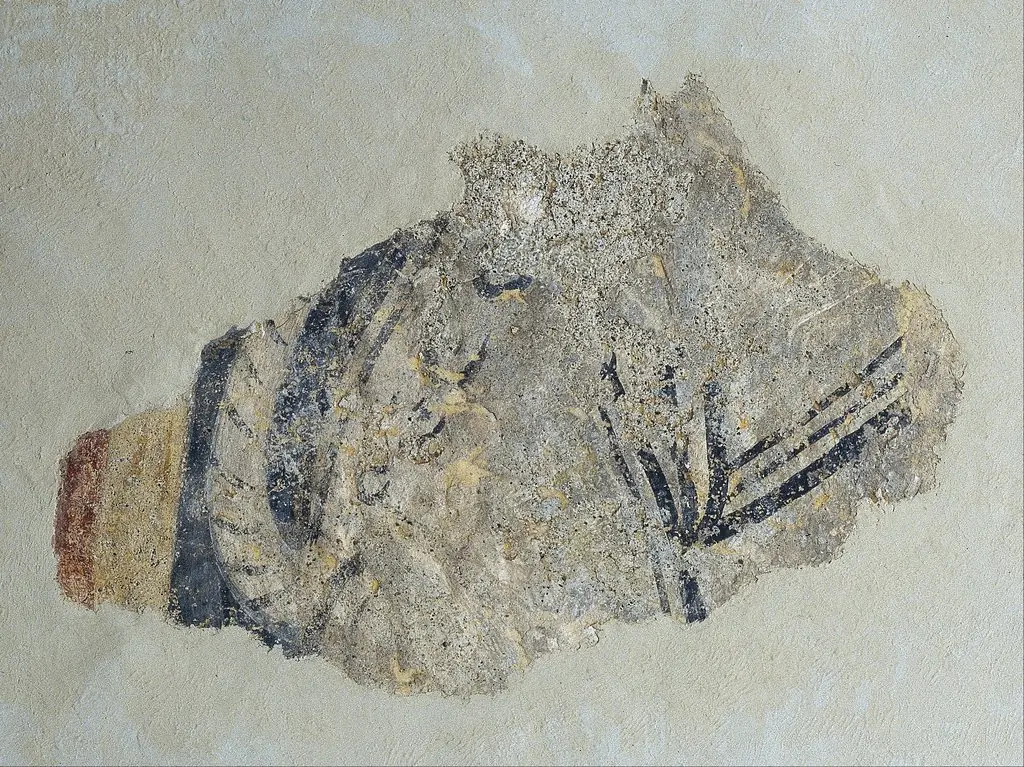 Remains of a quadruped from Boí
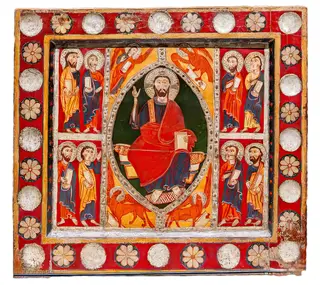 Altar frontal from Sant Romà de Vila
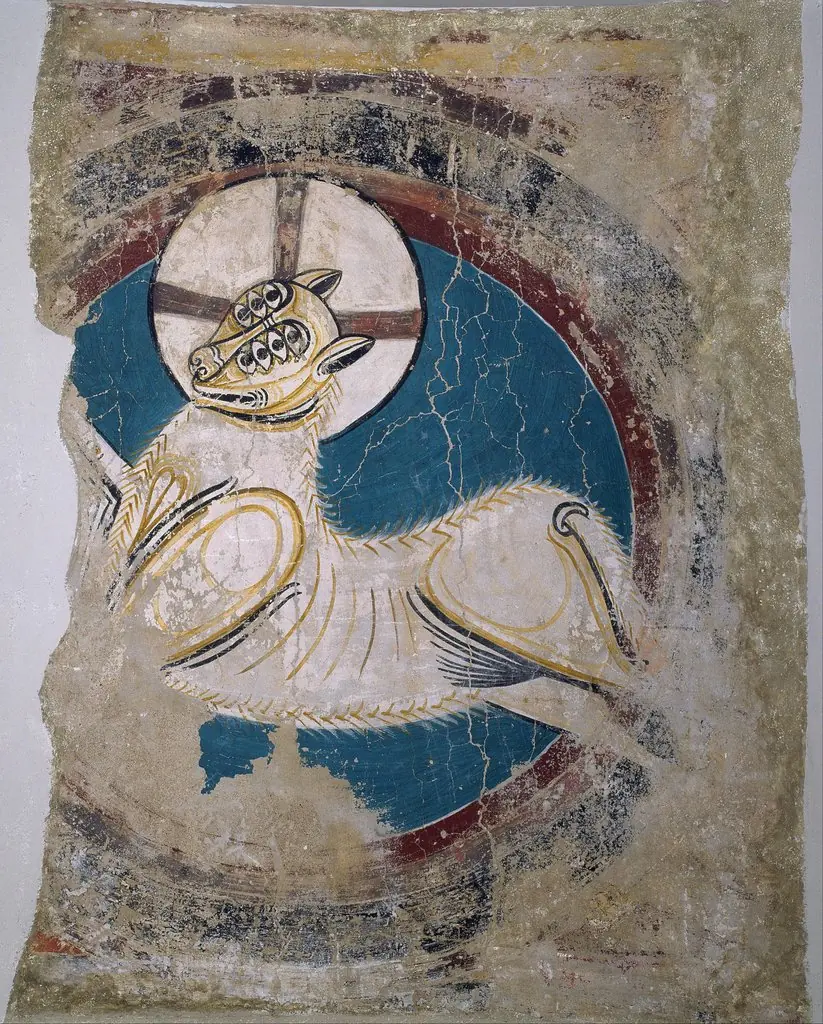 Arch of the Apocalyptic Lamb from Sant Climent de Taüll
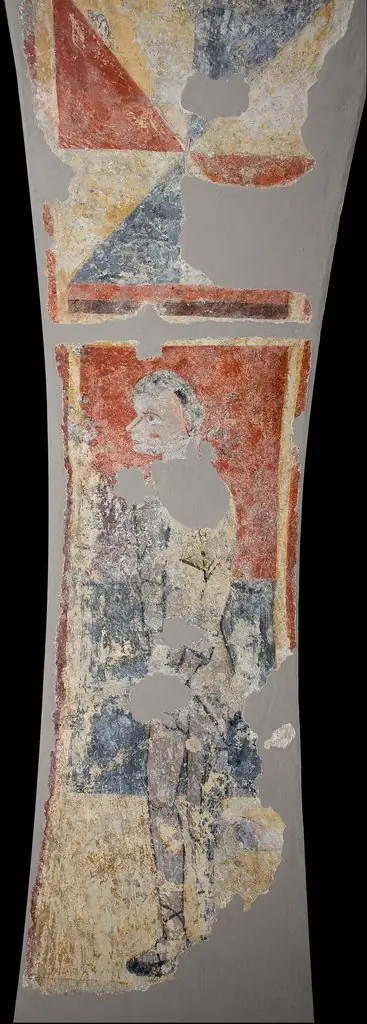 Lame man and sinner from Boí
 Biga de la Passió. MNAC 15833
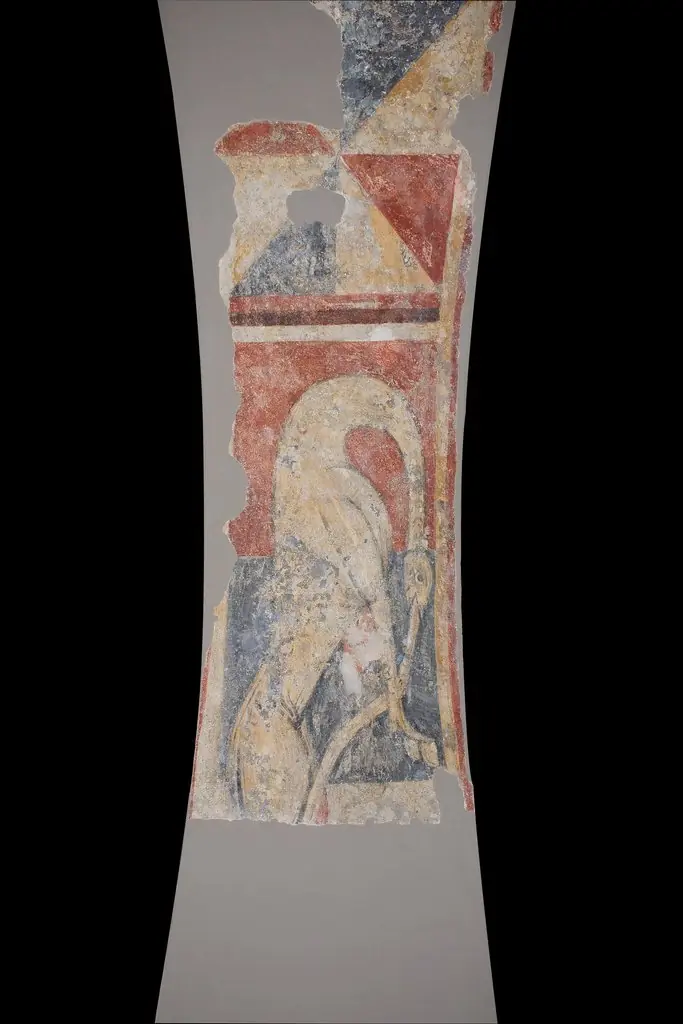 Quadruped biting its tail from Boí
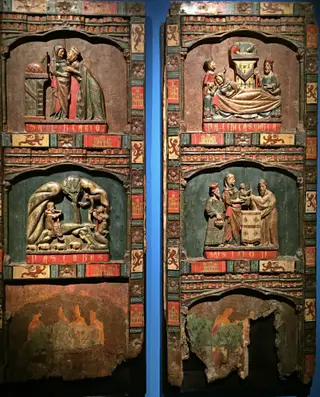 Retaule de la infantesa de Crist
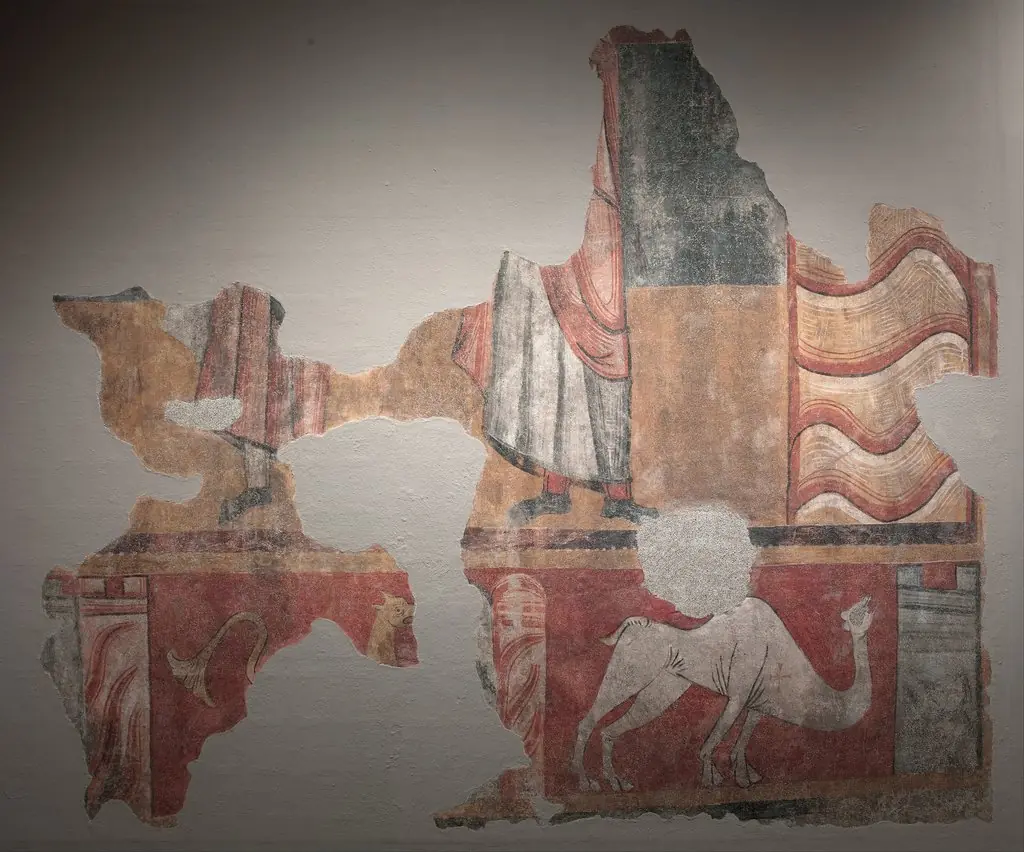 Figures, buildings and bestiary from Boí
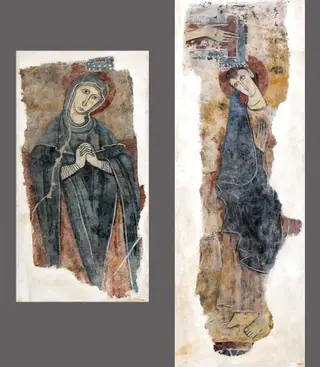 Mare de Déu i Sant Joan Evangelista
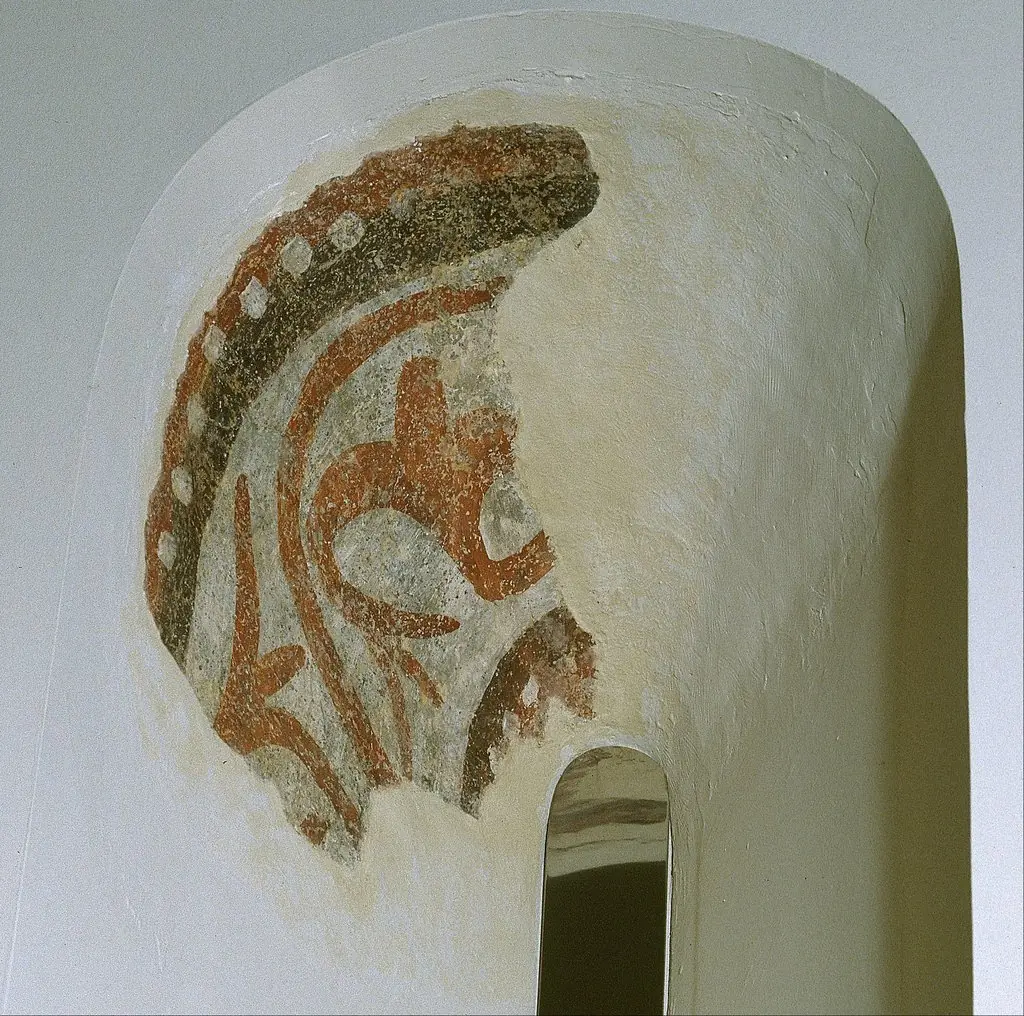 Window from Boí
 Altar of Santa Maria de Taüll
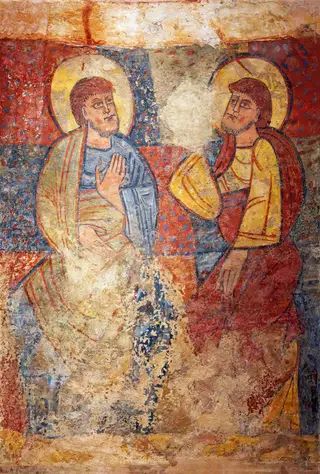 Apòstols de la Pentecosta, de Bellcaire
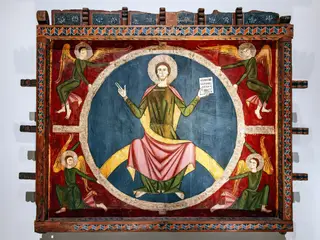 Tavèrnoles baldachin
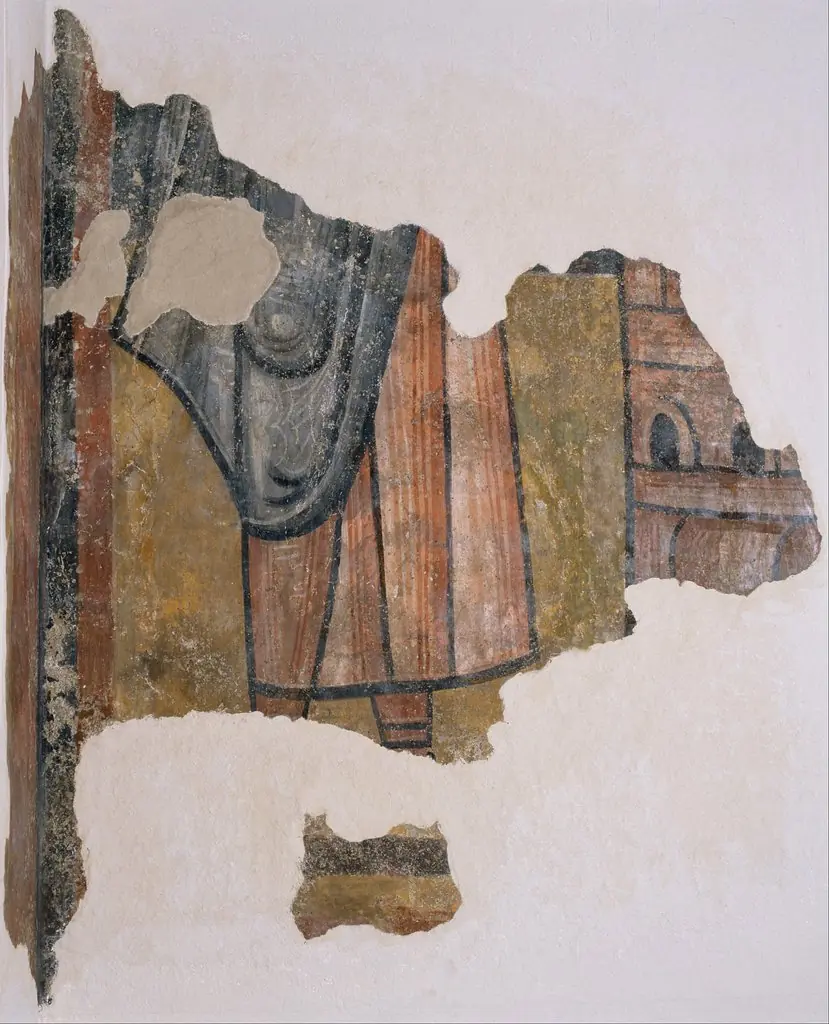 Remains of a figure and buildings from Boí
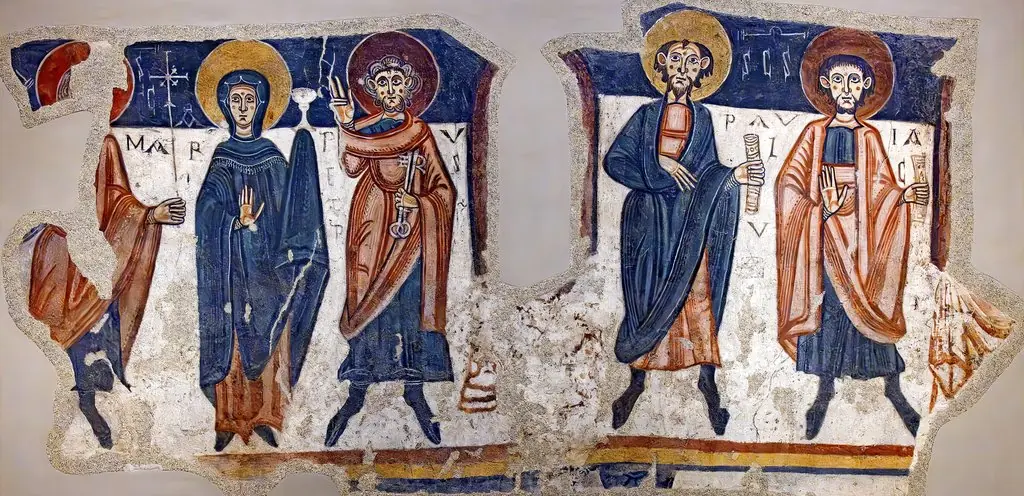 Apostles from Sant Romà de les Bons
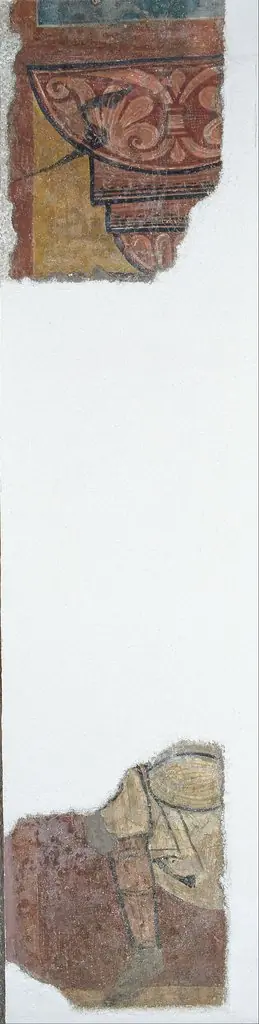 Capital and seated layman from Santa Maria de Taüll
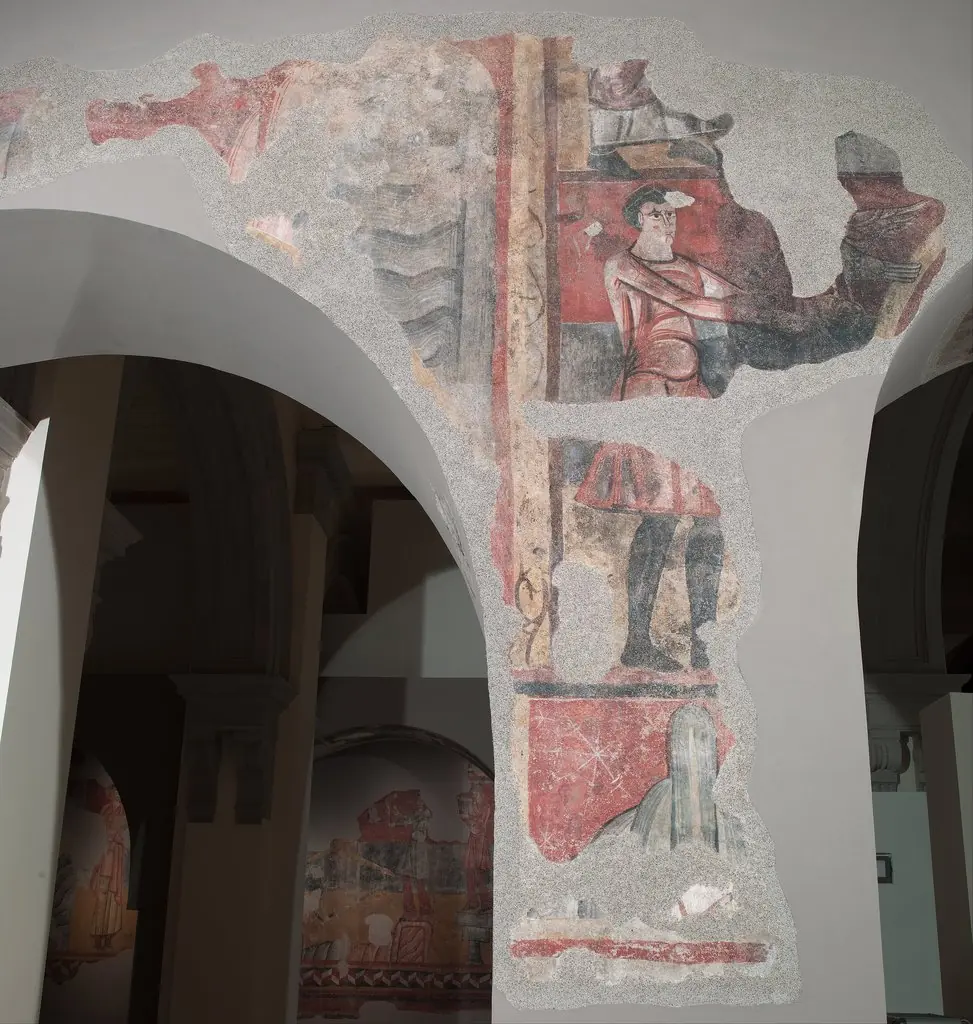 Falconer from Boí
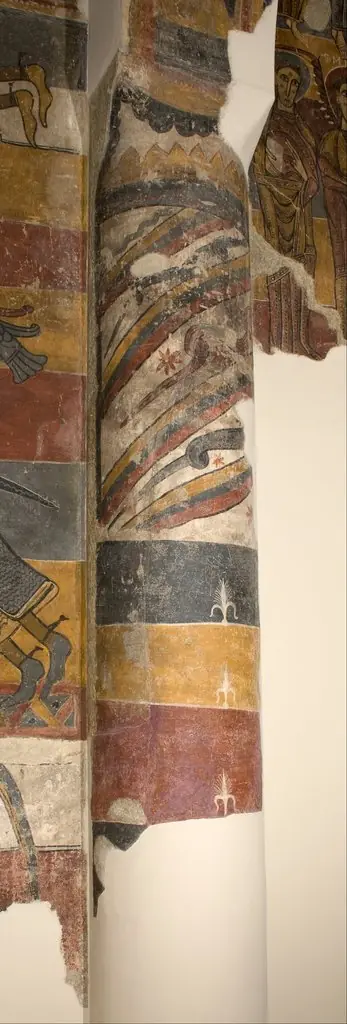 Decorated shaft and capital from Santa Maria de Taüll
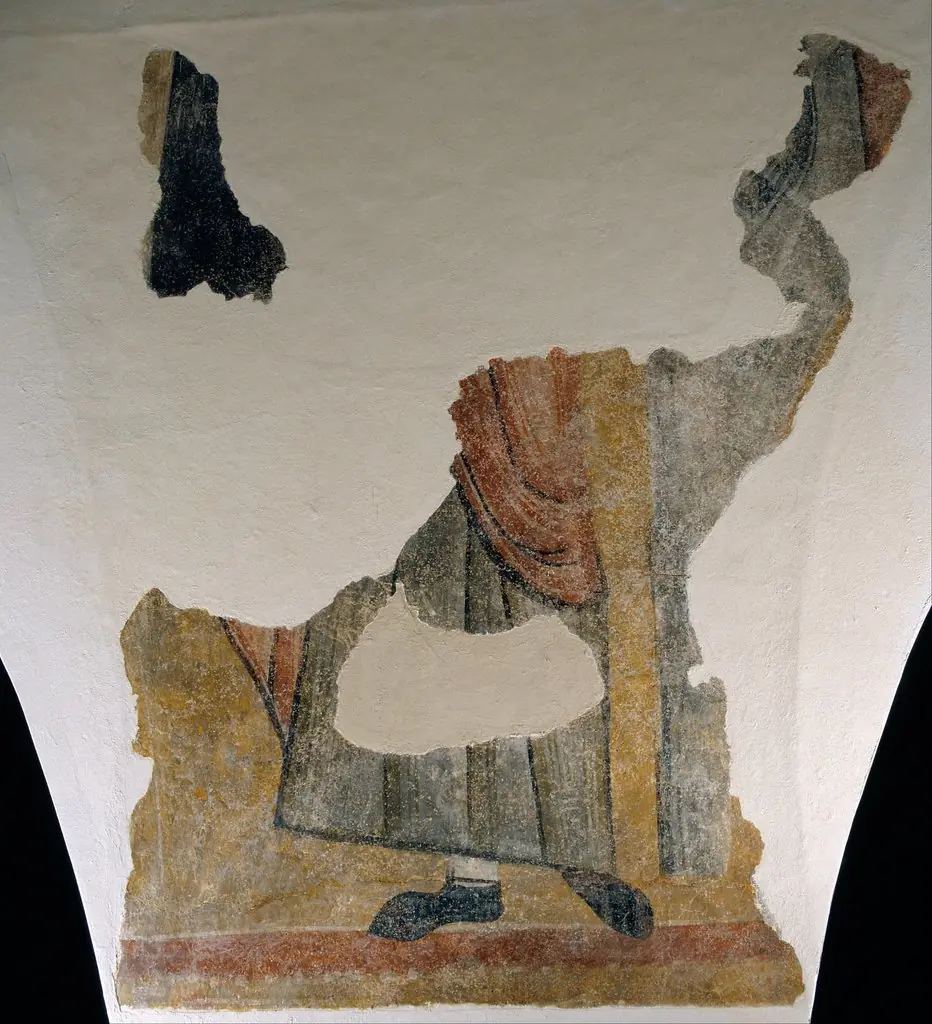 Remains of a saint figure from Boí
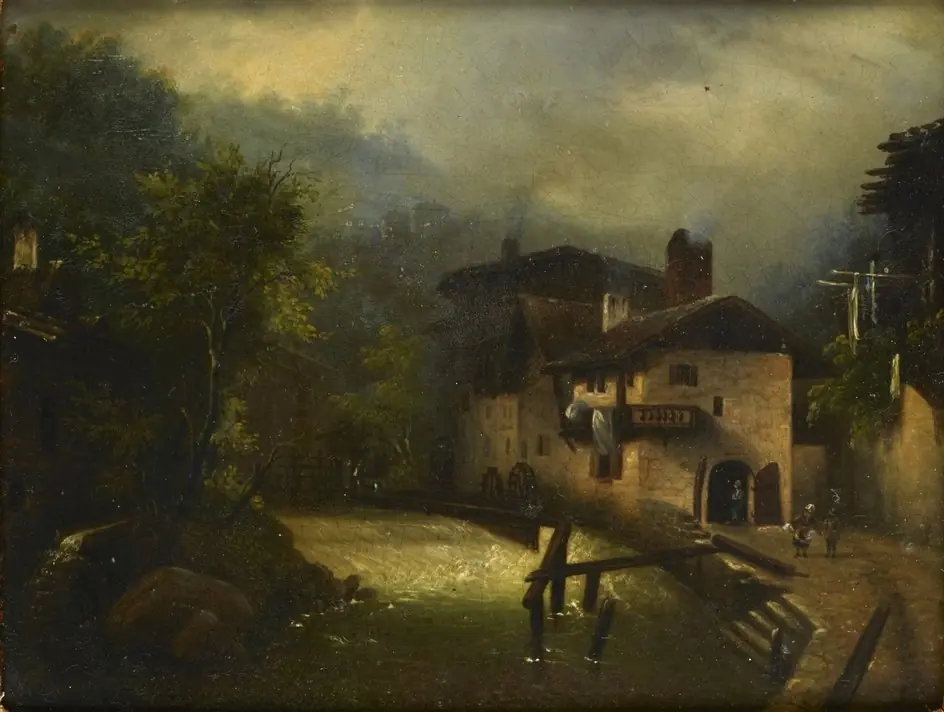 A Mill in a mountainous Landscape
 Our Lady of Mount Carmel
 Profane paintings from Sigena: Deer eating fruit from a tree, lion holding a naked man and dismounted knight kneeling before a lady on a throne
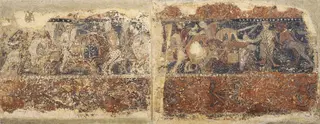 Profane paintings from Sigena: Knights in battle and soldier attacked by a lion
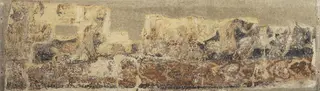 Profane paintings from Sigena: Knights leaving a castle for battle
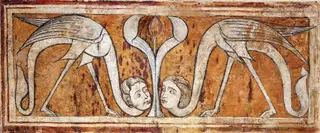 Parella de Sirenes d'Ocell
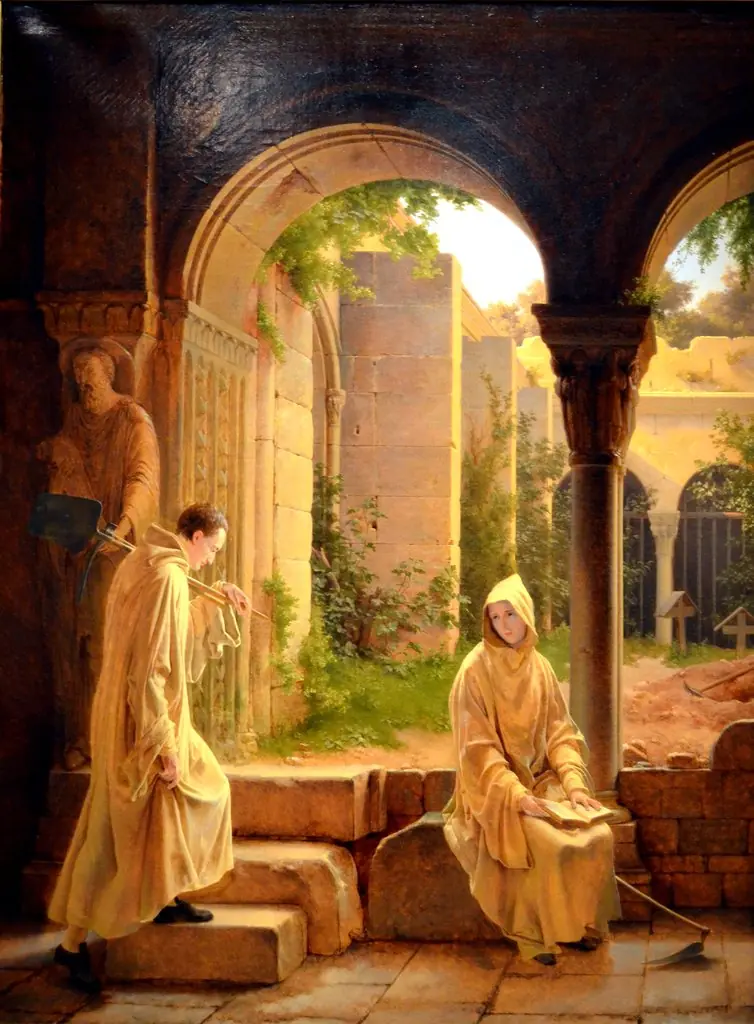 Comminges and Adelaide in the Trappist Monastery
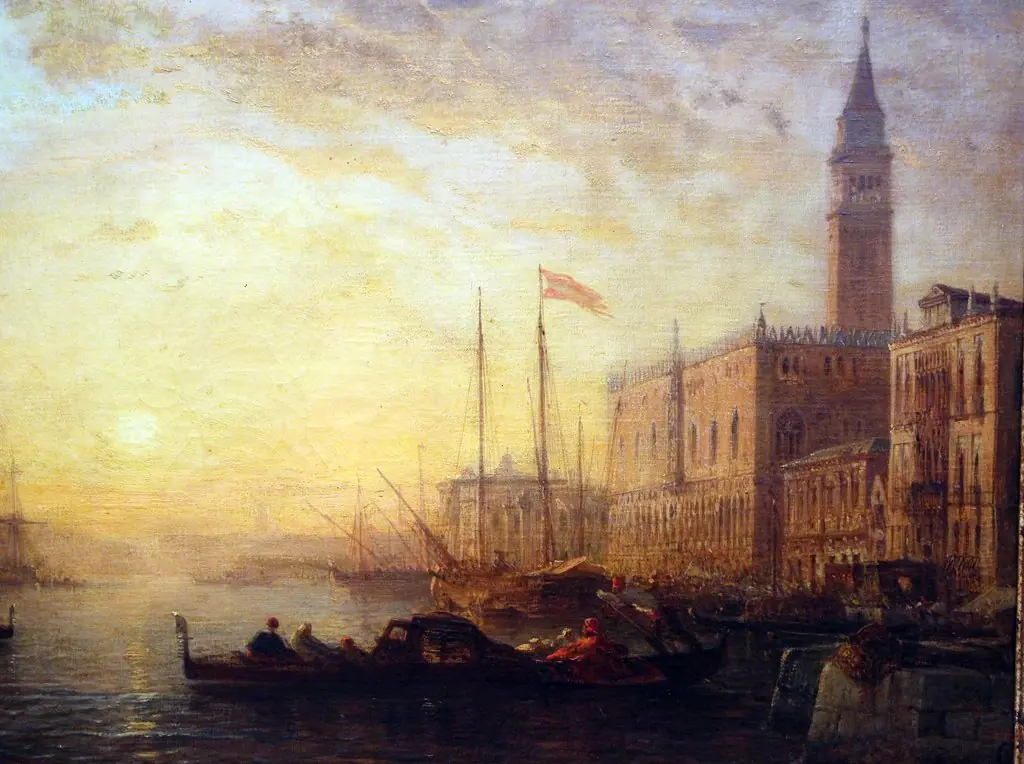 Grand Canal in Venice.
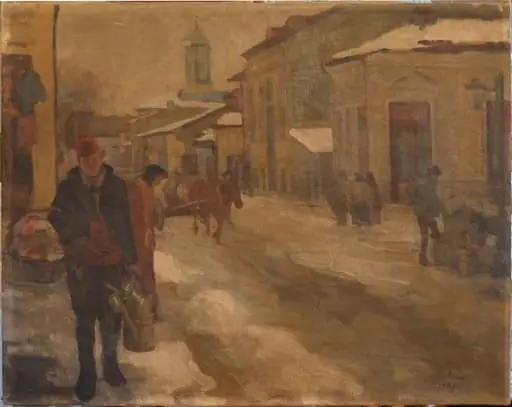 Calea Rahovei
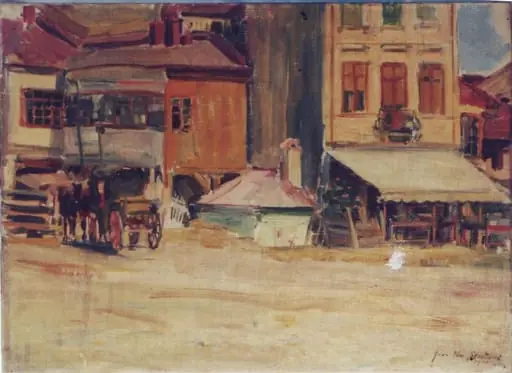 Peisaj din vechiul Bucuresti
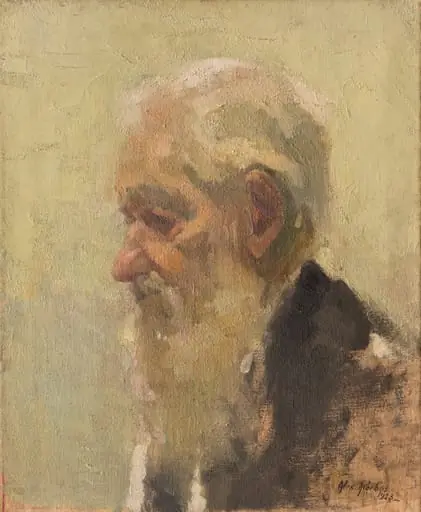 CAP DE BĂTRÂN
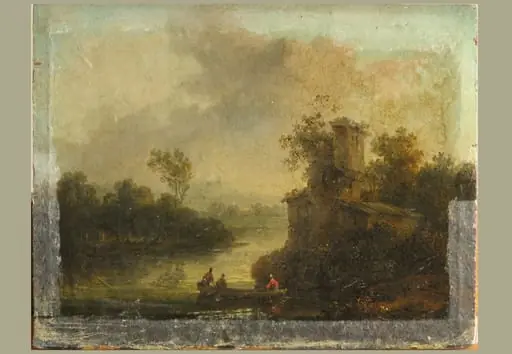 Peisaj cu râu și în dreapta castel cu ruine. Pandant: Peisaj cu râu și în stânga castel cu ruine
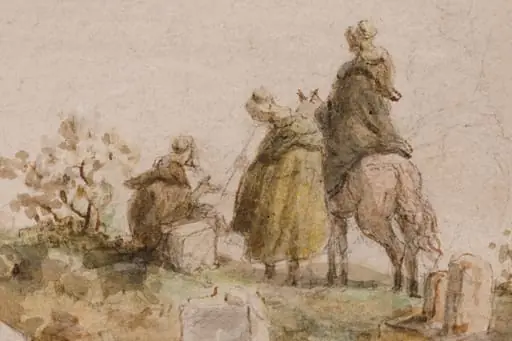 Ruine la Sigus
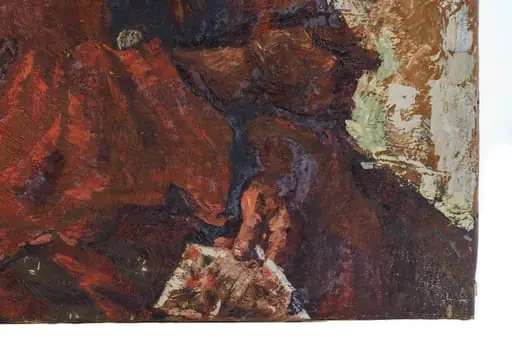 Ghicitoarea
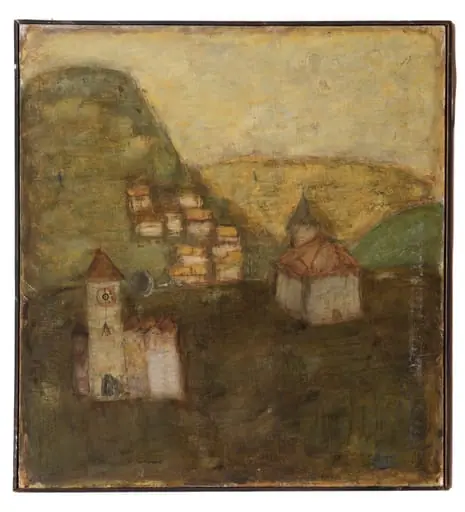 Peisaj cu turn
 ODIHNA MICILOR LĂUTARI
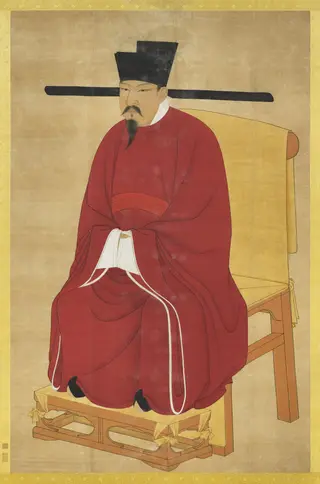 宋神宗坐像 軸
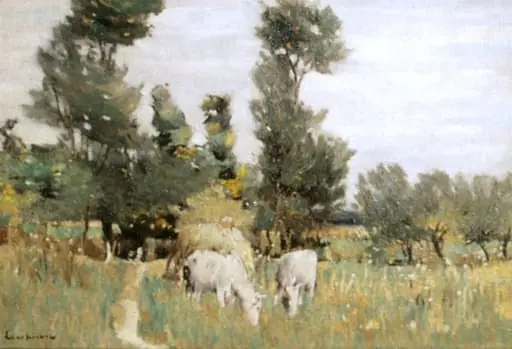 Peisaj cu boi
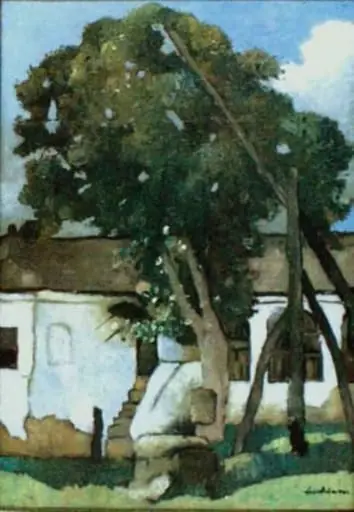 Fântână la Brebu
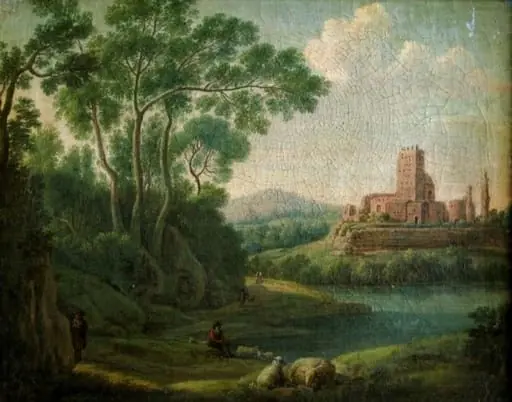 Castel în ruină lângă lac
 PORTUL GALAȚI
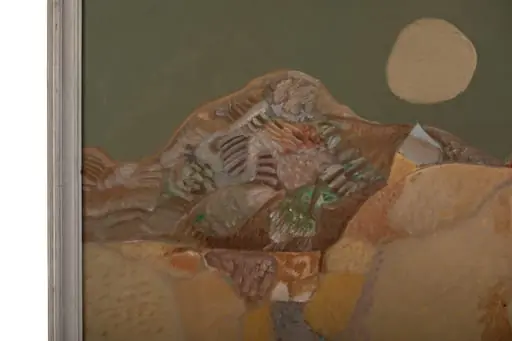 Colină
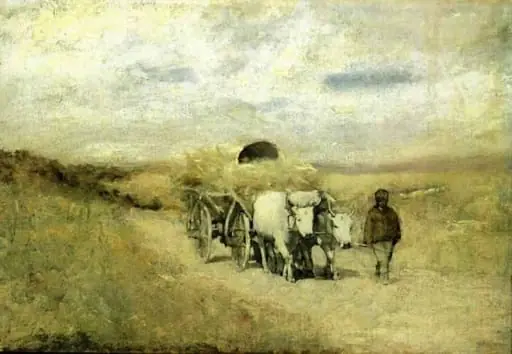 Car cu boi
 INTERIOR DIN MĂNĂSTIREA VALADON - SALONIC
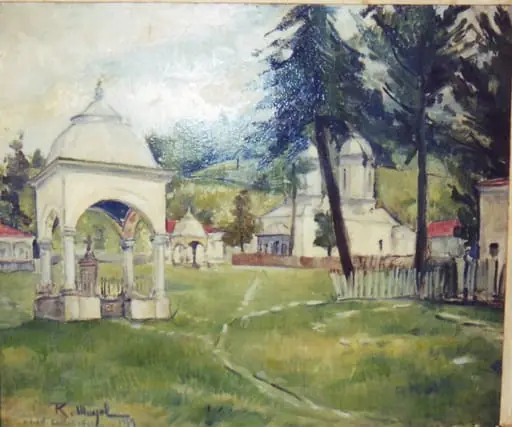 Mânăstirea Ciolanu
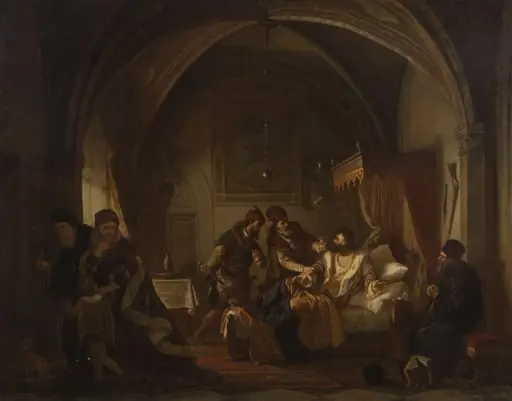 Moartea lui Alexandru Lăpușneanu
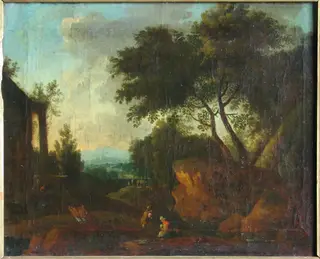 Peisaj cu copaci și ruine antice ; pandant: Peisaj cu copaci și pod
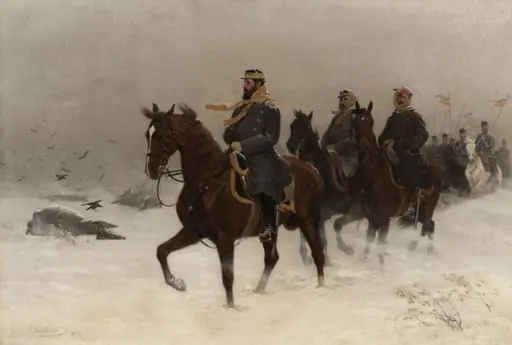 Carol I în timpul războiului
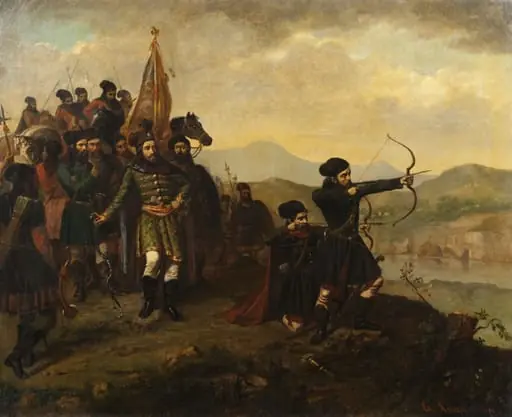 Arcașii lui Ștefan cel Mare
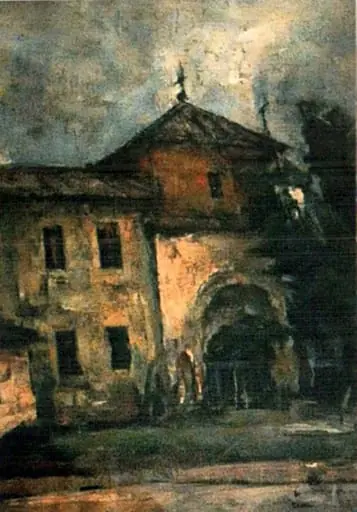 Poarta Mănăstirii Târgoviște
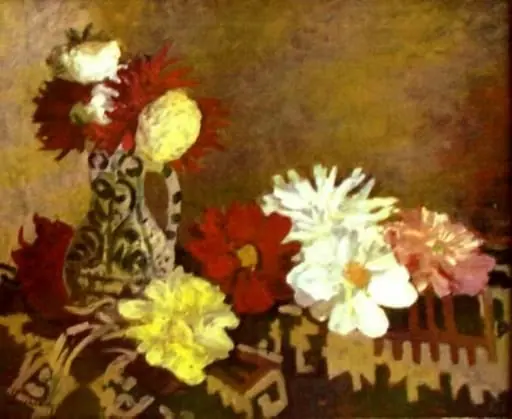 Flori
Flori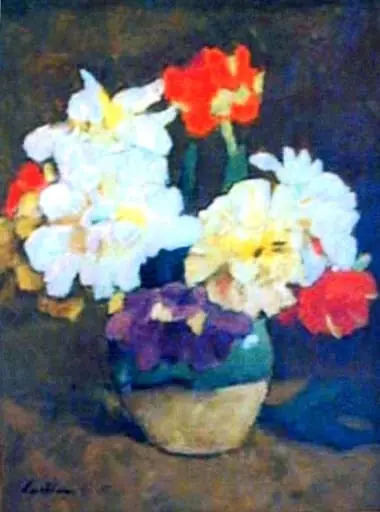 Flori, bujori și maci
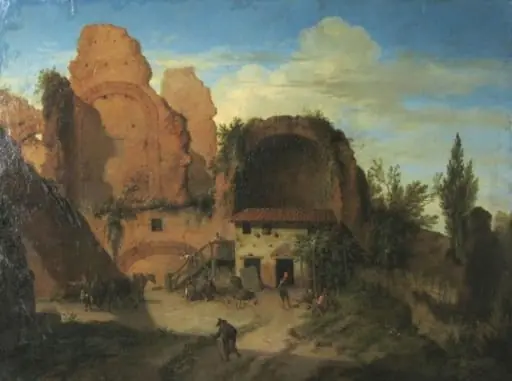 Ruină cu cârciumă țărănească
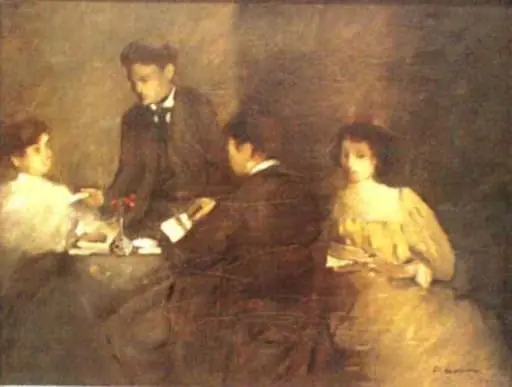 Reuniune literară
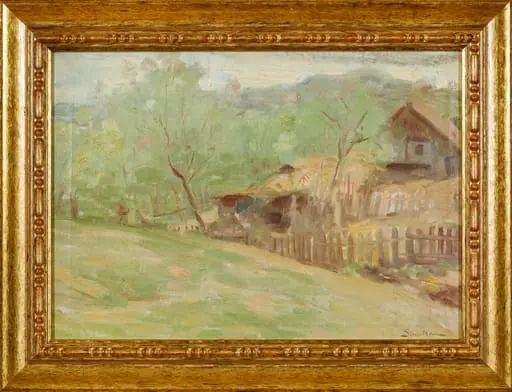 Peisaj
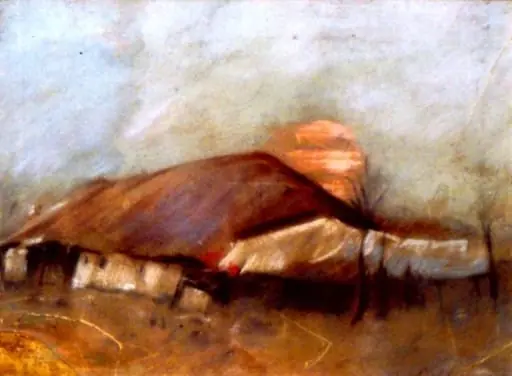 Peisaj cu casă
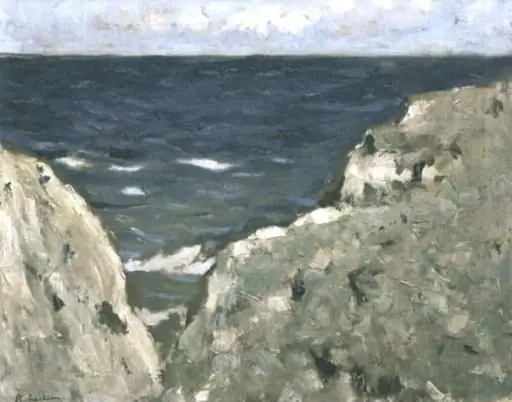 Marină
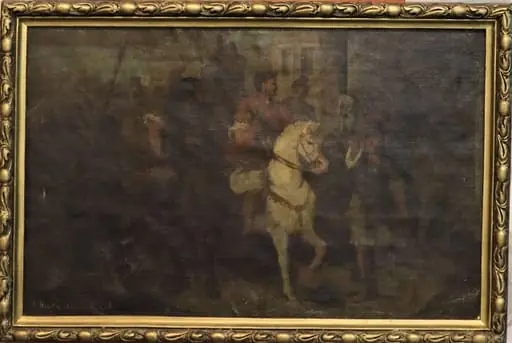 Intrarea lui Traian în Sarmizegetusa
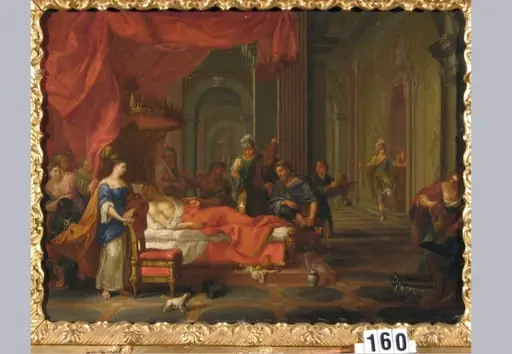 Antiochus pe patul de suferință. Pandant: Sinuciderea Didonei
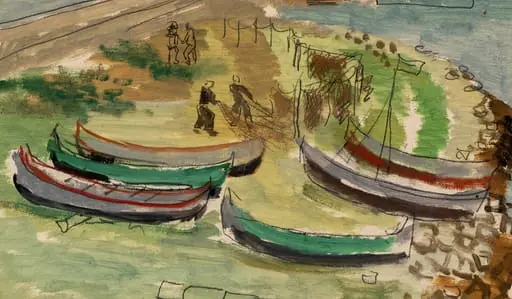 Peisaj cu bărci
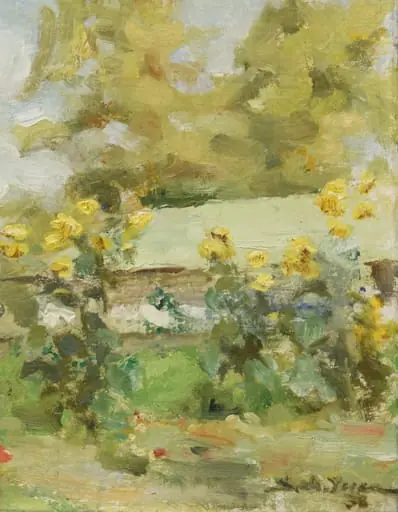 În gradină la Conțești
 Sălciile din Chiajna
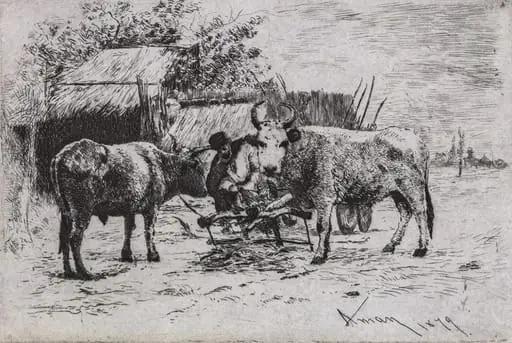 Înjugatul boilor (III)
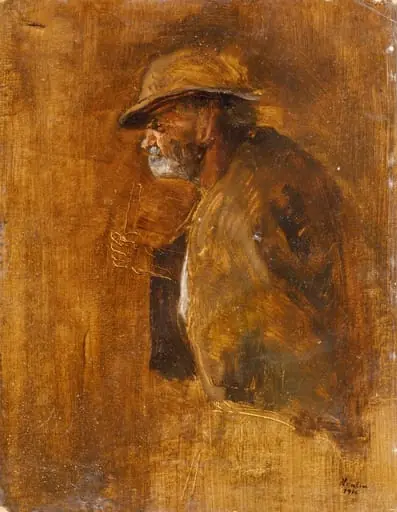 Bătrân
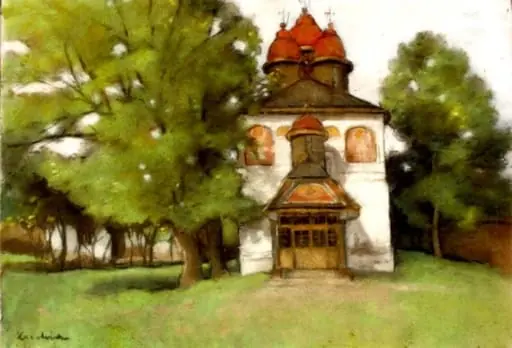 Mânăstirea din Brebu
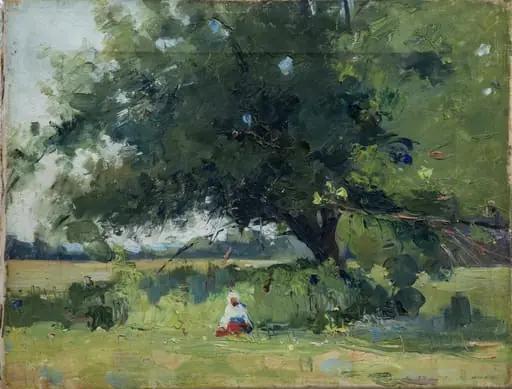 Peisaj cu figurină
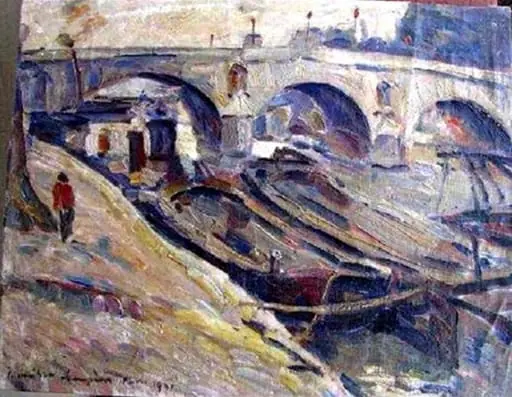 Pe cheiul Senei
 Paharul cu vin
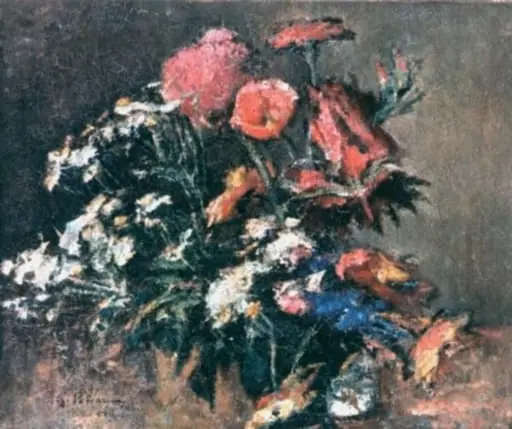 Flori
Flori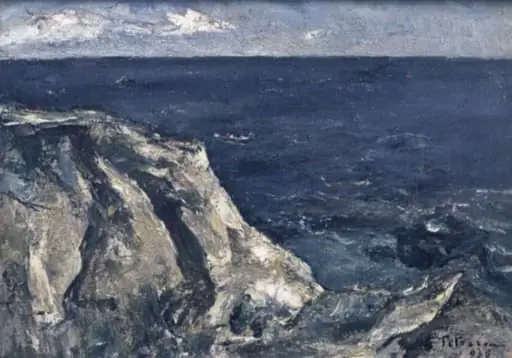 Coastă la Techirghiol
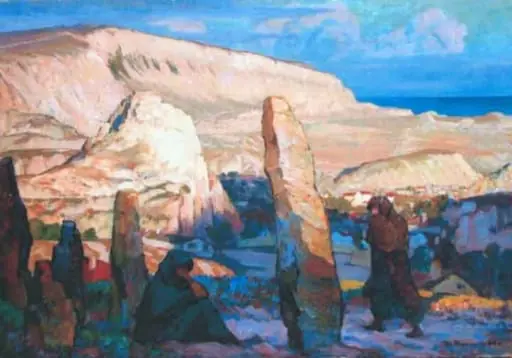 Cimitir turcesc
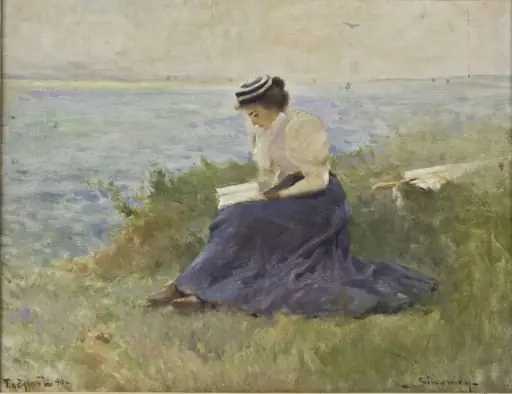 Femeie pe malul mării
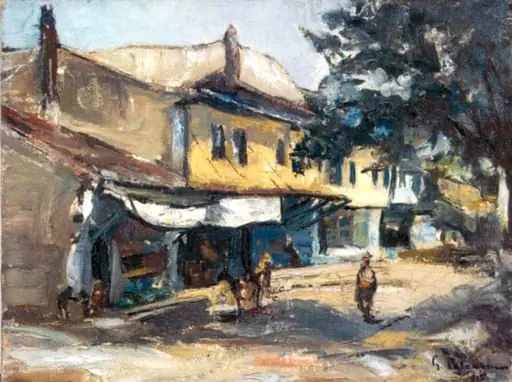 Case la Mangalia
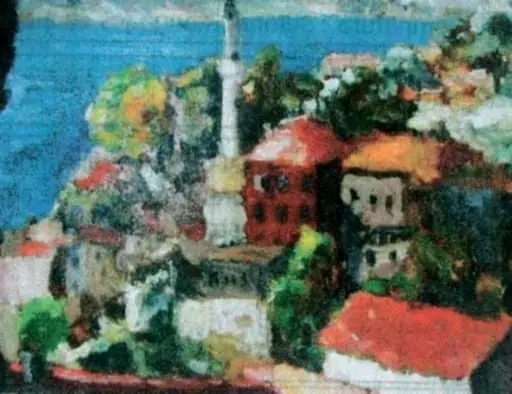 Peisaj cu geamie
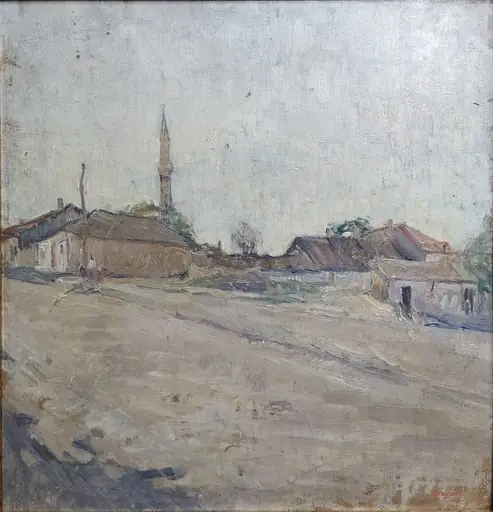 Peisaj dobrogean (Piata din Măcin)
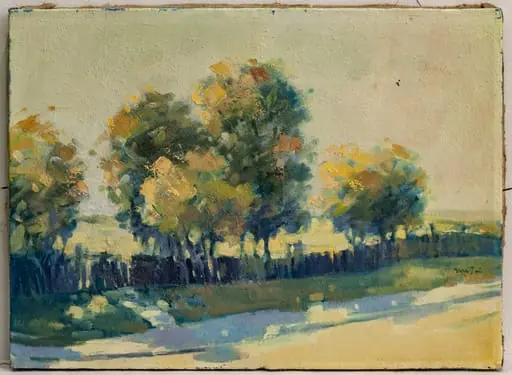 Iazurile
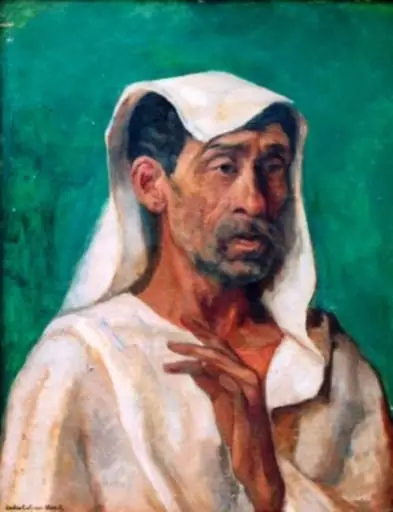 Anahoret
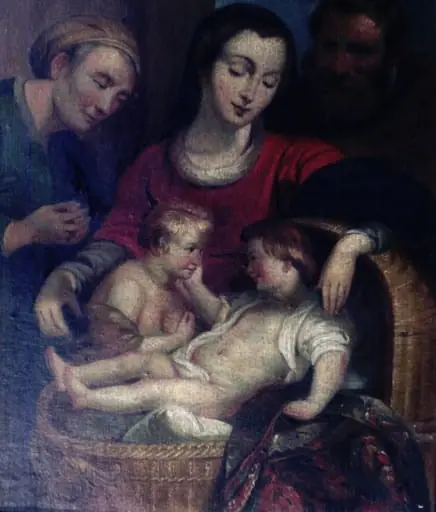 Sfânta Familie
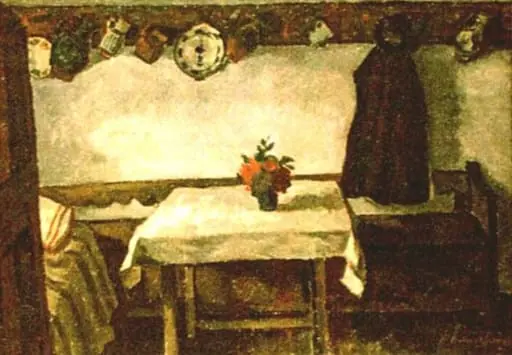 Odaia flăcăului
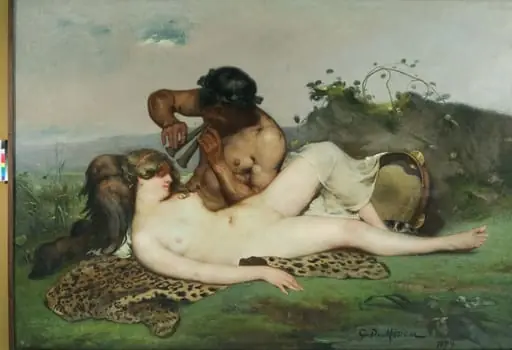 Bacantă și faun
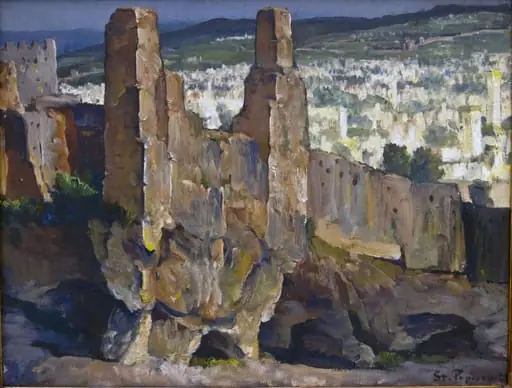 Ruine de cetate maură
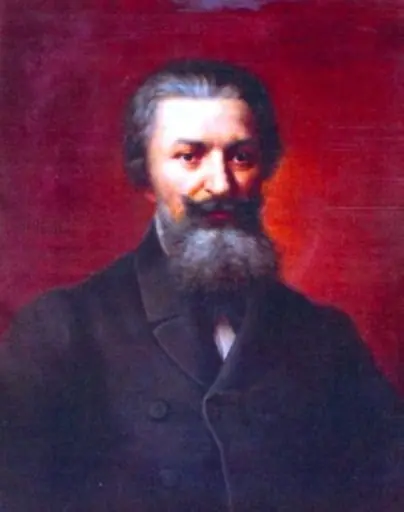 Costache Negri
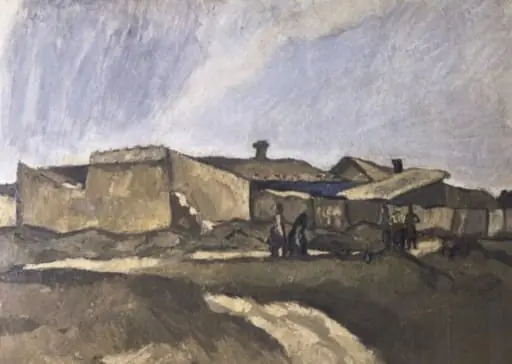 Peisaj dobrogean
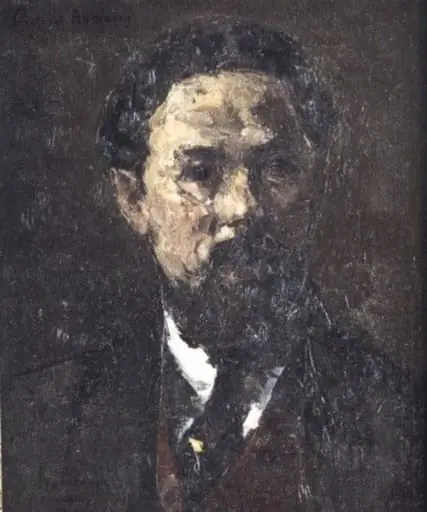 Romașcu
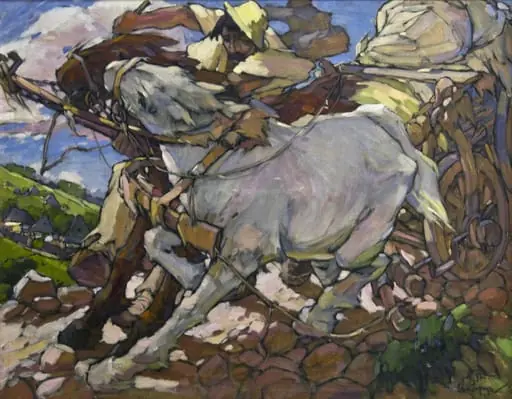 Căruță cu cai
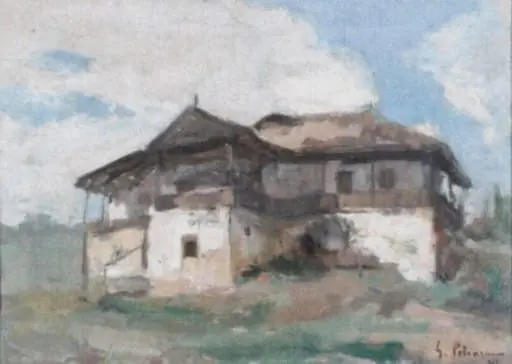 Case la țară
 Peisaj
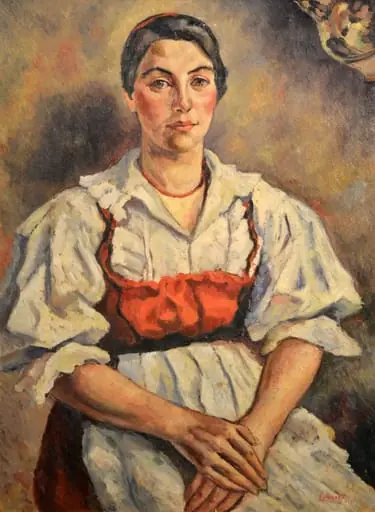 Secuiancă
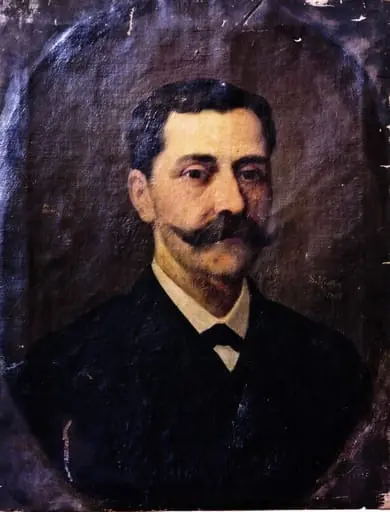 Bărbat
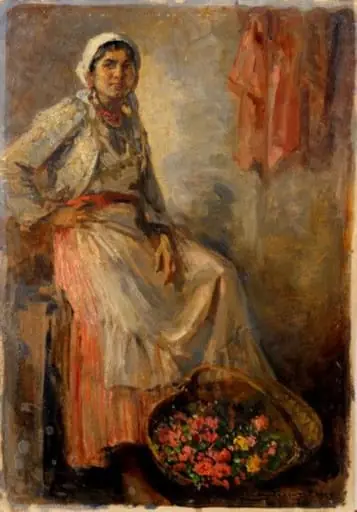 Casa ciurarului
 Privind marea (Doamna Petrașcu)
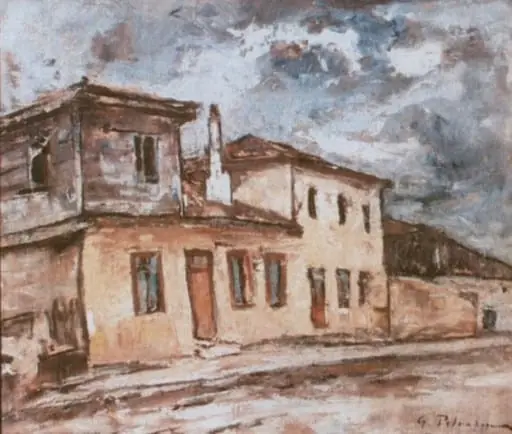 Peisaj cu case (Mangalia)
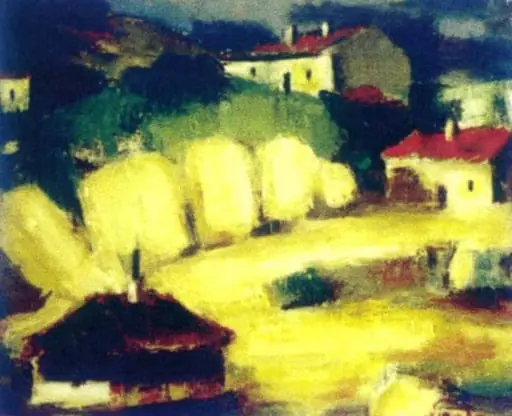 Dealuri la Balcic
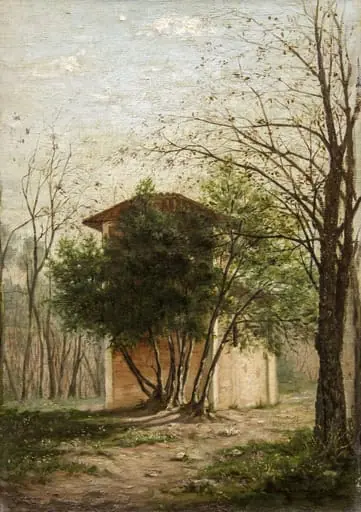 Turn în pădure
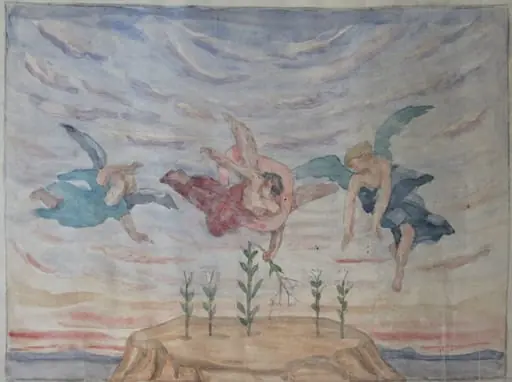 Schiță de tavan
 Peisaj din Mangalia
 Fată cu porumbei
 Marele Ban Năsturel Herescu
 Peisaj Vâlcov
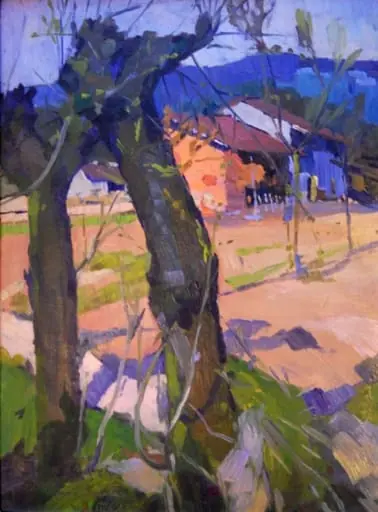 Vedere din Bucovina
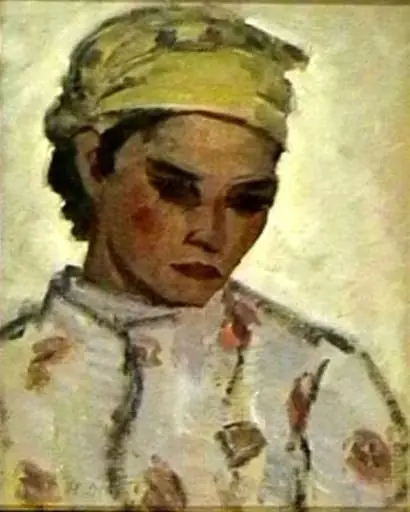 Dobrogeancă
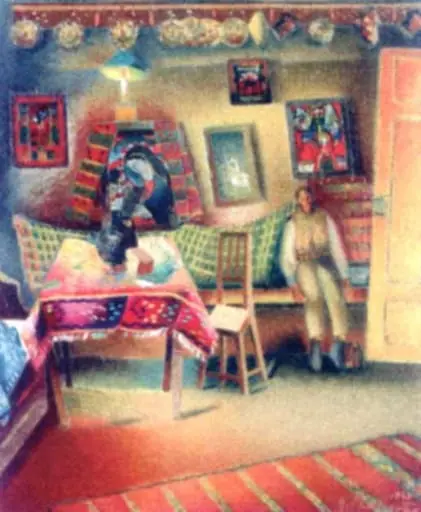 Interior românesc la Sâmbăta de Sus
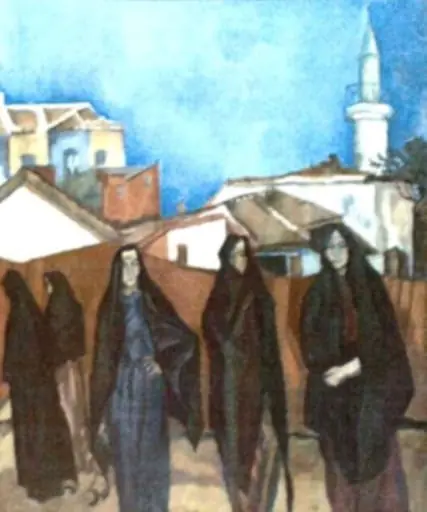 Peisaj dobrogean cu cinci turcoaice
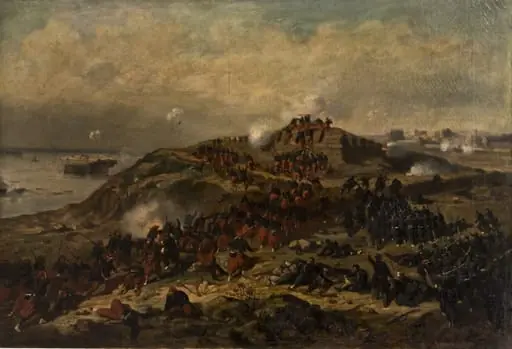 Lupta de la Sevastopol
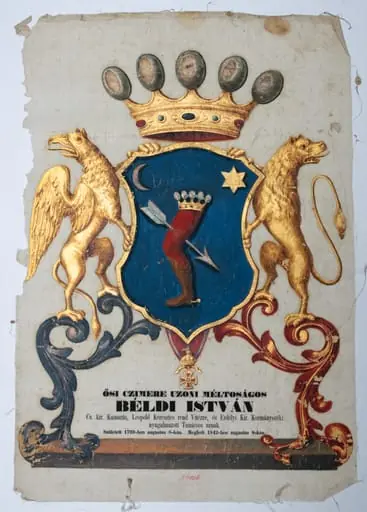 Blazonul funerar al unui membru din familia Béldi din Uzon
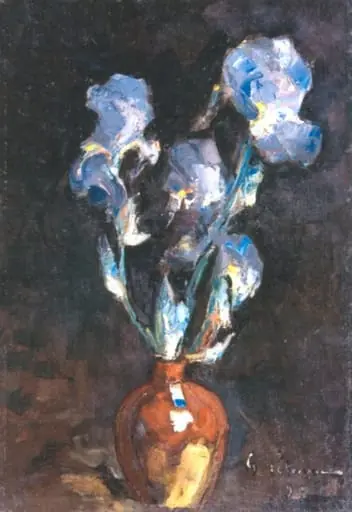 Stânjenei
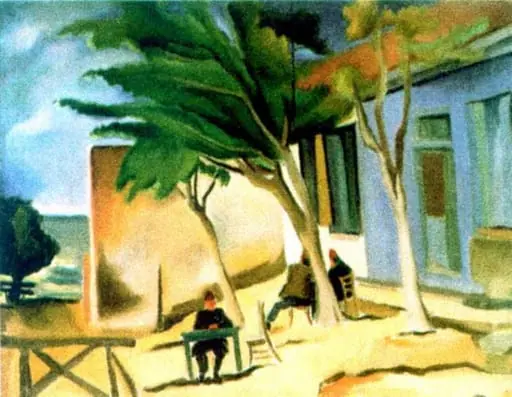 Peisaj dobrogean (Balcic)
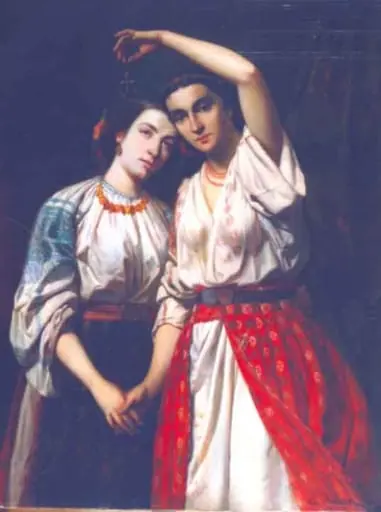 Unirea Principatelor
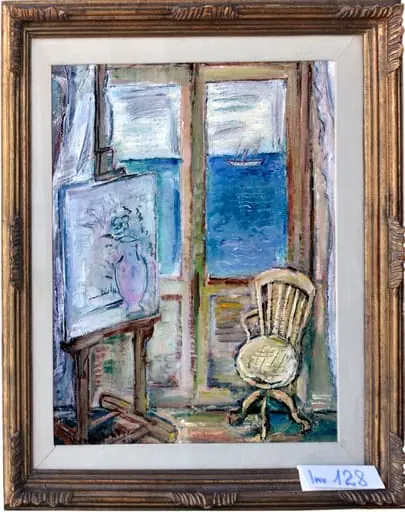 Atelier în Balcic cu vedere spre mare
 Peisaj
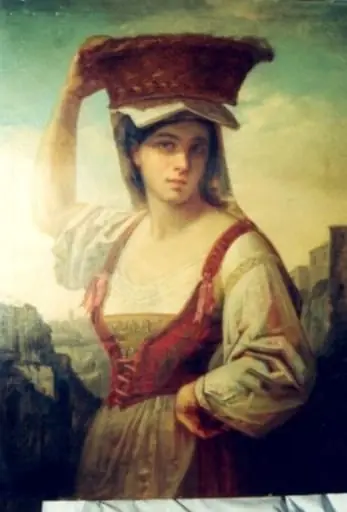 Florăreasă
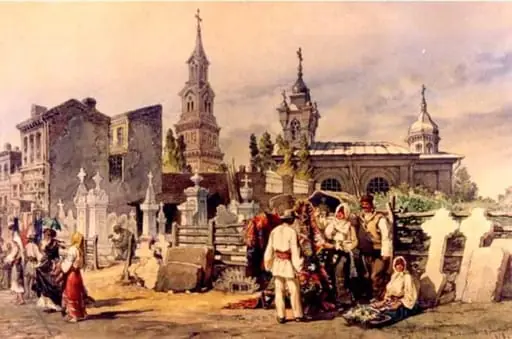 Turnul și strada Bărăției
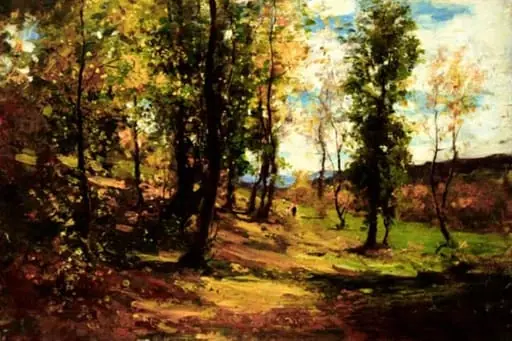 Luminiș
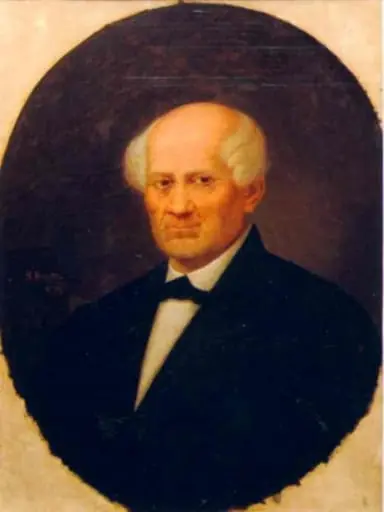 Alexandru Hasdeu
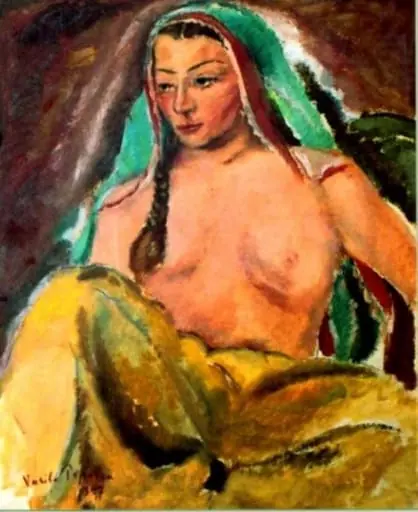 Odaliscă
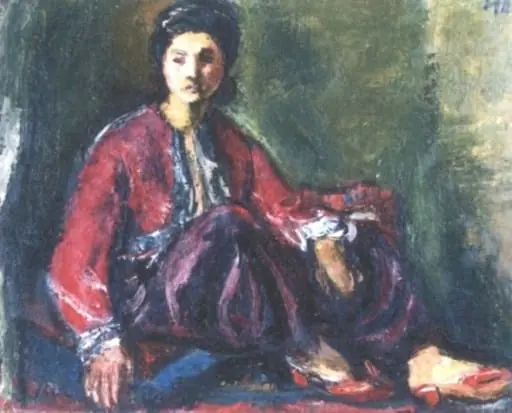 Tătăroaică pe gânduri
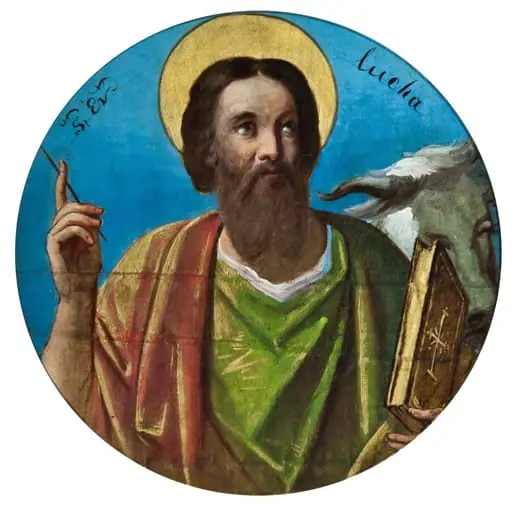 Sf. Evanghelist Luca
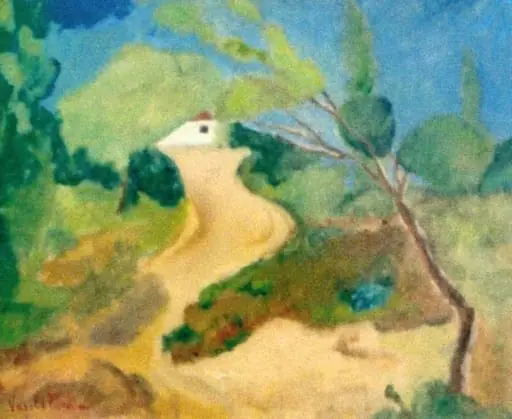 Peisaj de pădure
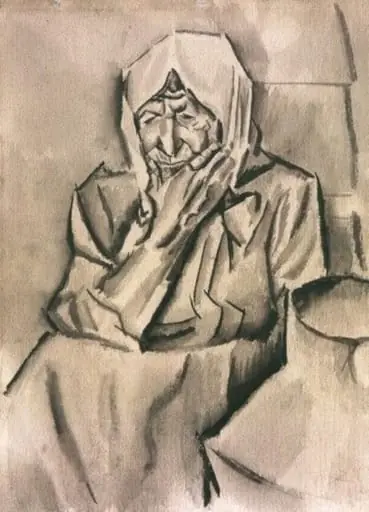 Tătăroaică
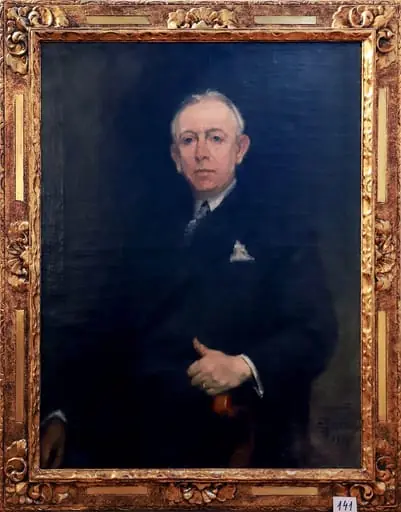 Octavian Goga
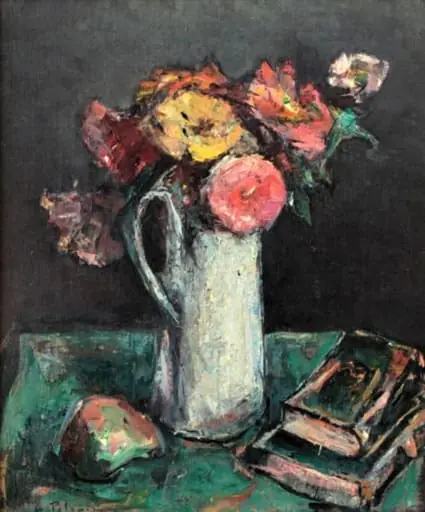 Flori în glastră
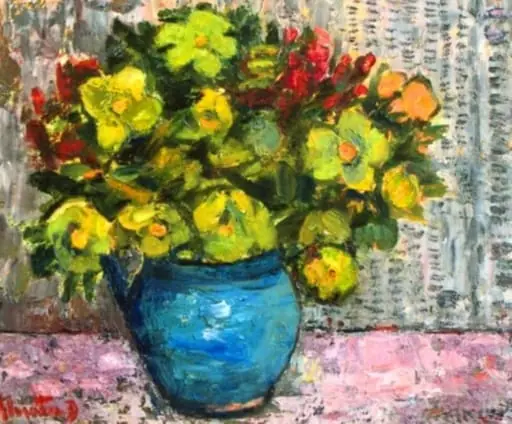 Flori de spânz
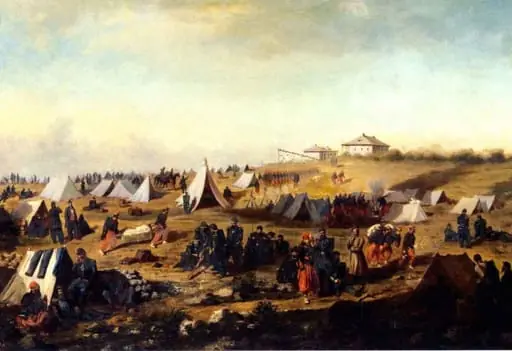 Vânători și zuavi în fața Sevastopolului
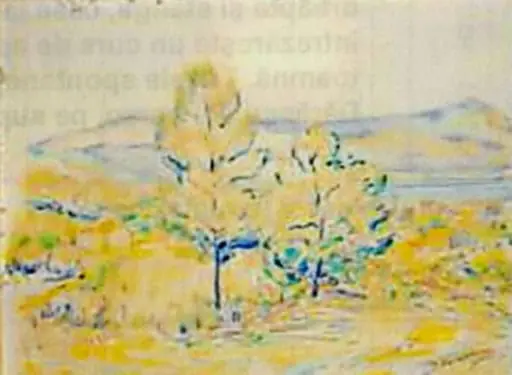 Peisaj panoramic
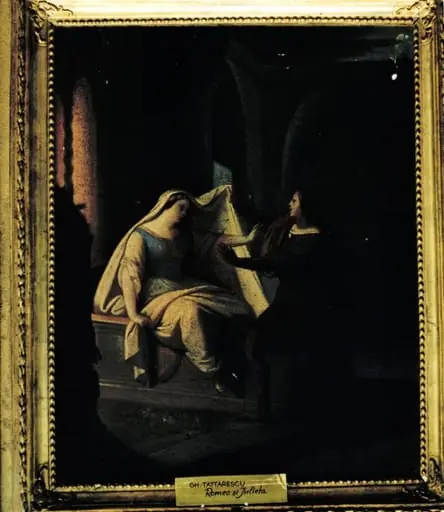 Romeo și Julieta
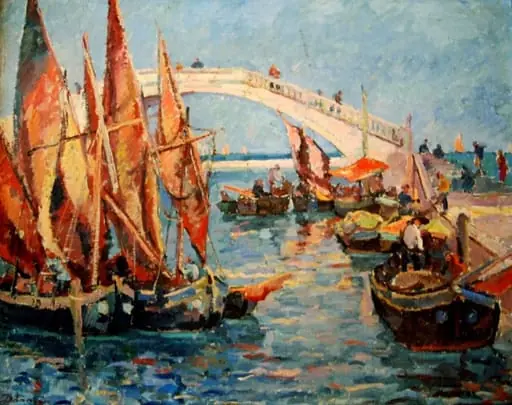 Marină
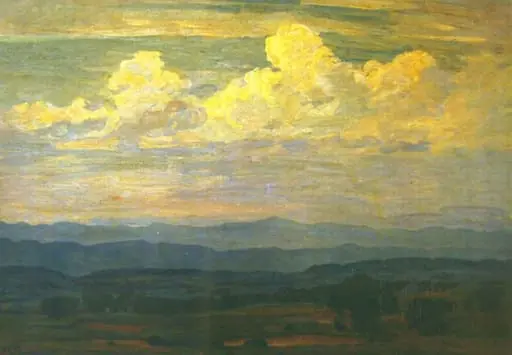 Peisaj pe Valea Râmnicului
 Peisaj la Posada
 Lazăr Kalinderu
 Peisaj din Franța
 Vedere panoramică
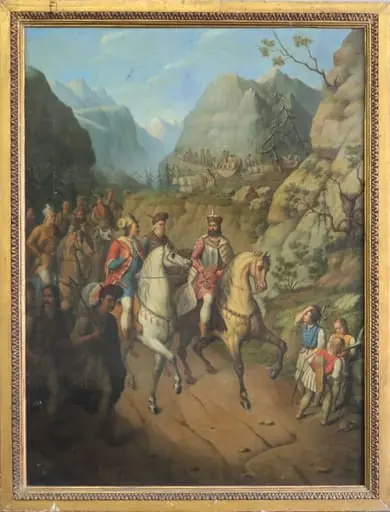 Dragoș Vodă
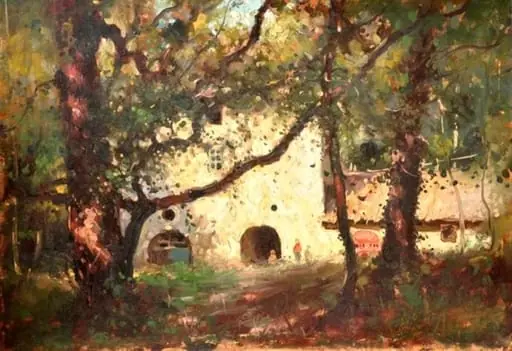 Intrare la mănăstire
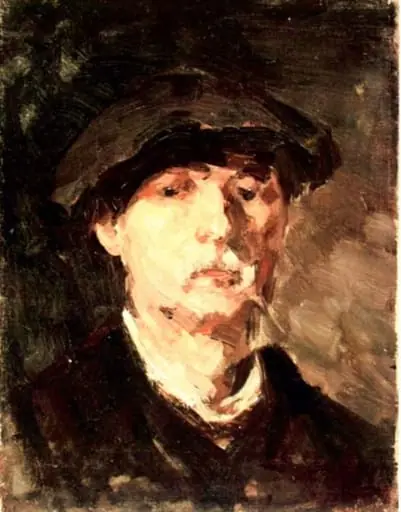 Autoportret cu beretă
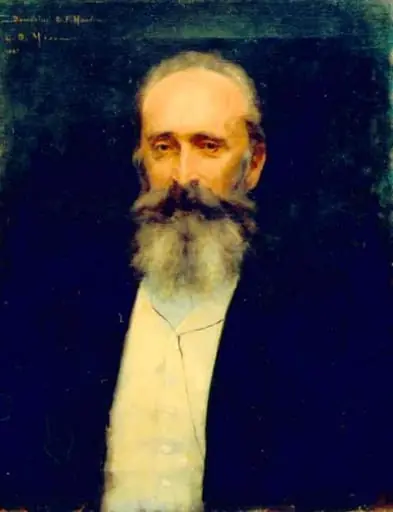 Bogdan Petriceicu Hasdeu
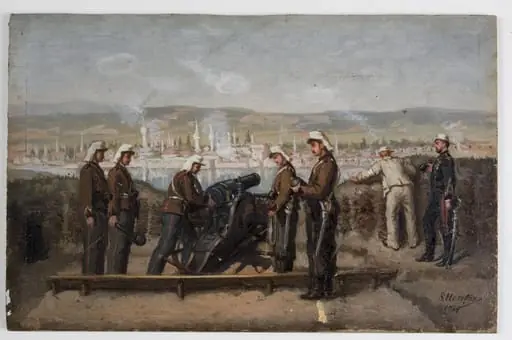 Baterie la Calafat
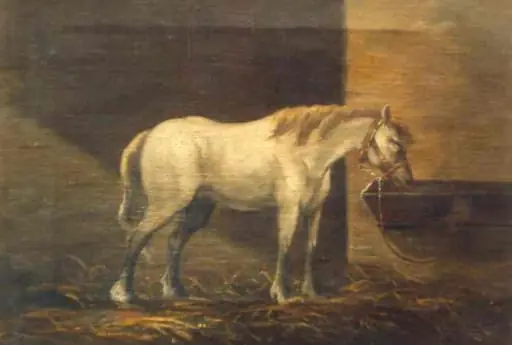 Cal în grajd
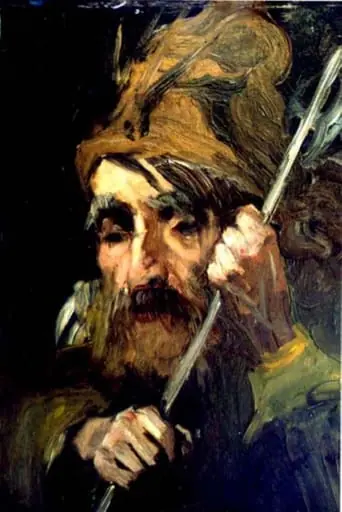 Plăieșul
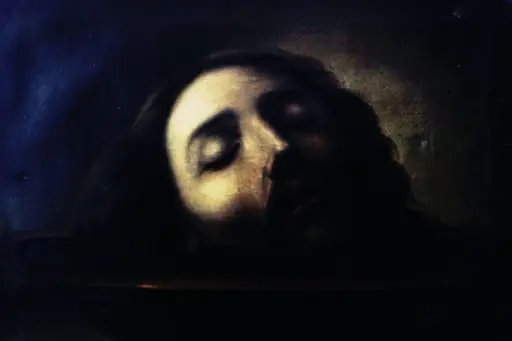 Capul lui Ioan Botezătorul (copie după Salomea de Guido Reni)
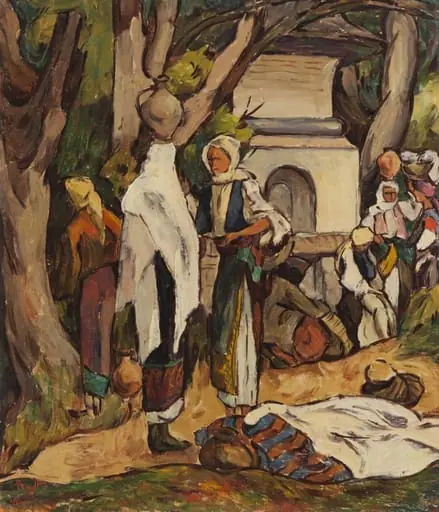 La fântâna meșterului Manole
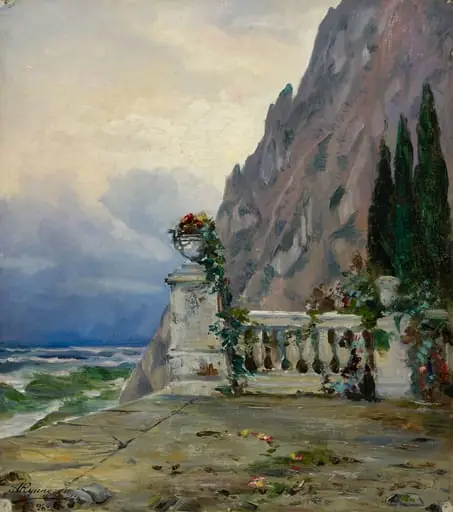 Maisema Krimiltä
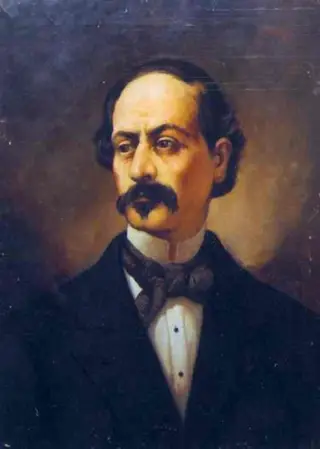 Dimitrie Bolintineanu
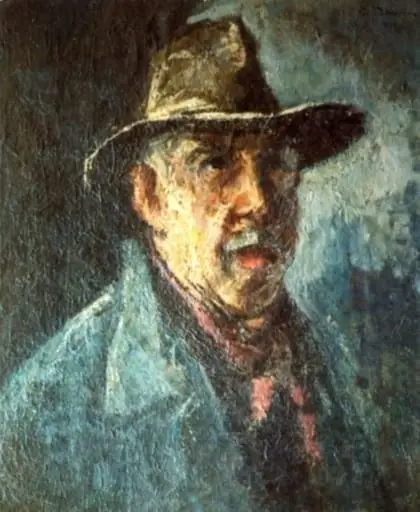 Autoportret
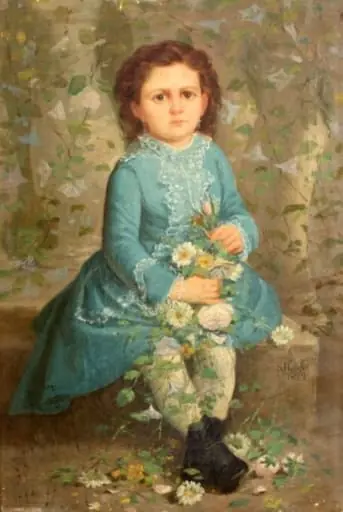 Fetiță în albastru
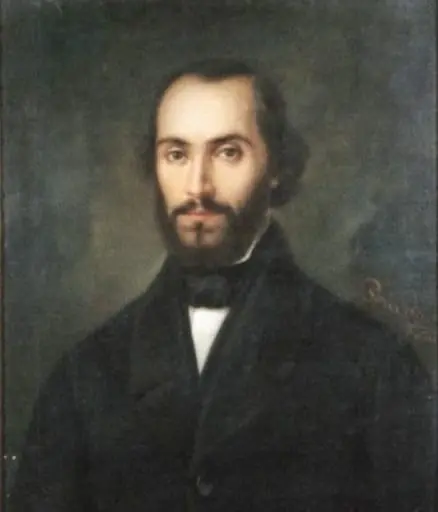 Portretul lui Nicolae Bălcescu
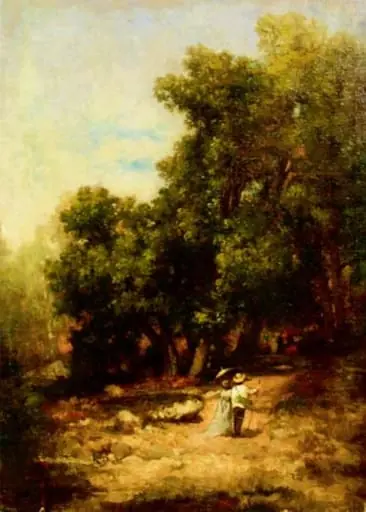 Intrare în pădurea Fontainebleau
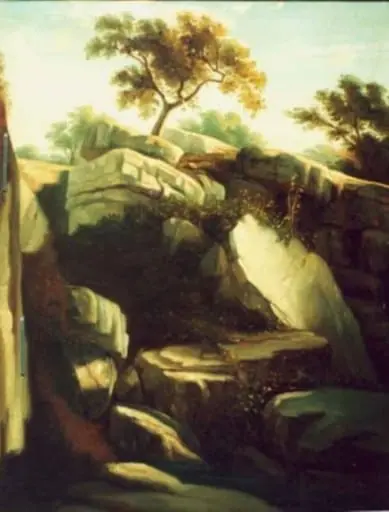 Peisaj din Italia
 Vasile Alexandri
 Turc
Turc Peisaj din Balcic
 Luptă cu arabii
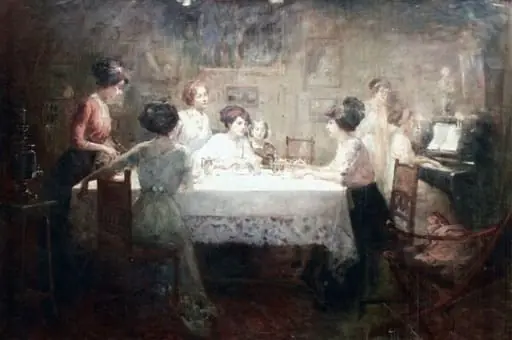 Scenă de interior
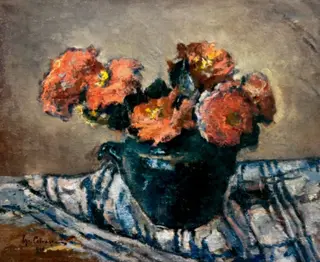 Barba împăratului (Cârciumărese)
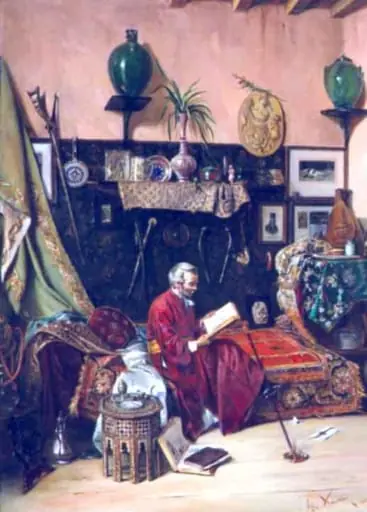 Regimul vechi
Frequently asked questions
What is Romanesque?
Romanesque is an art movement. The art of medieval Western Europe (roughly 1000-1200), named for its rounded Roman-style arches.
How many Romanesque works does Artifact World Gallery have?
Artifact World Gallery holds 324 public-domain Romanesque works, all free to view and download.
Who are the key Romanesque artists?
Key Romanesque artists in the collection include Ioannis Moschos, Charles Picqué and John Robert Cozens.
When did Romanesque take place?
Romanesque dates from 1000–1200.
Where can I see Romanesque works?
Romanesque works in the collection are held by National Museum of Art of Romania, Victoria and Albert Museum and Museu Nacional d'Art de Catalunya.