Artwork
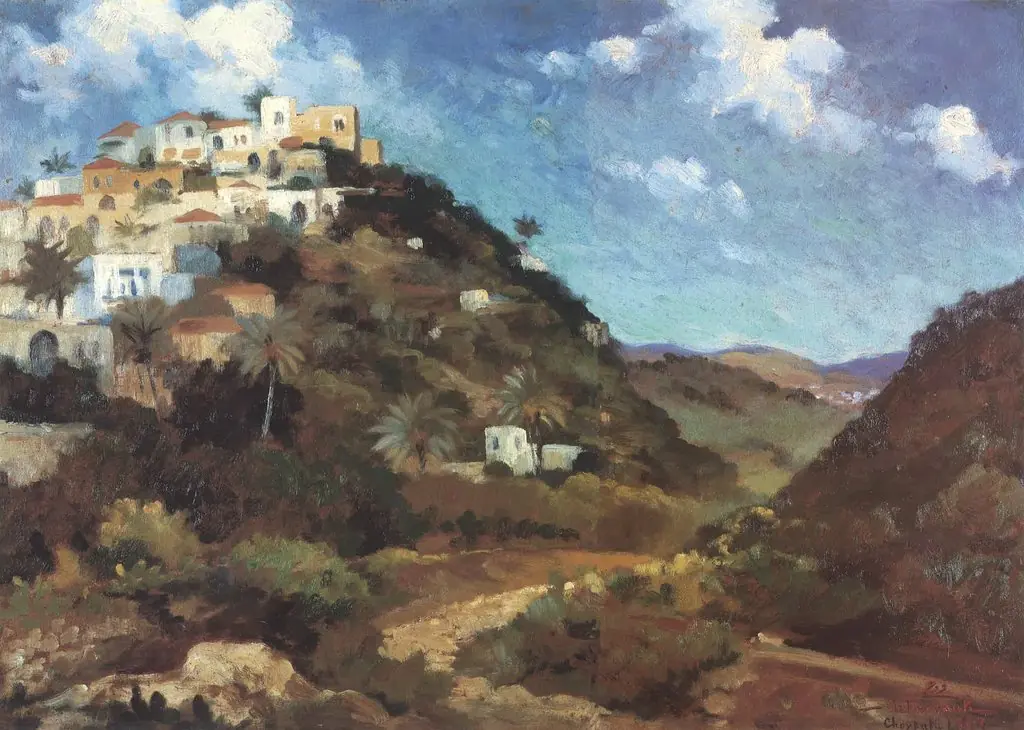
Bikfaya. The Palace and the cabin
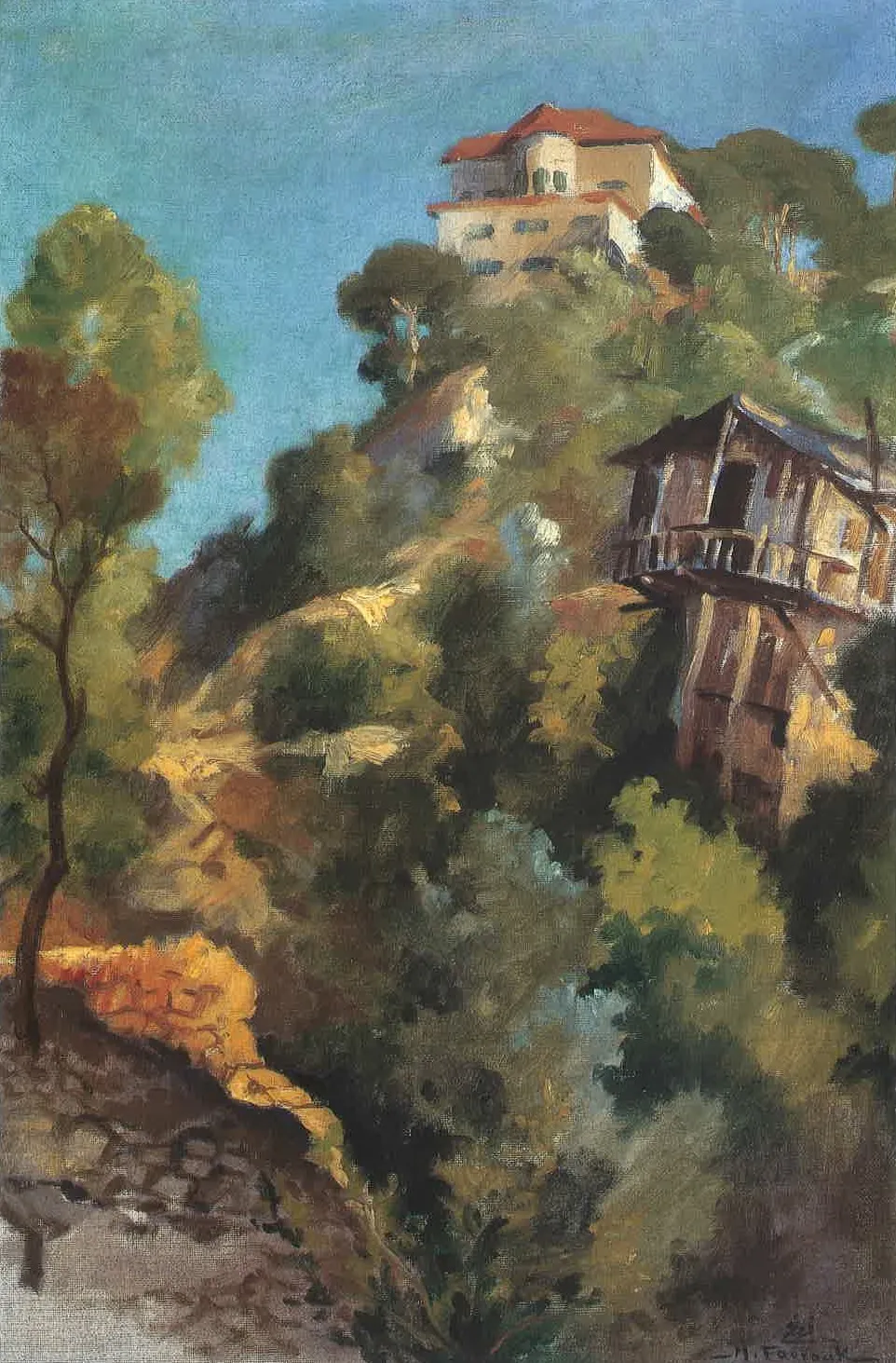
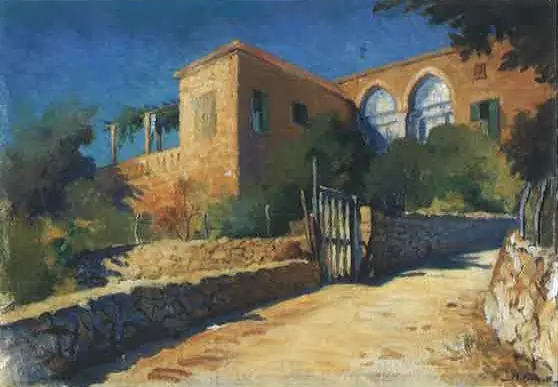
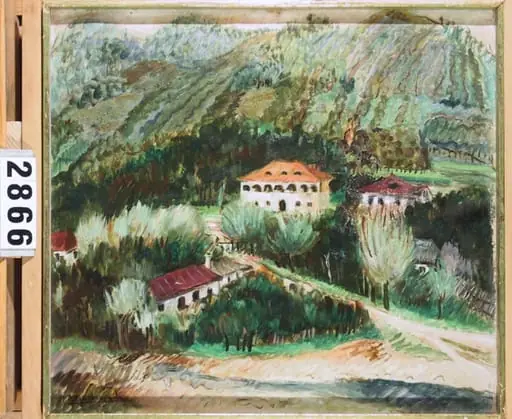
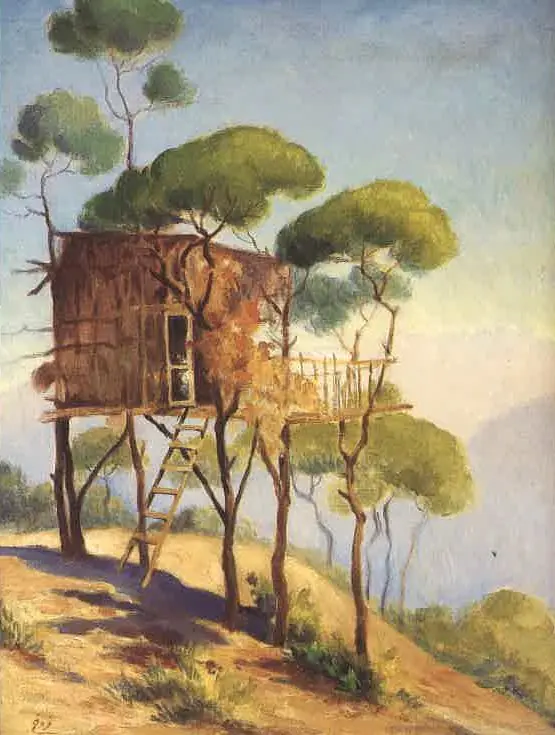
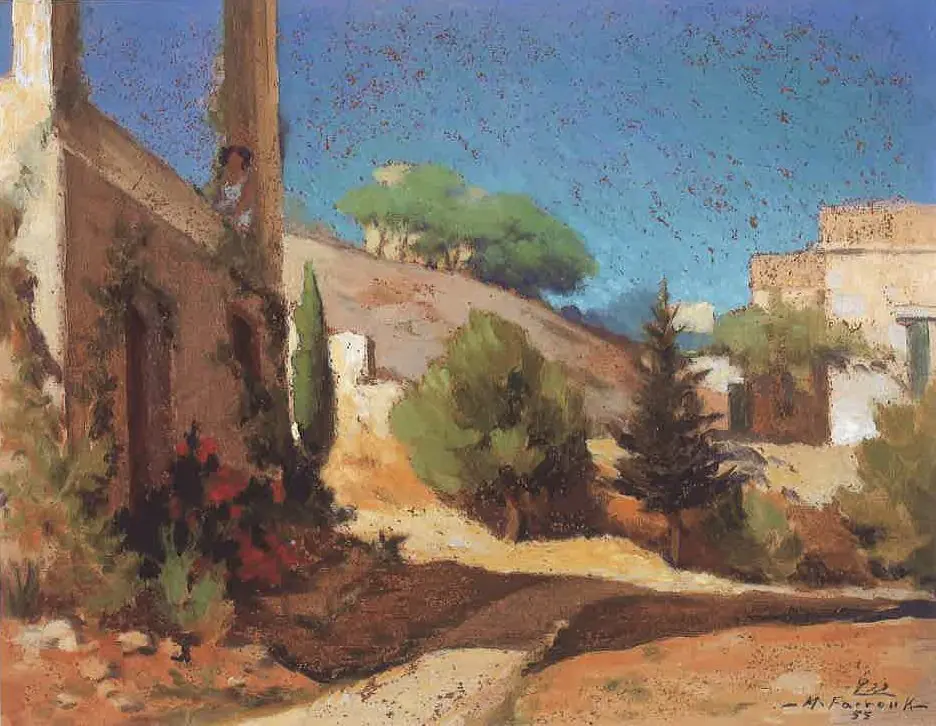
Bikfaya. The Palace and the cabin is an oil painting by the Orientalist artist Moustafa Farroukh. It dates from 1939 and is held in the collection of the Sursock Museum. Bikfaya.
About this work
Overview
Bikfaya. The Palace and the cabin is a 1939 oil painting by Moustafa Farroukh, a prominent Lebanese 20th-century artist. The work is part of the Orientalist movement and is currently held in the Sursock Museum's collection.
Subject & Meaning
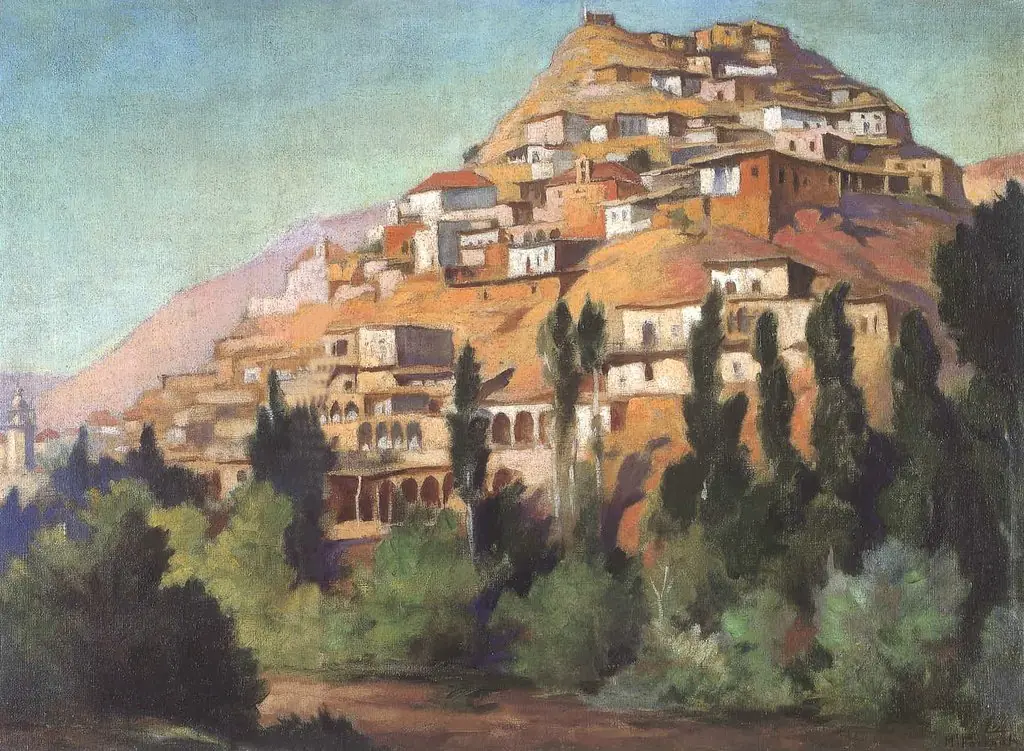
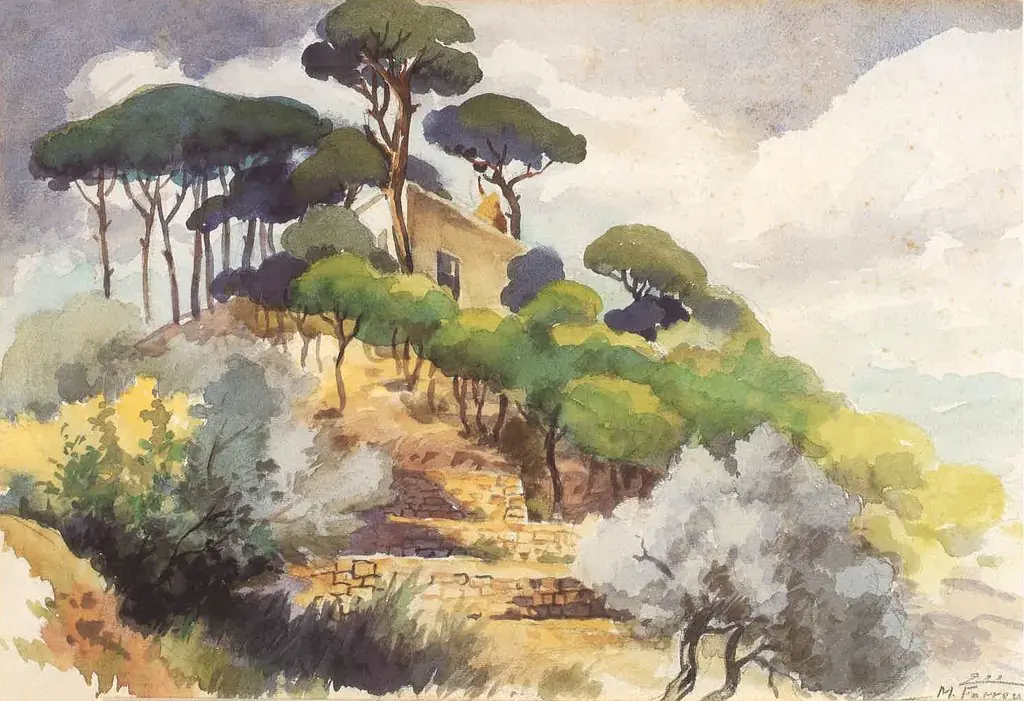
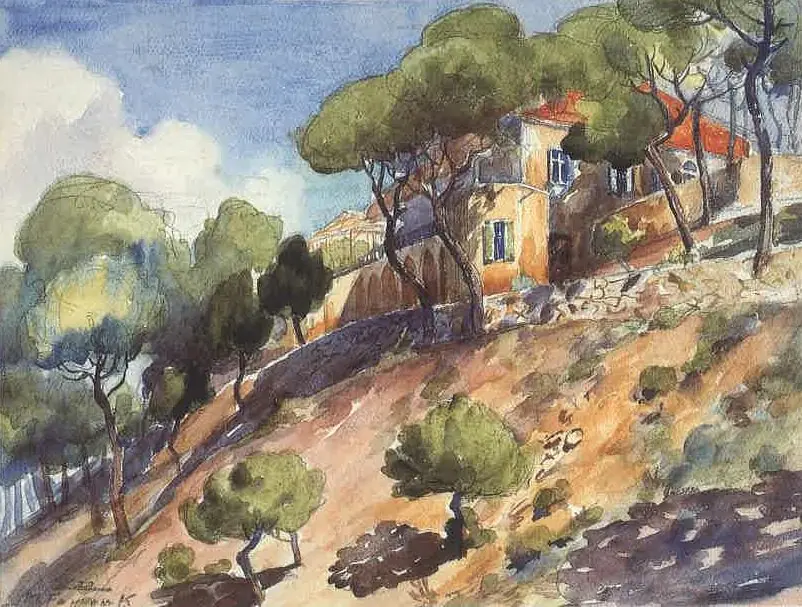
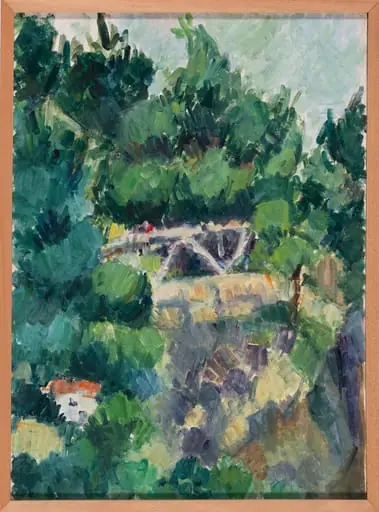
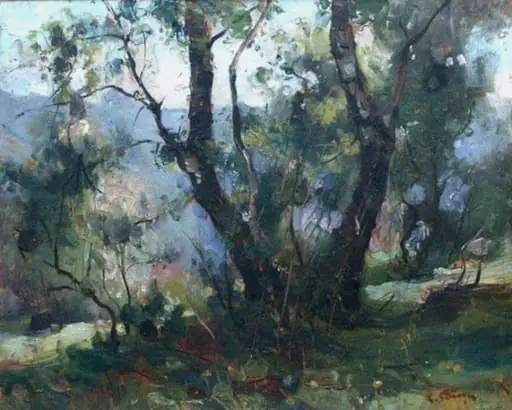
The painting depicts a Lebanese landscape, specifically Bikfaya, featuring a hill with a large, light-colored palace at the summit and a smaller, darker cabin to the right. The landscape includes stone pines, exposed bedrock, trees, and bushes set against a blue sky.
Technique & Style
Farroukh employed visible brushstrokes and a mix of warm, earthy tones for the buildings and vegetation, contrasted with a bright blue sky. This technique, possibly incorporating glazing, achieves a textured, atmospheric effect and sense of depth.
History & Provenance
Created circa 1939, the painting is now part of the Sursock Museum's collection, highlighting its significance within Lebanese art heritage.
Context
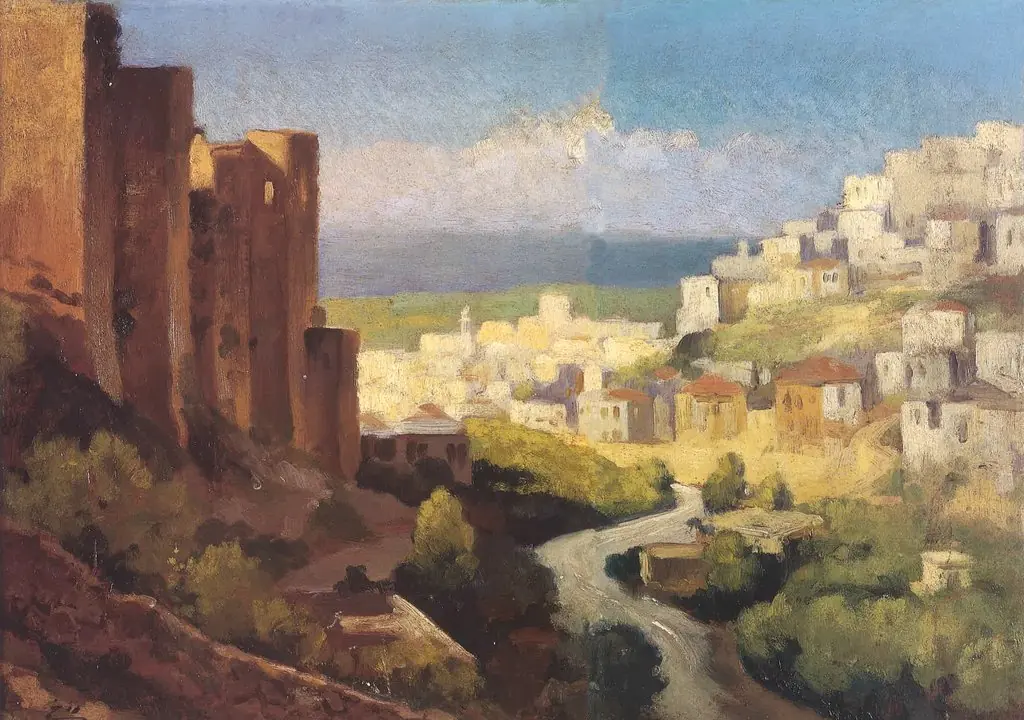
As an Orientalist work, Bikfaya. The Palace and the cabin reflects the movement's focus on capturing Eastern landscapes and cultures through Western artistic lenses, offering a unique glimpse into Lebanon's interwar period.
Legacy
While specific legacy details of Bikfaya. The Palace and the cabin are not provided, as a work by Moustafa Farroukh within the Orientalist movement, it contributes to the broader understanding and appreciation of Lebanese modern art and its global contexts.
Artist & collection
Artist
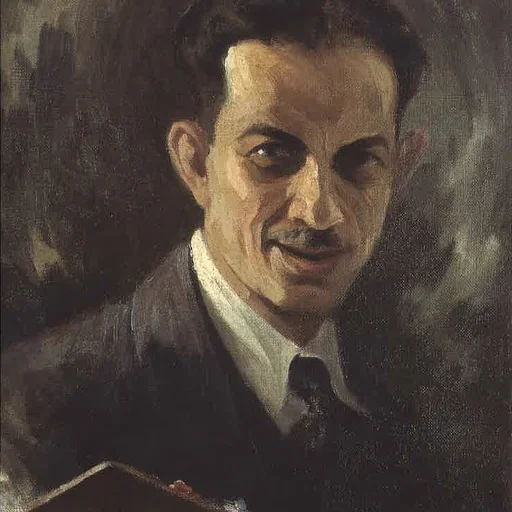
Moustafa Farroukh (Arabic: مصطفى فروخ; 1901 – 1957) was one of Lebanon's most prominent painters of the 20th century.