Movement
Orientalism
Orientalism is an art movement of the 1800–1910 period. The gallery holds 881 works in this movement, including works by Henri Regnault, Jean Léon Gérôme and Johann Georg Platzer. Browse Orientalism paintings, portraits, pictures and artworks from the world's public-domain museum collections.
Orientalism was a current in Western art, most vigorous in nineteenth-century Europe, devoted to the depiction—and frequently the imaginative reinvention—of the Middle East, North Africa, and, to a lesser degree, East Asia. Its catalyst was Napoleon Bonaparte's campaign in Egypt and Syria (1798–1801), whose accompanying scholars produced the monumental "Description de l'Égypte" and ignited a European fascination with the lands the period called "the Orient." Antoine-Jean Gros gave the theme early grandeur in "Napoleon in the Plague House at Jaffa" (1804). As colonial expansion accelerated—above all the French conquest of Algiers in 1830—travel, trade, and empire opened the region to artists, and Alexandre-Gabriel Decamps, who exhibited scenes of everyday Eastern life at the 1831 Salon, became one of the genre's founding figures.
Two temperaments shaped the movement's look. The Romantic strand, led by Eugène Delacroix (1798–1863), prized vivid color, turbulent movement, and emotional extremity, as in "The Death of Sardanapalus" (1827–28) and, after his formative 1832 journey to Morocco and Algeria, "Women of Algiers in Their Apartment" (1834). The academic strand, exemplified by Jean-Léon Gérôme (1824–1904), pursued the opposite: a polished, near-photographic finish, archaeological precision, and meticulously observed detail applied to bazaars, mosques, baths, and slave markets.
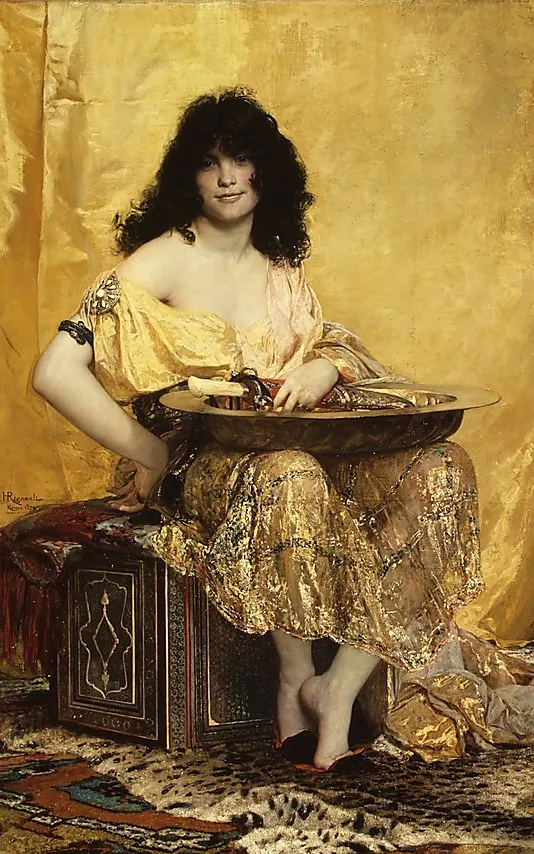
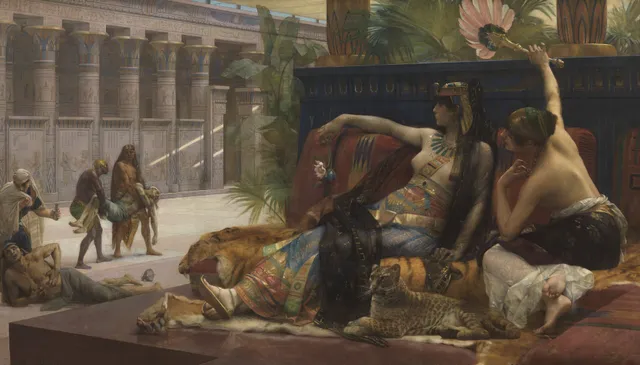
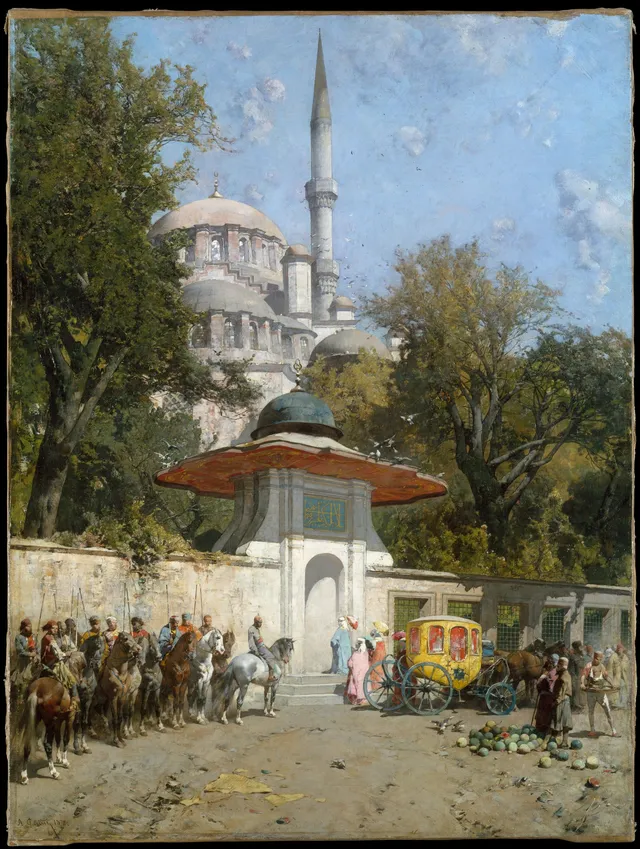
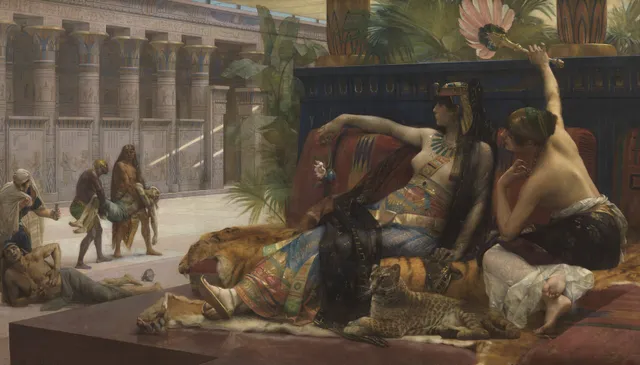
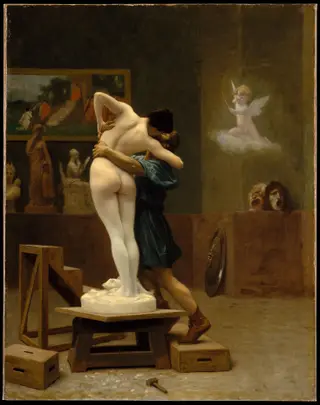
Gérôme remains the genre's defining master, and our collection holds several of his canonical works—"Slave Market in Rome," "The Moorish Bath," and "The Great Bath at Bursa"—alongside his classicizing "Pygmalion and Galatea." His "Snake Charmer" (c. 1879) later became Orientalism's most argued-over image. Other principals include Henri Regnault, whose theatrical "Salomé" we also hold, the Spaniard Mariano Fortuny y Marsal (1838–1874), prized for dazzling light and brushwork, and the Italian Alberto Pasini. Academic painters such as Alexandre Cabanel ("Cleopatra Testing Poisons on Condemned Prisoners") and Lawrence Alma-Tadema extended the taste for the exotic past into antiquity.
Orientalism gained institutional standing with the Société des Peintres Orientalistes Français, founded in Paris in 1893 by Nasreddine Dinet and Léonce Bénédite. Rooted in Romanticism and Academic art, its luminous palette helped prepare the way for later colorists. Since Edward Said's influential study "Orientalism" (1978)—which placed Gérôme's "Snake Charmer" on its cover—the movement has also been read critically, as imagery entangled with the assumptions and power of European empire.
Key artists


Works
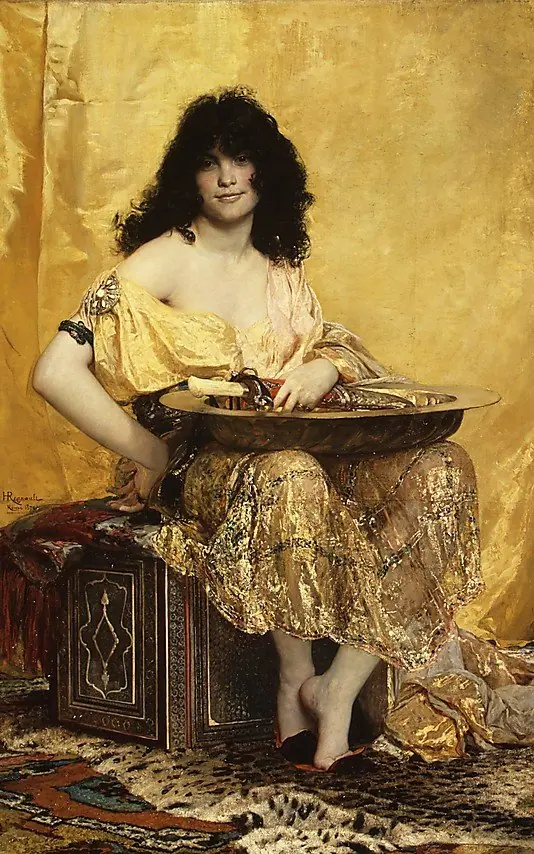 Salome
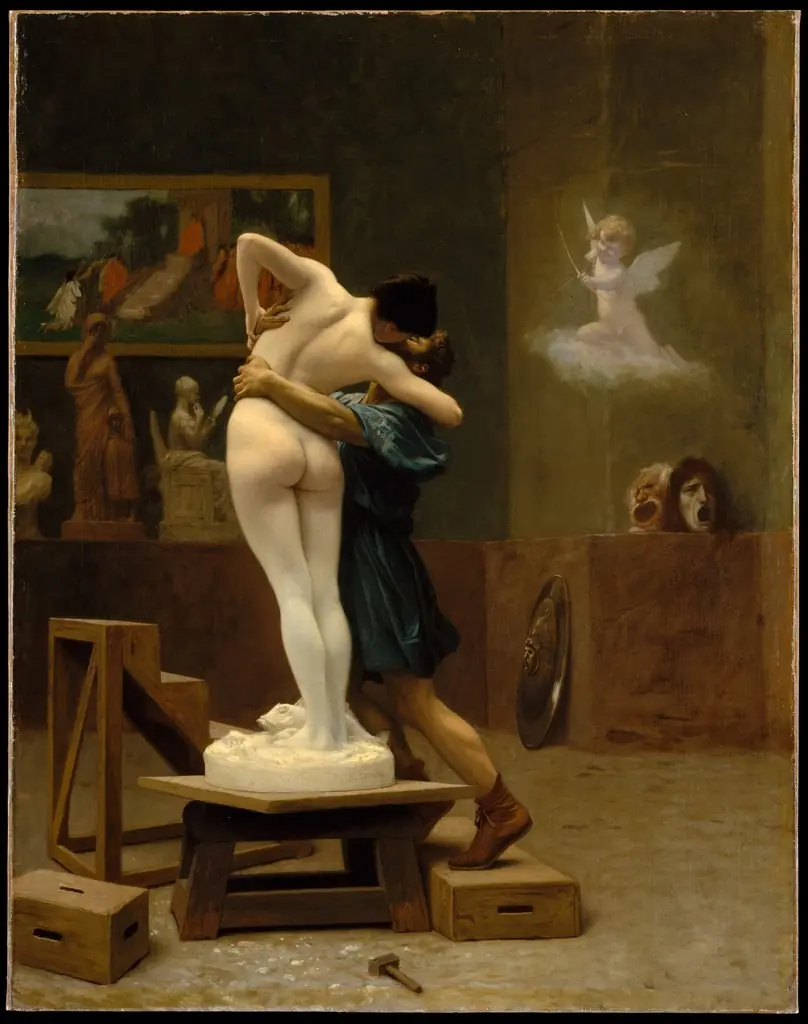 Pygmalion and Galatea
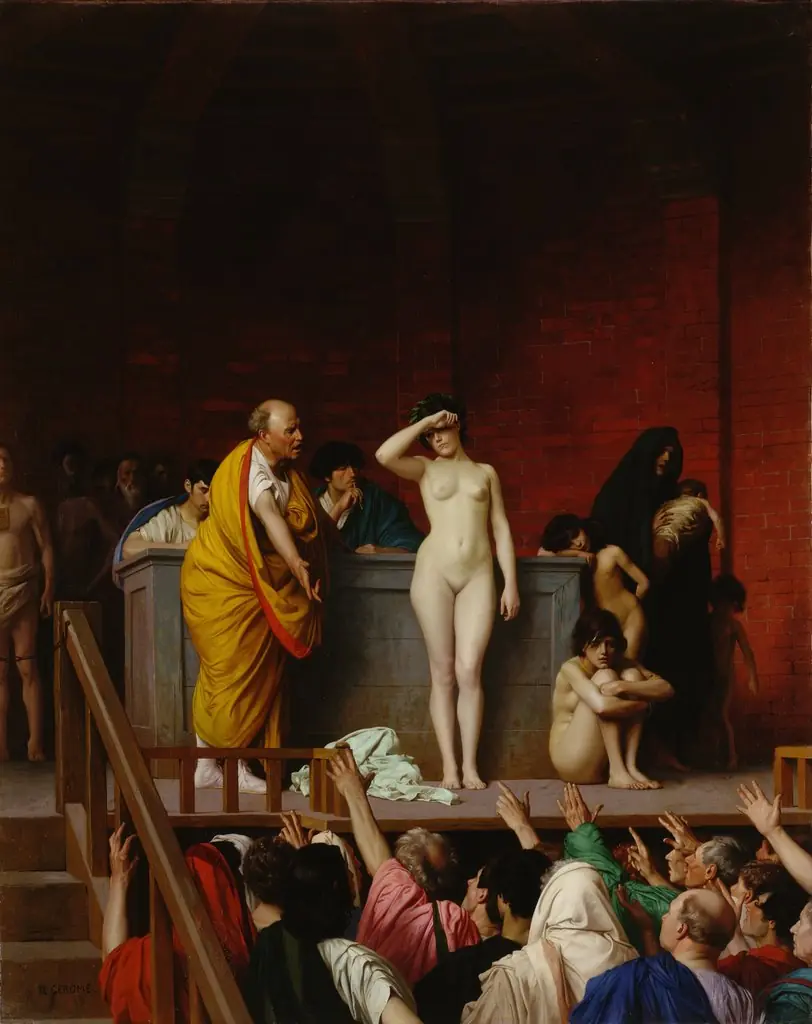 Slave Market in Rome
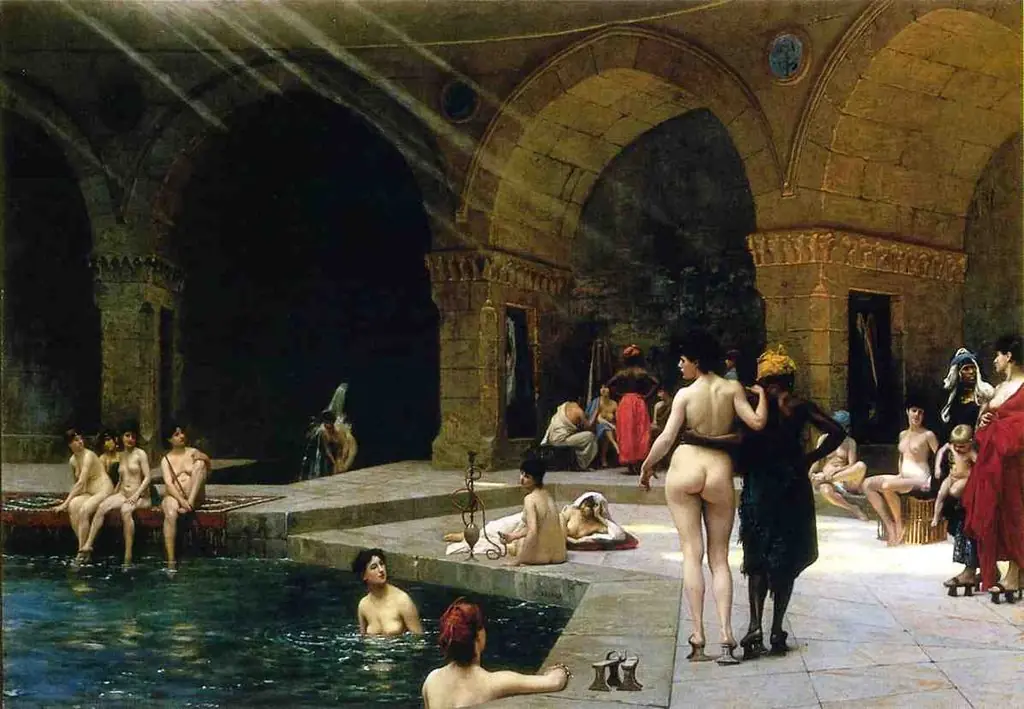 The Great Bath at Bursa
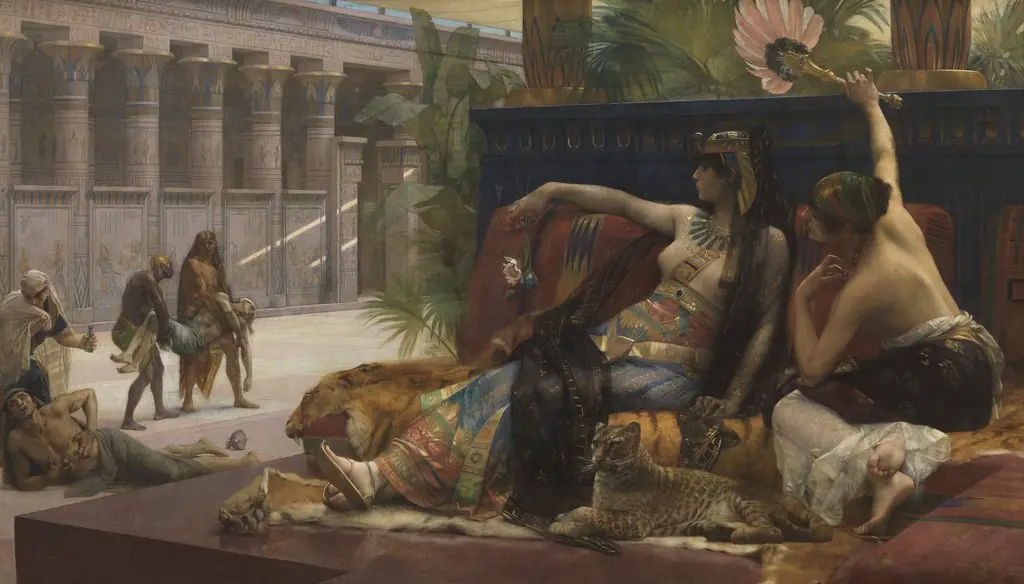 Cleopatra Testing Poisons on Condemned Prisoners
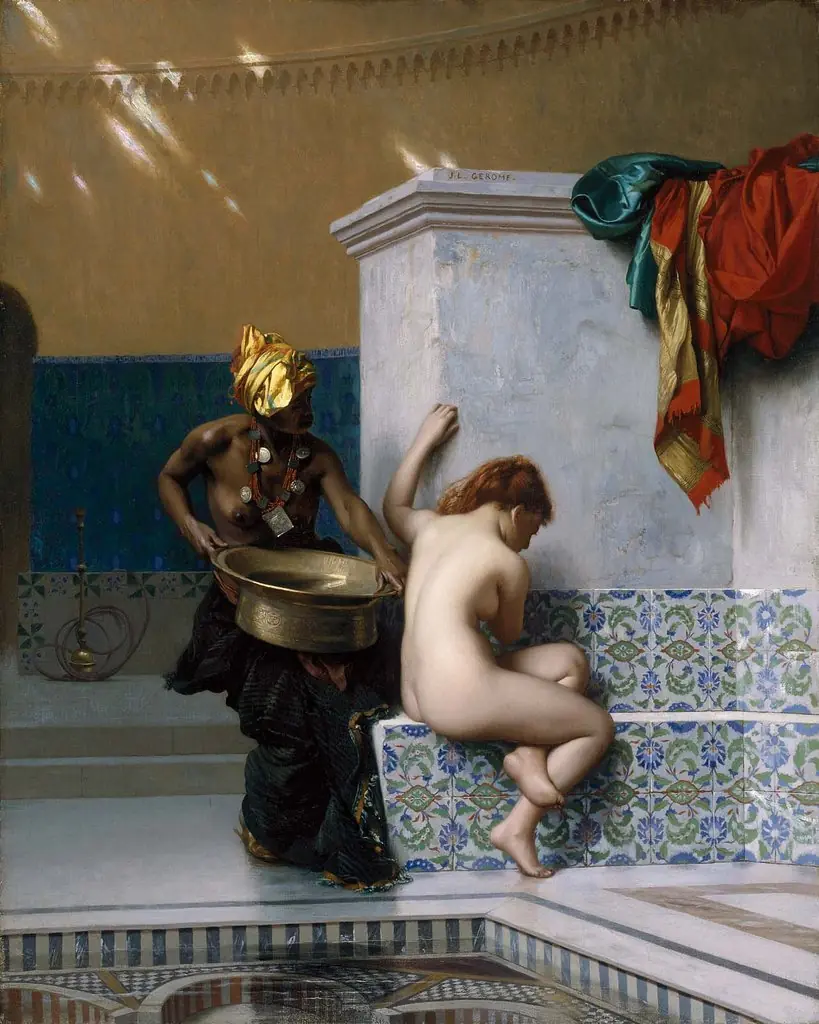 Moorish Bath
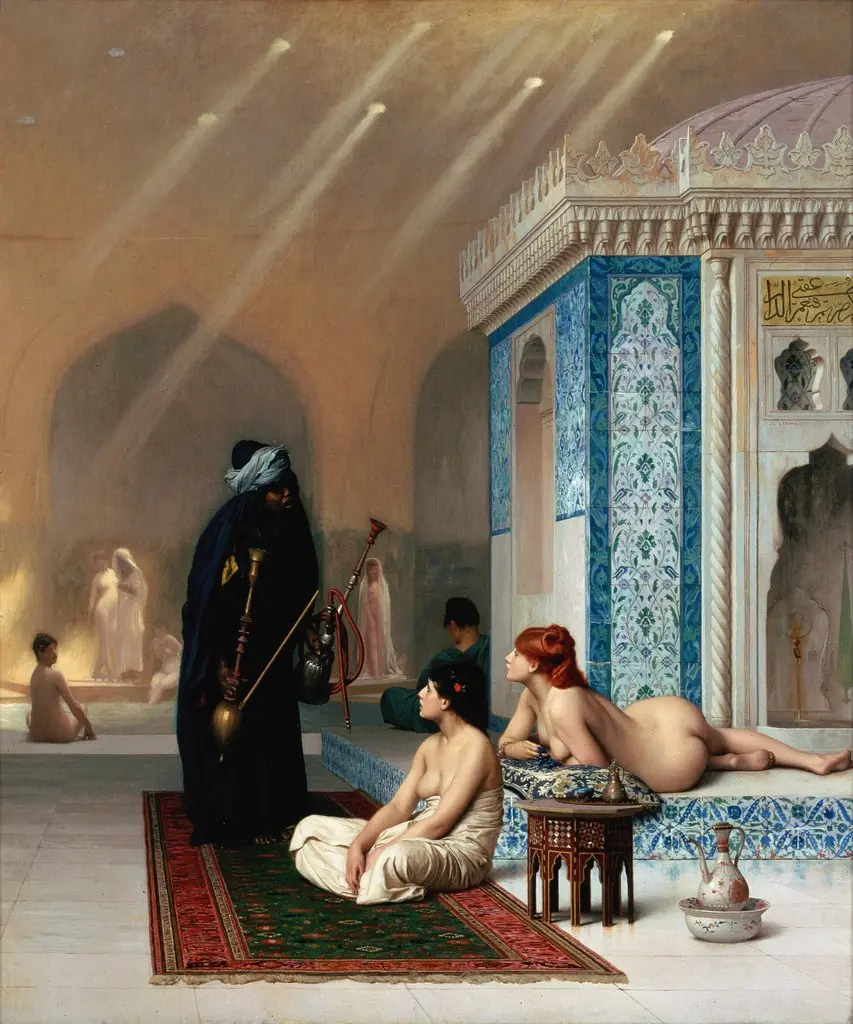 Pool in a Harem
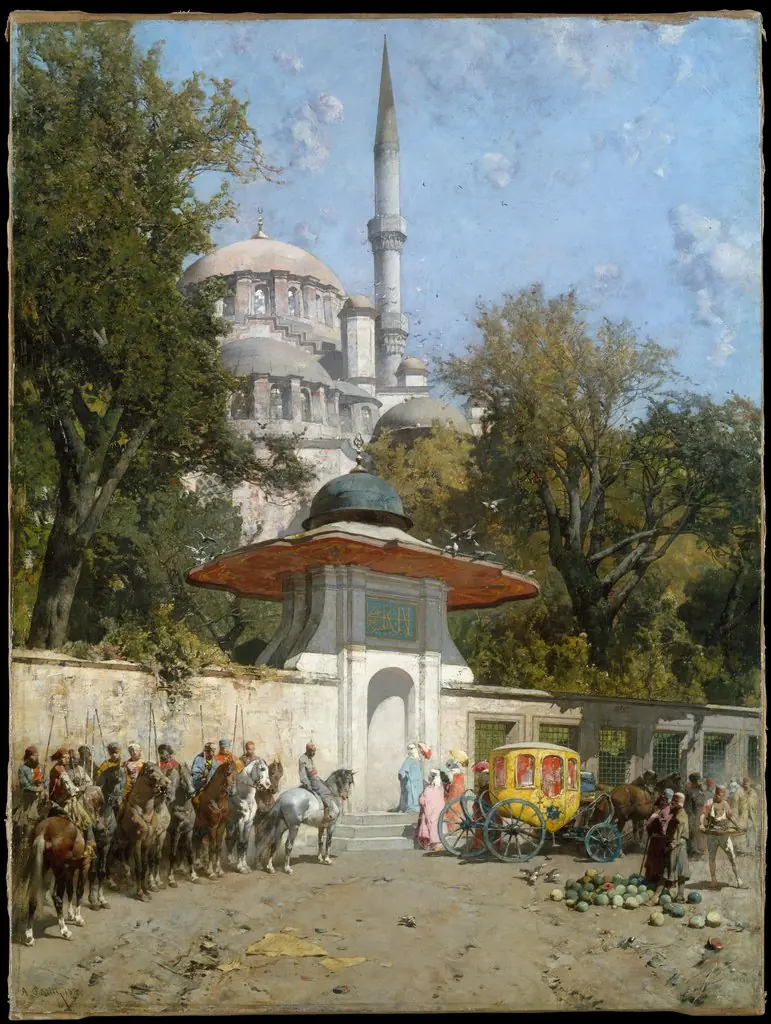 A Mosque
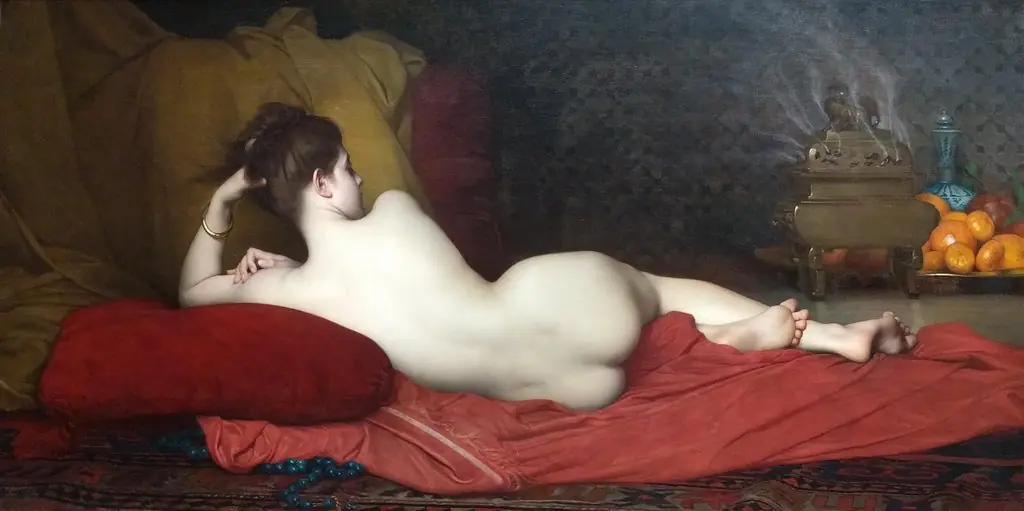 Odalisque
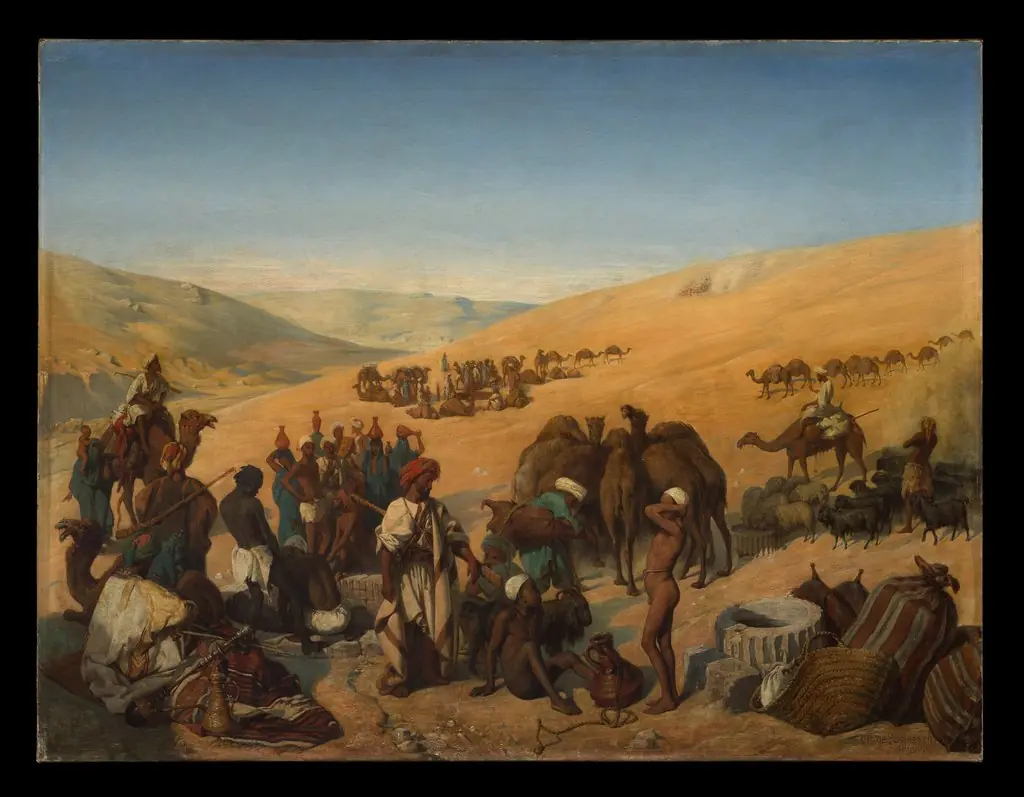 Halt of Caravans at the Wells of Saba (Beersheba) in the Desert South of Hebron
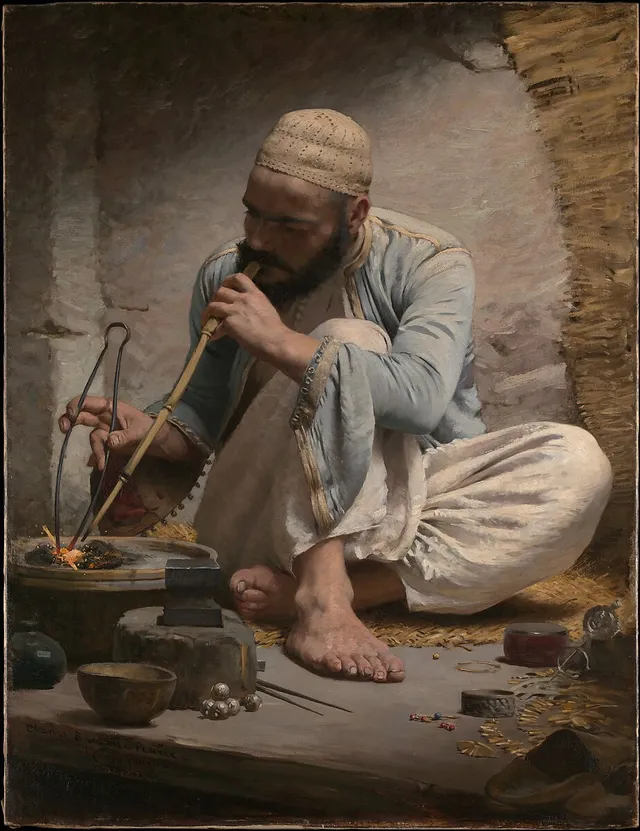
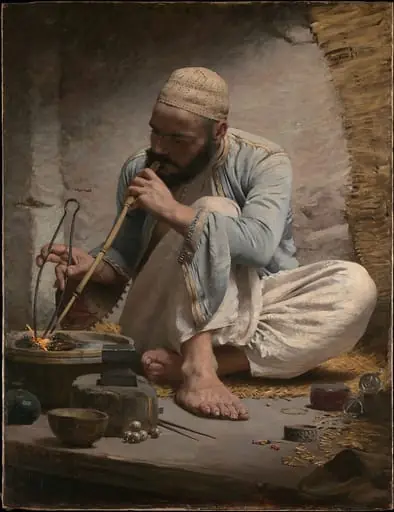 The Arab Jeweler
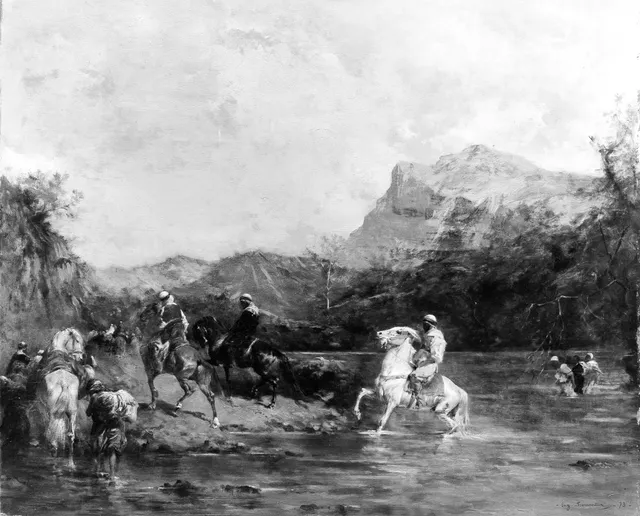
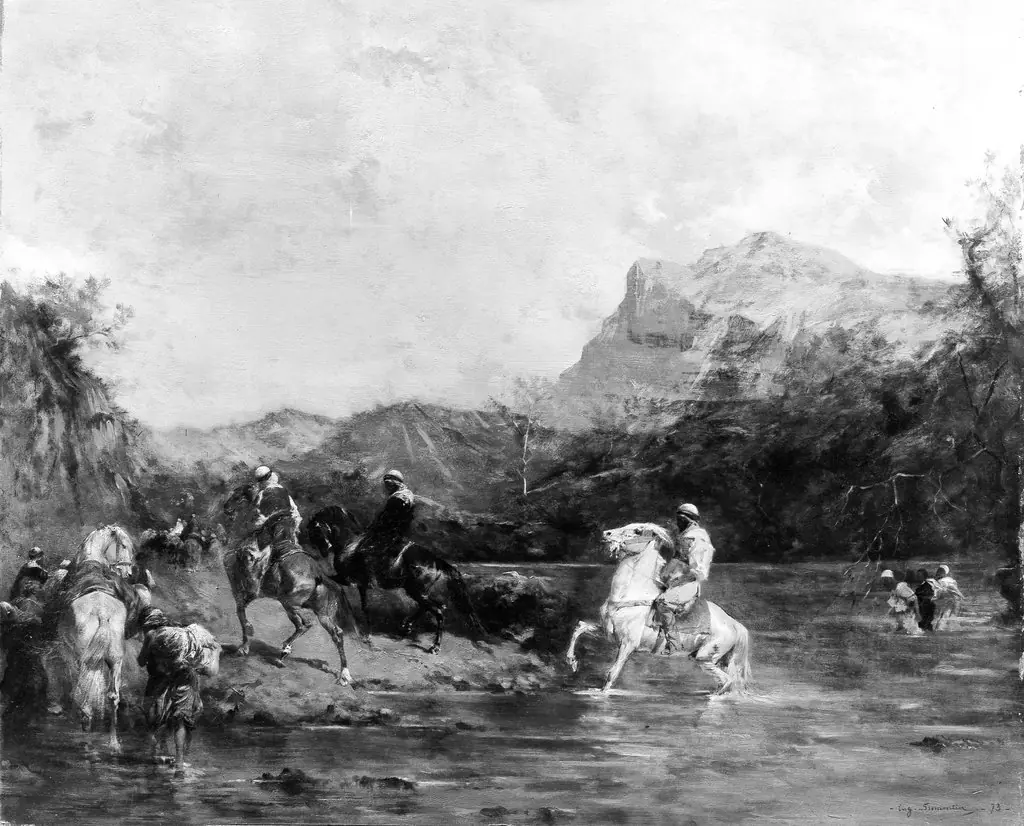 Arabs Crossing a Ford
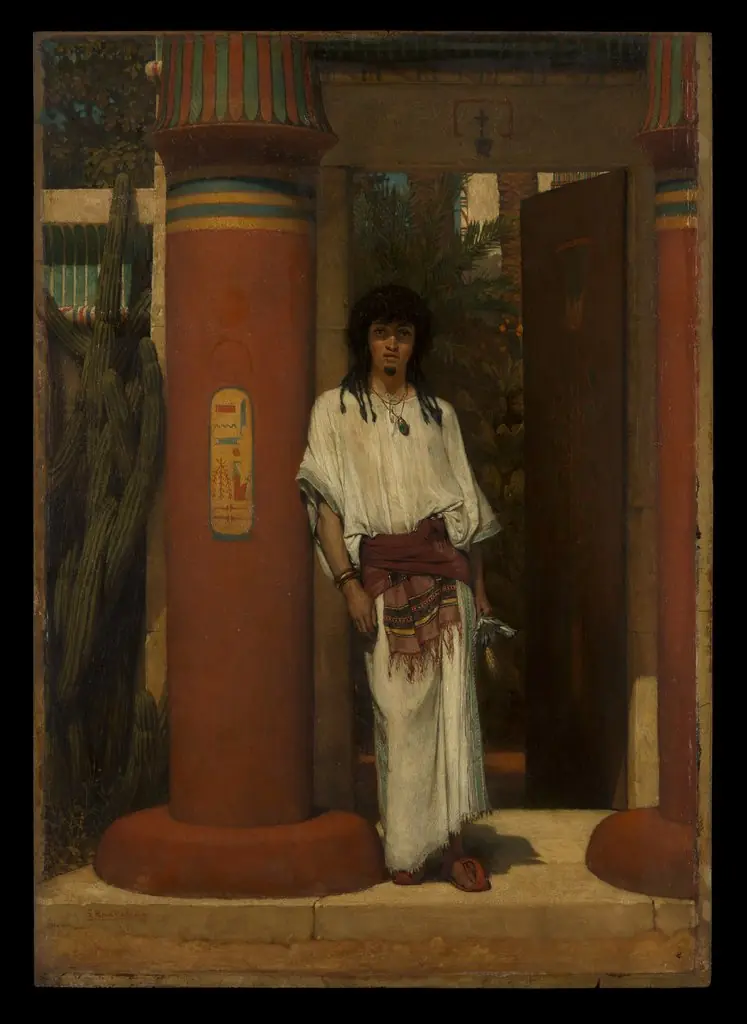 An Egyptian in a Doorway
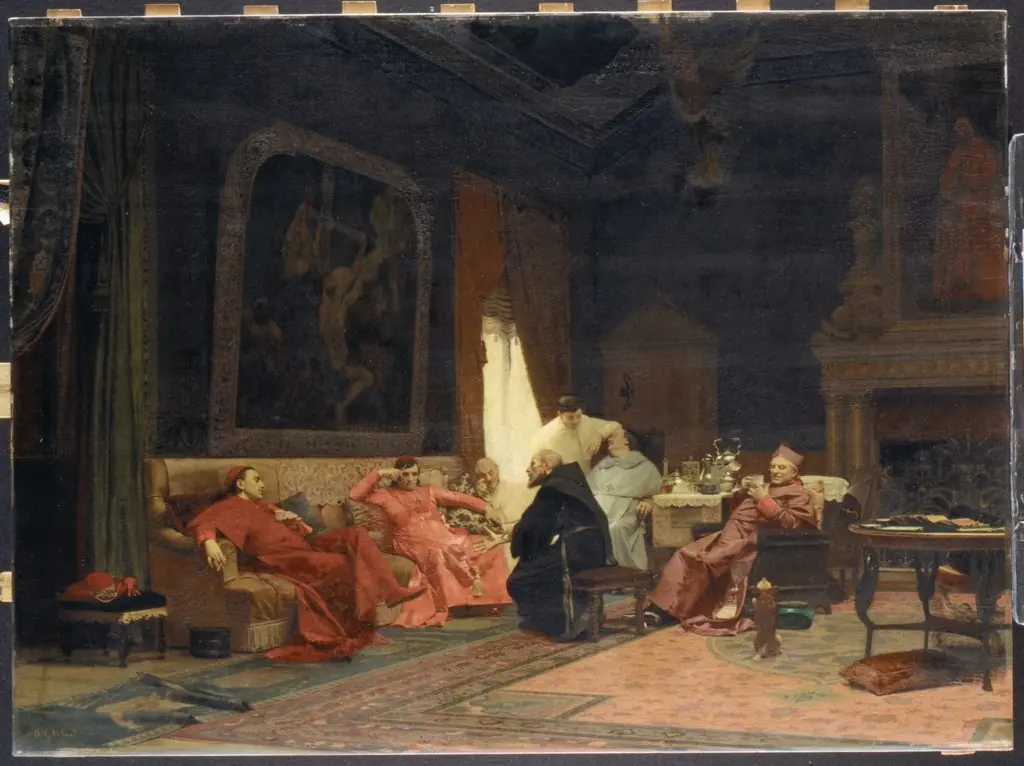 The Missionary's Adventures
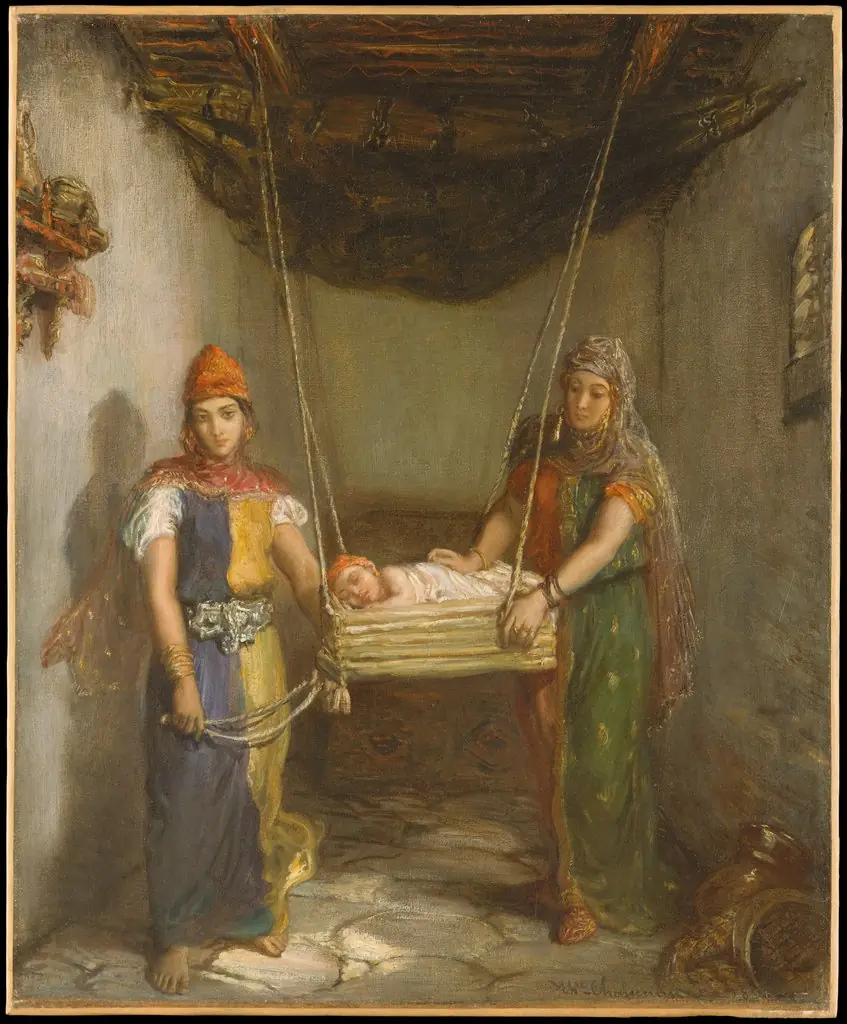 Scene in the Jewish Quarter of Constantine
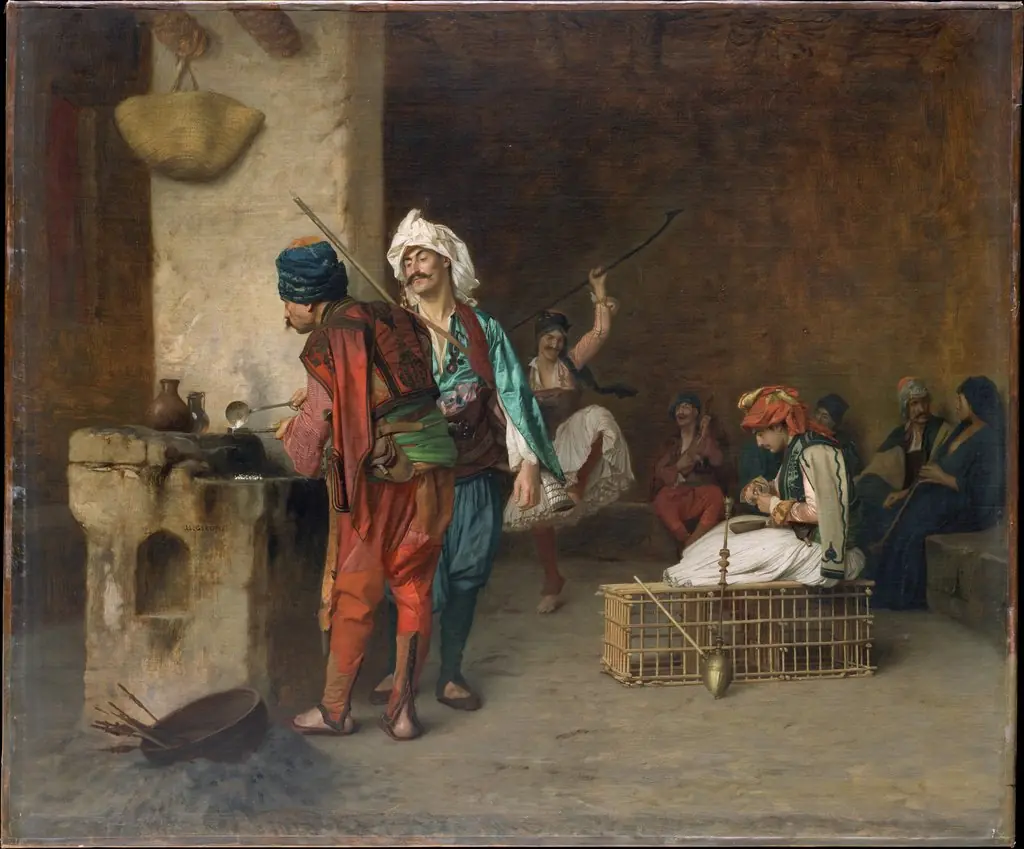 Cafe House, Cairo (Casting Bullets)
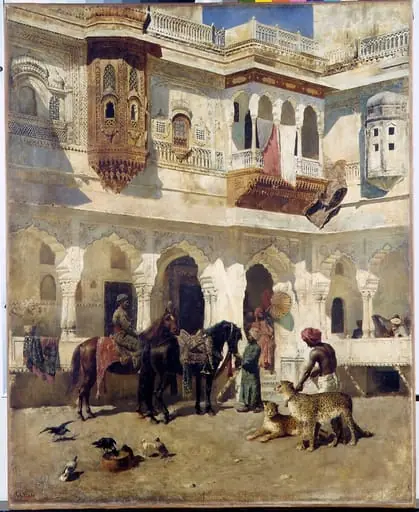 The Rajah Starting on a Hunt
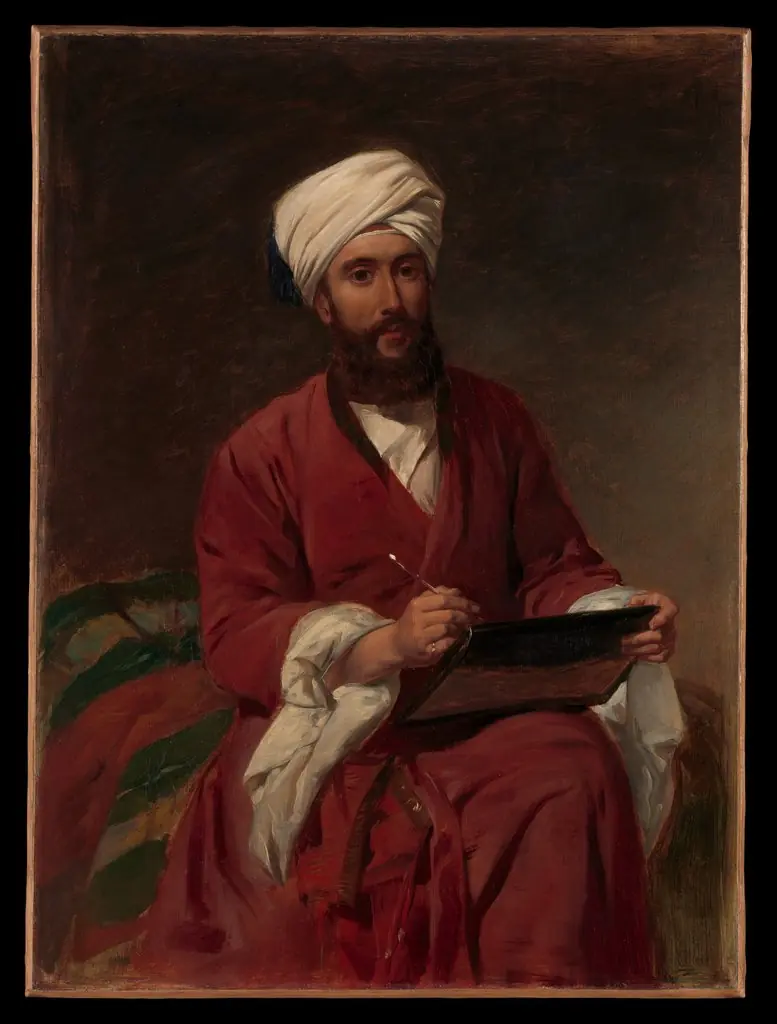 William Edward Dighton (1822–1853) in Middle Eastern Dress
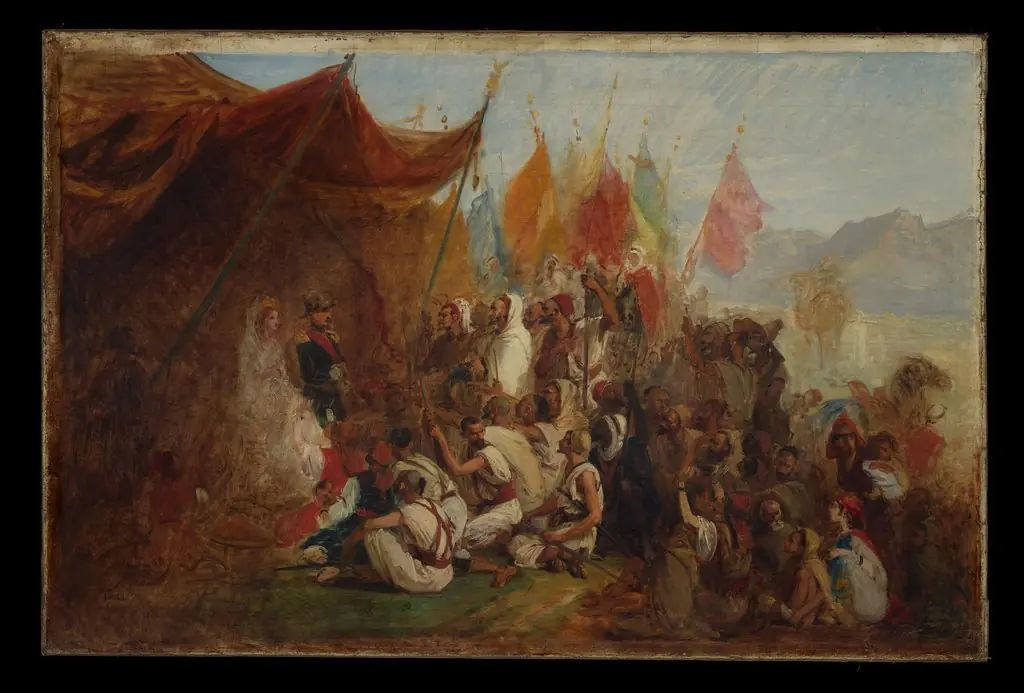 Sketch for "Reception of Emperor Napoleon III and Empress Eugénie by the Kabyle Leaders at Algiers on September 18, 1860"
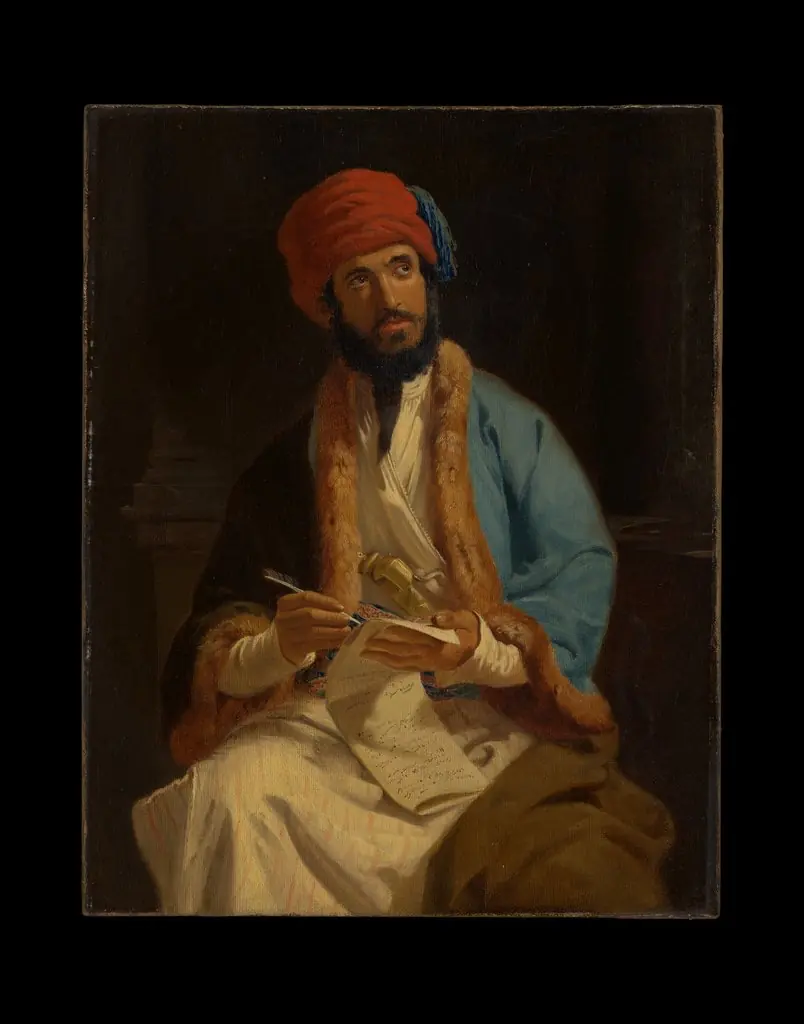 The Arab Sage
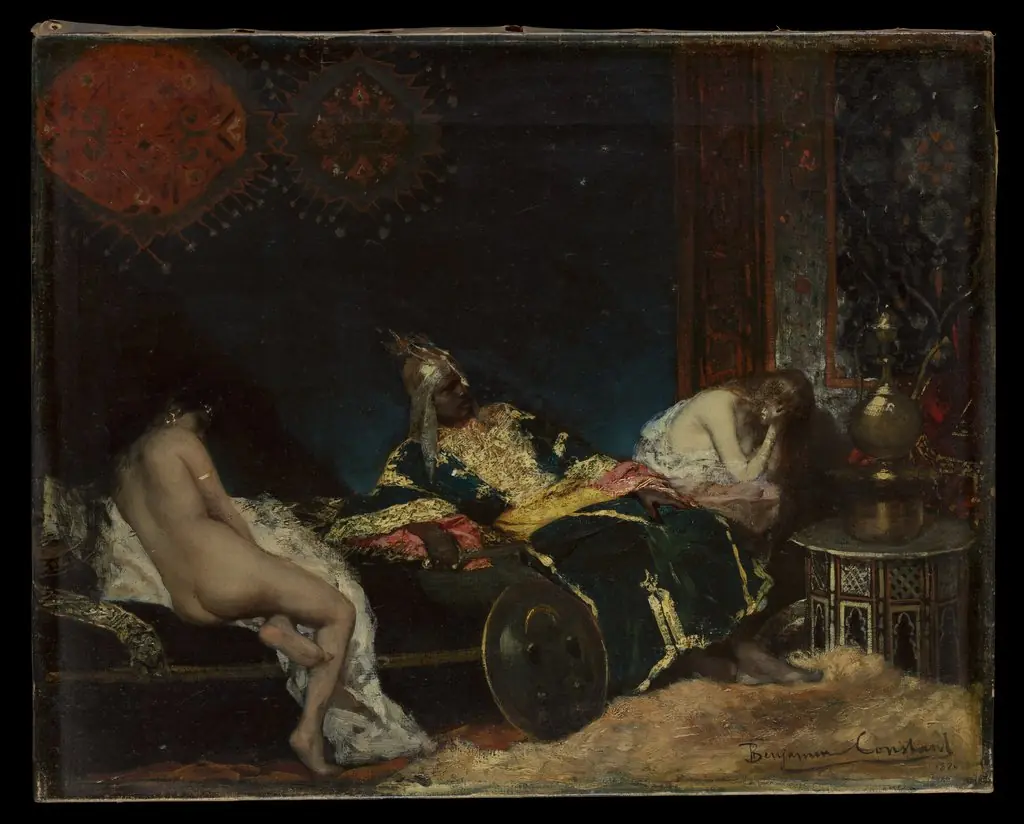 The Serbian Concubine (Un Envoi de Serbie)
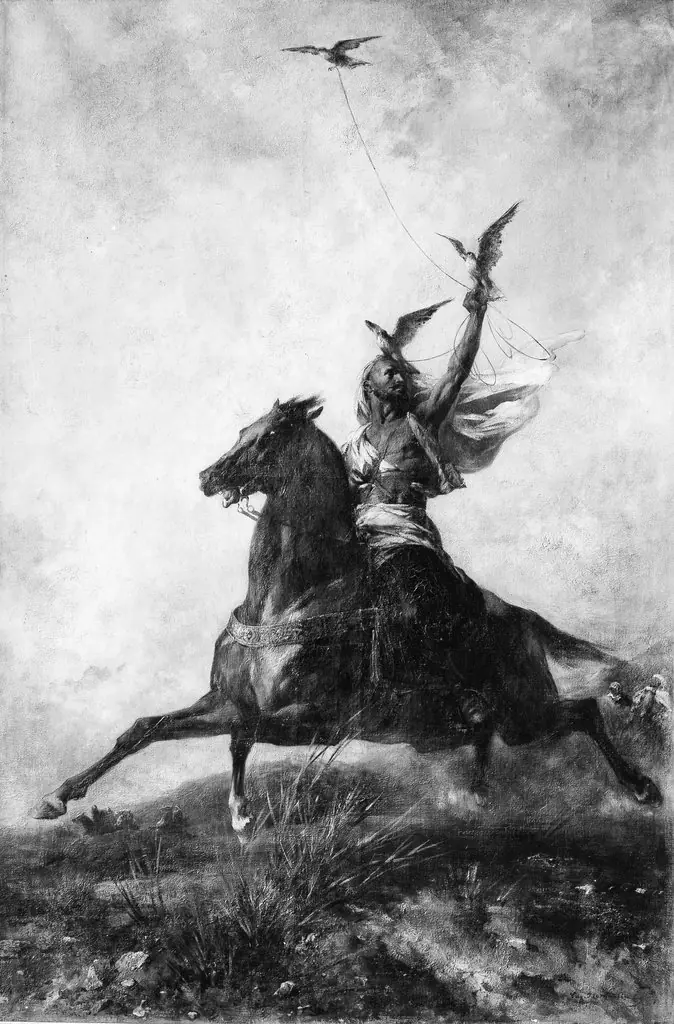 The Arab Falconer
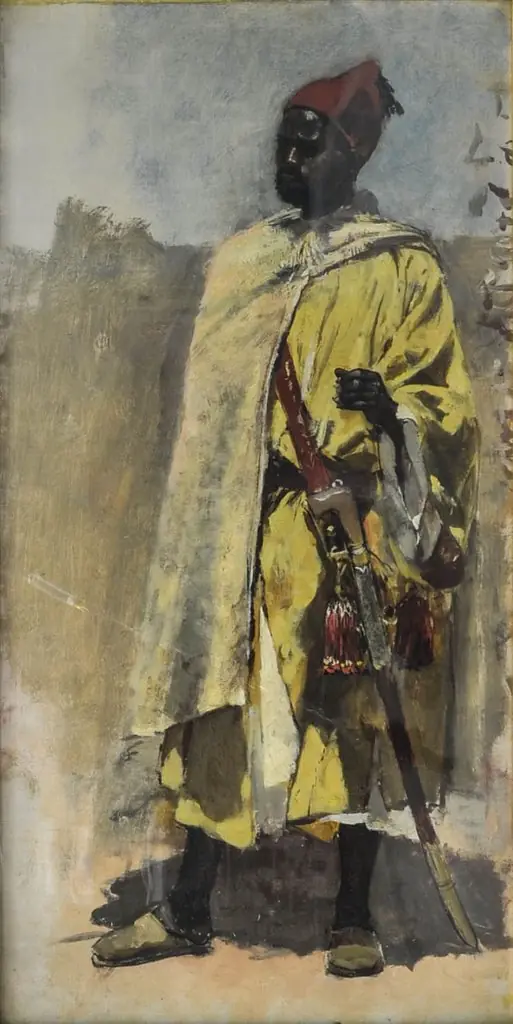 Moorish Guard
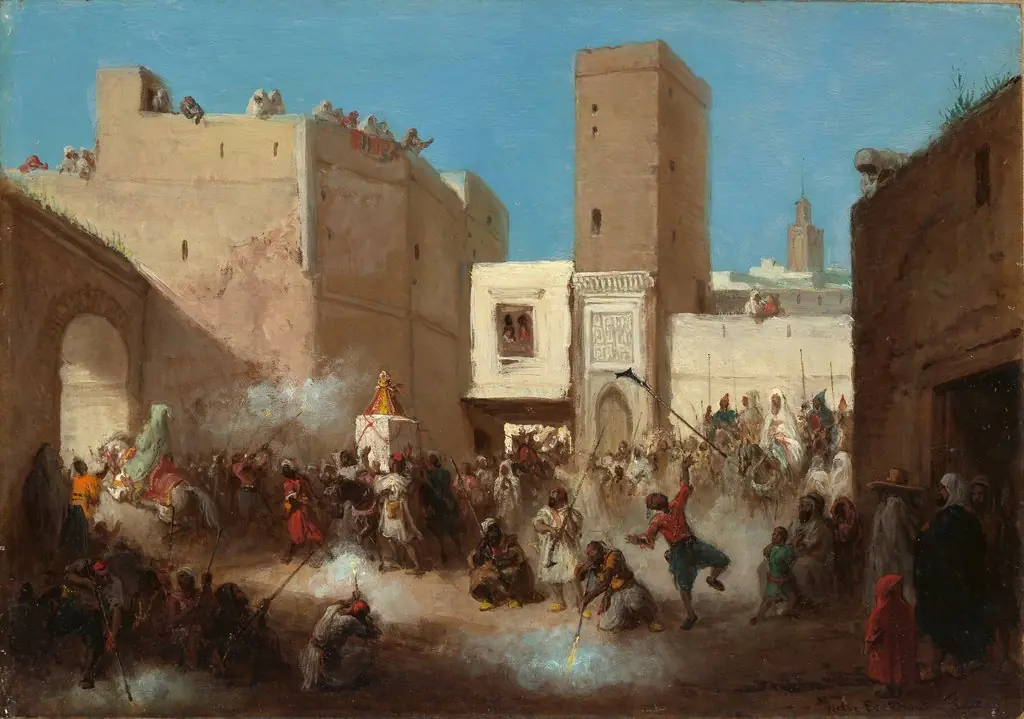 Wedding Procession
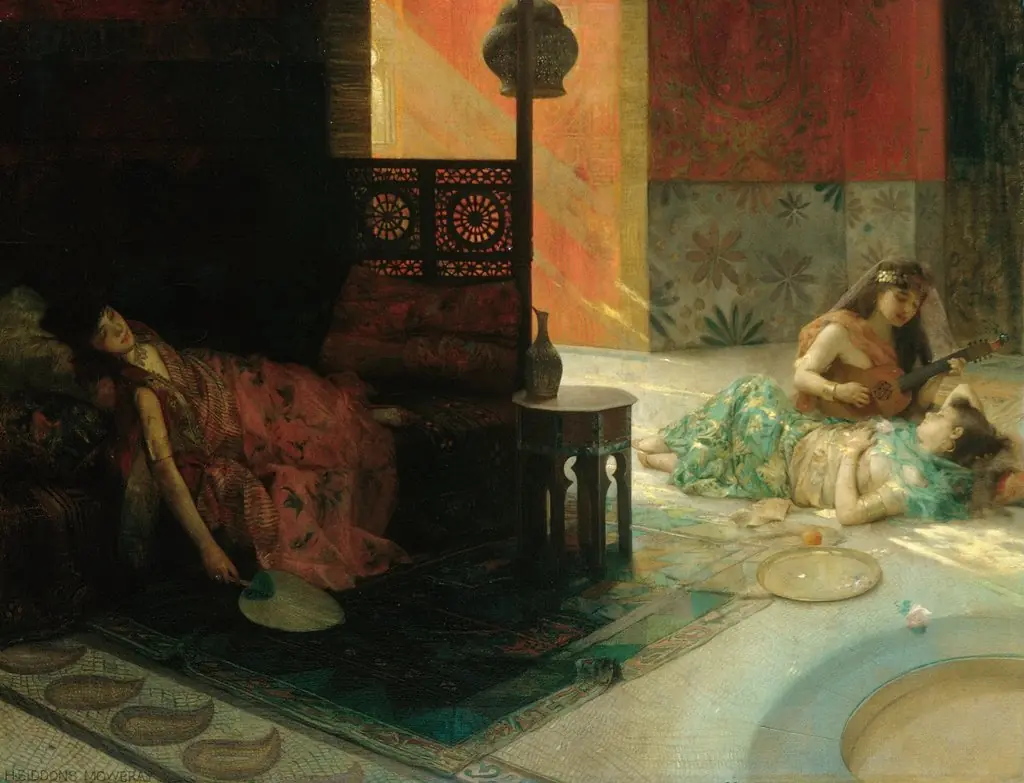 Harem Scene
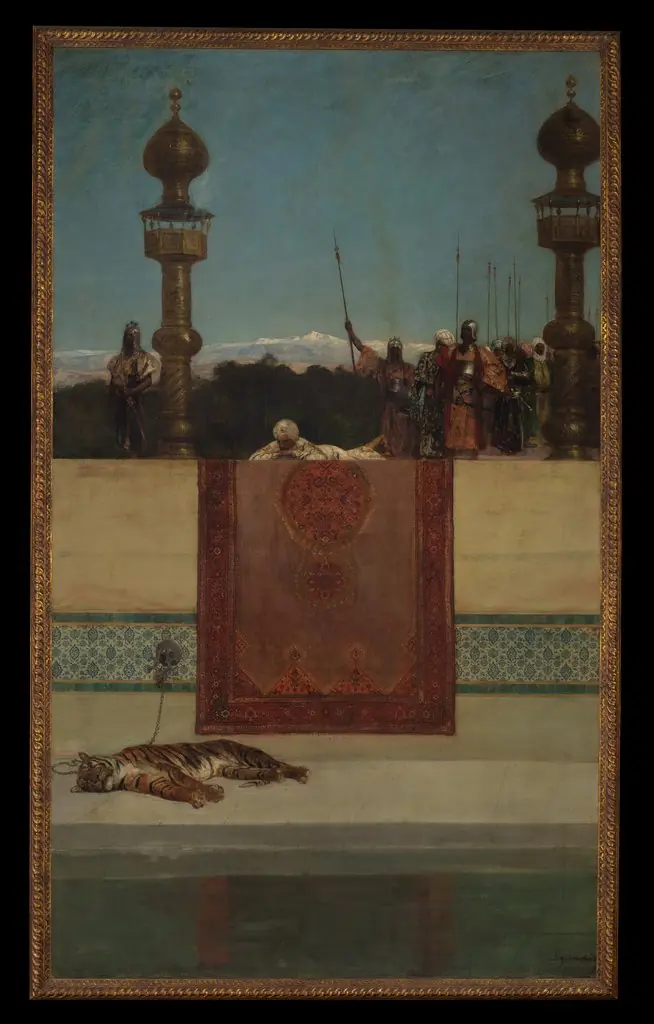 The Sultan's Tiger
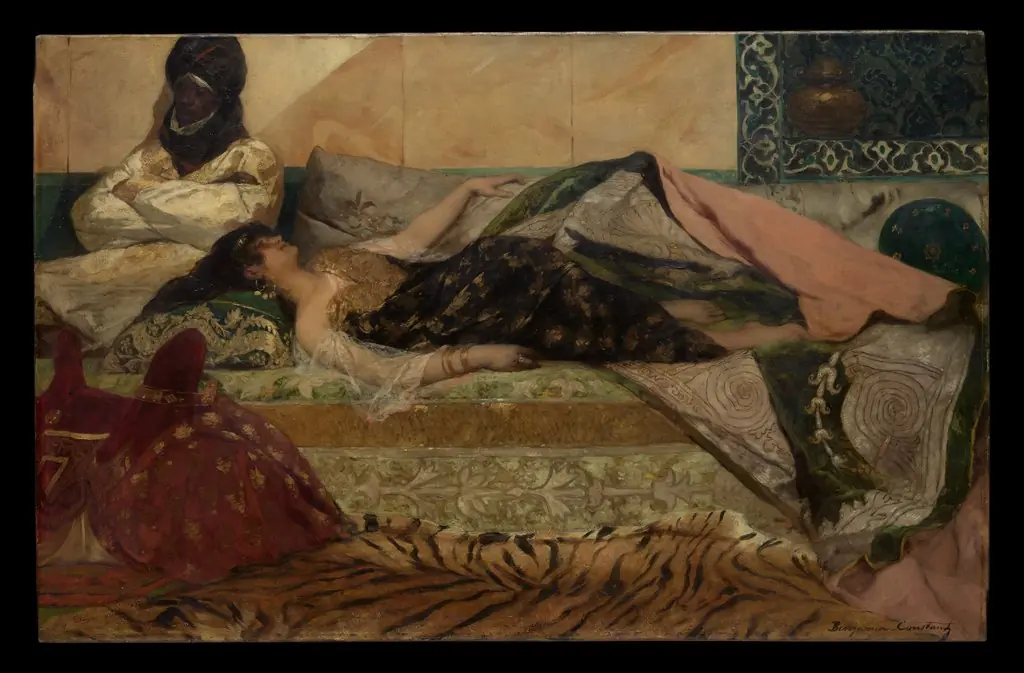 Odalisque
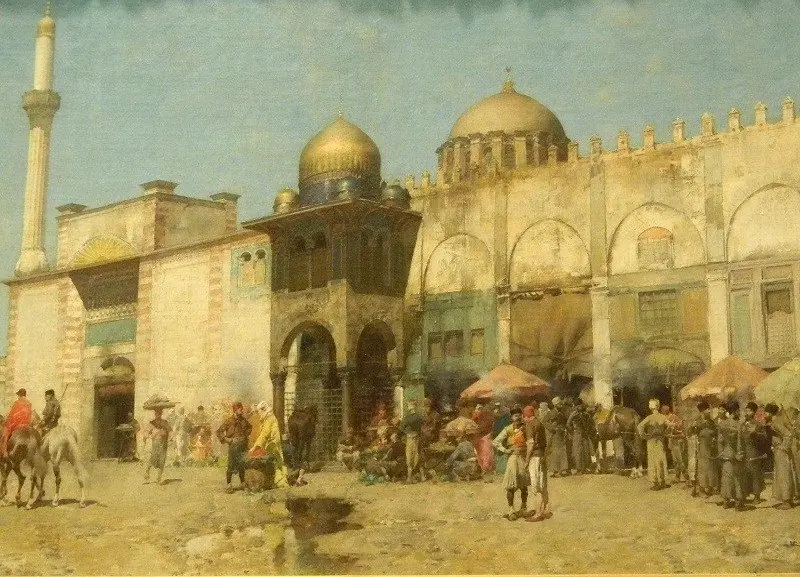 A Mosque
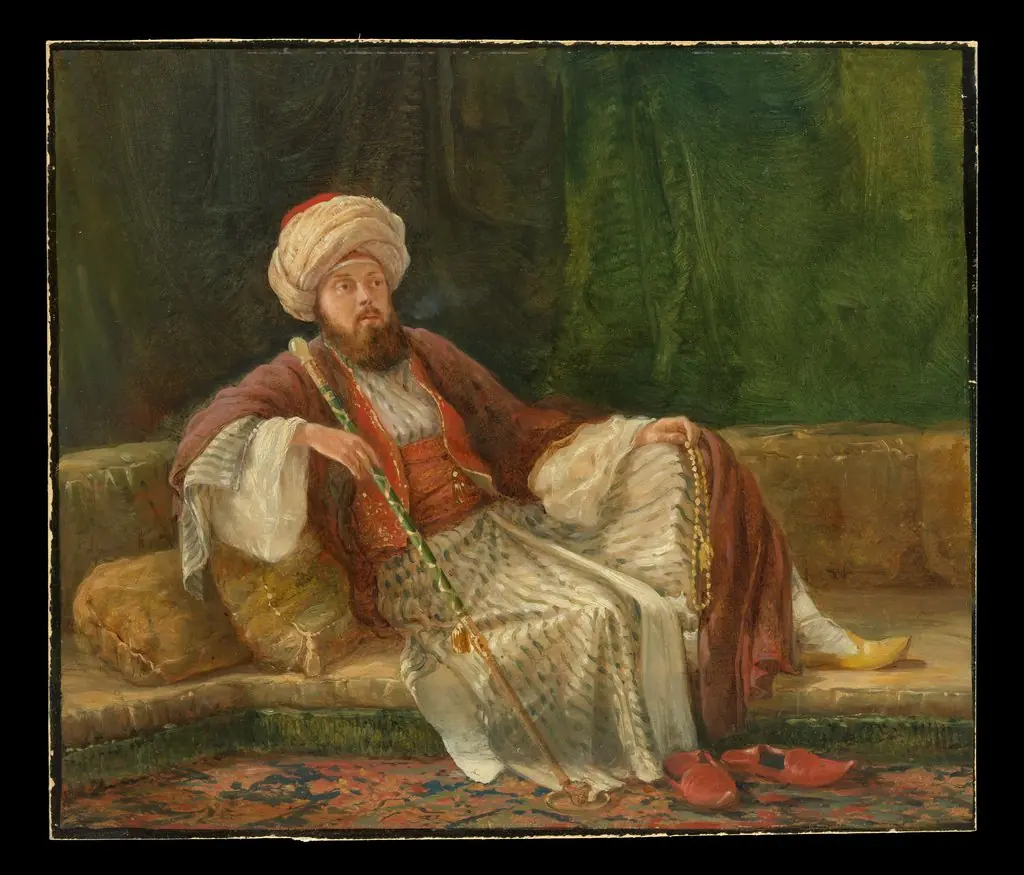 Western Gentleman in Oriental Costume
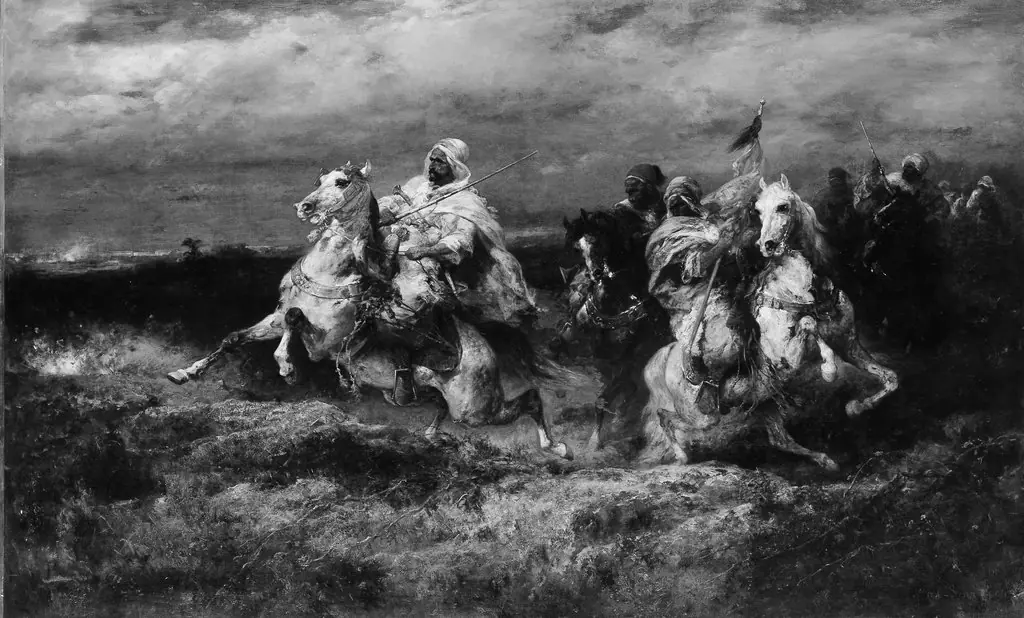 Battle Scene: Arabs Making a Detour
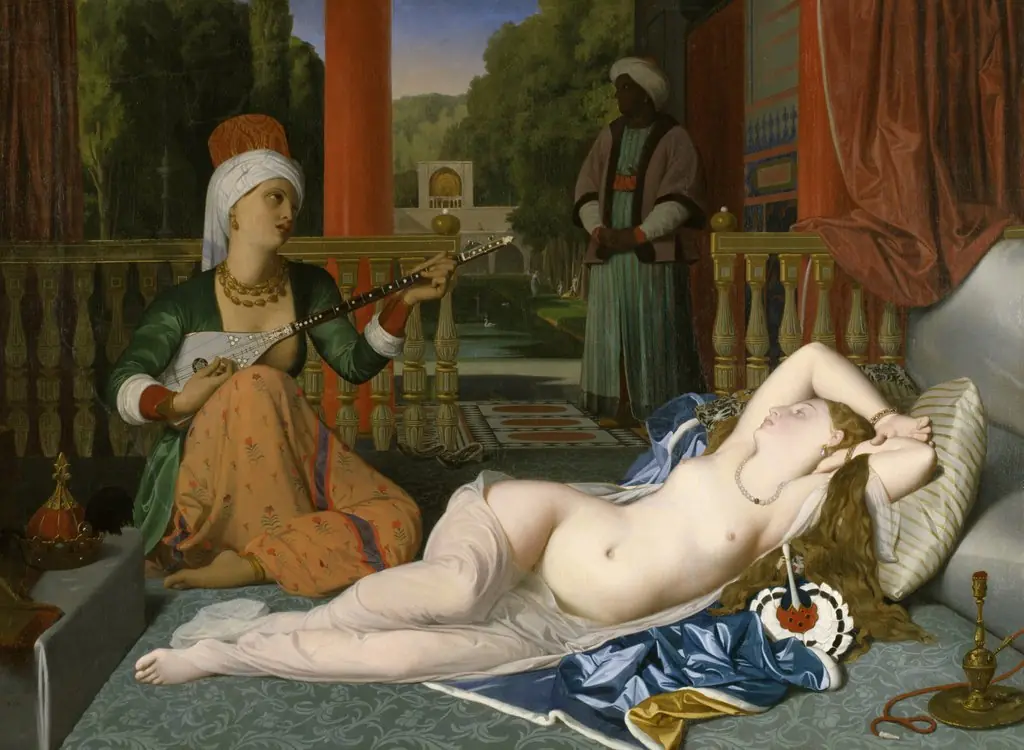 Odalisque with Slave
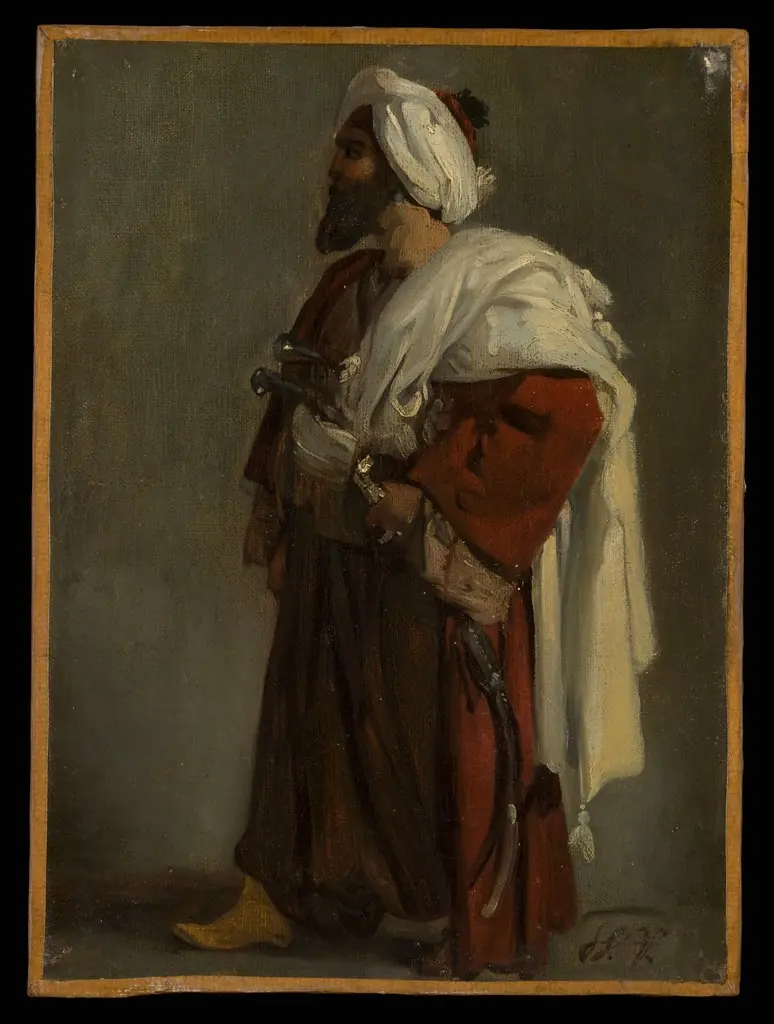 Arab Warrior
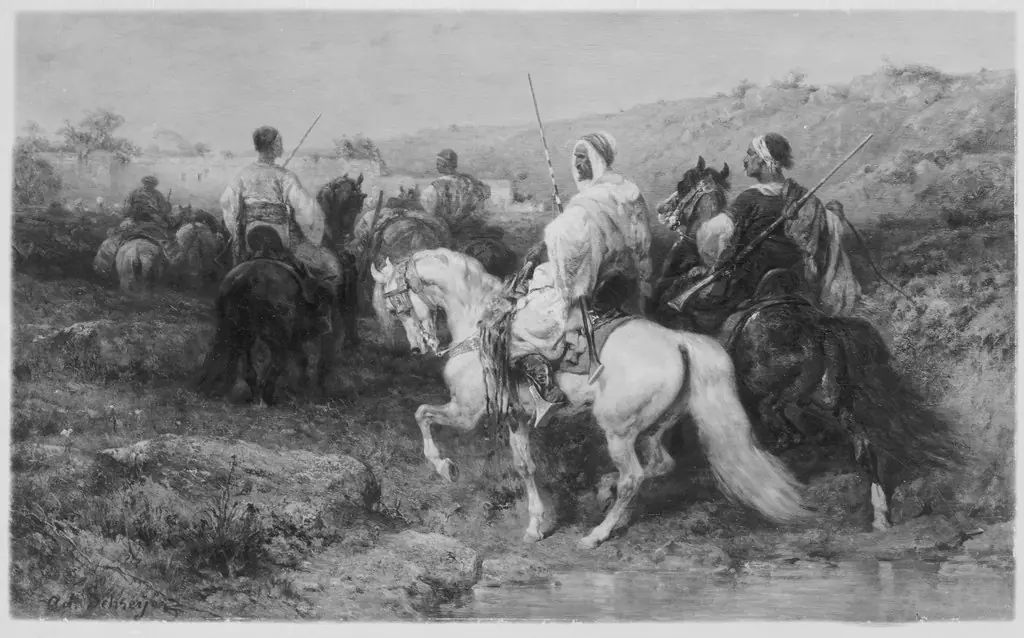 Arabs on the March
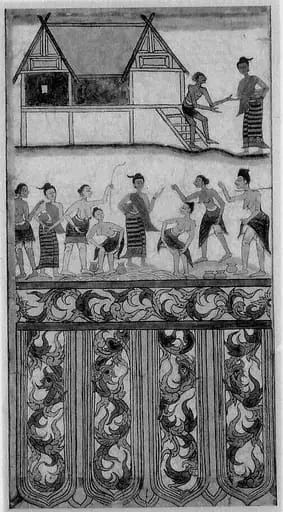 Untitled
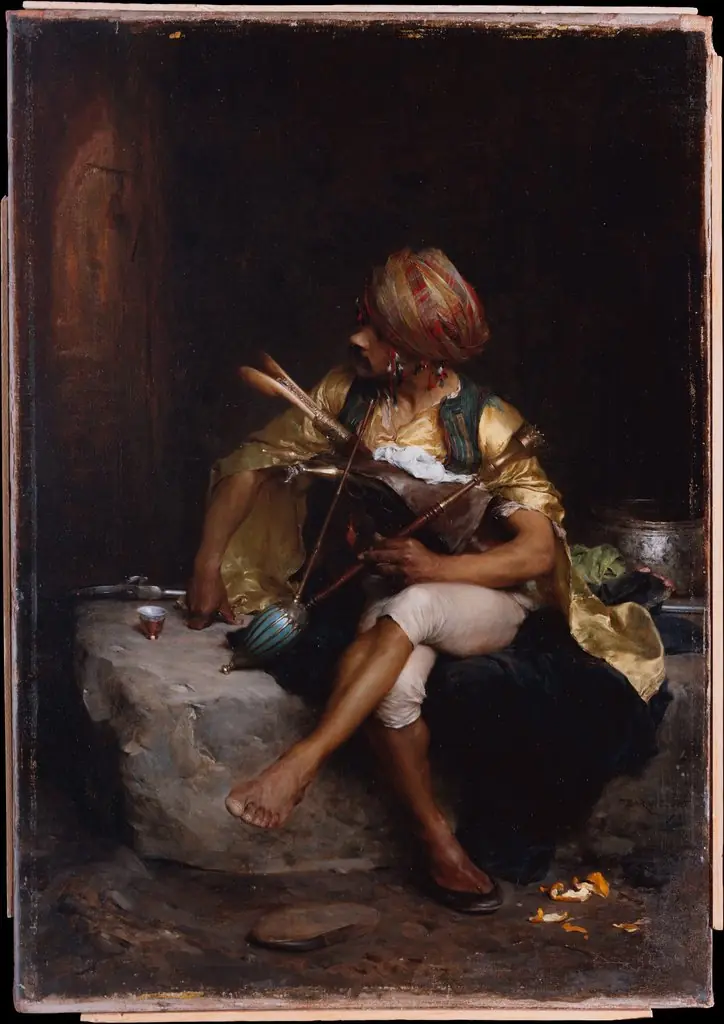 A Bashi-Bazouk
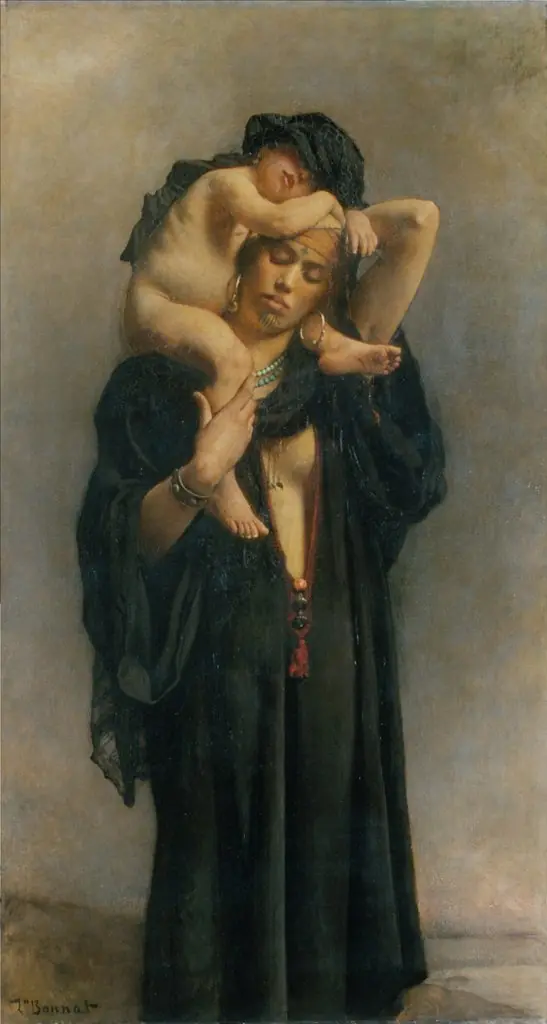 An Egyptian Peasant Woman and Her Child
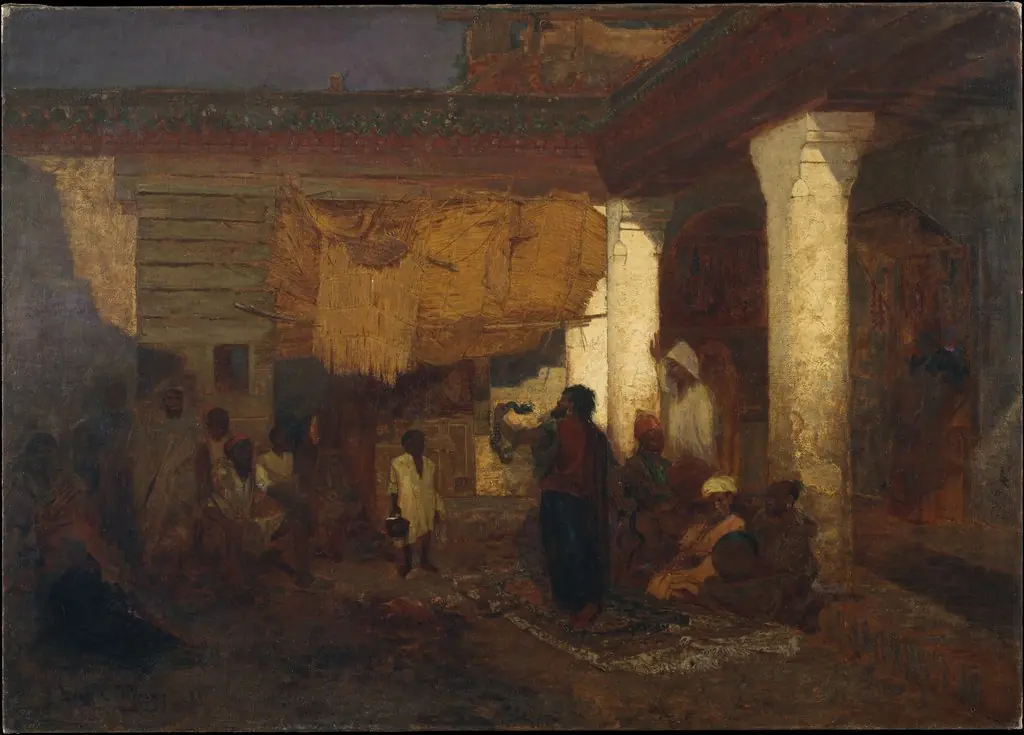 Snake Charmer at Tangier, Africa
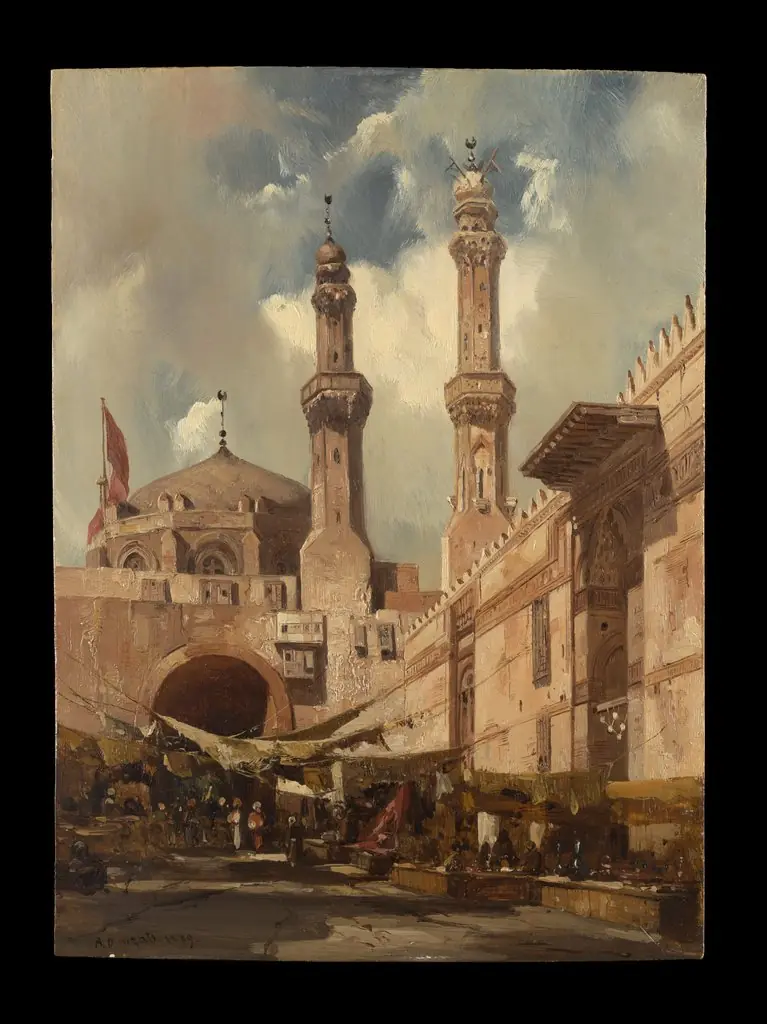 A Cairo Bazaar
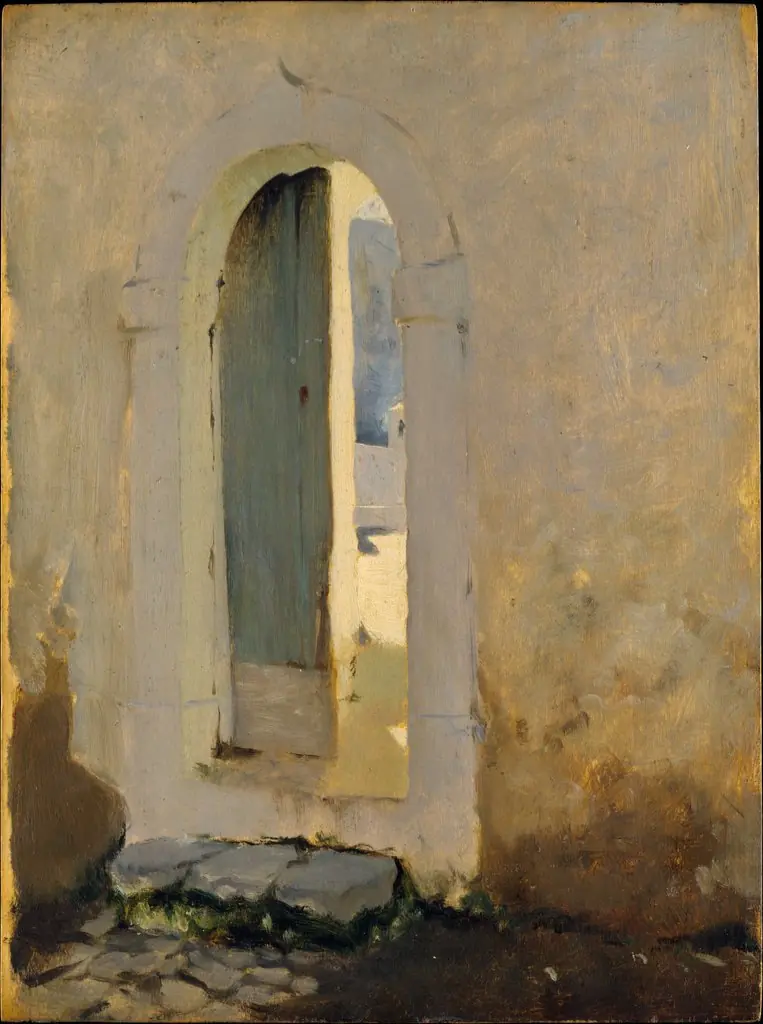 Open Doorway, Morocco
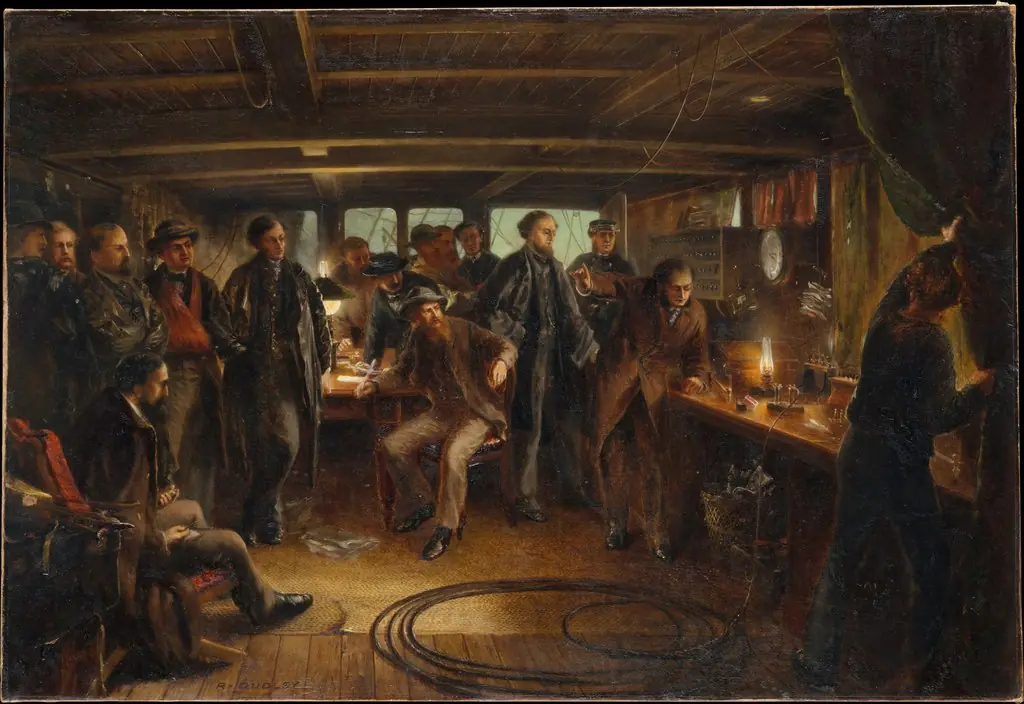 Awaiting the Reply
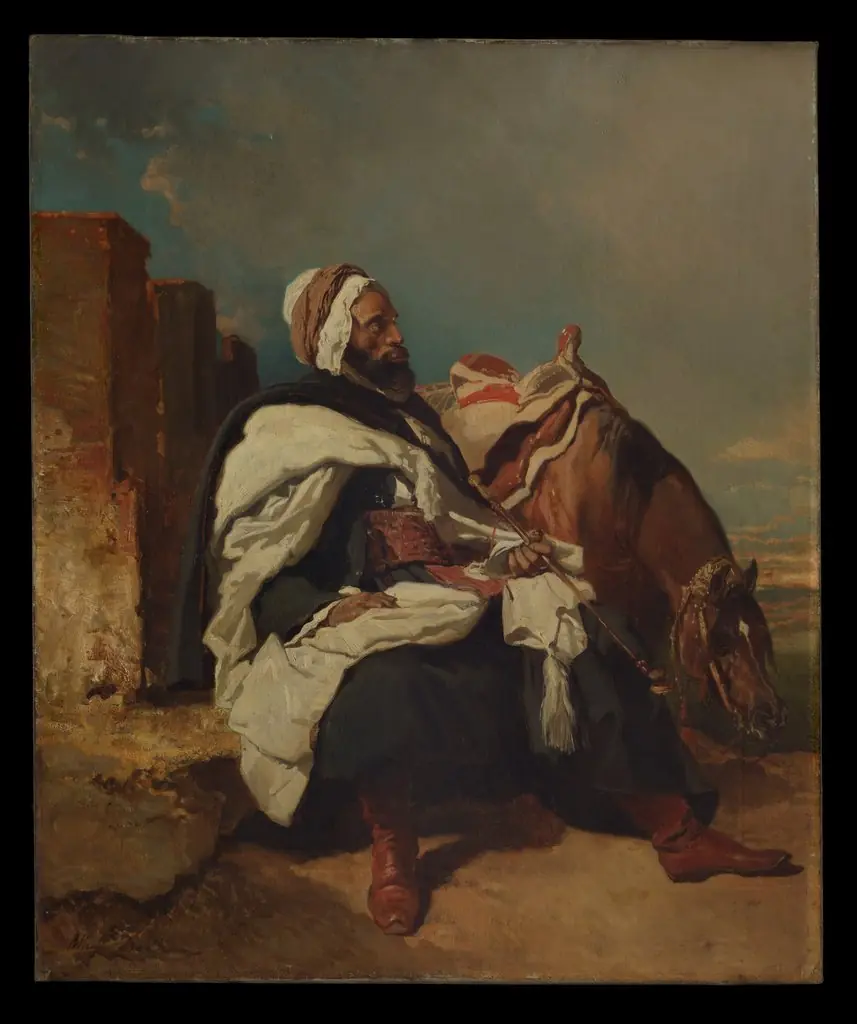 Seated Arab Man with Horse
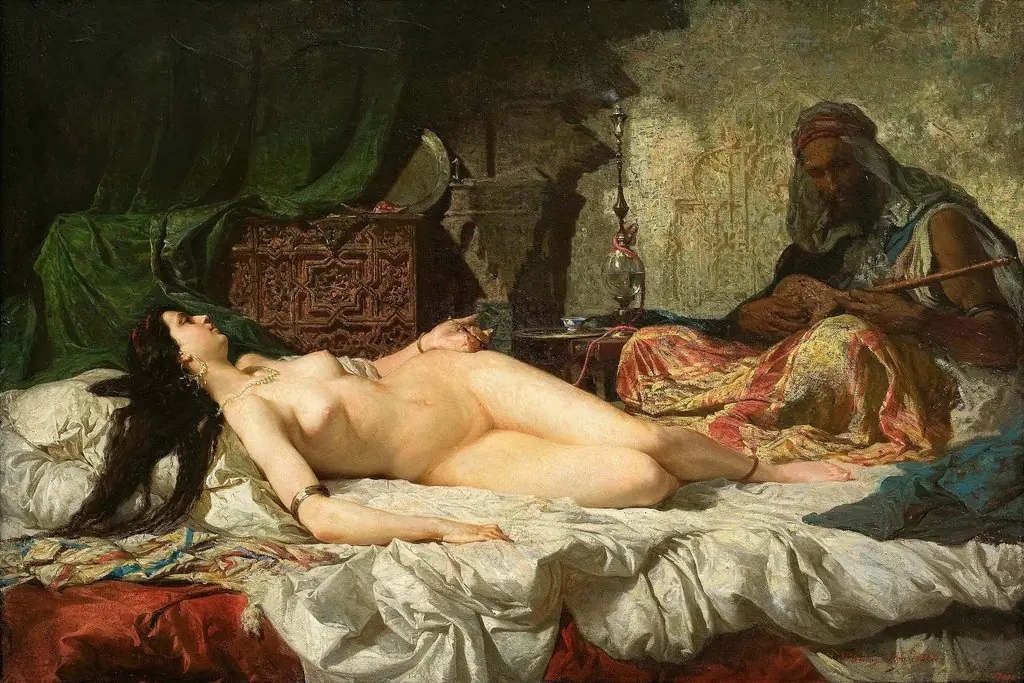 The Odalisque
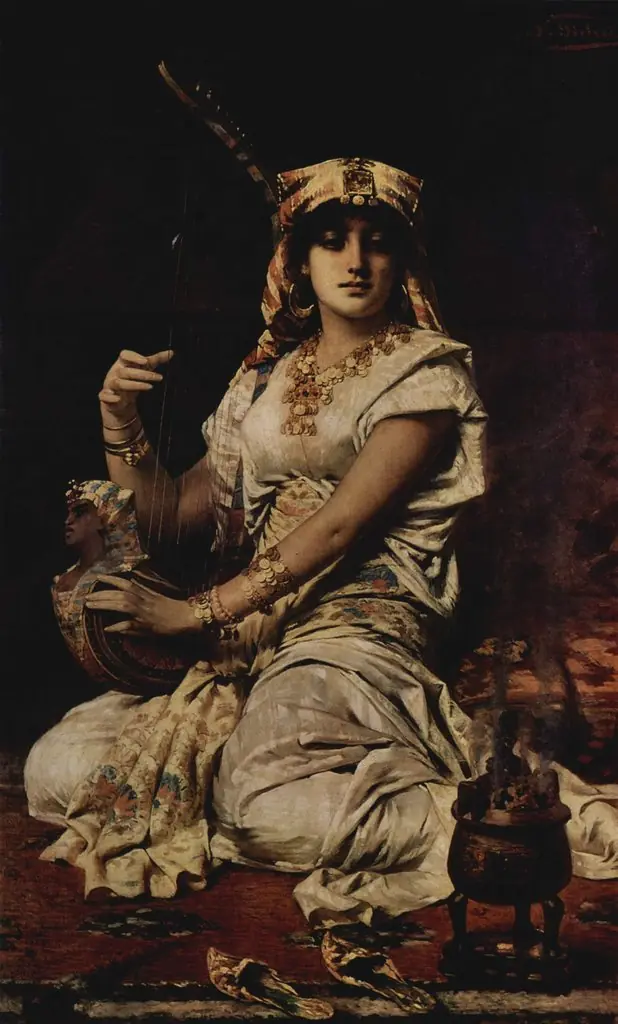 Almée
Almée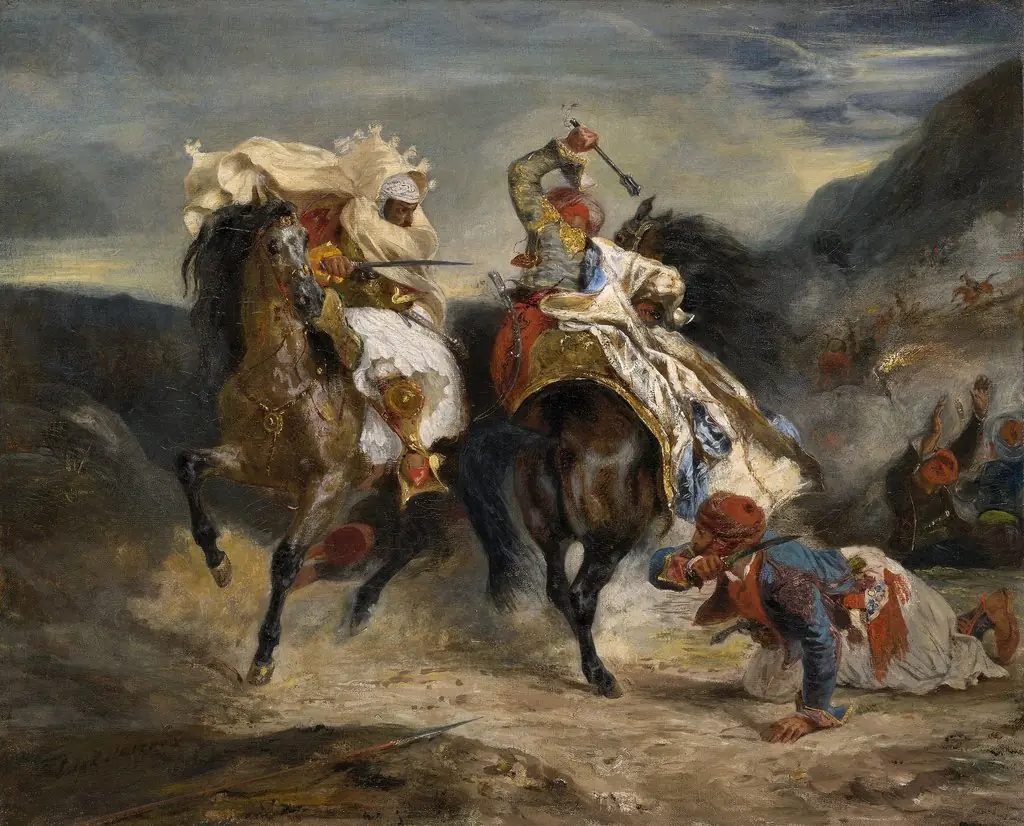 The Combat of the Giaour and Hassan
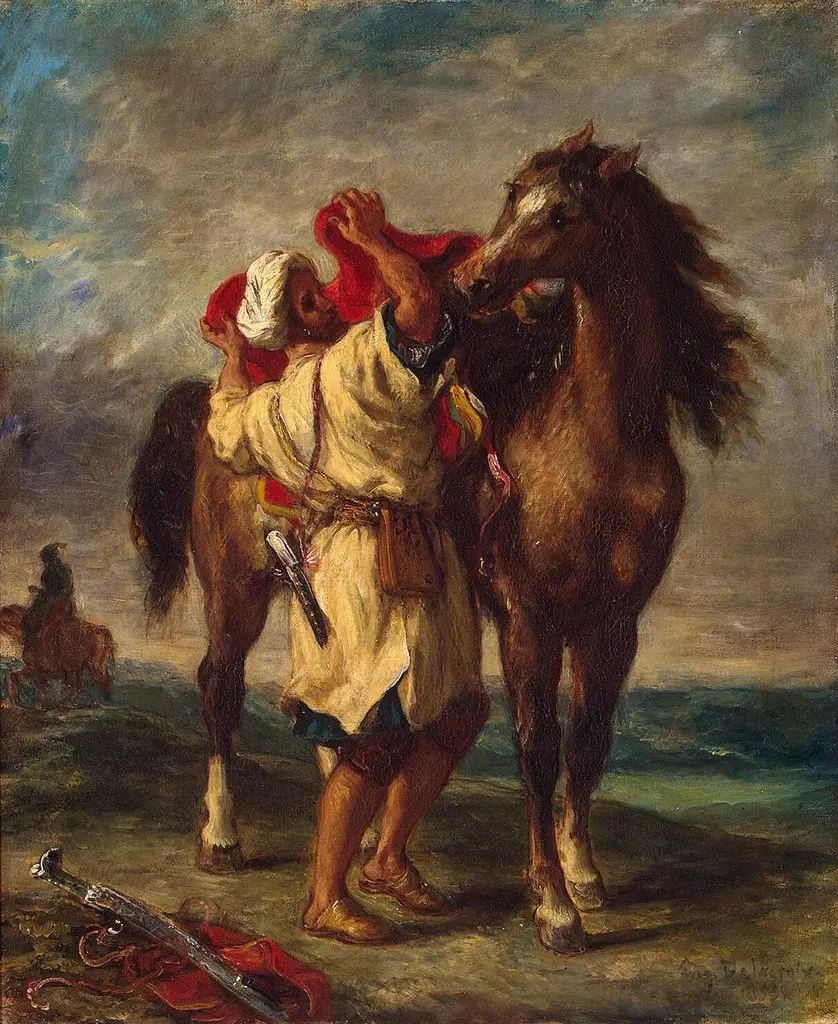 Arab Saddling his Horse
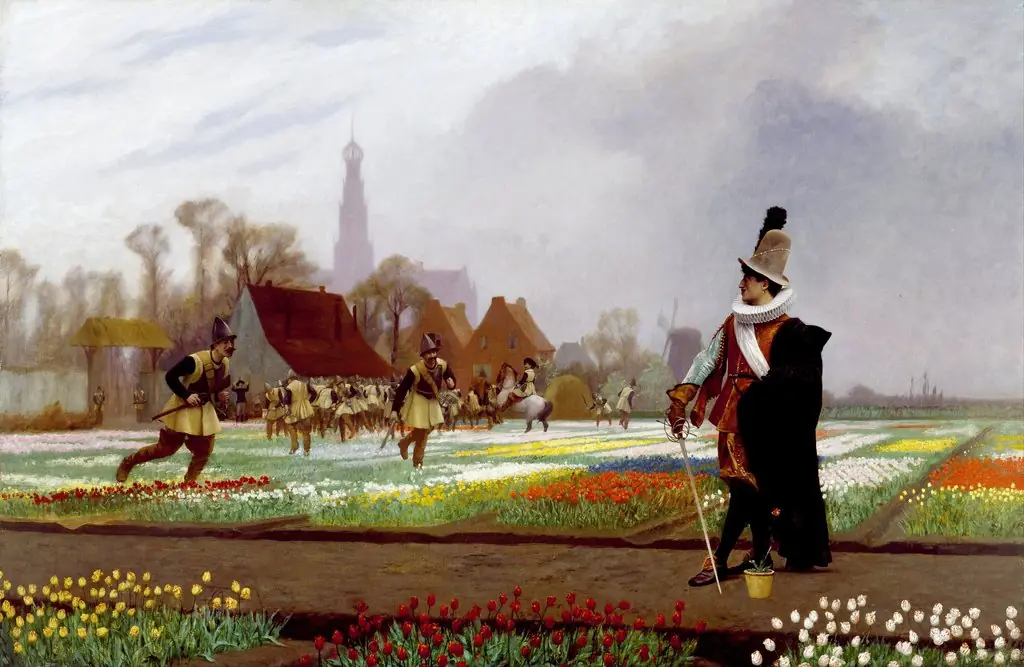 The Tulip Folly
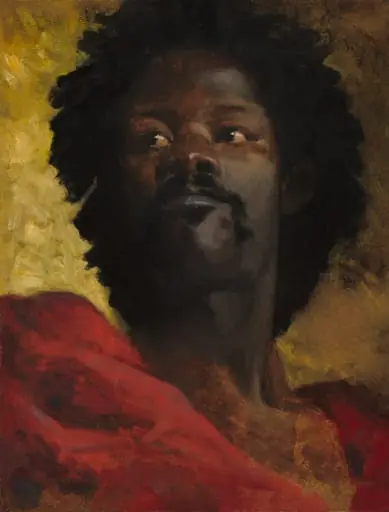 A Chief of Abyssinia
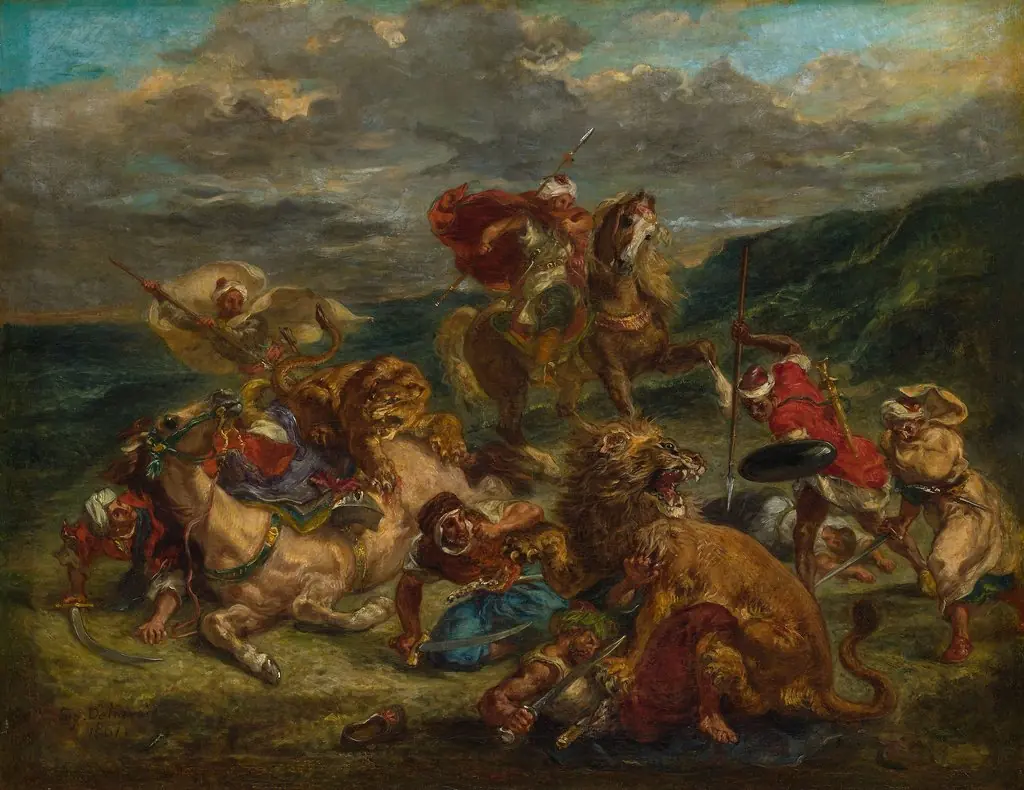 La Chasse aux lions au Maroc
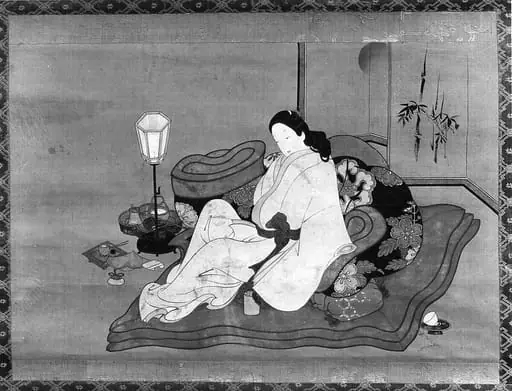 Untitled
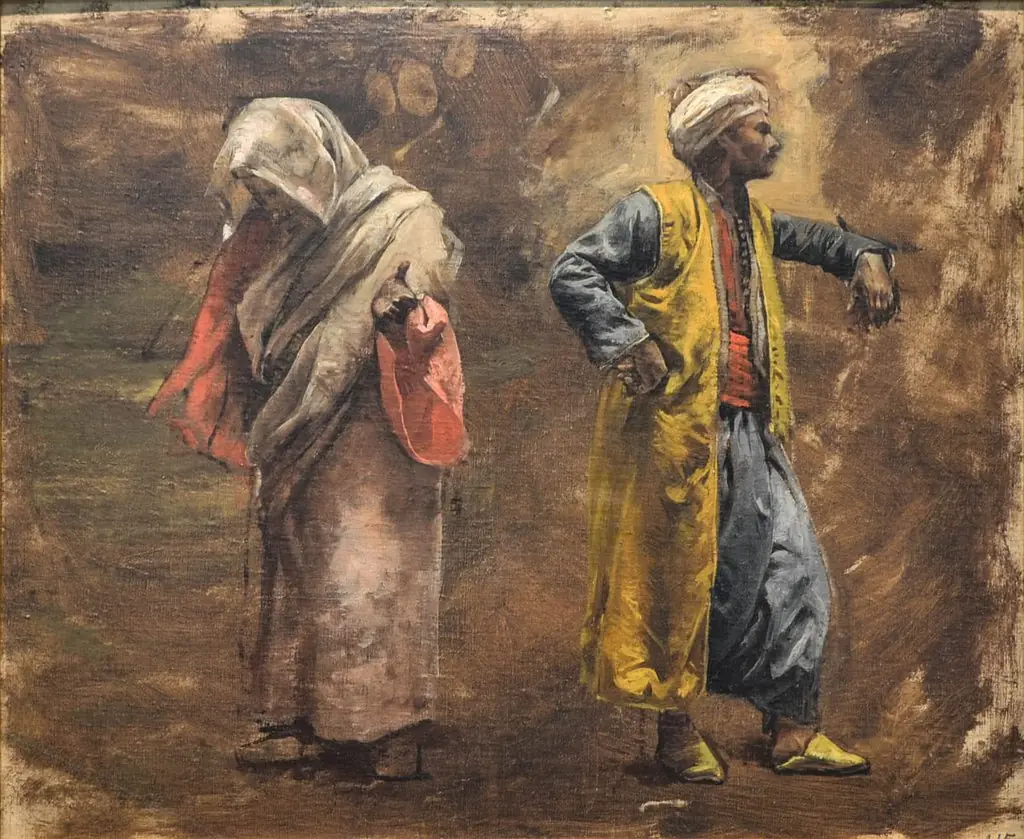 Study of Two Figures
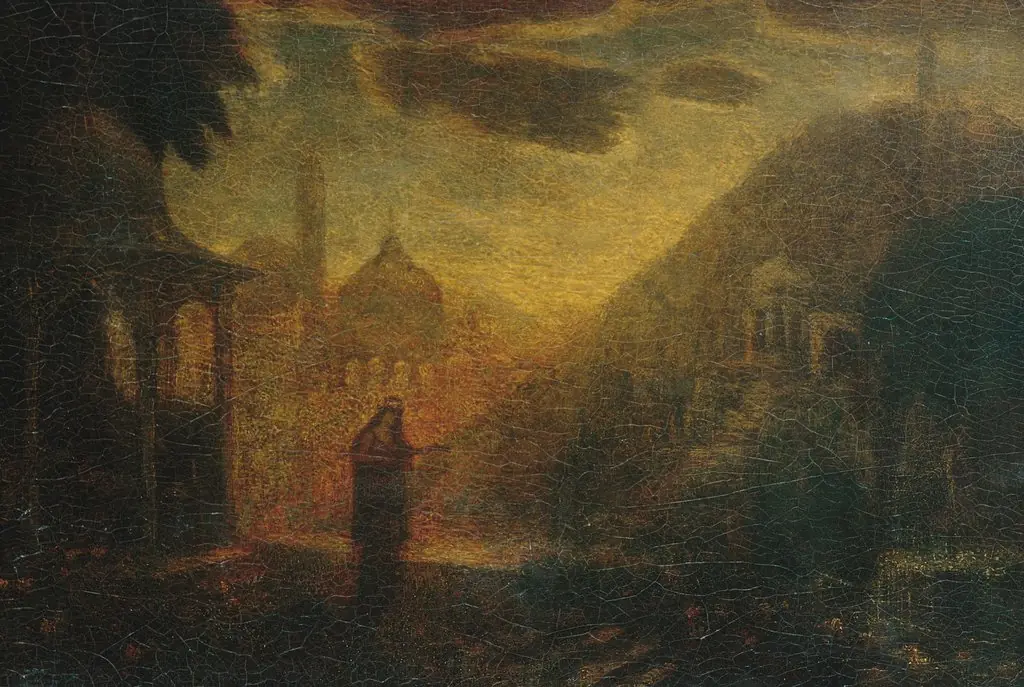 Nourmahal
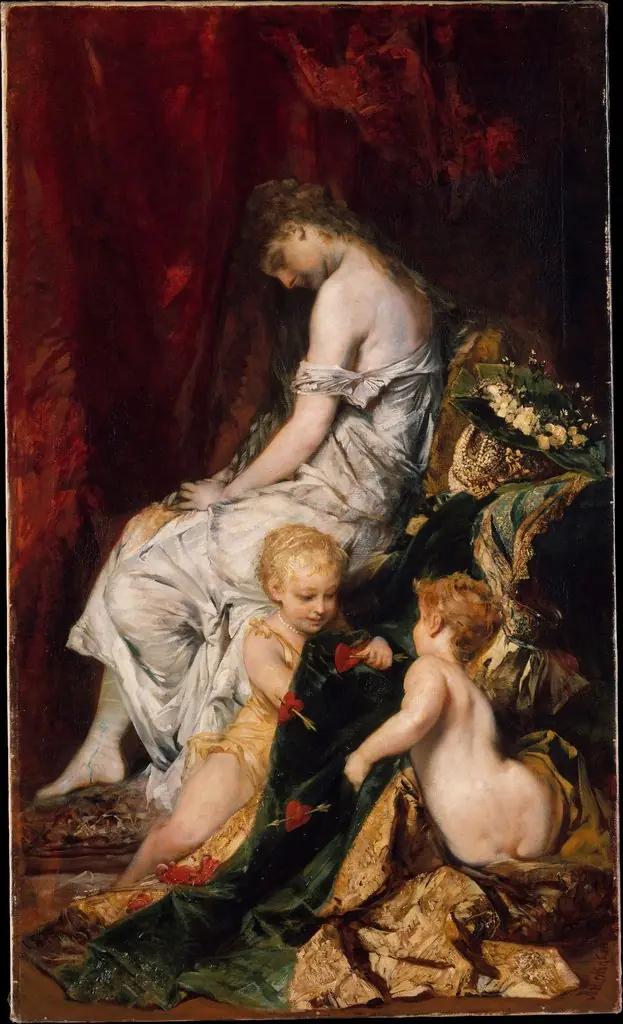 The Dream after the Ball
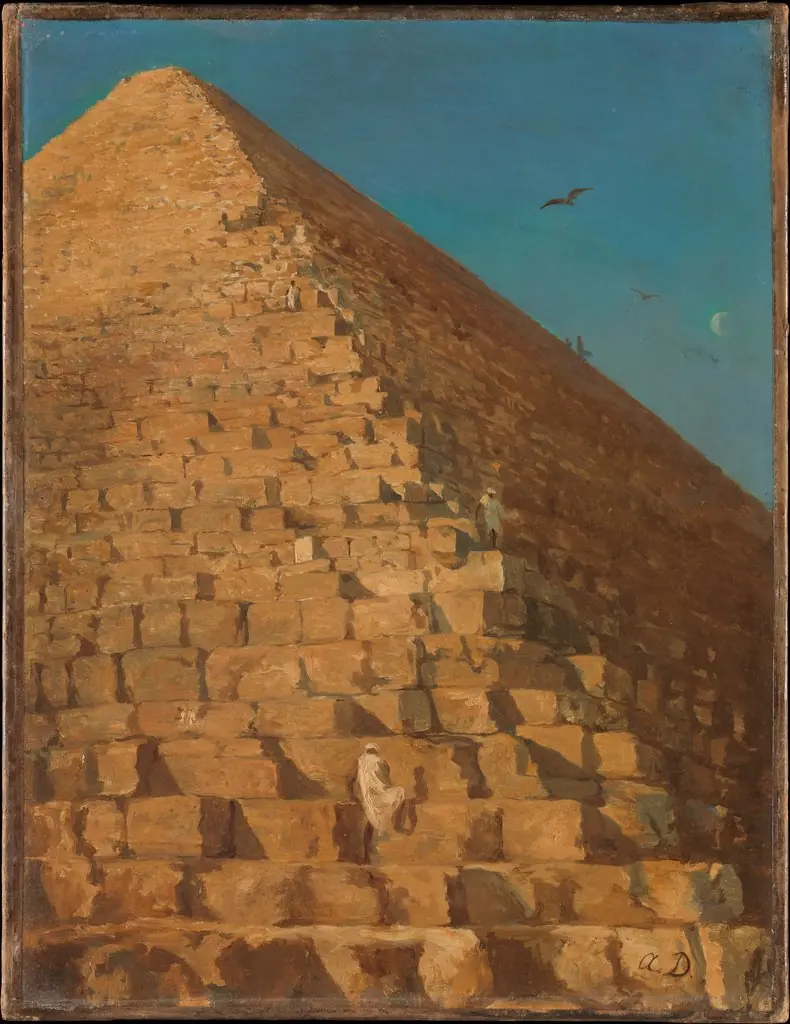 The Great Pyramid, Giza
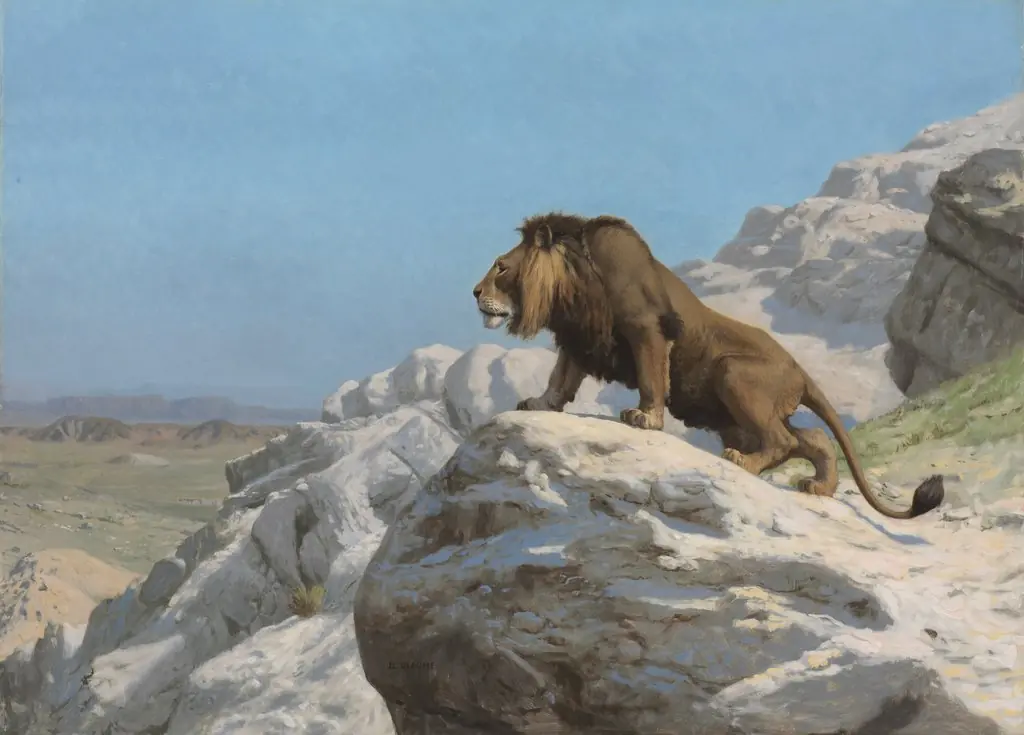 Lion on the Watch
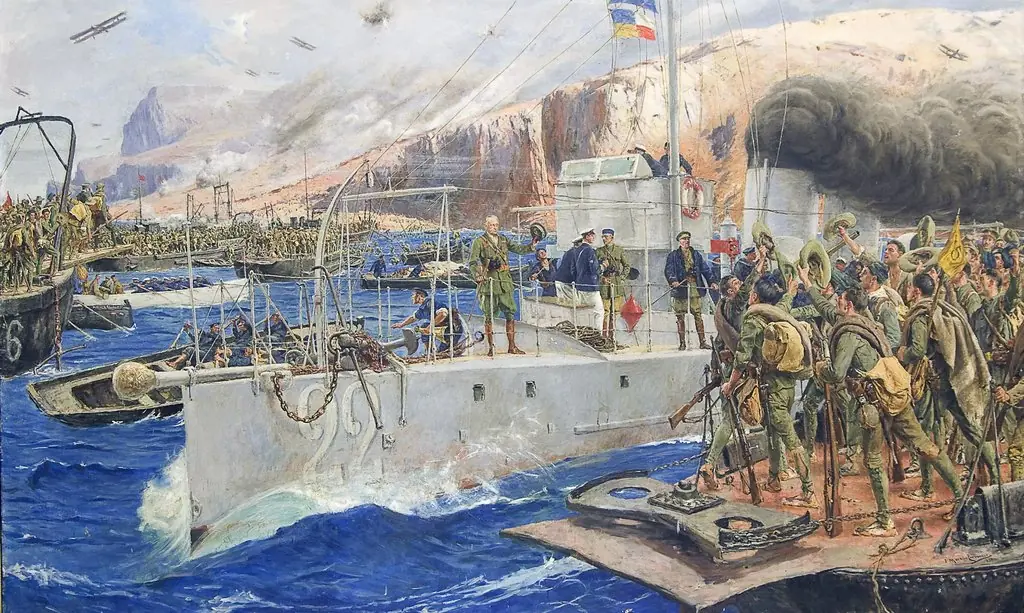 Alhucemas Landing
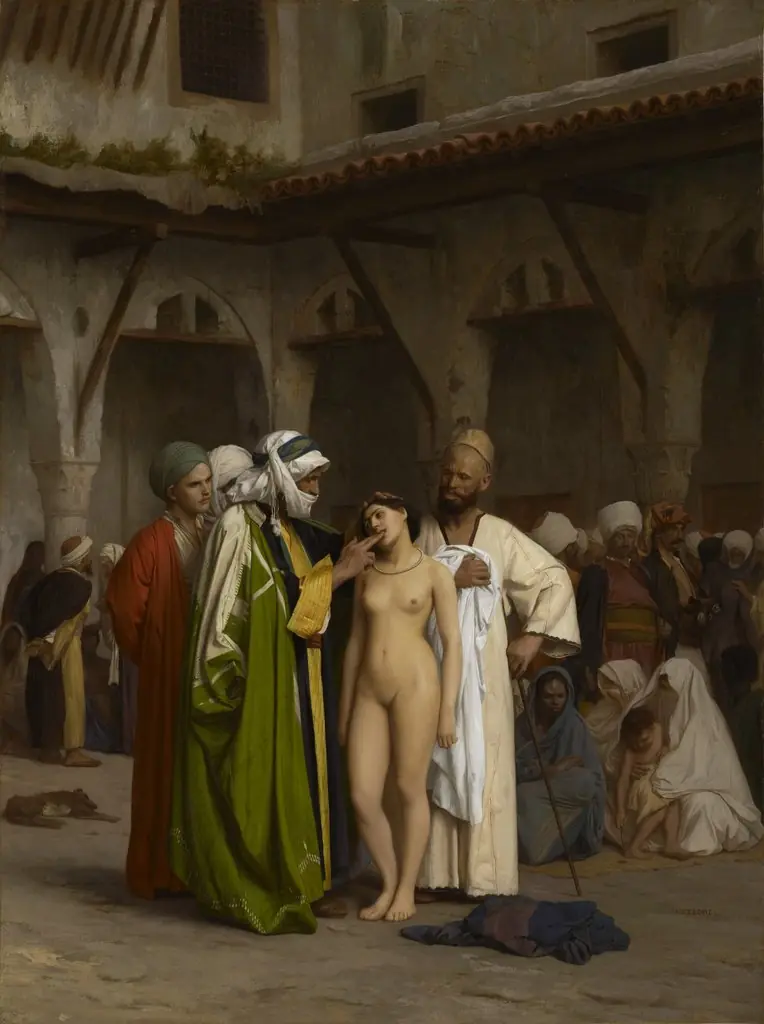 The Slave Market
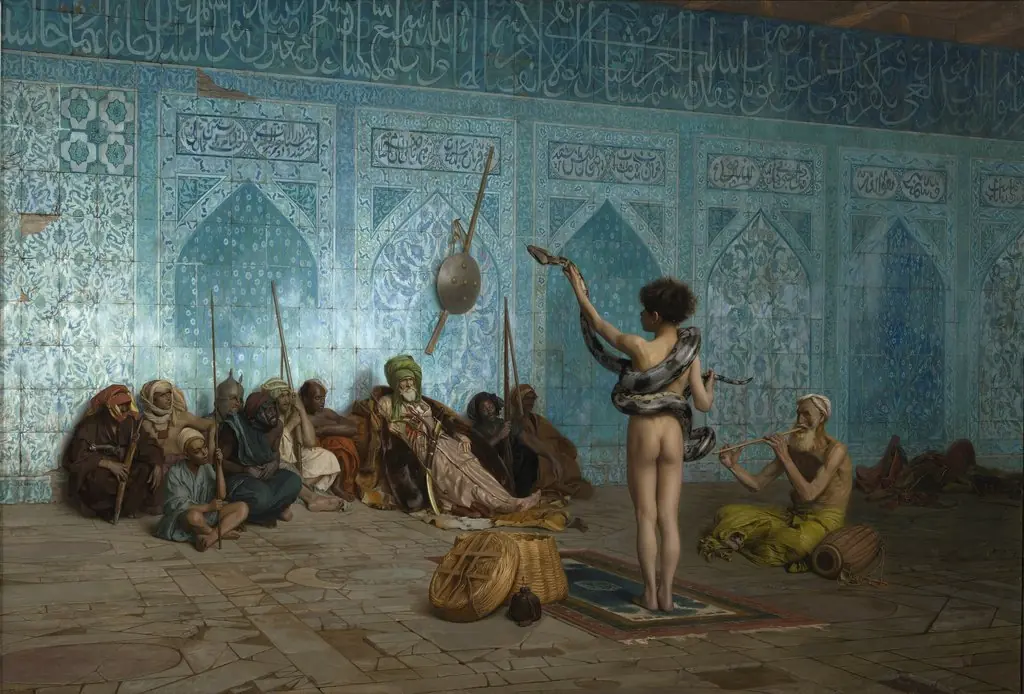 The Snake Charmer
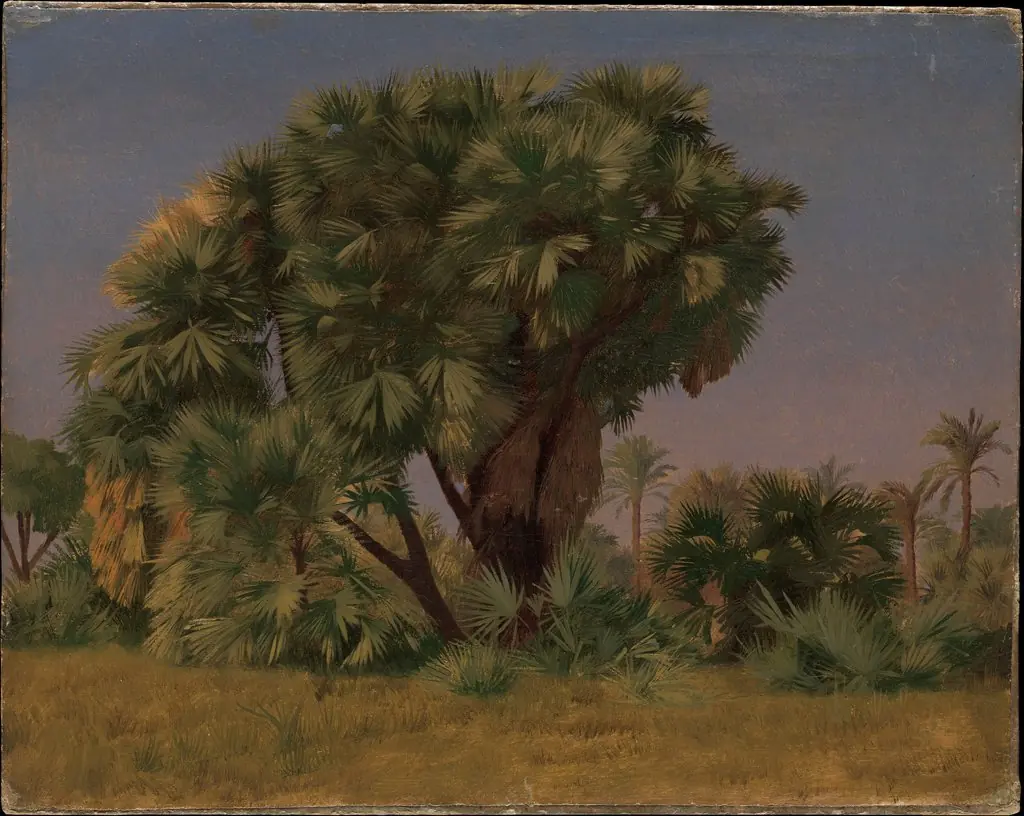 Study of Palm Trees
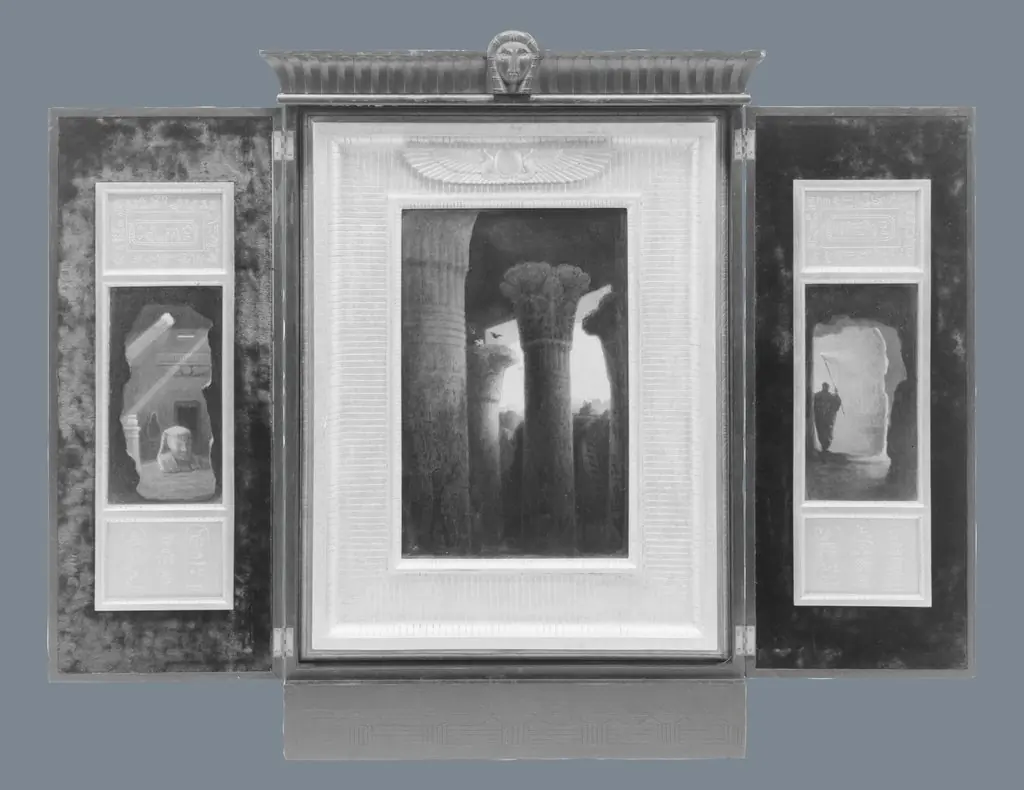 Egyptian Revival Triptych
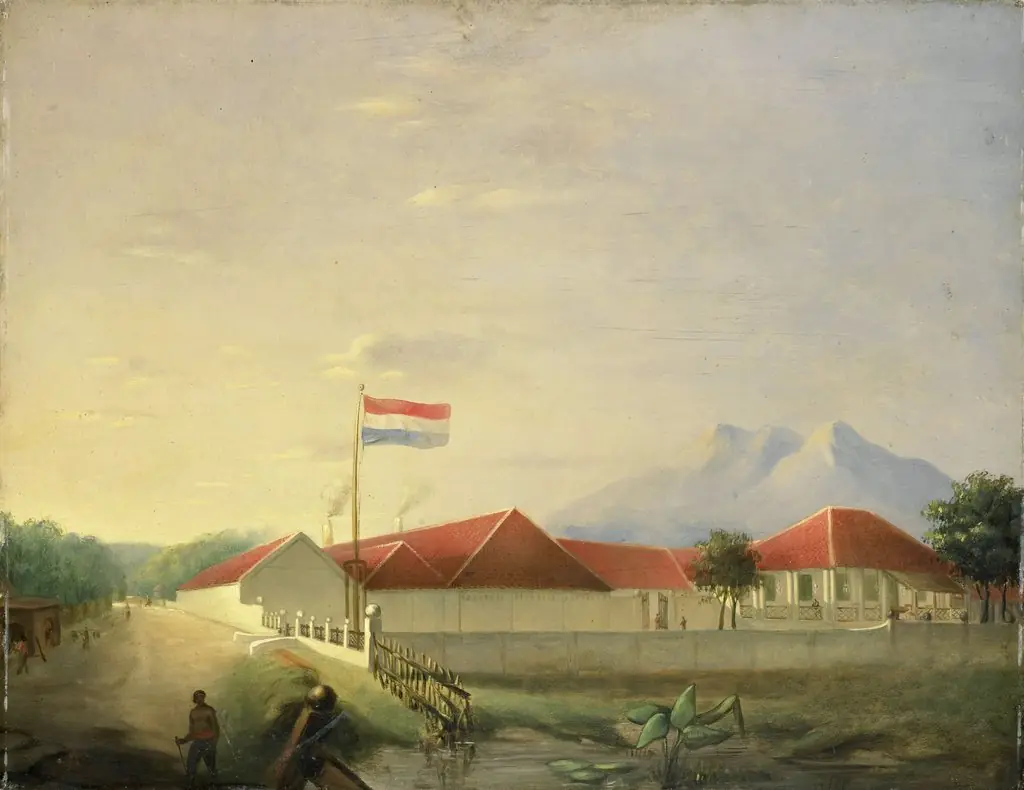 Mill on Jawa
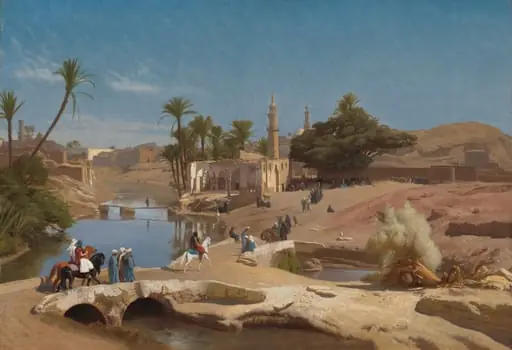 View of Medinet El-Fayoum
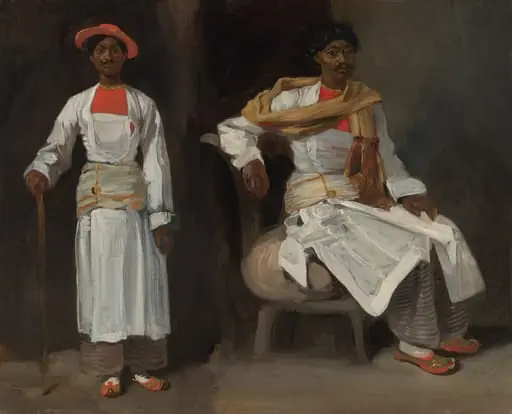 Two Studies of an Indian from Calcutta, Seated and Standing
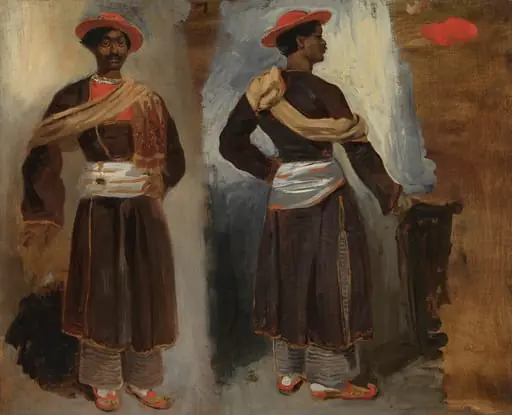 Two Studies of a Standing Indian from Calcutta
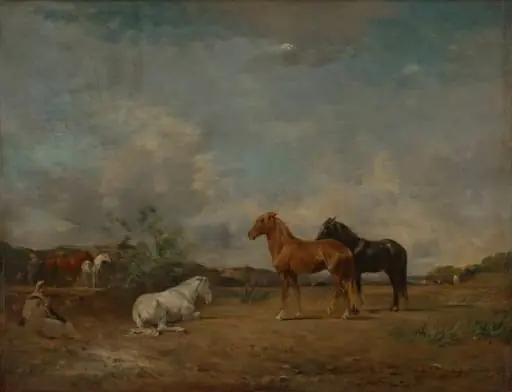 Arab Encampment
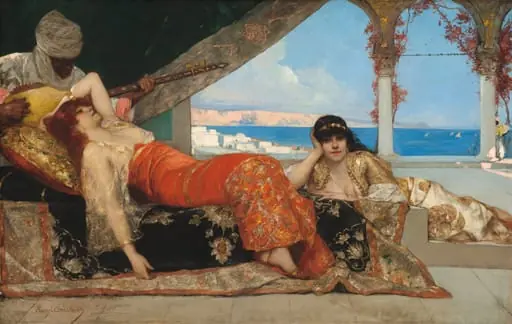 The Favorite of the Emir
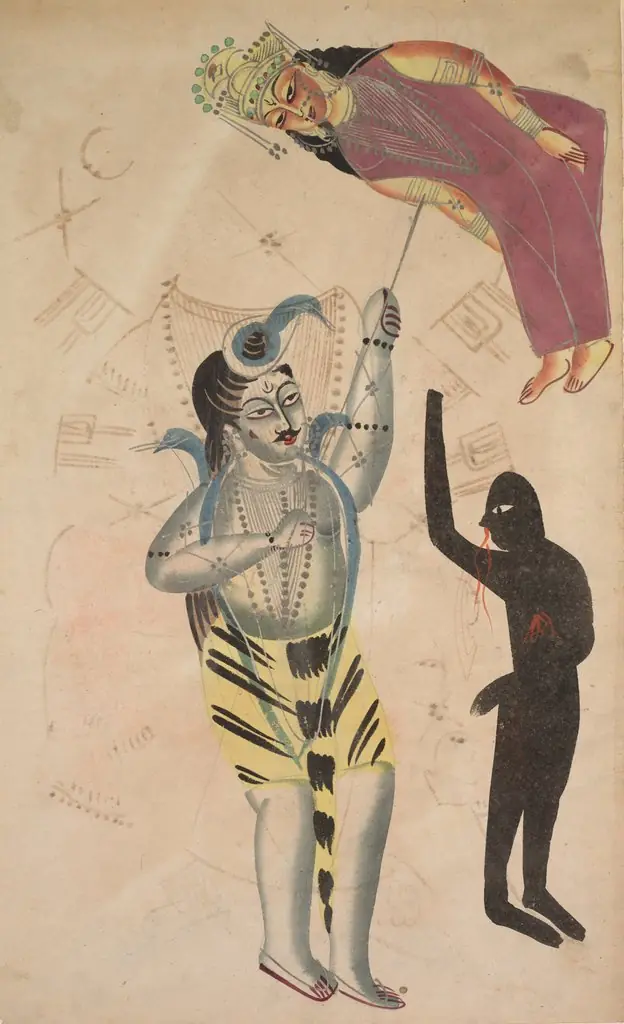 Shiva Bearing Aloft the Body of His Sati
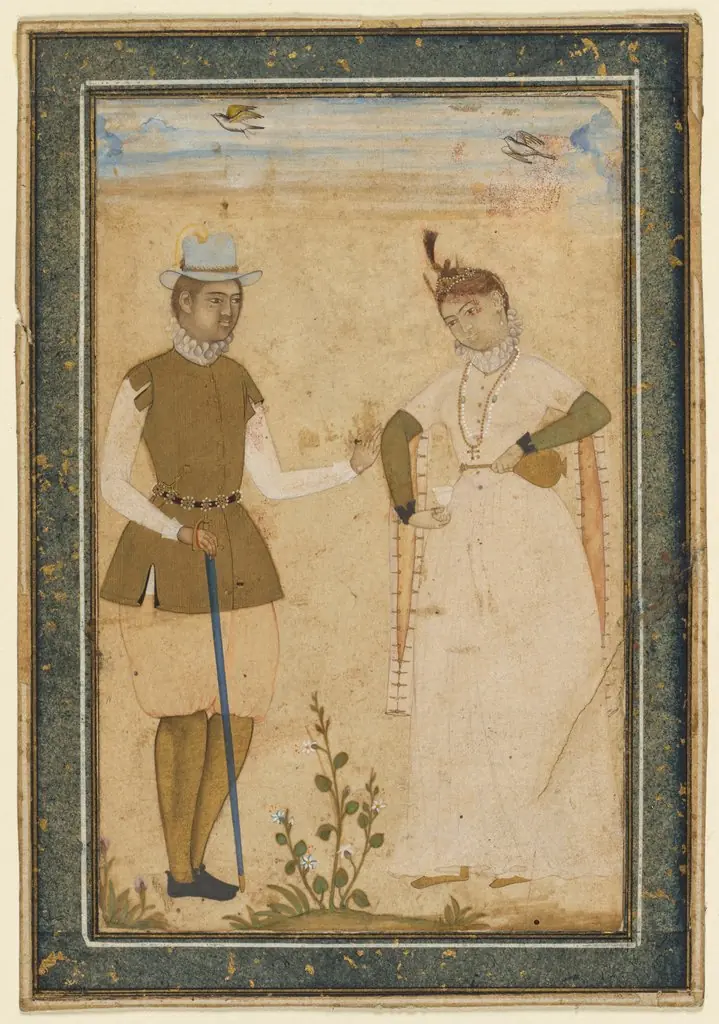 A European Couple
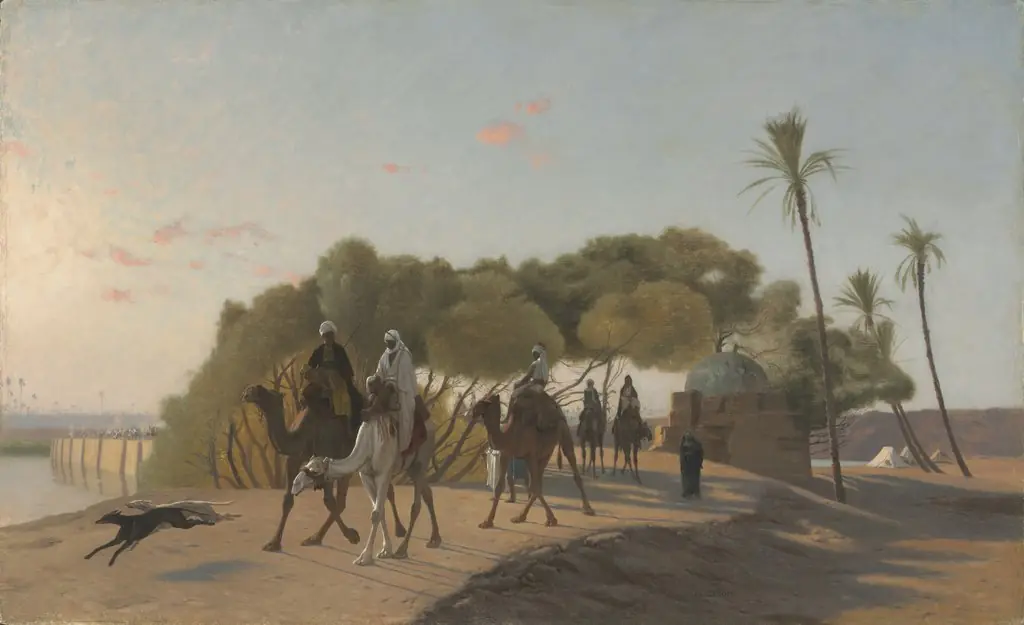 Leaving the Oasis
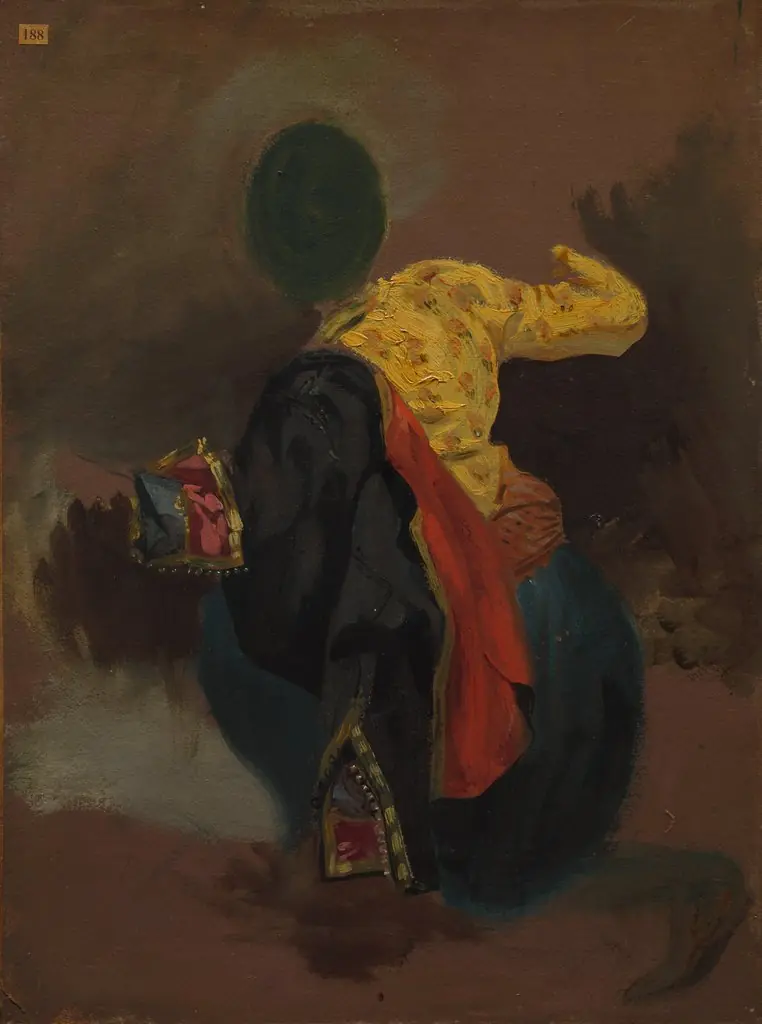 Figure in Turkish Costume
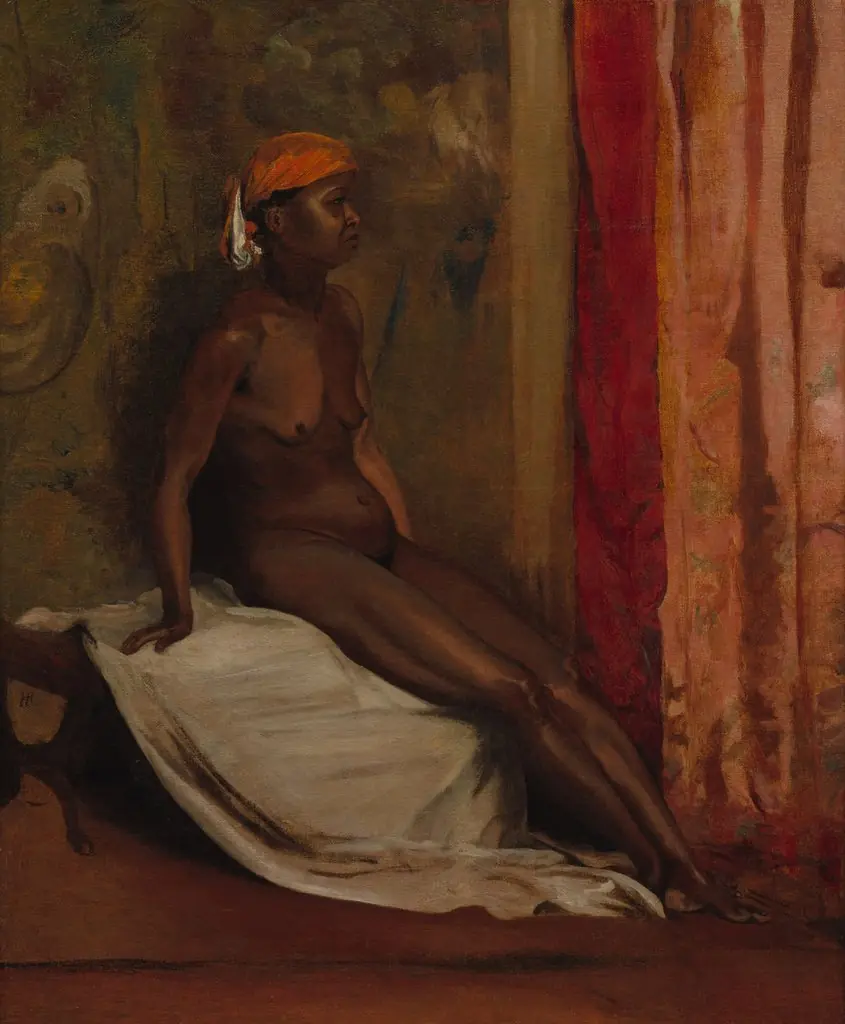 Seated African Woman
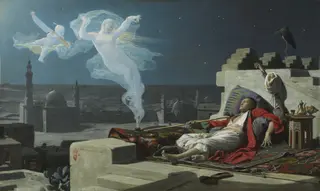 A Eunuch's Dream
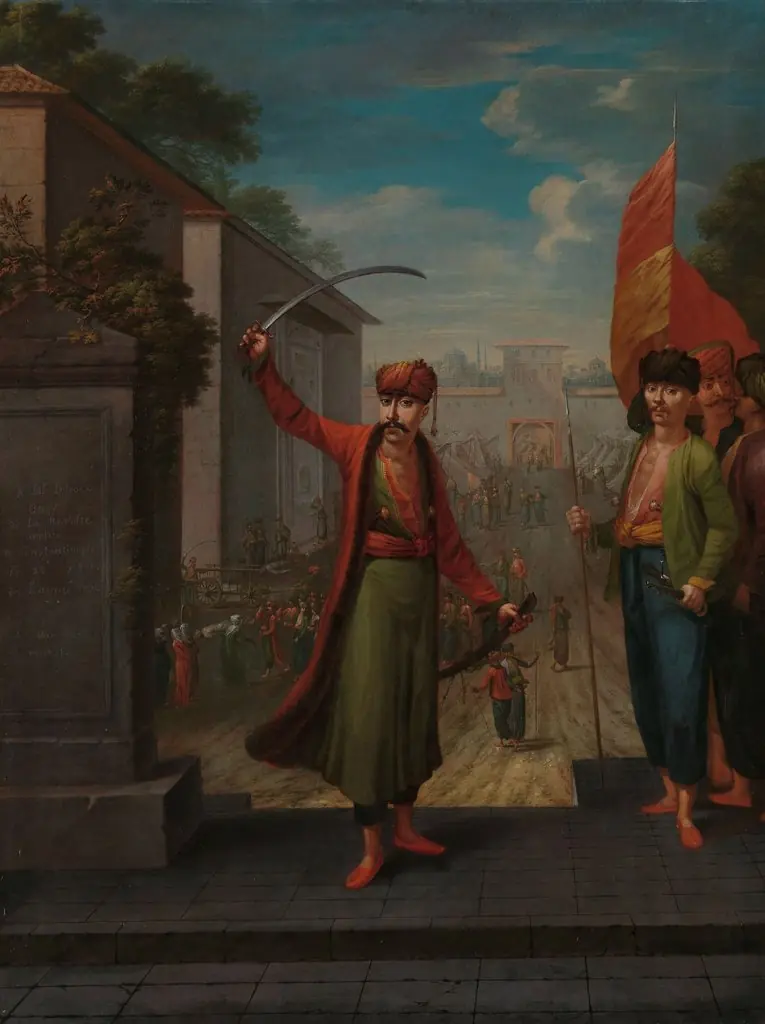 Patrona Halil
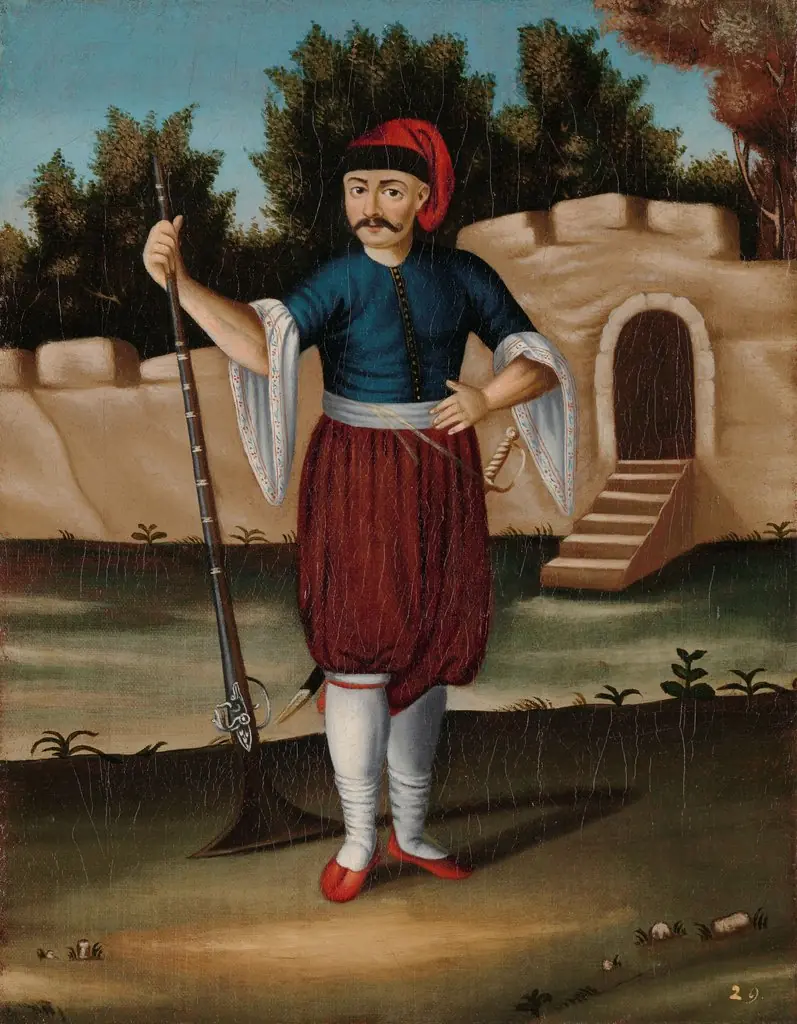 Man from the Albanian Coast
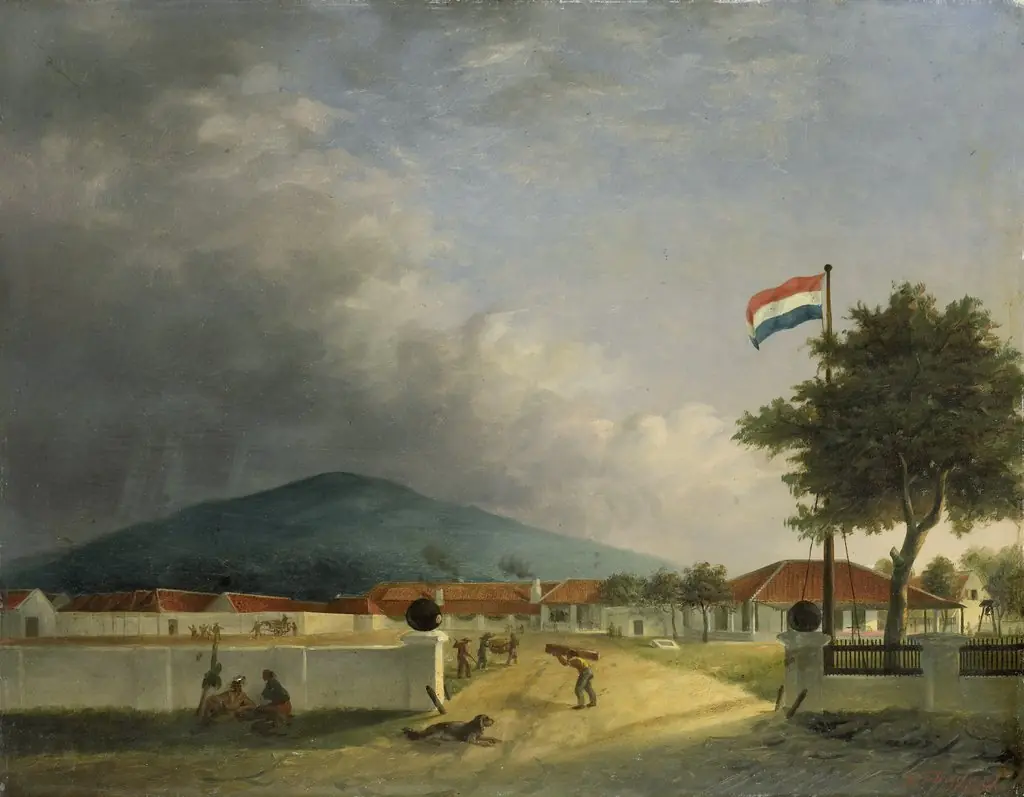 The Kedawong Sugar Mill near Pasuruan on Jawa
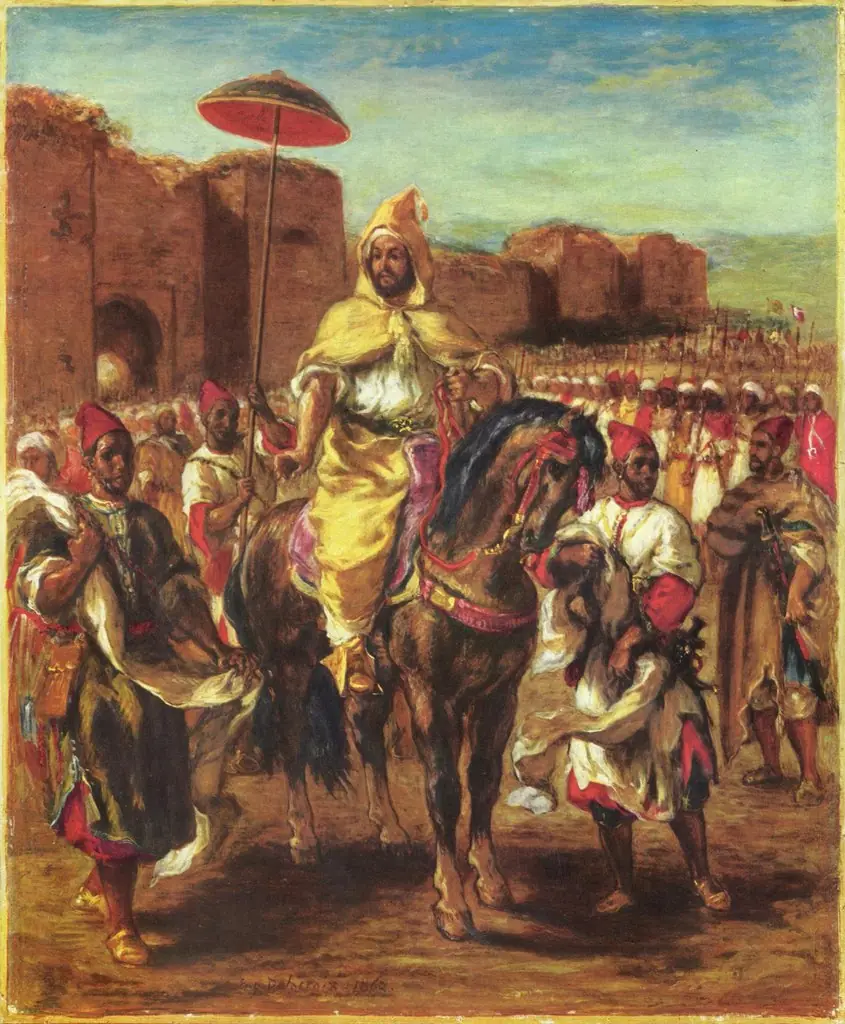 Portrait du sultan du Maroc
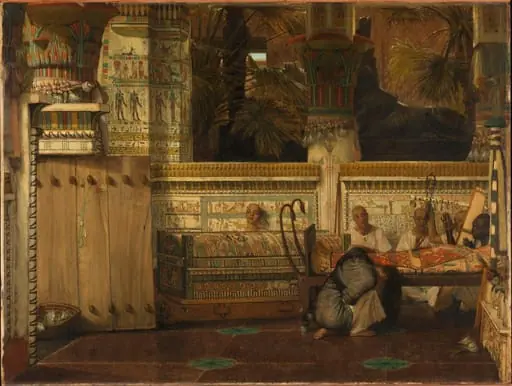 De Egyptische weduwe
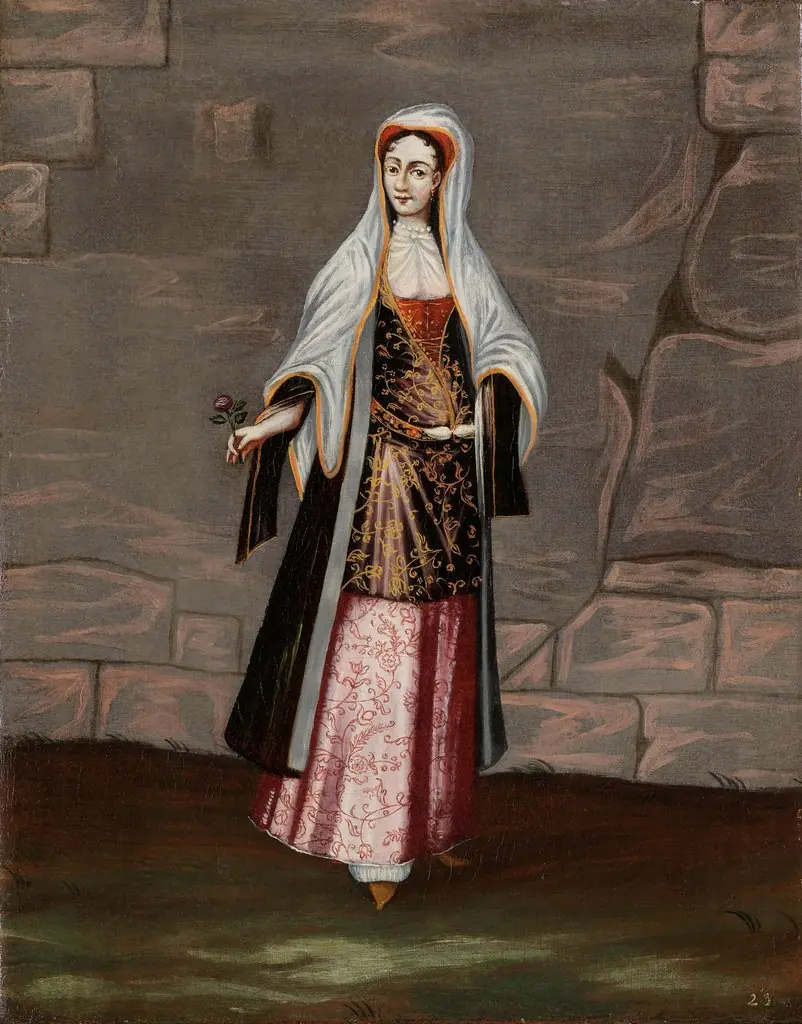 Woman from the Island of Mykonos
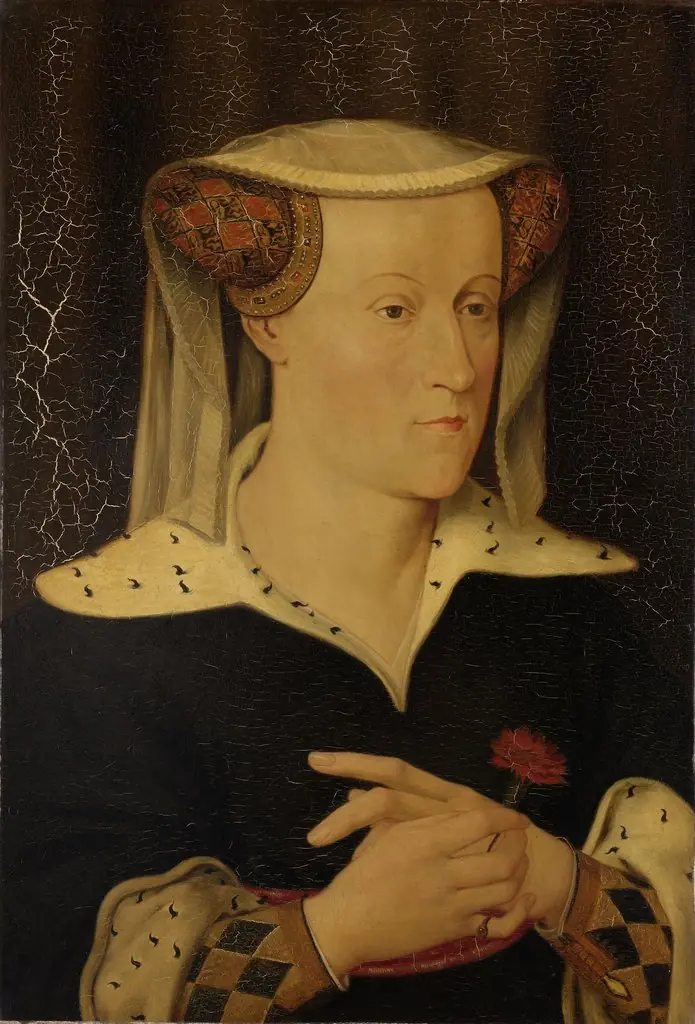 Jacoba of Bavaria (1401-1436), countess of Holland and Zeeland
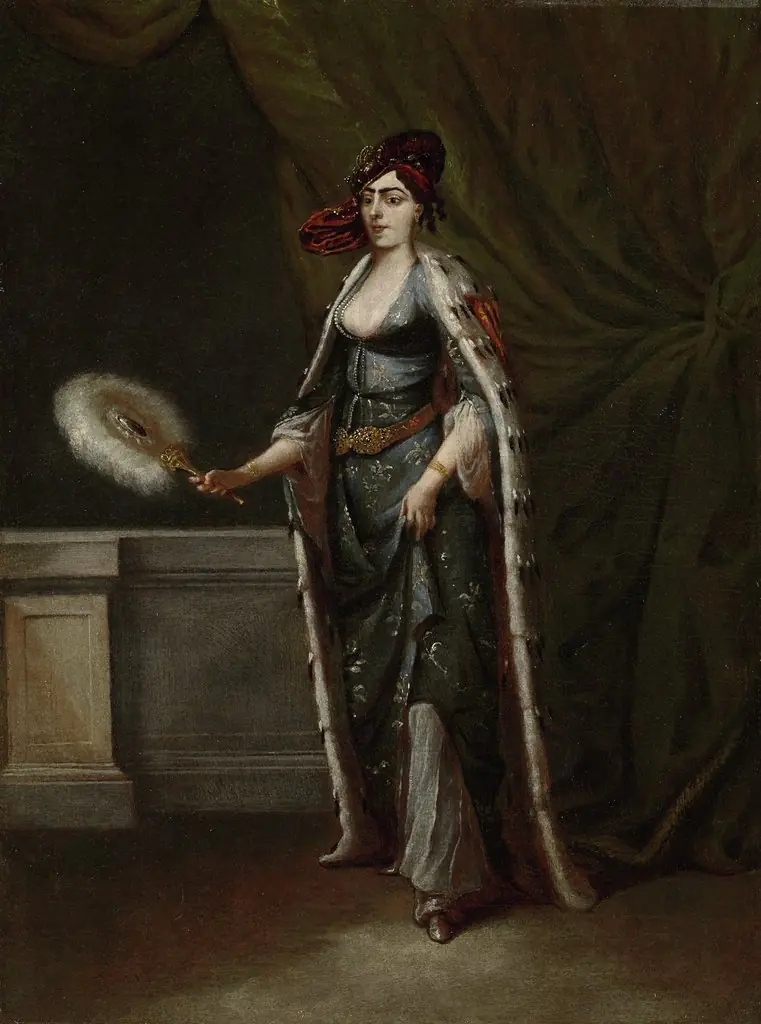 A Turkish Woman
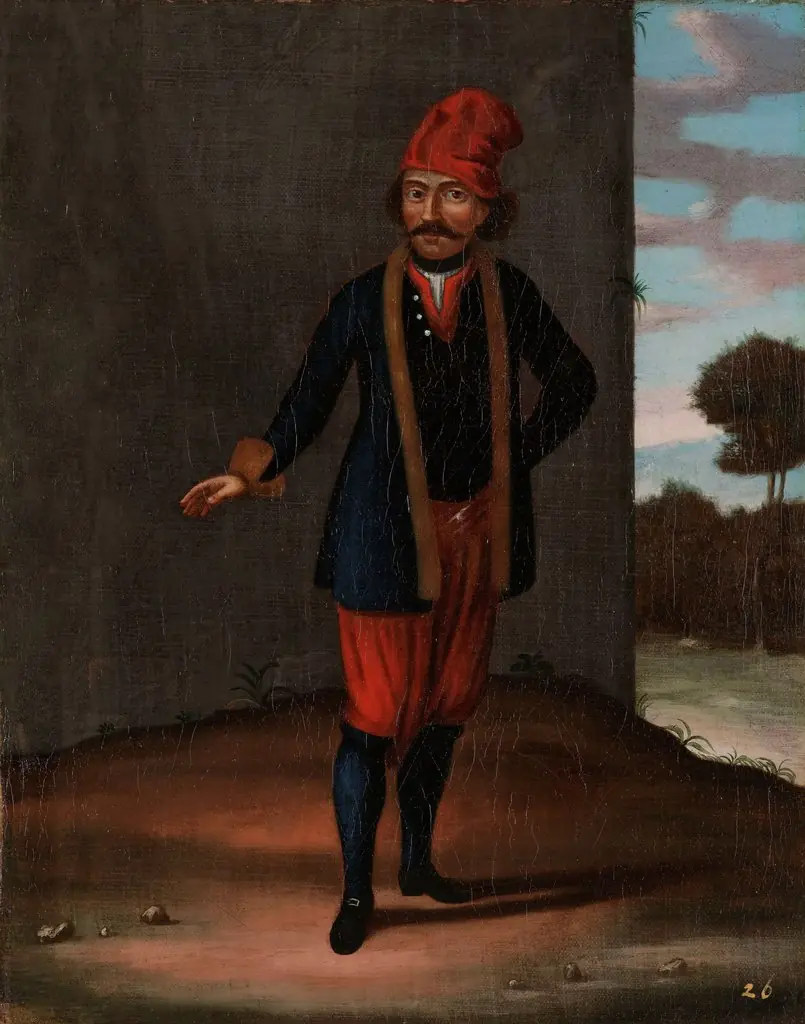 Man from the Island of Kithnos (Thermia)
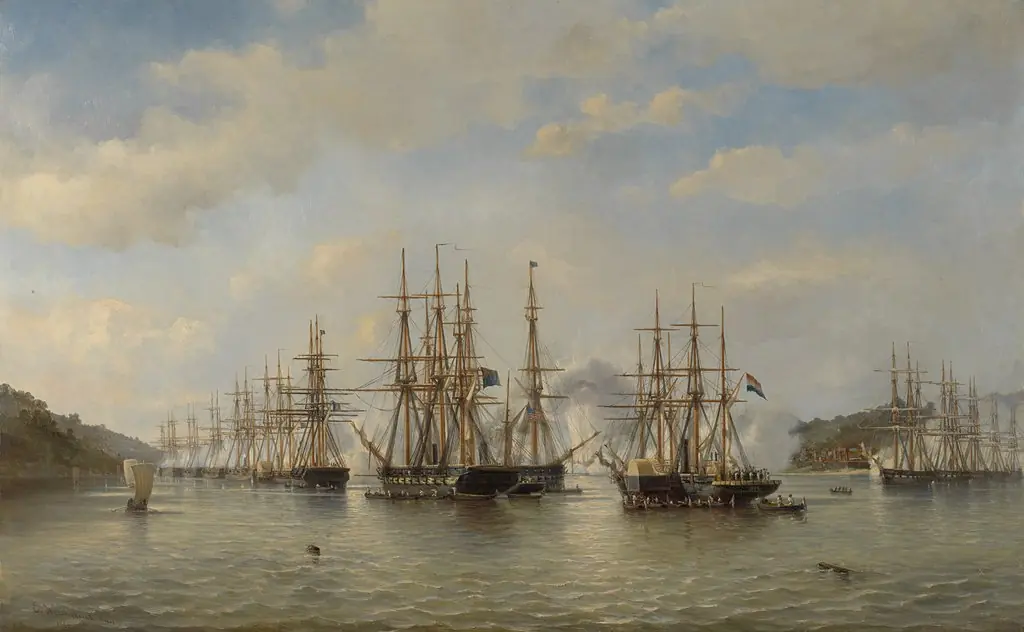 Dutch, English, French and American Squadrons in Japanese Waters during the Expedition under the Command of the French Captain Constant Jaurès, September 1864
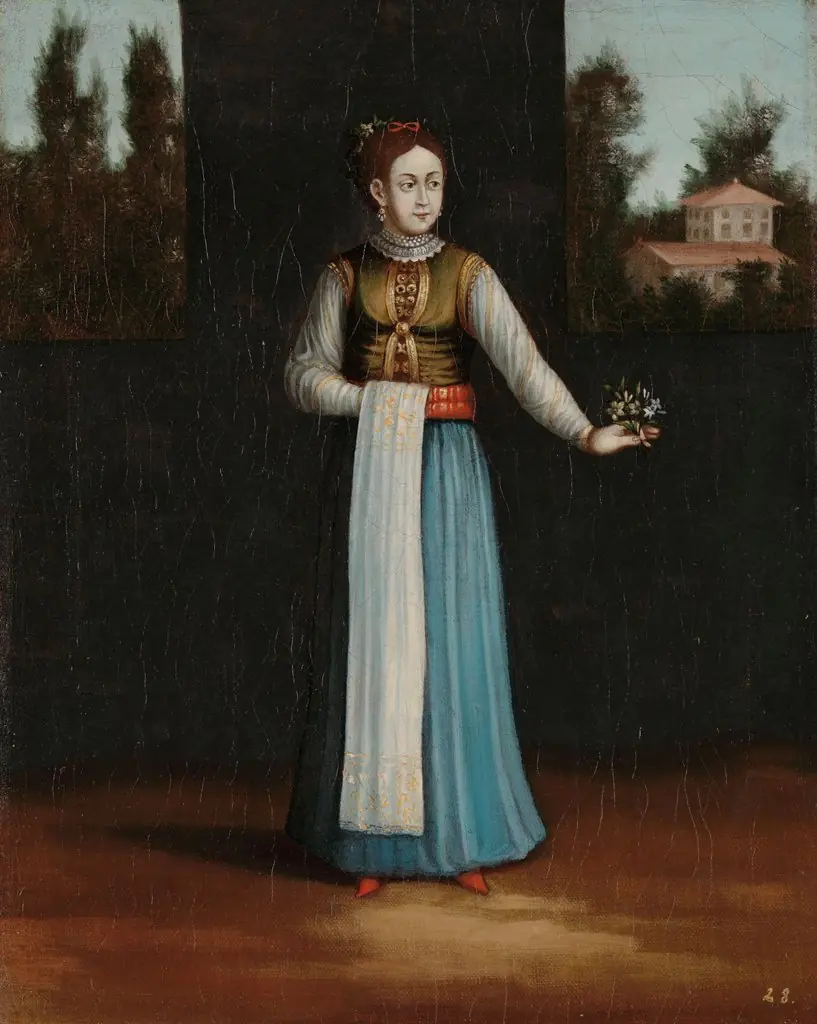 Woman from the Albanian Coast
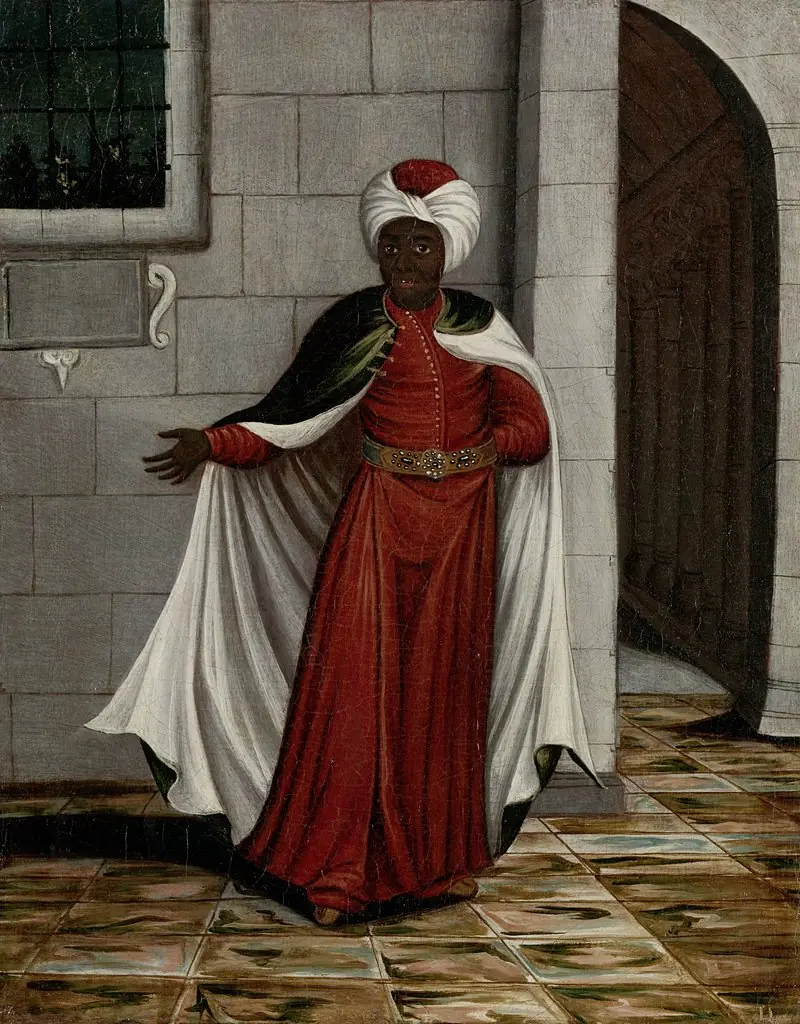 The Kislar Aghassi, Chief of the Black Eunuchs of the Sultan
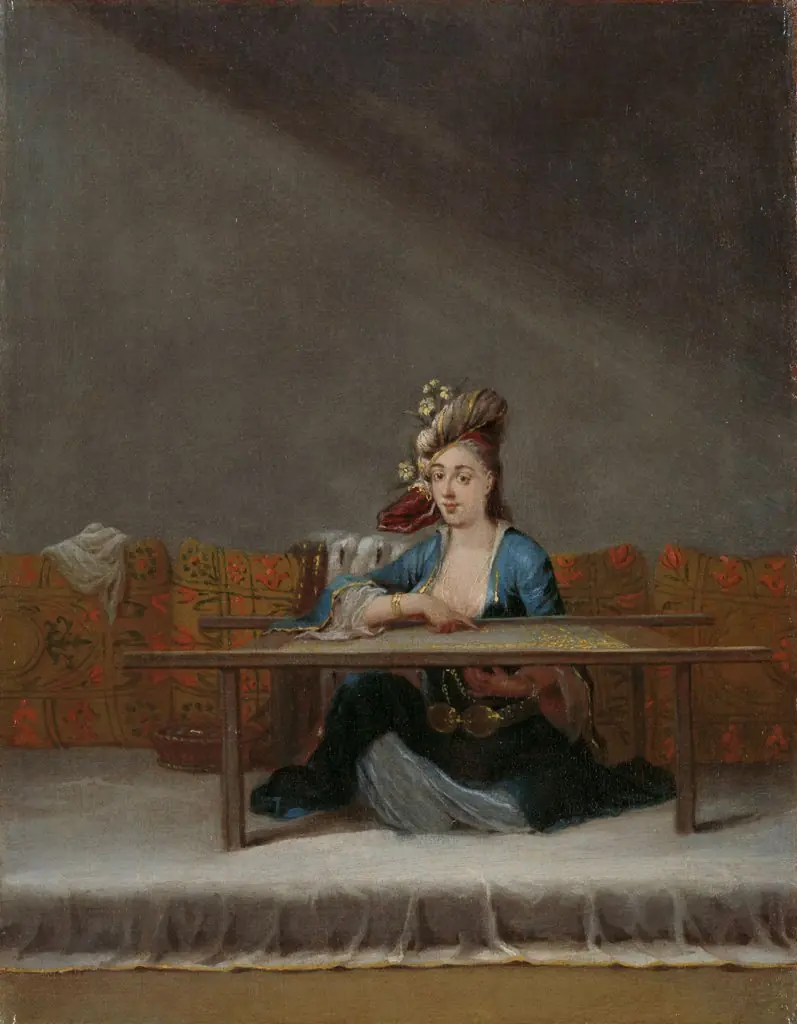 Turkish Woman at her Embroidery Frame
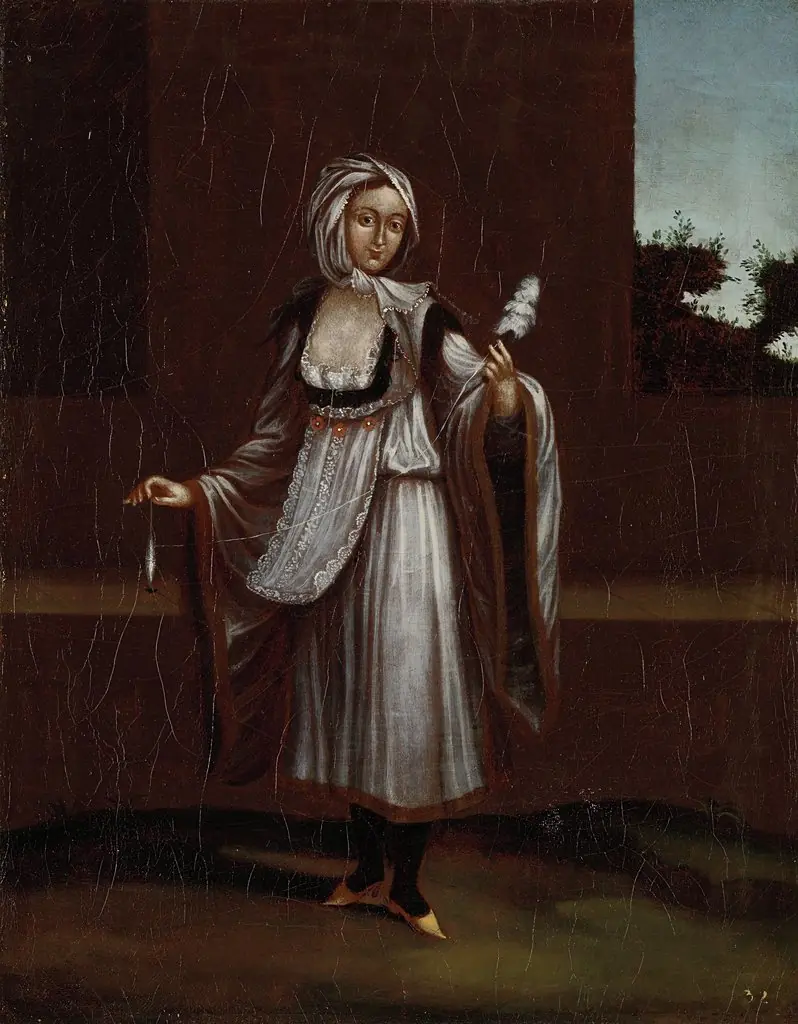 Woman from the Island of Patmos
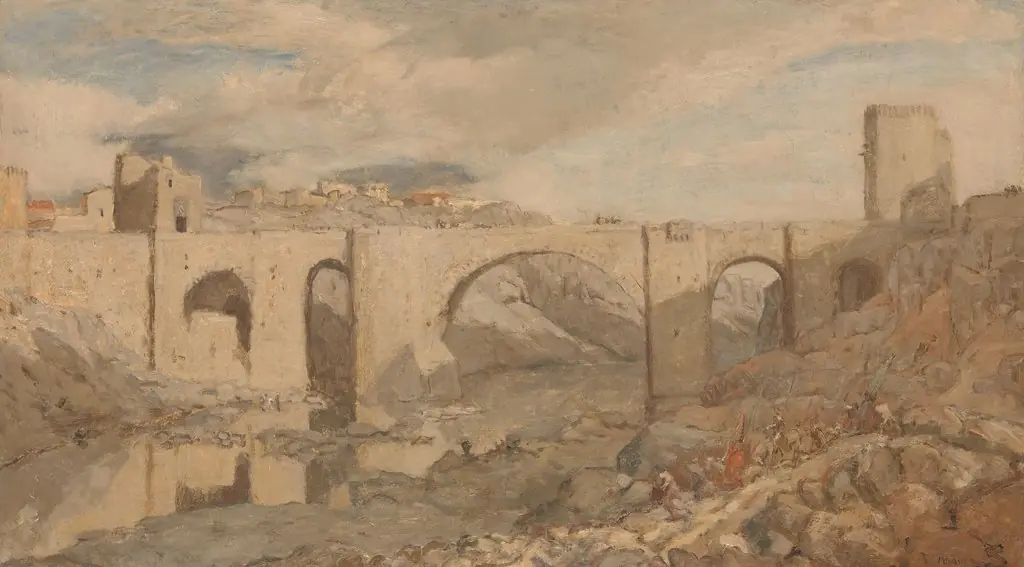 Bridge near Toledo
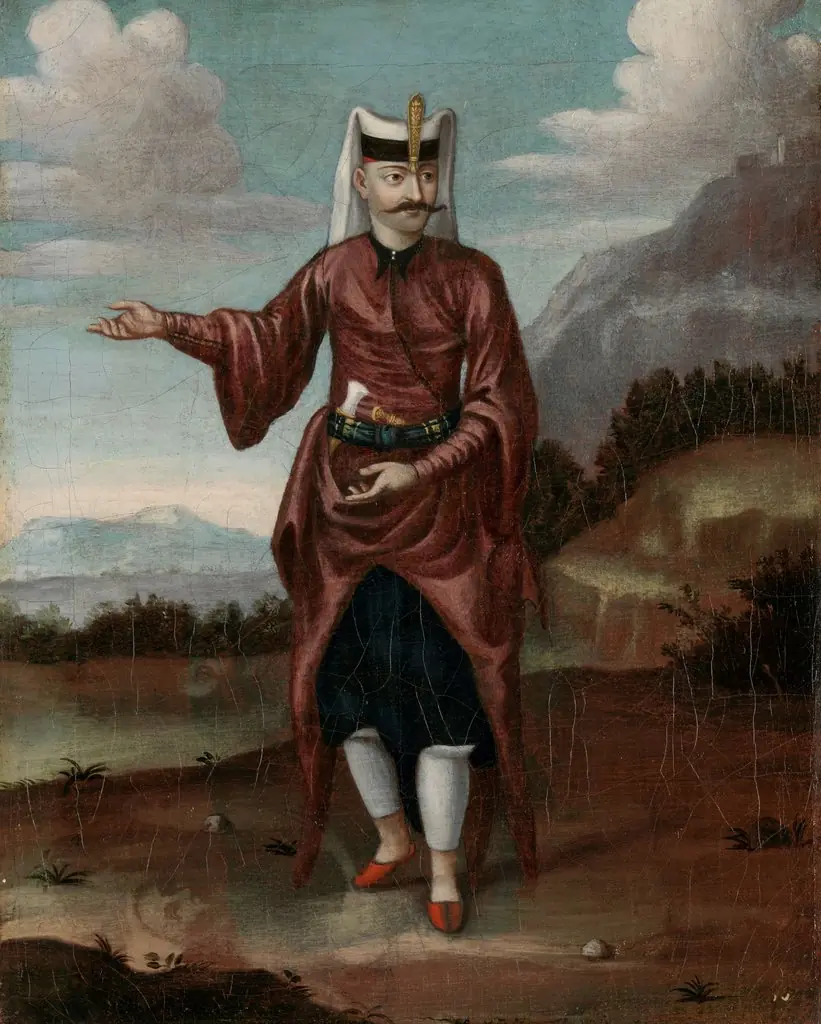 A Soldier of the Janissaries
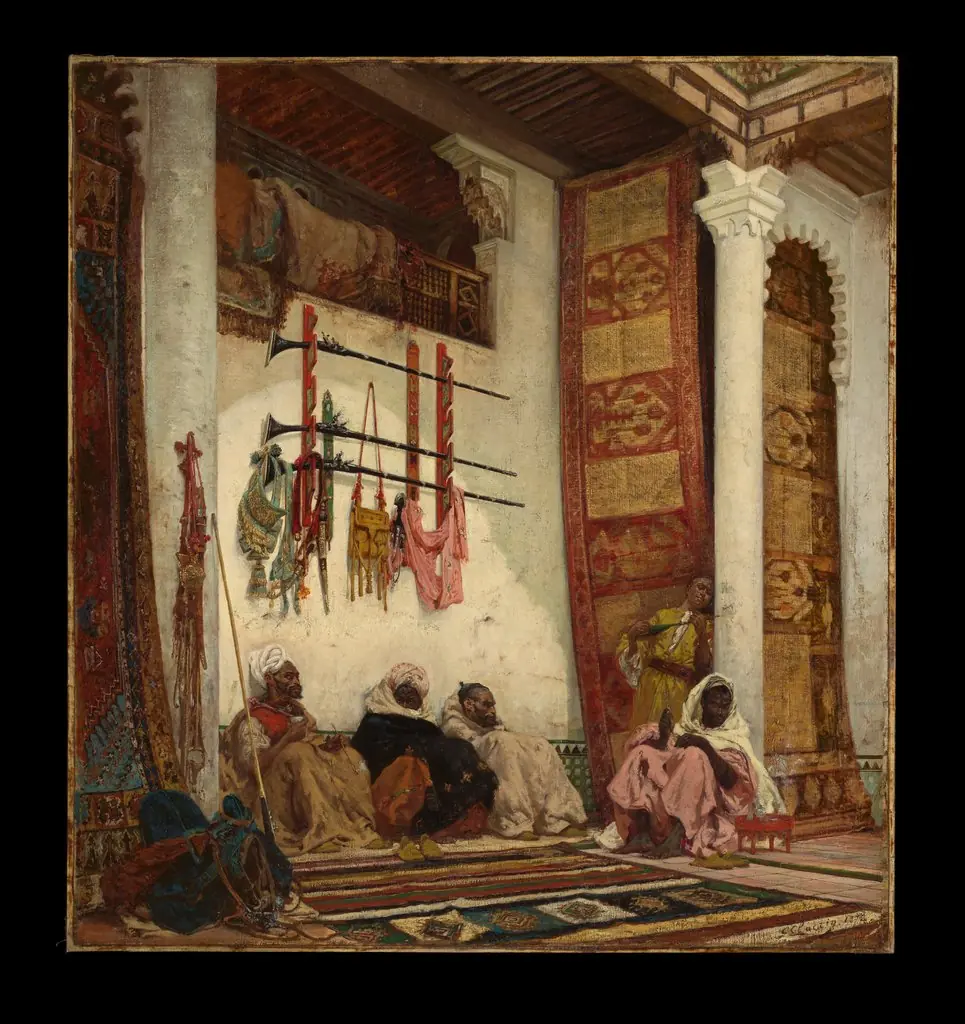 The Opium Smokers
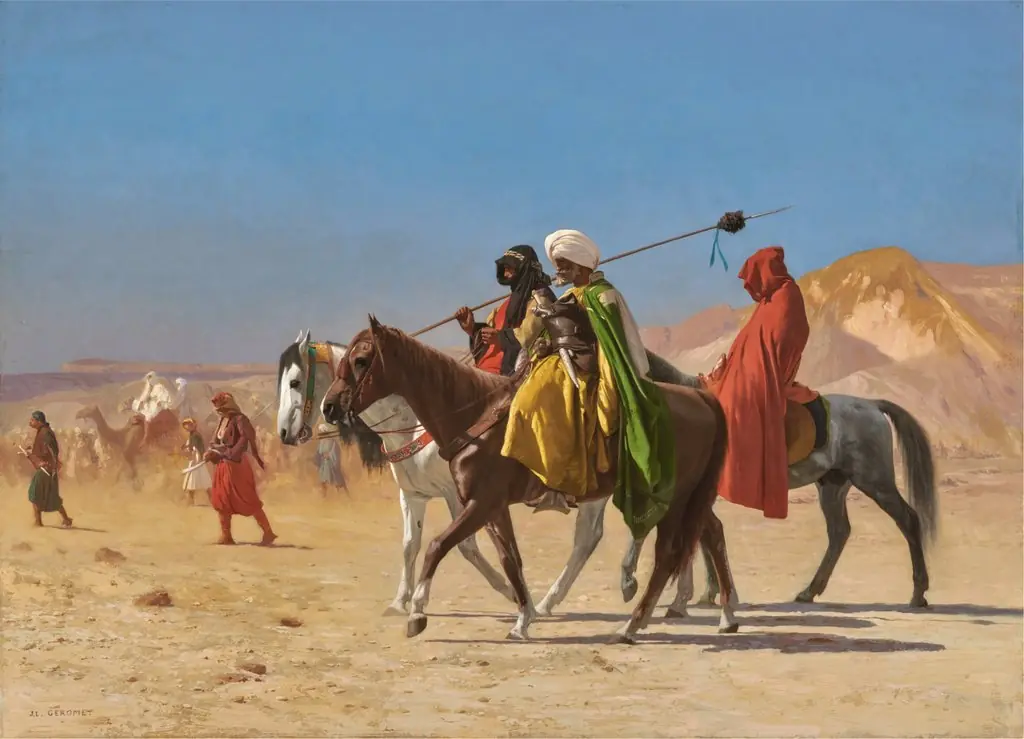 Riders Crossing the Desert
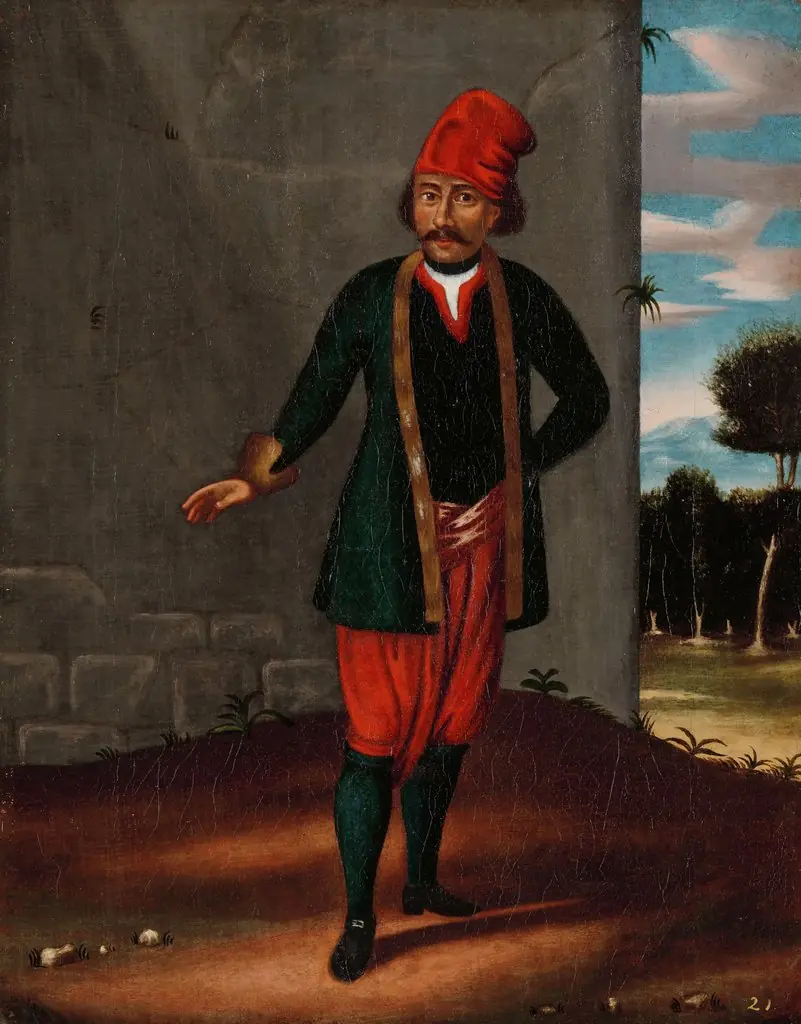 Man from the Island of Tinos
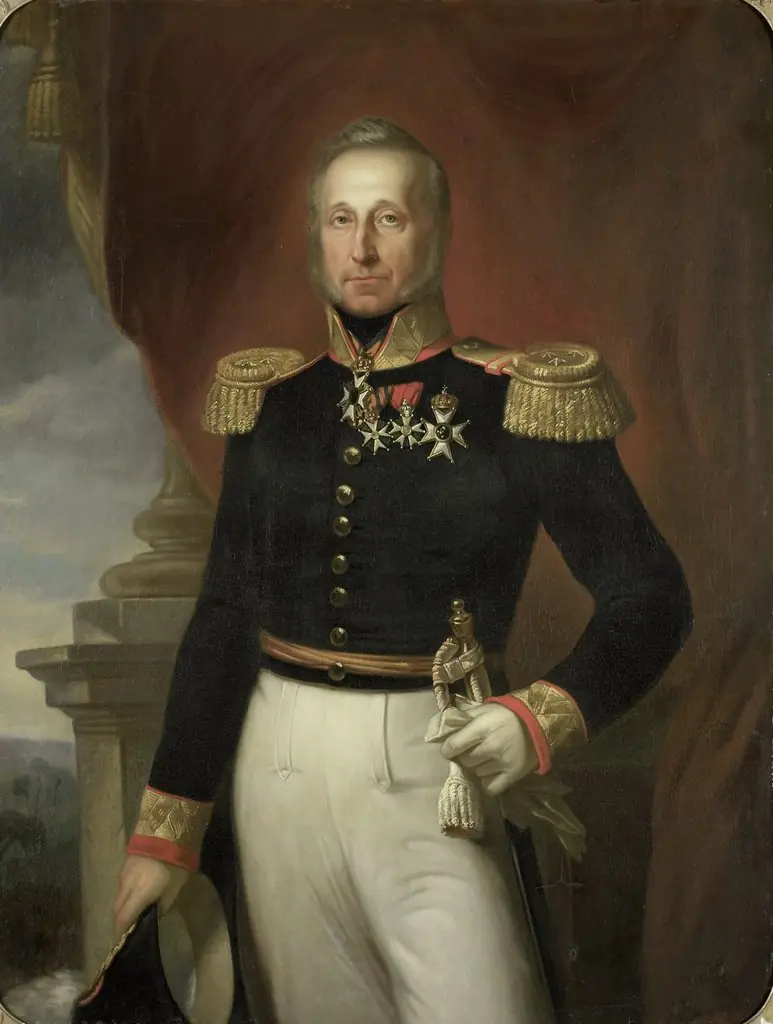 Portrait of Dominique Jacques de Eerens, Governor-General of the Dutch East Indies
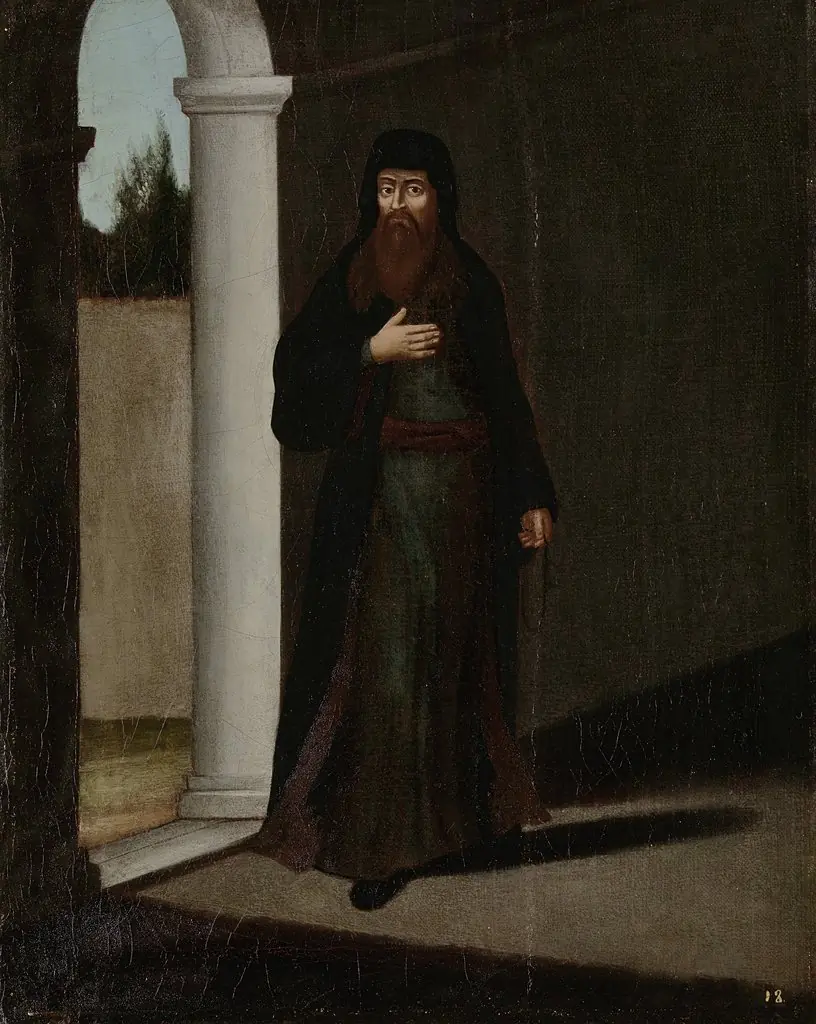 A Greek Priest
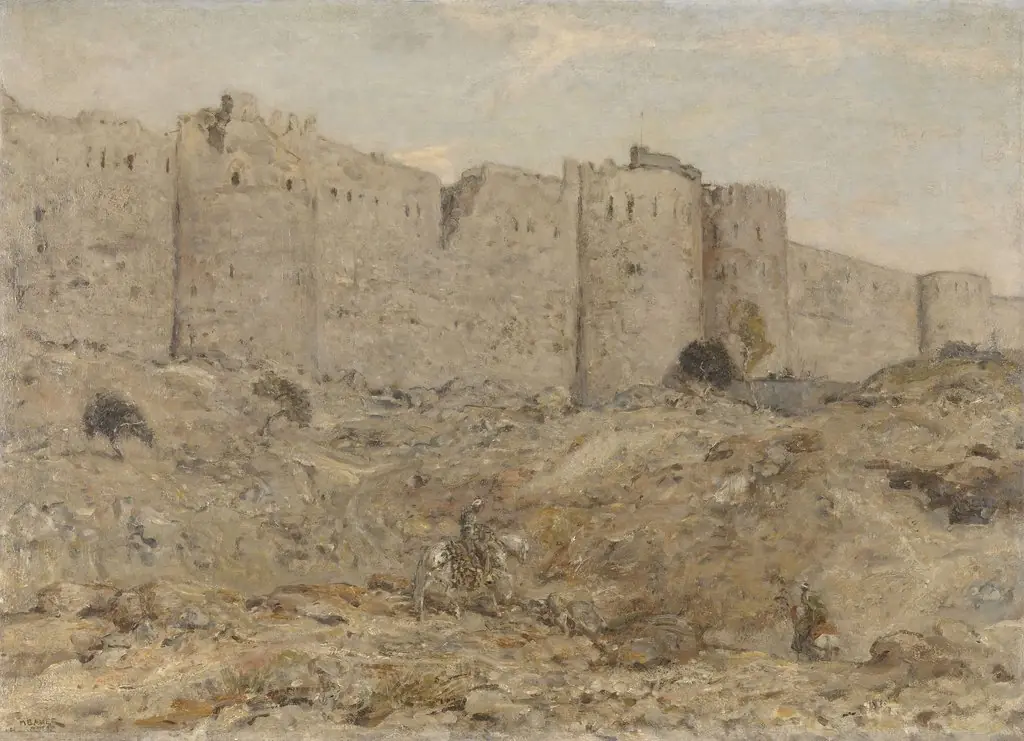 City wall in India
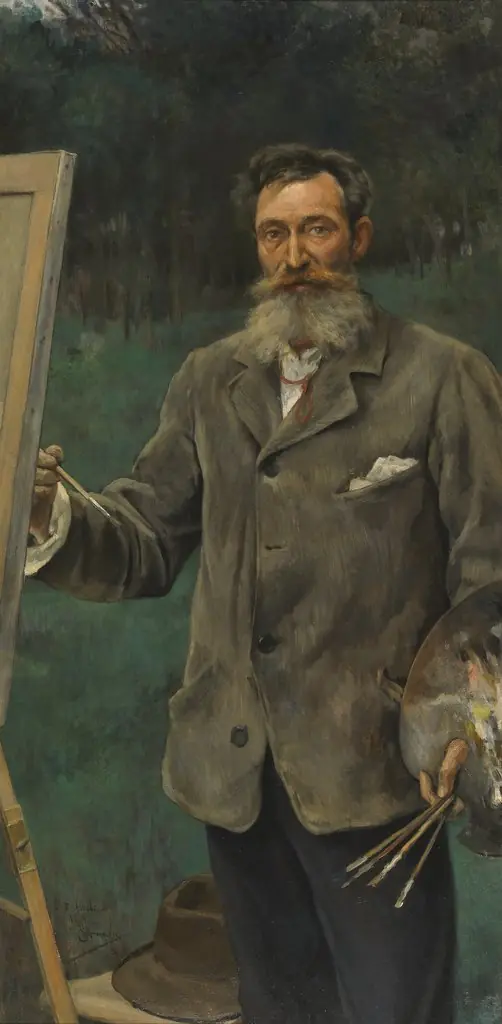 The painter Ricardo Arredondo
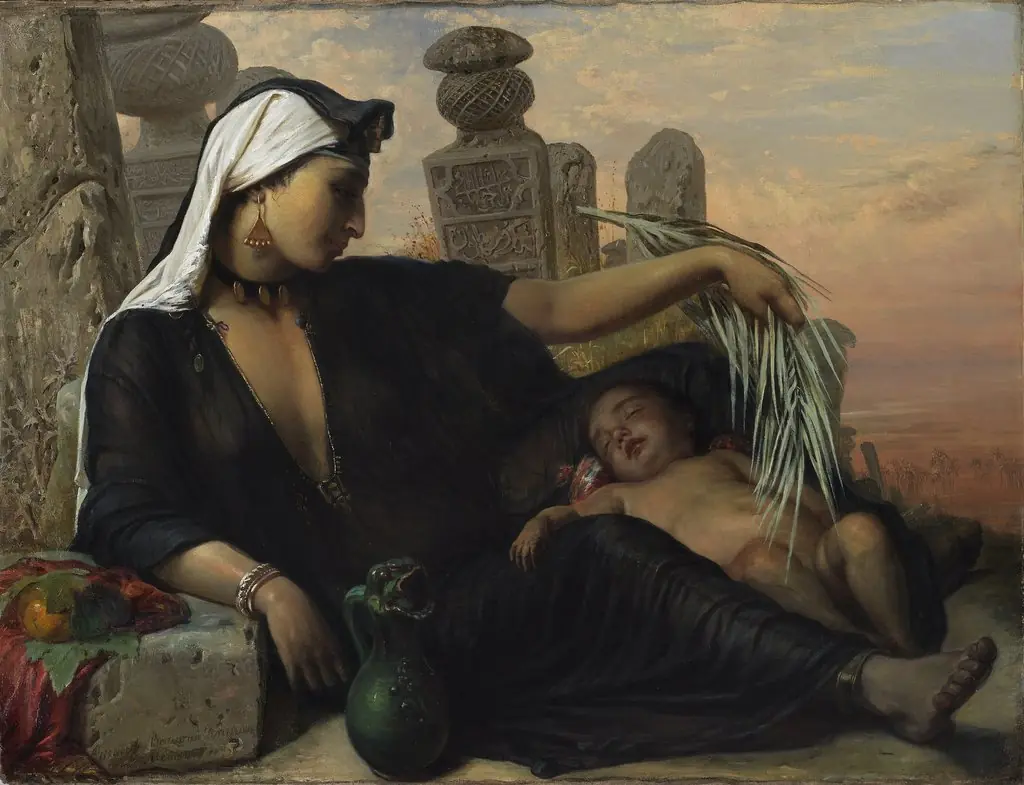 An Egyptian Fellah Woman with her Baby
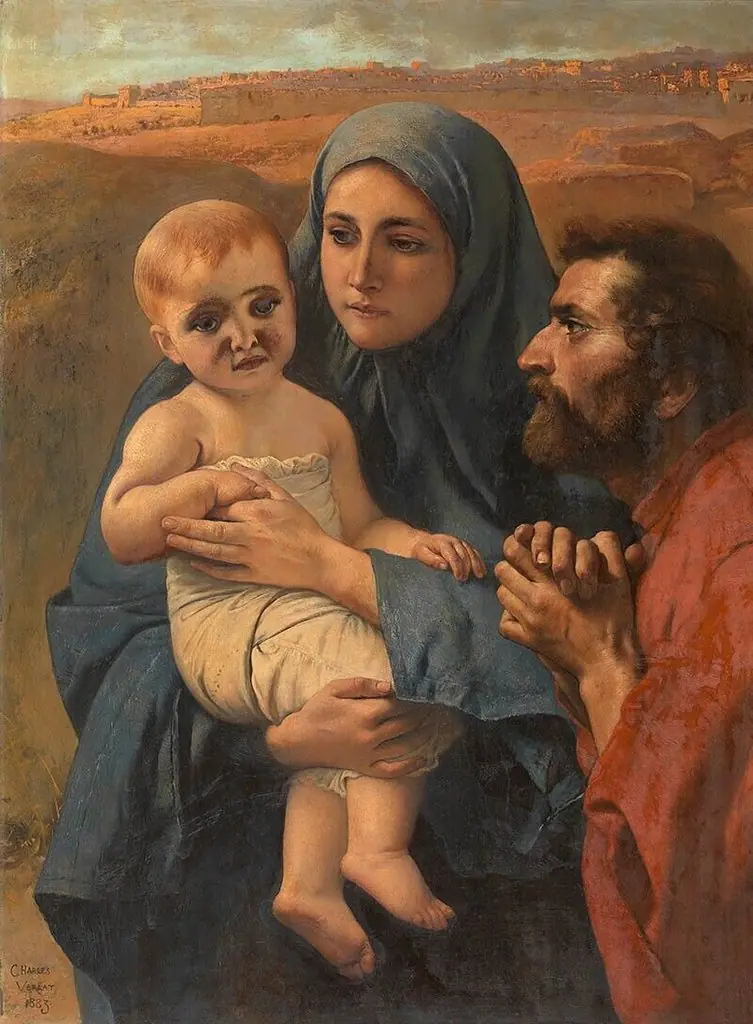 The Holy Family
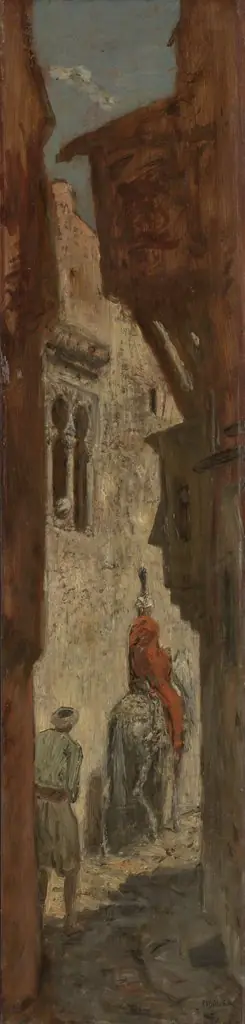 Orental Street
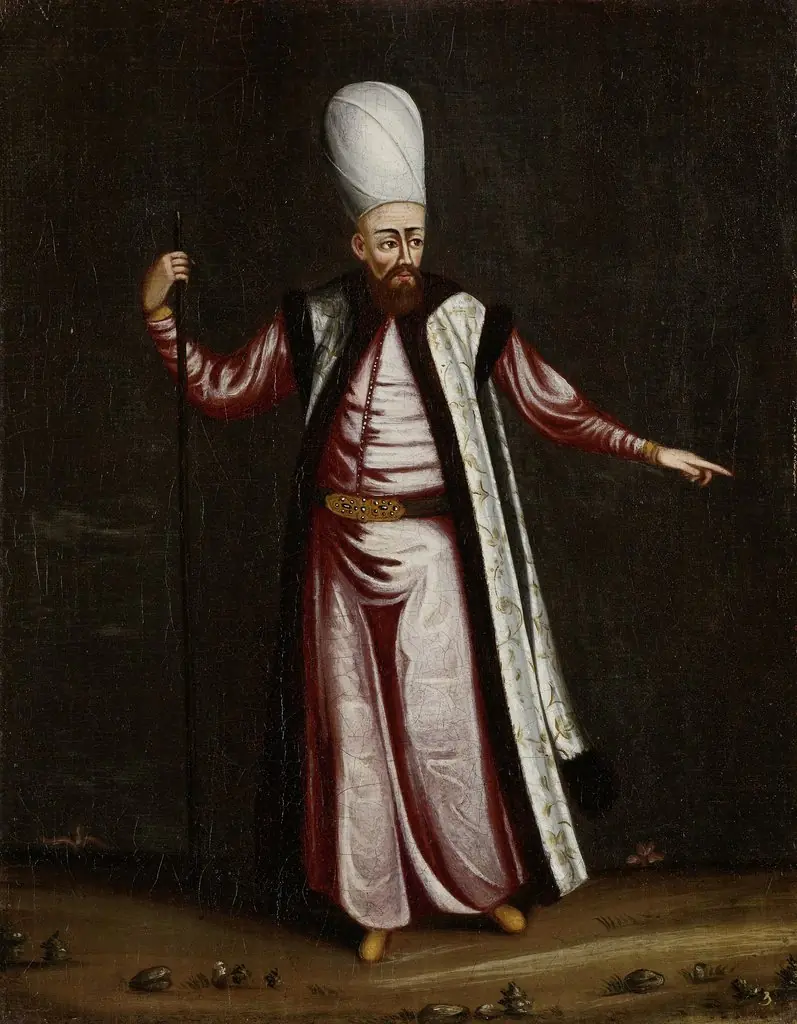 The Capoudgi Bachi, Grand-master of the Seraglio
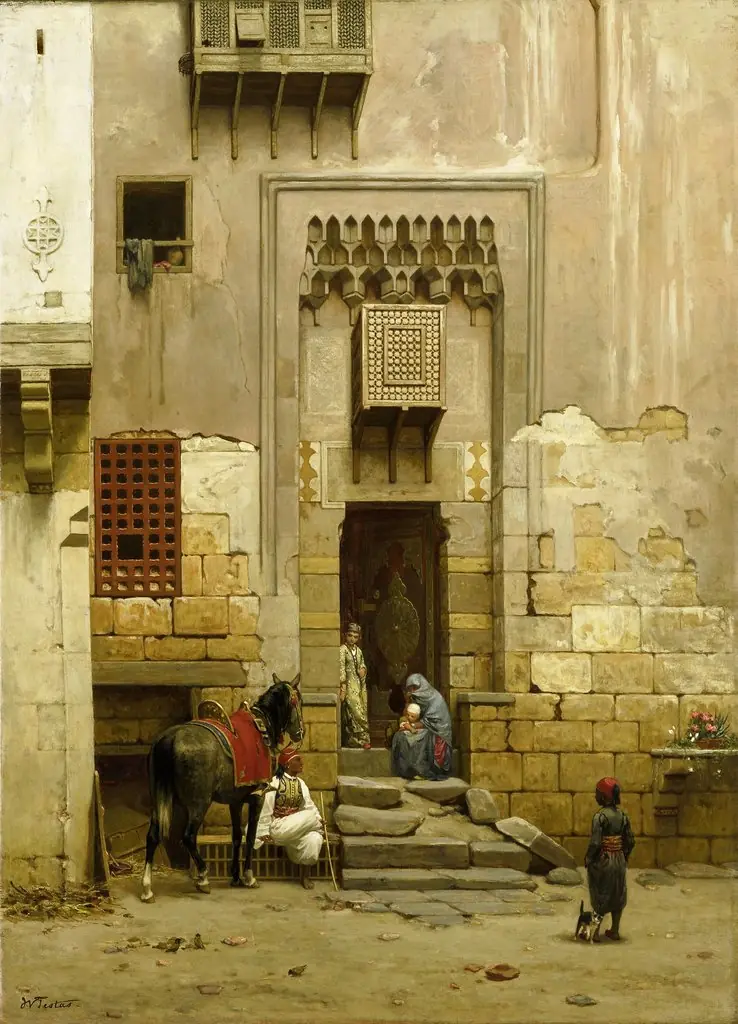 The Courtyard of a house in Cairo
 Untitled
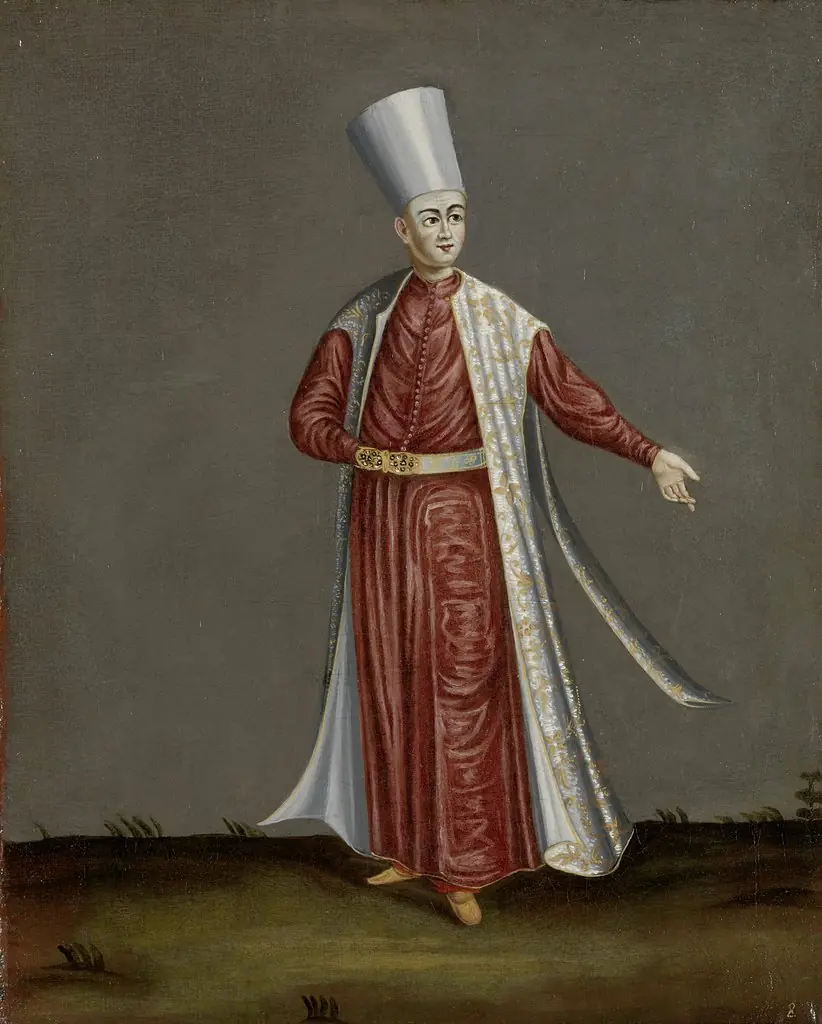 The Capon Aghassi, Chief of the White Eunuchs of the Sultan
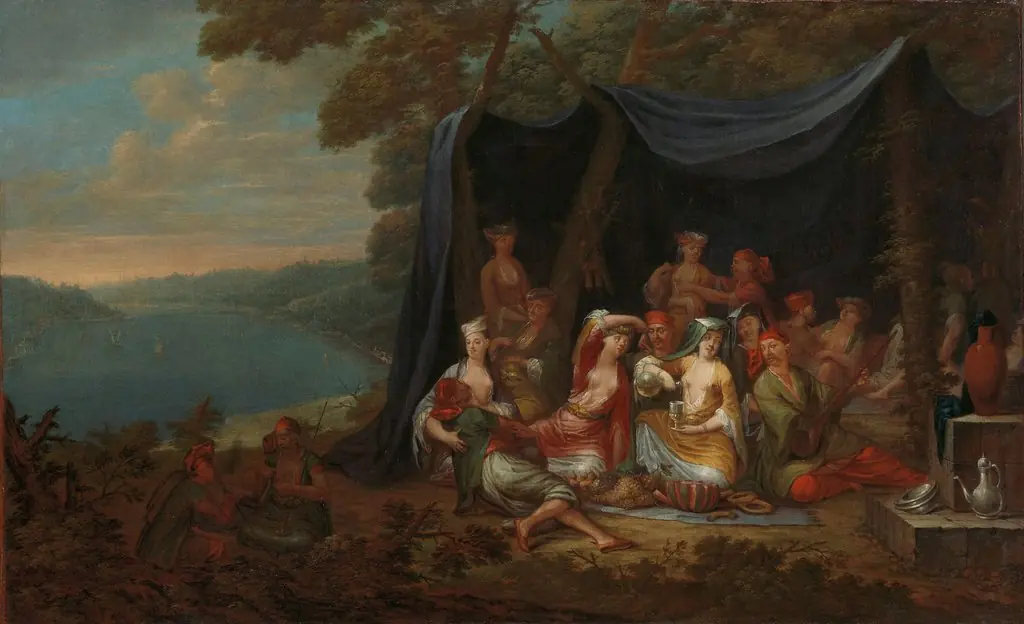 Fête champêtre with Turkish Courtiers under a Tent
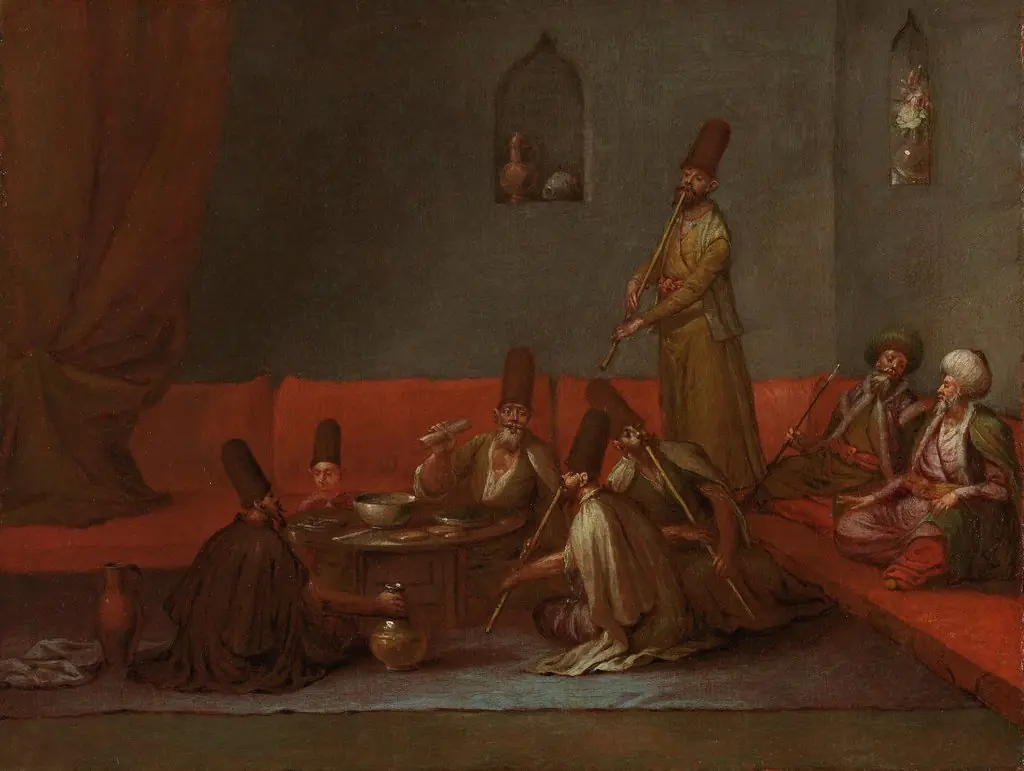 Dervishes Sharing a Meal
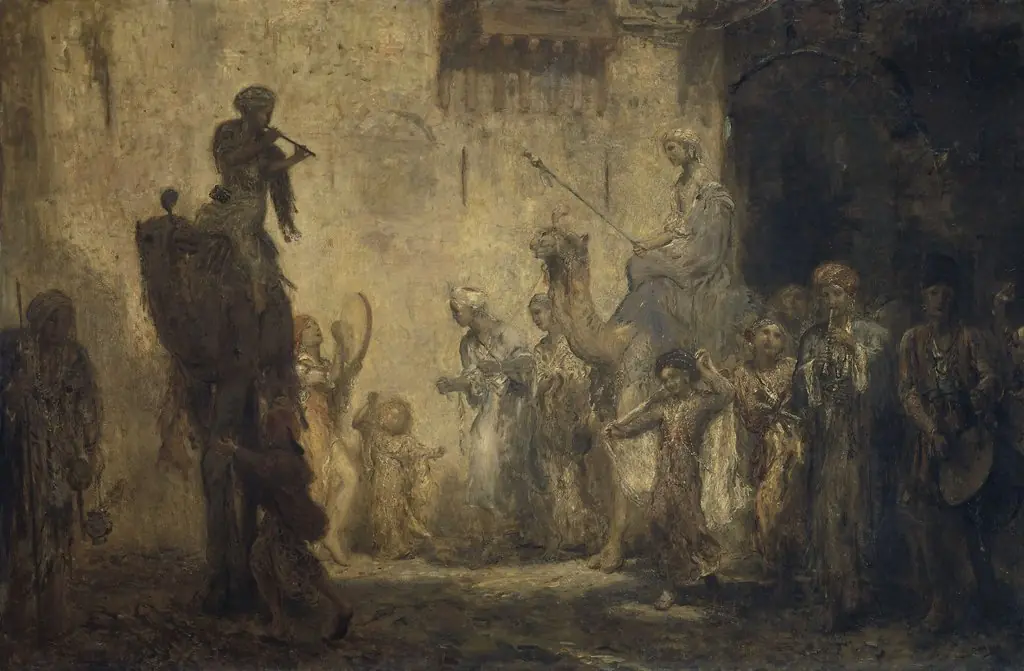 Oriental Wedding
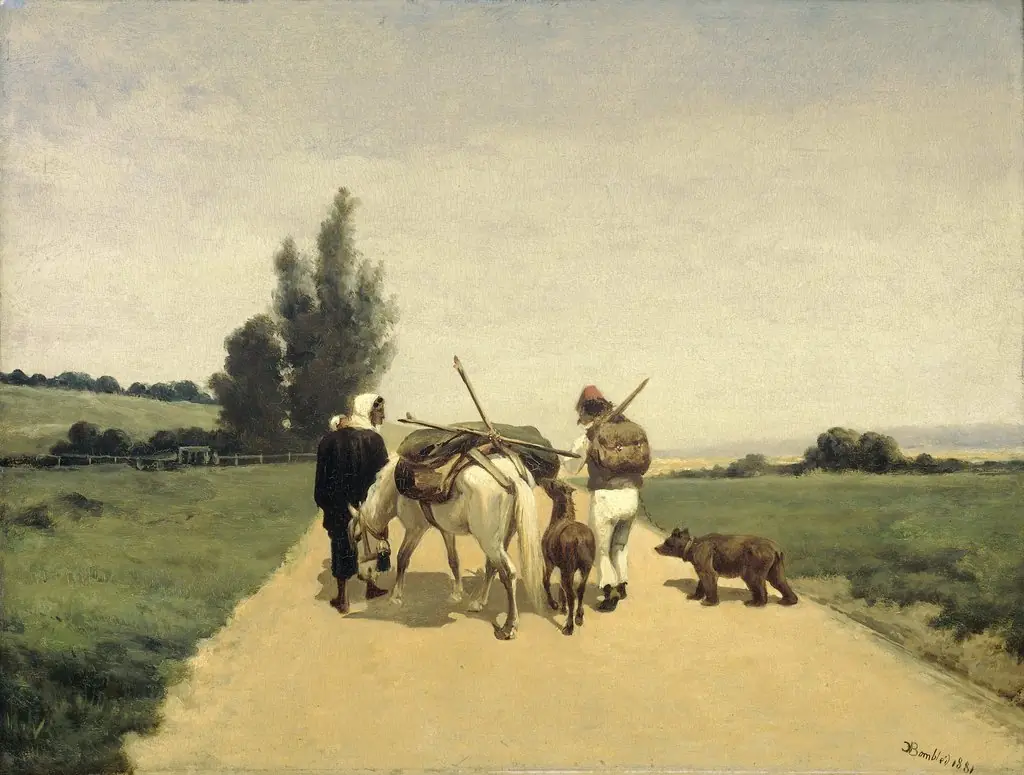 Gypsies on the Road
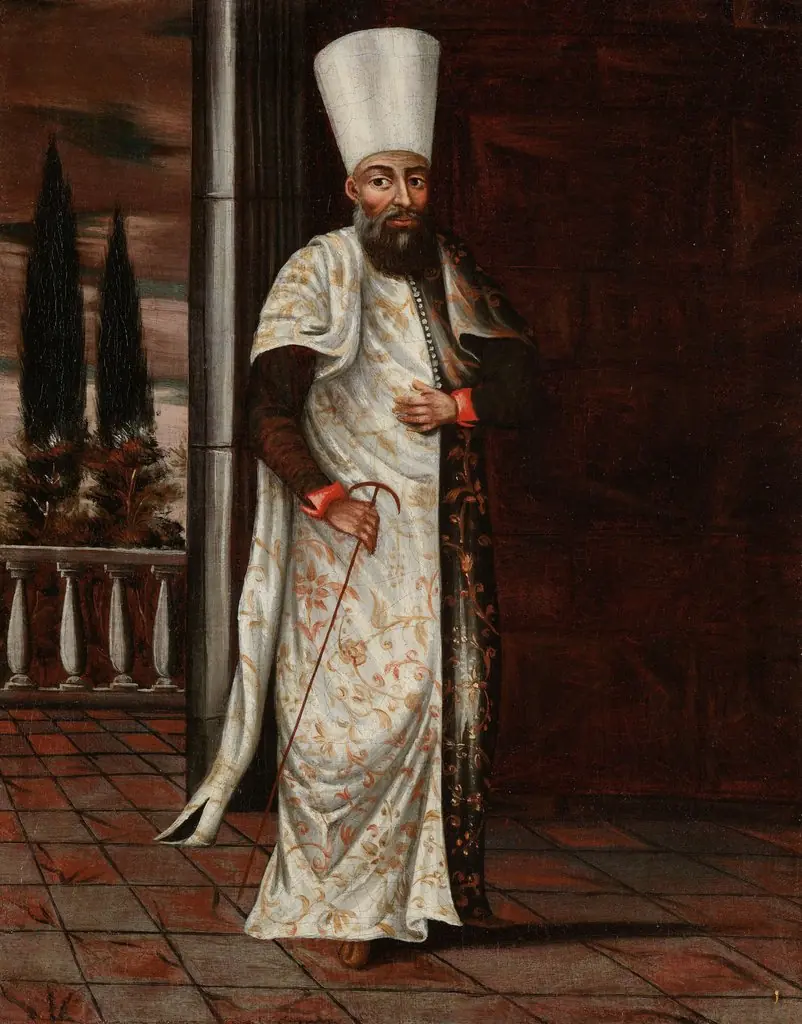 The Chaous Bachi
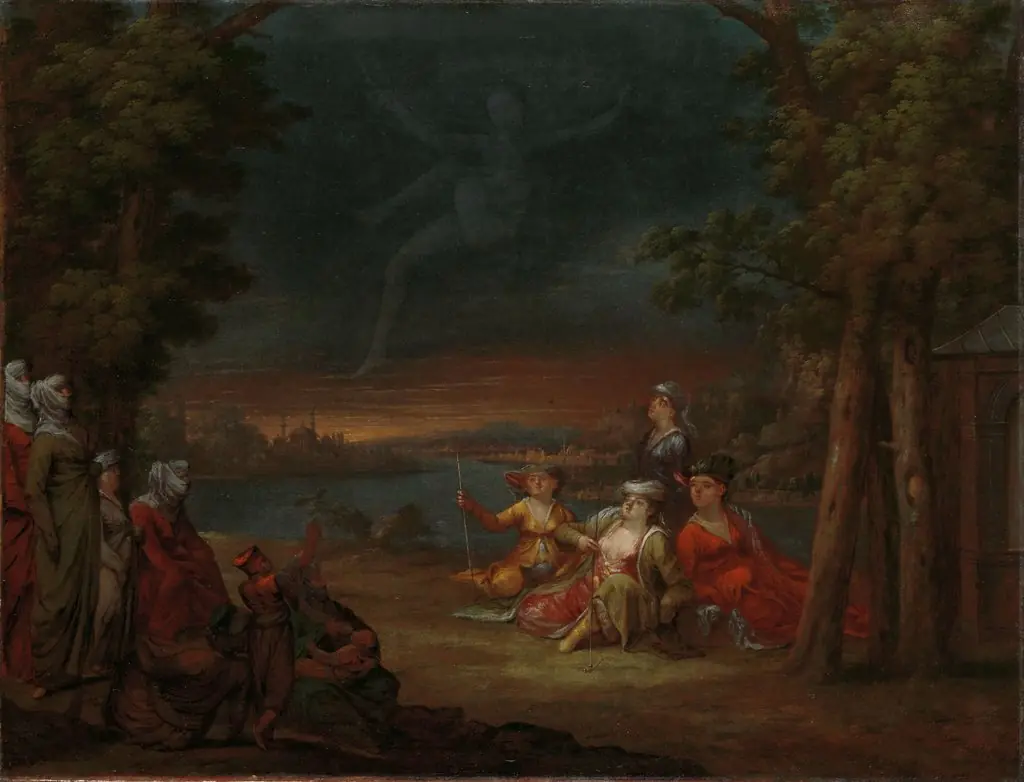 Turkish Women in the Countryside near Istanbul
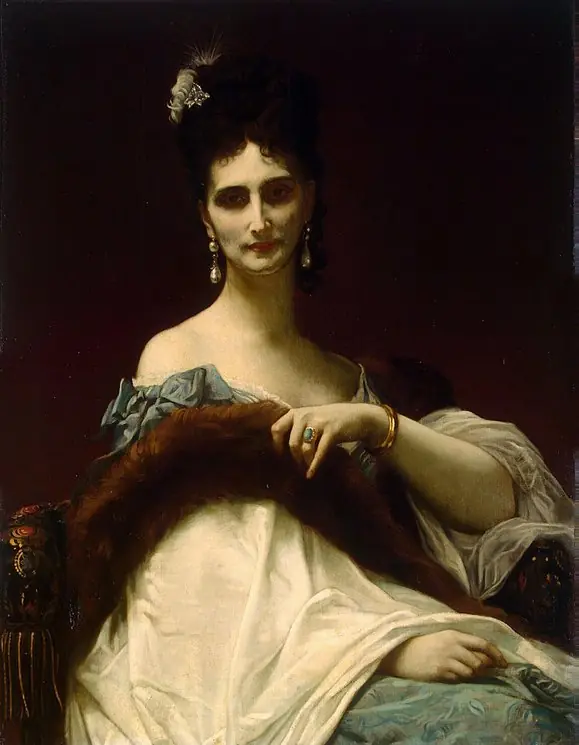 Portrait of Countess de Koller (nee Maria Riznich)
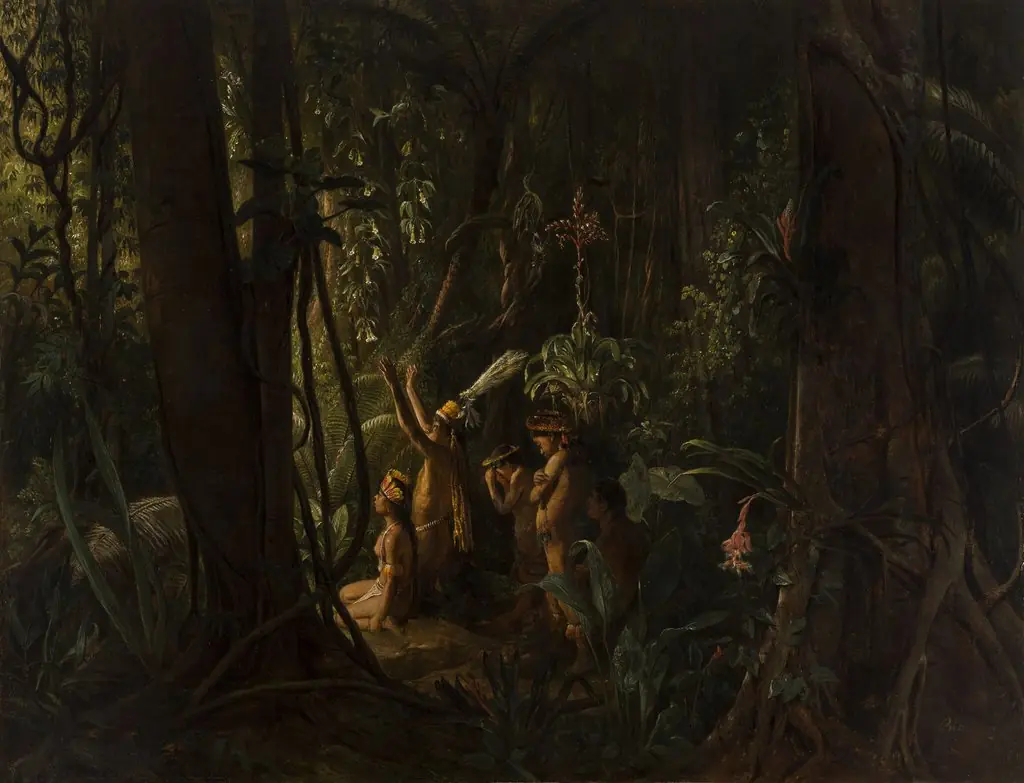 Amazonian Indians Worshiping the Sun God
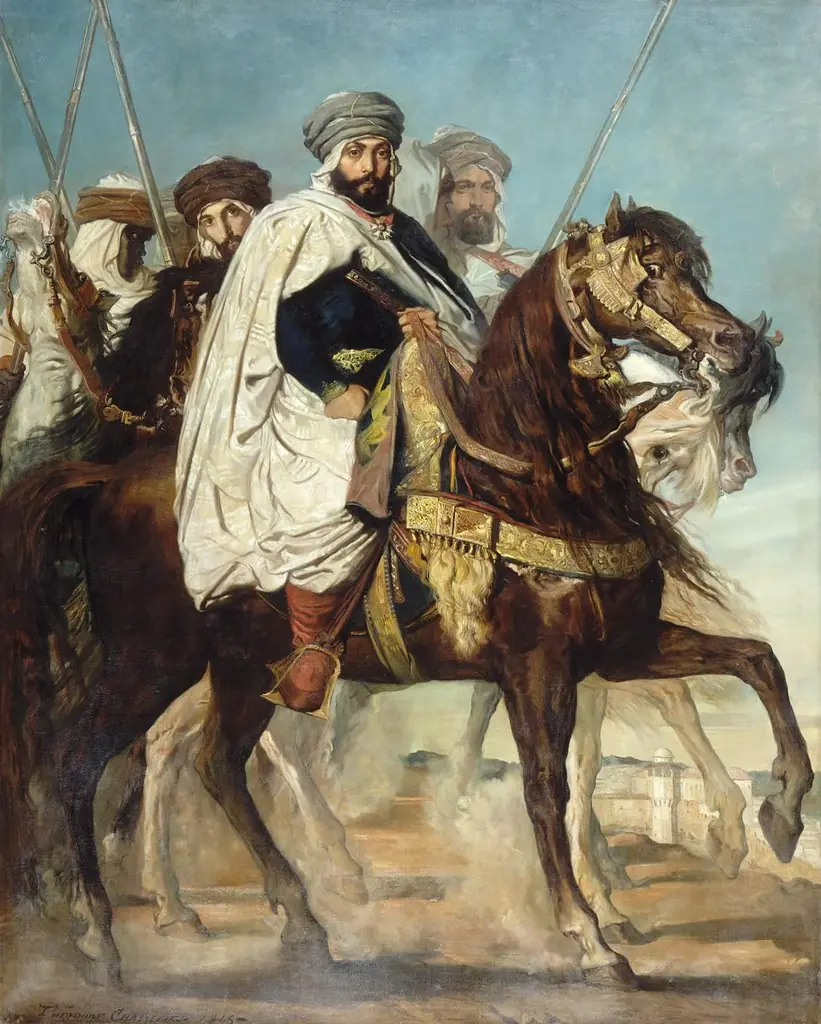 The Caliph of Constantine
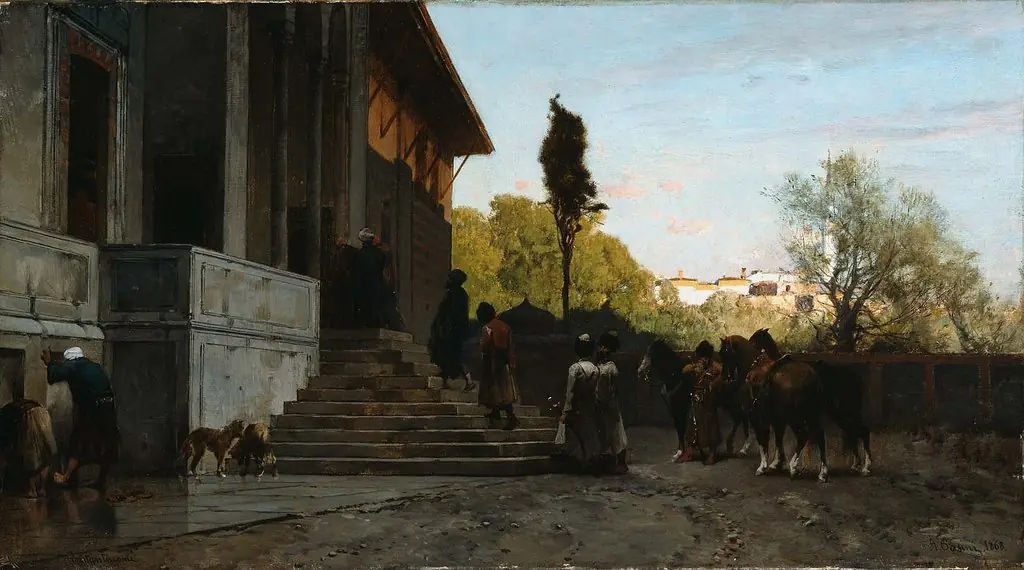 Courtyard in Constantinople
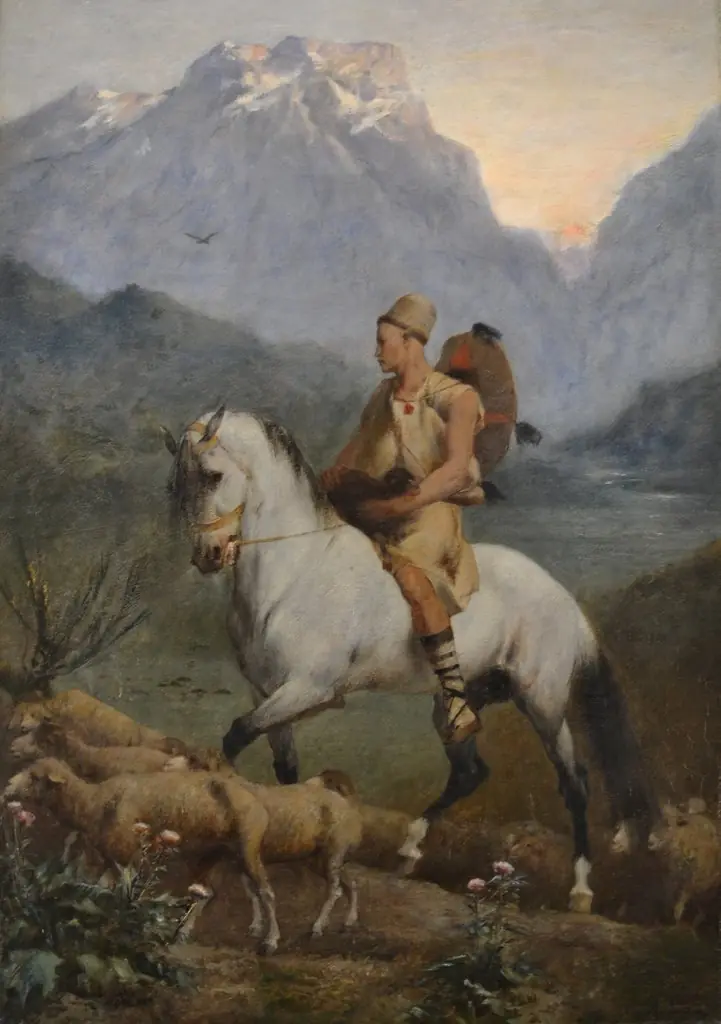 Kabyle Shepherd (Shepherd: High Plateau of Kabylia)
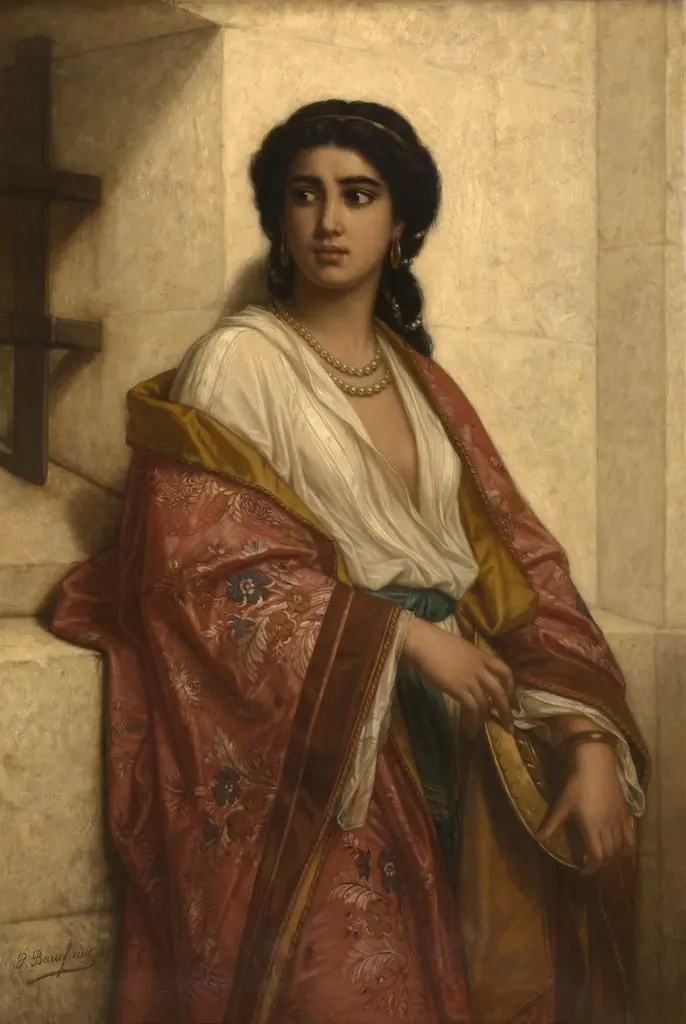 Salome Watching the Beheading of John the Bapitist
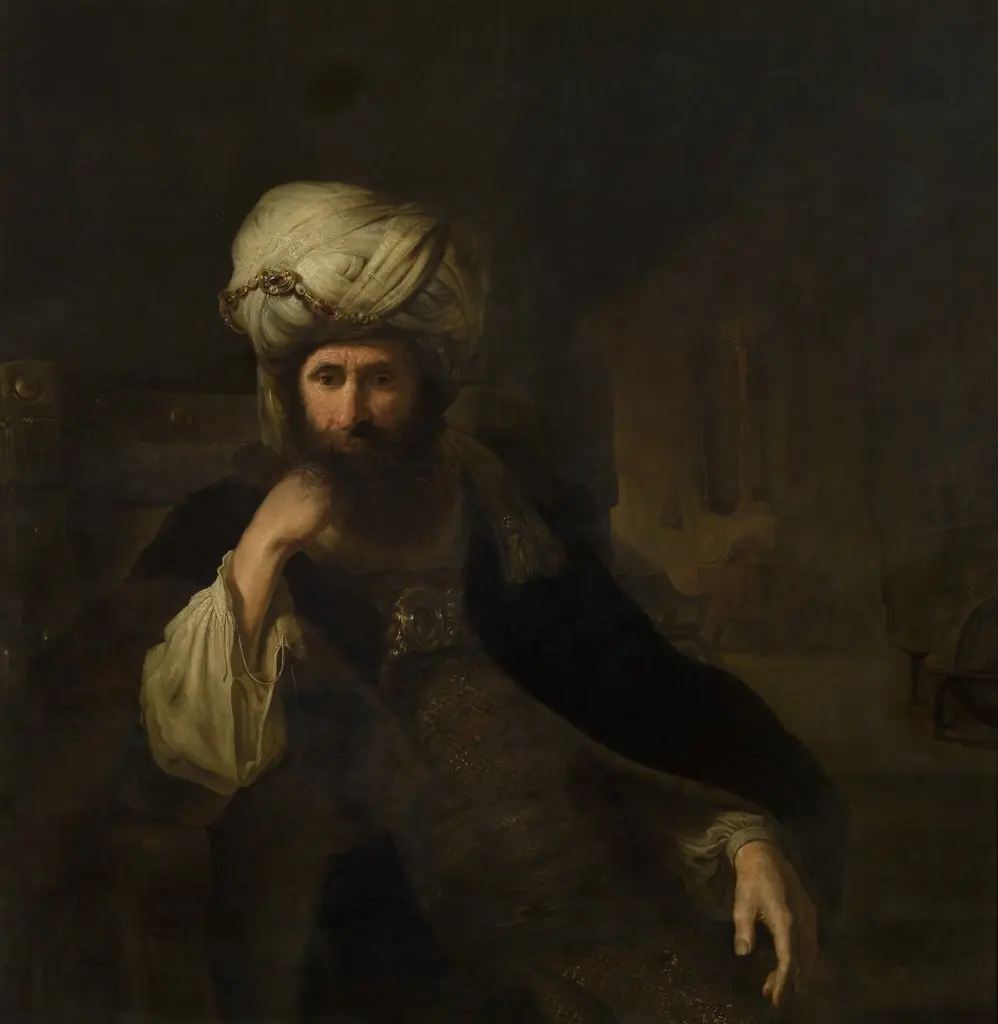 Portrait of a Man in Eastern Attire
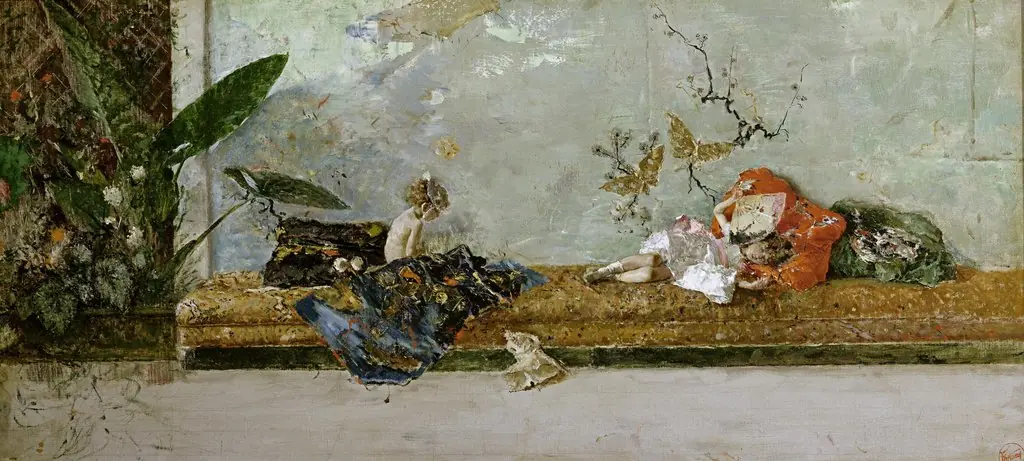 The Painter's Children in the Japanese Room
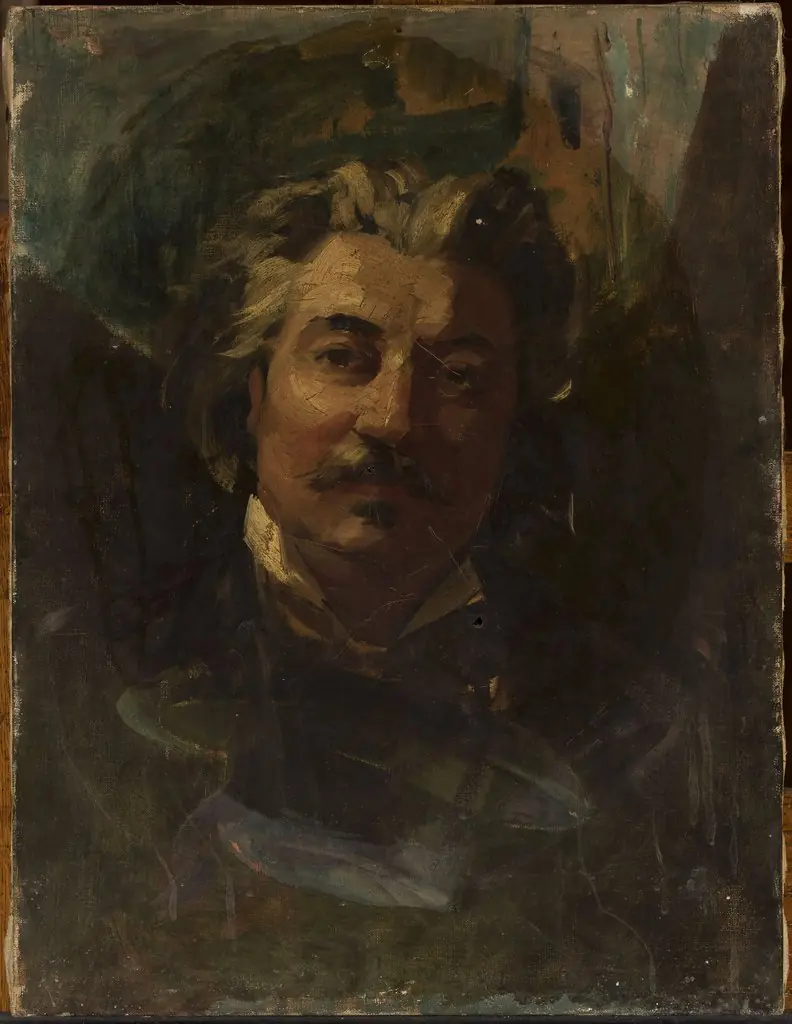 Portrait of Cyprian Godebski
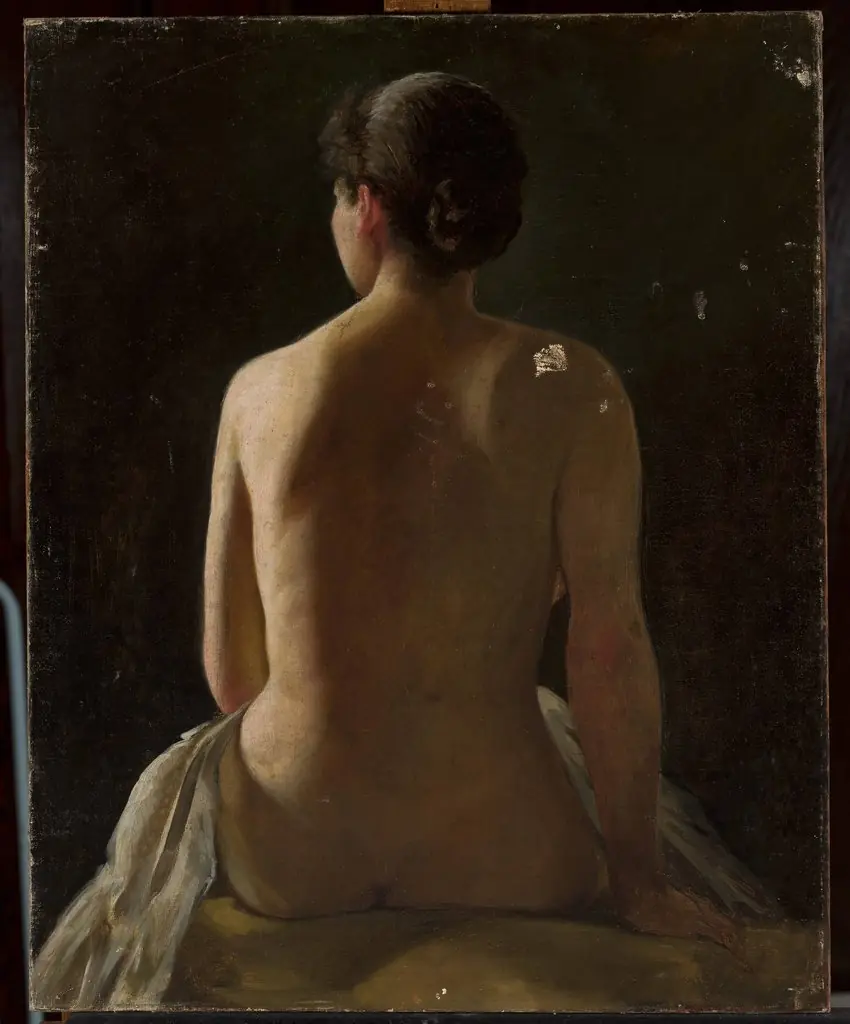 Nude of seated woman
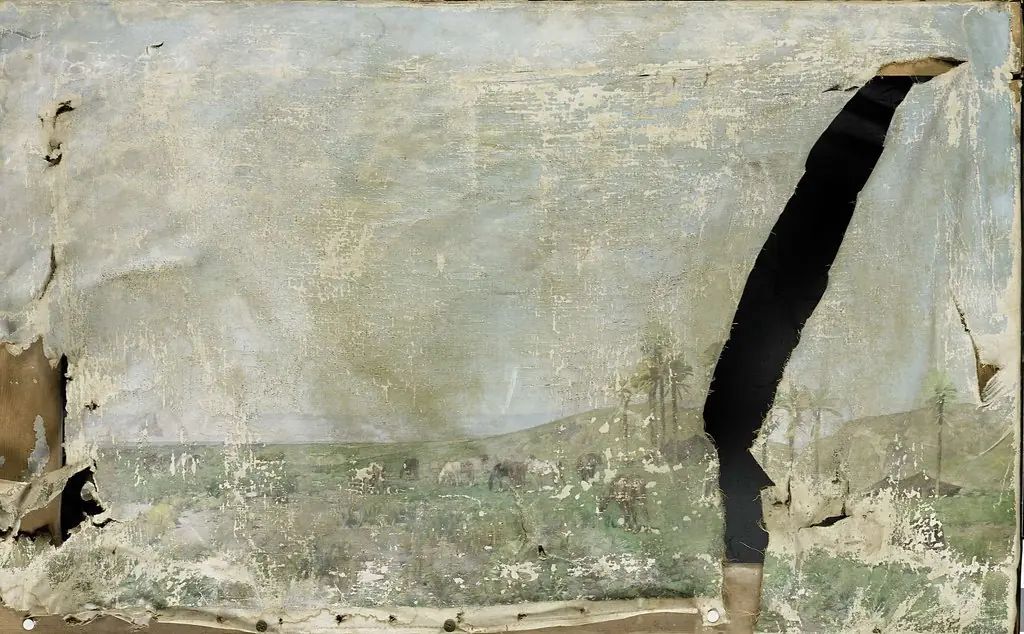 Paardenweide in Algerië
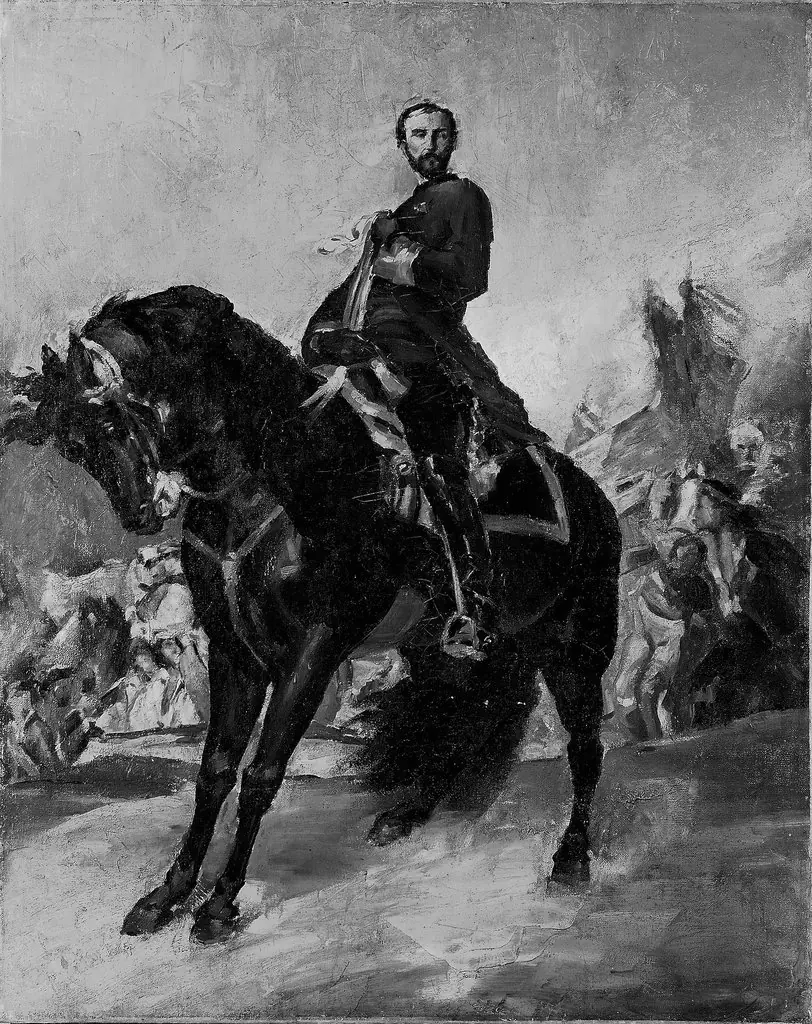 General Juan Prim (1814-1870)
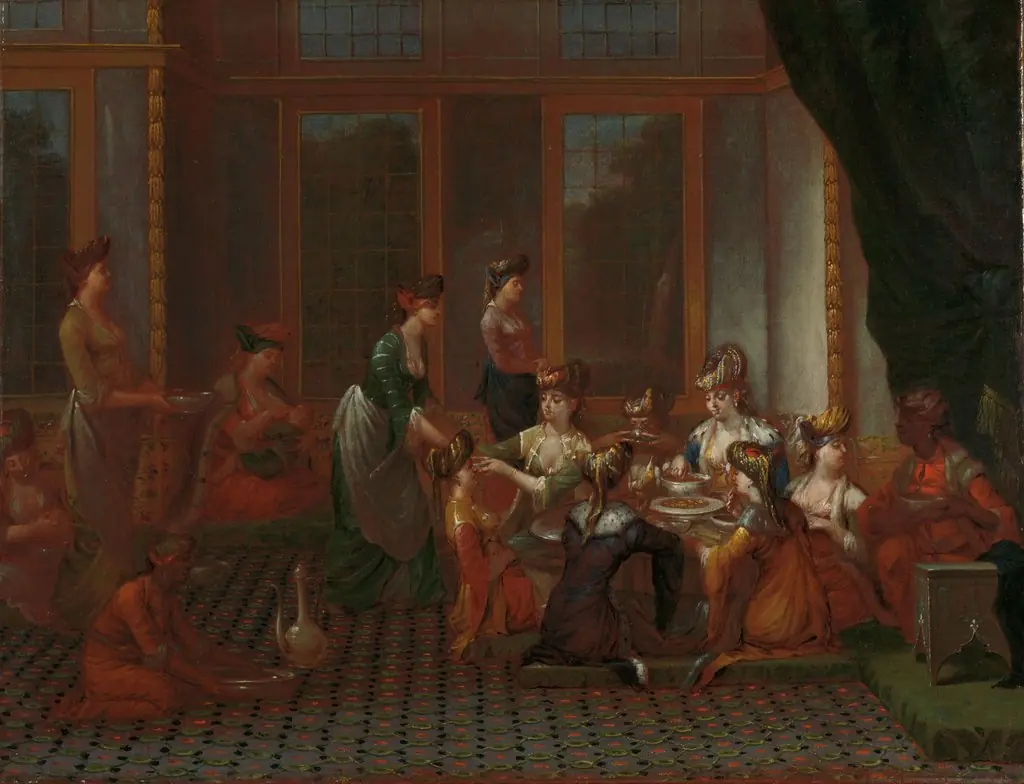 Banquet of Distinguished Turkish Women
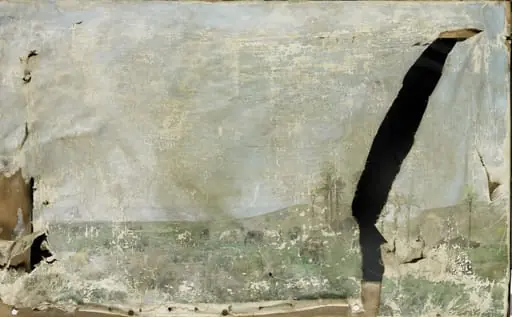 Untitled
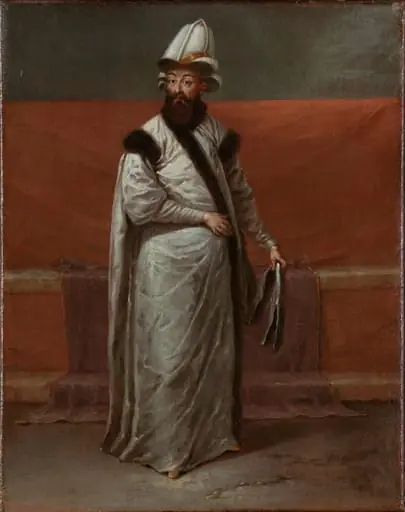 De grootvizier Nevşehirli Damat Ĭbrahim Pasa
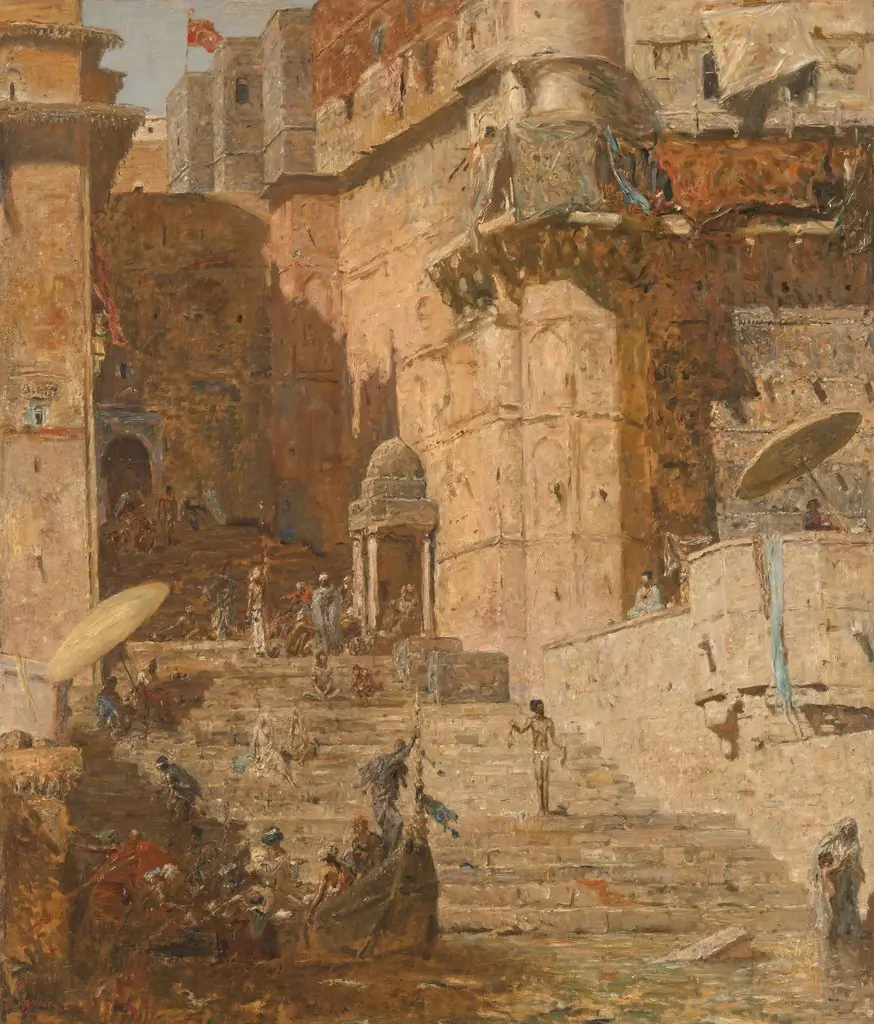 Benares, 1913
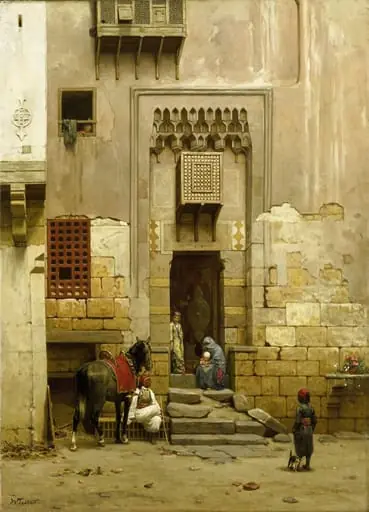 The Courtyard of a house in Cairo
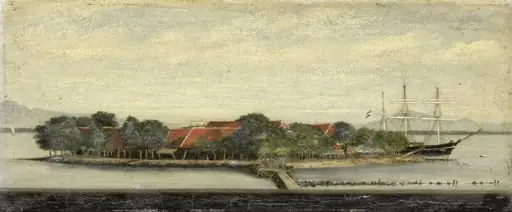 Untitled
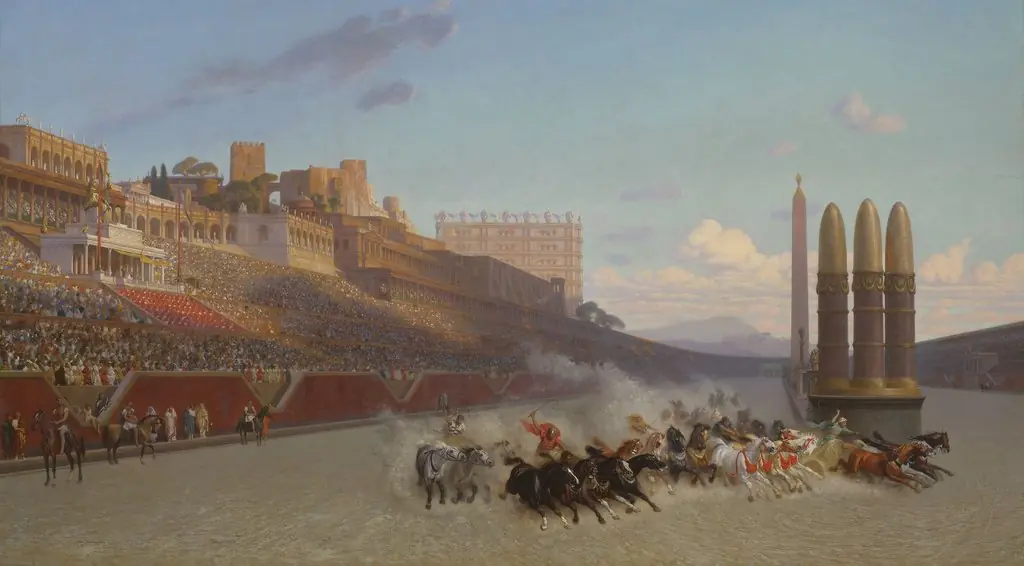 Chariot Race
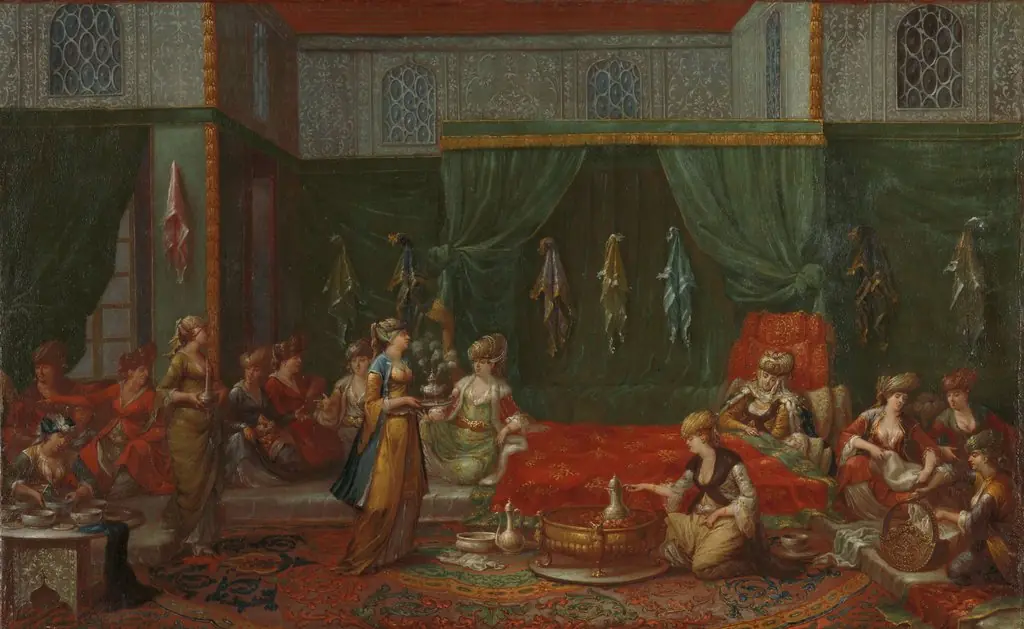 Lying-in Room of a Distinguished Turkish Woman
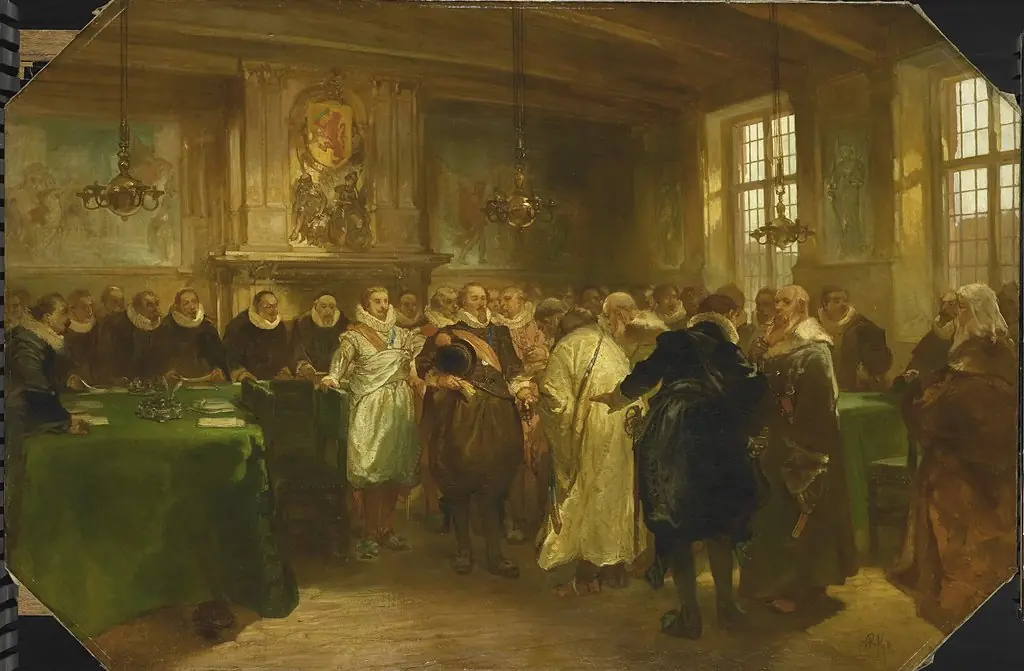 Prince Maurits Receiving a Russian Delegation in 1614
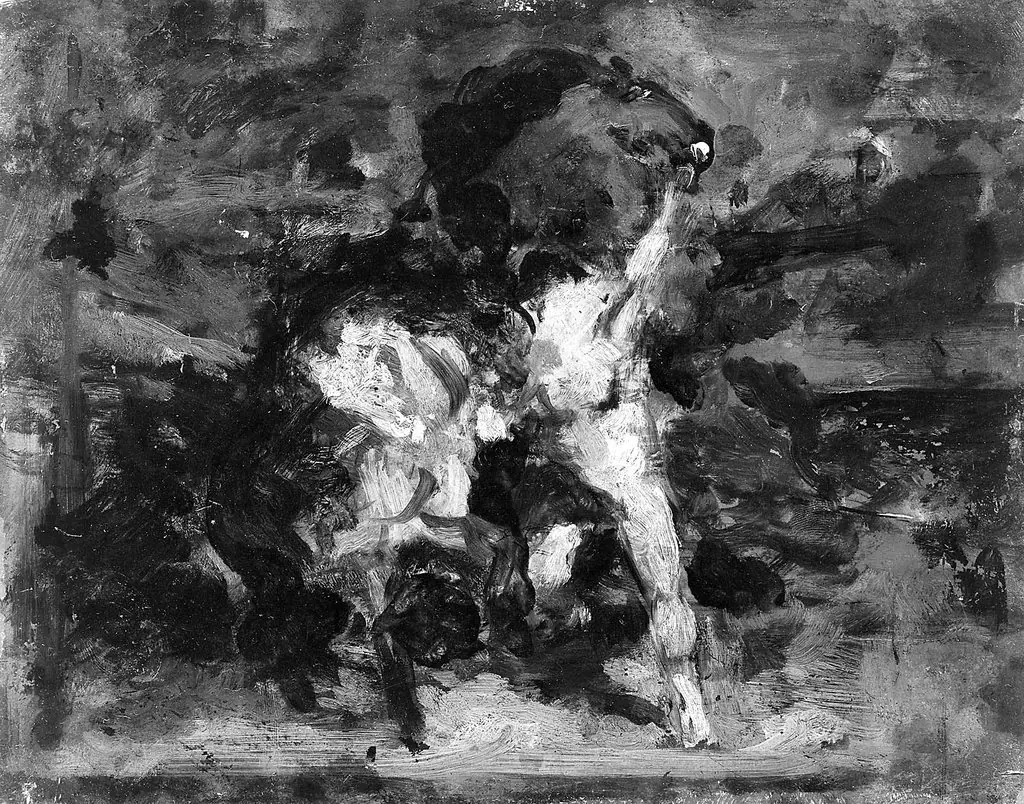 Sketch for Automedon with the Horses of Achilles
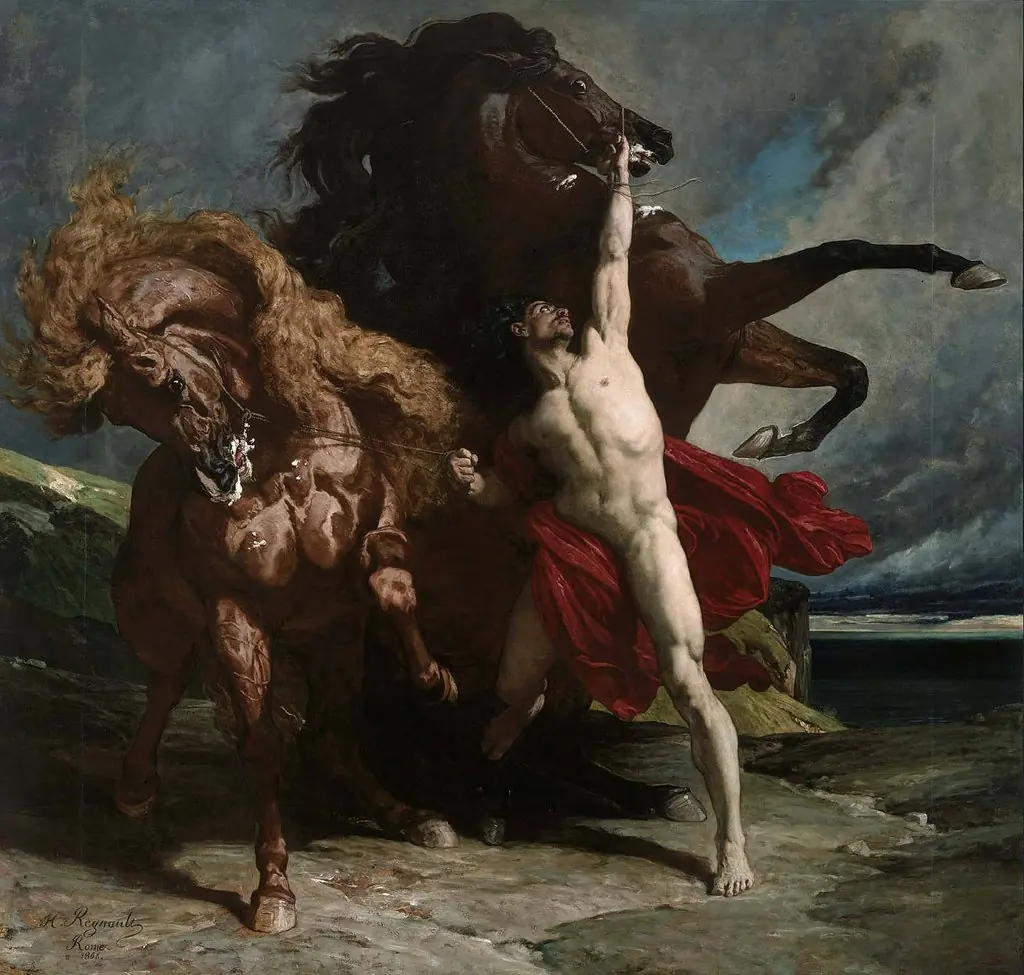 Automedon with the Horses of Achilles
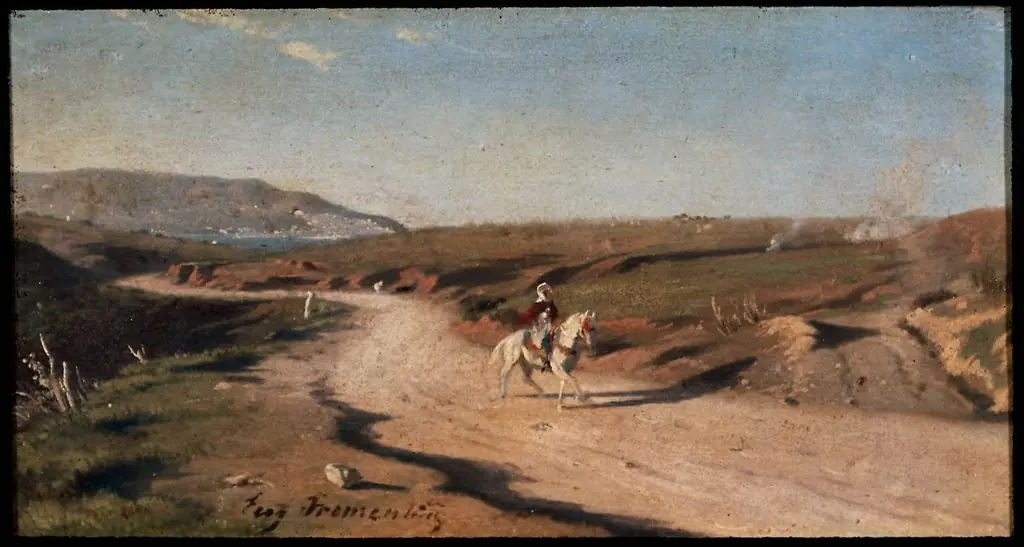 North African Landscape
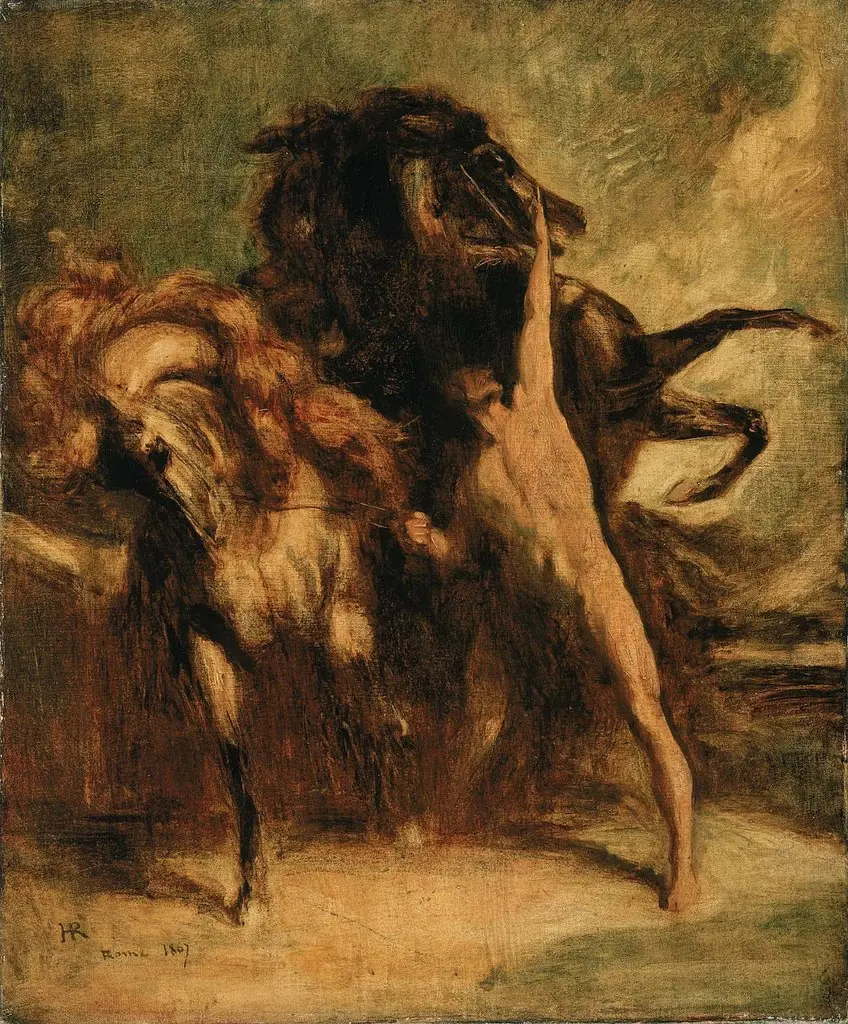 Sketch for Automedon with the Horses of Achilles
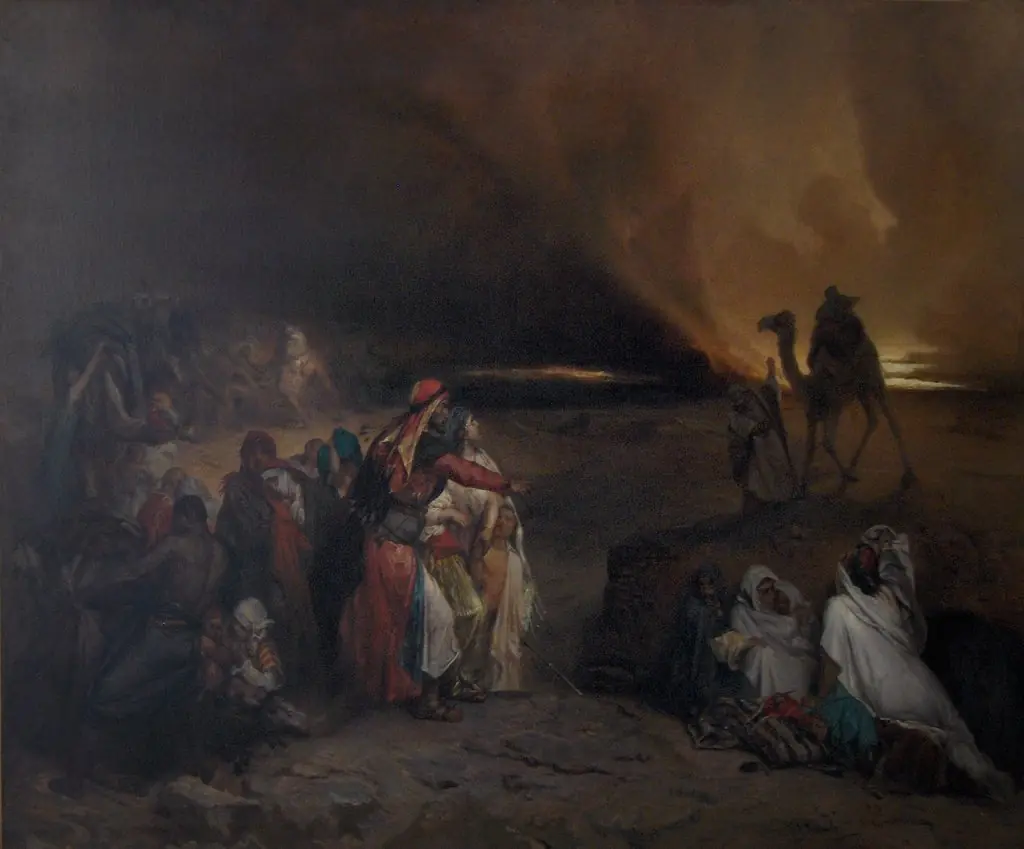 The Simoon, souvenir of Syria
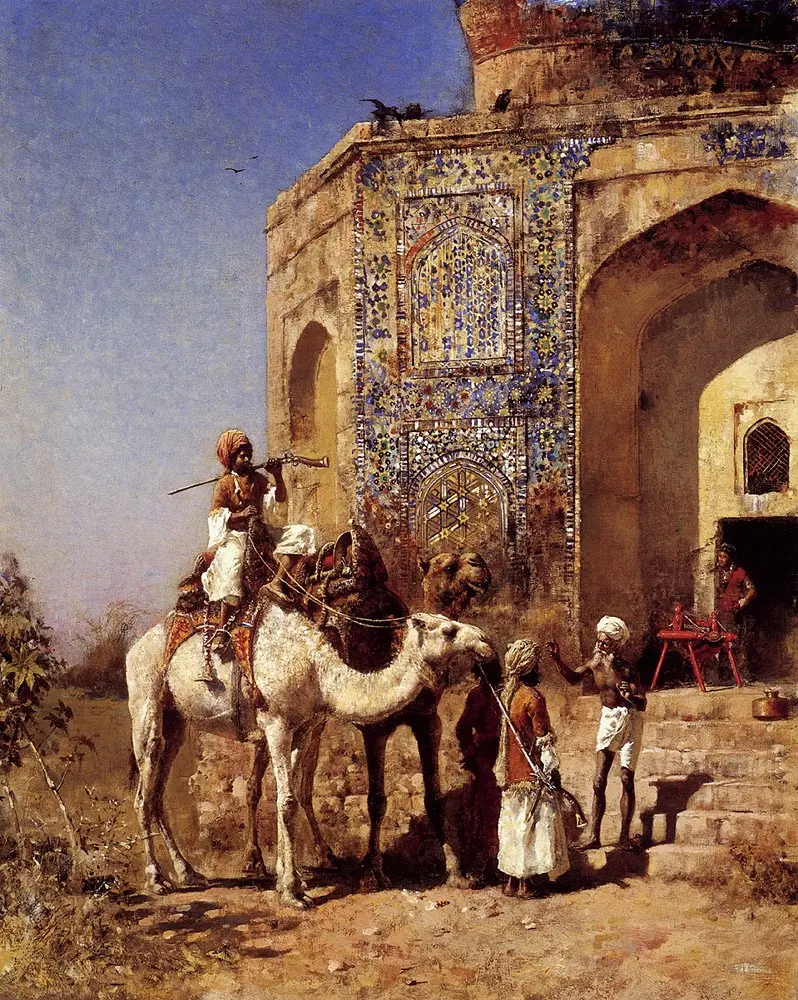 The Old Blue-Tiled Mosque outside Delhi
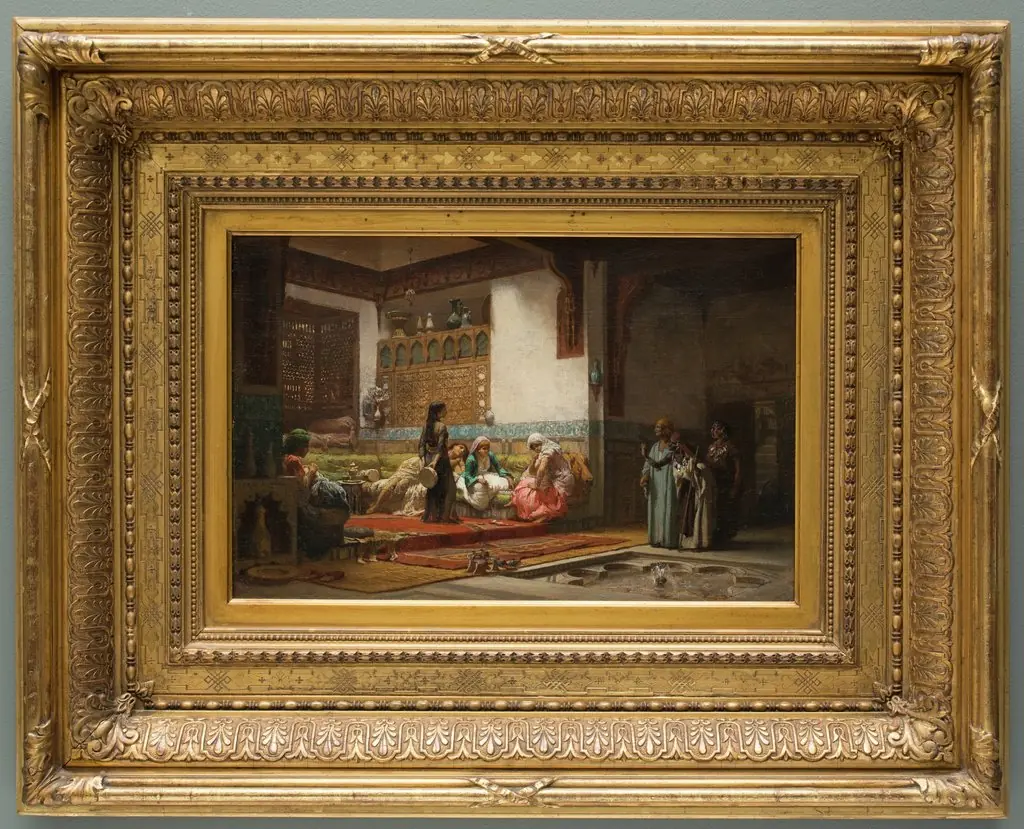 Moorish Interior
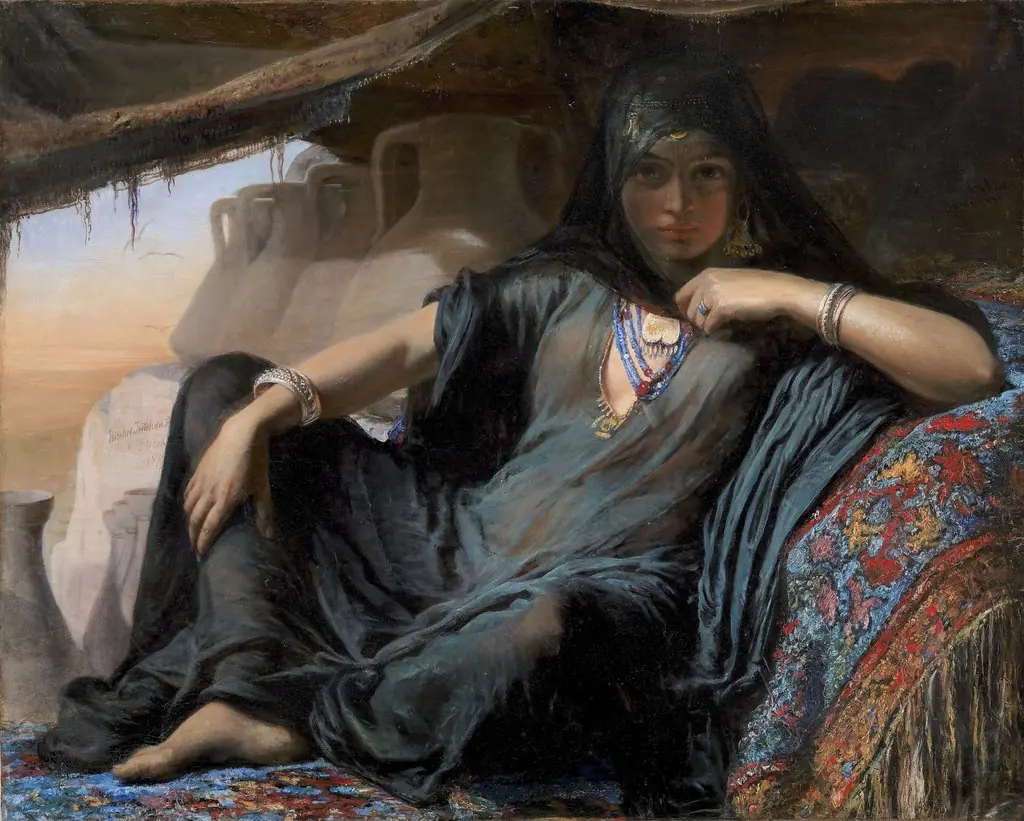 An Egyptian Pot Seller at Gizeh
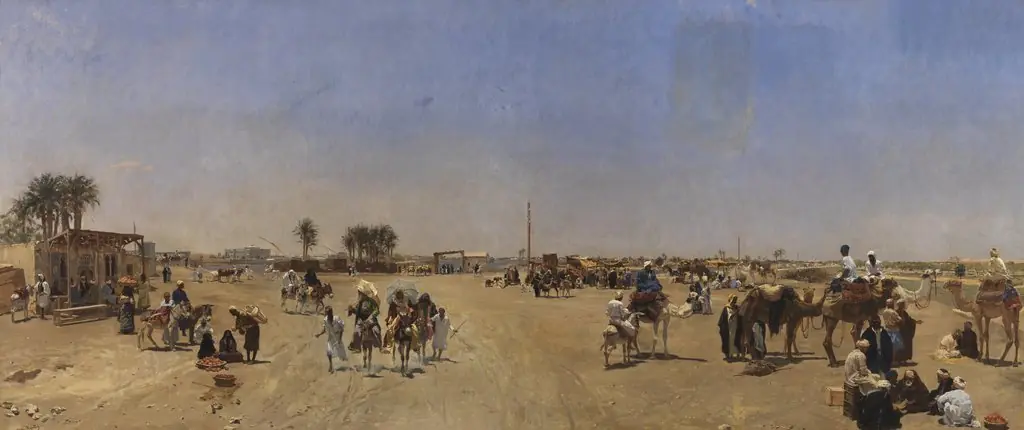 Cairo Seen from the Kasr-el-Nil Bridge
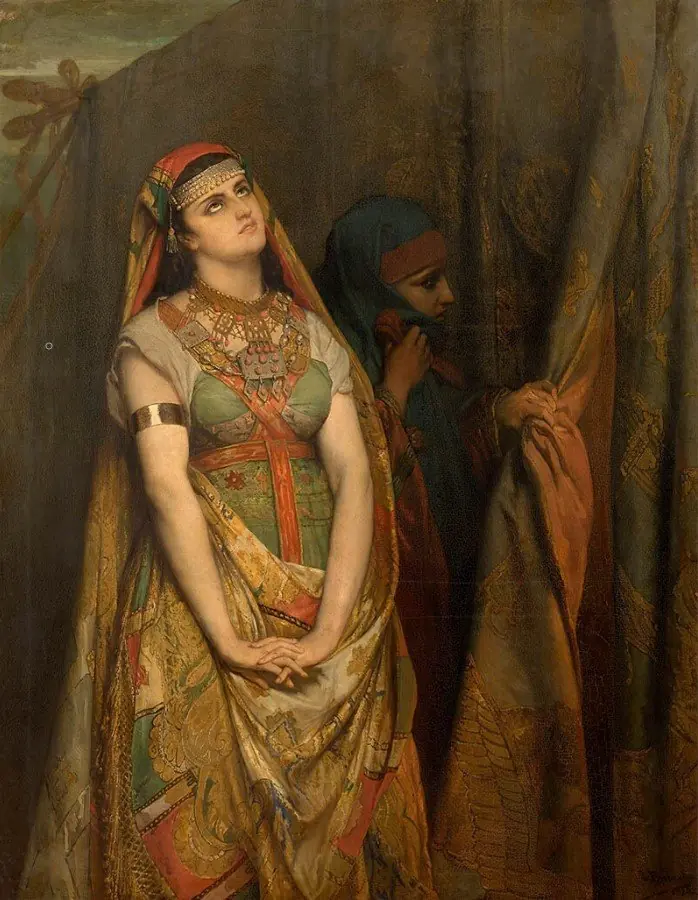 Judith's prayer
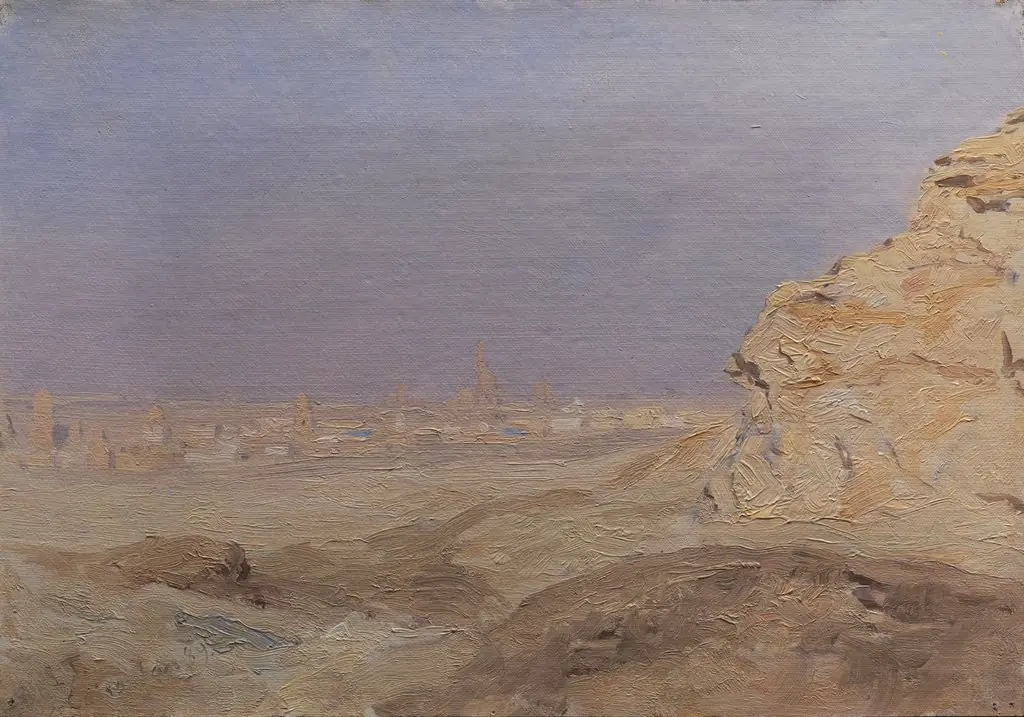 A View Of Cairo
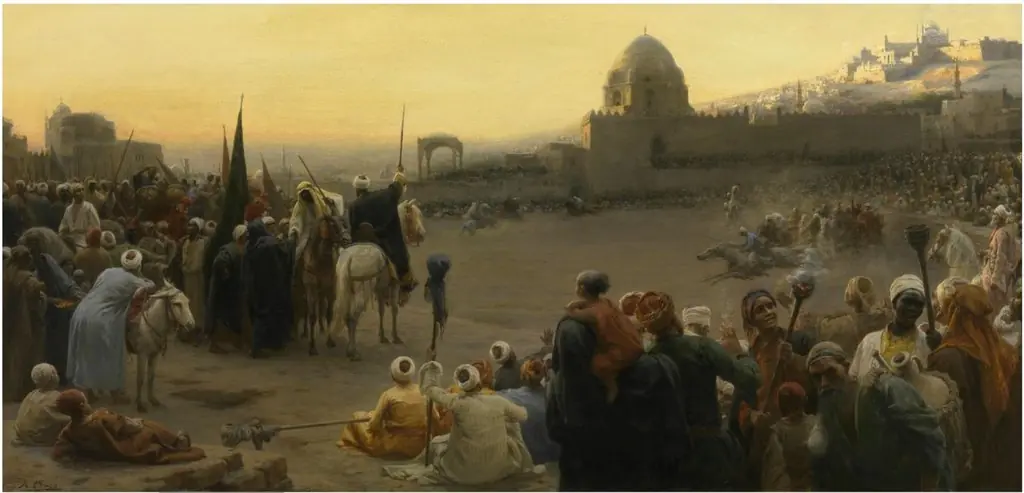 Fantasia in Egypt
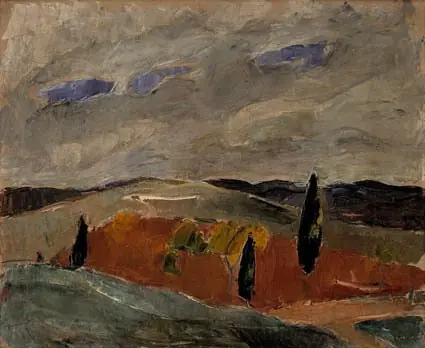 The Road to the Churchyard in Toledo
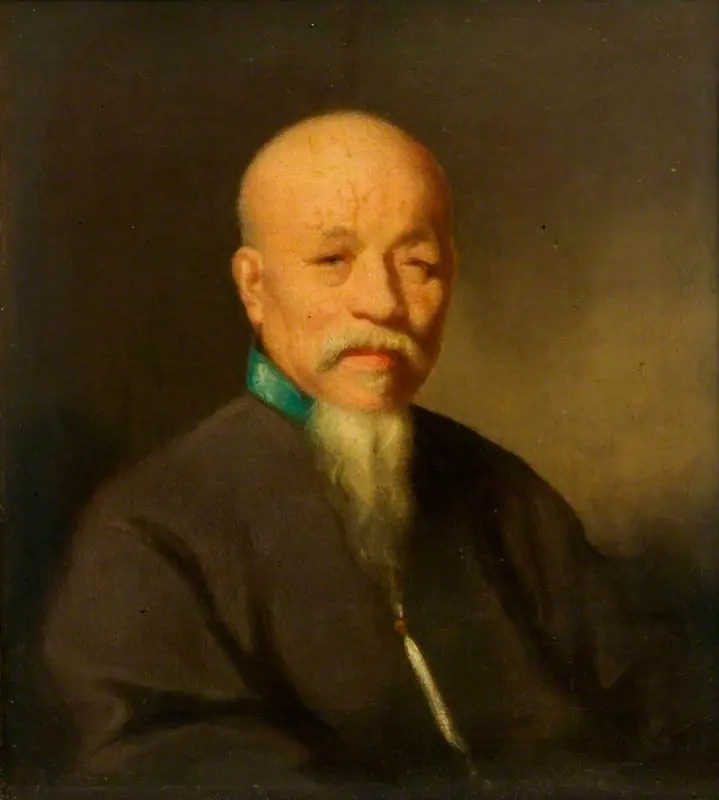 Portrait of a Chinese Mandarin
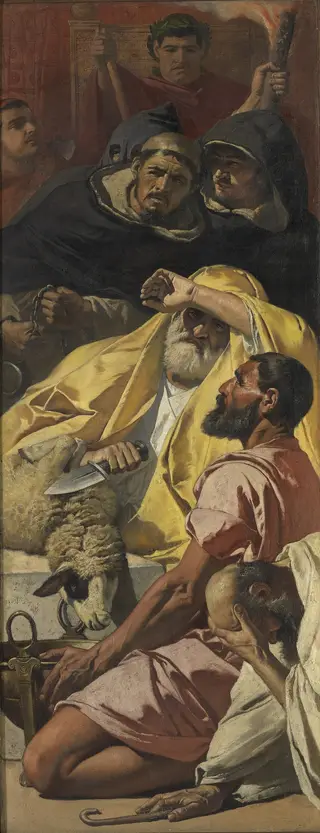 The Oppressed, the Inquisitors, the Idolaters
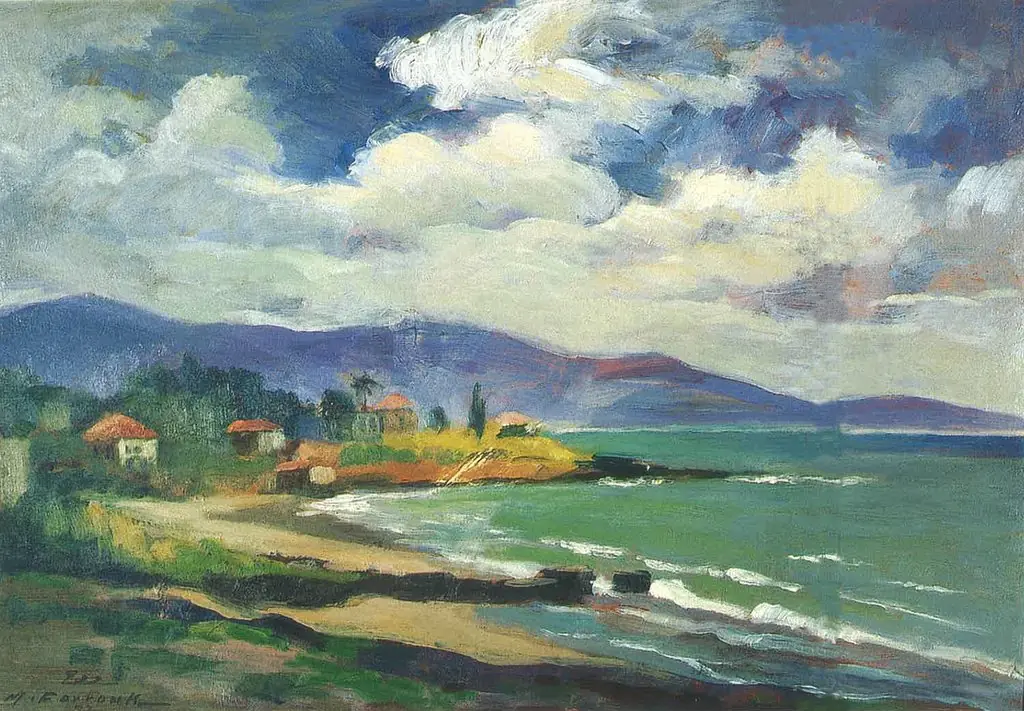 Dbayeh
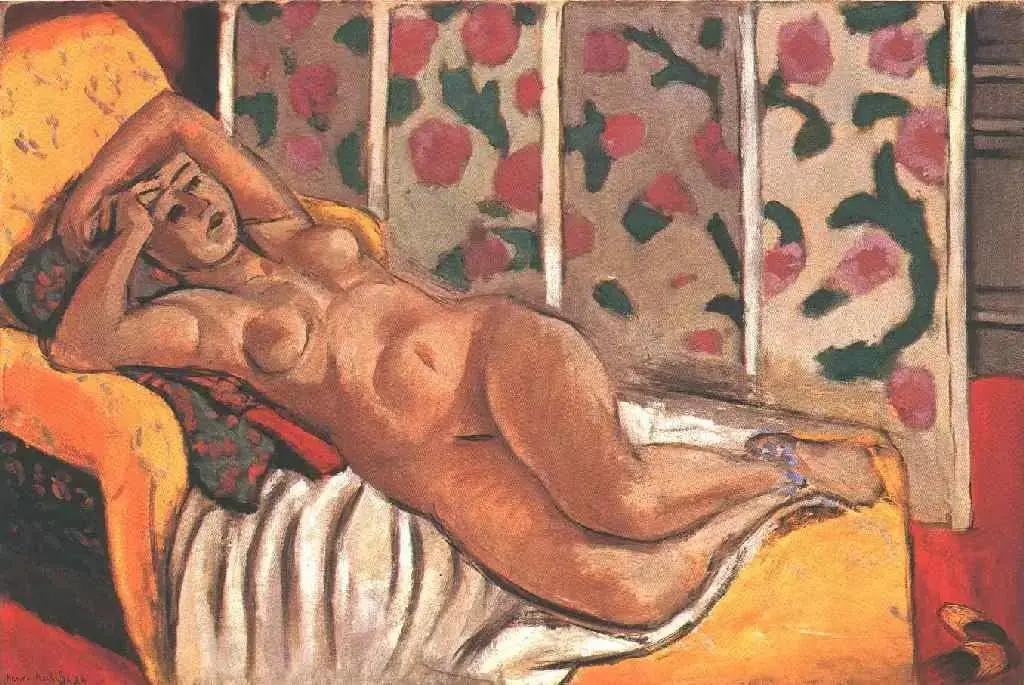 Yellow Odalisque
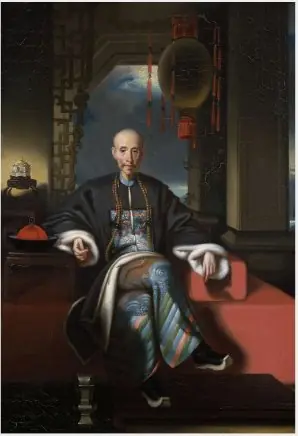 Portrait of a Mandarin
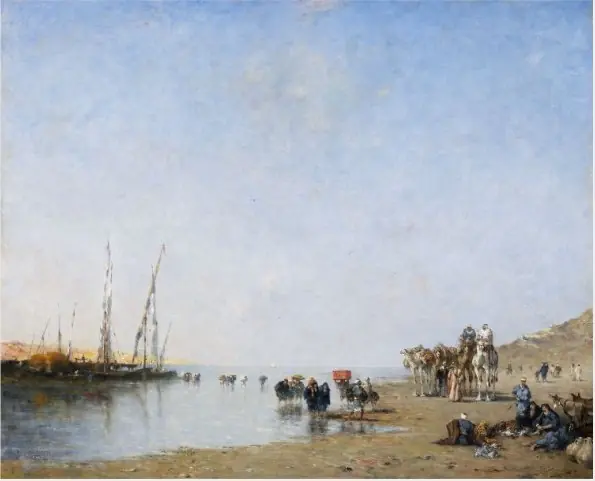 An Arab Caravan Resting near the Shore
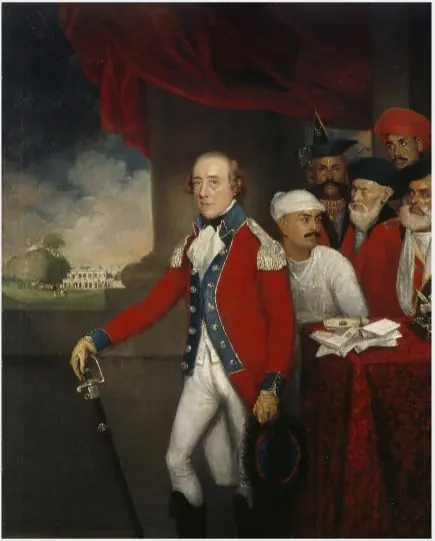 Lieutenant-Colonel William Kirkpatrick with His Assistants
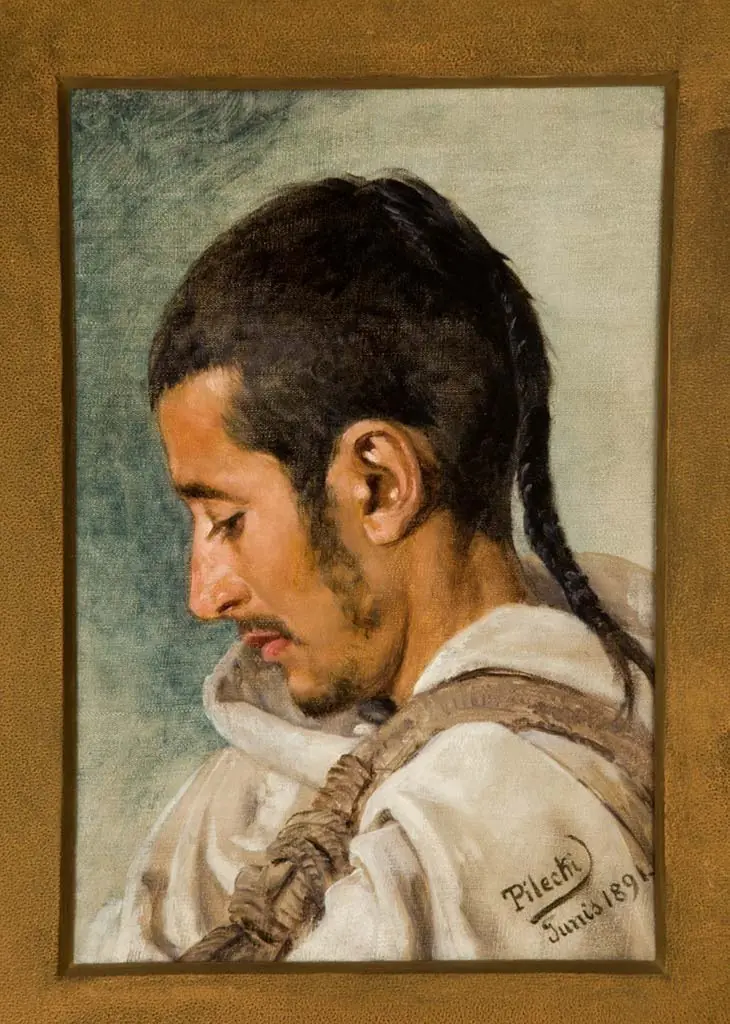 Study of an Algerian's Head
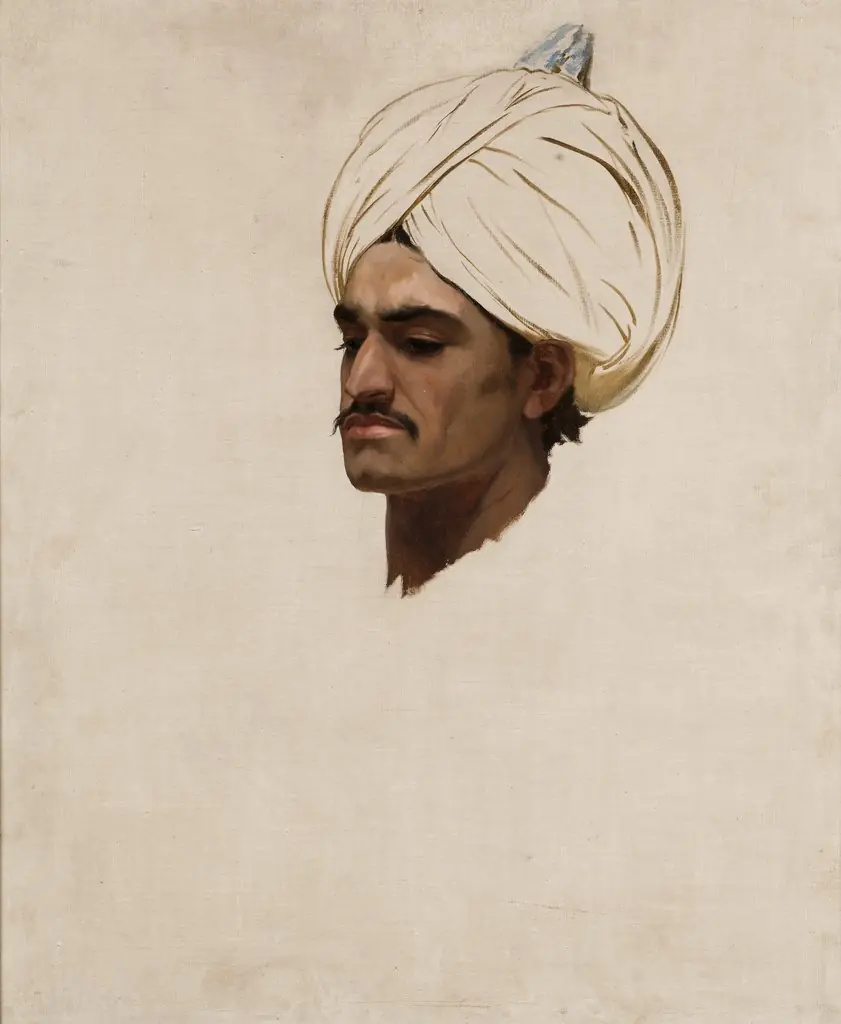 Study of an Arab's Head
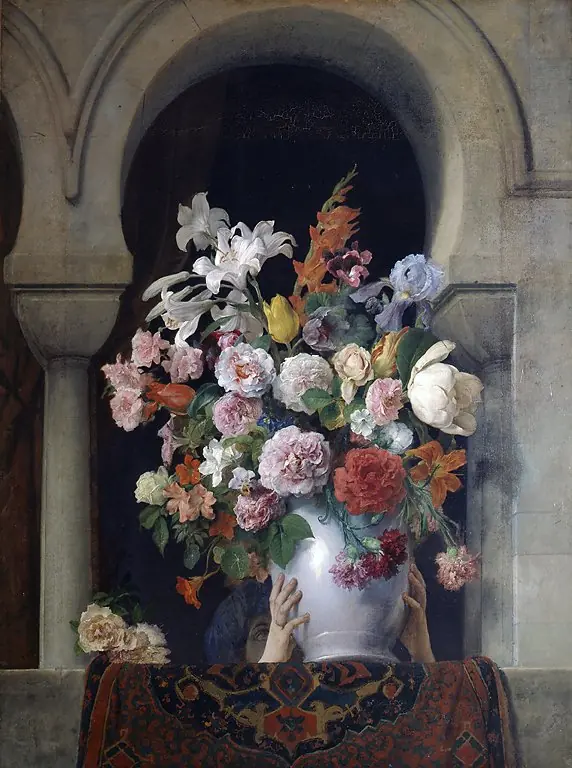 Flowers at the Window of the Harem
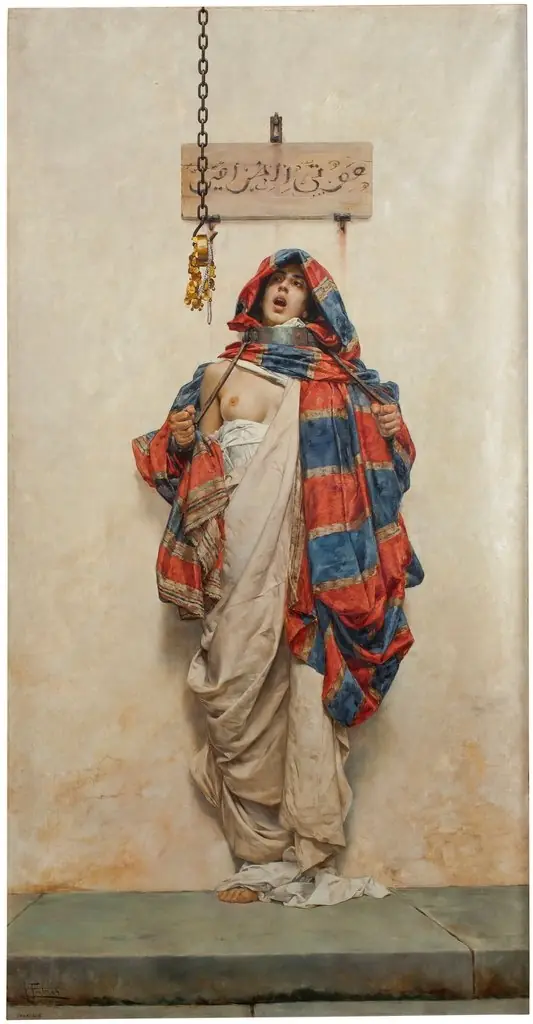 woman slave
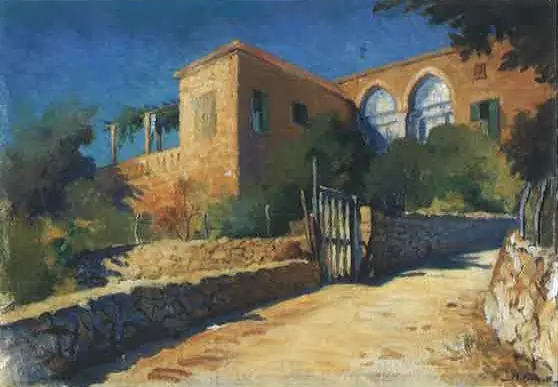 A House at Abadiyeh
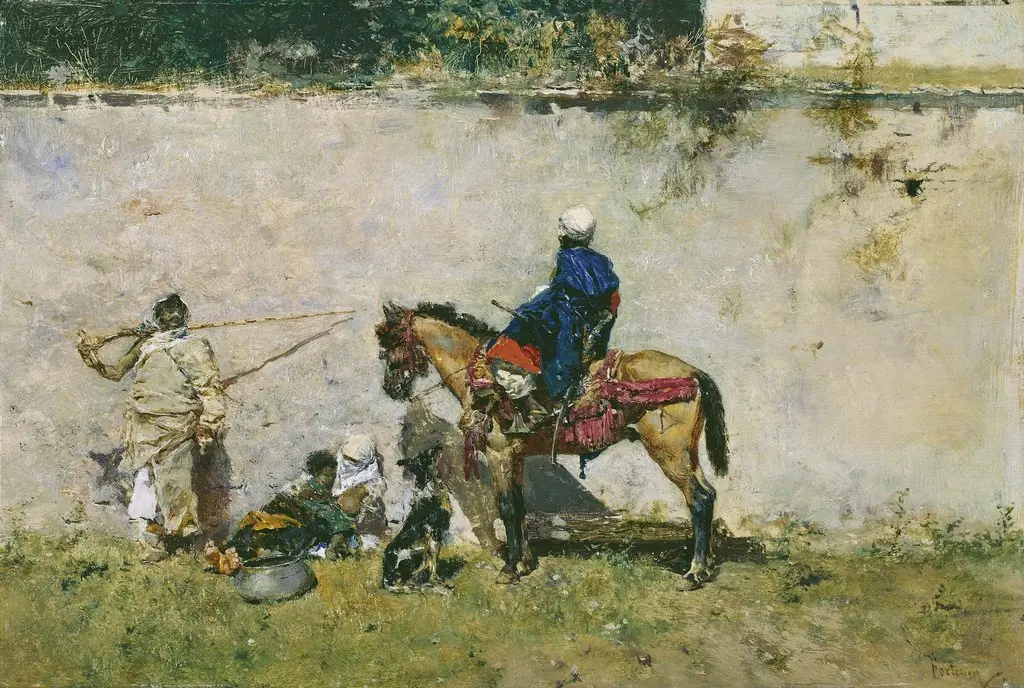 Morocans
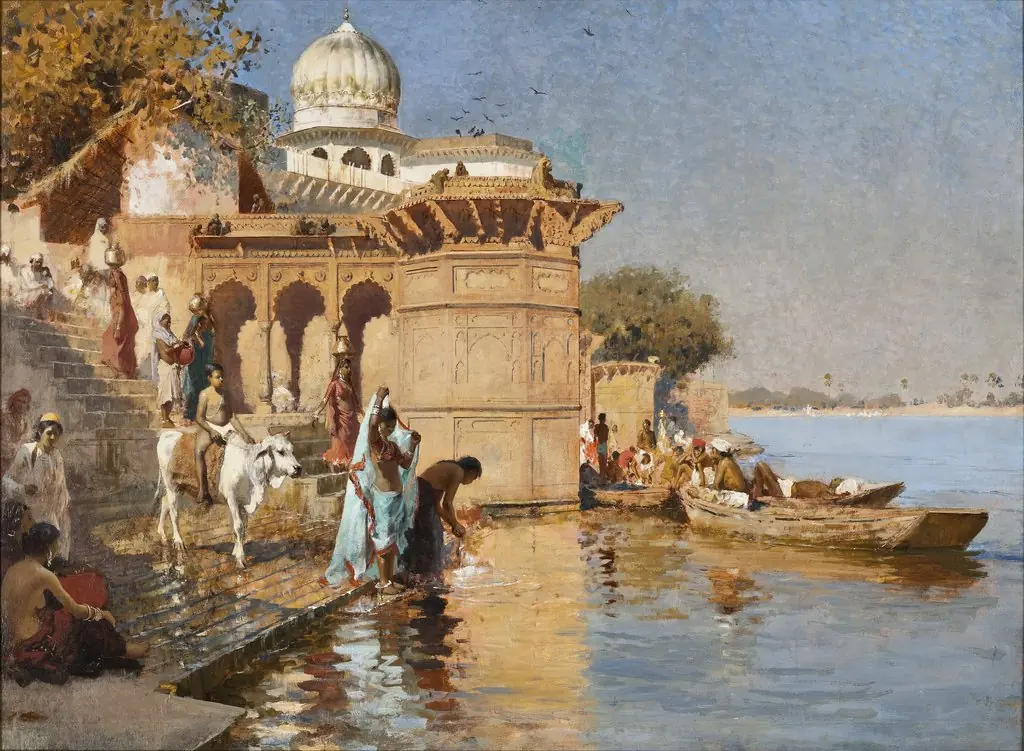 Along the Ghats, Mathura
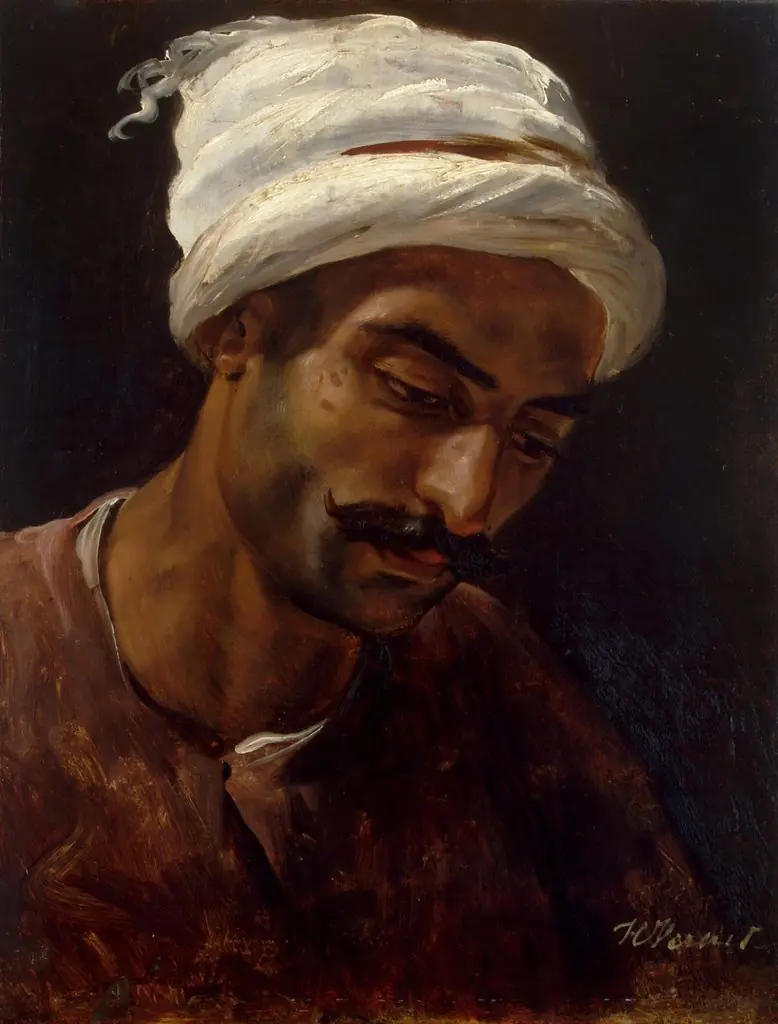 Head of an Arab
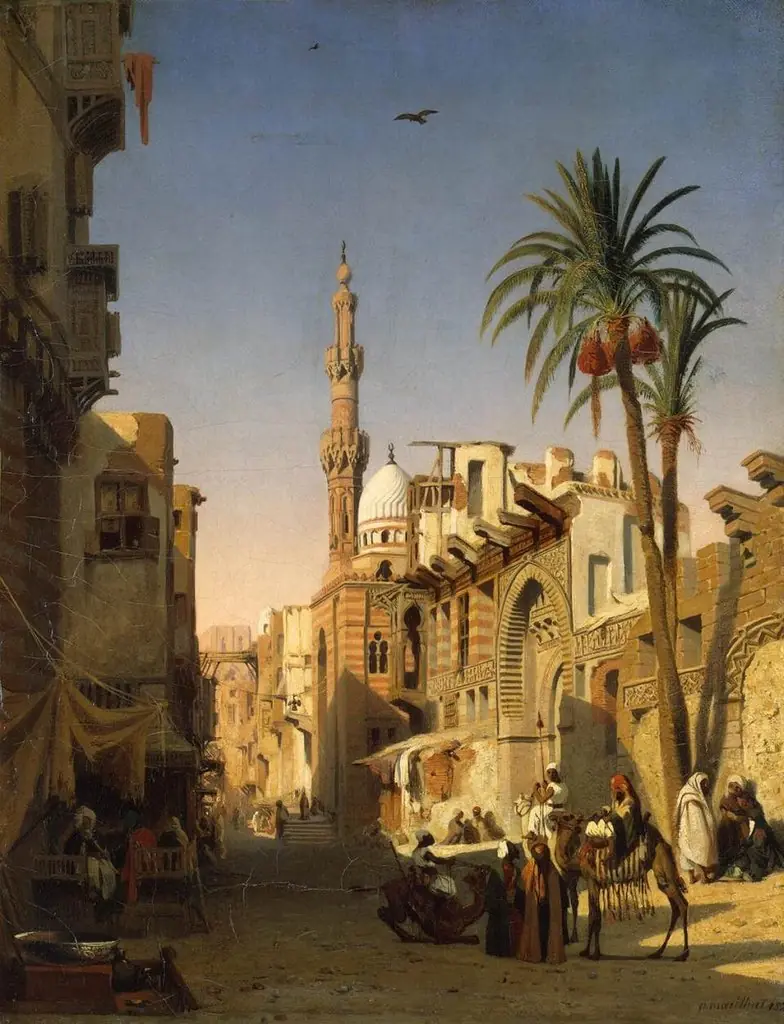 Ezbekiah Strieet in Cairo
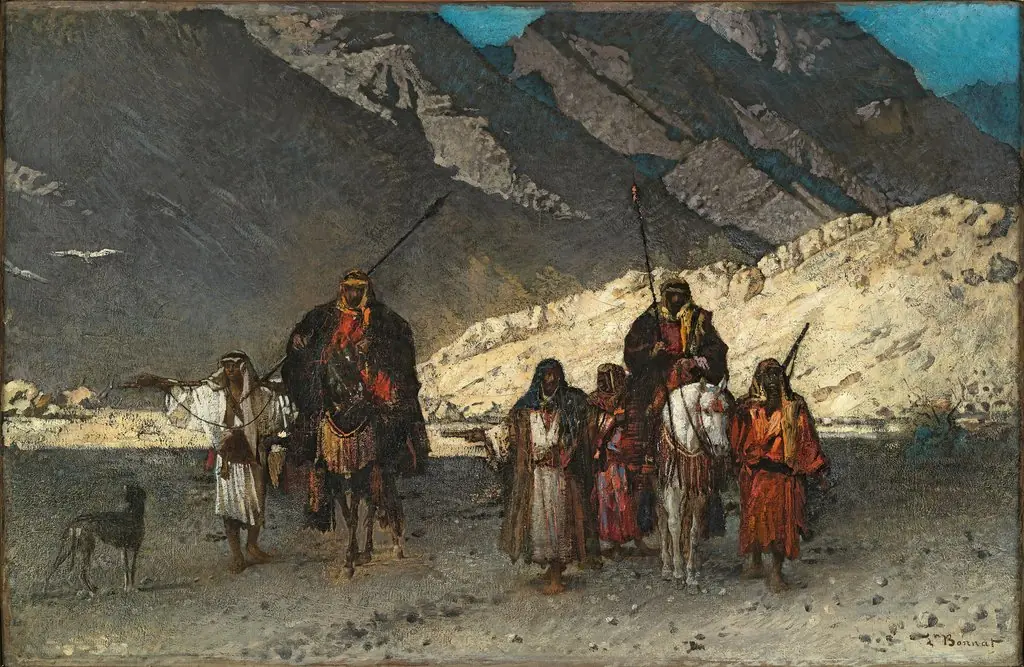 Arabian Sheikhs in the Mountains
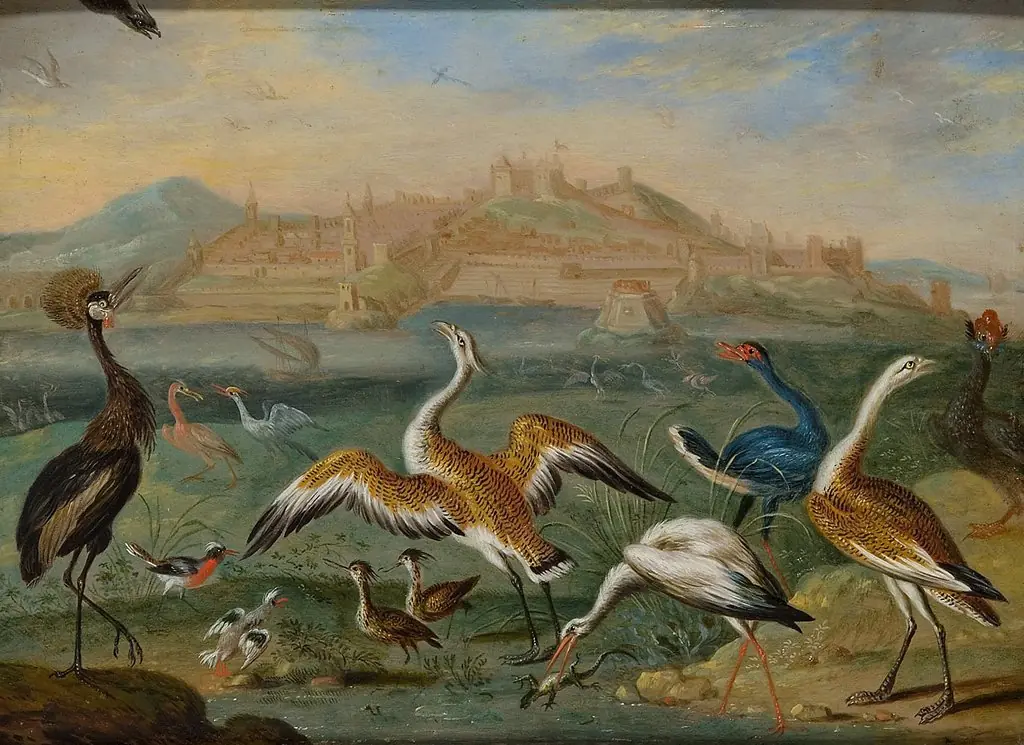 Tangier
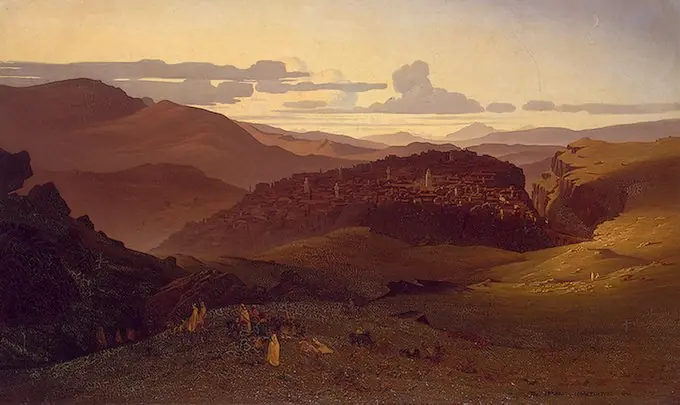 Funeral in the Vicinity of the Town of Constantina
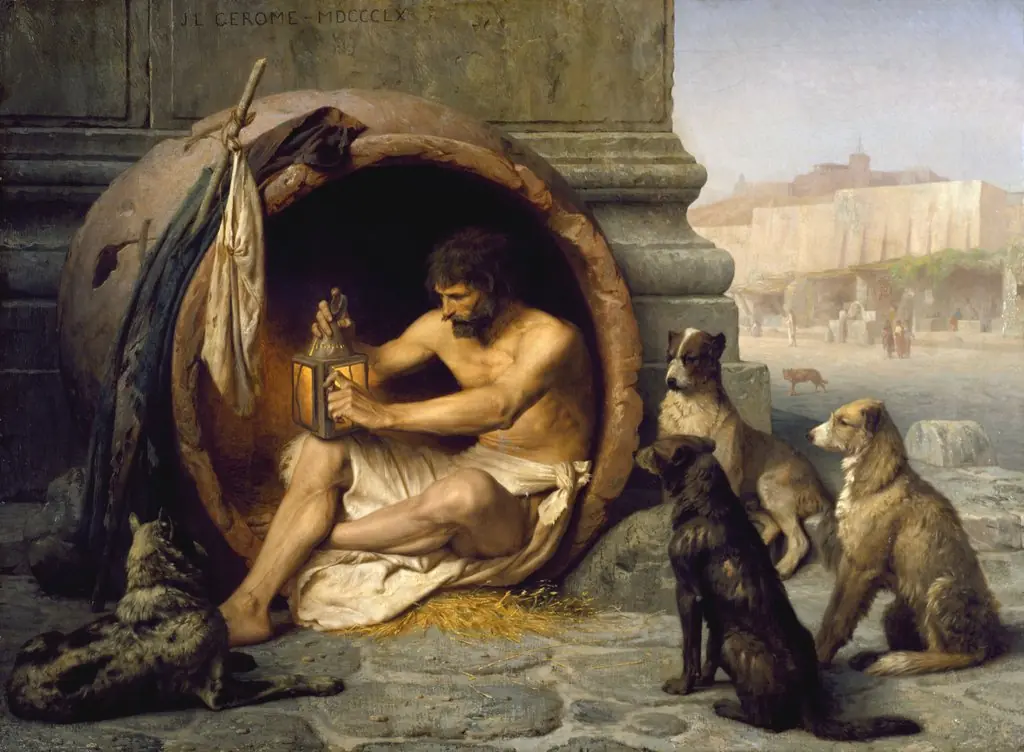 Diogenes
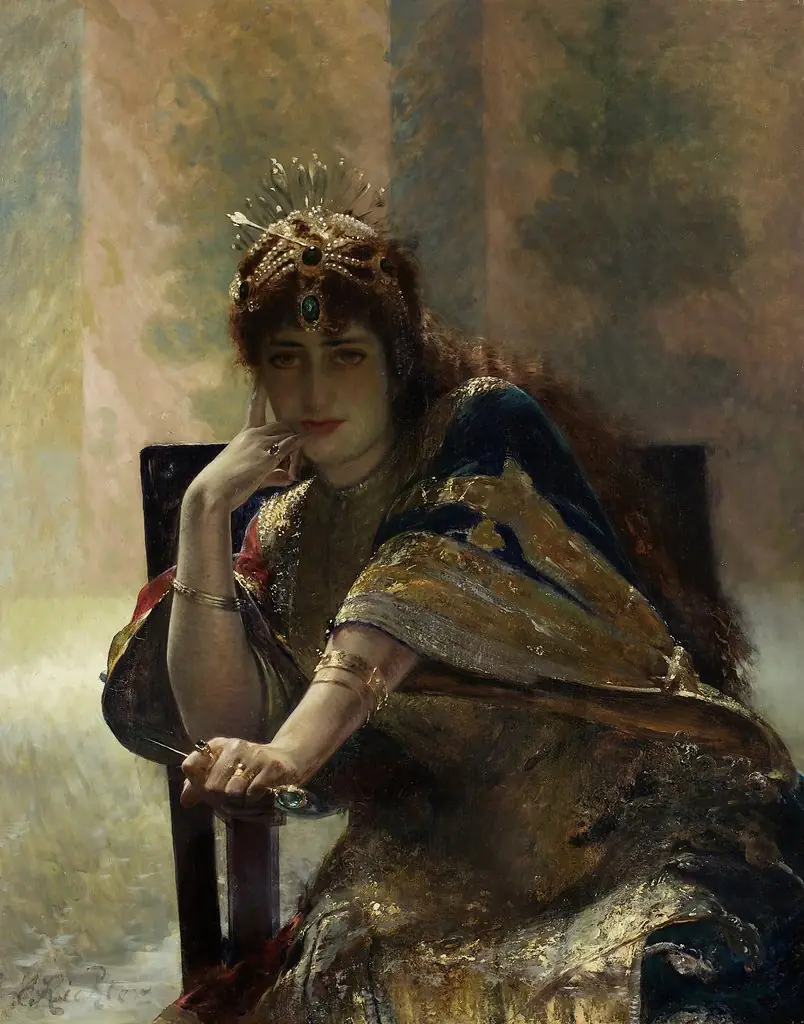 Oriental Woman
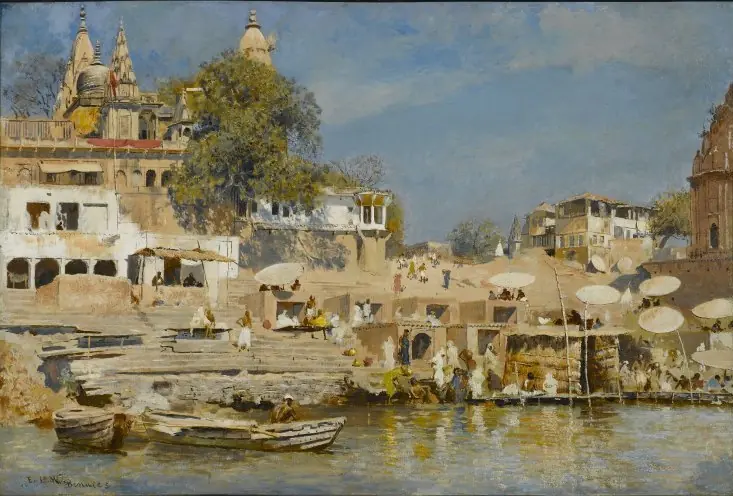 Temples and Bathing Ghat at Benares
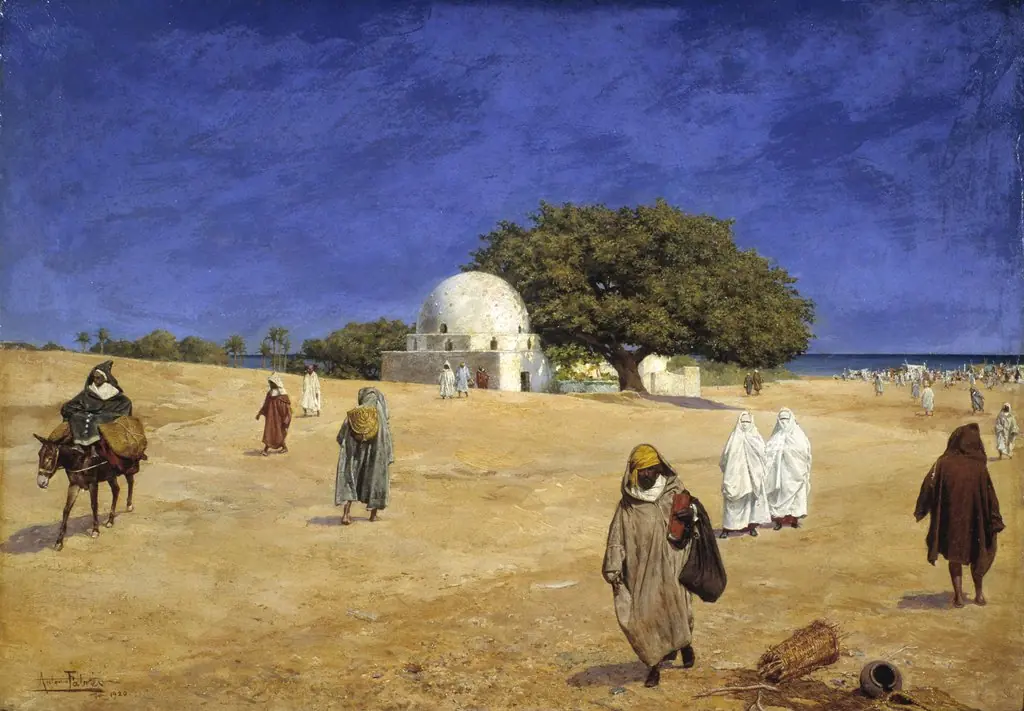 Moroccan Pilgrimage
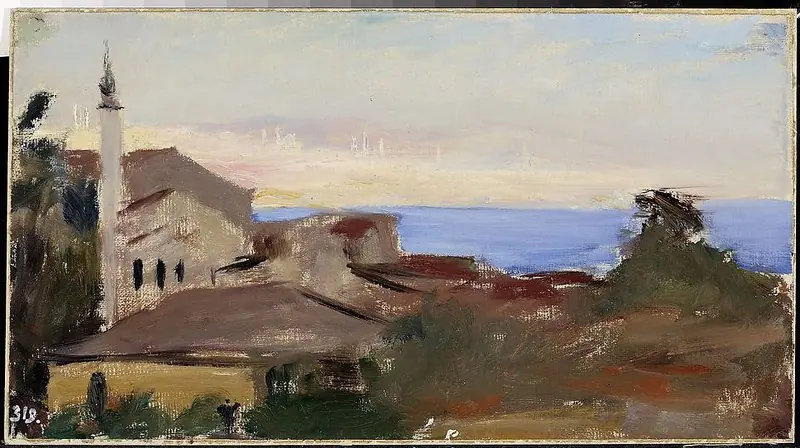 View of the city. From the journey to Constantinople
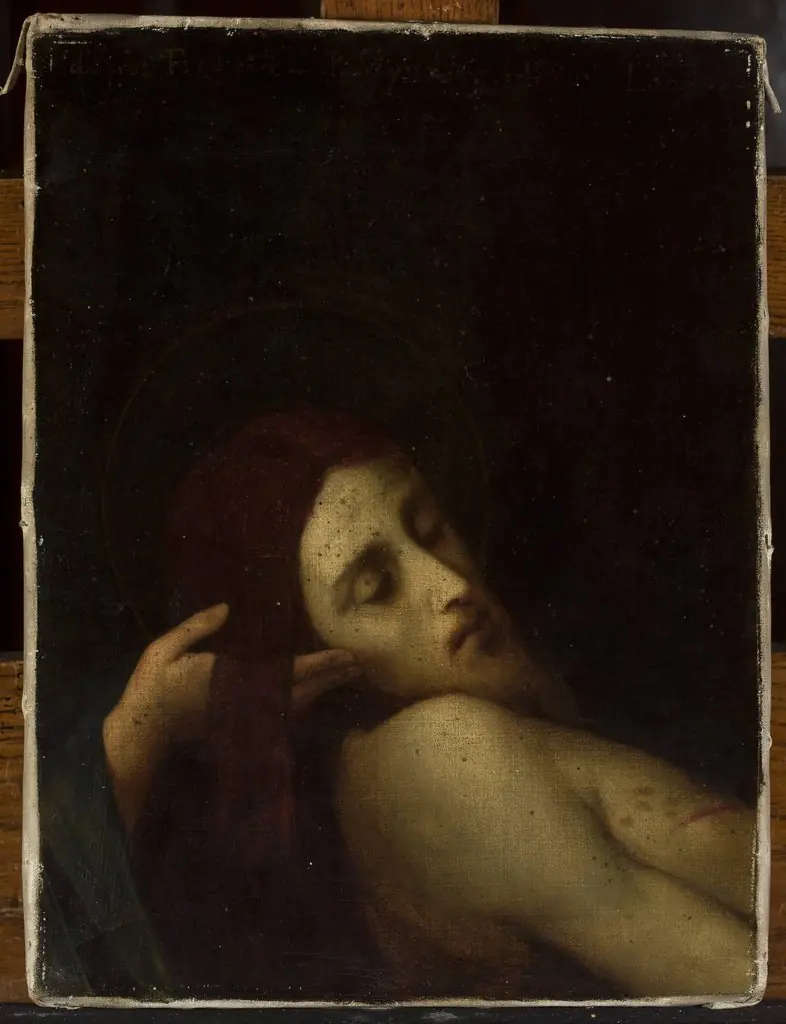 Head of Christ – Pieta fragment
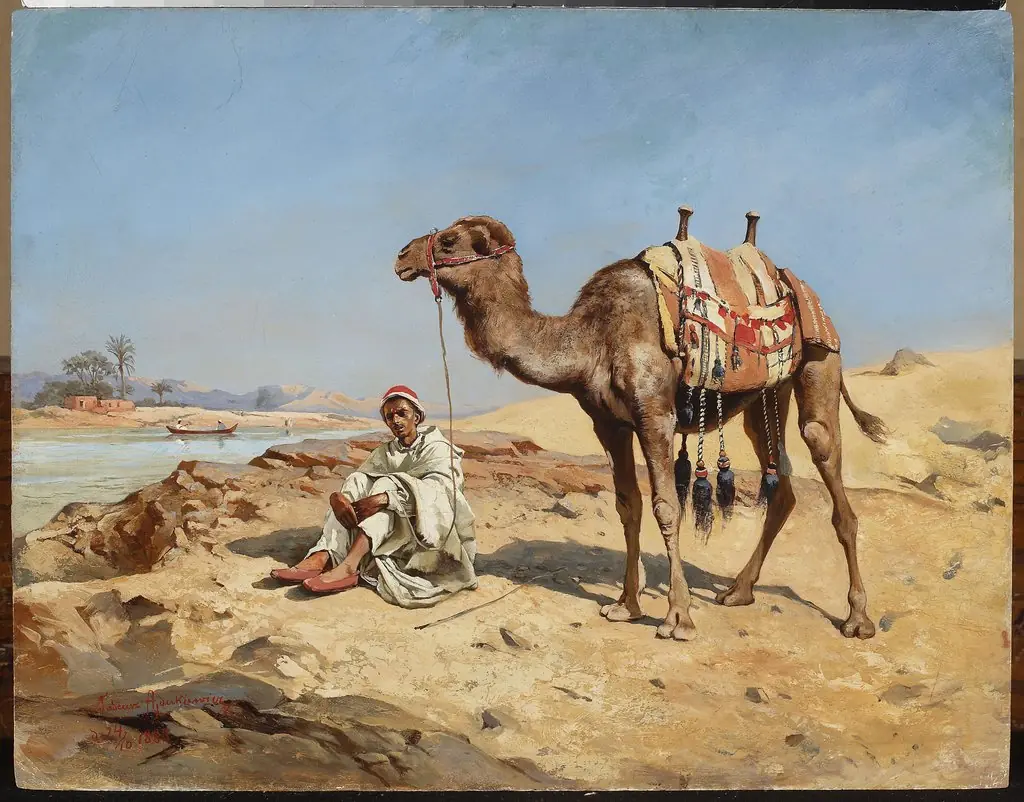 Arab in the desert
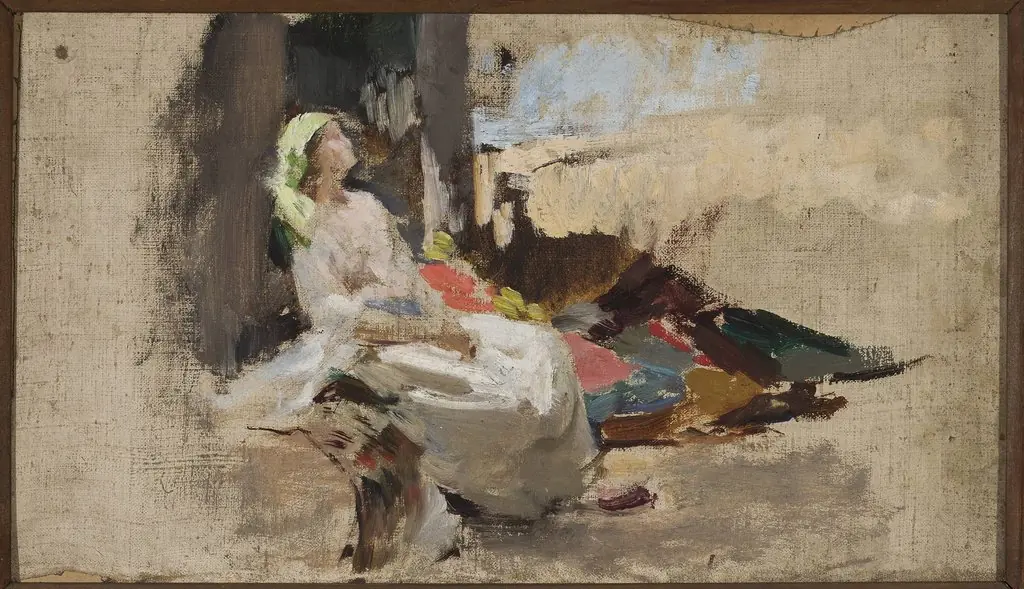 Sketch for the painting “Potocka in Bakhchisaray”
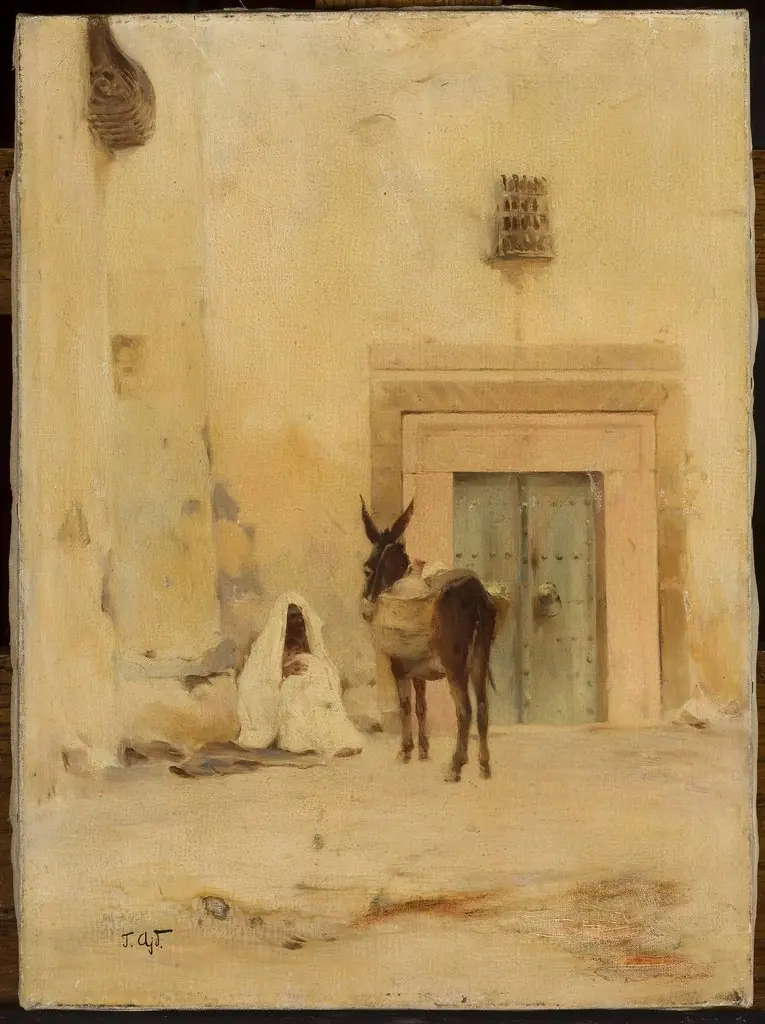 Arab and a donkey at the wall of a house
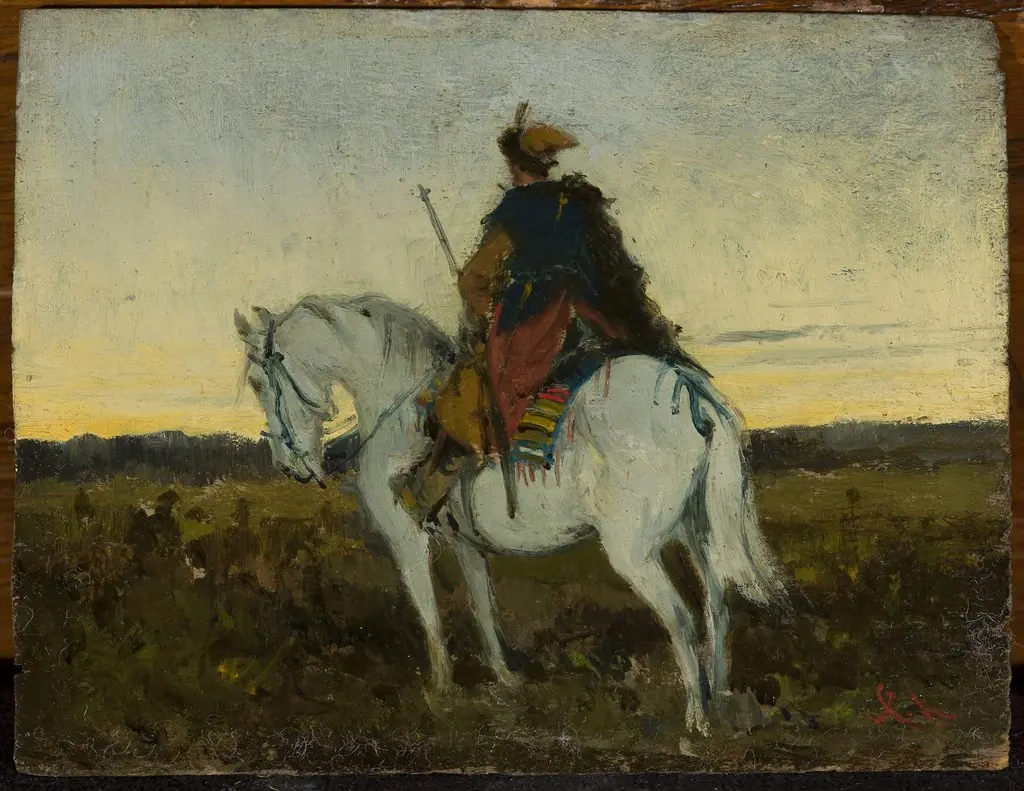 Oriental rider on a white horse
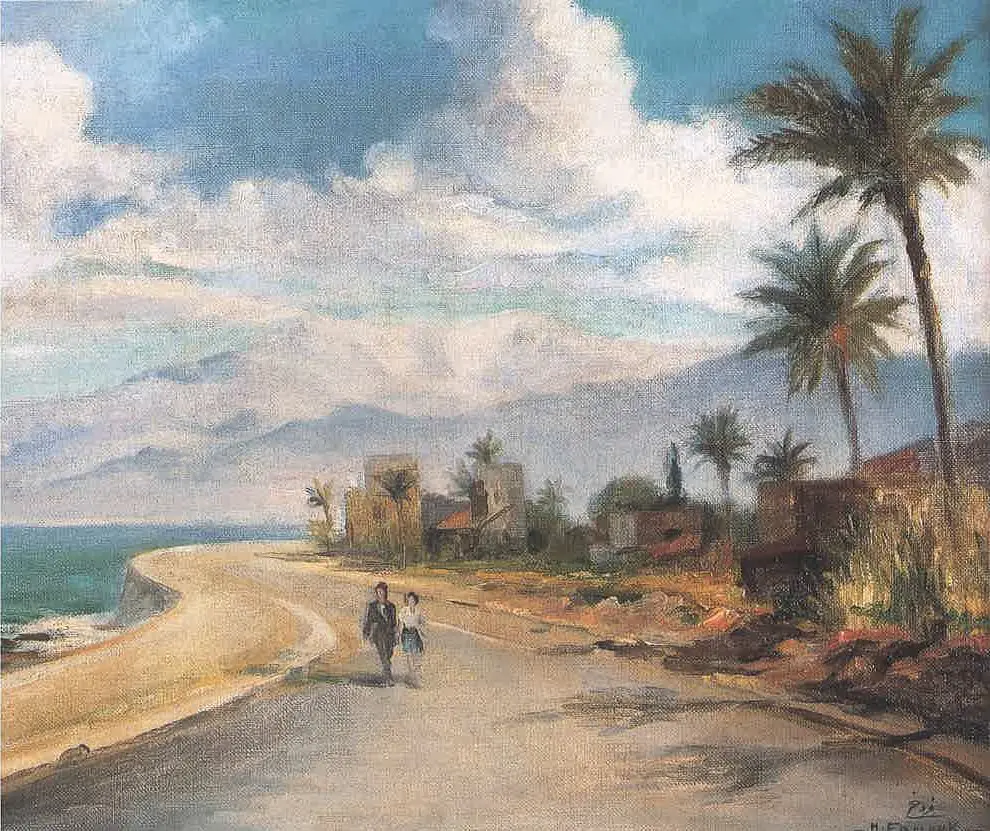 Corniche of Raʾ s Beirut
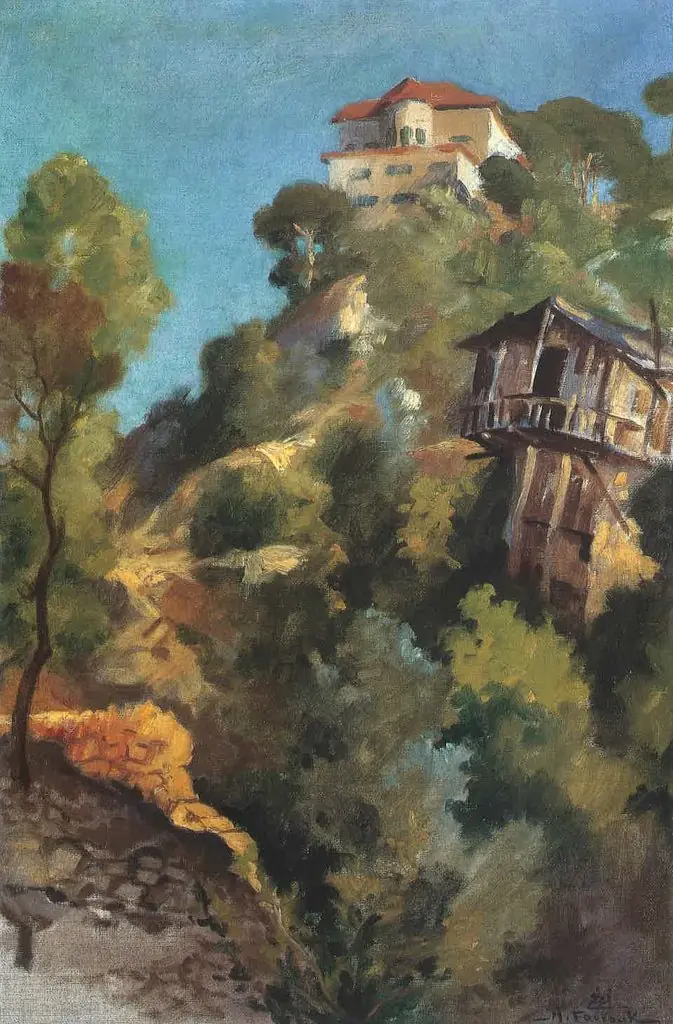 Bikfaya. The Palace and the cabin
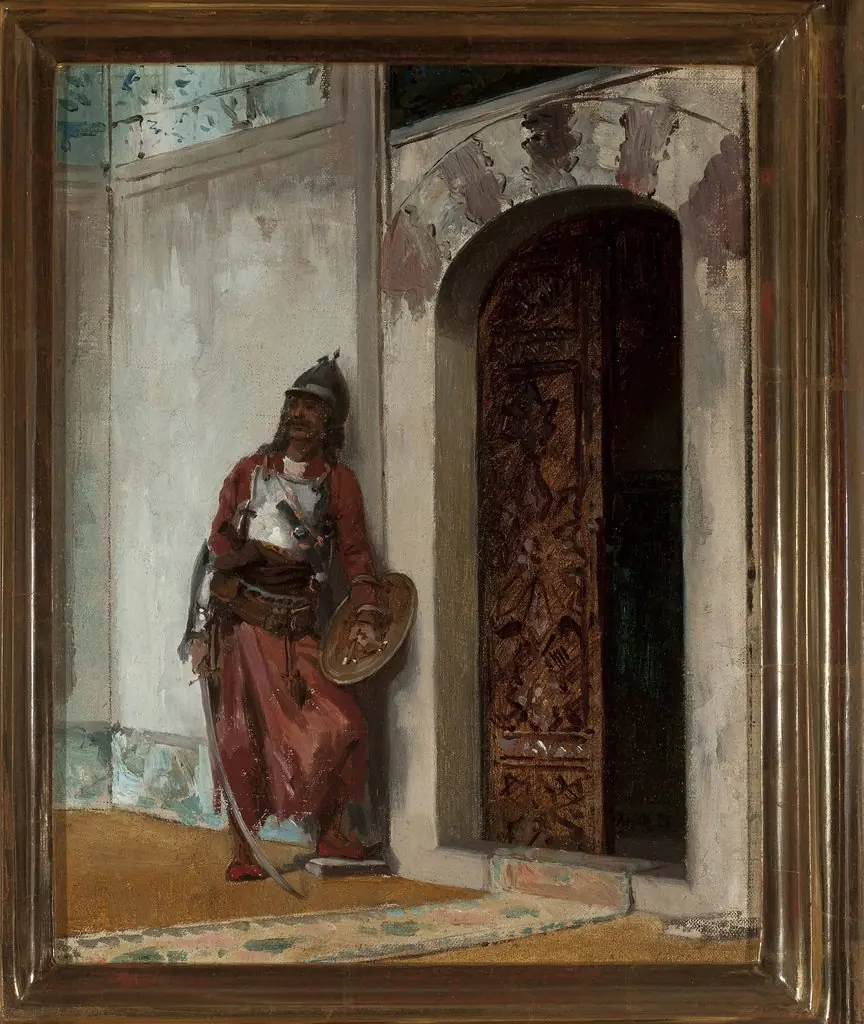 Guard at the entrance to the seraglio
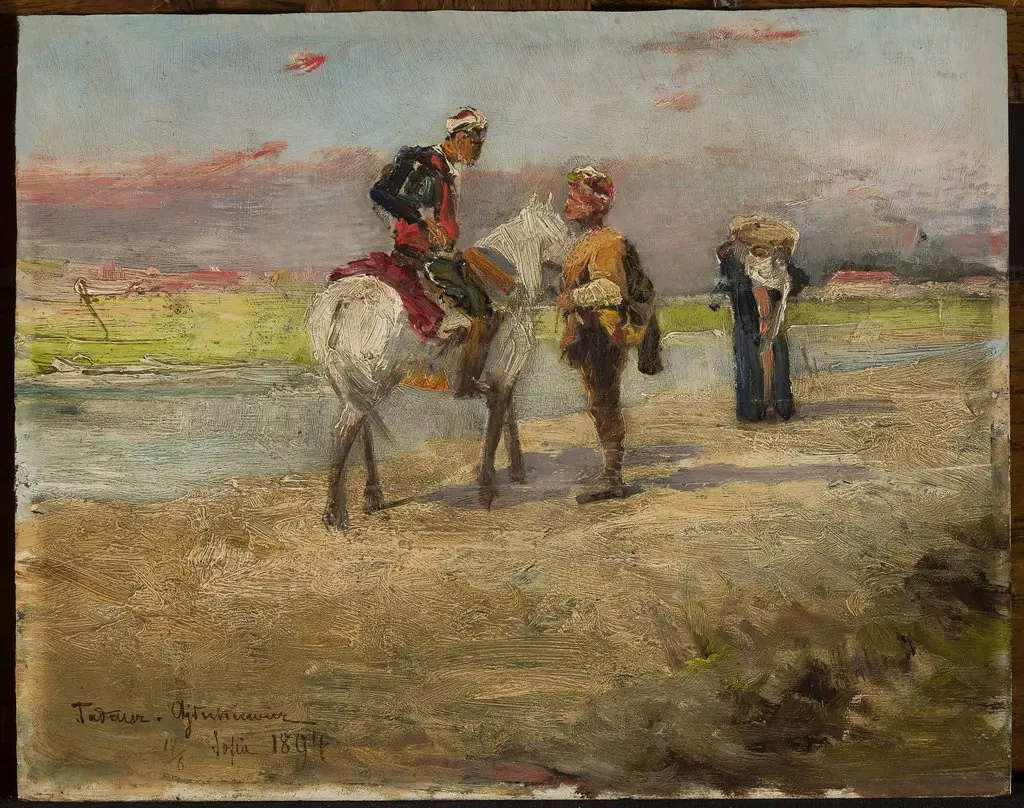 Eastern scene against a landscape
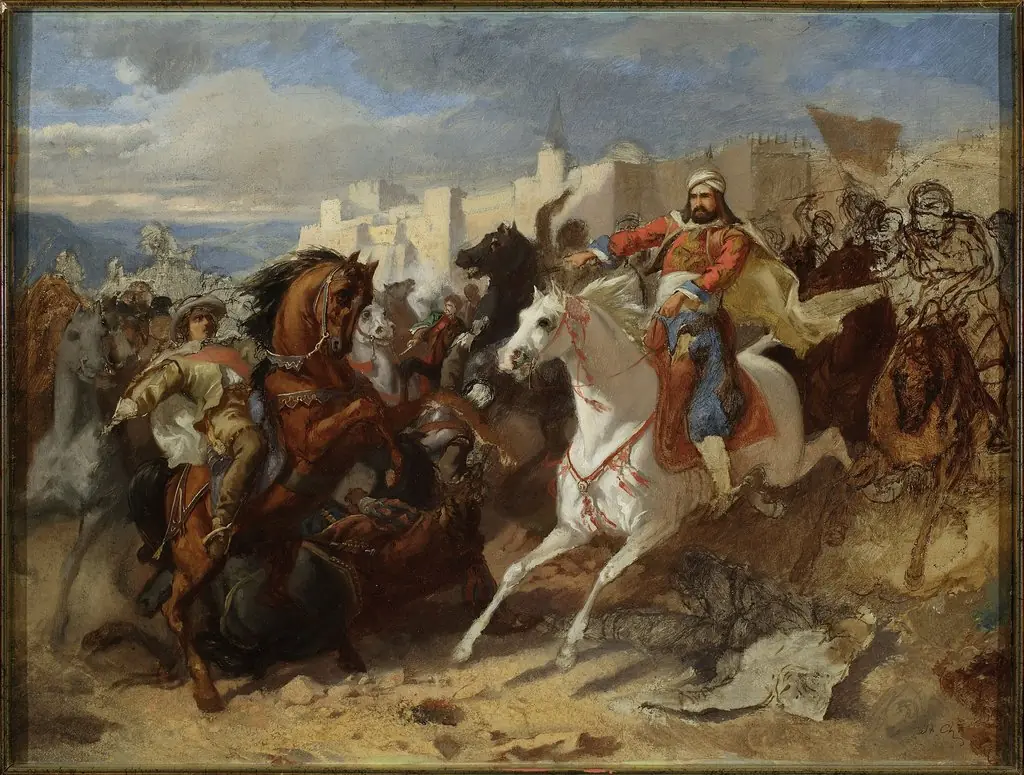 Episode from Austro-Turkish wars, sketch
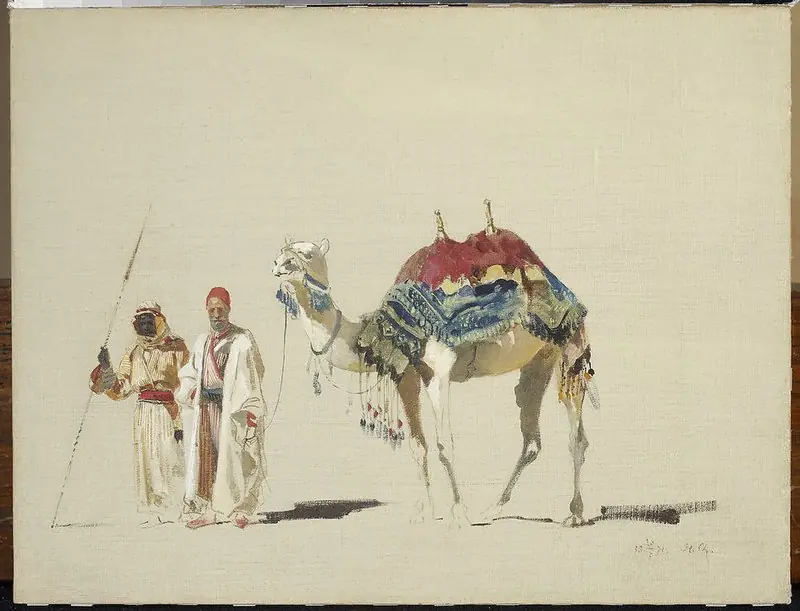 Sultan’s white camel, sketch
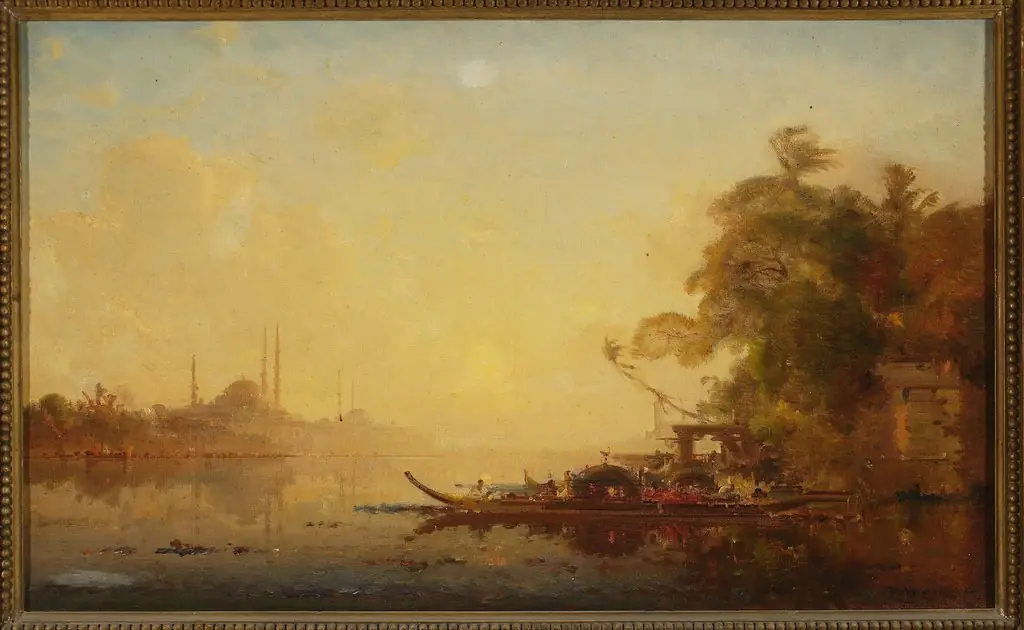 View of Constantinople
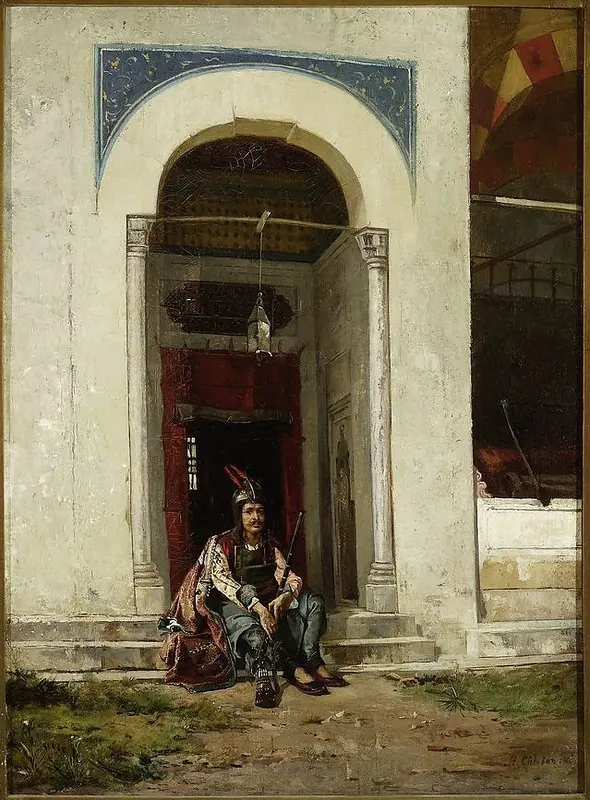 Mosque guard
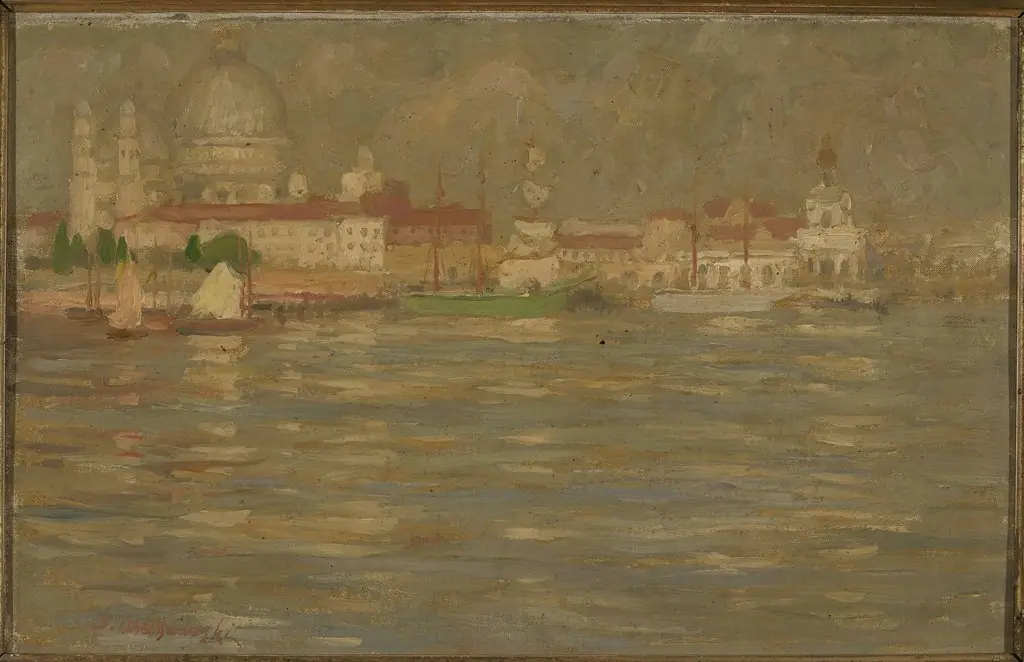 View of the city at waterside
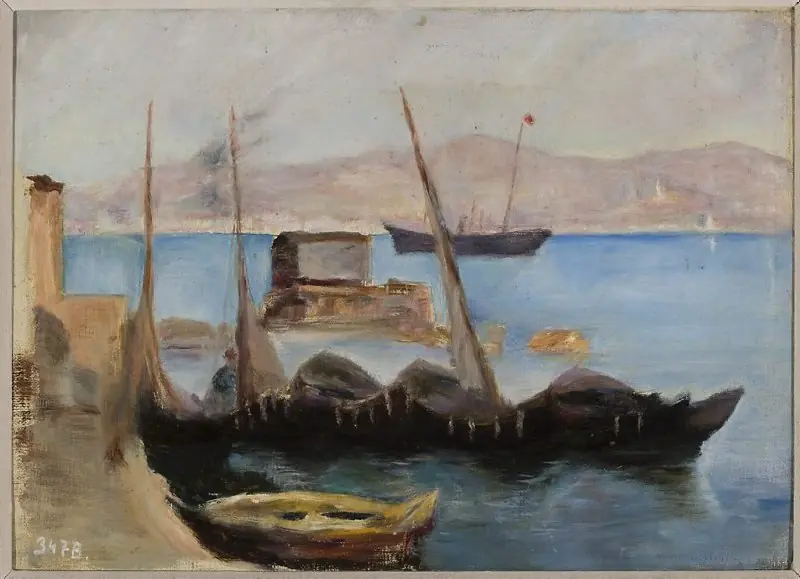 View of Scutari from the Galata Tower. From the journey to Constantinople
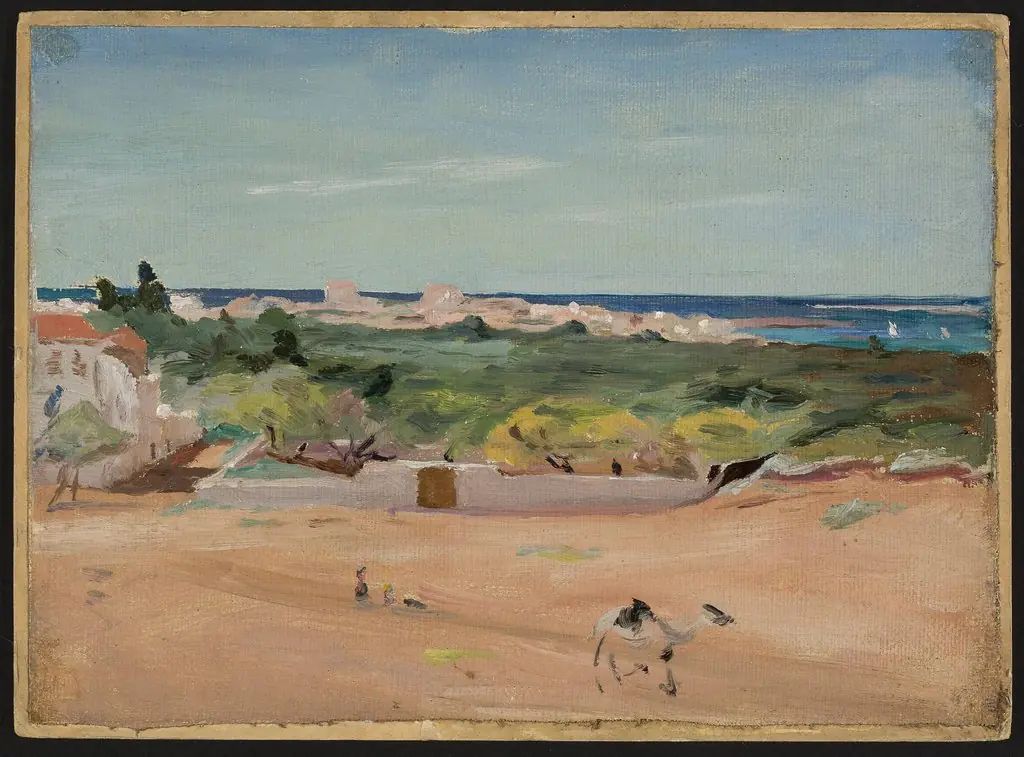 Tripoli in Syria. From the journey to Palestine
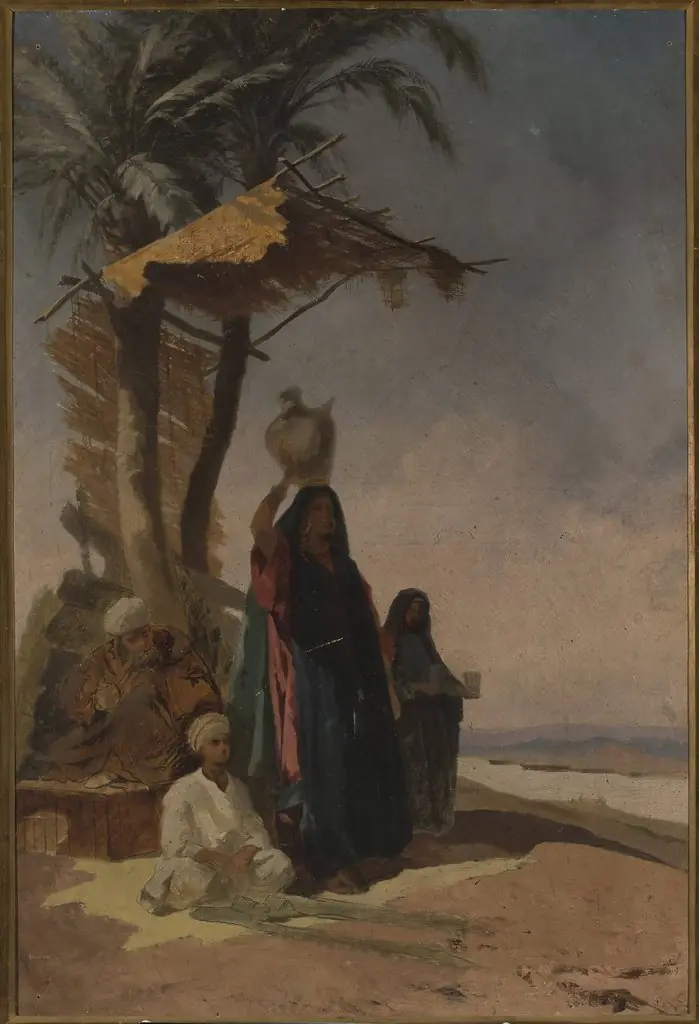 Eastern genre scene under a palm tree
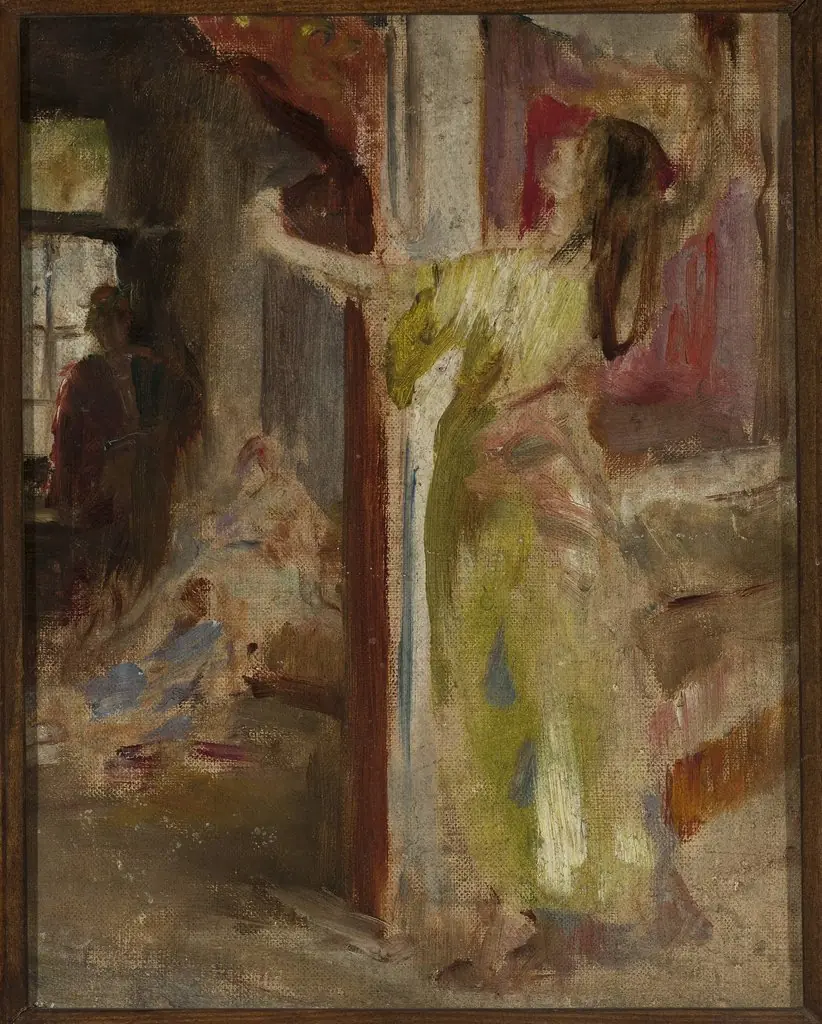 Study for the painting “Potocka in Bakhchisaray”
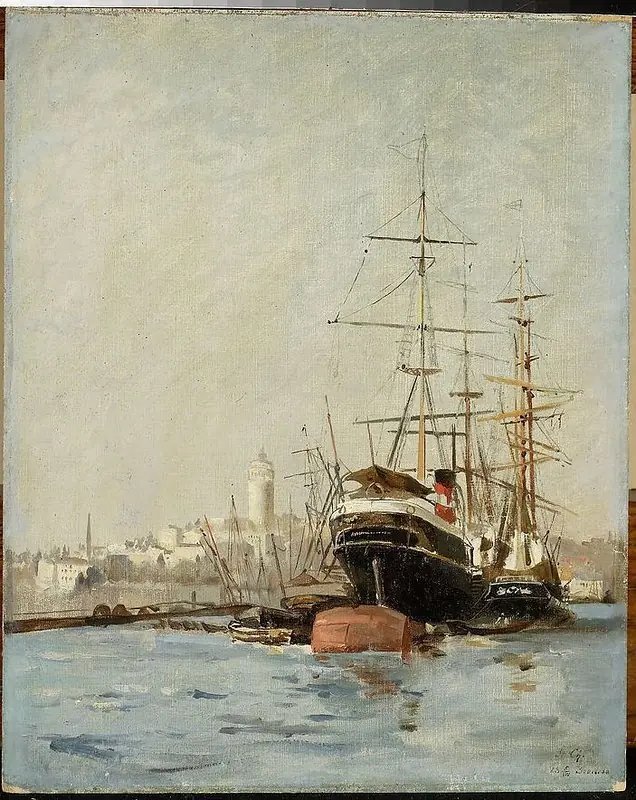 View of the seaport near Bursa
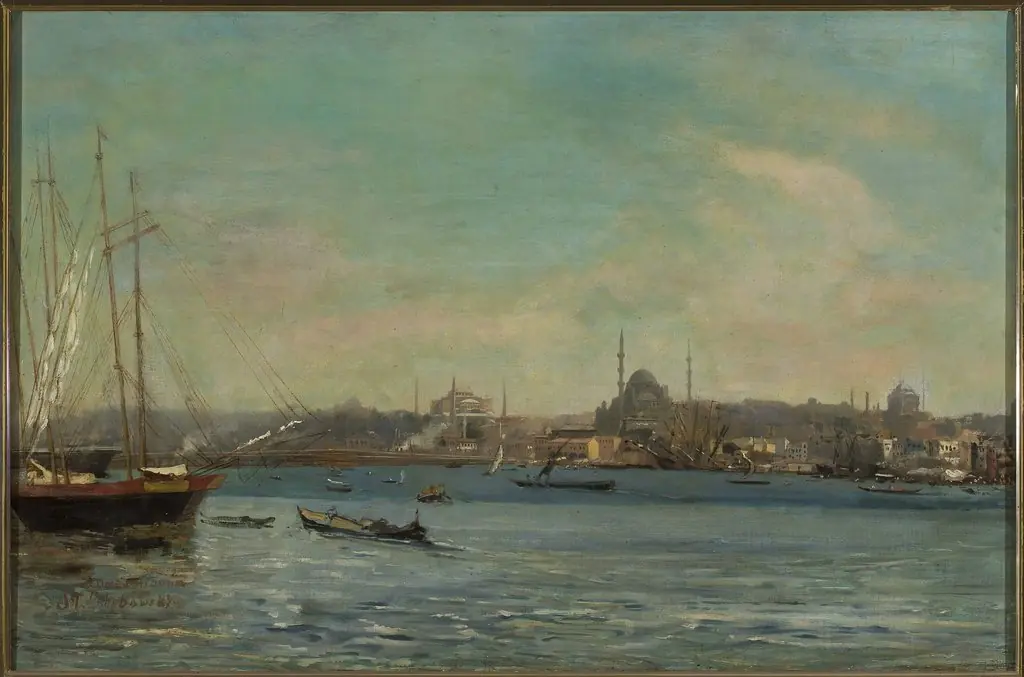 Panorama of Istanbul
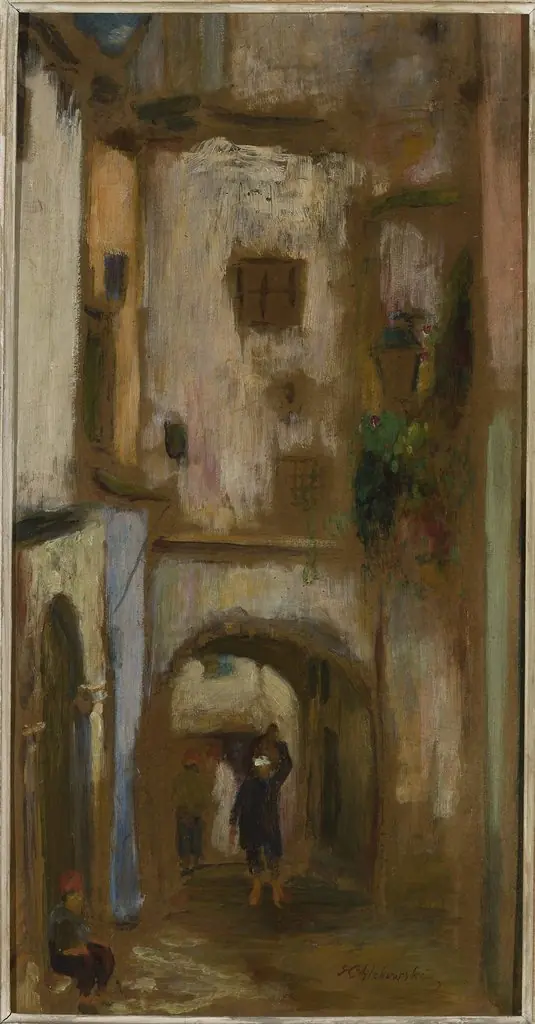 Alleyway
 Moonlit landscape with water and architecture. From the journey to Constantinople
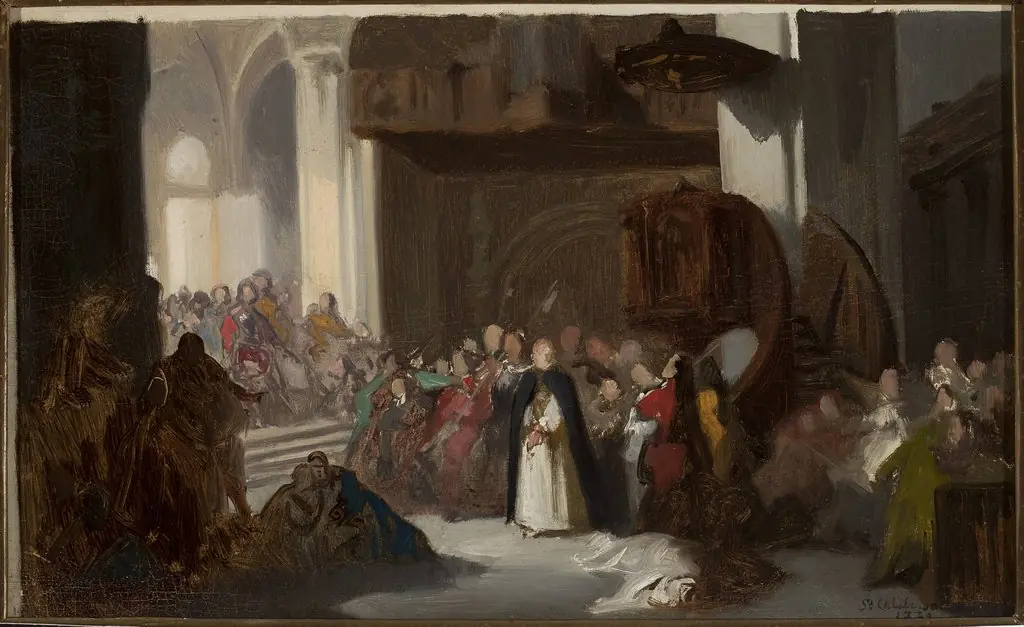 Scene in a church, sketch for a historical scene
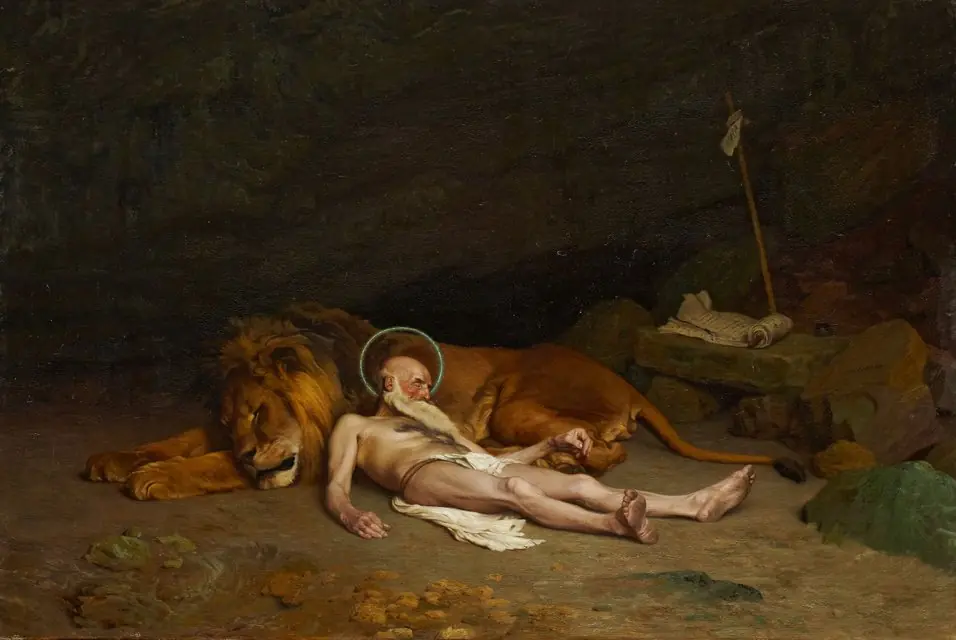 Saint Jerome
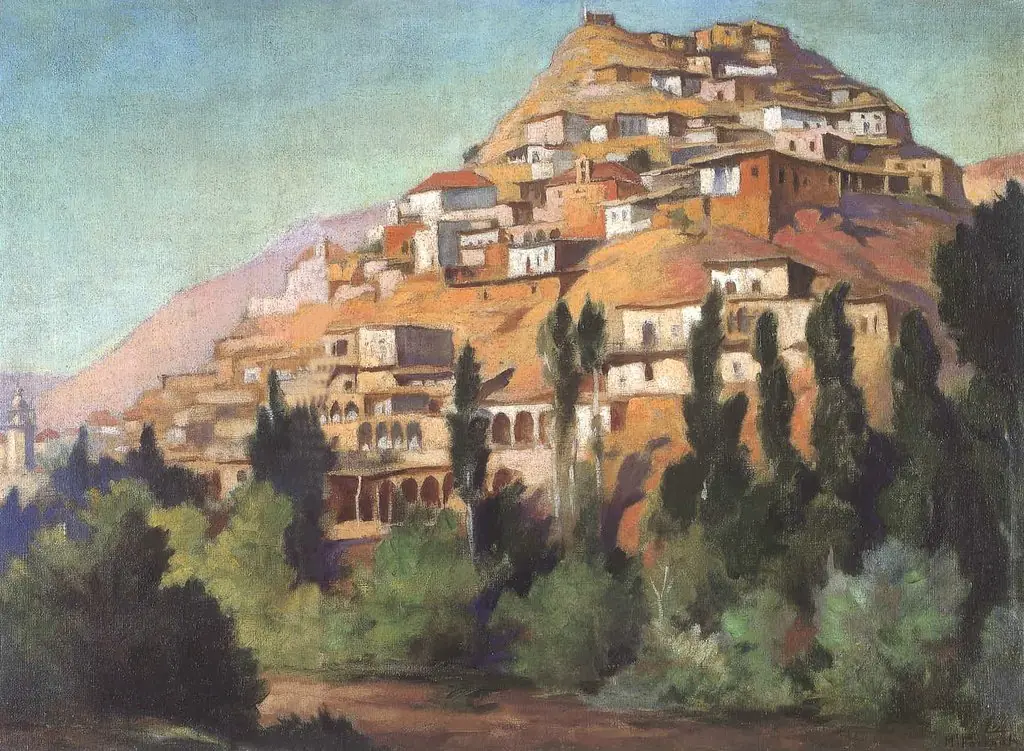 Qab Elias
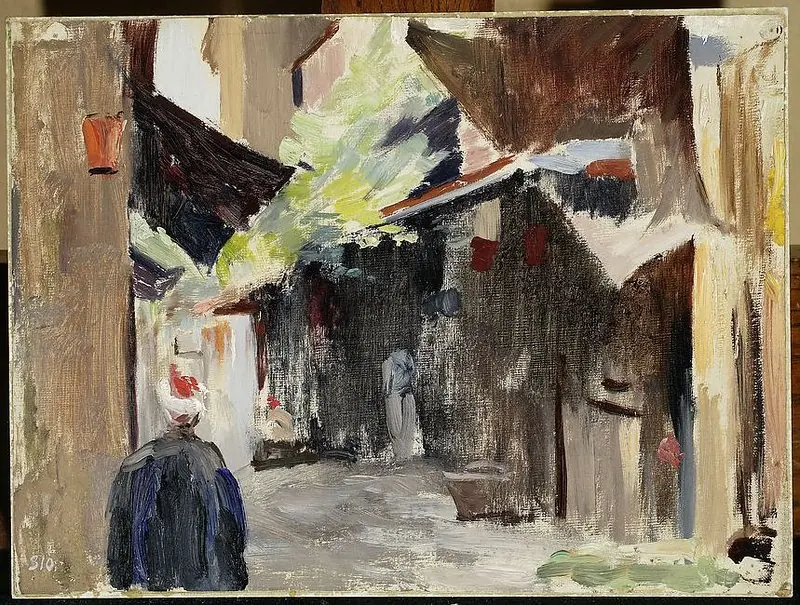 Bazaar in Istanbul. From the journey to Constantinople
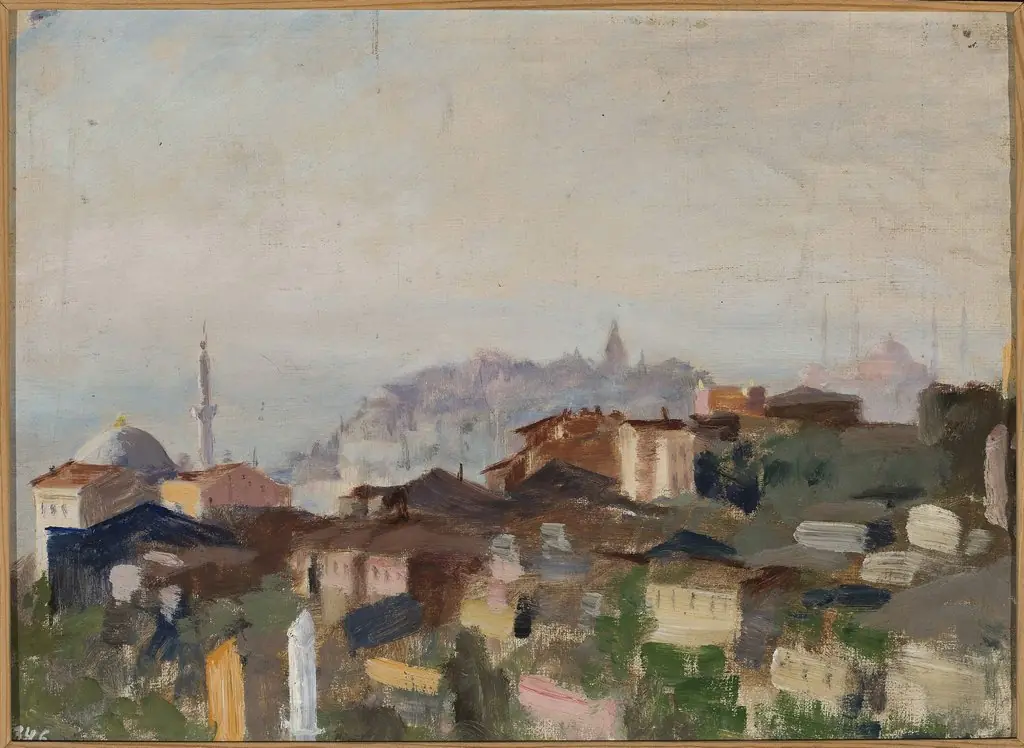 View of Punta del Seraglio. From the journey to Constantinople
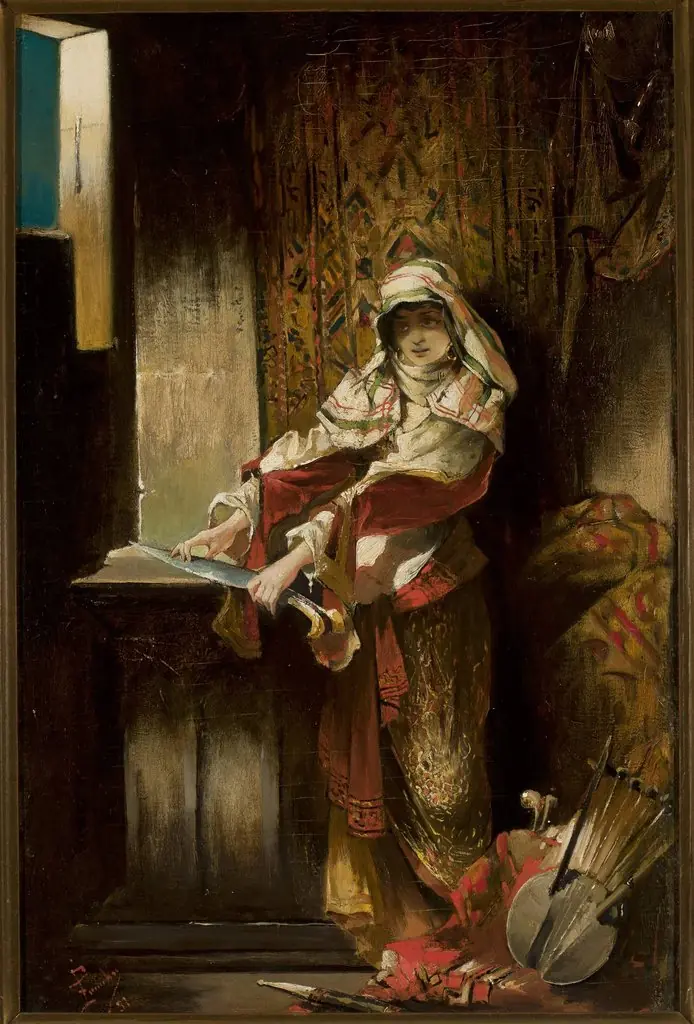 Mauritanian woman sharpening a yatagan
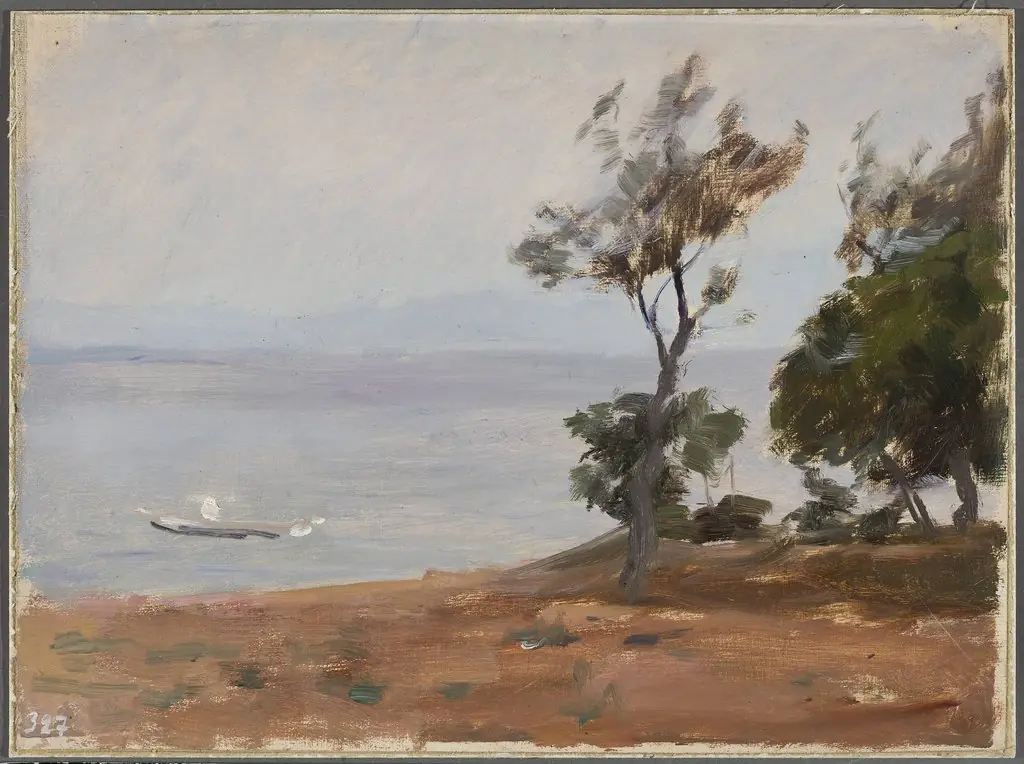 Landscape. From the journey to Constantinople
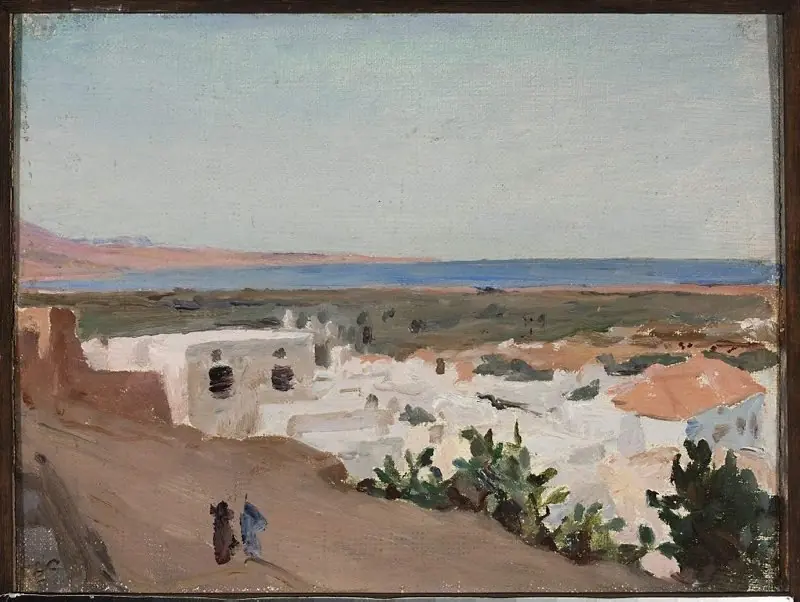 Tripoli in Syria. From the journey to Palestine
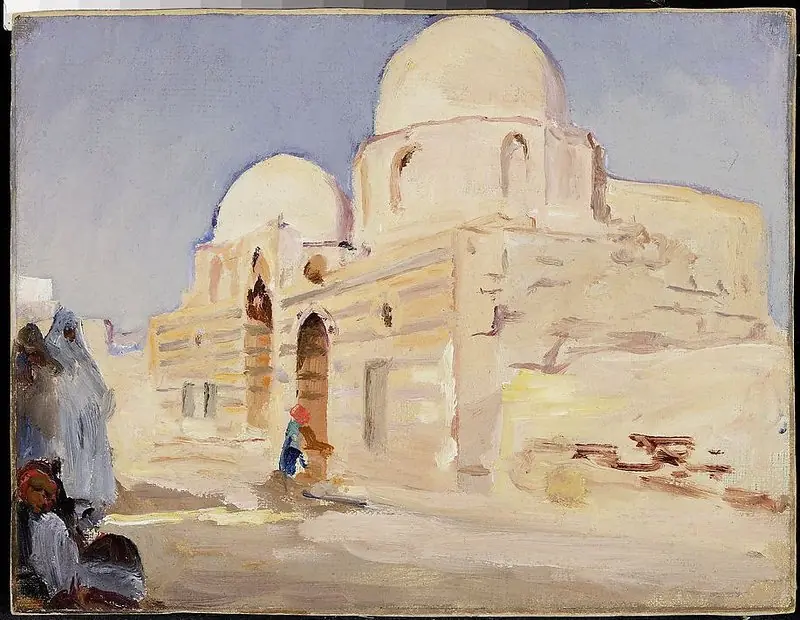 Damascus. From the journey to Palestine
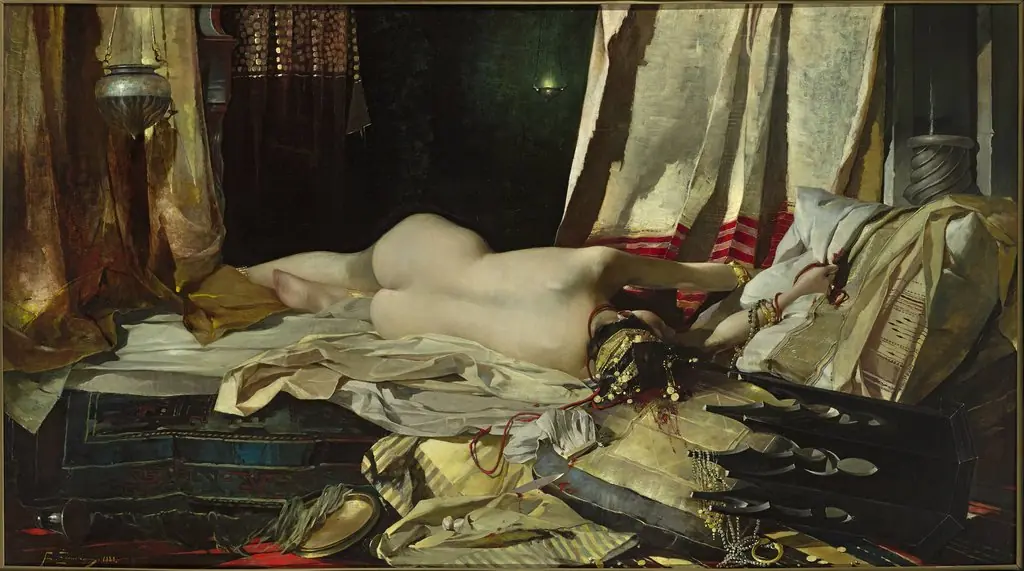 By order of Padishah – Odalisque
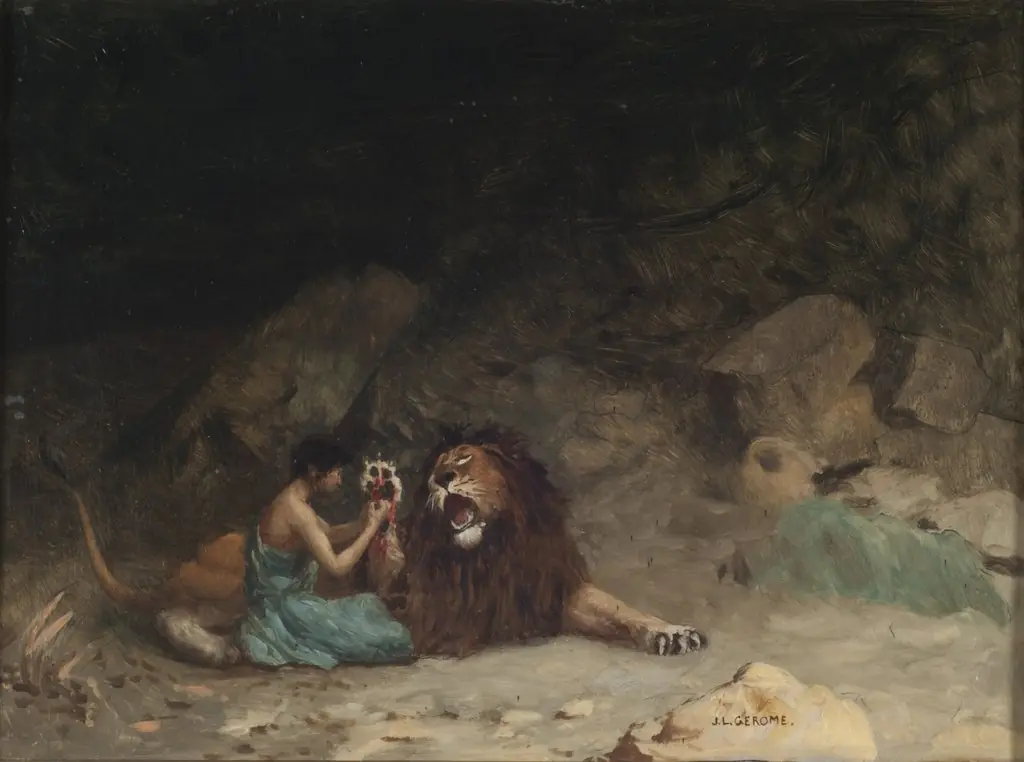 Androcles
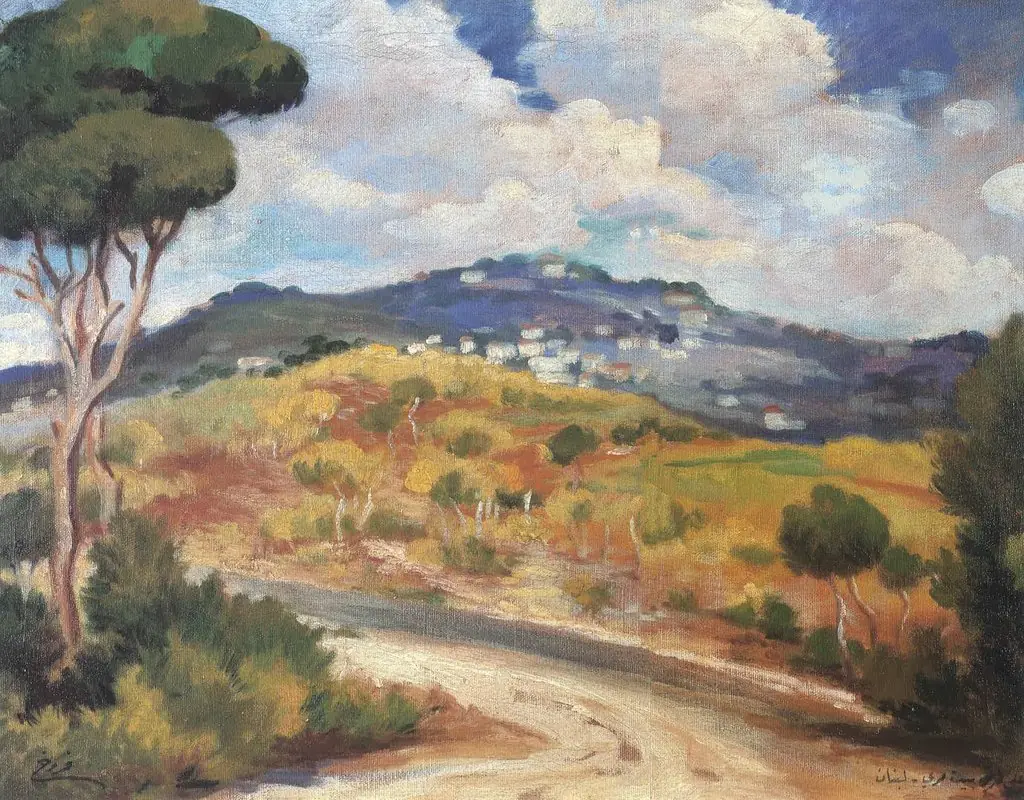 On the Road to Beit Mery
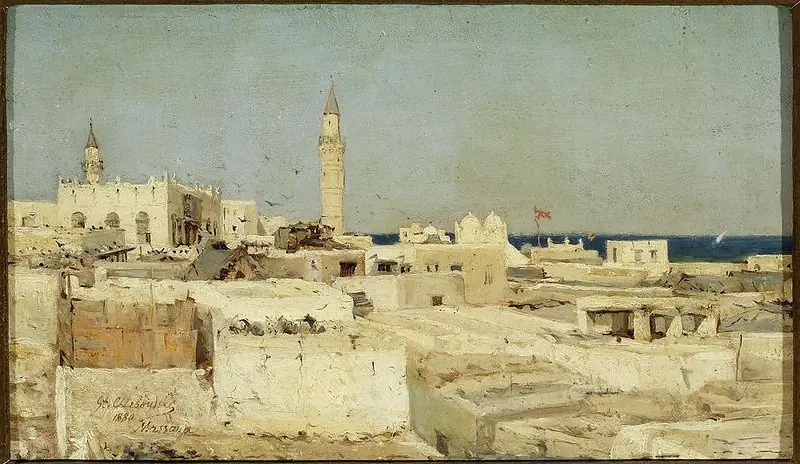 View of Massawa
Groups & collectives
Frequently asked questions
What is Orientalism?
Orientalism is an art movement. The practice by Western artists of depicting the Middle East, North Africa, and Asia as exotic, sensual, and other — dominant from the early 19th through early 20th centuries.
How many Orientalism works does Artifact World Gallery have?
Artifact World Gallery holds 881 public-domain Orientalism works, all free to view and download.
Who are the key Orientalism artists?
Key Orientalism artists in the collection include Henri Regnault, Jean Léon Gérôme and Johann Georg Platzer.
When did Orientalism take place?
Orientalism dates from 1800–1910.
Where can I see Orientalism works?
Orientalism works in the collection are held by Victoria and Albert Museum, Sursock Museum and Metropolitan Museum of Art.