Artwork
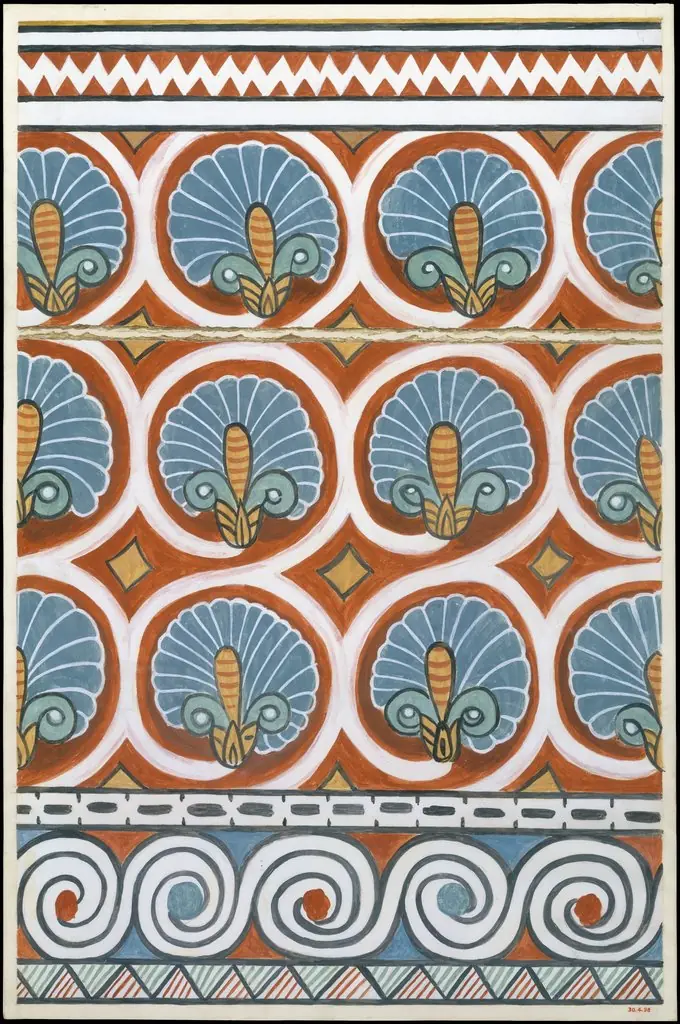
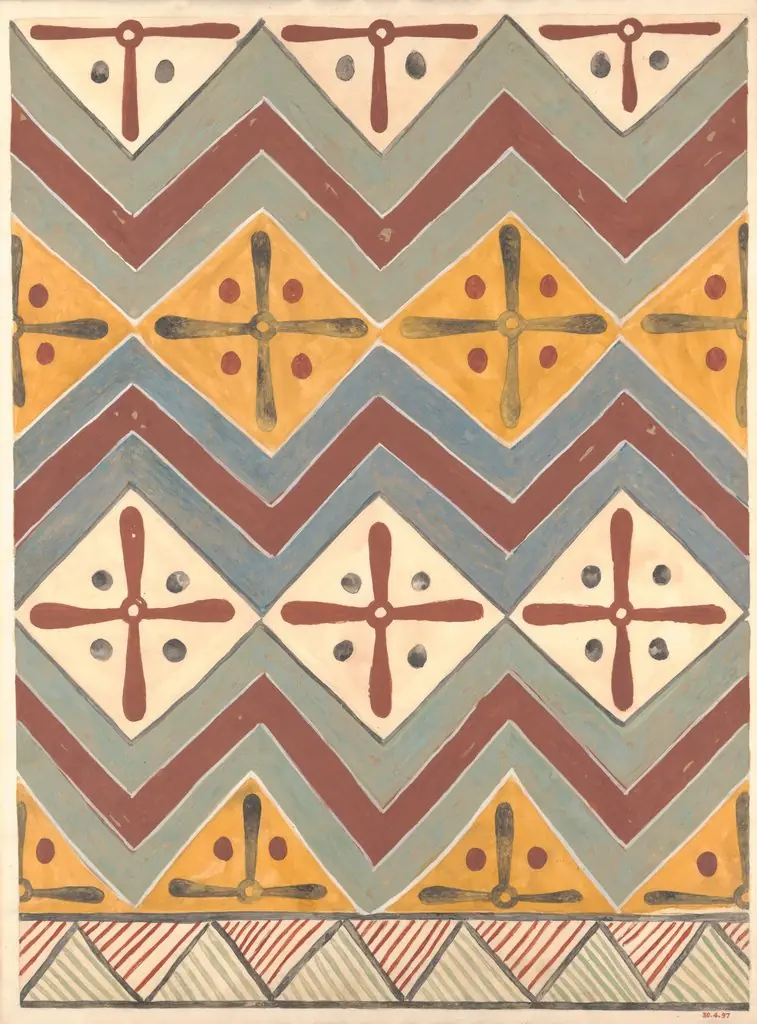
Two Fragments of Ceiling Patterns, Tomb of Senenmut
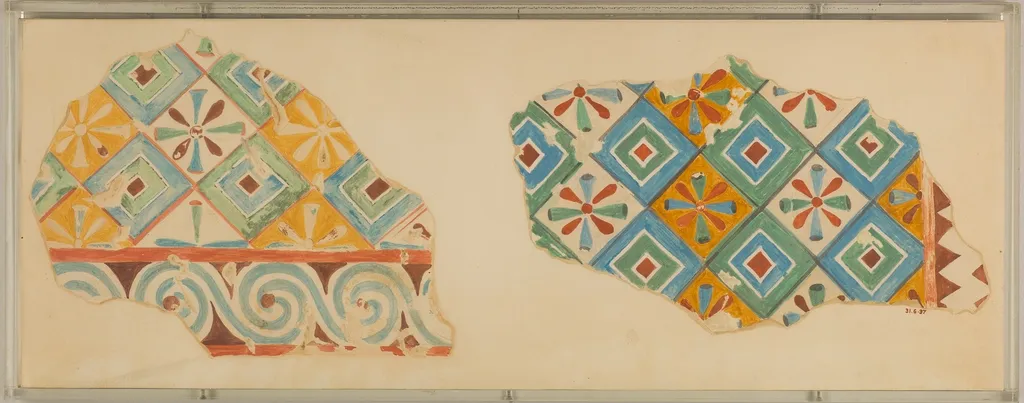
Two Fragments of Ceiling Patterns, Tomb of Senenmut is an unspecified painting by the Byzantine icon painting artist Nina M. Davies. It dates from 1490 and is held in the collection of the Metropolitan Museum of Art.
About this work
History & Provenance
The work is held at the Metropolitan Museum of Art in New York, where it is listed under accession number 31.6.37. It has been part of the museum's collection since its acquisition and was featured in the exhibition "The Egyptian Collection of the Metropolitan Museum of Art," which highlighted items from the Tomb of Senenmut.
Context
Their preservation and analysis underscore the importance of facsimile reproductions in extending access to fragile archaeological materials.
The critical reception of Two Fragments of Ceiling Patterns, Tomb of Senenmut is limited, reflecting its specialized study within Egyptological and conservation-focused scholarship. The work is attributed to Nina M. Davies, whose contributions to Egyptian art documentation are recognized through her publications and collaborations with institutions such as the Metropolitan Museum of Art. As part of the Theban Tomb 71 (TT 71) complex, the fragments exemplify New Kingdom decorative traditions and provide insight into the artistic practices of the 15th century BCE. Their preservation and analysis underscore the importance of facsimile reproductions in extending access to fragile archaeological materials.
Overview
The watercolor titled Two Fragments of Ceiling Patterns, Tomb of Senenmut was produced in 1490. It reproduces decorative ceiling motifs from an Egyptian tomb and is part of the Metropolitan Museum of Art’s collection.
Subject & Meaning
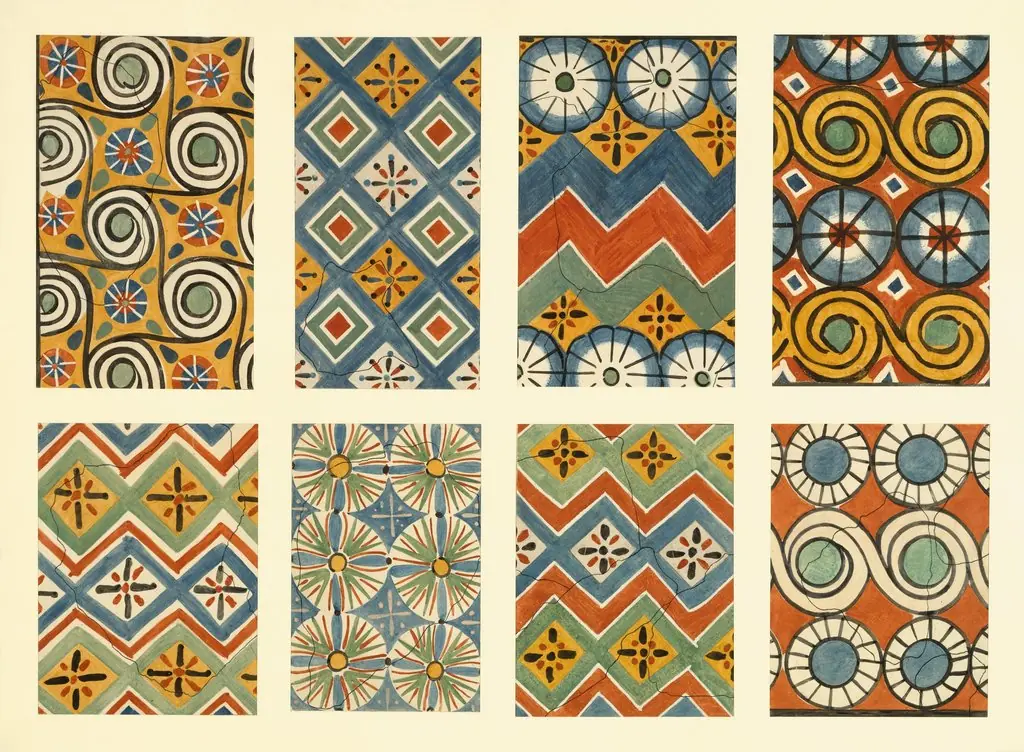
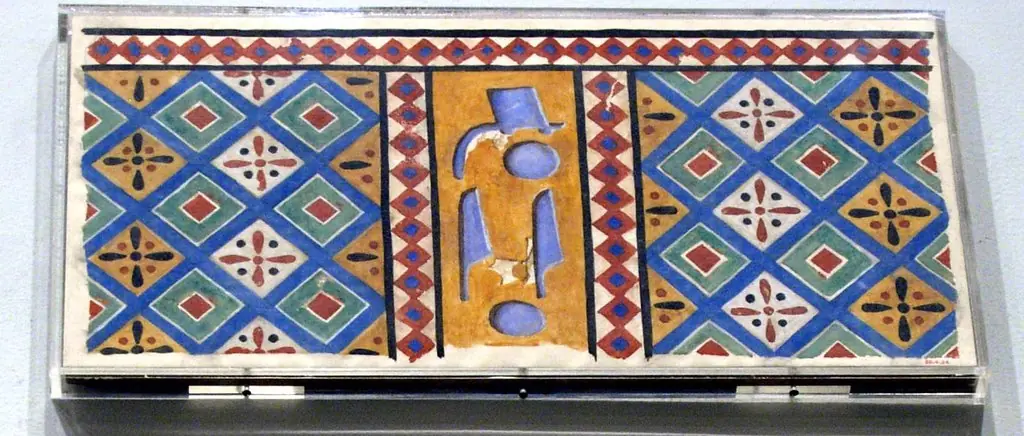
The image presents two separate sections of a larger ornamental scheme. Each fragment displays a grid of colored squares, yellow, blue, green, orange and red, interlaced with swirling motifs, suggesting the original design’s rhythmic balance despite the missing portions.
Technique & Style
Executed in watercolor, the work employs vivid pigments that have softened in places, echoing the weathered surface of the ancient plaster. Its composition follows a Byzantine iconographic approach, emphasizing geometric order and stylized color relationships.
Artist & collection
Artist
The Egyptologists Nina M. Davies (6 January 1881 – 21 April 1965) and Norman de Garis Davies (1865–5 November 1941) were a married couple of illustrators and copyists who worked in the early and mid-twentieth century…

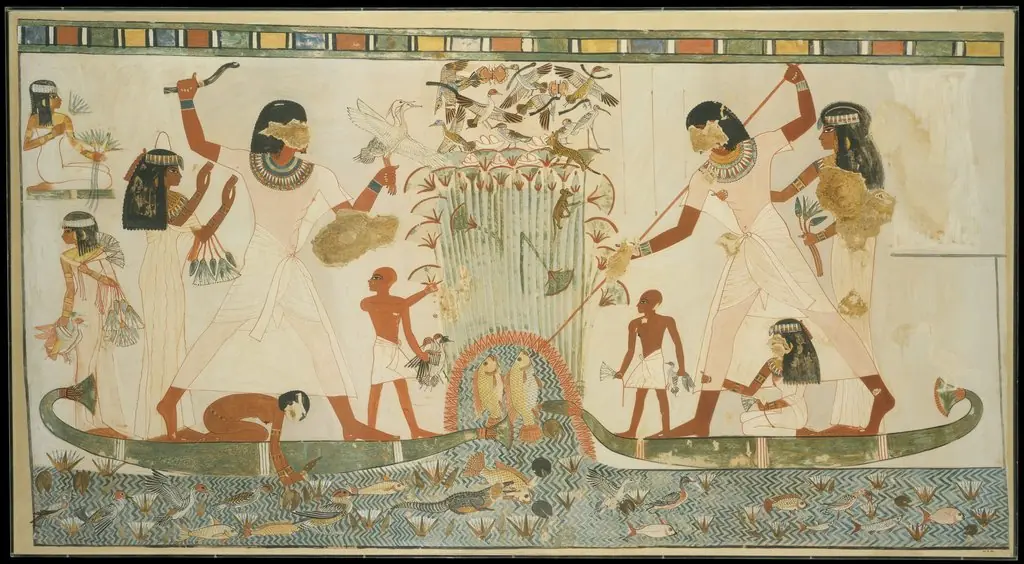 Menna and Family Hunting in the Marshes, Tomb of Menna
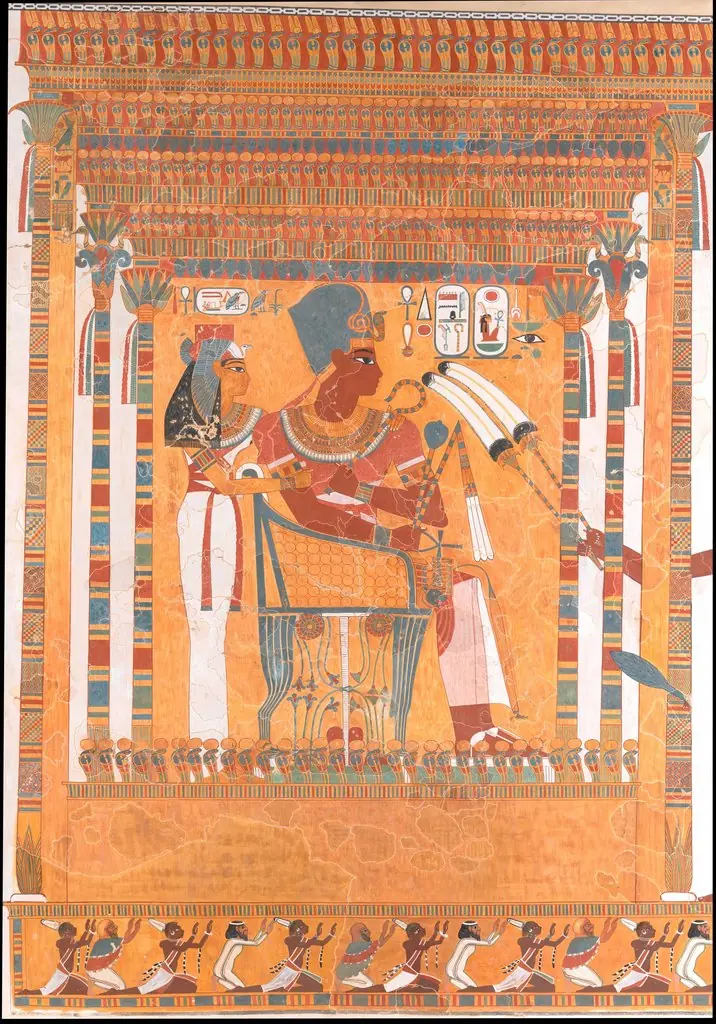 Amenhotep III and his Mother, Mutemwia, in a Kiosk
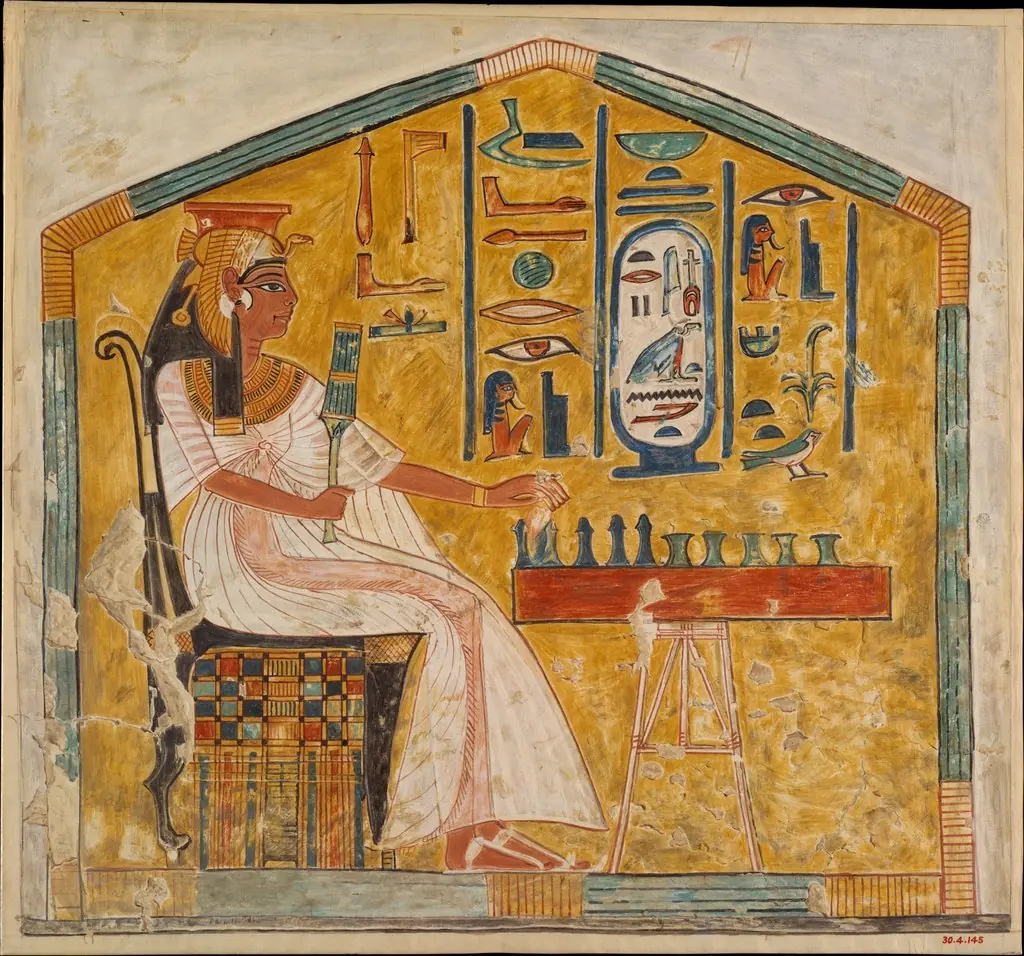 Queen Nefertari Playing Senet
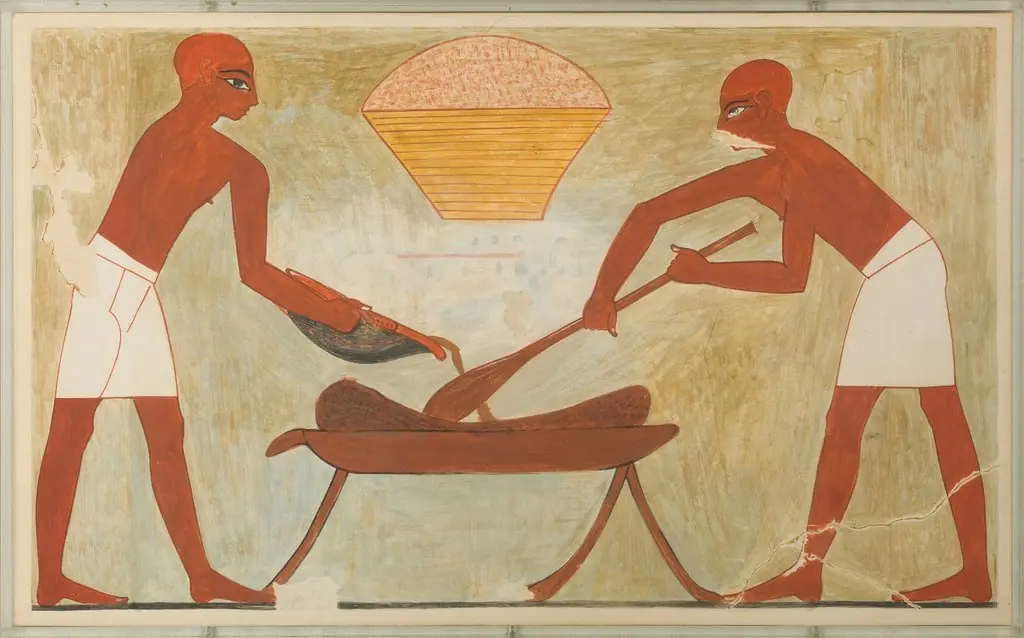 Preparing Dough, Tomb of Rekhmire
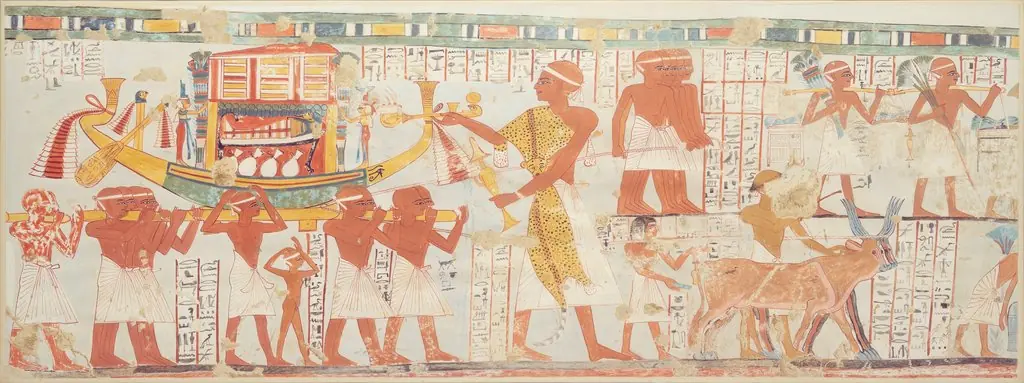 Nakhtamun's Funeral Procession, Tomb of Nakhtamun
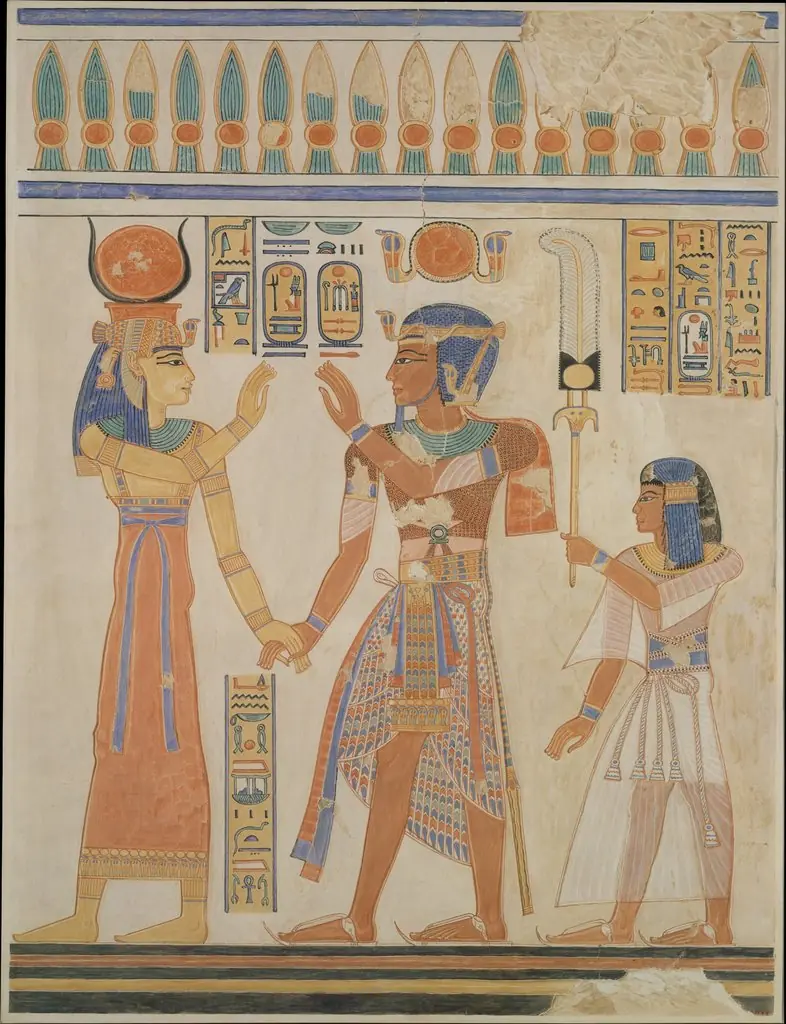 Ramesses III and Prince Amenherkhepeshef before Hathor
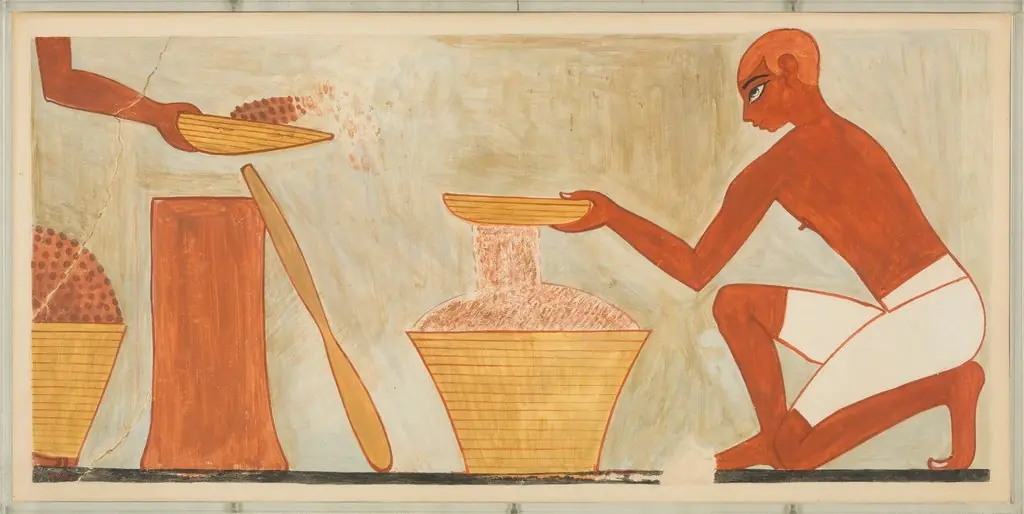 Sifting Meal, Tomb of Rekhmire
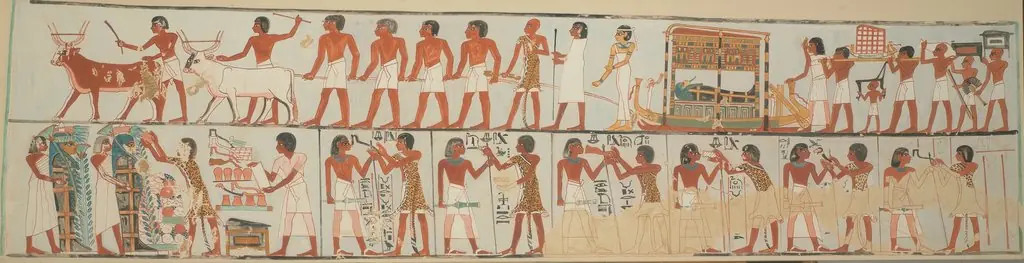 Funeral Procession, Tomb of Pairy