Artist
Movement
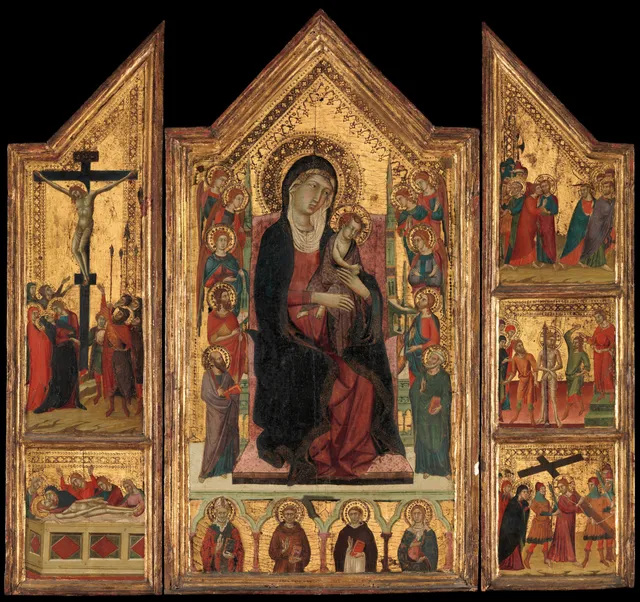
![Madonna and Child Enthroned with Four Saints and Eighteen Angels [middle panel] — Puccio di Simone](https://artifactworldgallery.com/img/puccio-di-simone--madonna-and-child-enthroned-with-four-saints-and-eighteen-an--24dd12ad513d60ea-w640.webp)
Byzantine icon painting is an art movement of the 300–1460 period. The gallery holds 1,174 works in this movement, including works by Master of Monte Oliveto, Jean de Beaumetz and Duccio di Buoninsegna. Browse Byzantine icon painting paintings, portraits, pictures and artworks from the world's public-domain museum collections.
Byzantine icon painting is the tradition of sacred image-making that developed across the Eastern Roman (Byzantine) Empire, centred on Constantinople, and spread through the Orthodox Christian world. Devotional panel images grew widely popular in the sixth and seventh centuries, prized as a tangible link between the worshipper and the holy figure depicted. That very power made icons contentious: during the period of Iconoclasm—roughly 726–787 and again 814–843—imperial authorities banned figural religious images as idolatrous, destroying many works before the "Triumph of Orthodoxy" in 843 restored their veneration and fixed icons permanently at the heart of Orthodox practice.
Icons obey a deliberately anti-naturalistic visual language meant to render the eternal rather than the everyday. Figures are frontal, elongated and solemn, set against luminous gold-leaf grounds symbolising the uncreated light of heaven; space is flattened, drapery is described by linear striations, and gestures and attributes are codified so that types are repeated faithfully across centuries. Although the surviving canon is dominated by wooden panels, Byzantine icons were also realised in mosaic, fresco, ivory, enamel and precious metal. The earliest panels used hot-wax encaustic—as in the sixth-century Christ Pantokrator preserved at Saint Catherine's Monastery on Mount Sinai—while egg tempera became the standard medium for later work.
Because the tradition prized fidelity over invention, named artists are comparatively rare, yet several are canonical. The Byzantine Greek master Theophanes the Greek (c. 1340–c. 1410) carried Constantinopolitan style to Novgorod and Moscow, where he mentored Andrei Rublev (c. 1360s–1427/30), the supreme Russian iconographer whose Trinity (c. 1410) is his only securely attributed work. Among revered anonymous images, the early-twelfth-century Virgin of Vladimir, painted in Constantinople, became the most influential icon in Russia.
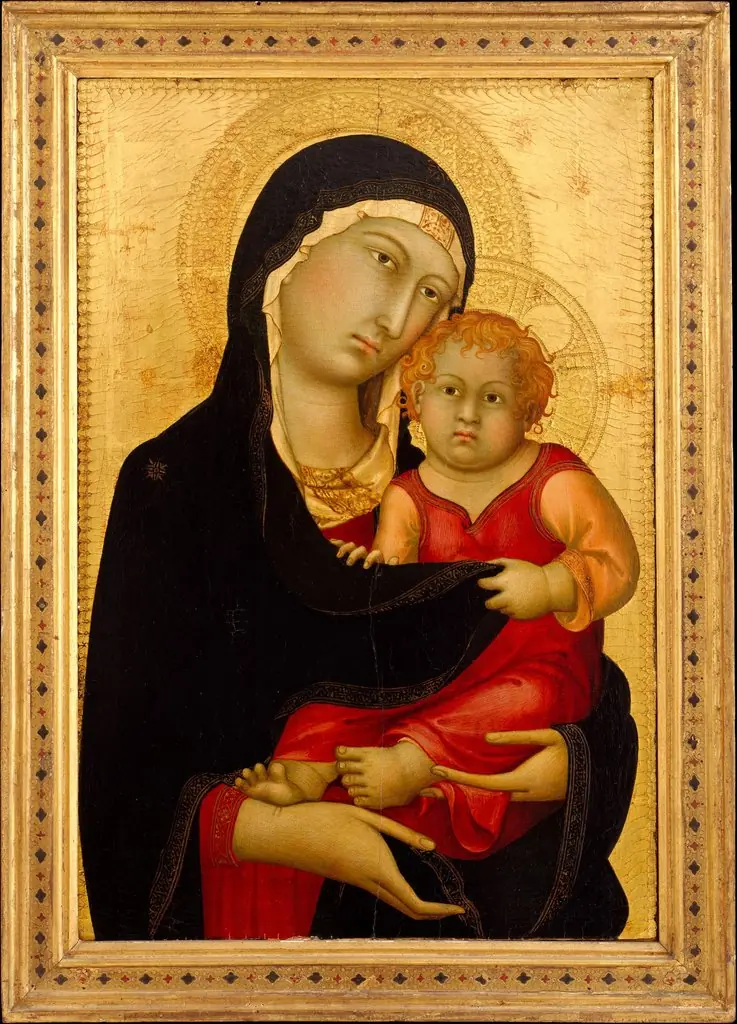
Byzantine models also reshaped Western painting. Imported icons inspired the Italian maniera greca, or Italo-Byzantine style, dominant in thirteenth- and early-fourteenth-century Italy through artists such as Cimabue and the Sienese master Duccio di Buoninsegna. Their gold-ground panels retain Byzantine elongation and gilding while beginning to model bodies in space, a softening that Giotto pushed decisively toward naturalism—opening the Proto-Renaissance. The same Greek manner underlies the panels in this collection by Duccio, Giotto and their Tuscan contemporaries, while in the East the icon tradition continued unbroken into Russian icon painting.
![Madonna and Child Enthroned with Four Saints and Eighteen Angels [middle panel]](https://artifactworldgallery.com/img/madonna-and-child-enthroned-with-four-saints-and-eighteen-an--24dd12ad513d60ea-w640.webp)
Artist


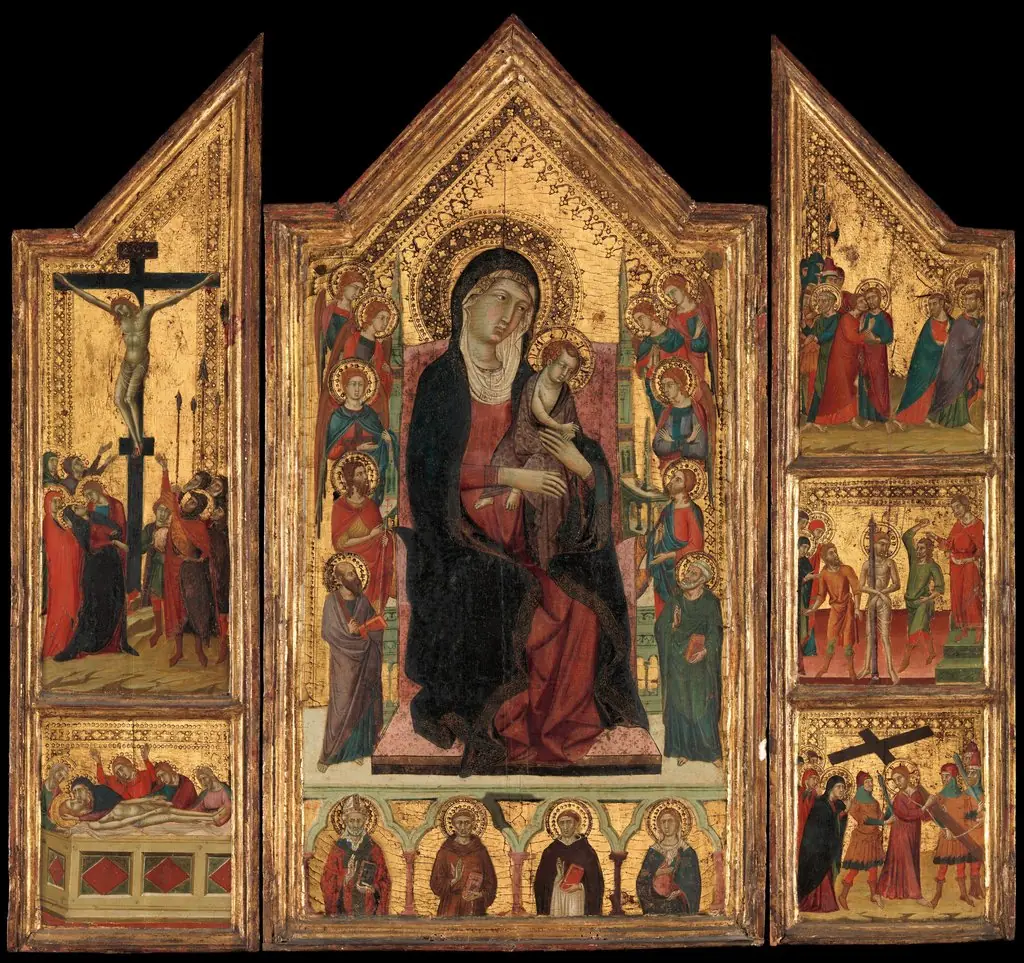 Madonna and Child Enthroned
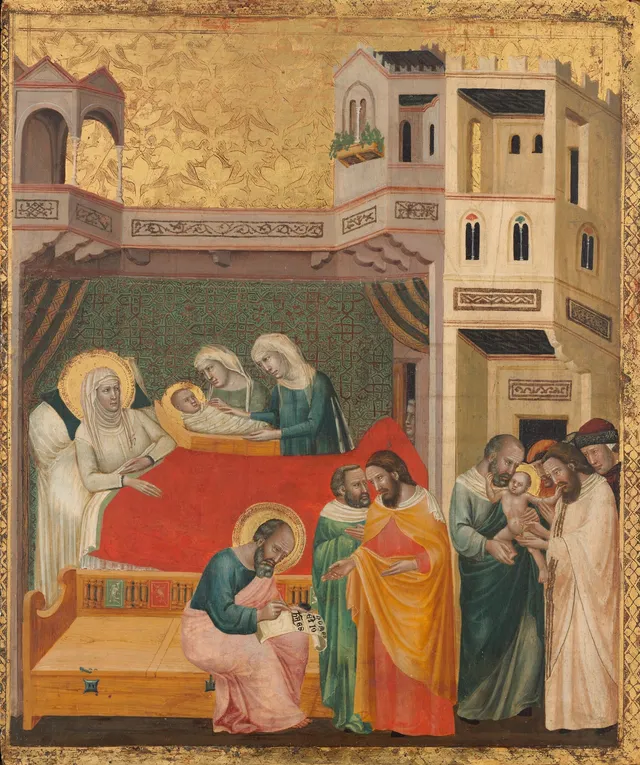
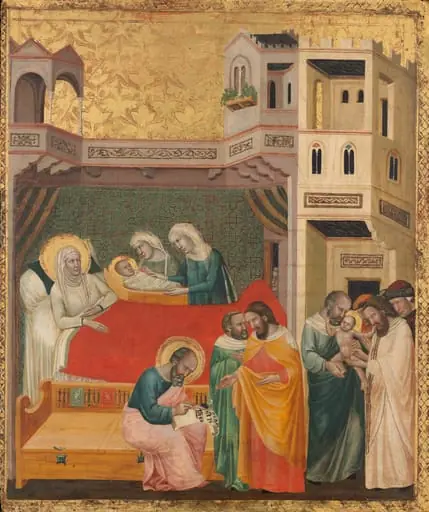 The Birth, Naming, and Circumcision of Saint John the Baptist
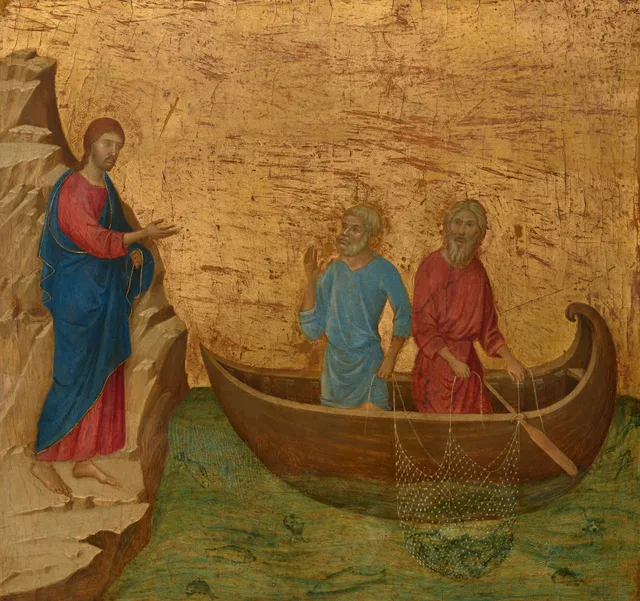
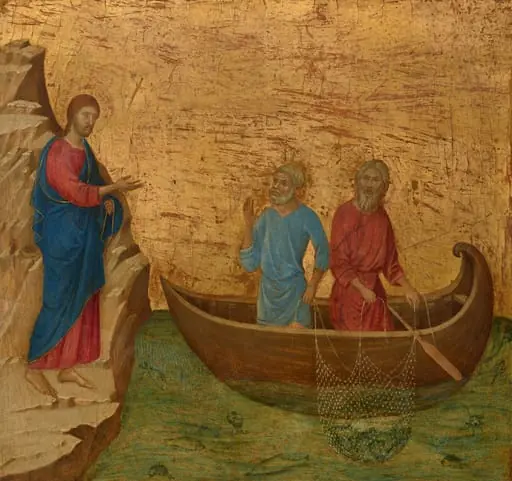 The Calling of the Apostles Peter and Andrew
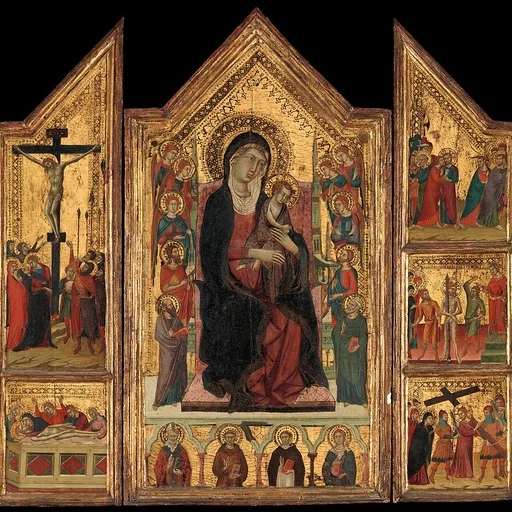
![Madonna and Child Enthroned with Four Saints and Eighteen Angels [middle panel], by Puccio di Simone, 1354](https://artifactworldgallery.com/img/puccio-di-simone--madonna-and-child-enthroned-with-four-saints-and-eighteen-an--24dd12ad513d60ea-w320.webp) Madonna and Child Enthroned with Four Saints and Eighteen Angels [middle panel]
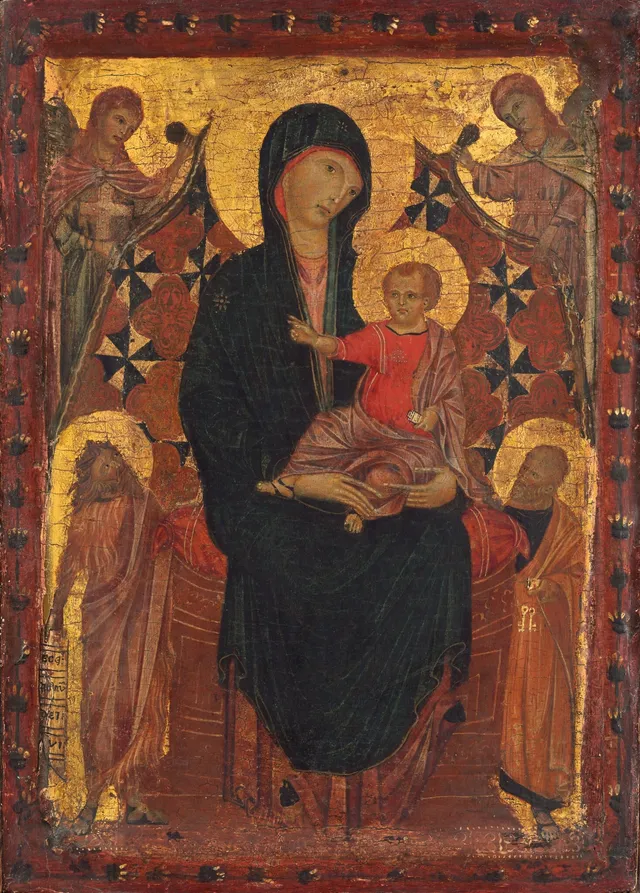
Madonna and Child Enthroned with Four Saints and Eighteen Angels [middle panel]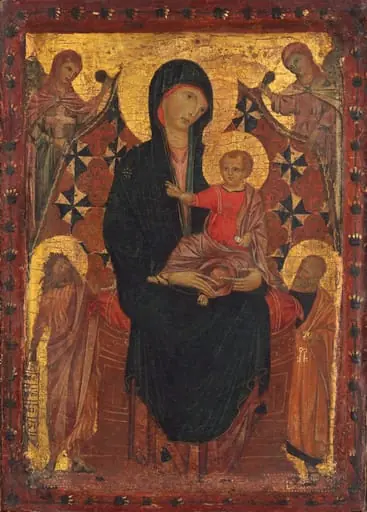 Madonna and Child with Saint John the Baptist, Saint Peter, and Two Angels
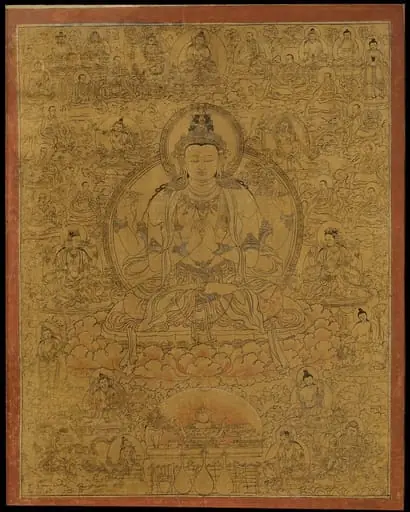 Untitled
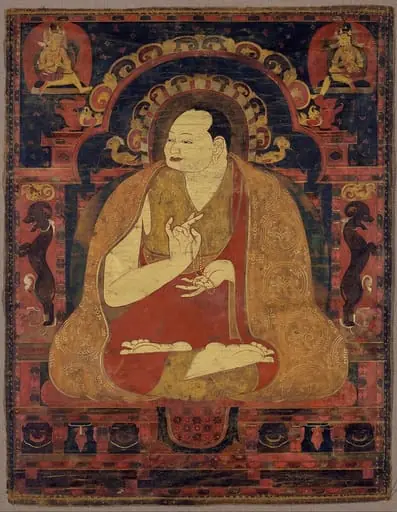 Untitled
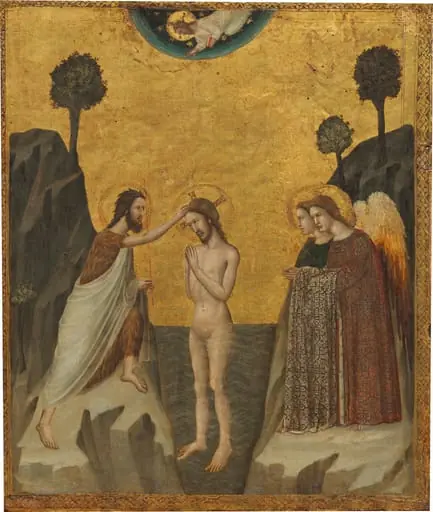 The Baptism of Christ
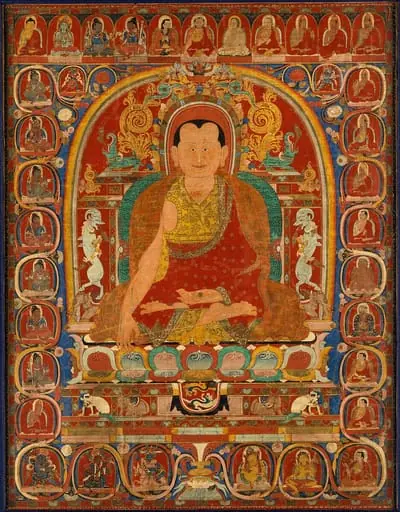 Untitled
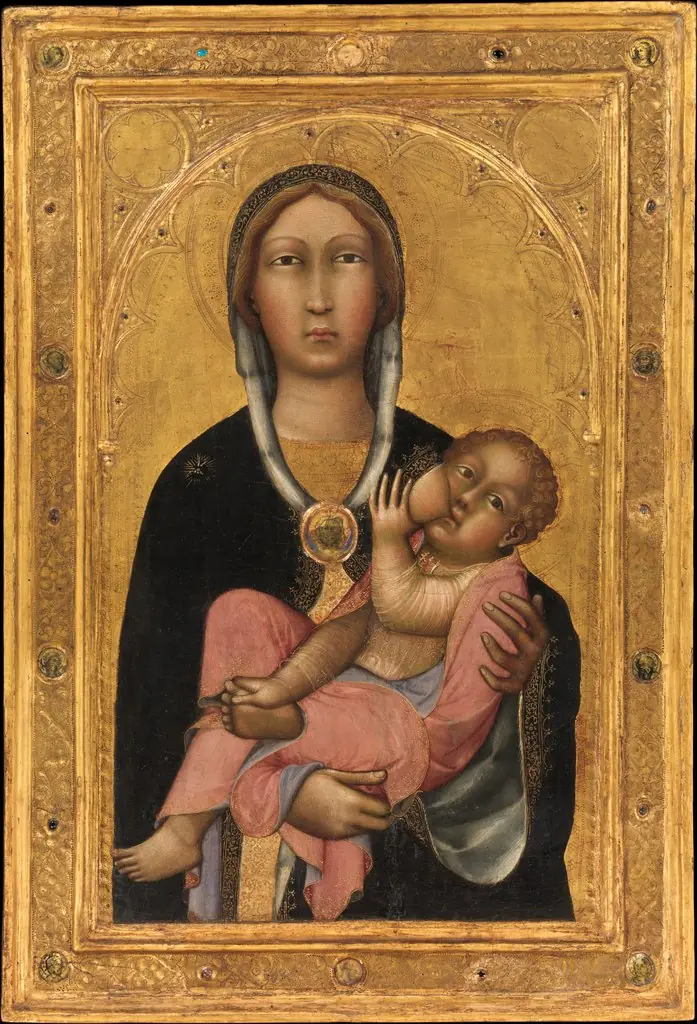 Madonna and Child
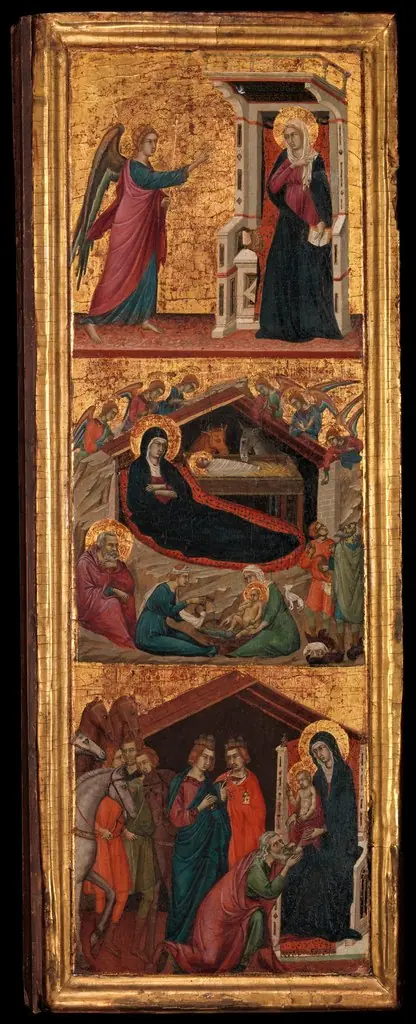 Saints and Scenes from the Life of the Virgin
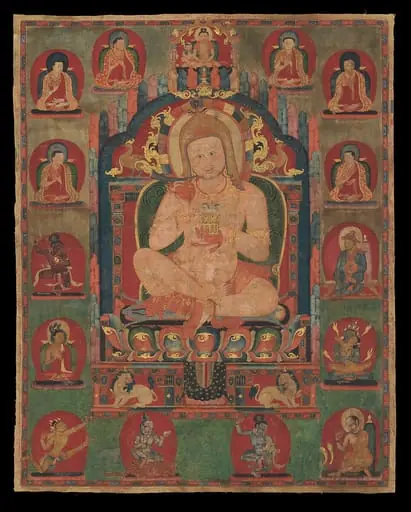 Untitled
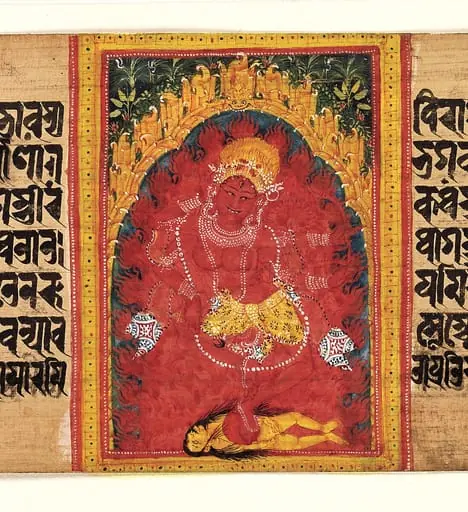 Untitled
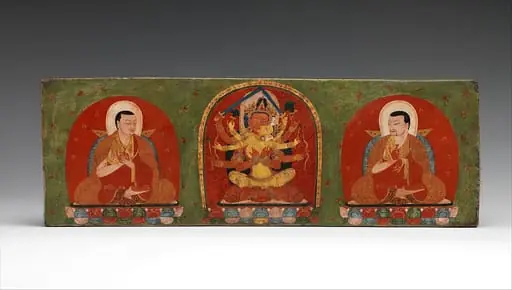 Untitled
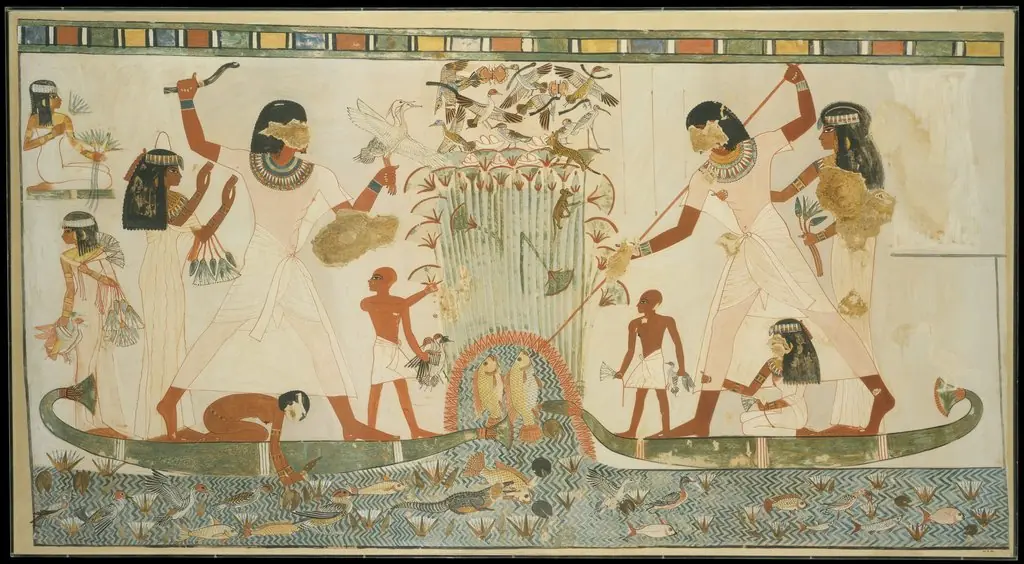 Menna and Family Hunting in the Marshes, Tomb of Menna
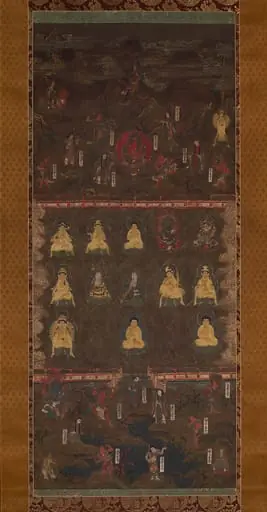 熊野曼茶羅図|Mandala of Kumano Shrine
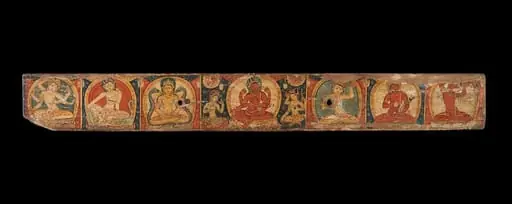 Untitled
![Saint Bernard and Saint Catherine of Alexandria with the Virgin of the Annunciation [right panel], by Agnolo Gaddi, 1387](https://artifactworldgallery.com/img/agnolo-gaddi--saint-bernard-and-saint-catherine-of-alexandria-with-the-vir--710fc1ea417a9916-w320.webp) Saint Bernard and Saint Catherine of Alexandria with the Virgin of the Annunciation [right panel]
Saint Bernard and Saint Catherine of Alexandria with the Virgin of the Annunciation [right panel]![Saint Andrew and Saint Benedict with the Archangel Gabriel [left panel], by Agnolo Gaddi, 1387](https://artifactworldgallery.com/img/agnolo-gaddi--saint-andrew-and-saint-benedict-with-the-archangel-gabriel-l--ddd94720dea7e794-w320.webp) Saint Andrew and Saint Benedict with the Archangel Gabriel [left panel]
Saint Andrew and Saint Benedict with the Archangel Gabriel [left panel]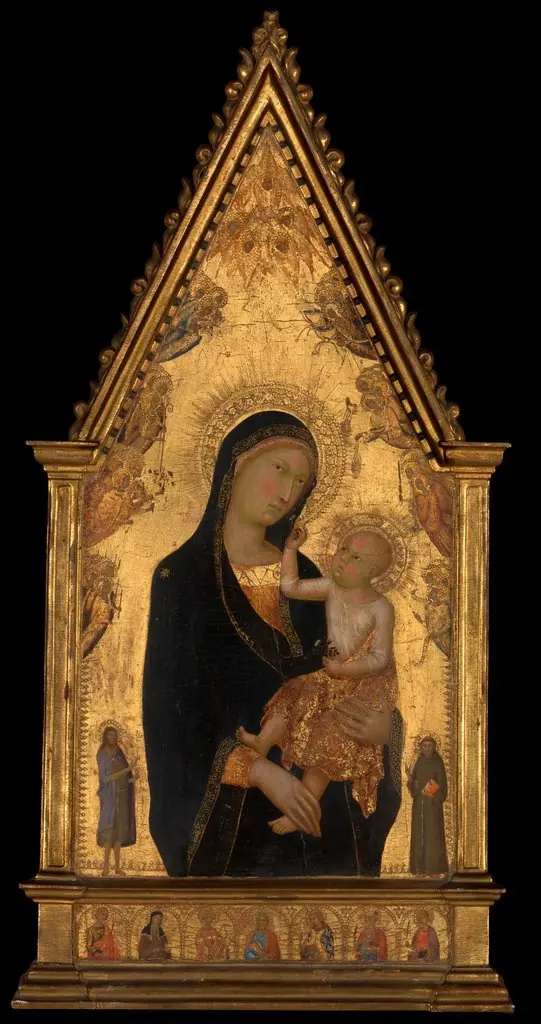 Madonna and Child with Saints and Angels
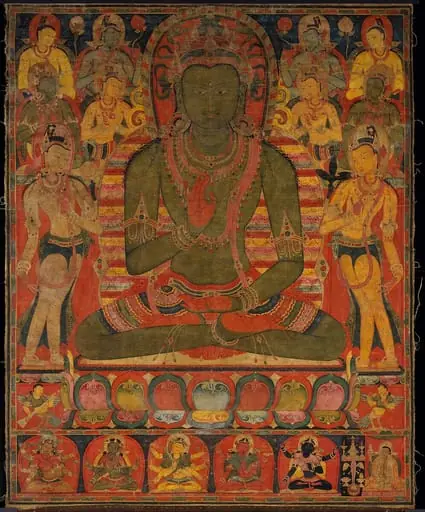 Untitled
 Untitled
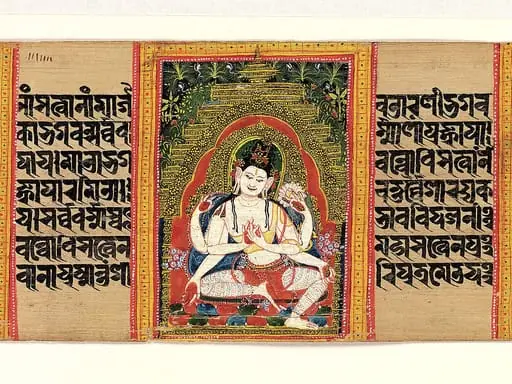 Untitled
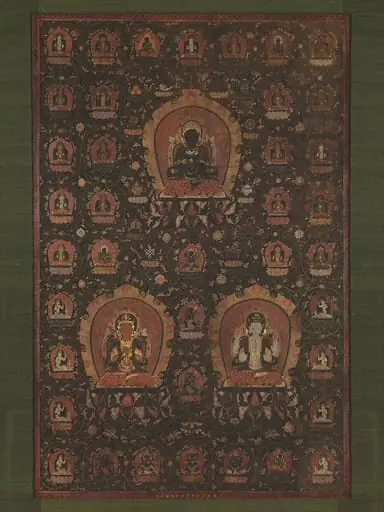 明 佚名 釋教三尊曼陀羅圖 軸|Mandala of Vajradhara, Manjushri and Sadakshari -Lokeshvara
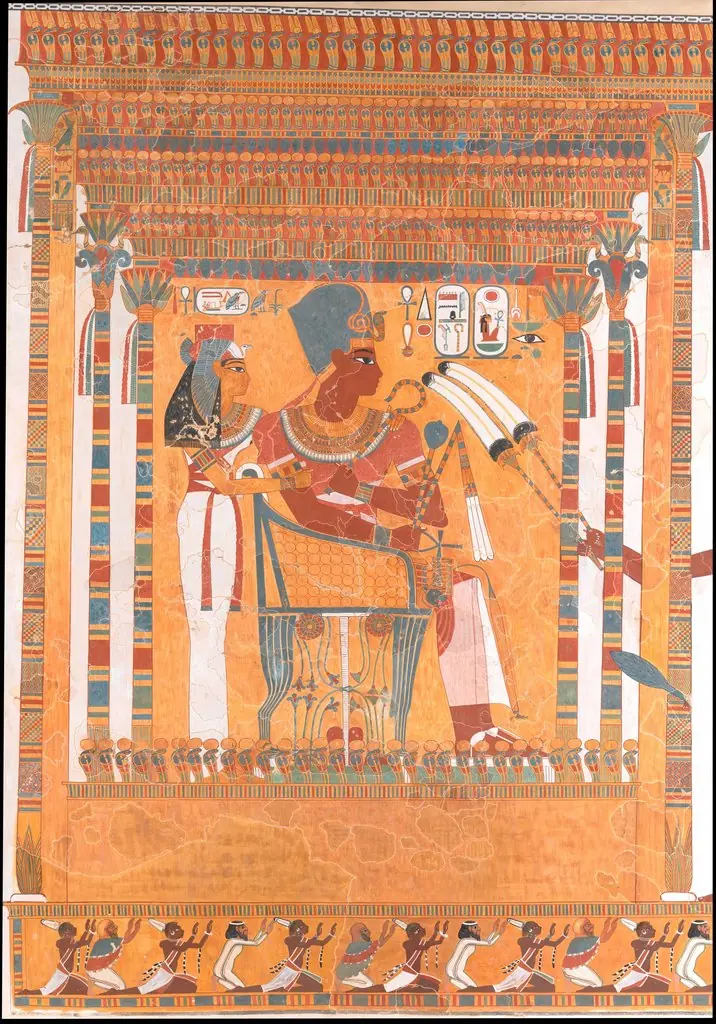 Amenhotep III and his Mother, Mutemwia, in a Kiosk
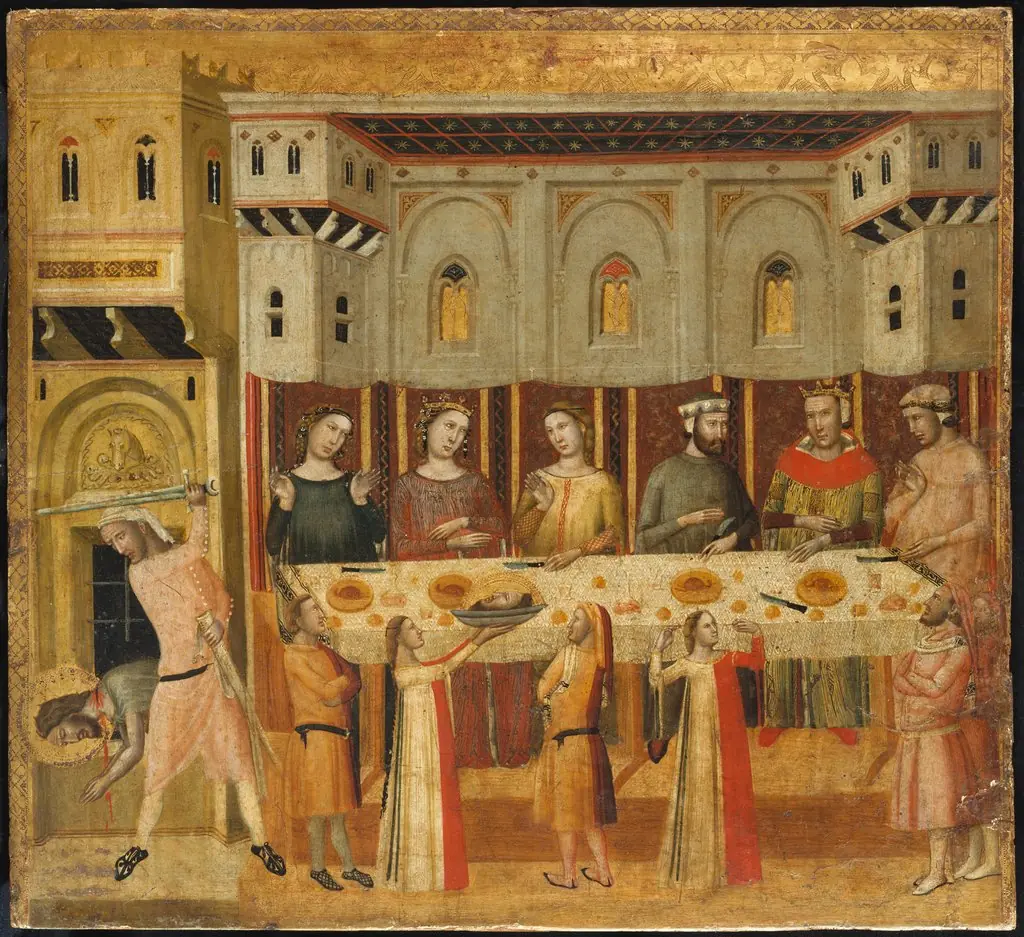 The Feast of Herod and the Beheading of the Baptist
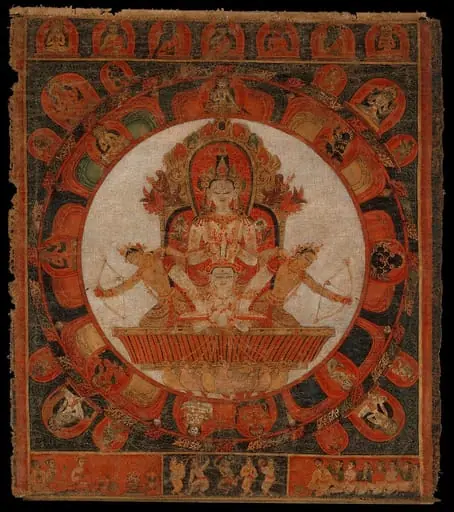 Untitled
 Untitled
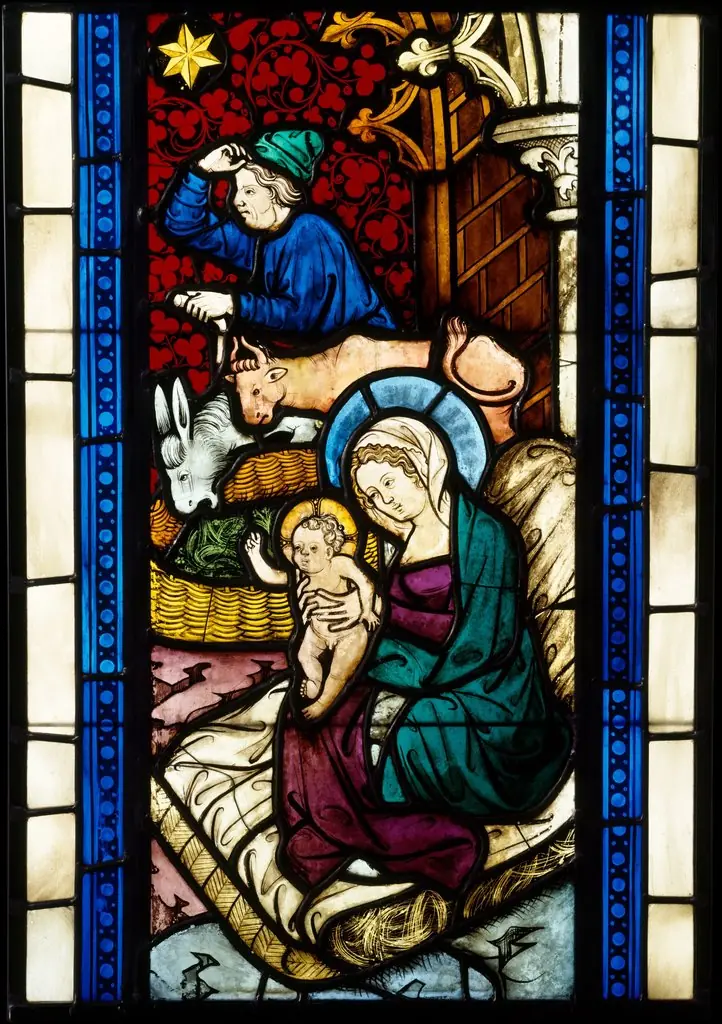 Adoration of the Magi from Seven Scenes from the Life of Christ
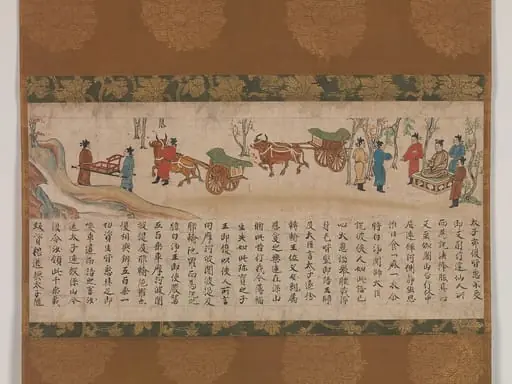 『過去現在絵因果経』 断簡 (松永本)|The Illustrated Sutra of Past and Present Karma (Kako genzai inga kyō emaki)
 Untitled
 Untitled
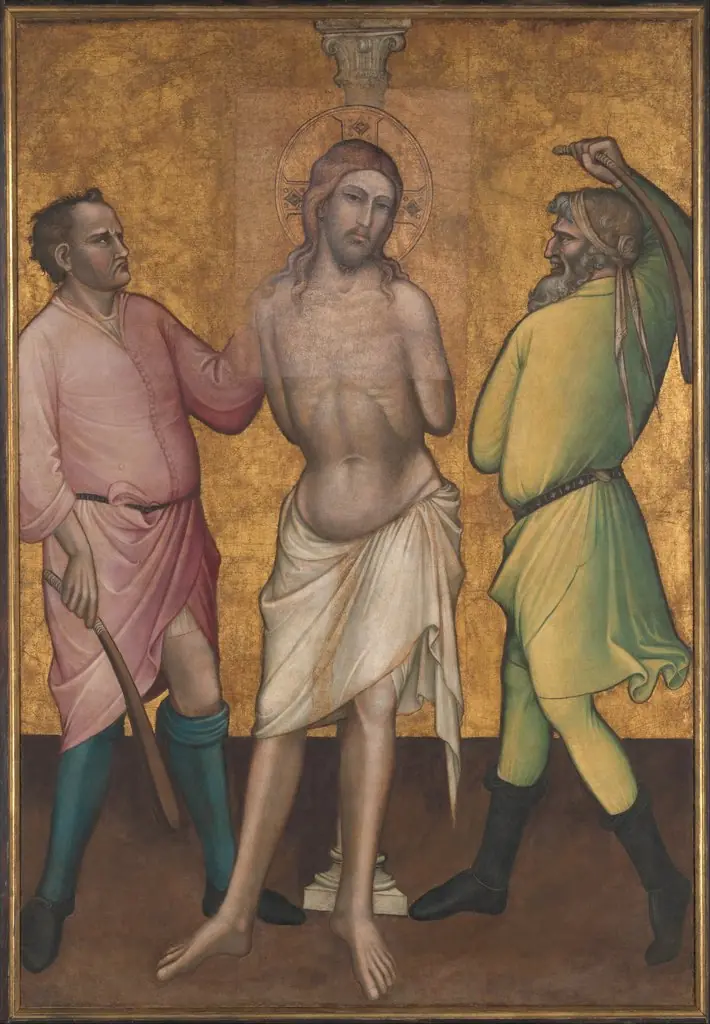 Saint Mary Magdalen Holding a Crucifix; (reverse) The Flagellation
 Untitled
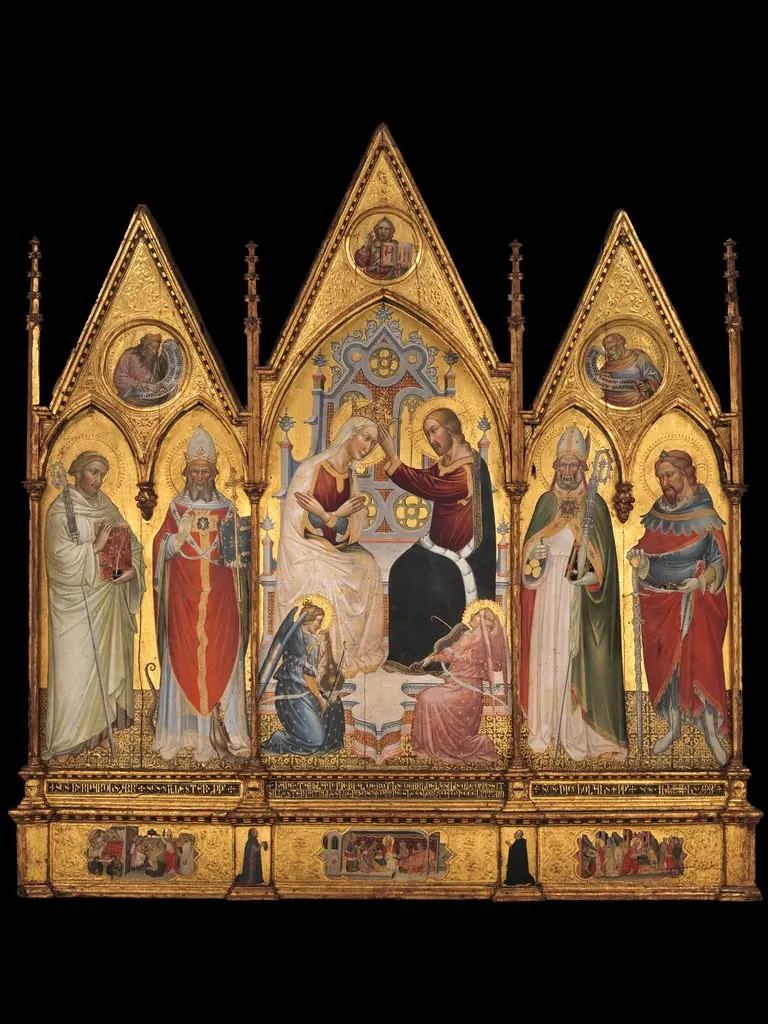 The Coronation of the Virgin, and Saints
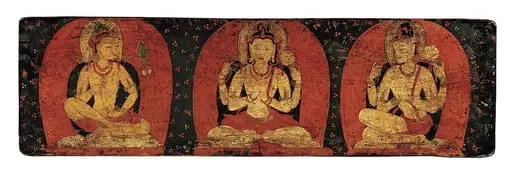 Untitled
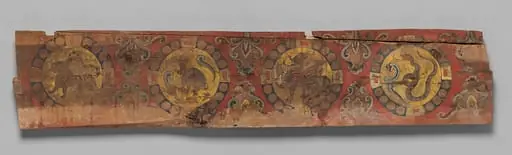 Untitled
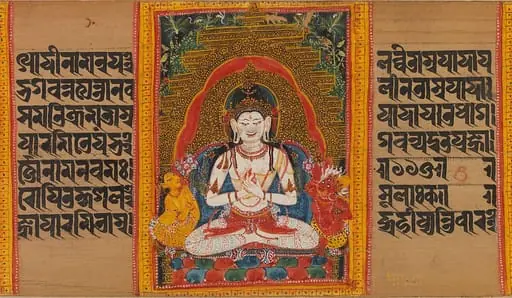 Untitled
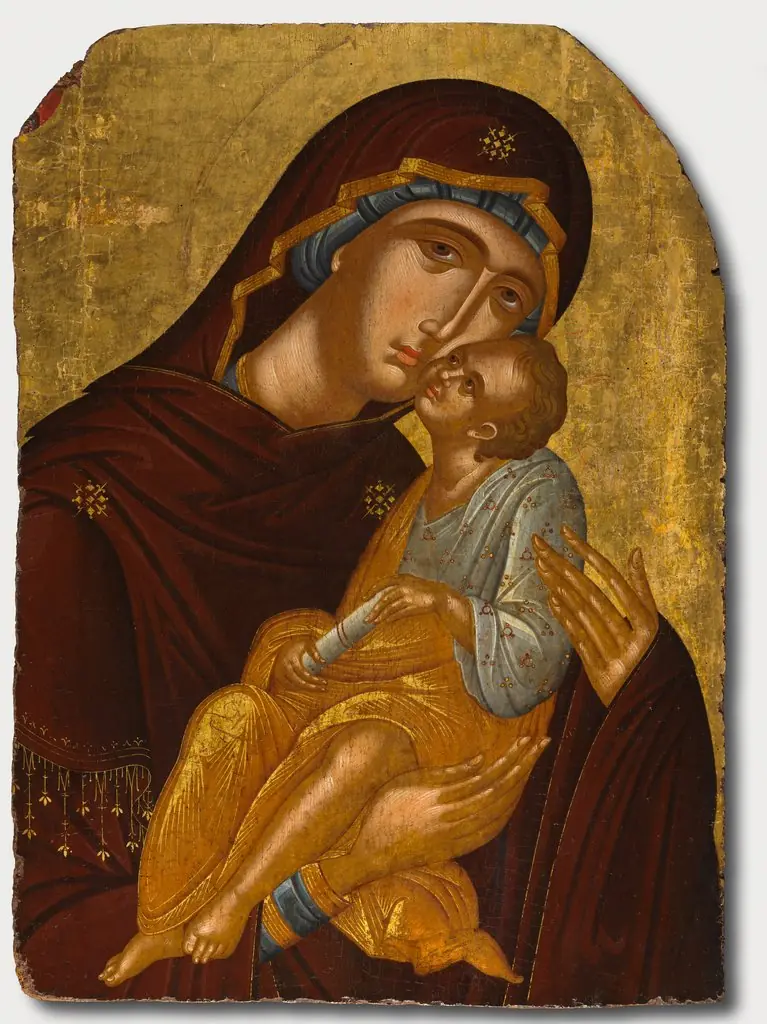 Icon of the Mother of God and Infant Christ (Virgin Eleousa)
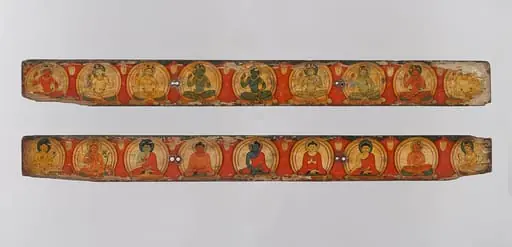 Untitled
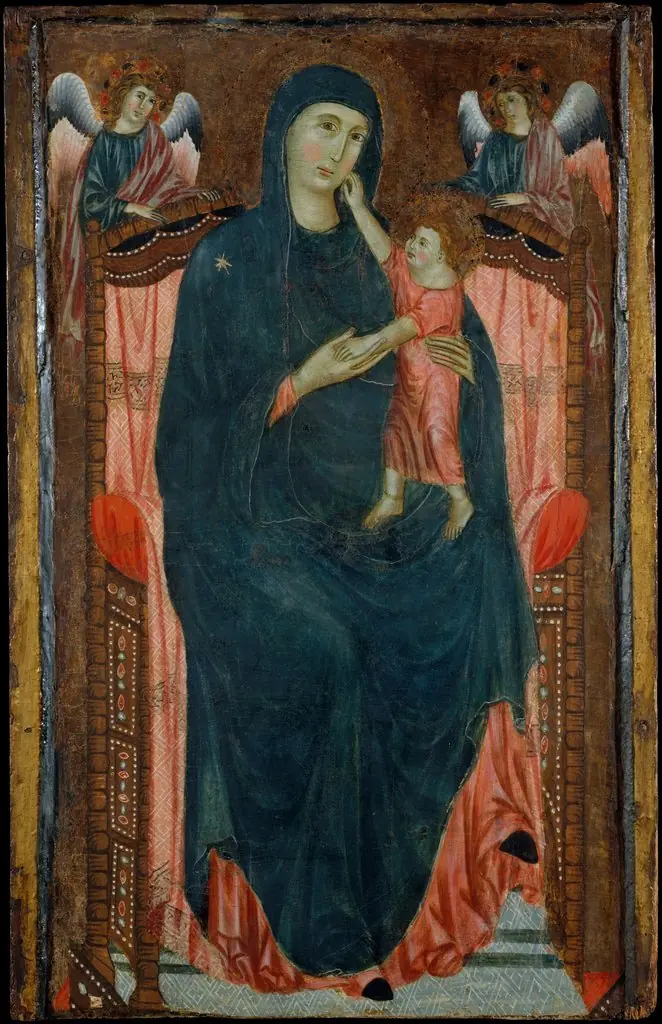 Madonna and Child Enthroned with Angels
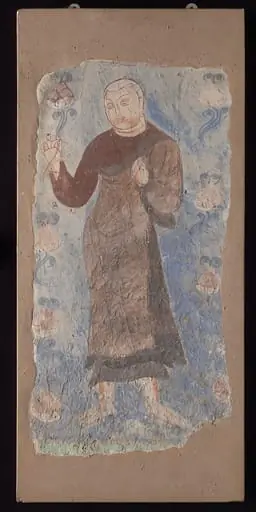 Untitled
 Untitled
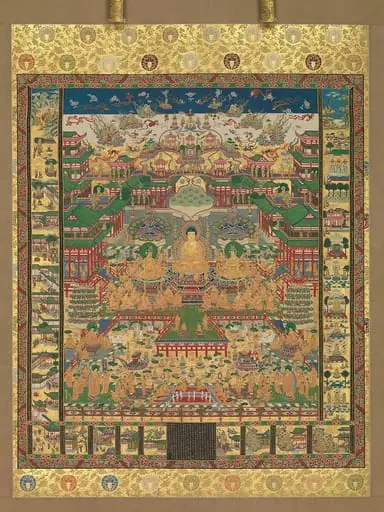 当麻曼荼羅|Taima Mandala
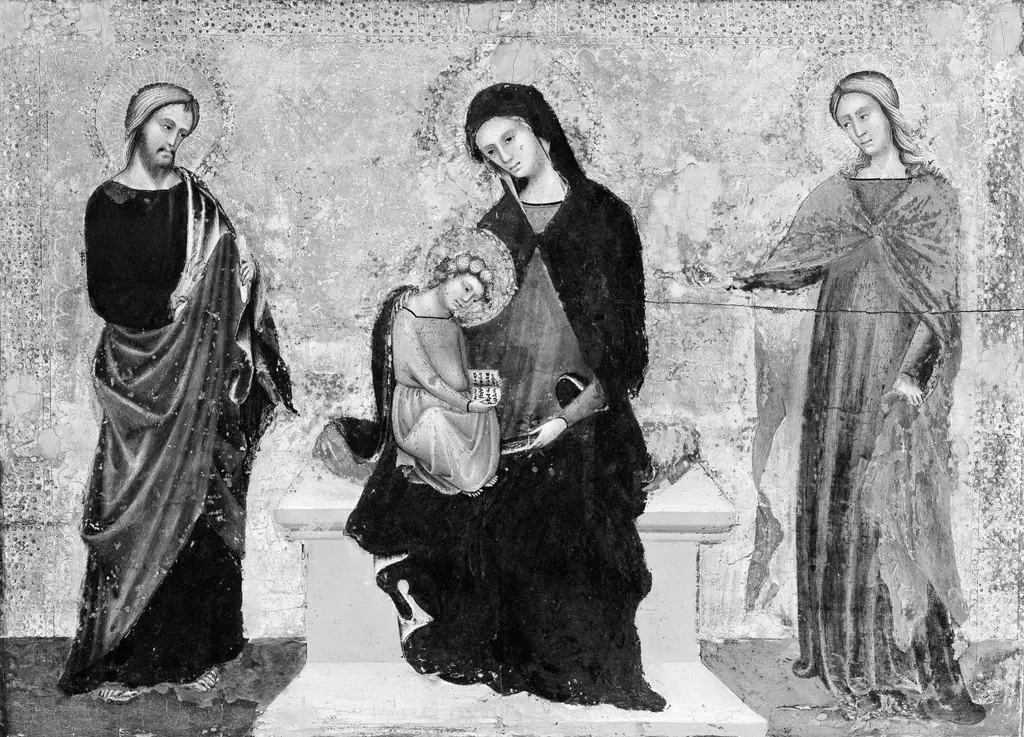 Madonna and Child Enthroned with Saints James Minor and Lucy
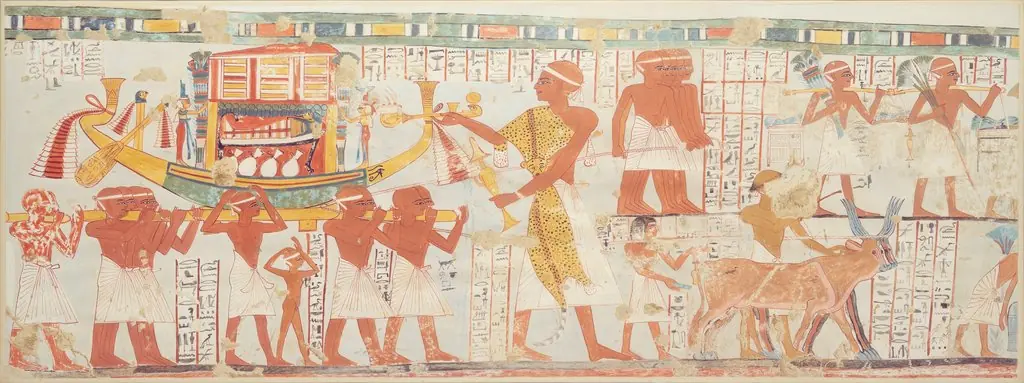 Nakhtamun's Funeral Procession, Tomb of Nakhtamun
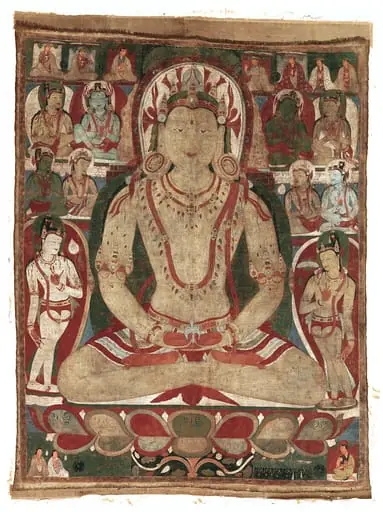 Untitled
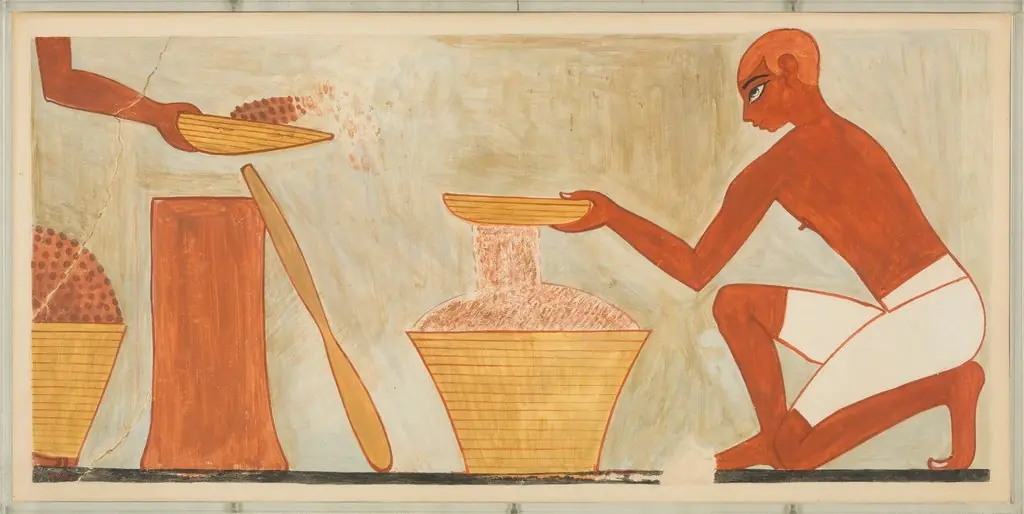 Sifting Meal, Tomb of Rekhmire
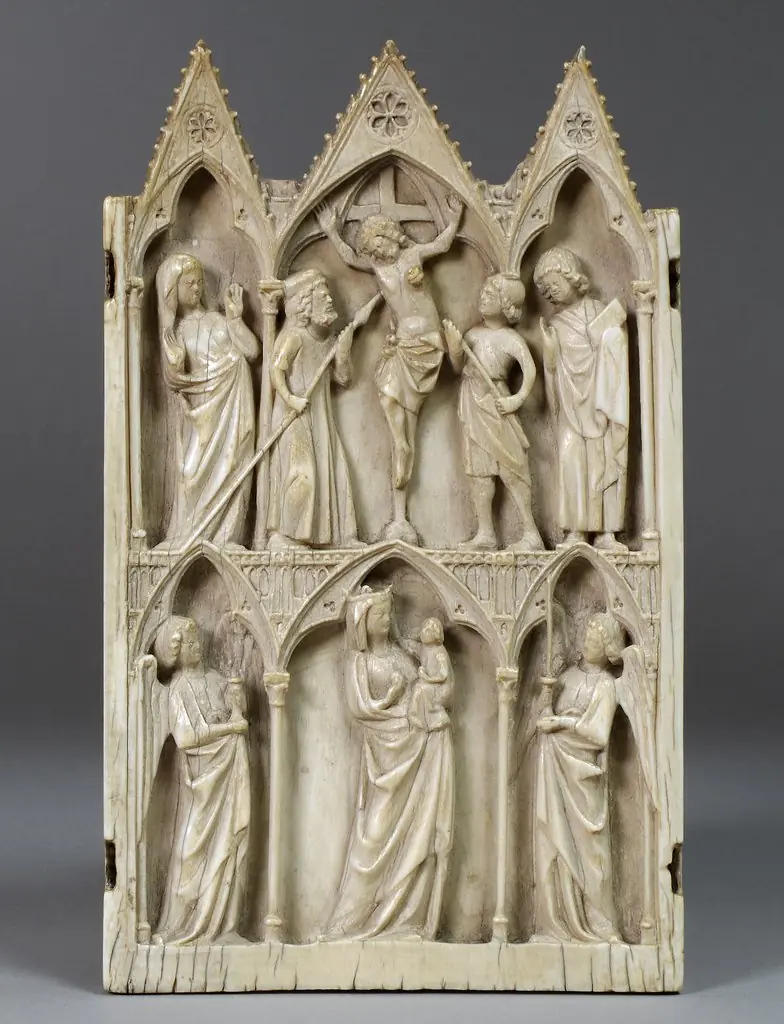 Central Panel of a Triptych
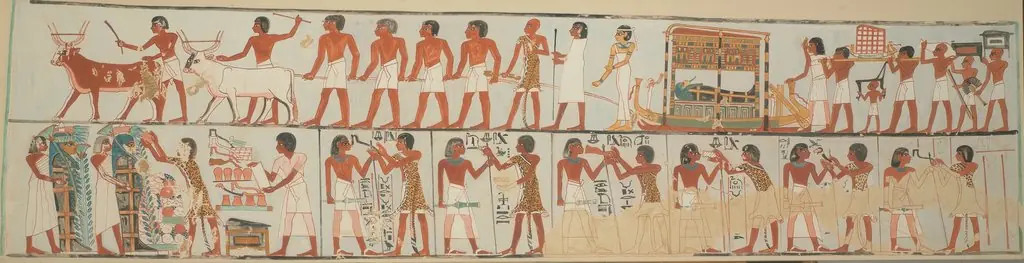 Funeral Procession, Tomb of Pairy
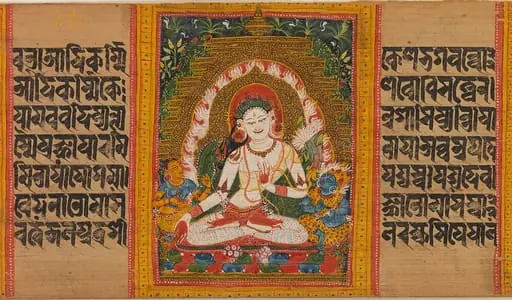 Untitled
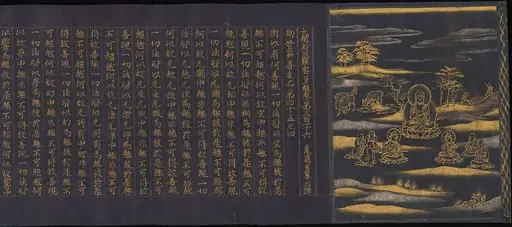 大般若経(中尊寺経)|Great Wisdom Sutra (Daihannya-kyō), from the Chūsonji Temple Sutra Collection (Chūsonji-kyō)
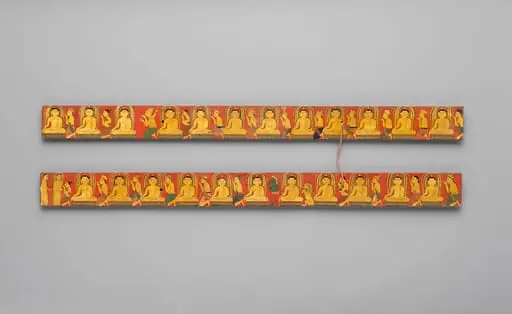 Untitled
 Untitled
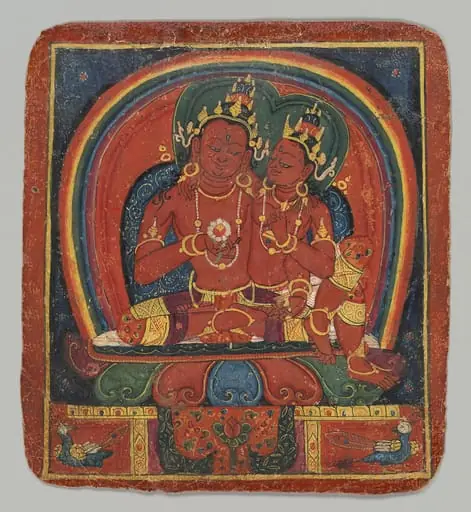 Untitled
 Untitled
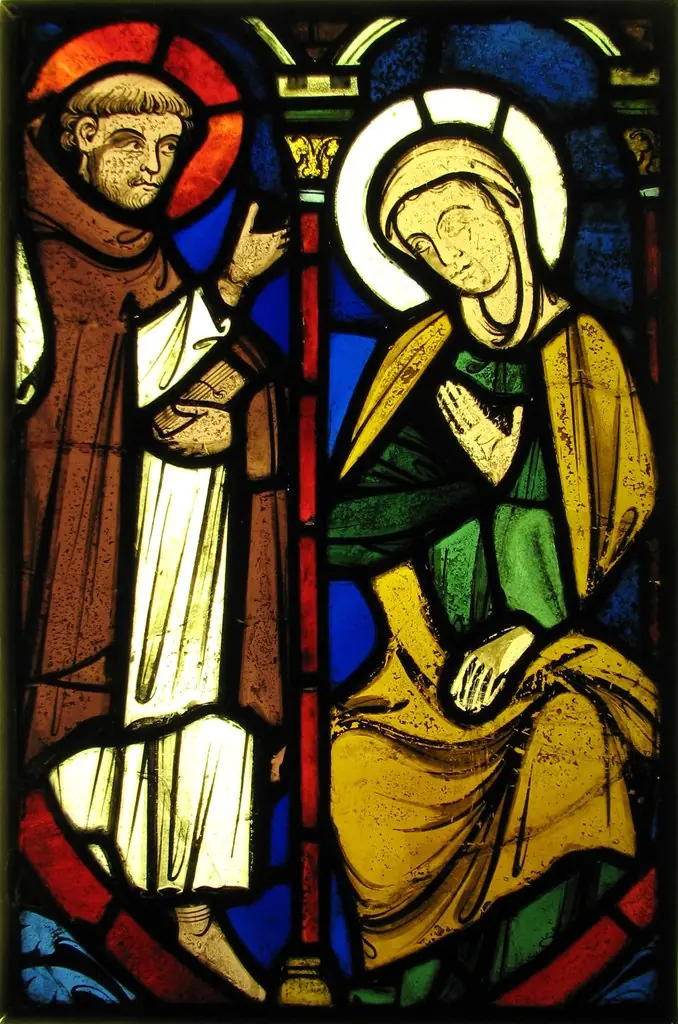 The Virgin from a Pentecost Scene and the Figure of St. Martin
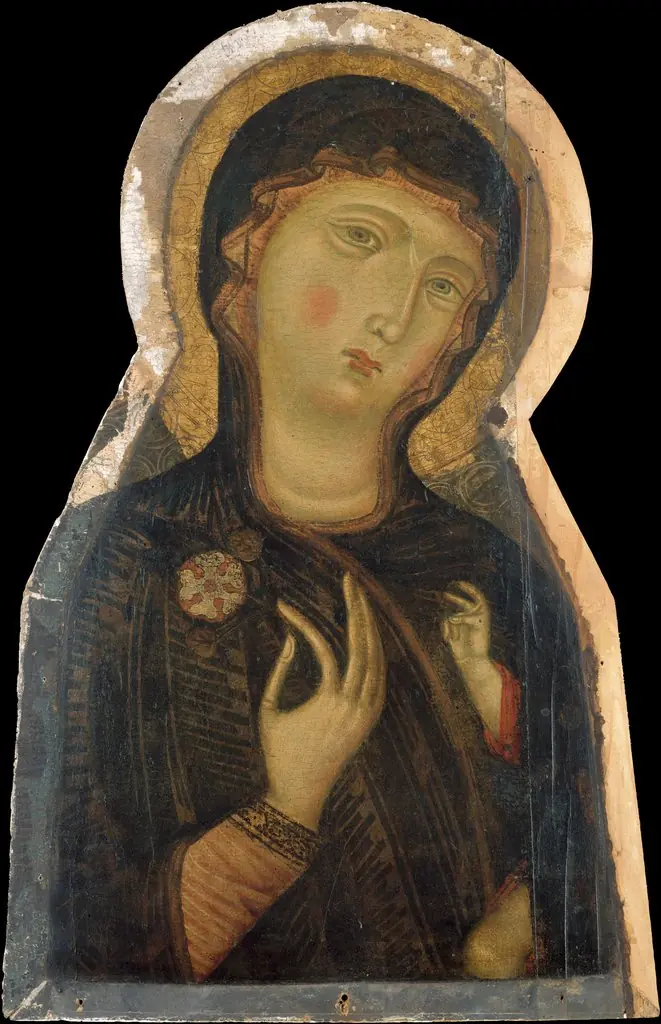 Madonna and Child
 Untitled
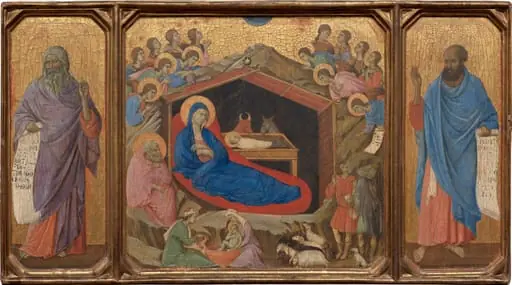 The Nativity with the Prophets Isaiah and Ezekiel
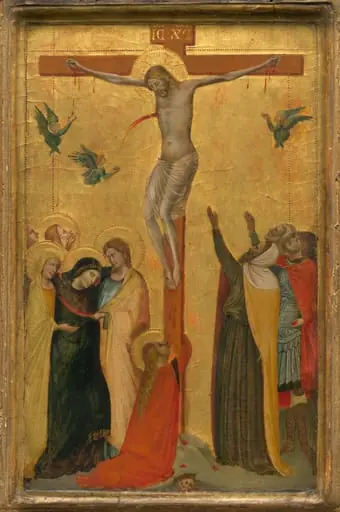 The Crucifixion
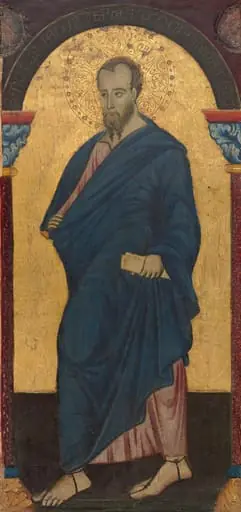 Saint James Minor
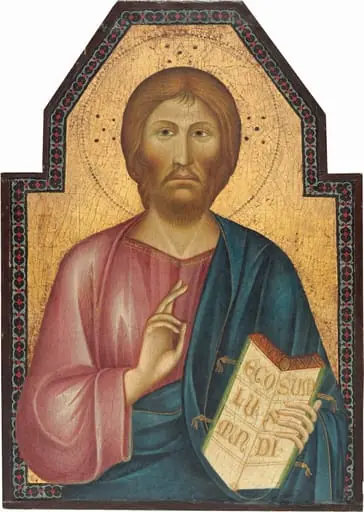 Christ Blessing
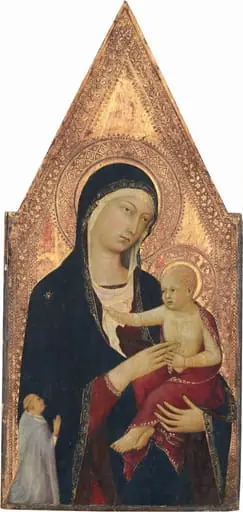 Madonna and Child with Donor
![Christ on the Cross [reverse], by Andrea di Bartolo, 1385](https://artifactworldgallery.com/img/andrea-di-bartolo--christ-on-the-cross-reverse--6bfe980f802a6327-w320.webp) Christ on the Cross [reverse]
Christ on the Cross [reverse]![Saint Catherine of Alexandria, with an Angel [right panel], by Pietro Lorenzetti, 1340](https://artifactworldgallery.com/img/pietro-lorenzetti--saint-catherine-of-alexandria-with-an-angel-right-panel--8acb359f1d360041-w320.webp) Saint Catherine of Alexandria, with an Angel [right panel]
Saint Catherine of Alexandria, with an Angel [right panel]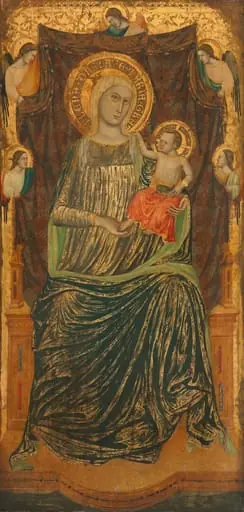 Madonna and Child with Five Angels
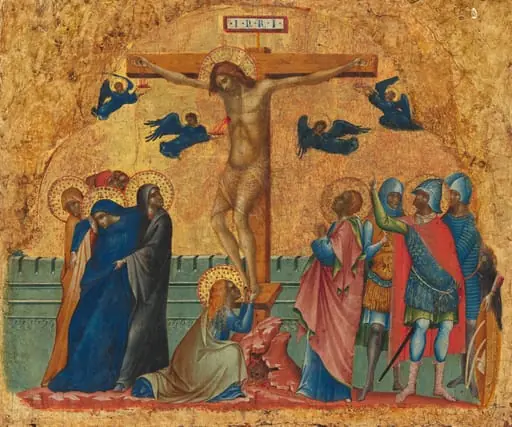 The Crucifixion
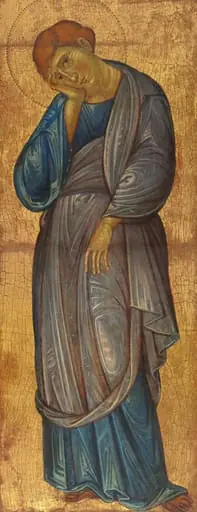 The Mourning Saint John the Evangelist
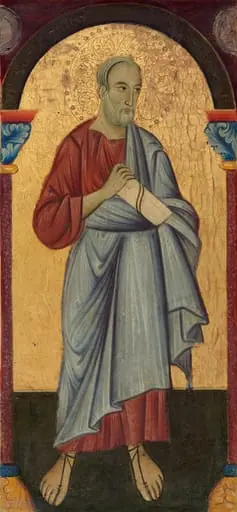 Saint John the Evangelist
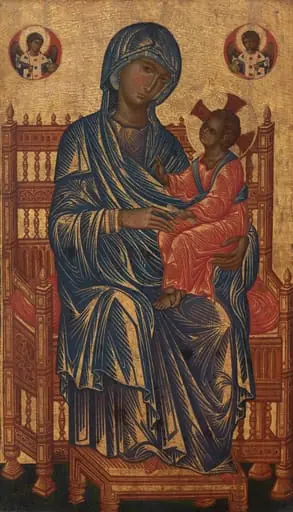 Enthroned Madonna and Child
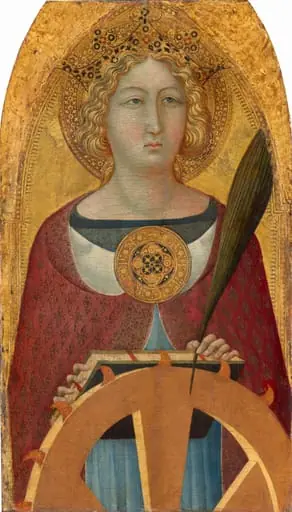 Saint Catherine of Alexandria
![Saint John the Evangelist [right panel], by Nardo di Cione, 1360](https://artifactworldgallery.com/img/nardo-di-cione--saint-john-the-evangelist-right-panel--fdd92c8ff7afceaf-w320.webp) Saint John the Evangelist [right panel]
Saint John the Evangelist [right panel]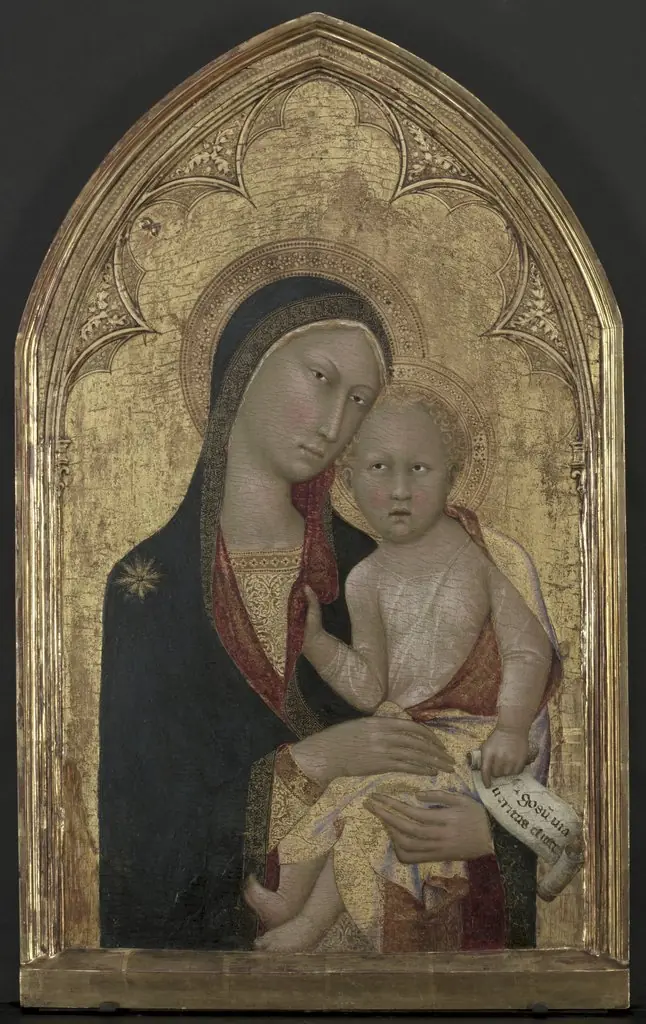 Madonna and Child
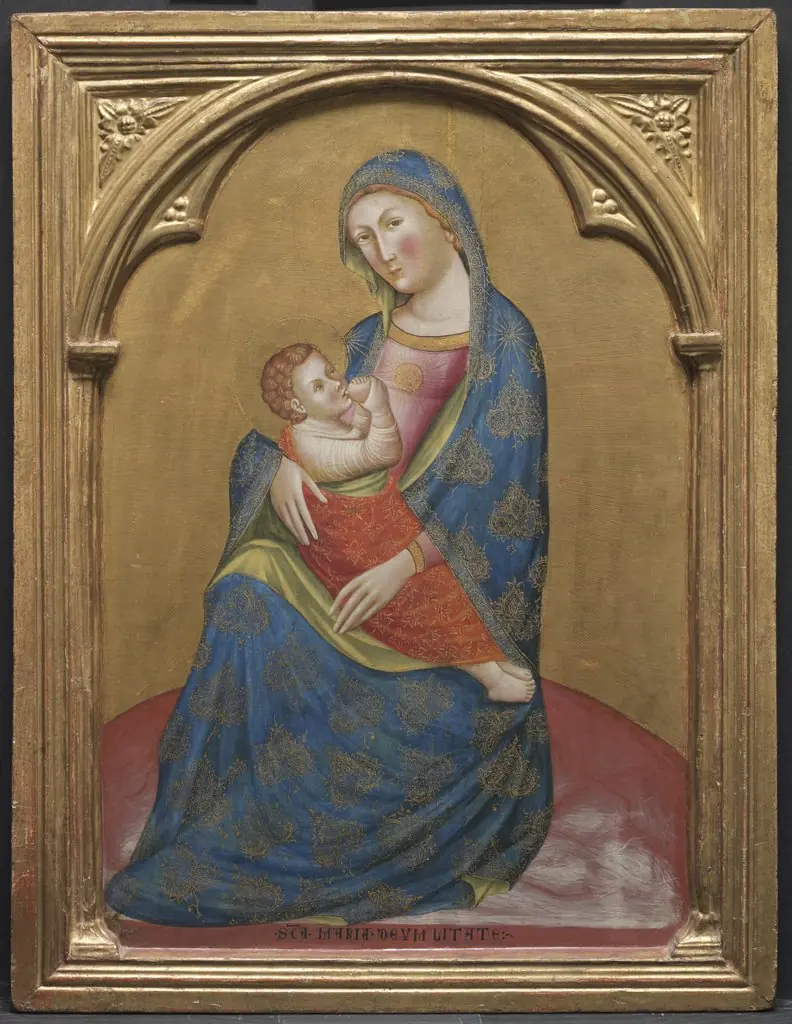 Madonna of Humility
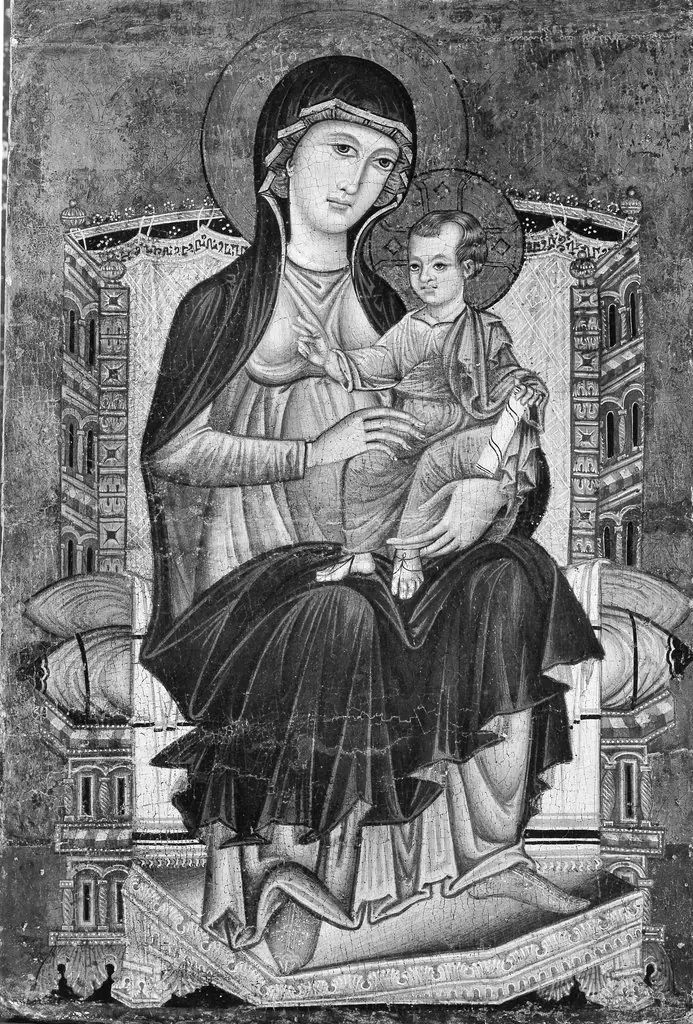 Madonna and Child Enthroned
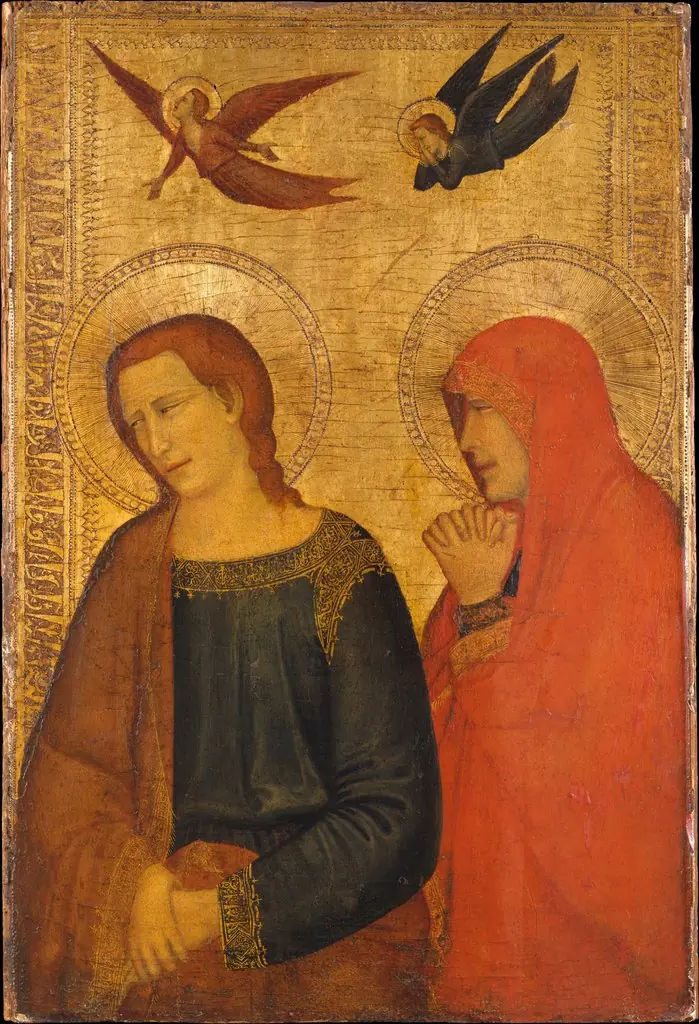 Saints John the Evangelist and Mary Magdalene
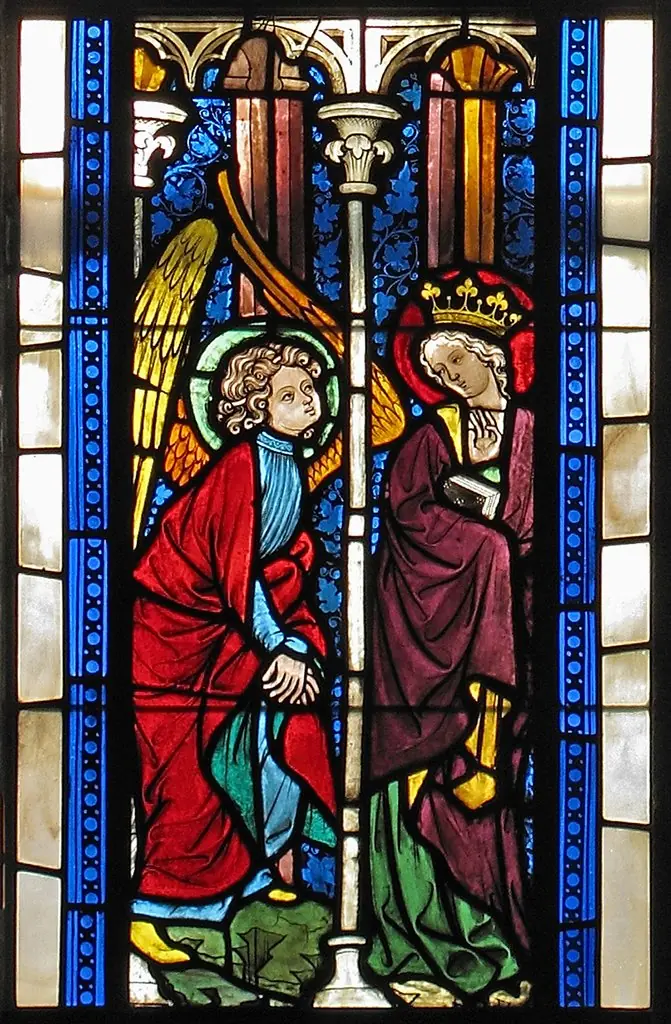 Panel with the Annunciation
 Christ and the Twelve Apostles
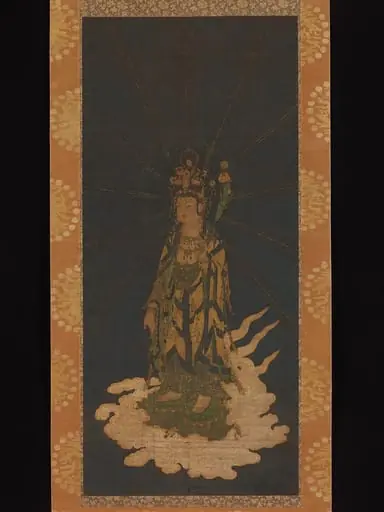 十一面観音来迎図|Descent of Eleven-Headed Kannon
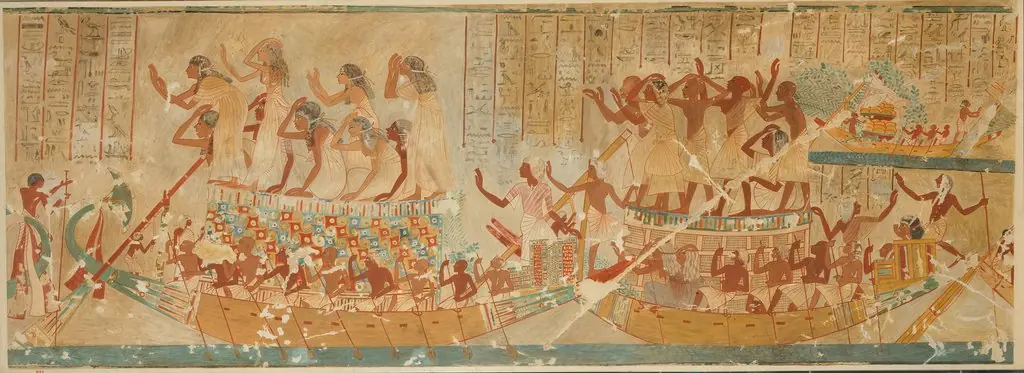 Boats with Mourners and Provisions, Tomb of Neferhotep
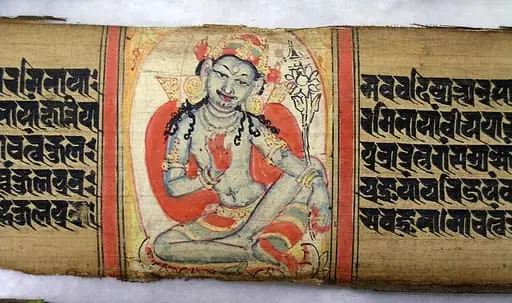 Untitled
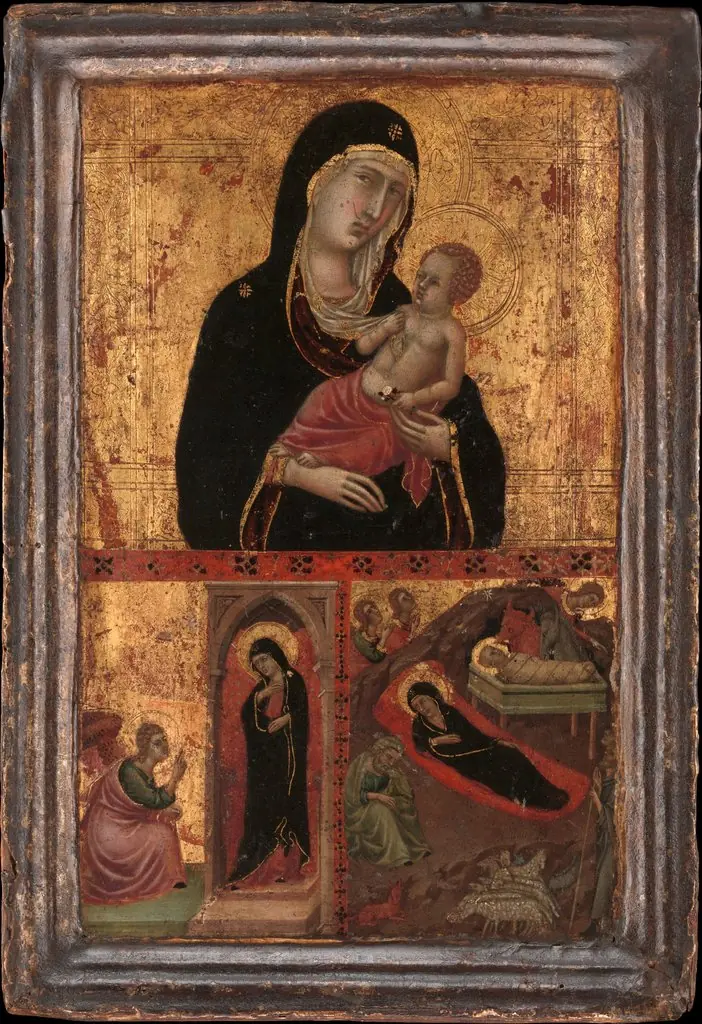 Madonna and Child with the Annunciation and the Nativity
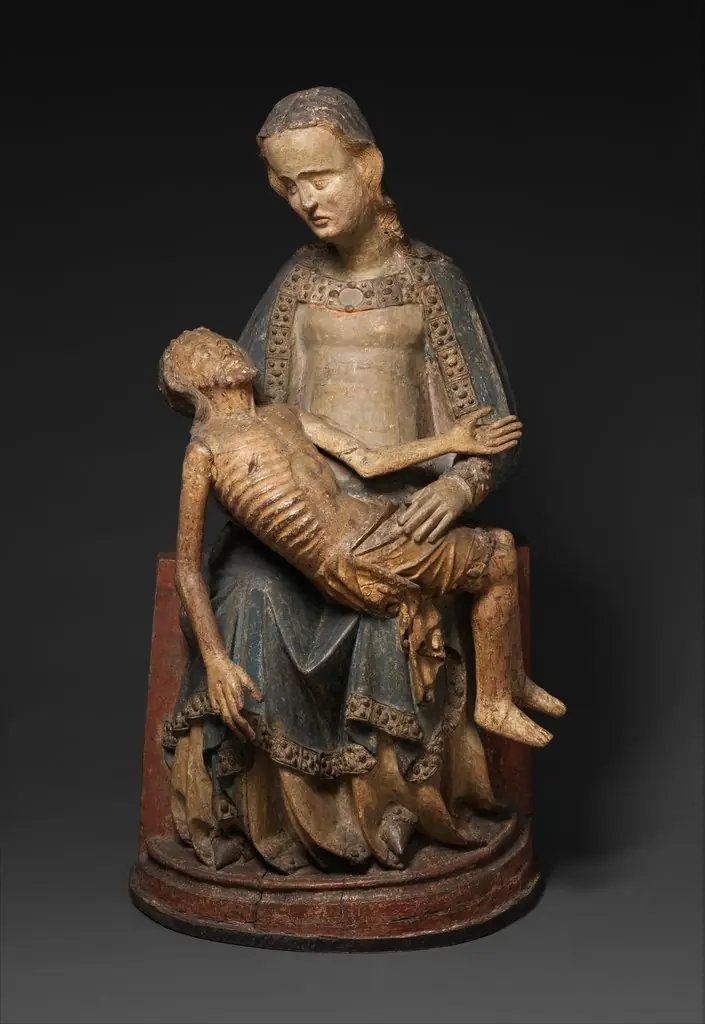 Pietà
Pietà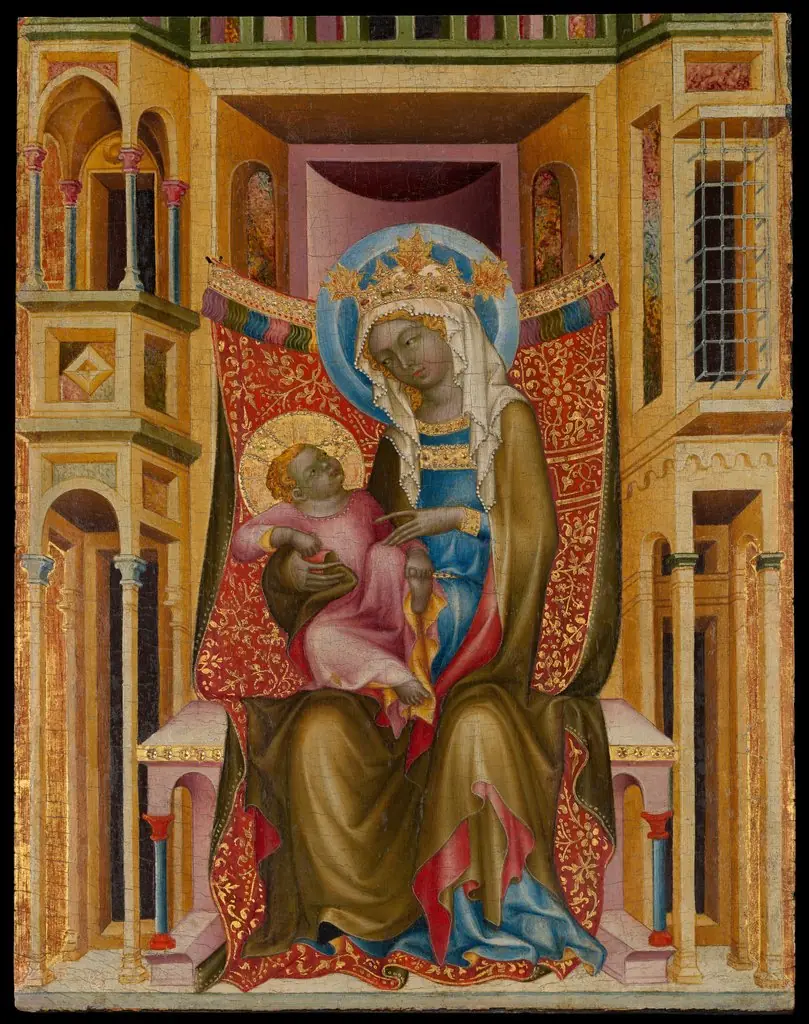 Virgin and Child Enthroned
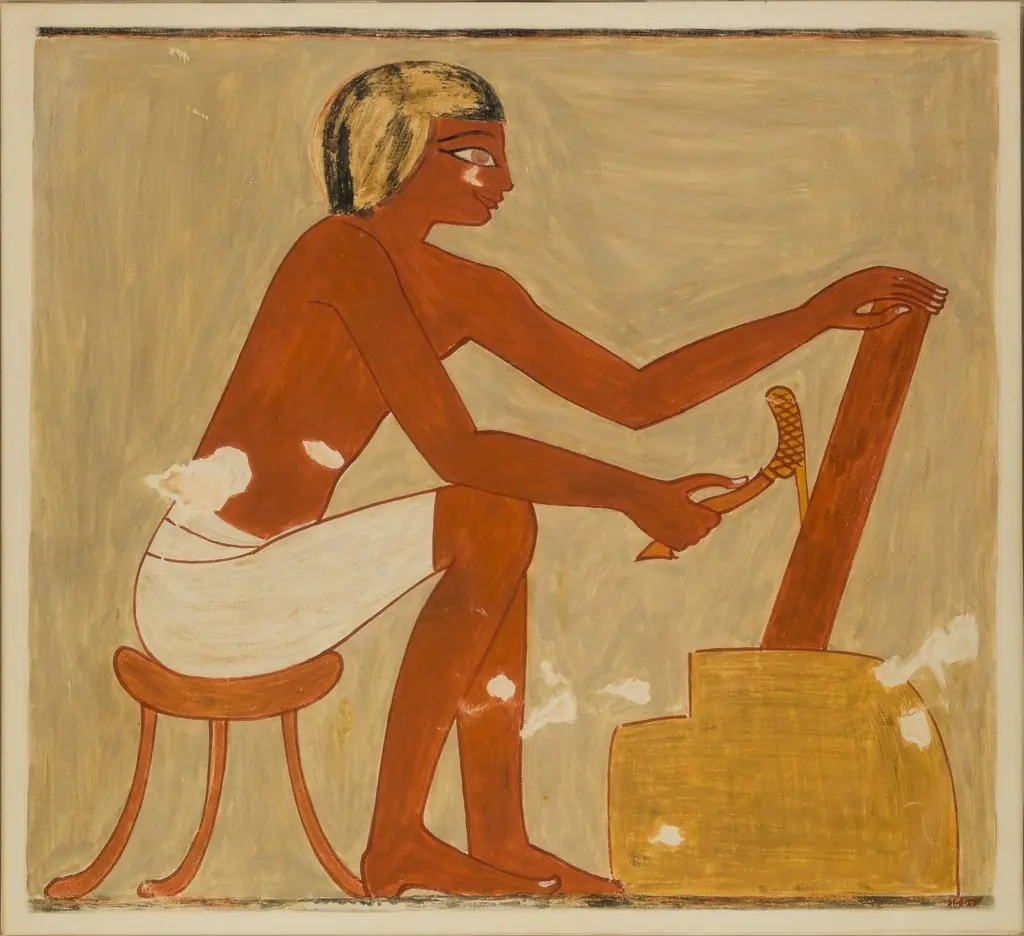 Trimming Wood with an Adze, Tomb of Rekhmire
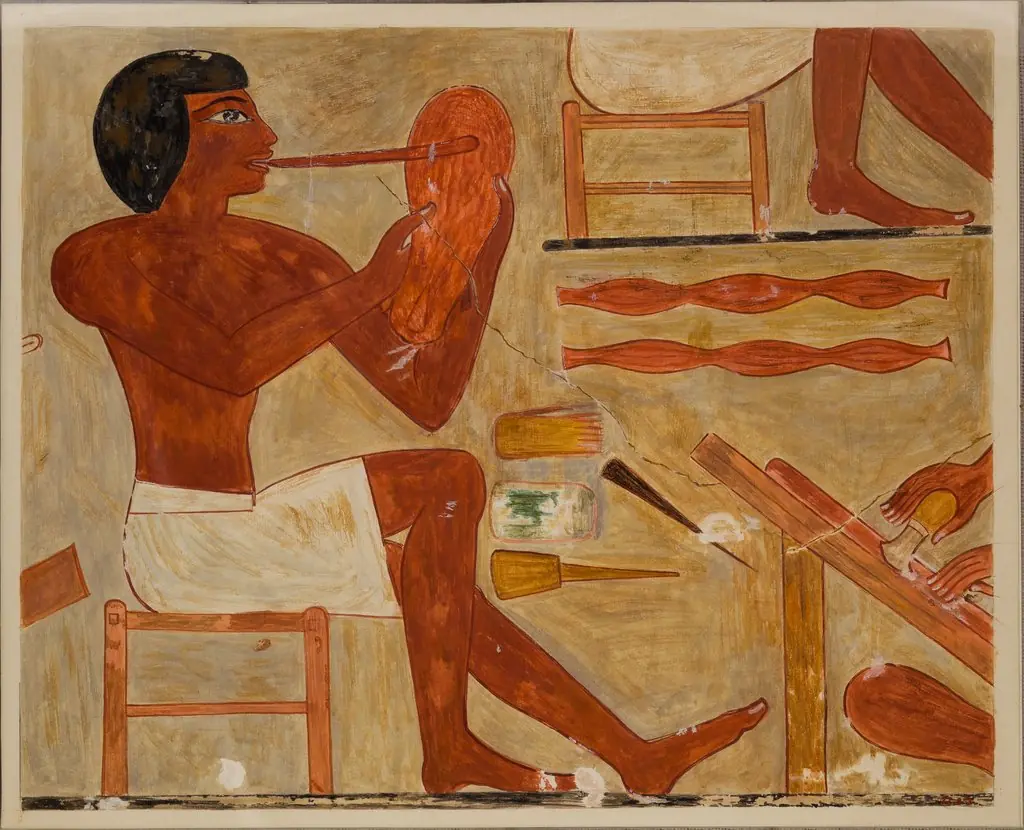 Sandal Maker, Tomb of Rekhmire
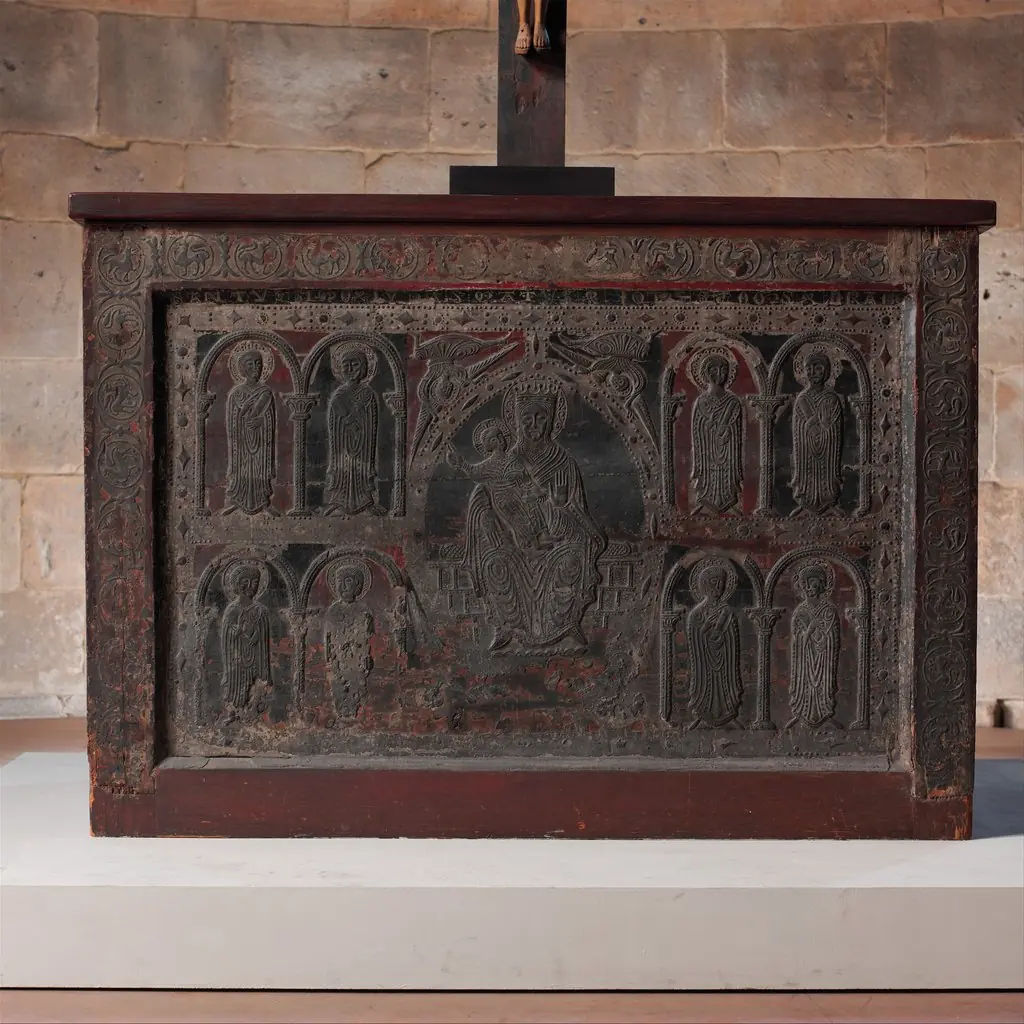 Altar Frontal
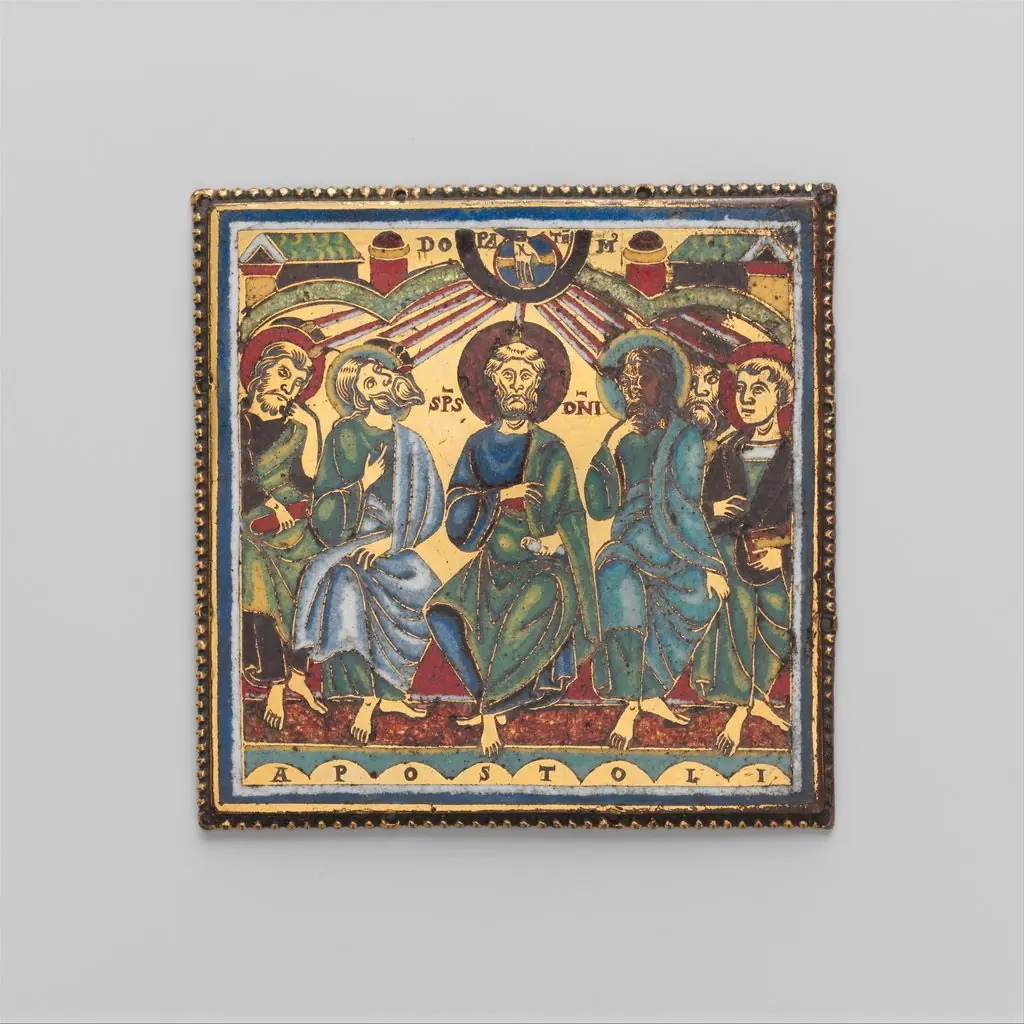 Plaque with the Pentecost
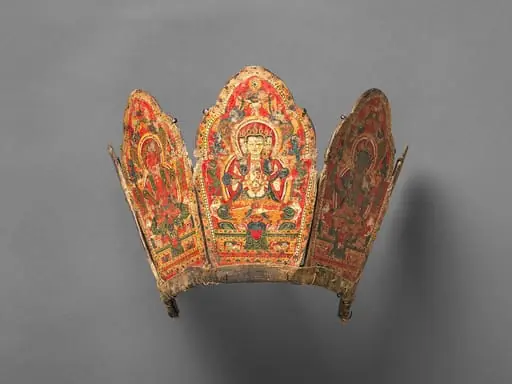 Untitled
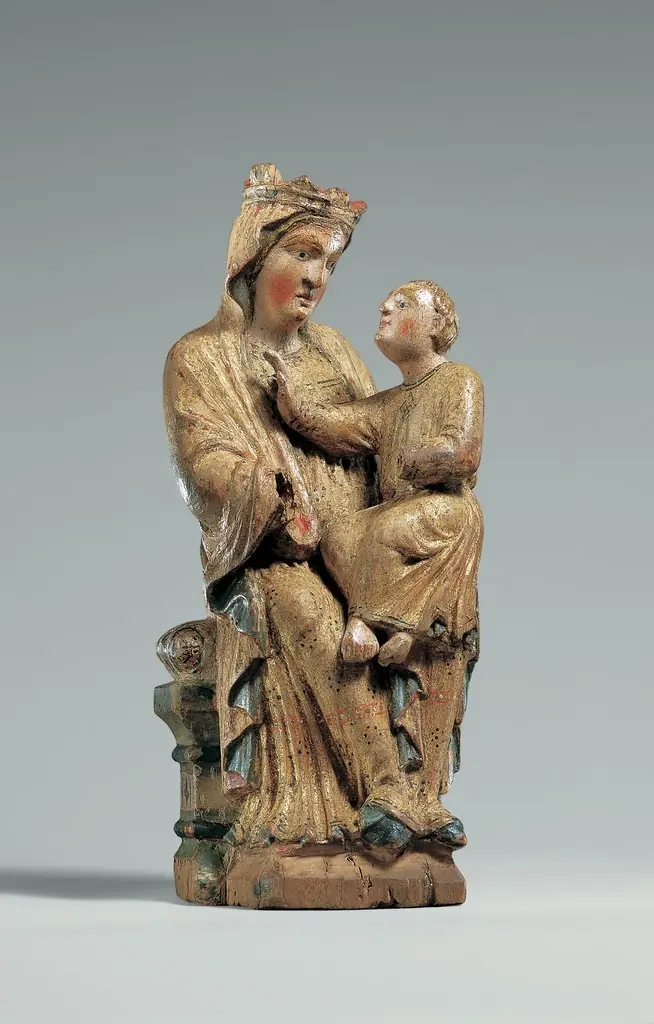 Enthroned Virgin and Child
 Untitled
 Madonna and Child
 Untitled
 Untitled
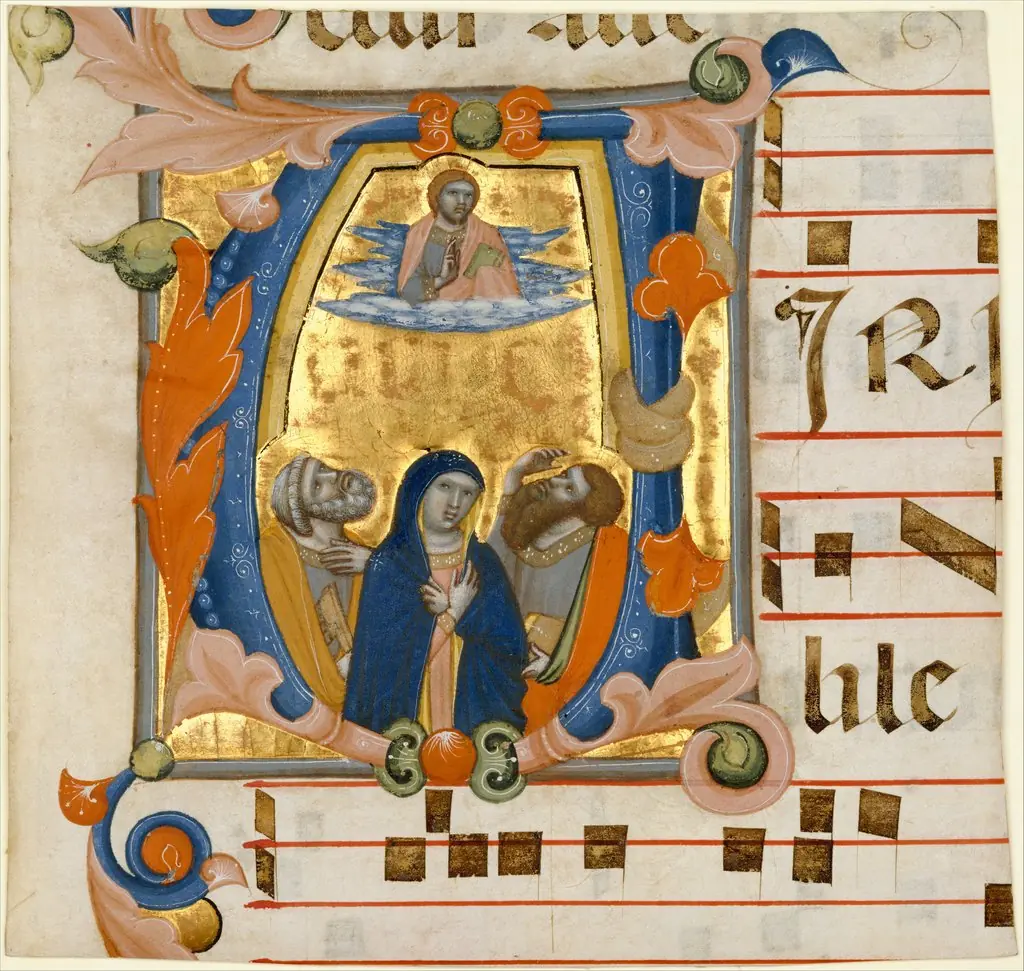 Ascension in an Initial V
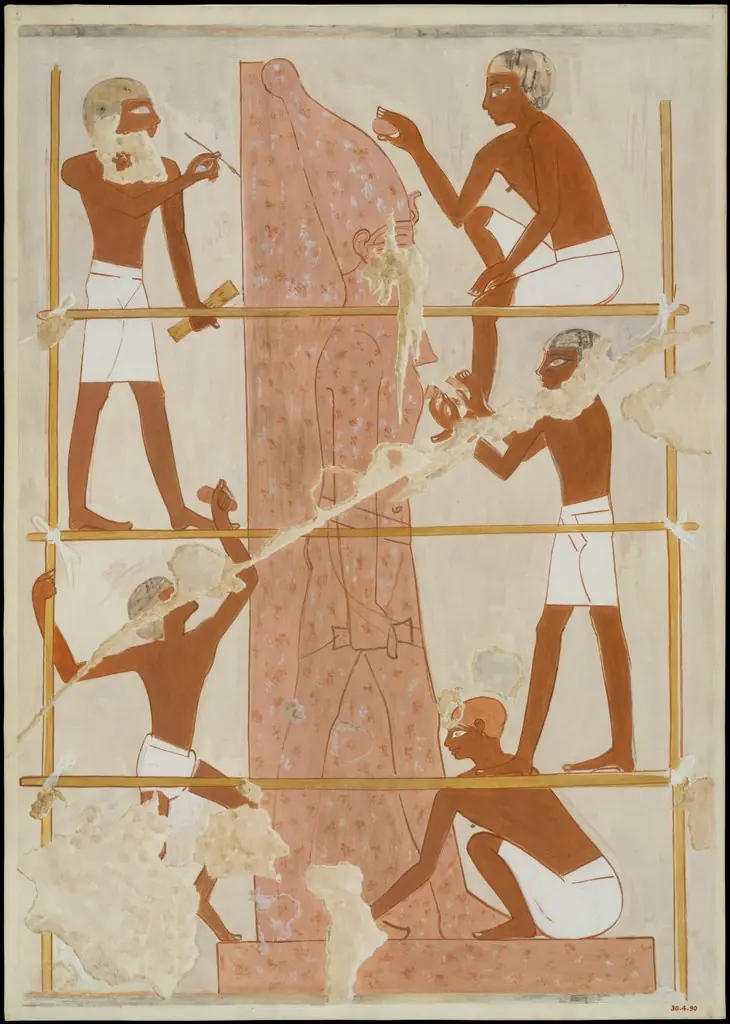 Sculptors at Work, Tomb of Rekhmire
 Untitled
 Untitled
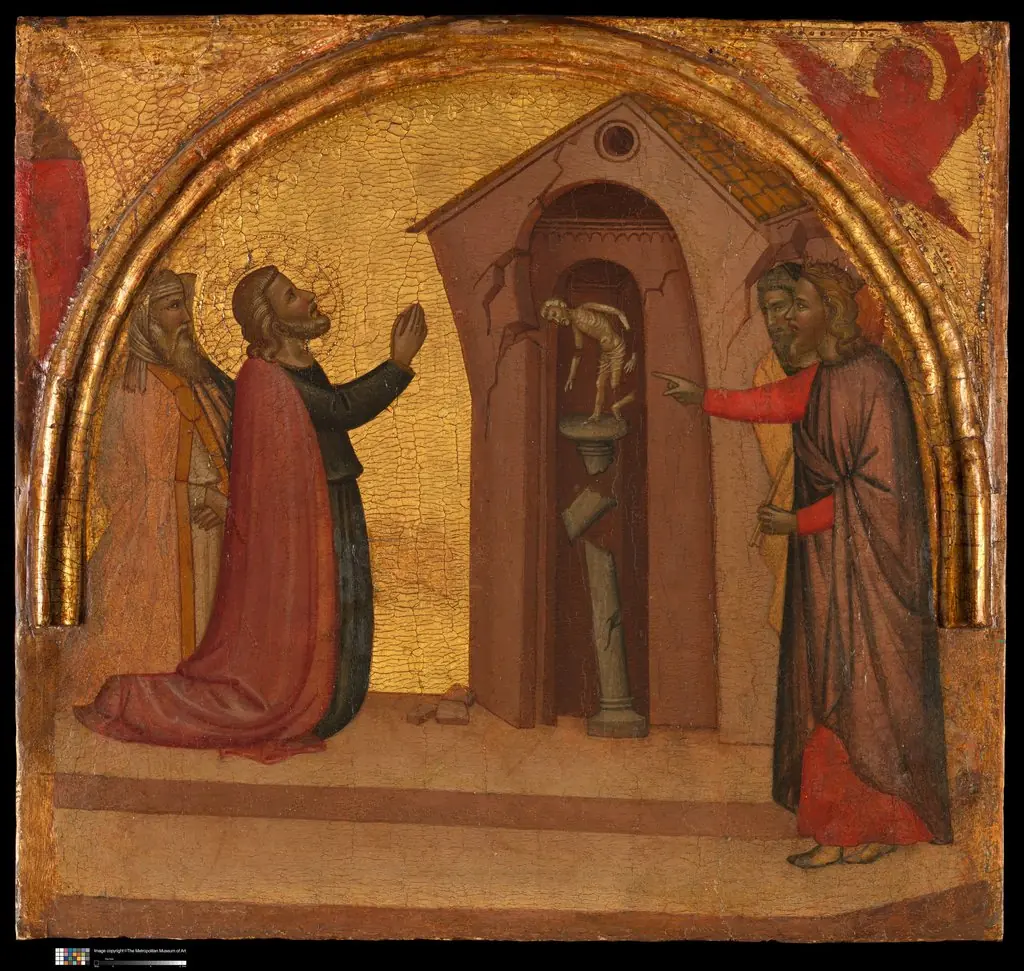 Saint John the Evangelist Causes a Pagan Temple to Collapse
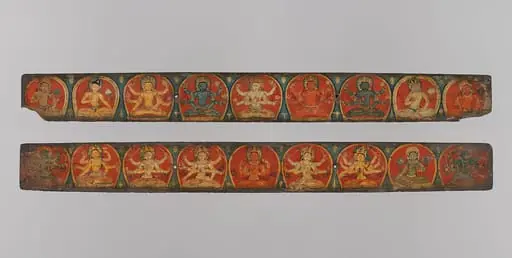 Untitled
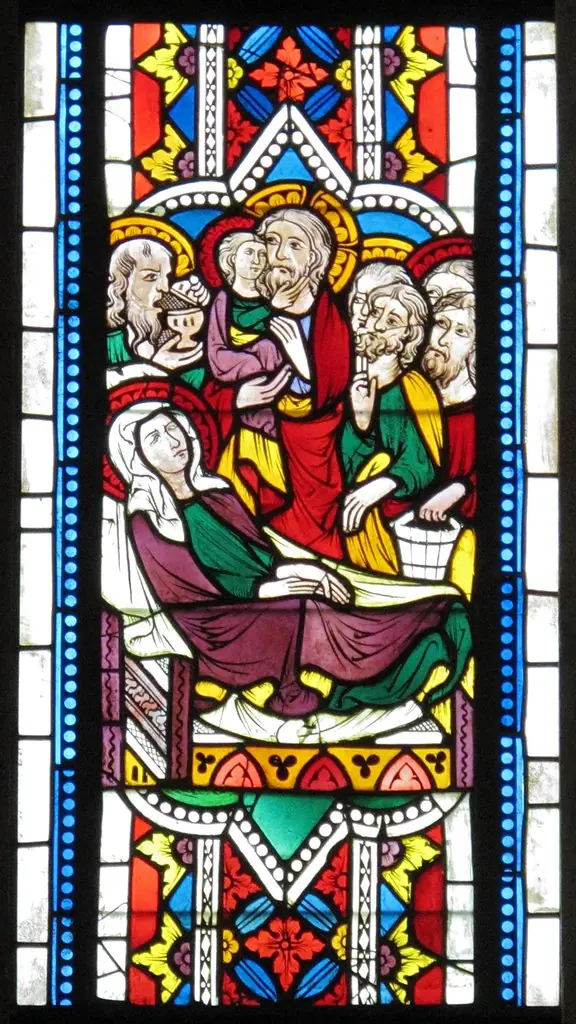 Dormition of the Virgin
 Untitled
 Untitled
 Untitled
 Untitled
 Untitled
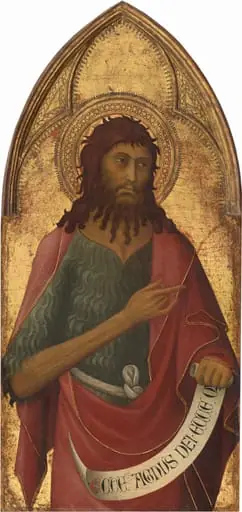 Saint John the Baptist
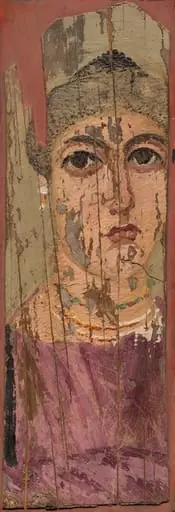 Portrait of a Woman
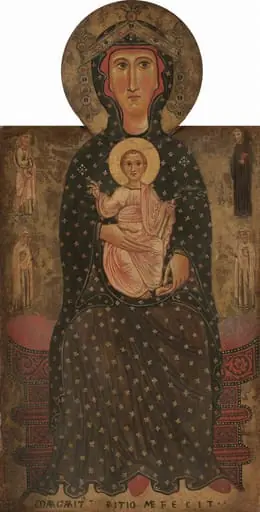 Madonna and Child Enthroned with Four Saints
![Saint Peter [left panel], by Nardo di Cione, 1360](https://artifactworldgallery.com/img/nardo-di-cione--saint-peter-left-panel--df6a39da35a16159-w320.webp) Saint Peter [left panel]
Saint Peter [left panel]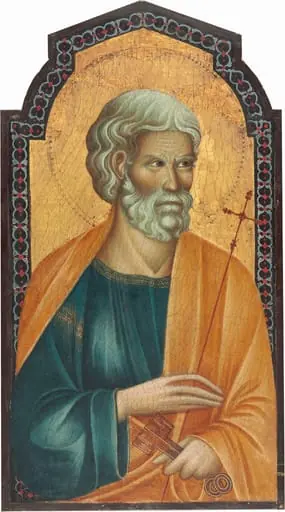 Saint Peter
 Perfection of Wisdom in Eight Thousand Lines: Ashtasahasrika Prajnaparamita: Back Cover
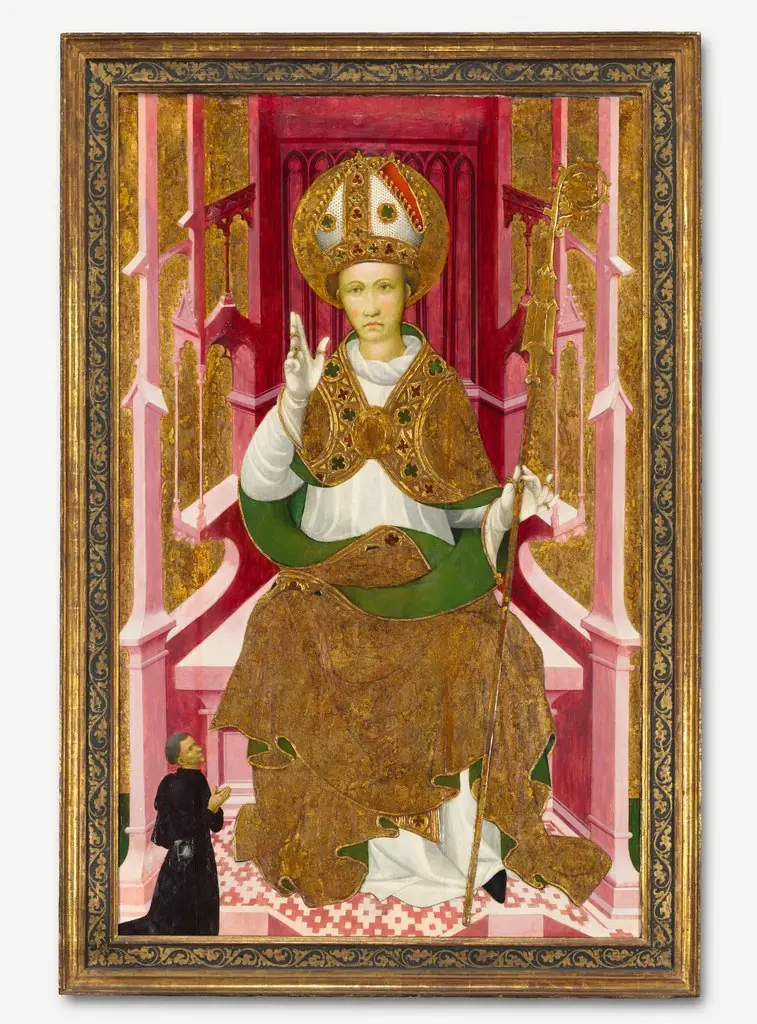 A Bishop Saint with a Donor (Saint Louis of Toulouse?)
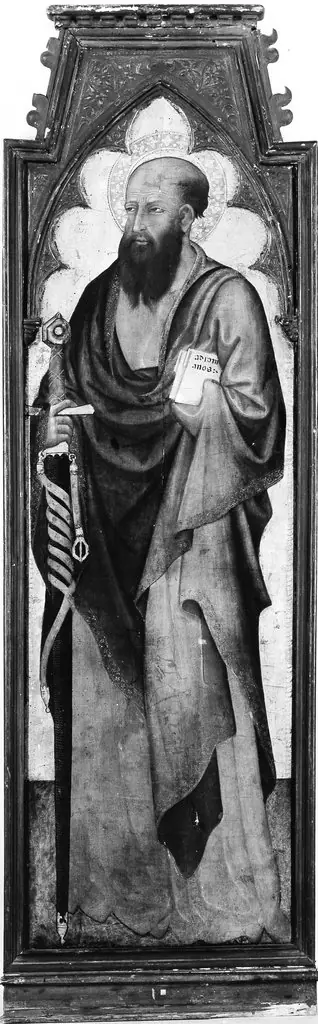 Saint Paul
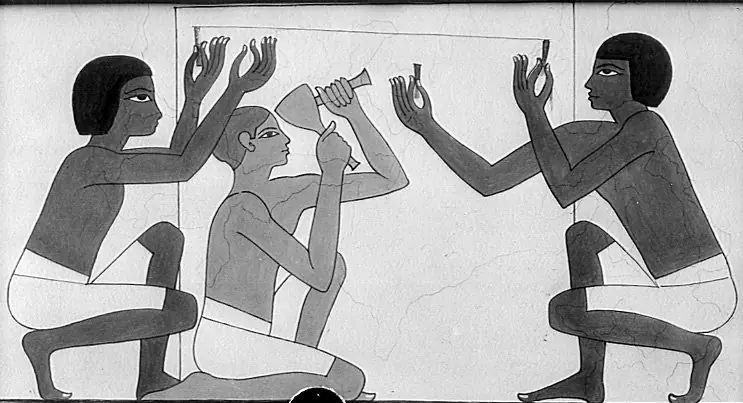 Masons Squaring a Block, Tomb of Rekhmire
 Saints Procopius and Adalbert
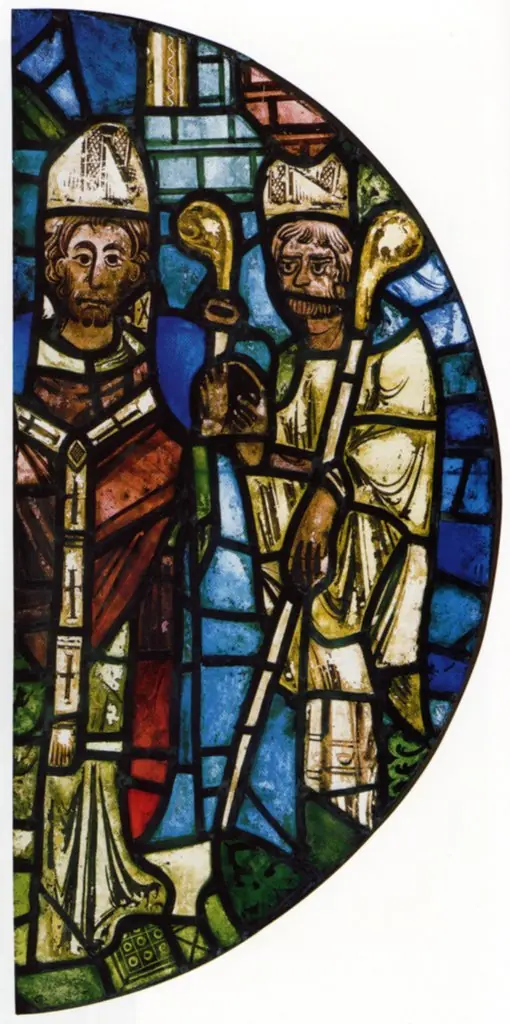 Saint Martial Founding the Cathedral of Saint-Pierre
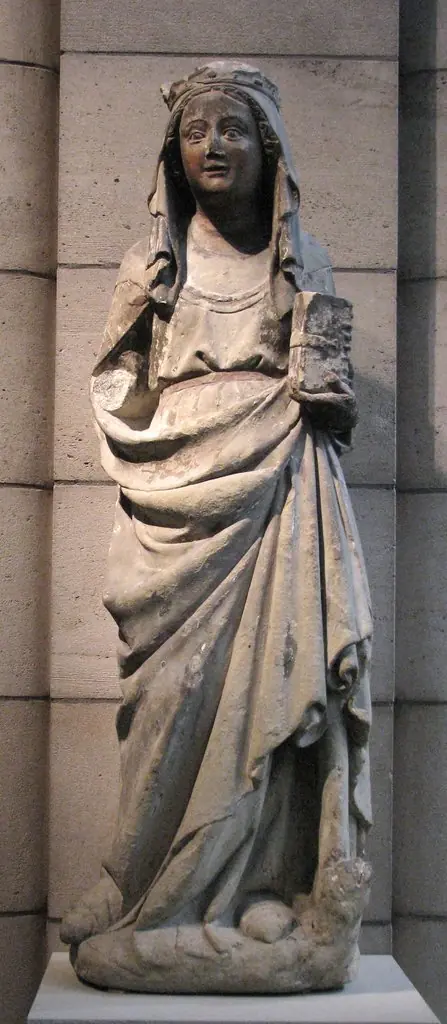 Saint Margaret of Antioch
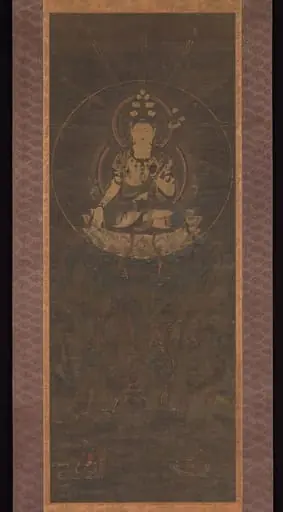 十一面観音影向図|Eleven-Headed Kannon on Mount Fudaraku
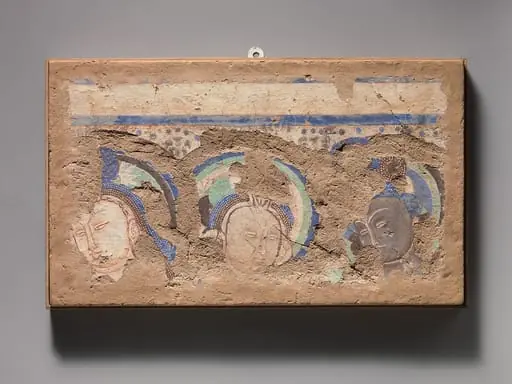 Untitled
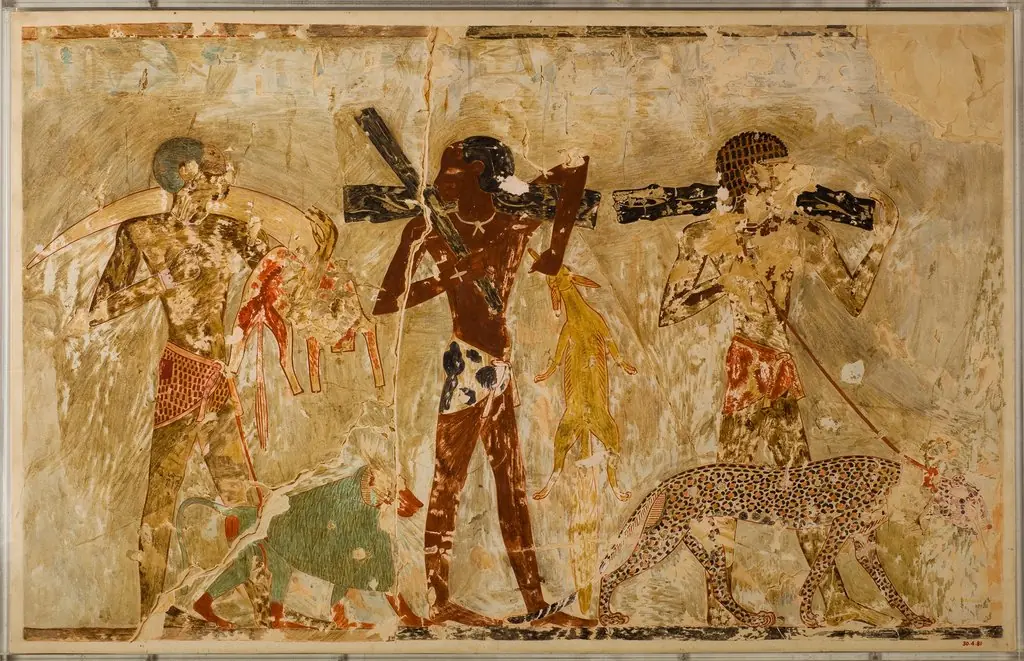 Facsimile painting from the tomb of Rekhmire
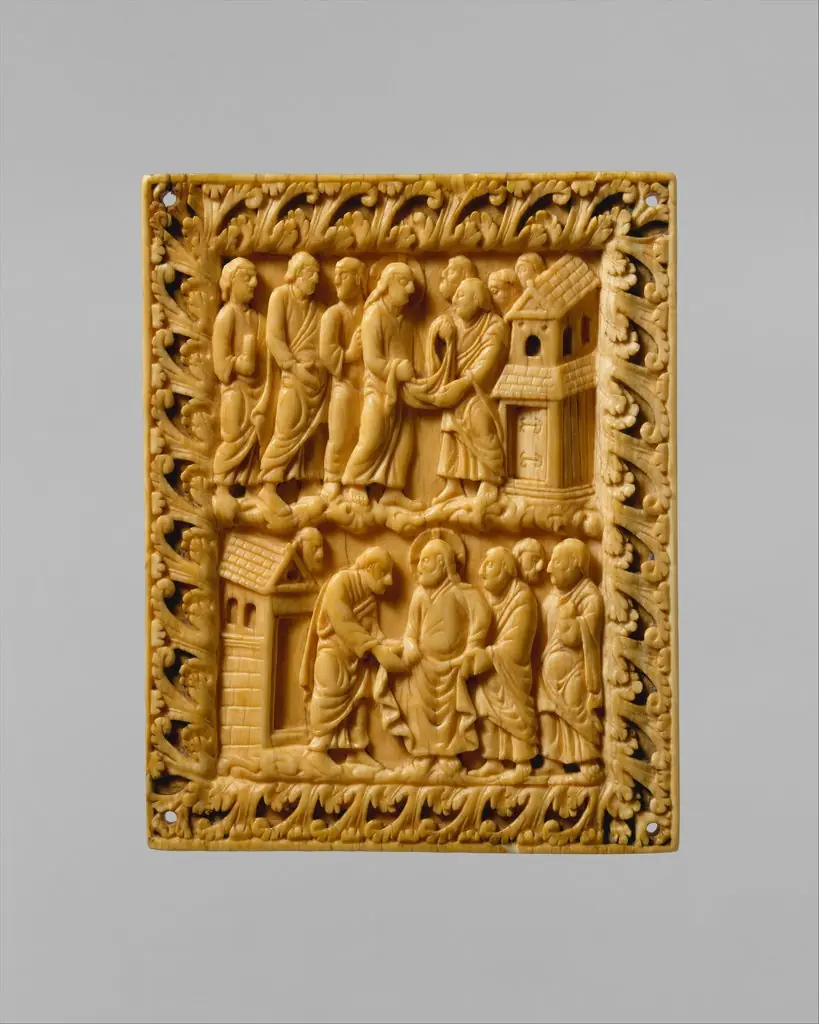 Two Scenes of Christ and the Apostles
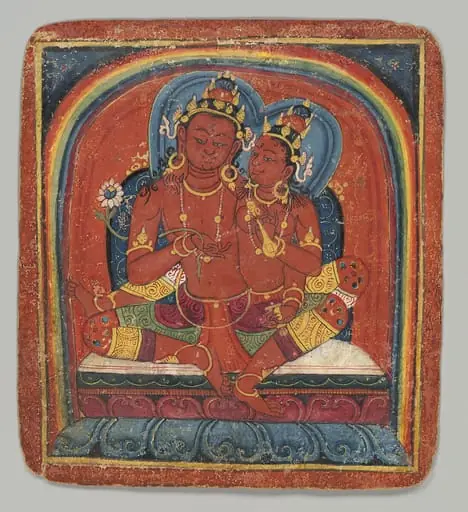 Untitled
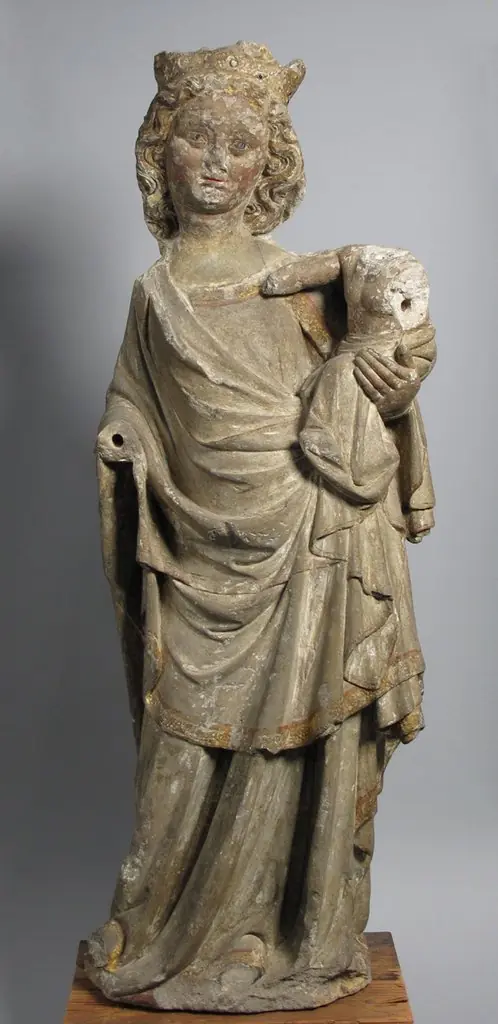 Virgin and Child
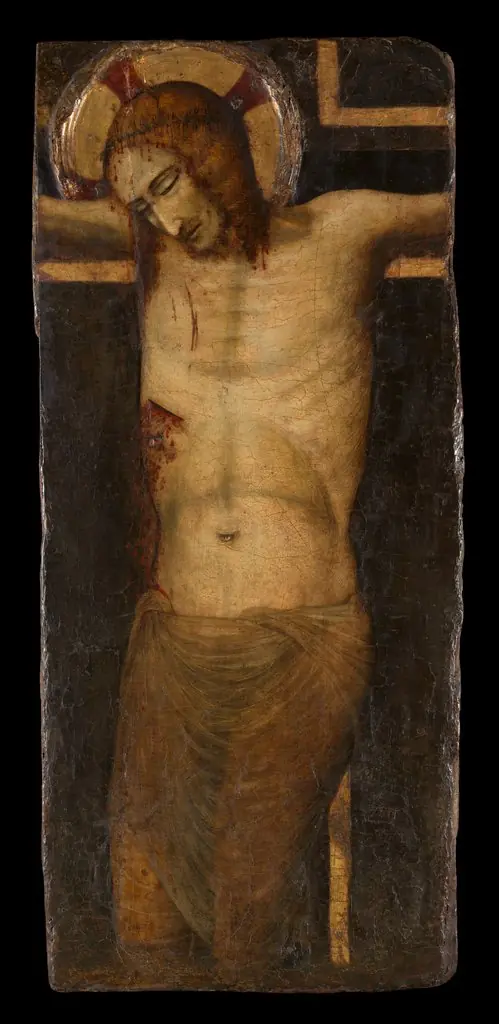 The Crucified Christ
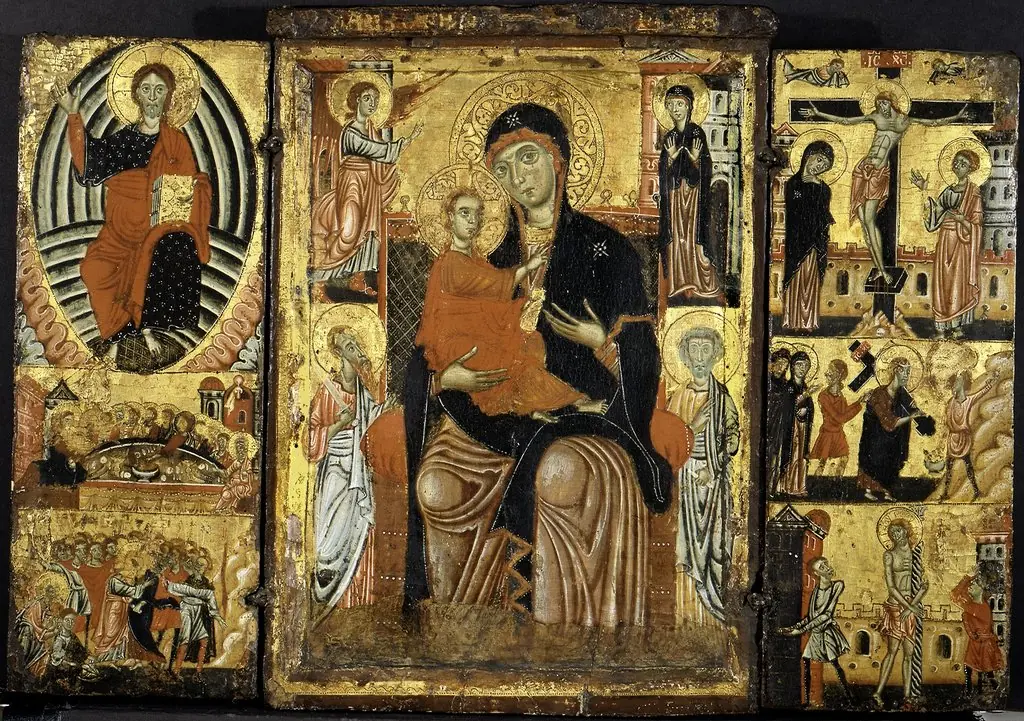 Madonna and Child Enthroned
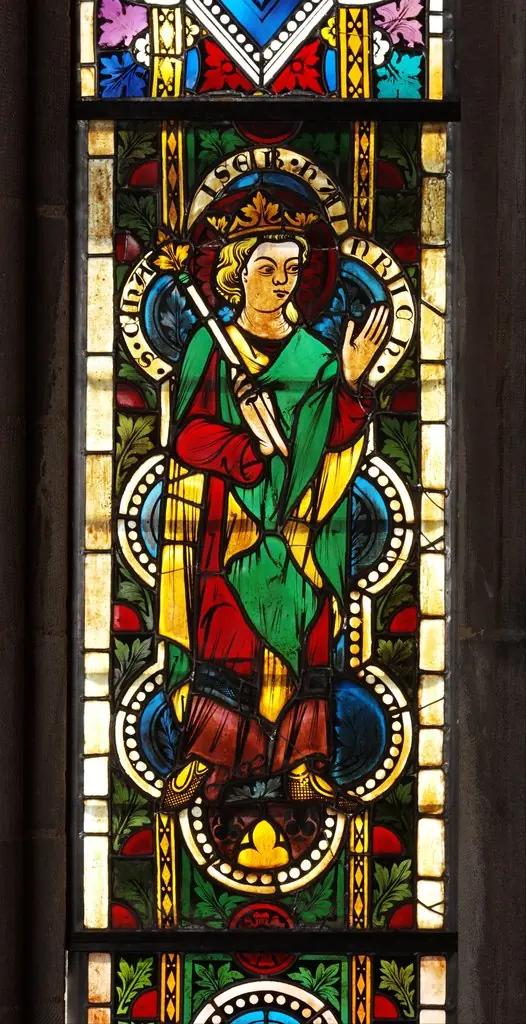 Stained Glass Panel with Emperor Henry II
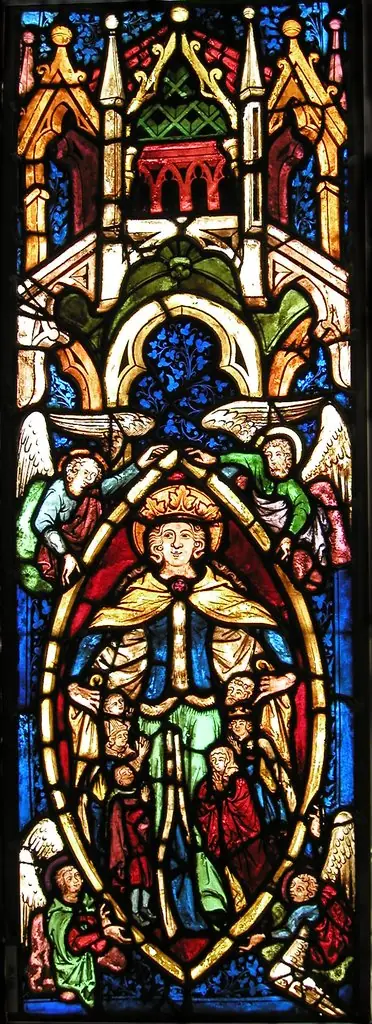 Madonna of Mercy
 Untitled
 Untitled
 Untitled
 Untitled
 Untitled
 Untitled
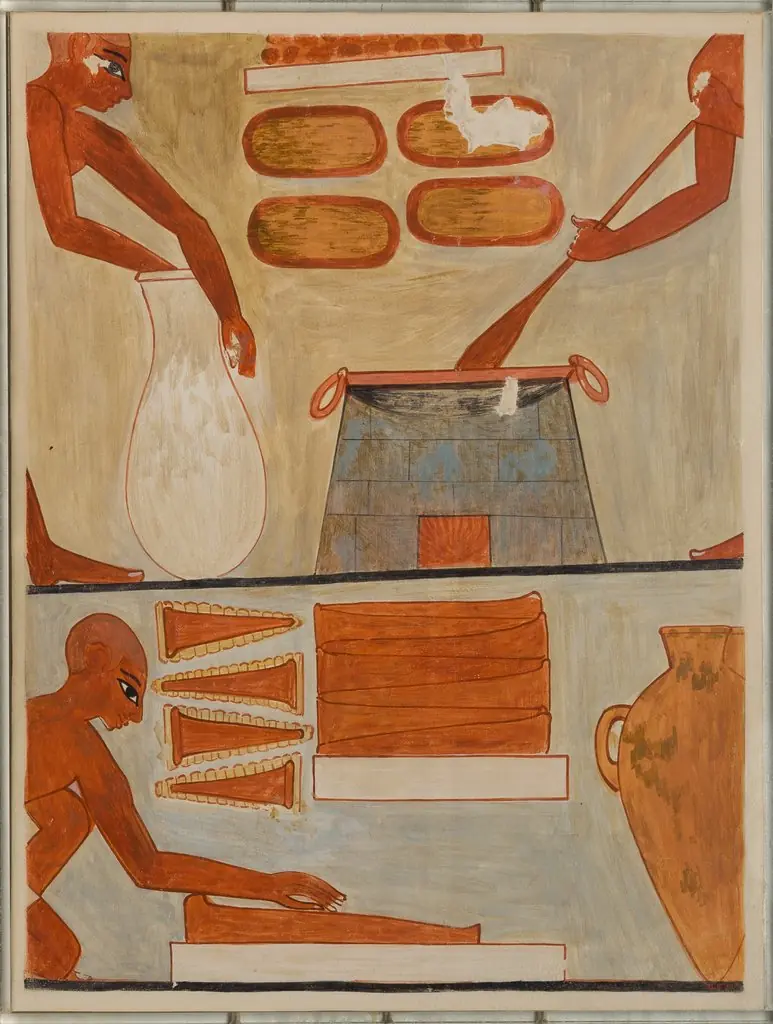 Preparing and Cooking Cakes, Tomb of Rekhmire
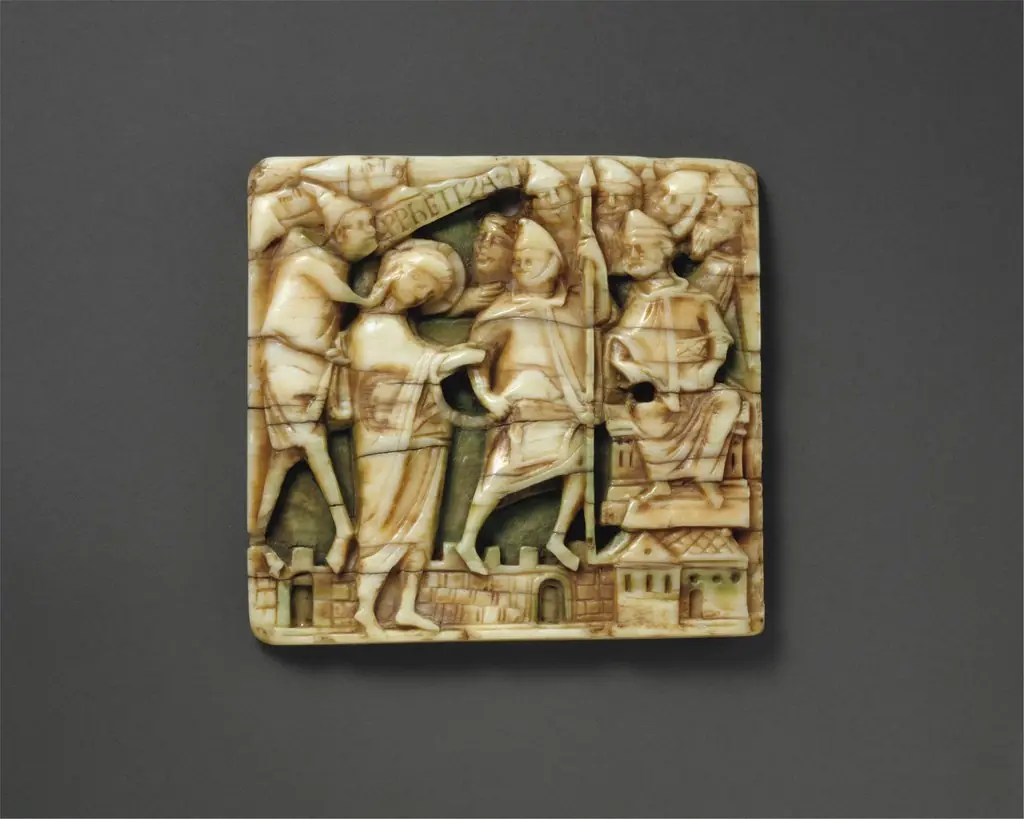 Plaque with Christ Before the High Priest Caiaphas
 Untitled
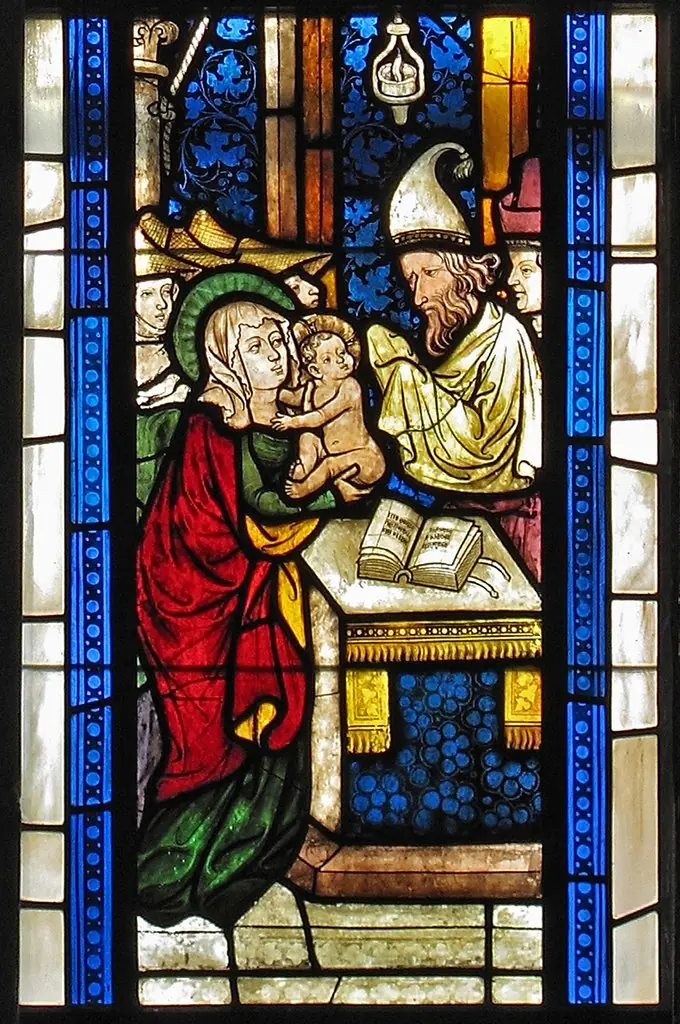 The Presentation in the Temple
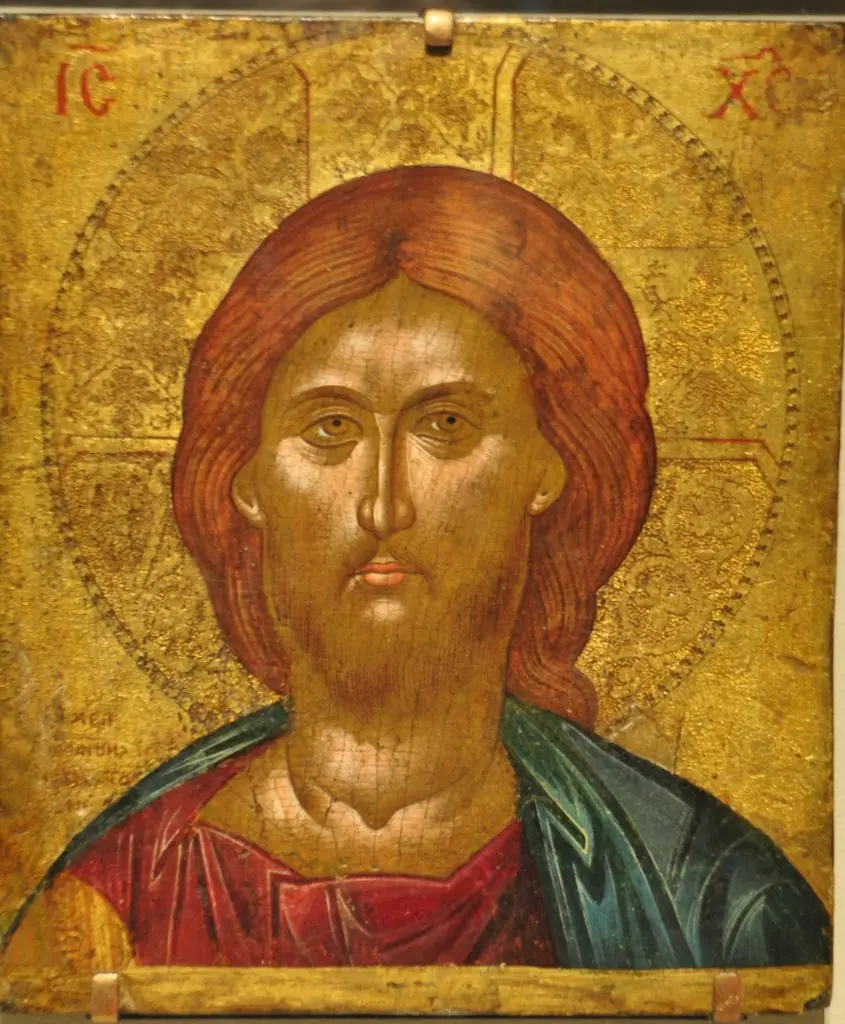 Head of Christ
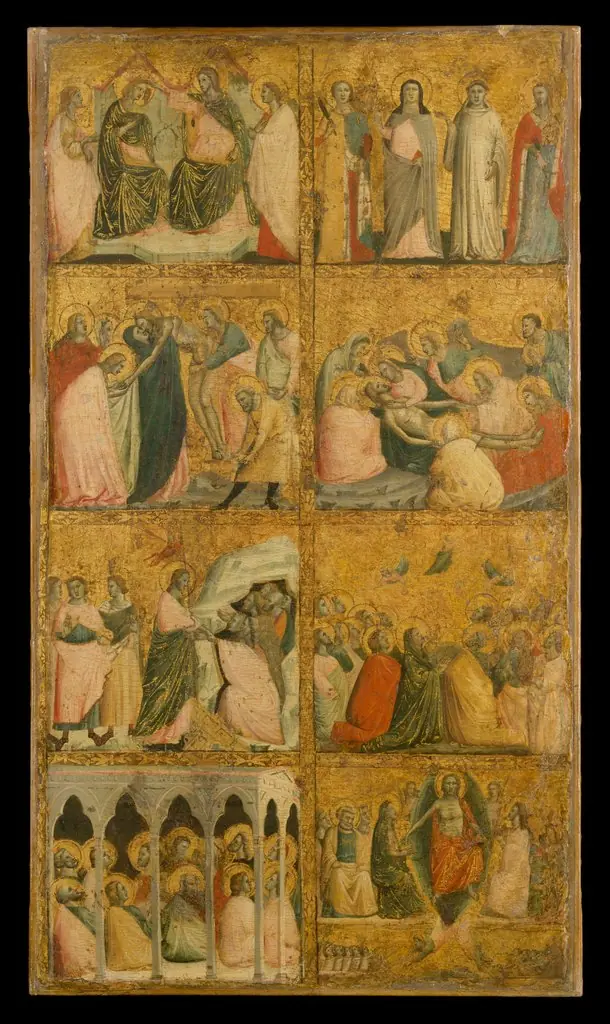 Scenes from the Life of Christ
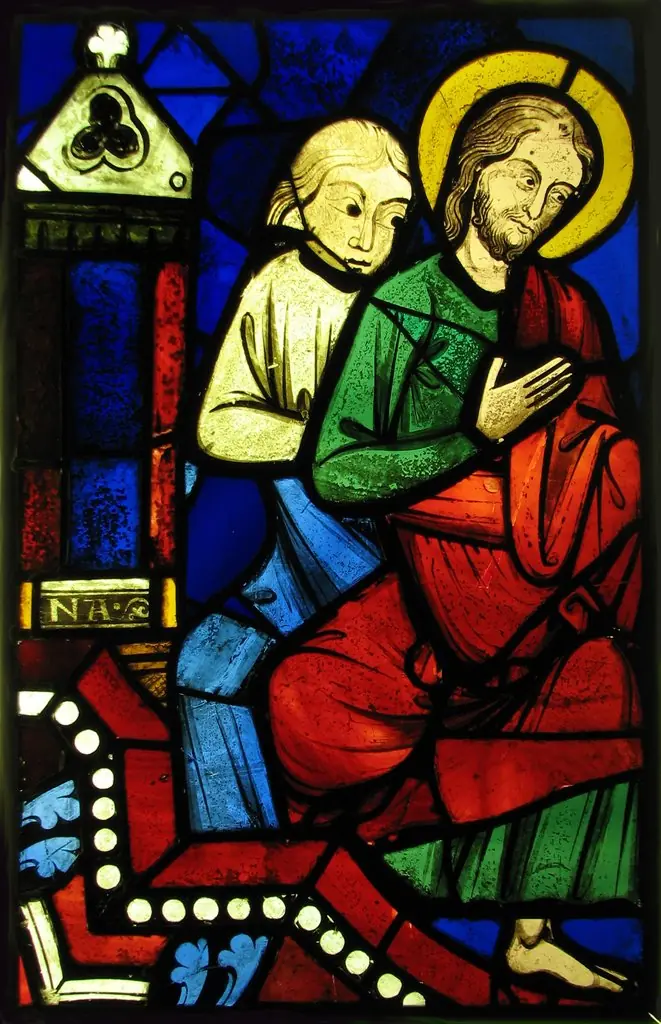 Two Seated Apostles from a Pentecost Scene
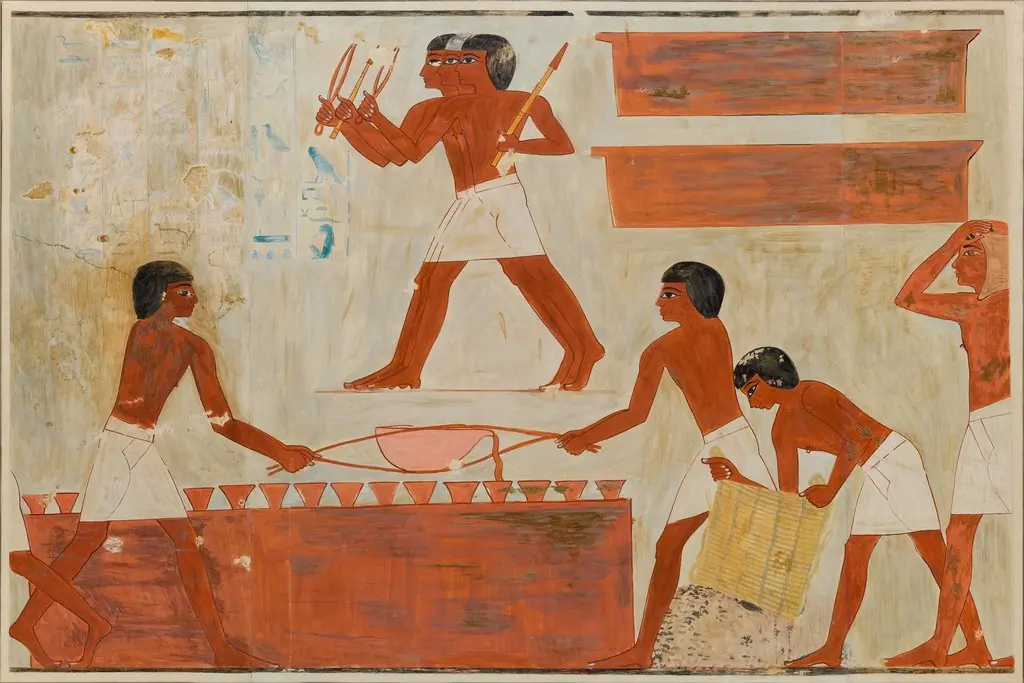 Casting Metal, Tomb of Rekhmire
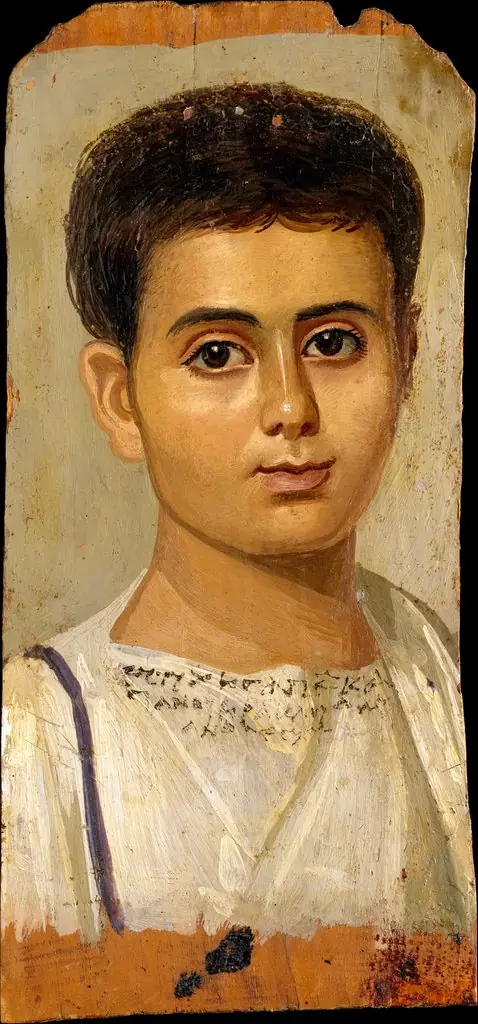 Portrait of the Boy Eutyches
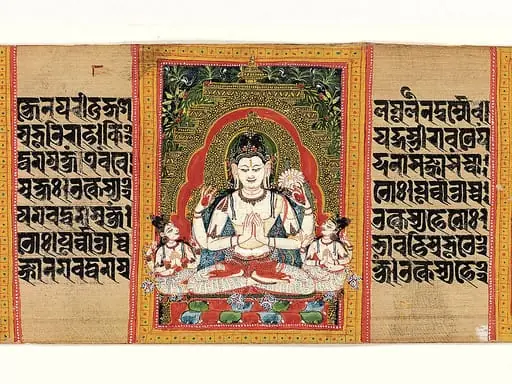 Untitled
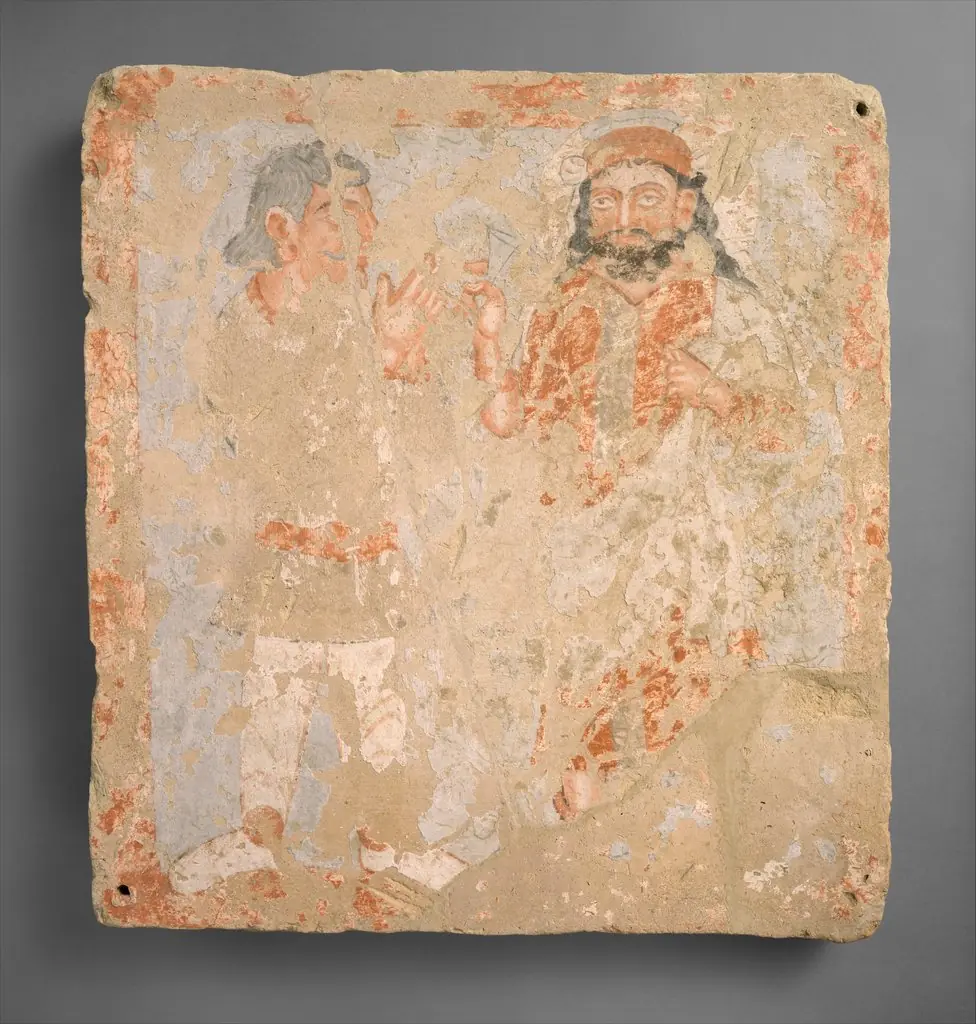 Panel with the god Zeus/Serapis/Ohrmazd and worshiper
 Untitled
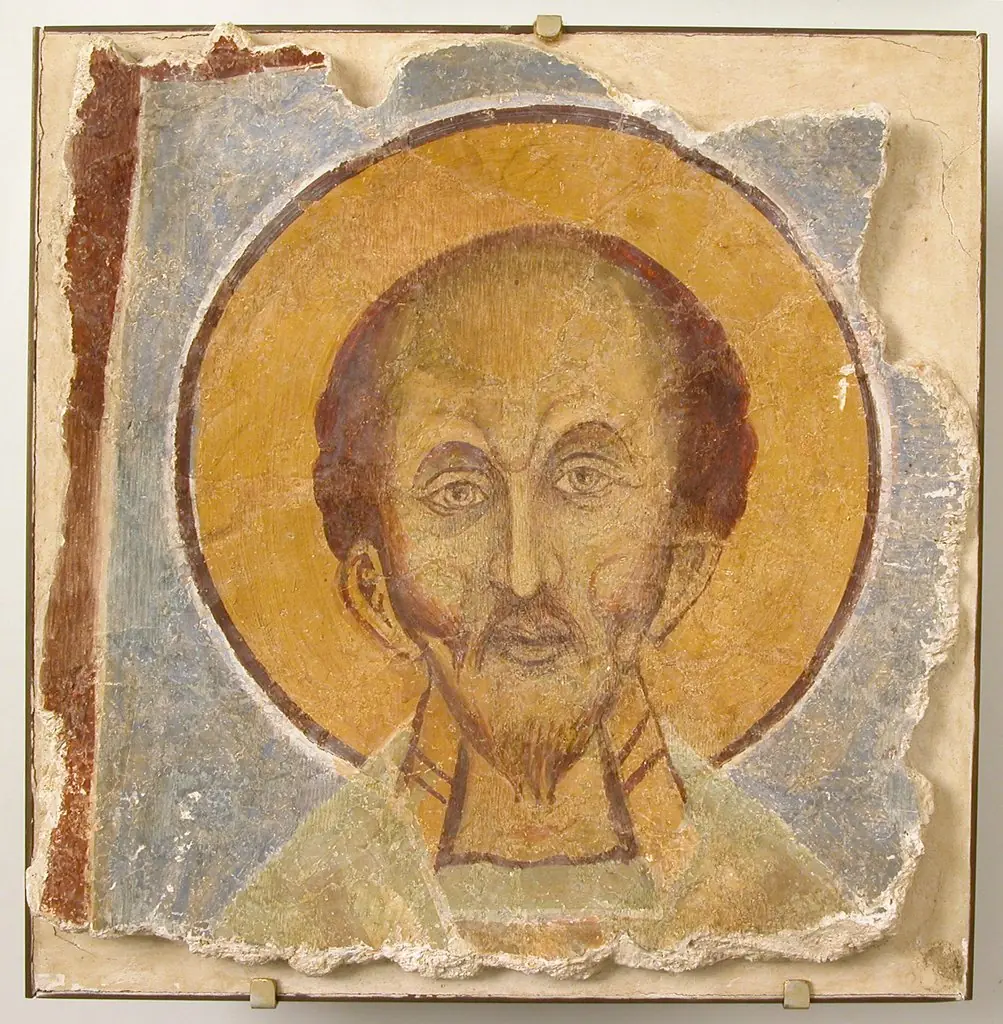 Wall Painting of Male Saint
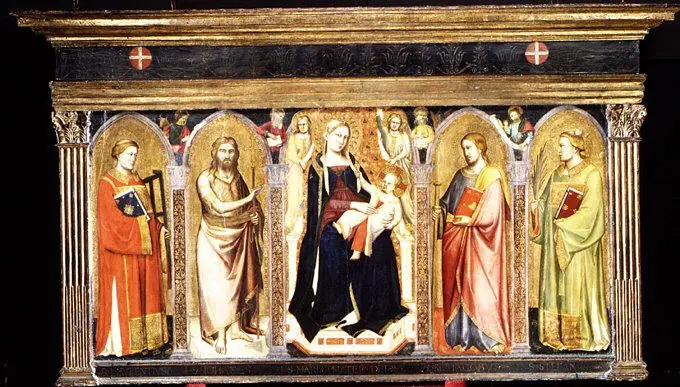 Madonna and Child Enthroned with Saints
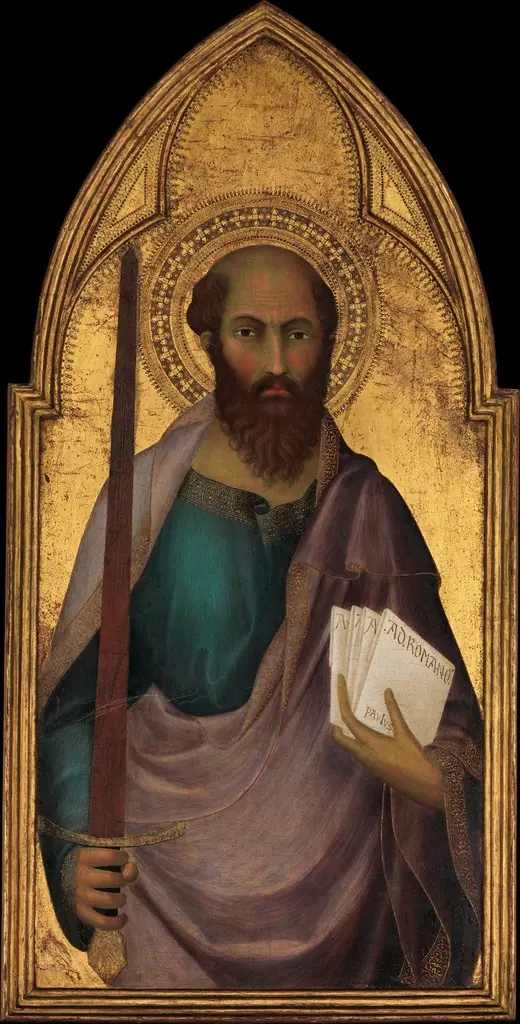 Saint Paul
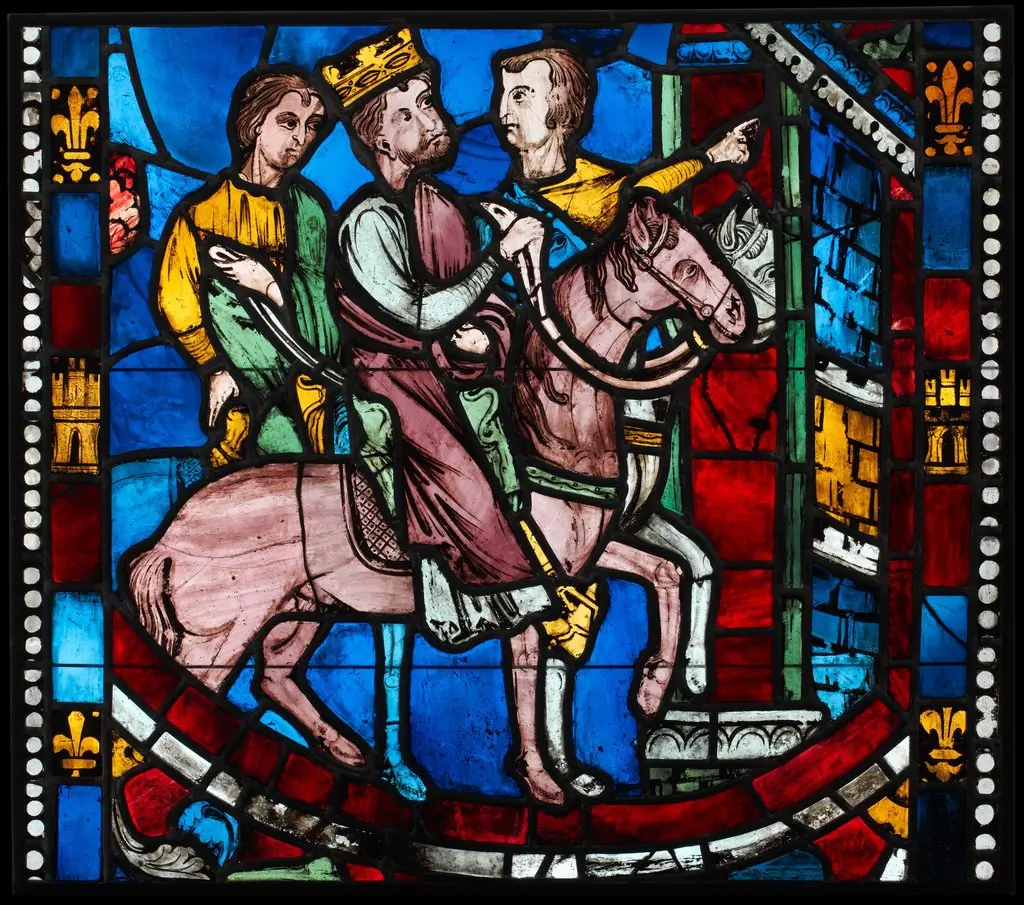 Theodosius Arrives at Ephesus, from a Scene from the Legend of the Seven Sleepers of Ephesus
 Untitled
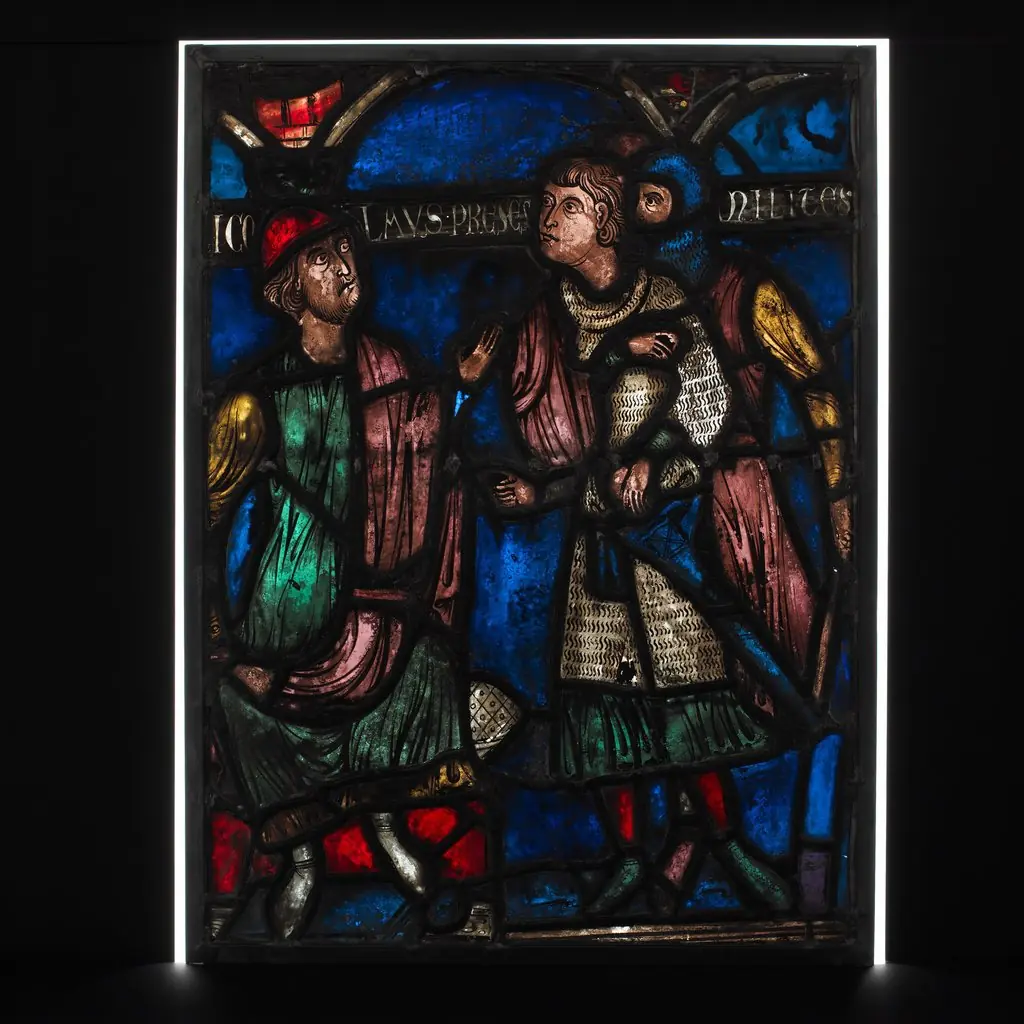 Condemned Soldiers from Scenes from the Life of St. Nicholas
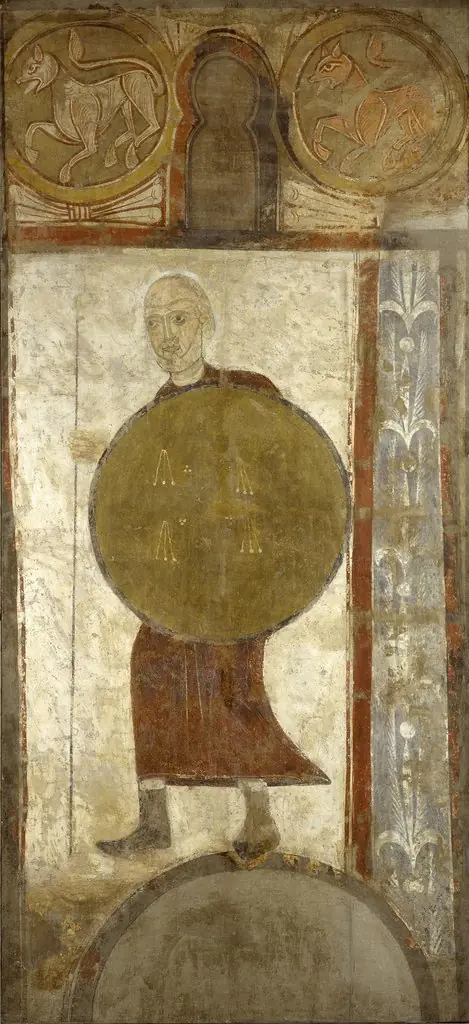 Warrior with Shield
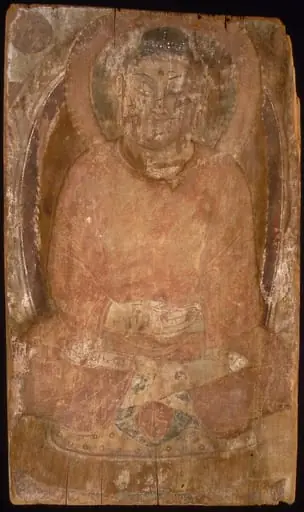 Untitled
![Madonna and Child, with the Blessing Christ [middle panel], by Pietro Lorenzetti, 1340](https://artifactworldgallery.com/img/pietro-lorenzetti--madonna-and-child-with-the-blessing-christ-middle-panel--02357aa6ff04175b-w320.webp) Madonna and Child, with the Blessing Christ [middle panel]
Madonna and Child, with the Blessing Christ [middle panel]![Scenes from the Passion of Christ: The Agony in the Garden, the Crucifixion, and the Descent into Limbo [entire triptych], by Andrea Vanni, 1384](https://artifactworldgallery.com/img/andrea-vanni--scenes-from-the-passion-of-christ-the-agony-in-the-garden-th--1ebebae2d86a2ec2-w320.webp) Scenes from the Passion of Christ: The Agony in the Garden, the Crucifixion, and the Descent into Limbo [entire triptych]
Scenes from the Passion of Christ: The Agony in the Garden, the Crucifixion, and the Descent into Limbo [entire triptych]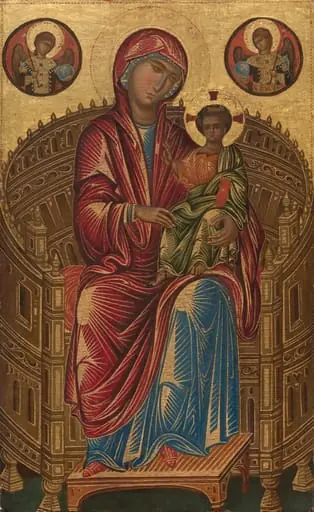 Madonna and Child on a Curved Throne
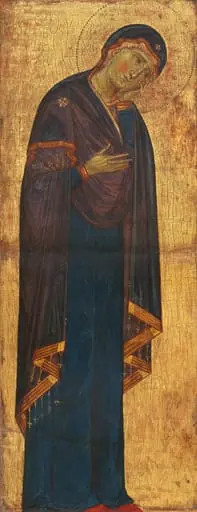 The Mourning Madonna
![Madonna and Child, with the Man of Sorrows [middle panel], by Nardo di Cione, 1360](https://artifactworldgallery.com/img/nardo-di-cione--madonna-and-child-with-the-man-of-sorrows-middle-panel--5ab4de48523071e4-w320.webp) Madonna and Child, with the Man of Sorrows [middle panel]
Madonna and Child, with the Man of Sorrows [middle panel]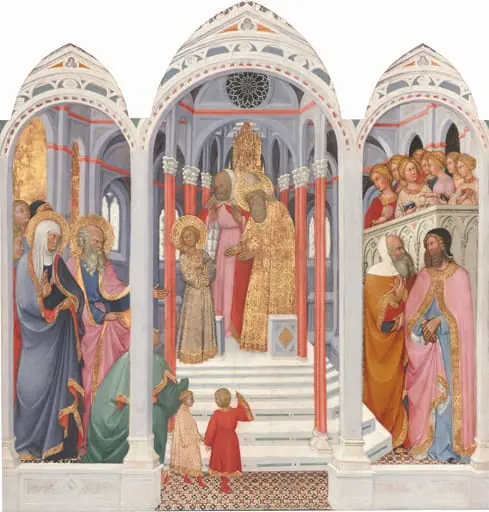 The Presentation of the Virgin in the Temple
![Madonna and Child with Saints Andrew, Benedict, Bernard, and Catherine of Alexandria with Angels [entire triptych], by Agnolo Gaddi, 1387](https://artifactworldgallery.com/img/agnolo-gaddi--madonna-and-child-with-saints-andrew-benedict-bernard-and-ca--93a6585f38530738-w320.webp) Madonna and Child with Saints Andrew, Benedict, Bernard, and Catherine of Alexandria with Angels [entire triptych]
Madonna and Child with Saints Andrew, Benedict, Bernard, and Catherine of Alexandria with Angels [entire triptych]![Scenes from the Passion of Christ: The Descent into Limbo [right panel], by Andrea Vanni, 1384](https://artifactworldgallery.com/img/andrea-vanni--scenes-from-the-passion-of-christ-the-descent-into-limbo-rig--9eb5d32175c31b6f-w320.webp) Scenes from the Passion of Christ: The Descent into Limbo [right panel]
Scenes from the Passion of Christ: The Descent into Limbo [right panel]![Madonna and Child, with Saints Peter and John the Evangelist, and Man of Sorrows [entire triptych], by Nardo di Cione, 1360](https://artifactworldgallery.com/img/nardo-di-cione--madonna-and-child-with-saints-peter-and-john-the-evangelist--a57f261be4c5dd48-w320.webp) Madonna and Child, with Saints Peter and John the Evangelist, and Man of Sorrows [entire triptych]
Madonna and Child, with Saints Peter and John the Evangelist, and Man of Sorrows [entire triptych]![Scenes from the Passion of Christ: The Crucifixion [middle panel], by Andrea Vanni, 1384](https://artifactworldgallery.com/img/andrea-vanni--scenes-from-the-passion-of-christ-the-crucifixion-middle-pan--abe5469a28e77ac7-w320.webp) Scenes from the Passion of Christ: The Crucifixion [middle panel]
Scenes from the Passion of Christ: The Crucifixion [middle panel]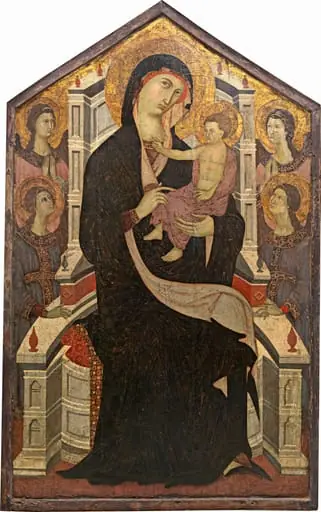 Maestà (Madonna and Child with Four Angels)
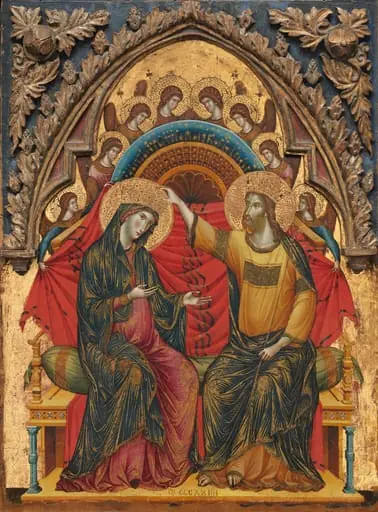 The Coronation of the Virgin
![Madonna of Humility, The Blessing Christ, Two Angels, and a Donor [obverse], by Andrea di Bartolo, 1385](https://artifactworldgallery.com/img/andrea-di-bartolo--madonna-of-humility-the-blessing-christ-two-angels-and-a-don--d37c382429905539-w320.webp) Madonna of Humility, The Blessing Christ, Two Angels, and a Donor [obverse]
Madonna of Humility, The Blessing Christ, Two Angels, and a Donor [obverse]![Saint James Major [right panel], by Grifo di Tancredi, 1310](https://artifactworldgallery.com/img/grifo-di-tancredi--saint-james-major-right-panel--dc190378c0cddc8f-w320.webp) Saint James Major [right panel]
Saint James Major [right panel]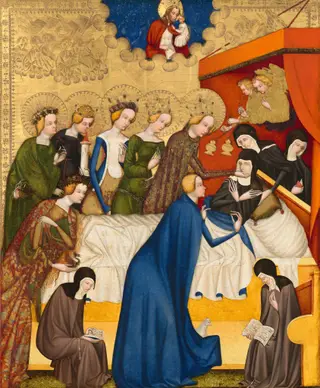 The Death of Saint Clare
![Madonna and Child Enthroned with Twelve Angels, and with the Blessing Christ [middle panel], by Agnolo Gaddi, 1387](https://artifactworldgallery.com/img/agnolo-gaddi--madonna-and-child-enthroned-with-twelve-angels-and-with-the--f99a5efe37ce8dda-w320.webp) Madonna and Child Enthroned with Twelve Angels, and with the Blessing Christ [middle panel]
Madonna and Child Enthroned with Twelve Angels, and with the Blessing Christ [middle panel]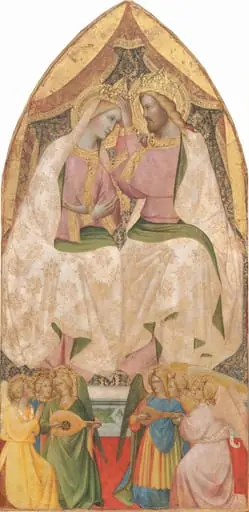 The Coronation of the Virgin with Six Angels
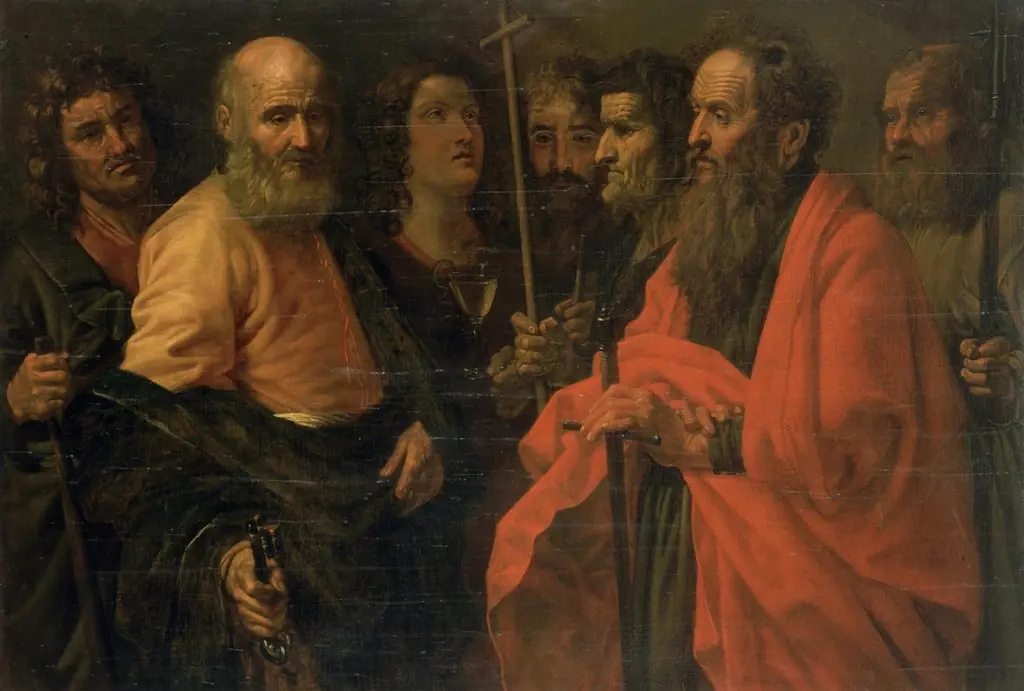 St James the Less, Sts Peter, Paul, John, Thomas, Philip, Judas and Thaddeus the Apostles
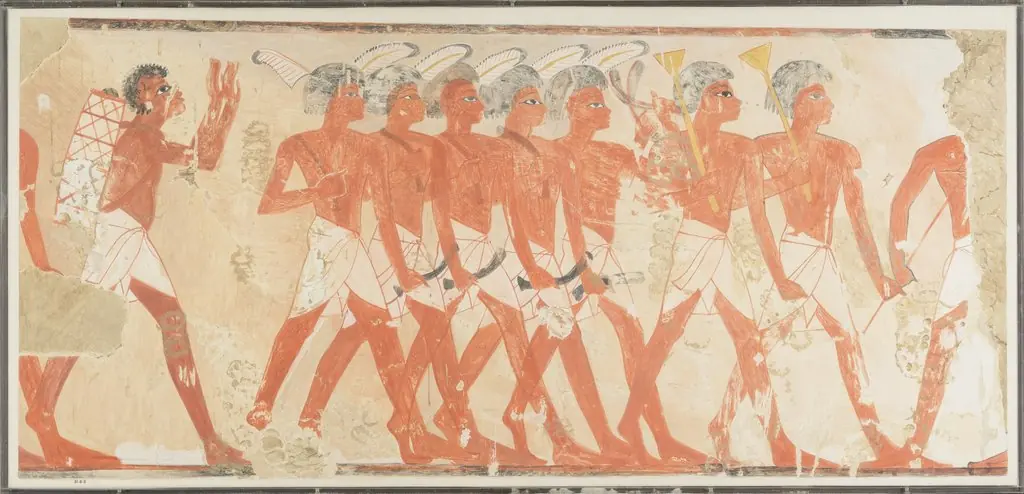 Military Musicians Showing Nubian and Egyptian Styles
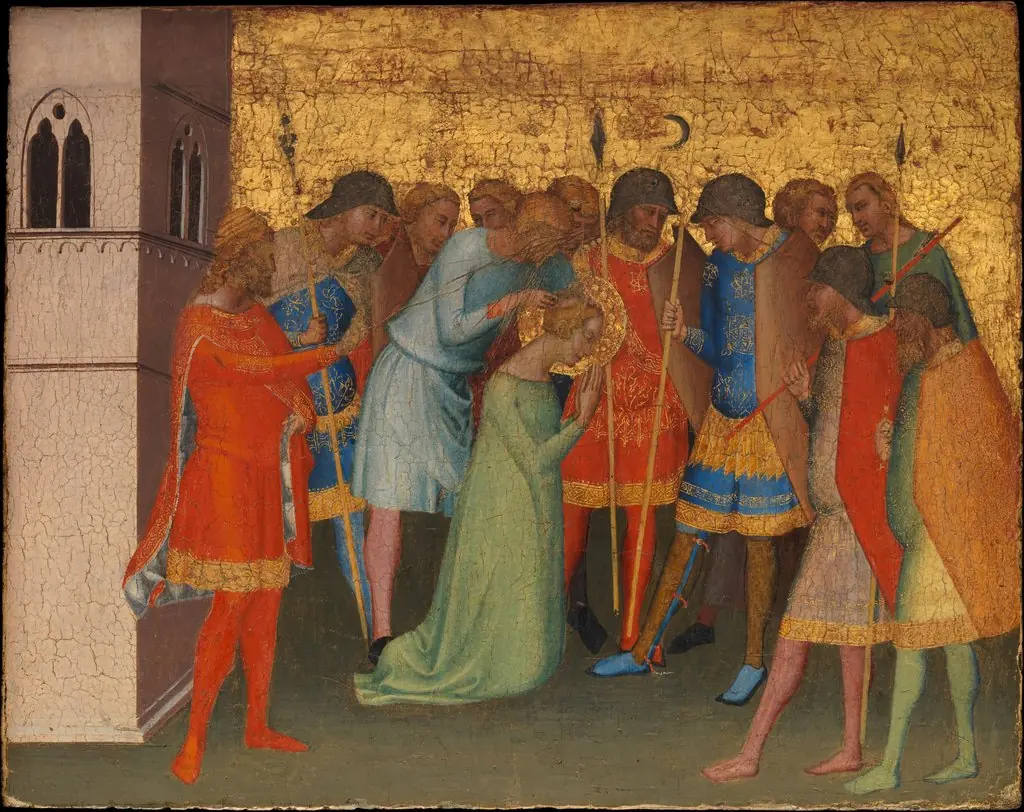 Saint Reparata Being Prepared for Execution
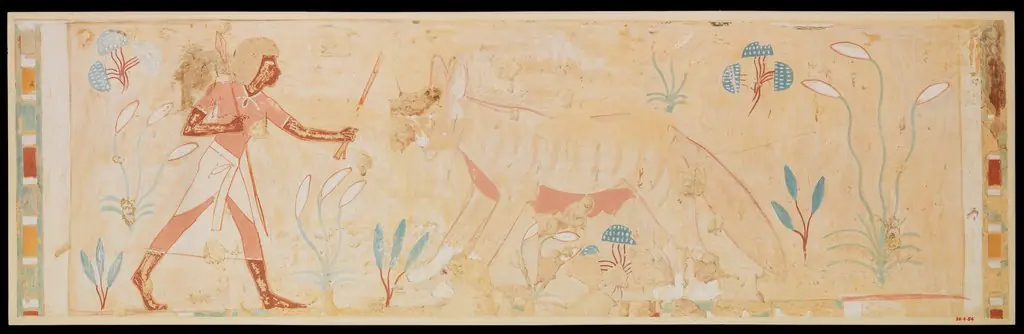 Man Confronting a Hyena, Tomb of Amenemhab
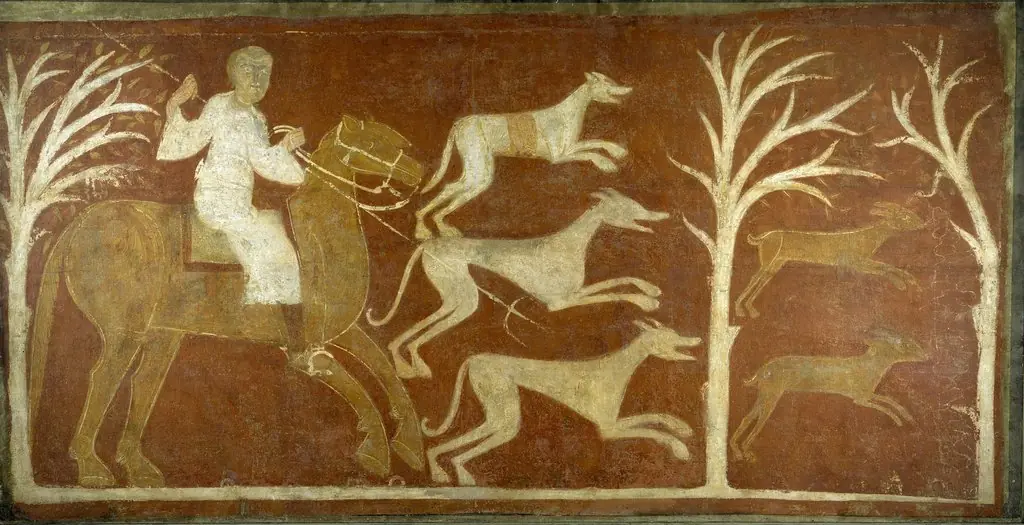 Hunting Scene
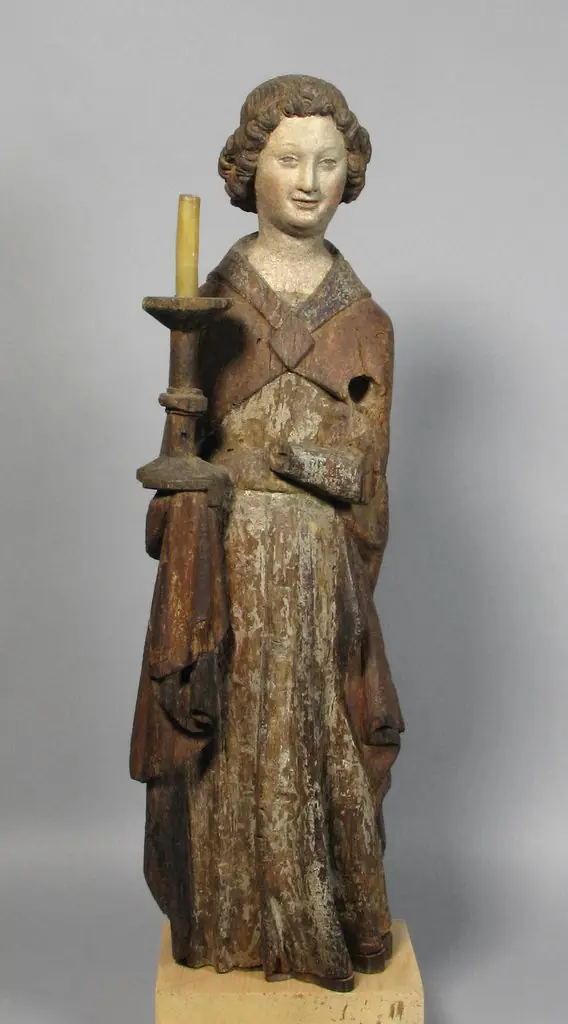 Angel
Angel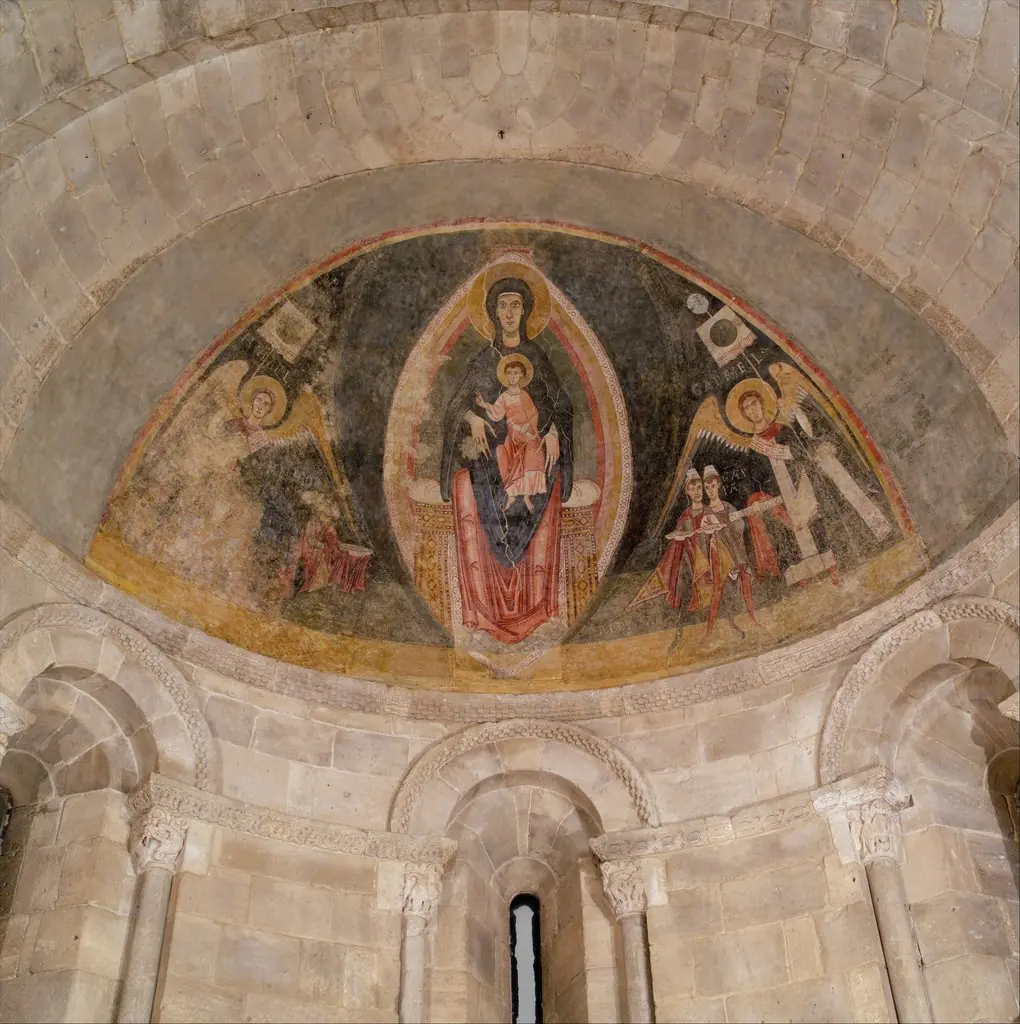 The Virgin and Child in Majesty and the Adoration of the Magi
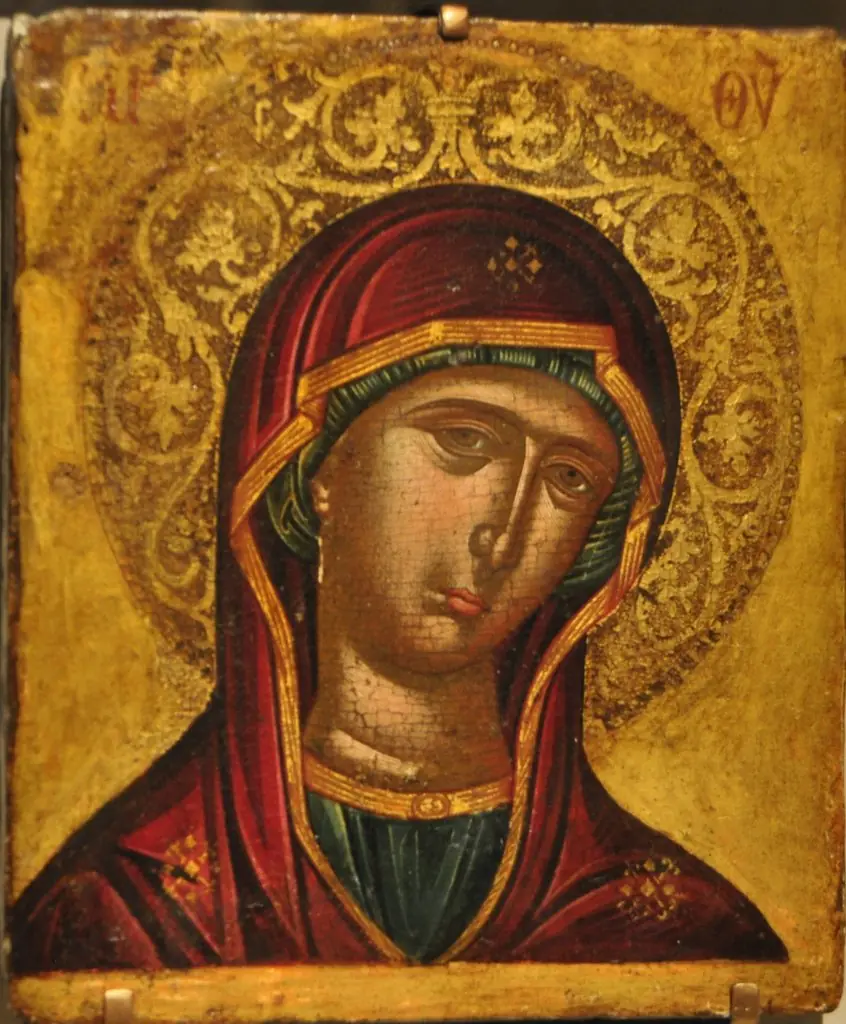 Head of the Virgin
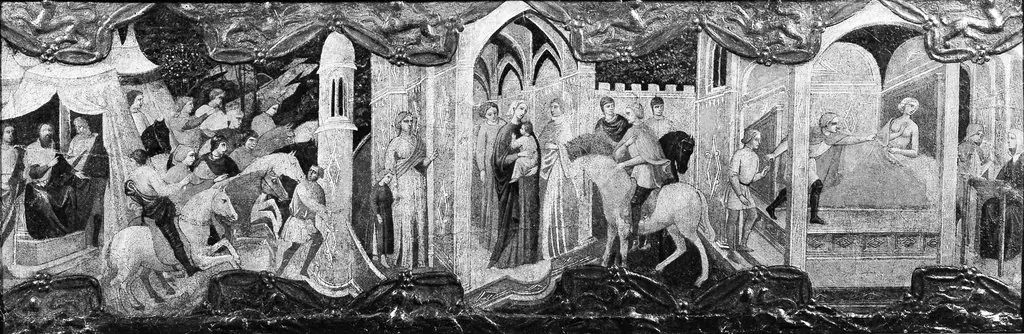 Scenes from a Legend; Coats of Arms
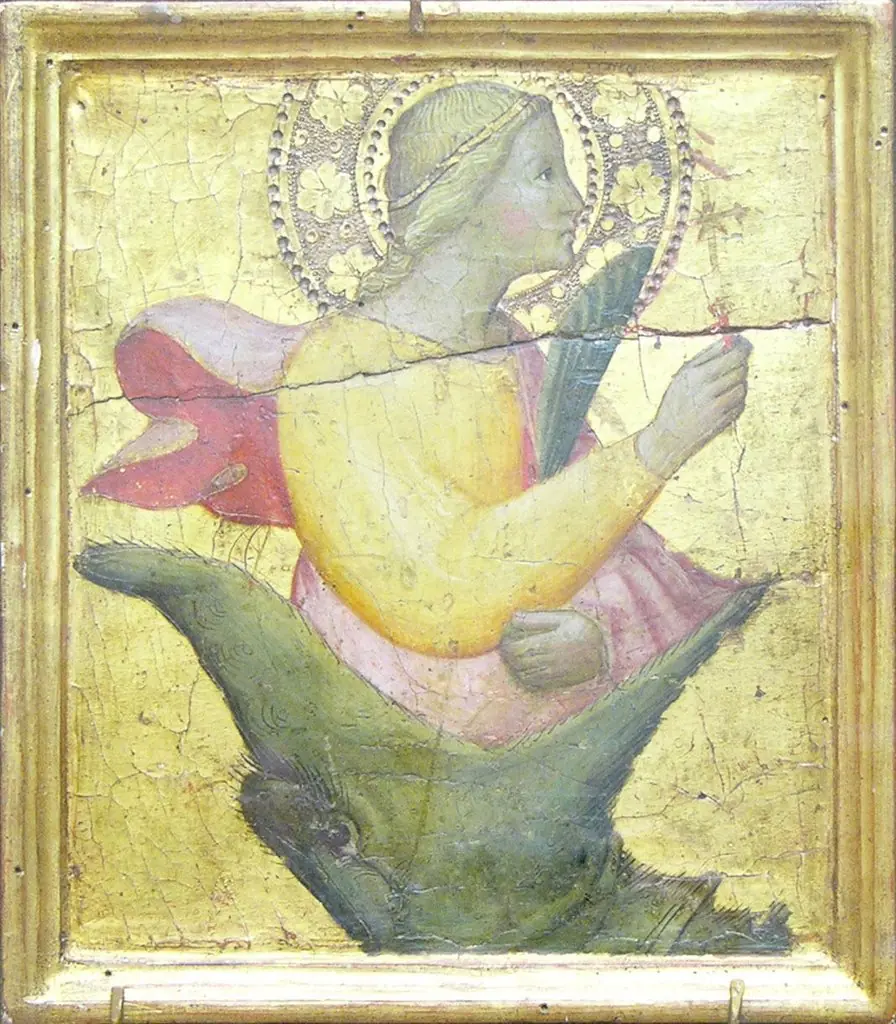 Saint Margaret and the Dragon
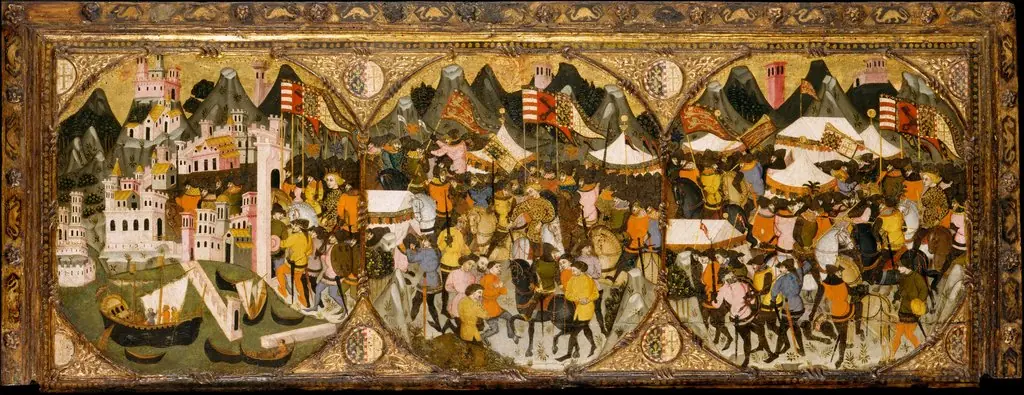 The Conquest of Naples by Charles of Durazzo
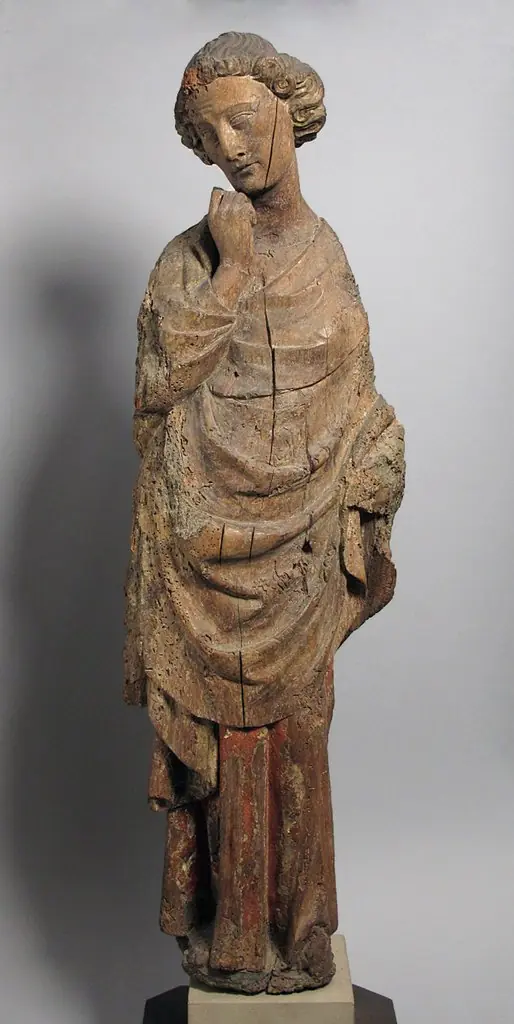 Saint John
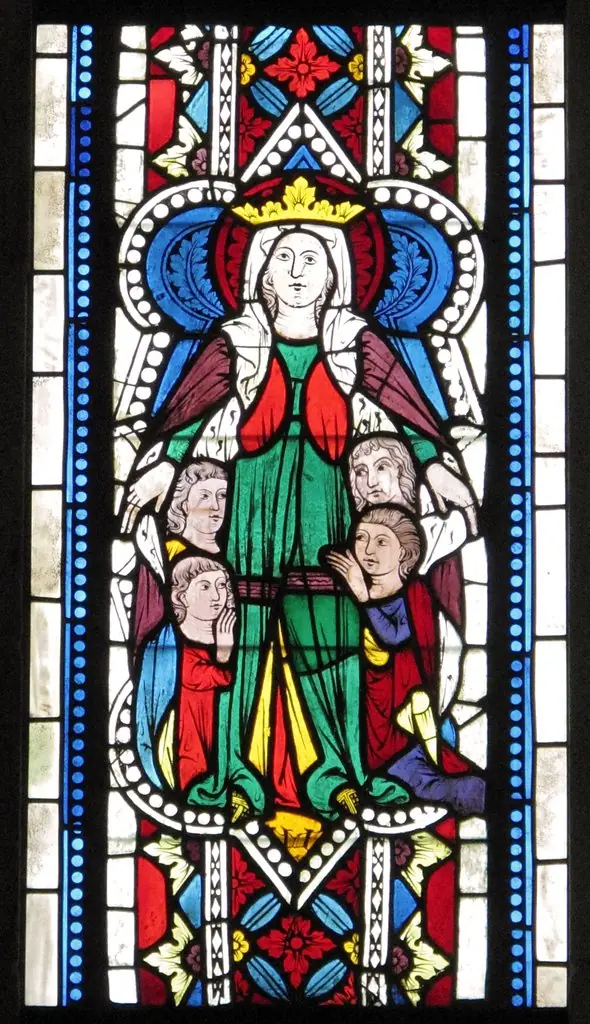 Madonna of Mercy
 Untitled
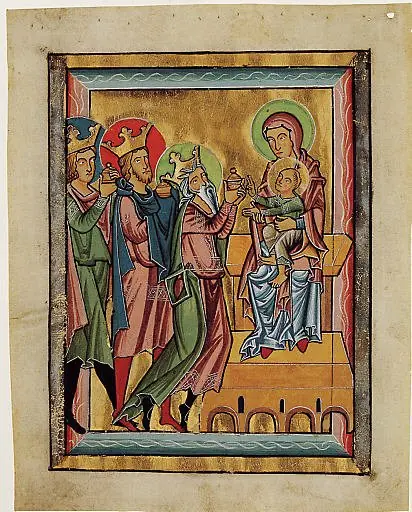 Adoration of the Magi
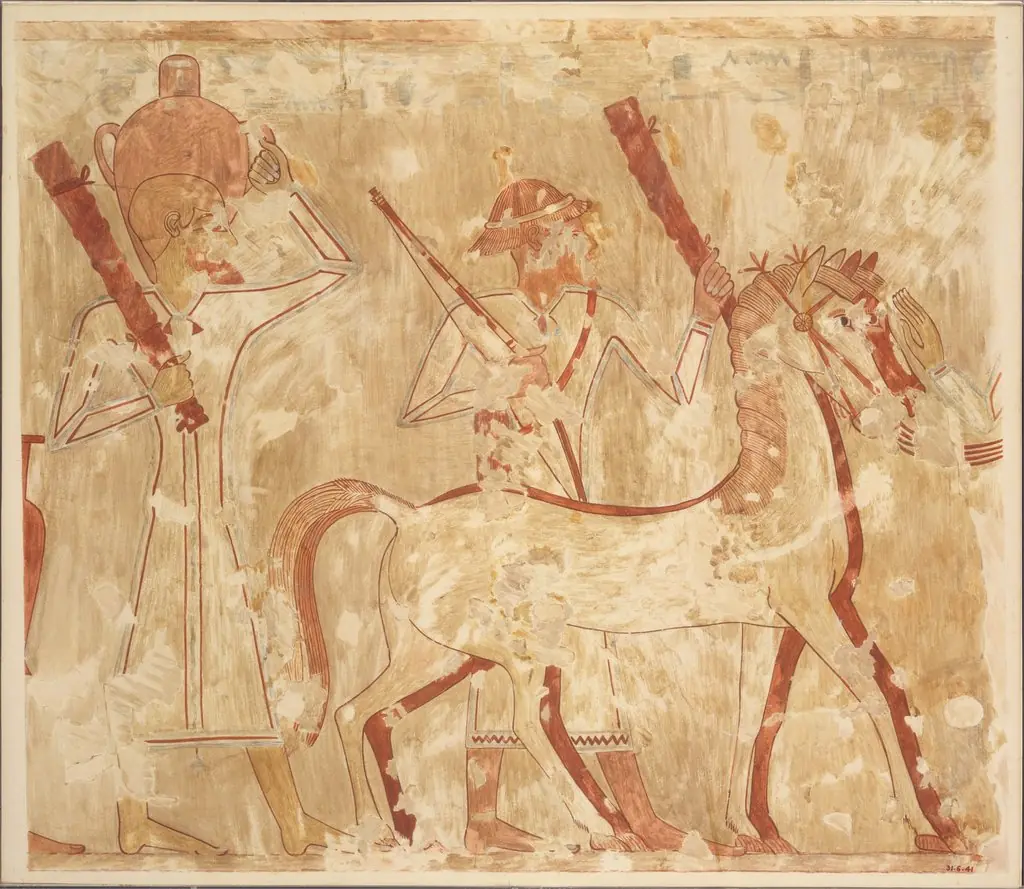 Syrians Bringing Horses, Tomb of Rekhmire
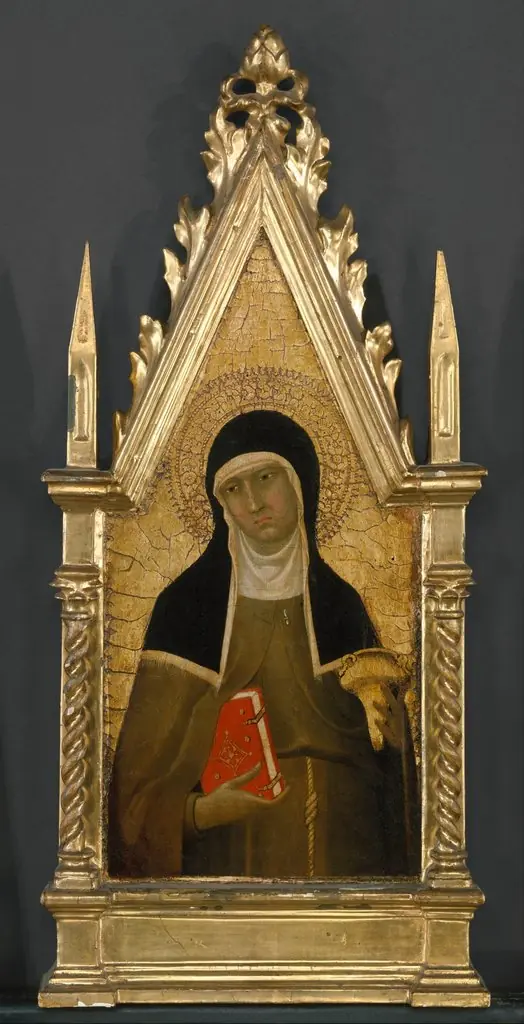 Saint Clare
 Untitled
 Untitled
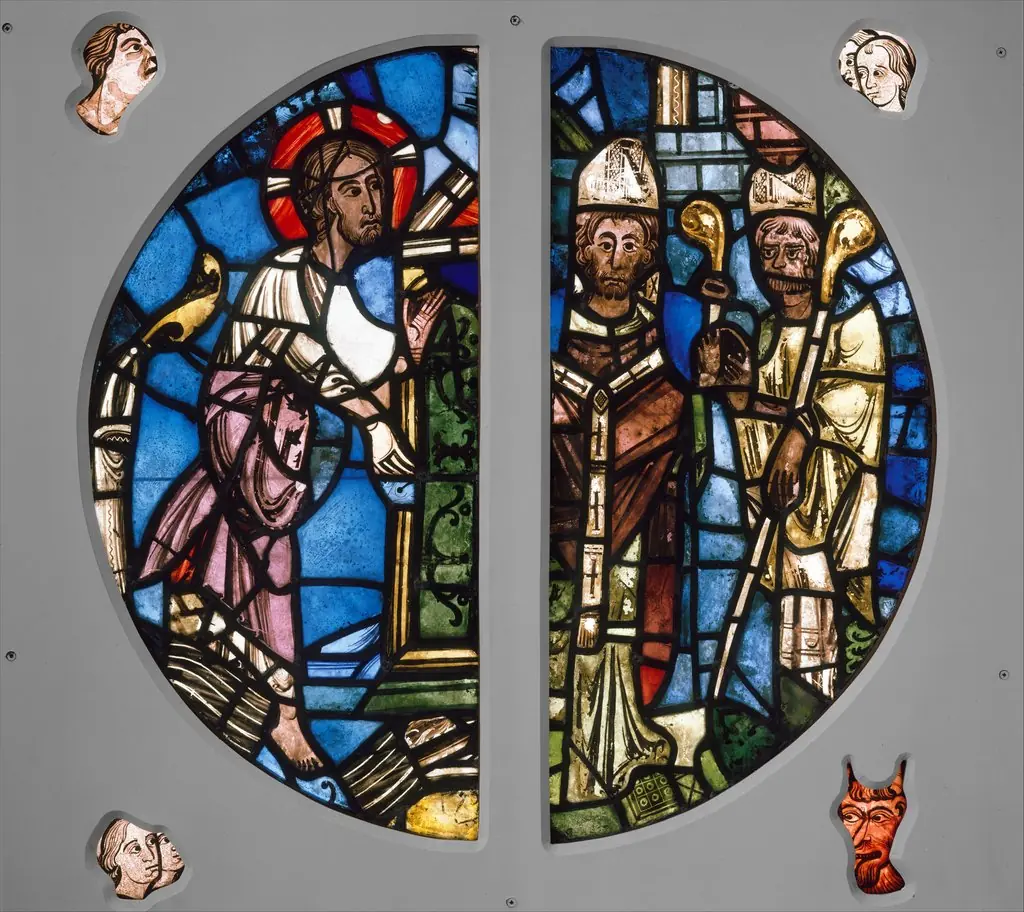 God Closing the Door of Noah’s Ark
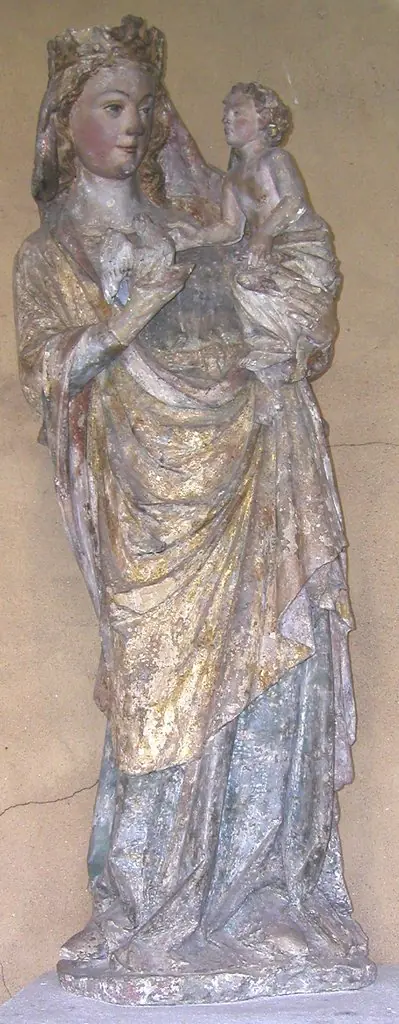 Standing Virgin and Child
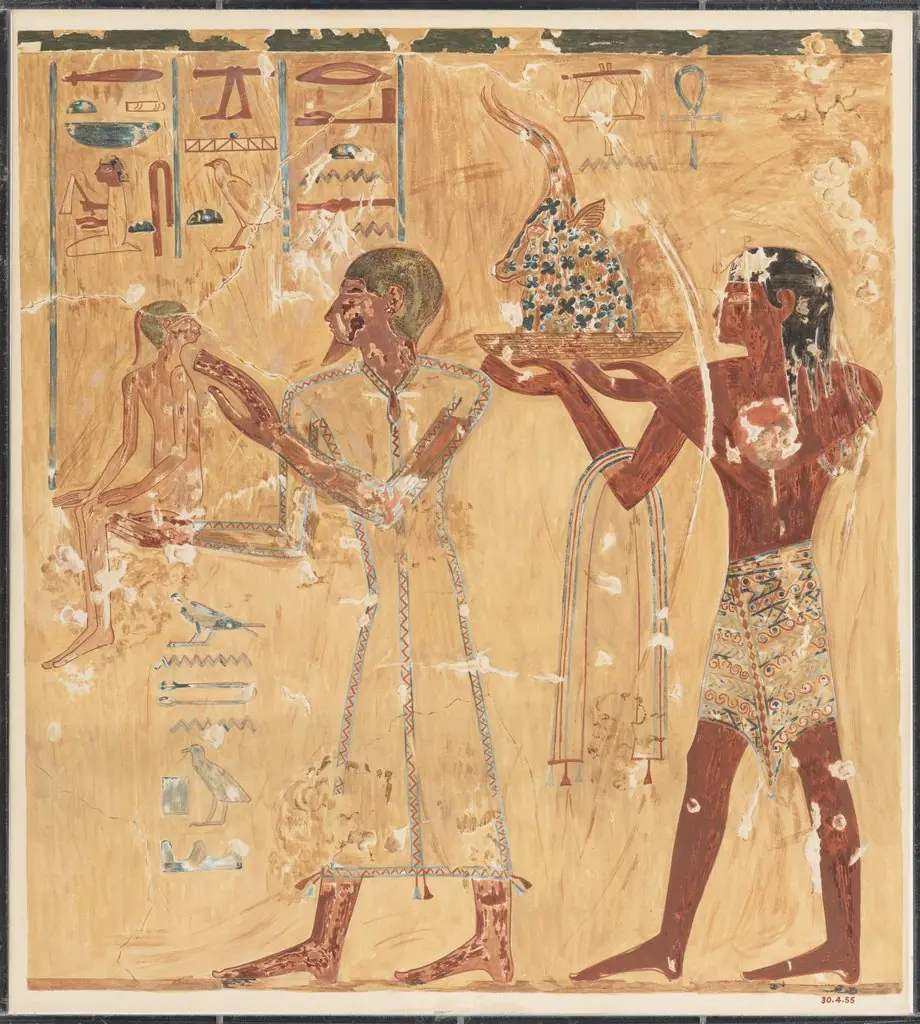 Foreigners, Tomb of Menkheperraseneb
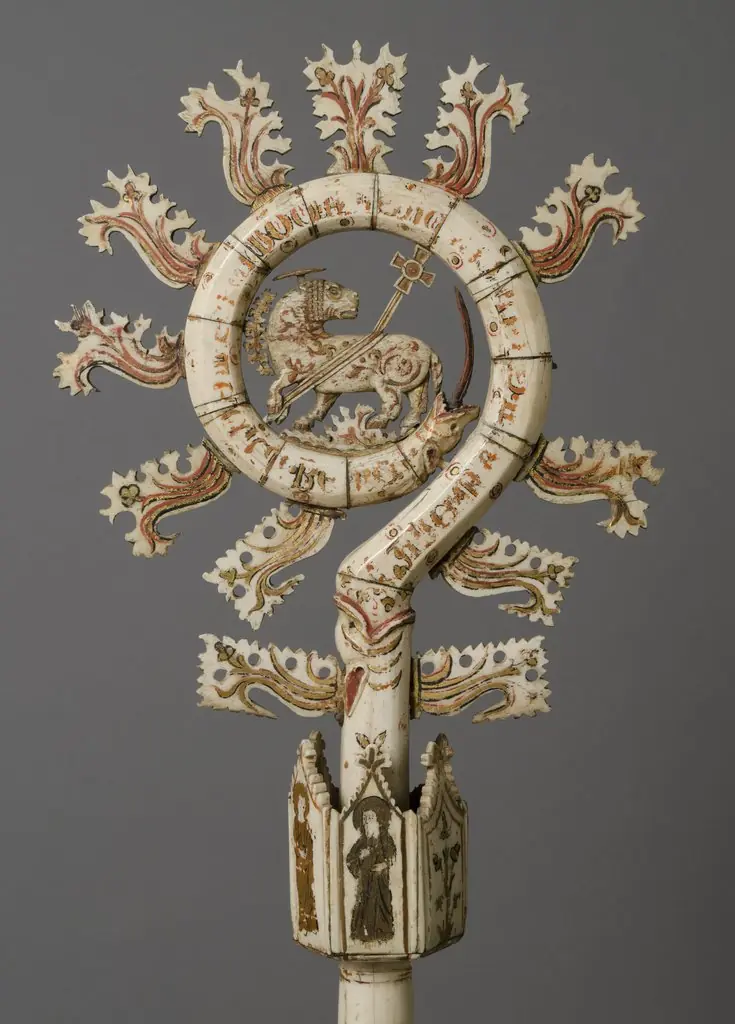 Crozier
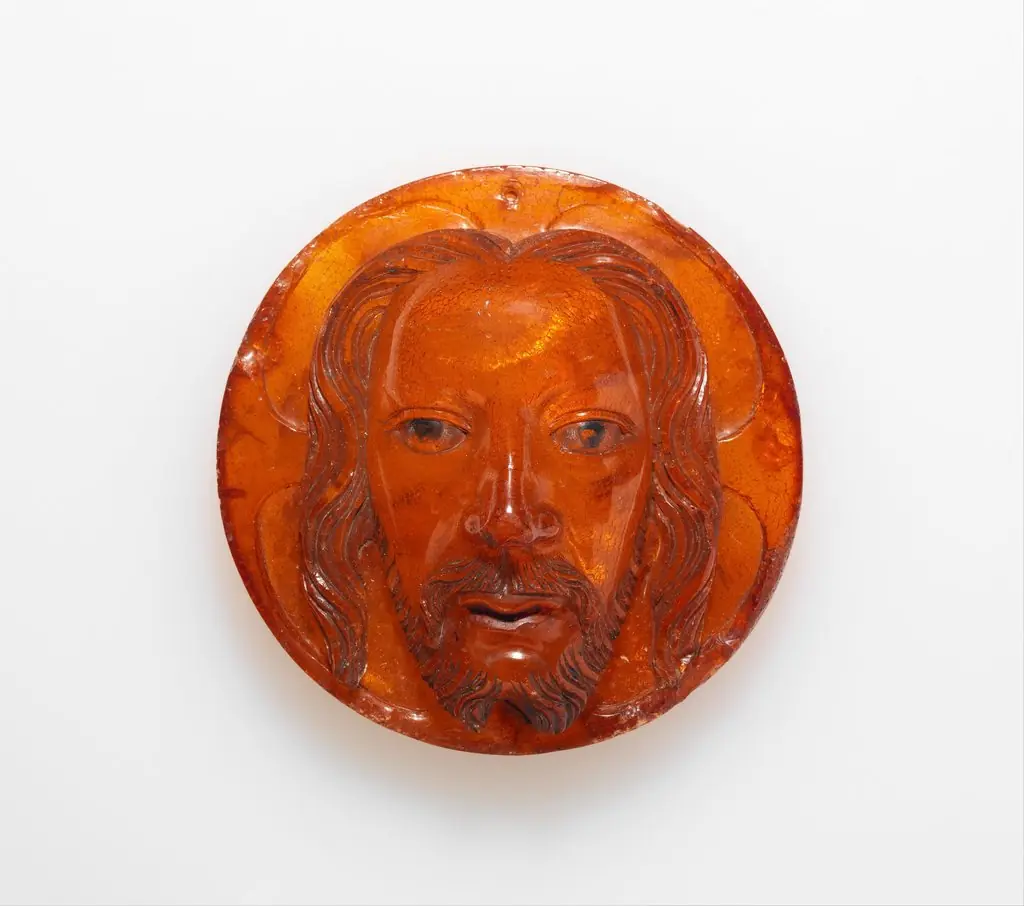 Medallion with the Face of Christ
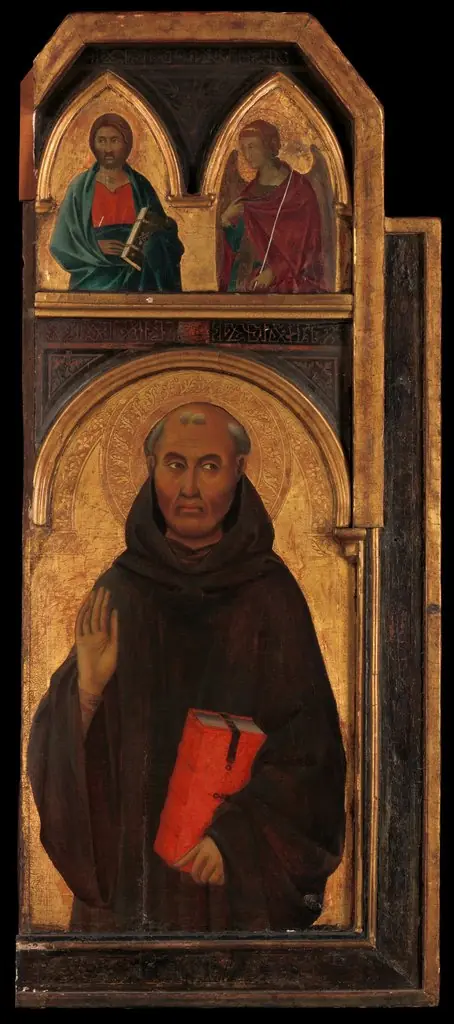 Saint Benedict
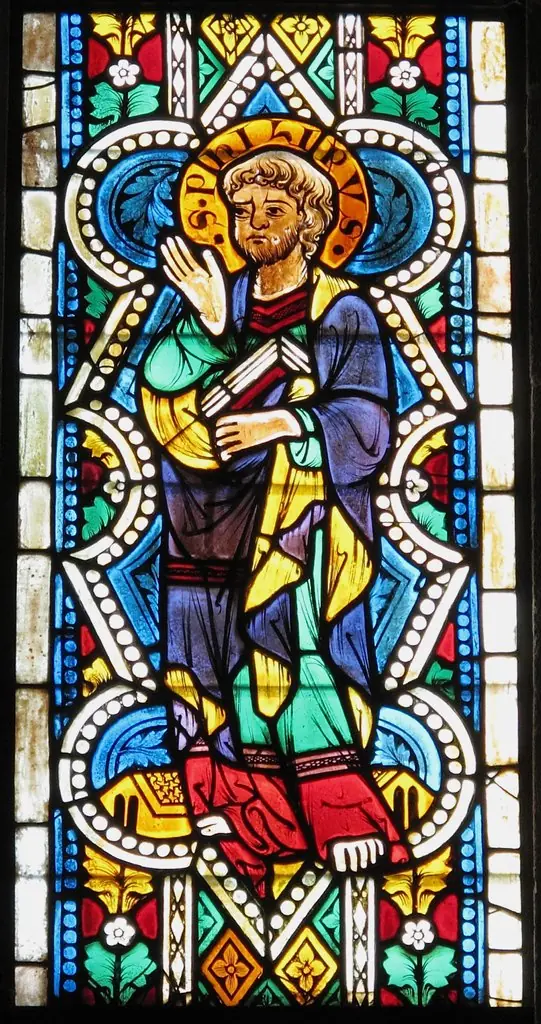 Saint Philip
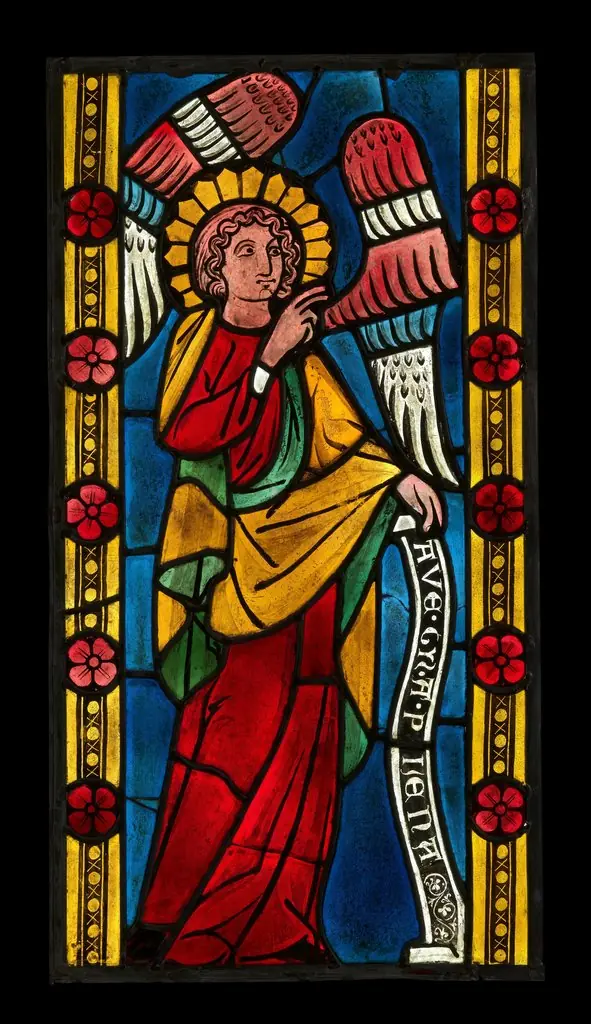 The Angel Annunciate
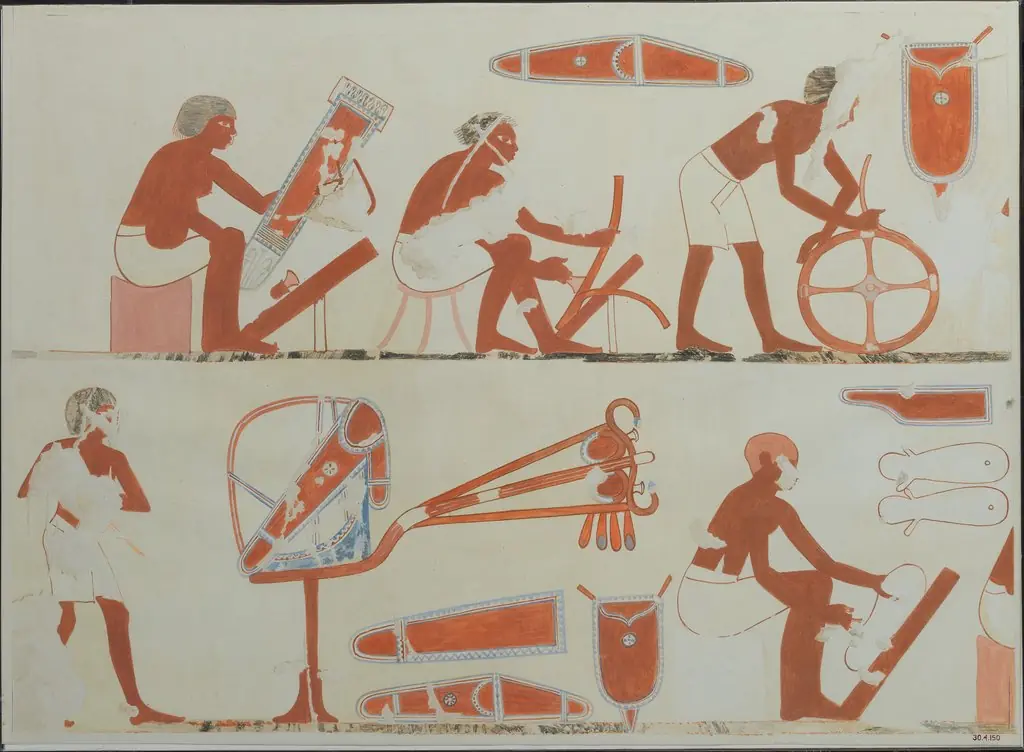 Wood and Leather Craftsmen, Tomb of Hapu
Byzantine icon painting is an art movement. The sacred painting tradition of the Eastern Christian world, developing from Late Antiquity through the fall of Constantinople in 1453 and persisting in Greek, Russian, and Balkan workshops ever since.
Artifact World Gallery holds 1,174 public-domain Byzantine icon painting works, all free to view and download.
Key Byzantine icon painting artists in the collection include Master of Monte Oliveto, Jean de Beaumetz and Duccio di Buoninsegna.
Byzantine icon painting dates from 300–1460.
Byzantine icon painting works in the collection are held by Cleveland Museum of Art, Metropolitan Museum of Art and Alba Iulia Orthodox Archdiocese.
Your cart is empty
Browse artworks →