Artwork
Fancy Group of Children, Indore
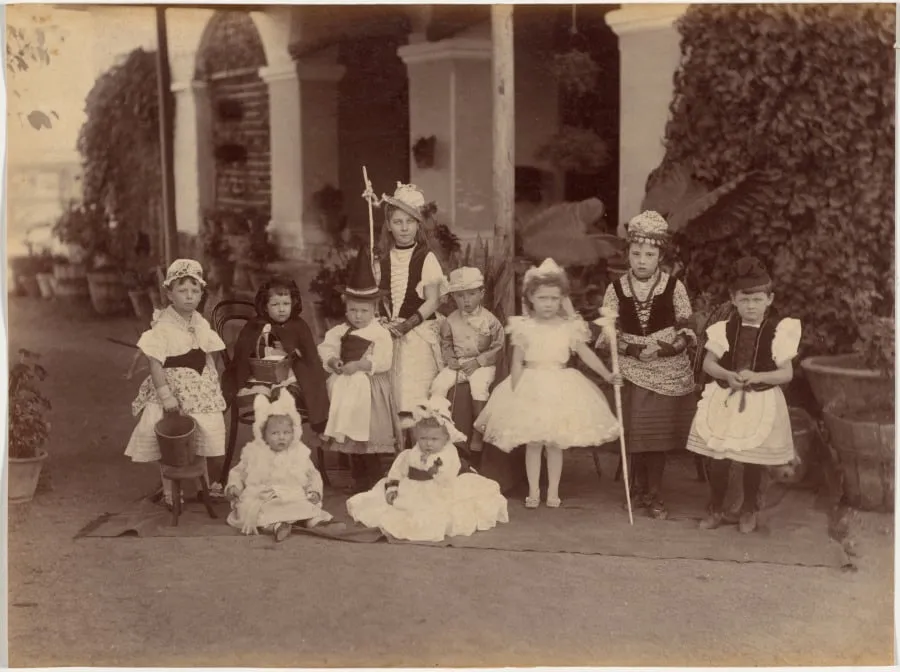
Fancy Group of Children, Indore is a photography by the Impressionist artist Raja Deen Dayal. It dates from 1886 and is held in the collection of the Cleveland Museum of Art.
- Accession no.
- 2016.266.37
- Credit line
- Purchase from the J. H. Wade Fund
About this work
Overview
A photograph from late 19th-century India captures a group of British colonial children dressed in elaborate costumes for a themed gathering.
A photograph from late 19th-century India captures a group of British colonial children dressed in elaborate costumes for a themed gathering. Taken in Indore, the image reflects a cultural practice imported from Victorian England, where children participated in costume parties inspired by nursery rhymes and fairy tales. The composition is formal yet intimate, with subjects arranged in a loose group, their expressions conveying quiet delight.
Subject & Meaning
The children are costumed as characters from English folk narratives: Little Red Riding Hood with her basket and cape, Little Miss Muffet with a milking stool, and Little Bo Peep with a shepherd’s crook. These roles reflect a colonial effort to recreate familiar British childhood rituals abroad. The presence of a dog partially hidden behind one child adds a spontaneous, domestic detail, softening the staged nature of the scene.
Technique & Style
The photograph is rendered in soft tonal gradations typical of albumen print processes of the period. Lighting is even, emphasizing the textures of fabric and the children’s expressions without dramatic contrast. The costumes are carefully arranged, suggesting preparation and attention to detail, while the background remains indistinct, focusing attention on the figures and their attire.
History & Provenance
Taken in Indore during British rule, the photograph likely belonged to a colonial family or official. It may have been produced by a local studio catering to European residents seeking to document domestic life. Its survival suggests personal significance, possibly preserved as a family keepsake before entering institutional collections.
Context
Such costume gatherings were common among British expatriates in India, serving as cultural anchors amid displacement. The choice of English nursery rhyme characters underscores an attempt to maintain home traditions. Similar photographic subjects appear in colonial collections across South Asia, revealing a shared visual language among British households abroad.
Legacy
The image contributes to the historical record of colonial childhoods, illustrating how cultural practices were transplanted and adapted. It offers insight into the domestic lives of British families in India, distinct from official narratives of empire. Today, it functions as a quiet testament to the personal rituals that persisted within colonial society.
Artist & collection

Artist
Raja Lala Deen Dayal, famously known as Raja Deen Dayal) was an Indian photographer.

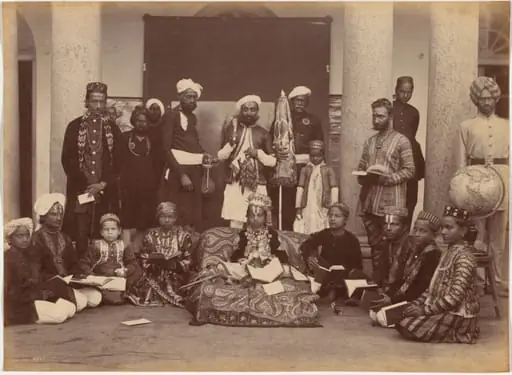 Maharaja of Rewa and Classmates
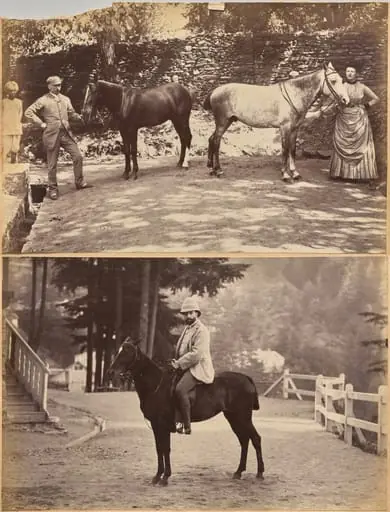 Col. F. G. Oldham (recto, top); Mr. Nowell, Shimla (recto, bottom)
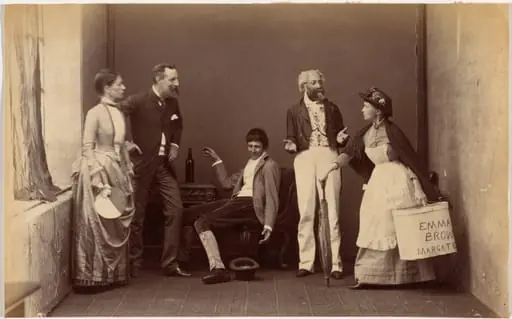 Fancy Group, Indore I
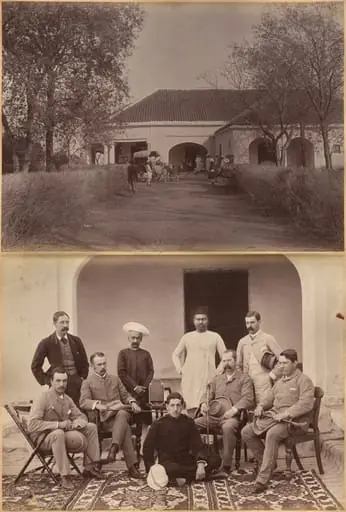 Civil officers at Jhansi (recto); Mr. William's House, Jhansi (verso)
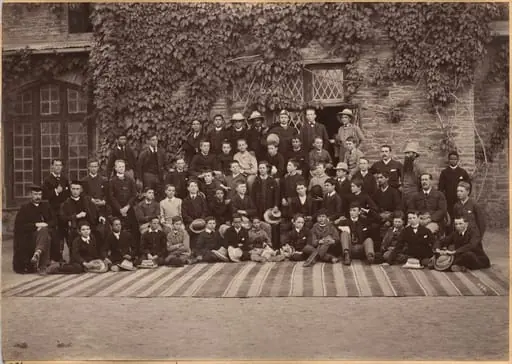 Middle Class Students and Staff, Bishop Cotton School, Shimla (verso)
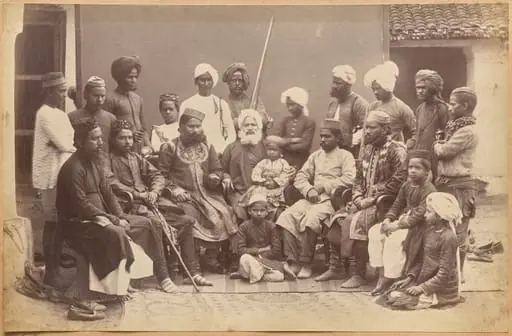 Mowhri Rahman Alli Khan family, Rewa (recto, bottom)
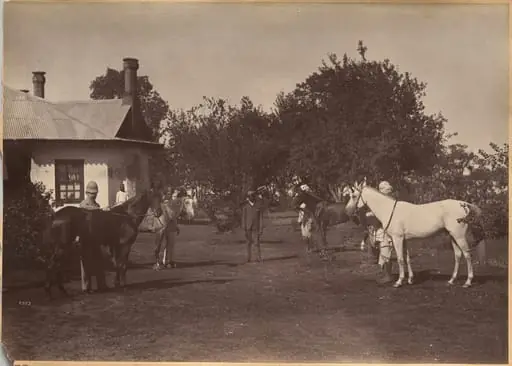 Lord William Beresford's horses
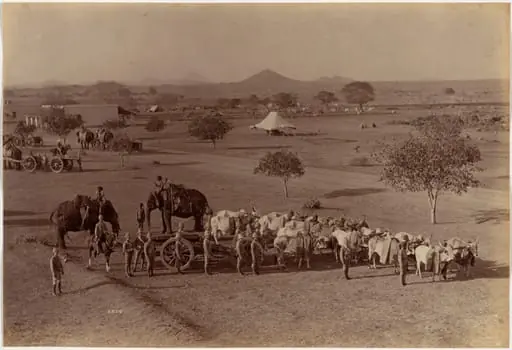 Heavy Field Battery, Jhansi
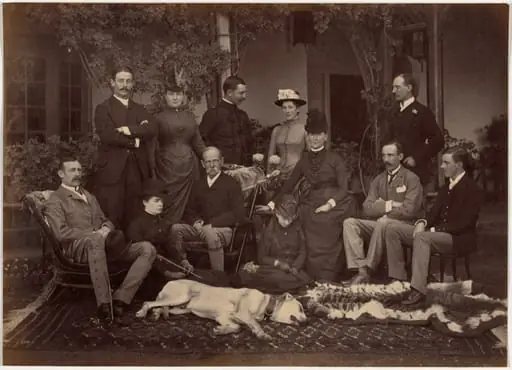 His Eminence Commander in Chief and Party, Shimla
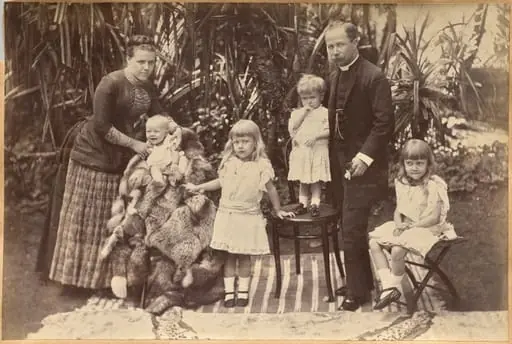 Untitled
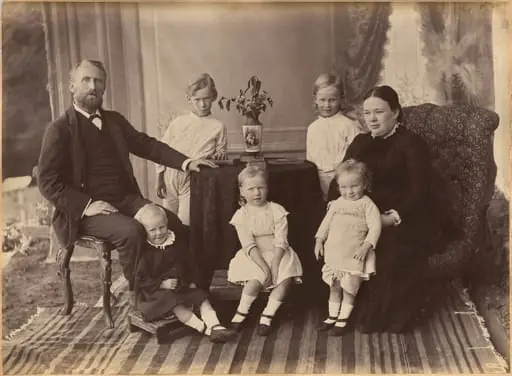 Mr. Robert Holtz and family (verso)
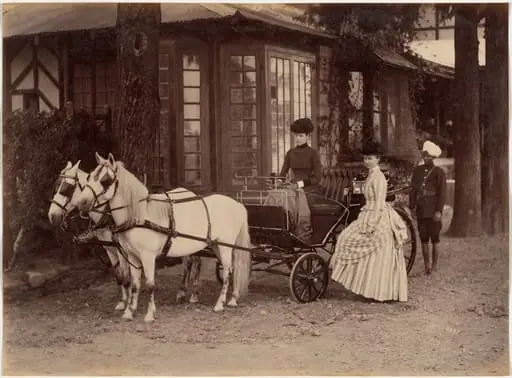 Mrs. and Miss Lyall, Shimla
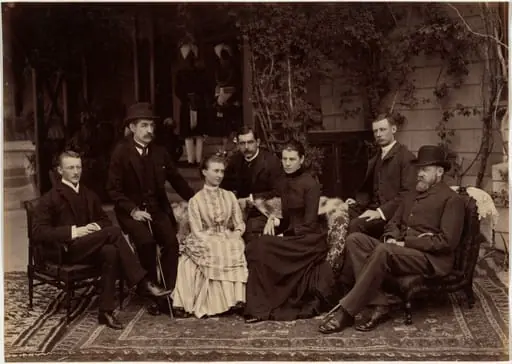 His Honor The Lieutenant Governor of the Punjab and Party, Shimla
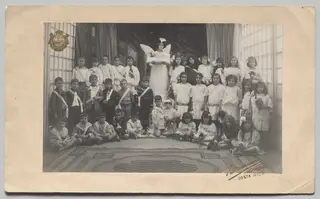 Untitled (Semi-Circle of Children, Central Girl Dressed as an Angel Holding the Baby Jesus)
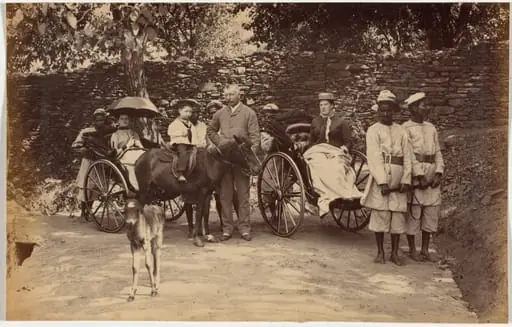 Colonel F. G. Oldham, Shimla
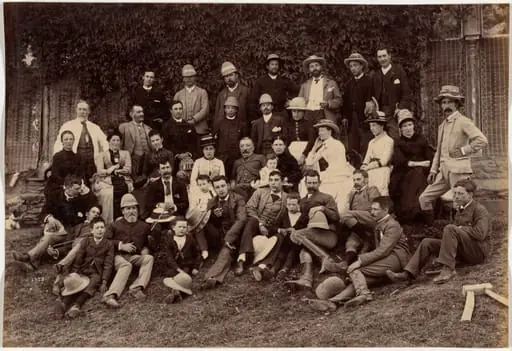 Picnic Party at Mr. Peliti's Country House, Mashobra
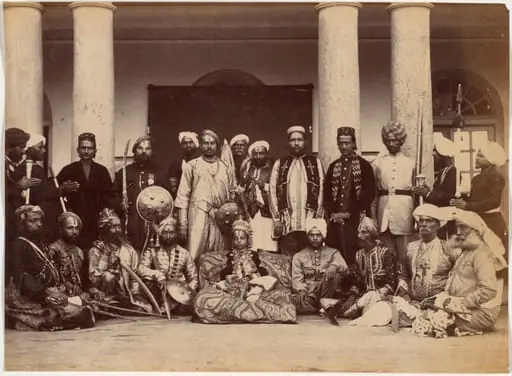 Maharaja of Rewa and Sardars