Artwork
The Spanish Gypsy
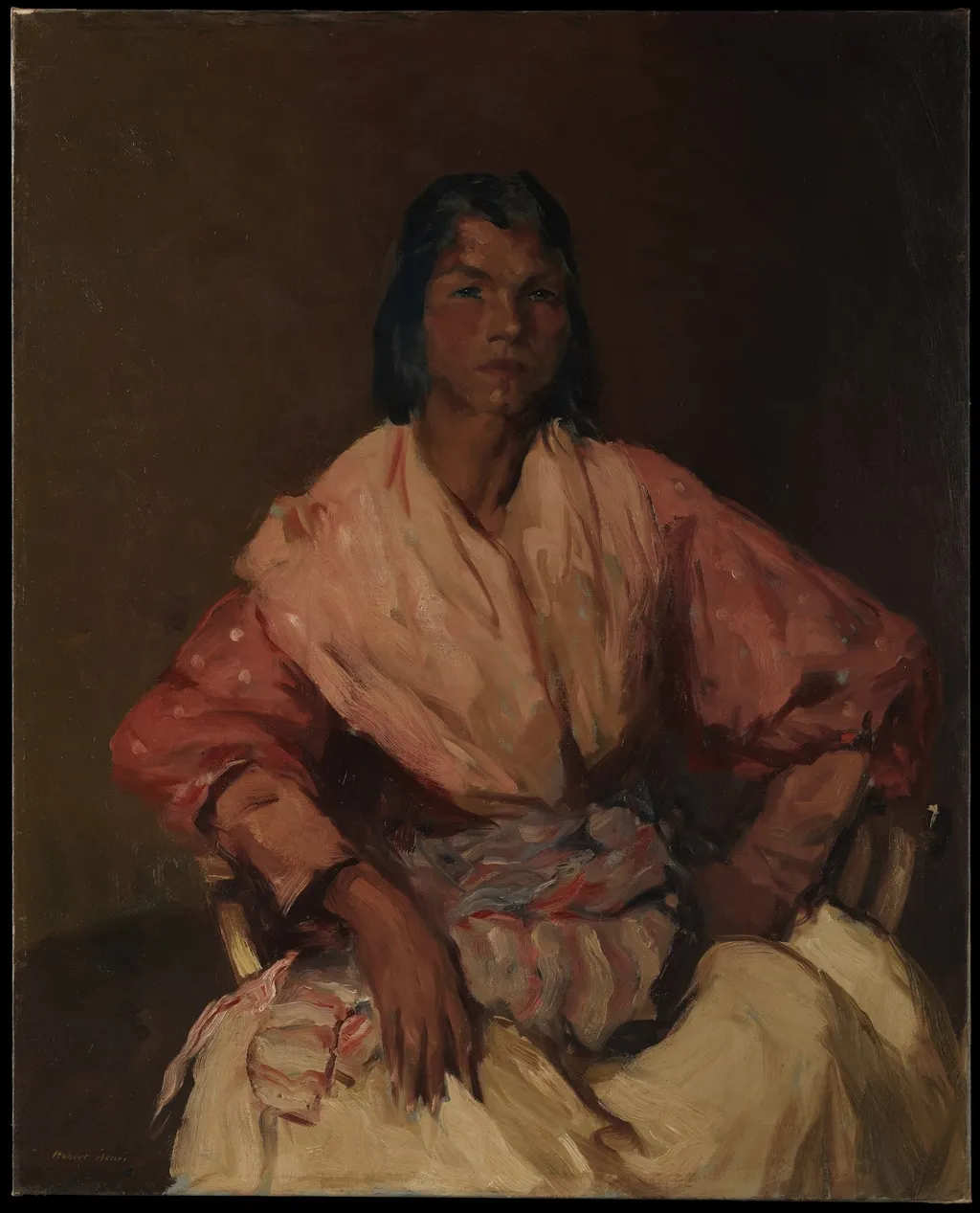
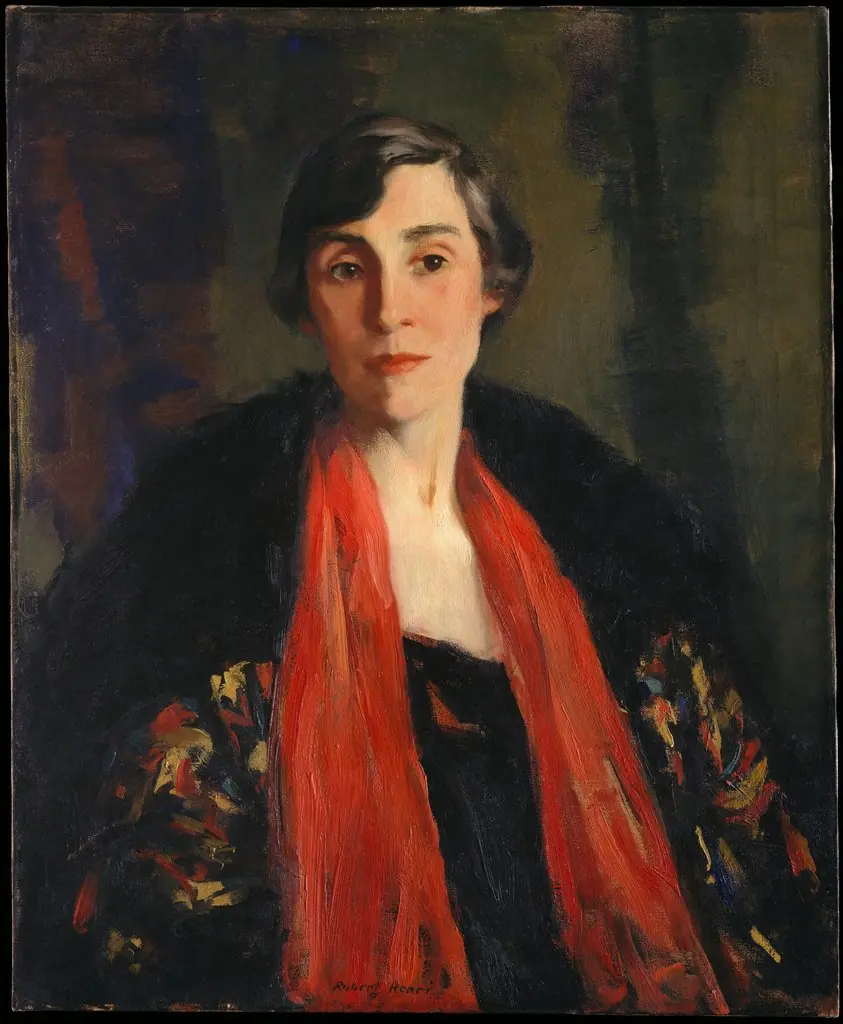
The Spanish Gypsy is an oil painting by the Ashcan School artist Robert Henri. It dates from 1912 and is held in the collection of the Metropolitan Museum of Art.
About this work
Subject & Meaning
The composition focuses on the sitter’s head and shoulders, emphasizing her facial features and attire without additional allegorical symbols.
Robert Henri painted The Spanish Gypsy in 1912, an oil on canvas portrait measuring 103.5 cm by 83.8 cm. The work depicts a single female sitter identified in the title as a Spanish Gypsy, rendered in a realistic portrait style. According to the Metropolitan Museum of Art’s catalogue, the painting entered the museum’s collection and remains on display there. The composition focuses on the sitter’s head and shoulders, emphasizing her facial features and attire without additional allegorical symbols.
As a portrait, the piece functions as a representation of an individual woman from a marginalized cultural background, though the sources do not elaborate on deeper symbolic intent.
Technique & Style
Painted in 1912, the work is executed in oil on canvas, measuring 103.5 cm in height and 83.8 cm in width. The handling emphasizes a direct, painterly touch with visible brushwork that models the sitter’s form through contrasting light and shadow rather than fine detail.
The composition focuses on a half-length figure of a woman set against a neutral background, using a restricted palette to heighten the figure’s presence. The formal structure relies on a balanced interplay of warm and cool tones, with the subject’s features and attire rendered in broad, descriptive strokes that convey character and mood.
History & Provenance
The Spanish Gypsy is an oil‑on‑canvas portrait painted by Robert Henri in 1912, a date confirmed by the artist’s record and the work’s inception metadata. The canvas measures 103.5 cm by 83.8 cm and depicts a woman in a gypsy‑style composition. The painting belongs to the collection of the Metropolitan Museum of Art, where it has been displayed since its acquisition. Henri produced the portrait as part of his series of gypsy subjects, employing his characteristic loose brushwork.
The Spanish Gypsy is held in the collection of the Metropolitan Museum of Art. The work was created in 1912 and is executed in oil paint on canvas. While the source confirms the painting's location within the museum, it does not provide a specific inventory or accession number for the piece. Additionally, the available documentation does not list any exhibition history for this artwork.
Overview
Robert Henri's The Spanish Gypsy, an oil painting from 1912, exemplifies the American realist movement he championed. This portrait captures a seated woman, rendered with a directness characteristic of the Ashcan School. The artwork is recognized for its unidealized representation and bold artistic approach, reflecting Henri's emphasis on immediate observation. It is part of the collection at The Metropolitan Museum of Art.
Context
Created in 1912, The Spanish Gypsy reflects Robert Henri's leadership within the Ashcan School, an American art movement that diverged from established academic conventions. Henri, who had studied in Paris, advocated for a new realism focused on unidealized depictions of urban existence and candid human subjects. This painting embodies the school's commitment to direct observation and a departure from traditional artistic formality.
Own this work as a print
Artist & collection
Artist
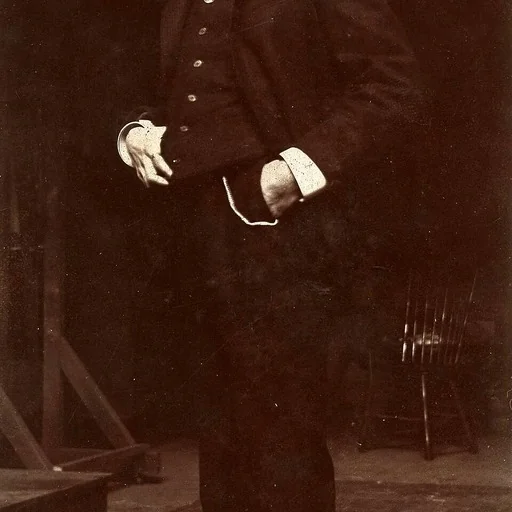
Robert Henri (; June 24, 1865 – July 12, 1929) was an American painter and teacher.

 Portrait of a Jewess. From the journey to Crimea
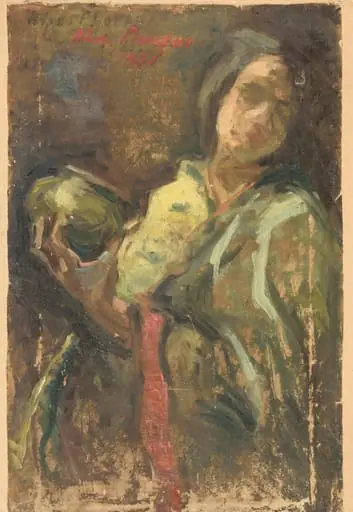 STUDIU
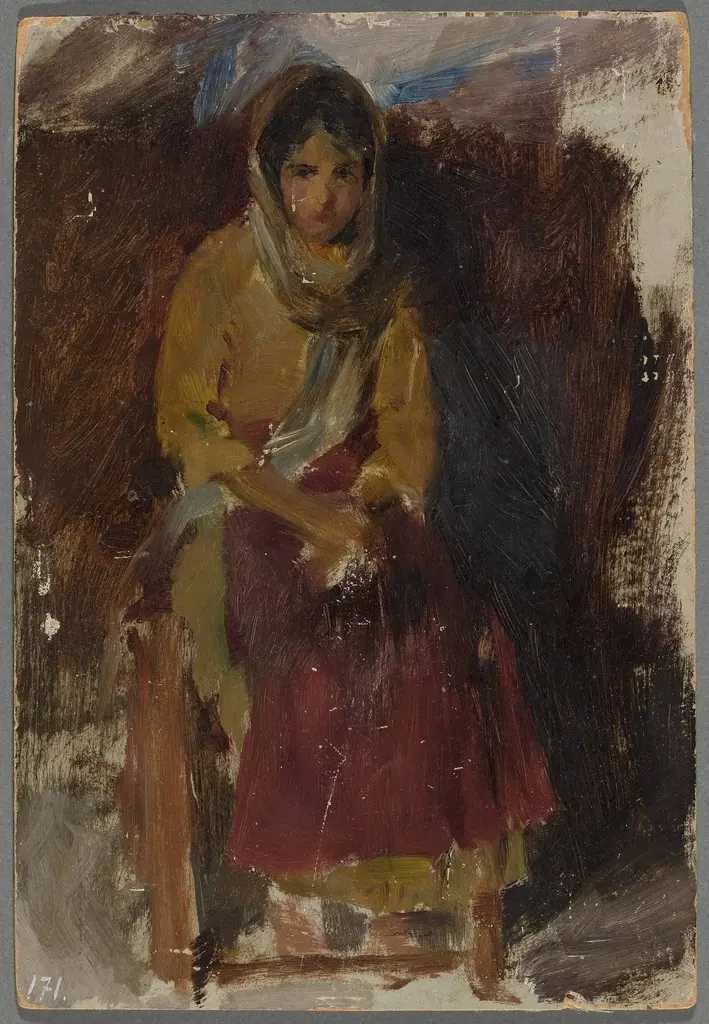 Girl. From the journey to Crimea
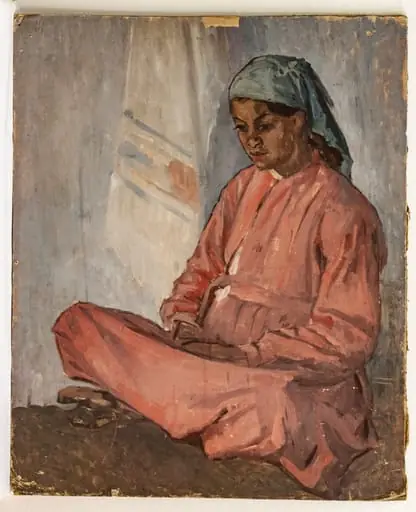 Portret de tătăroaică
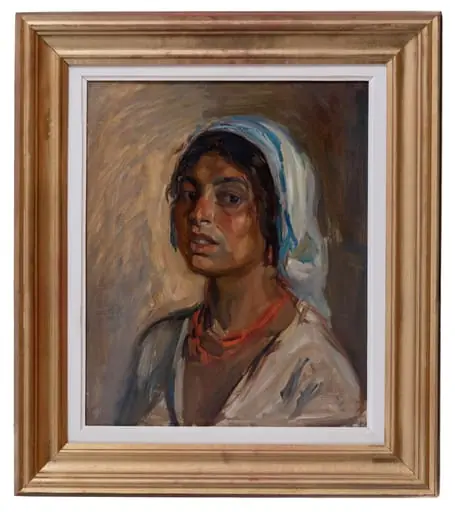 Cap de țigancă
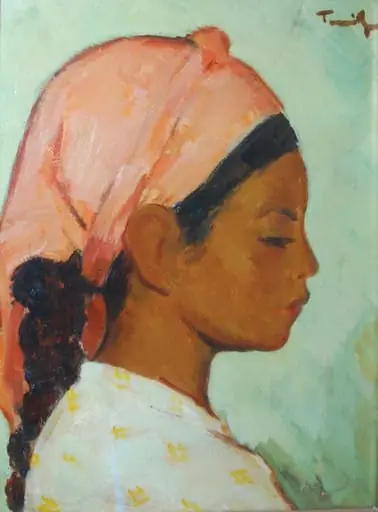 Profil de fată
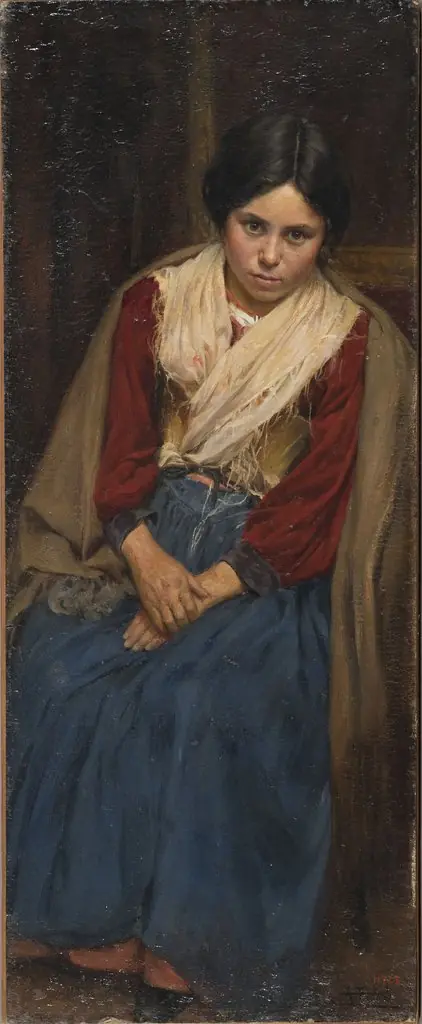 La Ciociaretta
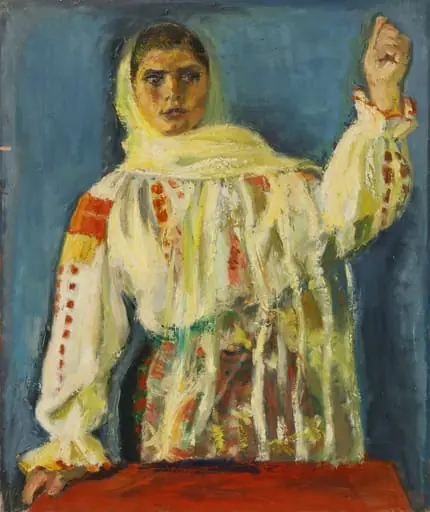 Țărancă agitatoare
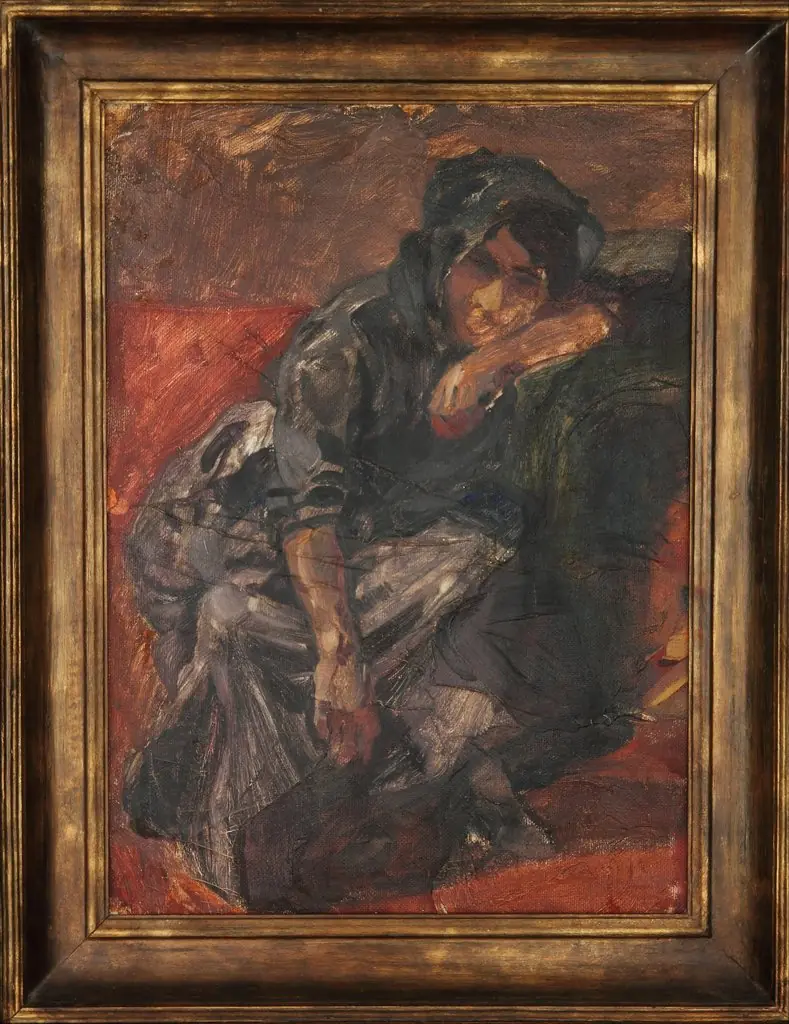 Estudio de mujer ó Retorno al hogar
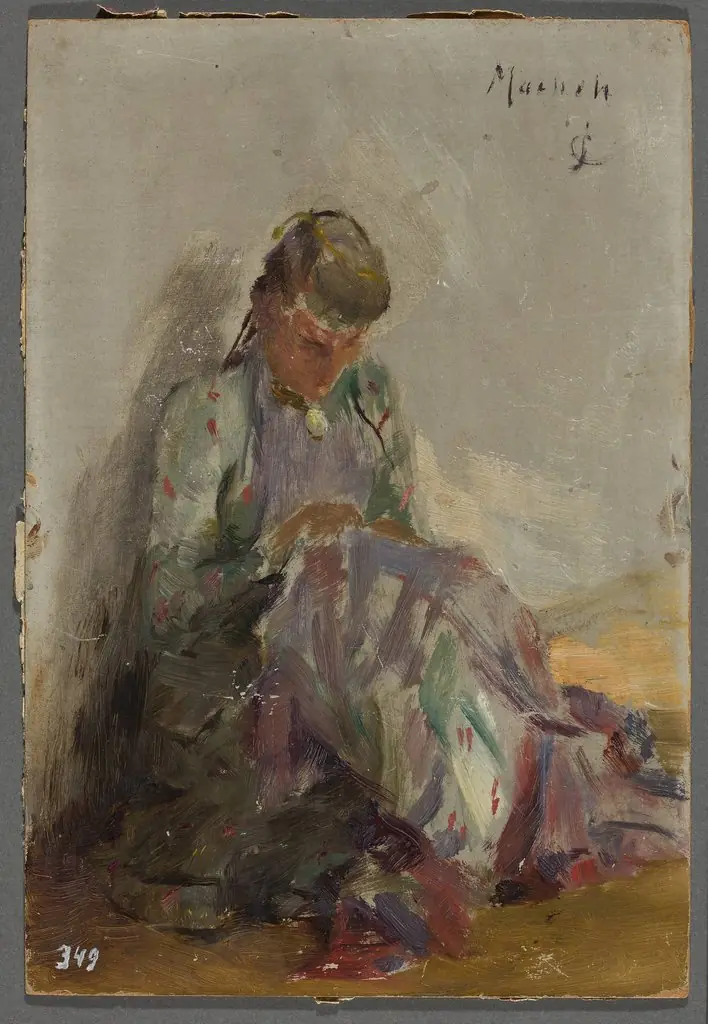 Sewing Tartar girl. From the journey to Crimea
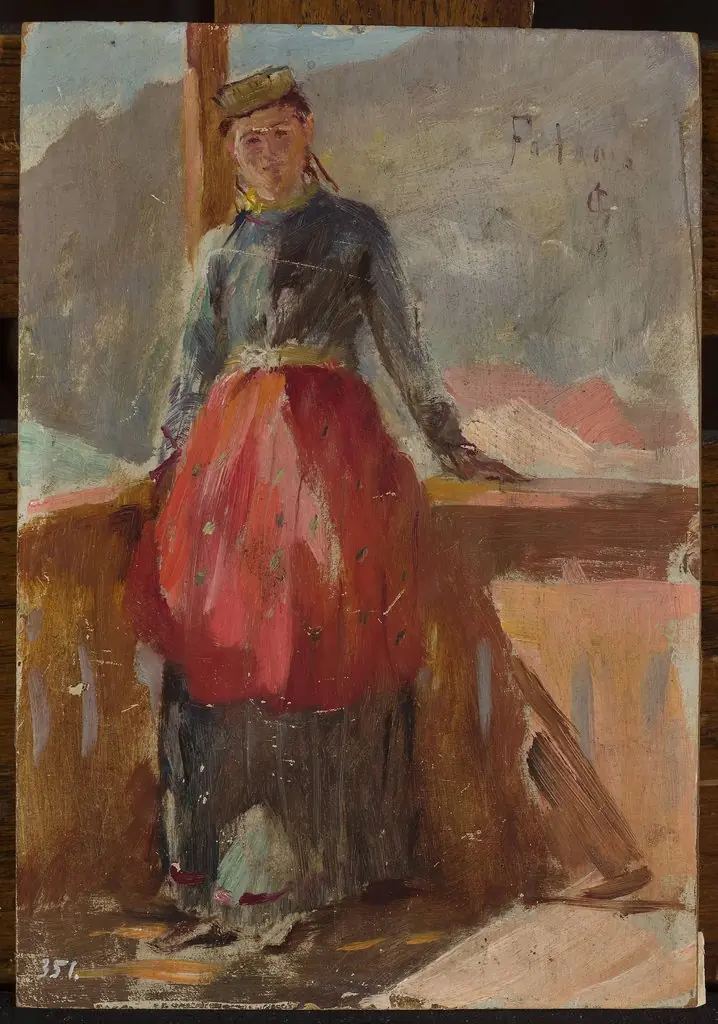 Tartar woman “Fathne”. From the journey to Crimea
- Profile of a Gypsy Woman