Artwork
明沈周山水 冊 山居讀書
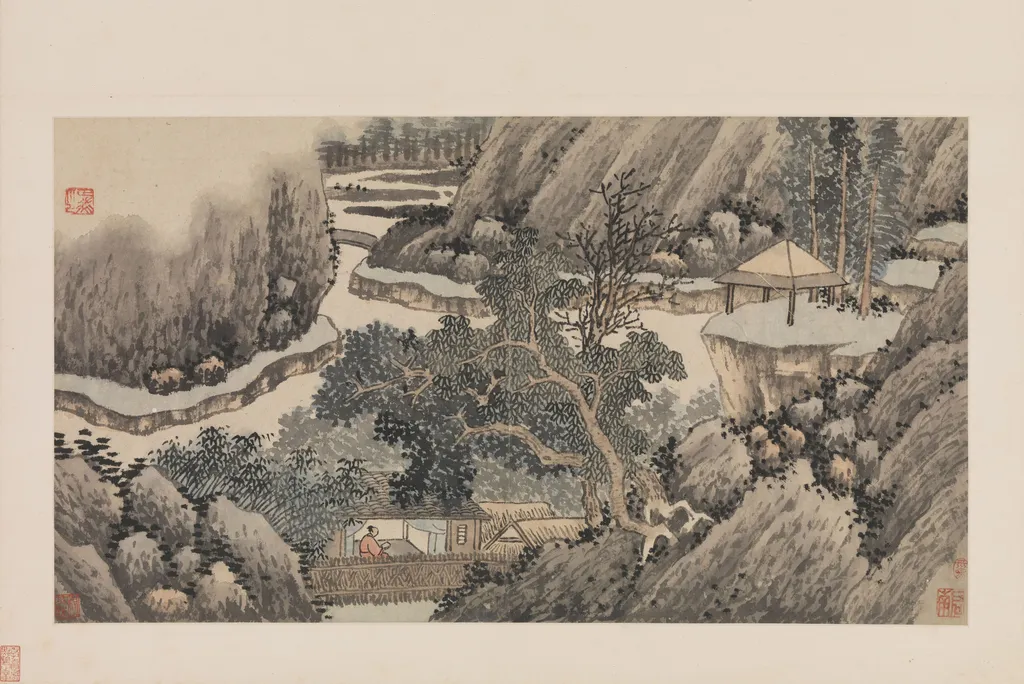
明沈周山水 冊 山居讀書 is an unspecified painting by Shen Zhou. It dates from 1477 and is held in the collection of the National Palace Museum.
About this work
Overview
A solitary figure in a red robe stands near the lower left, while a prominent tree dominates the foreground, establishing a calm, contemplative mood.
Created around 1477, this hand‑scroll landscape by Shen Zhou is part of the National Palace Museum’s collection. The composition presents a quiet mountain setting where a winding path leads past modest structures toward a distant, partially concealed pagoda. A solitary figure in a red robe stands near the lower left, while a prominent tree dominates the foreground, establishing a calm, contemplative mood.
Subject & Meaning
The painting depicts a secluded scholarly retreat, suggested by the title’s reference to a mountain dwelling for reading. The lone scholar, identifiable by his red garment, appears engaged in study, underscoring the Confucian ideal of learning in harmony with nature. The surrounding trees, rocks, and distant architecture reinforce a sense of withdrawal from worldly bustle toward intellectual and spiritual reflection.
Technique & Style
Shen Zhou employs the literati brushwork characteristic of the Ming dynasty, using ink washes to render misty mountains and delicate foliage. The large foreground tree is rendered with bold, expressive strokes, while the distant pagoda is suggested through softer, fading lines. The restrained palette and subtle gradations convey depth and atmospheric perspective, creating a unified, tranquil scene.
History & Provenance
The scroll entered the National Palace Museum’s holdings as part of the extensive collection of Chinese imperial artworks transferred from the Forbidden City. Its attribution to Shen Zhou, a leading figure of the Wu School, has been confirmed through stylistic analysis and historical records dating the work to the late 15th century.
Context
Shen Zhou was a central member of the Wu School, which emphasized personal expression over formal court painting. This work reflects the school’s preference for modest, scholarly subjects and a restrained aesthetic. Created during the early Ming period, it illustrates the era’s renewed interest in integrating Daoist and Confucian ideals within landscape art.
Own this work as a print
Artist & collection
Artist
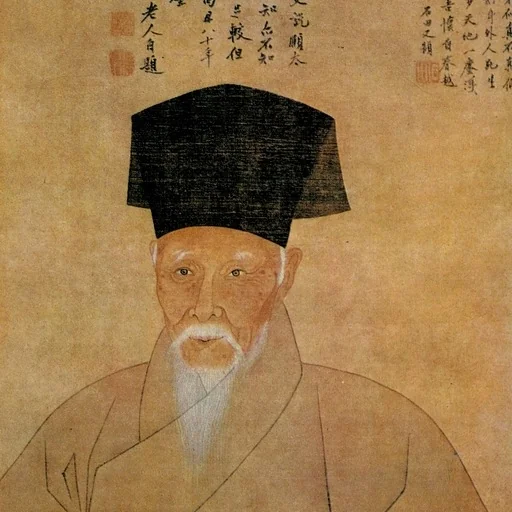
Shen Zhou spent his life in the Suzhou region of China, where his family’s money and connections mattered more than art—until it did.

 Untitled
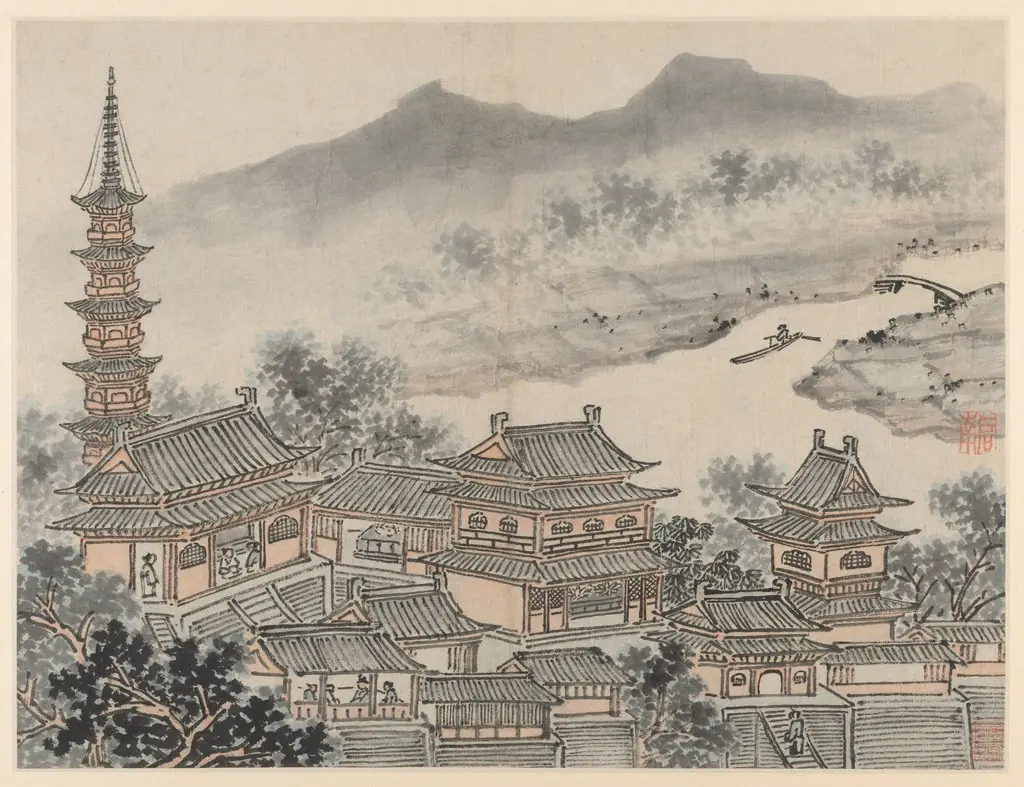 The Thousand Buddha Hall and the Pagoda of the "Cloudy Cliff" Monastery, from Twelve Views of Tiger Hill, Suzhou
 Untitled
 Untitled
 明 沈周 溪山秋色圖 卷|明 沈周 溪山秋色圖 卷明 楷書溪山秋色圖 引首|Autumn Colors among Streams and Mountains
 明 (倣)沈周 怡松圖 卷|Enjoying the Pines
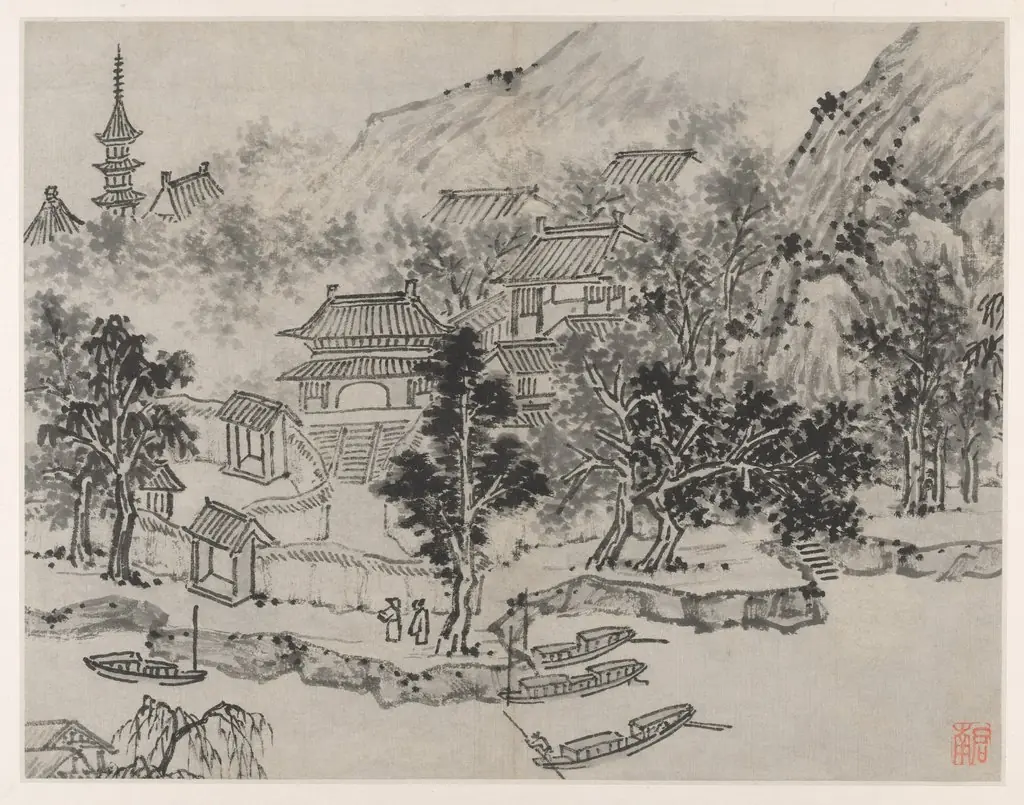 Distant View of Tiger Hill from the Canal Mooring, from Twelve Views of Tiger Hill, Suzhou
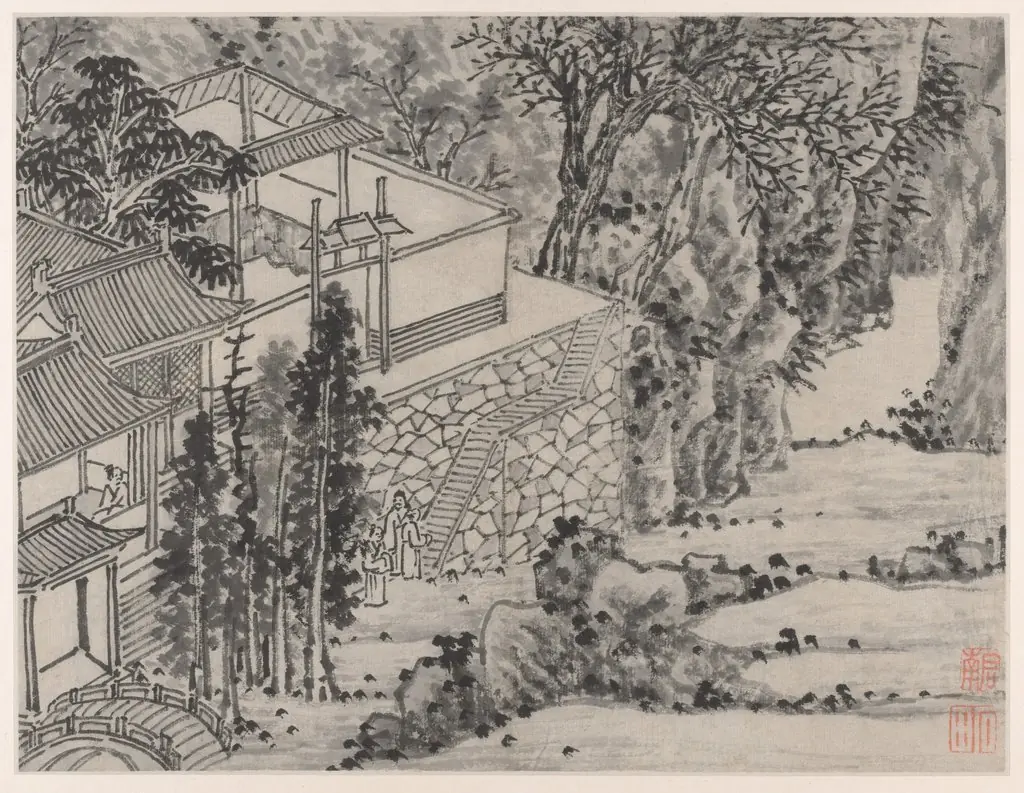 The Enlightened Stone Retreat, from Twelve Views of Tiger Hill, Suzhou
 Landscape Album in Various Styles: Landscape after Wu Zhen
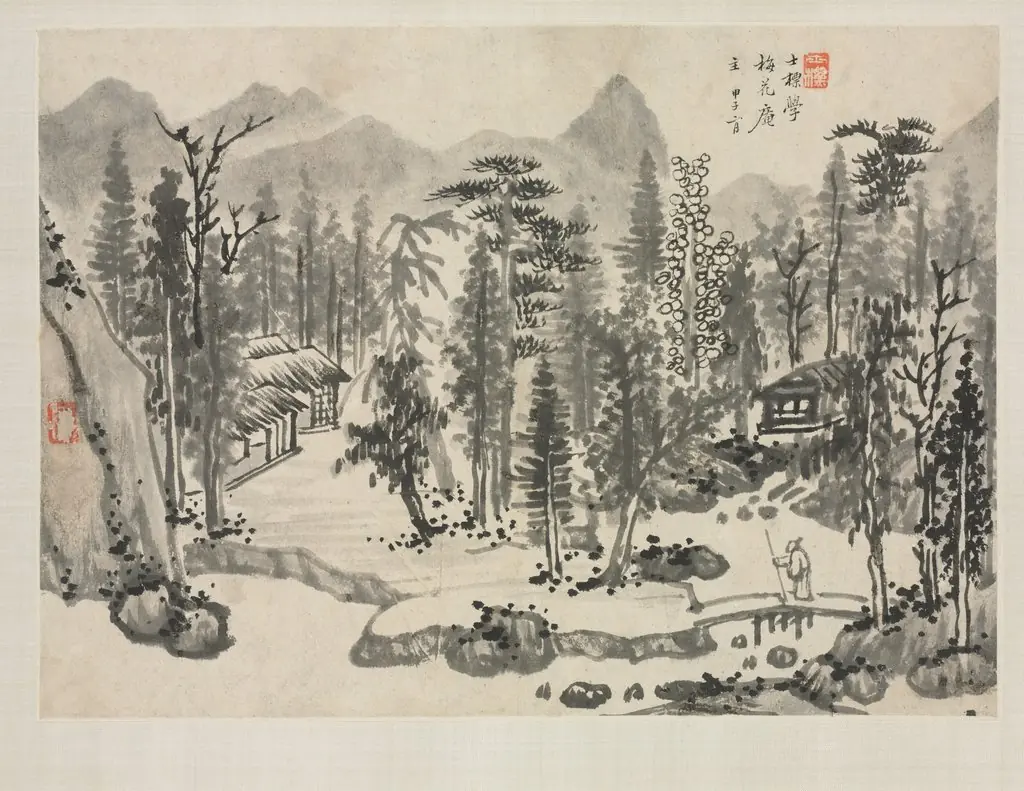 Landscape Album in Various Styles: Landscape after Wu Zhen
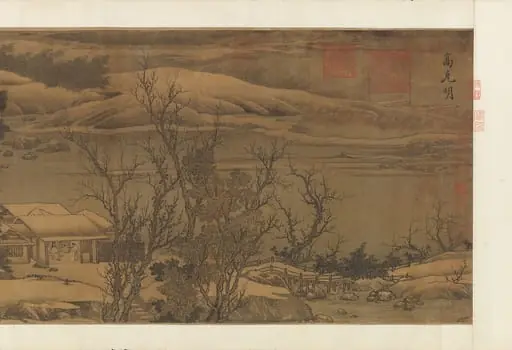 南宋 傳 劉松年 溪山雪意圖 卷|Snowy landscape with rustic riverside retreat
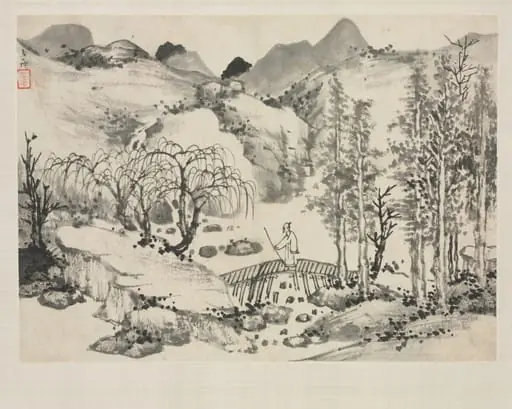 Landscape Album in Various Styles: Landscape with Artist on a Bridge
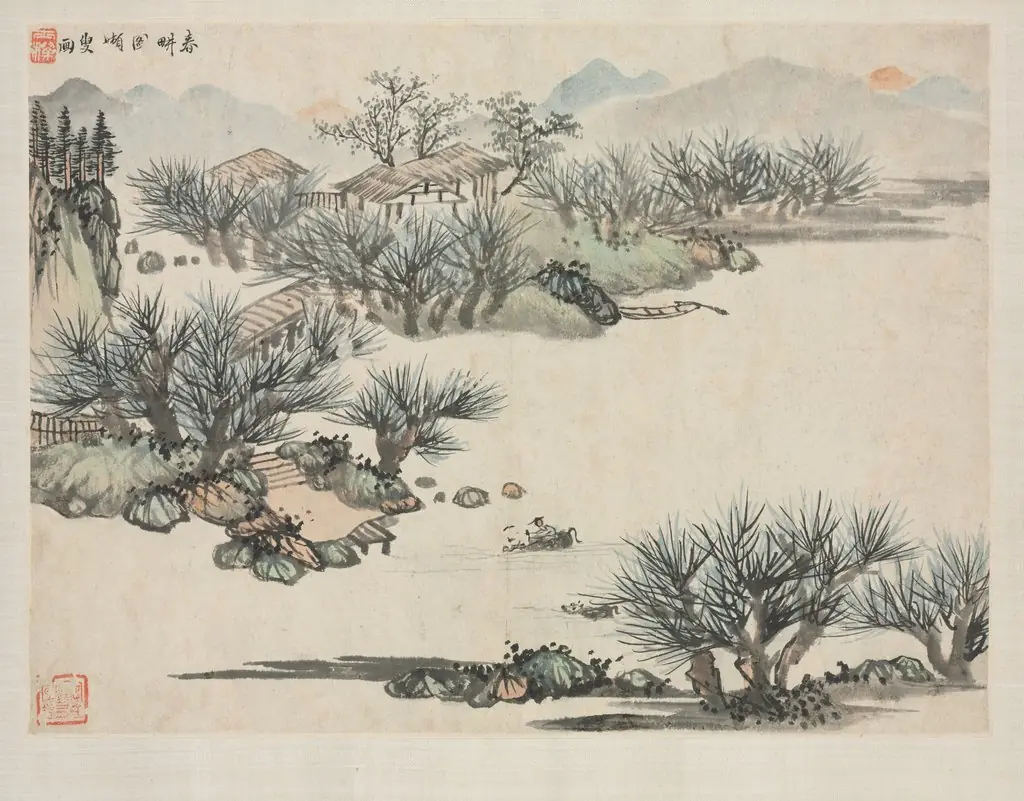 Landscape Album in Various Styles: Spring Plowing
 Landscape Album in Various Styles: Spring Plowing
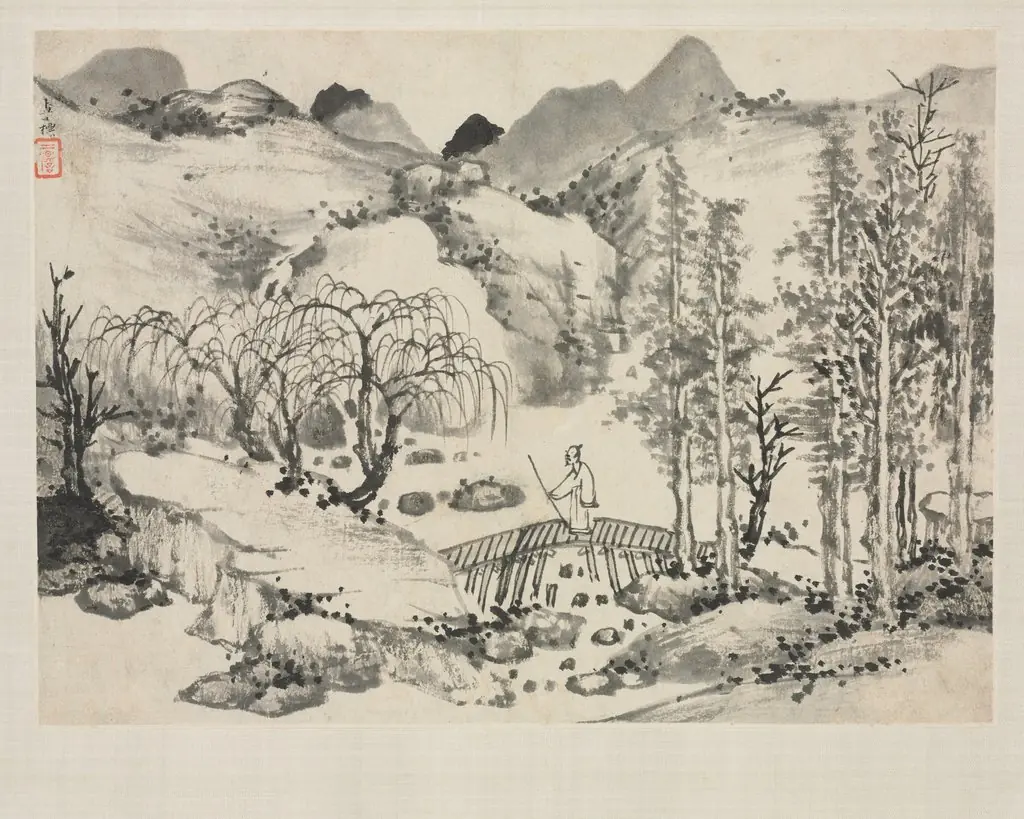 Landscape Album in Various Styles: Landscape with Artist on a Bridge
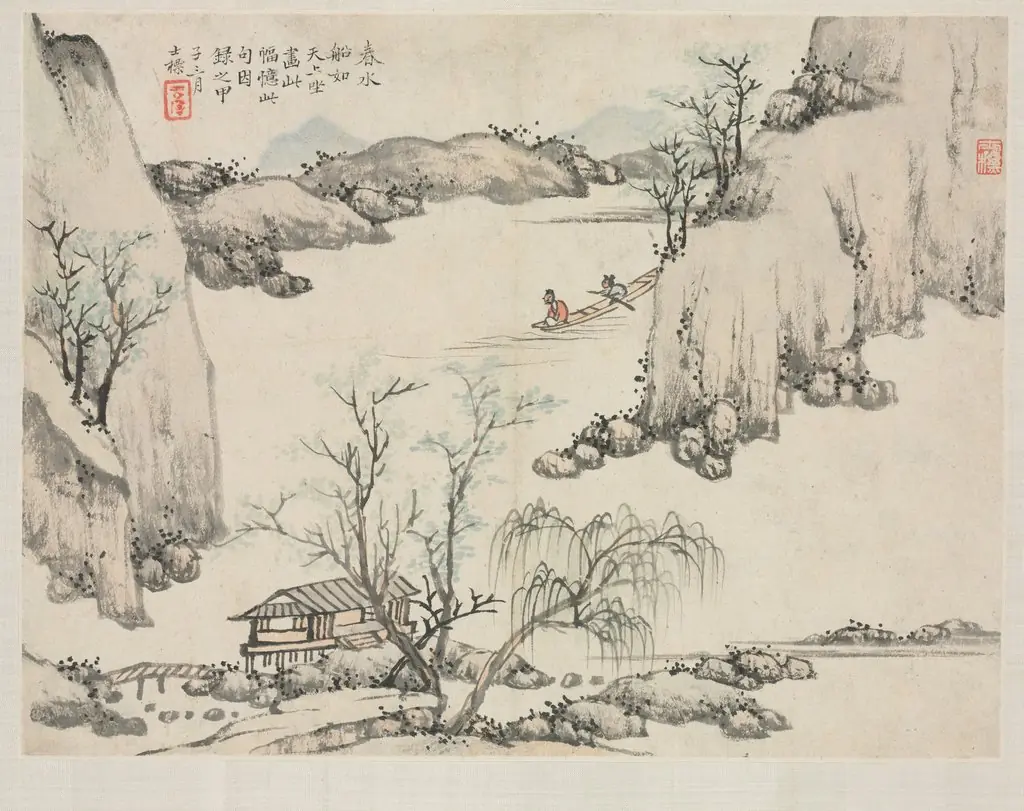 Landscape Album in Various Styles: Boating in Spring Water
 Landscape Album in Various Styles: Boating in Spring Water
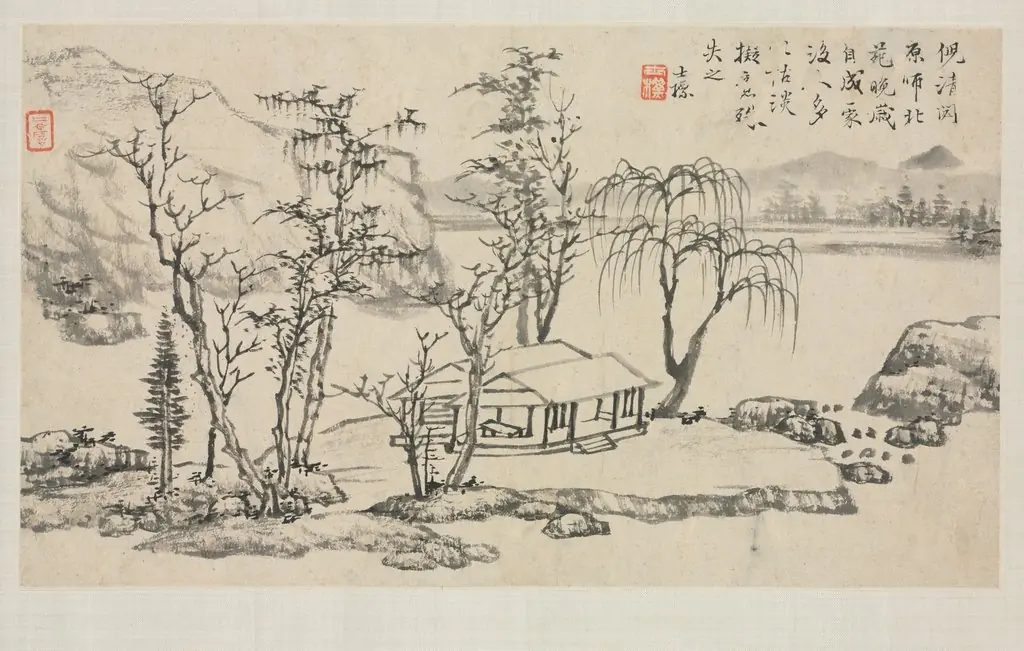 Landscape Album in Various Styles: Landscape after Ni Zan
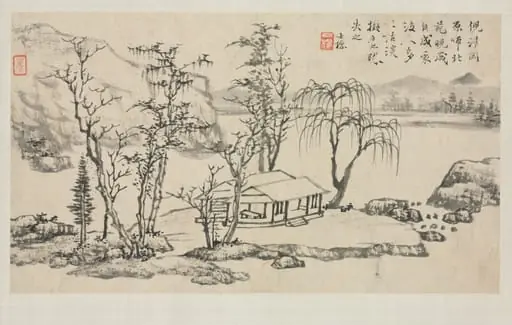 Landscape Album in Various Styles: Landscape after Ni Zan
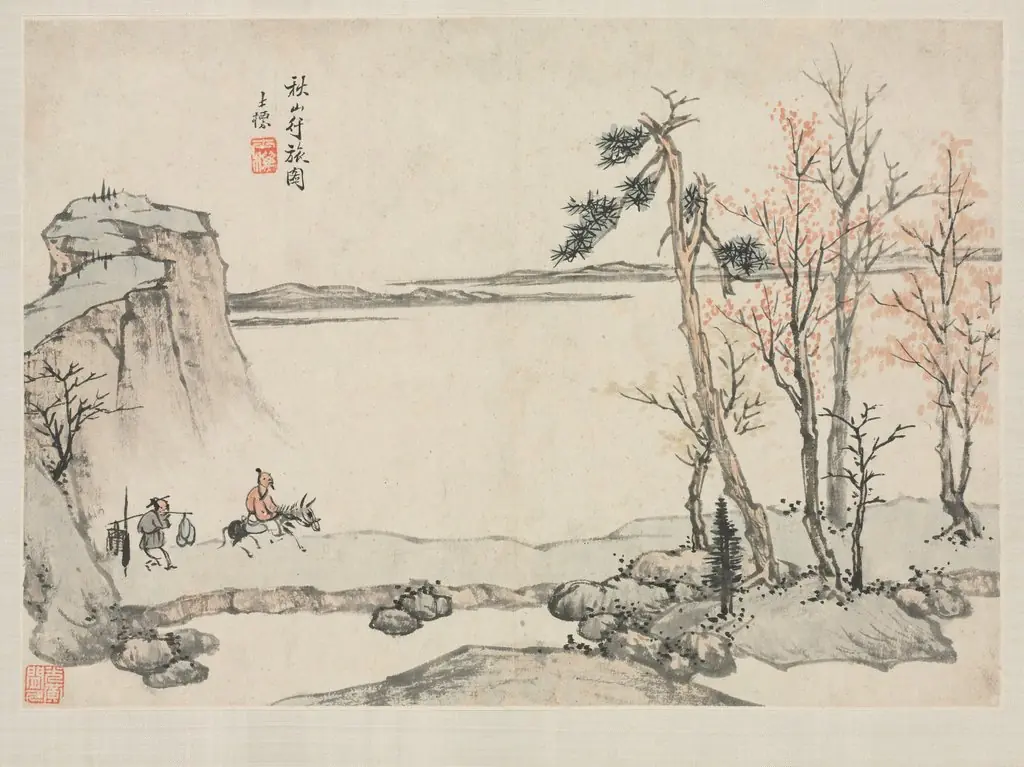 Landscape Album in Various Styles: Traveling in Autumn Mountains