National Museum
National Palace Museum

Image: Wikimedia Commons.
National Palace Museum is a national museum in Shilin District, Taiwan. 577 works from its collection are in this catalog, including Qian Xuan and Wang Zhenpeng.
About National Palace Museum
The National Palace Museum, also known as Taipei Palace Museum, is a national museum headquartered in Taipei, Taiwan. Founded in Beijing in 1925, the museum was re-established in Shilin, Taipei, in 1965, later expanded with a southern branch in Taibao, Chiayi, in 2015.
The museum holds a permanent collection of nearly 700,000 pieces of artifacts and artworks, primarily comprising items relocated from the Beijing Palace Museum and other institutions in the mainland China during the government of the Republic of China's retreat to Taiwan. Before the re-establishment of the museum in Shilin in 1965, these collections were temporarily housed in various locations across Taiwan.
Overview & Identity
The National Palace Museum is a major art museum located in Taipei, Taiwan, dedicated to preserving and exhibiting the art holdings of the Chinese imperial collection. It houses a permanent collection of nearly 700,000 artifacts and artworks, spanning over 8,000 years of Chinese history from the Shang dynasty through the Qing dynasty. The museum is recognized as one of the finest repositories of Chinese art in the world, featuring masterpieces in painting, calligraphy, bronzes, ceramics, jades, and historical documents.
Its status as the legal custodian of the collection is a subject of ongoing political and legal discourse, with the museum asserting its role as the primary guardian of these cultural treasures.
History & Founding
The museum's origins trace back to the Palace Museum in the Forbidden City, Beijing, established in 1925. In the 1930s, due to the Japanese invasion of North China, the Chinese government relocated a significant portion of the imperial collection to Nanjing, Shanghai, and other locations for safekeeping. After World War II, the dispersed collections were reassembled in Nanjing.
In 1948–49, as the Nationalist armies retreated to Taiwan, they transported the core of the collection to the island, where it was stored in Taichung. The National Palace Museum in its current form was officially established in 1965 when the collections of the Taiwan-based institutions were consolidated into a new museum building in Taipei.
Building & Architecture
The main building of the National Palace Museum in Taipei was designed with a classical Chinese architectural style, reflecting the traditional aesthetics of the imperial palaces. The structure is situated within a compound that also houses the residence of the Chinese painter Chang Dai-chien. The museum's design aims to harmonize with the surrounding landscape and cultural context.
In addition to the main building in Taipei, the museum operates a Southern Branch located in Chiayi County, expanding its reach and exhibition capabilities. The architectural integrity and preservation of the building have been subjects of public interest and scrutiny.
Collection Highlights & Notable Holdings
The museum's collection includes some of the most famous artifacts in Chinese art history. Notable items include the 'Ta Yü' painting on silk and 'Whispering Pines in the Mountains' by Li Tang. The museum holds the world's largest collection of jade artifacts, with over 21 pieces out of fewer than a hundred surviving examples of specific types.
Other significant holdings include ritual bronzes, porcelain, lacquerware, enamelware, and rare books ranging from ancient manuscripts to imperial archives. The museum also maintains a rotating exhibition of paintings and calligraphy, changing every three months to protect these delicate works from light damage.
Significance & Legacy
The National Palace Museum is of immense cultural significance as it preserves a vast portion of the Chinese imperial art collection, offering a unique window into over four millennia of Chinese artistic and cultural development. Its collection illustrates the evolution of Chinese art from the Shang dynasty to the Qing dynasty, making it an invaluable resource for scholars and the public alike. The museum has faced challenges, including incidents of artifact damage and controversies over digital image security, which have sparked debates on institutional management and transparency.
Despite these challenges, it remains a premier destination for the study and appreciation of Chinese art and history.
What to see at National Palace Museum
Start with One Hundred Horses by Giuseppe Castiglione.
See all highlights at National Palace Museum →National Palace Museum by the numbers
- Founded
- 1925
- Visitors / year
- 416,436
Works from National Palace Museum
 One Hundred Horses
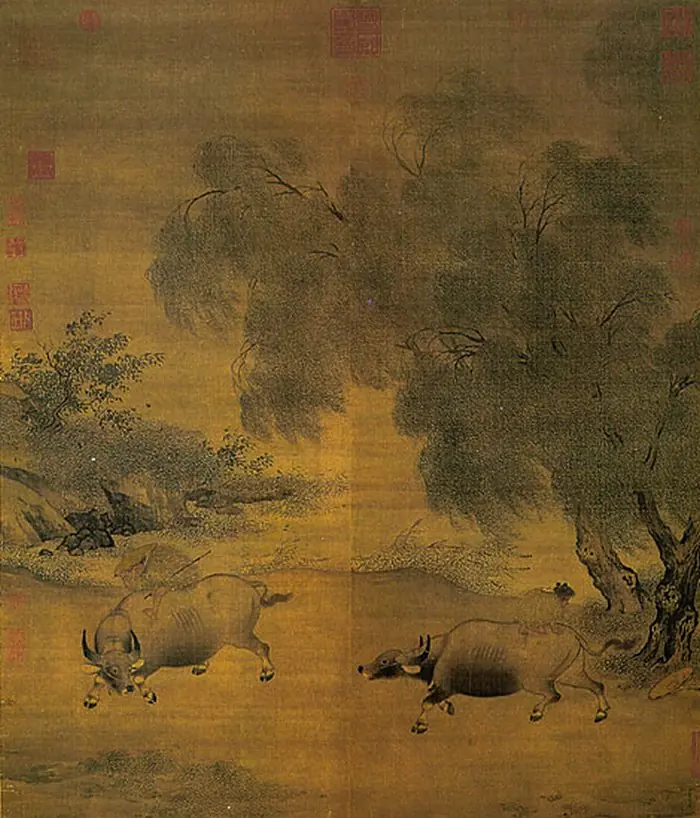 Homeward Oxherds in Wind and Rain
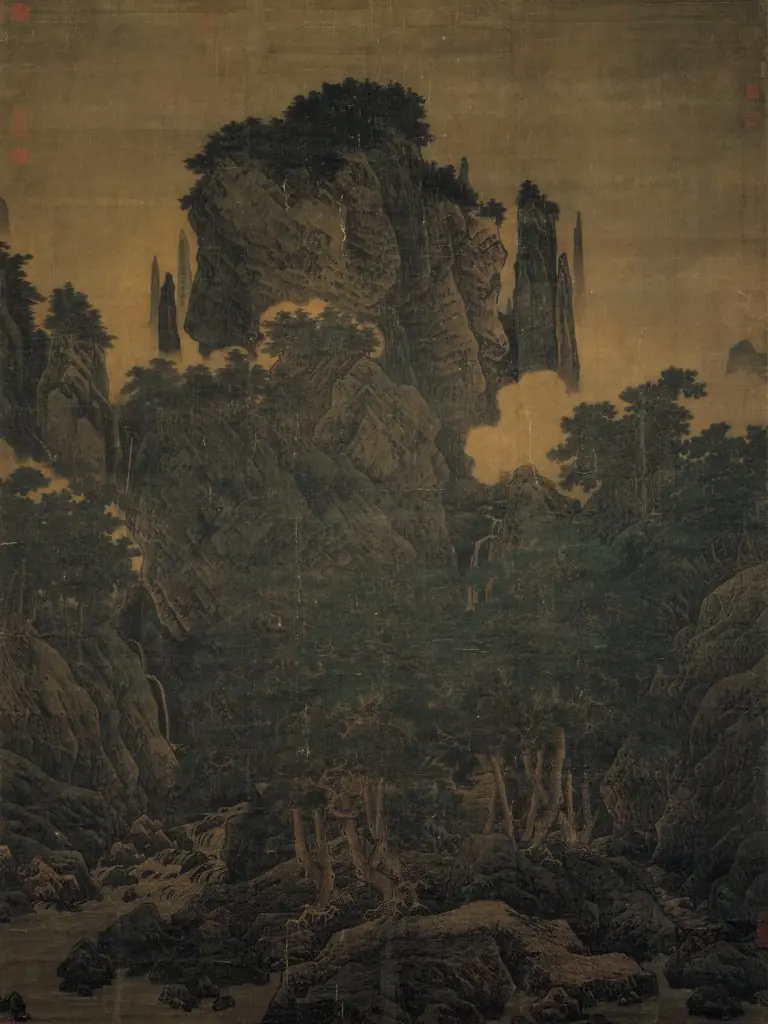 Wind in Pines Among a Myriad Valleys
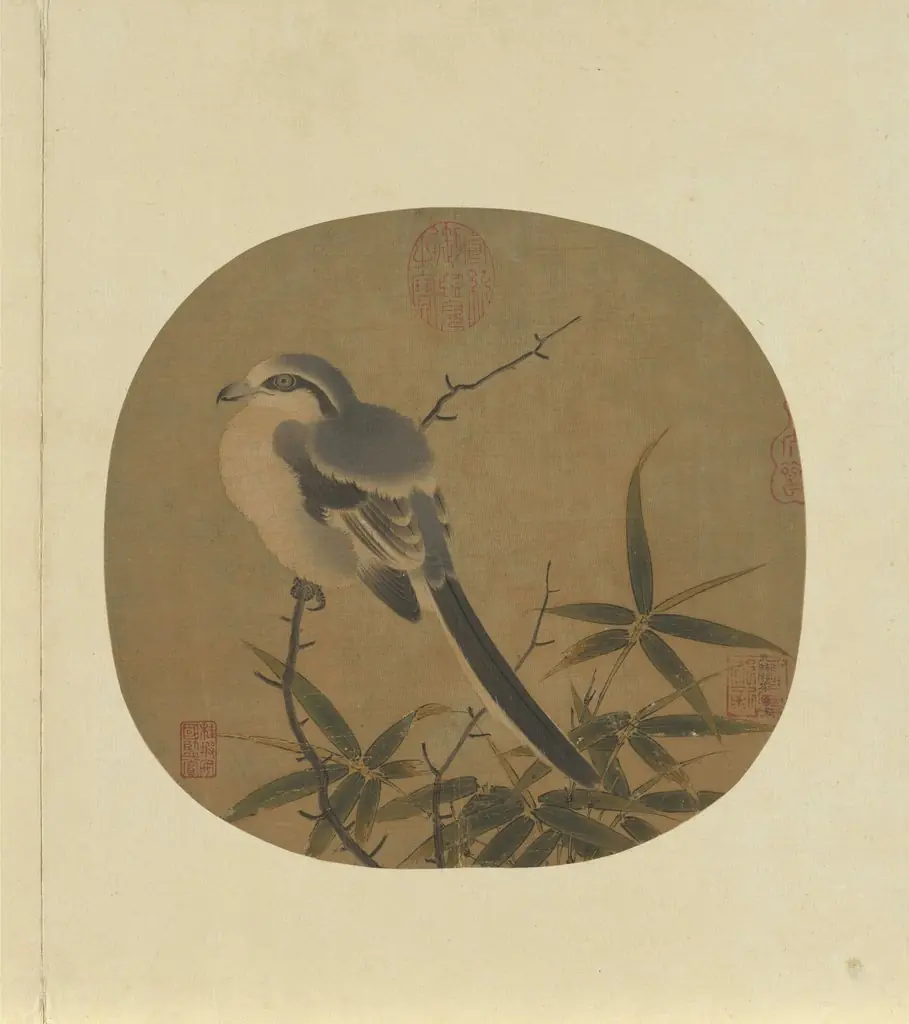 Bamboo and Shrike
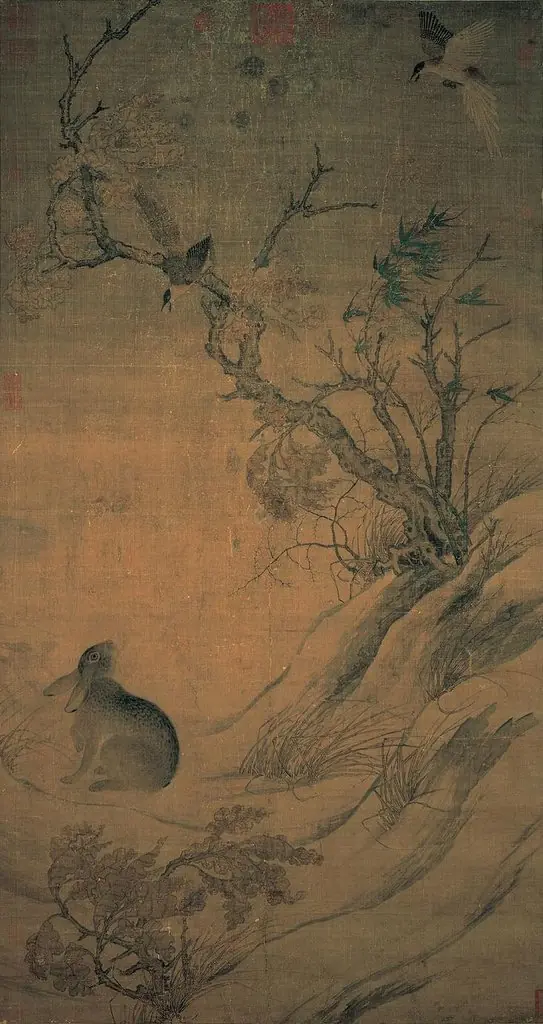 Magpies and Hare
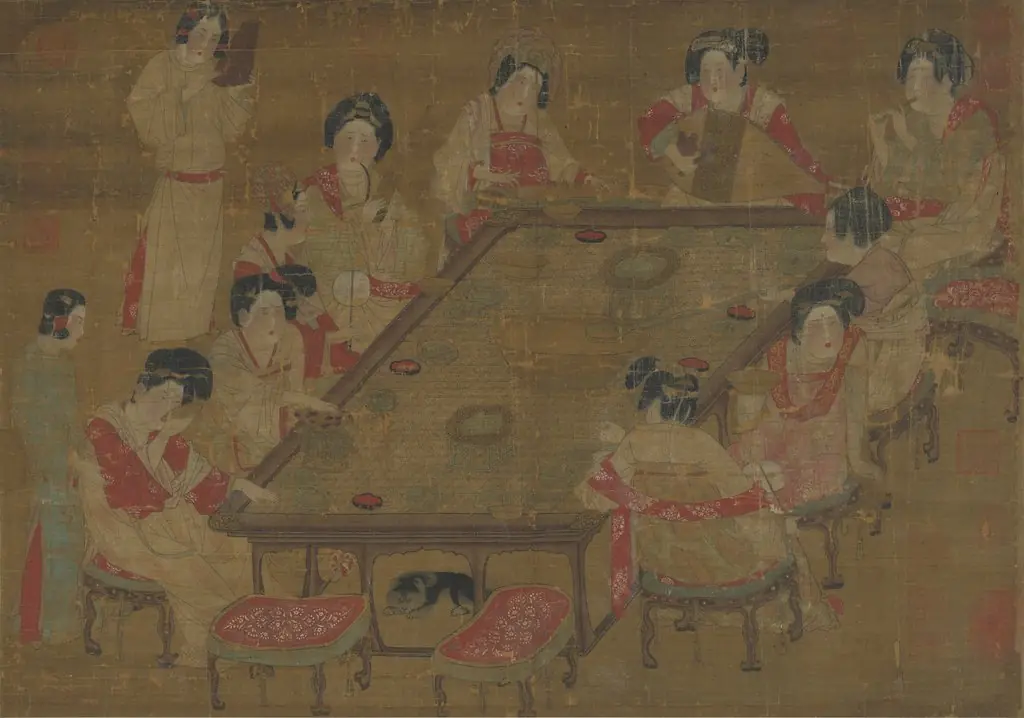 A Palace Concert
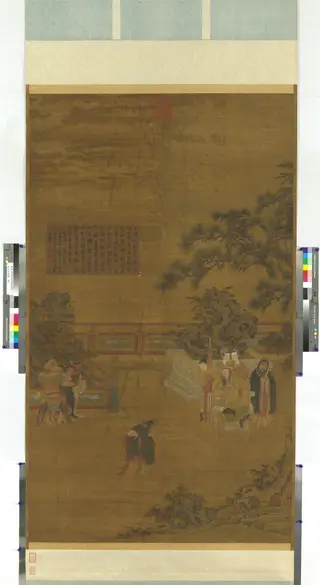 Breaking the Balustrade
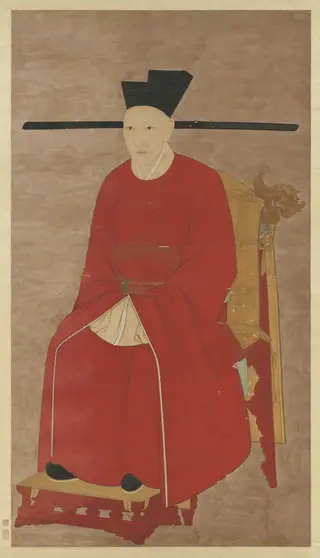 Seated Portrait of Emperor Gaozong
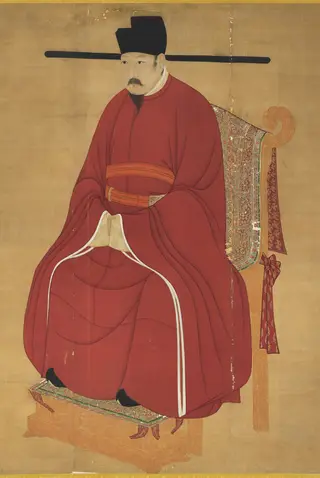 Song Renzong seated
 Qingming in Brief
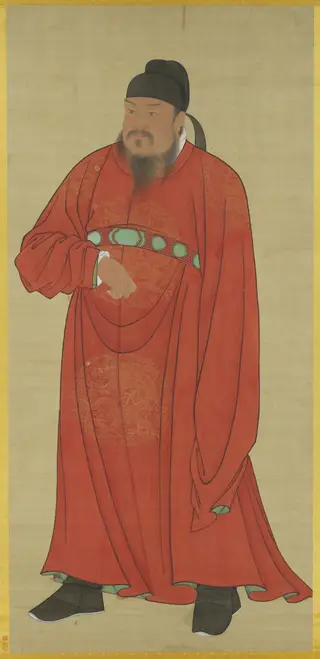 portrait of Tang Gaozu
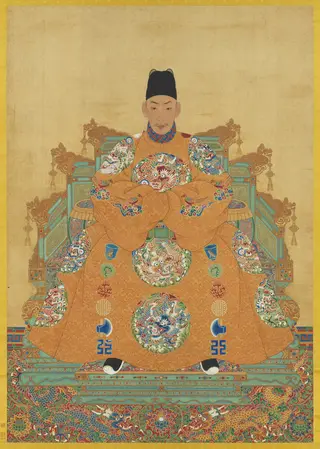 Emperor Wu-tsung of the Ming Dynasty
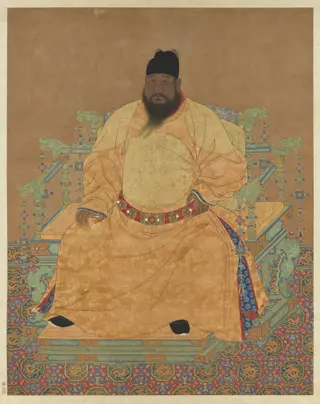 Seated Portrait of the Ming Emperor Xuanzong
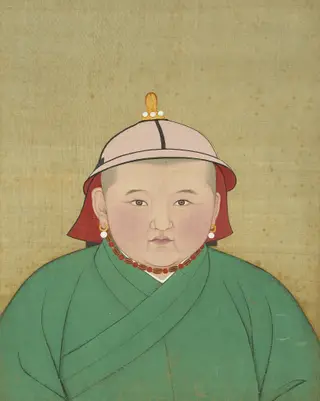 元代帝半身像册-元宁宗皇帝像
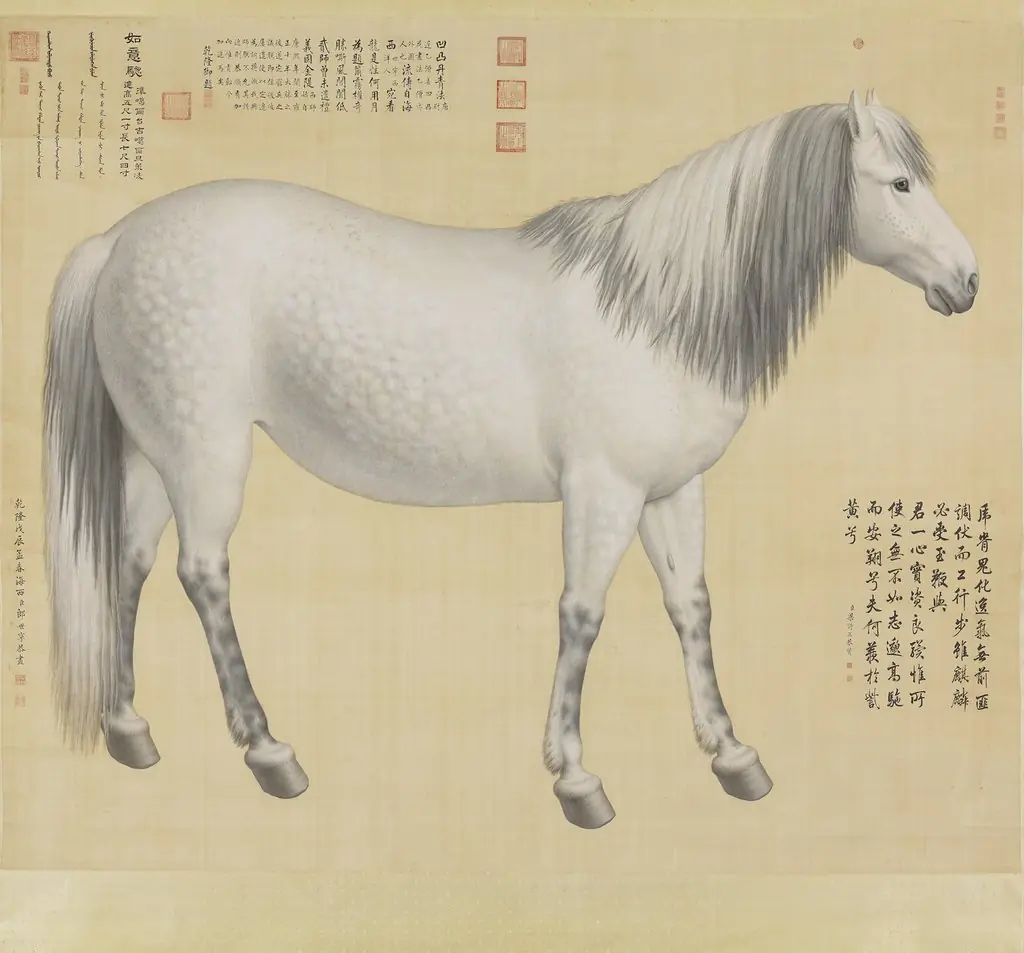 "As-You-Wish" Piebald
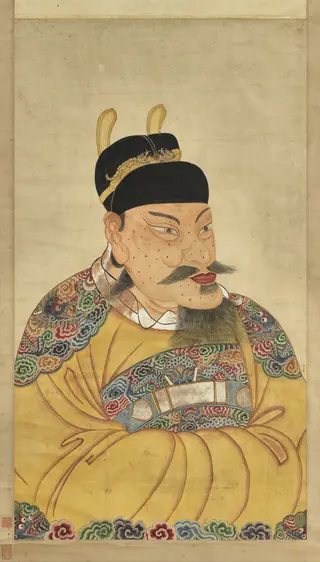 明太祖半身像(二) 軸
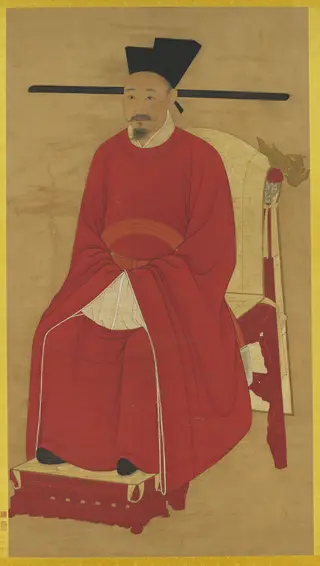 宋孝宗坐像 軸
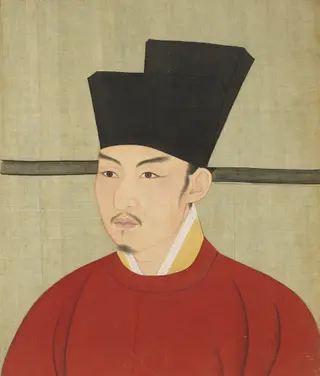 宋代帝半身像册-宋朝哲宗皇帝像
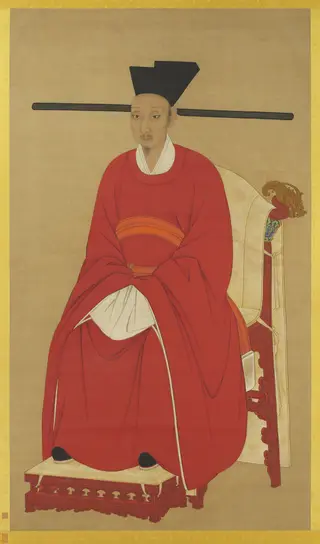 Seated Portrait of Emperor Ningzong
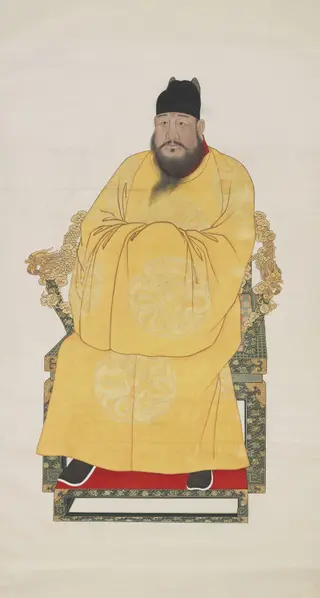 明宣宗坐像(二) 軸
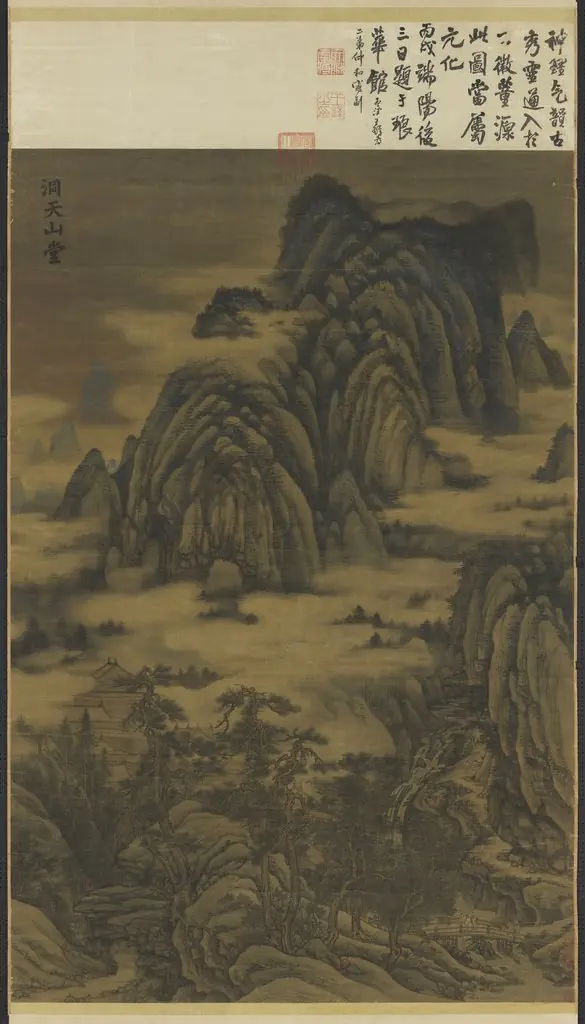 The Immortal Paradise Building in the Mountain
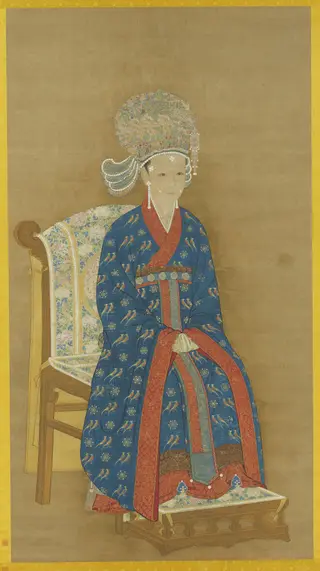 宋高宗后坐像 軸
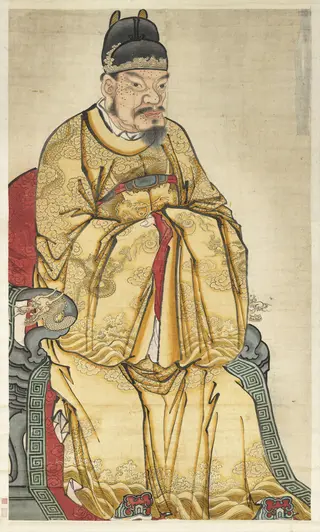 明太祖坐像(六) 軸
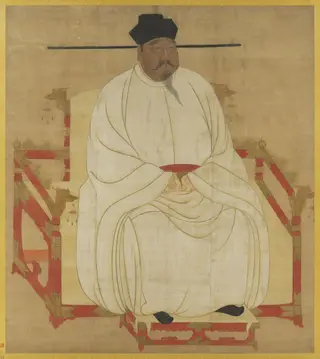 Seated Portrait of Song Taizu
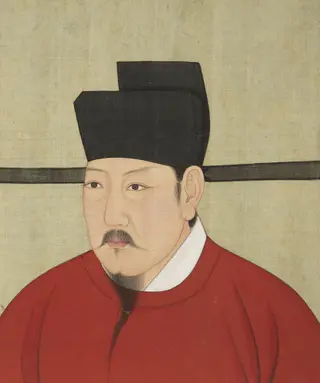 宋代帝半身像册-宋朝仁宗皇帝像
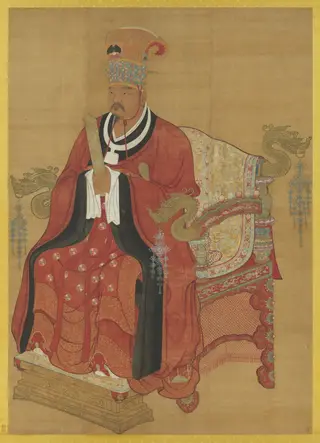 宋宣祖坐像
宋宣祖坐像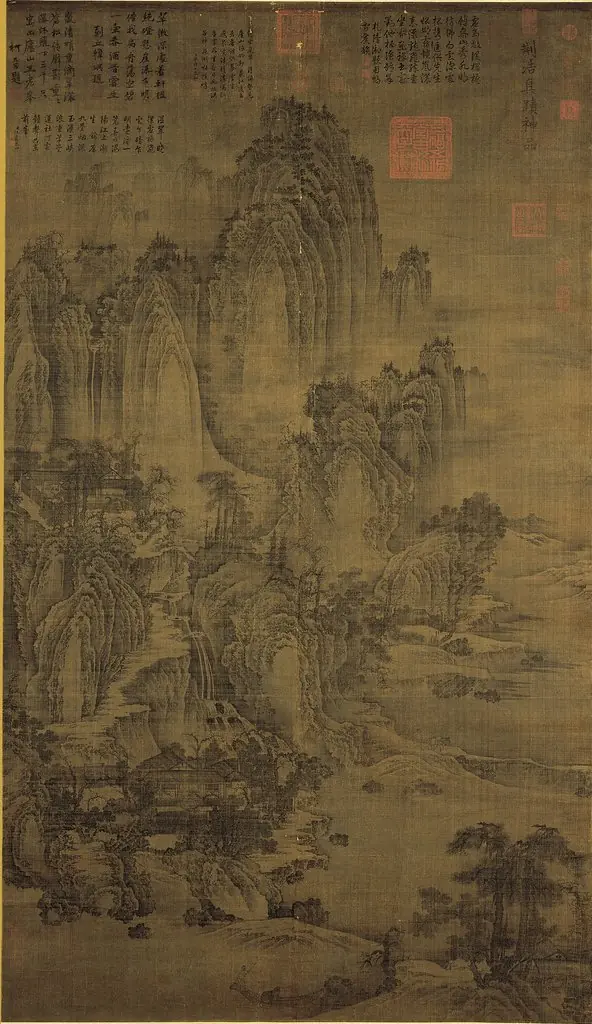 Mt. K'uang-lu
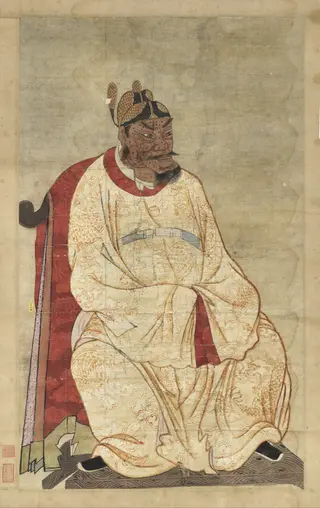 明太祖坐像(四) 軸
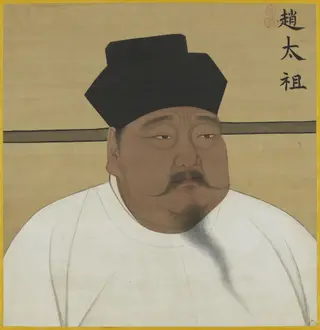 宋太祖半身像(一)
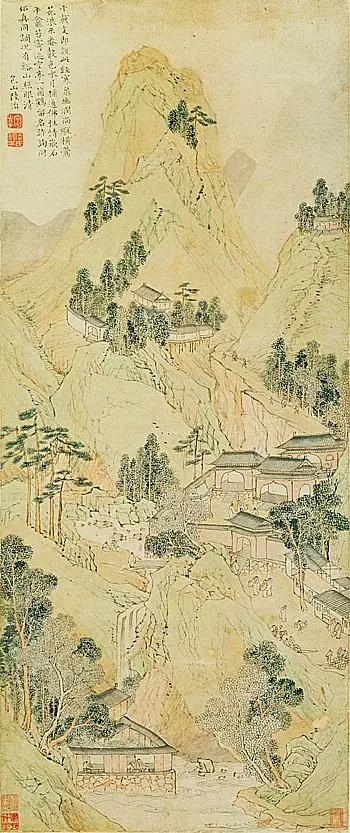 支硎山图
支硎山图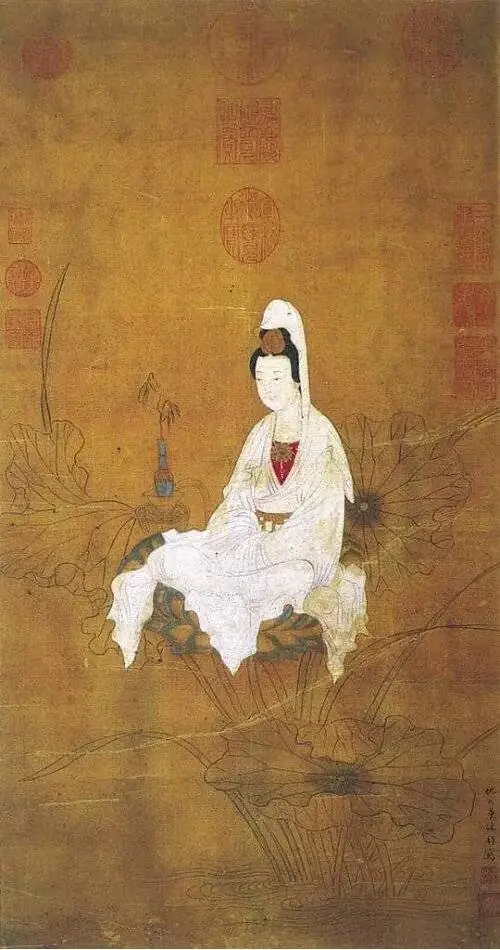 White-robed Guanyin Bodhisattva
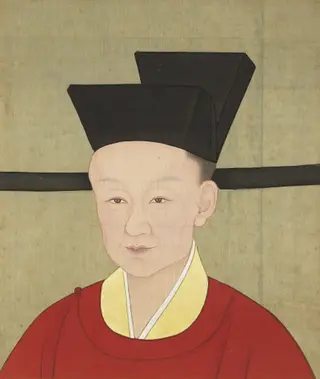 宋代帝半身像册-宋朝度宗皇帝像
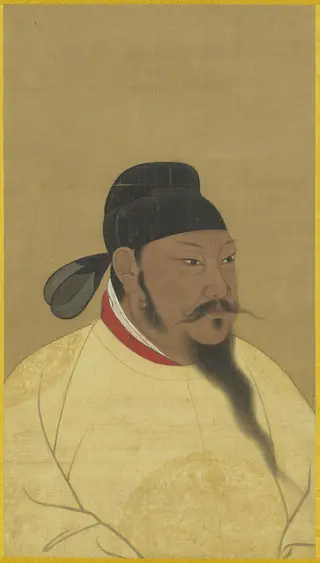 唐太宗半身像
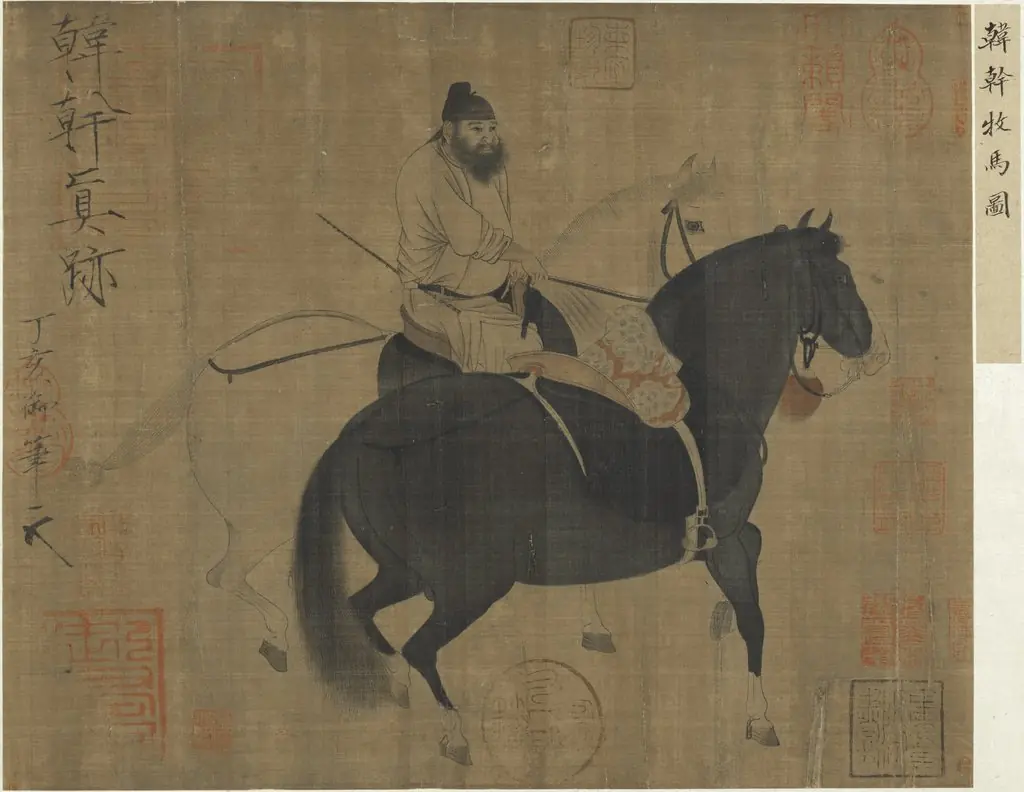 Man Herding Horses
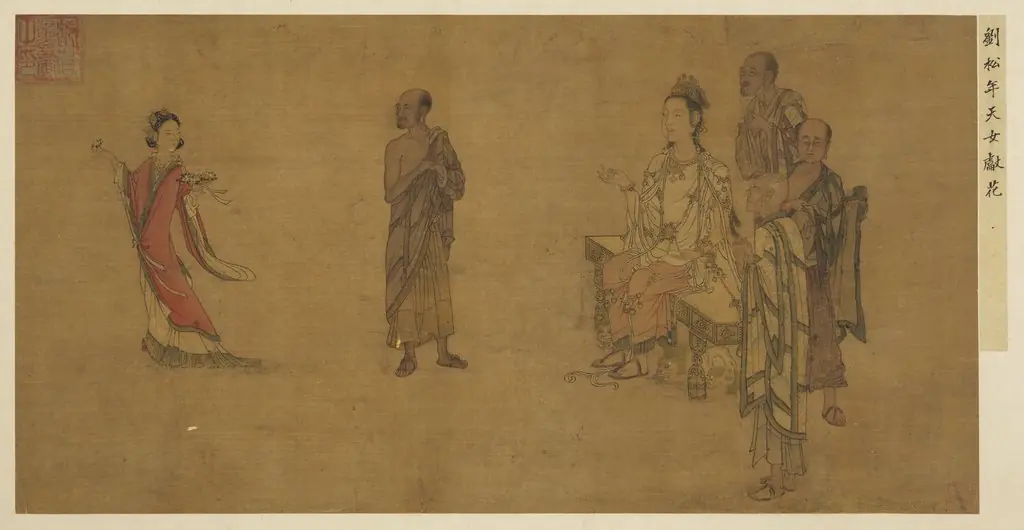 名繪集珍 冊 宋劉松年天女獻花
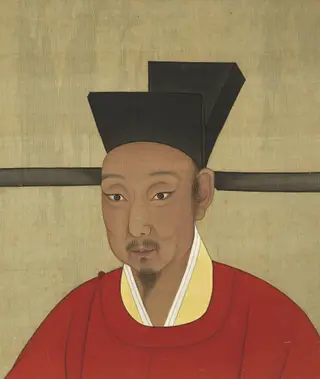 宋代帝半身像册-宋朝宁宗皇帝像
Plan your visit
National Palace Museum
- Website
- www.npm.gov.tw
Museums near National Palace Museum
- Art Museum Lopez Museum Pasig, Philippines
- National Museum National Museum of Korea Yongsan District, South Korea
- National Museum National Museum of China Donghuamen Subdistrict, People's Republic of China
- Art Museum Tokyo Fuji Art Museum Yanomachi, Japan
- Art Museum National Museum of Western Art Ueno-kōen, Japan
- Art Museum National Museum New Delhi, India


What's on
Qianlong and His Impostors: Authentic and Ghostwritten Works of Emperor Qianlong's Calligraphy
21 Apr 2026 – 5 Jul 2026
#Antiquities Tibetan Dragon Canon: A Symphony of Imperial Power, Belief, and Art in a Golden Age (I) (II)
9 May 2026 – 8 Nov 2026