Artwork
Polonia
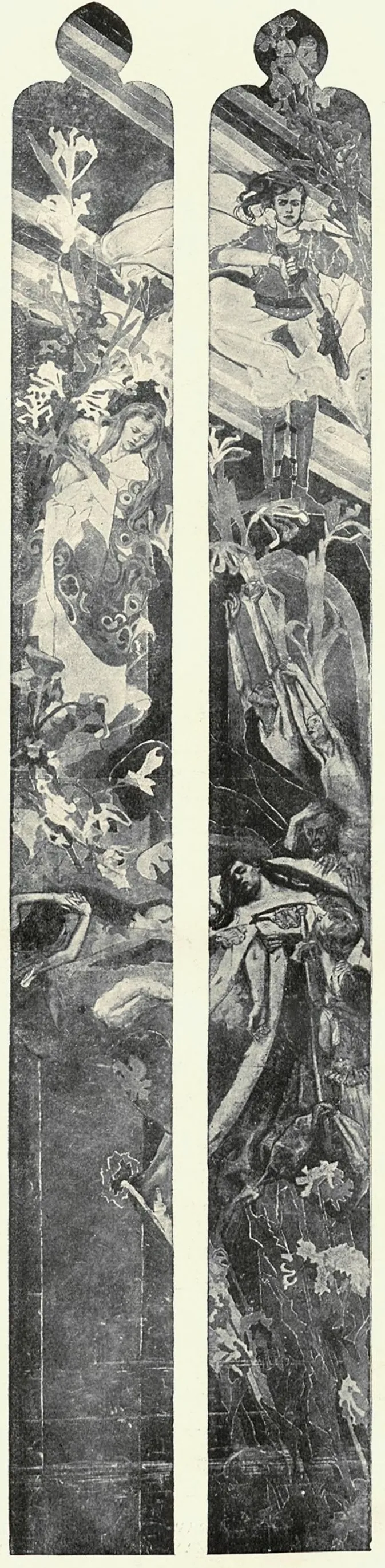
Polonia is an oil painting by Stanisław Wyspiański. It dates from 1898 and is held in the collection of the National Museum in Kraków.
About this work
Overview
Polonia, painted in 1898 by Stanisław Wyspiański, is an oil on canvas work that embodies the symbolic language of the Young Poland movement.
Polonia, painted in 1898 by Stanisław Wyspiański, is an oil on canvas work that embodies the symbolic language of the Young Poland movement. It presents a solitary female figure in a natural setting, blending elements of national allegory with introspective mood. The painting is held in the National Museum in Kraków and reflects Wyspiański’s broader artistic engagement with Poland’s cultural identity during a period of partition.
Subject & Meaning
The central figure represents Polonia, a traditional personification of Poland. Dressed in a simple robe and crowned with wildflowers, she stands quietly amid dense vegetation, her gaze lowered in contemplation. The absence of overt political symbols suggests a more internalized, spiritual conception of the nation, resilient yet subdued under foreign domination. The imagery evokes a connection between the land and its people, rooted in nature rather than power.
Technique & Style
Wyspiański employed muted, earthy tones to unify the figure and her surroundings, creating a harmonious yet somber atmosphere. The brushwork is soft and fluid, with delicate transitions between the woman’s robe and the surrounding foliage. There is no sharp delineation between form and environment, reinforcing the symbolic merging of national identity with the natural world. The composition avoids dramatic tension, favoring stillness and quietude.
History & Provenance
Created in 1898, Polonia entered the collection of the National Museum in Kraków shortly after its completion. It was produced during a period when Wyspiański was deeply involved in theatrical and visual projects exploring Polish heritage. Unlike his more overtly political works, this painting was not commissioned but emerged from personal reflection, later recognized as a key example of his symbolic approach to national themes.
Context
Poland was partitioned among three empires when Wyspiański painted Polonia, and public expressions of nationalism were restricted. Artists turned to allegory and symbolism to preserve cultural memory. Wyspiański drew from Romantic poetry, folk motifs, and modernist aesthetics to construct a visual language that avoided direct confrontation while sustaining a sense of collective identity through poetic imagery.
Legacy
Polonia remains a quiet but enduring representation of Polish national consciousness in visual art. It influenced later generations of artists who sought to express identity through metaphor rather than monumentality. The painting’s restraint and emotional depth distinguish it from more propagandistic works of the era, offering a contemplative alternative to nationalist rhetoric.
Artist & collection
Artist
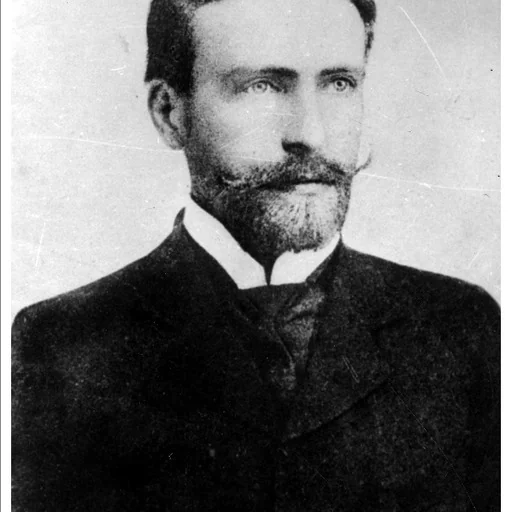
Stanisław Mateusz Ignacy Wyspiański (pronounced; 15 January 1869 – 28 November 1907) was a Polish playwright, painter, poet, and interior and furniture designer.

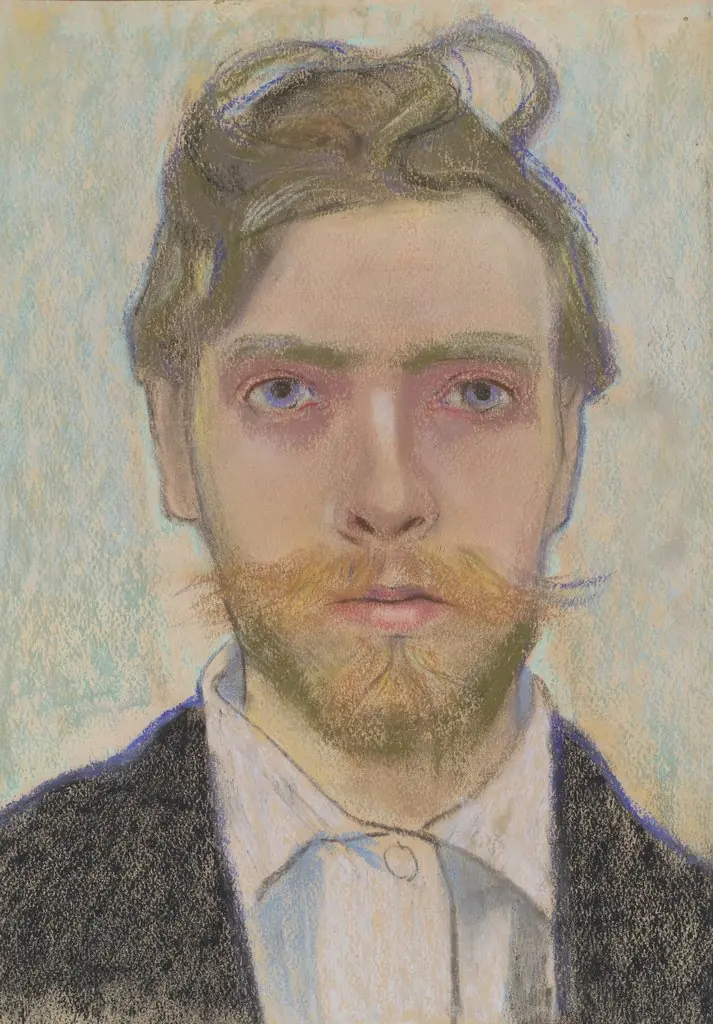 Self-Portrait
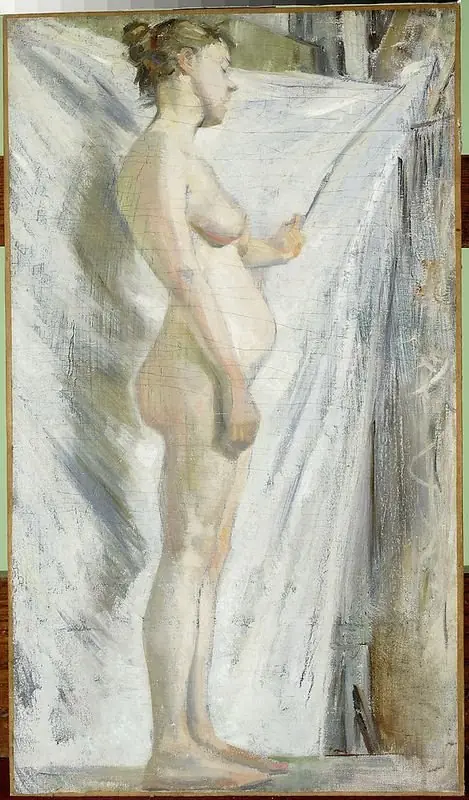 Female nude
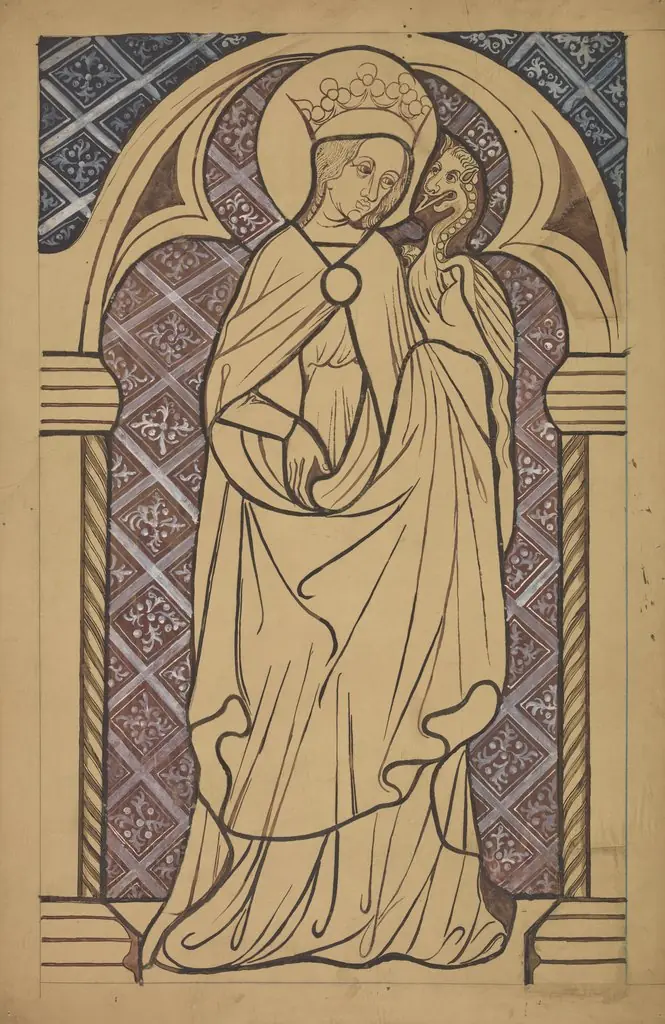 Saint Margaret. Artistic reconstruction of a stained-glass panel from the Dominican church in Kraków
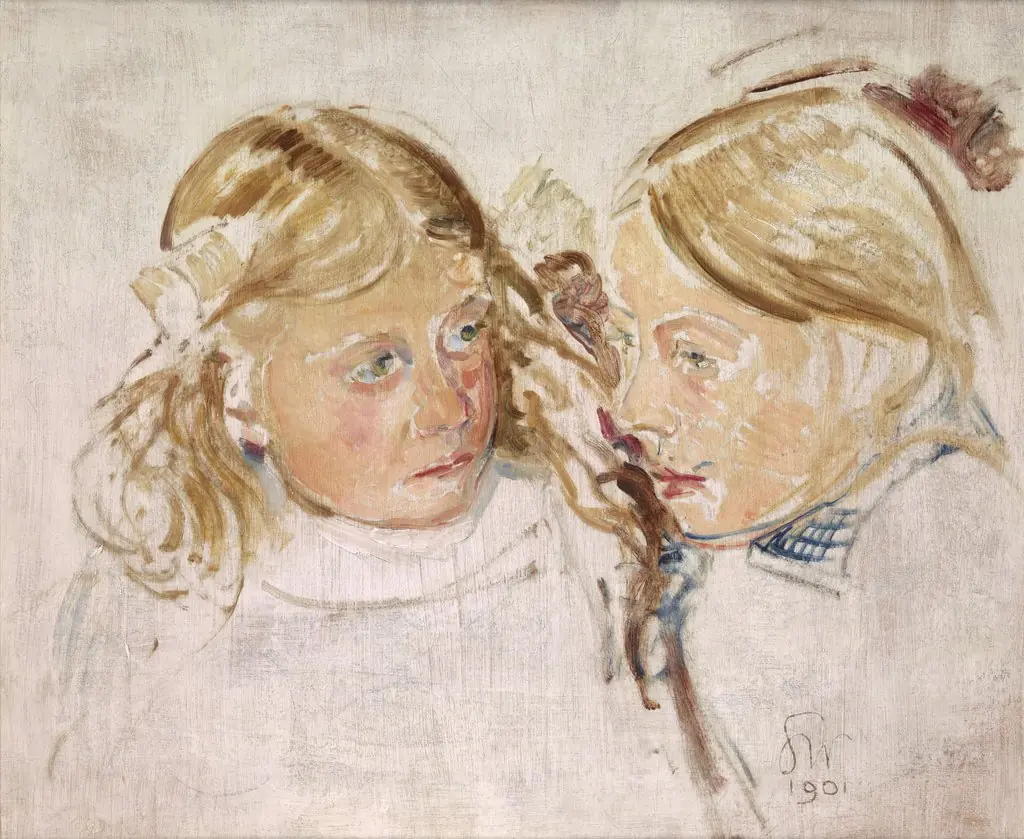 Double Portrait
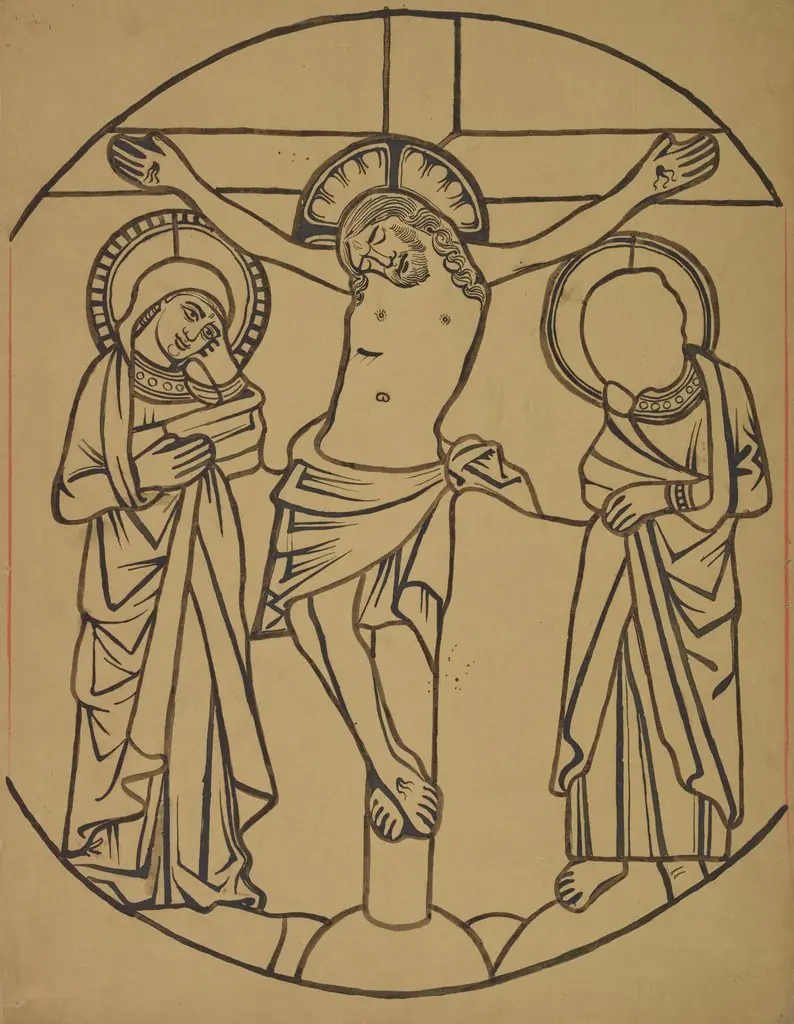 Crucifixion. Artistic reconstruction of a stained-glass panel from the Dominican church in Kraków
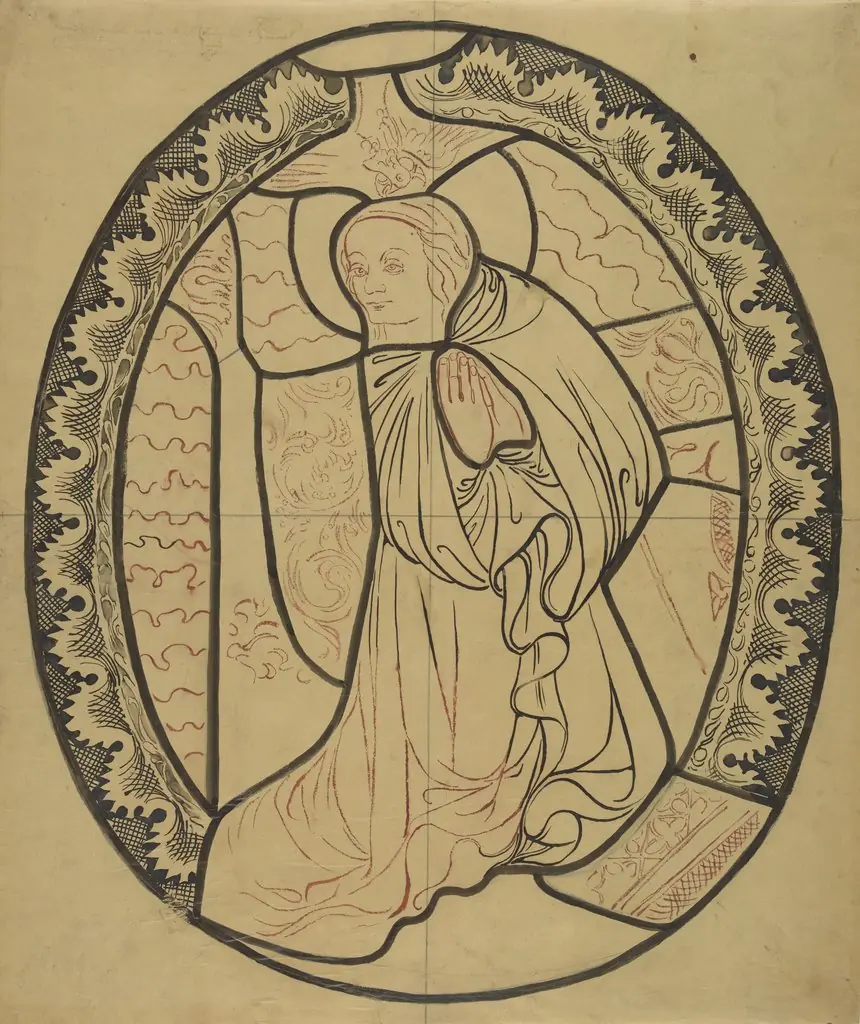 The Blessed Virgin Mary from the scene "Annunciation" (right part). Artistic reconstruction of a stained-glass panel from the Dominican church in Kraków
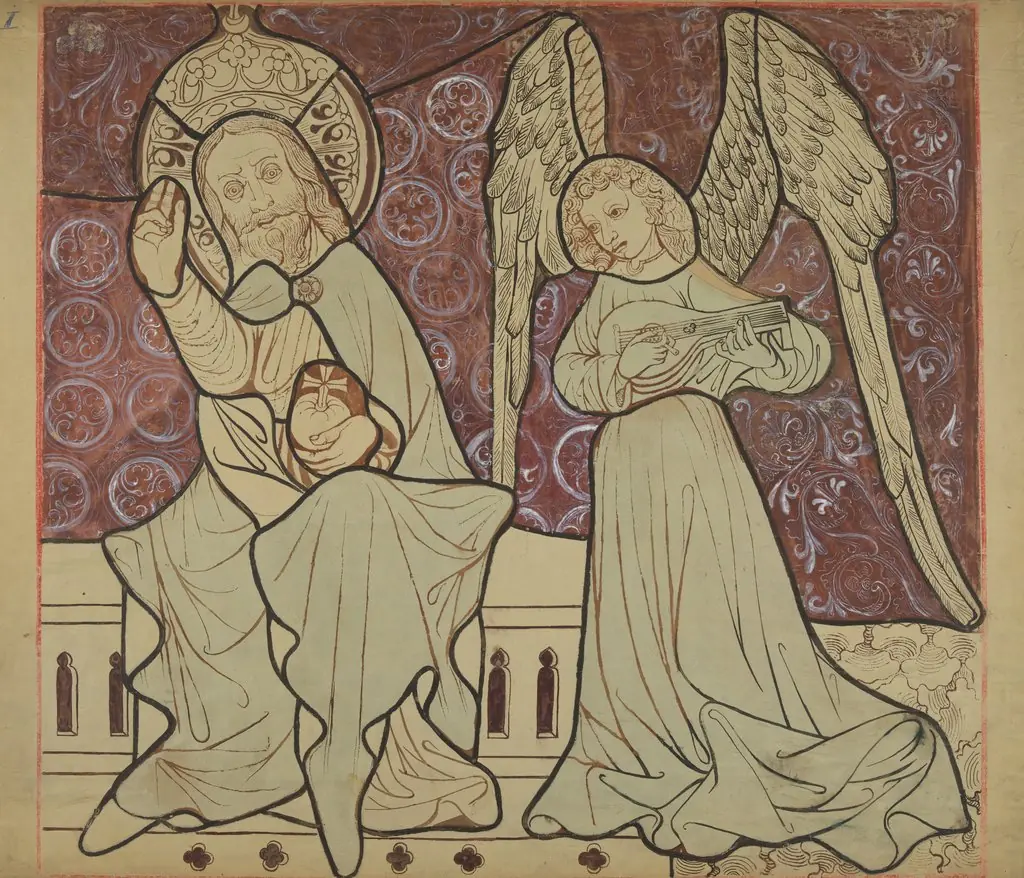 Enthroned Christ with an angel from the scene "Coronation of the Blessed Virgin Mary" (right part). Artistic reconstruction of a stained-glass panel from the Dominican church in Kraków
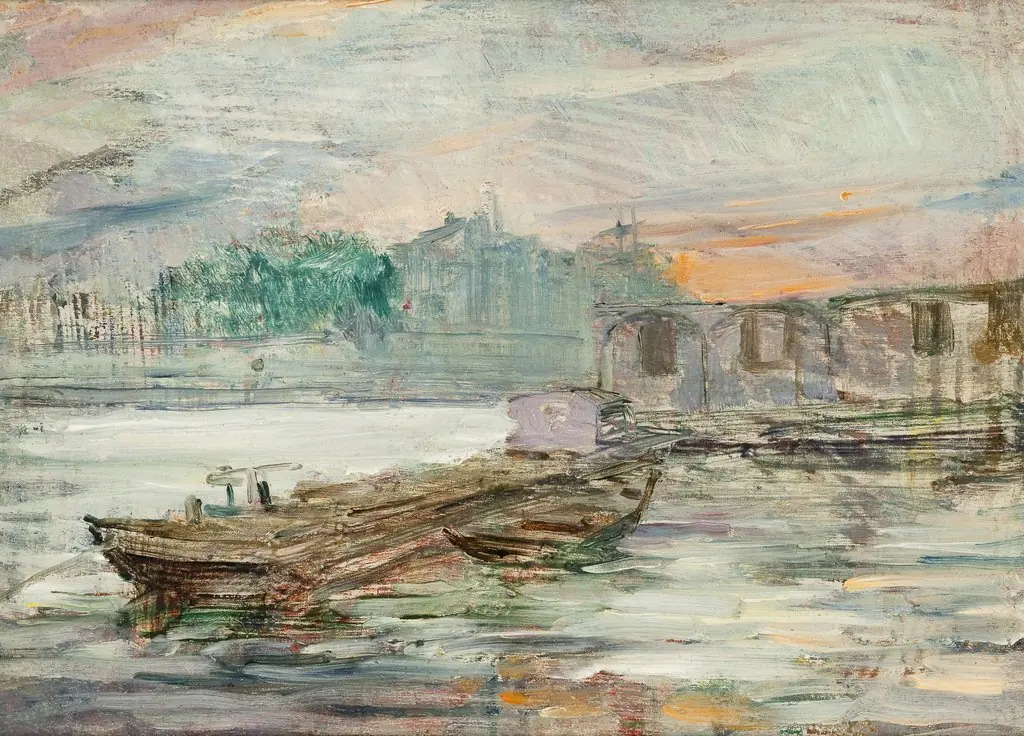 Barges on the Seine
- Allegorische Darstellung
 Periwinkles
 Visions of the Hereafter: Fall of the Damned into Hell
 Hl. Magdalena (Rückseite: Rest eines Strahlenkranzes)
 Die Sintflut
 Christ on the Mount of Olives
 Untitled
 Kreuzabnahme Christi
 Christ on the Mount of Olives
 Singer at the Café-Concert and The Harvesters (Les Moissonneurs)
 Păsări moarte cu cocoș de munte; pandant; Păsări și iepure mort
 Hail to Peace, Christmas 1918