Subject
Nude
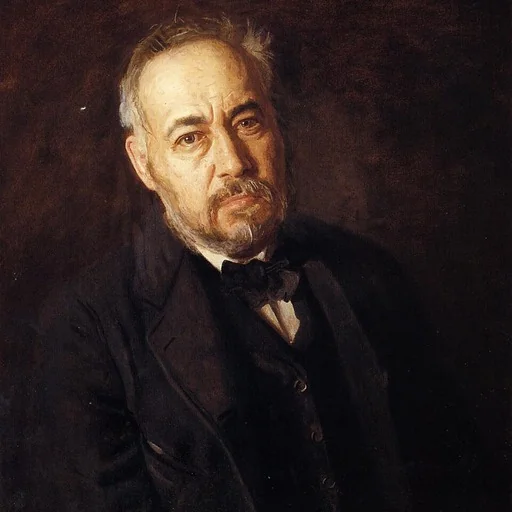
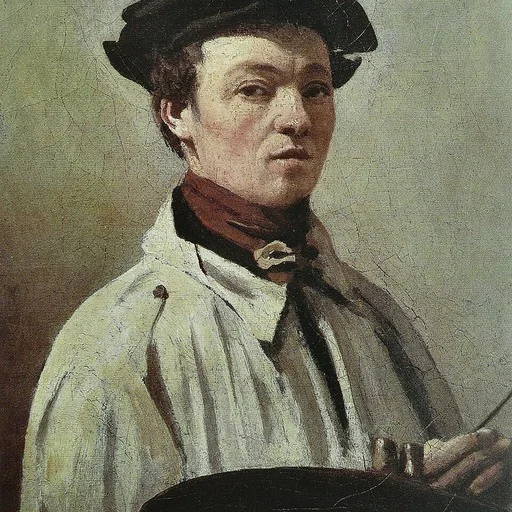
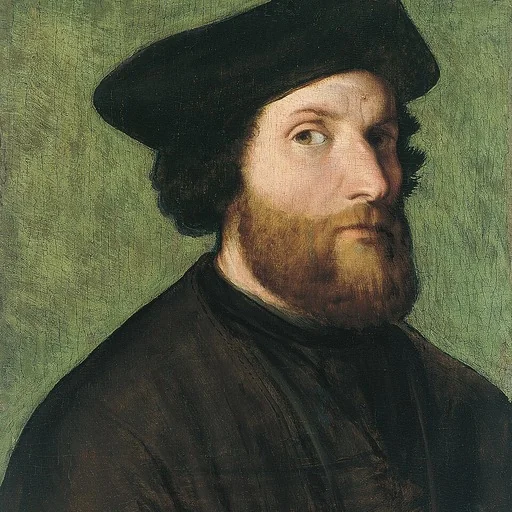
Nude is a subject in art. The gallery holds 171 works in this subject in art, including works by Thomas Eakins, Jean Baptiste Camille Corot and Lorenzo Lotto.
The nude—visual art devoted to the unclothed human figure—is one of the most enduring traditions in Western art, and, as the critic Kenneth Clark argued in his influential study *The Nude: A Study in Ideal Form* (1956), less a subject than an art form in its own right. Clark drew a famous distinction between the merely *naked* body—deprived of clothes, vulnerable, embarrassed—and the *nude*, a body "re-formed" into balanced, idealized perfection. That ideal was effectively invented by the Greeks. From the fifth century BC, sculptors such as Polykleitos, whose *Doryphoros* embodied a canon of harmonious proportion, and later Praxiteles, whose *Aphrodite of Knidos* pioneered the female nude, treated the body as something to be celebrated and a vehicle for abstract ideas of order, virtue, and divinity.
After a long medieval period in which Christian culture largely confined nudity to Adam and Eve or the damned, the nude returned to the center of art with the Renaissance and its rediscovery of antiquity. Botticelli's *The Birth of Venus* (c. 1485) revived the classical goddess, while Titian's *Venus of Urbino* (1538) established the reclining female nude as a compositional model that would be echoed for centuries. Venetian painters in particular—including Lorenzo Lotto, whose *Venus and Cupid* survives here—wedded sensuous color to mythological pretext, the device by which the erotic could be made respectable.
The nude became the cornerstone of academic training, where drawing from the live model and the study of antique sculpture were foundational. In the nineteenth century its conventions were both perfected and challenged. Ingres pursued an idealized, linear sensuality in works like the *Grande Odalisque* (1814), and Jean-Léon Gérôme cloaked frank eroticism in mythological narrative, as in his *Pygmalion and Galatea* (c. 1890), held here. Against this polish, Gustave Courbet's unidealized realism—seen in *The Source*, *The Young Bather*, and *The Woman in the Waves*—scandalized critics by painting nudes as ordinary, fleshly women rather than goddesses; Corot's *Bacchante by the Sea* offered a gentler, lyrical counterpoint.
The decisive rupture came with Édouard Manet's *Olympia* (1863), which recast Titian's Venus as a self-possessed contemporary courtesan and provoked an outcry at the 1865 Salon. By stripping away mythological alibi, Manet opened the way to the modern nude pursued by Degas, Renoir, Cézanne, Matisse, and Picasso, whose *Les Demoiselles d'Avignon* (1907) shattered the classical body altogether—confirming the nude as a perennial site where each era restates its idea of beauty, truth, and the human form.
Key artists
Works
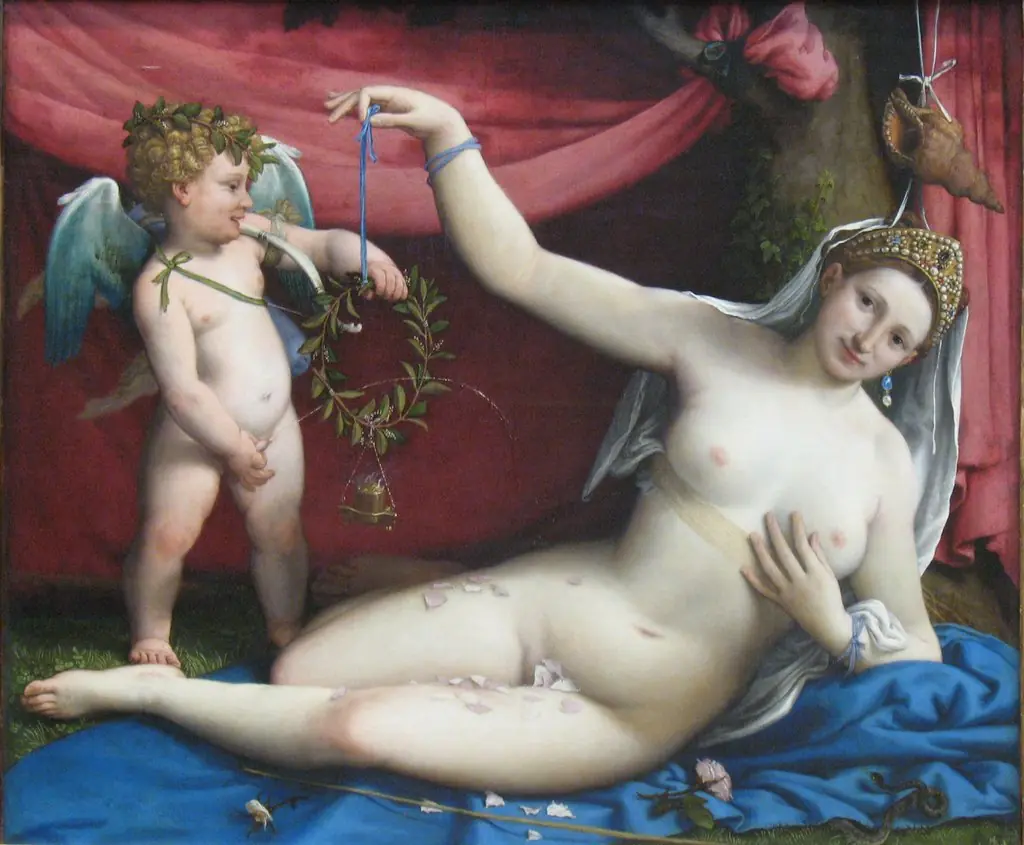 Venus and Cupid
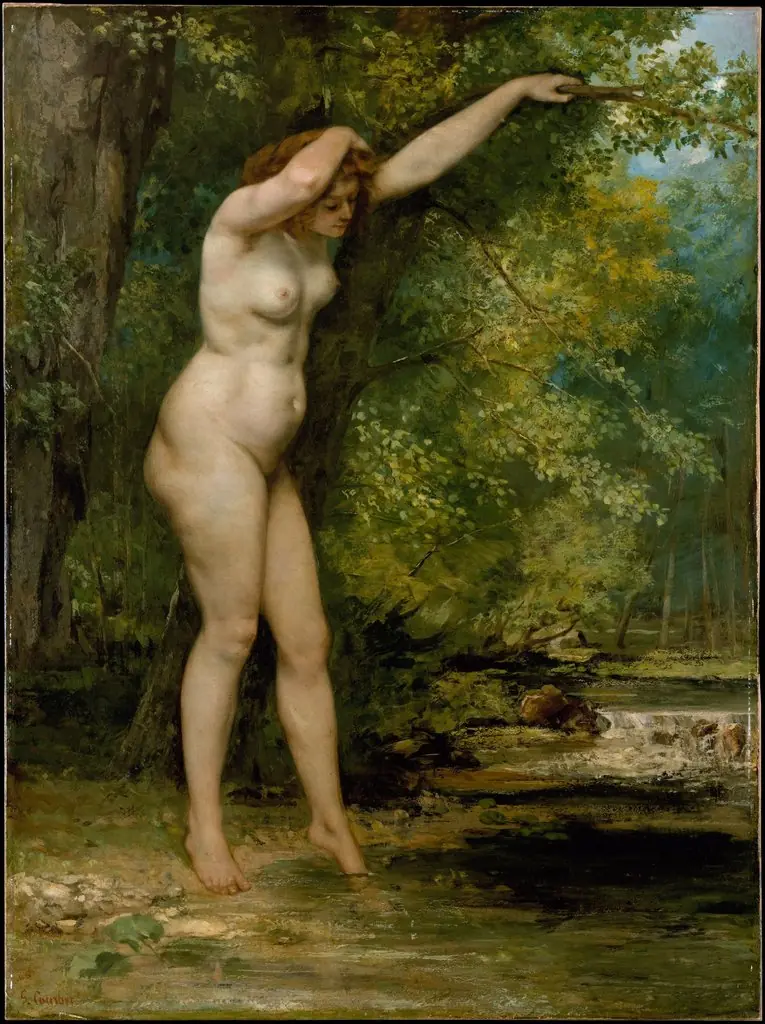 The Young Bather
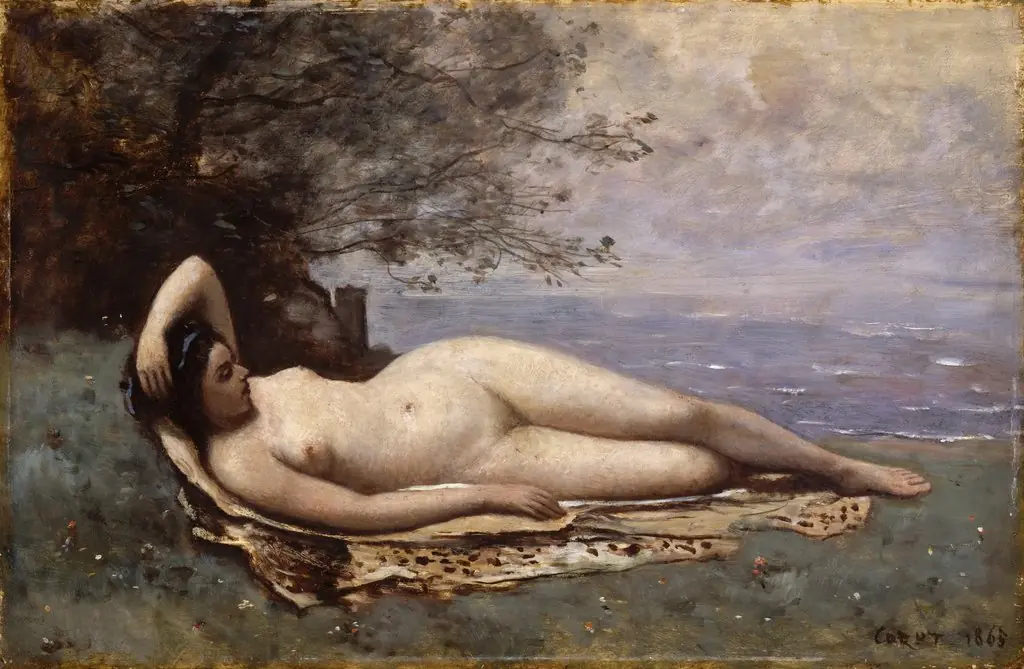 Bacchante by the Sea
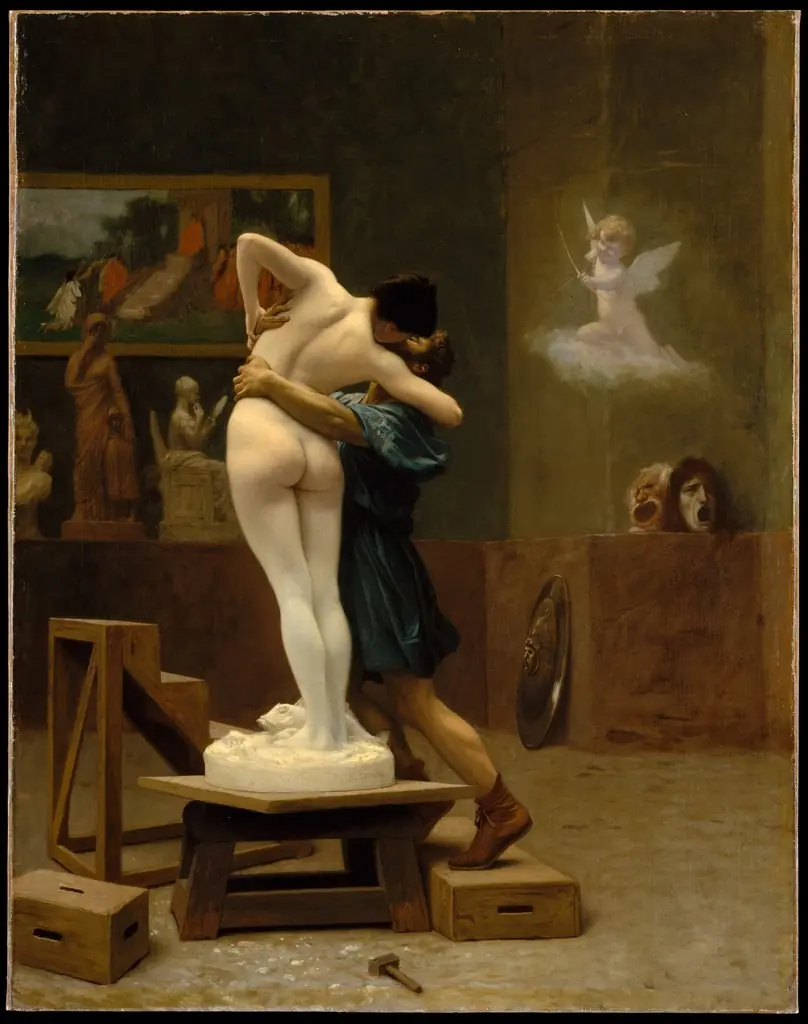 Pygmalion and Galatea
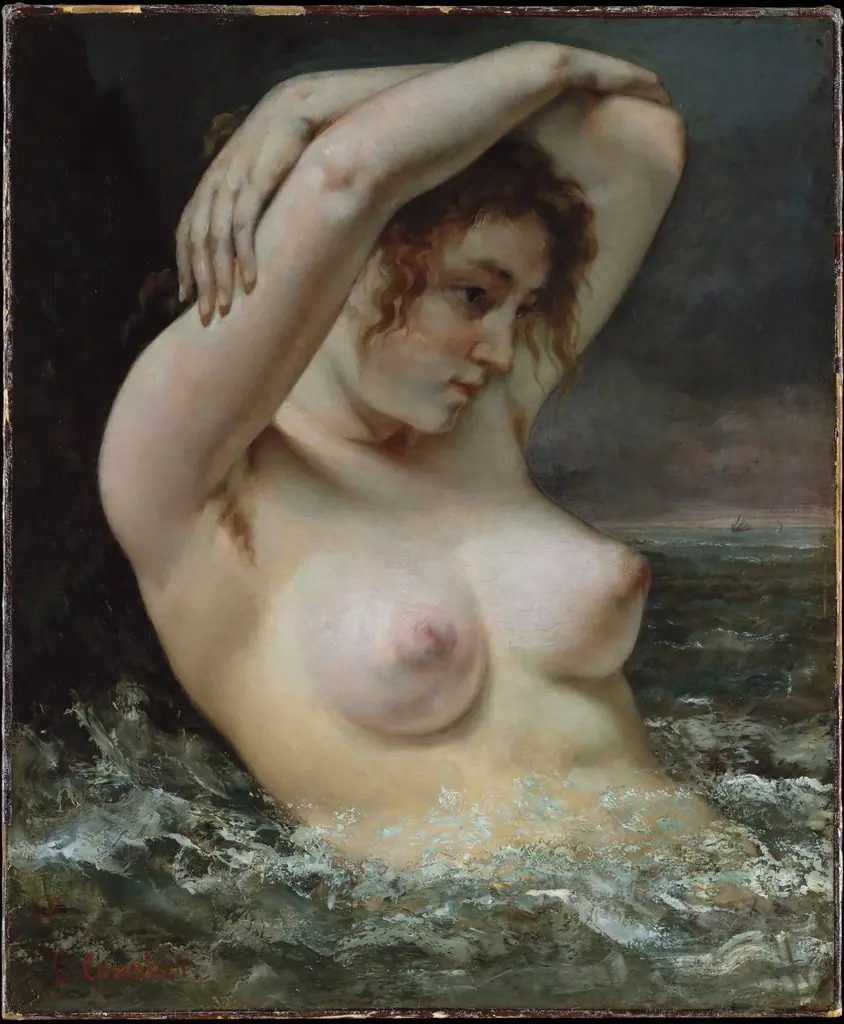 The Woman in the Waves
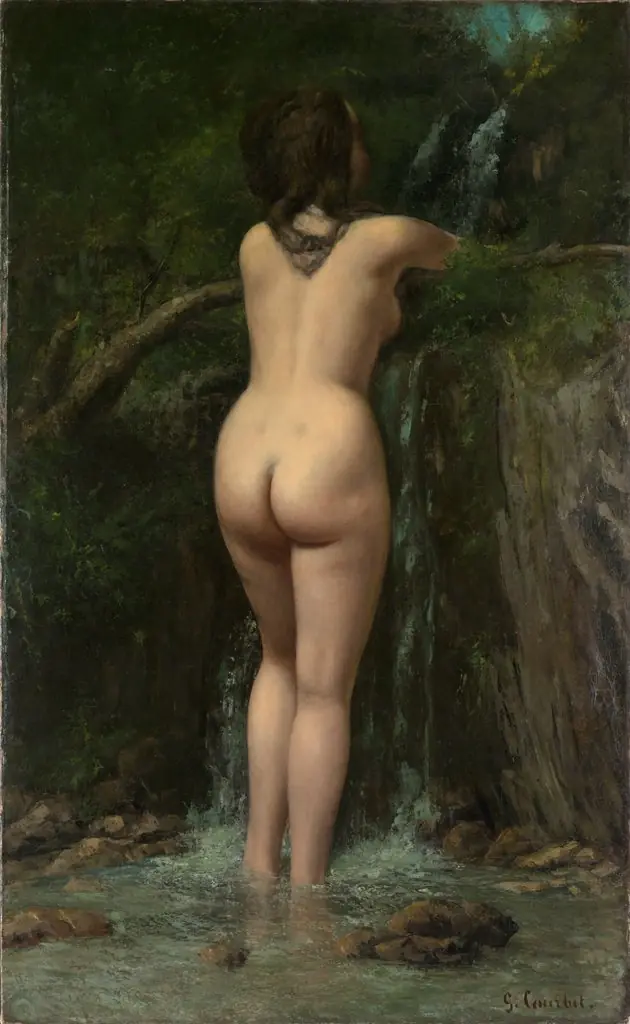 The Source
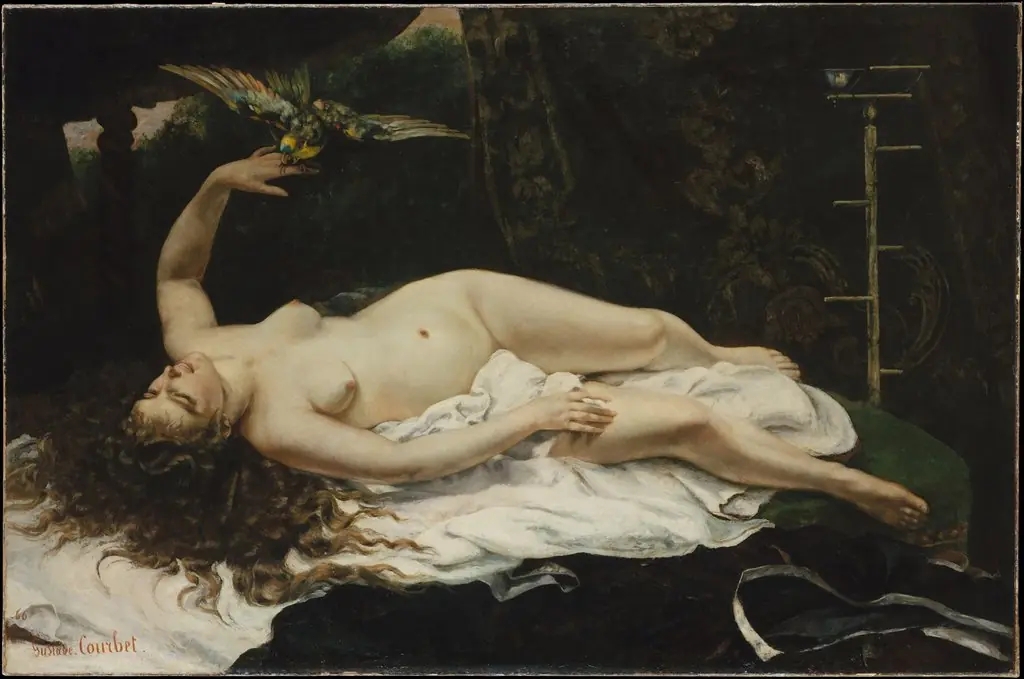 Woman with a Parrot
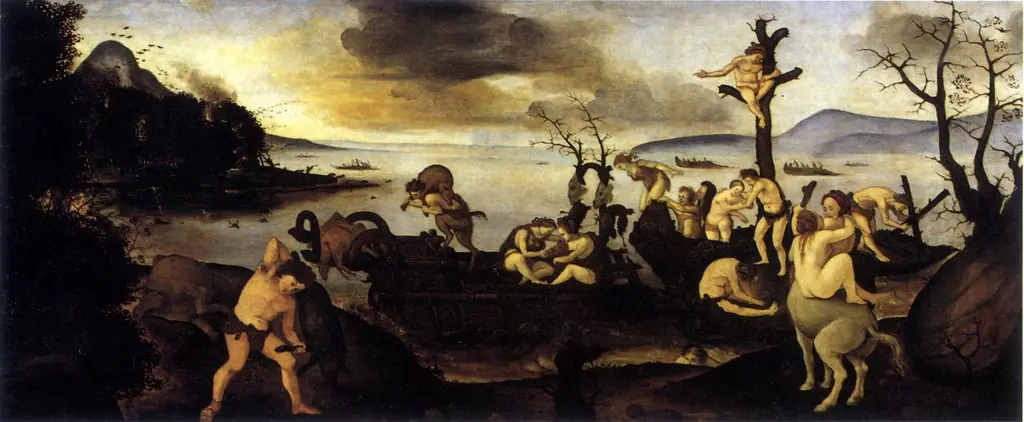 Return from the Hunt by Piero di Cosimo
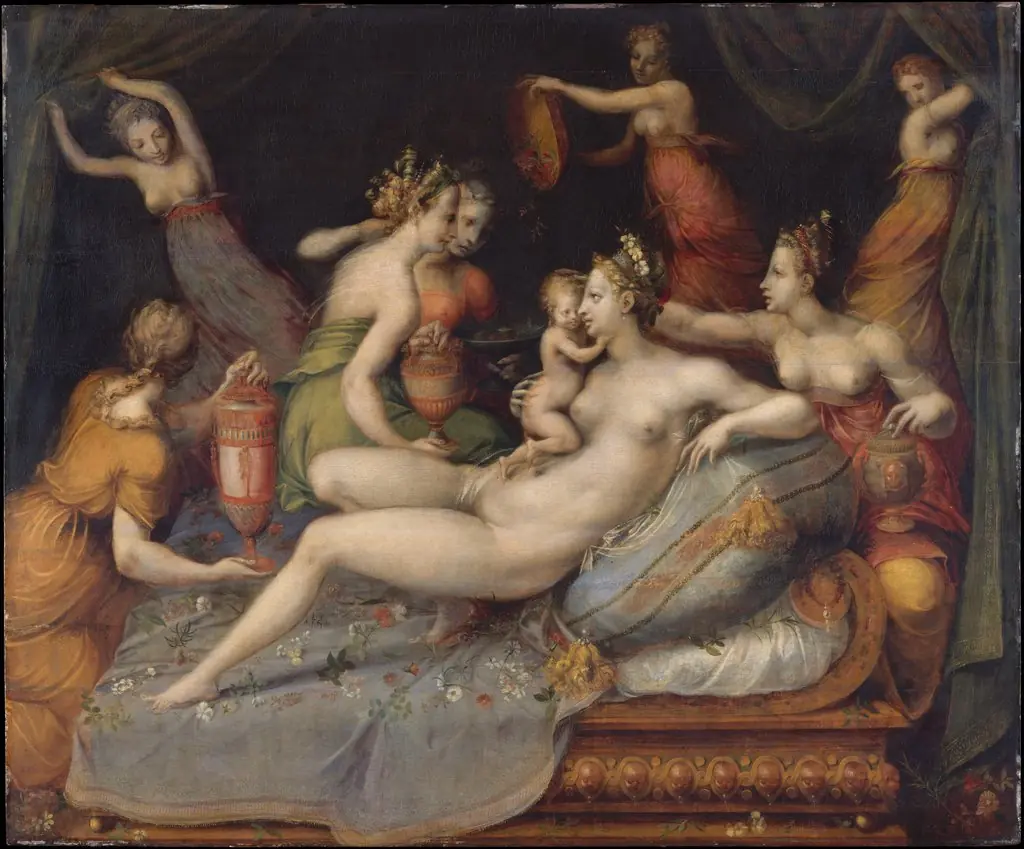 The Birth of Cupid
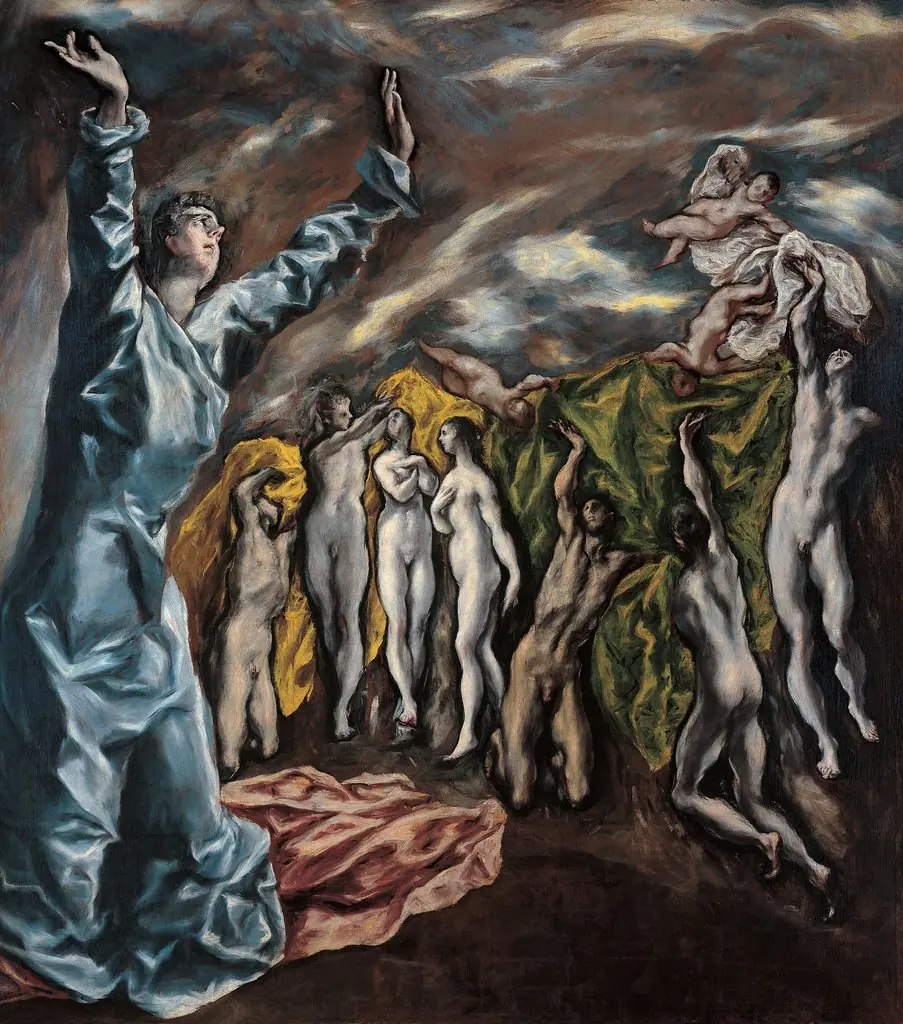 Opening of the Fifth Seal
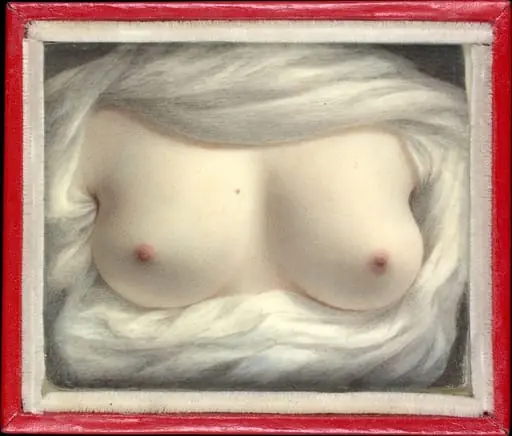 Beauty Revealed
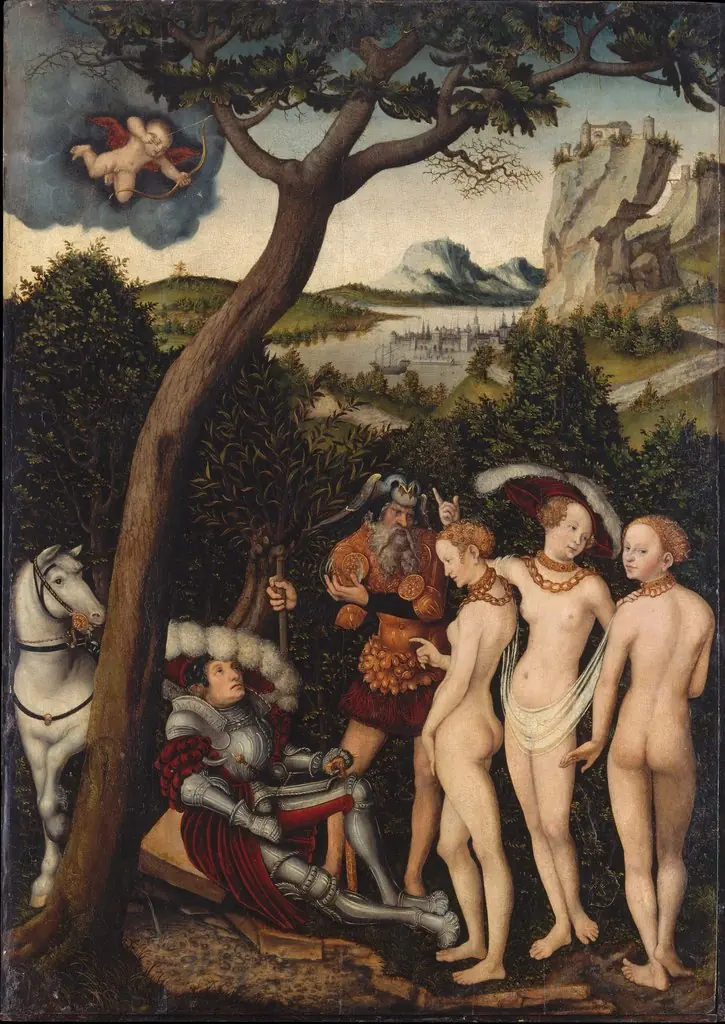 The Judgment of Paris
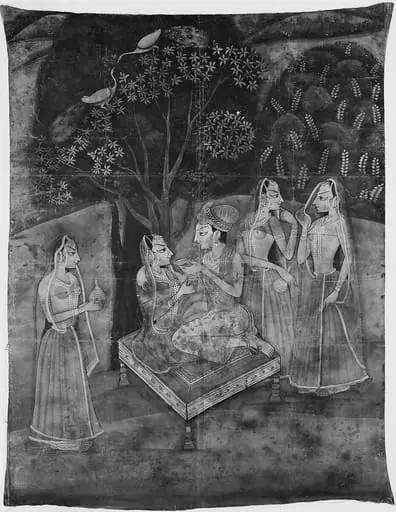 Untitled
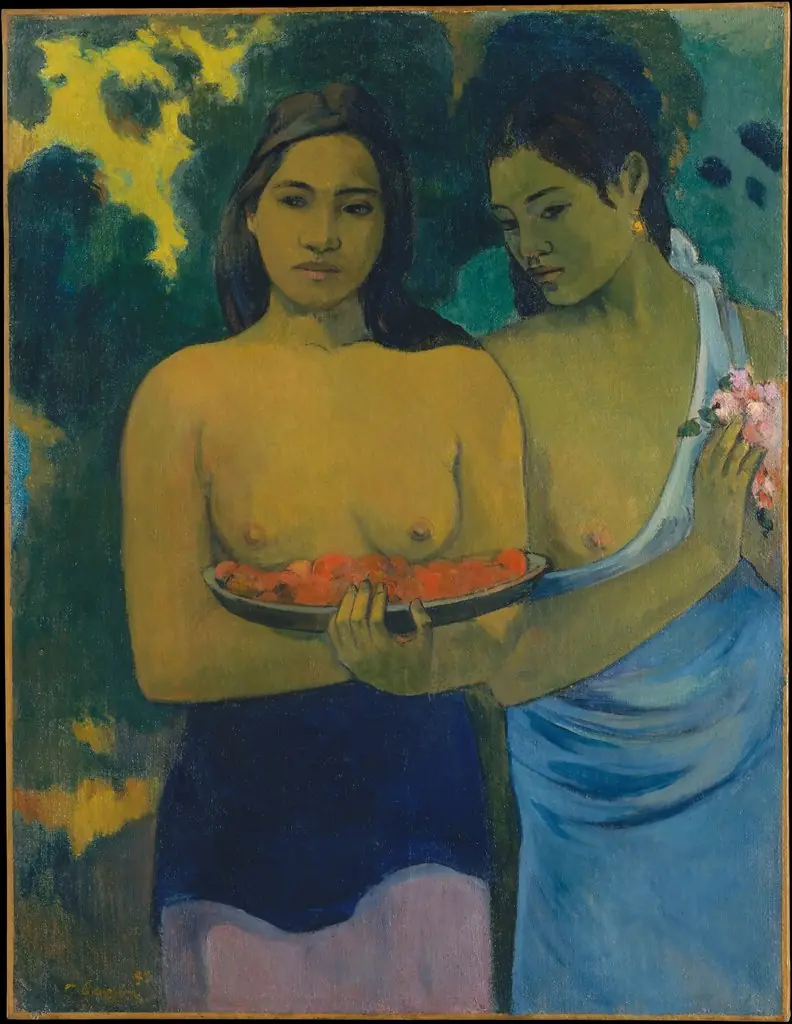 Two Tahitian Women
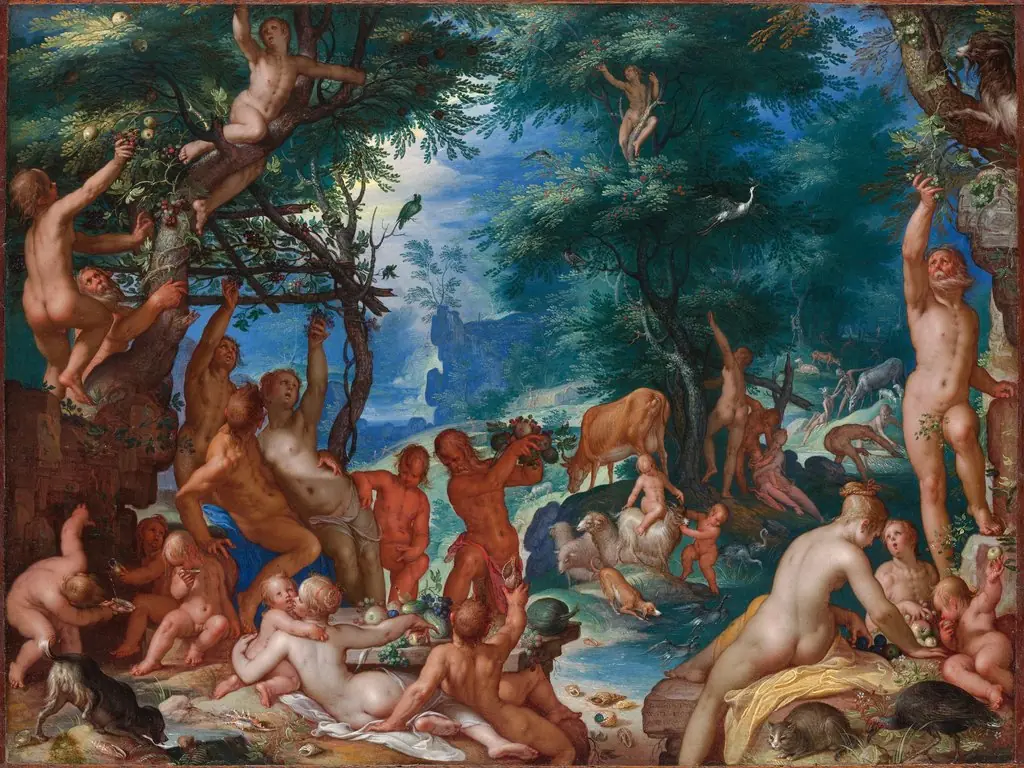 The Golden Age
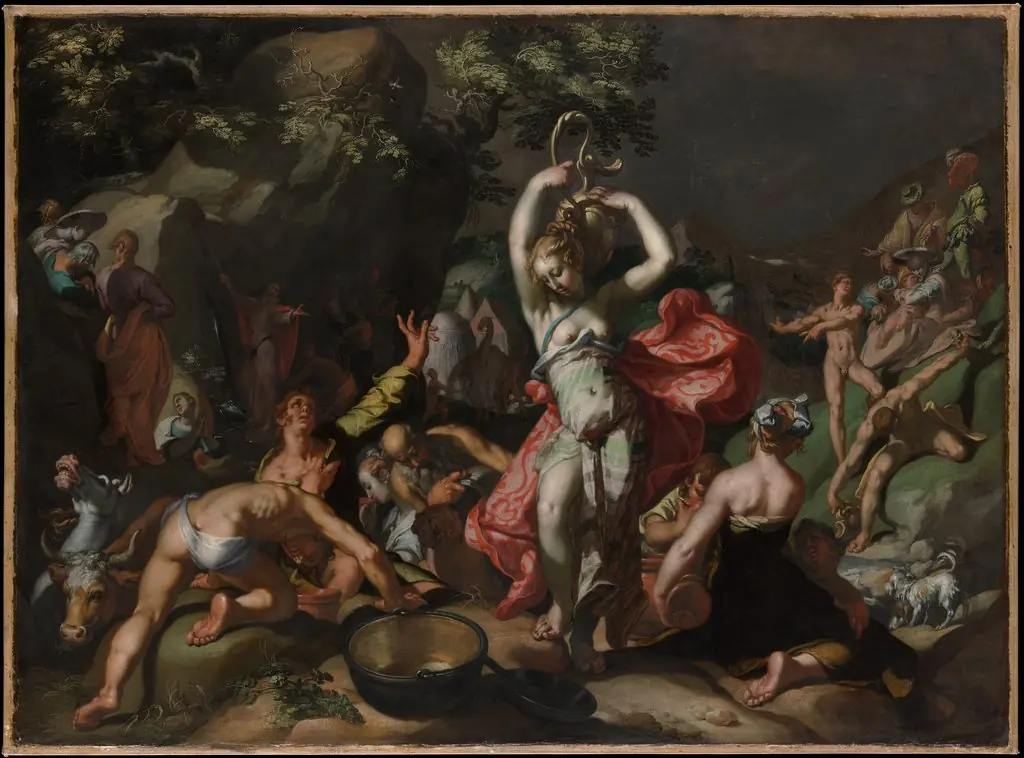 Moses Striking the Rock
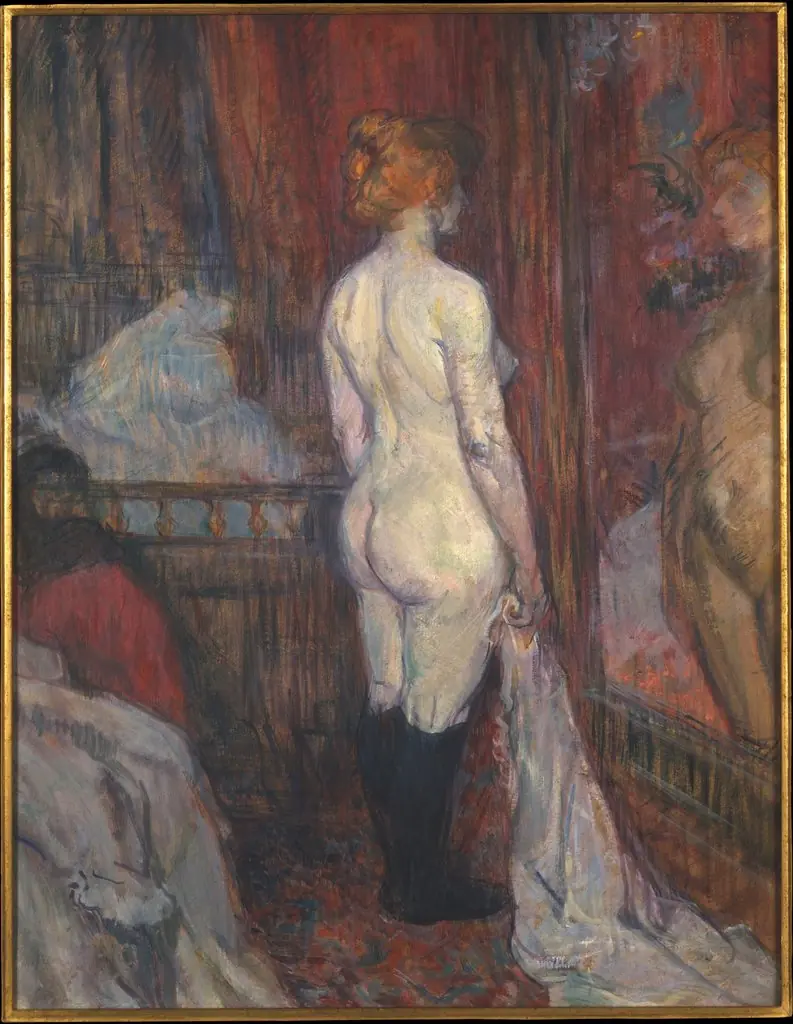 Woman before a Mirror
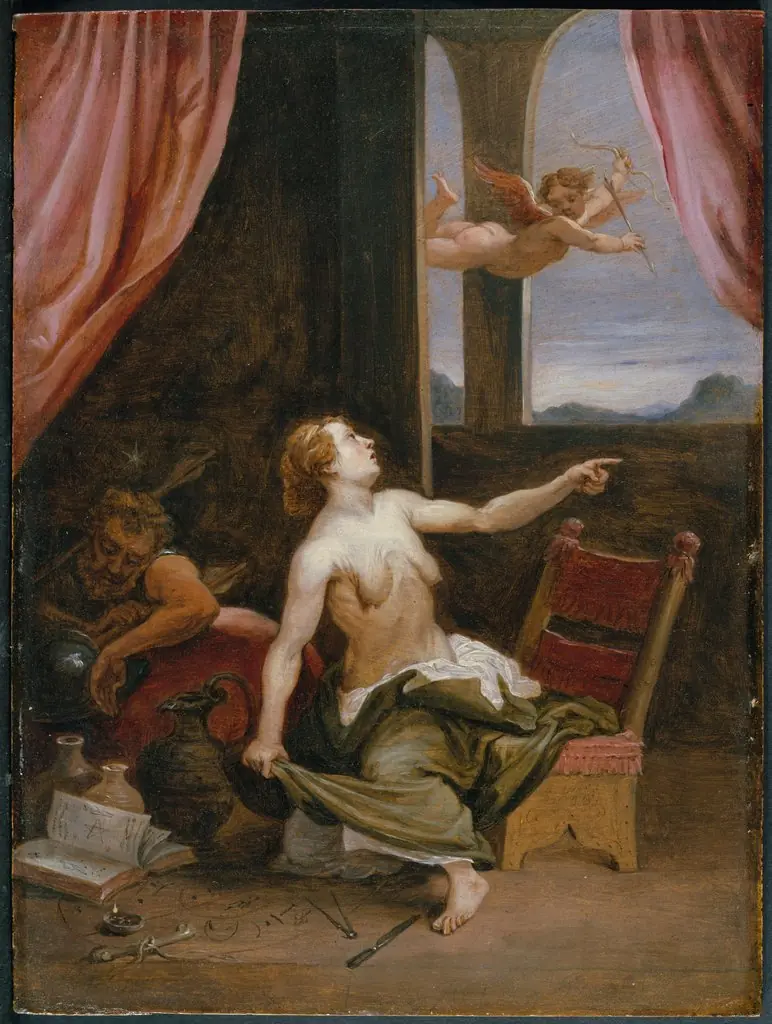 Old Age in Search of Youth
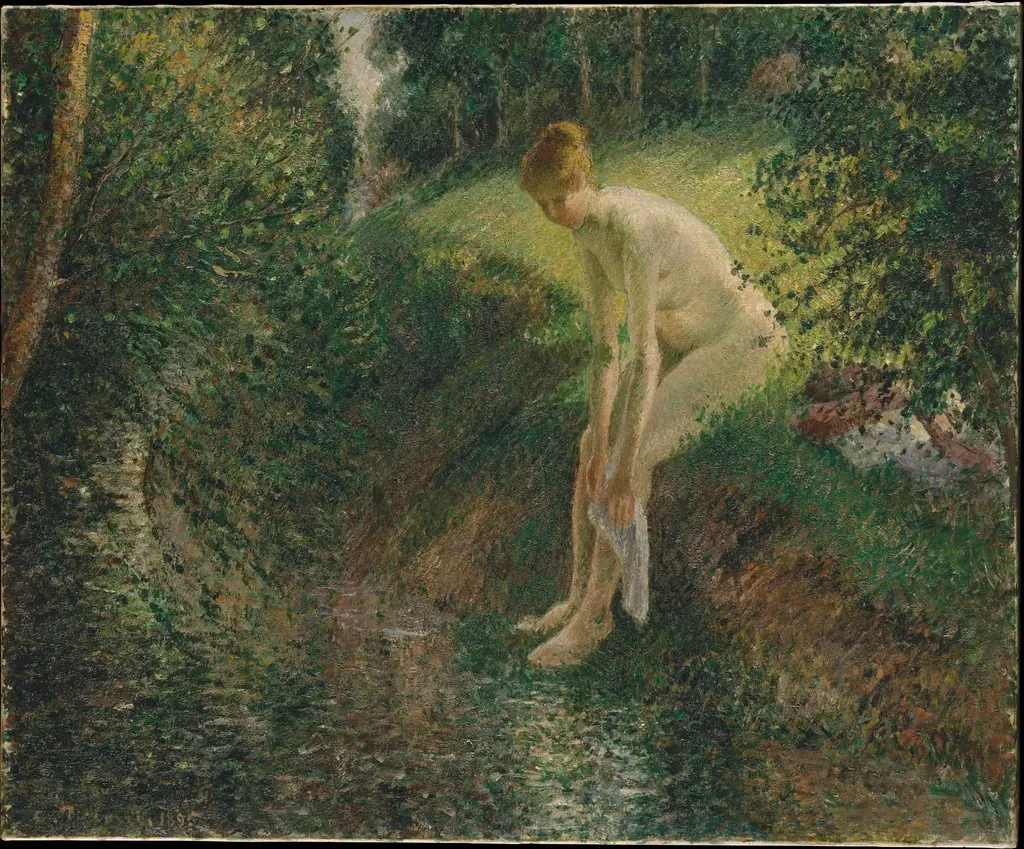 Bather in the Woods
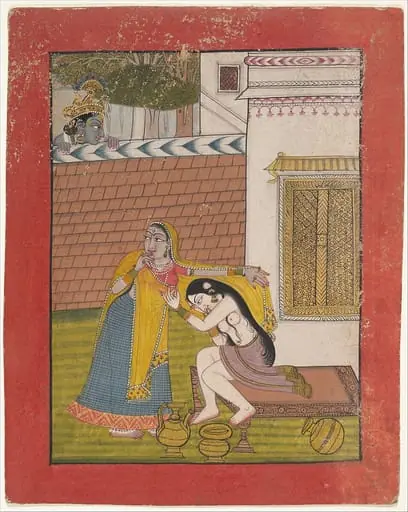 Untitled
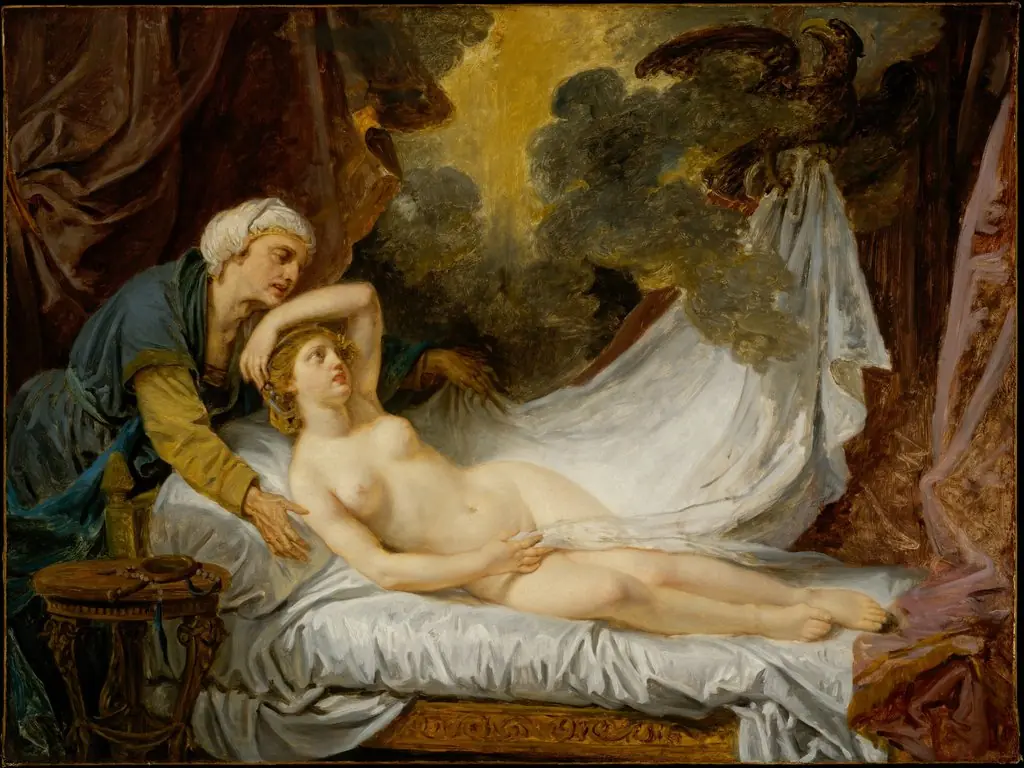 Aegina Visited by Jupiter
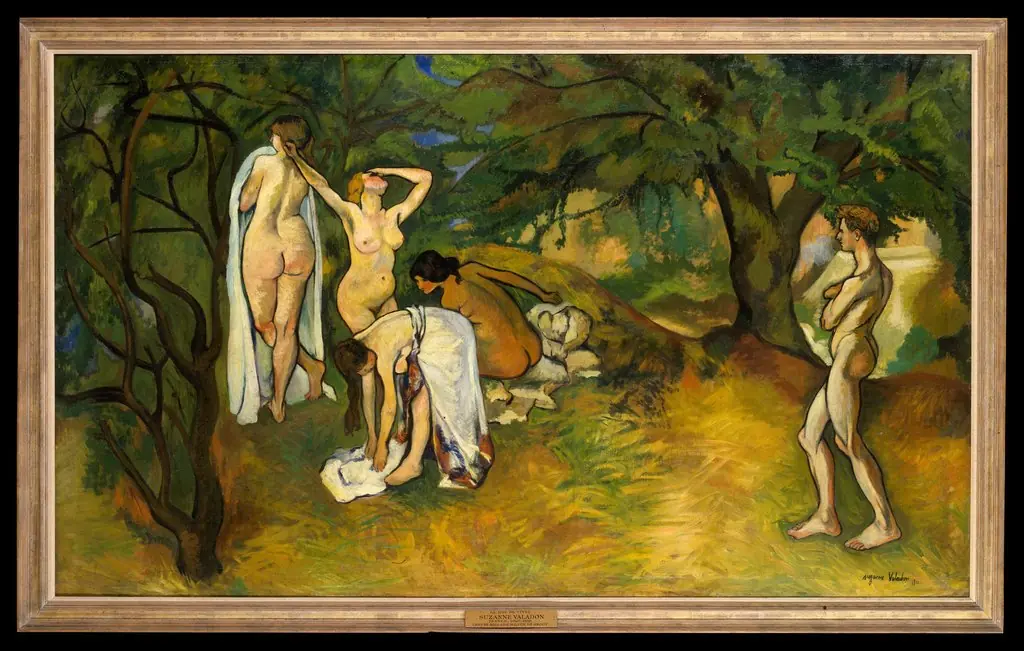 Joy of Life
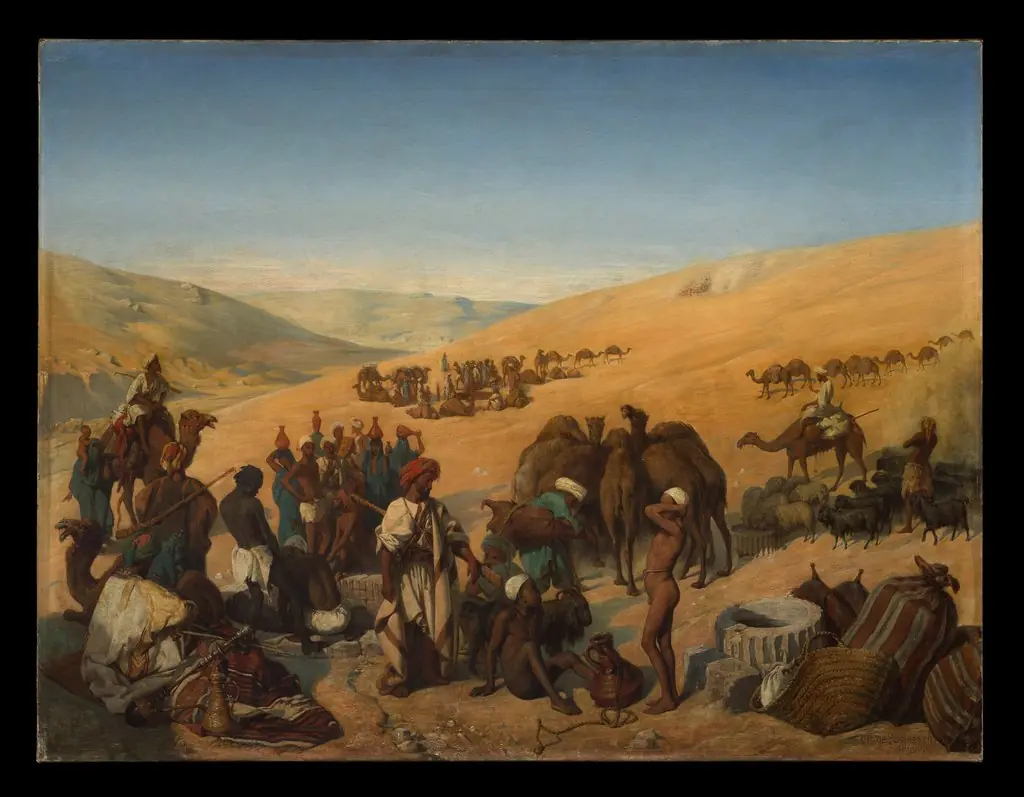 Halt of Caravans at the Wells of Saba (Beersheba) in the Desert South of Hebron
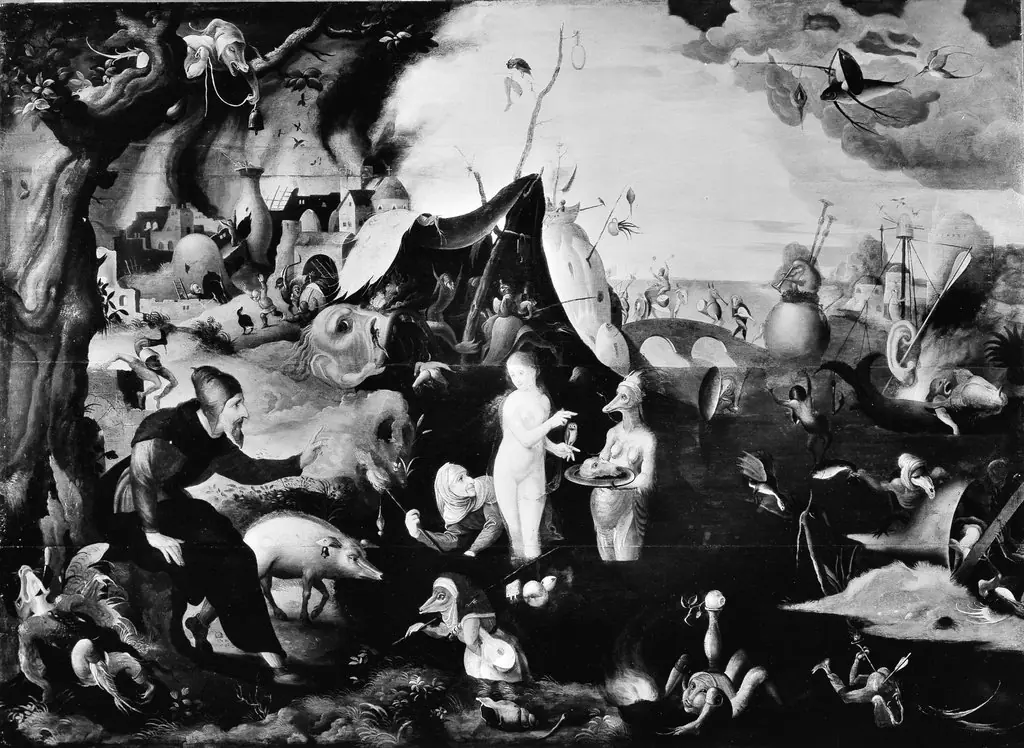 The Temptation of Saint Anthony
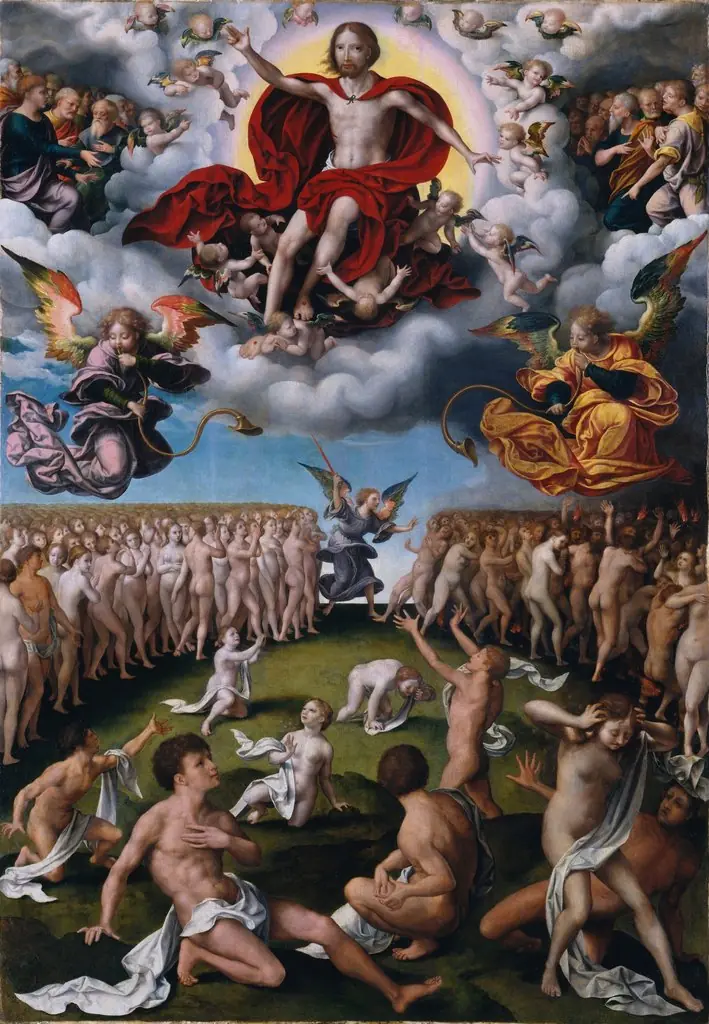 The Last Judgment
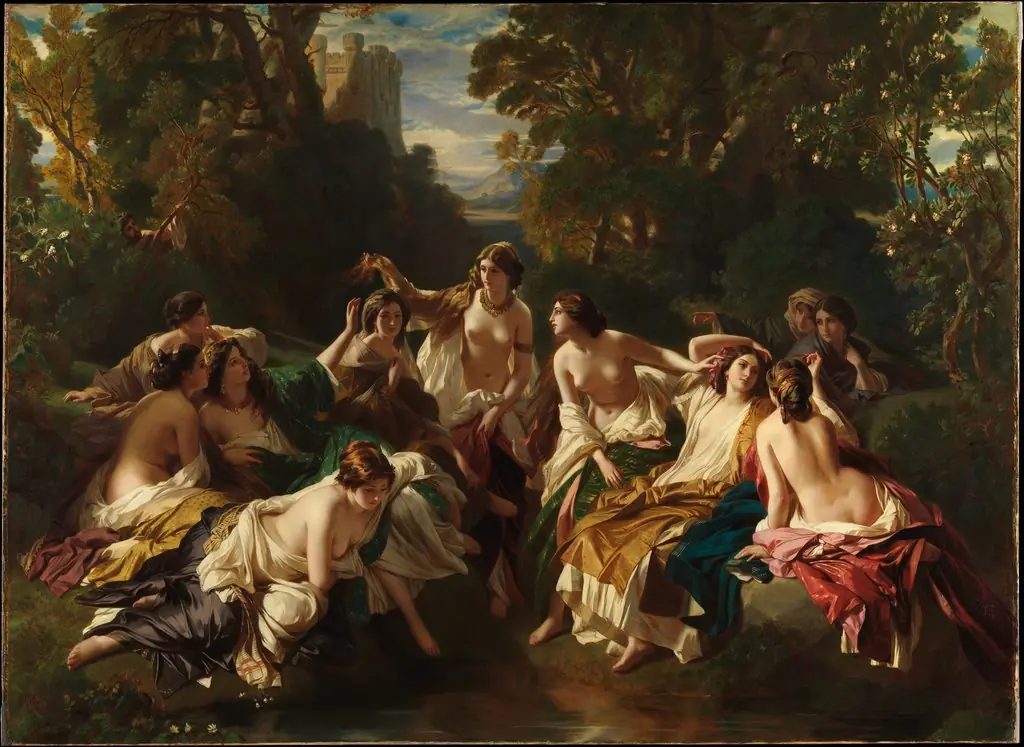 Florinda
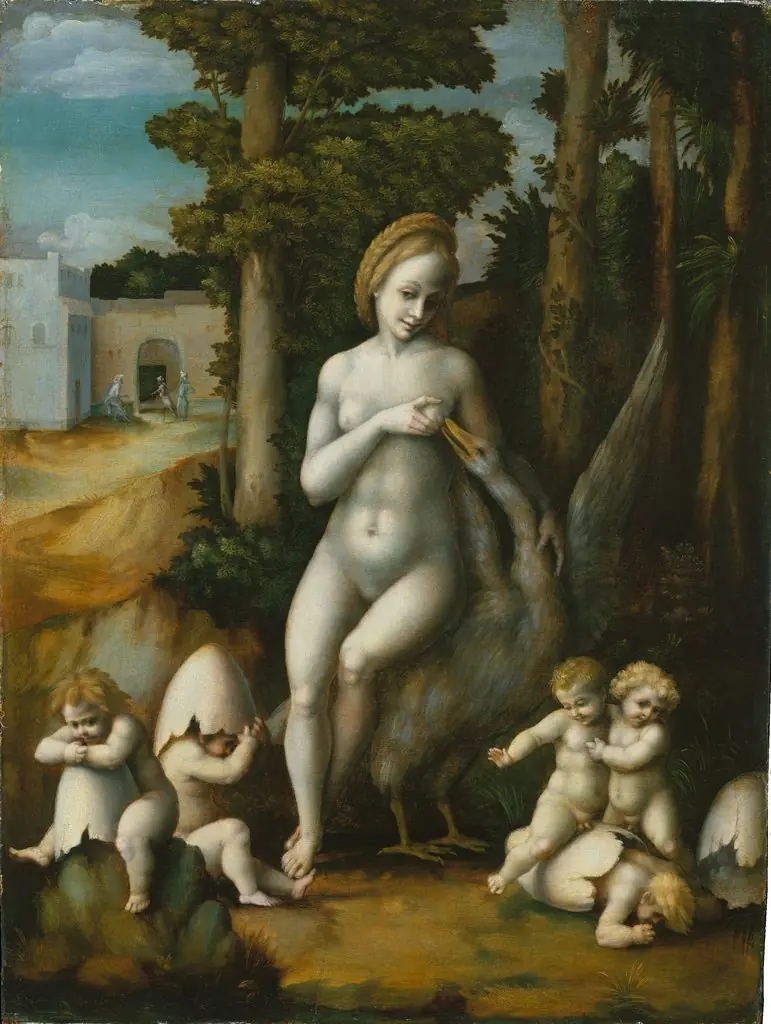 Leda and the Swan
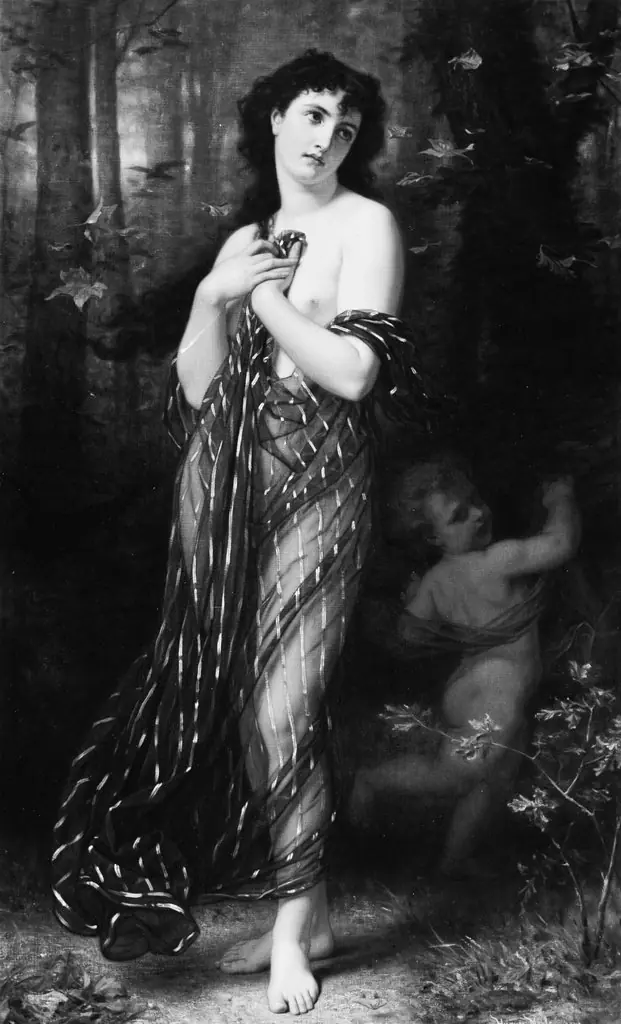 Falling Leaves, Allegory of Autumn
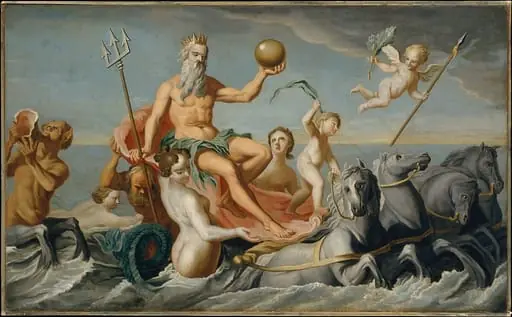 The Return of Neptune
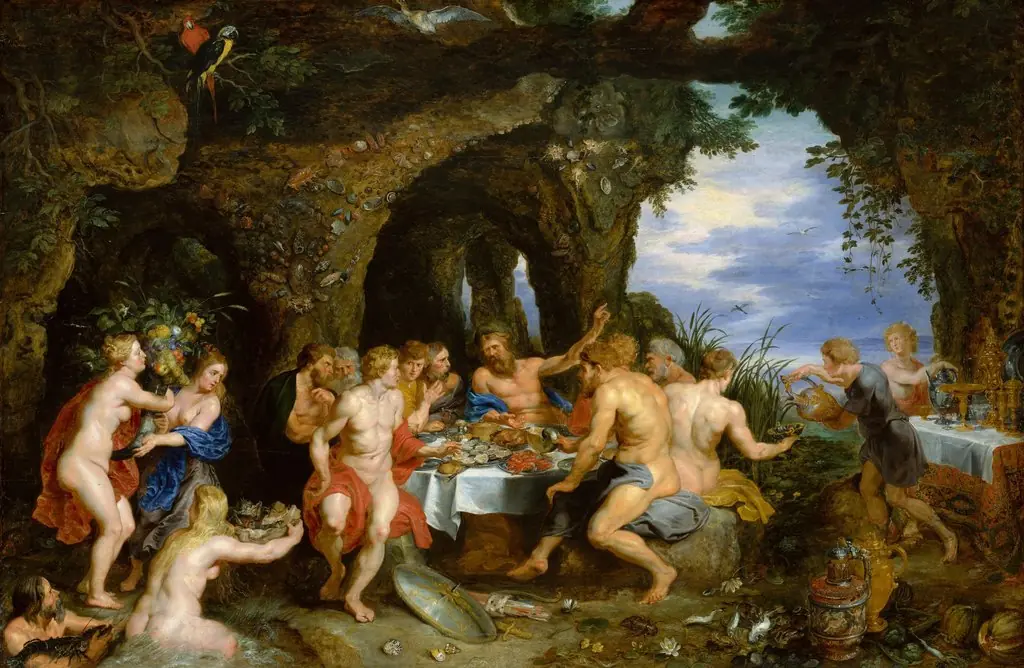 The Feast of Acheloüs
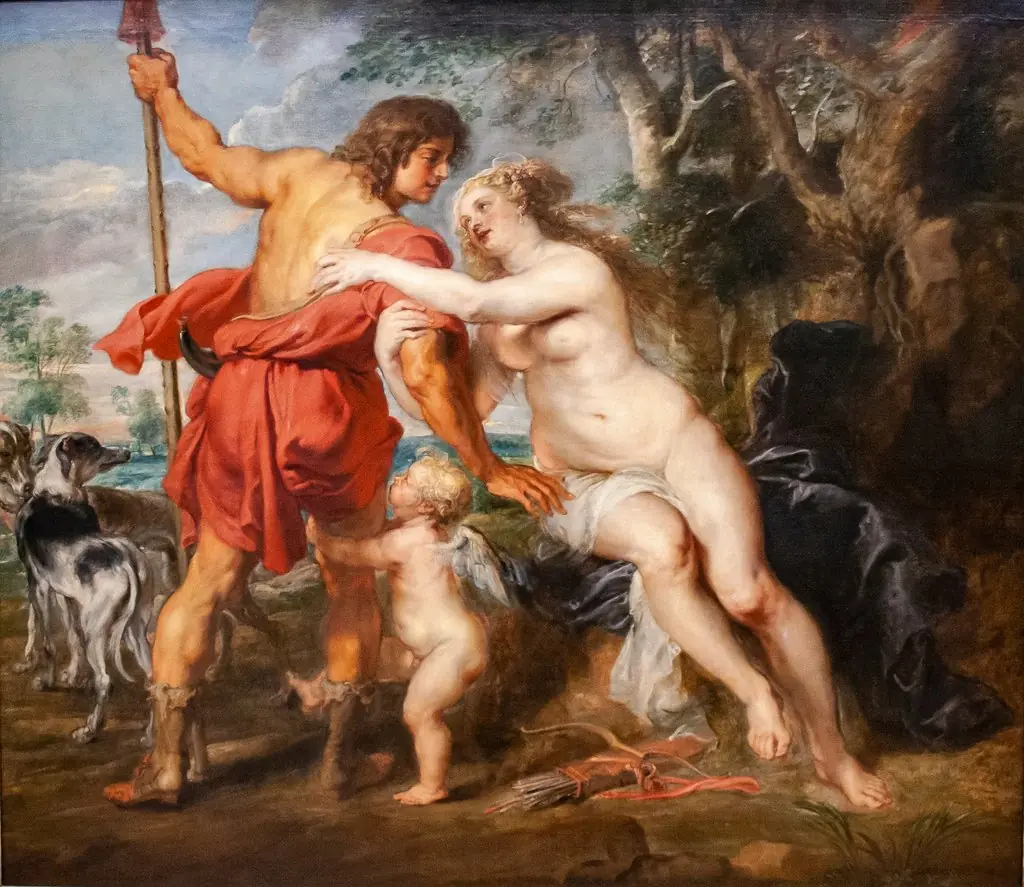 Venus and Adonis
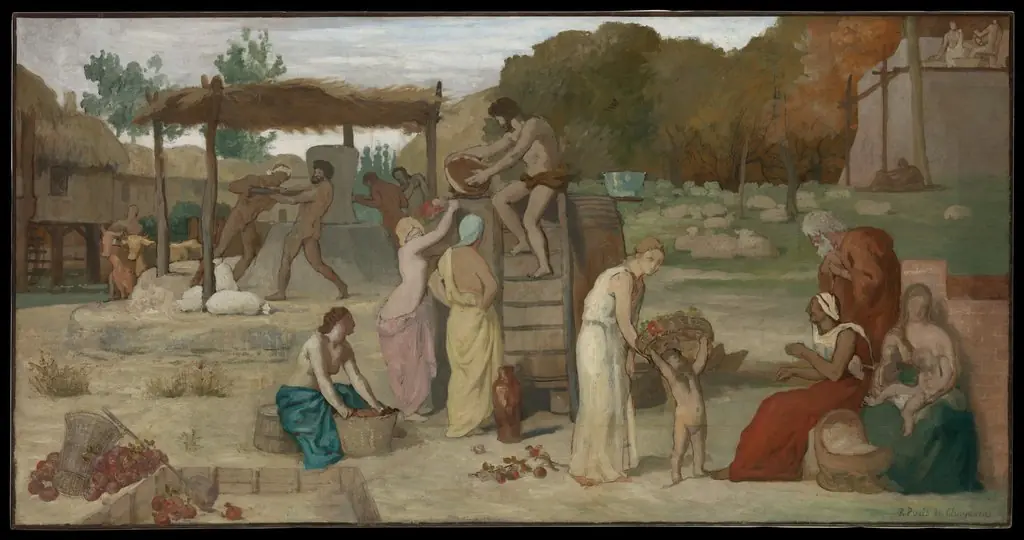 Cider
Cider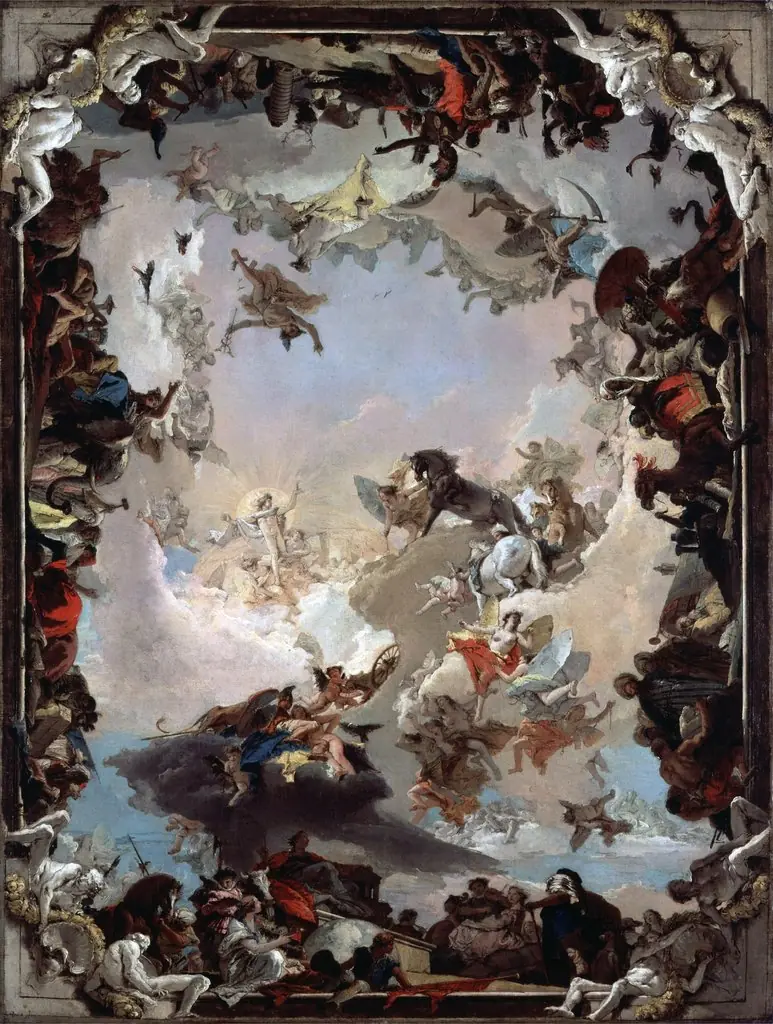 Allegory of the Planets and Continents
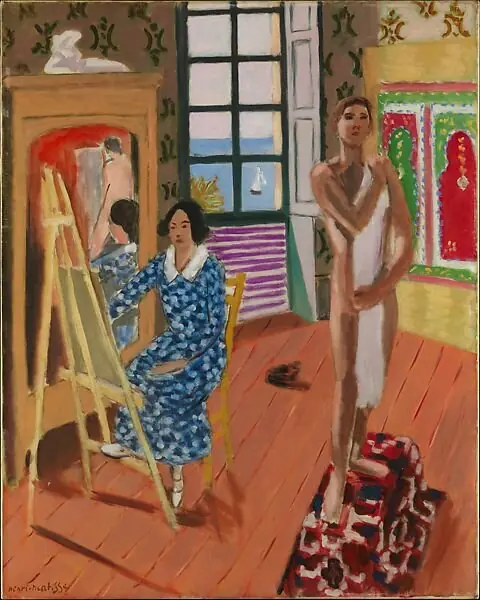 The Three O'Clock Sitting
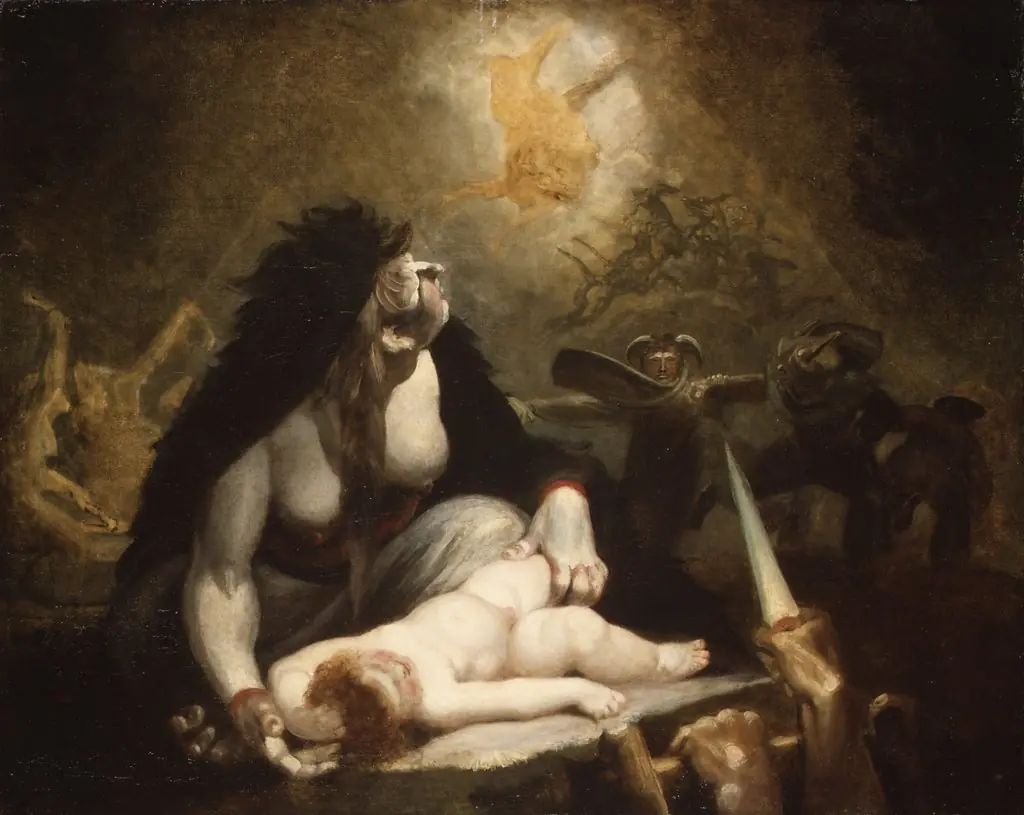 The Night-Hag Visiting Lapland Witches
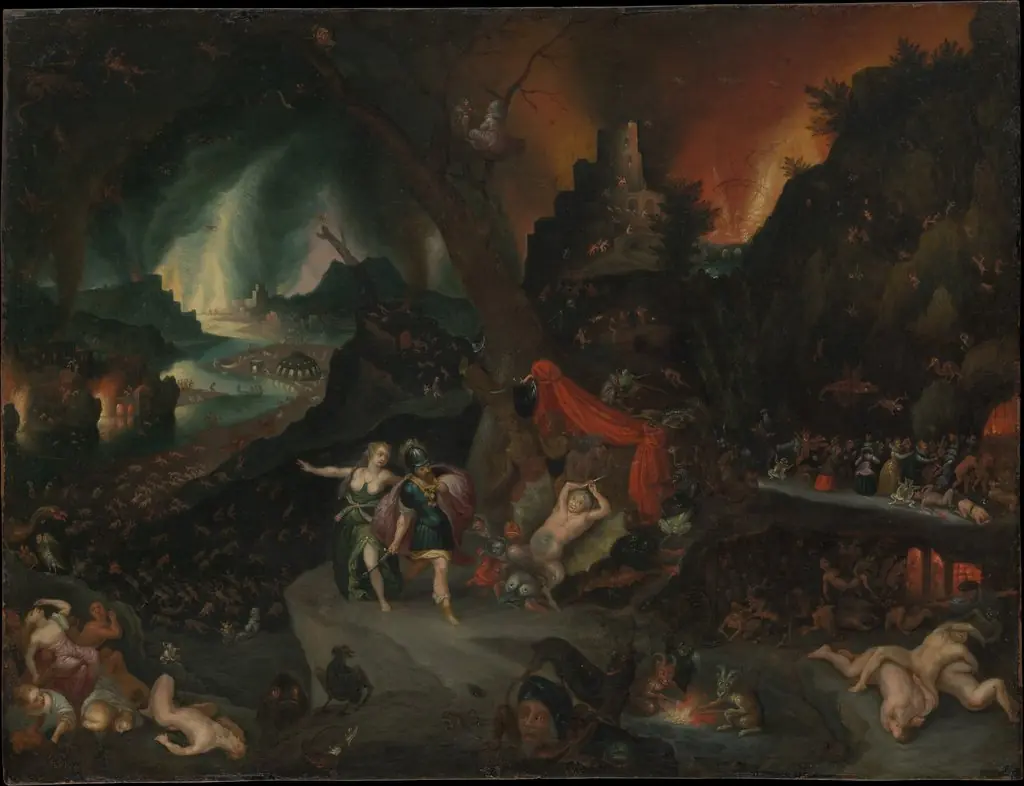 Aeneas and the Sibyl in the Underworld
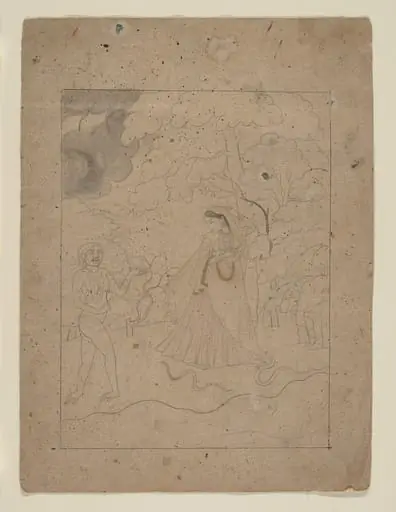 Untitled
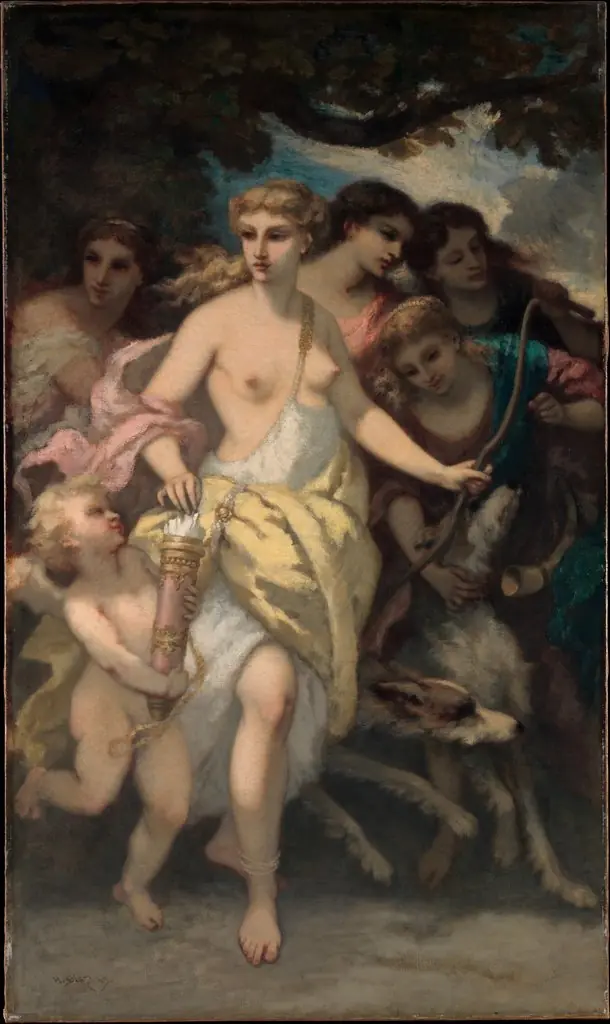 Diana
Diana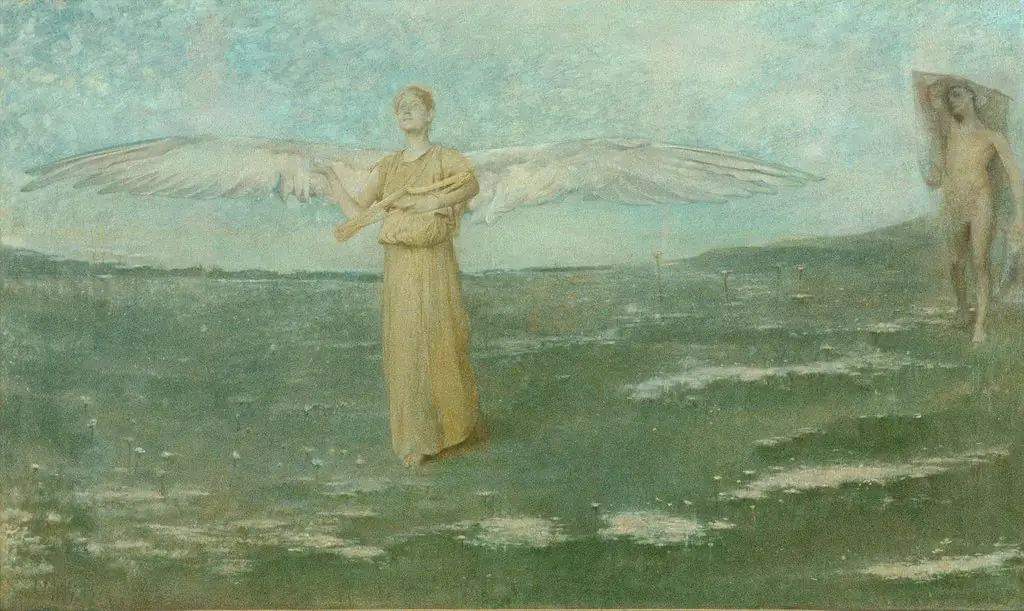 Tobias and the Angel
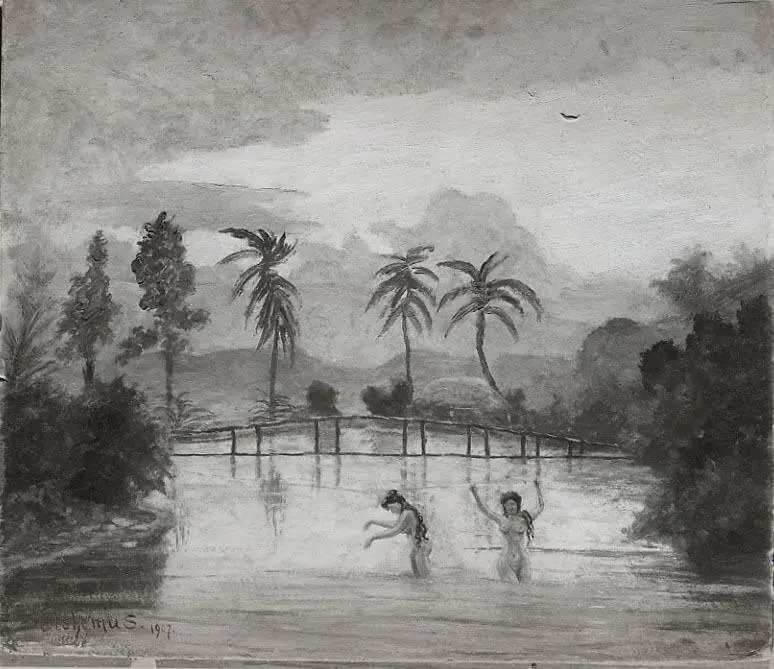 Samoa
Samoa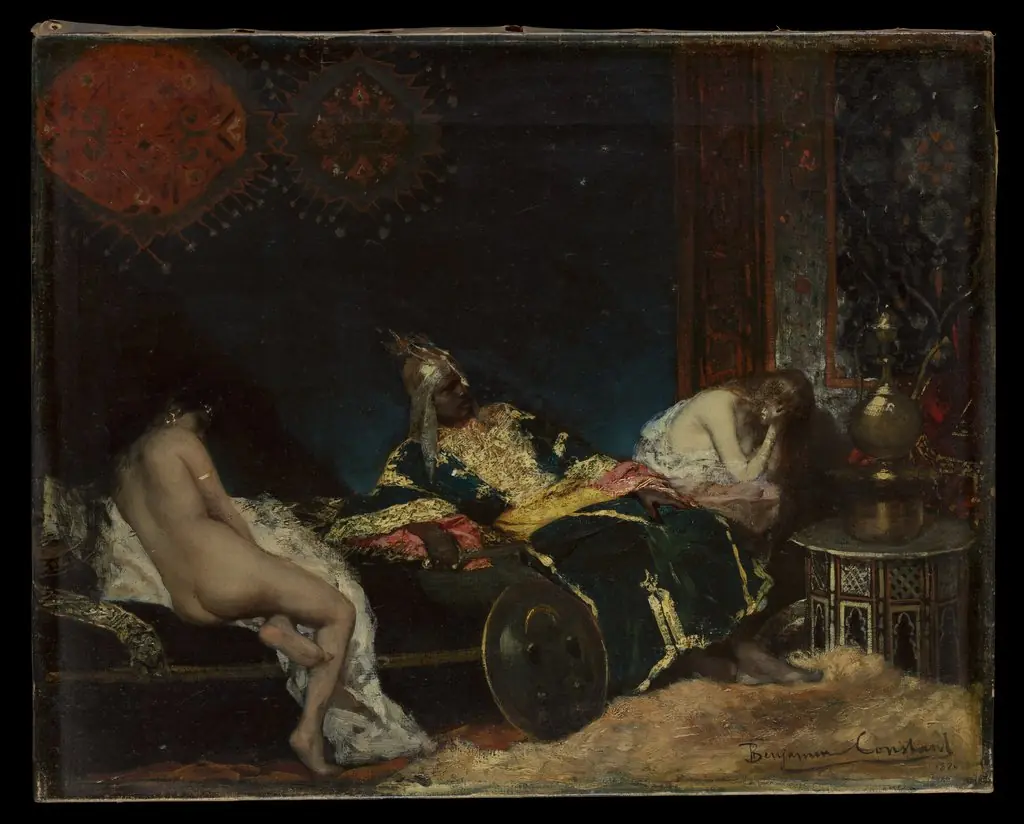 The Serbian Concubine (Un Envoi de Serbie)
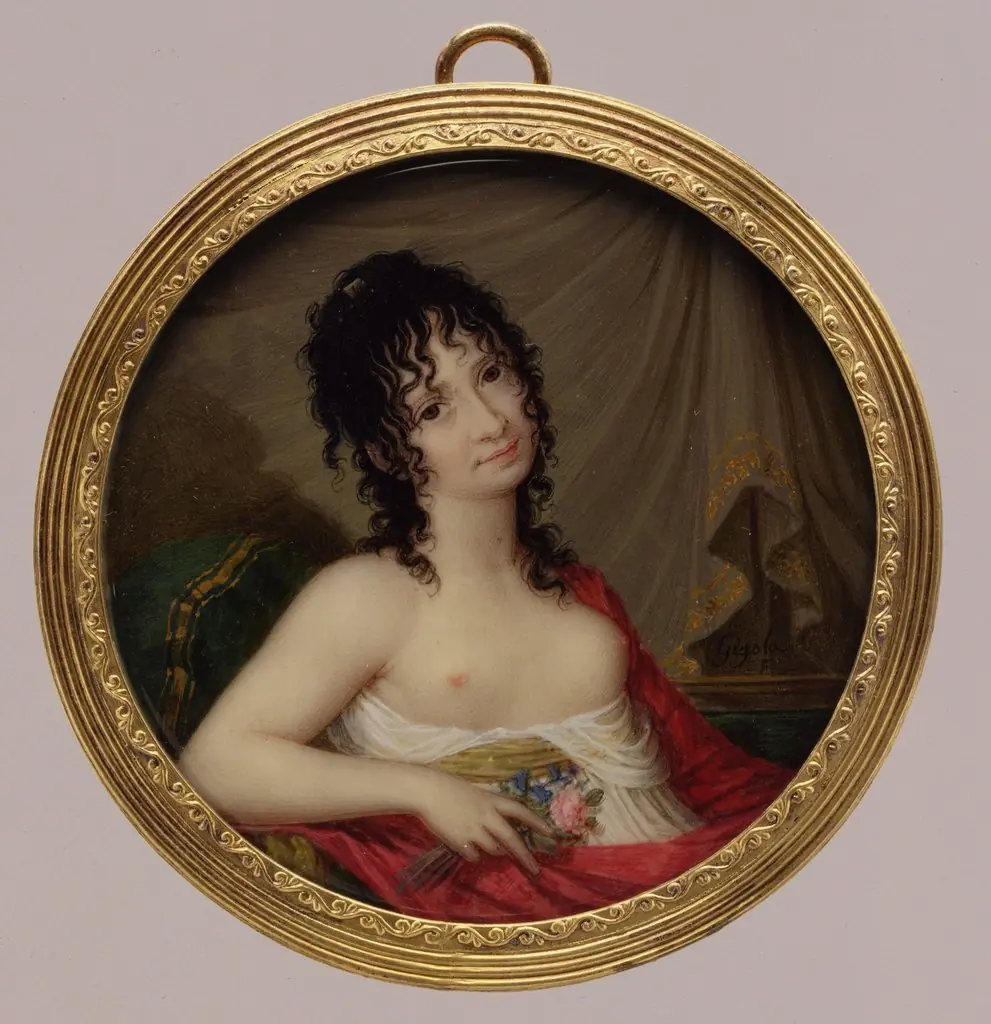 Francesca Ghirardi Lechi
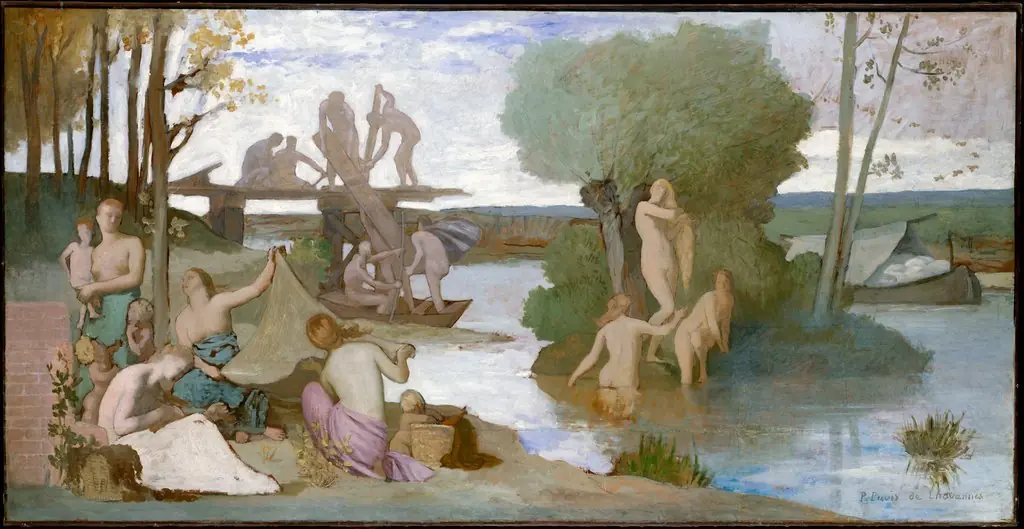 The River
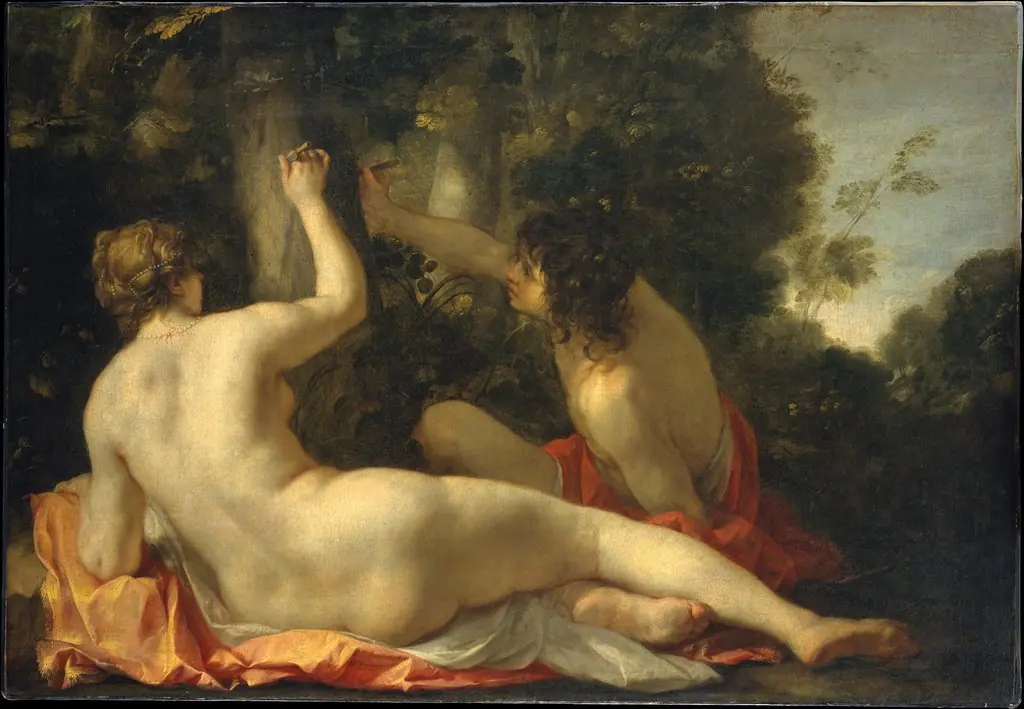 Angelica and Medoro
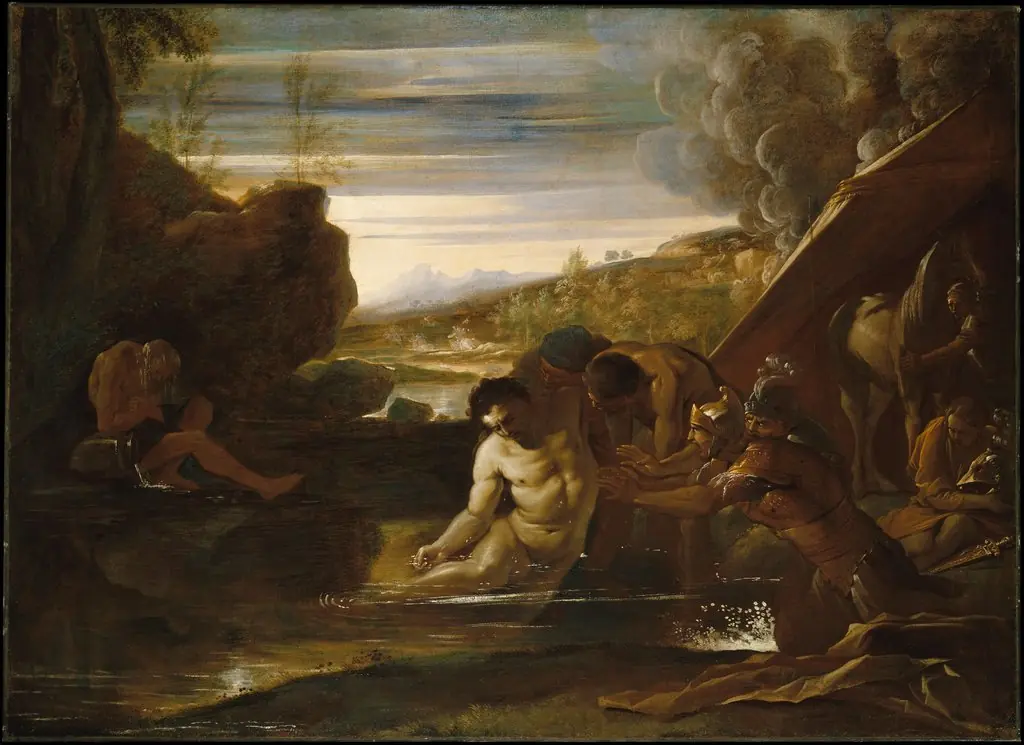 Alexander the Great Rescued from the River Cydnus
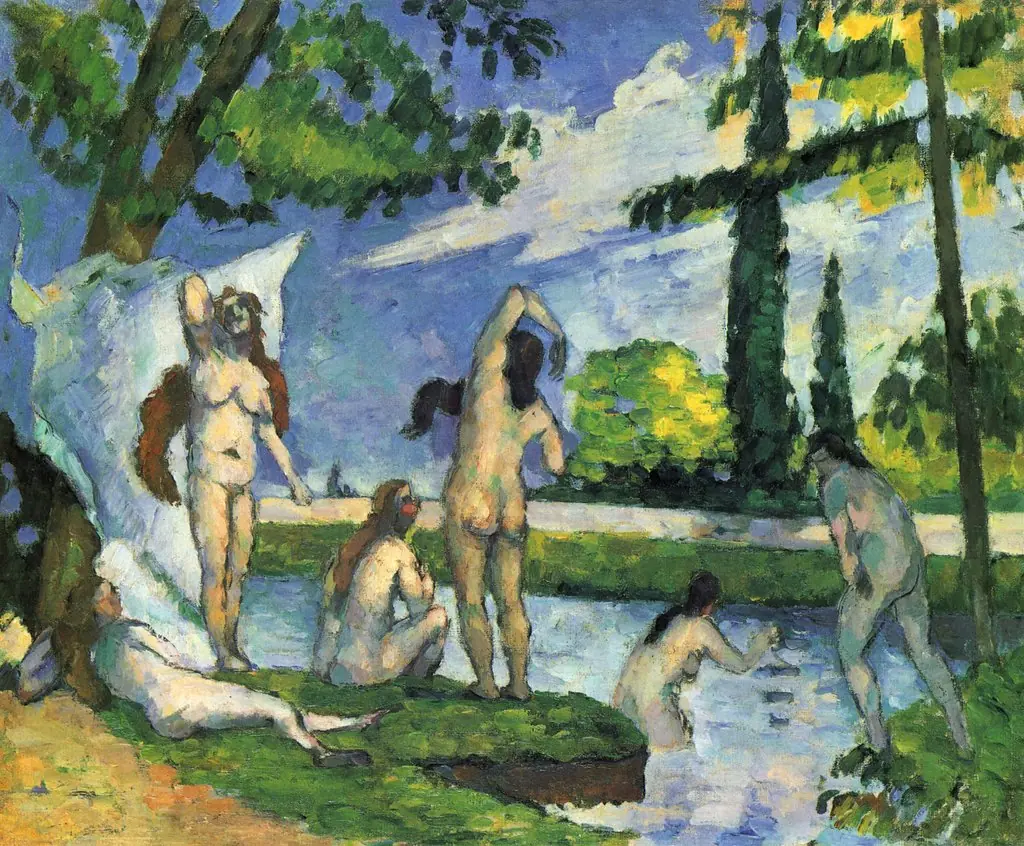 Baigneuses (Bathers)
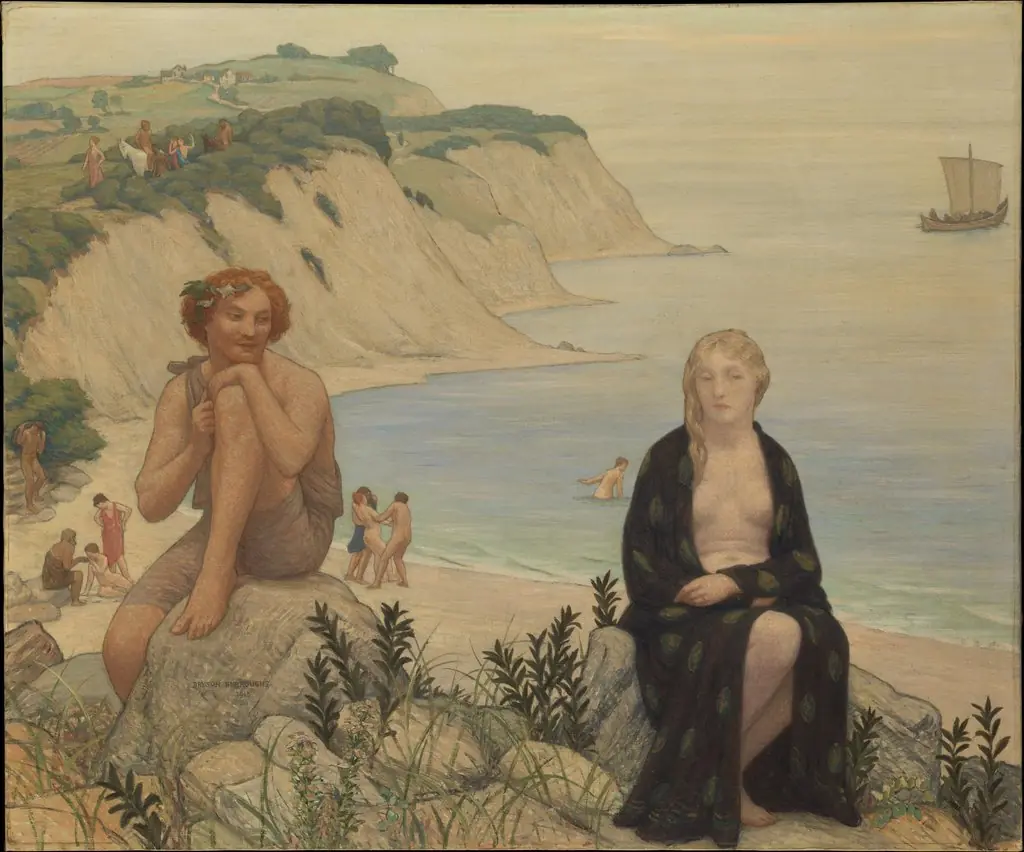 Consolation of Ariadne
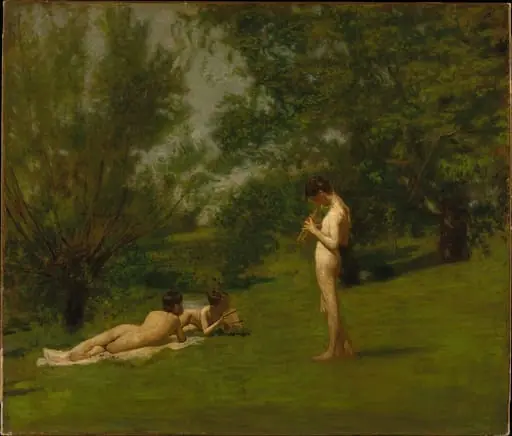 Arcadia
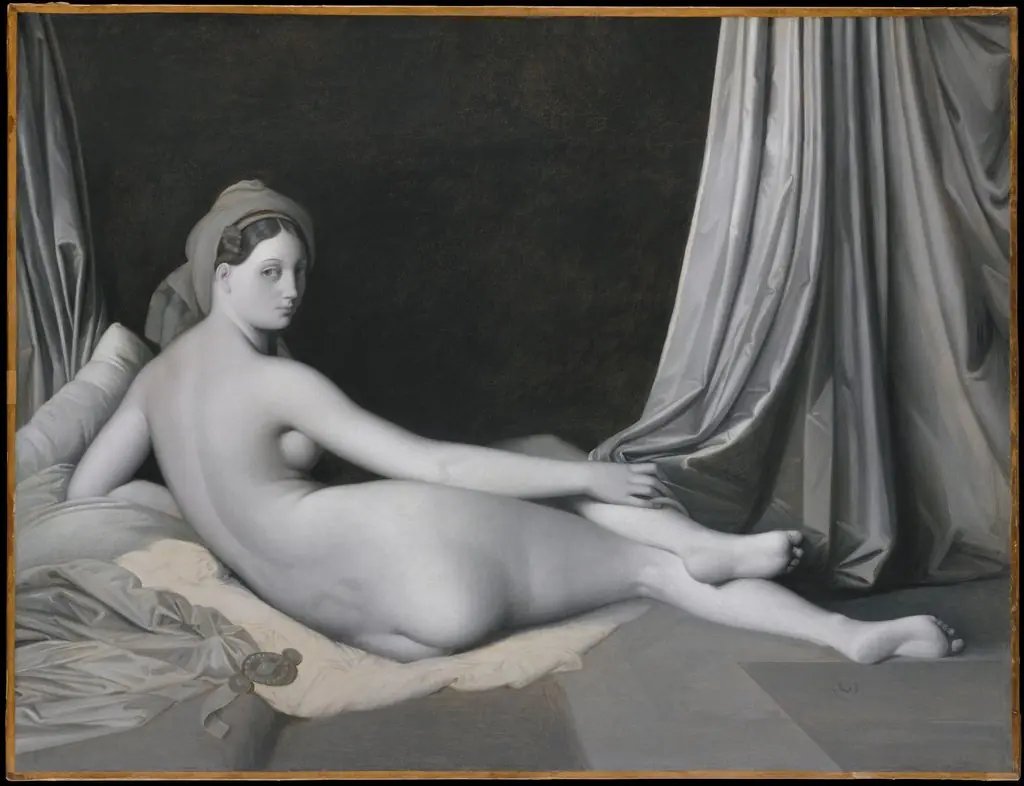 Odalisque in Grisaille
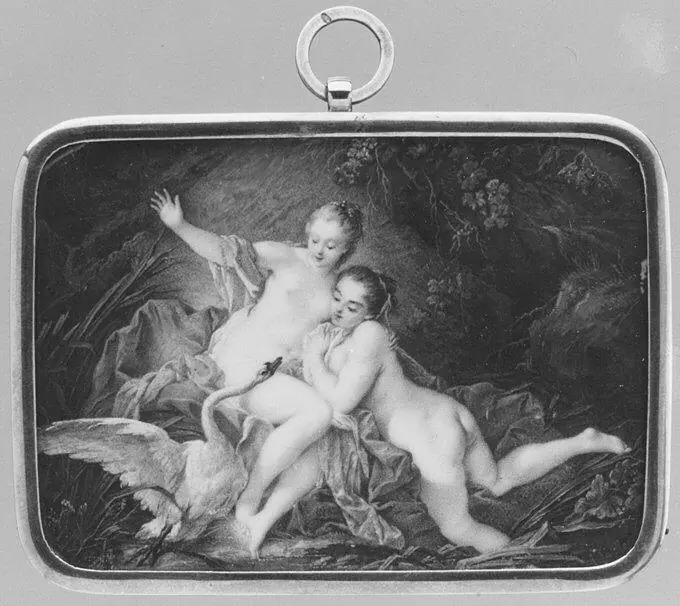 Leda and the Swan, after Boucher
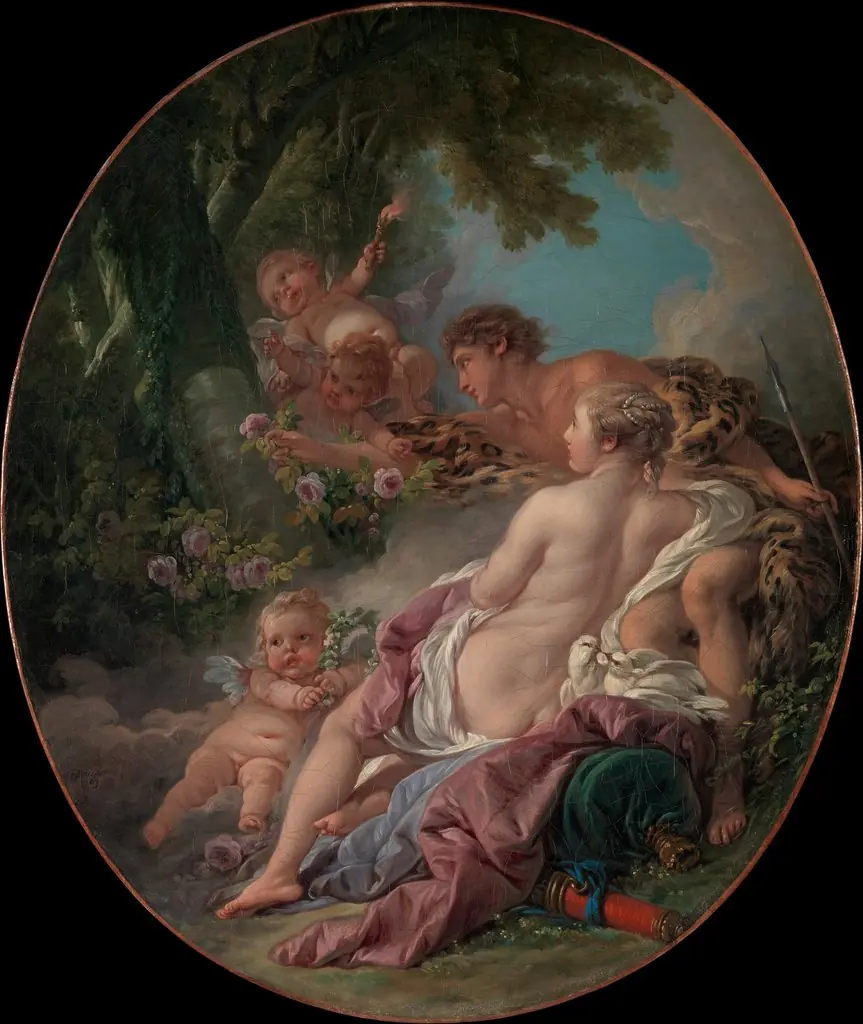 Angelica and Medoro
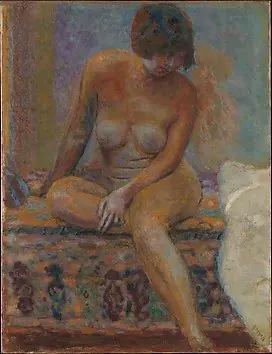 Seated Nude
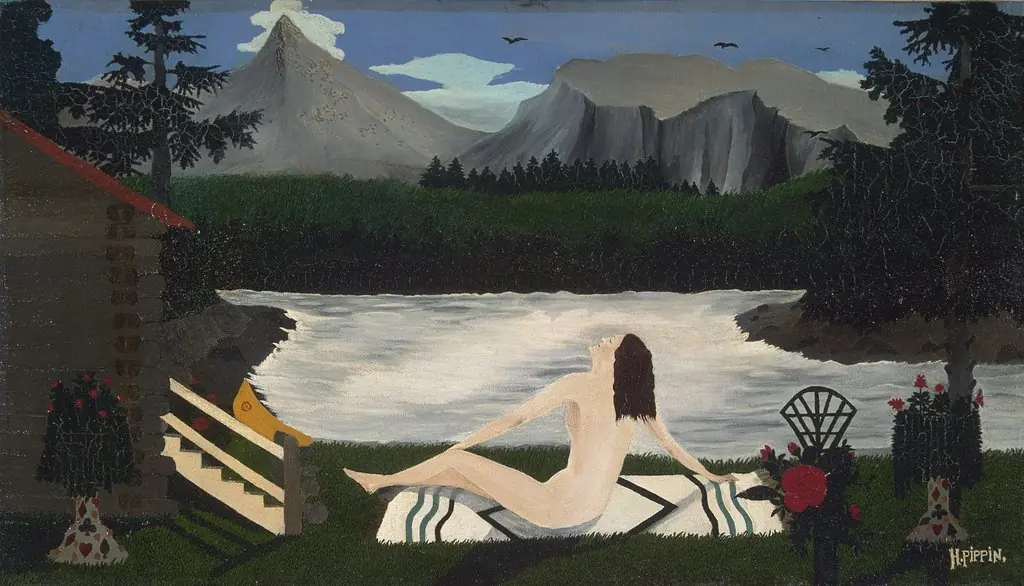 Lady of the Lake
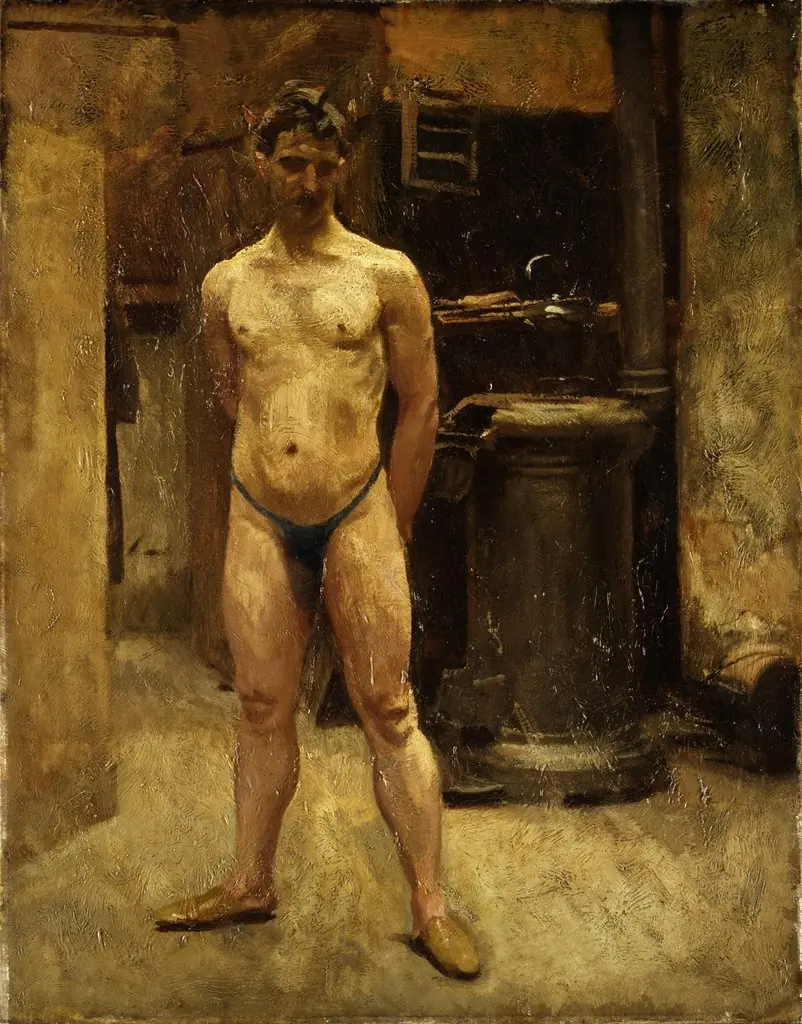 A Male Model Standing before a Stove
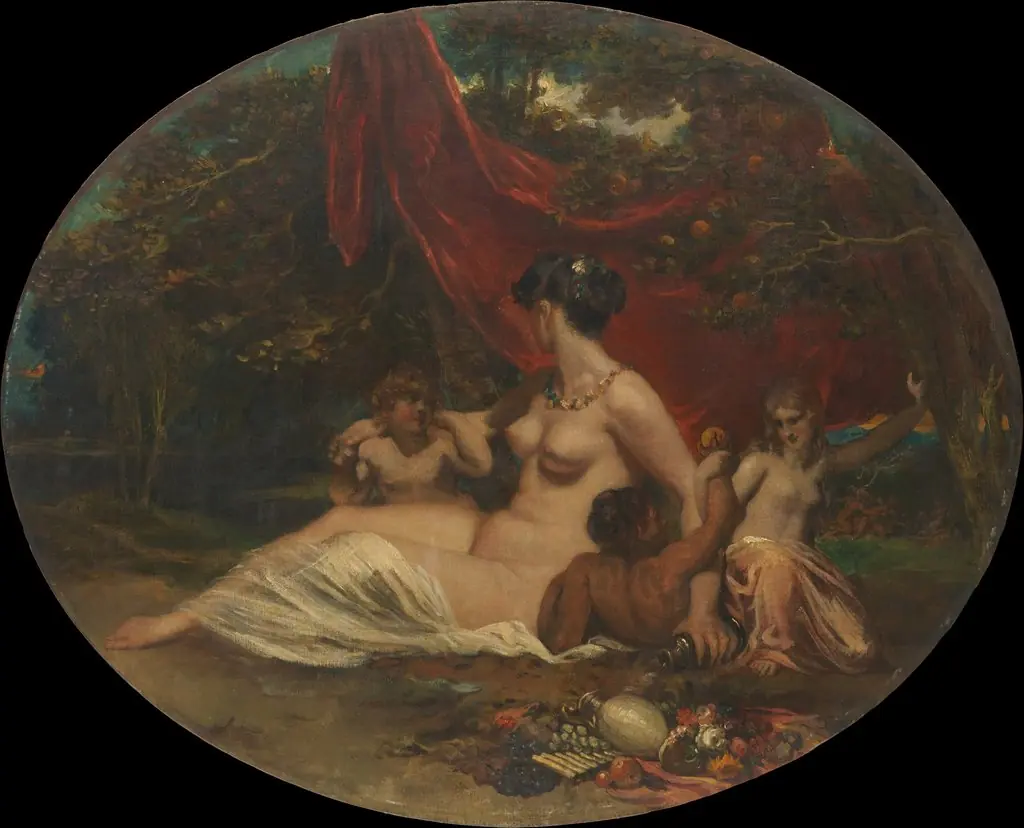 Allegory
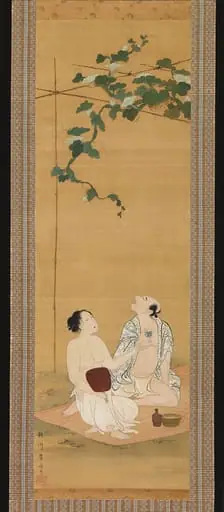 夕顔棚下納涼図|Enjoying the Evening Cool under a Gourd Trellis
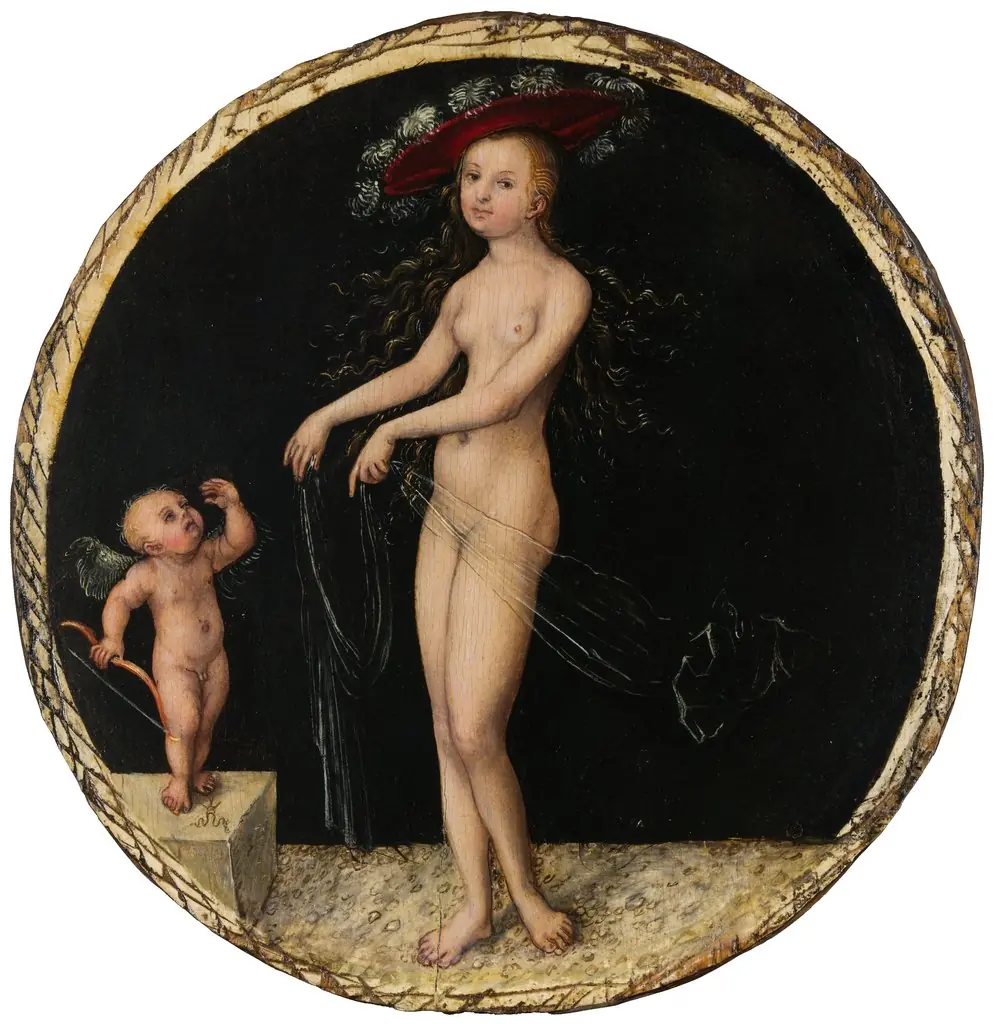 Venus and Cupid
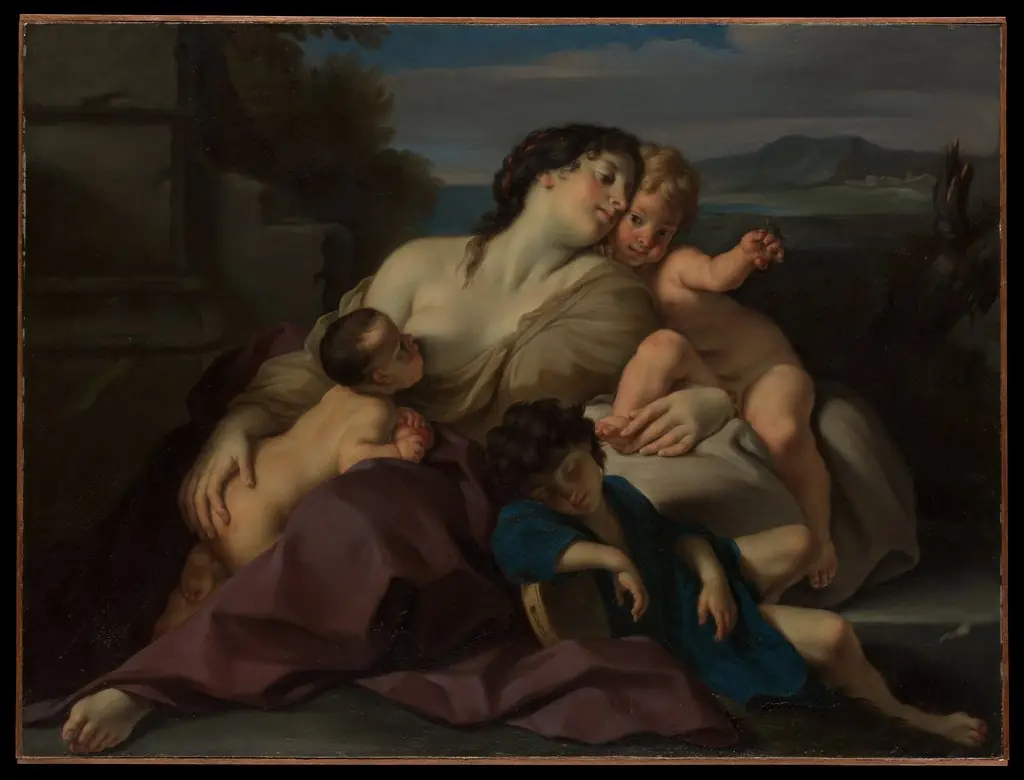 Charity
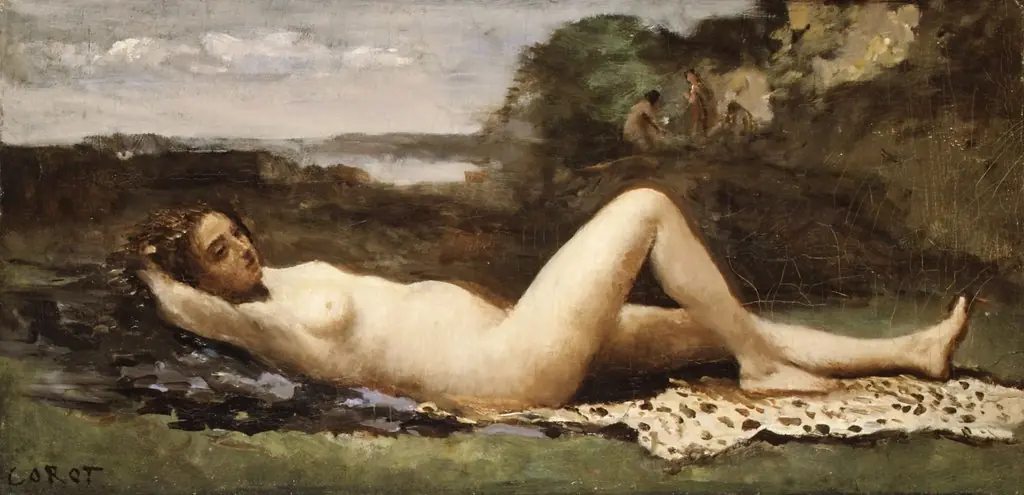 Bacchante in a Landscape
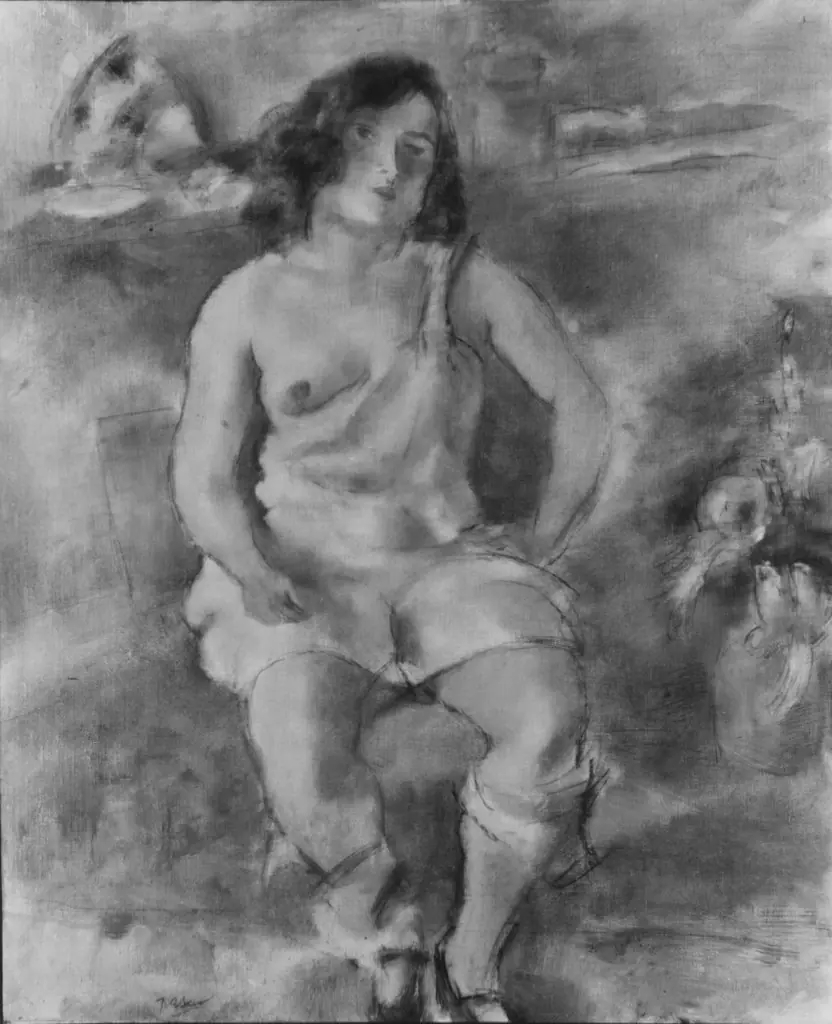 Seated Model
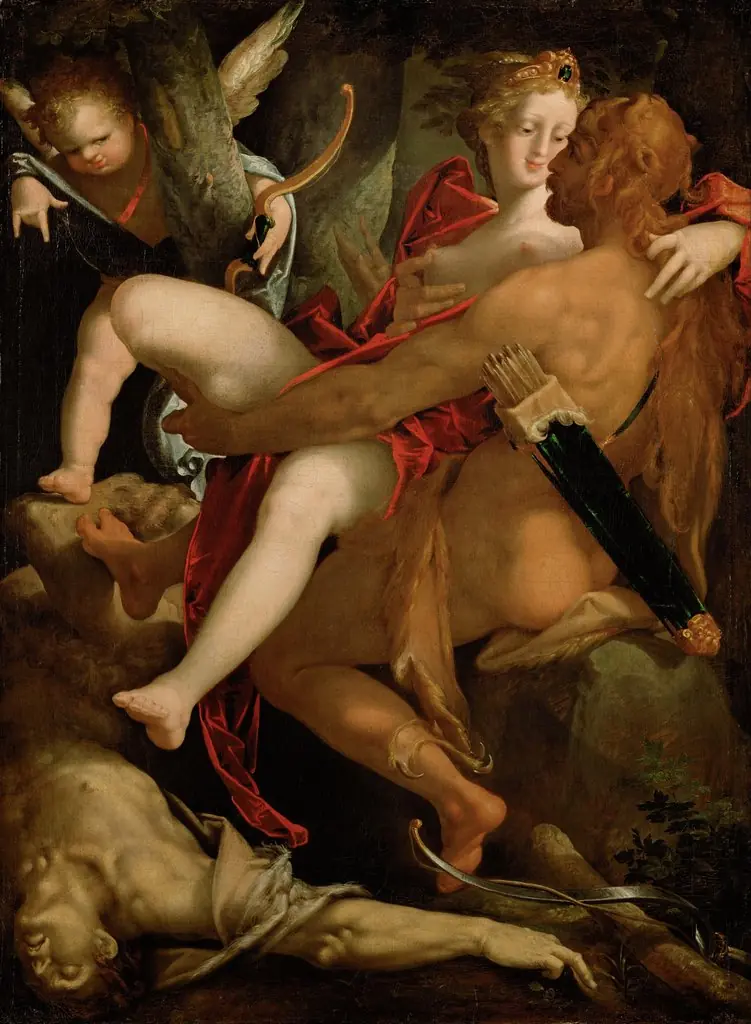 Hercules, Deianira, and Nessus
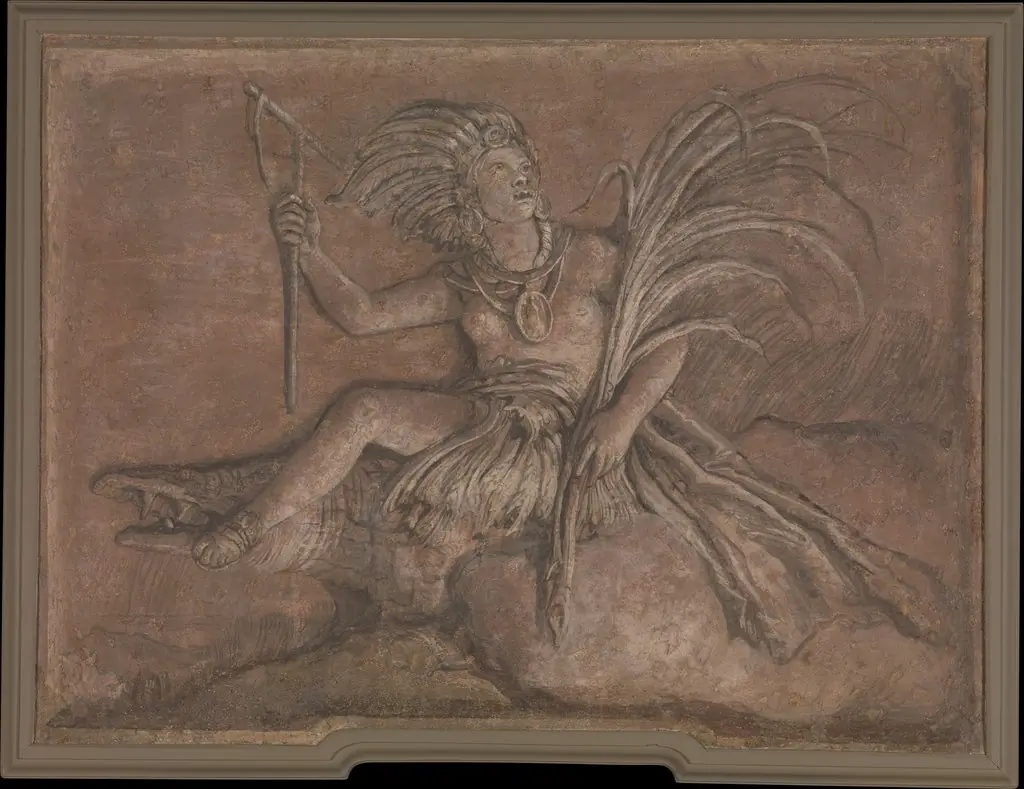 America
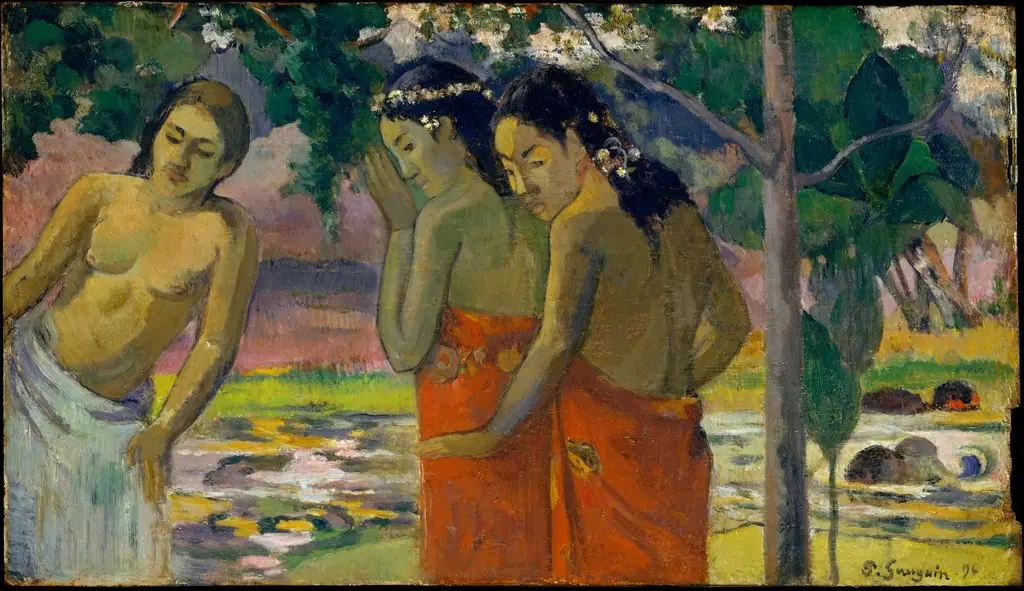 Three Tahitian Women
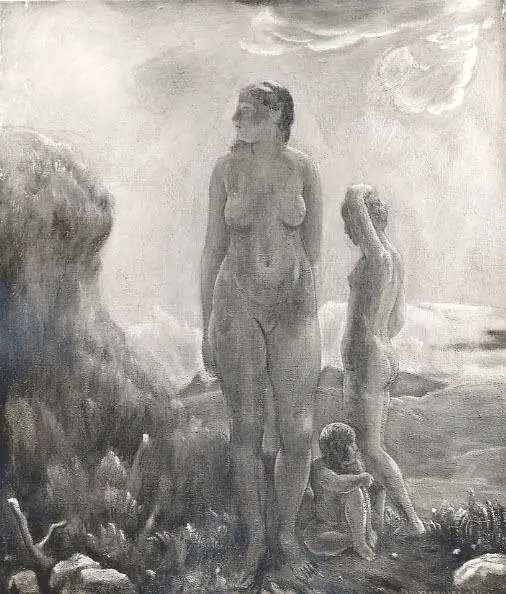 Landscape with Figures
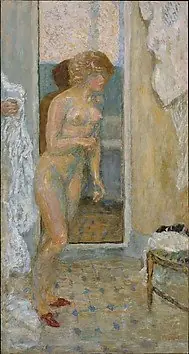 After the Bath
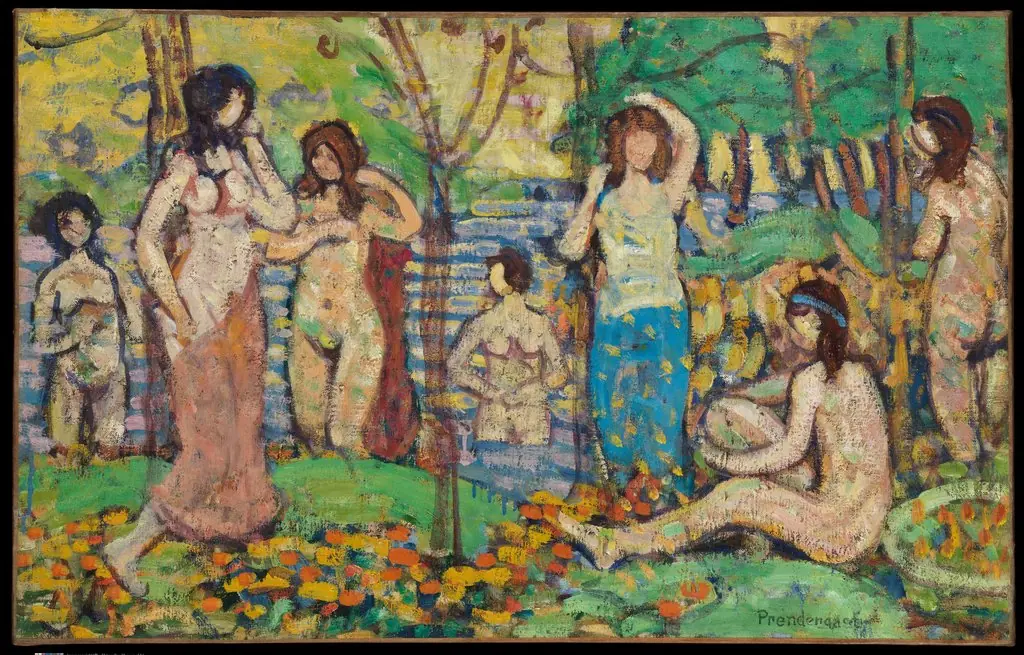 Beach No. 3
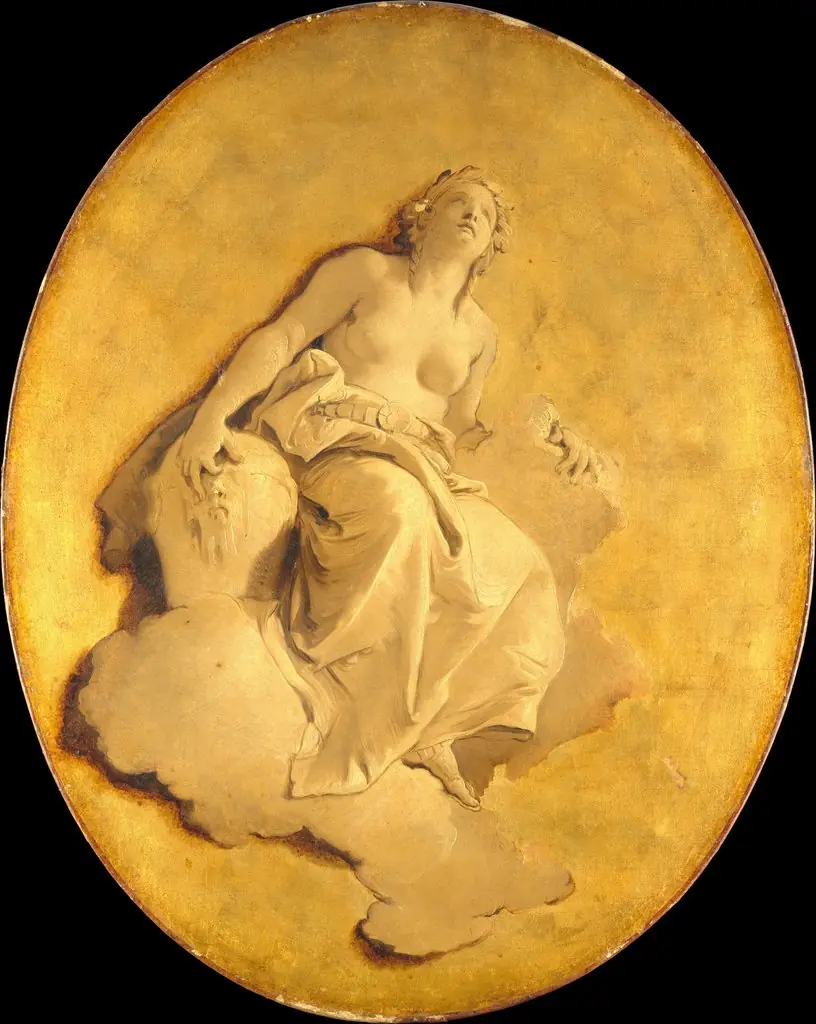 A Female Allegorical Figure
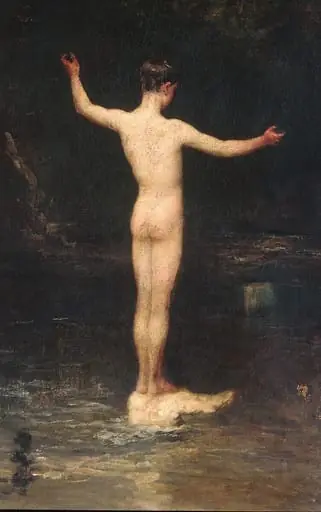 The Bathers
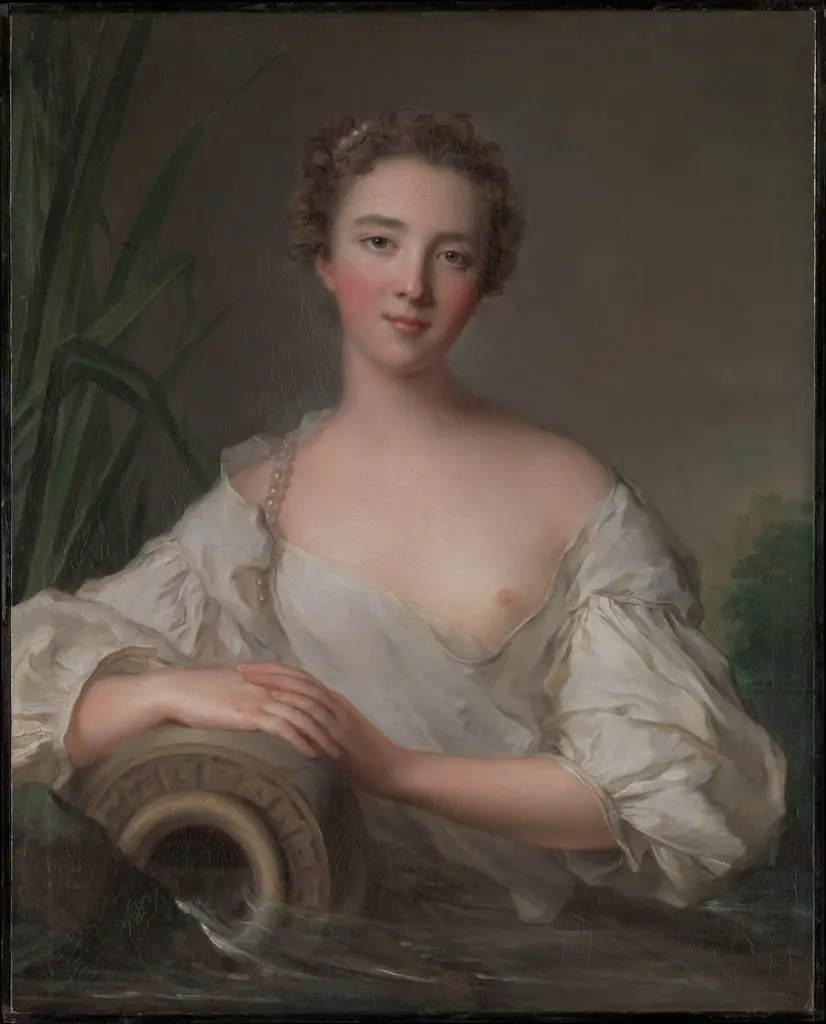 The Spring (La Source)
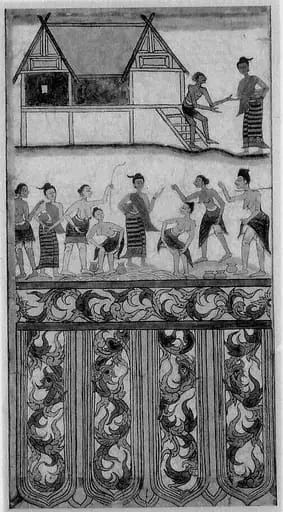 Untitled
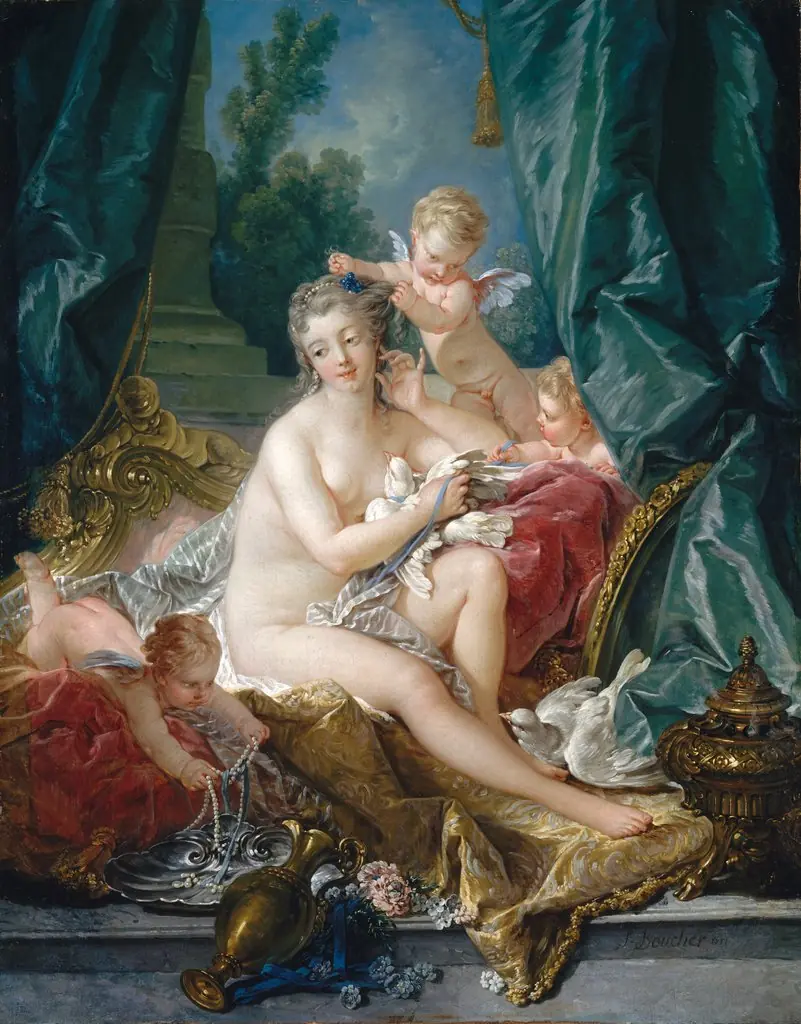 The Toilette of Venus
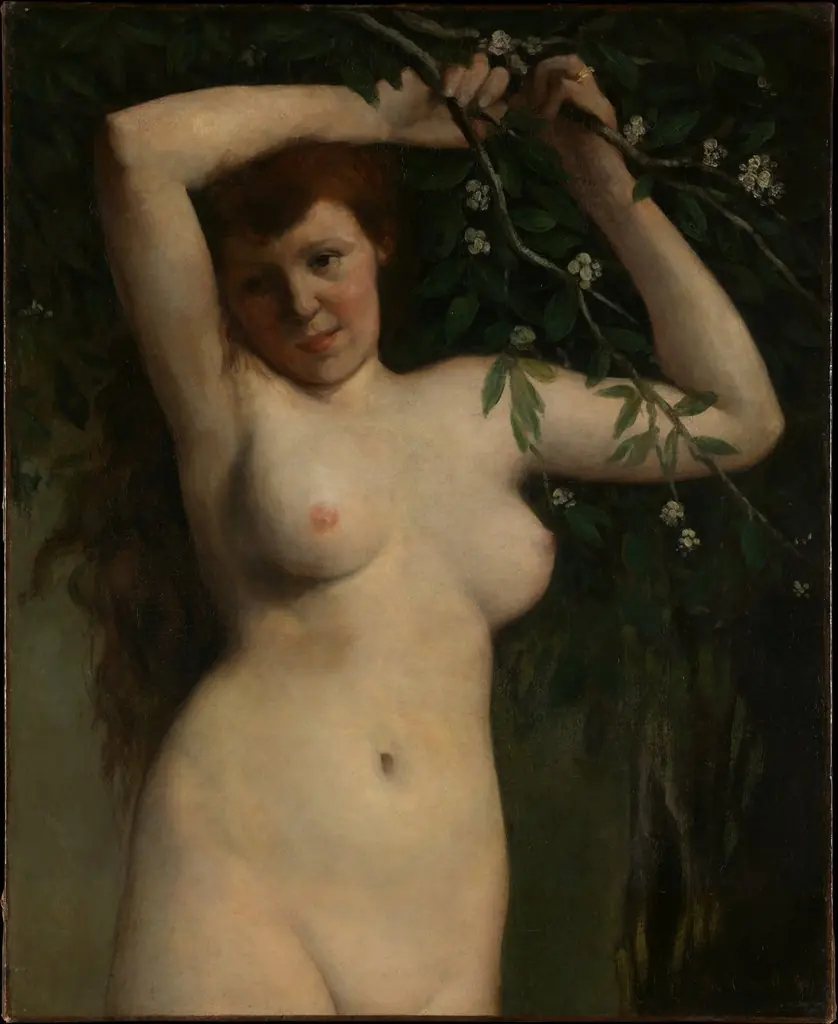 Nude with Flowering Branch
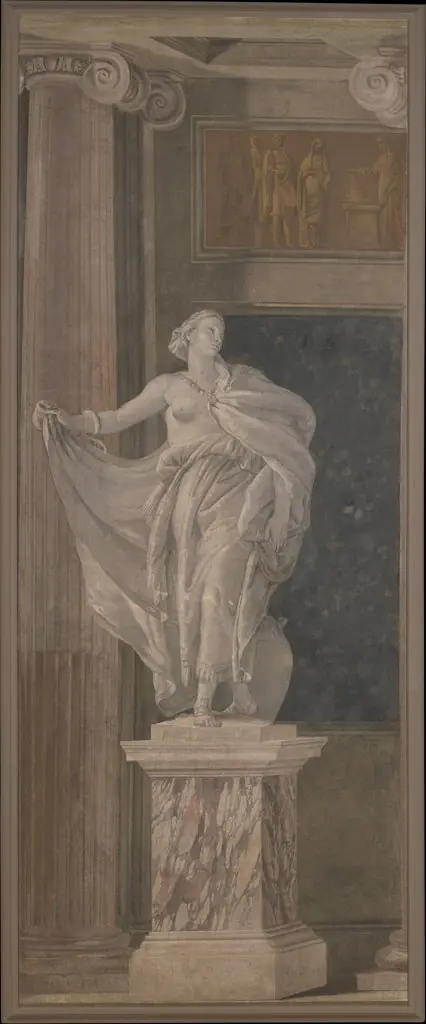 Metaphysics
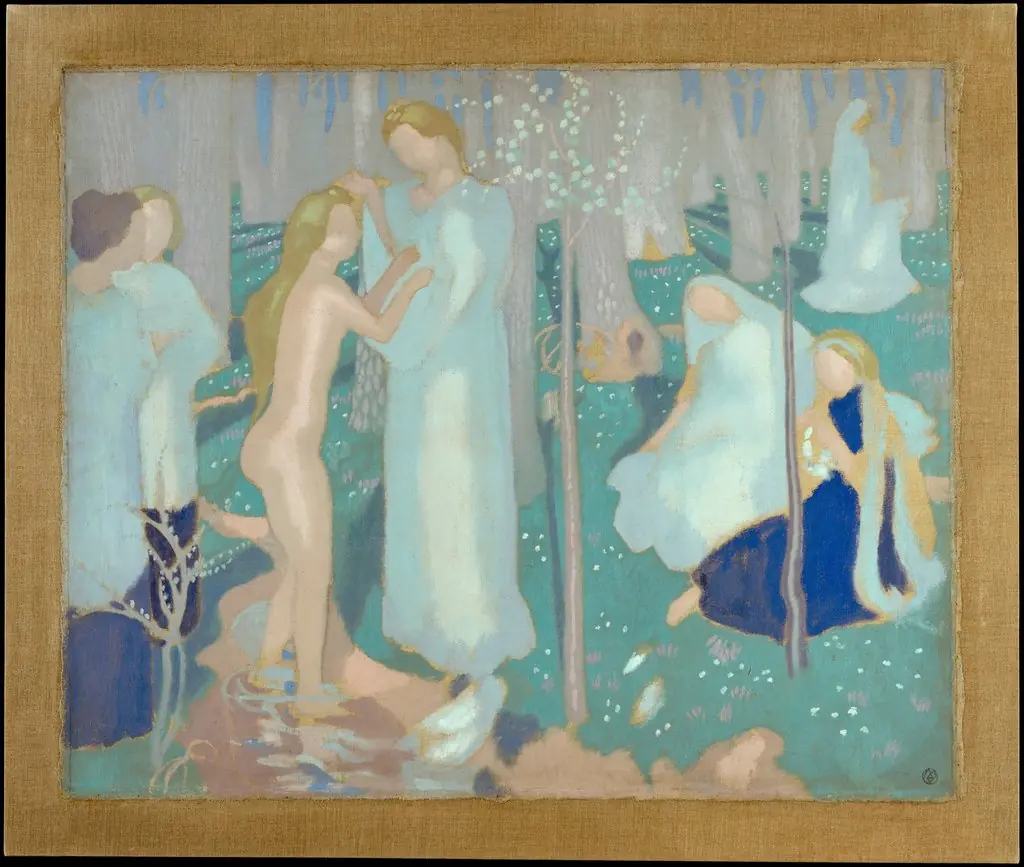 Springtime
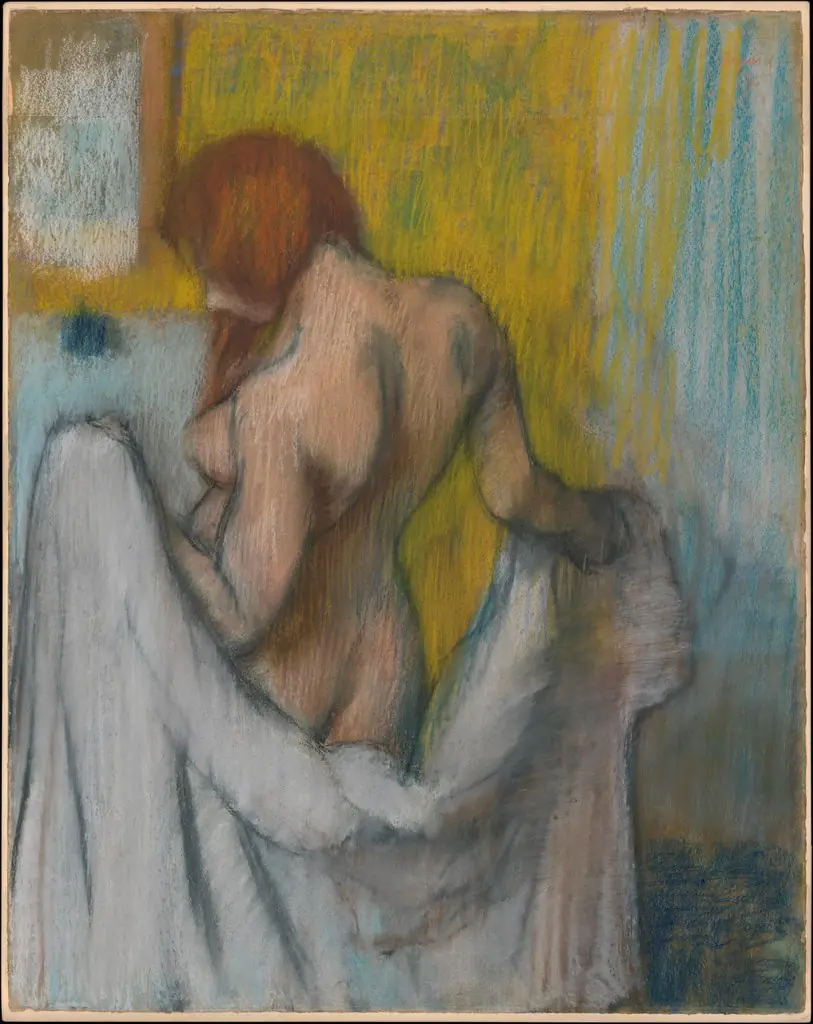 Woman with a Towel
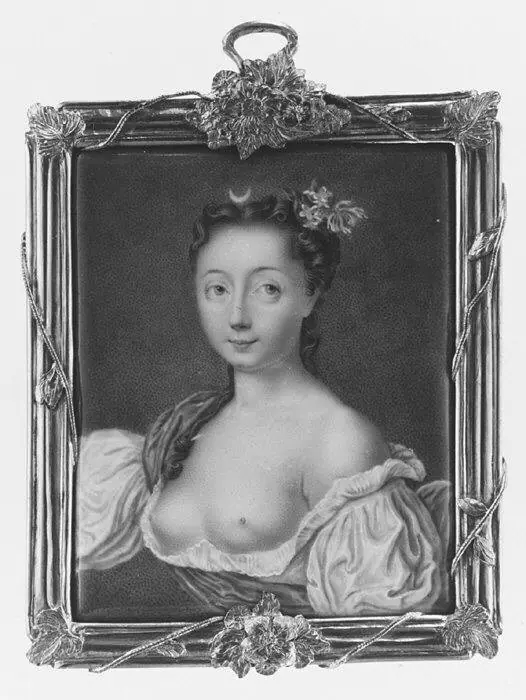 Diana
Diana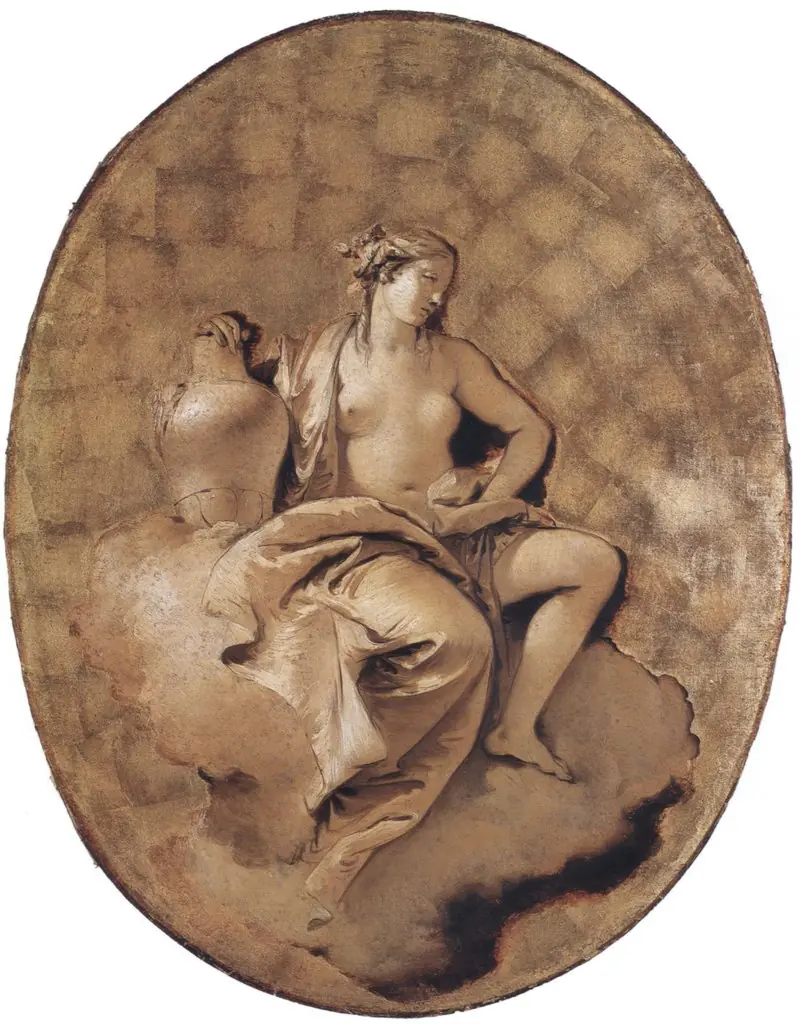 A Female Allegorical Figure
 Athlete and Dancer
 A Measure of Dreams
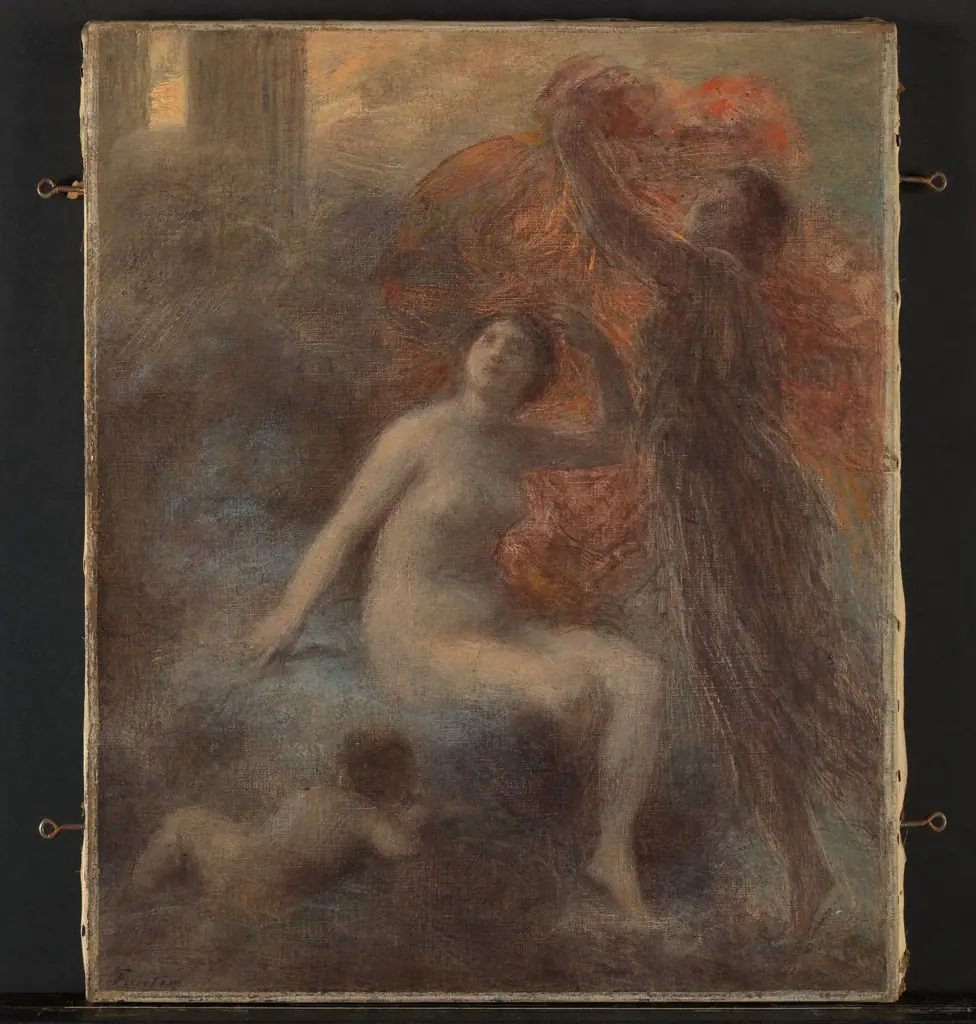 The Palace of Aurora
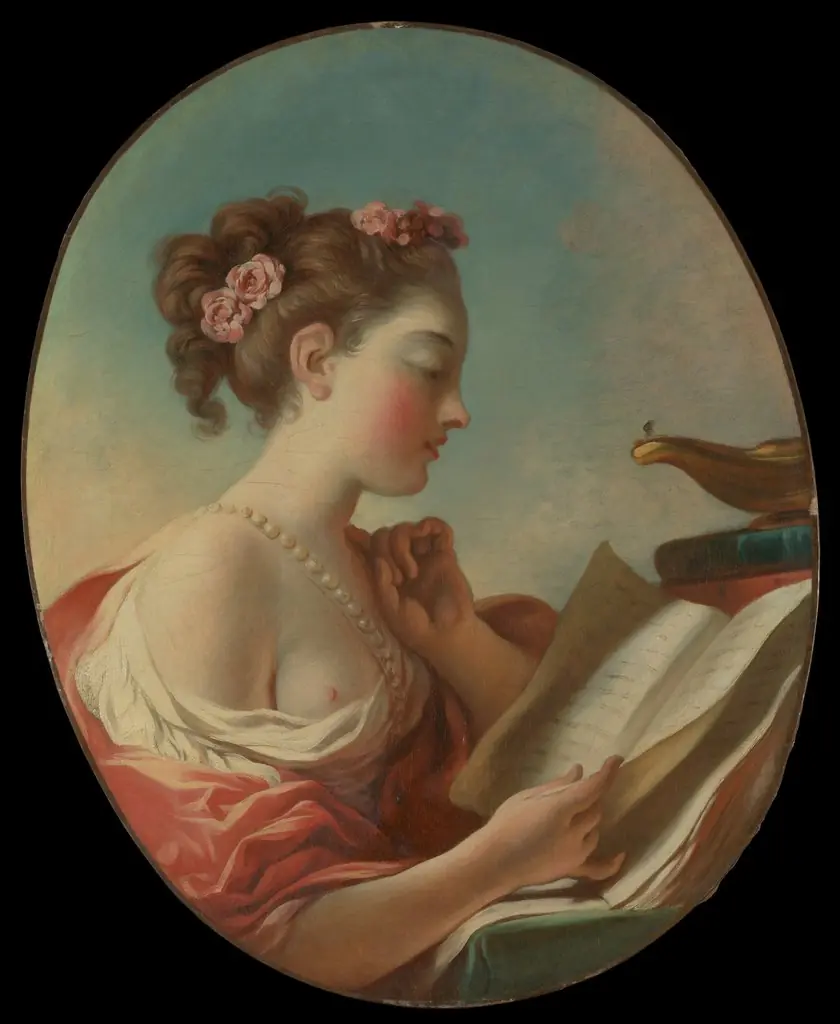 Young Woman Reading
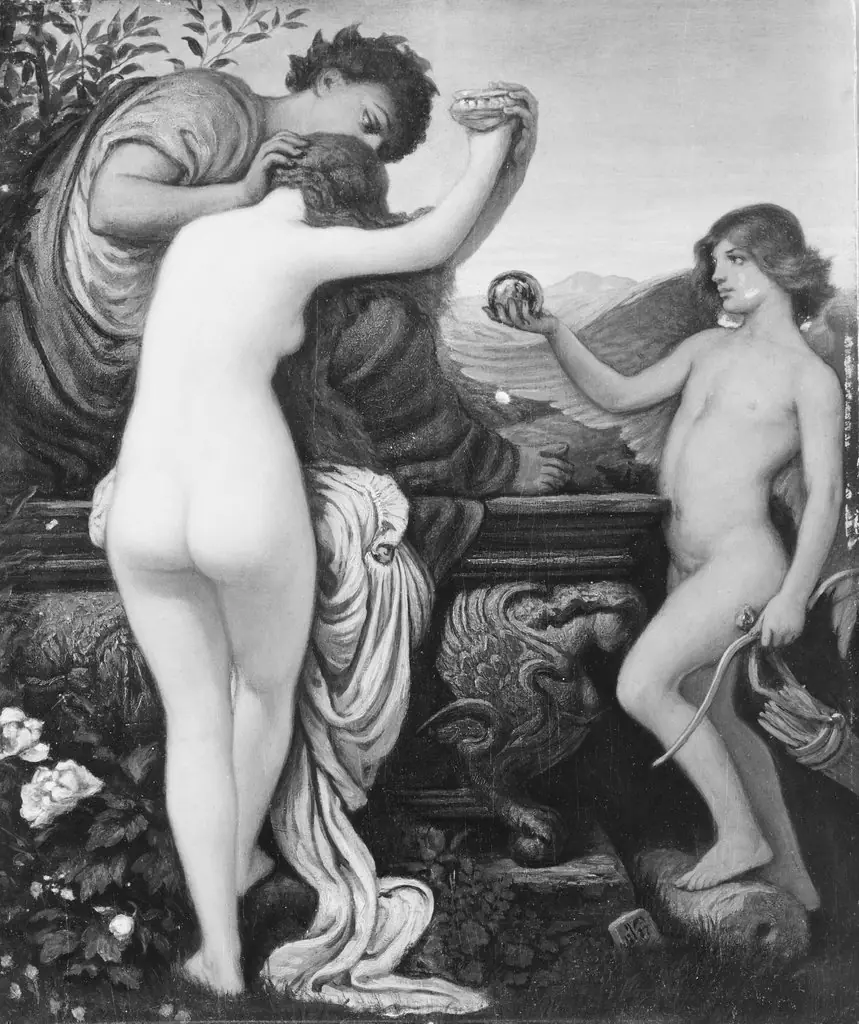 The Cup of Love
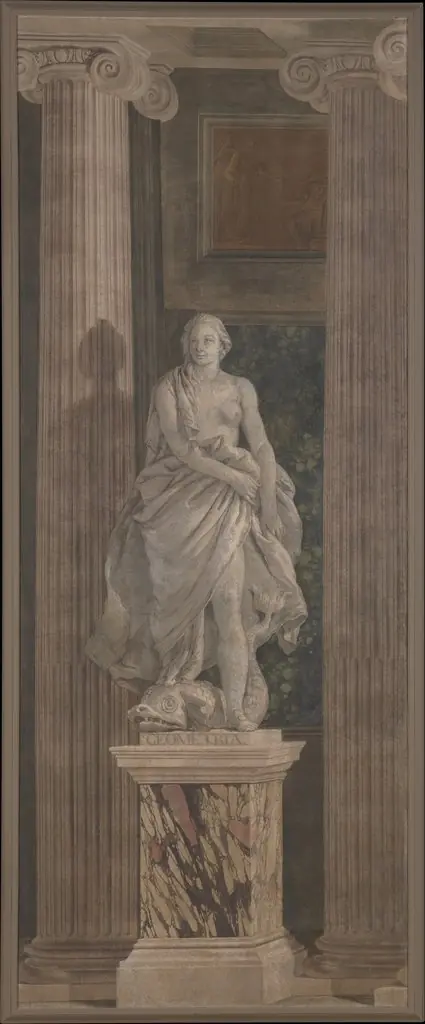 Geometry
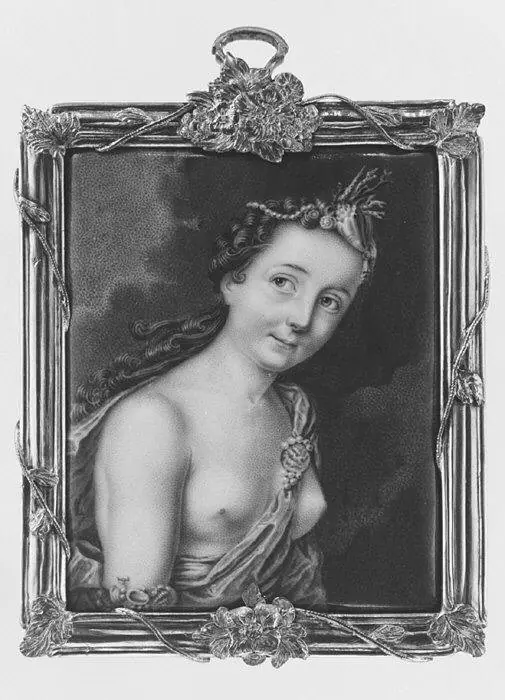 A Sea Nymph
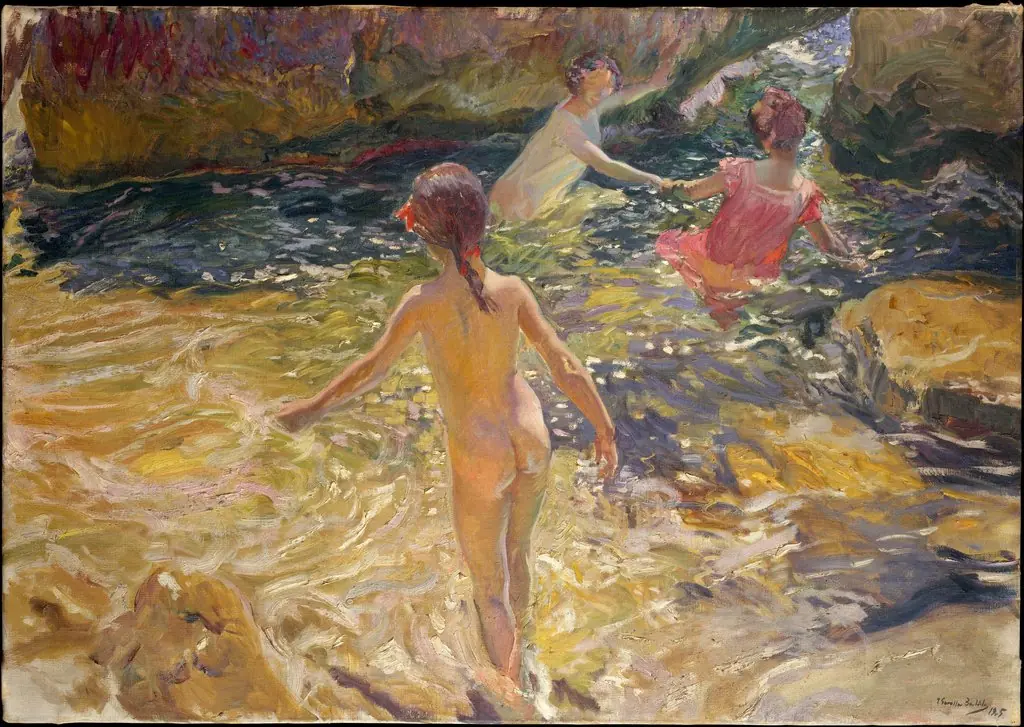 The Bath, Jávea
![The Balcony, Spain [and] Two Nude Bathers Standing on a Wharf](https://artifactworldgallery.com/img/john-singer-sargent--the-balcony-spain-and-two-nude-bathers-standing-on-a-wharf--0ed1cd84ffcfb319-w320.webp) The Balcony, Spain [and] Two Nude Bathers Standing on a Wharf
The Balcony, Spain [and] Two Nude Bathers Standing on a Wharf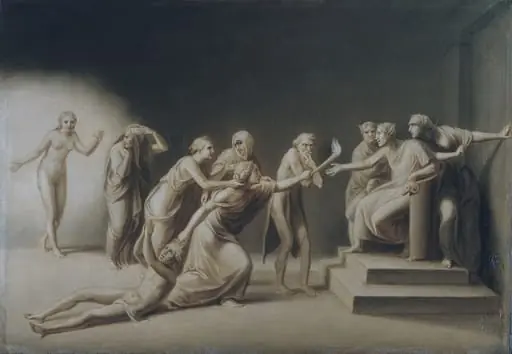 The Calumny of Apelles
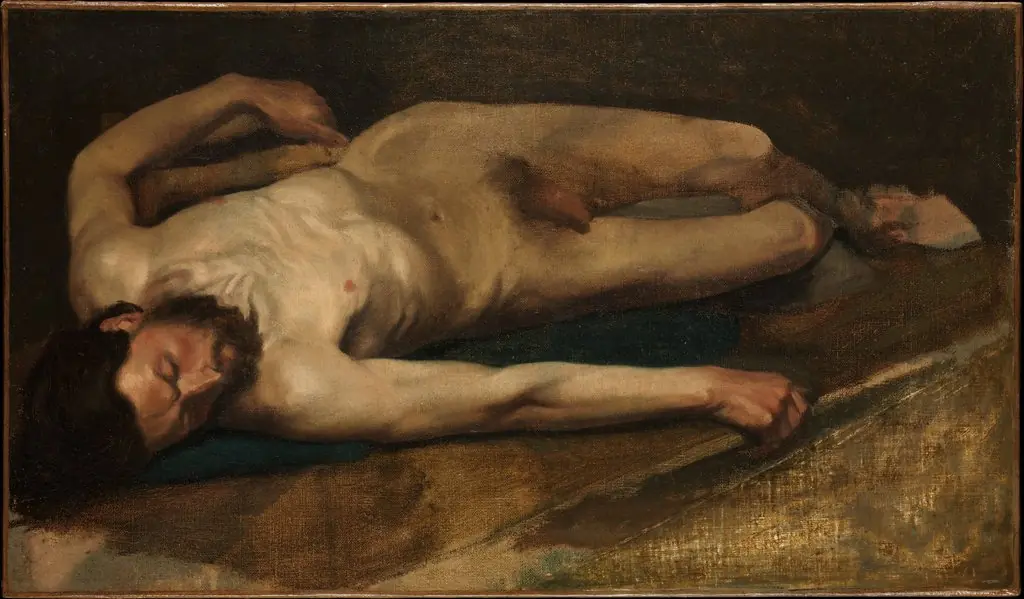 Male Nude
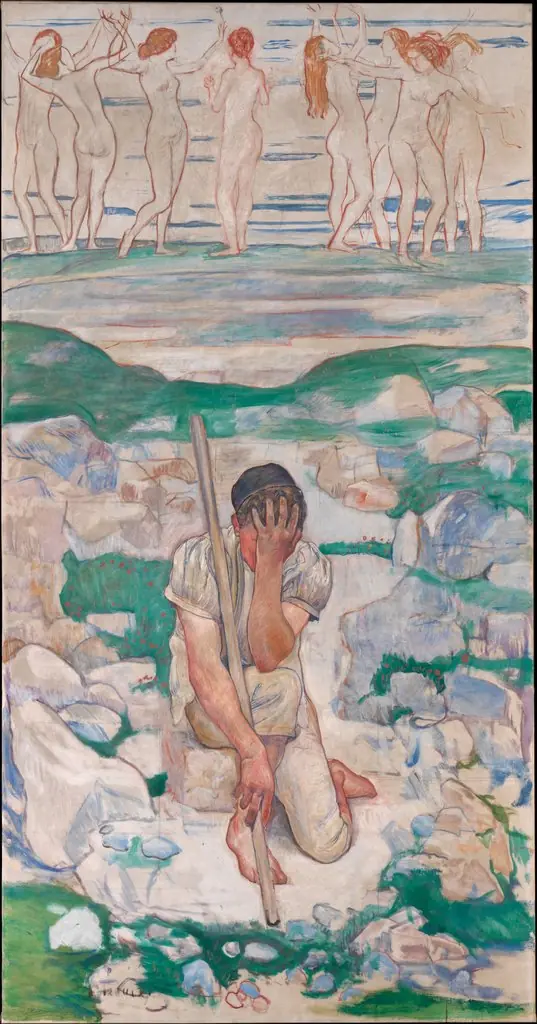 The Dream of the Shepherd (Der Traum des Hirten)
 Roundel with Nude Woman Supporting a Heraldic Shield
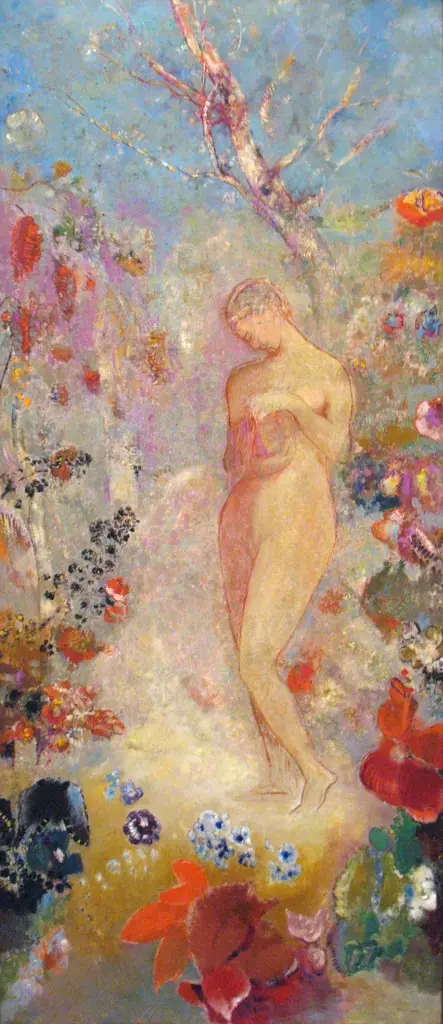 Pandora
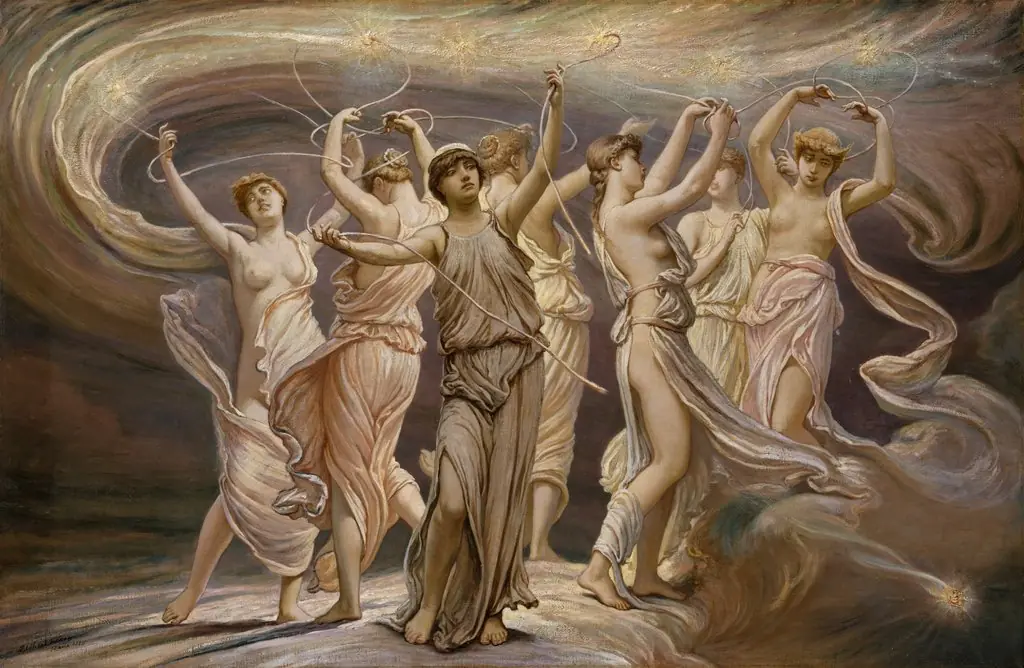 The Pleiades
 Reclining Nude
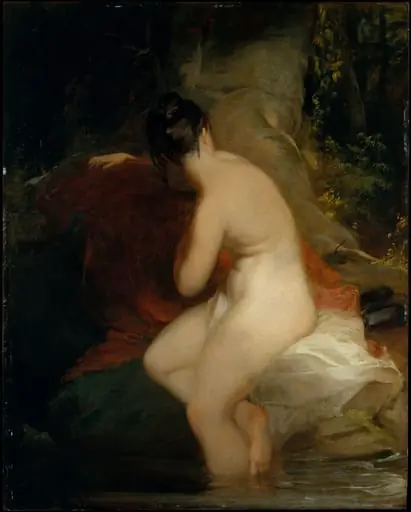 Musidora
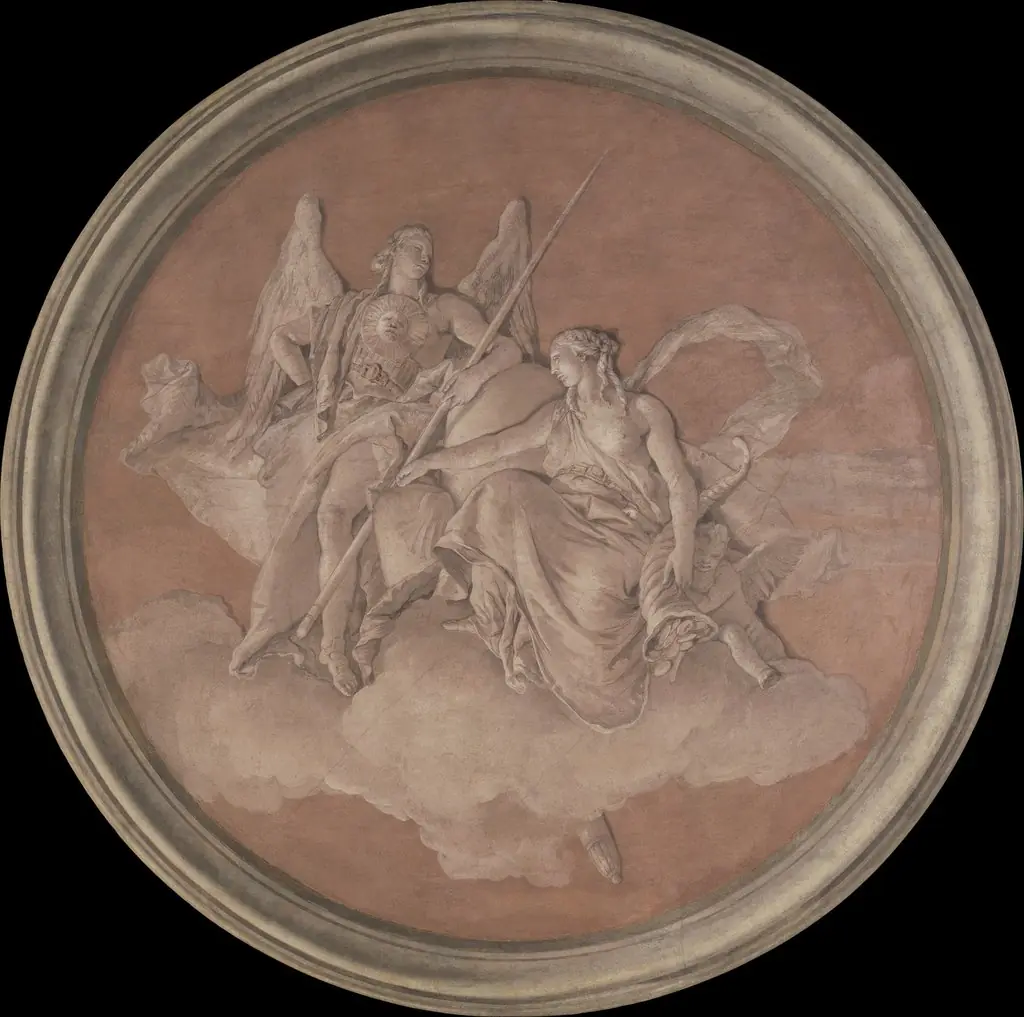 Virtue and Abundance
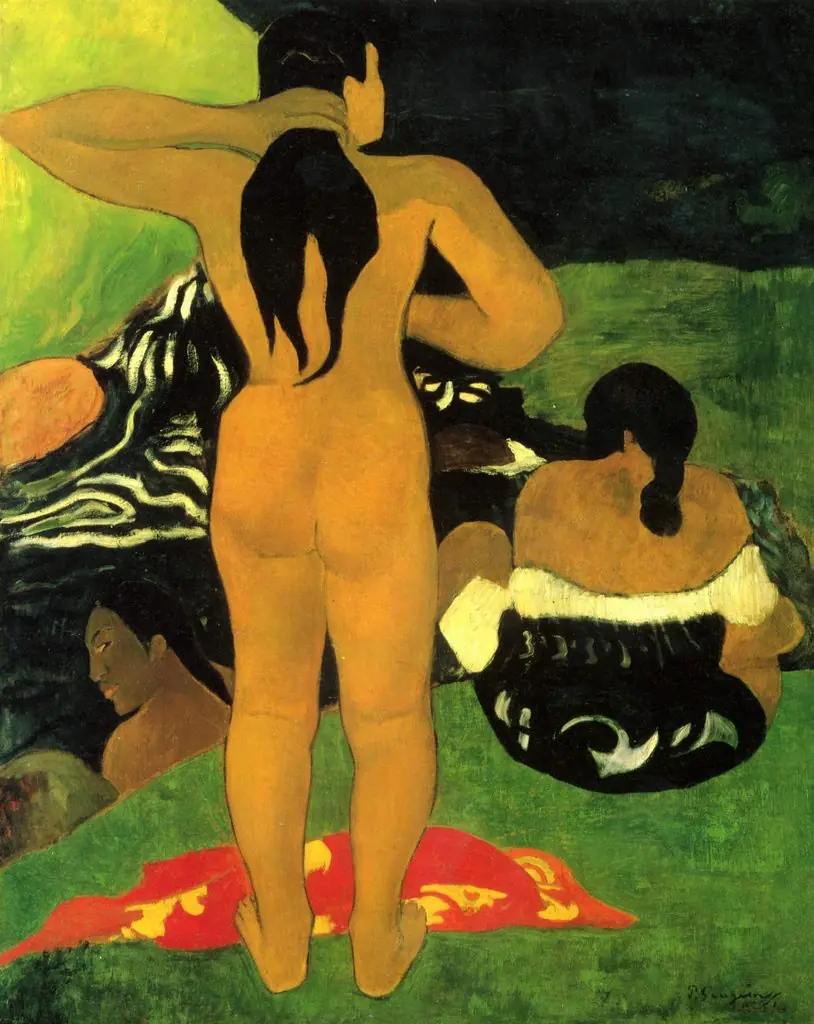 Tahitian Women Bathing
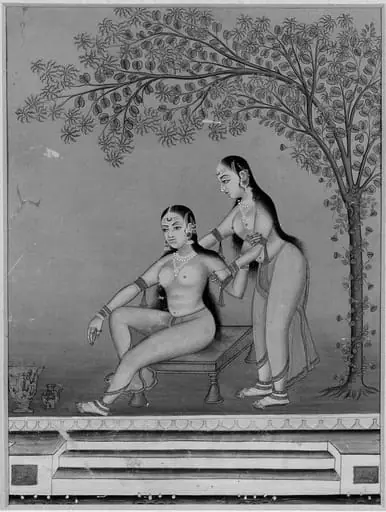 Untitled
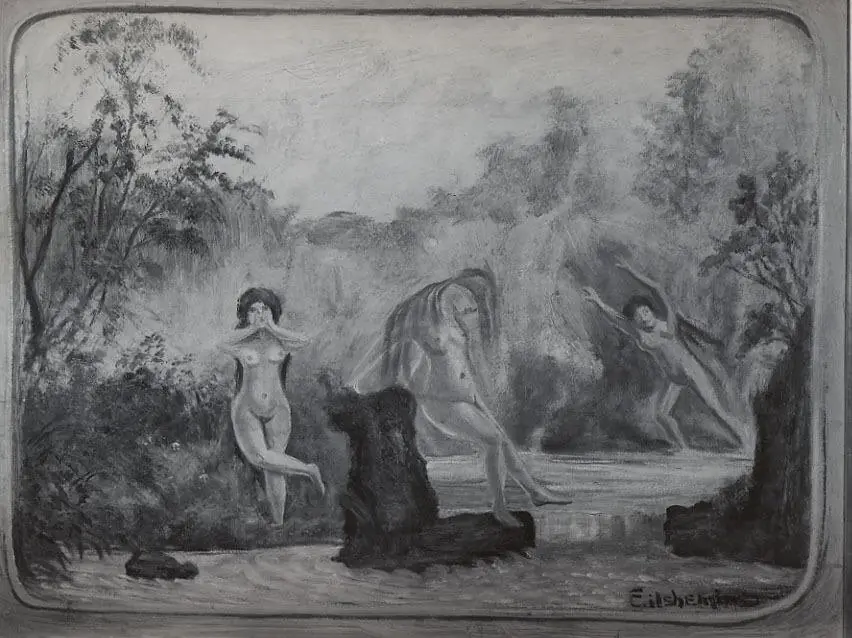 Swimming Party
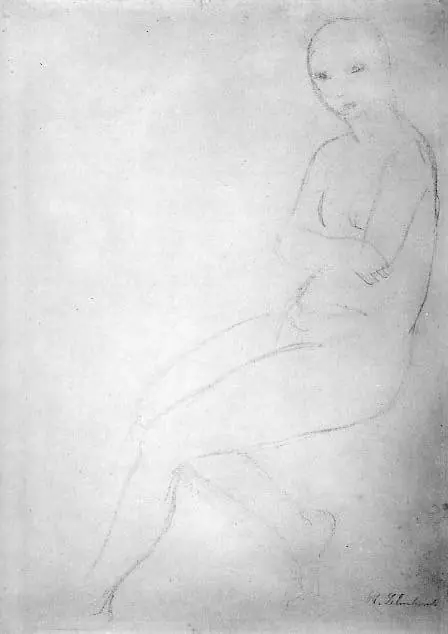 Seated Nude Model, Facing Left
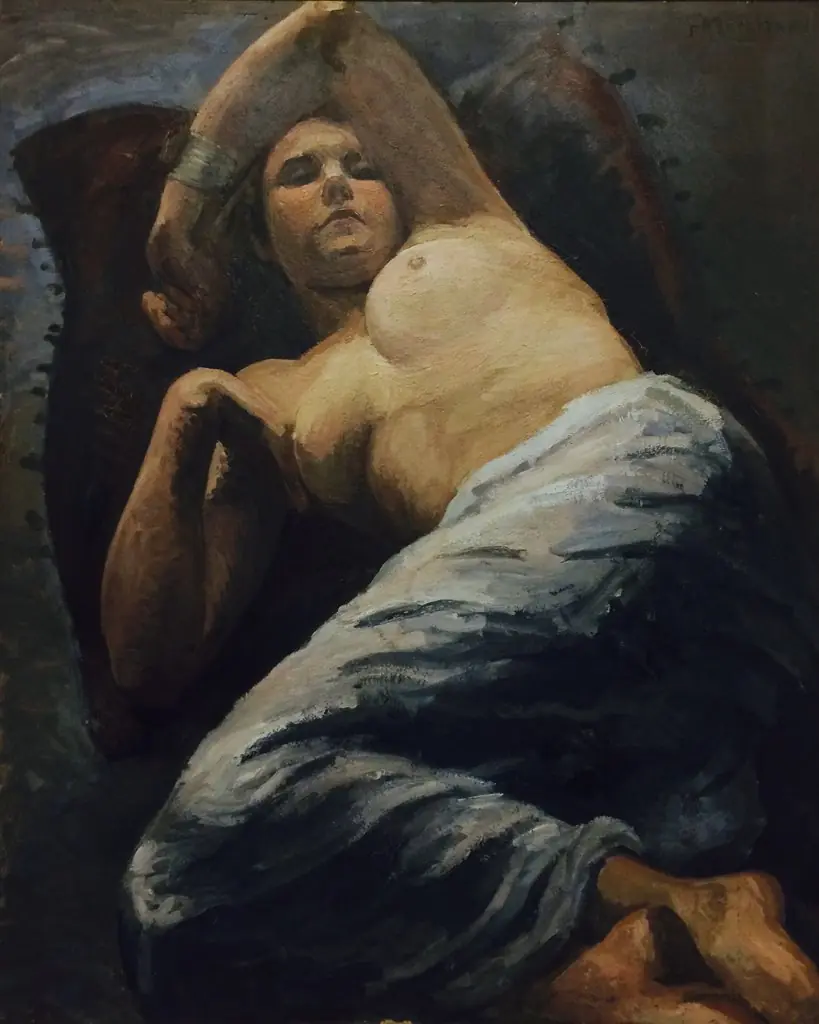 Reclining Figure
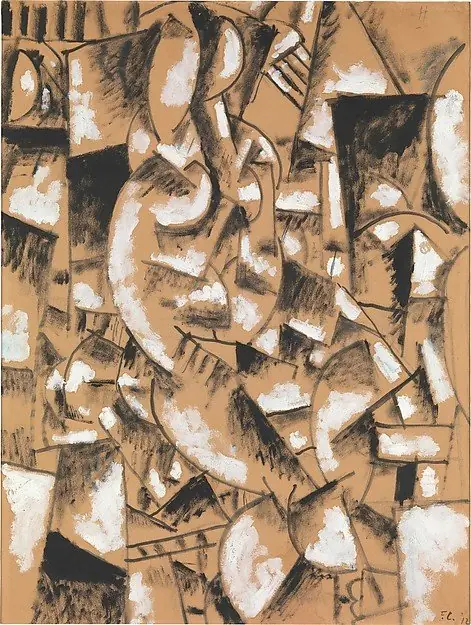 Composition (Study for "Nude Model in the Studio")
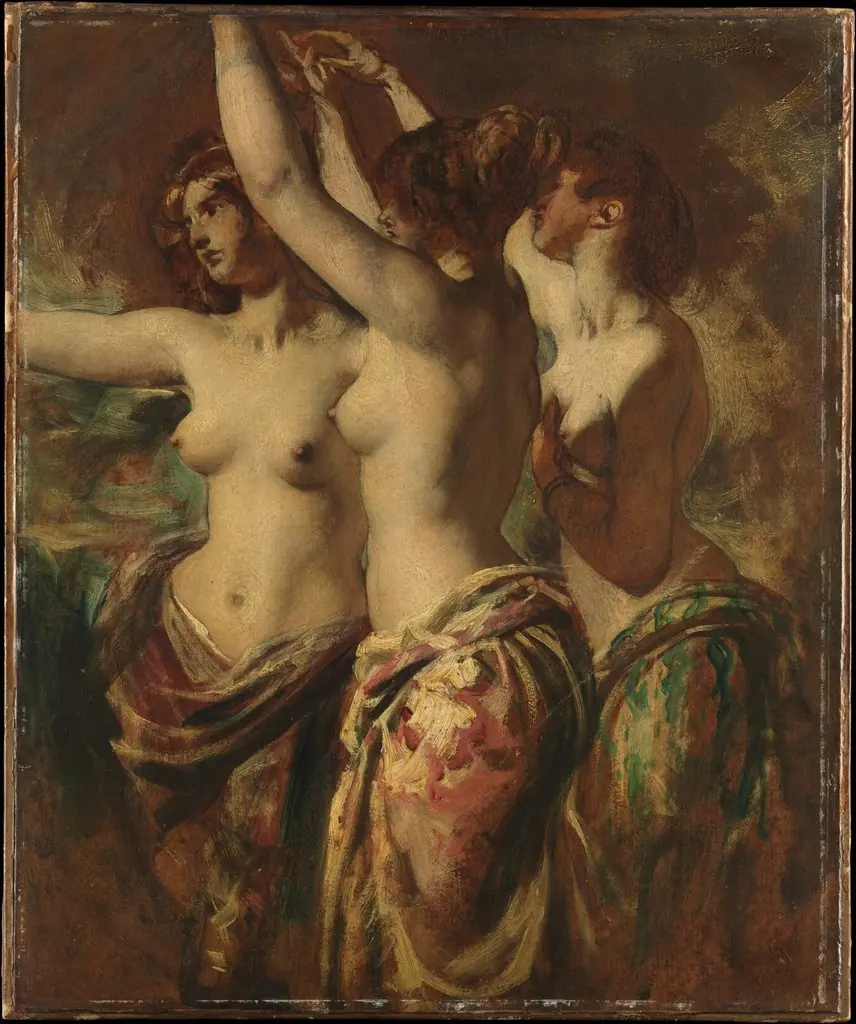 The Three Graces
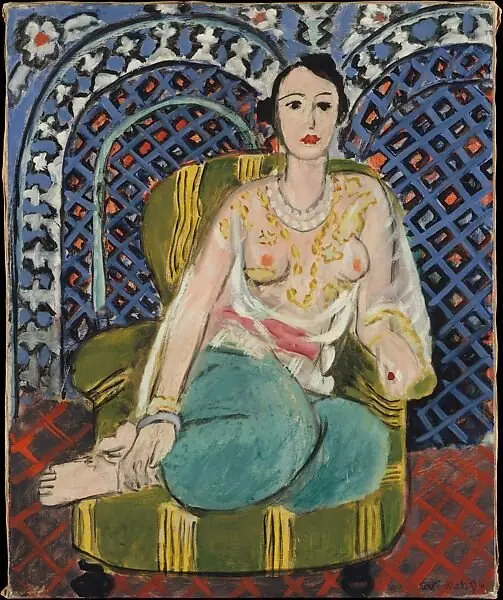 Seated Odalisque
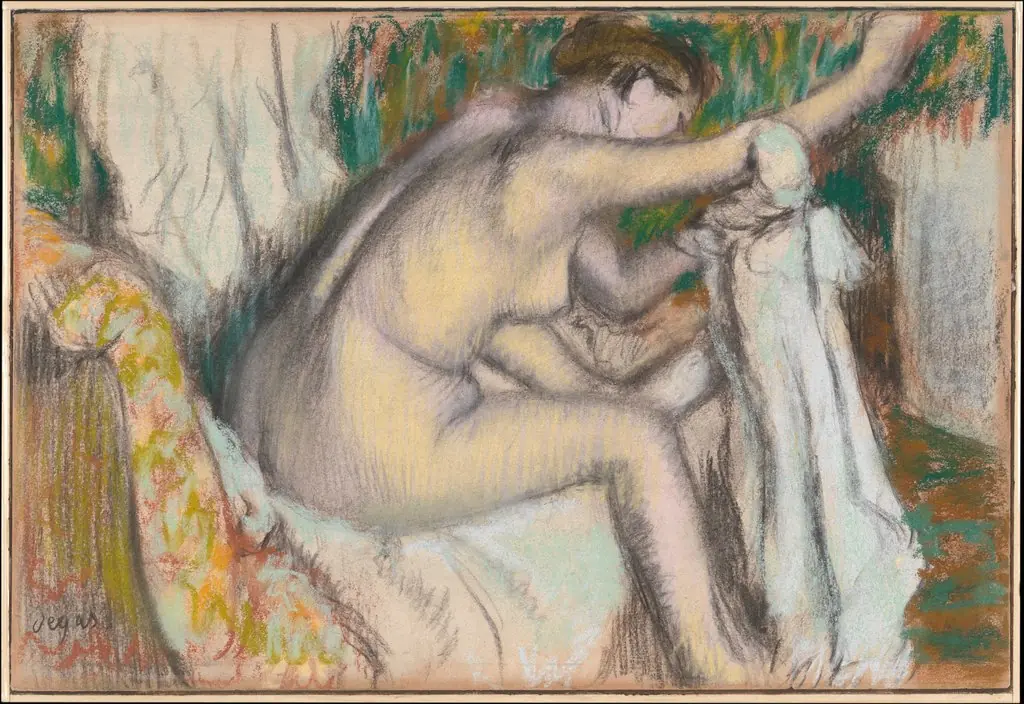 Woman Drying Her Arm
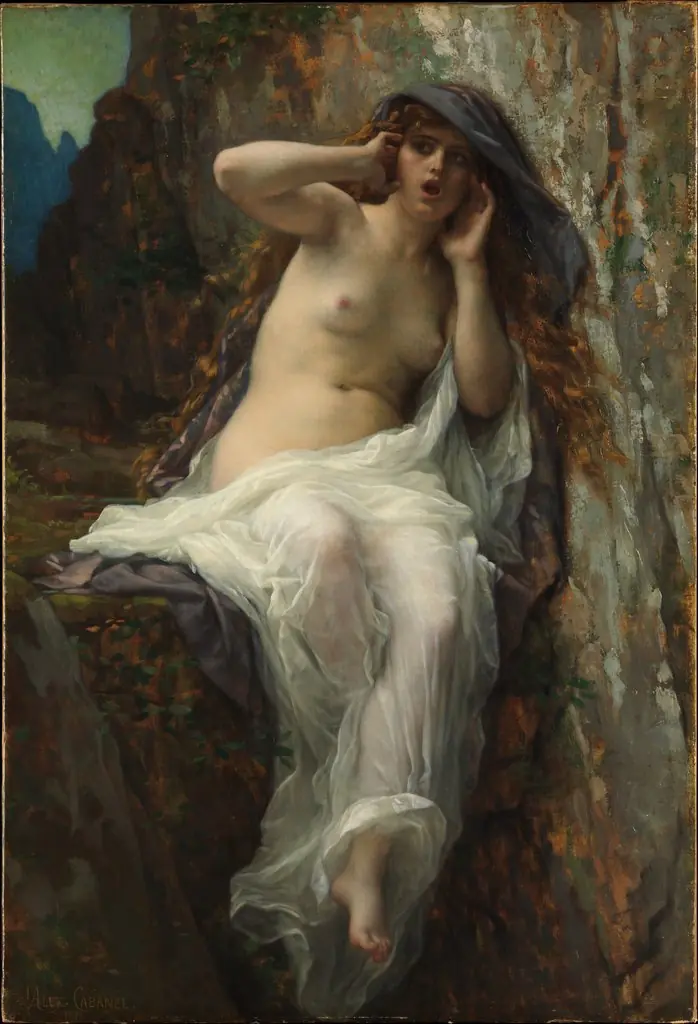 Echo
Echo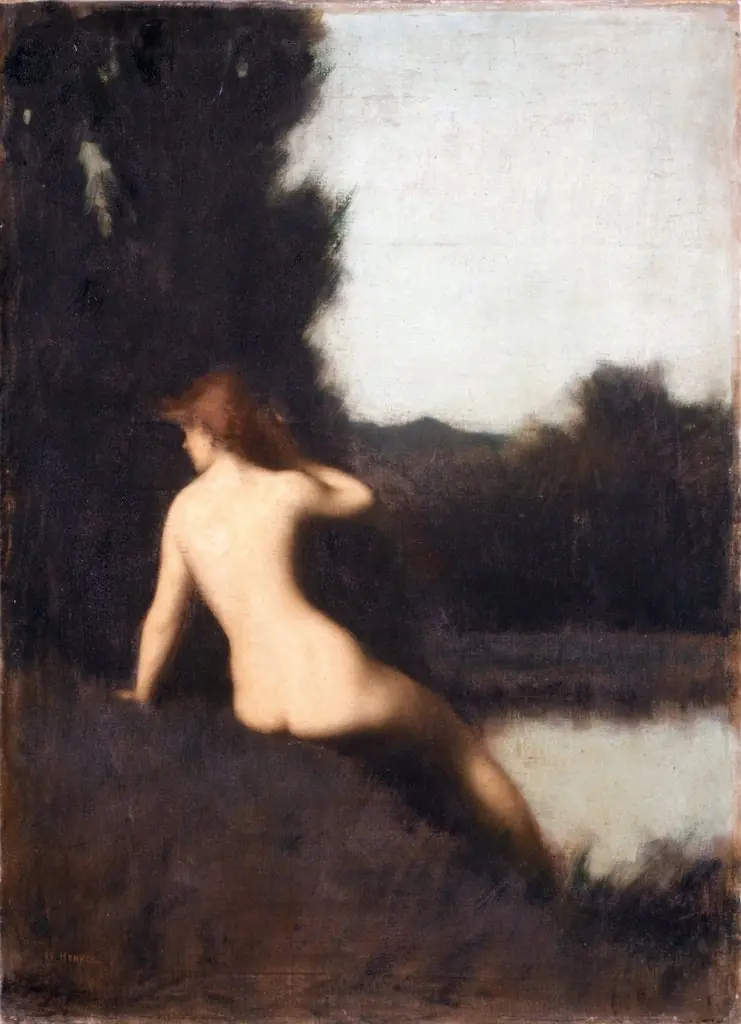 A Bather (Echo)
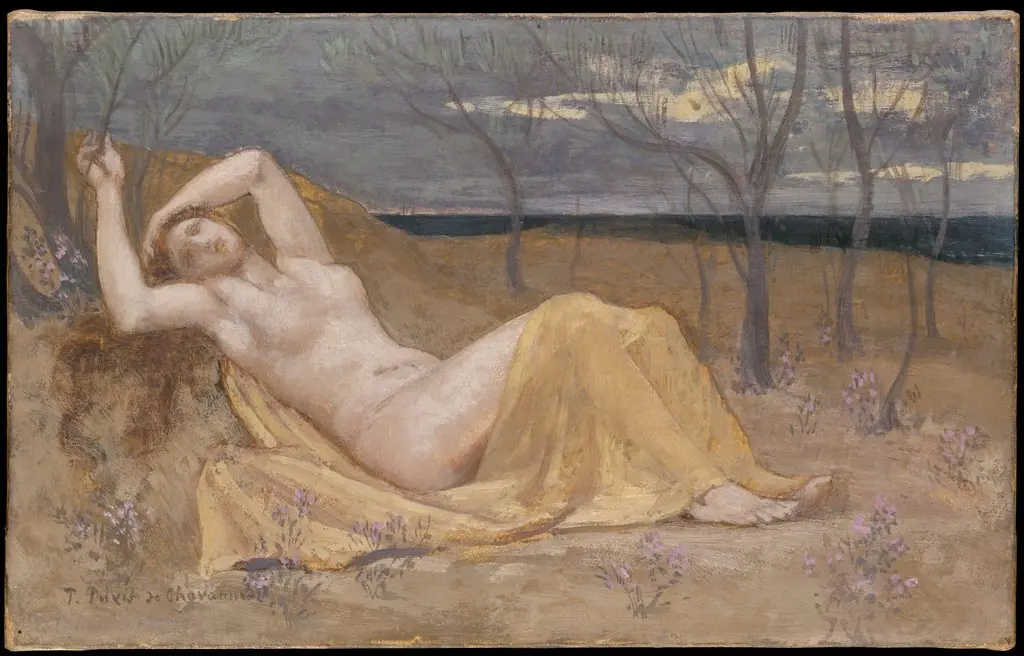 Tamaris
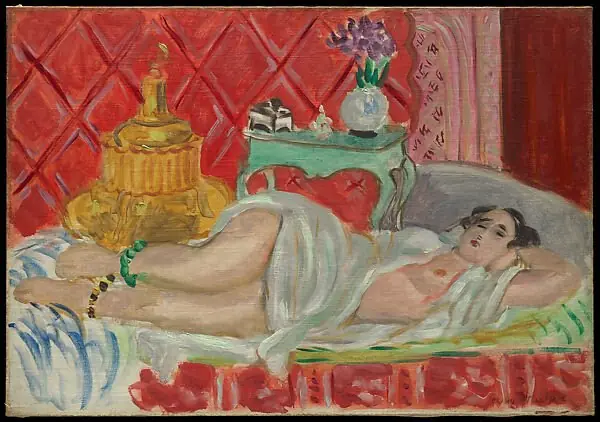 Odalisque, Harmony in Red
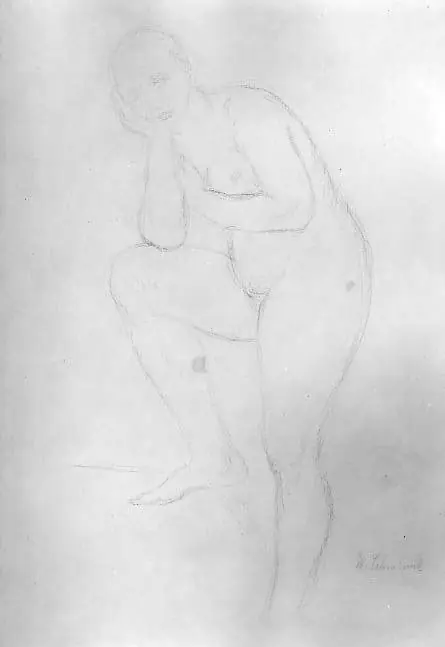 Standing Nude model, Facing Left
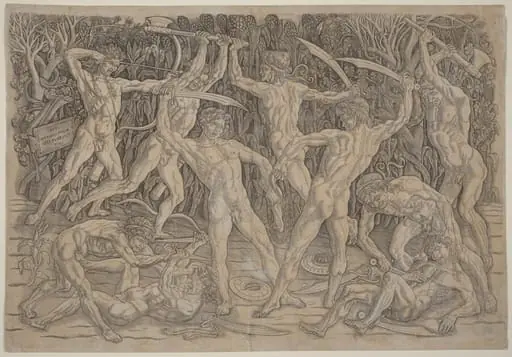 Battle of the Nudes
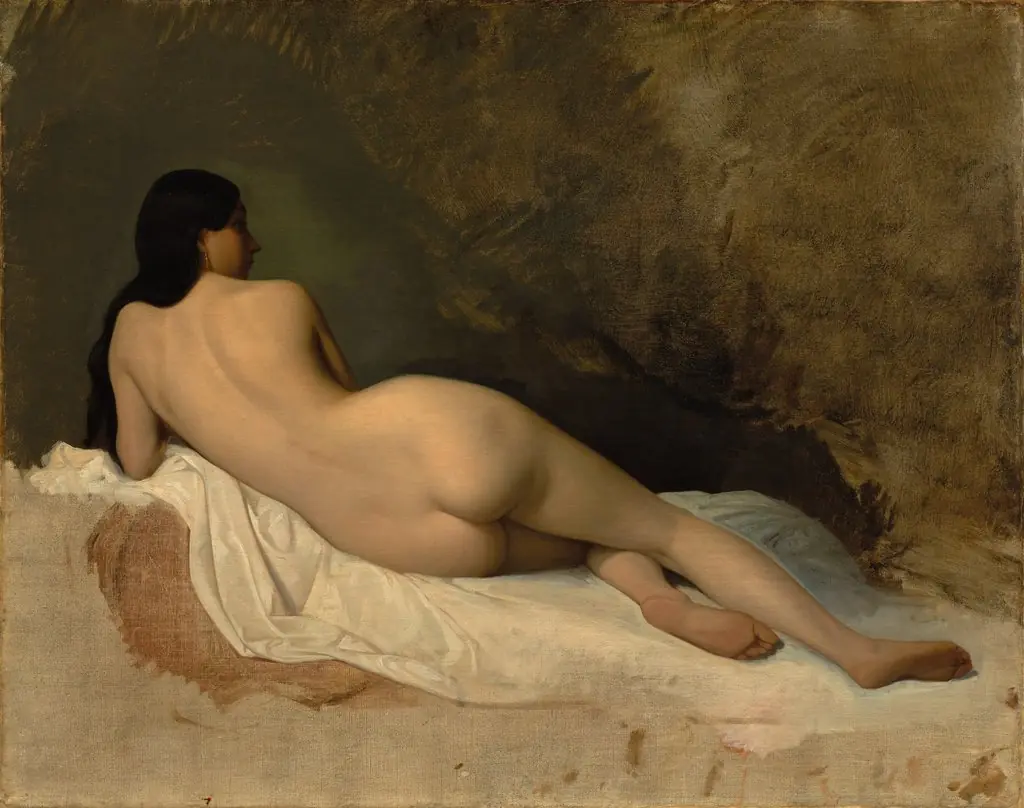 Study of a Reclining Nude
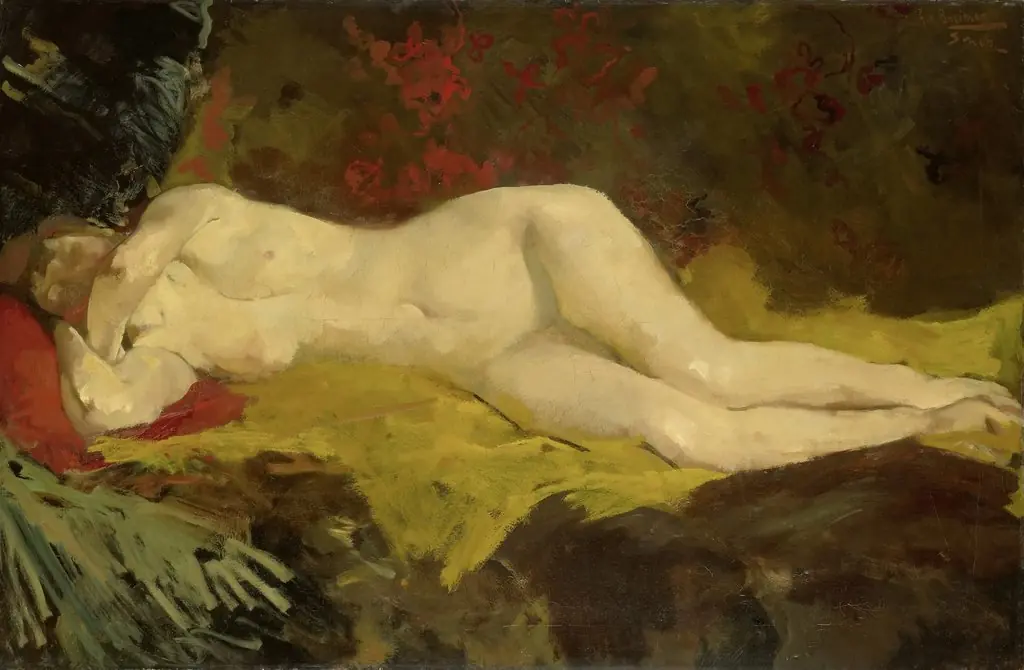 Reclining Nude
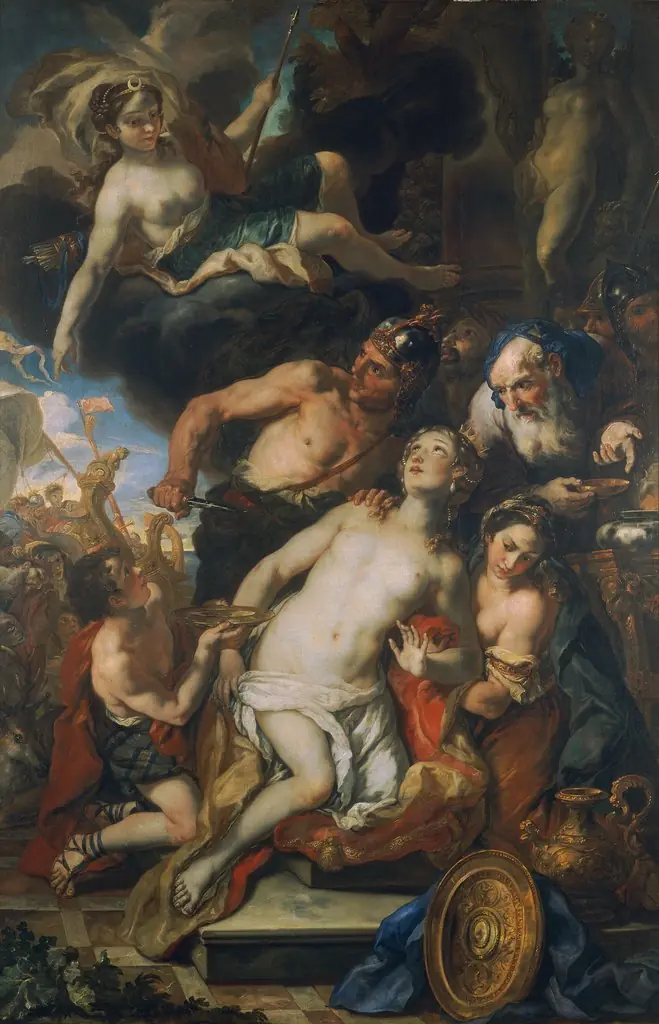 The Sacrifice of Iphigenia
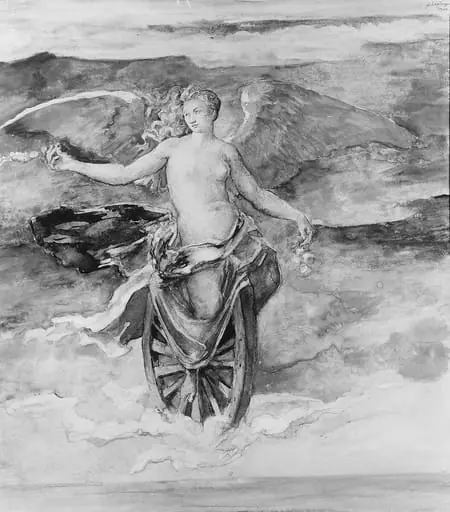 The Wheel of Fortune
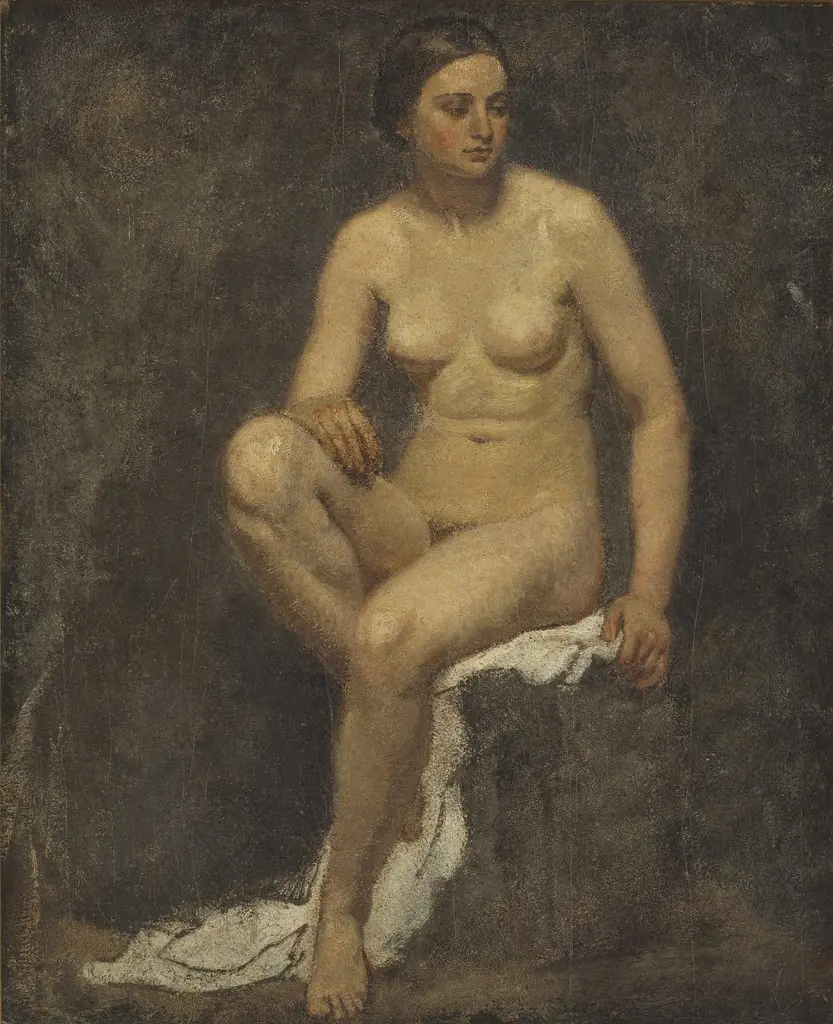 Female Nude in the Studio of Thomas Couture
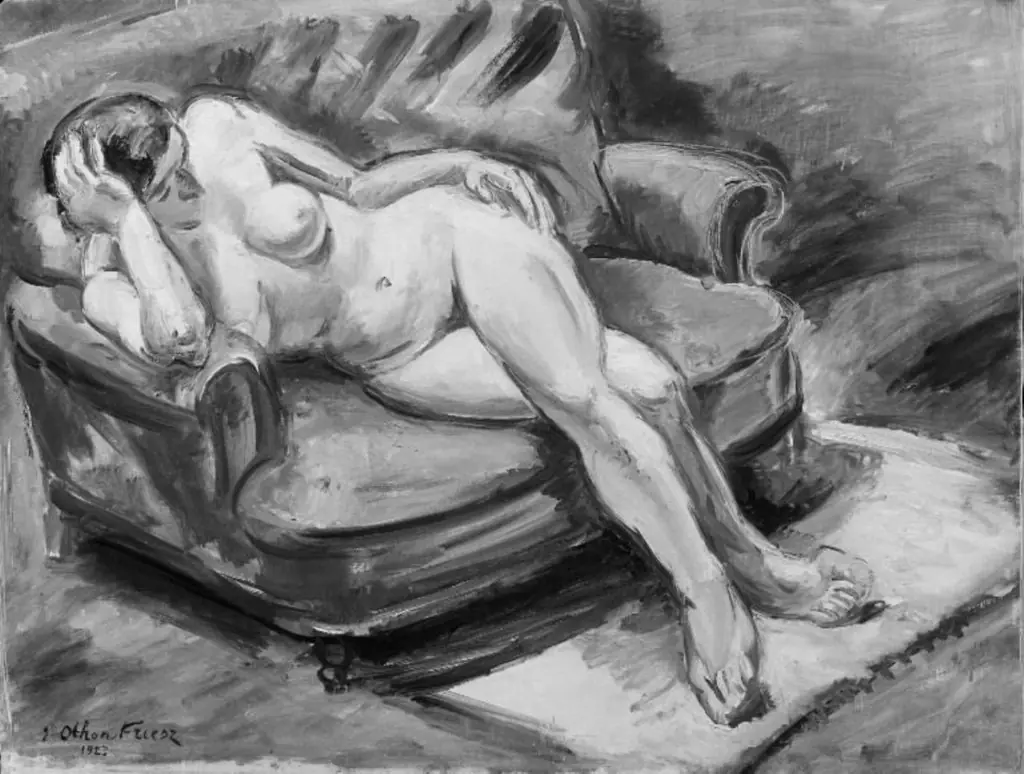 Female Nude
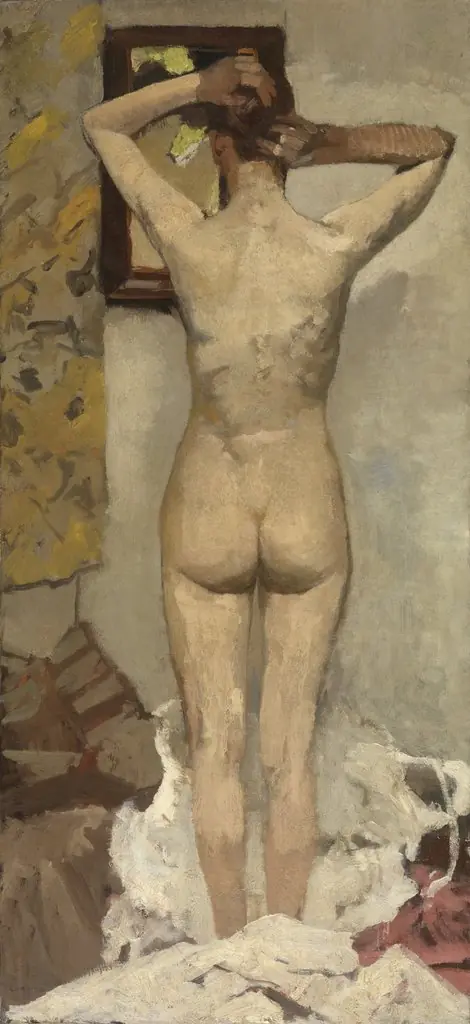 Standing Nude
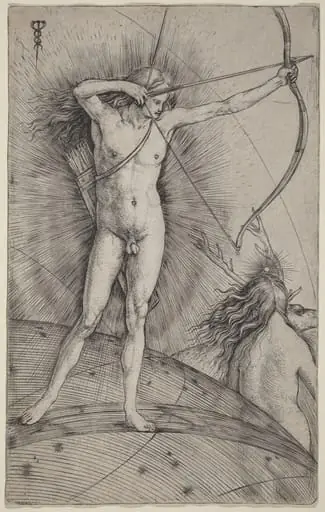 Apollo and Diana
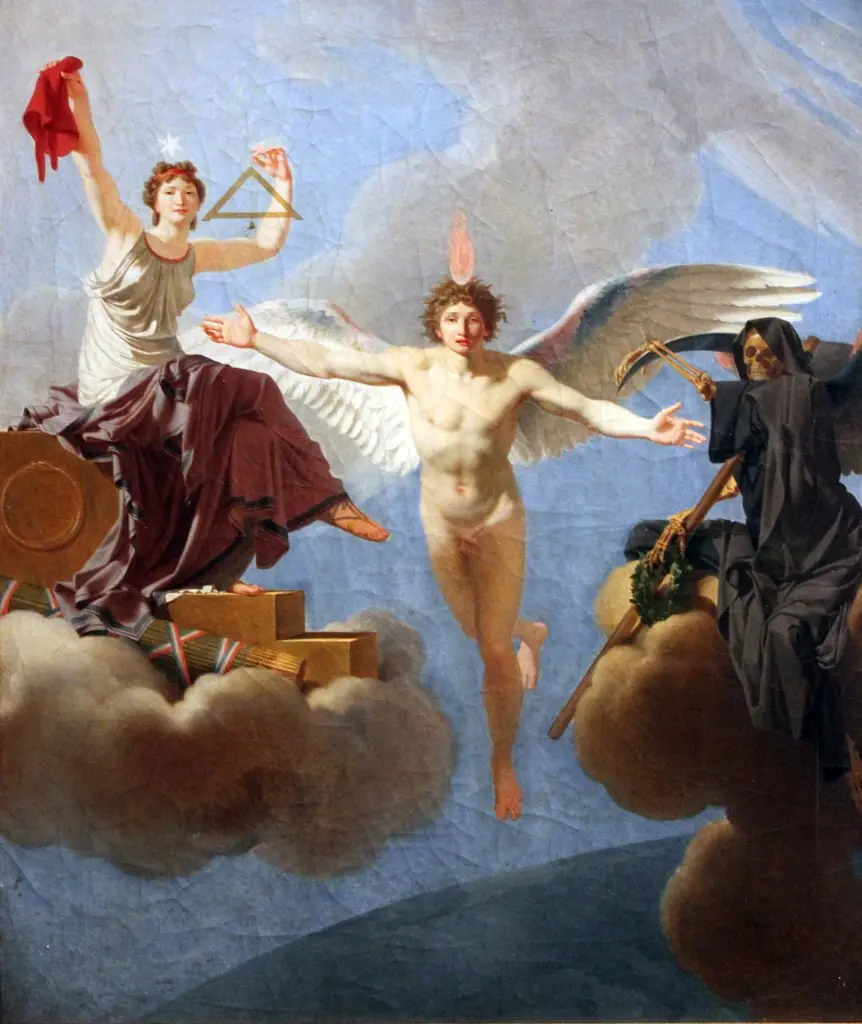 The Genius of France between Freedom and Death
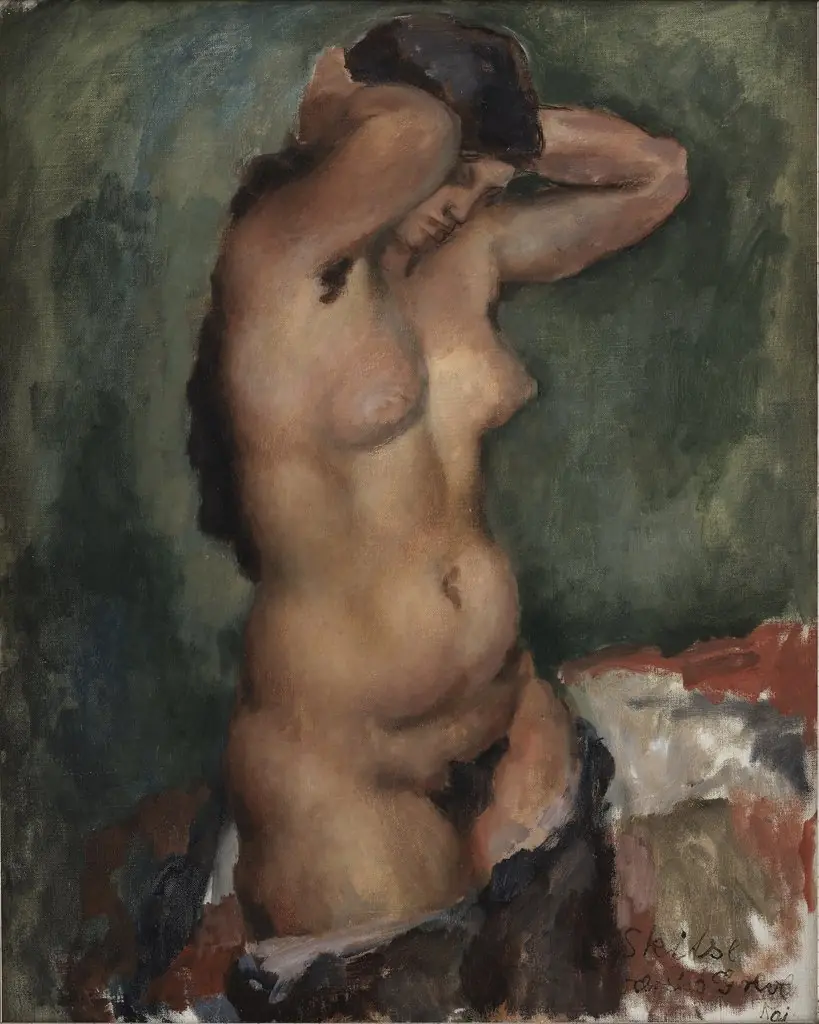 Standing Female Nude
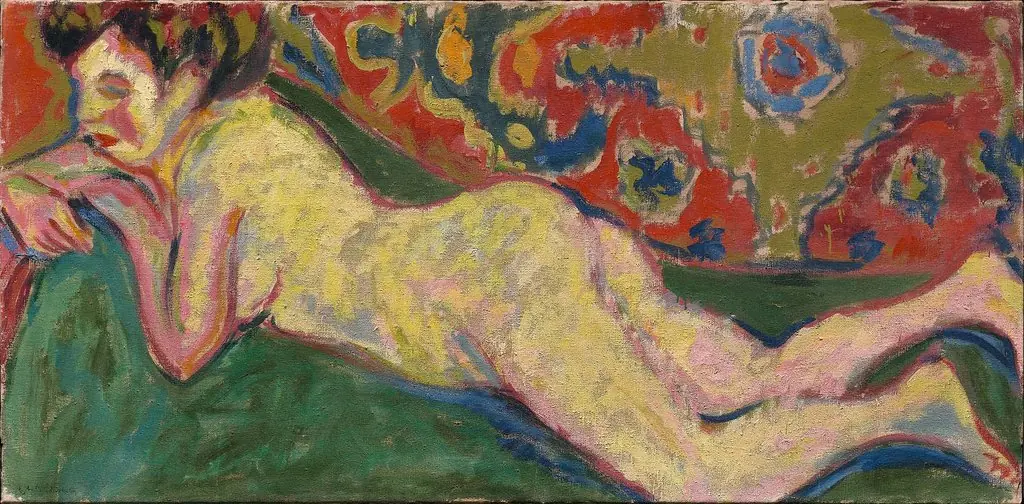 Reclining Nude
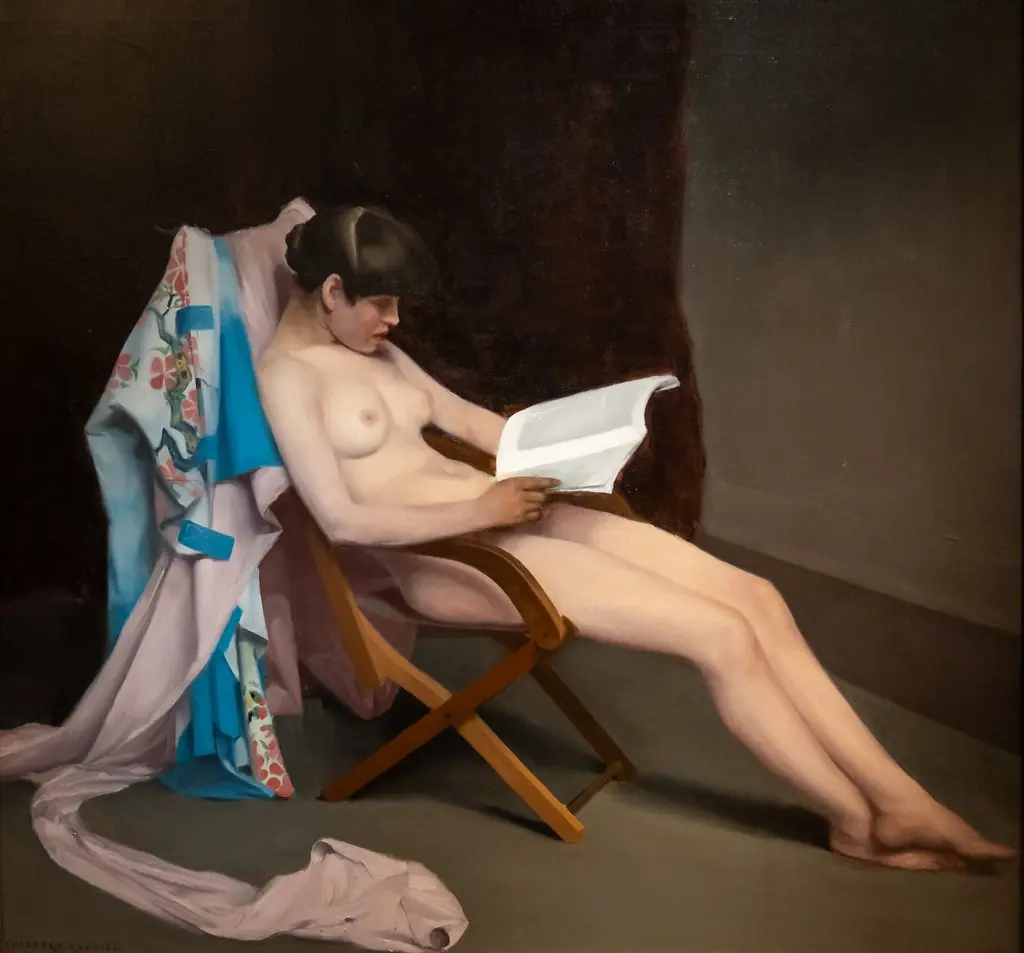 The Reading Girl
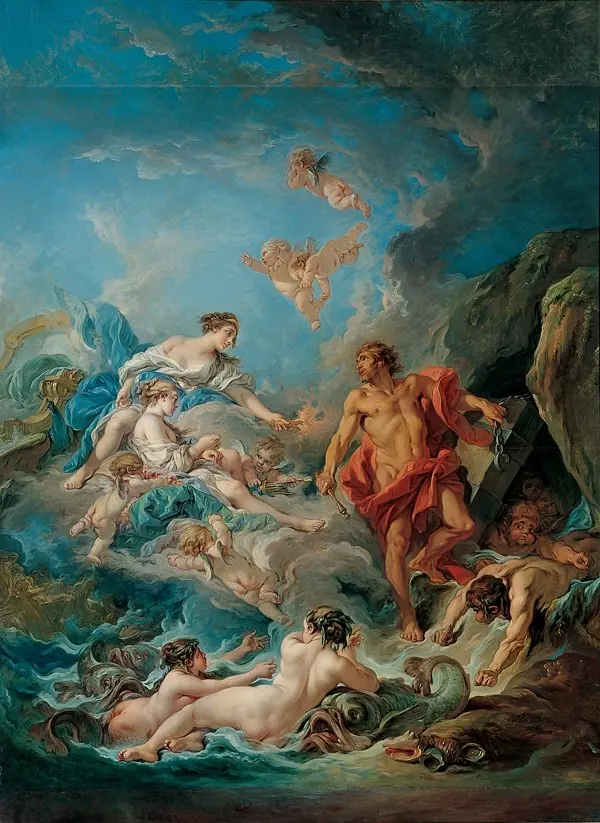 Juno Asking Aeolus to Release the Winds
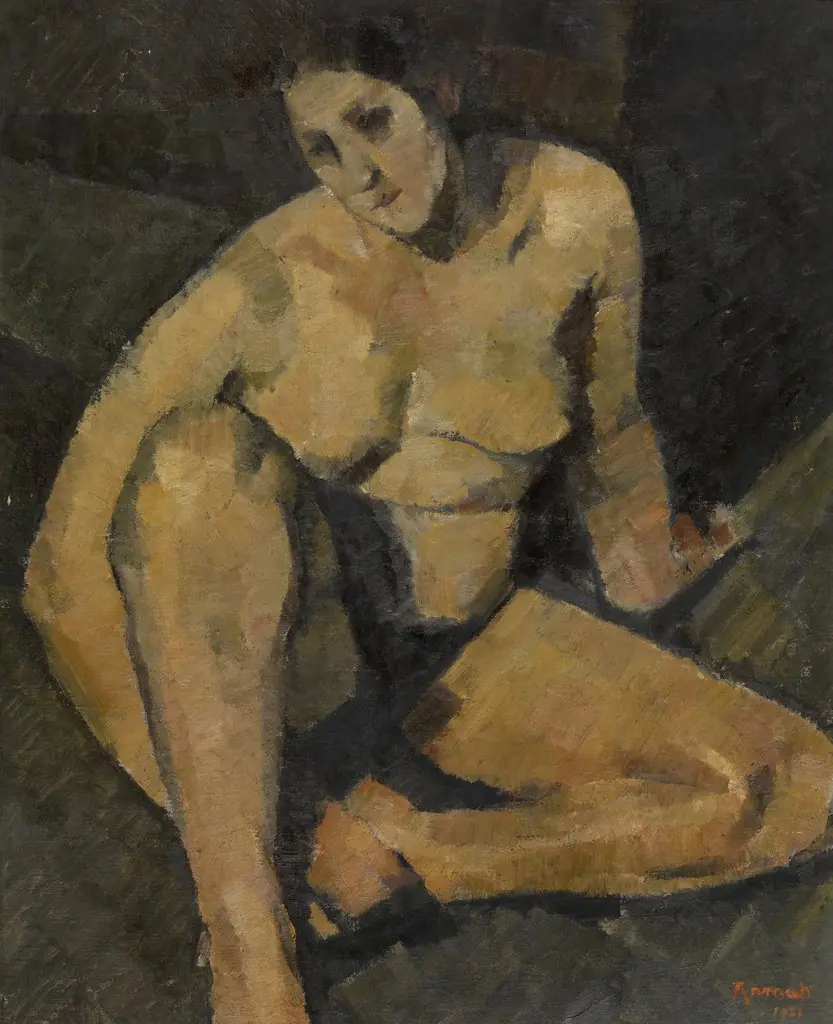 Sitting Nude
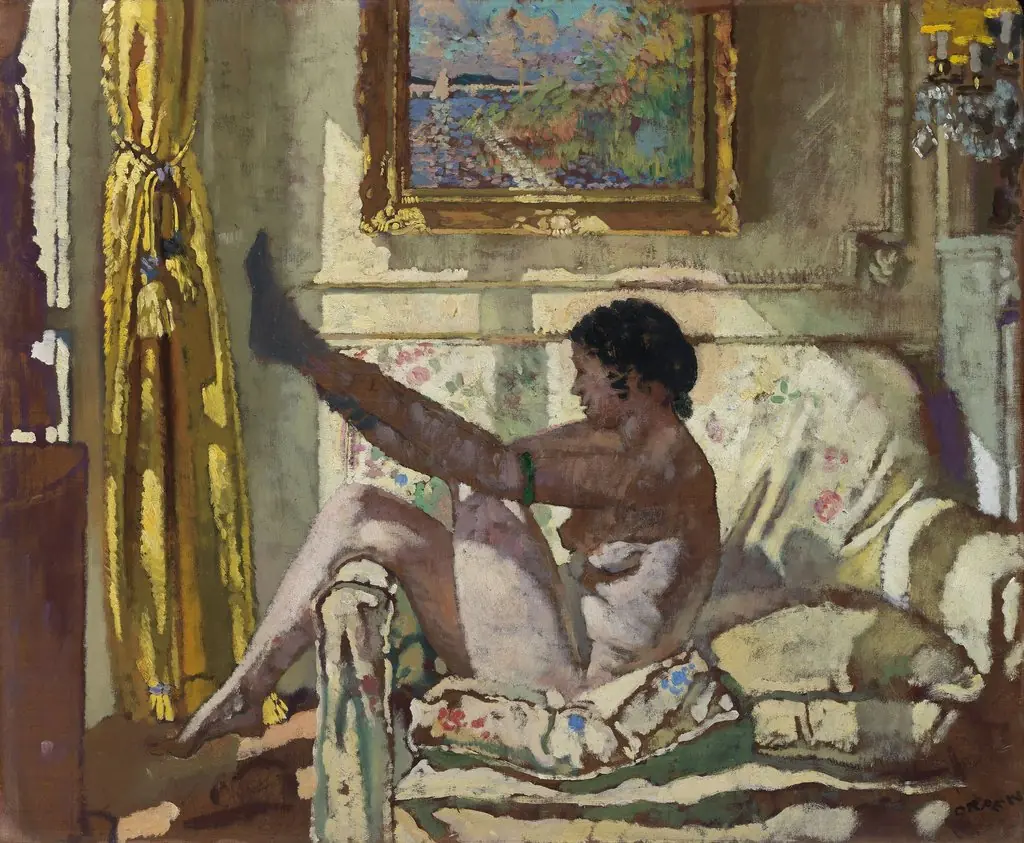 Sunlight
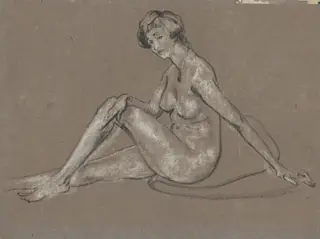 Seated Female Nude
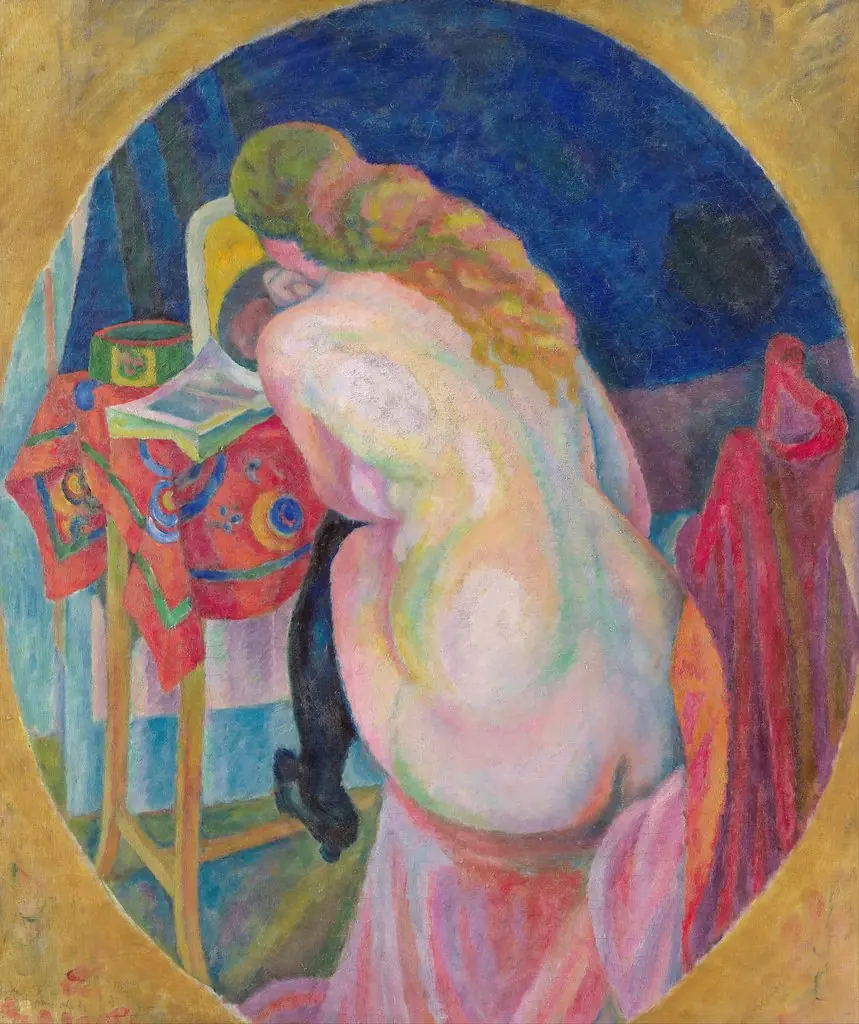 Female Nude Reading
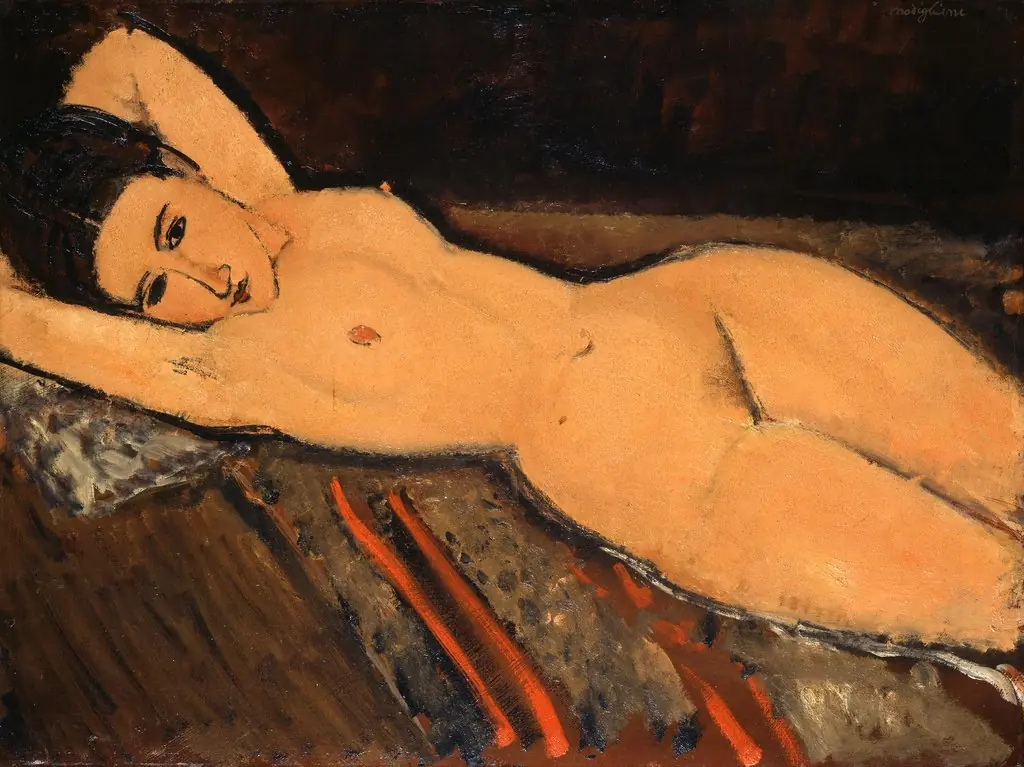 Reclining nude
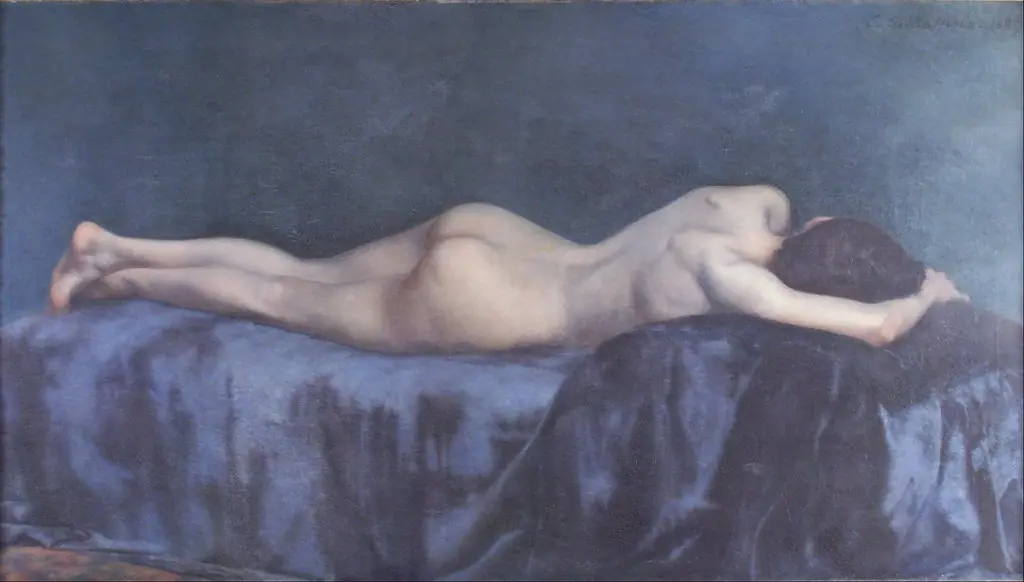 Reposo
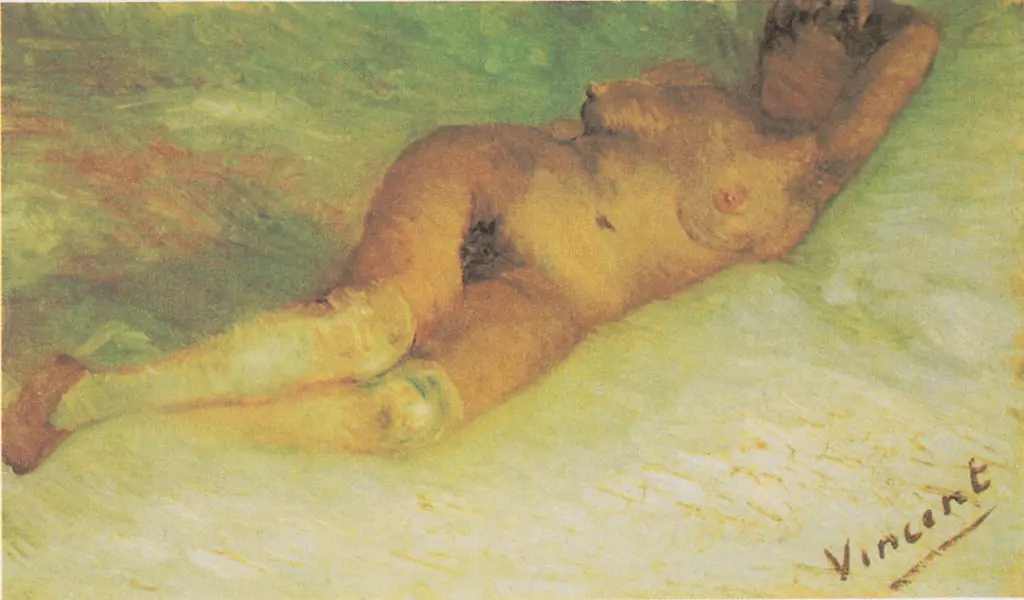 Nude Woman Reclining
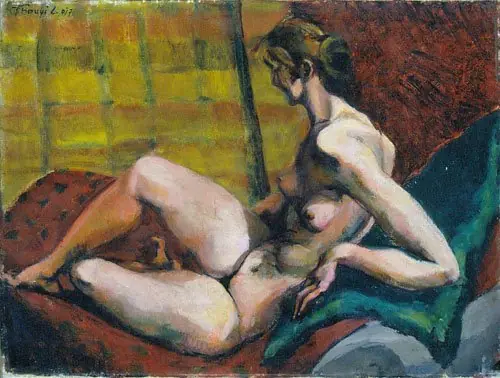 Reclining Female Nude
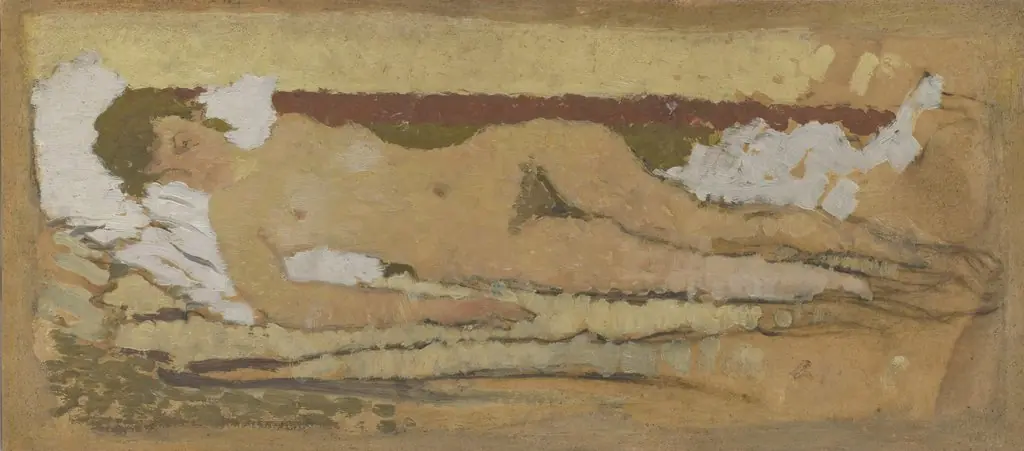 Reclining Nude
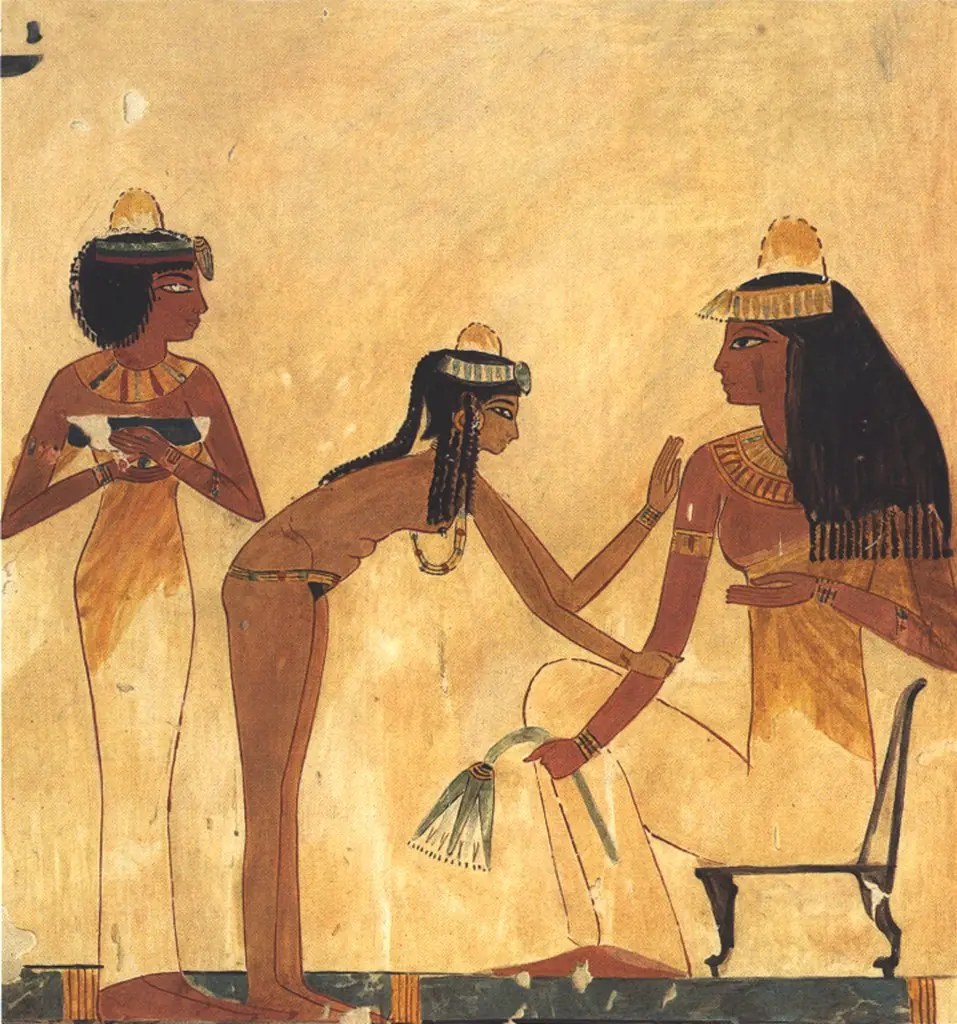 Seated woman with Two Female Servants
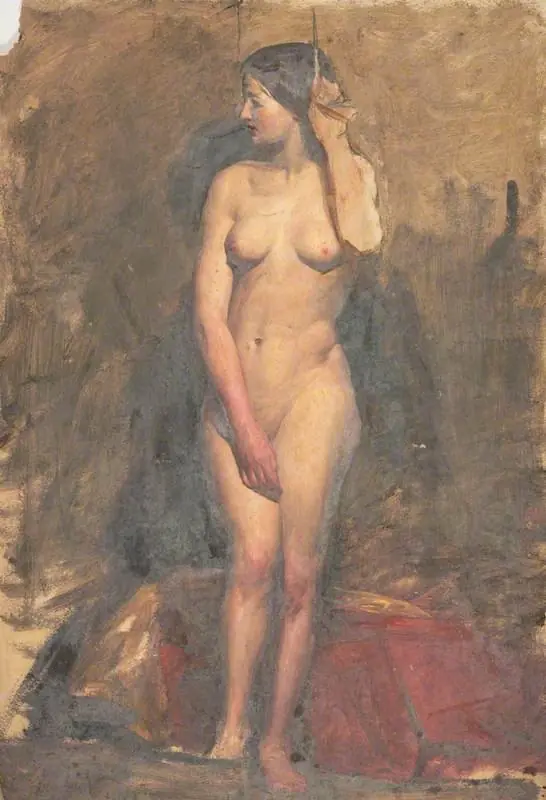 Life Study: Standing Female Nude
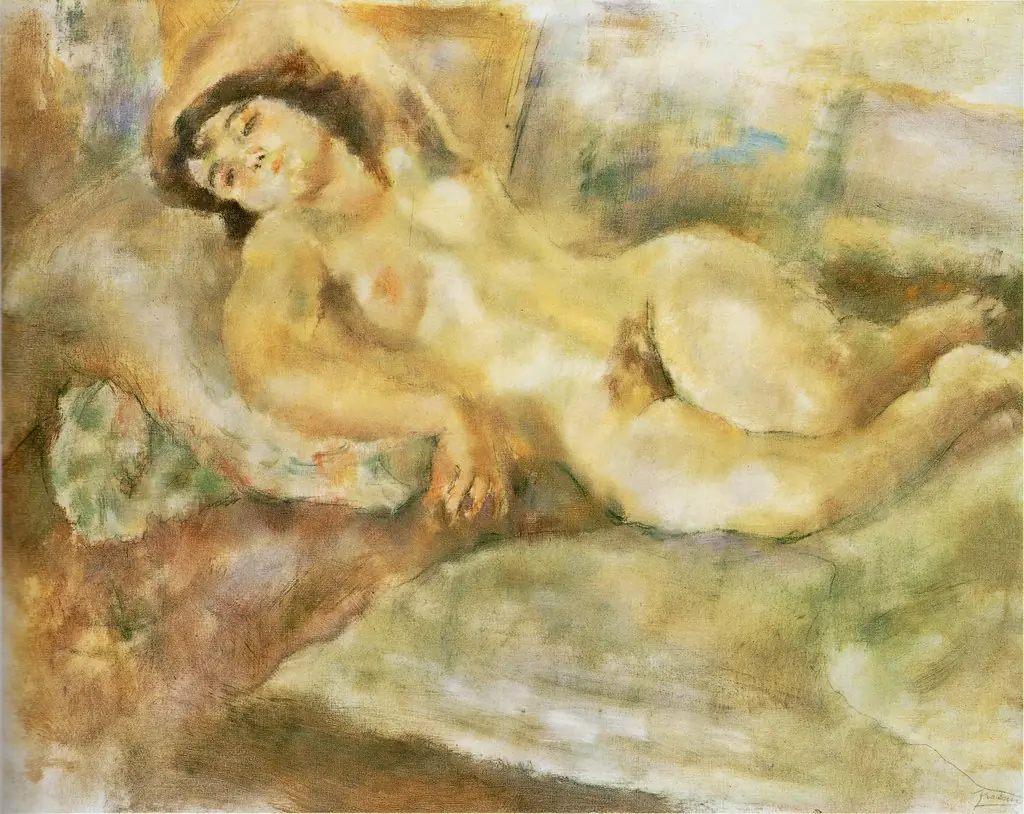 Manolita
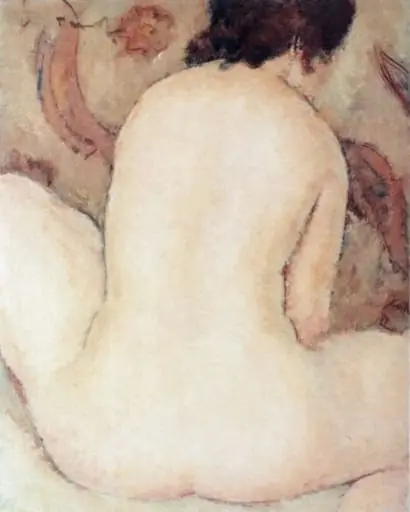 Nud cu spatele
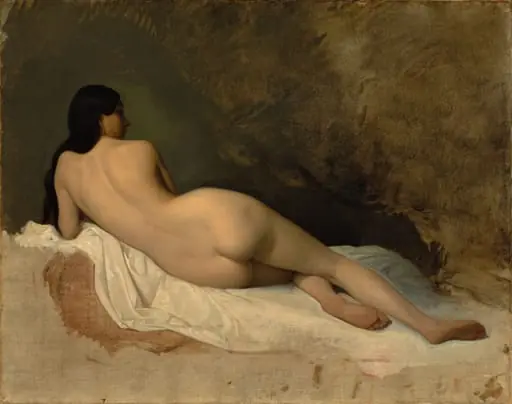 Study of a Reclining Nude
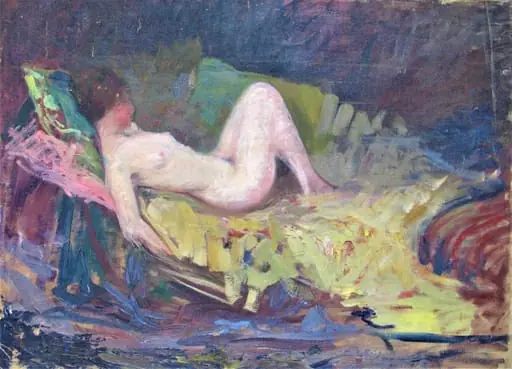 Nud culcat
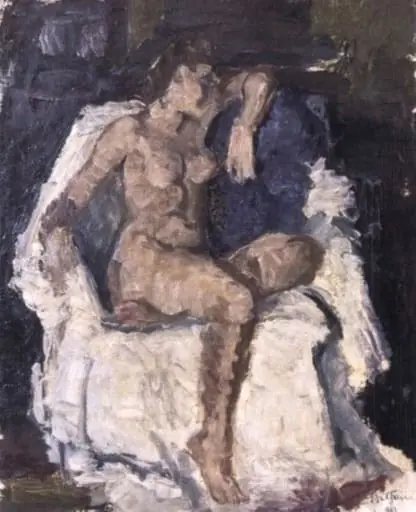 Nud
Nud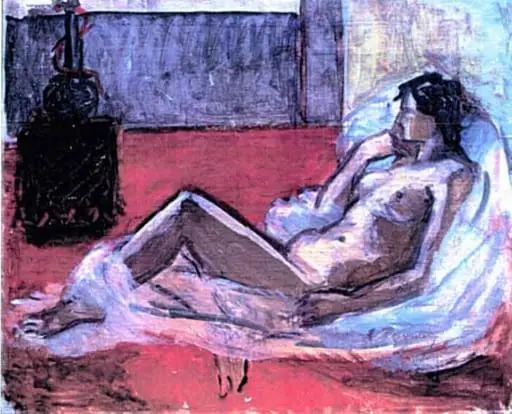 Femeie pe divan
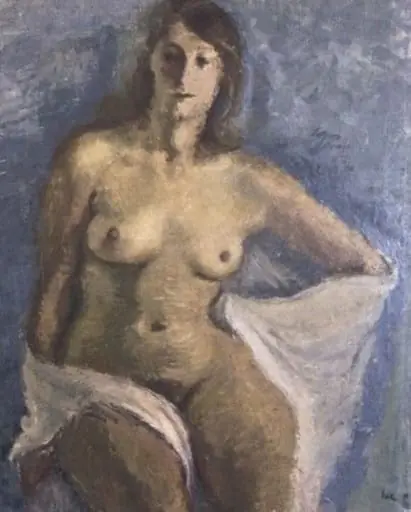 Nud
Nud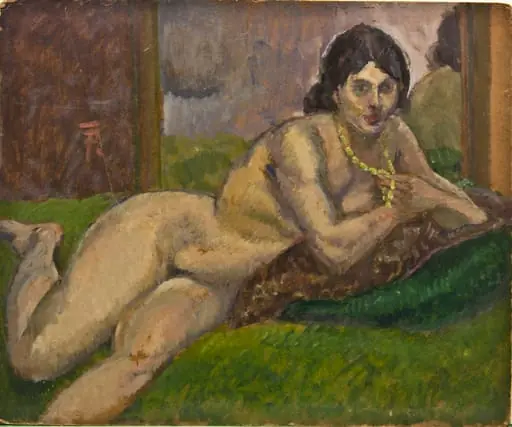 Nud cu mărgele galbene
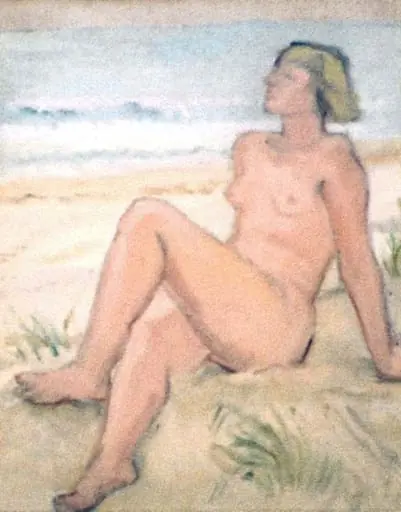 Nud pe plajă
 Nud șezând
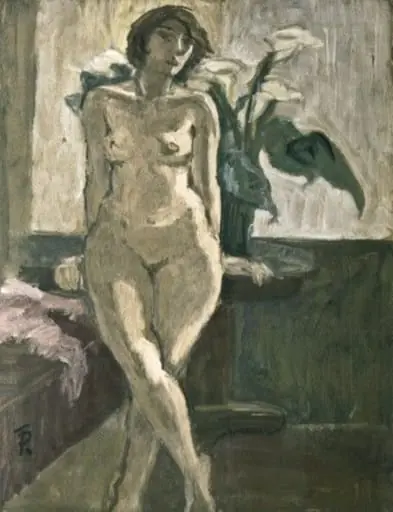 Nud cu plantă
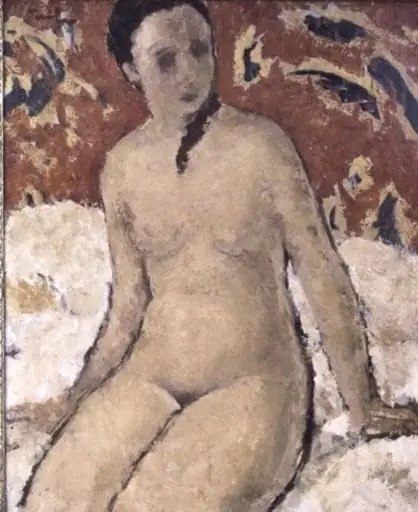 Nud pe fond decorativ
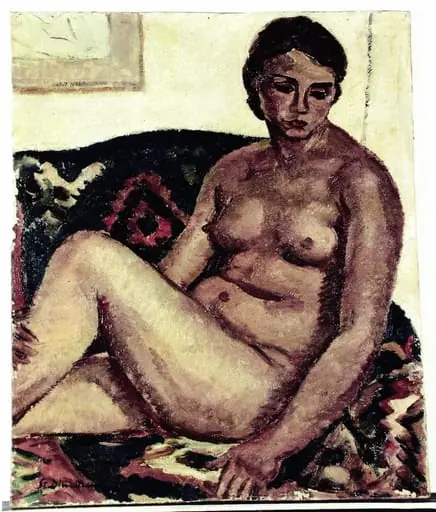 Nud așezat
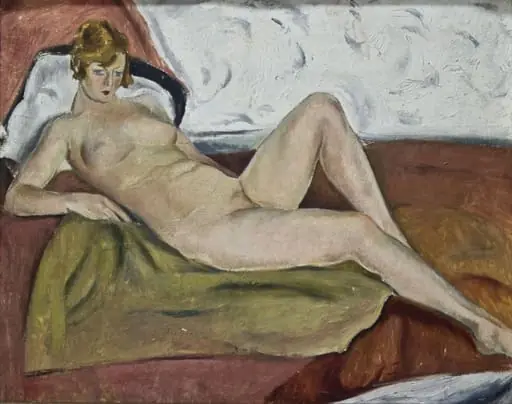 Nud
Nud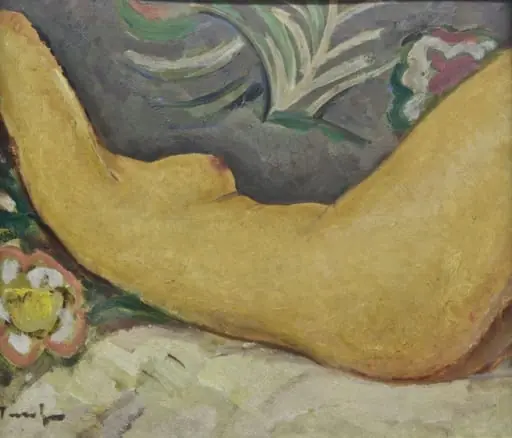 Nud culcat
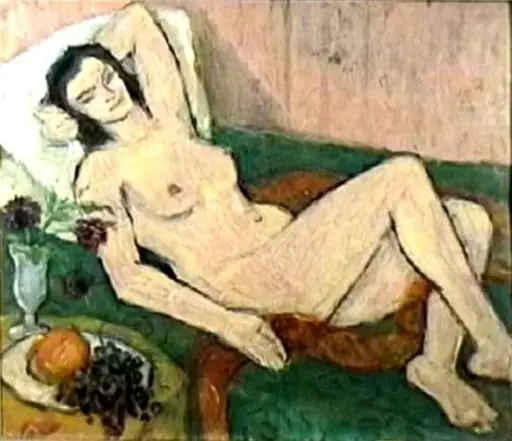 Nud culcat
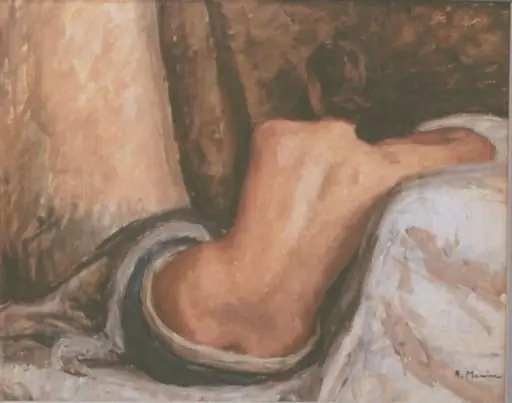 Nud de femeie
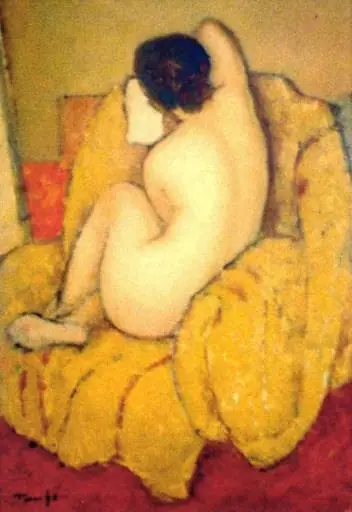 Nud pe fotoliu
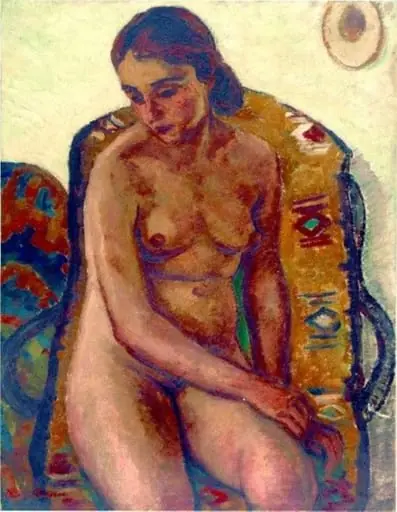 Nud
Nud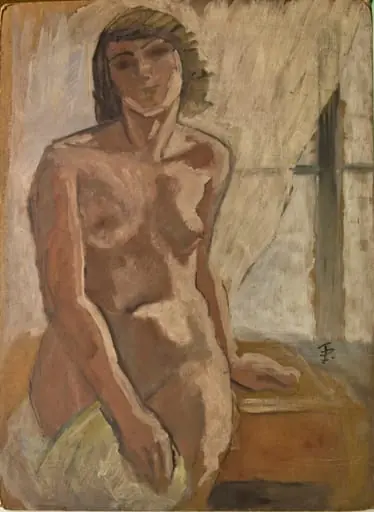 Studiu de nud
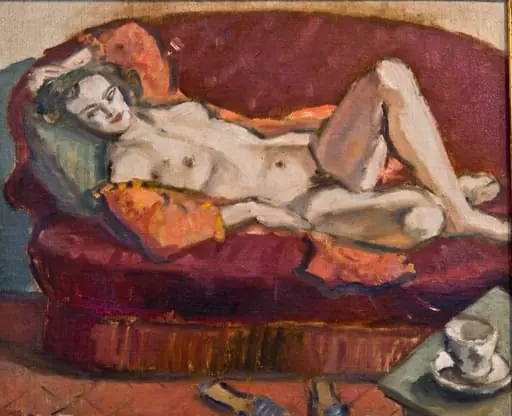 Nud culcat
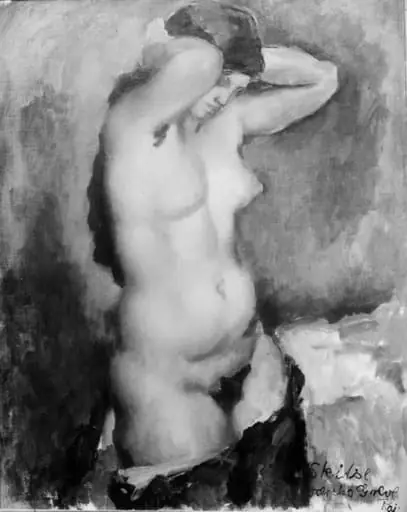 Standing Female Nude
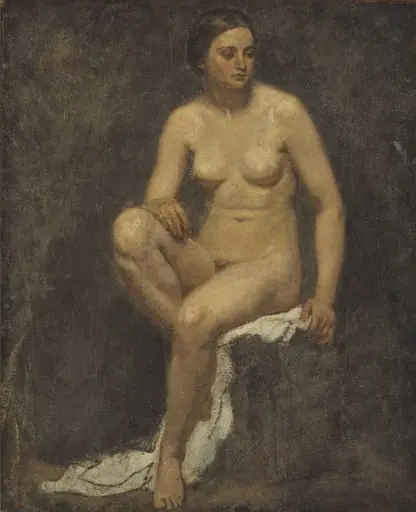 Female Nude in the Studio of Thomas Couture
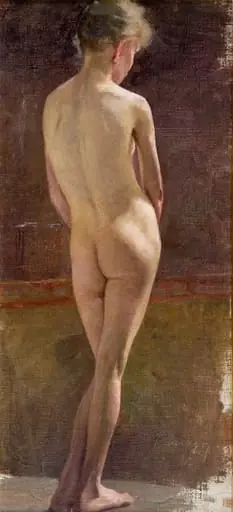 Alastonmalli
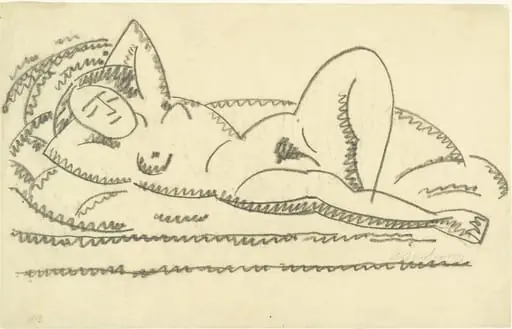 Untitled
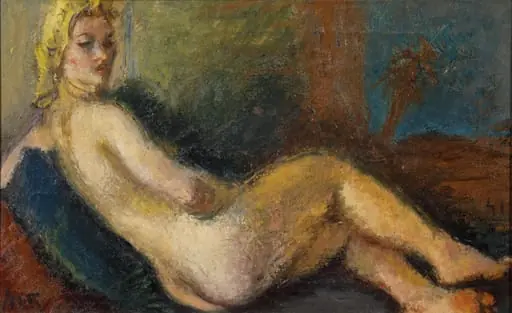 Nud culcat - Paula
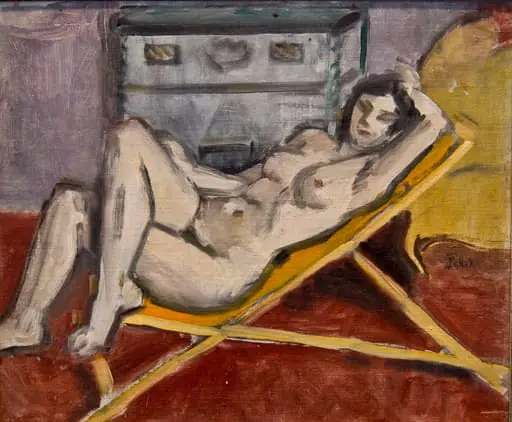 Nud pe chaise-longue
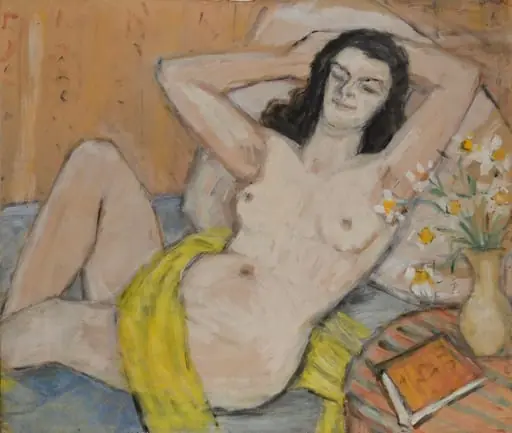 Nud cu eșarfă galbenă
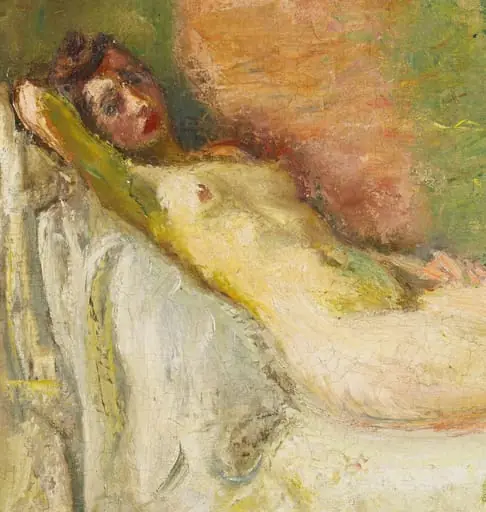 Nud culcat
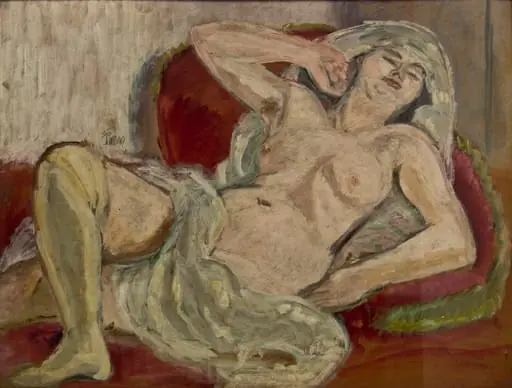 Nud pe fotoliu roșu
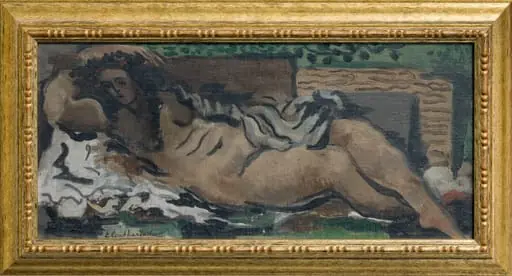 NUD CU FLORI ÎN PĂR
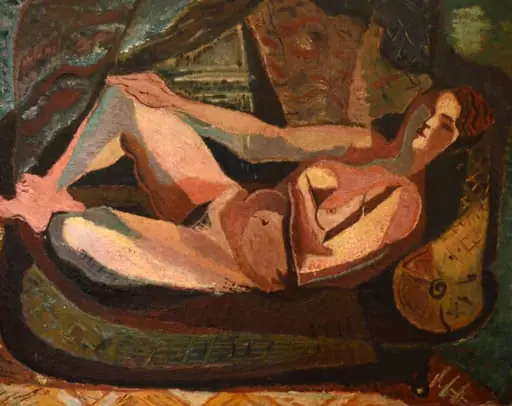 Nud culcat
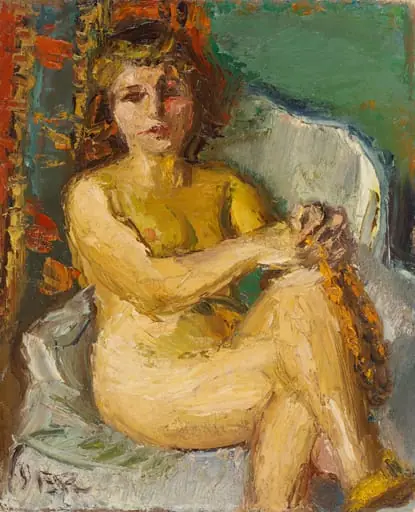 Nud pe fotoliu
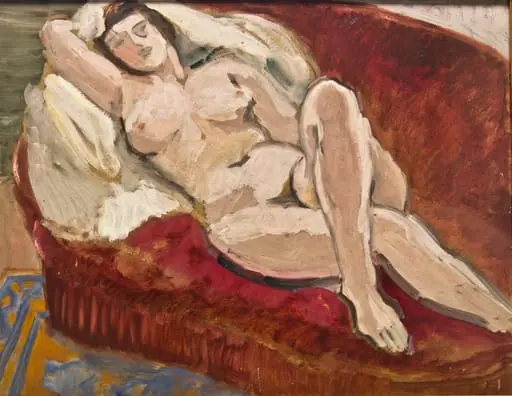 Nud pe canapea vișinie – Fată pe canapea
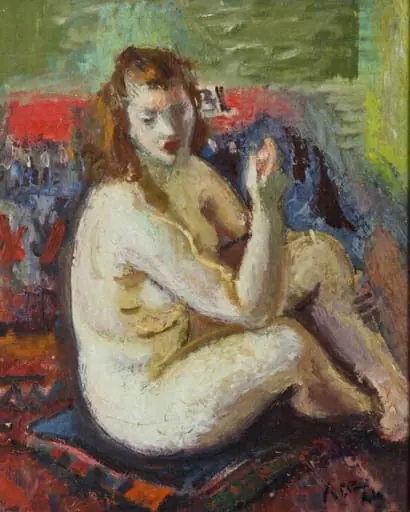 Nud șezând
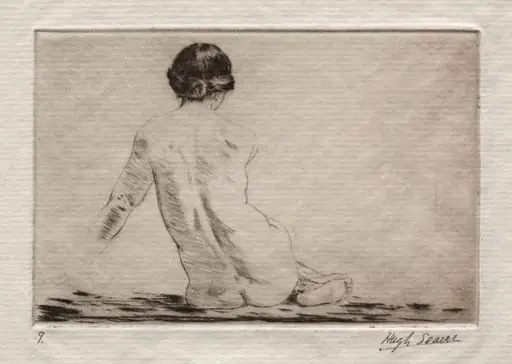 Back to the Studio
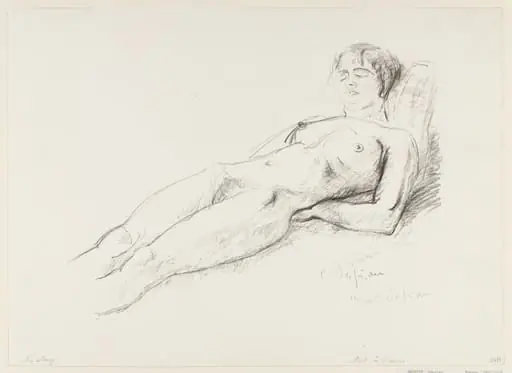 Untitled
Frequently asked questions
What is Nude?
Nude is a subject in art. The nude, as a form of visual art that focuses on the unclothed human figure, is an enduring tradition in Western art.
How many Nude works does Artifact World Gallery have?
Artifact World Gallery holds 171 public-domain Nude works, all free to view and download.
Who are the key Nude artists?
Key Nude artists in the collection include Thomas Eakins, Jean Baptiste Camille Corot and Lorenzo Lotto.
Where can I see Nude works?
Nude works in the collection are held by Metropolitan Museum of Art, National Museum of Art of Romania and Statens Museum for Kunst.