Artwork
Portrait of Empress Elizabeth Alexeyevna
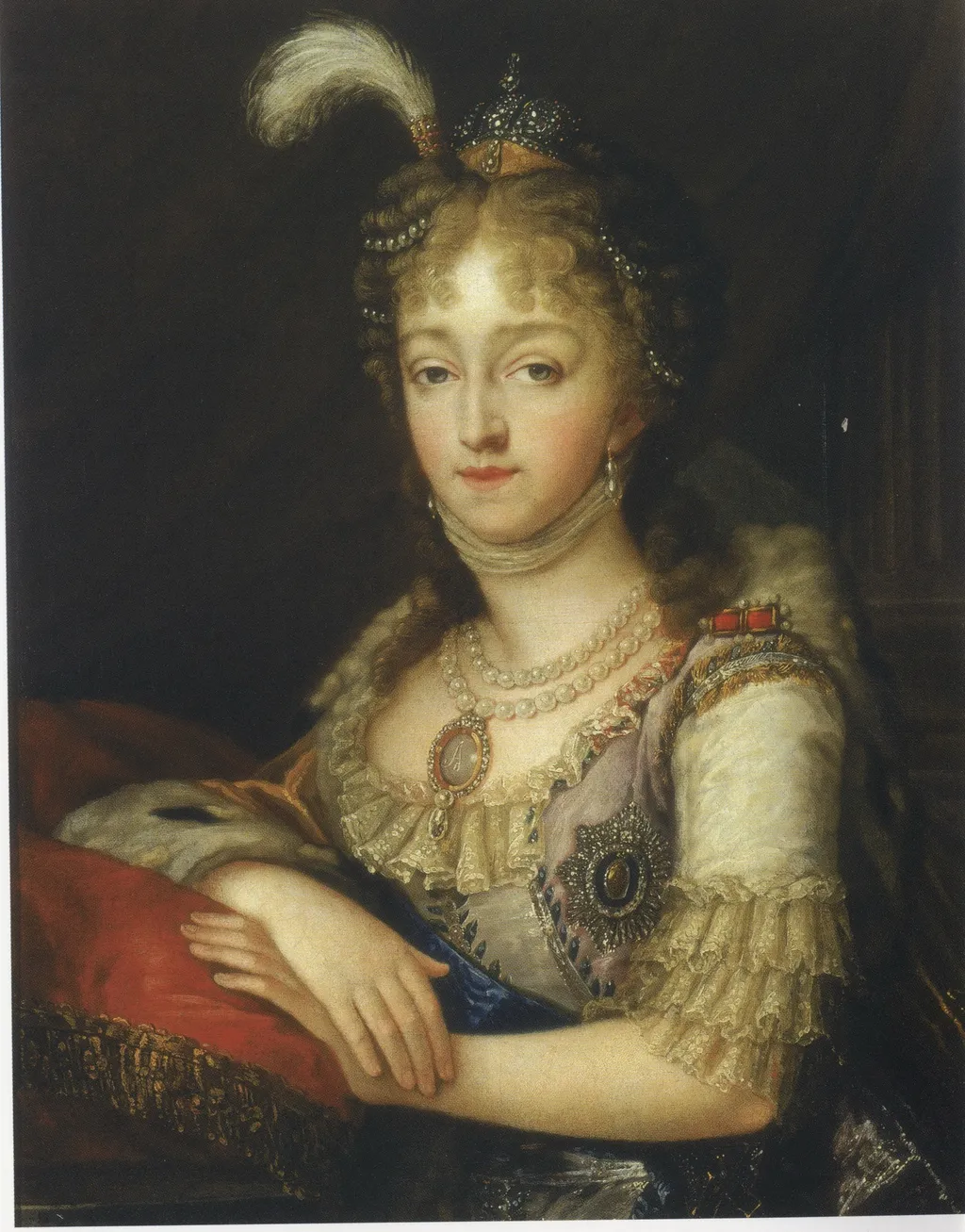
Portrait of Empress Elizabeth Alexeyevna is an oil painting. It dates from 1805 and is held in the collection of the Hermitage Museum. The work is an oil painting depicting a woman crowned and adorned with a pearl necklace, seated with a red cushion on her lap.
About this work
Subject & Meaning
Andrew, symbols of her imperial status and the formal court hierarchy of early 19th‑century Russia.
The painting shows Empress Elizabeth Alexeyevna wearing the feather of the Order of St. Andrew, symbols of her imperial status and the formal court hierarchy of early 19th‑century Russia. The portrait captures her as a dignified figure embodying the ceremonial authority granted to the consort, reflecting both personal identity and the broader political symbolism of the Russian court. The work was created in Russia in 1805 using oil on canvas, measuring 78 cm by 60.3 cm, and is housed in the Hermitage Museum.
Technique & Style
The portrait is executed in oil paint on canvas, a standard medium for formal portraiture of the period. The work measures 78 cm in height by 60.3 cm in width, giving it an upright, cabinet-scale format suited to intimate royal likenesses.
Stylistically, the painting focuses on the depiction of Empress Elizabeth Alexeyevna, incorporating attributes of imperial status such as a feather and the Order of St. Andrew. The composition centers on these identifying emblems of rank, consistent with early nineteenth-century Russian court portrait conventions, and was produced in Russia in 1805.
History & Provenance
The portrait of Empress Elizabeth Alexeyevna was created in 1805 in Russia using oil paint on canvas. The work measures 78 cm in height and 60.3 cm in width. While the specific artist remains unidentified in available records, the painting depicts the Empress alongside symbols such as a feather and the Order of St. Andrew. The artwork is currently held within the collection of the Hermitage Museum.
Overview
The work is an oil painting depicting a woman crowned and adorned with a pearl necklace, seated with a red cushion on her lap. She wears a blue‑and‑white costume and a white feathered headdress, her gaze directed forward. A dark backdrop isolates the figure, emphasizing her regal presence despite the softened rendering of her facial features.
Context
Created during the era of Russian imperial portraiture, the work reflects the tradition of depicting monarchs with symbols of power and opulence. Such images were intended for both domestic display and diplomatic exchange, reinforcing the legitimacy of the ruling dynasty amid the cultural reforms of Peter the Great’s successors.
Legacy
While not as widely reproduced as other imperial portraits, this painting contributes to the visual record of Elizabeth’s reign, offering scholars insight into court fashion and iconography of mid‑18th‑century Russia. It continues to be referenced in studies of Russian portraiture and displayed as part of the museum’s narrative on imperial history.
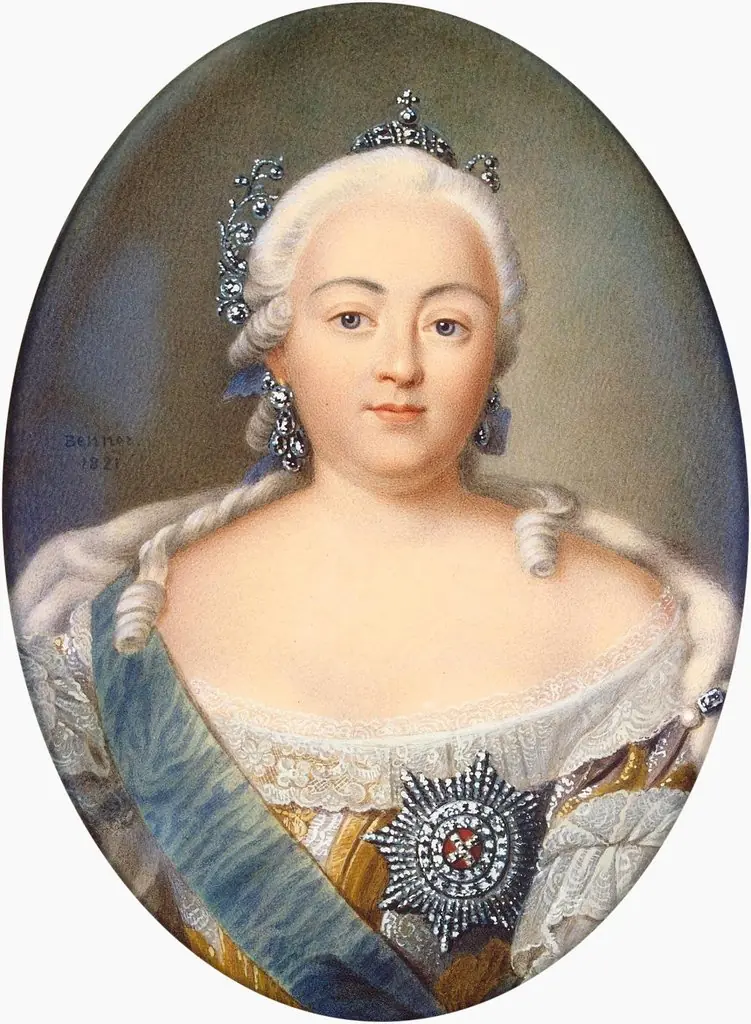
Artist & collection

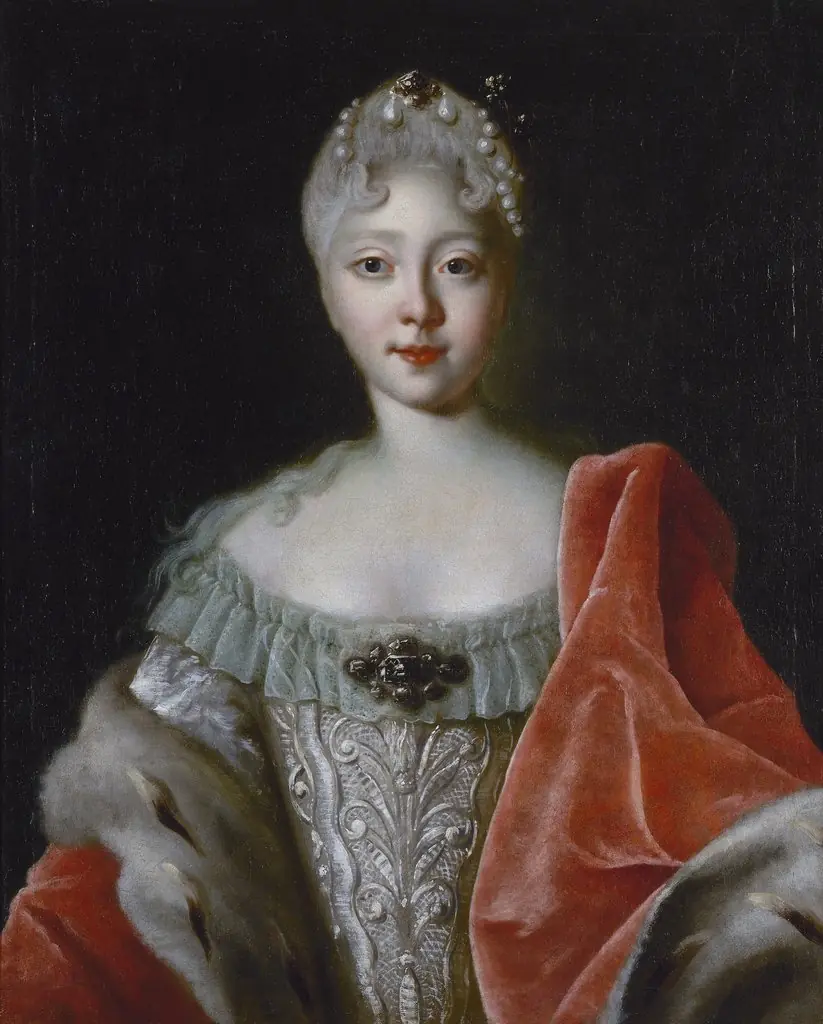 Portrait of Crown Princess Elizabeth Petrovna
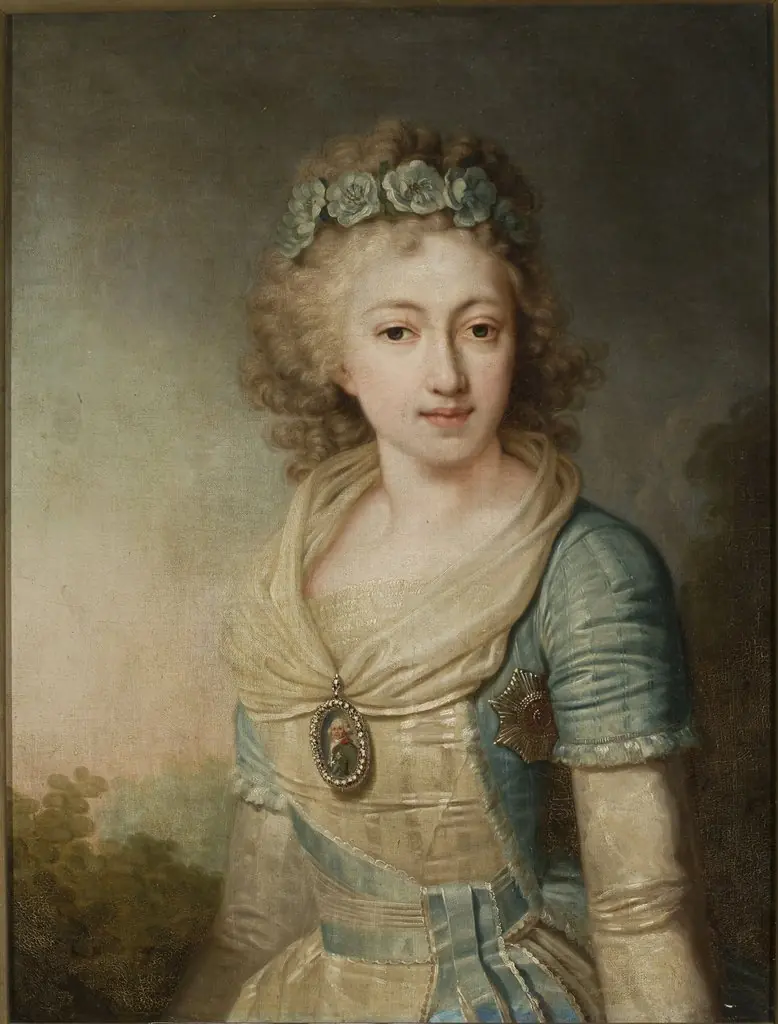 Portrait of Paul I’s daughter – Helena
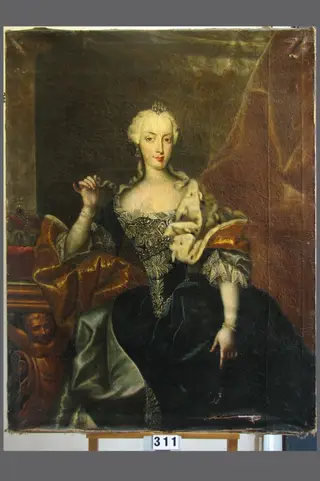 Maria Theresia, arhiducesă de Austria ; în registrul inventar: Prințesă în haină albastră
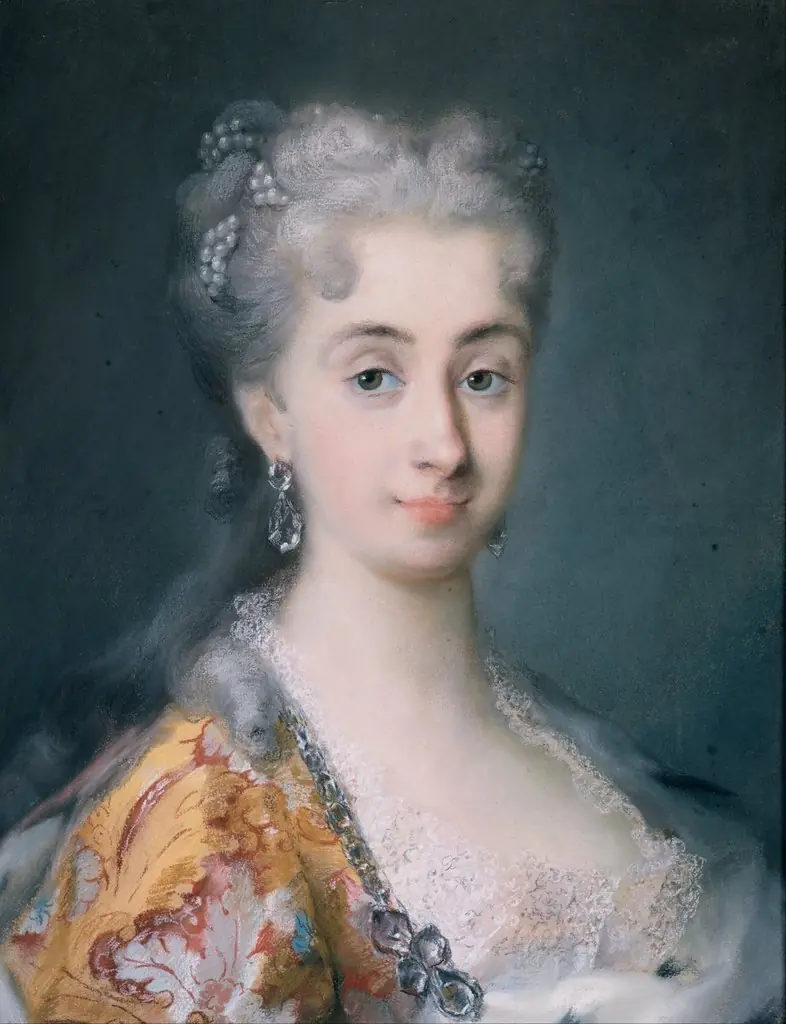 Lucrezia Mocenigo
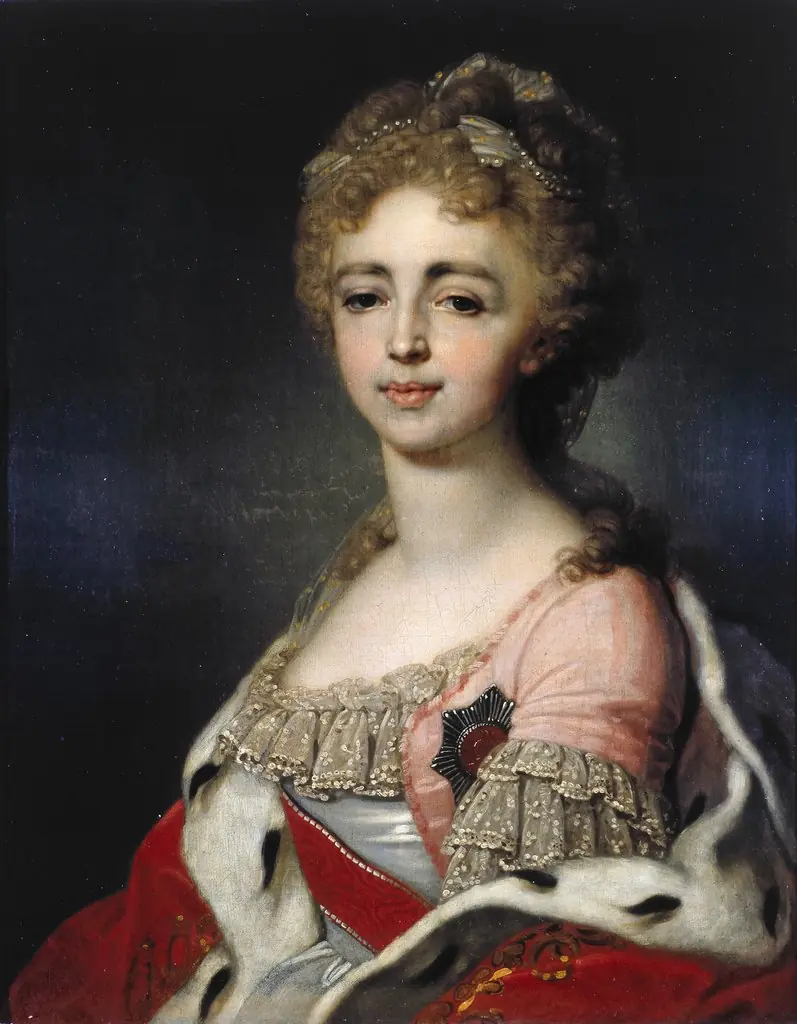 Portrait of Grand Duchess Alexandra Pavlovna of Russia (1783-1801)
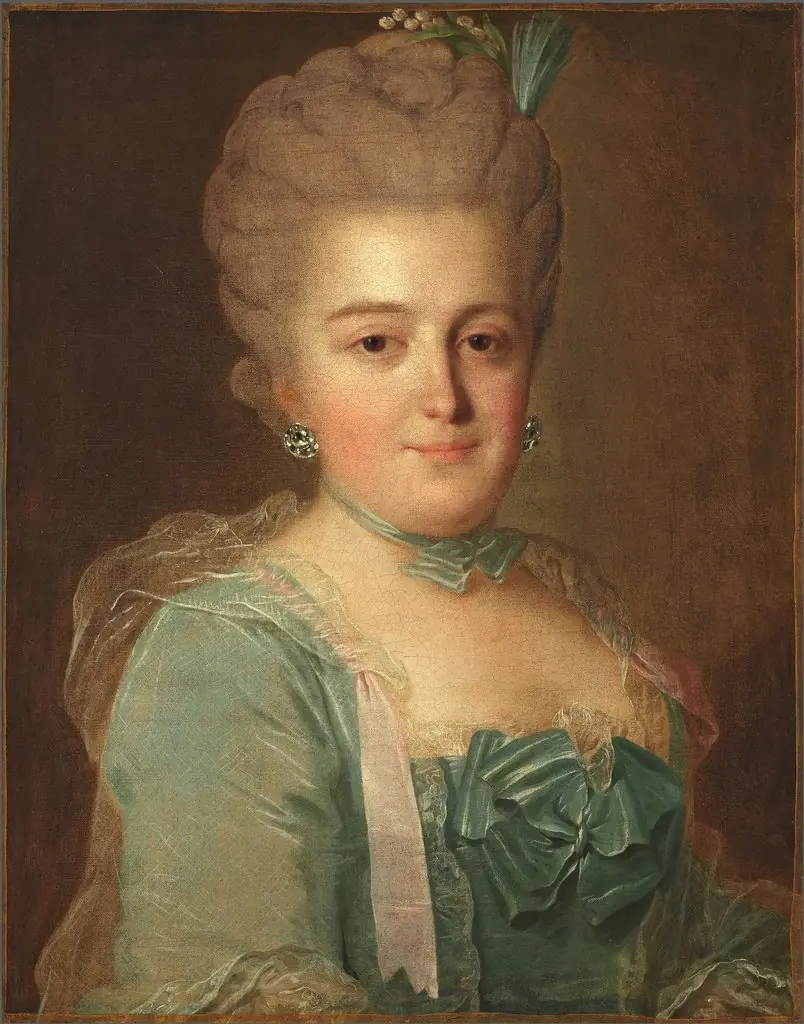 Portrait of Anna S. Tulinova
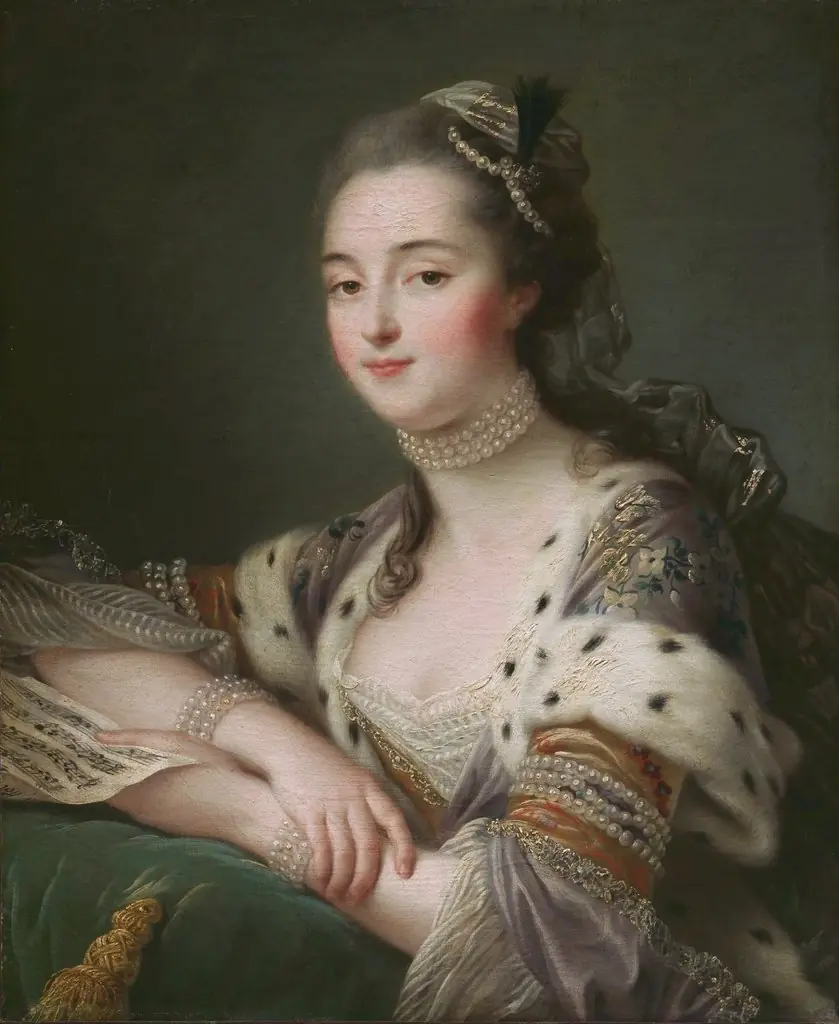 Mlle. Marguerite Catherine Haynault, later the Marquise de Montmelas in Turkish Costume
![Portrait of a young woman [Sophie Markgräfin von Brandenburg-Bayreuth, née Duchess Sachsen-Weißenfels (1684–1752)?]](https://artifactworldgallery.com/img/portrait-of-a-young-woman-sophie-markgrafin-von-brandenburg--2d73c9561763e528-w320.webp) Portrait of a young woman [Sophie Markgräfin von Brandenburg-Bayreuth, née Duchess Sachsen-Weißenfels (1684–1752)?]
Portrait of a young woman [Sophie Markgräfin von Brandenburg-Bayreuth, née Duchess Sachsen-Weißenfels (1684–1752)?]