Movement
Biedermeier
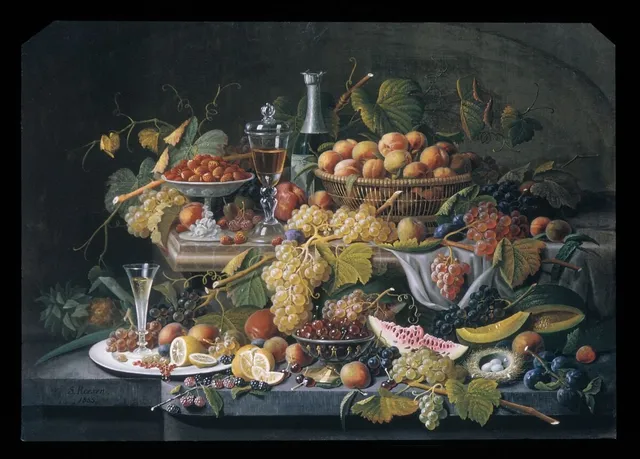
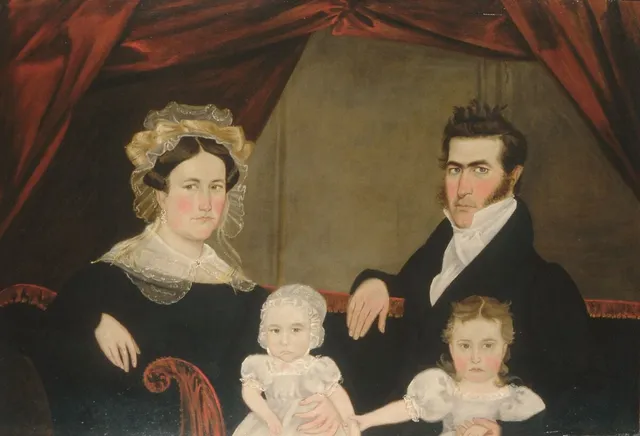
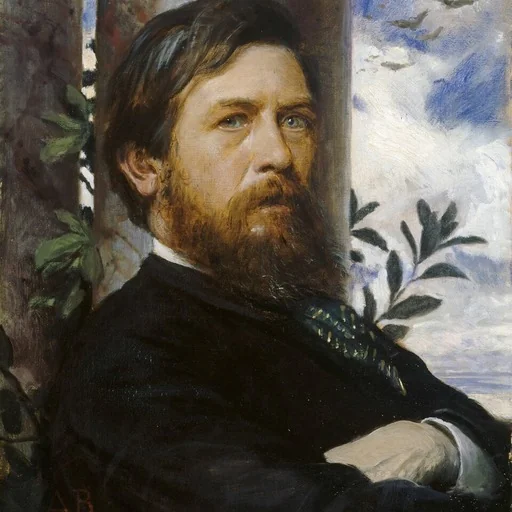
Biedermeier is an art movement of the 1810–1850 period. The gallery holds 1,445 works in this movement, including works by Arnold Böcklin, Adriaan de Lelie and Severin Roesen. Browse Biedermeier paintings, portraits, pictures and artworks from the world's public-domain museum collections.
Biedermeier names the modest, inward-looking culture that flourished across the German-speaking lands—chiefly Austria, Germany, and Bohemia—during the roughly three decades between Napoleon's defeat in 1815 and the revolutions of 1848. Under Metternich's restored order, censorship and political caution pushed an expanding, prosperous middle class to retreat from public life into the private sphere: the well-kept home, the family circle, the garden, and the local landscape. The label itself was coined retrospectively and satirically, from "Gottlieb Biedermaier," a fictional philistine poet whose verses appeared in the Munich magazine Fliegende Blätter from the 1850s; only later did it shed its mockery to describe an entire era of art, furniture, and interior design.
In painting, Biedermeier favored clarity, intimacy, and meticulous finish over the grand gestures of Neoclassicism and the storm of Romanticism. Artists worked at modest scale on portraits, domestic genre scenes, still lifes, and tranquil topographical views, rendering surfaces with sharp focus, even light, and almost crystalline detail. The mood is one of order, comfort, and gentle observation—sometimes leavened with quiet humor—rather than heroic drama.
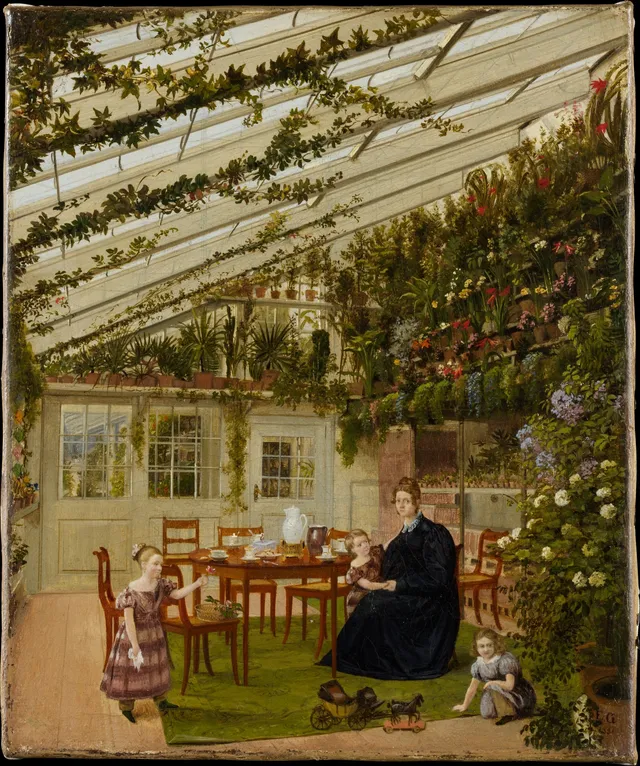
The Austrian Ferdinand Georg Waldmüller (1793–1865) stands at the center of the movement, celebrated for luminous portraits and sunlit landscapes of the Vienna woods and Salzkammergut. Munich's Carl Spitzweg (1808–1885), its most beloved figure, distilled the era's wry tenderness in small panels such as The Poor Poet (1839) and The Bookworm. In Vienna, Friedrich von Amerling, Josef Danhauser, and Peter Fendi extended its portrait and genre traditions, while Berlin's Eduard Gaertner (1801–1877) became the supreme veduta painter of the Prussian capital—works our collection represents in The Family of Mr. Westfal in the Conservatory and Parochialstrasse in Berlin. Wilhelm von Kobell contributed crisp, light-filled landscapes.
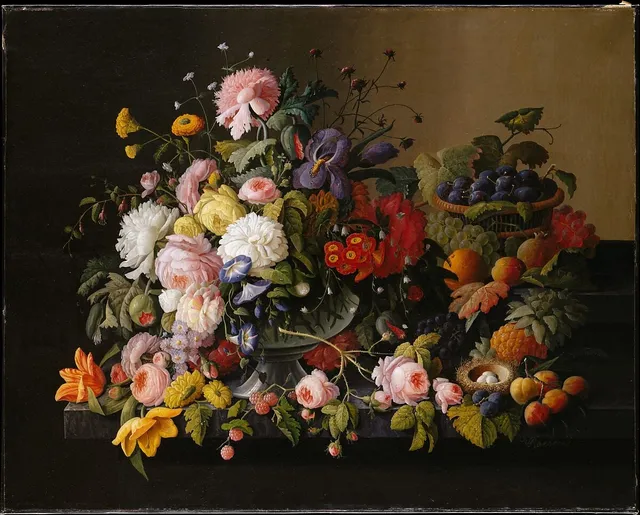
The style had a close cousin in the Danish Golden Age, anchored by Christoffer Wilhelm Eckersberg (1783–1853), the "father of Danish painting," whose disciplined observation produced an especially pure northern variant. Long dismissed as cozy and provincial, Biedermeier realism is now valued as a precursor to later nineteenth-century naturalism, and its still-life impulse echoes in the lavish fruit-and-flower canvases of the German-American painter Severin Roesen, also held here.
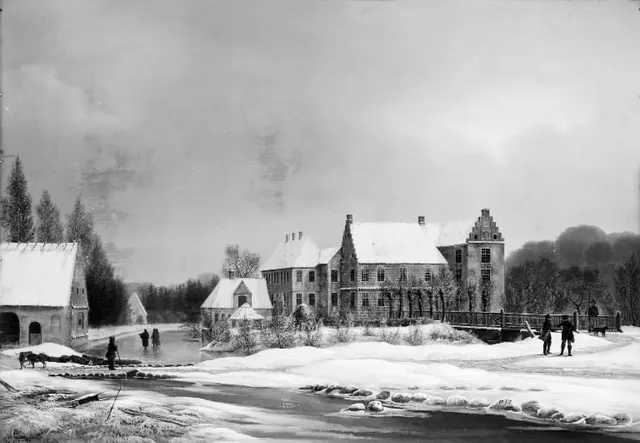
Key artists
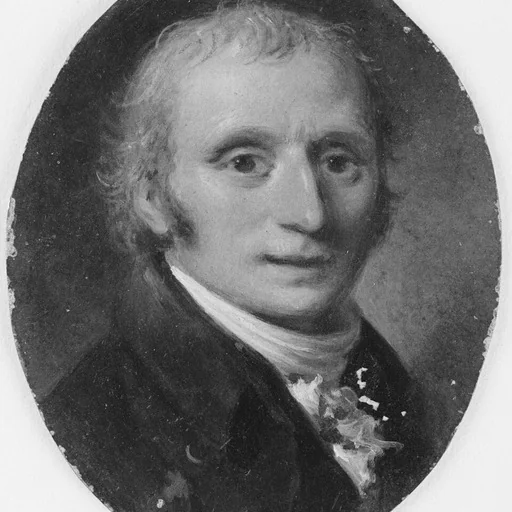
Works
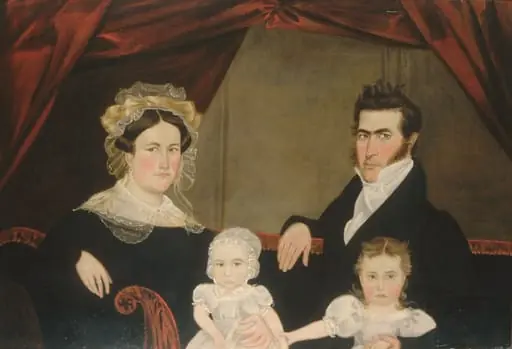 Family Group of Four on Sofa
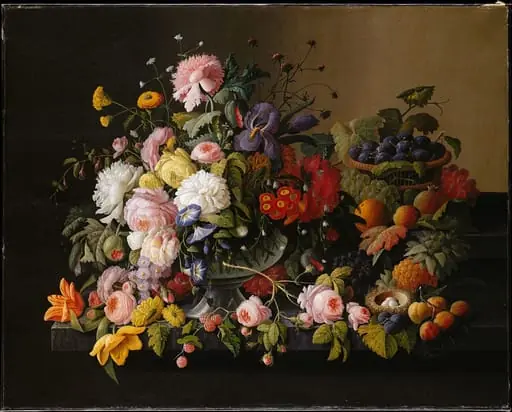 Still Life: Flowers and Fruit
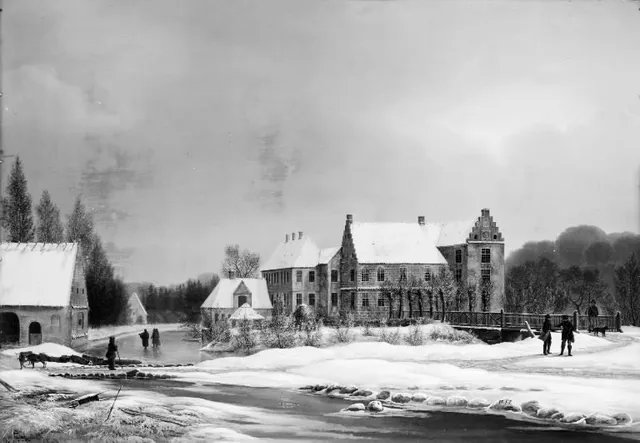
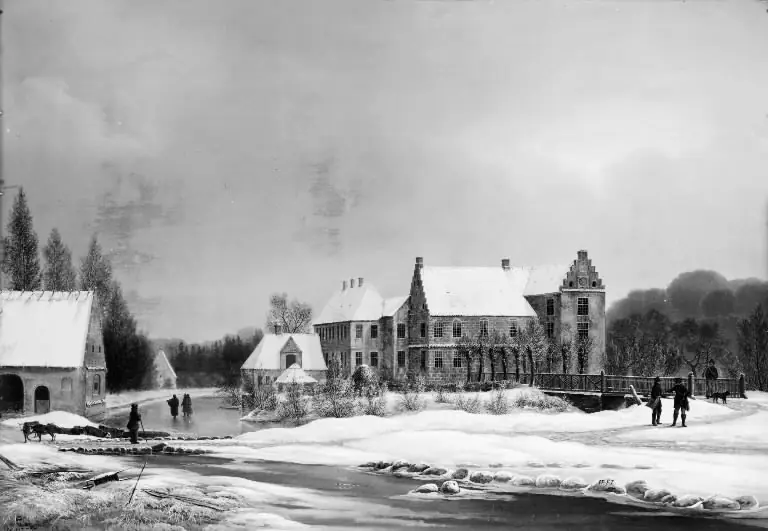 Prospekt af hovedgården Lykkesholm på Fyn. Vinter
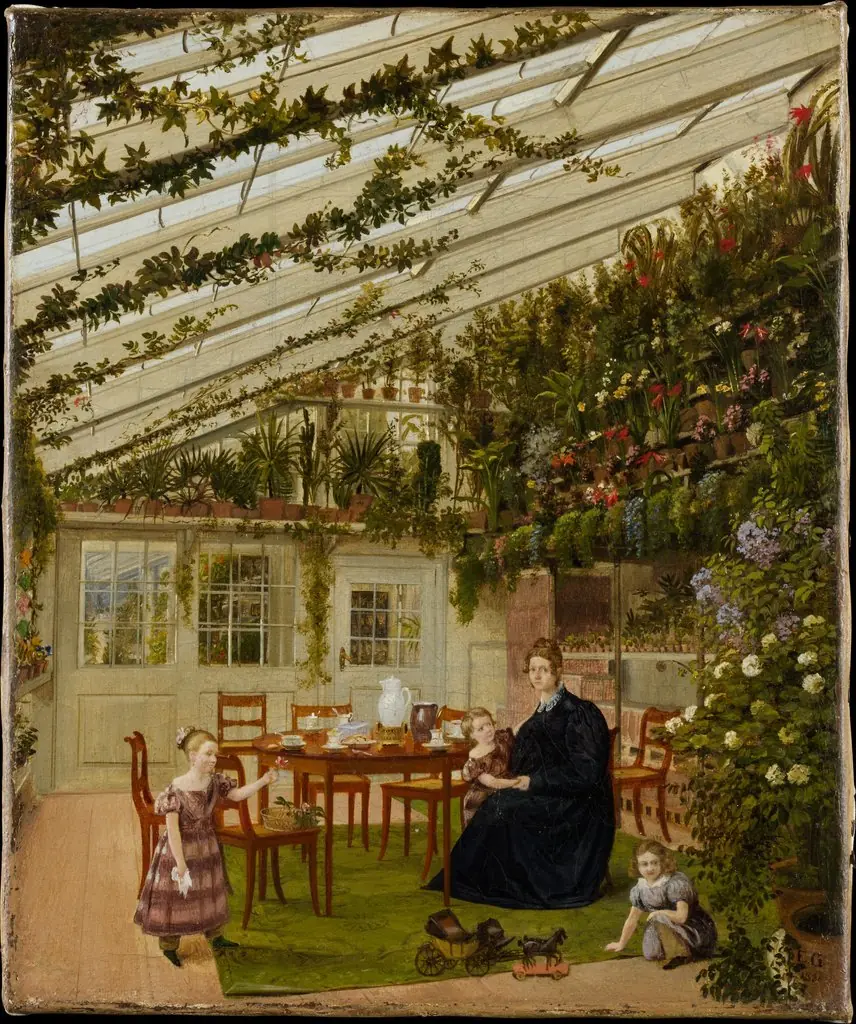 The Family of Mr. Westfal in the Conservatory
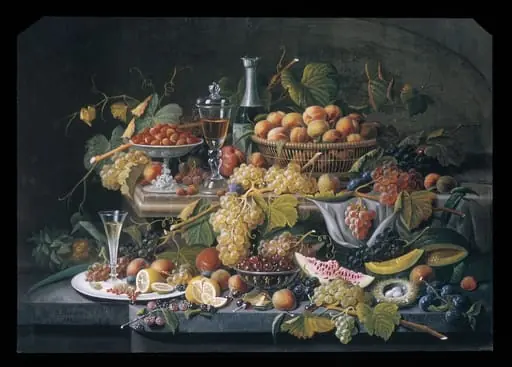 Still Life: Fruit
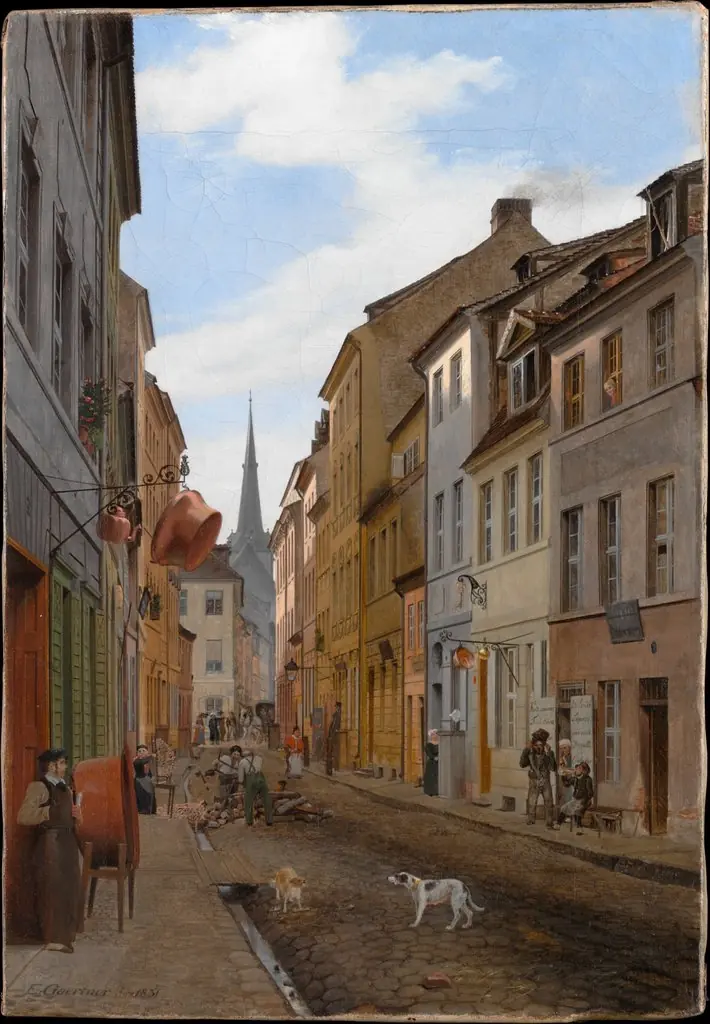 Parochialstrasse in Berlin
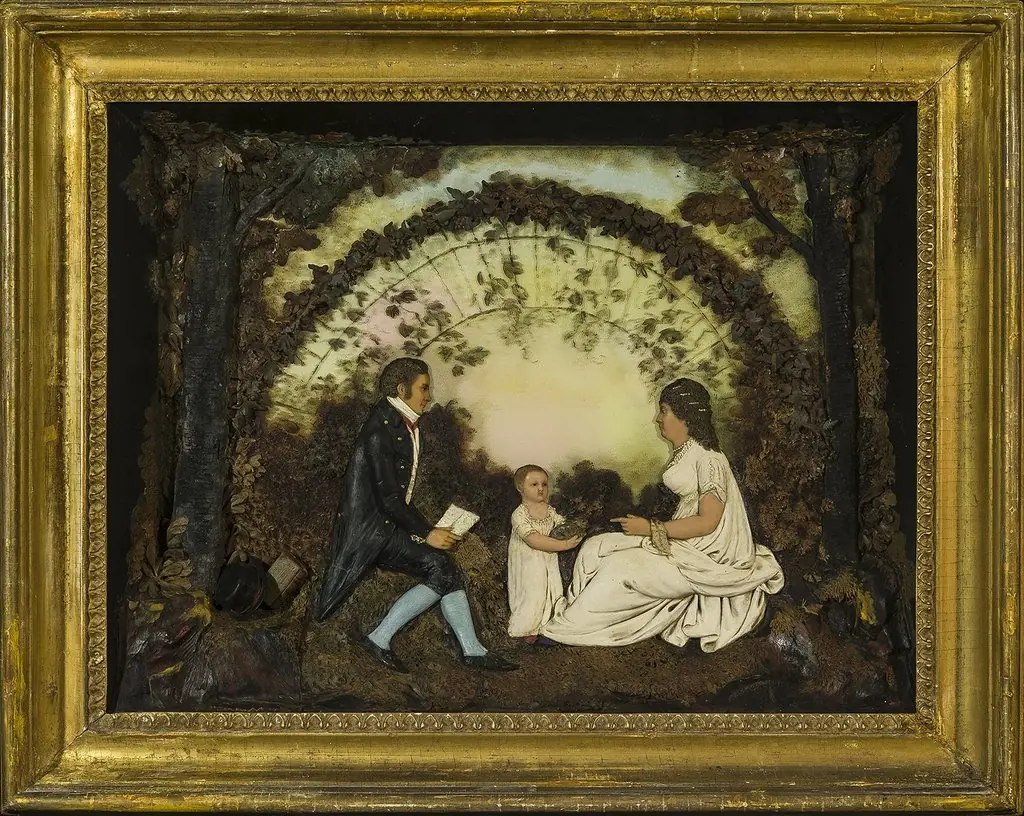 Father, Mother, and Child in a Park
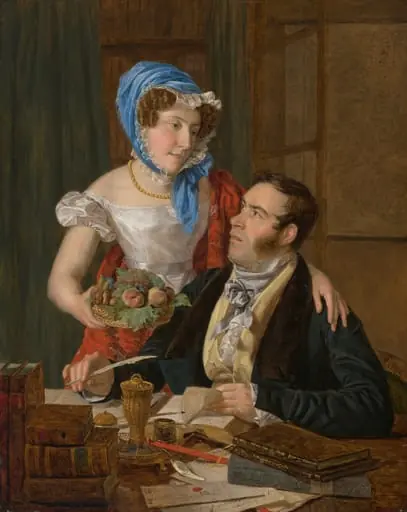 The Cartographer Professor Josef Jüttner and His Wife
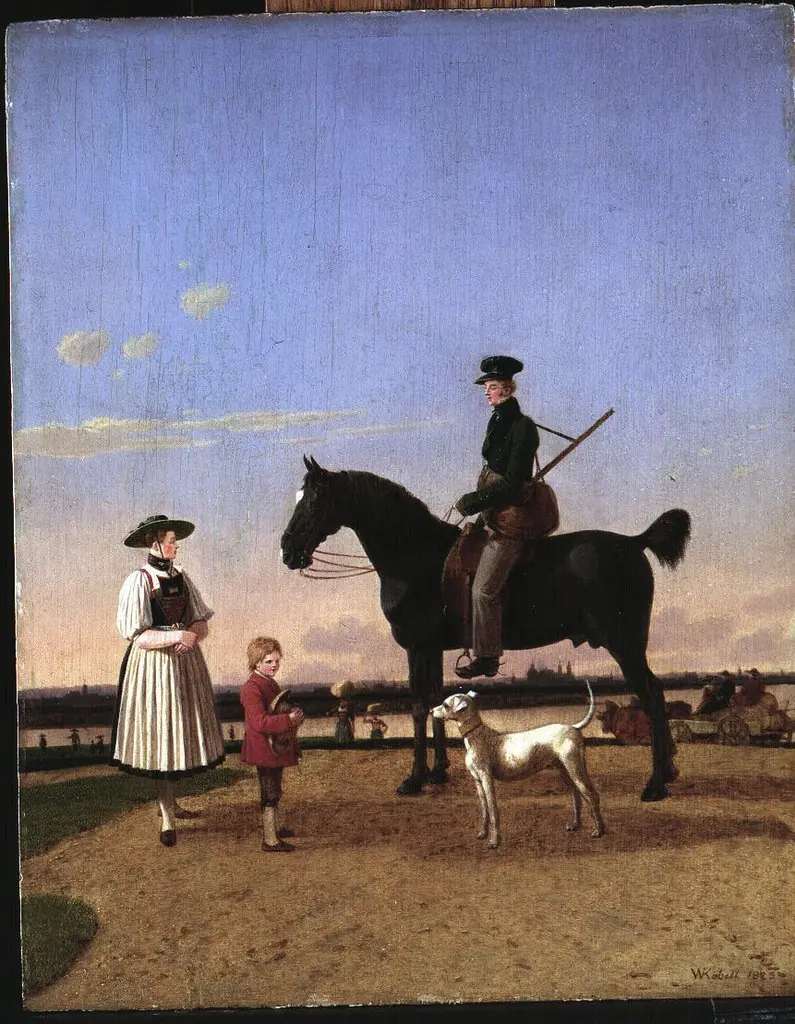 A Huntsman and a Peasant Woman by the Isar River with a View of Munich
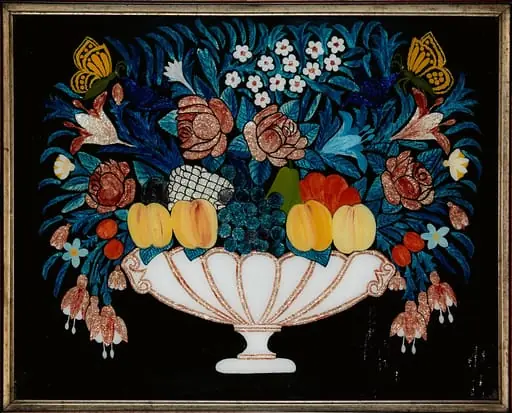 Still Life—Flowers and Fruit in White and Pink Bowl
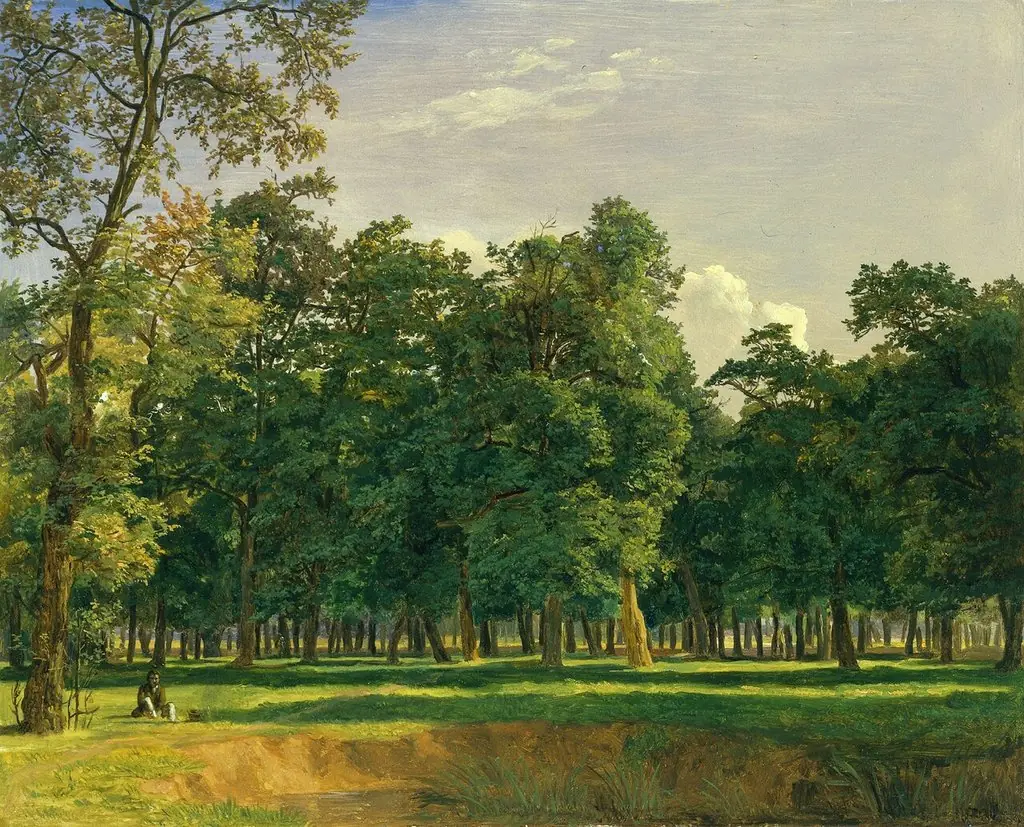 Prater Landscape
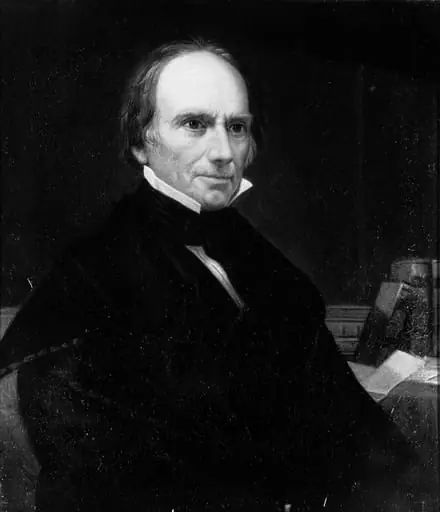 Henry Clay
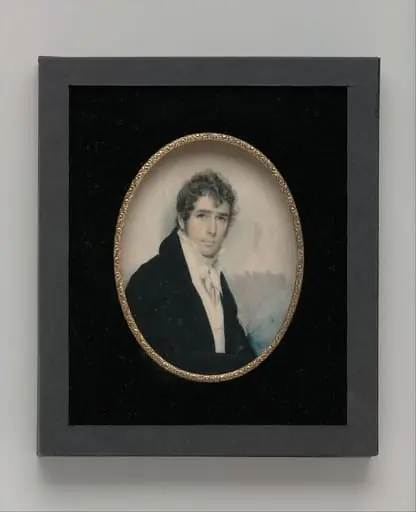 Self-portrait
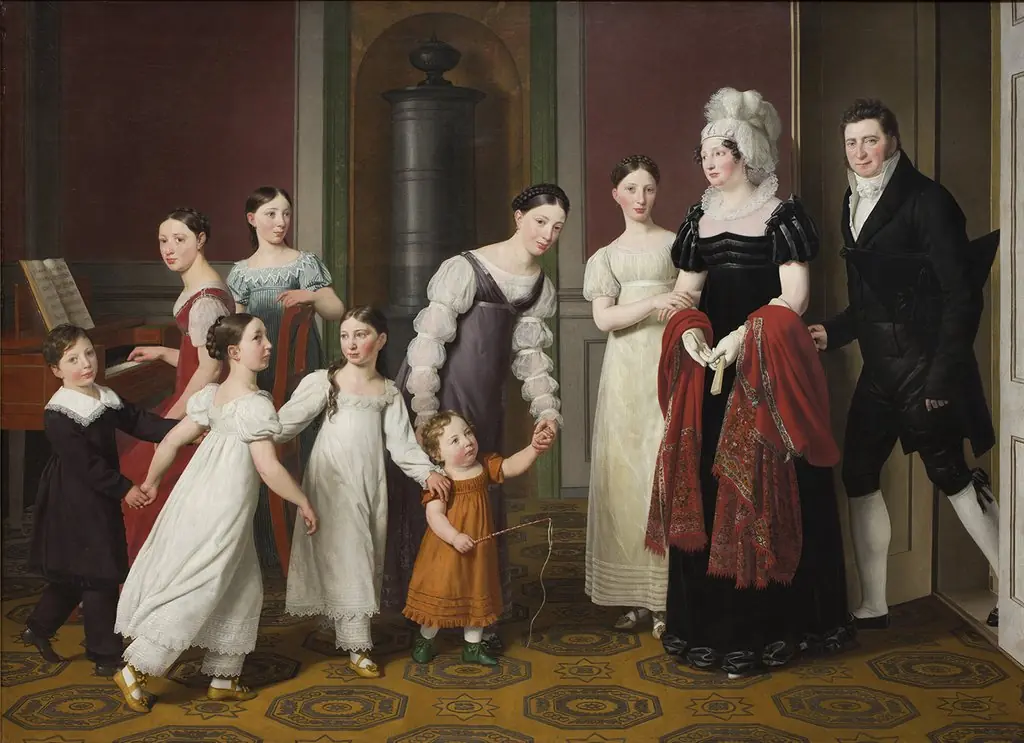 Familien Nathanson
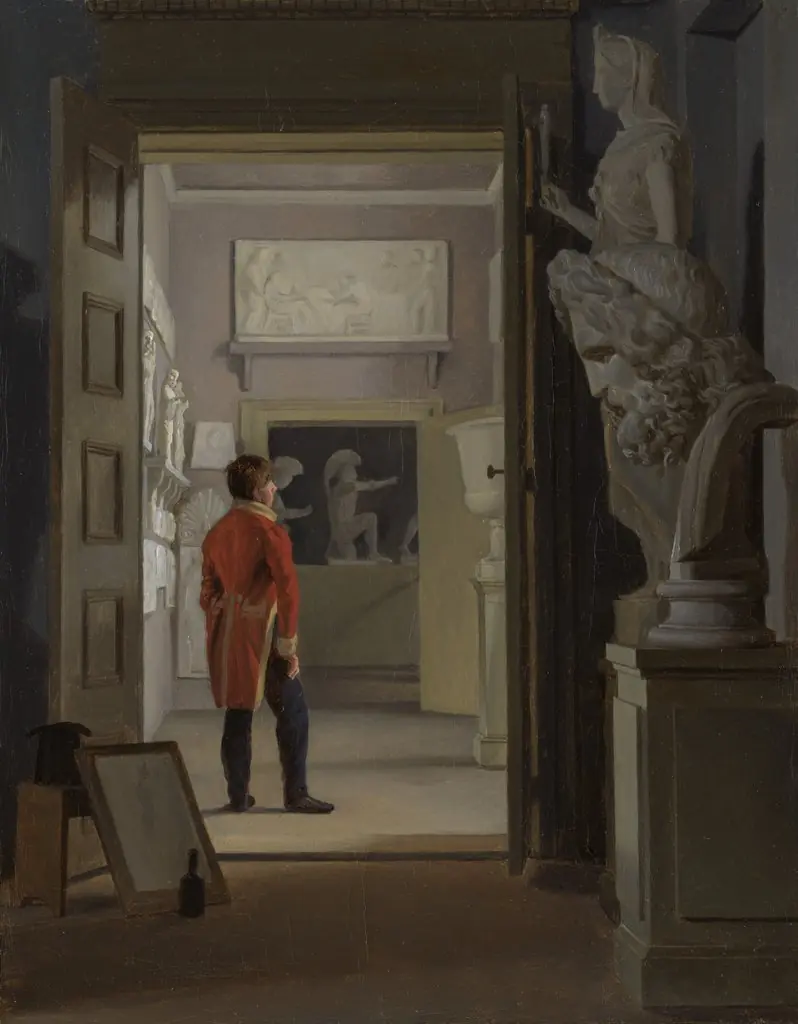 The Hall of Antiquities at Charlottenborg Palace, Copenhagen
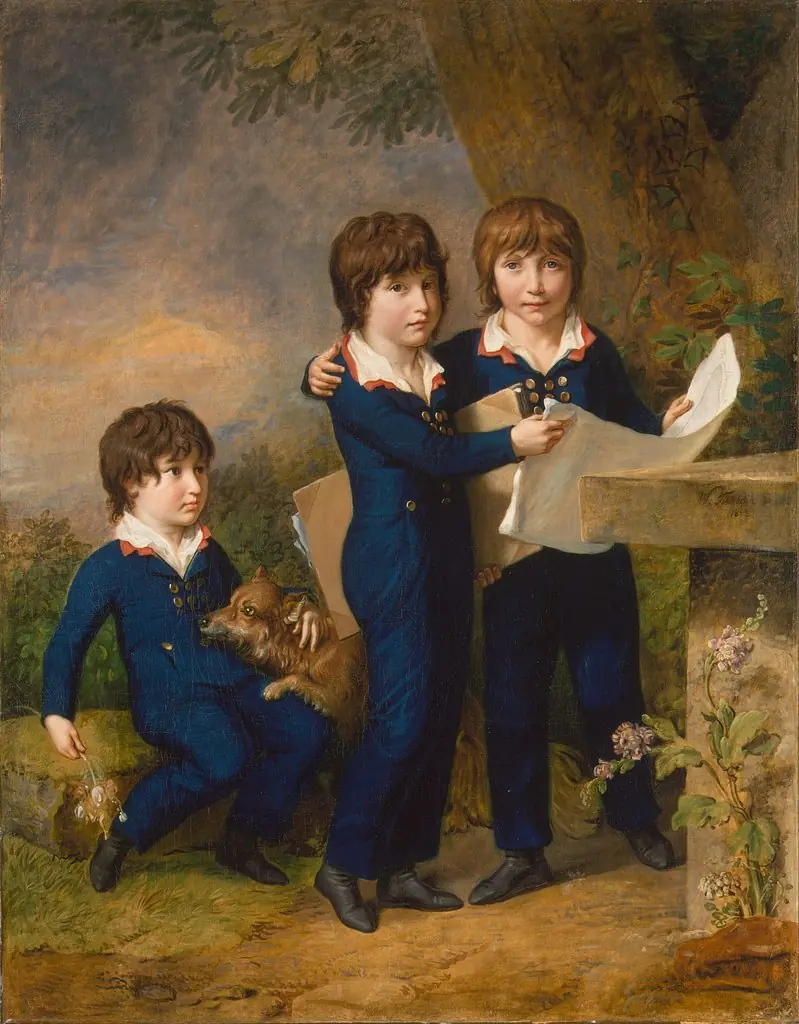 The Children of Martin Anton Heckscher: Johann Gustav Wilhelm Moritz (1797–1865), Carl Martin Adolph (1796–1850), and Leopold (born 1792)
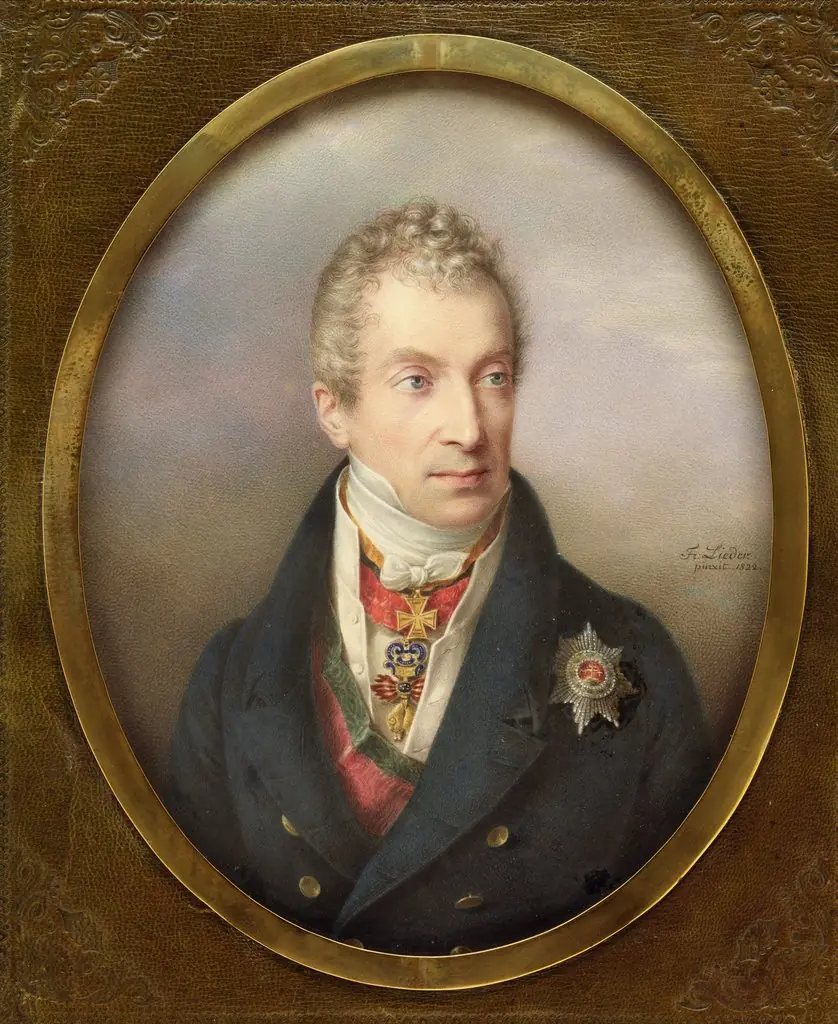 Prince Klemens Wenzel Lothar von Metternich (1773–1859)
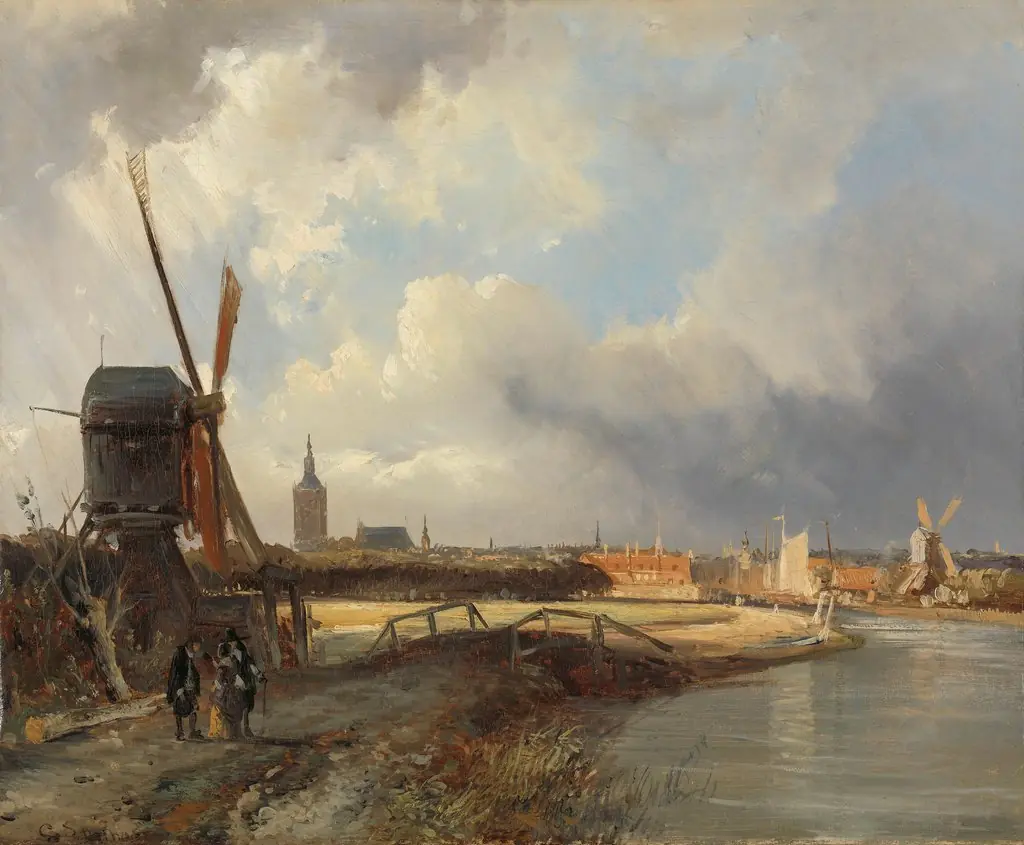 View of The Hague
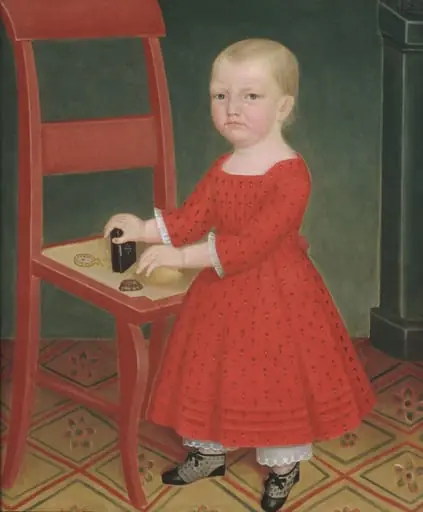 Boy with Blond Hair
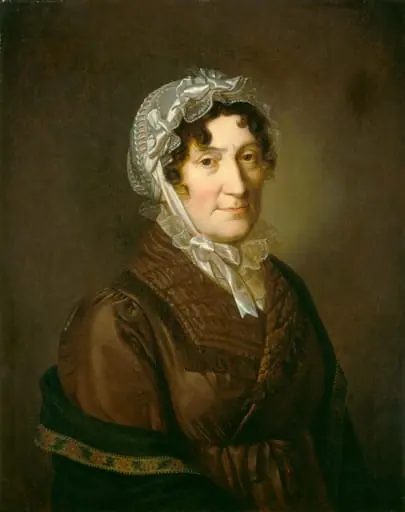 Portrait of a Lady
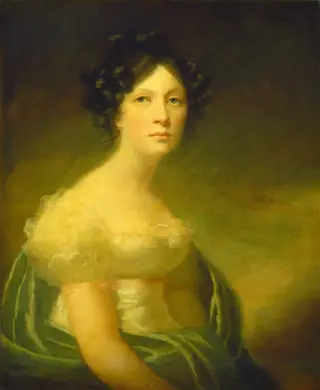 Miss Jean Christie
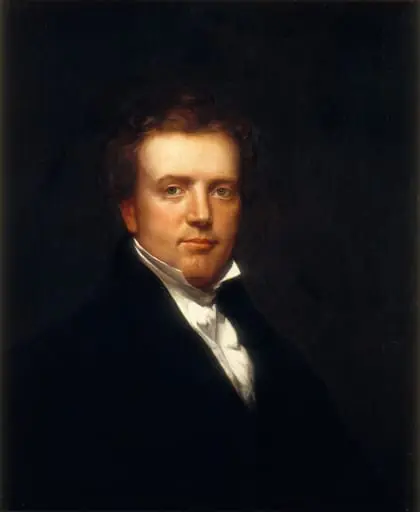 Self-Portrait
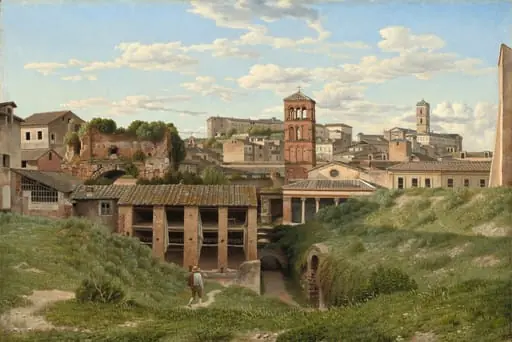 View of the Cloaca Maxima, Rome
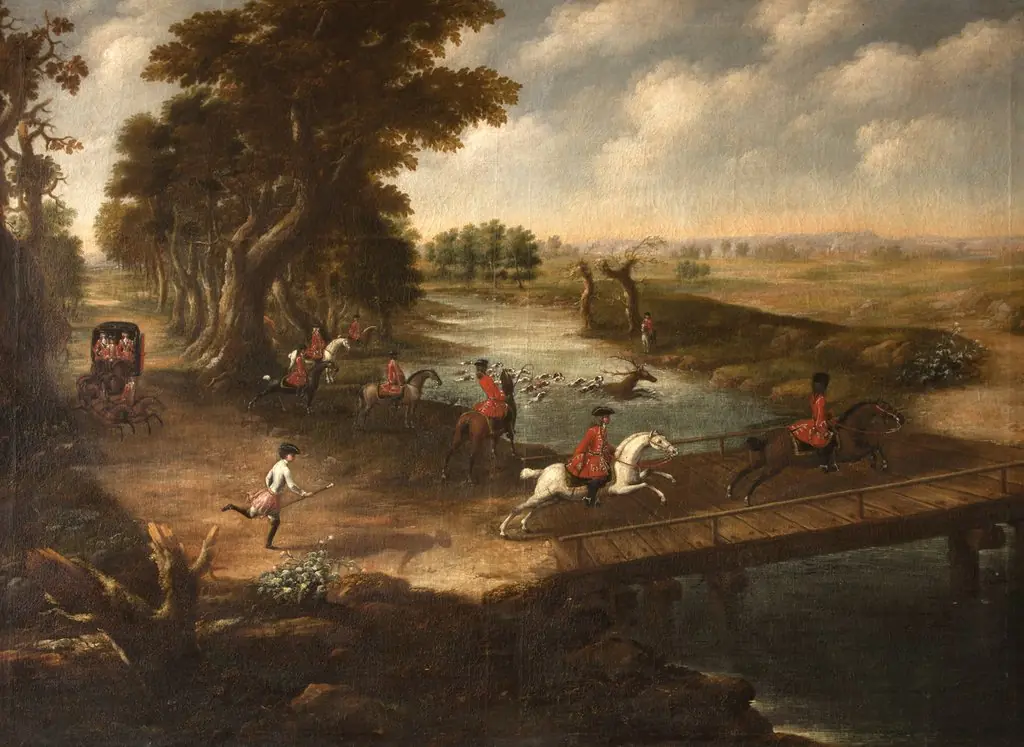 En jagt af kongelige personer
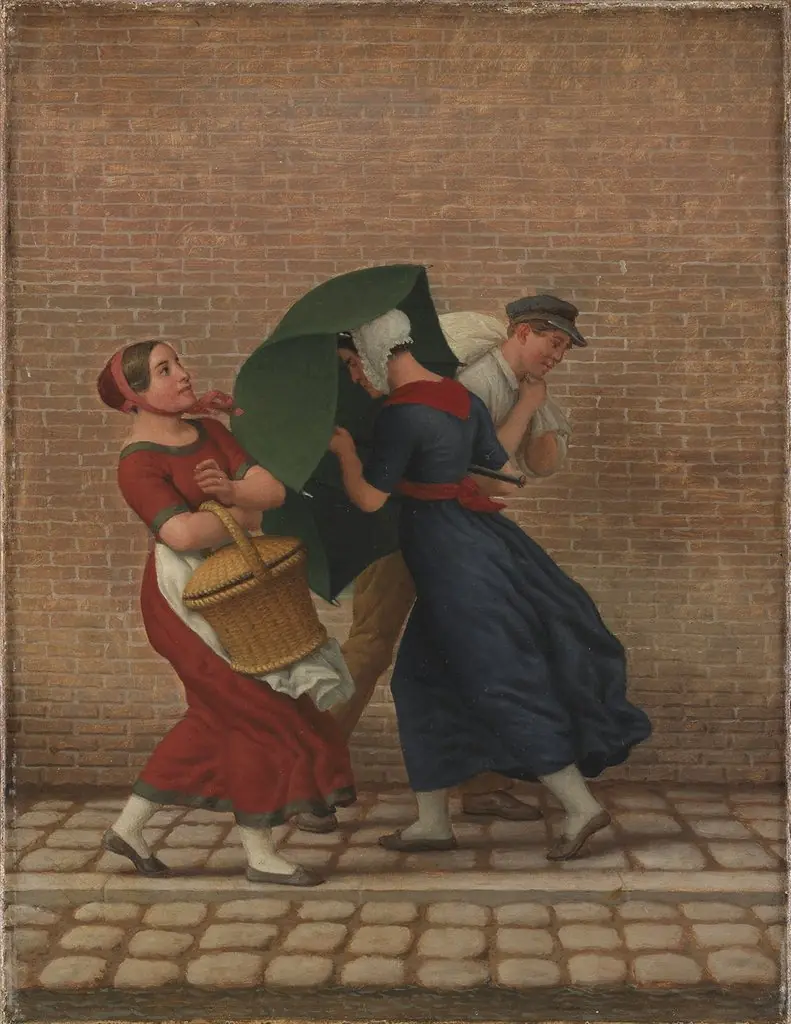 Street Scene in Windy and Rainy Weather
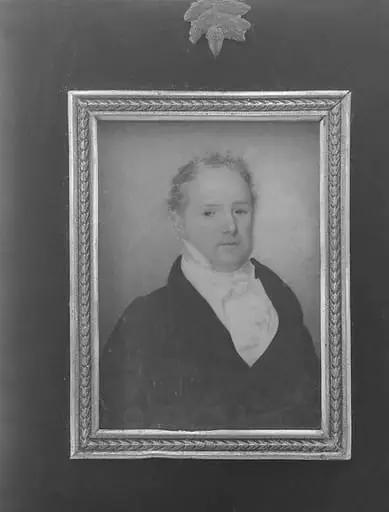 Portrait of a Gentleman
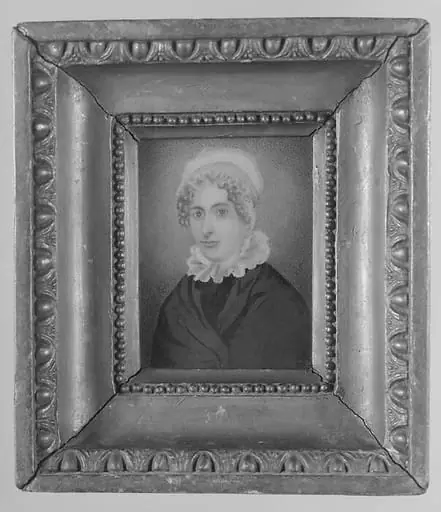 Portrait of a Lady
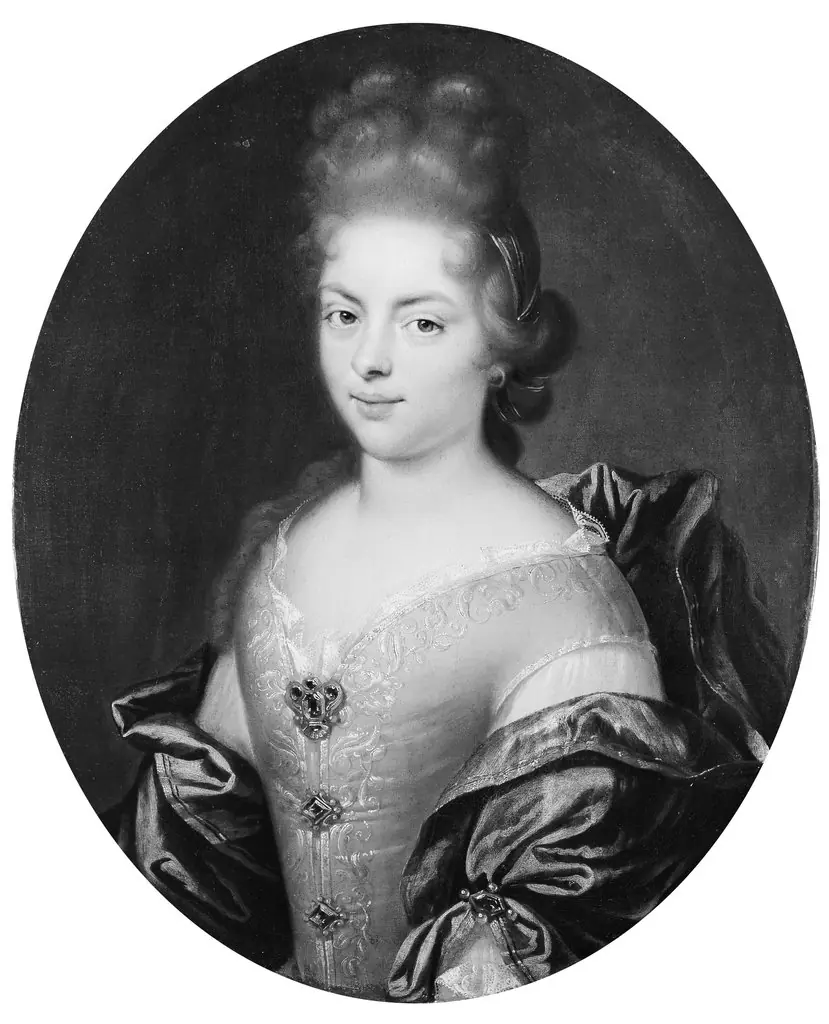 Portrait of a Woman in a Rose Dress
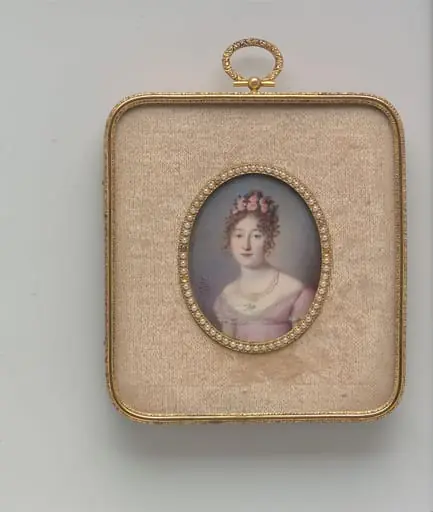 Portrait of a Lady
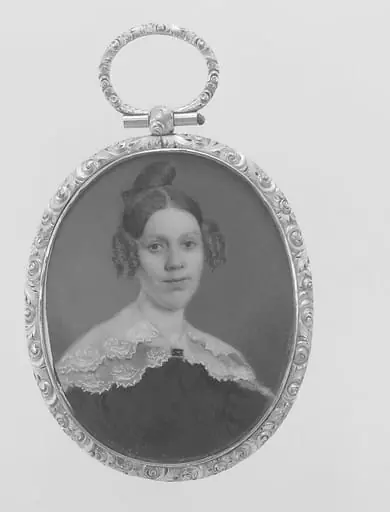 Portrait of a Lady
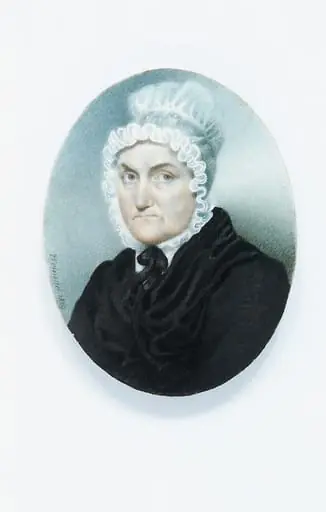 Mrs. E. Hunt
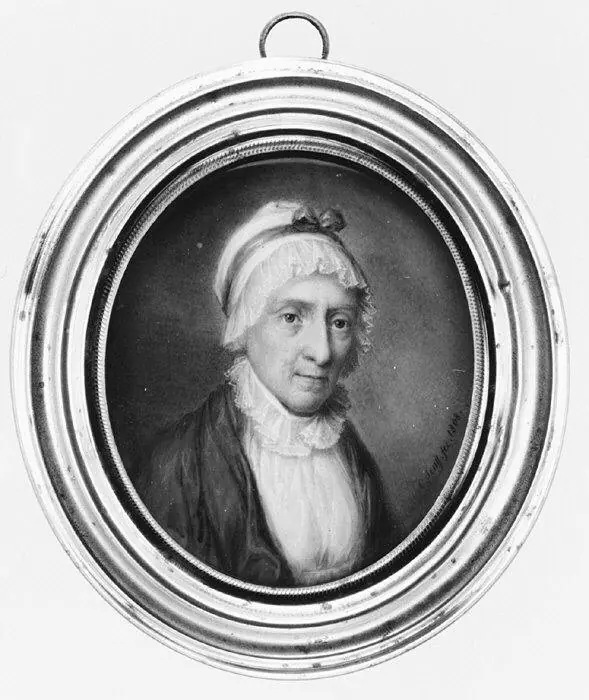 Portrait of a Woman
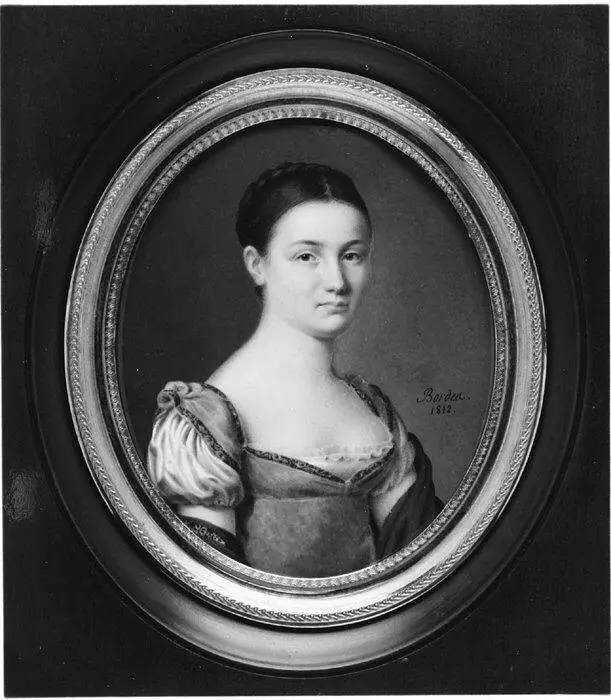 Portrait of a Woman
 Mrs. William Edward Wilmerding (Joanna Mary Gosman)
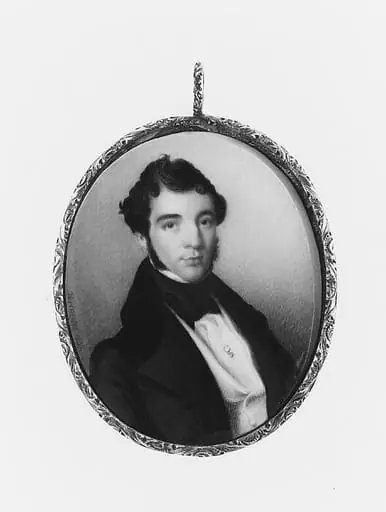 Portrait of a Gentleman
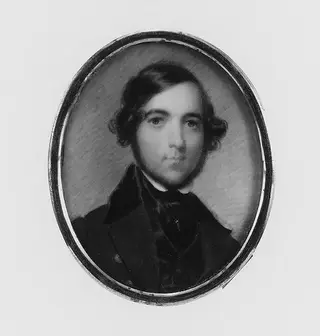 Portrait of a Gentleman
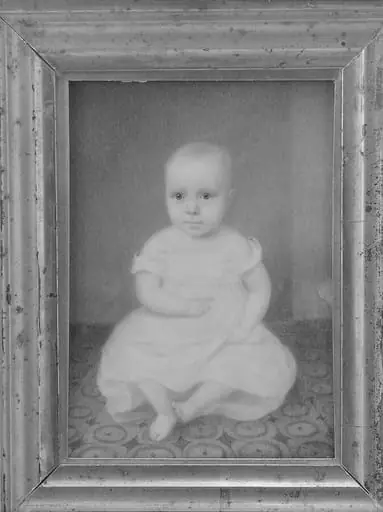 Portrait of a Baby
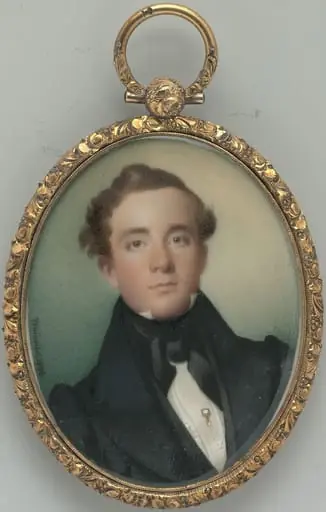 Portrait of a Gentleman
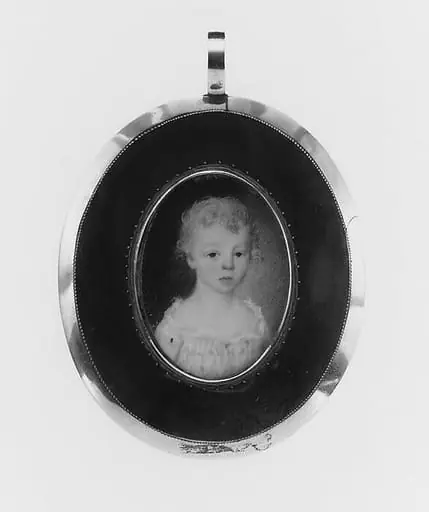 Portrait of a Boy
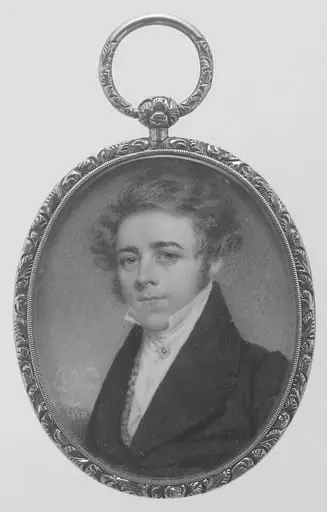 Portrait of a Gentleman
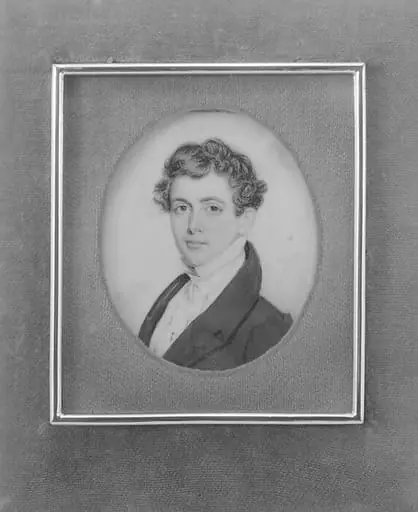 Charles Wagner
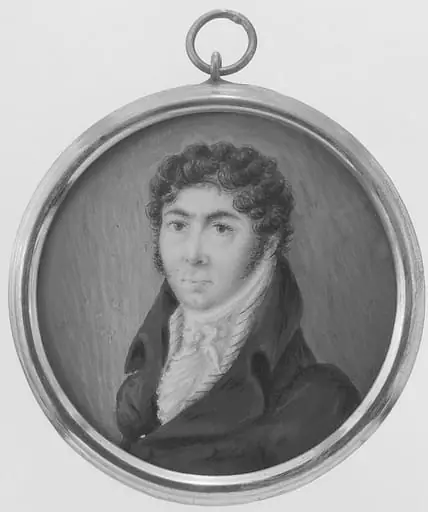 Portrait of a Gentleman
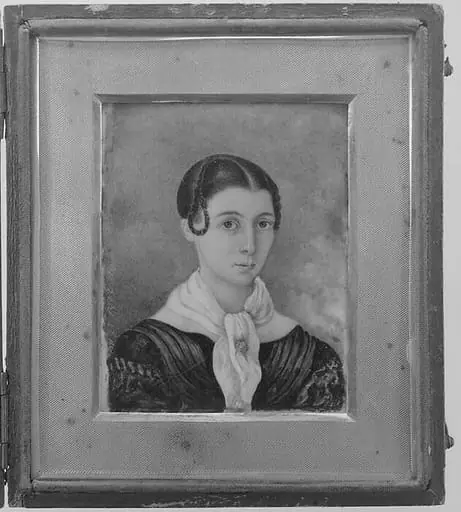 Charlotte Allard
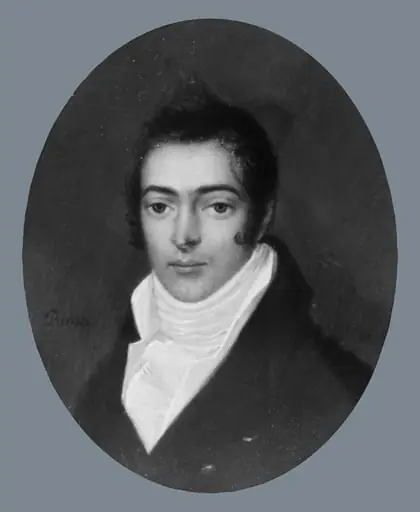 Portrait of a Gentleman
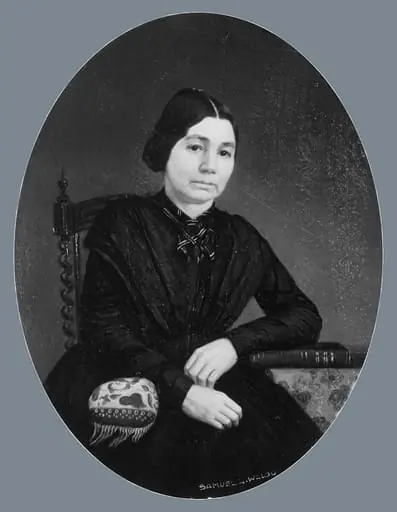 Portrait of a Lady
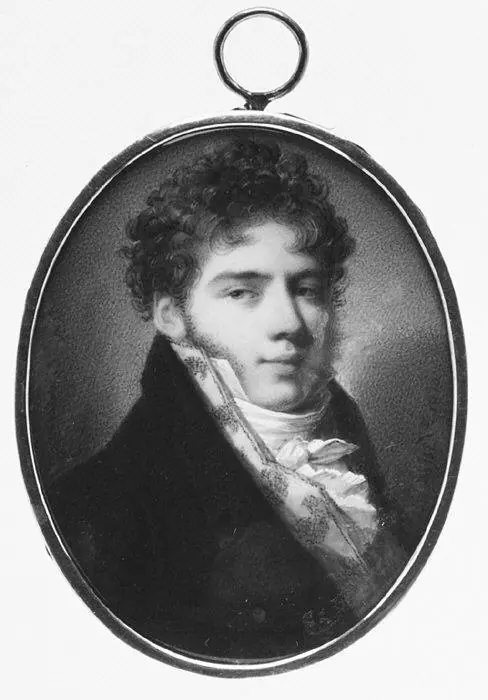 Count Alexander Ivanovich Sollogoub (1788–1844)
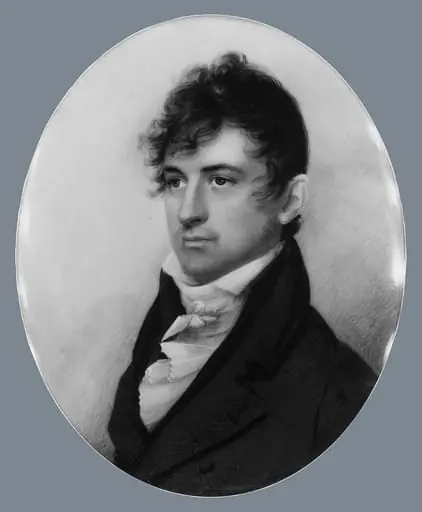 Portrait of a Gentleman
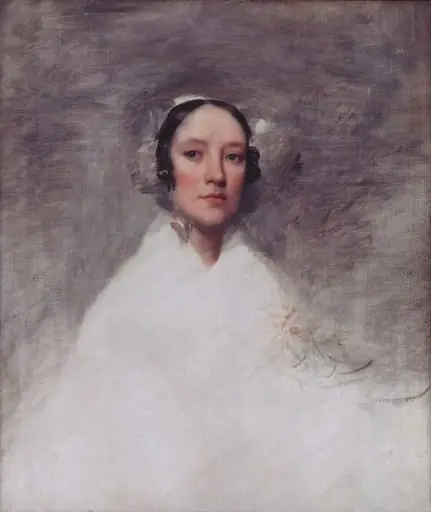 Mrs. Samuel L. Waldo
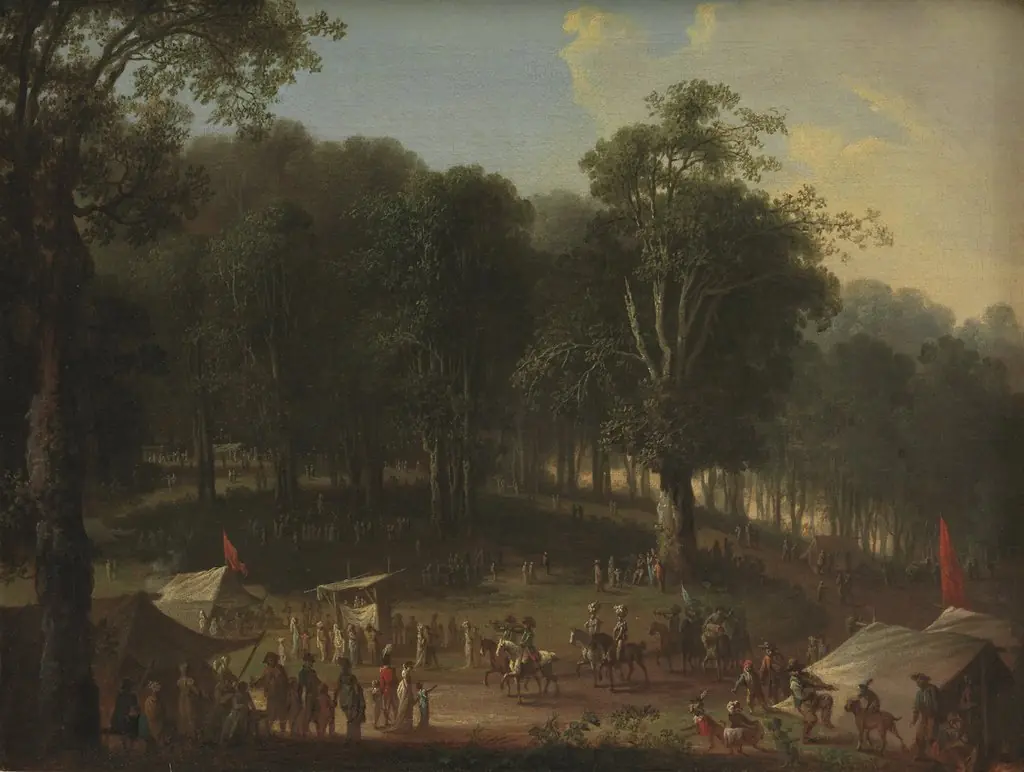 A Troup of Performers Arriving at the Fair at Dyrehavsbakken Near the Deer Park, North of Copenhagen
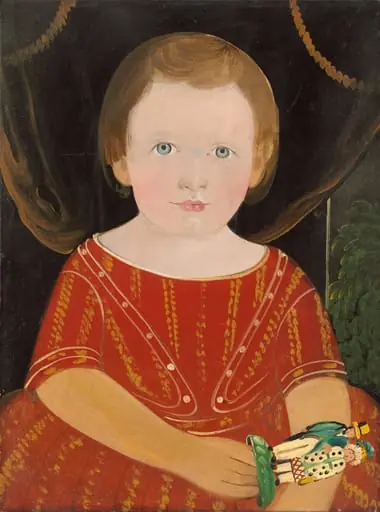 Master Cleeves
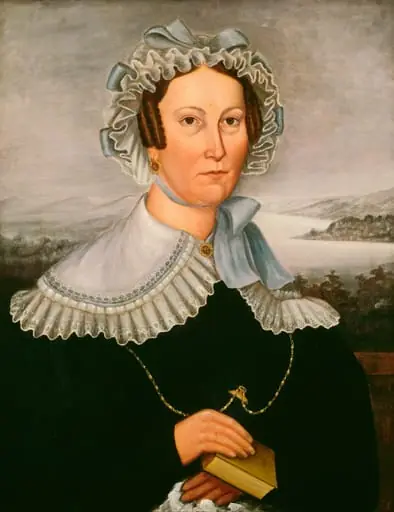 Mrs. Phebe Houston
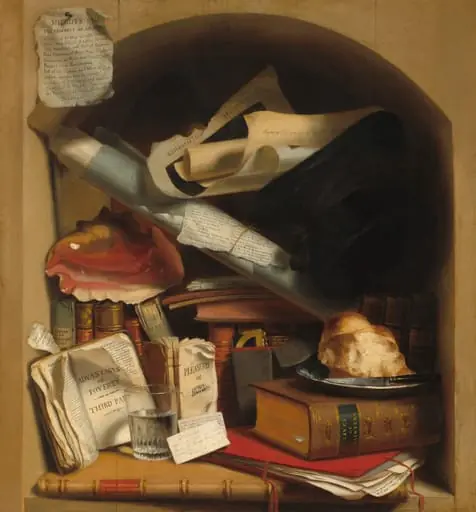 Poor Artist's Cupboard
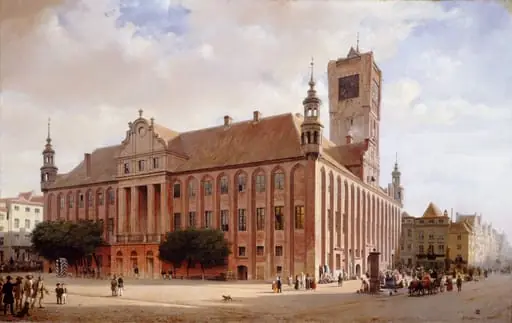 City Hall at Thorn
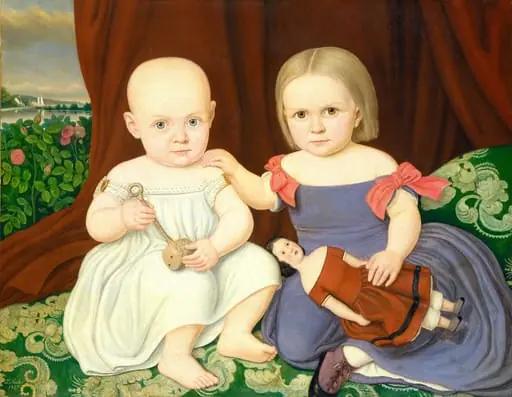 The Herbert Children
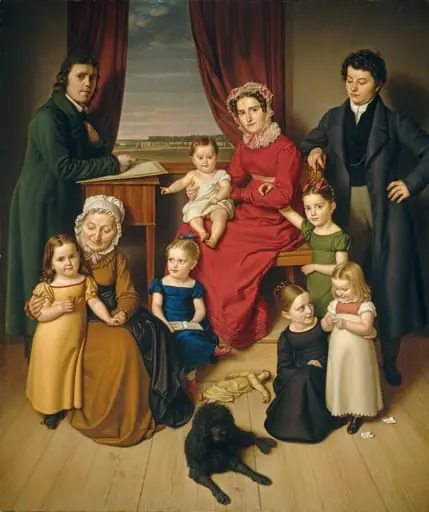 An Artist and His Family
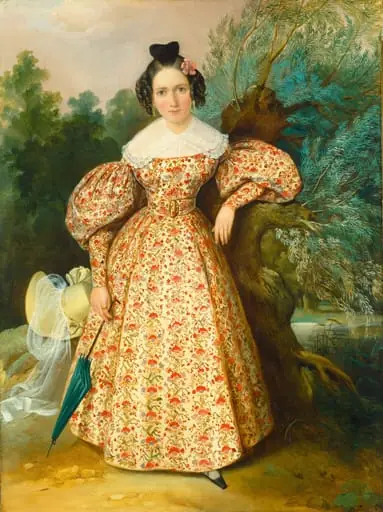 Portrait of a Young Lady
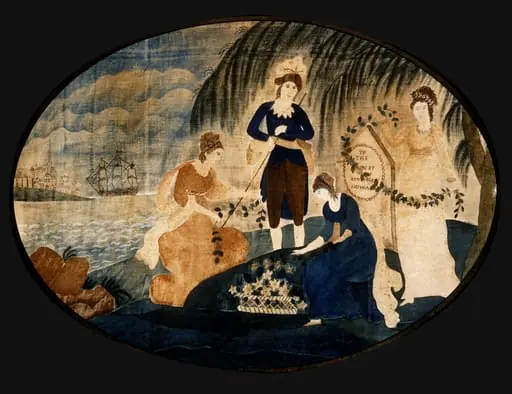 To the Memory of the Benevolent Howard
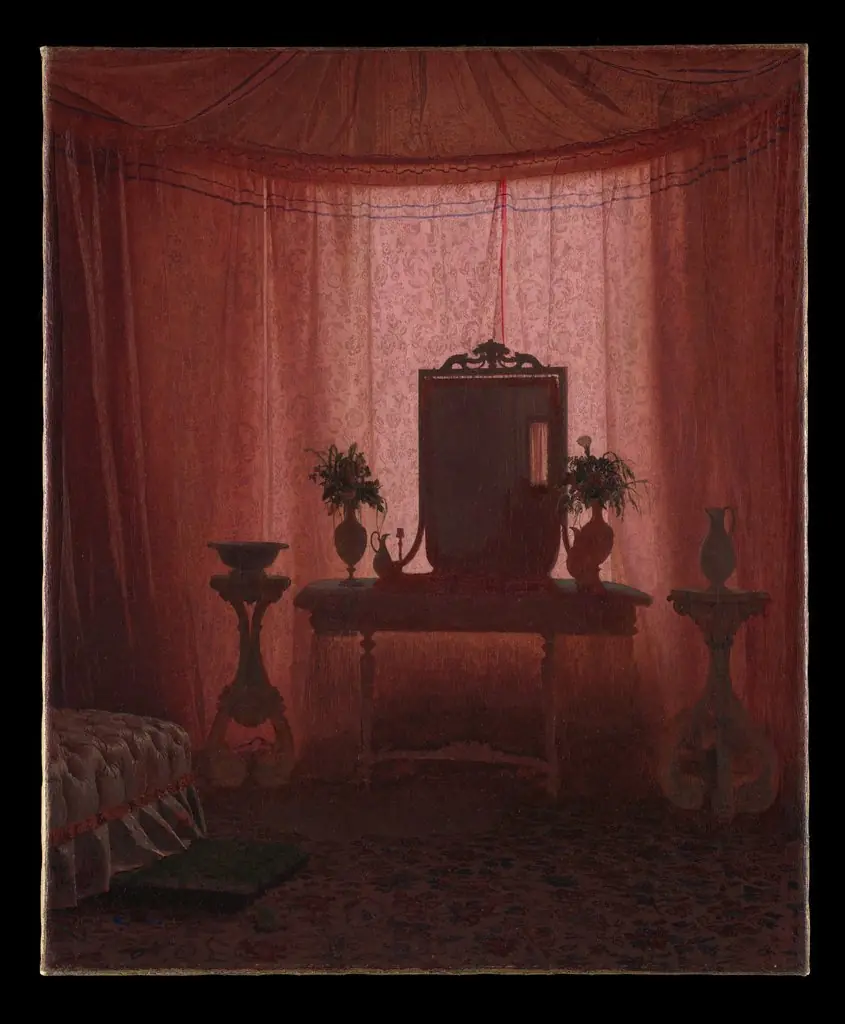 A Bedroom in Bernstorff Palace near Copenhagen
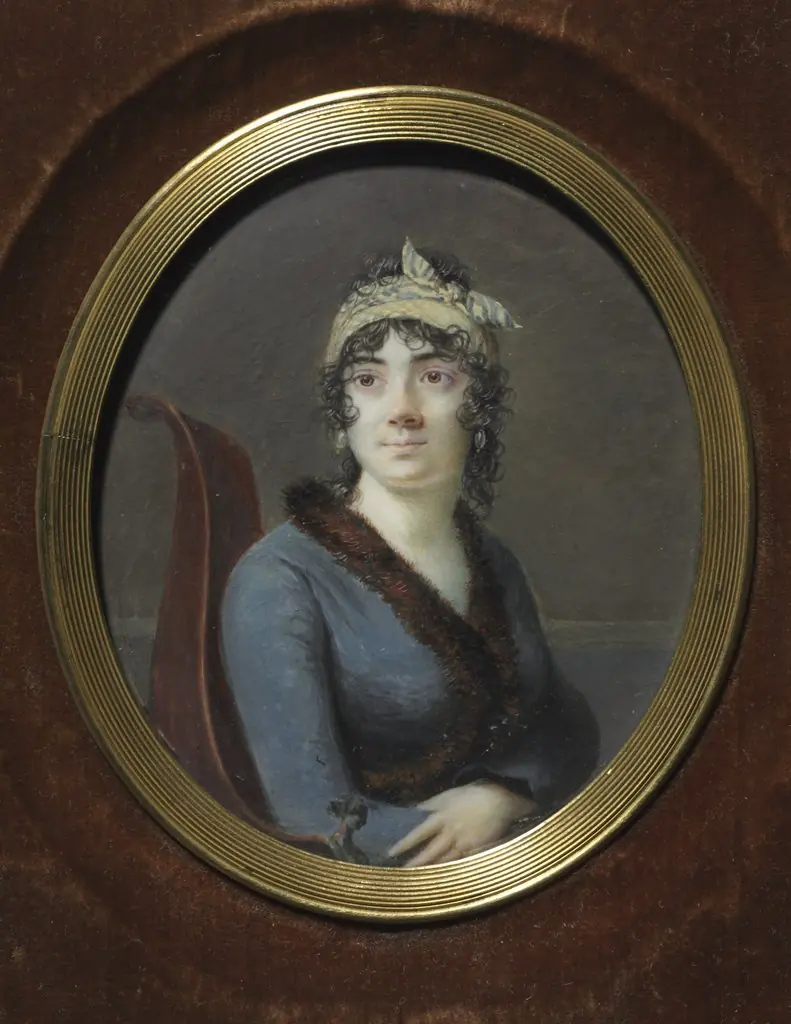 Portrait of a Woman
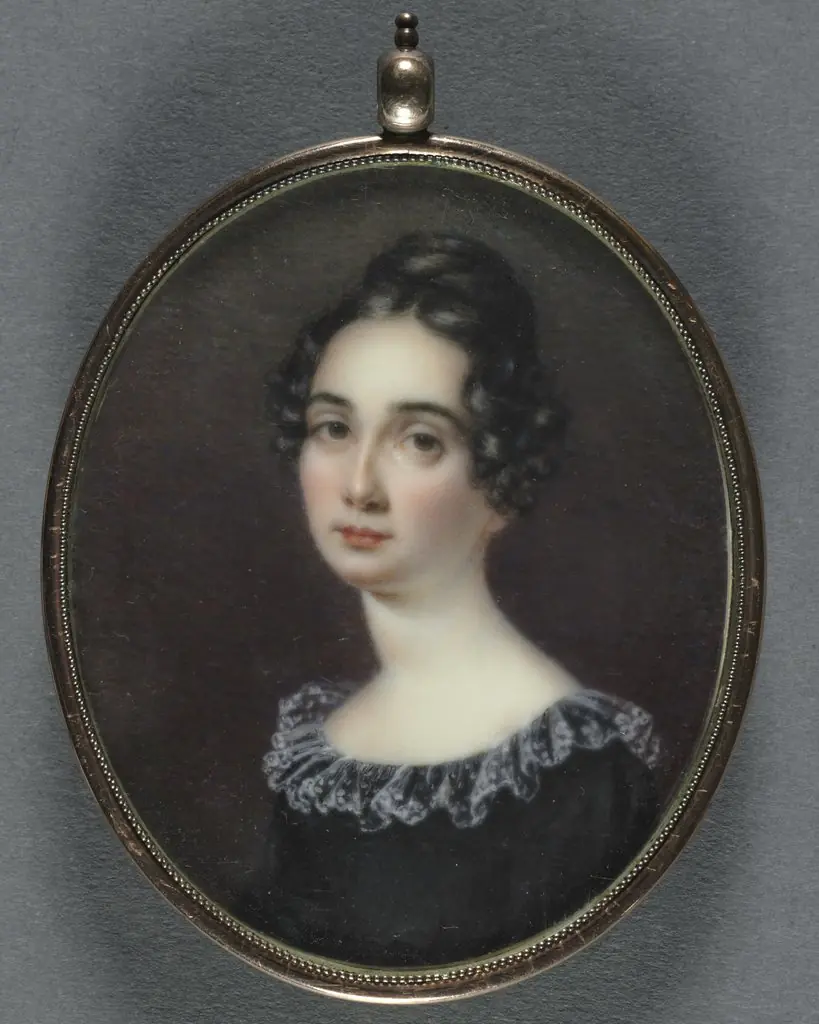 Portrait of a Woman
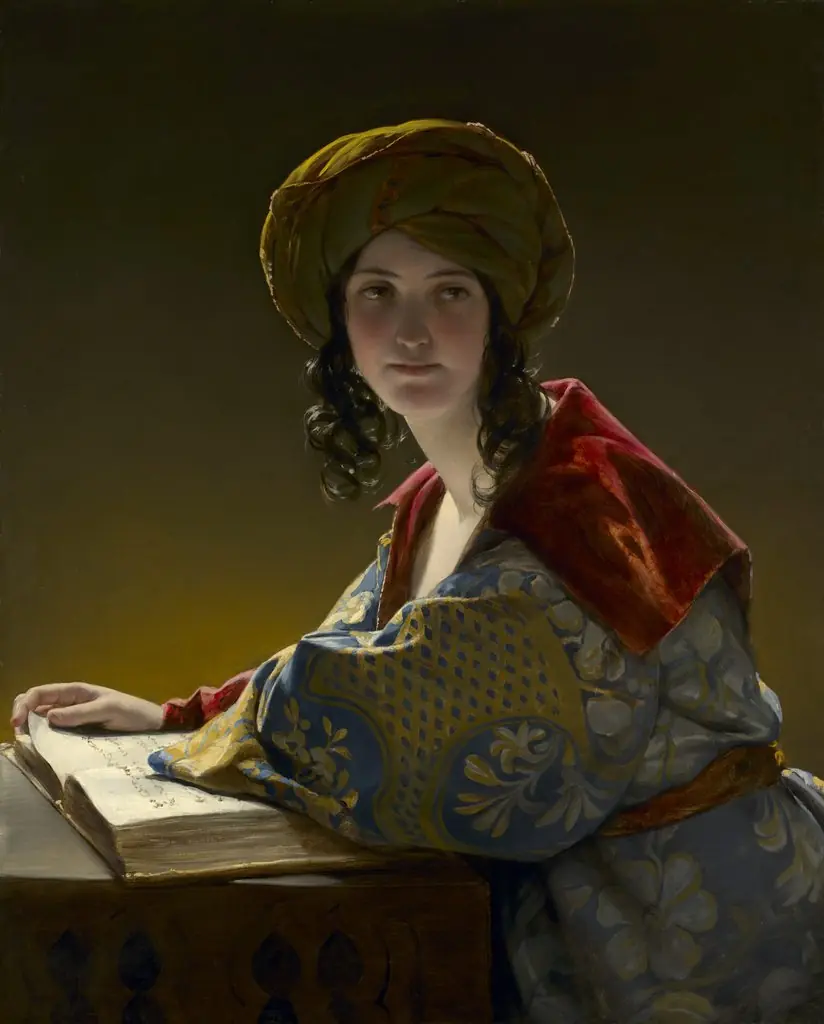 The Young Eastern Woman
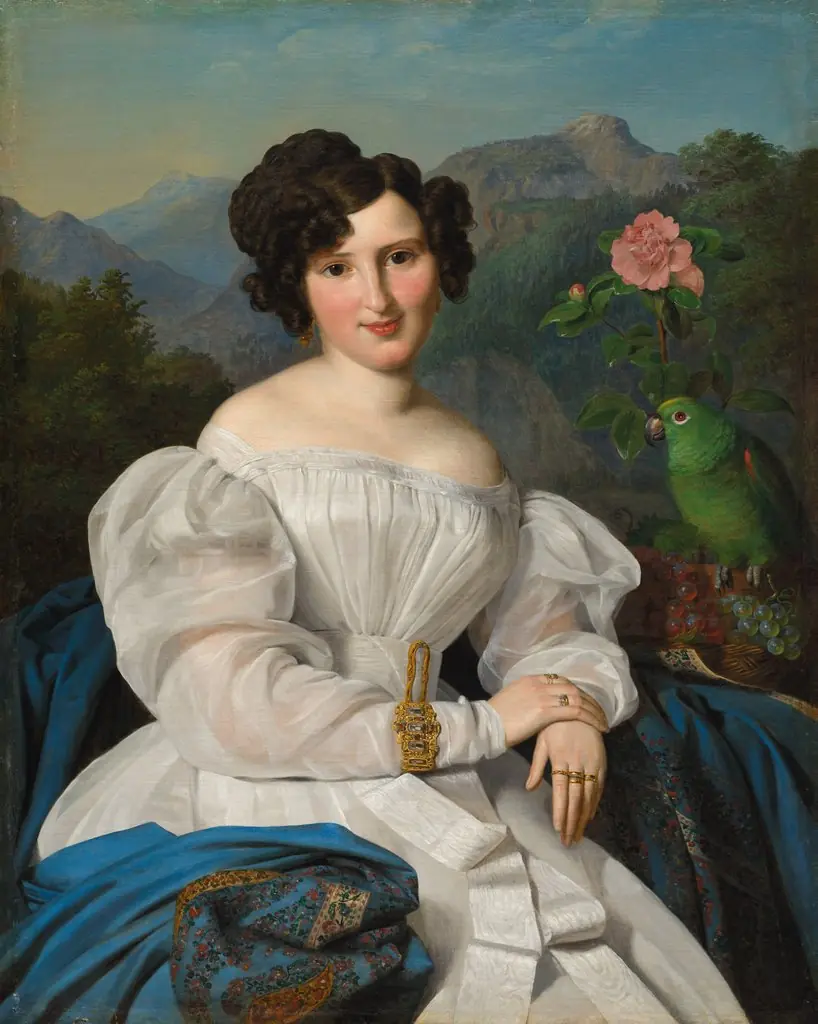 Countess Széchenyi
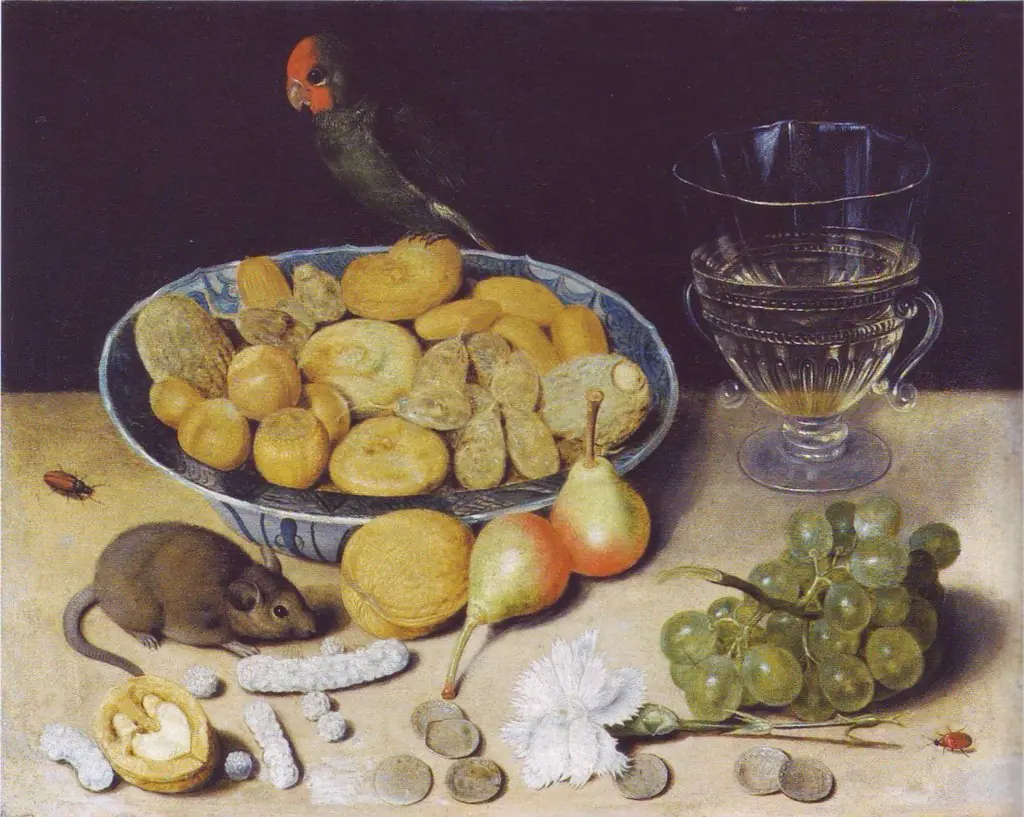 Meal with a Mouse and a Parrot
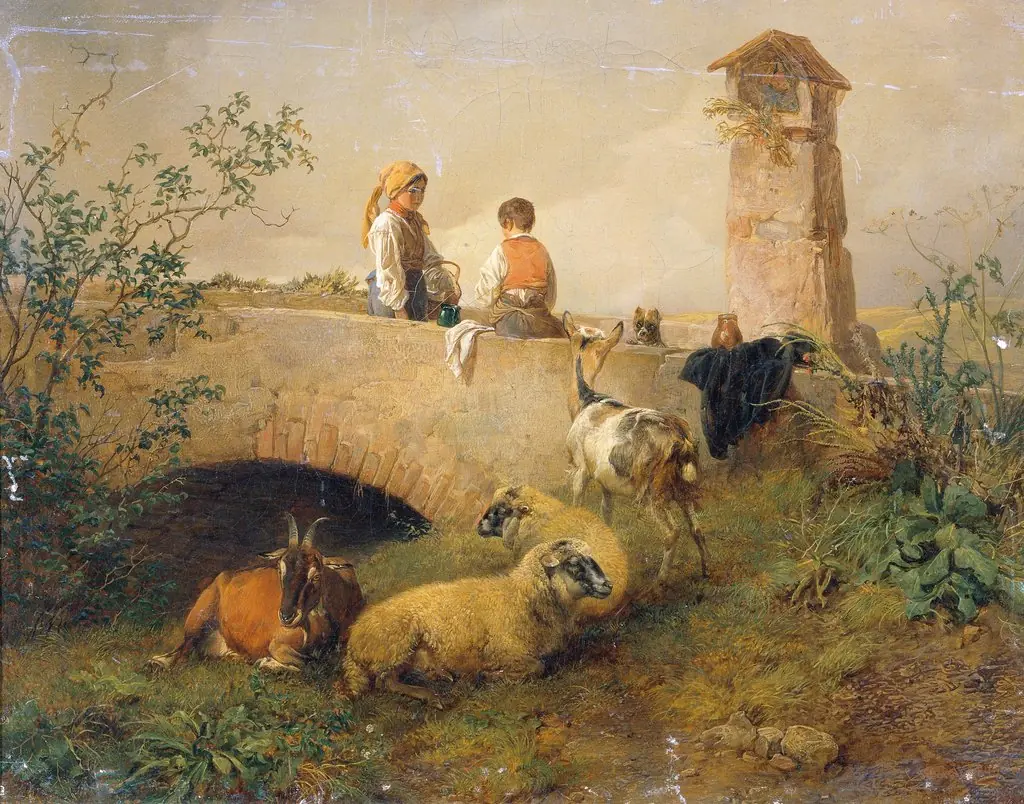 Boy and Girl with Sheep and Goats
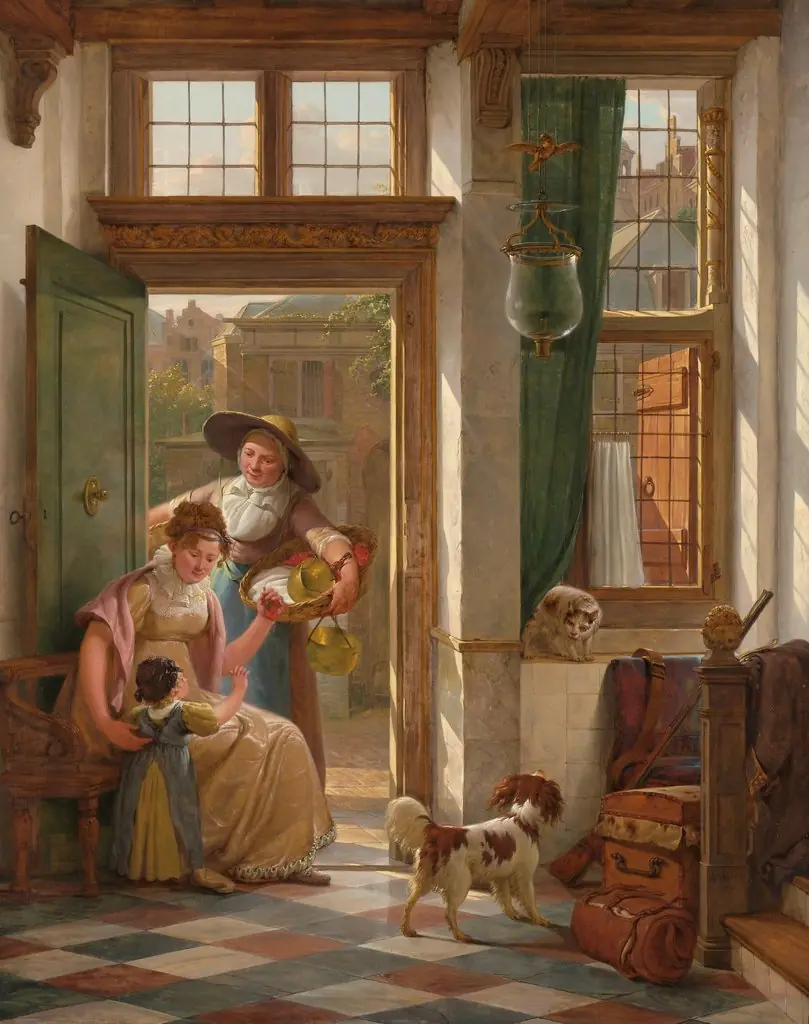 A Cherry Vendor at the Door
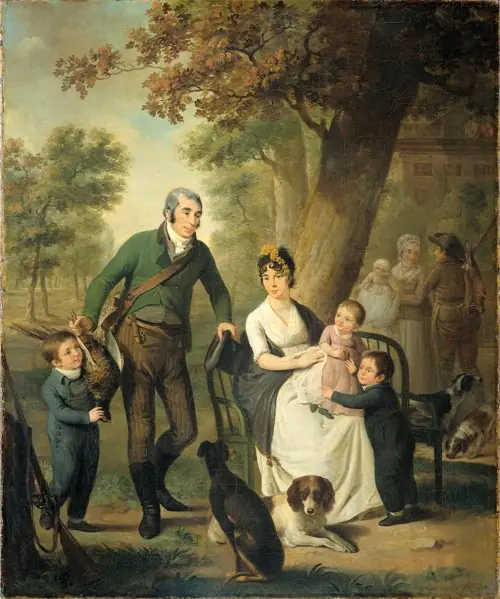 Family Portrait of Jonkheer Gysbert Carel Rutger Reinier van Brienen van Ramerus, his Wife and four of their Children at his Estate of Crailo
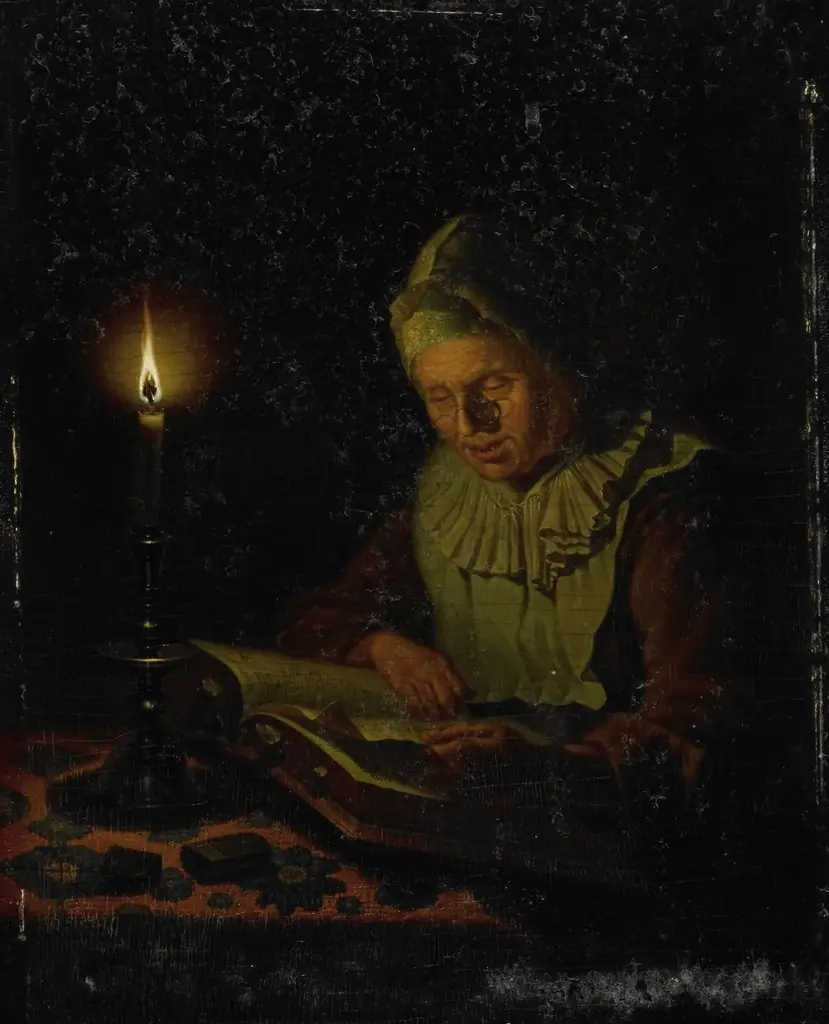 Old Woman Reading
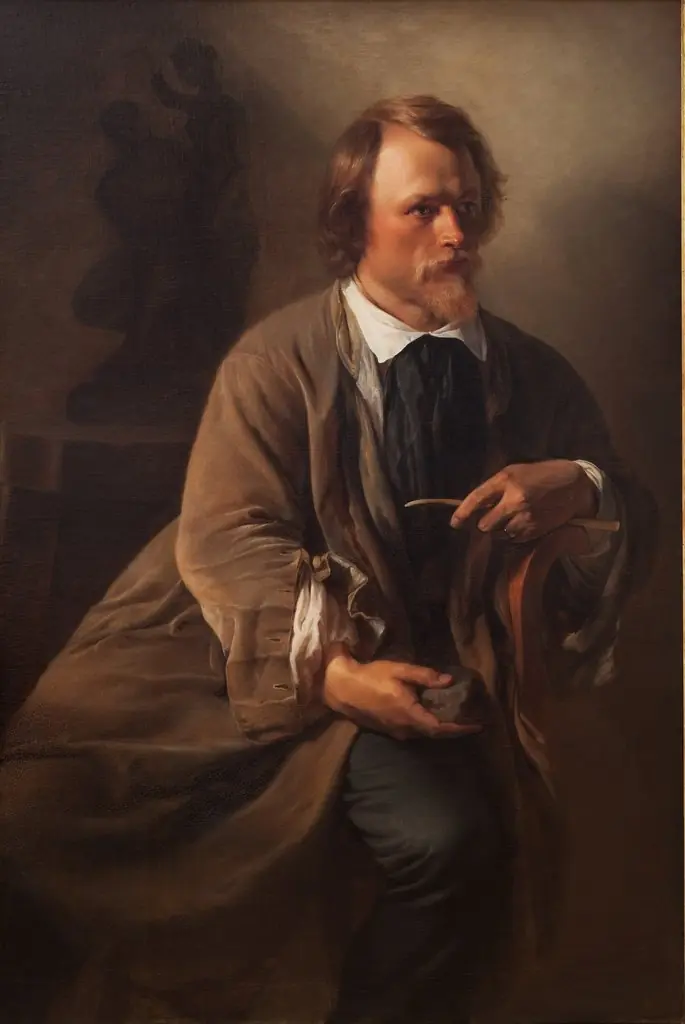 The Sculptor Jens Adolf Jerichau, the Artist's Husband
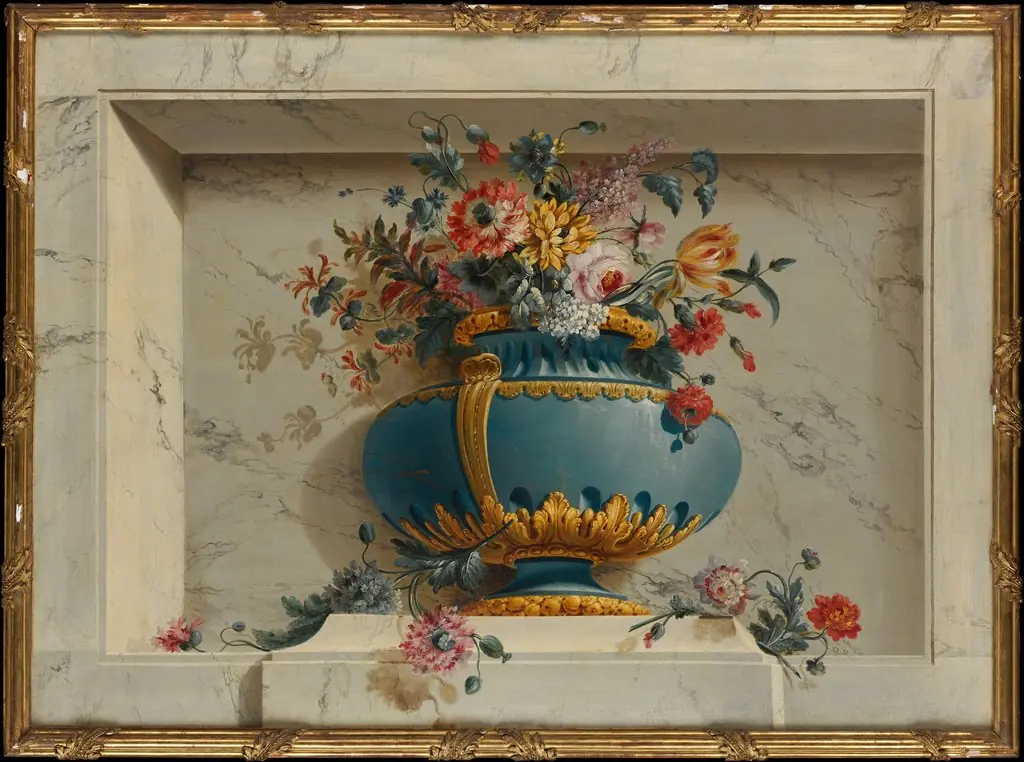 Vase of Flowers in a Niche
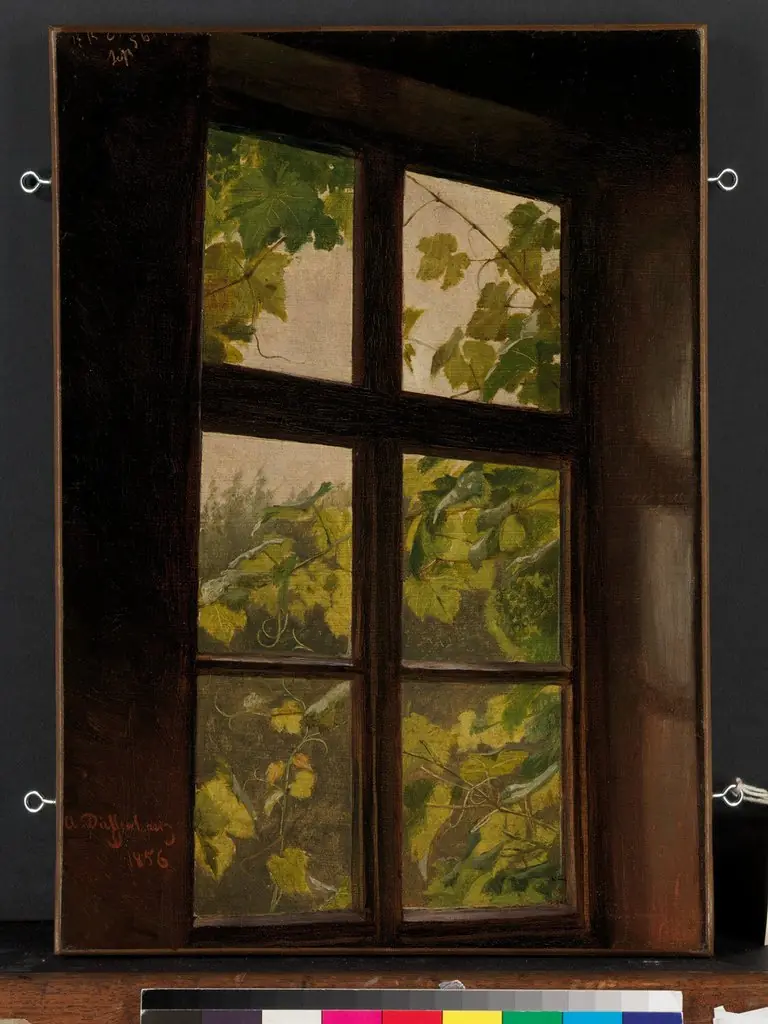 Window
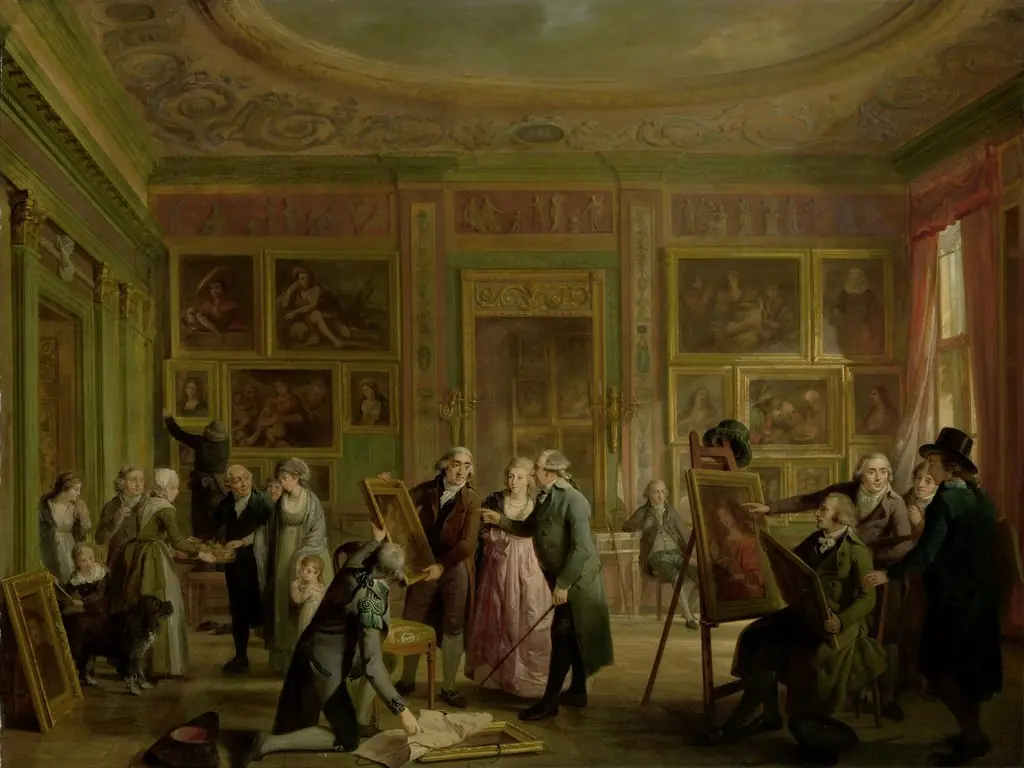 The Art Gallery of Josephus Augustinus Brentano
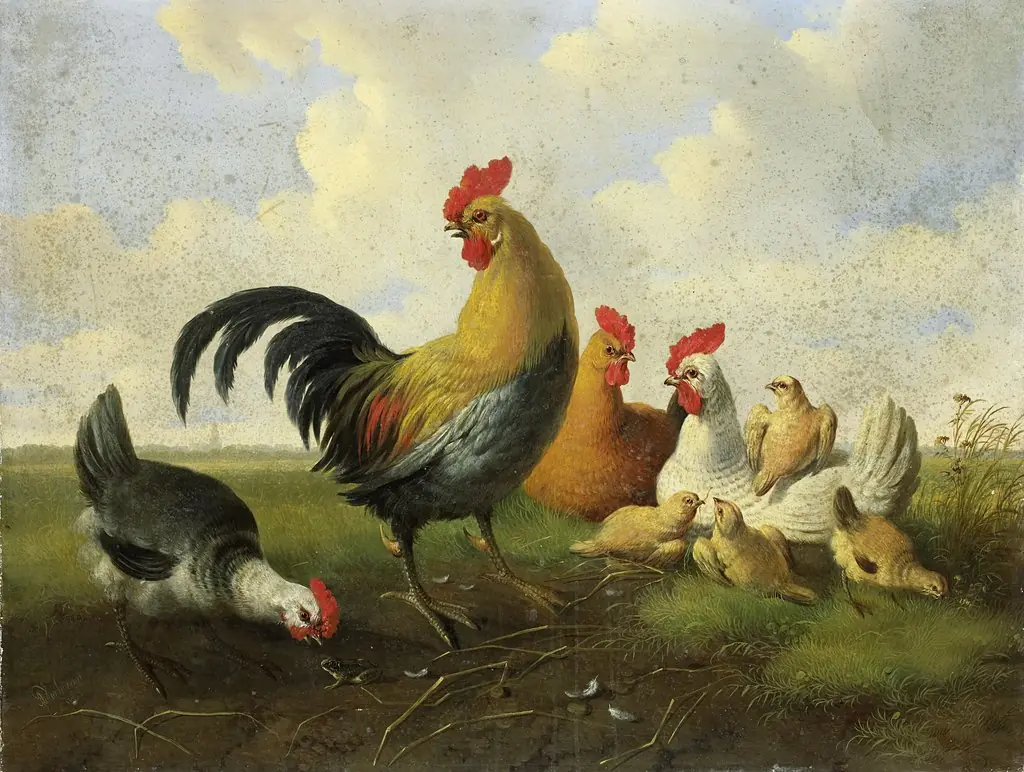 A rooster with Hens and Chicks
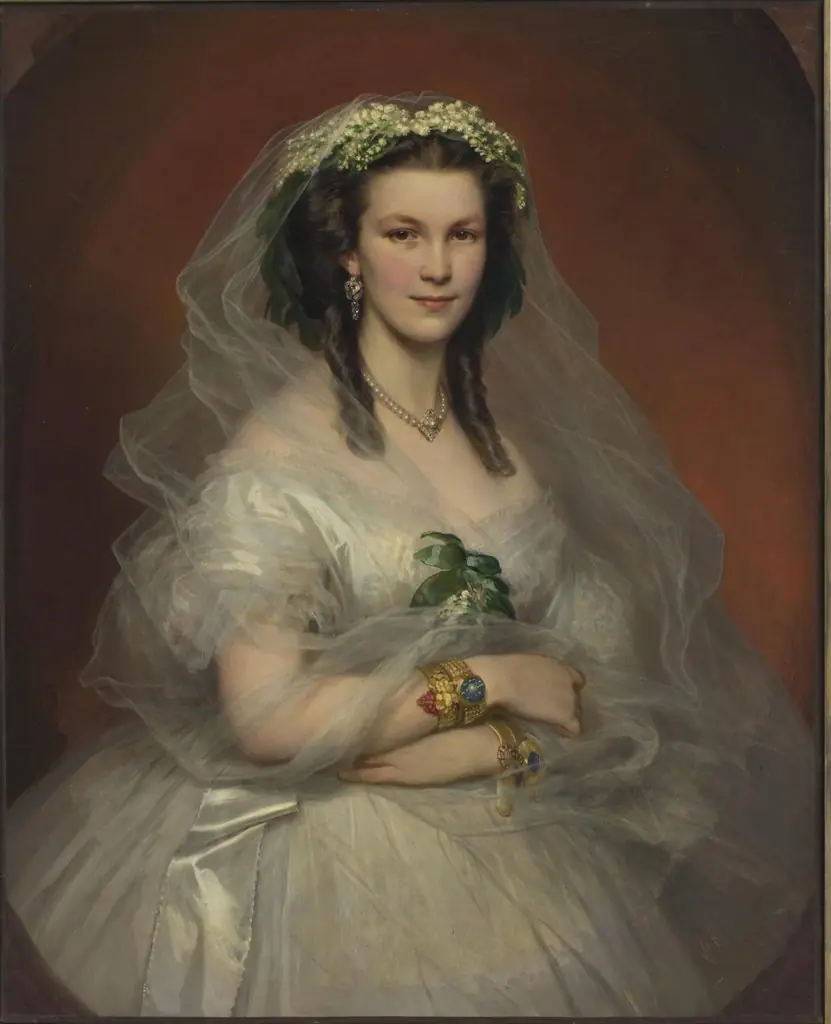 Portrait of an Unknown Young Lady as a Bride
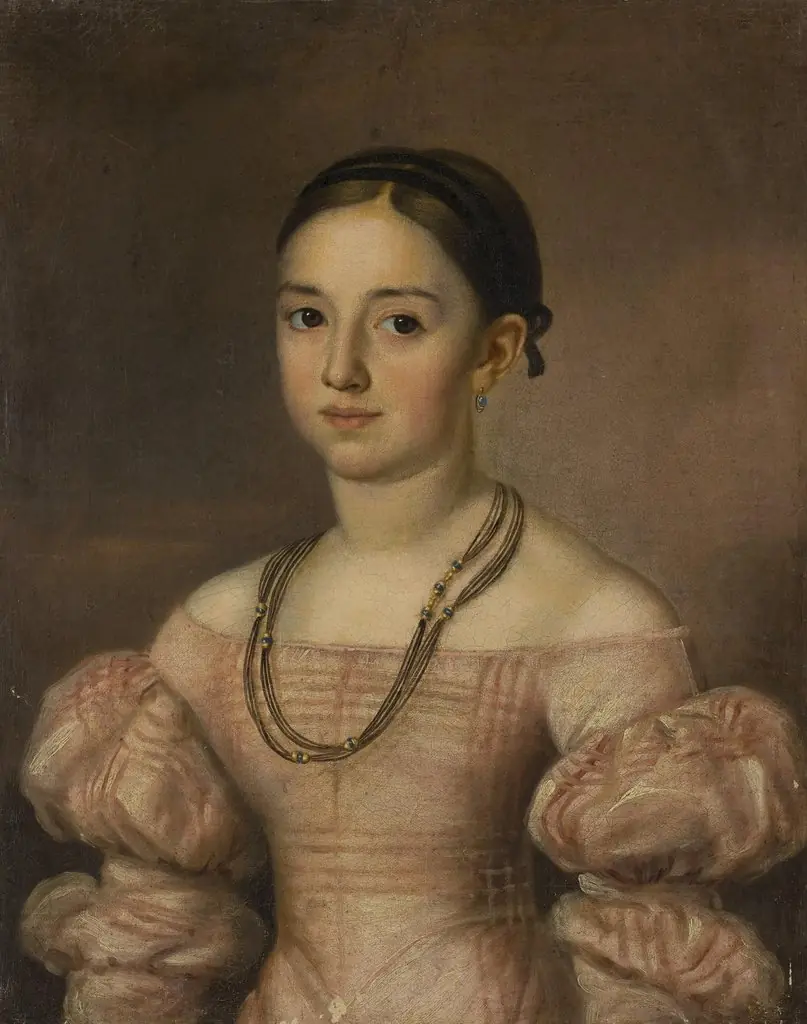 Portrait of an Adolescent Girl
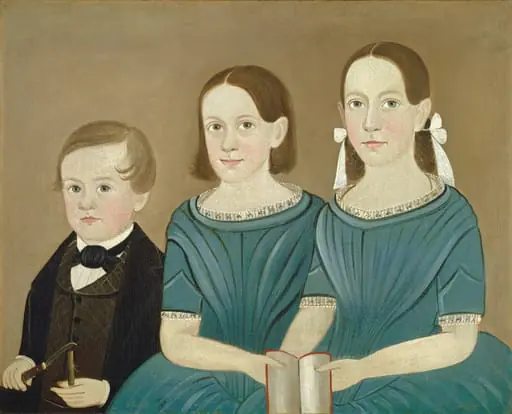 The Younger Generation
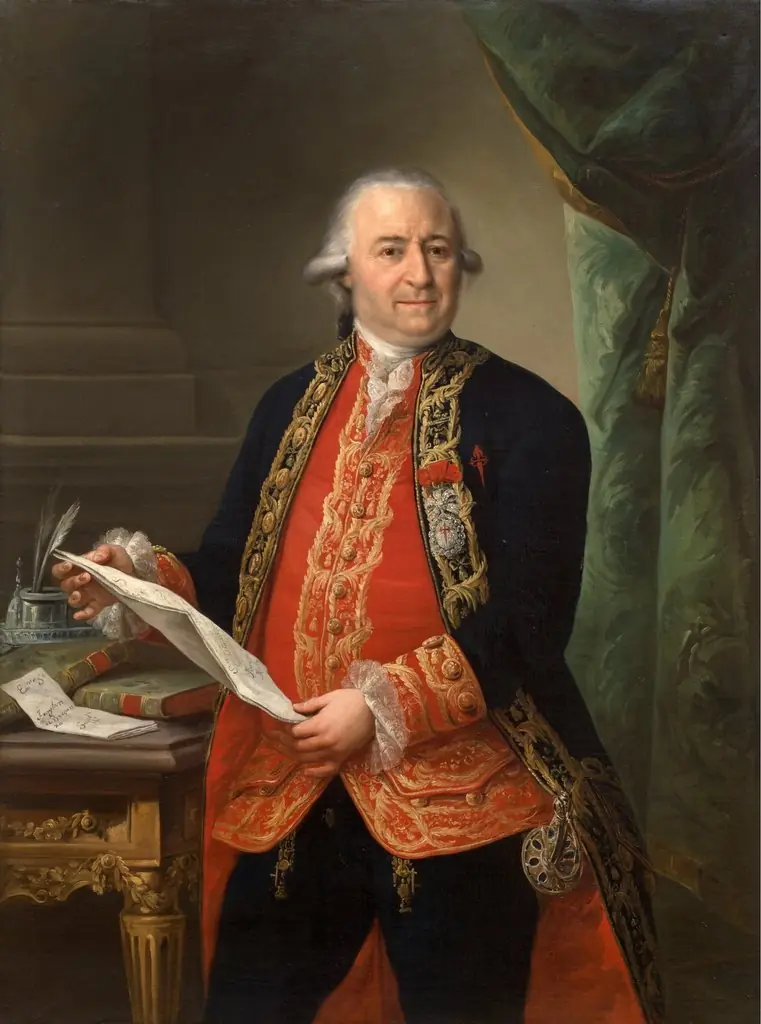 D Pedro López de Lerena, I Count of Lerena
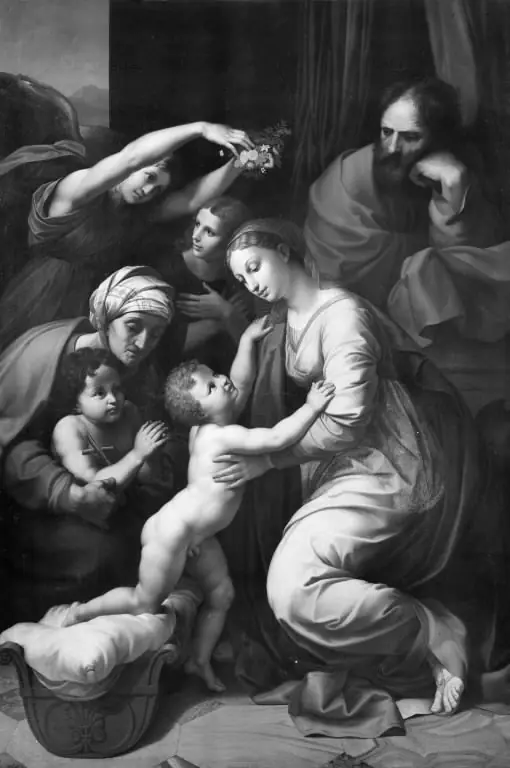 The Holy Family
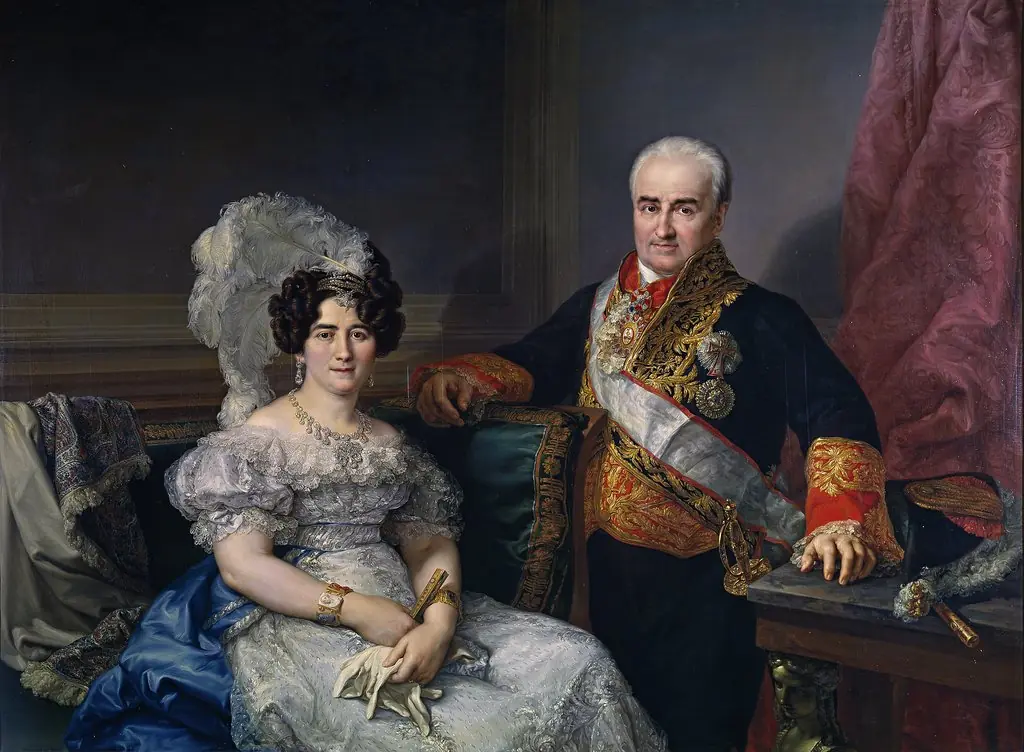 Antonio Ugarte and his wife Maria Antonia Larrazábal
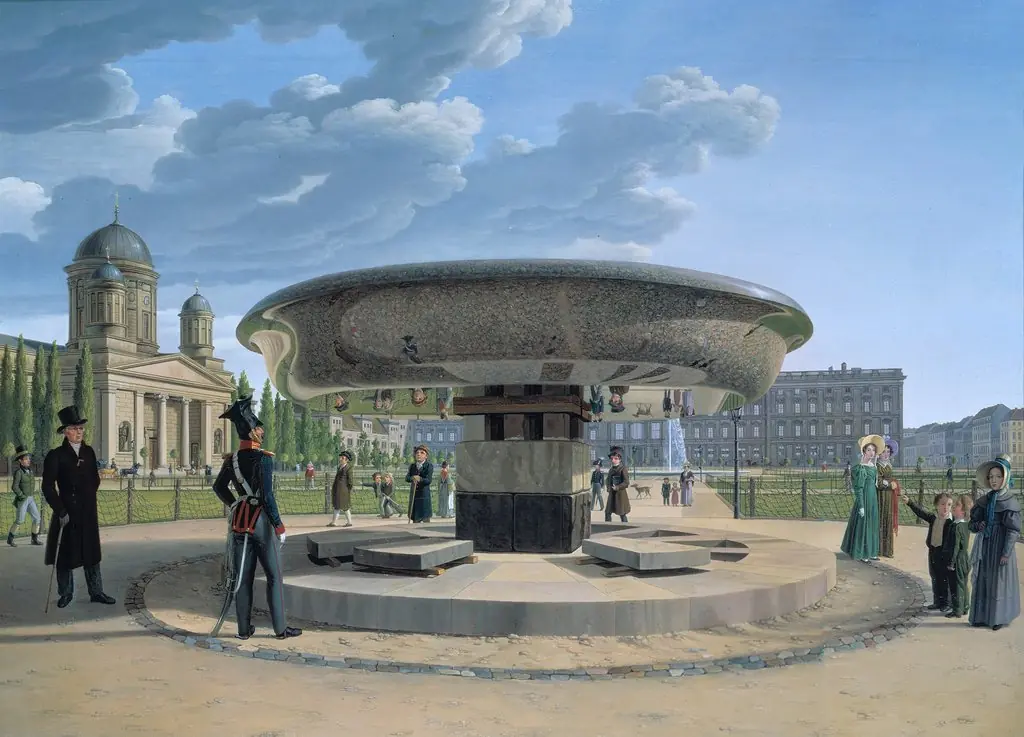 The Granite Bowl at the Lustgarten, Berlin
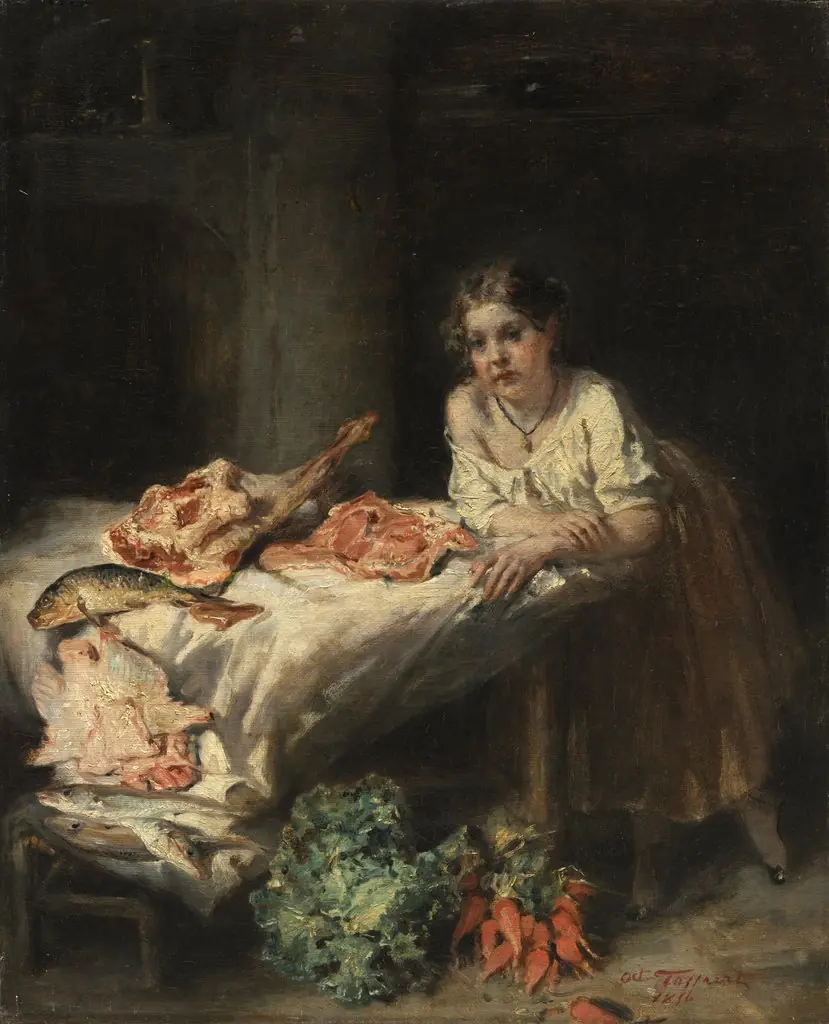 The Bourgeois' Kitchen
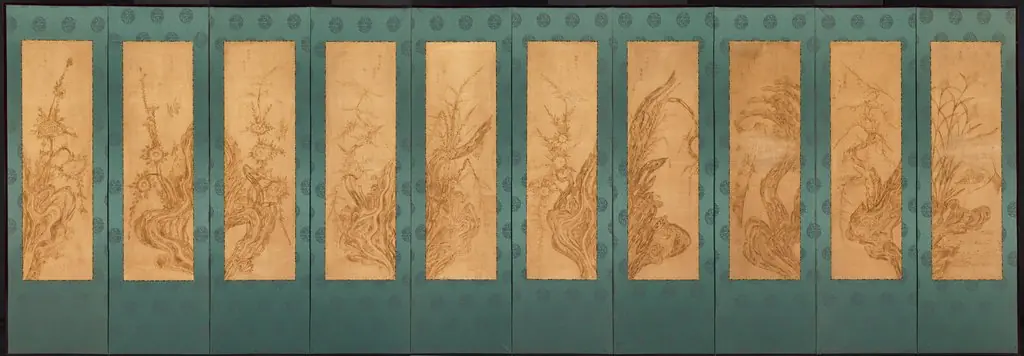 Birds and Flowers
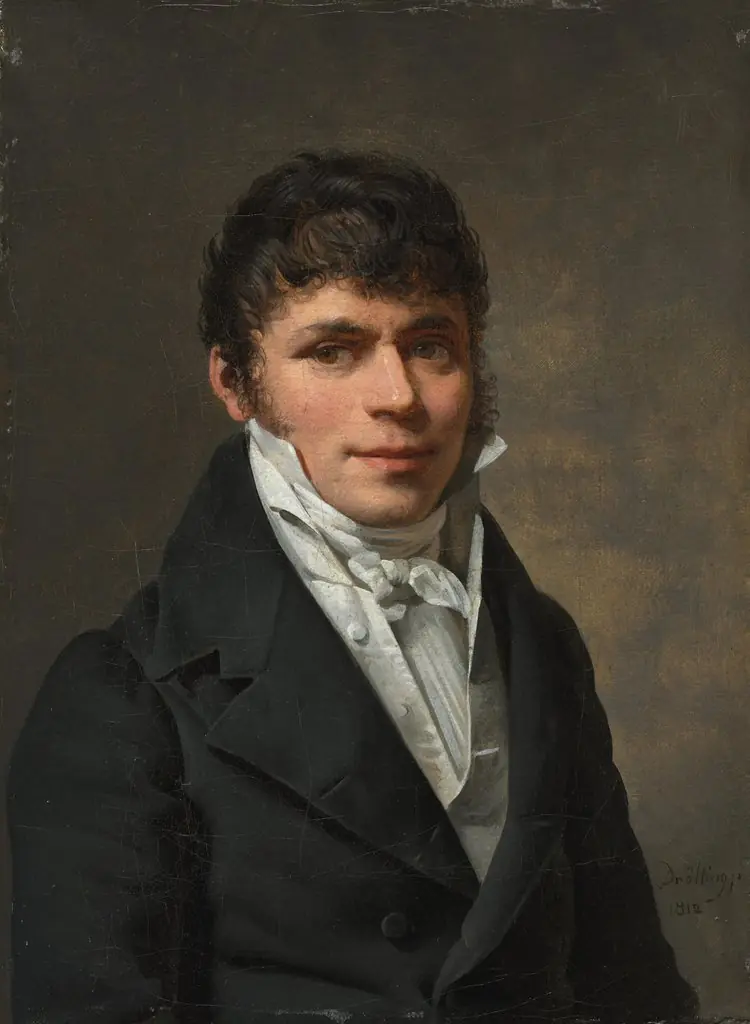 Nicolas Louis Faret and Madame Nicolas Louis Faret
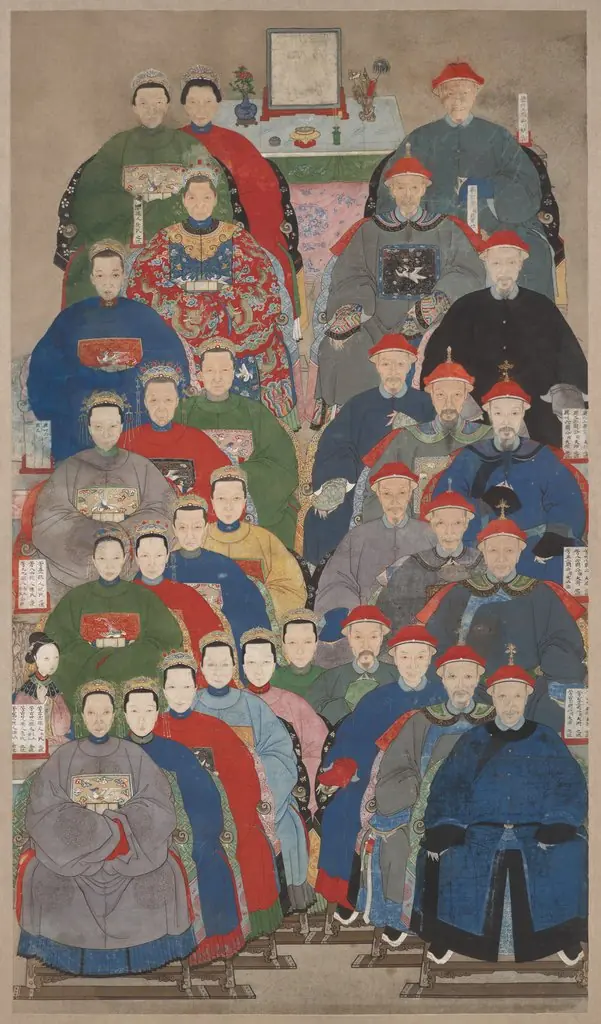 Ancestor Group Portrait
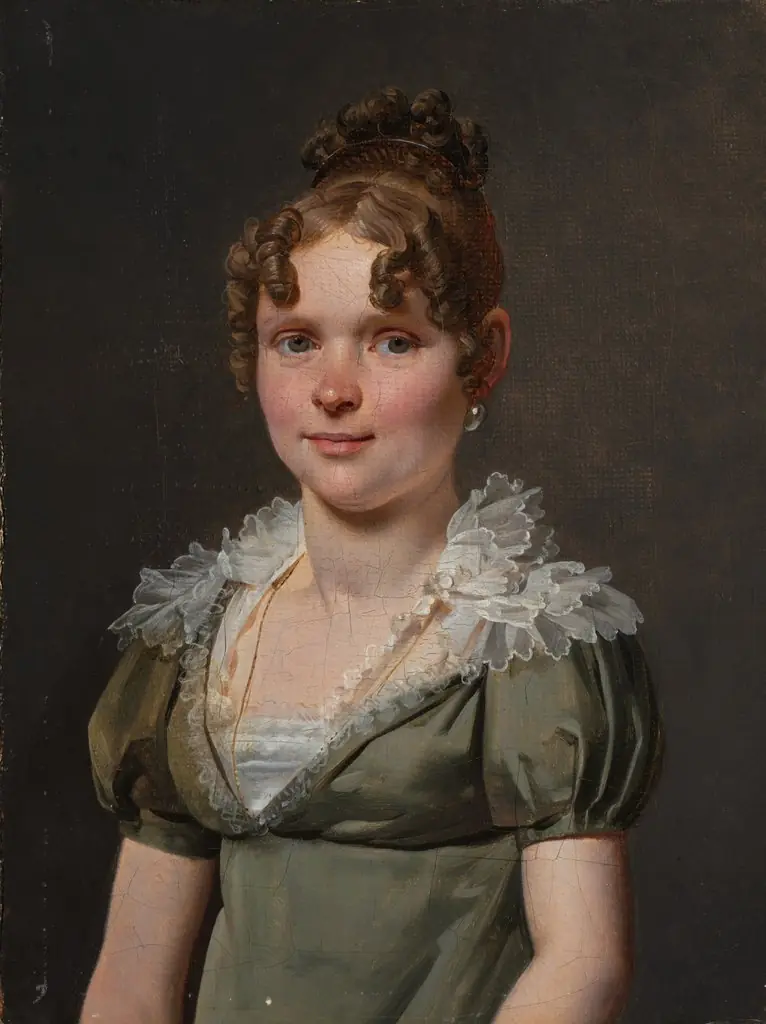 Madame Nicolas Louis Faret
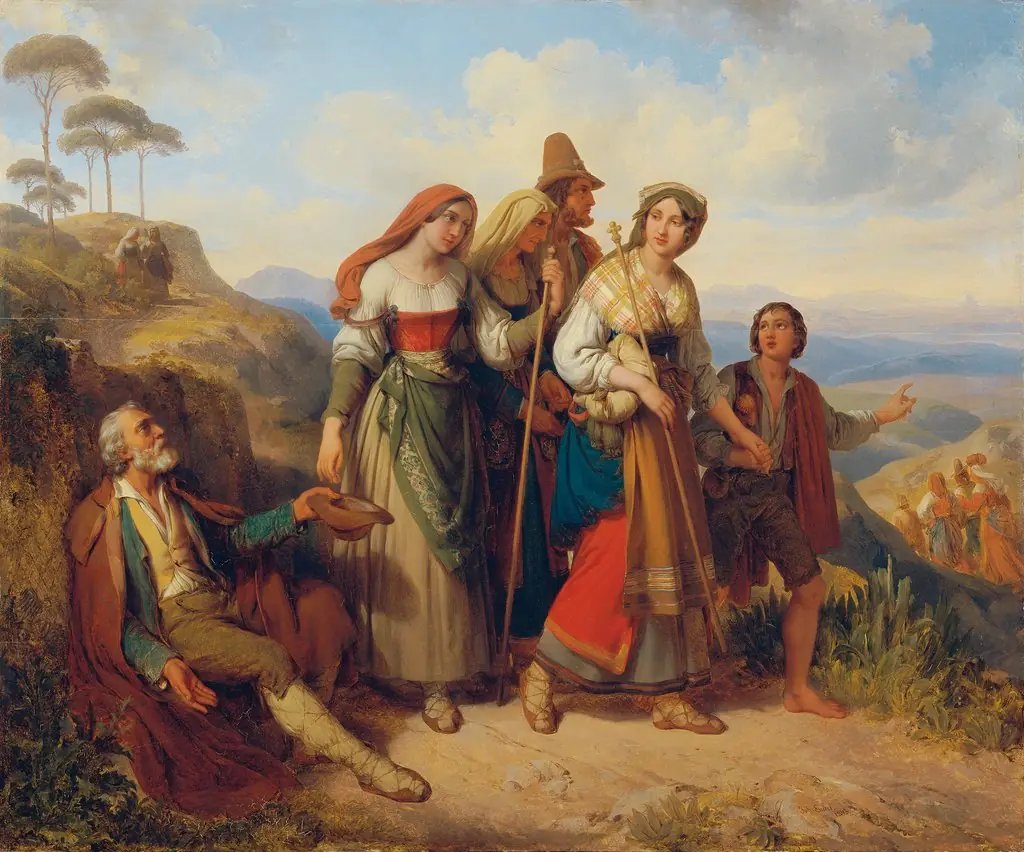 Roman pilgrims
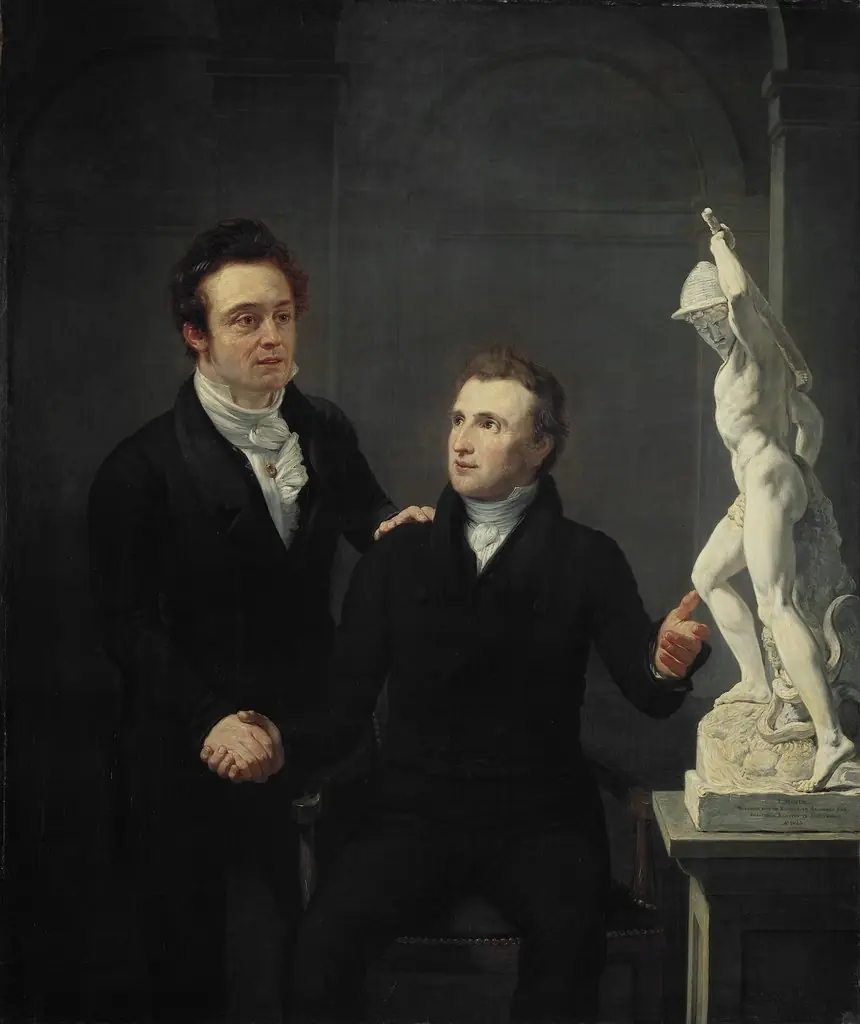 Louis Royer, sculptor, and Albertus Bernardus Roothaan, stockbroker, friend of the arts, and patron of the sciences
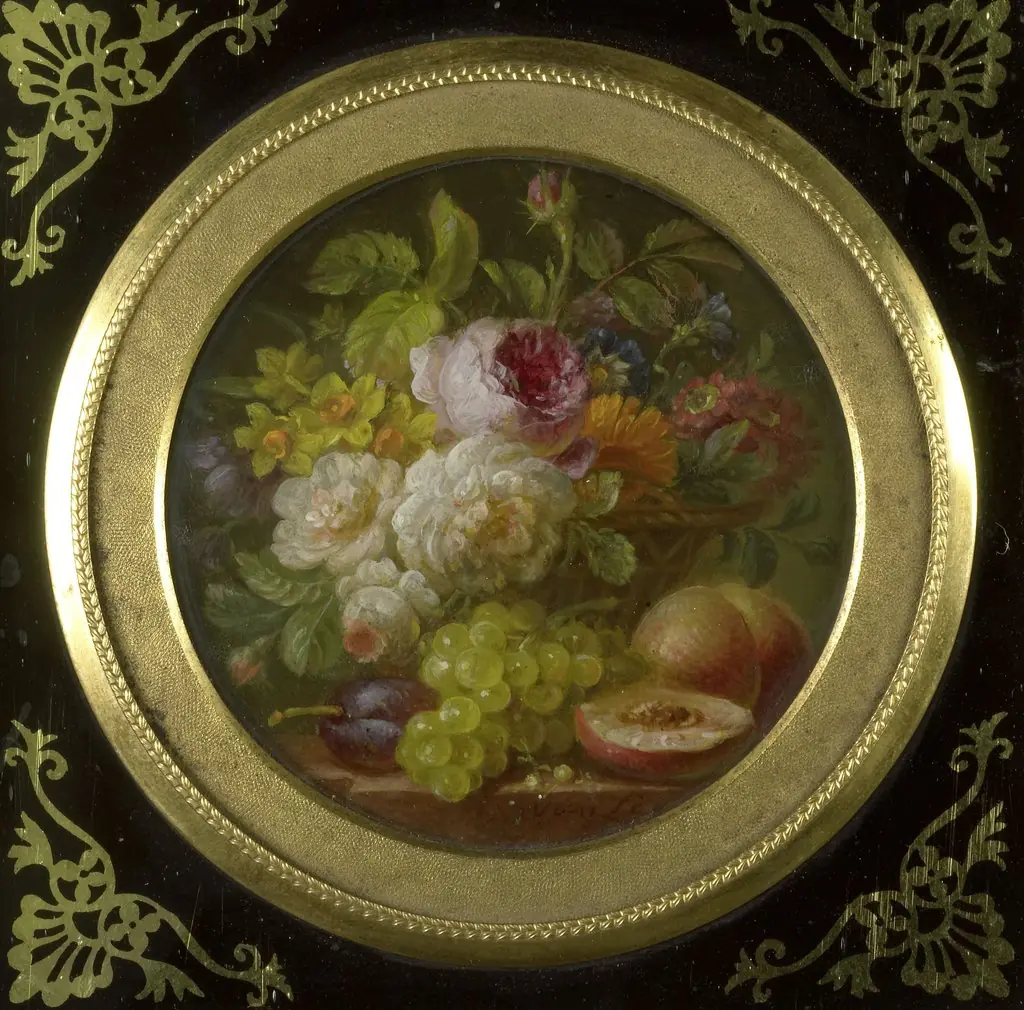 Still Life with Flowers and Fruit
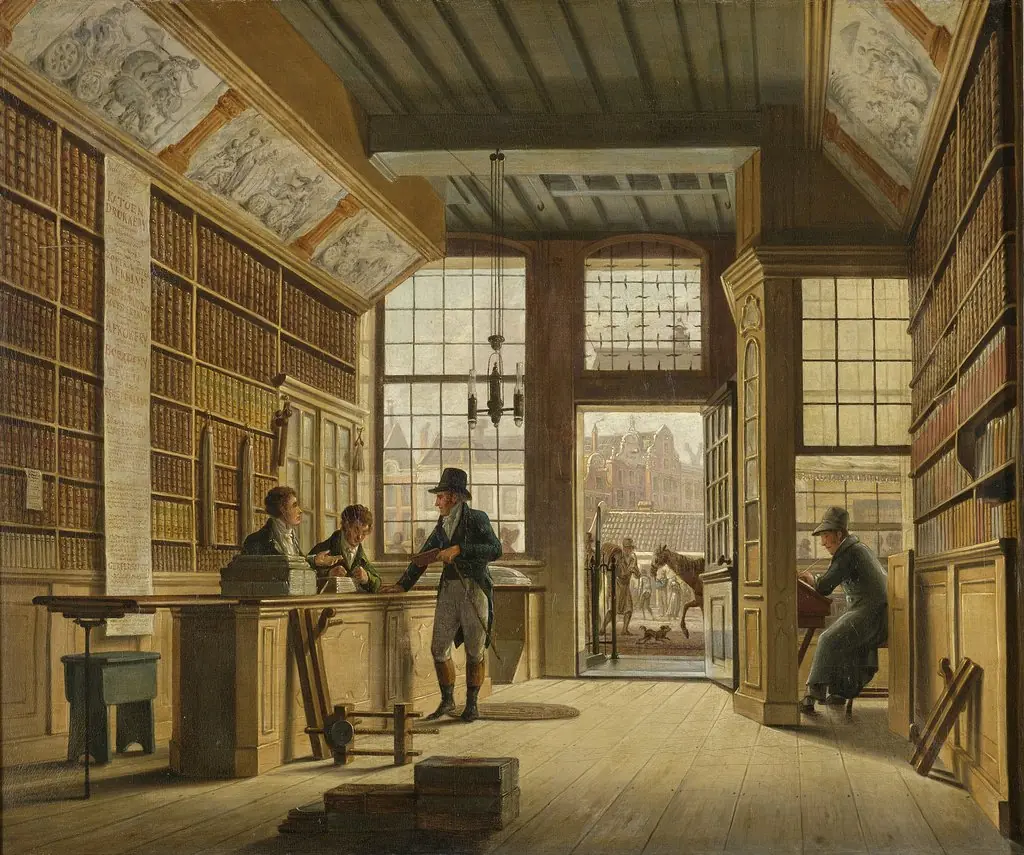 The Shop of the Bookdealer Pieter Meijer Warnars on the Vijgendam in Amsterdam
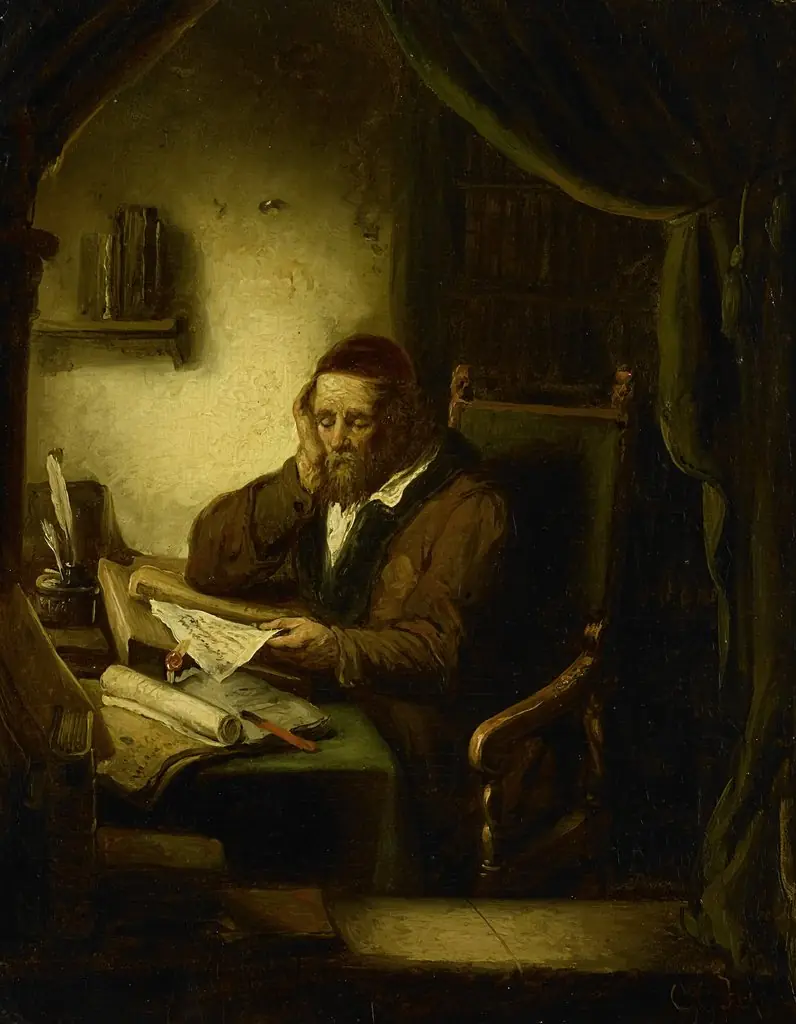 Old Man in his Study
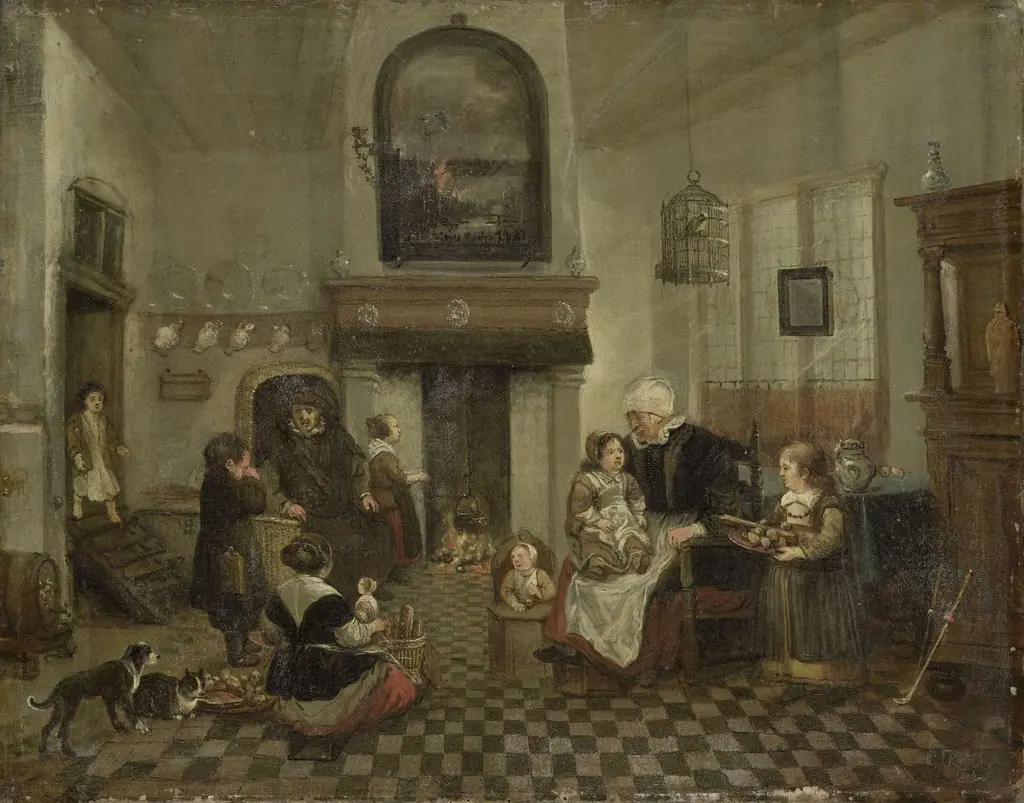 Sint Nicolaasfeest
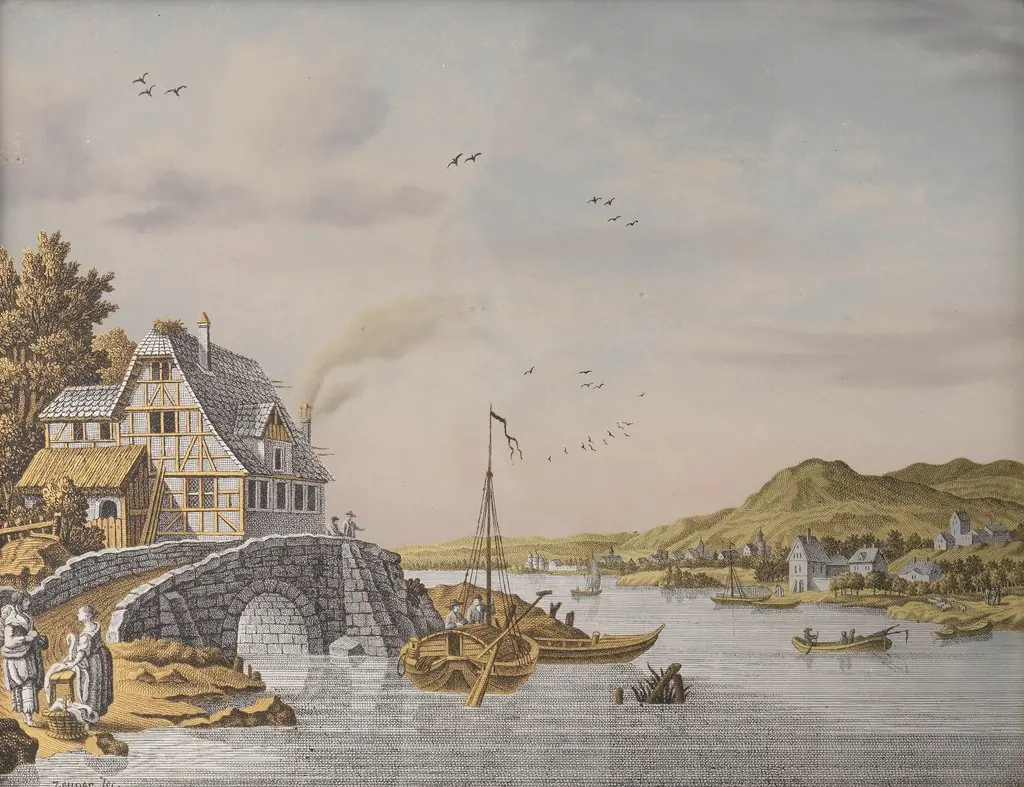 Houses along a River
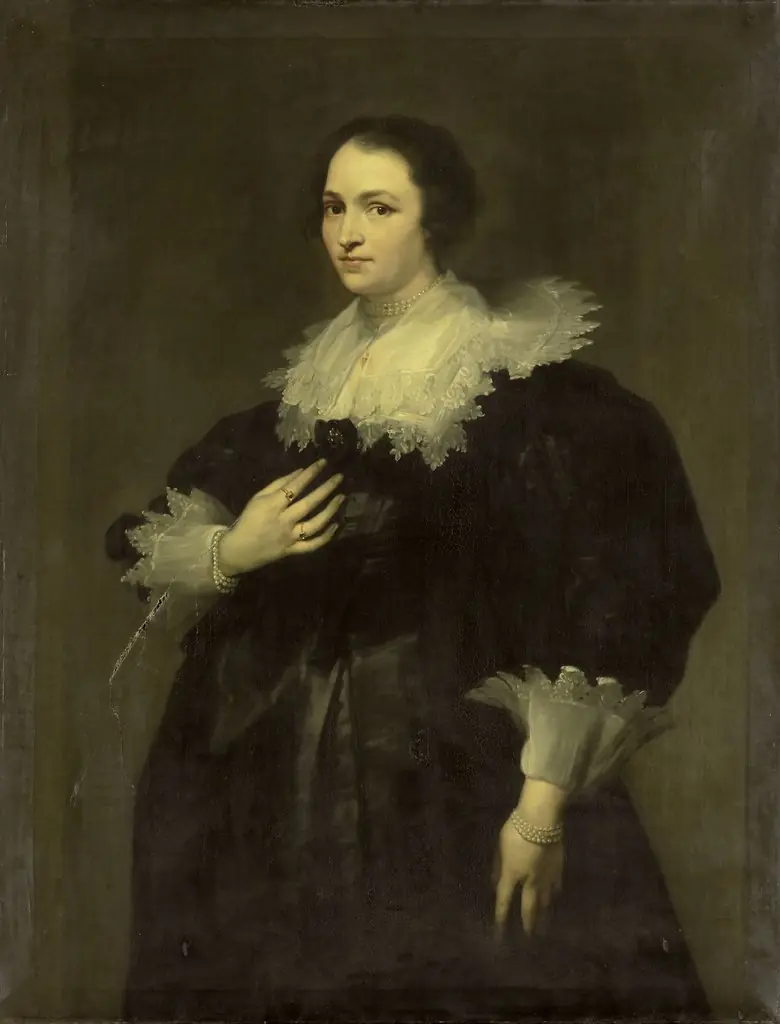 Wife of Sebastiaan Leerse
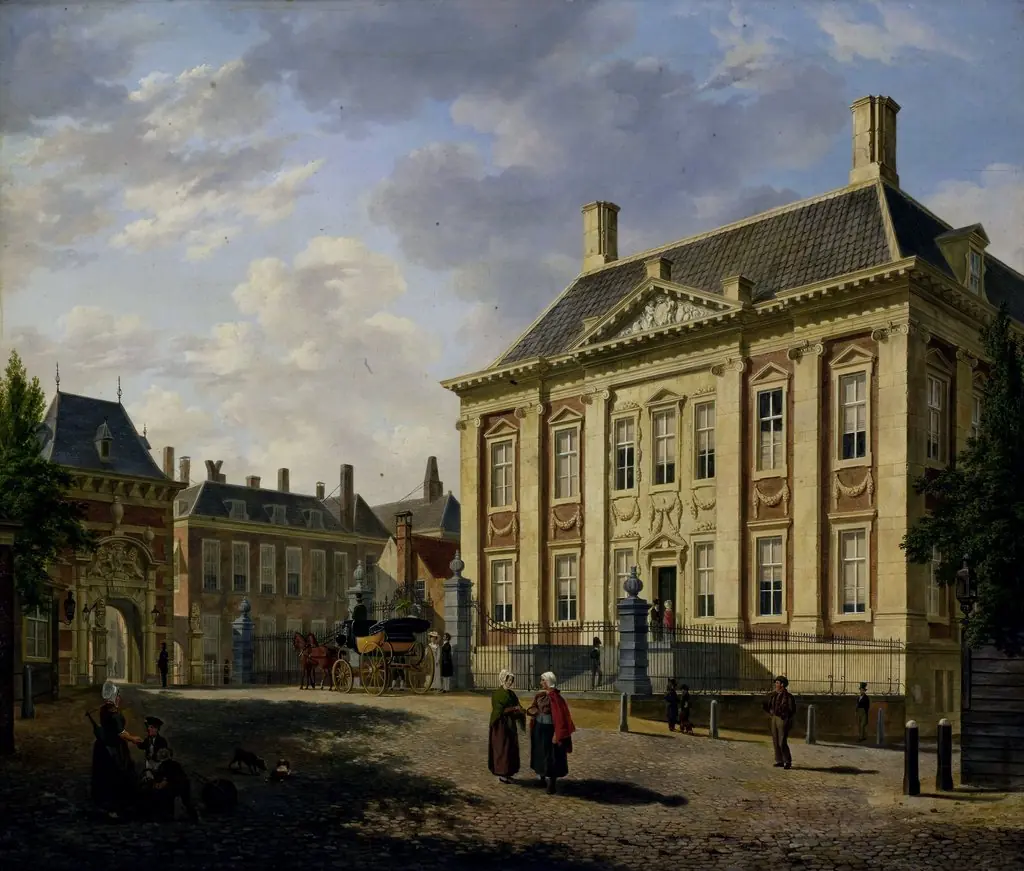 Mauritshuis in The Hague
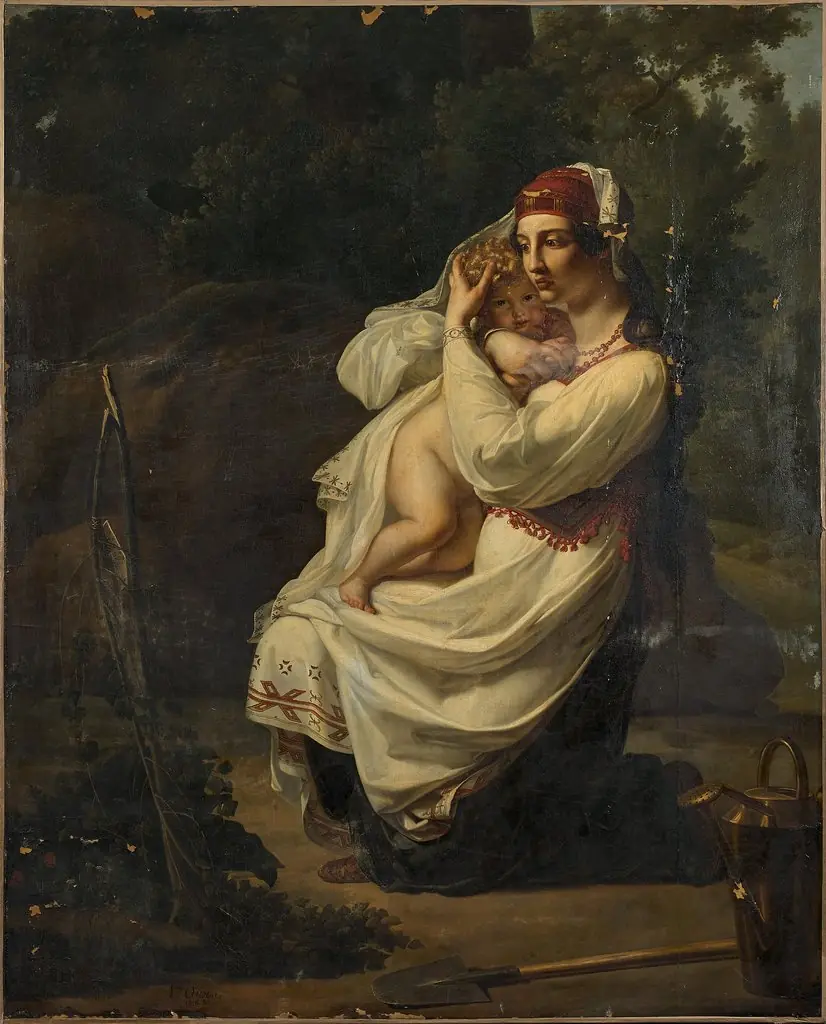 Daria, or Maternal Terror
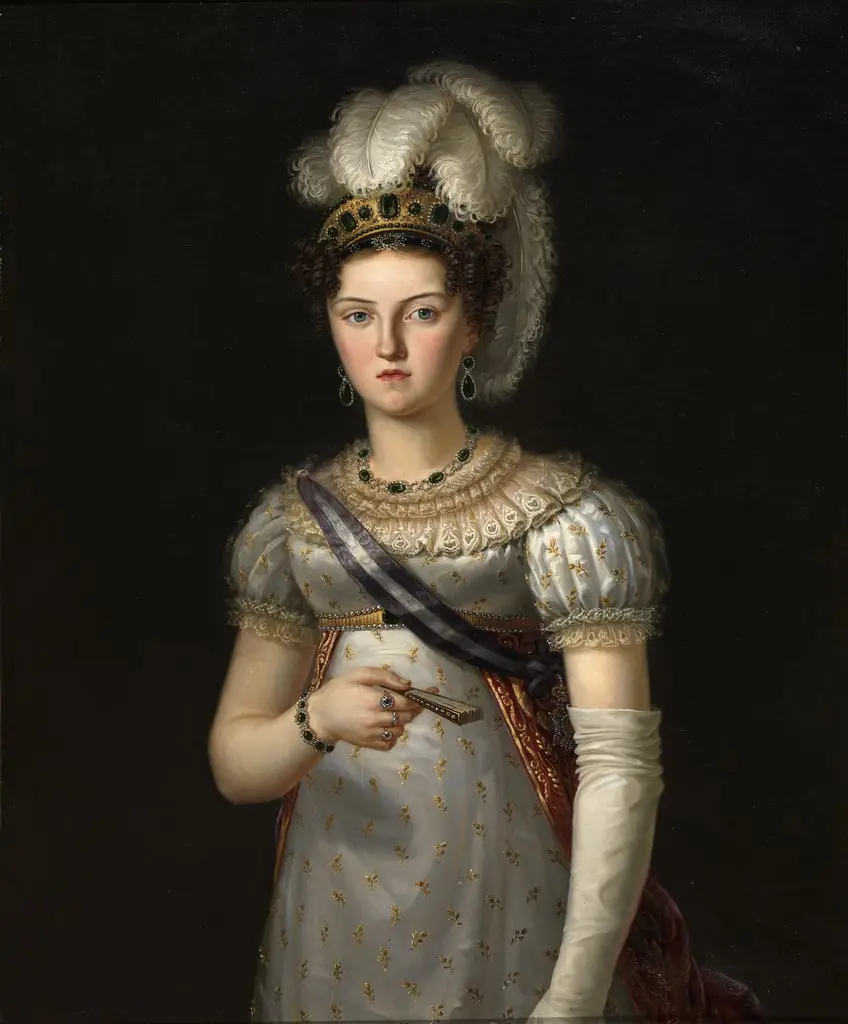 Maria Josepha Amalia of Saxony, Queen of Spain, third wife of Ferdinand VII
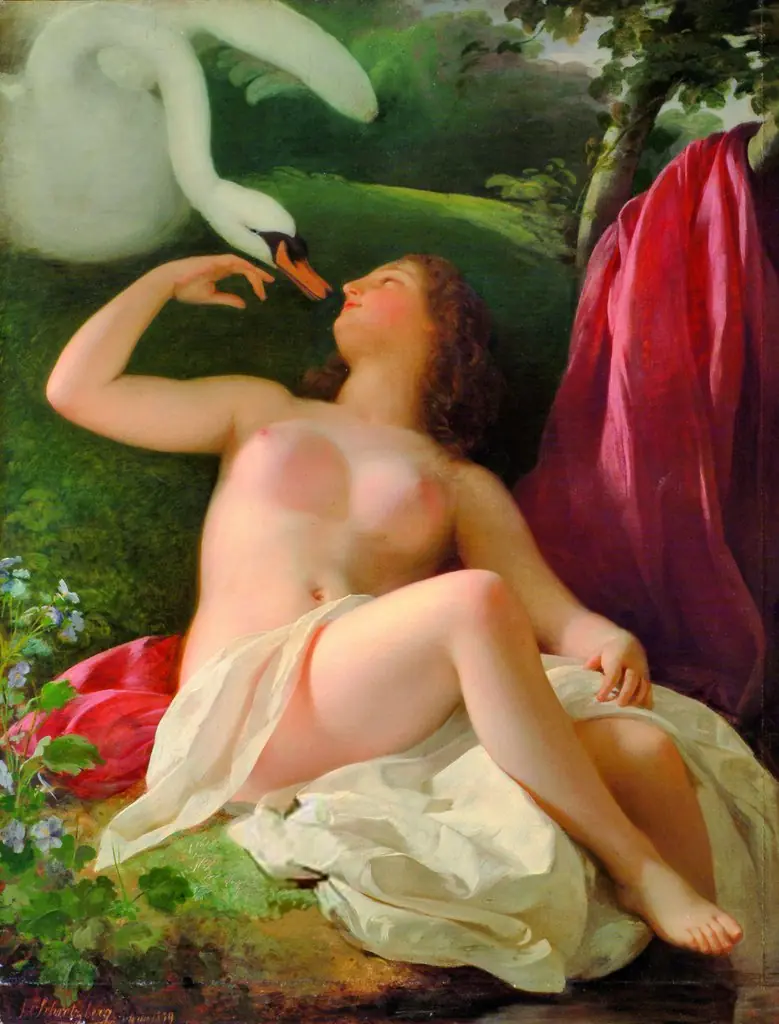 Leda mit dem Schwan
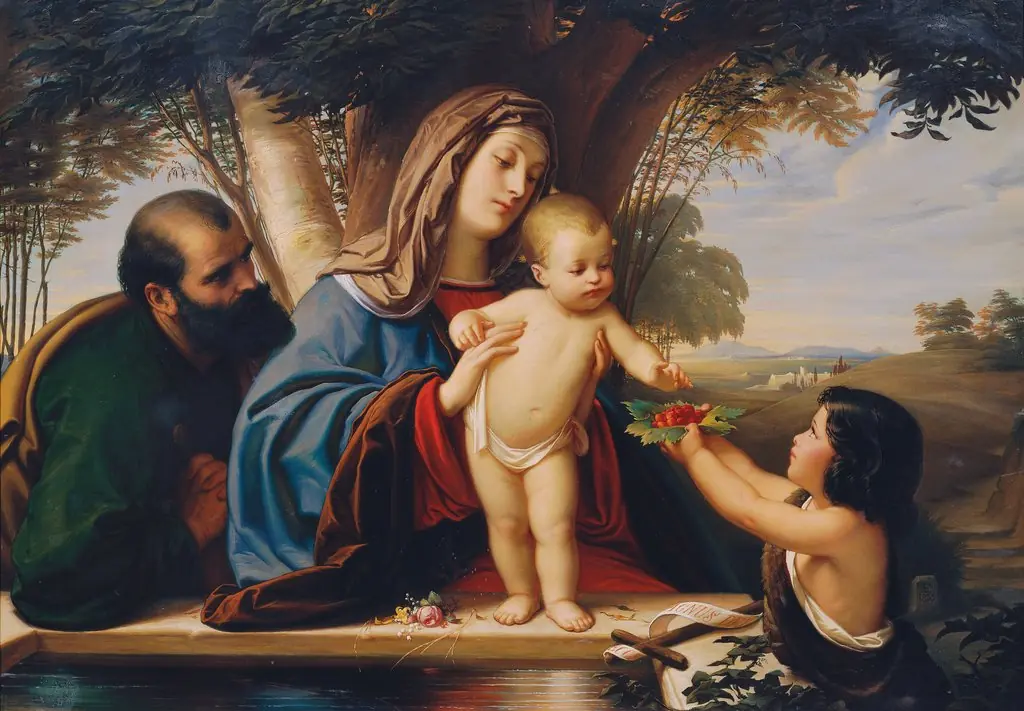 Heilige Familie mit Johannesknaben
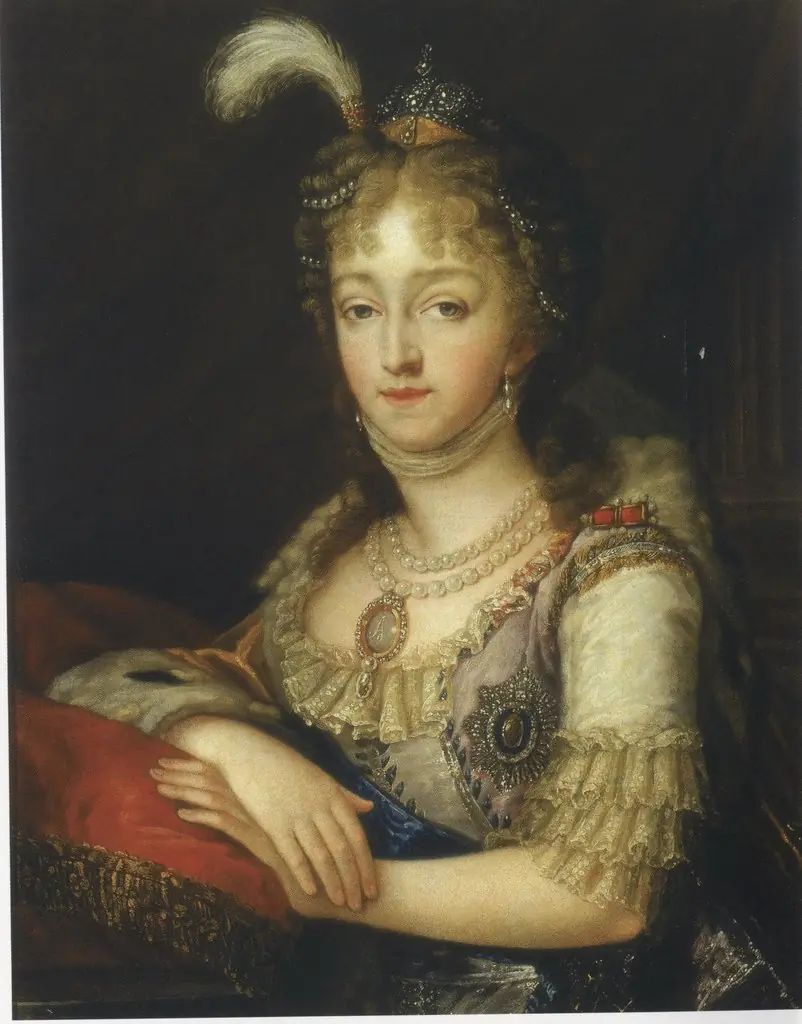 Portrait of Empress Elizabeth Alexeyevna
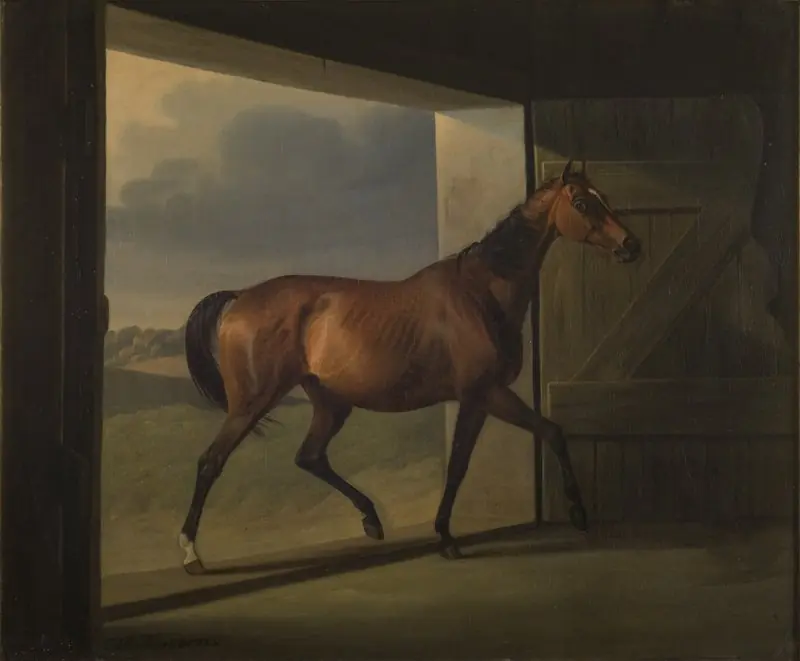 Jutta
Jutta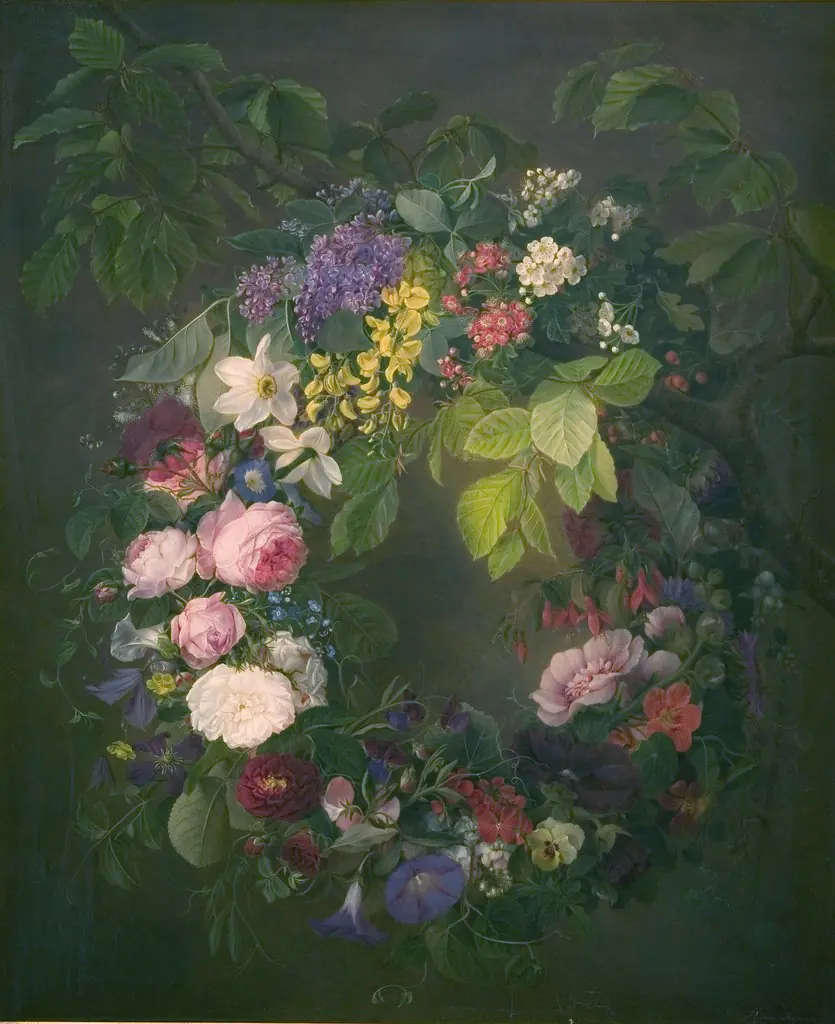 En blomsterkrans
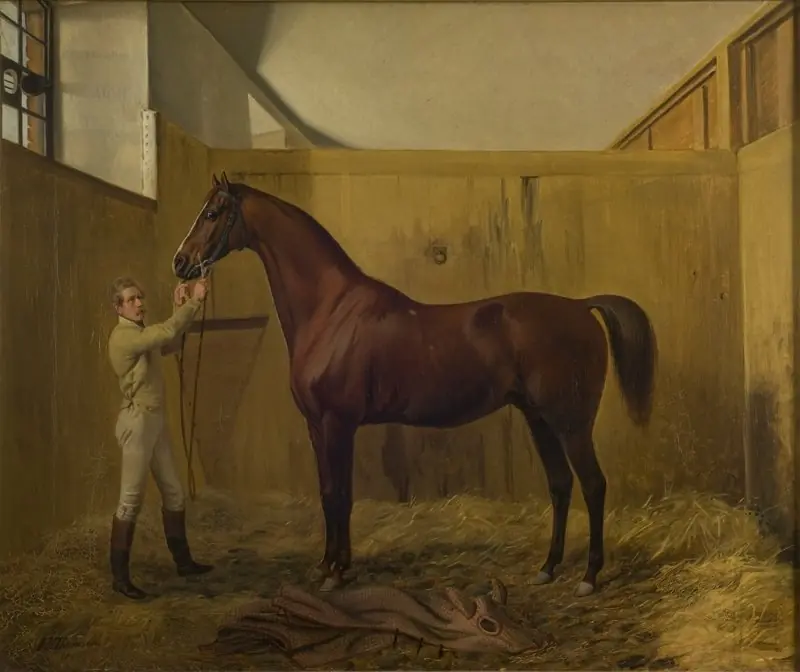 Rubini
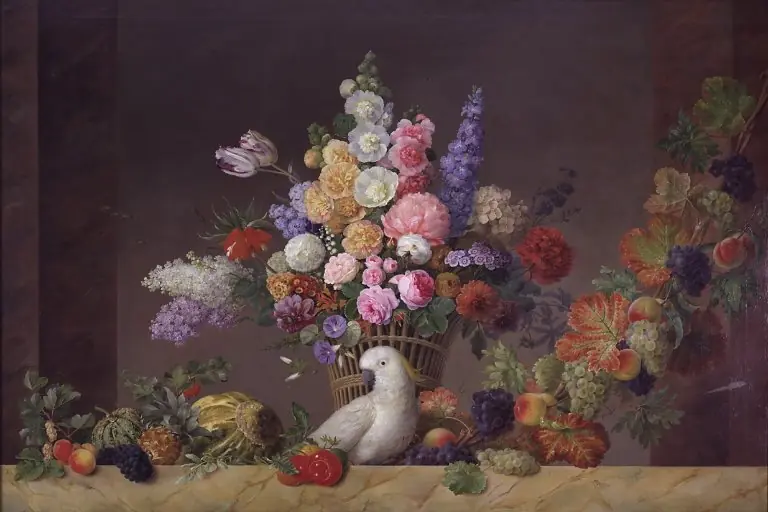 En kurv med blomster, en kakadue og en frugtranke
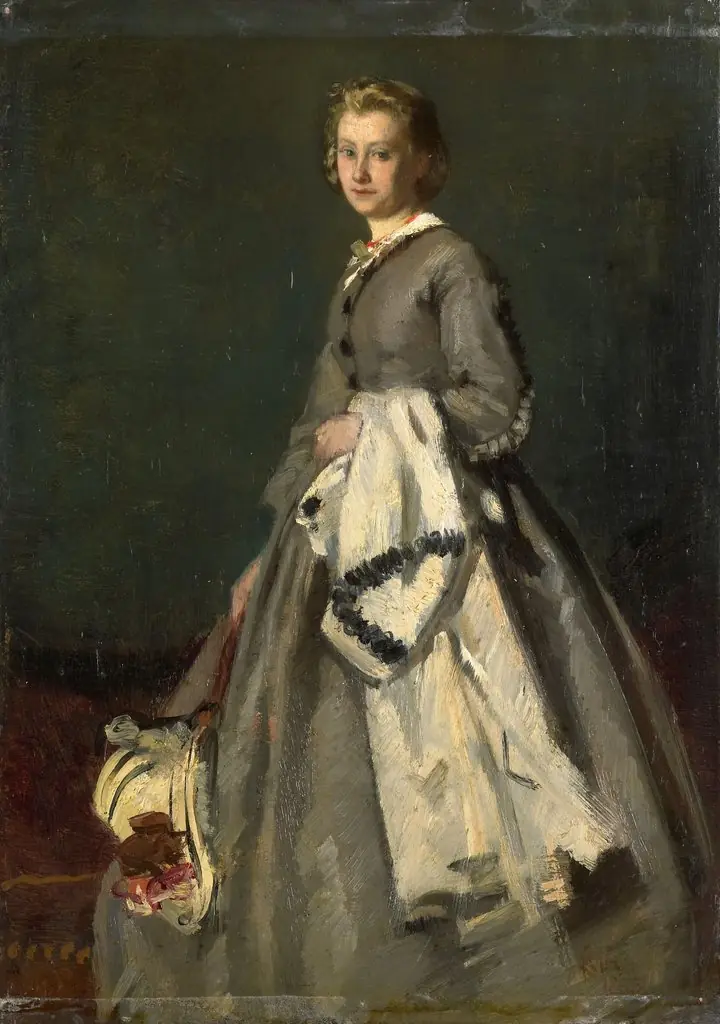 A young Woman
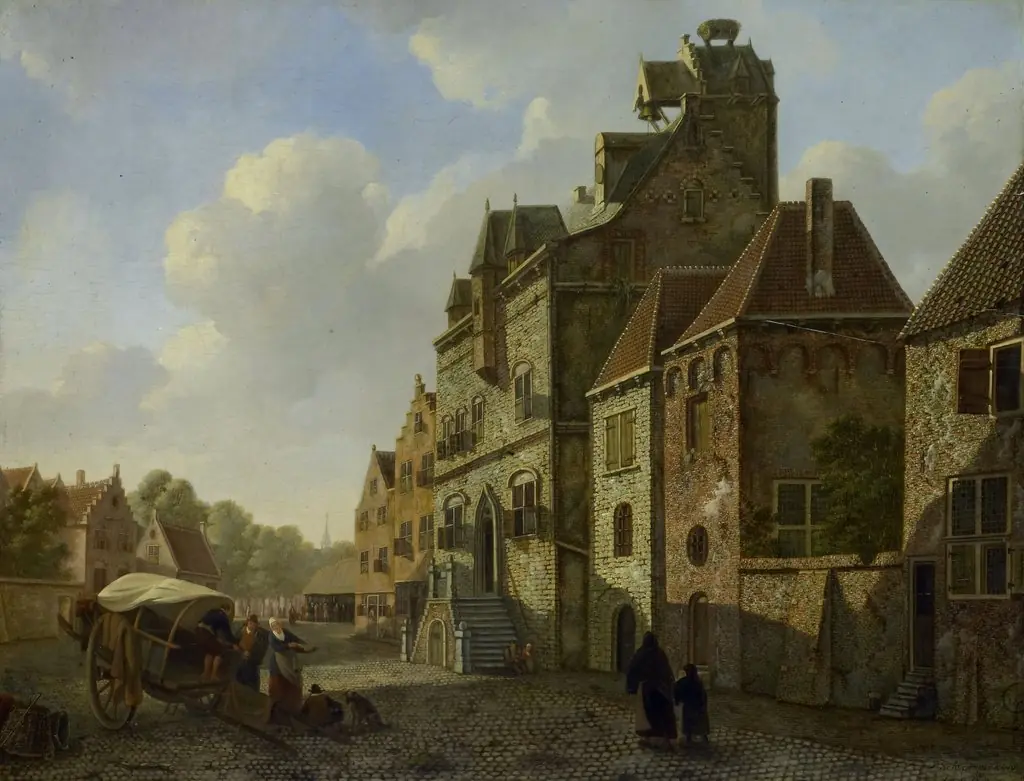 View in Dordrecht
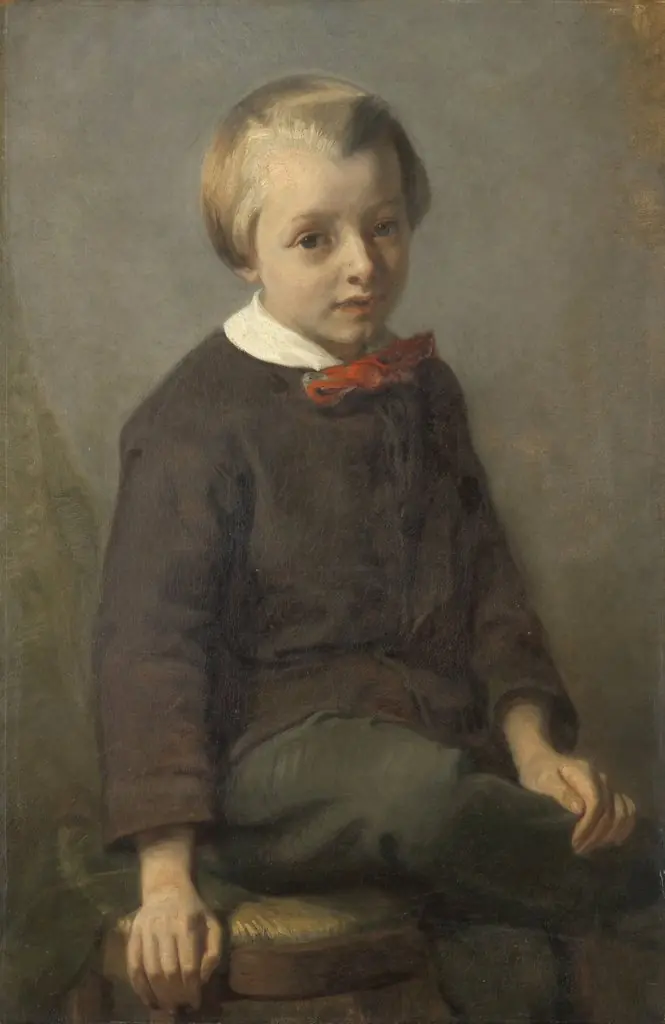 Portrait of a Boy
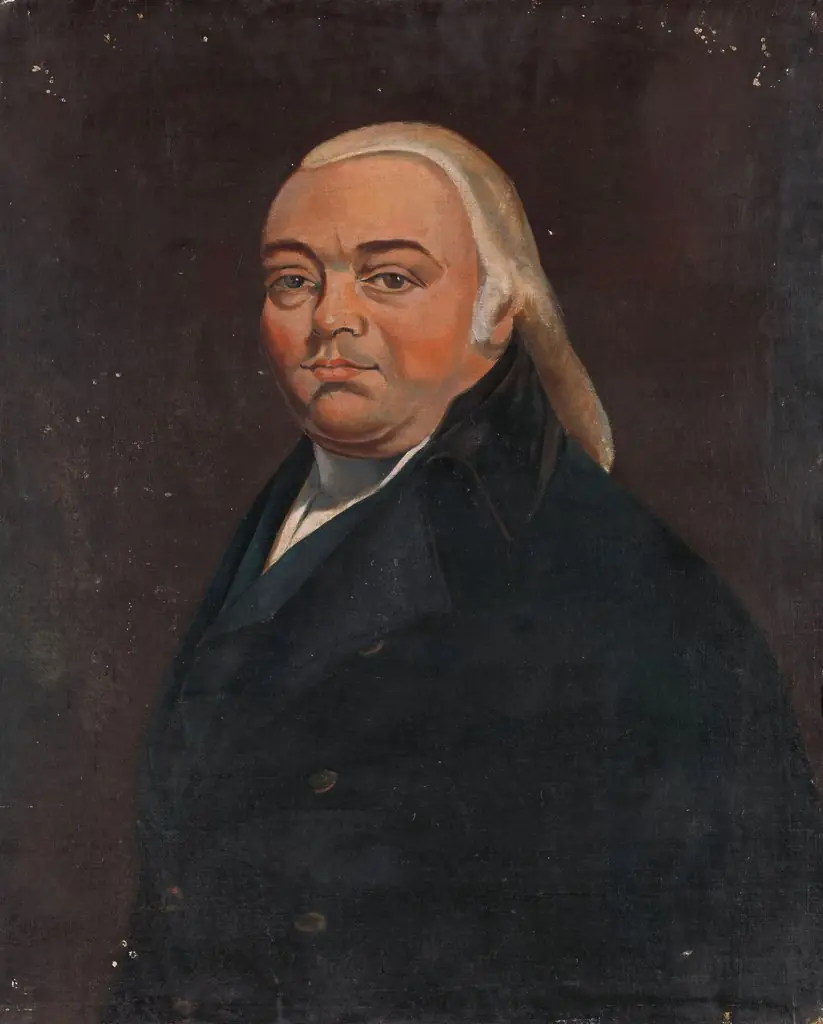 Sebastiaan Cornelis Nederburgh (1762-1811). Commissaris-generaal (1791-99)
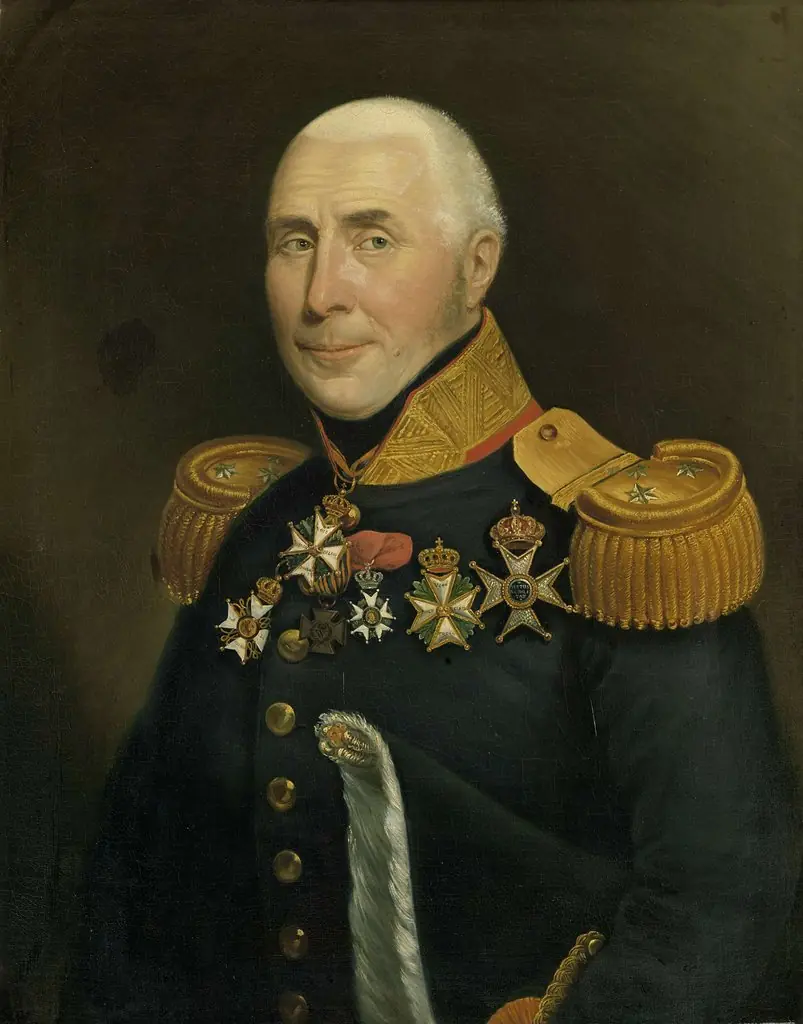 Portrait of Gijsbertus Martinus Cort Heyligers (1770-1849). Luitenant-generaal der infanterie
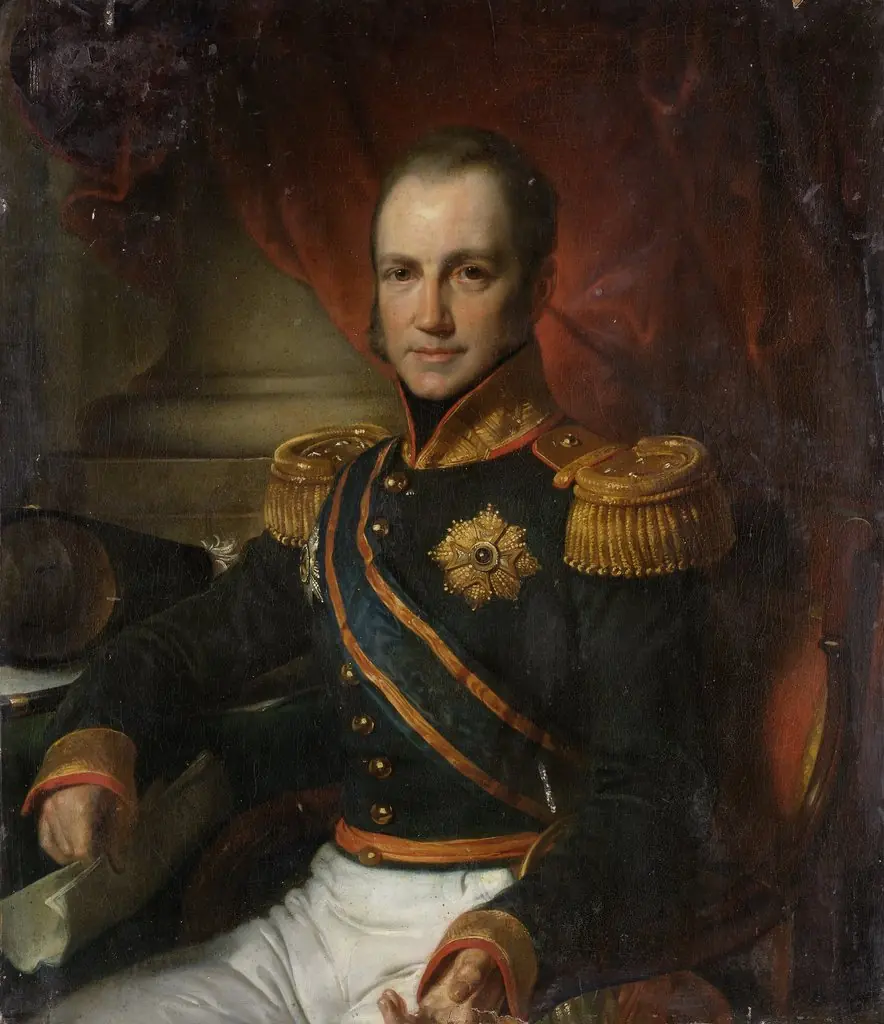 Portrait of Godart Alexander Gerard Philip, Baron van der Capellen, Governor-General of the Dutch East Indies
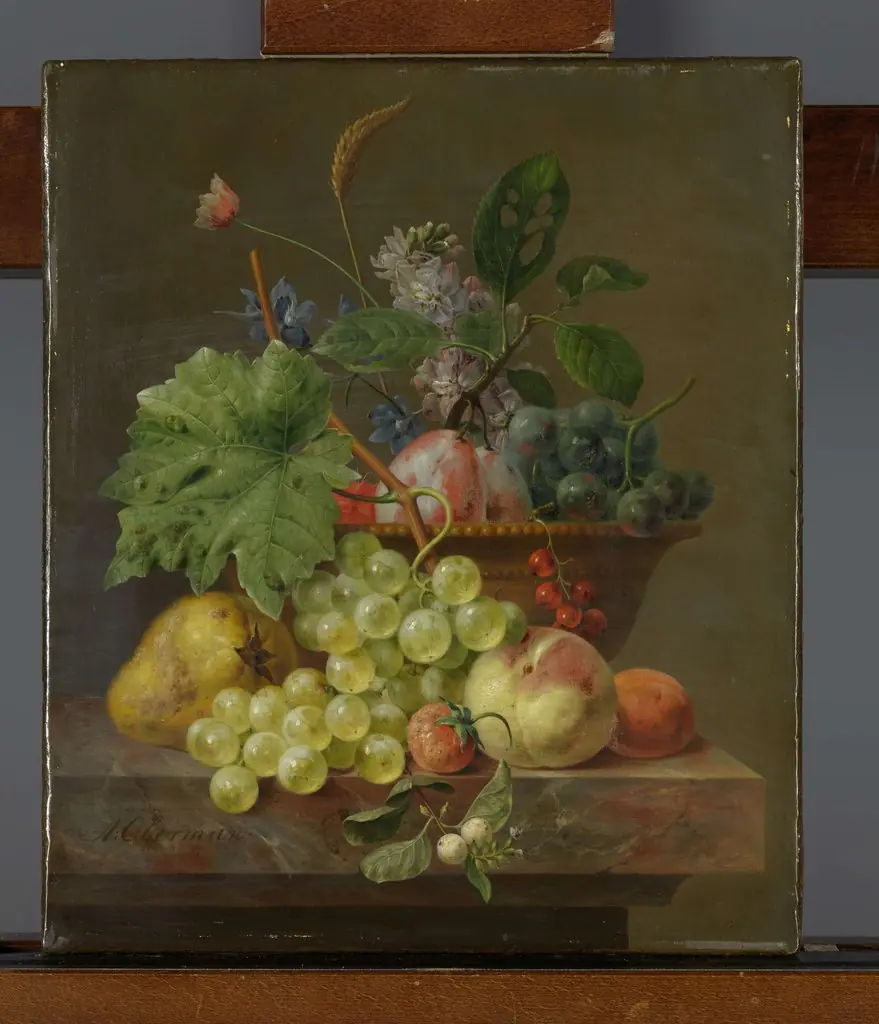 Still Life with Fruit in a Terracotta Dish
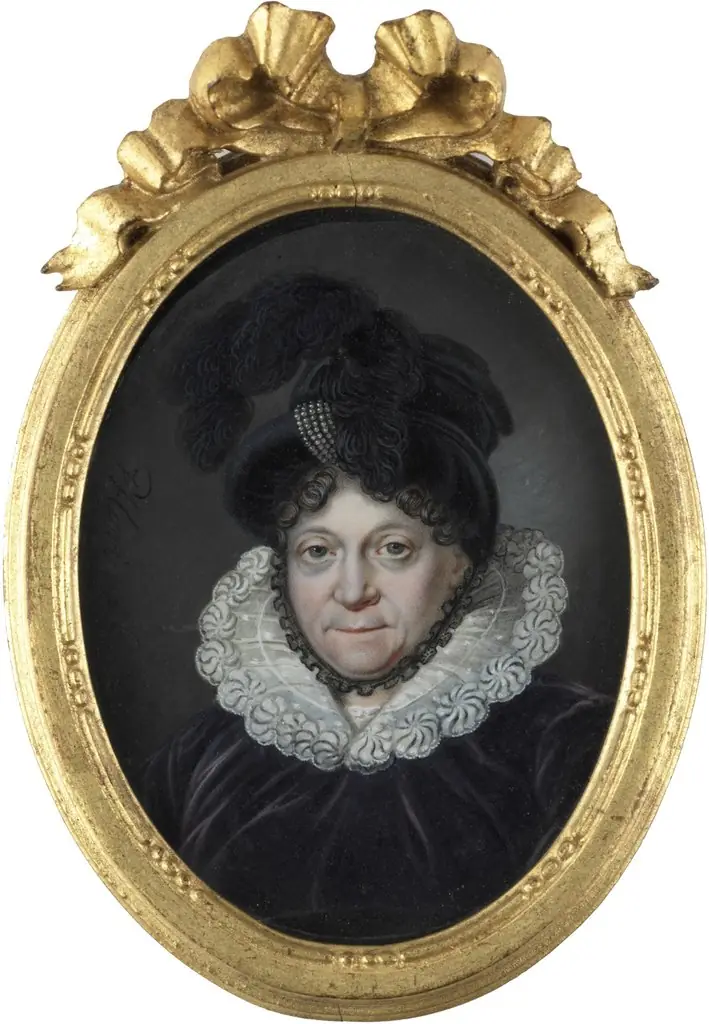 Portrait of Wilhelmina van Pruisen (1751-1820)
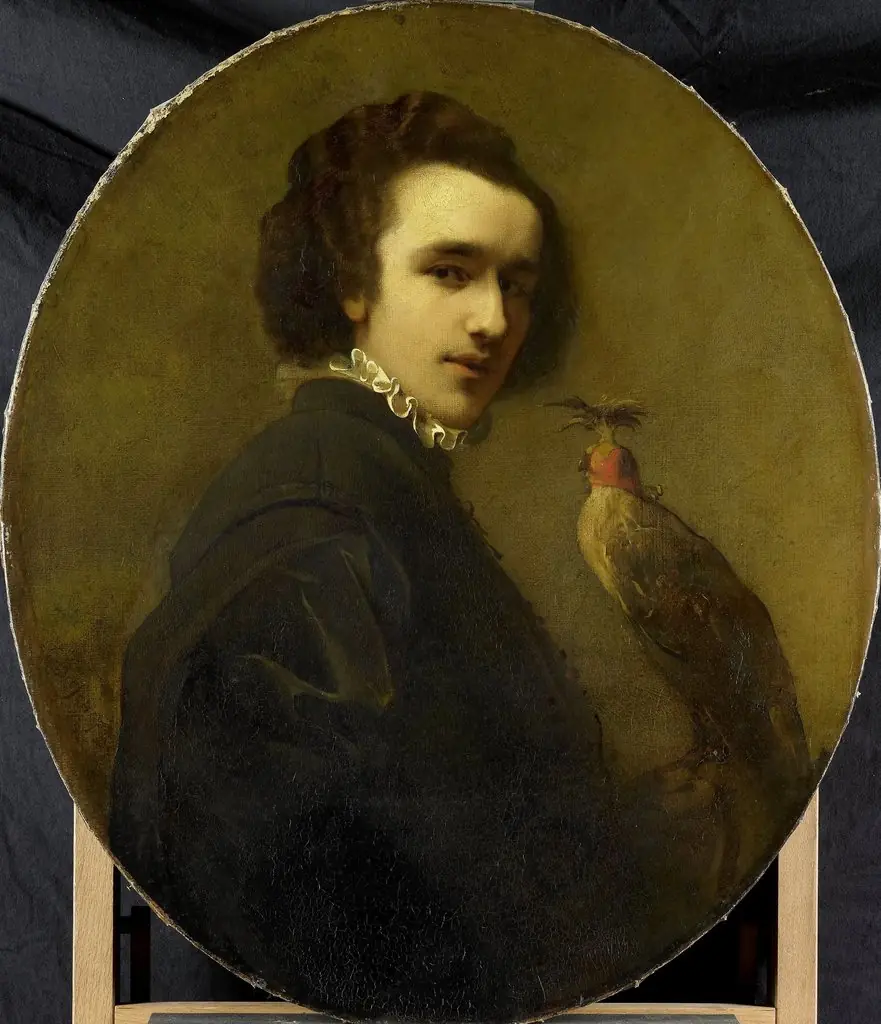 The Falconer
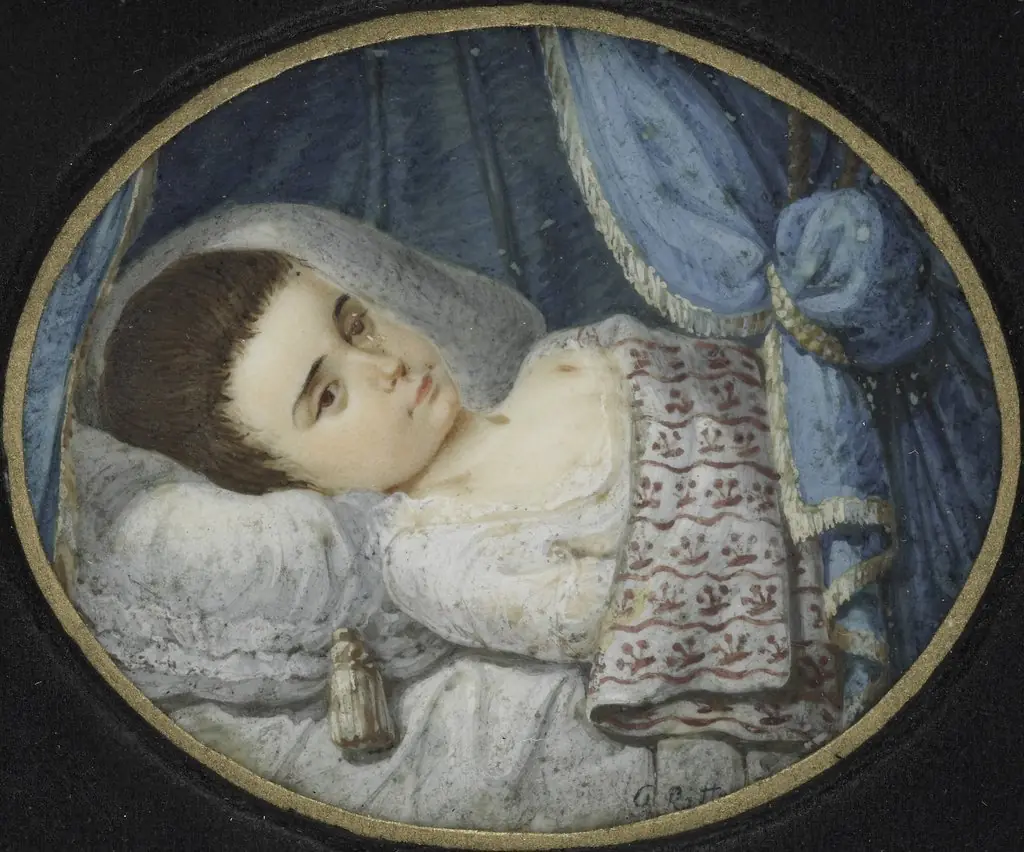 Portret van een ziek meisje in bed liggend
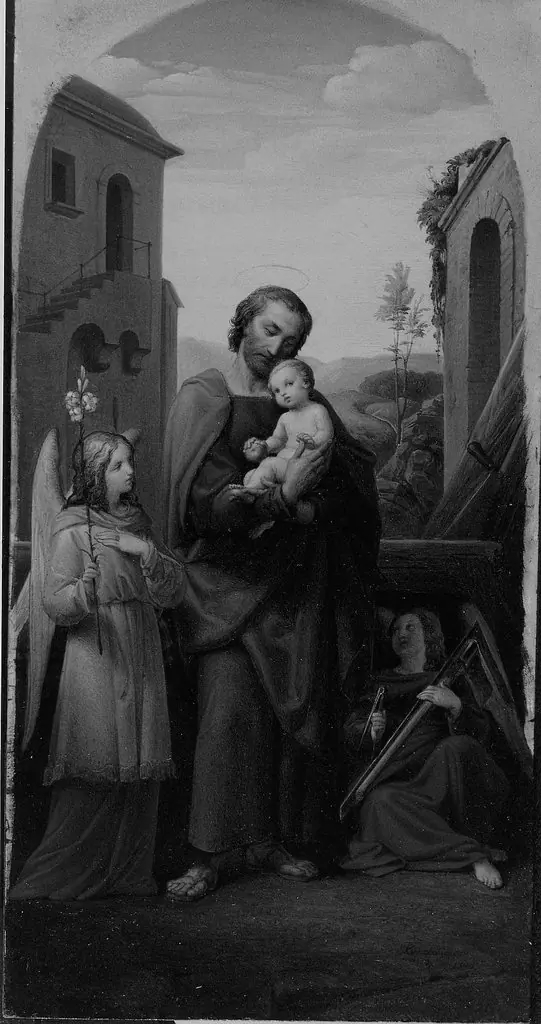 St. Joseph and Christ Child
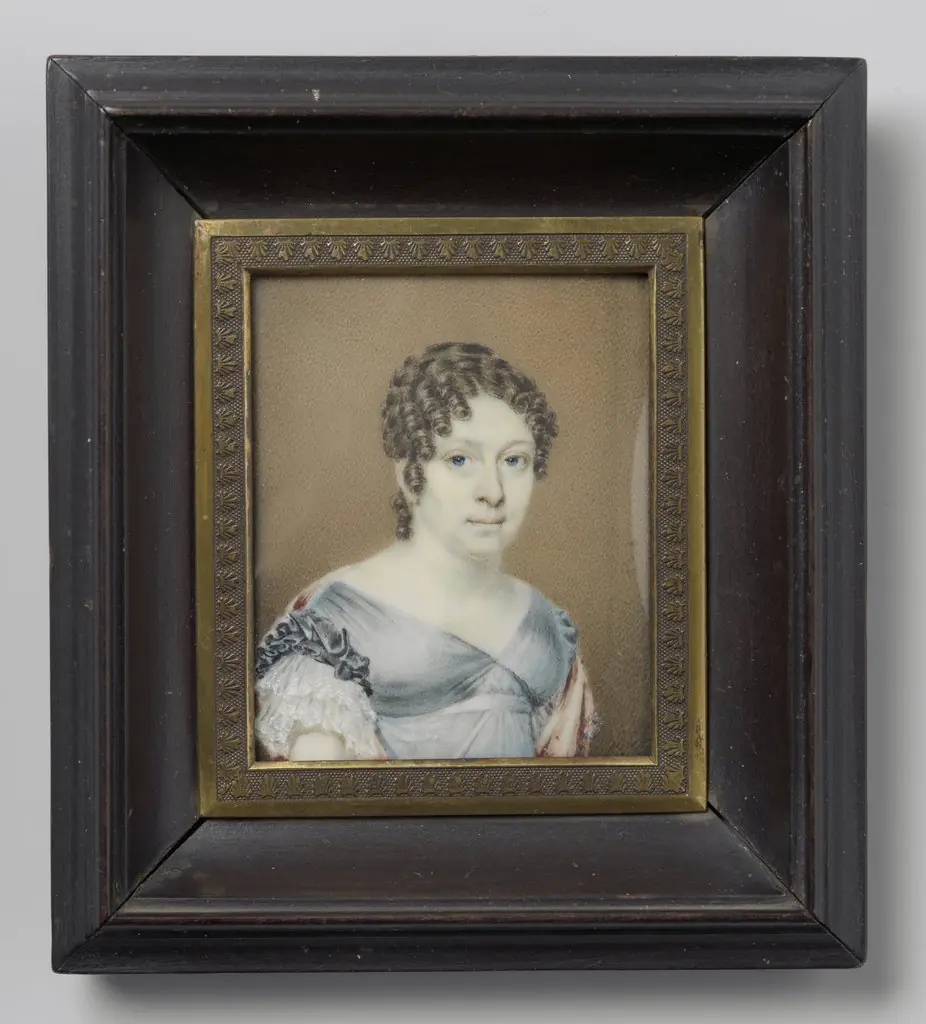 Portrait of a woman
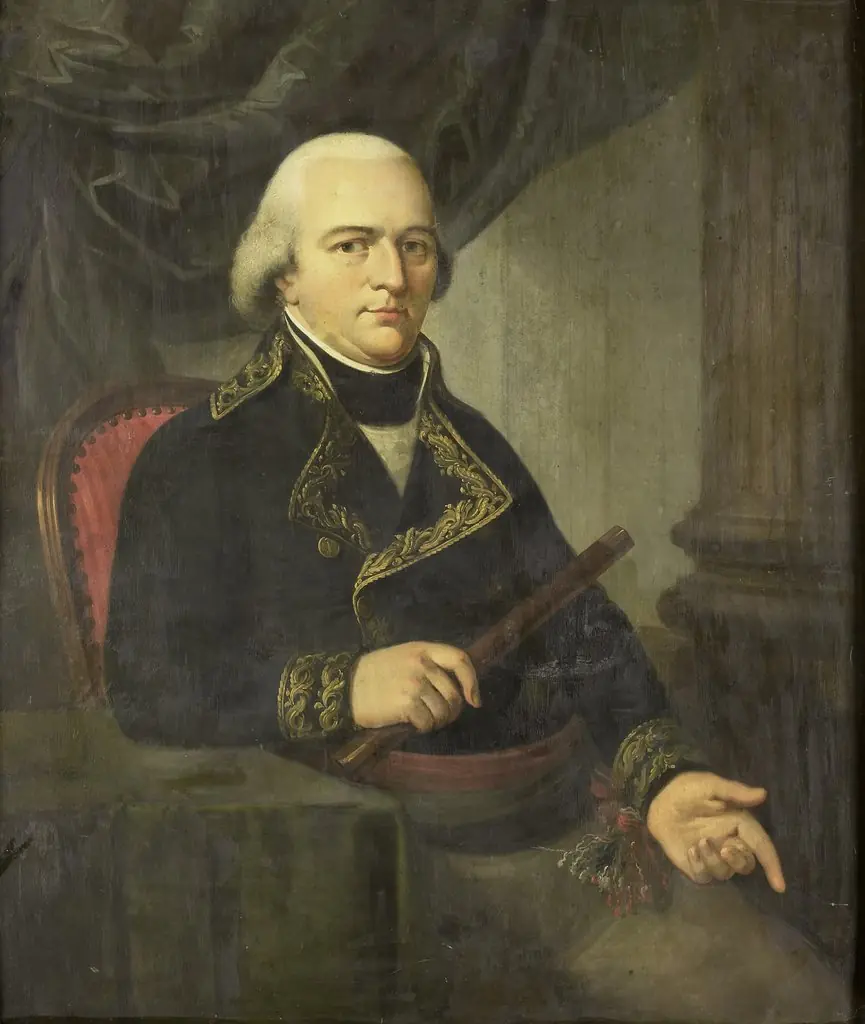 Portrait of Pieter Gerardus van Overstraten, Governor-General of the Dutch East Indies
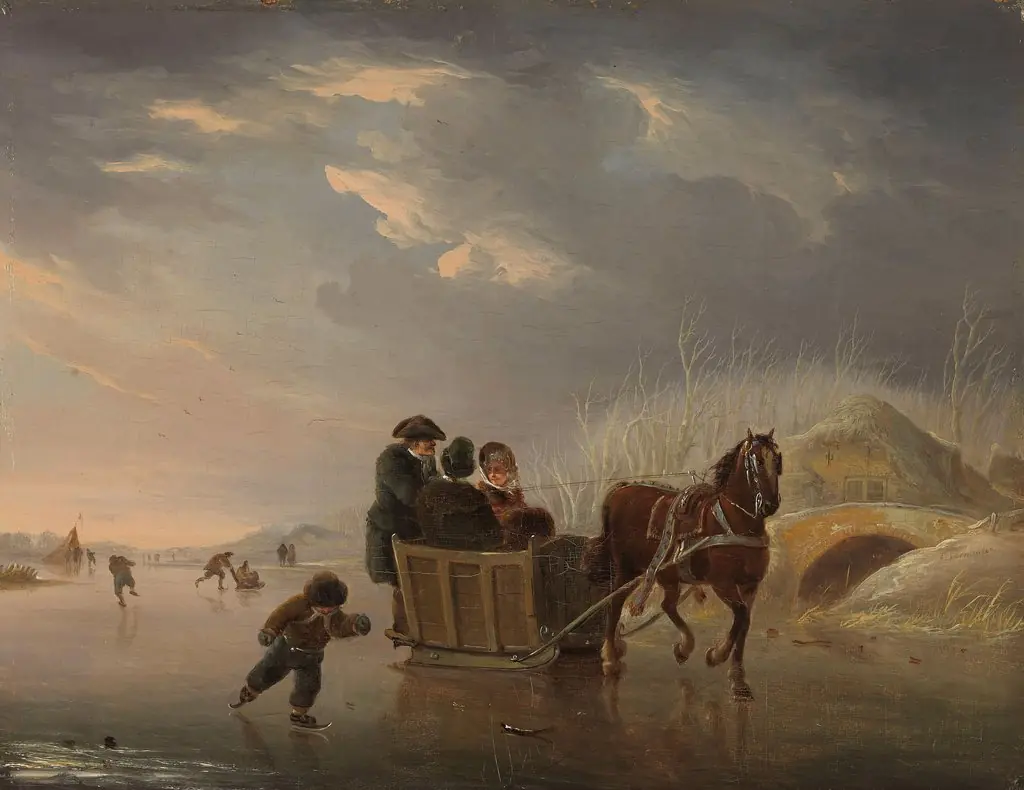 Winter Scene (Horse-Sleigh on the Ice)
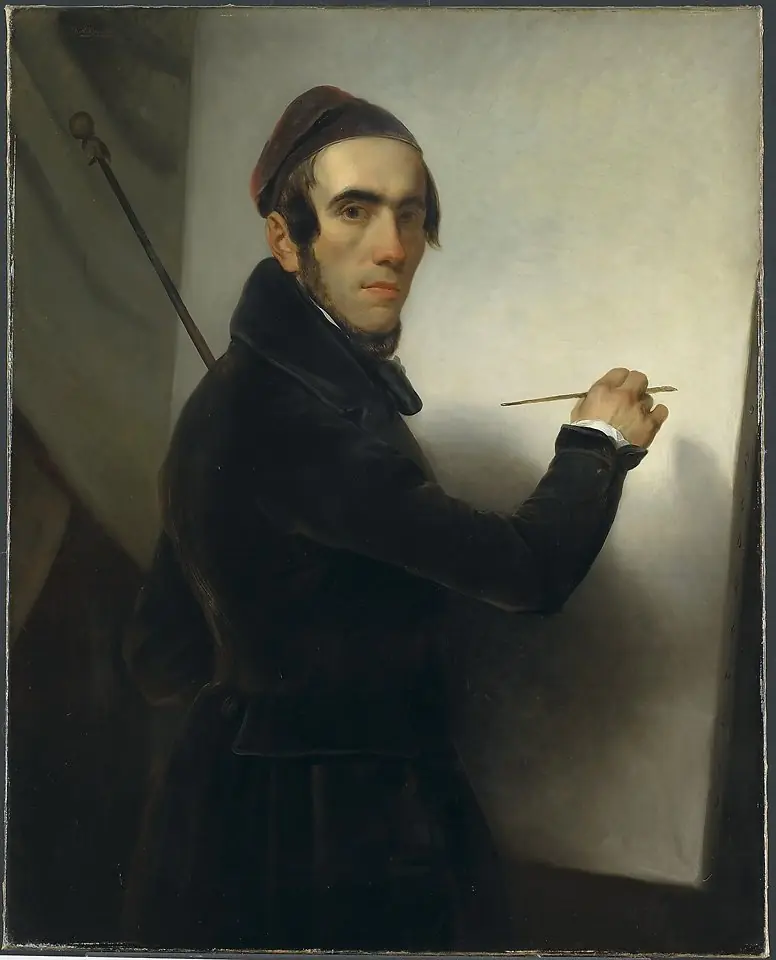 Self-Portrait
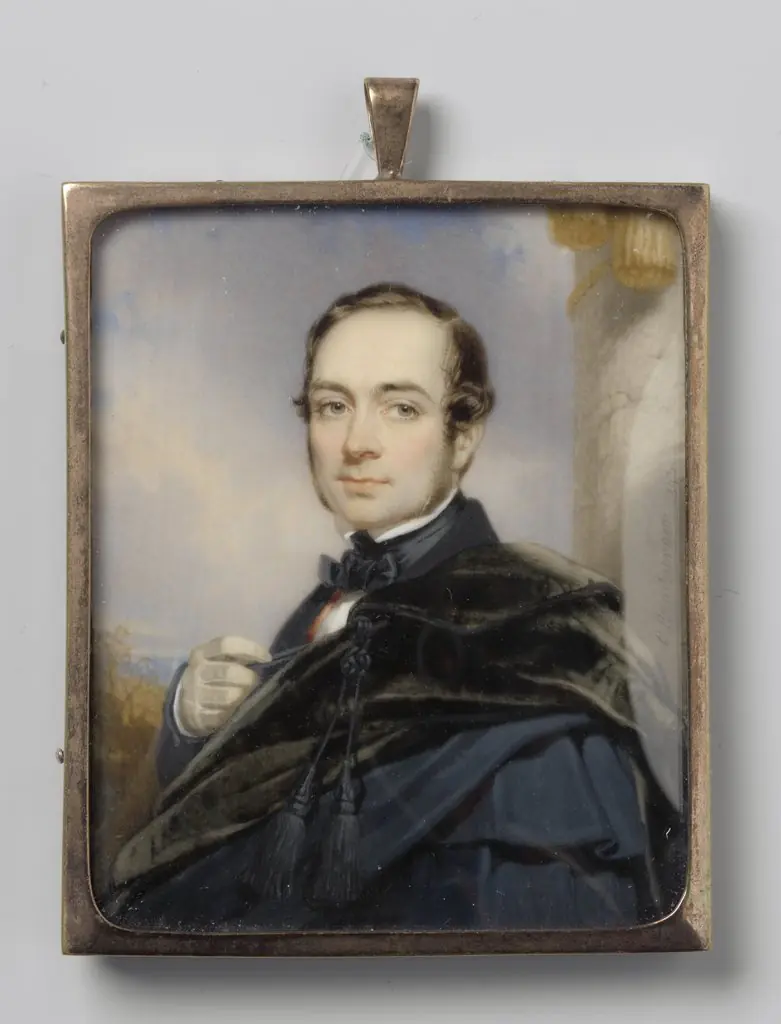 Portrait of a man
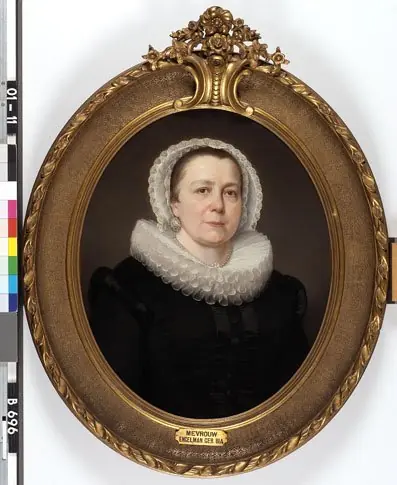 Maria Francisca Bia (1809-89). Weduwe van Reinier Engelman, echtgenote van Johan Eduard de Vries, actrice en zangeres, in het kostuum van Juffer Serklaas uit het gelijknamige toneelstuk van Hendrik Ja
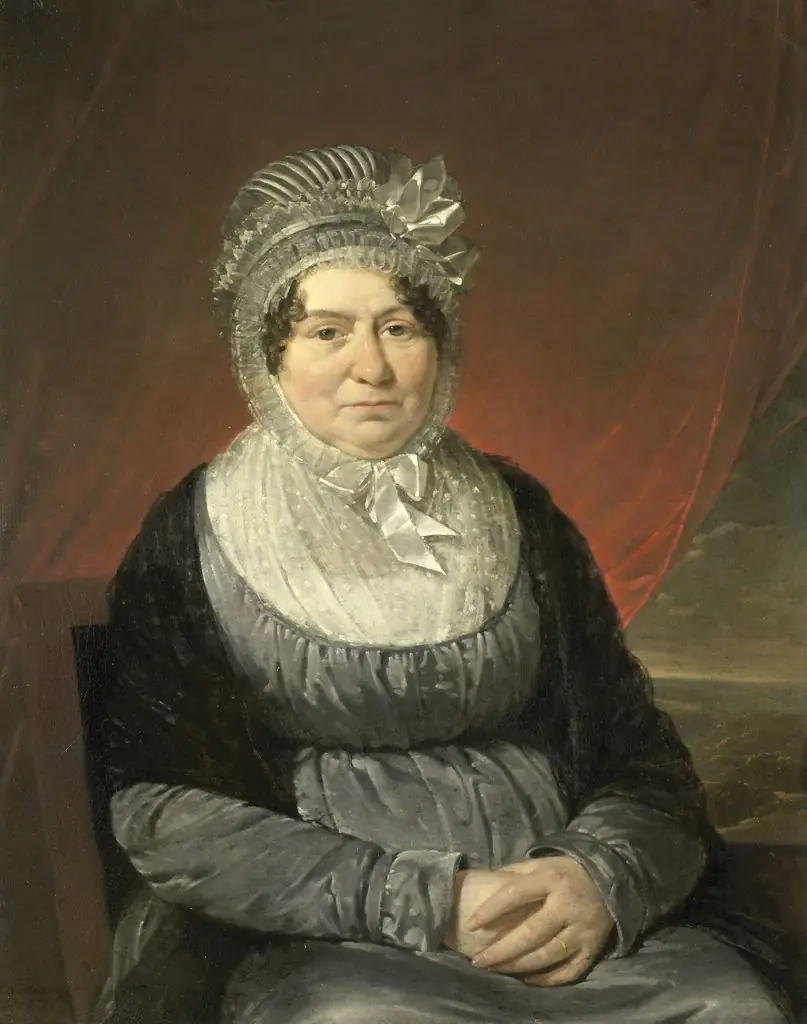 Portrait of Mrs. Brak-Haskenhoff
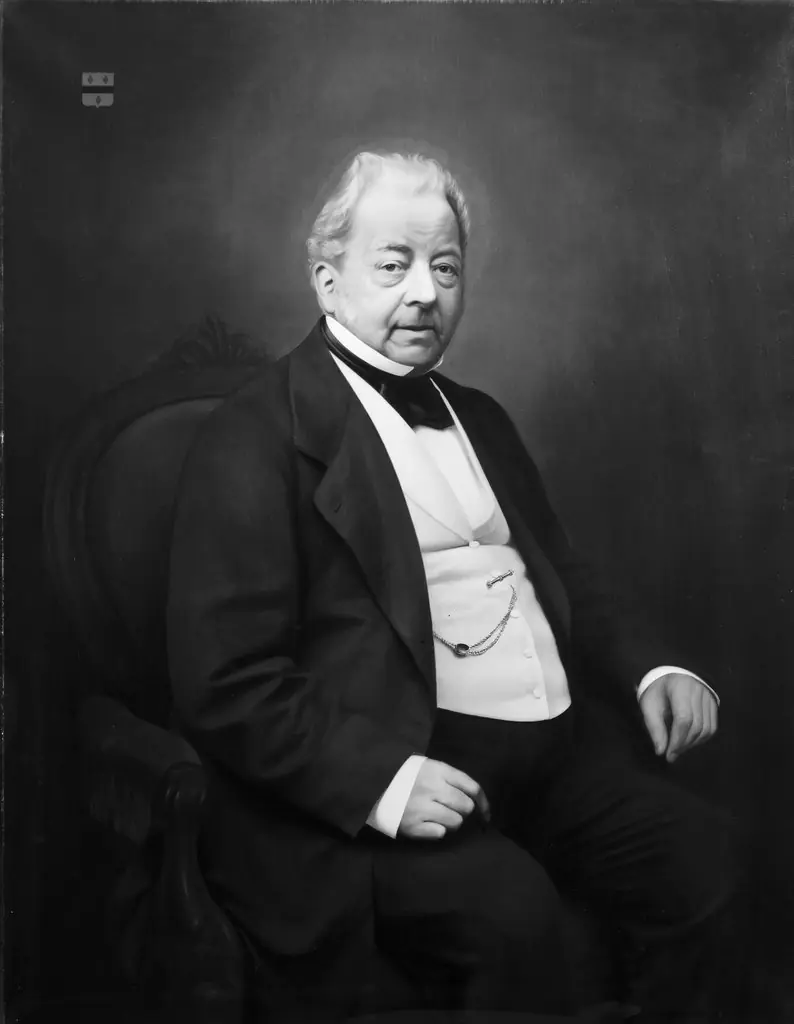 Jonkheer Archibald Jan van de Poll (1800-70)
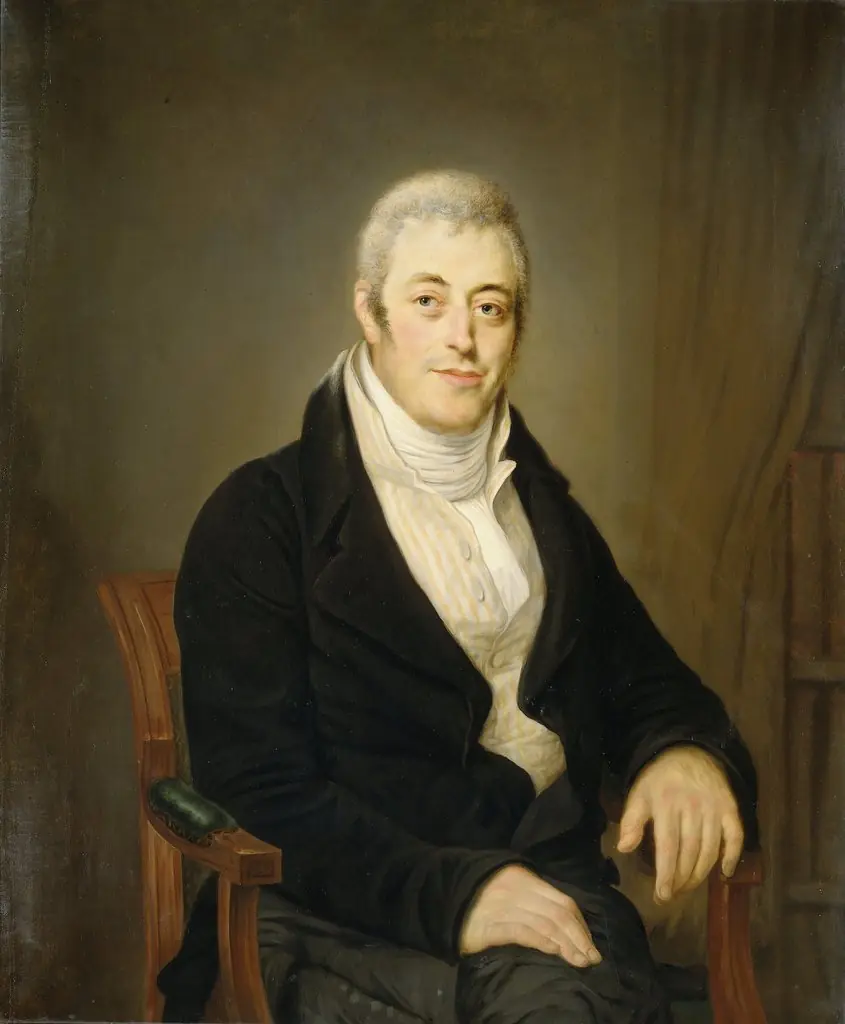 Portrait of Jonas Daniel Meijer, Lawyer
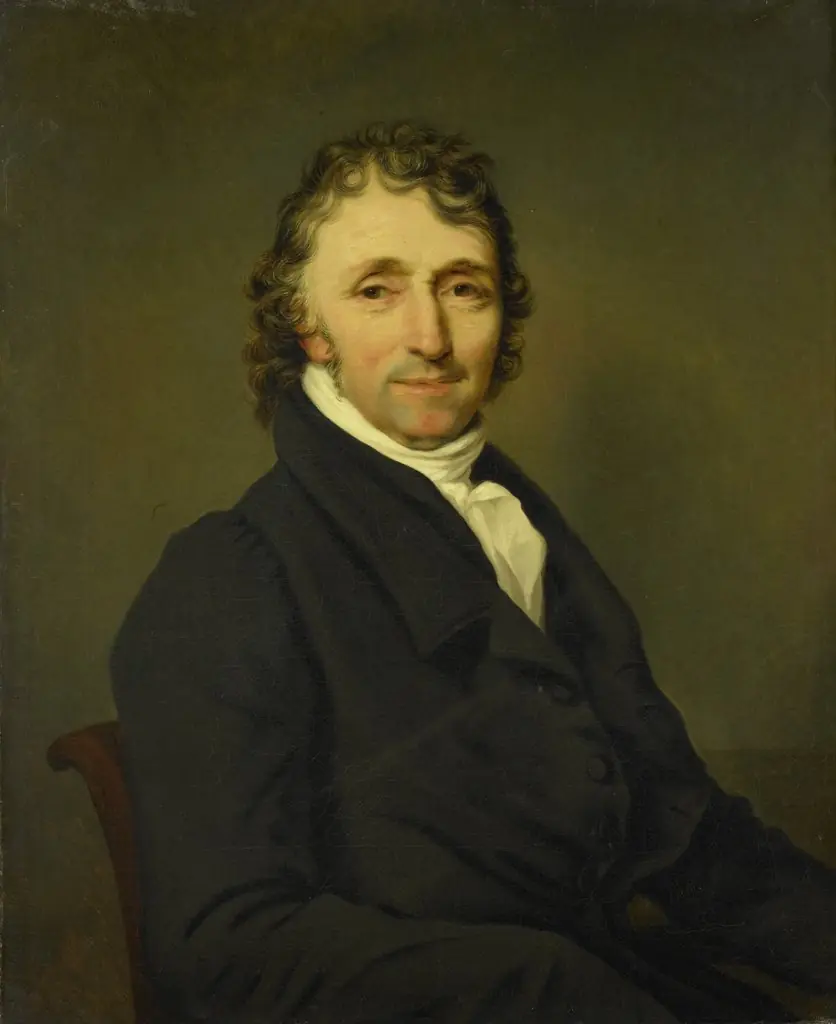 Portrait of Clemens van Demmeltraadt, Surgeon in Amsterdam
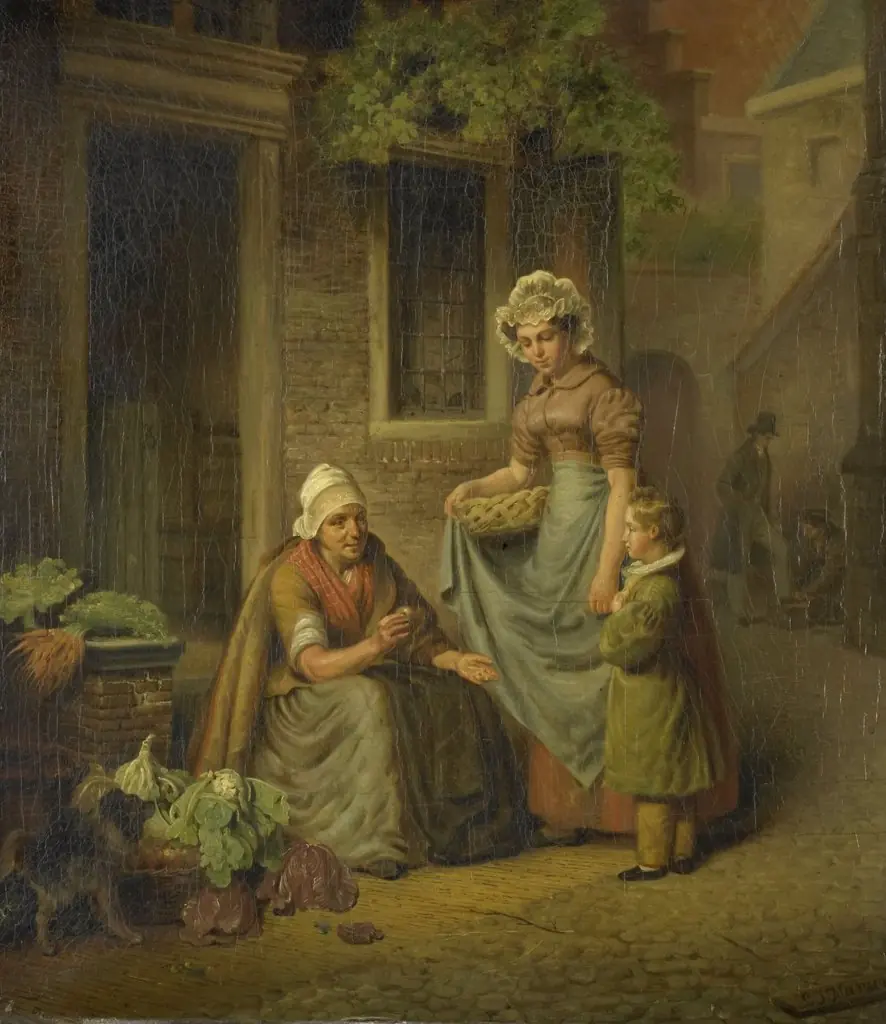 Woman Selling Vegetables
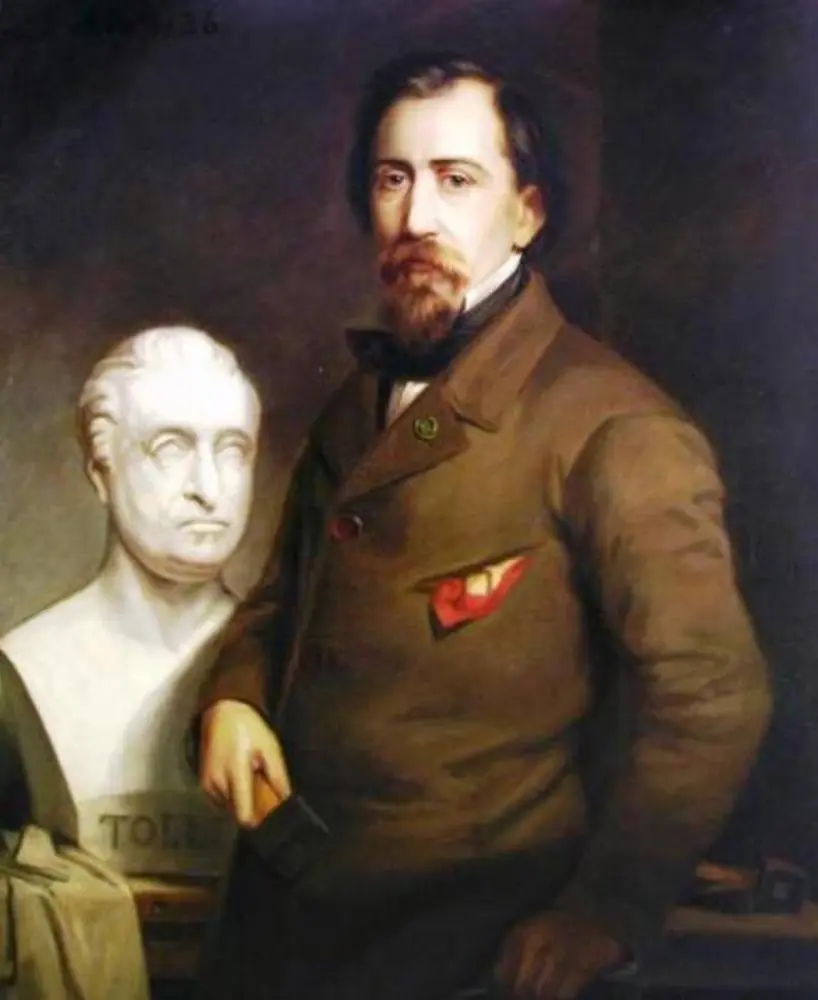 Johan Theodore Stracké (1817-1891), Sculptor
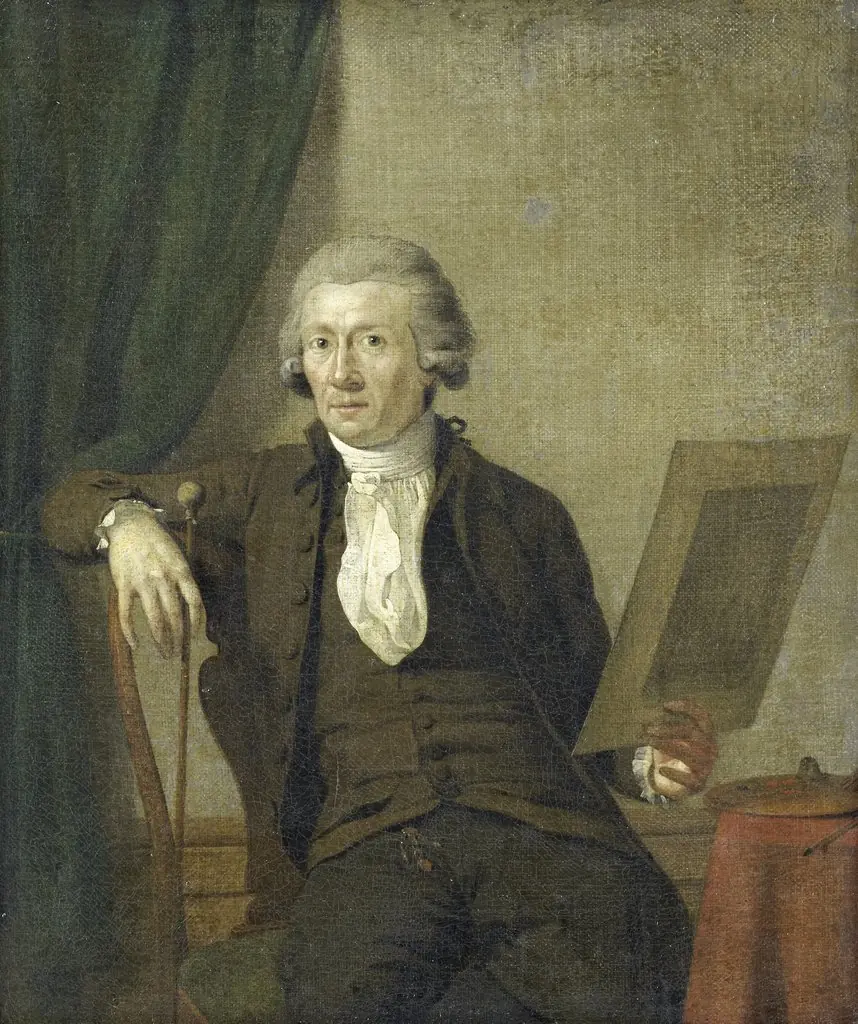 Portrait of Egbert van Drielst, Painter
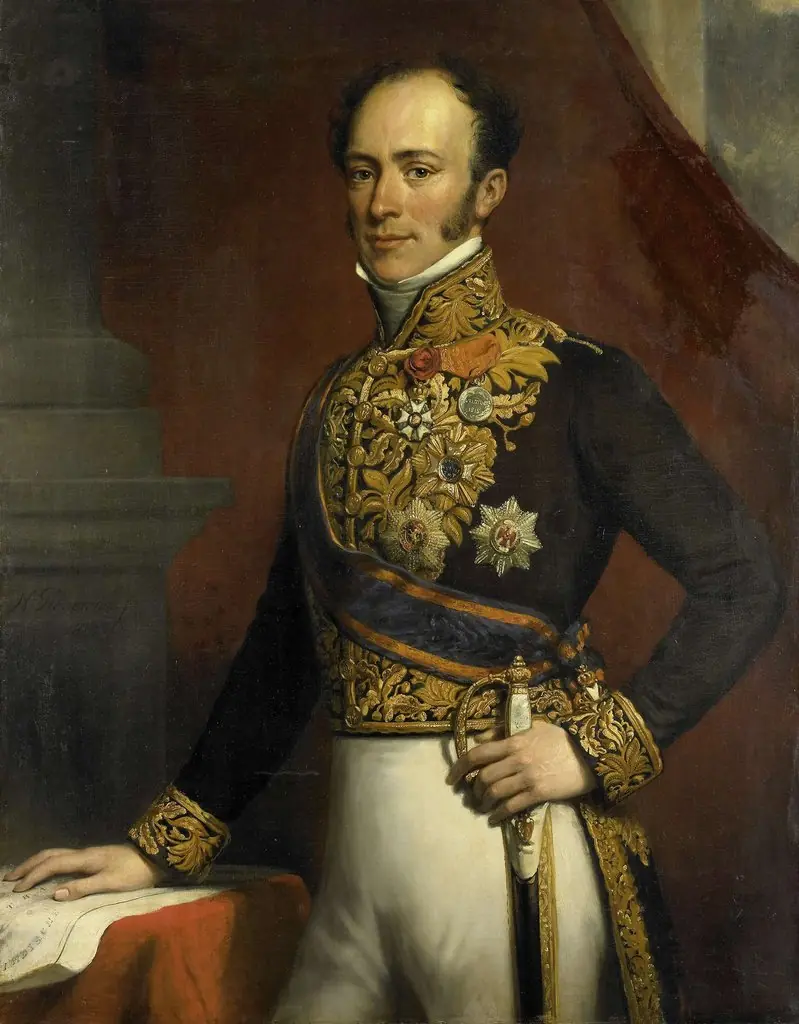 Portrait of Jan Jacob Rochussen, Governor-General of the Dutch East Indies
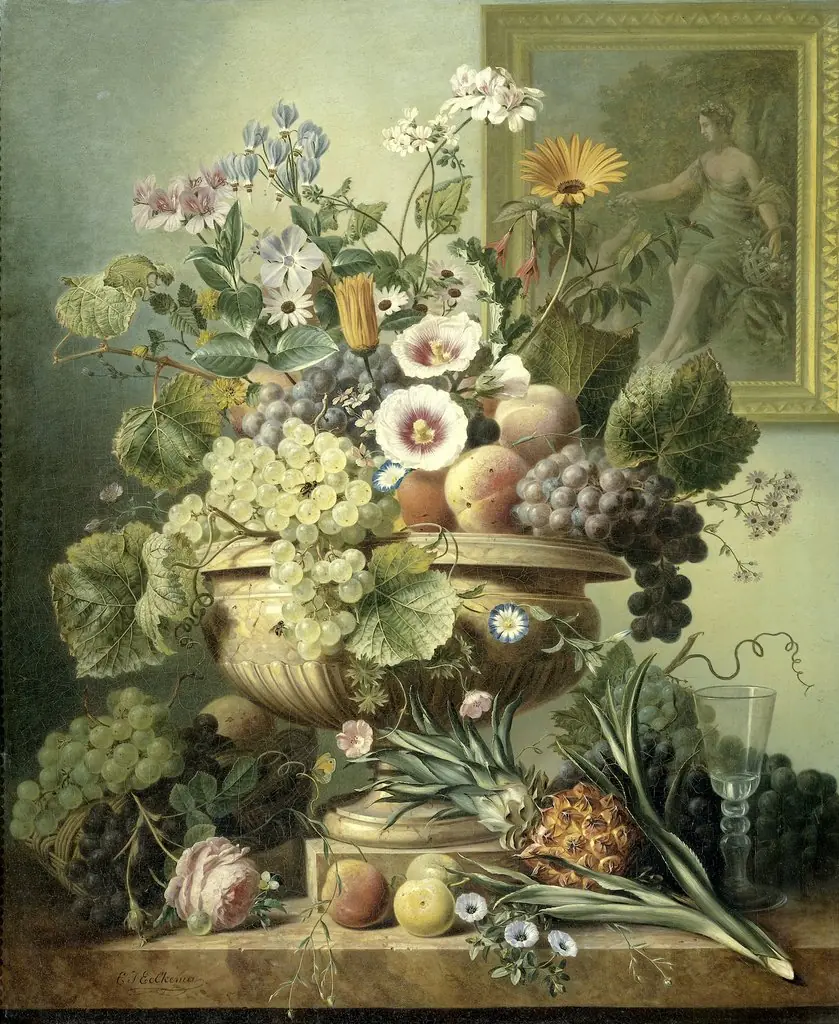 Still-Life with Flowers and Fruit
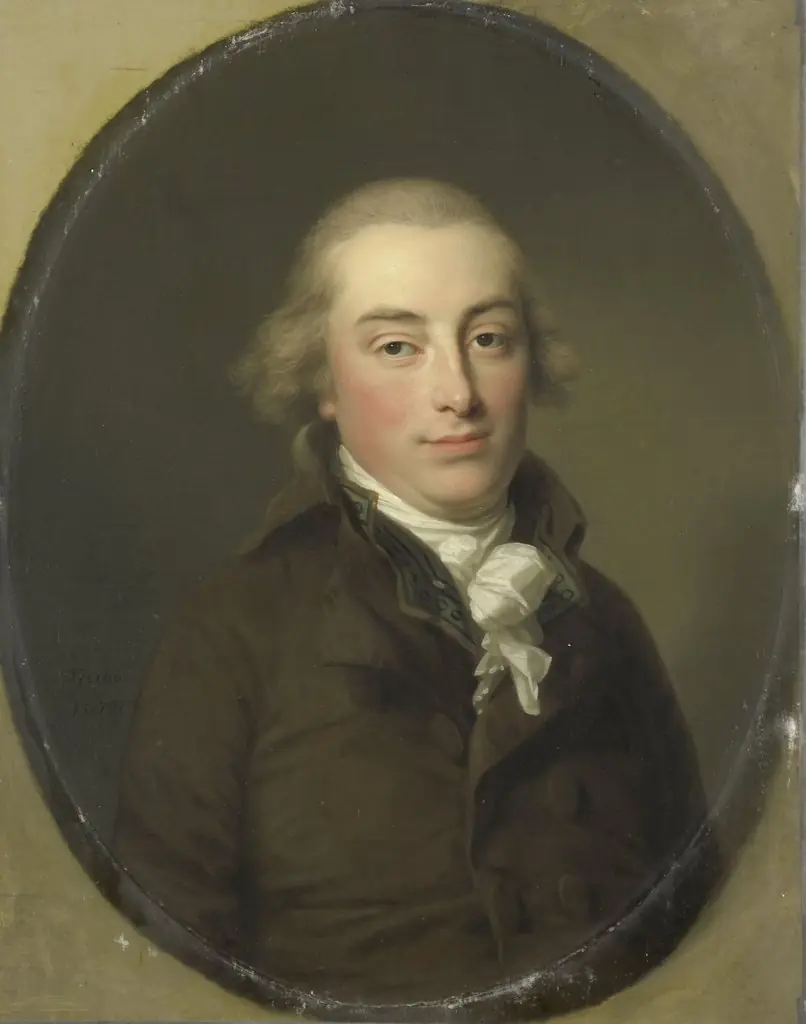 Portrait of Salomon Rendorp, Brewer in Amsterdam
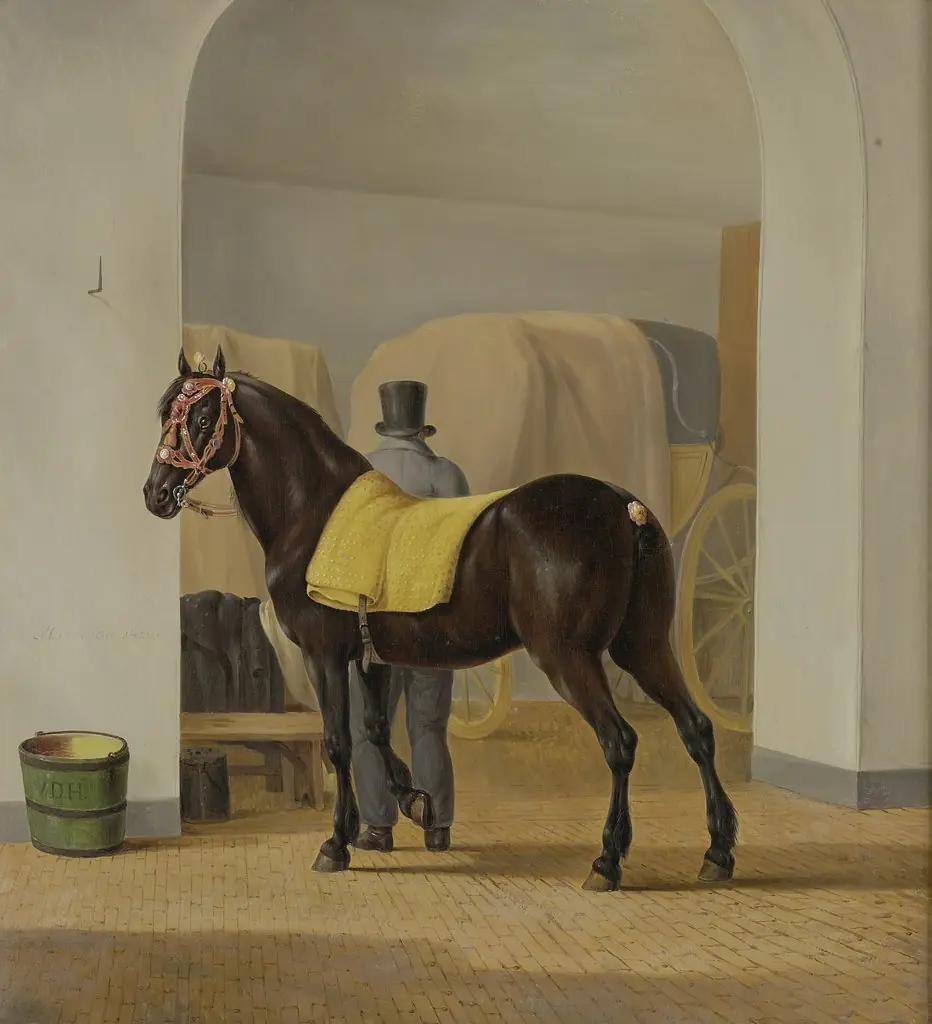 Adriaan van der Hoop’s Trotter ‘De Rot’ at the Coach House
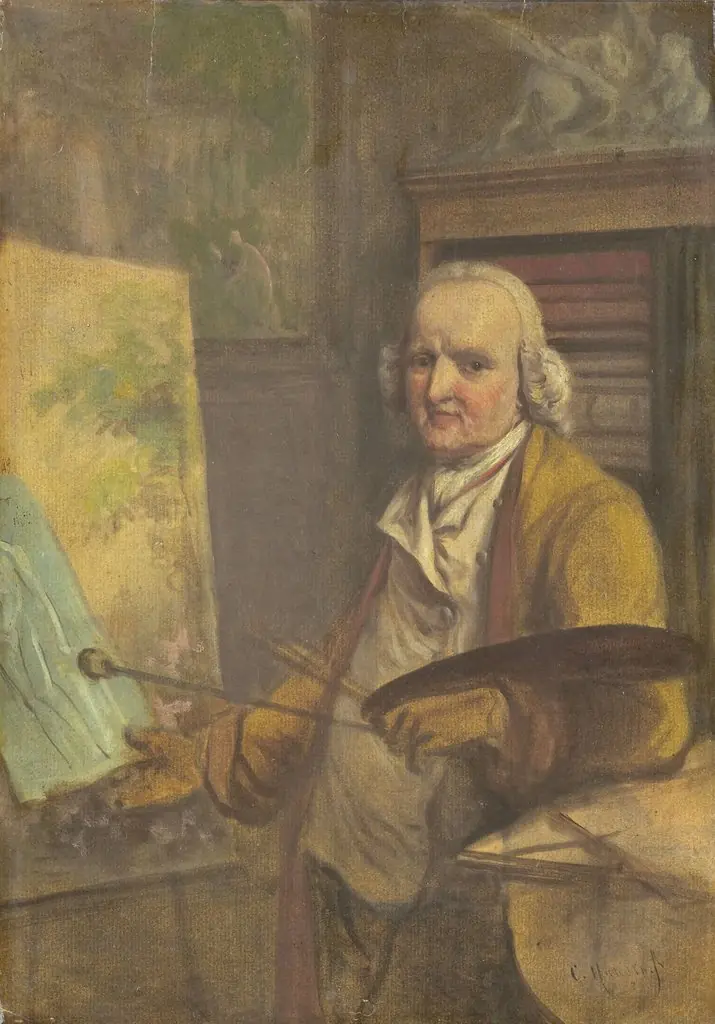 Self-Portrait
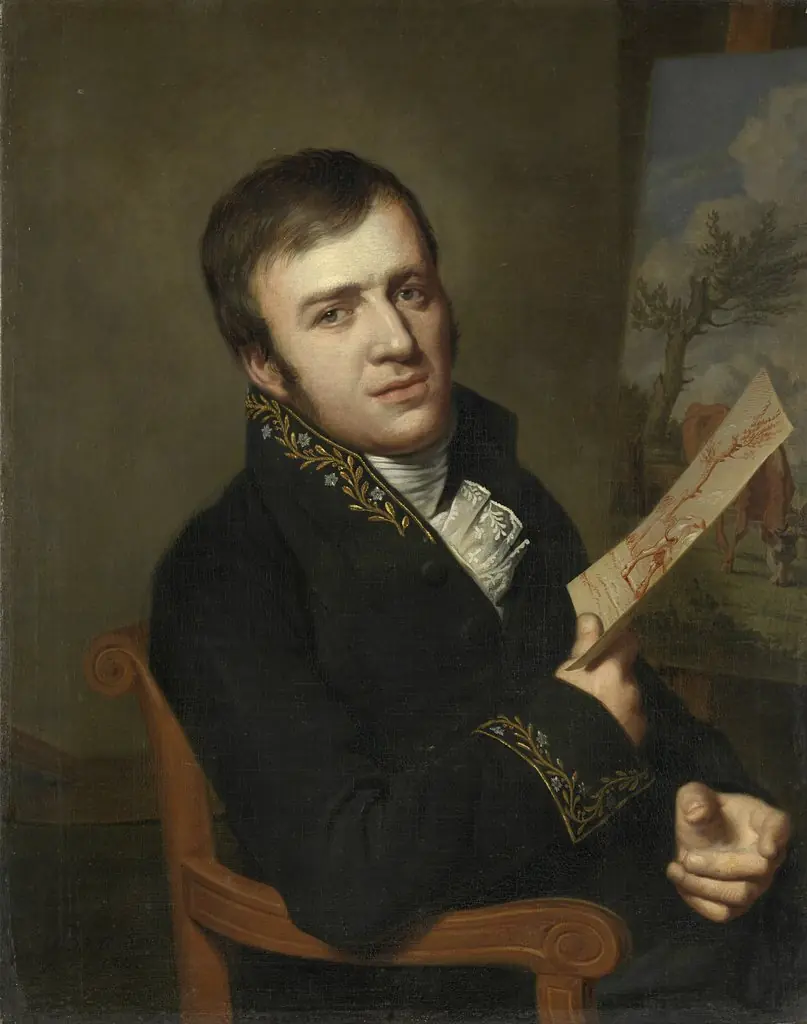 Jan Kobell II, Painter, in the Uniform of a Member of the Royal Institute of Sciences, Literature and Fine Arts
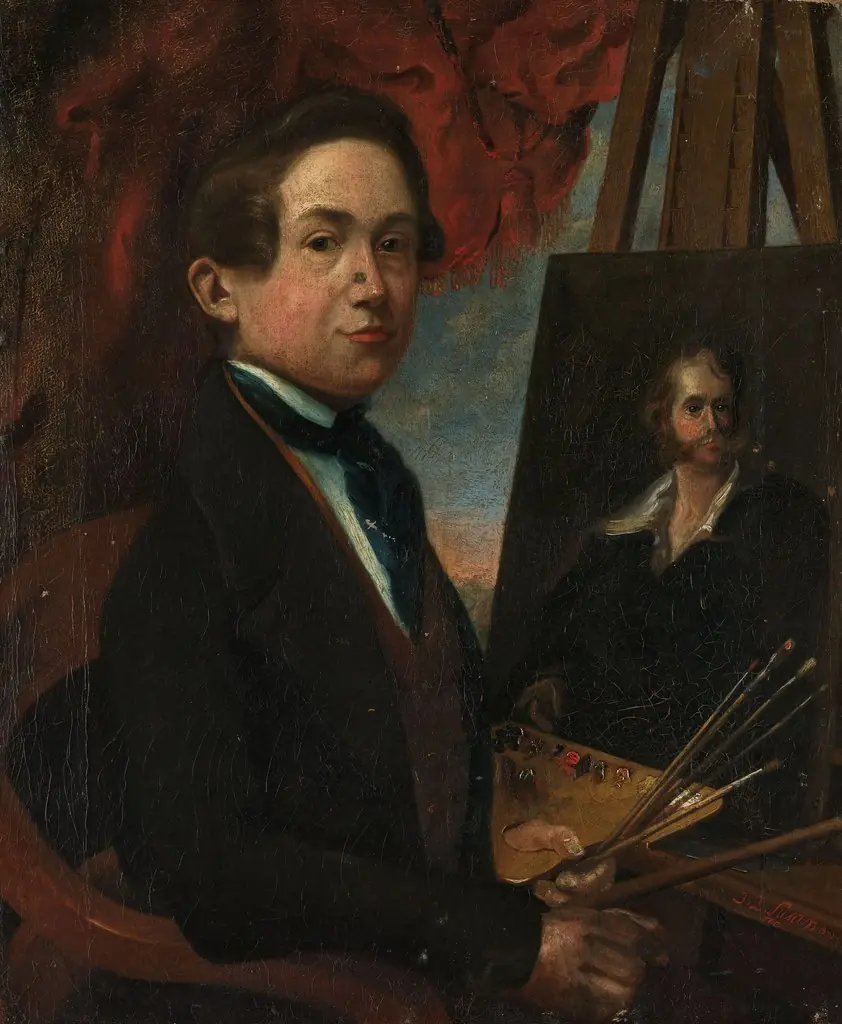 Self-Portrait
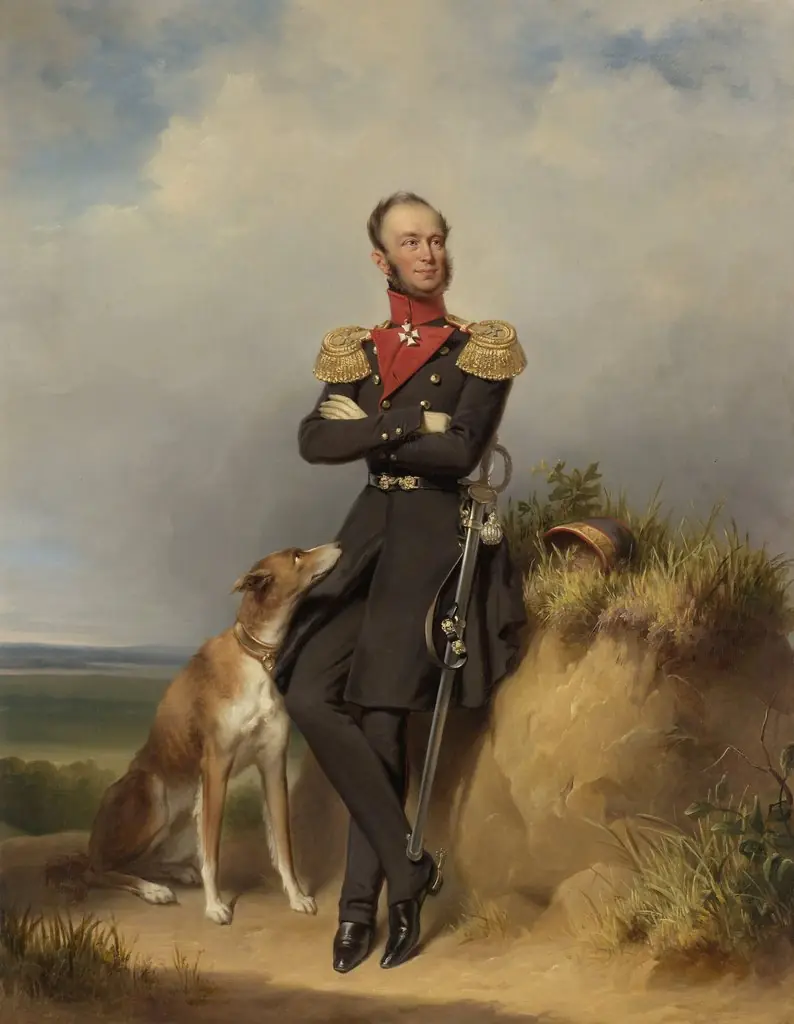 Portrait of William II, King of the Netherlands
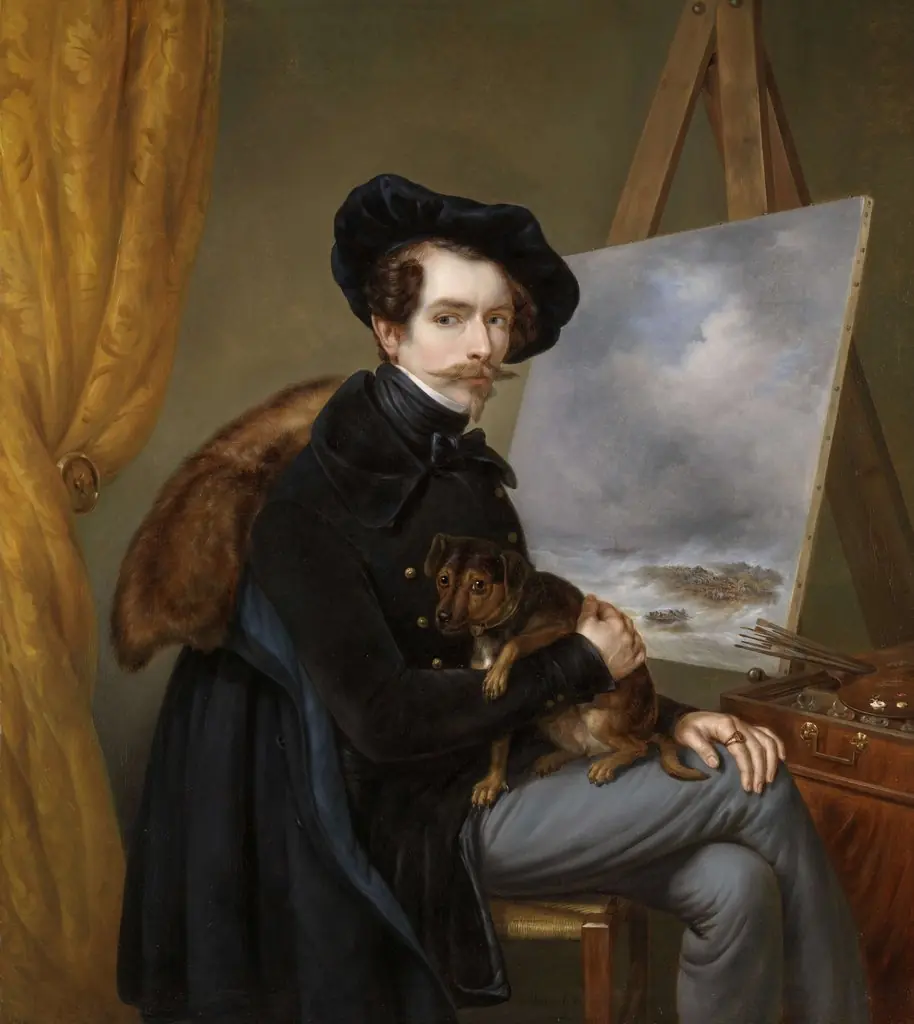 Self-Portrait
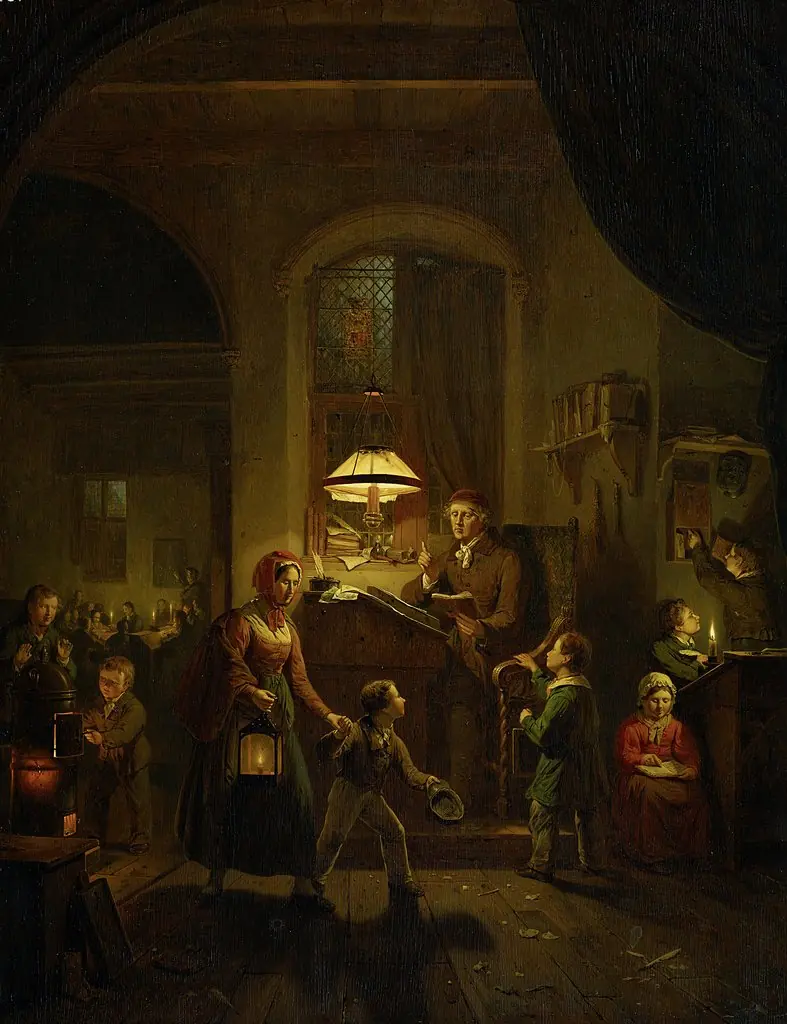 Night School
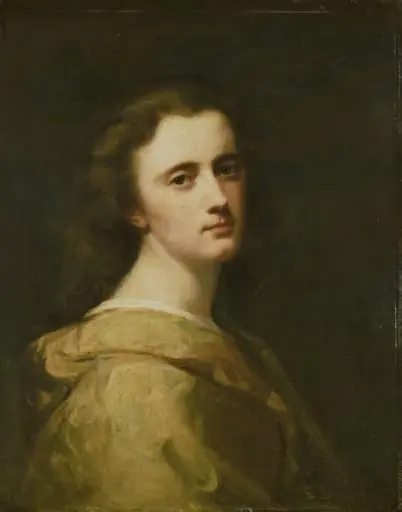 Portrait of Thérèse Schwartze, the Artist's Daughter, at 16 years of age
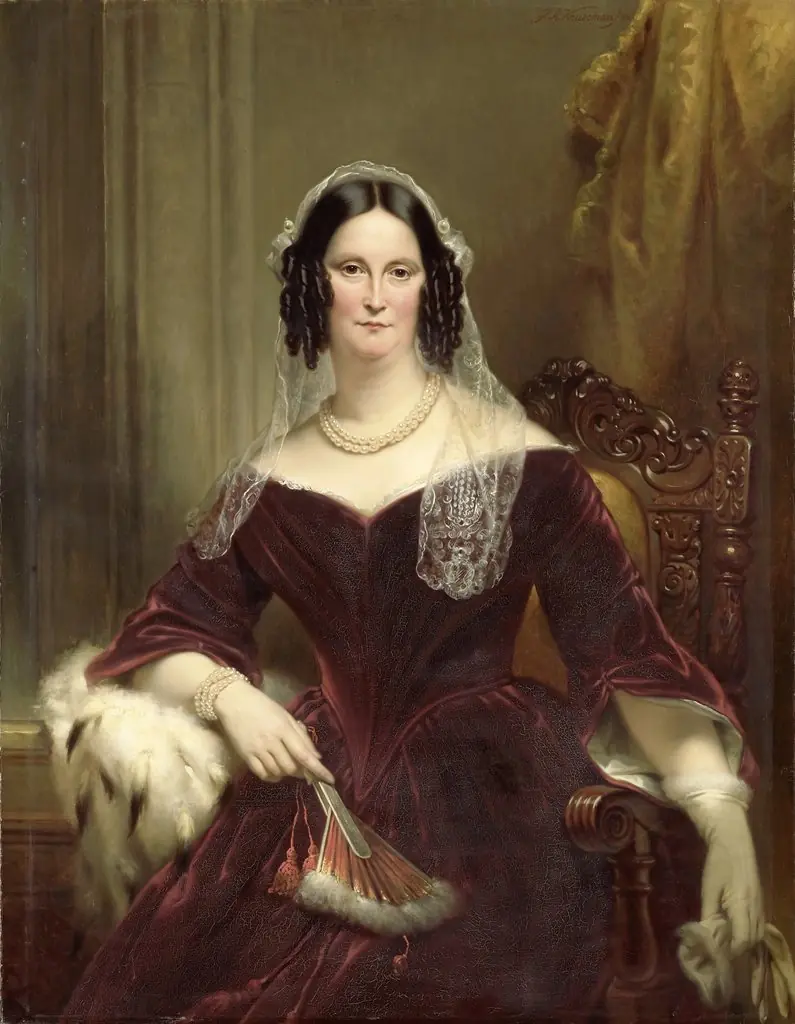 Portrait of Dieuwke Fontein, second Wife of Adriaan van der Hoop
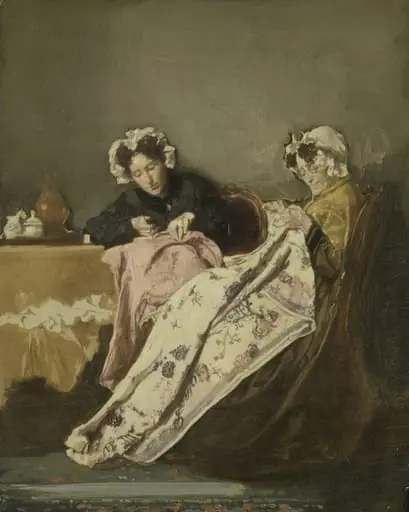 Two Ladies at their Sewing
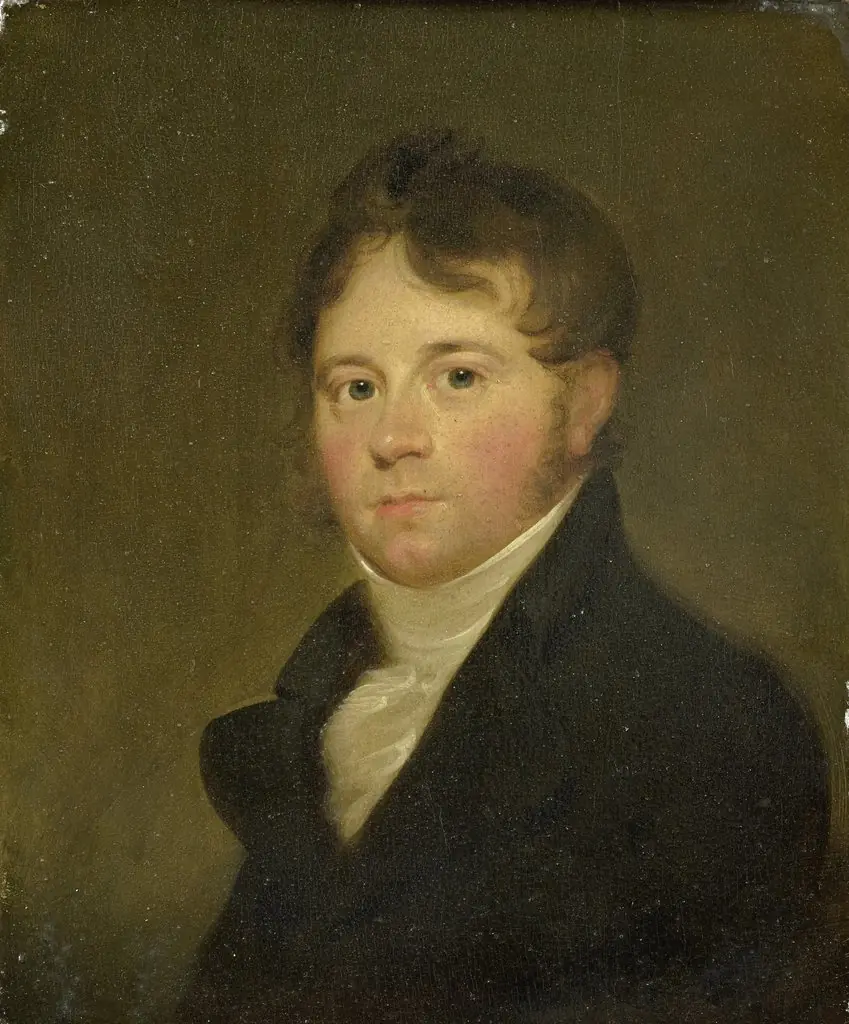 Portrait of Laurens de Witte van Citters, Father of Jhr. J de Witte van Citters (who bequeathed a number of family portraits to the museum)
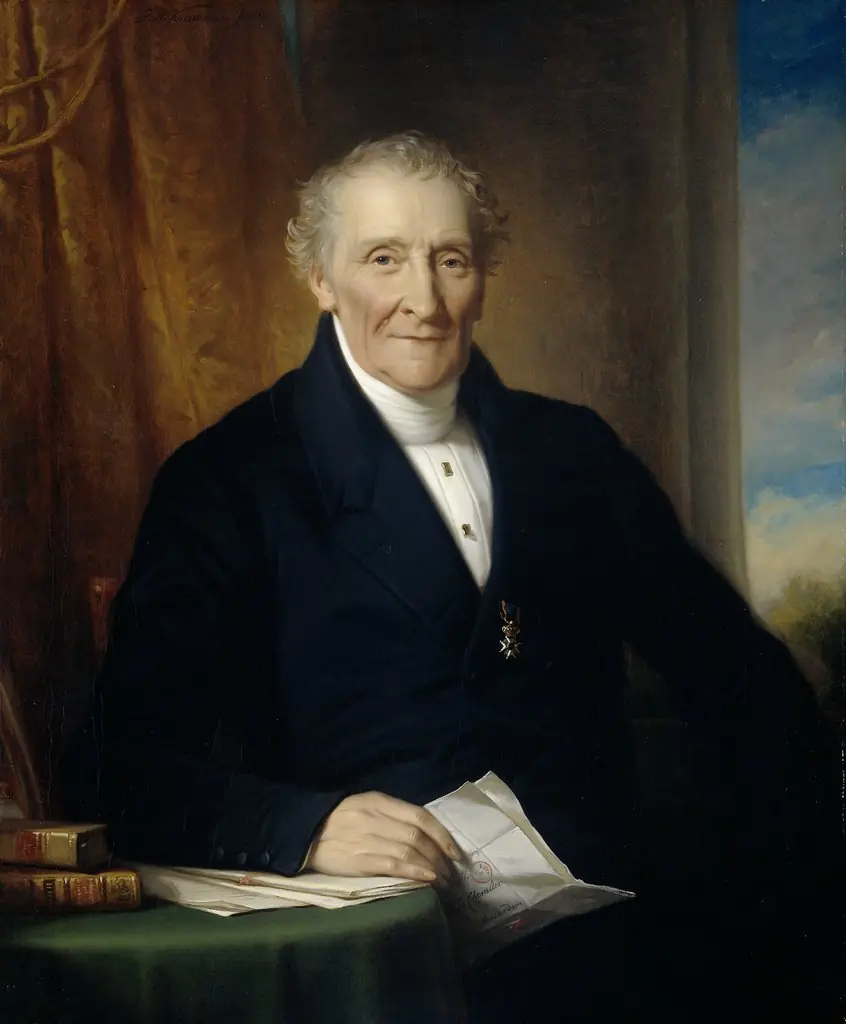 Portrait of Rodolphe le Chevalier, Merchant in Amsterdam and one of three Founders of the Holland Iron Railroad Company
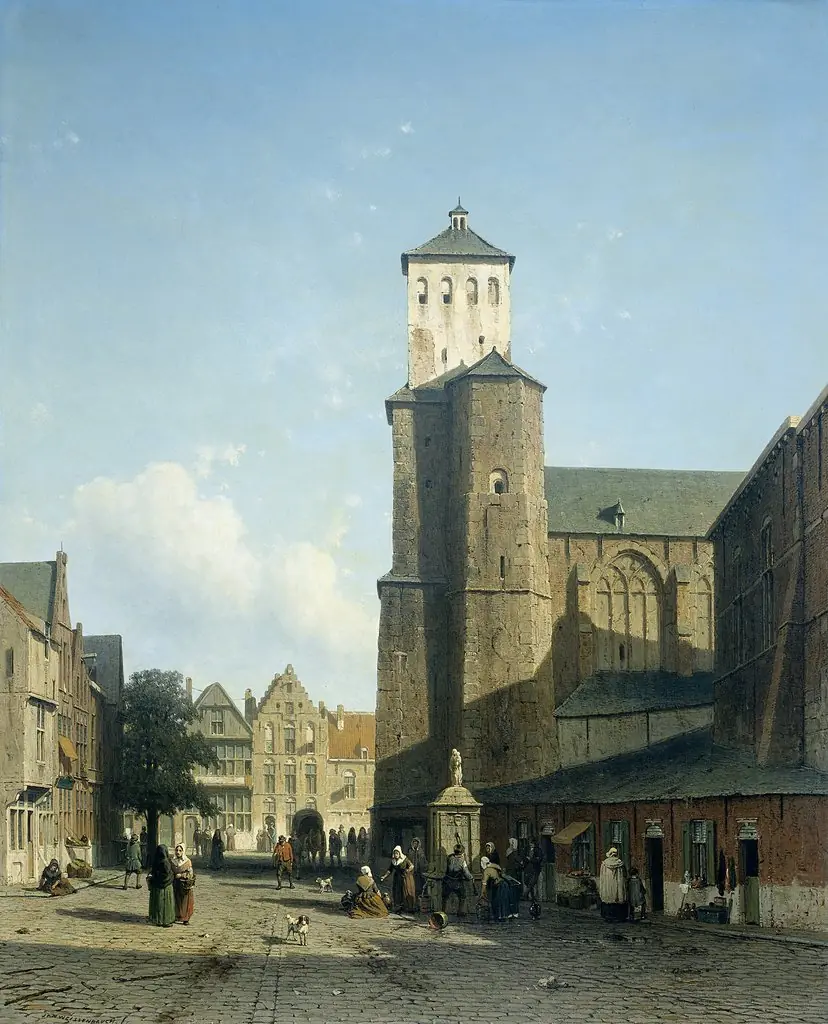 St Denis Church in Liège
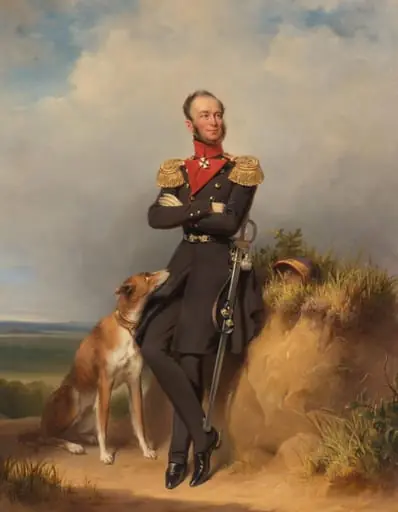 Portrait of William II, King of the Netherlands
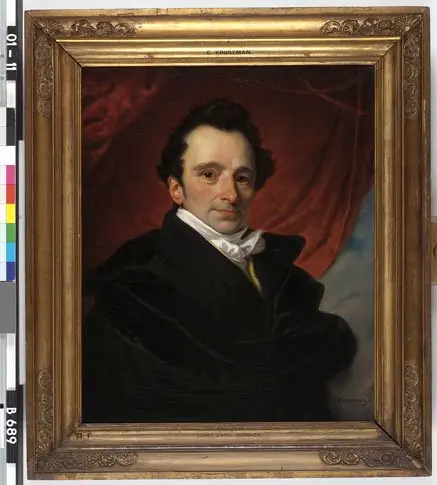 Portrait of the actor Gerrit Carel Rombach (1784-1833)
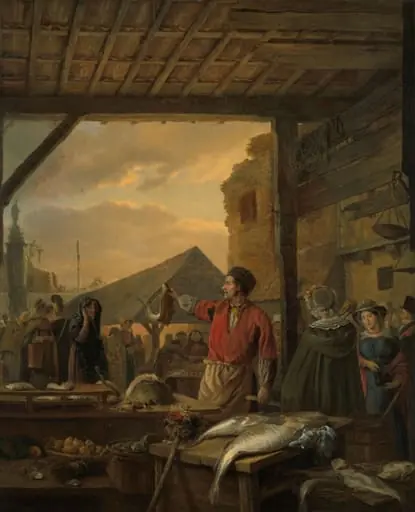 The Fish Market in Antwerp
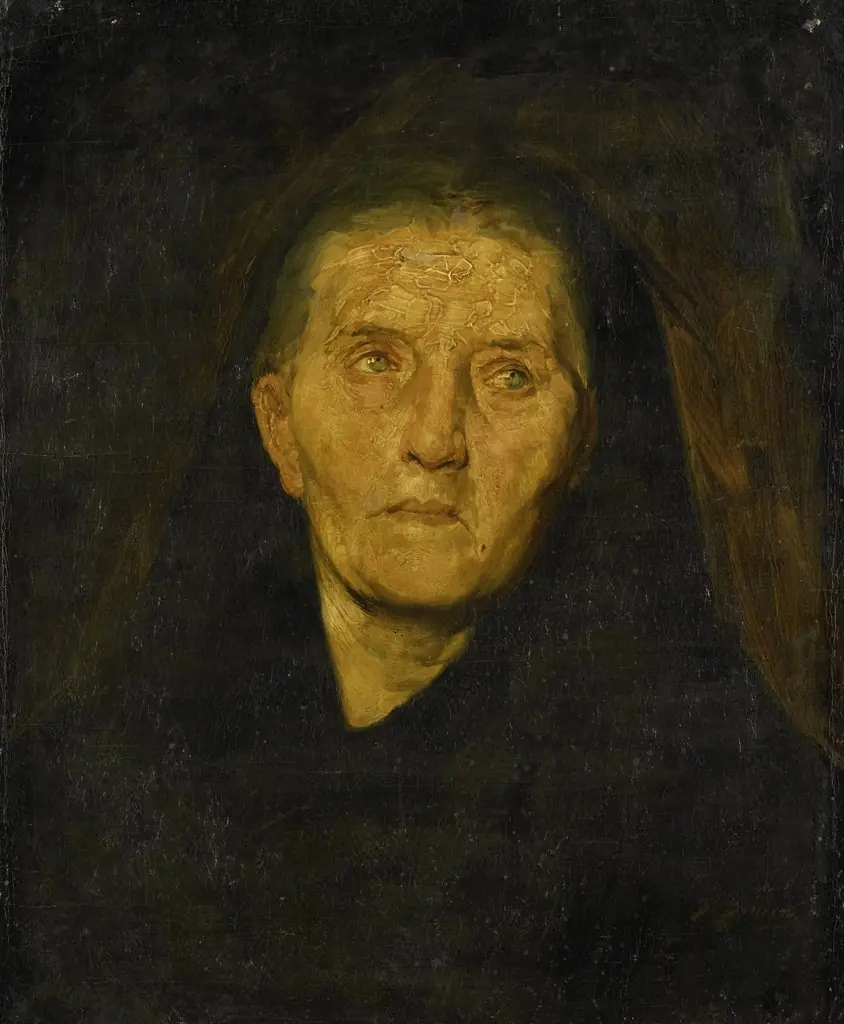 The Mourning Widow
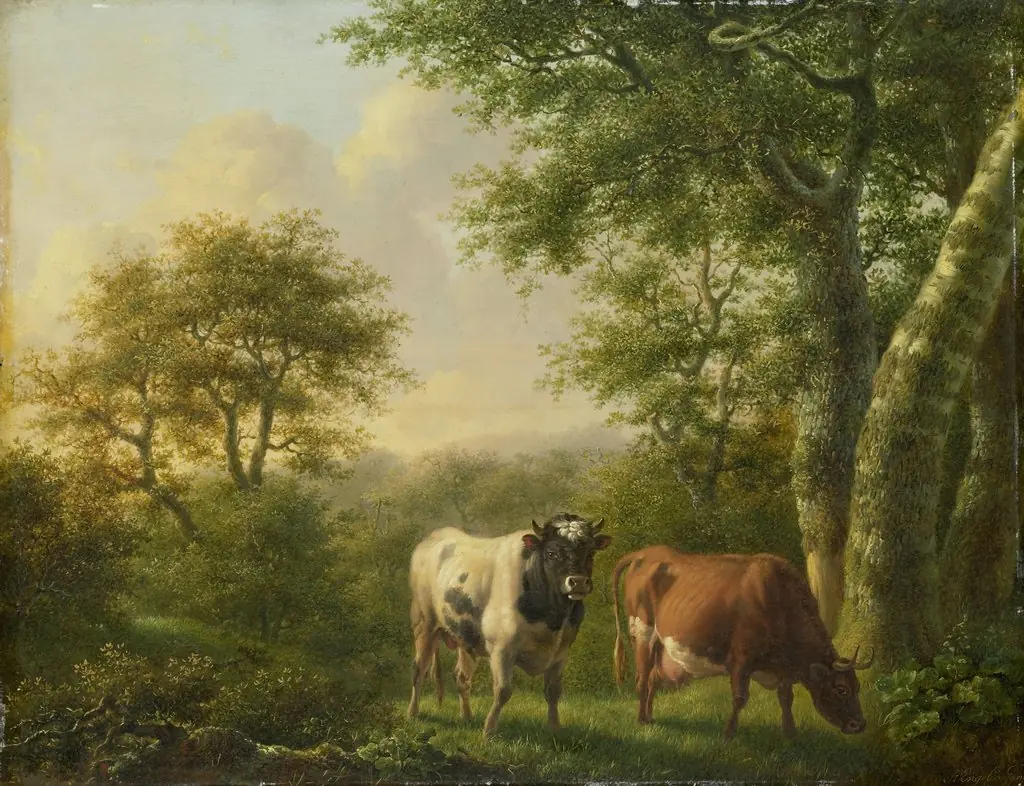 Landscape with Cows
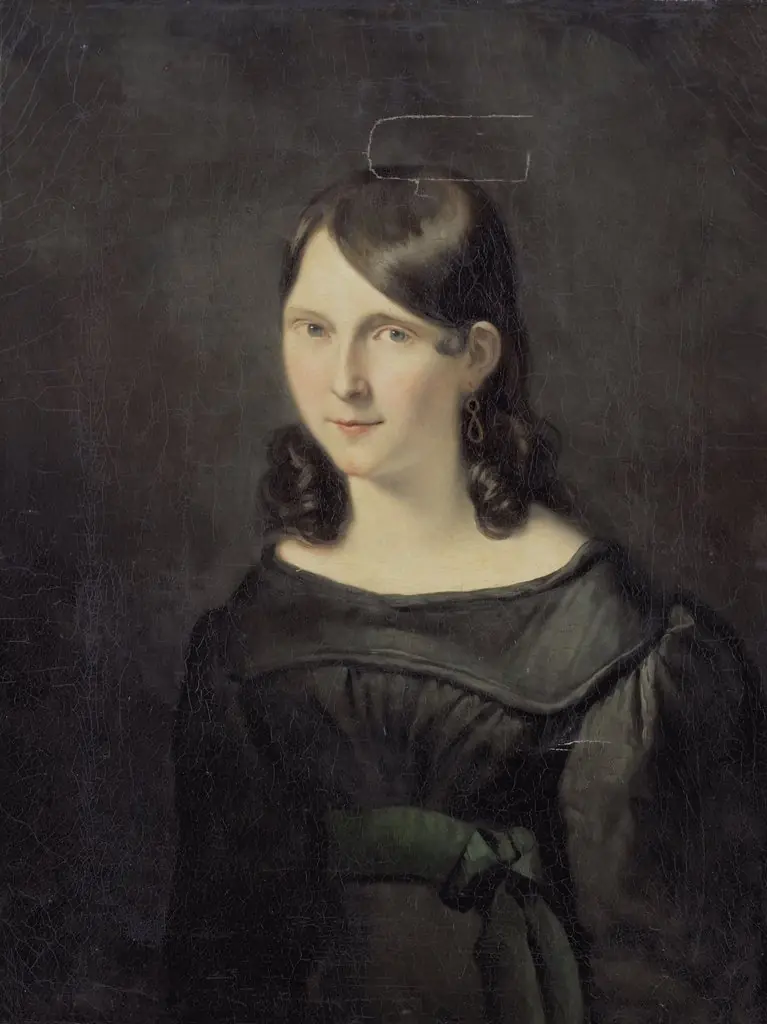 Portret van een meisje, vermoedelijk mejuffrouw Sligting
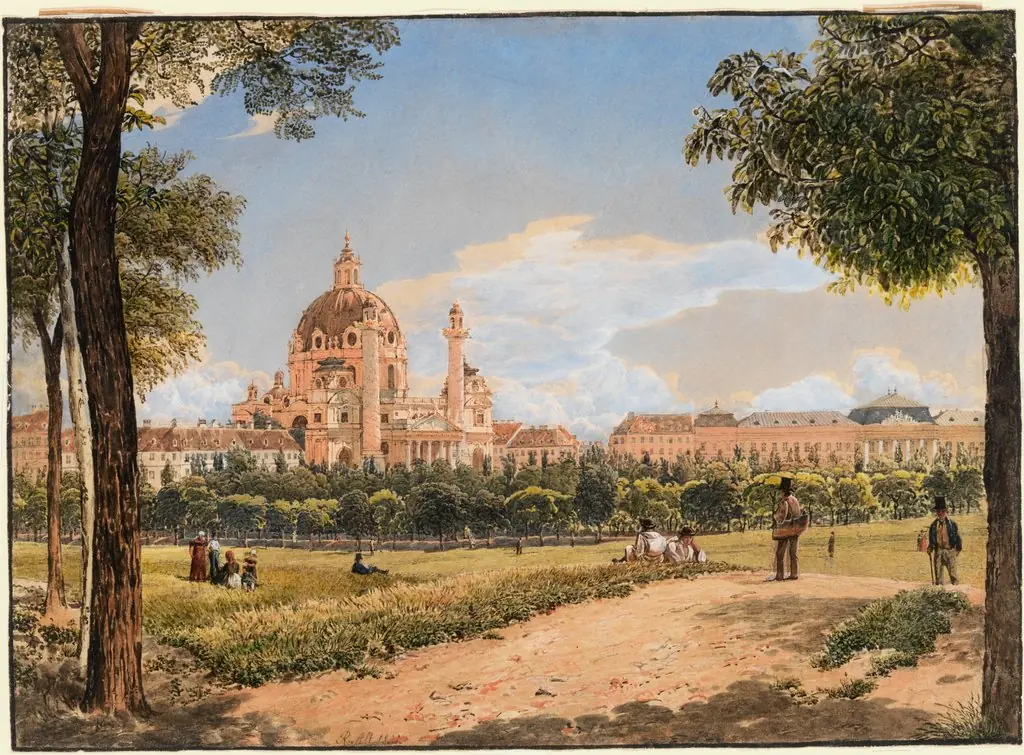 View of St.Charles’s Church and the Polytechnic Institute
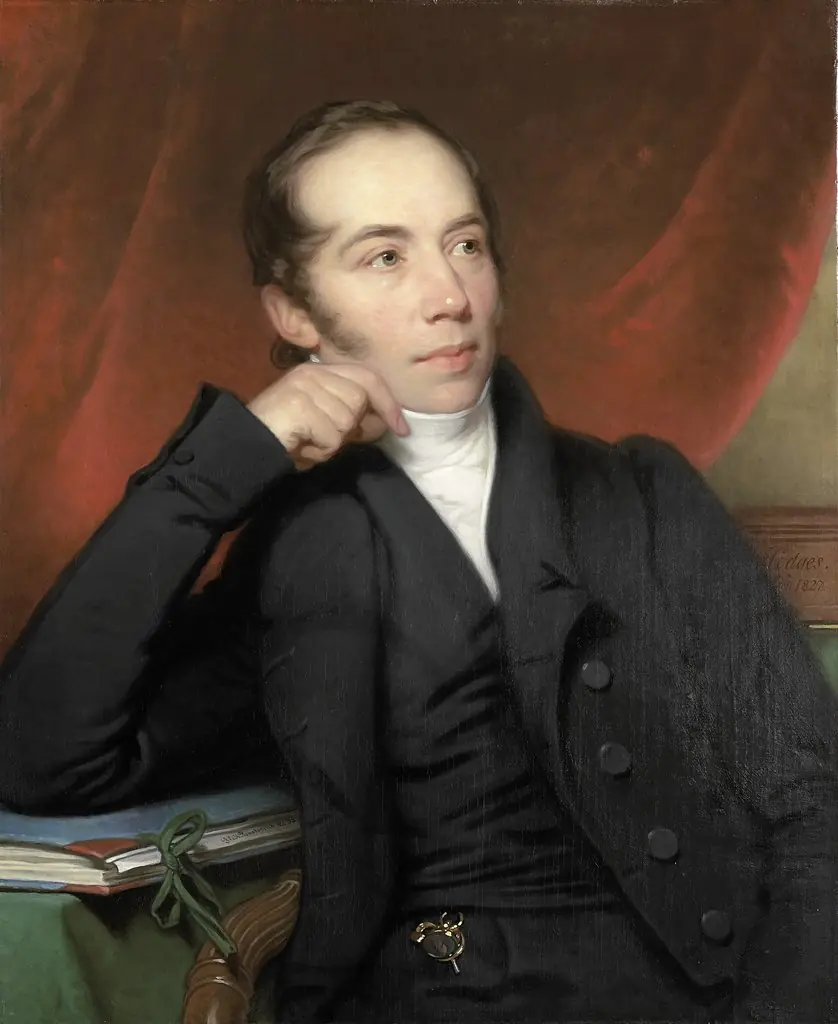 Portrait of Pieter Ernst Hendrik Praetorius, Broker, Draftsman and Painter. Chairman of the Board of the Rijksmuseum 1852-74
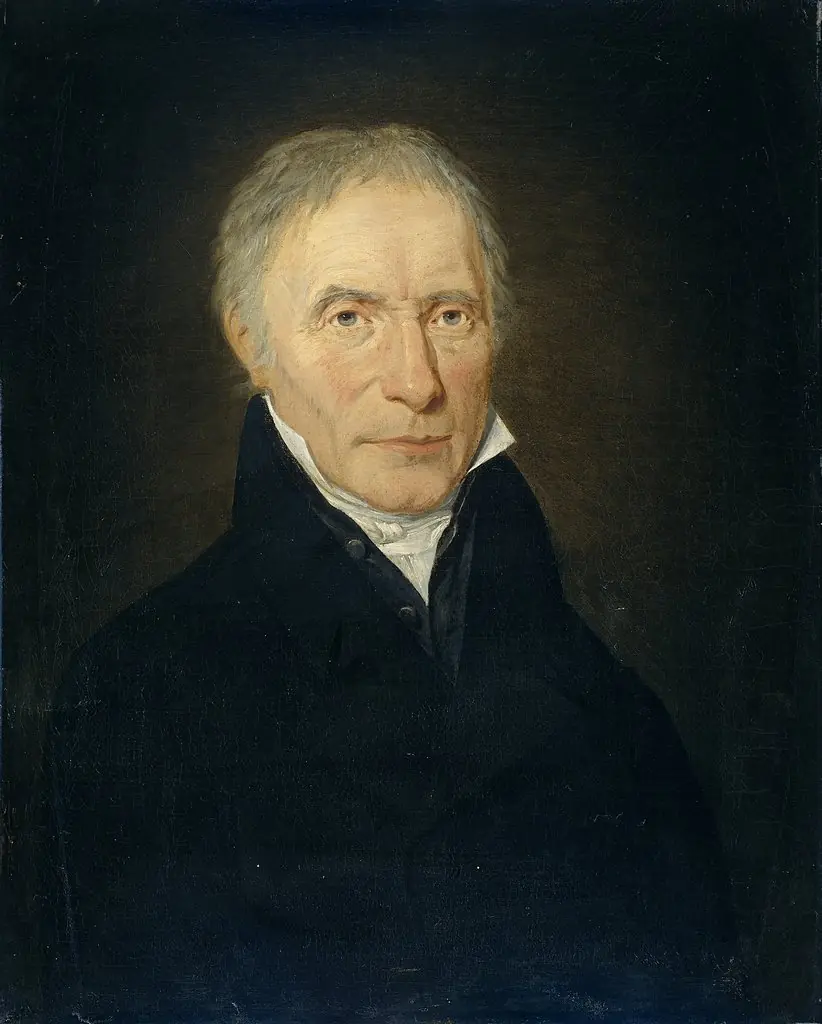 Portrait of Heinrich Gottfried Theodor Crone, Founder of the H.G.Th. Crone Company in Amsterdam
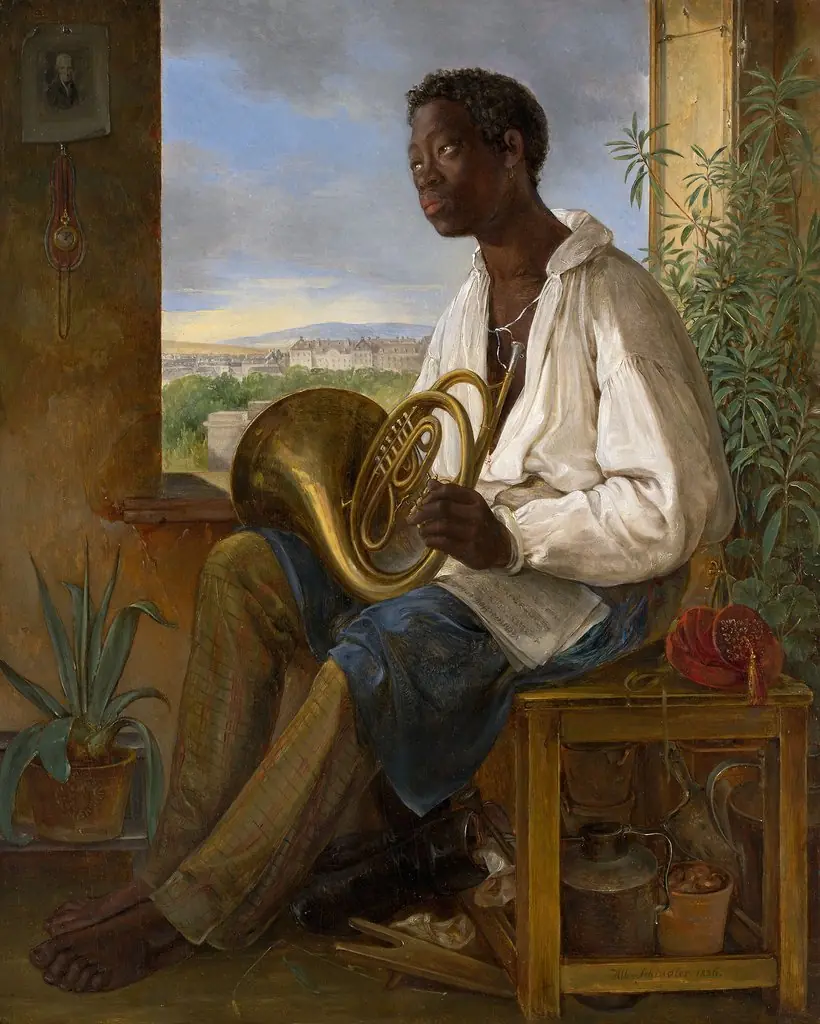 Portrait of a Gardener and Horn Player in the Household of the Emperor Francis I
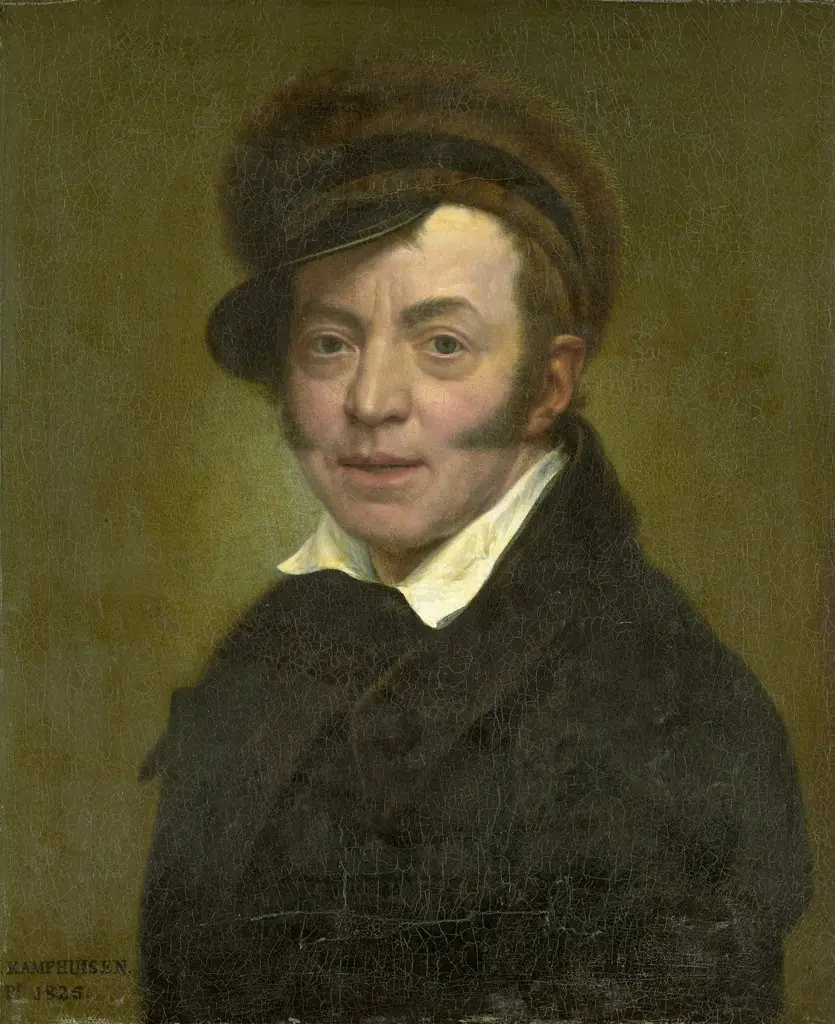 Self-Portrait
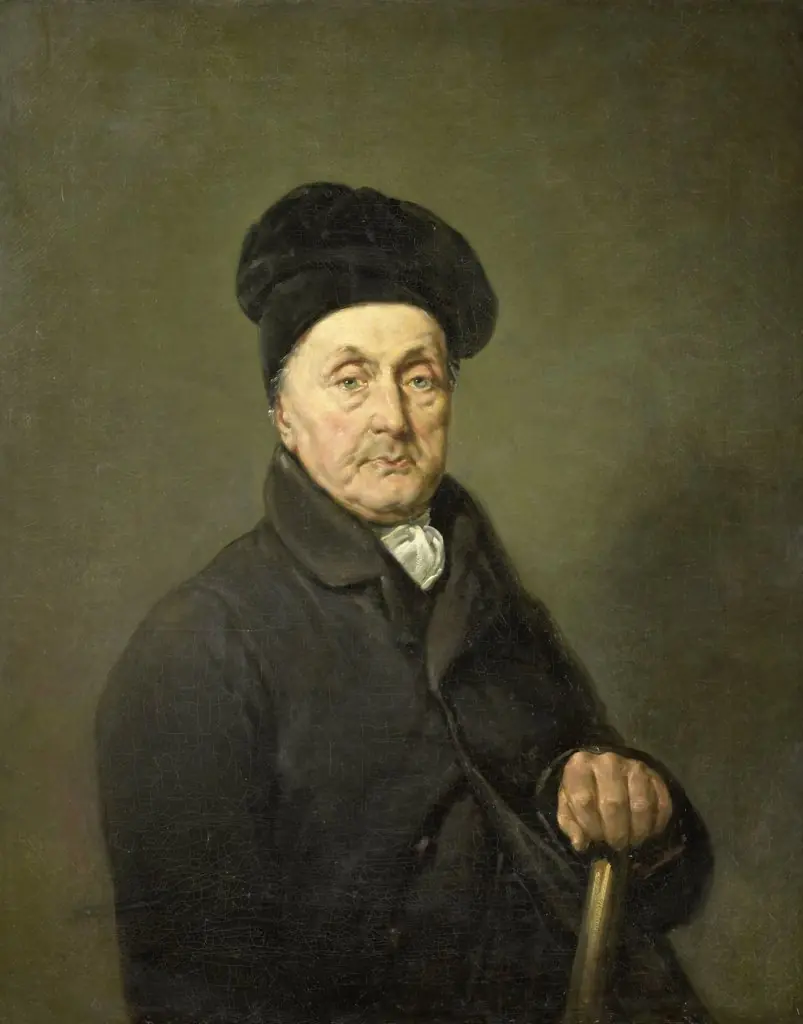 Hendrik van Demmeltraadt (1736/37-1819)
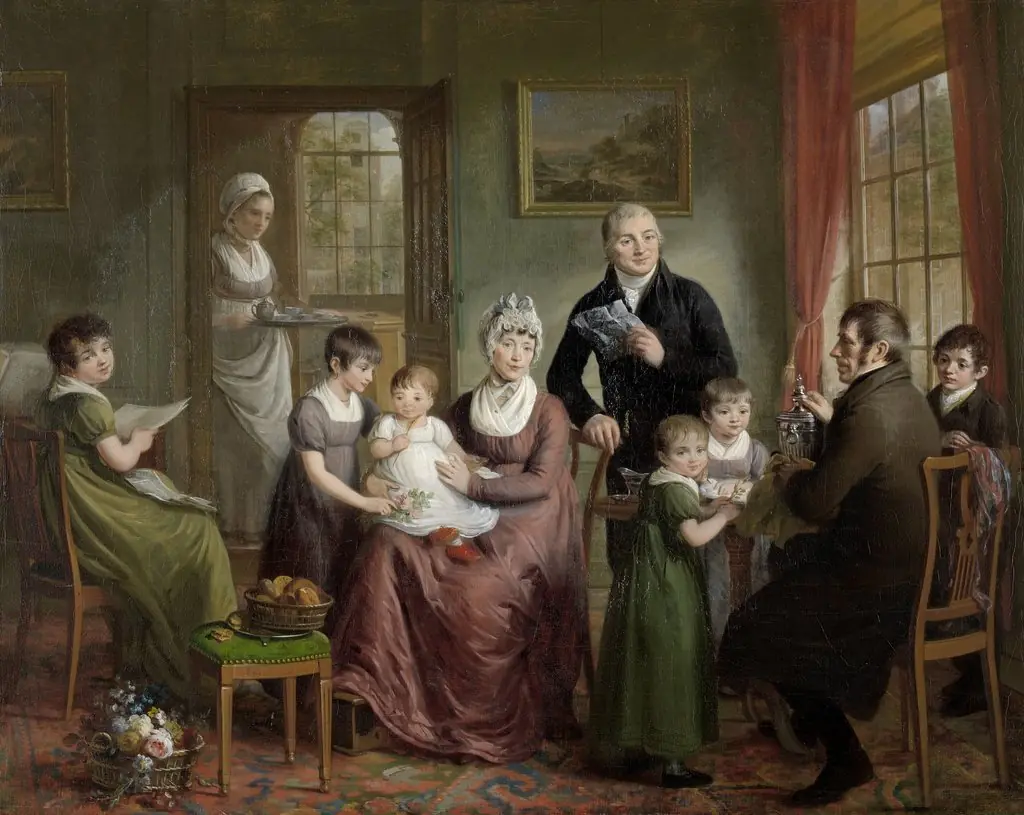 Portrait of the Family of Adrianus Bonebakker with Dirk L. Bennewitz
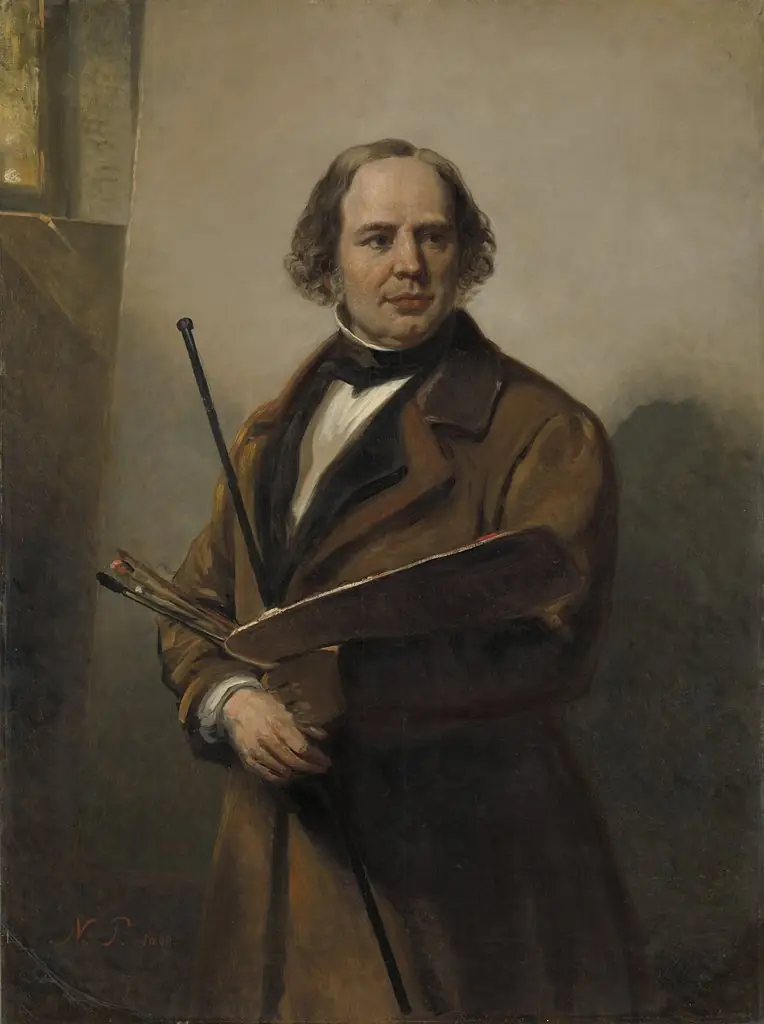 Jan Willem Pieneman, Painter, Father of Nicolaas Pieneman
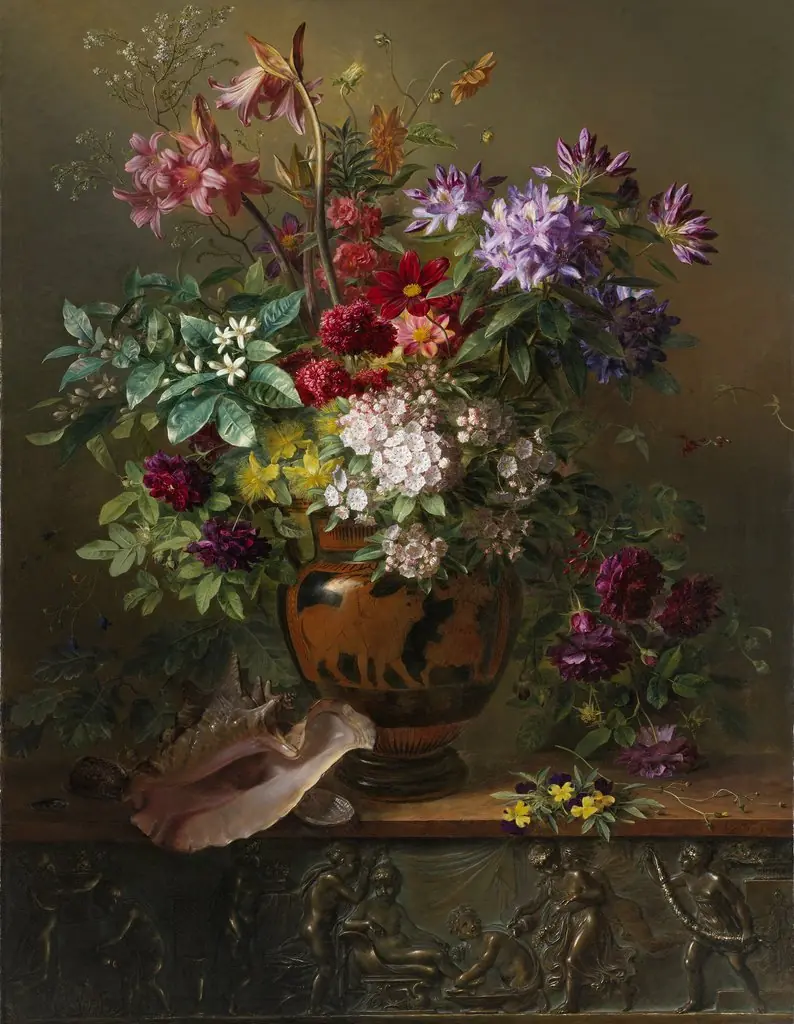 Still Life with Flowers in a Greek Vase: Allegory of Spring
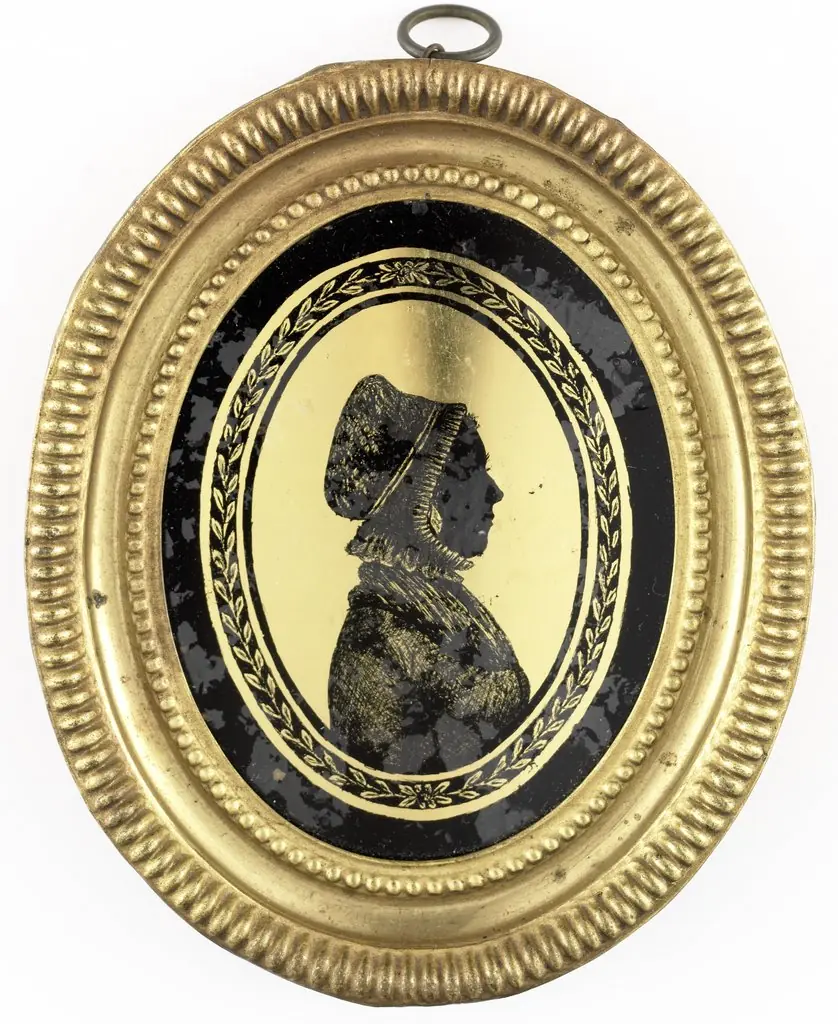 Silhouet portret van een vrouw met neepjesmuts
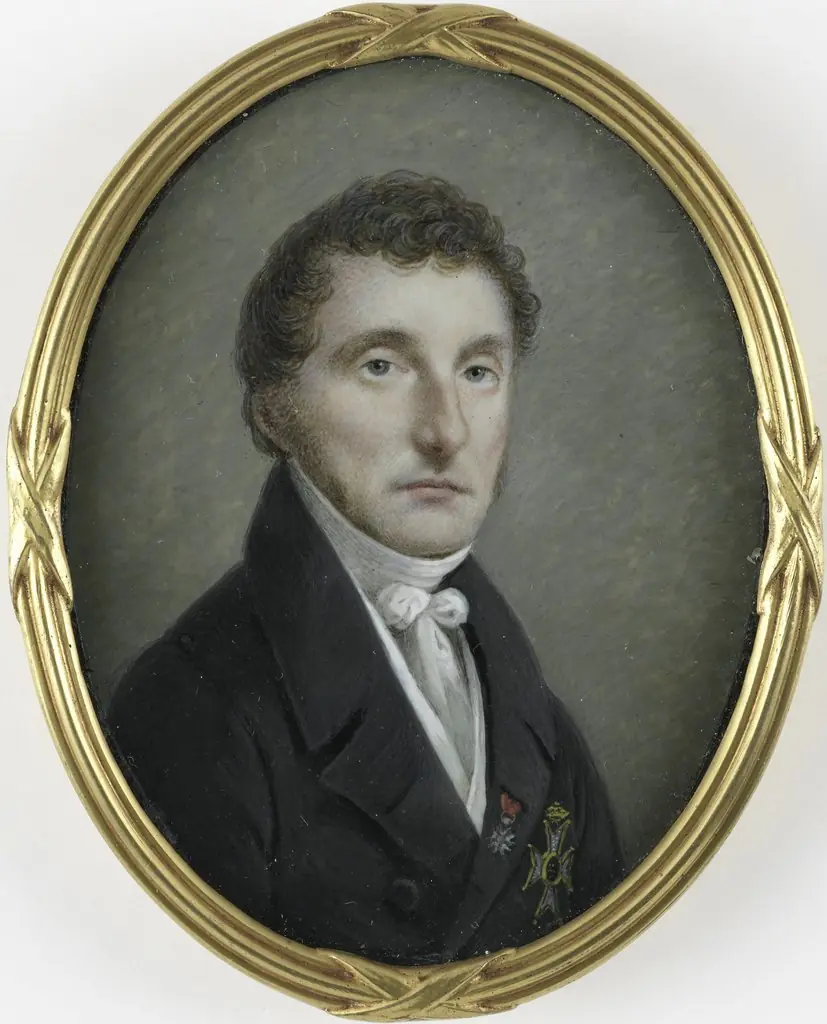 Pieter de Riemer (1769-1831). Professor in de ontleed- en verloskunde, consulent chirurgijn van koning Willem I
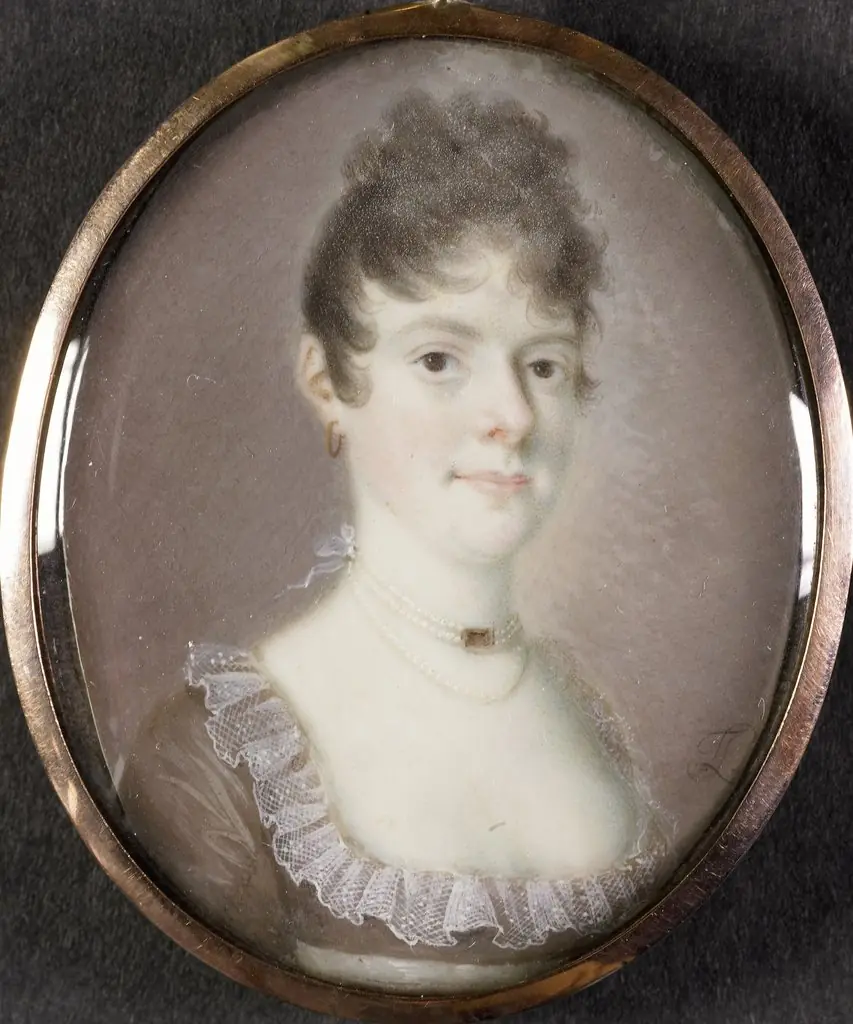 Portret van een vrouw met een parelcollier
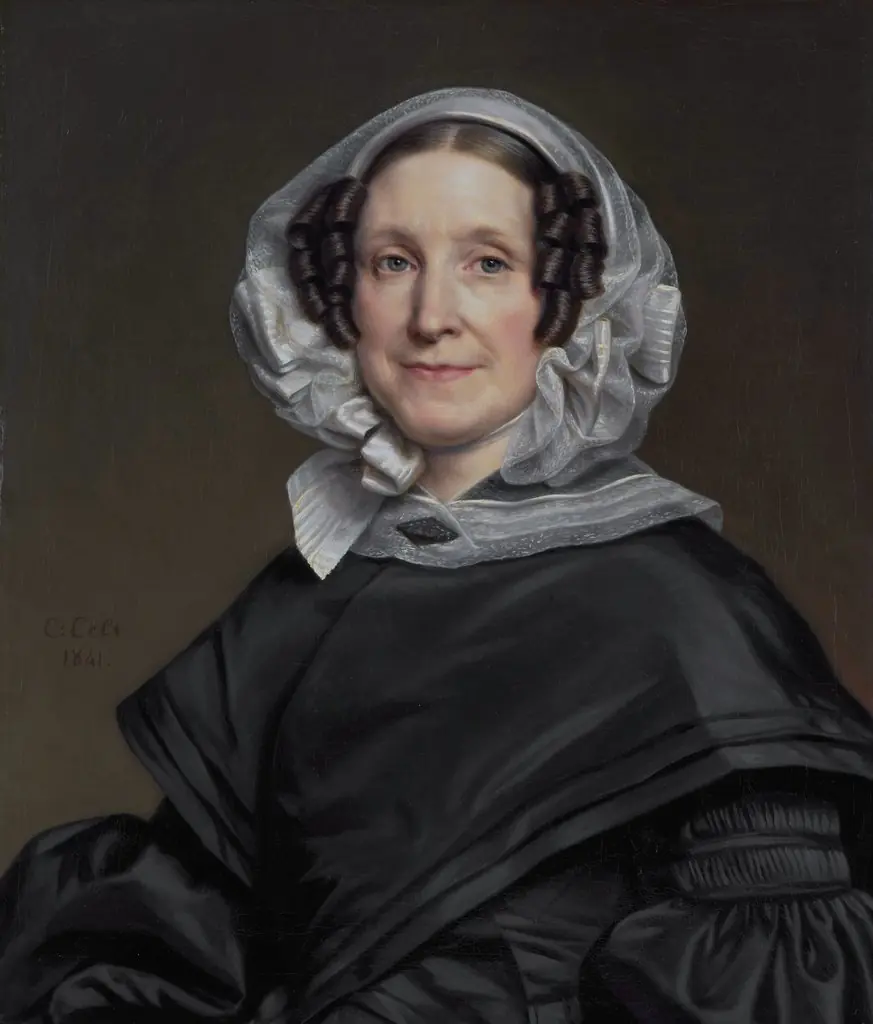 Aryna van der Pot (1786-1850). Wife of N. J. A. C. Hoffmann
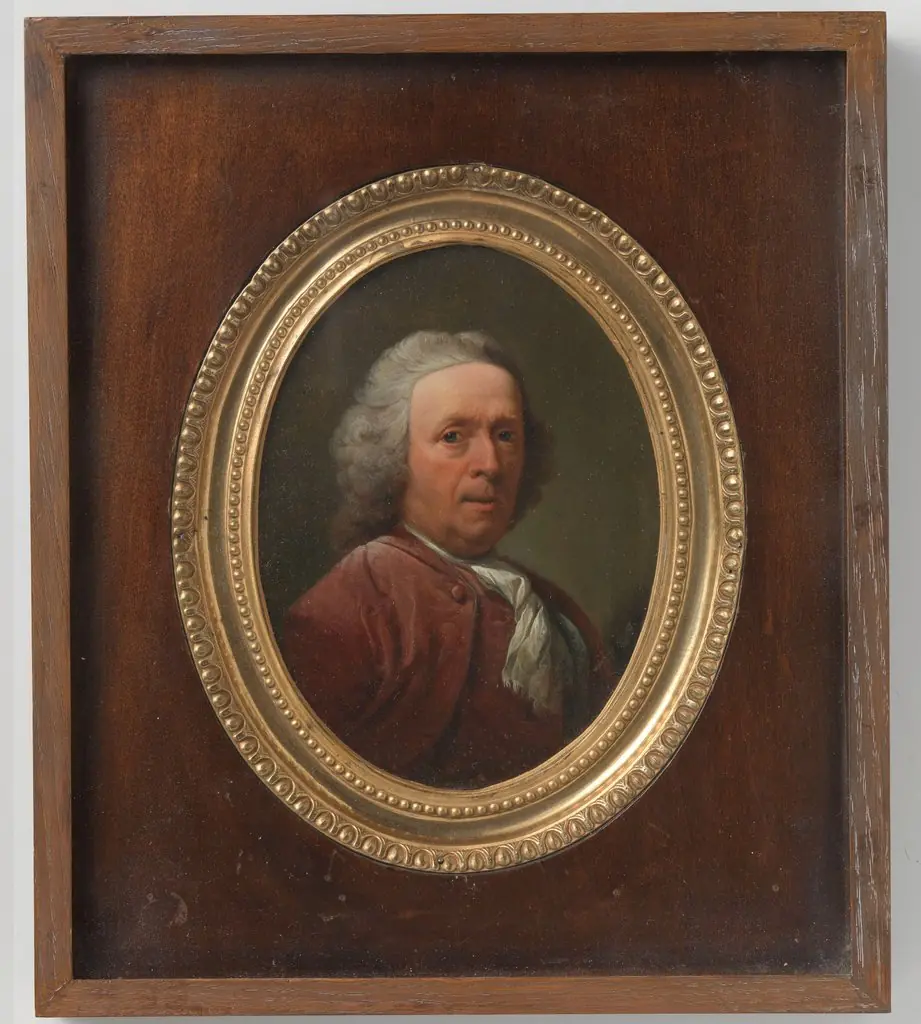 Self-Portrait
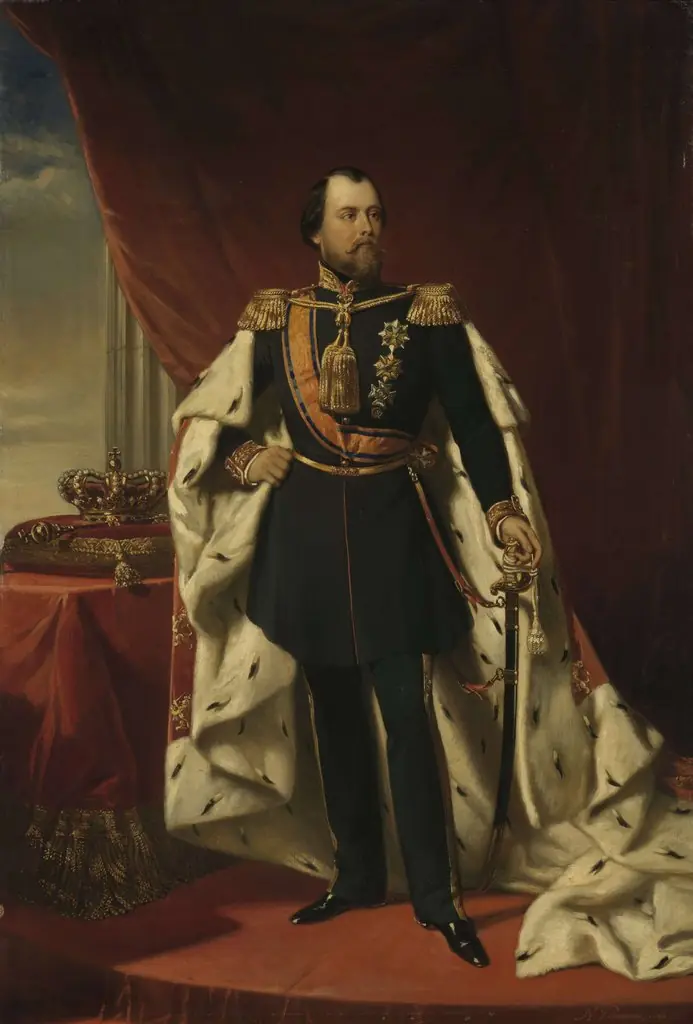 Portrait of William III, King of the Netherlands
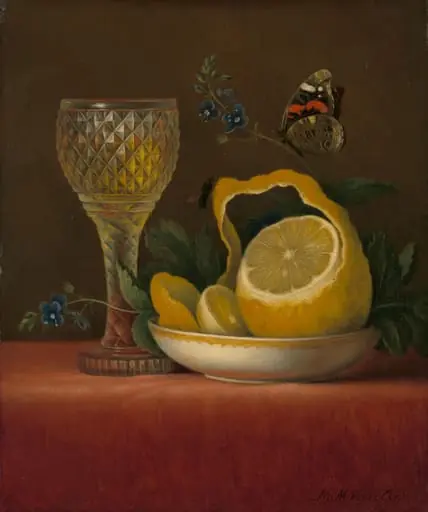 Still Life with Lemon and Cut Glass
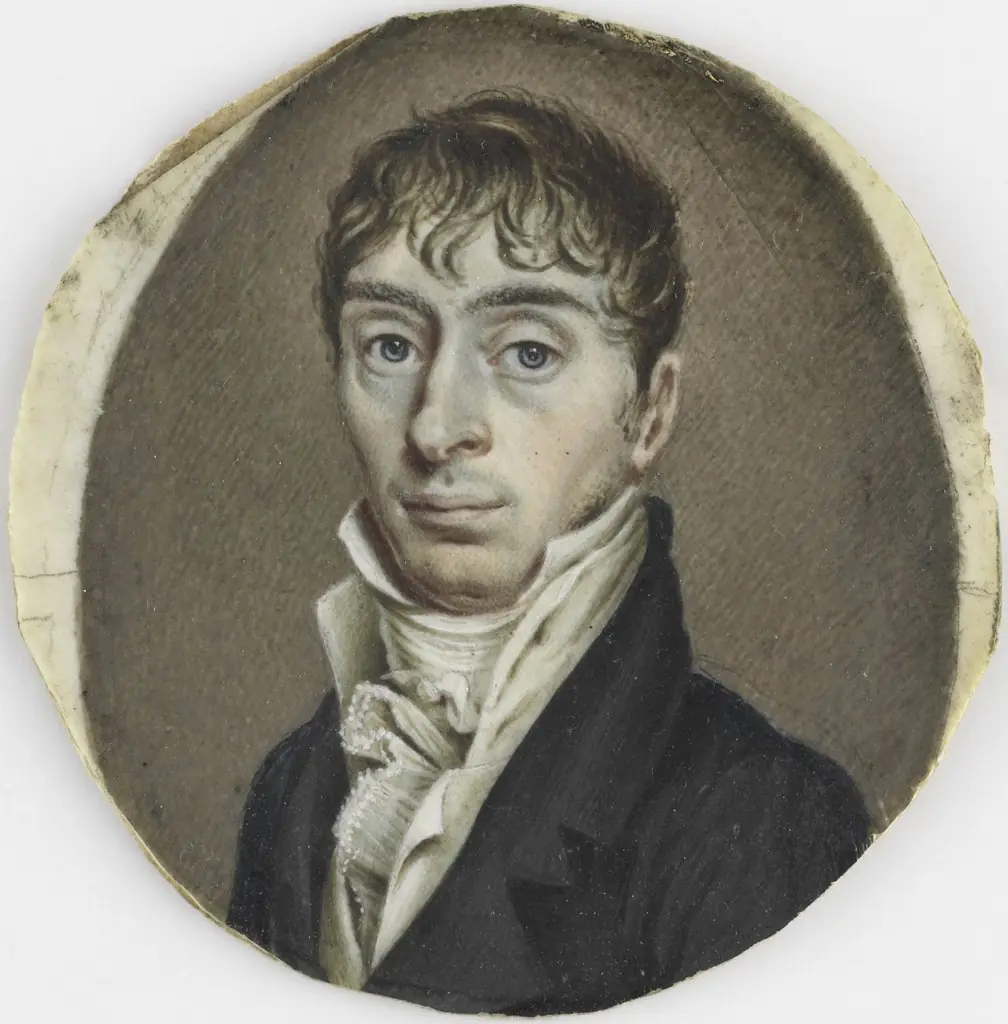 Portret van een onbekende man
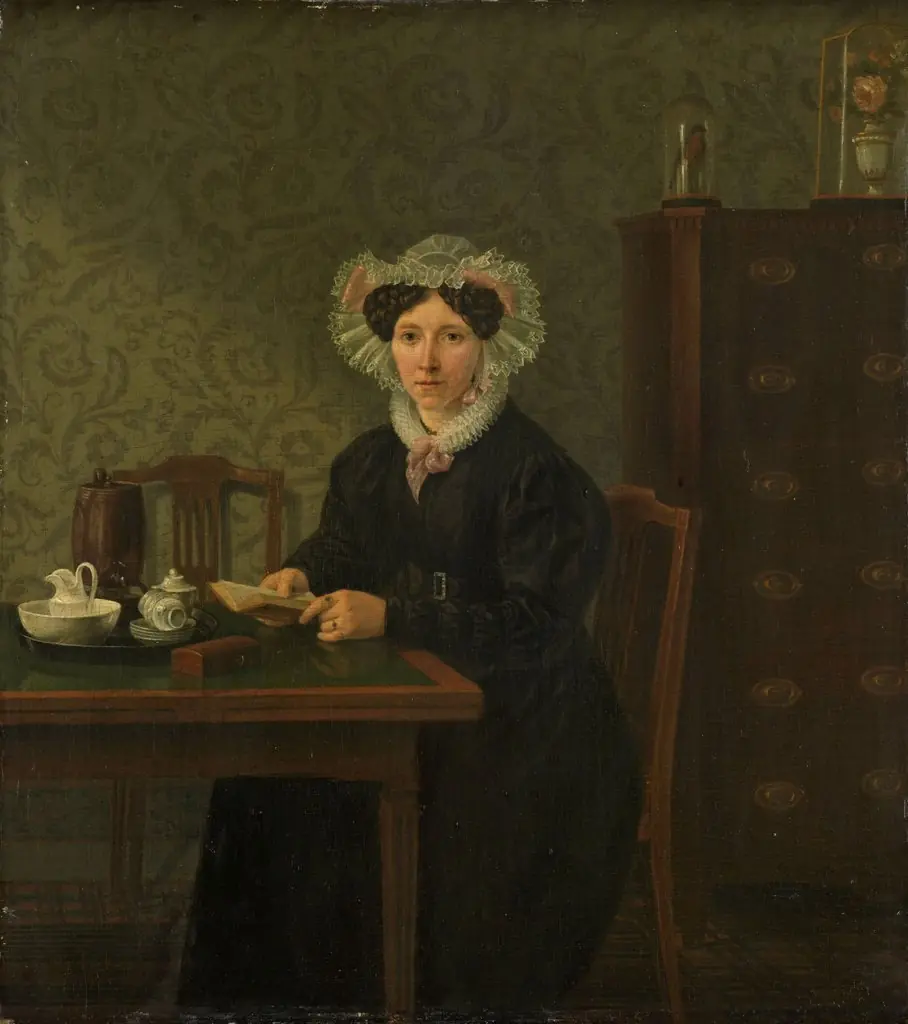 Portrait of a Woman
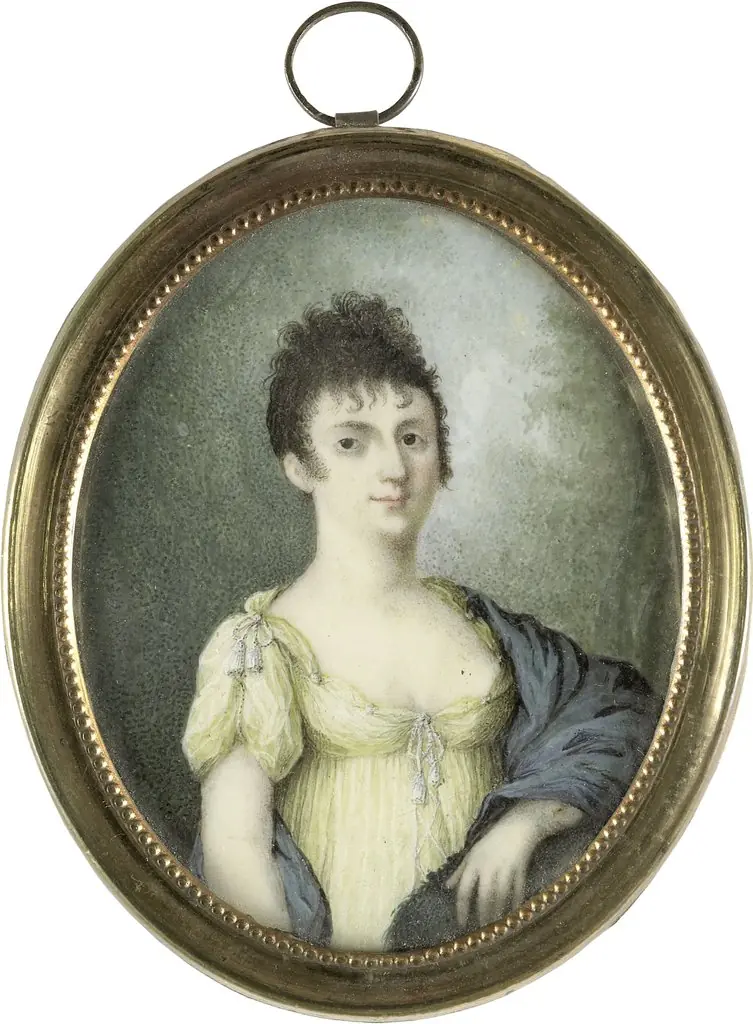 Portrait of a woman
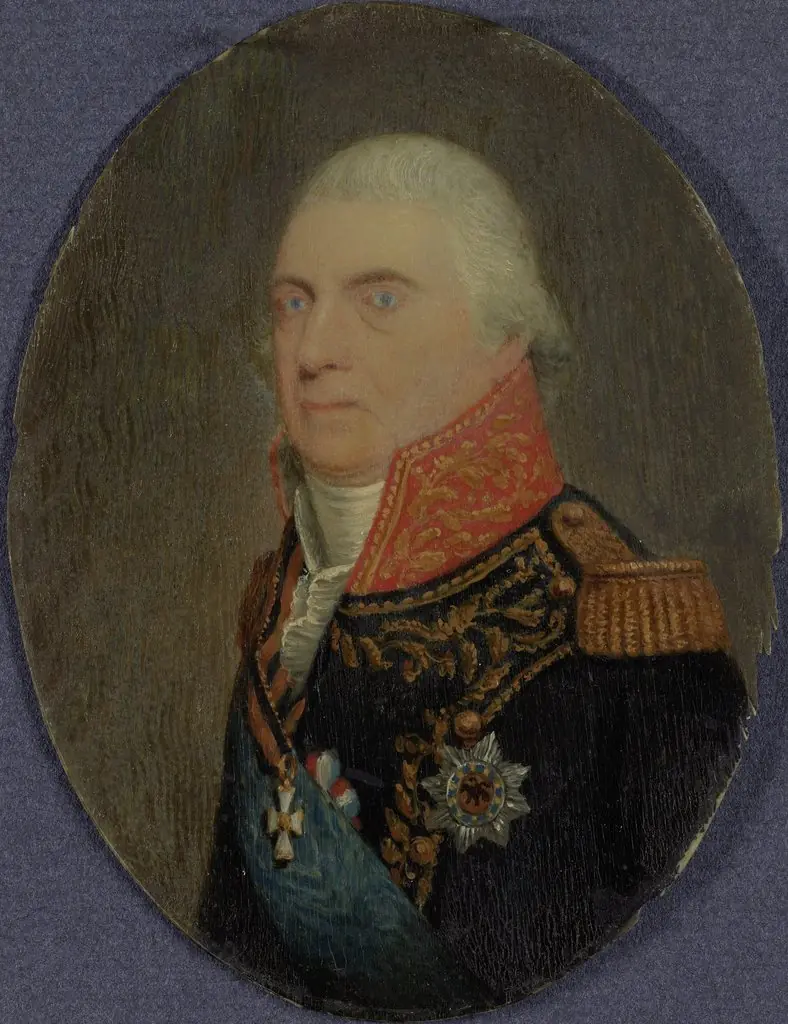 Jan Hendrik van Kinsbergen (1735-1819). Vice-admiraal, buitengewoon maarschalk der Hollandse zeemacht
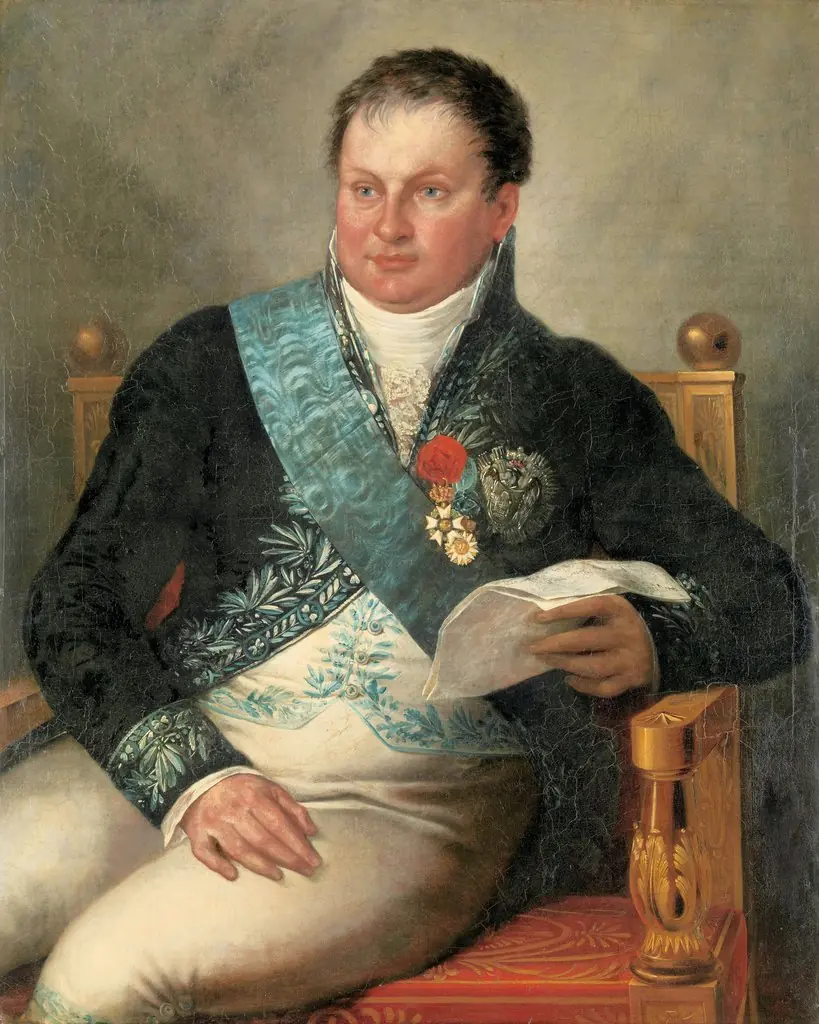 Portrait of Isaac Jan Alexander Gogel
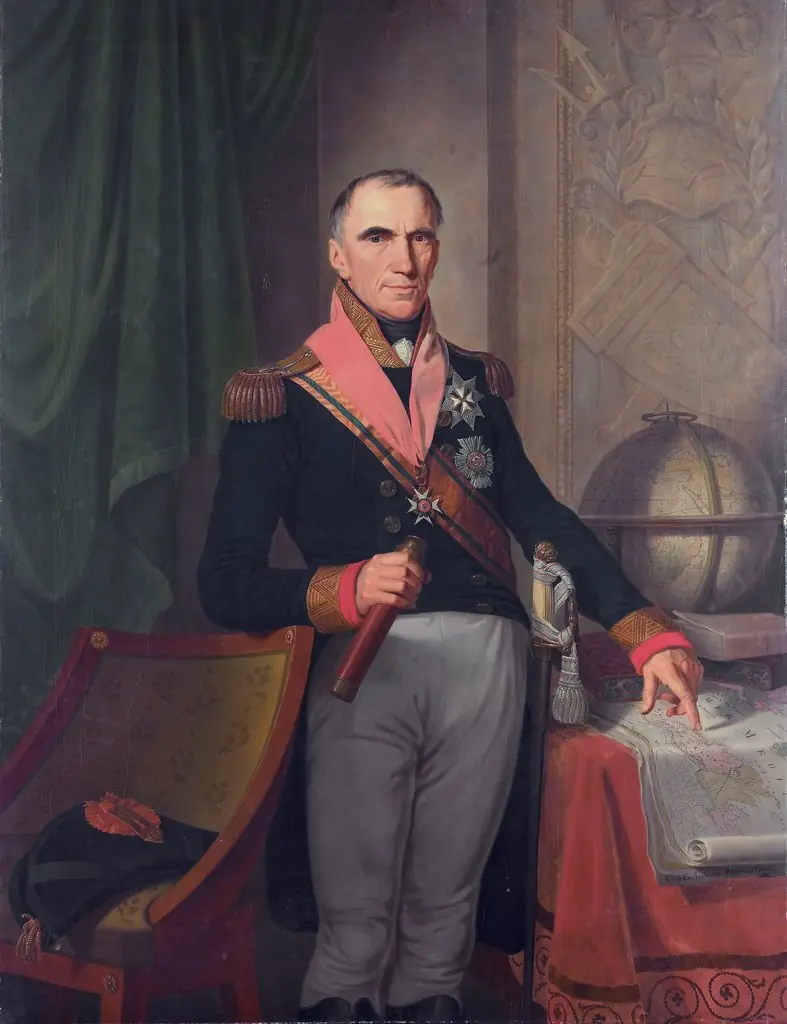 Jonkheer Theodorus Frederik van Capellen (1762-1824)
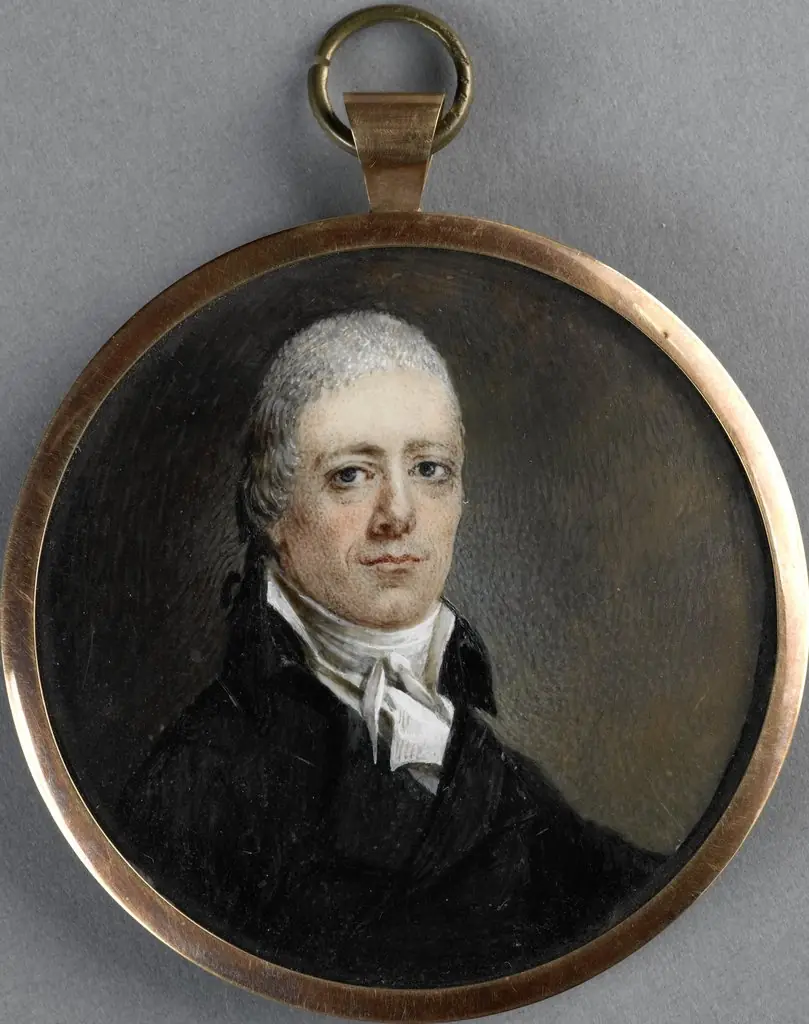 Portret van een man
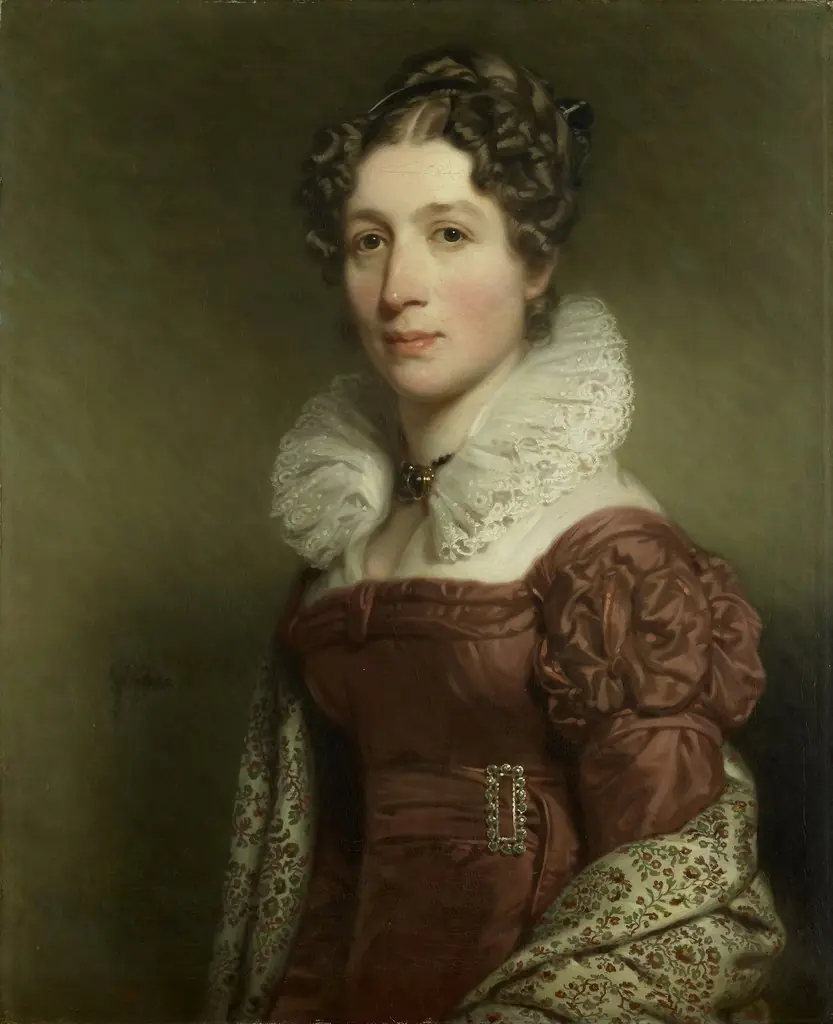 Portrait of Jacoba Vetter, Wife of Pieter Meijer Warnars, Bookseller in Amsterdam
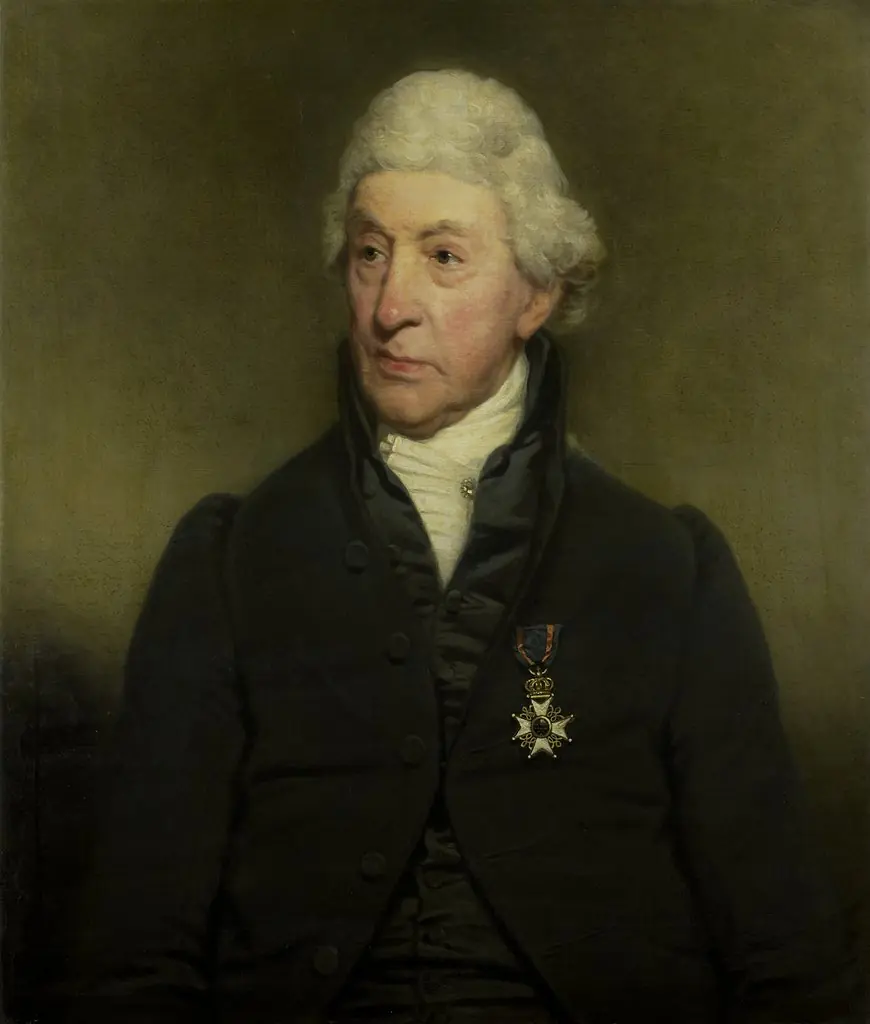 Portrait of Christiaan Everhard Vaillant, Refiner of Salpeter, Water Board Member for De Beemster, Director of the Import and Export Rights and Member of the Marine Committee
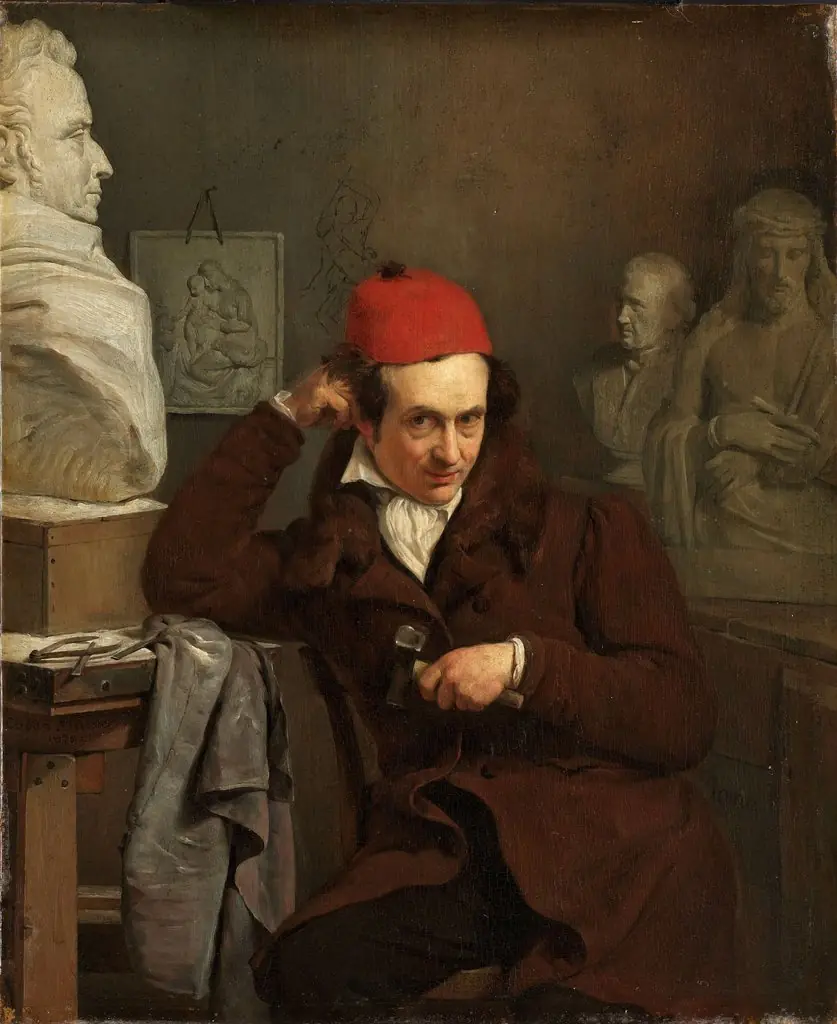 Portrait of Louis Royer
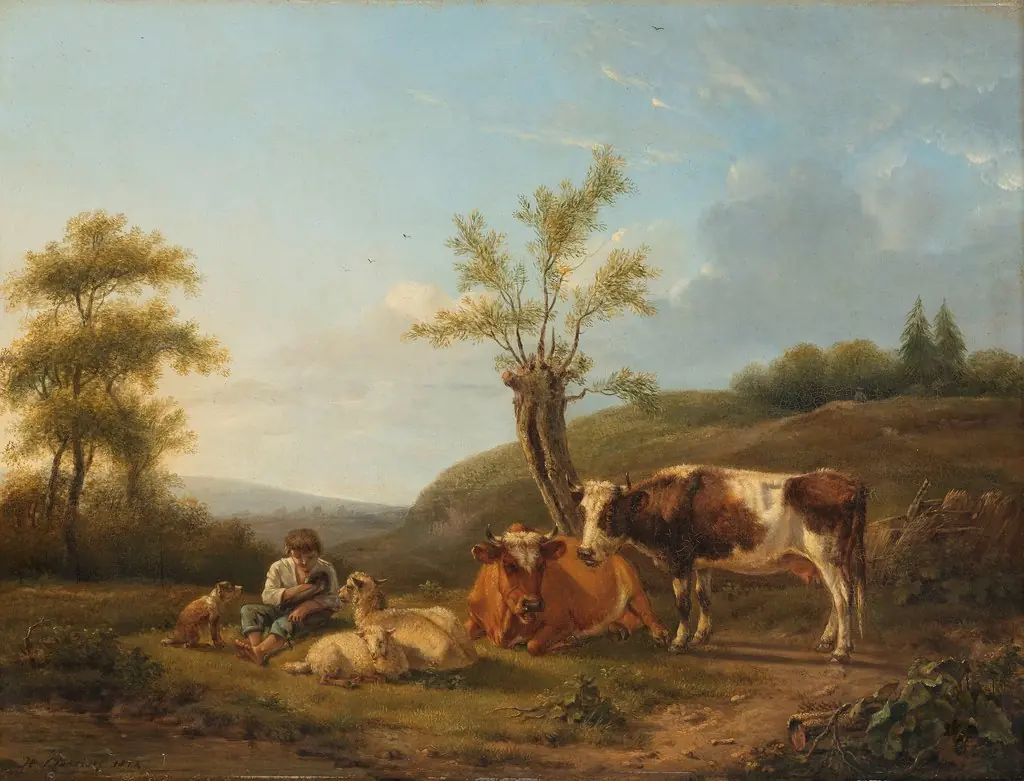 Landscape with Cattle near Darthuizen
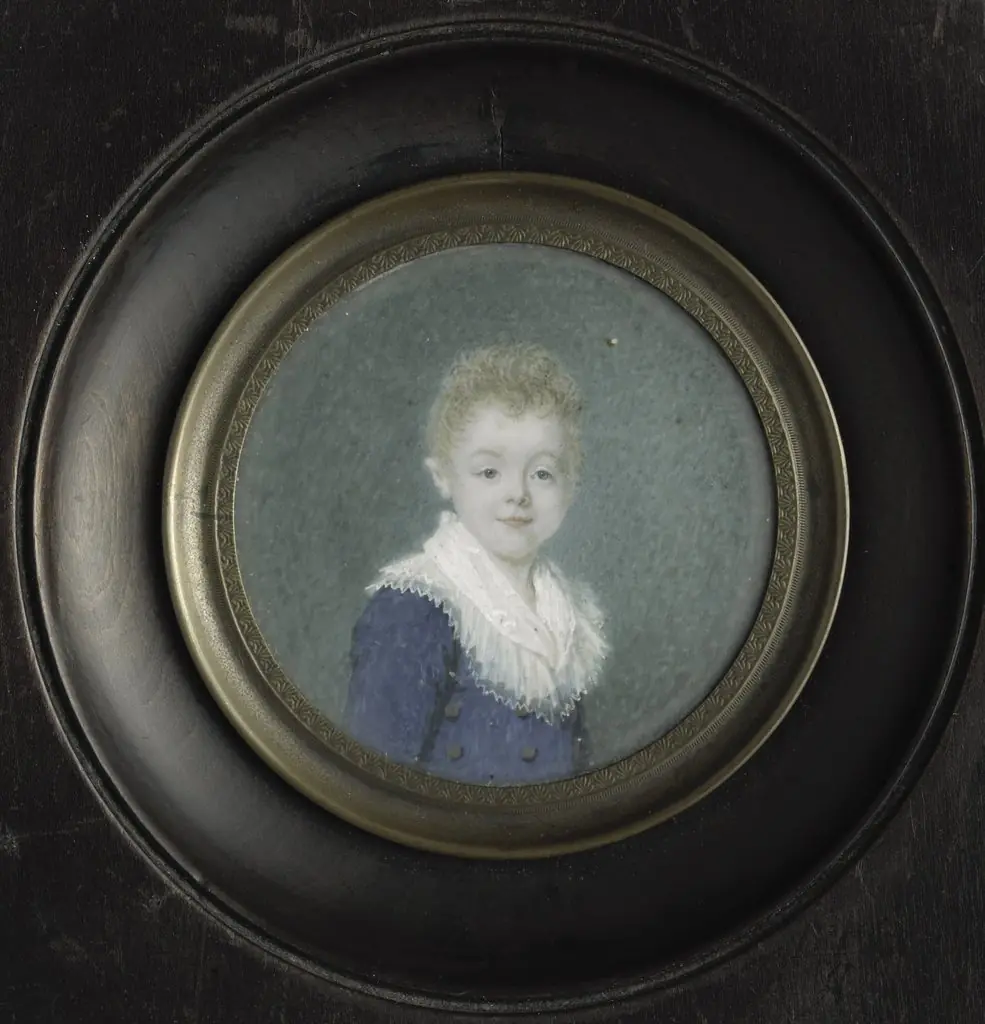 Portrait of a six-year-old Boy of the Bus Family
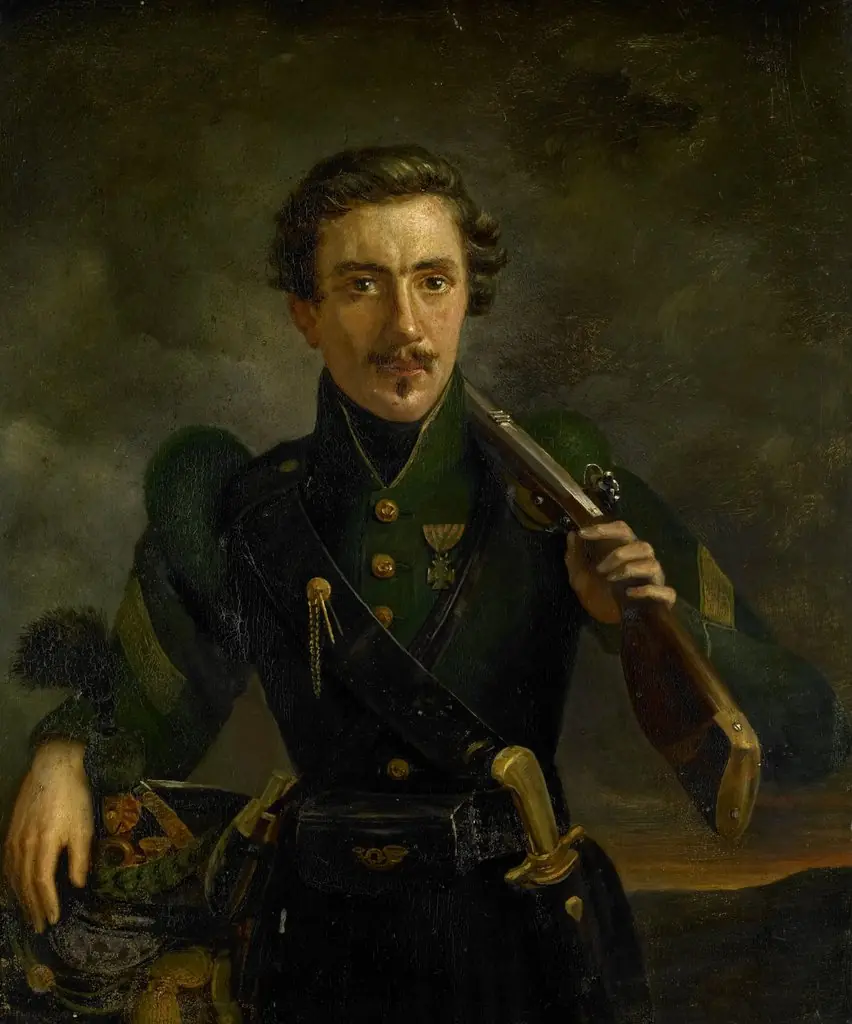 Self Portrait in the Uniform of the Jagers
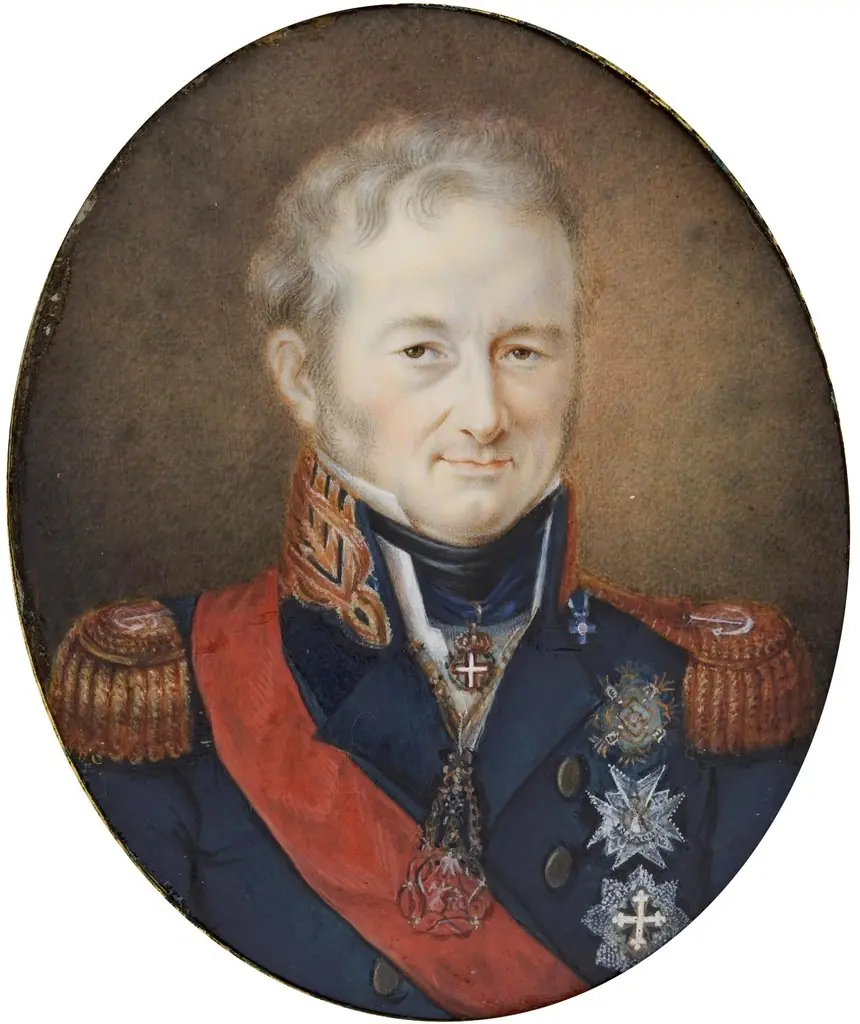 So-called portrait of Charles Felix of Savoy, King of Sardinia
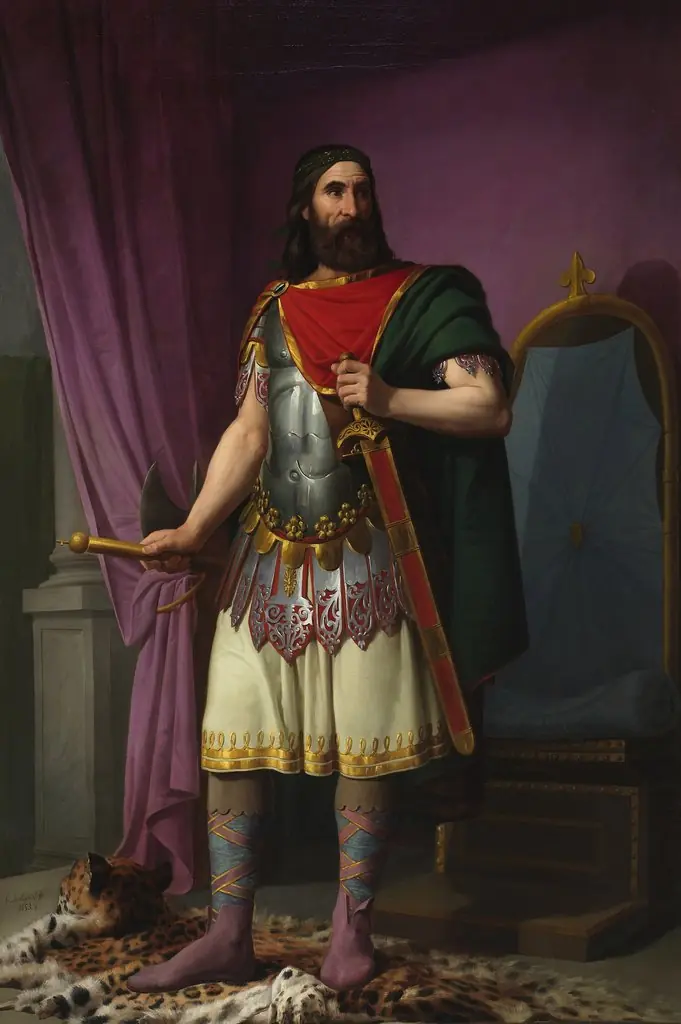 Egica
Egica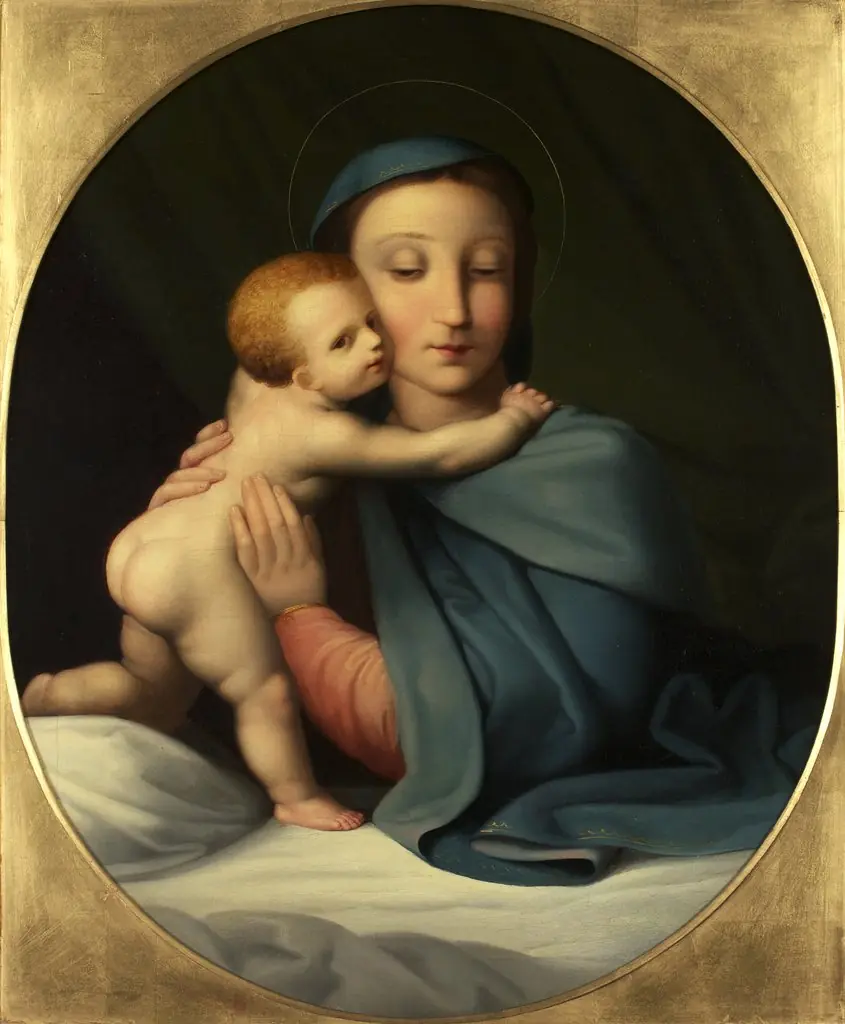 Madonna mit Kind
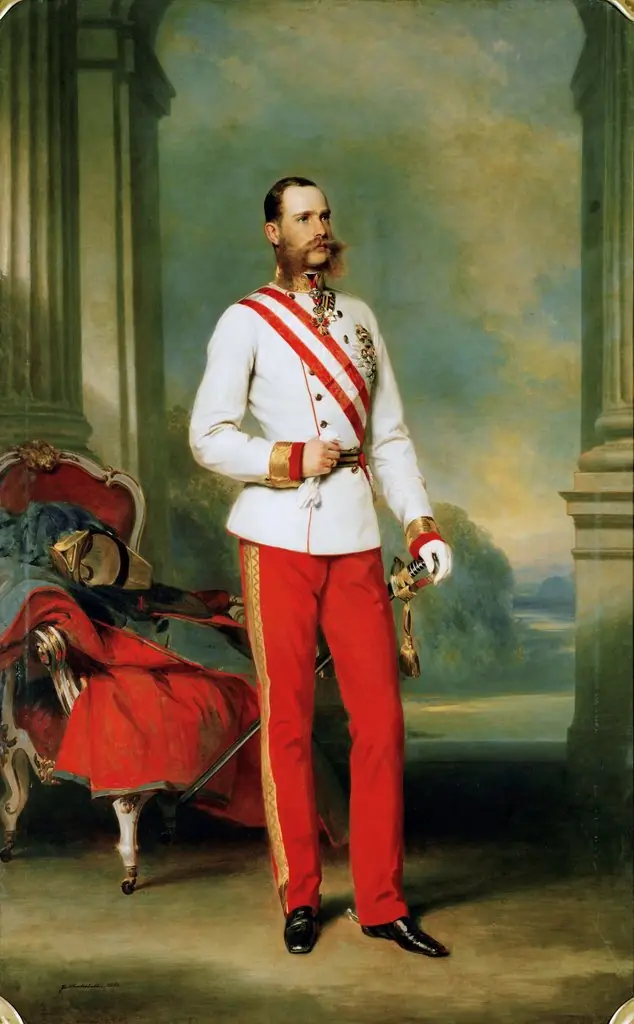 Franz Joseph I, Emperor of Austria wearing a Field Marshal uniform with the Great Star of the Military Order of Maria Theresa
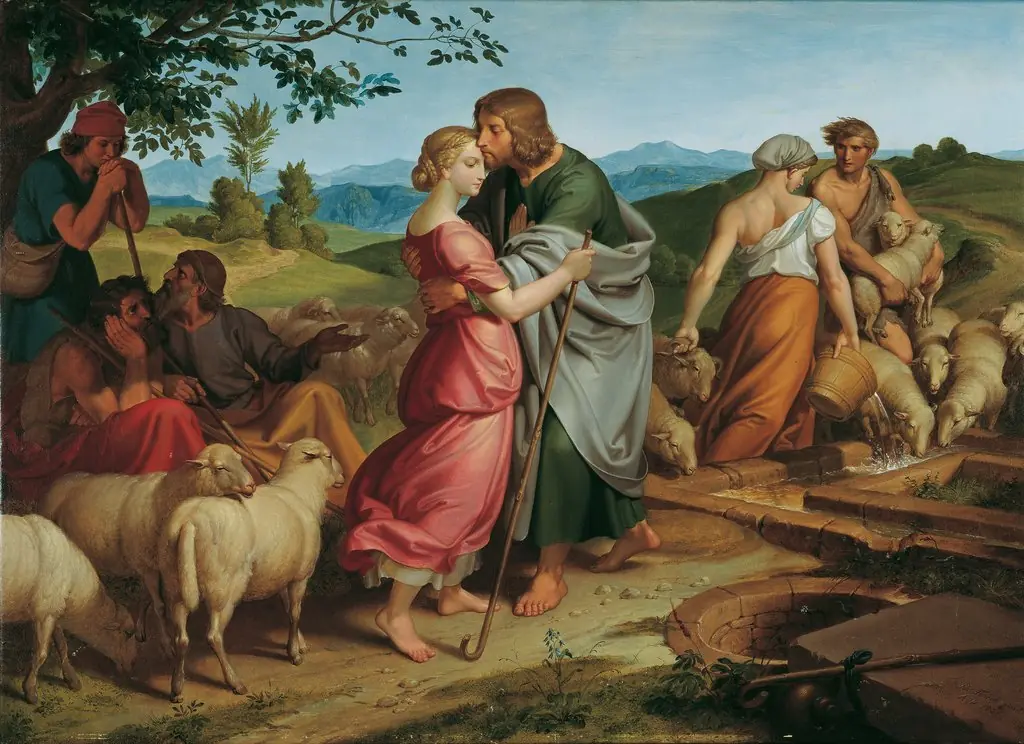 Jacob Encountering Rachel with her Father's Herds
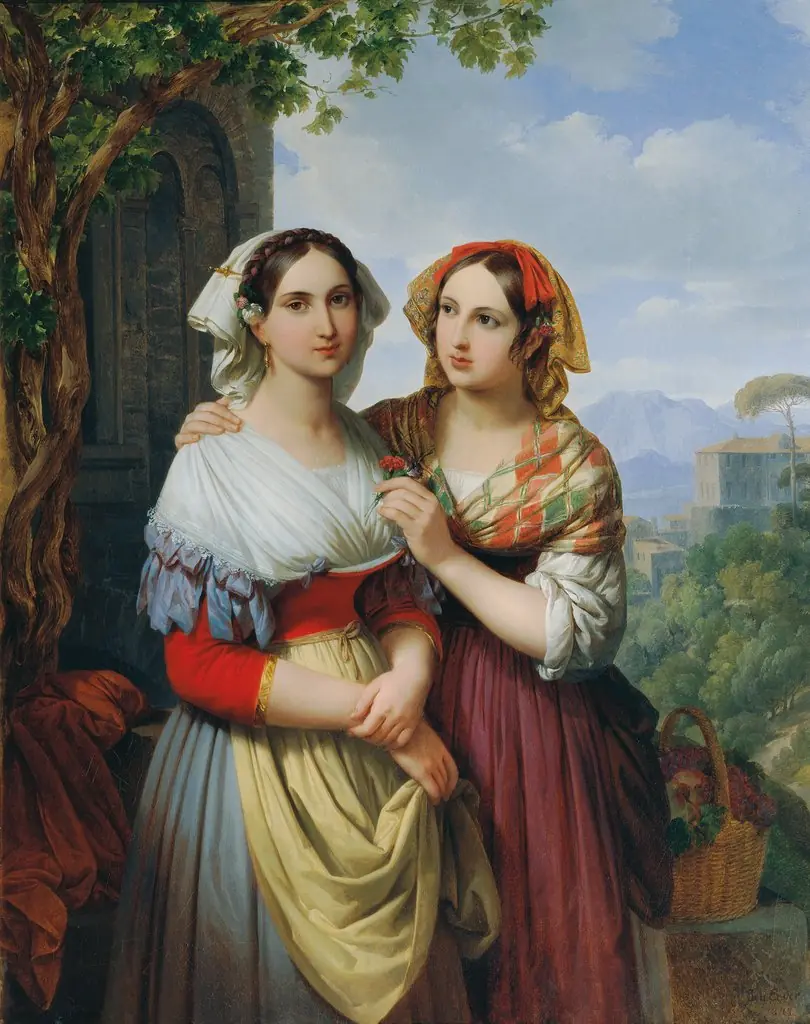 Two Girls in a Landscape
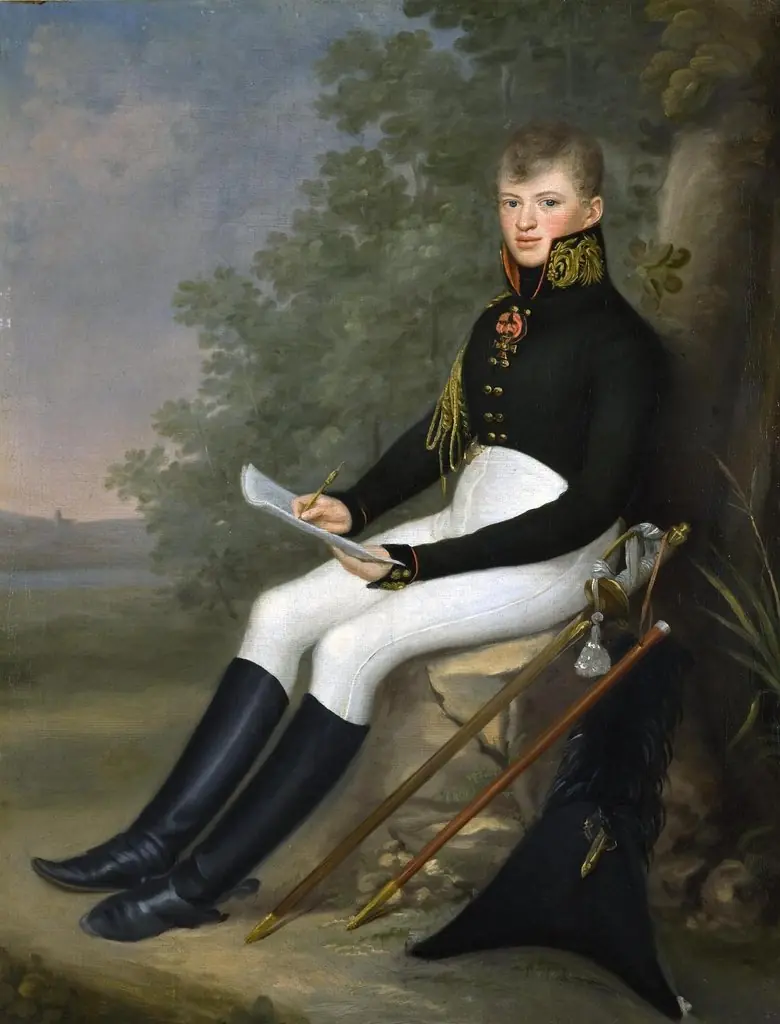 Portrait of the Military Cartographer F.F.Schubert
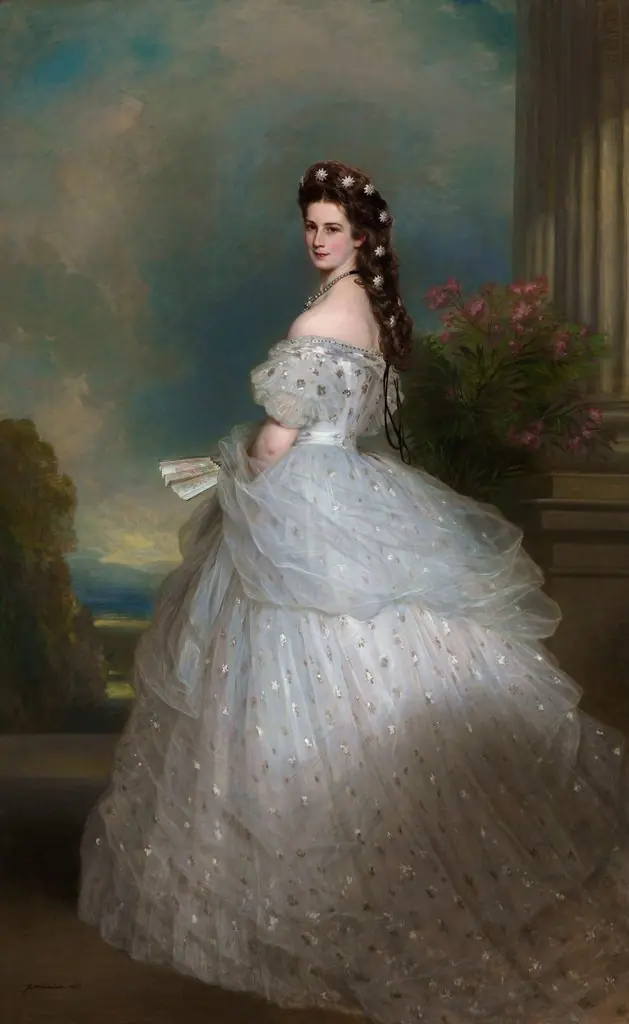 Empress Elisabeth of Austria in Courtly Gala Dress with Diamond Stars
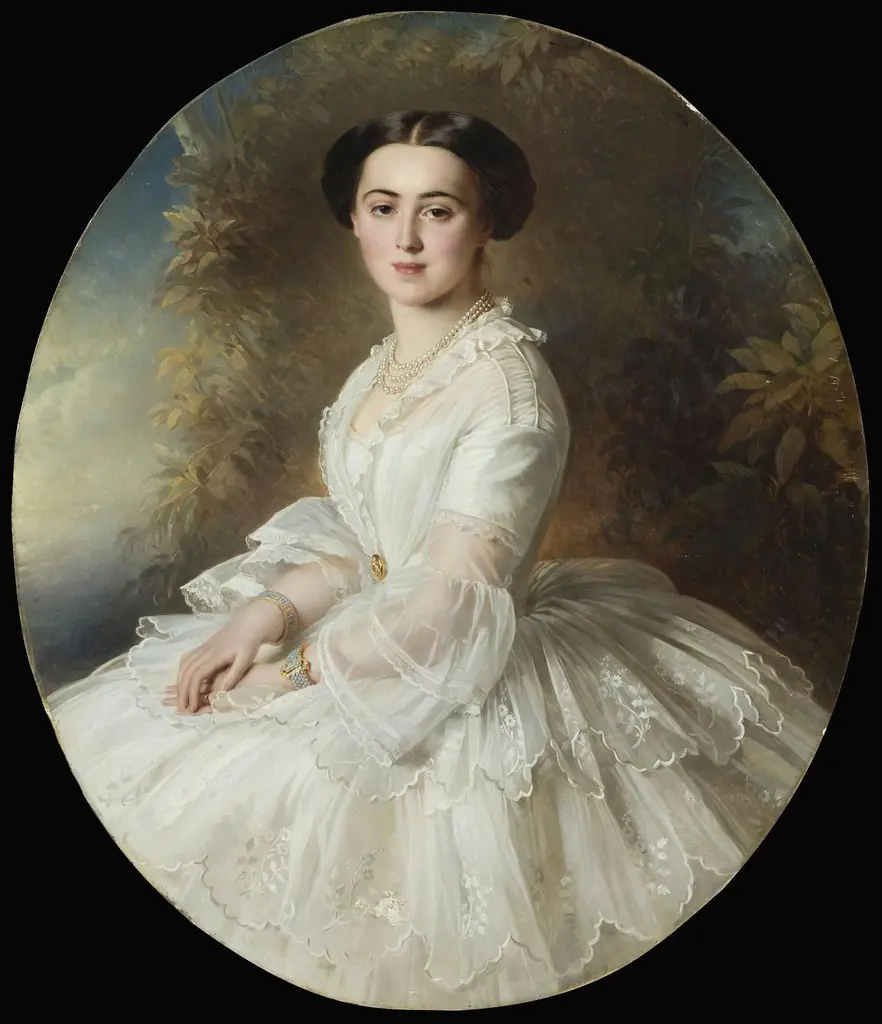 Portrait of Grand Duchess Olga Feodorovna
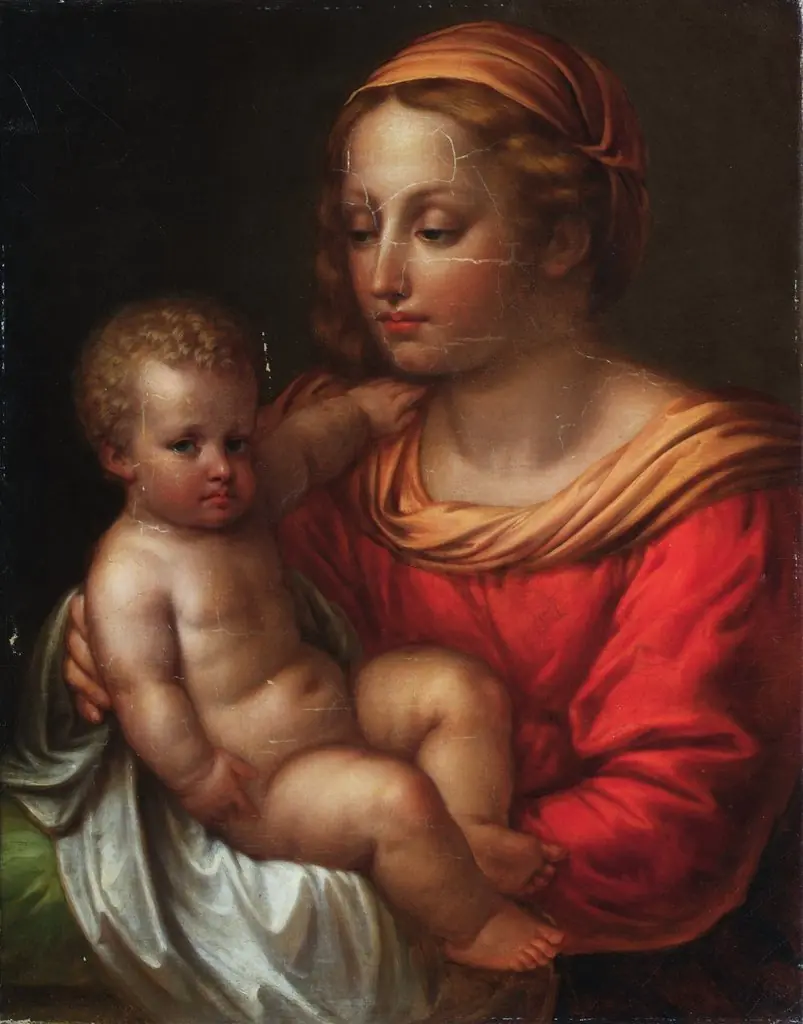 Madonna with Child
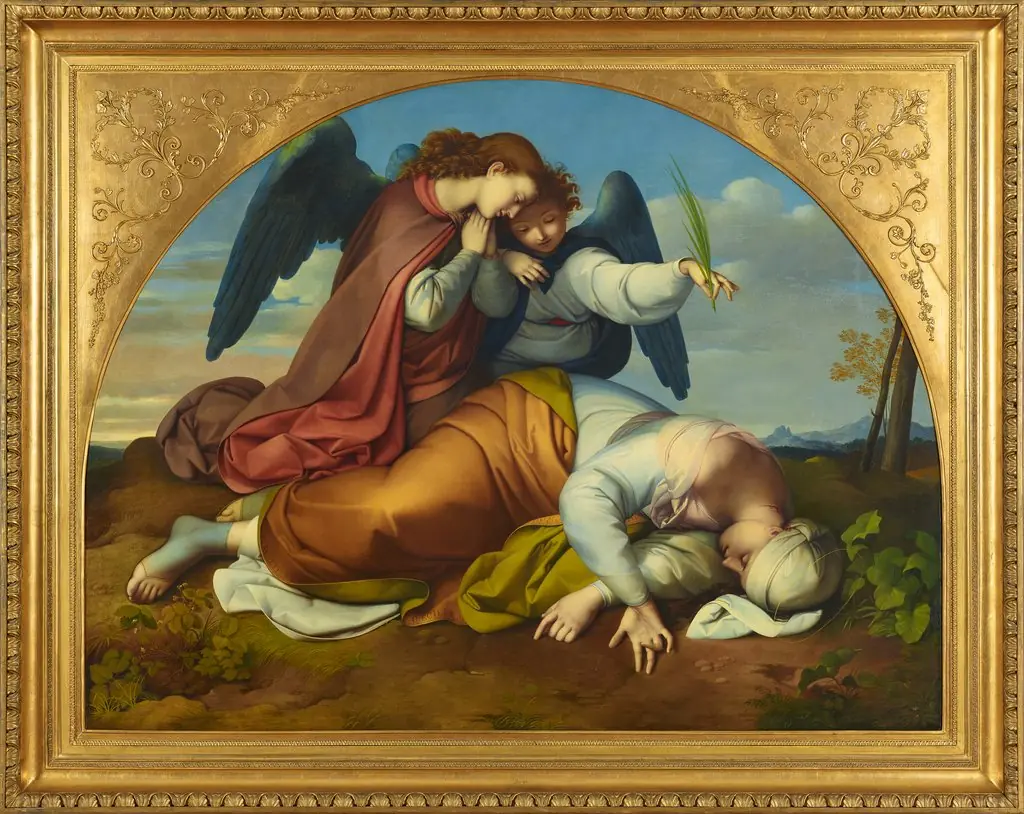 Die tote heilige Caecilia (Römische Fassung)
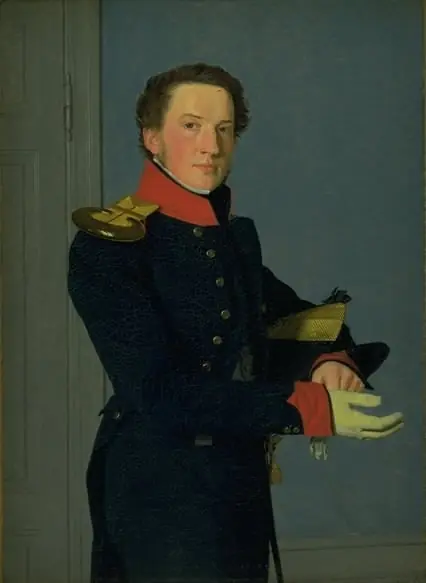 Portrait of the Naval Lieutenant D. Christen Schifter Feilberg
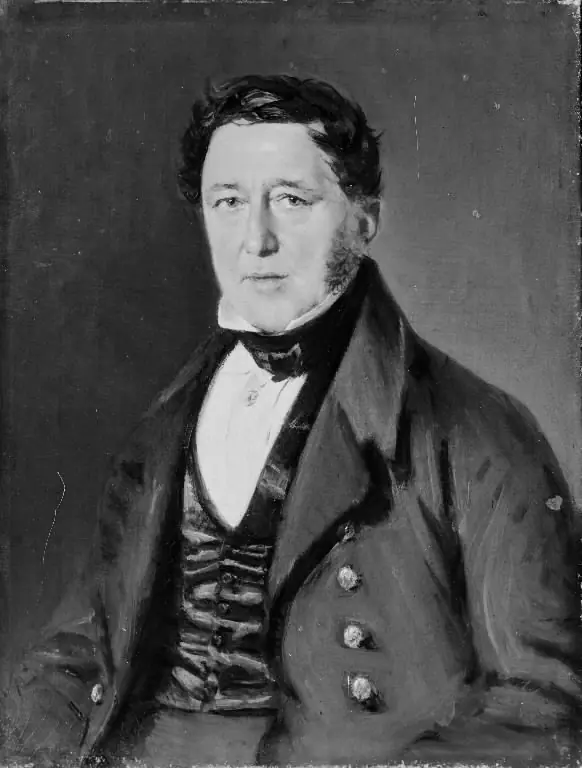 Peter Hiort Lorenzen, slesvigsk stænderdeputeret, kunstnerens svoger
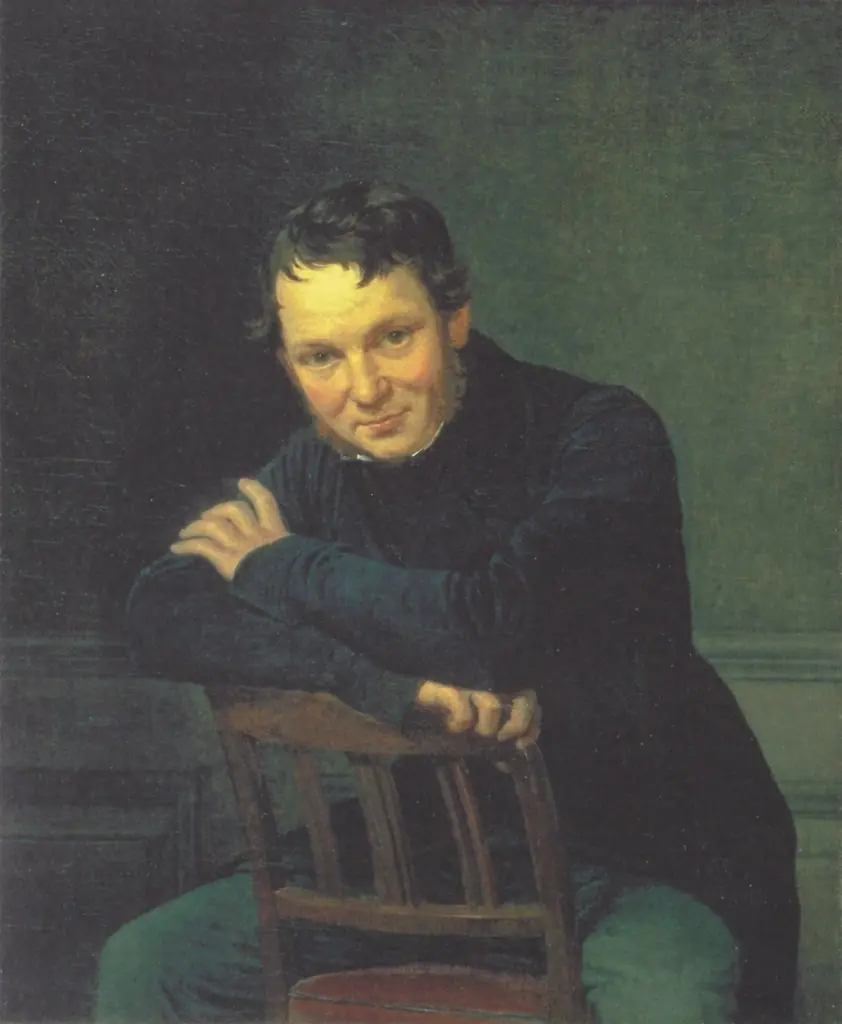 Gottlieb Bindesbøll, Danish Architect
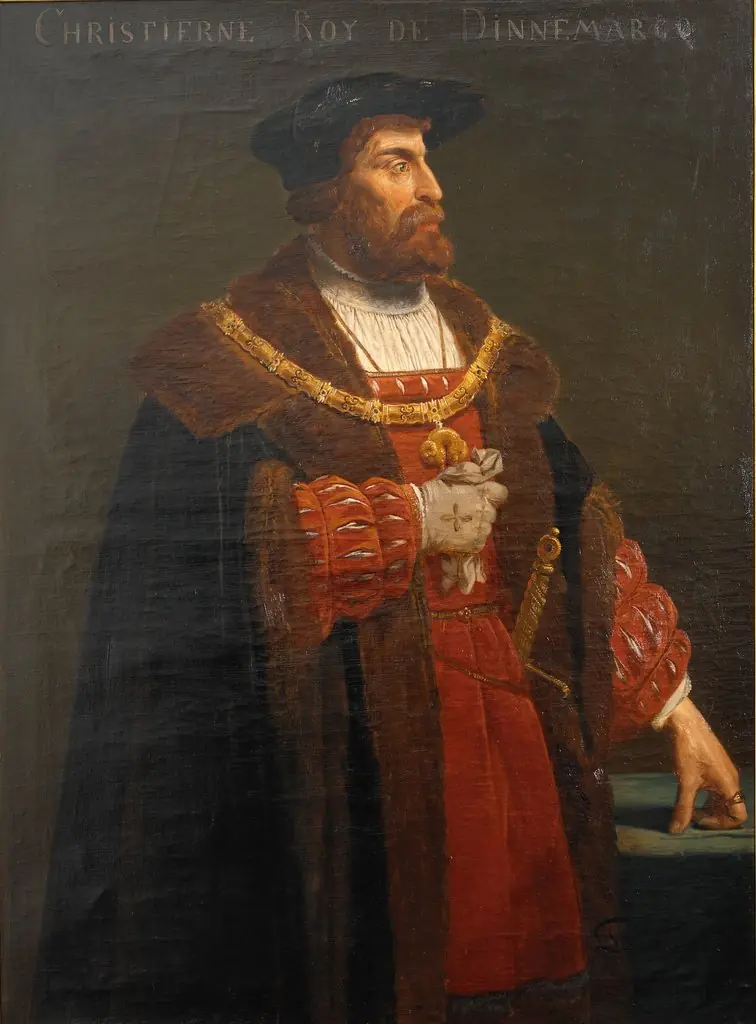 Christian II of Denmark
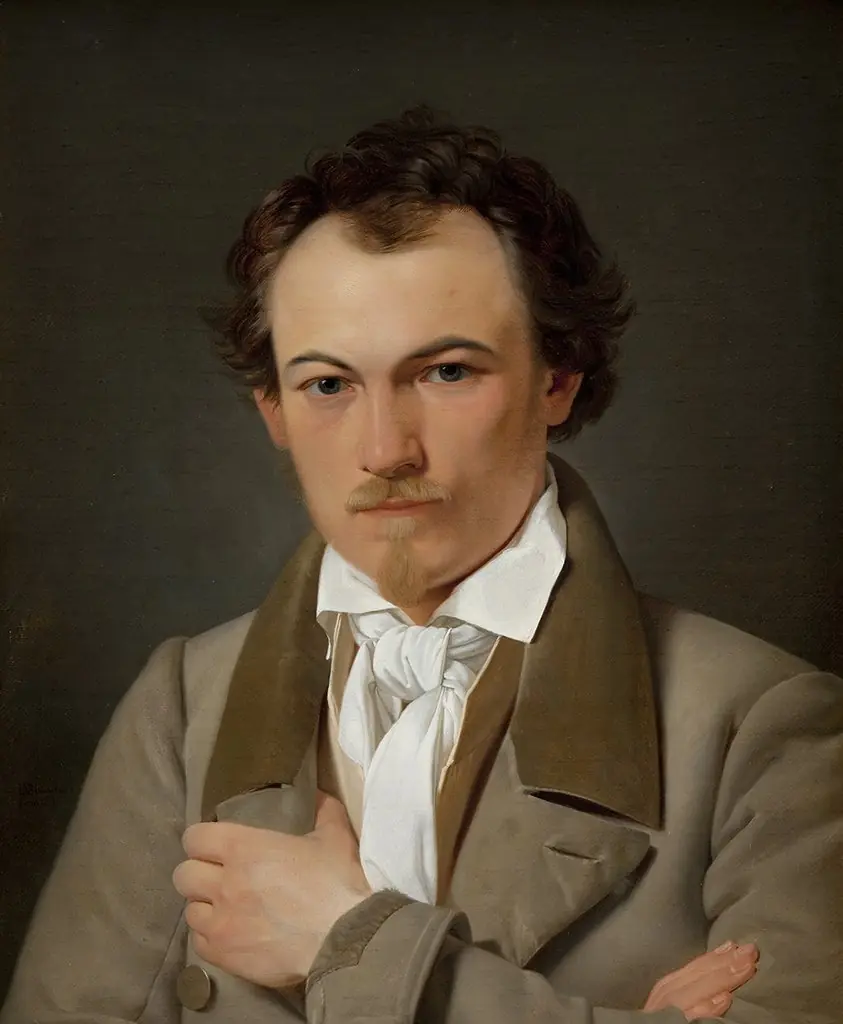 Portrait of the Scene Painter Troels Lund
 Erasmus Rotterdamus
 Etatsråd M.L. Nathanson
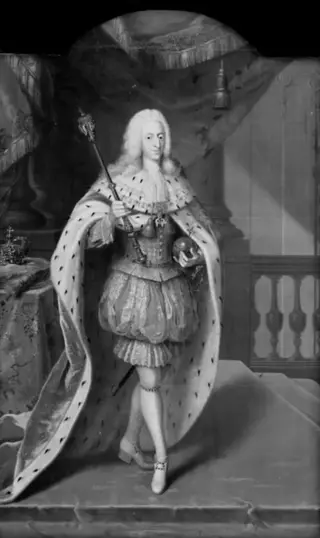 Christian VI
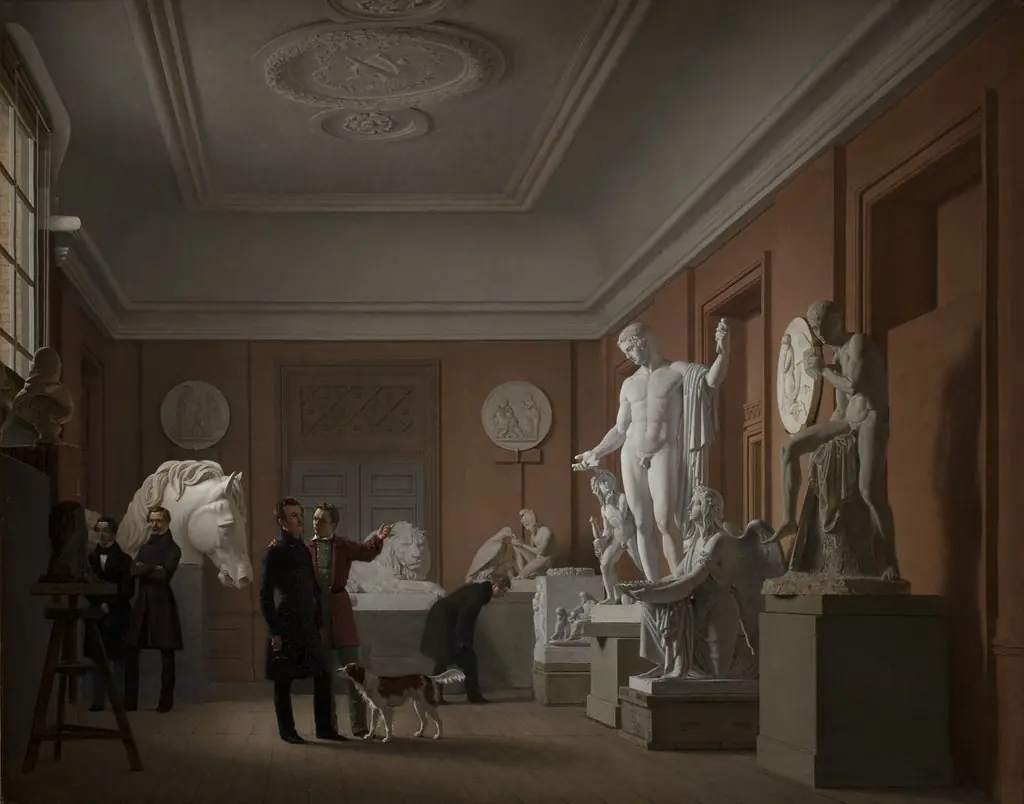 Thorvaldsen's Studio in the Royal Academy of Fine Arts, Copenhagen
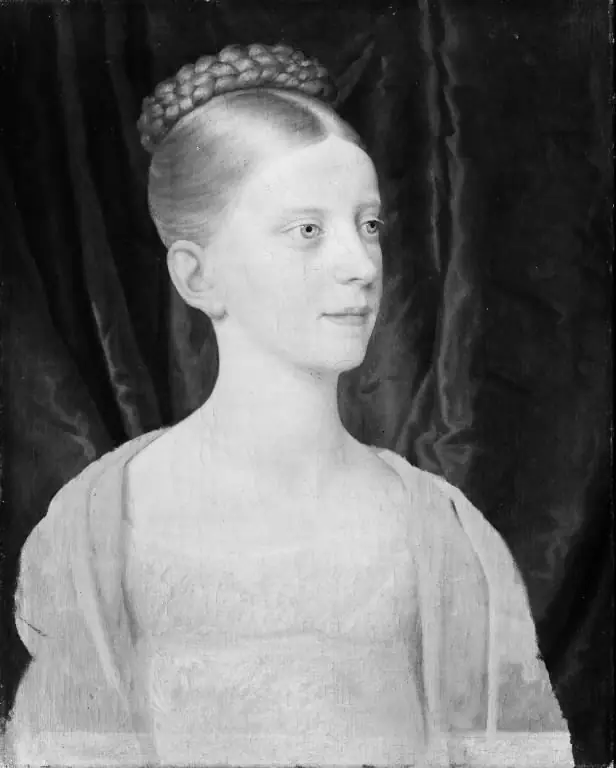 Princess Wilhelmine, Daughter of Frederik VI
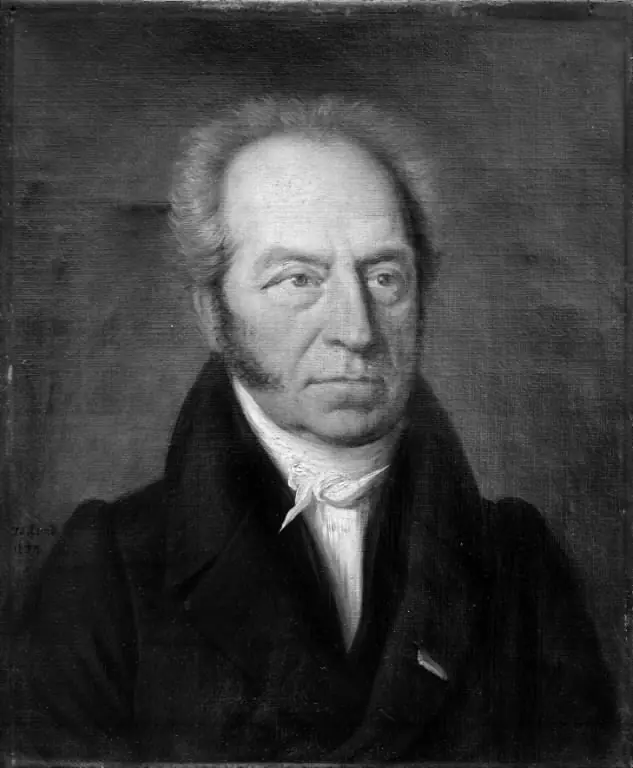 J.C. Spengler. Warden of the Royal Cabinet of Curiosities
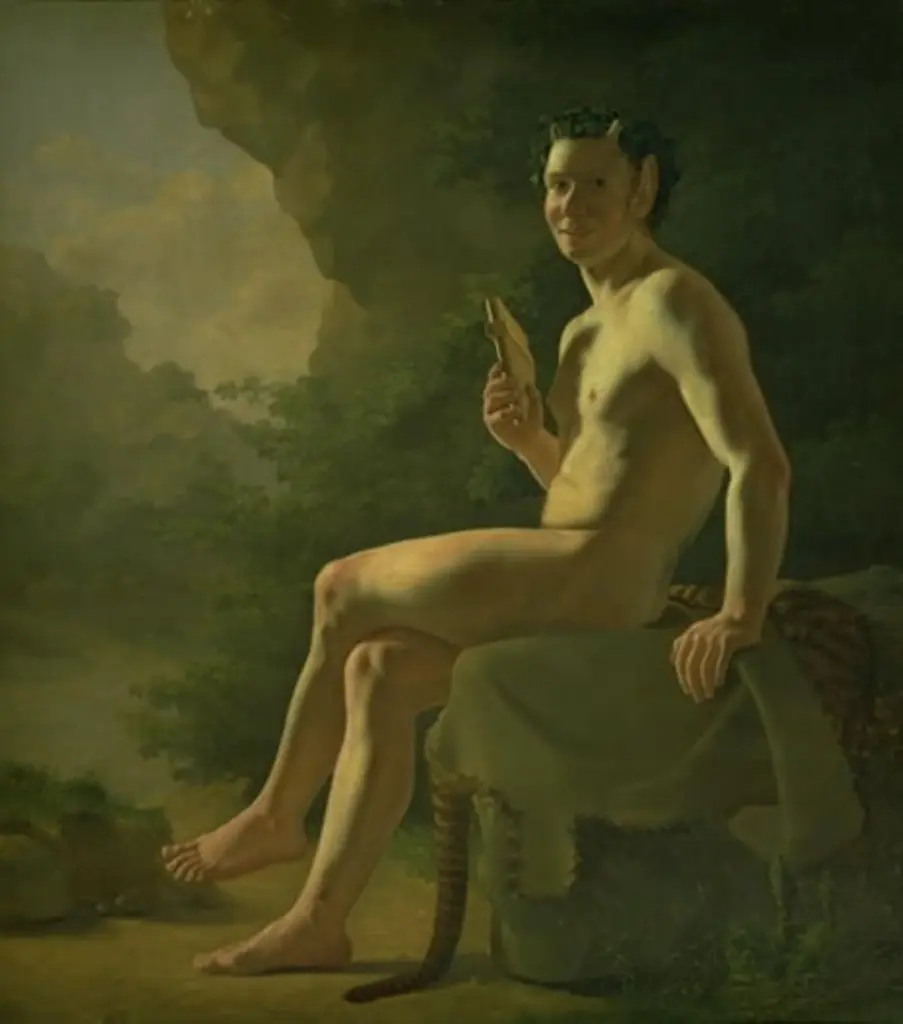 Young Pan in a Grotto. Model
Frequently asked questions
What is Biedermeier?
Biedermeier is an art movement. A modest, middle-class style in Central Europe (roughly 1815-1848), between Napoleon's fall and the revolutions of 1848.
How many Biedermeier works does Artifact World Gallery have?
Artifact World Gallery holds 1,445 public-domain Biedermeier works, all free to view and download.
Who are the key Biedermeier artists?
Key Biedermeier artists in the collection include Arnold Böcklin, Adriaan de Lelie and Severin Roesen.
When did Biedermeier take place?
Biedermeier dates from 1810–1850.
Where can I see Biedermeier works?
Biedermeier works in the collection are held by Rijksmuseum, Kunsthistorisches Museum and Statens Museum for Kunst.