Artwork
Sericulture (The Process of Making Silk)
Sericulture (The Process of Making Silk) is an unspecified painting. It dates from 1724 and is held in the collection of the Cleveland Museum of Art.
About this work
Technique & Style
The piece was created in China and entered the Cleveland Museum of Art collection in 1977, where it is preserved under controlled conditions.
The work depicts the traditional method of silk production using hand-drawn figures on silk fabric, rendered with fine line work and muted earth tones that emphasize texture and movement. The painting is executed on a silk support, showing subtle translucency and natural wear consistent with age. Its composition follows Chinese ink-wash conventions, with flowing brushstrokes that capture the labor and ritual of sericulture.
The medium remains intact, though minor surface fluctuations are visible in handling records. The stylistic approach reflects 18th-century Chinese painting traditions, blending realism with poetic abstraction.
The piece was created in China and entered the Cleveland Museum of Art collection in 1977, where it is preserved under controlled conditions.
History & Provenance
Sericulture (The Process of Making Silk) is dated to 1724 and classified as a painting. It is held in the collection of the Cleveland Museum of Art, where it is located. The work is recorded as having been made in China.
No further information about its commission, earlier ownership, or chain of custody is documented in the available sources.
The painting Sericulture (The Process of Making Silk) is held in the collection of the Cleveland Museum of Art. The work carries the accession number 1977.5. While the artist is unidentified in some records, other attributions associate the piece with Liang Kai, dating its creation to 1724.
Overview
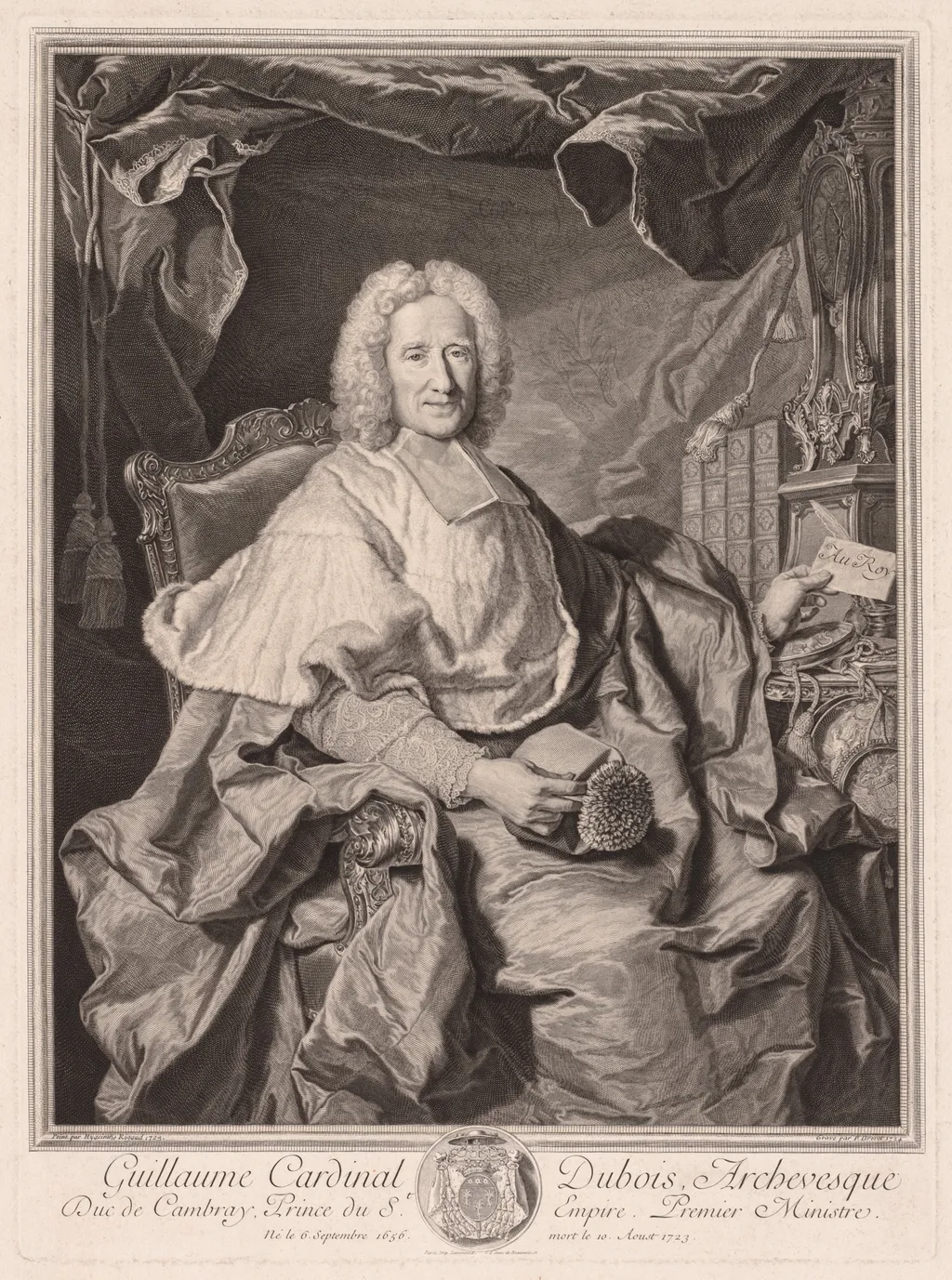
The canvas presents a seated figure clothed in a white robe with a prominent collar, a draped cloak, and curly white hair, holding a book in his right hand. He is positioned against a darkened backdrop where a faint architectural form can be discerned. The composition relies on stark light‑dark contrasts to model the figure and suggest depth.
Subject & Meaning
The attire and dignified pose imply the sitter may be a notable historical or scholarly individual, perhaps a philosopher or cleric, whose identity is hinted at by the book he grasps. The subdued setting and emphasis on the illuminated figure invite contemplation of learning and authority, aligning the work with portrait traditions that celebrate intellectual pursuits.
Artist & collection

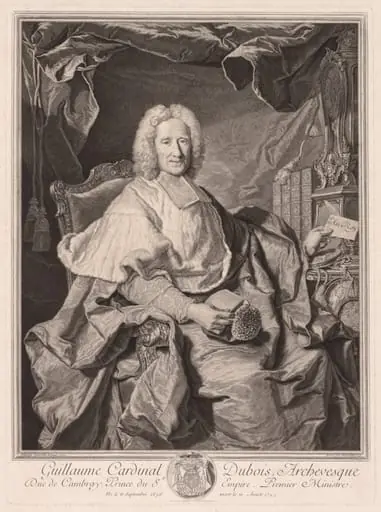
- Cardinal Dubois
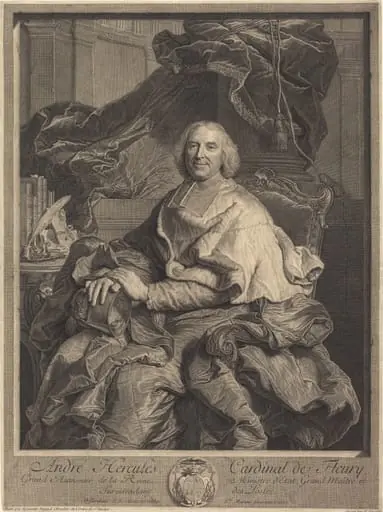 André Hercules, Cardinal de Fleury
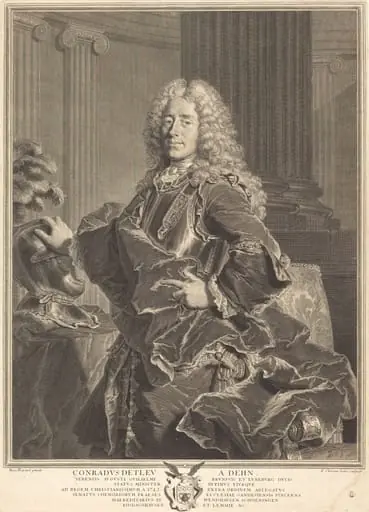 Conradus Detleu von Dehn
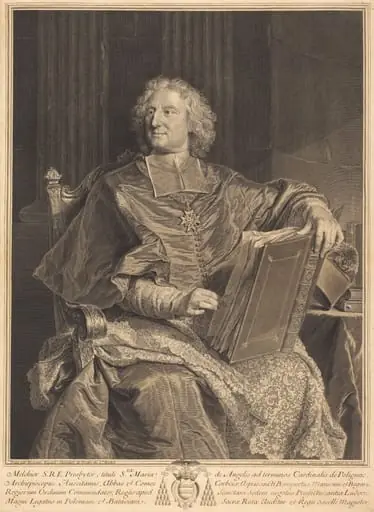 Cardinal de Polignac
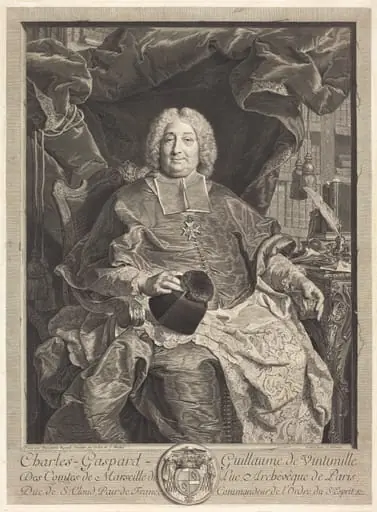 Charles-Gaspard-Guillaume de Vintimille du Luc, Archbishop of Paris
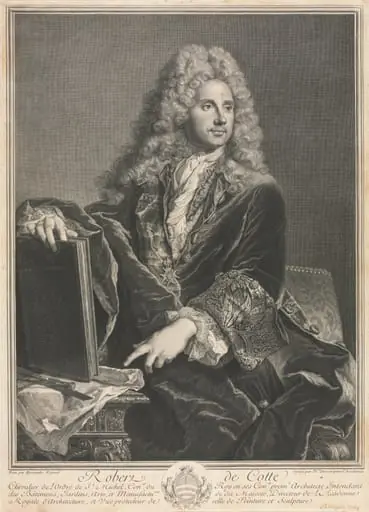 Portrait of Robert de Cotte
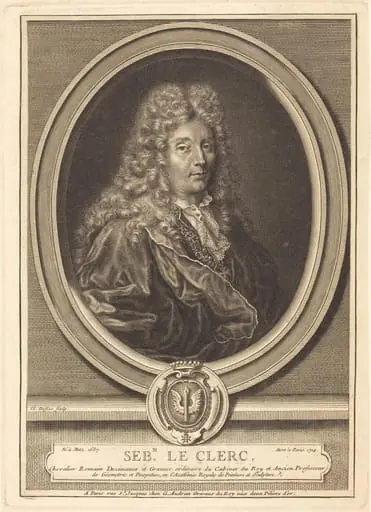 Sebastian Le Clerc
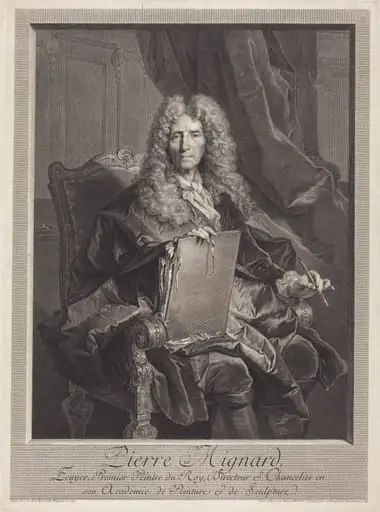 Pierre Mignard
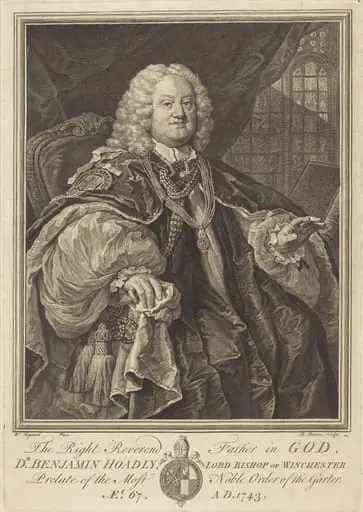 Bishop Hoadly
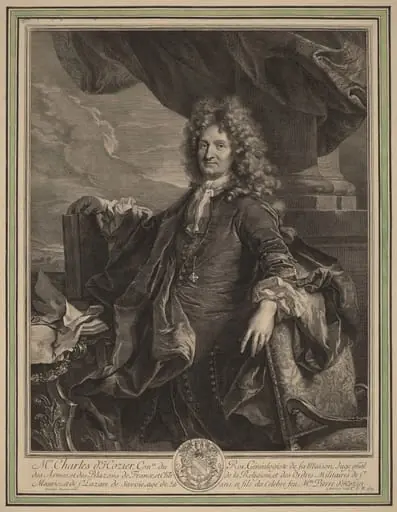 Charles-Rene d'Hozier
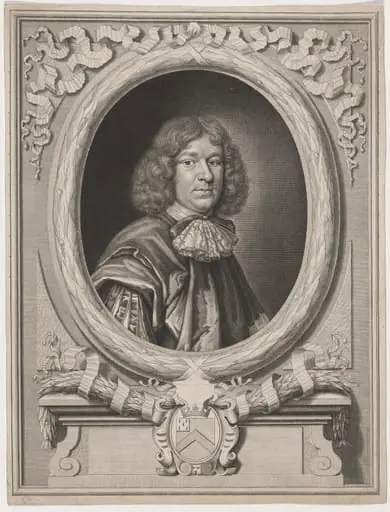 Robert Stafford of Bradfield, Berks
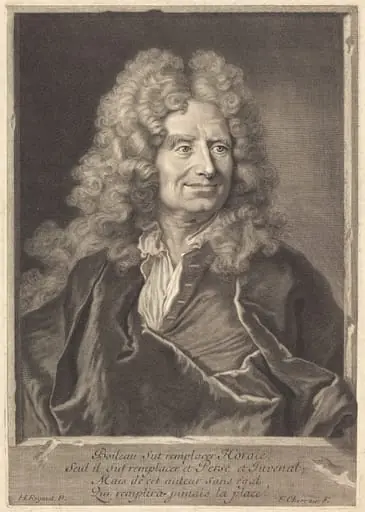 Nicholas Boileau