Artwork
Untitled
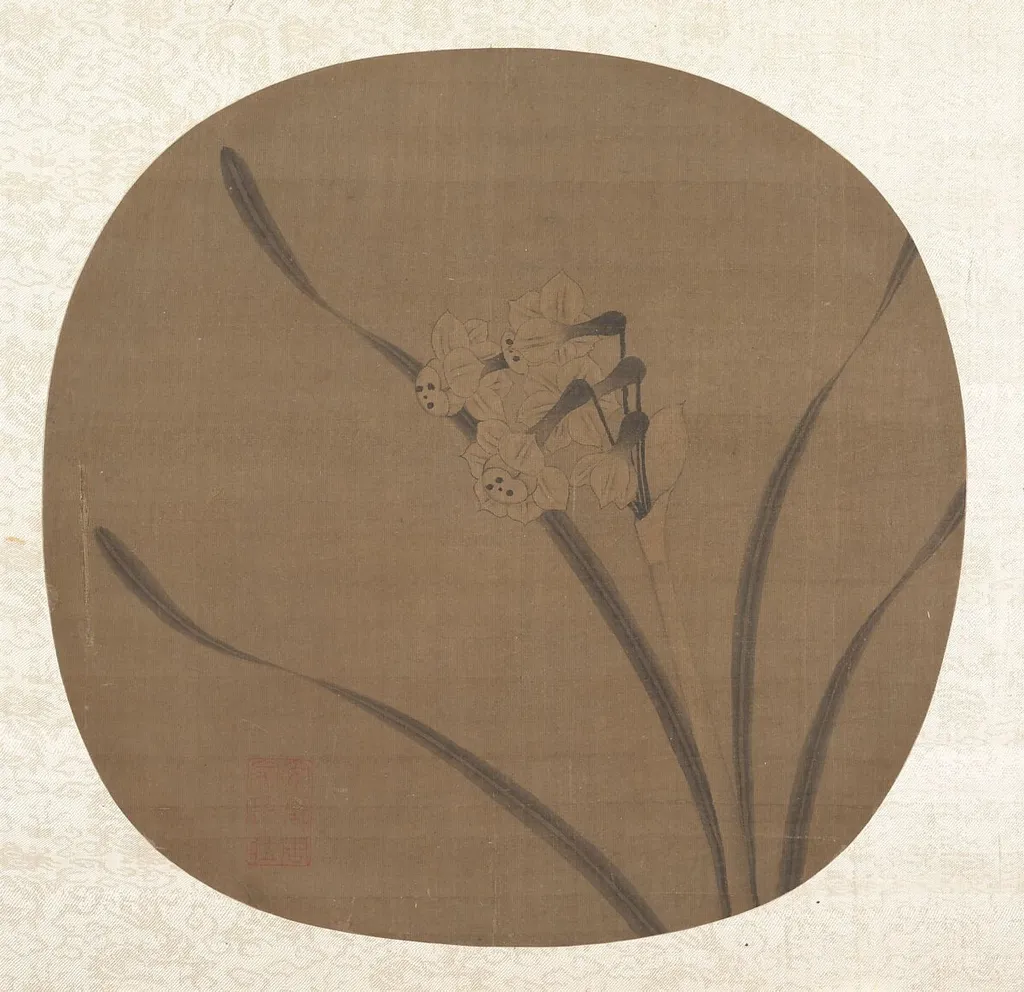
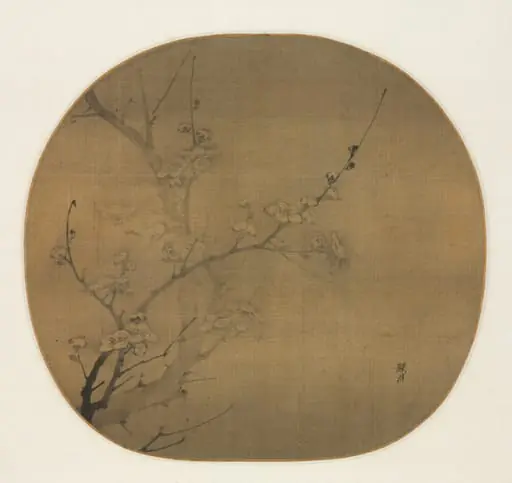
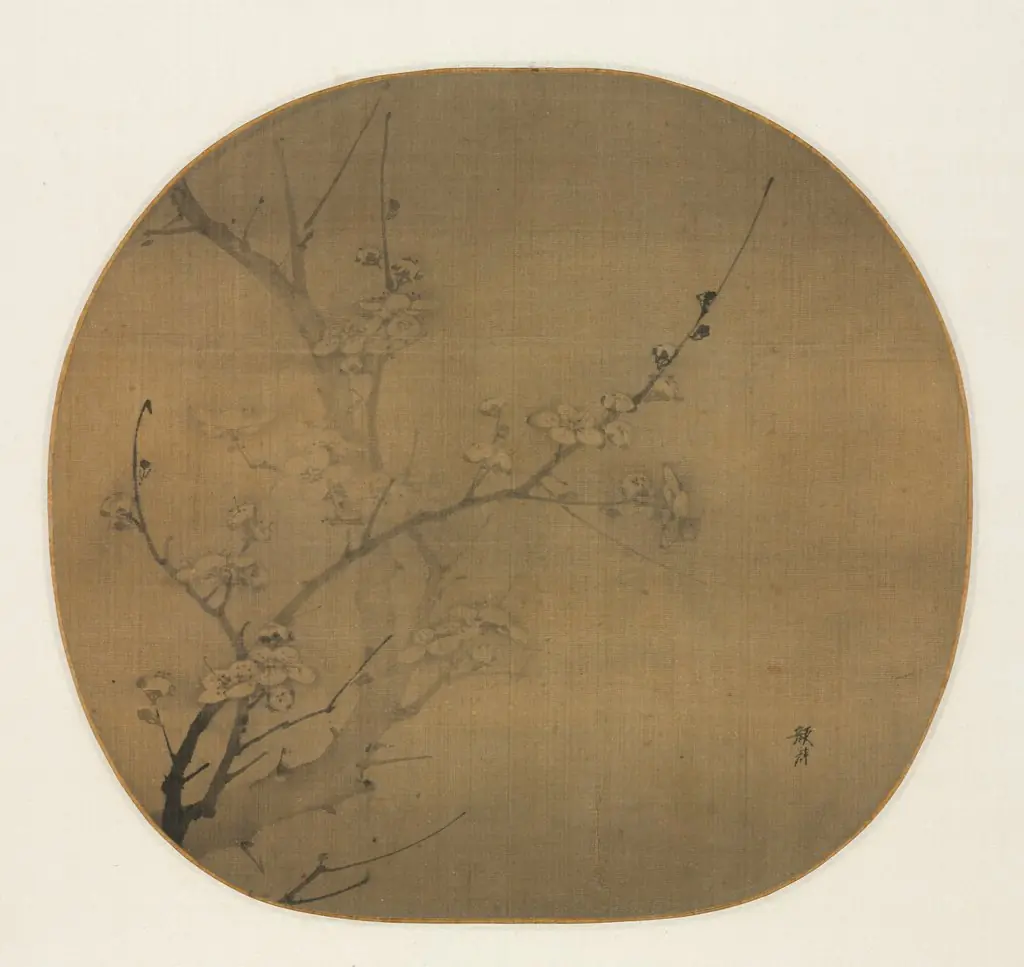
Untitled is an ink painting. It dates from 1239 and is held in the collection of the Metropolitan Museum of Art.
About this work
Subject & Meaning
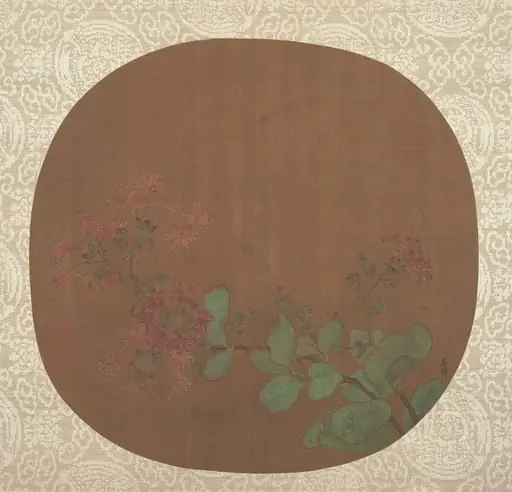
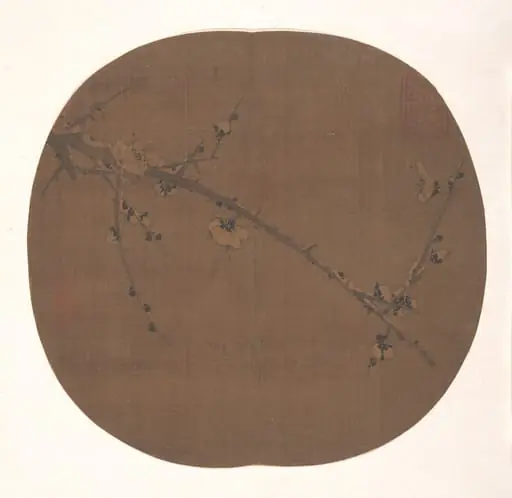
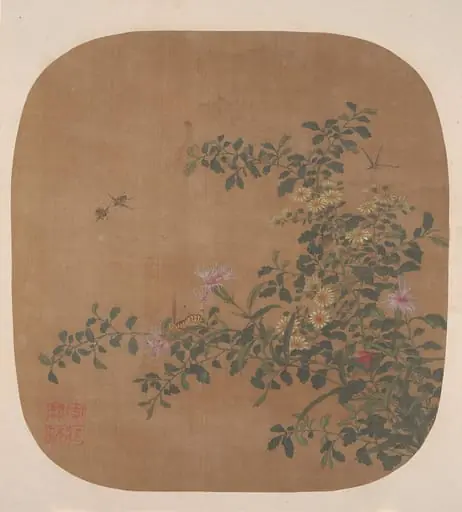
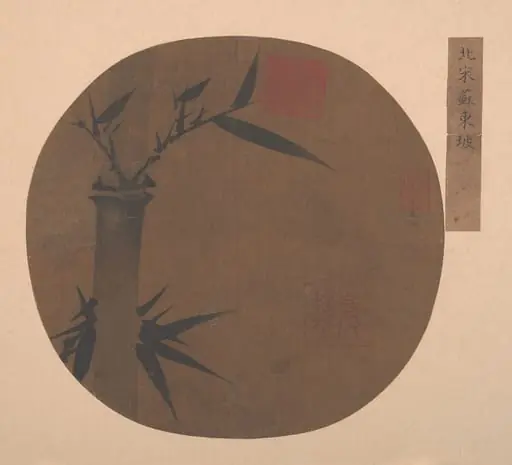
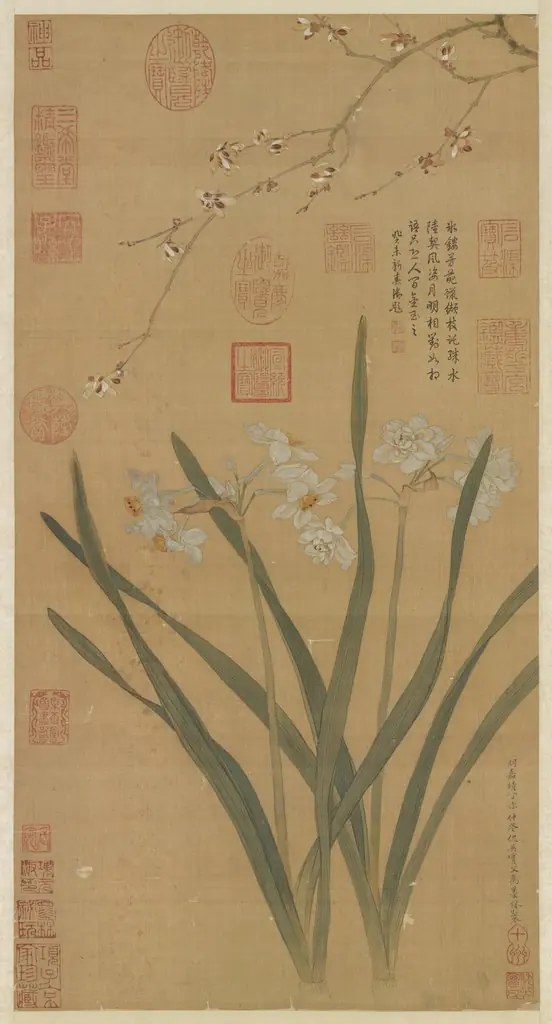
The painting depicts narcissus flowers arranged in a still-life composition, a subject associated with purity and renewal in Chinese visual culture.
The painting depicts narcissus flowers arranged in a still-life composition, a subject associated with purity and renewal in Chinese visual culture. The inclusion of narcissus, typically blooming in early spring, aligns with seasonal symbolism tied to rebirth and the fleeting nature of beauty. The anonymous treatment of the artist suggests the focus lies on the motif itself rather than individual style, emphasizing the cultural resonance of the narcissus as a symbol of refined elegance and transience.
Technique & Style
The work is executed in ink and color on silk, mounted as a fan into an album leaf, a format associated with portable, intimate painting in thirteenth-century China. Handling is delicate, with fine linear control and subtle tonal modulation to render the narcissus blooms and foliage, characteristic of scholarly still-life painting of the period. The composition is restrained and linear, aligning with the refined aesthetic of Song-dynasty scholar-painter traditions.
The small dimensions (23.8 x 24.4 cm) and refined execution suggest a private album leaf rather than a wall-mounted scroll.
History & Provenance
Created in 1239 in China, this anonymous work was originally executed as a fan before being mounted as an album leaf. The piece uses ink and color on silk to depict narcissus flowers and is classified as a still life. It is held in the collection of the Metropolitan Museum of Art in New York and measures approximately 23.8 by 24.4 centimetres.
Its accession number is not specified in the available documentation, and no exhibition history is recorded in the sources consulted.
Overview
This untitled painting, rendered in ink and pale color on silk, depicts a single narcissus bloom bending gracefully over a rock. Created in 13th-century China, the work was originally a functional fan before being mounted as an album leaf. Its delicate composition and subtle palette exemplify the refined aesthetic often found in anonymous works from this period, focusing on a singular natural element with understated elegance.
Artist & collection