Artist
Movement
Song dynasty painting is an art movement of the 960–1280 period. The gallery holds 139 works in this movement, including works by After Wang Qihan, Emperor Huizong and Song Xu. Browse Song dynasty painting paintings, portraits, pictures and artworks from the world's public-domain museum collections.
Painting flourished during China's Song dynasty (960–1279) as the medium attained a synthesis of close observation and lyrical feeling rarely matched before or since—an era later critics called the golden age of Chinese painting. Reunification under the Song court, an expanding scholar-official class, and lavish imperial patronage all nourished the art. The Hanlin Academy of Painting (翰林圖畫院) gathered the empire's finest painters on court salary, where they refined their craft and competed for imperial favor. No patron was more consequential than Emperor Huizong (r. 1100–1126), himself an accomplished painter, calligrapher, and collector of some six thousand works, who pressed academicians toward ever-finer observation and invented the wiry "Slender Gold" calligraphic script.
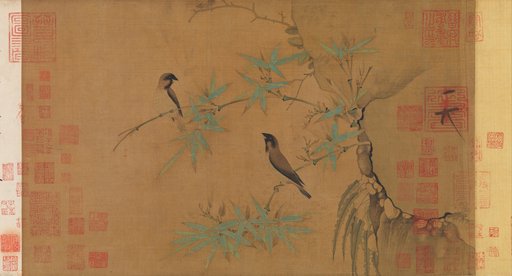
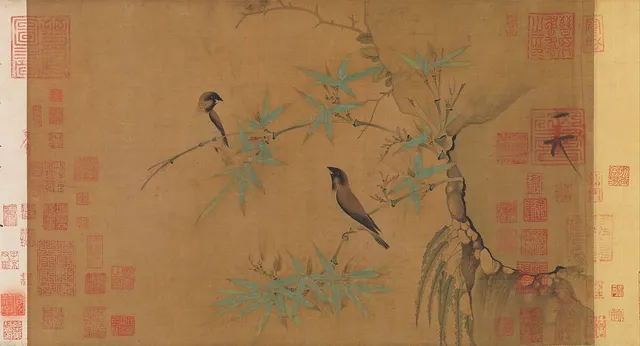
Two broad currents defined the age. Monumental landscape (shanshui, "mountains-and-water") matured in the Northern Song under masters whose towering compositions evoke the cosmos in miniature: Fan Kuan (ca. 950–after 1032), whose *Travelers Among Mountains and Streams* (ca. 1000) confronts the viewer with a sheer cliff, and Guo Xi, whose *Early Spring* (1072) renders mist-dissolved peaks in supple, cloud-like "devil-face" rock forms. Alongside ran the meticulous bird-and-flower and figure tradition prized for exquisite precision—exemplified by Huizong's *Finches and Bamboo* and *Five-Colored Parakeet* (ca. 1110), held to standards of botanical and ornithological truth.
The dynasty's flight south after 1127 reshaped the art. Li Tang (ca. 1049–after 1130) carried the academy to the new capital at Hangzhou, his vigorous "axe-cut" texture strokes bridging Northern grandeur and a new Southern Song intimacy. The Ma-Xia school of Ma Yuan and Xia Gui distilled this into asymmetric, atmospheric compositions of corner-set figures and washed-out distances. Figure painting thrived too: Li Song (1170–1255), a carpenter turned painter-in-attendance, recorded folk life with documentary delight in works such as *The Knick-Knack Peddler* (1201).
Song painting's legacy was foundational. Its court-academy realism and naturalistic ideals set a benchmark against which later artists defined themselves—most pointedly the Yuan literati (wenrenhua), who, refusing court service under Mongol rule, turned from the academy's polished verisimilitude toward expressive, calligraphic brushwork and personal sentiment. Through scholar-painters like Zhao Mengfu, the Song achievement became the very tradition that the literati both revered and reinvented.
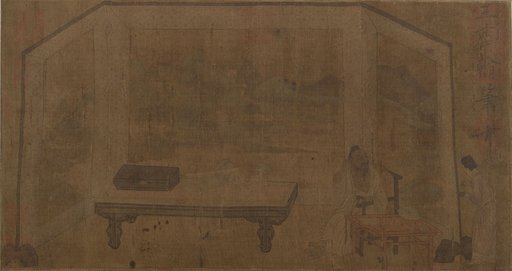
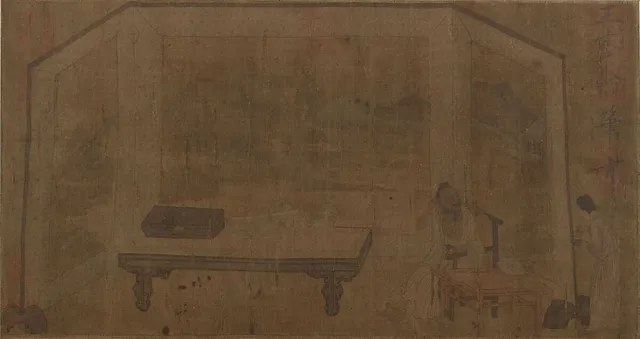
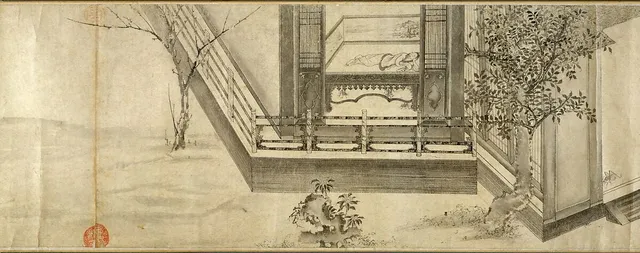
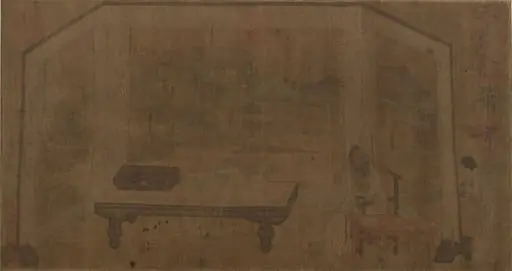 宋/明? 佚名 仿王齊翰 挑耳圖 卷|Library Scene
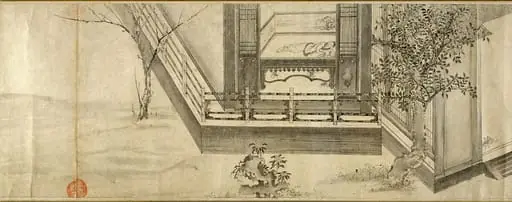 南宋 佚名 傳李公麟 豳風七月圖 卷|Odes of the State of Bin
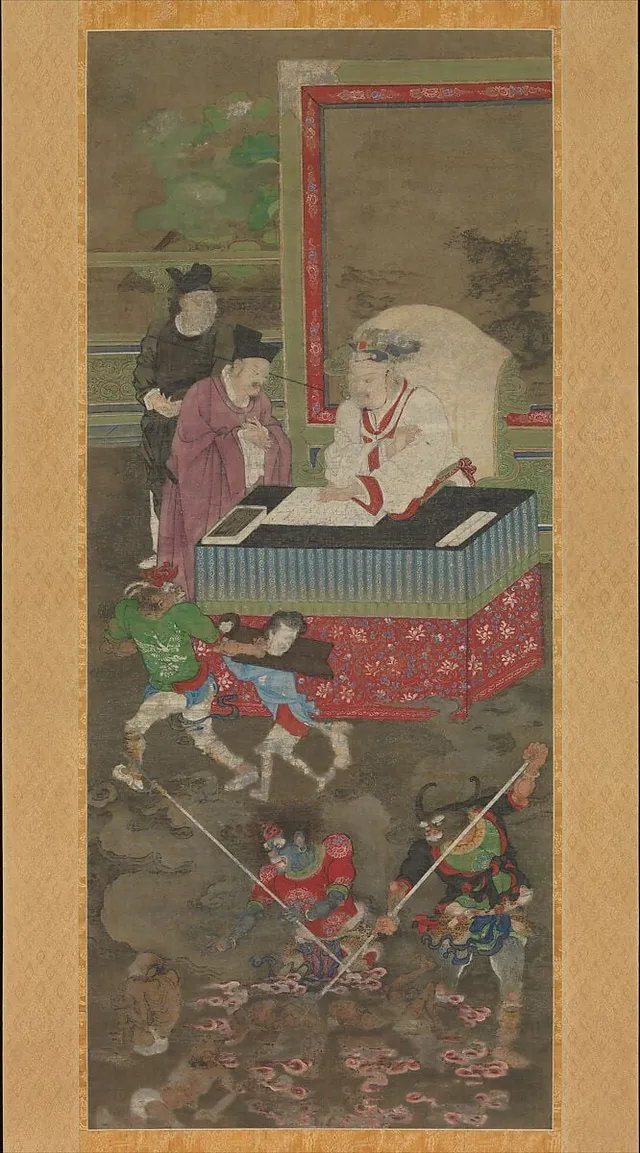
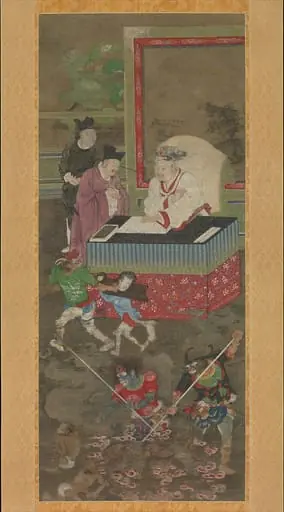 南宋 金處士 十王圖 軸|Ten Kings of Hell
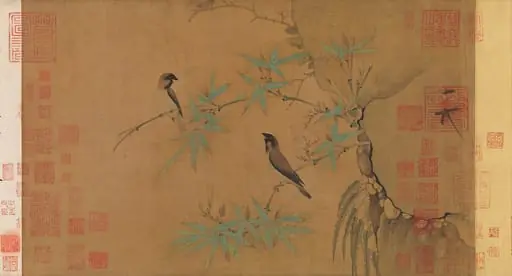 北宋 徽宗 竹禽圖 卷|Finches and bamboo
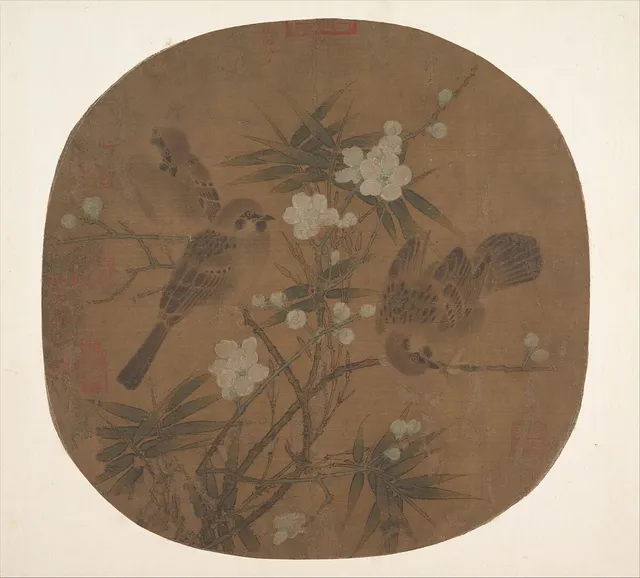
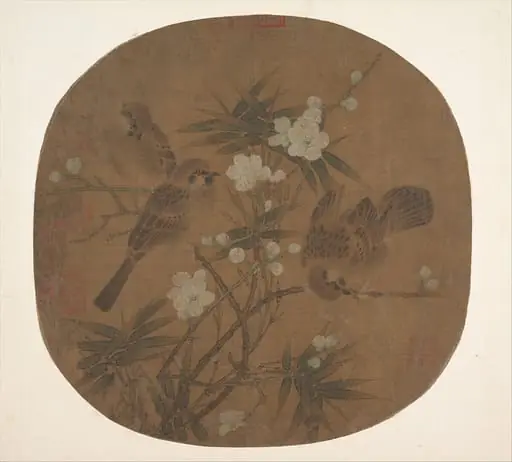 南宋 佚名 竹梅小禽圖 團扇|Sparrows, plum blossoms, and bamboo
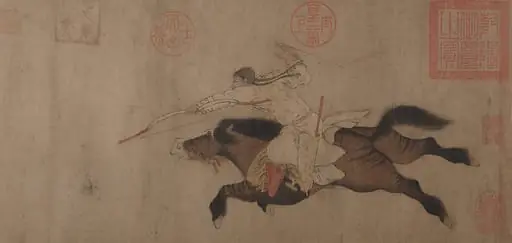 北宋/金 傳黃宗道 舊傳李贊華 獵鹿圖 卷|Stag Hunt
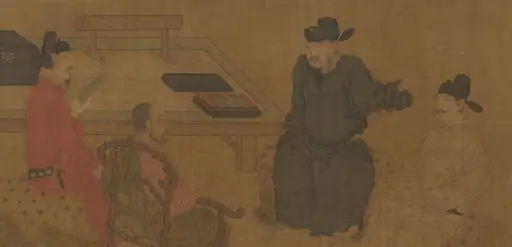 南宋 佚名 舊傳五代周文矩 琉璃堂人物圖 卷|Scholars of the Liuli Hall
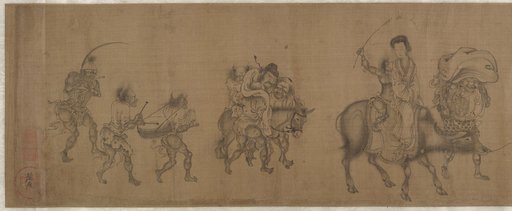
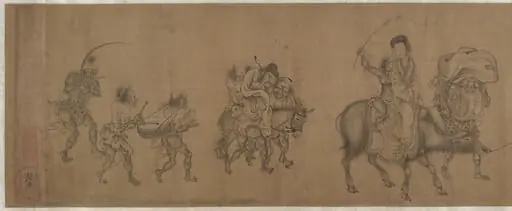 南宋/元 顏庚 鍾馗嫁妹圖 卷|The Demon Queller Zhong Kui Giving His Sister Away in Marriage
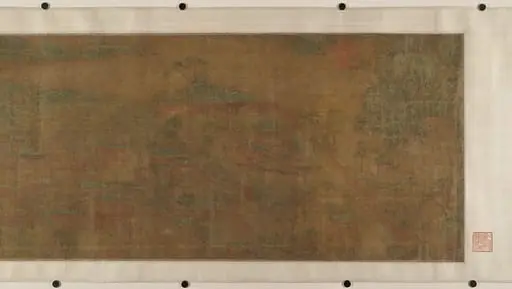 Untitled
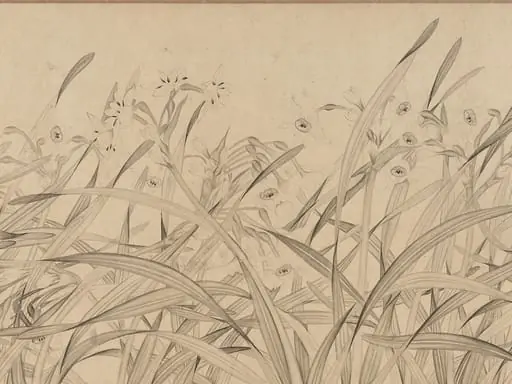 南宋 趙孟堅 水仙圖 卷|Narcissus
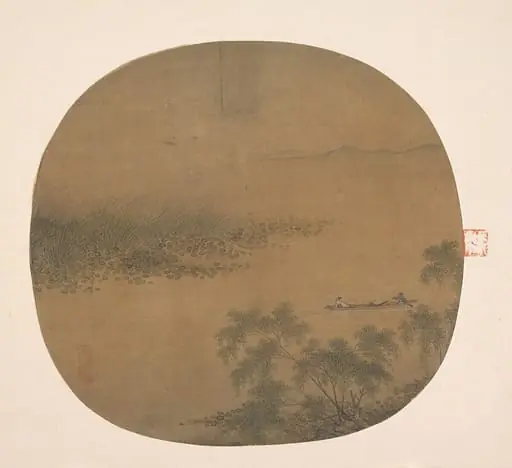 南宋 佚名 泛舟柳塘圖 團扇|Boating by a Willow Bank
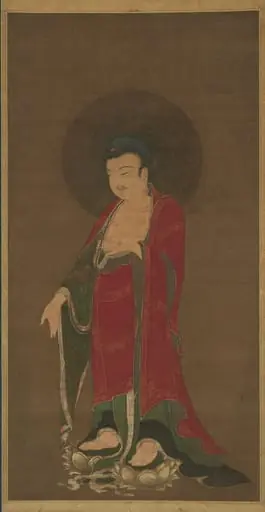 南宋 佚名 阿彌陀佛圖 軸|Buddha Amitabha Descending from His Pure Land
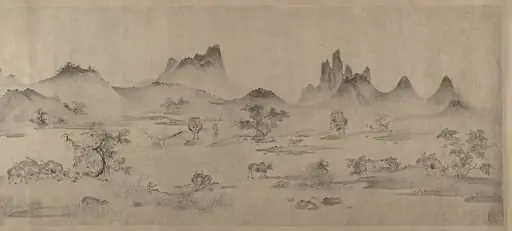 宋/元 佚名 百牛圖 卷|One hundred water buffalo
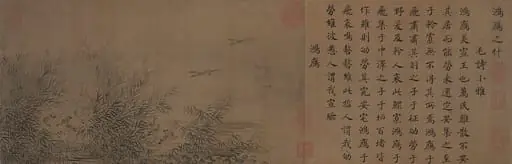 南宋 馬和之 詩經小雅鴻雁之什六篇圖 卷|Courtly Odes, Beginning with "Wild Geese"
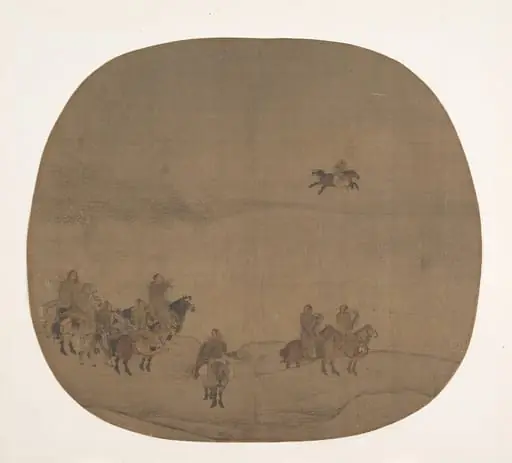 南宋 傳陳居中 胡騎春獵圖 團扇|Nomads hunting with falcons
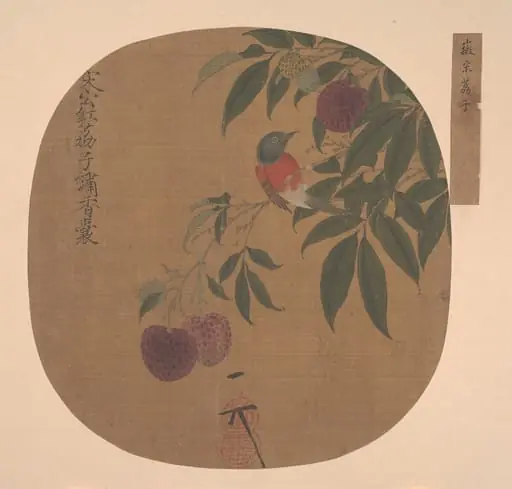 明 佚名(舊傳宋徽宗) 荔枝圖 冊頁|Bird on a Lychee Branch
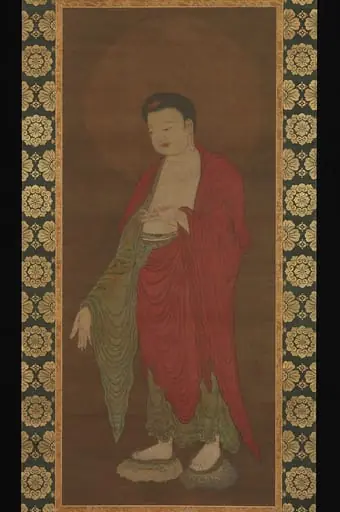 南宋 佚名 阿彌陀佛圖 軸|Buddha Amitabha Descending from his Pure Land
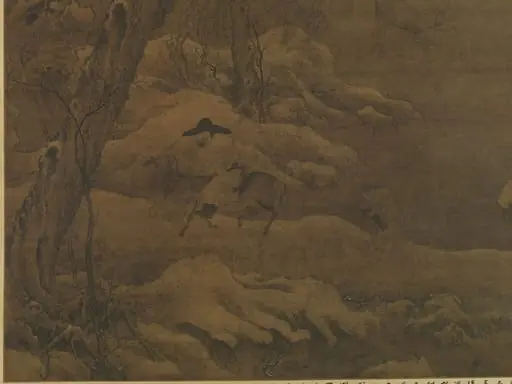 宋 佚名 倣李成 寒林策驢圖 軸|Travelers in a Wintry Forest
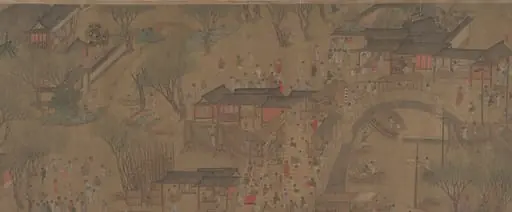 清 佚名 清明上河圖|Going Upriver on the Qingming Festival
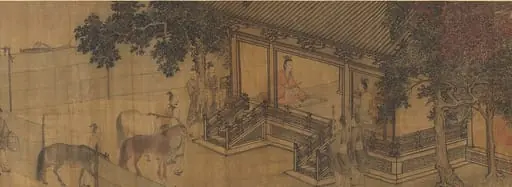 南宋 傳 李唐 晉文公復國圖 卷|Duke Wen of Jin Recovering His State
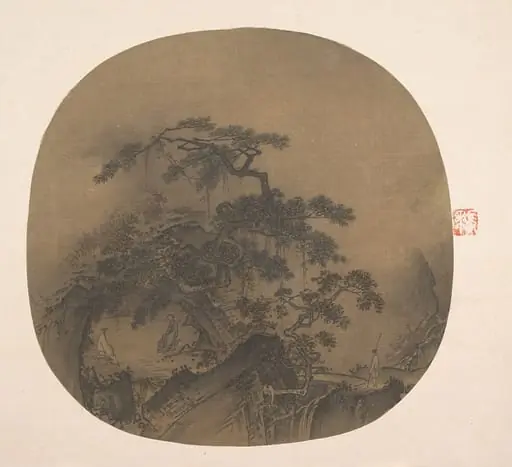 南宋 佚名 洞天論道圖 團扇|Conversation in a cave
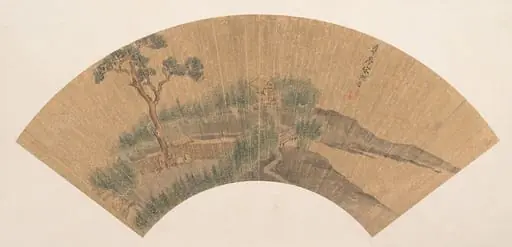 明 宋懋晉 樓居圖 扇|Dwelling in Landscape
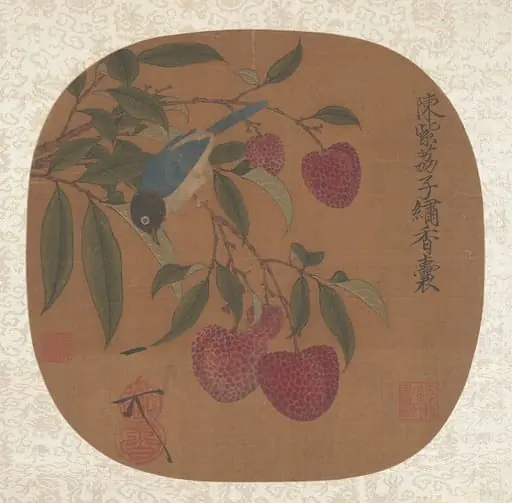 Untitled
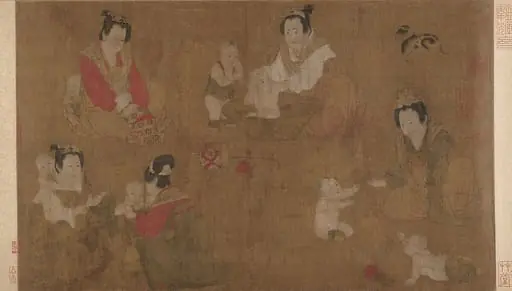 宋 佚名 倣周昉 戲嬰圖 卷|Palace Ladies Bathing Children
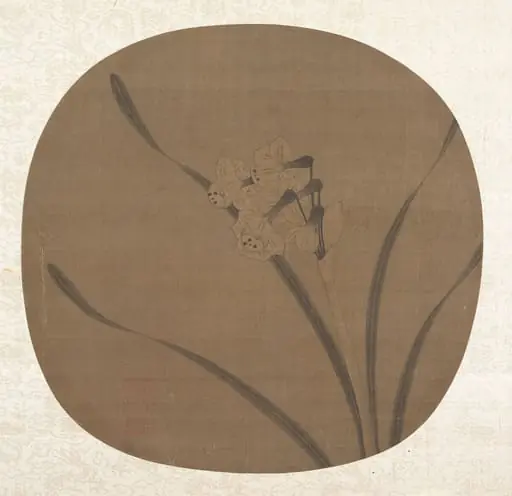 Untitled
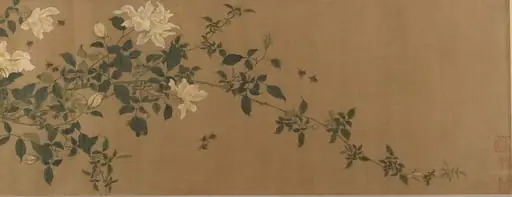 清 佚名 趙昌(僞款) 蜂王圖 卷|Yellow Roses and Bees, Pink Roses and Wasps
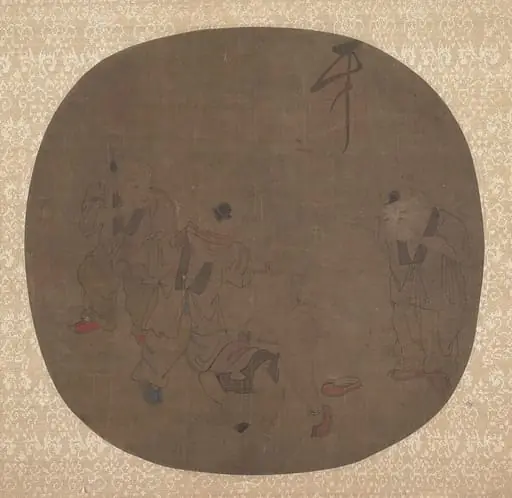 Untitled
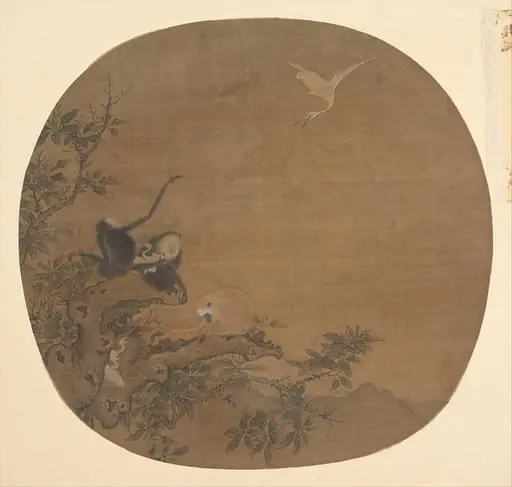 南宋? 佚名 舊傳易元吉 三猿得鷺圖 團 扇頁|Gibbons Raiding an Egret's Nest
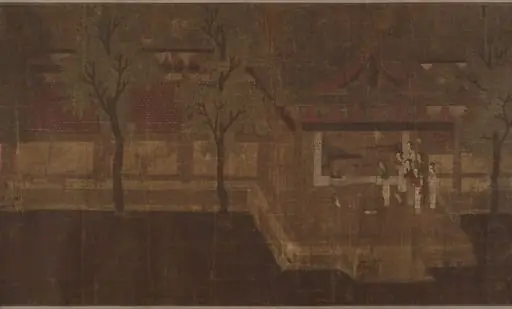 明/清 佚名 傳蕭照 中興瑞應第七圖 卷|Pavilion with Figures
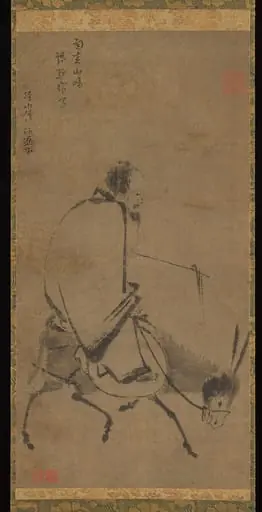 南宋 佚名 騎驢圖 軸|Chan master riding a mule
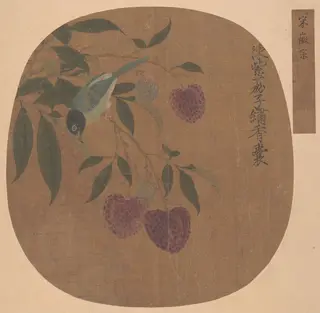 Untitled
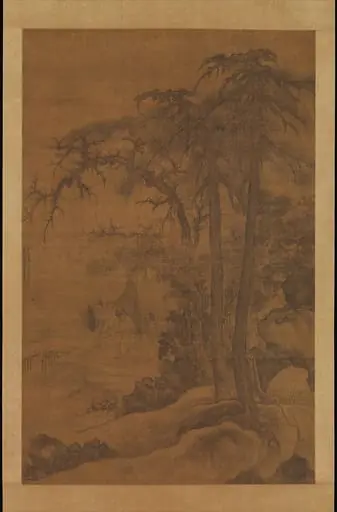 元 唐棣 松溪歸漁圖 軸|Returning Fishermen
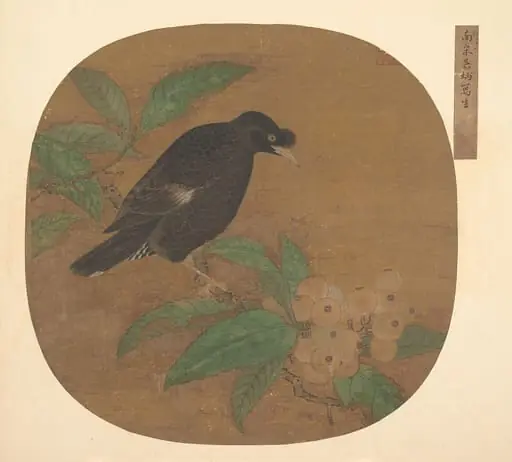 南宋?佚名 舊傳吳炳 枇杷八哥圖 團扇頁|Minah Bird on a Loquat Branch
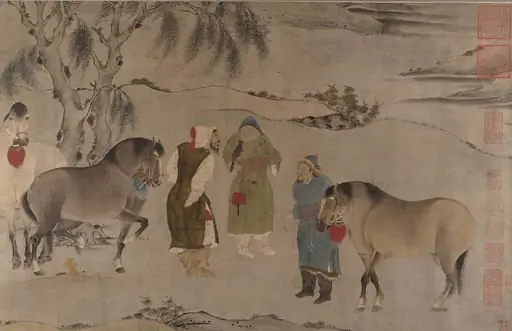 南宋/元 佚名 六馬圖 卷|Six Horses
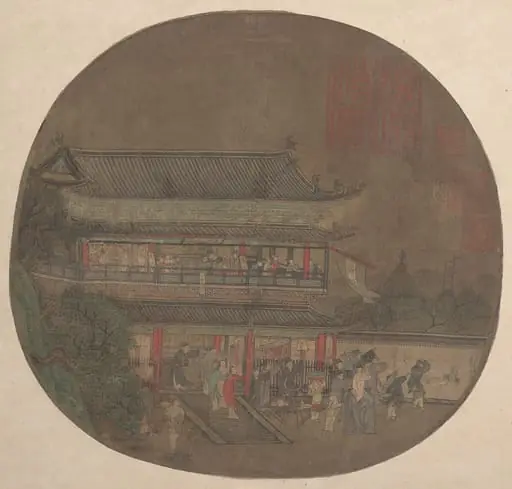 南宋/元 佚名 呂洞賓過岳陽樓圖 扇|The Immortal Lü Dongbin Appearing over the Yueyang Pavilion
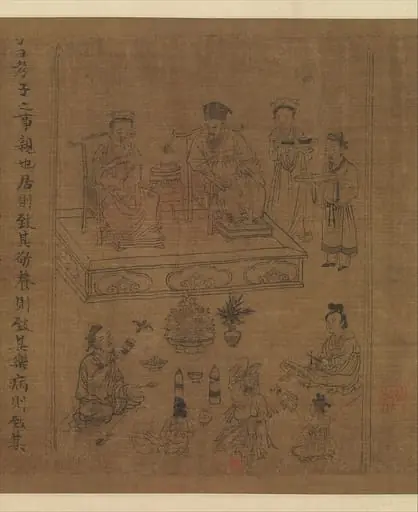 北宋 李公麟 孝經圖 卷|The Classic of Filial Piety
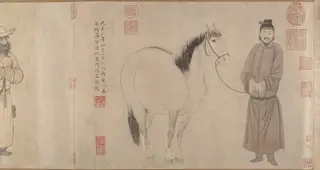 元 趙孟頫 趙雍 趙麟 吳興趙氏三世人馬圖 卷|Grooms and horses
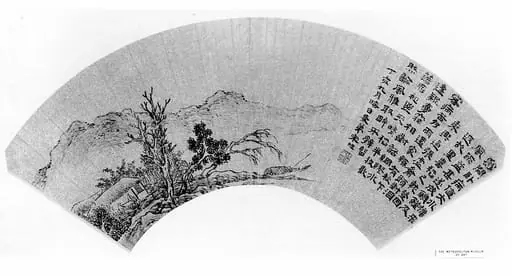 明 宋旭 書法 扇|Landscape
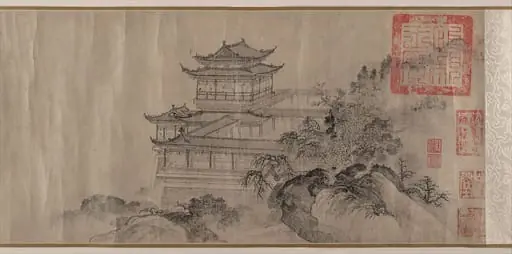 元 唐棣 滕王閣圖 卷|The Pavilion of Prince Teng
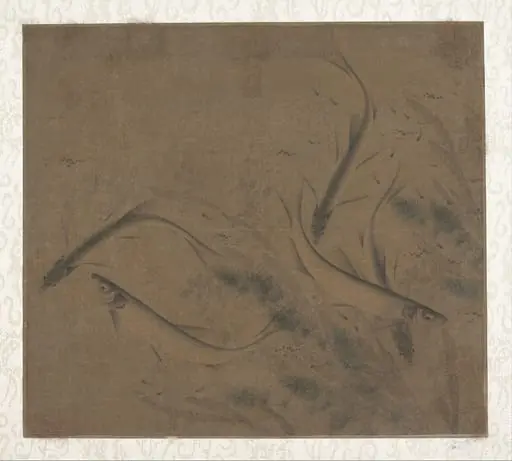 宋 傳 趙克敻 藻魚圖 冊頁|Fish at play
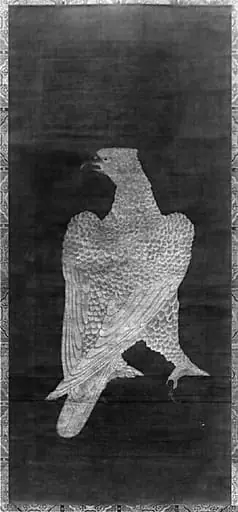 Untitled
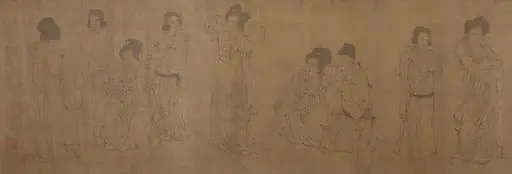 宋 佚名 倣周文矩 宮中圖 卷|In the Palace
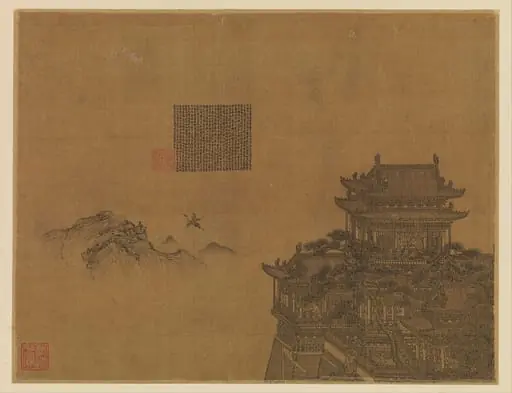 元 夏永 黃樓圖 冊頁|The Yellow Pavilion
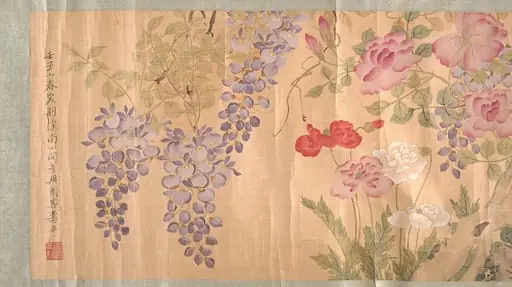 Untitled
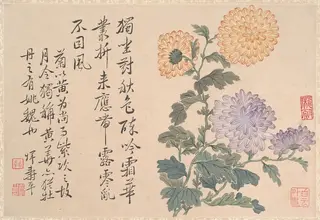 清 惲壽平 菊花圖 冊頁|Chrysanthemums
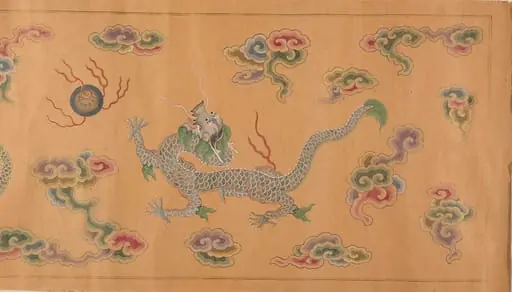 Untitled
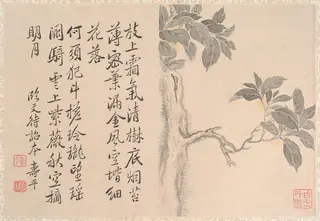 清 仿惲壽平 桂花圖 冊頁|Cassia Tree
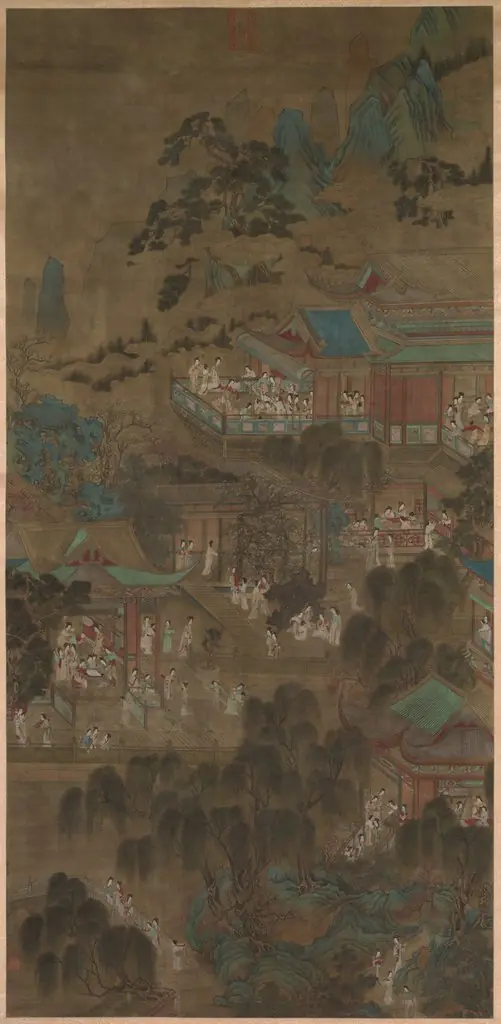 Court Ladies in the Imperial Palace
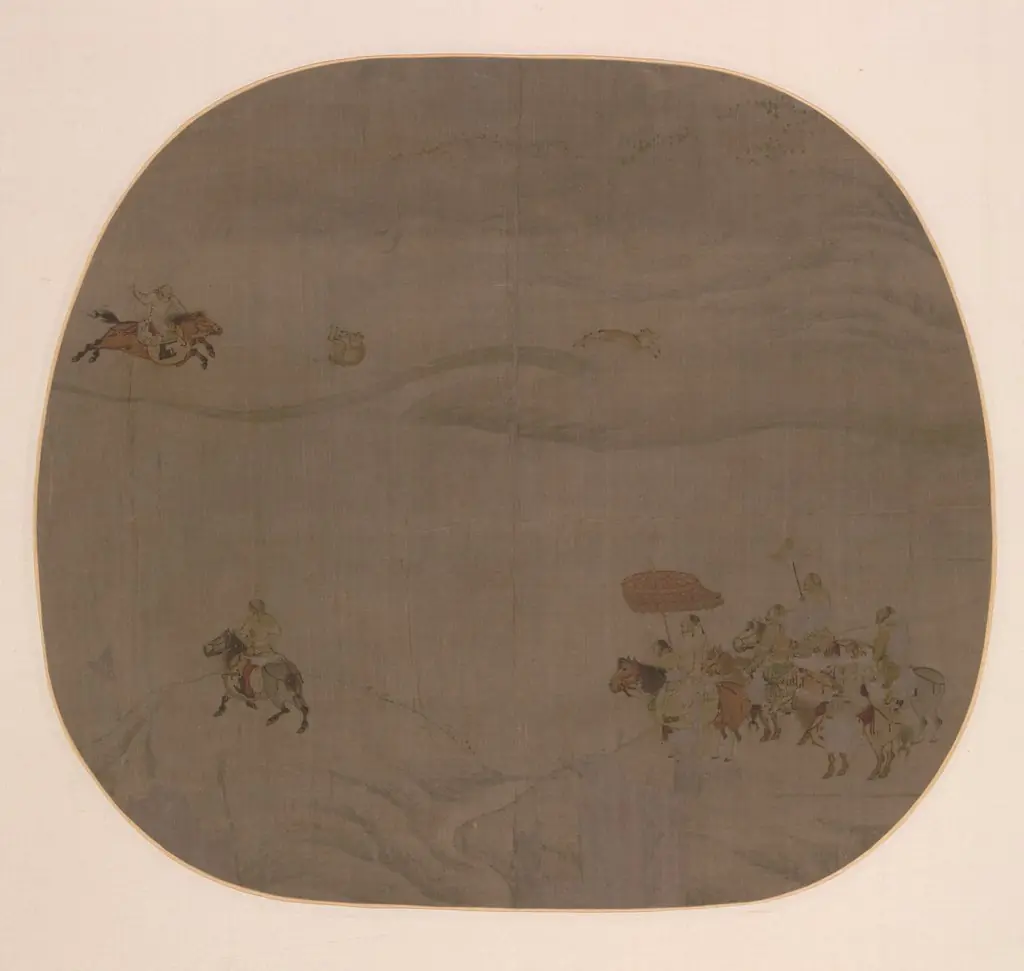 The Autumn Hunt
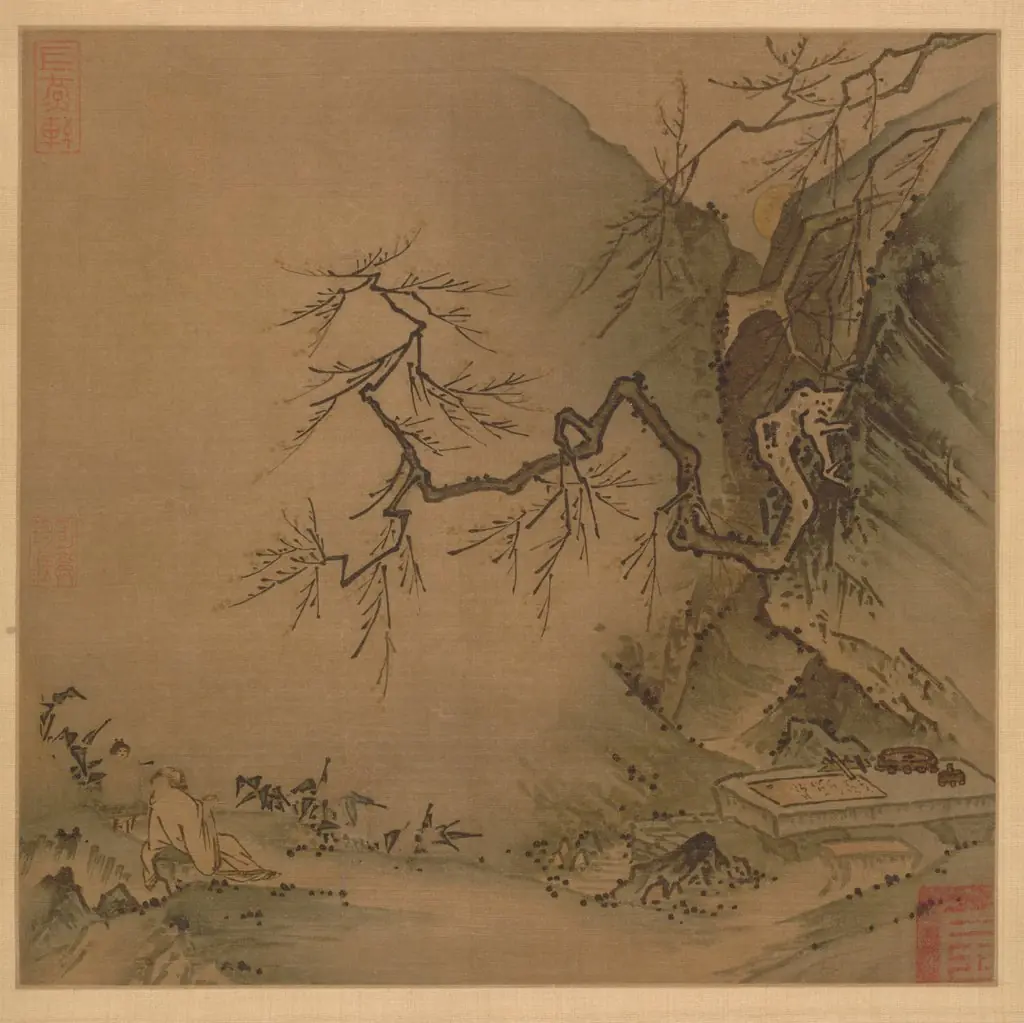 Drinking in the Moonlight
 In the Palace
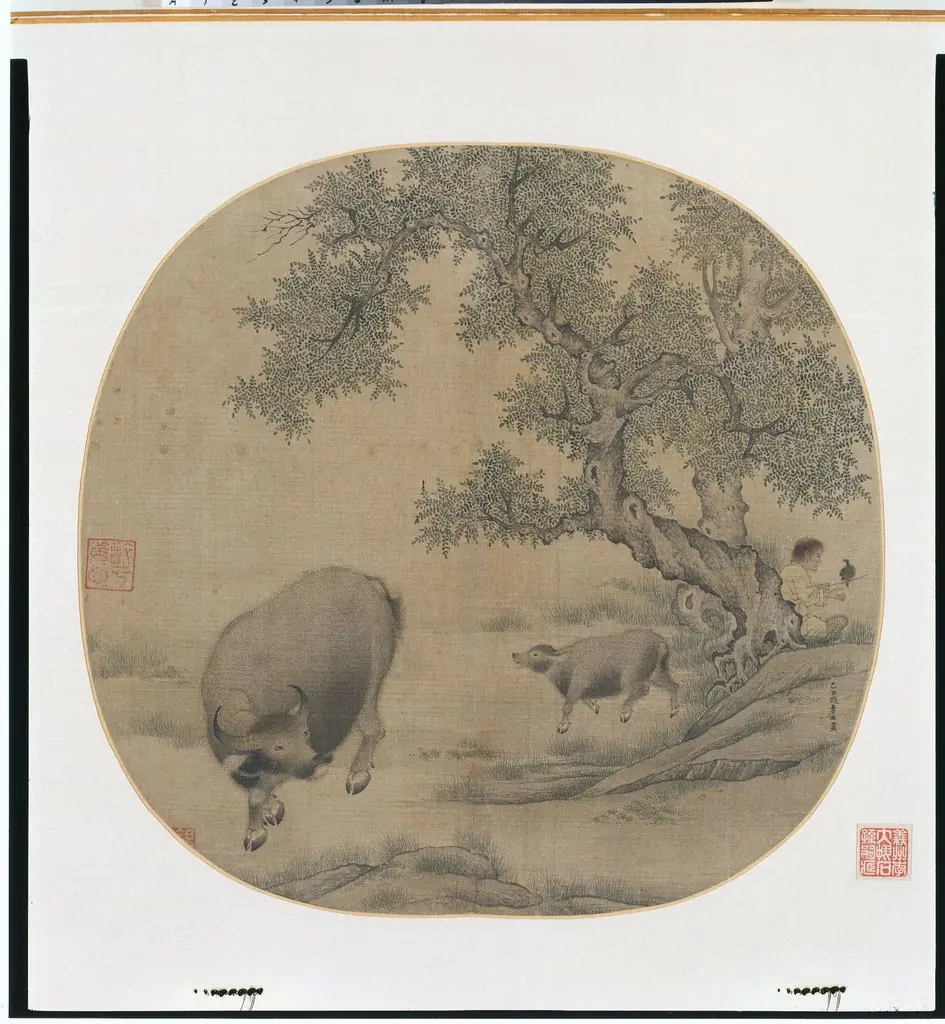 Man, Buffalo, and Calf
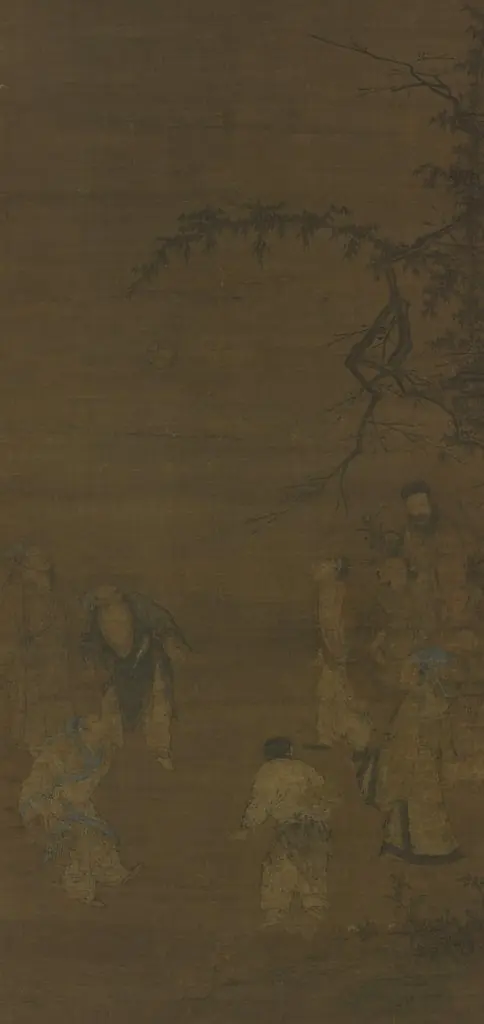 The Football Players
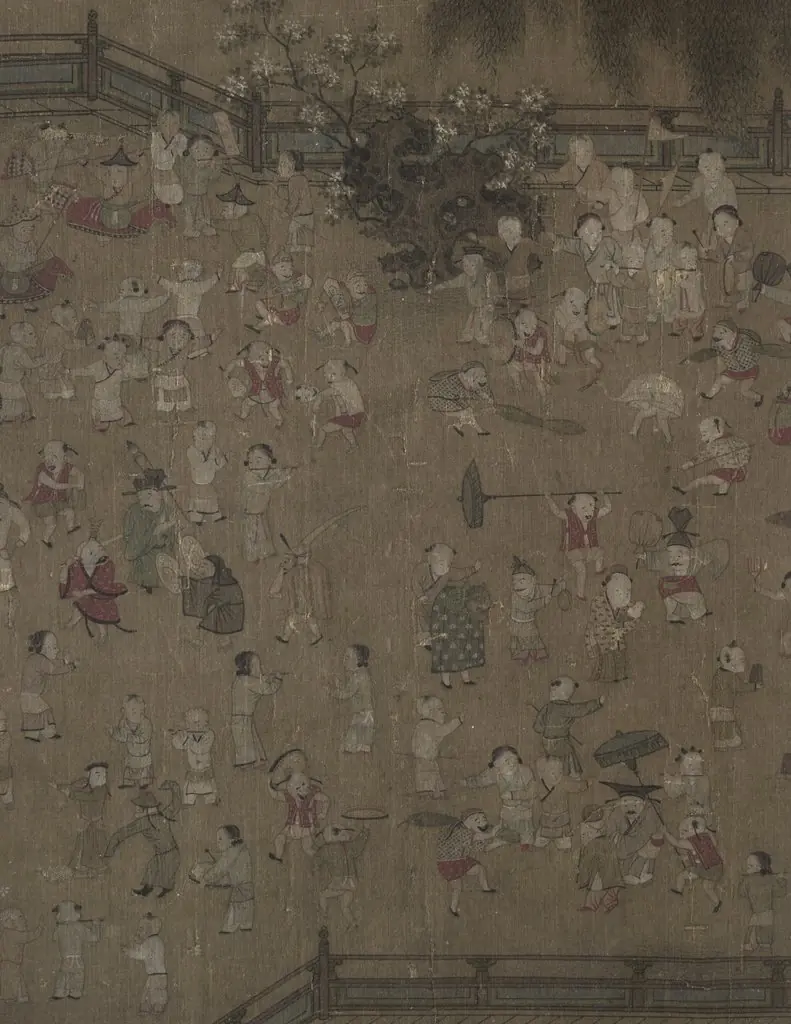 One Hundred Children at Play
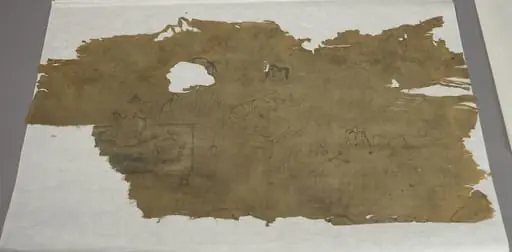 遼 宴飲圖(殘片)|Banquet Scene
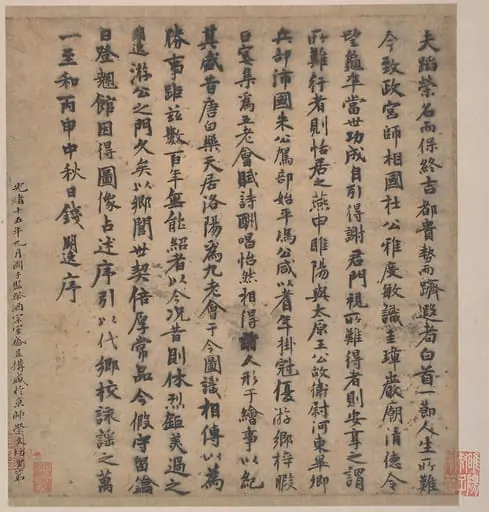 北宋–清 睢陽五老圖引首題跋 冊|Frontispiece and Colophons to the Album "Five Old Men of Suiyang"
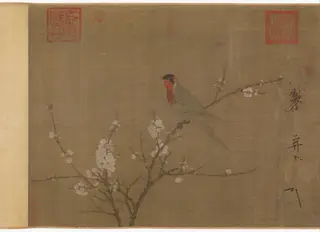 Five-colored parakeet on a blossoming apricot tree
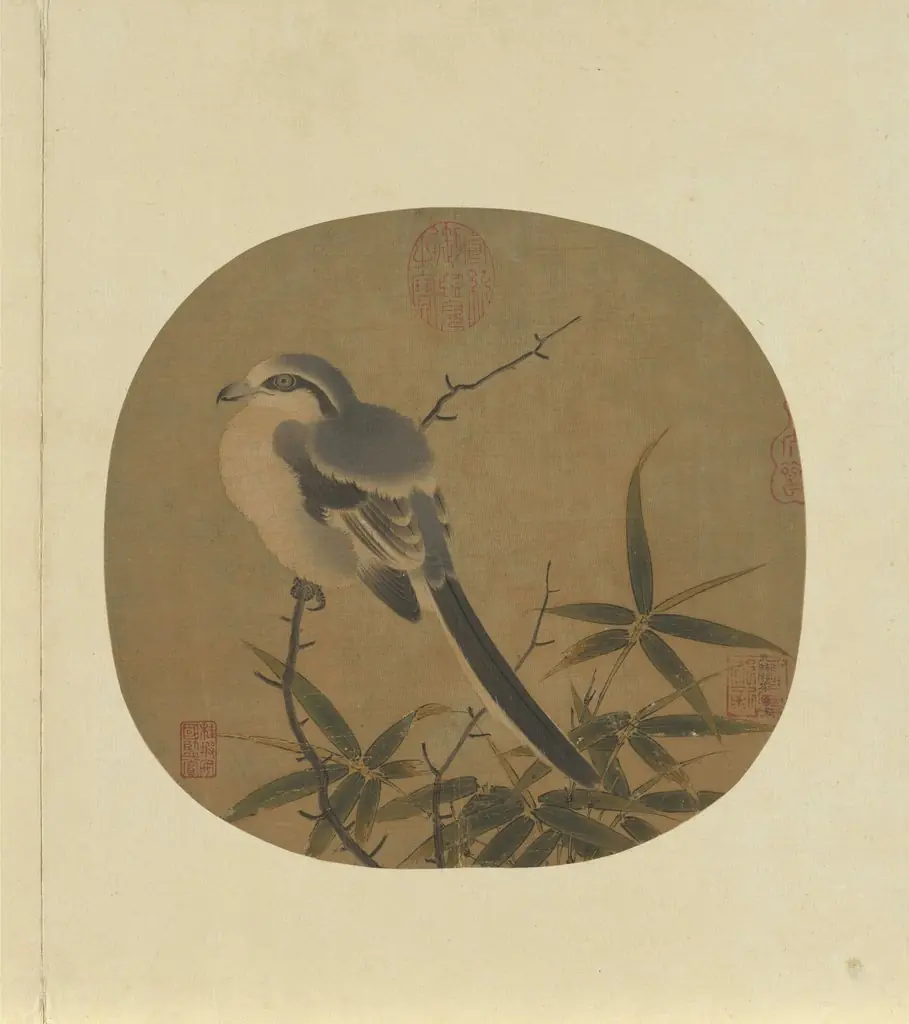 Bamboo and Shrike
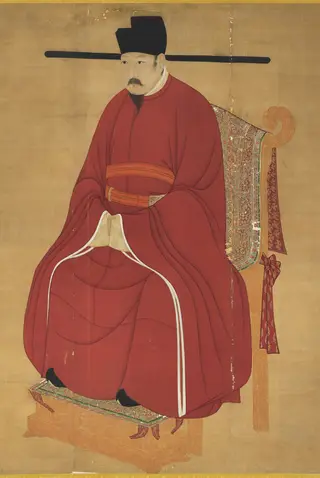 Song Renzong seated
 Dragon Boat Regatta
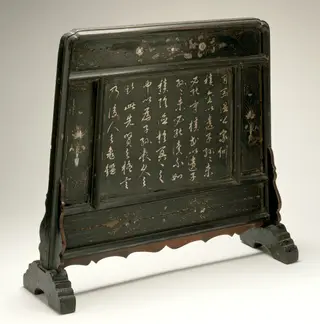 Tablescreen with Calligraphy of Sima Guang's (1019-1086) Family Instructions
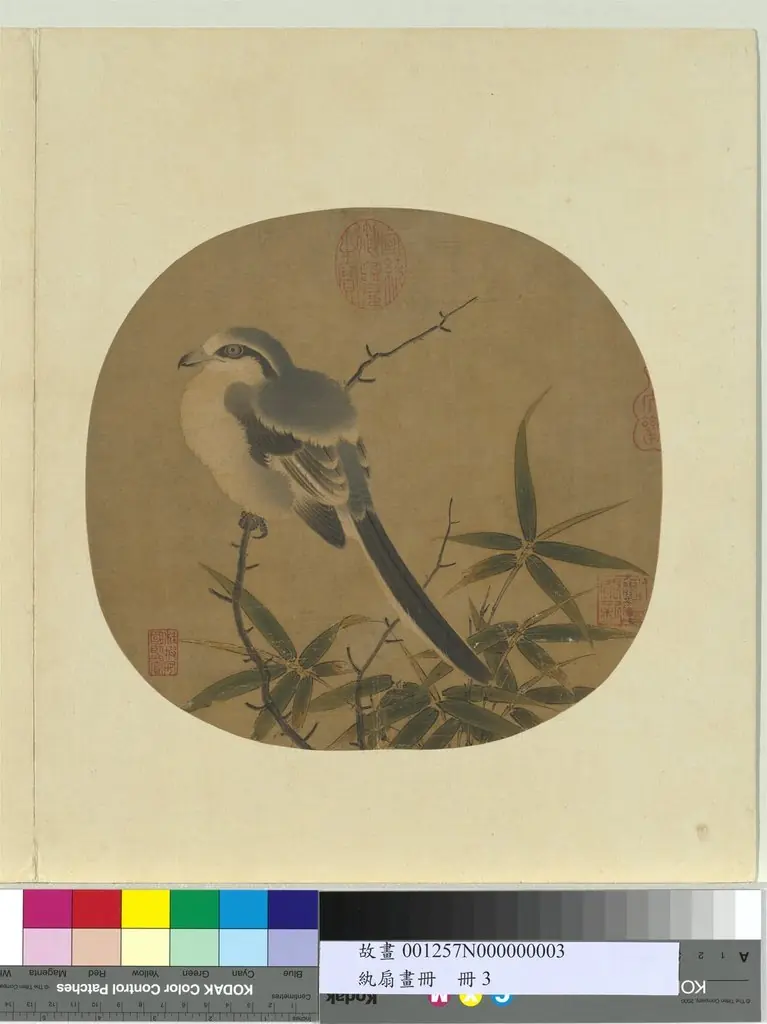 紈扇畫冊 冊 宋李安忠竹鳩.
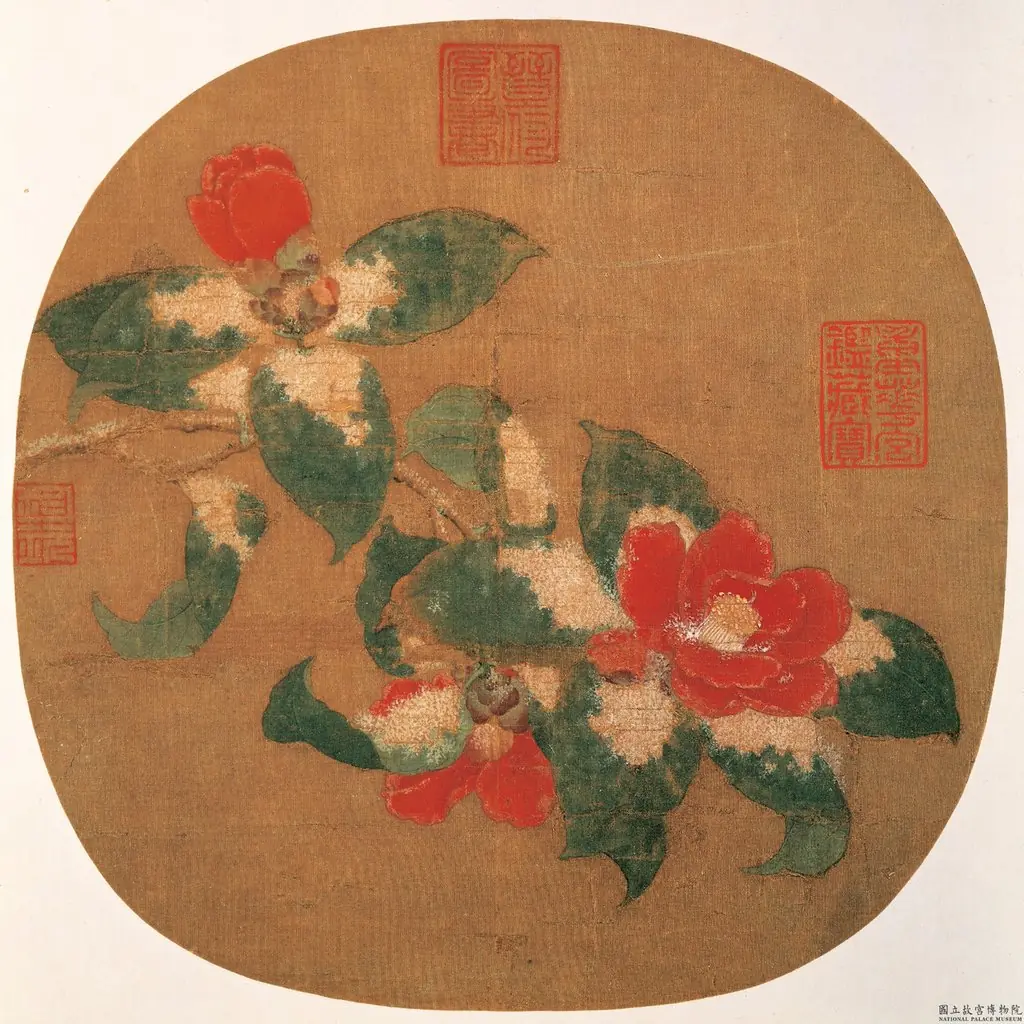 Camellia After a Snow
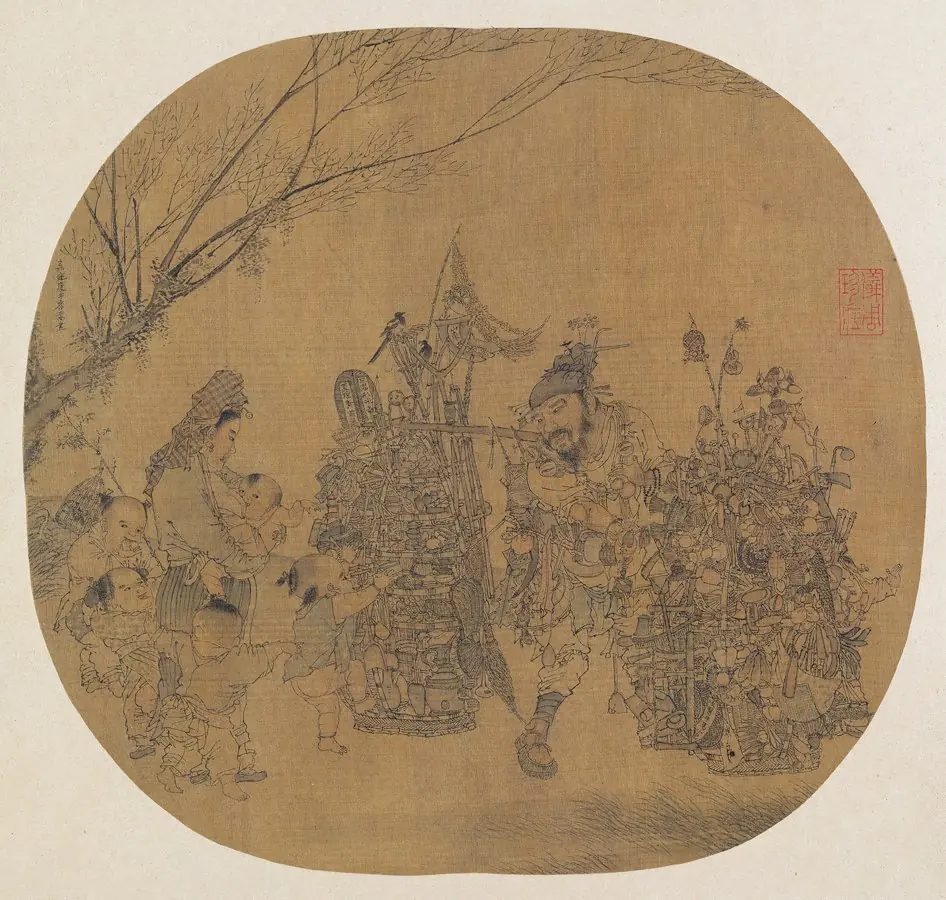 The Knick-knack Peddler
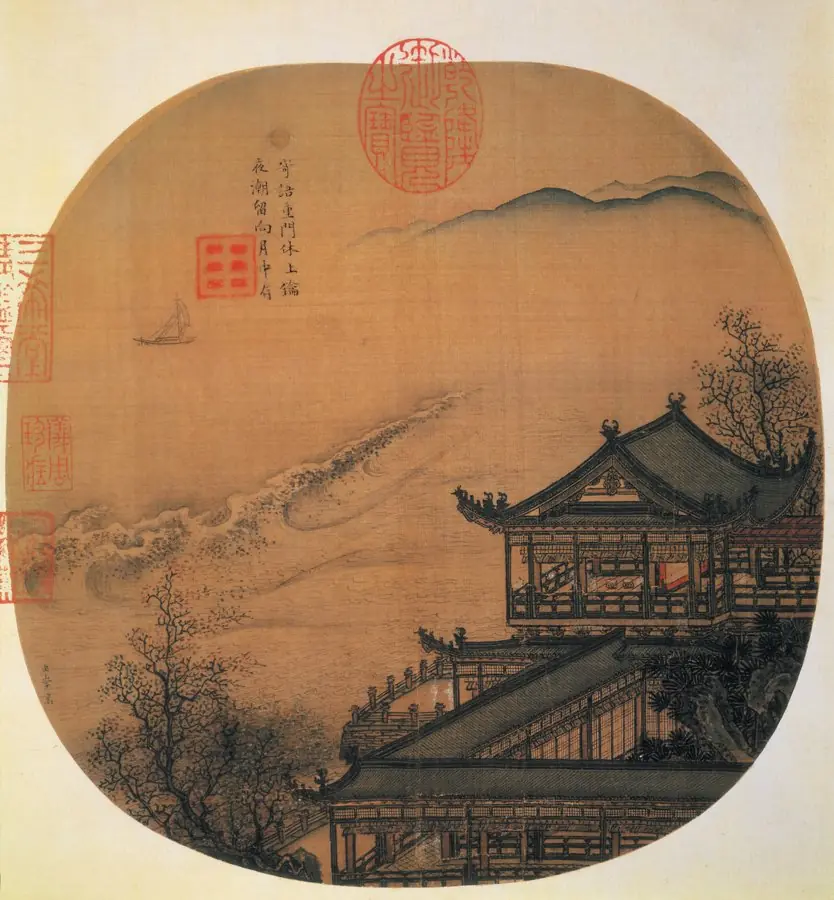 The Hangchow Tidal Bore by Moonlight
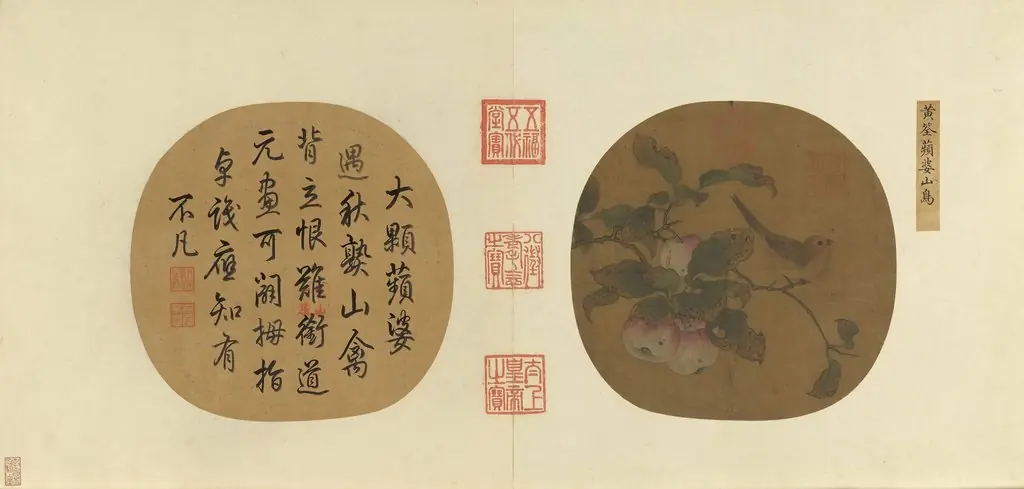 Bird on an Apple Branch
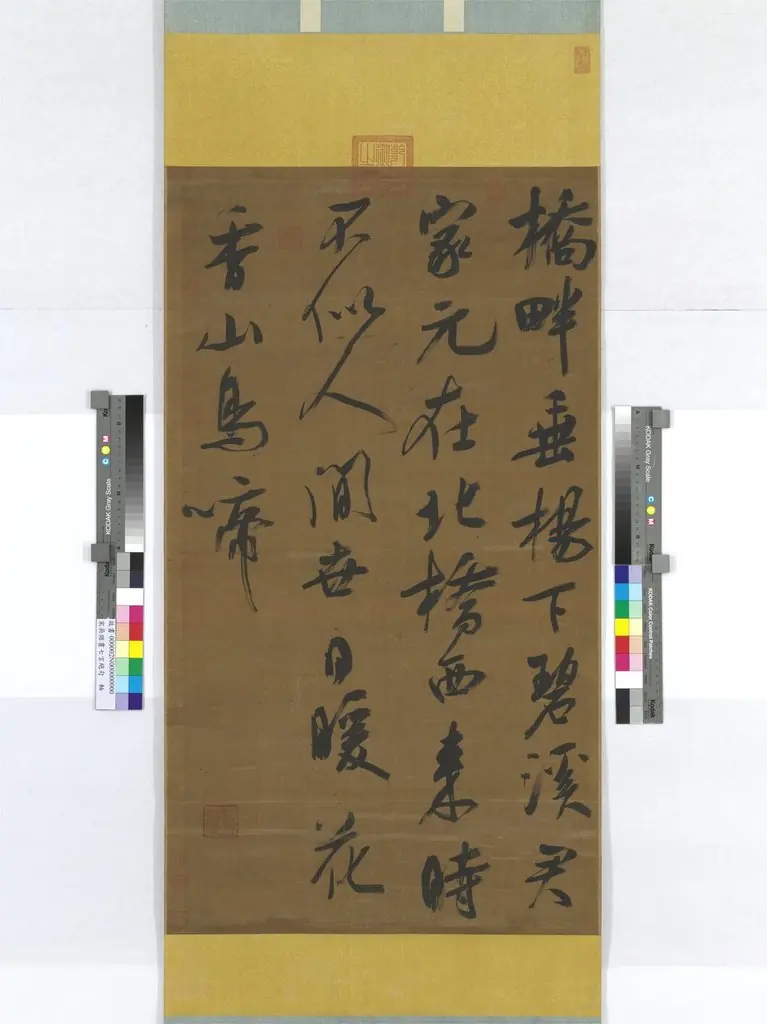 宋吳琚書七言絕句 軸
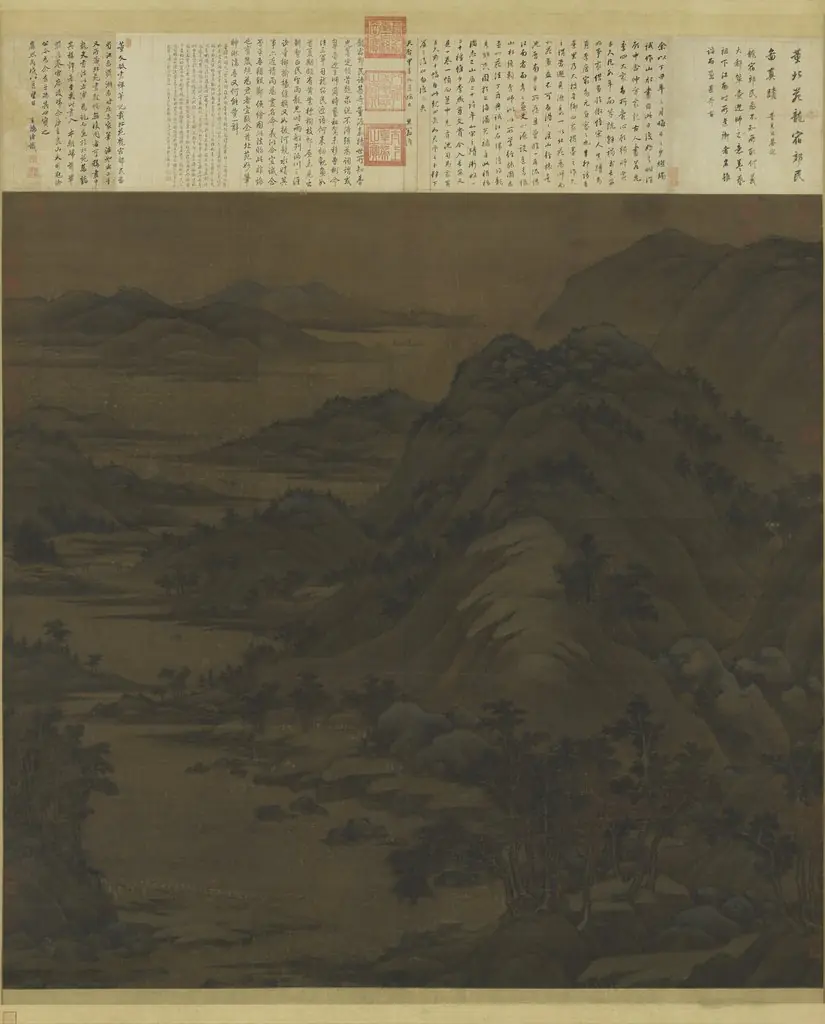 Residents on the Outskirts of the Capital
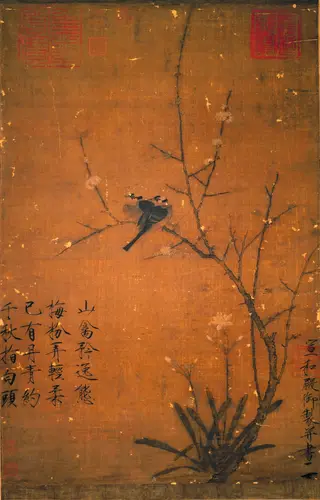 Chimonanthus and Birds
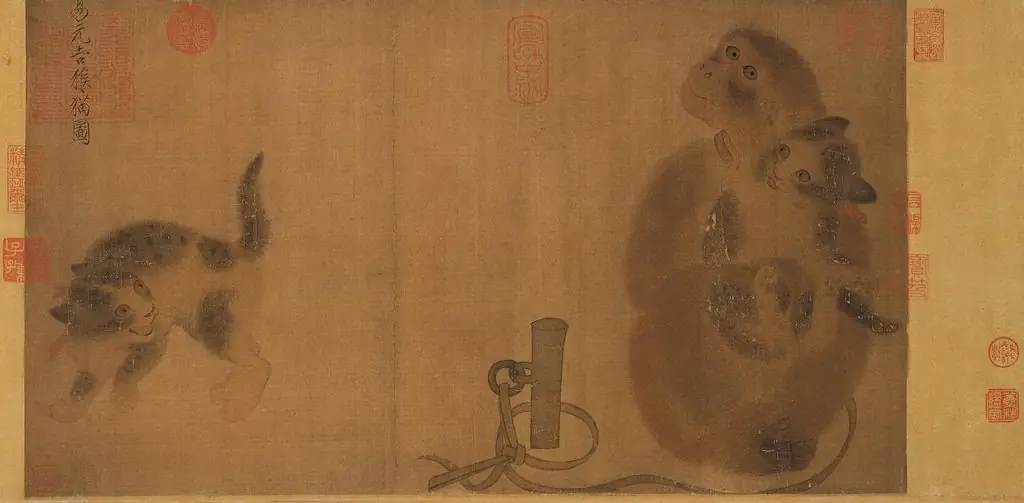 Monkey and Cats
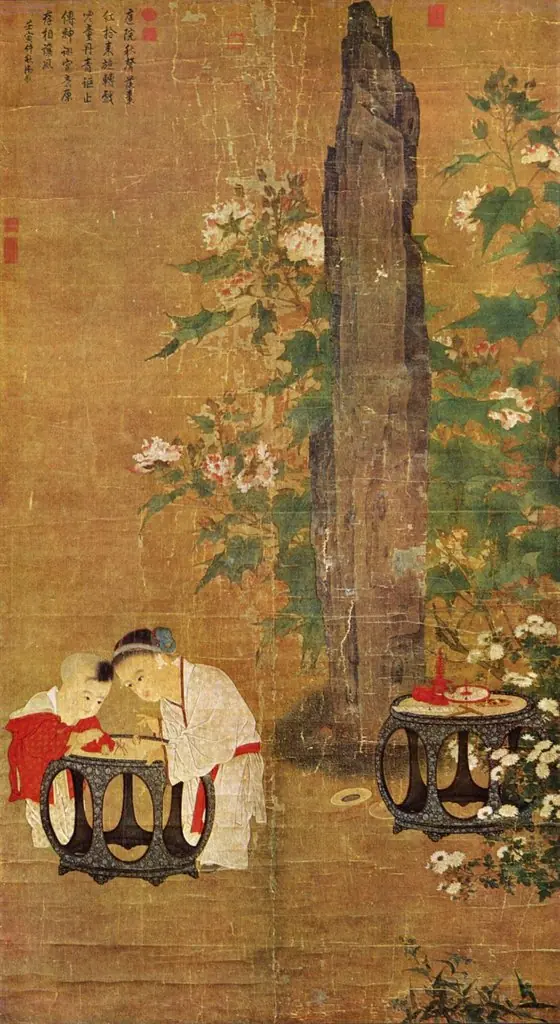 Children Playing in an Autumn Garden
 One Hundred Children in the Long Spring
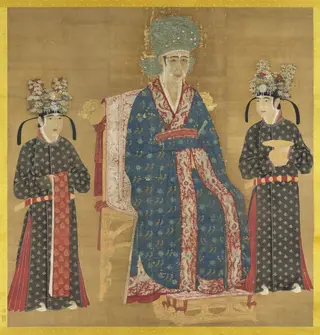 Seated Portrait of Song Renzong's Empress
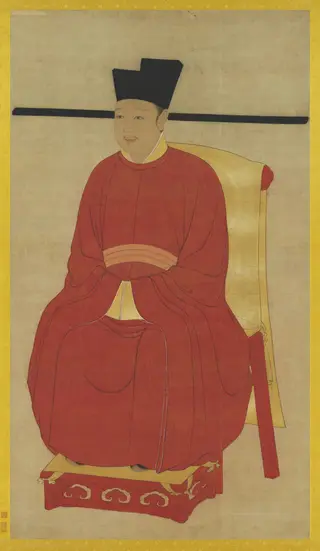 Seated Portrait of Emperor Song Huizong
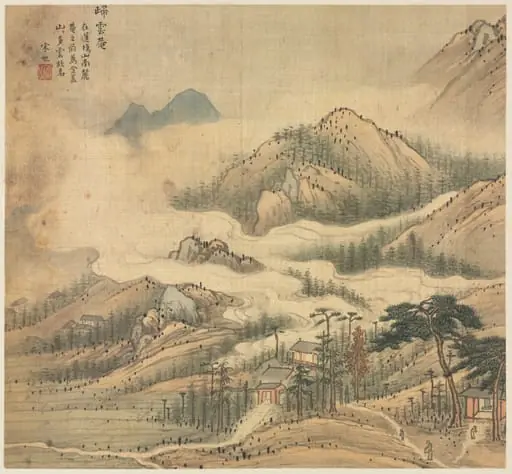 Guiyun Shrine
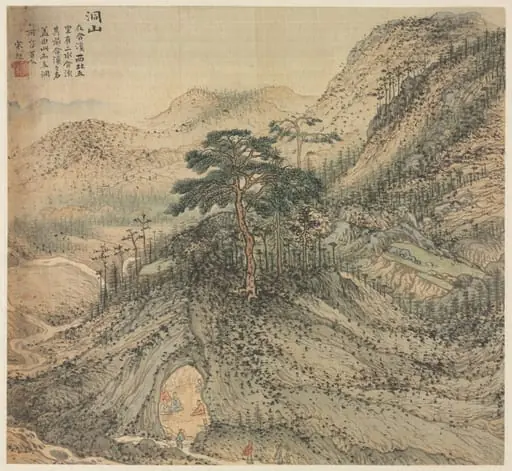 Mt. Dong (Grotto Mountain)
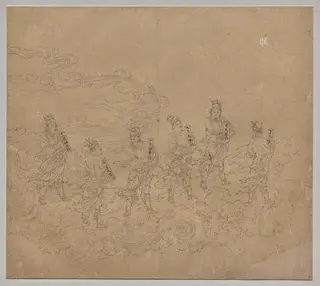 Album of Daoist and Buddhist Themes: Procession of Daoist Deities: Leaf 24
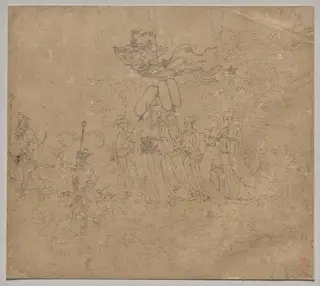 Album of Daoist and Buddhist Themes: Procession of Daoist Deities: Leaf 6
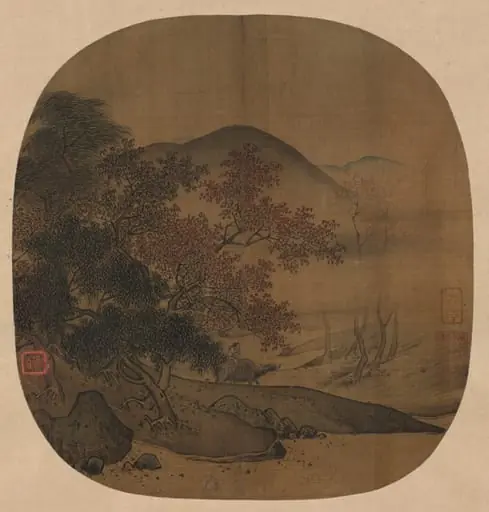 Buffalo and Boy in Autumnal Landscape
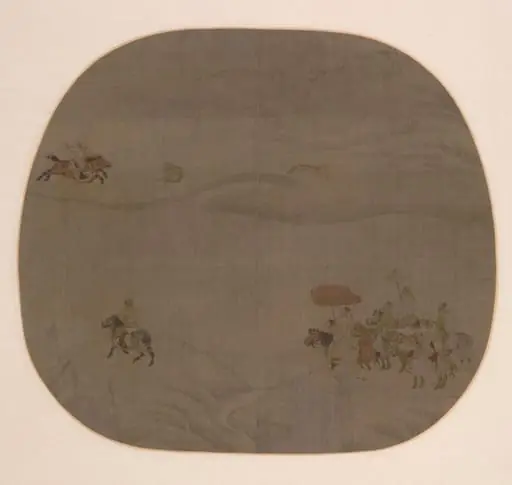 The Autumn Hunt
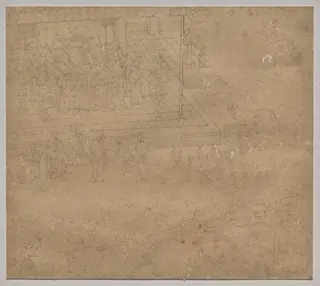 Album of Daoist and Buddhist Themes: Kings of Hells: Leaf 38
 Album of Daoist and Buddhist Themes
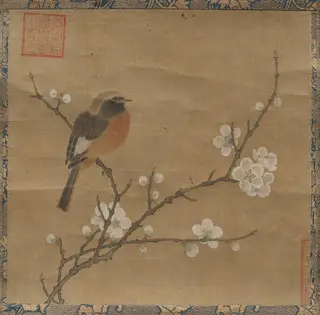 Bird on a Flowering Branch
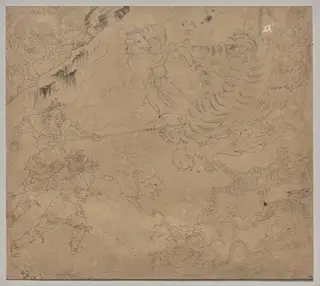 Album of Daoist and Buddhist Themes: Search the Mountain: Leaf 44
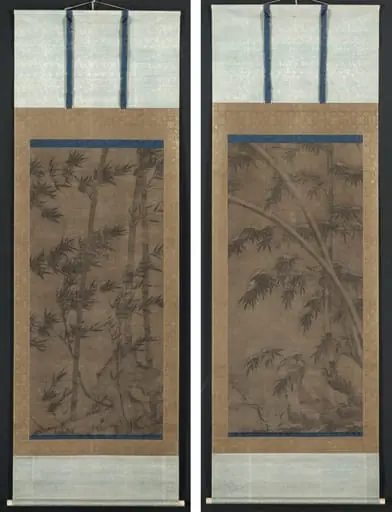 Bamboo in Four Seasons: Summer and Winter
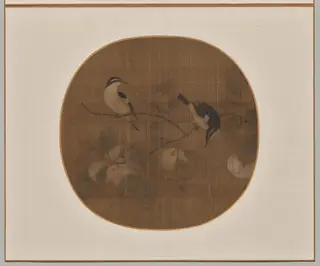 Birds on a Peach Branch
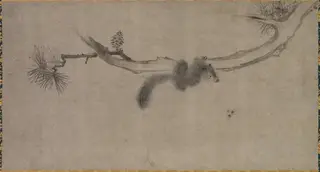 Squirrel on a Pine Branch
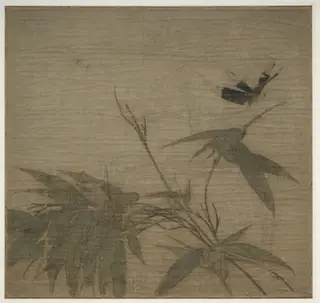 Insects and Bamboo
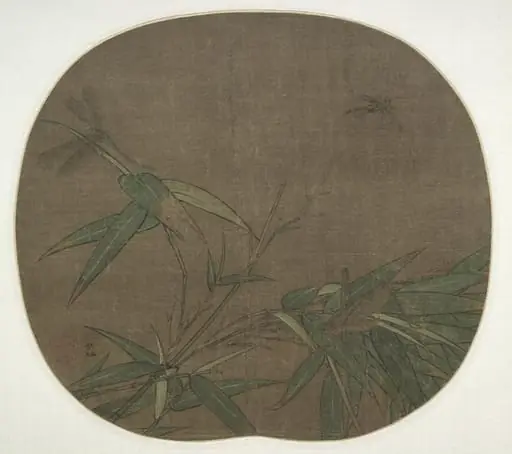 Bamboo and Insects
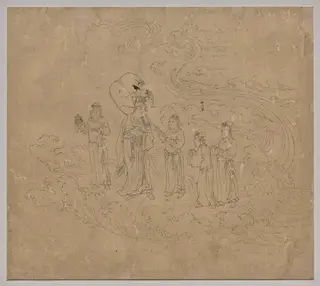 Album of Daoist and Buddhist Themes: Procession of Daoist Deities: Leaf 10
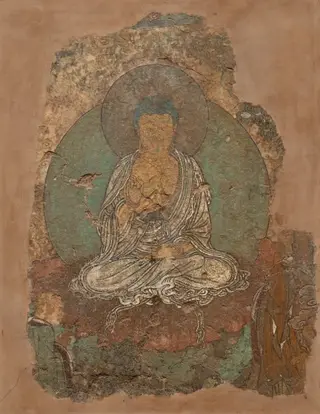 Buddha in the Preaching Attitude
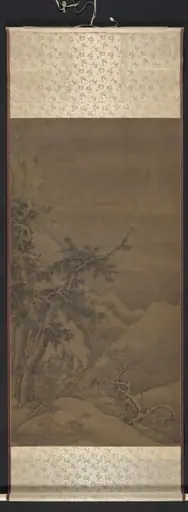 Birds in a Grove in a Mountainous Winter Landscape
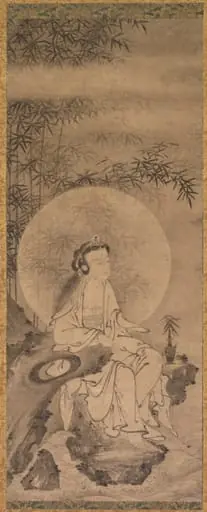 White-Robed Guanyin
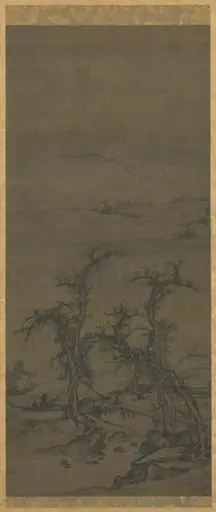 Carrying a Qin on a Visit
 In the Palace
 Barbarian Royalty Worshiping the Buddha
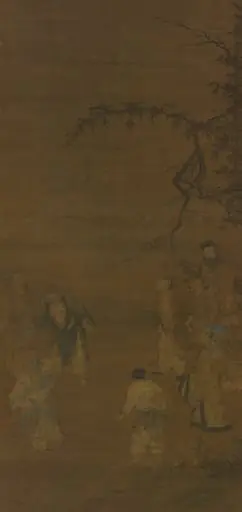 The Football Players
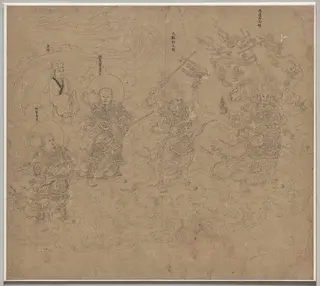 Album of Daoist and Buddhist Themes: Procession of Daoist Deities: Leaf 11
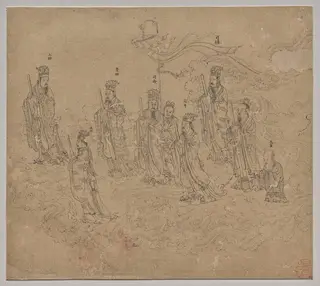 Album of Daoist and Buddhist Themes: Procession of Daoist Deities: Leaf 26
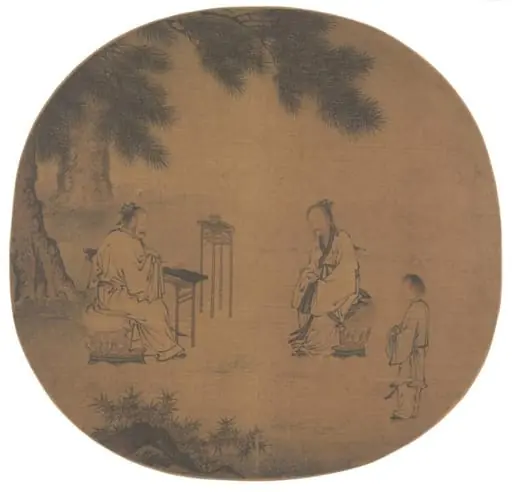 Listening to the Qin (Zither)
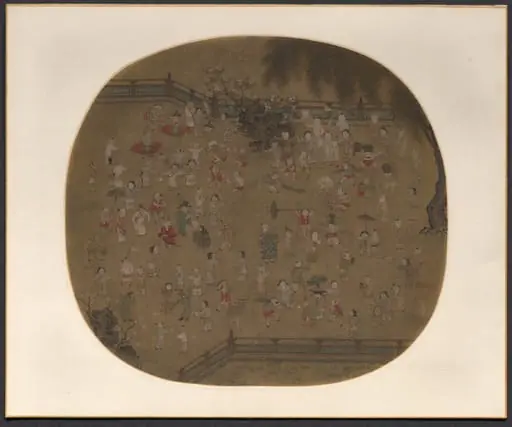 One Hundred Children at Play
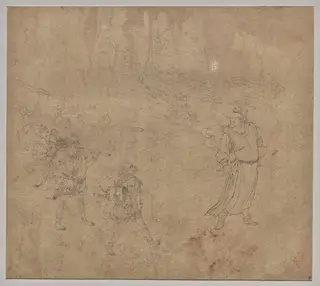 Album of Daoist and Buddhist Themes: Procession of Daoist Deities: Leaf 18
 Sericulture (The Process of Making Silk)
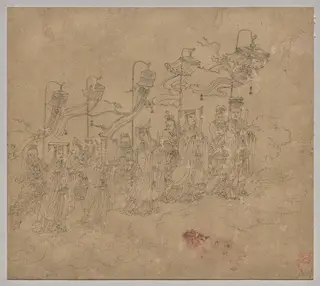 Album of Daoist and Buddhist Themes: Procession of Daoist Deities: Leaf 5
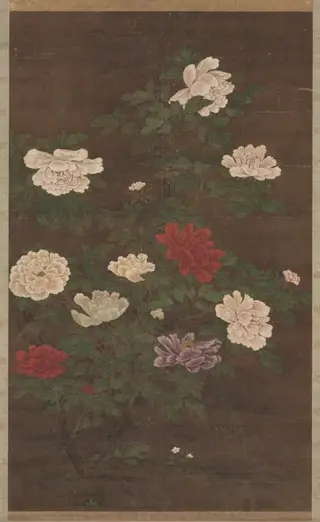 Peonies
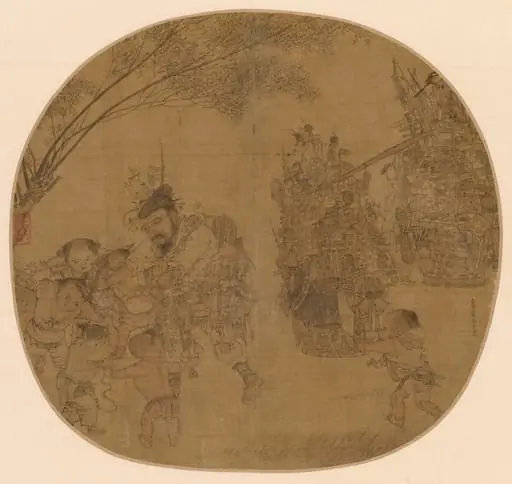 The Knickknack Peddler
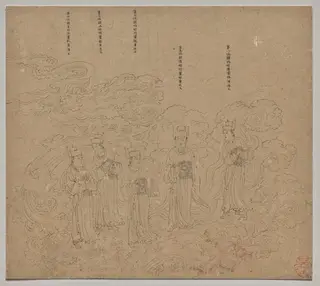 Album of Daoist and Buddhist Themes: Procession of Daoist Deities: Leaf 22
 Lotus Sutra with a Frontispiece
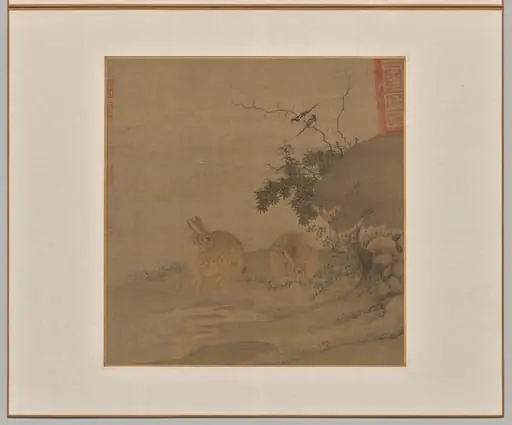 Magpies and Wild Rabbits
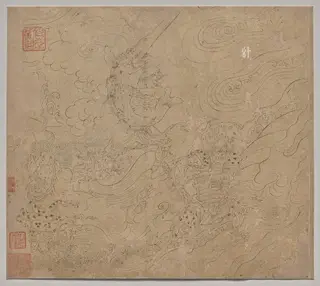 Album of Daoist and Buddhist Themes: Search the Mountain: Leaf 50
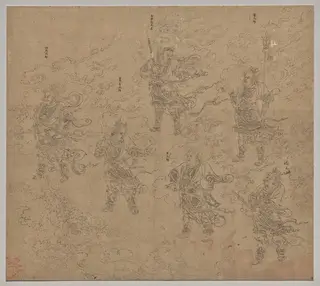 Album of Daoist and Buddhist Themes: Procession of Daoist Deities: Leaf 16
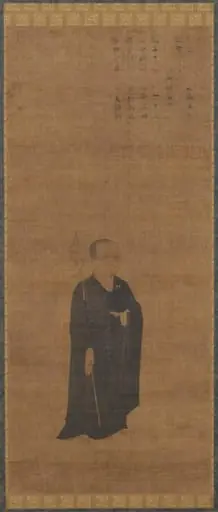 Portrait of Priest Dazhi (1048–1116), Master of Law
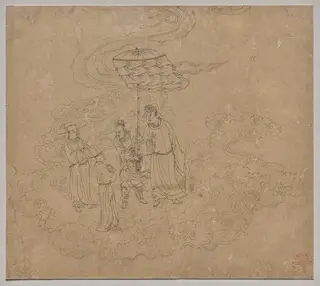 Album of Daoist and Buddhist Themes: Procession of Daoist Deities: Leaf 9
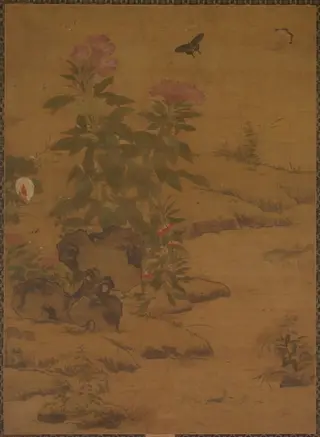 Plants and Insects
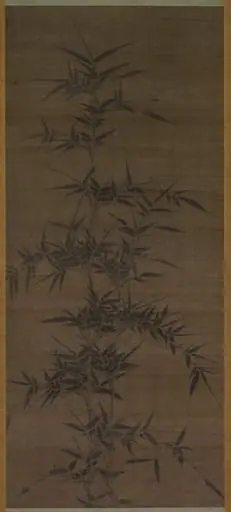 Ink Bamboo
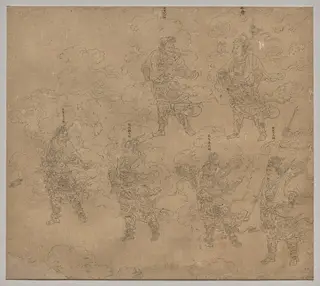 Album of Daoist and Buddhist Themes: Procession of Daoist Deities: Leaf 14
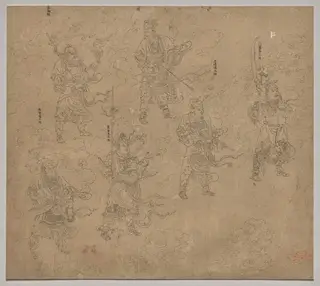 Album of Daoist and Buddhist Themes: Procession of Daoist Deities: Leaf 12
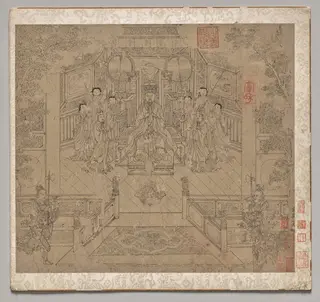 Album of Daoist and Buddhist Themes: Procession of Daoist Deities: Leaf 1
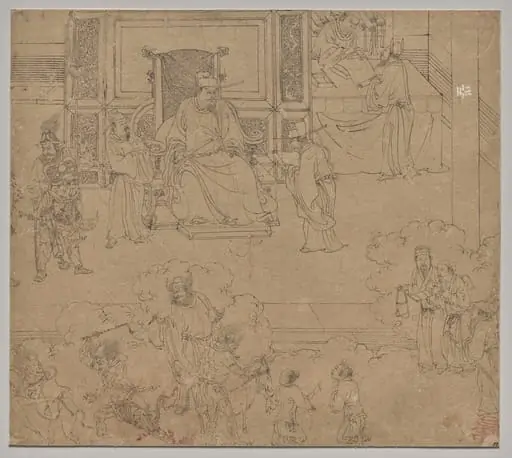 Album of Daoist and Buddhist Themes: Kings of Hells: Leaf 33
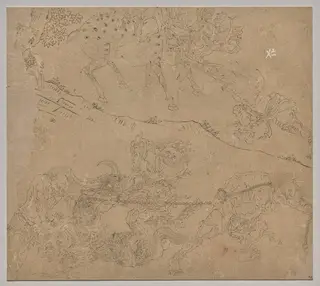 Album of Daoist and Buddhist Themes: Search the Mountain: Leaf 47
 Tao Yuanming's Return Home
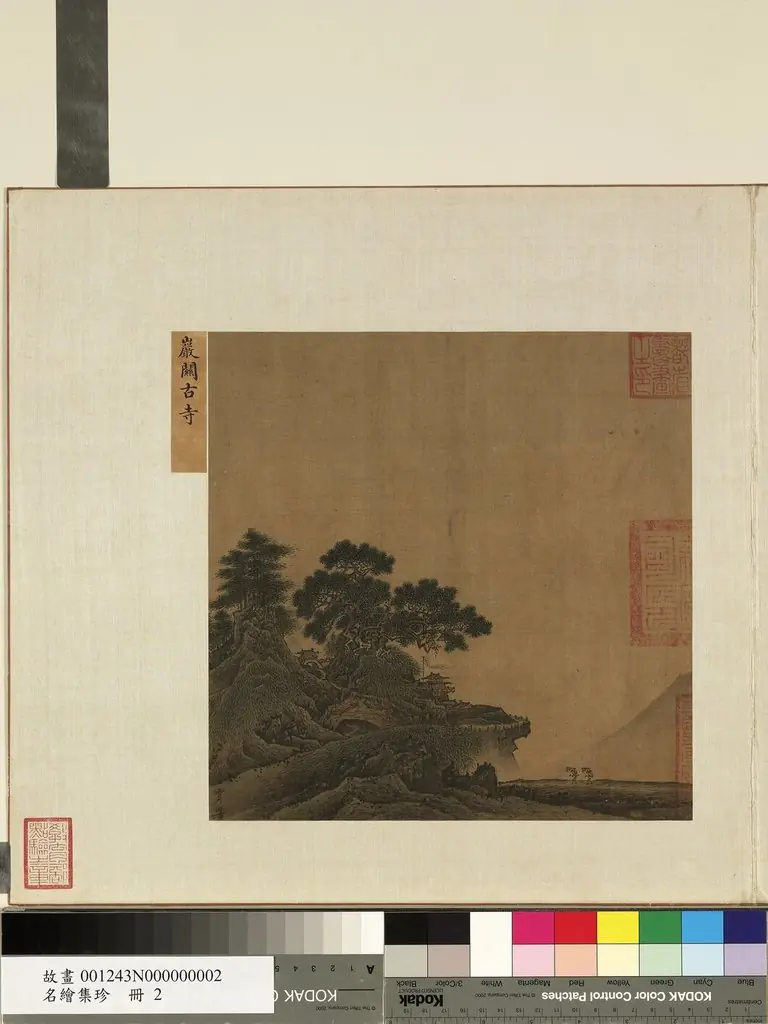 名繪集珍 冊 宋賈師古巖關古寺
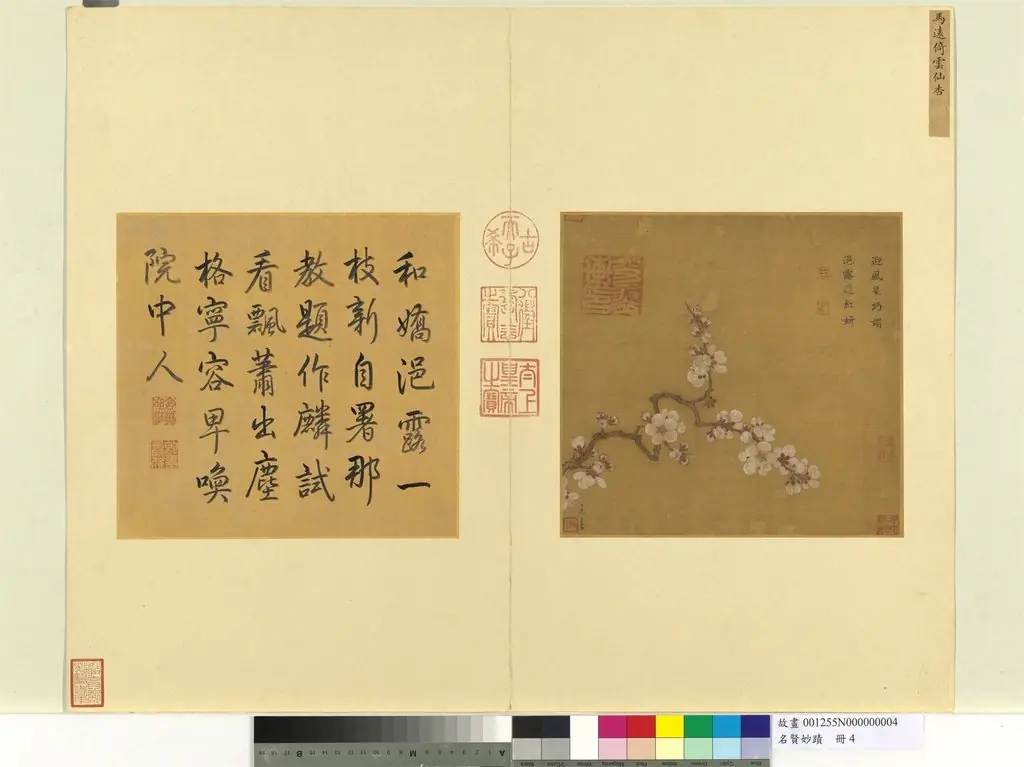 名賢妙蹟 冊 宋馬遠倚雲仙杏
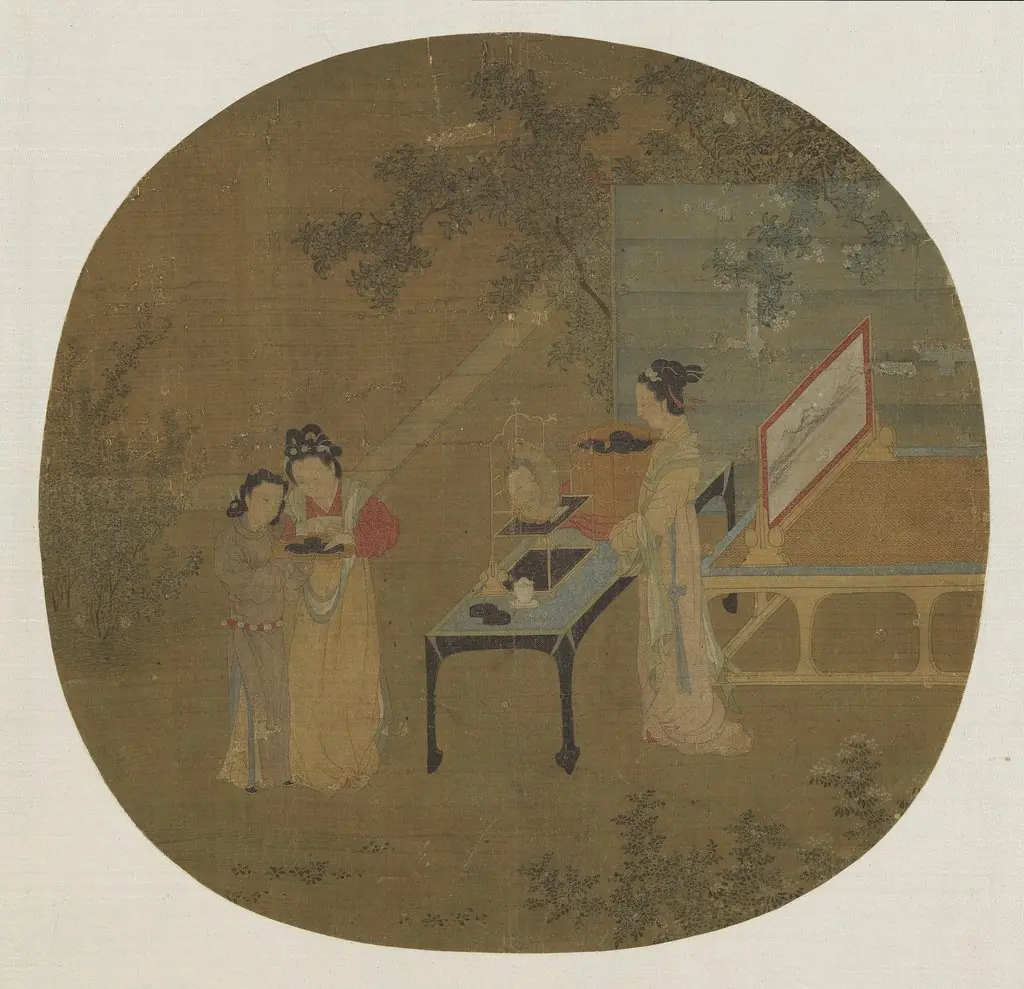 Morning Toilette in the Women's Quarters
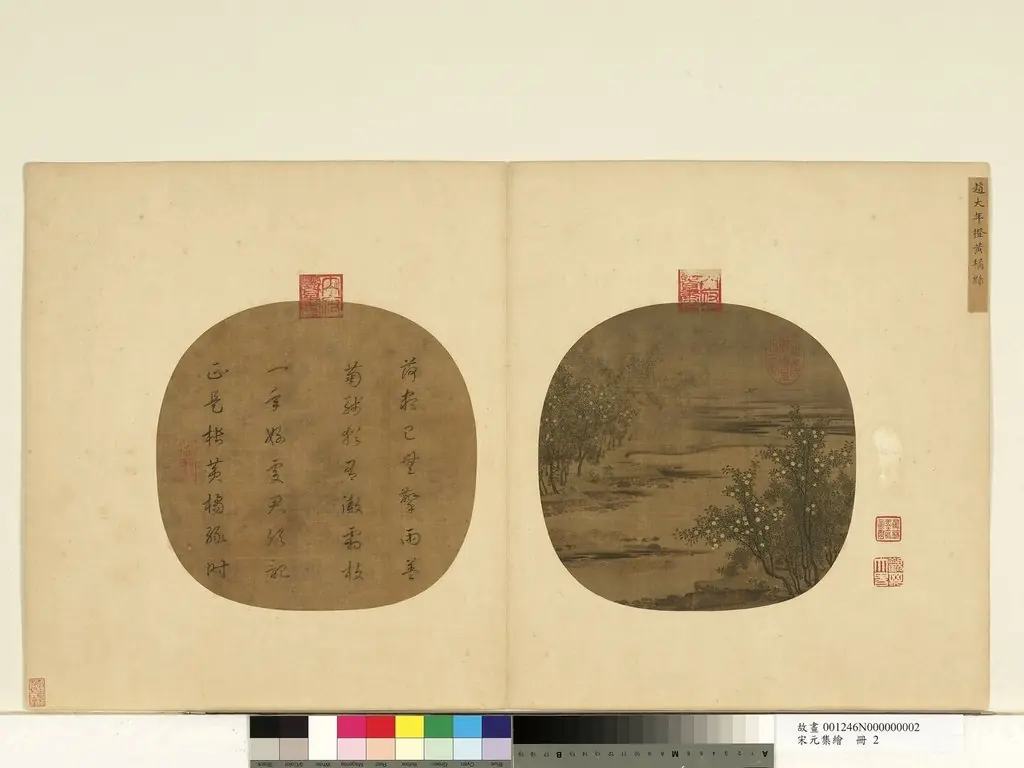 宋元集繪 冊 宋趙令穰橙黃橘綠
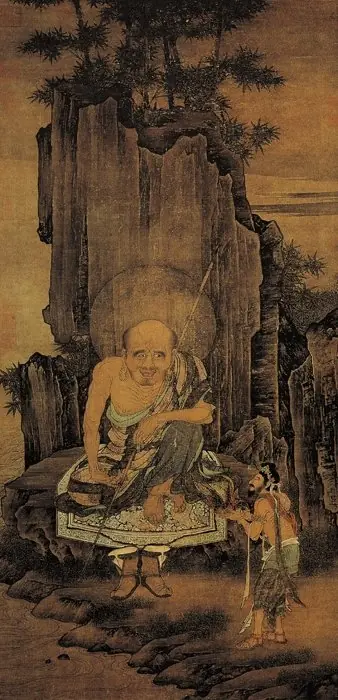 Lohan
Lohan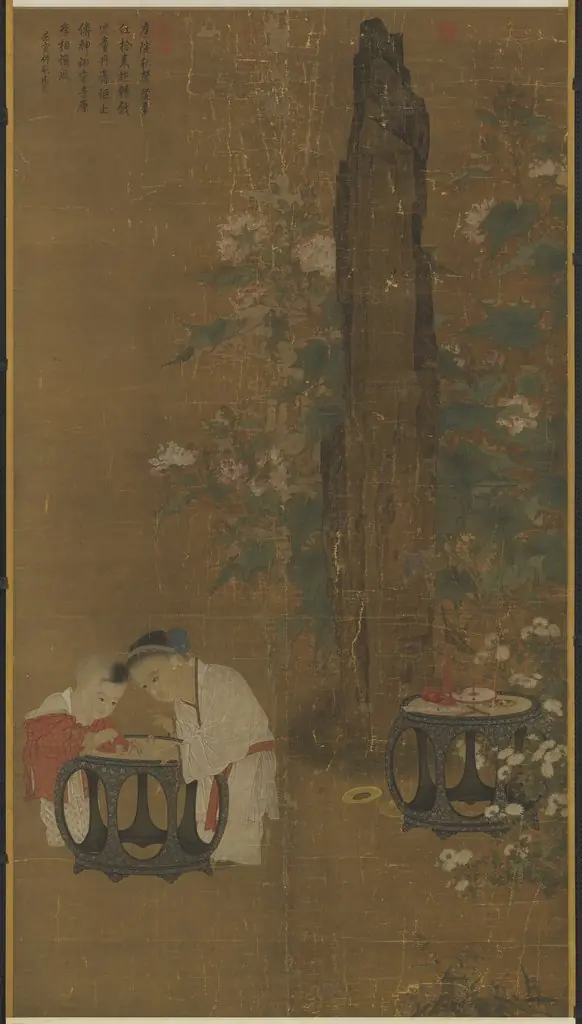 Children at Play in an Autumn Garden
 Elegant Gathering in the Western Garden
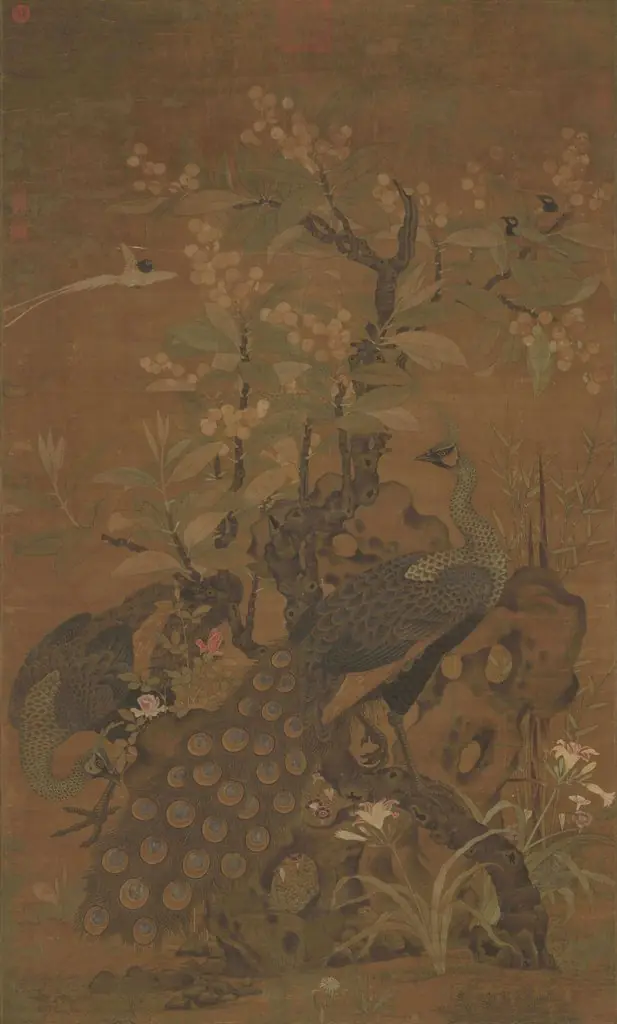 Peacocks and a Loquat Tree
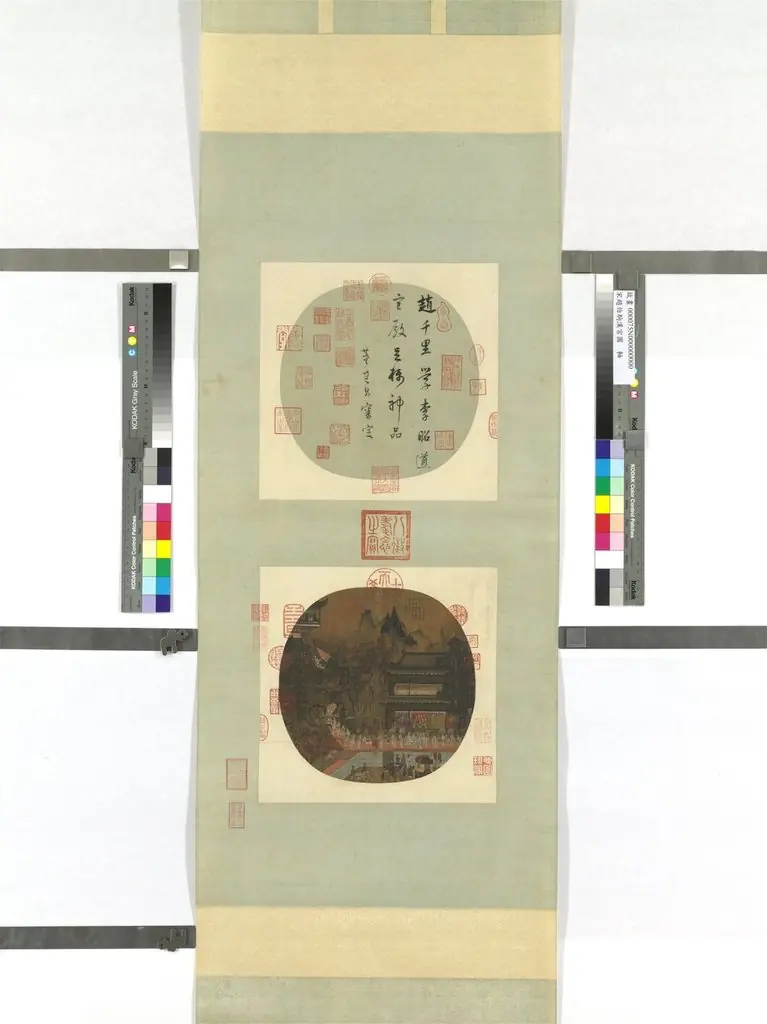 宋趙伯駒漢宮圖 軸
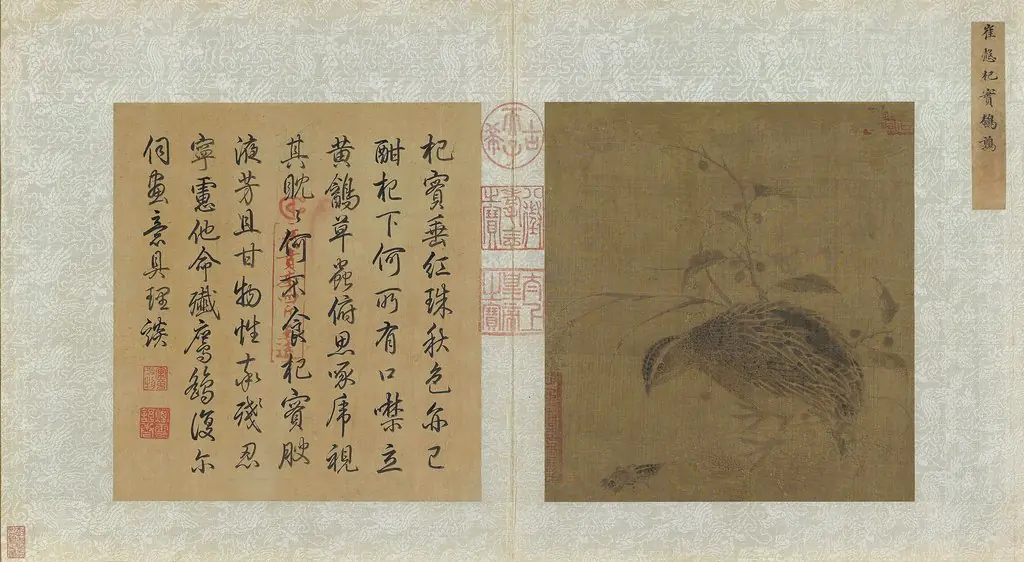 Lycium Berries and a Quail
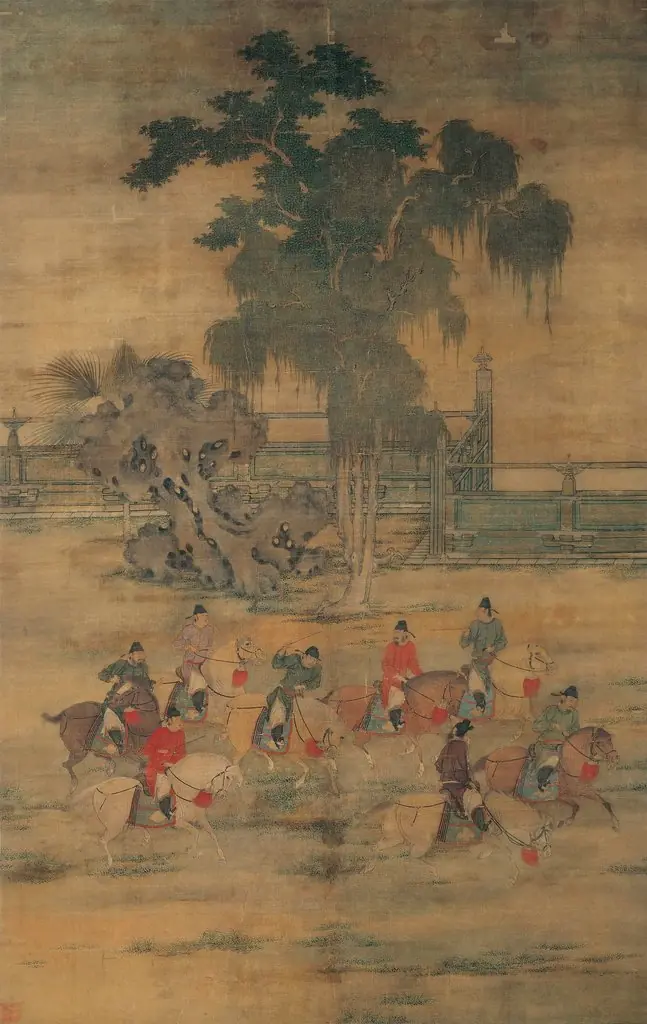 Eight Princes on a Spring Excursion
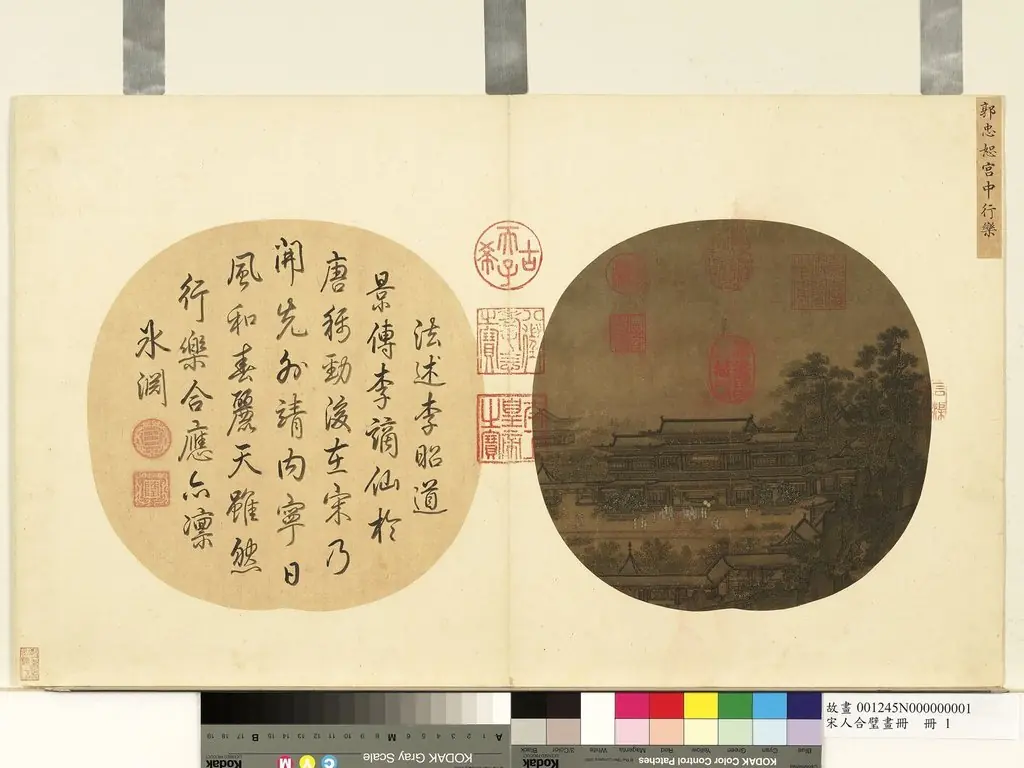 宋人合璧畫冊 冊 宋郭忠恕宮中行樂
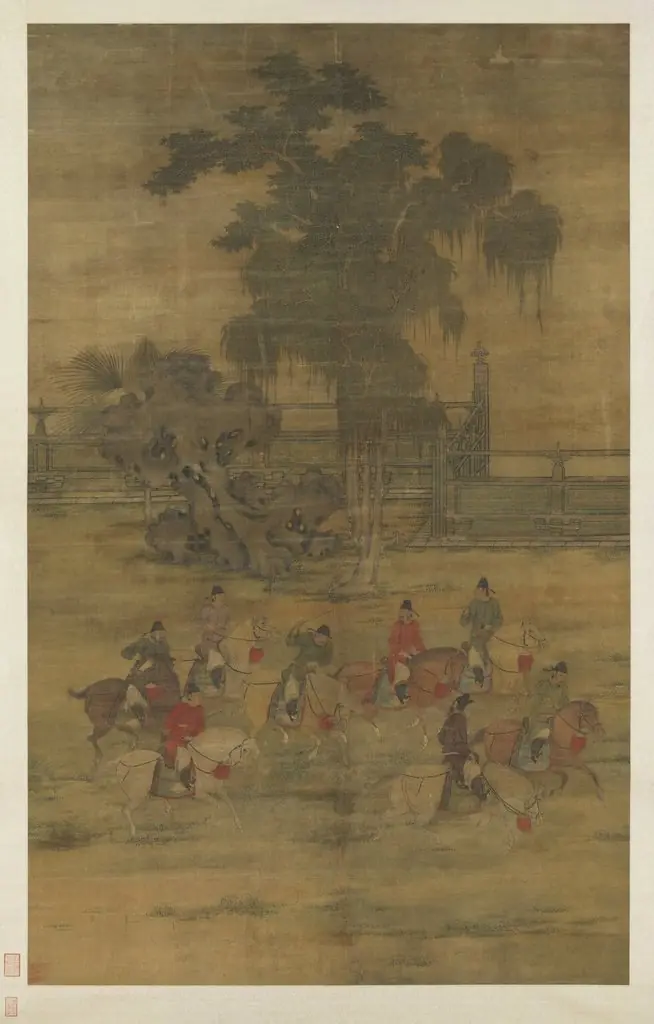 五代梁趙喦八達春遊圖 軸
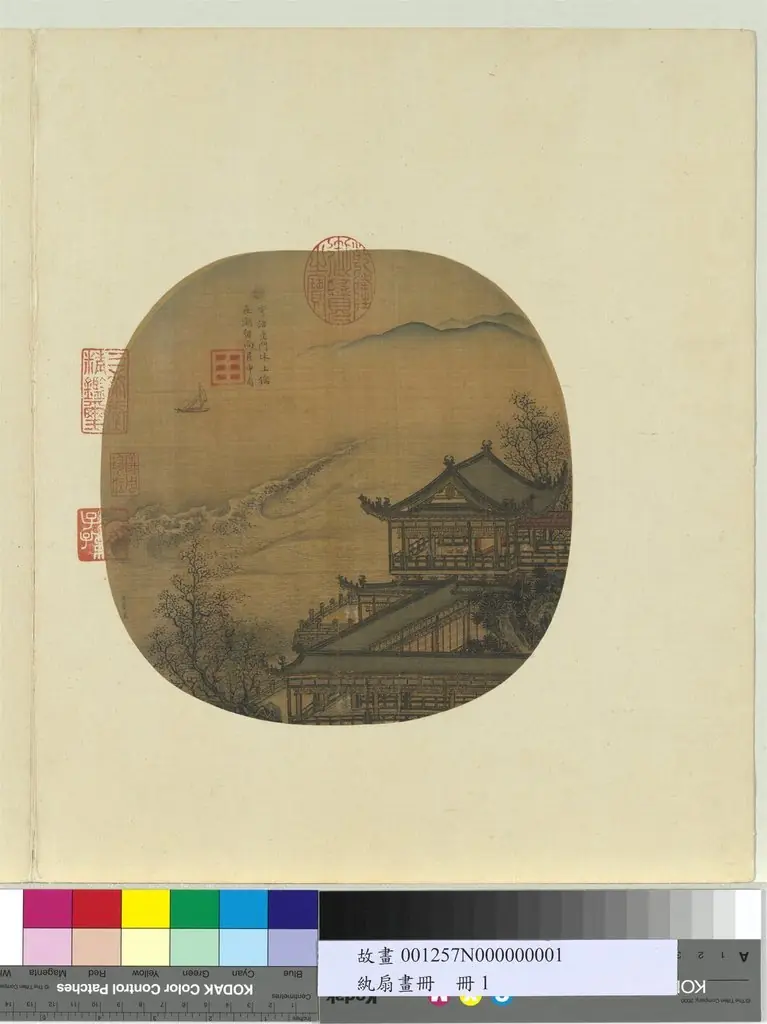 紈扇畫冊 冊 宋李嵩月夜看潮圖
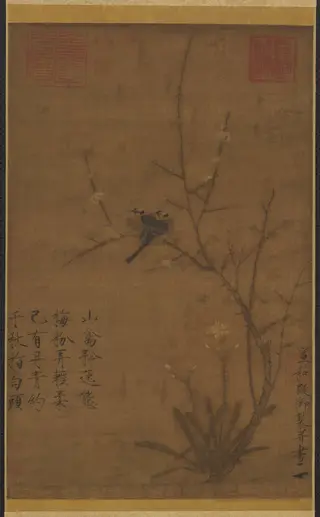 宋徽宗蠟梅山禽 軸
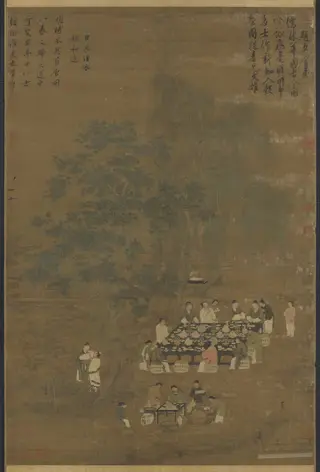 宋徽宗文會圖軸
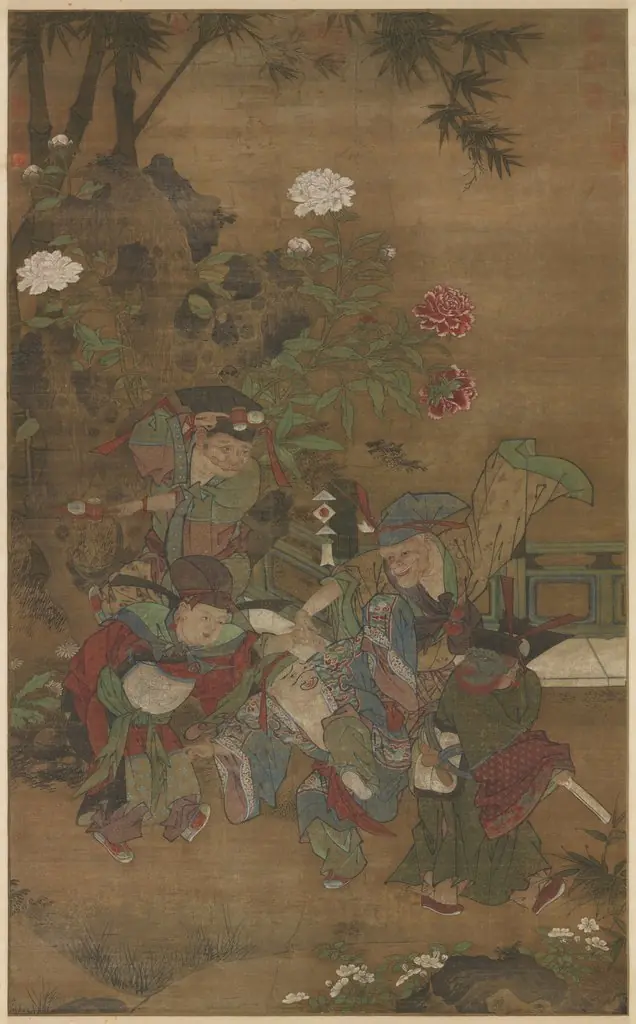 宋蘇漢臣畫五瑞圖 軸
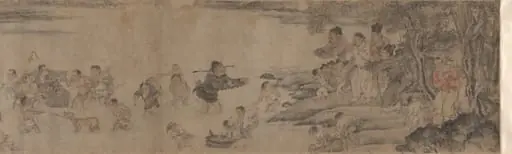 Yang Pu Moving His Family
Song dynasty painting is an art movement. Court and academy painting of China's Song dynasty (960-1279), prized for meticulous realism and refined taste.
Artifact World Gallery holds 139 public-domain Song dynasty painting works, all free to view and download.
Key Song dynasty painting artists in the collection include After Wang Qihan, Emperor Huizong and Song Xu.
Song dynasty painting dates from 960–1280.
Song dynasty painting works in the collection are held by Cleveland Museum of Art, Metropolitan Museum of Art and National Palace Museum.
Your cart is empty
Browse artworks →