Artwork
Untitled (Happy Valley Cemetery, Hong Kong)
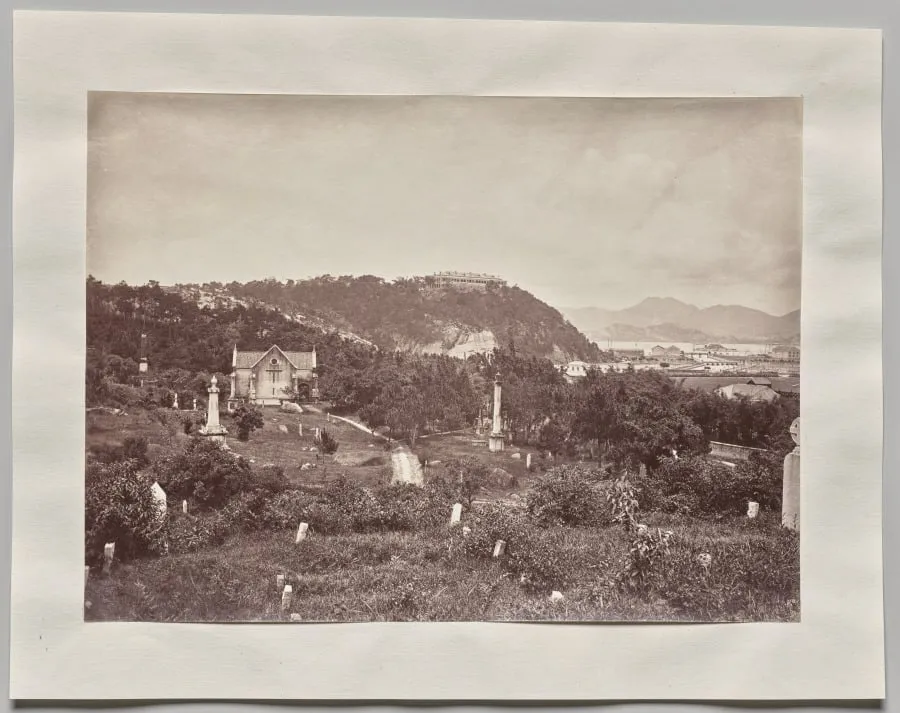
Untitled (Happy Valley Cemetery, Hong Kong) is a photography by the Impressionist artist William Pryor Floyd. It dates from 1870 and is held in the collection of the Cleveland Museum of Art.
- Accession no.
- 2020.232
- Credit line
- Sundry Art - Photography Fund
About this work
Overview
Untitled (Happy Valley Cemetery, Hong Kong) is a painting by Floyd, created during his time running a photographic studio in Hong Kong.
Technique & Style
The work showcases Floyd's skill with light and shadow, achieved through brushwork that evokes a photographic quality. The use of chiaroscuro, a technique emphasizing contrasts between light and dark, is evident in the rendering of stone tombs.
Subject & Meaning
The painting depicts a serene cemetery scene in Hong Kong's Happy Valley, characterized by small white tombs on a hillside under a pale sky.
History & Provenance
Floyd operated a successful photographic studio in Hong Kong from 1866 until 1875, during which time he produced this painting. Prior to establishing his studio in Hong Kong, he worked in Shanghai and briefly ran a studio in Macau.
Artist & collection

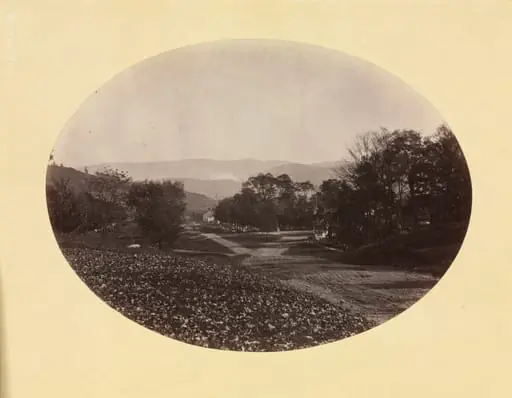 A Road in Williamstown
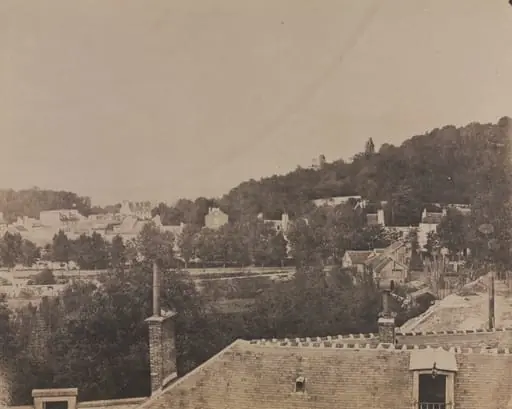 The Royal Porcelain Factory at Sèvres
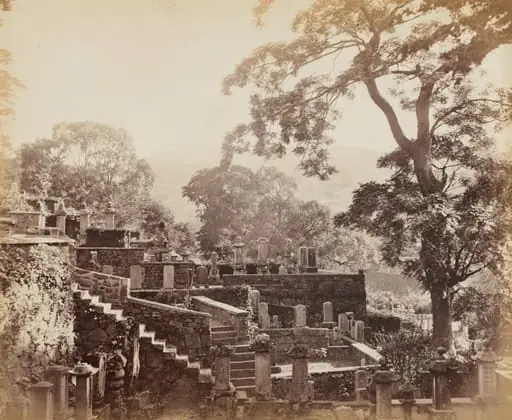 Japanese Temple Graveyard, Shuntoji, Nagasaki
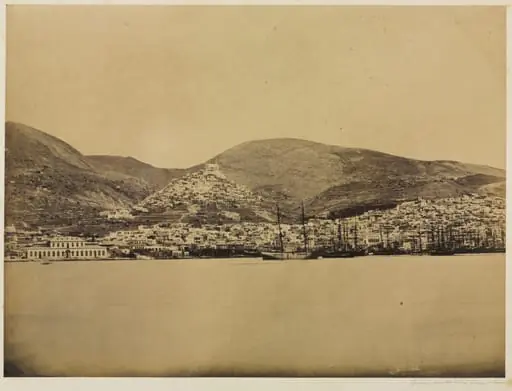 Syros, Center of the Levant Trade
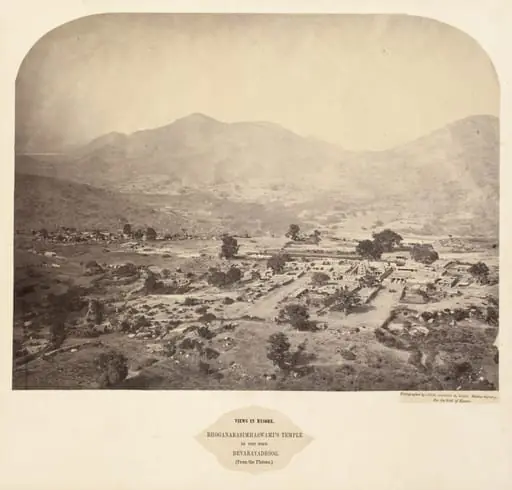 Views in Mysore: Bhoganarasimhaswami's temple, in the fort, Devarayadroog (from the plateau)
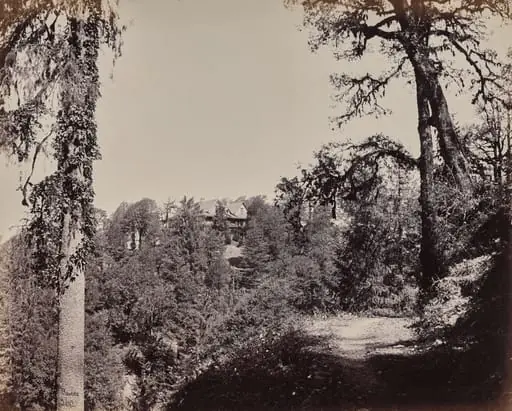 Shimla. Sir Hugh Rose's Bungalow at Mahasso
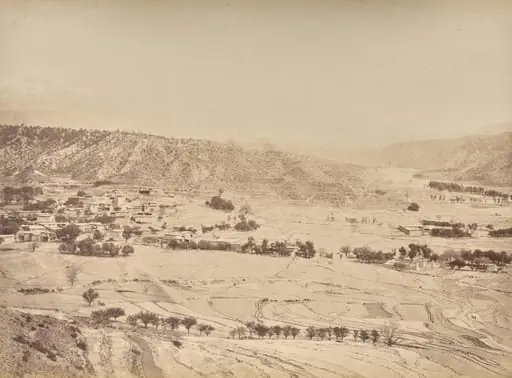 Ali Keyl, Pewar Kotal
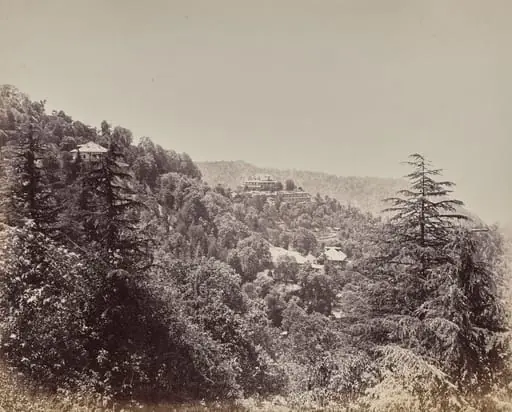 Shimla. The Yarrows and Neighboring Hills
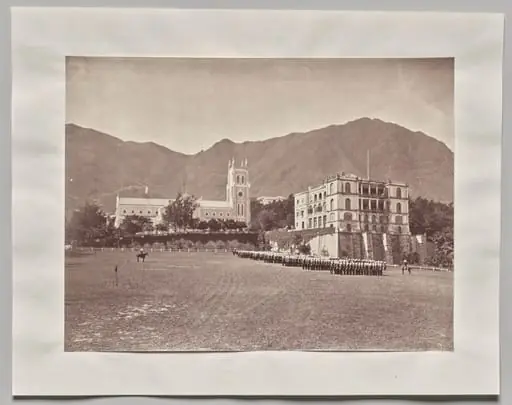 Untitled (Hong Kong, St. John’s Cathedral, from the Parade Ground, H.M. Regiment on Parade)