Movement
Flemish painting
Flemish painting is an art movement dating from 1400. The gallery holds 2 works in this movement, including works by Simon Bening. Browse Flemish painting paintings, portraits, pictures and artworks from the world's public-domain museum collections.
Flemish painting designates the art produced in Flanders—the prosperous, Dutch-speaking southern Netherlands centred on cities such as Bruges, Ghent, Brussels, and later Antwerp—from the early fifteenth century until the close of the seventeenth. It arose within the wealthy Burgundian court culture of the 1420s, where urban trade, banking, and an appetite for devotional and dynastic imagery among clergy, nobles, and a rising merchant class created exceptional demand for painted panels. The pioneers of this so-called Early Netherlandish school, once labelled the "Flemish Primitives," were Robert Campin and Jan van Eyck, soon joined by Rogier van der Weyden.
The school's defining achievement was the systematic mastery of oil paint. Van Eyck did not invent the medium—oil binders were described centuries earlier by Theophilus and Cennino Cennini—but Flemish masters perfected it, building images from thin, translucent glazes layered over a luminous ground. The result was a jewel-like depth of colour and an almost microscopic fidelity to surface, texture, and light: van Eyck's "Ghent Altarpiece" (completed 1432) and his "Arnolfini Portrait" (1434) epitomise this veristic realism, with their meticulous detail and convincing recession into deep space.
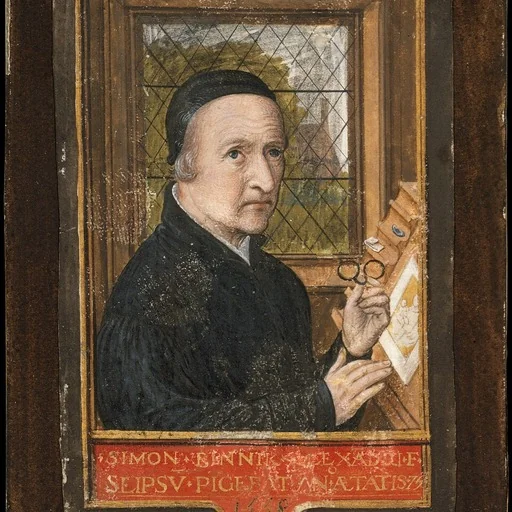
The tradition evolved across two centuries. Hugo van der Goes and Hans Memling carried fifteenth-century devotional painting to refined heights, while Simon Bening (c. 1483–1561), represented in our collection, brought the parallel art of manuscript illumination to a brilliant close. In the sixteenth century Pieter Bruegel the Elder reoriented the school toward sweeping landscape and vigorous peasant genre scenes, pioneering both as subjects for large-scale paintings.
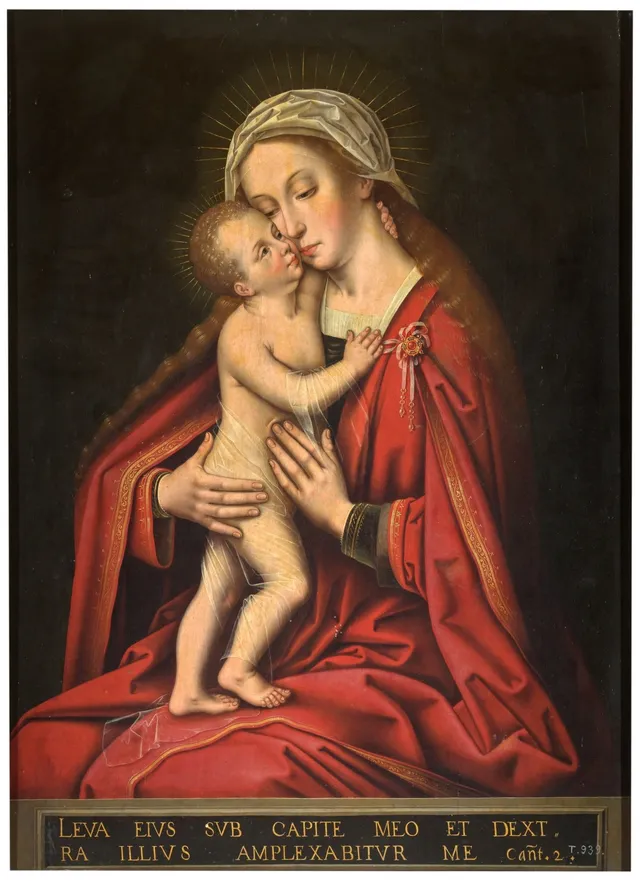
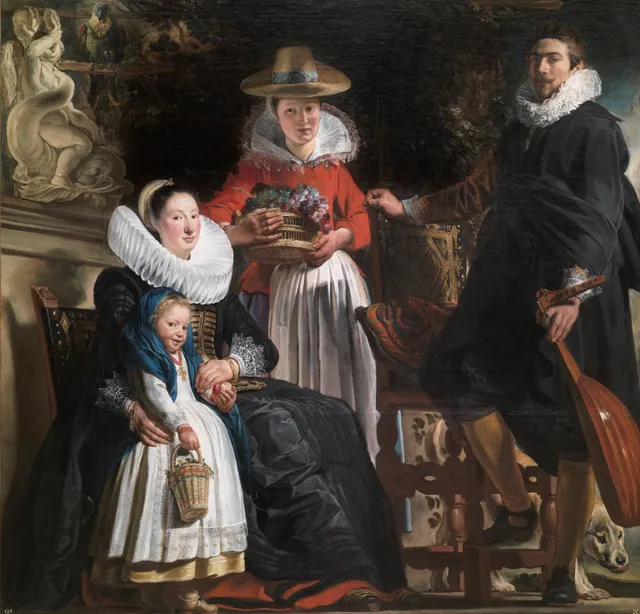
Flemish art's final flowering was the Baroque of seventeenth-century Antwerp. Peter Paul Rubens (1577–1640) led it with dramatic, full-blooded compositions serving Counter-Reformation devotion and aristocratic display; his pupil Anthony van Dyck (1599–1641) became Europe's most influential portraitist, and his contemporary Jacob Jordaens (1593–1678)—whose exuberant "Portrait of the Artist with His Family" we hold, alongside a Flemish "Madonna and Child"—supplied robust religious and allegorical works. Across its span, Flemish painting profoundly shaped Northern Renaissance and Baroque art, spread the oil technique to Italy and beyond, and remains inseparable from the closely related Dutch tradition that branched from it after the Netherlands divided.
Key artists
Works
Frequently asked questions
What is Flemish painting?
Flemish painting is an art movement. The painting tradition of Flanders — modern Belgium and northern France — from the early 15th century (Jan van Eyck) through the 17th century (Rubens).
Who are the key Flemish painting artists?
Key Flemish painting artists in the collection include Simon Bening.
When did Flemish painting take place?
Flemish painting dates from around 1400.
Where can I see Flemish painting works?
Flemish painting works in the collection are held by Museo del Prado.