February 15 in Art History
7 real events recorded on February 15, the earliest from 1705. 2 artists were born , 1 died on this date.
Born on this day 2
- 1705 Born
Born this day: Charles André van Loo
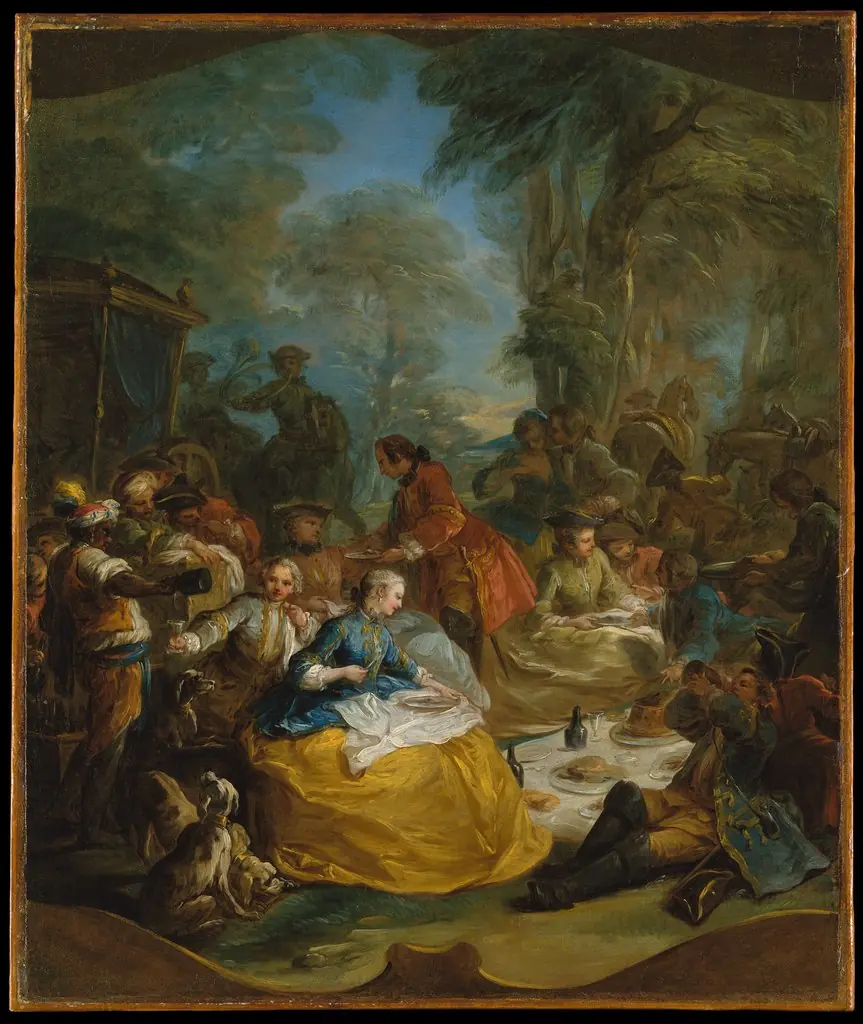
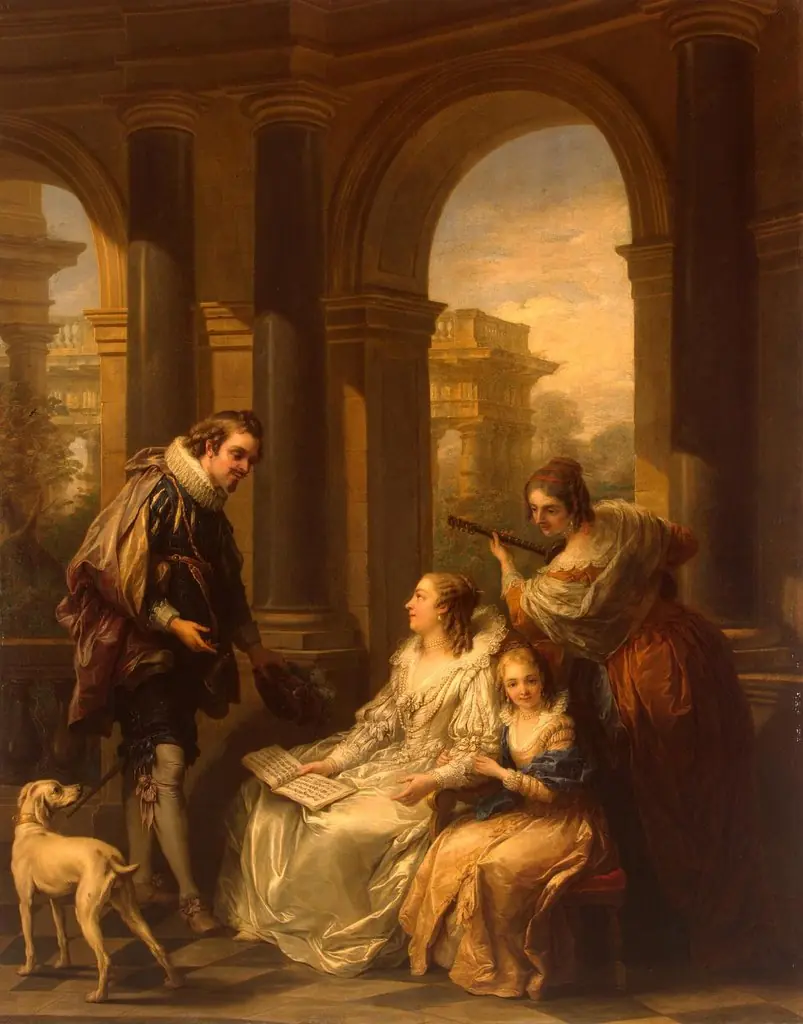
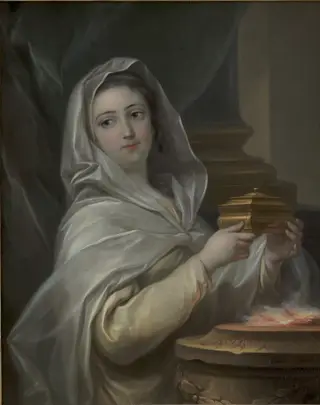
Charles André van Loo, born on February 15, 1705, was a French painter from a prominent dynasty of Dutch origin. He was known for his diverse oeuvre, which spanned various categories including religion, history, mythology, and portraiture. His works, such as The Hunt Breakfast and A Vestal, showcase his skill in capturing scenes from everyday life and mythology.
He remains the most famous member of his family of painters, leaving a lasting impact on the art world with his versatile and extensive body of work.
- 1817 Born
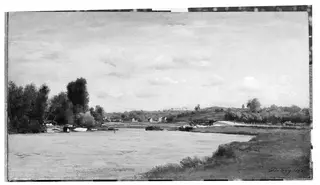
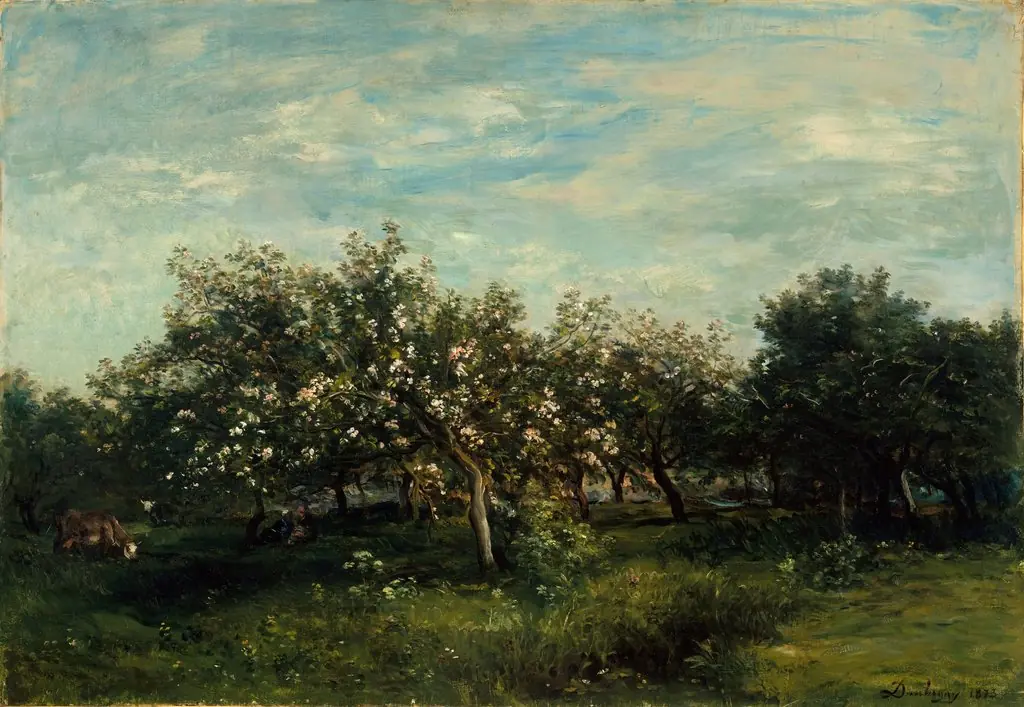
Born this day: Charles François Daubigny
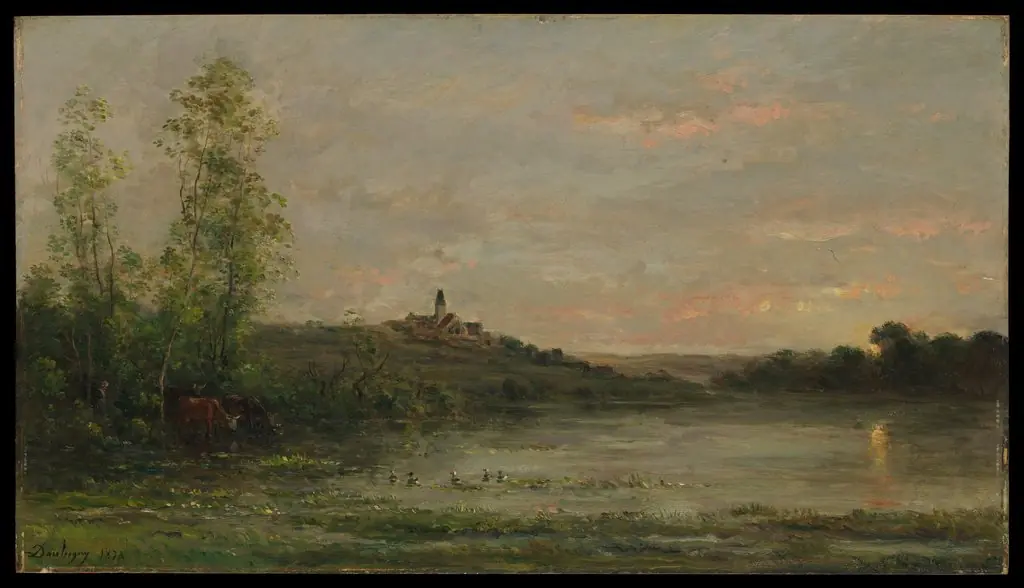
Charles-François Daubigny, born on February 15, 1817, was a French painter and printmaker associated with the Barbizon school, known for his landscapes that presaged impressionism. His works, such as 'The Seine: Morning' and 'Landscape with a Sunlit Stream', showcase his ability to capture light and nature.
He remains a significant figure in the development of French landscape painting and a precursor to the impressionist movement.
Died on this day 1
- 1728 Died
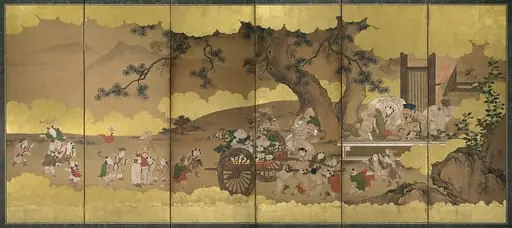
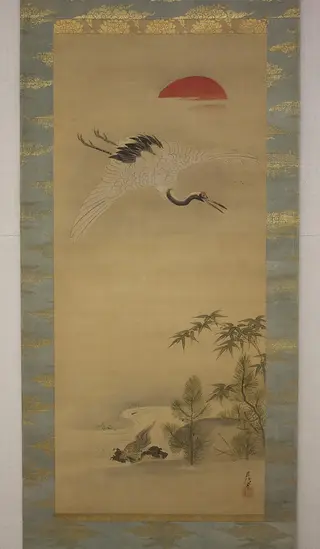
Died this day: Kano Chikanobu
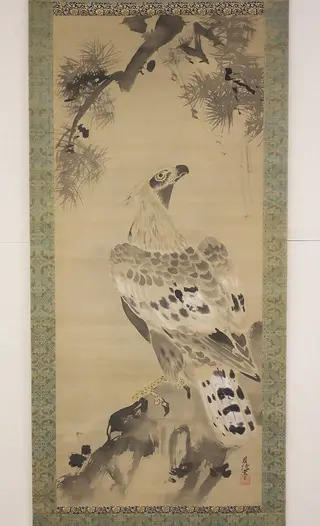
Kano Chikanobu was a Japanese artist known for his work in the traditional Japanese style, creating intricate and detailed paintings. His notable works, such as 'Seven Gods of Good Fortune and Chinese Children', showcase his skill and artistry. On February 15, 1728, Chikanobu passed away, leaving behind a legacy of beautiful and culturally significant art.
Kano Chikanobu's legacy is one of preserving and advancing traditional Japanese artistic styles.
Exhibitions & salons 1
- 1981 Exhibition
New York/New Wave opens at P.S.1
Curator Diego Cortez opened New York/New Wave at P.S.1 in Long Island City on February 15, 1981. The exhibition brought together more than 100 figures from downtown New York's intersecting art, music, graffiti, poetry, and photography scenes, including Jean-Michel Basquiat, Keith Haring, Andy Warhol, Fab Five Freddy, Futura 2000, Kenny Scharf, Ray Johnson, Lawrence Weiner, and William S. Burroughs. Coming after Colab's Times Square Show, it transferred a volatile street and club culture into an institutional setting without fully smoothing its edges. The exhibition is especially important for Basquiat, who participated under the SAMO tag and found a larger art-world audience at age 20.
The show helped institutionalize the downtown New York scene and accelerated Basquiat's entry into the art market.
Manifestos & publications 1
- 1943 Publication
Westinghouse begins displaying We Can Do It!
Westinghouse Electric scheduled J. Howard Miller's morale poster "We Can Do It!" to begin a two-week factory display run on Monday, February 15, 1943. The poster was made for the company's internal War Production Coordinating Committee, not for a national recruiting campaign, and was aimed at employees producing Micarta helmet liners. Its wartime audience was small and mostly inside Westinghouse plants, but the image later became one of the most reproduced American propaganda designs after its rediscovery in the early 1980s. Its later association with Rosie the Riveter is historically imprecise, yet that mistaken afterlife helped turn a short-lived workplace poster into a global visual shorthand for women's labor, feminism, and civic resolve.
A narrowly targeted factory poster became one of the twentieth century's most recognizable political images.
Auctions, prizes & heists 2
- 2008 Heist
Hannibal reappears in New York
On February 15, 2008, reports documented the reappearance in New York of Jean-Michel Basquiat's 1982 painting Hannibal, a work tied to the Banco Santos case involving Brazilian banker Edemar Cid Ferreira. The painting had been moved through international channels and shipped to a Manhattan storage facility with customs paperwork that allegedly undervalued it at $100 and did not properly identify the artwork. Its discovery made the canvas part of a broader story about contemporary art, money laundering, customs fraud, and posthumous Basquiat market value. Hannibal later remained entangled in litigation and restitution proceedings before returning to Brazil in 2015, then selling at Sotheby's London in 2016 for $13.1 million.
The case became a vivid example of how high-value contemporary art can function inside cross-border financial crime.
- 2011 Prize
Jasper Johns receives the Presidential Medal of Freedom
Jasper Johns received the Presidential Medal of Freedom from President Barack Obama on February 15, 2011. Johns had already been central to postwar American art for more than half a century, particularly through his encaustic paintings of flags, targets, maps, numbers, and letters, which unsettled the boundary between Abstract Expressionism, Neo-Dada, and Pop art. The award placed a living experimental painter within the United States' highest civilian honor system and was notable because Johns became the first painter or sculptor to receive the medal since Alexander Calder in 1977. The ceremony recognized not a single work, but the broad cultural authority Johns's images had gained in American visual life.
The award confirmed Johns's status as a national cultural figure as well as a market and museum landmark.