February 16 in Art History
6 real events recorded on February 16, the earliest from 1819. 1 artist was born , 1 died on this date.
The day's biggest moments
Born on this day 1
- 1841 Born
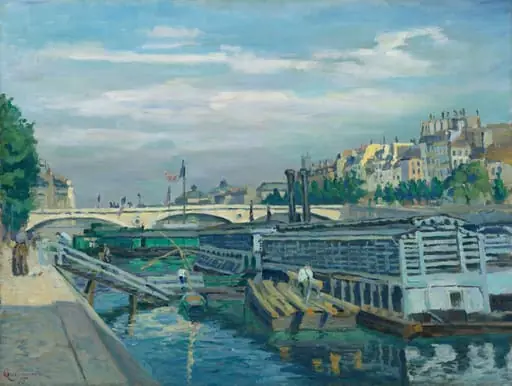
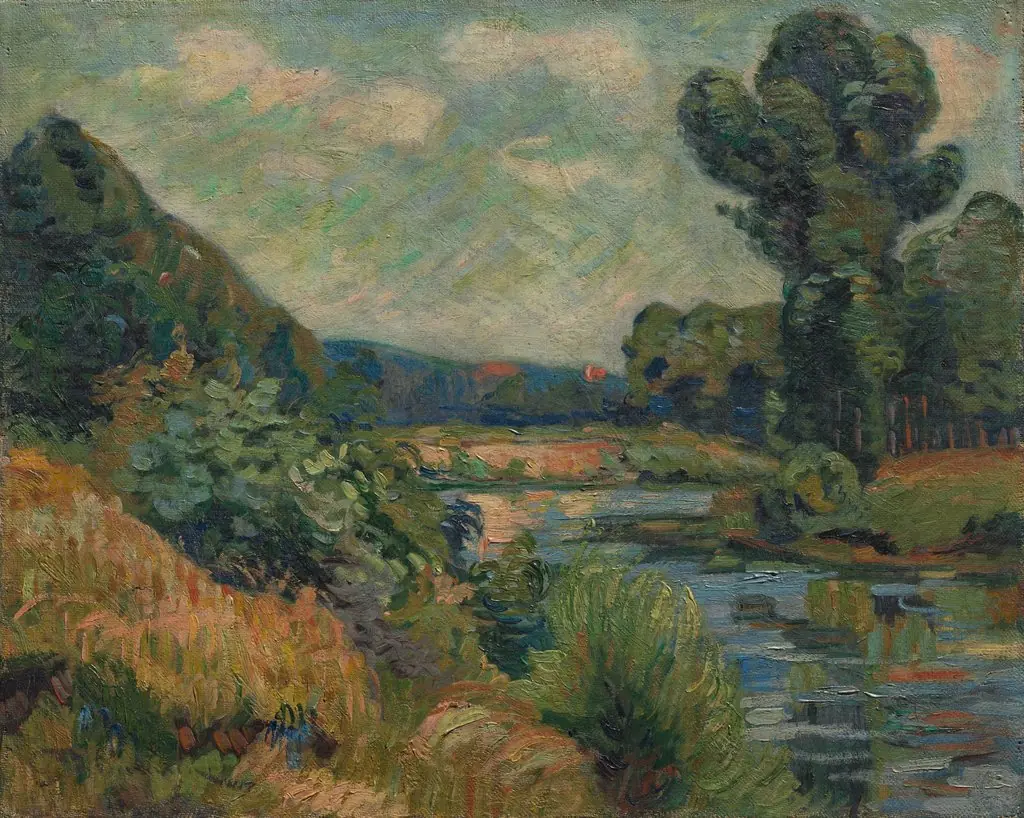
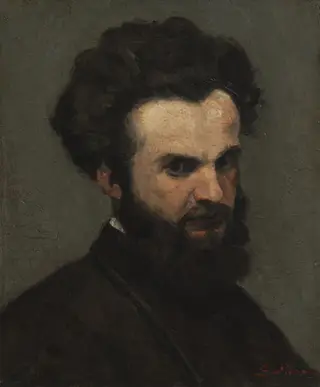
Born this day: Armand Guillaumin
Armand Guillaumin, born on February 16, 1841, was a French artist known for his captivating landscapes, which often featured serene depictions of nature. His work contributed to the development of the Impressionist movement, showcasing his unique perspective on light and color.
Guillaumin's legacy lies in his role as a pioneering Impressionist painter who brought a sense of tranquility and beauty to the art world.
Died on this day 1
- 1819 Died
Died this day: Pierre Henri
Pierre-Henri de Valenciennes, a French neoclassicist painter, played a significant role in promoting En plein air painting, a technique that emphasizes working outdoors. His work, such as 'The Artist's Family', showcases his skill in capturing natural light and settings.
He remains influential in the development of outdoor painting techniques.
Exhibitions & salons 2
- 1918 Exhibition
Joan Miro's First Solo Exhibition
Galeries Dalmau in Barcelona opened Joan Miro's first solo exhibition on February 16, 1918, running it through March 3. The show gathered sixty-four early works, including paintings shaped by Catalan landscape, Fauvist color, and the Cubist language that Miro had encountered through Dalmau's avant-garde program. It was not a market success: contemporary accounts report ridicule, defacement, and only a single sale. Its importance lies less in immediate reception than in placement. Dalmau had already introduced Cubism and other advanced tendencies to Spain, and this exhibition put Miro into that network before his move toward Paris, Surrealism, and the poetic pictorial vocabulary for which he became internationally known.
The failed Barcelona debut became the public starting point for Miro's modernist career.
- 2017 Exhibition
Alexei Jawlensky Retrospective at Neue Galerie
Neue Galerie New York opened Alexei Jawlensky on February 16, 2017, presenting what the museum described as the first full museum retrospective in the United States devoted to the Russian-born Expressionist. The exhibition ran to May 29 and positioned Jawlensky within the German and Russian modernist currents central to the museum's program. Its materials emphasized his move to Munich in 1896, his ties to avant-garde circles around Kandinsky and other Expressionists, and the development of his intense portraits, heads, and abstracted devotional images. For American audiences, the show filled a gap: Jawlensky was historically important to Expressionism but less institutionally familiar than Kandinsky, Marc, or Klee.
The exhibition helped consolidate Jawlensky's independent visibility within the U.S. museum history of Expressionism.
Unveilings & commissions 1
- 1923 Unveiling Landmark
Tutankhamun's Burial Chamber Formally Opened
On February 16, 1923, Howard Carter and Lord Carnarvon formally opened the burial chamber of Tutankhamun with Egyptian government officials present. The antechamber had been largely cleared by mid-February, and the opening confirmed the presence of the king's sarcophagus, gilded shrines, and access to the treasury, including the canopic chest. Although an archaeological event, it became central to museum and design history: more than five thousand objects required unprecedented conservation, most ultimately went to the Egyptian Museum in Cairo, and the imagery of the tomb triggered a worldwide Tutmania that affected exhibitions, publishing, fashion, furniture, and Egyptian Revival design.
The event turned an archaeological discovery into one of the twentieth century's defining museum blockbusters and design crazes.
Auctions, prizes & heists 1
- 2018 Heist
Degas's Les Choristes Recovered
On February 16, 2018, French customs officers recovered Edgar Degas's Les Choristes in the luggage compartment of an intercity bus stopped near Ferrieres-en-Brie, east of Paris. The small 1877 pastel on monotype, owned by the French state and normally held by the Musee d'Orsay, had been stolen at the end of 2009 while on loan to the Musee Cantini in Marseille. Its subject, singers from Don Giovanni, is unusual within Degas's opera imagery because it focuses on vocal performers rather than dancers. The recovery was announced days later by French authorities; experts confirmed the work was authentic and relatively undamaged, making it a rare successful return of a high-profile stolen Impressionist work.
The recovery returned a nationally owned Degas to public collections after more than nine years missing.