February 28 in Art History
6 real events recorded on February 28, the earliest from 1818. 2 artists were born , 1 died on this date.
Born on this day 2
- 1821 Born
Born this day: Jean-Baptiste Kindermans
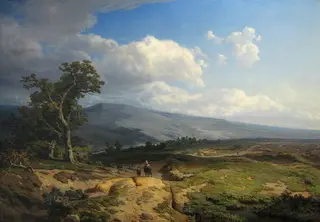
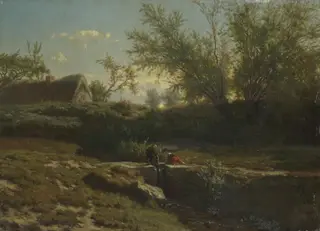
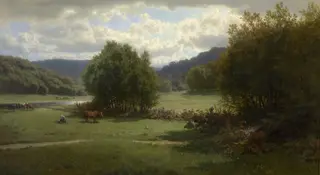
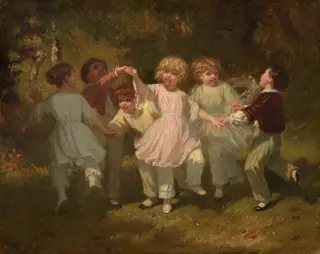
Jean-Baptiste Kindermans, a Belgian artist born on February 28, 1821, in Antwerp, is known for his landscape paintings, as seen in works like Valley of Amblève and Landscape, showcasing his ability to capture natural scenes.
Kindermans' work continues to represent Belgian landscape painting of the 19th century.
- 1822 Born
Born this day: Hugues Merle
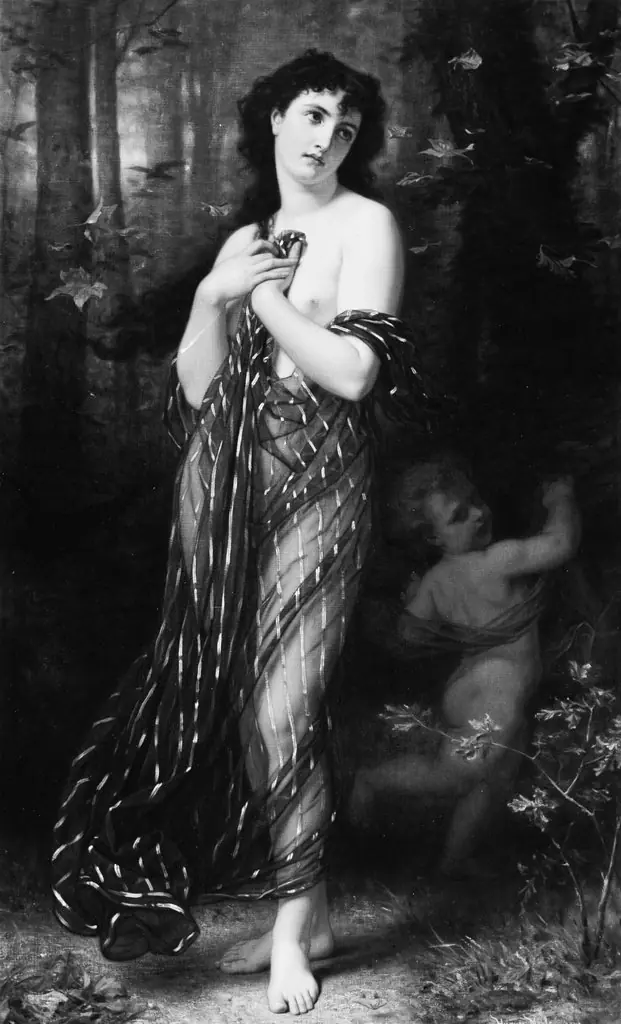
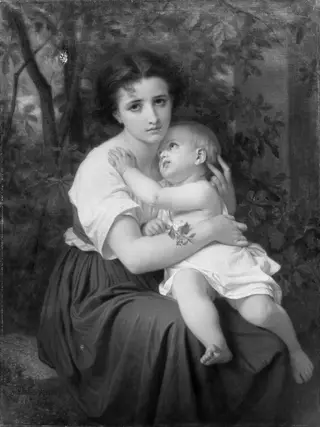
Hugues Merle, a French painter born on February 28, 1822, is known for his sentimental and moral subjects, often drawing comparisons to William-Adolphe Bouguereau. His work typically featured emotional and thought-provoking themes.
Merle's legacy lies in his contributions to the tradition of French painting, particularly in the realm of sentimental and moral subjects.
Died on this day 1
- 1818 Died
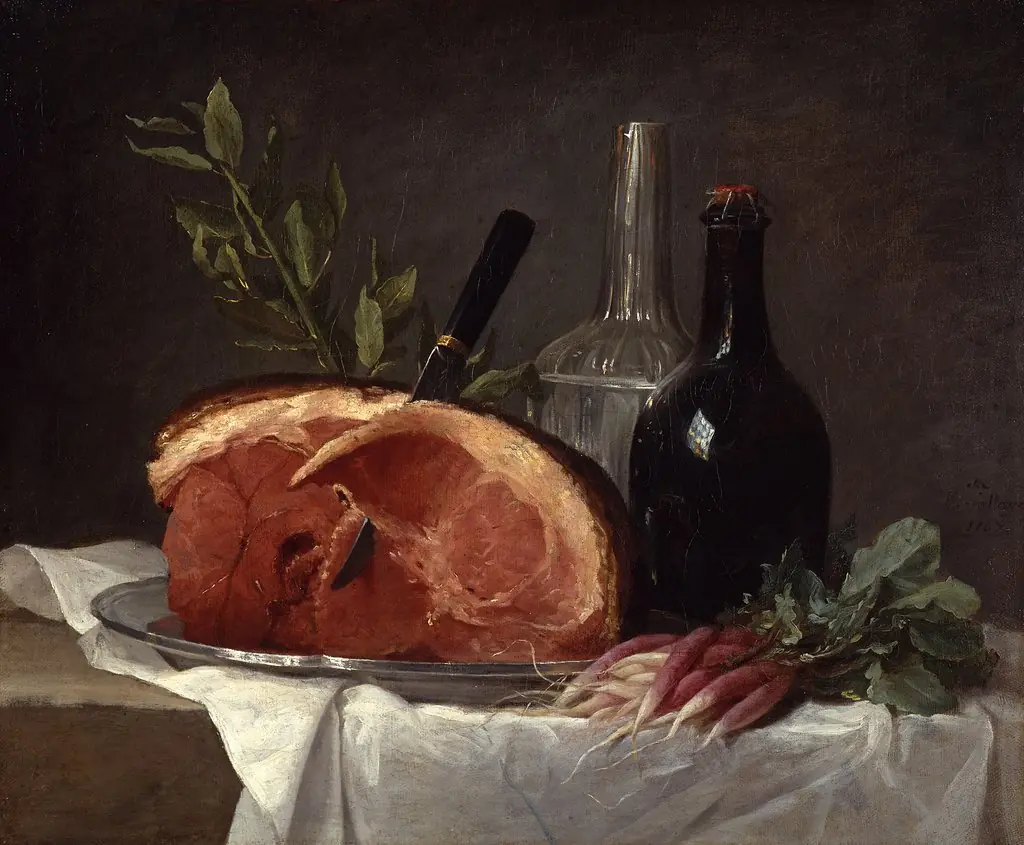
Died this day: Anne Vallayer-Coster
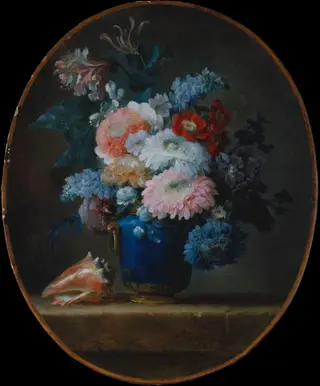
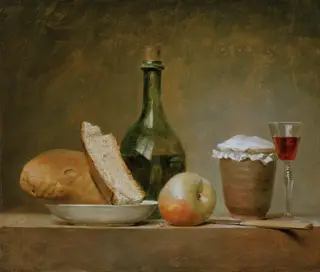
Anne Vallayer-Coster was a French painter renowned for her still lifes, achieving fame at a young age with her highly developed skills in depicting flowers and other subjects. She was admitted to the Académie Royale de Peinture et de Sculpture in 1770 and gained attention from collectors, artists, and the court, including Marie Antoinette. Her private and hard-working life was marked by survival through the Reign of Terror, but her reputation declined with the fall of the French monarchy.
Anne Vallayer-Coster remains a significant figure in the history of still life painting, recognized for her exceptional talent and contributions to the genre.
Exhibitions & salons 1
- 1912 Exhibition
Robert Delaunay's Barbazanges Exhibition Opens
Galerie Barbazanges in Paris opened a Robert Delaunay exhibition, with work by Marie Laurencin also included, on February 28, 1912. The gallery listing identifies the run as February 28 to March 13 and describes it as Delaunay's first major exhibition, spanning forty-six works from early Impressionist pictures through Paris cityscapes and Cubist treatments of the Eiffel Tower. The show is important because it placed Delaunay's rapidly changing language before a Paris gallery public just as Cubism was splintering into more color-centered experiments. It also connected the commercial gallery world around Henri Barbazanges and Paul Poiret with the avant-garde networks that helped make prewar Paris a laboratory for modernism.
The exhibition helped establish Delaunay's public profile before the emergence of Orphism.
Openings & foundings 1
- 1926 Opening
San Diego Museum of Art Opens
The San Diego Museum of Art opened in Balboa Park on February 28, 1926, under its original name, the Fine Arts Gallery of San Diego. The museum grew out of San Diego's post-exposition civic ambitions and occupied a Spanish Colonial Revival building designed to harmonize with Balboa Park's Panama-California Exposition architecture. Its early identity joined architecture, public philanthropy, and collecting, with later strength in Spanish art and European old masters. The opening gave San Diego a permanent fine-arts institution at a moment when many American cities were converting fairground and civic-beautification legacies into museums, libraries, and cultural parks.
The museum became the region's principal encyclopedic art museum and anchor institution in Balboa Park.
Auctions, prizes & heists 1
- 2007 Heist
Picasso Paintings Stolen from Diana Widmaier-Picasso
On February 28, 2007, two Pablo Picasso paintings were stolen from the Paris home of his granddaughter Diana Widmaier-Picasso: Maya with Doll, a 1938 portrait of Picasso's daughter Maya, and Jacqueline, a 1961 portrait of Jacqueline Roque. The theft mattered not only because of the artist's market stature, but because the works were family-linked portraits rather than anonymous investment objects. Both paintings were later reported recovered in Paris in August 2007, turning the case into a prominent example of the vulnerability and traceability of famous modern paintings in private collections. The incident also underscored how Picasso's family holdings remain central to scholarship, provenance narratives, and the public imagination around his work.
The recovery reinforced the difficulty of monetizing highly recognizable stolen modern masterpieces.