Artwork
Falling Leaves, Allegory of Autumn
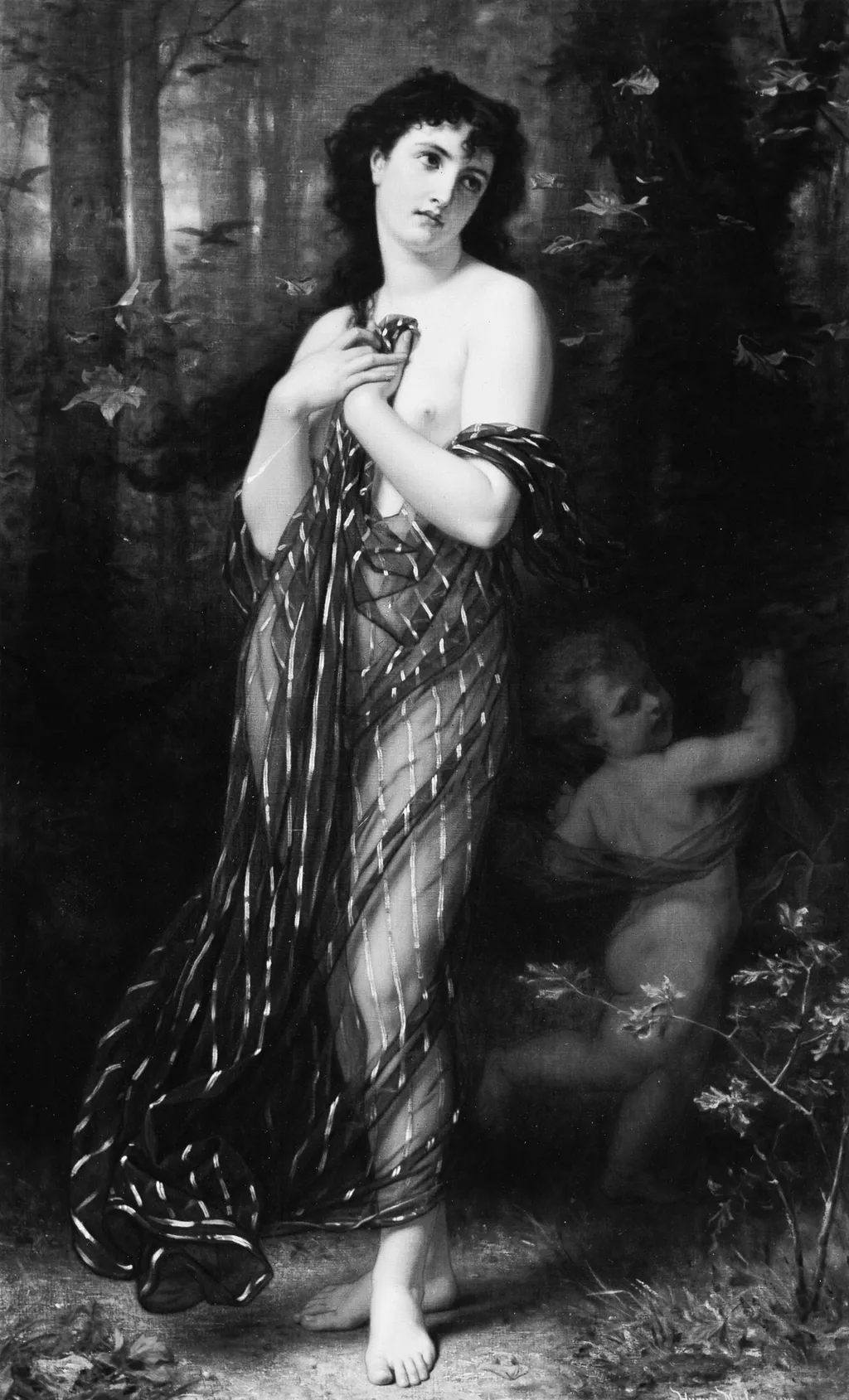
Falling Leaves, Allegory of Autumn is an oil painting by the Naturalist artist Hugues Merle. It dates from 1872 and is held in the collection of the Metropolitan Museum of Art.
About this work
Subject & Meaning
Created in 1872, Hugues Merle's Falling Leaves, Allegory of Autumn functions as a personification of the season through the depiction of a nude child.
Created in 1872, Hugues Merle's Falling Leaves, Allegory of Autumn functions as a personification of the season through the depiction of a nude child. The work's iconography centers on the falling leaf, a direct visual motif linking the figure to the cycle of nature and the specific time of year. By combining the vulnerability of the youthful, unclothed form with the imagery of descending foliage, the painting embodies the transitional and waning characteristics associated with autumn.
The composition relies on these established allegorical conventions to represent the season not merely as a setting, but as an anthropomorphized entity, merging human innocence with the natural process of decay and change inherent to the fall.
Technique & Style
The painting Falling Leaves, Allegory of Autumn, executed by Hugues Merle in 1872, is an oil on canvas work measuring 174.9 × 109.9 cm. The artwork belongs to the Metropolitan Museum of Art collection and exemplifies the allegorical genre through its depiction of a leaf, a child, and a nude figure set within an autumnal context. Its formal composition relies on the textural possibilities of oil paint to render naturalistic foliage and flesh, while the overall stylistic approach follows 19th‑century academic conventions of symbolic representation.
History & Provenance
Falling Leaves, Allegory of Autumn was created by the French painter Hugues Merle in 1872 as an oil-on-canvas allegorical work depicting autumn. The painting entered the collection of the Metropolitan Museum of Art, where it is currently housed, indicating a provenance that traces from the artist to the museum. No specific commission details are recorded in the available sources.
Overview
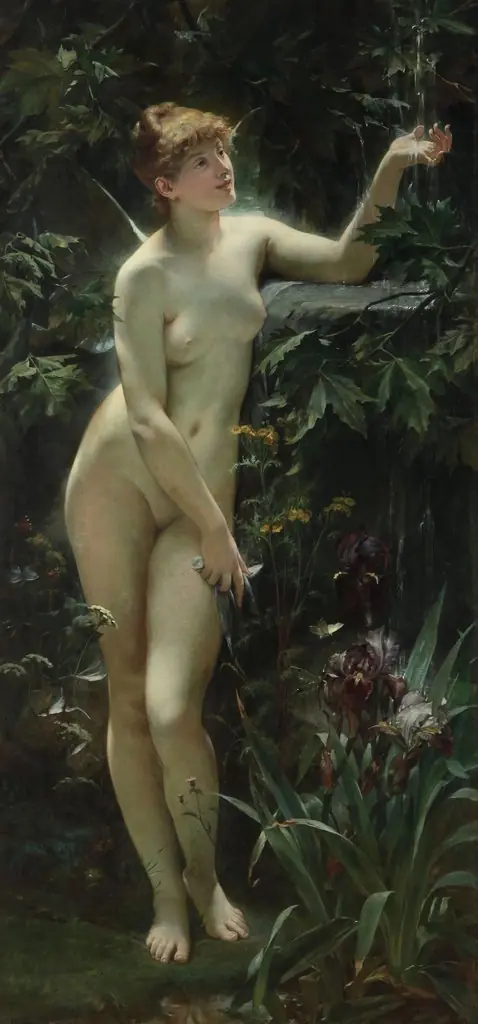
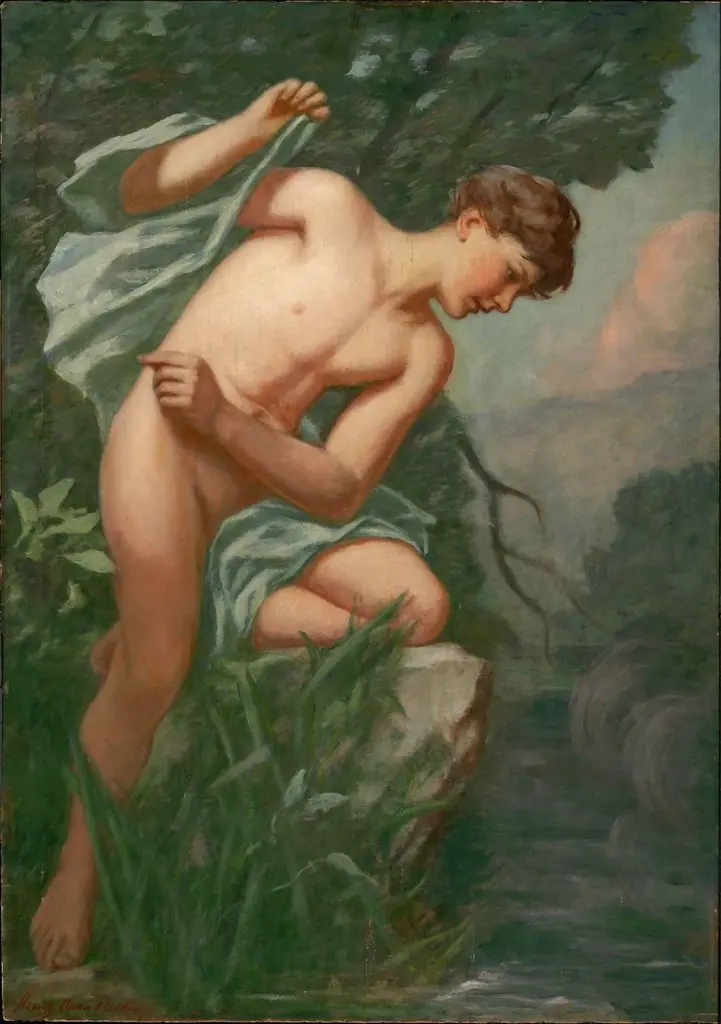
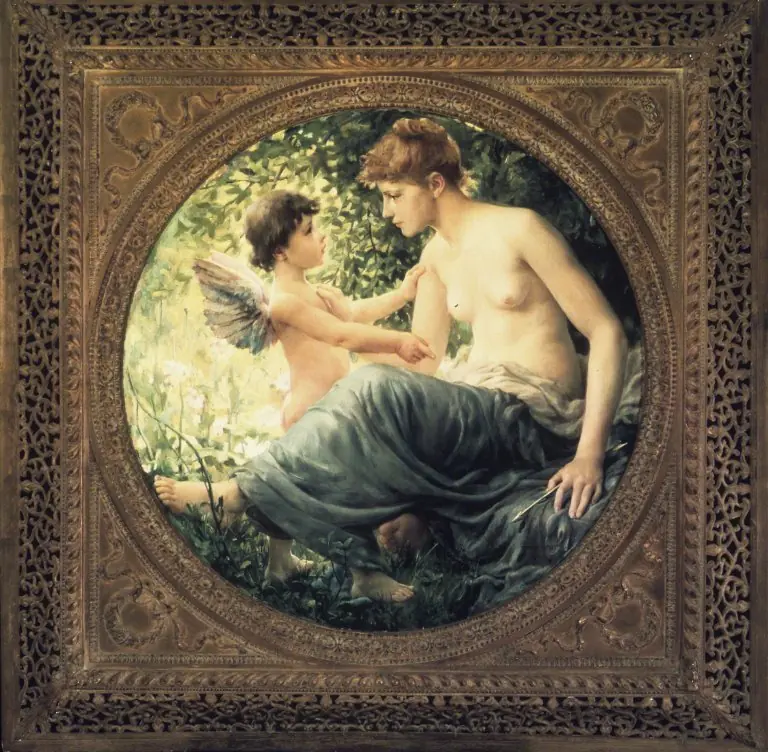
This oil painting, titled Falling Leaves, Allegory of Autumn, depicts a solitary female figure within a muted forest setting. She stands amidst a scattering of foliage, embodying the seasonal transition. The artwork utilizes oil paint to render a scene rich in atmospheric depth and symbolic resonance, characteristic of allegorical representations of nature's cycles.
Own this work as a print
Artist & collection
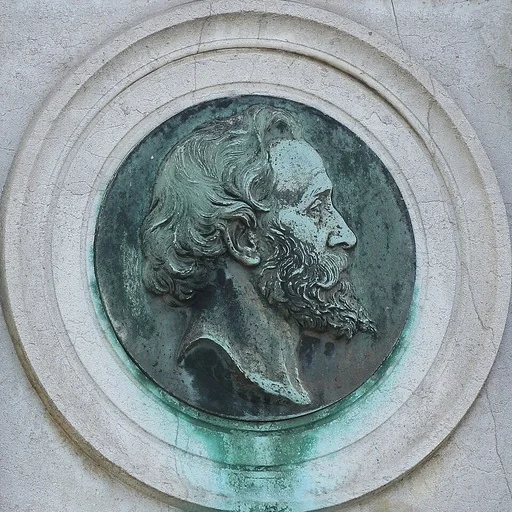
Artist
Hugues Merle (1822–1881) was a French painter who mostly depicted sentimental or moral subjects. He has often been compared to William-Adolphe Bouguereau.