February 4 in Art History
6 real events recorded on February 4, the earliest from 1667. 2 artists were born , 1 died on this date.
Born on this day 2
- 1667 Born
Born this day: Alessandro Magnasco
Alessandro Magnasco, an Italian late-Baroque painter, was born on February 4, 1667. He is known for his stylized and often phantasmagoric scenes, characterized by fragmented forms and swift brushstrokes. Active in Milan and Genoa, Magnasco's work continues to captivate with its unique blend of light and composition.
Magnasco's innovative style has left a lasting impact on the development of Italian Baroque and Rococo painting.
- 1864 Born
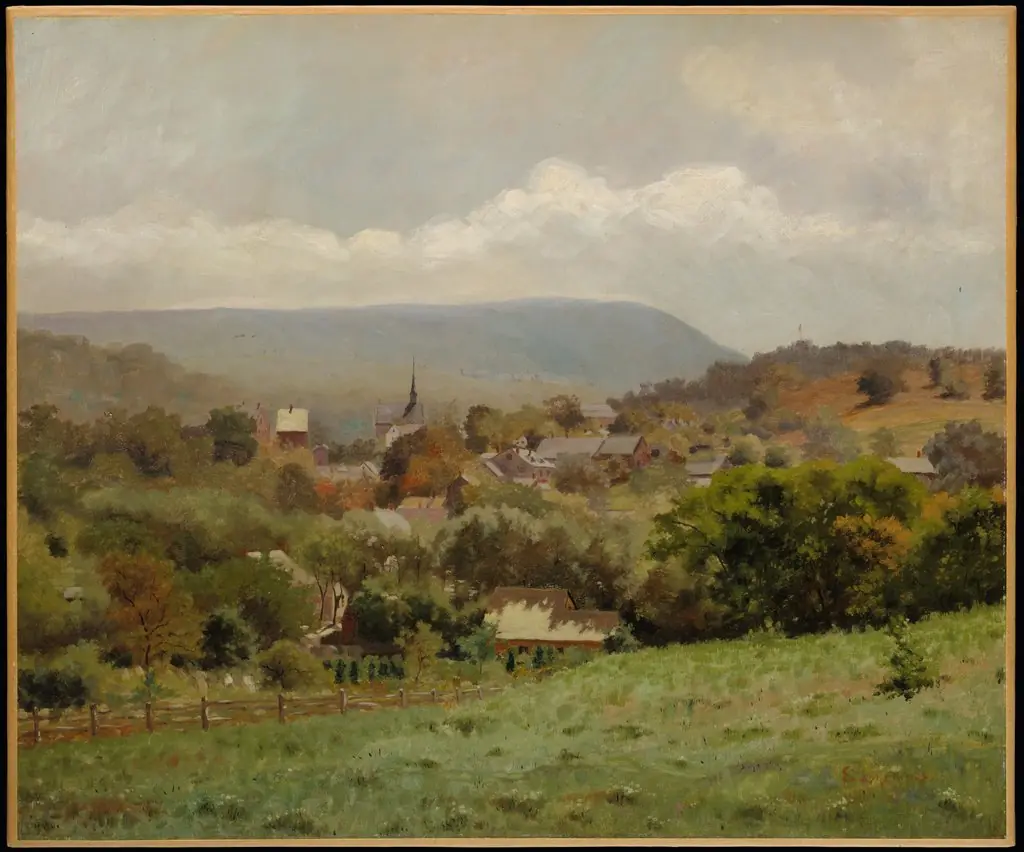
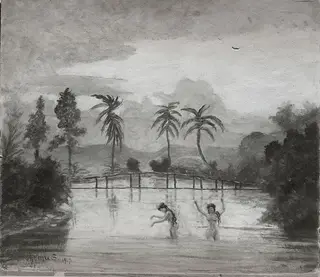
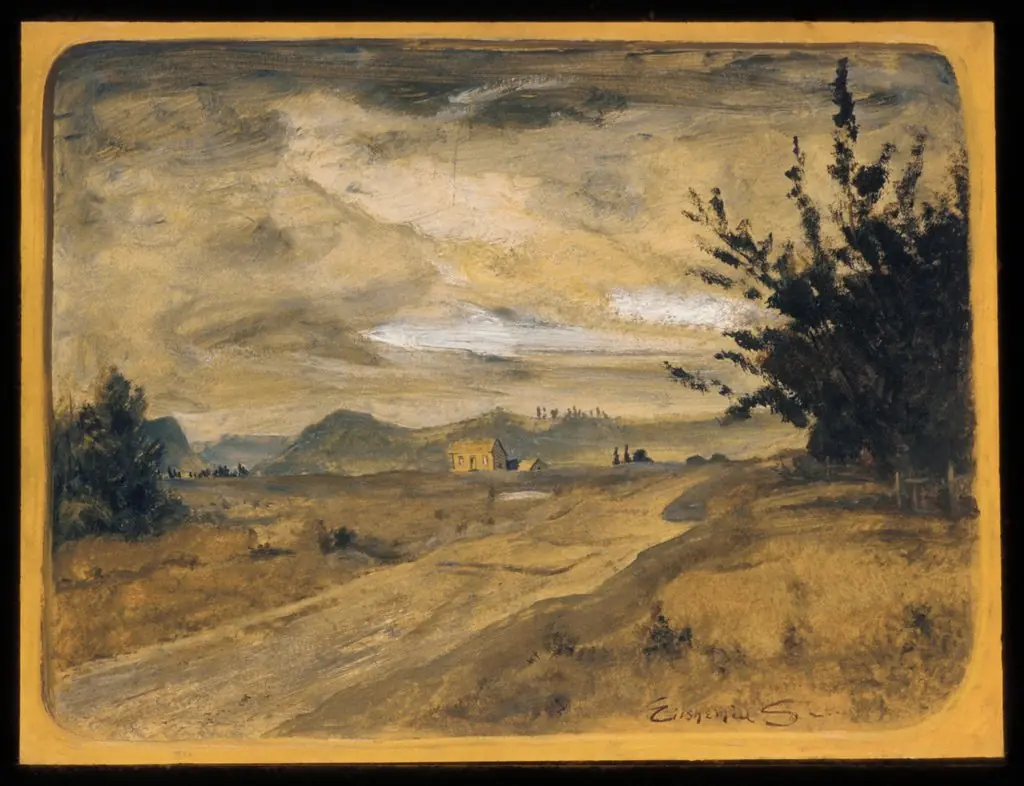
Born this day: Louis Eilshemius
Louis Eilshemius, born on February 4, 1864, was a versatile American artist known for his landscapes and nudes, as well as his literary and musical pursuits. His work showcases a unique blend of artistic expression.
Eilshemius' innovative and eclectic style has left a lasting impact on American art.
Died on this day 1
- 1787 Died
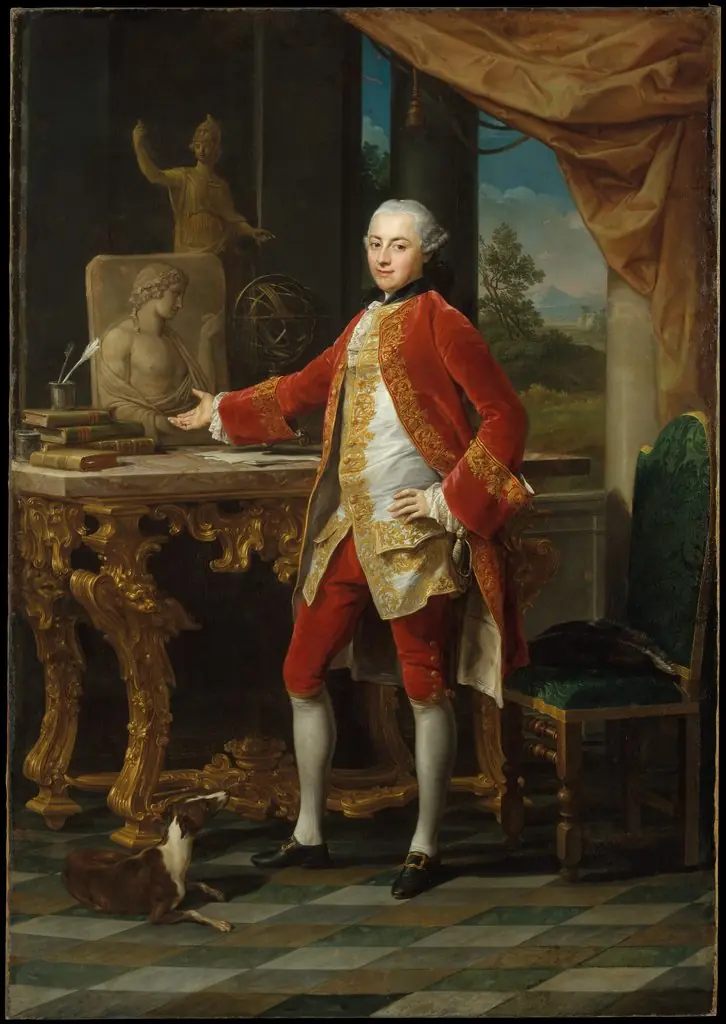
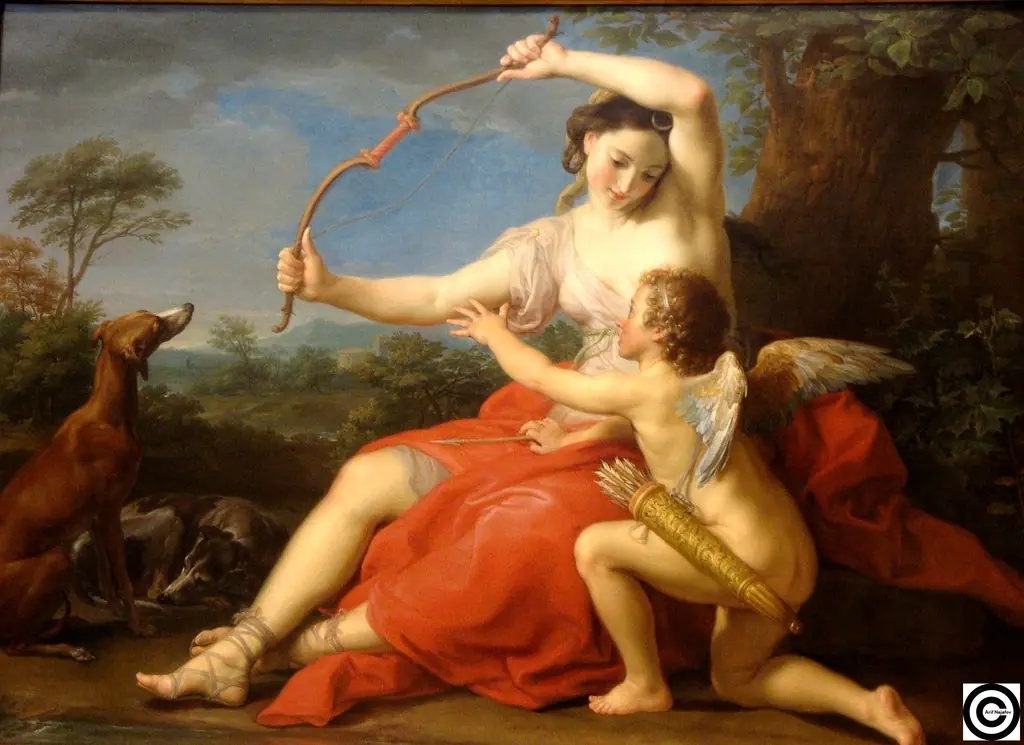
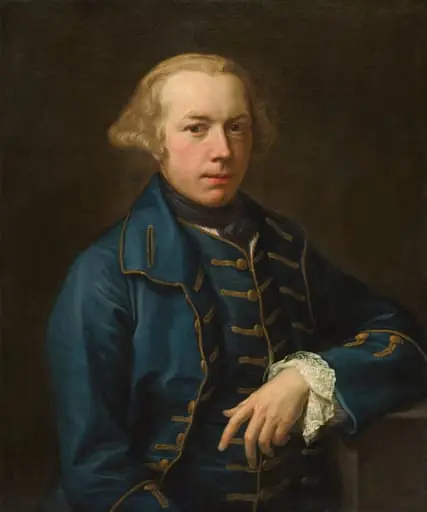
Died this day: Pompeo Batoni
Pompeo Batoni, a prominent Italian painter, was known for his technical skill in portraits and mythological scenes, often featuring Italian landscapes, which he showcased to foreign visitors on the Grand Tour. His work catered largely to British and Anglo-Irish gentlemen, contributing to the popularity of Grand Tour portraits in Great Britain.
Batoni's portrait tradition influenced later artists, including Sir Joshua Reynolds, who became a leading English portrait painter.
Openings & foundings 2
- 1944 Opening
Hickory Museum of Art Opens
The Hickory Museum of Art officially opened in Hickory, North Carolina, on February 4, 1944. NCpedia frames the opening as the result of Paul Austin Whitener's effort to give a small Piedmont city a serious visual-arts institution, supported by local civic leaders and by painter Wilford Seymour Conrow's New York contacts. The museum's own history emphasizes its founding mission to collect, foster, and preserve American art; within its first year it began building a permanent collection that later expanded into Hudson River School painting, American art pottery, studio glass, high-speed photography, regional art, and Southern contemporary folk art. Its opening matters because it created North Carolina's second-oldest art museum outside the state's largest metropolitan centers.
It helped anchor a durable American-art collection and arts-education hub in western North Carolina.
- 2016 Opening
International Museum of the Baroque Opens
The International Museum of the Baroque opened in Puebla, Mexico, on February 4, 2016. The museum was designed by Pritzker Prize-winning architect Toyo Ito and dedicated to Baroque art, architecture, literature, music, theater, and related cultural forms. Reference pages in English, Spanish, and French all document the exact opening date, while Architectural Digest's retrieved profile describes Ito's white concrete, curving building as a deliberately contemporary counterpoint to the ornate historical style it houses. The project was notable not only for its architecture and ambition but also for controversy over costs, transparency, and the provenance and borrowing of works. In art-historical terms, it presented Baroque culture as a transmedia, international subject rather than simply a period style.
The museum made Puebla a high-profile site for debates about spectacle, heritage, and contemporary museum architecture.
Auctions, prizes & heists 1
- 2020 Auction
Le cycliste Sets a Metzinger Auction Record
Jean Metzinger's 1912 painting Le cycliste sold at Sotheby's London on February 4, 2020, for 3,015,000 GBP, establishing a world auction record for the artist. Sotheby's lot page documents the work in its Impressionist, Modern and Surrealist Art Evening Sale, with an estimate of 1,500,000 to 2,000,000 GBP, and describes the painting as an ambitious fusion of Cubist and Futurist ideas around speed, cycling, and modern urban experience. The lot's provenance also ties it to collector John Quinn, an organizer of the 1913 Armory Show, who acquired Metzinger's cycling pictures after seeing them in New York in 1915. The sale brought market attention to a work that condensed prewar avant-garde theories of motion and simultaneity.
The result reset Metzinger's market ceiling while spotlighting Cubo-Futurist cycling imagery as a premium modernist subject.