January 15 in Art History
7 real events recorded on January 15, the earliest from 1684. 2 artists were born , 1 died on this date.
Born on this day 2
- 1793 Born
Born this day: Ferdinand Georg Waldmüller
Ferdinand Georg Waldmüller, born on January 15, 1793, was a prominent Austrian painter of the Biedermeier period, known for his significant contributions to Austrian art. His work, such as 'The Cartographer Professor Josef Jüttner and His Wife', showcases his skill and attention to detail.
Waldmüller remains one of the most important figures in Austrian painting of his time.
- 1841 Born
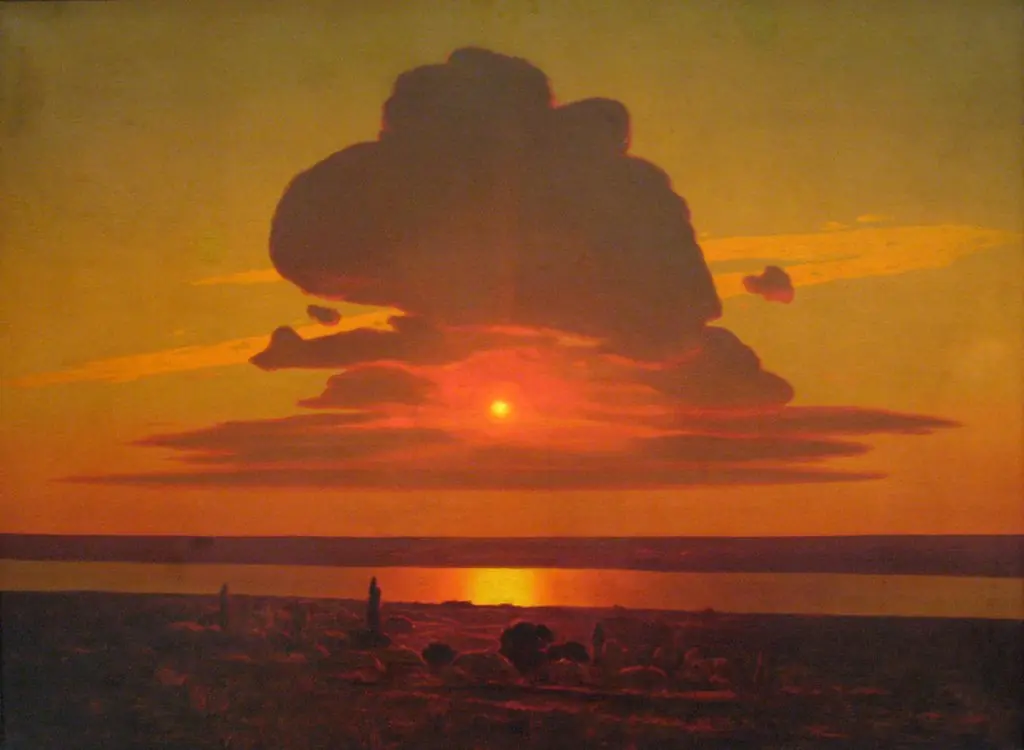
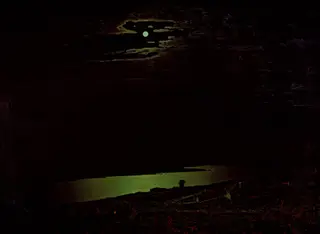
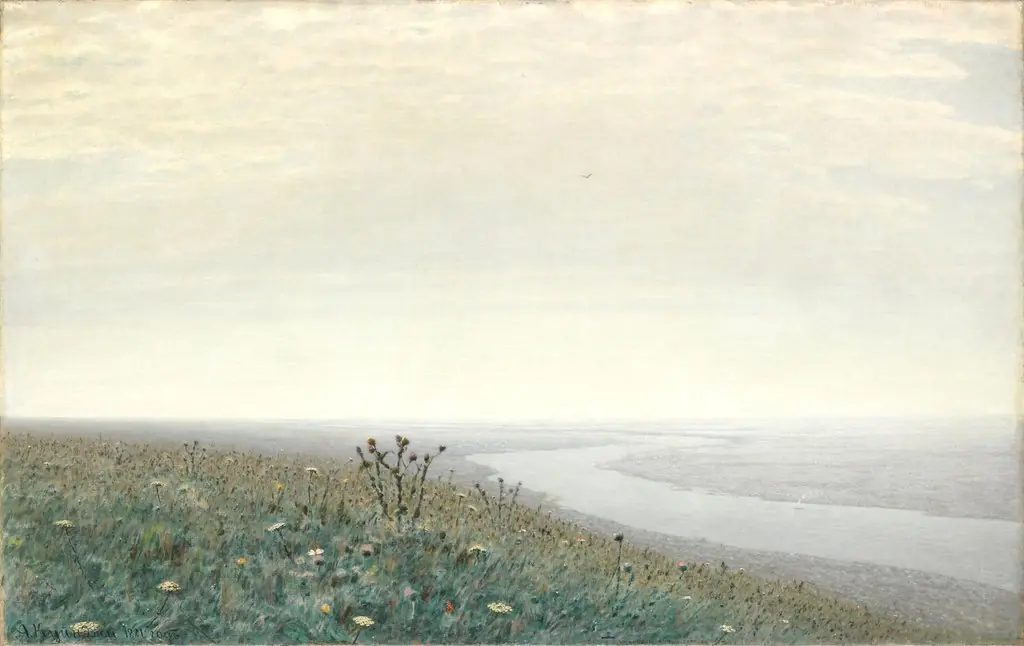
Born this day: Arkhip Kuindzhi
Arkhip Kuindzhi, a Russian landscape painter of Crimean Greek origin, was born on January 15, 1841, and is known for his captivating depictions of light and nature, as seen in works like Red Sunset on the Dnieper and Night on the Dniepr. His paintings often featured the Dnieper River, showcasing his ability to evoke mood and atmosphere.
Kuindzhi's innovative use of light and color continues to influence landscape painting.
Died on this day 1
- 1684 Died
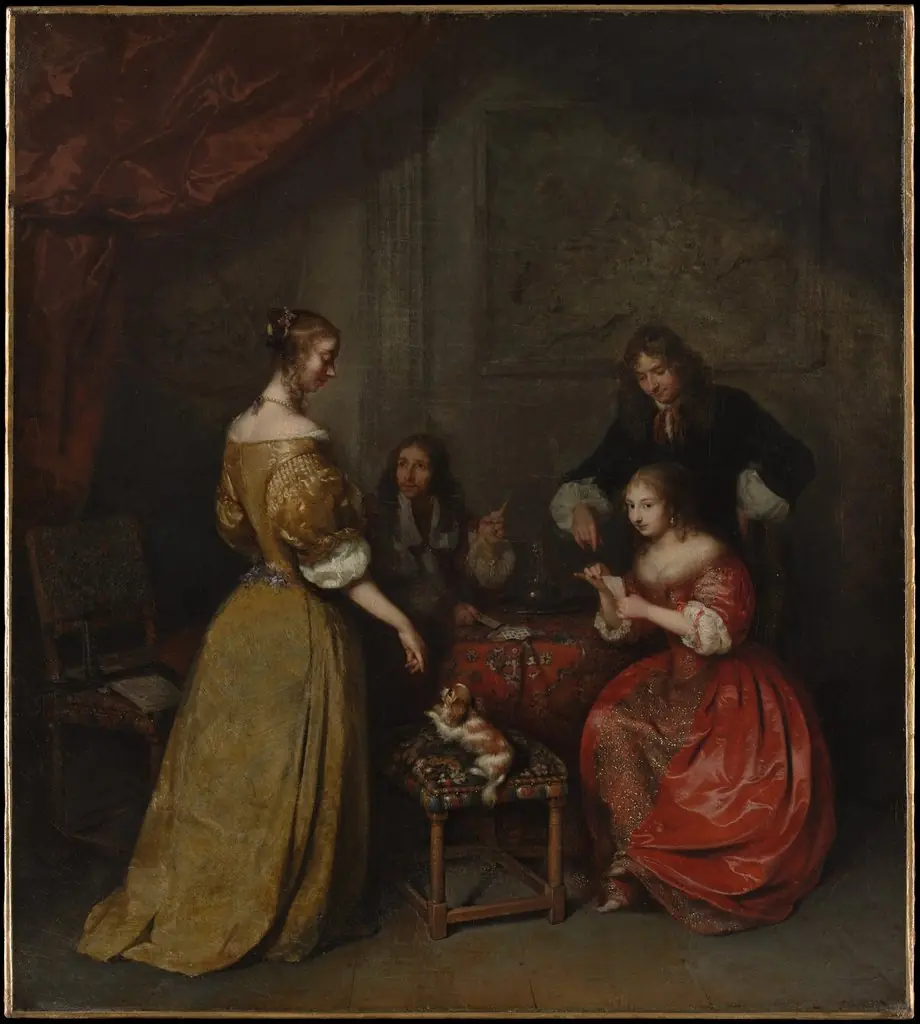
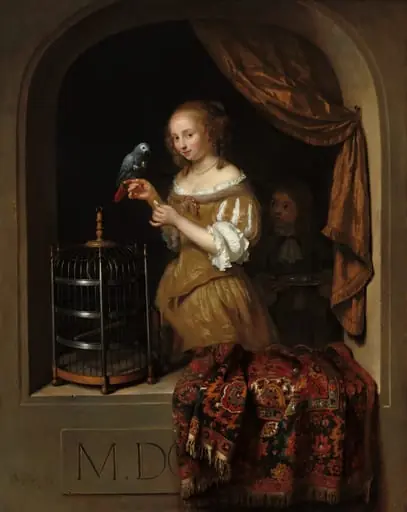
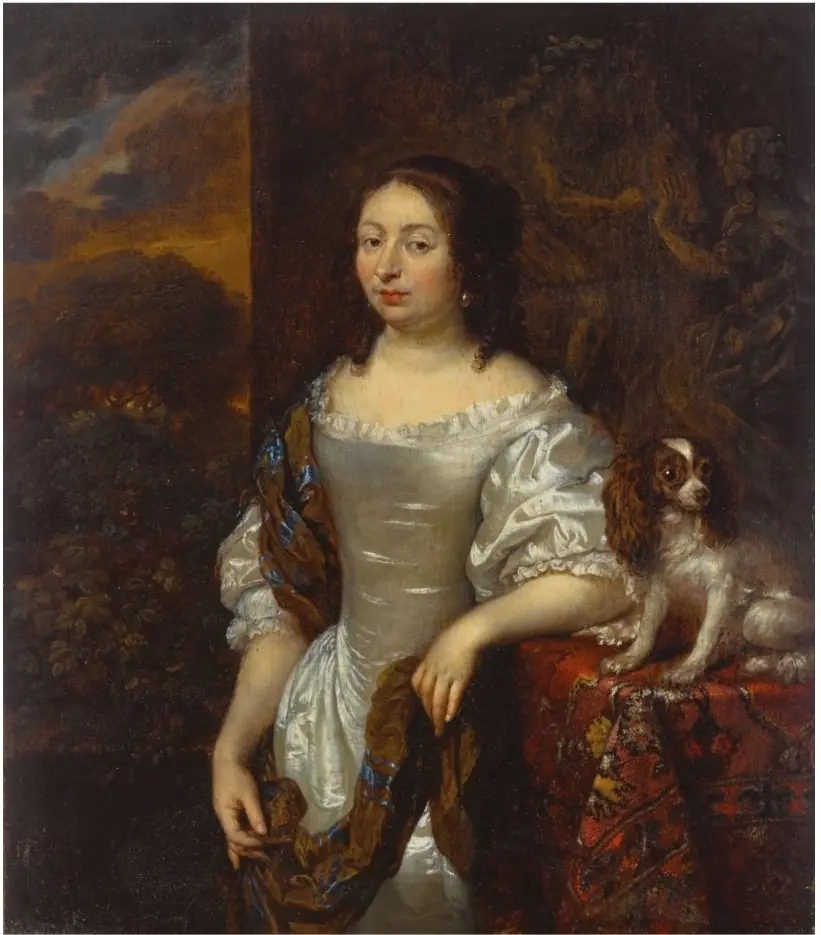
Died this day: Caspar Netscher
Caspar Netscher, a Dutch painter, was known for his mastery in depicting luxurious textiles like oriental rugs, silk, and brocade, introducing an international style to the Northern Netherlands. His works, such as 'The Card Party' and portraits, showcase his skill.
He remains notable for his contributions to the Dutch Golden Age with his unique and refined style.
Openings & foundings 3
- 1914 Opening
Montclair Art Museum opens to the public
The Montclair Art Museum opened on January 15, 1914, in a neoclassical building designed by Albert R. Ross. It grew out of Montclair's unusually active artist colony and a failed municipal referendum to house William T. Evans's American art collection. Private philanthropy, especially Florence Rand Lang's funding and Evans's gifts, made the museum possible. At opening, the museum combined Evans's American paintings and sculpture, including works by George Inness, Ralph Albert Blakelock, and Childe Hassam, with the Rand collection of Native American art assembled by Annie Valentine Rand. Hermon Atkins MacNeil's bronze The Sun Vow stood outside. The institution was described as New Jersey's first public-access museum devoted solely to art.
The opening created a lasting regional model for pairing American art with Indigenous North American material culture.
- 1935 Founding
Guatemala's national modern art museum is created by decree
A Guatemalan government decree dated January 15, 1935, formally created what is now the Museo Nacional de Arte Moderno "Carlos Merida." Its institutional origin lay in the Museo Nacional de Historia y Bellas Artes, inaugurated on November 10, 1934, in the Templo del Calvario before that building was demolished in 1947. Later reorganizations and relocations led to the present modern-art museum, housed in the former November Fair ballroom at Finca La Aurora, with a mission focused on Guatemalan visual art from the late nineteenth through the twentieth century and later national and international artistic proposals. A 1999 ministerial agreement gave the museum the name of Carlos Merida.
The decree provided a national institutional framework for collecting and displaying modern Guatemalan art.
- 2011 Opening
Museum of the Moving Image reopens after expansion
On January 15, 2011, the Museum of the Moving Image in Astoria, Queens, opened its redesigned and expanded building after a $65 million project. The museum, originally opened in 1988 in the former East Coast home of Paramount Pictures, is devoted to the art, history, and technology of film, television, video, and digital media. The expansion, designed by Leeser Architecture, doubled the institution's size and added a new theater and education space, while the permanent exhibition Behind the Screen was also redesigned. The reopening gave New York a larger museum platform for time-based media, preservation, public screenings, and hands-on interpretation of production technologies.
The reopening strengthened moving-image culture's claim to full museum treatment alongside traditional visual arts.
Unveilings & commissions 1
- 1900 Commission
John J. Albright funds a permanent Buffalo art gallery
On January 15, 1900, Buffalo industrialist and philanthropist John J. Albright donated funds to the Buffalo Fine Arts Academy for the construction of a permanent art gallery on the institution's present Elmwood Avenue campus. The gift moved one of the United States' oldest public arts organizations from temporary quarters toward a purpose-built museum designed by Edward Brodhead Green. Although planned in relation to the 1901 Pan-American Exposition, the building was delayed and opened in 1905 as the Albright Art Gallery. The commission anchored Buffalo's civic art ambitions in a monumental neoclassical museum and created the architectural core of what later became the Albright-Knox Art Gallery and then the Buffalo AKG Art Museum.
Albright's gift established the permanent institutional home that shaped Buffalo's modern and contemporary art museum.