January 24 in Art History
6 real events recorded on January 24, the earliest from 1544. 2 artists were born , 1 died on this date.
Born on this day 2
- 1544 Born
Born this day: Gillis van Coninxloo
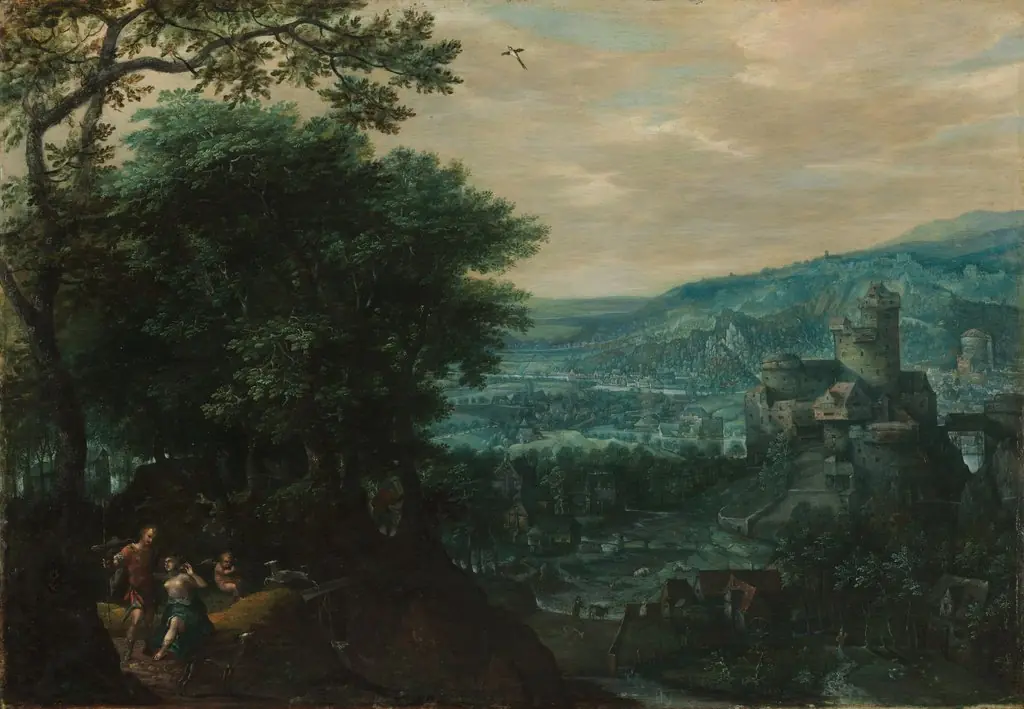
Gillis van Coninxloo, a Dutch painter, was born on January 24, 1544. He is notable for his landscapes, including works such as Landscape with Venus and Adonis and A River Landscape. Van Coninxloo's career spanned multiple countries, including Germany and the Dutch Republic, where he contributed to the development of Northern landscape art.
He is remembered for his significant role in shaping the forest landscape genre in Northern European art.
- 1749 Born
Born this day: Samuel King
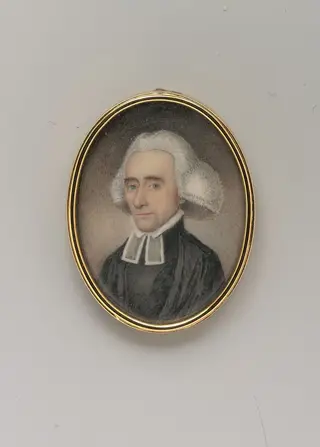
Samuel King, born on January 24, 1749, was an American artist from Newport, known for his portrait work, including 'The Reverend Dr. Ezra Stiles'. His art reflects the style of his time, offering glimpses into 18th-century American life. King's work provides valuable insights into the era's culture and society.
Samuel King's portraits remain significant examples of early American art.
Died on this day 1
- 1920 Died
Died this day: Amedeo Modigliani
Amedeo Modigliani was an Italian painter and sculptor known for his modern style portraits and nudes, characterized by elongated faces, necks, and figures. He worked mainly in France, influenced by artists like Picasso and Brâncuși. His unique style was not widely appreciated during his lifetime but later became highly sought after.
Modigliani's innovative and stylized works have had a lasting impact on modern art.
Openings & foundings 1
- 1938 Opening
Guggenheim Jeune Opens in London
Peggy Guggenheim opened Guggenheim Jeune at 30 Cork Street in London with an exhibition of Jean Cocteau's work. The opening placed Guggenheim beside the city's Surrealist network, including Roland Penrose and E. L. T. Mesens, and depended heavily on Marcel Duchamp's advice; Duchamp was in London helping select and hang Cocteau works when the Paris International Surrealist Exhibition opened. The gallery became Guggenheim's first sustained experiment as a modern-art dealer and patron. Its short run introduced or promoted artists including Cocteau, Kandinsky, Yves Tanguy, Wolfgang Paalen, Henry Moore, Brancusi, Arp, Ernst, Picasso, Braque, and Schwitters, while shaping the collecting strategy that later fed Art of This Century and the Peggy Guggenheim Collection.
The gallery launched Guggenheim's public role as a collector-dealer who helped move European avant-garde art into Anglo-American circulation.
Auctions, prizes & heists 2
- 1896 Prize
Frederic Leighton Enters the Peerage
Sir Frederic Leighton was created 1st Baron Leighton in the peerage of the United Kingdom, an extraordinary public honor for a practicing painter and sculptor. Leighton had been president of the Royal Academy since 1878 and embodied late Victorian official art: classical subjects, polished academic finish, and a close relationship between cultural authority and national institutions. The patent was issued on 24 January 1896, the day before his death, which made the honor both historic and unusually brief. Sources identify him as the first painter to receive a peerage and note that his hereditary title became extinct after one day, giving the event a distinctive place in the history of artists' civic status in Britain.
Leighton's one-day barony became a symbolic high-water mark for Victorian academic art's public prestige.
Frederic Leighton Royal Academy of Arts, City of Westminster
- 1969 Heist
Picasso and Henry Moore Sketches Recovered
Federal agents found stolen sketches by Pablo Picasso and Henry Moore in a California auction house. The works, valued at $200,000, had been taken in 1967 while they were on display in a traveling art exhibition organized by the University of Michigan. The January 24 recovery did not produce arrests, but it illustrates a recurring vulnerability in mid-century art circulation: valuable works moving through temporary exhibitions and the commercial auction system could become targets, disappear, and reappear far from the lending institution. The case is a smaller episode than the later museum mega-heists, yet it is useful art-history evidence for the growth of specialist law-enforcement attention to stolen art and for the risks attached to educational traveling exhibitions.
The recovery became part of the documented history of stolen modern works resurfacing through auction channels.