January 28 in Art History
7 real events recorded on January 28, the earliest from 1761. 2 artists were born , 1 died on this date.
The day's biggest moments
Born on this day 2
- 1761 Born
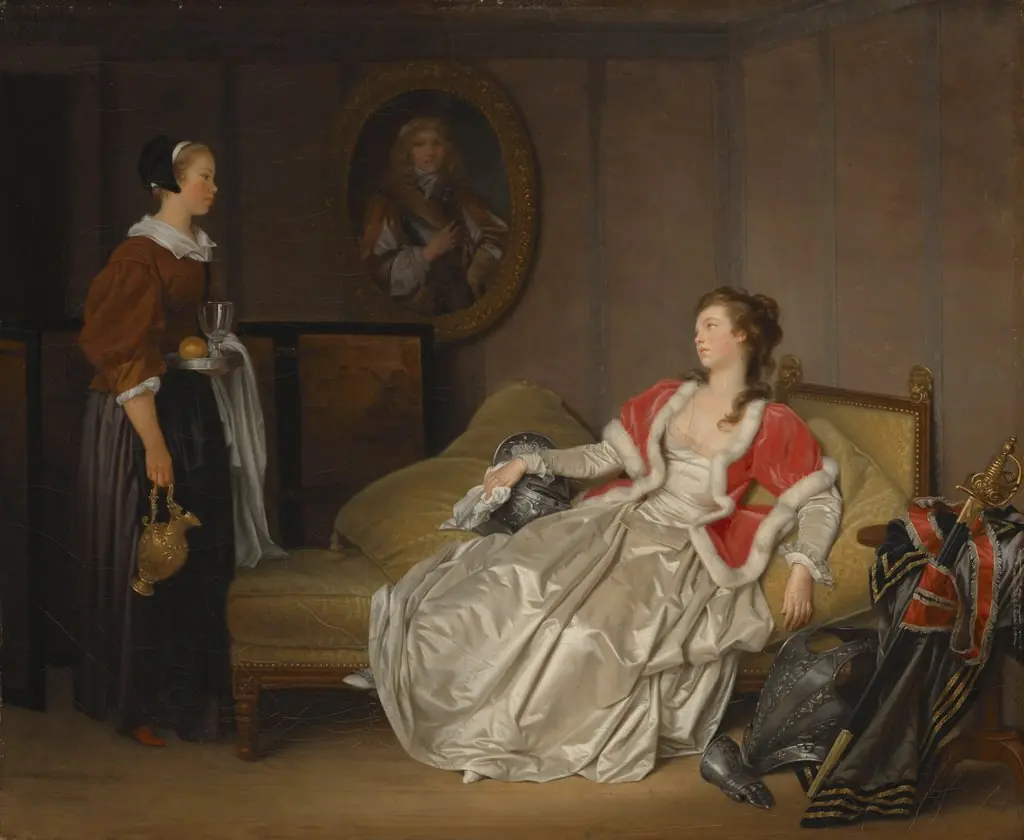
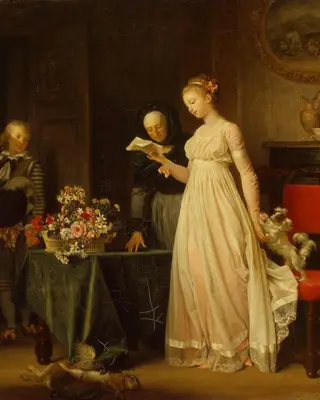
Born this day: Marguerite Gérard
Marguerite Gérard, a French painter and printmaker, was born on January 28, 1761. She worked in the Rococo style, creating over 300 genre paintings and 80 portraits. As a pupil of Jean-Honoré Fragonard, she developed her skills in painting, drawing, and printmaking.
Marguerite Gérard's work continues to be recognized for its contribution to the Rococo style and her notable position as a female artist of her time.
- 1844 Born
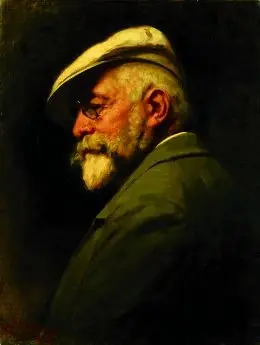
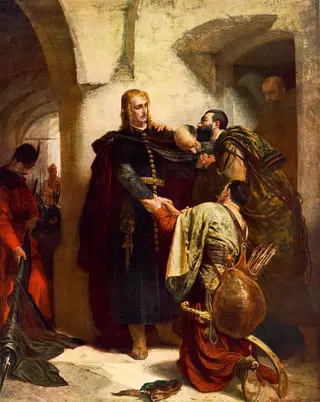
Born this day: Gyula Benczúr
Gyula Benczúr, born on January 28, 1844, was a Hungarian painter and art teacher known for his portraits and historical scenes, exemplifying academicism. He is considered one of the greatest Hungarian masters of historicism.
Benczúr's work remains a cornerstone of Hungarian art, influencing generations with his meticulous and detailed style.
Died on this day 1
- 1839 Died
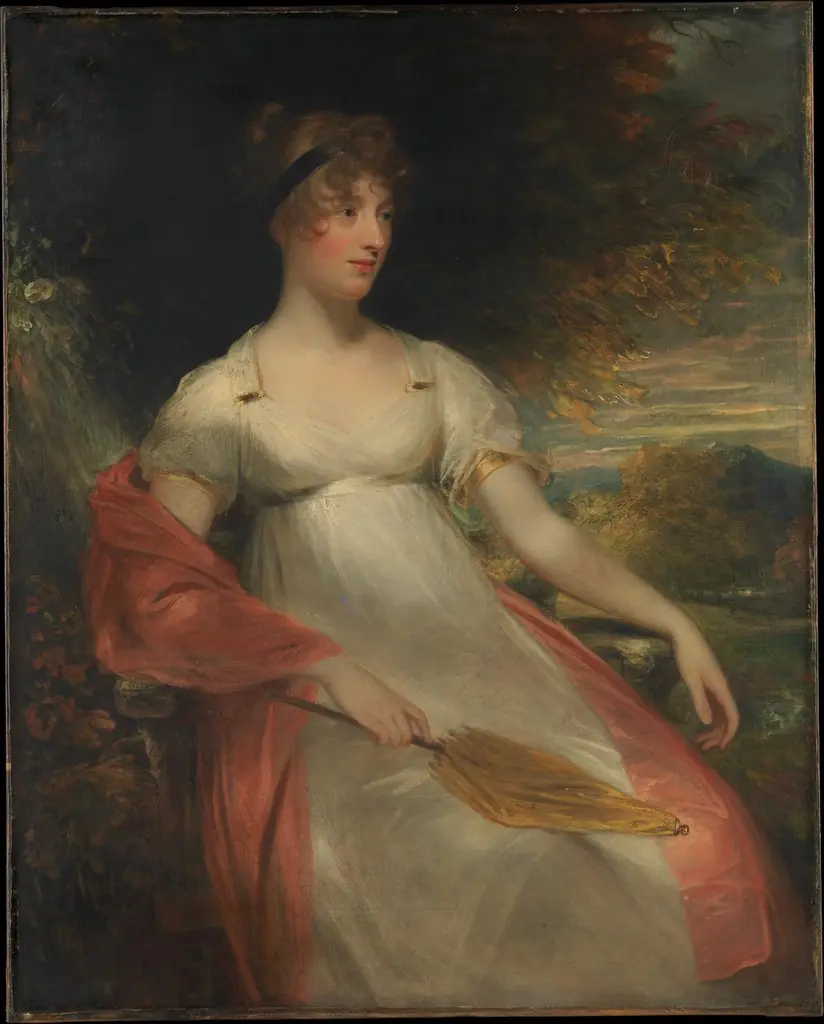
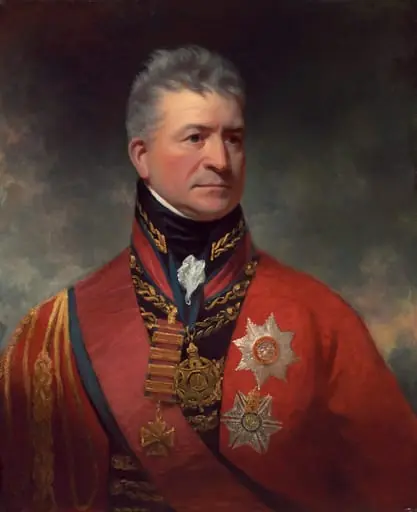
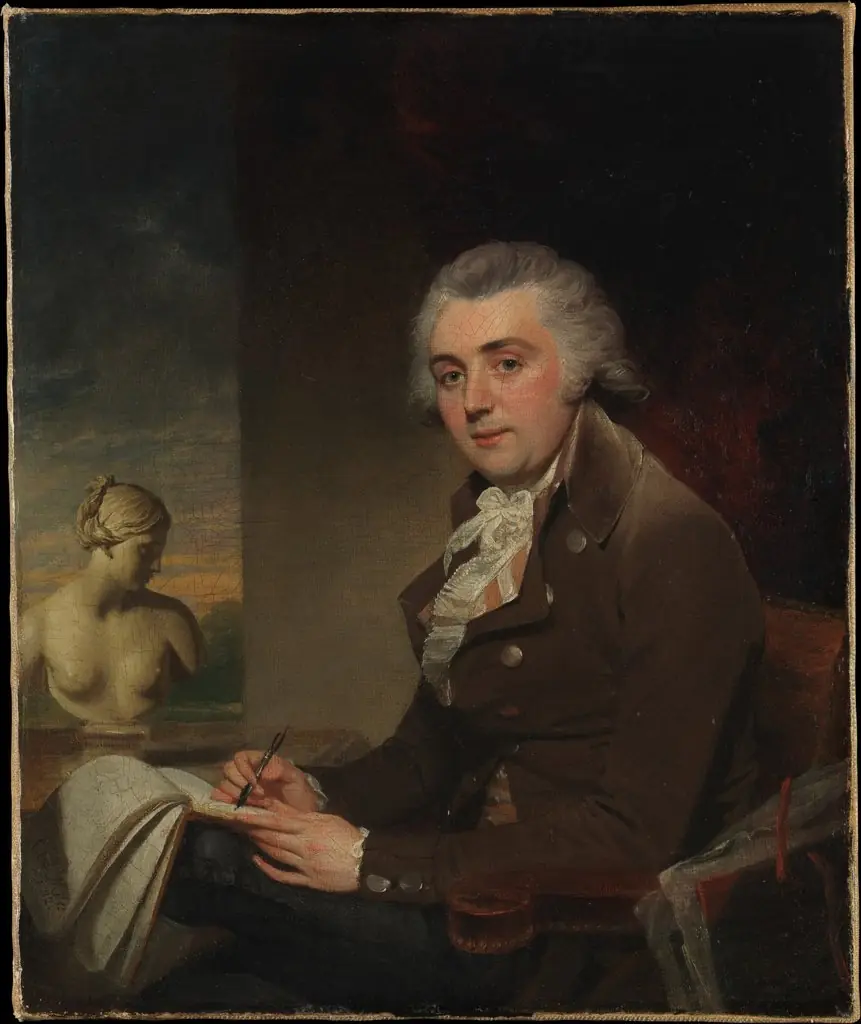
Died this day: William Beechey
Sir William Beechey was a British portraitist who worked during the golden age of British painting, creating notable works such as portraits of George IV and Edward Miles. His paintings showcased his skill in capturing the likenesses of prominent figures.
He remains a significant figure in British art history for his contributions to the country's portrait painting tradition.
Exhibitions & salons 2
- 1920 Salon
Salon des Independants returns at the Grand Palais
The Salon des Independants opened on January 28, 1920, at the Grand Palais, the first time the exhibition took place there after World War I had interrupted the salon. The event became a test of whether the prewar avant-garde could reclaim Parisian attention. More than three thousand works were shown, with a large Cubist presence including Archipenko, Braque, Csaky, Gleizes, Gris, Leger, Lhote, Lipchitz, Metzinger, Severini, and Survage. The same salon also became a stage for Dada provocation: Tristan Tzara and Andre Breton used the Grand Palais setting to advertise a supposed Charlie Chaplin appearance, then turned the disappointed crowd into part of the performance. The opening therefore marks both the institutional return of the Independants and a public clash between Cubist consolidation and Dada disruption.
It helped reset postwar Paris as a battleground for Cubism, Dada, and the public avant-garde.
Juan Gris , Fernand Léger , Joseph Csaky , Georges Braque , Albert Gleizes
- 2005 Exhibition
First Moscow Biennale begins
The first Moscow Biennale of Contemporary Art began on January 28, 2005, and ran through February 28 across Moscow. Organized by the Russian Ministry of Culture, the Federal Agency for Culture and Cinematography, and ROSIZO, it was designed to give Moscow a recurring international contemporary-art platform. Its structure became the template for later editions: a thematic main project, special projects, a parallel program, invited guests, a commissioner, and a curator-coordinator. The program spread through multiple sites, including the former Lenin Museum, the Shchusev Museum of Architecture, and the Pushkin State Museum of Fine Arts. The event drew major international and Russian artists, including Christian Boltanski, Bill Viola, Ilya and Emilia Kabakov, Boris Mikhailov, Anatoly Osmolovsky, and others, while provoking conservative protests around the main exhibition.
It established the operating model and international ambition of the Moscow Biennale.
Openings & foundings 1
- 2006 Opening
Getty Villa reopens
The Getty Villa reopened on January 28, 2006, after a long renovation that redefined the Malibu site as the J. Paul Getty Museum's dedicated center for Greek, Roman, and Etruscan art. The redesigned campus, planned by Machado and Silvetti Associates, placed the recreated Roman villa within a new architectural setting meant to suggest an archaeological dig. Its galleries presented antiquities by themes such as gods and goddesses, Dionysos and the theater, and stories of the Trojan War, surrounded by Roman-style gardens and architecture. The reopening mattered because it clarified the Getty's two-campus identity: the Getty Center for European paintings, manuscripts, sculpture, decorative arts, and photographs, and the Villa for the ancient Mediterranean collections, conservation study, and public engagement with classical antiquity.
The reopening made the Villa a specialized public home for the Getty's antiquities program.
Auctions, prizes & heists 1
- 2021 Auction Landmark
Botticelli portrait sets auction record
On January 28, 2021, Sandro Botticelli's Portrait of a Young Man Holding a Roundel sold at Sotheby's New York for $92.2 million including fees, with an $80 million hammer price. The painting came from the estate of Sheldon Solow, who had acquired it in 1982 after it passed through the Merton family. The result was a record for Botticelli, roughly nine times the artist's previous auction high, and The Art Newspaper reported it as the highest price for any Old Master painting sold at Sotheby's and the second-highest Old Master auction price then recorded. The sale was important beyond the price because fully attributed Botticelli portraits remain extremely rare in private hands, making the auction a major test of both Old Master demand and pandemic-era high-end bidding.
The sale reset Botticelli's market and signaled continuing demand for rare museum-quality Old Masters.