Artwork
Lieutenant-General Sir Thomas Picton
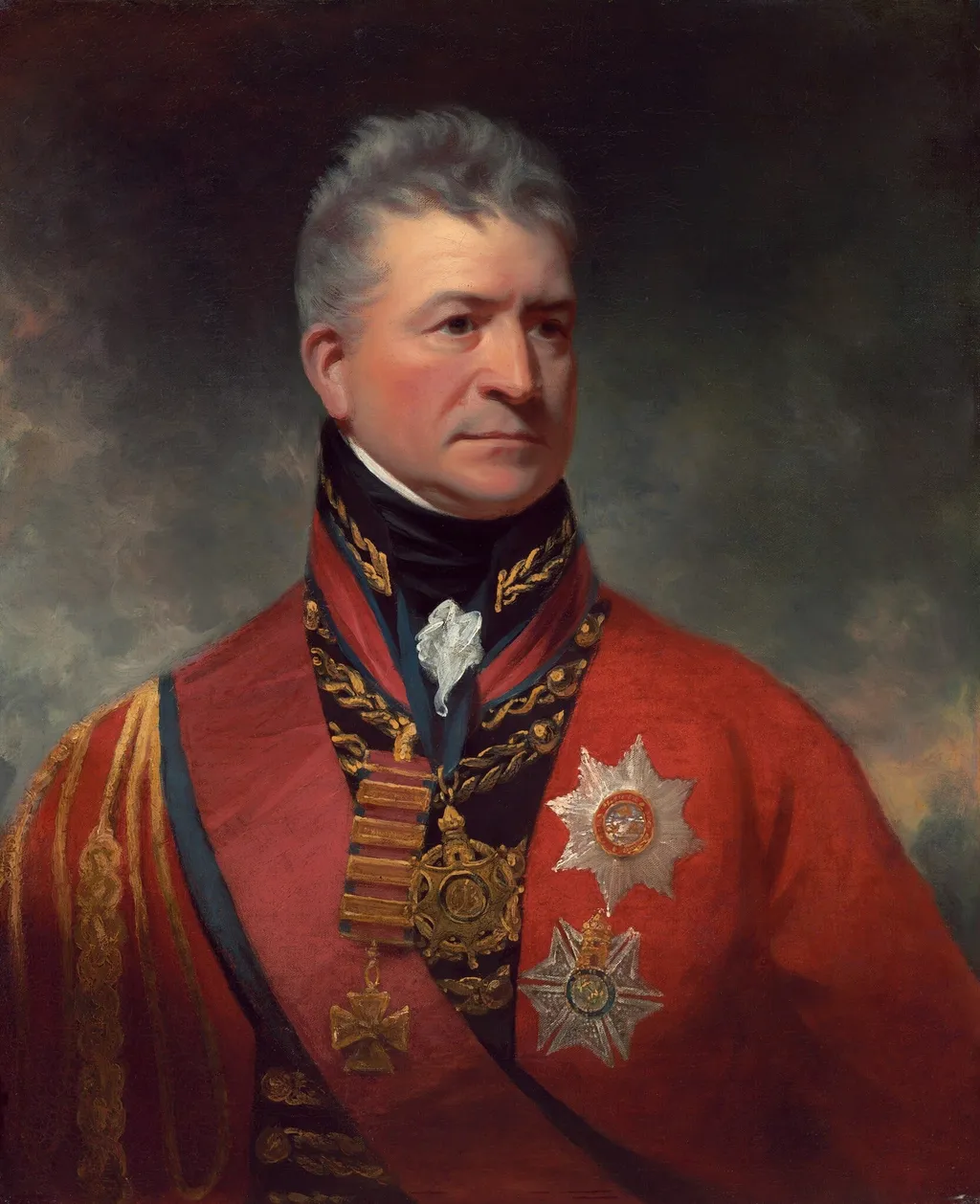
Lieutenant-General Sir Thomas Picton is an oil painting by the British Romanticist artist William Beechey. It dates from 1816 and is held in the collection of the National Gallery of Art.
About this work
Lieutenant-General Sir Thomas Picton stands in a red military coat, white hair powdered, gold buttons catching the light. William Beechey painted him after Waterloo, the 1815 battle where Picton died having survived many earlier wars. The fine detail underscores his rank and confidence.
Subject & Meaning
Painted by Sir William Beechey in 1816, the work adheres to the conventions of military portraiture, emphasizing Picton's authority and martial prowess.
The portrait depicts Lieutenant-General Sir Thomas Picton (1758–1815), a British military officer renowned for his service during the Napoleonic Wars, particularly the Peninsular War and the Battle of Waterloo. Painted by Sir William Beechey in 1816, the work adheres to the conventions of military portraiture, emphasizing Picton's authority and martial prowess. He is shown in his uniform, which underscores his status and achievements.
The composition's direct gaze and stern expression convey resolute leadership, while the absence of overt allegorical elements focuses attention on Picton's personal legacy. The portrait serves as both a commemorative record of his career and a celebration of British military strength during a pivotal era.
Technique & Style
The full-length portrait of Lieutenant-General Sir Thomas Picton is painted in oil on canvas in 1816 by Sir William Beechey. Measuring 77 × 63.7 cm, the work adopts a conventional three-quarter-length format typical of British military portraiture of the period. The handling is smooth and controlled, with softly blended passages in the face and crisp, linear definition in the uniform braid and gorget.
The sitter's figure is set against a neutral, shadowed background that focuses attention on the meticulously rendered regalia, epaulettes, sash, and sword, rendered in dense, opaque pigment. The Washington version is considered technically inferior to the Apsley House autograph, which is more firmly drawn and solidly modeled, suggesting the NGA canvas may be a studio variant or early repetition produced to satisfy demand.
History & Provenance
Painted by Sir William Beechey in 1816, this oil on canvas is one of four recorded versions of the portrait. The specific work now held by the National Gallery of Art likely originated as the copy acquired by a Mr. Hall from the artist in February 1817 for fifty guineas; scholars note its inferior quality compared to the primary version at Apsley House. Following Hall, the painting entered the collection of Major Campbell before appearing at John Levy Galleries in New York in 1934.
Mrs. Benjamin Franklin Jones Jr. purchased it shortly thereafter. It was sold at Parke-Bernet in New York on December 4–5, 1941, to William R. Coe of Oyster Bay. After Coe's death, the work passed to the Coe Foundation, which gifted it to the National Gallery of Art in 1961.
Context
Scholarly analysis identifies four recorded versions of William Beechey's 1816 portrait of Lieutenant-General Sir Thomas Picton. The version held by the National Gallery of Art is critically assessed as inferior in quality compared to the variant located at Apsley House, London. Experts note that the Apsley House portrait, which was acquired by the Duke of Wellington following the artist's death, displays more solid modeling and firmer drawing.
Consequently, the Washington picture is hypothesized to be the specific copy purchased by a Mr. Hall in February 1817 for fifty guineas, likely executed as a commissioned order rather than the primary original.
Legacy
The portrait of Lieutenant-General Sir Thomas Picton has been reproduced in at least four documented versions; one remains at Apsley House in London and is judged superior in modelling and drawing. A second version entered the National Gallery of Art, Washington, D.C., in 1961 after a series of sales that began with a purchase by Hall in 1817. Although the NGA painting is considered less refined than its Apsley House counterpart, its presence in a major public collection has contributed to ongoing scholarly discussion of Picton's legacy and to the portrait's role in shaping public perception.
Overview
Sir William Beechey's oil on canvas portrait, Lieutenant-General Sir Thomas Picton, was completed in 1816, though its creation began the year prior. It depicts the esteemed military figure, Sir Thomas Picton, known for his service during the Napoleonic Wars. The painting captures the general in his distinctive red uniform, presenting a direct and confident demeanor that reflects his status and military career.
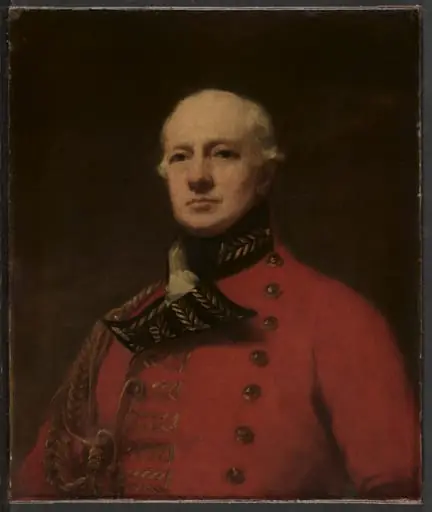
Own this work as a print
Artist & collection
Artist
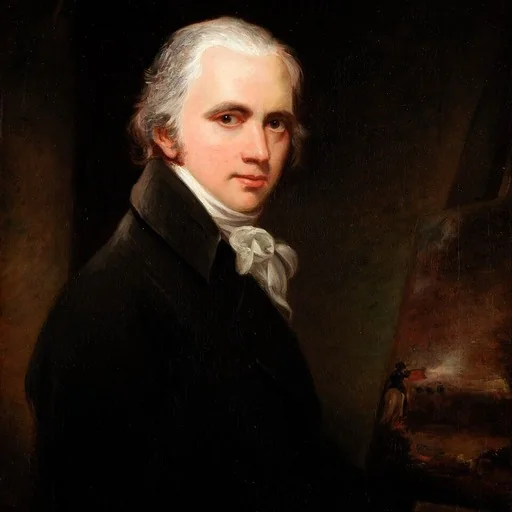
Sir William Beechey (12 December 1753 – 28 January 1839) was a British portraitist during the golden age of British painting.

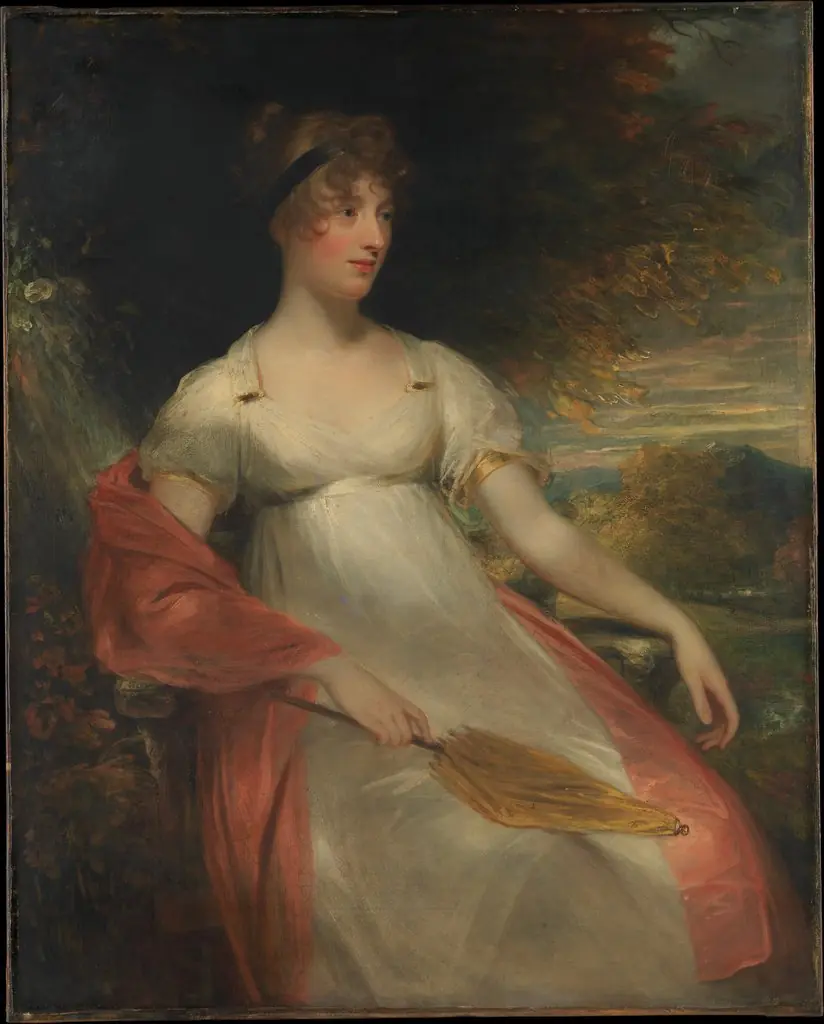
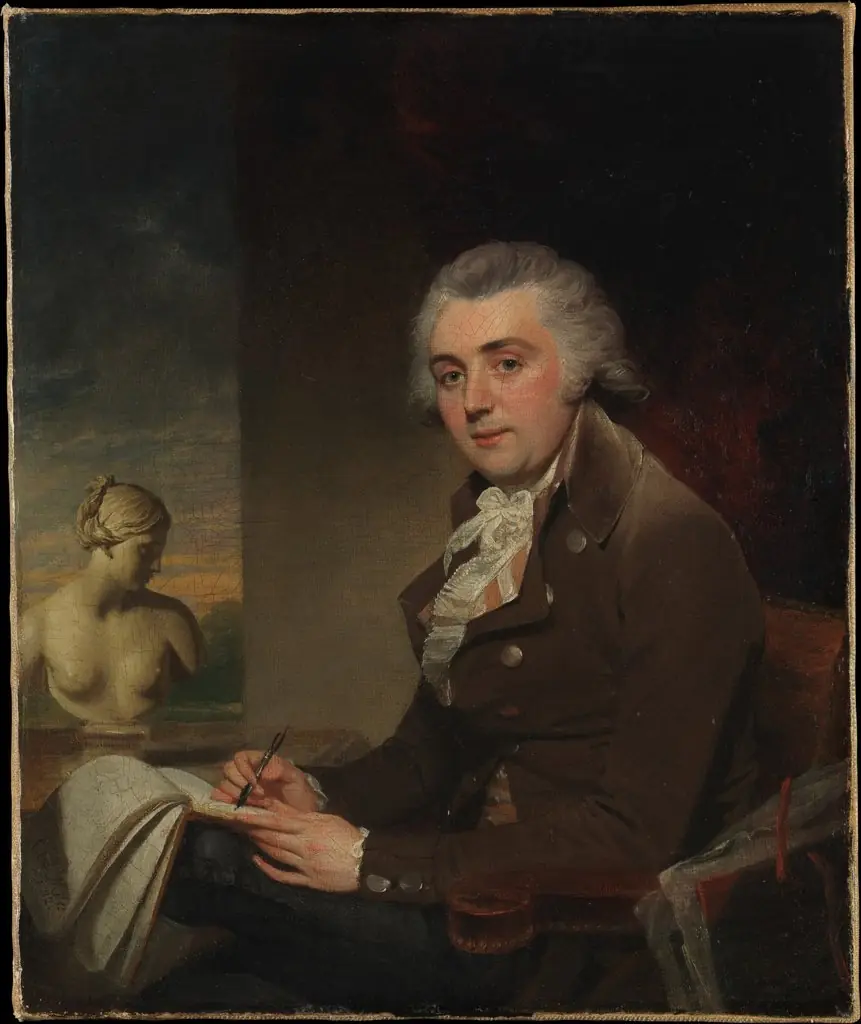
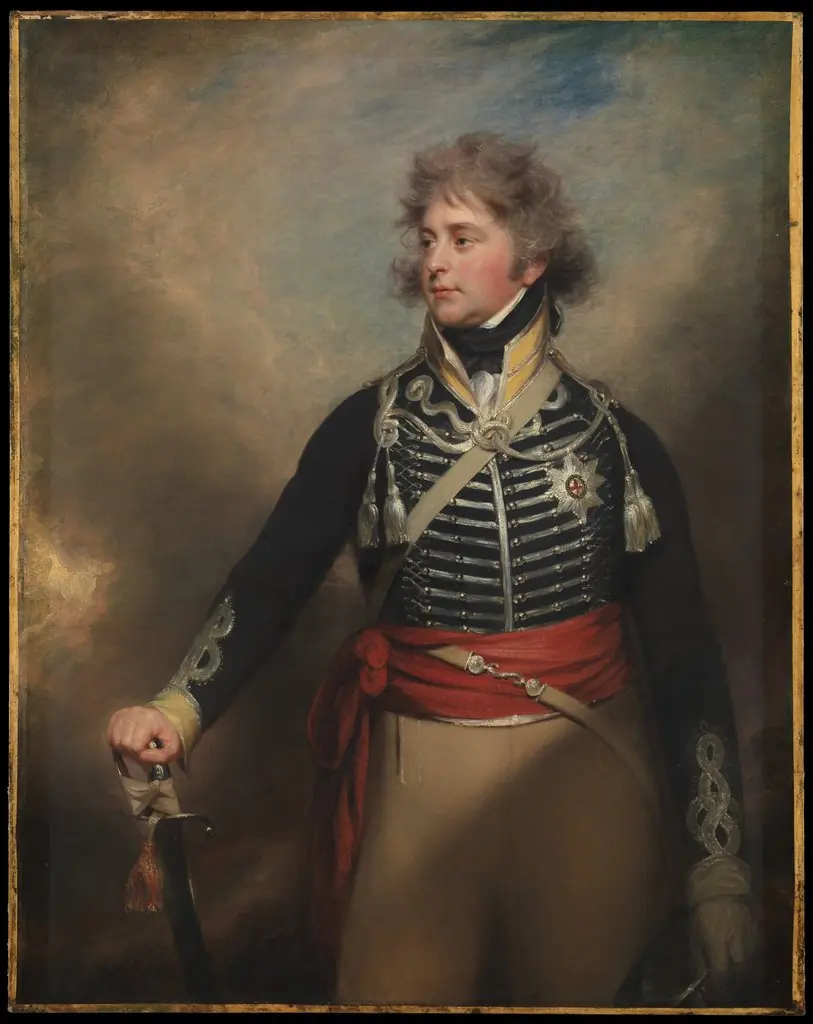
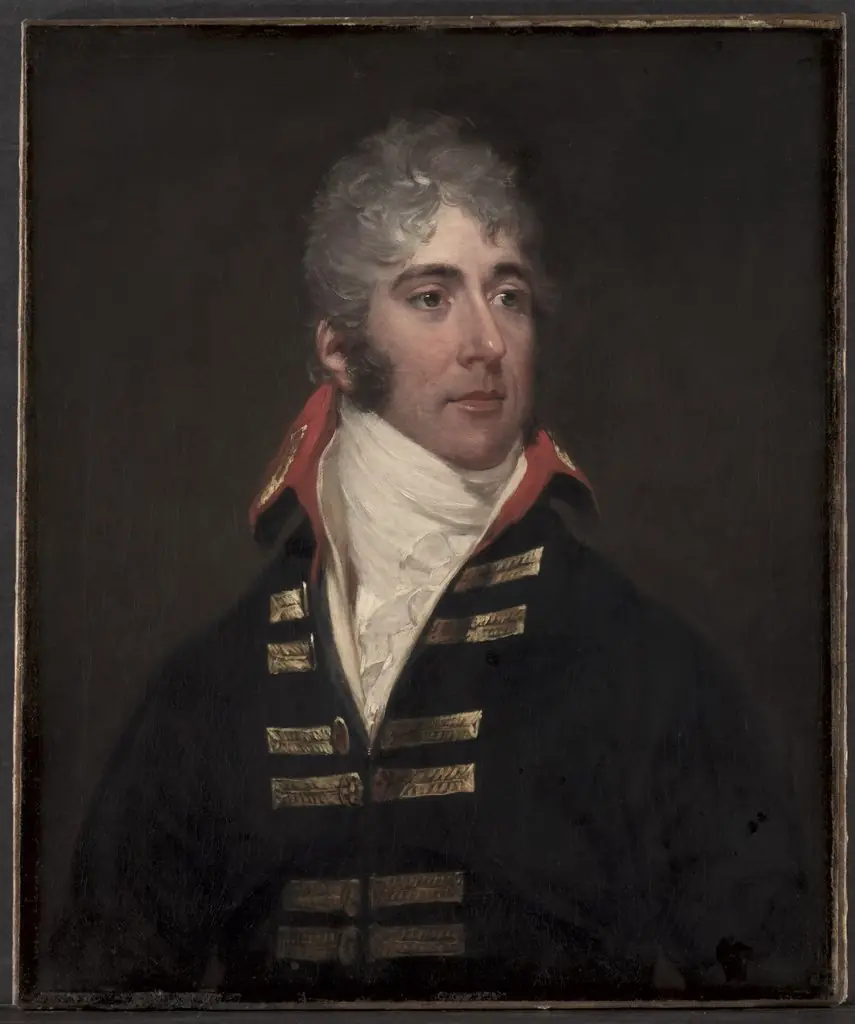
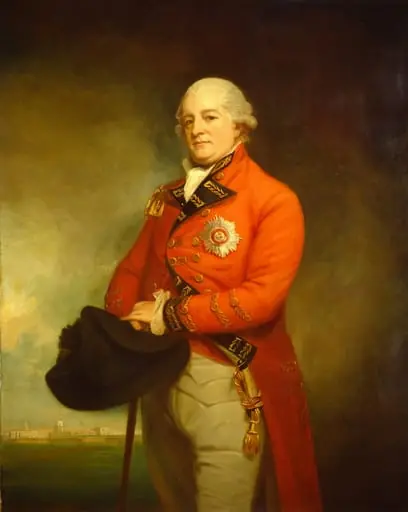 Major-General Sir Archibald Campbell
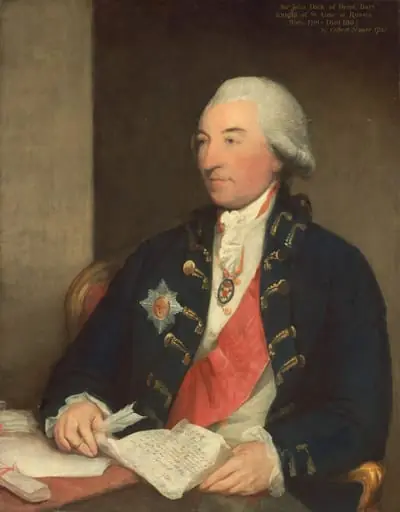 Sir John Dick
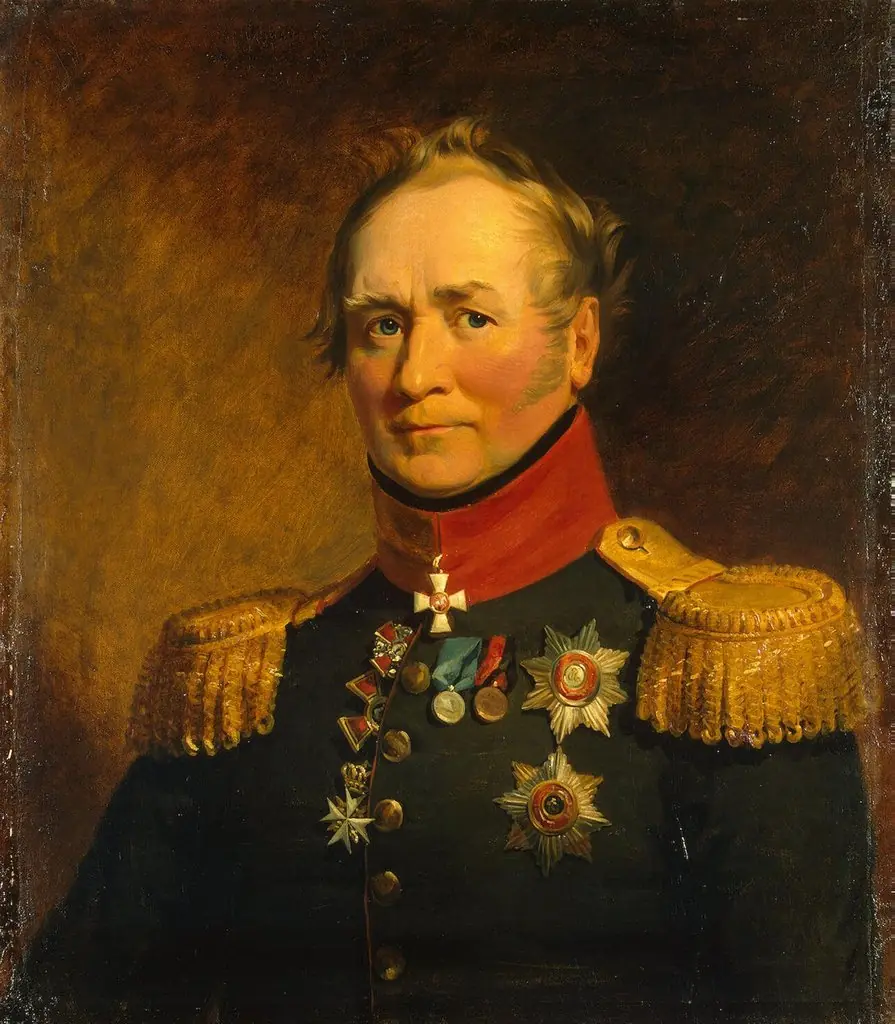 Portrait of Fyodor F. Oerthel (1767/68-1825)
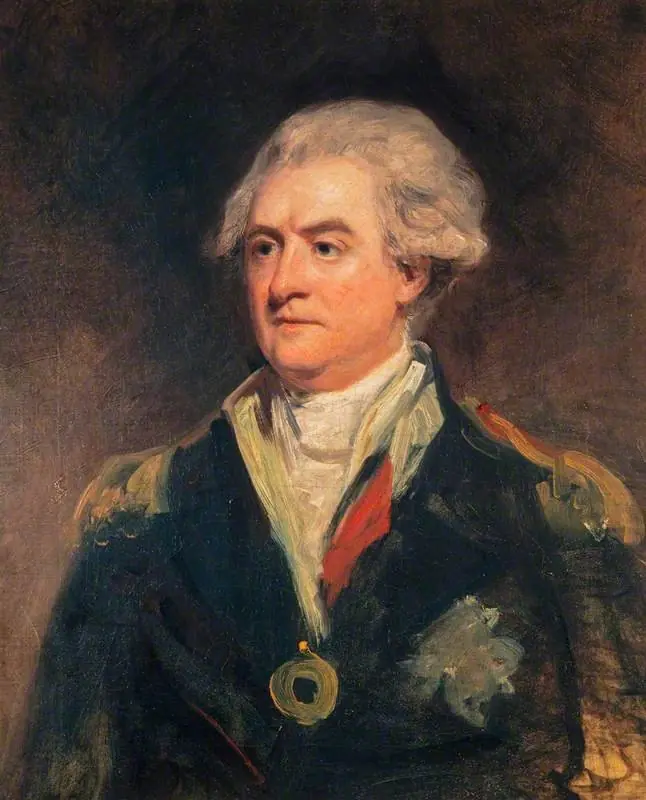 Admiral Adam Duncan, 1st Viscount Duncan of Camperdown (1731 - 1804)
 Portrait of Apollon S. Zhemchuzhnikov (1764-1840)
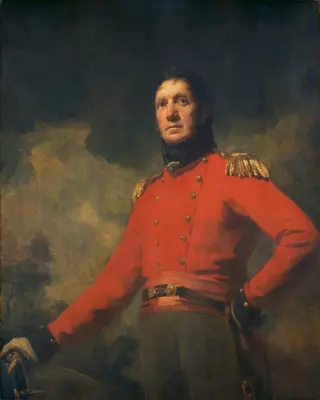 Colonel Francis James Scott
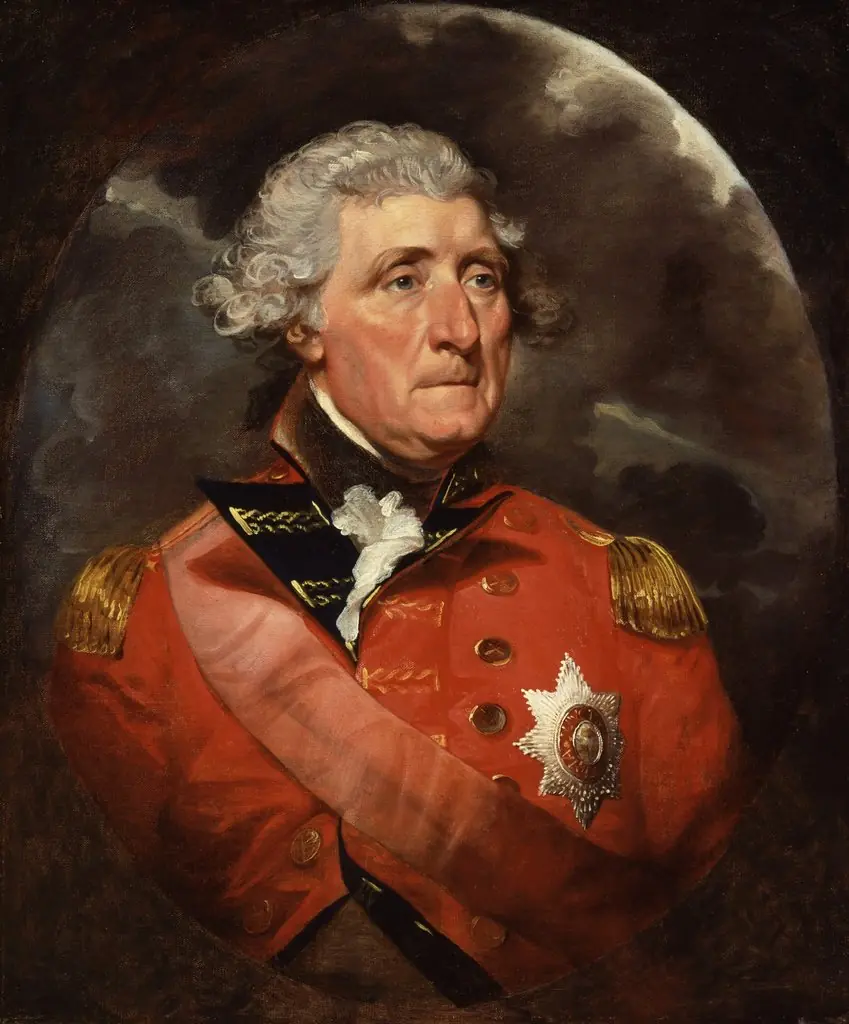 Sir George Augustus Elliott, Baron Heathfield
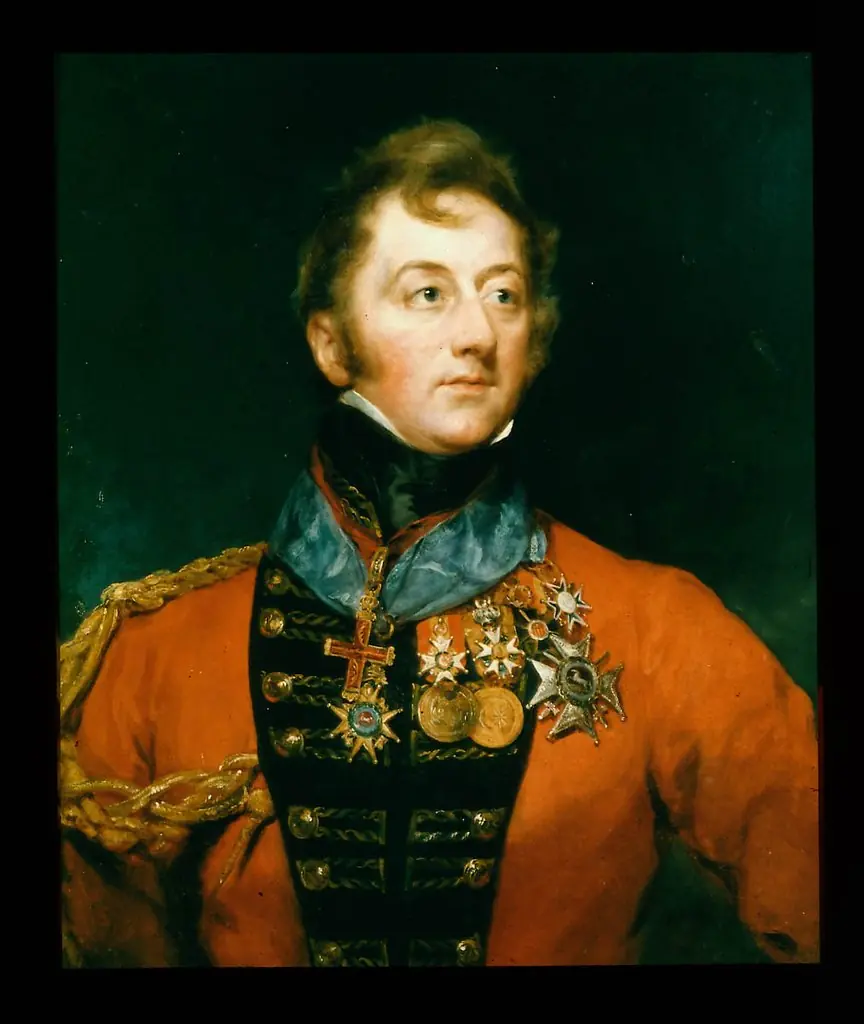 Sir Charles William Doyle
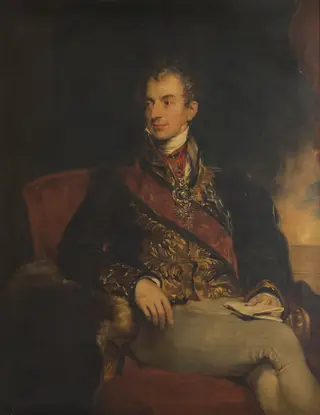 Portrait of Metternich