January 31 in Art History
7 real events recorded on January 31, the earliest from 1855. 2 artists were born , 1 died on this date.
The day's biggest moments
Born on this day 2
- 1855 Born
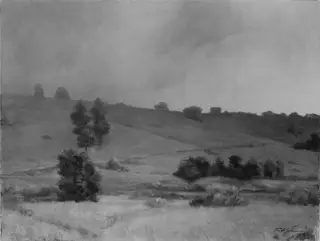
Born this day: William Anderson Coffin
William Anderson Coffin, born on January 31, 1855, was a prominent American landscape and figure painter, also known for his work as an art critic for notable publications like the New York Post and Harper's Weekly.
He remains notable for his contributions to both the creation and critique of art in his time.
- 1861 Born
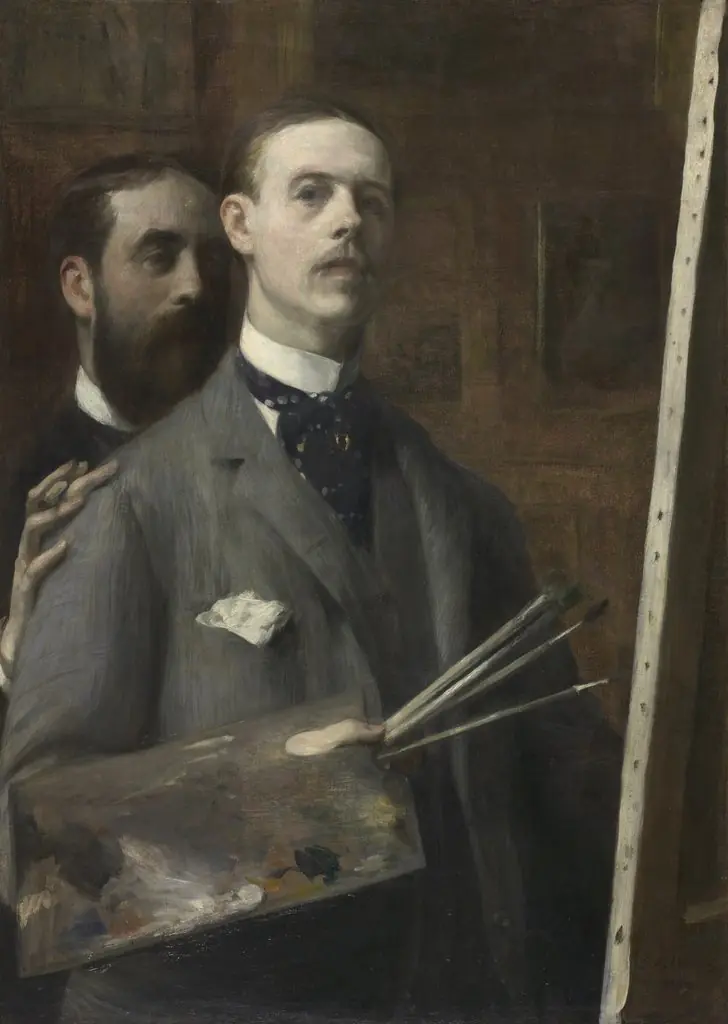
Born this day: Jacques-Émile Blanche
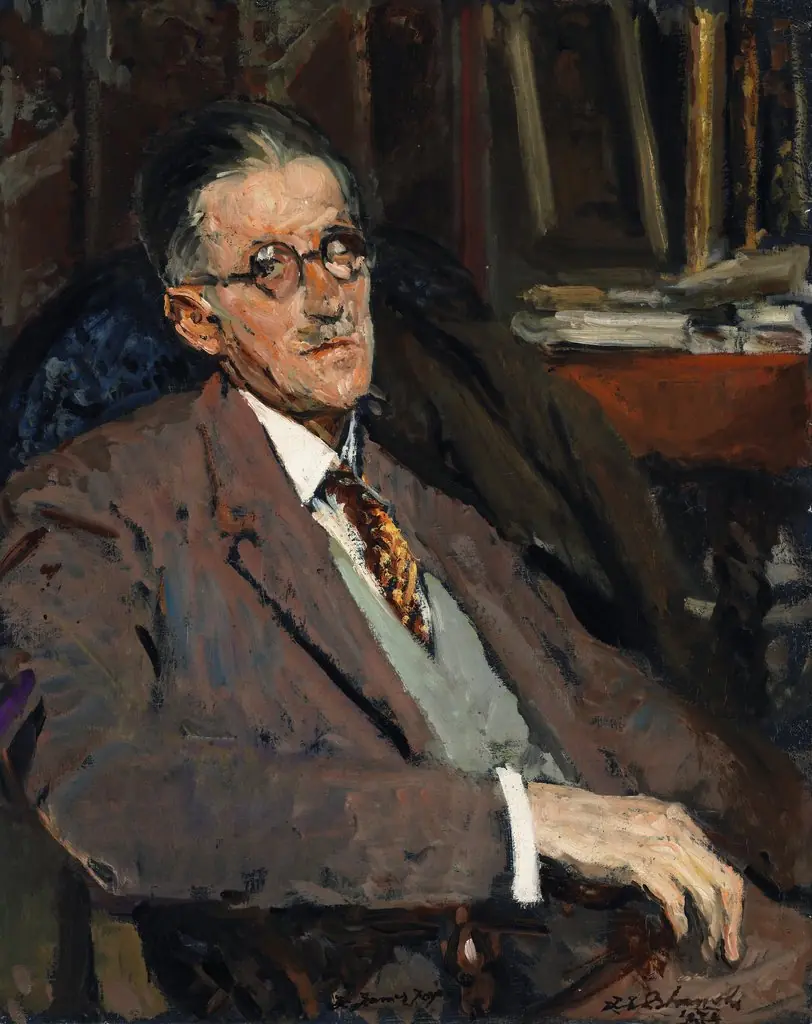
Jacques-Émile Blanche was a French artist and portrait painter, largely self-taught, who worked in London and Paris, capturing the likenesses of notable figures like James Joyce and Colette. His work defines a period of cultural transition, reflecting the intersections of art and literature. On January 31, 1861, Blanche was born, going on to leave a lasting mark on the art world.
Blanche's portraits remain significant for their insight into the lives of influential literary and cultural figures of his time.
Died on this day 1
- 1891 Died
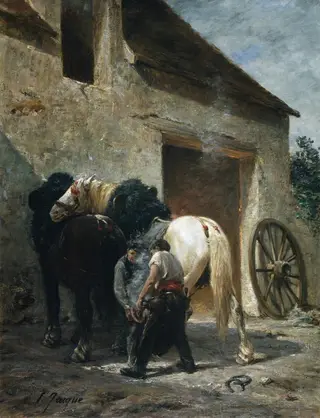
Died this day: Jean Louis Ernest Meissonier
Jean-Louis-Ernest Meissonier, a French academic painter and sculptor, was renowned for his meticulous depictions of Napoleon's military campaigns, showcasing his mastery of detail and craftsmanship. His work was highly acclaimed during his lifetime, earning him great success alongside notable artists Gérôme and Cabanel.
Meissonier's attention to detail and craftsmanship continue to influence the development of academic painting.
Exhibitions & salons 1
- 1934 Exhibition
The Races of Man Opens at Grand Central Art Galleries
On January 31, 1934, Grand Central Art Galleries opened Malvina Hoffman's "The Races of Man," an exhibition of 90 life-sized bronze sculptures. The project had originated in the Field Museum's anthropological display ambitions, and its New York presentation placed Hoffman's sculptural cycle before an art-gallery audience rather than only a museum-of-natural-history public. The opening drew Hoffman, Field Museum director Stanley Field, Mary Pickford, Helen Clay Frick, and other high-profile attendees. Today the work is studied both as a technically ambitious interwar sculptural enterprise and as a revealing document of the period's racial typologies, colonial collecting networks, and museum display assumptions.
The exhibition made Hoffman's Field Museum commission a prominent art-world event while preserving a contested record of interwar racial display.
Openings & foundings 2
- 1878 Founding
Dutch Drawing Society Founded
The Hollandsche Teekenmaatschappij, or Dutch Drawing Society, was founded on 31 January 1878 in close relation to Pulchri Studio in The Hague. The society gave Dutch watercolor and drawing a dedicated institutional platform at a moment when the Hague School was consolidating its public identity. Its members came from the core milieu of Dutch Impressionism, and its structure allowed it to remain independent while still benefiting from Pulchri Studio's exhibition culture, social network, and prestige. By foregrounding works on paper, the society helped elevate media that were often treated as secondary to oil painting and connected Dutch artists to wider European watercolor traditions.
It strengthened the Hague School's institutional base and the status of watercolor in Dutch art.
- 1977 Opening Landmark
Centre Pompidou Officially Opens
The Centre Pompidou was officially opened on 31 January 1977 by French president Valery Giscard d'Estaing. Commissioned under Georges Pompidou and designed by Renzo Piano, Richard Rogers, Su Rogers, and Gianfranco Franchini, the building joined a modern-art museum, public library, performance spaces, and civic plaza in a radically exposed high-tech structure. Its color-coded services, exterior escalators, and industrial language broke sharply with central Paris's historic fabric. The opening made architecture itself part of the cultural event, framing the museum not as a quiet container for modern art but as a democratic urban machine for circulation, spectacle, and mass access.
It became a model for the late twentieth-century museum as civic infrastructure and architectural icon.
Auctions, prizes & heists 1
- 1976 Heist
Picasso Works Stolen from the Palais des Papes
On January 31, 1976, thieves stole 118 paintings, drawings, and other works by Pablo Picasso from an exhibition at the Palais des Papes in Avignon. Contemporary reports valued the theft in the millions of dollars and emphasized that the works came from a public exhibition rather than a private residence, exposing the vulnerability of high-profile modern-art loans outside purpose-built museum security systems. The stolen works remained missing for months, then were found in October in a truck left in front of a Marseille art gallery, leading to arrests. The case became one of the decade's major Picasso-related art thefts.
The Avignon theft underscored the security risks of traveling exhibitions of modern masterworks.