March 2 in Art History
6 real events recorded on March 2, the earliest from 1642. 2 artists were born , 1 died on this date.
Born on this day 2
- 1642 Born
Born this day: Claudio Coello
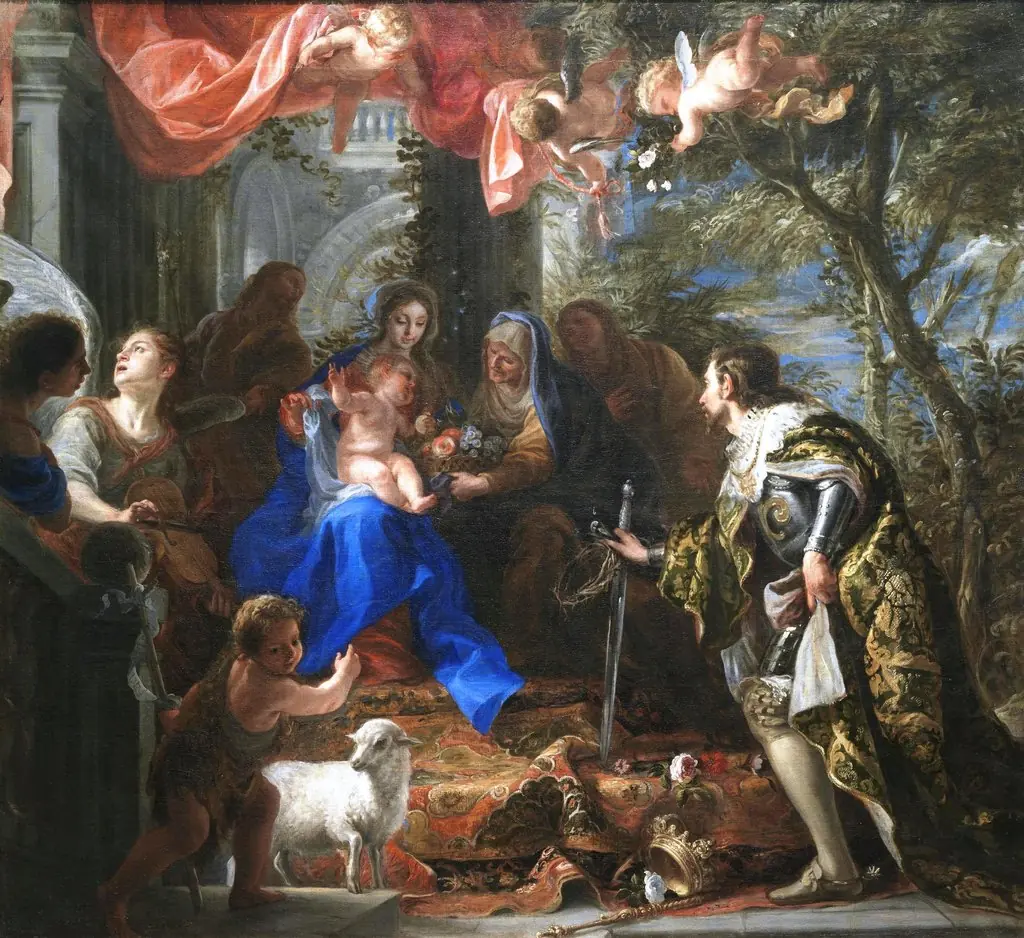
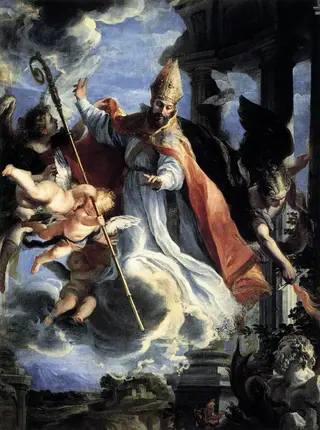
Claudio Coello, a Spanish-Portuguese Baroque painter, was born on March 2, 1642. As a prominent court painter for Charles II, his work adorned many churches and public buildings in Madrid, showcasing his skill in portraits and religious scenes. His notable works, such as The Virgin and Child adored by Saint Louis, King of France, demonstrate his artistic prowess.
Coello is considered the last great Spanish painter of the 17th century.
- 1822 Born
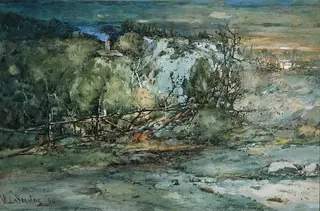
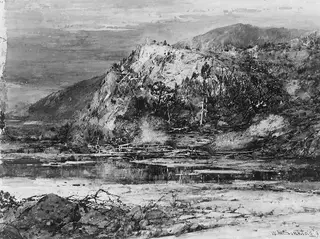
Born this day: William Louis Sonntag
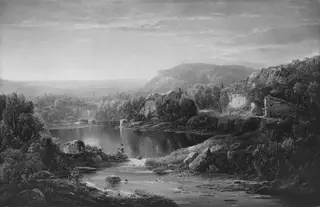
William Louis Sonntag, born on March 2, 1822, was an American artist known for his landscapes, which often featured serene natural settings with figures and structures, as seen in works like Landscape with Waterfall and Figures and Frontier Cabin.
He remains a notable figure in American art for his contributions to the landscape genre.
Died on this day 1
- 1895 Died
Died this day: Berthe Morisot
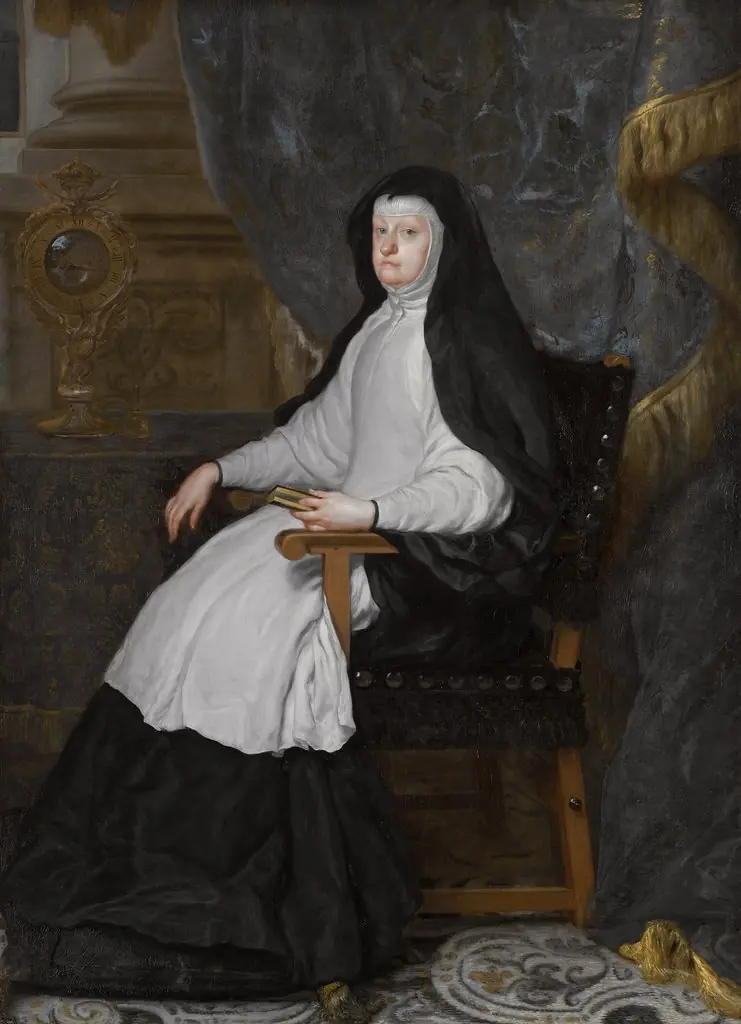
Berthe Morisot, a French Impressionist painter, printmaker, and member of the Parisian art circle, was known for her captivating works such as The Harbor at Lorient and The Sisters. Her involvement in the Impressionist movement, alongside artists like Monet and Degas, played a significant role in shaping the art world.
Berthe Morisot's legacy lies in her contributions to the Impressionist movement as a pioneering female artist.
Exhibitions & salons 2
- 1936 Exhibition
Guggenheim Collection Debuts at Gibbes Gallery
On March 2, 1936, the first public exhibition of Solomon R. Guggenheim's collection outside New York opened at the Gibbes Gallery in Charleston, South Carolina. The show presented 128 paintings from the collection that Guggenheim and Hilla von Rebay had built after Rebay redirected him from old masters toward abstract and non-objective art. The event mattered because it publicly tested a collection that would soon become institutional: in 1937 Guggenheim created the Solomon R. Guggenheim Foundation, and in 1939 the Museum of Non-Objective Painting opened in New York. The Gibbes showing therefore sits between private collecting and the museum-building project that shaped one of the best-known modern art institutions.
The exhibition helped move Guggenheim's avant-garde holdings from private patronage toward a public museum mission.
Wassily Kandinsky , Robert Delaunay , Marc Chagall , Fernand Léger Gibbes Museum of Art, Charleston
- 1941 Exhibition
Pyramid Club Launches Its Annual Art Invitational
From March 2 to March 16, 1941, Philadelphia's Pyramid Club sponsored the first of its annual invitational art exhibitions, titled 20th Century Negro Contemporary Artists and Memorial Paintings of Henry O. Tanner. The Pyramid Club had been formed in 1937 as a professional and cultural meeting place for African Americans excluded from many white institutions. Its exhibition program created a visible platform for Black artists in Philadelphia, joining social organization with serious art patronage. Allan Randall Freelon, already active as a painter, educator, and participant in earlier African American art exhibitions, was asked to speak at the inaugural event on the role of the Black artist and contemporary affairs.
The invitational became part of Philadelphia's infrastructure for exhibiting and legitimizing Black modern artists.
Openings & foundings 1
- 1916 Founding
Arts Club of Chicago Established
The Arts Club of Chicago was established on March 2, 1916, in the aftermath of the 1913 Armory Show's contentious Chicago presentation. Founded by artists and patrons, the club created a social and exhibition platform for modern art in a city whose major museum had exposed audiences to avant-garde European work but had not fully normalized it. Its early mission was to raise artistic standards, maintain galleries, and connect art workers with art lovers. Over the next decades it became one of the most receptive American venues for European modernism, mounting major presentations of Picasso, Brancusi, Dubuffet, Leger, and other artists who were still controversial in the United States.
The club helped make Chicago a crucial American staging ground for modernist and avant-garde art.
Pablo Picasso , Constantin Brancusi , Fernand Léger , Jean Dubuffet Arts Club of Chicago, Illinois