Museum
Blenheim Palace

Image: Wikimedia Commons.
Blenheim Palace is a museum in Blenheim, United Kingdom.
About Blenheim Palace
Blenheim Palace ( BLEN-im) is a country house in Woodstock, Oxfordshire, England. It is the seat of the Dukes of Marlborough, and the birthplace of Sir Winston Churchill. Originally called Blenheim Castle, it has been known as Blenheim Palace since the 19th century. One of England's largest houses, it was built between 1705 and 1722, and was designated a UNESCO World Heritage Site in 1987.
The palace is named after the 1704 Battle of Blenheim. It was originally intended to be a reward to the 1st Duke of Marlborough for his military triumphs against the French and Bavarians in the War of the Spanish Succession, which culminated in the eponymous battle near the town of Blenheim in what is today southern Germany.
Blenheim Palace by the numbers
- Founded
- 1705
Plan your visit
Blenheim Palace
- Website
- www.blenheimpalace.com
- Get Tickets
- Book on Tiqets
We may earn a commission from ticket bookings, at no extra cost to you.
Overview
Blenheim Palace is a monumental country house in Woodstock, Oxfordshire, England, and one of the largest and most celebrated stately homes in the nation. Built between 1705 and 1722 as a national gift from Queen Anne to John Churchill, 1st Duke of Marlborough, it honors his decisive victory over French and Bavarian forces at the Battle of Blenheim in 1704 during the War of the Spanish Succession. The palace is the seat of the Dukes of Marlborough, the only non-royal, non-episcopal residence in England to bear the title "palace," and the birthplace of Sir Winston Churchill in 1874. Designated a UNESCO World Heritage Site in 1987, it stands as a masterpiece of English Baroque architecture and a unique combination of family home, mausoleum, and national monument.
Founding & history
Construction began in 1705 after Parliament voted substantial funds and the Crown granted the royal manor of Hensington at Woodstock to the 1st Duke. The project was immediately beset by difficulties: political infighting between the Duchess of Marlborough and Queen Anne led to the cancellation of Crown support in 1712, forcing the Marlboroughs into a three-year voluntary exile on the Continent and leaving the architect Sir John Vanbrugh's reputation damaged. Work resumed after Queen Anne's death in 1714, and the palace was completed in 1722, though it had consumed much of the Duke's personal fortune. The estate remained with the Churchill family for the next three centuries, with various members altering interiors, park, and gardens. At the end of the 19th century, the palace was saved from financial ruin by funds from the 9th Duke's 1896 marriage to American railroad heiress Consuelo Vanderbilt. During the First World War, the palace served as a convalescent hospital; in the Second World War, it housed evacuees from London and hosted military training exercises. The palace first opened to the public in 1950, and in 2025 it marked 75 years of public access.
Collection scope
The palace collections span more than three centuries of the Marlborough family's accumulated wealth and taste. The State Rooms contain exceptional holdings of tapestries, portraits, furniture, and porcelain. The Long Library, one of the longest rooms in England at 55 metres, was originally designed by Nicholas Hawksmoor as a picture gallery but converted to house the ducal library of over 10,000 volumes. The palace also preserves significant personal effects and memorabilia of Sir Winston Churchill, including the room where he was born, maintained with period furnishings. Textile collections include centuries of Spencer-Churchill family wardrobes, with silk gowns, court dress, and heirloom accessories that connect to both intimate family celebrations and major national occasions. The collections also feature Boulle coffers crafted by Louis XIV's own cabinetmaker, and an 18th-century Battle of Arbela tapestry that had not been publicly displayed for a century before recent conservation.
Notable holdings
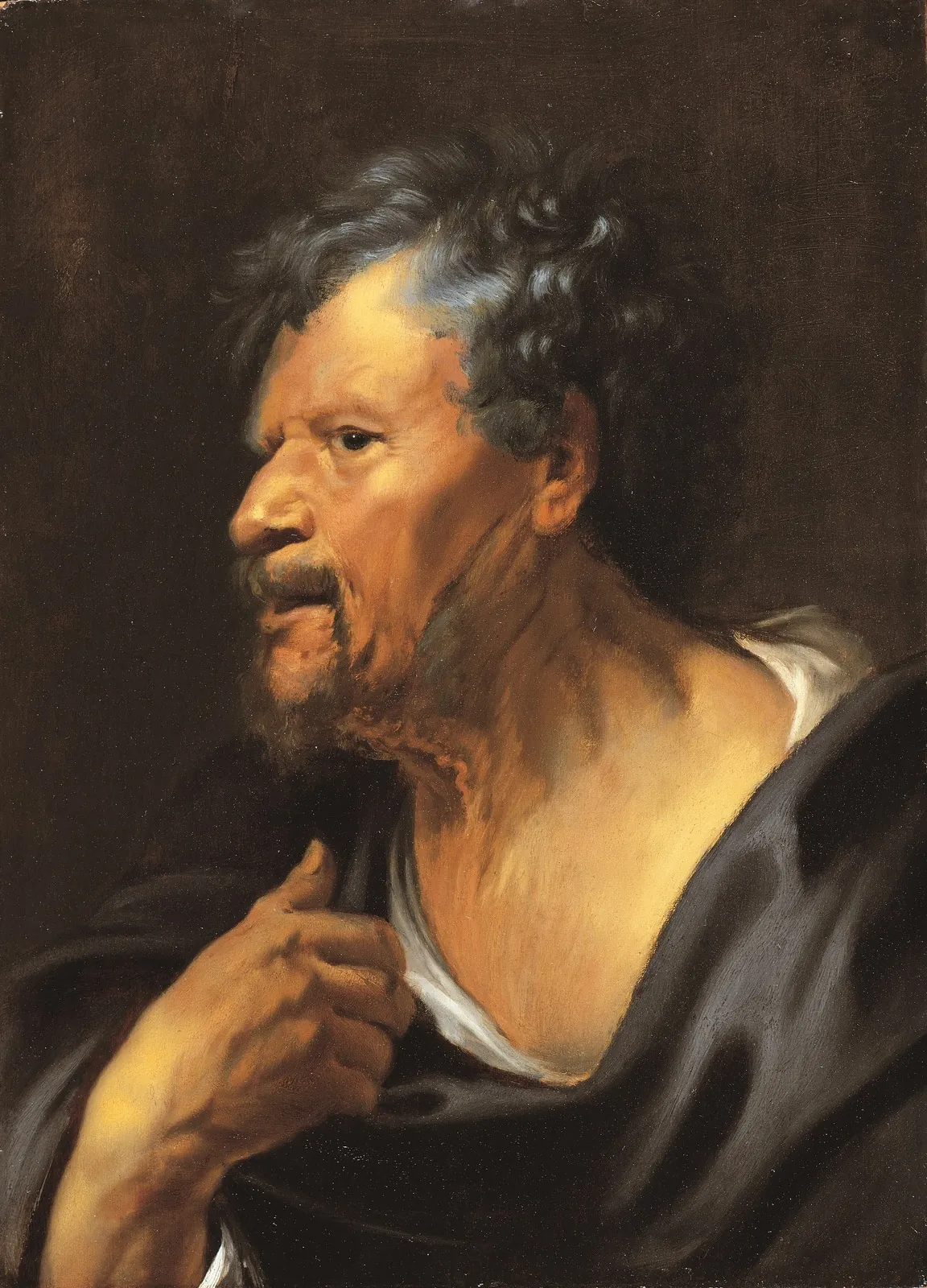
The Great Hall soars 20 metres to a ceiling painted by Sir James Thornhill depicting the 1st Duke's triumph at Blenheim, framed by massive Corinthian columns and martial trophies. The Long Library contains a magnificent Willis organ, stucco decoration by Isaac Mansfield, and a statue of Queen Anne by Rysbrack. The State Rooms display the Blenheim Tapestries, a series commissioned by the 1st Duke to celebrate his victories during the War of the Spanish Succession, which took over 200 weavers eight years to complete. Notable paintings include works by Sir Joshua Reynolds, Sir Godfrey Kneller, John Singer Sargent, Anthony Van Dyck, and George Romney. The palace also holds an extensive collection of Sevres and Meissen porcelain. The Churchill Exhibition, titled 'Blenheim Palace: The Untold Story,' traces the statesman's life through personal letters, photographs, and memorabilia, while preserving his birth room as it appeared in the late Victorian period.
Building & site
Designed by Sir John Vanbrugh with Nicholas Hawksmoor, Blenheim Palace represents the finest example of English Baroque architecture, characterized by its eclectic inspiration and return to national roots. The building features a vast central courtyard, a prominent columned portico with Corinthian columns, and quadrant colonnades. The main hall leads to a rectangular saloon aligned with a 41-metre Column of Victory in the park. The south portal is crowned by a bust of Louis XIV, defeated at Blenheim. The 2,000-acre parkland was transformed in 1764 by Lancelot "Capability" Brown, who created the lake by damming the River Glyme and replaced formal gardens with naturalistic landscapes; Vanbrugh's Grand Bridge spans the water. The Water Terraces on the western side, designed by French architect Achille Duchêne in the 1920s, feature Italianate parterres, fountains, and ornamental pools inspired by Versailles, with an upper terrace fountain modelled on Bernini's Piazza Navona design. The estate also includes the Secret Garden, Rose Garden, Italian Garden, and the Churchill Memorial Garden.
Visiting
Blenheim Palace is located in Woodstock, Oxfordshire, OX20 1PP, approximately eight miles northwest of Oxford. The palace is owned by a trust under the chairmanship of the 12th Duke of Marlborough and belongs to the Treasure Houses of England consortium. It is open year-round with seasonal hours, and most tickets are automatically upgraded to an Annual Pass at no extra cost. In 2019, the palace received approximately 985,000 visitors; in 2024, attendance was about 958,000. The estate hosts annual events including the Blenheim Palace Flower Show, Nocturne Live concerts, the Blenheim Horse Trials, and Christmas at Blenheim Palace. It has served as a filming location for numerous productions including 'Spectre,' 'Mission: Impossible, Rogue Nation,' 'Harry Potter and the Order of the Phoenix,' and 'Cinderella.' Visitors can arrive by car with free parking, by bus via Stagecoach S3 from Oxford, or by train to Hanborough station two miles away; a 20% discount is offered for green travel methods. On-site facilities include the Orangery Restaurant, Stables Café, and gift shops. Accessibility provisions include step-free routes, shuttle services, accessible toilets, and free carer admission.
Museums near Blenheim Palace
- Art Museum Ashmolean Museum Oxford, United Kingdom
- Art Museum Compton Verney Art Gallery Compton Verney, United Kingdom
- Art Museum Schorr Collection City of Westminster, United Kingdom
- Art Museum Victoria and Albert Museum Royal Borough of Kensington and Chelsea, United Kingdom
- Gallery Matthiesen Gallery London, United Kingdom
- Art Museum British Museum London Borough of Camden, United Kingdom




What's on
Upcoming Events
We may earn a commission from ticket bookings, at no extra cost to you.