Museum
sports museum
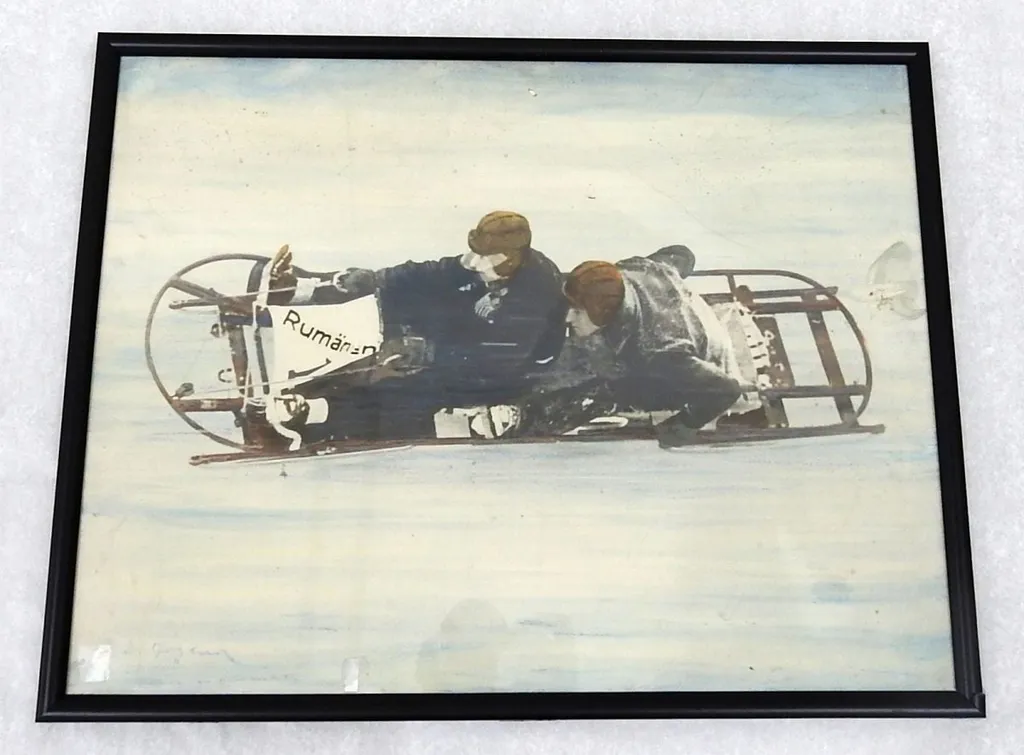
sports museum is a museum.
About sports museum
museum for one or more sports
Museum
sports museum is a museum.
museum for one or more sports
A sports museum is an institution dedicated to the preservation, exhibition, and interpretation of artifacts related to one or more sports. These museums serve as cultural repositories that document the evolution of athletic competition, celebrate significant achievements, and explore the broader social and historical impact of sports on society. Rather than focusing solely on athletic records, many of these institutions emphasize the cultural narratives, community values, and social contributions of athletes, using their platforms to promote education and inclusivity.
The history of sports museums spans from early 20th century initiatives to modern cultural centers. The Ski Museum in Oslo, established in 1923 next to the Holmenkollen Ski Jump, holds the distinction of being the world's first ski museum. The National Baseball Hall of Fame and Museum in Cooperstown was established in 1939, followed by the Naismith Memorial Basketball Hall of Fame in Springfield in 1959. The Wimbledon Lawn Tennis Museum opened in 1977. More recent additions include the Museo del Real Madrid, which opened in 1999, and the FIFA Museum in central Zurich, established in 2016. The Sports Museum in Boston has served the New England region for the past 45 years. The National Sports Museum aims to create a fully realized experiential venue by 2030.
The scope of sports museum collections varies widely, ranging from specialized single sport archives to broad national repositories. The Olympic Museum in Lausanne holds over 90,000 objects, more than one million images, 1.5 kilometers of historical archives, over 63,800 hours of moving images, and 42,000 books. The World Rugby Museum at Twickenham Stadium preserves an exceptional collection of 41,000 recorded objects and 11,300 photographs. The sports collections at the Smithsonian's National Museum of American History contain roughly 6,000 objects, including game used equipment and apparel, while its paper sports objects, such as souvenir programs and baseball cards, number in the hundreds of thousands. Beyond physical objects, some institutions also maintain extensive digital and multimedia archives.
Notable holdings across global sports museums include some of the most iconic artifacts in athletic history. The Smithsonian's National Museum of American History preserves a handball used by Abraham Lincoln, Althea Gibson's Wimbledon tennis racket, and baseballs signed by Babe Ruth. The Olympic Museum features the jersey worn by Usain Bolt during the 2008 Beijing 200 meter race and the original 1908 Olympic Charter. The Lord's Cricket Ground Museum's centerpiece is the original Ashes urn, complemented by rare manuscripts. The Hockey Hall of Fame in Toronto allows visitors to stand face to face with the iconic Stanley Cup. The Museo del Futbol in Montevideo showcases precious memorabilia from Uruguay's victories at the 1930 FIFA World Cup Final, held at the historic Estadio Centenario. The Museo del Calcio in Coverciano displays original jerseys worn by the Italian national team during World Cup and European Championship victories.
Sports museums are frequently integrated into iconic athletic venues or prominent urban sites. The Sports Museum in Boston is housed on Levels 5 and 6 of the TD Garden, featuring more than a half mile of exhibits. The Australian Sports Museum is located within Melbourne's legendary Cricket Ground. The Museo del Futbol sits within the historic Estadio Centenario in Montevideo. The Hockey Hall of Fame is situated in downtown Toronto. The FIFA Museum occupies a modern facility in central Zurich. The Ski Museum in Oslo stands next to the towering Holmenkollen Ski Jump, where the adjacent jump tower offers visitors spectacular city views. The Muhammad Ali Center serves as a downtown Louisville landmark. The National Football Museum operates out of Manchester, and the World Rugby Museum is based at Twickenham Stadium in the United Kingdom.
Many sports museums operate as non profit educational institutions with active community outreach programs. The Sports Museum in Boston functions as a 501(c)(3) organization, using sports to teach values of leadership, respect, and cooperation to youth, with over 35,000 students participating in its programs annually. The National Sports Museum focuses on athletes' historical, social, and cultural contributions to foster a more inclusive, united nation, distinguishing itself from traditional halls of fame that focus primarily on athletic achievement. The American Museum of Natural History in New York hosts the exhibition For the Win: Objects of Sports Excellence on its first floor in the Mignone Halls of Gems and Minerals, which is included with any admission. Interactive experiences, such as the Football Plus+ zone at the National Football Museum and shooting challenges at the Hockey Hall of Fame, further engage visitors during their visits.
Your cart is empty
Browse artworks →