Artist
Charles Bird King

United States
Charles Bird King is an United States American Folk Art artist. 7 works are cataloged here, principally at Crystal Bridges Museum of American Art.
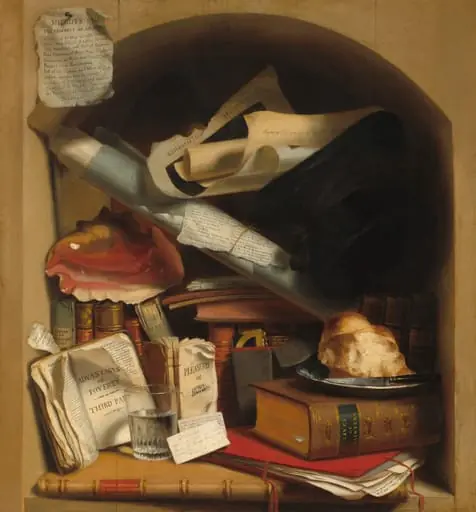
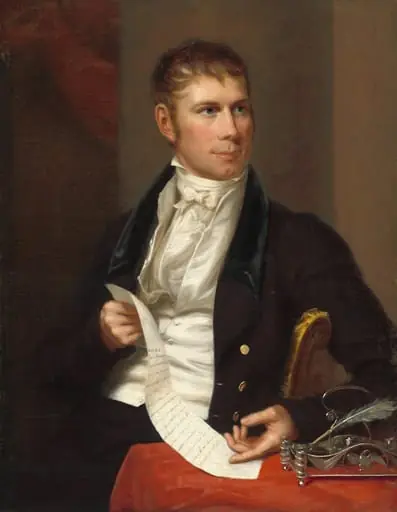
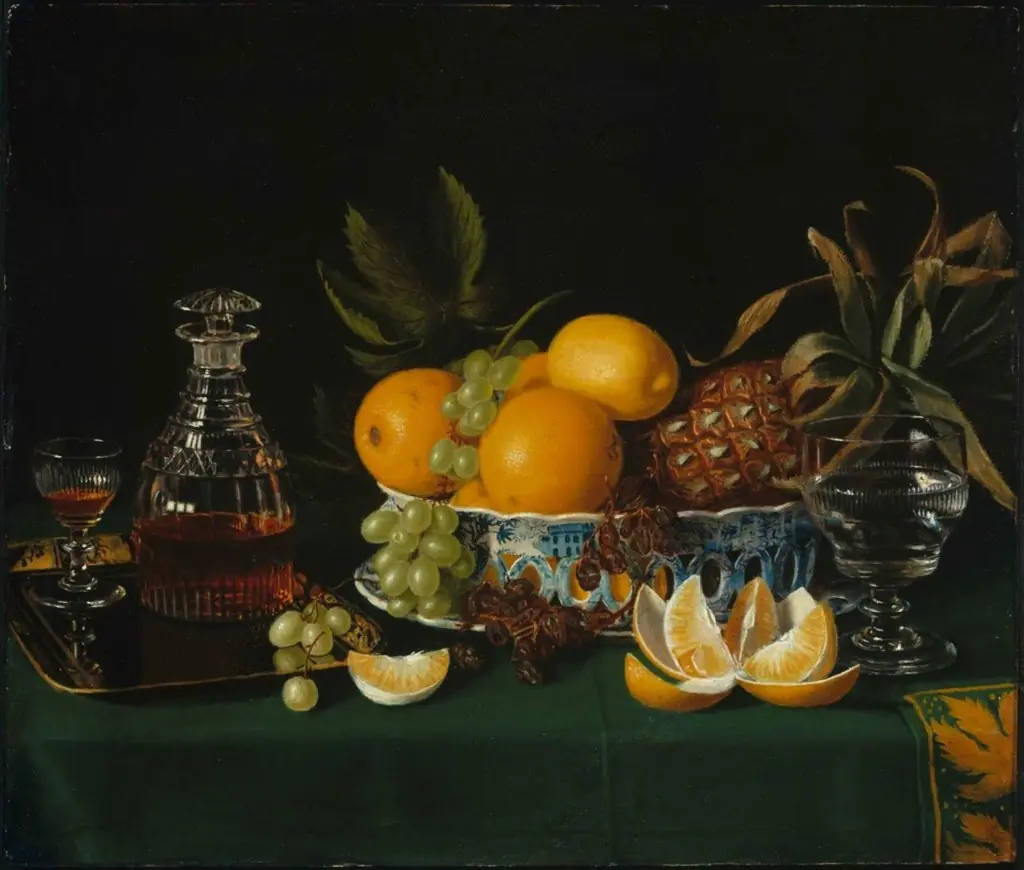
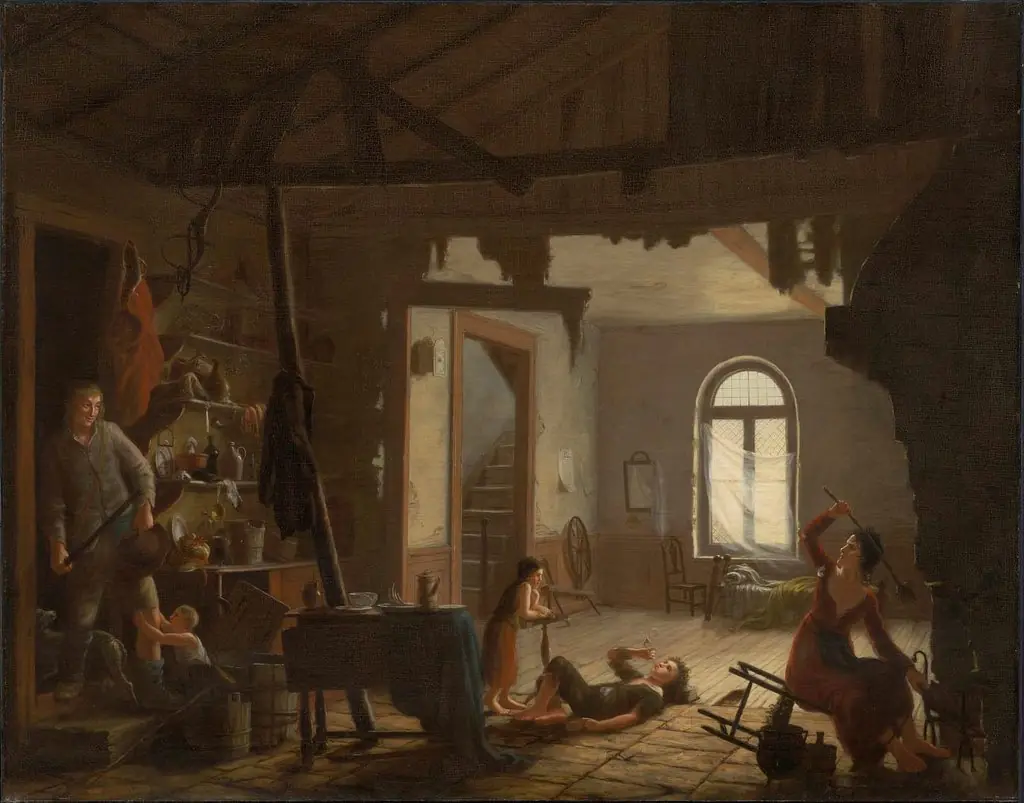
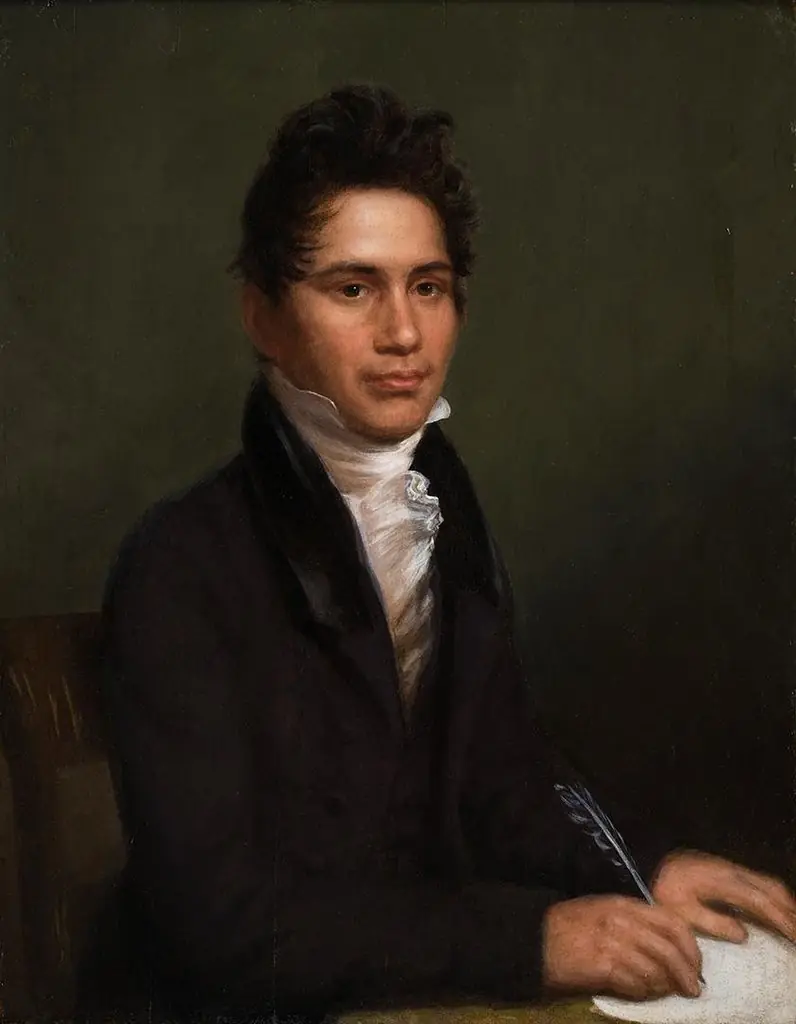
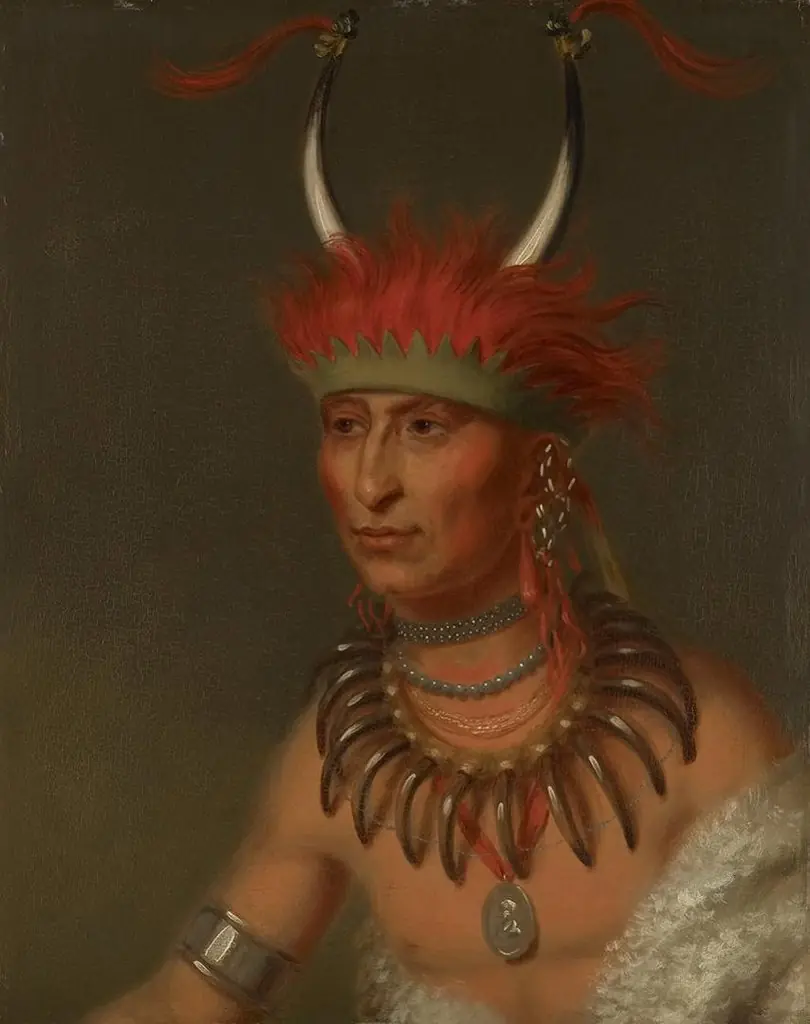
Charles Bird King (September 26, 1785 – March 18, 1862) was an American portrait artist, best known for his portrayals of significant Native American leaders and tribesmen. His style incorporated Dutch influences, which can be seen most prominently in his still-life and portrait paintings. Although King's artwork was appreciated by many, it has also been criticized for its inaccurate depictions of Native American culture.
Overview
Charles Bird King (September 26, 1785, March 18, 1862) was an American portrait painter whose career was defined by two seemingly contradictory threads: his status as a sought-after portraitist among the political elite of Washington, D.C., and his enduring fame for paintings of Native American leaders. Working within the Romantic movement, King produced over 140 portraits of indigenous delegates who visited the capital between 1822 and 1842, creating what would become a core collection for the Smithsonian Institution. His work incorporated Dutch and Flemish influences absorbed during his London training, yet has also drawn criticism for culturally inaccurate depictions of Native American life. The destruction of most of his Indian portraits in a Smithsonian fire has complicated his historical standing, leaving him less recognized than contemporaries such as George Catlin.
Biography & dates
Born in Newport, Rhode Island, King was the only child of Deborah (née Bird) and Captain Zebulon King, a veteran of the American Revolutionary War. When King was four years old, his father was killed and scalped by Native Americans near Marietta, Ohio, prompting his mother to return with him to her parents' home in Newport. At age fifteen, he went to New York to study under portrait painter Edward Savage. In 1805, at twenty, he departed for London to study at the Royal Academy under Benjamin West, remaining for seven years until the War of 1812 compelled his return to the United States. He worked successively in Philadelphia, Baltimore, and Richmond before settling in Washington, D.C., attracted by the economic opportunities of the growing capital. There he established a studio and gallery, cultivating patrons including John Quincy Adams, Henry Clay, James Monroe, John C. Calhoun, and Daniel Webster. He was elected an Honorary Academician of the National Academy of Design in 1827. King never married and remained in Washington until his death on March 18, 1862, bequeathing his collection of paintings, books, and prints to the Redwood Library and Athenaeum.
Style & movement
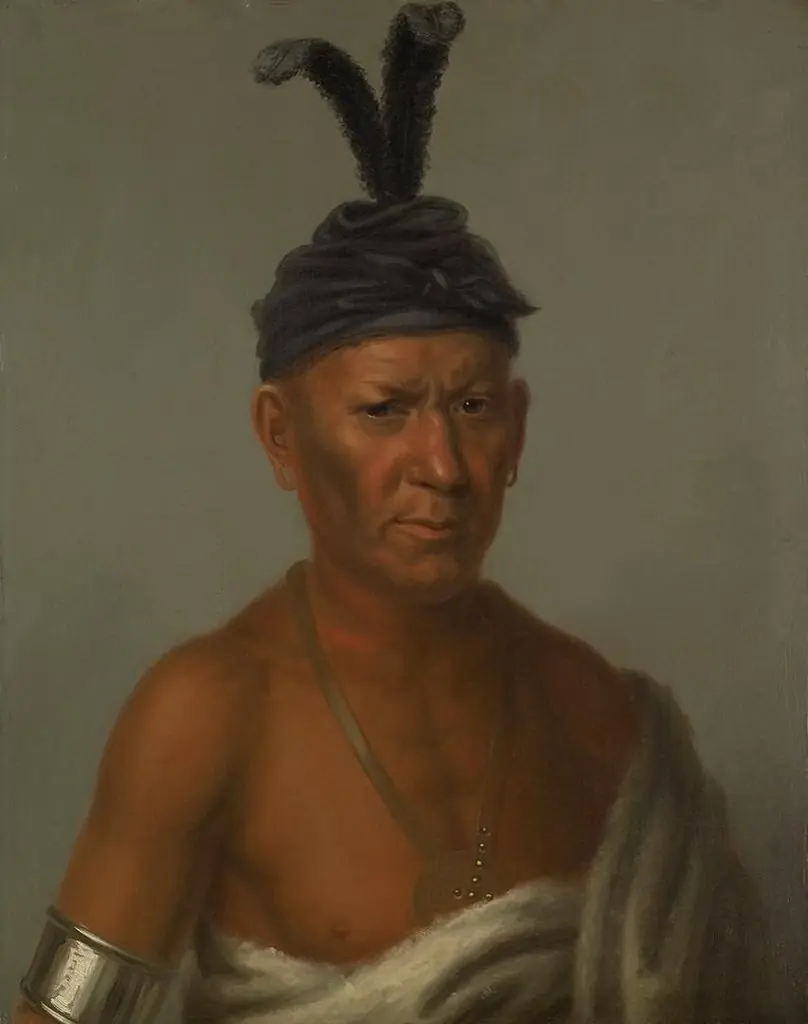
King operated within the Romantic movement, though his technical approach owed significant debts to Northern European traditions. His seven years in London exposed him to the vogue for 16th and 17th-century Dutch and Flemish art, particularly among collectors such as the Prince Regent, later George IV. King sometimes relied upon Dutch prints for compositional solutions, and the influence of Dutch and Flemish masters is most evident in his still-life and genre paintings. He was especially drawn to trompe l'oeil techniques, creating illusions capable of deceiving the viewer. Throughout his career, King remained committed to traditional European mannerisms, adapting them to American subject matter. His portraits of Native Americans typically show the full upper body against a dark gray ground in the oil paintings, while hand-colored lithographs derived from them feature white backgrounds. His palette was notably intense and luminous for his era. Though scholars believe King preferred still-life and genre painting, portraiture offered the only reliable income for an artist in early 19th-century America.
Major works
King's most significant body of work comprises more than 143 paintings of Native American leaders and tribesmen executed between 1822 and 1842, commissioned primarily by Thomas L. McKenney, superintendent of Indian trade in Georgetown, as part of an effort to preserve indigenous culture for posterity. These portraits were later reproduced as hand-colored lithographs. The original oil paintings were held by the Smithsonian Institution, though most were destroyed in a fire. Surviving works and lithographs remain in Smithsonian collections. The French Wikipedia notes that the Musée du Nouveau Monde in La Rochelle holds portraits after King, including depictions of Pee-che-Kir (Chippewa chief), Ap-Pa-Noo-Se (Saukie chief), Ka-Ta-Wa-Be-Da (Chippeway chief), Meta-Koosega (Chippeway warrior), and Not-Chi-Mi-Ne (Ioway chief). King's private and political portraits from his Washington years, while numerous, have received less sustained scholarly attention.
Influences & students
King's formative teachers were Edward Savage, under whom he studied in New York from approximately age fifteen, and Benjamin West, with whom he trained at the Royal Academy in London. West's academic tradition and the exposure to British royal collections shaped King's conservative, technically proficient approach. The Dutch and Flemish masters of the 16th and 17th centuries provided his strongest stylistic influence, particularly in still-life and genre compositions. No pupils or followers of King are documented in the provided sources, and his relative lack of innovation may have limited his influence on subsequent American artists. The sources do not establish a significant circle of artistic followers, though his social connections among politicians and collectors were extensive.
Legacy
King's posthumous reputation has been shaped largely by the fate of his Native American portraits and the critical debates surrounding them. The destruction of most of his Indian portraits in a Smithsonian fire removed his most distinctive work from public view, contributing to his relative obscurity in broader art historical narratives. Smithsonian art historian Herman J. Viola compiled The Indian Legacy of Charles Bird King (1976) to assert the importance of both King and his indigenous subjects within federal collecting practices. King is now recognized as part of a cohort of painters, including George Catlin, James Otto Lewis, and George Cooke, who documented Native American leadership during the era of Indian removal. However, his work has been criticized for inaccurate depictions of Native American culture, reflecting the limitations of white artists' representations of indigenous subjects in the 19th century. The market for his work remains limited by the scarcity of major paintings, with institutional collections holding most surviving material. His bequest to the Redwood Library and Athenaeum preserves a portion of his personal collection, though the full scope of his output will never be fully recoverable.
Works by Charles Bird King
Collections represented


Artists in a similar vein