Genre
Genre Scene
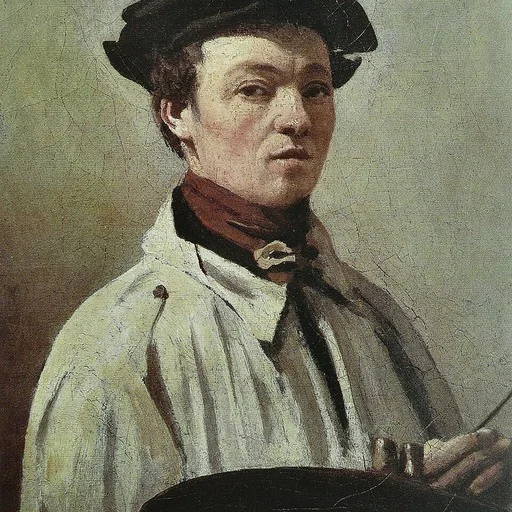
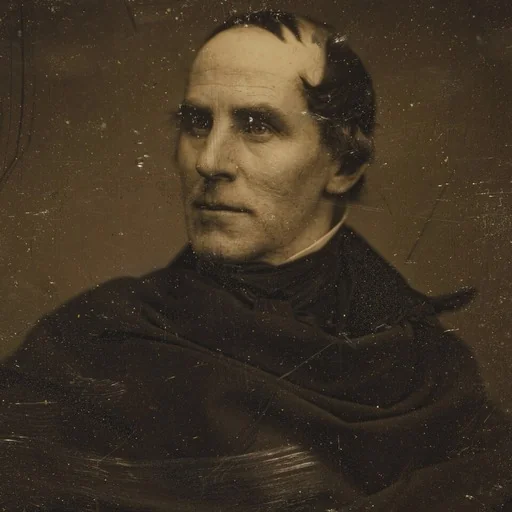
Genre Scene is an art genre. The gallery holds 6,926 works in this genre, including works by Titian, Thomas Eakins and Jean Baptiste Camille Corot.
Genre painting—the depiction of scenes from ordinary, everyday life—stands as one of the central categories of Western art, distinct from the elevated subjects of history, religion, and mythology. The very word reflects its modest status: the French critic Quatremère de Quincy used "genre" in this sense in 1791, defining it as "scenes of everyday life," and the term won wide acceptance by the mid-nineteenth century. Within the traditional academic hierarchy of subjects, such scenes ranked low, well beneath grand history painting. Yet the impulse is ancient, with roots in antiquity and the Renaissance, when a renewed humanist interest in the observable world drew artists toward common experience. In sixteenth-century Antwerp, Pieter Aertsen and Joachim Beuckelaer painted cooks and market sellers amid heaps of produce, often tucking a small religious scene into the background.
Genre painting reached its first full flowering in the seventeenth-century Dutch Republic. Freed from Catholic Spain, the prosperous Protestant nation had little appetite for altarpieces, and a broad middle class—not just aristocrats—bought pictures for their homes. Painters answered with intensely observed secular subjects: the hushed, light-filled interiors of Johannes Vermeer, the rigorous domestic geometry of Pieter de Hooch, and the boisterous, often moralizing taverns and households of Jan Steen, as in his "Dissolute Household" (c. 1663–64).
Visually, genre scenes favour anonymous figures over named individuals, implied narrative over grand event, and close attention to interiors, costume, gesture, and the textures of common objects. Lessons of light and intimacy often outweigh idealized form, and many works carry a quiet moral or proverbial undertone. In eighteenth-century France the tradition peaked with Jean-Baptiste-Siméon Chardin's grave domestic stillness and Jean-Baptiste Greuze's sentimental tableaux; Jean-Honoré Fragonard's tender "Young Girl Reading" belongs to the same intimate current.
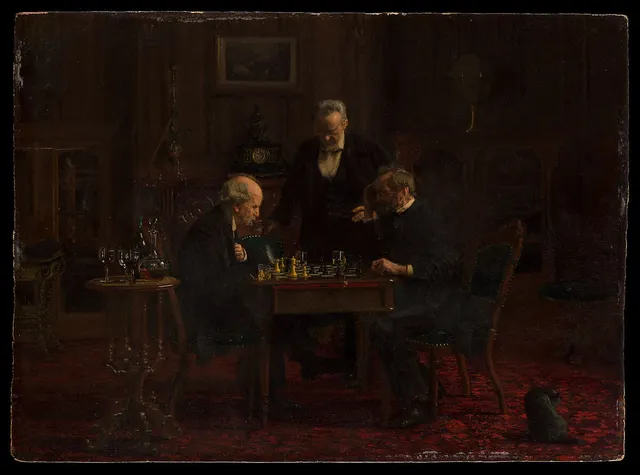
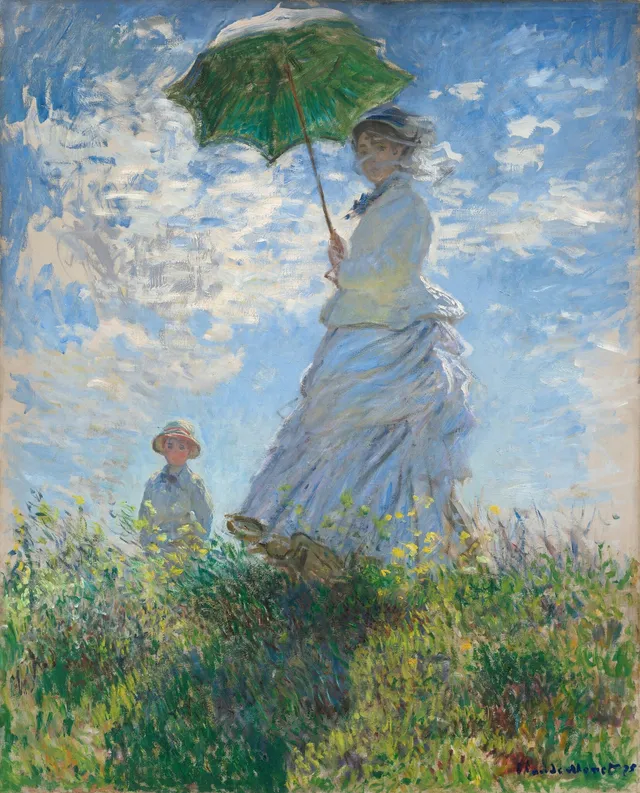
In the nineteenth century, genre subjects fed the rise of Realism and Impressionism. Gustave Courbet painted unidealized bodies and rural life on a scale once reserved for history, as in "The Young Bather," while Édouard Manet's modern figures—including "The Dead Toreador"—broke with academic finish. Edgar Degas turned the rehearsal room into art in "The Dancing Class," Claude Monet captured sunlit leisure in "Woman with a Parasol," and in America Thomas Eakins fixed a quiet parlour contest in his 1876 "The Chess Players." Once disdained as minor, genre painting became a primary vehicle for modern art's embrace of everyday life.
Key artists
Works
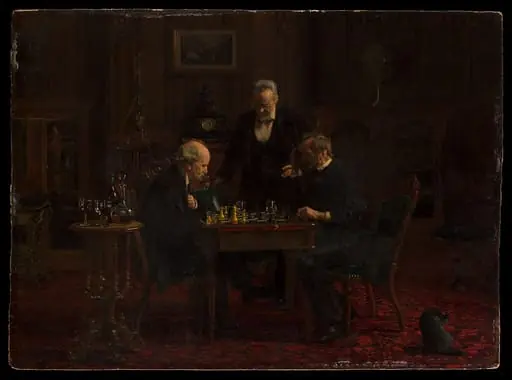 The Chess Players
 Woman with a Parasol - Madame Monet and Her Son
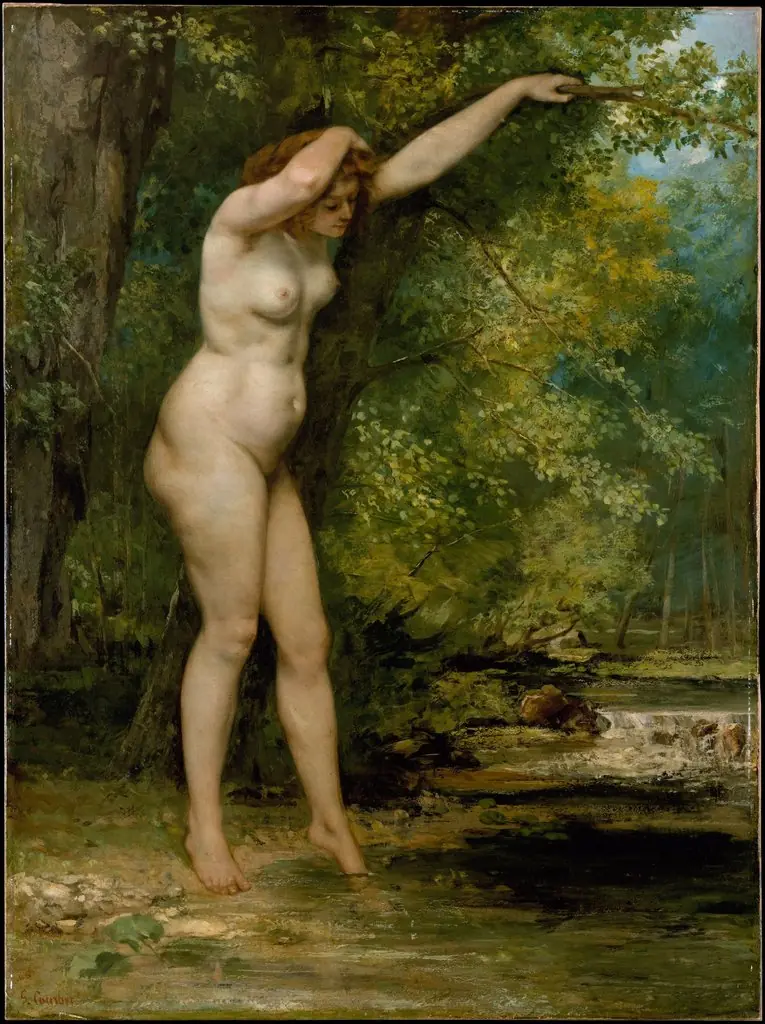 The Young Bather
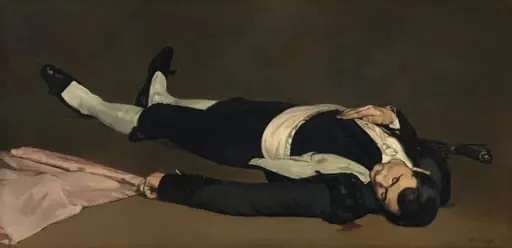 The Dead Toreador
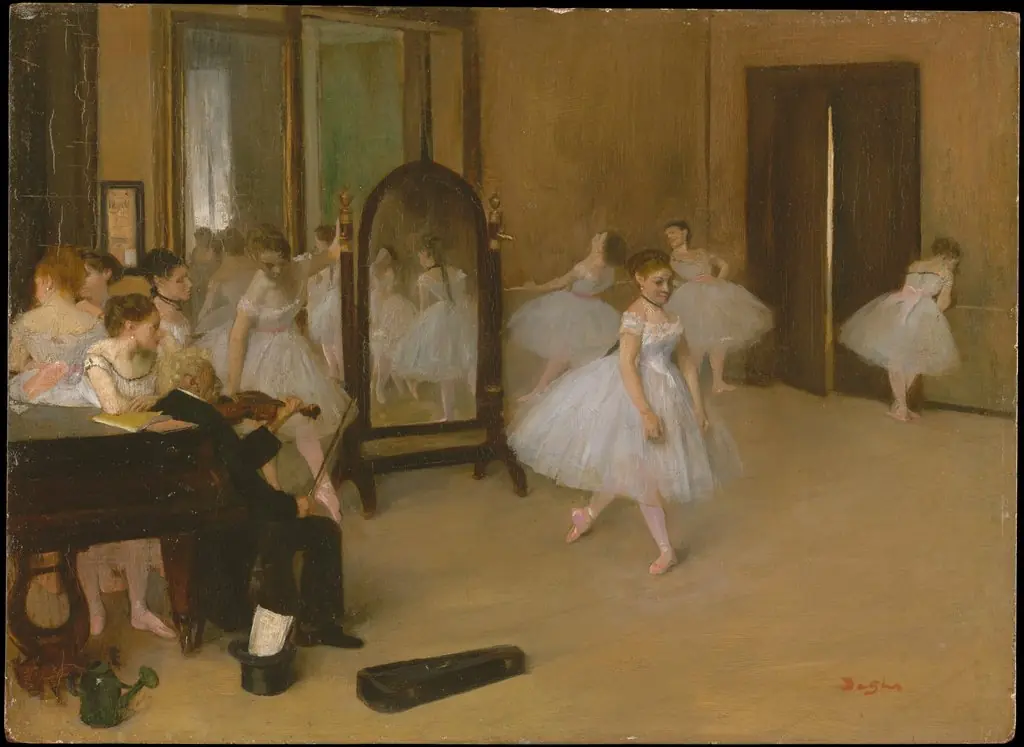 The Dancing Class
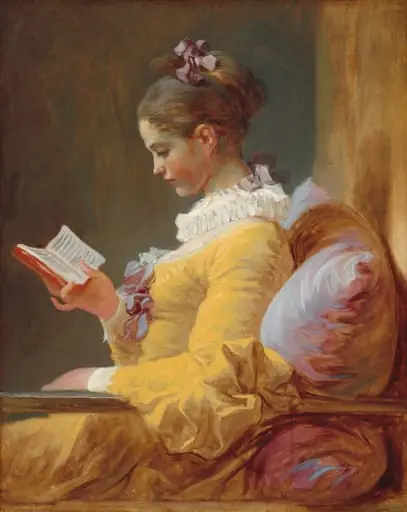 Young Girl Reading
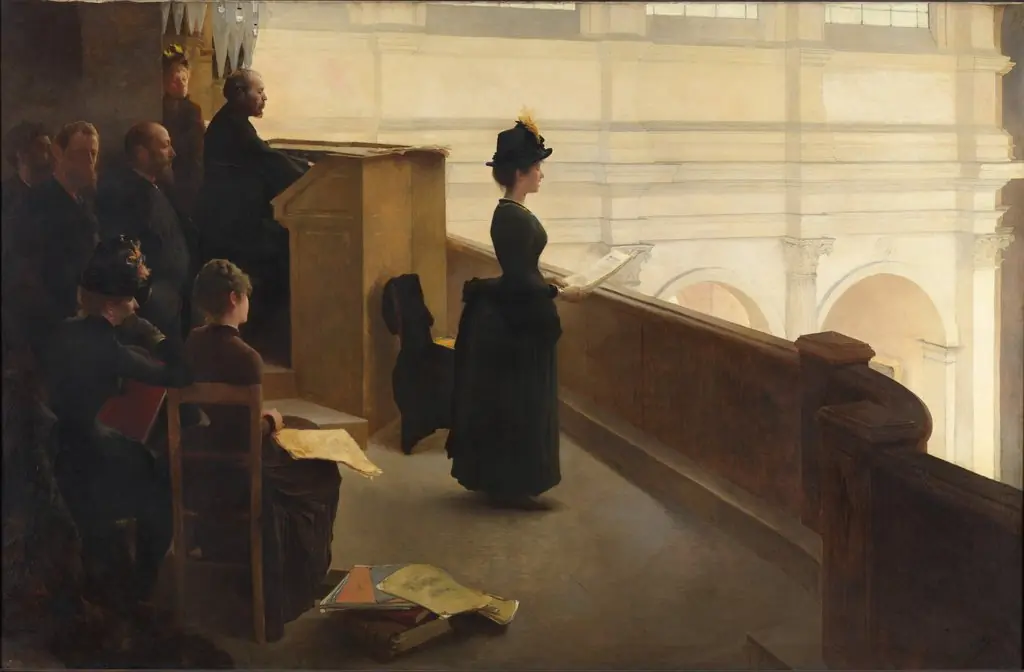 The Organ Rehearsal
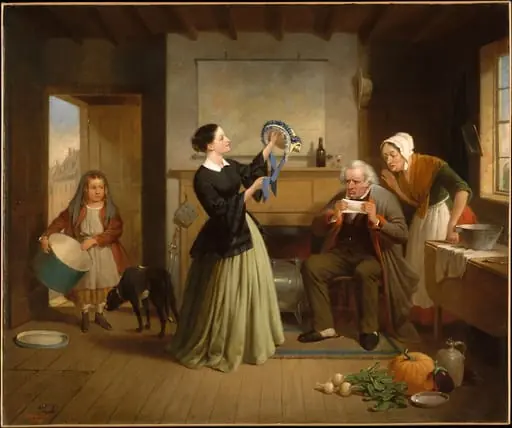 The New Bonnet
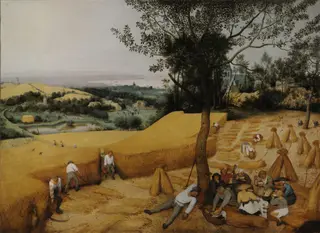 The Harvesters
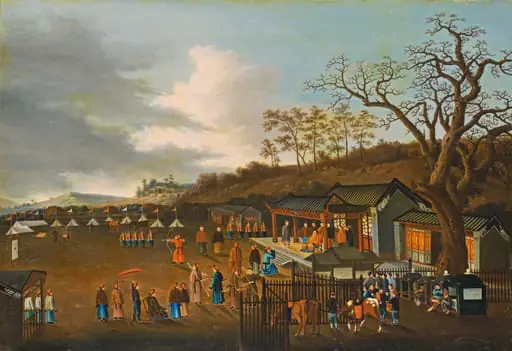 Archery Contest
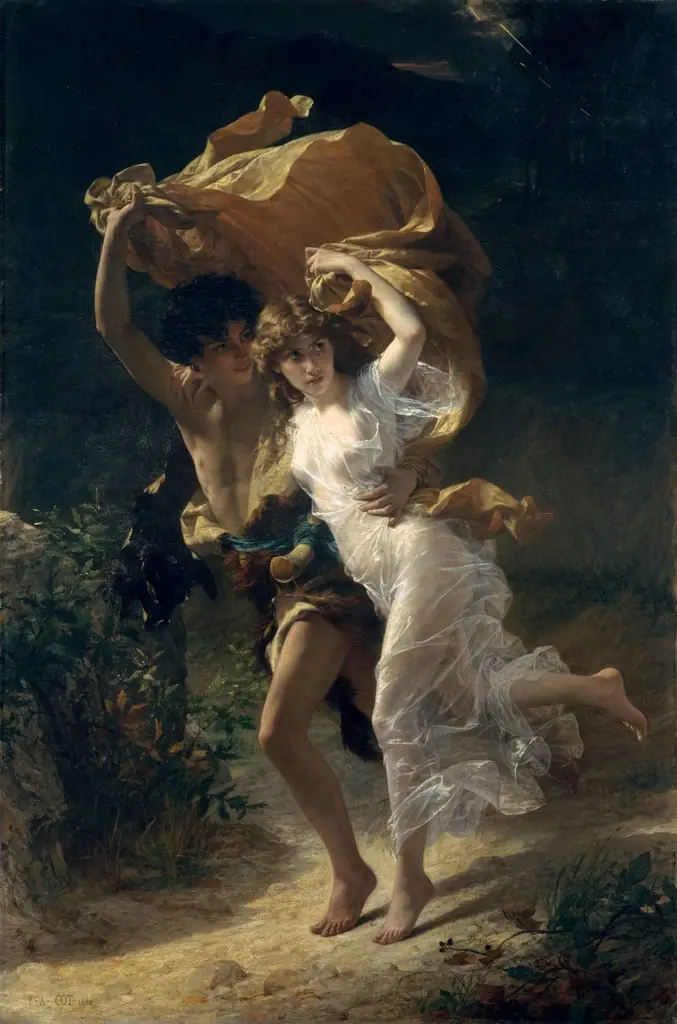 The Storm
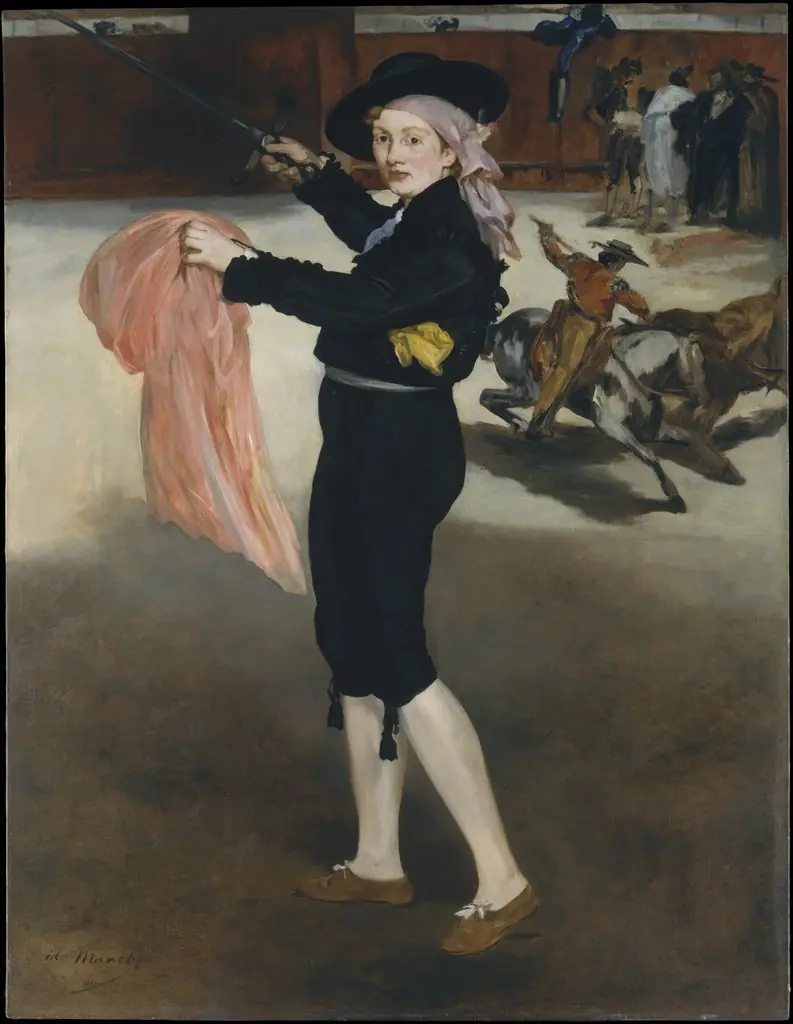 Mademoiselle V. . . in the Costume of an Espada
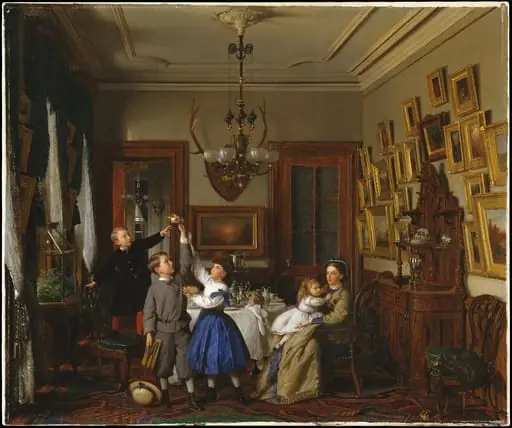 The Contest for the Bouquet: The Family of Robert Gordon in Their New York Dining-Room
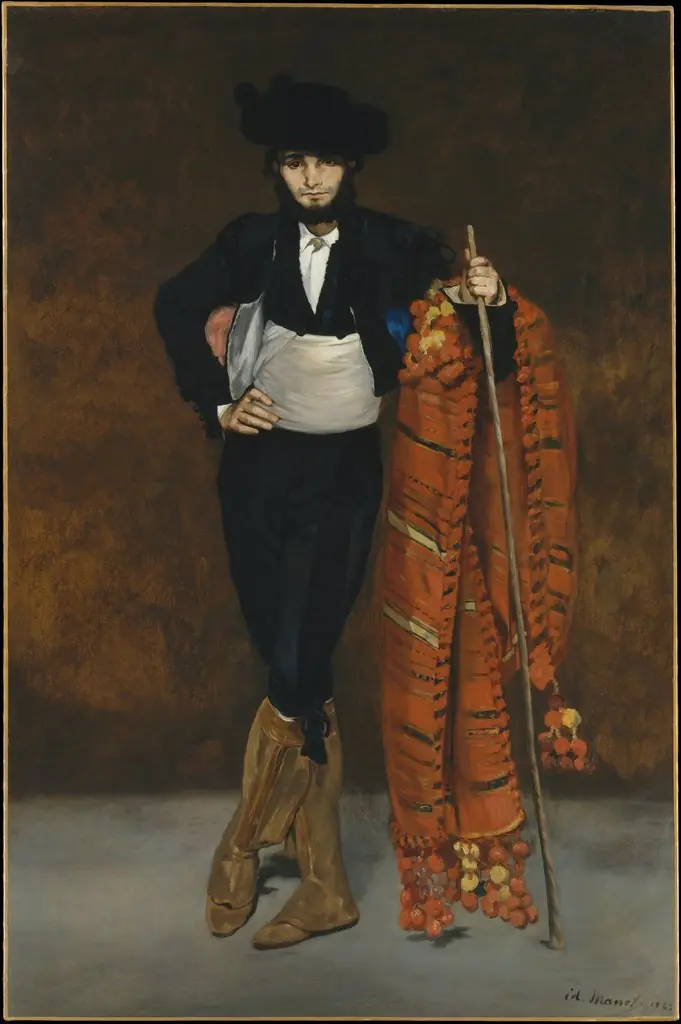 Young man in Mayo costume
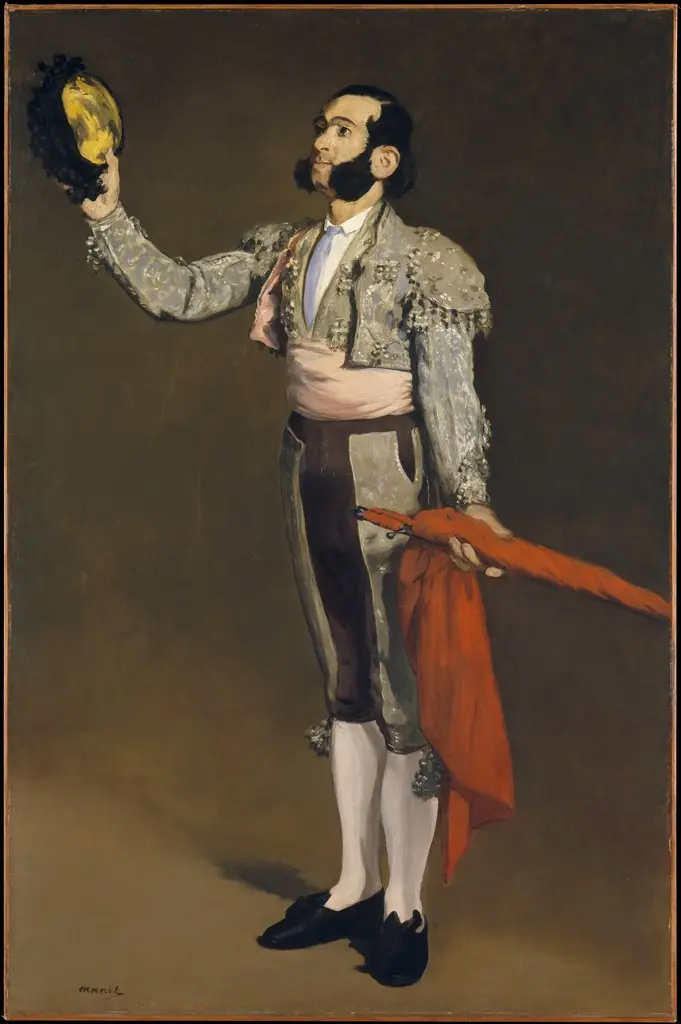 The Matador Saluting
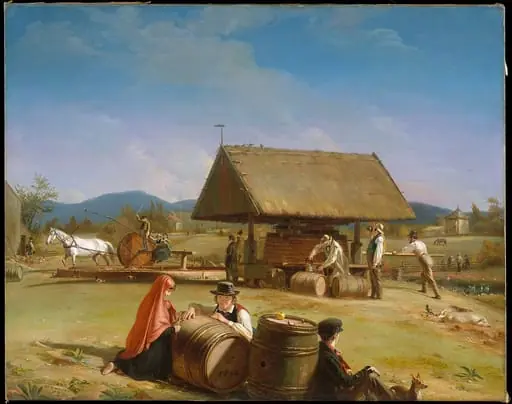 Cider Making
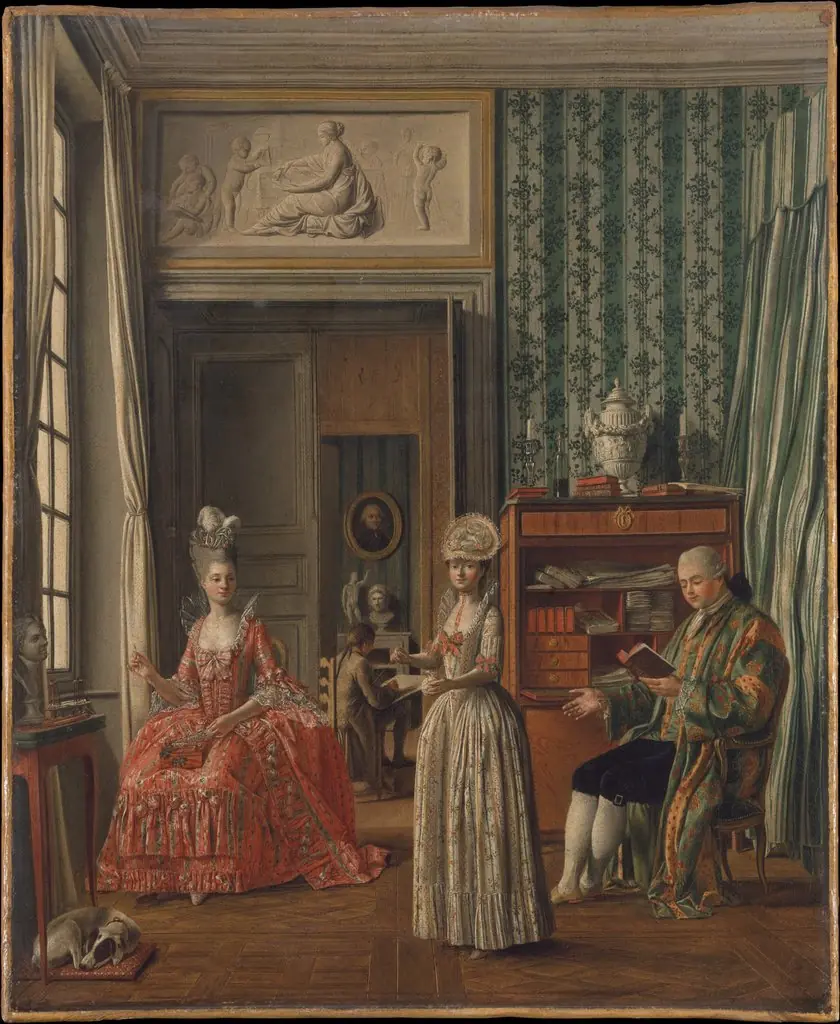 Domestic Scene
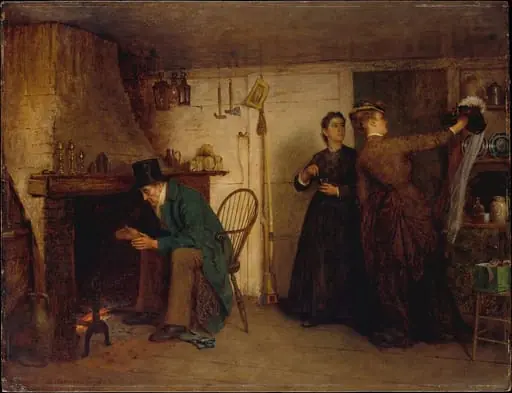 The New Bonnet
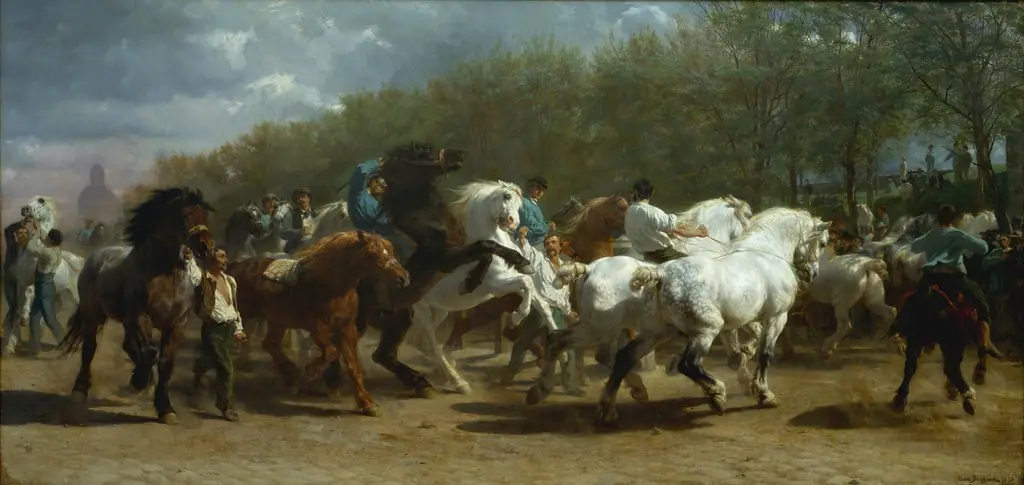 The Horse Fair
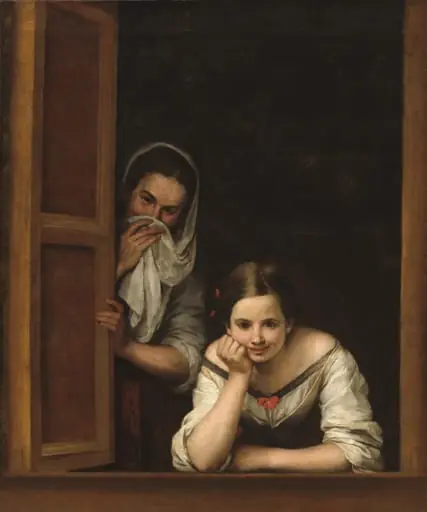 Two Women at a Window
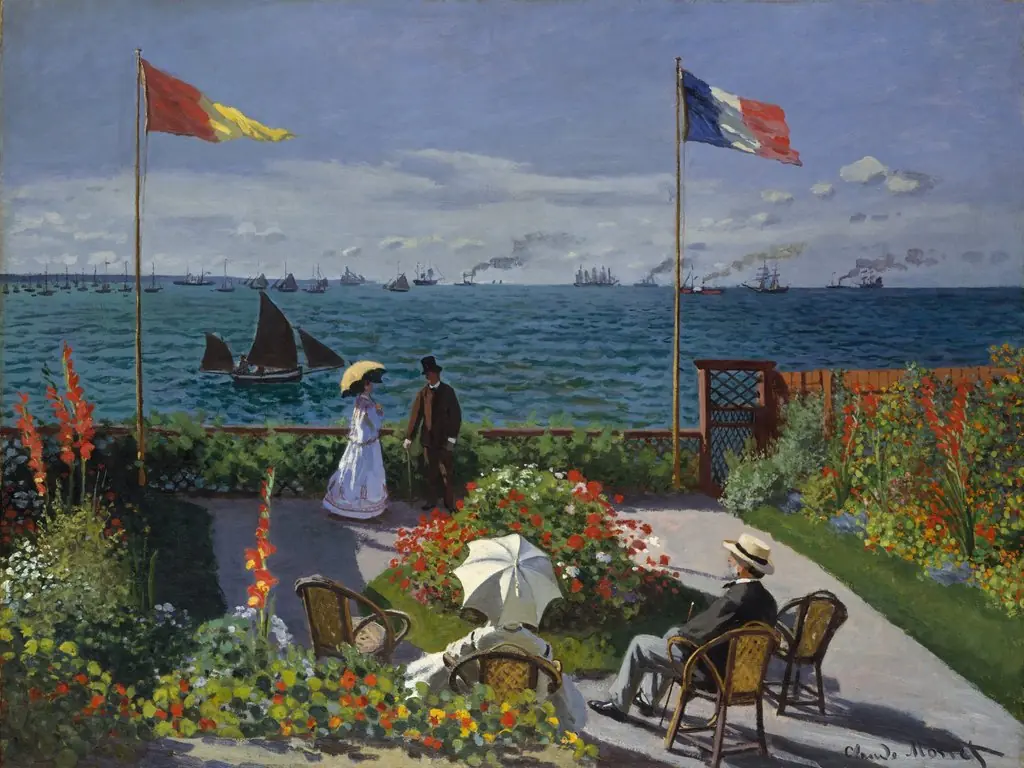 Garden at Sainte-Adresse
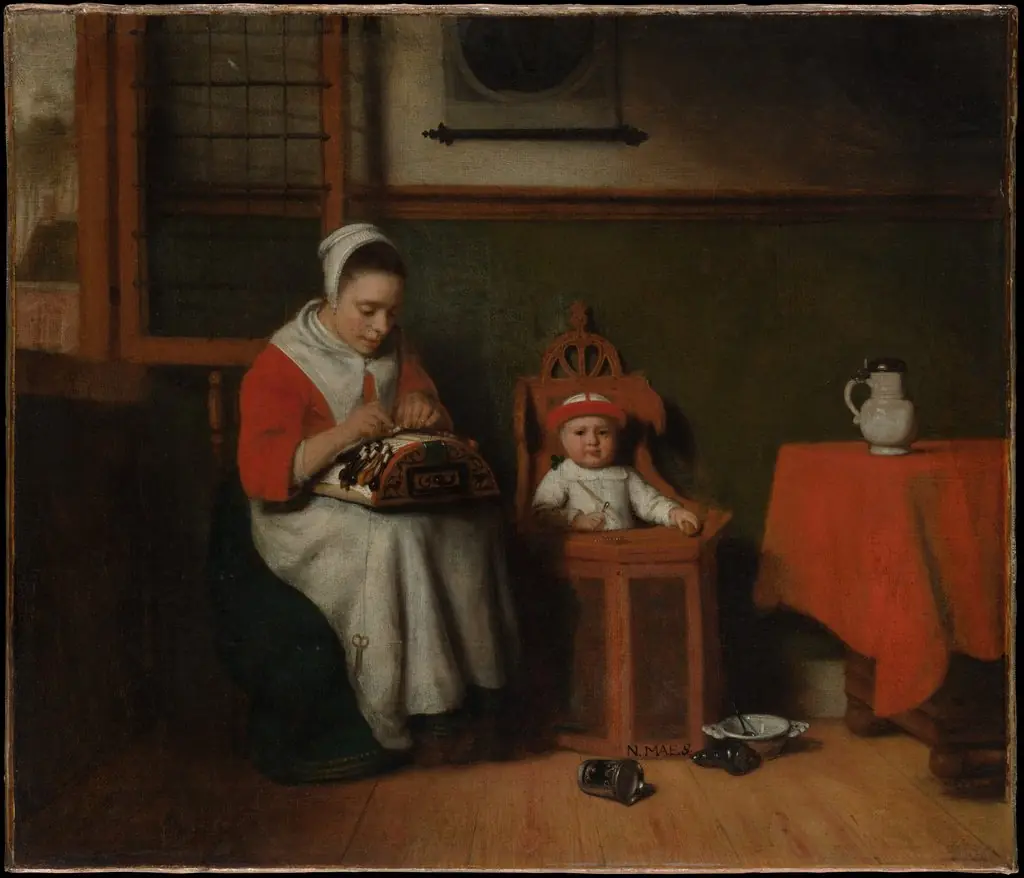 The Lacemaker
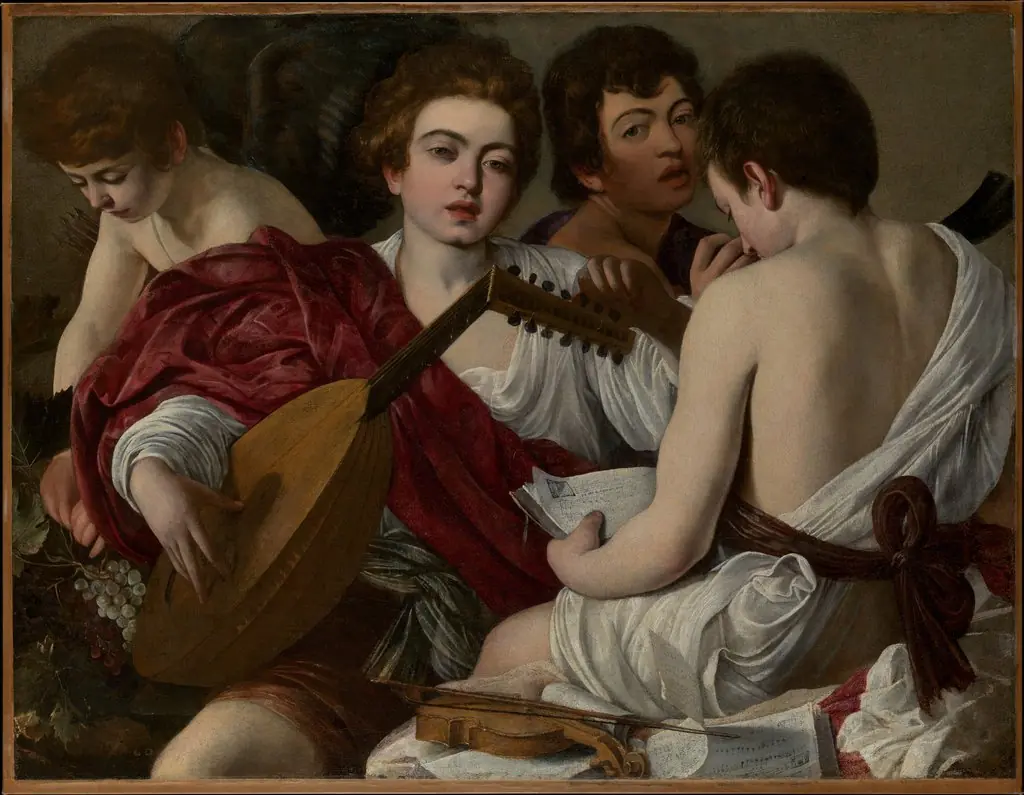 The Musicians
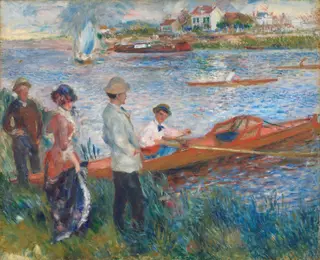 Oarsmen at Chatou
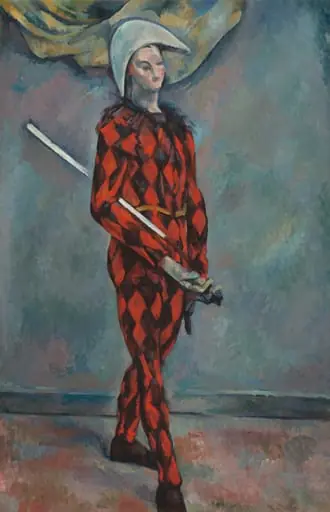 Harlequin
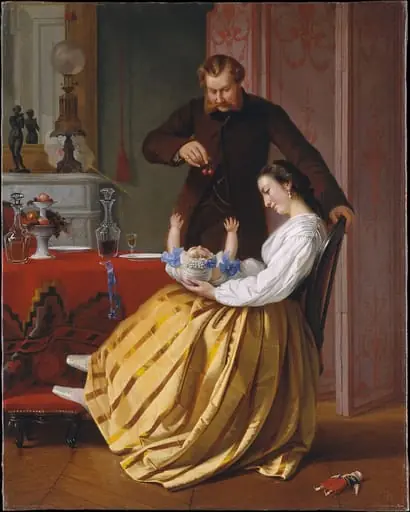 Conversation Piece
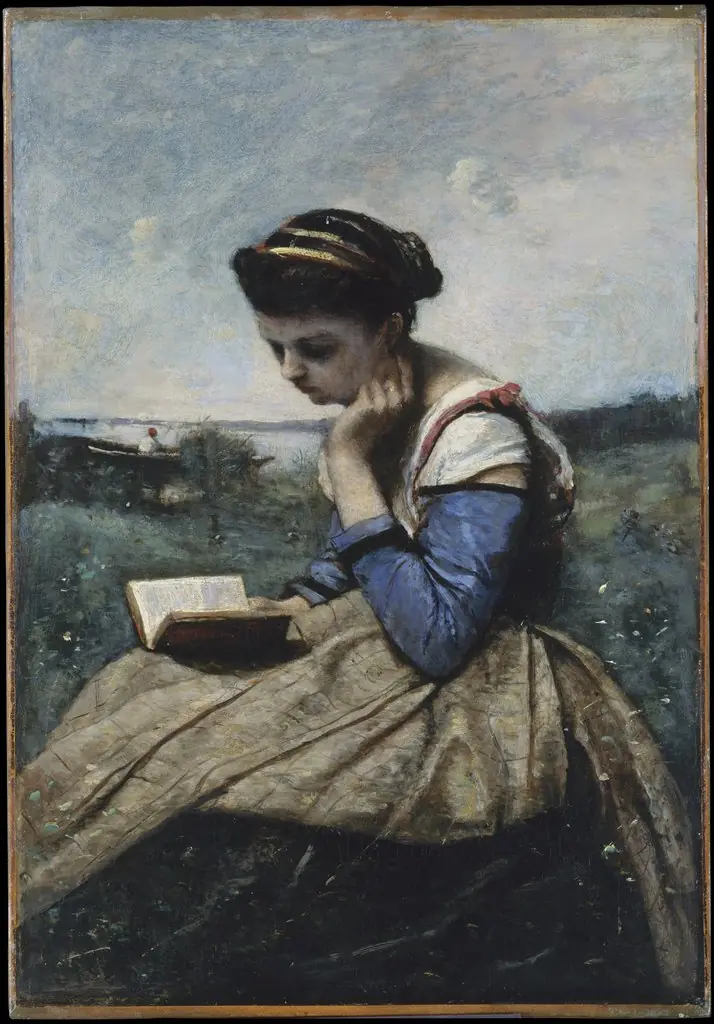 Femme Lisant
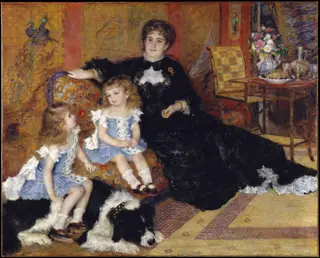 Madame Georges Charpentier and her Children
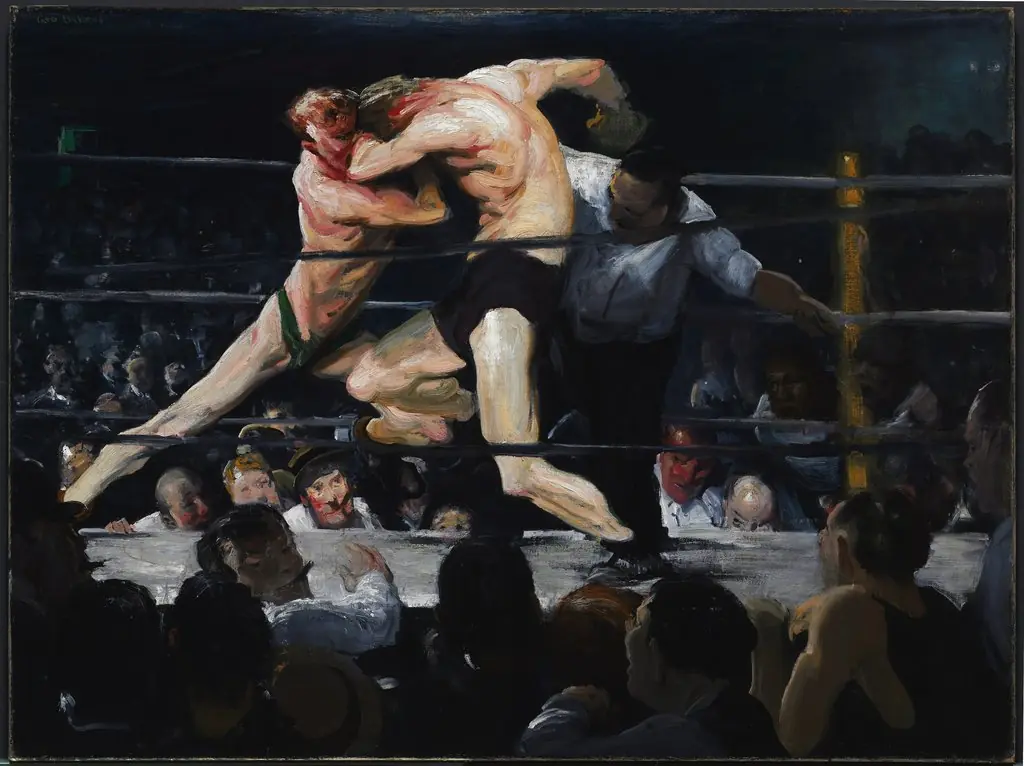 Stag at Sharkey's
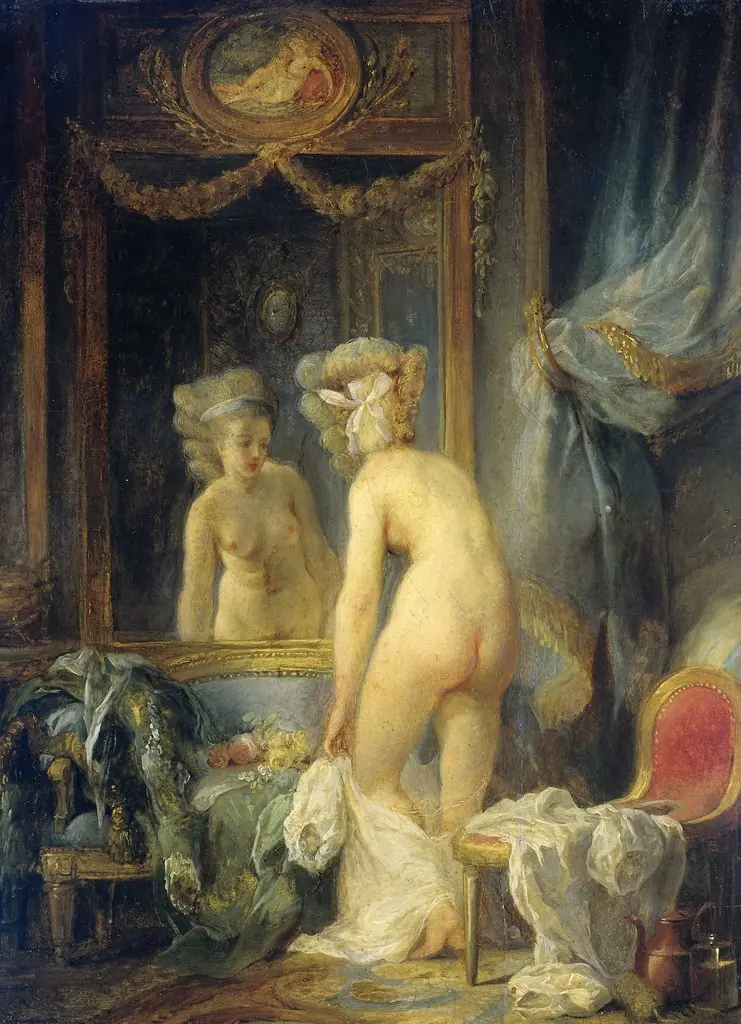 Morning Toilet
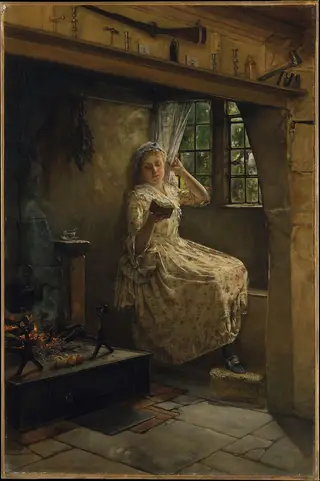 A Cosey Corner
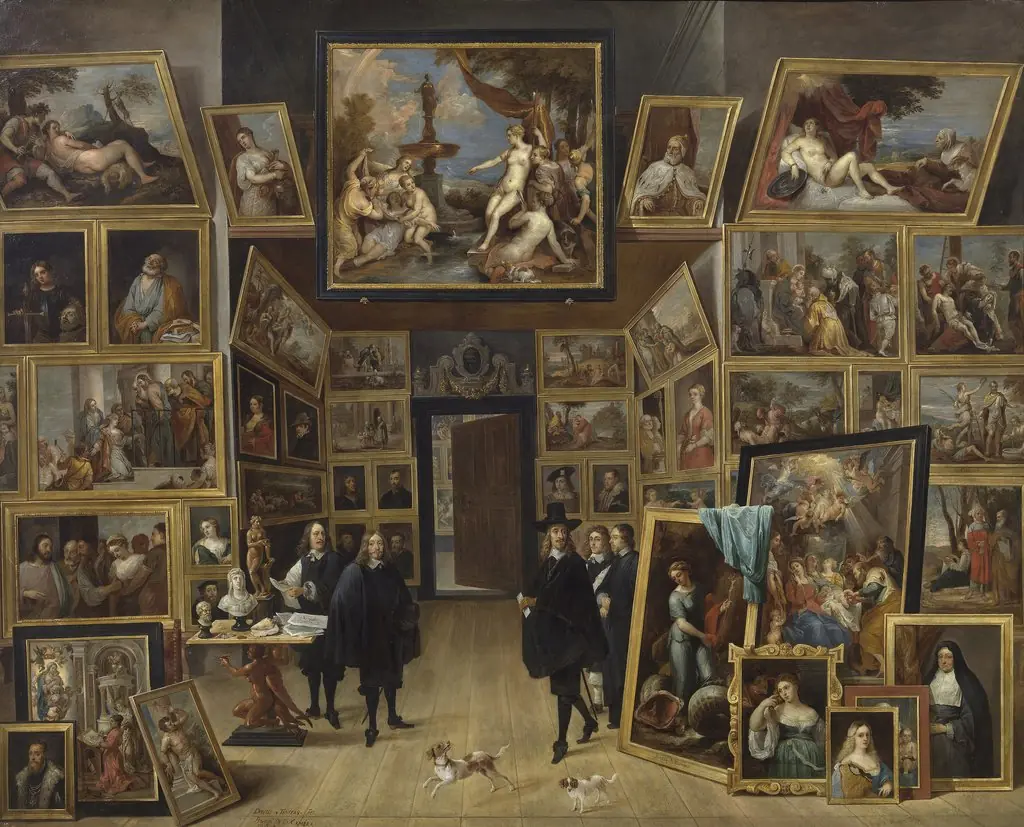 Archduke Leopold Wilhelm in his Gallery
 September Morn
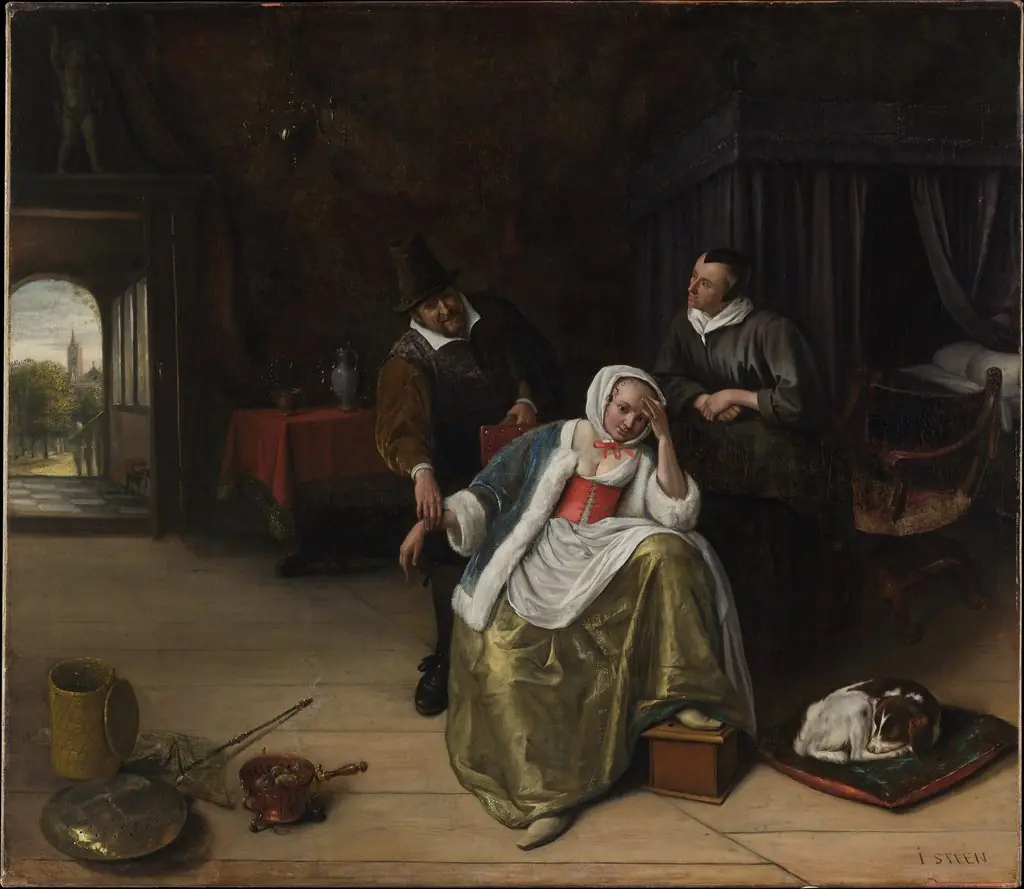 Paintings of physicians by Jan Steen
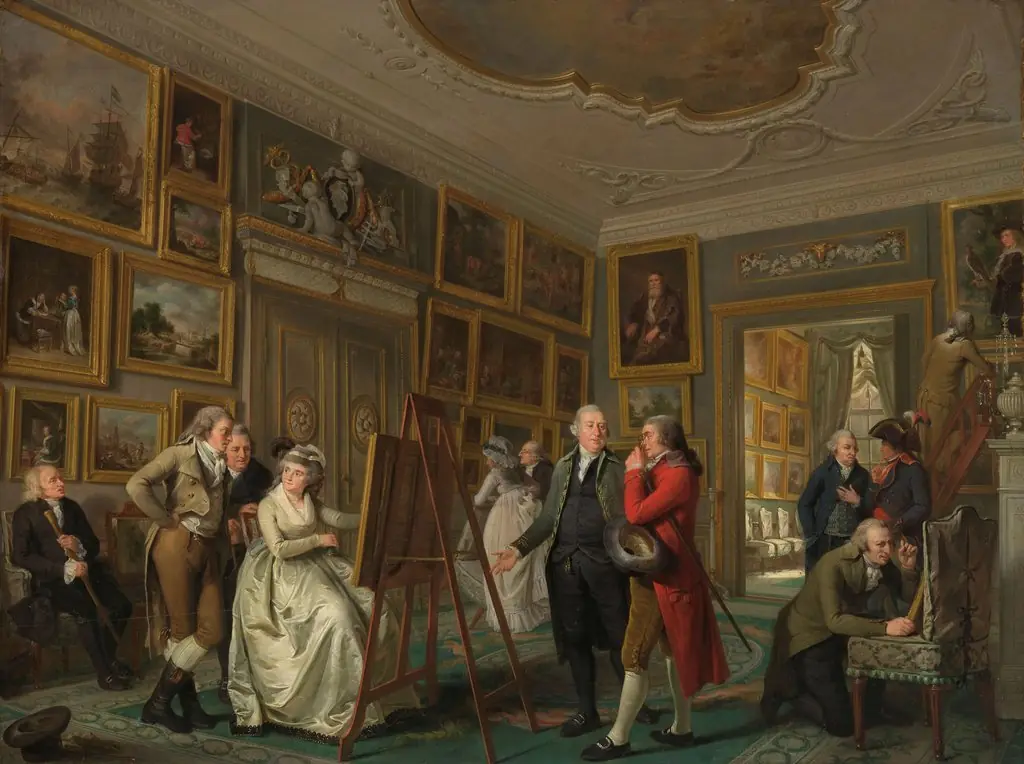 The Art Gallery of Jan Gildemeester Jansz
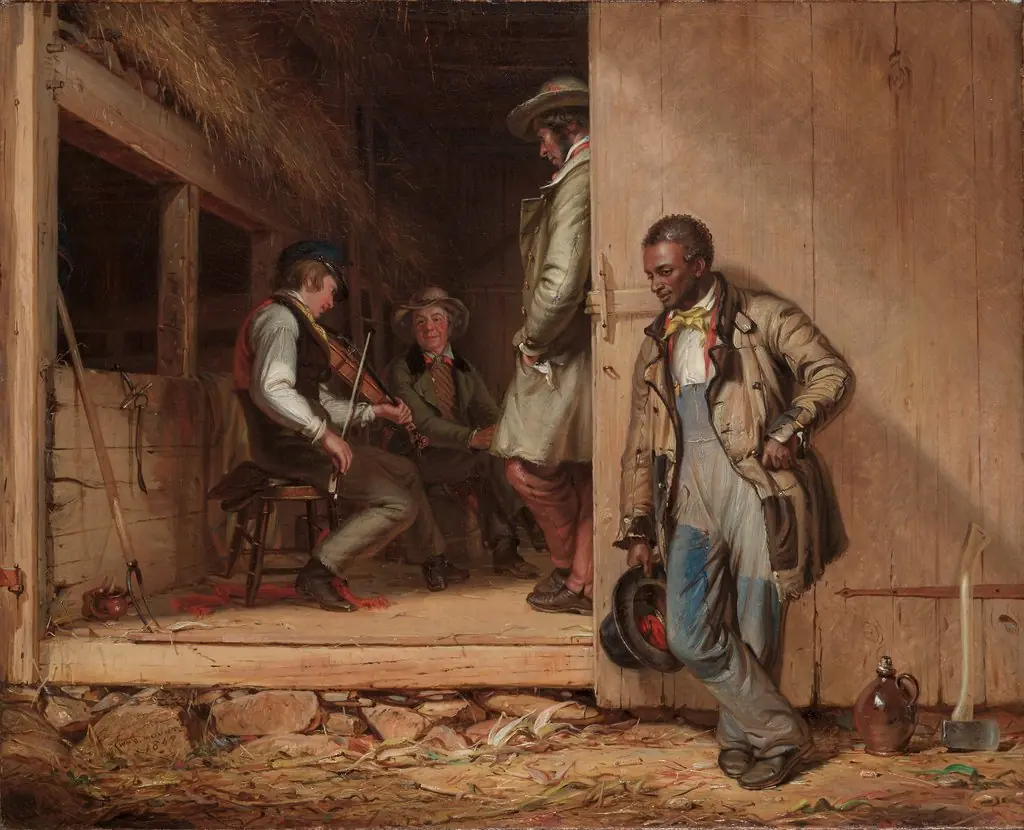 The Power of Music
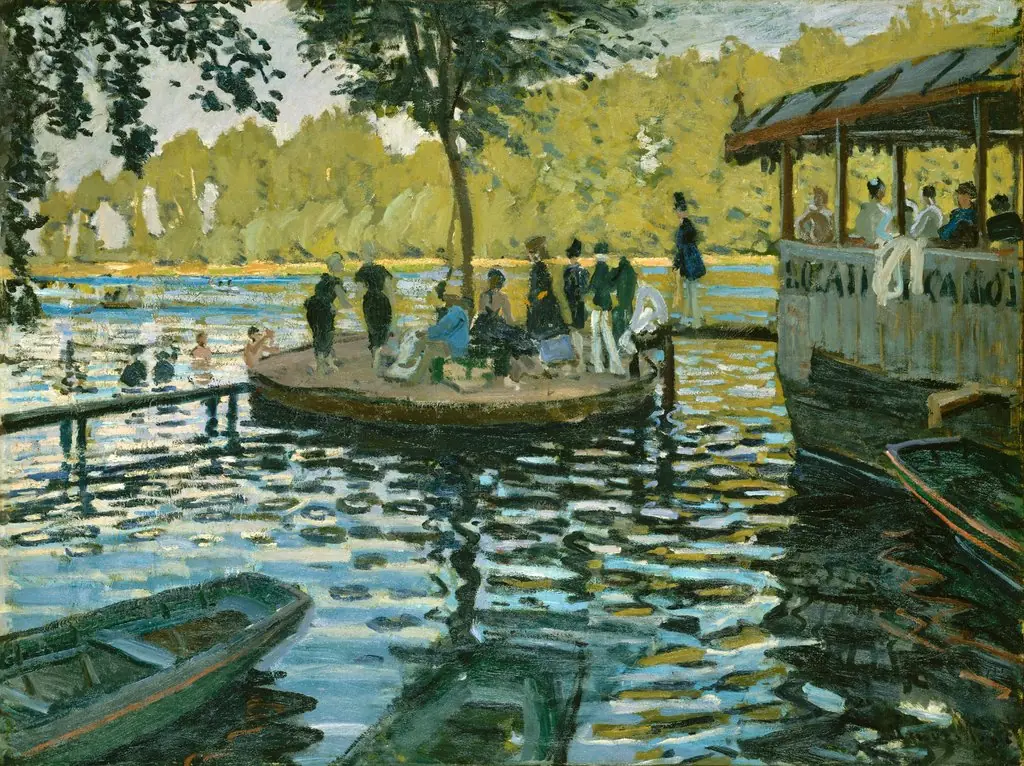 La Grenouillère
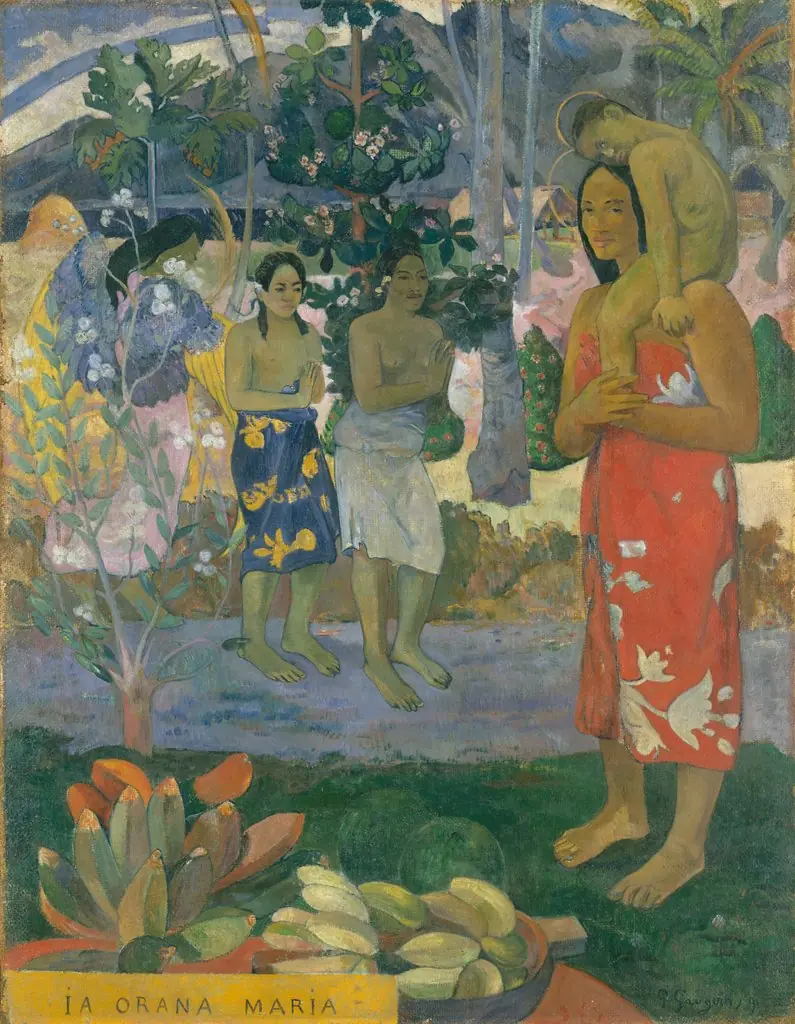 Ia Orana Maria
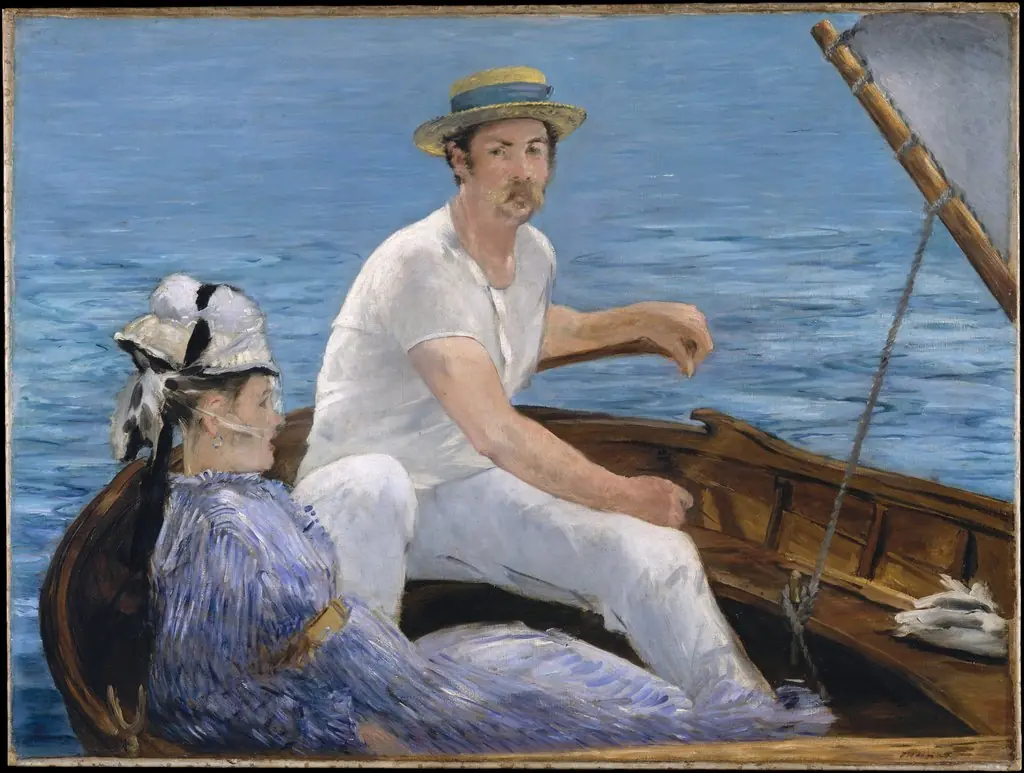 Boating
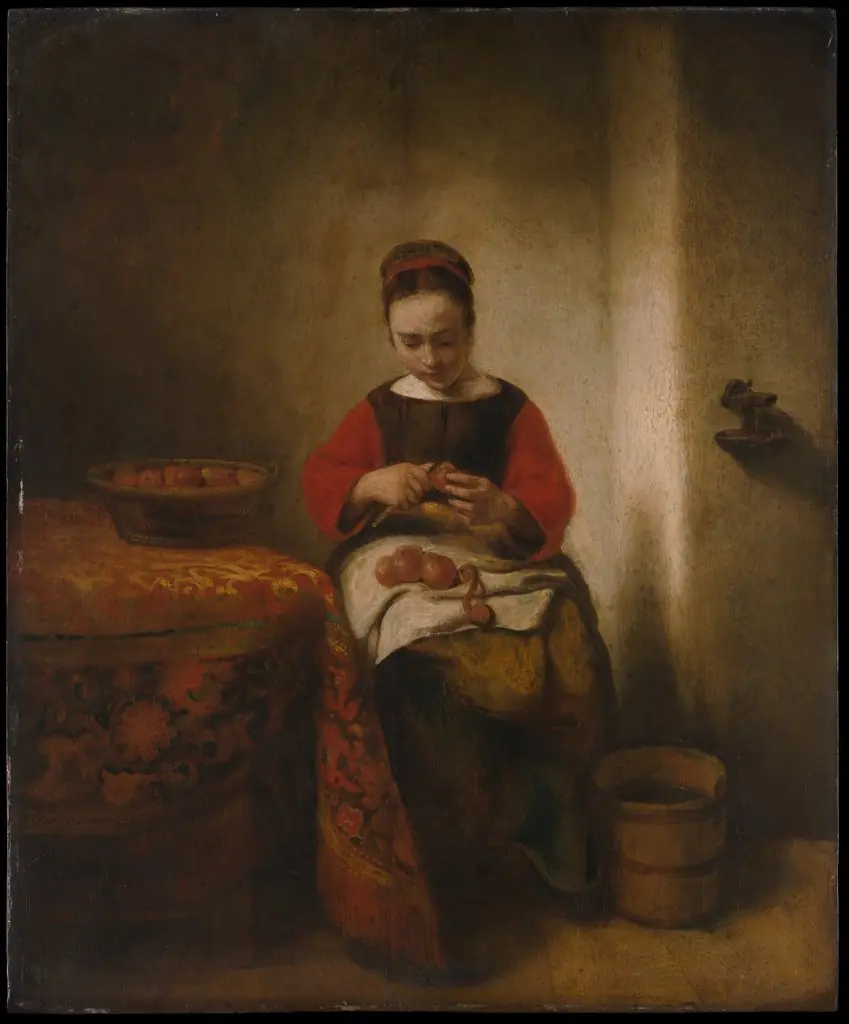 Young Woman Peeling Apples
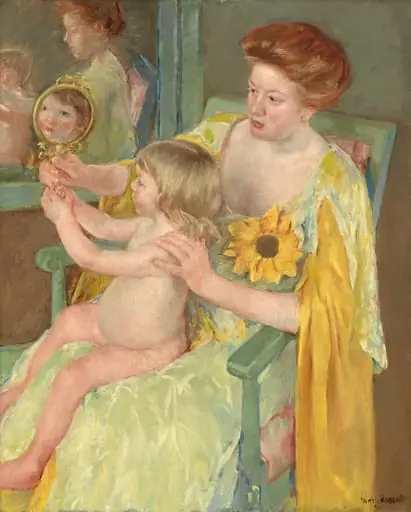 Woman with a Sunflower
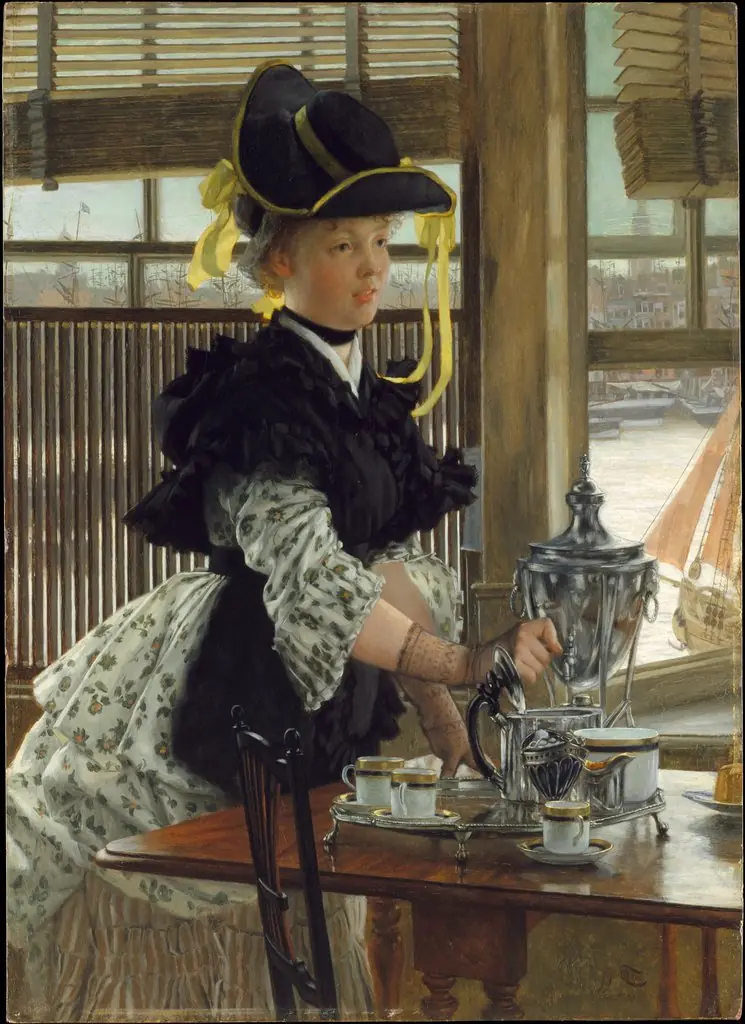 Tea
Tea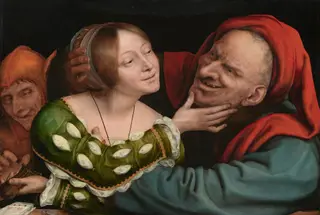 Ill-Matched Lovers
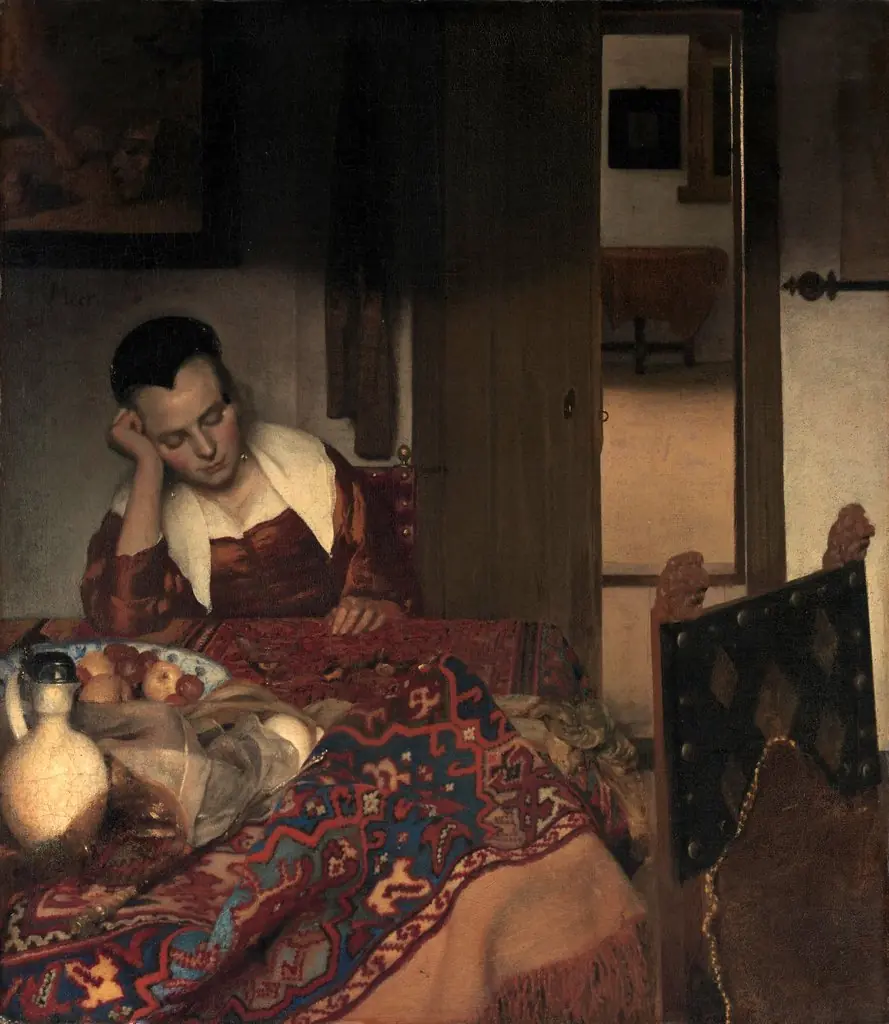 A Girl Asleep
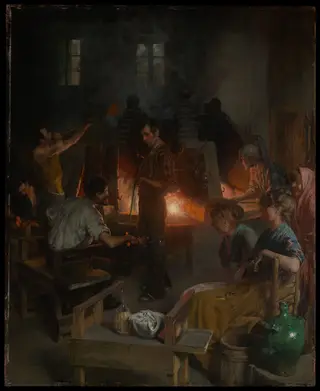 Glass Blowers of Murano
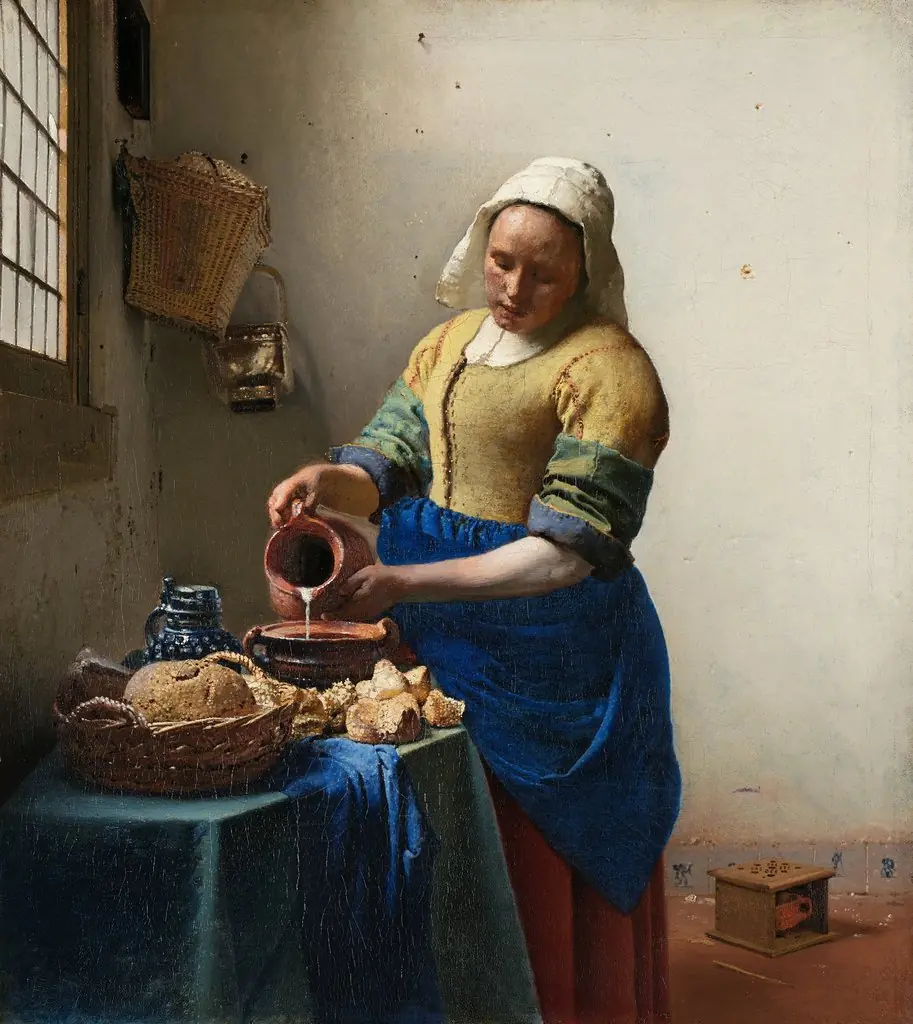 The Milkmaid
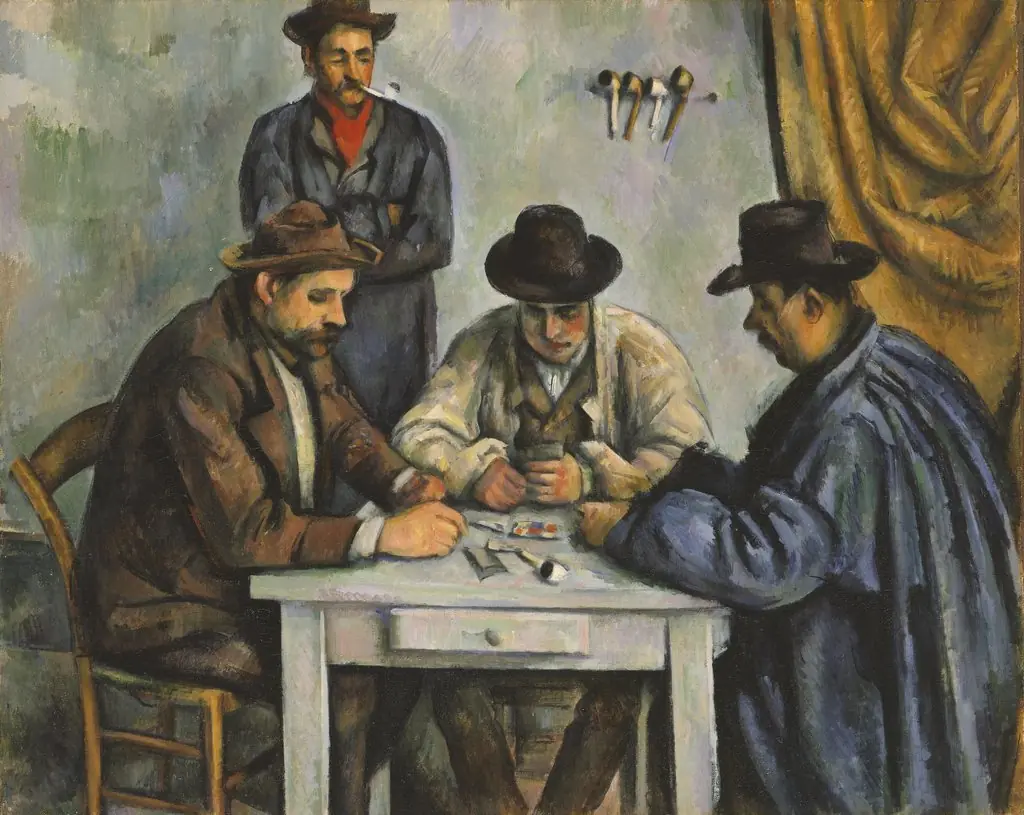 The Card Players
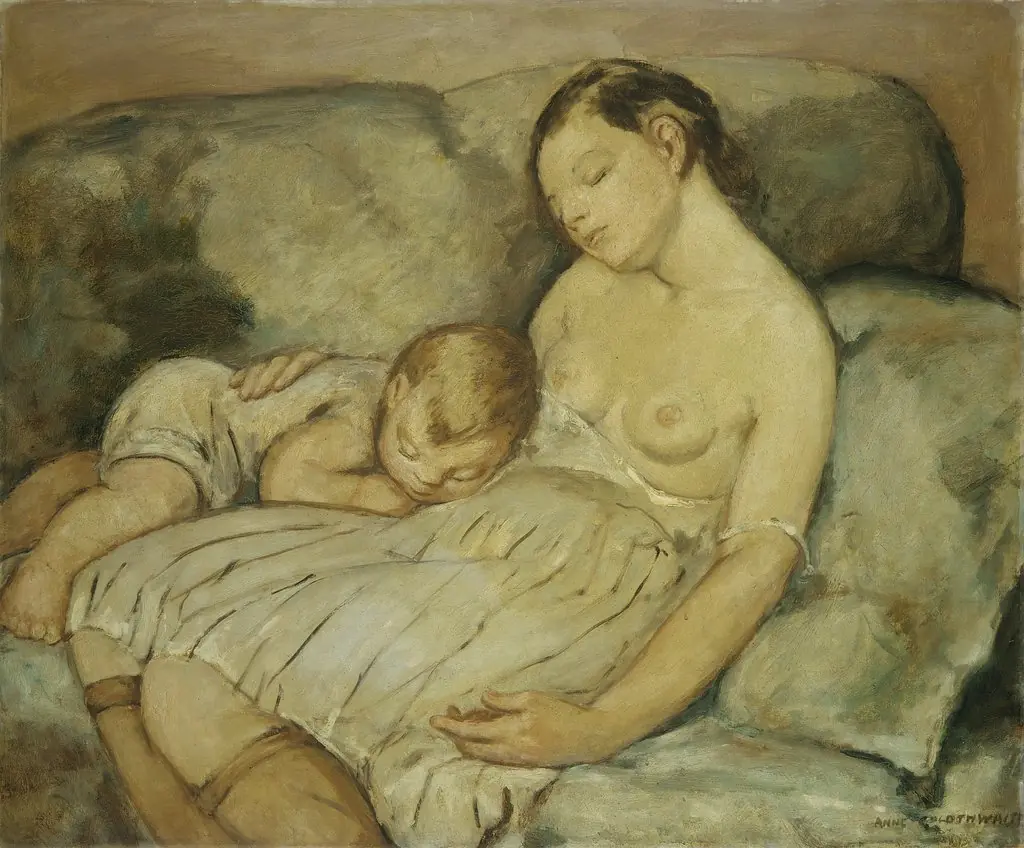 The Green Sofa
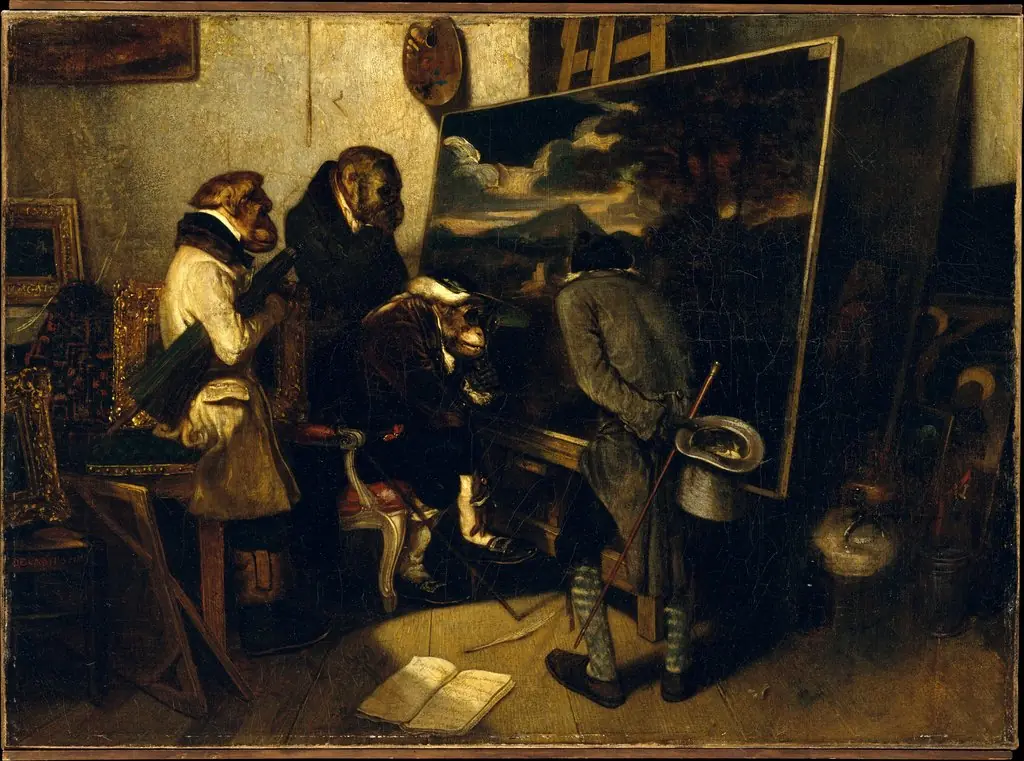 The Experts
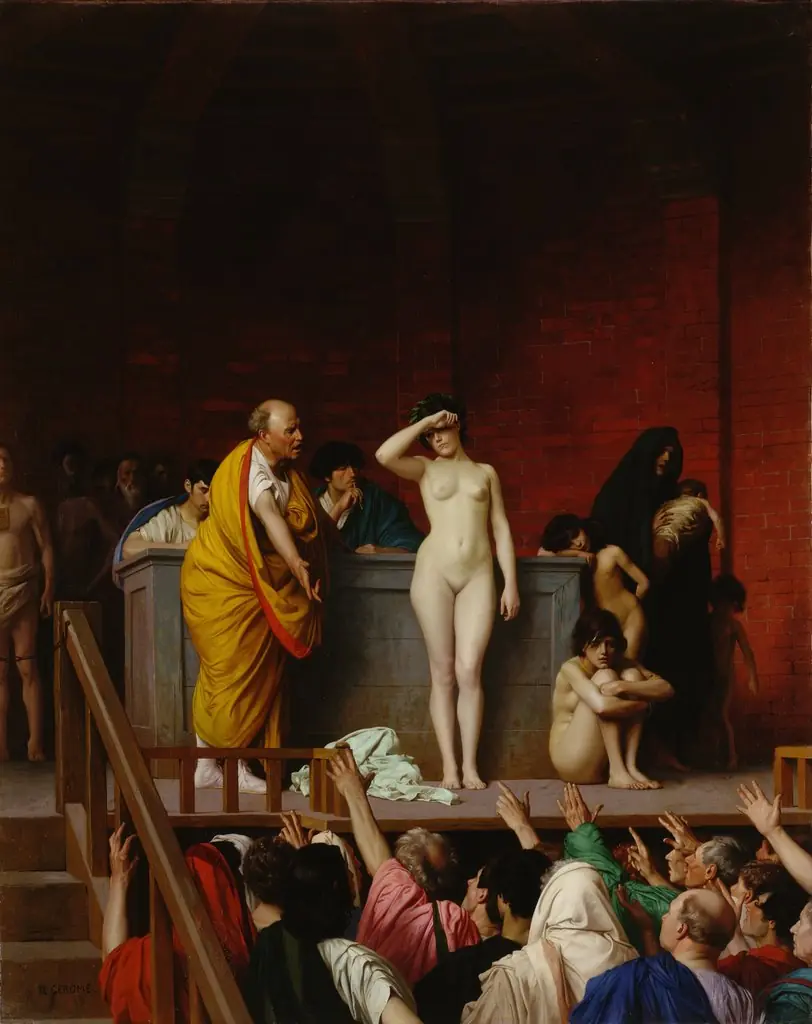 Slave Market in Rome
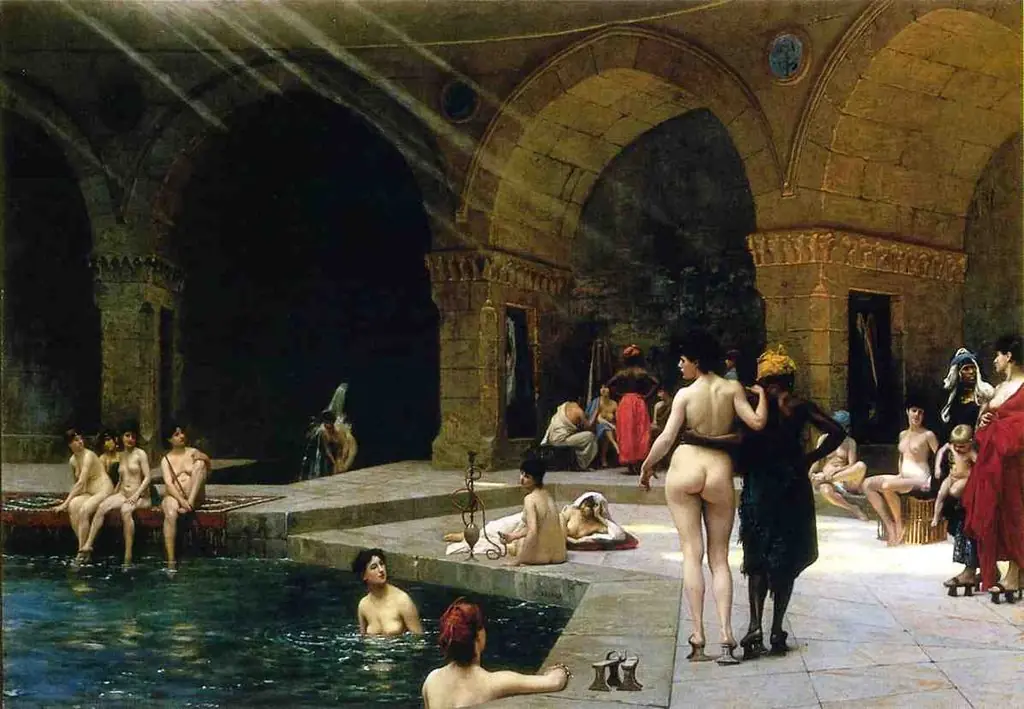 The Great Bath at Bursa
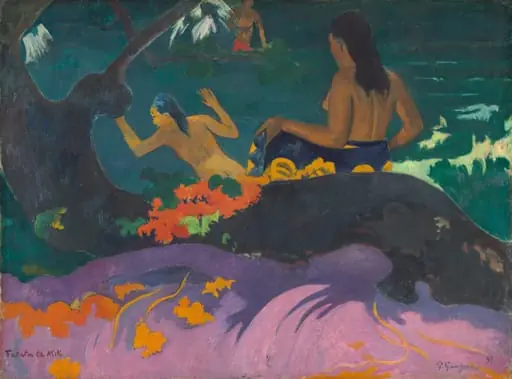 Fatata te Miti (By the Sea)
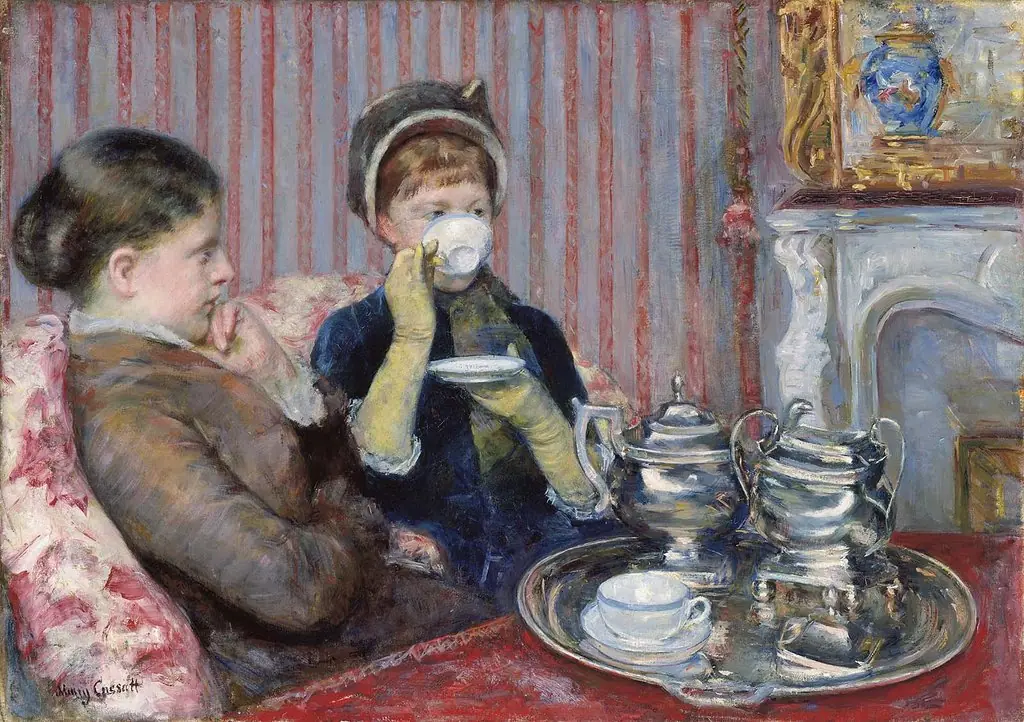 Five O'Clock Tea
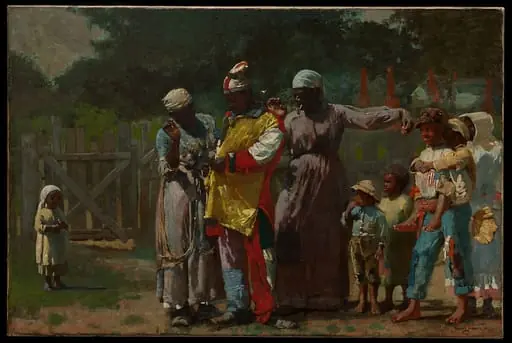 Dressing for the Carnival
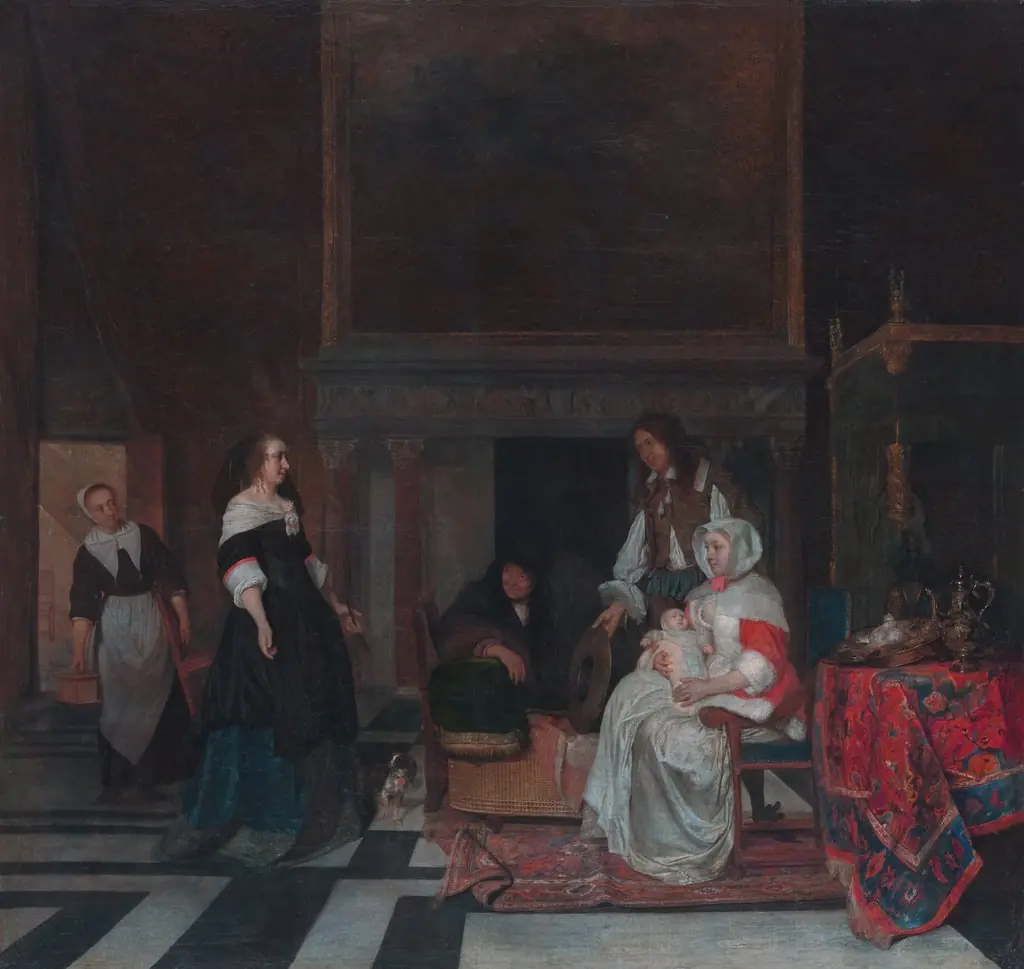 The Visit to the Nursery
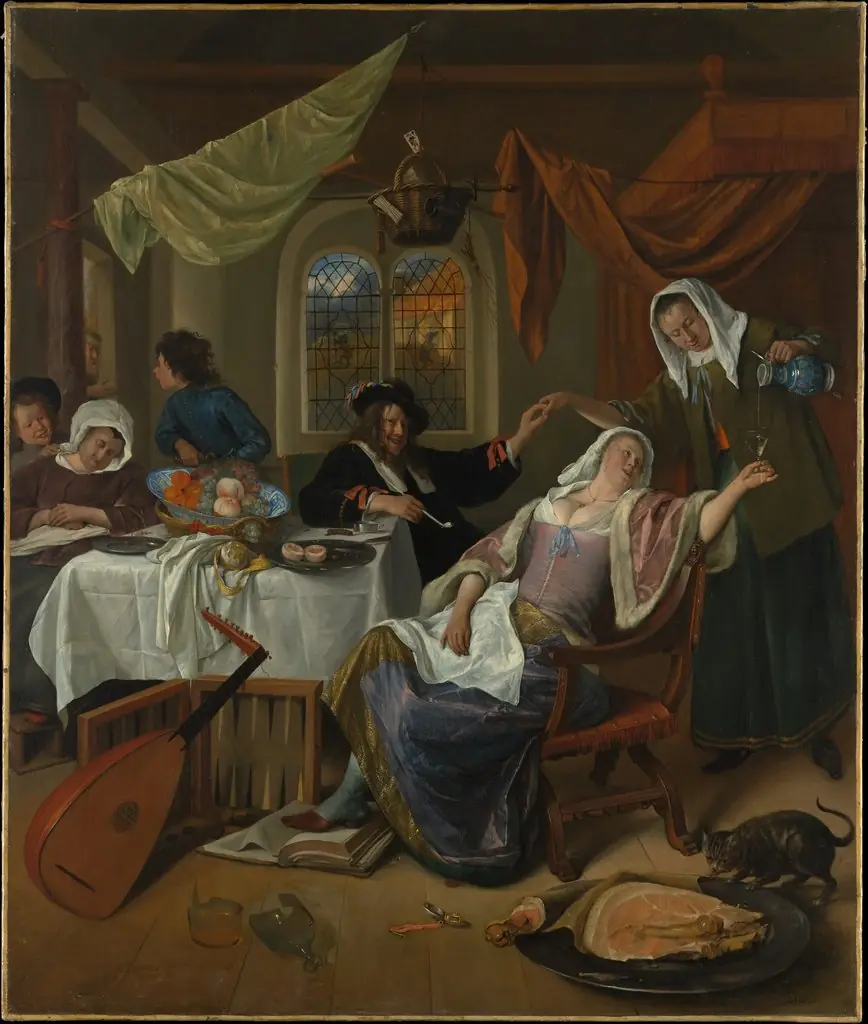 The Dissolute Household
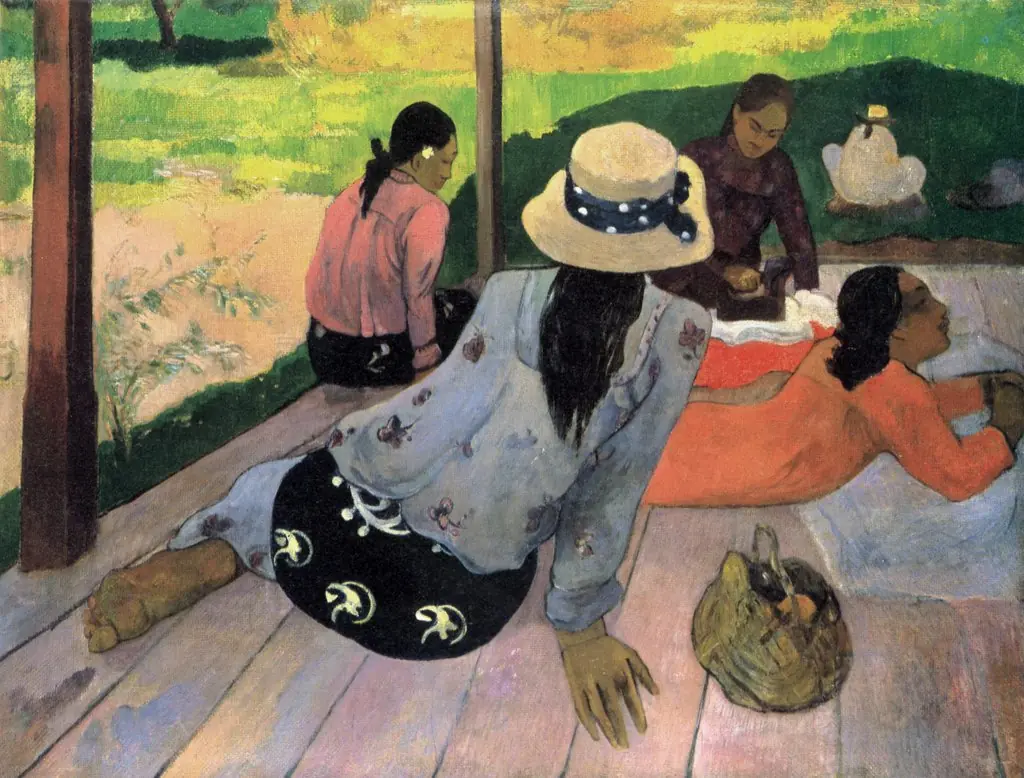 The Siesta
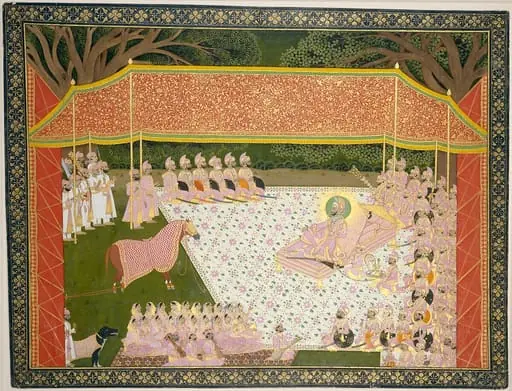 Untitled
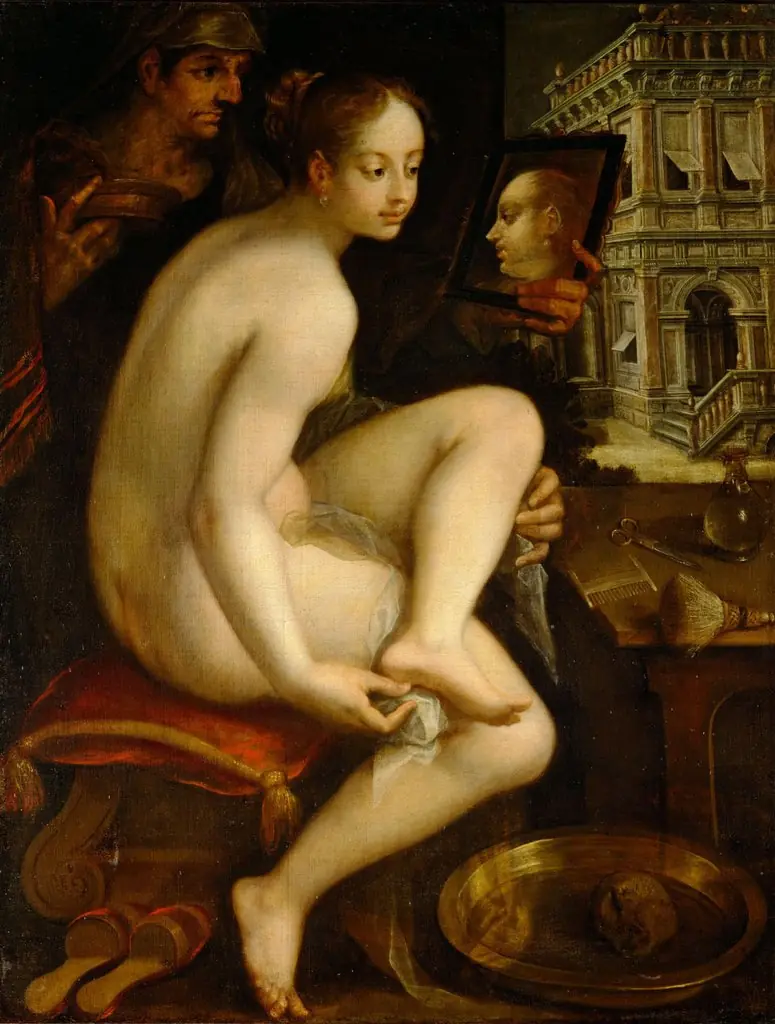 David and Bathsheba
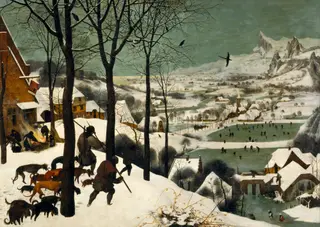 The Hunters in the Snow
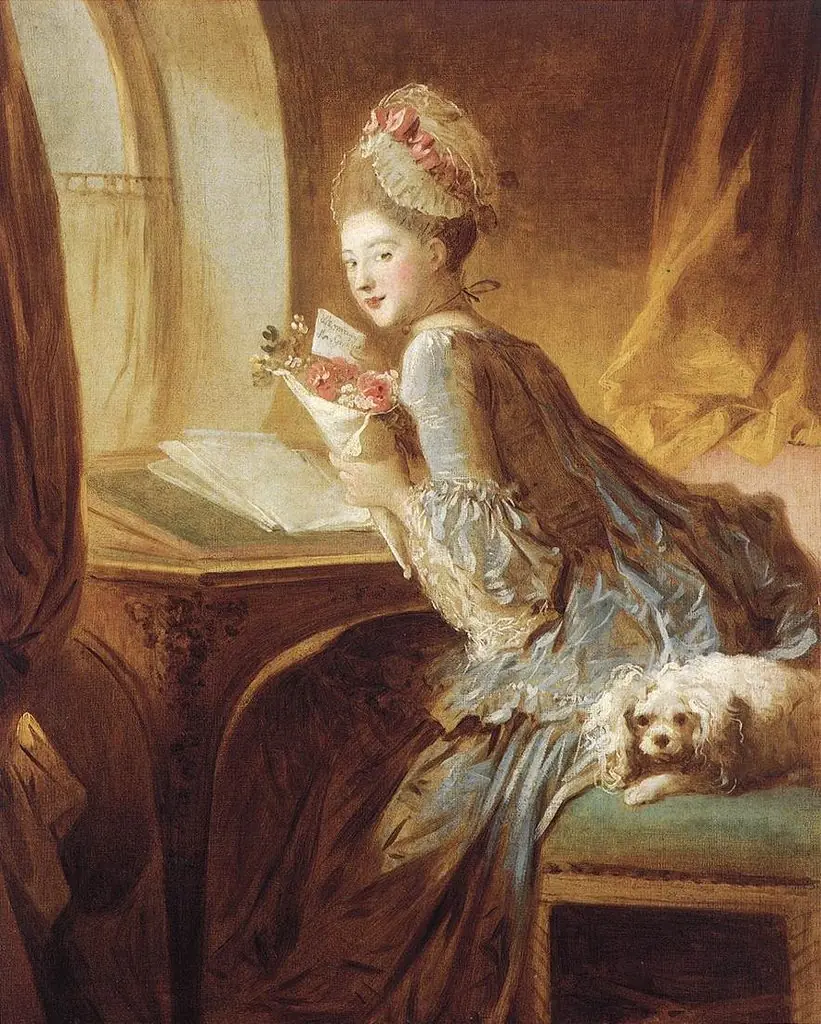 The Love Letter
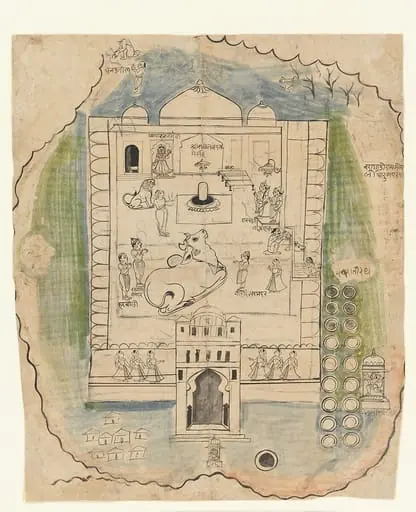 Untitled
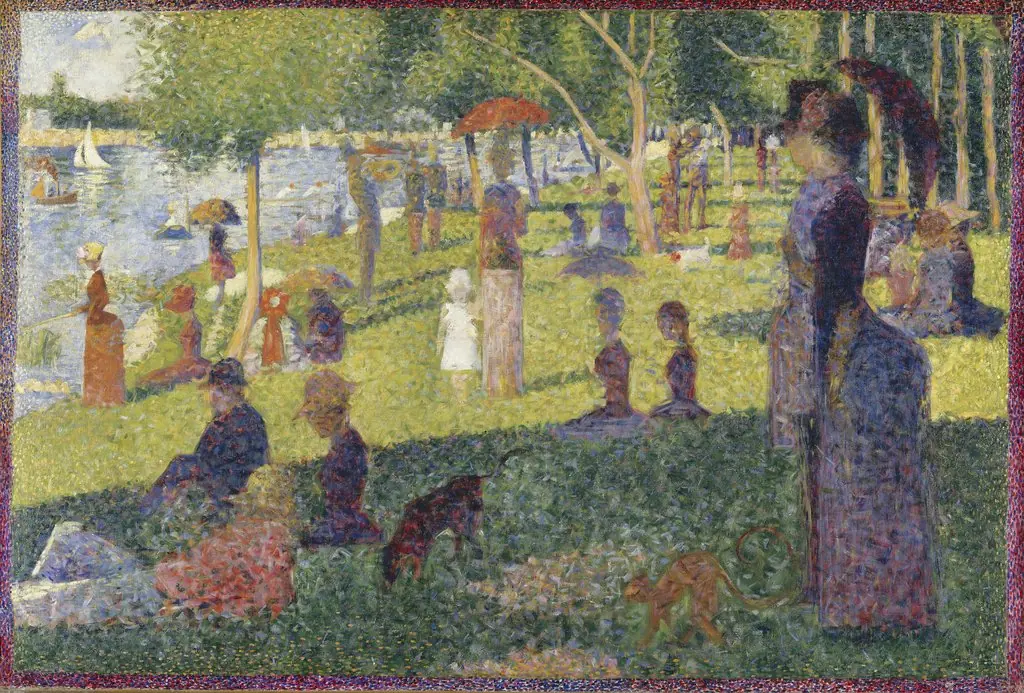 Final study for "La Grande Jatte"
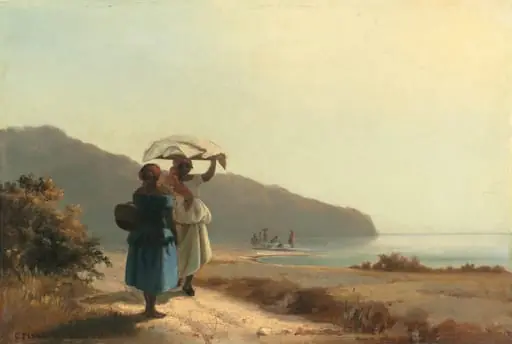 Two Women Chatting by the Sea, St. Thomas
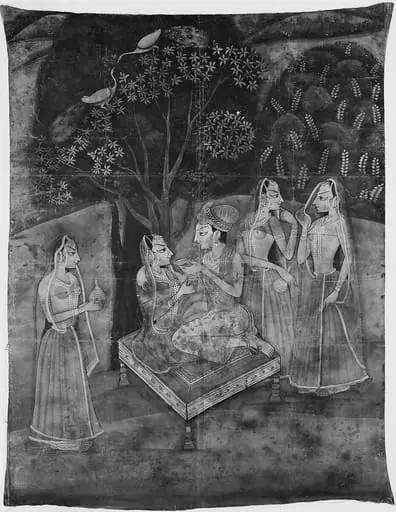 Untitled
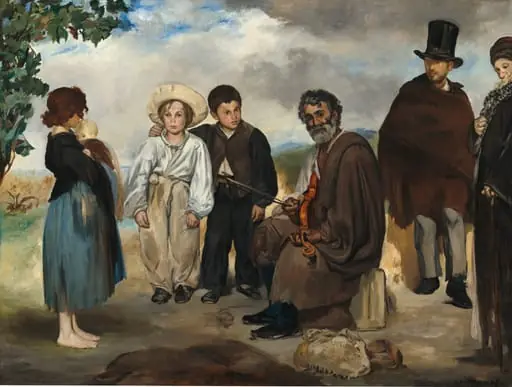 The Old Musician
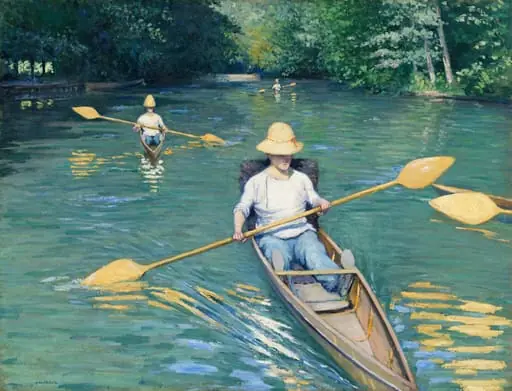 Skiffs
 Fur Traders Descending the Missouri
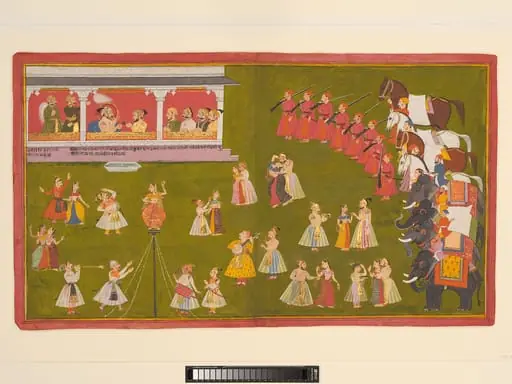 Untitled
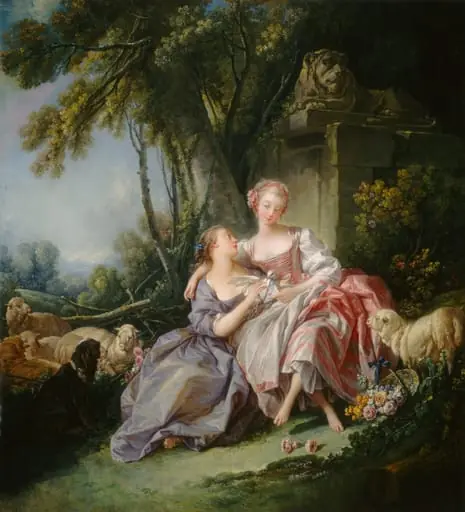 The Love Letter
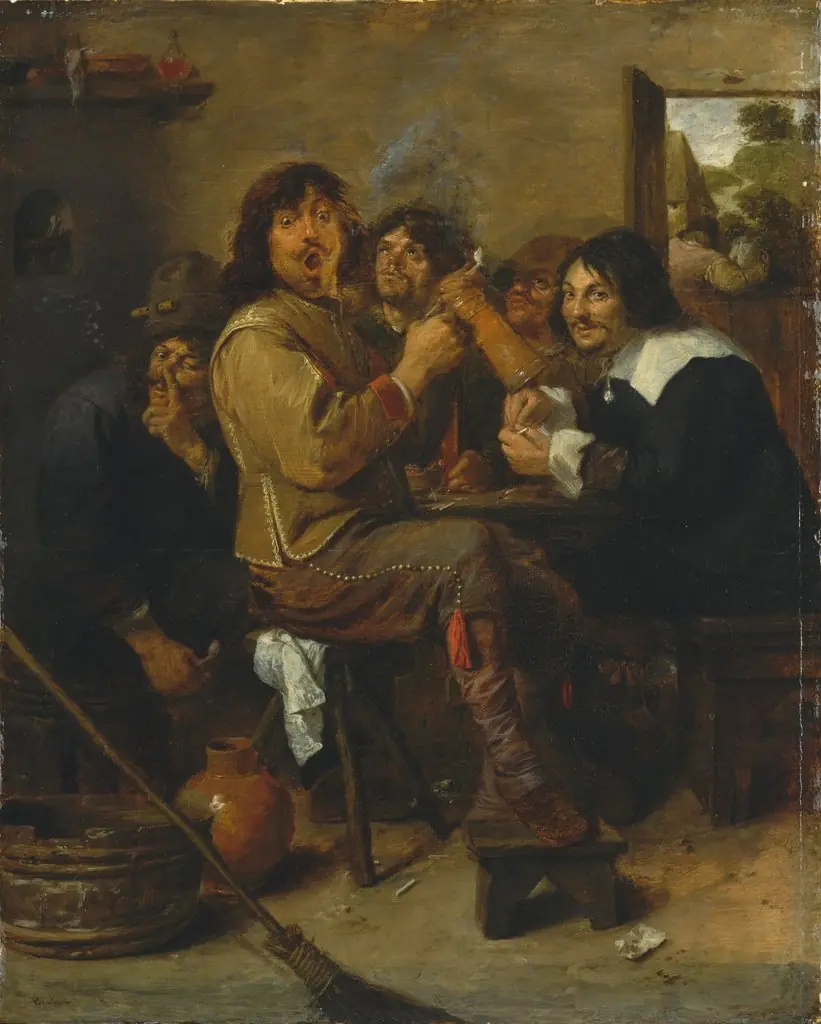 The Smokers by Adriaen Brouwer
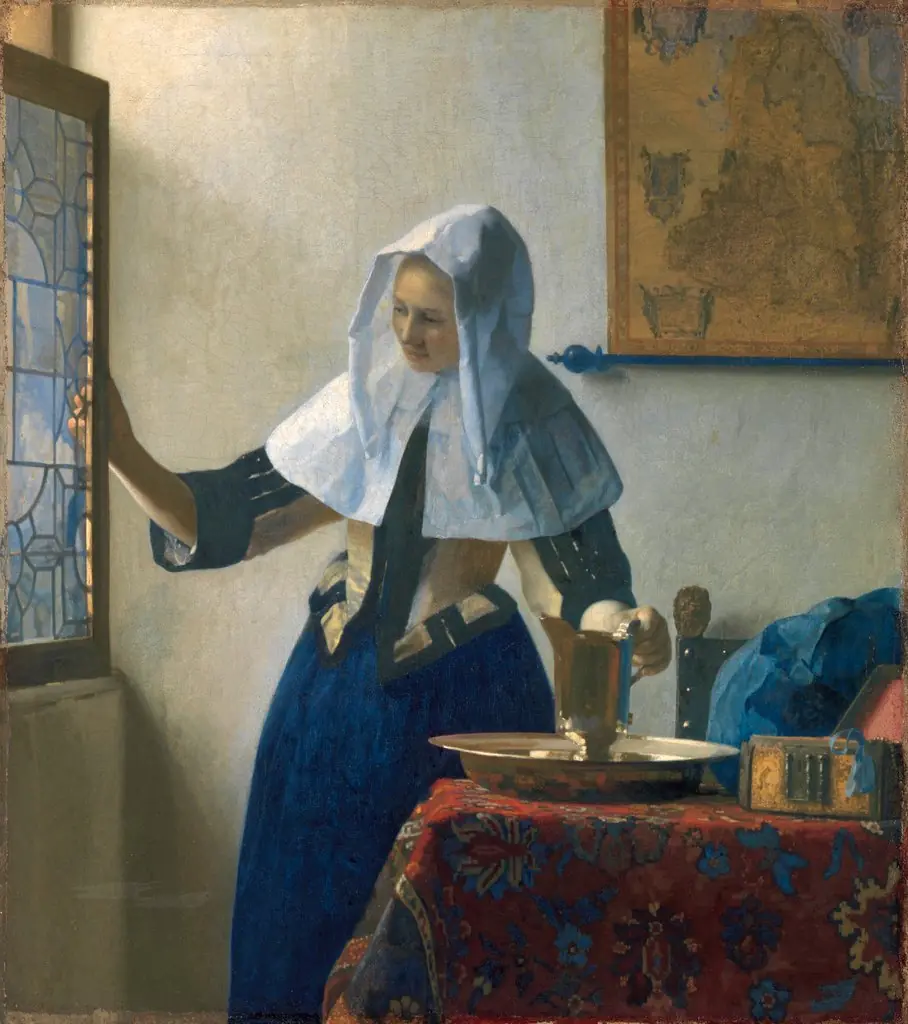 Woman with a Water Jug
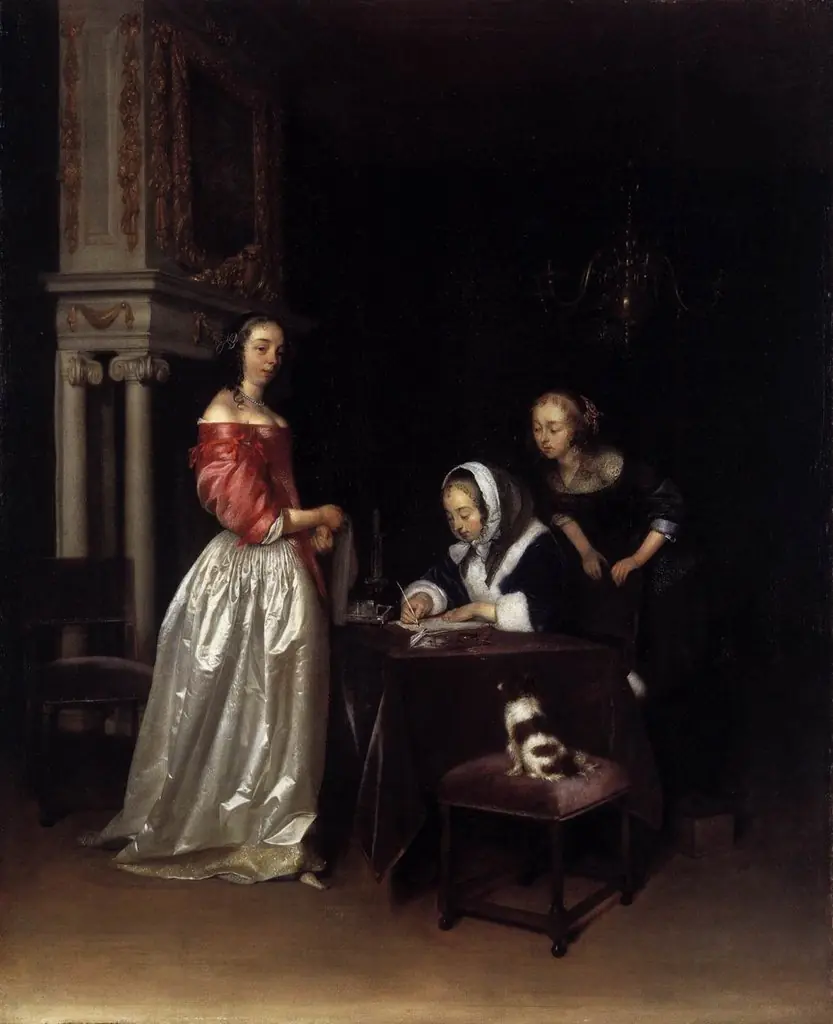 The Curious
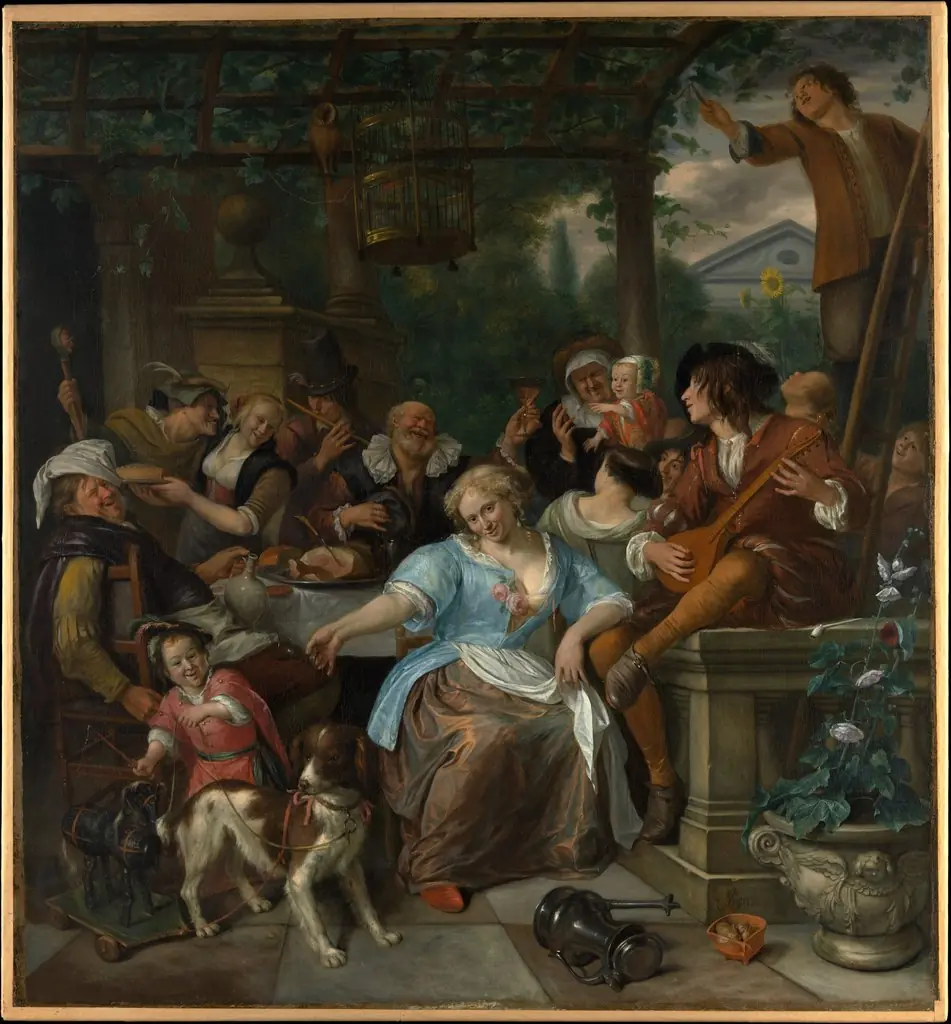 Merry Company on a Terrace
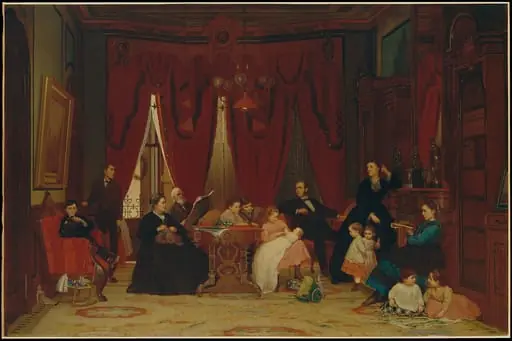 The Hatch Family
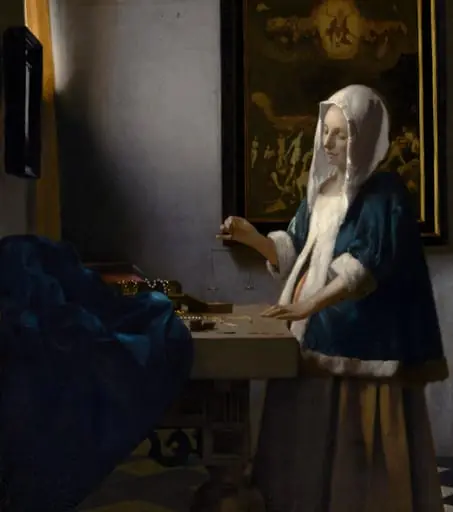 Woman Holding a Balance
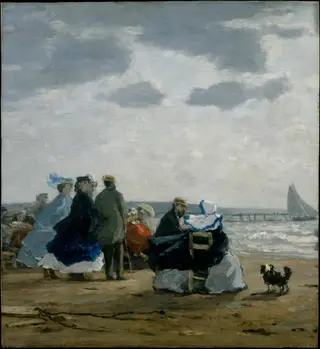 On the Beach, Dieppe
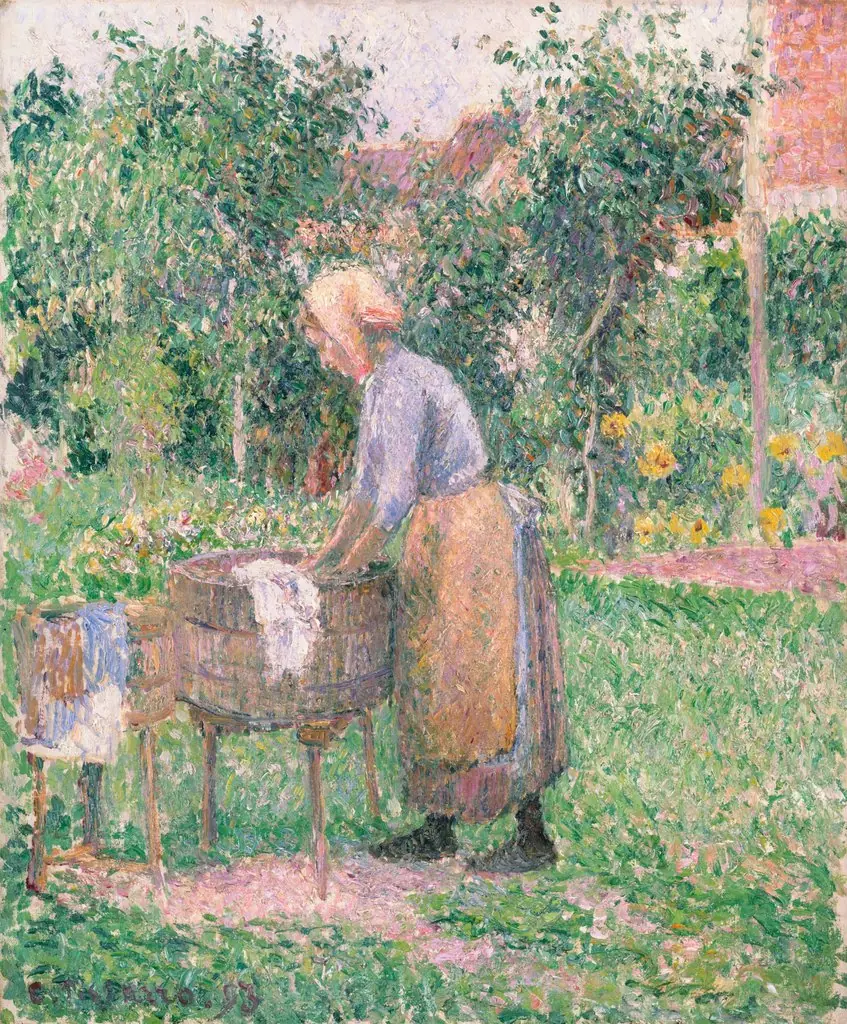 A Washerwoman at Éragny
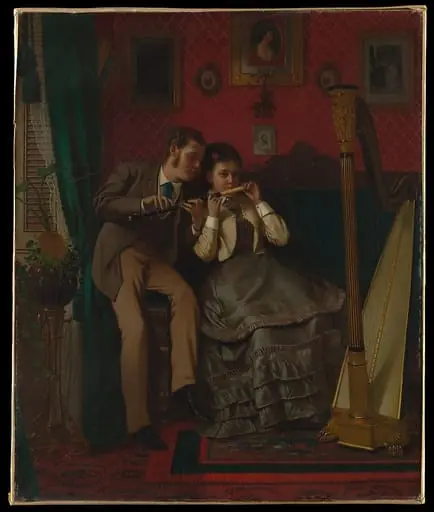 The Music Lesson
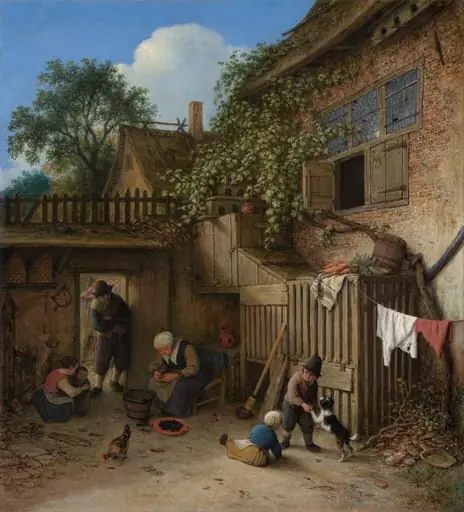 The Cottage Dooryard
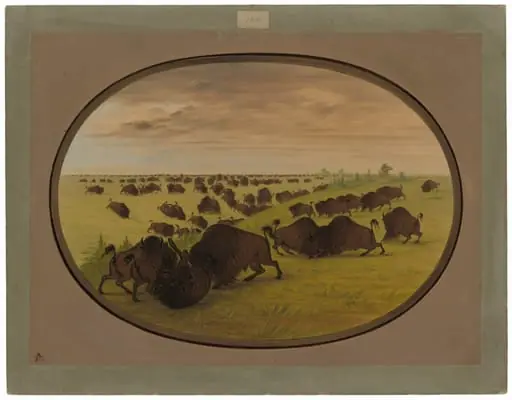 Bulls Fighting
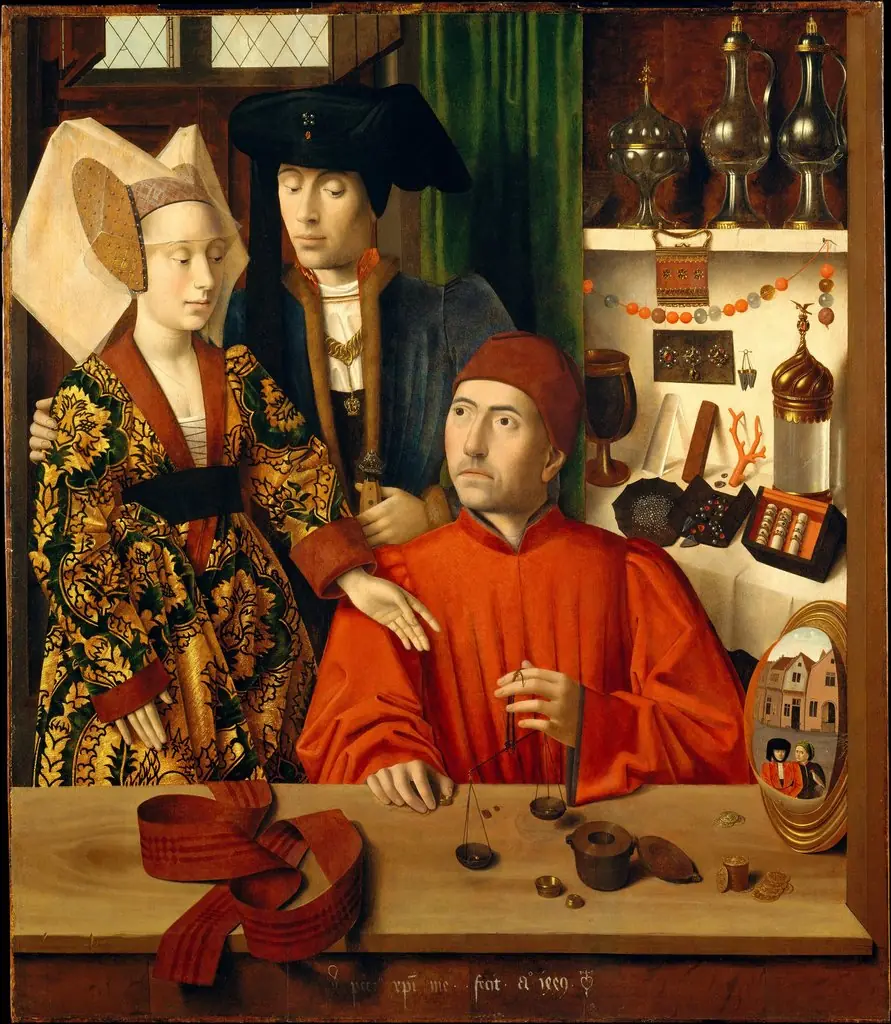 A Goldsmith in His Shop
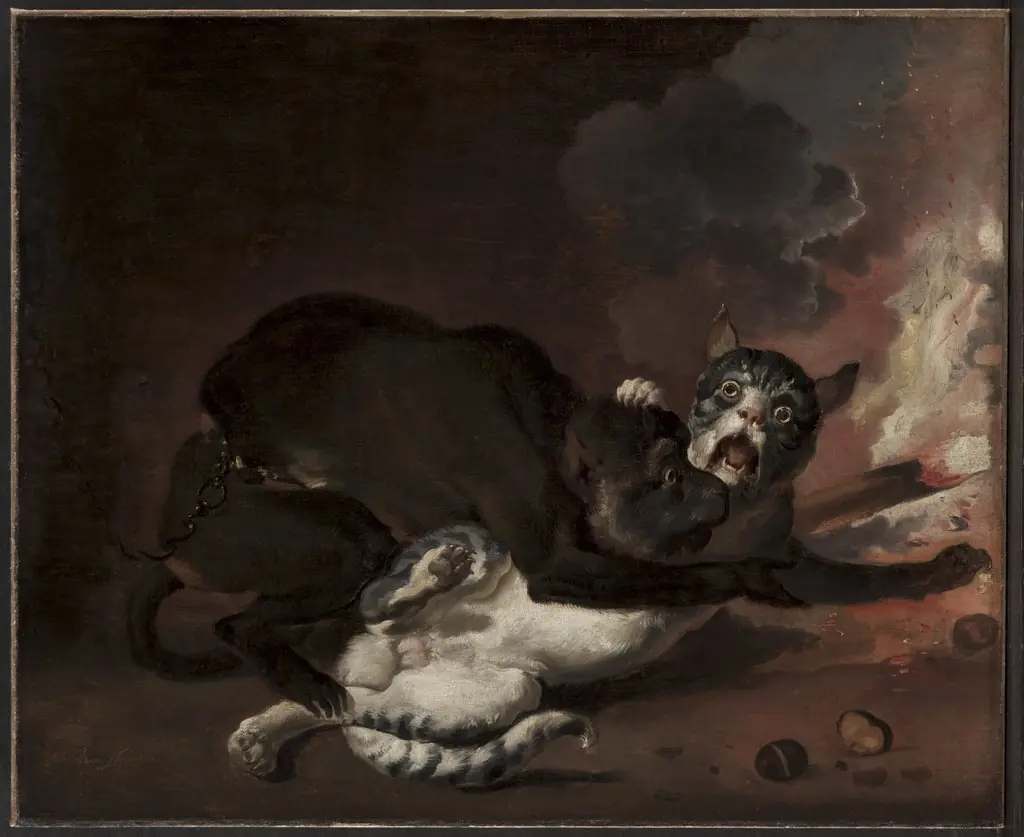 The Monkey and the Cat
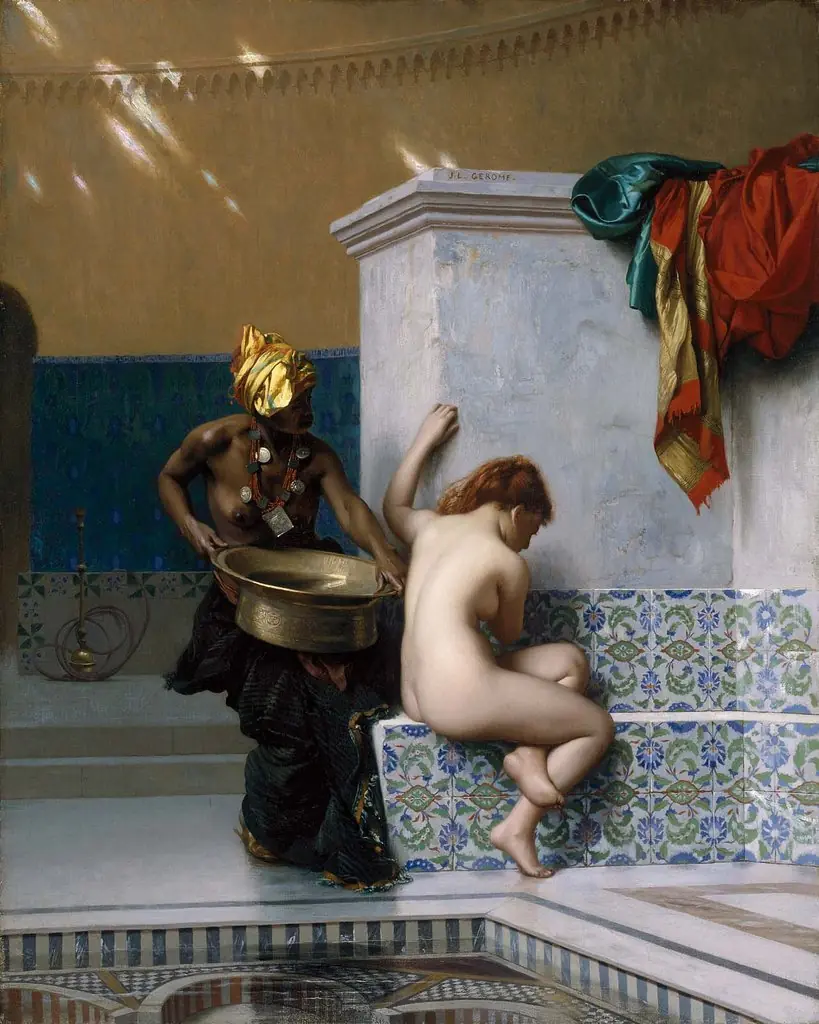 Moorish Bath
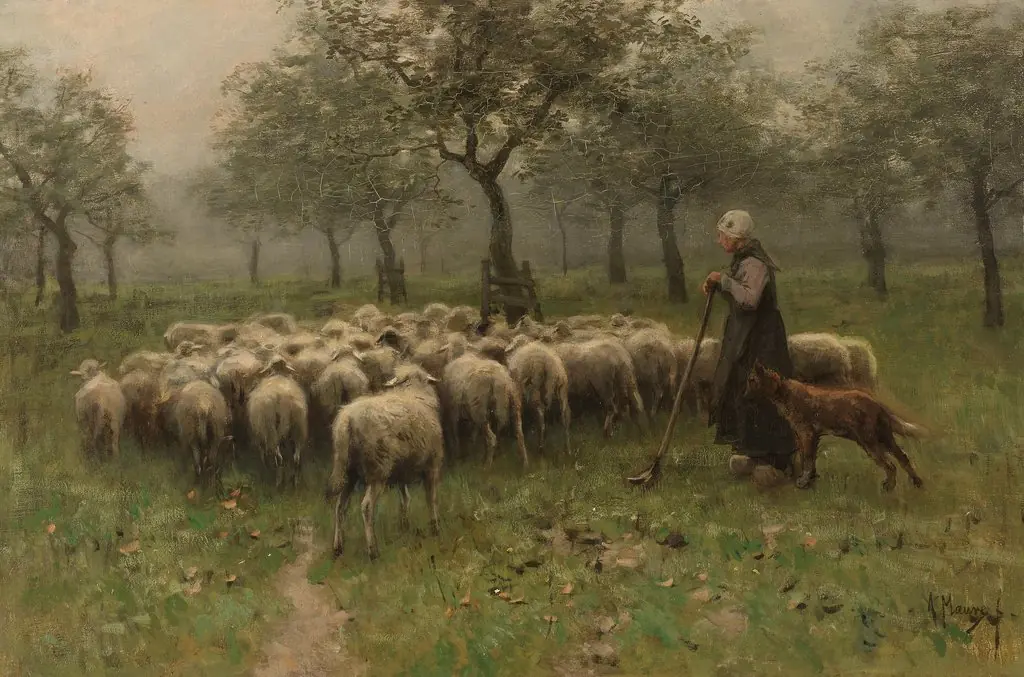 Shepherdess with a Flock of Sheep
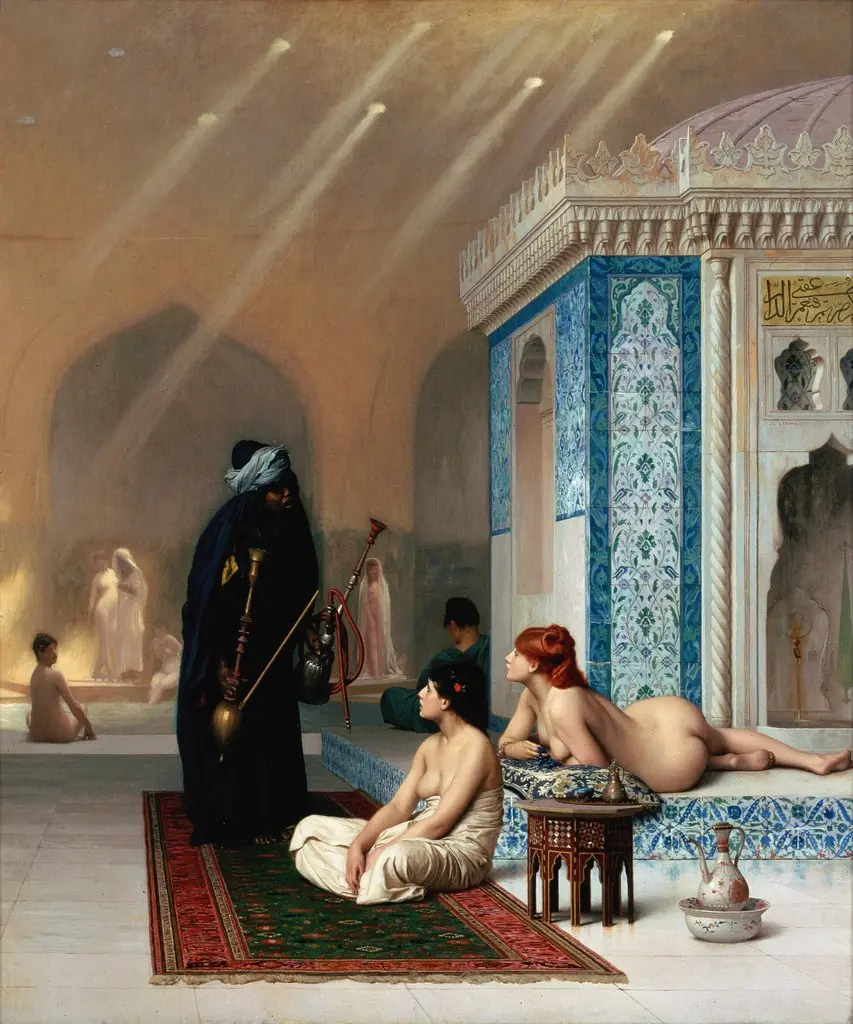 Pool in a Harem
 The Triumph of Death
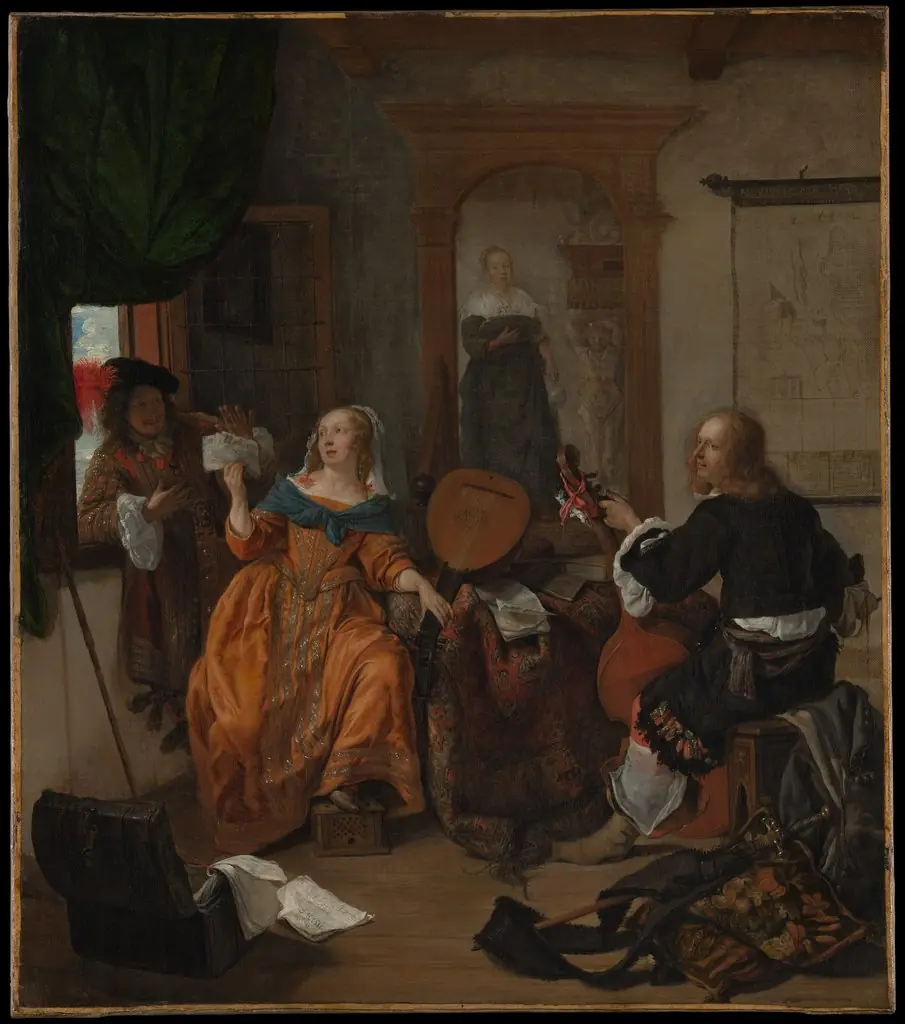 A Musical Party
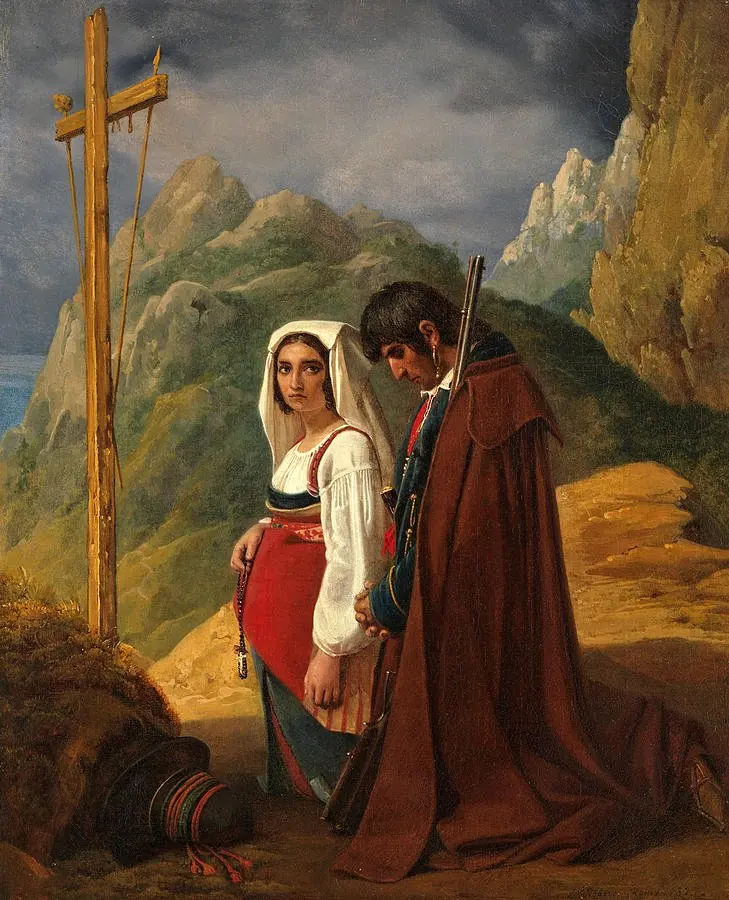 Brigand and his wife in prayer
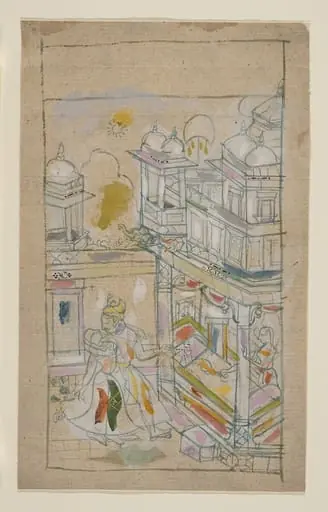 Untitled
 Trappers
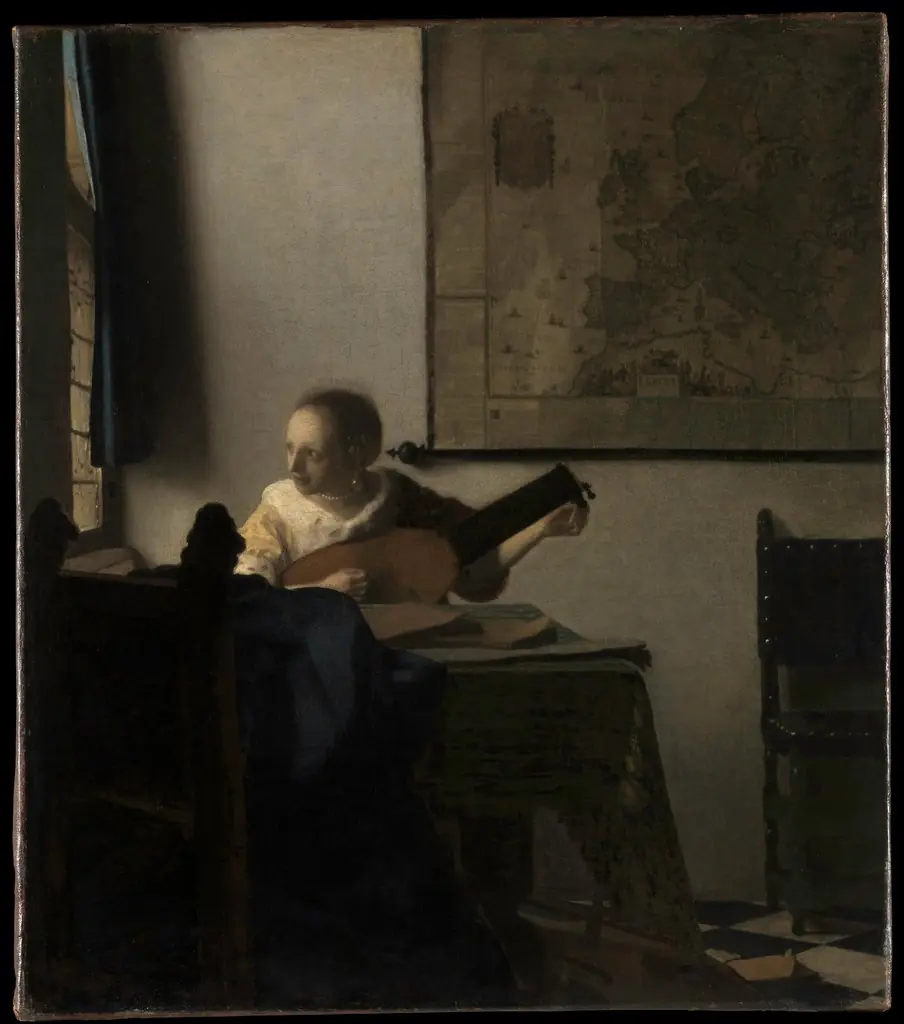 Woman with a Lute
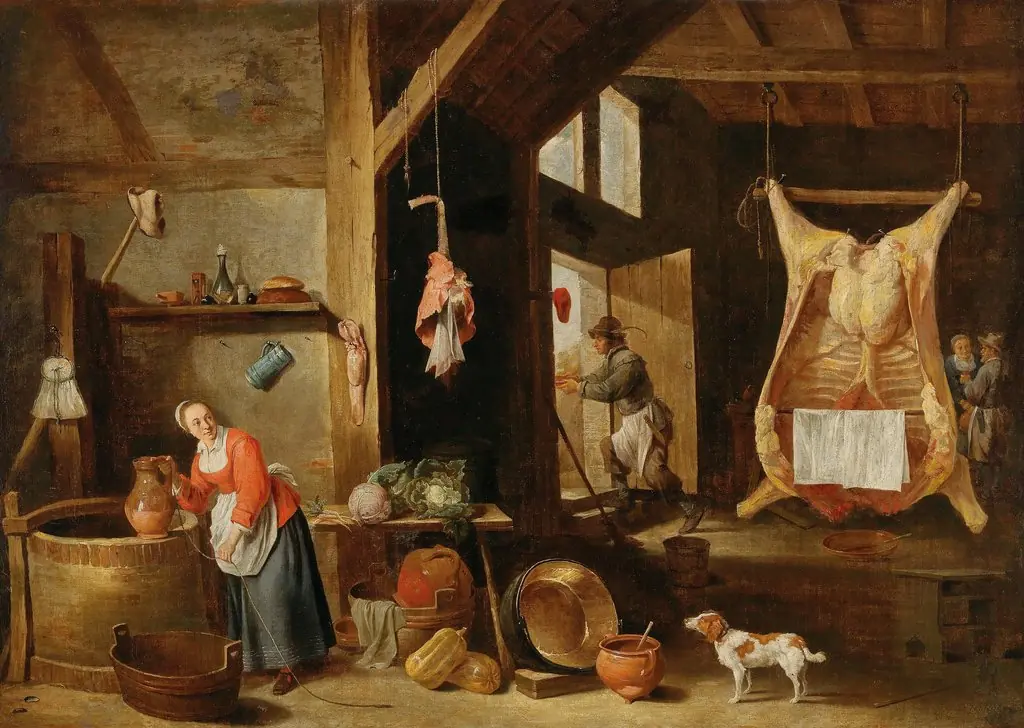 An interior of a barn with a scullery maid at a well
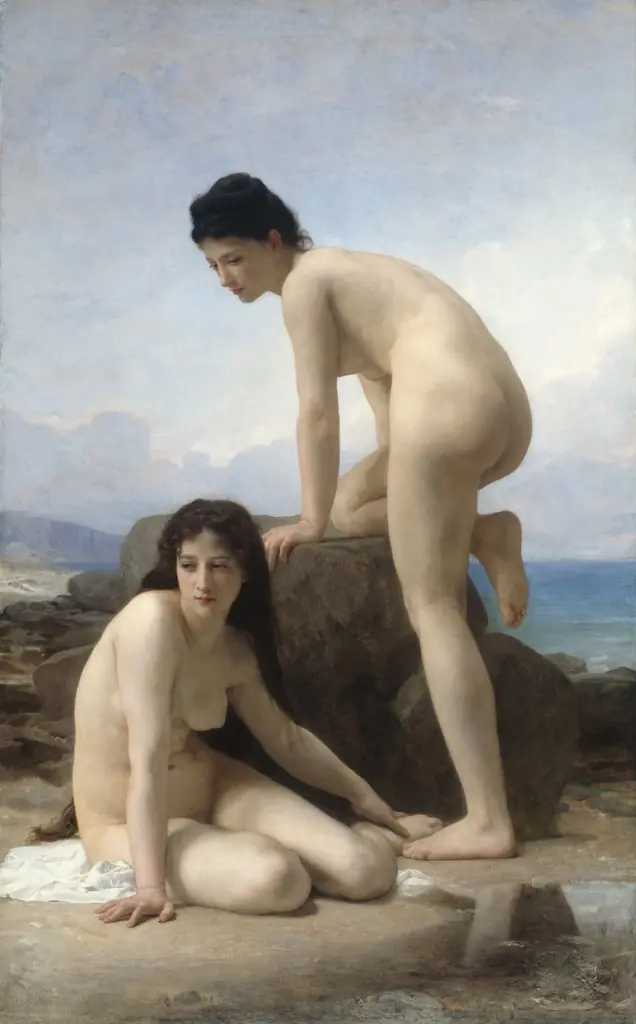 The Two Bathers
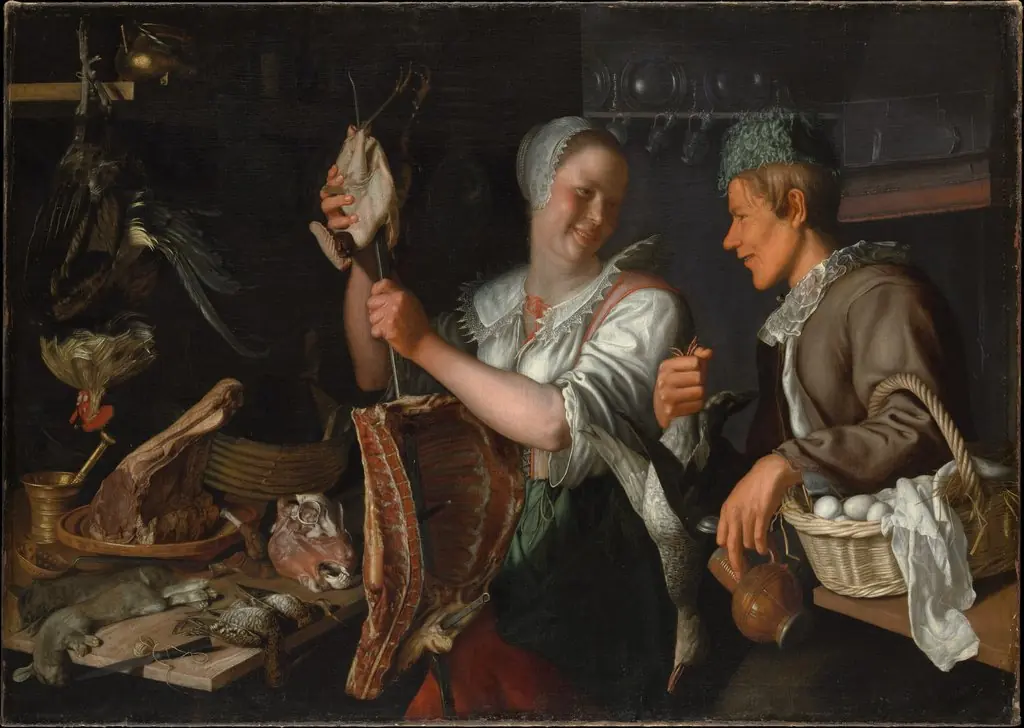 Kitchen Scene
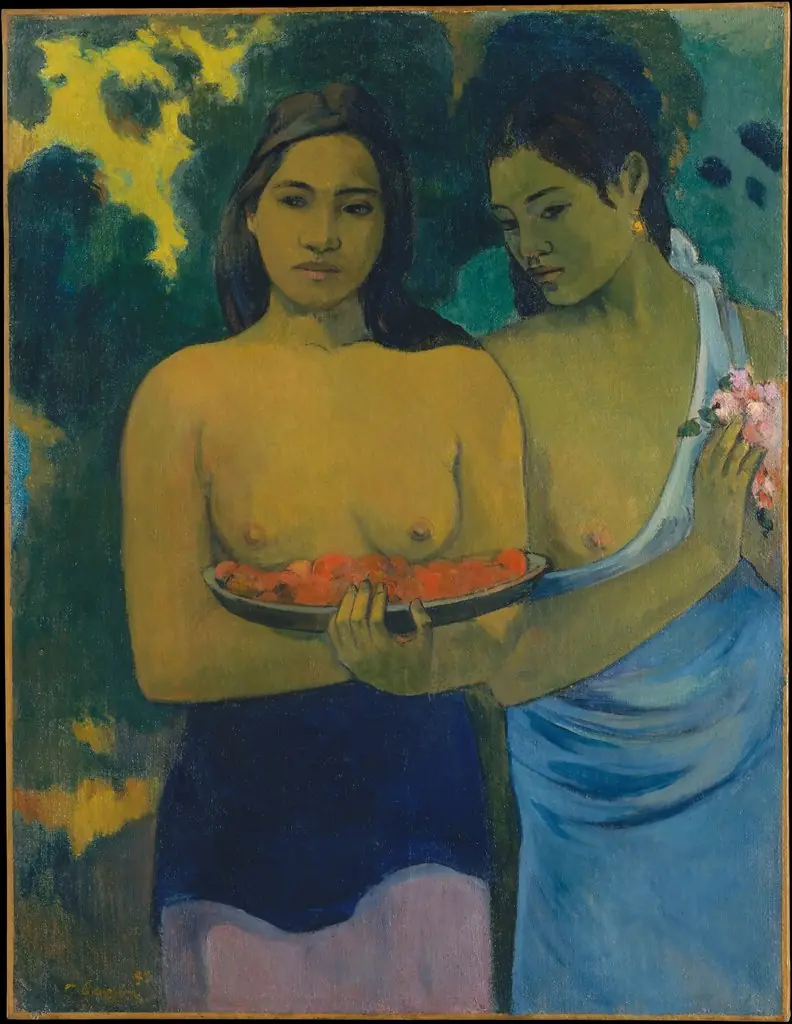 Two Tahitian Women
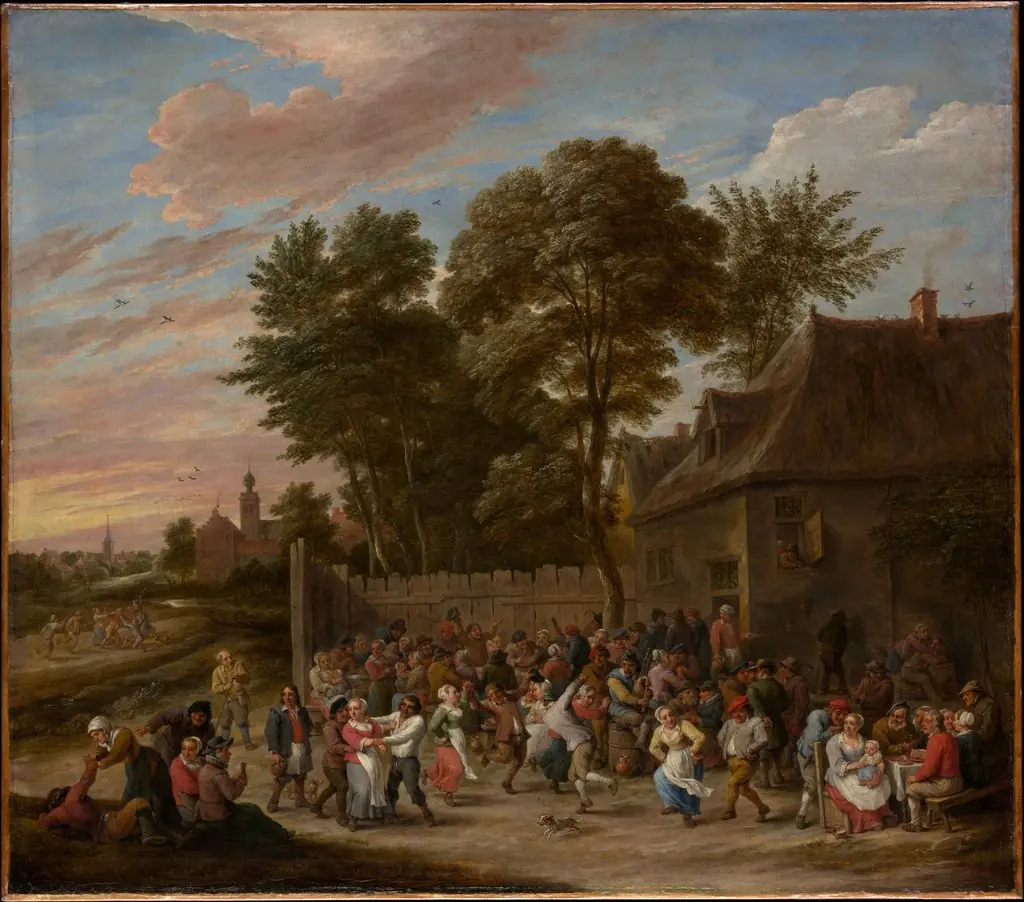 Peasants Dancing and Feasting
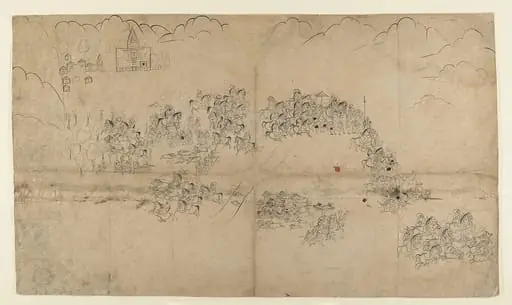 Untitled
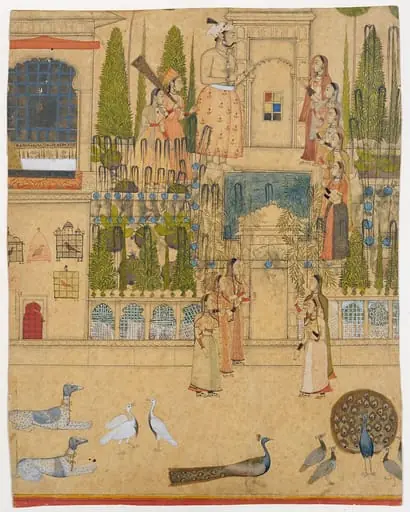 Untitled
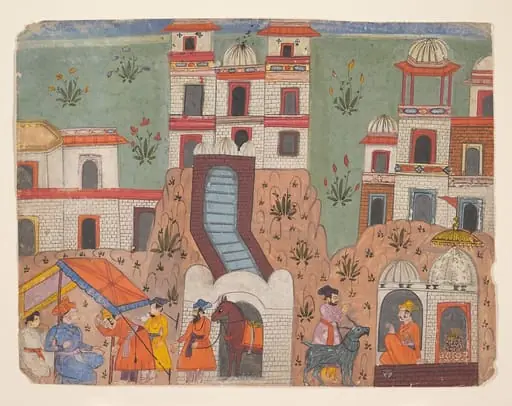 Untitled
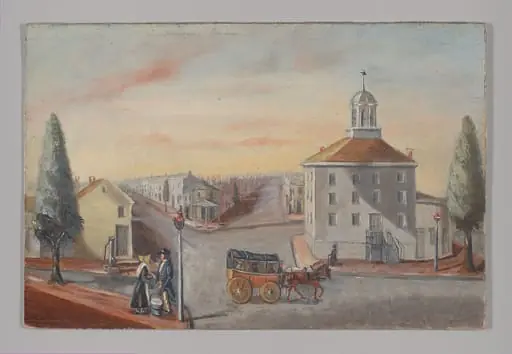 Hot Corn Seller
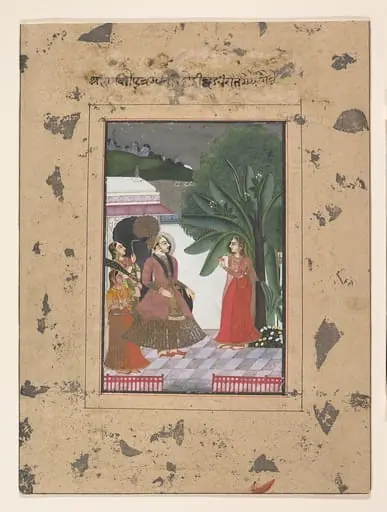 Untitled
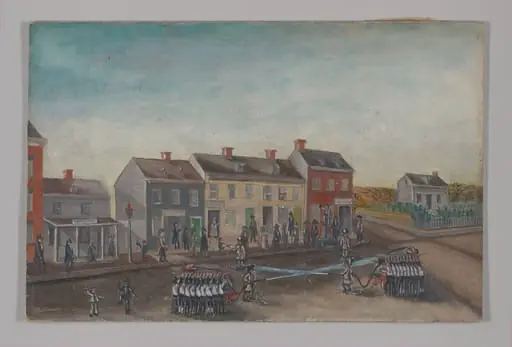 Firemen's Washing Day
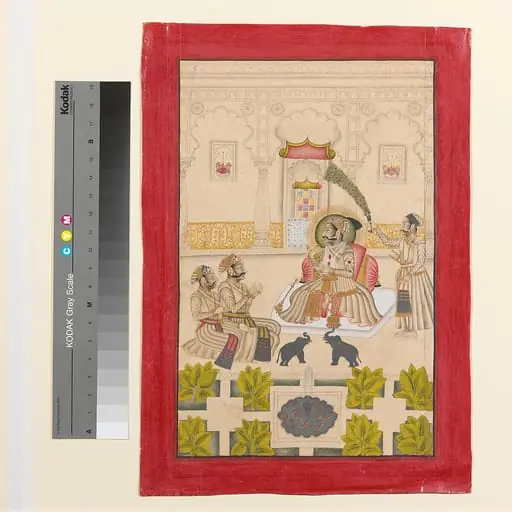 Untitled
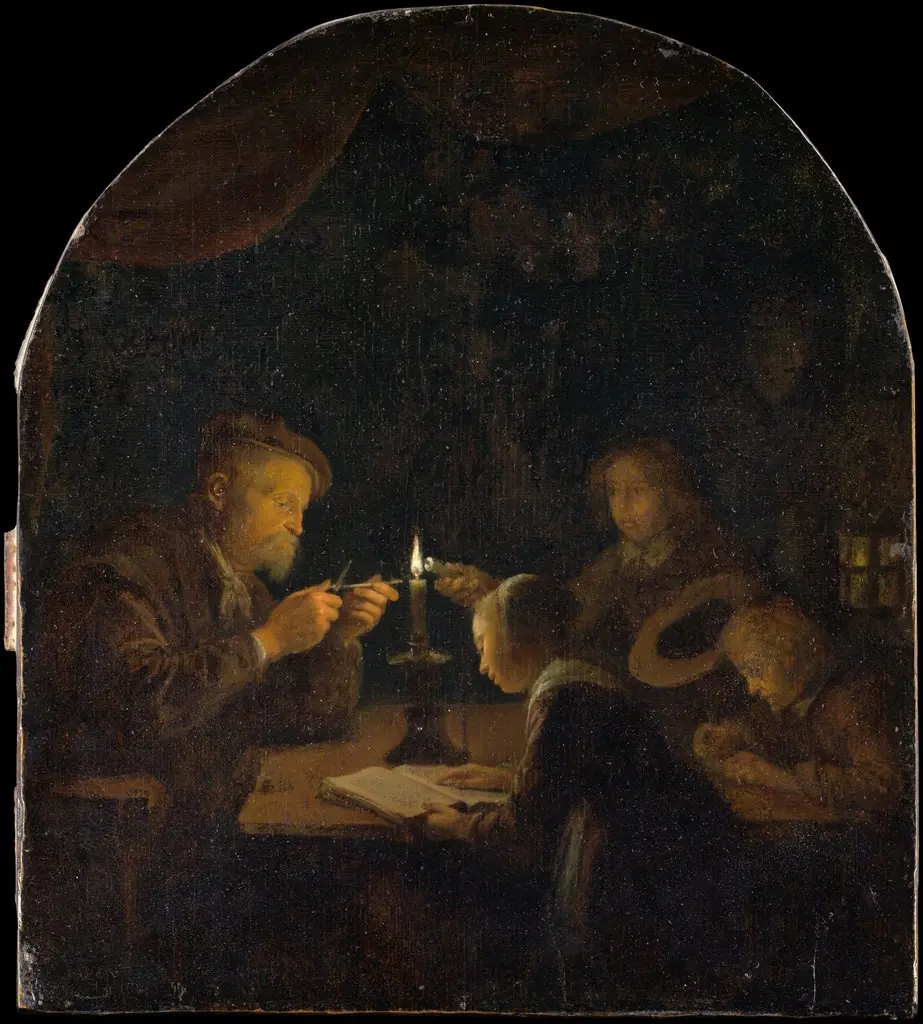 An Evening School
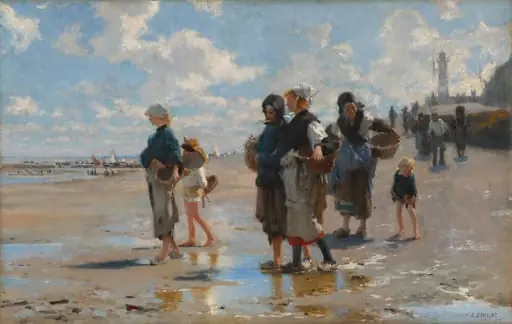 En route pour la pêche (Setting Out to Fish)
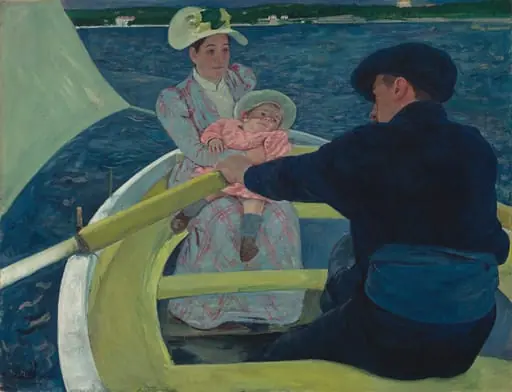 The Boating Party
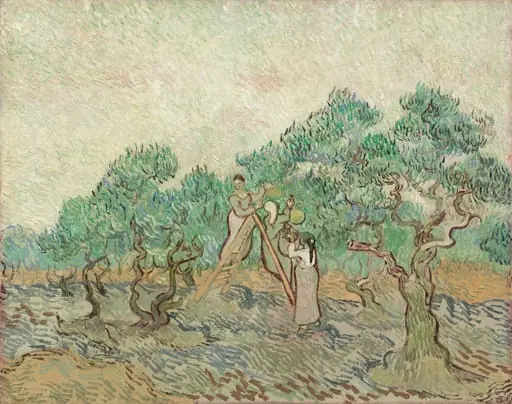 The Olive Orchard
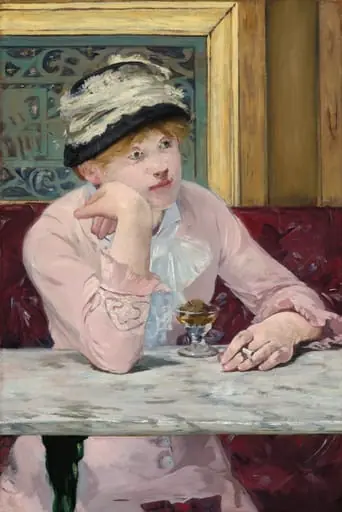 Plum Brandy
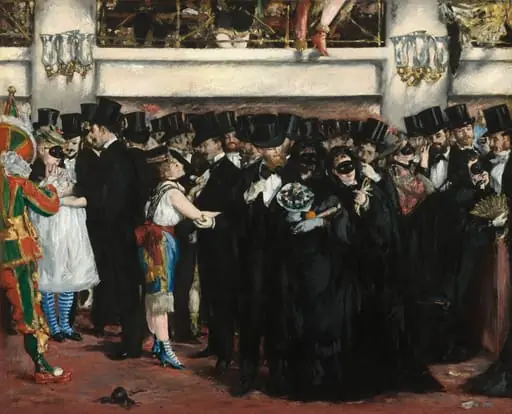 Masked Ball at the Opera
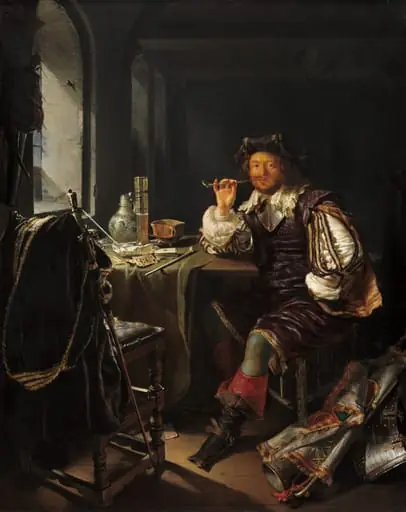 A Soldier Smoking a Pipe
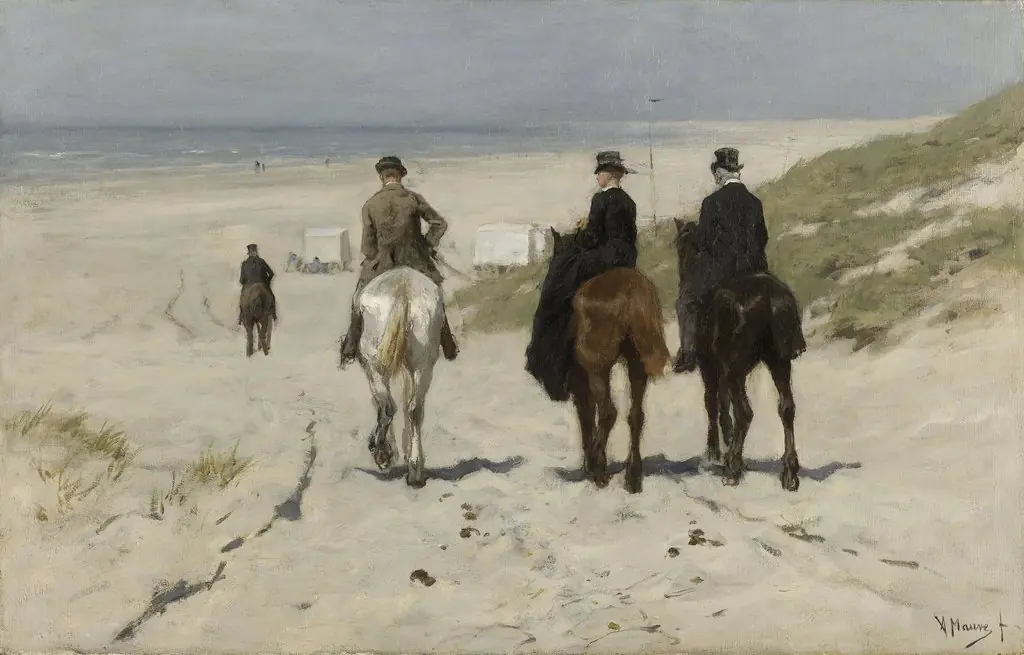 Morning Ride on the Beach
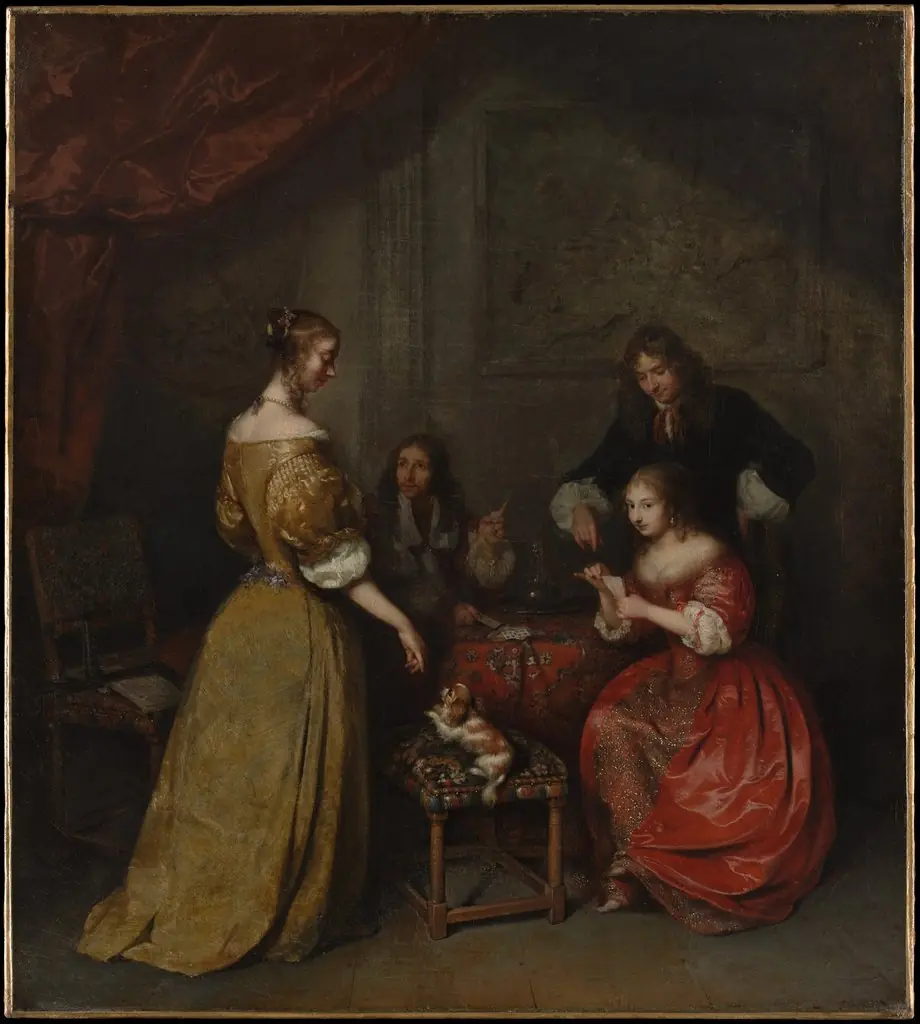 The Card Party
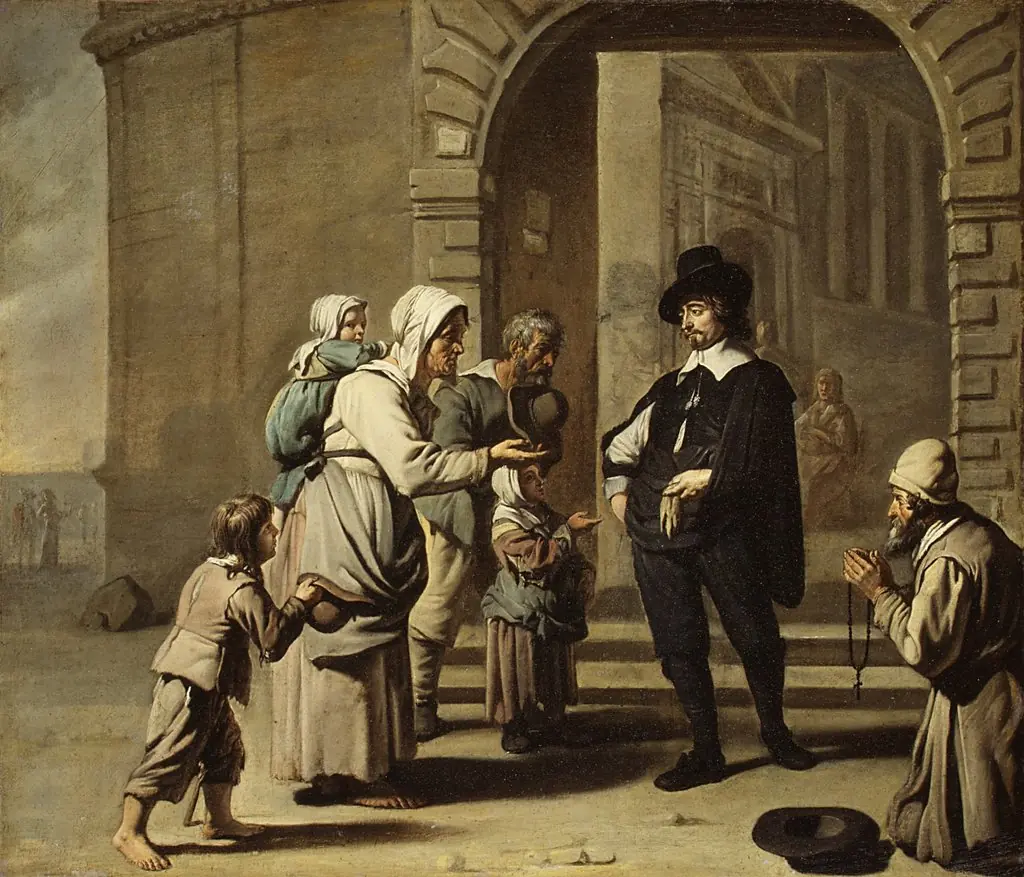 Beggars at a Doorway
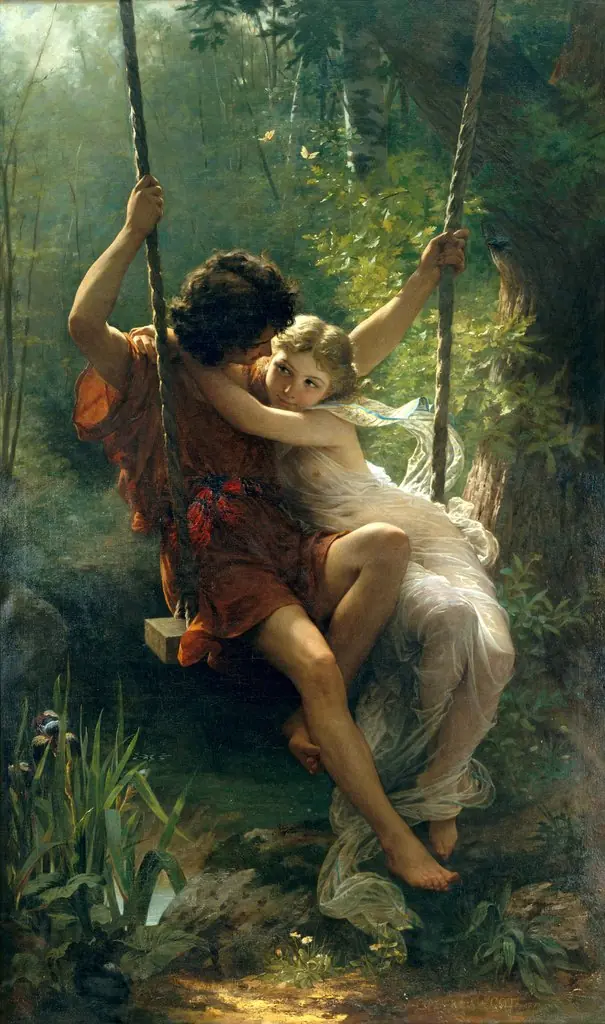 Springtime
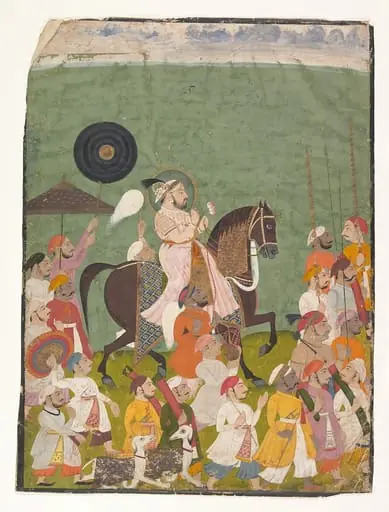 Untitled
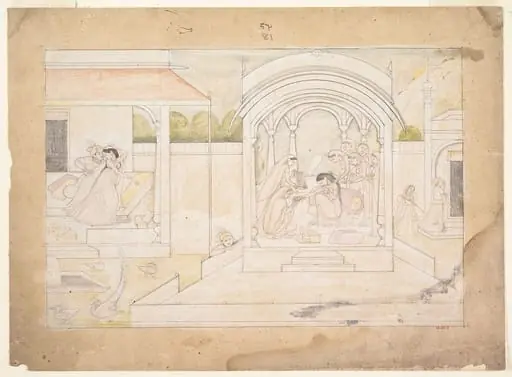 Untitled
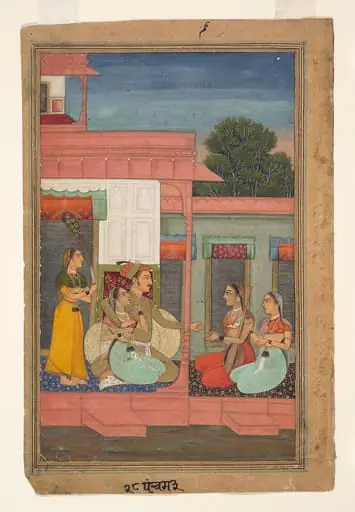 Untitled
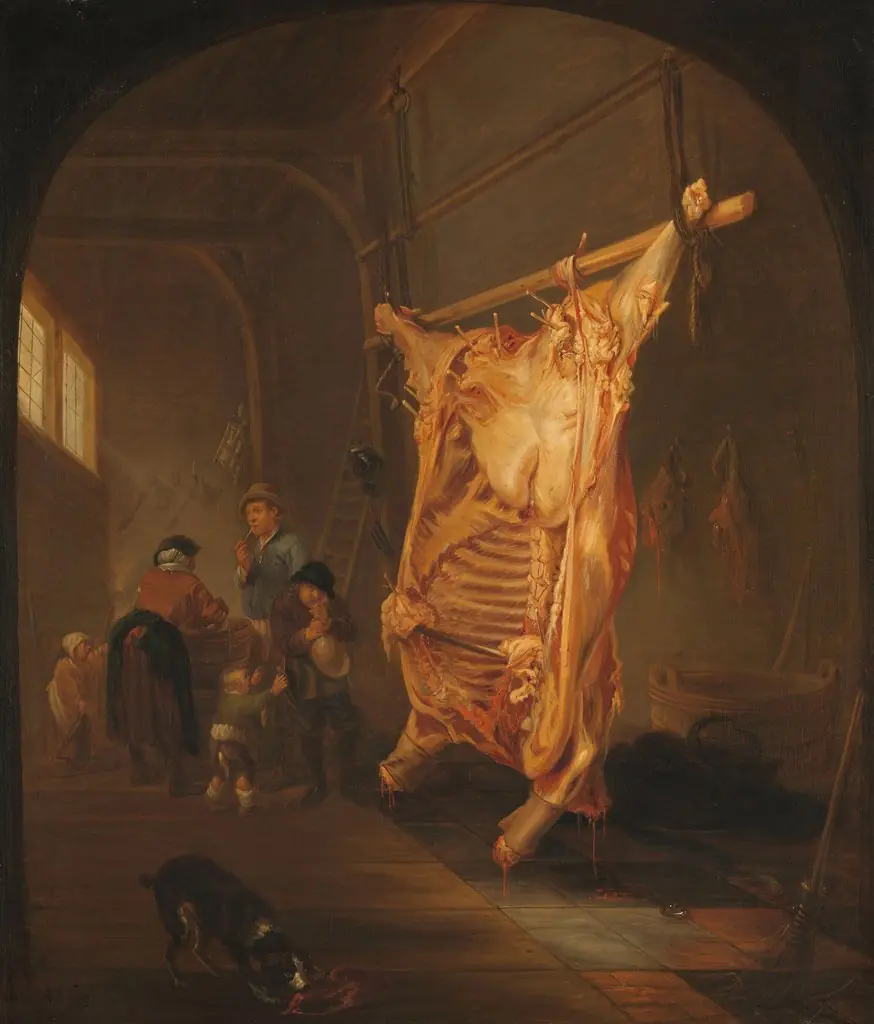 The slaughtered ox
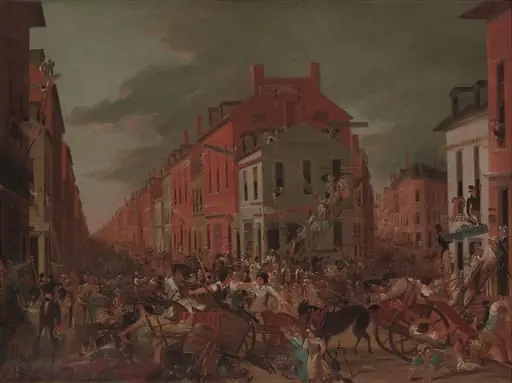 Moving Day (in Little Old New York)
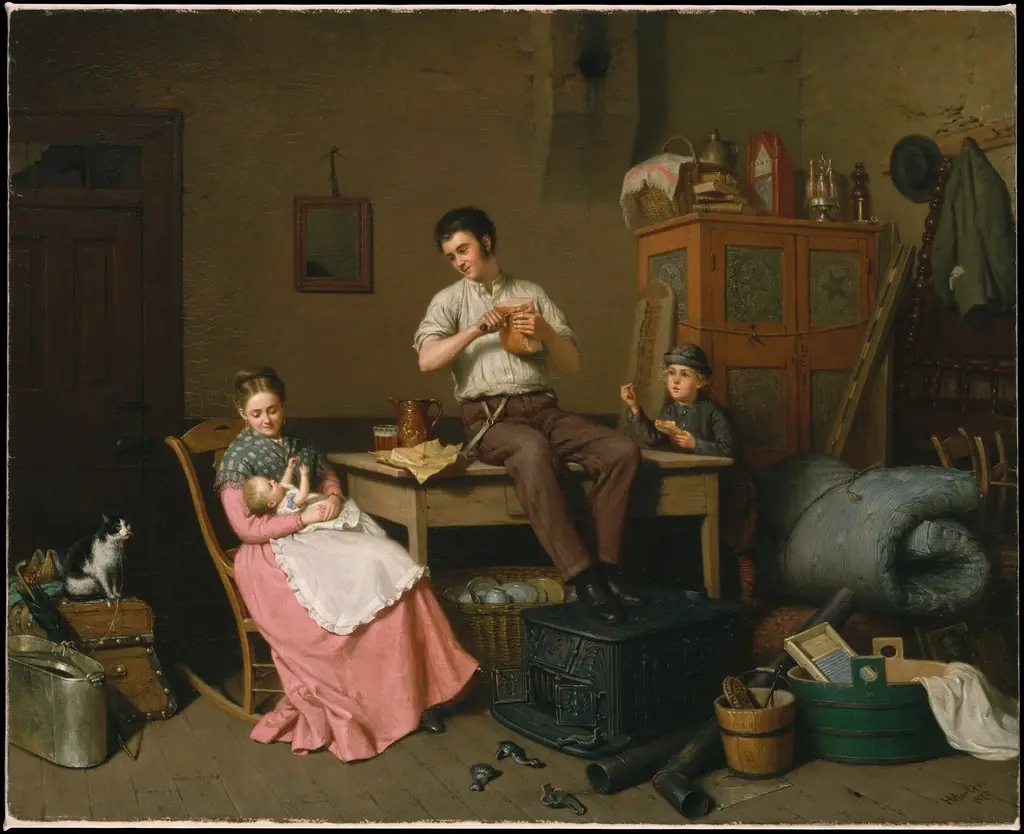 Just Moved
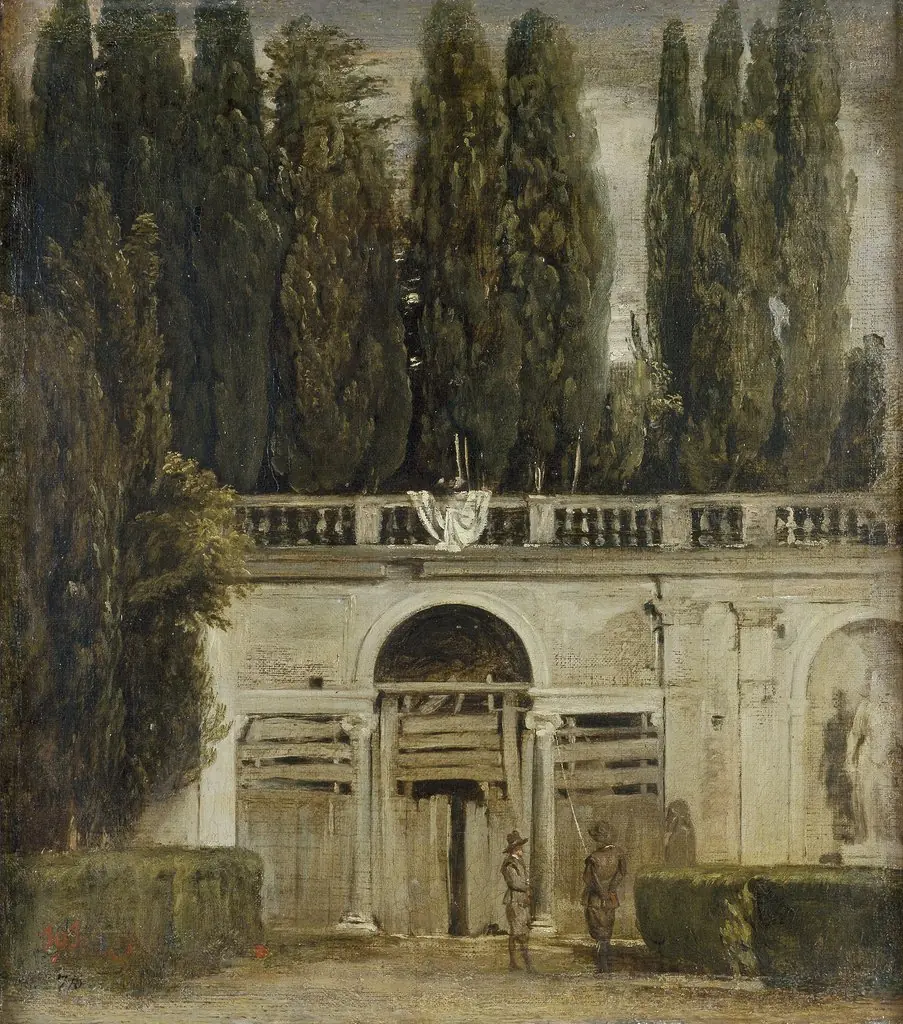 View of the Garden of the Villa Medici
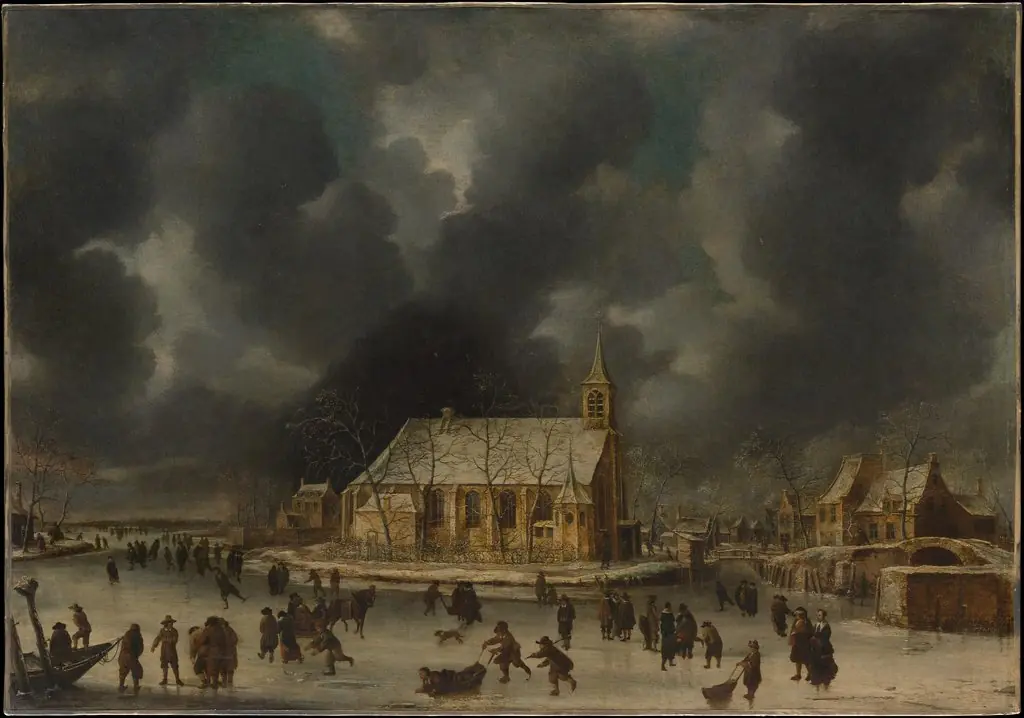 Skating at Sloten, near Amsterdam
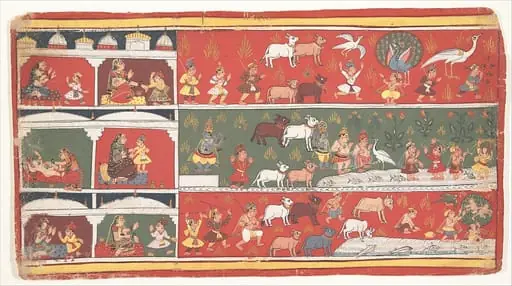 Untitled
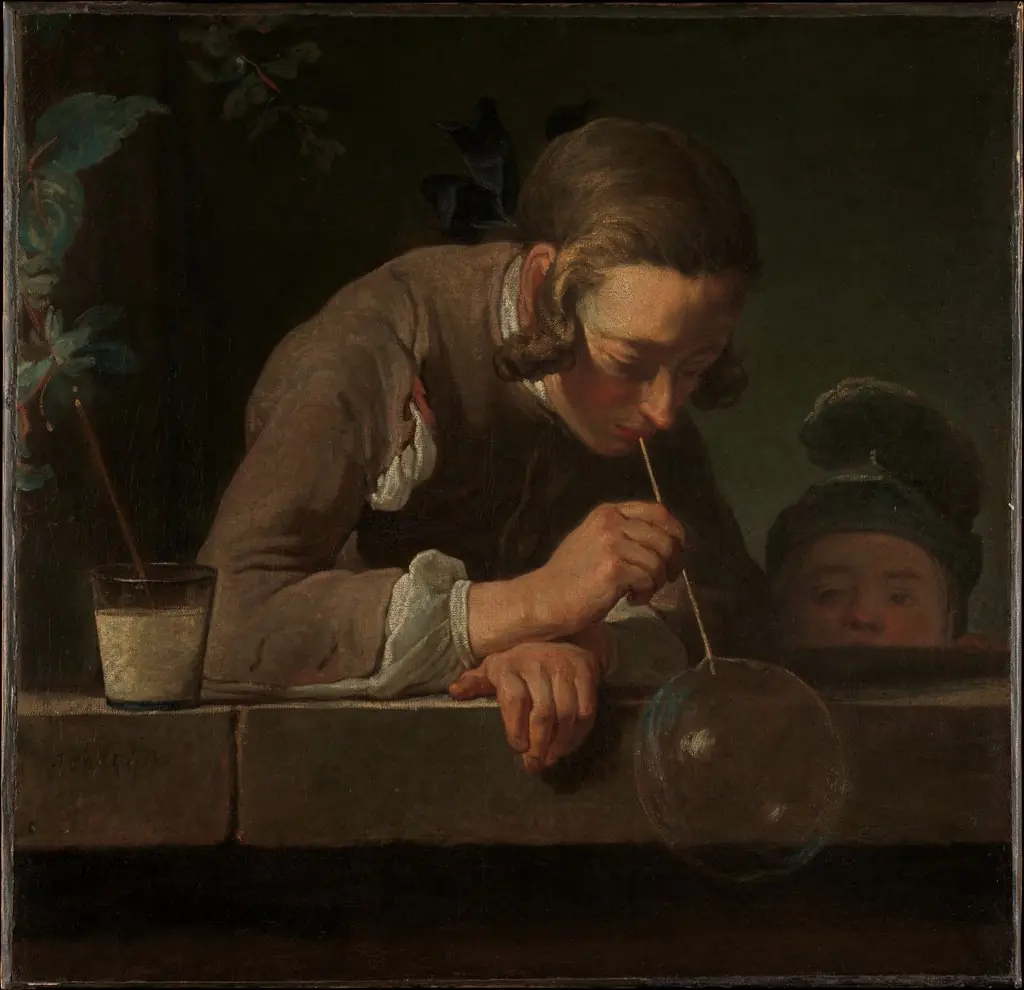 Soap Bubbles
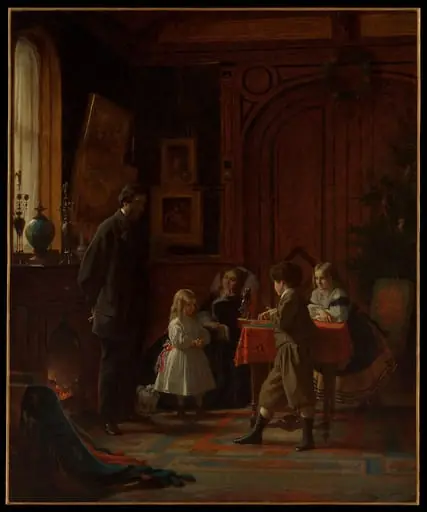 Christmas-Time, The Blodgett Family
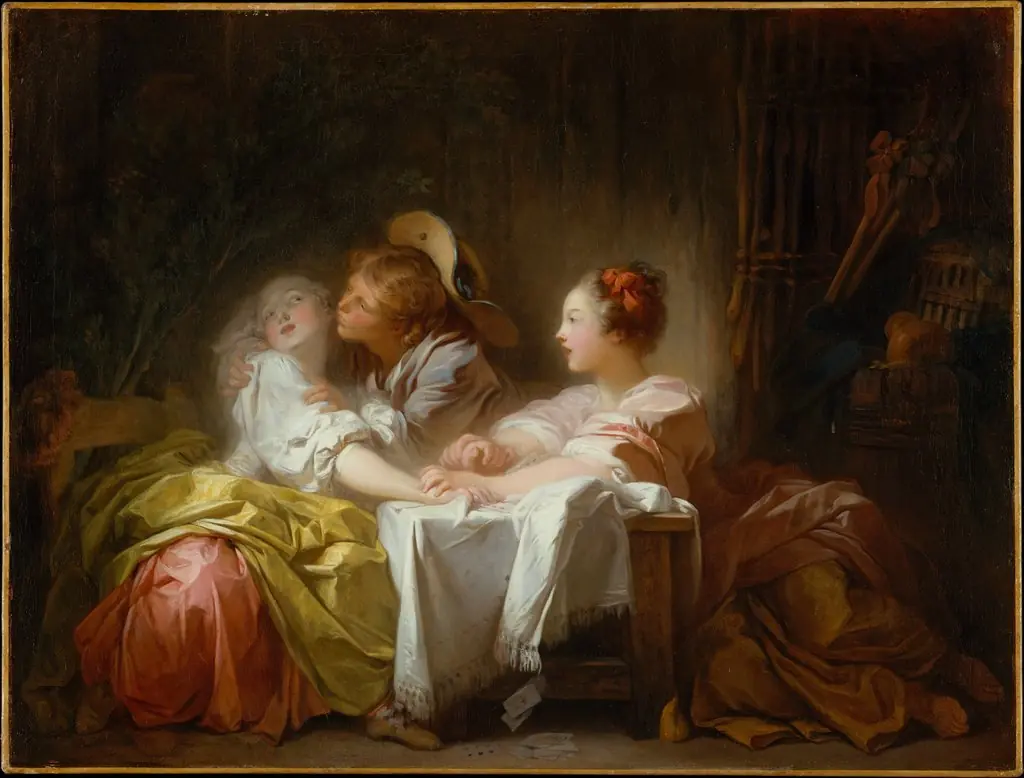 The Stolen Kiss
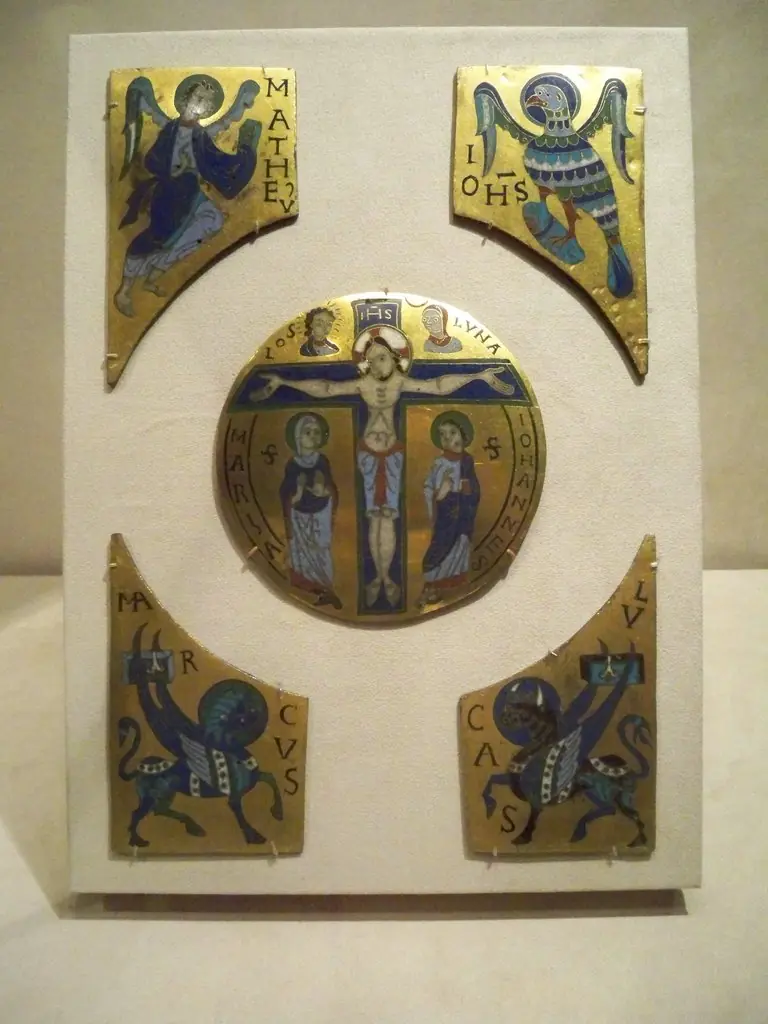 Enamels with the Crucifixion
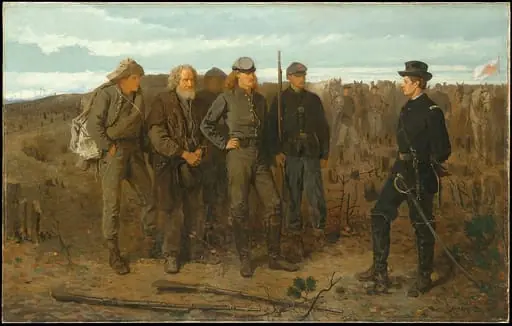 Prisoners from the Front
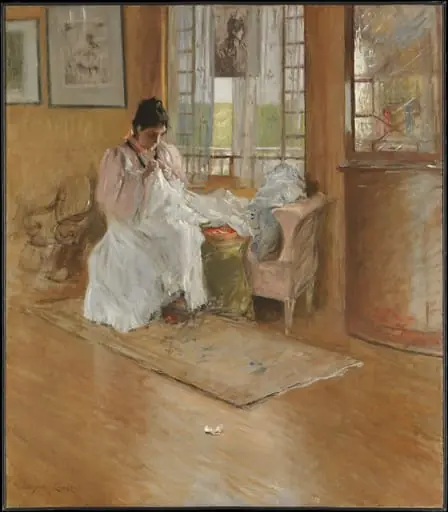 For the Little One
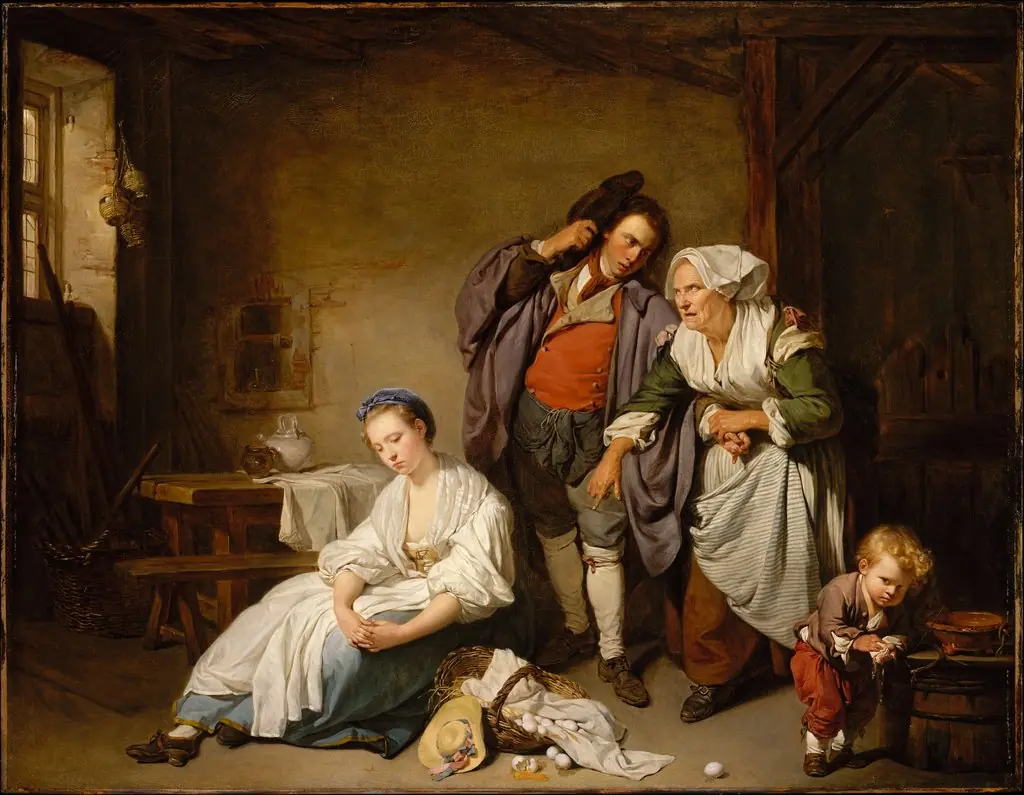 Broken Eggs
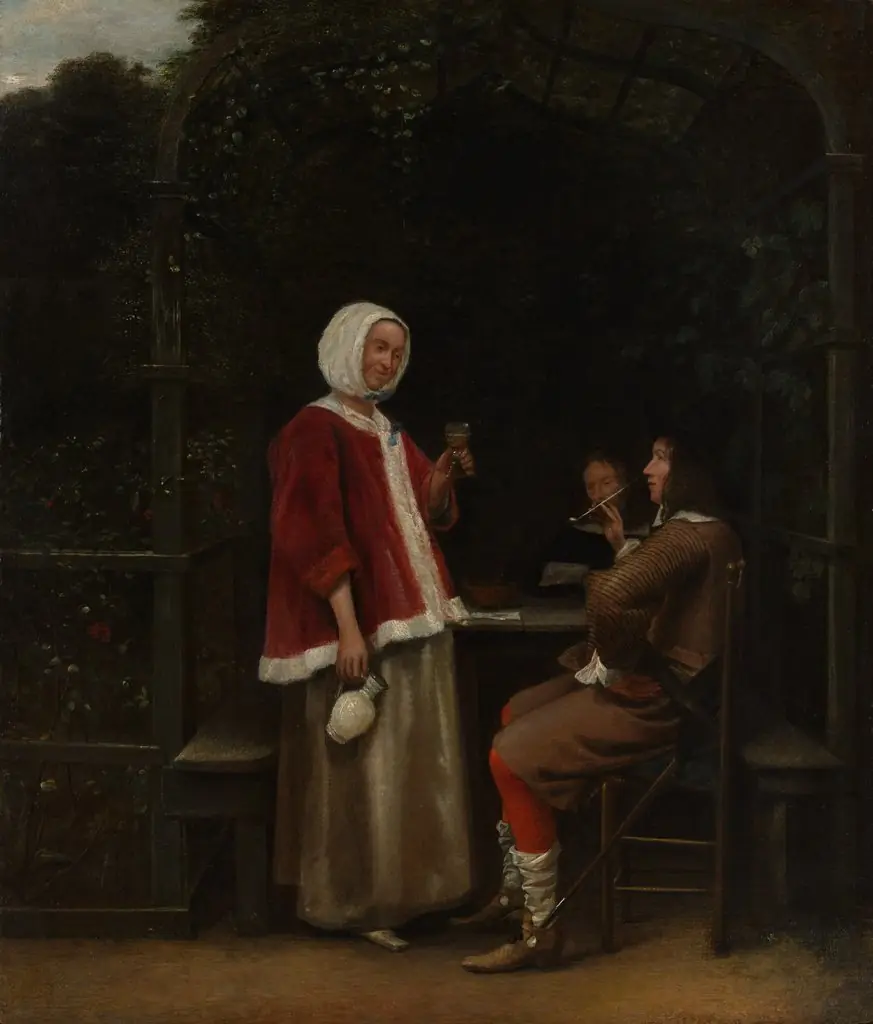 A Woman and Two Men in an Arbor
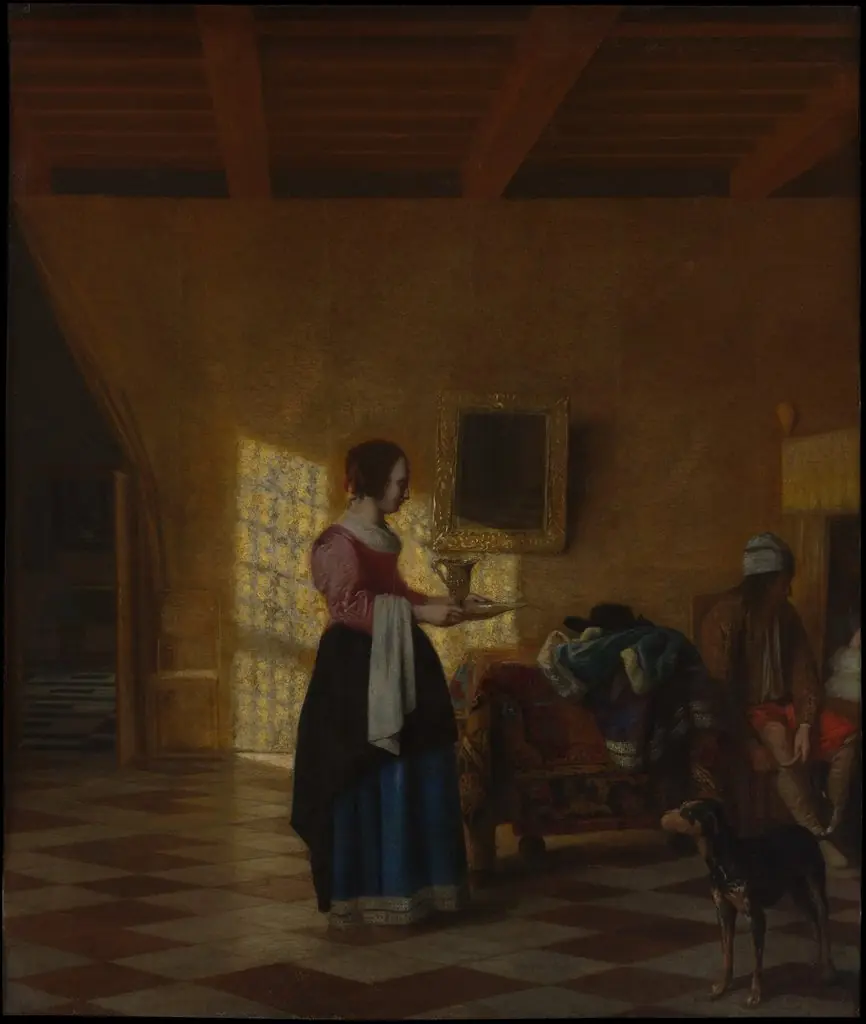 Woman with a Water Pitcher, and a Man by a Bed ("The Maidservant")
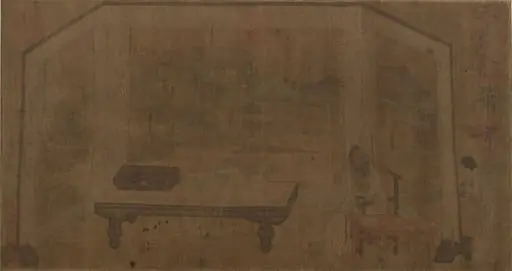 宋/明? 佚名 仿王齊翰 挑耳圖 卷|Library Scene
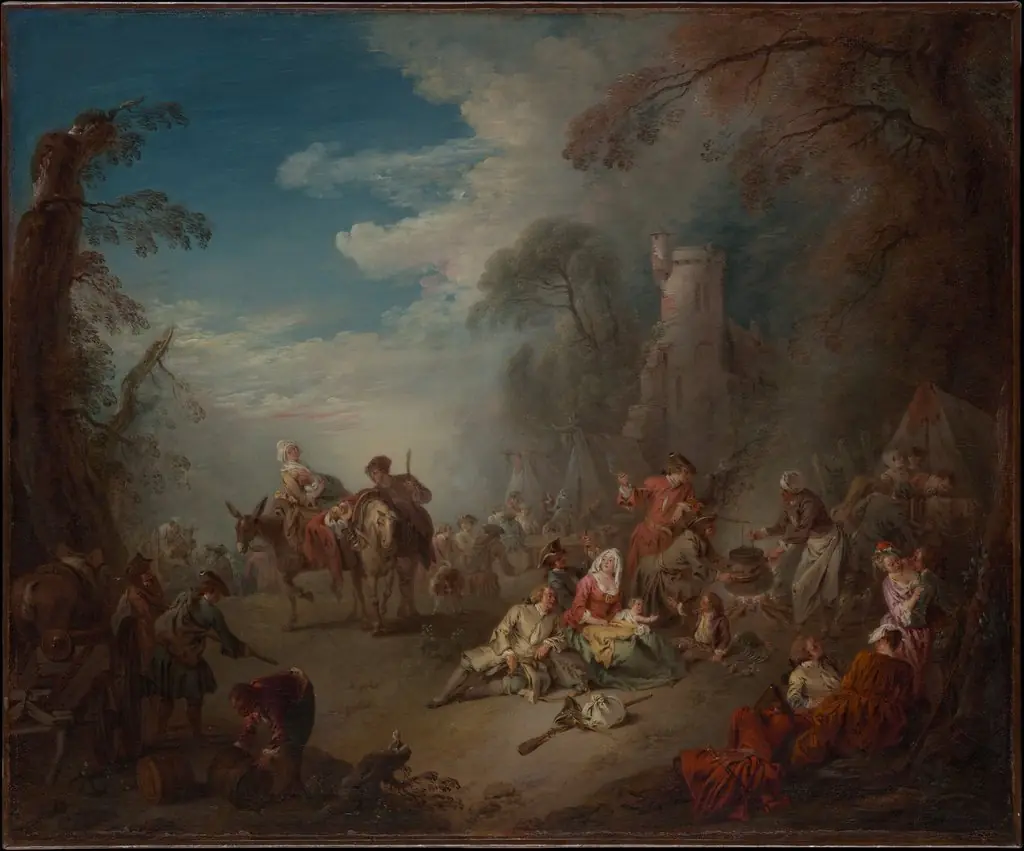 Troops at Rest
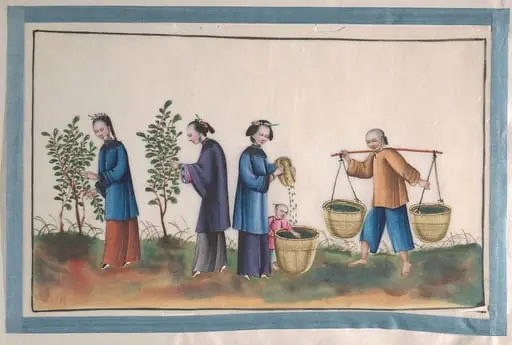 Untitled
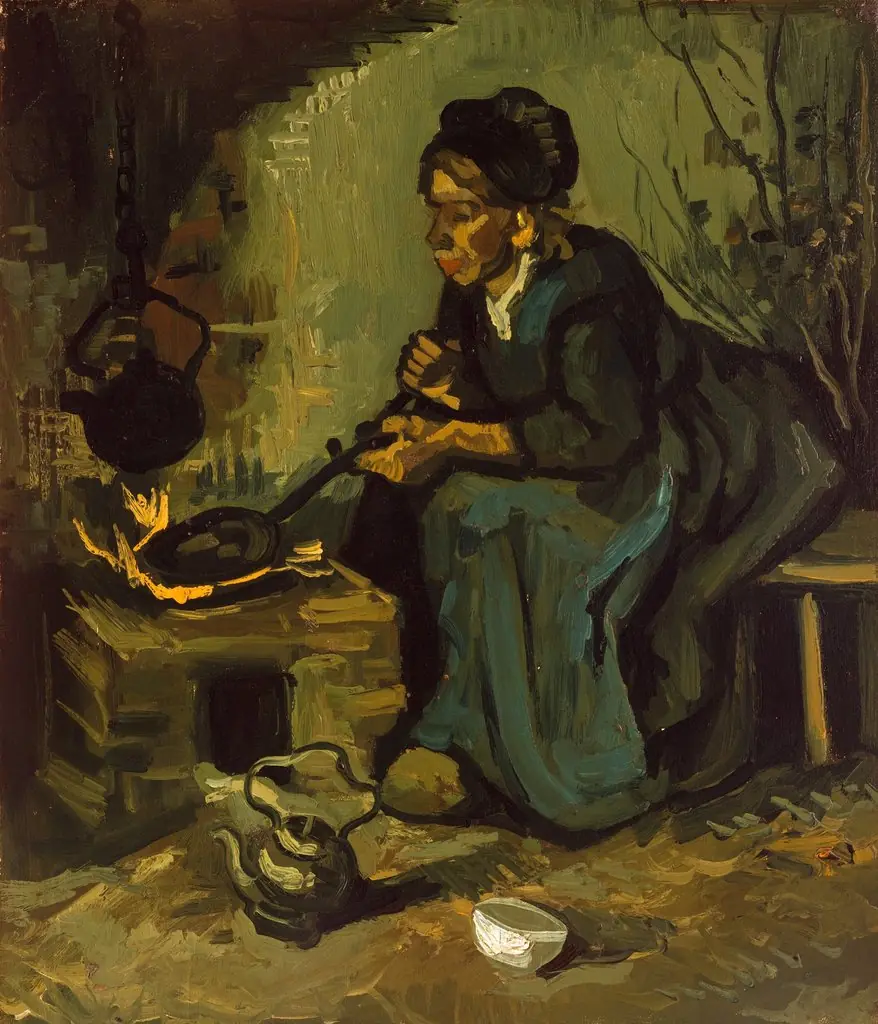 Peasant Woman Cooking by a Fireplace
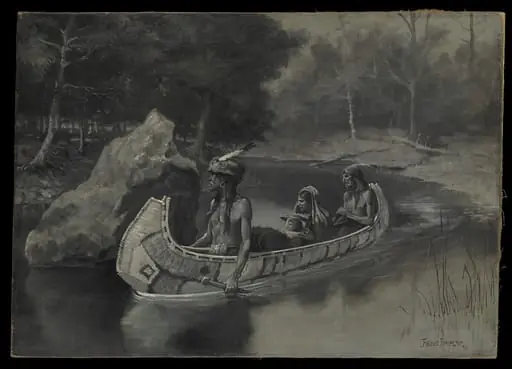 Pitched It Sheer into the River . . . Where It Still Is Seen in the Summer
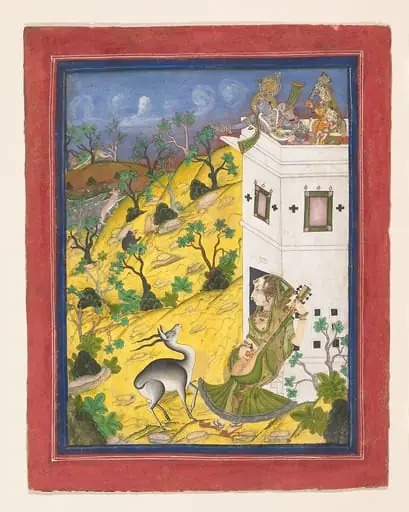 Untitled
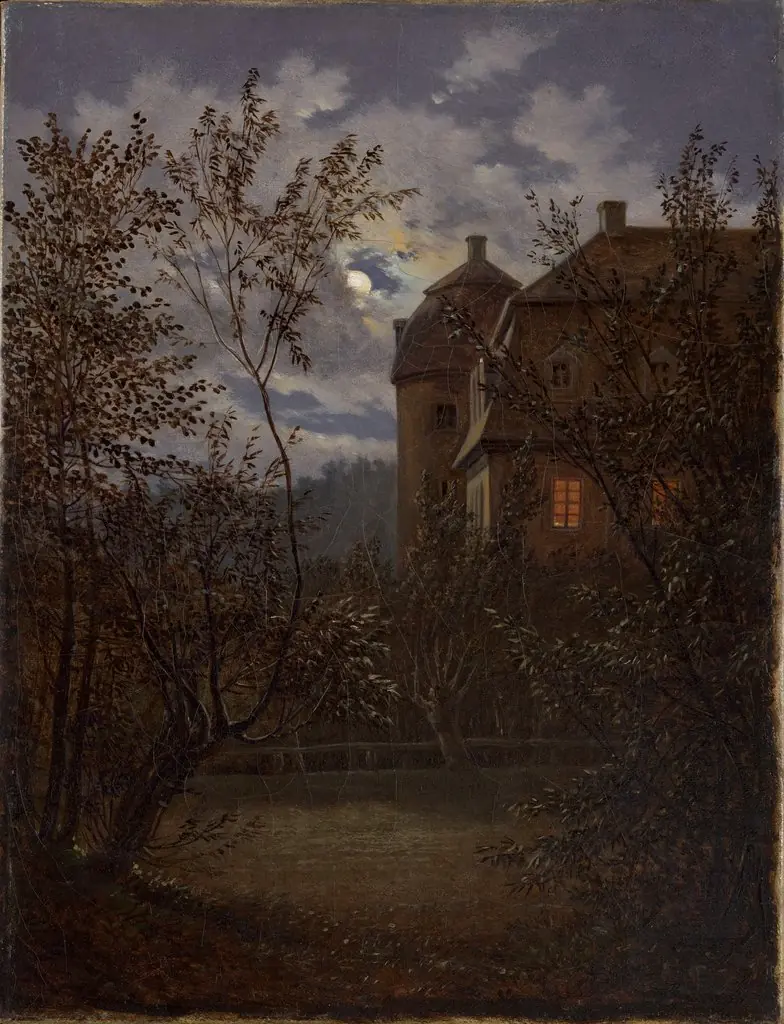 Schloss Milkel in Moonlight
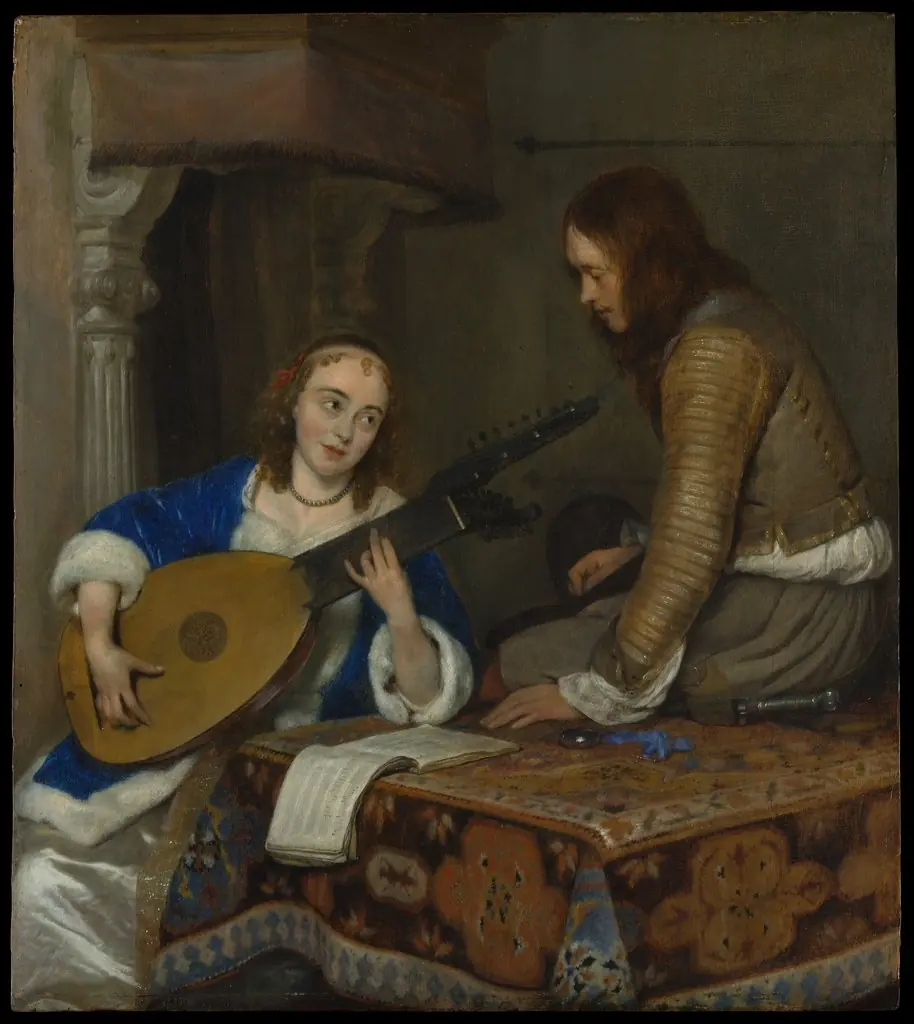 A Woman Playing the Theorbo-Lute and a Cavalier
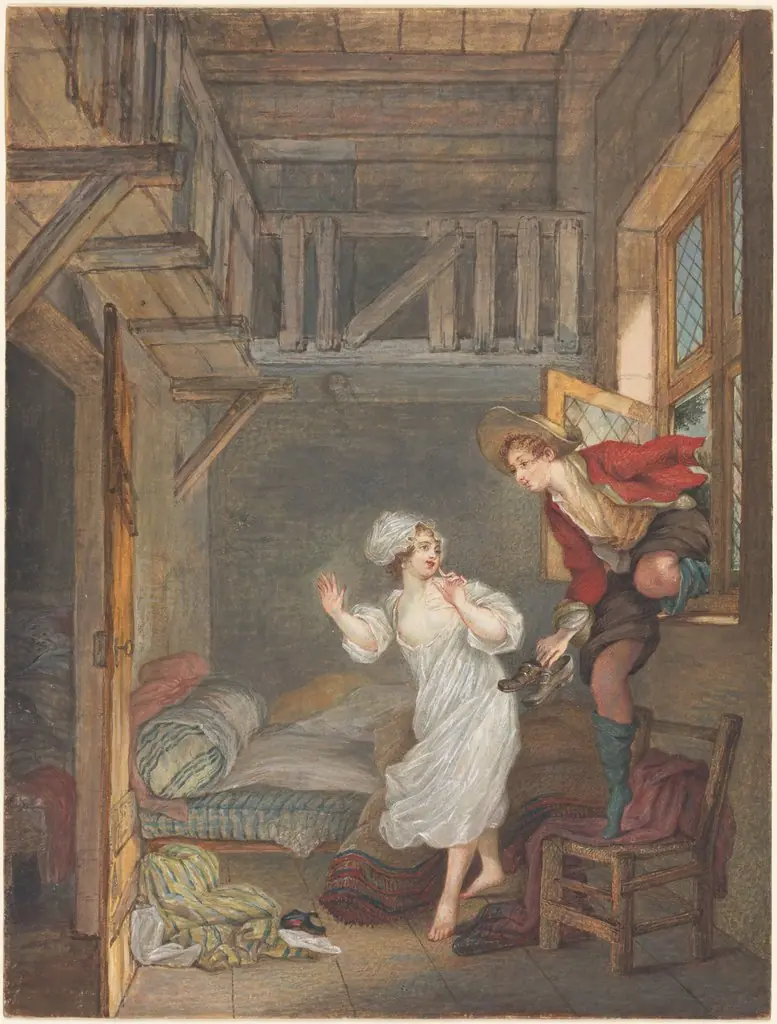 The Lover's Visit
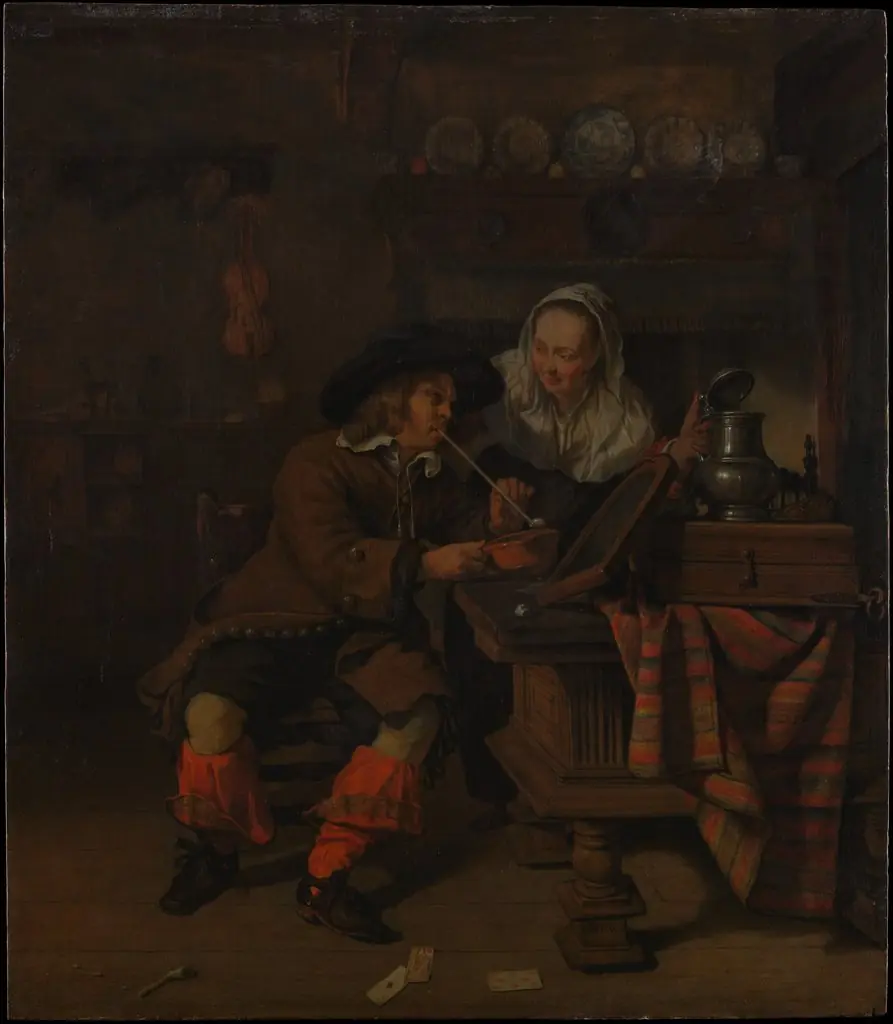 Tavern Scene
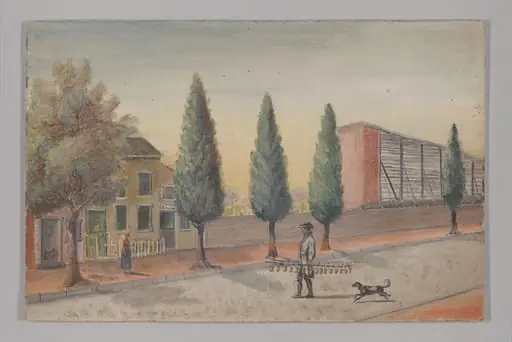 Strawberry Pedlar
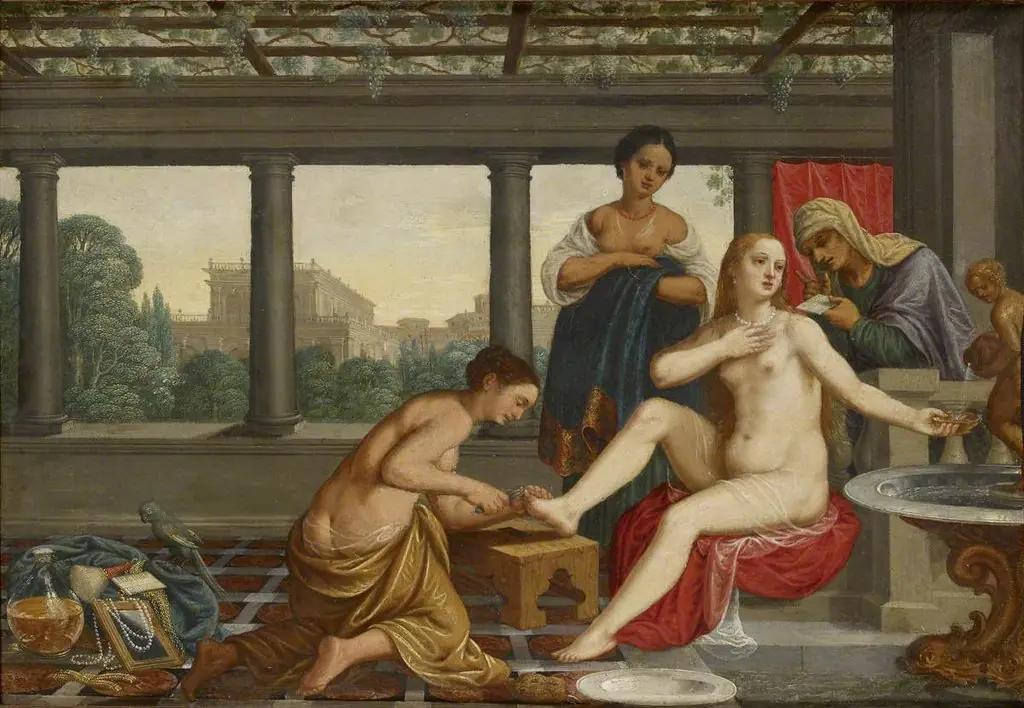 Bathsheba's Bath
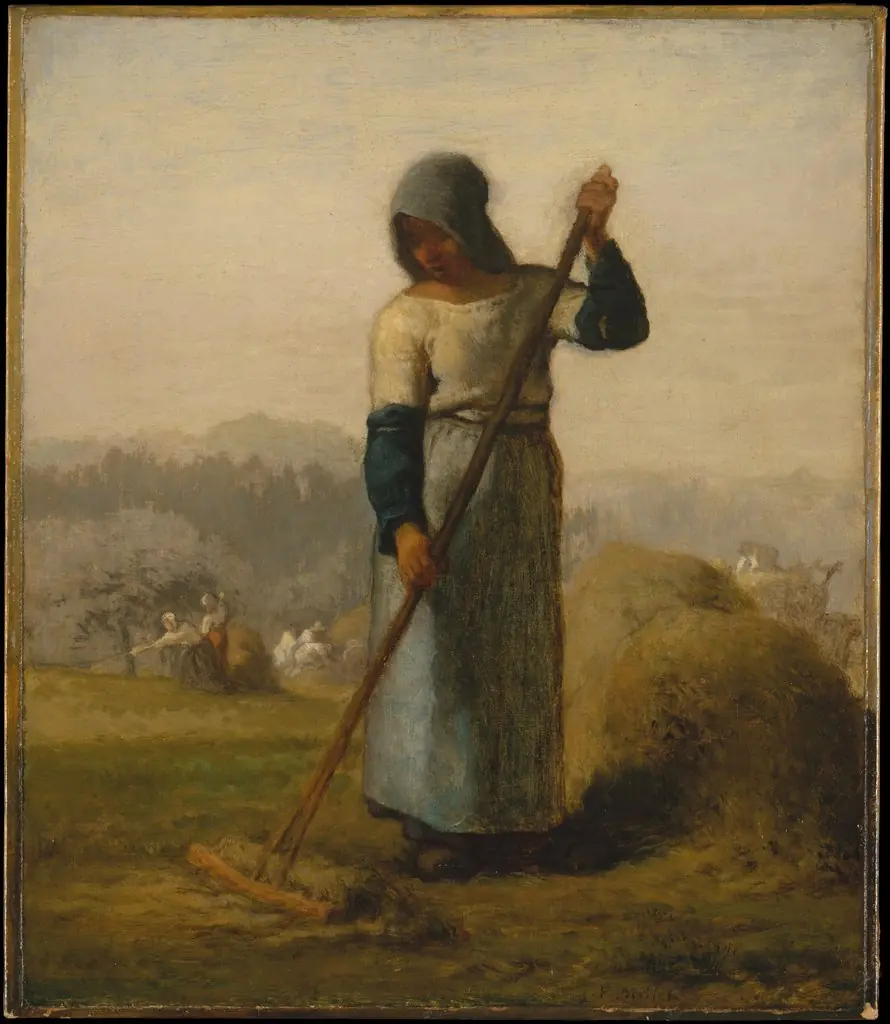 Woman with a Rake
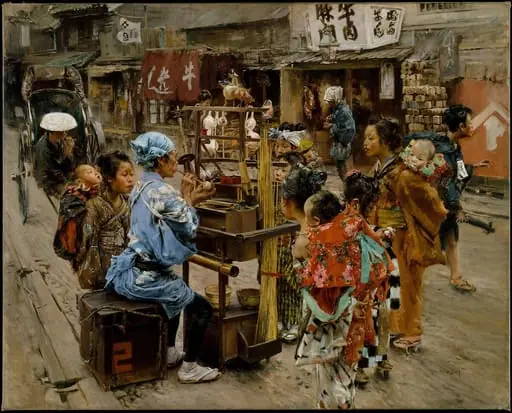 The Ameya
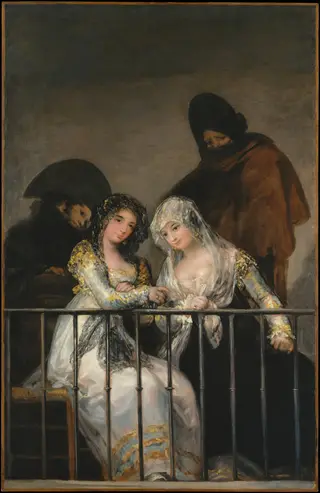 Majas on a Balcony
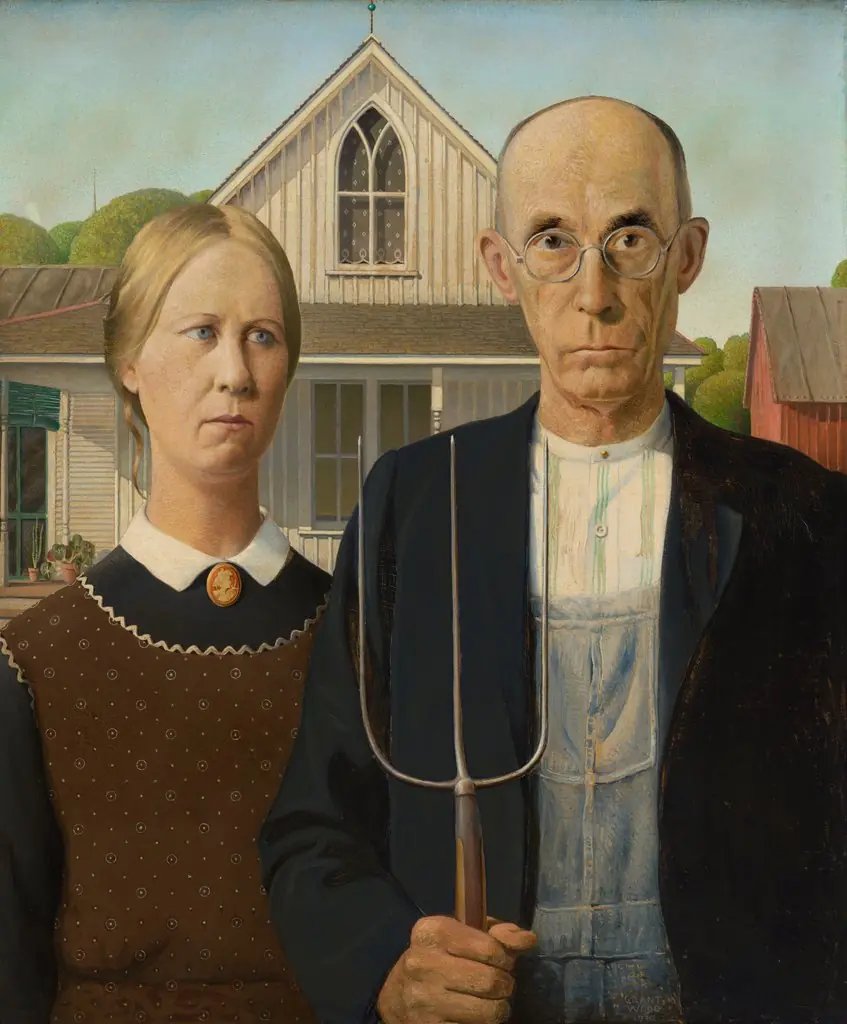 American Gothic
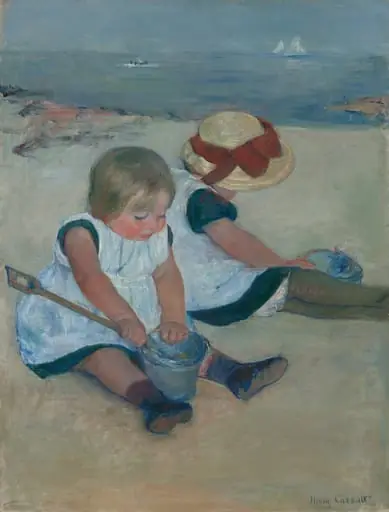 Children Playing on the Beach
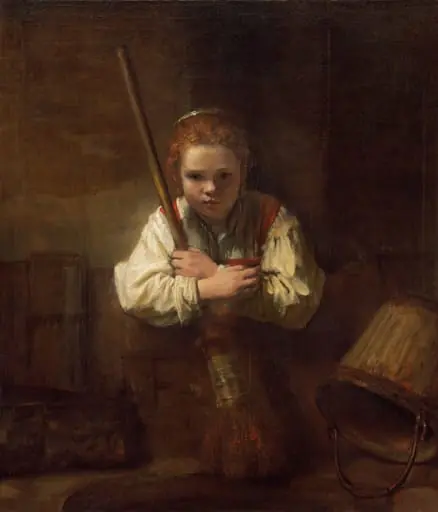 A Girl with a Broom
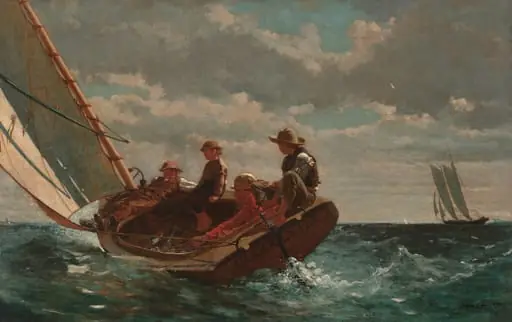 Breezing Up (A Fair Wind)
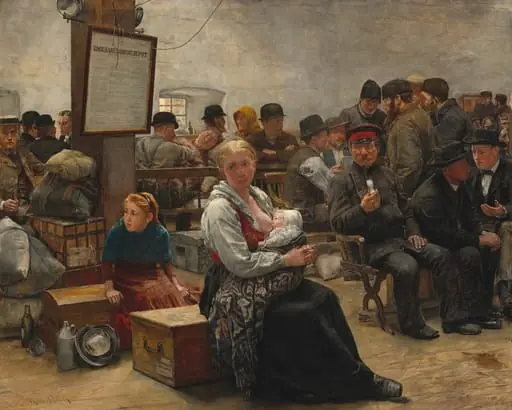 In the Land of Promise, Castle Garden
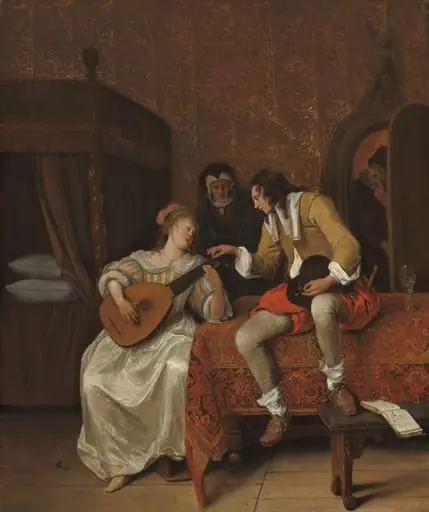 Ascagnes and Lucelle (The Music Lesson)
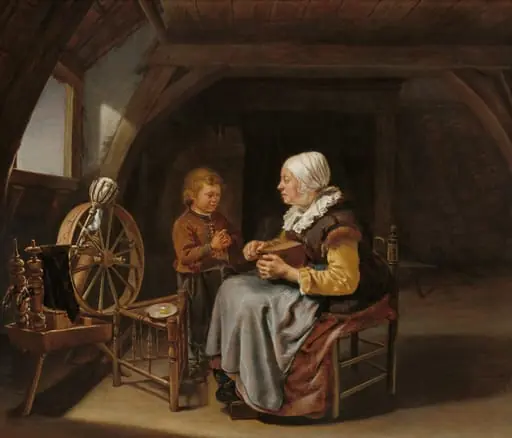 Saying Grace
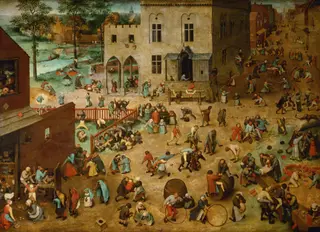 Children's Games
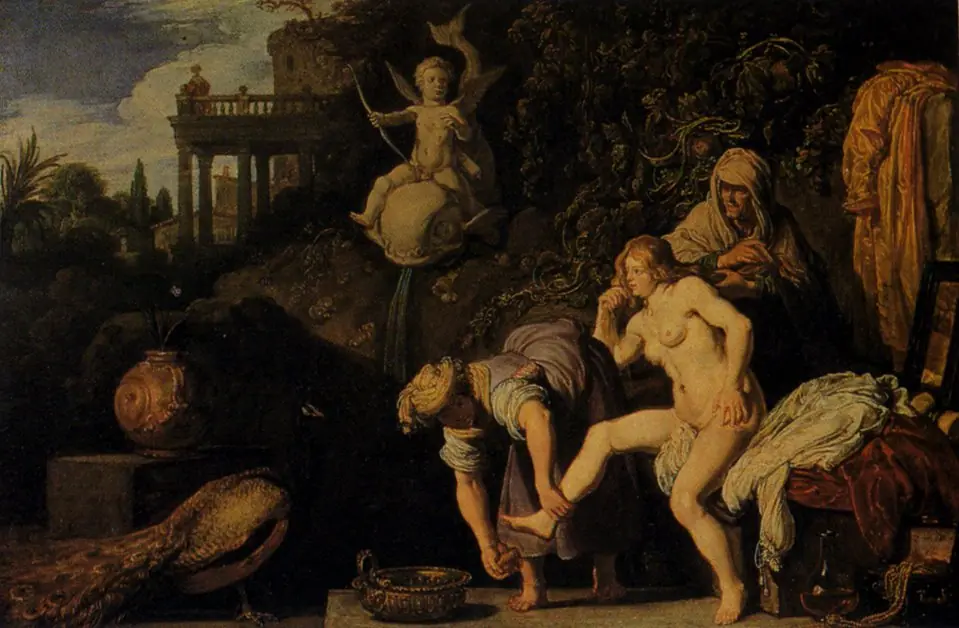 Bathsheba at her Toilette
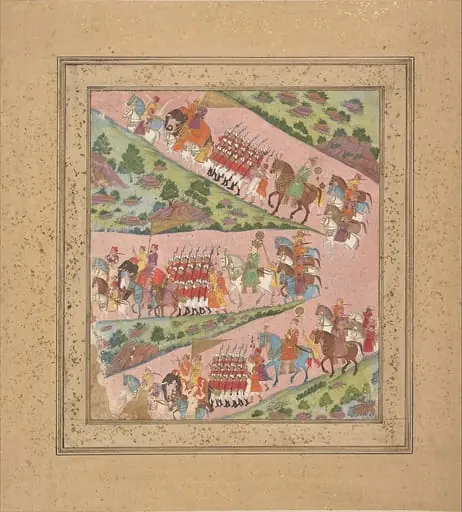 Untitled
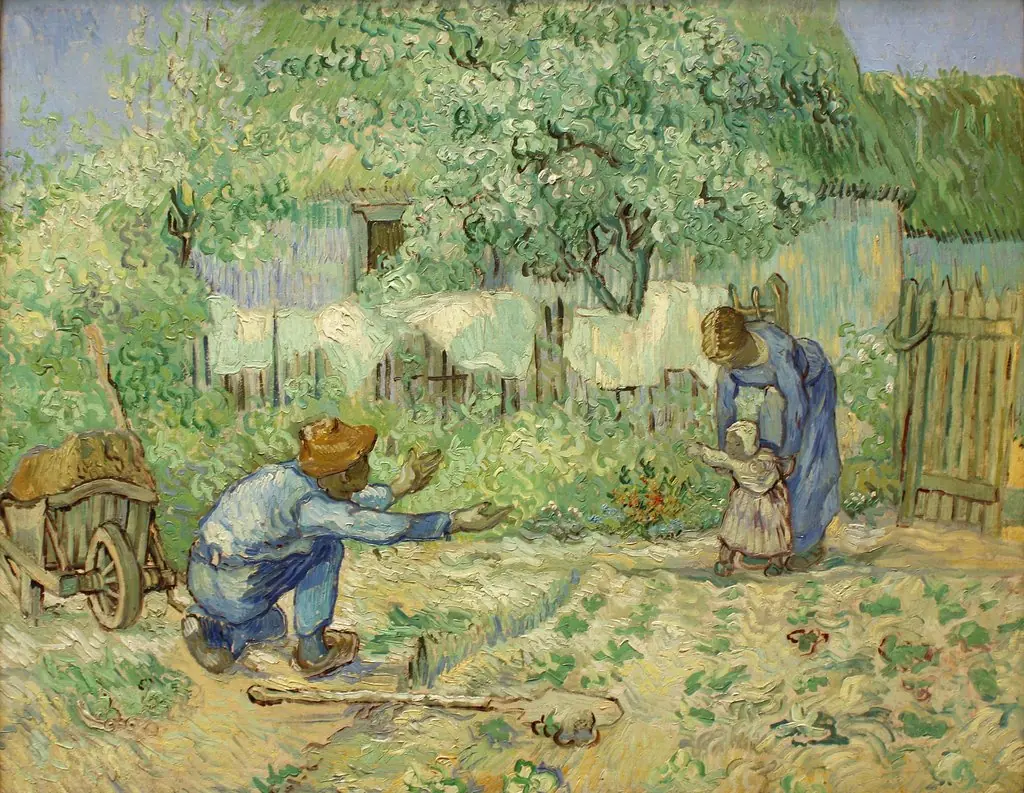 First Steps, after Millet
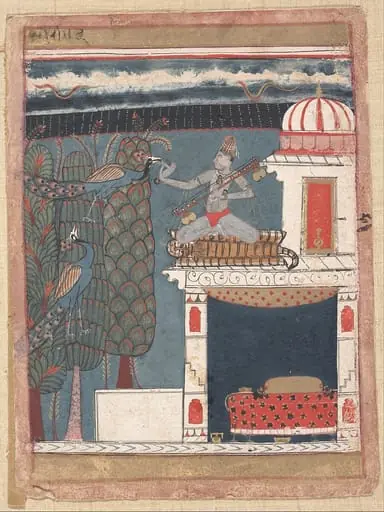 Untitled
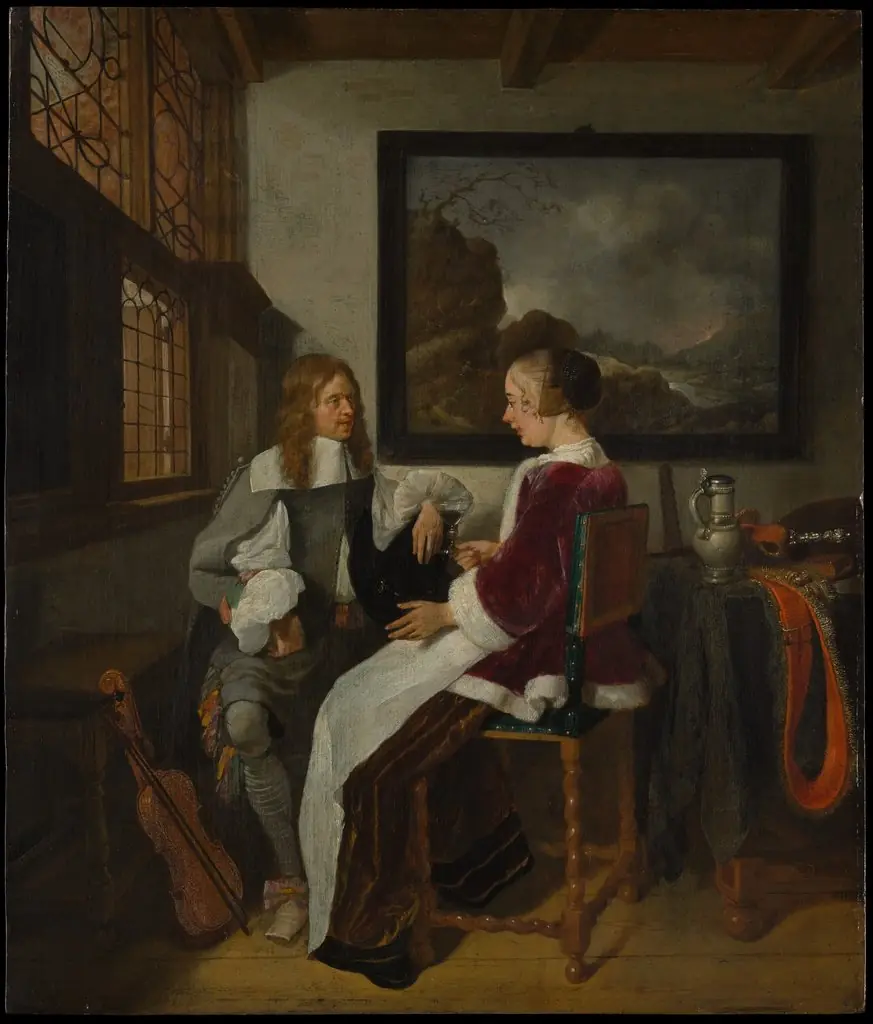 Sentimental Conversation
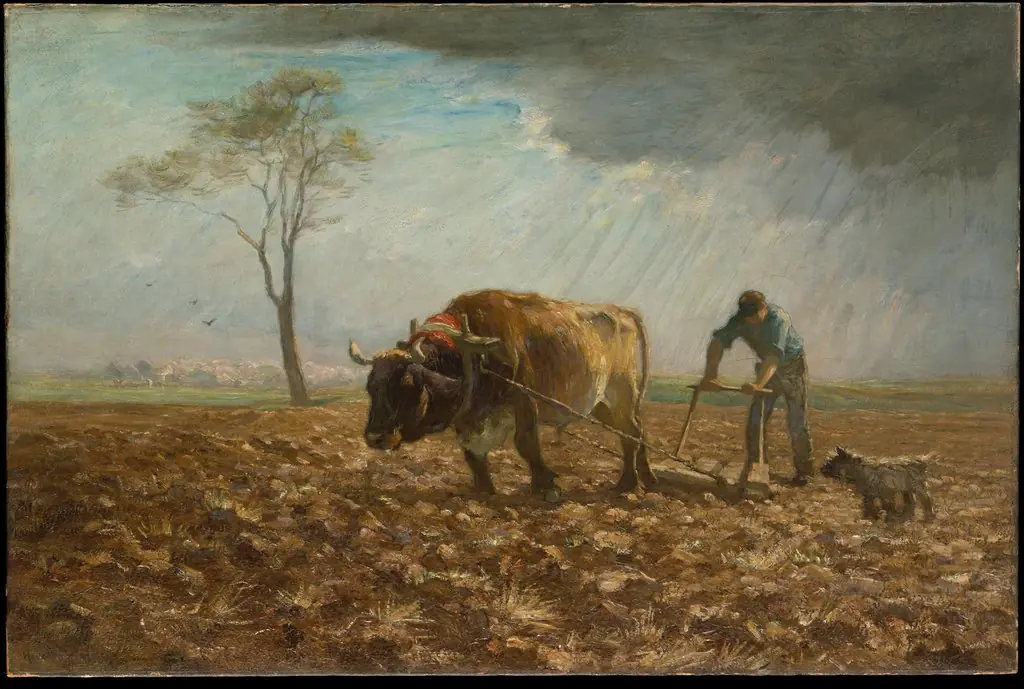 The Harrower
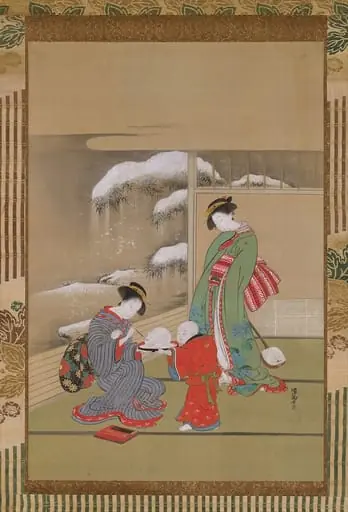 雪兎図|Painting the Eyes on a Snow Rabbit
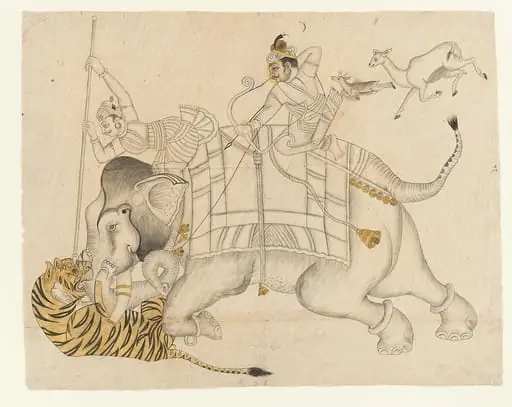 Untitled
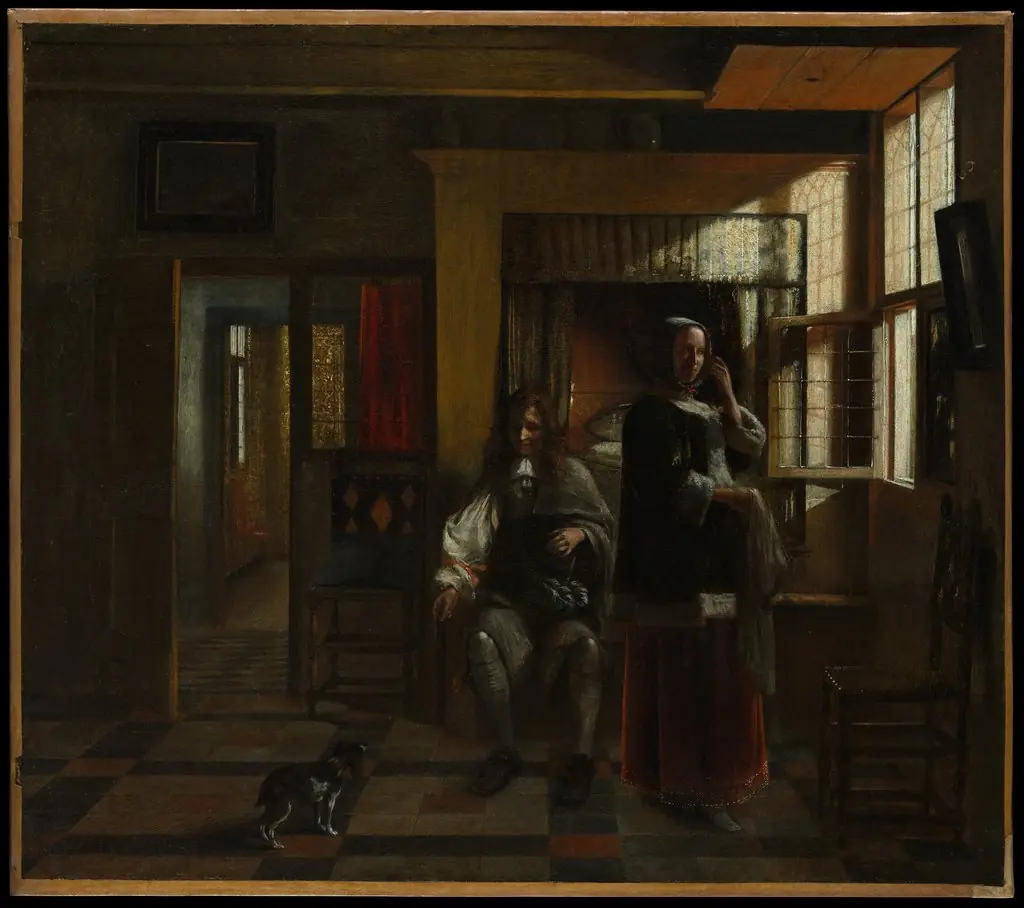 Interior with a Young Couple
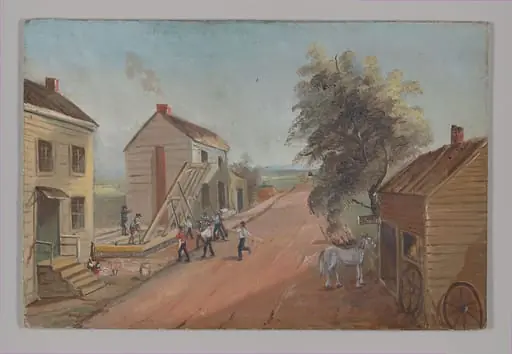 House Raising
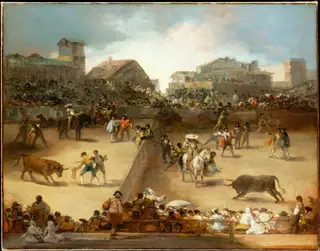 Bullfight in a Divided Ring
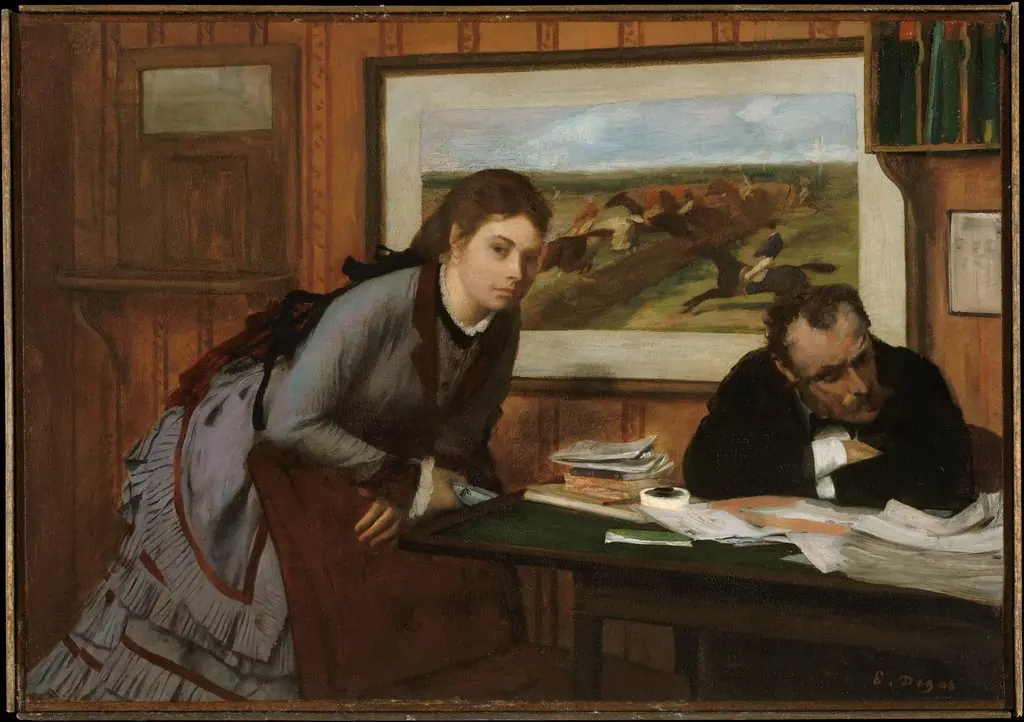 Sulking
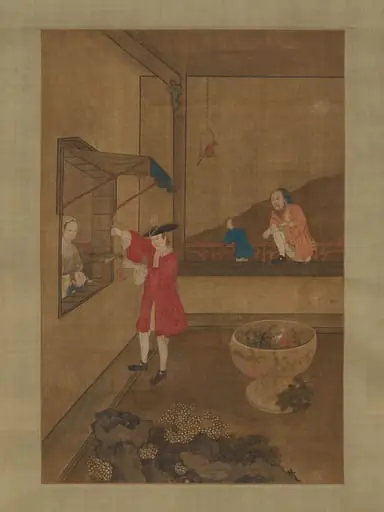 Untitled
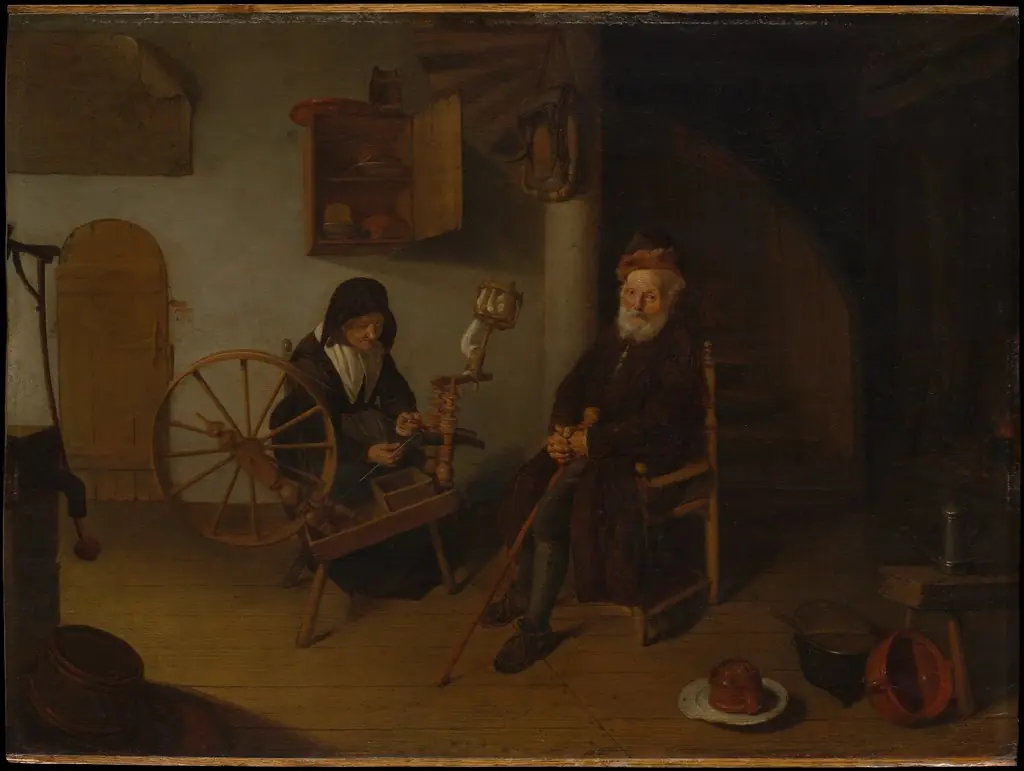 The Spinner
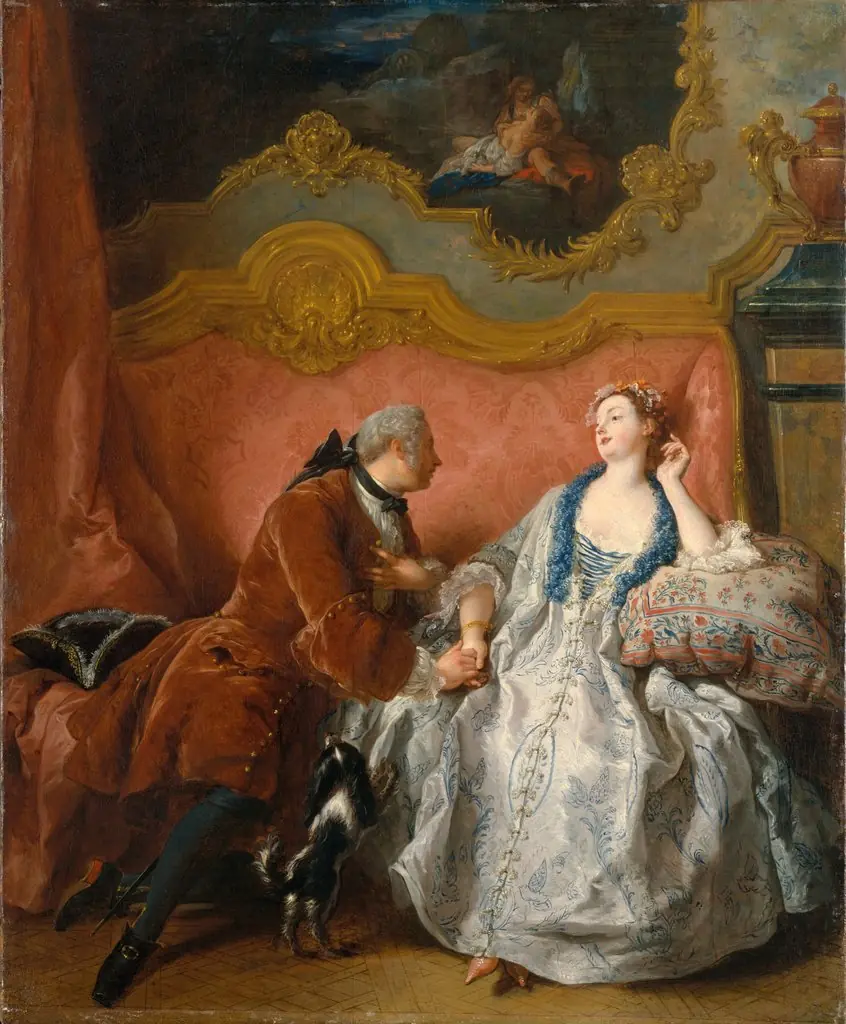 The Declaration of Love
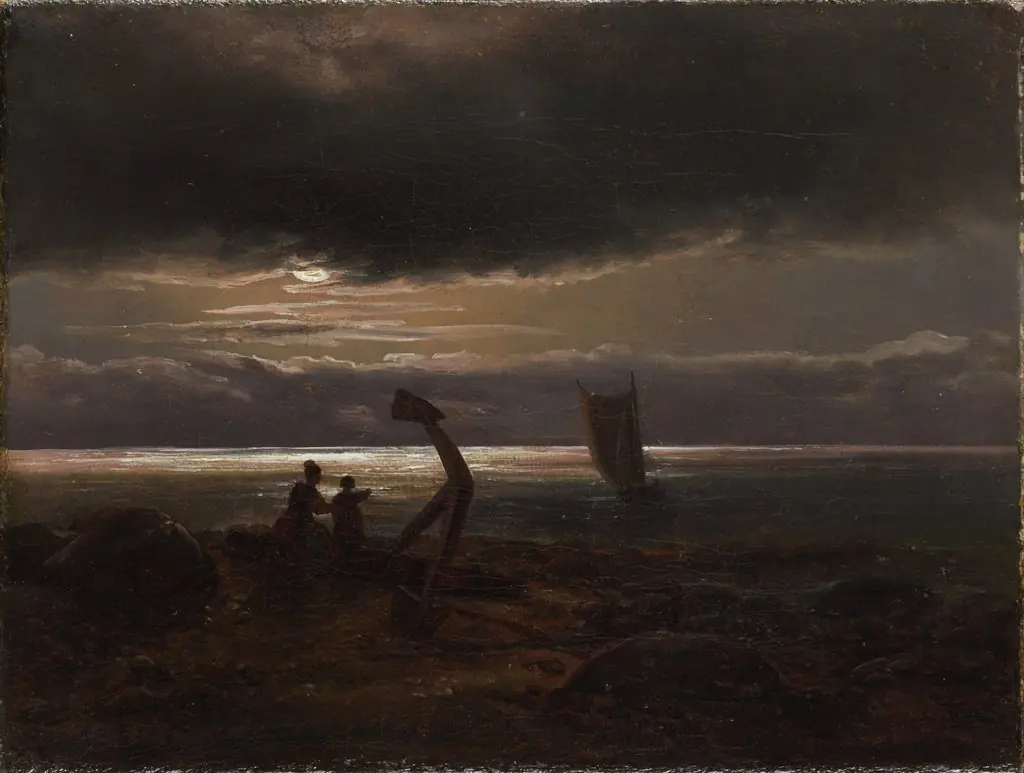 Mother and Child by the Sea
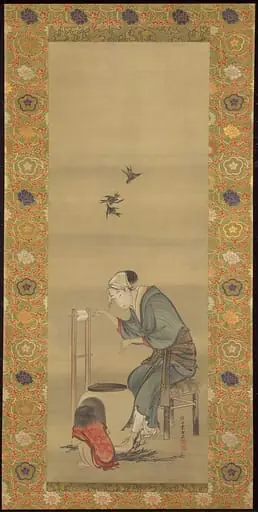 Untitled
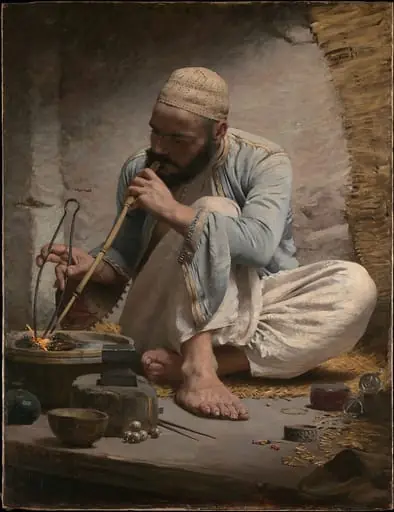 The Arab Jeweler
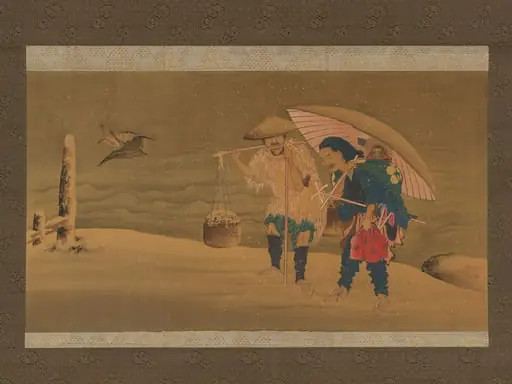 Untitled
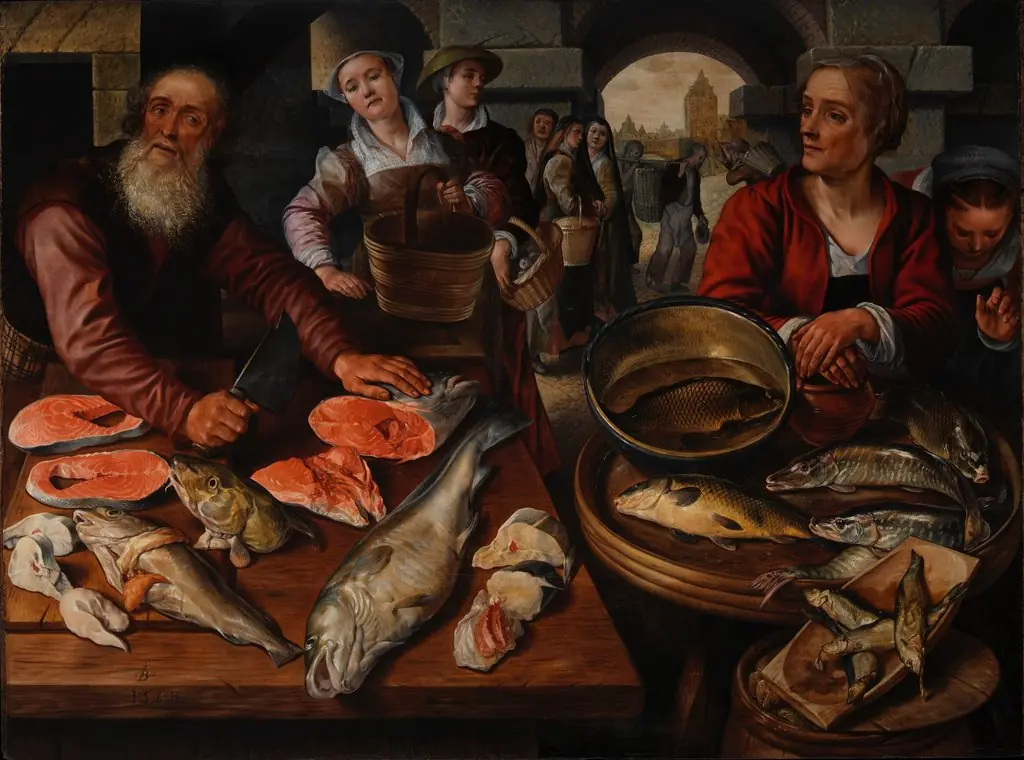 Fish Market
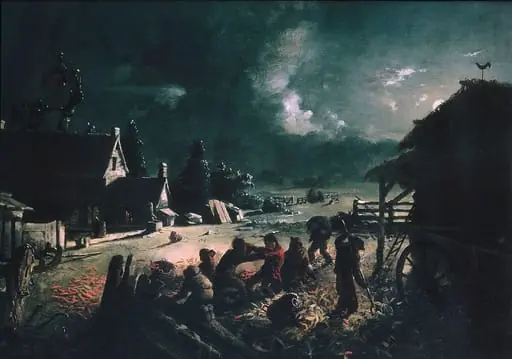 Corn Husking
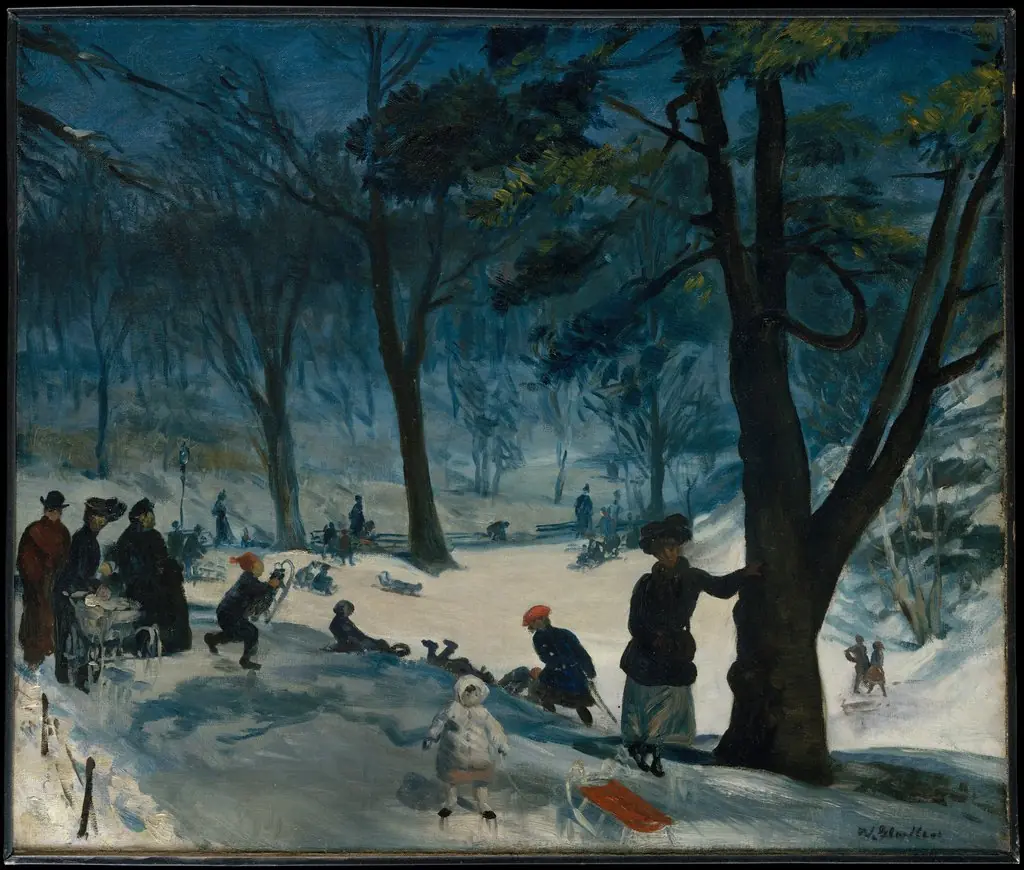 Central Park, Winter
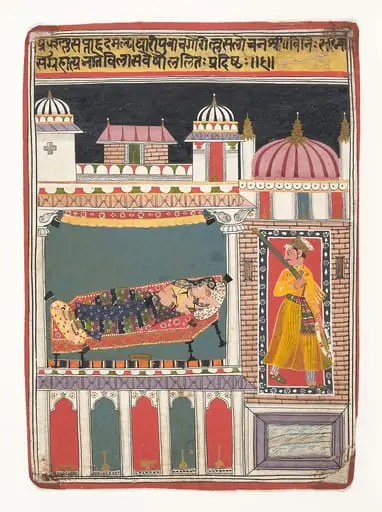 Untitled
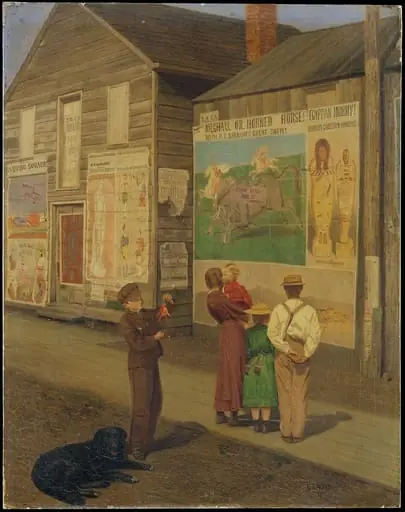 Coming Events Cast Their Shadows Before
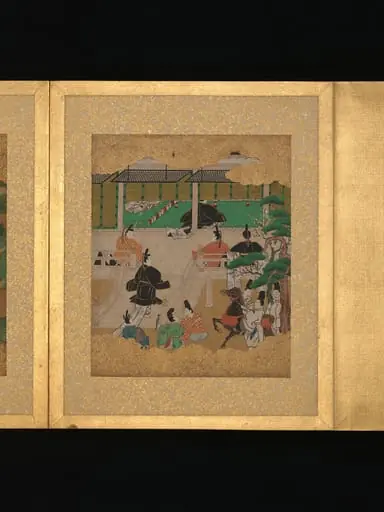 Untitled
 The Third-Class Carriage
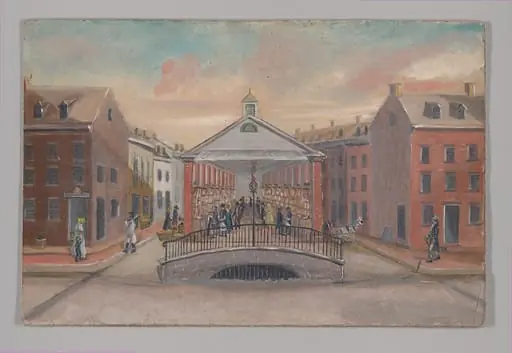 Fly Market
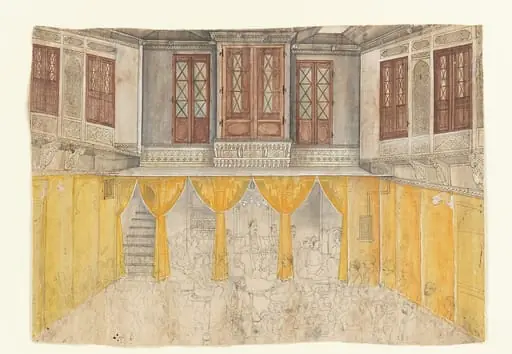 Untitled
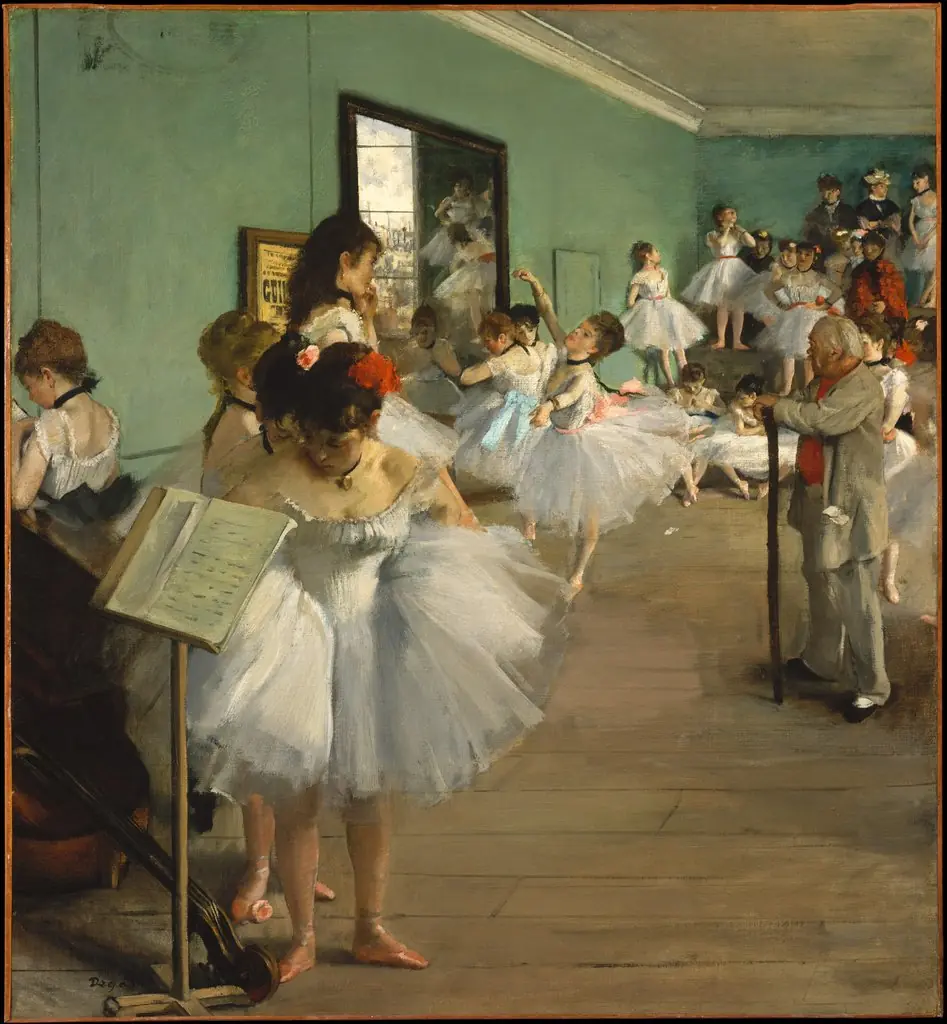 The Dance Class
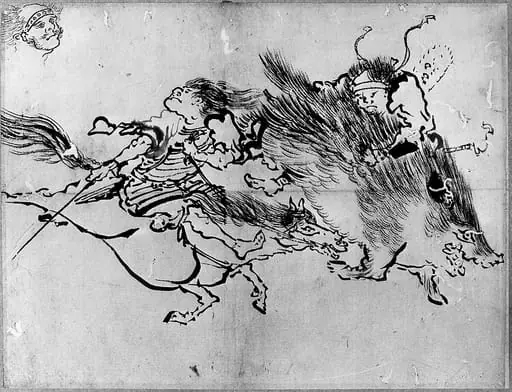 Untitled
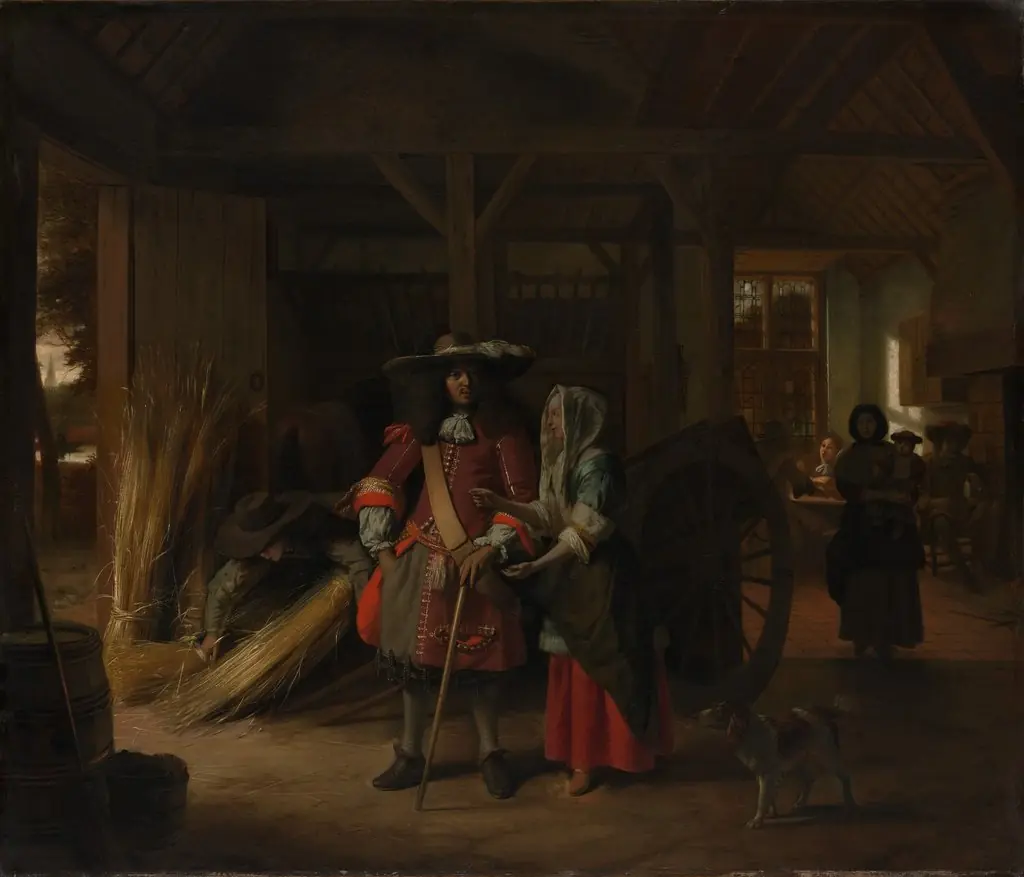 Officer paying a woman in a stable
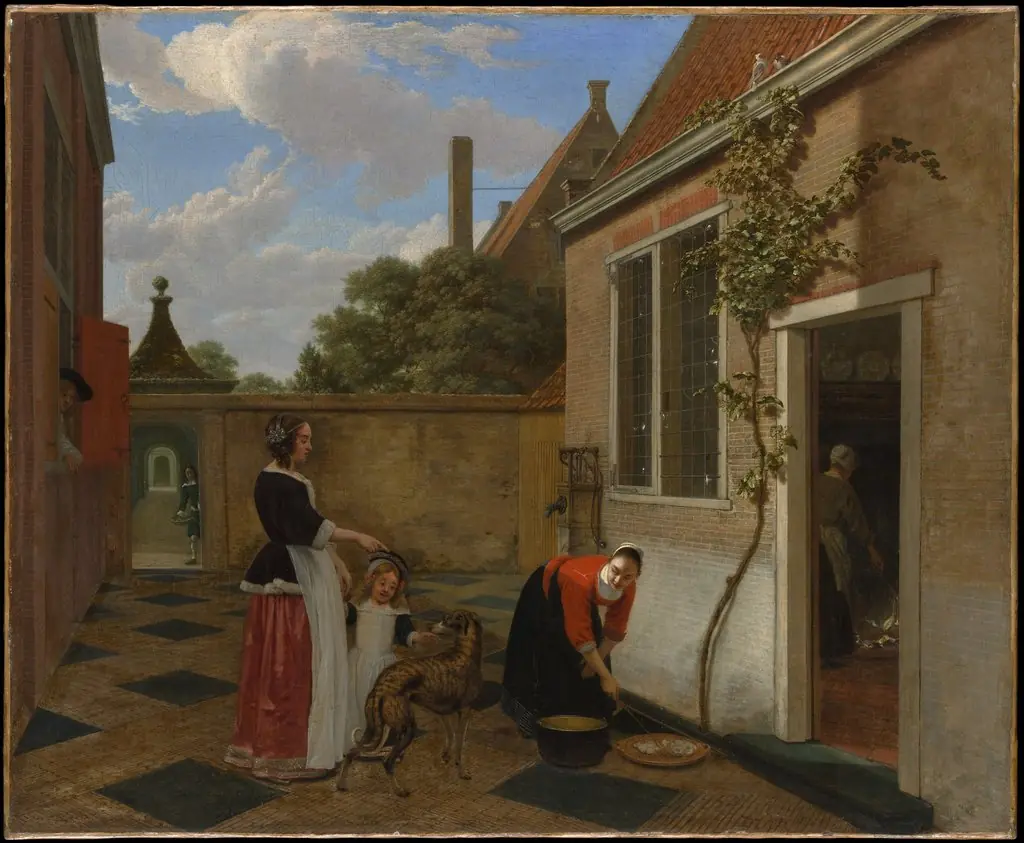 Scene in a Courtyard
 Landscape with a Stone Bridge
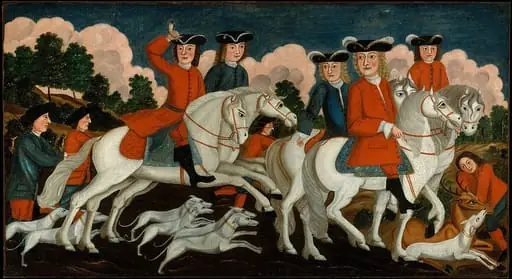 The Hunting Party—New Jersey
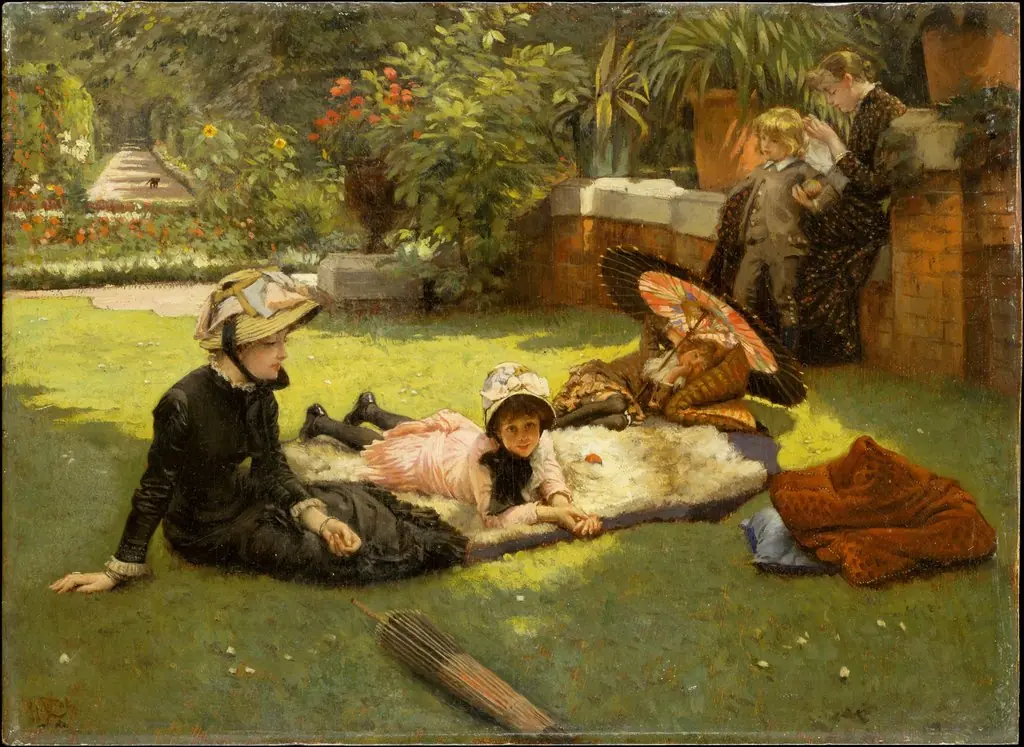 In Full Sunlight (En plein soleil)
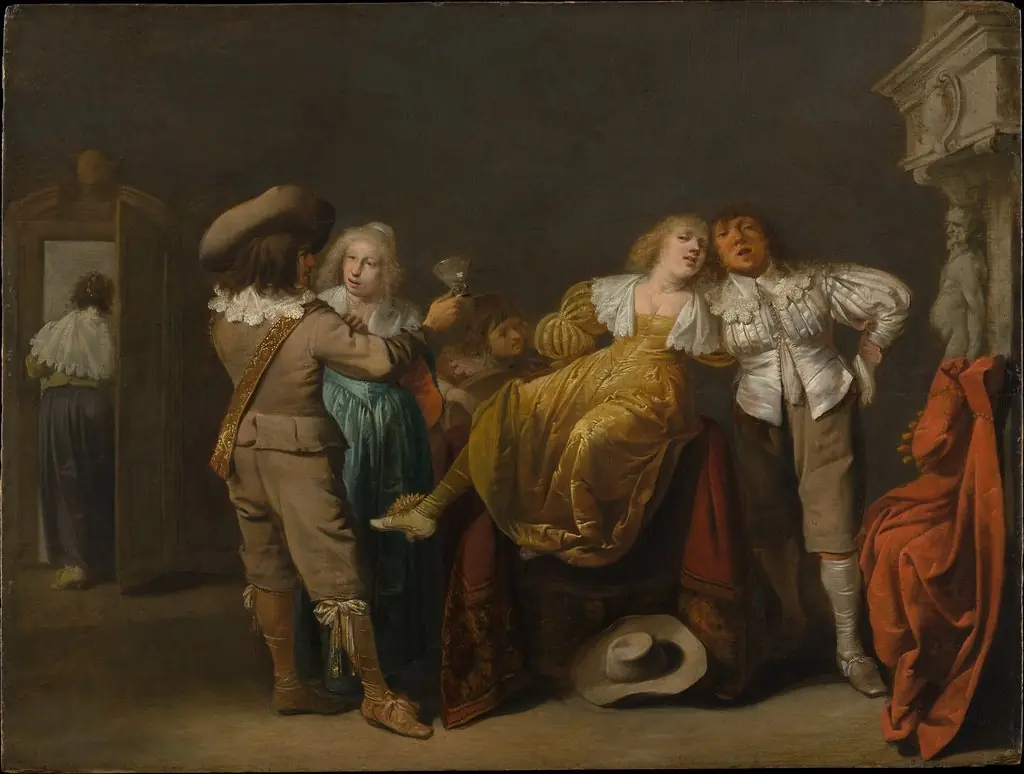 A Party of Merrymakers
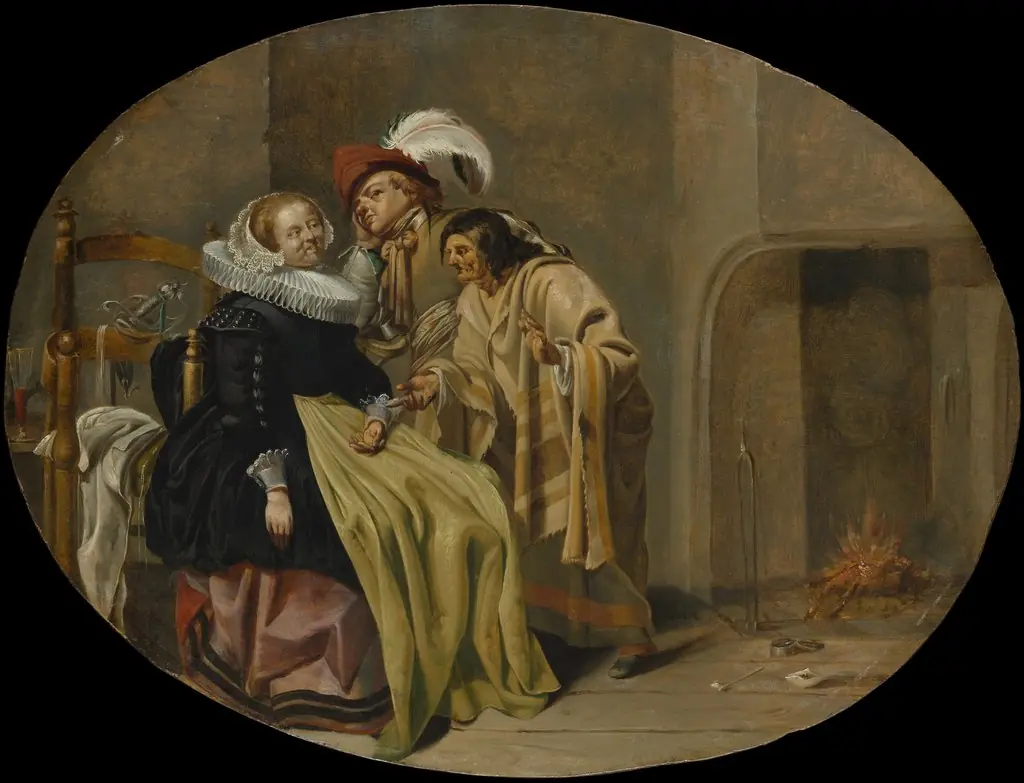 A Couple in an Interior with a Gypsy Fortune-Teller
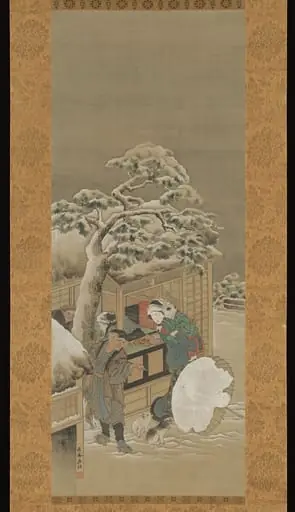 Untitled
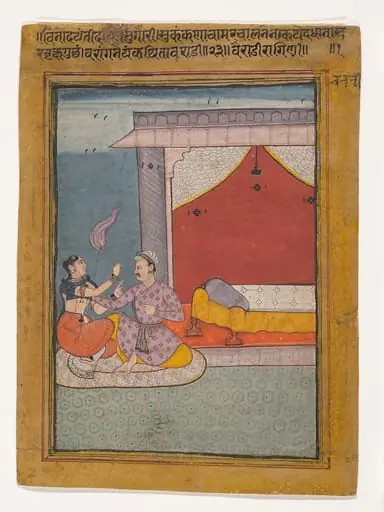 Untitled
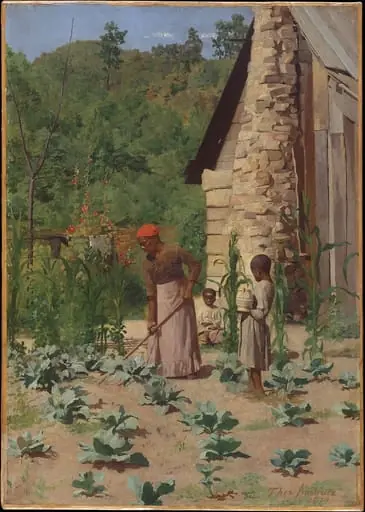 The Way They Live
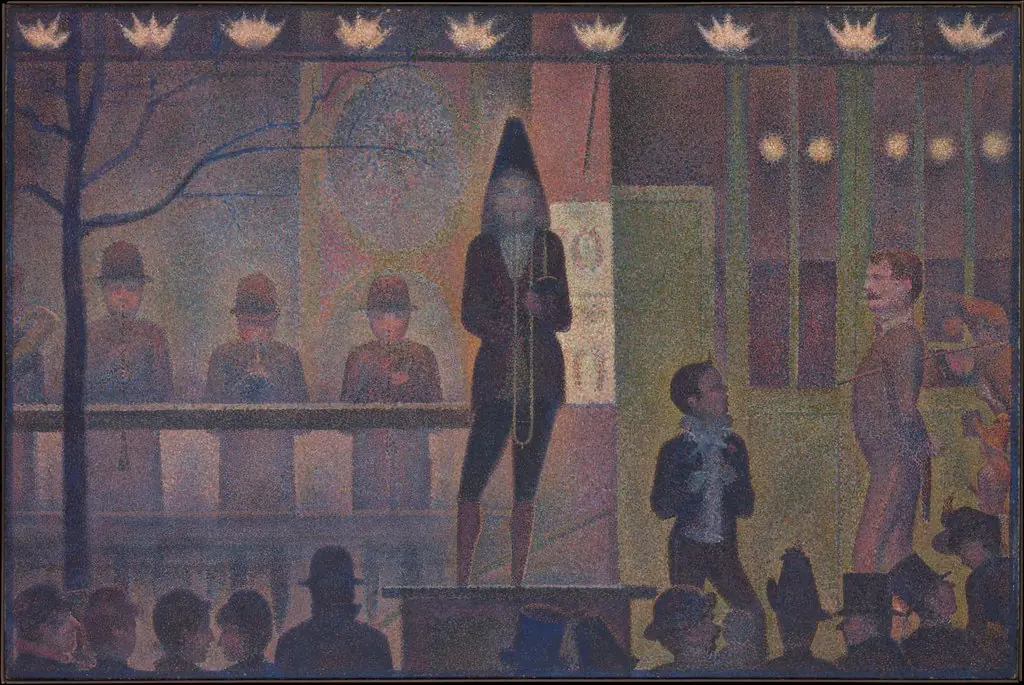 The Circus Parade
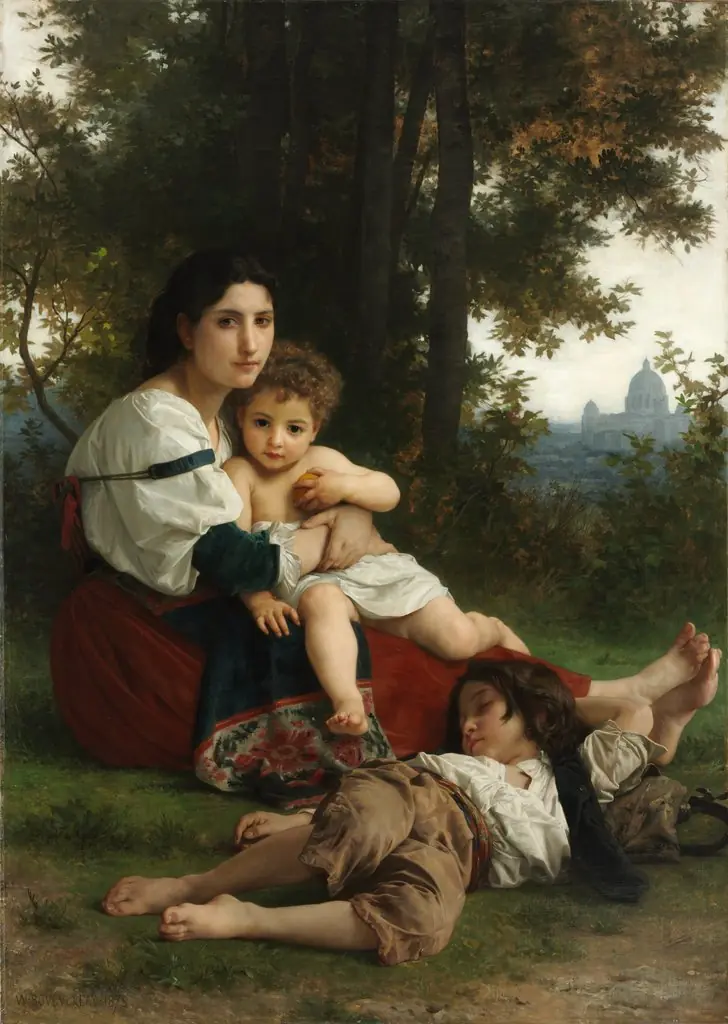 Rest
Rest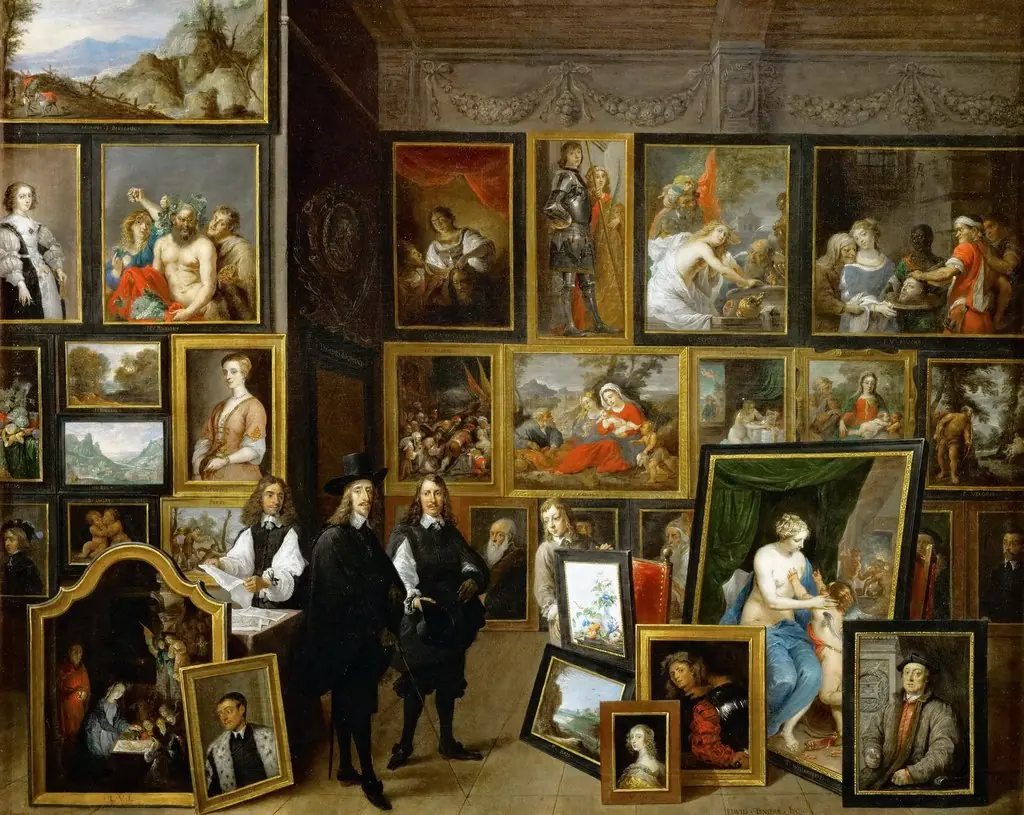 Archduke Leopold Wilhelm in his Gallery in Brussels
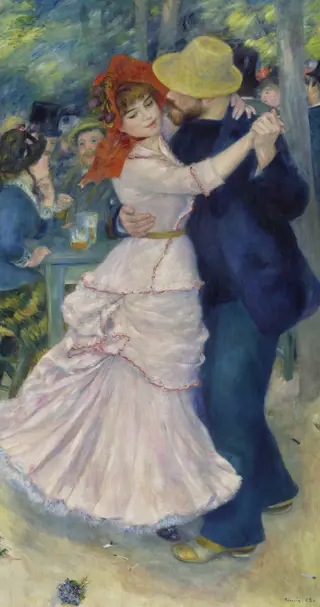 Dance at Bougival
Frequently asked questions
What is Genre Scene?
Genre Scene is an art genre. Paintings of everyday life — taverns, kitchens, markets, and domestic interiors — peopled by ordinary figures rather than heroes or saints.
How many Genre Scene works does Artifact World Gallery have?
Artifact World Gallery holds 6,926 public-domain Genre Scene works, all free to view and download.
Who are the key Genre Scene artists?
Key Genre Scene artists in the collection include Titian, Thomas Eakins and Jean Baptiste Camille Corot.
Where can I see Genre Scene works?
Genre Scene works in the collection are held by National Gallery of Art, Metropolitan Museum of Art and Victoria and Albert Museum.