
Movement
American Folk Art
American Folk Art is an art movement of the 1700–1900 period. The gallery holds 1,414 works in this movement, including works by Francis William Edmonds, Ralph Earl and Thomas Chambers. Browse American Folk Art paintings, portraits, pictures and artworks from the world's public-domain museum collections.
American folk art is the tradition of paintings and decorative objects made by self-taught and artisan-trained makers—sign painters, glaziers, "limners," and itinerant portraitists—from the colonial era through the nineteenth century. It arose because British-descended colonists prized portraiture as a marker of social standing, but academically trained painters clustered in the cities. Limners (the word derives from "limning," to outline in sharp detail) filled the gap, traveling town to town to paint anything from tavern signs and carriages to family likenesses. In a country without art academies and, before the 1840s, without photography, these craftsmen made portraiture available to ordinary farmers, merchants, and their children.
The folk aesthetic is bold, flat, and direct. Working from English mezzotint prints rather than life, painters favored crisp linear contour, even frontal lighting, vivid local color, and decorative pattern over correct perspective or anatomy. Sitters are rendered with frank, unsentimental likeness, often posed with emblematic attributes—a book, a pet, a map—that signal education or aspiration. The same flat, two-dimensional design and strong value contrast that served a sign painter became the hallmark of the style.
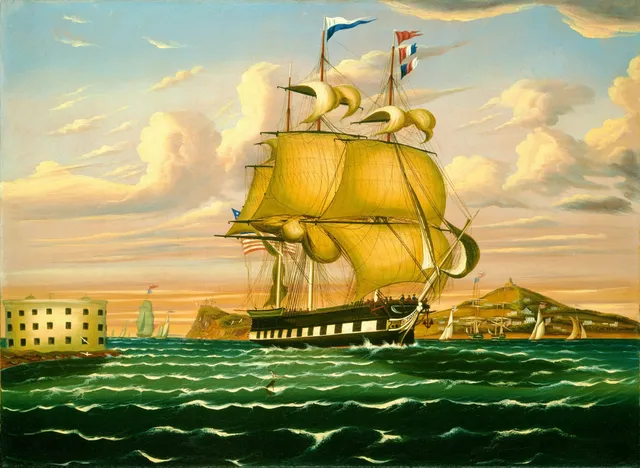
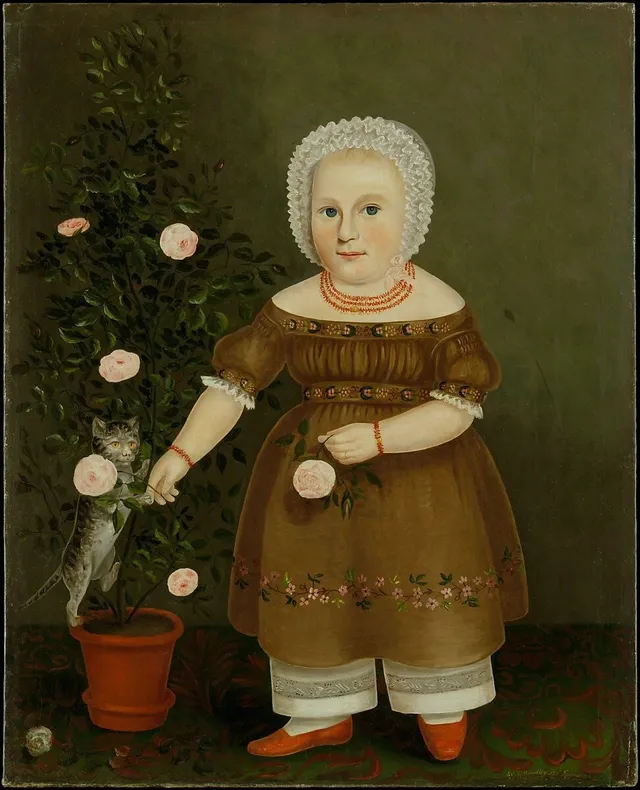
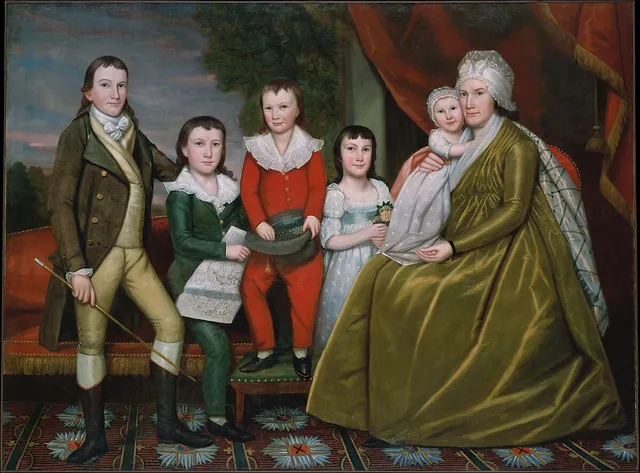
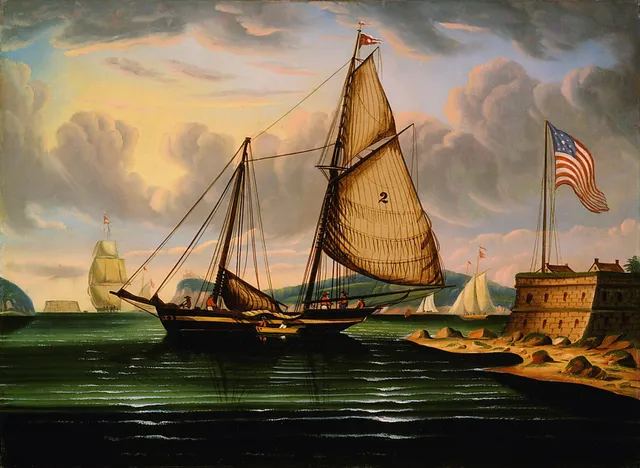
The canon spans a century. Joseph Badger (1708–1765), a self-taught Boston glazier and sign painter, produced some 150 portraits before Copley eclipsed him. Ralph Earl (1751–1801), though trained in England, simplified his manner for rural New England patrons; his grand group portrait Mrs. Noah Smith and Her Children (1798), painted in Bennington, Vermont, is a touchstone. John Bradley painted the charming Emma Homan (c. 1844) in New York, and Thomas Chambers (1808–1869) brought rhythmic contour and bold color to marine and Hudson River scenes such as Packet Ship Passing Castle Williams. The Quaker minister Edward Hicks made roughly sixty Peaceable Kingdom canvases, while Ammi Phillips and Erastus Salisbury Field (1805–1900) defined nineteenth-century folk portraiture.
Long dismissed as "primitive," folk art was rediscovered in the 1920s and 1930s by modernist collectors who prized its flatness and abstraction. The Museum of Modern Art showed Grandma Moses in 1939, and the American Folk Art Museum now anchors the field. It stands as the vernacular counterpart to academic genre and Hudson River School painting—art of the common people, made by their own hands.
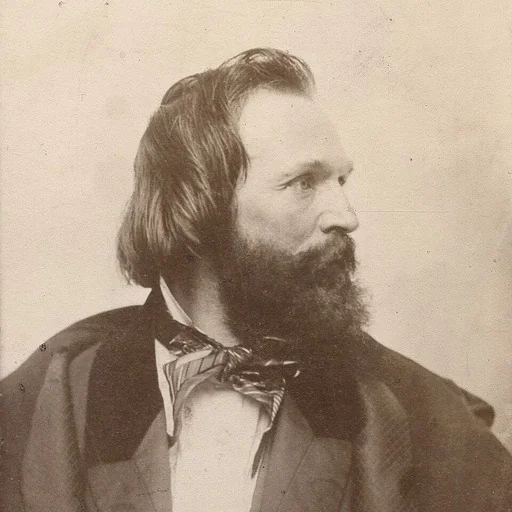
Key artists
Works
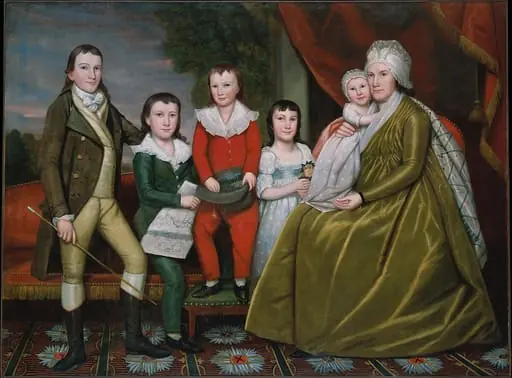 Mrs. Noah Smith and Her Children
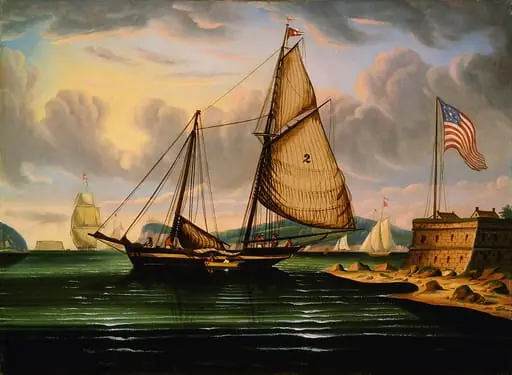 New York Harbor with Pilot Boat "George Washington"
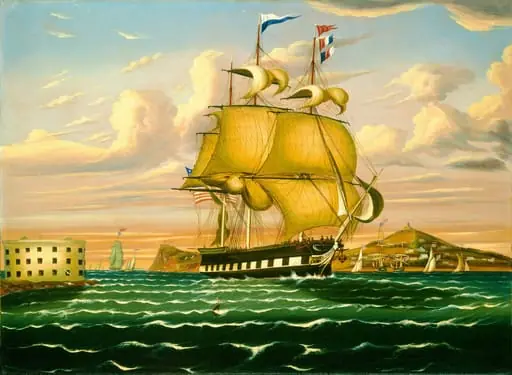 Packet Ship Passing Castle Williams, New York Harbor
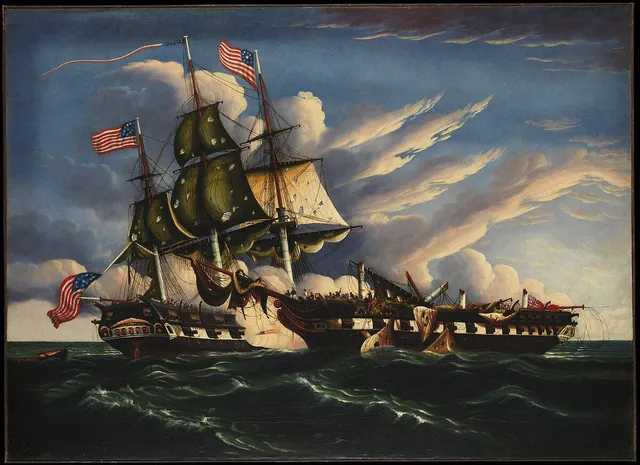
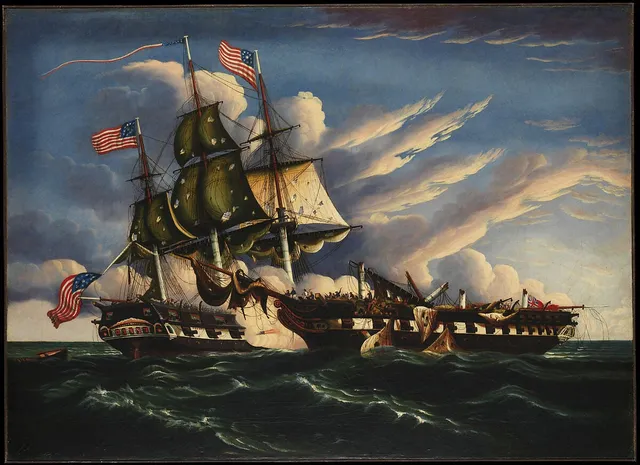
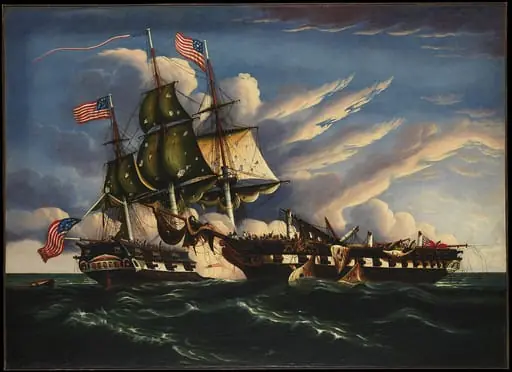 The Constitution and the Guerriere
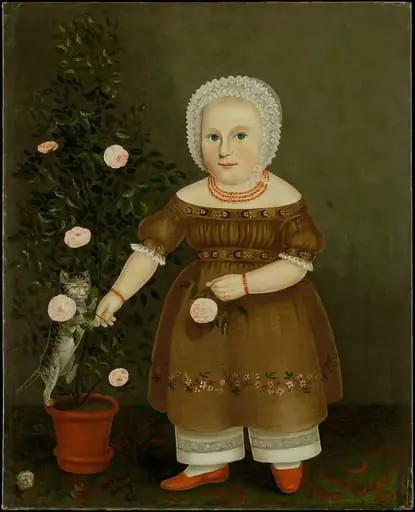 Emma Homan
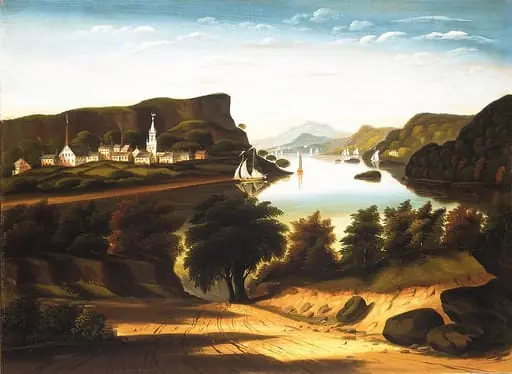 Lake George and the Village of Caldwell
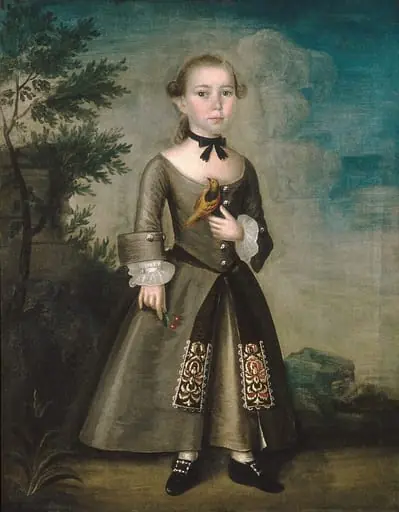 James Badger
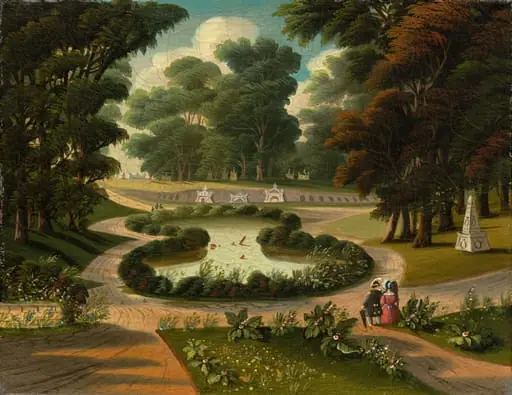 Mount Auburn Cemetery
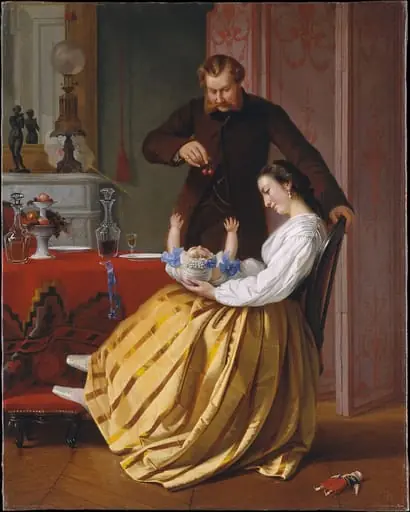 Conversation Piece
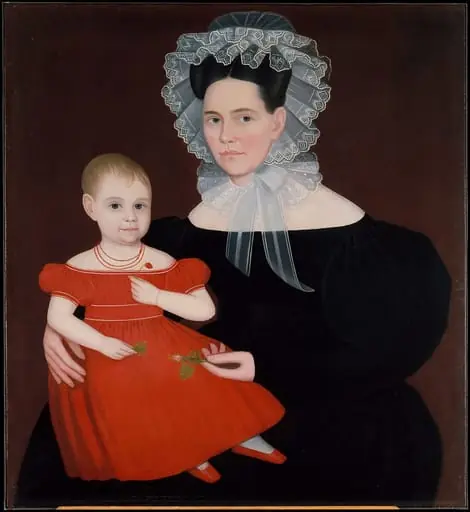 Mrs. Mayer and Daughter
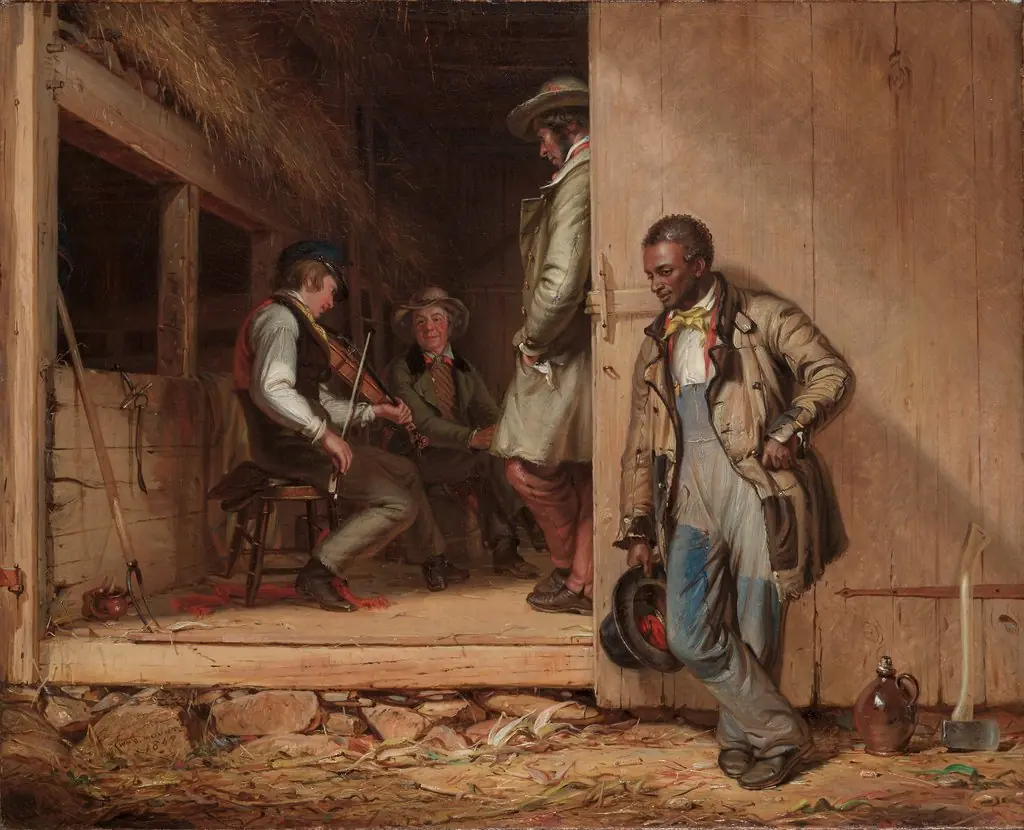 The Power of Music
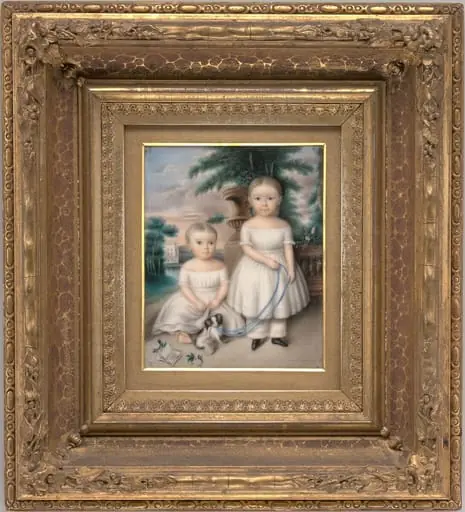 Watson Van Benthuysen II and Thomas Van Benthuysen
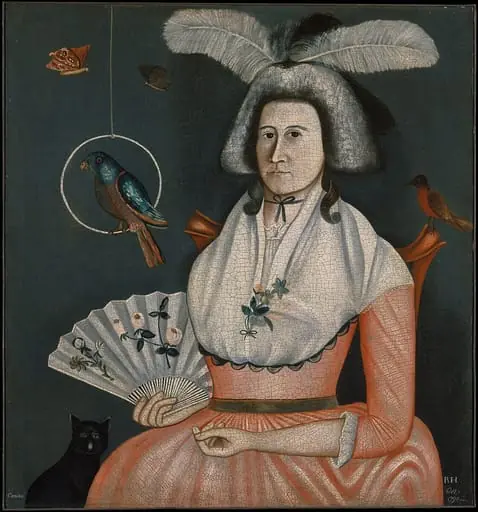 Molly Wales Fobes
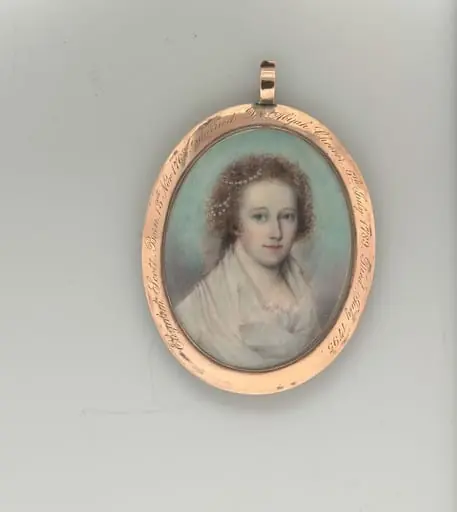 Mrs. Abijah Cheever (Elizabeth Scott)
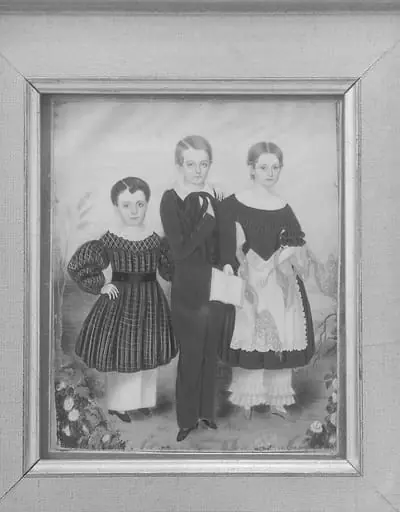 The Starbird Children
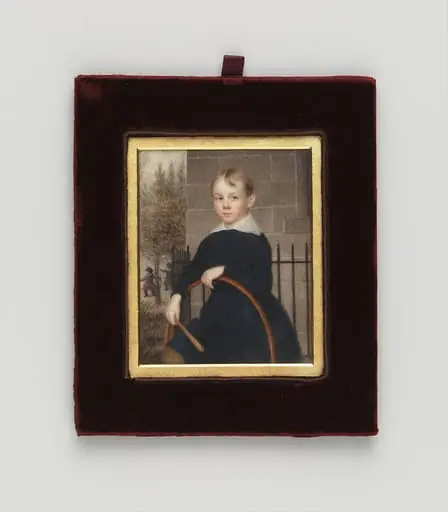 Paul Joseph Revere
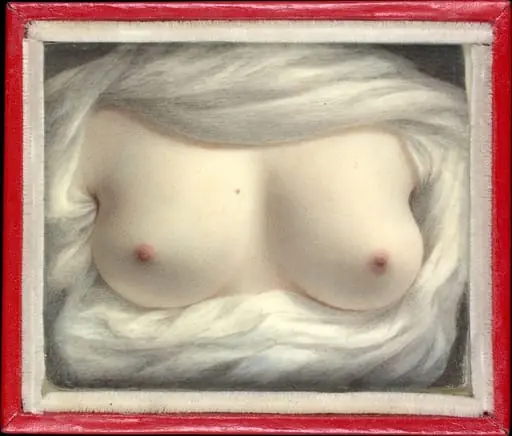 Beauty Revealed
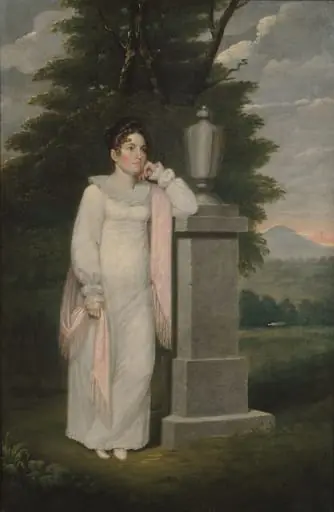 Mrs. Cephas Thompson (Olivia Leonard)
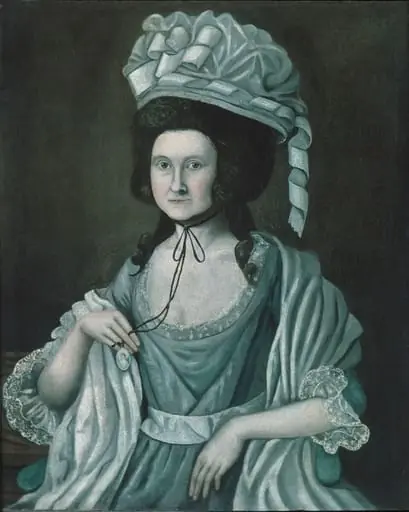 Sally Sanford Perit
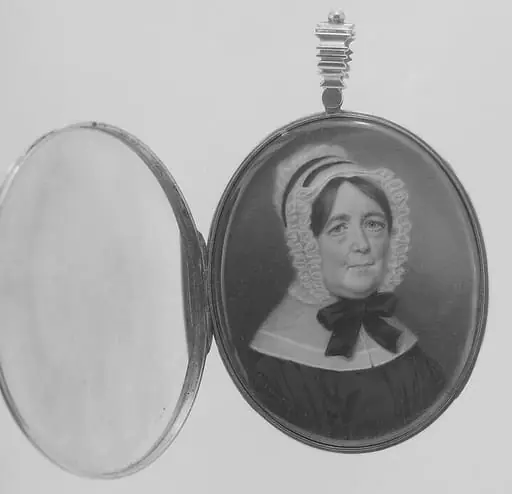 Mrs. A. Otis
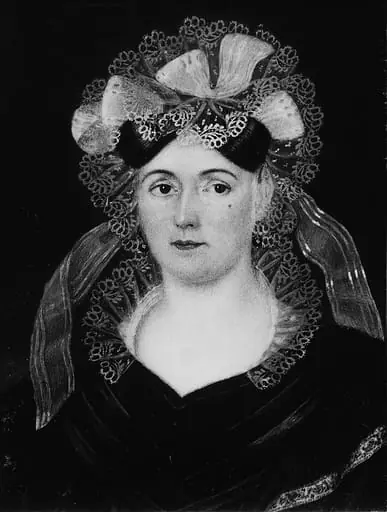 Self portrait
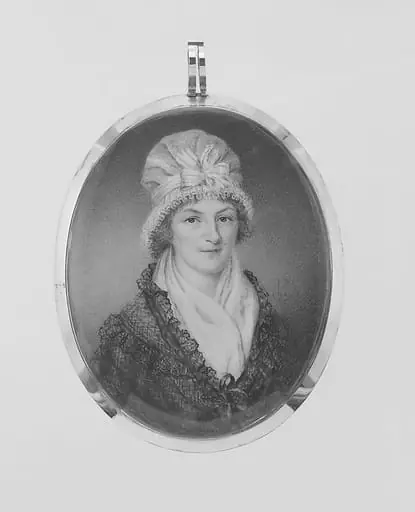 Mrs. Joseph Cooper (Mary Justice)
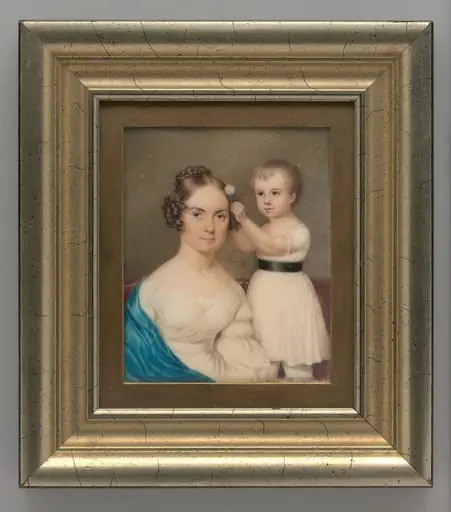 Mrs. William Gordon Ver Planck and Her Son Samuel Hopkins Ver Planck
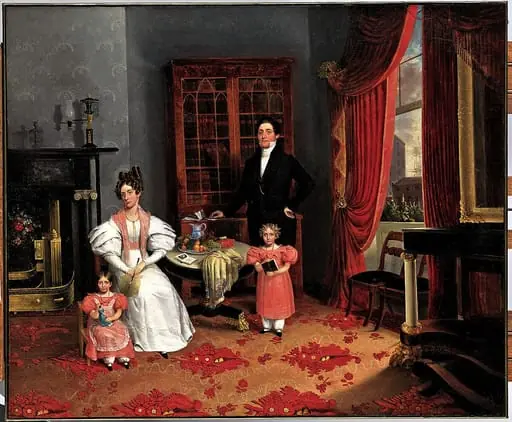 The Family of John Q. Aymar
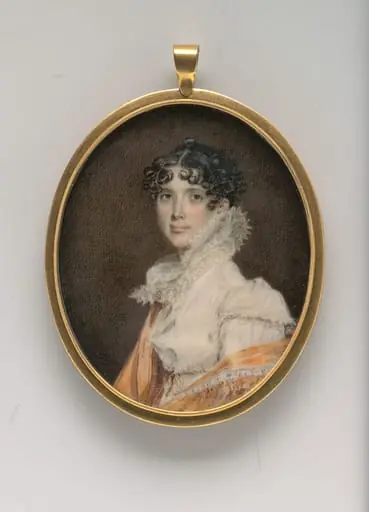 Mrs. Nathaniel Chapman (Rebekah Biddle)
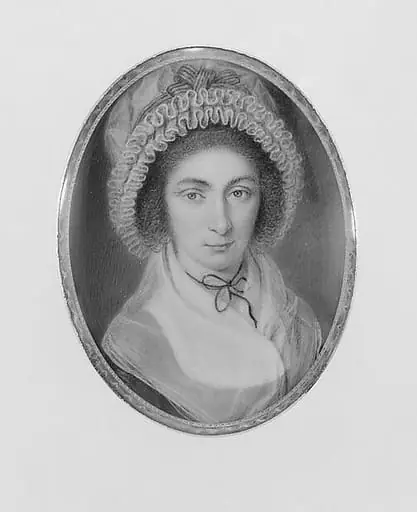 Mrs. John McAllister (Frances Wardale)
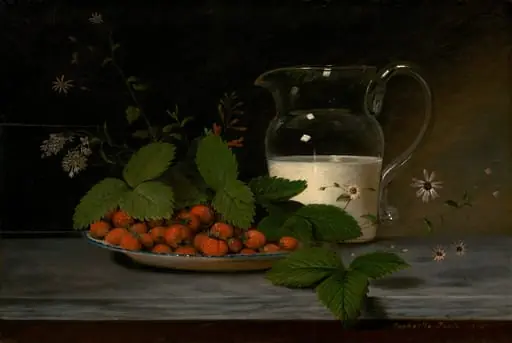 Strawberries and Cream
 Summer Flowers
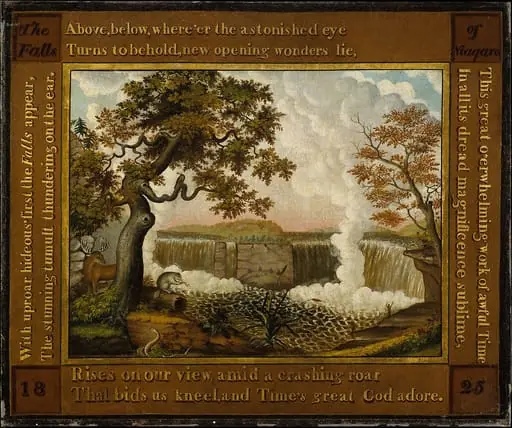 The Falls of Niagara
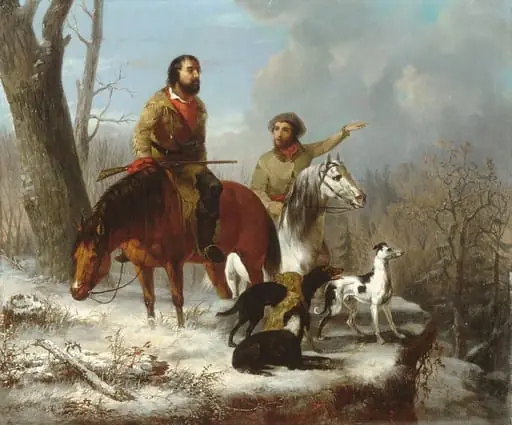 Trappers
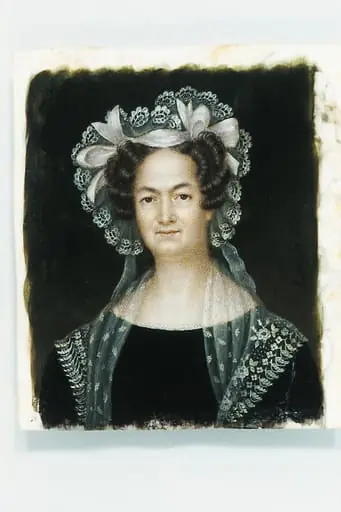 Mrs. Jacob Gerard Koch (Jane Griffith)
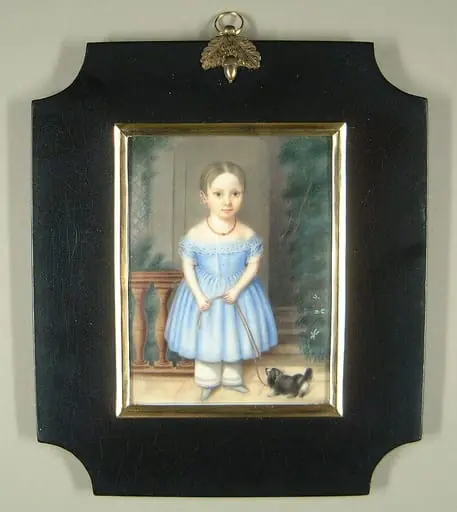 Mary R. Whitlock
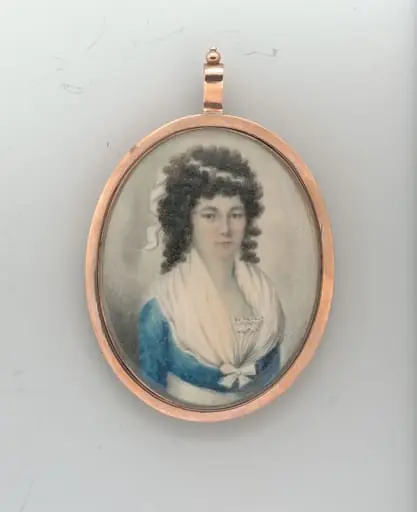 Portrait of a Lady
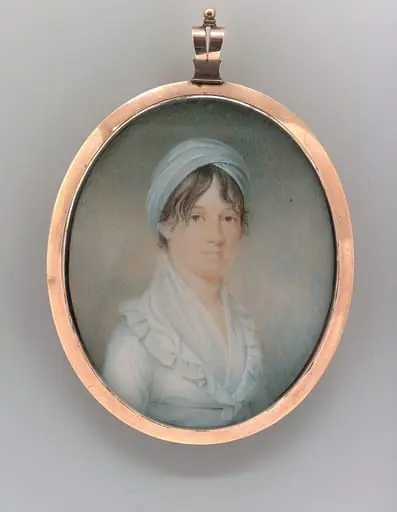 Mrs. Jonathan Pinkney, Jr. (Elizabeth Munroe)
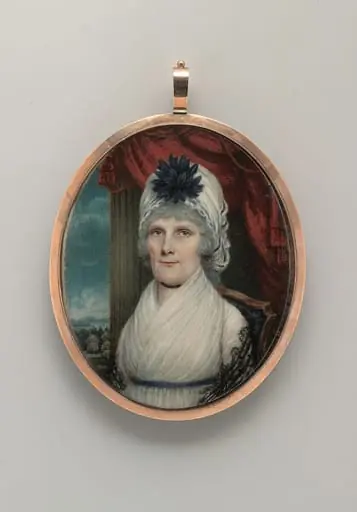 Portrait of a Lady
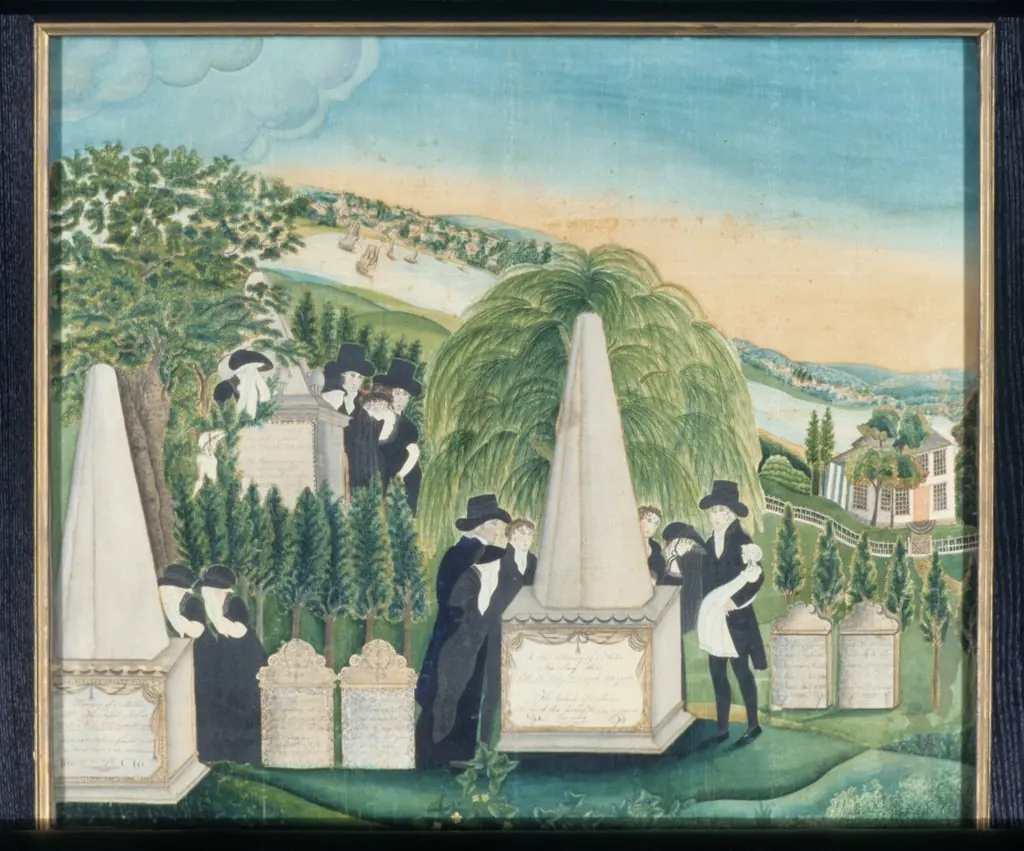 Memorial painting
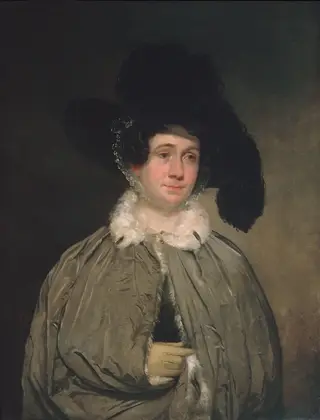 Mrs. Thomas Brewster Coolidge
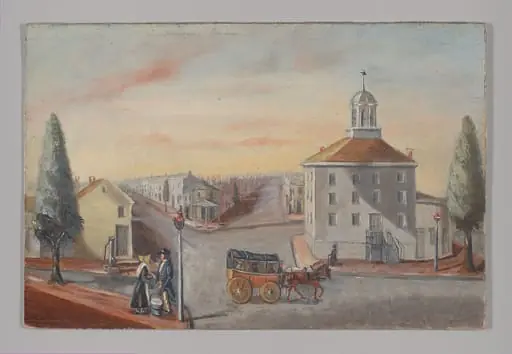 Hot Corn Seller
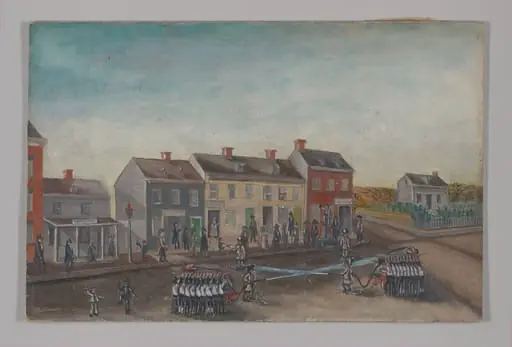 Firemen's Washing Day
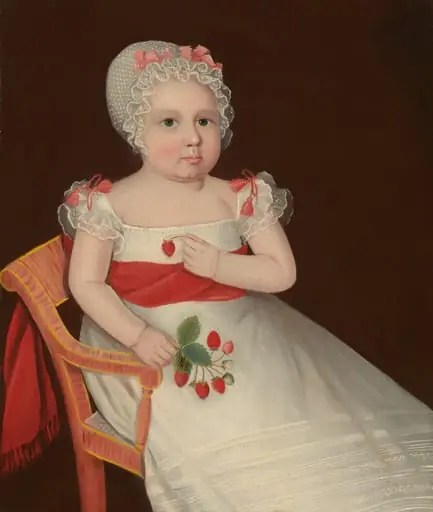 The Strawberry Girl
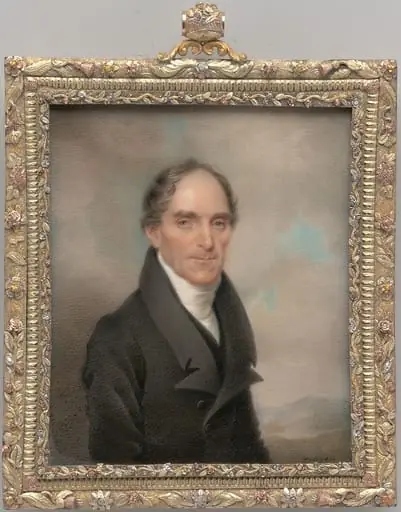 Dr. Francis Kinloch Huger
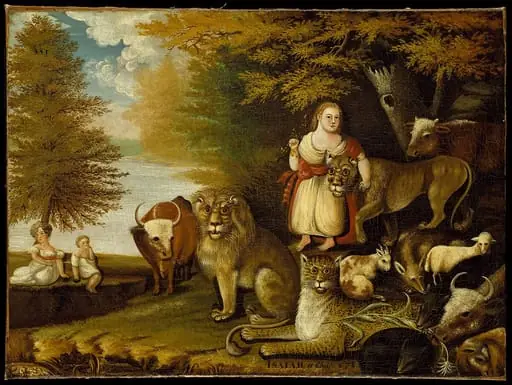 Peaceable Kingdom
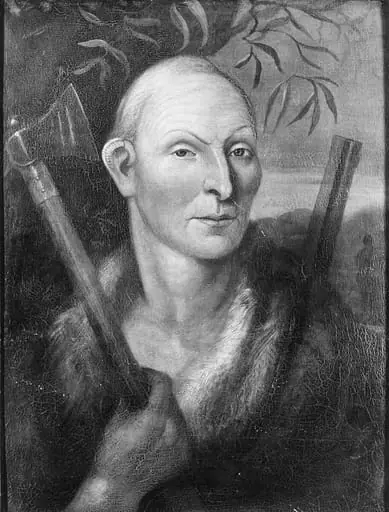 Black Hawk
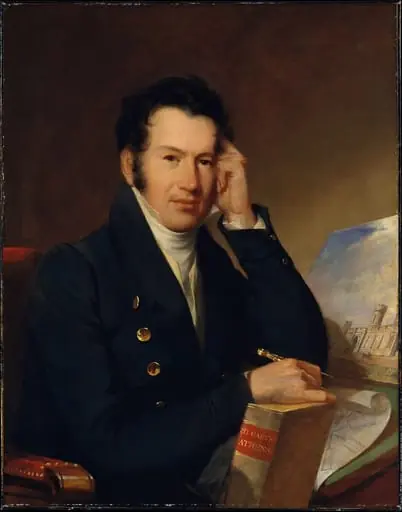 John Haviland
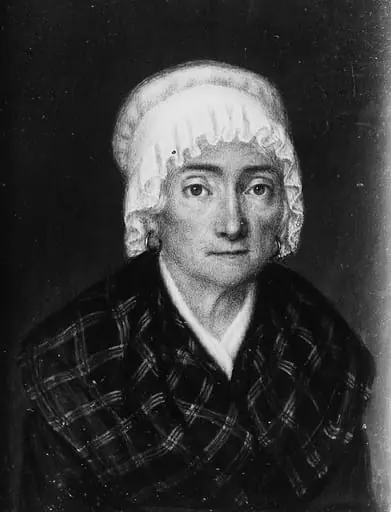 Mrs. Daniel Strobel Jr. (Anna Church)
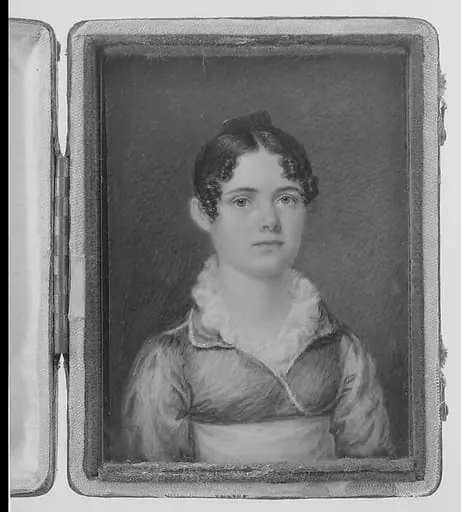 Portrait of a Lady
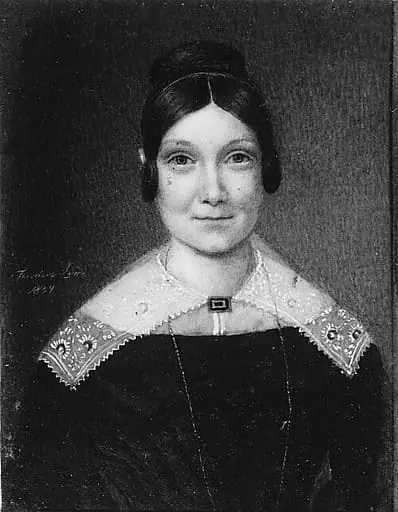 Mrs. Warren Rogers (Julie Francoise Gabrielle d'Anterroches)
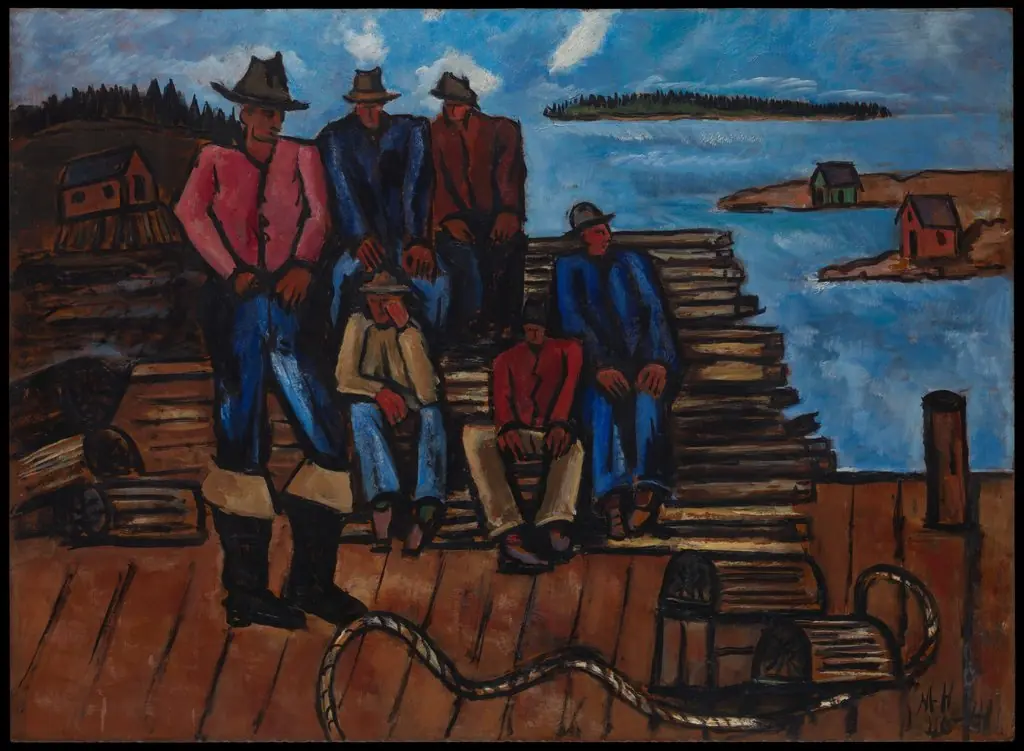 Lobster Fishermen
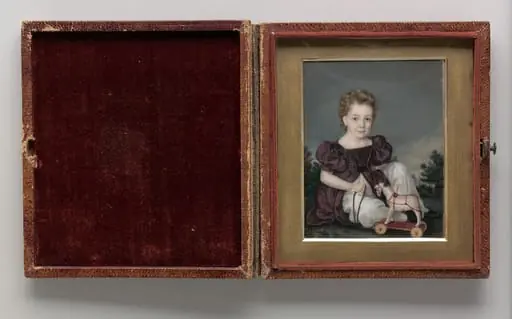 Portrait of a Boy
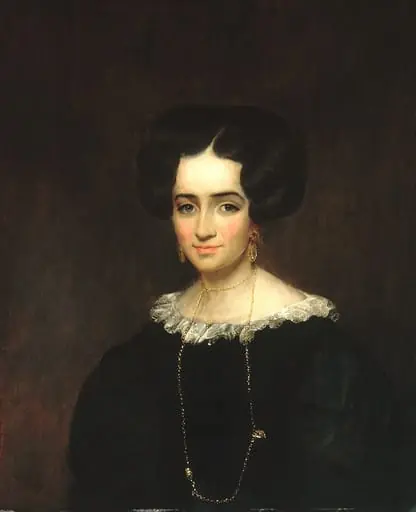 Mrs. John Adams Conant
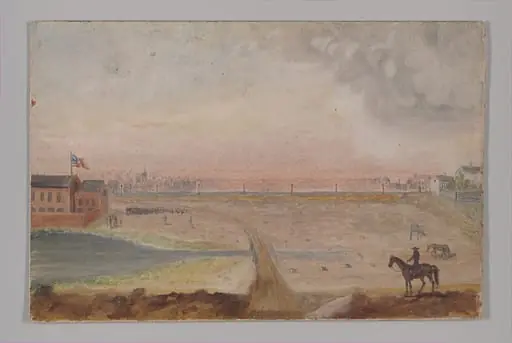 Militia Drilling
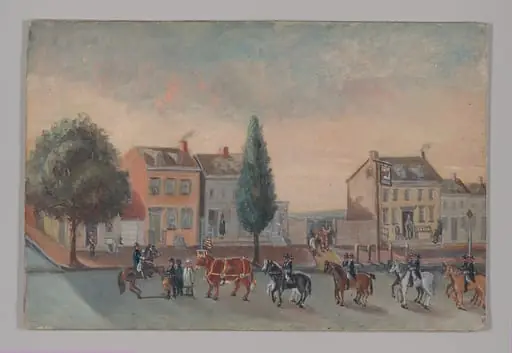 Bull's Head Tavern
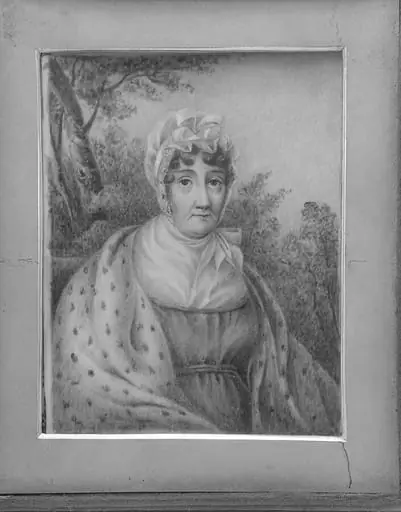 Mrs. Teakes
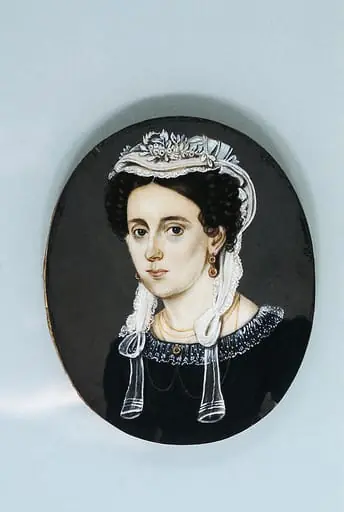 Portrait of a Lady
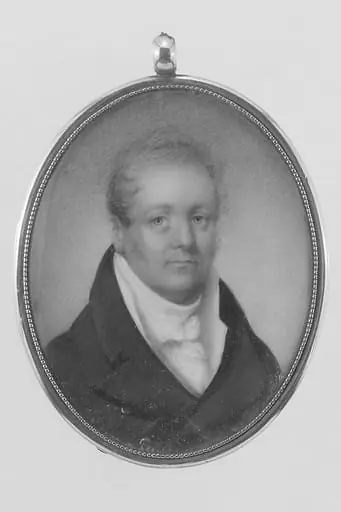 Charles Henry Hall
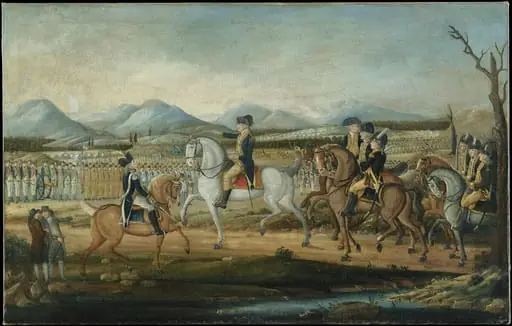 Washington Reviewing the Western Army at Fort Cumberland, Maryland
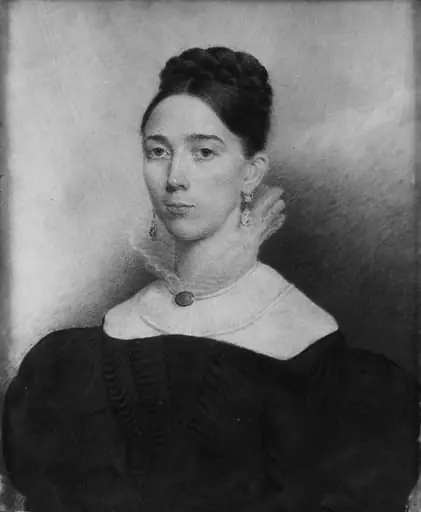 Alice Goudry
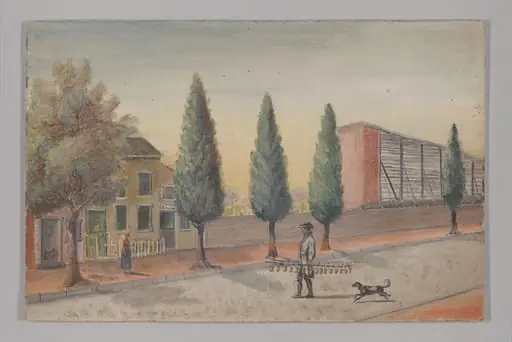 Strawberry Pedlar
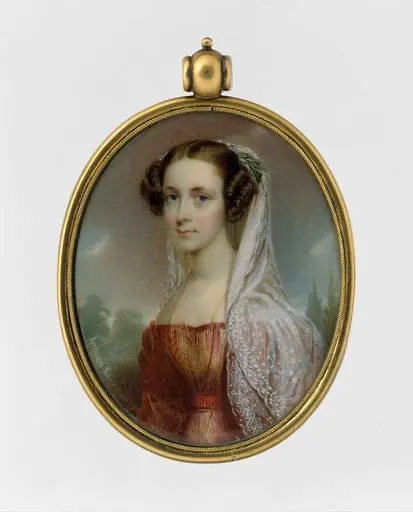 Portrait of a Lady
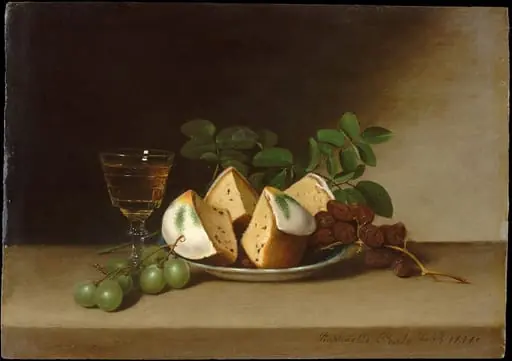 Still Life with Cake
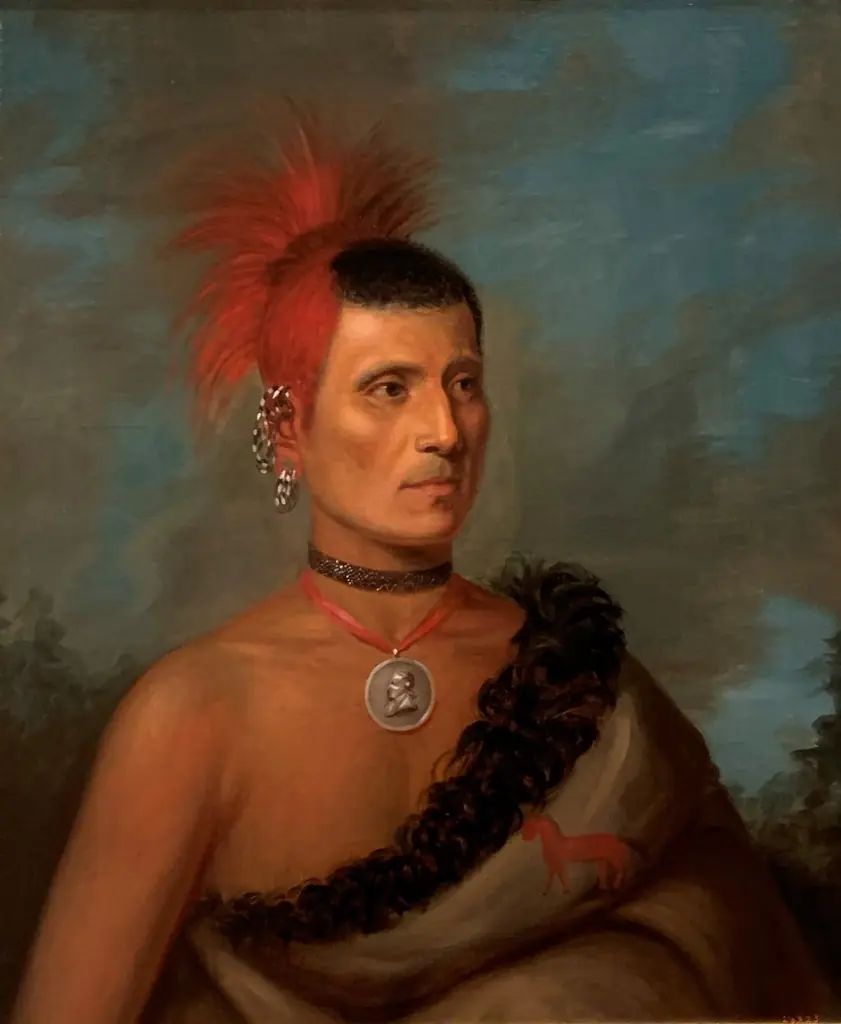 Pes-Ke-Le-Cha-Co
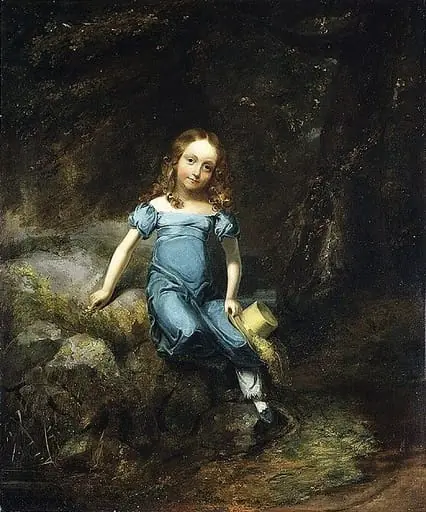 Janet Halleck Drake
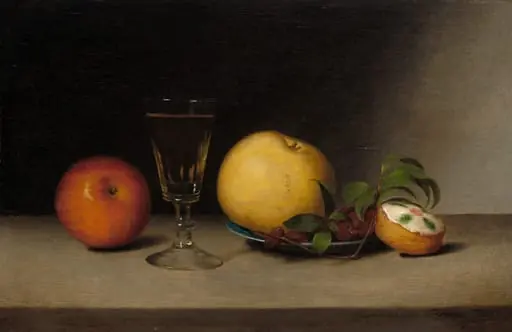 Still Life with Apples, Sherry, and Tea Cake
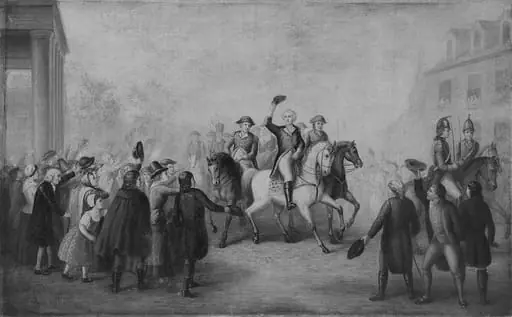 Washington's Triumphal Entry into New York
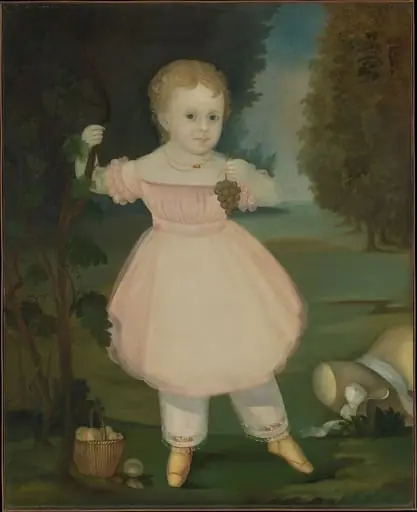 Portrait of a Little Girl Picking Grapes
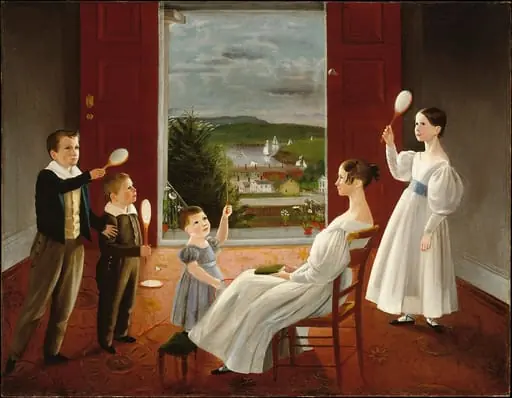 The Children of Nathan Starr
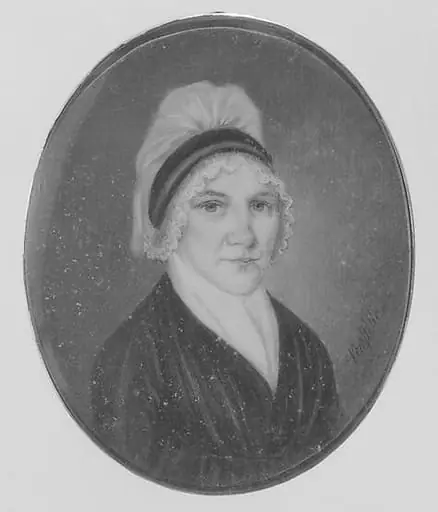 Mrs. Anstis Stone
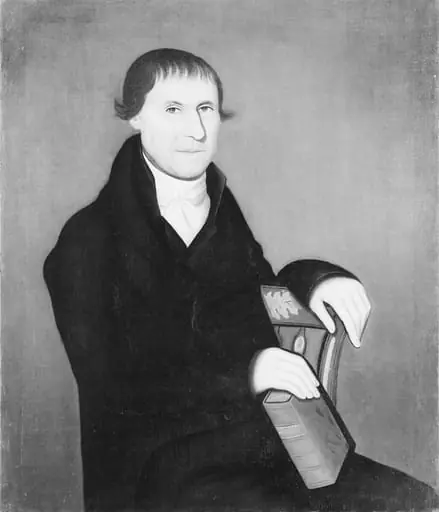 Philip Slade
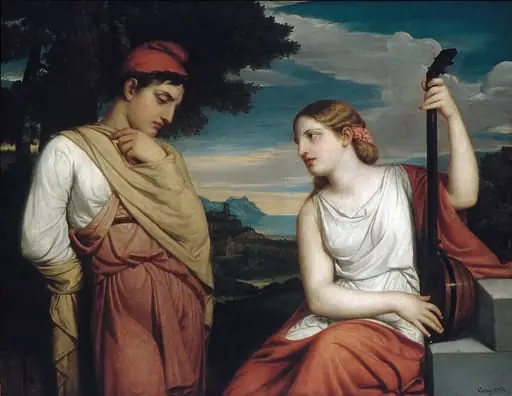 The Greek Lovers
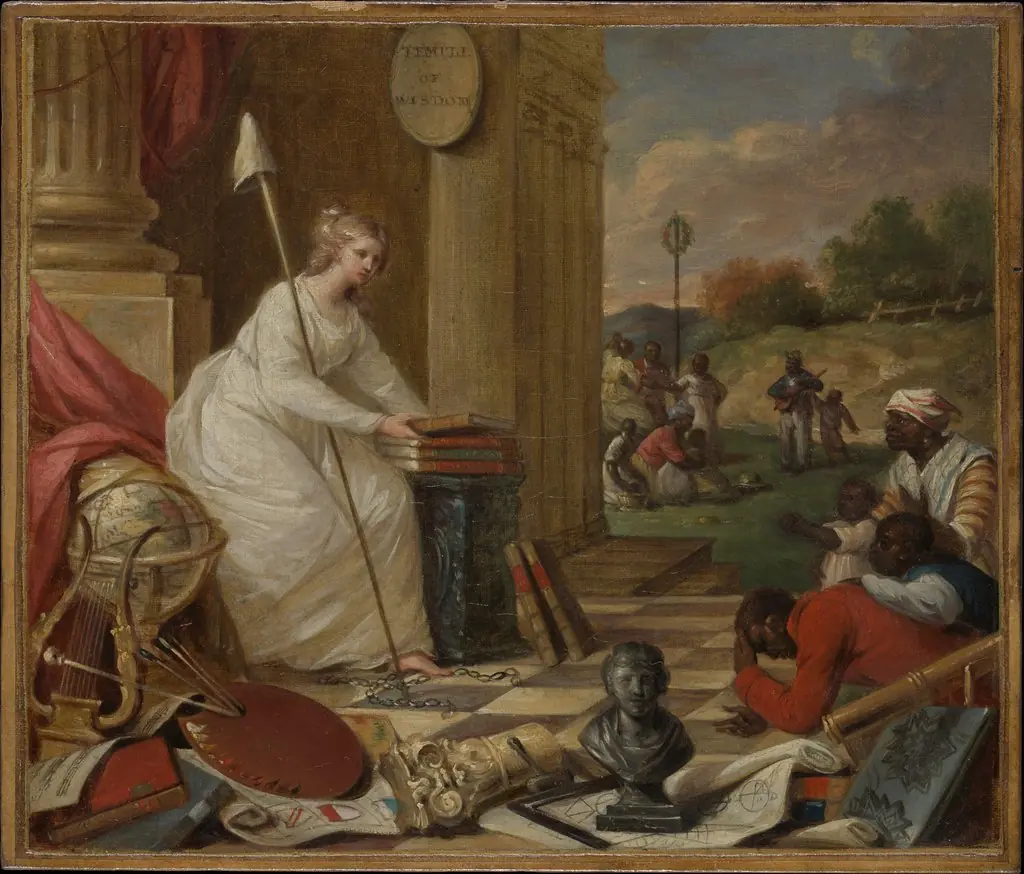 Study For Liberty Displaying the Arts and Sciences, or The Genius of America Encouraging the Emancipation of the Blacks
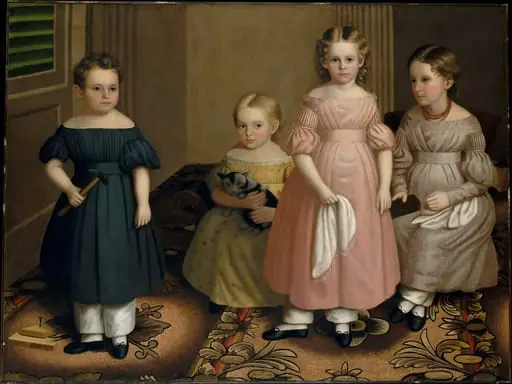 The Alling Children
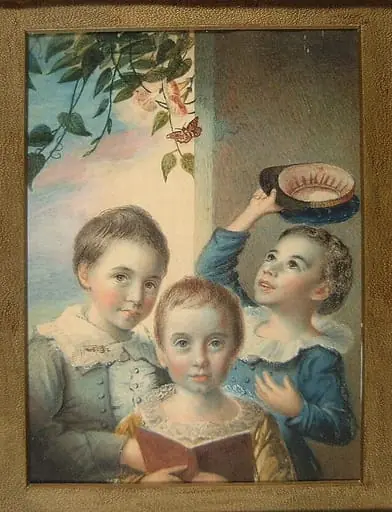 Portrait of Three Boys
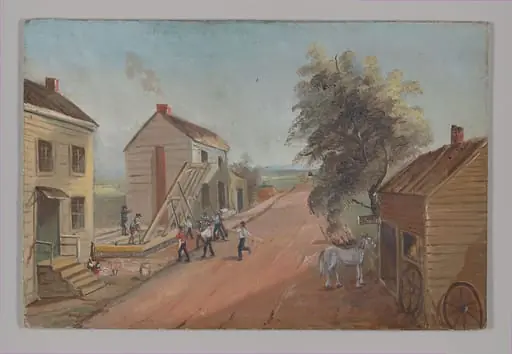 House Raising
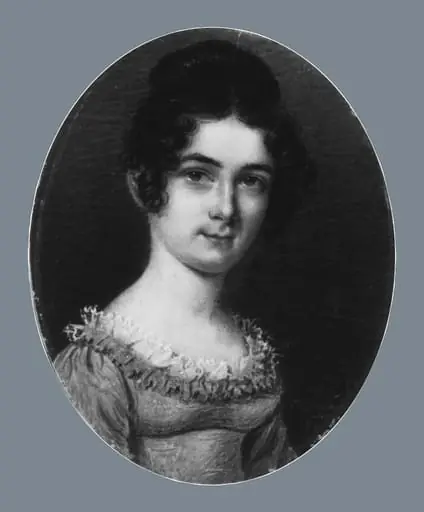 Mrs. Thomas Larcombe (Anna Smith)
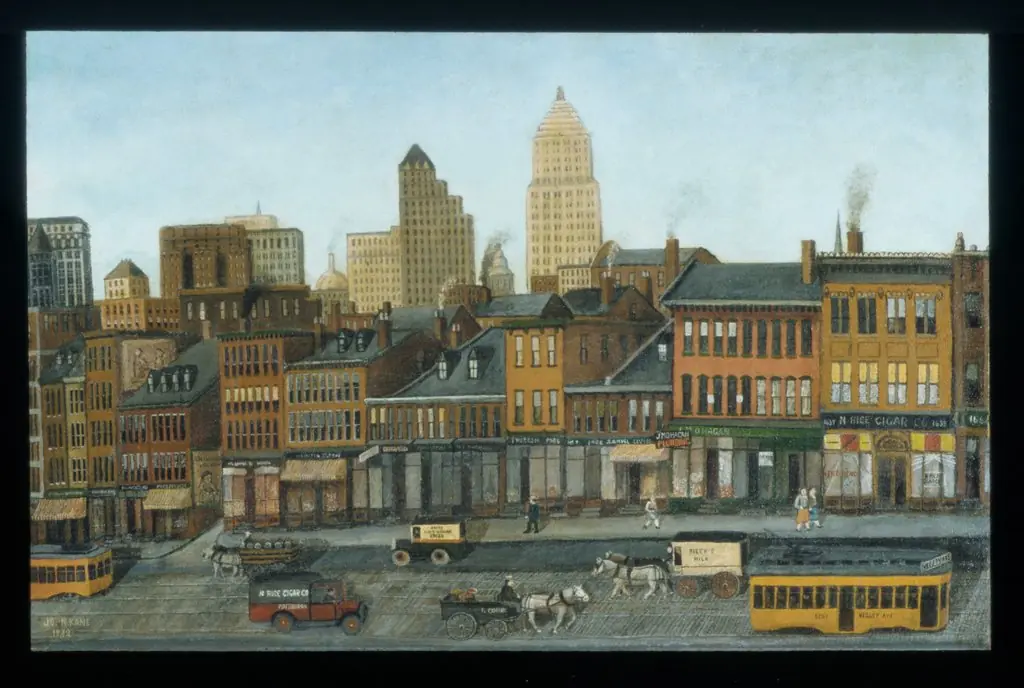 From My Studio Window
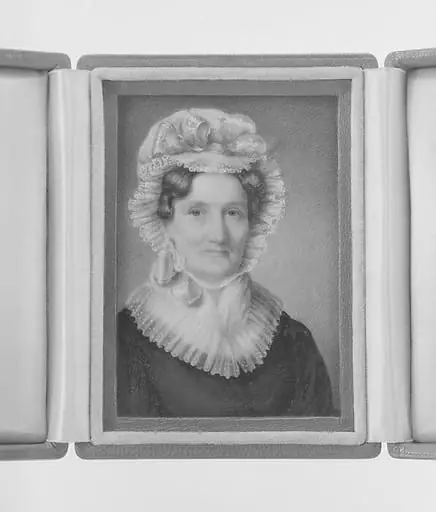 Mrs. George Burroughs (Mary Fullerton)
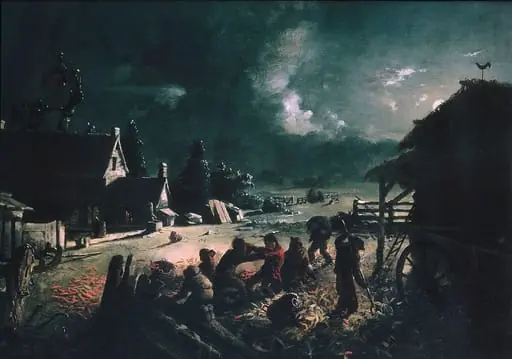 Corn Husking
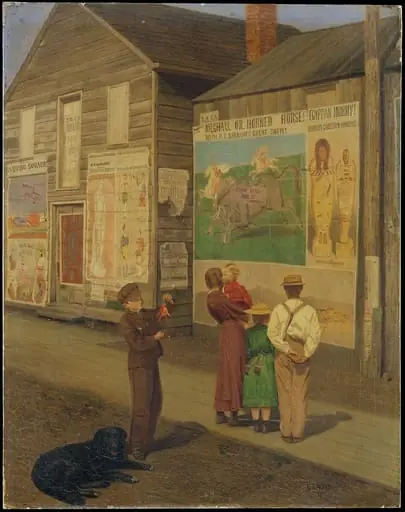 Coming Events Cast Their Shadows Before
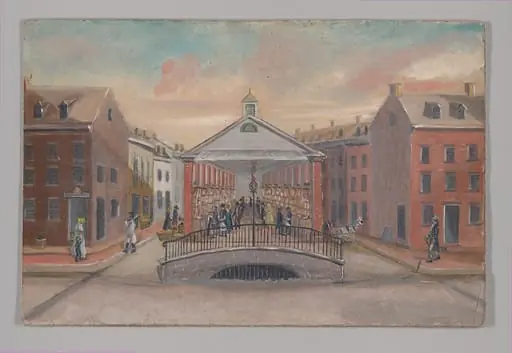 Fly Market
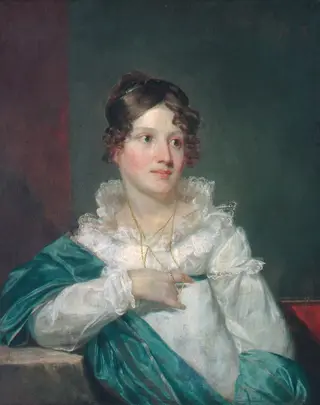 Mrs. Daniel DeSaussure Bacot
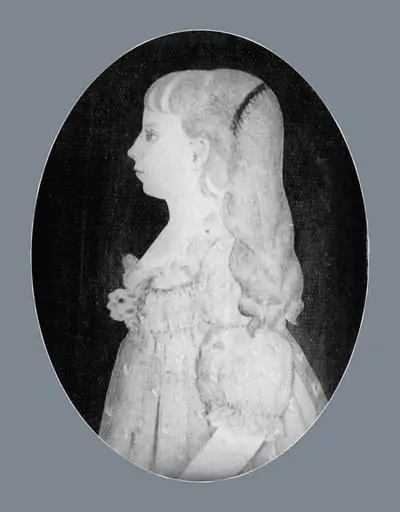 Mary House
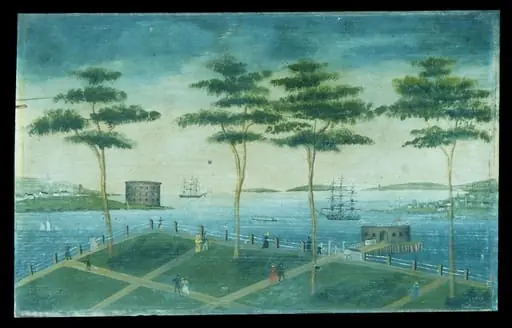 View of the Battery, New York
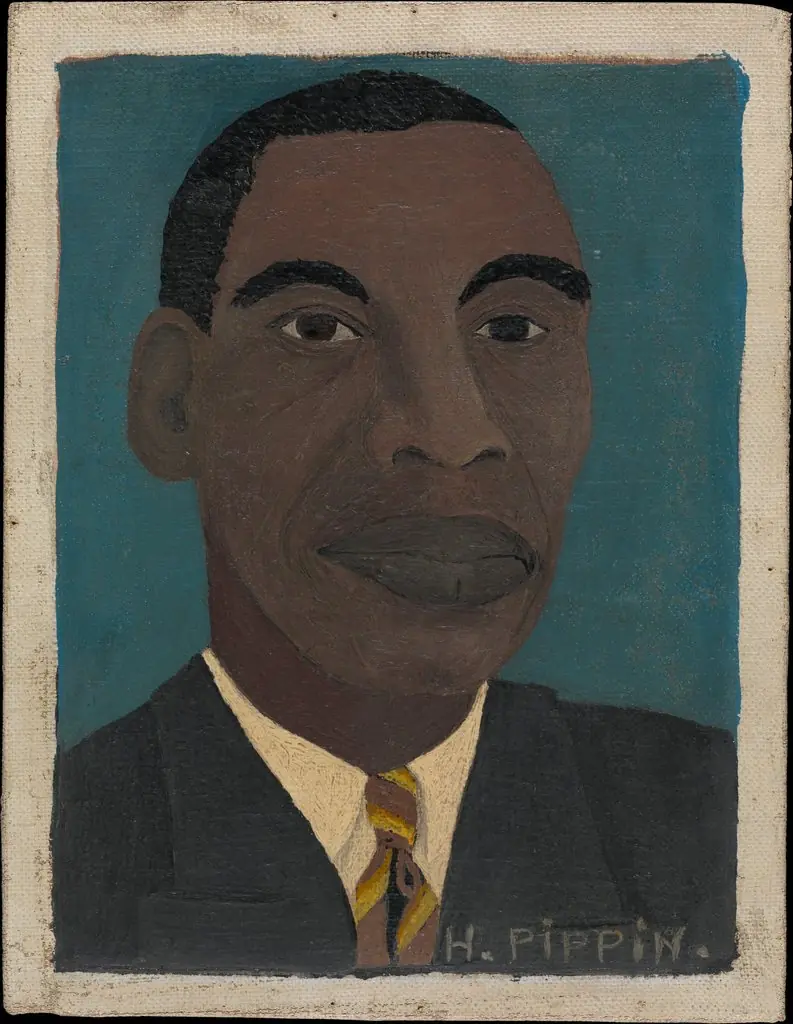 Self-Portrait
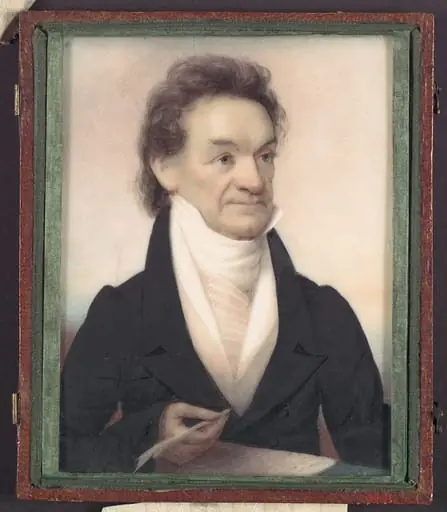 Edward Livingston
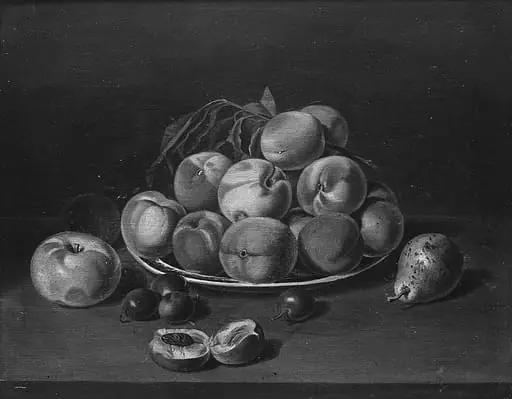 Still Life: Peaches, Apple, and Pear
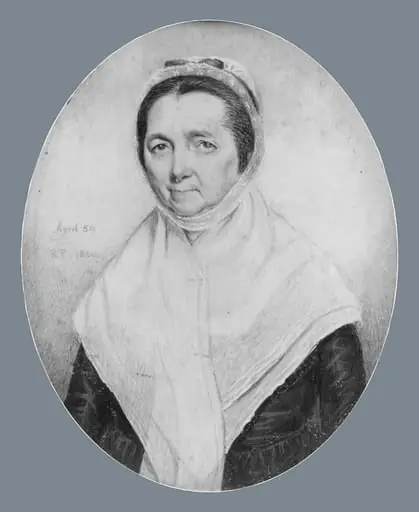 Mrs. John Montgomery (Sarah Diemer)
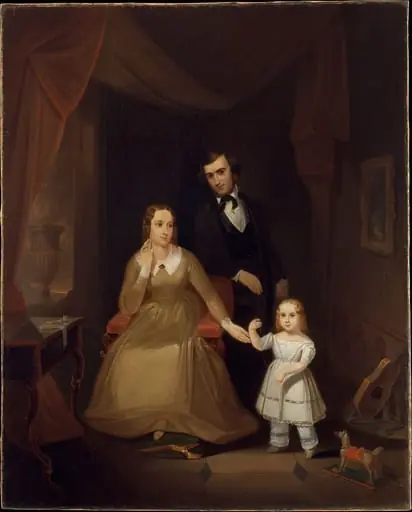 The Williamson Family
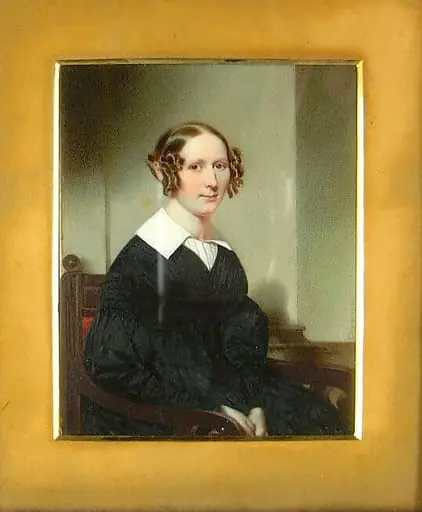 Mrs. Oswald John Cammann (Catherine Navarre Macomb)
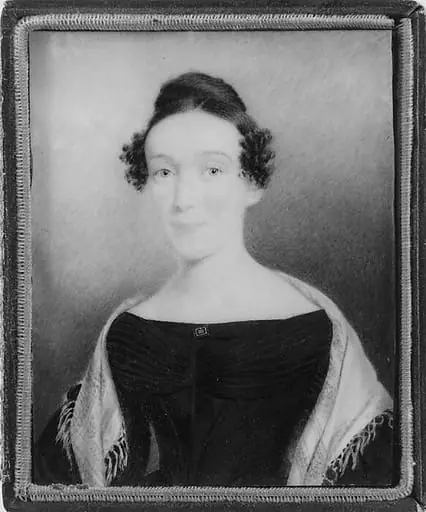 Portrait of a Lady
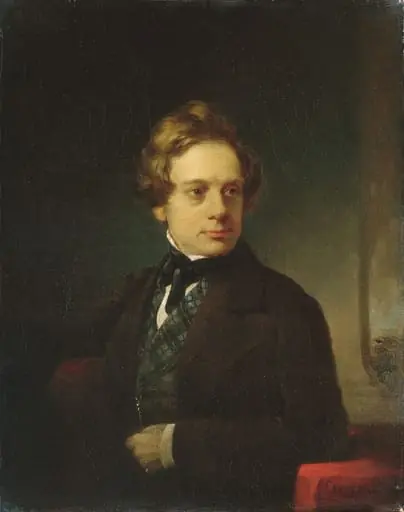 Henry Inman
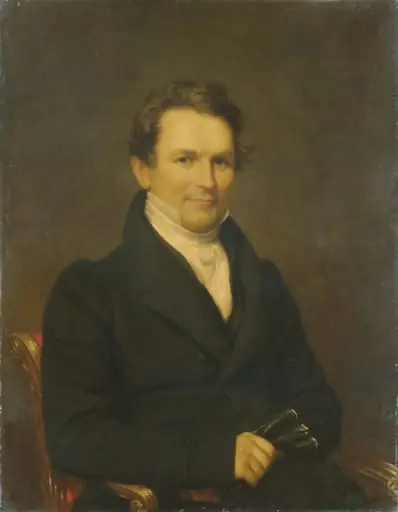 Edward Kellogg
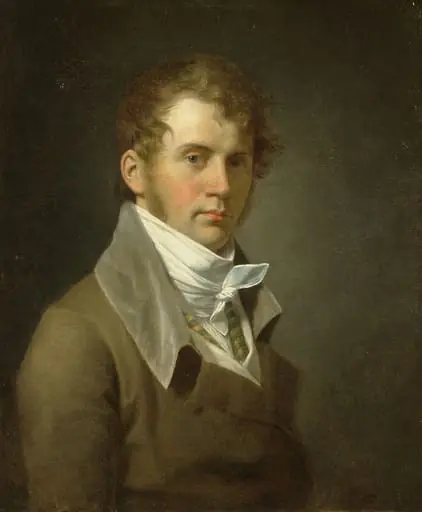 Portrait of the Artist
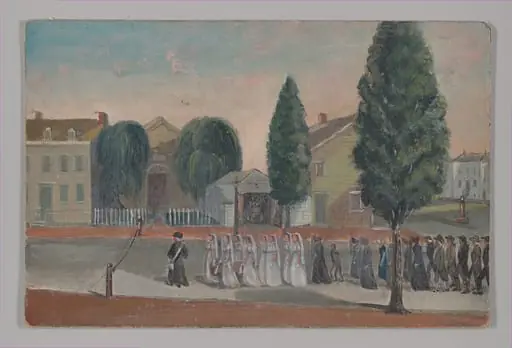 Infant Funeral Procession
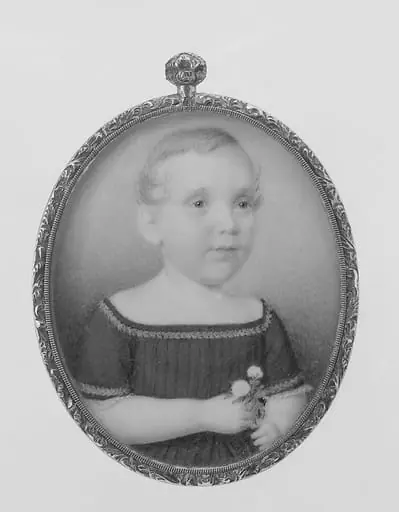 Portrait of a Boy
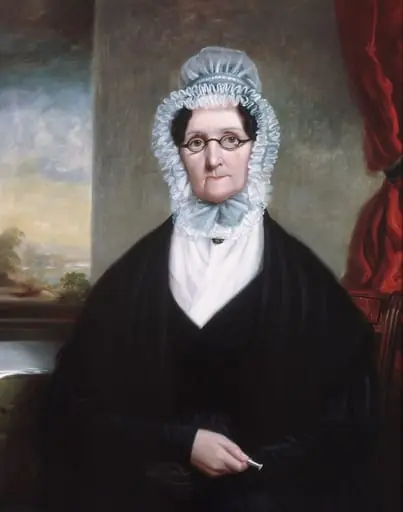 Catherine Brooks Hall
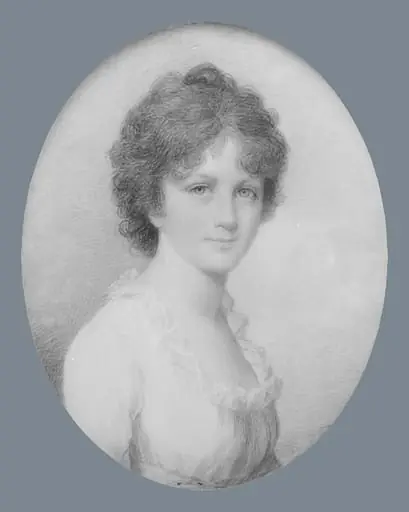 Mrs. James Lowndes (Catherine Osborn)
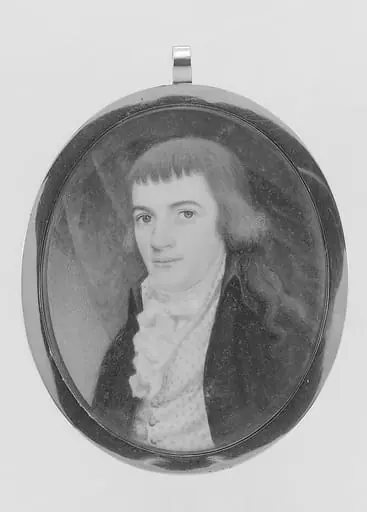 Nathaniel Pearce
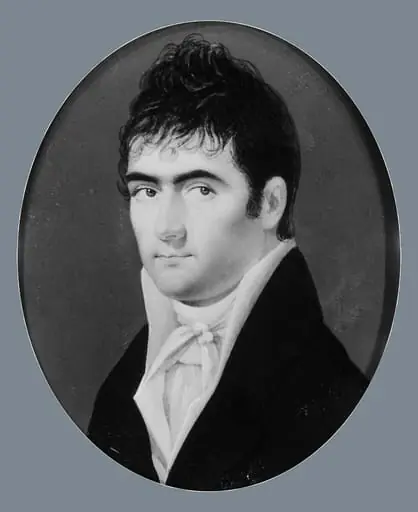 Self-portrait
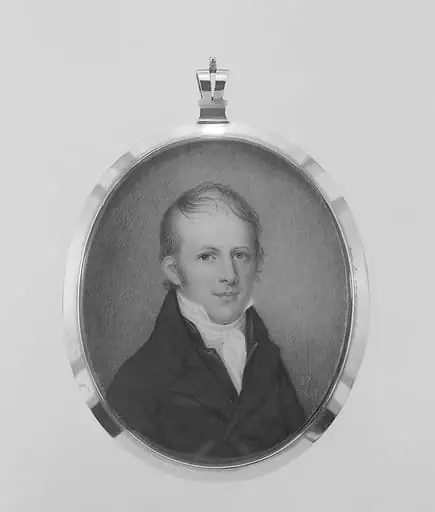 William Young
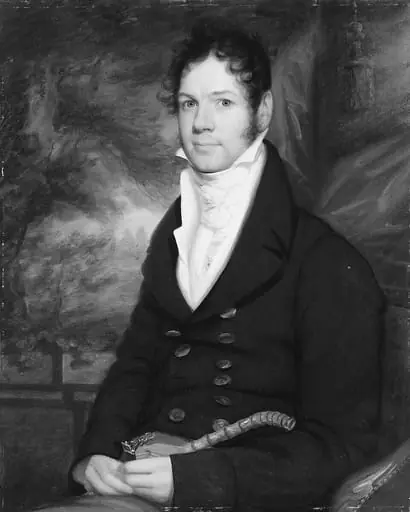 Robert Dickey
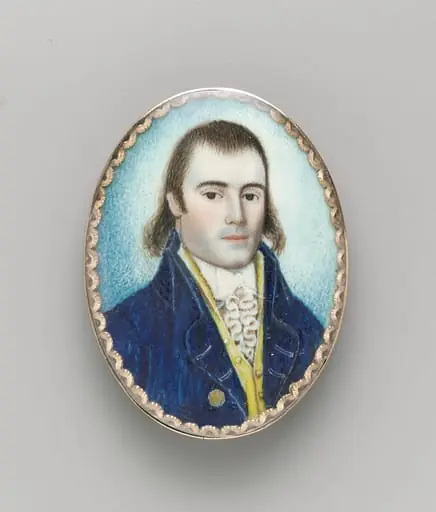 Jasper Ely Cropsey
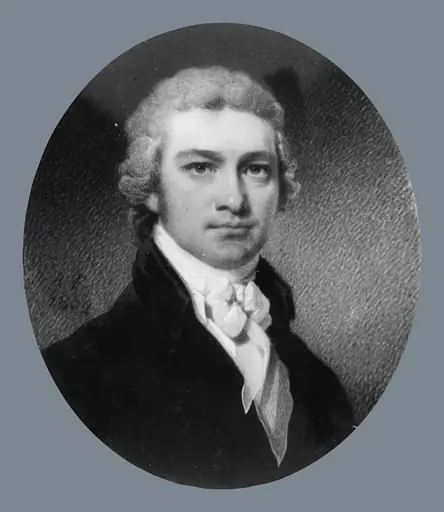 Charles Goldsborough
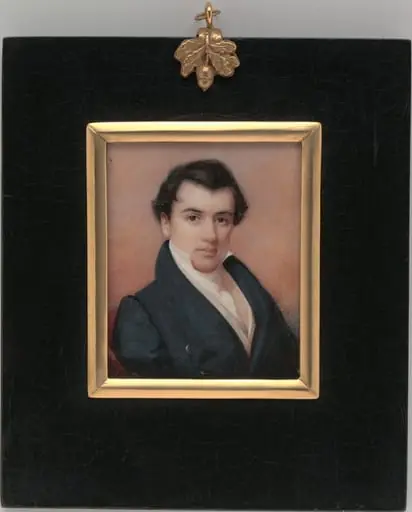 John Neagle
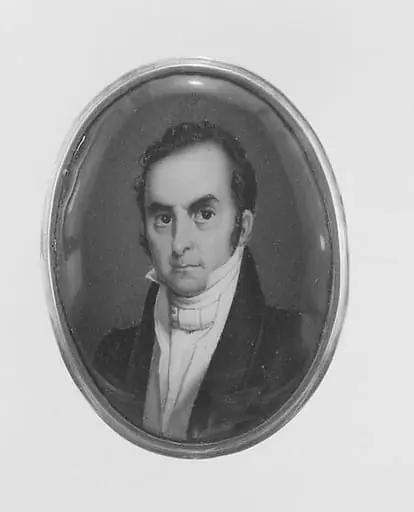 Daniel Webster
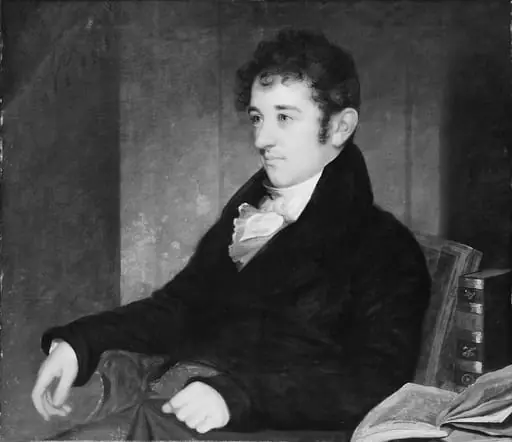 Gulian Verplanck
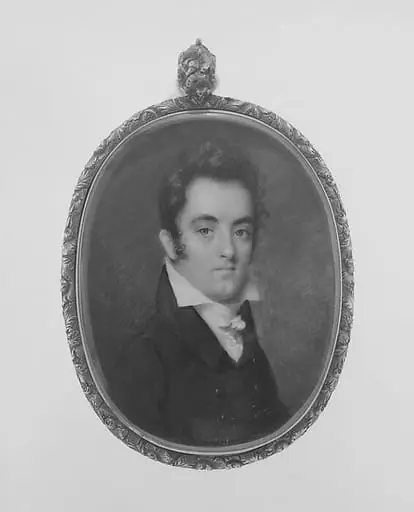 William Burrows
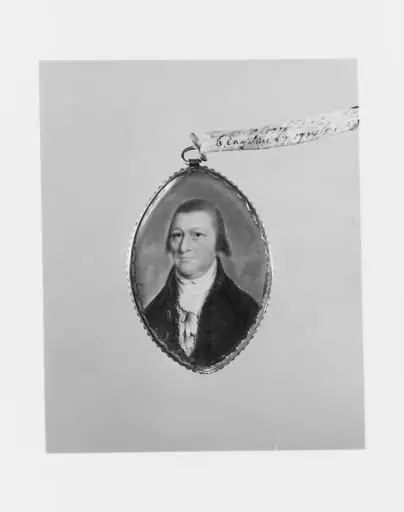 Theophylact Bache
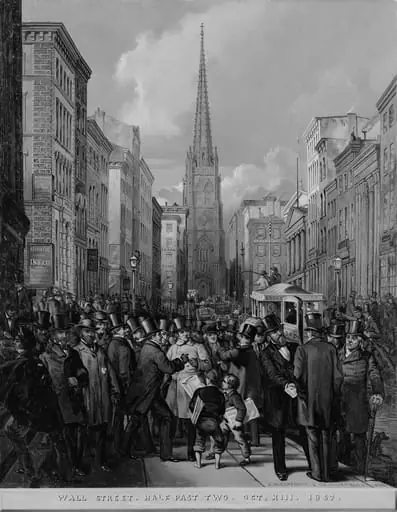 Wall Street, Half Past Two, October 13, 1857
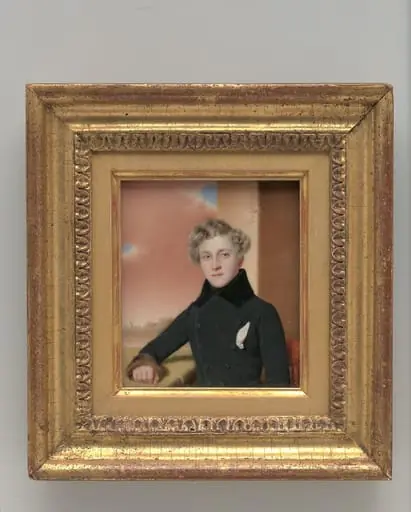 Edward S. Dodge
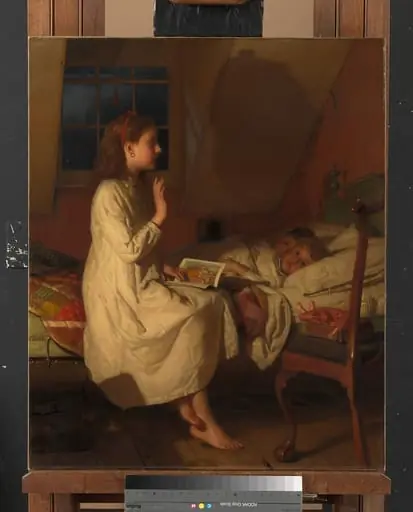 Story of Golden Locks
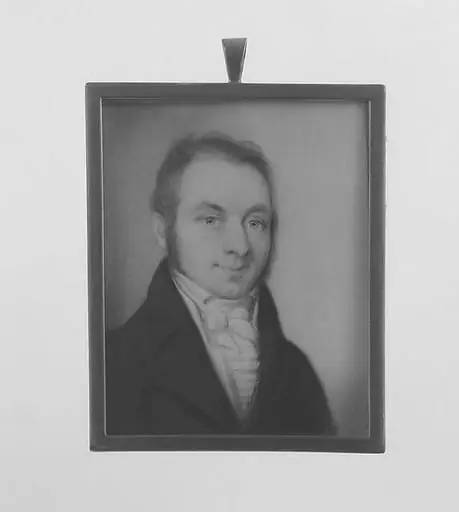 James Fowle Baldwin
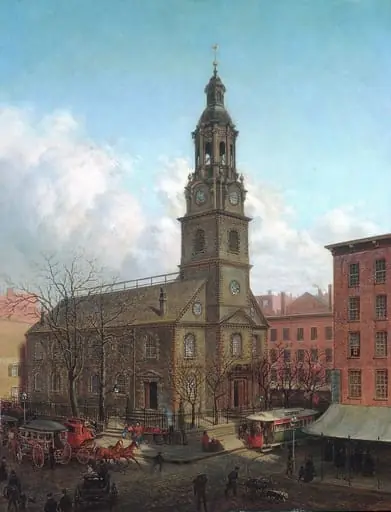 The North Dutch Church, Fulton and William Streets, New York
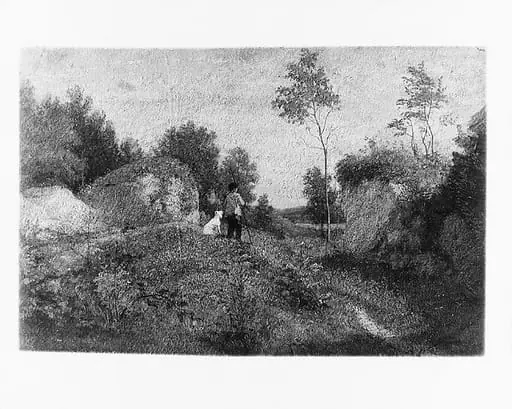 Landscape
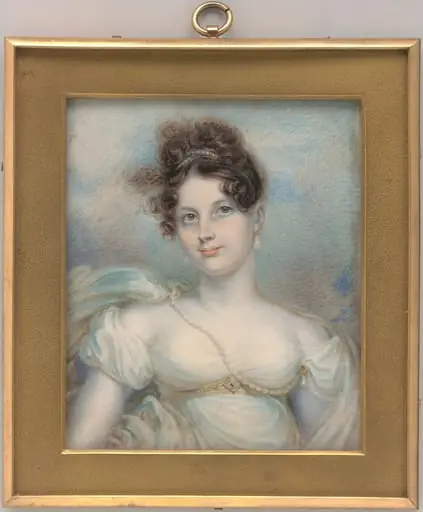 Mrs. Manigault Heyward (Susan Hayne Simmons)
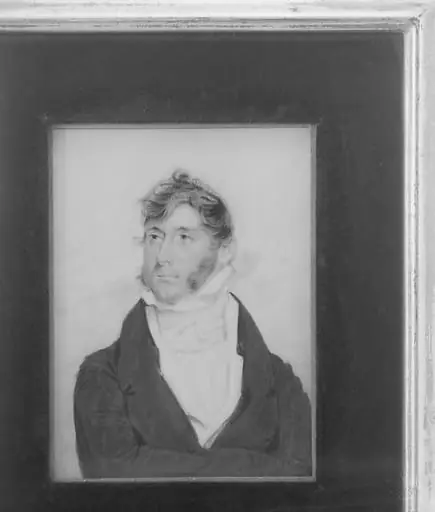 Benjamin Chew Wilcocks
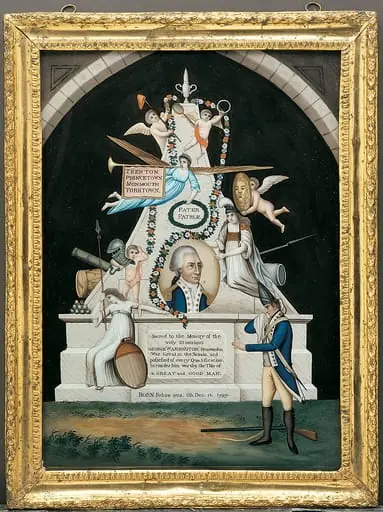 Pater Patriae
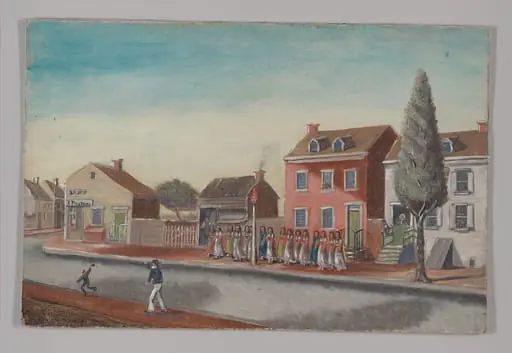 Tea Party
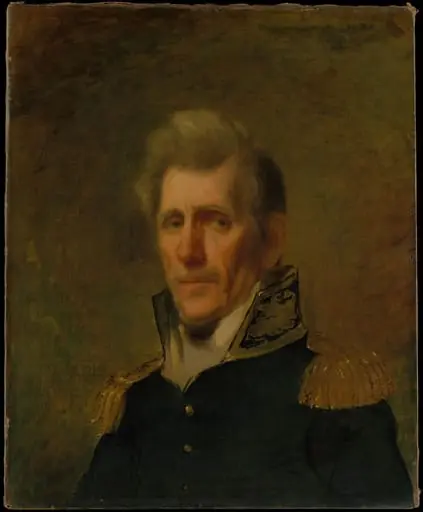 General Andrew Jackson
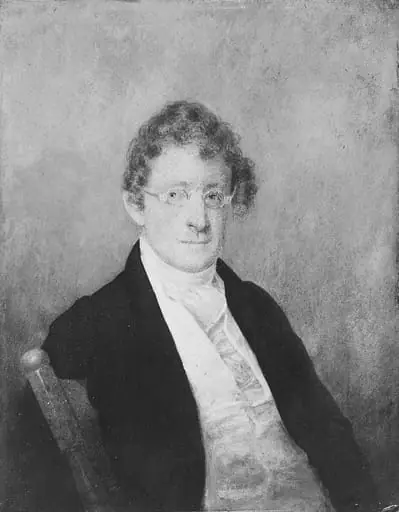 Thomas Macdonough
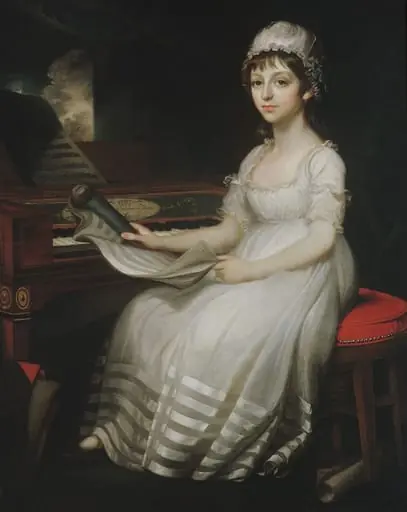 Portrait of a Young Woman
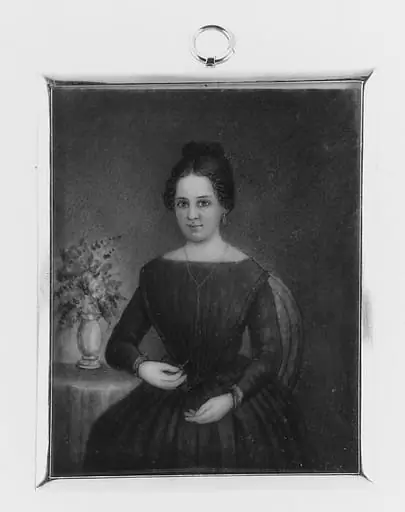 Portrait of a Lady
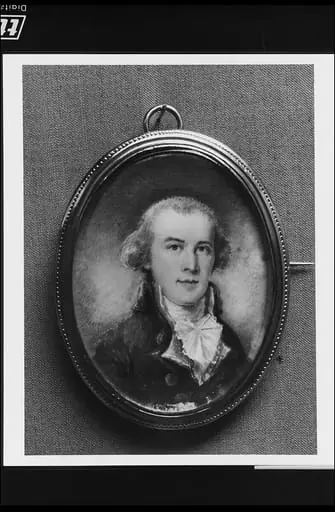 Stephen Salisbury
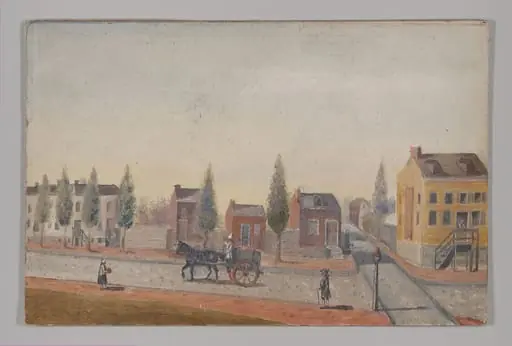 The Garbage Cart
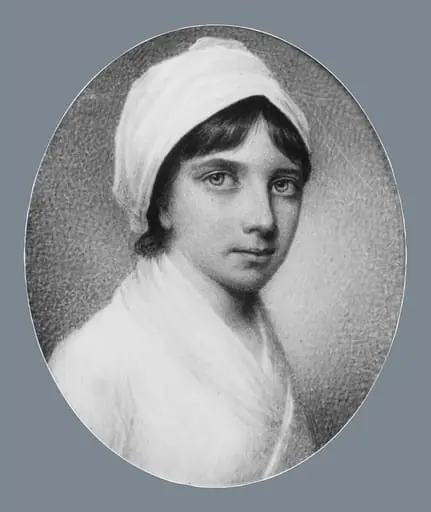 Susan Poinsett
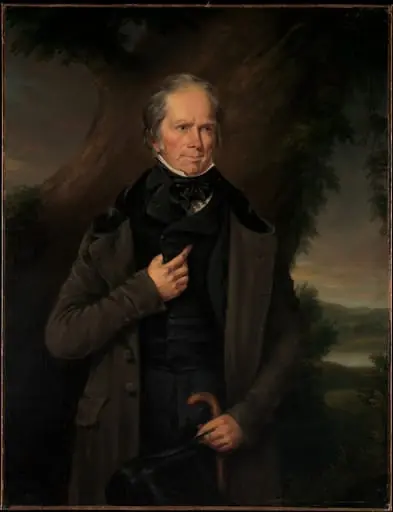 Henry Clay
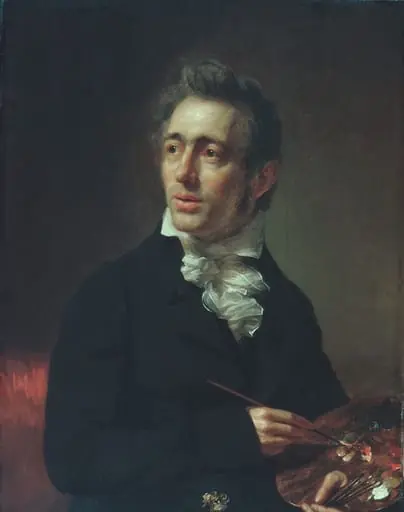 Self-portrait
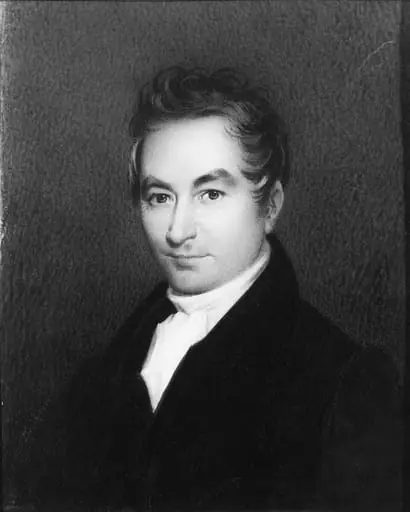 Joel Roberts Poinsett
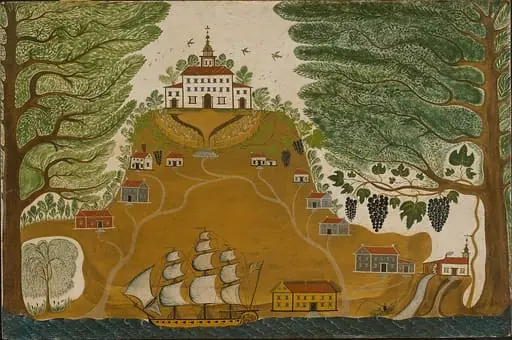 The Plantation
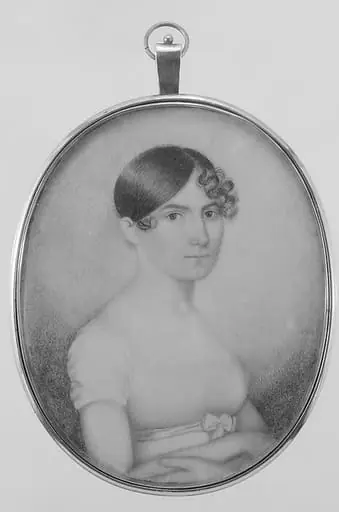 Eliza Hall
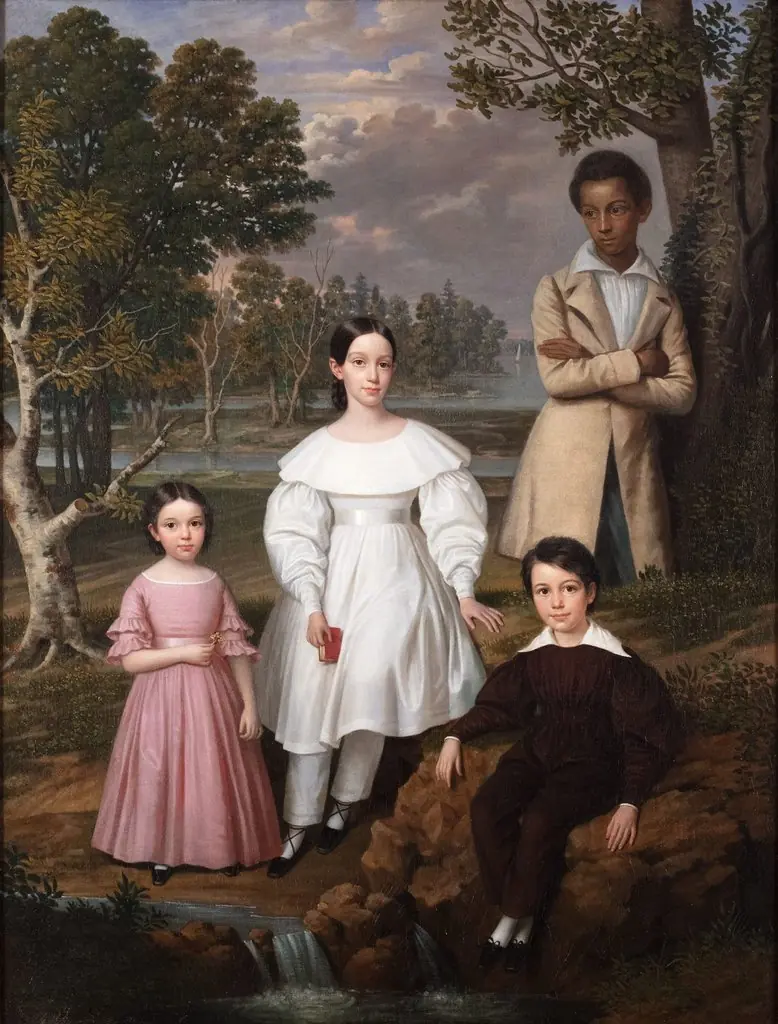 Bélizaire and the Frey Children
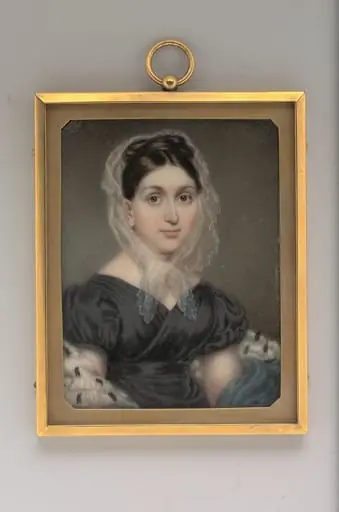 Mrs. Stephen Van Rensselaer III (Cornelia Paterson)
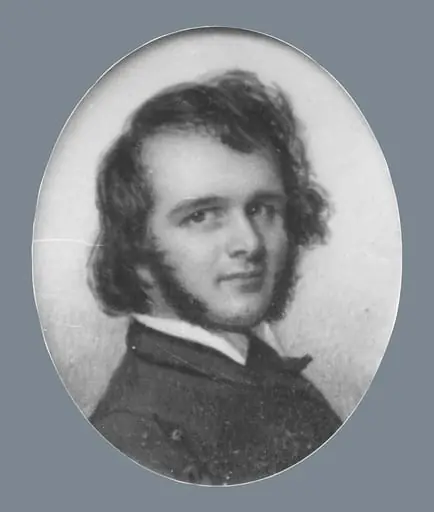 Self Portrait
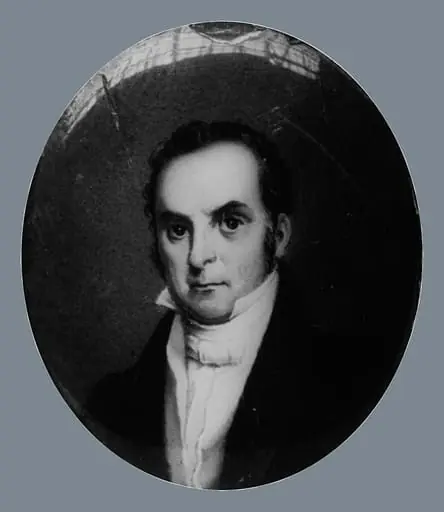 Daniel Webster
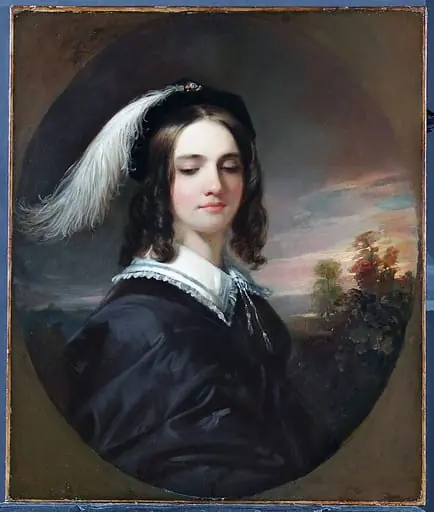 Mary Inman
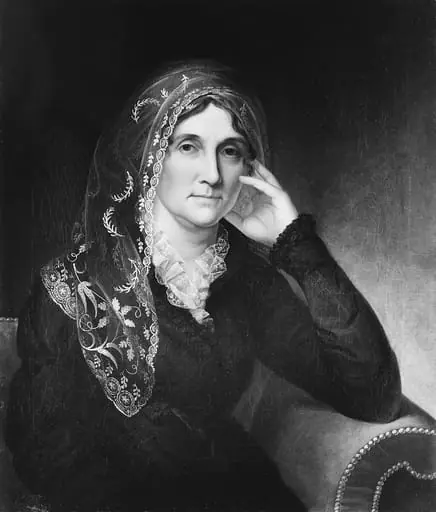 Martha Stewart Wilson
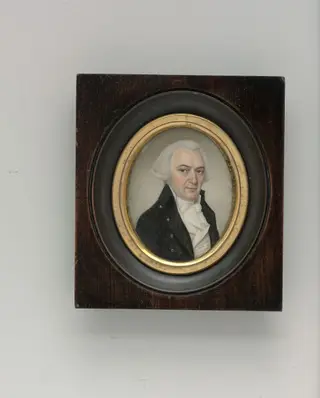 Gouverneur Morris
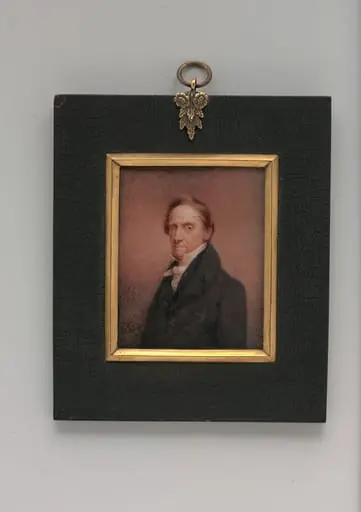 Self-portrait
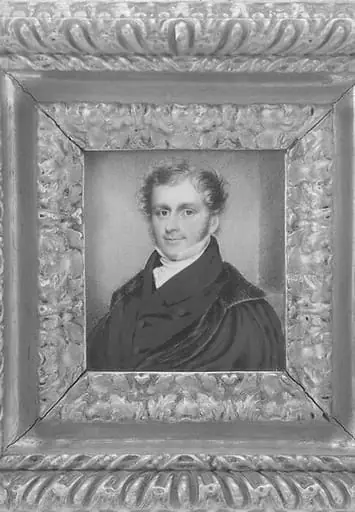 John Ludlow Morton
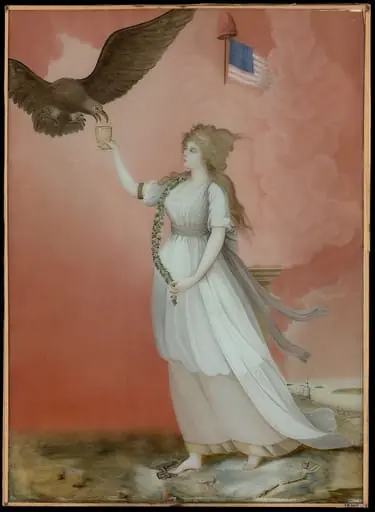 Liberty
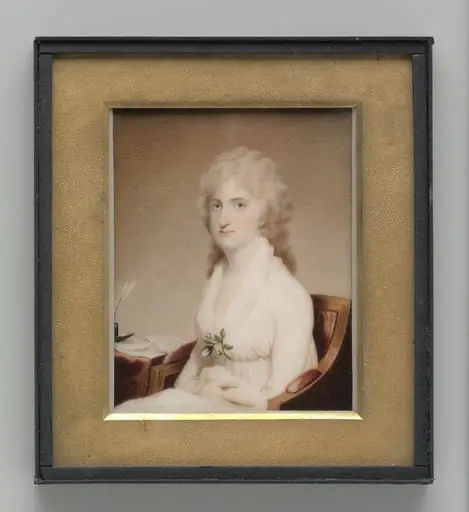 Mrs. Richard Peters (Abigail Willing)
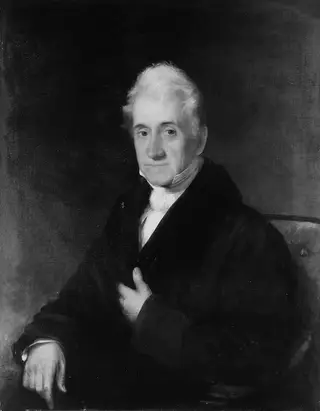 Stephen Van Rensselaer
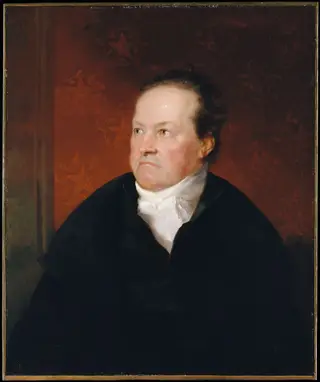 De Witt Clinton
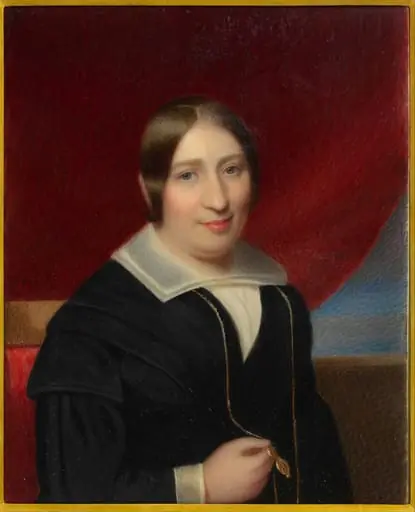 Catherine Augusta Wilmerding
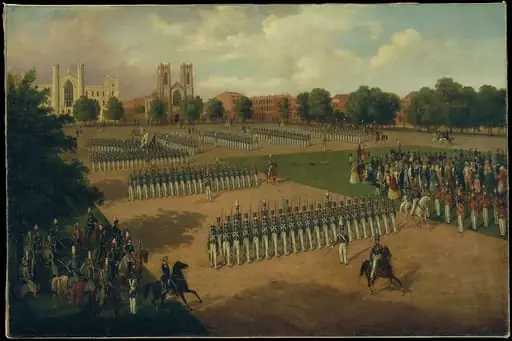 Seventh Regiment on Review, Washington Square, New York
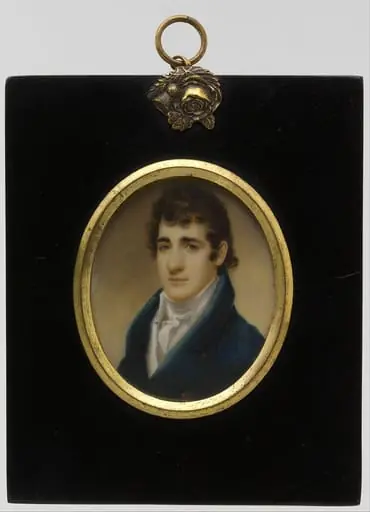 John Payne Todd
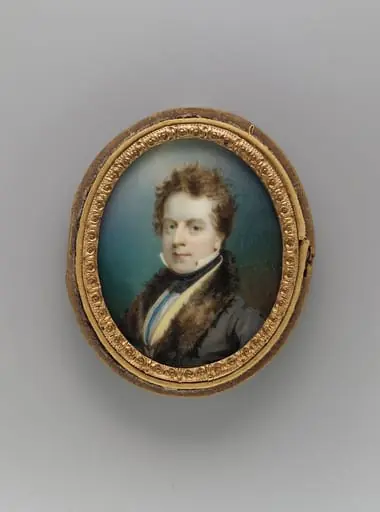 Self-portrait
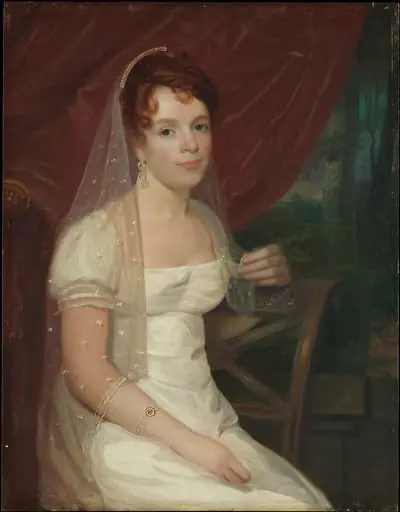 Mrs. Robert Dickey (Anne Brown)
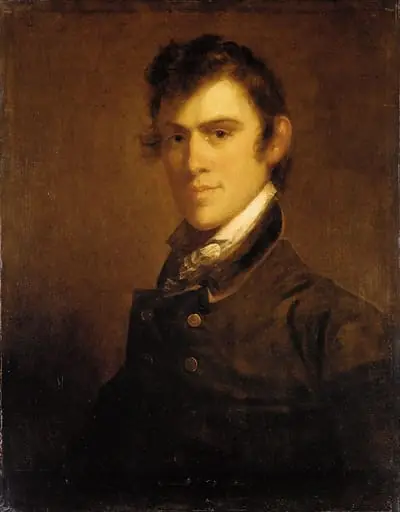 John Grimes
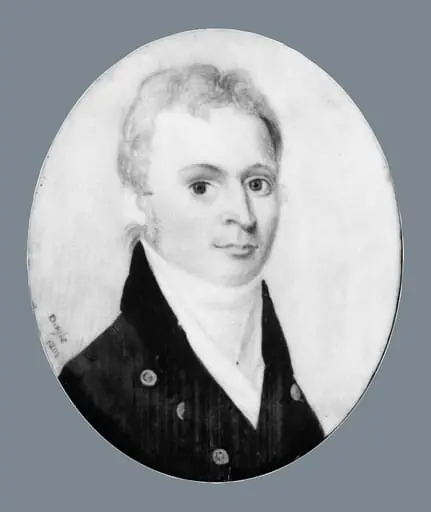 Self Portrait
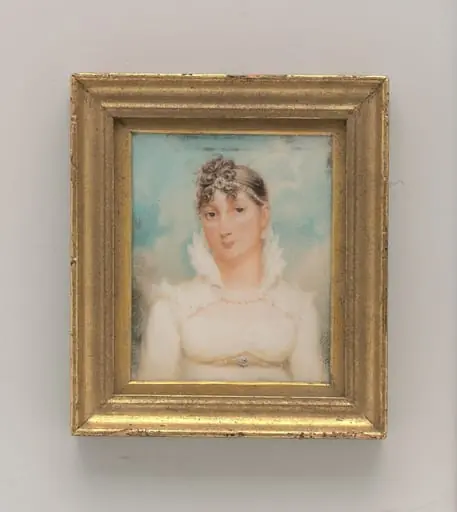 Mrs. Stephen Van Rensselaer III (Cornelia Paterson)
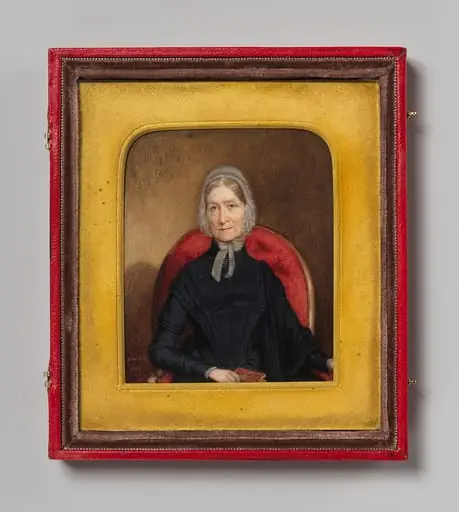 Mrs. Nicholas Fish (Elizabeth Stuyvesant)
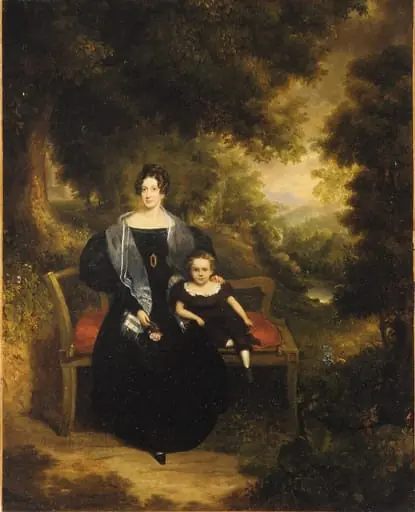 Portrait of a Lady and Child
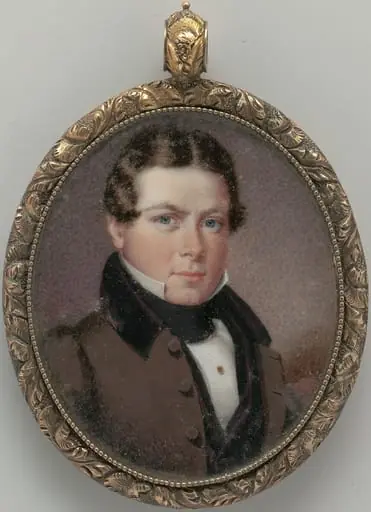 Self Portrait
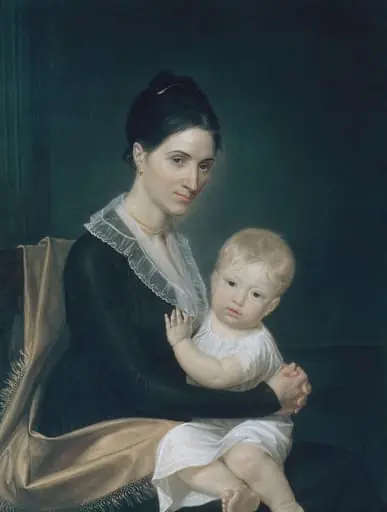 Mrs. Marinus Willett and Her Son Marinus, Jr.
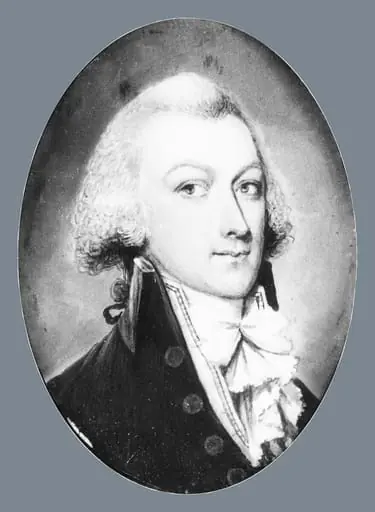 Pierre Van Cortlandt Jr.
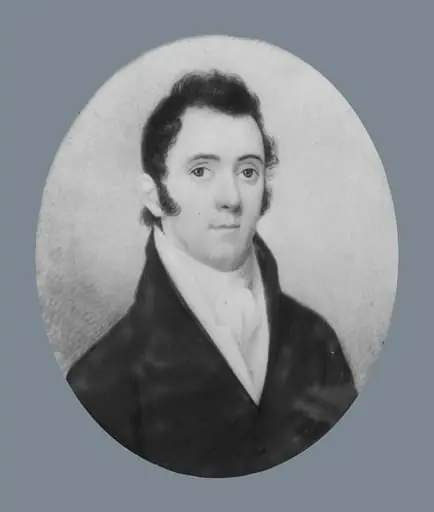 Dr. Valentine Mott
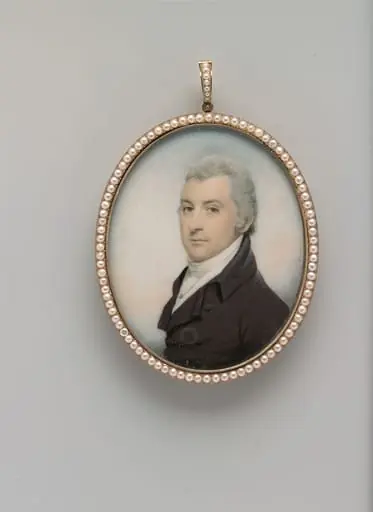 George Bethune
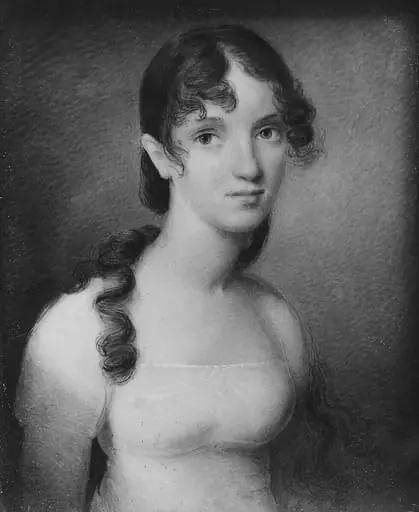 Mrs. Robert Watts (Matilda Ridley)
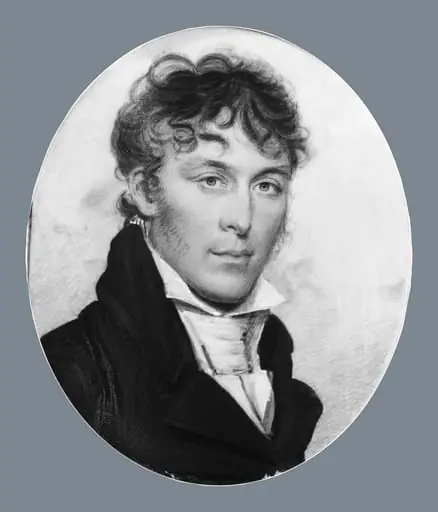 Charles Floyd
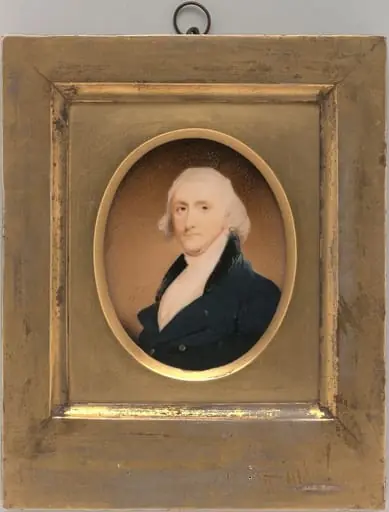 Robert Gilmor Sr.
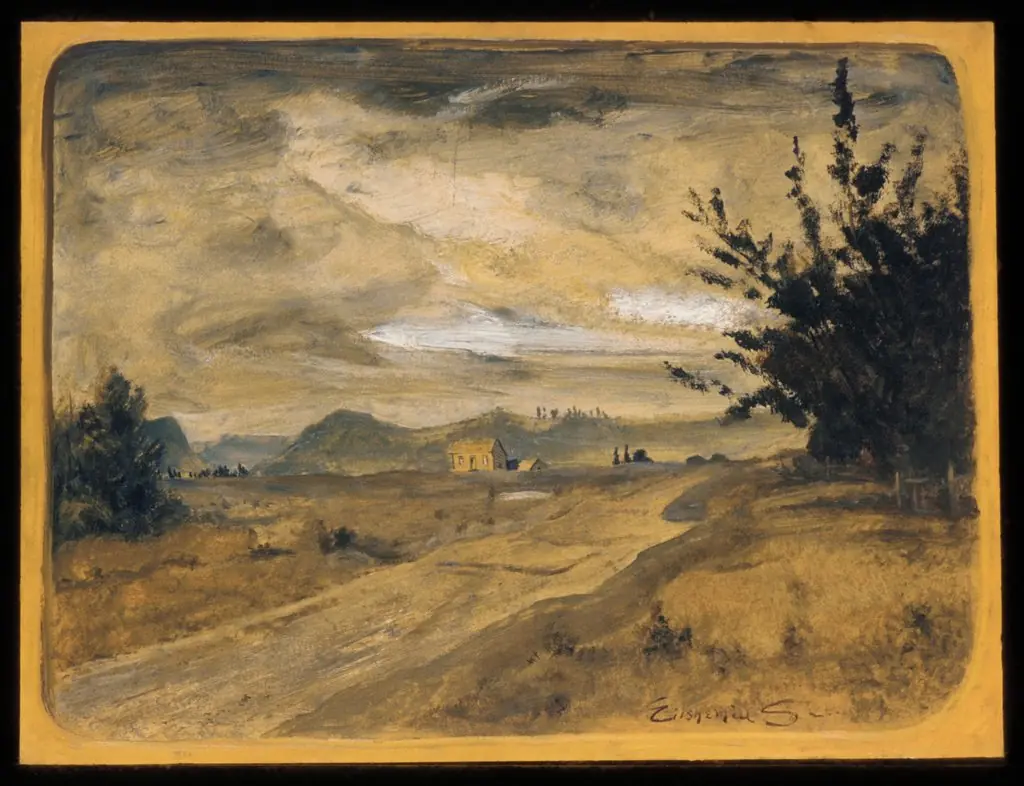 The Haunted House
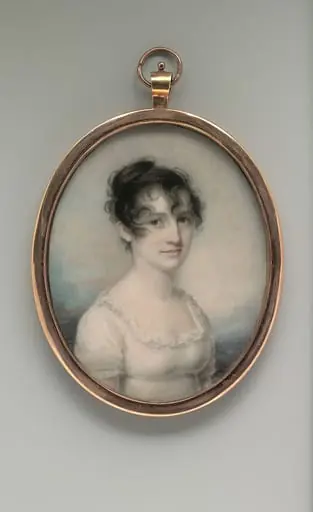 Mrs. Robert Macomb (Mary Cornell Pell )
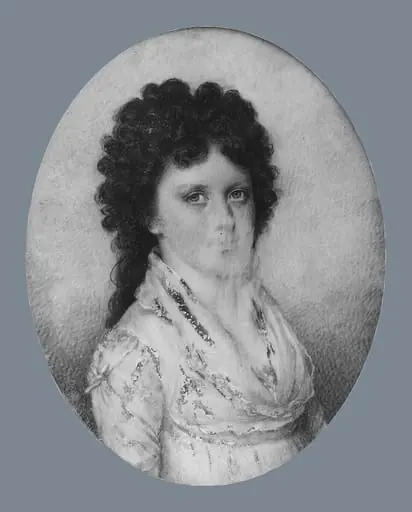 Mrs. James G. Almy (Myra Eliot)
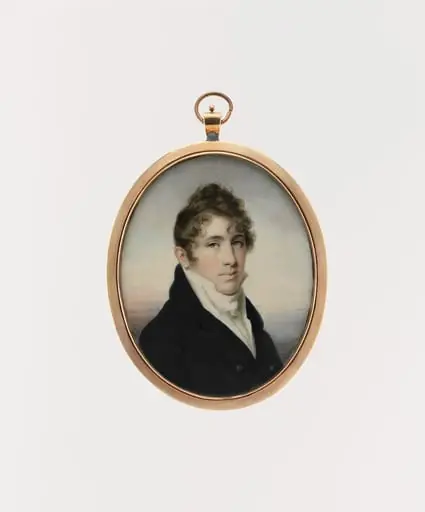 Robert Macomb
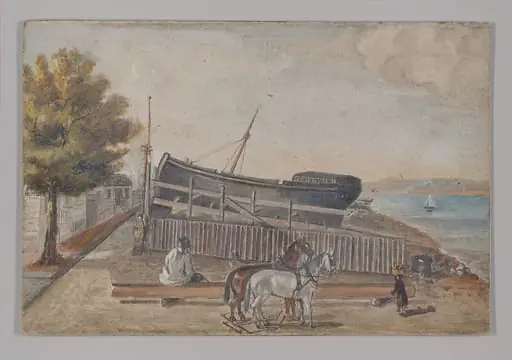 Berg's Ship Yard
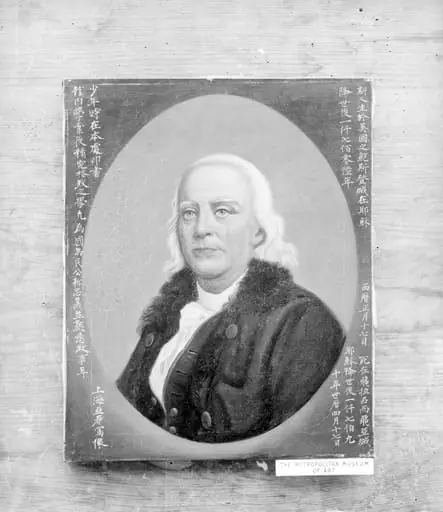 Portrait of Benjamin Franklin
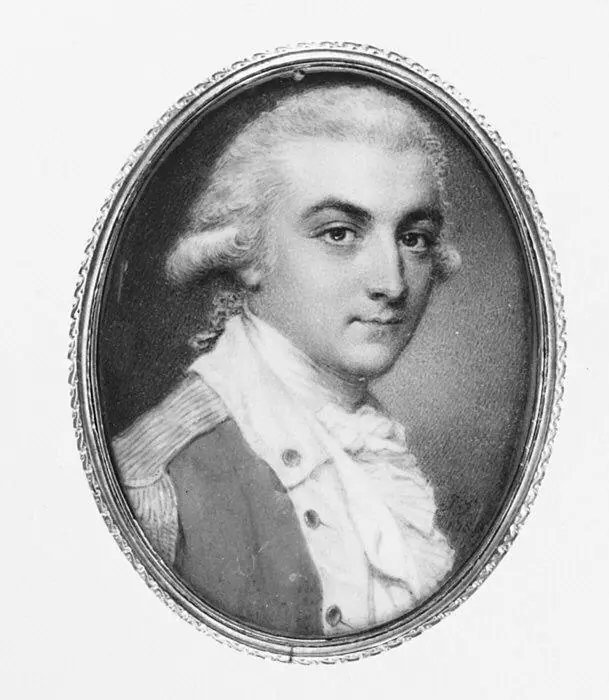 Portrait of an Officer
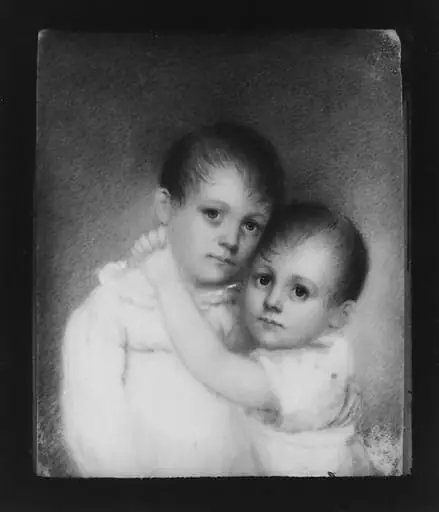 Anne Catherine Ward and John Ward
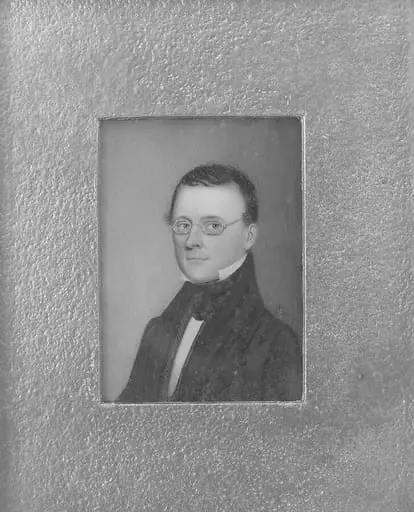 Samuel Baldwin Ludlow
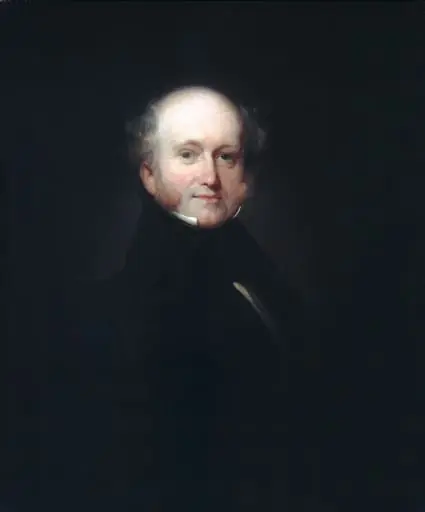 Martin Van Buren
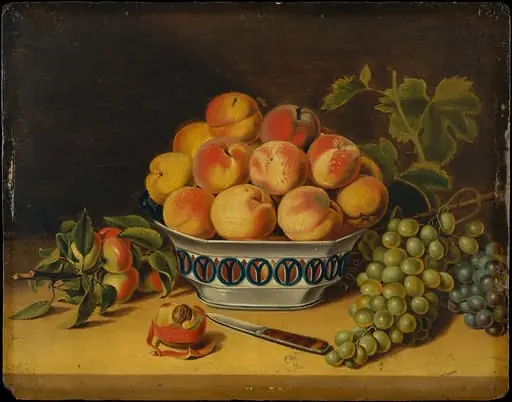 Still Life: Peaches and Grapes
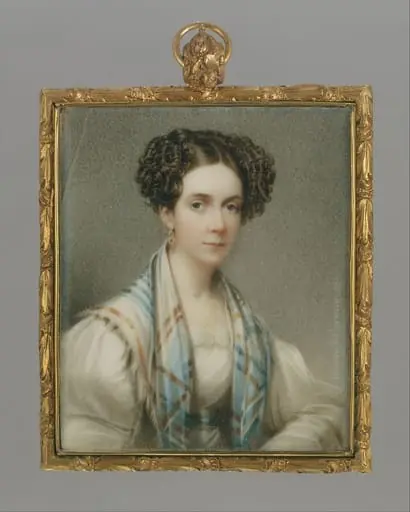 Portrait of a Lady
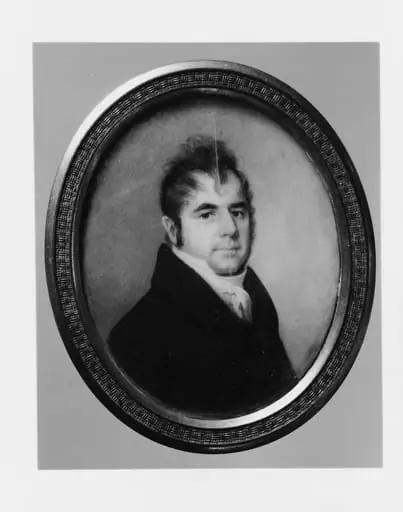 Anthony Bleecker
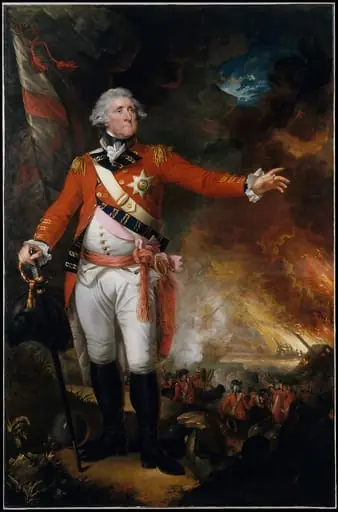 General George Eliott
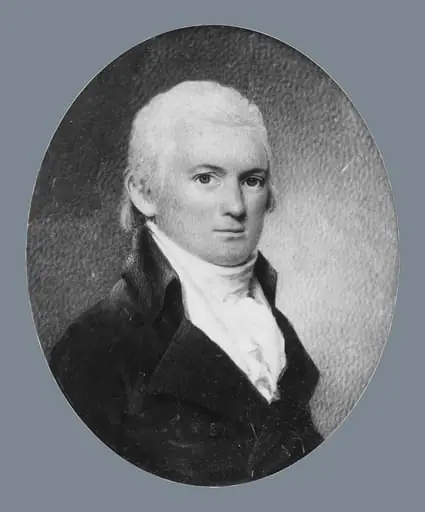 James G. Almy
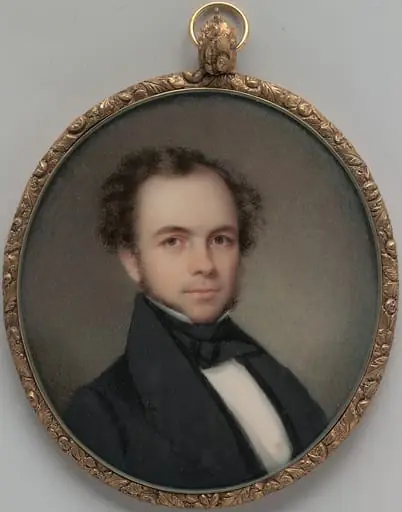 Mr. Boardman
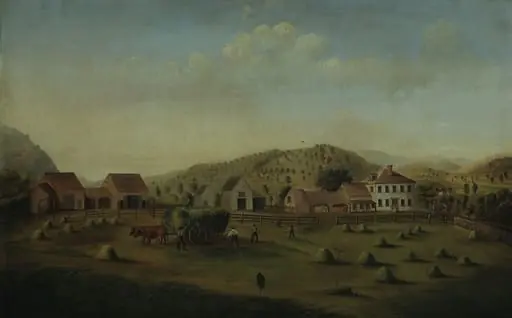 Leete Farm, West Claremont, New Hampshire
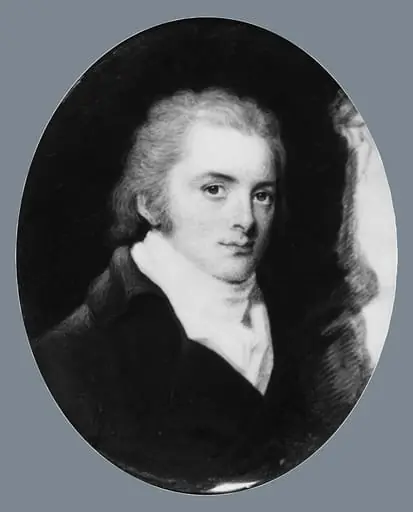 John Langdon Sullivan
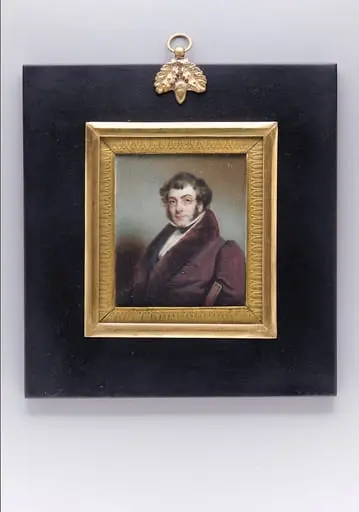 Frederick Gore King
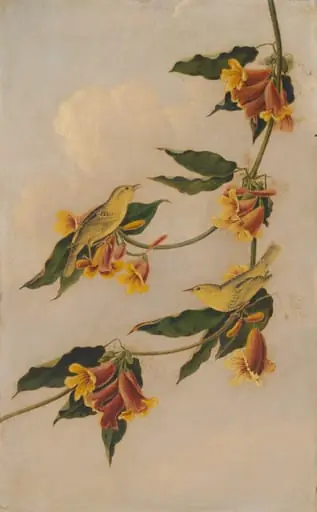 Yellow Warbler
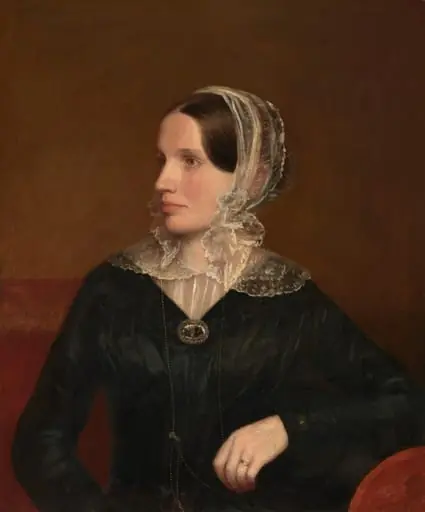 Lovice Corbett Whittemore (Mrs. Thomas Whittemore)
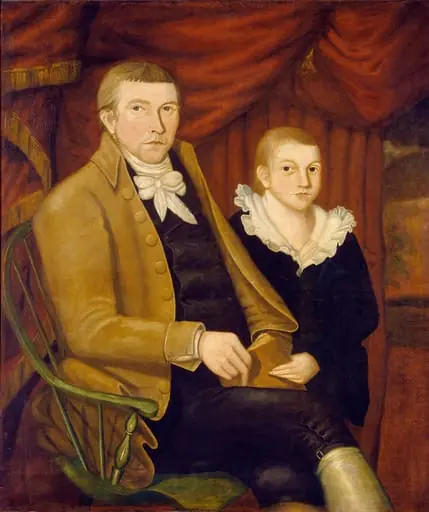 Father and Son
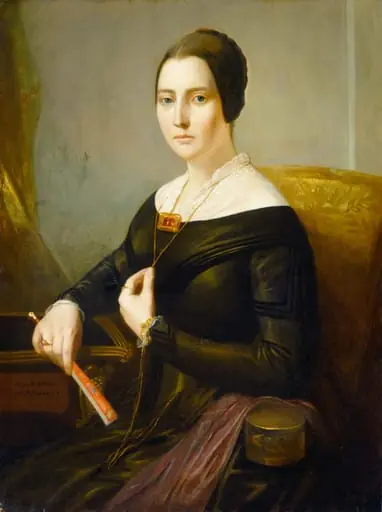 Elizabeth Oakes Prince Smith (Mrs. Seba Smith)
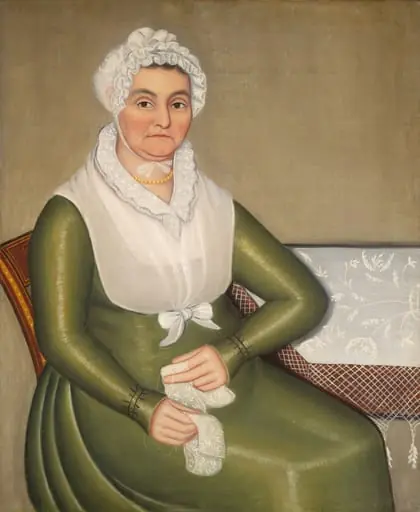 Alsa Slade
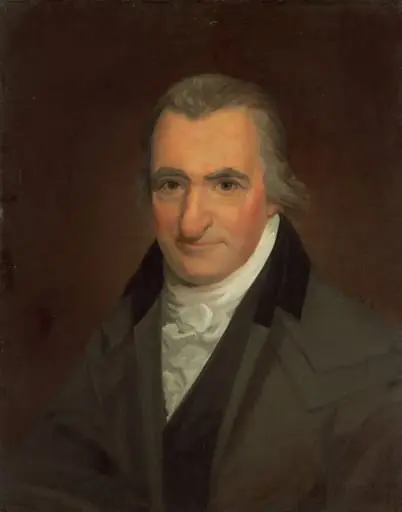 Thomas Paine
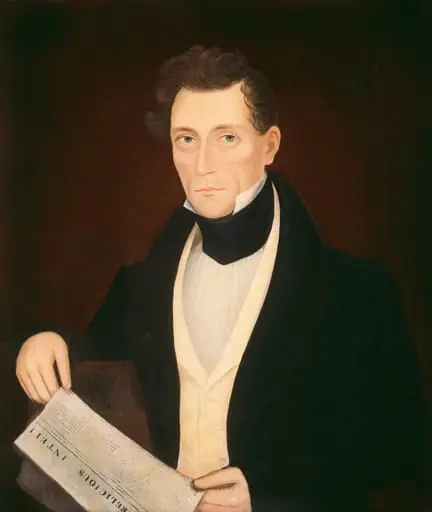 Mr. Day
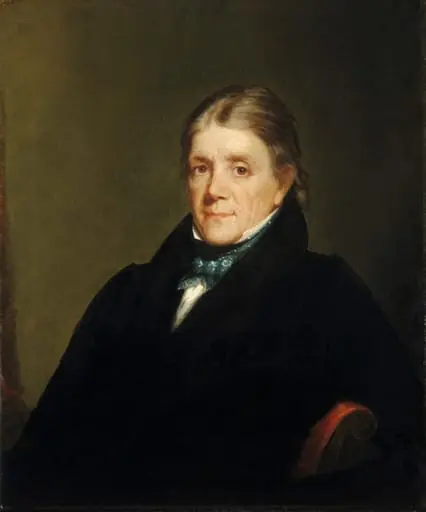 John Randolph
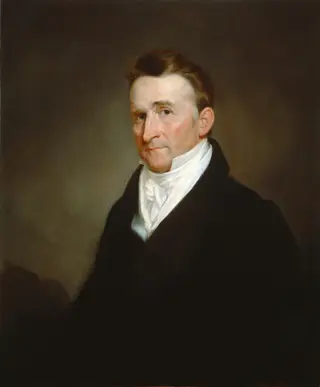 Eliphalet Terry
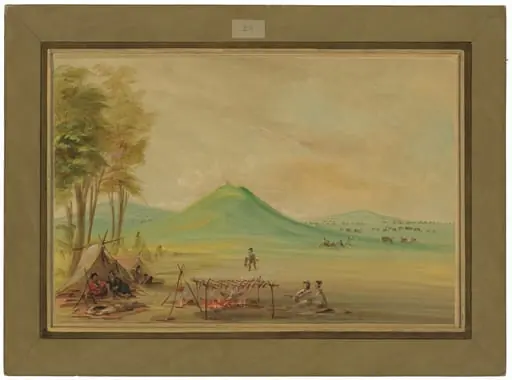 Expedition Encamped on a Texas Prairie. April 1686
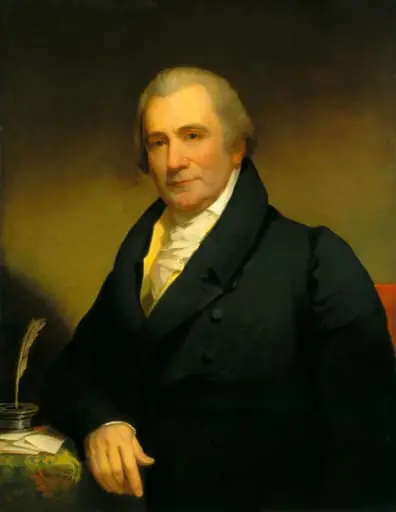 Robert Coleman
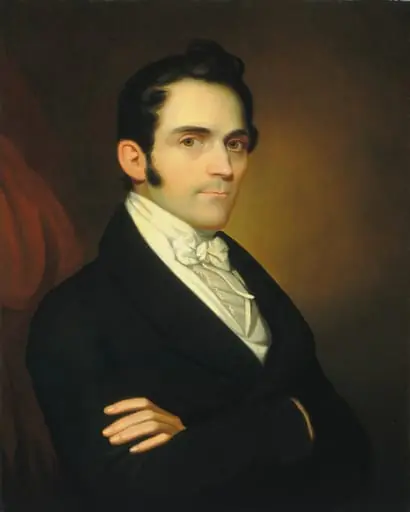 Eliab Metcalf (?)
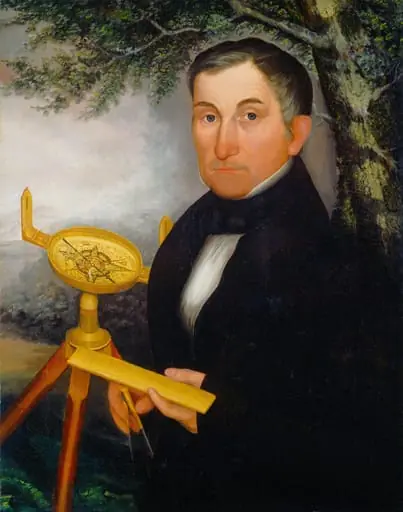 Henry W. Houston
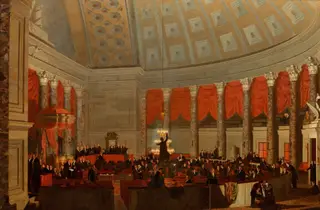 The House of Representatives
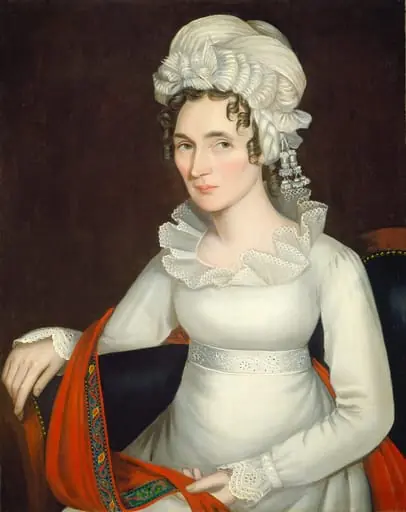 Lady in White
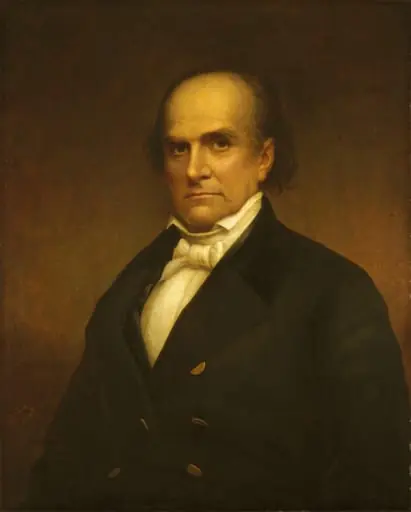 Daniel Webster
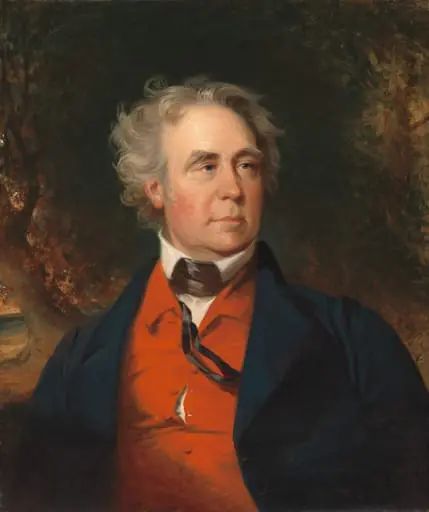 Richard Mentor Johnson
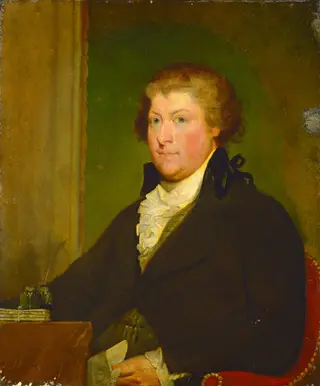 William Seton
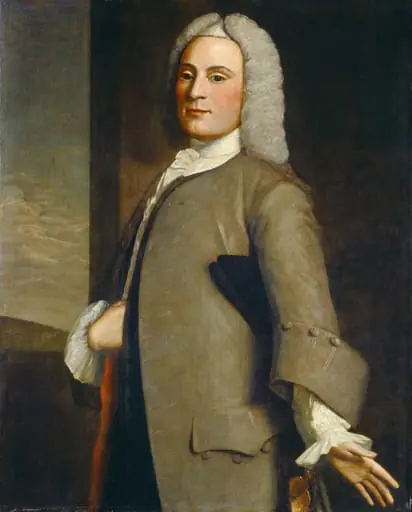 Captain Alexander Graydon
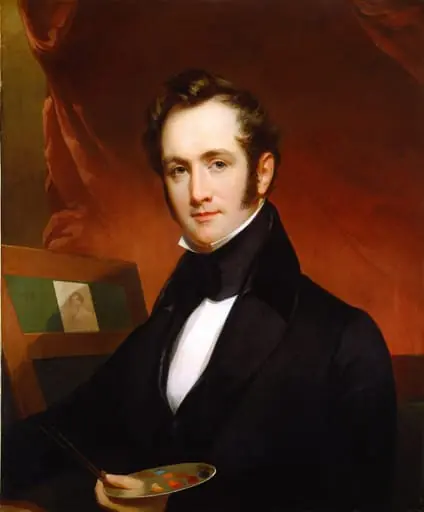 James P. Smith
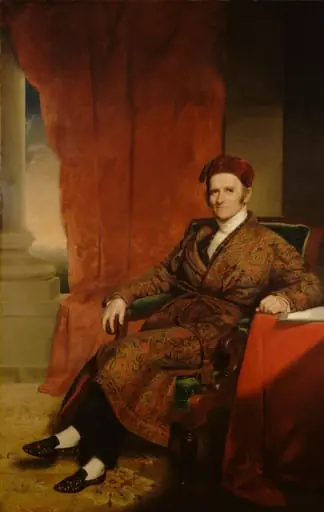 Amos Lawrence
Frequently asked questions
What is American Folk Art?
American Folk Art is an art movement. Paintings by self-taught American artisans — sign painters, limners, and itinerant portraitists — from colonial times onward.
How many American Folk Art works does Artifact World Gallery have?
Artifact World Gallery holds 1,414 public-domain American Folk Art works, all free to view and download.
Who are the key American Folk Art artists?
Key American Folk Art artists in the collection include Francis William Edmonds, Ralph Earl and Thomas Chambers.
When did American Folk Art take place?
American Folk Art dates from 1700–1900.
Where can I see American Folk Art works?
American Folk Art works in the collection are held by Metropolitan Museum of Art, National Gallery of Art and Museum of Fine Arts Boston.