Artist
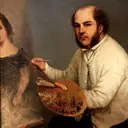
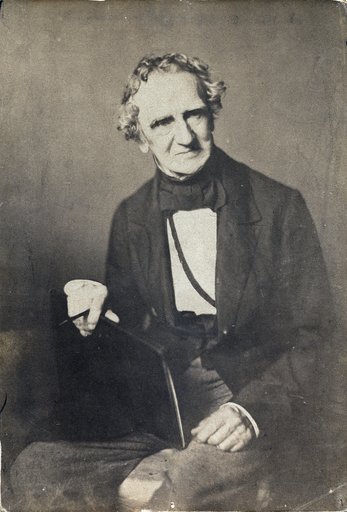
Alfred Jacob Miller

United States
Alfred Jacob Miller is an United States American Folk Art artist. 11 works are cataloged here, principally at Walters Art Museum.
Alfred Jacob Miller (January 2, 1810 – June 26, 1874) was an American artist best known for his paintings of trappers and Native Americans in the fur trade of the western United States. He also painted numerous portraits and genre paintings in and around Baltimore during the mid-nineteenth century.
Overview
Alfred Jacob Miller (January 2, 1810, June 26, 1874) was an American painter best known for his paintings of trappers and Native Americans in the fur trade of the western United States. He also painted numerous portraits and genre paintings in and around Baltimore during the mid-nineteenth century. Miller occupies a significant place in American art history as one of the earliest artists to document the trans-Mississippi West, creating romanticized yet invaluable visual records of Indigenous cultures and the fur trade era before large-scale westward migration transformed the region.
Biography & dates
Miller was born in Baltimore, Maryland, the eldest of nine children of George W. and Harriet J. Miller. His father worked as a merchant and tavern keeper in central Baltimore and owned a farm in Hawkins Point. Miller attended John D. Craig's Academy, a private school in Baltimore, though he did not receive formal art instruction there. He may have received his first lessons in art from Thomas Sully. In 1832, with financial support from his family and Baltimore art patrons, Miller traveled to Paris to study art. He was admitted as an auditor to life drawing classes at the École des Beaux-Arts and copied paintings in the Louvre collections. In 1833 he traveled to Italy, visiting Bologna, Florence, and Venice before settling in Rome, where he studied at the English Life School. During his European travels, he became friends with the Danish sculptor Bertel Thorwaldsen and studied with the French painter Horace Vernet. He returned to Baltimore in 1834, opened a downtown studio, and advertised himself as a painter of portraits and Old Master copies. Professional and financial difficulties prompted his move to New Orleans in 1837, where he established a studio on Chartres Street and received portrait commissions. There he met Sir William Drummond Stewart, a Scottish aristocrat and adventurer, who hired Miller to accompany him on a hunting journey to the Rocky Mountains. In 1837, traveling with representatives of the American Fur Company, they ventured as far as Fort William and Green River. After returning to New Orleans, Miller worked up his sketches in watercolors and oils, and in July 1838 arranged an exhibition in New Orleans. In October 1840 he traveled with his paintings to Stewart's Murthly Castle in Scotland, where a collection of his commissioned work was hung. After spending a year in Scotland and another in London, Miller returned to Baltimore in April 1842, where he established himself as an acknowledged portrait artist. He died in Baltimore on June 26, 1874.
Style & movement
Miller's artistic style combined the academic training he received in Europe with a romantic sensibility toward the American West. His paintings of Native Americans and the fur trade are characterized by their romanticized treatment, presenting Indigenous life through an idealized lens that appealed to European and Eastern American audiences. Working in both watercolor and oil, Miller developed a fluid, atmospheric technique in his Western scenes that emphasized dramatic landscapes and picturesque compositions. His portraits and genre paintings from his Baltimore period demonstrate more conventional academic approaches. The romanticizing tendency in his Western works, while historically problematic by modern standards, established a visual vocabulary for depicting the frontier that influenced subsequent generations of American artists. His ability to translate on-site sketches into finished studio paintings allowed him to maintain a sense of immediacy while refining compositions for exhibition.
Major works
Miller's most significant body of work consists of the paintings documenting his 1837 journey to the Rocky Mountains with Sir William Drummond Stewart, which formed the foundation of a series documenting Native Americans of the United States. These works were first exhibited in New Orleans in July 1838 and later formed the core of the collection at Murthly Castle in Scotland. Specific works that have been identified include 'Indian Girls Swinging,' a watercolor held at the Walters Art Museum in Baltimore, Maryland, and 'The Trapper's Bride' (1850), held at the Joslyn Art Museum in Omaha, Nebraska. The Alfred Jacob Miller Online Catalogue, maintained by The Ricketts Art Foundation, The Buffalo Bill Center of The West, and the Museum of the Mountain Man, provides comprehensive documentation of his oeuvre.
Influences & students
Miller's early artistic development was shaped by several significant figures. He may have received his initial art lessons from Thomas Sully, the prominent American portrait painter. His formal training in Paris at the École des Beaux-Arts exposed him to academic life drawing, while his work copying paintings in the Louvre provided direct contact with European masterworks. In Rome, his study at the English Life School and association with the Danish sculptor Bertel Thorwaldsen introduced him to international artistic circles. Most consequentially for his career, his study with the French painter Horace Vernet, known for his military and Orientalist subjects, likely influenced Miller's approach to depicting exotic, distant subjects with dramatic flair. No pupils or direct followers of Miller are documented in the available sources.
Legacy
Miller's legacy rests primarily on his status as one of the first artists to visually document the trans-Mississippi West and its Indigenous peoples. His works provide important, if romanticized, historical records of the fur trade era and Native American life before widespread Western settlement. The collection at Murthly Castle preserved his Western paintings for decades in Scotland before they returned to American collections. Modern scholarly attention to Miller has been sustained by institutional support, including the 2006 exhibition 'Alfred Jacob Miller and the Western Indians' at the Walters Art Museum and the comprehensive online catalogue established by The Ricketts Art Foundation, The Buffalo Bill Center of The West, and the Museum of the Mountain Man. His works are held in major collections including the Walters Art Museum, the Joslyn Art Museum, the British Museum, the National Gallery of Art, the Smithsonian American Art Museum, and the Nelson-Atkins Museum of Art. The Archives of American Art holds manuscript materials and sketches related to his 1837 journey.
Works by Alfred Jacob Miller
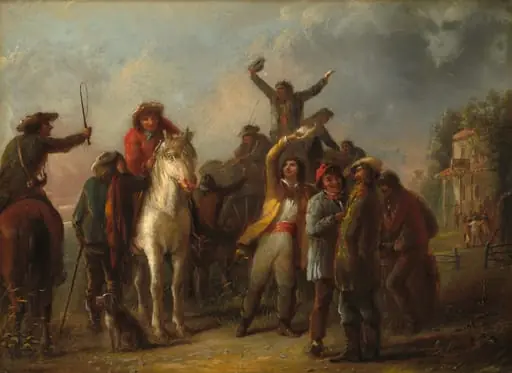 Election Scene, Catonsville, Baltimore County
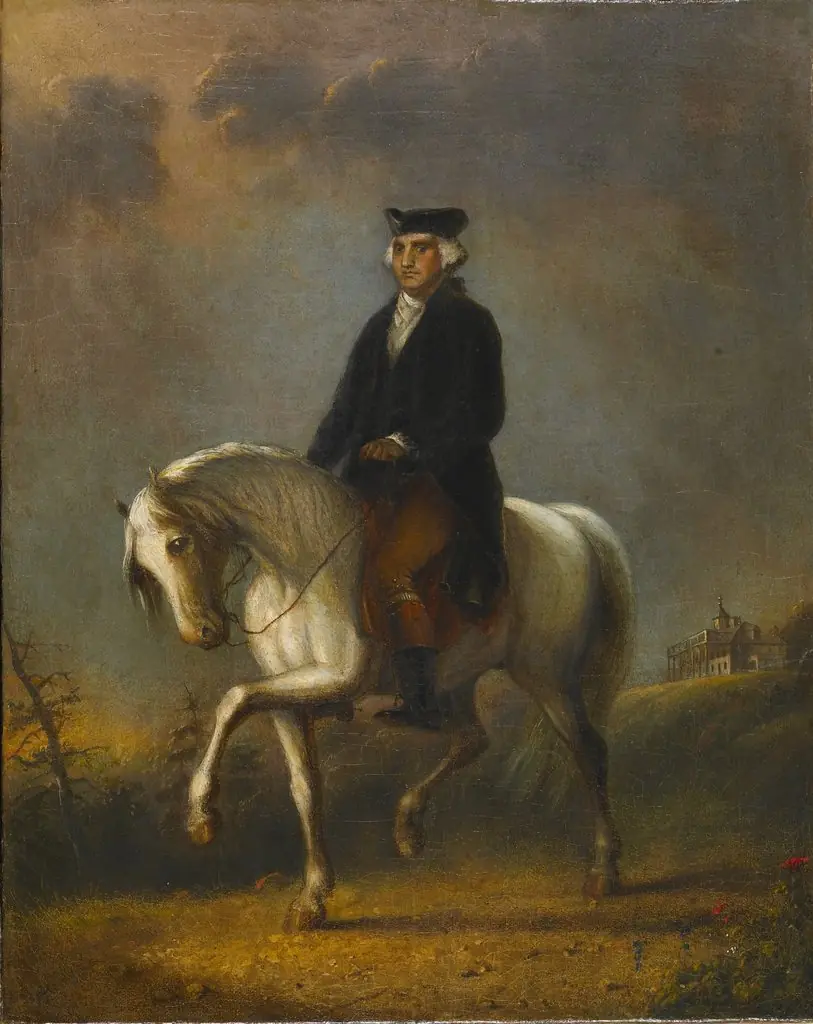 George Washington at Mount Vernon
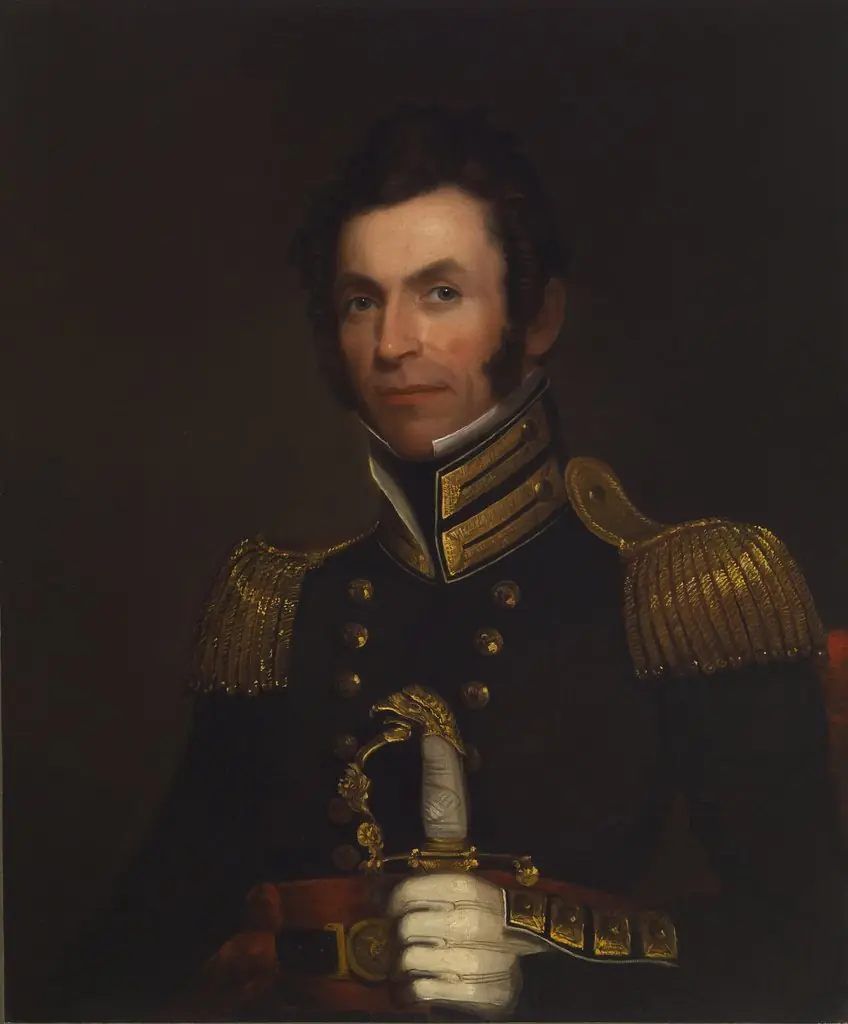 Portrait of Colonel Alexander Smith (1790-1858)
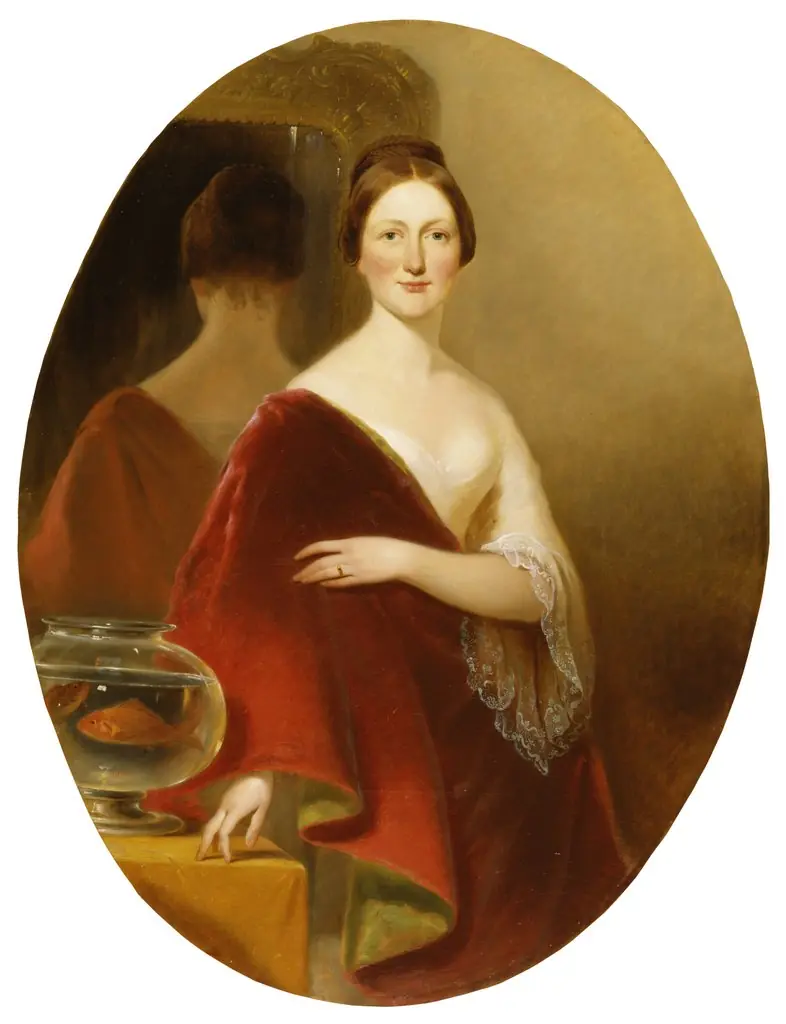 Portrait of Mrs. Decatur Howard Miller (Eliza Credilla Hare)
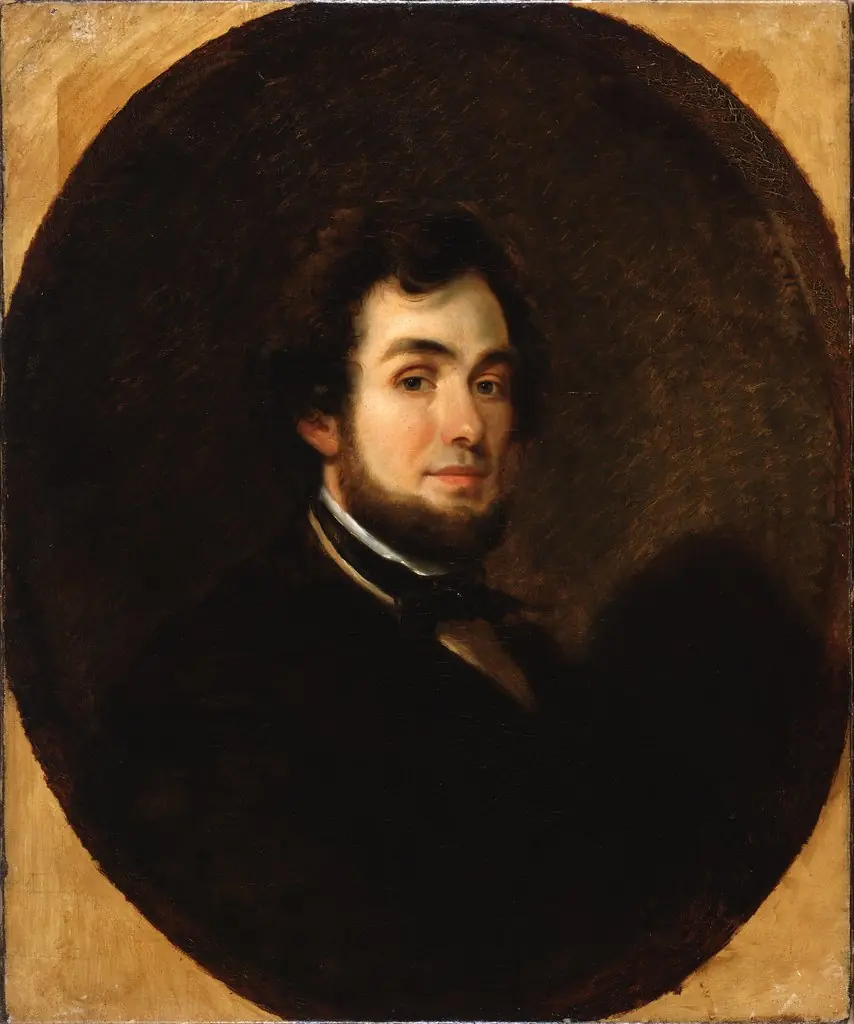 Self-Portrait
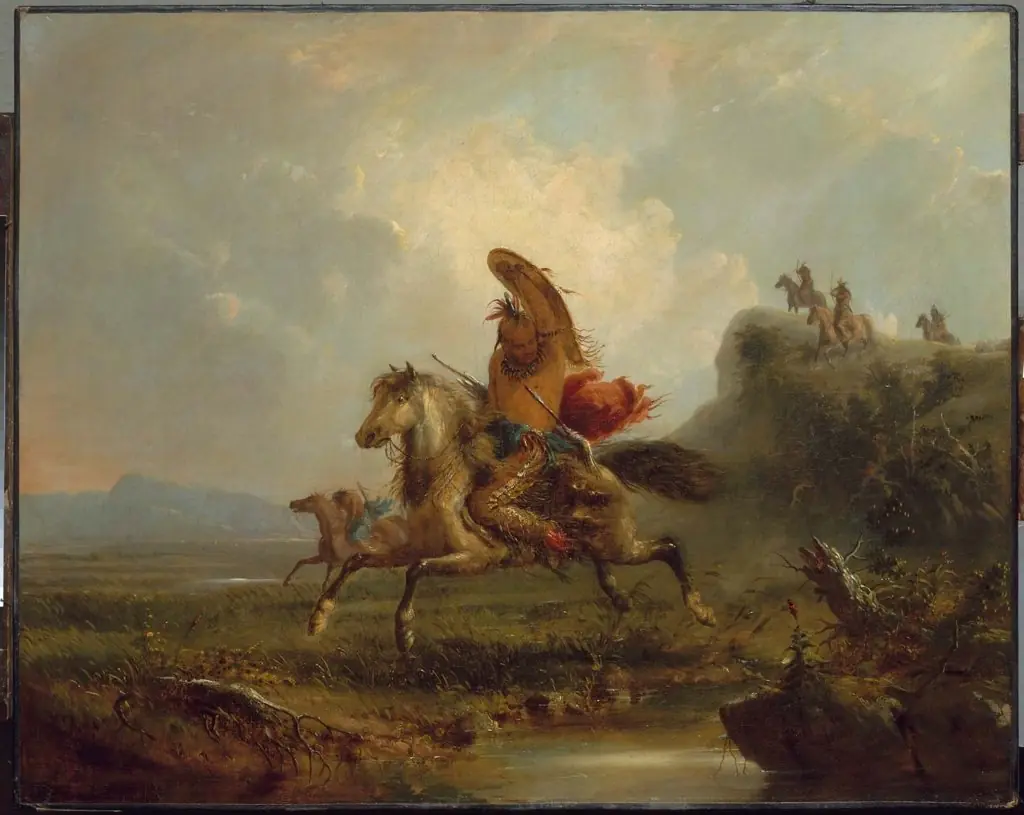 War Ground
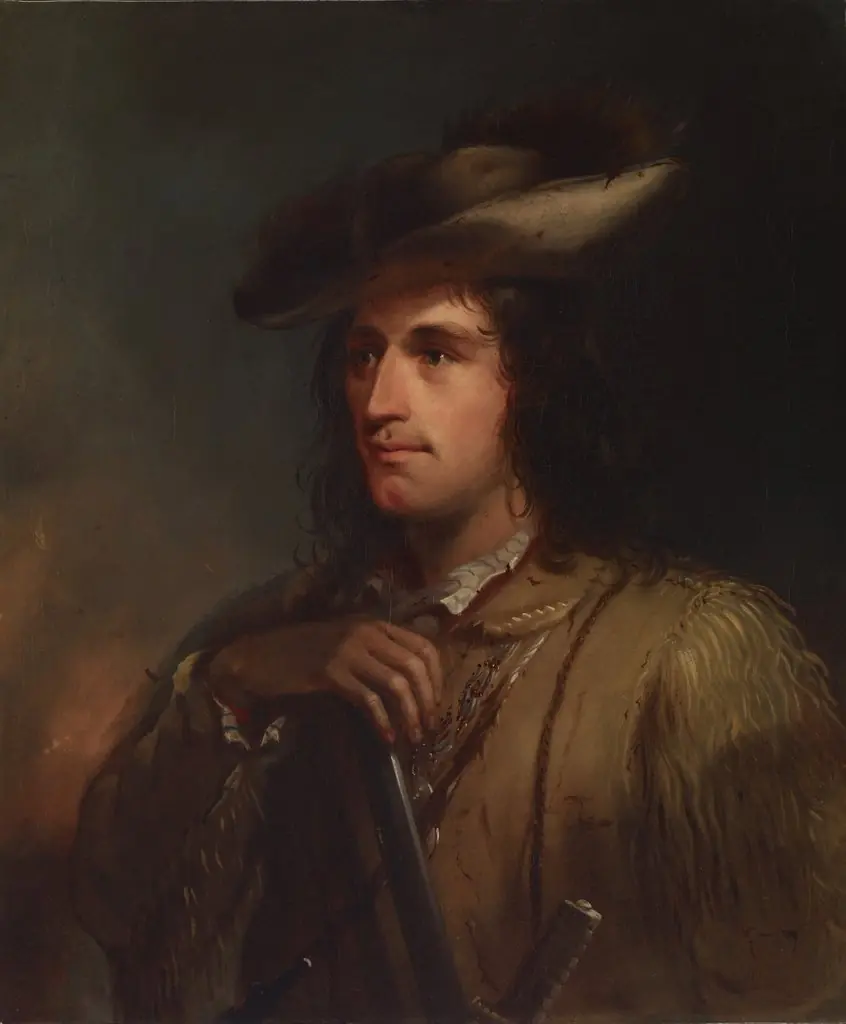 Portrait of Antoine
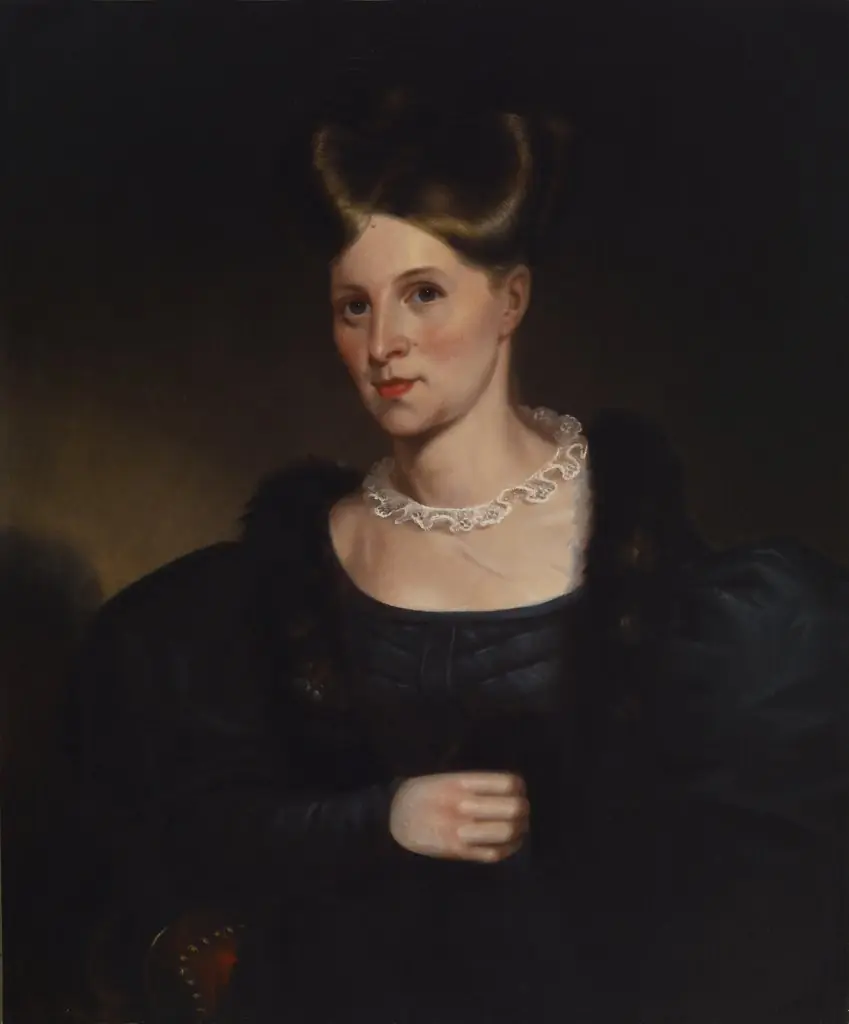 Portrait of Lydia Lloyd Murray
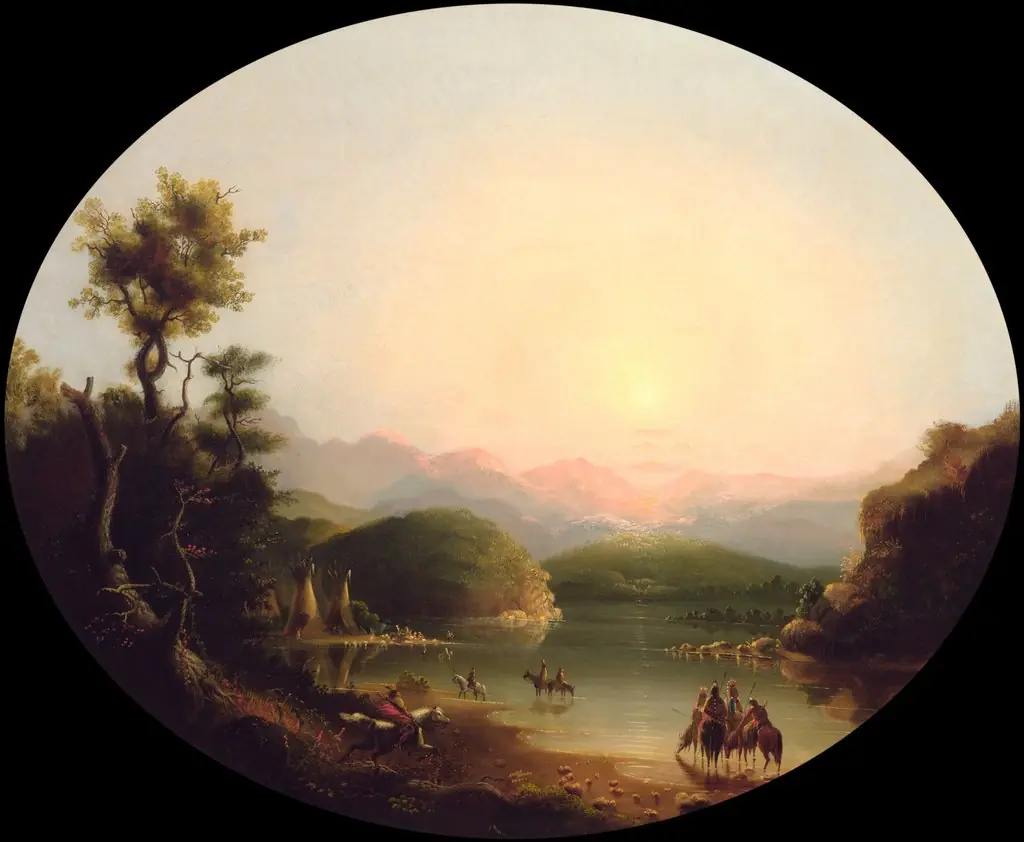 Shoshone Indians at a Mountain Lake (Lake Fremont)
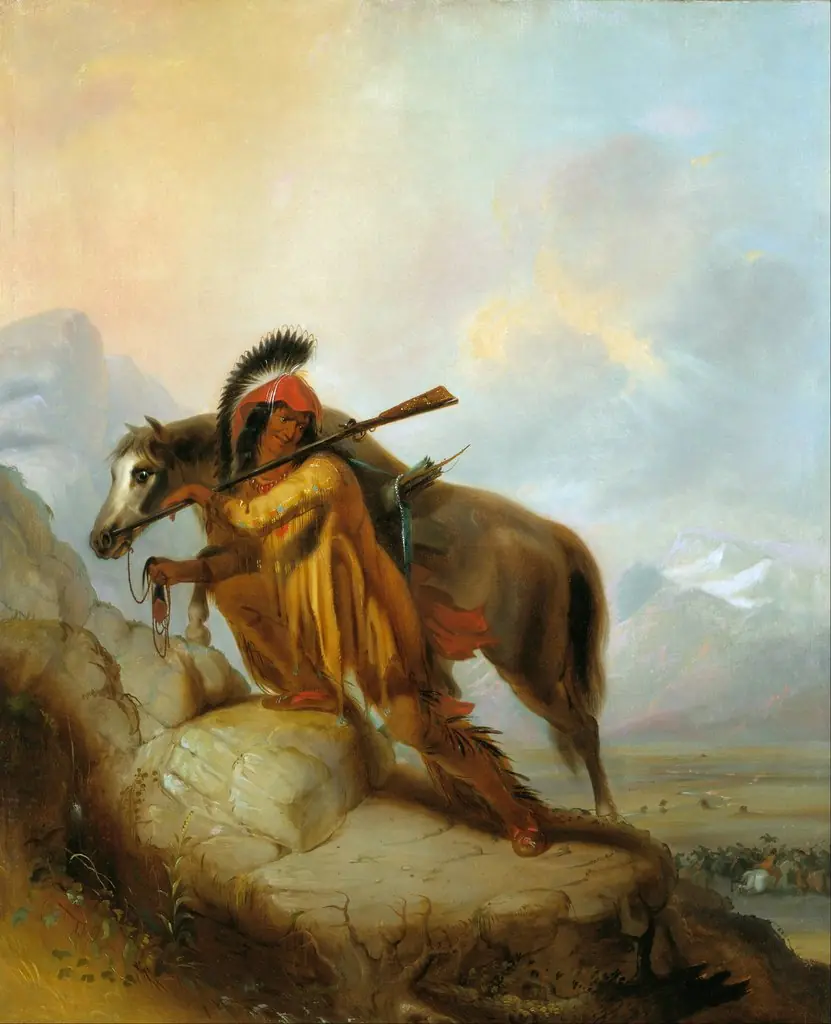 The Scalplock
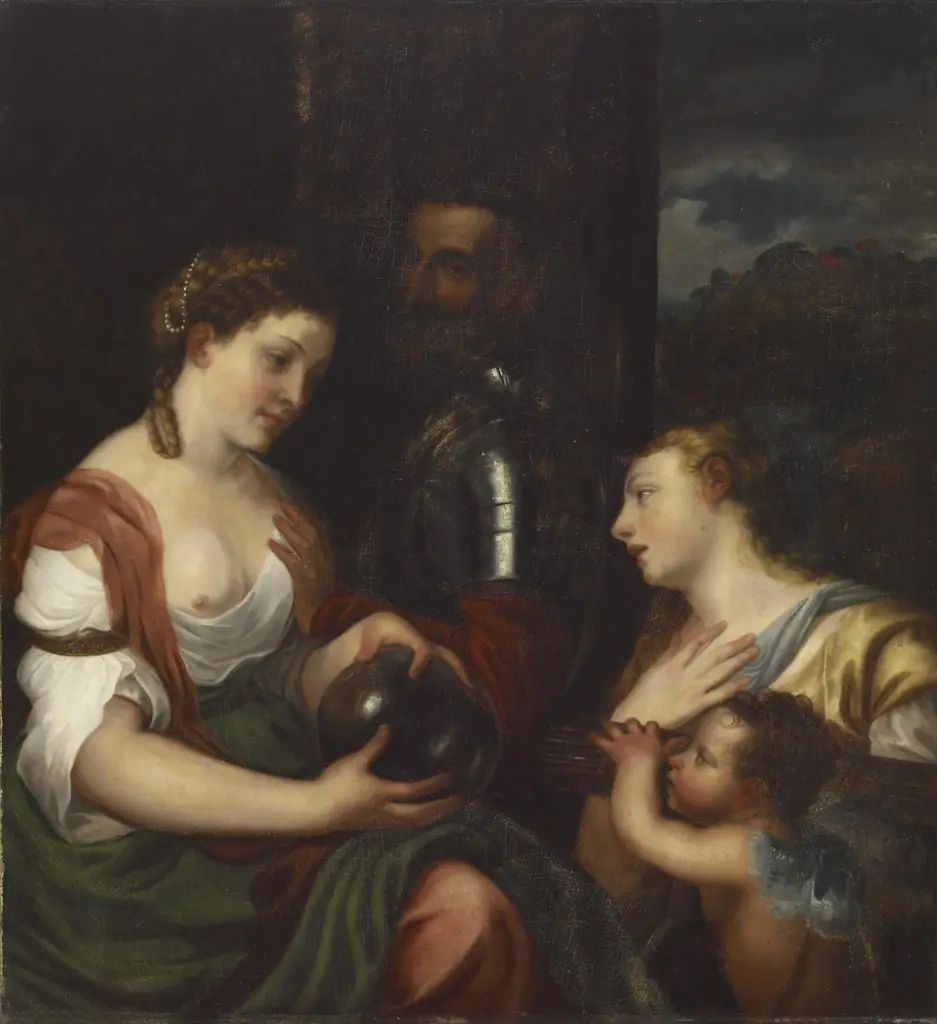 Copy of Titian's "Allegory of Alfonso d'Avalos, Marchese del Vasto"
Collections represented


Artists in a similar vein