Period
Early 19th Century
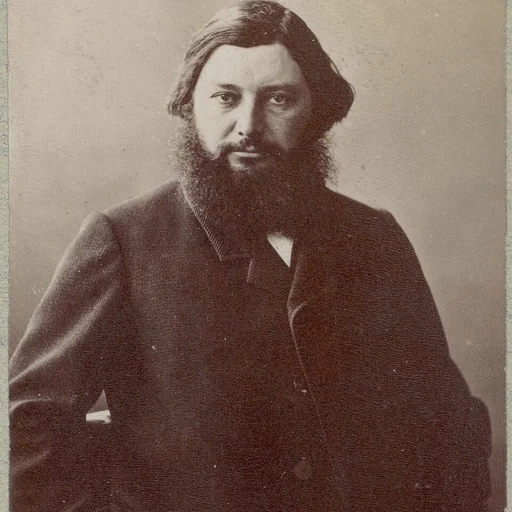
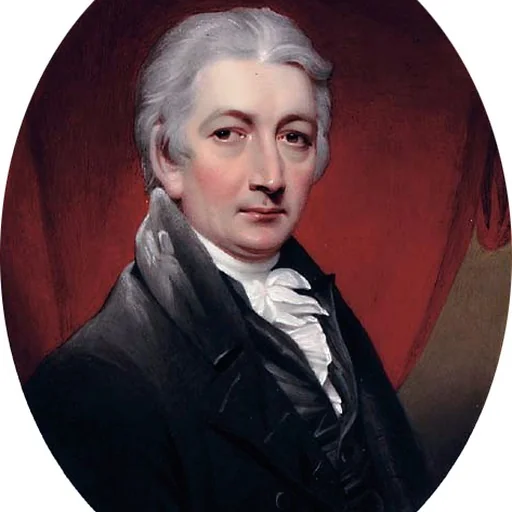
Early 19th Century is an art period of the 1801–1850 period. The gallery holds 31,163 works in this period, including works by Jean Baptiste Camille Corot, Thomas Cole and Gustave Courbet.
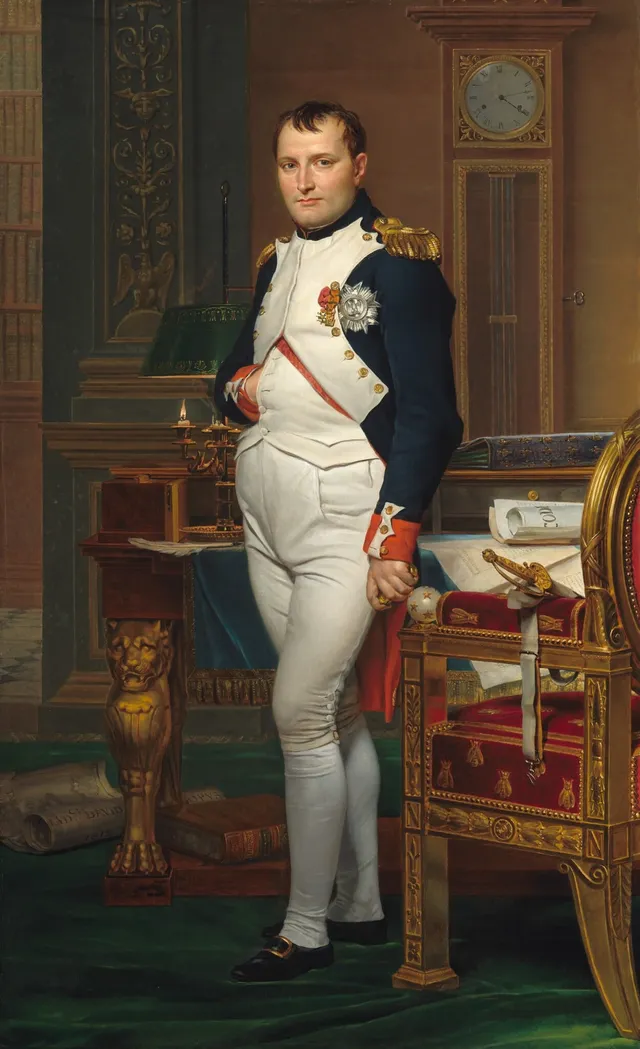
The first half of the nineteenth century was one of the most turbulent and inventive periods in Western art, framed by the French Revolution, the rise and fall of Napoleon, and the early shocks of industrialization. It opened under the sway of Neoclassicism, the severe, rational style that had crystallized in the 1780s and carried into the new century in the hands of Jacques-Louis David, whose precise drawing, sculptural figures, and polished surfaces lent themselves to imperial propaganda—as in The Emperor Napoleon in His Study at the Tuileries (1812). But the Enlightenment faith in reason and order that Neoclassicism embodied was already being challenged. Around 1800, Romanticism emerged in France, Britain, and the German lands as a deliberate reaction, insisting that emotion, imagination, and the irrational were equally vital ways of understanding the world. The movement reached its peak between roughly 1800 and 1840.
Where Neoclassicism prized restraint, clear contours, and noble classical subjects, Romanticism pursued intensity: vivid color, dynamic composition, dramatic light, and themes of catastrophe, exoticism, and the natural sublime. In France, Théodore Géricault's The Raft of the Medusa (1818–19) turned a contemporary shipwreck into a vast, anguished pyramid of bodies, and Eugène Delacroix's Liberty Leading the People (1830) fused political revolution with allegory in a blaze of movement and color. In Spain, Francisco Goya laid bare the horrors of war in The Third of May 1808 (1814), while in Germany Caspar David Friedrich made solitary figures contemplate vast, spiritualized landscapes.
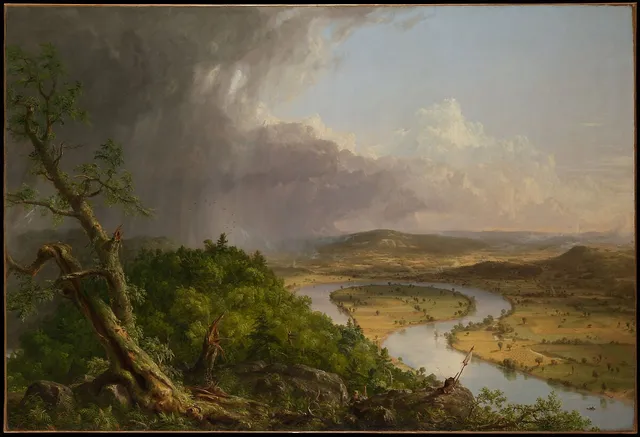
Landscape painting became the era's signature achievement. In England, John Constable grounded Romantic feeling in close observation of the Suffolk and Essex countryside, working from fresh outdoor oil sketches to capture shifting weather, as in Wivenhoe Park, Essex (1816); his contemporary J.M.W. Turner pushed light and atmosphere toward near-abstraction. Across the Atlantic, Thomas Cole founded the Hudson River School, and his View from Mount Holyoke—The Oxbow (1836) staged the American wilderness against encroaching civilization. The school's grand, luminous vision of nature continued in the next generation through painters such as Albert Bierstadt, whose Lake Lucerne (1858) carried its panoramic ambitions to the Alps.
By the 1830s and 1840s, with photography newly invented and cities swelling, a third current—Realism—began to stir, turning from heroic and sublime subjects toward ordinary life, a trend reflected in genre painting like Francis William Edmonds's The New Bonnet. The period thus forms the hinge between the classical past and the modern: Romanticism's emphasis on the artist's subjective vision and the autonomy of color and brushwork would feed directly into Barbizon naturalism, Courbet's Realism, and ultimately Impressionism.
Key artists
Works
 Lake Lucerne
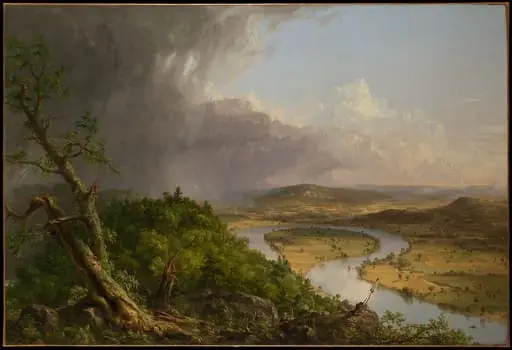 View from Mount Holyoke, Northampton, Massachusetts, after a Thunderstorm—The Oxbow
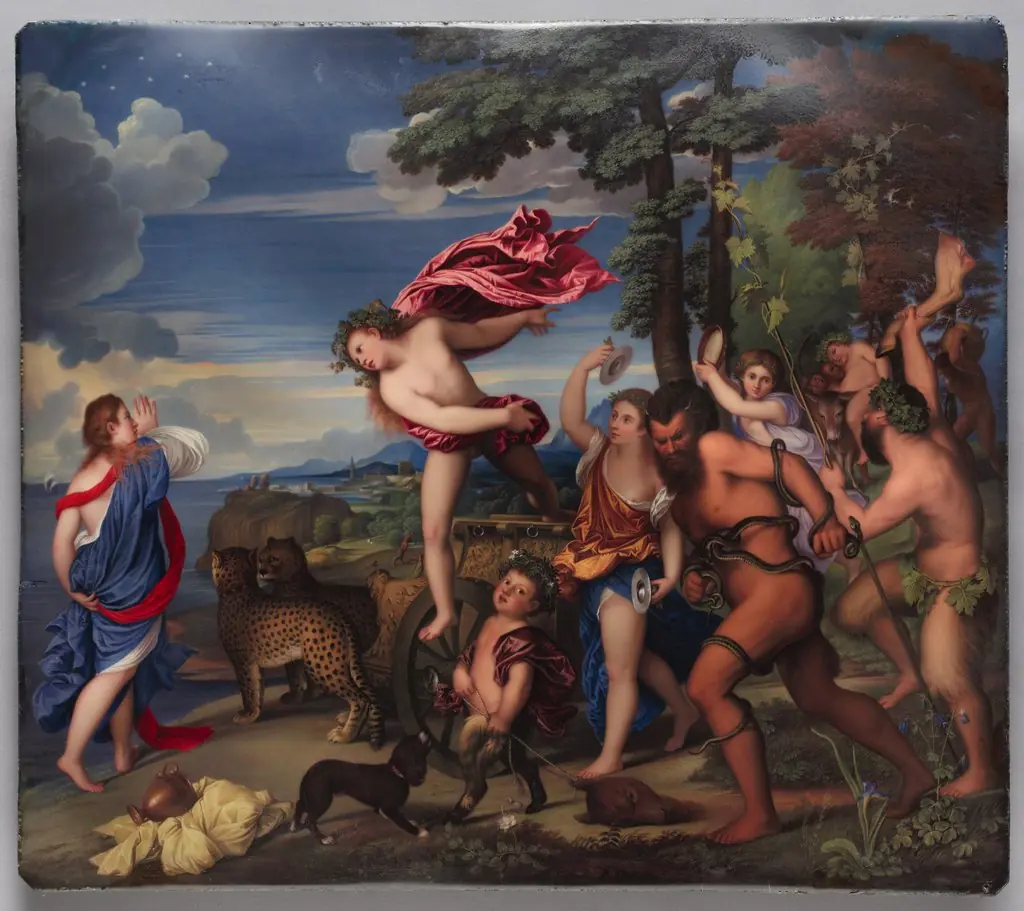 Bacchus and Ariadne
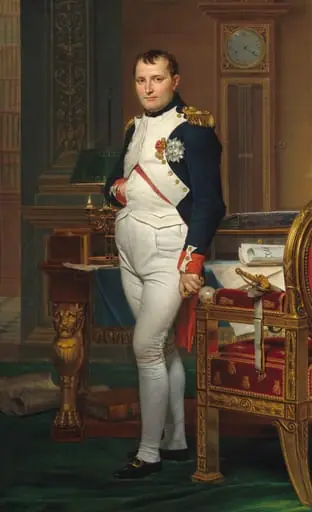 The Emperor Napoleon in His Study at the Tuileries
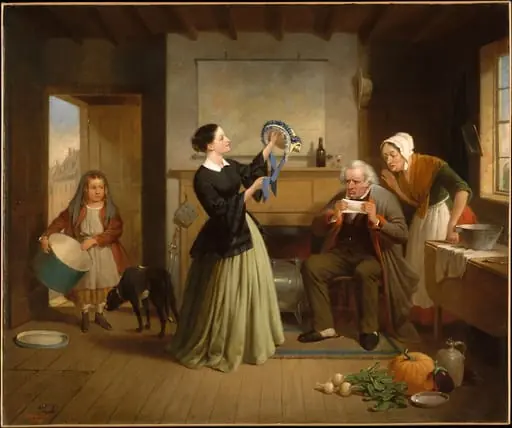 The New Bonnet
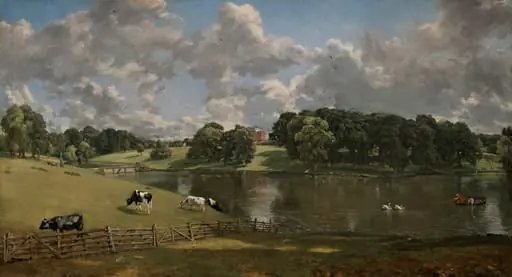 Wivenhoe Park, Essex
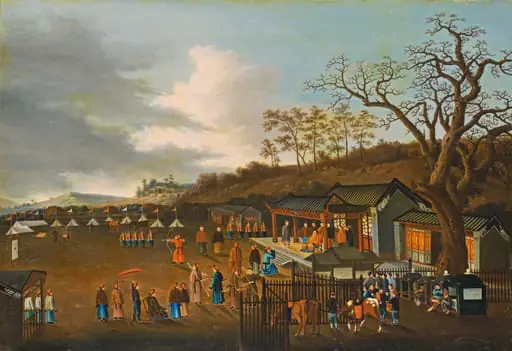 Archery Contest
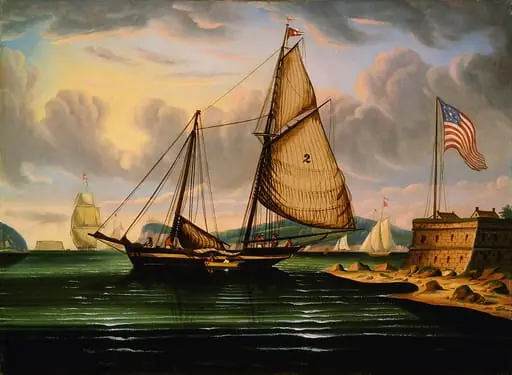 New York Harbor with Pilot Boat "George Washington"
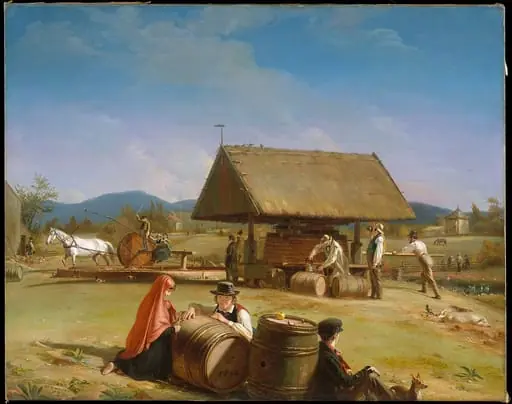 Cider Making
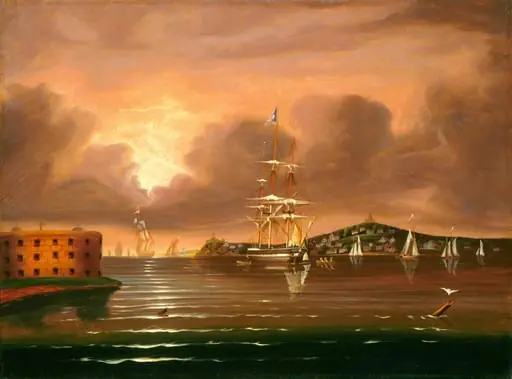 Threatening Sky, Bay of New York
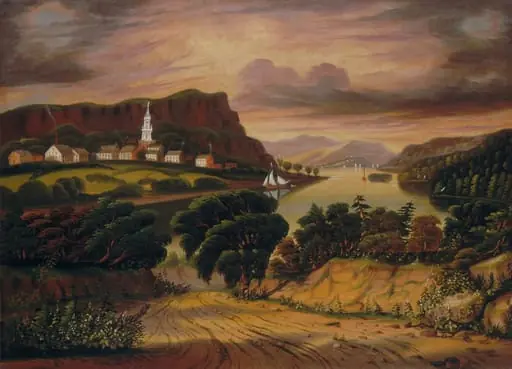 Lake George and the Village of Caldwell
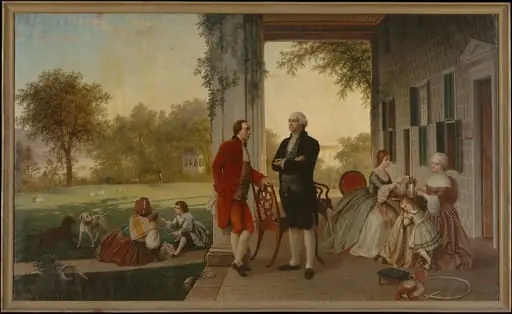 Washington and Lafayette at Mount Vernon, 1784 (The Home of Washington after the War)
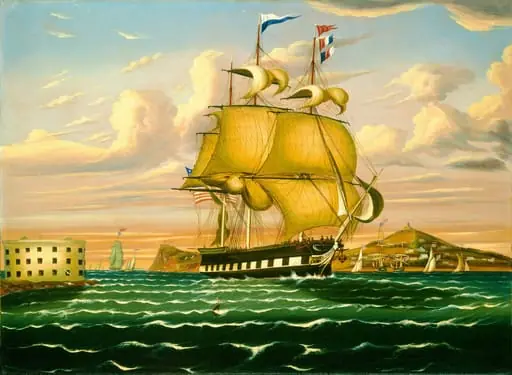 Packet Ship Passing Castle Williams, New York Harbor
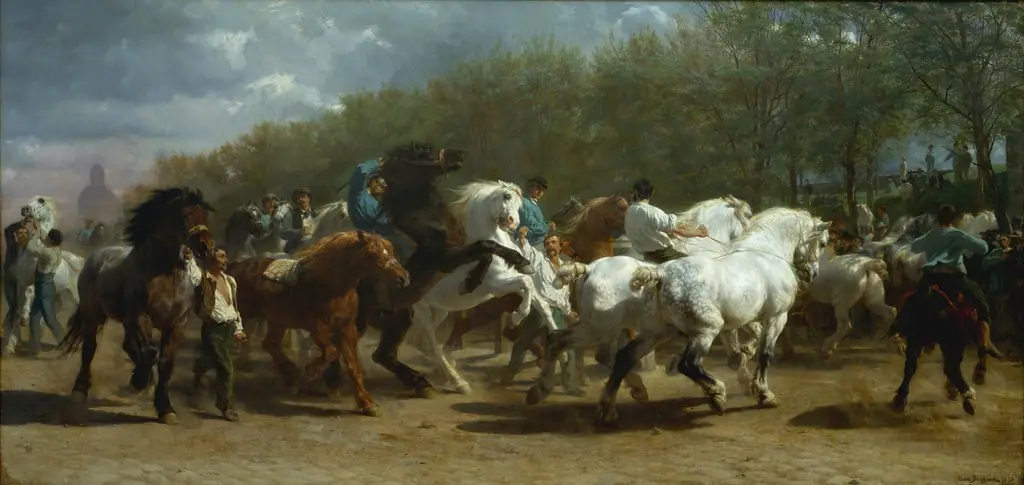 The Horse Fair
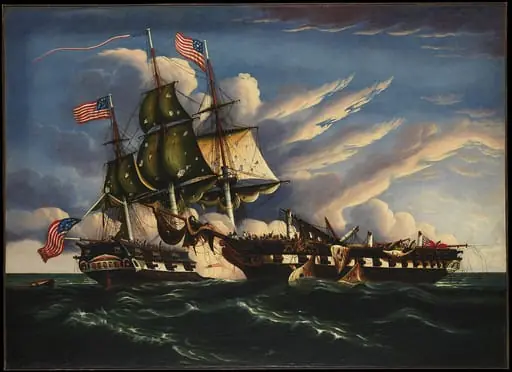 The Constitution and the Guerriere
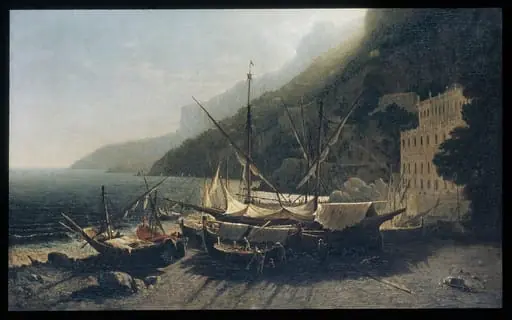 View at Amalfi, Bay of Salerno
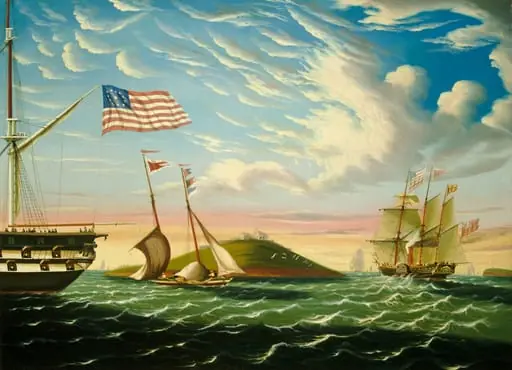 Boston Harbor
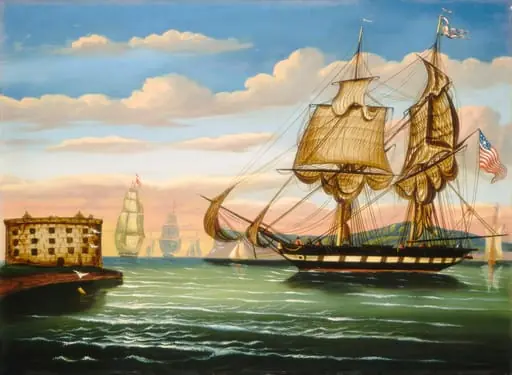 Bay of New York, Sunset
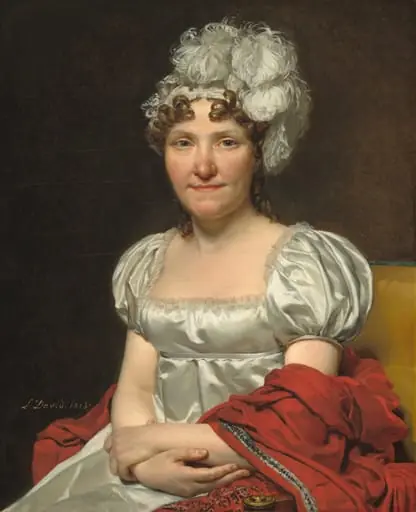 Madame David
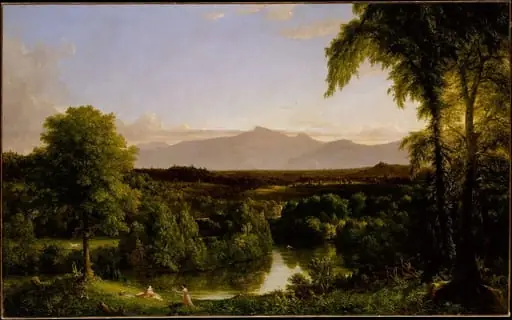 View on the Catskill—Early Autumn
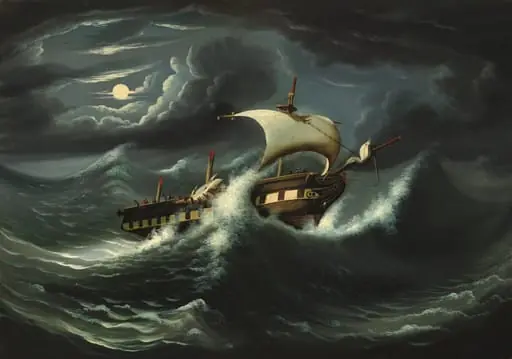 Storm-Tossed Frigate
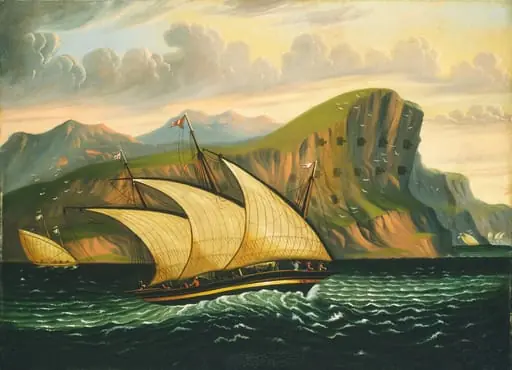 Felucca off Gibraltar
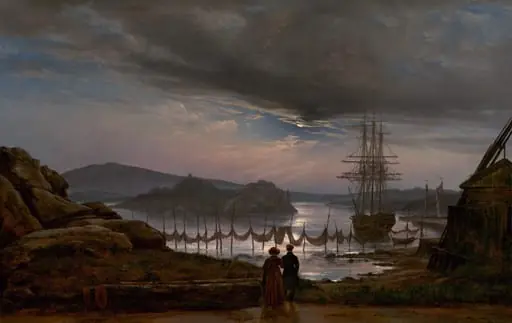 View from Vaekero near Christiania
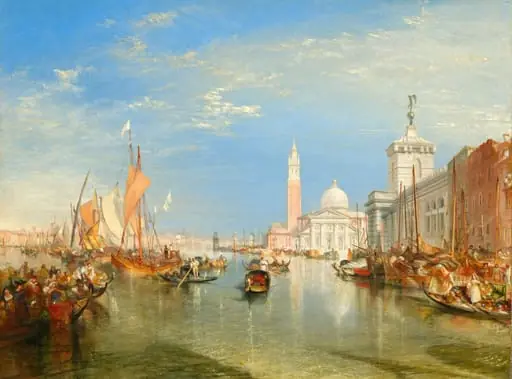 Venice: The Dogana and San Giorgio Maggiore
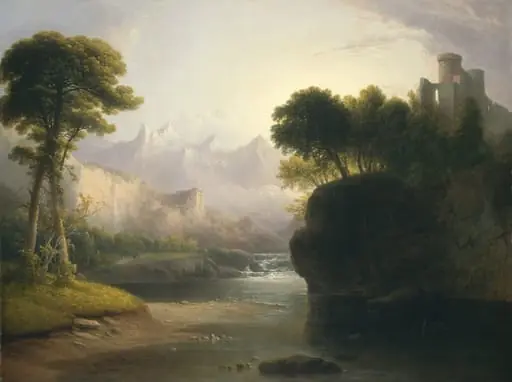 Fanciful Landscape
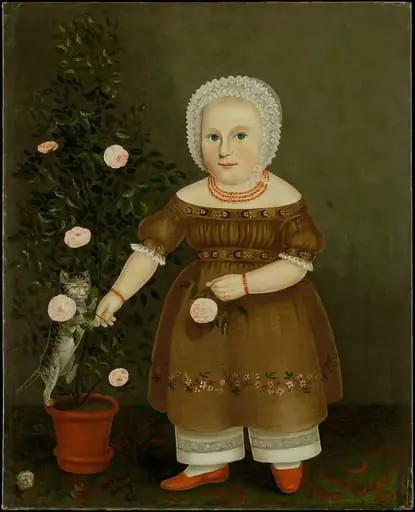 Emma Homan
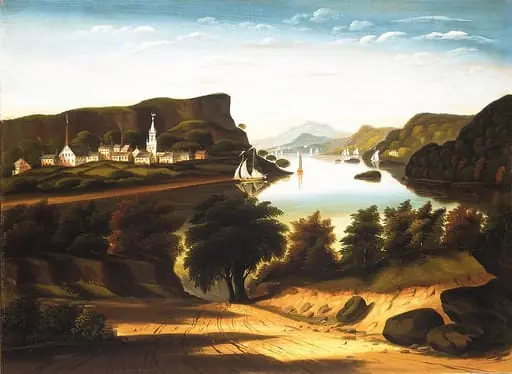 Lake George and the Village of Caldwell
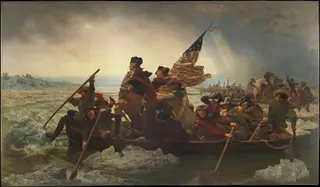 Washington Crossing the Delaware
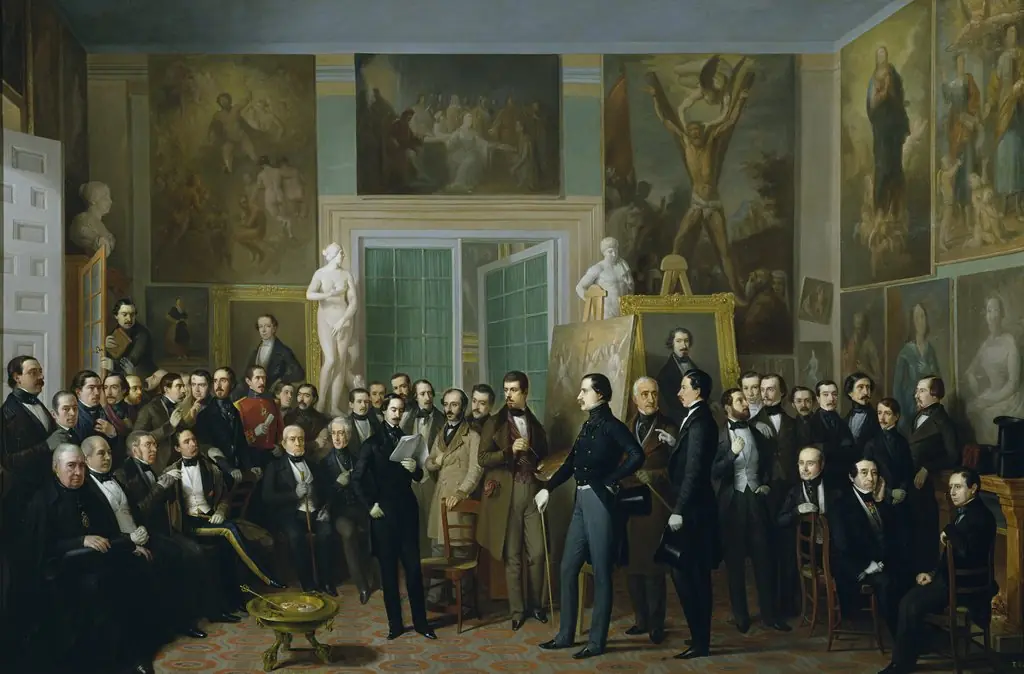 The Contemporary Poets. A Reading of Zorrilla in the Artist's Studio
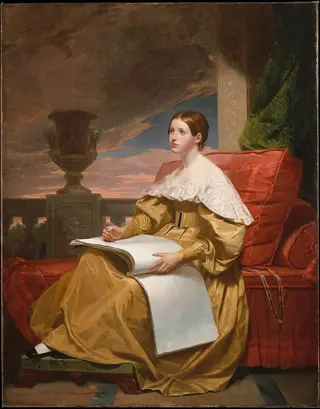 Susan Walker Morse (The Muse)
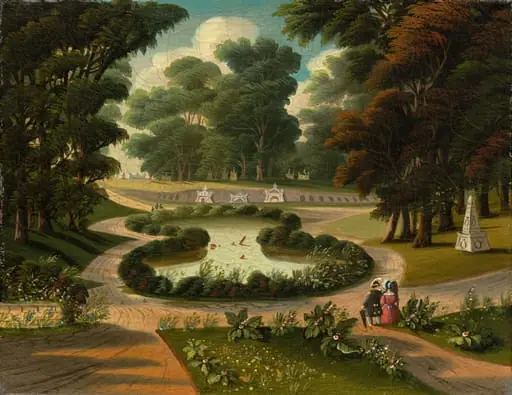 Mount Auburn Cemetery
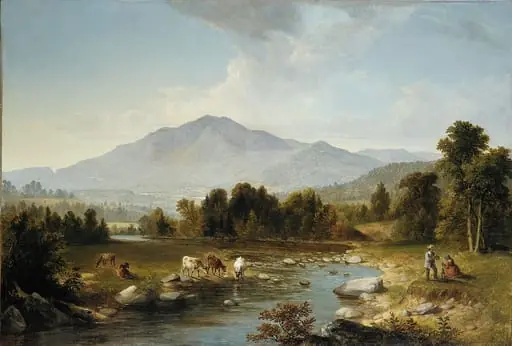 High Point: Shandaken Mountains
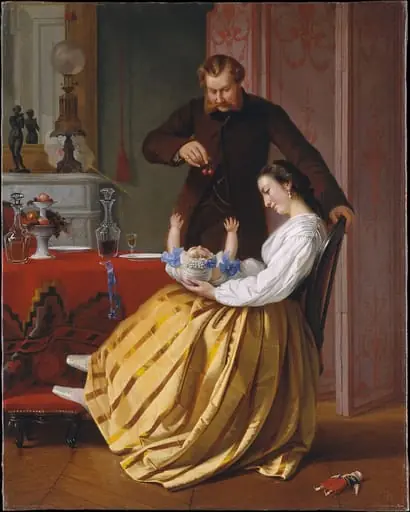 Conversation Piece
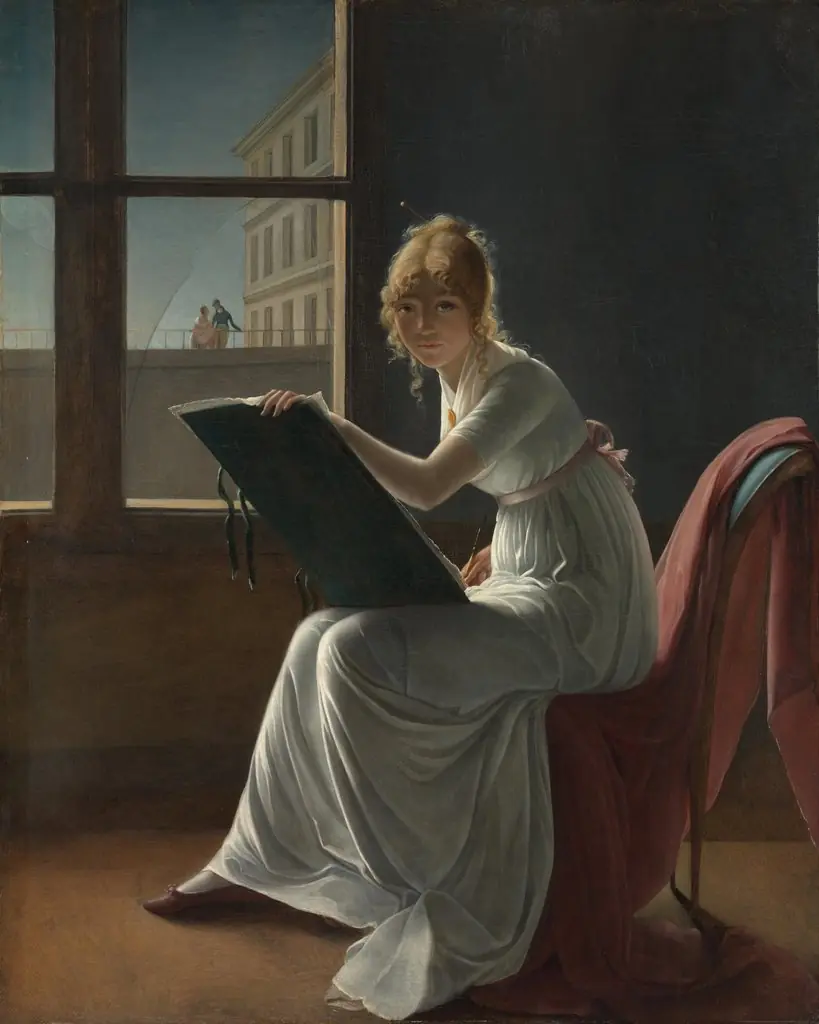 Portrait of Charlotte du Val d'Ognes
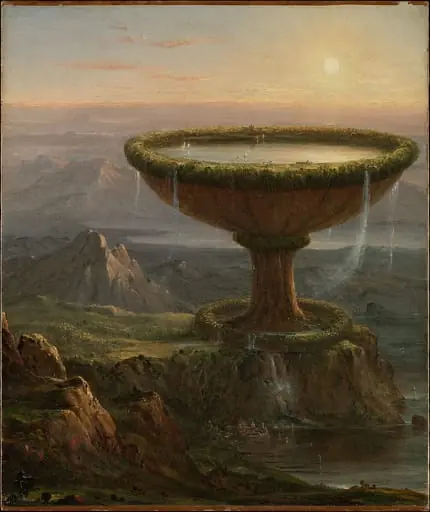 The Titan's Goblet
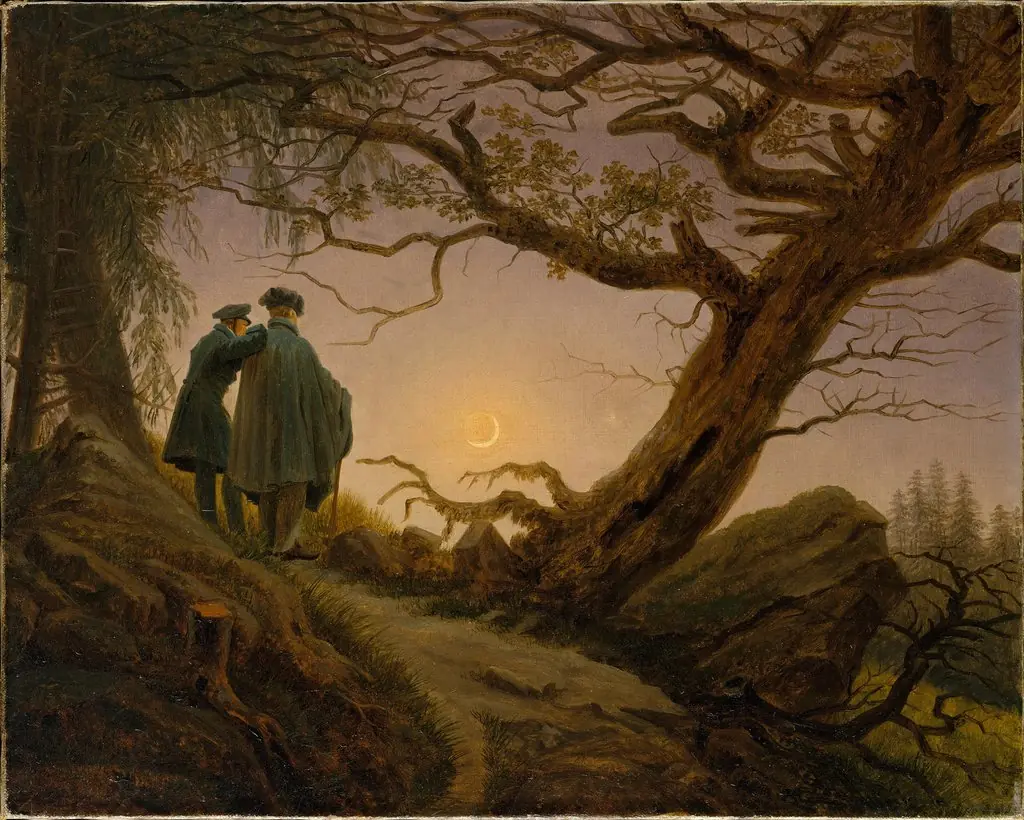 Two men contemplating the Moon
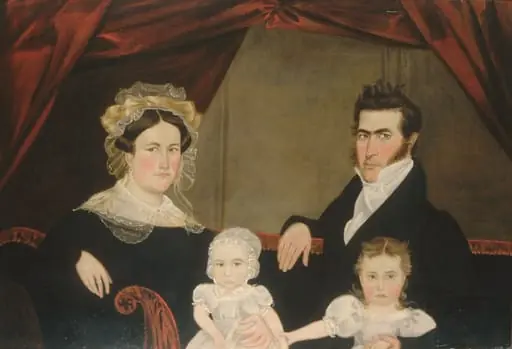 Family Group of Four on Sofa
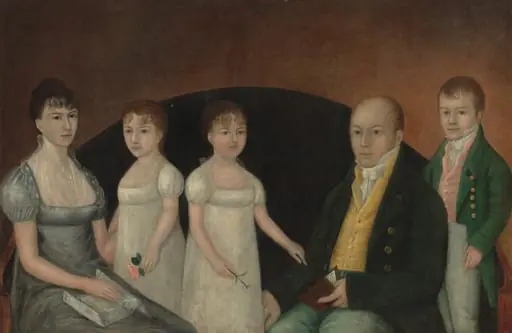 Family Group
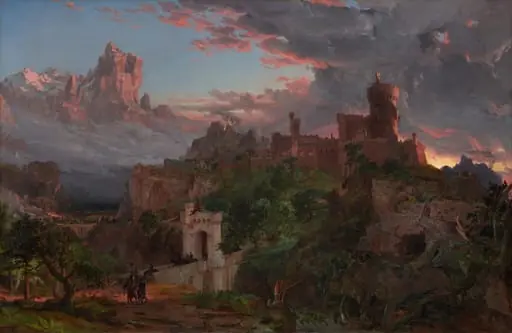 The Spirit of War
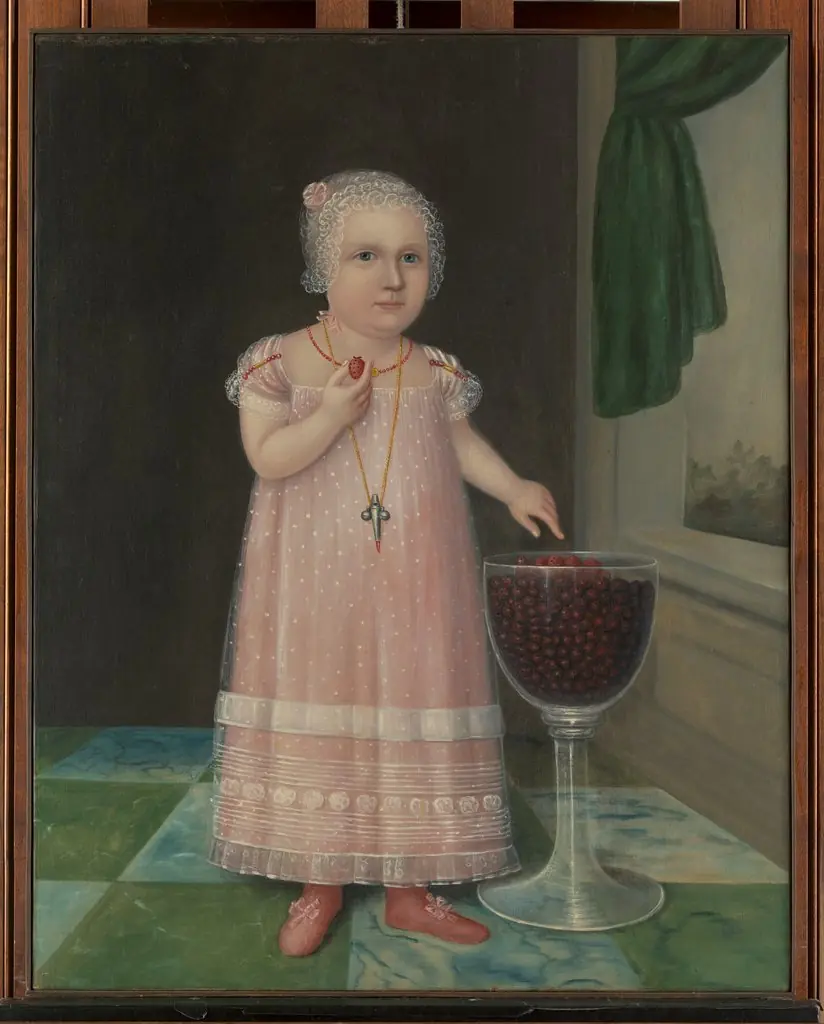 Emma Van Name
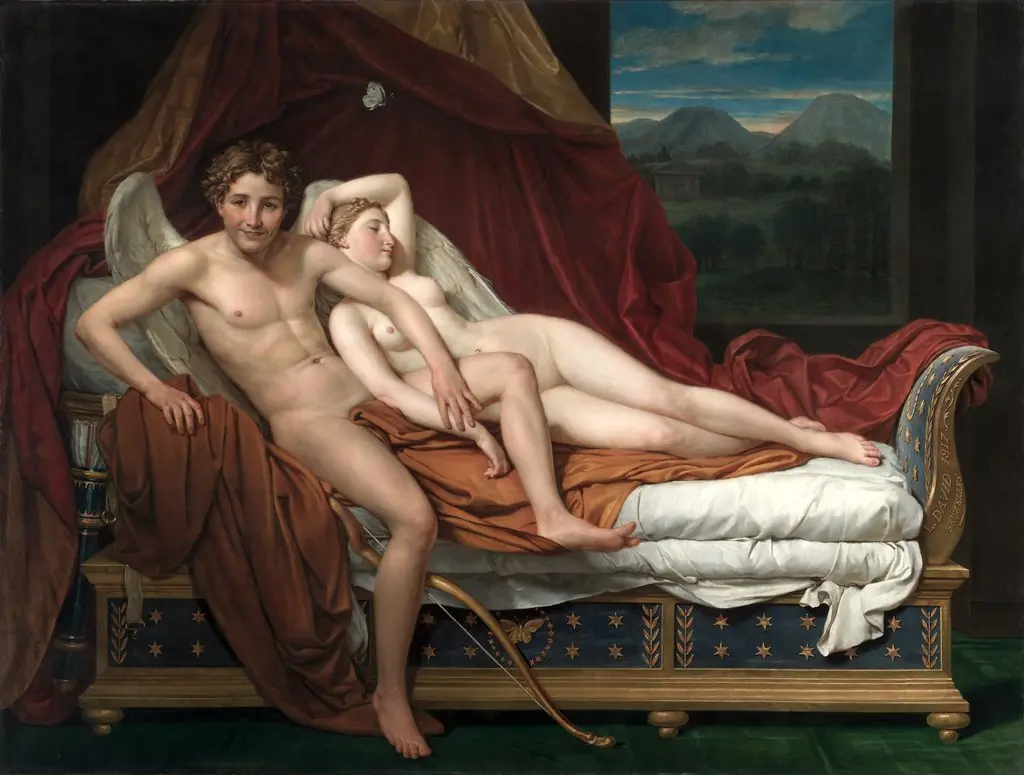 Cupid and Psyche
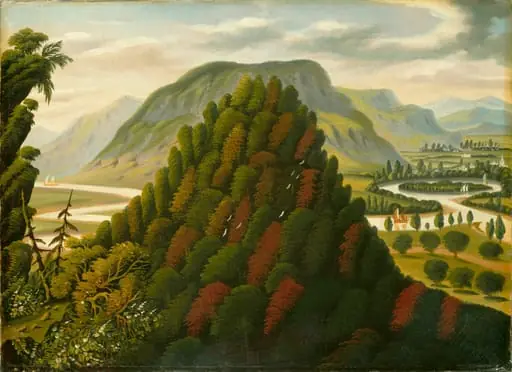 The Connecticut Valley
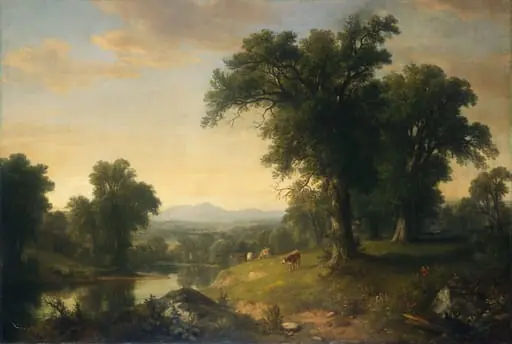 A Pastoral Scene
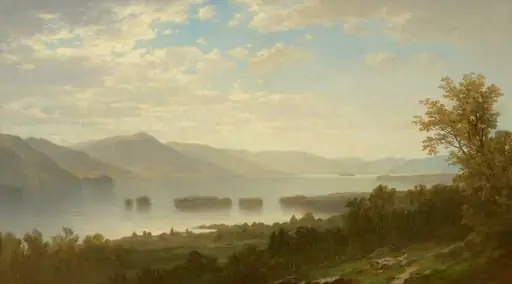 Lake George
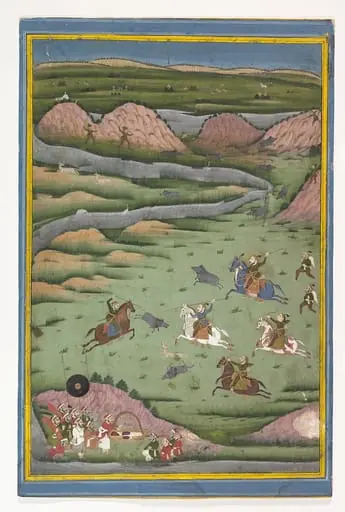 Untitled
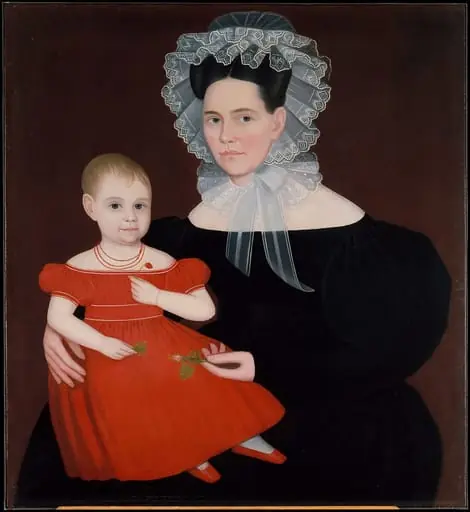 Mrs. Mayer and Daughter
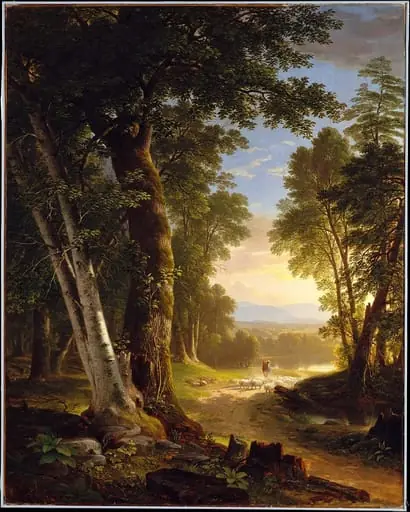 The Beeches
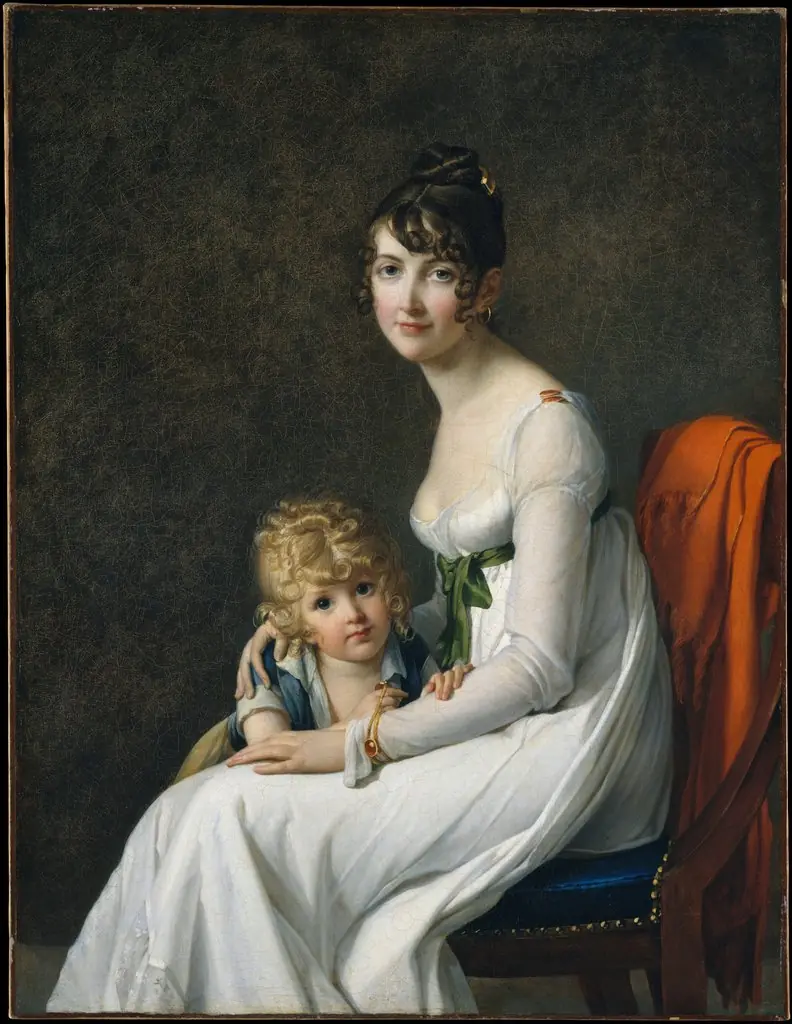 Madame Philippe Panon Desbassayns de Richemont (Jeanne Eglé Mourgue, 1778–1855) and Her Son, Eugène (1800–1859)
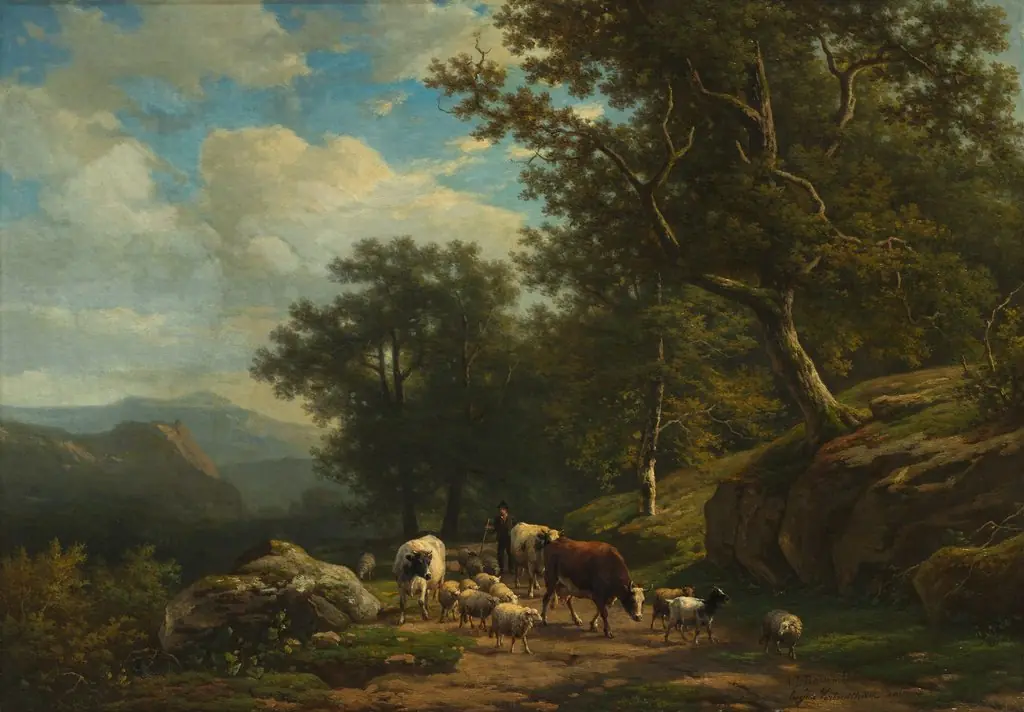 Landscape with a Peasant and His Flock
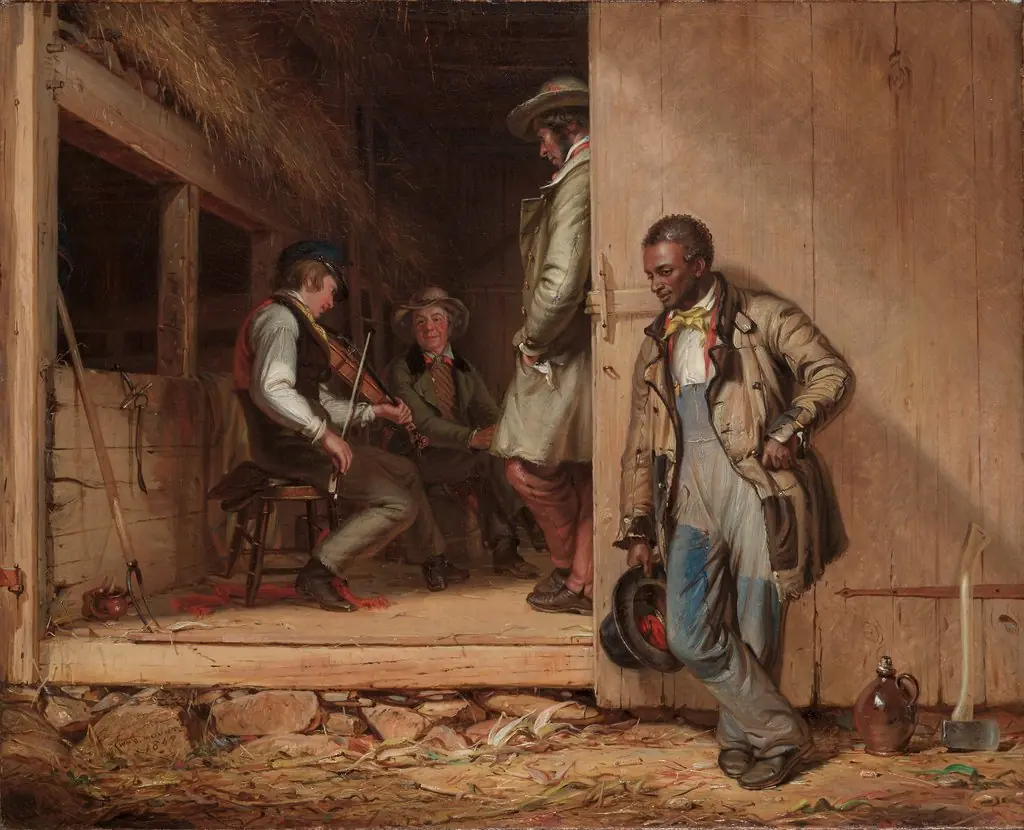 The Power of Music
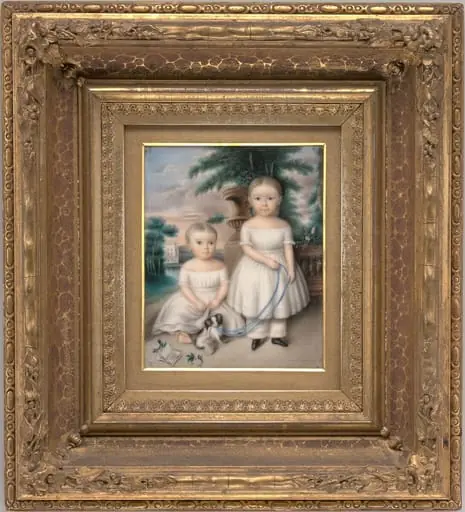 Watson Van Benthuysen II and Thomas Van Benthuysen
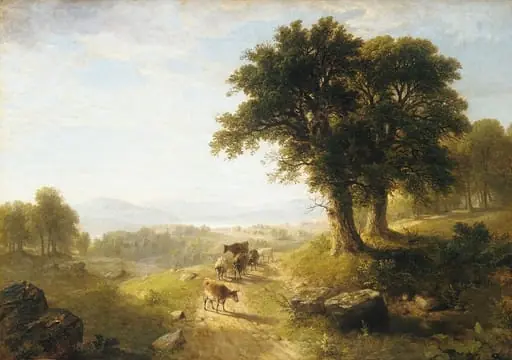 River Scene
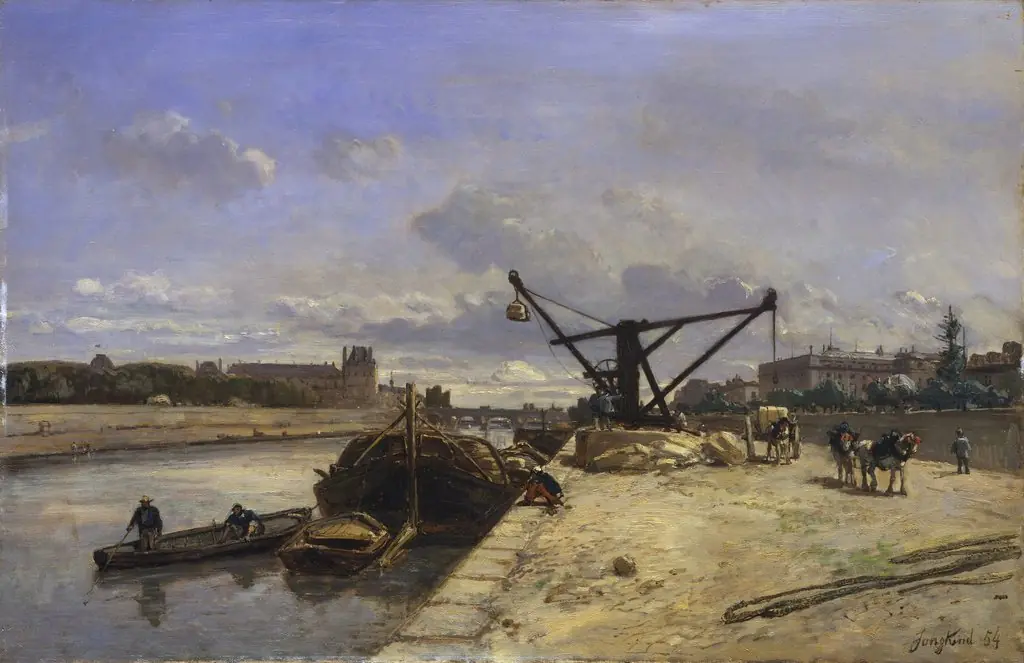 View from the Quai d'Orsay
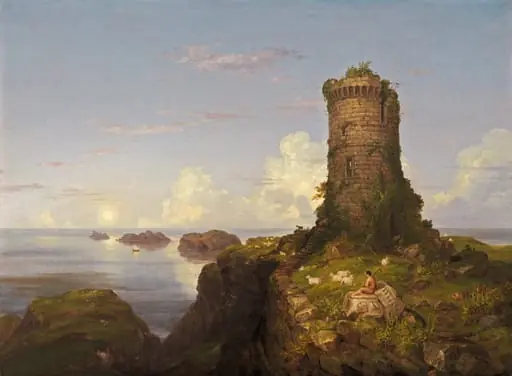 Italian Coast Scene with Ruined Tower
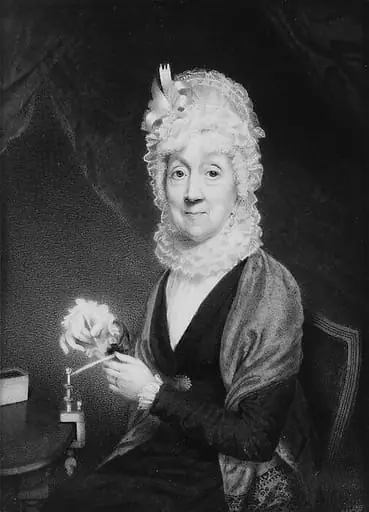 Portrait of a Lady
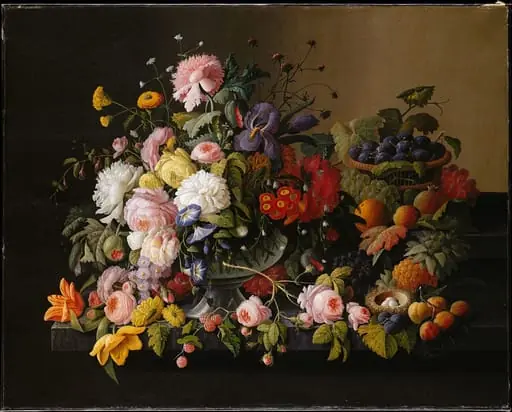 Still Life: Flowers and Fruit
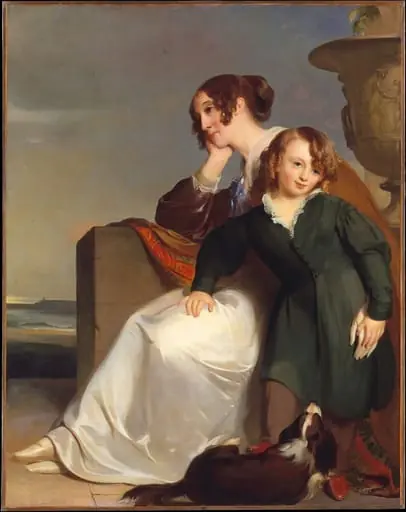 Mother and Son
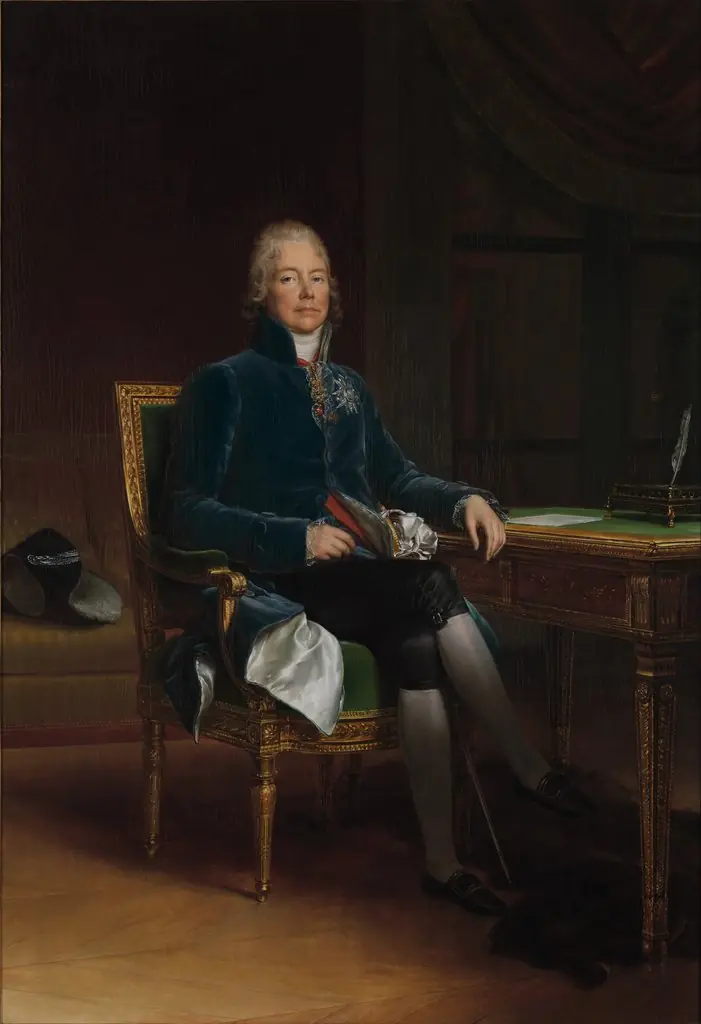 Charles Maurice de Talleyrand Périgord (1754–1838), Prince de Bénévent
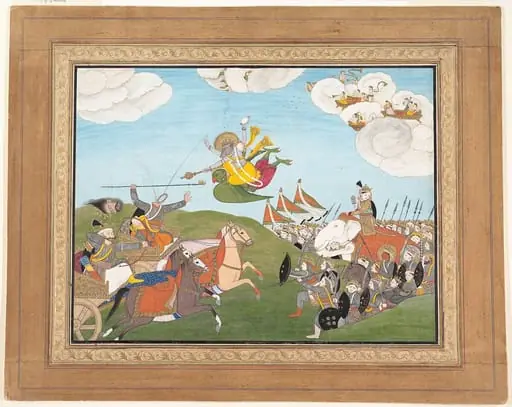 Untitled
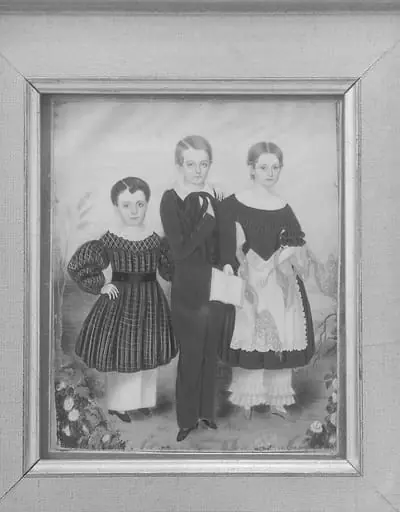 The Starbird Children
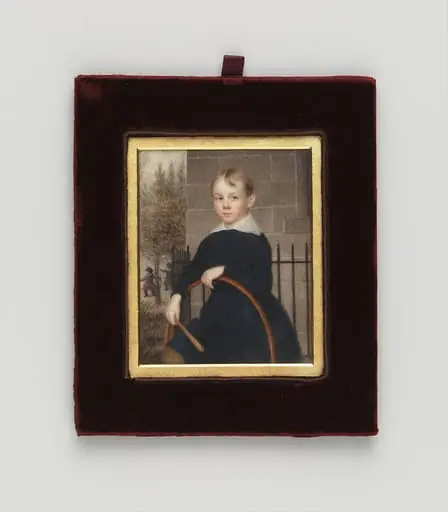 Paul Joseph Revere
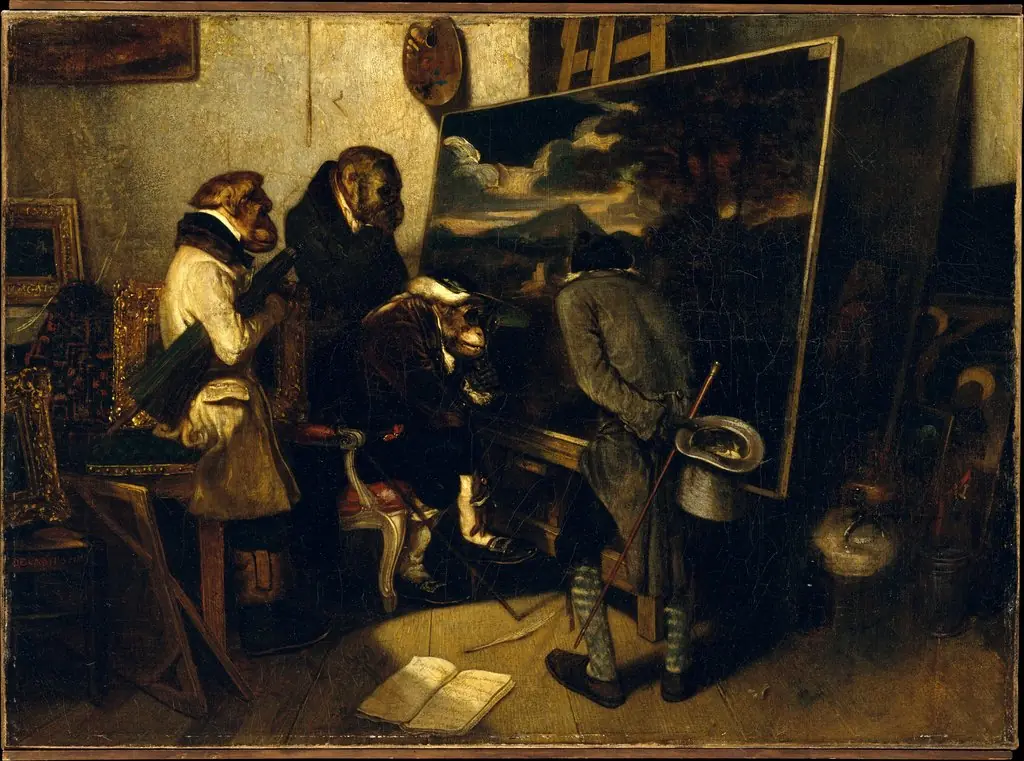 The Experts
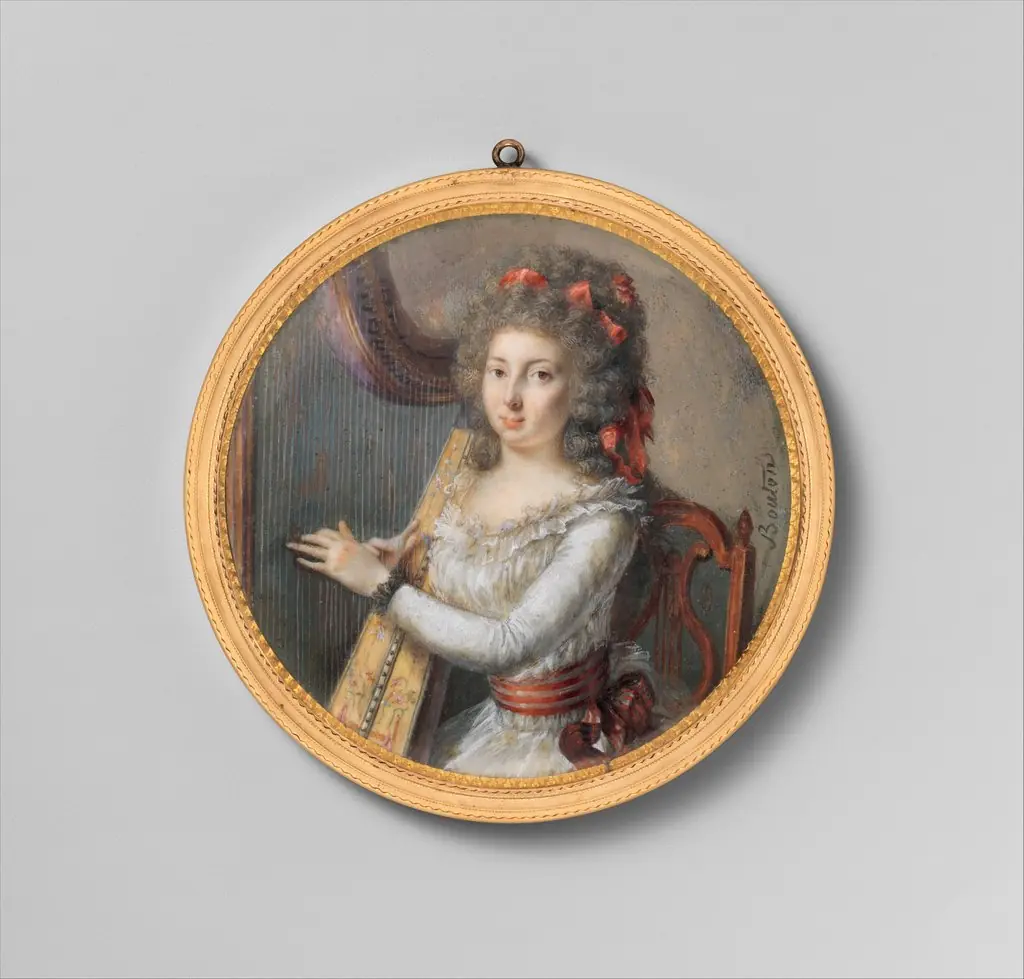 A Woman Playing a Harp
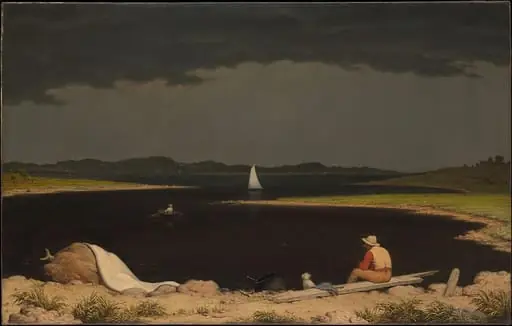 Approaching Thunder Storm
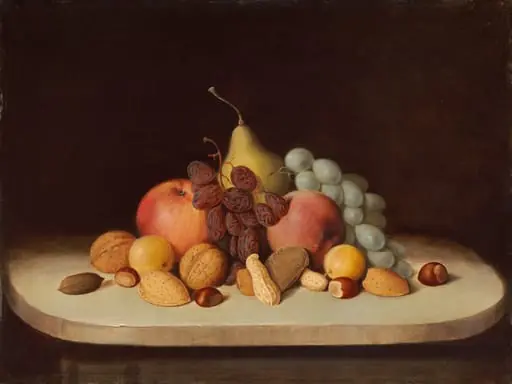 Still Life with Fruit and Nuts
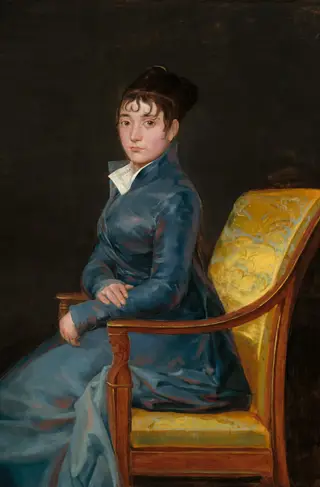 Thérèse Louise de Sureda
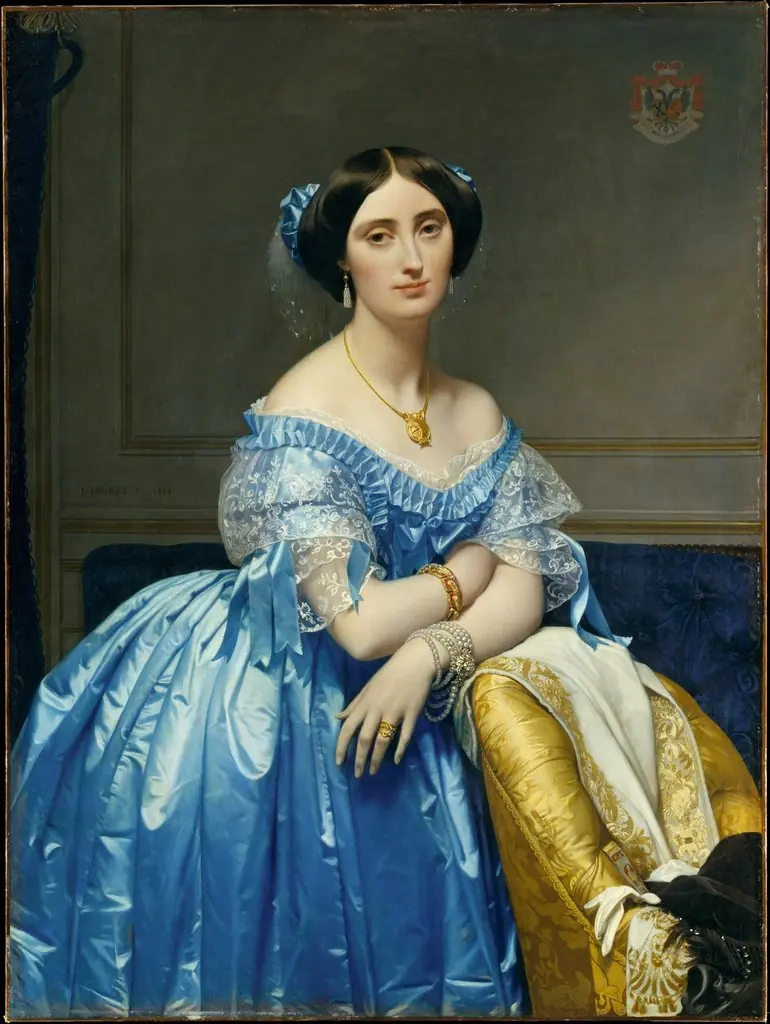 Joséphine-Éléonore-Marie-Pauline de Galard de Brassac de Béarn (1825–1860), Princesse de Broglie
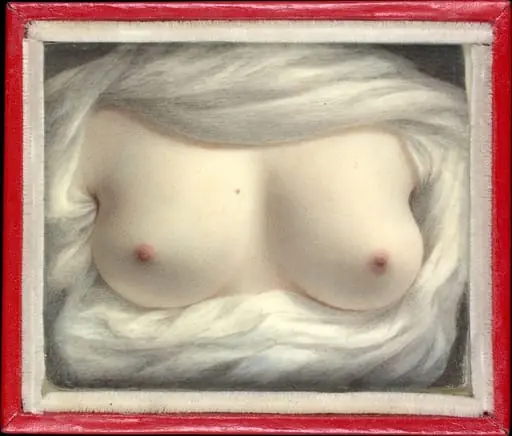 Beauty Revealed
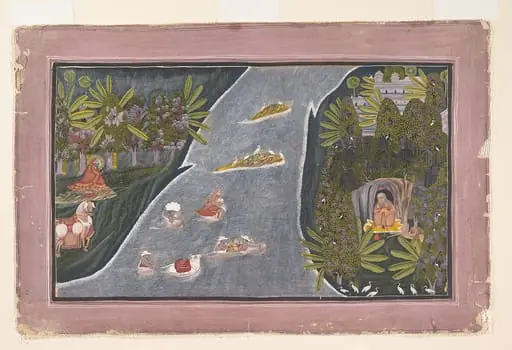 Untitled
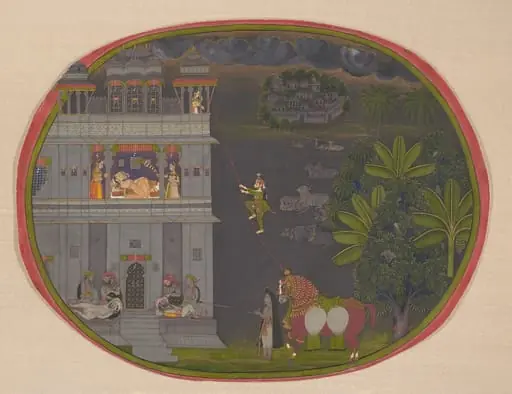 Untitled
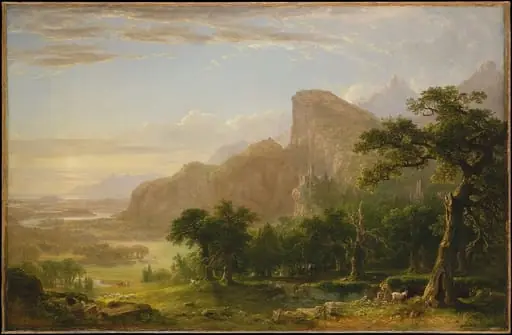 Landscape—Scene from "Thanatopsis"
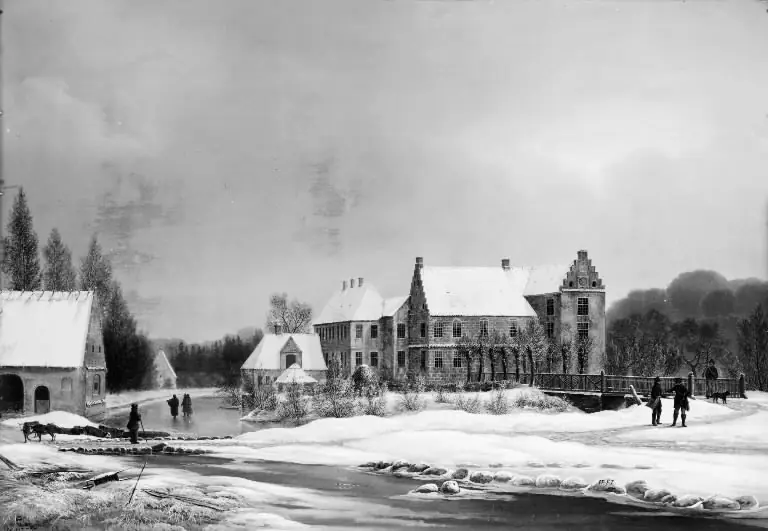 Prospekt af hovedgården Lykkesholm på Fyn. Vinter
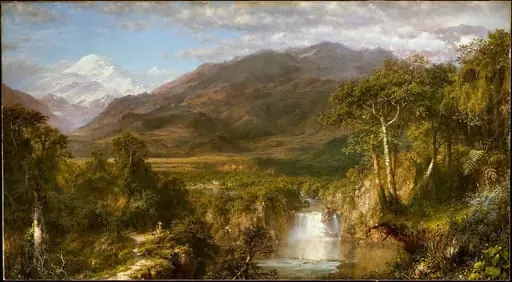 Heart of the Andes
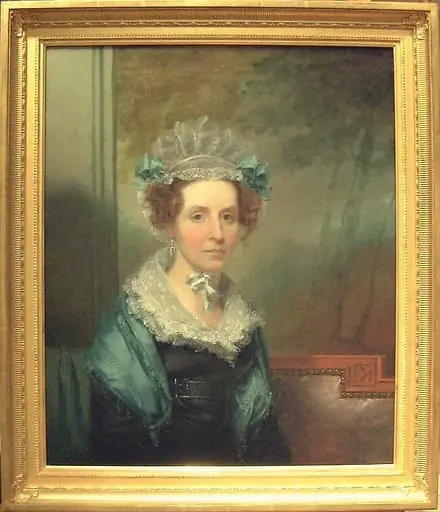 Mrs. Charles Cummings (Rebecca Pittard)
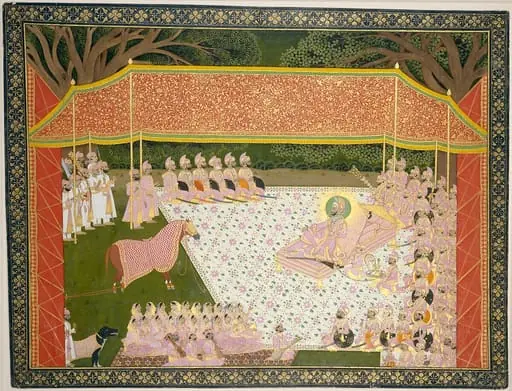 Untitled
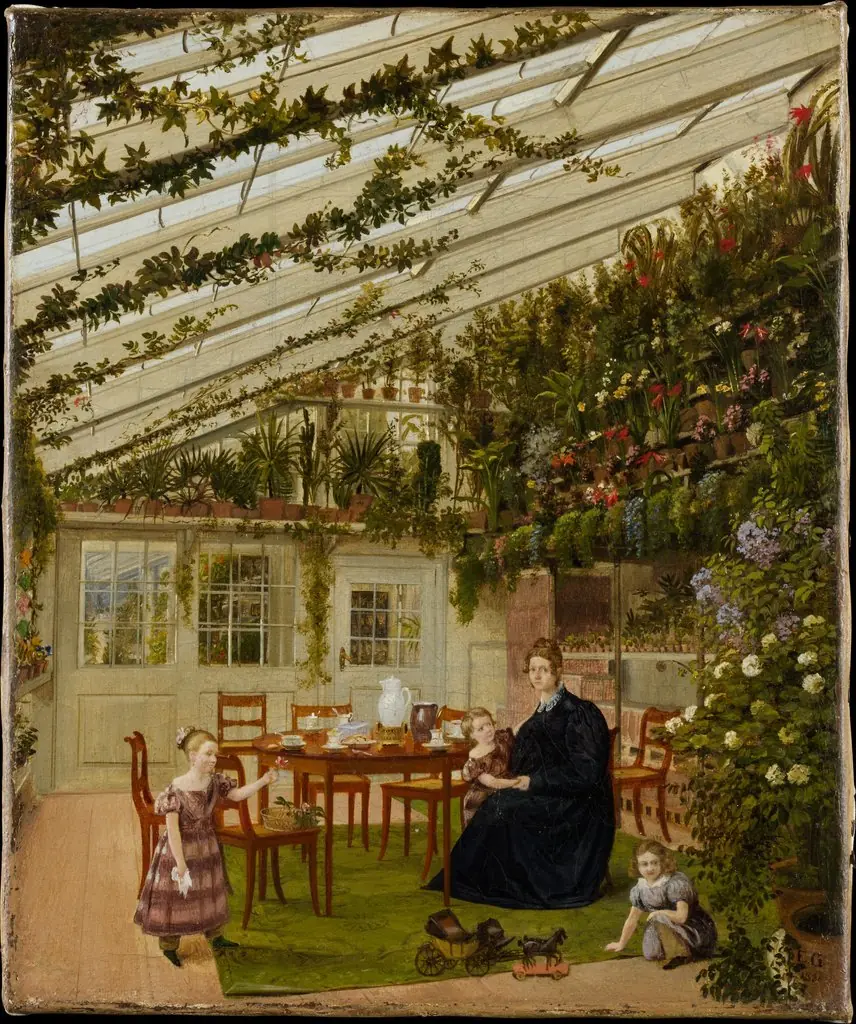 The Family of Mr. Westfal in the Conservatory
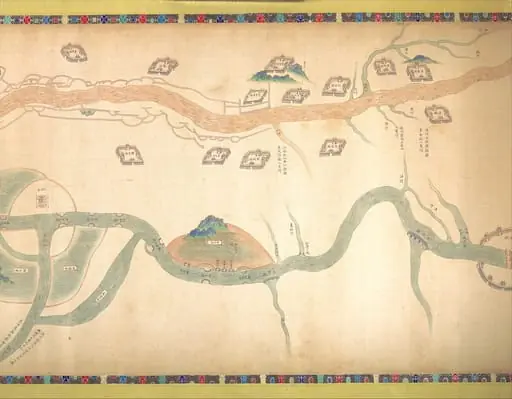 清 佚名 大運河地圖 (從北京至長江) 卷|Map of the Grand Canal from Beijing to the Yangzi River
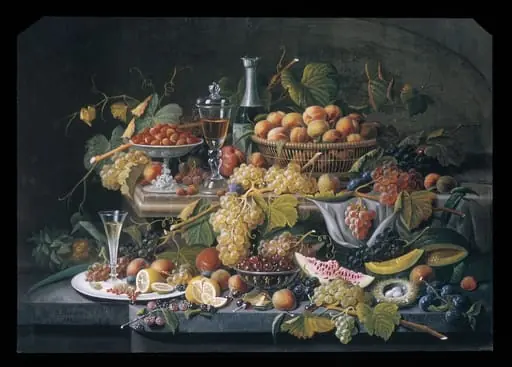 Still Life: Fruit
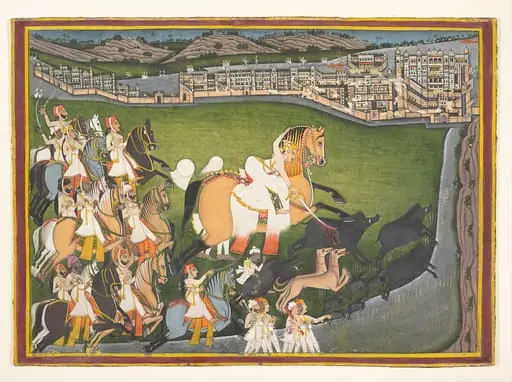 Untitled
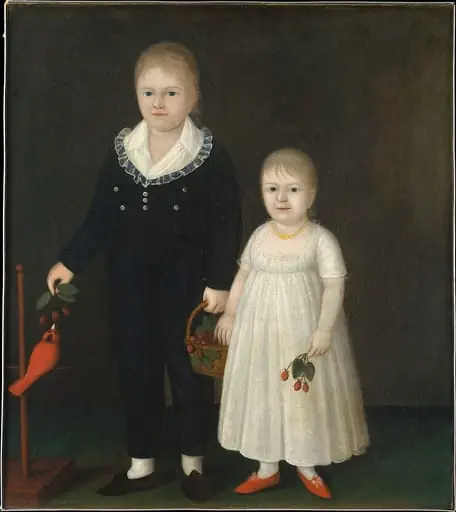 Edward and Sarah Rutter
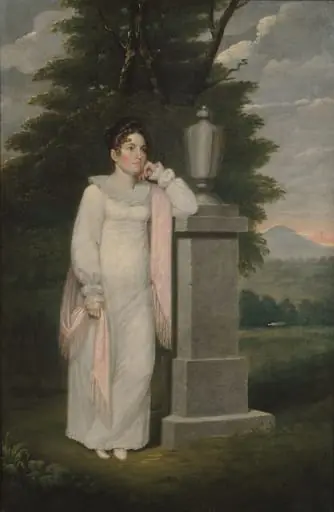 Mrs. Cephas Thompson (Olivia Leonard)
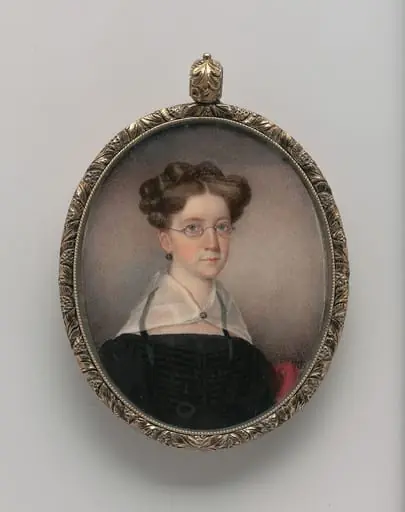 Portrait of a Lady
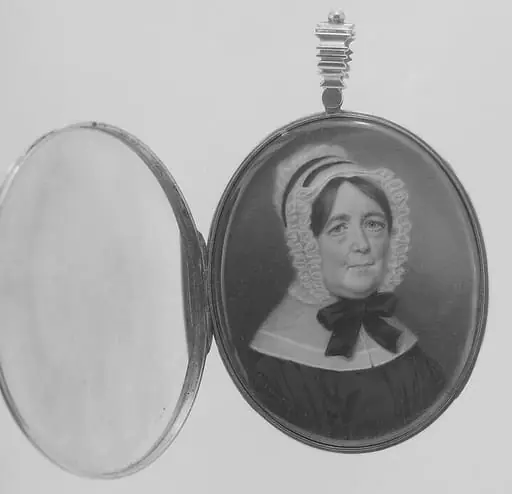 Mrs. A. Otis
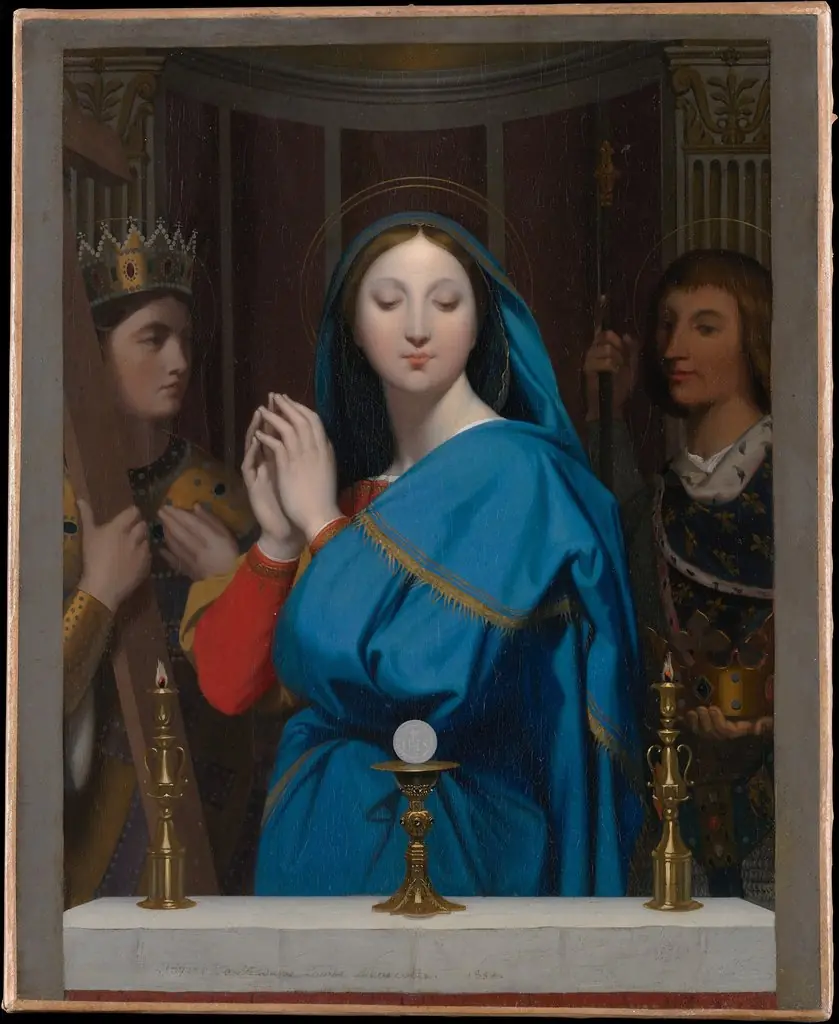 The Virgin Adoring the Host
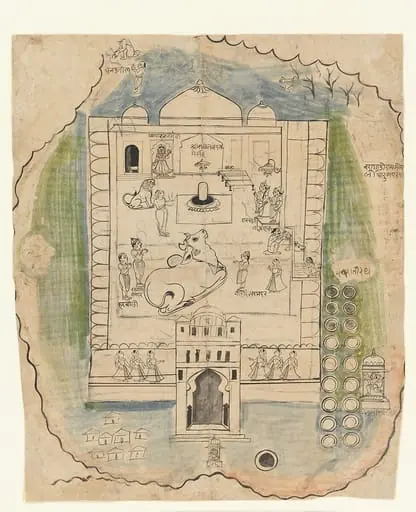 Untitled
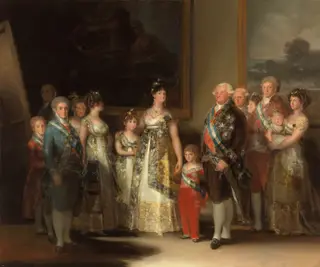 Charles IV of Spain and His Family
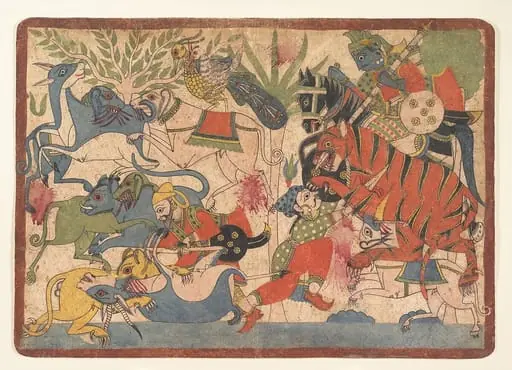 Untitled
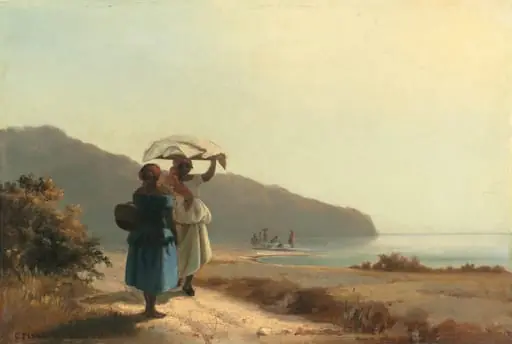 Two Women Chatting by the Sea, St. Thomas
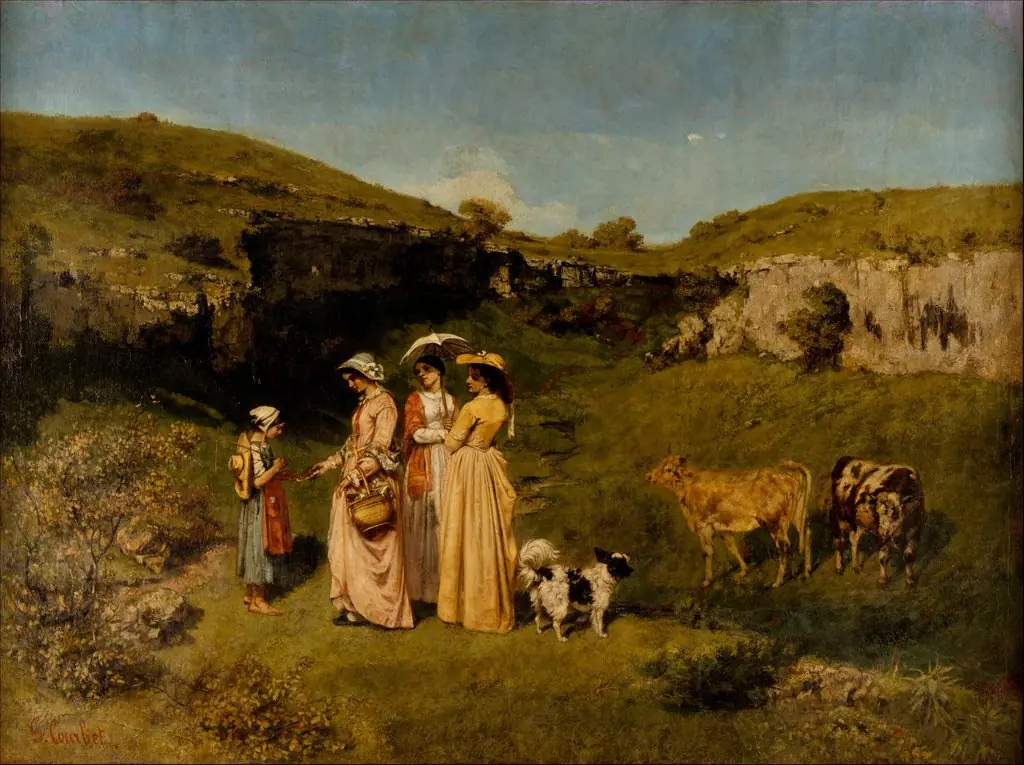 Young Ladies of the Village
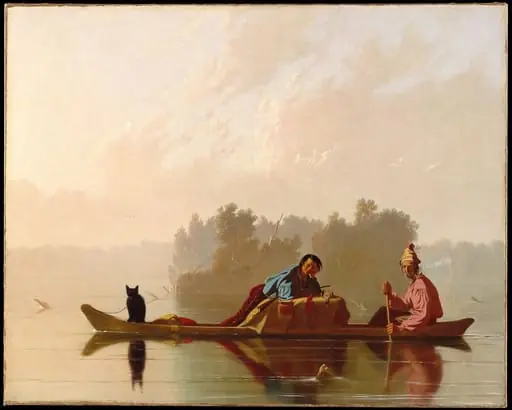 Fur Traders Descending the Missouri
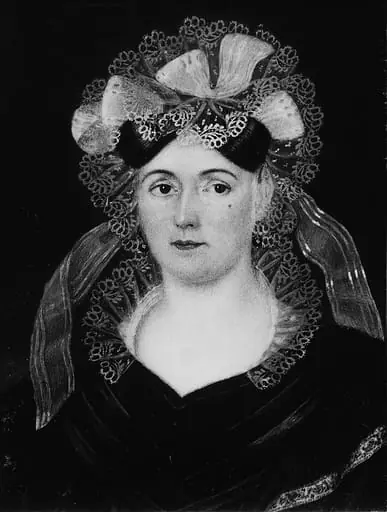 Self portrait
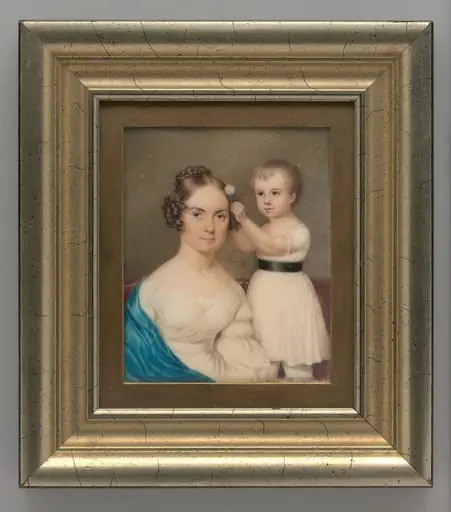 Mrs. William Gordon Ver Planck and Her Son Samuel Hopkins Ver Planck
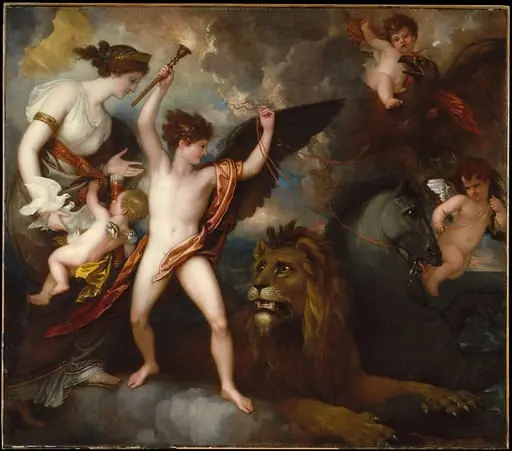 Omnia Vincit Amor, or The Power of Love in the Three Elements
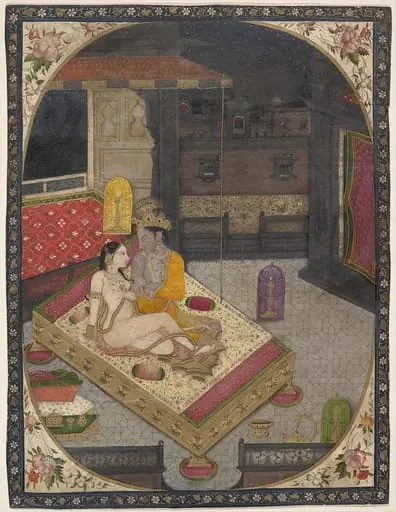 Untitled
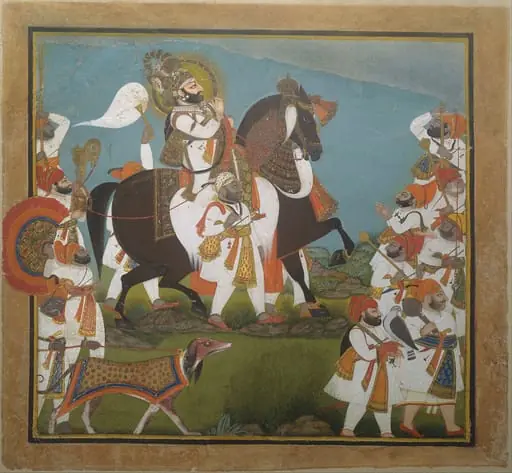 Untitled
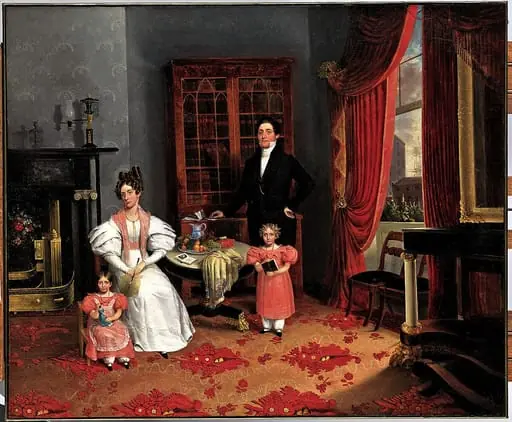 The Family of John Q. Aymar
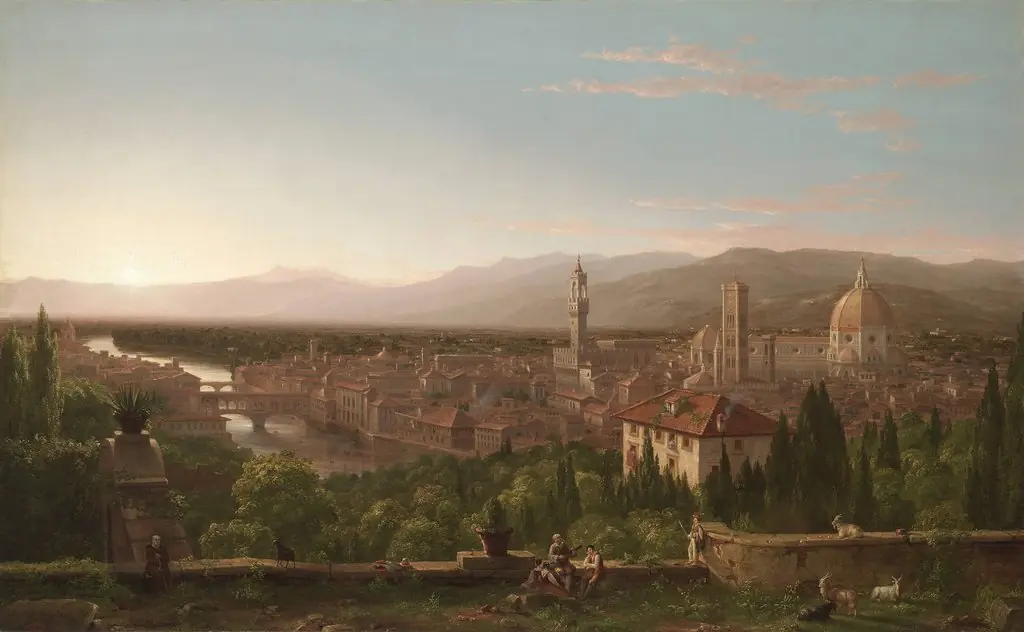 View of Florence
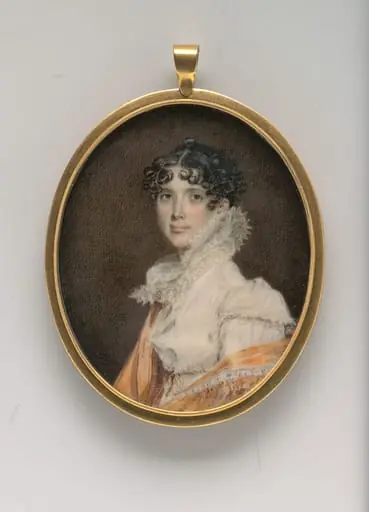 Mrs. Nathaniel Chapman (Rebekah Biddle)
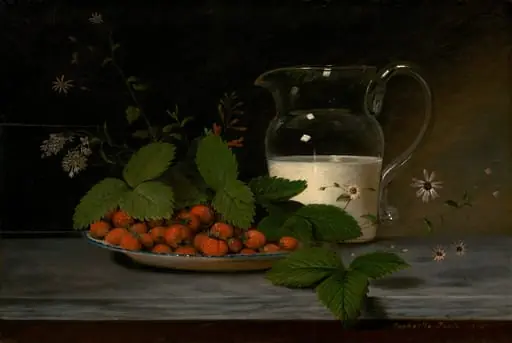 Strawberries and Cream
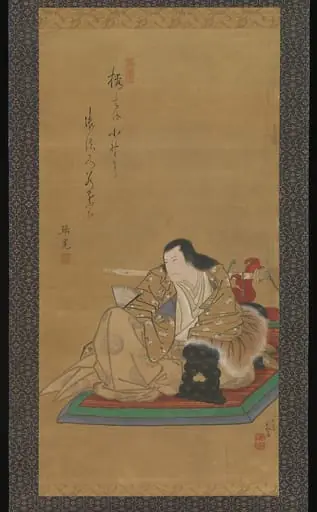 初代嵐橘三郎 (二代目嵐吉三郎) の惟高親王|The Actor Arashi Kitsusaburō I (Kichisaburō II) as Prince Koretaka
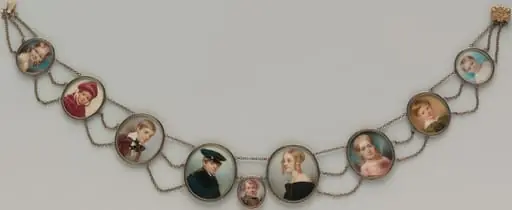 A Mother's Pearls
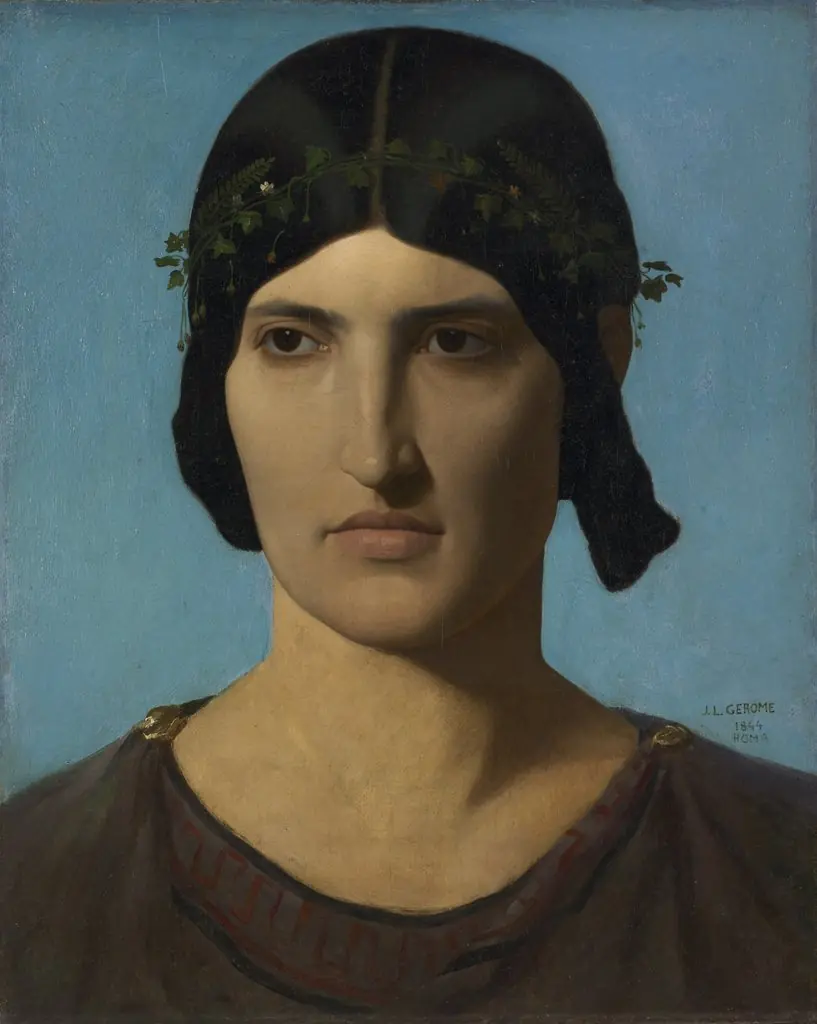 Head of an Italian Woman
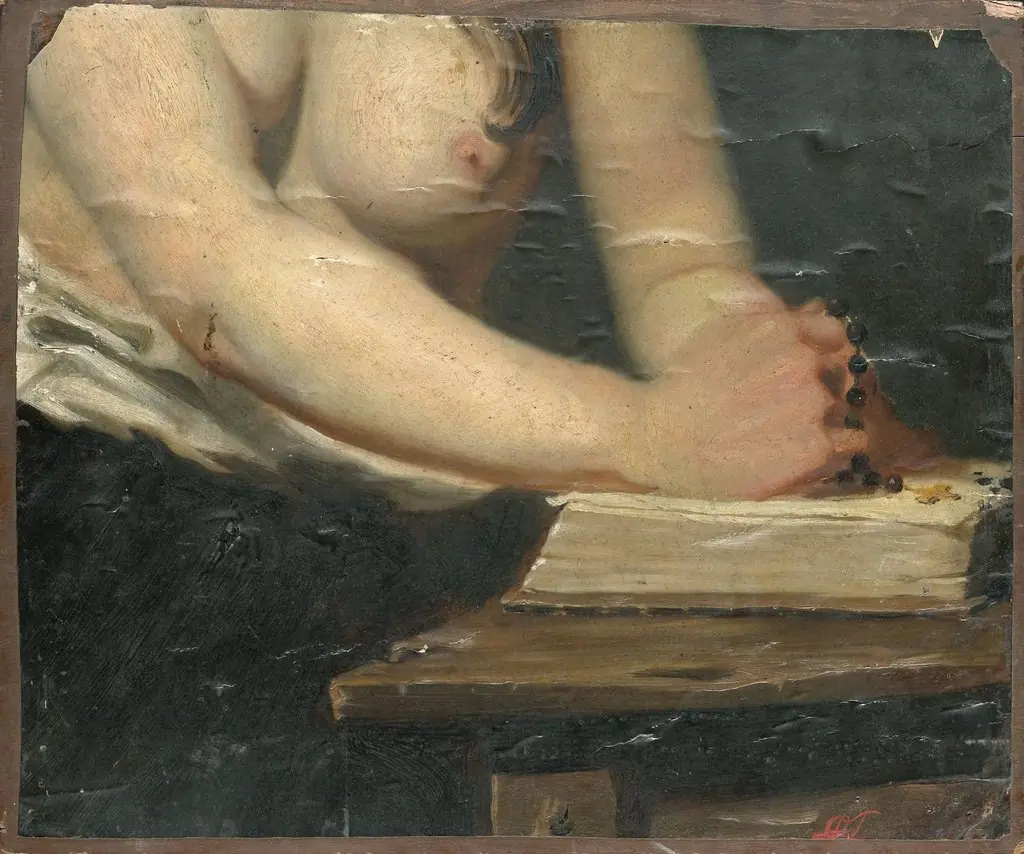 Mary Magdalene
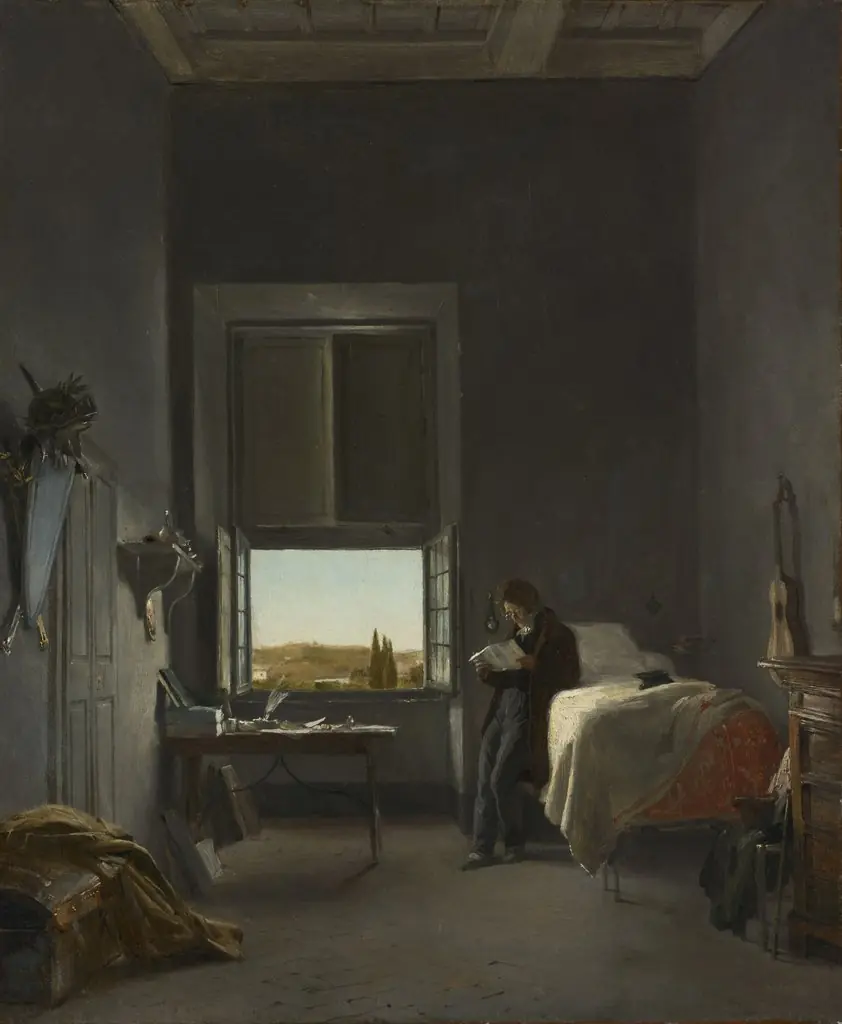 The Artist in His Room at the Villa Medici, Rome
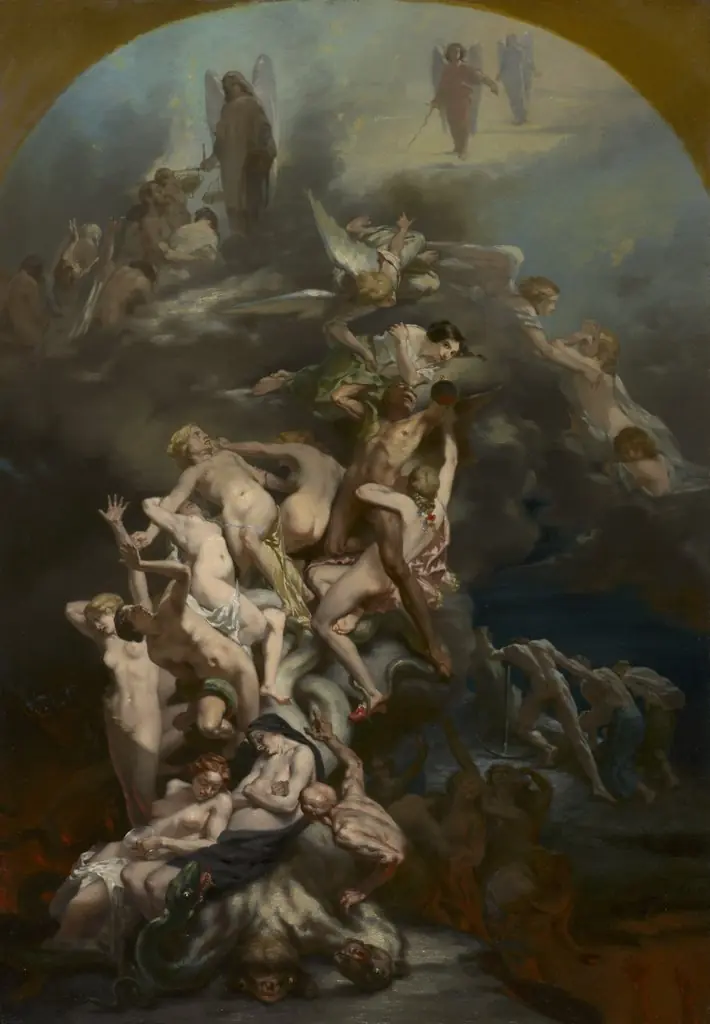 Heaven and Hell
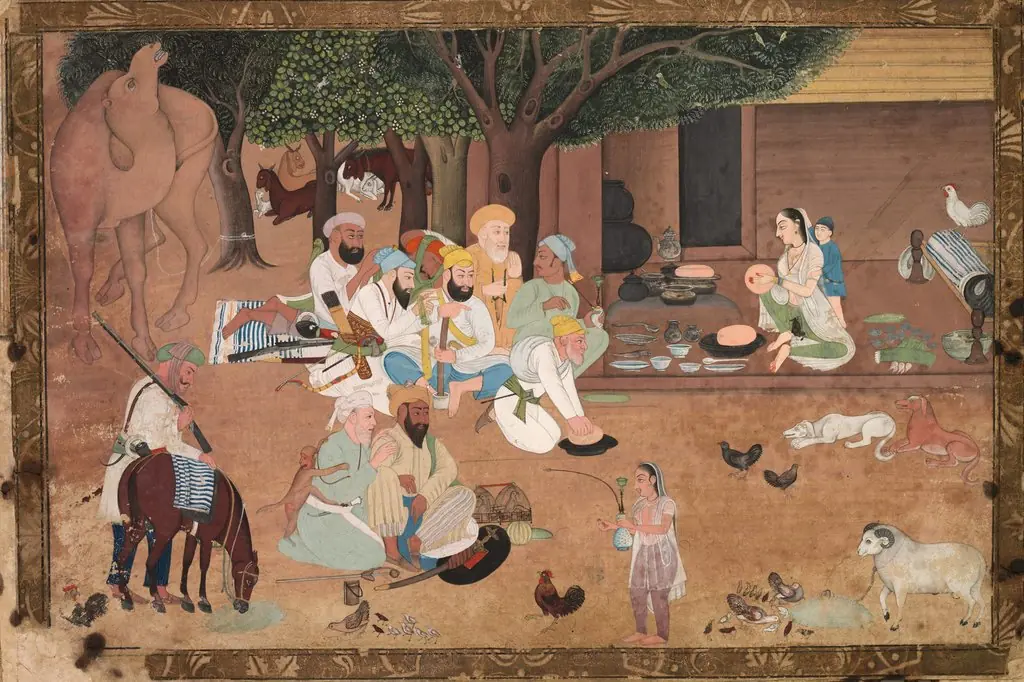 Traveling Warriors Stopping at a Farm
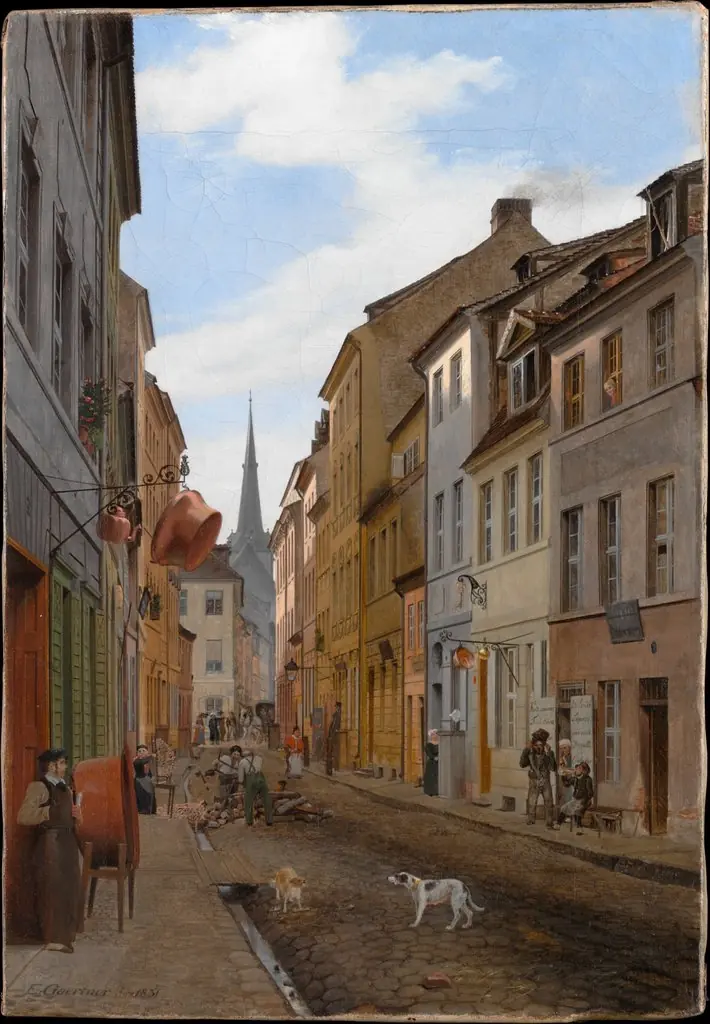 Parochialstrasse in Berlin
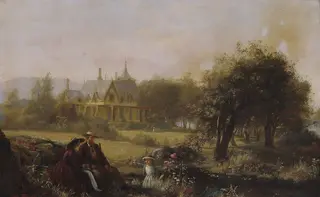 Summer Flowers
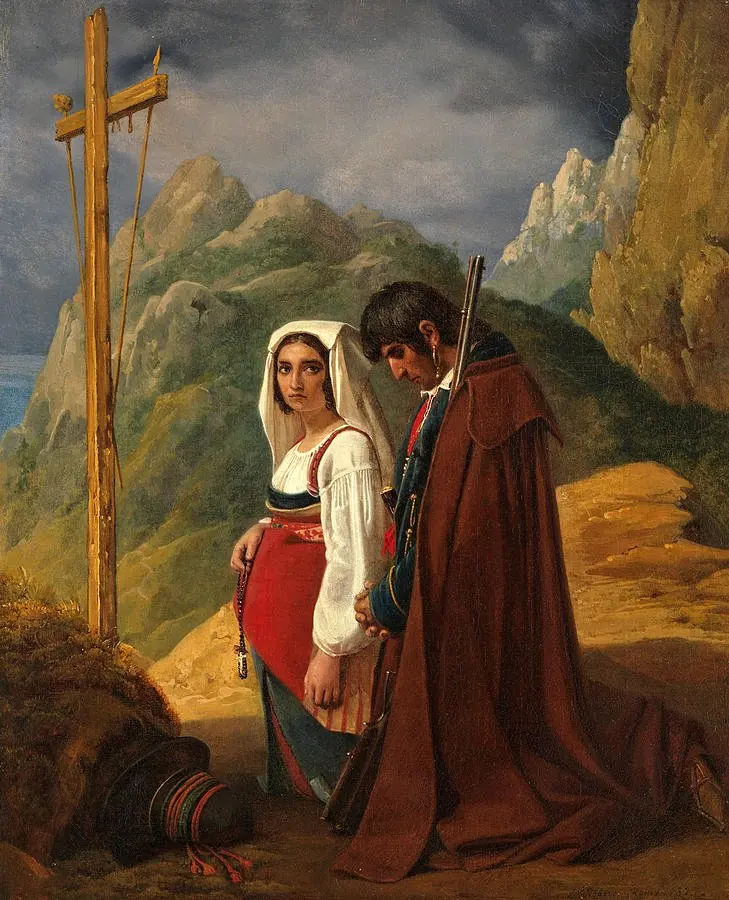 Brigand and his wife in prayer
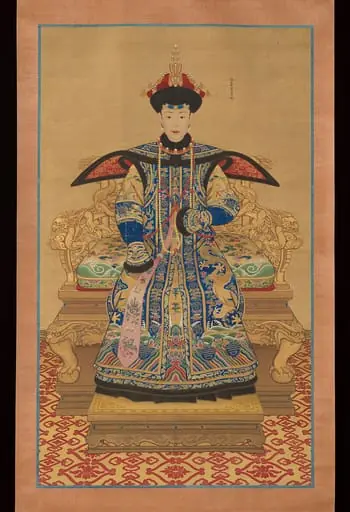 Untitled
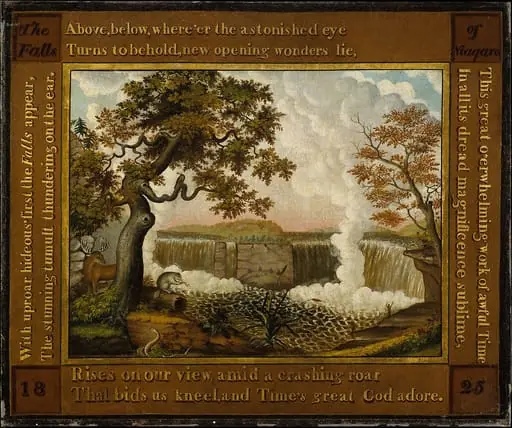 The Falls of Niagara
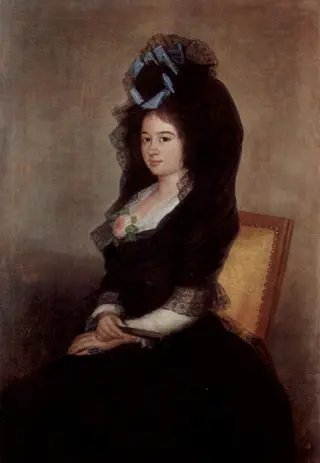 Narcisa Barañana de Goicoechea
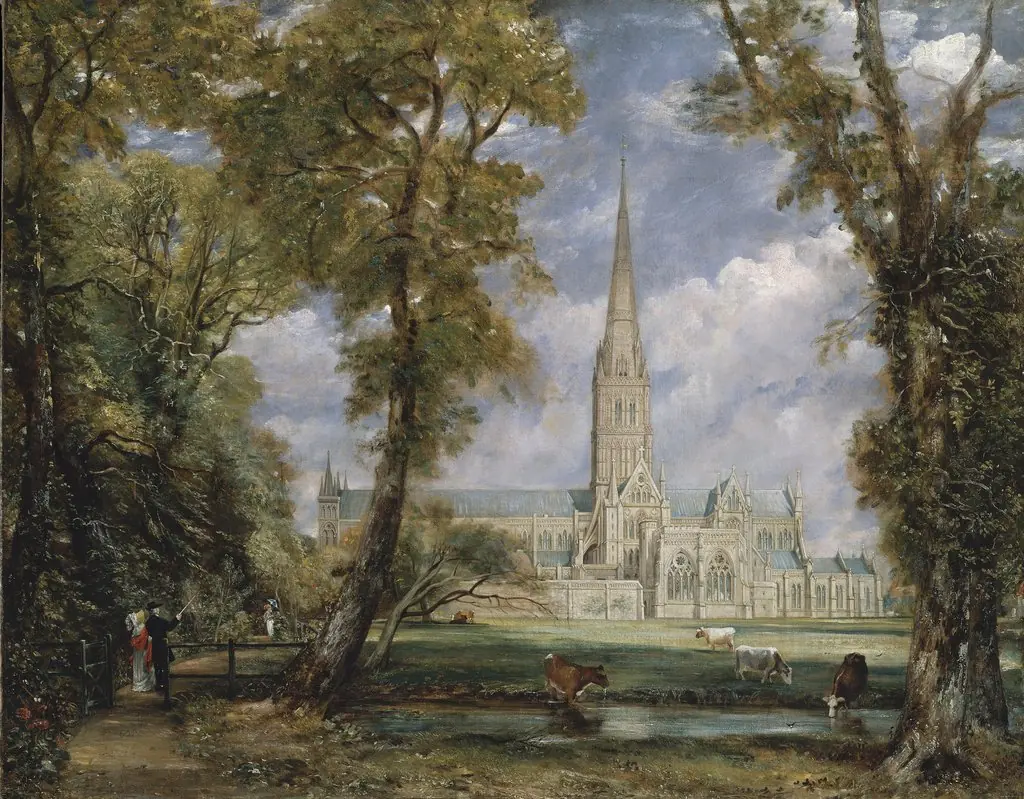 Salisbury Cathedral from the Bishop's Garden
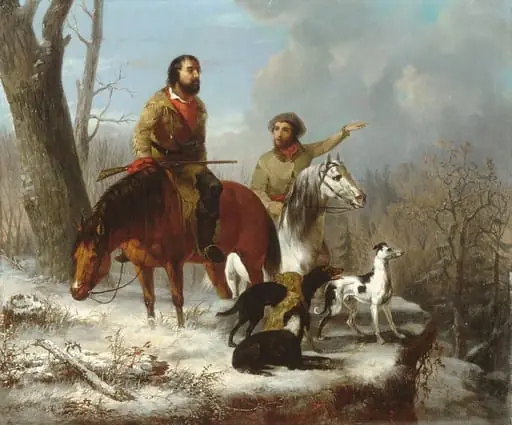 Trappers
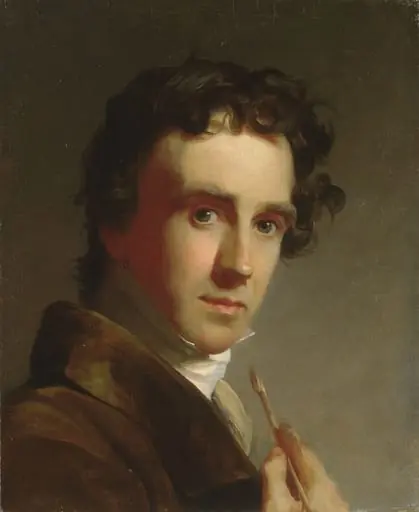 Portrait of the Artist
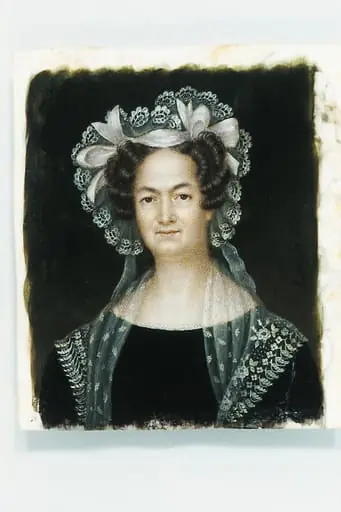 Mrs. Jacob Gerard Koch (Jane Griffith)
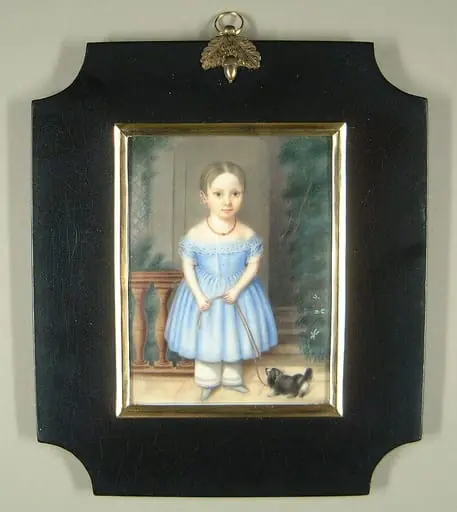 Mary R. Whitlock
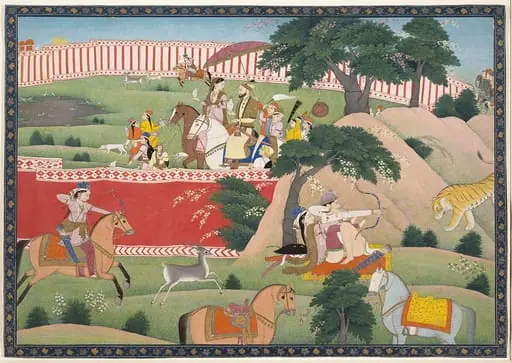 Untitled
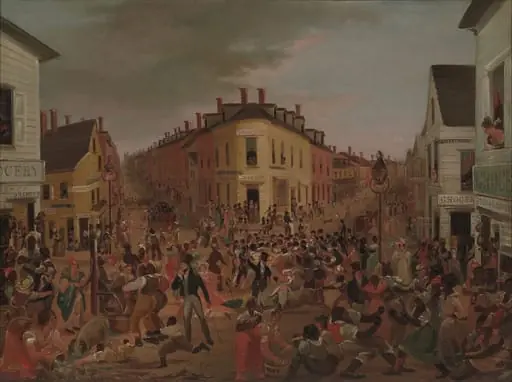 The Five Points
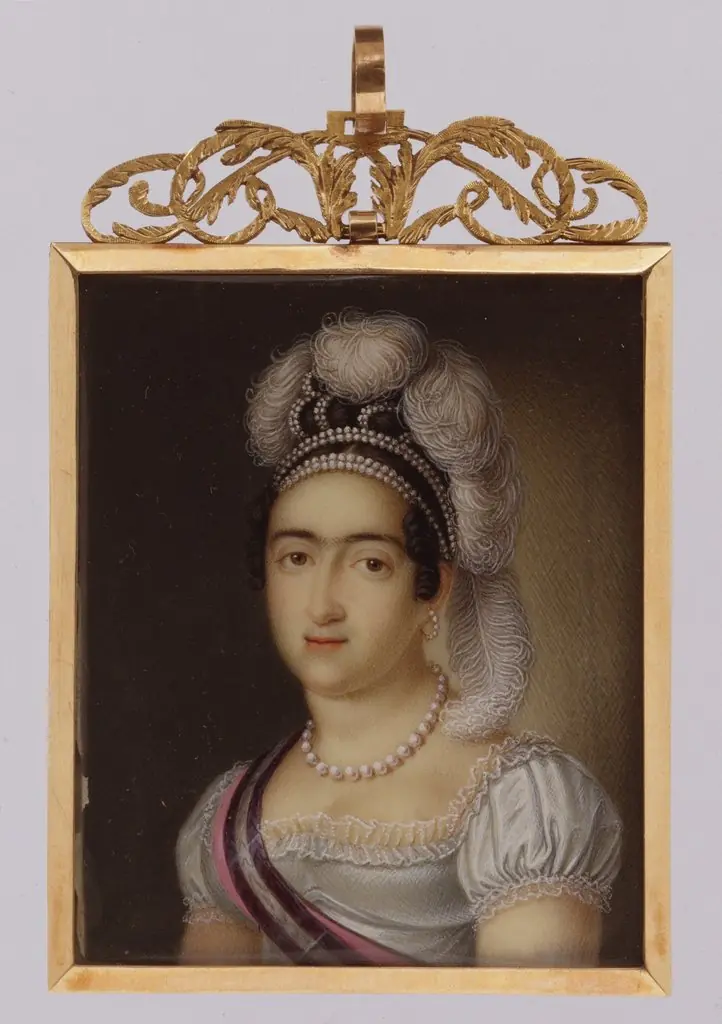 Princess María Francisca de Asis de Borbón and Her Son Infante Carlos Luis María Fernando de Borbón
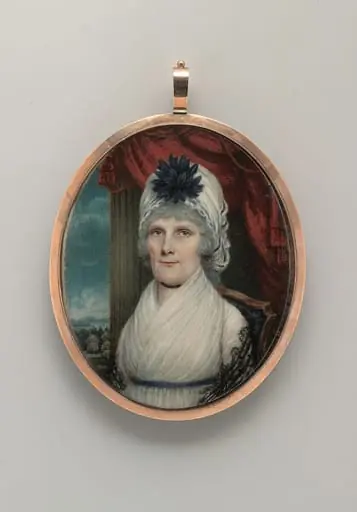 Portrait of a Lady
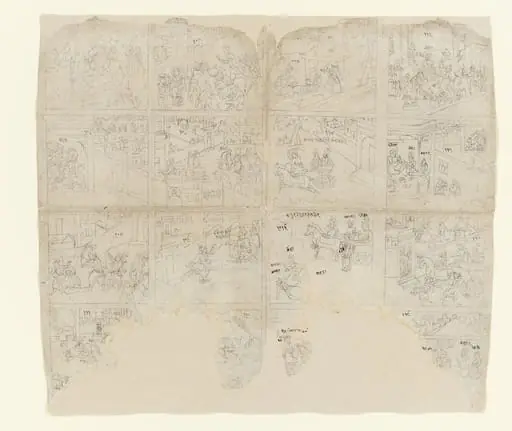 Untitled
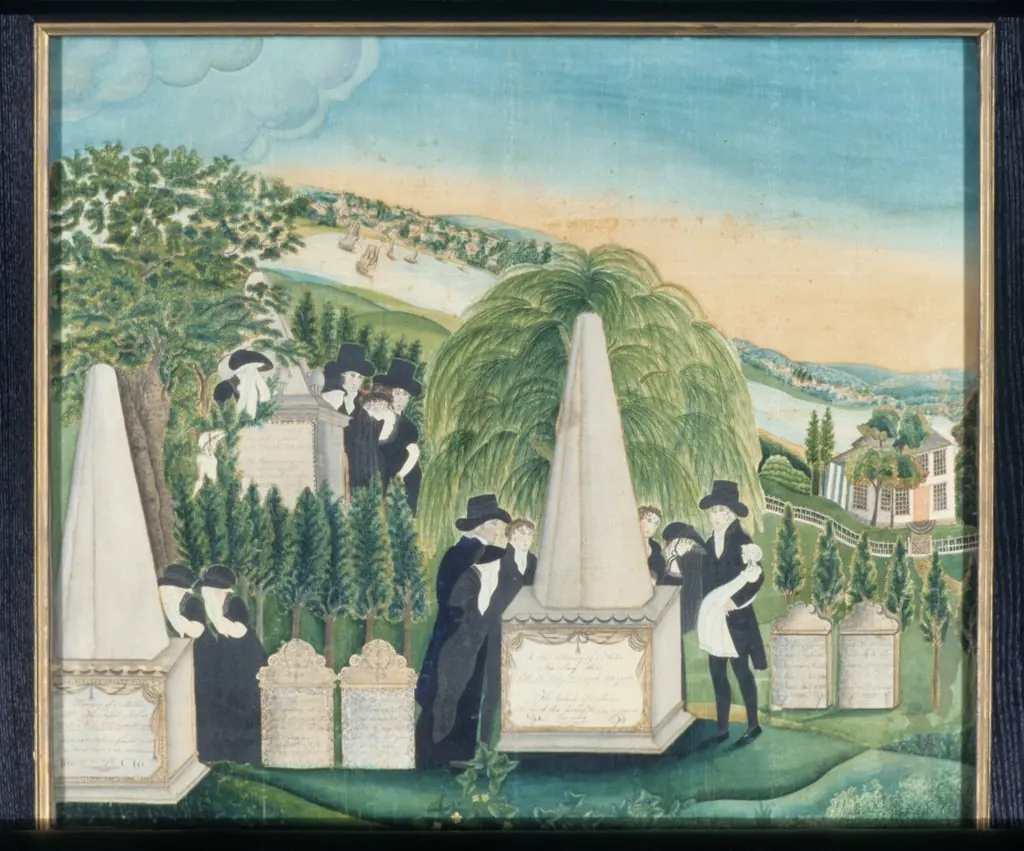 Memorial painting
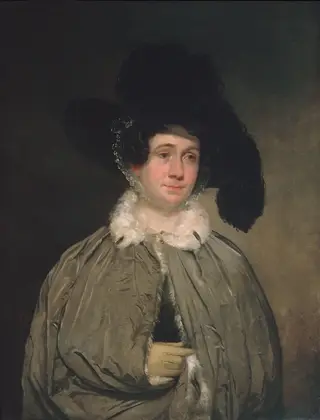 Mrs. Thomas Brewster Coolidge
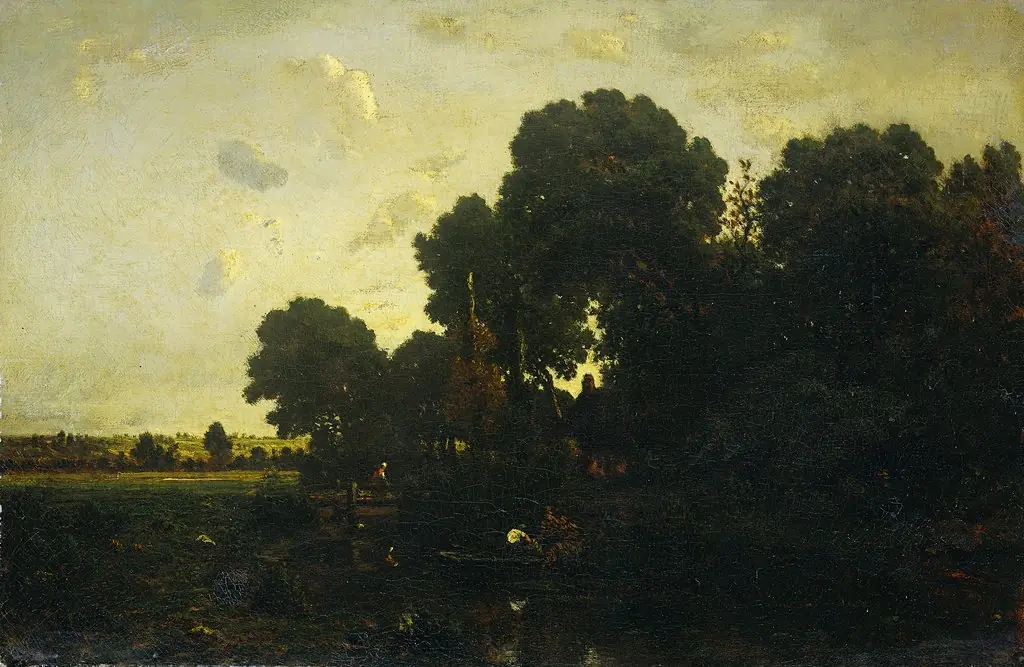 Twilight
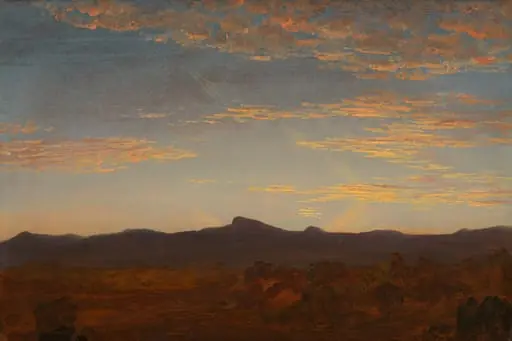 Study for "Catskill Creek"
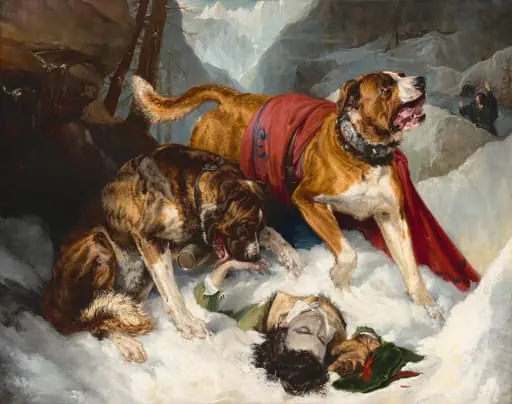 Alpine Mastiffs Reanimating a Distressed Traveler
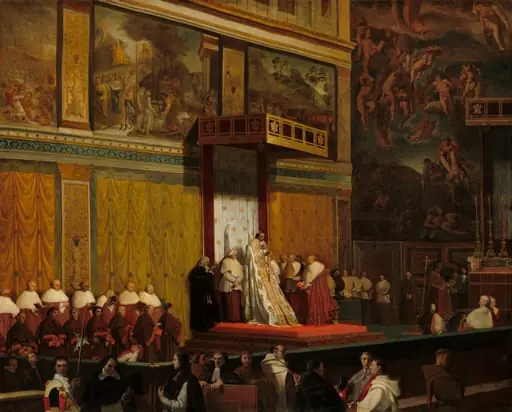 Pope Pius VII in the Sistine Chapel
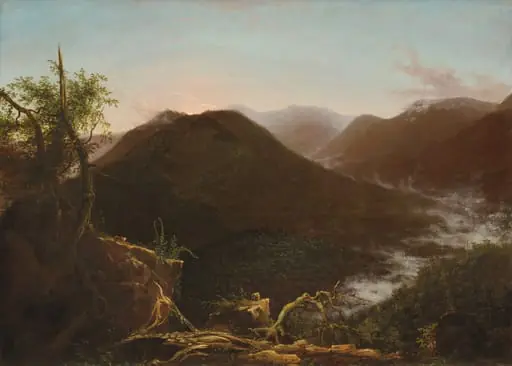 Sunrise in the Catskills
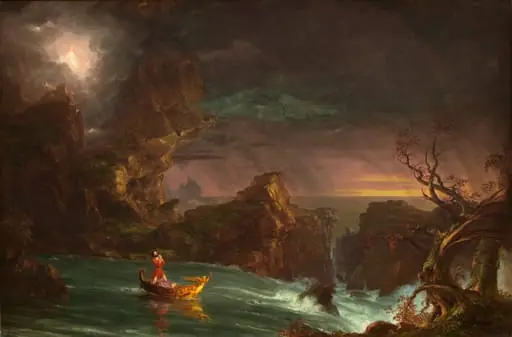 The Voyage of Life: Manhood
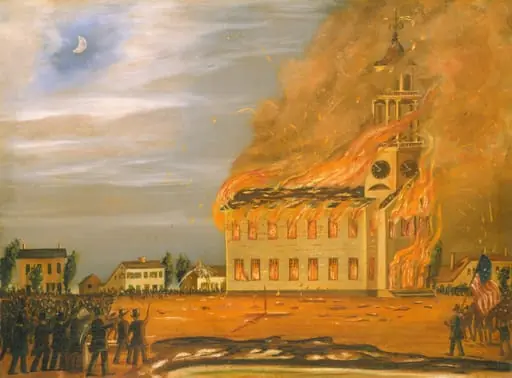 Burning of Old South Church, Bath, Maine
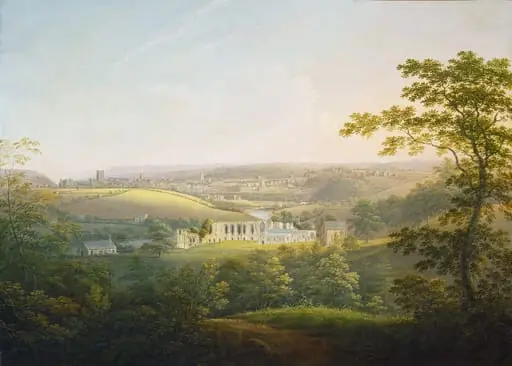 Easby Abbey, near Richmond
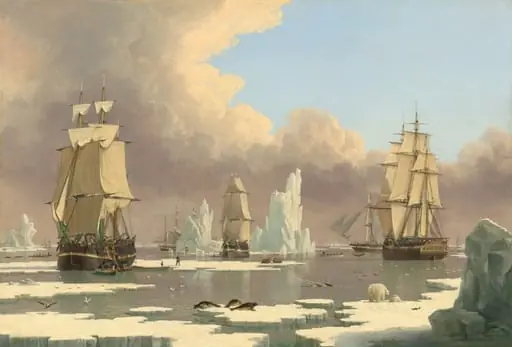 The Northern Whale Fishery: The "Swan" and "Isabella"
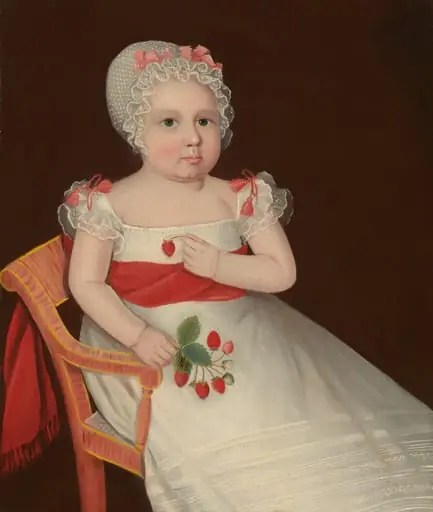 The Strawberry Girl
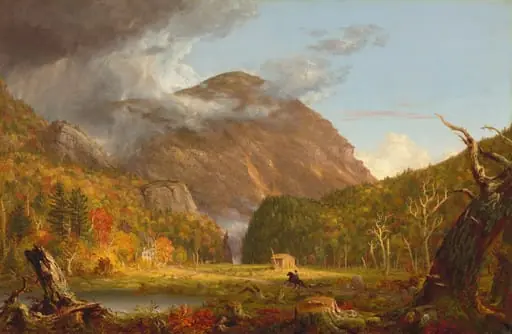 A View of the Mountain Pass Called the Notch of the White Mountains (Crawford Notch)
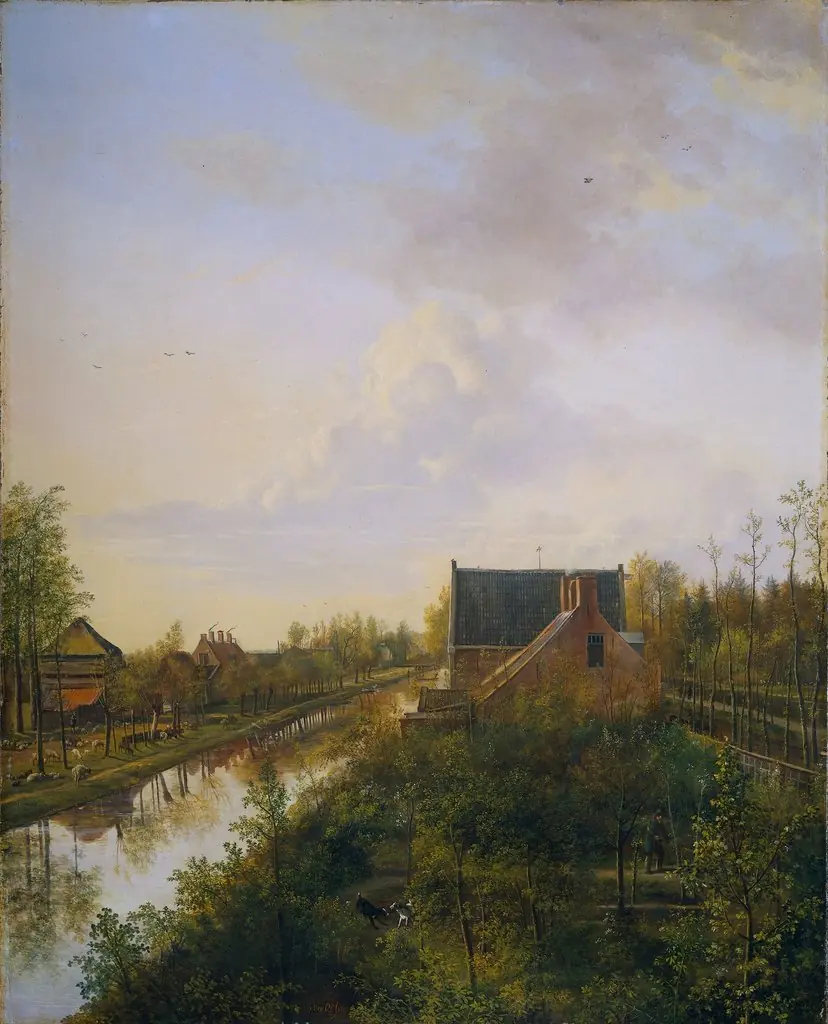 The canal at 's-Graveland
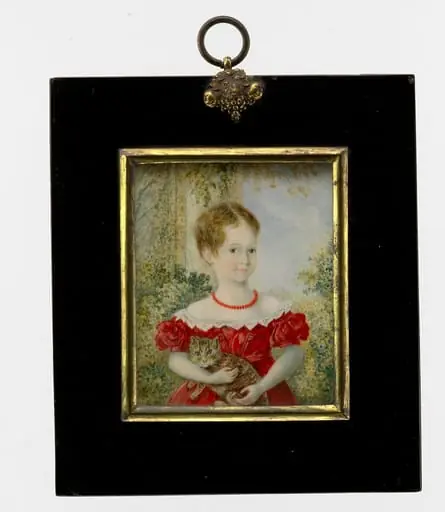 Mrs. Edward Loyd (C. Louisa Foster)
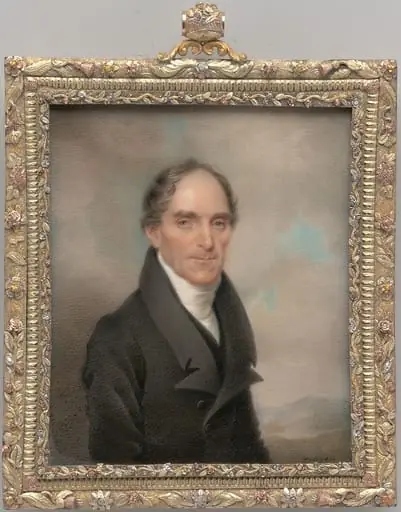 Dr. Francis Kinloch Huger
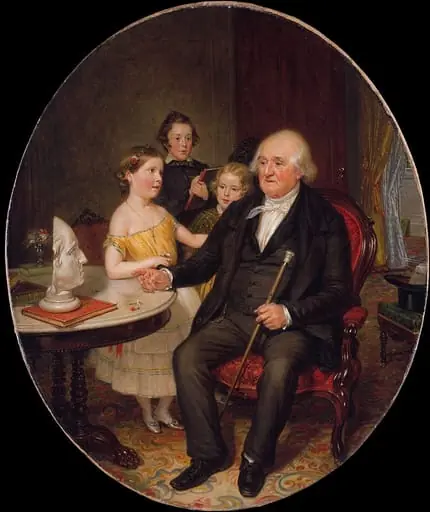 Great-Grand-Father's Tale of the Revolution—A Portrait of Reverend Zachariah Greene
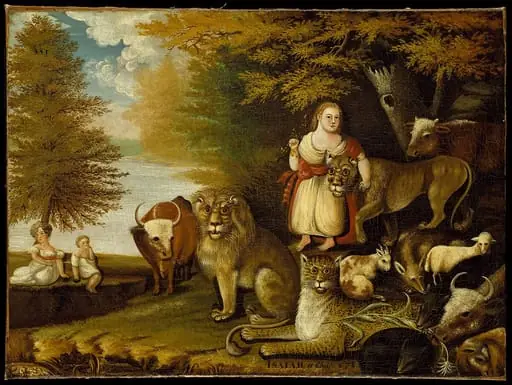 Peaceable Kingdom
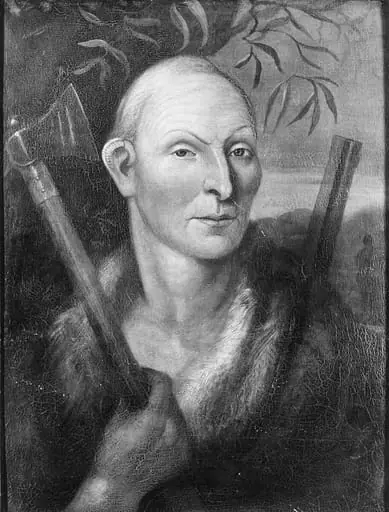 Black Hawk
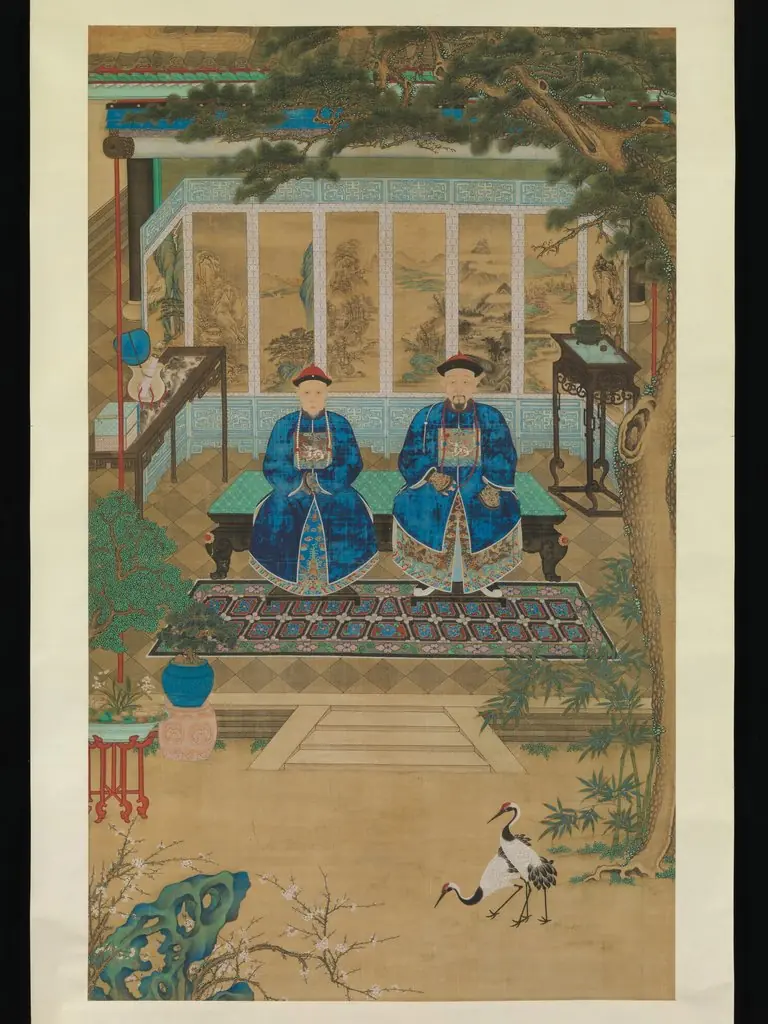 Portrait of an imperial censor and his wife
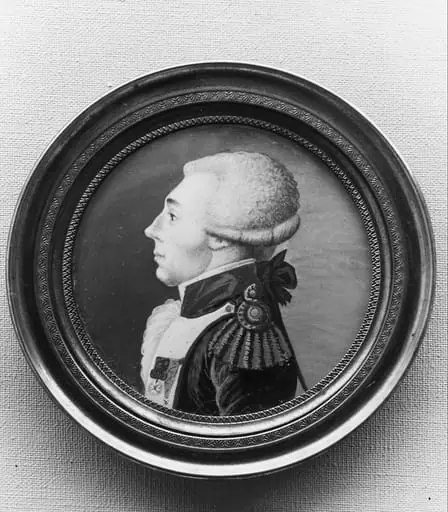 Portrait Miniature of the Marquis de Lafayette
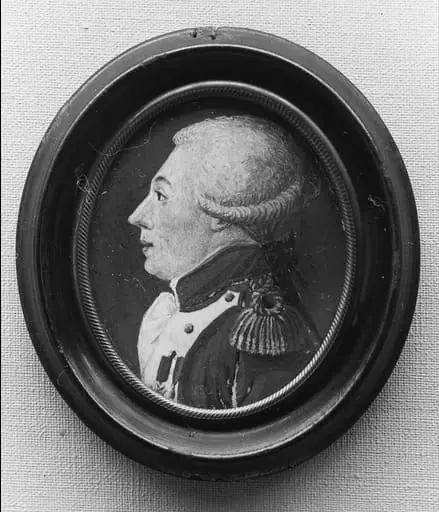 Portrait Miniature of the Marquis de Lafayette
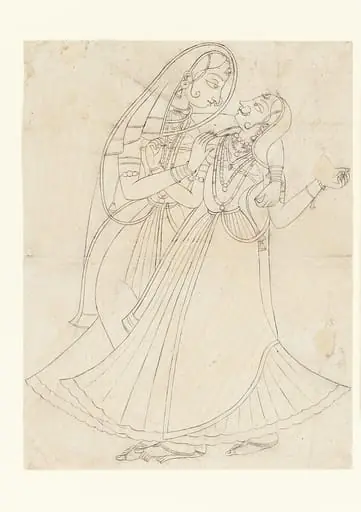 Untitled
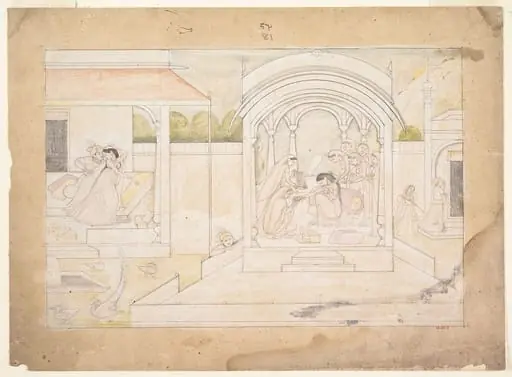 Untitled
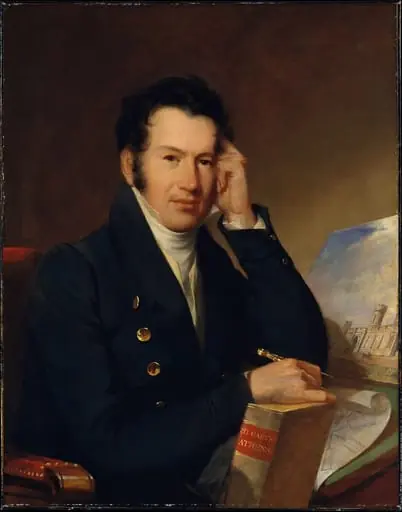 John Haviland
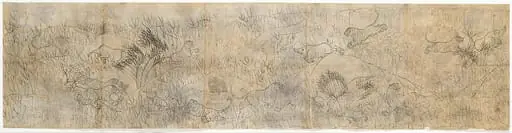 Untitled
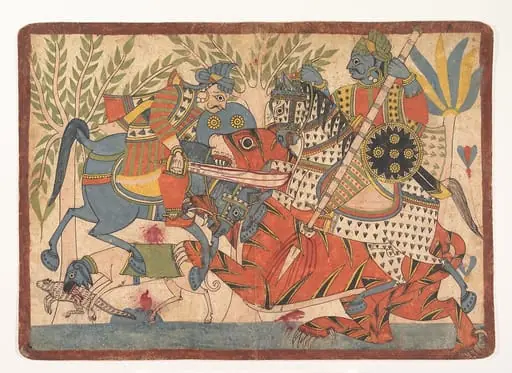 Untitled
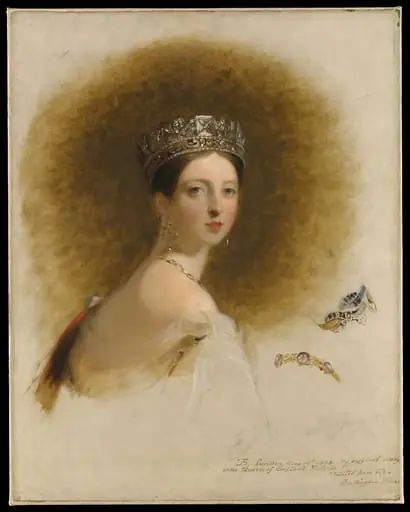 Queen Victoria
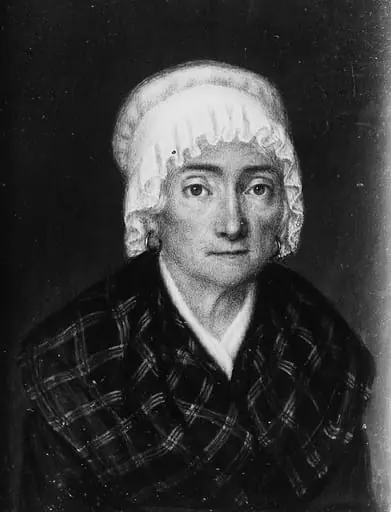 Mrs. Daniel Strobel Jr. (Anna Church)
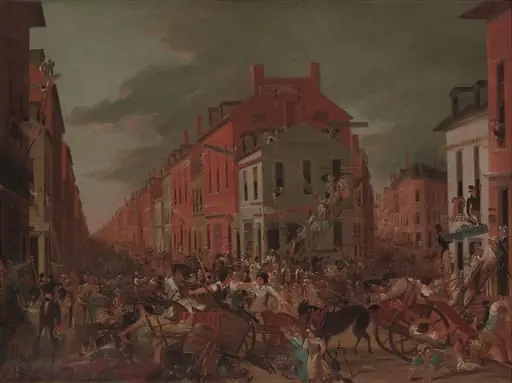 Moving Day (in Little Old New York)
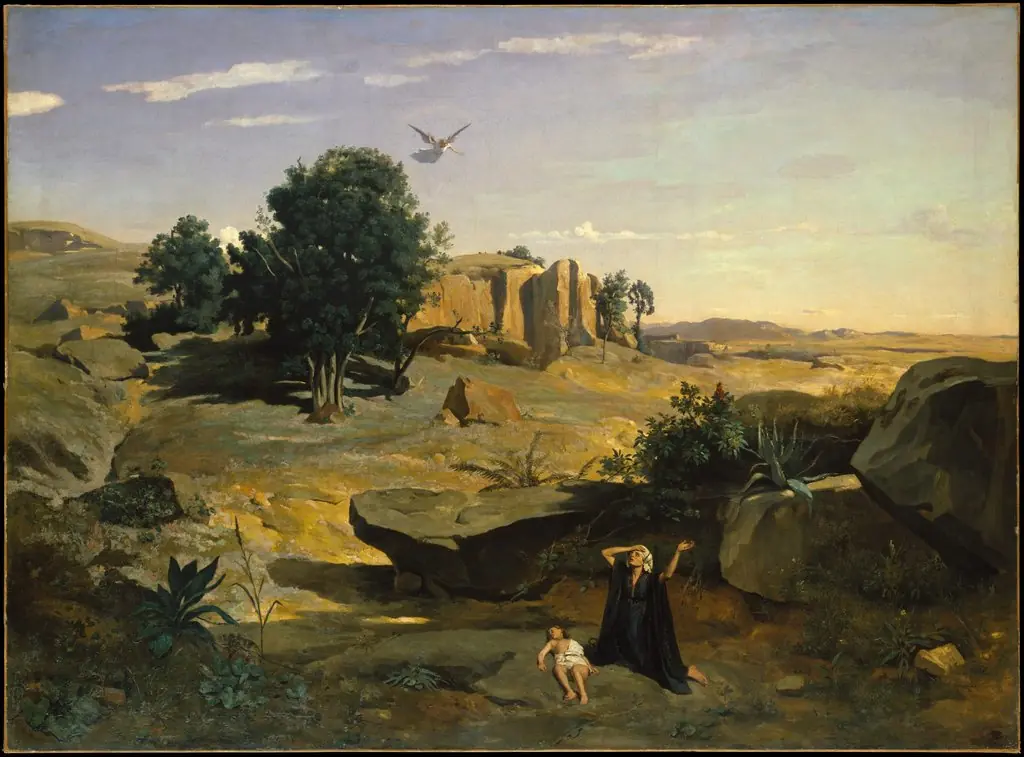 Hagar in the Wilderness
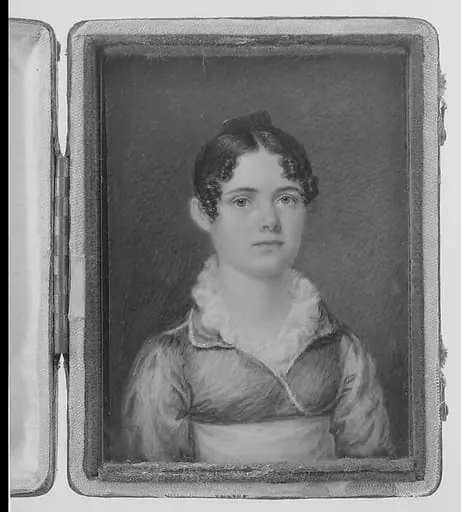 Portrait of a Lady
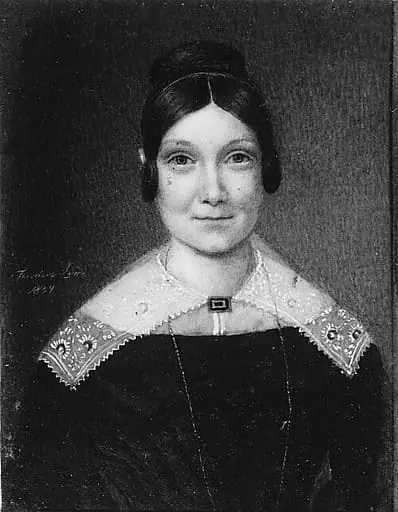 Mrs. Warren Rogers (Julie Francoise Gabrielle d'Anterroches)
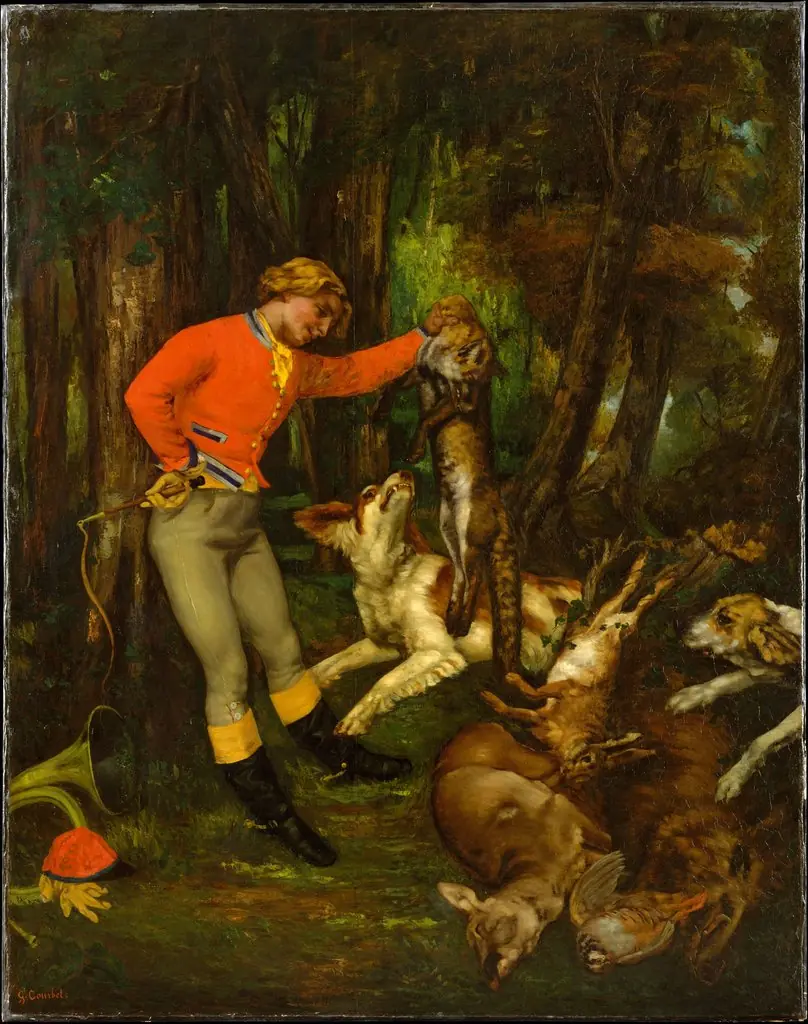 After the Hunt
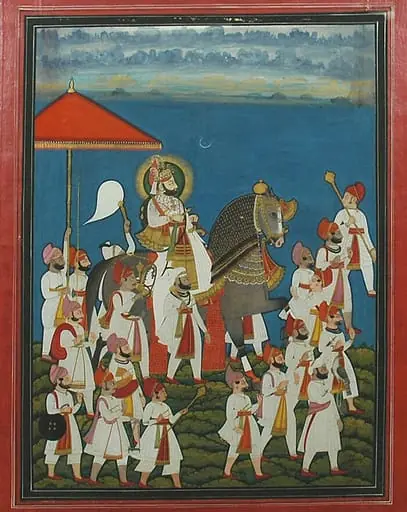 Untitled
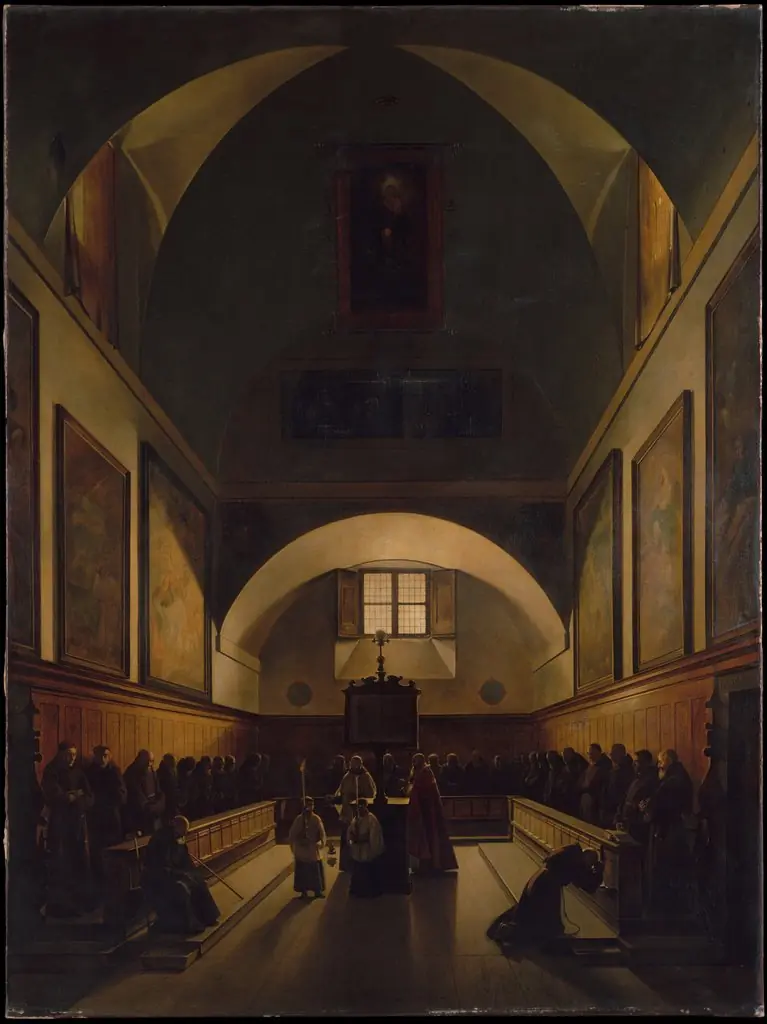 The Choir of the Capuchin Church in Rome
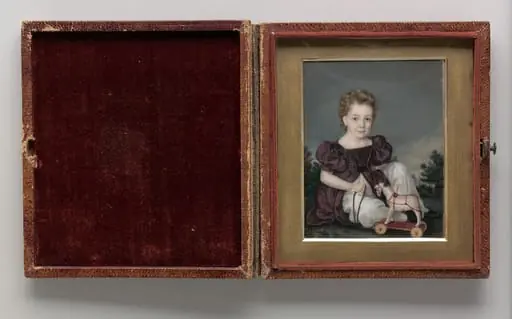 Portrait of a Boy
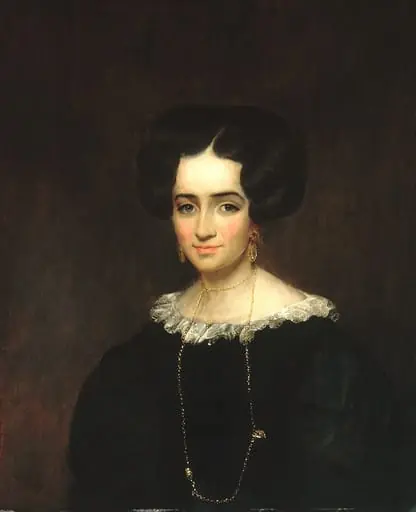 Mrs. John Adams Conant
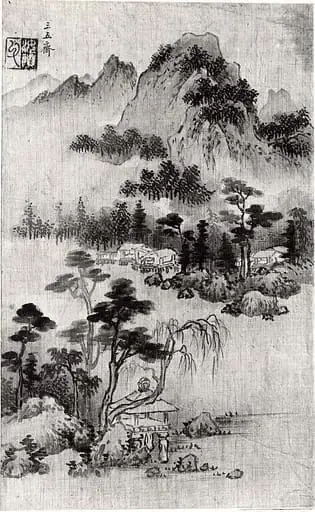 Untitled
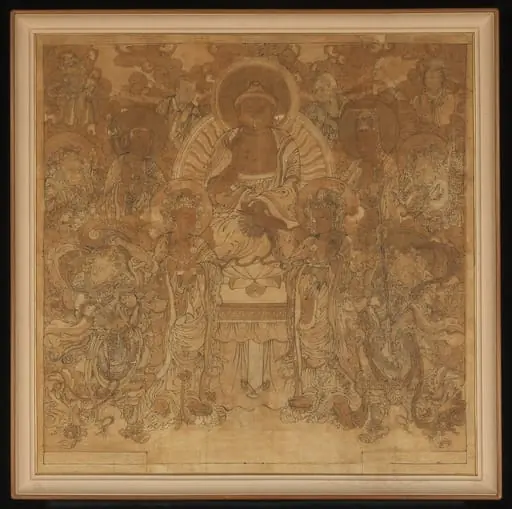 극락에서 설법하는 아미타불 조선|阿彌陀極樂會圖 朝鮮|Amitabha Buddha’s assembly in the Western Paradise
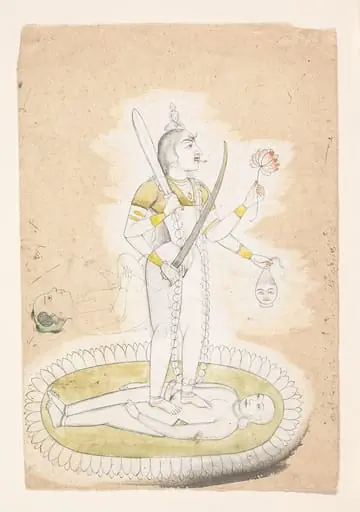 Untitled
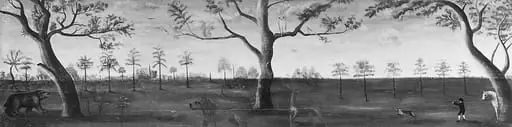 Hunting Scene
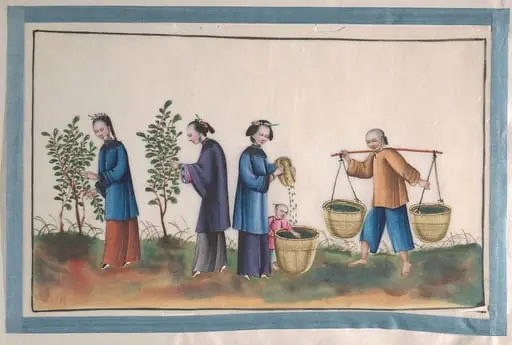 Untitled
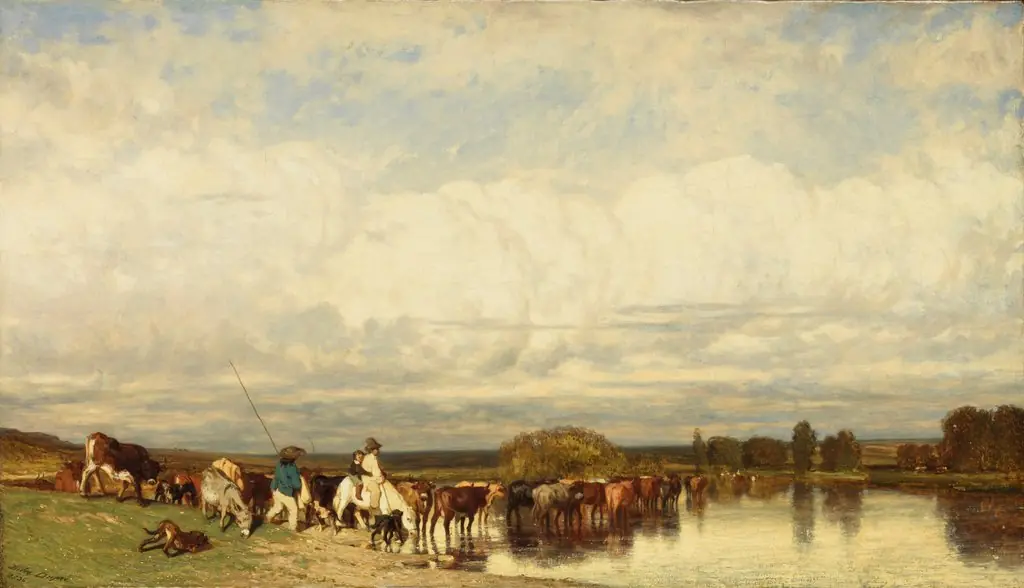 Cows Crossing a Ford
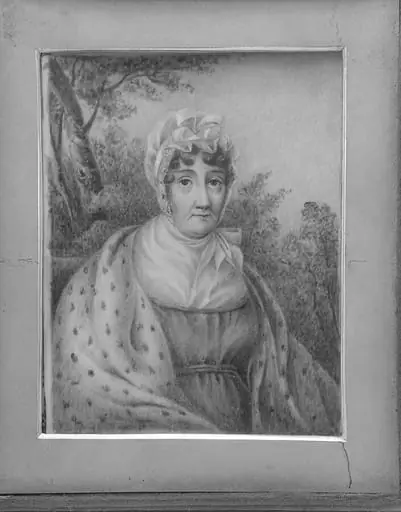 Mrs. Teakes
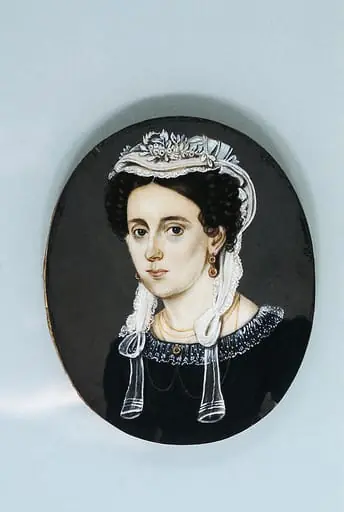 Portrait of a Lady
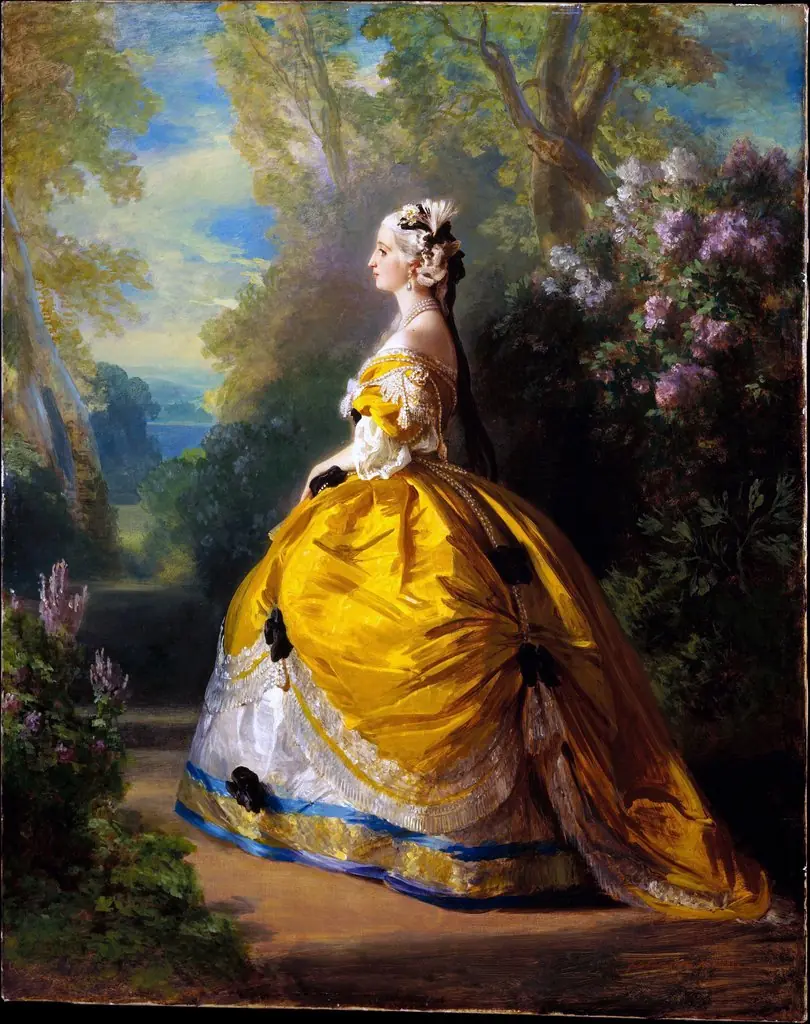 Portrait of Empress Eugénie de Montijo
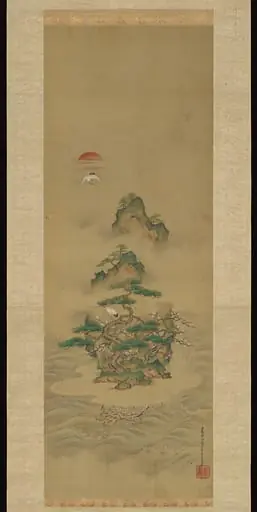 狩野探水守常筆 蓬莱山・瀟湘八景図|Mount Penglai with Eight Views of Xiao and Xiang
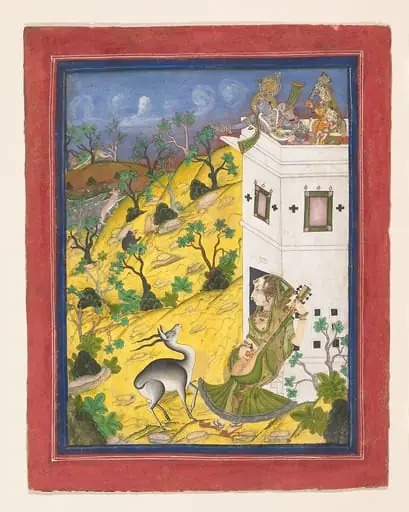 Untitled
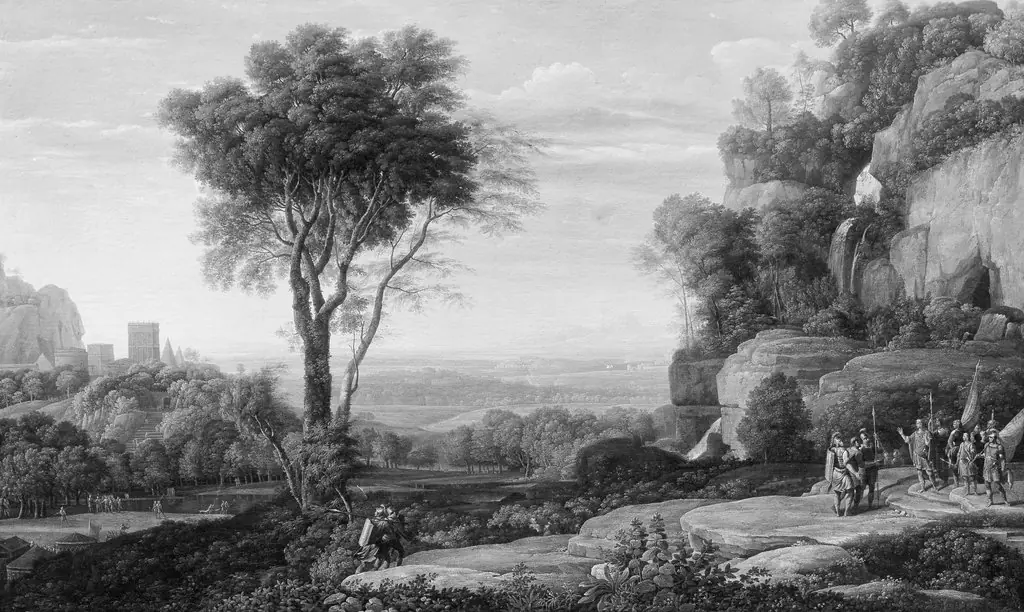 David at the Cave of Adullam
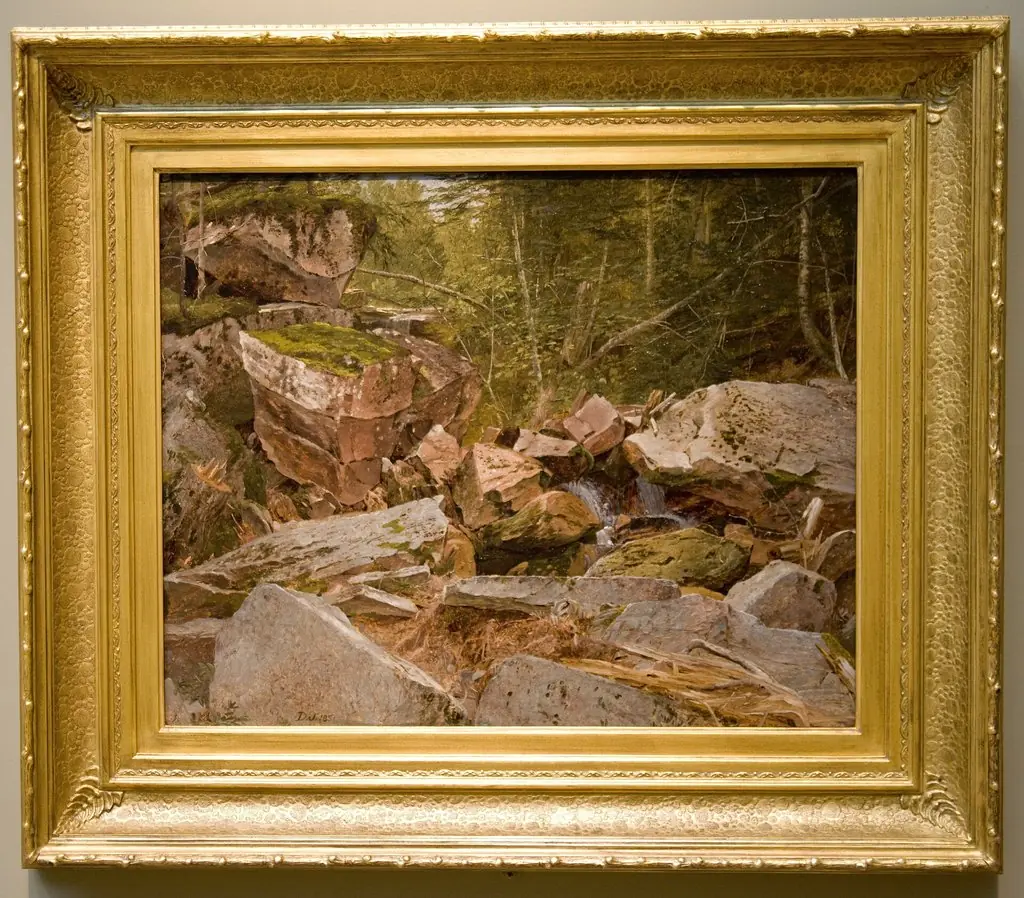 Study, North Conway, New Hampshire
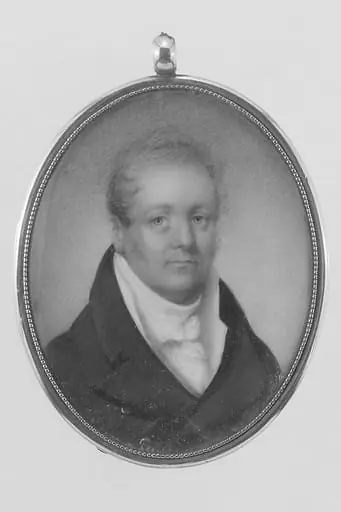 Charles Henry Hall
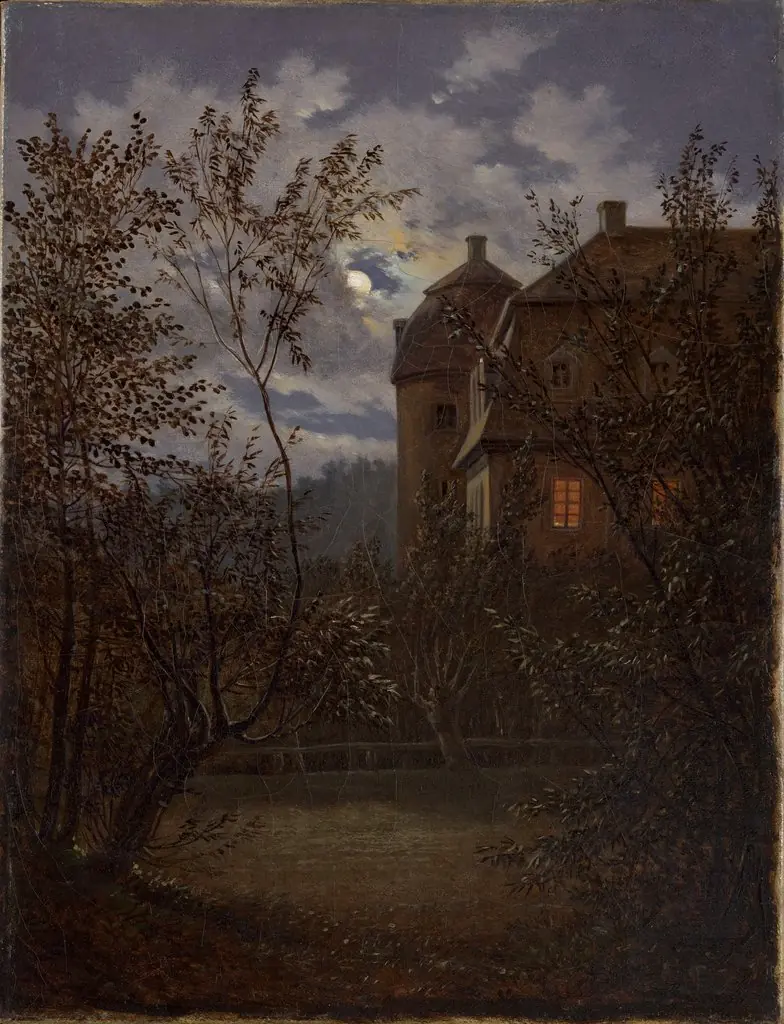 Schloss Milkel in Moonlight
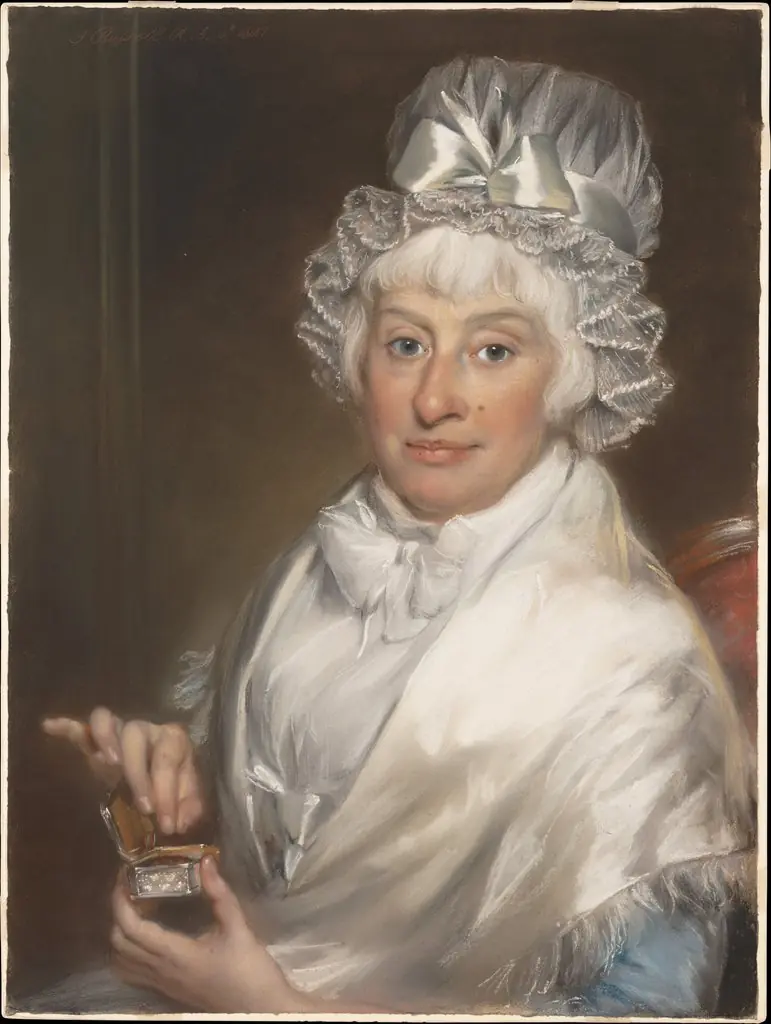 Mrs. Robert Shurlock Sr. (Ann Manwaring)
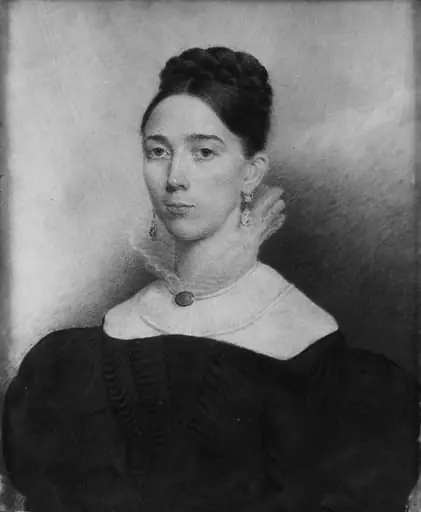 Alice Goudry
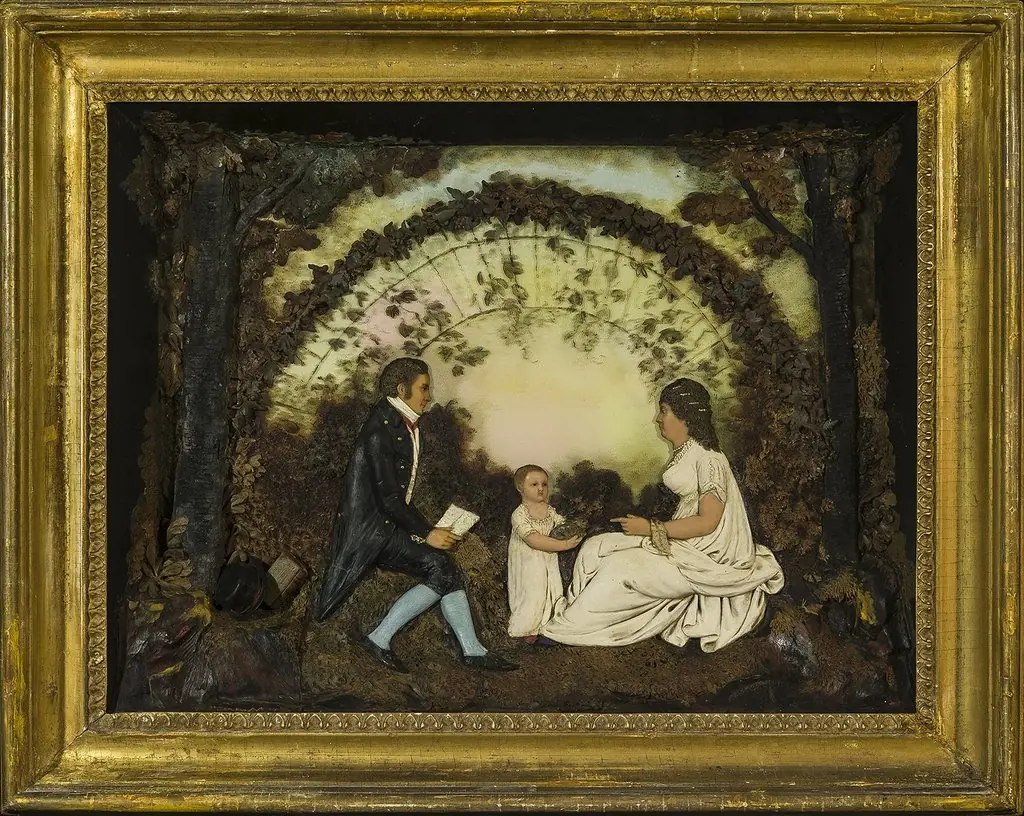 Father, Mother, and Child in a Park
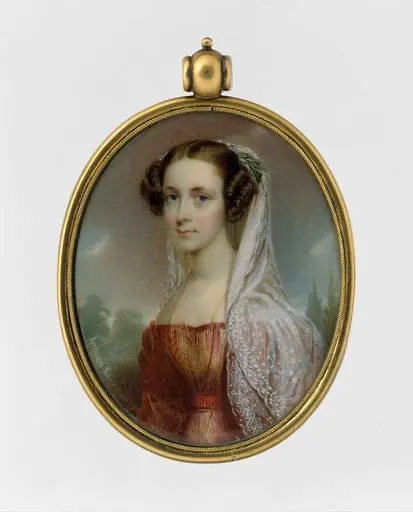 Portrait of a Lady
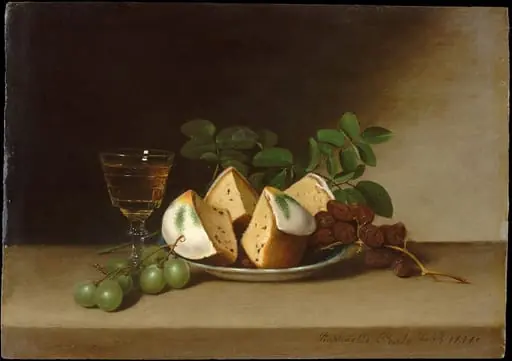 Still Life with Cake
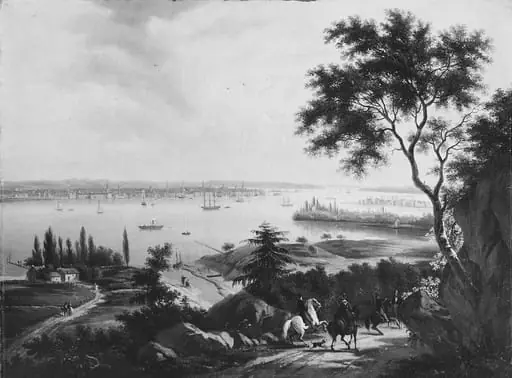 View of New York from New Jersey
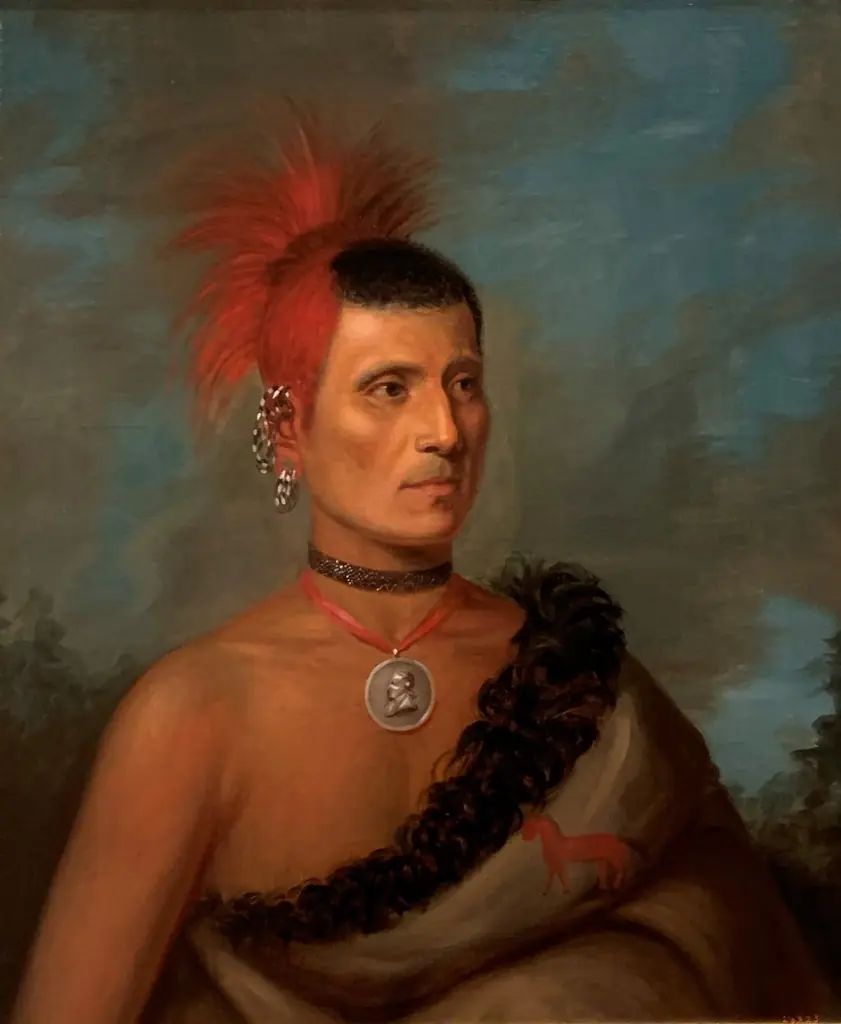 Pes-Ke-Le-Cha-Co
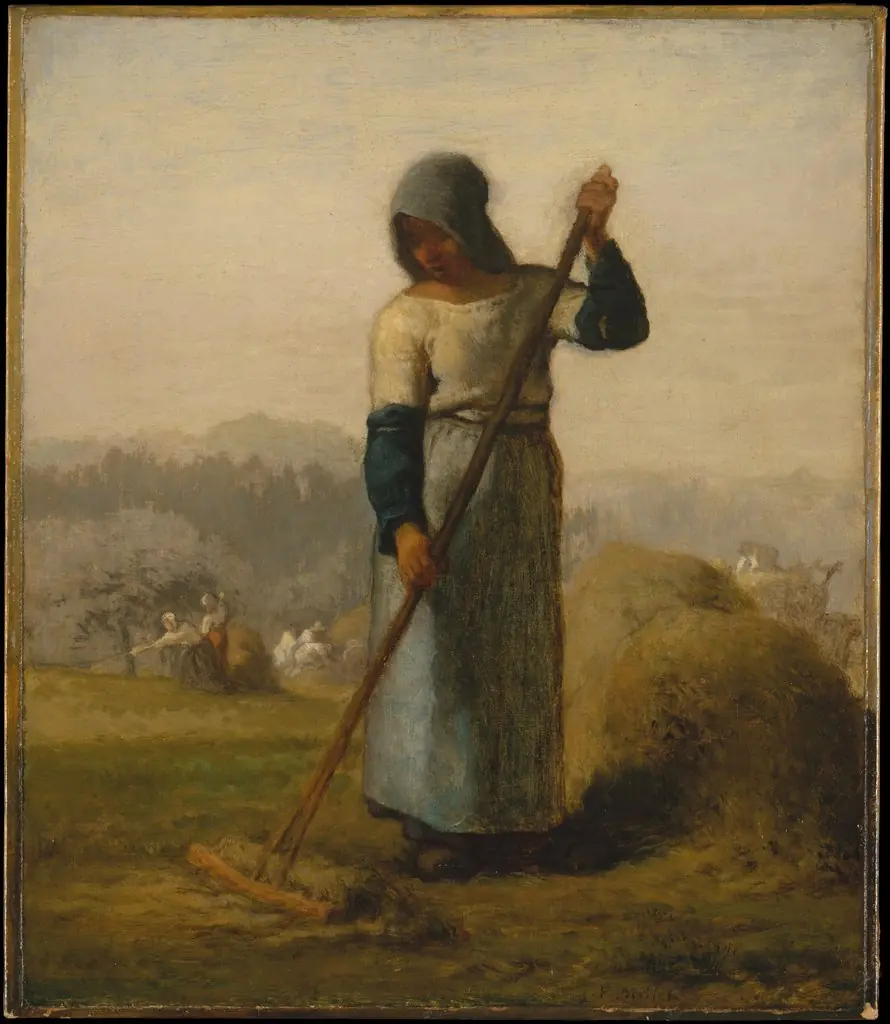 Woman with a Rake
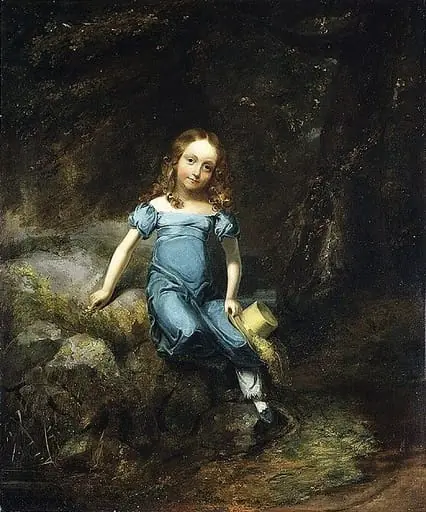 Janet Halleck Drake
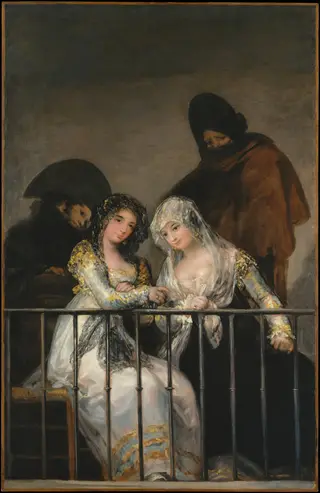 Majas on a Balcony
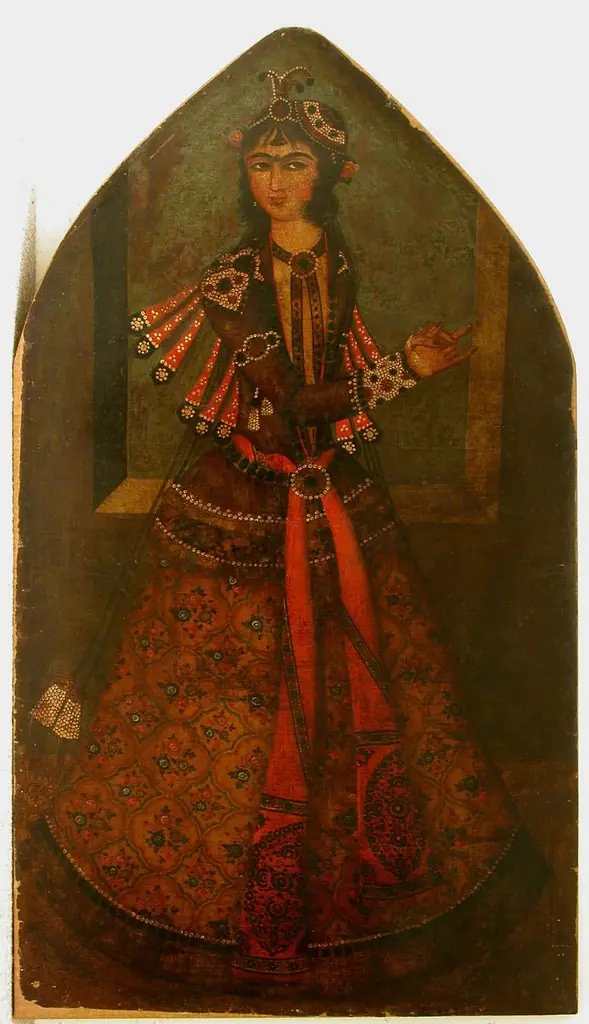 Painting of a Dancer
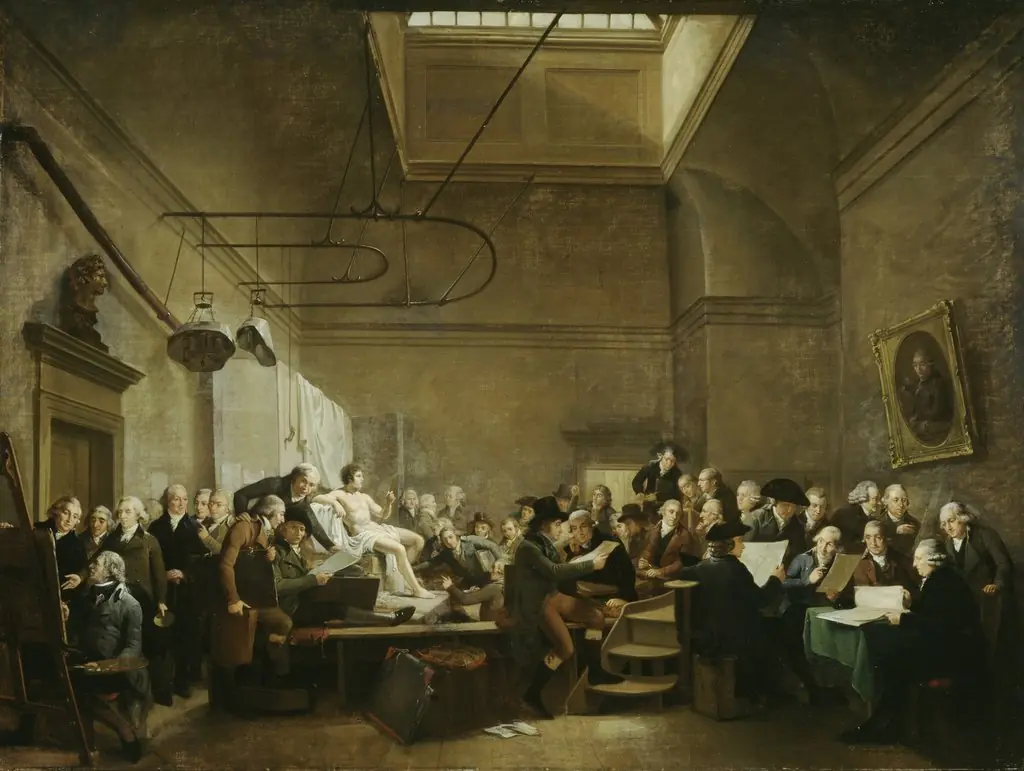 The Drawing Gallery of the Felix Meritis Society
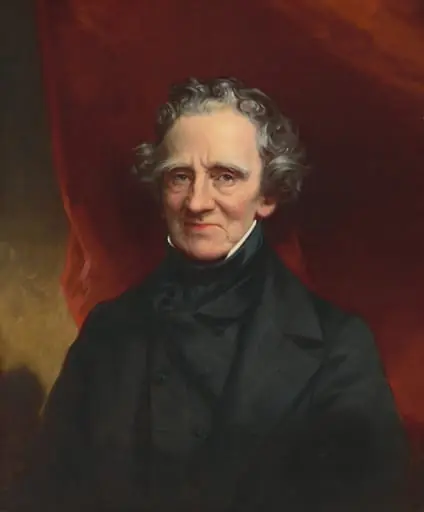 Self-Portrait
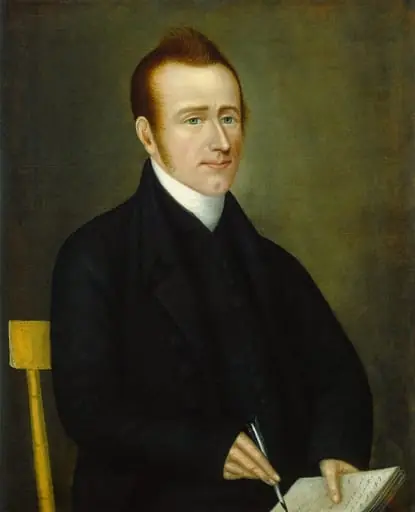 Mr. Baylor
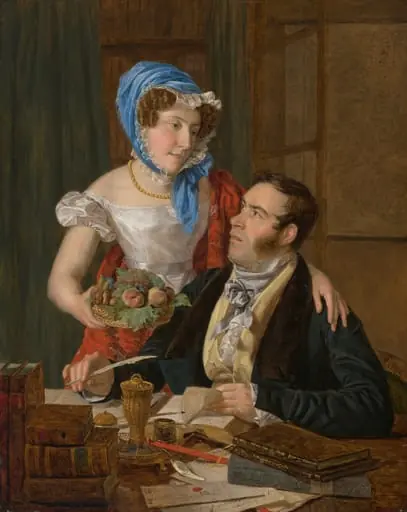 The Cartographer Professor Josef Jüttner and His Wife
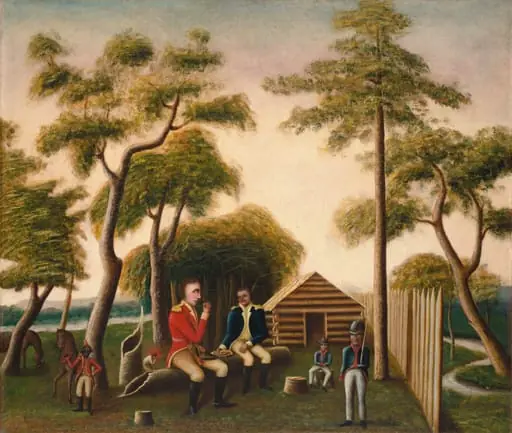 Marion Feasting the British Officer on Sweet Potatoes
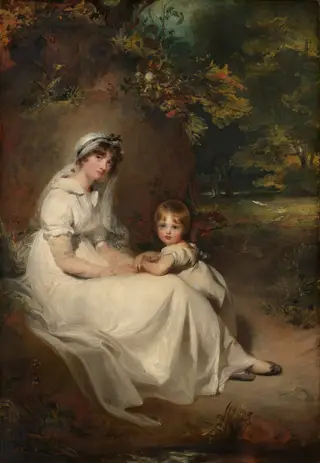 Lady Mary Templetown and Her Eldest Son
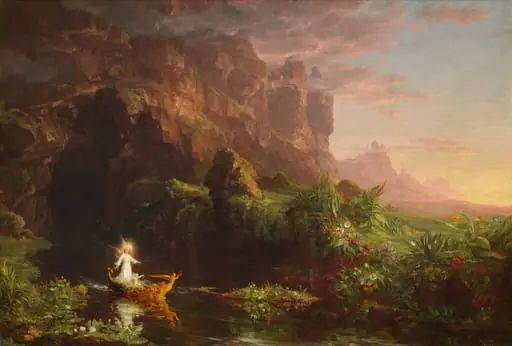 The Voyage of Life: Childhood
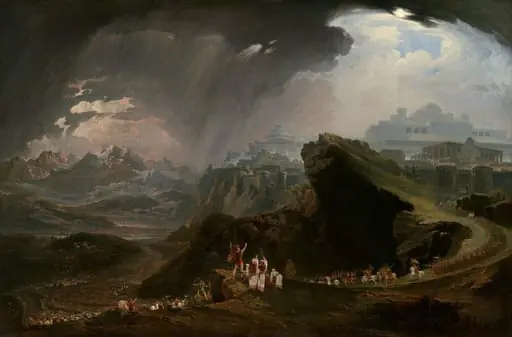 Joshua Commanding the Sun to Stand Still upon Gibeon
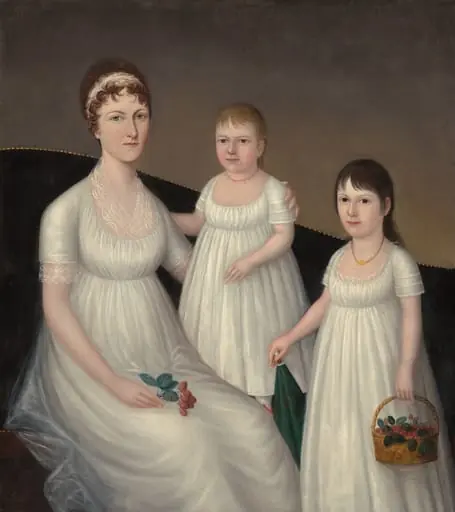 Grace Allison McCurdy (Mrs. Hugh McCurdy) and Her Daughters, Mary Jane and Letitia Grace
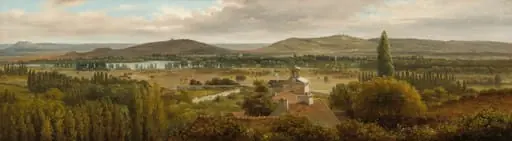 Panoramic Landscape near the River Moselle
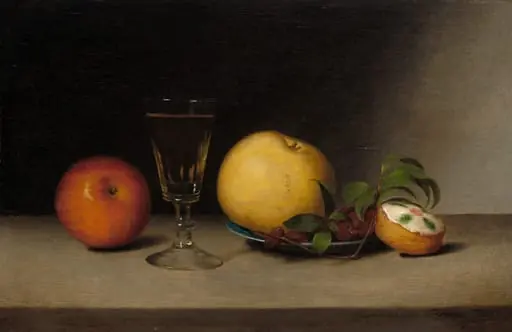 Still Life with Apples, Sherry, and Tea Cake
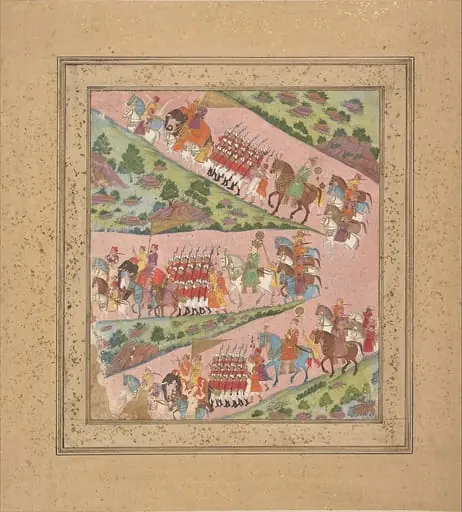 Untitled
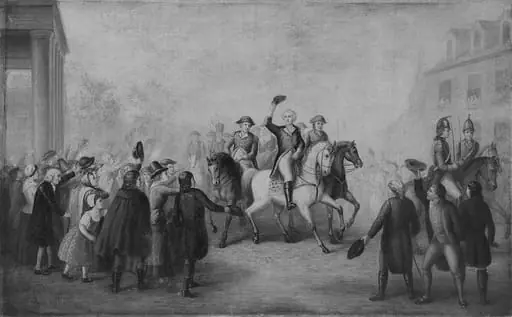 Washington's Triumphal Entry into New York
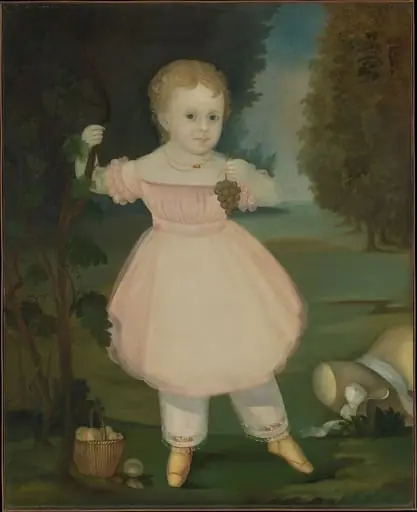 Portrait of a Little Girl Picking Grapes
Frequently asked questions
What is Early 19th Century?
Early 19th Century is an art period. The first half of the 1800s, spanning the late flowering of Neoclassicism, the surge of Romanticism, and the first stirrings of Realism, as revolution and industry reshaped Europe and its art.
How many Early 19th Century works does Artifact World Gallery have?
Artifact World Gallery holds 31,163 public-domain Early 19th Century works, all free to view and download.
Who are the key Early 19th Century artists?
Key Early 19th Century artists in the collection include Jean Baptiste Camille Corot, Thomas Cole and Gustave Courbet.
When did Early 19th Century take place?
Early 19th Century dates from 1801–1850.
Where can I see Early 19th Century works?
Early 19th Century works in the collection are held by Victoria and Albert Museum, National Gallery of Art and Cleveland Museum of Art.