Artist
Agnolo di Domenico del Mazziere
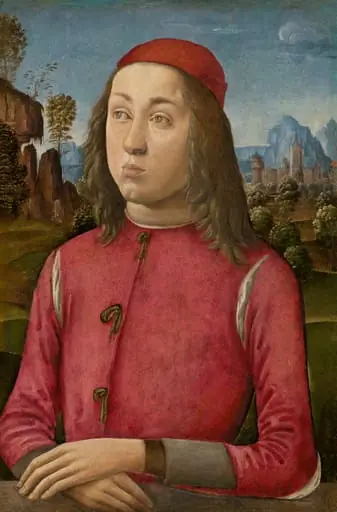
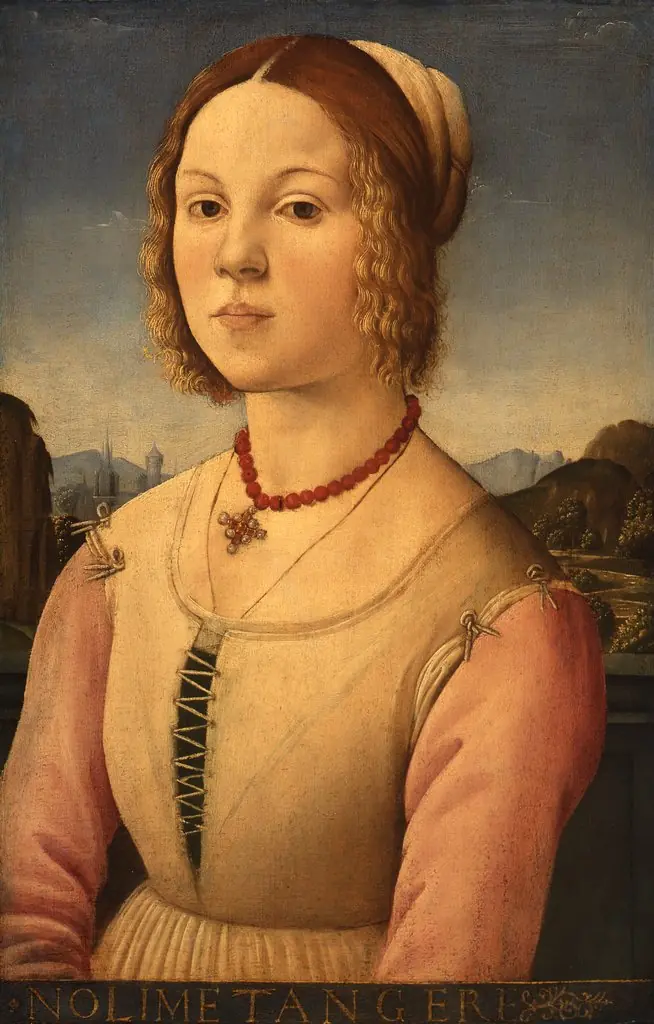
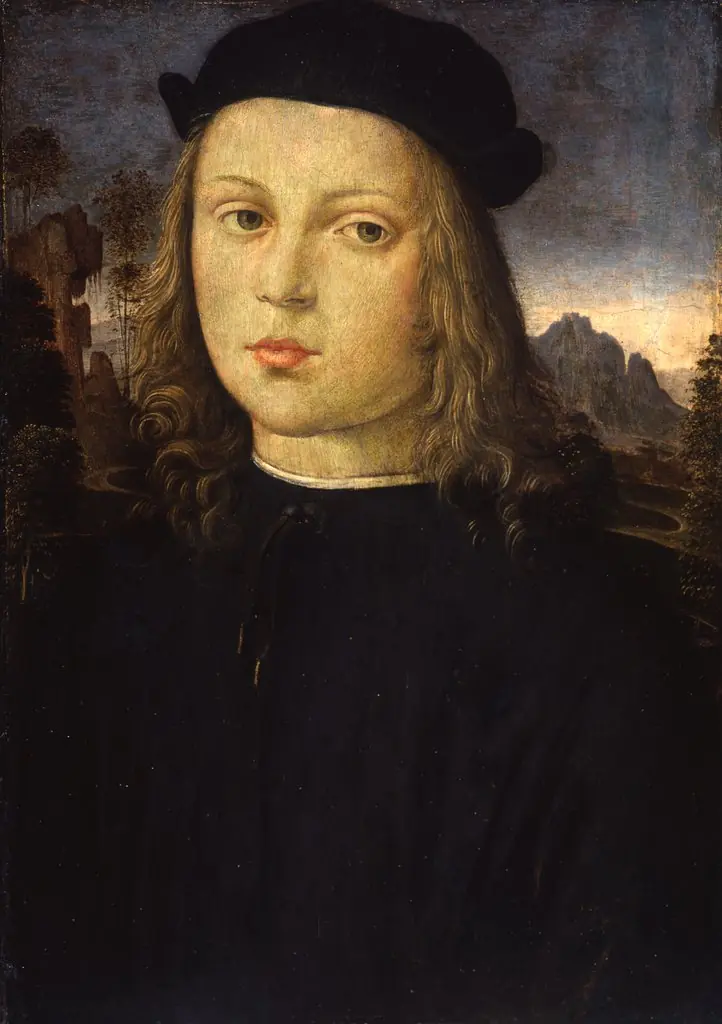
Agnolo di Domenico del Mazziere is an Early Renaissance artist. 3 works are cataloged here, principally at Gemäldegalerie Berlin.
Agnolo di Domenico del Mazziere (1466–1513), formerly known as the Master of Santo Spirito and sometimes wrongly referred to as Agnolo di Donnino, was an Italian painter and draughtsman of the Early Renaissance. In 1962 the art historian Federico Zeri assembled a group of stylistically similar paintings under the name of the Master of Santo Spirito, referring to the church in Florence where several of the paintings are found. Anna Padoa Rizzo later, in 1991, identified the artist as the brothers Agnolo and Donnino (1460-after 1515) di Domenico del Mazziere, who together operated a workshop in Florence from the early 1480s until the first two decades of the sixteenth century. The basis for this identification is the altarpiece of the Madonna and Child with Two Angels and Saints Lucy and Peter Martyr at the Gallerie dell'Accademia in Venice, which Padoa Rizzo discovered is in fact a documented work by Agnolo and Donnino, commissioned in 1490 for the hospital of Santa Lucia in Florence. Since the two brothers shared a workshop they often collaborated, making it difficult to distinguish their individual styles. Tax documents suggest that Donnino, the elder brother, was the head of the workshop, while the writings of Giorgio Vasari and Filippo Baldinucci indicate that Agnolo was the most talented and better known of the two. Agnolo, along with several other artists including Francesco Granacci, was called to Rome in 1507 to assist Michelangelo with the Sistine Chapel ceiling. Michelangelo ultimately sent these artists back to Florence to finish the chapel himself. Agnolo and Donnino painted altarpieces and fresco decorations for a number of churches in Florence and its surroundings. They also painted portraits, mythological panels and religious works for domestic interiors. Their paintings are frequently compared to those of Lorenzo di Credi. Works like the Portrait of a Girl at the Gemäldegalerie in Berlin or Madonna and Child with Two Angels at the Walters Art Museum, Baltimore, reflect the influence of contemporary Netherlandish painting. Agnolo was reportedly a pupil of Cosimo Rosselli. Donnino's son, Antonio (1497-1547), was also a painter.
Overview
Agnolo di Domenico del Mazziere (1466-1513) was an Italian painter and draughtsman of the Early Renaissance, active in Florence and its surroundings. For much of the twentieth century, his work was known only under the conventional name "Master of Santo Spirito," assigned by the art historian Federico Zeri in 1962 to a group of stylistically related paintings, several of which were located in the church of Santo Spirito in Florence. The artist's true identity was established only in 1991, when Anna Padoa Rizzo identified him as one of two brothers, Agnolo and Donnino di Domenico del Mazziere, who ran a shared workshop from the early 1480s into the first decades of the sixteenth century. Agnolo is now recognized as the more talented and better known of the pair, with documented connections to Michelangelo and a body of work that encompasses altarpieces, frescoes, portraits, and domestic devotional paintings.
Biography & dates
Agnolo di Domenico del Mazziere was born in Florence in 1466 and died in 1513. His elder brother Donnino was born around 1460 and survived beyond 1515. The brothers operated a joint workshop in Florence from the early 1480s until the first two decades of the sixteenth century. Tax documents indicate that Donnino, as the elder, served as head of the workshop, though later writers Giorgio Vasari and Filippo Baldinucci credited Agnolo with greater artistic talent and public recognition. In 1507, Agnolo was summoned to Rome alongside several other Florentine artists, including Francesco Granacci, to assist Michelangelo with the Sistine Chapel ceiling. Michelangelo ultimately sent these assistants back to Florence and completed the ceiling alone. Agnolo also executed works for the Ospedale Bonifacio in Florence, painted a Madonna and saints for the Palazzo del Podestà, and created frescoes of the Passion for the Palazzo Spinelli, though the latter are now lost. He maintained a friendship with Cosimo Rosselli, under whom he may have trained.
Style & movement
The Mazziere brothers worked within the Early Renaissance tradition in Florence, producing paintings that are frequently compared to those of Lorenzo di Credi. Their style reflects the influence of contemporary Netherlandish painting, visible in works such as the Portrait of a Girl at the Gemäldegalerie in Berlin and the Madonna and Child with Two Angels at the Walters Art Museum in Baltimore. The shared nature of their workshop makes it difficult to distinguish Agnolo's individual hand from Donnino's, a problem that has complicated attribution studies. Their oeuvre includes altarpieces and fresco decorations for churches, as well as portraits, mythological panels, and religious works intended for domestic interiors. The brothers' collaboration on the documented altarpiece commissioned in 1490 for the hospital of Santa Lucia in Florence provides the firmest basis for attributing works to their workshop.
Major works
The cornerstone for reconstructing the Mazziere workshop's output is the altarpiece of the Madonna and Child with Two Angels and Saints Lucy and Peter Martyr, commissioned in 1490 for the hospital of Santa Lucia in Florence. Anna Padoa Rizzo's discovery that this work, now in the Gallerie dell'Accademia in Venice, was documented to Agnolo and Donnino provided the key to identifying the Master of Santo Spirito. Other significant works attributed to the workshop include the Portrait of a Girl at the Gemäldegalerie in Berlin and the Madonna and Child with Two Angels at the Walters Art Museum in Baltimore. The brothers also painted fresco decorations for churches in Florence and its environs, and produced numerous altarpieces and domestic devotional works. The frescoes of the Passion painted for the Palazzo Spinelli are now lost.
Influences & students
Agnolo di Domenico del Mazziere was reportedly a pupil of Cosimo Rosselli, with whom he maintained a friendship throughout his career. The connection to Rosselli places Agnolo within a significant Florentine artistic lineage. More dramatically, Agnolo was called to Rome in 1507 to work under Michelangelo on the Sistine Chapel ceiling, alongside Francesco Granacci and other Florentine artists. This summons indicates that Agnolo had achieved sufficient recognition among his peers to be considered capable of assisting one of the most demanding artistic projects of the era. Within the family workshop, Donnino's son Antonio (1497-1547) also became a painter, extending the family's artistic activity into the mid-sixteenth century. The workshop's collaborative structure, with Donnino as administrative head and Agnolo as the more celebrated artist, represents a typical Florentine family business model of the period.
Legacy
The posthumous reputation of Agnolo di Domenico del Mazziere has been shaped by the gradual recovery of his identity from the anonymous "Master of Santo Spirito." For nearly three decades after Federico Zeri's 1962 grouping, the artist remained a nameless figure defined only by stylistic affinities. The 1991 identification by Anna Padoa Rizzo transformed understanding of the workshop and allowed for more secure attributions. Giorgio Vasari and Filippo Baldinucci, the principal early sources for Florentine artistic biography, already distinguished Agnolo as the more talented brother, ensuring that his name, rather than Donnino's, entered the historical record. The brothers' works are now held in major collections including the Gallerie dell'Accademia in Venice, the Gemäldegalerie in Berlin, and the Walters Art Museum in Baltimore. Their paintings continue to be studied for what they reveal about the circulation of Netherlandish influence in Florence and the operation of family workshops in the Renaissance.
Works by Agnolo di Domenico del Mazziere
Collections represented


Artists in a similar vein

Artist