Movement
Early Renaissance
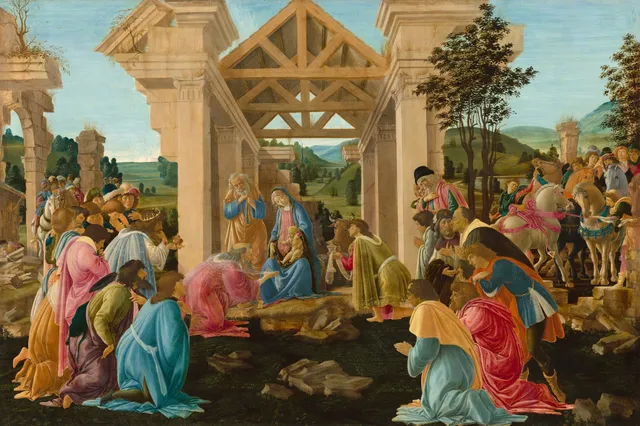
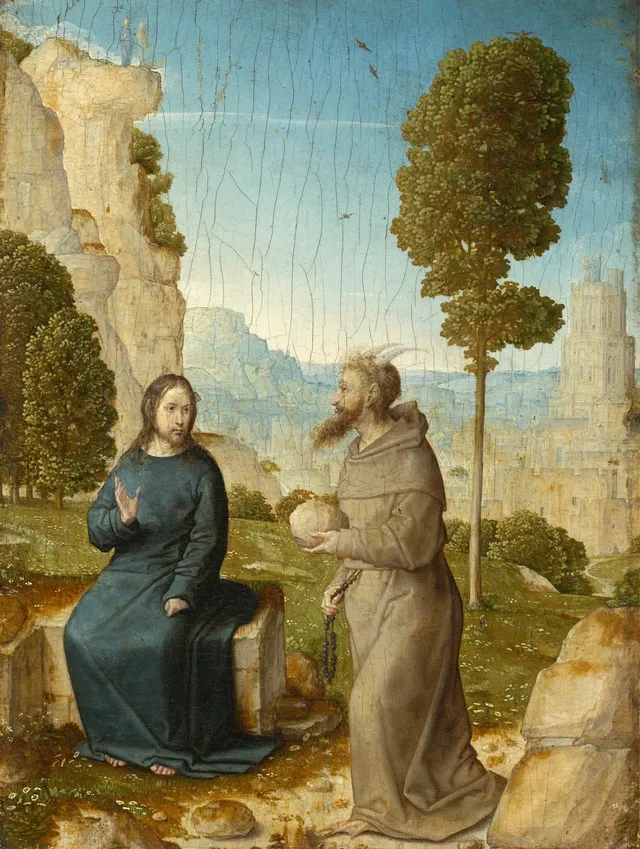
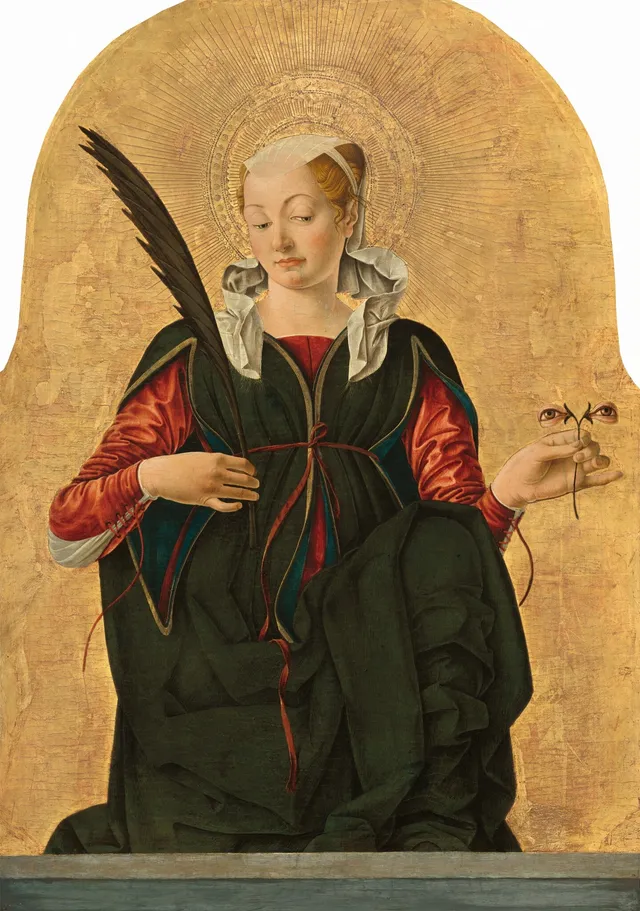
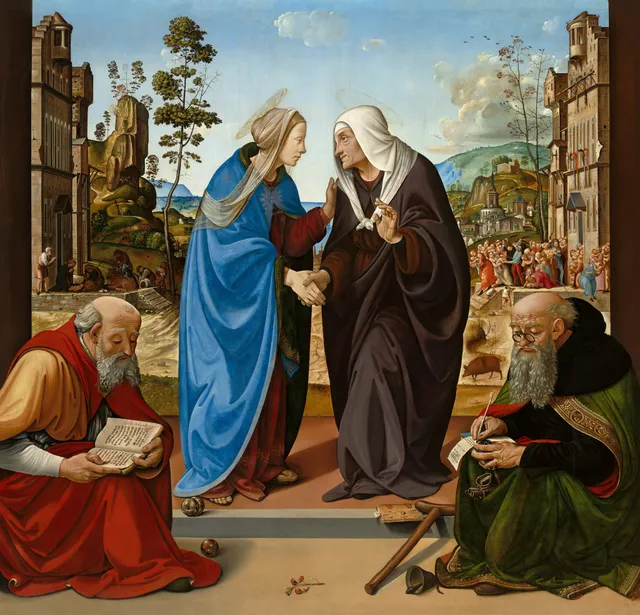
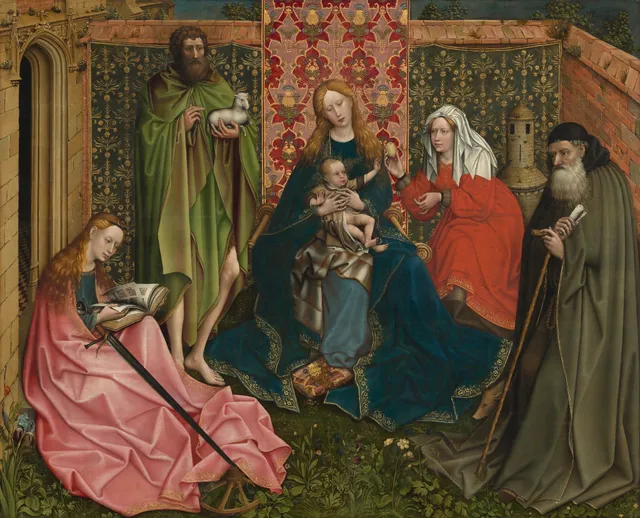
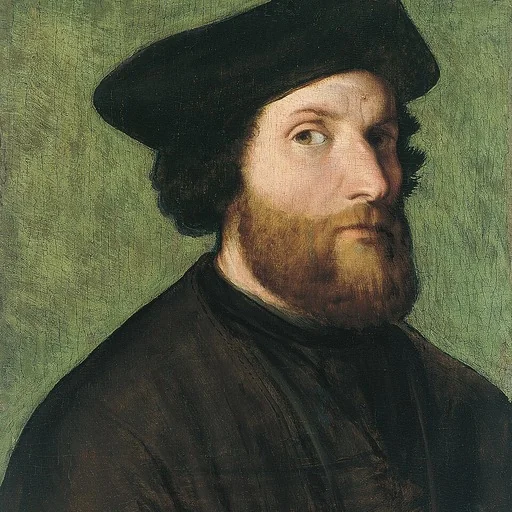
Early Renaissance is an art movement of the 1400–1500 period. The gallery holds 1,654 works in this movement, including works by Lorenzo Lotto, Petrus Christus and Piero di Cosimo. Browse Early Renaissance paintings, portraits, pictures and artworks from the world's public-domain museum collections.
The Early Renaissance was the first phase of the Italian Renaissance, unfolding across the fifteenth century—the period Italians call the Quattrocento—and centered overwhelmingly on the Republic of Florence. It emerged from a confluence of forces: the humanist revival of classical Greek and Roman learning, the civic pride and immense wealth of a merchant city, and the patronage of banking dynasties such as the Medici, who underwrote artists, architects, and scholars. Where late medieval painting had floated sacred figures against flat fields of gold, a new generation set out to render the visible world as the eye actually perceives it, grounding holy subjects in convincing space, weight, and human emotion.
The movement's defining breakthrough was the rediscovery of linear perspective, demonstrated by the architect Filippo Brunelleschi around 1413 and codified by Leon Battista Alberti in his treatise *On Painting* (1435). Painters built coherent illusions of depth converging on a single vanishing point, modeled bodies with directional light and chiaroscuro, studied anatomy and foreshortening, and quoted the columns, arches, and proportions of antiquity. The young Masaccio (1401–1428) first applied these principles to painting in his *Holy Trinity* fresco in Santa Maria Novella and the monumental, gravity-bound figures of the Brancacci Chapel.
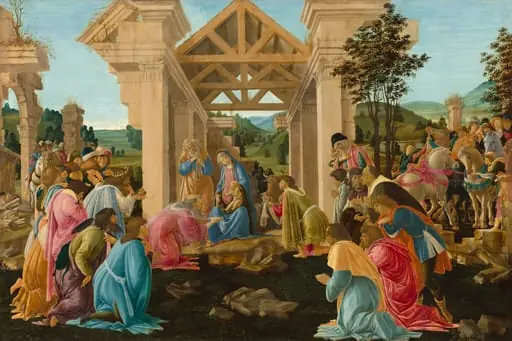
Masaccio formed a kind of founding triumvirate with the sculptor Donatello and Brunelleschi himself. Around them and after them worked a remarkable roster: the Dominican friar Fra Angelico, whose San Marco frescoes fused piety with the new spatial clarity; Piero della Francesca, master of serene geometry; Sandro Botticelli (c. 1445–1510), whose linear grace produced the mythological *Primavera* and *The Birth of Venus*; and Pietro Perugino, later teacher of Raphael. In Ferrara, Ercole de' Roberti and Francesco del Cossa carried the style north—works echoed in our collection alongside Botticelli's *The Adoration of the Magi* and Piero di Cosimo's *The Visitation*.
The Early Renaissance bridged two worlds: it grew out of the Proto-Renaissance of Giotto and the decorative International Gothic, and it laid the technical and intellectual foundation for the High Renaissance of Leonardo, Raphael, and Michelangelo. Its experiments in perspective, naturalism, and classical revival reset the course of Western art for centuries.
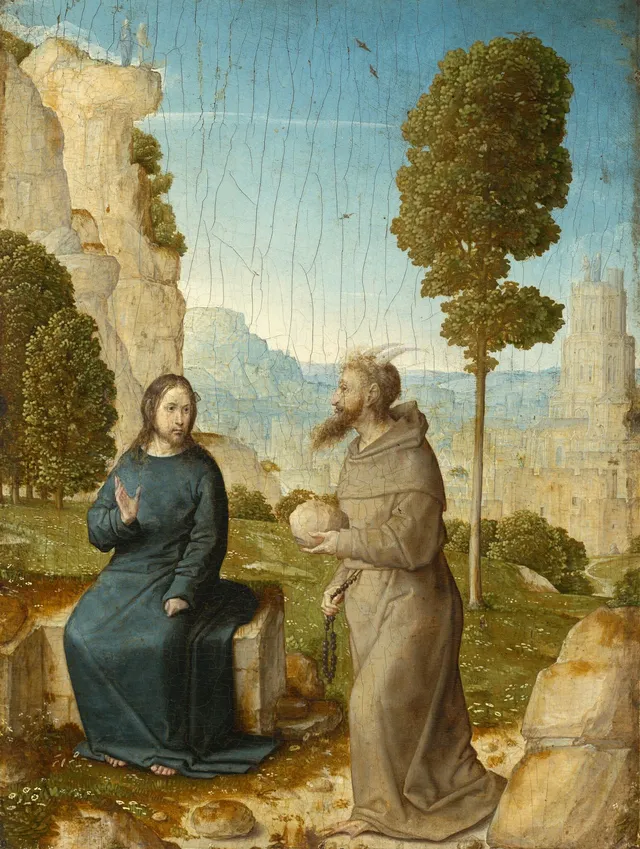
Key artists
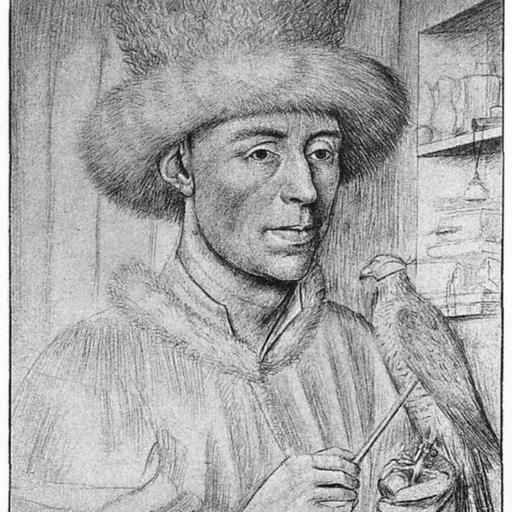


Works
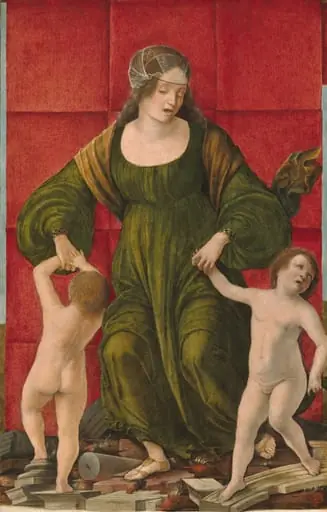 The Wife of Hasdrubal and Her Children
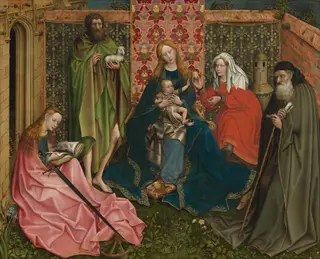 Madonna and Child with Saints in the Enclosed Garden
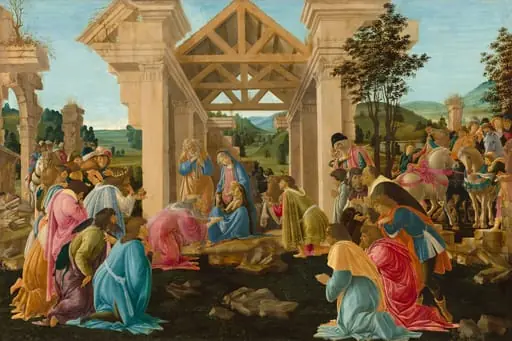 The Adoration of the Magi
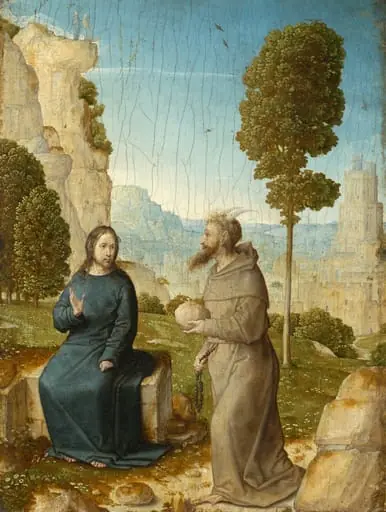 The Temptation of Christ
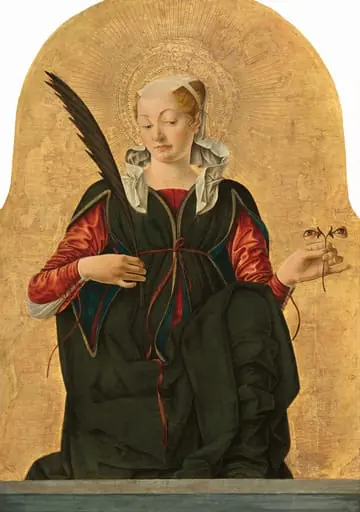 Saint Lucy
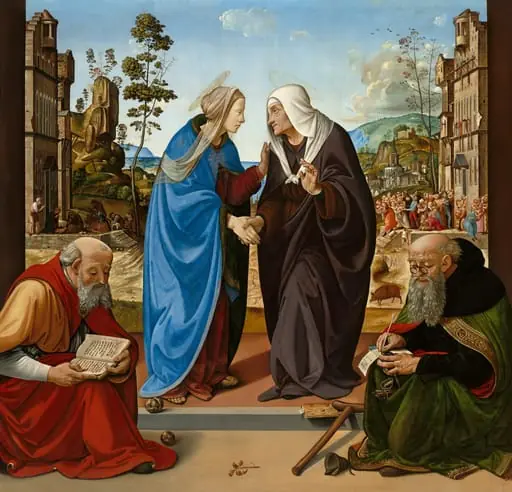 The Visitation with Saint Nicholas and Saint Anthony Abbot
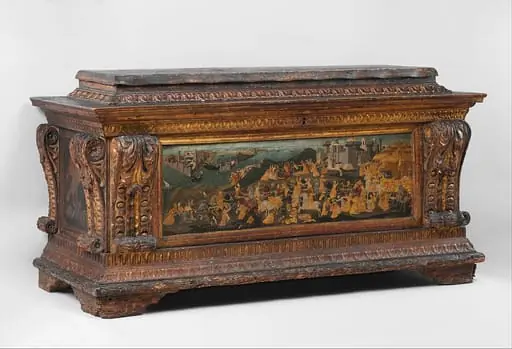 Cassone with painted front panel depicting the Conquest of Trebizond
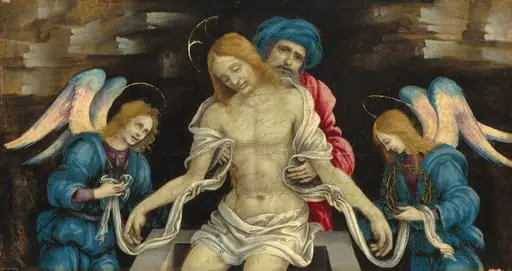 Pietà (The Dead Christ Mourned by Nicodemus and Two Angels)
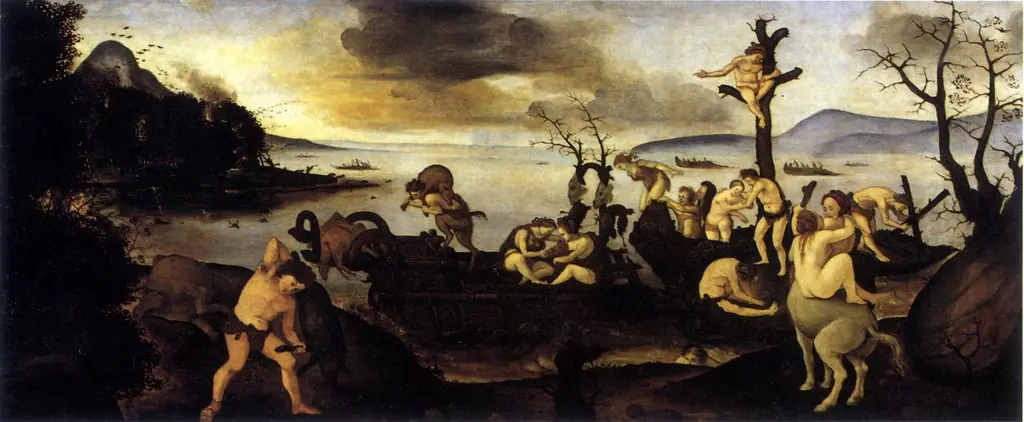 Return from the Hunt by Piero di Cosimo
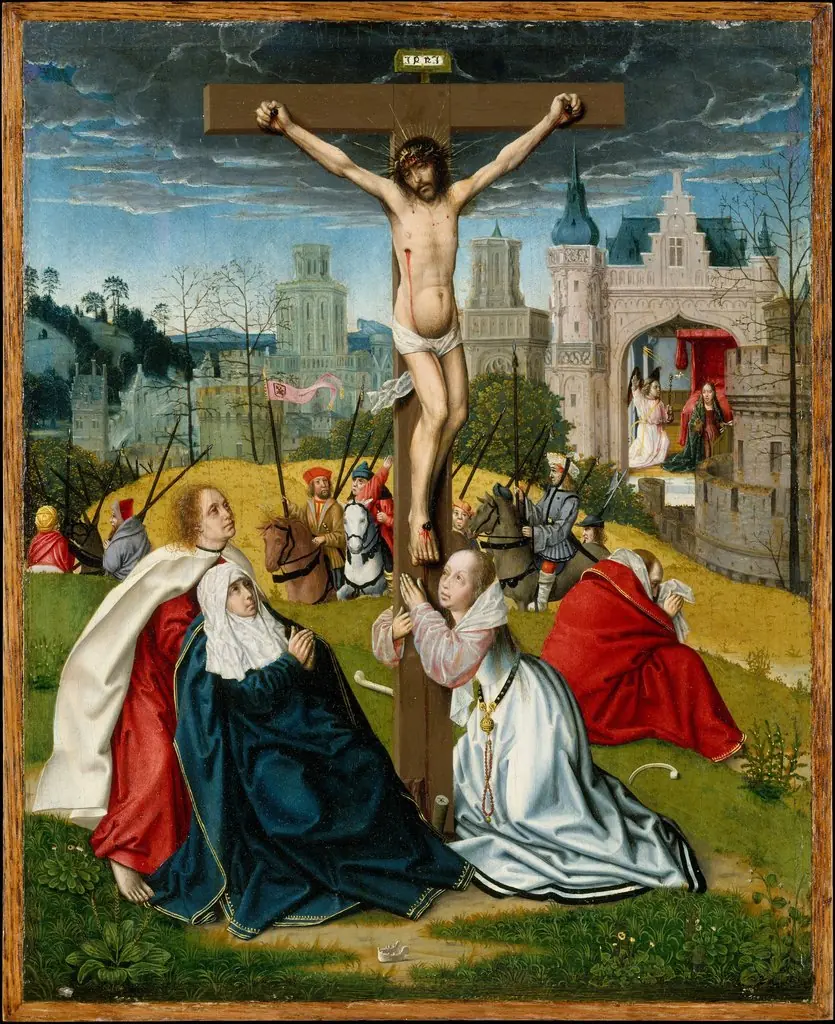 The Crucifixion
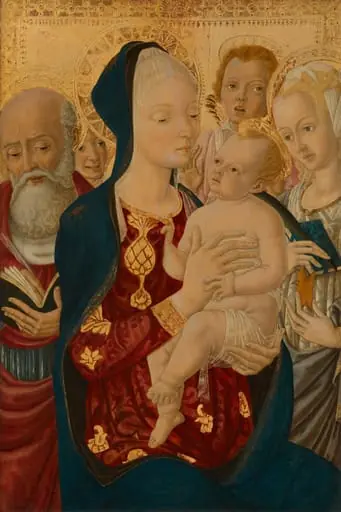 Madonna and Child with Saint Jerome, Saint Catherine of Alexandria, and Angels
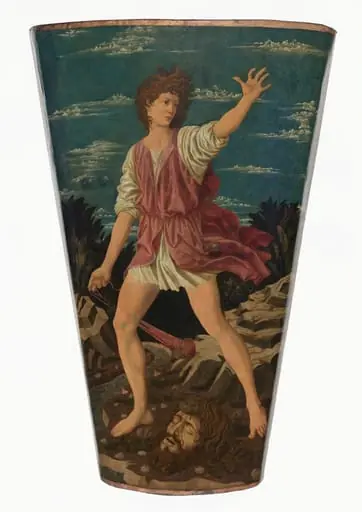 David with the Head of Goliath
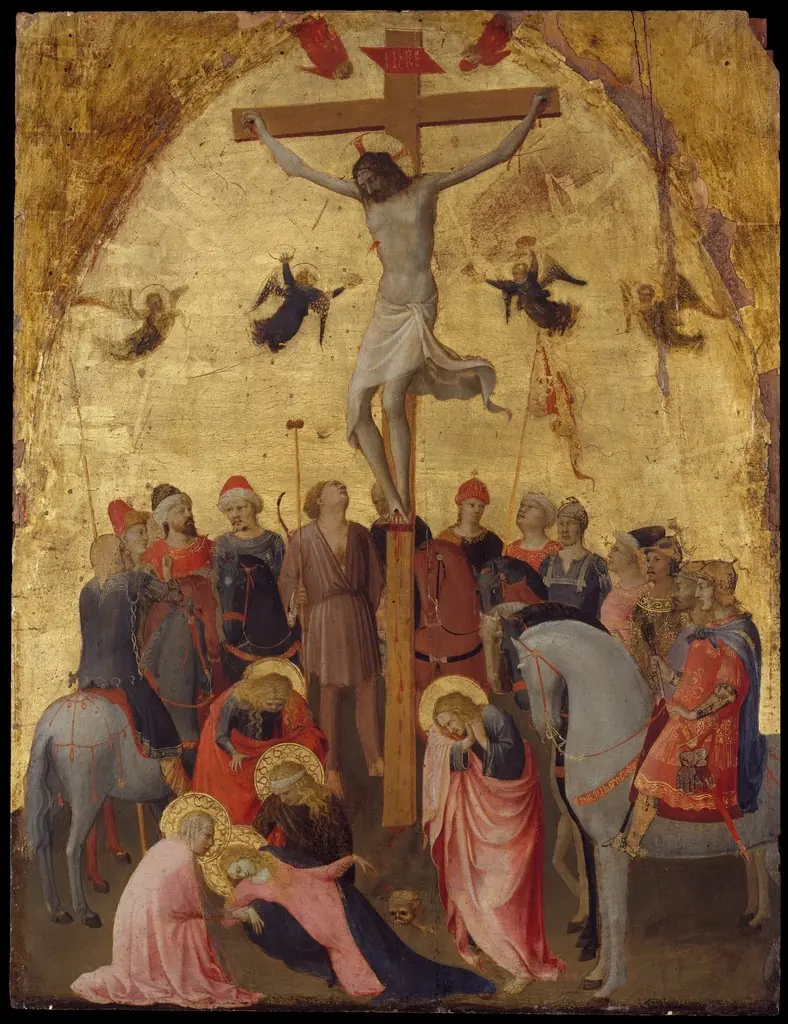 The Crucifixion
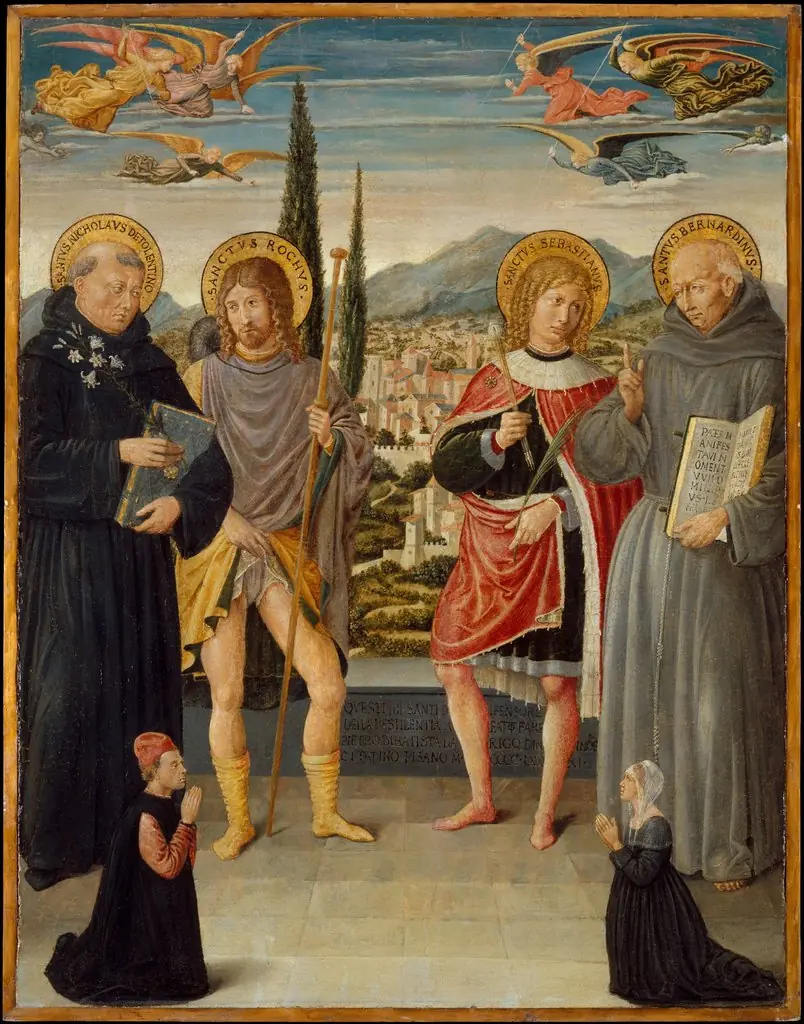 Saints Nicholas of Tolentino, Roch, Sebastian, and Bernardino of Siena, with Kneeling Donors
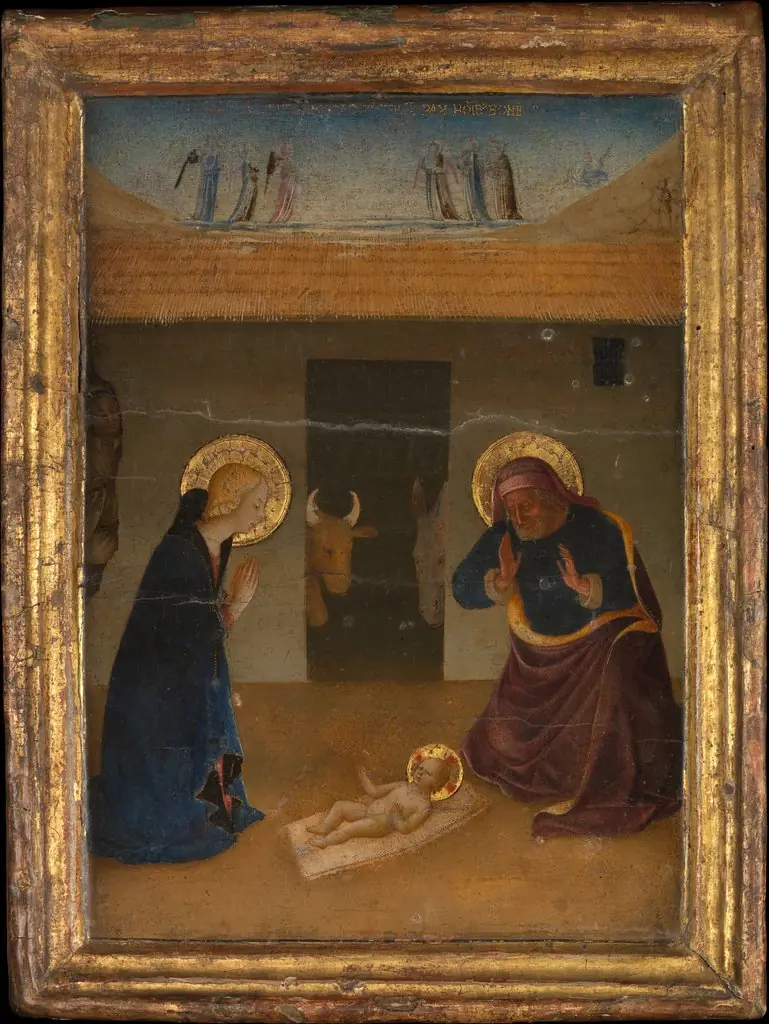 The Nativity
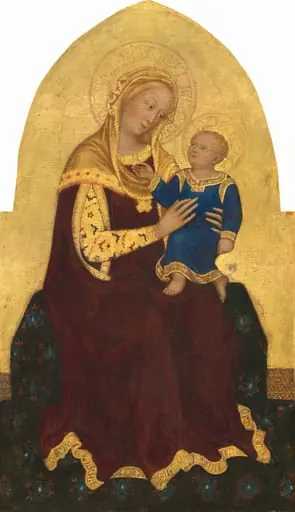 Madonna and Child Enthroned
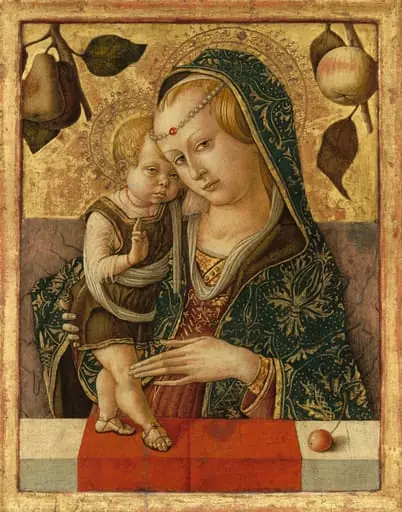 Madonna and Child
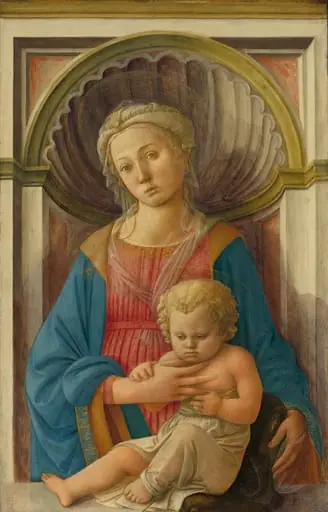 Madonna and Child
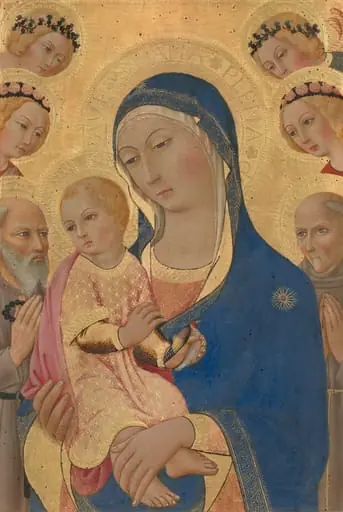 Madonna and Child with Saint Jerome, Saint Bernardino, and Angels
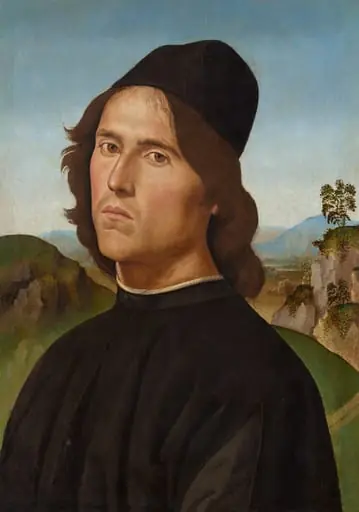 Portrait of Lorenzo di Credi
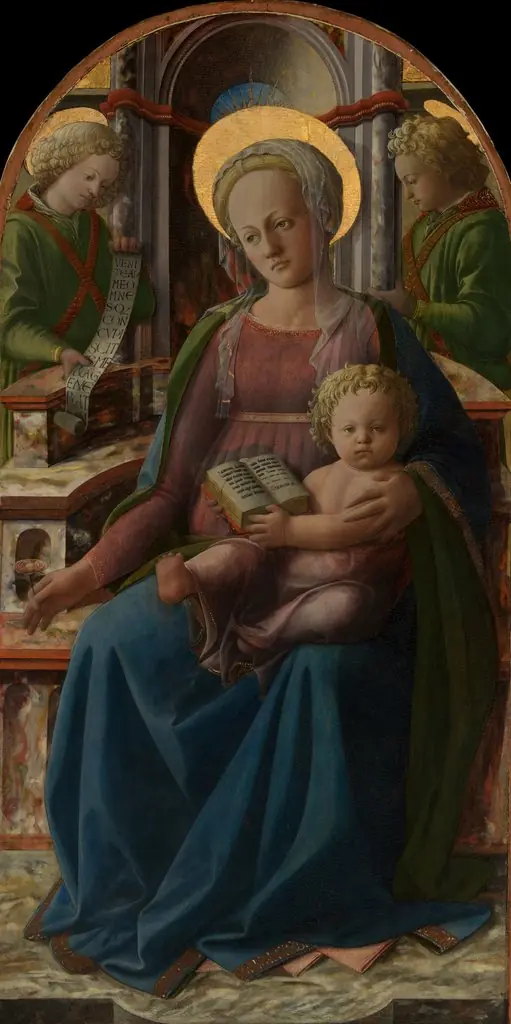 Madonna and Child Enthroned with Two Angels
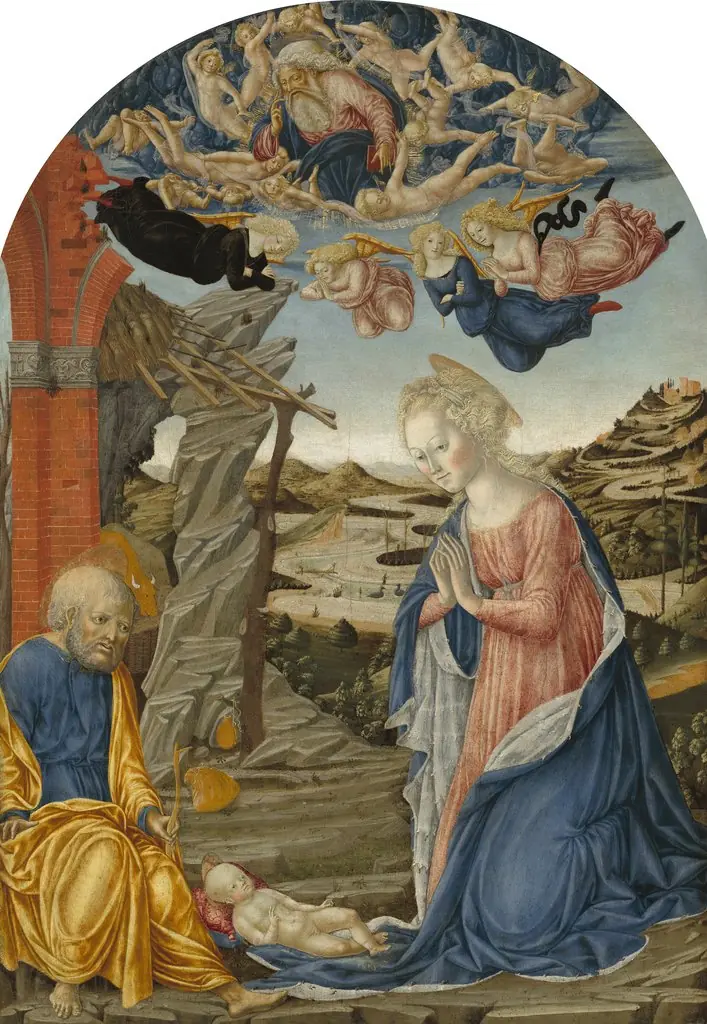 The Nativity
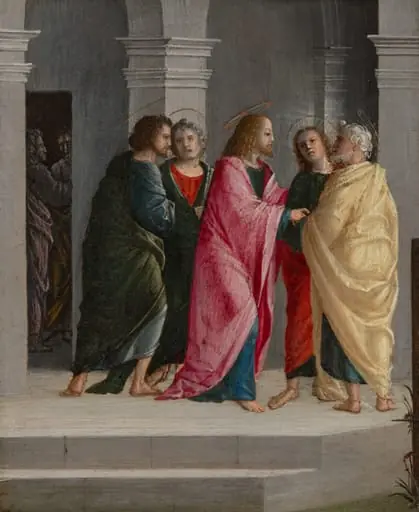 Christ Instructing Peter and John to Prepare for the Passover
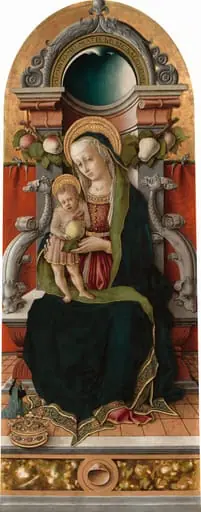 Madonna and Child Enthroned with Donor
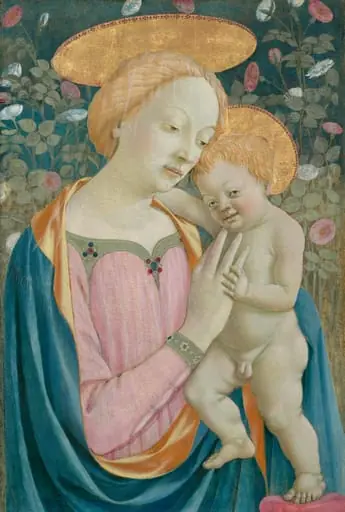 Madonna and Child
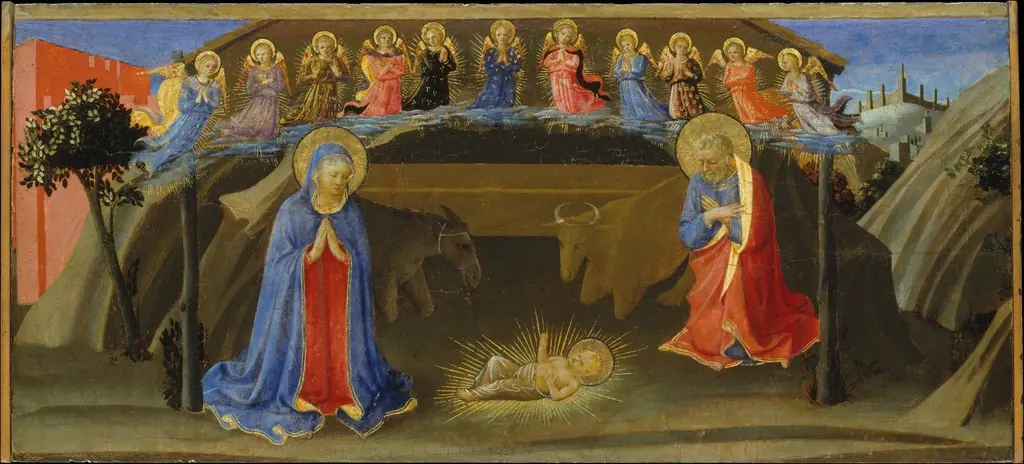 The Nativity
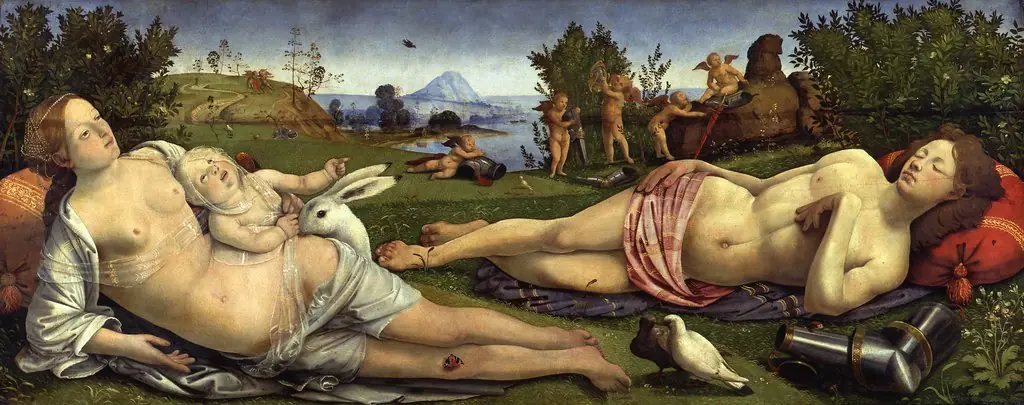 Venus, Mars and Cupid
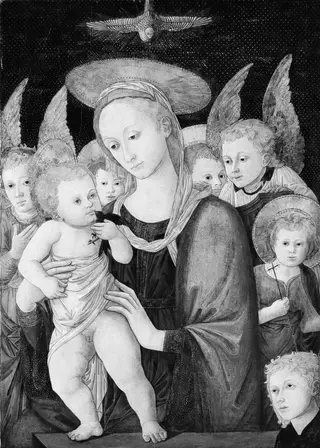 Madonna and Child with the Infant Saint John the Baptist and Angels
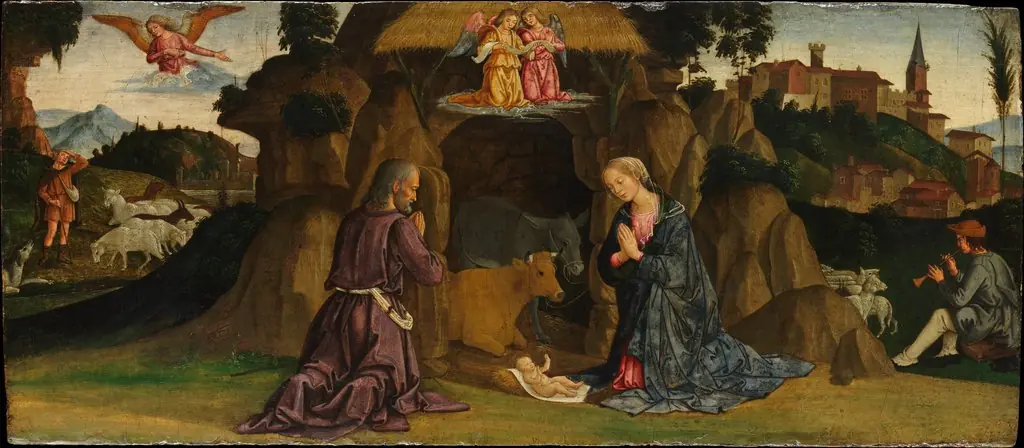 The Nativity
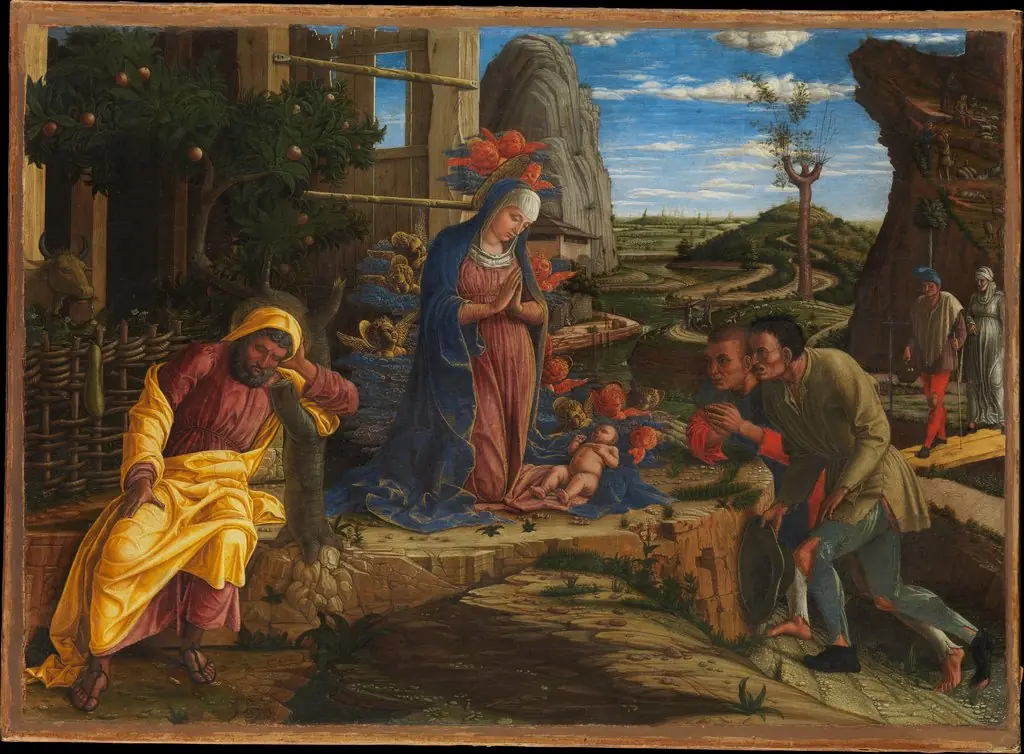 Adoration of the Shepherds
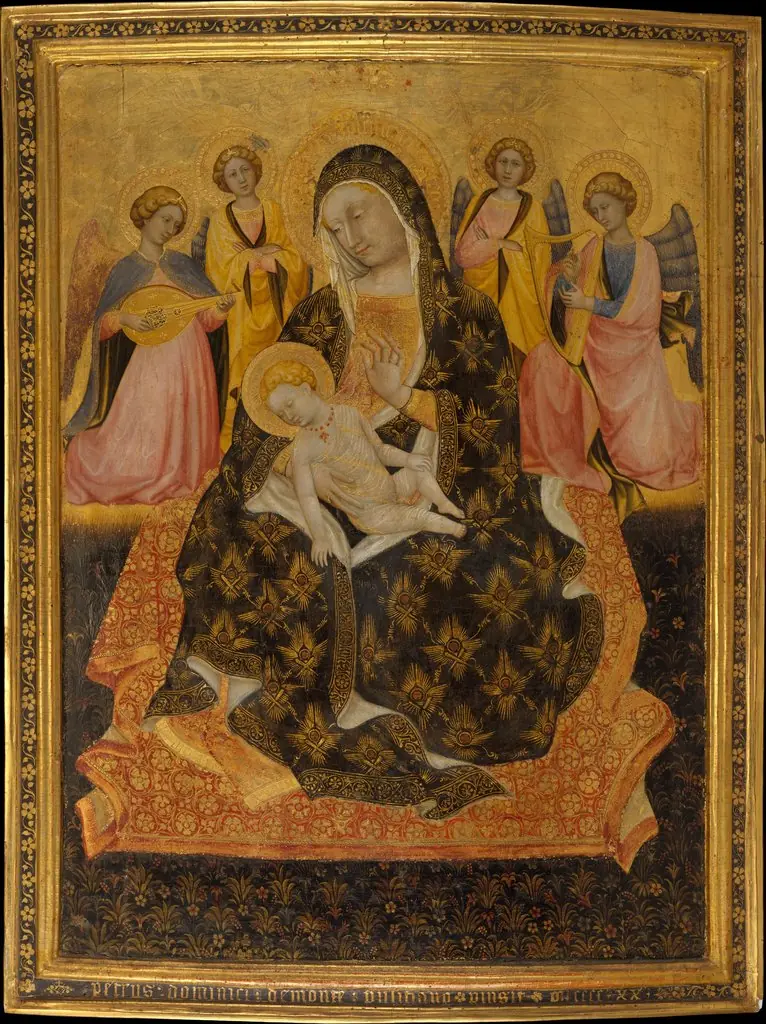 Madonna and Child with Angels
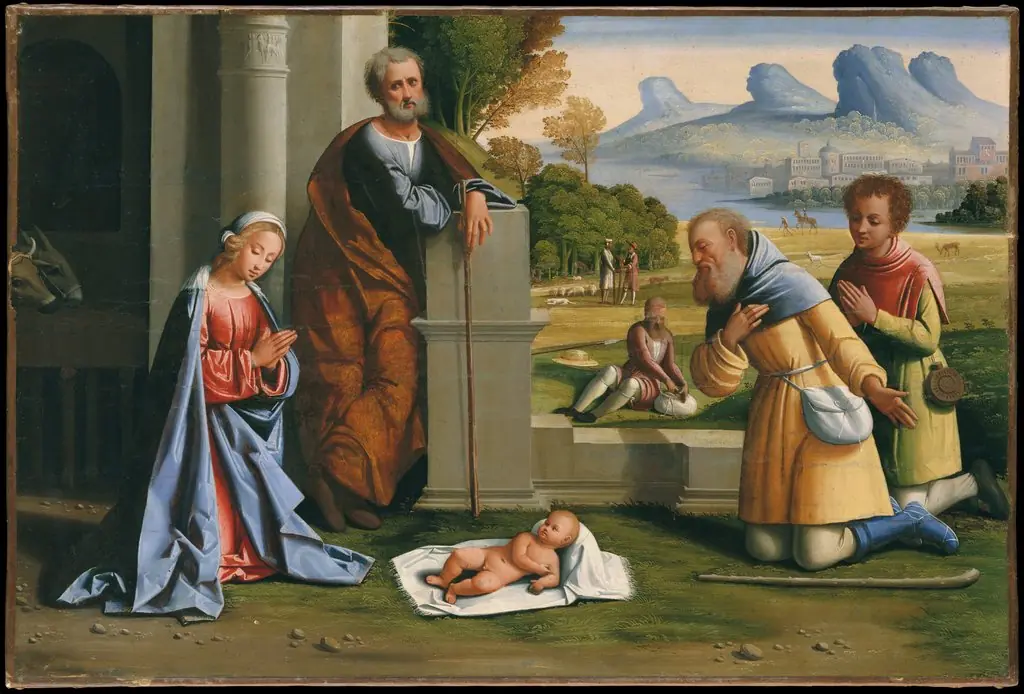 The Adoration of the Shepherds
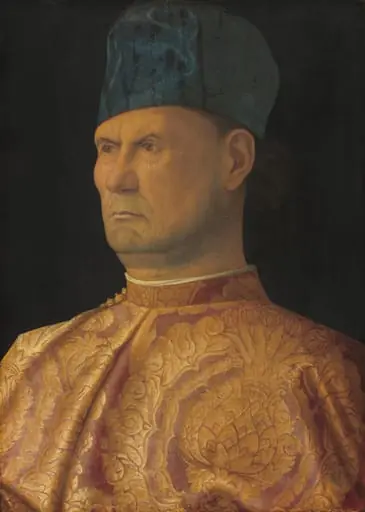 Giovanni Emo
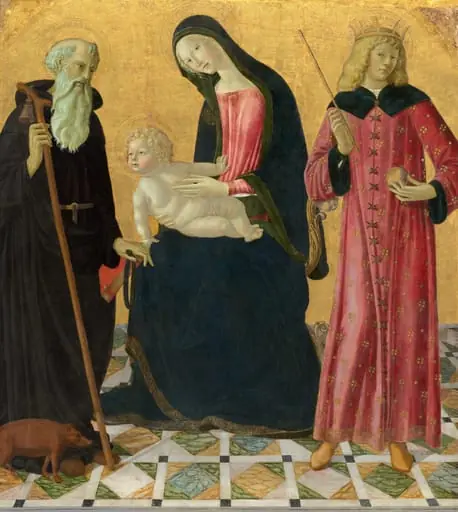 Madonna and Child with Saint Anthony Abbot and Saint Sigismund
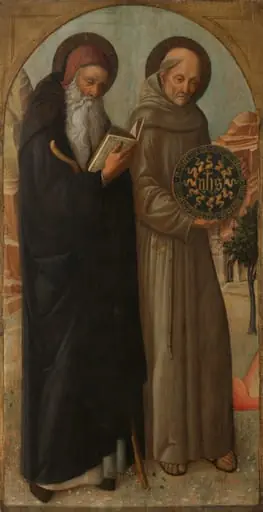 Saint Anthony Abbot and Saint Bernardino of Siena
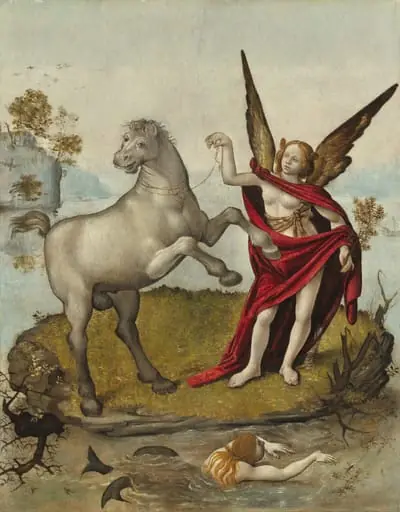 Allegory
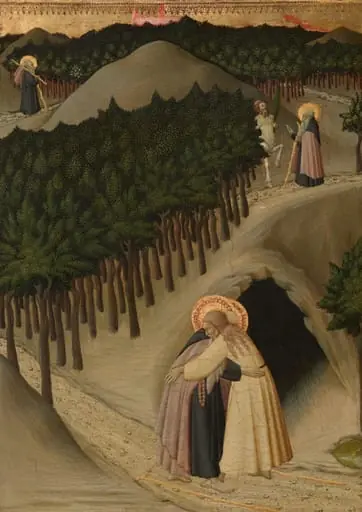 The Meeting of Saint Anthony and Saint Paul
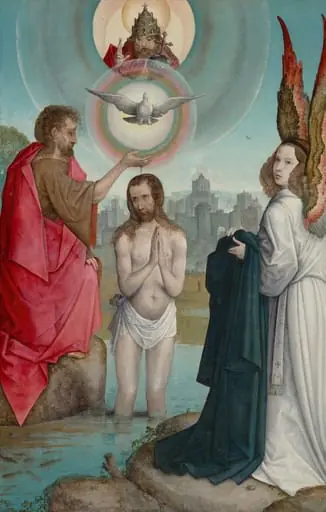 The Baptism of Christ
![Ginevra de' Benci [obverse], by Leonardo da Vinci, 1476](https://artifactworldgallery.com/img/leonardo-da-vinci--ginevra-de-benci-obverse--afb6ec3a3e65f392-w320.webp) Ginevra de' Benci [obverse]
Ginevra de' Benci [obverse]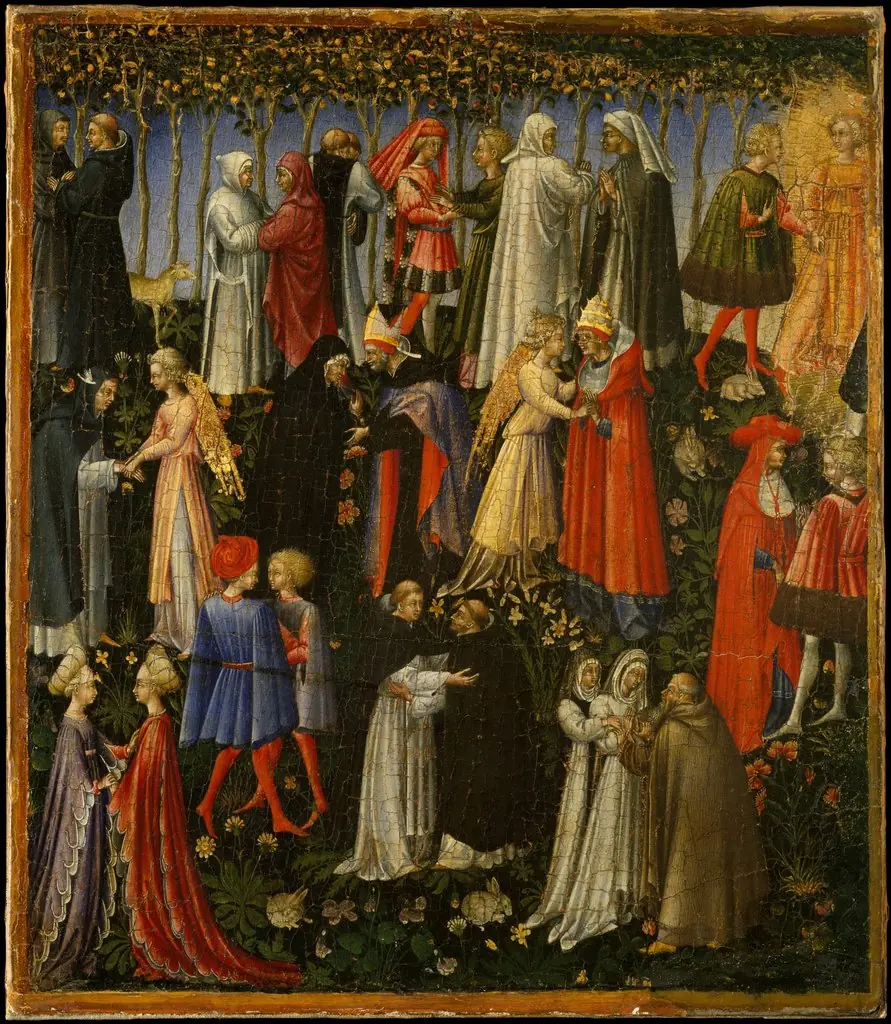 Paradise
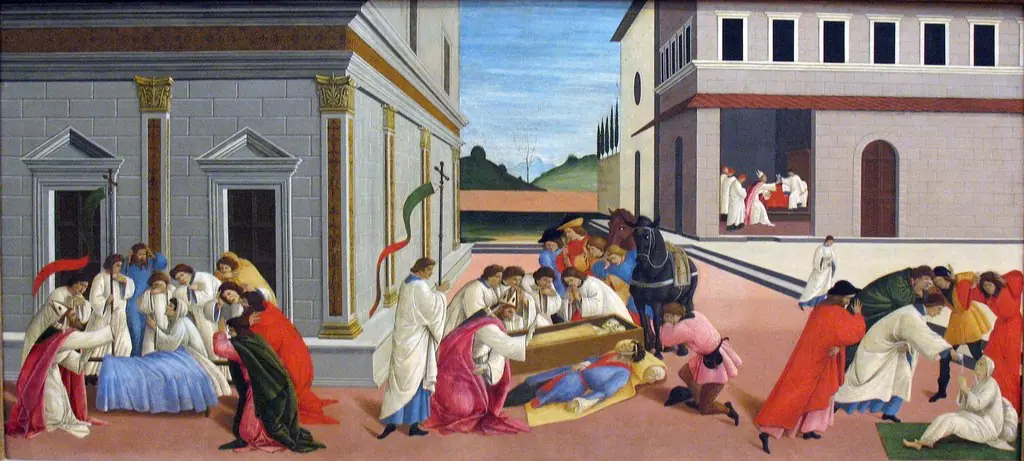 Three Miracles of Saint Zenobius
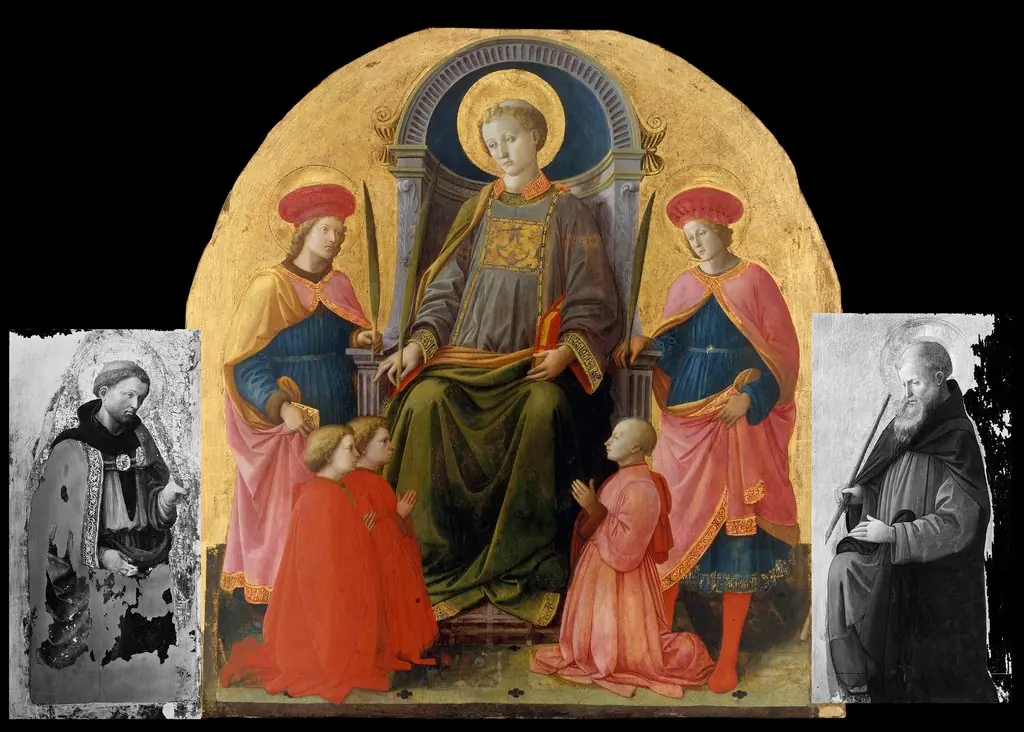 Saint Lawrence Enthroned with Saints and Donors
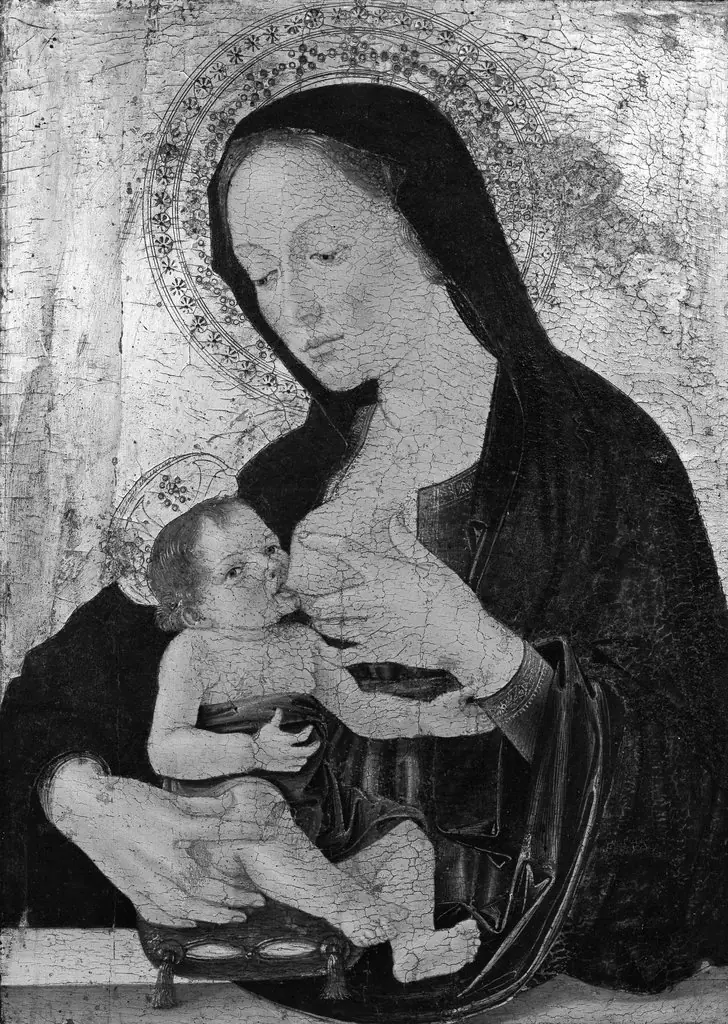 Madonna and Child
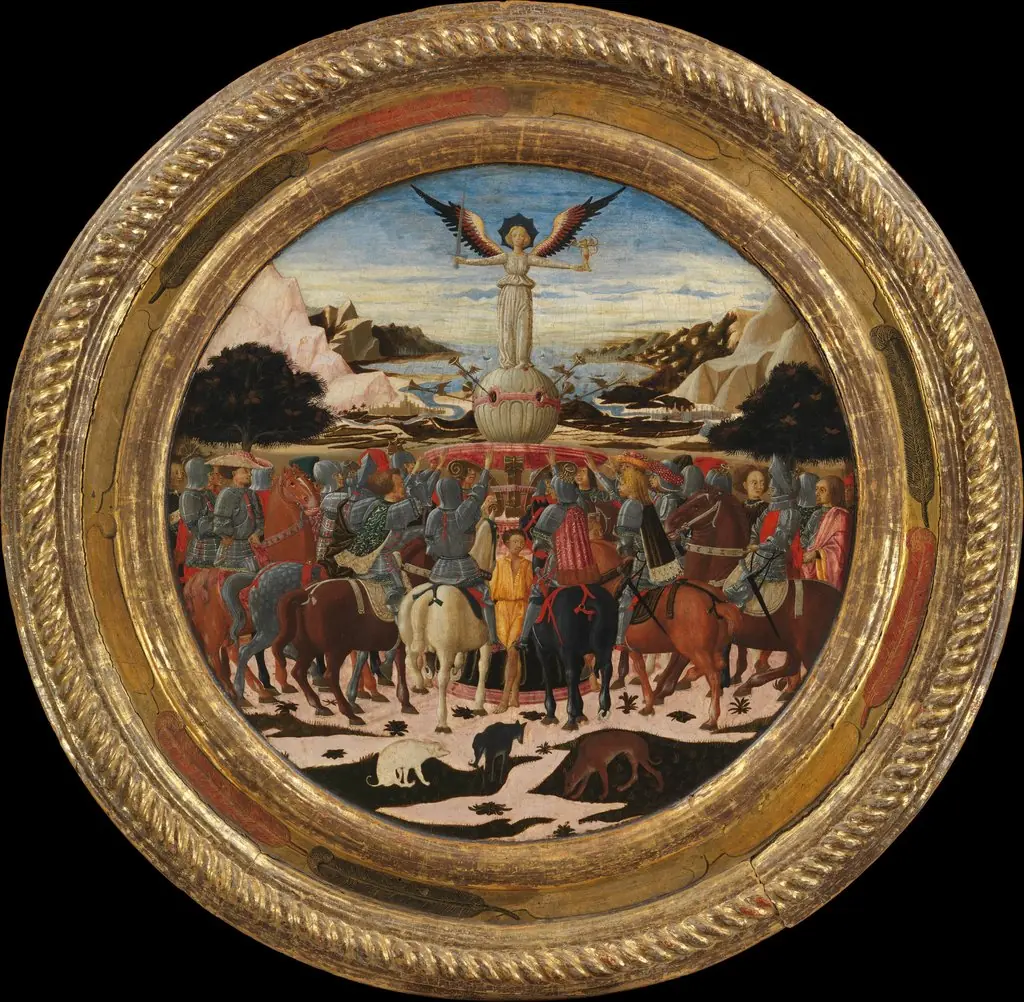 The Triumph of Fame
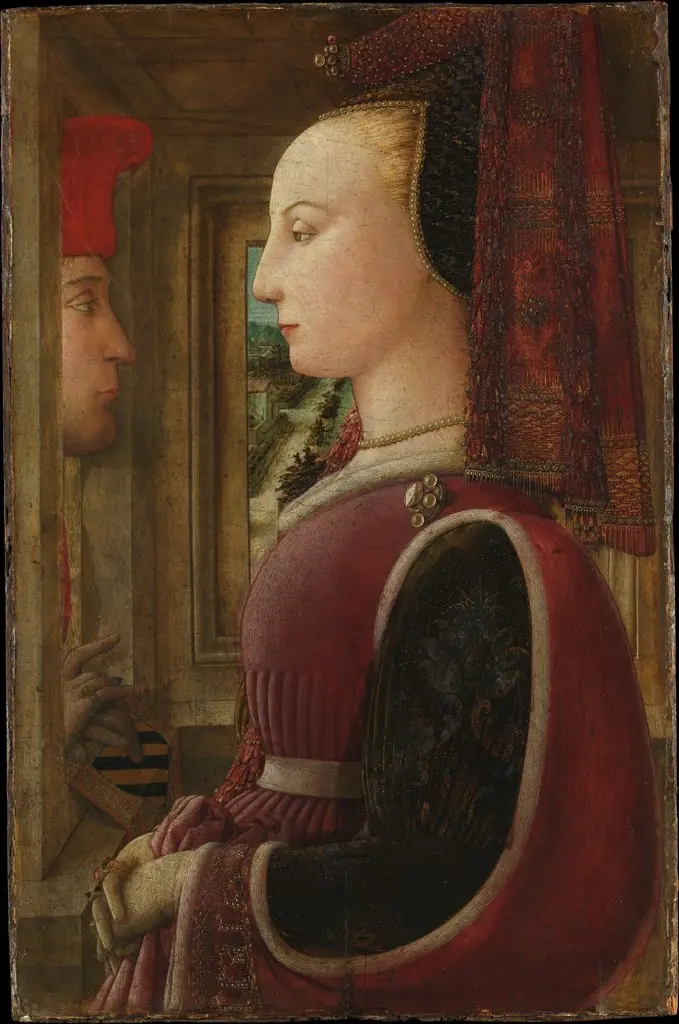 Portrait of a Woman with a Man at a Casement
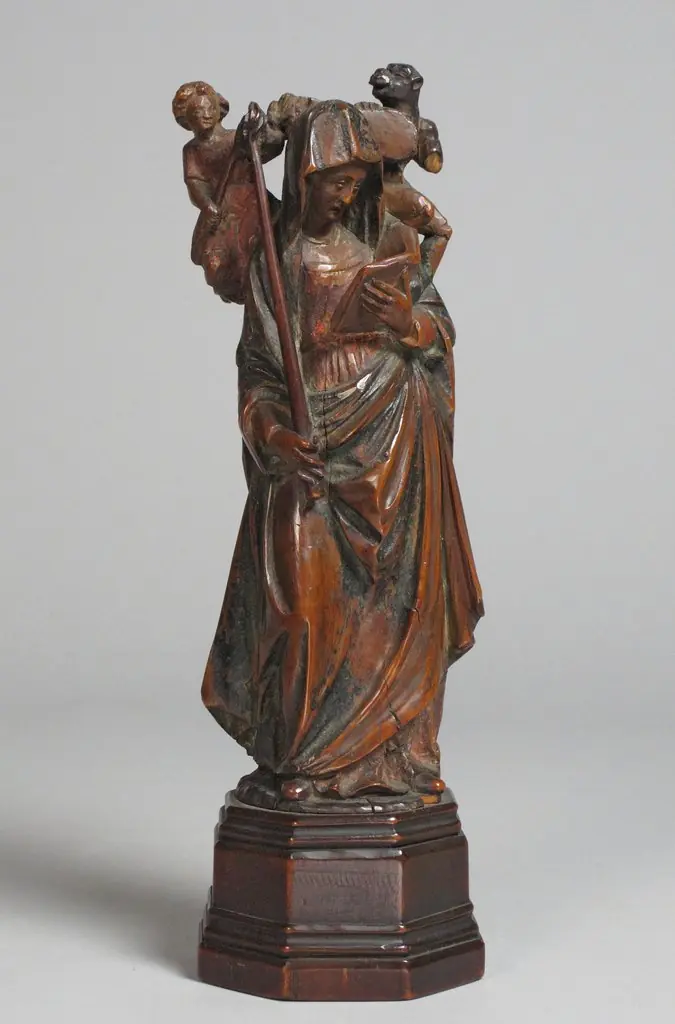 Saint Geneviève
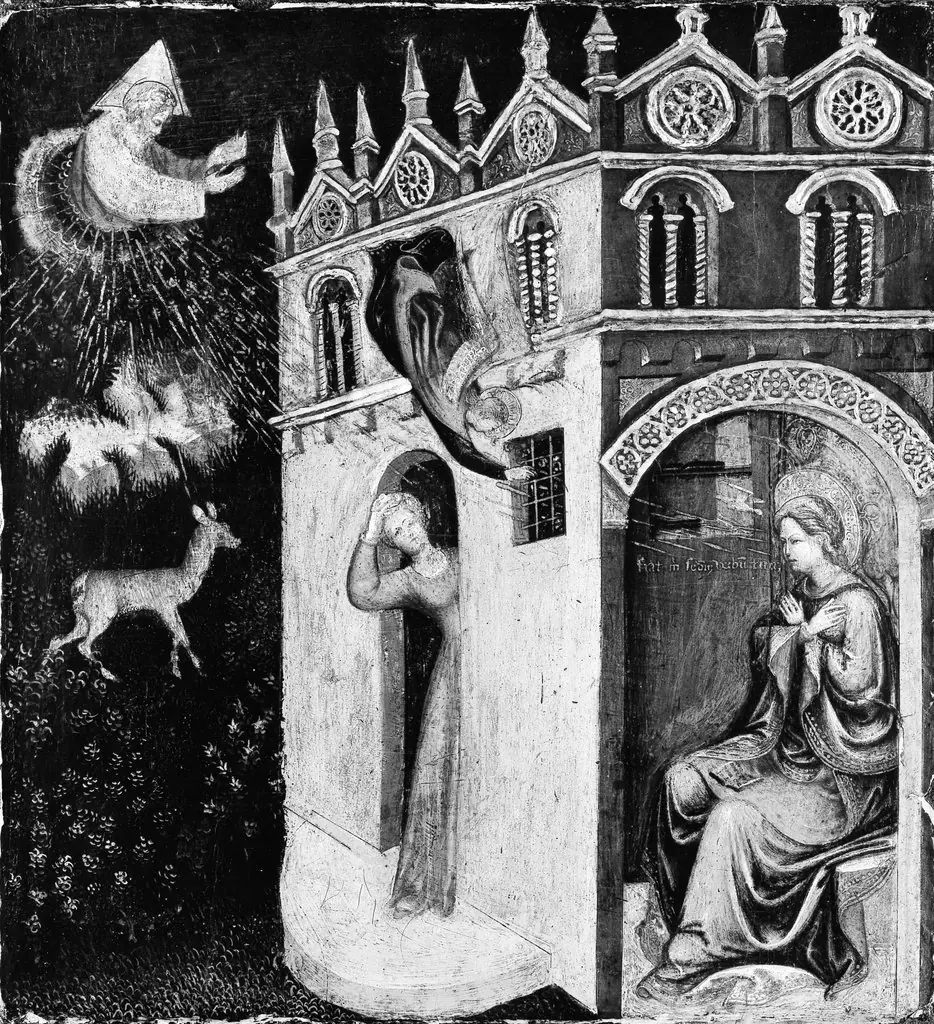 The Annunciation
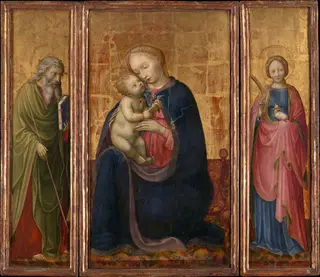 Madonna and Child with Saints Philip and Agnes
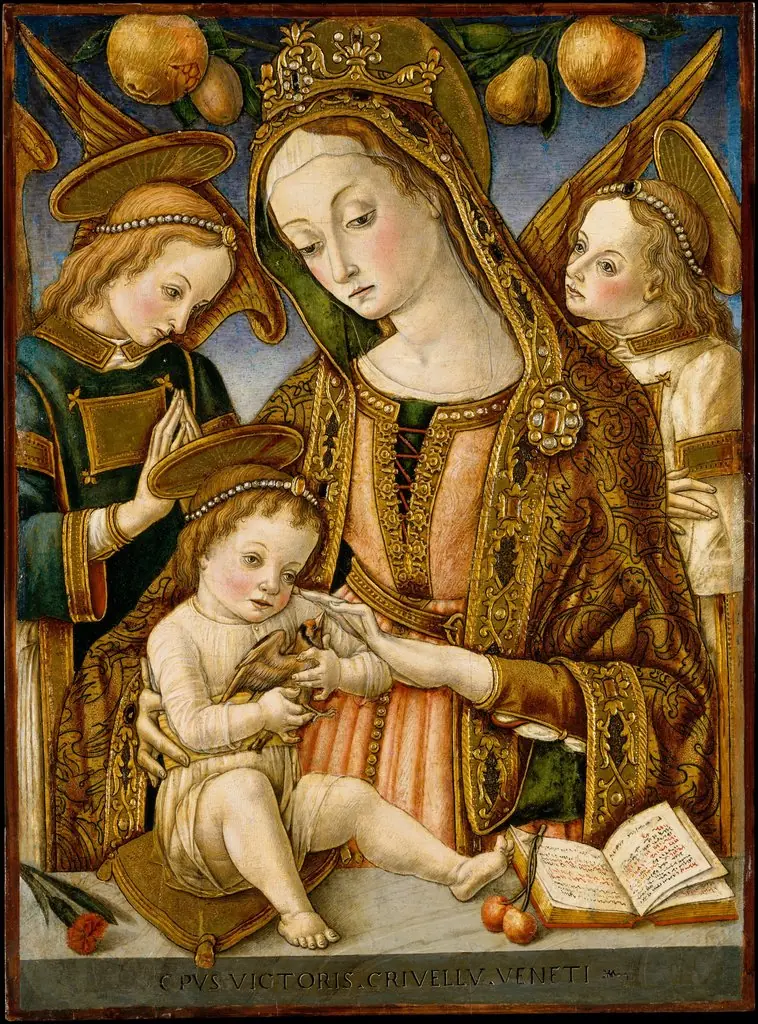 Madonna and Child with Two Angels
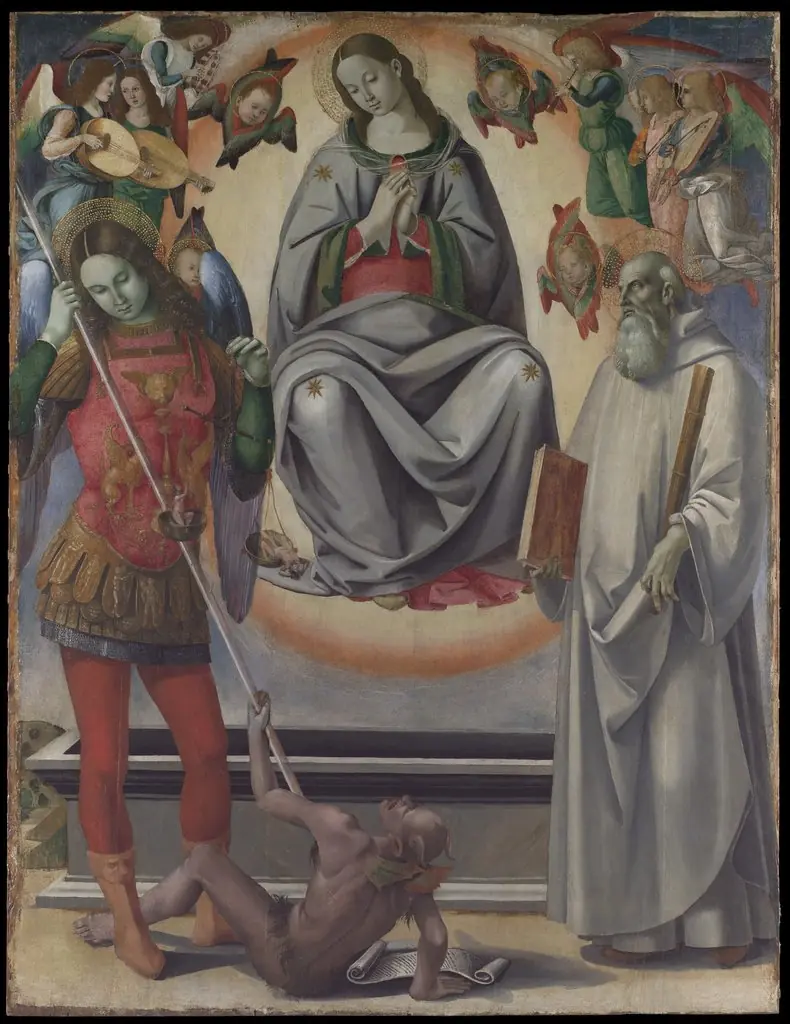 The Assumption of the Virgin with Saints Michael and Benedict
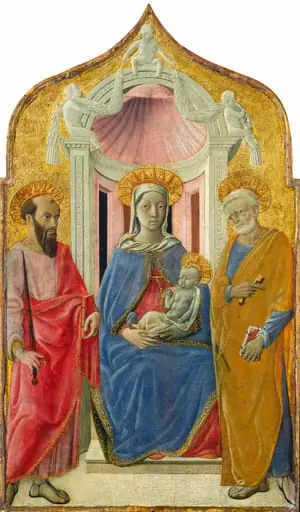 Madonna and Child Enthroned with Saint Peter and Saint Paul
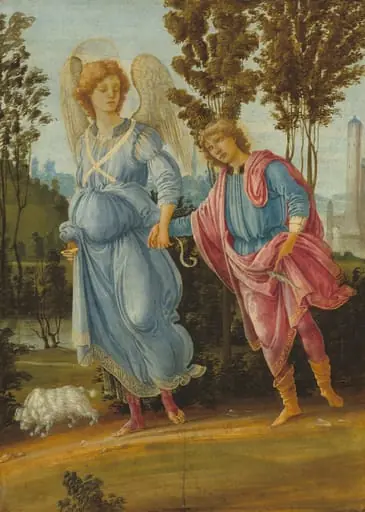 Tobias and the Angel
![Wreath of Laurel, Palm, and Juniper with a Scroll inscribed Virtutem Forma Decorat [reverse], by Leonardo da Vinci, 1476](https://artifactworldgallery.com/img/leonardo-da-vinci--wreath-of-laurel-palm-and-juniper-with-a-scroll-inscribed-vi--4cdfe8467ad2438a-w320.webp) Wreath of Laurel, Palm, and Juniper with a Scroll inscribed Virtutem Forma Decorat [reverse]
Wreath of Laurel, Palm, and Juniper with a Scroll inscribed Virtutem Forma Decorat [reverse]![The Crucifixion with the Virgin, Saint John, Saint Jerome, and Saint Mary Magdalene [right panel], by Pietro Perugino, 1484](https://artifactworldgallery.com/img/pietro-perugino--the-crucifixion-with-the-virgin-saint-john-saint-jerome-and--7d9a2b1f47b9fc9b-w320.webp) The Crucifixion with the Virgin, Saint John, Saint Jerome, and Saint Mary Magdalene [right panel]
The Crucifixion with the Virgin, Saint John, Saint Jerome, and Saint Mary Magdalene [right panel]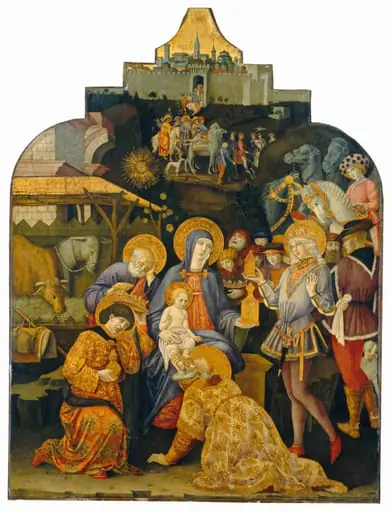 The Adoration of the Magi
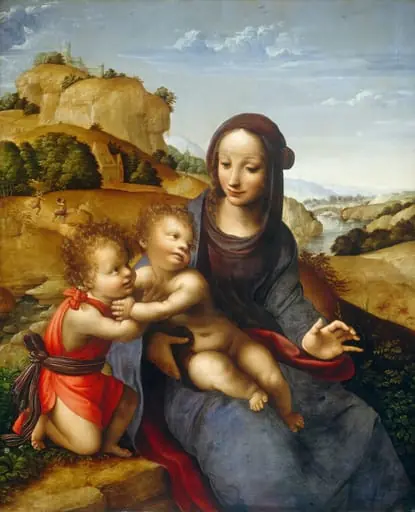 Madonna and Child with the Infant Saint John
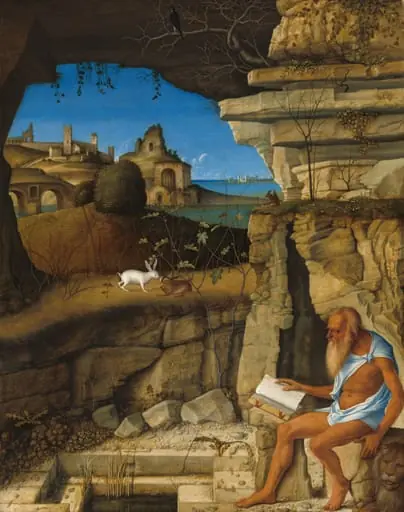 Saint Jerome Reading
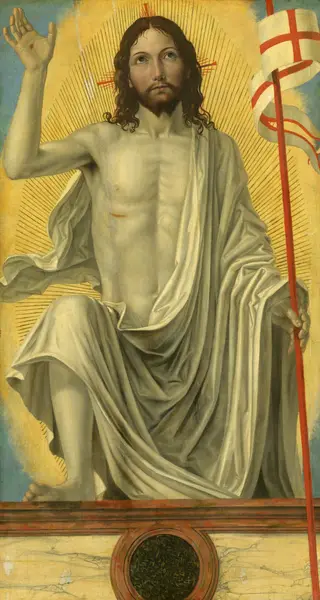 Christ Risen from the Tomb
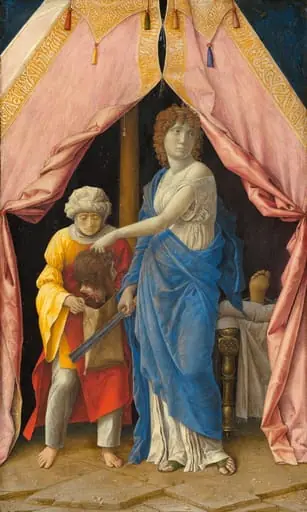 Judith with the Head of Holofernes
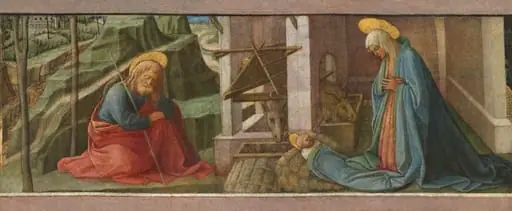 The Nativity
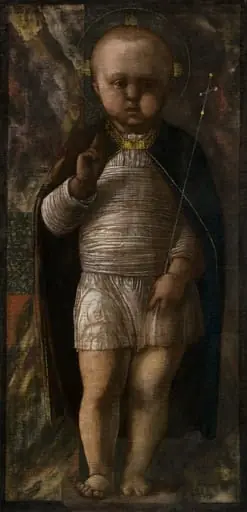 The Infant Savior
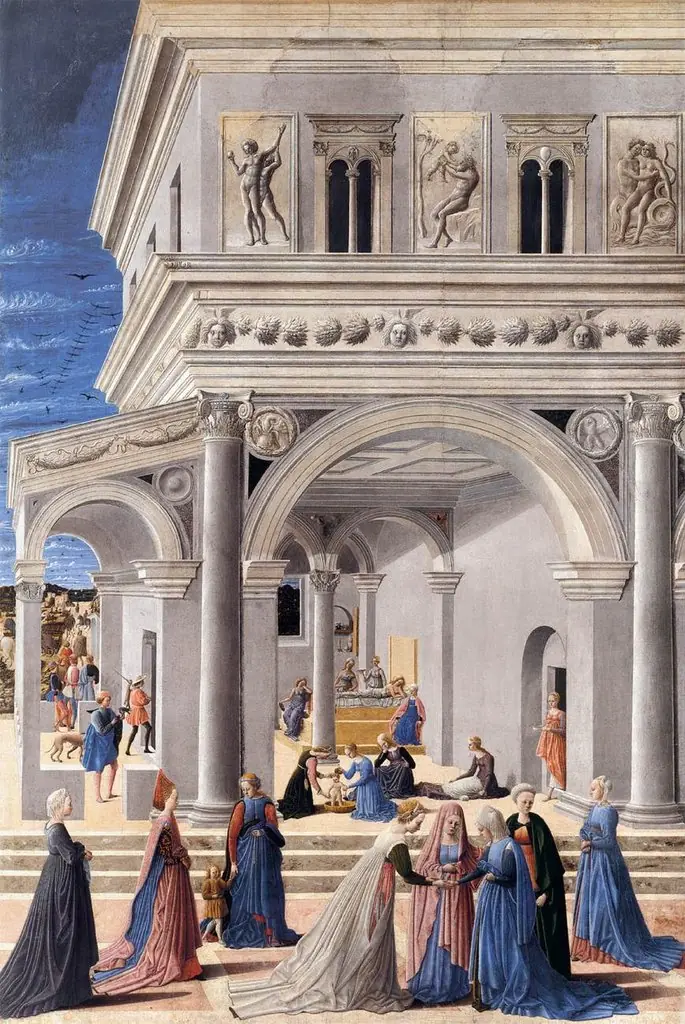 The Birth of the Virgin
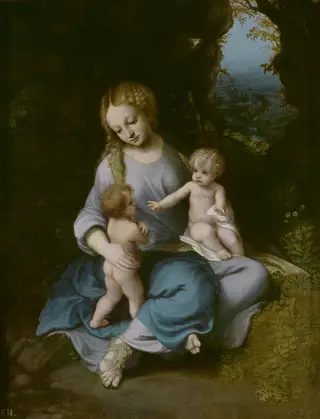 Madonna and Child with the Young Saint John
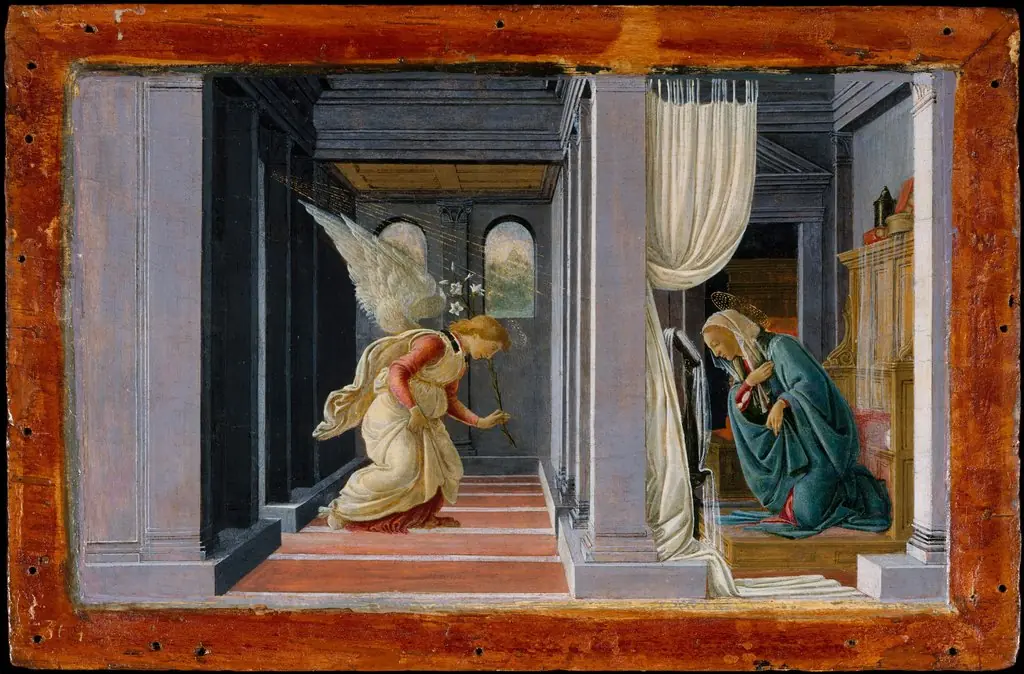 The Annunciation
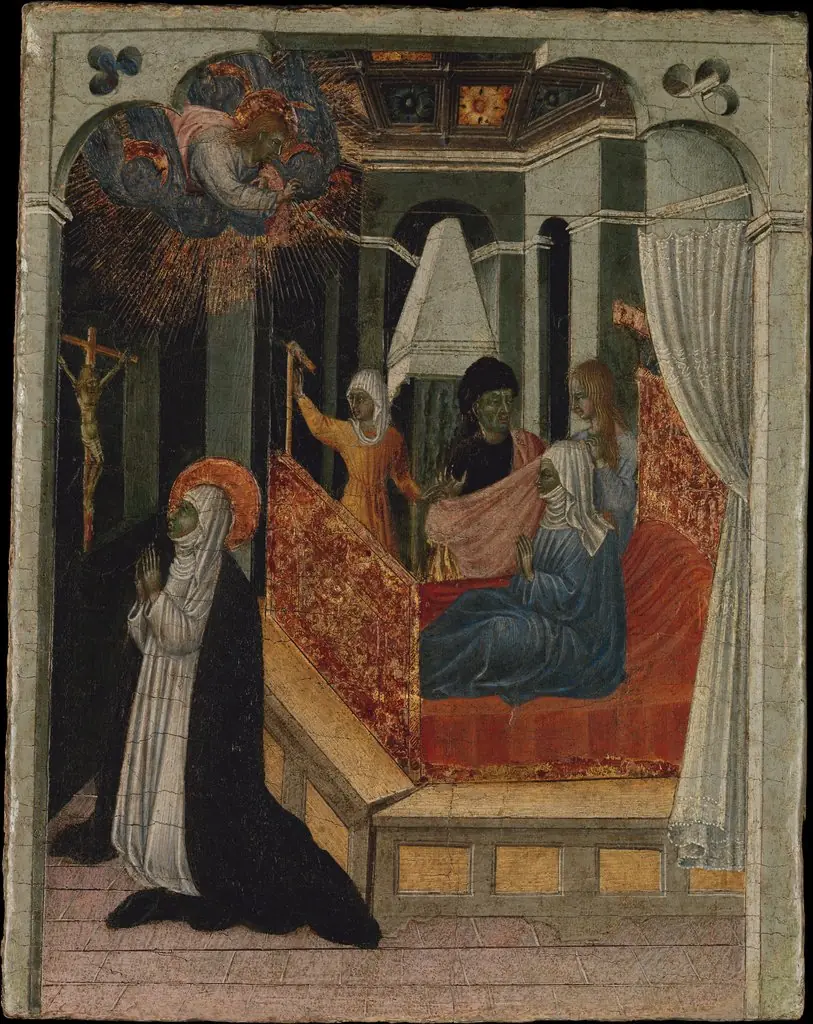 Saint Catherine of Siena Beseeching Christ to Resuscitate Her Mother
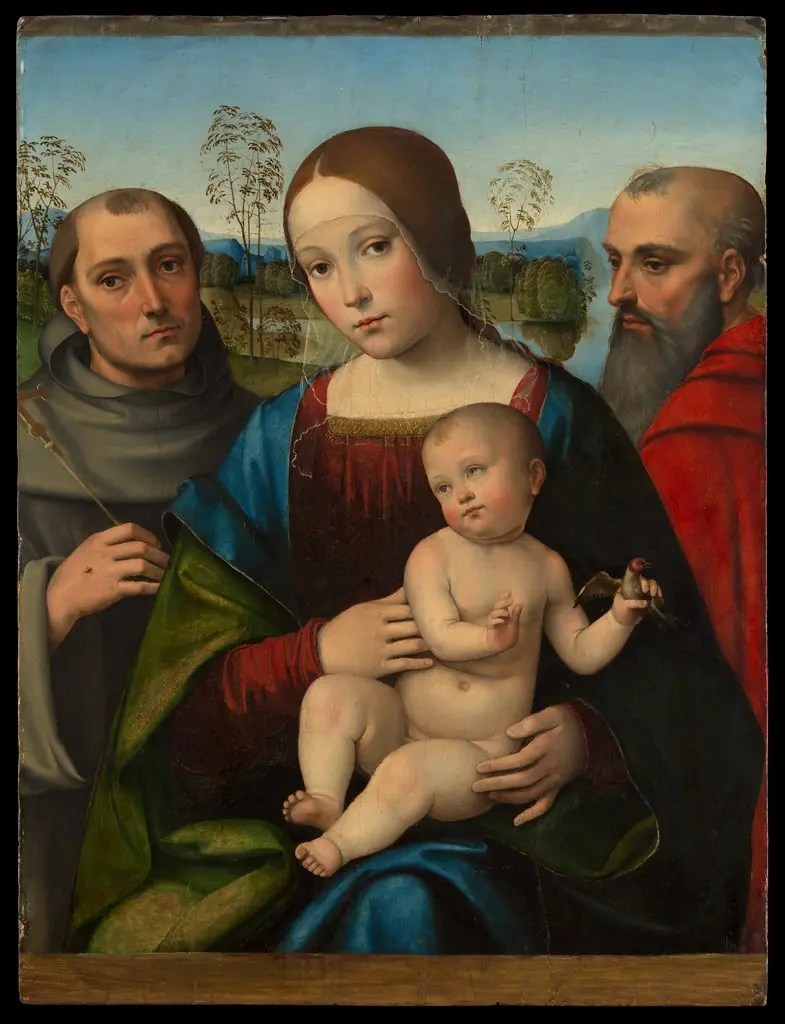 Madonna and Child with Saints Francis and Jerome
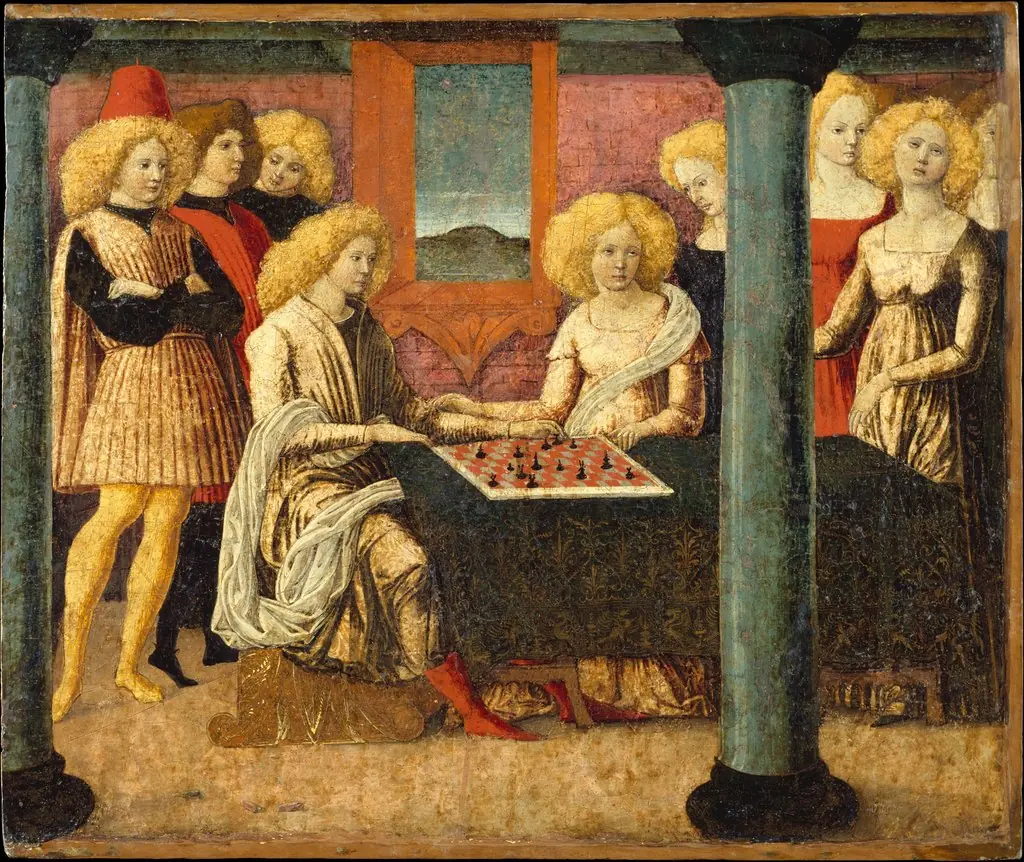 The Chess Players
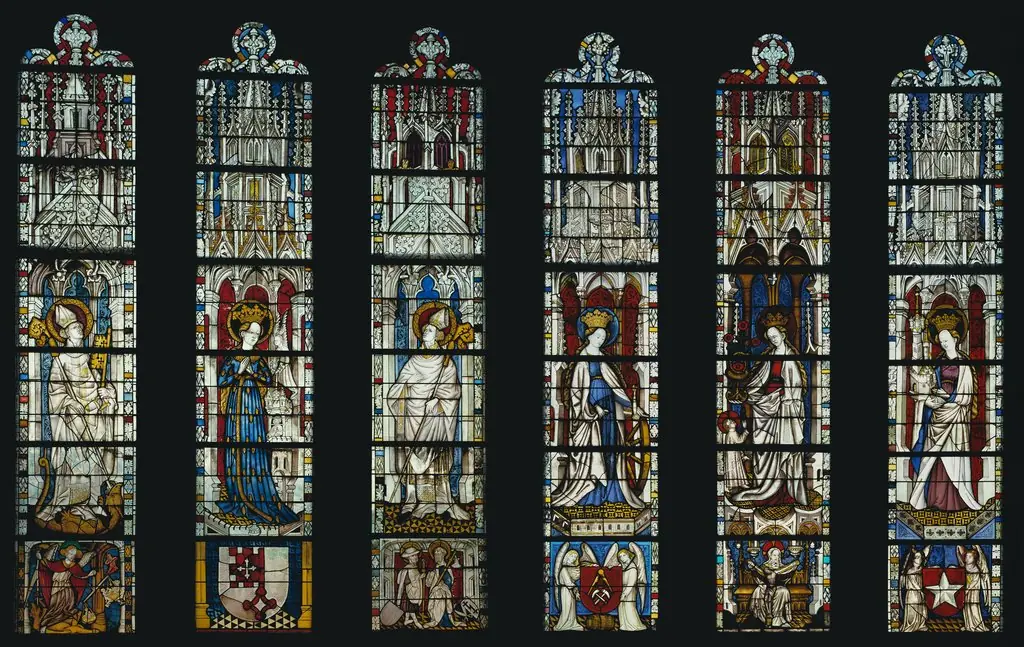 The Virgin Mary and Five Standing Saints above Predella Panels
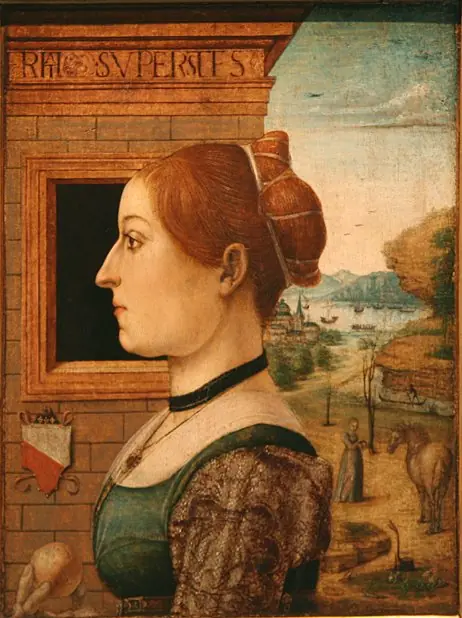 Portrait of a Woman, possibly Ginevra d'Antonio Lupari Gozzadini
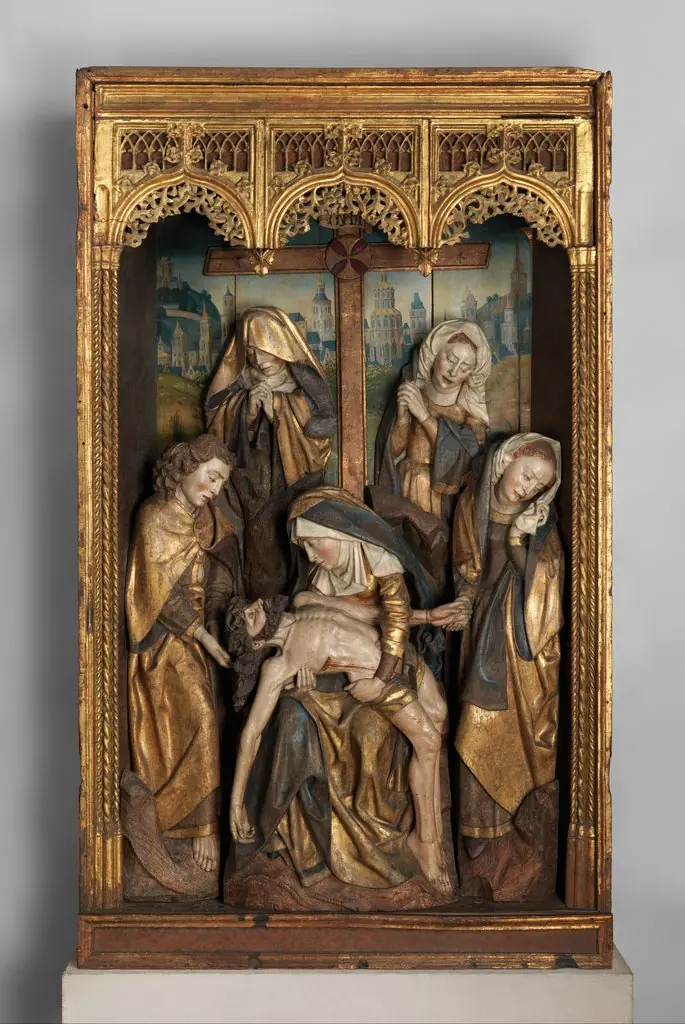 The Lamentation
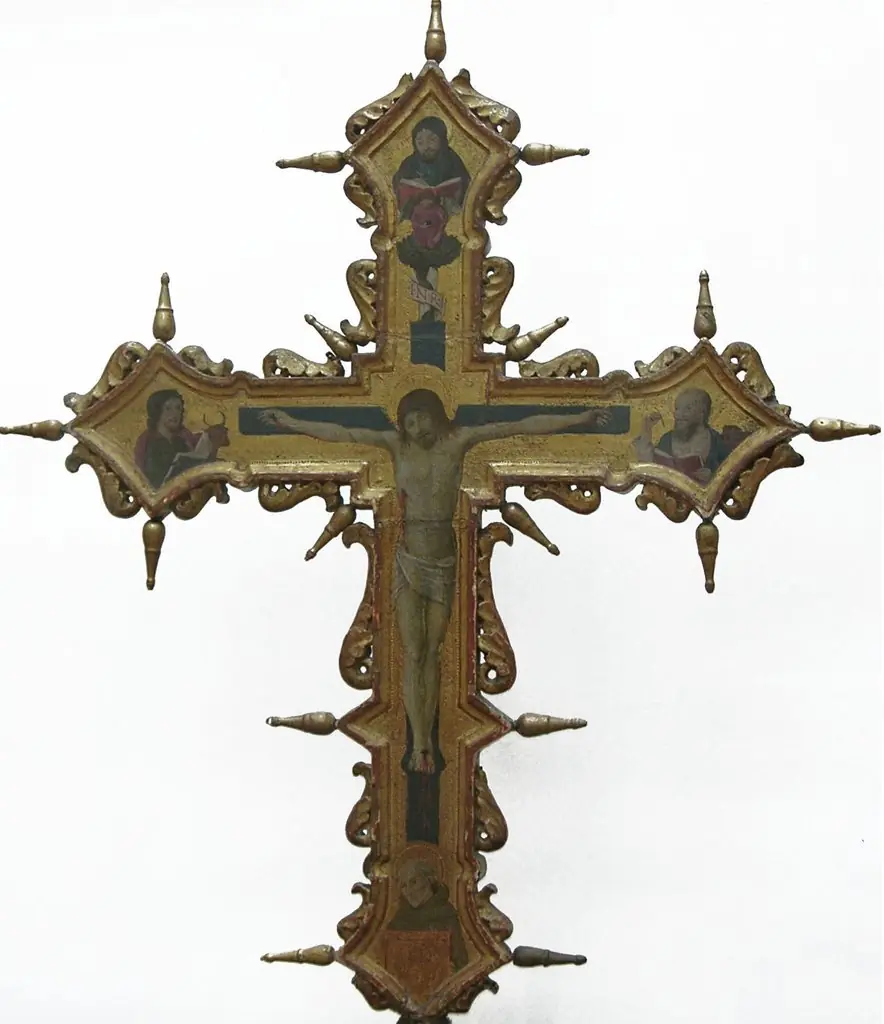 Processional Crucifix
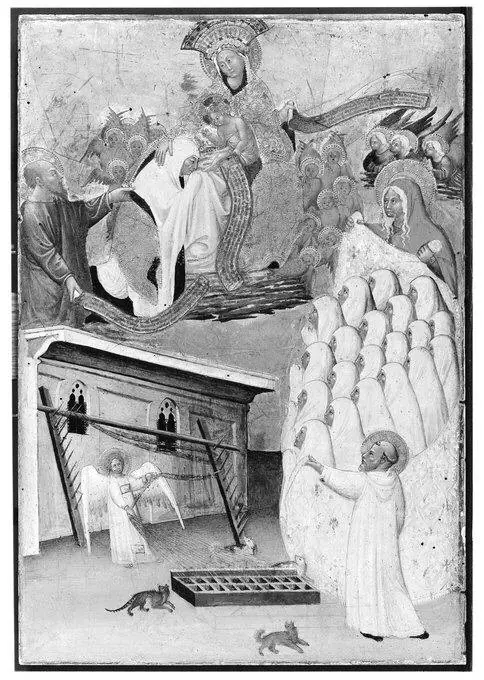 Santa Francesca Romana (1384–1440) Clothed by the Virgin
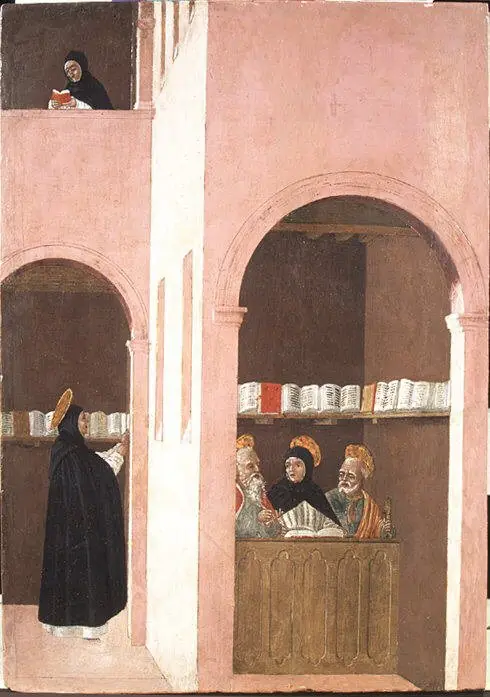 Saint Thomas Aquinas Aided by Saints Peter and Paul
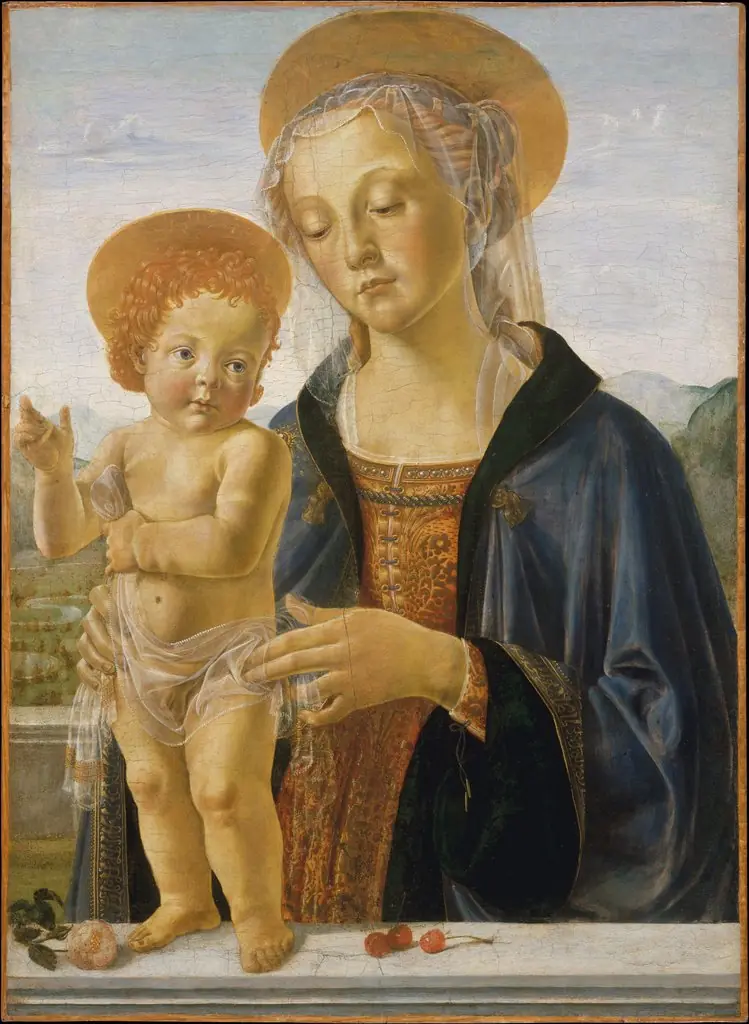 Madonna and Child
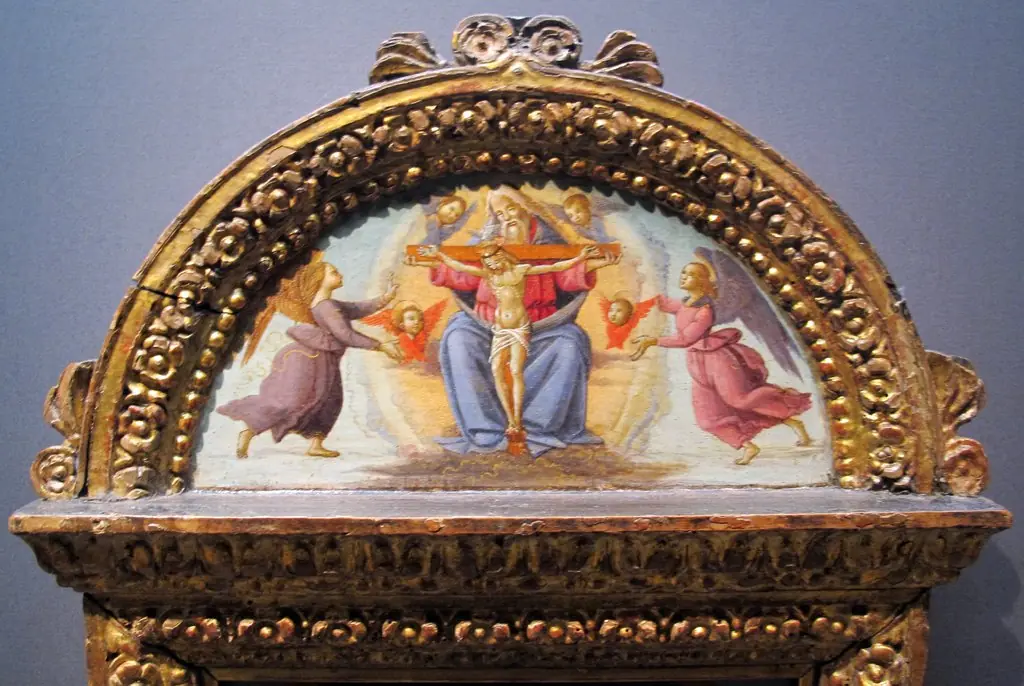 The Trinity
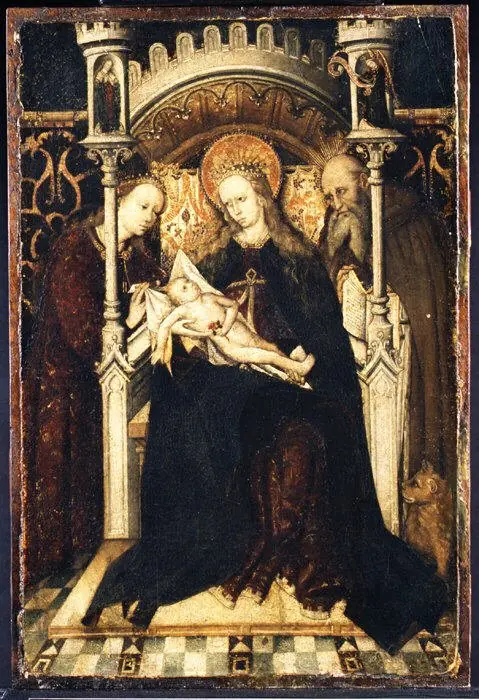 Virgin and Child Enthroned with Saints Catherine and Jerome
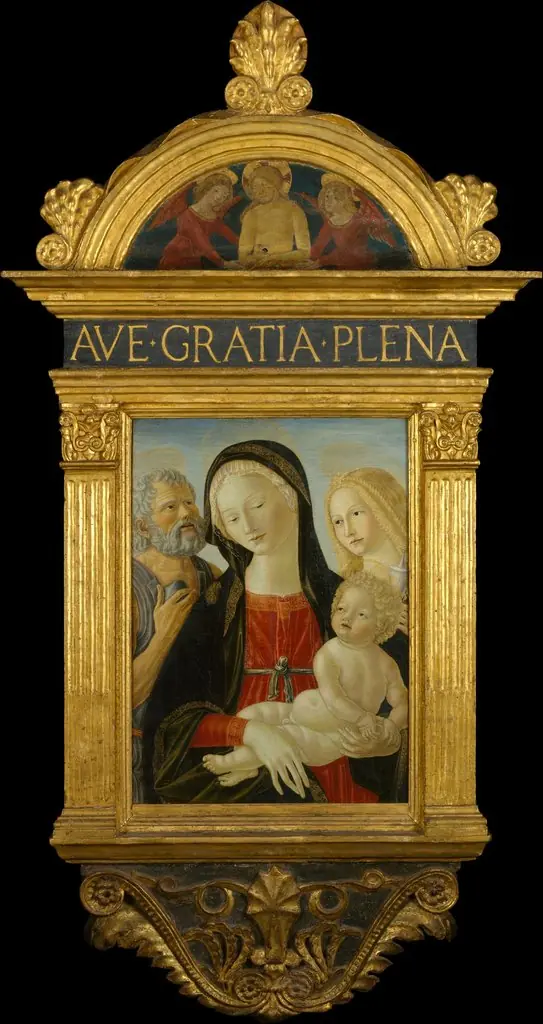 Madonna and Child with Saints Jerome and Mary Magdalen
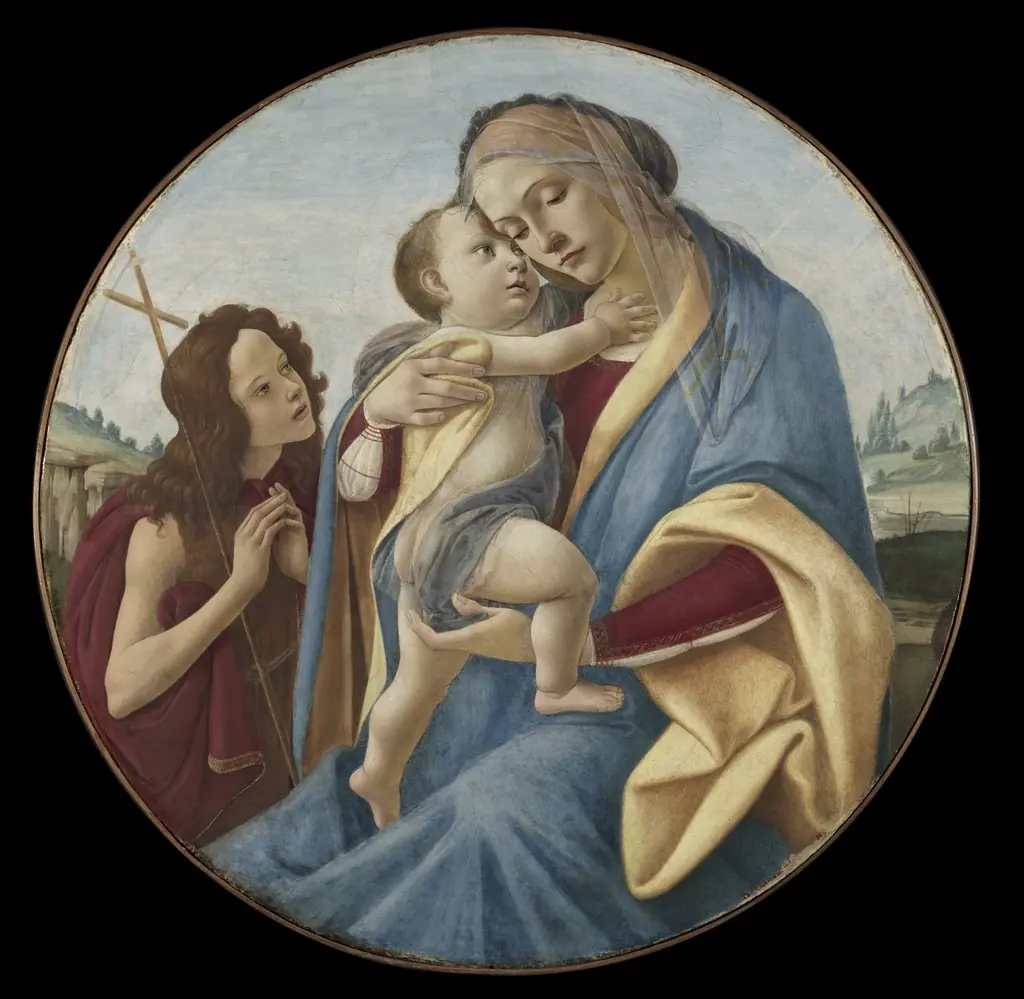 Virgin and Child with the Young Saint John the Baptist
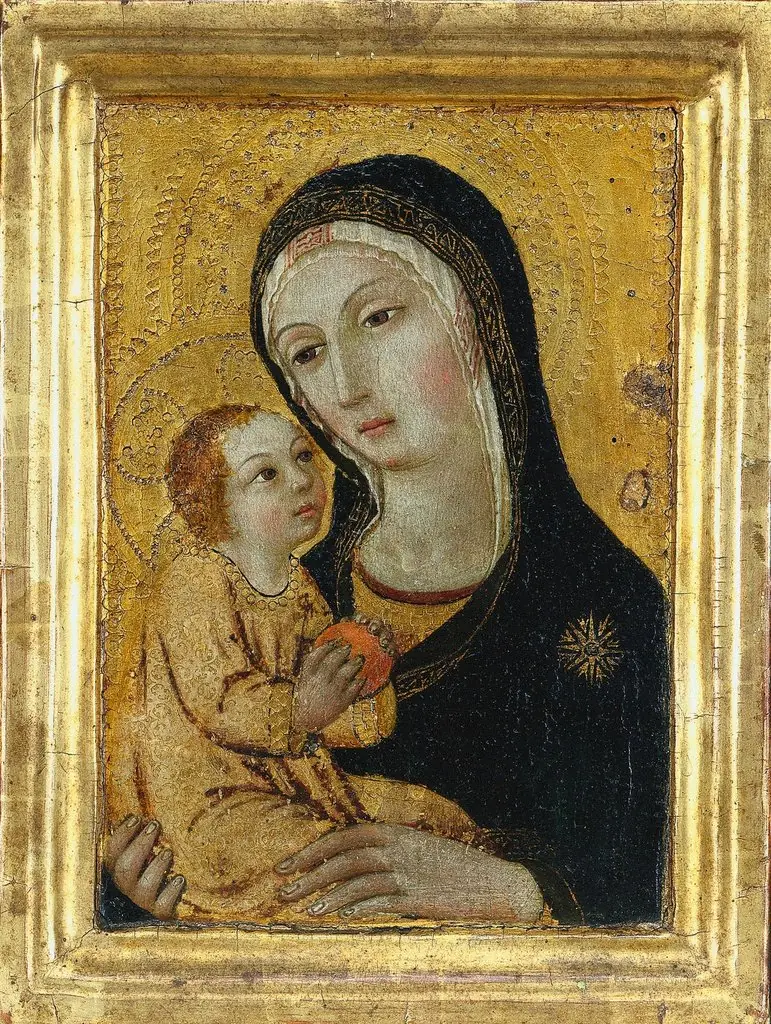 Virgin and Child
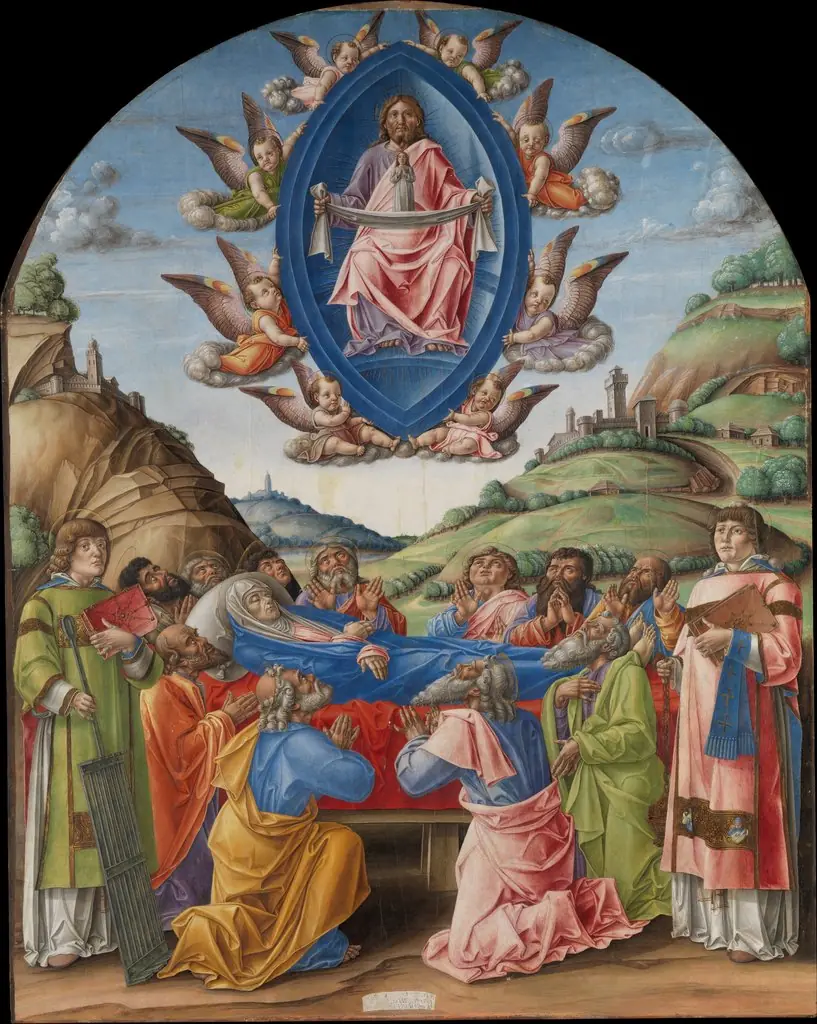 The Death of the Virgin
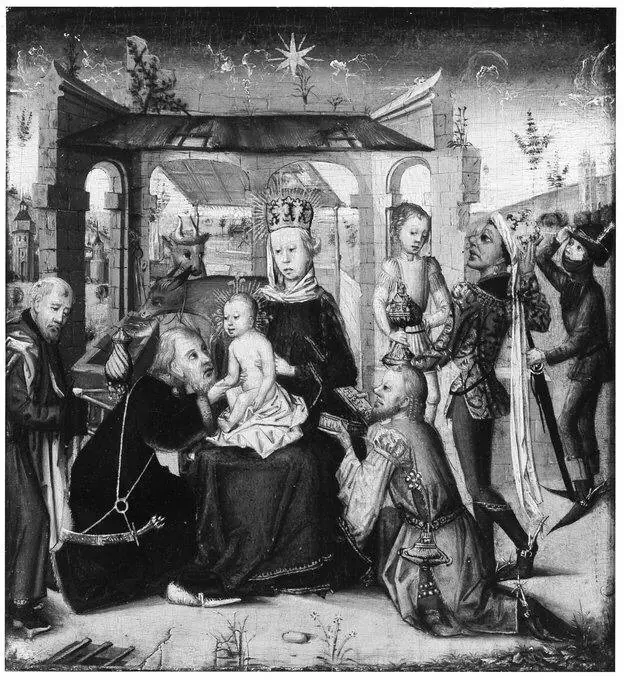 Adoration of the Magi
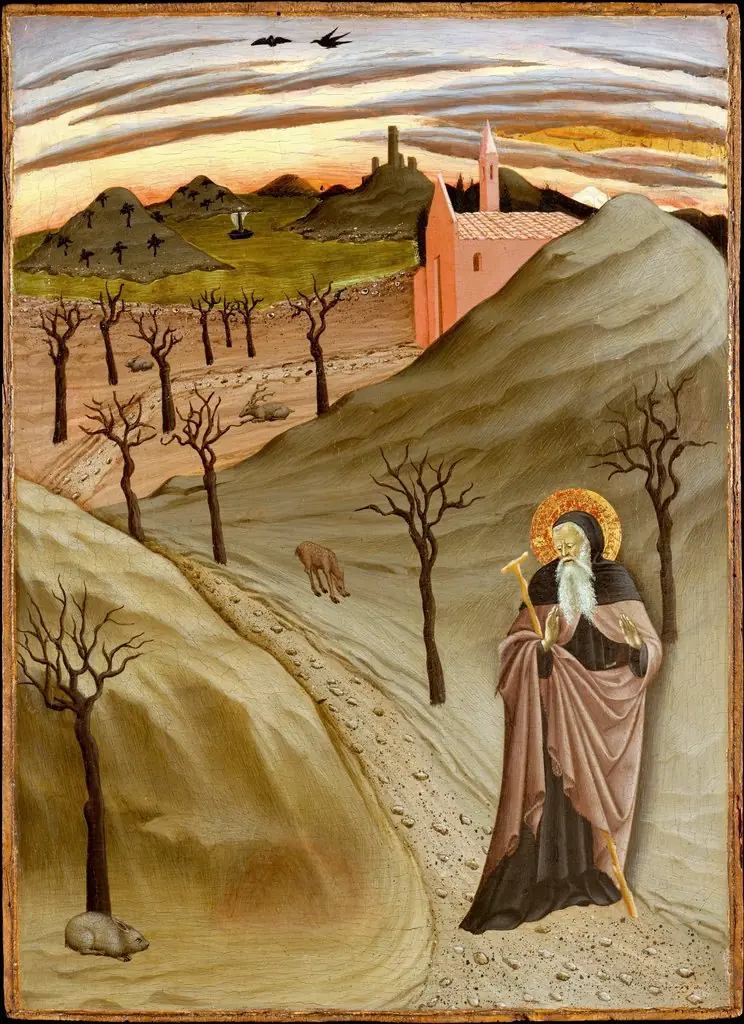 Saint Anthony Abbot Tempted by a Heap of Gold
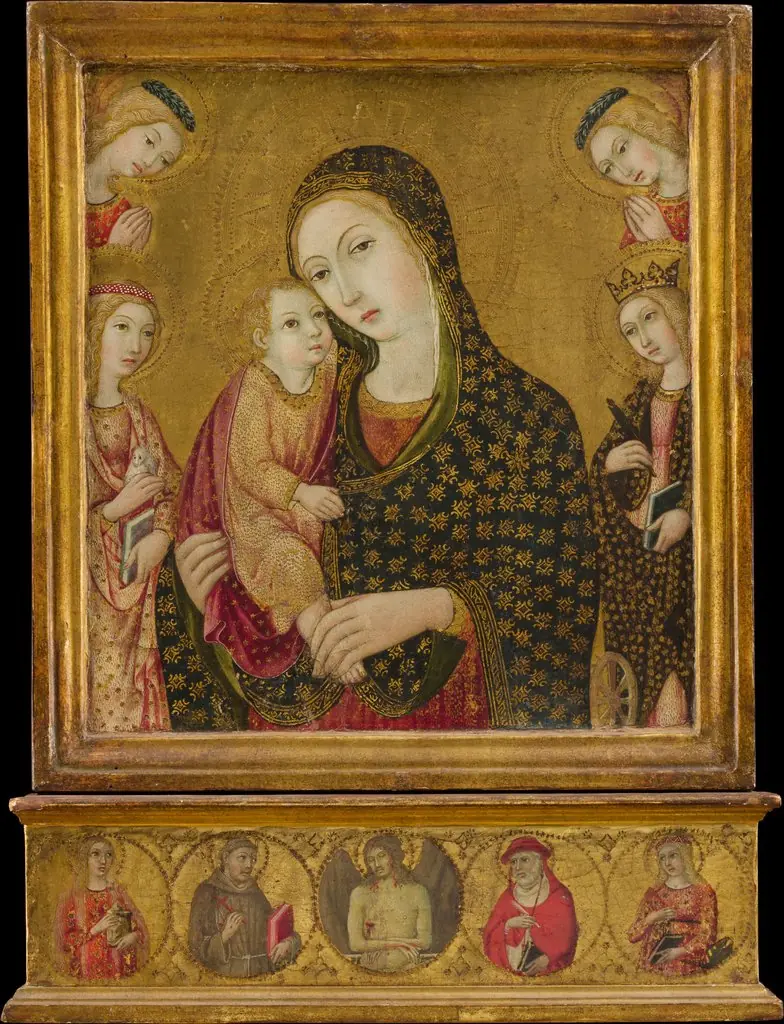 Madonna and Child with the Dead Christ, Saints Agnes and Catherine of Alexandria, and Two Angels
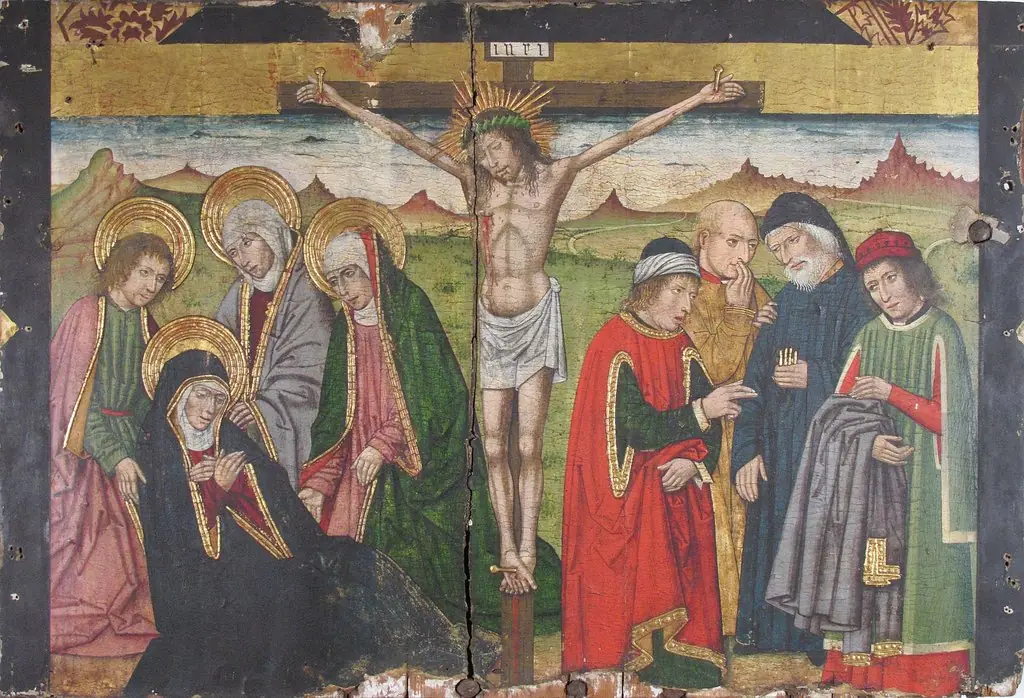 Panel with The Crucifixion from Retable
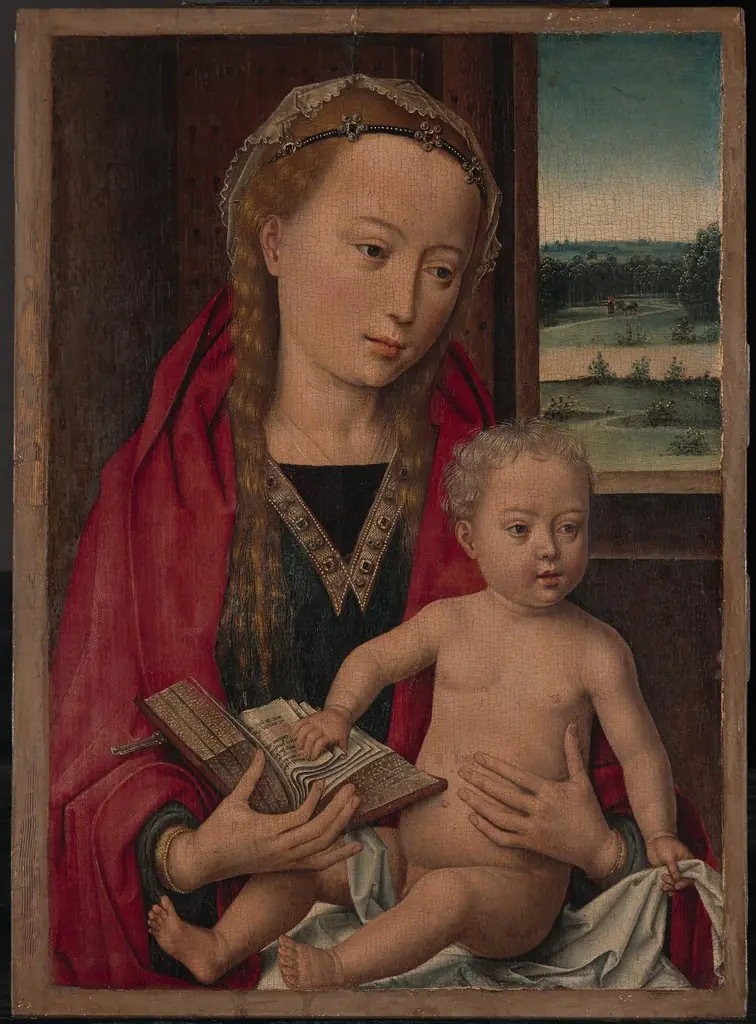 Virgin and Child
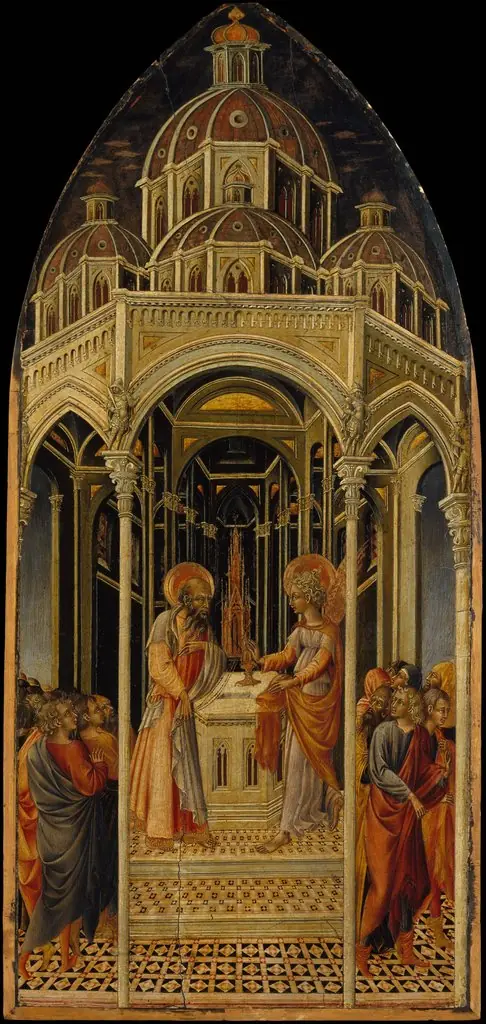 The Annunciation to Zacharias; (verso) The Angel of the Annunciation
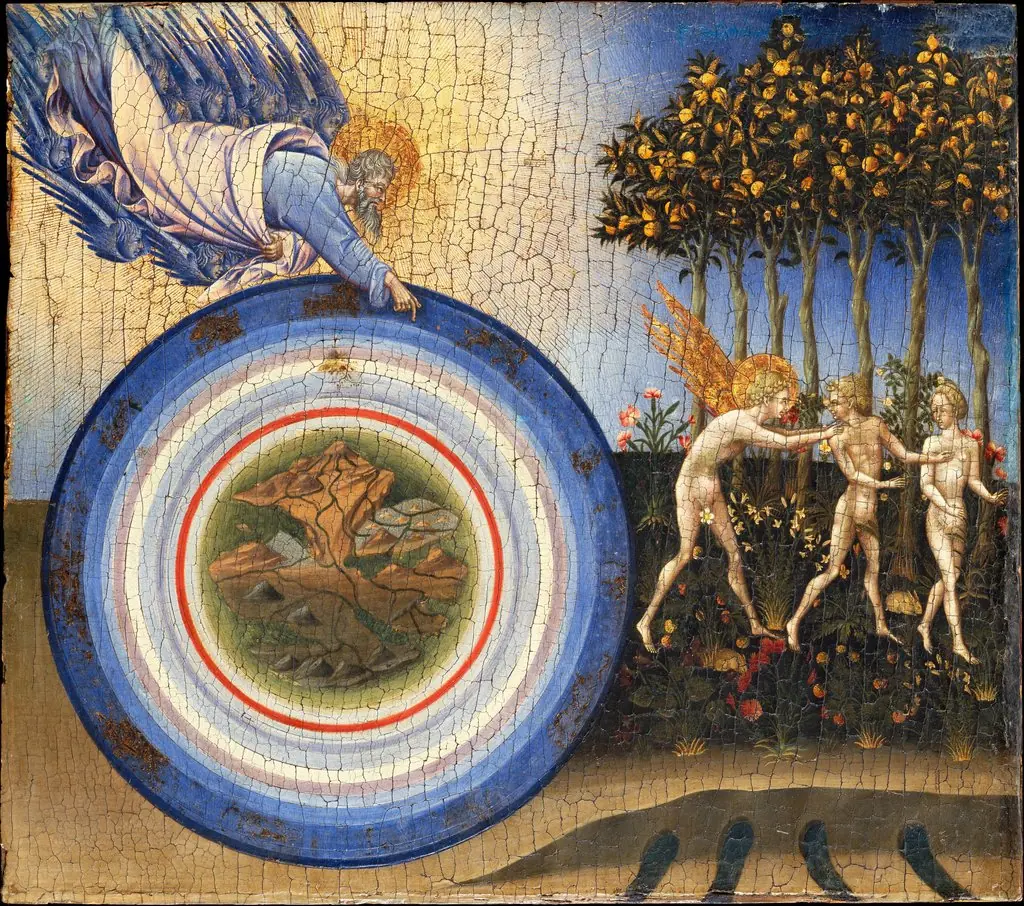 The Creation of the World and the Expulsion from Paradise
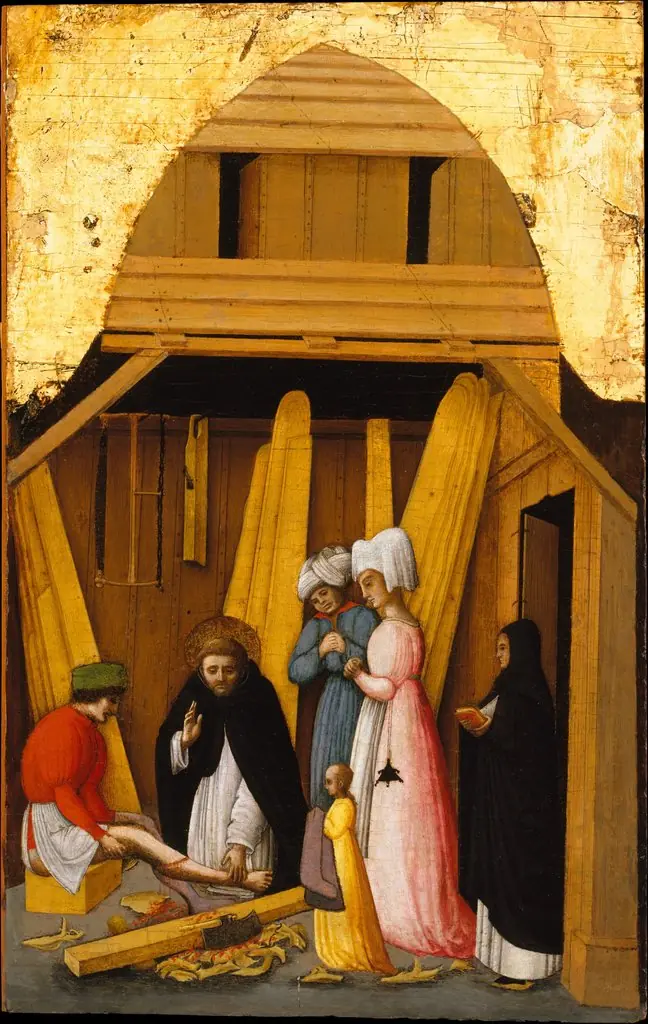 Saint Peter Martyr Healing the Leg of a Young Man
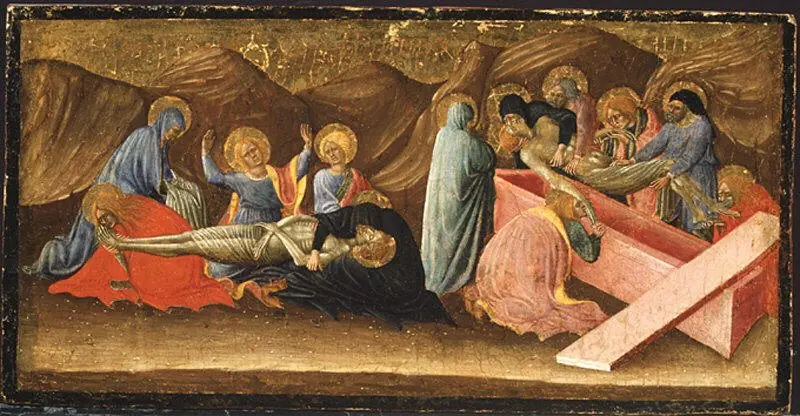 The Lamentation and the Entombment
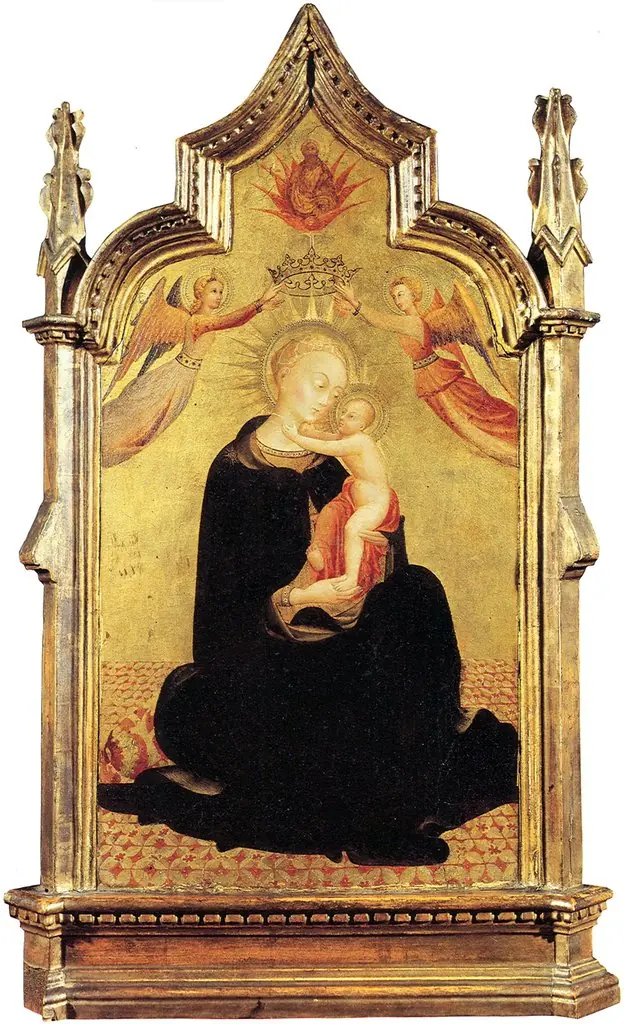 Madonna and Child with Angels
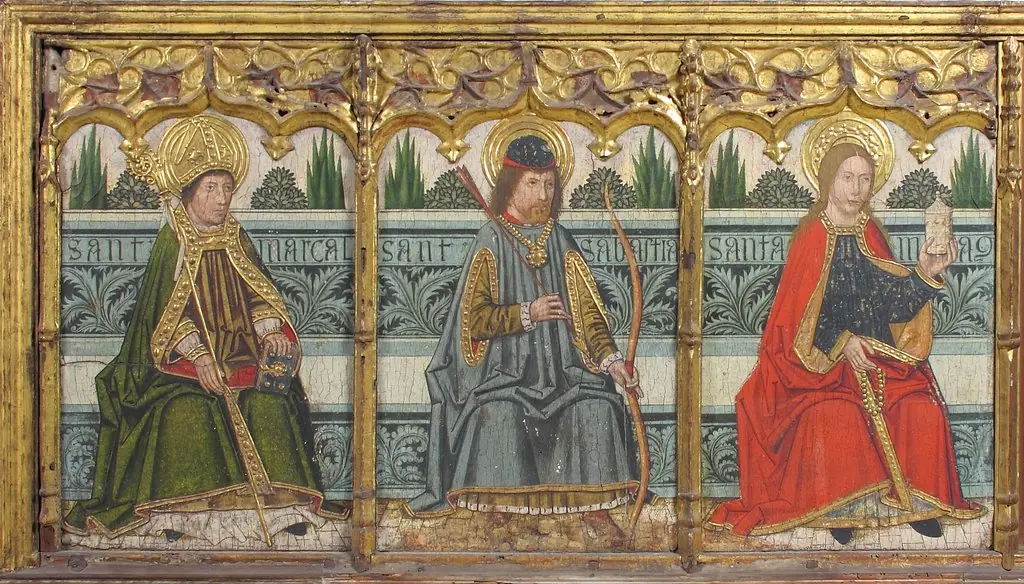 Predella panel with Saint Martial, Saint Sebastian, and Saint Mary Magdalen from Retable
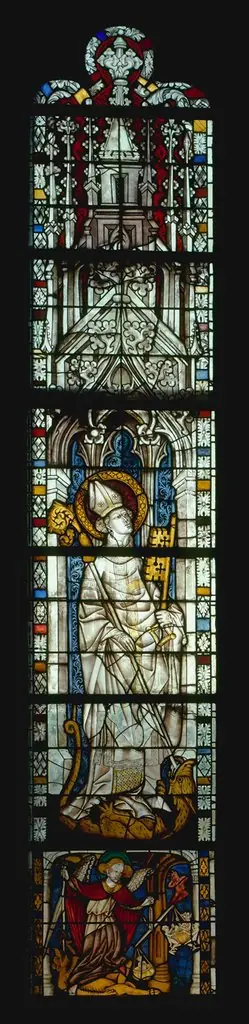 The Virgin Mary and Five Standing Saints above Predella Panels
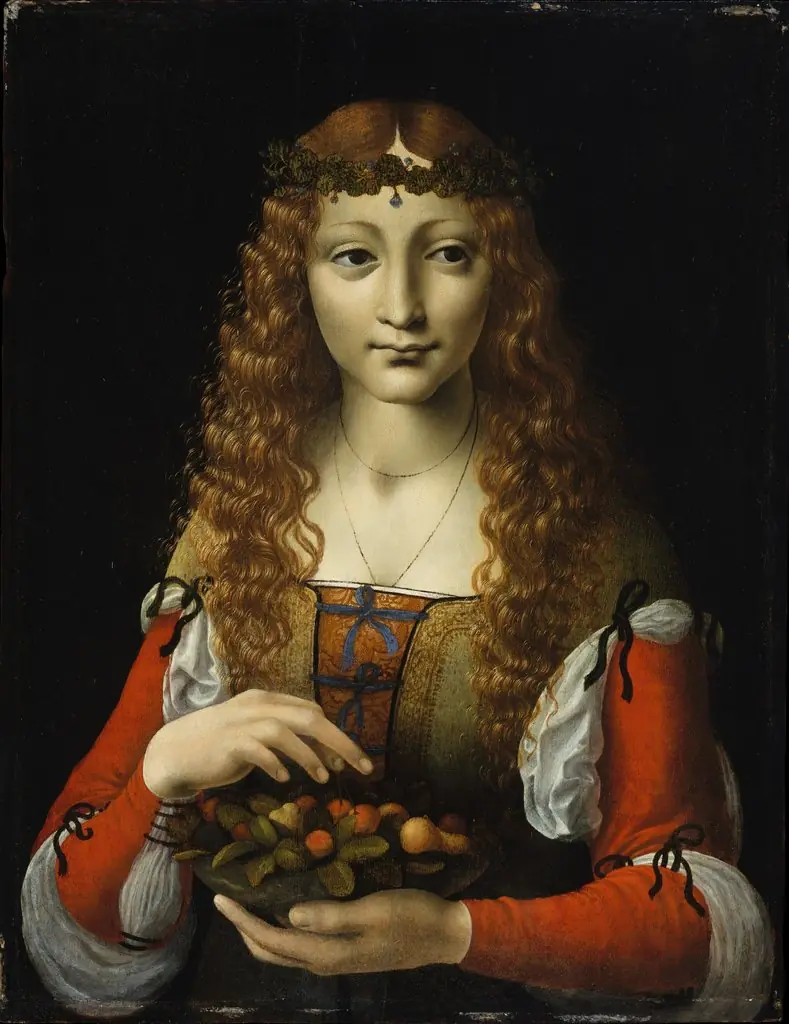 Girl with Cherries
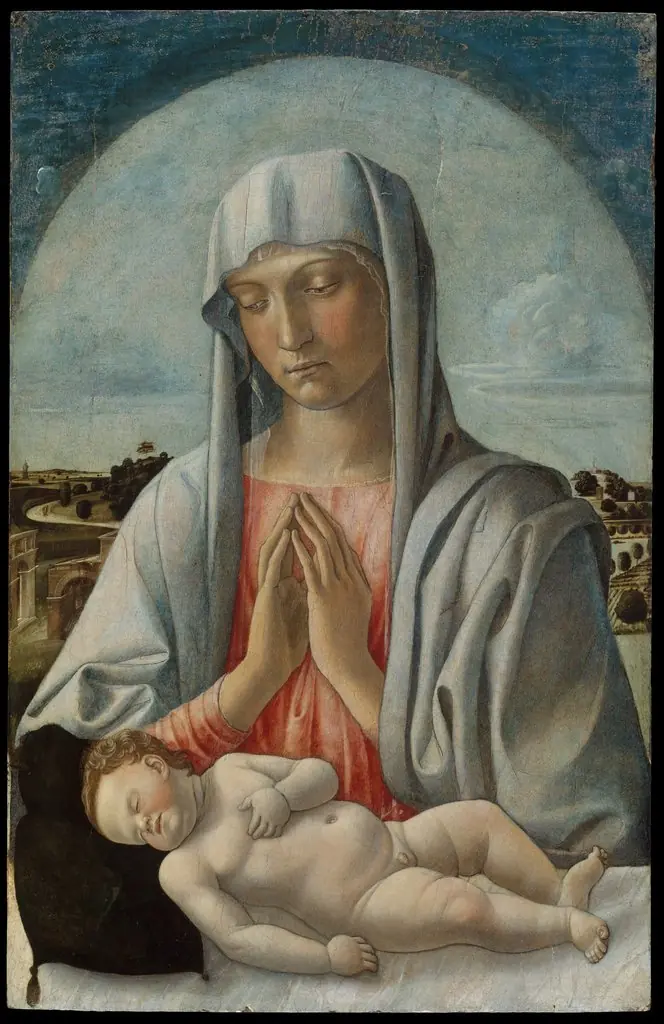 Madonna Adoring the Sleeping Child
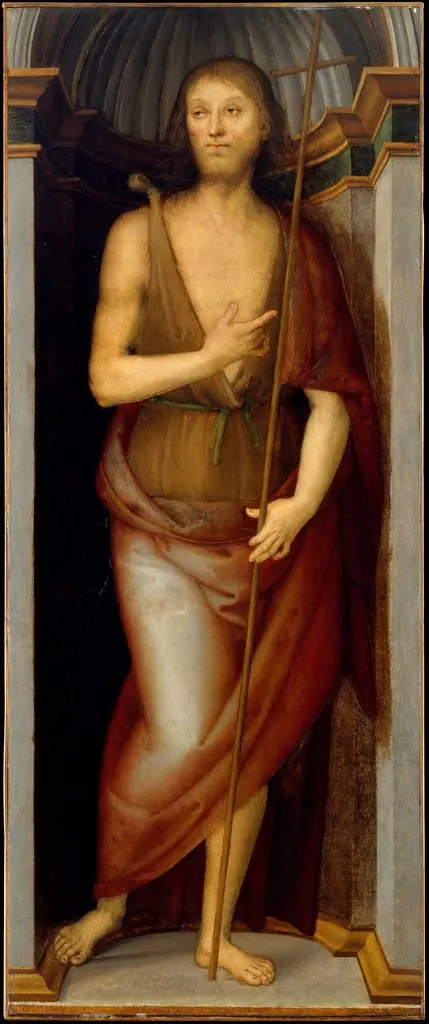 Saint John the Baptist; Saint Lucy
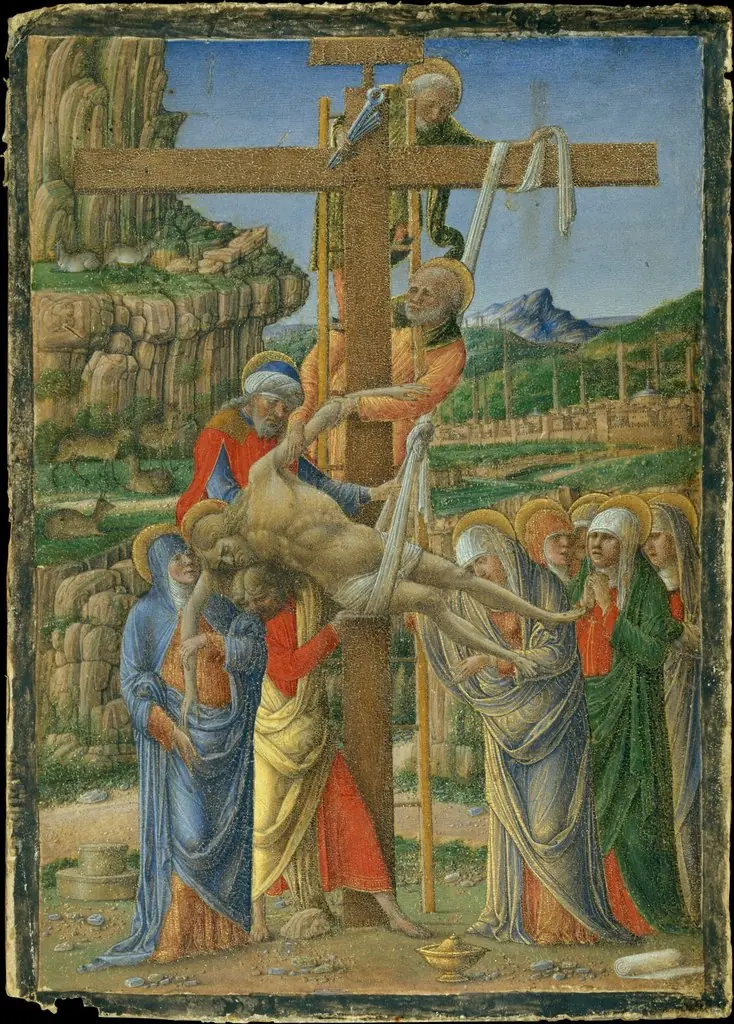 Descent from the Cross
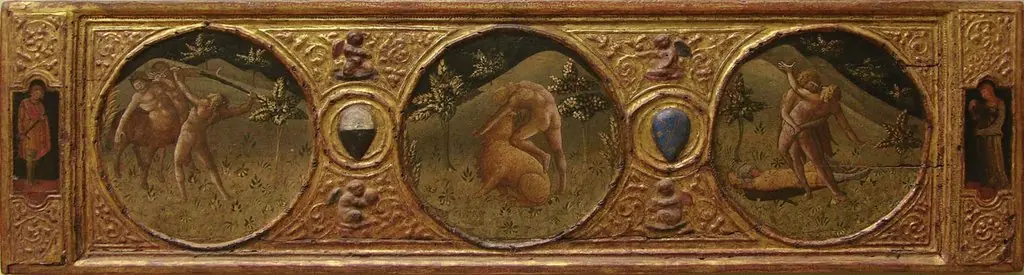 The Labors of Hercules
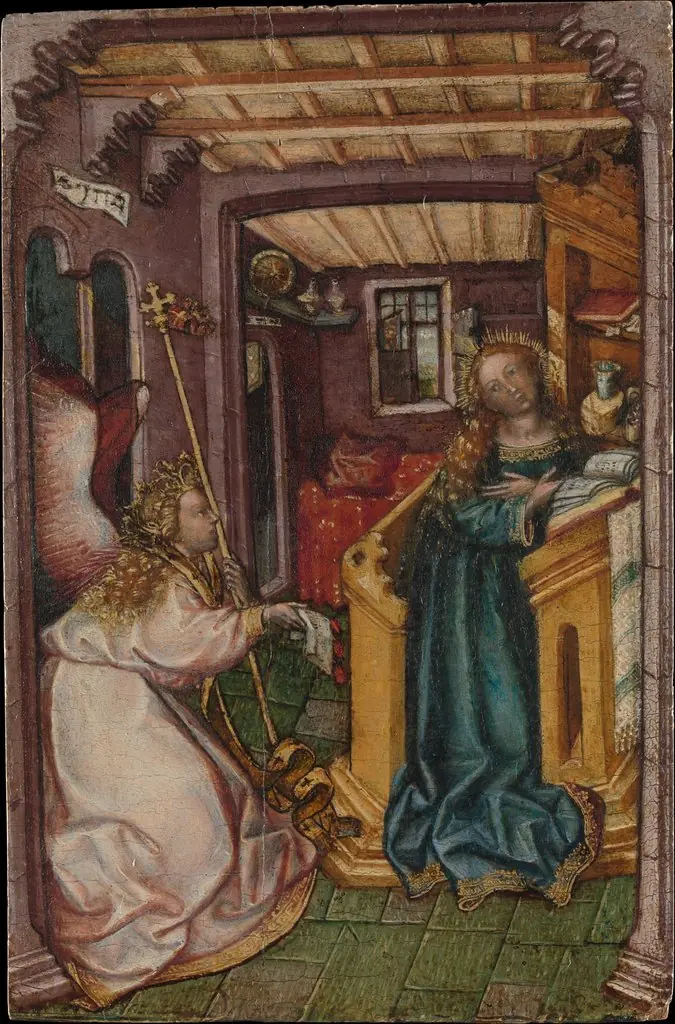 The Annunciation
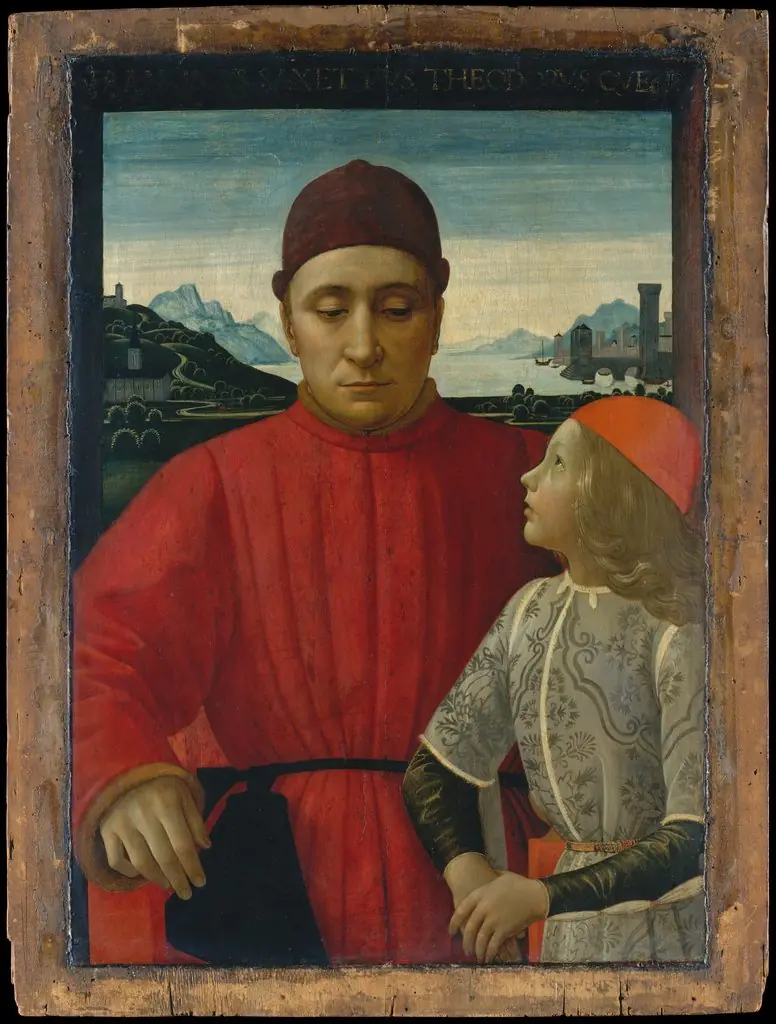 Francesco Sassetti and His Son Teodoro
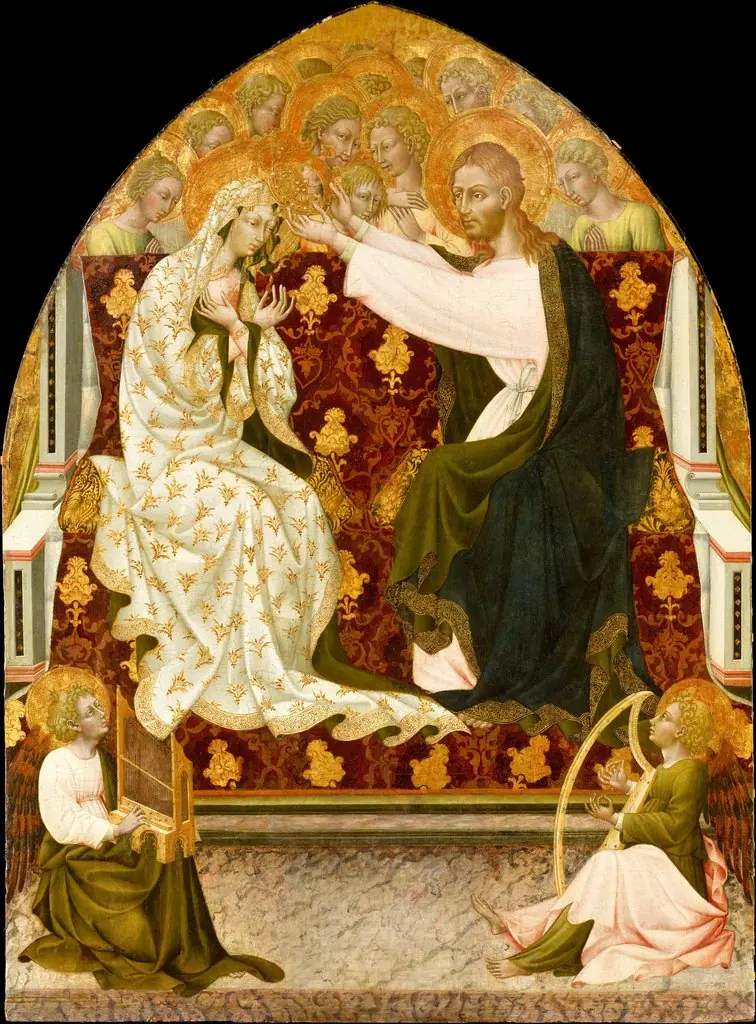 Coronation of the Virgin
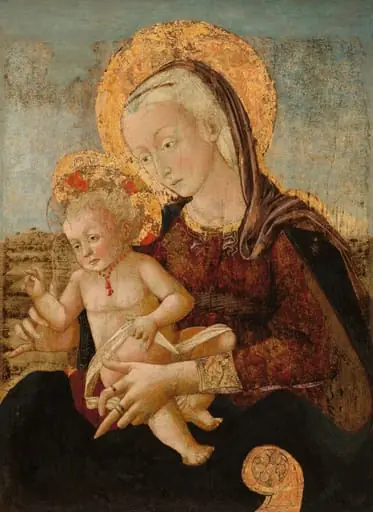 Madonna and Child
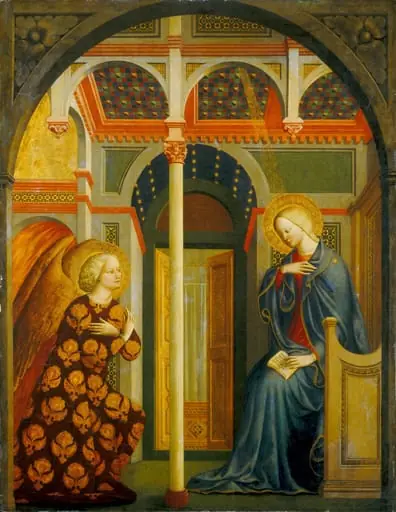 The Annunciation
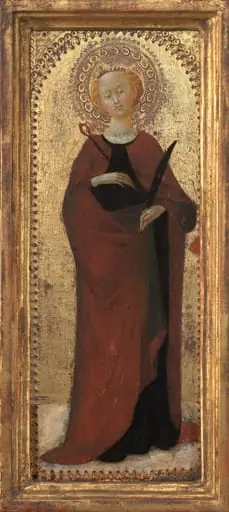 Saint Apollonia
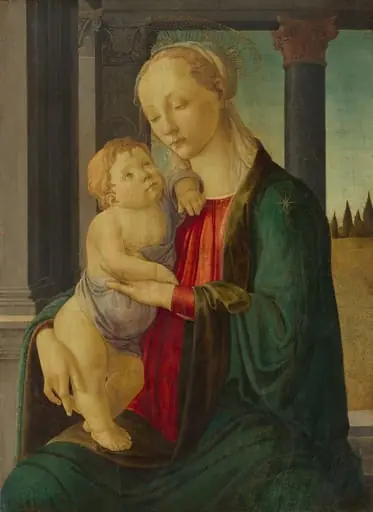 Madonna and Child
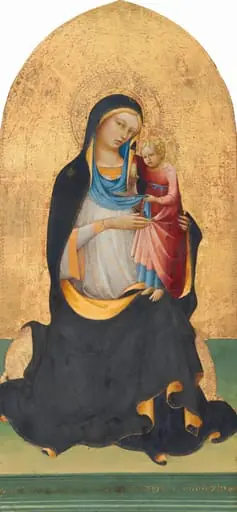 Madonna and Child
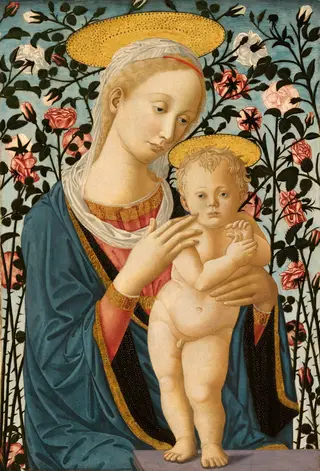 Madonna and Child
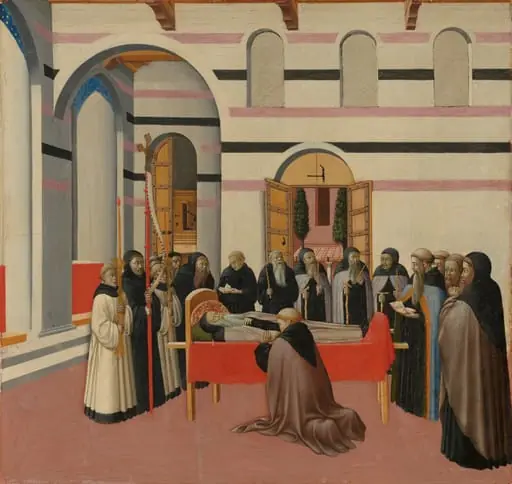 The Death of Saint Anthony
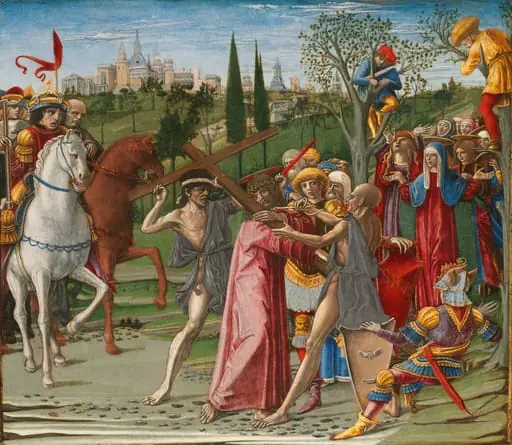 Christ Carrying the Cross
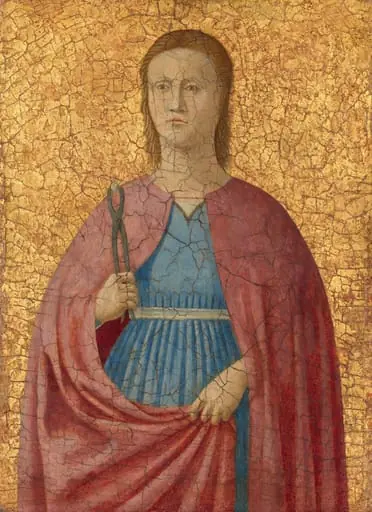 Saint Apollonia
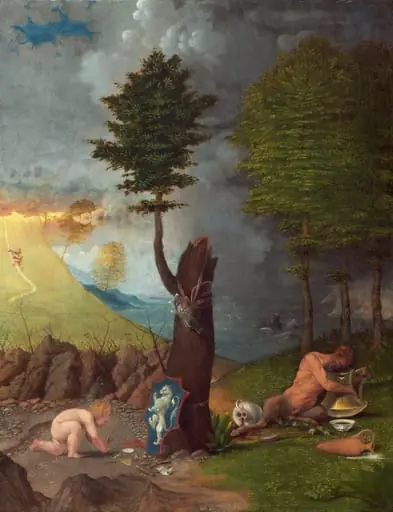 Allegory of Virtue and Vice
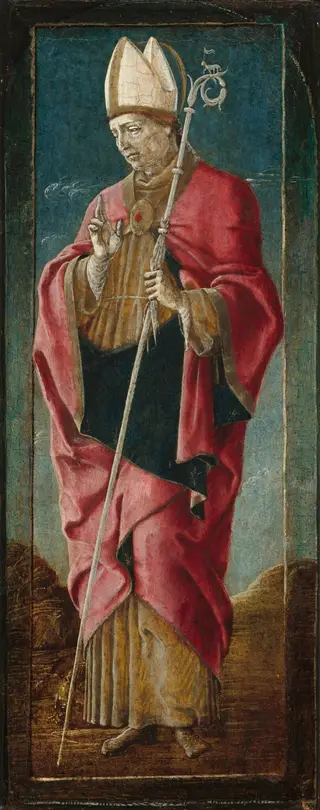 Saint Louis of Toulouse
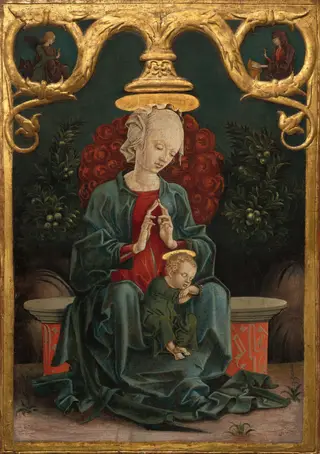 Madonna and Child in a Garden
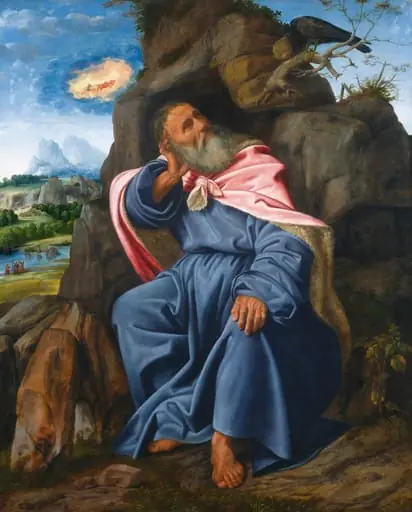 Elijah Fed by the Raven
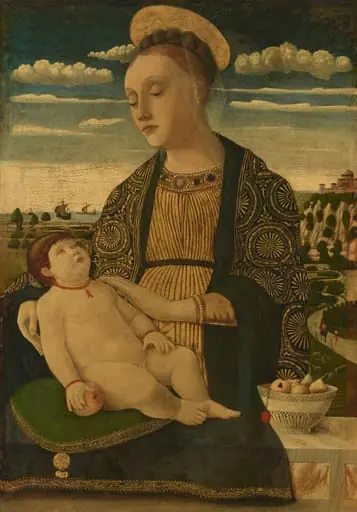 Madonna and Child
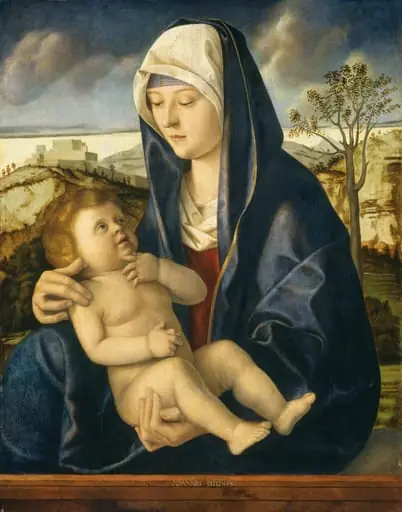 Madonna and Child in a Landscape
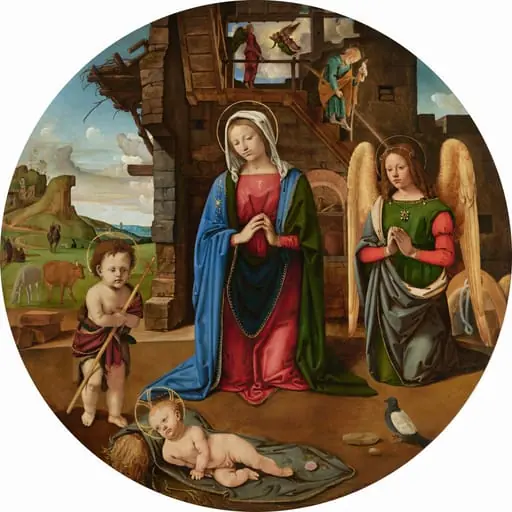 The Nativity with the Infant Saint John
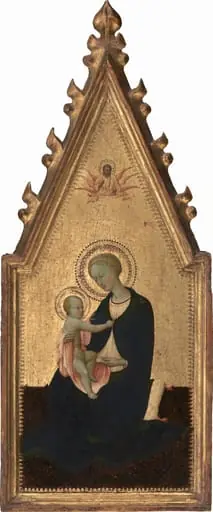 Madonna of Humility
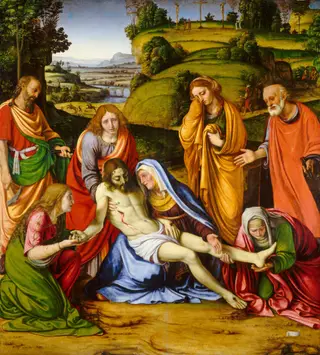 Lamentation
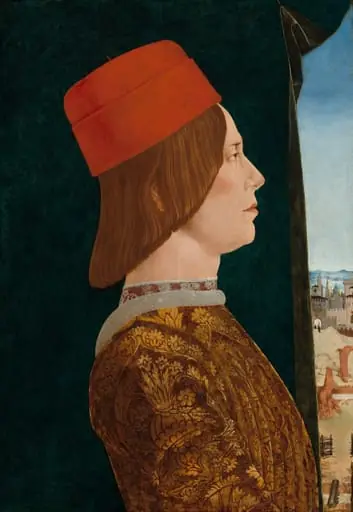 Giovanni II Bentivoglio
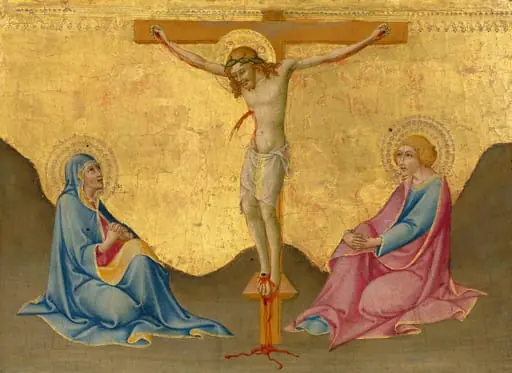 The Crucifixion
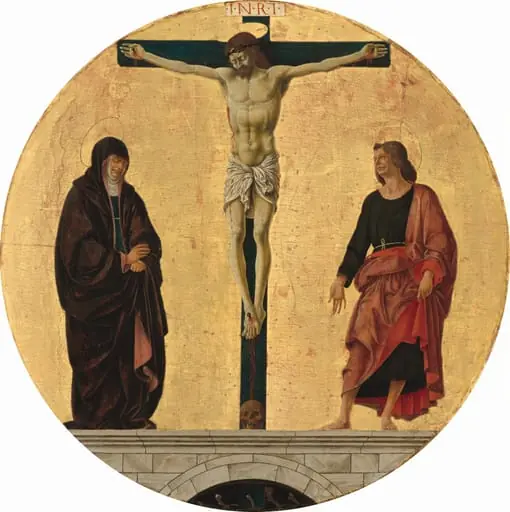 The Crucifixion
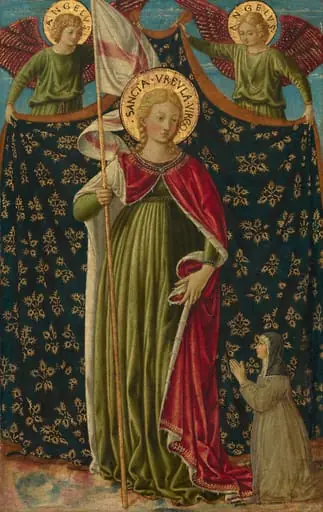 Saint Ursula with Two Angels and Donor
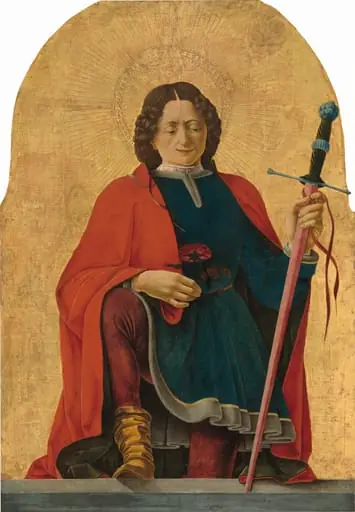 Saint Florian
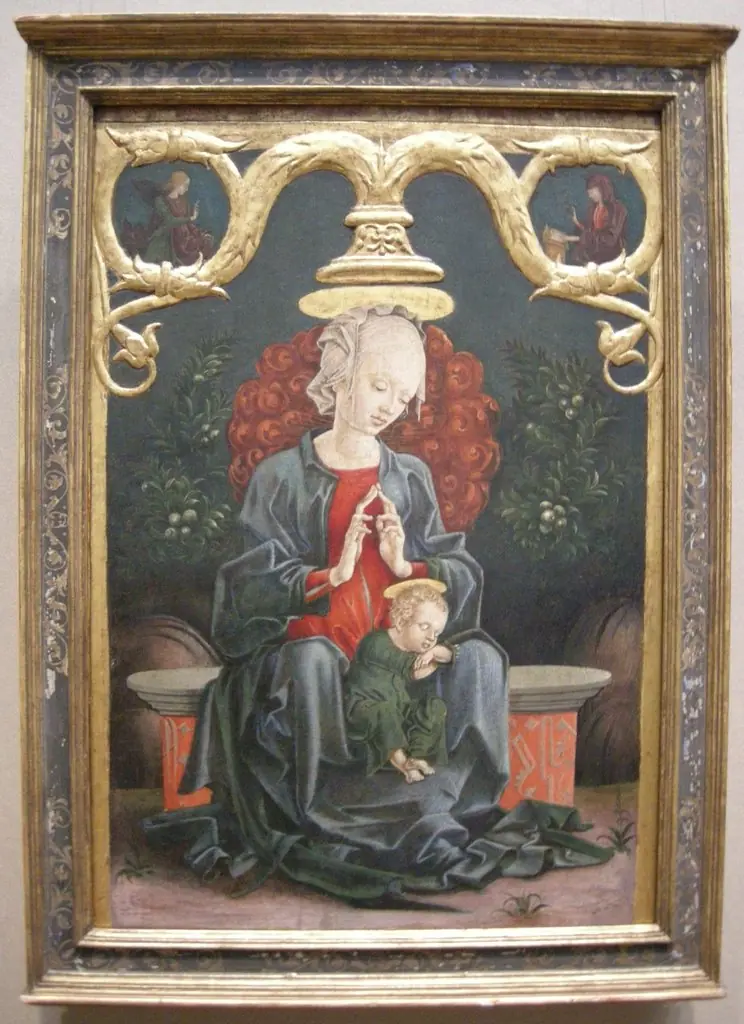 madonna col bambino in un giardino
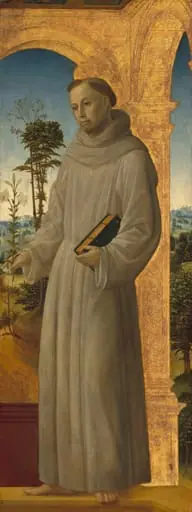 Saint Anthony of Padua
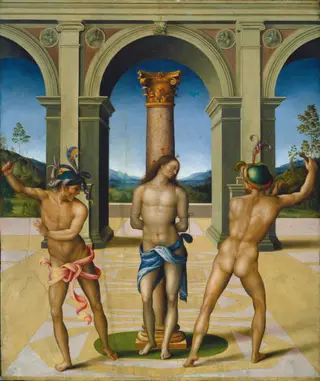 The Flagellation of Christ
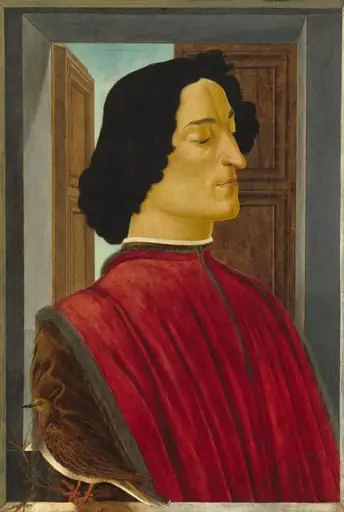 Giuliano de' Medici
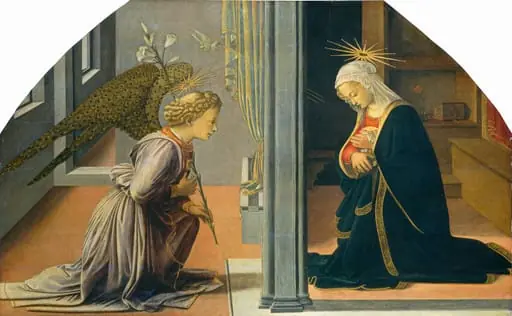 The Annunciation
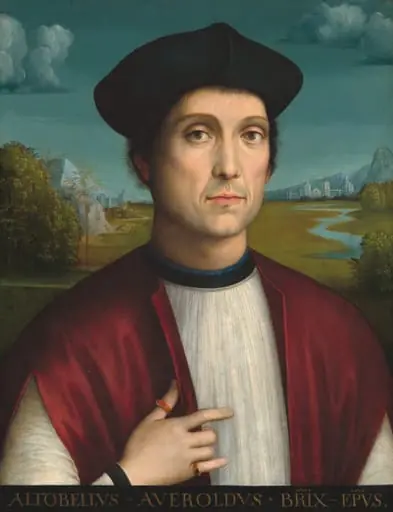 Bishop Altobello Averoldo
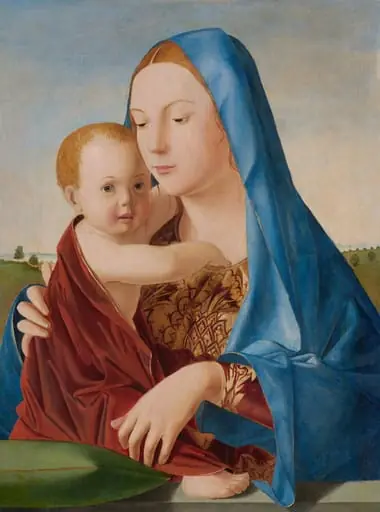 Madonna and Child
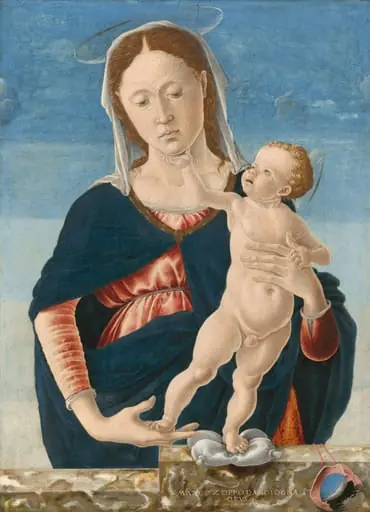 Madonna and Child
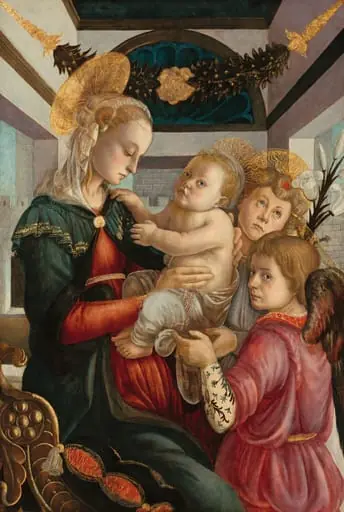 Madonna and Child with Angels
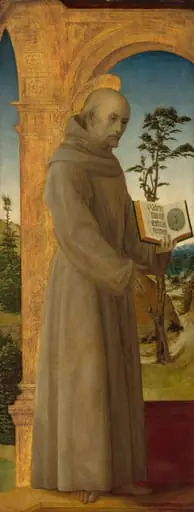 Saint Bernardino of Siena
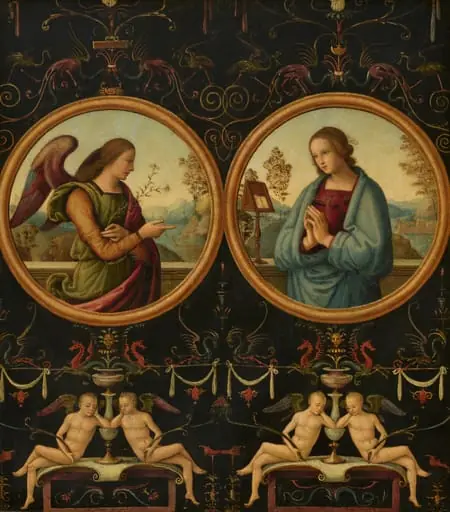 The Annunciation
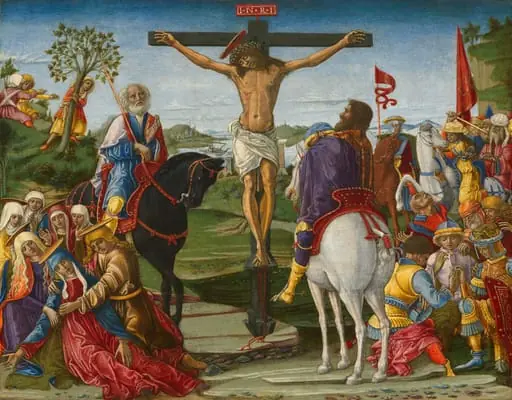 The Crucifixion
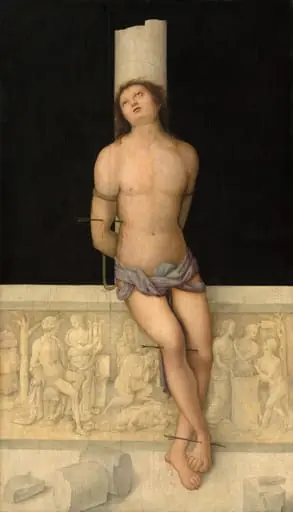 Saint Sebastian
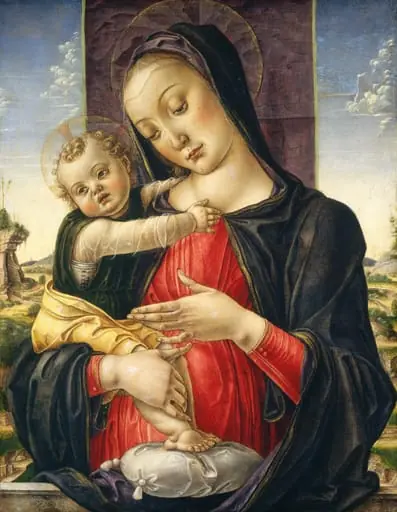 Madonna and Child
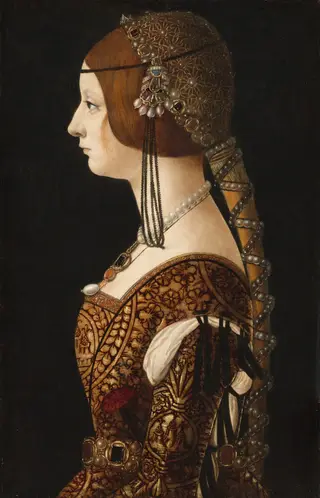 Bianca Maria Sforza
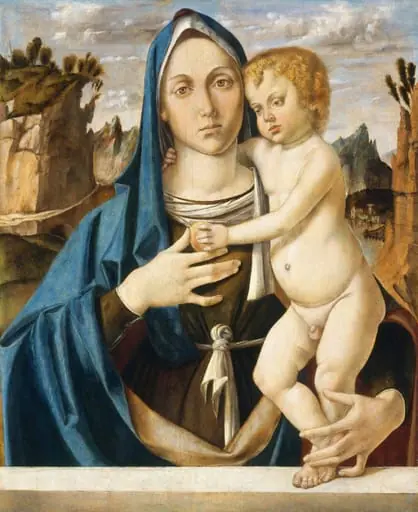 Madonna and Child
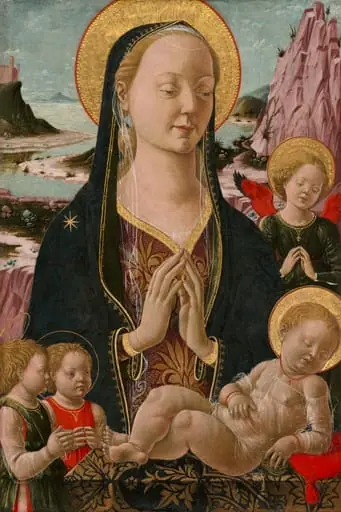 Madonna and Child with Angels
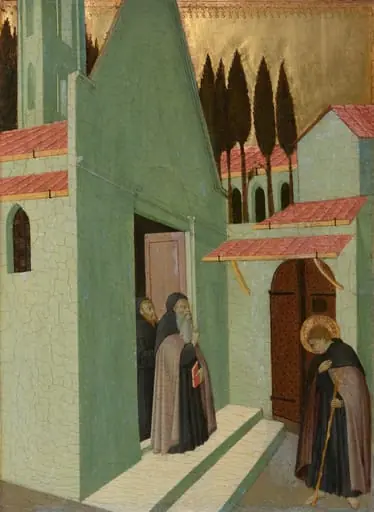 Saint Anthony Leaving His Monastery
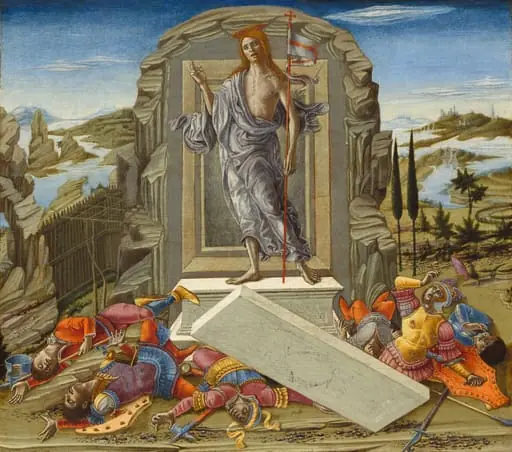 The Resurrection
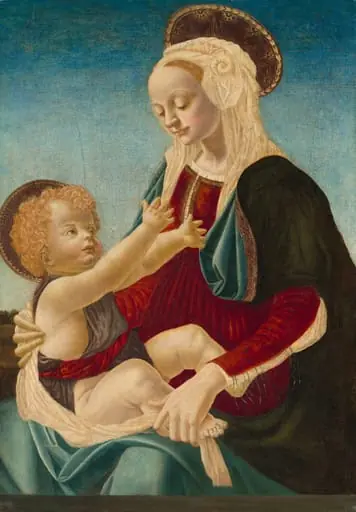 Madonna and Child
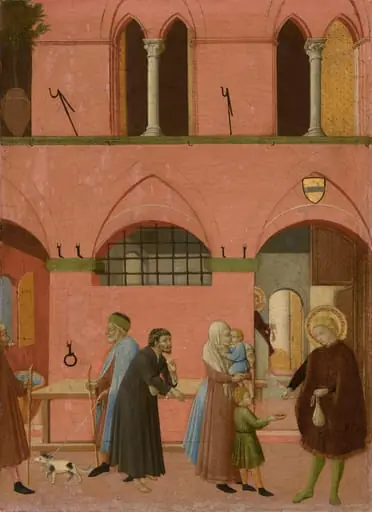 Saint Anthony Distributing His Wealth to the Poor
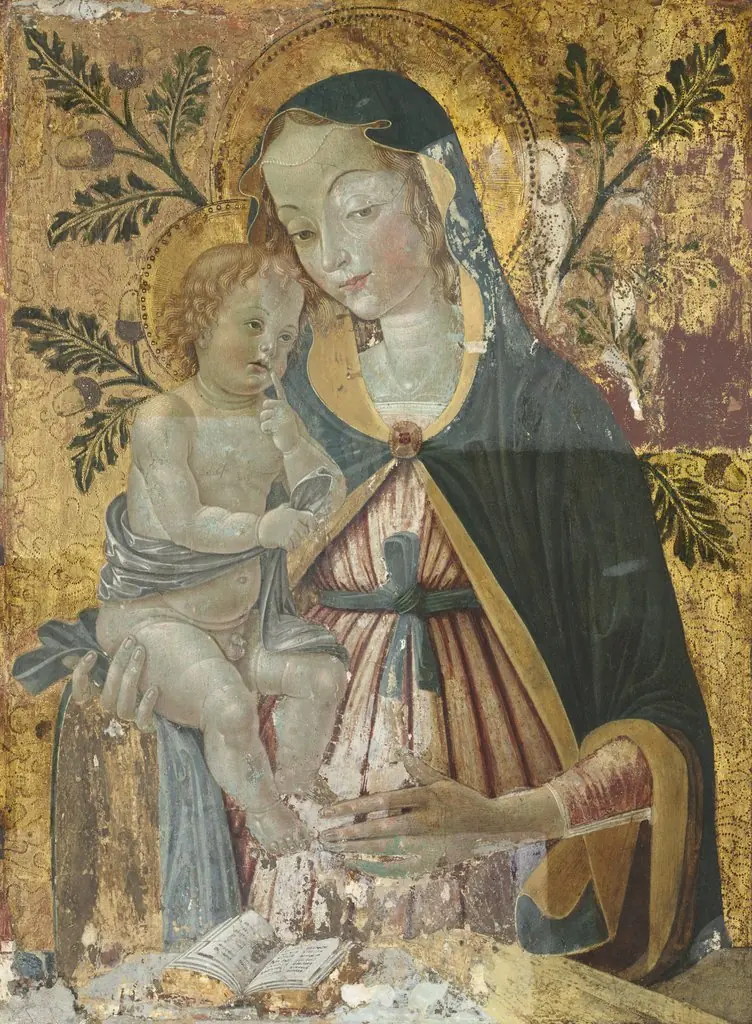 Virgin and Child
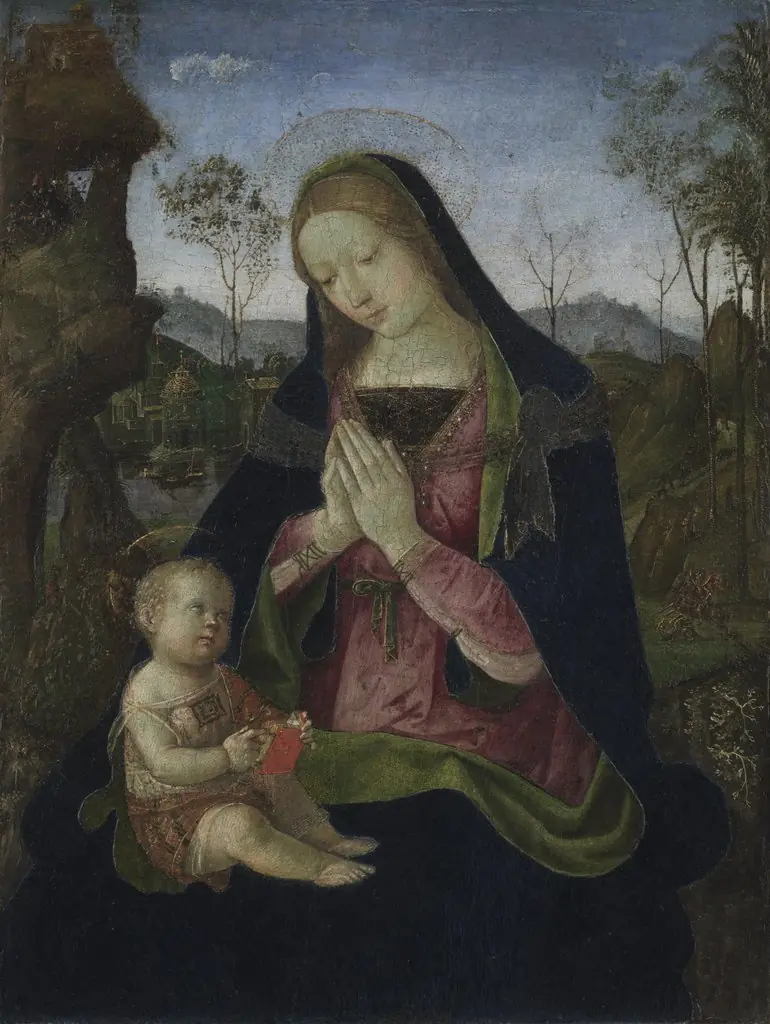 Virgin and Child
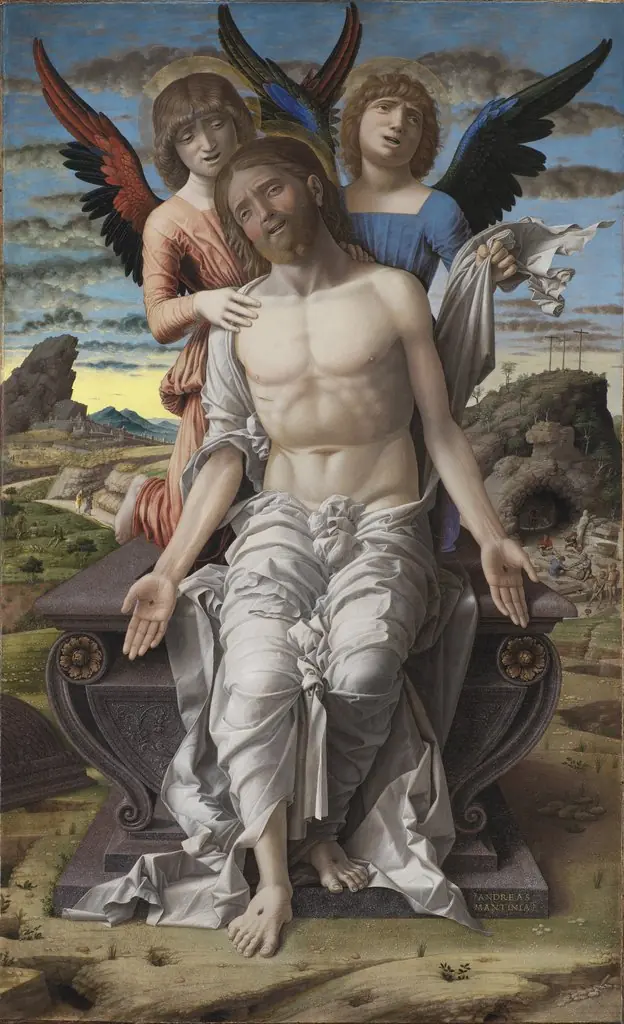 Christ as the Suffering Redeemer
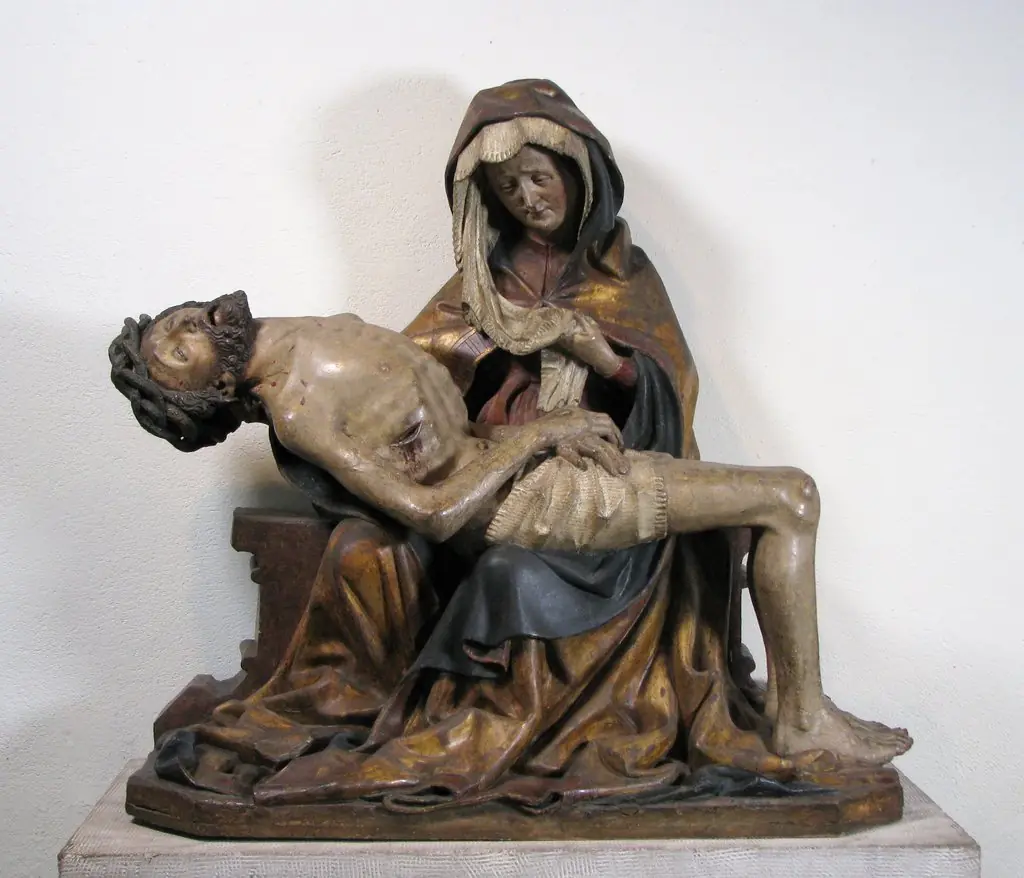 Pietà
Pietà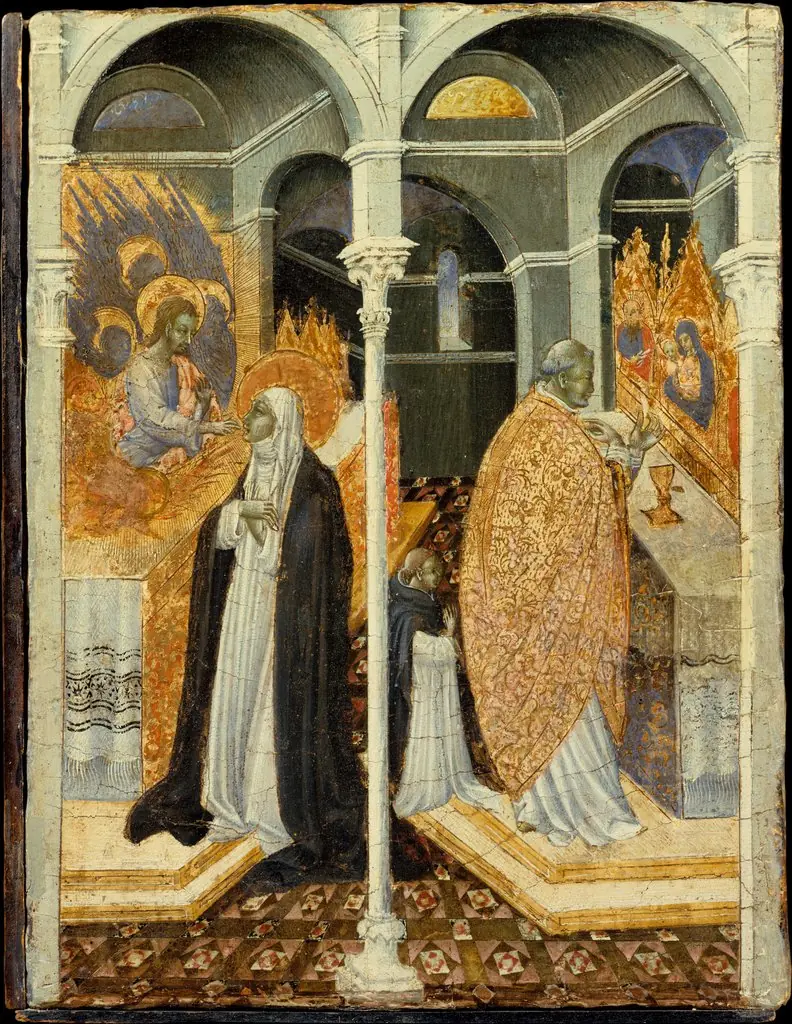 The Miraculous Communion of Saint Catherine of Siena
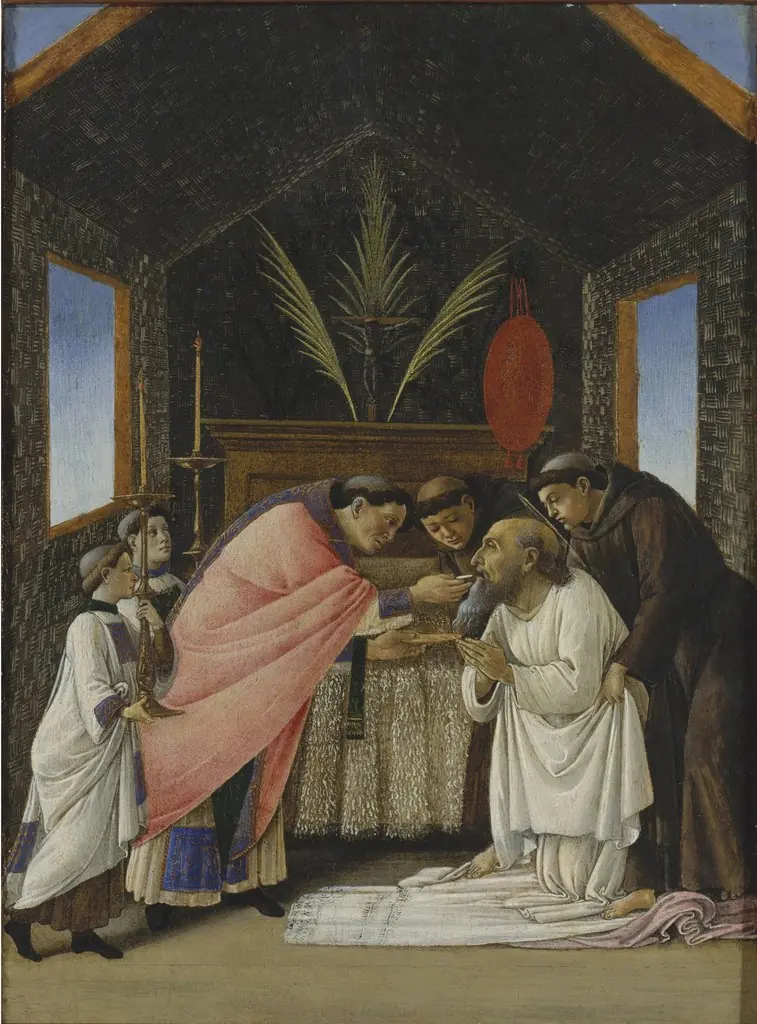 The Last Communion of Saint Jerome
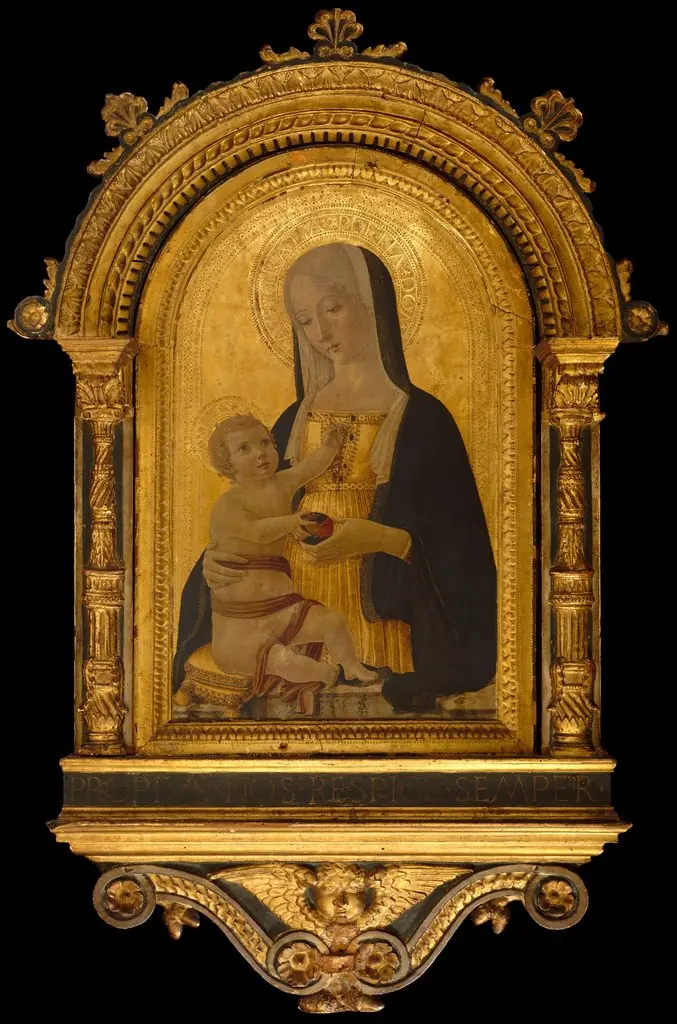 Madonna and Child
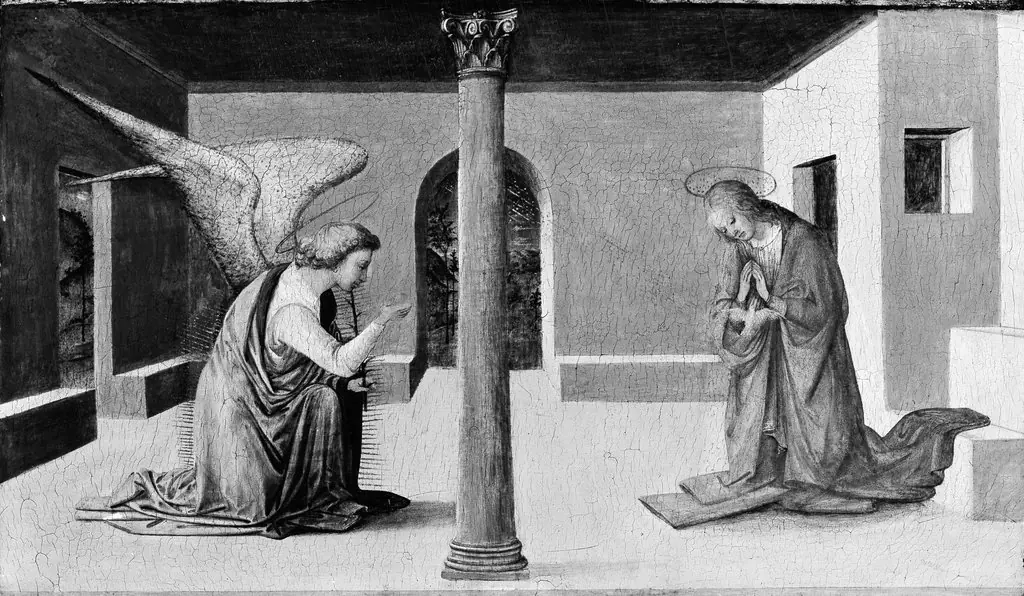 The Annunciation
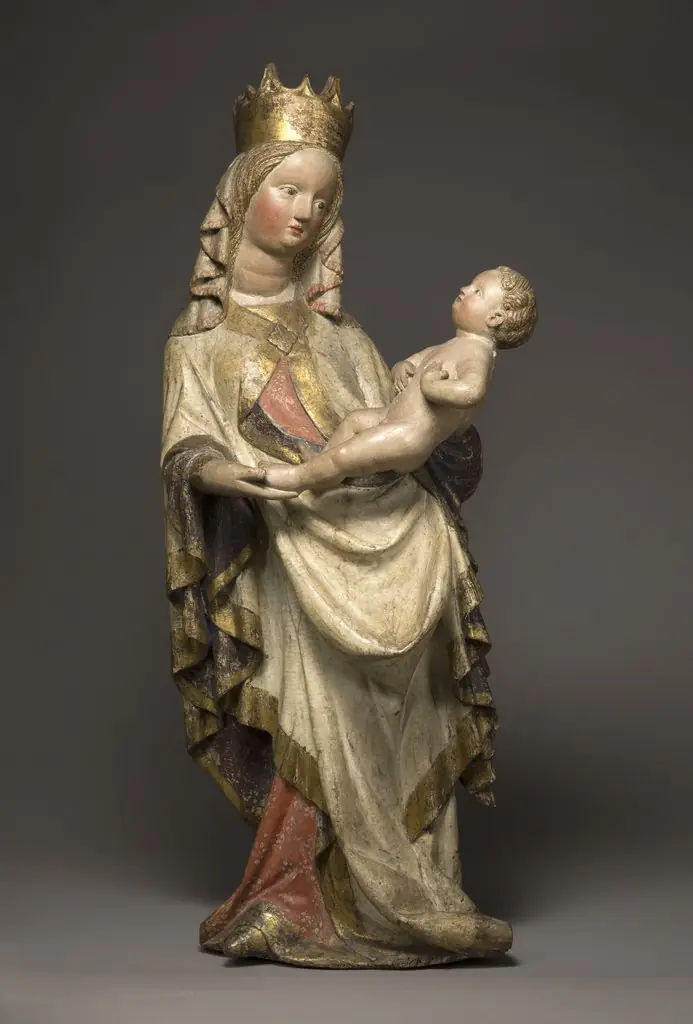 Standing Virgin and Child
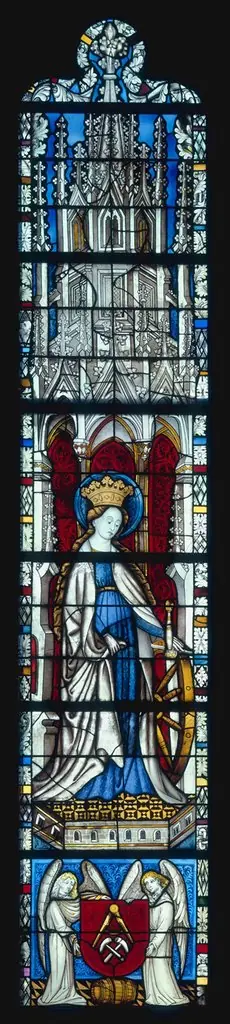 The Virgin Mary and Five Standing Saints above Predella Panels
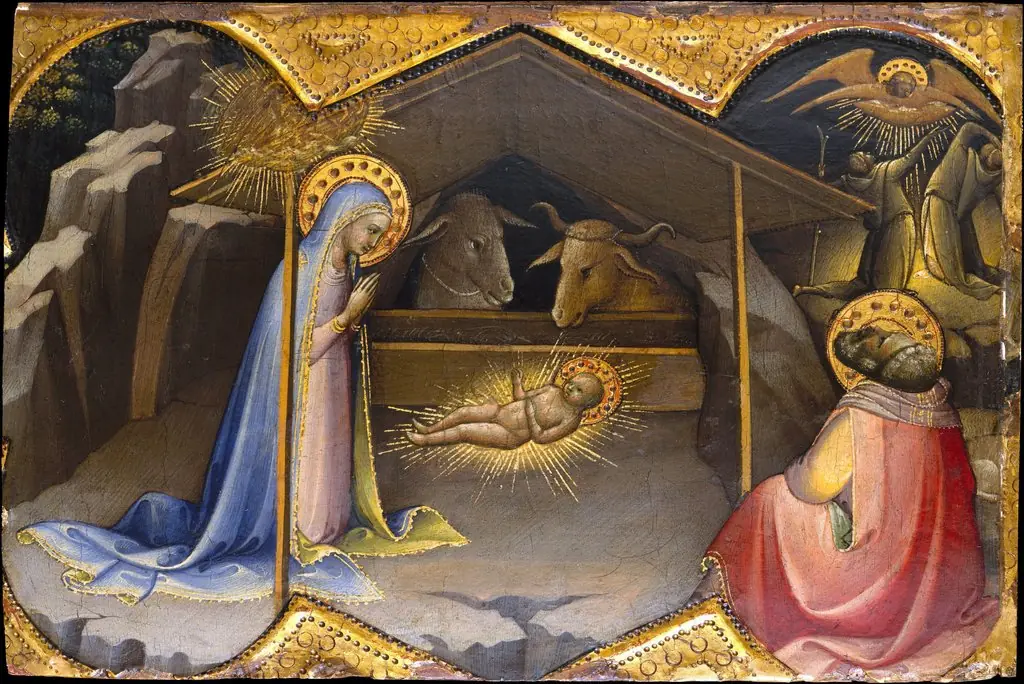 The Nativity
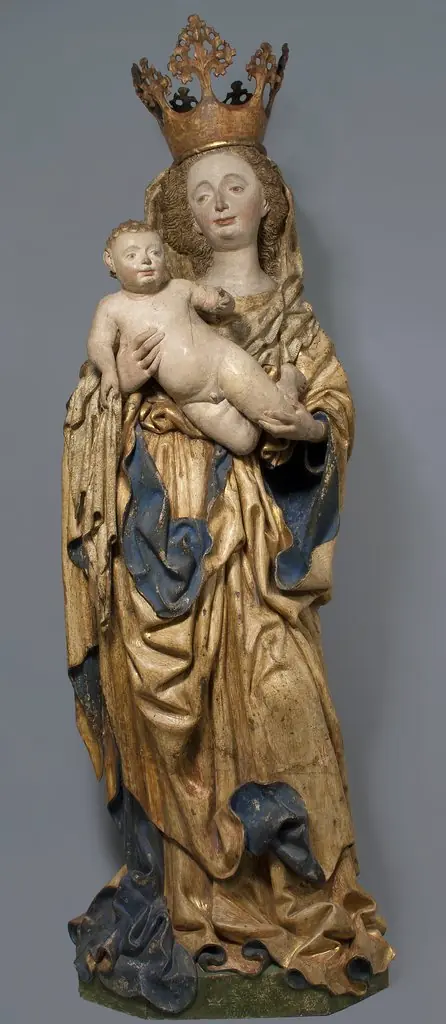 Standing Virgin and Child
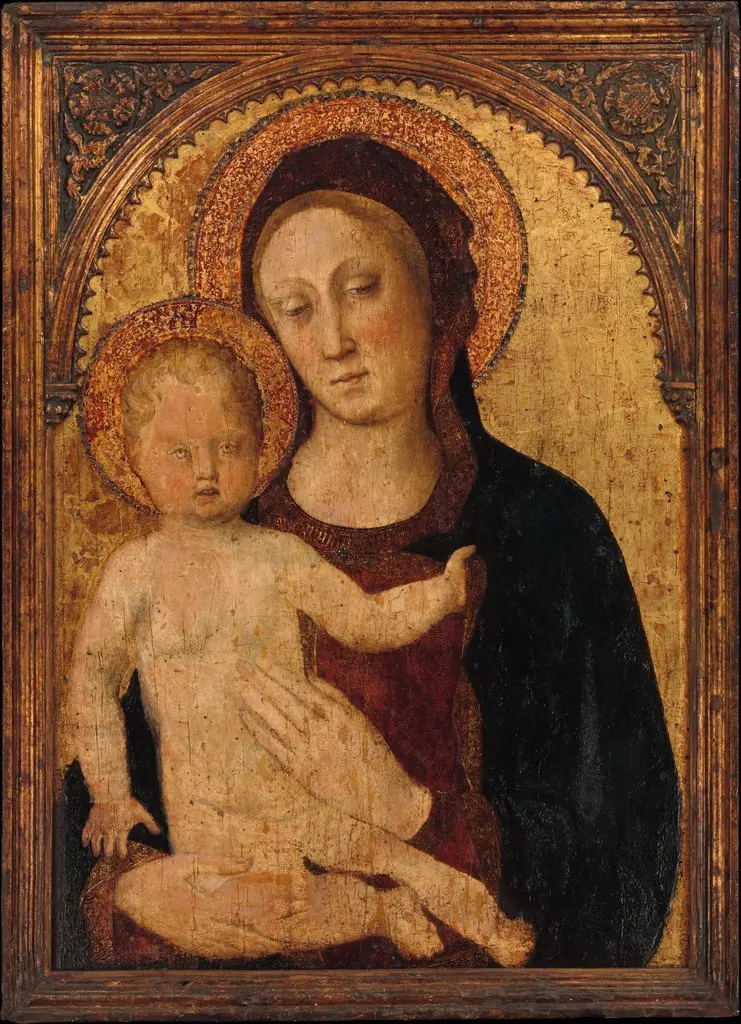 Madonna and Child
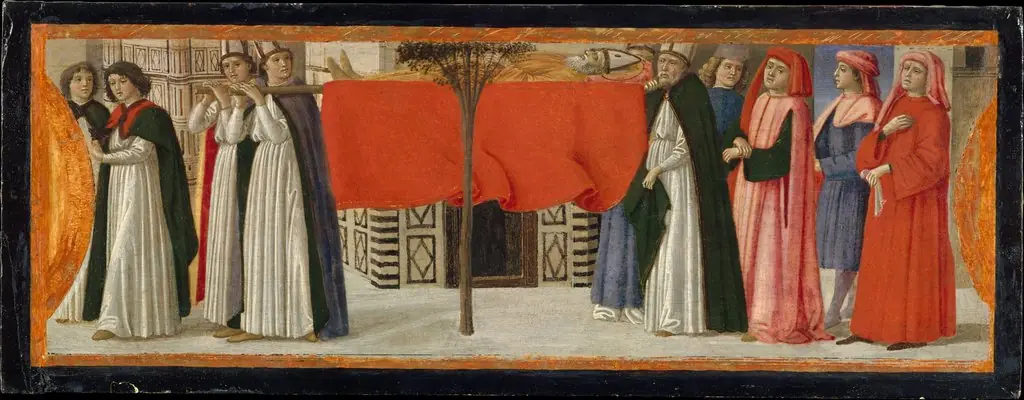 The Burial of Saint Zenobius
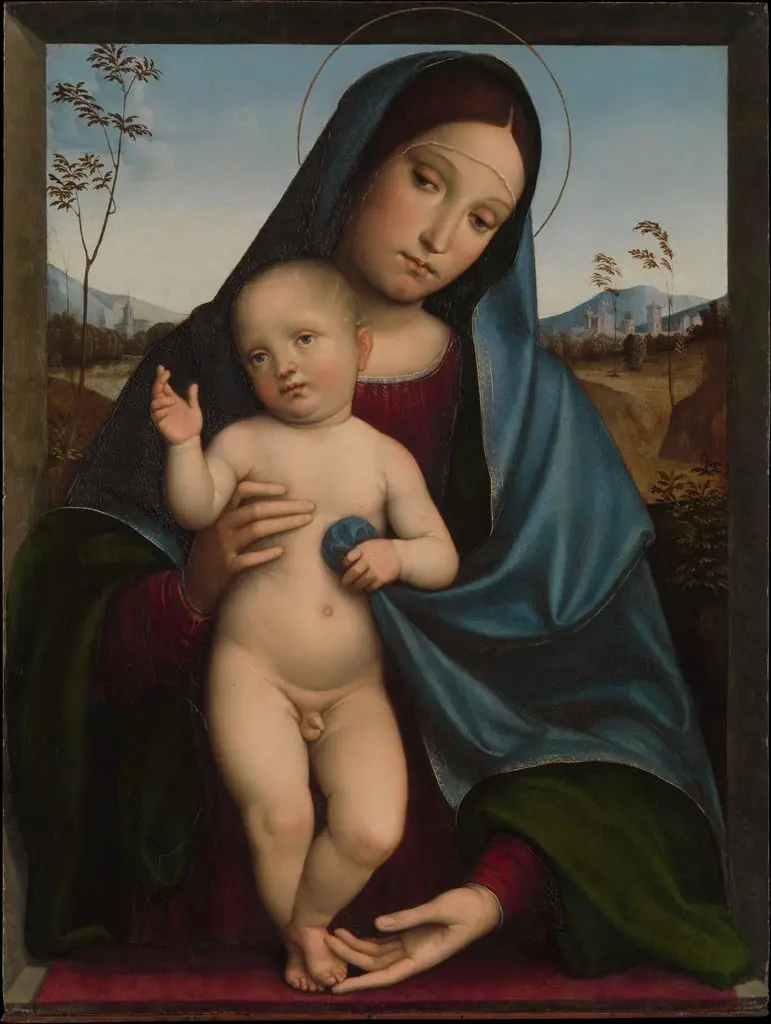 Madonna and Child
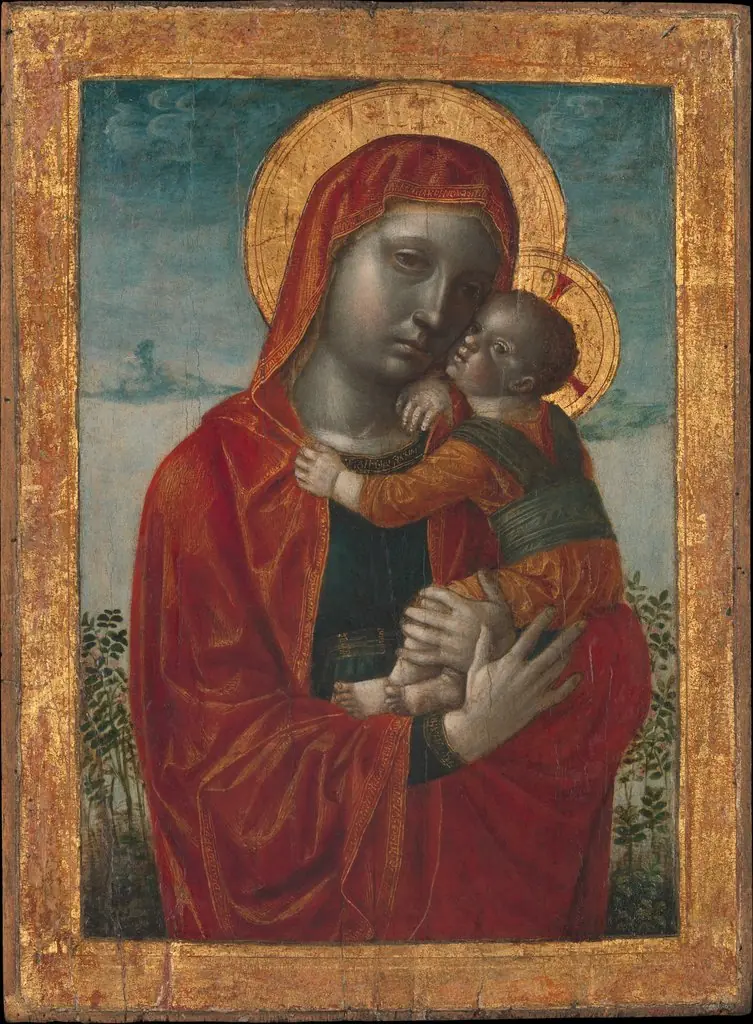 Madonna and Child
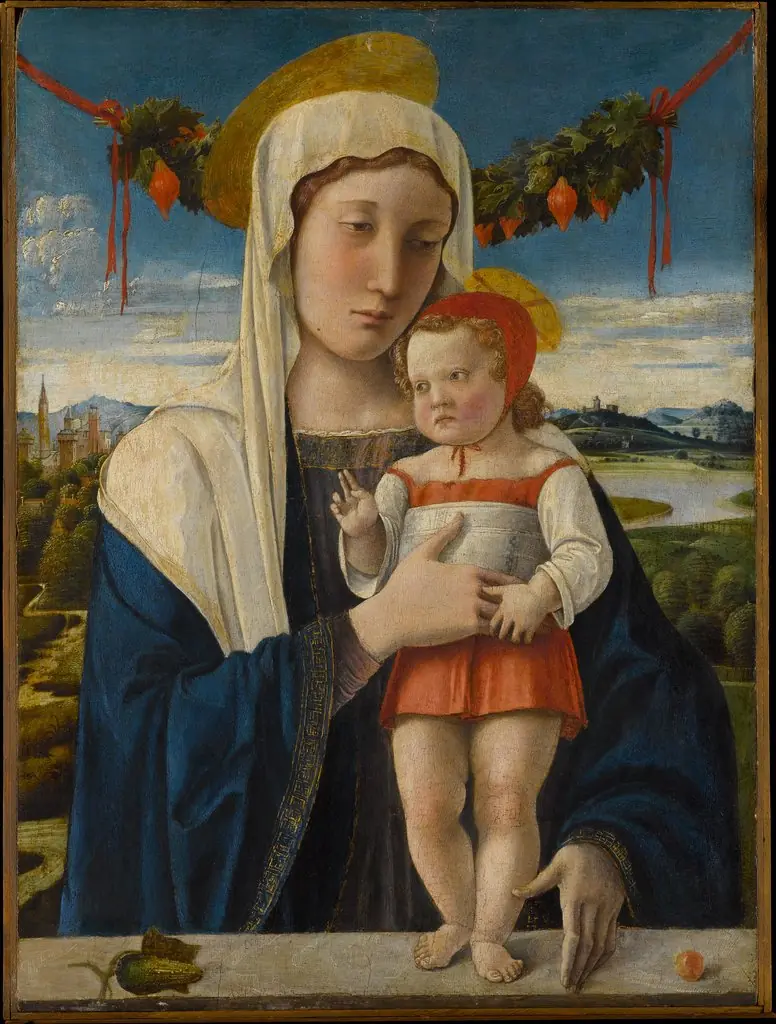 Lehman Madonna
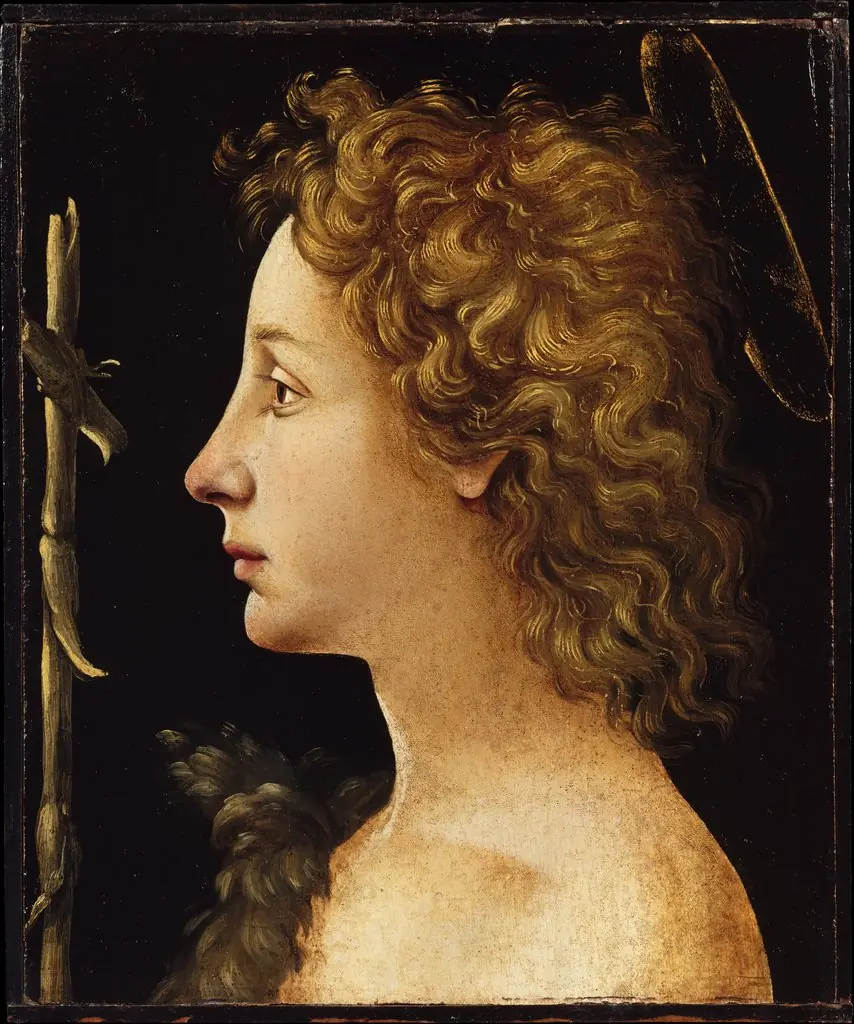 The Young Saint John the Baptist
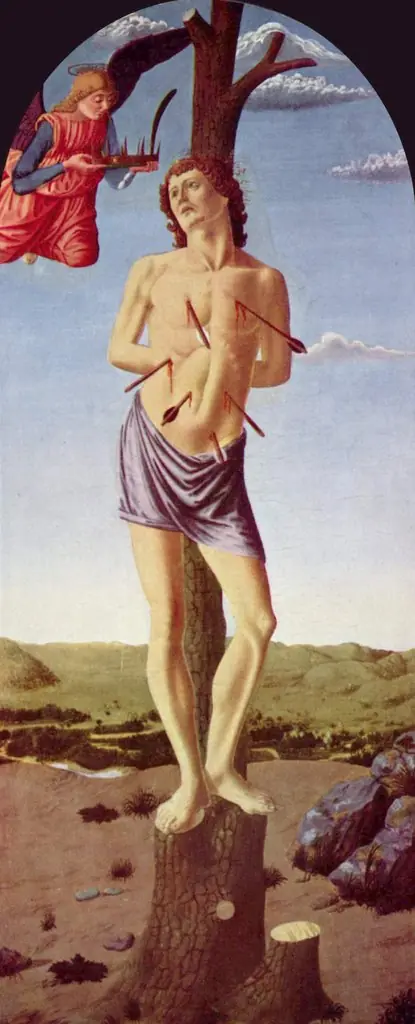 Saint Sebastian
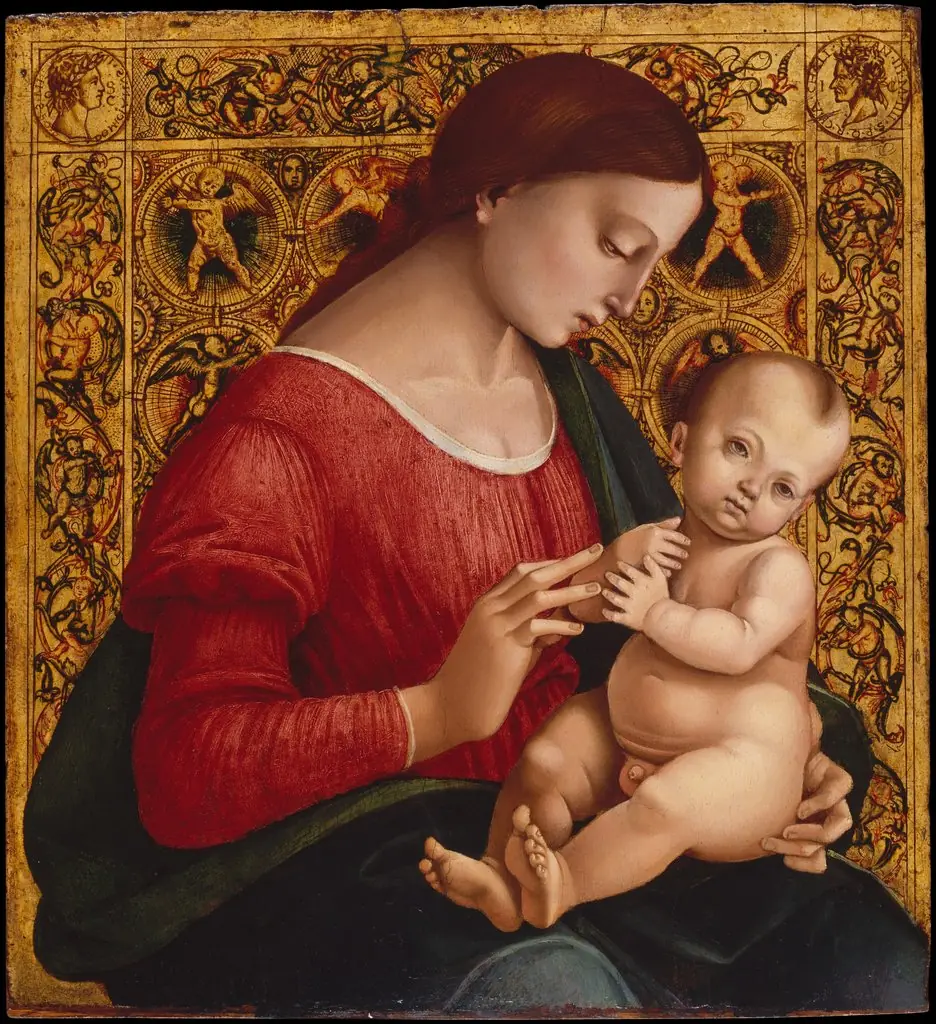 Madonna and Child
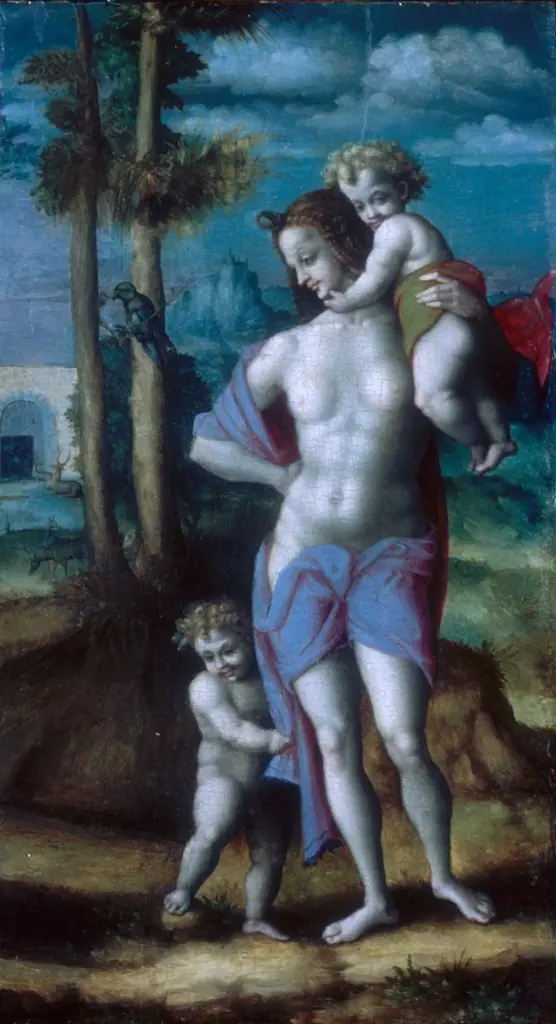 Eve with Cain and Abel
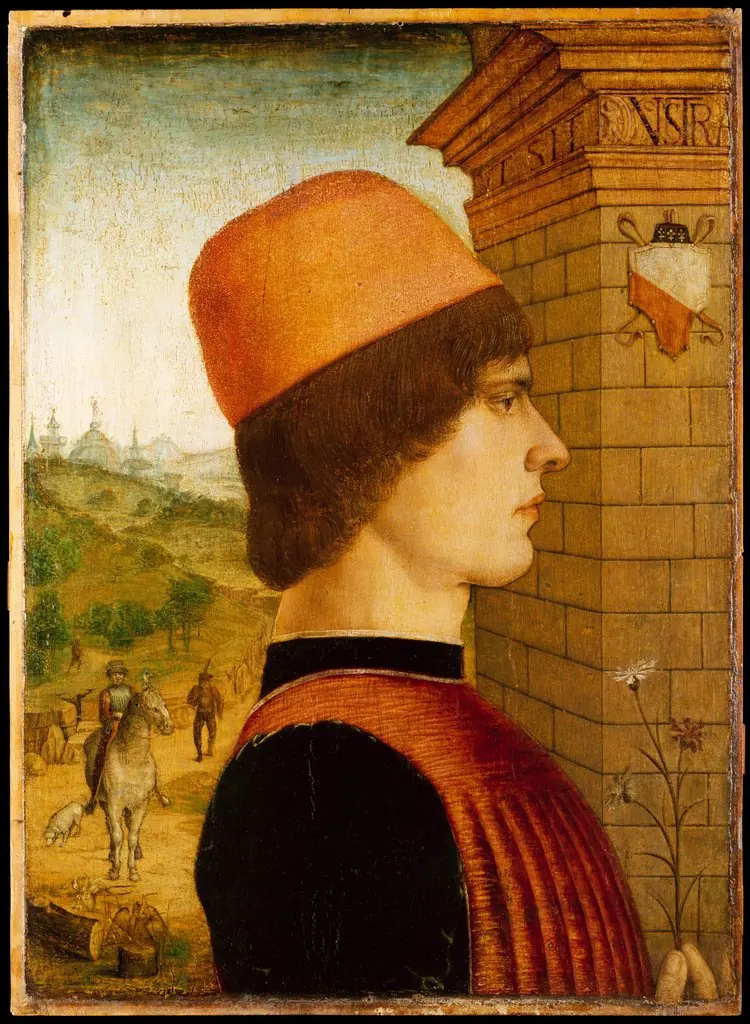 Portrait of a Man, possibly Matteo di Sebastiano di Bernardino Gozzadini
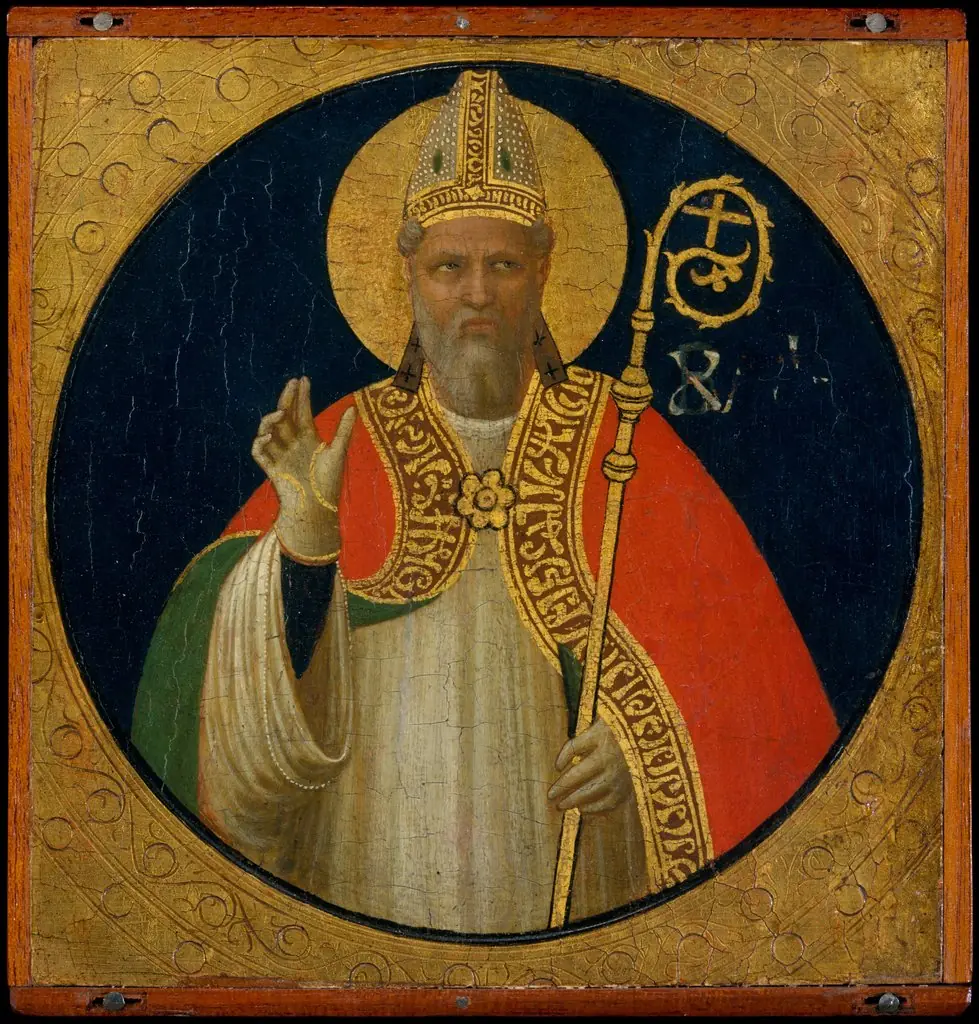 A Bishop Saint
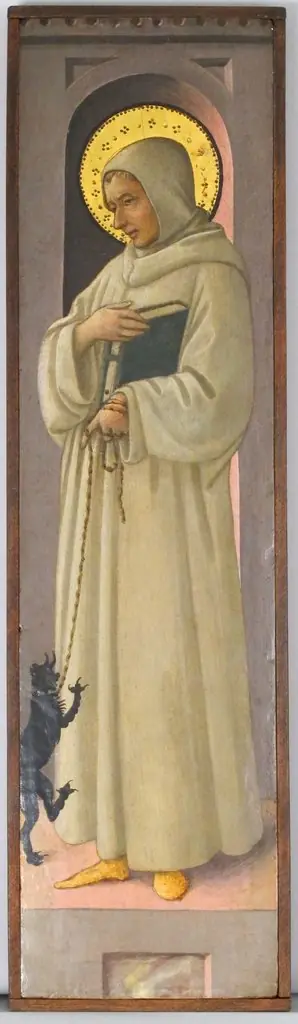 Saint Bernard of Clairvaux
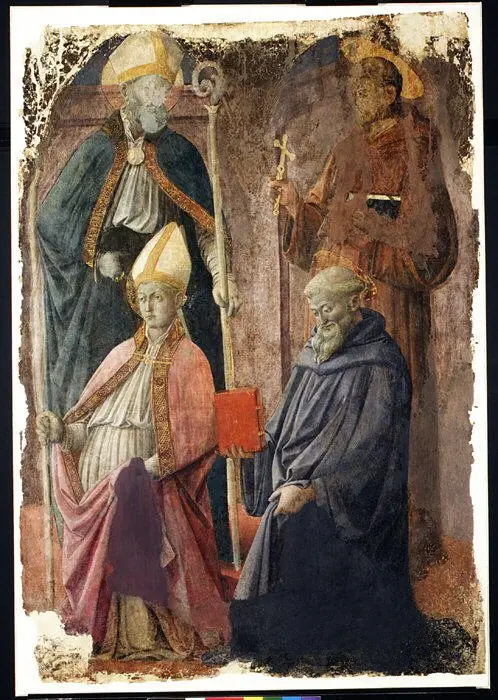 Saints Augustine and Francis, a Bishop Saint, and Saint Benedict
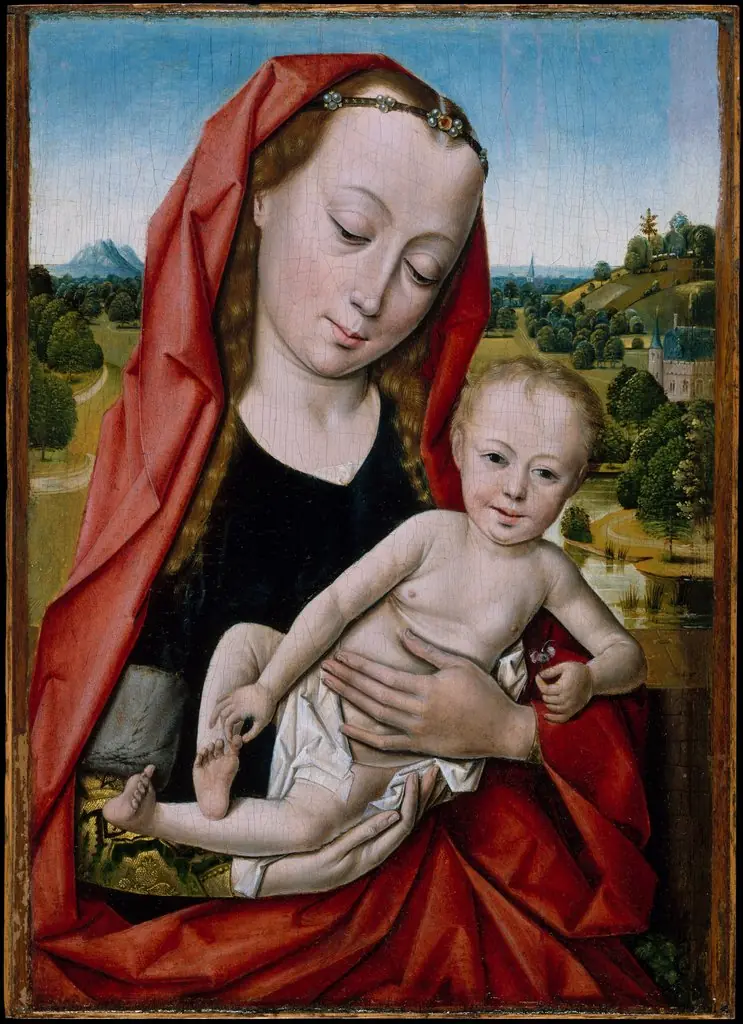 Virgin and Child
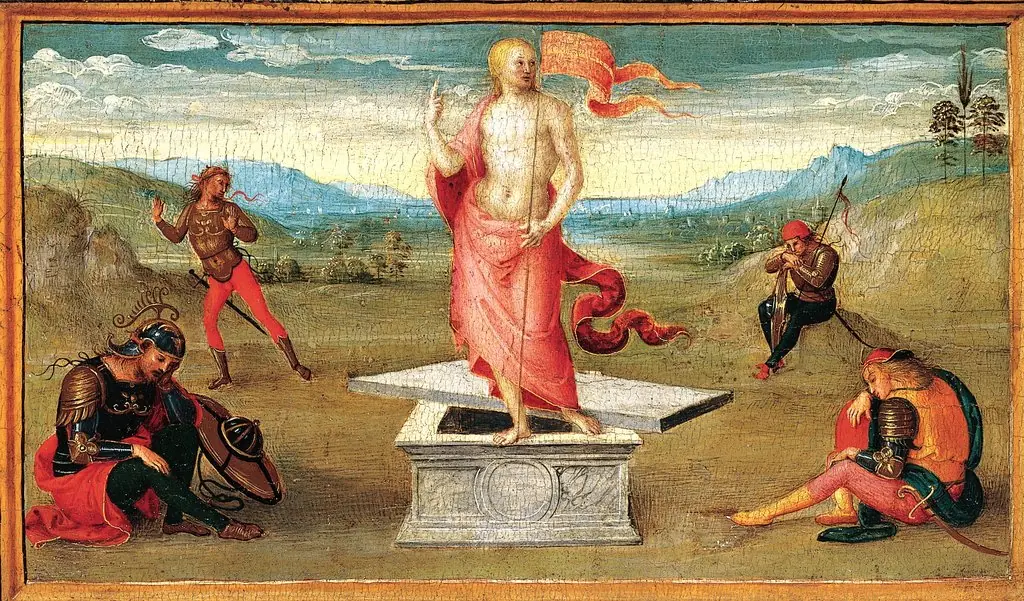 The Resurrection
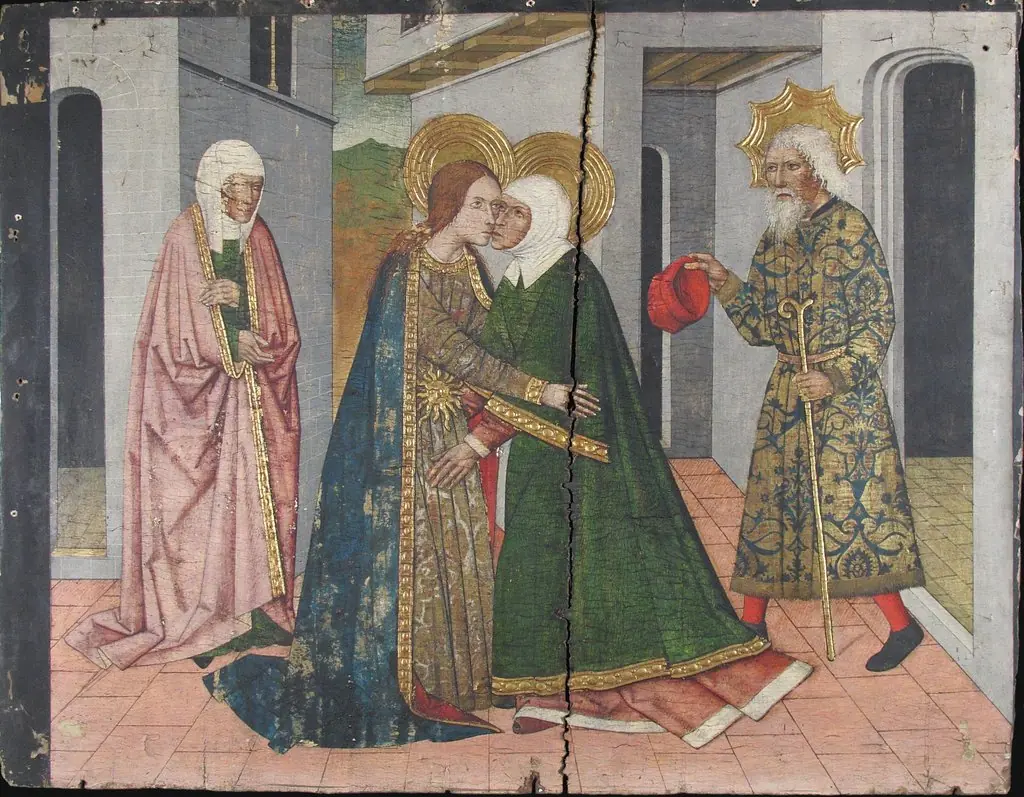 The Visitation Panel from Saint John Retable
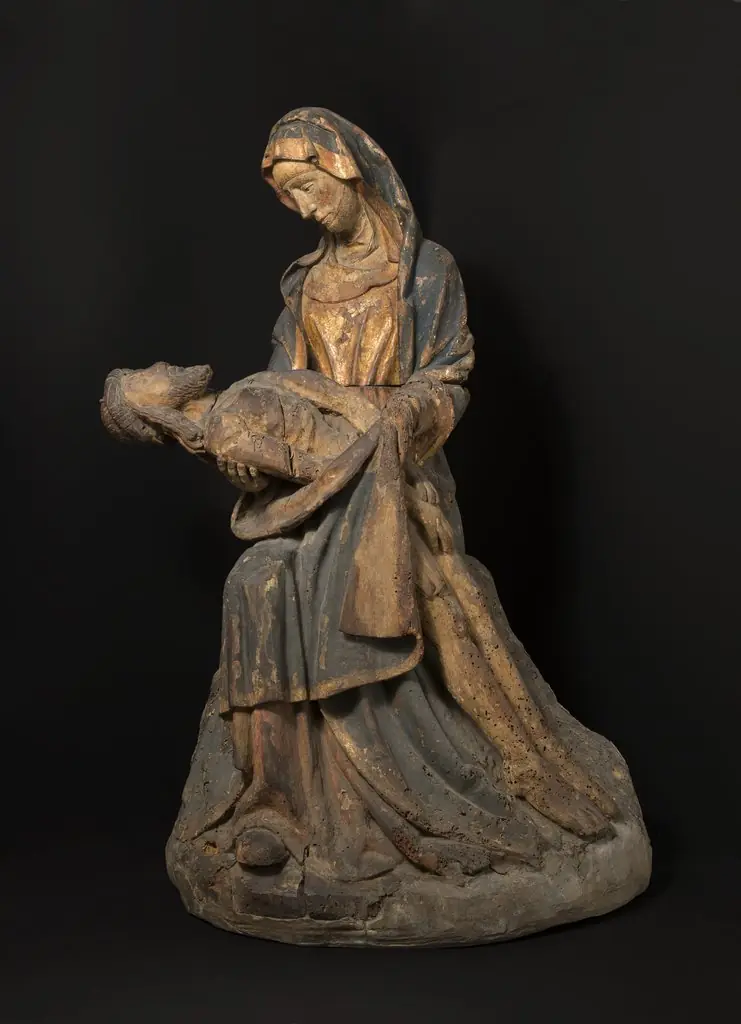 Pietà
Pietà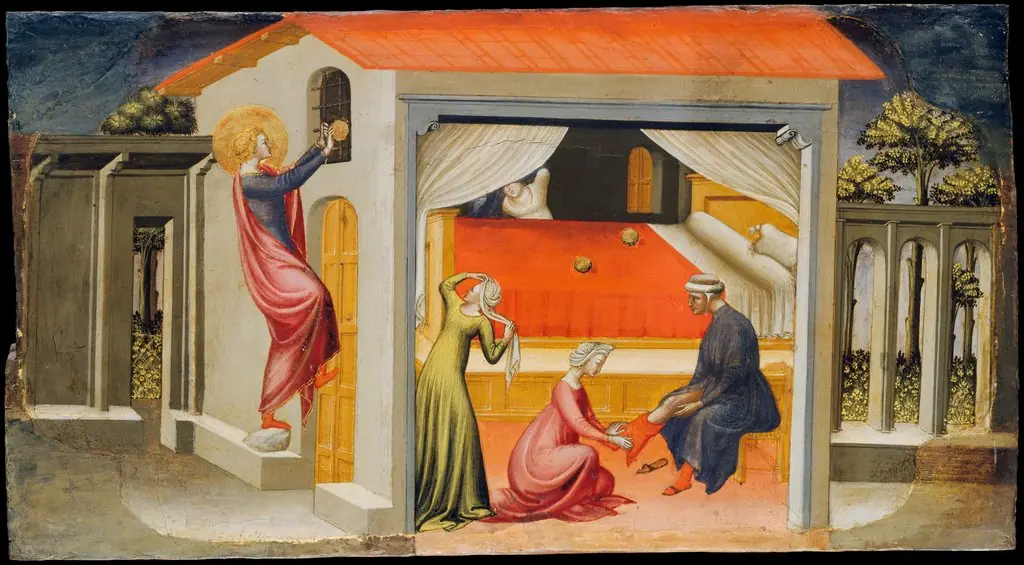 Saint Nicholas Providing Dowries
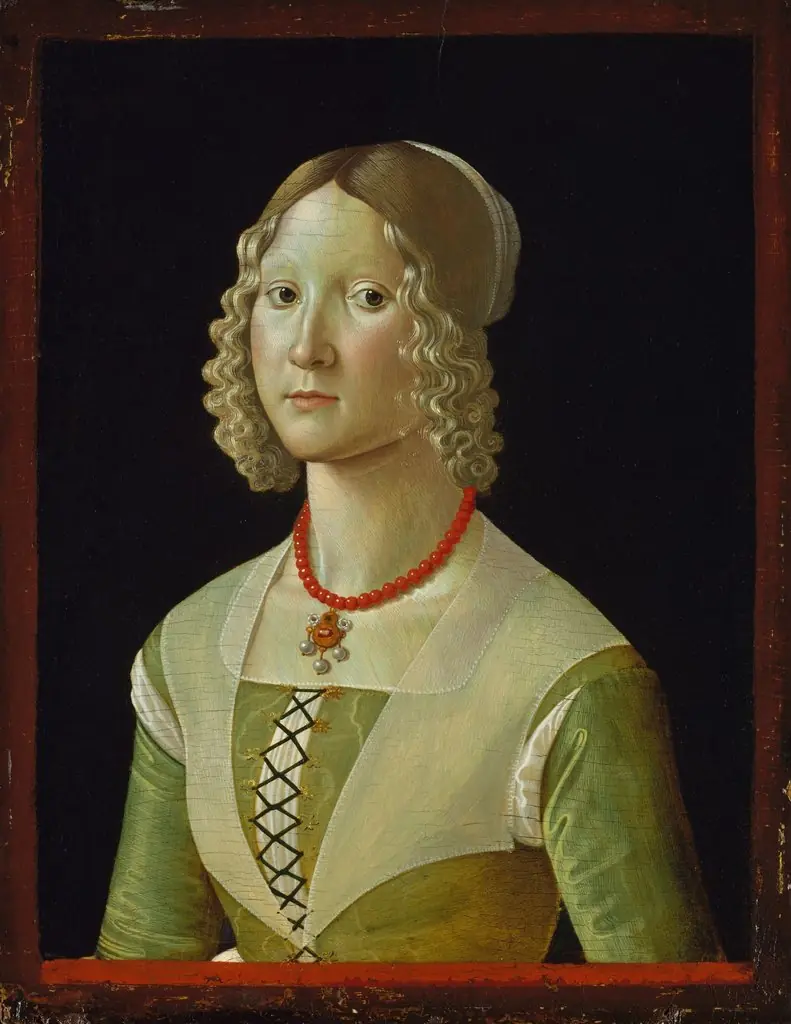 Selvaggia Sassetti (born 1470)
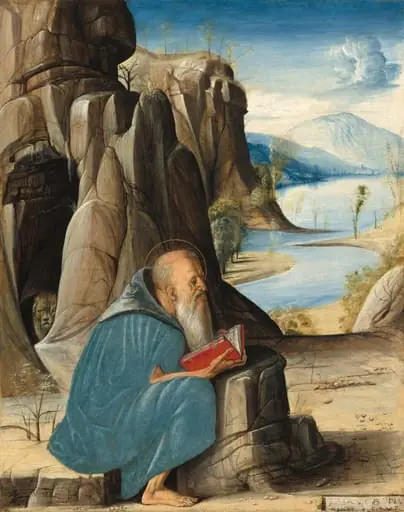 Saint Jerome Reading
![The Crucifixion with the Virgin, Saint John, Saint Jerome, and Saint Mary Magdalene [left panel], by Pietro Perugino, 1484](https://artifactworldgallery.com/img/pietro-perugino--the-crucifixion-with-the-virgin-saint-john-saint-jerome-and--1017dec17318baa5-w320.webp) The Crucifixion with the Virgin, Saint John, Saint Jerome, and Saint Mary Magdalene [left panel]
The Crucifixion with the Virgin, Saint John, Saint Jerome, and Saint Mary Magdalene [left panel]![Saint Peter, with Saint James Major [left panel], by Martino di Bartolomeo, 1418](https://artifactworldgallery.com/img/martino-di-bartolomeo--saint-peter-with-saint-james-major-left-panel--20178831b0b297bc-w320.webp) Saint Peter, with Saint James Major [left panel]
Saint Peter, with Saint James Major [left panel]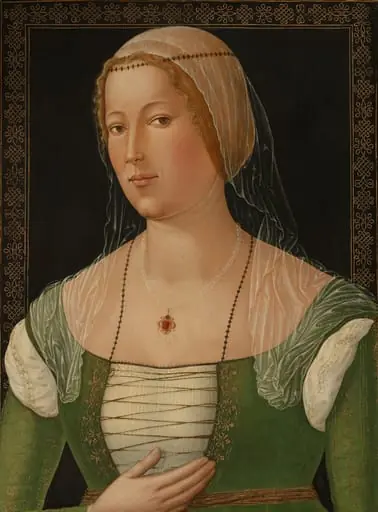 Portrait of a Young Woman
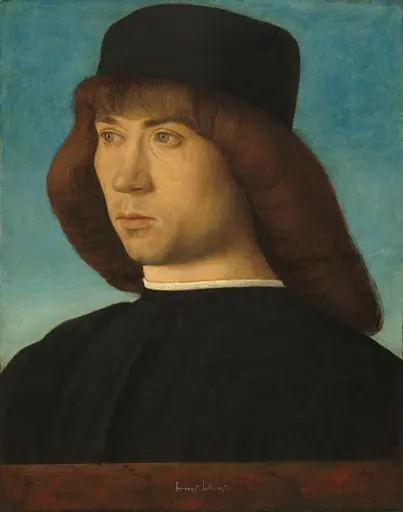 Portrait of a Young Man
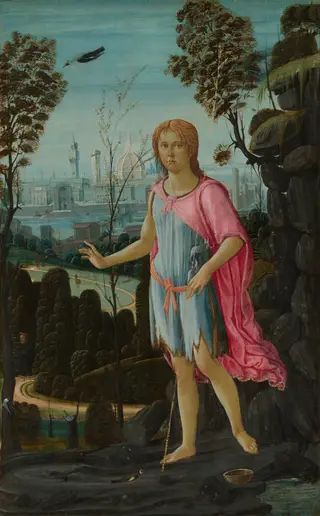 Saint John the Baptist
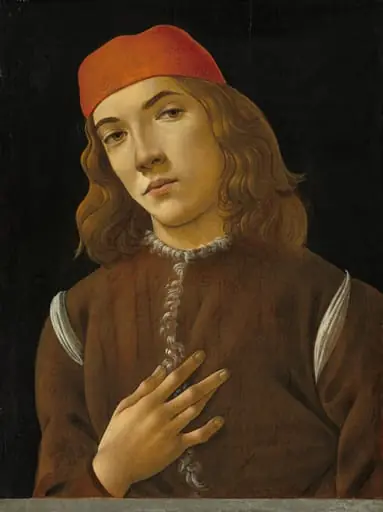 Portrait of a Youth
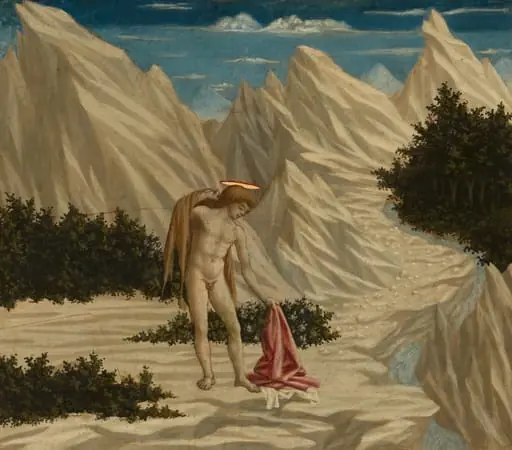 Saint John in the Desert
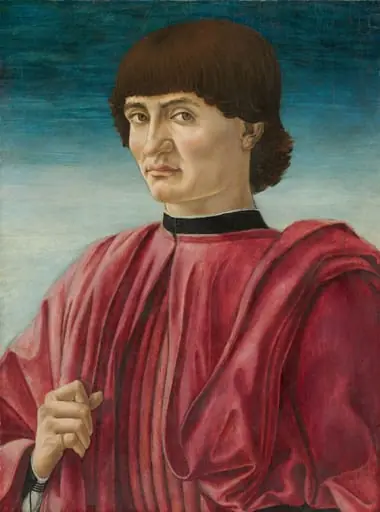 Portrait of a Man
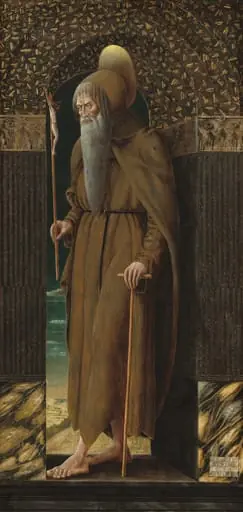 Saint Jerome
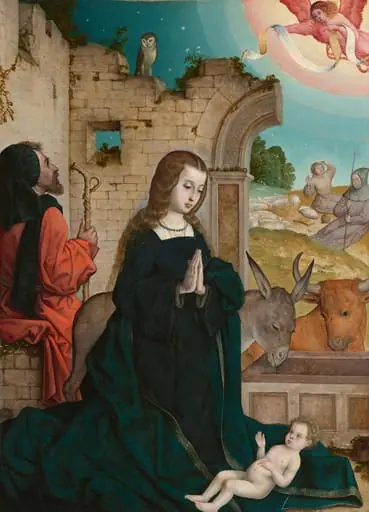 The Nativity
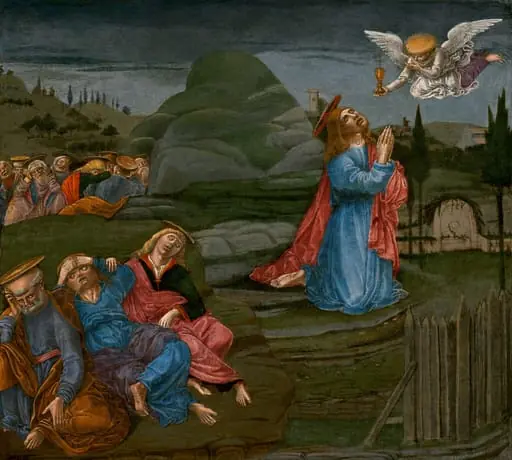 The Agony in the Garden
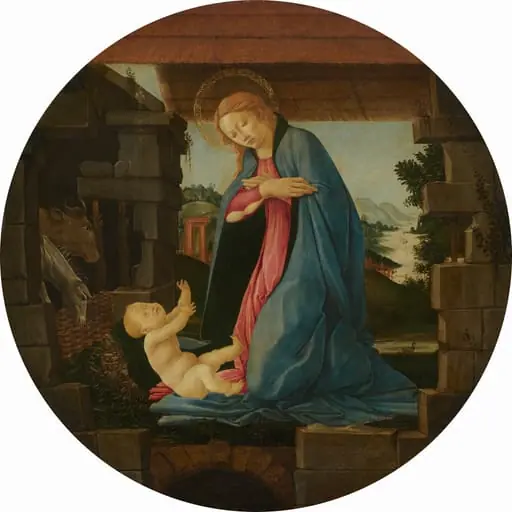 The Virgin Adoring the Child
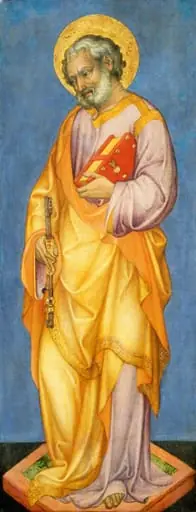 Saint Peter
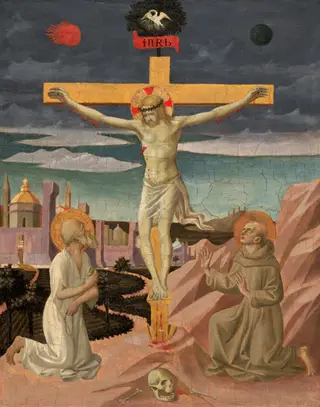 The Crucifixion with Saint Jerome and Saint Francis
![The Crucifixion with the Virgin, Saint John, Saint Jerome, and Saint Mary Magdalene [middle panel], by Pietro Perugino, 1484](https://artifactworldgallery.com/img/pietro-perugino--the-crucifixion-with-the-virgin-saint-john-saint-jerome-and--a9b4c312771e3f71-w320.webp) The Crucifixion with the Virgin, Saint John, Saint Jerome, and Saint Mary Magdalene [middle panel]
The Crucifixion with the Virgin, Saint John, Saint Jerome, and Saint Mary Magdalene [middle panel]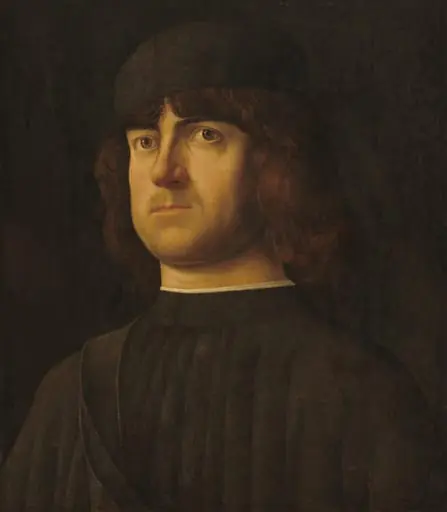 Portrait of a Man
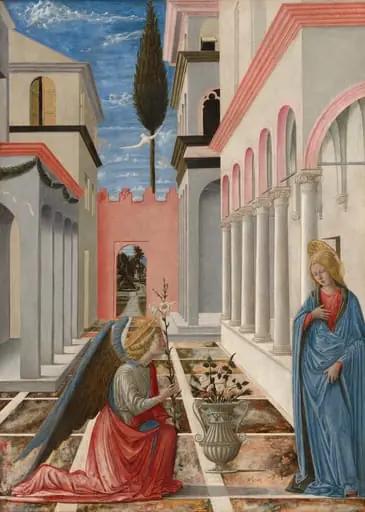 The Annunciation
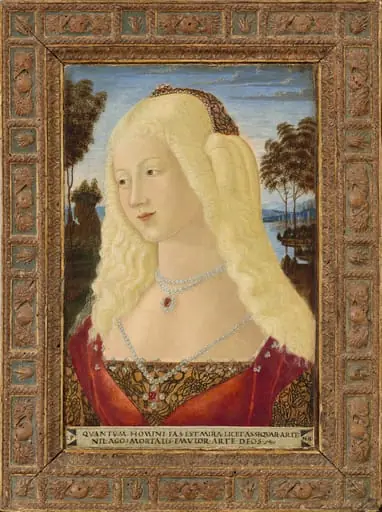 Portrait of a Lady
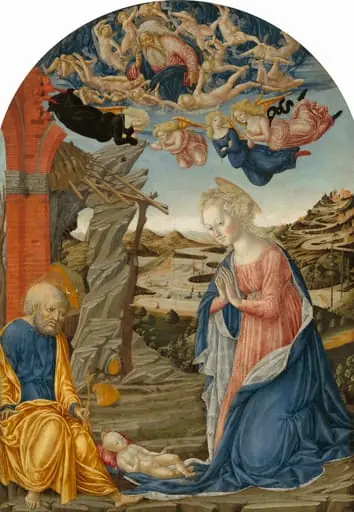 The Nativity, with God the Father Surrounded by Angels and Cherubim
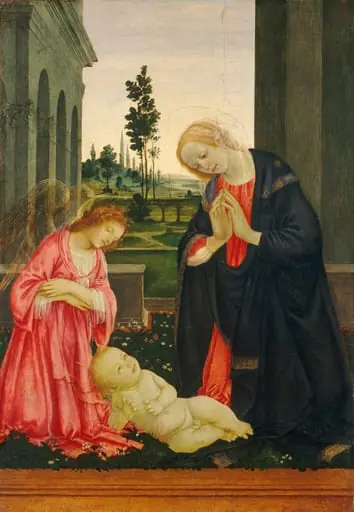 The Adoration of the Child
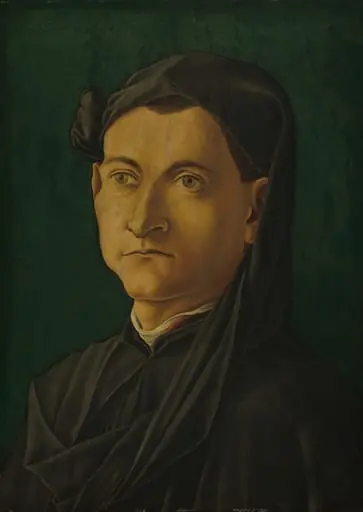 Portrait of a Man
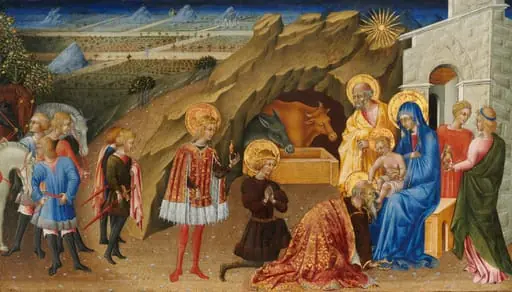 The Adoration of the Magi
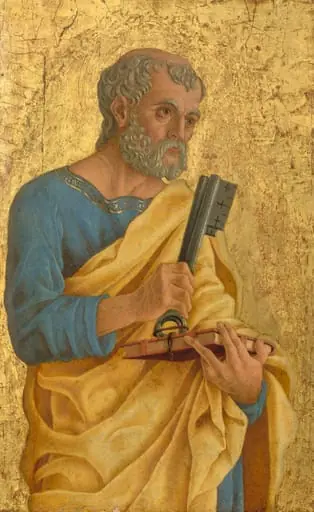 Saint Peter
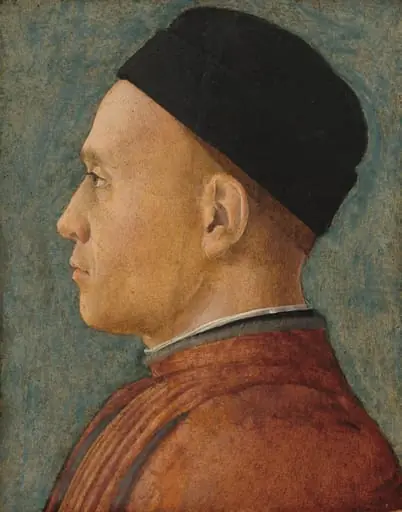 Portrait of a Man
Learn this movement
Frequently asked questions
What is Early Renaissance?
Early Renaissance is an art movement. The 15th-century Italian rebirth of naturalism, where painters like Masaccio, Botticelli, and Fra Angelico rediscovered perspective, anatomy, and classical antiquity.
How many Early Renaissance works does Artifact World Gallery have?
Artifact World Gallery holds 1,654 public-domain Early Renaissance works, all free to view and download.
Who are the key Early Renaissance artists?
Key Early Renaissance artists in the collection include Lorenzo Lotto, Petrus Christus and Piero di Cosimo.
When did Early Renaissance take place?
Early Renaissance dates from 1400–1500.
Where can I see Early Renaissance works?
Early Renaissance works in the collection are held by Gemäldegalerie Berlin, Metropolitan Museum of Art and National Gallery of Art.