Artwork
Porta Furba, Rome
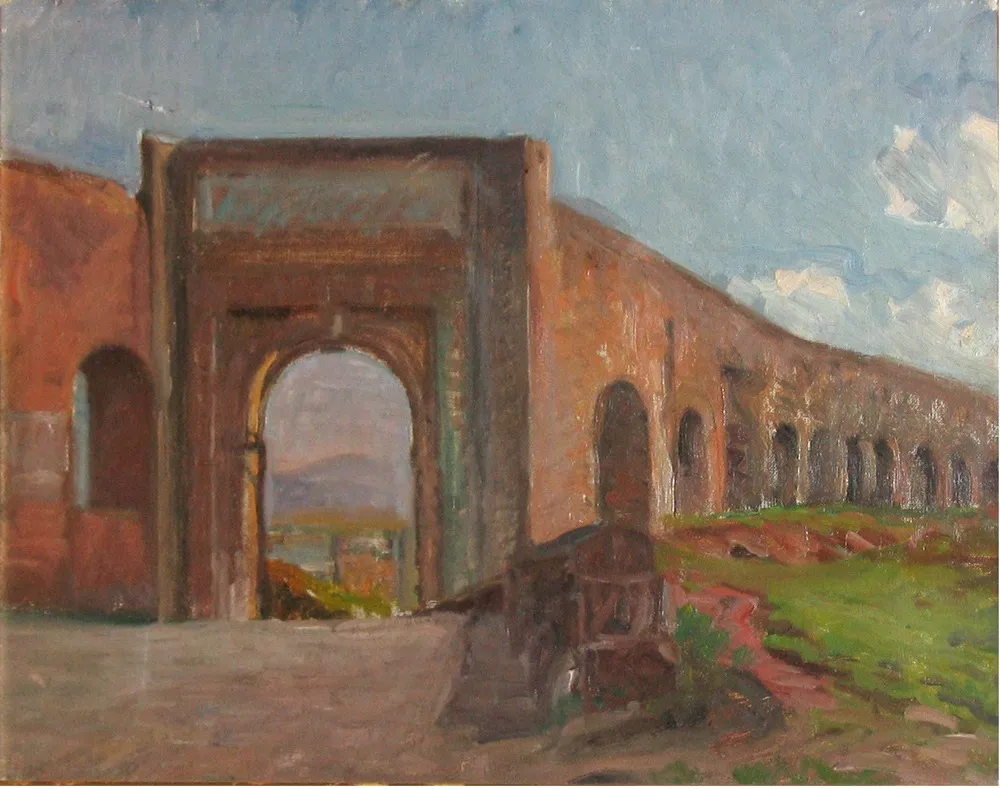
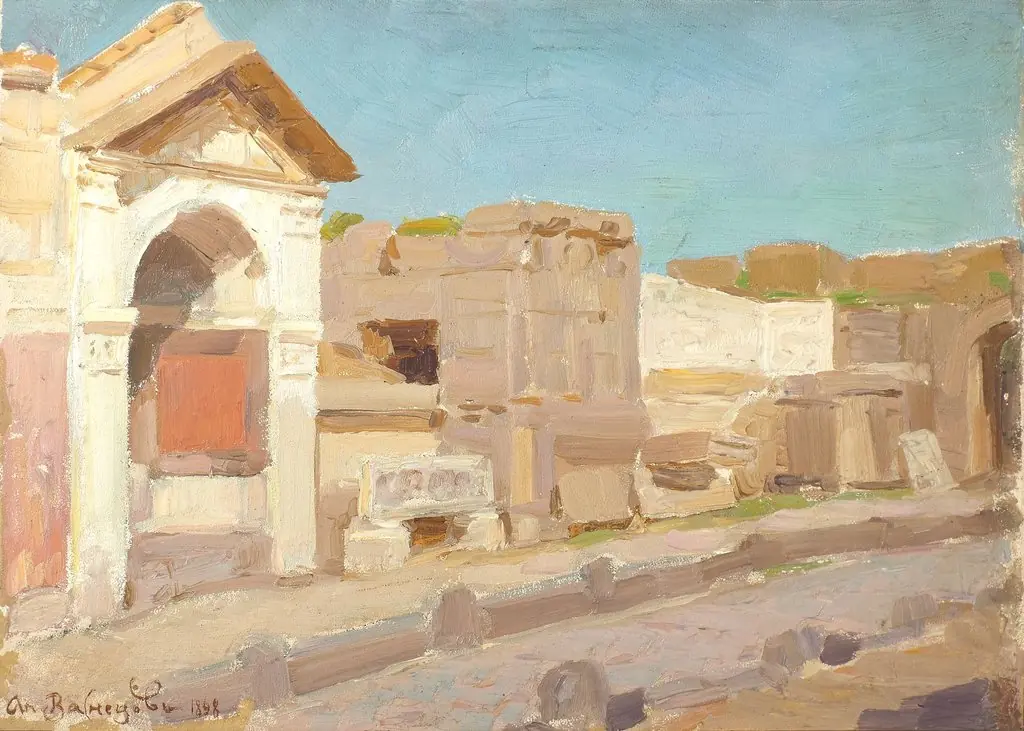
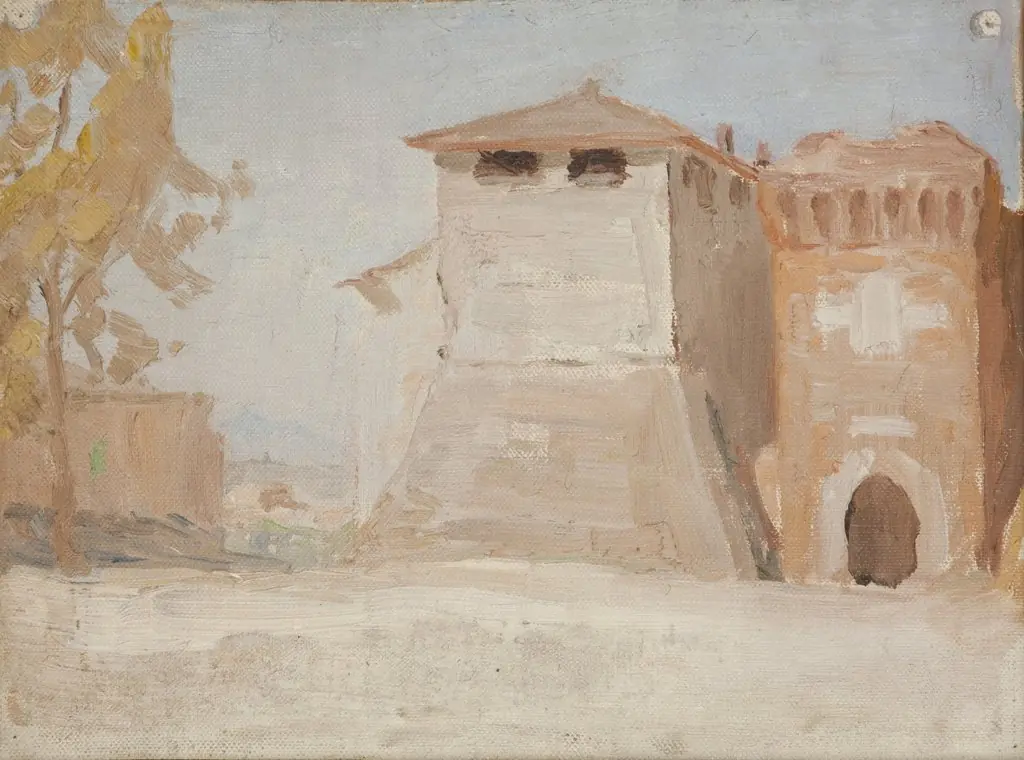
Porta Furba, Rome is an oil painting by the Impressionist artist Albert Gottschalk. It dates from 1904 and is held in the collection of the Statens Museum for Kunst.
About this work
Subject & Meaning
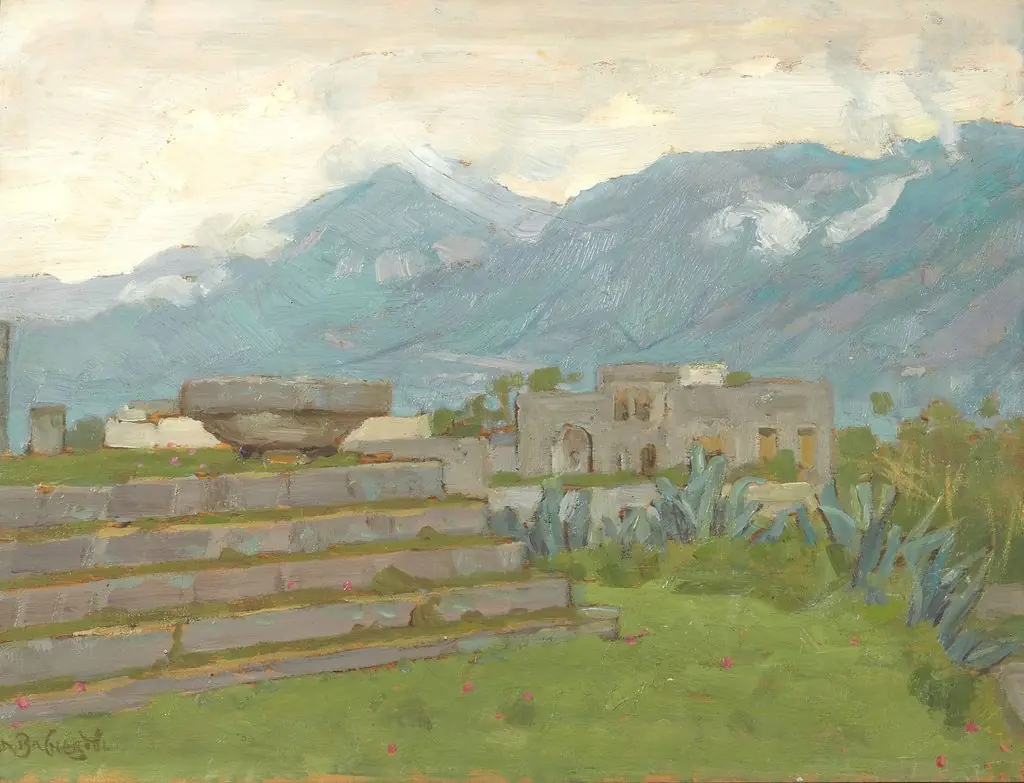
Albert Gottschalk's 1904 oil painting captures the Porta Furba in Rome, presenting the ancient structure as a ruin within an architectural cityscape.
Albert Gottschalk's 1904 oil painting captures the Porta Furba in Rome, presenting the ancient structure as a ruin within an architectural cityscape. The work focuses on the physical remains of the gate, depicting it not as a functional urban element but as a historical fragment embedded in the Roman landscape. By isolating the ruins, the composition emphasizes the passage of time and the enduring presence of antiquity amidst the city.
The subject serves as a study of texture and decay, highlighting the contrast between the weathered masonry and the surrounding environment.
Technique & Style
Albert Gottschalk's Porta Furba, Rome is an oil painting executed on canvas in 1904. The work is classified as an architectural painting and cityscape, focusing on the depiction of ruins at the Porta Furba site in Rome. The canvas measures 34 cm in height and 47.5 cm in width.
The handling of the oil medium allows for the detailed rendering of the architectural subject matter, characteristic of Gottschalk's approach to urban landscapes.
History & Provenance
The painting depicting Porta Furba in Rome was created by the Danish artist Albert Gottschalk in 1904. Executed in oil on canvas, the work measures 34 by 47.5 centimeters and captures the architectural ruins of the historic Roman gate. The piece entered the collection of the Statens Museum for Kunst, where it is currently held as part of their holdings of architectural paintings.
Porta Furba, Rome is an oil painting by Albert Gottschalk created in 1904 and housed in the collection of the Statens Museum for Kunst.
The work entered the museum's inventory as part of its architectural painting series, documenting the Roman landmark Porta Furba. It has been exhibited in the museum's permanent display of early 20th-century cityscapes and in a 2018 survey of Gottschalk's urban subjects.
Context
The painting was created in 1904 by Albert Gottschalk and depicts the ancient Roman gate known as Porta Furba, situated within the Roman cityscape. It is classified as an architectural cityscape, reflecting the artist's focus on urban and historical subjects. The work is part of the collection at the Statens Museum for Kunst, where it remains on display.
Scholarship on the piece emphasizes its role within Gottschalk's broader oeuvre, highlighting his interest in architectural forms and the interplay of light and space in urban environments. The painting's composition and subject matter have been noted in art historical literature as representative of early 20th-century approaches to depicting historical urban landmarks.
The work is cataloged in major art databases, including Wikidata, which records its creation date, dimensions, and current location within the museum's collection.
Legacy
Albert Gottschalk's 1904 oil painting Porta Furba, Rome, depicting the ancient city gate in ruins, is held in the collection of Statens Museum for Kunst in Copenhagen. The work has been recognized for its atmospheric treatment of architectural decay and contributes to the cityscape genre through its blend of topographical precision and expressive brushwork. Its inclusion in early 20th-century European exhibitions helped establish Gottschalk's reputation as a painter of historic urban spaces, influencing later artists who explored similar themes of memory and ruin in urban environments.
Overview
Albert Gottschalk’s 1904 oil painting Porta Furba, Rome captures a fragment of the ancient Roman gate set within a quiet courtyard. Executed in an impressionist manner, the work is held by Denmark’s Statens Museum for Kunst and exemplifies the artist’s interest in atmospheric urban scenes.
Artist & collection
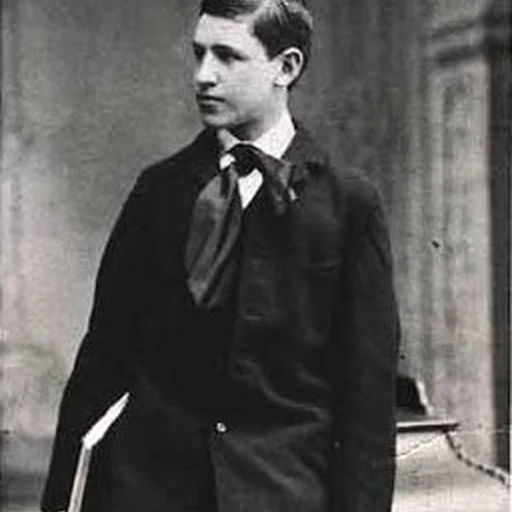
Artist
Albert Gottschalk (3 July 1866 – 13 February 1906) was a Danish painter. He had a close connection, personally and artistically, to the poets Johannes Jørgensen, Viggo Stuckenberg and Sophus Claussen.