Artwork
Bay of Naples
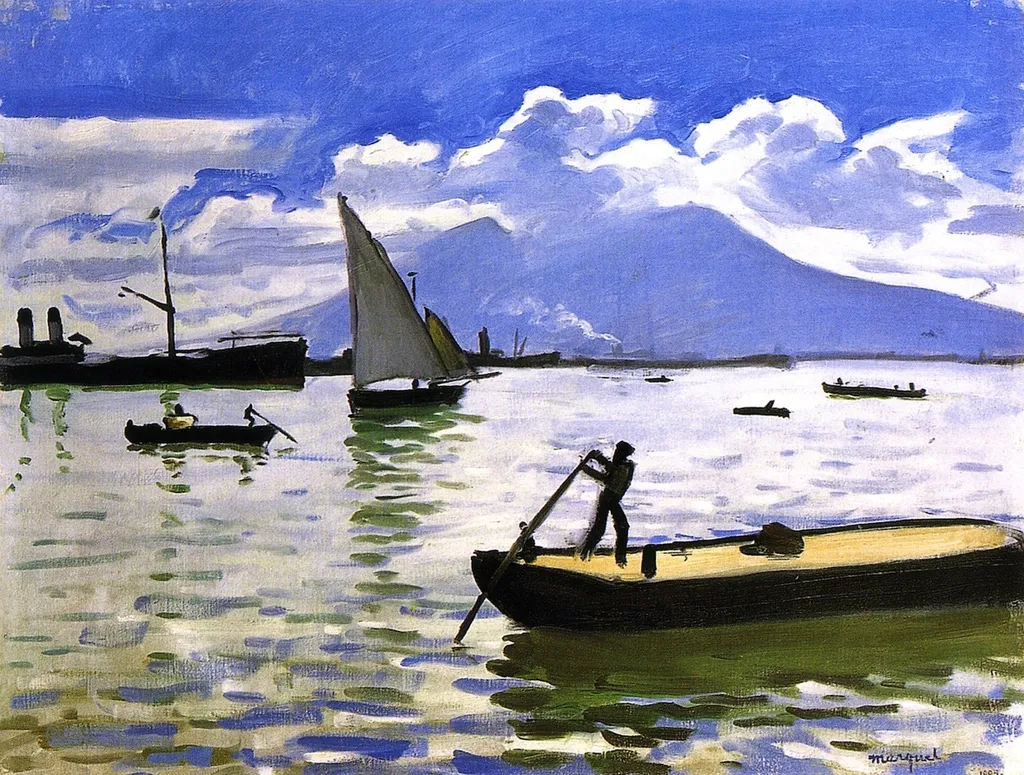
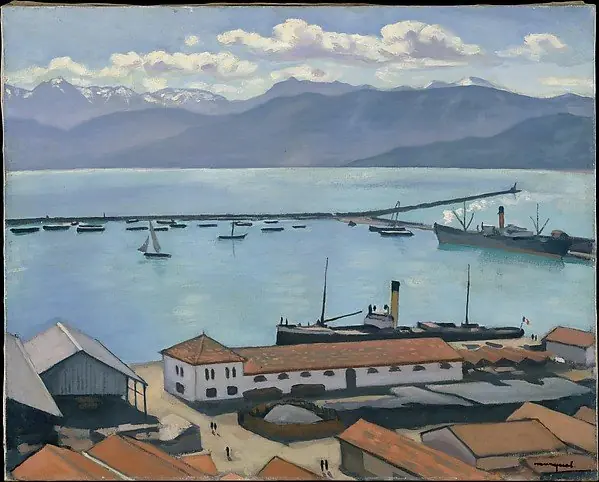
Bay of Naples is an oil painting by the Post-Impressionist artist Albert Marquet. It dates from 1909 and is held in the collection of the Hermitage Museum.
About this work
Subject & Meaning
The inclusion of the sailboat hints at leisurely maritime activity, while Vesuvius looms as a reminder of the region’s volcanic power.
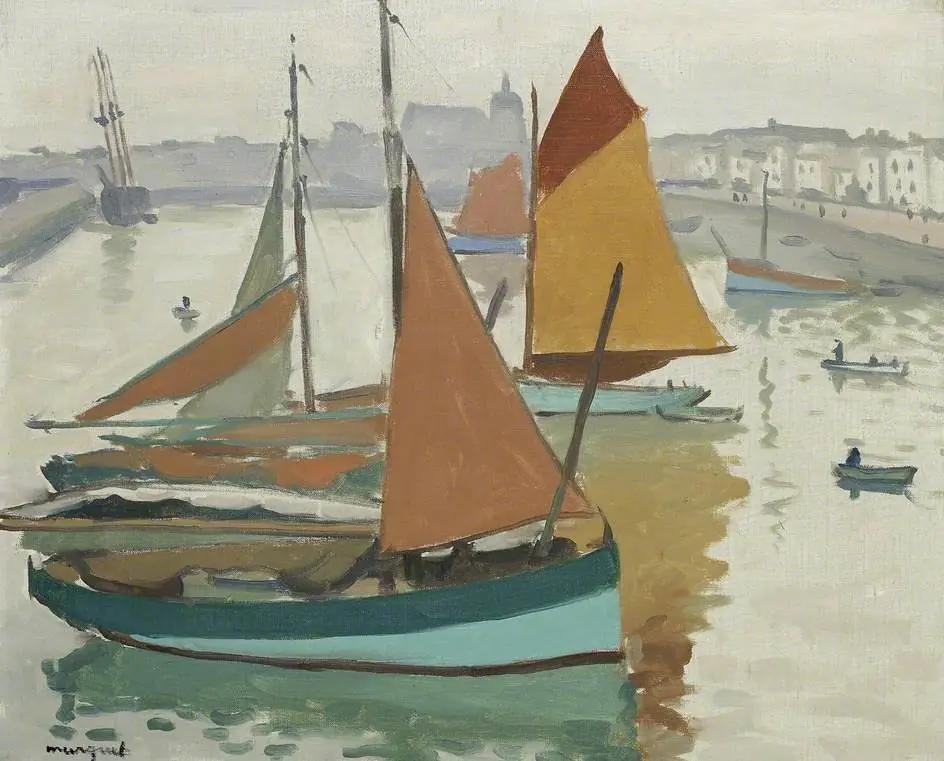
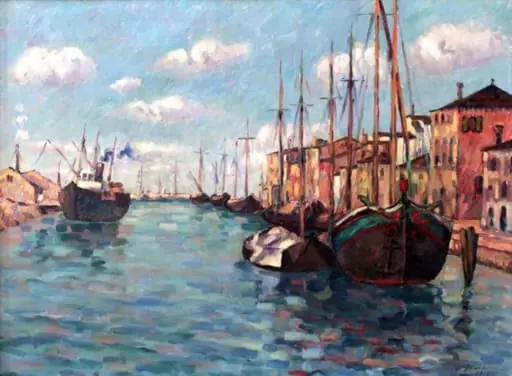
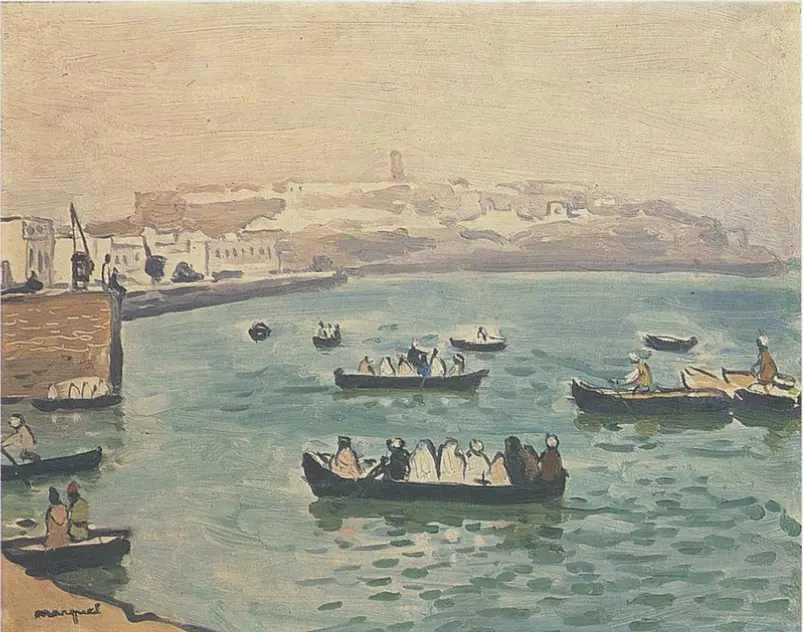
The painting portrays the Gulf of Naples, featuring the distant silhouette of Mount Vesuvius and a solitary sailboat on the water. By focusing on this coastal vista, Marquet captures the interplay between the tranquil sea and the imposing volcano, suggesting a harmony of natural elements and human presence. The work thus represents a serene, picturesque view of the Bay of Naples, emphasizing its maritime landscape and iconic topography.
The inclusion of the sailboat hints at leisurely maritime activity, while Vesuvius looms as a reminder of the region’s volcanic power.
Technique & Style
Bay of Naples is an oil painting executed on canvas, measuring 62 by 80.3 cm. The work was produced in France in 1909 and is classified as a painting held in the Hermitage Museum collection. Its subject matter encompasses the Gulf of Naples, Mount Vesuvius, and a sailboat, suggesting a landscape composition grounded in observed topography rather than purely abstract concerns.
Stylistically, the use of oil paint on canvas aligns with the conventional handling of early twentieth-century French painting, allowing for fluid modulation of tone and atmospheric effects suited to a coastal scene. The relatively modest dimensions and the depiction of a recognizable Mediterranean locale with Mount Vesuvius and a sailing vessel point to a direct, observational approach to the motif.
History & Provenance
Albert Marquet executed the oil painting Bay of Naples in 1909 while working in France. The canvas, measuring 62 by 80.3 centimeters, depicts the Gulf of Naples, Mount Vesuvius, and a sailboat. Upon its completion, the work entered the collection of the Russian collector Ivan Morozov. It subsequently became part of the holdings of the Hermitage Museum, where it remains located.
The painting Bay of Naples is held in the collection of the Hermitage Museum. The work was previously owned by the collector Ivan Morozov before entering the museum's holdings.
While specific inventory numbers and a detailed chronology of public exhibitions are not provided in the available records, the artwork is identified as a 1909 oil on canvas depicting the Gulf of Naples and Mount Vesuvius.
Overview
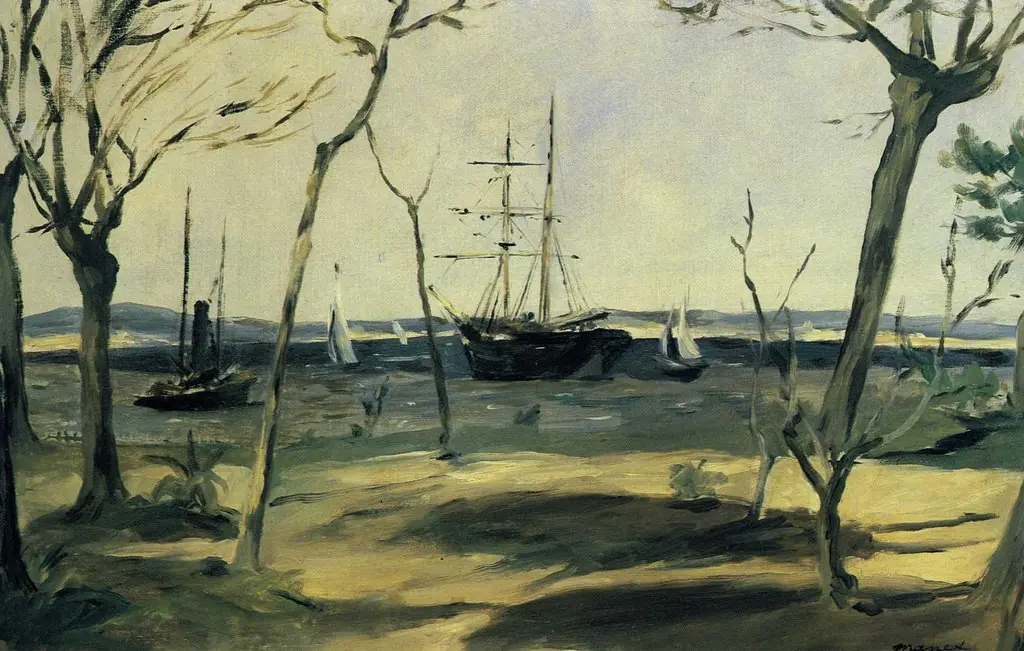
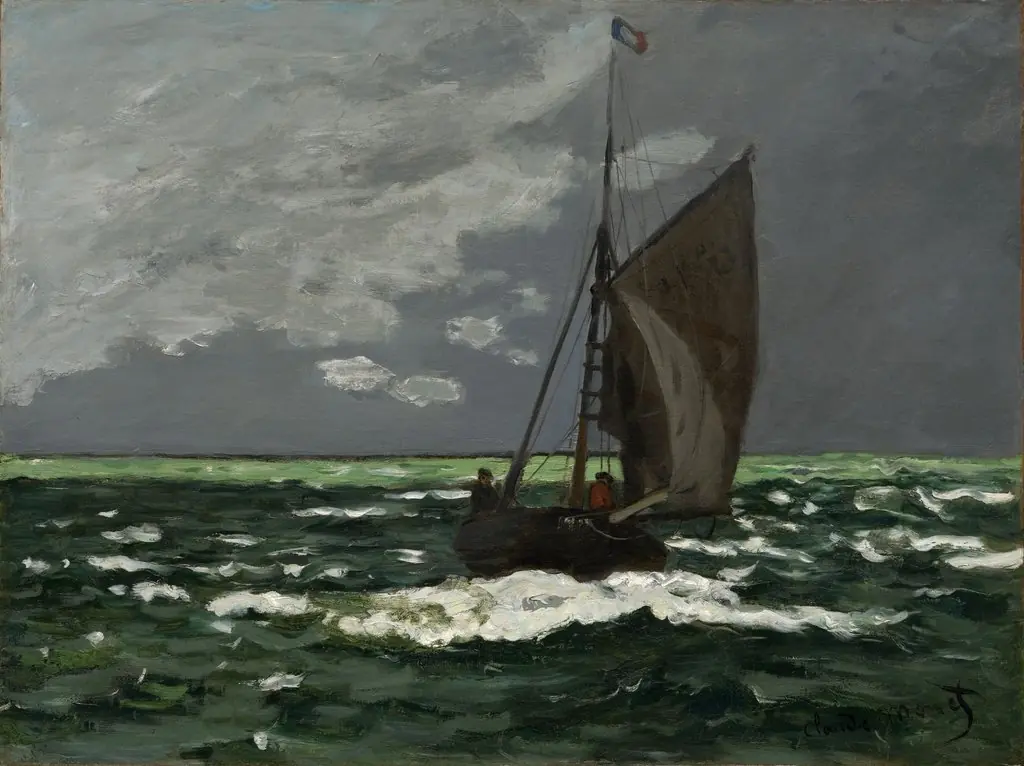
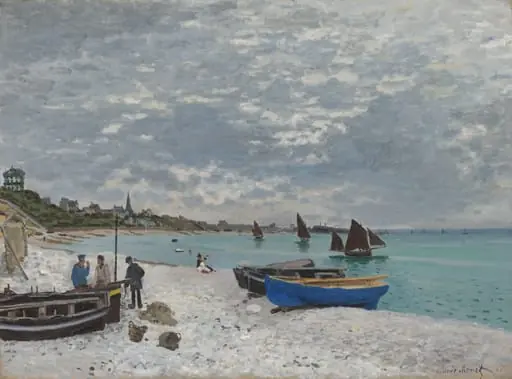
Albert Marquet’s 1909 oil painting Bay of Naples presents a luminous seascape of the Gulf of Naples. The composition balances a tranquil shoreline with a distant view of Mount Vesuvius, while various vessels, a small rowboat, a sailing craft, and a larger docked ship, populate the water. The work is part of the State Hermitage Museum’s collection.
Context
Marquet’s focus on coastal vistas aligns with broader early‑20th‑century French interest in light and atmosphere, echoing contemporaries who explored similar Mediterranean subjects. The inclusion of Mount Vesuvius situates the work within a recognizable geographic framework, while the casual marine activity underscores the everyday realism favored by impressionist painters of the period.
Artist & collection

Artist
Albert Marquet (French pronunciation:; 27 March 1875 – 14 June 1947) was a French painter.