Artist
Movement
Post-Impressionism is an art movement of the 1886–1905 period. The gallery holds 5,702 works in this movement, including works by Édouard Manet, Camille Pissarro and Alfred Sisley. Browse Post-Impressionism paintings, portraits, pictures and artworks from the world's public-domain museum collections.
Post-Impressionism is a predominantly French movement in painting that flourished roughly between 1886 and 1905, emerging directly from Impressionism even as it pushed against that style's limits. Its conventional starting point is the eighth and final Impressionist exhibition in Paris in May 1886, where Georges Seurat unveiled *A Sunday Afternoon on the Island of La Grande Jatte* and a younger generation made plain that recording fleeting effects of light no longer satisfied them. The label itself came later and from abroad: the English critic Roger Fry coined "Post-Impressionism" for his 1910 London exhibition *Manet and the Post-Impressionists* at the Grafton Galleries. It was never a unified school with a manifesto but a retrospective grouping of strongly individual artists who shared a point of departure.
What binds them is a turn from the eye to the idea. Building on Impressionism's pure, brilliant colour and broken brushwork, the Post-Impressionists subordinated naturalistic observation to structure, symbol, and feeling. Their methods diverged sharply: Seurat and Paul Signac pursued the systematic optical mixture of Pointillism (Neo-Impressionism); Paul Cézanne reduced nature to underlying geometry and shifting planes; Vincent van Gogh charged thick, agitated strokes with emotion; and Paul Gauguin flattened form into bold, contour-bound colour drawn from medieval, folk, and non-Western art.
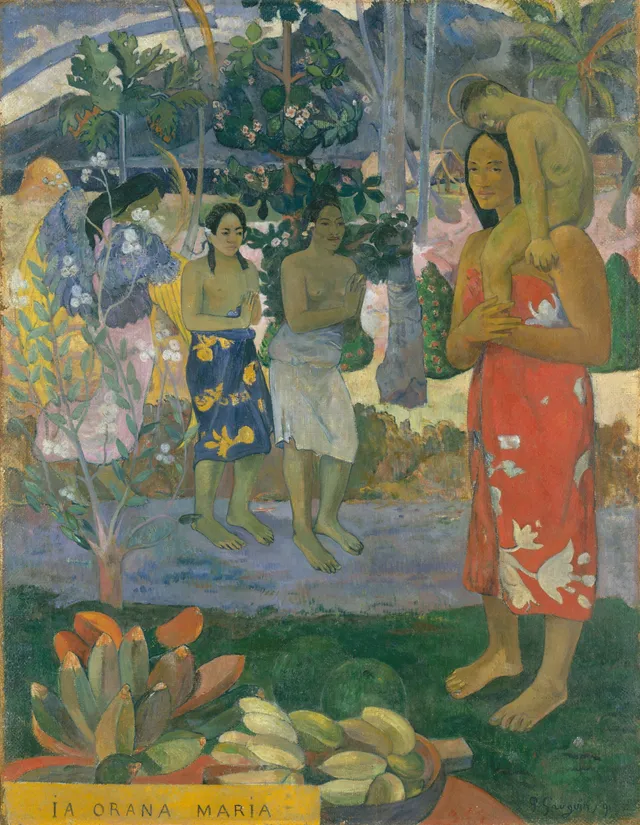
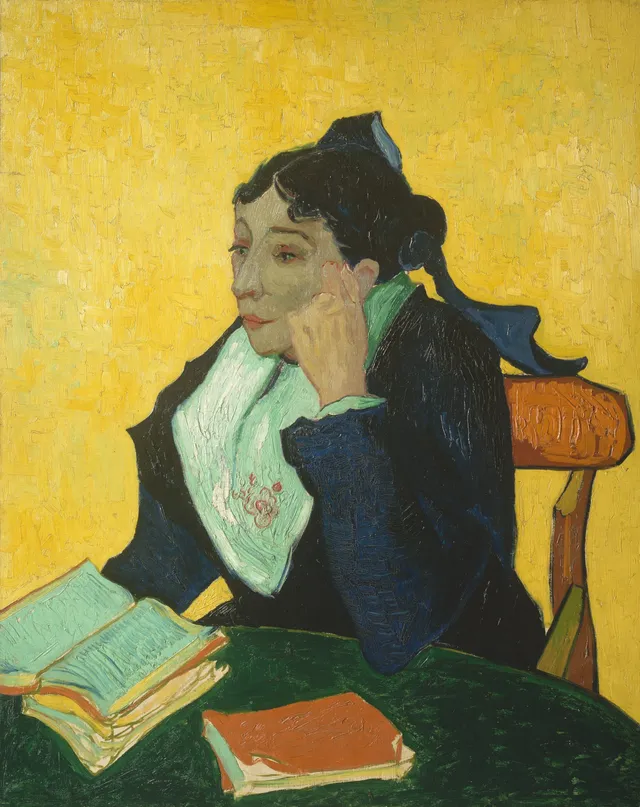
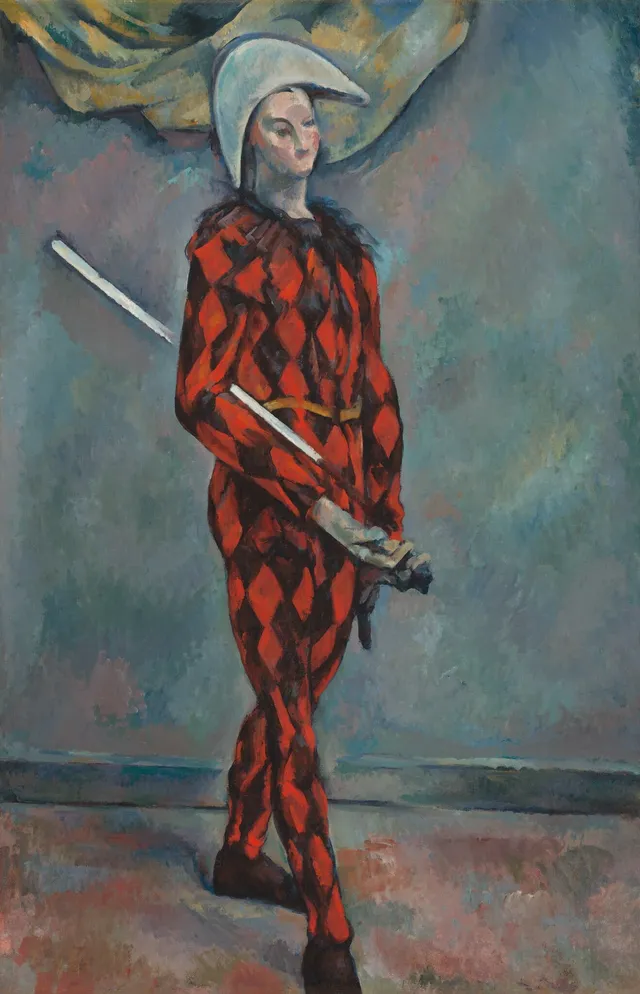
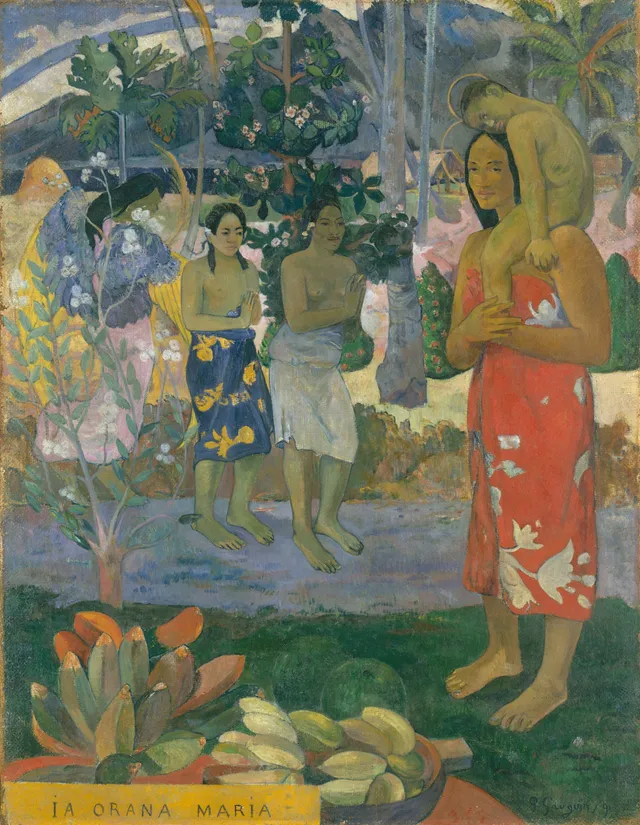
The principal figures—Cézanne, van Gogh, Gauguin, and Seurat, alongside Signac, Henri de Toulouse-Lautrec, and the Symbolist Odilon Redon—produced many of the period's defining canvases, among them van Gogh's *The Starry Night* (1889) and Gauguin's Tahitian works. This collection holds telling examples: Cézanne's *Harlequin*, with its sculptural figure and tilting space; Gauguin's *Ia Orana Maria* (1891), a Polynesian recasting of a Christian Annunciation; and van Gogh's *L'Arlésienne*, a portrait built from flat planes of saturated colour.
The movement's legacy is foundational to modern art. Cézanne's faceting fed directly into Cubism, while van Gogh's and Gauguin's expressive colour propelled Fauvism and German Expressionism. Bridging nineteenth-century Impressionism and the twentieth-century avant-garde—and intertwined with currents such as Japonisme and Symbolism—Post-Impressionism redefined the picture surface as an autonomous arena of form and emotion rather than a window onto nature.
Artist

Artist
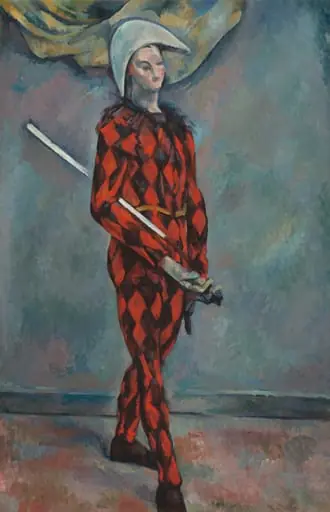 Harlequin
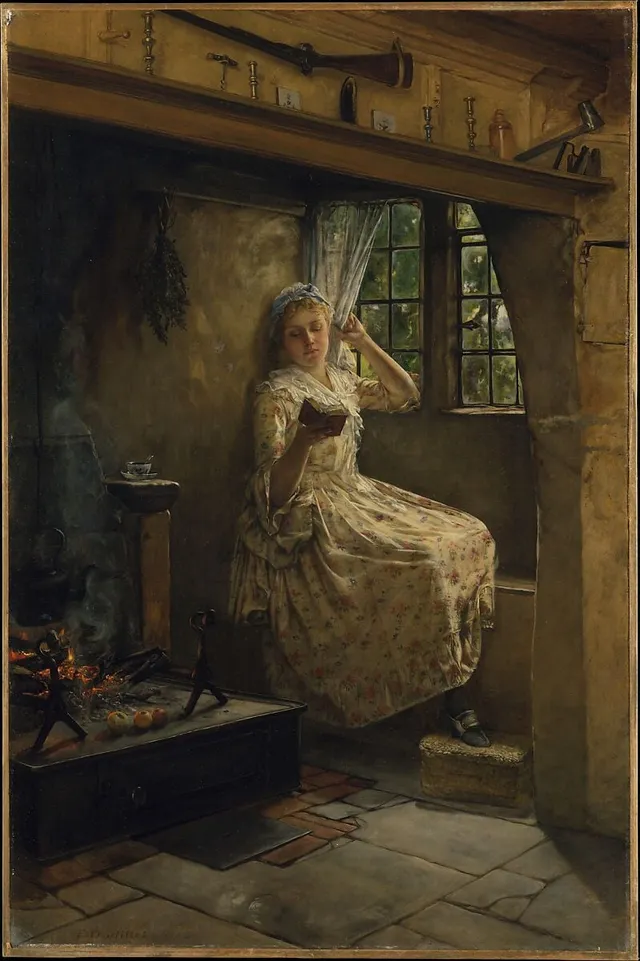
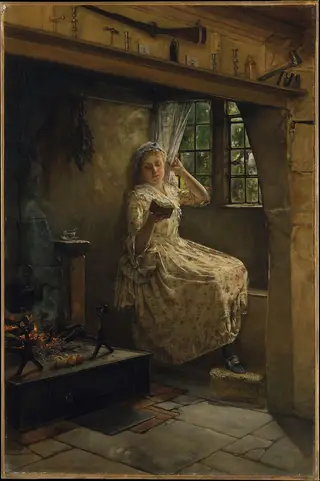 A Cosey Corner
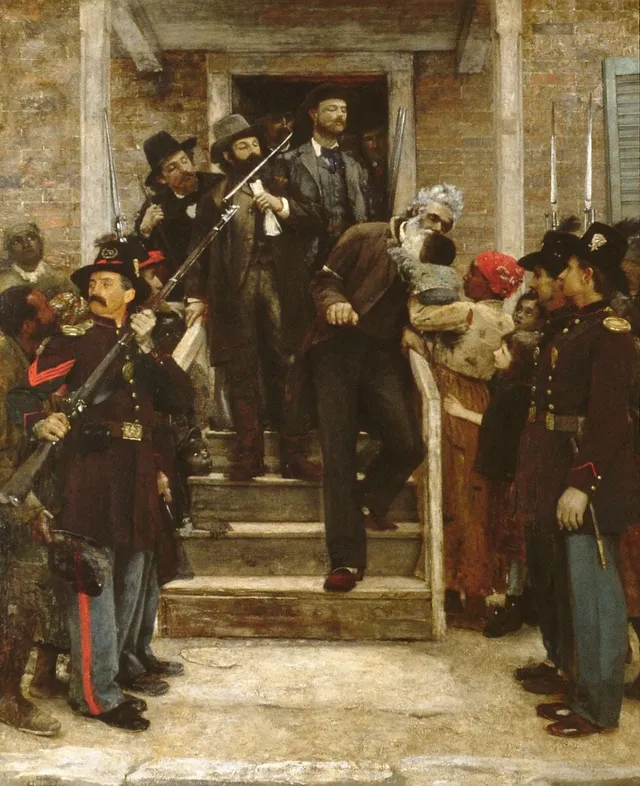
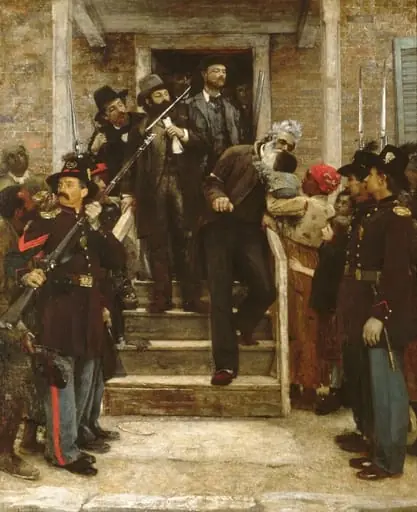 The Last Moments of John Brown
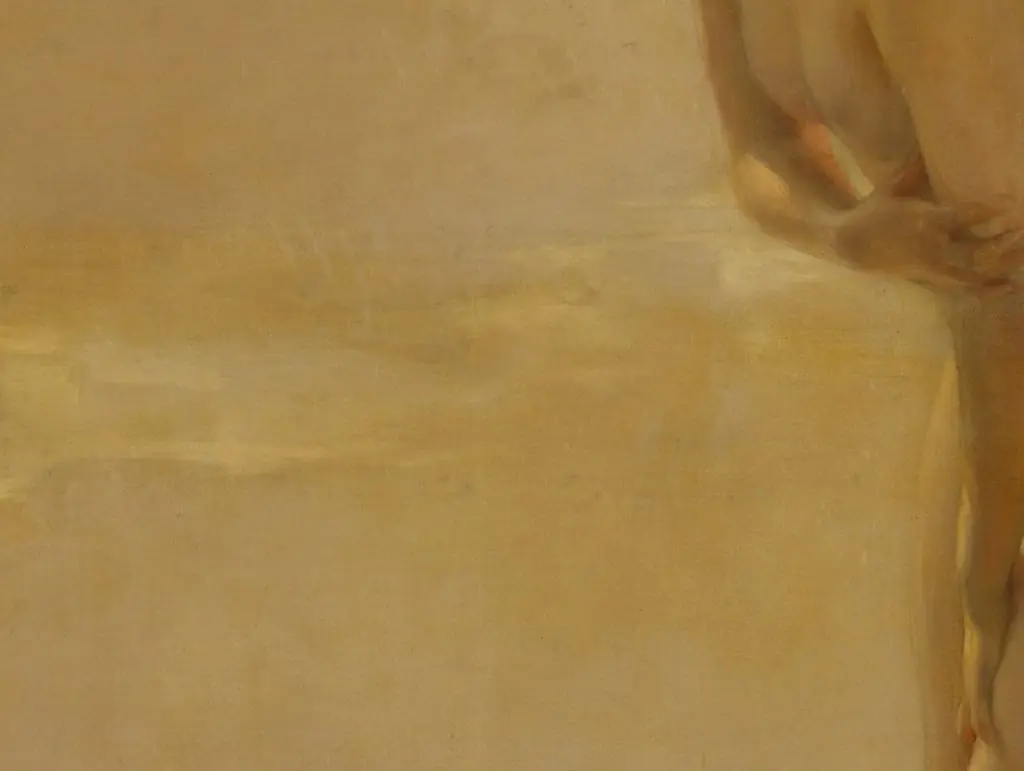 September Morn
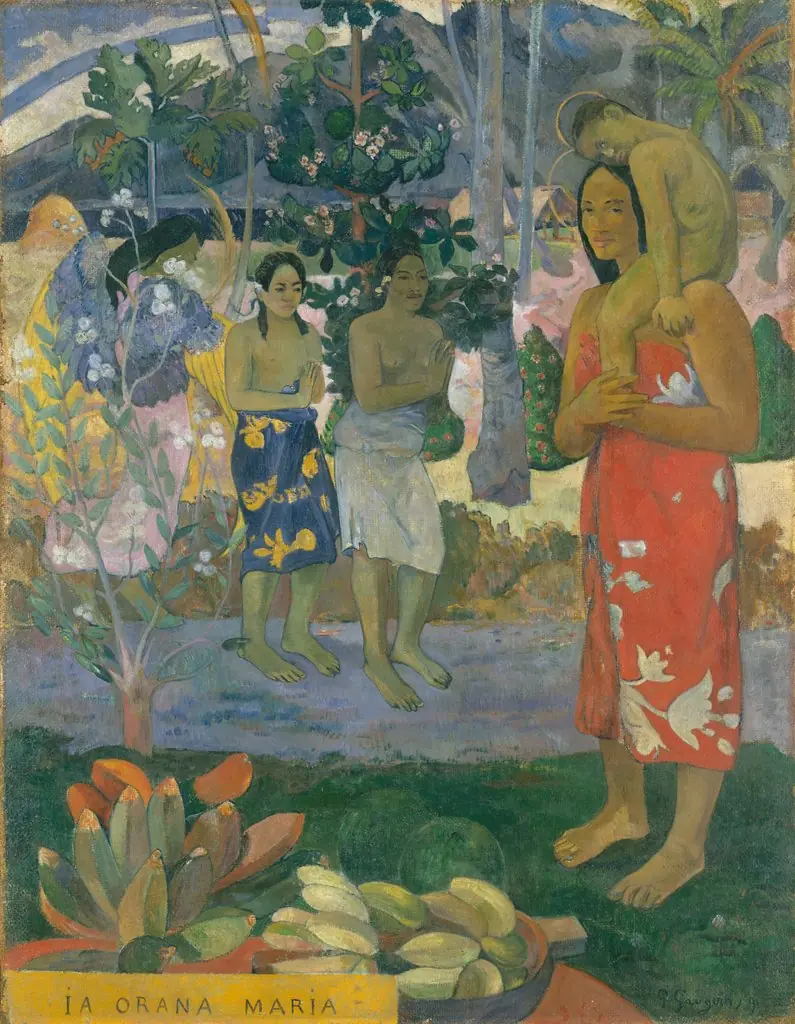 Ia Orana Maria
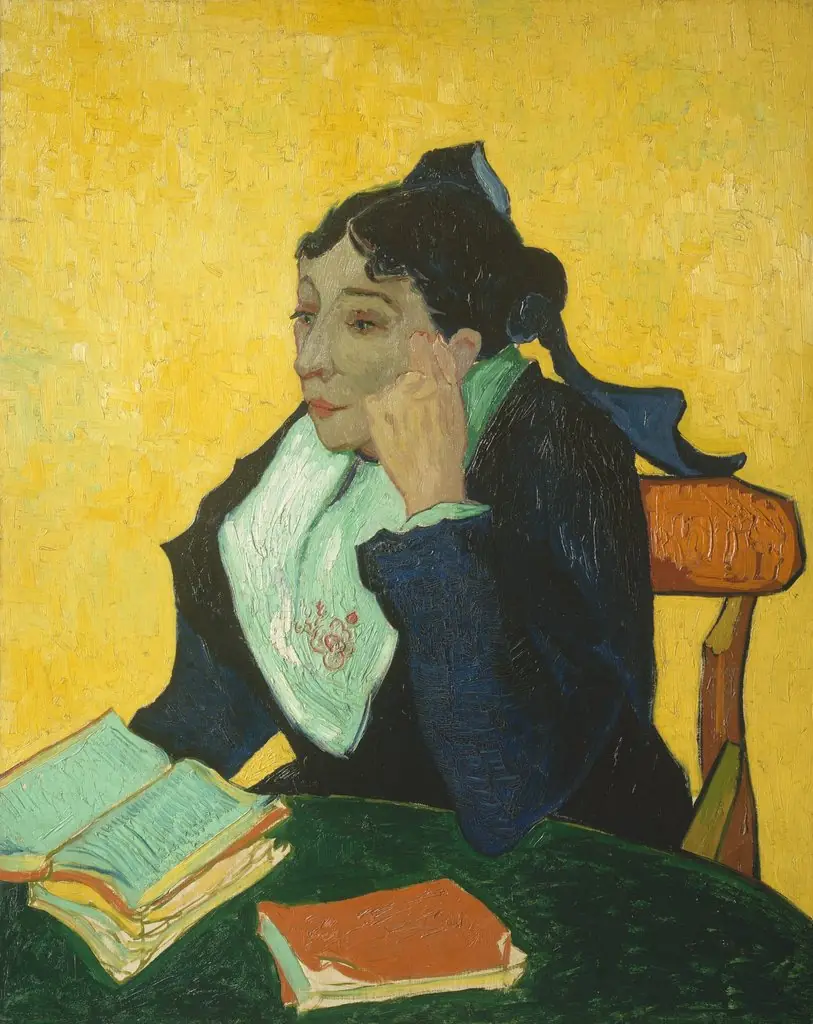 L'Arlésienne
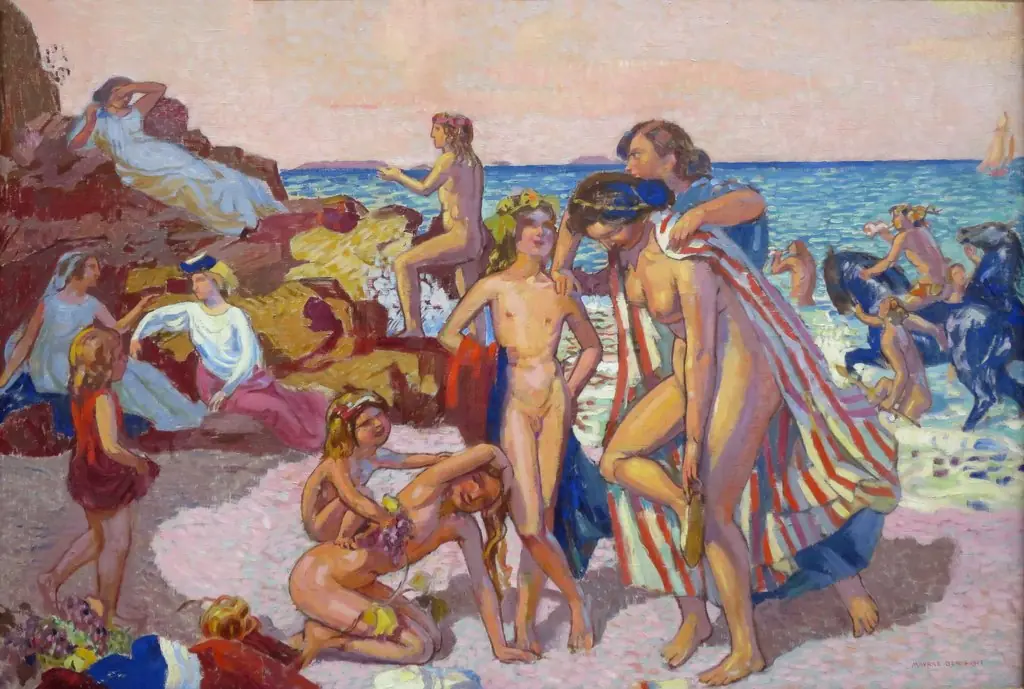 Bacchus and Ariadne
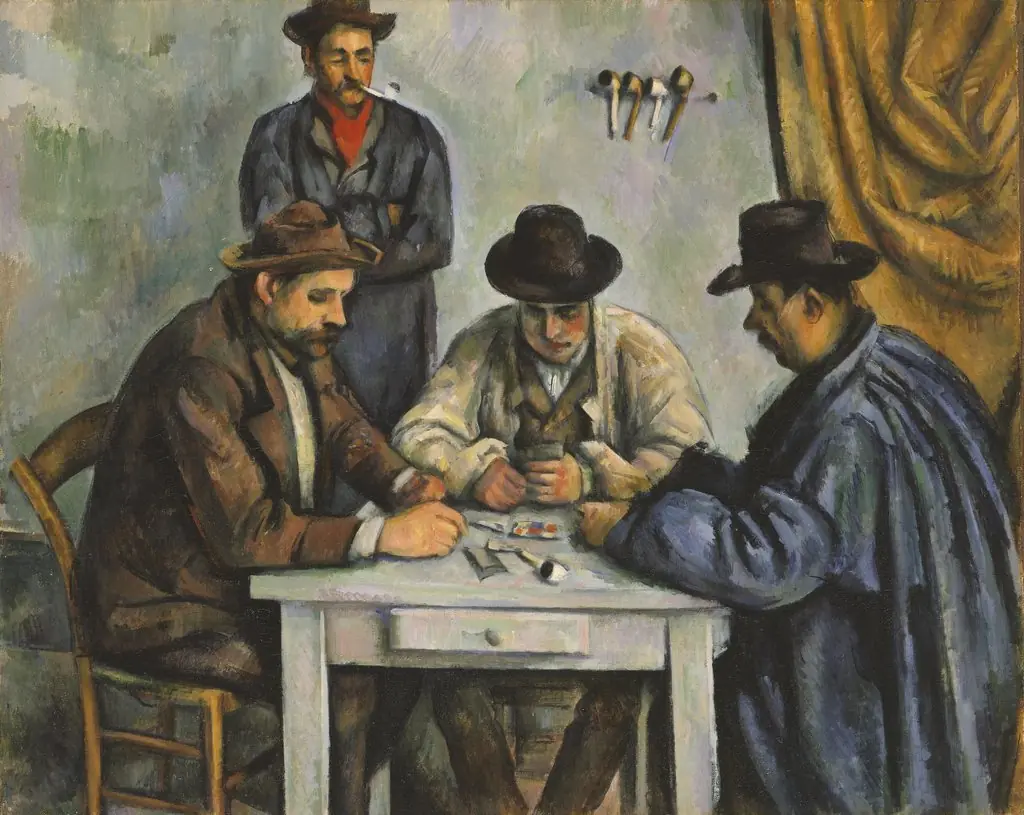 The Card Players
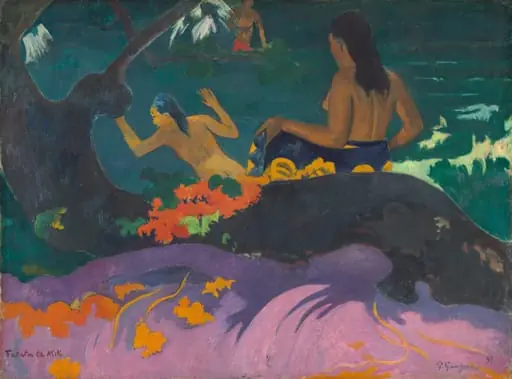 Fatata te Miti (By the Sea)
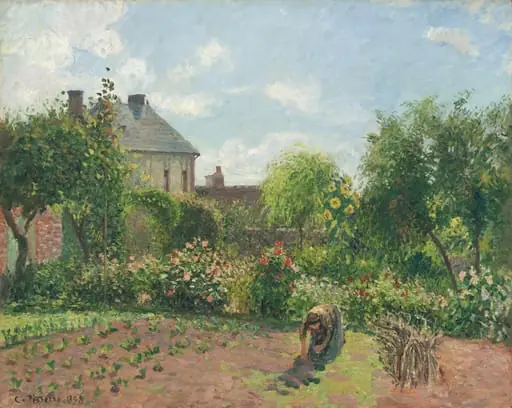 The Artist's Garden at Eragny
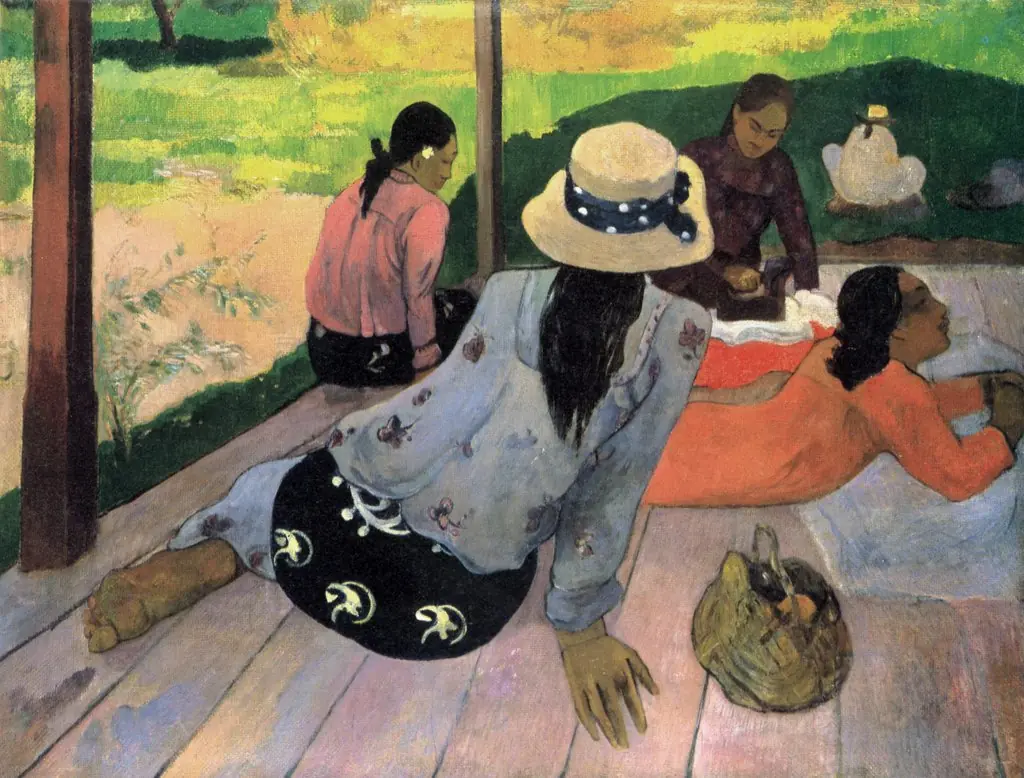 The Siesta
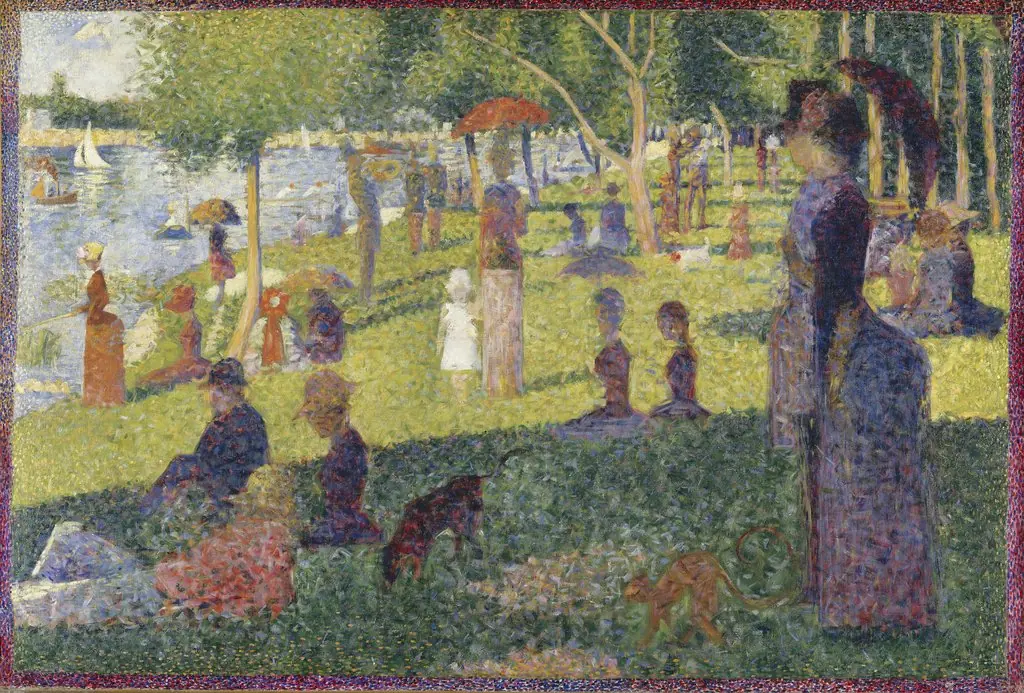 Final study for "La Grande Jatte"
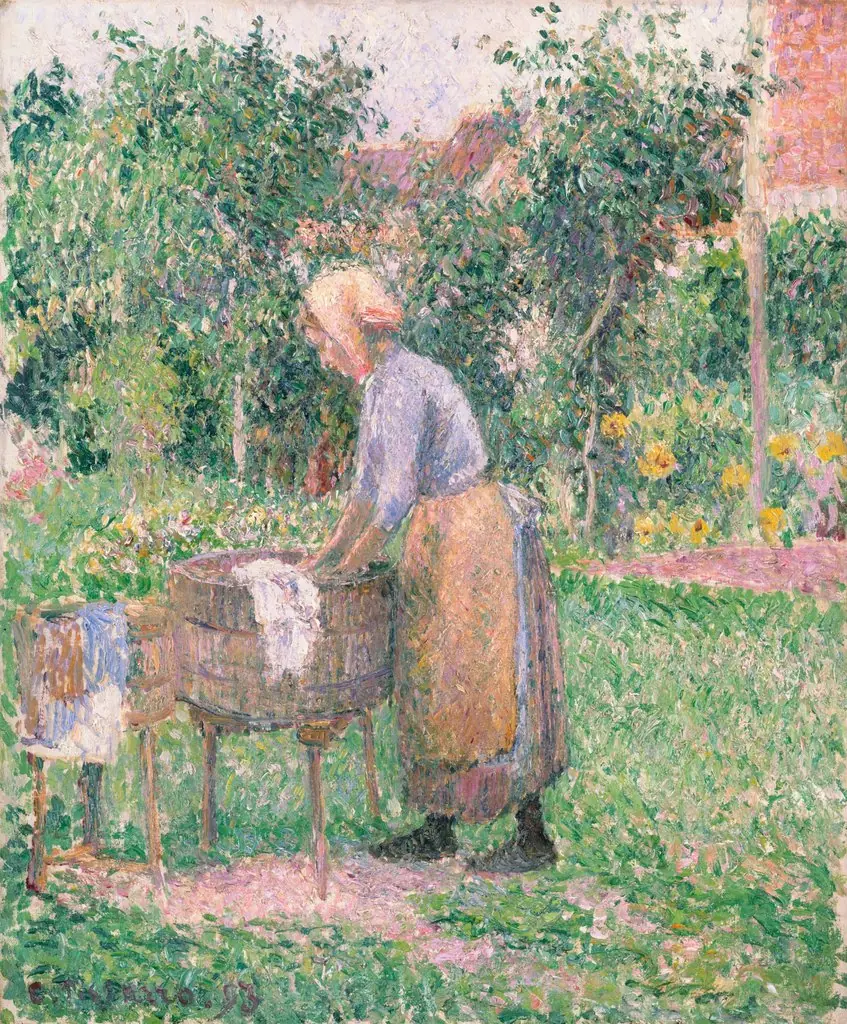 A Washerwoman at Éragny
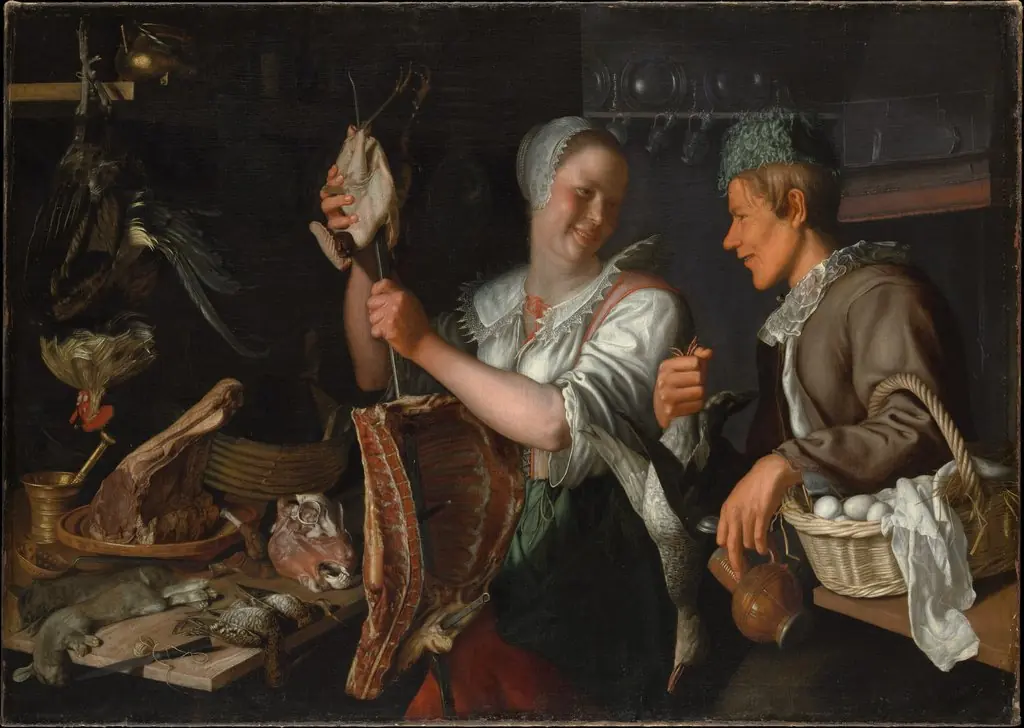 Kitchen Scene
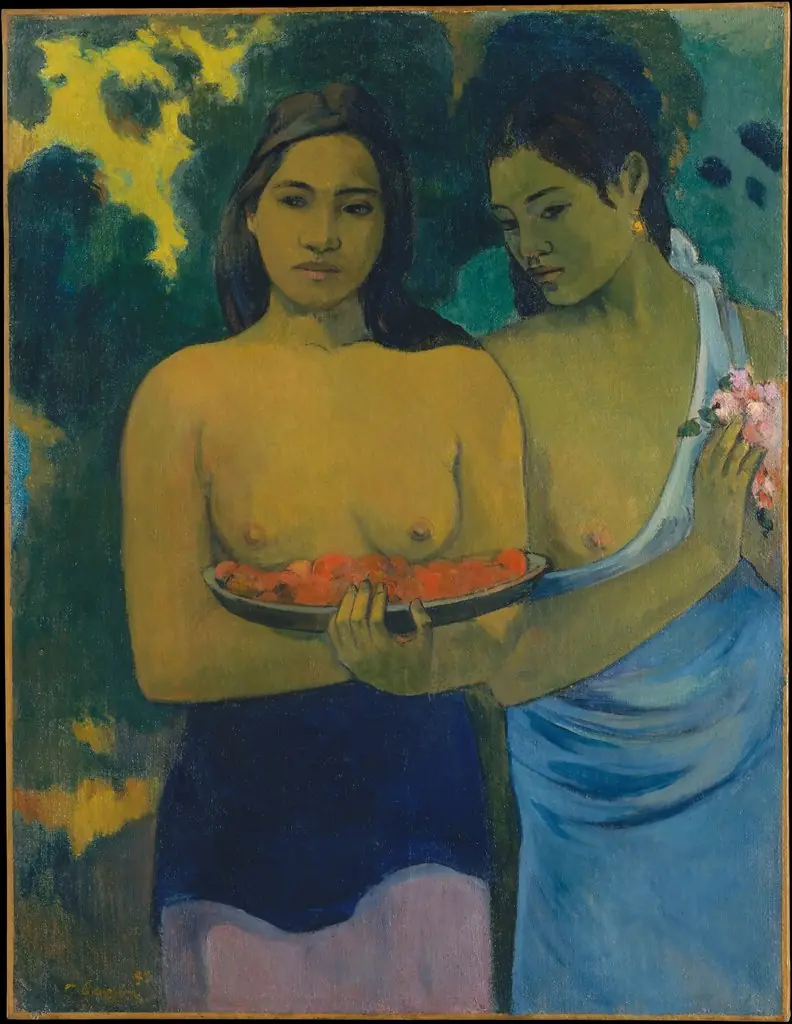 Two Tahitian Women
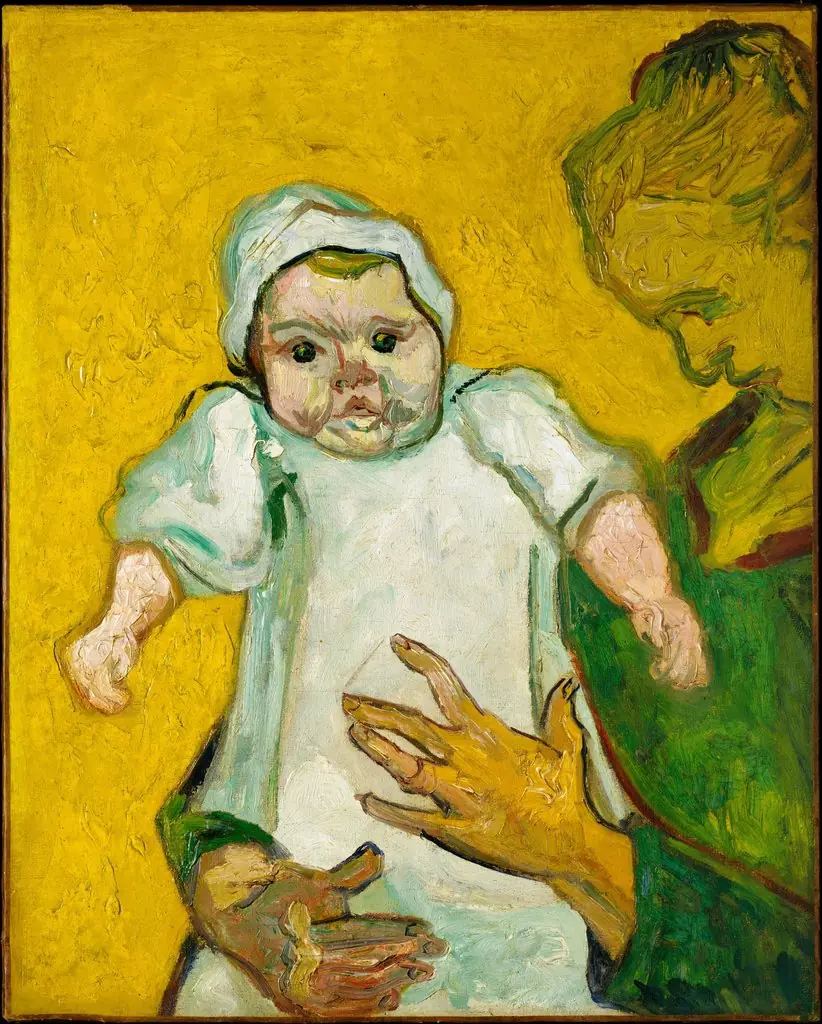 Madame Augustine Roulin with Baby
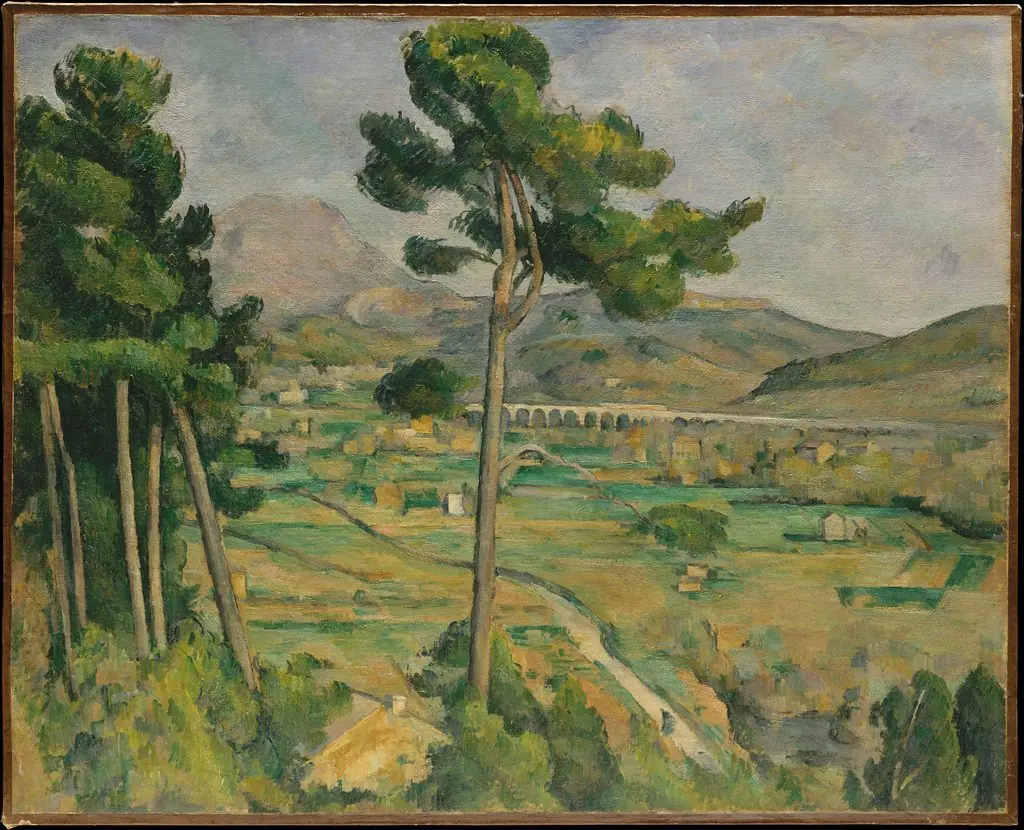 Mont Sainte-Victoire and the Viaduct of the Arc River Valley
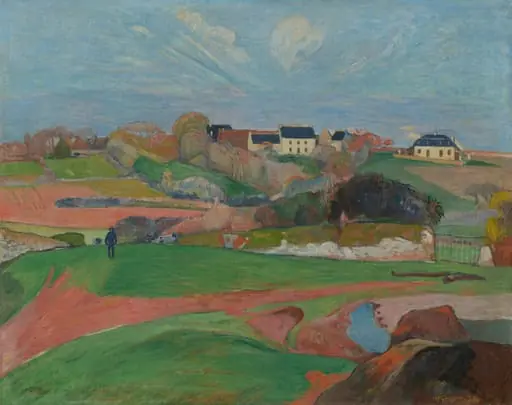 Landscape at Le Pouldu
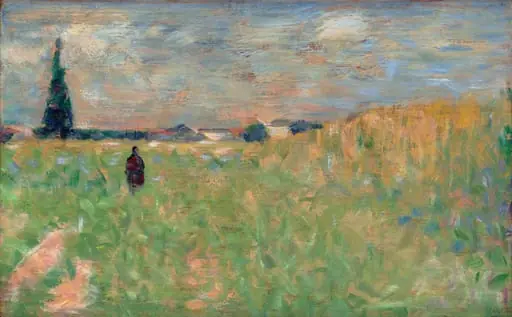 A Summer Landscape
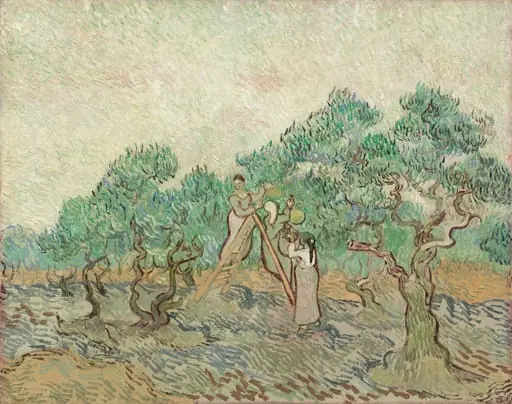 The Olive Orchard
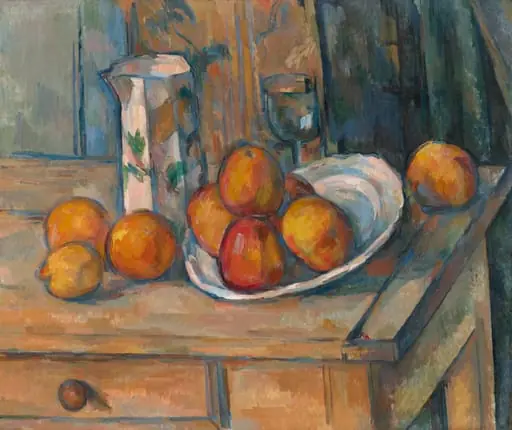 Still Life with Milk Jug and Fruit
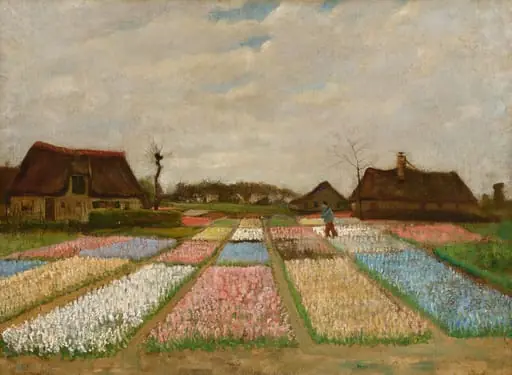 Flower Beds in Holland
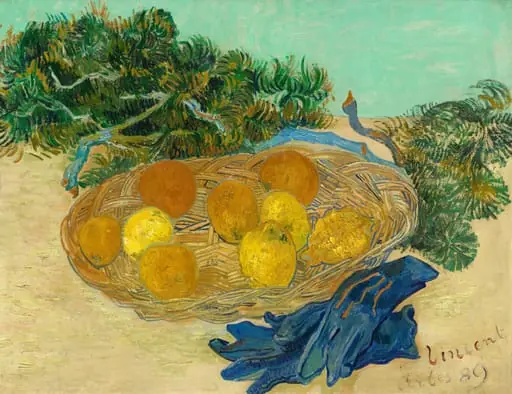 Still Life of Oranges and Lemons with Blue Gloves
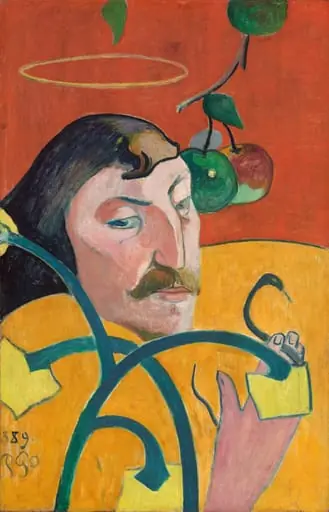 Self-Portrait
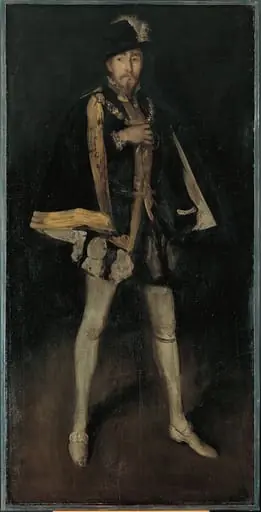 Arrangement in Black, No. 3: Sir Henry Irving as Philip II of Spain
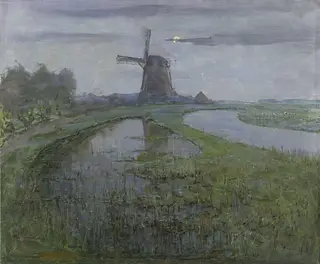
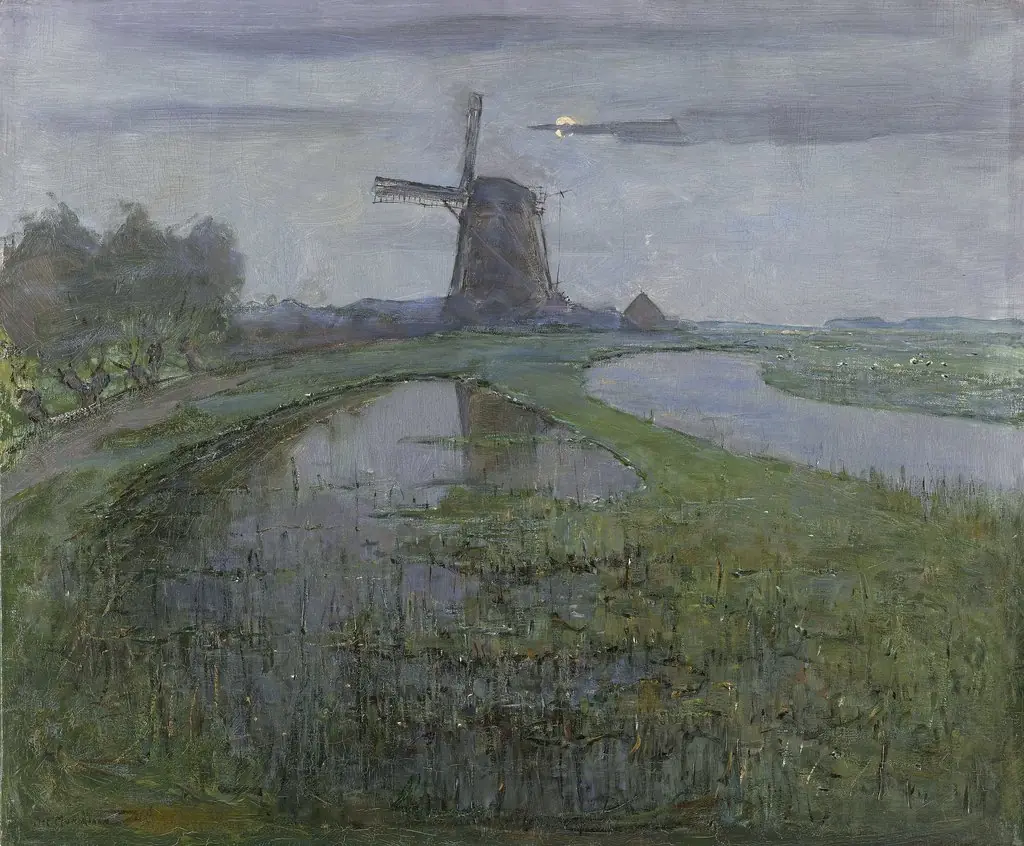 Oostzijdse Mill along the River Gein by Moonlight
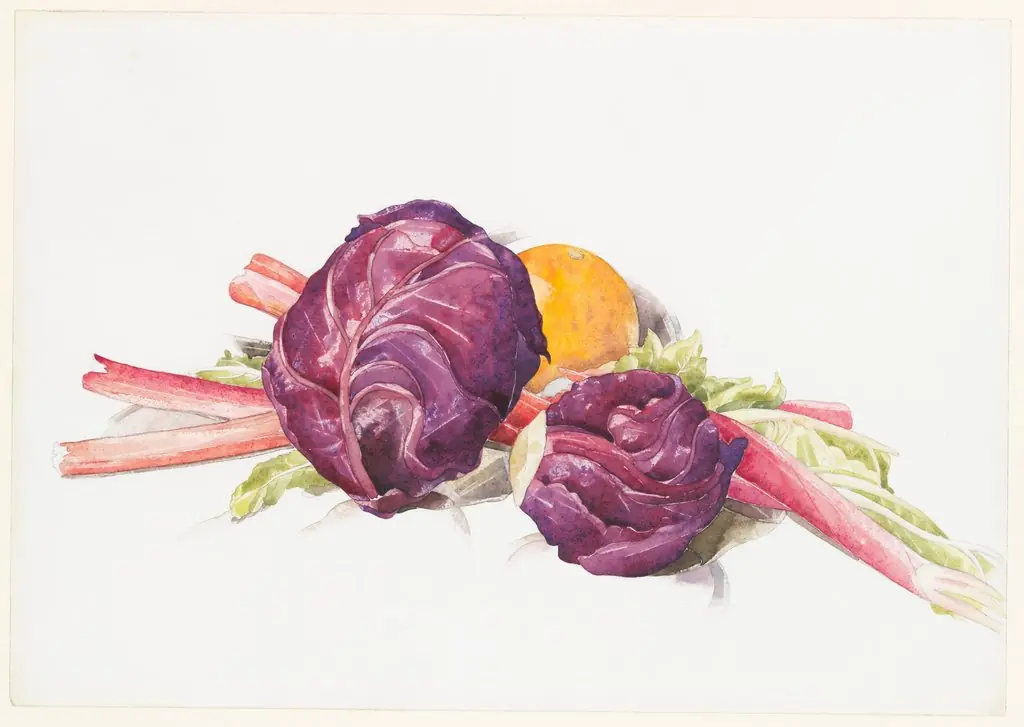 Red Cabbages, Rhubarb and Orange
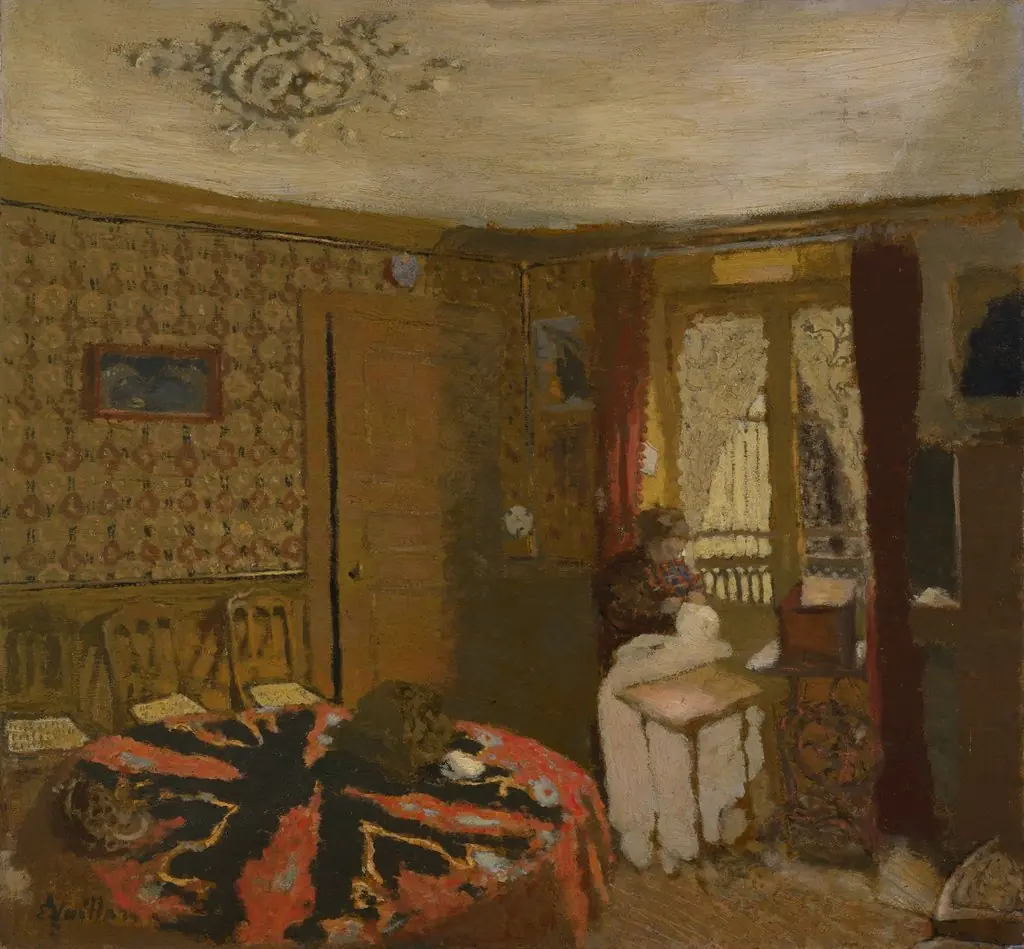 Mme Vuillard Sewing by the Window, rue Truffaut
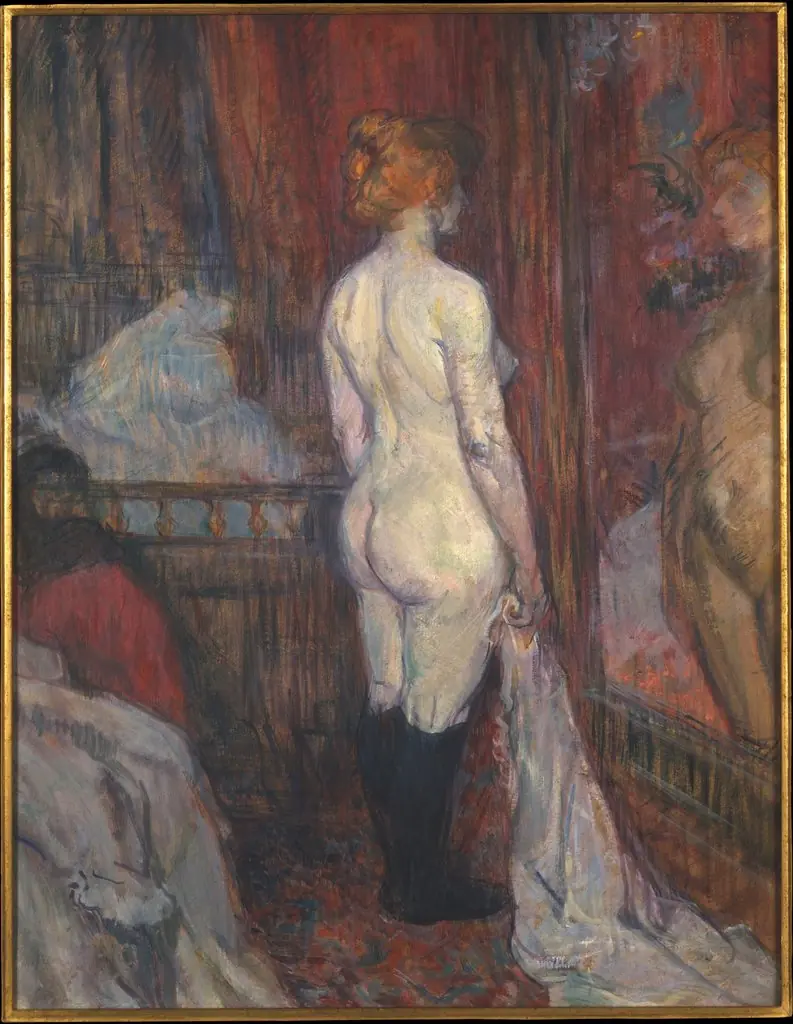 Woman before a Mirror
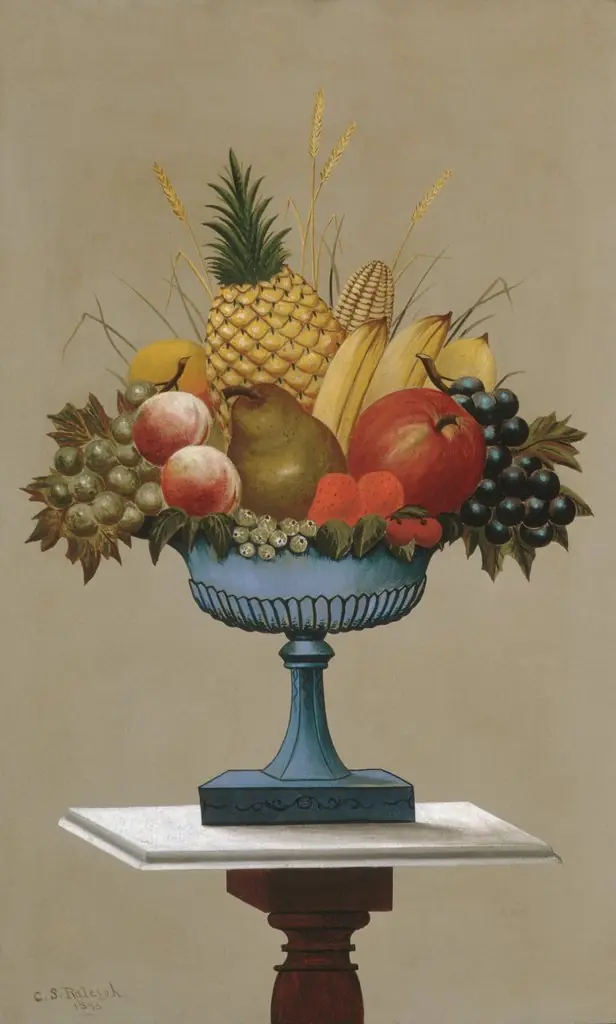 Fruit with Blue-footed Bowl
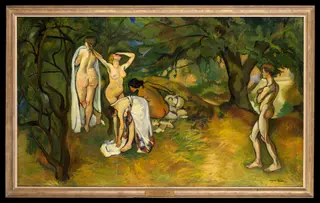
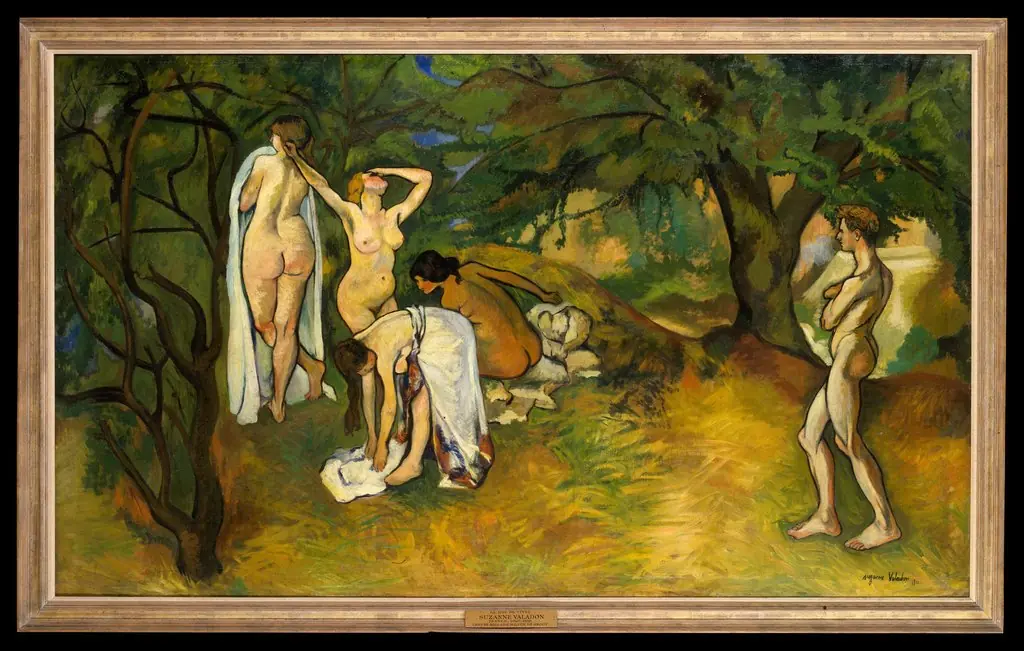 Joy of Life
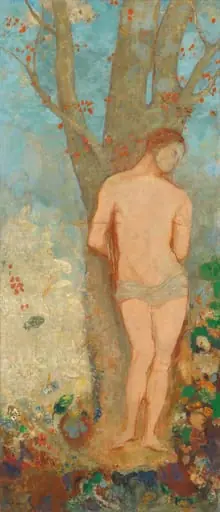 Saint Sebastian
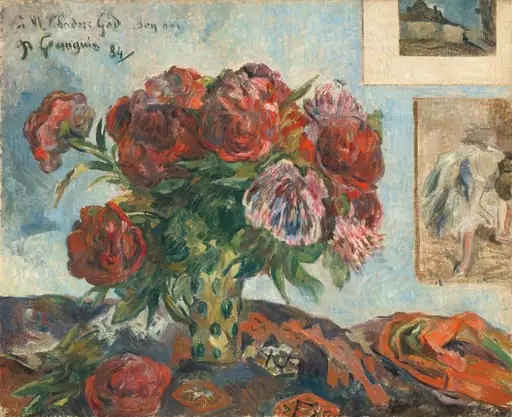 Still Life with Peonies
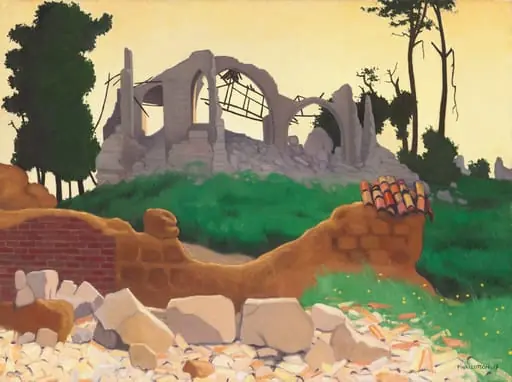 The Church of Souain
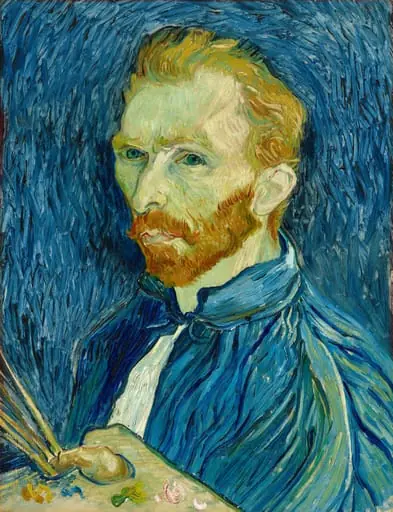 Self-Portrait
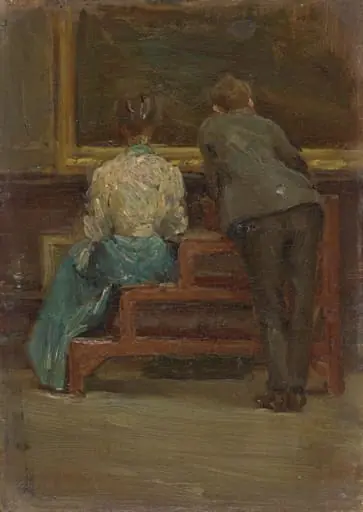 Charles Sheeler and Nina Allender
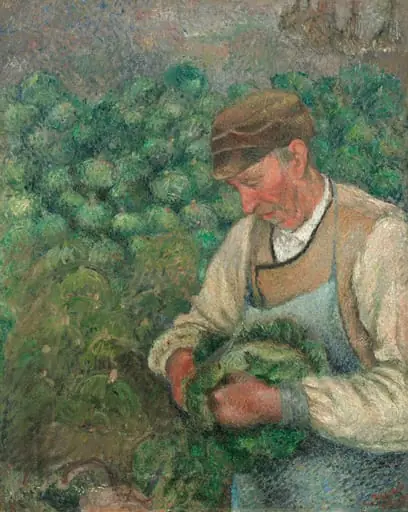 The Gardener - Old Peasant with Cabbage
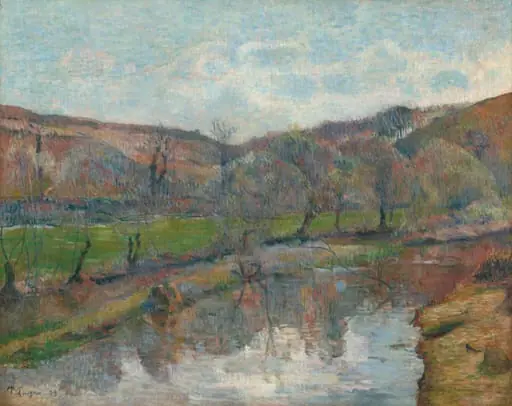 Brittany Landscape
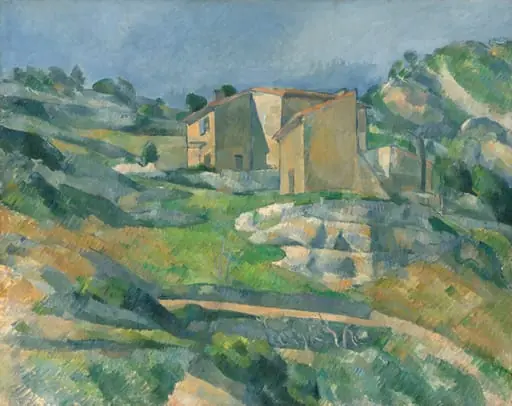 Houses in Provence: The Riaux Valley near L'Estaque
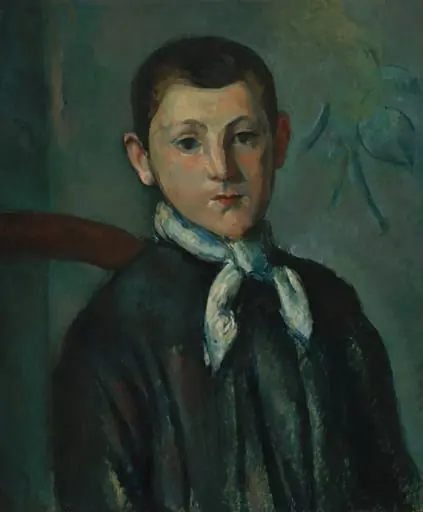 Louis Guillaume
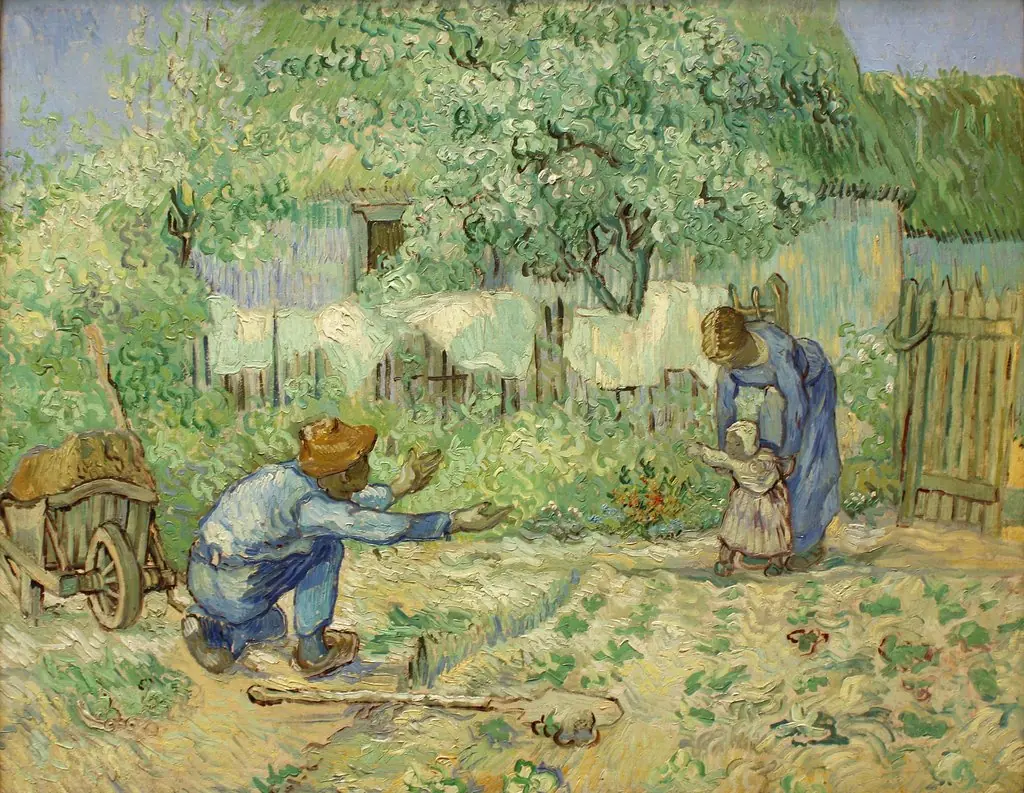 First Steps, after Millet
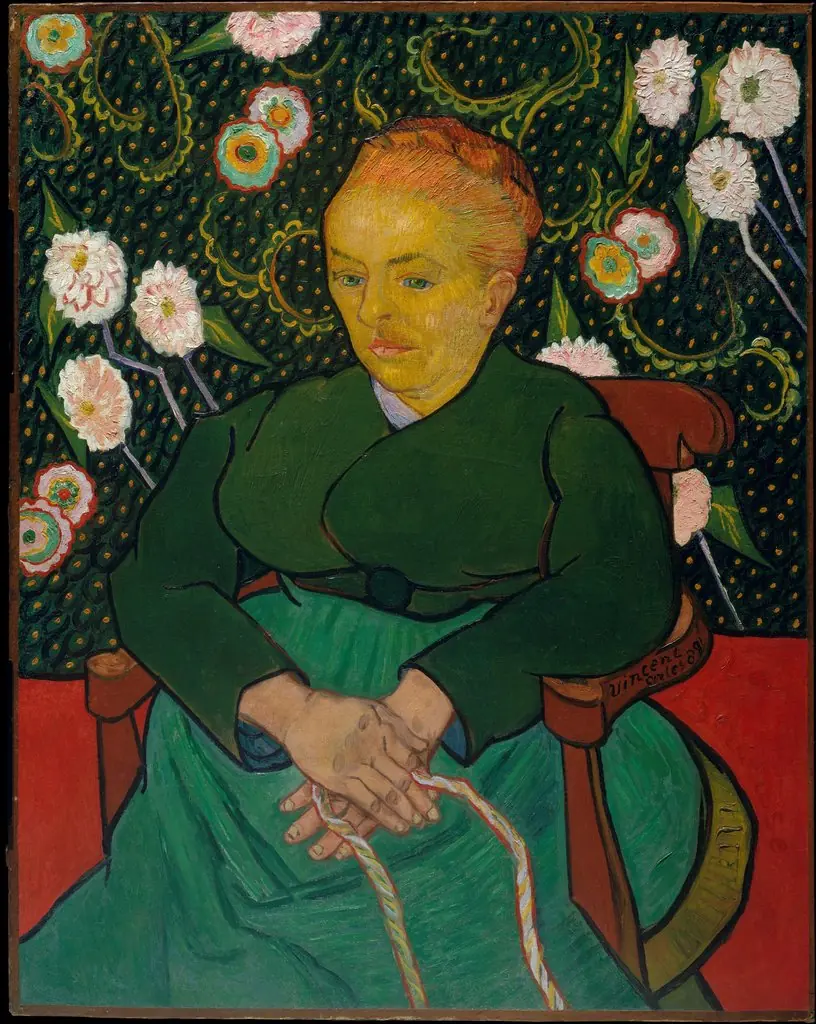 La Berceuse (Woman Rocking a Cradle; Augustine-Alix Pellicot Roulin, 1851–1930)
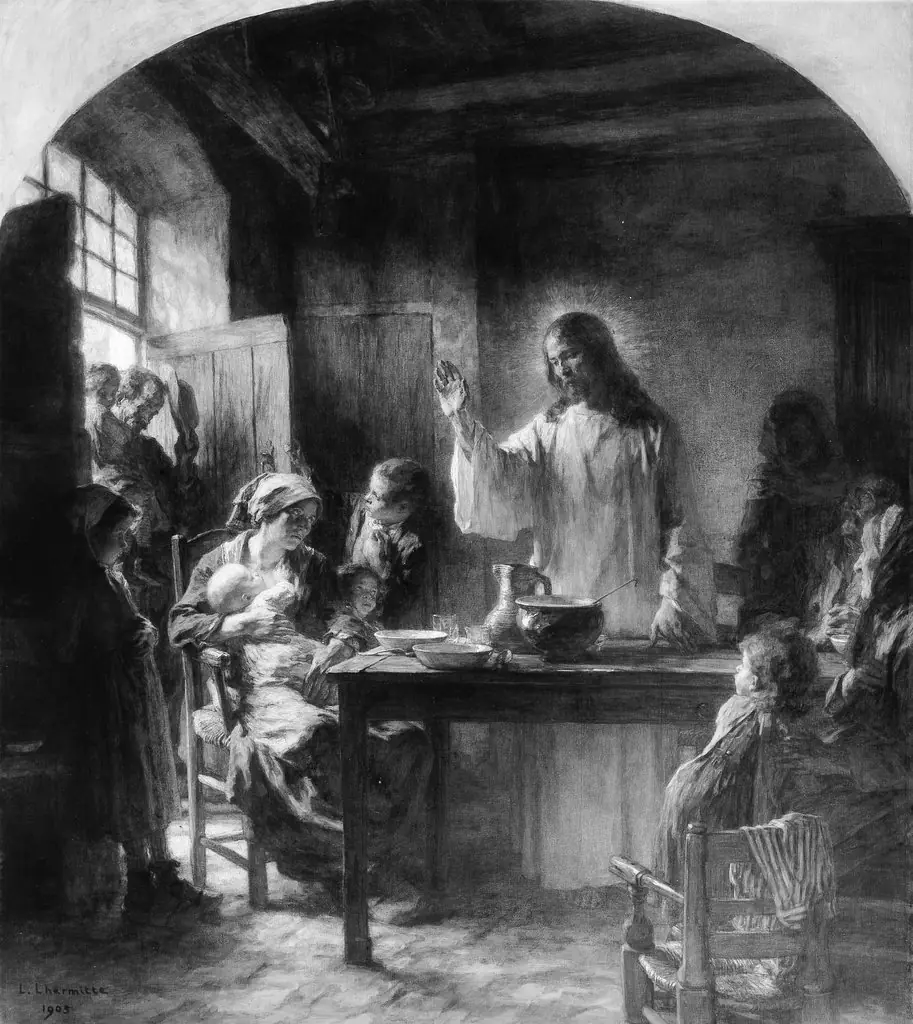 Among the Humble
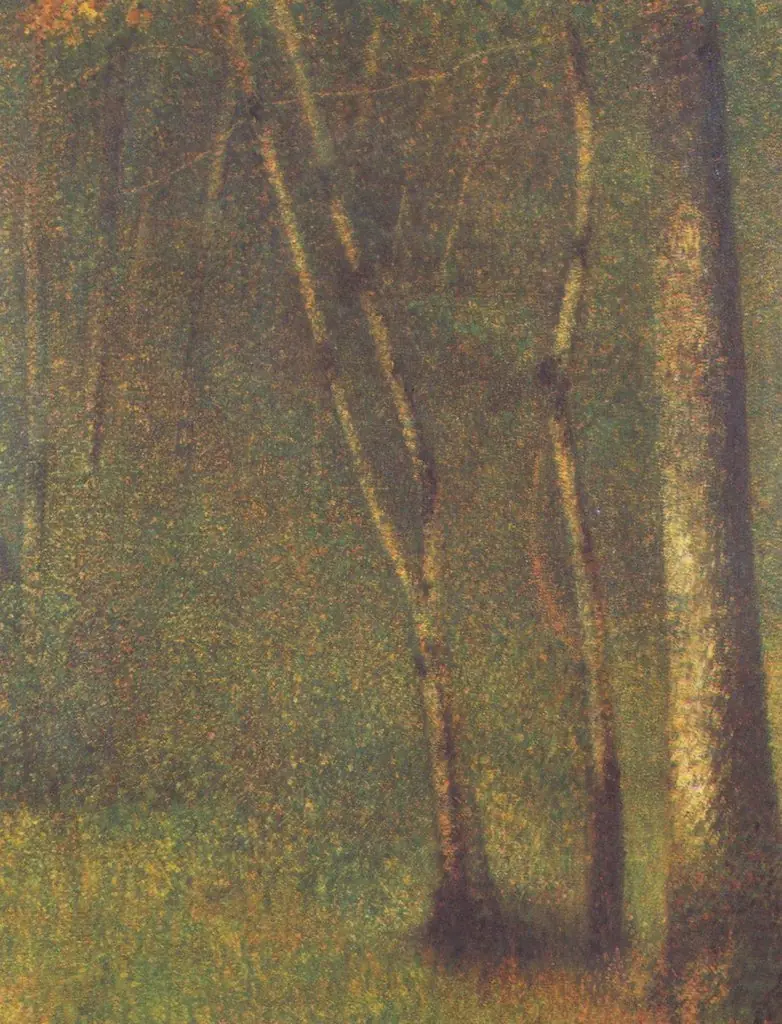 The Forest at Pontaubert
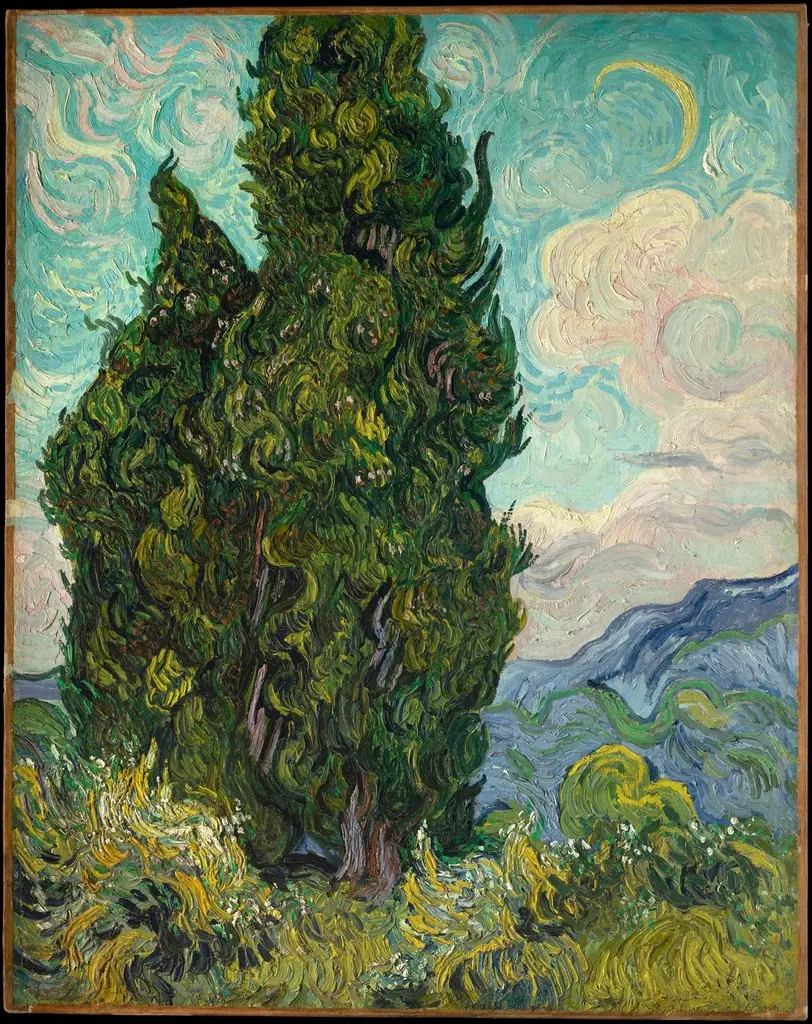 Cypresses
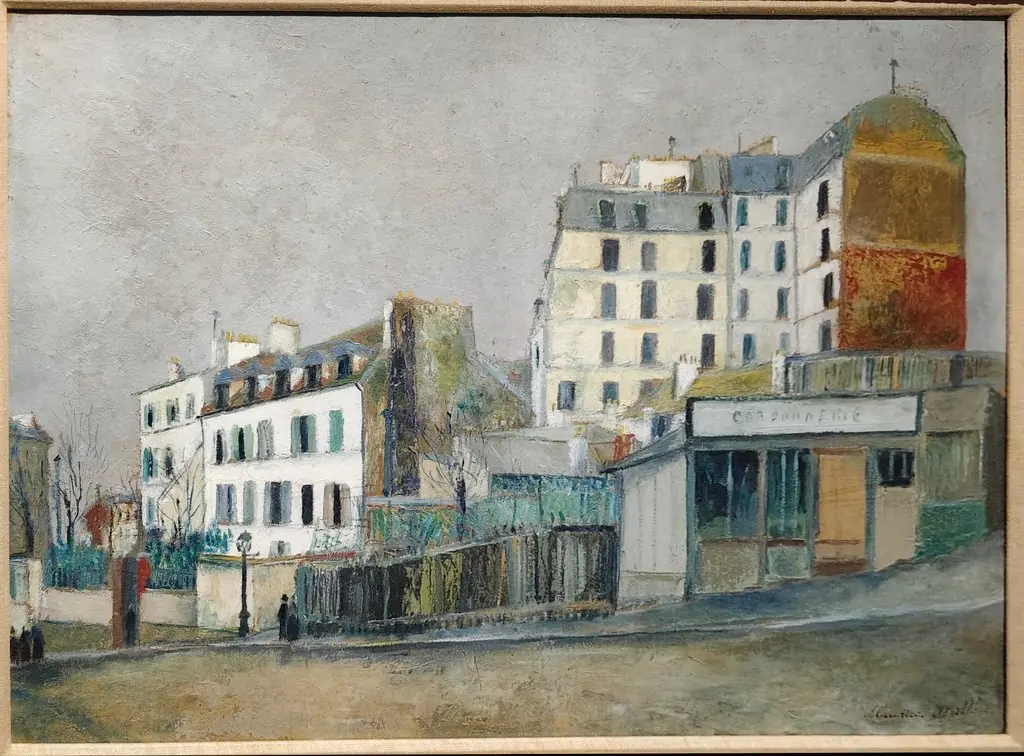 40, Rue Ravignan
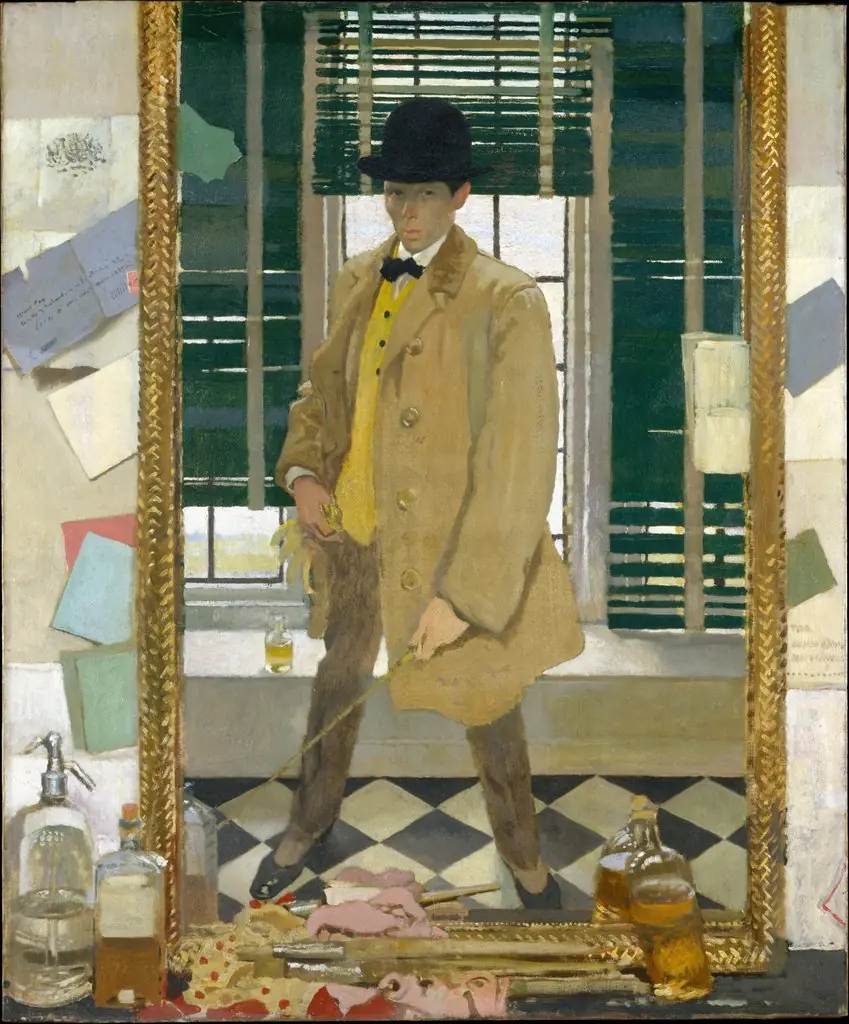 Self-Portrait
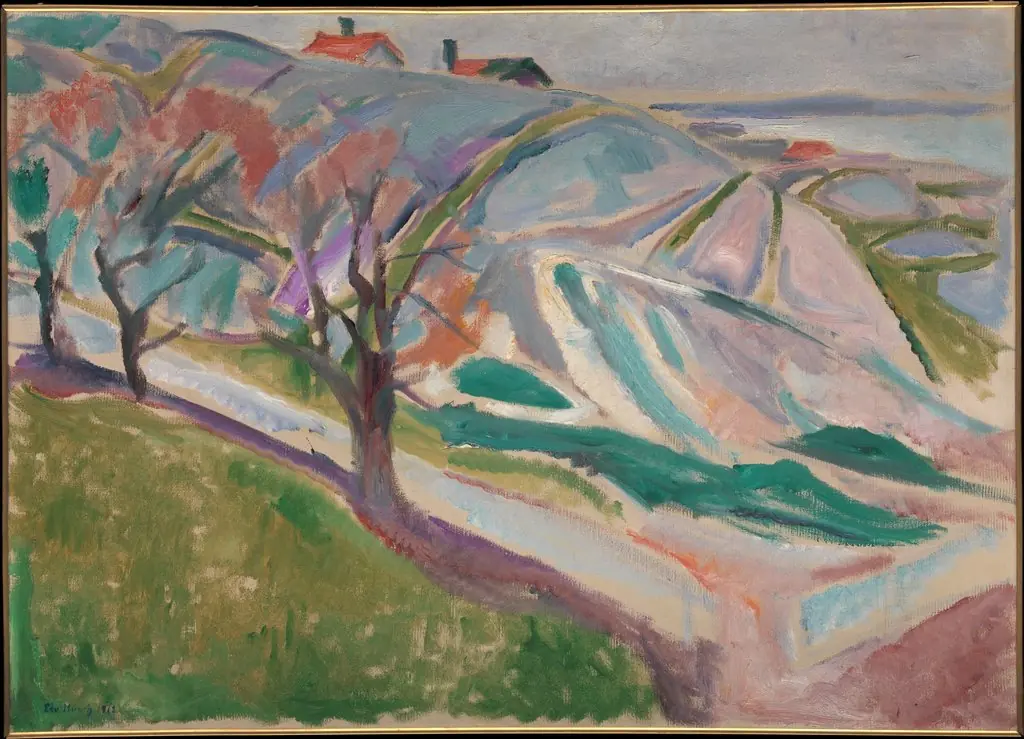 Landscape from Kragerø
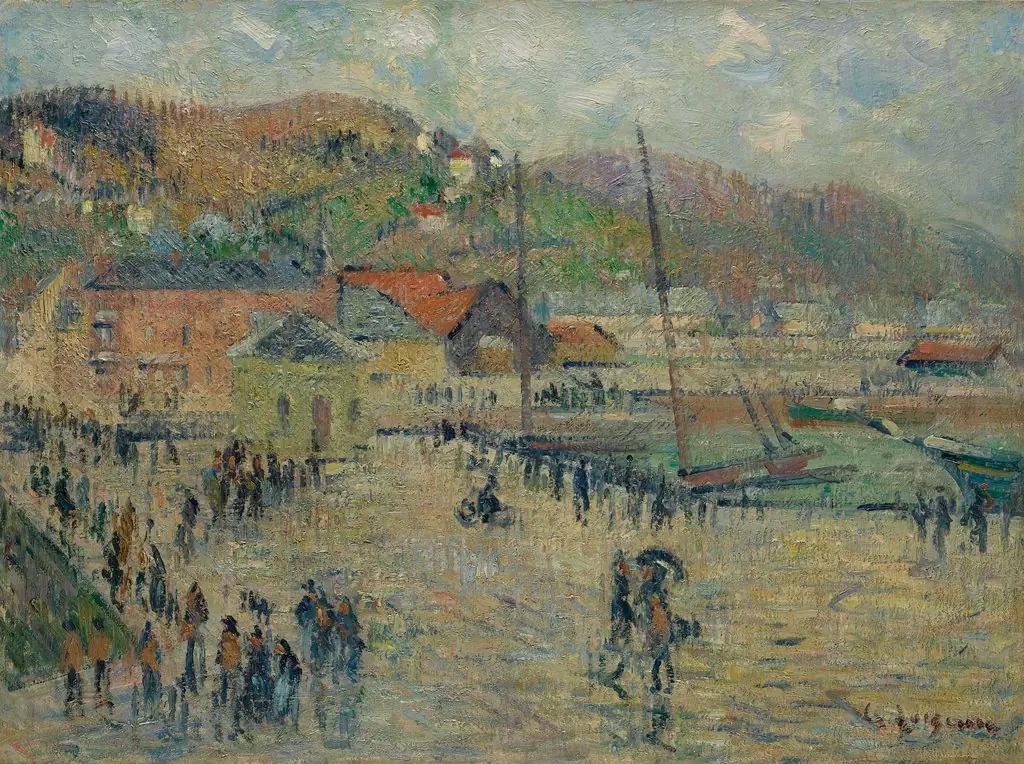 Le Grand Quai, Fécamp
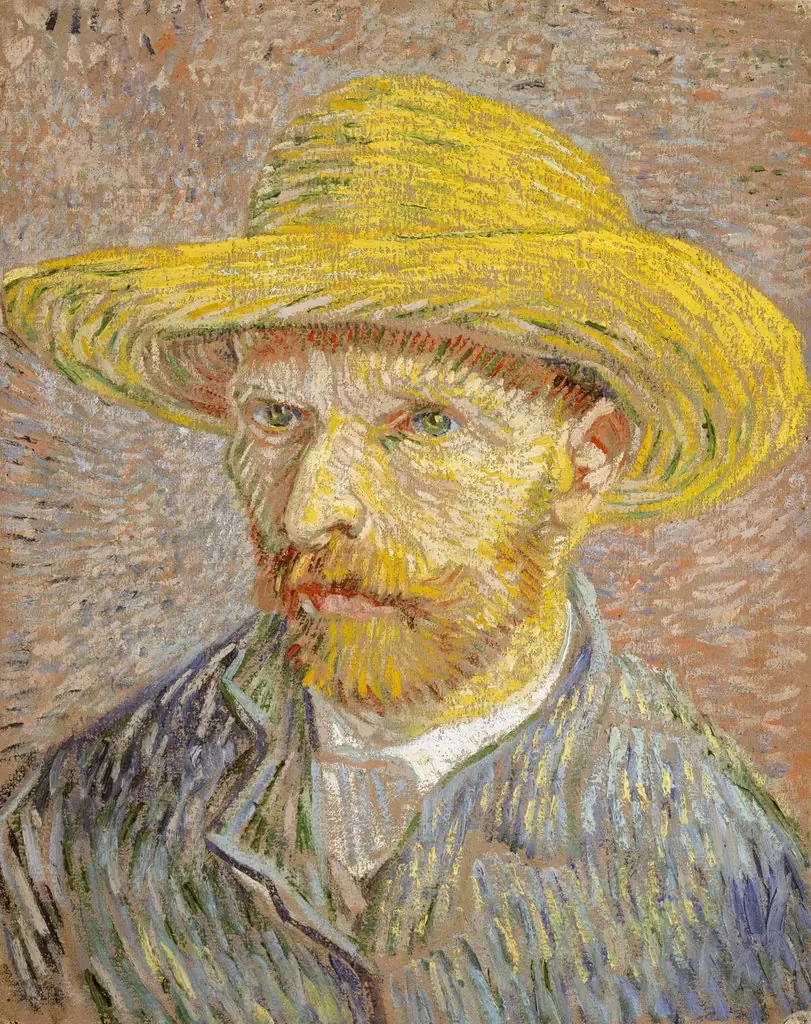 Self-Portrait with a Straw Hat
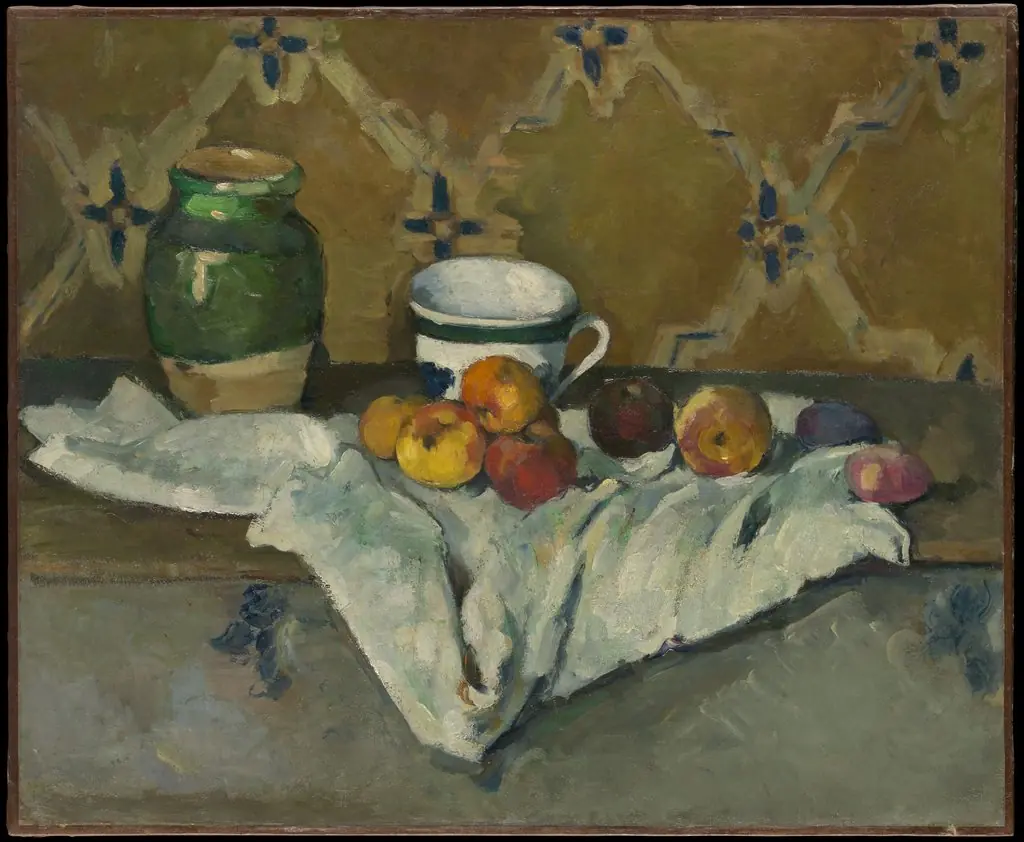 Still Life with Jar, Cup, and Apples
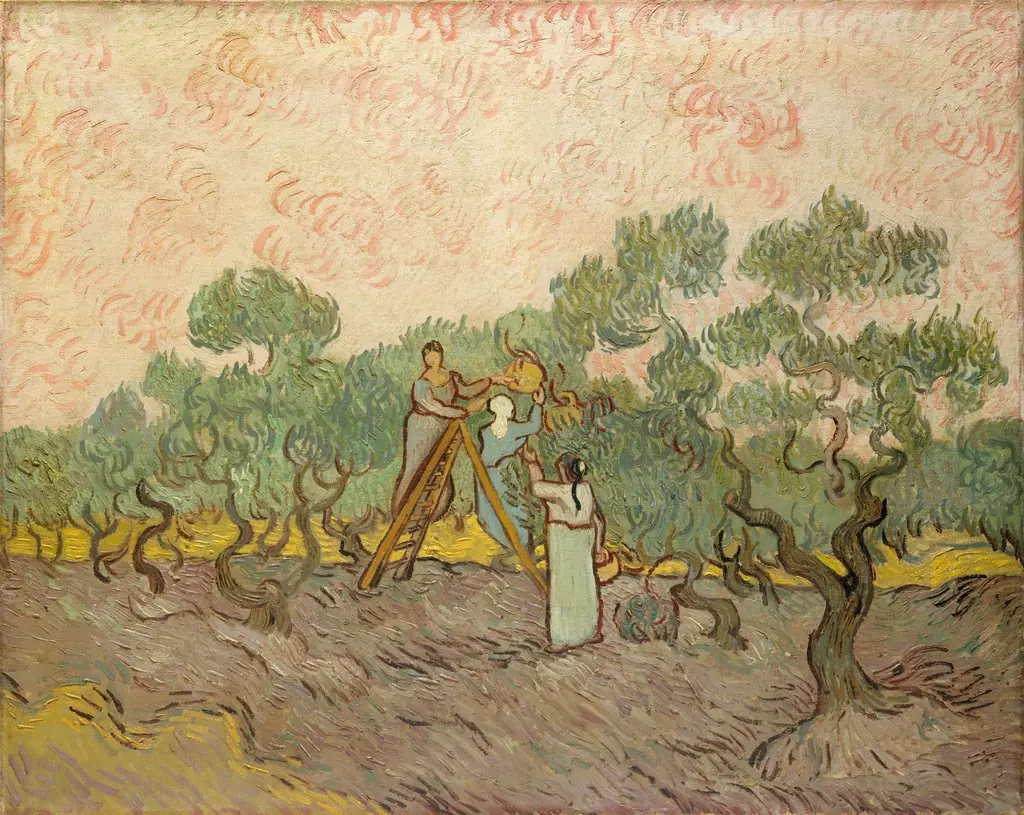 Women Picking Olives
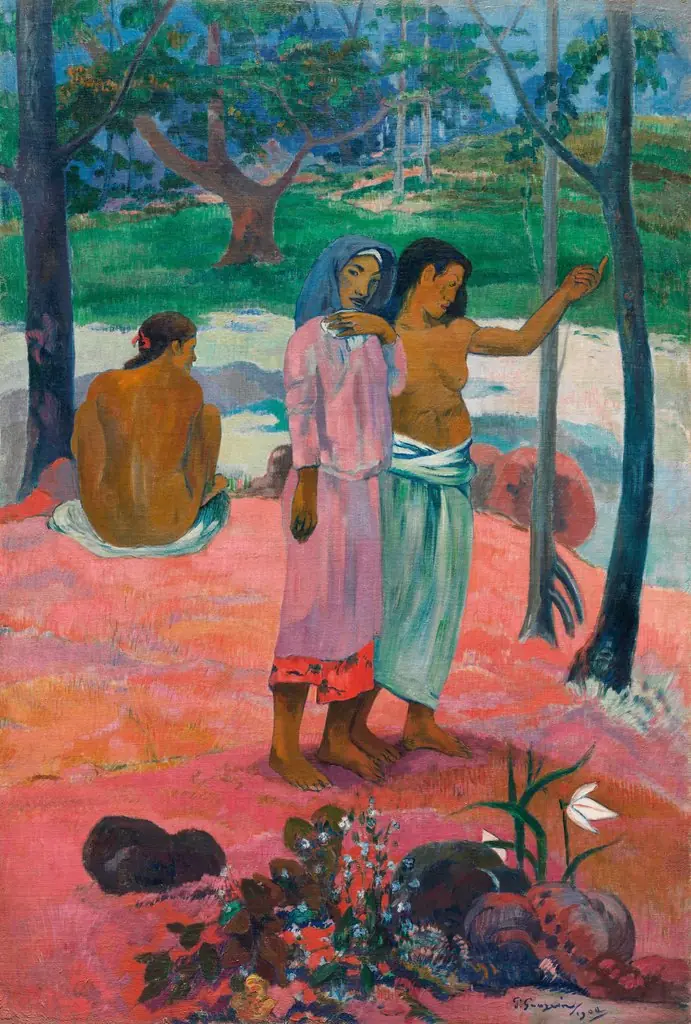 The Call
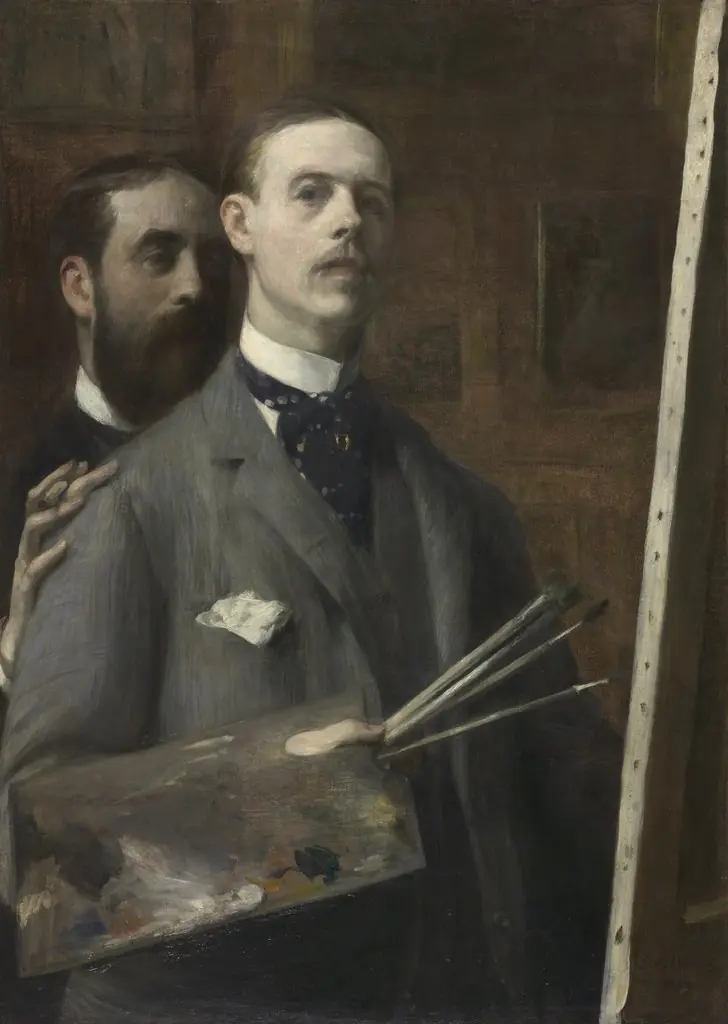 Self-Portrait with Raphael de Ochoa
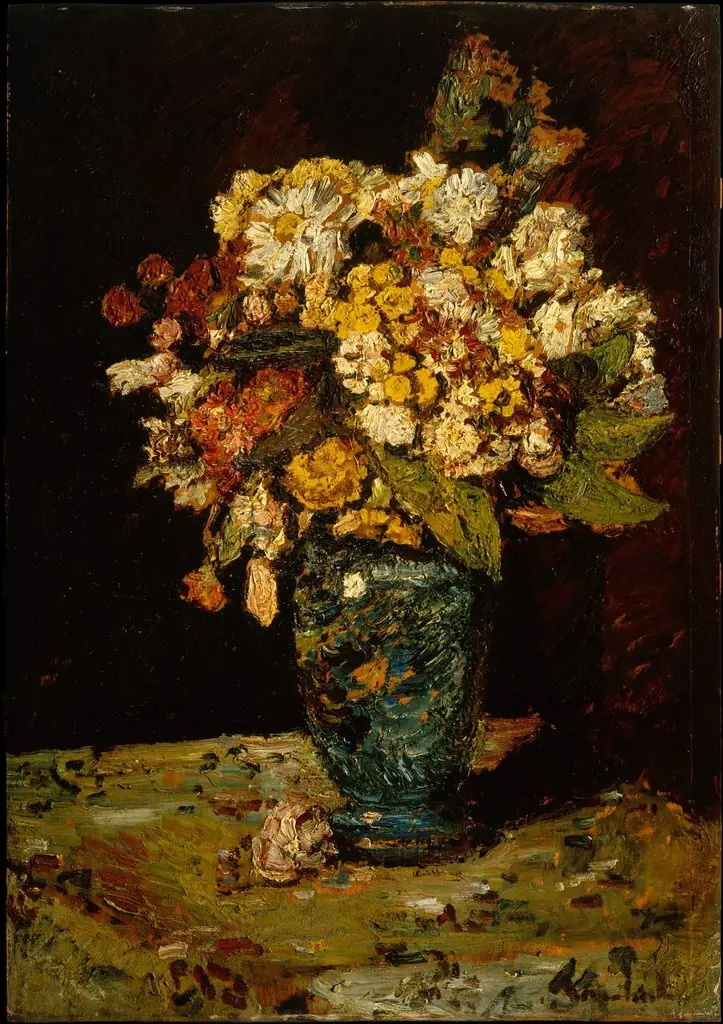 Flowers in a Blue Vase
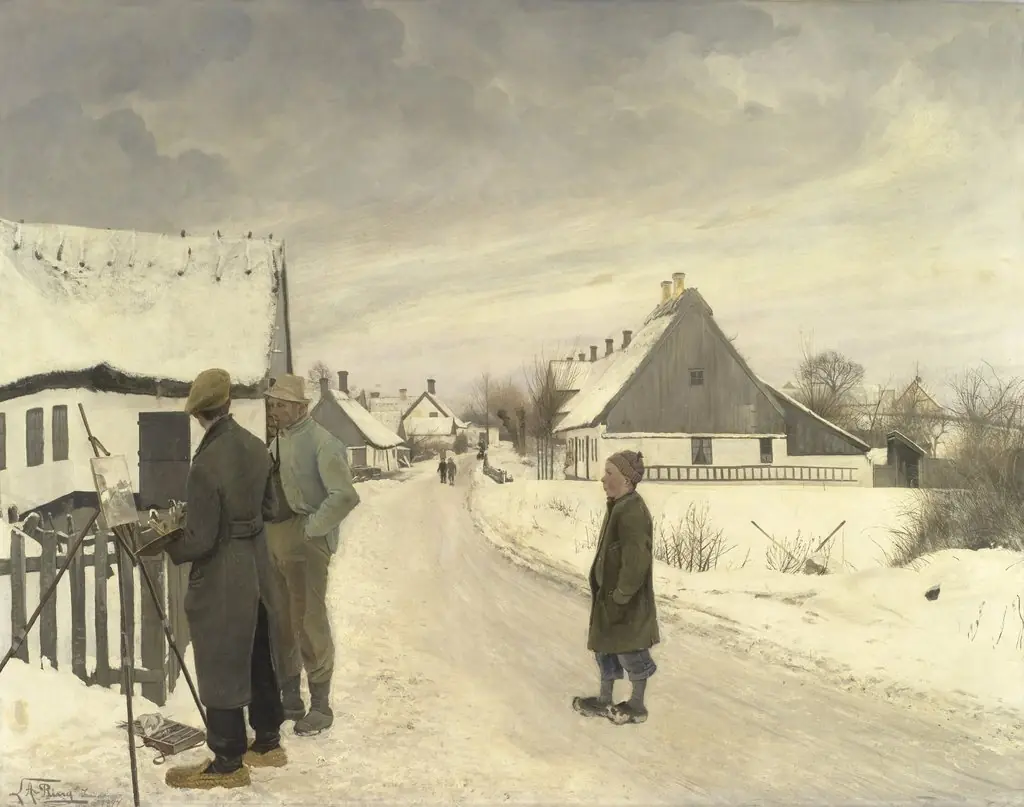 The Painter in the Village
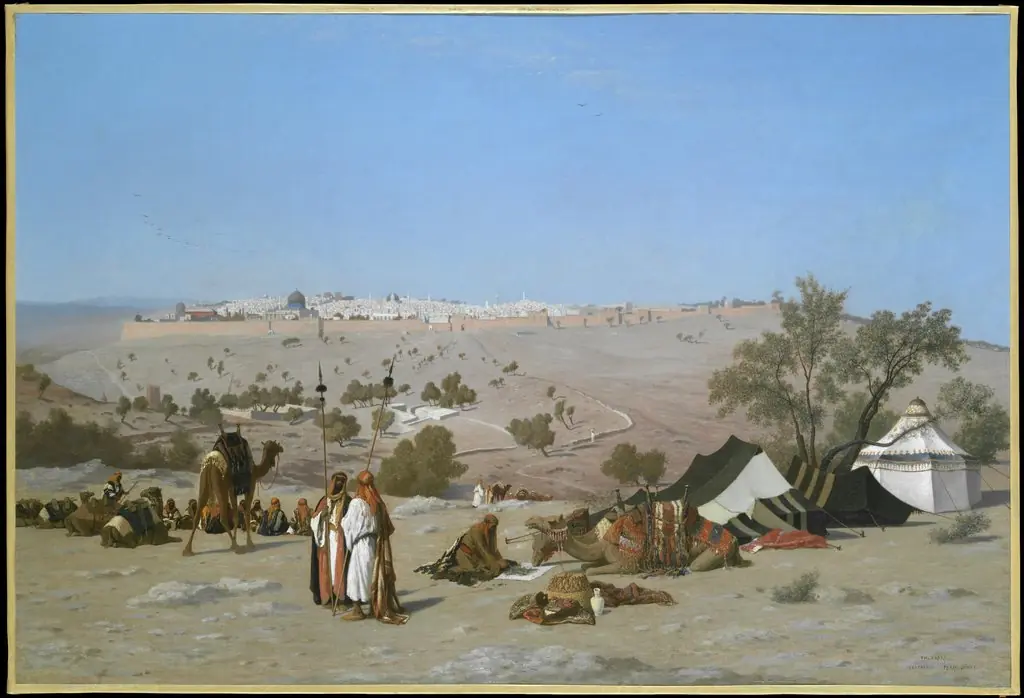 Jerusalem from the Mount of Olives
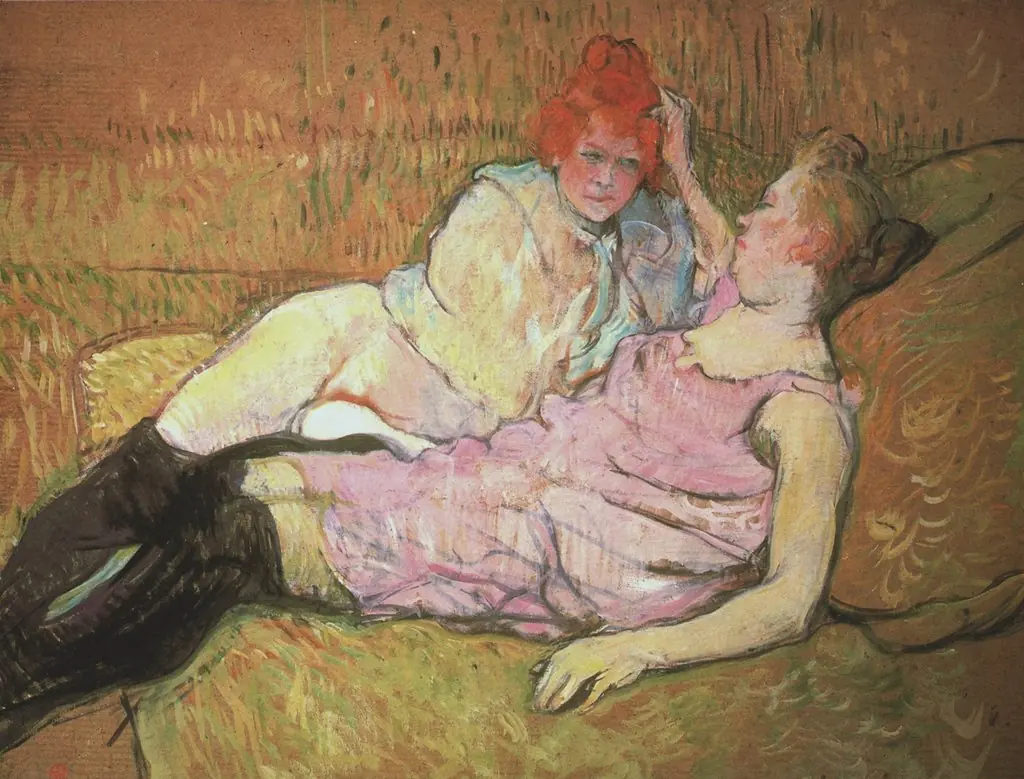 The Sofa
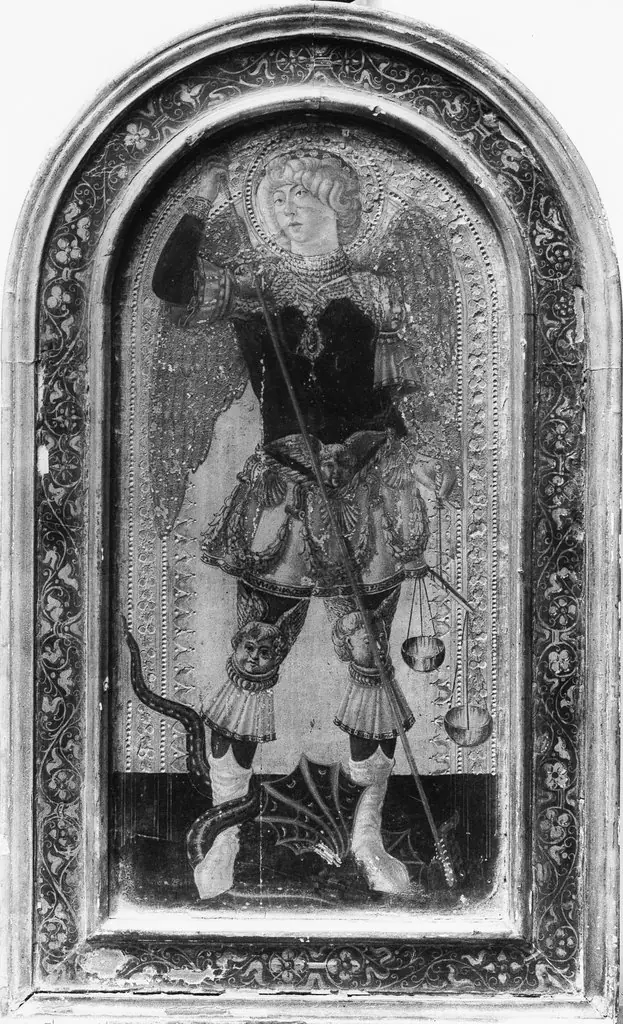 Saint Michael
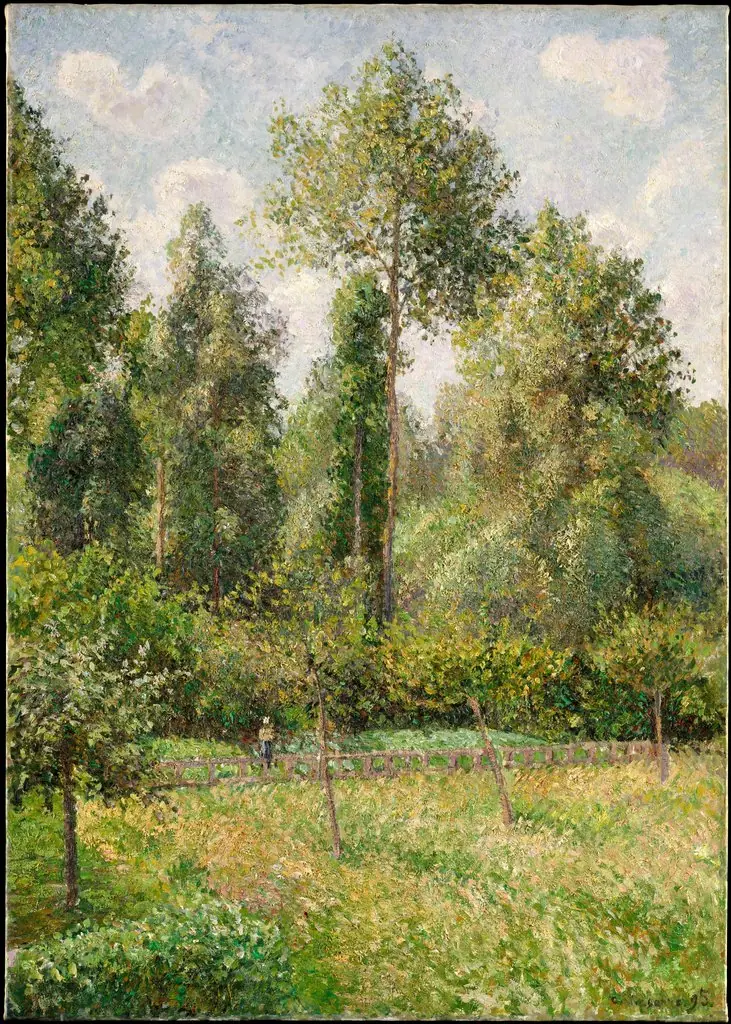 Poplars, Éragny
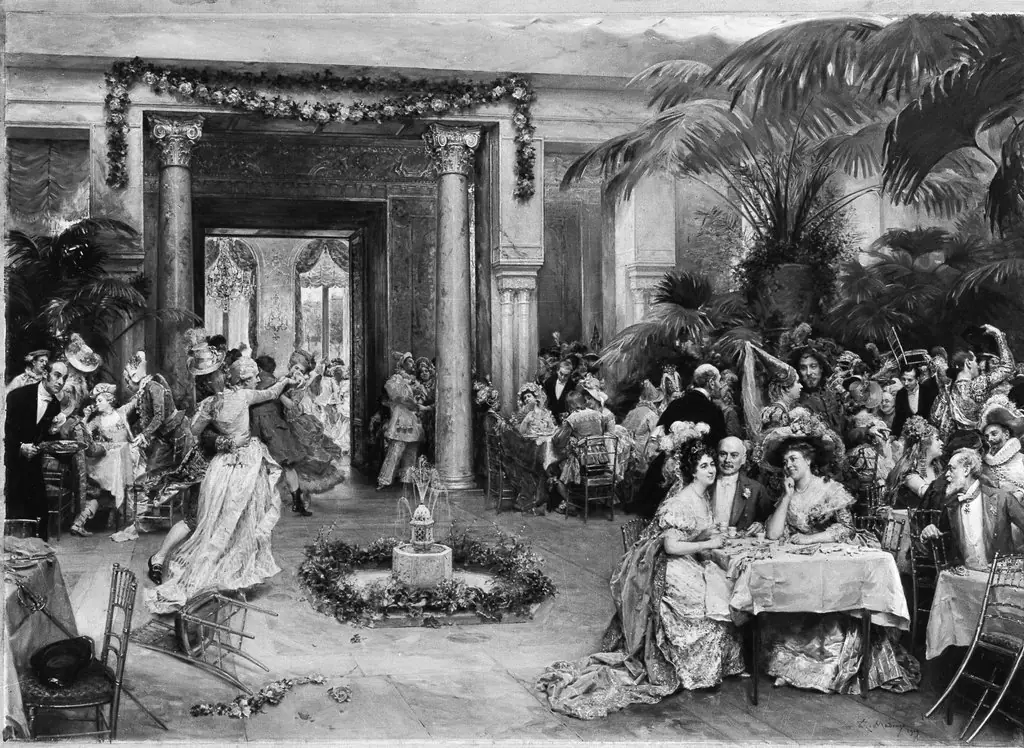 Masquerade Ball at the Ritz Hotel, Paris
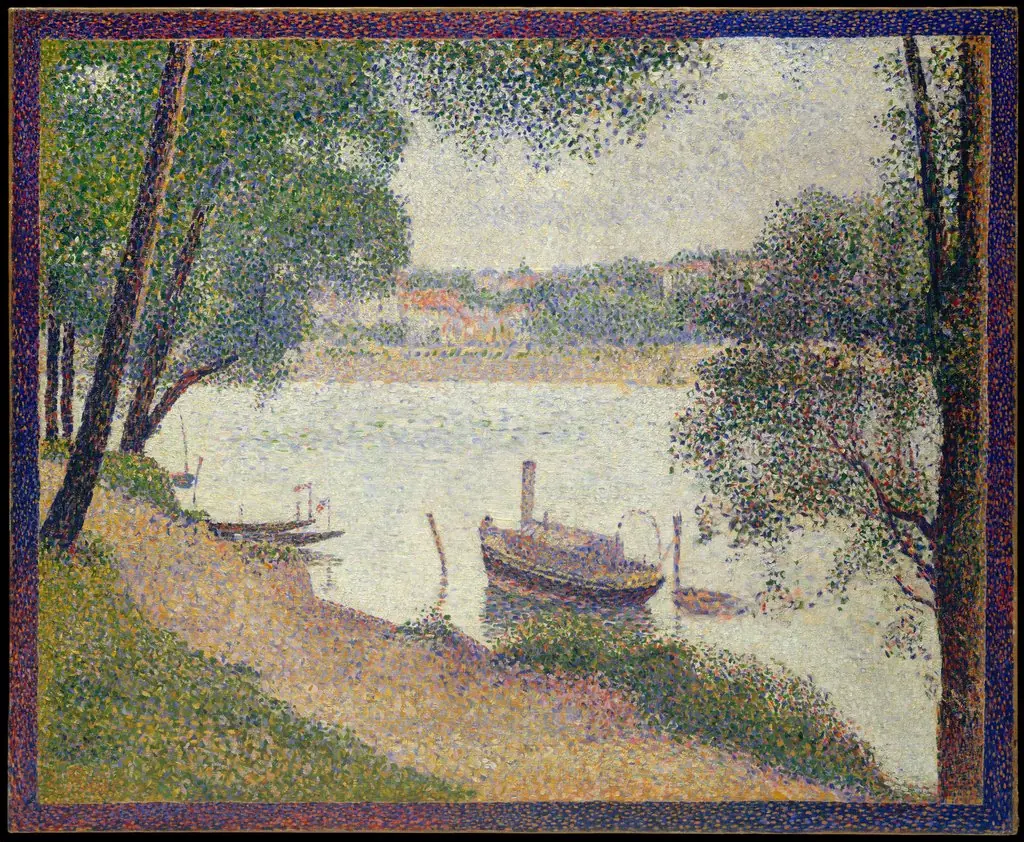 Gray Weather, Grande Jatte
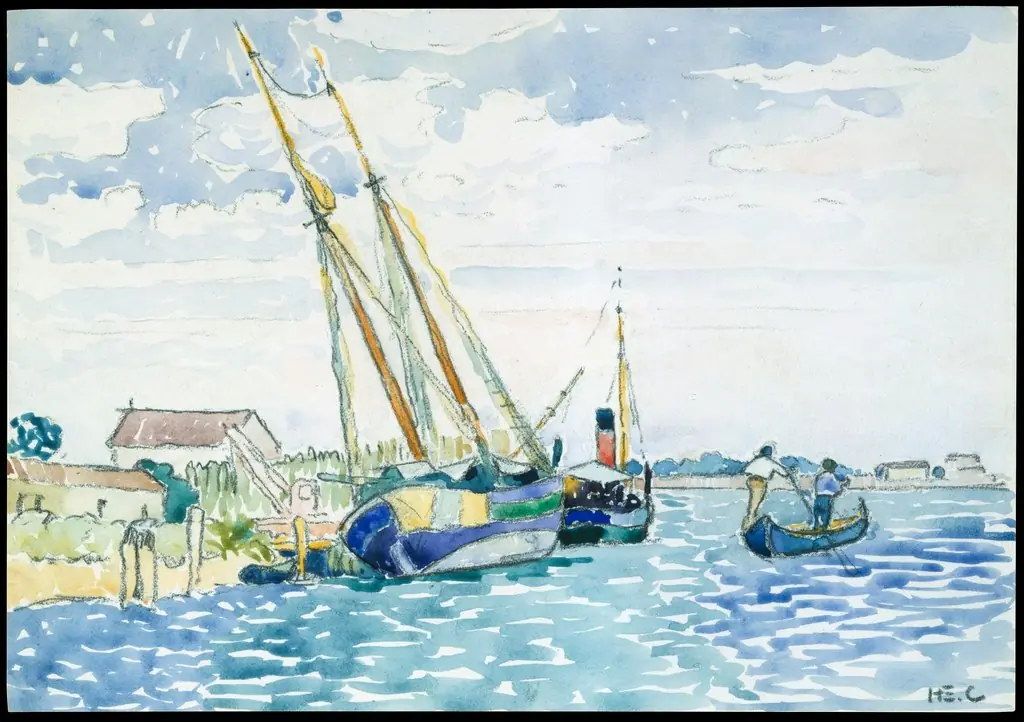 Marine Scene (Boats near Venice)
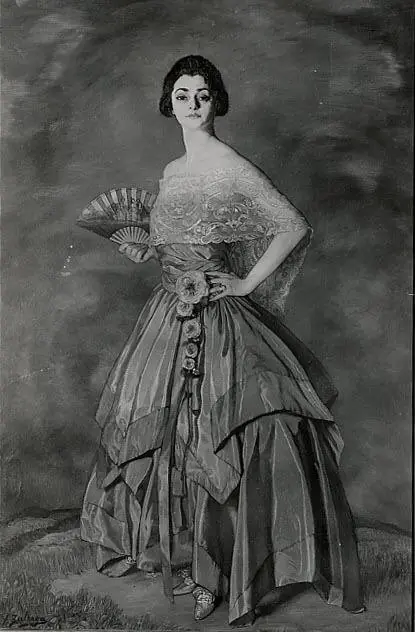 Julia Wainwright Robbins
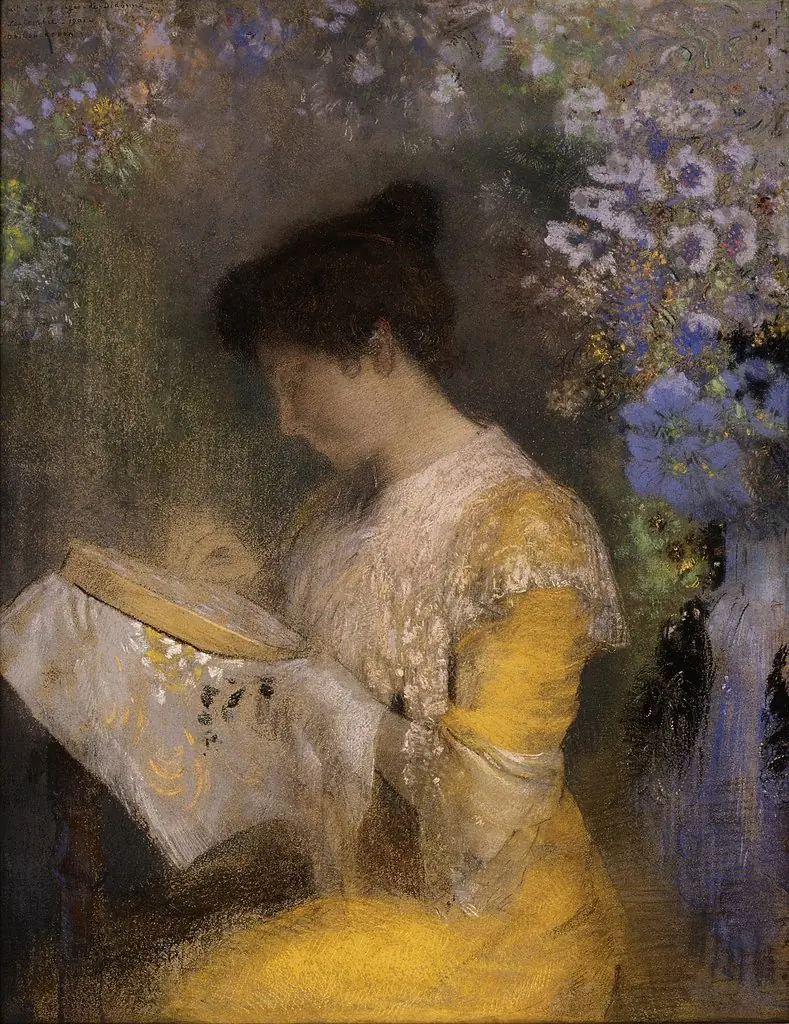 Madame Arthur Fontaine (Marie Escudier, born 1865)
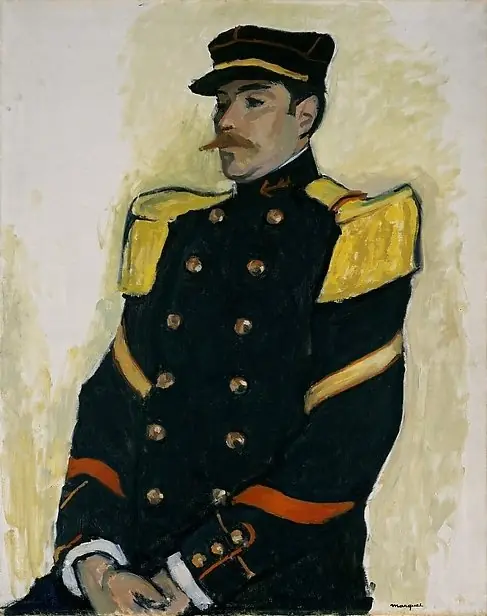 Sergeant of the Colonial Regiment
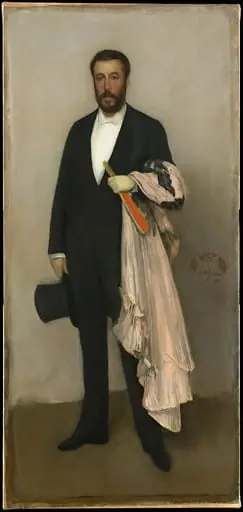 Arrangement in Flesh Colour and Black: Portrait of Theodore Duret
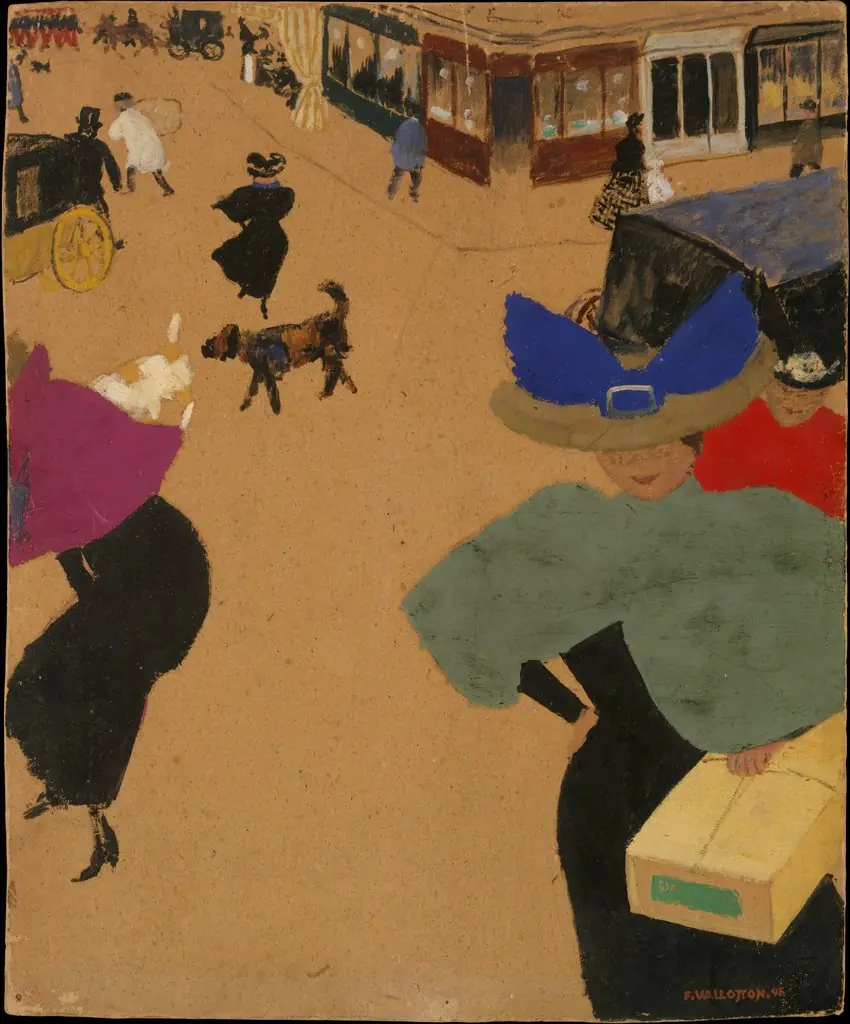 Street Scene in Paris (Coin de rue à Paris)
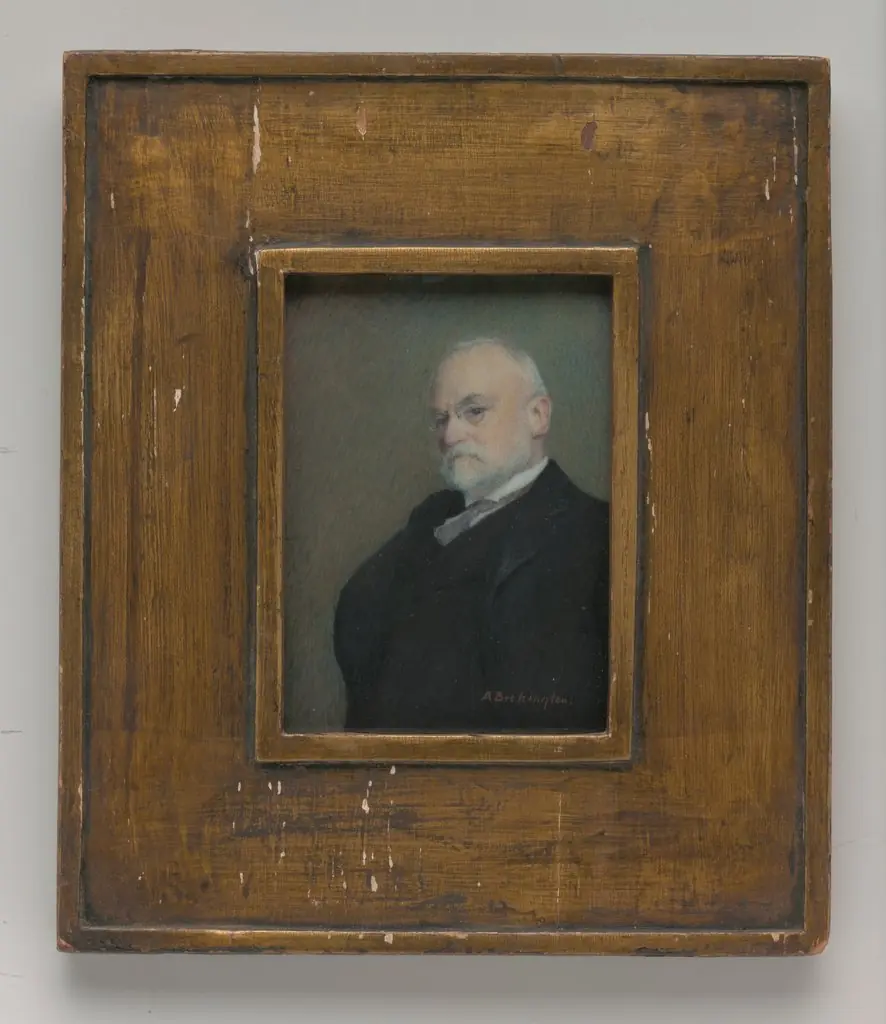 Richard Vaughn Lewis
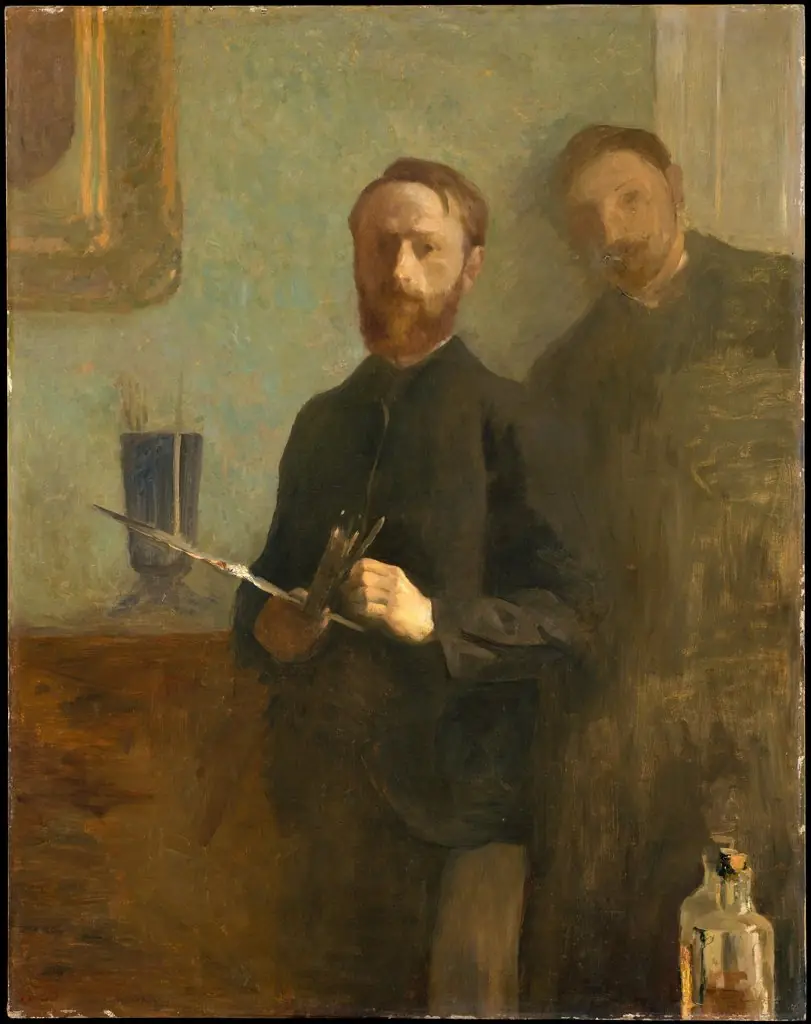 Self-Portrait with Waroquy
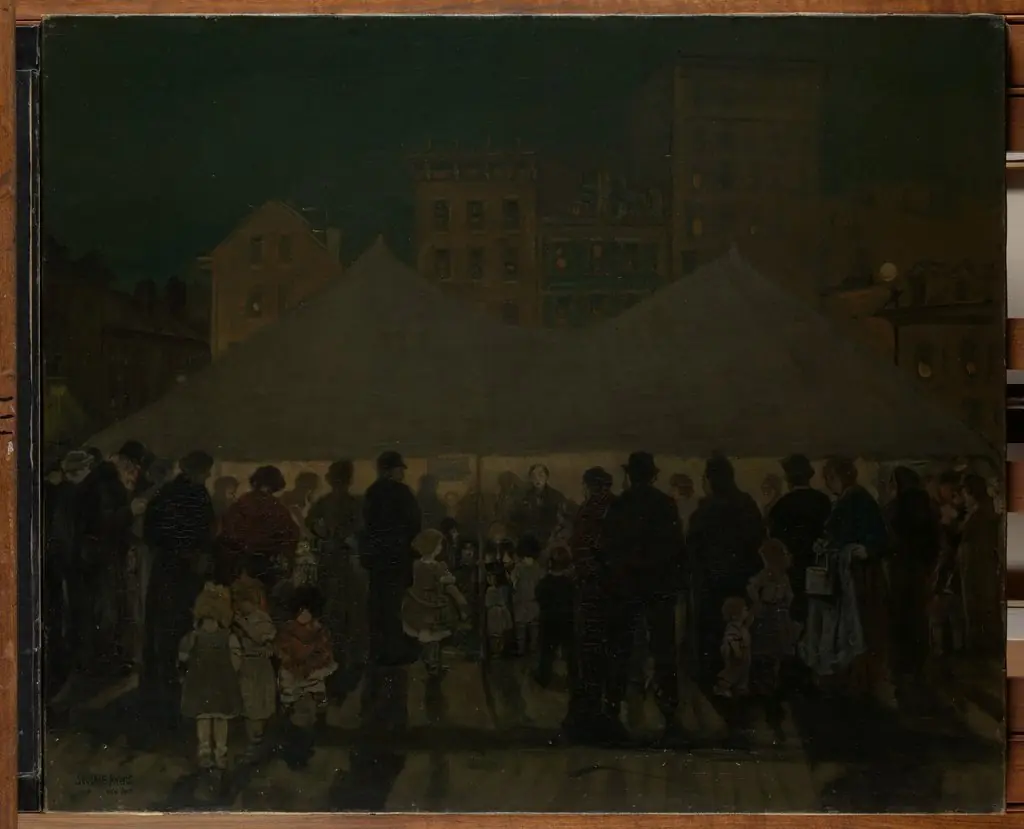 The Mission Tent
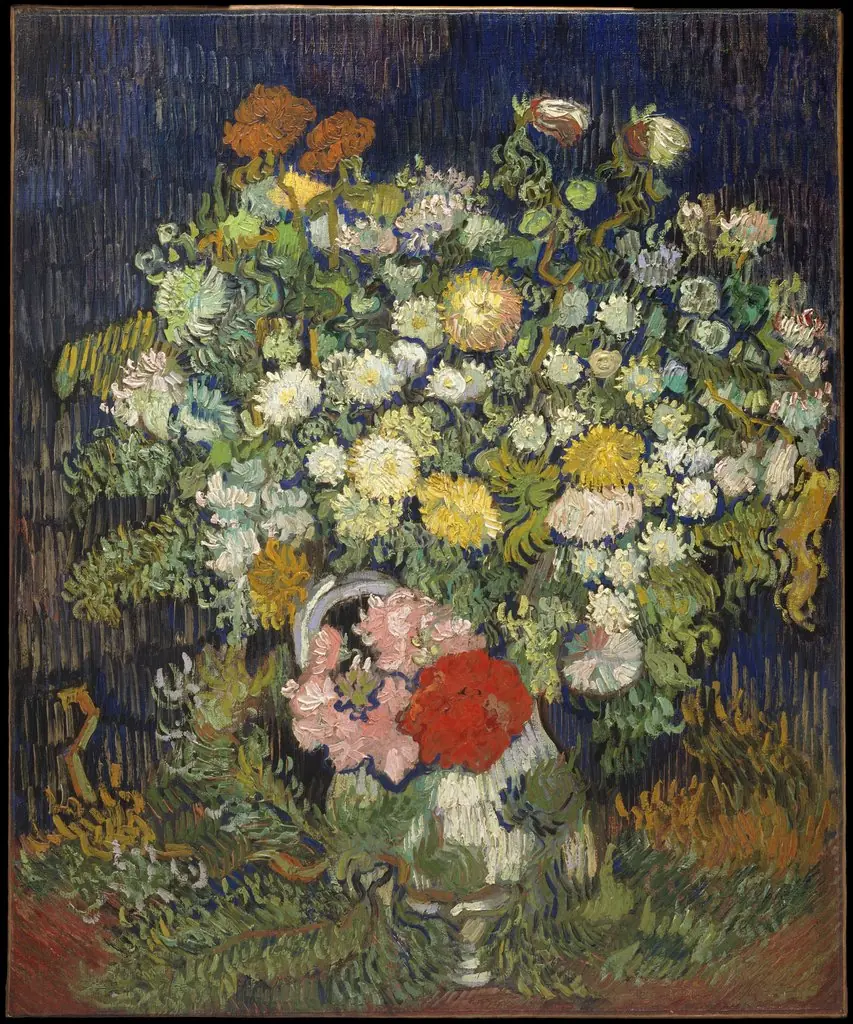 Bouquet of Flowers in a Vase
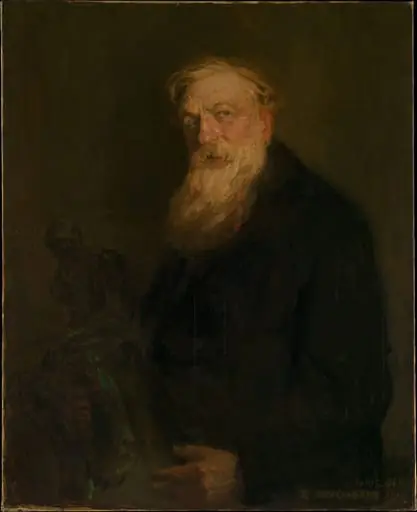 Auguste Rodin
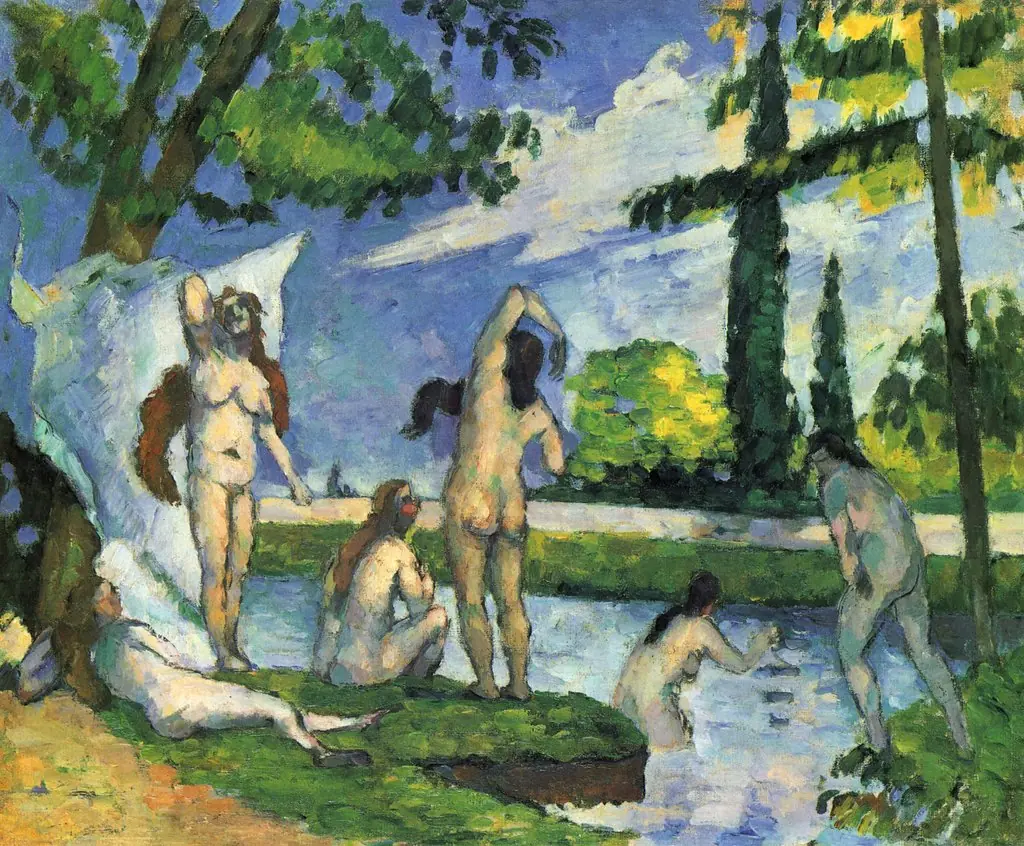 Baigneuses (Bathers)
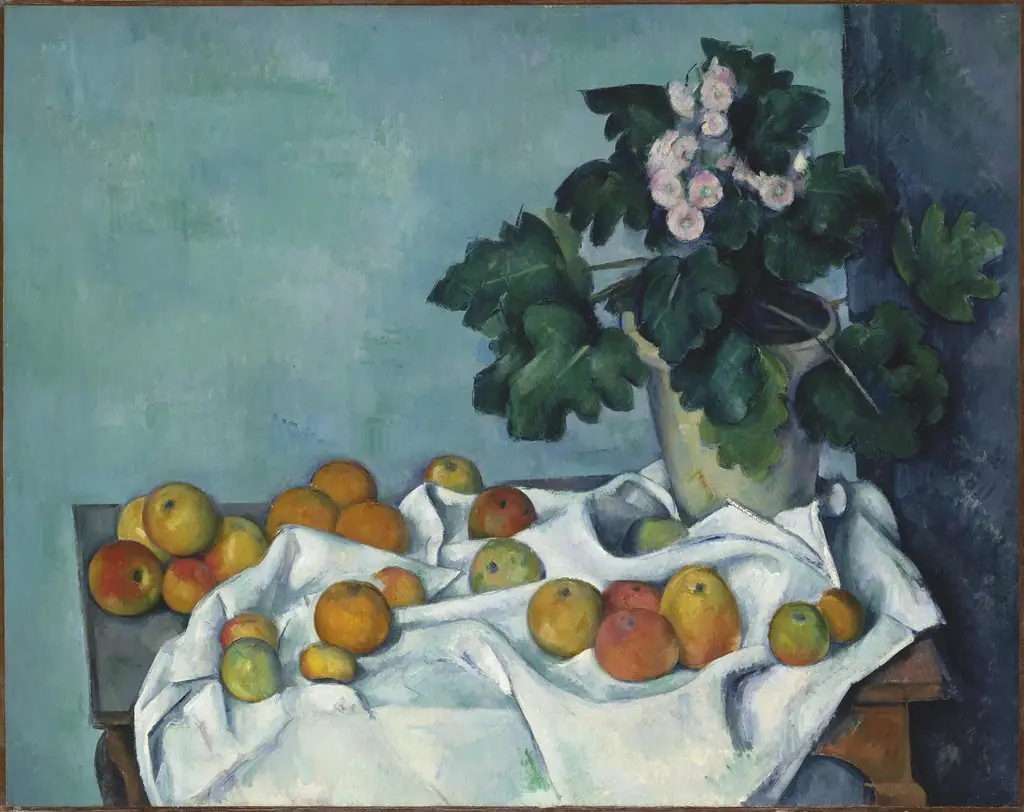 Still Life with Apples and a Pot of Primroses
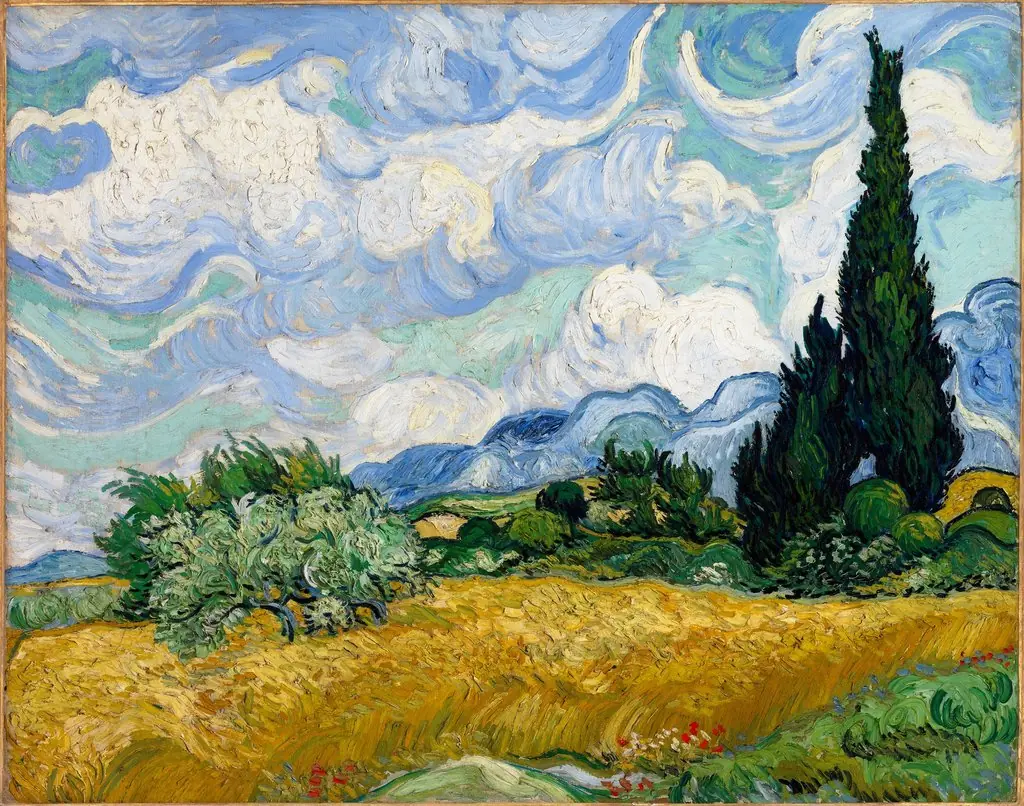 Wheat Field with Cypresses
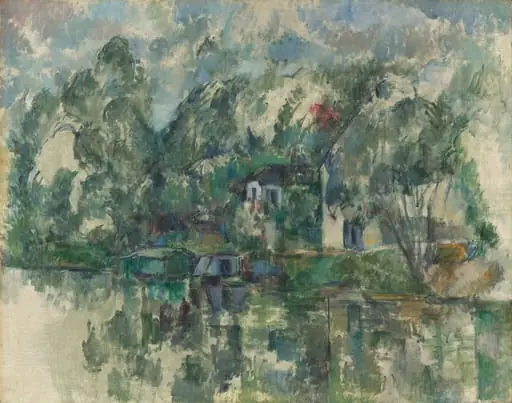 At the Water's Edge
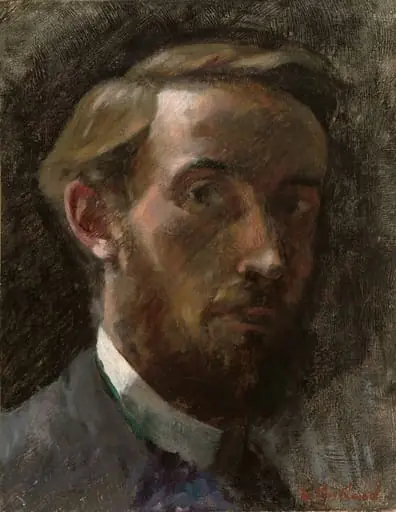 Self-Portrait, Aged 21
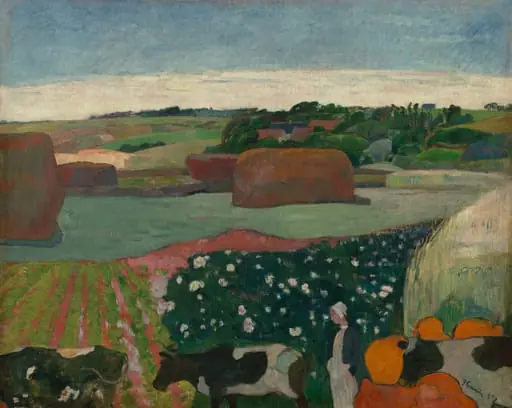 Haystacks in Brittany
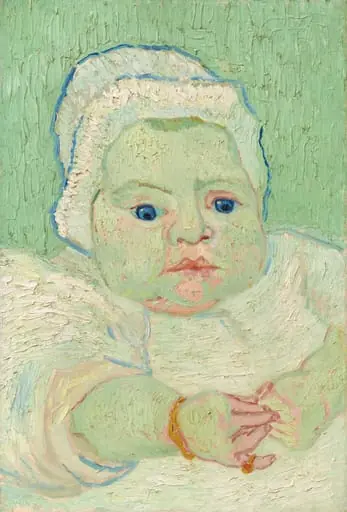 Roulin's Baby
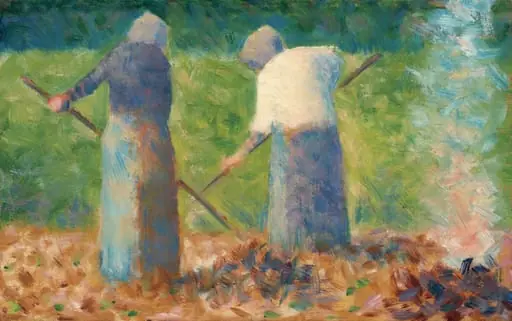 Haymakers at Montfermeil
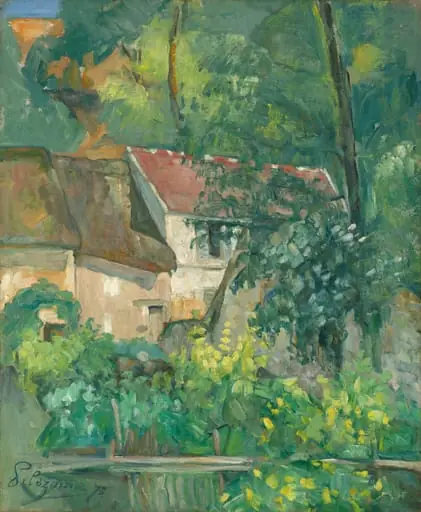 House of Père Lacroix
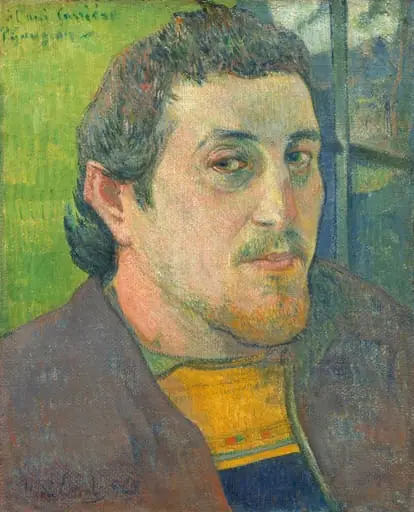 Self-Portrait Dedicated to Carrière
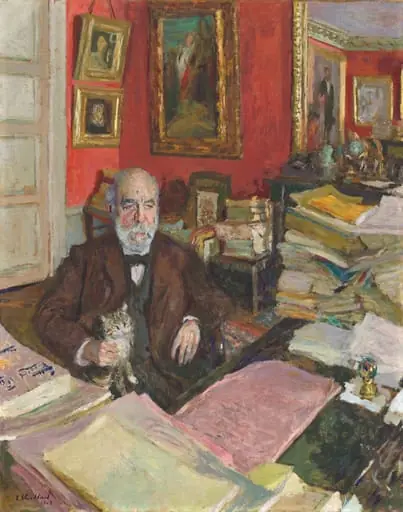 Théodore Duret
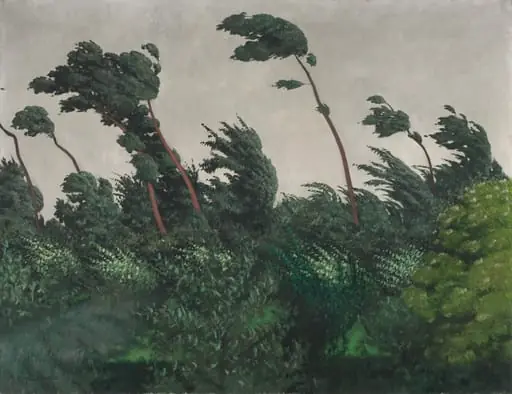 The Wind
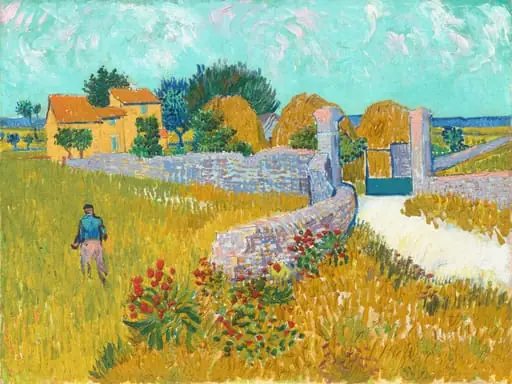 Farmhouse in Provence
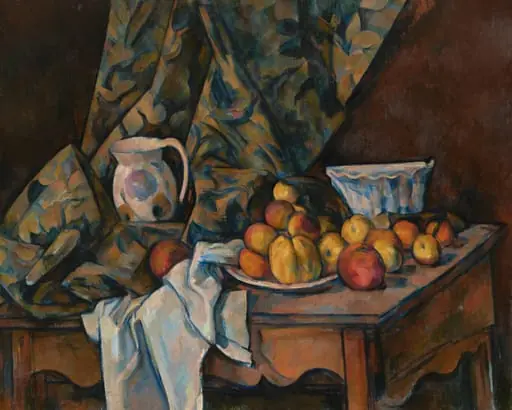 Still Life with Apples and Peaches
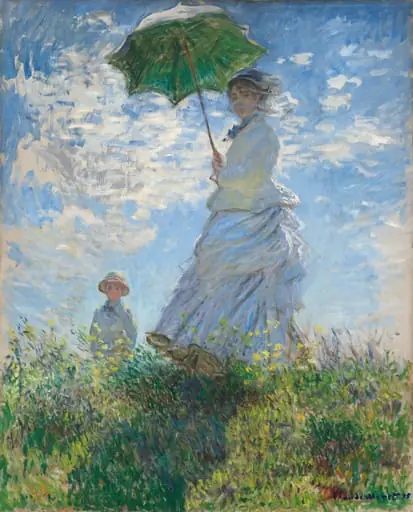
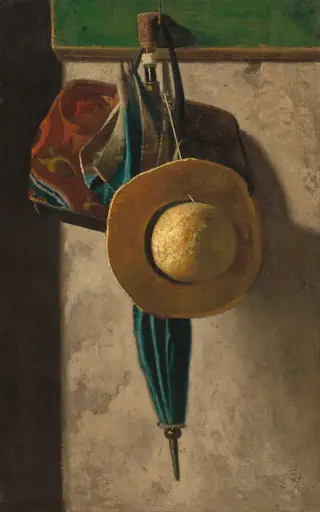 Straw Hat, Bag, and Umbrella
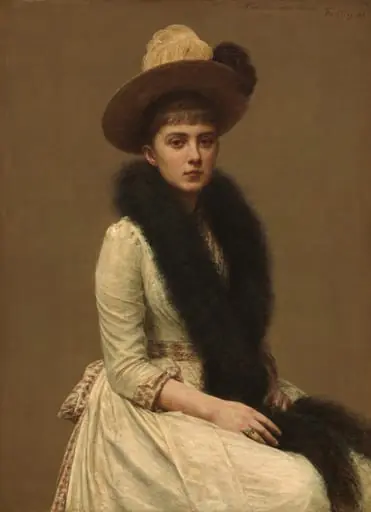 Portrait of Sonia
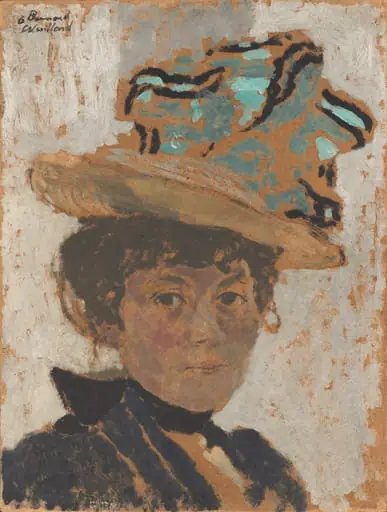 Madame Bonnard
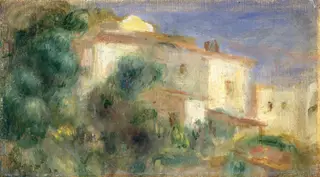 Maison de la Poste, Cagnes
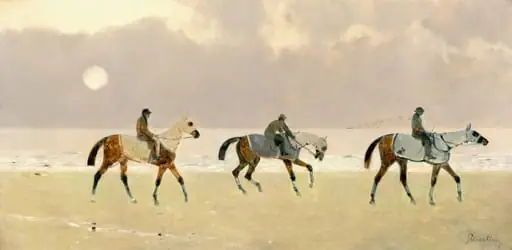 Riders on the Beach at Dieppe
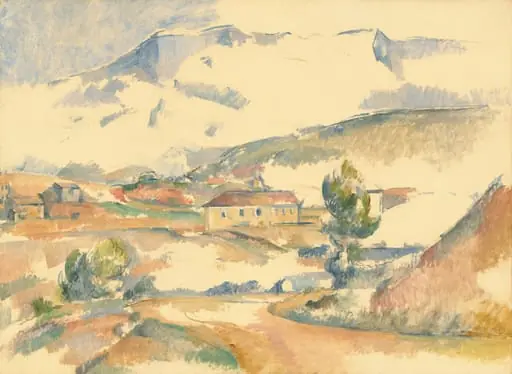 Montagne Sainte-Victoire, from near Gardanne
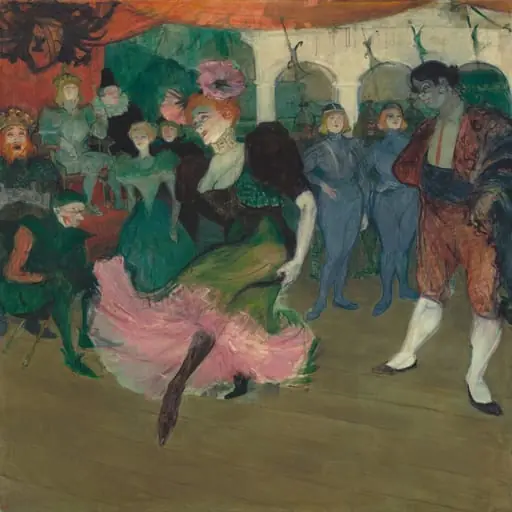 Marcelle Lender Dancing the Bolero in "Chilpéric"
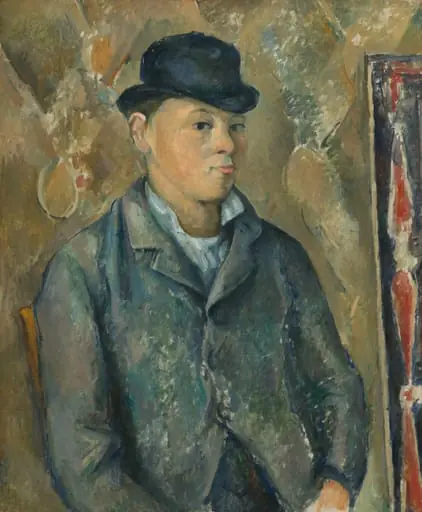 The Artist's Son, Paul
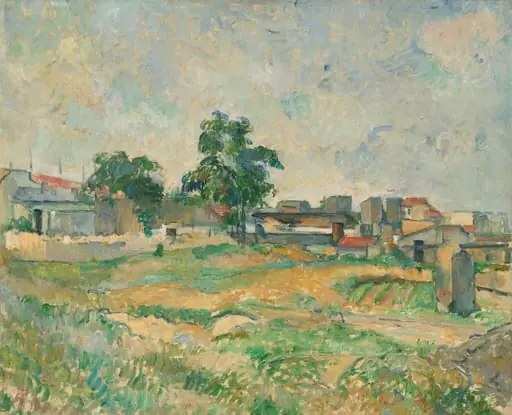 Landscape near Paris
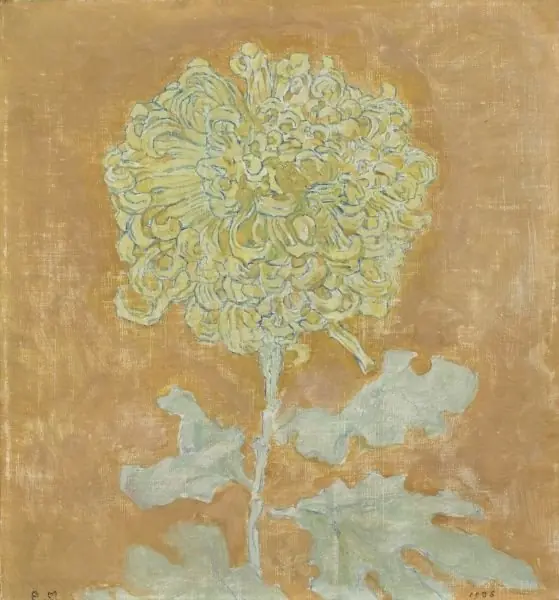 Chrysanthemum
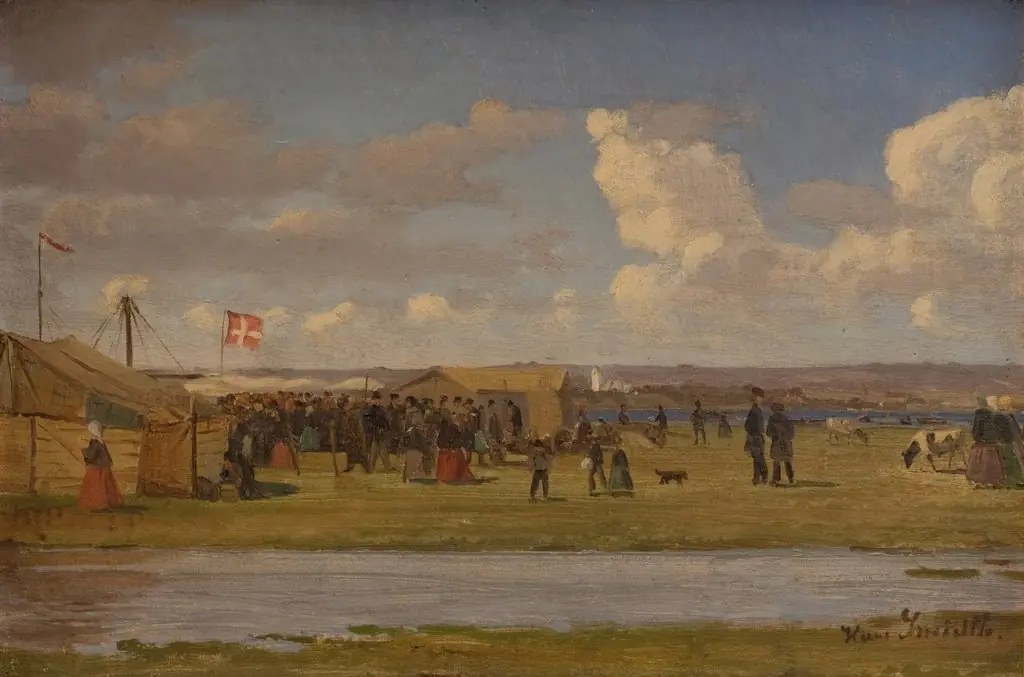 Fur marked
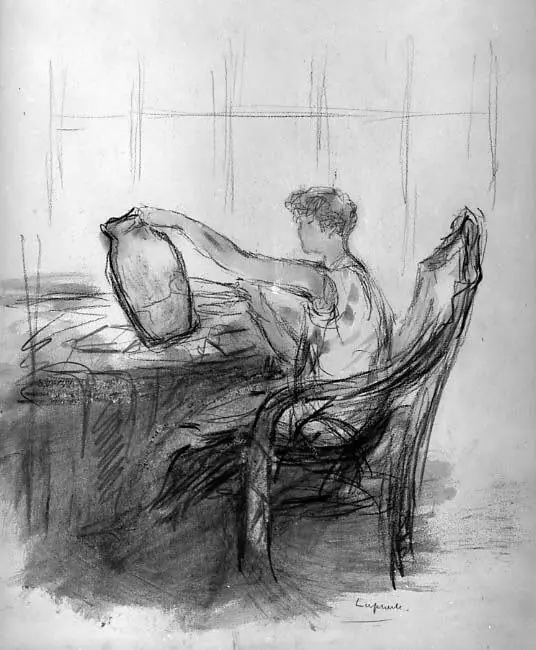 Woman Painting a Vase
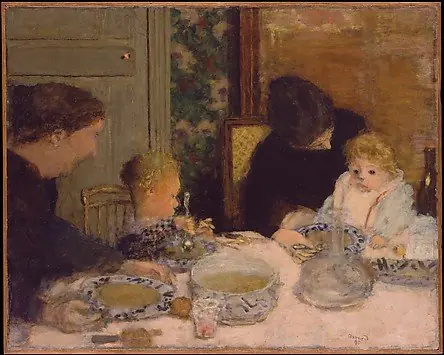 The Children's Meal
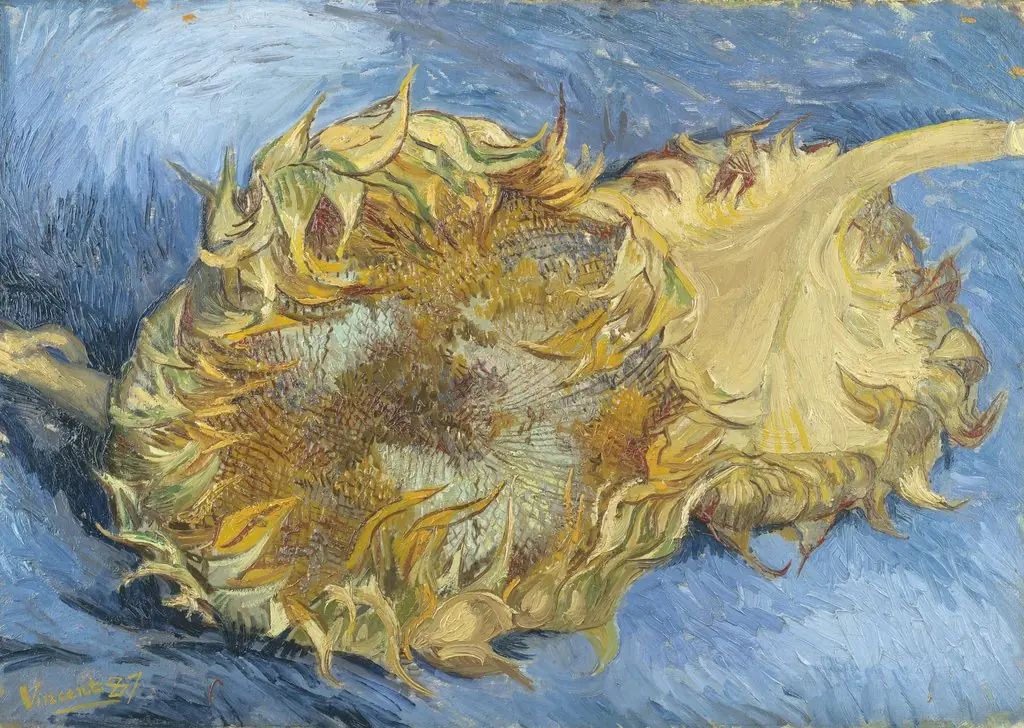 Sunflowers
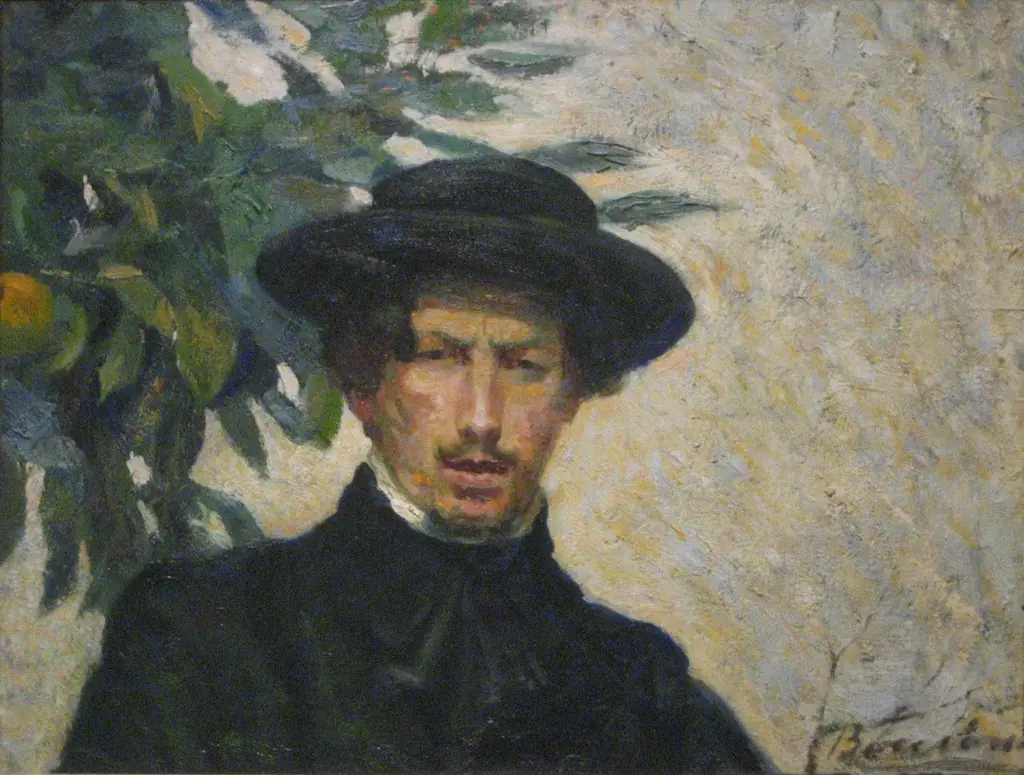 Self-Portrait
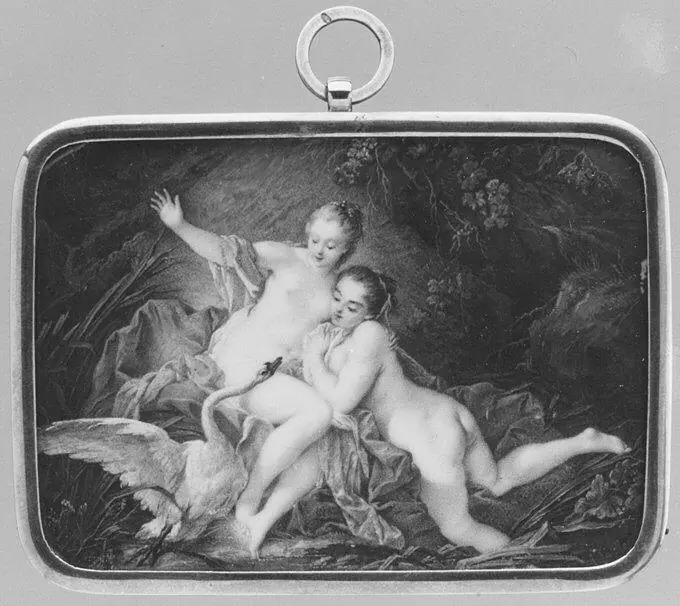 Leda and the Swan, after Boucher
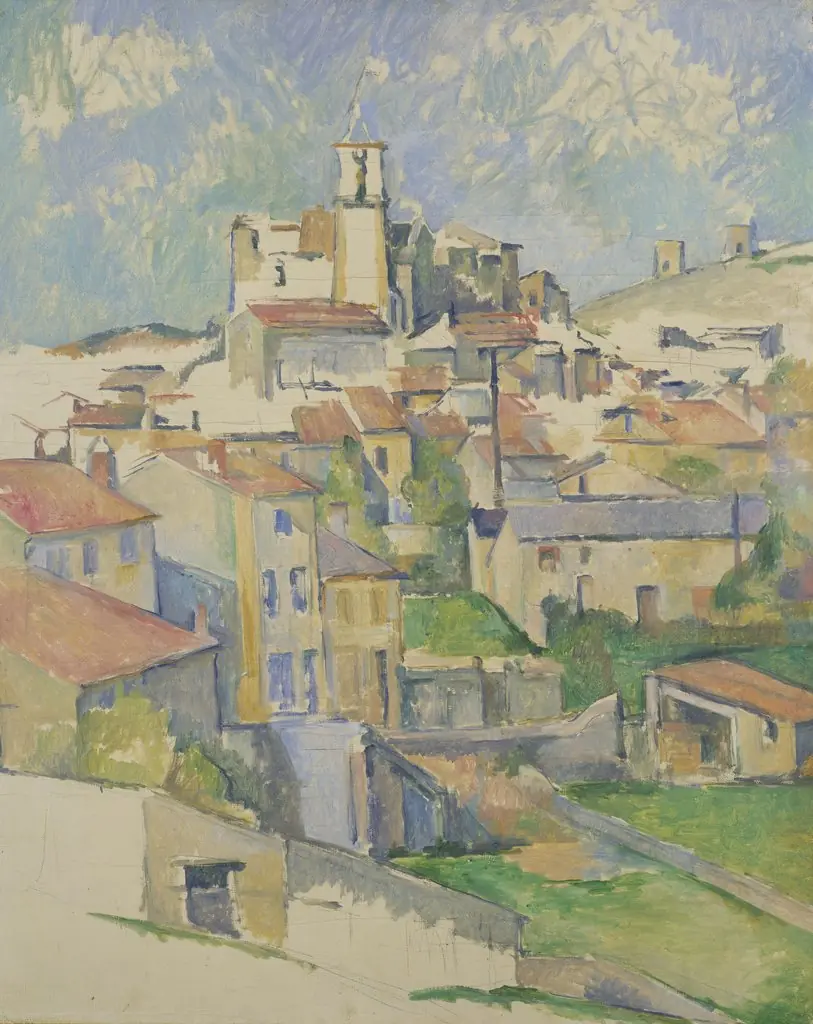 Gardanne
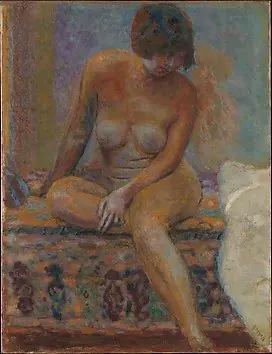 Seated Nude
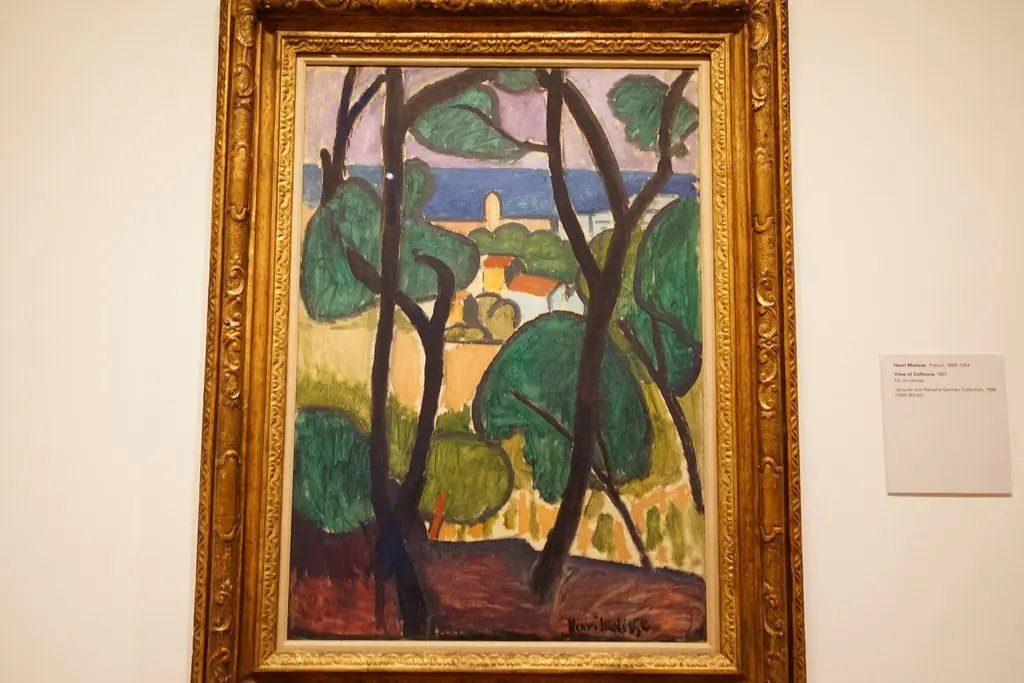 View of Collioure
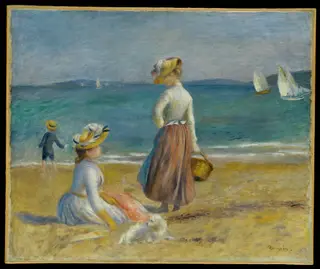 Figures on the Beach
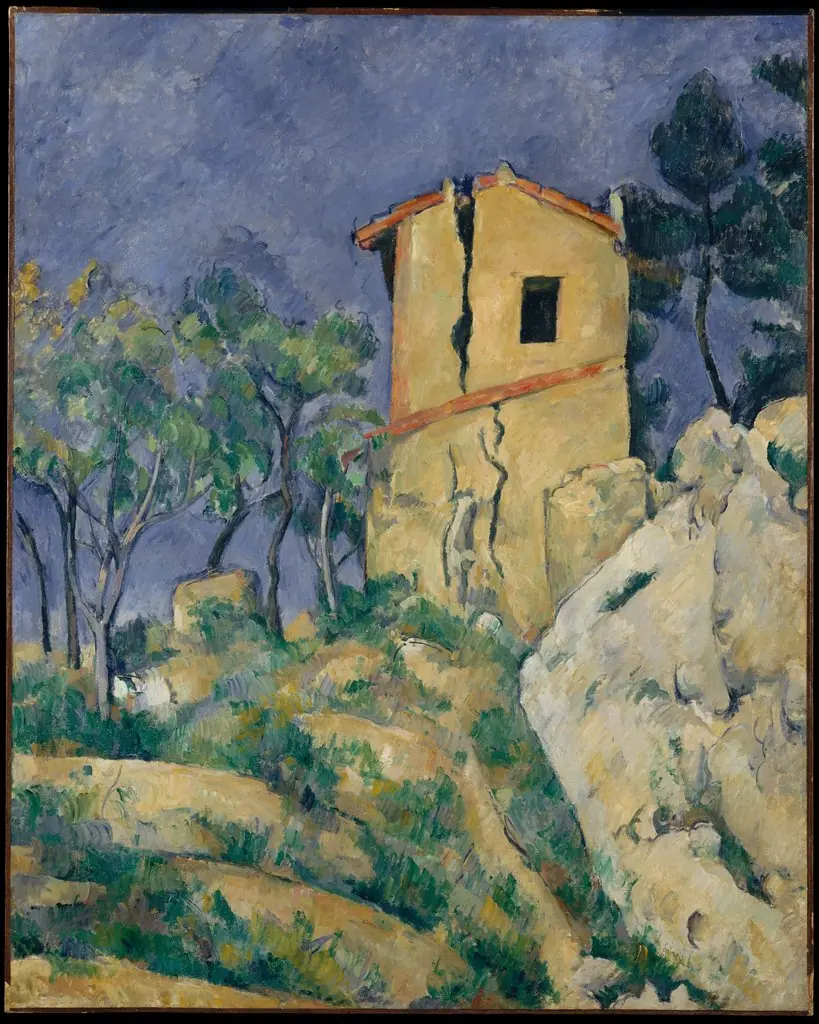 The House with the Cracked Walls
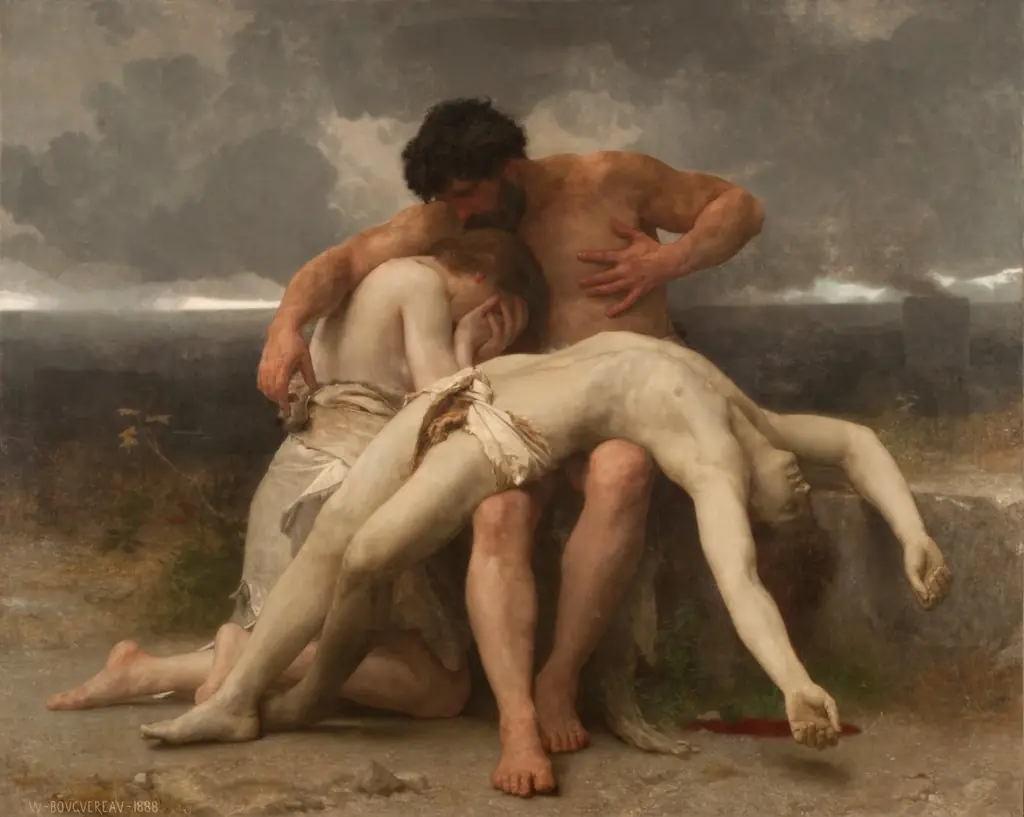 The First Mourning
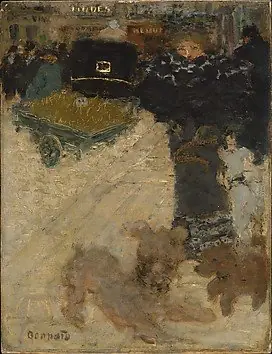 Street Scene, Place Clichy
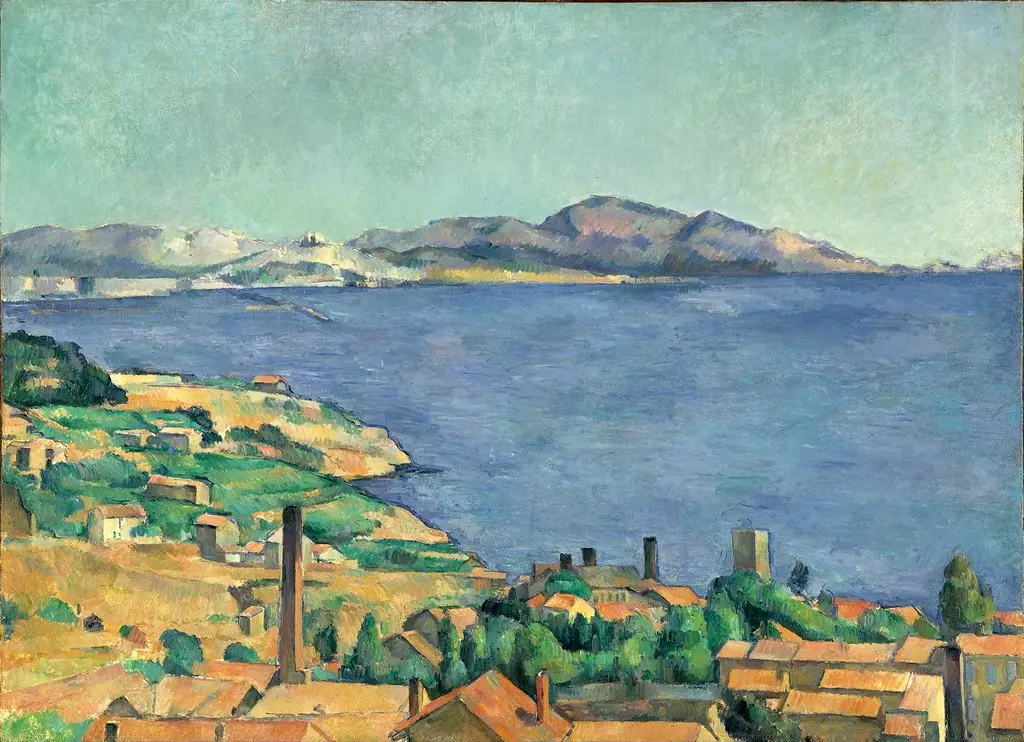 The Gulf of Marseilles Seen from L'Estaque
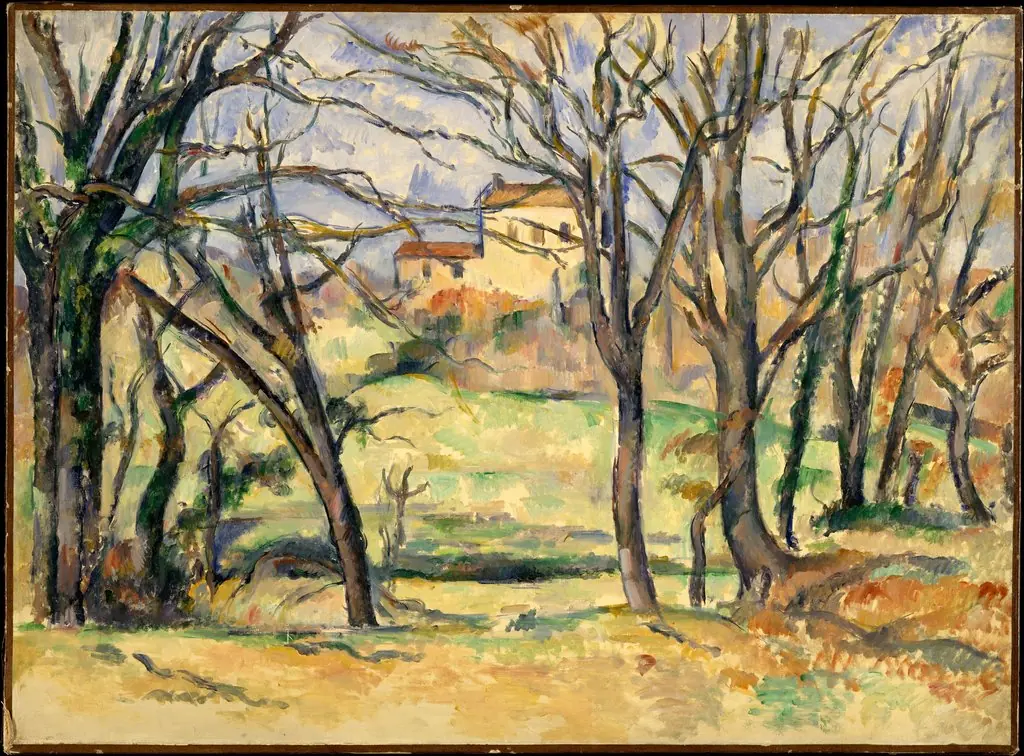 Trees and Houses Near the Jas de Bouffan
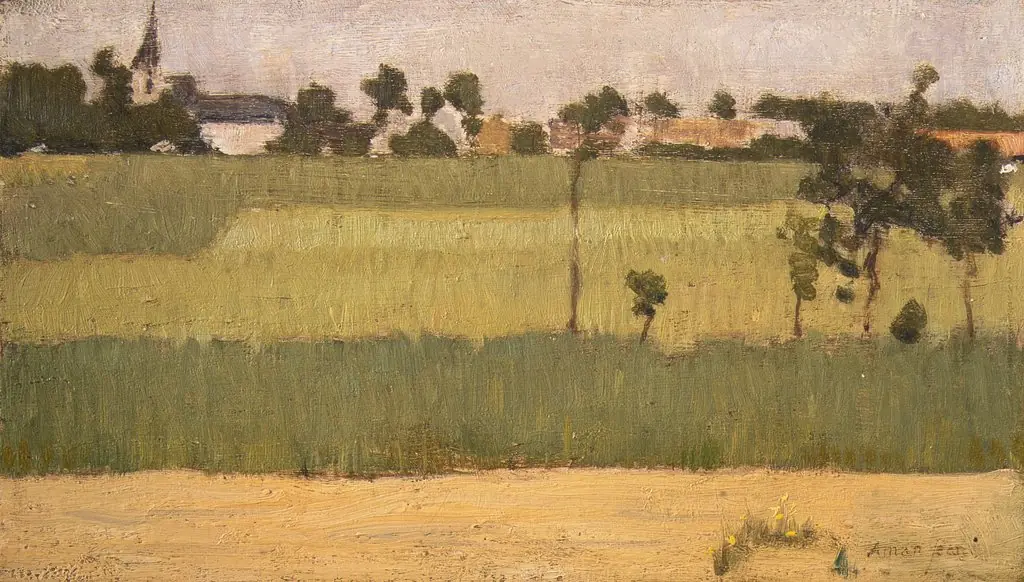 The Outskirts of a Village
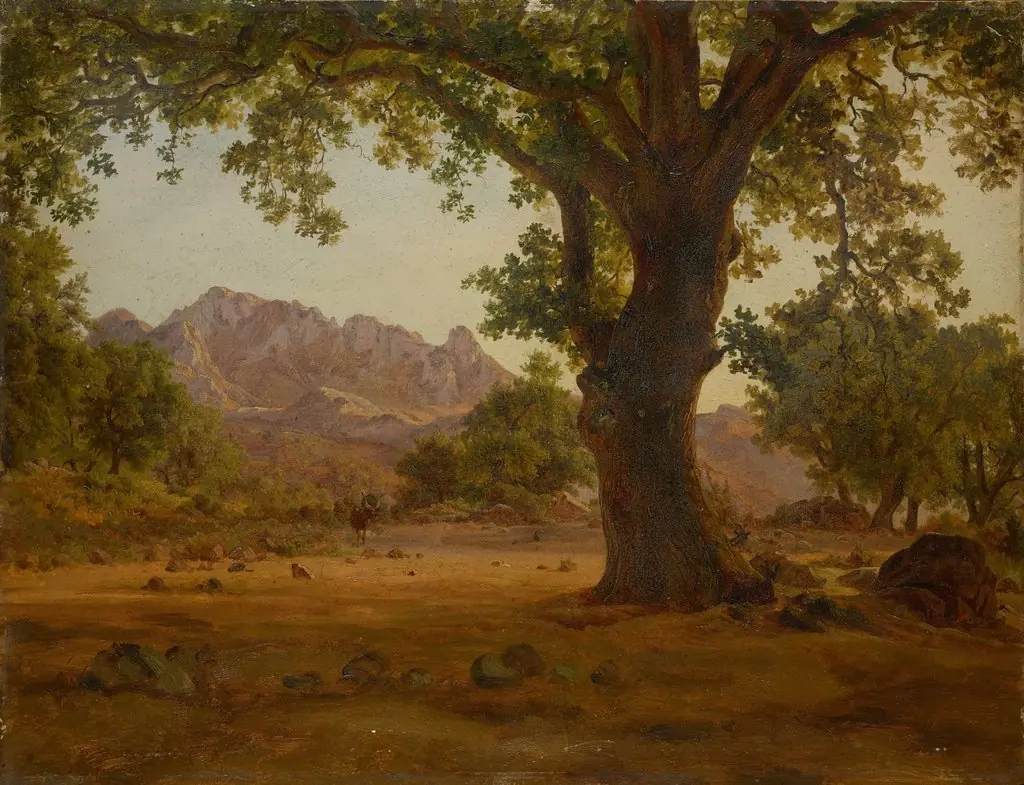 Oak Tree in a Mountainous Landscape
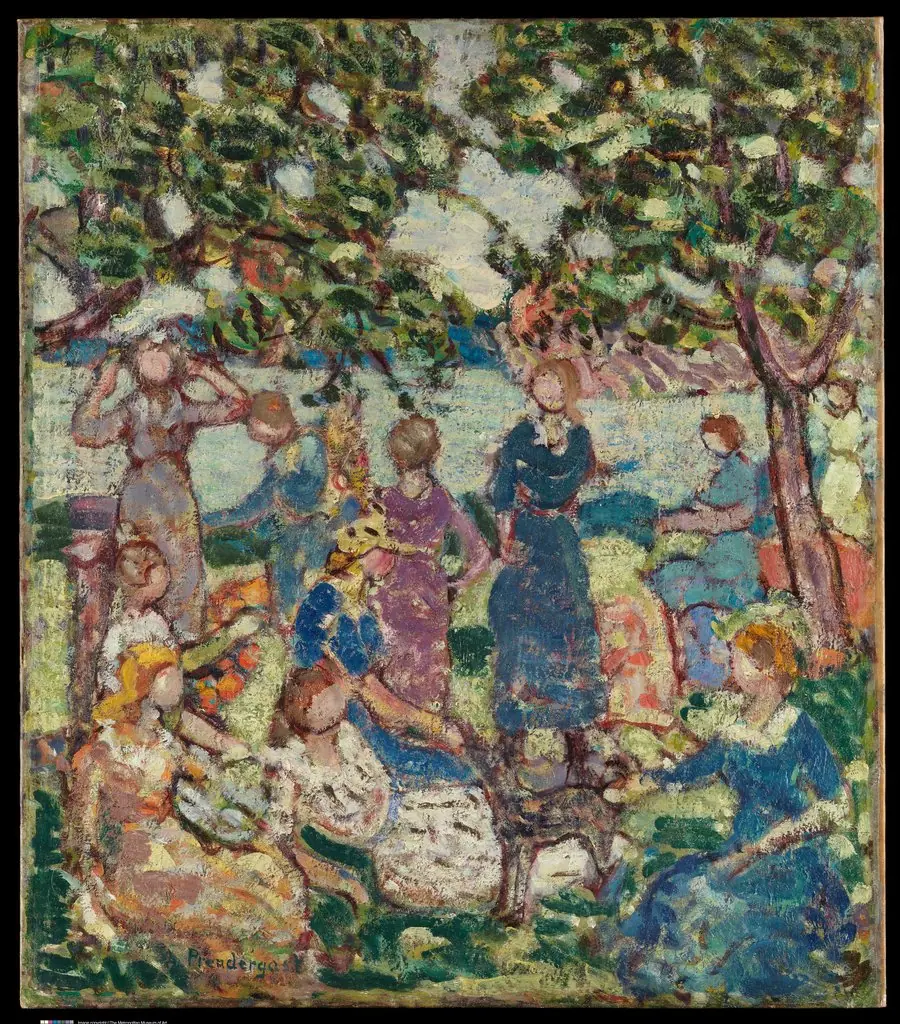 Picnic by the Inlet
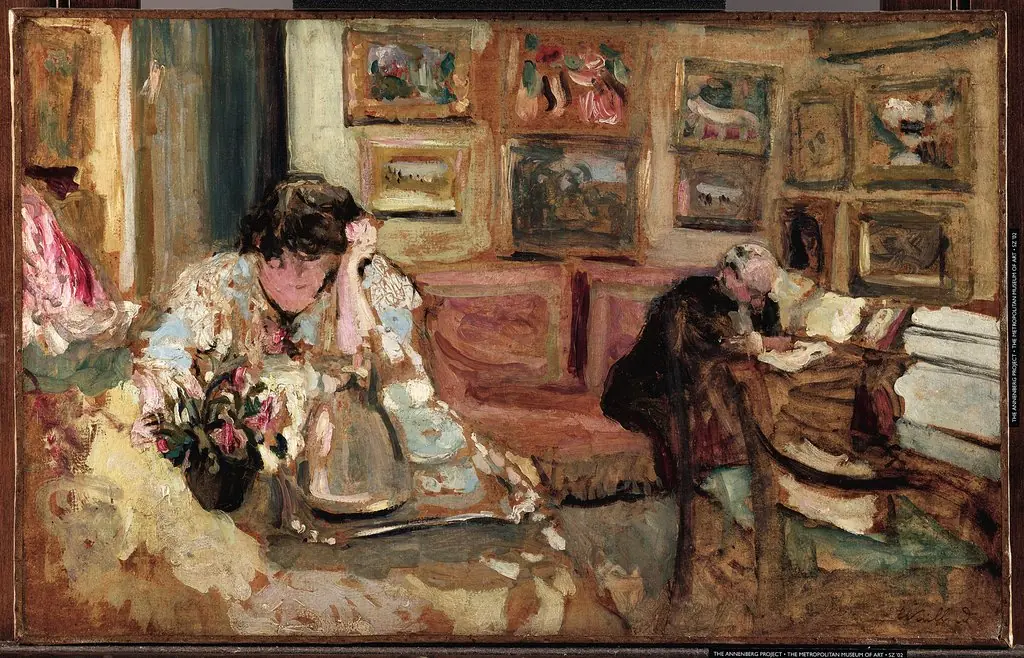 Jos and Lucie Hessel in the Small Salon, Rue de Rivoli
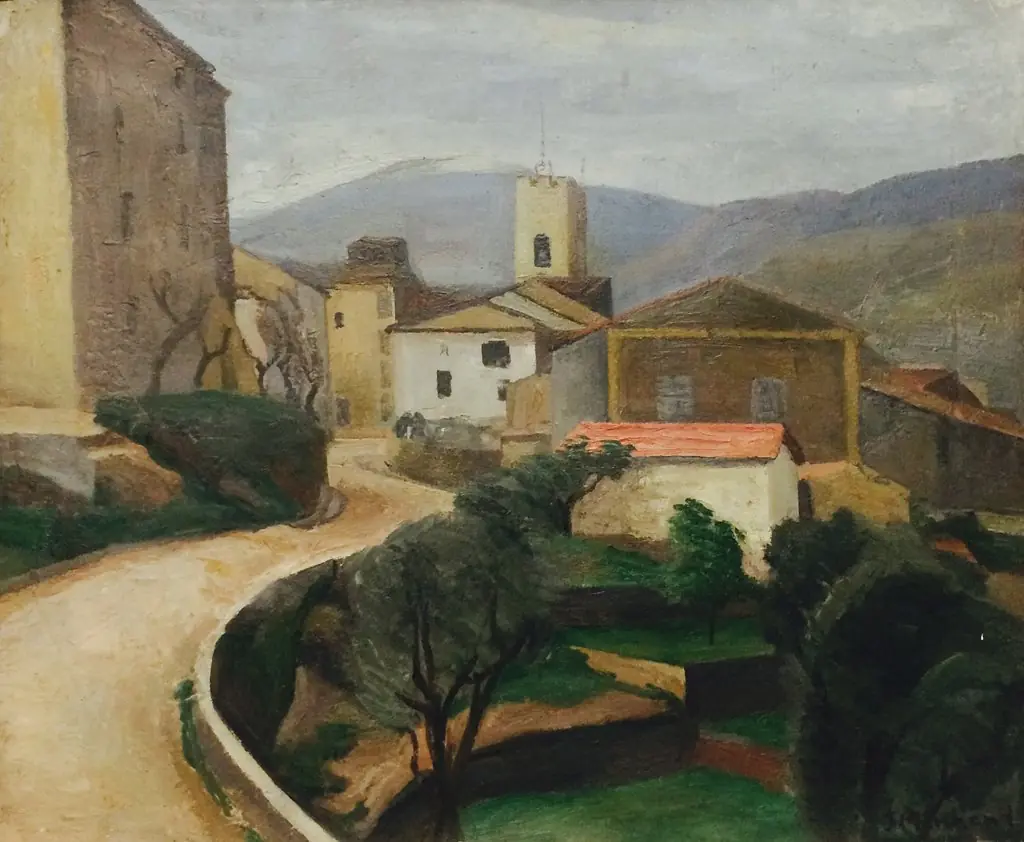 Vence
Vence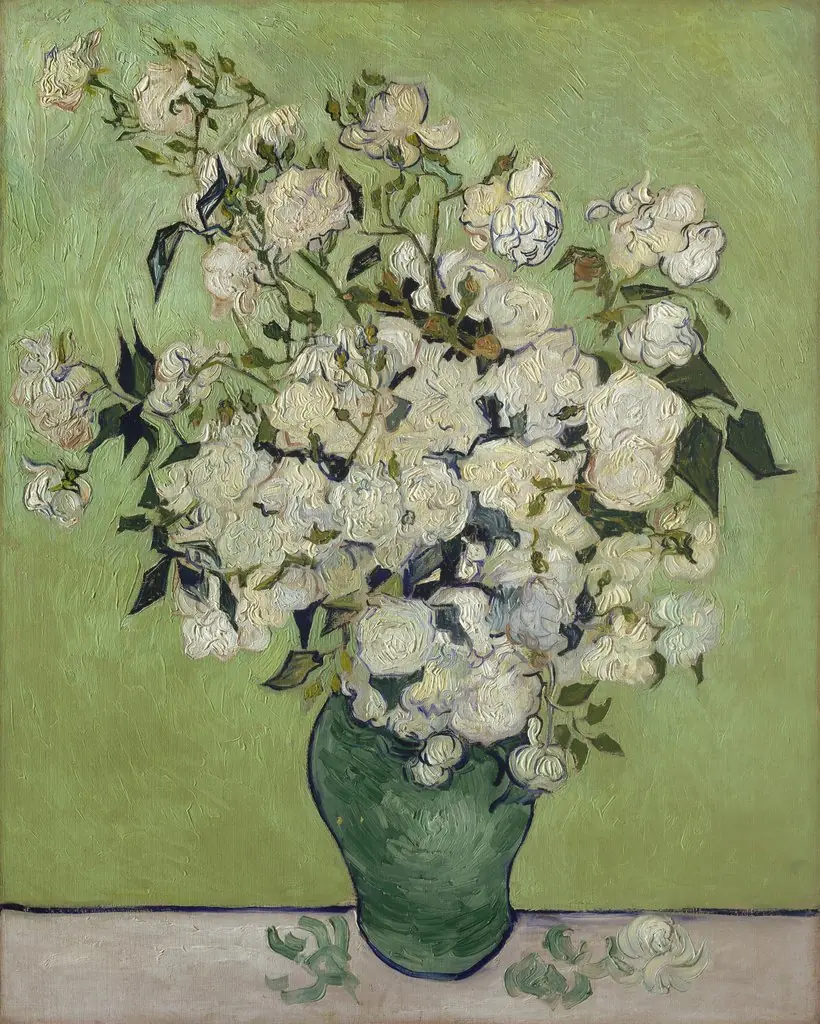 Roses
Roses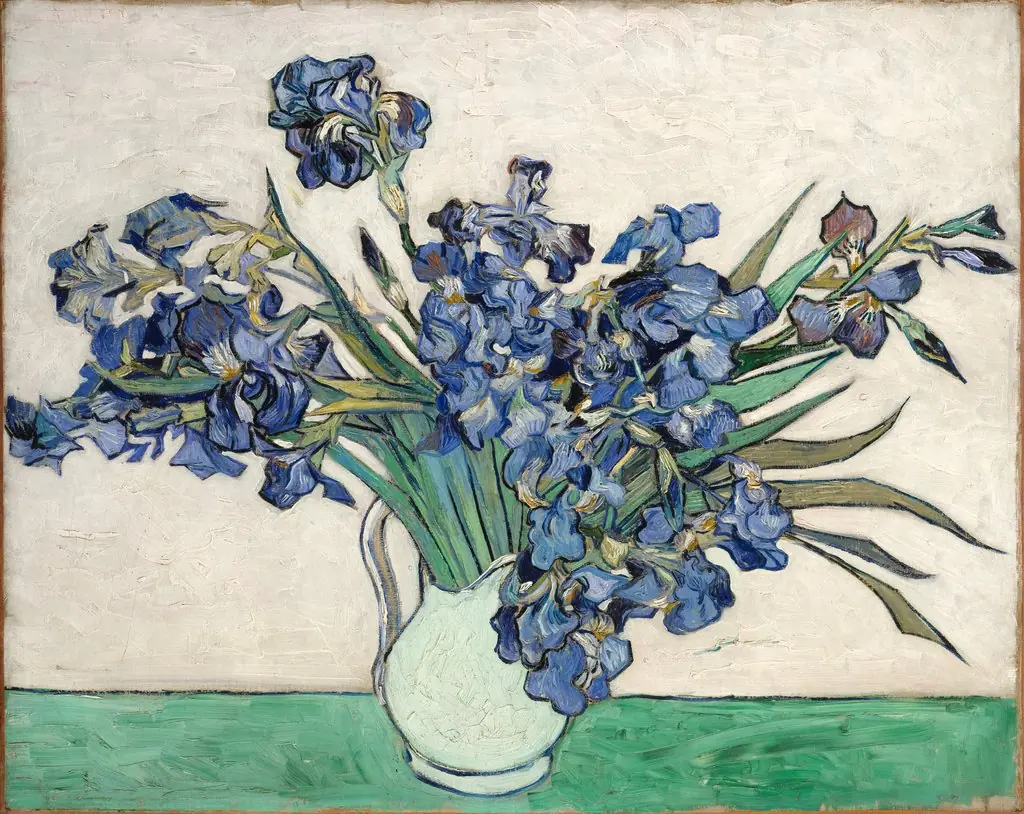 Irises
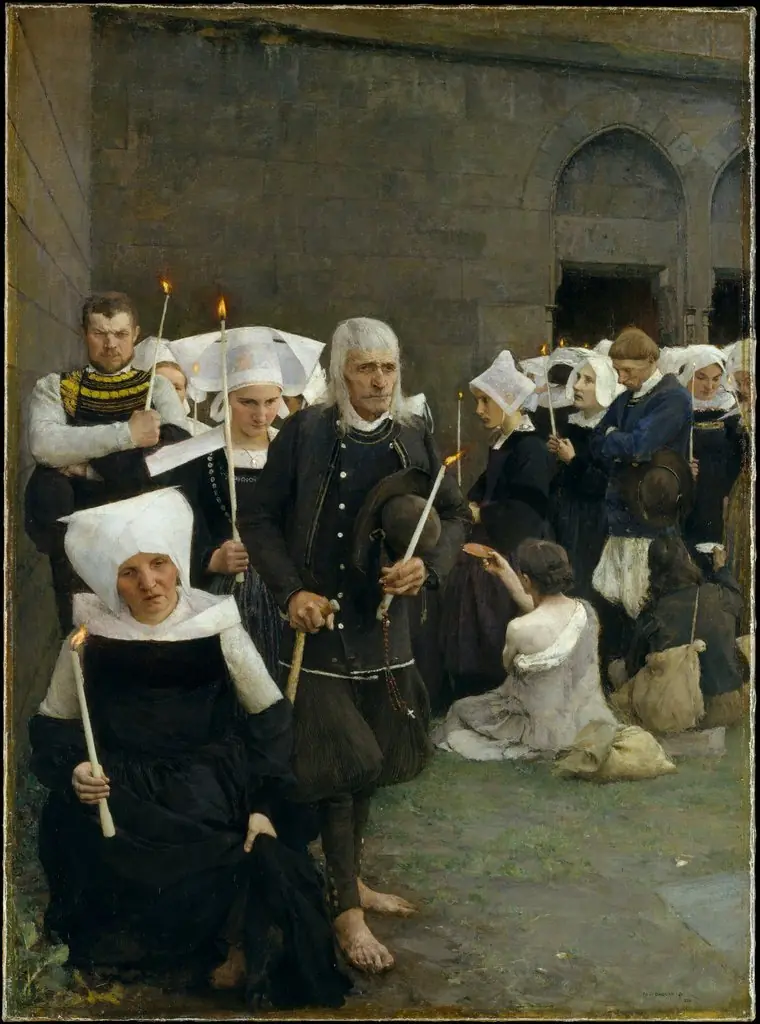 The Pardon in Brittany
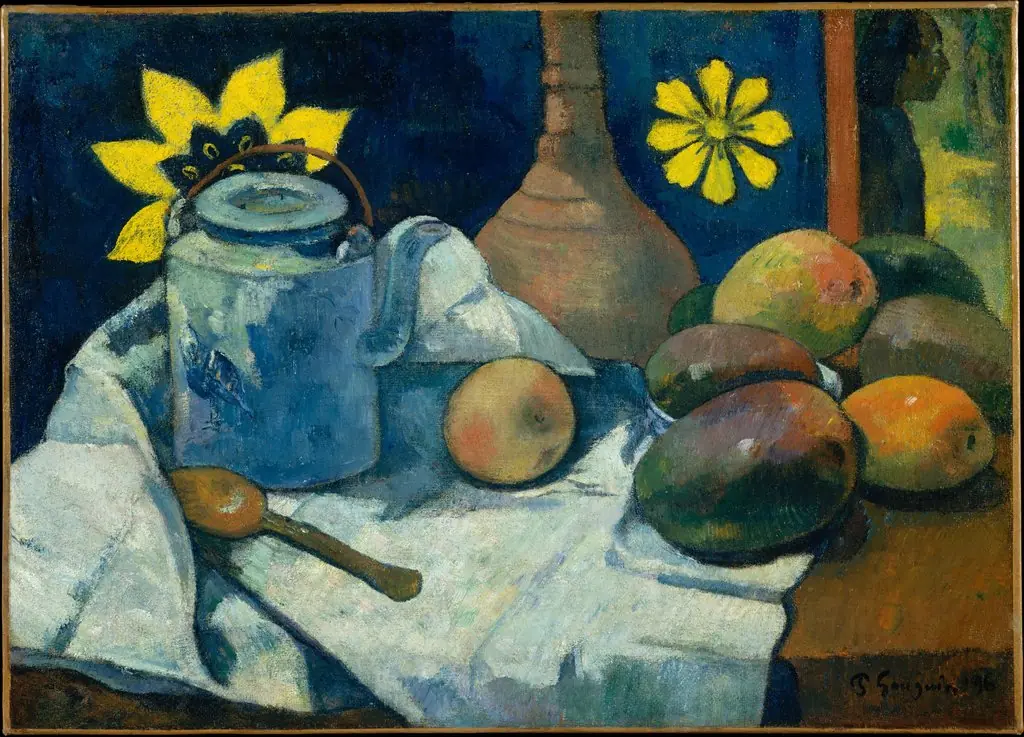 Still Life with Teapot and Fruit
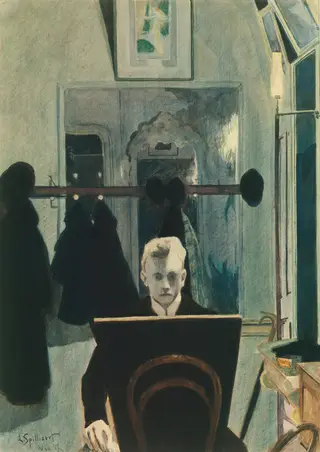 Self-Portrait
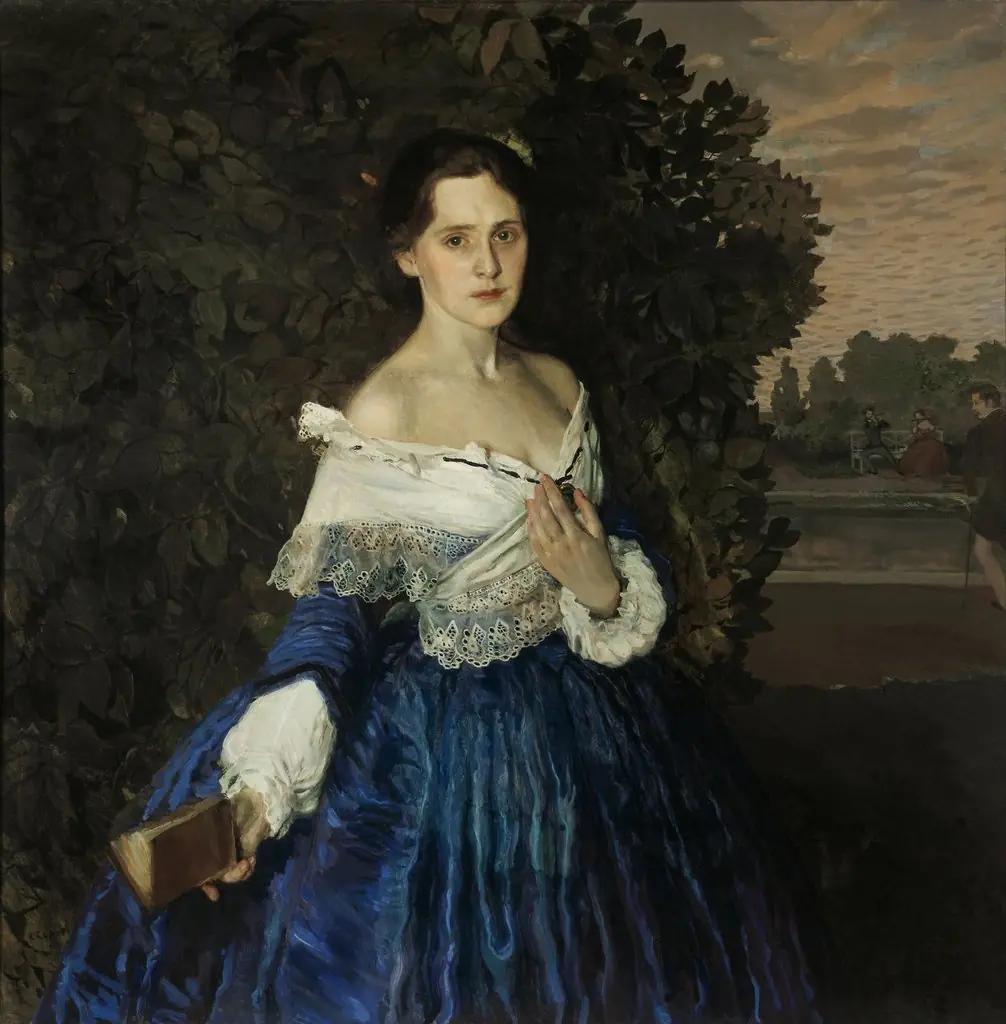 Lady in Blue
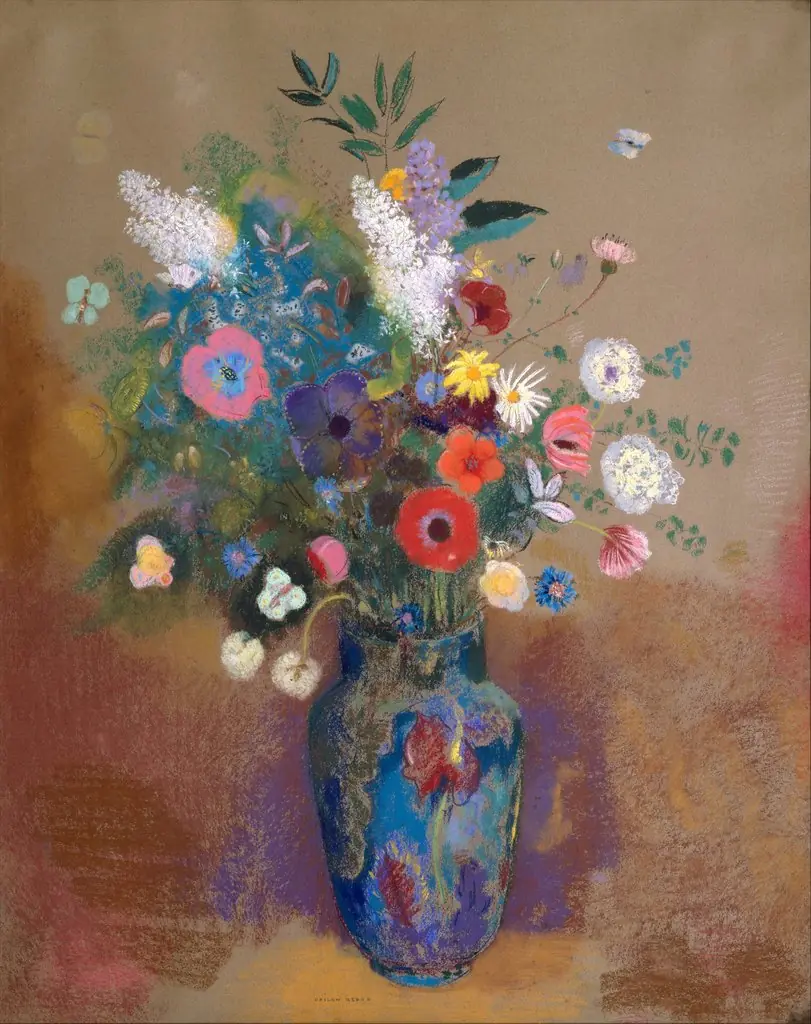 Bouquet of Flowers
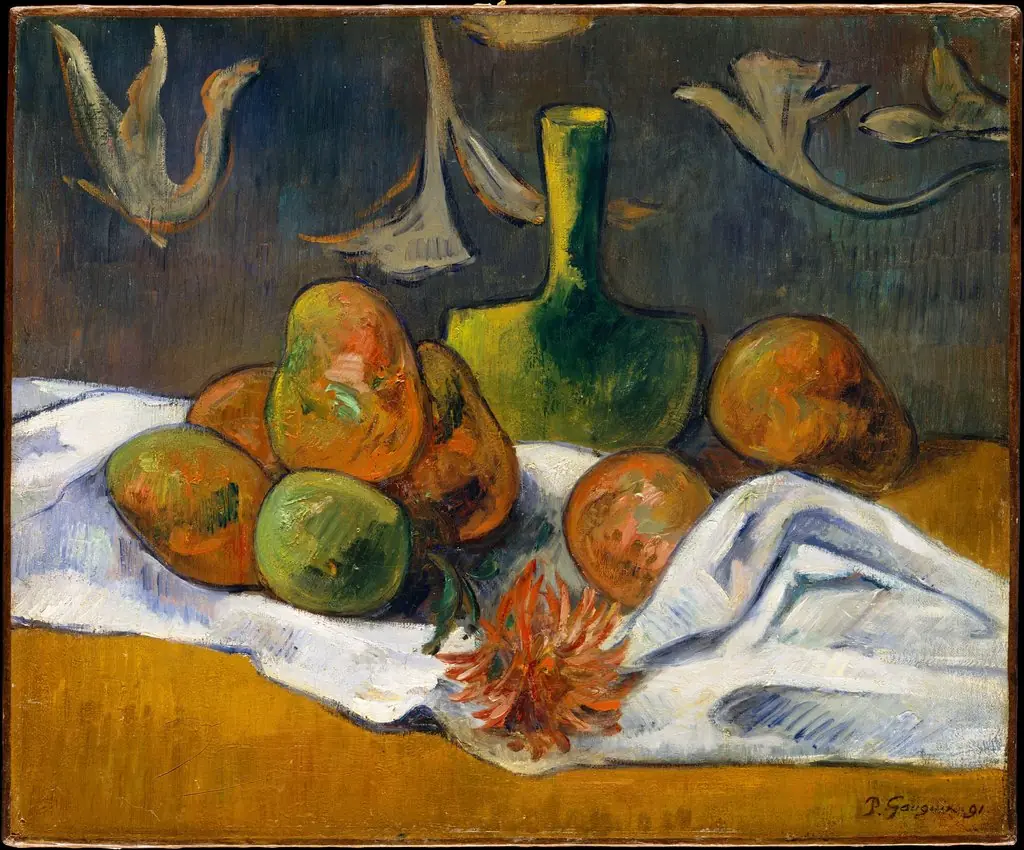 Still Life
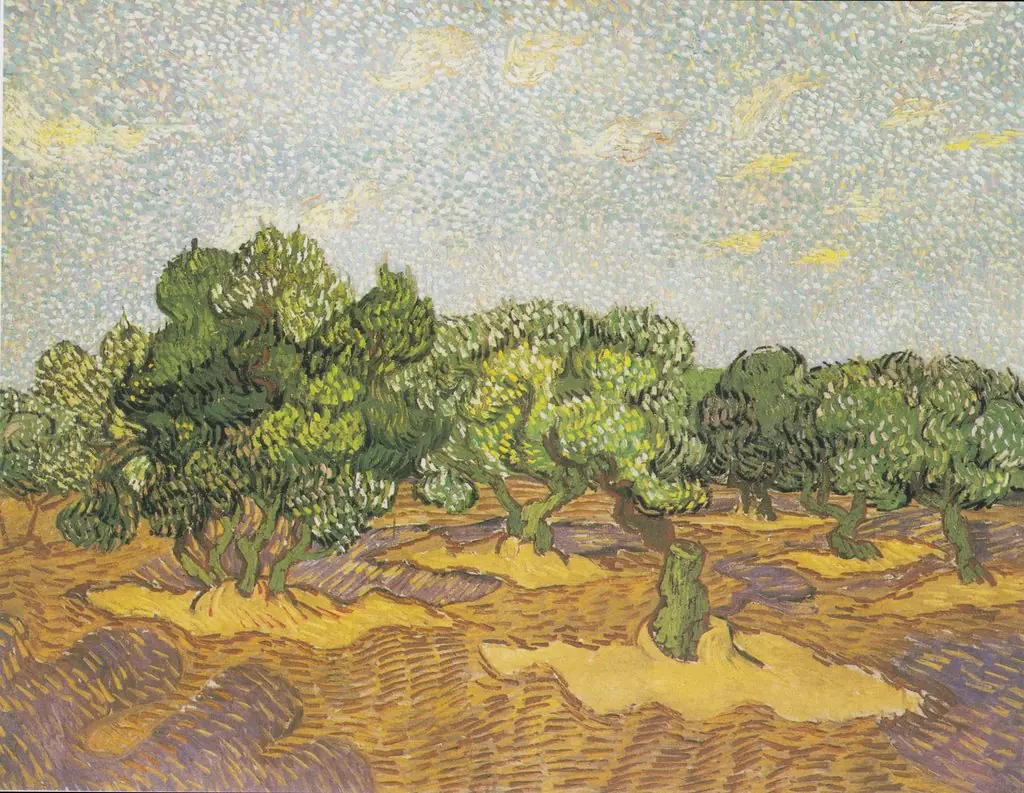 Olive Trees
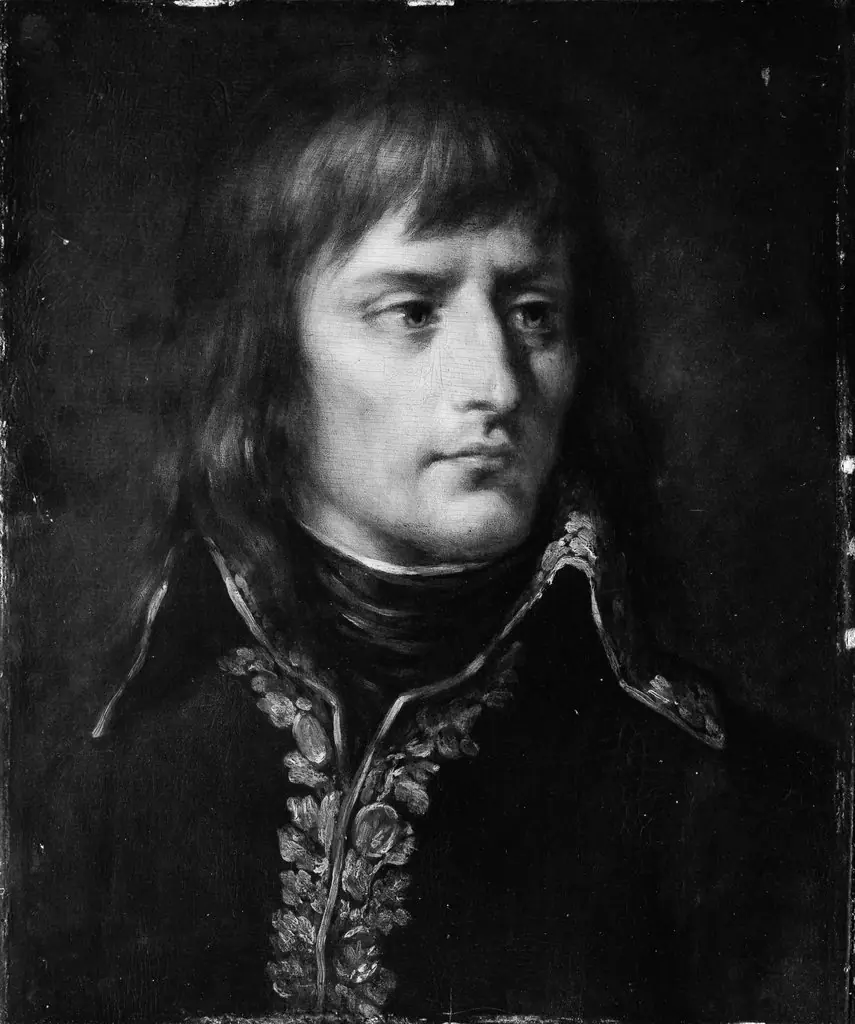 Napoleon Bonaparte (1769–1821)
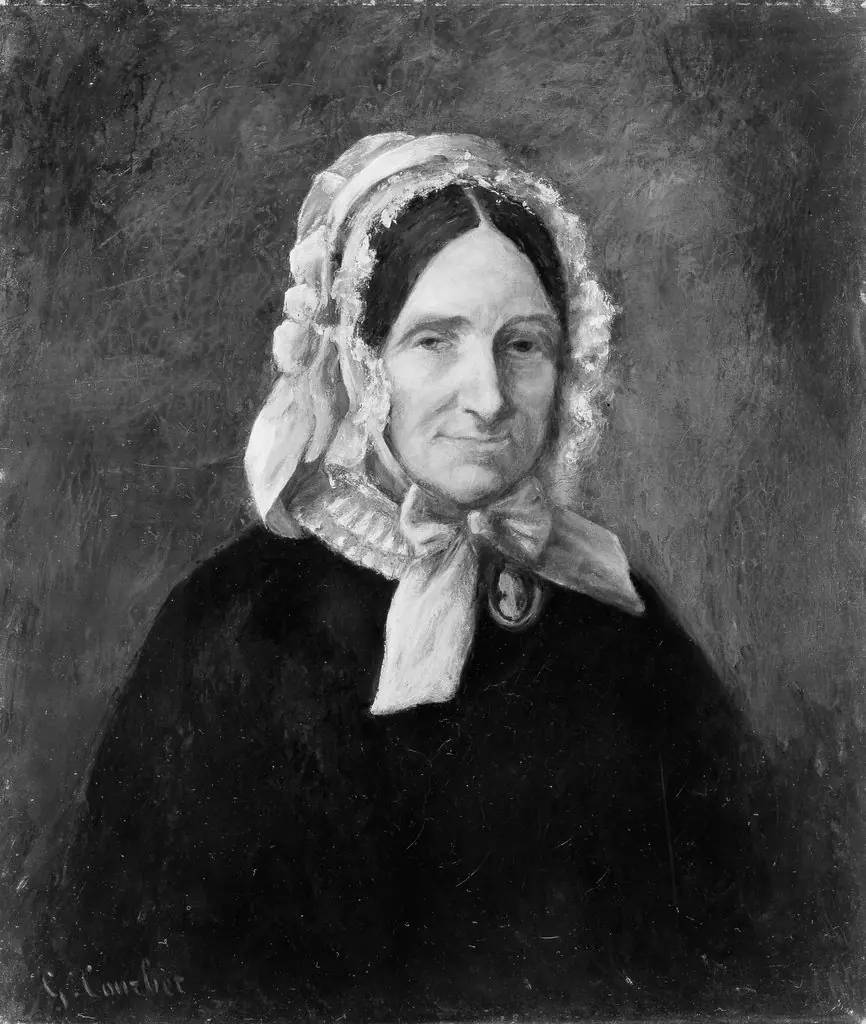 Portrait of a Woman, Called Héloïse Abélard
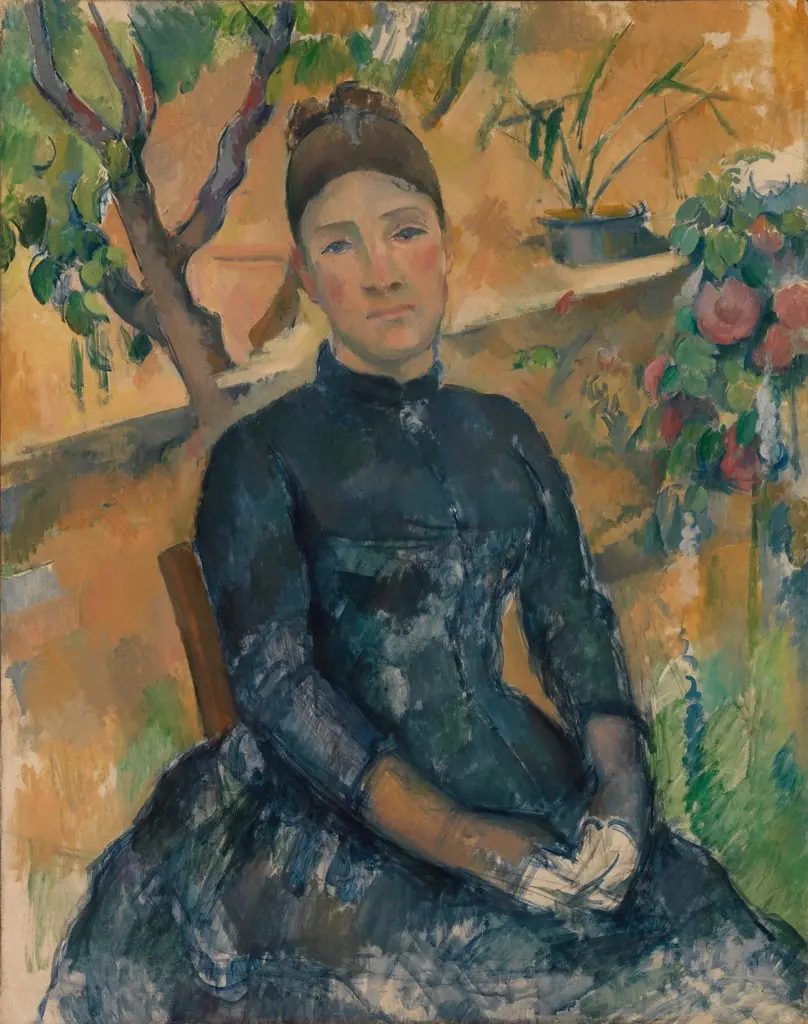 Madame Cézanne (Hortense Fiquet, 1850–1922) in the Conservatory
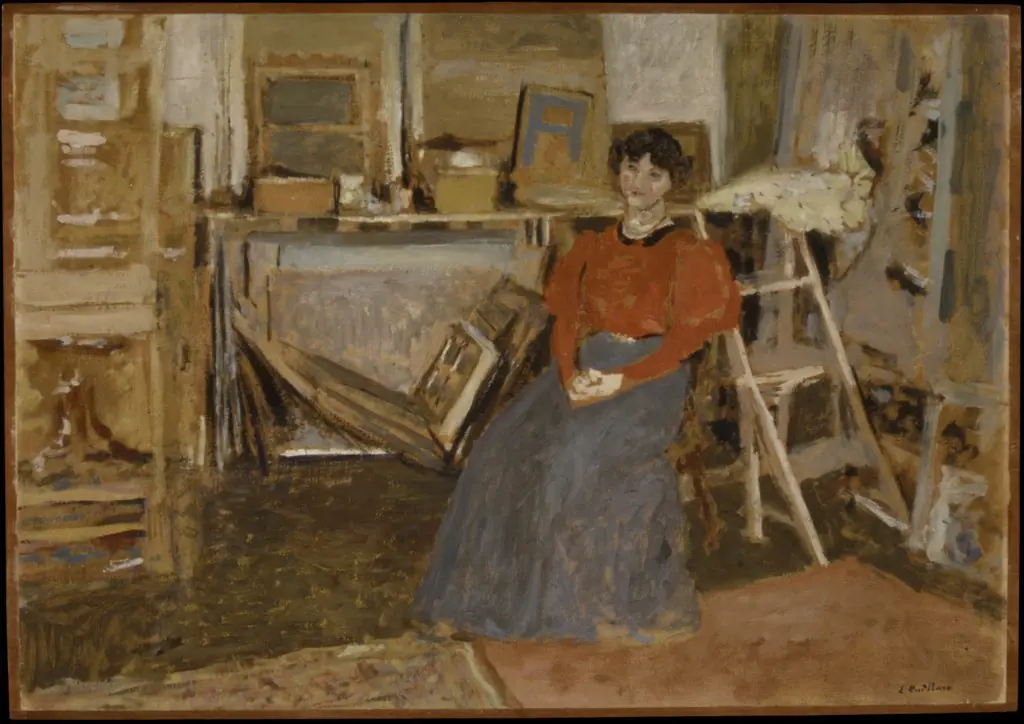 Interior
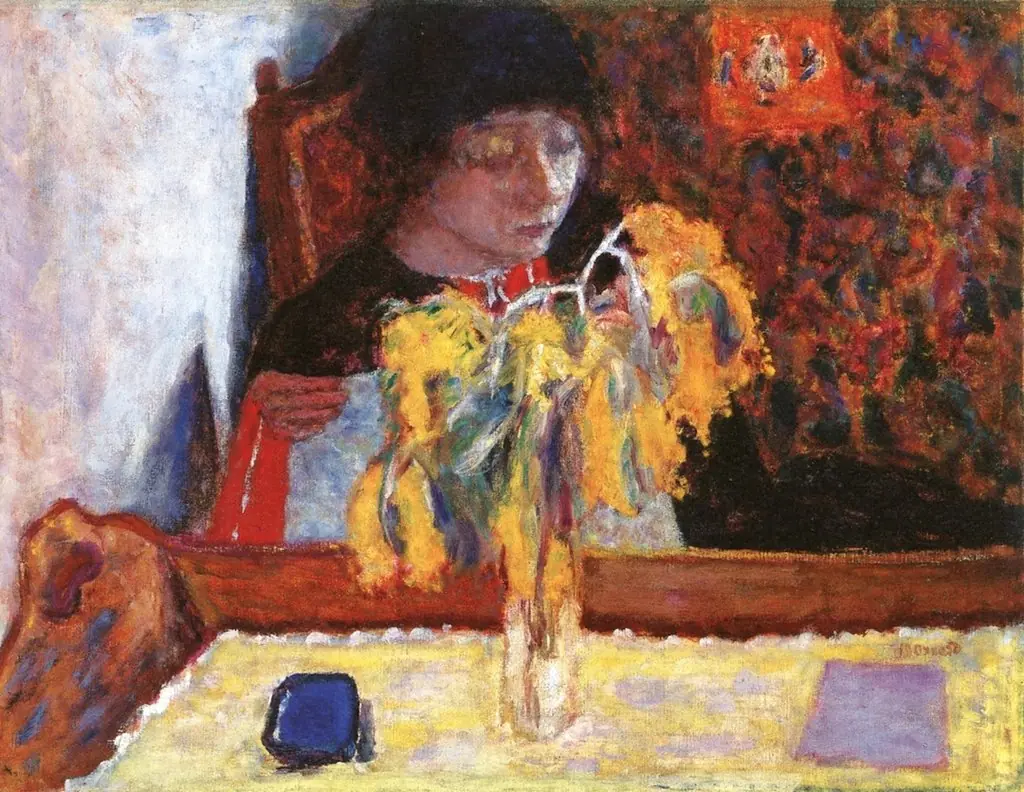 Woman with Mimosa
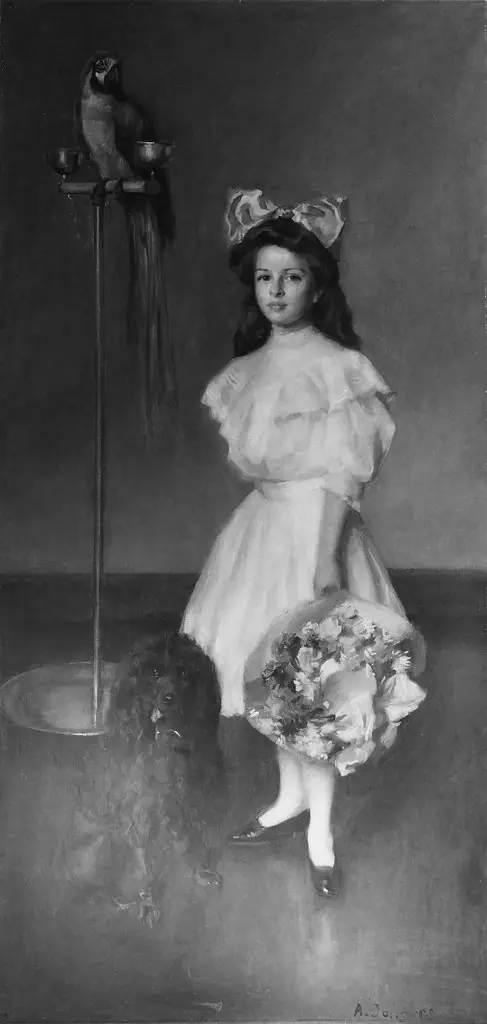 Louise
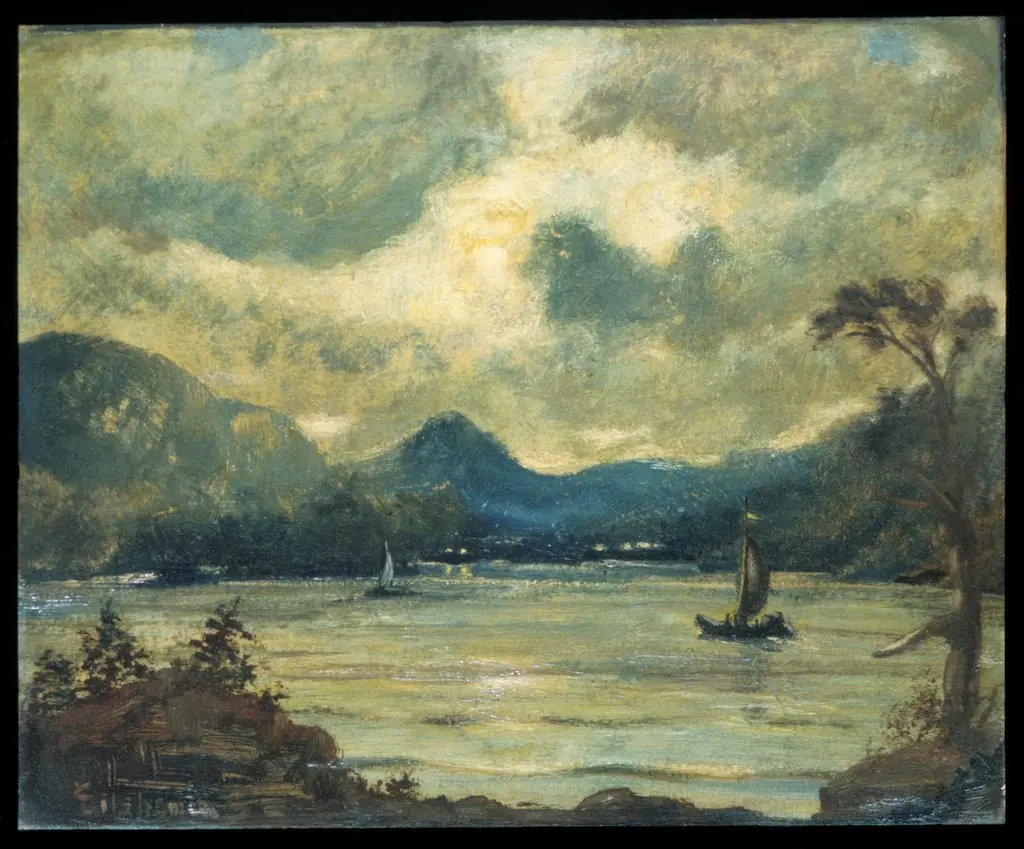 Sailing at Moonlight, Samoa
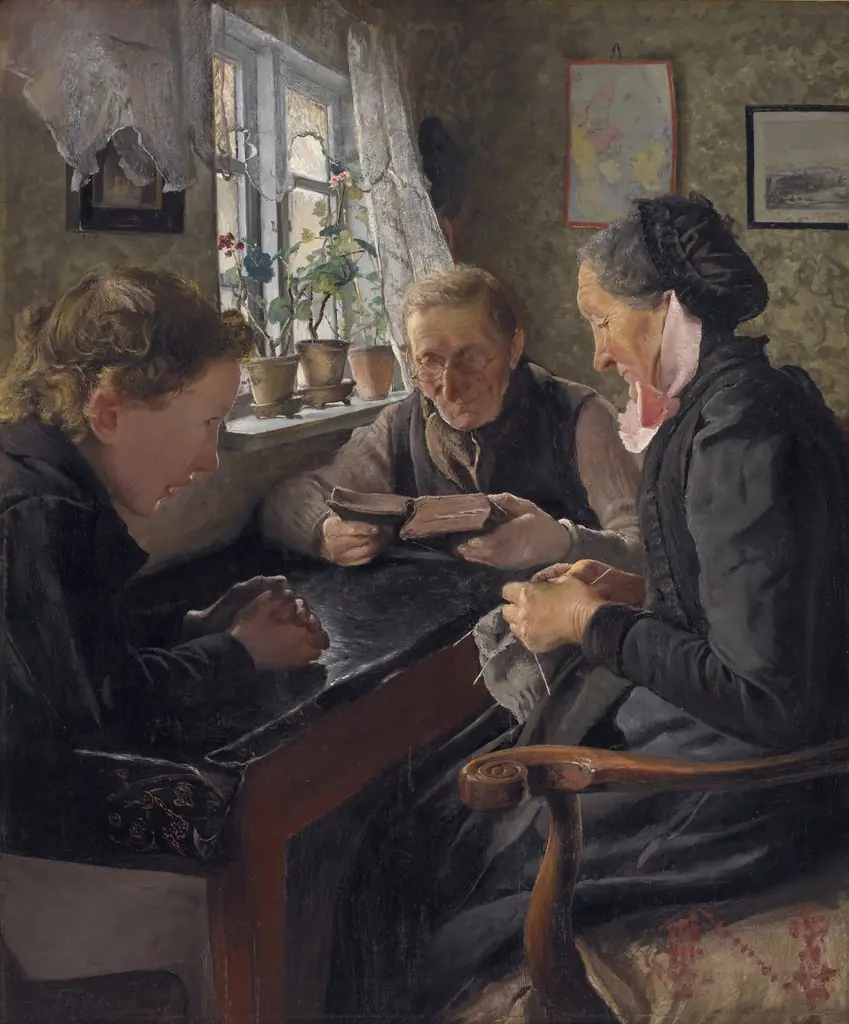 A Child Visiting his Grandparents on a Sunday
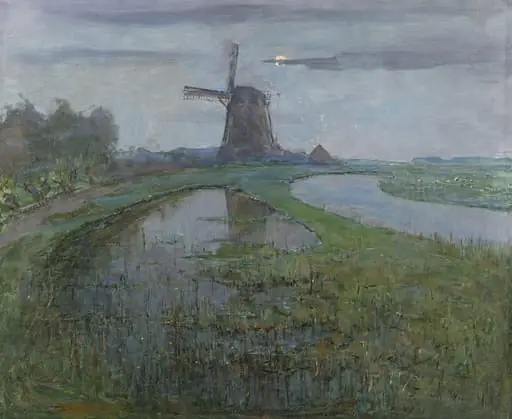 Oostzijdse Mill along the River Gein by Moonlight
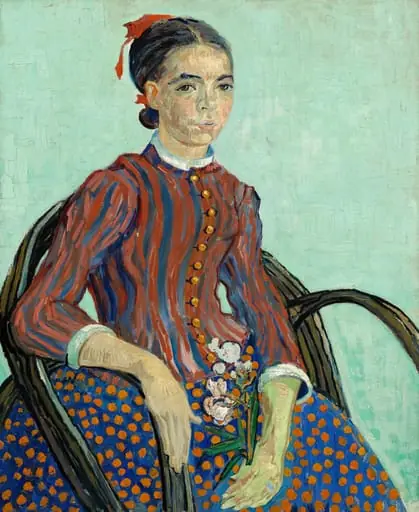 La Mousmé
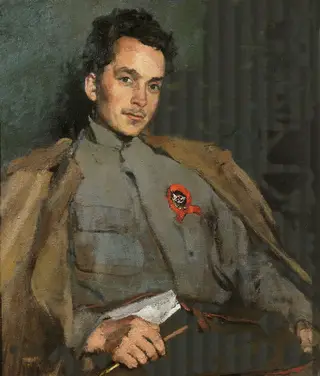
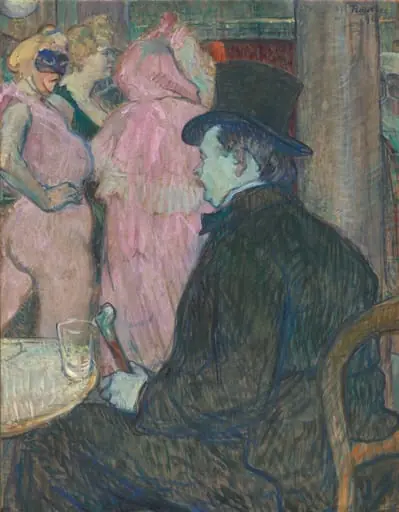 Maxime Dethomas
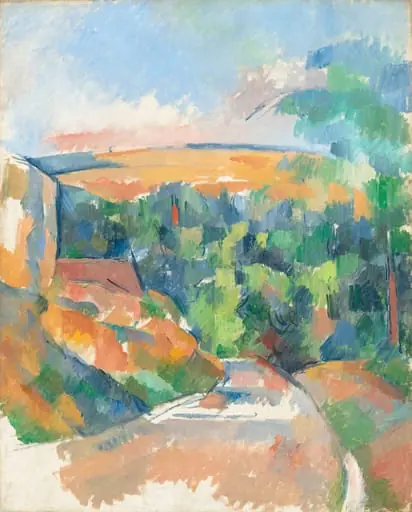 The Bend in the Road
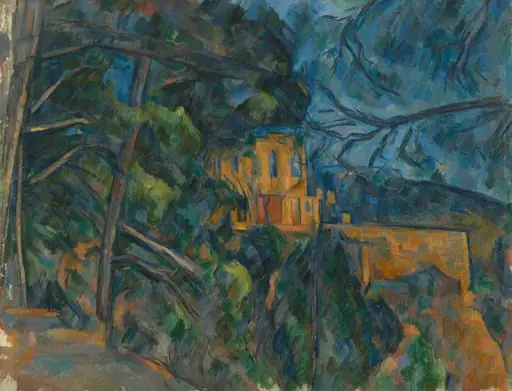 Château Noir
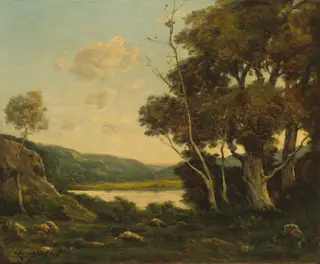 Landscape
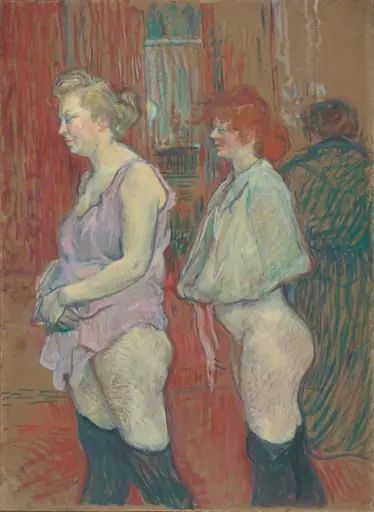 Rue des Moulins, 1894
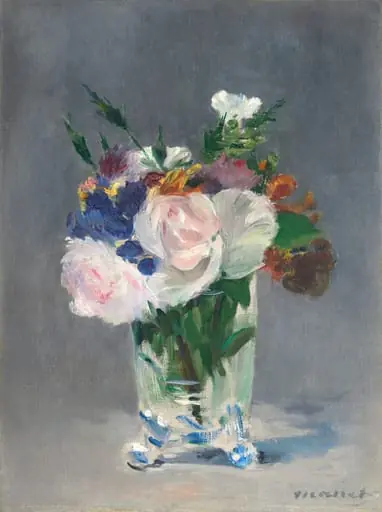 Flowers in a Crystal Vase
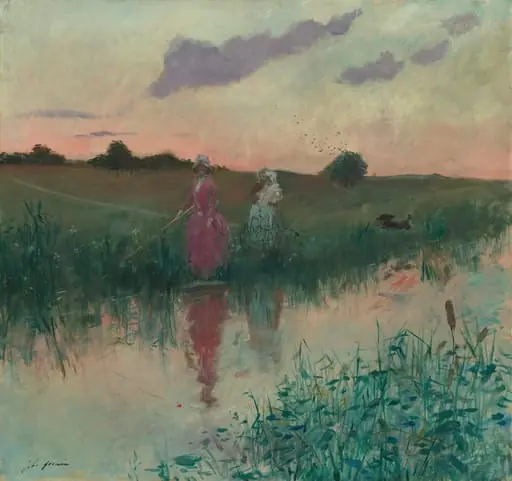 The Artist's Wife Fishing
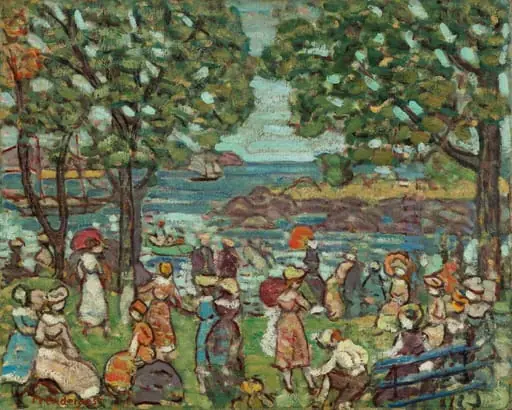 Salem Cove
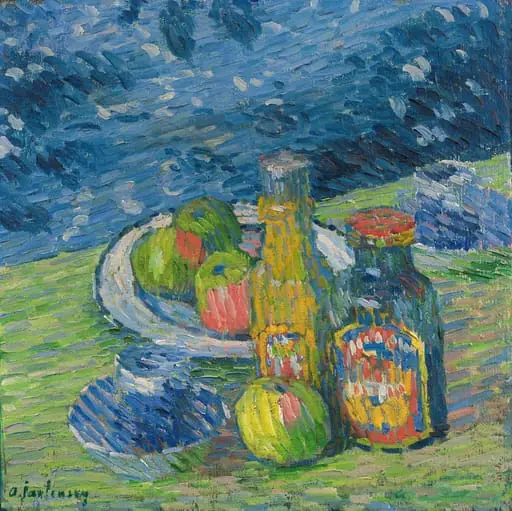 Still Life with Bottles and Fruit
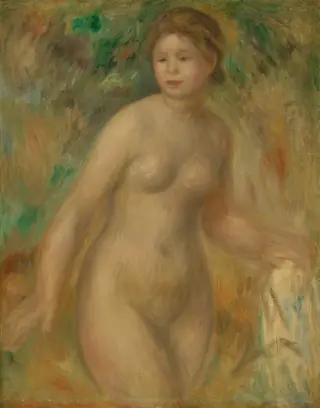 Nude
Nude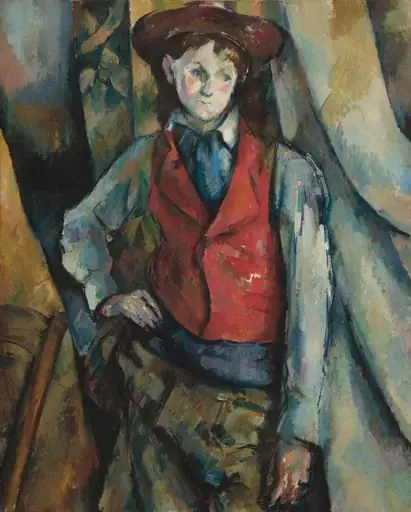 Boy in a Red Waistcoat
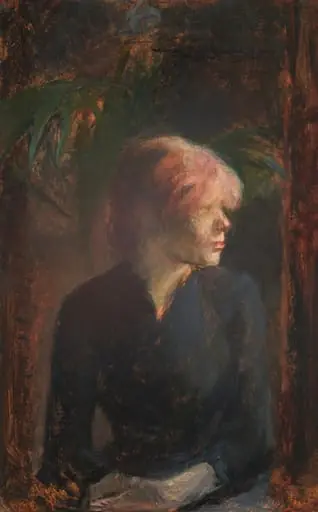 Carmen Gaudin
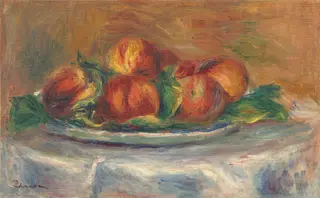 Peaches on a Plate
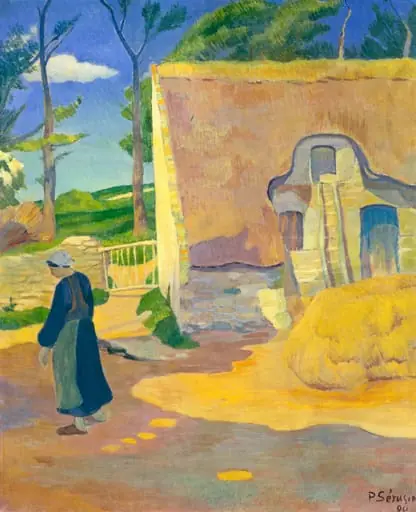 Farmhouse at Le Pouldu
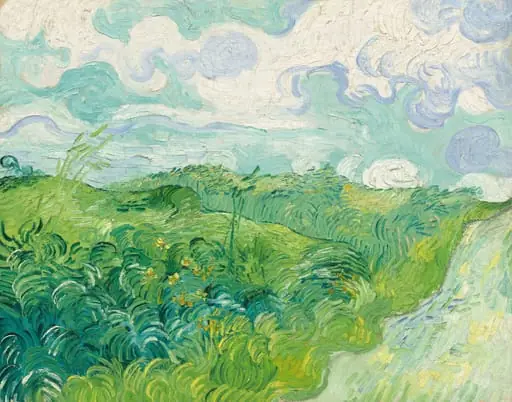 Green Wheat Fields, Auvers
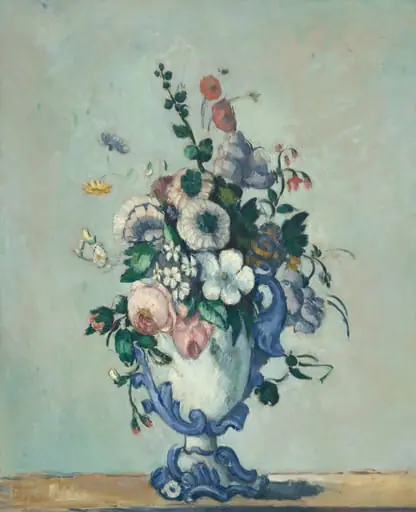 Flowers in a Rococo Vase
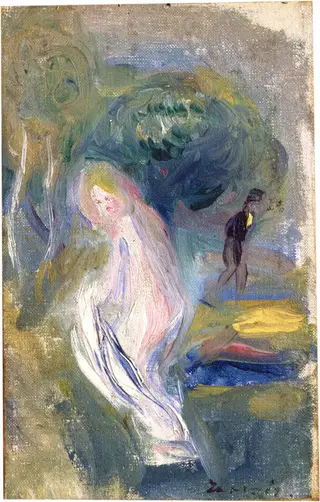 Nude with Figure in Background
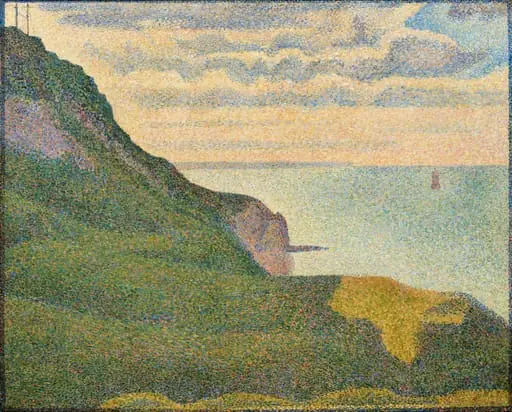 Seascape at Port-en-Bessin, Normandy
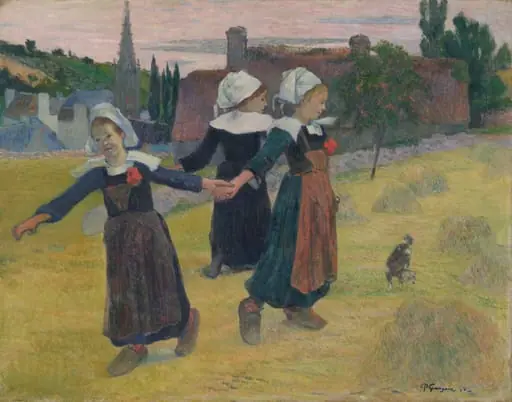 Breton Girls Dancing, Pont-Aven
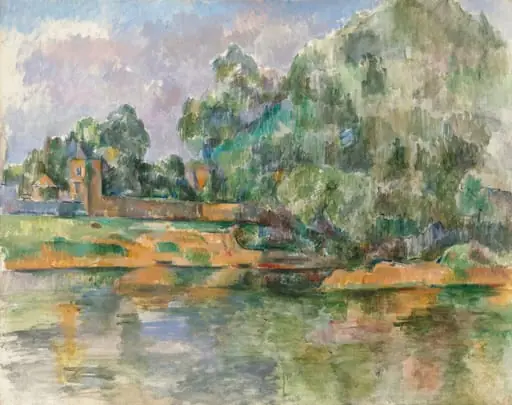 Banks of the Seine at Médan
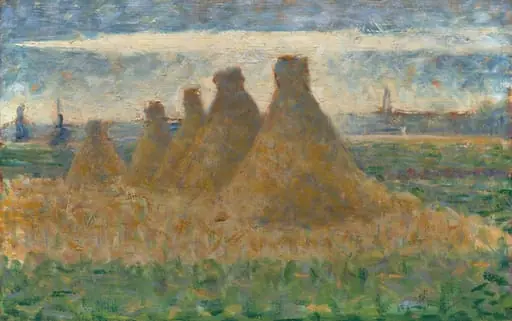 Haystacks
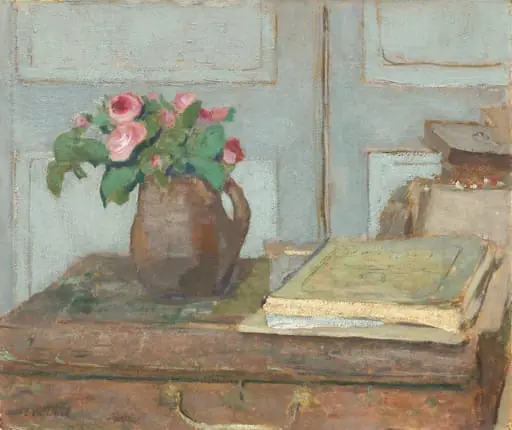 The Artist's Paint Box and Moss Roses
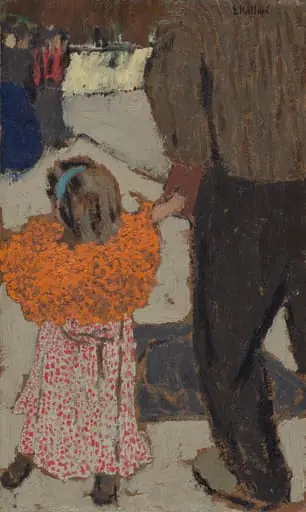 Child Wearing a Red Scarf
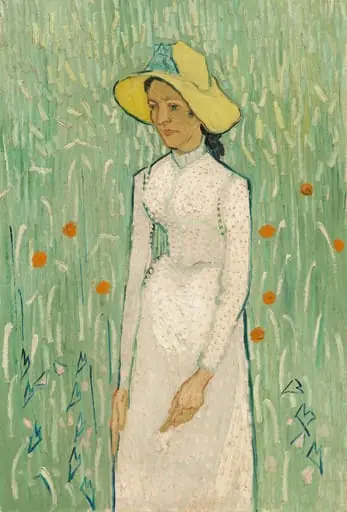 Girl in White
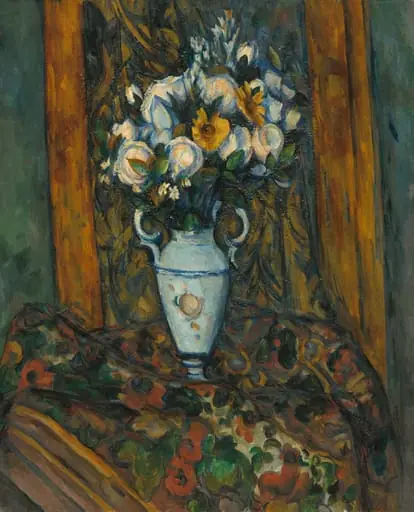 Vase of Flowers
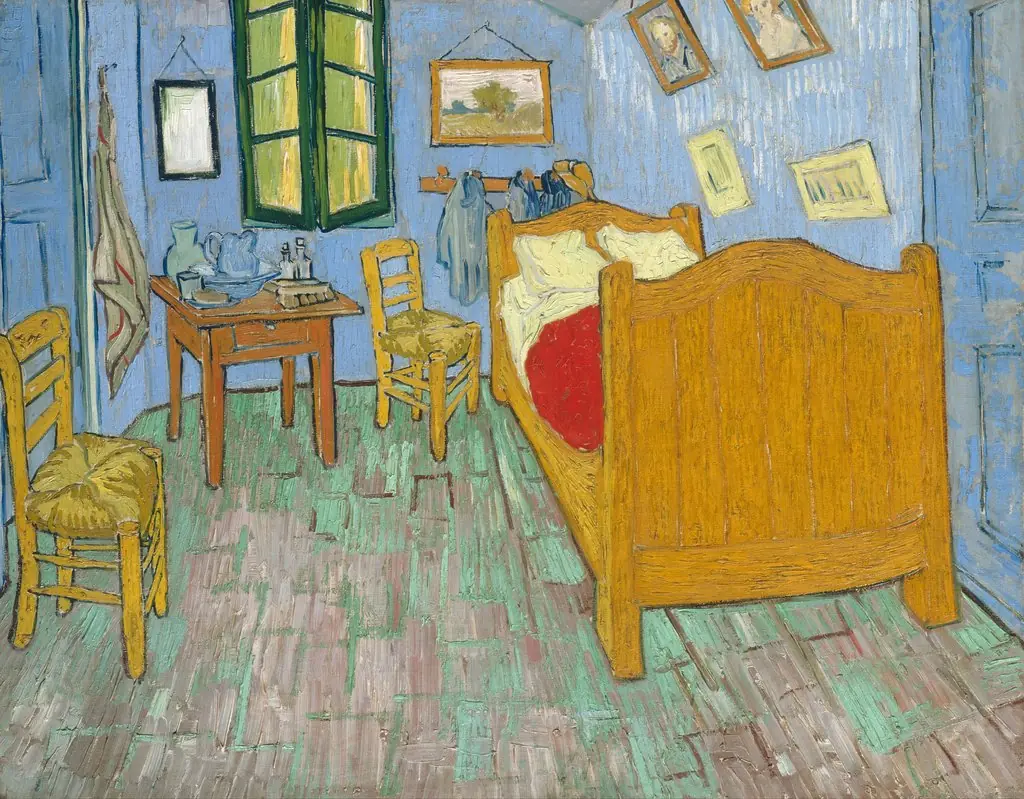 Bedroom in Arles
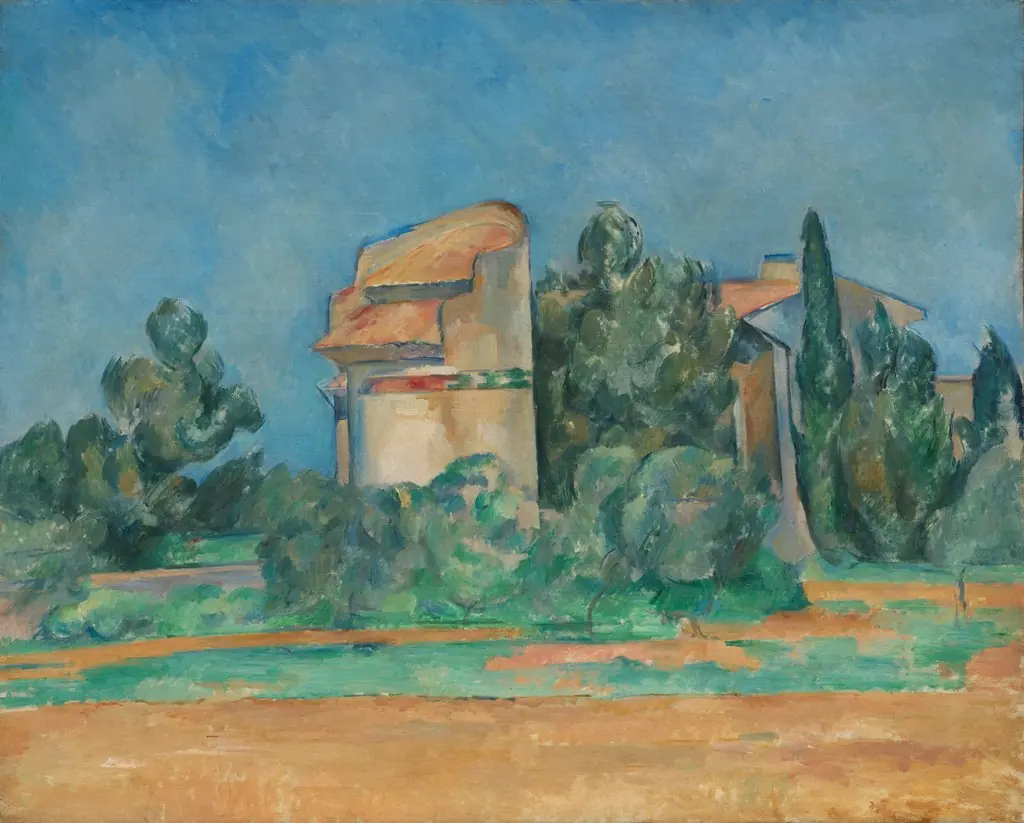 The Pigeon Tower at Bellevue
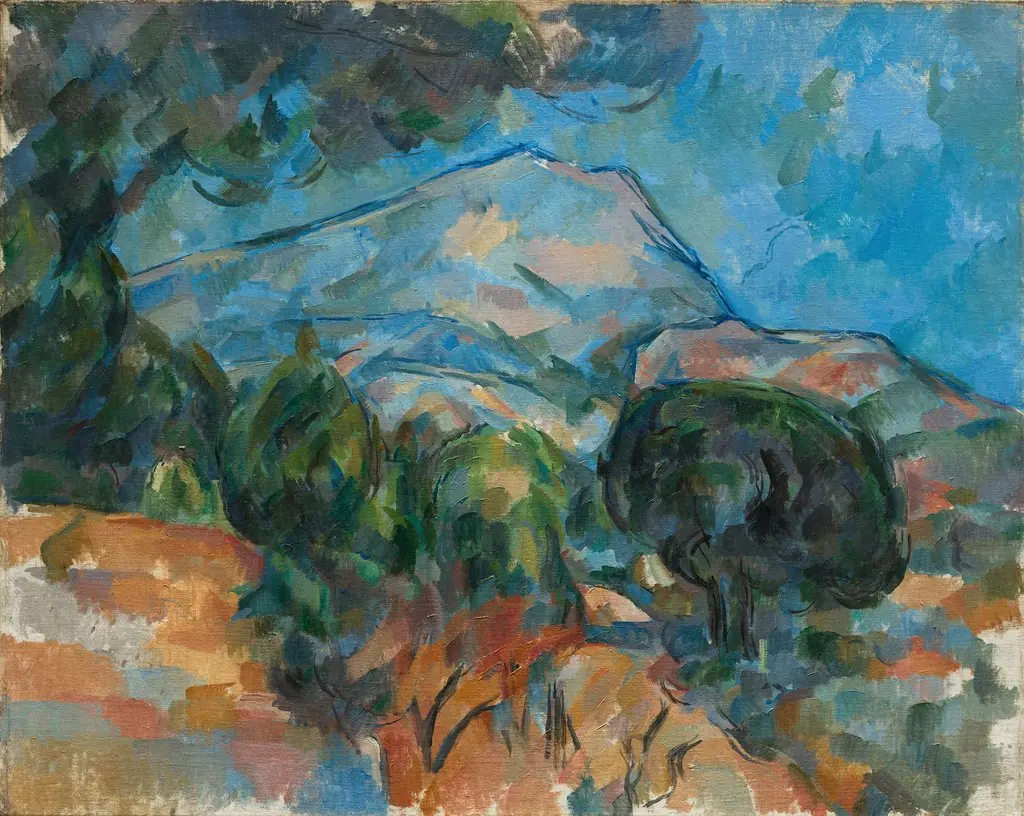 Mount Sainte-Victoire
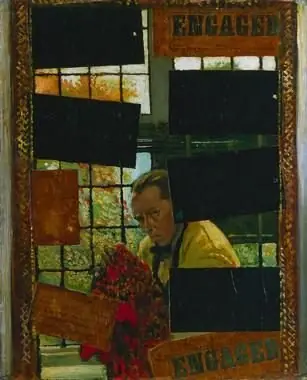 Self-Portrait
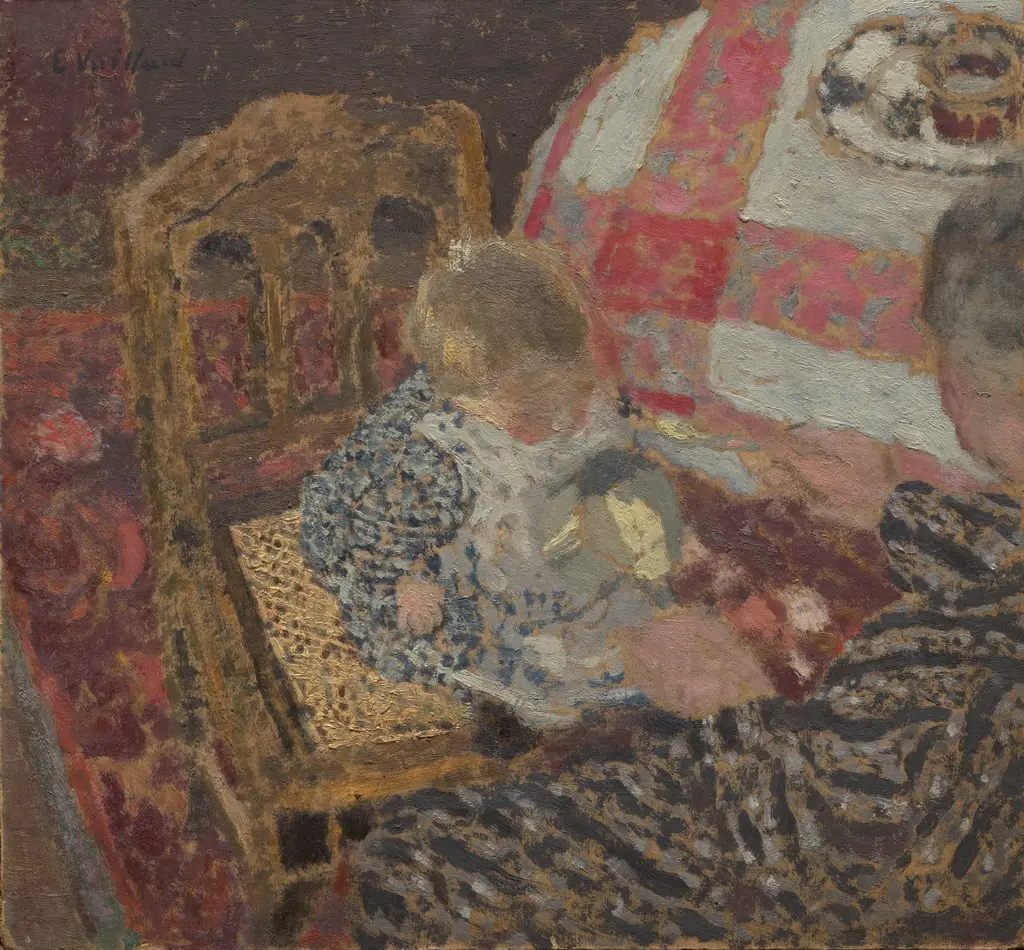 Luncheon (Annette and Her Grandmother)
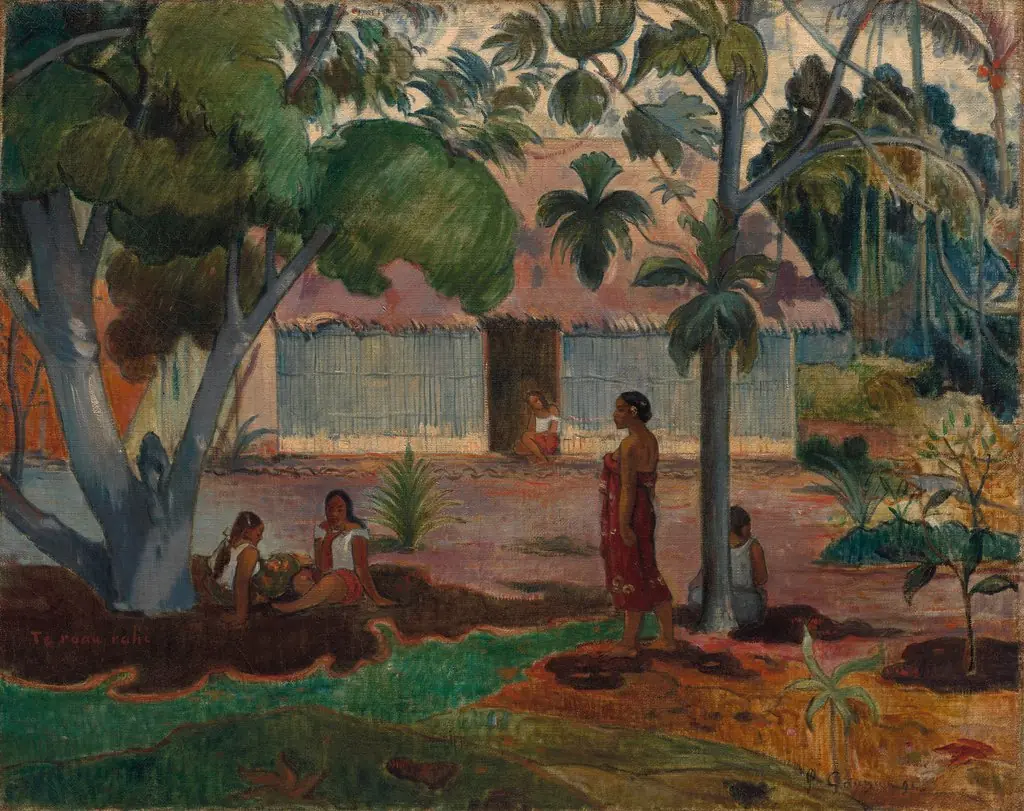 The Large Tree
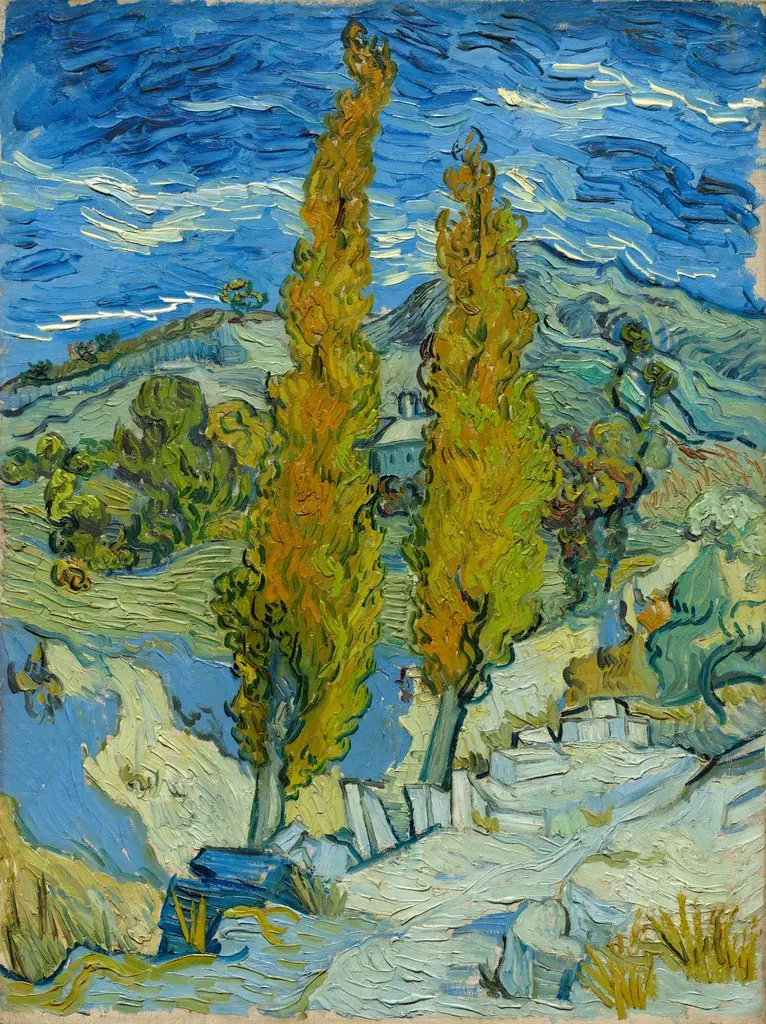 Two Poplars in the Alpilles near Saint-Rémy
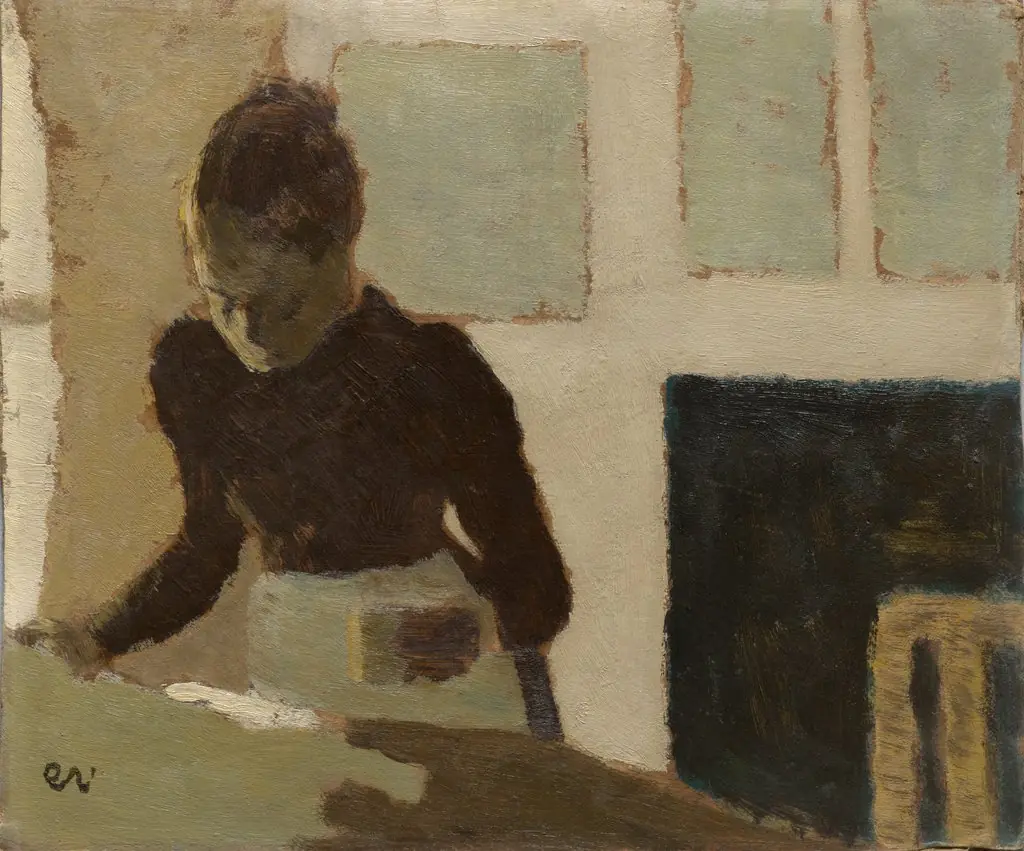 Woman Ironing
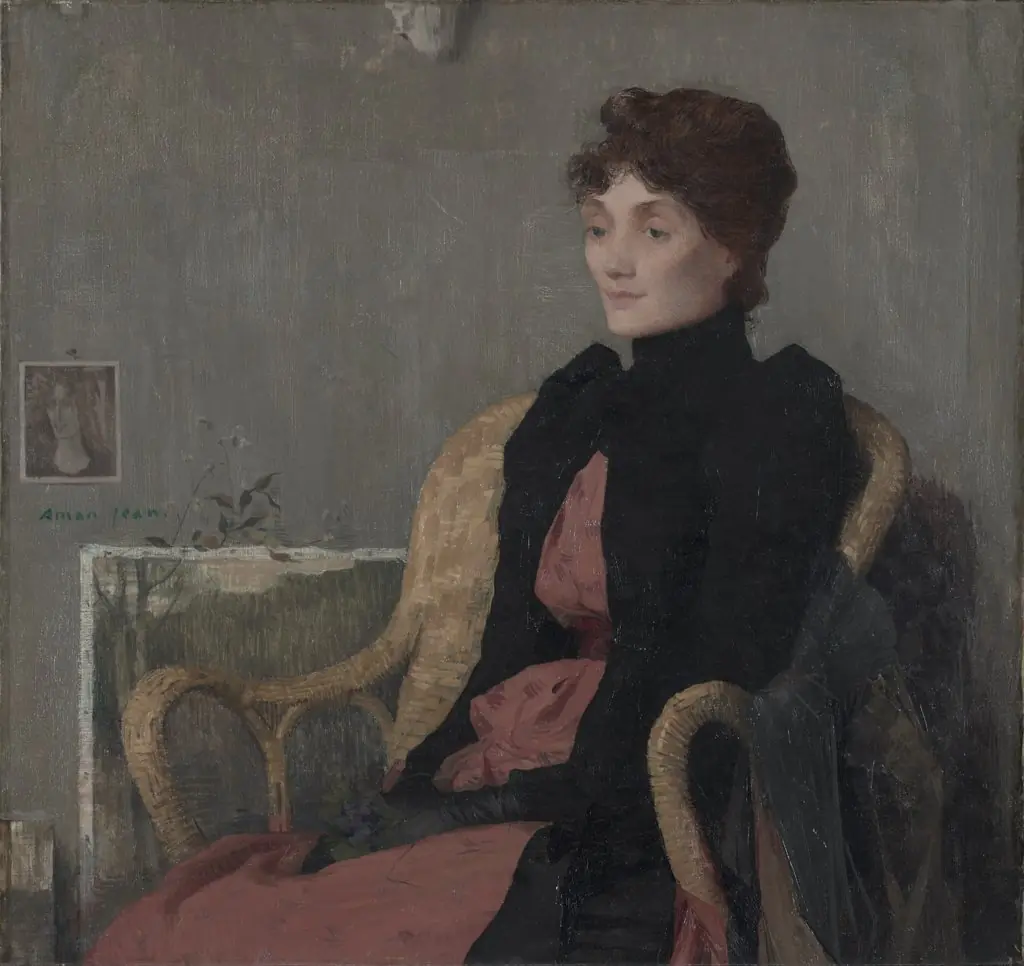 Portrait of a Woman
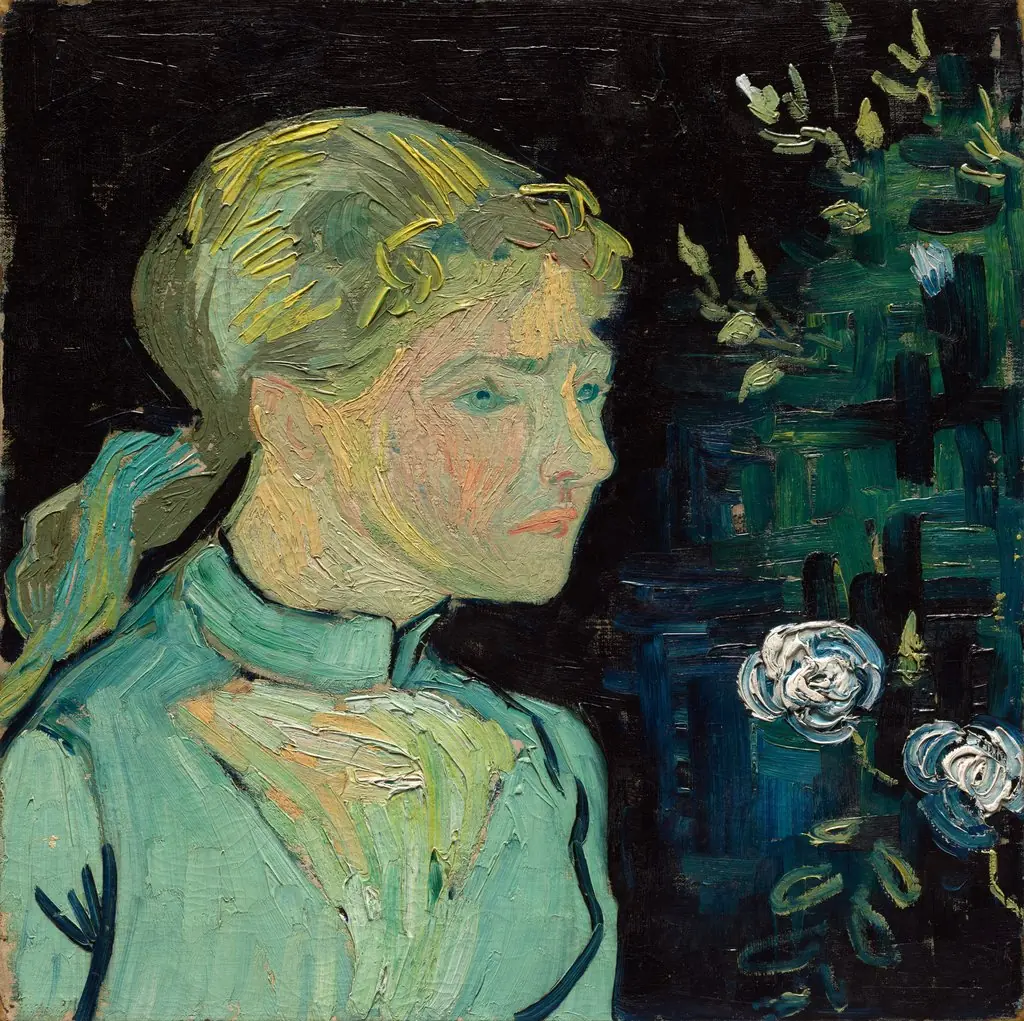 Adeline Ravoux
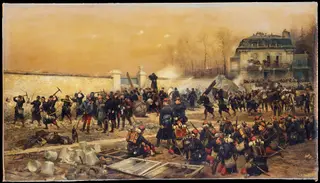
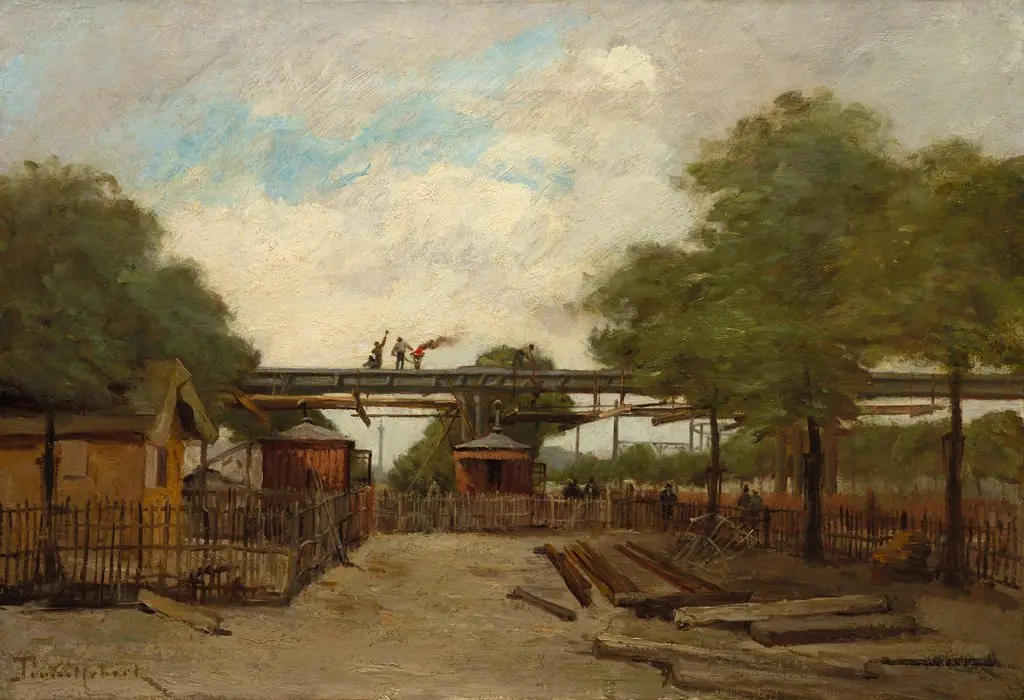 Construction of an Elevated Railway: Bridge over the Cours de Vincennes
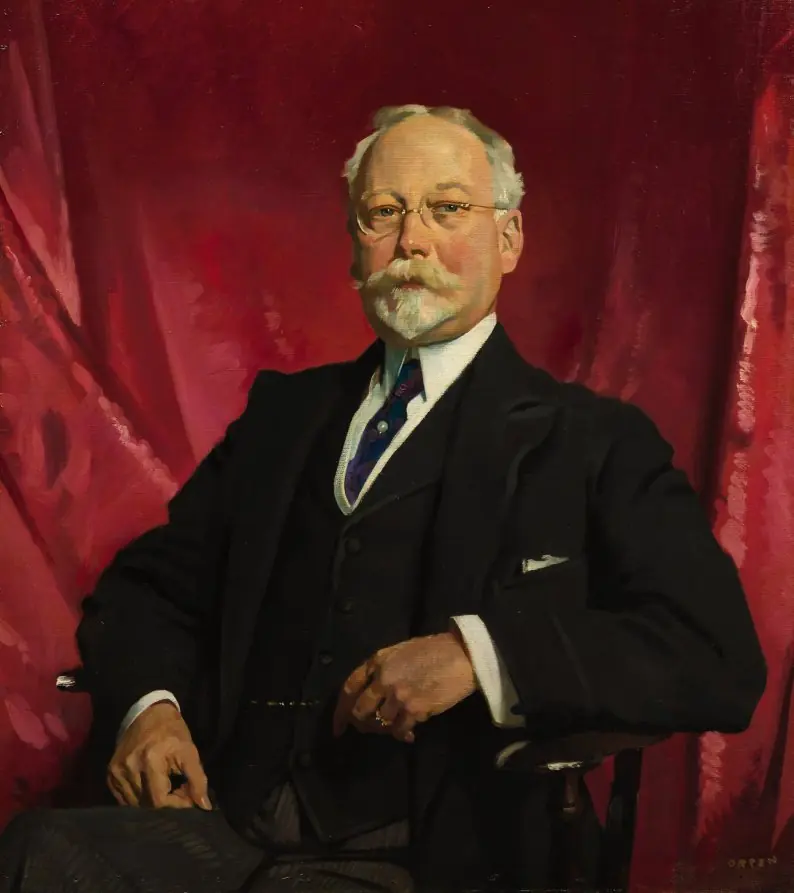 Portrait of John L. Severance
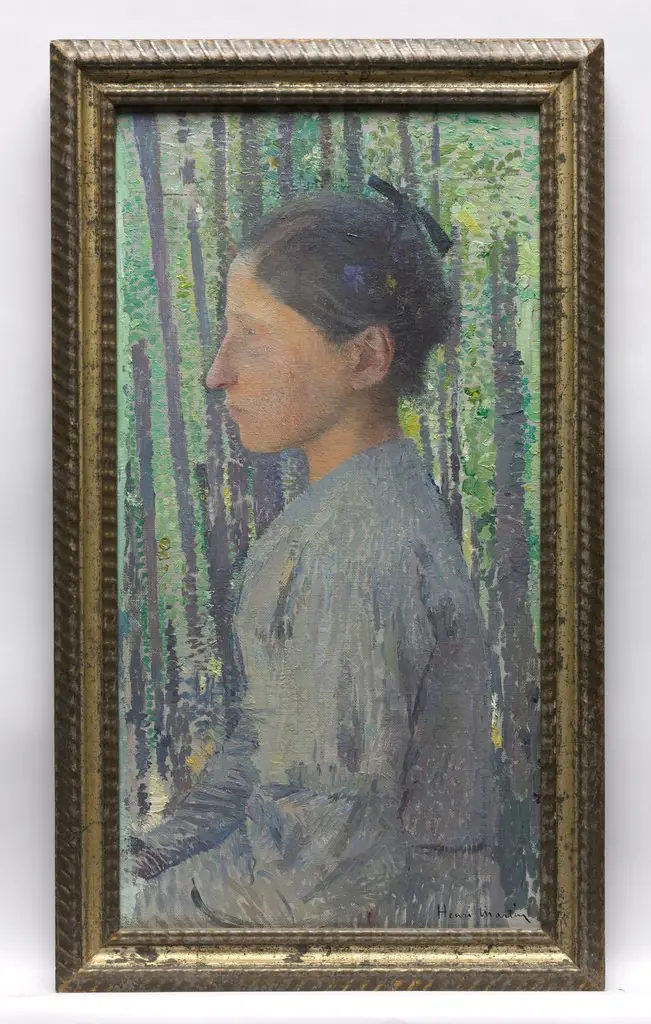 Woman in Profile
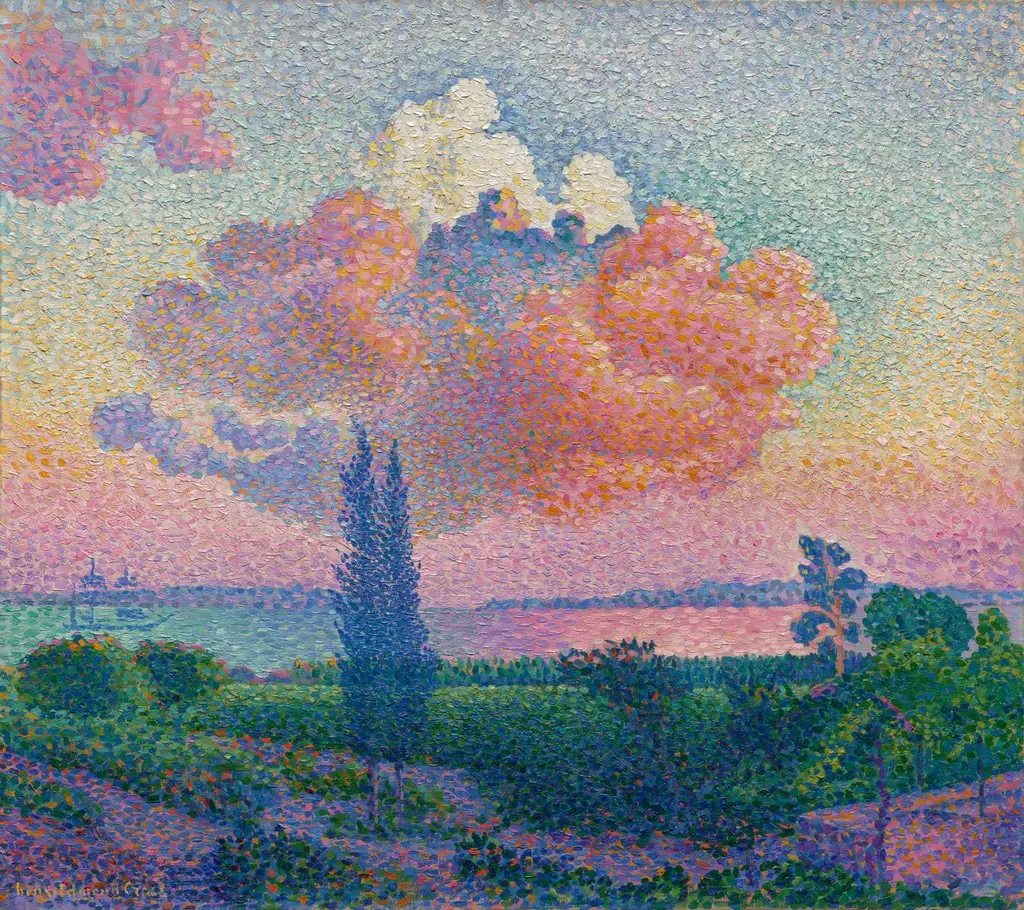 The Pink Cloud
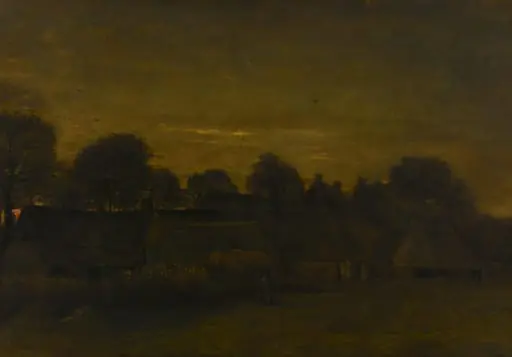 Farming Village at Twilight
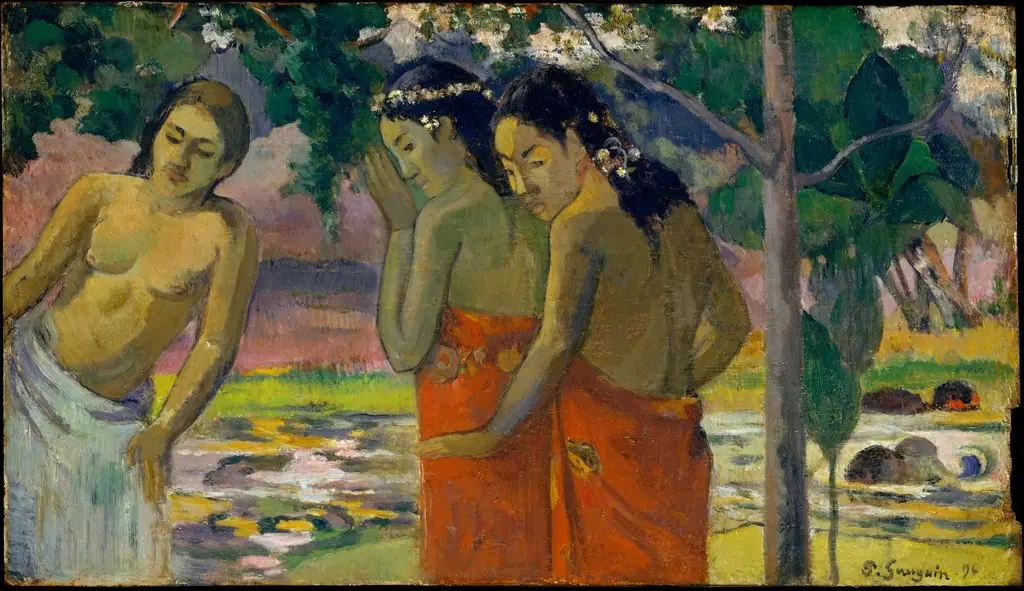 Three Tahitian Women
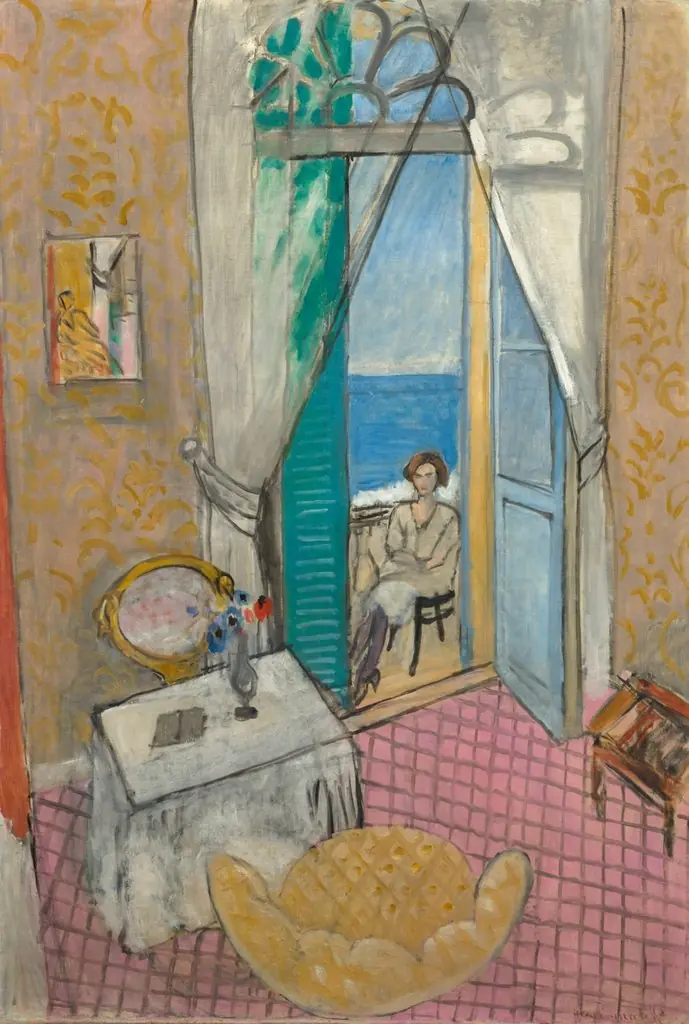 Interior at Nice
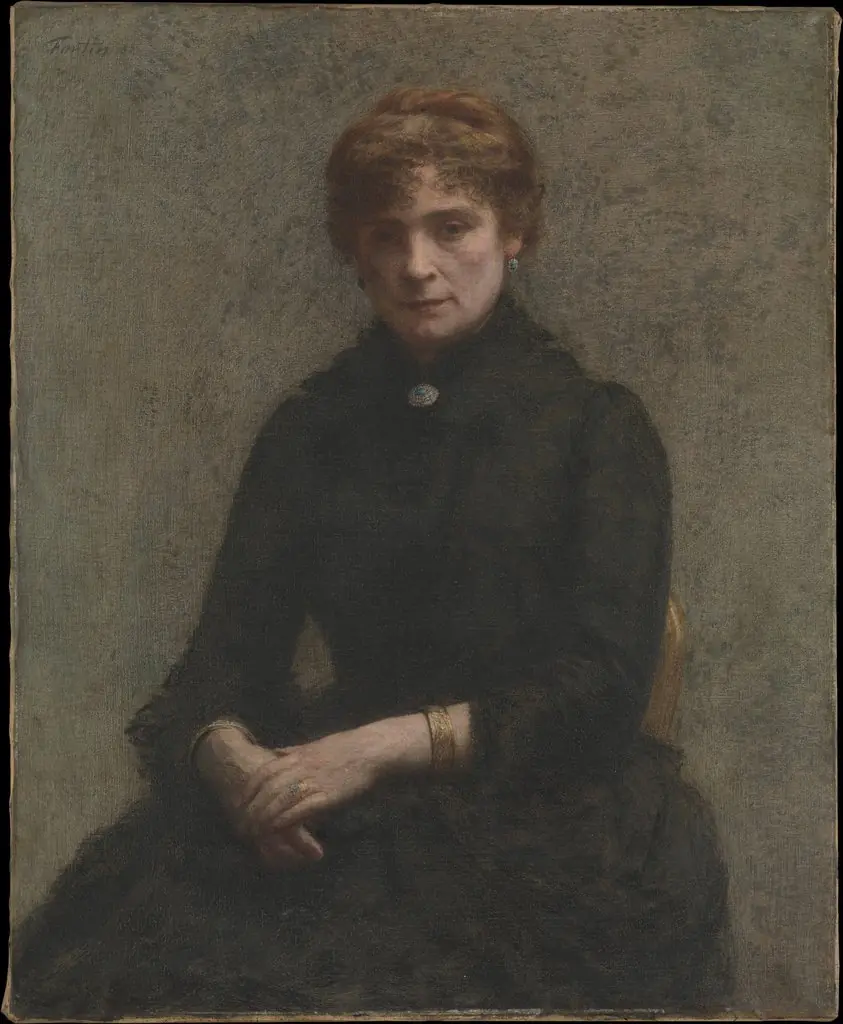 Portrait of a Woman
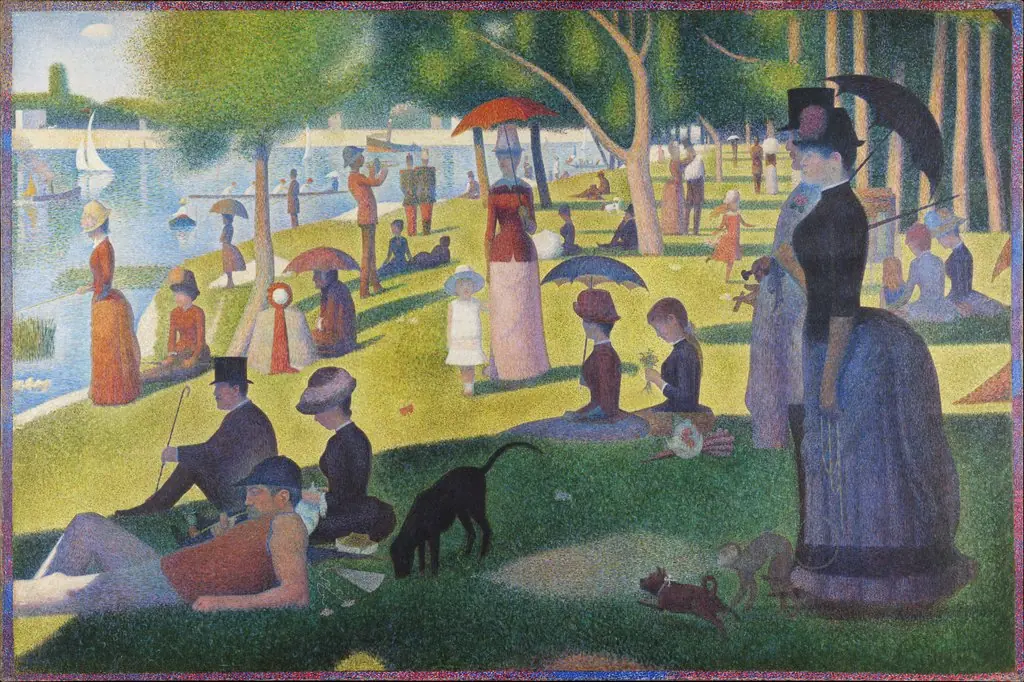 A Sunday Afternoon on the Island of La Grande Jatte
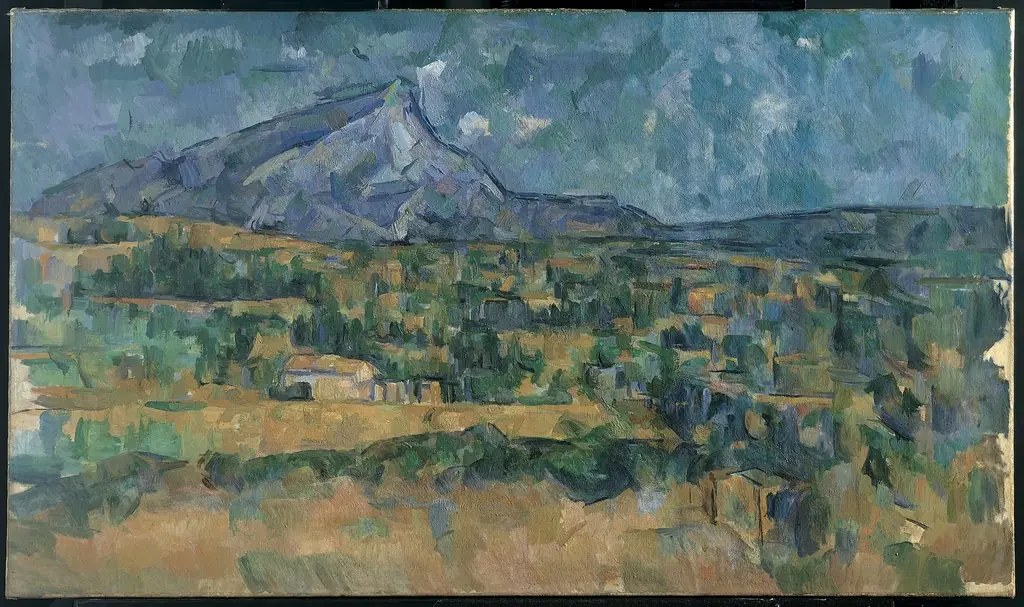 Mont Sainte-Victoire
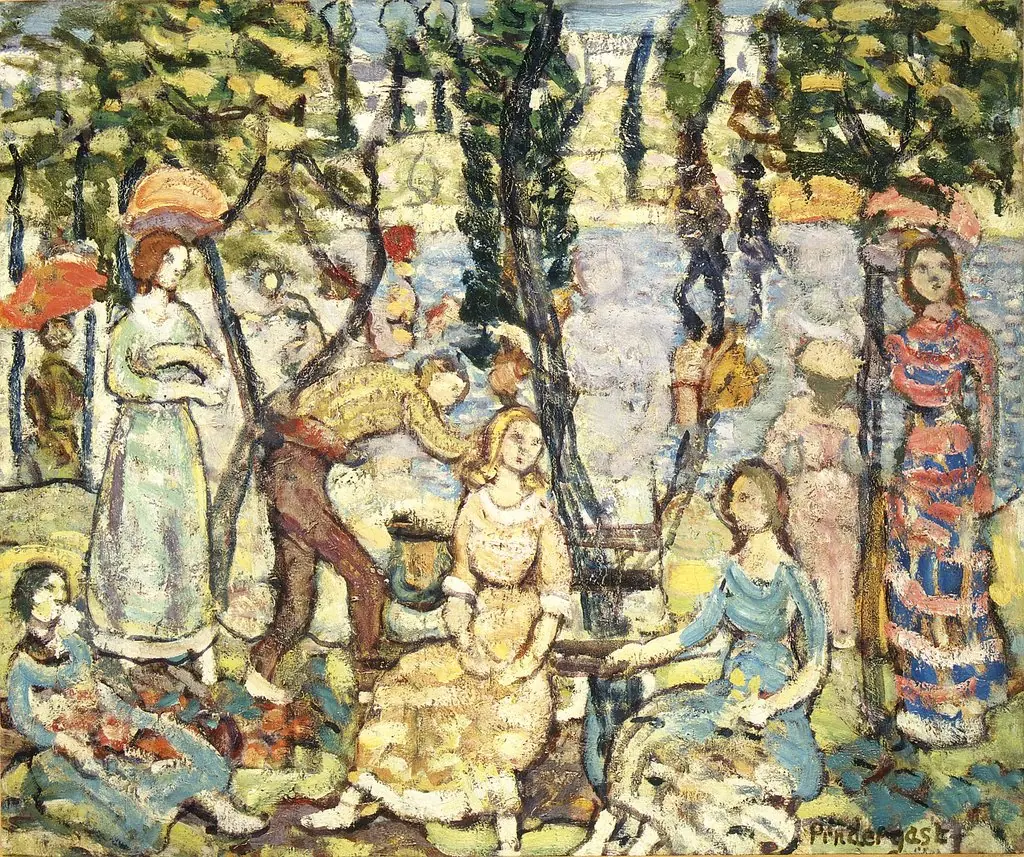 Group of Figures
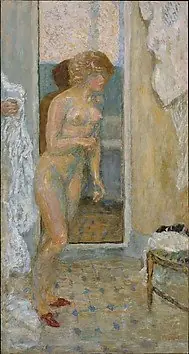 After the Bath
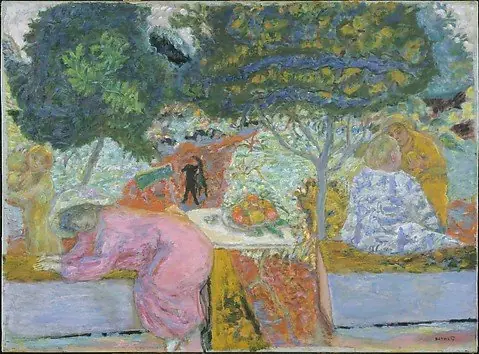 Morning in the Garden at Vernonnet
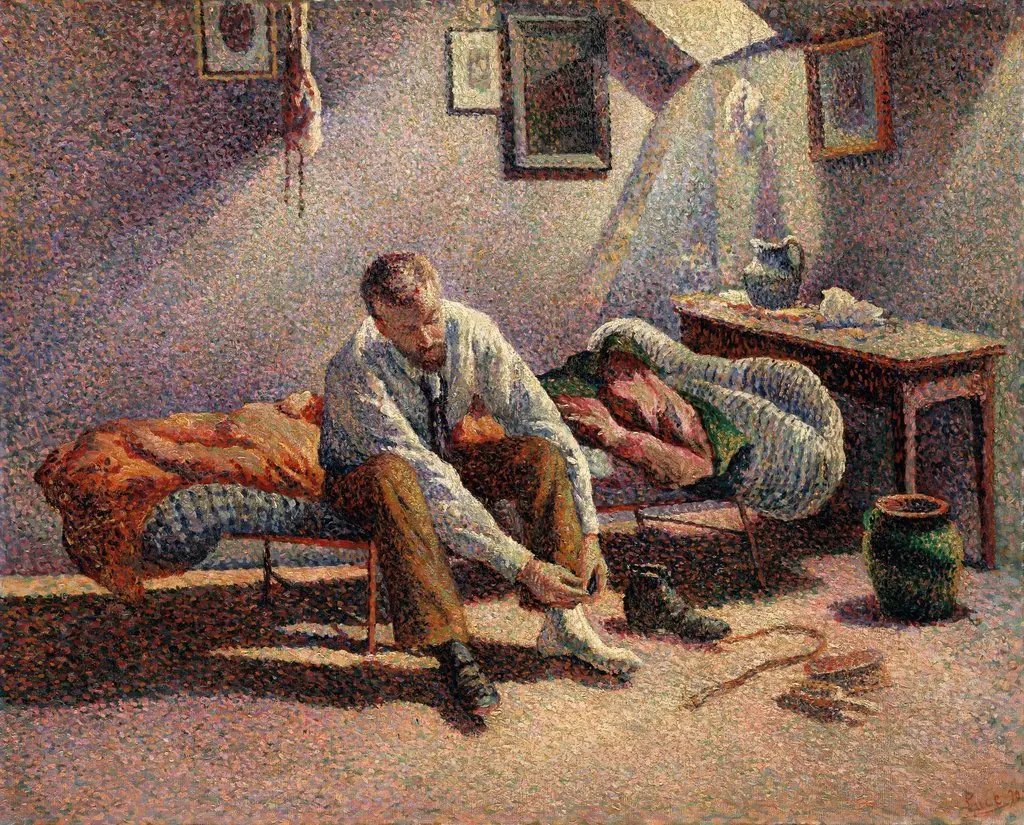 Morning, Interior
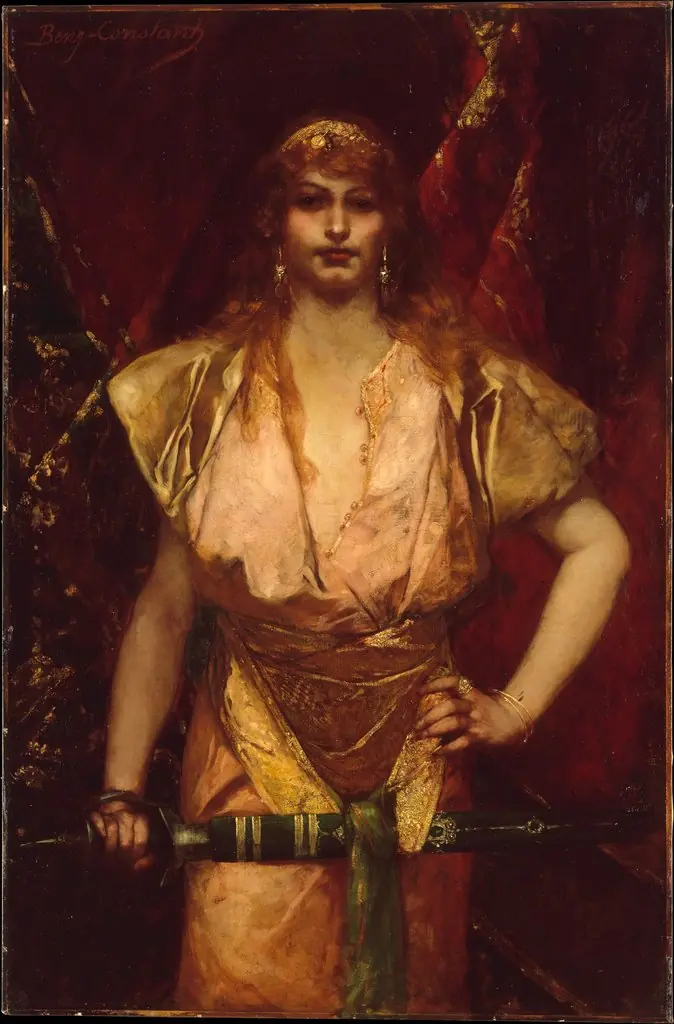 Judith
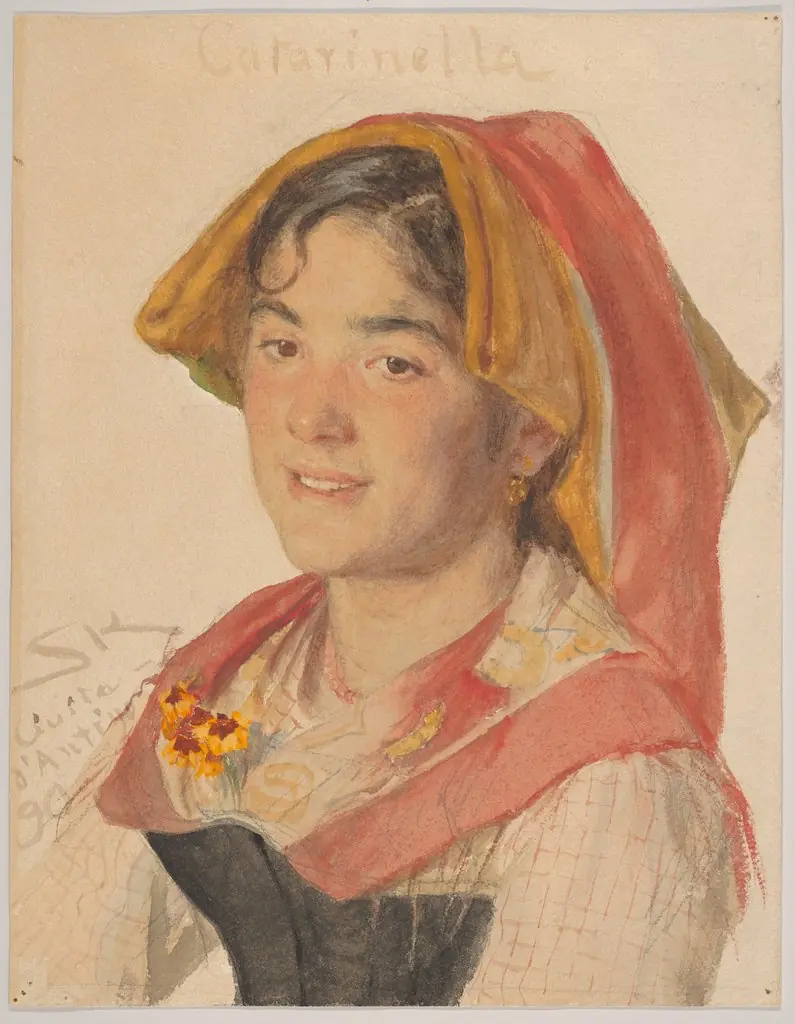 Head of an Girl from Civita d'Antino in Regional Dress (Catarinella")"
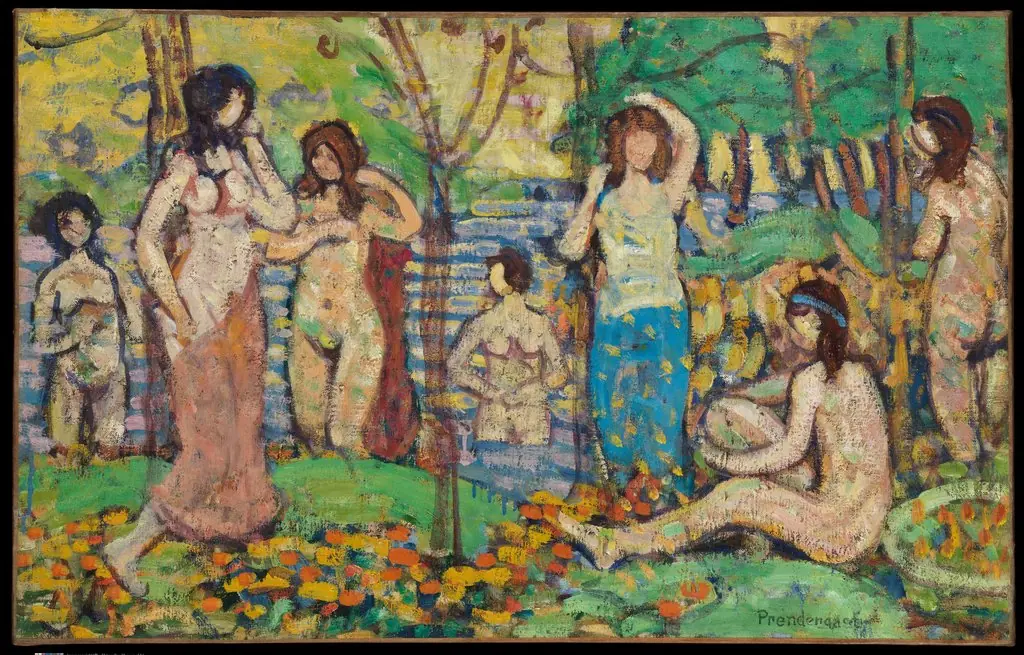 Beach No. 3
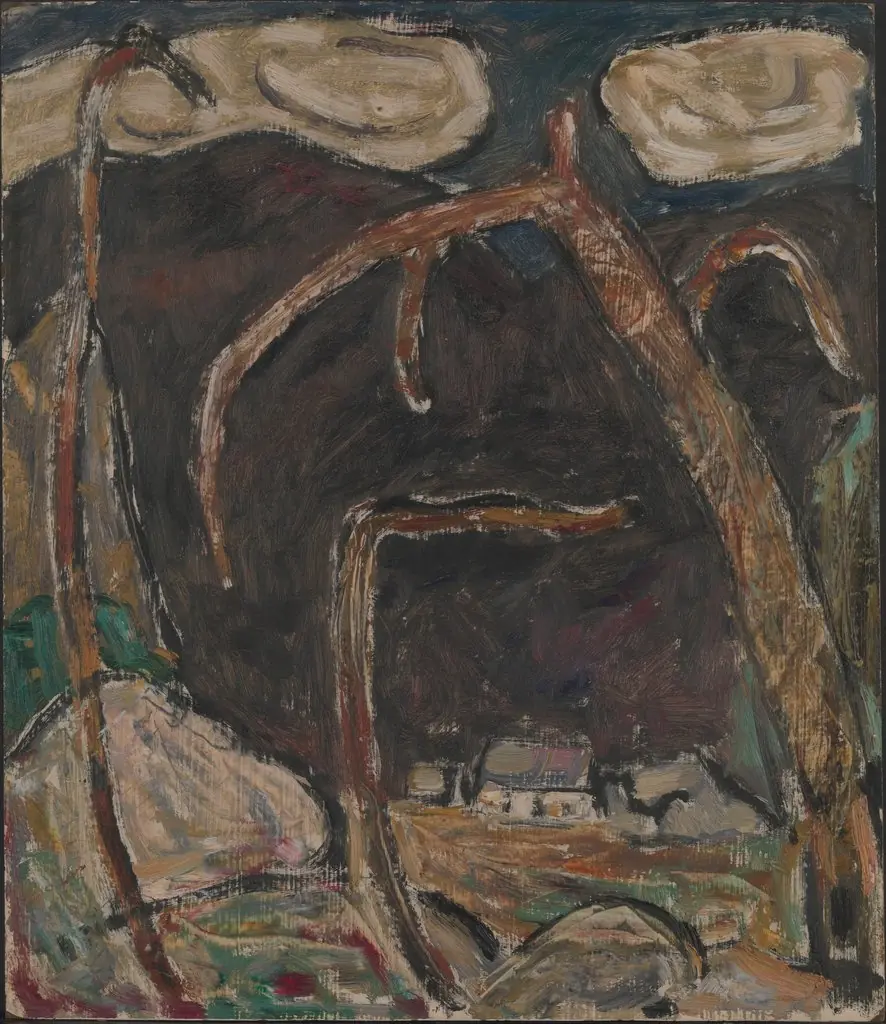 The Dark Mountain, No. 1
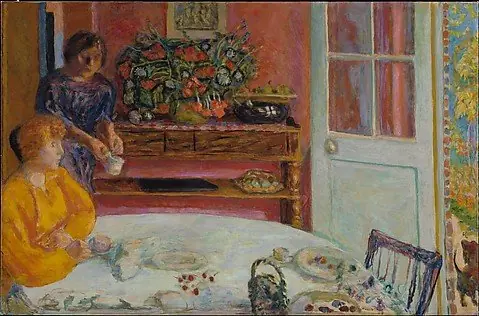 The Dining Room, Vernonnet
 The Allegory of the Sorbonne
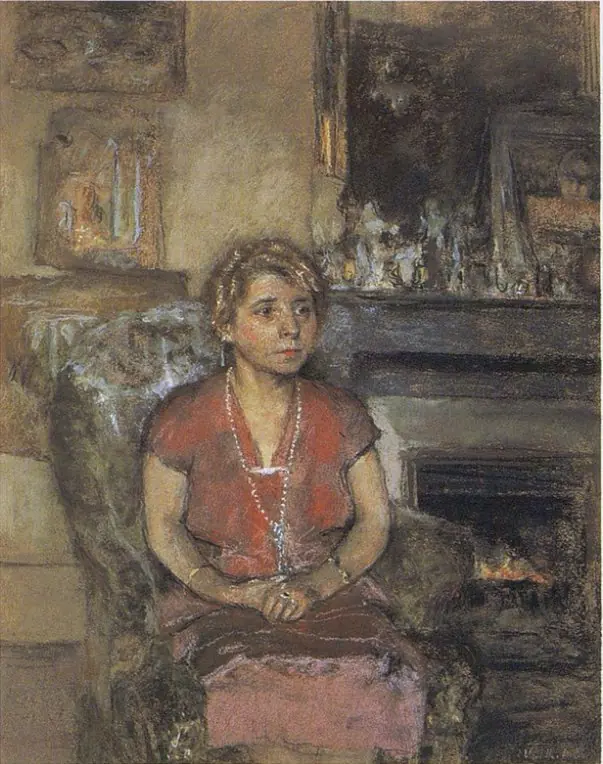 Mme Henri-Xavier Fontaine
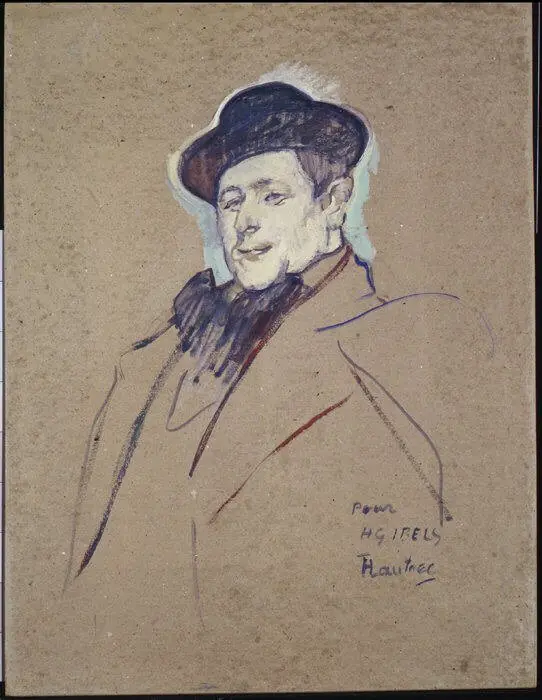 Henri-Gabriel Ibels (1867–1936)
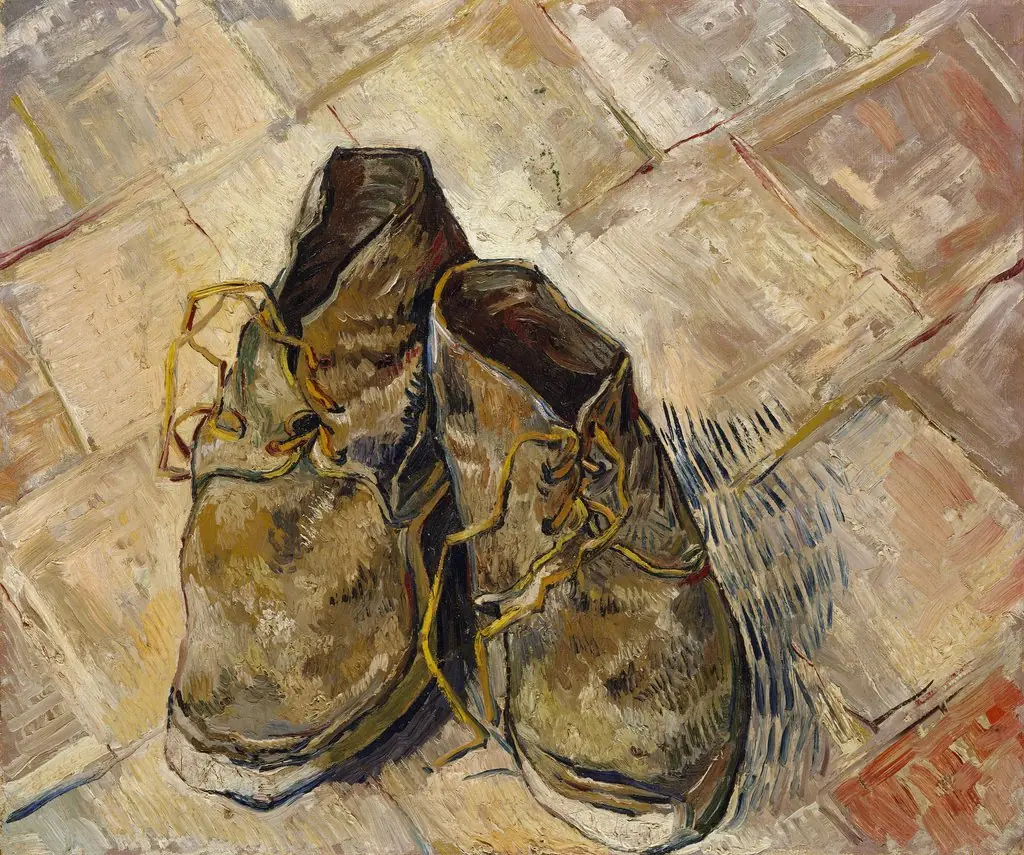 Shoes
Shoes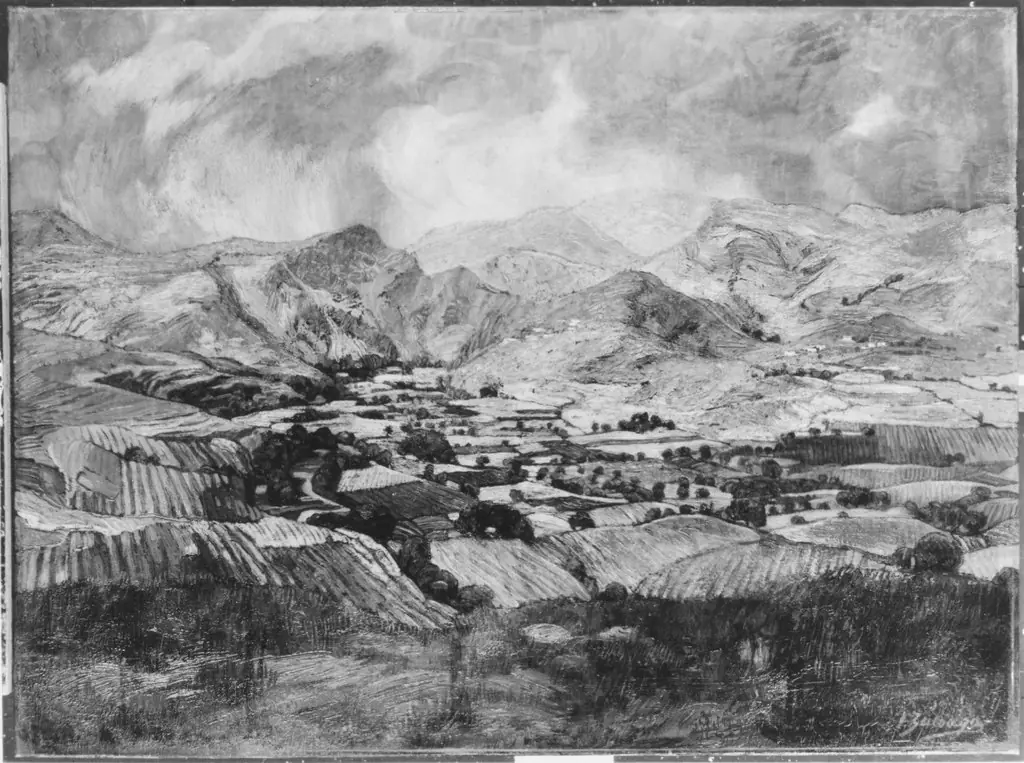 Mountains of Calatayud
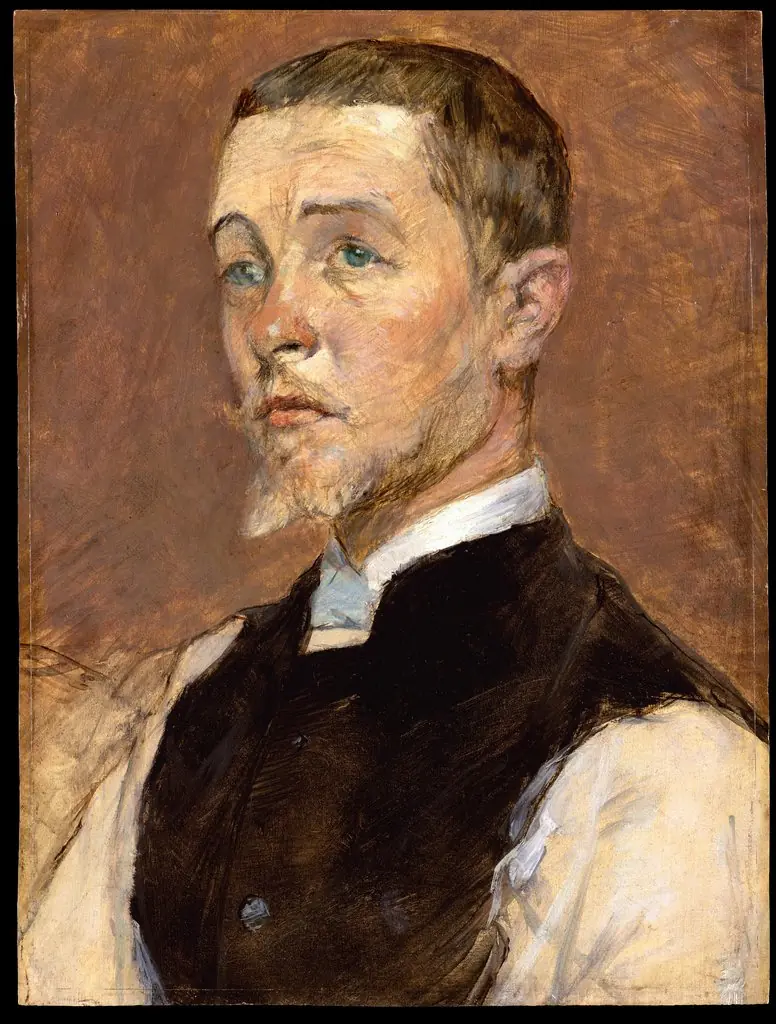 Albert (René) Grenier (1858–1925)
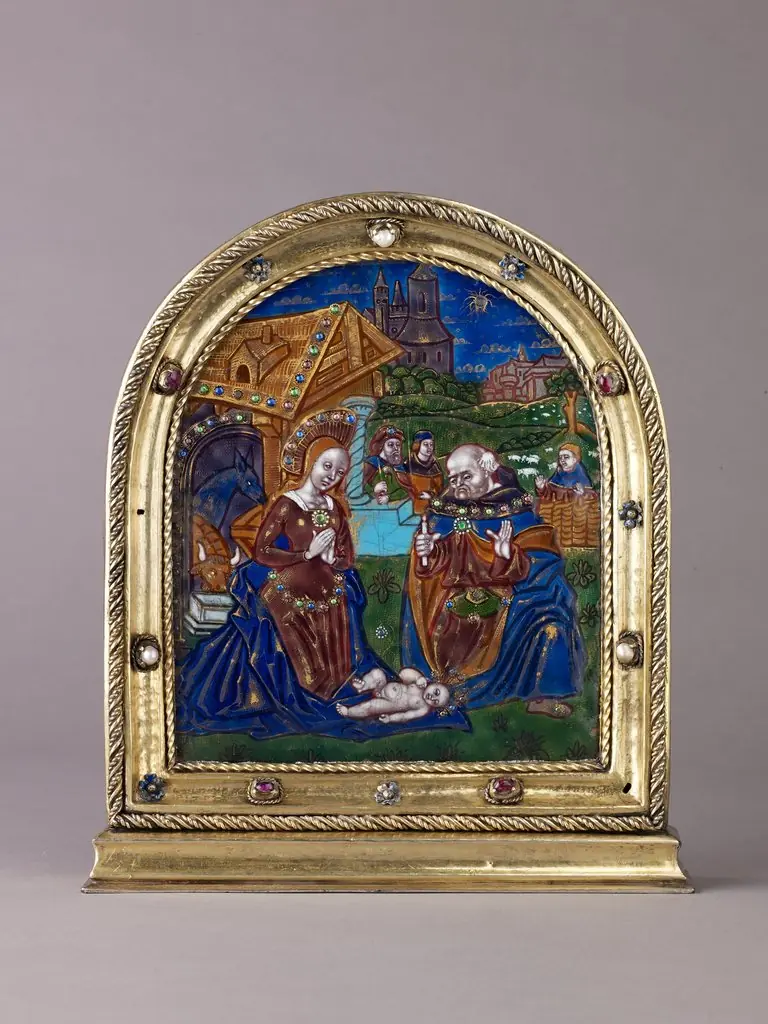 Nativity
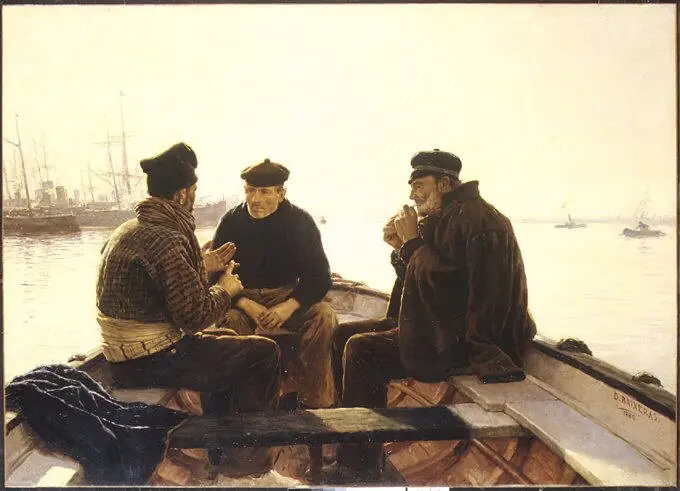 Boatmen of Barcelona
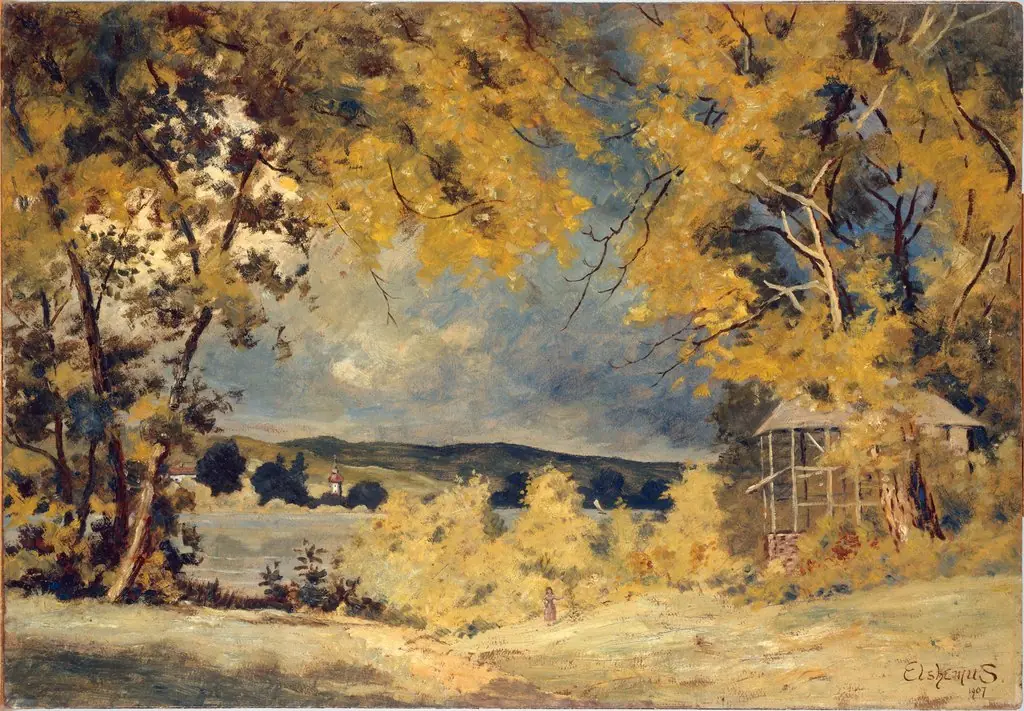 Landscape, Binghamton, New York
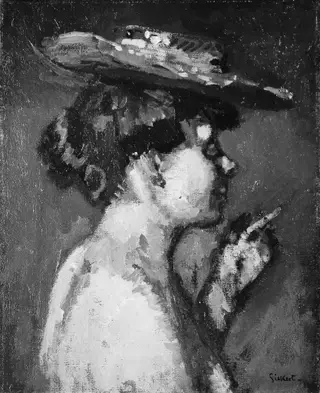 The Cigarette (Jeanne Daurmont)
Post-Impressionism is an art movement. The diverse generation of painters who pushed beyond Impressionism's focus on optical sensation toward structure, emotion, and symbolic meaning.
Artifact World Gallery holds 5,702 public-domain Post-Impressionism works, all free to view and download.
Key Post-Impressionism artists in the collection include Édouard Manet, Camille Pissarro and Alfred Sisley.
Post-Impressionism dates from 1886–1905.
Post-Impressionism works in the collection are held by Munch Museum, Victoria and Albert Museum and Statens Museum for Kunst.
Your cart is empty
Browse artworks →