Artwork
The Port of Algiers
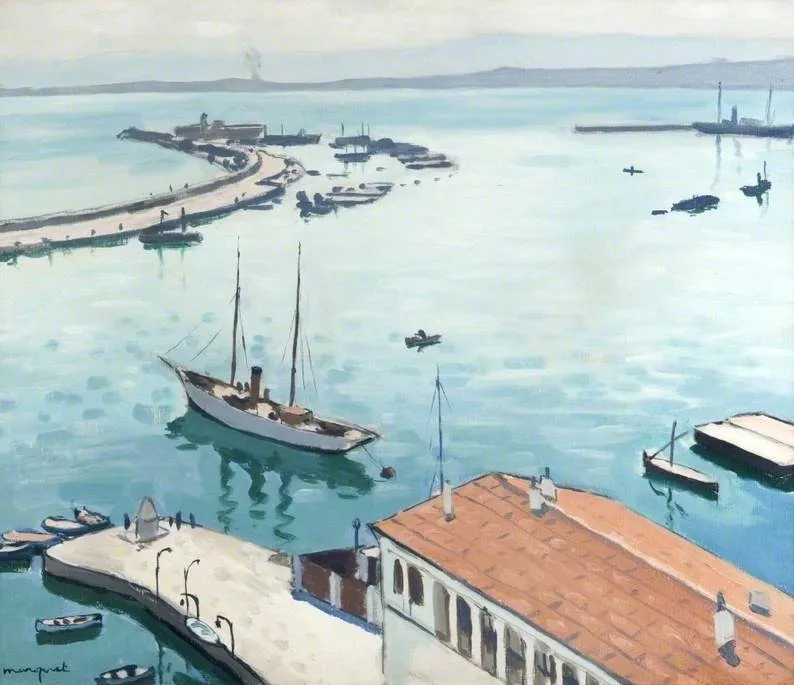
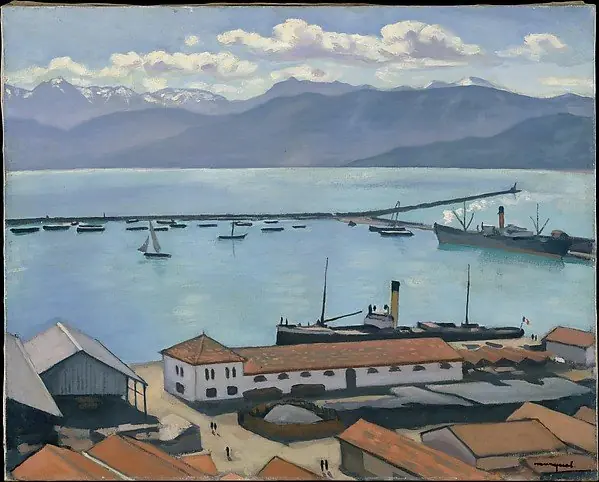
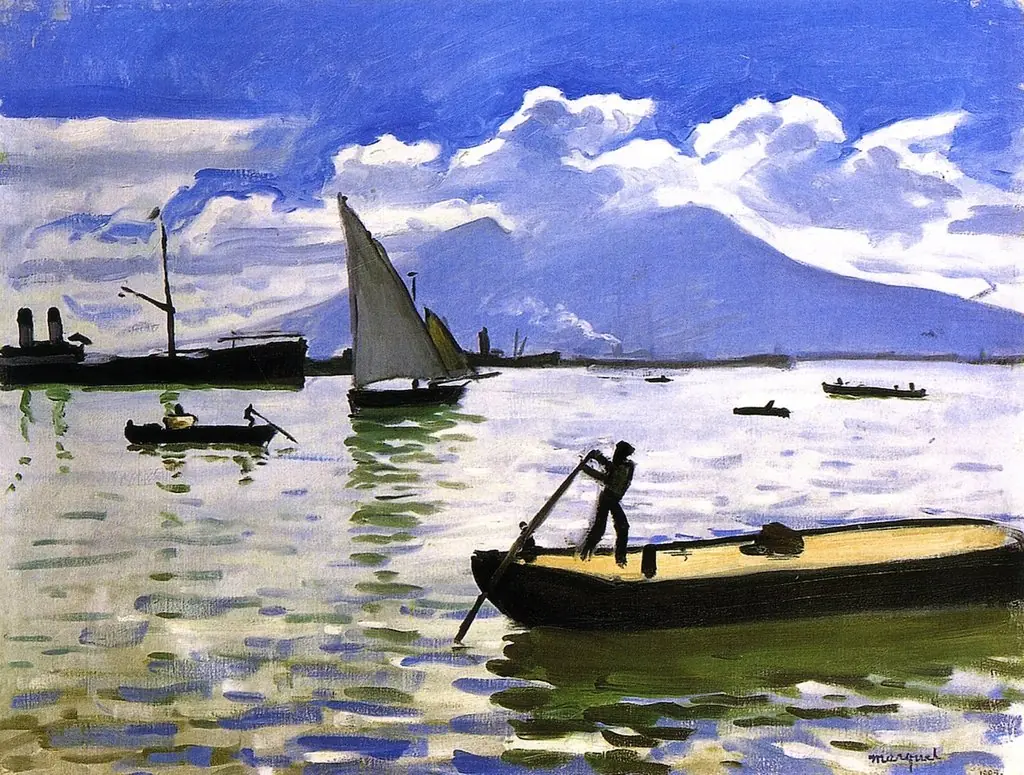
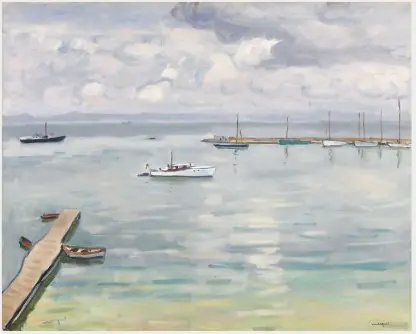
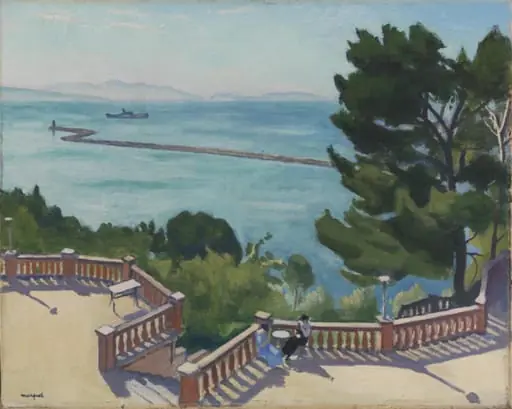
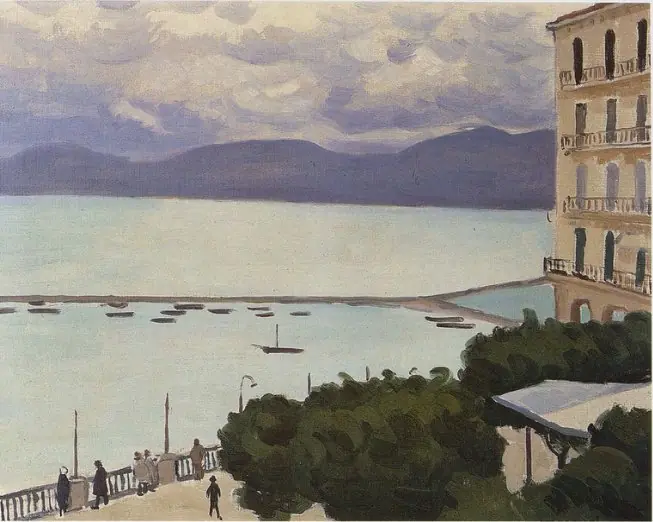
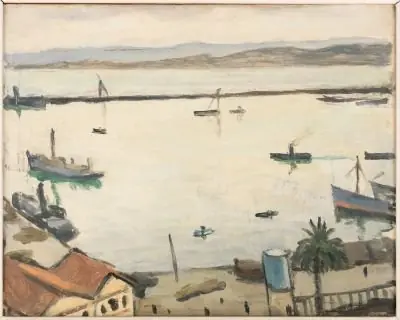
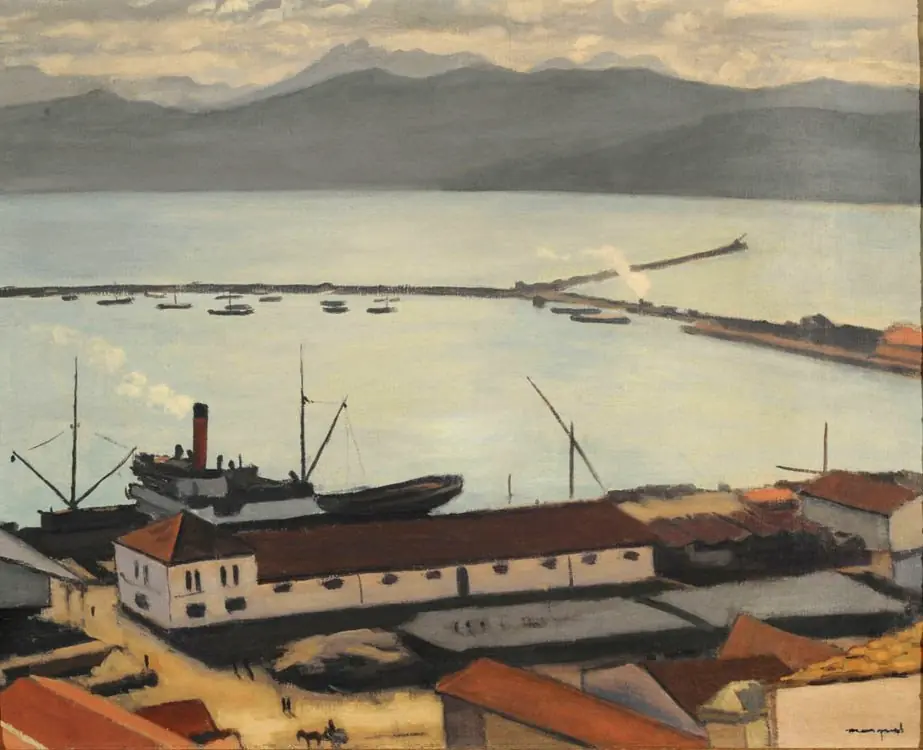
The Port of Algiers is an oil painting by the Fauvist artist Albert Marquet. It dates from 1922 and is held in the collection of the Kelvingrove Art Gallery and Museum.
About this work
Overview
The work captures the quiet activity of Algiers’ harbor, emphasizing atmosphere over detail.
Albert Marquet painted The Port of Algiers in 1922 using oil on canvas. The work captures the quiet activity of Algiers’ harbor, emphasizing atmosphere over detail. Though early in his career Marquet was linked to Fauvism, by this time his style had evolved toward restrained observation, favoring subtle tonal shifts and composed stillness. The painting belongs to the Kelvingrove Art Gallery and Museum’s permanent collection.
Subject & Meaning
The scene presents Algiers’ harbor at a tranquil moment, with sailboats and larger vessels resting on calm water. Buildings along the shoreline are rendered with minimal detail, suggesting urban presence without intrusion. The absence of human figures and the muted palette convey a sense of solitude and timelessness, reflecting Marquet’s interest in place as a quiet, enduring presence rather than a narrative setting.
Technique & Style
Marquet employed soft, blended brushwork and a restrained palette of grays, blues, and earth tones to evoke atmospheric harmony. The sky and sea merge in a hazy horizon, with minimal contrast between elements. Forms are simplified but carefully balanced, and the paint is applied with a deliberate lightness that avoids texture or dramatic emphasis, reinforcing the painting’s meditative tone.
History & Provenance
Created during Marquet’s mature period, the painting reflects his travels in North Africa, which influenced his later landscapes. It entered the Kelvingrove Art Gallery and Museum’s collection in the 20th century, likely through acquisition or donation. No significant changes in ownership or restoration are documented, and the work has remained in public hands since its creation.
Context
In the early 1920s, Marquet distanced himself from the bold chromatic experiments of Fauvism, turning instead to the quiet realism of coastal and urban scenes. His work during this period aligned with broader European trends favoring introspective landscapes over expressive abstraction. Algiers, then under French colonial rule, offered a familiar yet exotic subject for artists seeking light and spatial clarity.
Legacy
Though not among Marquet’s most widely exhibited works, The Port of Algiers exemplifies his mature aesthetic: restrained, observational, and emotionally subdued. It stands as a quiet counterpoint to the more flamboyant movements of his time, affirming his commitment to painting as a means of perceiving rather than transforming the world. The work continues to be studied for its understated mastery of tone and composition.
Artist & collection
Artist
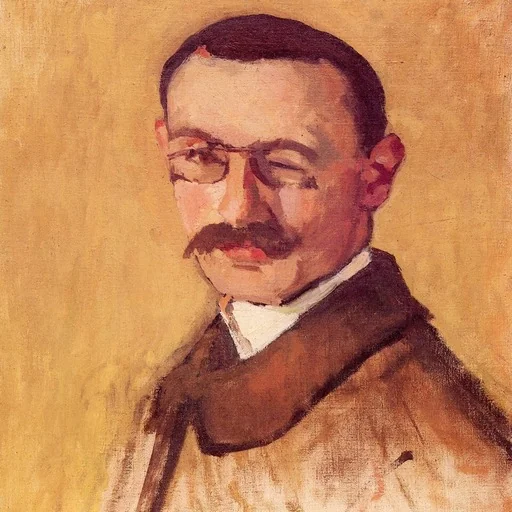
Albert Marquet (French pronunciation:; 27 March 1875 – 14 June 1947) was a French painter.