Artwork
Midsummer Dance
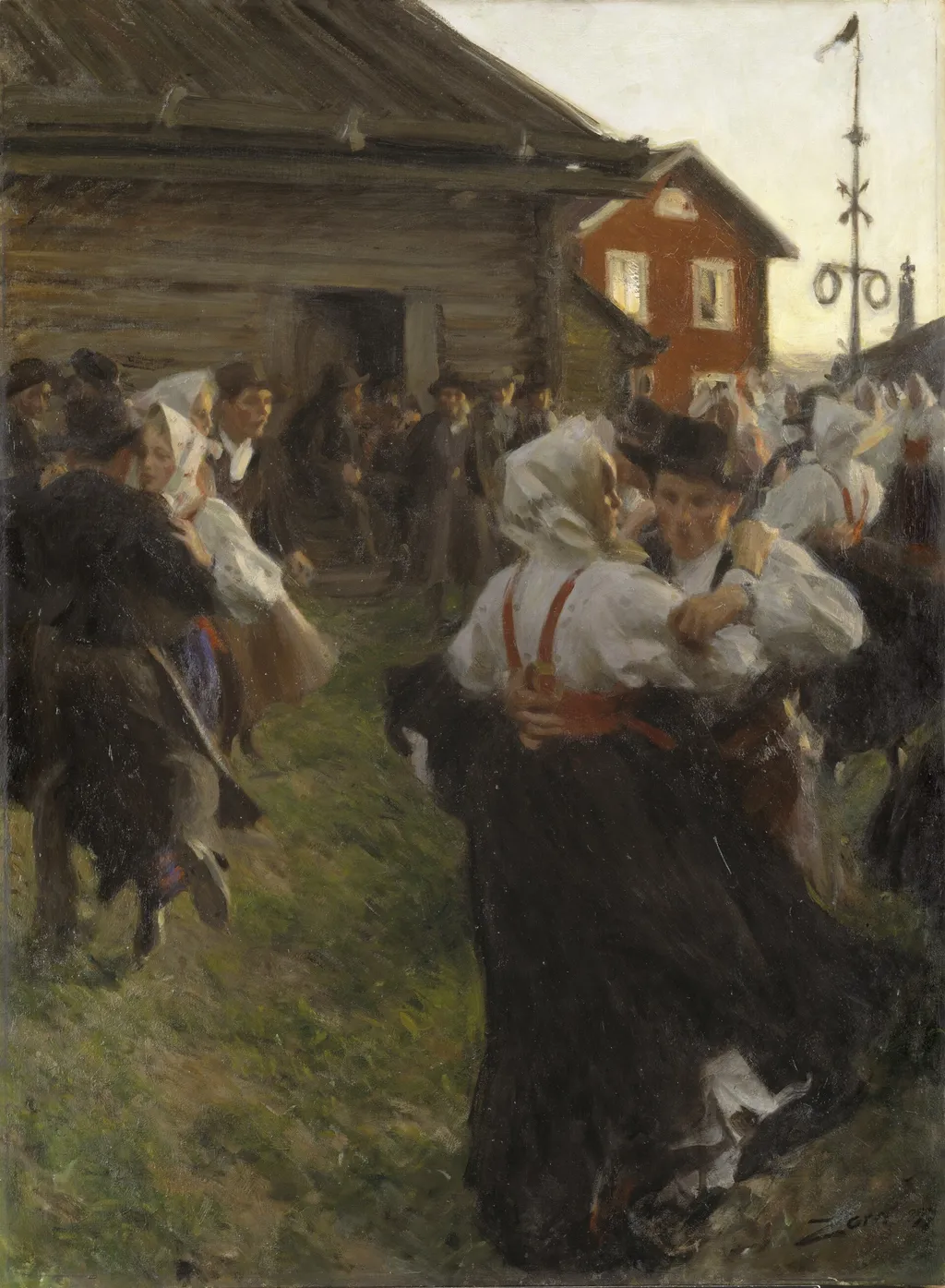
Midsummer Dance is an oil painting by the Impressionist artist Anders Zorn. It dates from 1899 and is held in the collection of the Nationalmuseum.
About this work
There are three versions of Midsummer Dance, which shows that Zorn was experimenting with the theme.
Midsummer Dance is a painting by Anders Zorn. It's an oil painting made in 1897.
The painting has an interesting history. There are three versions of Midsummer Dance, which shows that Zorn was experimenting with the theme. One version is exhibited at Nationalmuseum, while another is at the Pushkin Museum in Moscow.
You can learn more about the artist who created this work, the artist: Anders Zorn.
Subject & Meaning
The painting shows a traditional Swedish Midsummer celebration in the province of Dalarna, featuring dancers in folk costumes around a maypole under a Swedish flag, with a red-gabled house reflecting morning light in the background. Zorn based the scene on the village of Morkarlby near his birthplace in Mora, where he had recently returned from Paris and began actively preserving local folk music and customs. He annually donated a maypole to Morkarlby to help sustain the fading tradition, and the work reflects his personal involvement in the festivities, including leading the pole-raising and watching dancers until sunrise.
The composition uses loose impressionistic brushwork to capture fleeting motion and light, with the maypole placed off-center to emphasize the joy of the dance rather than ritual. Three versions exist: the main version at Nationalmuseum in Stockholm, another at the Pushkin Museum in Moscow, and a smaller replica in private hands commissioned in 1903. The painting was first exhibited in Stockholm in 1897 and acquired by the Nationalmuseum in 1903 with support from collector Pontus Fürstenberg.
Technique & Style
Midsummer Dance is an oil on canvas painting measuring 140 × 98 cm. Zorn worked in a loose impressionistic style associated with his Paris years, focusing on the fleeting moment and the rendering of light. He applied thick layers of white paint to capture the first sun rays glinting off the dancers' blouses. The painting is executed with rapid brushstrokes and a crumbly, broken handling of the paint that adds energy and movement to the scene.
The dancing couples form a diagonal that guides the eye through the composition, lending structure to what at first appears a scattered arrangement. Notably, the maypole is placed in the background rather than at the center, keeping the focus on the dancers' experience and pleasure rather than the ceremonial object.
Context
Midsummer Dance entered Swedish art discourse as a defining image of national identity in the late 1890s, aligning Zorn’s plein-air practice with a broader turn toward regional folklore.
The painting was first shown in Stockholm in 1897 and purchased for the Nationalmuseum in 1903 with funds from Pontus and Gothilda Fürstenberg, cementing its status within Sweden’s public collection and canon. A second version entered the Pushkin Museum, Moscow, while a smaller 1903 replica remains in private hands. Critical writing of the period emphasizes Zorn’s return to Dalarna and his role in reviving Midsummer customs, positioning the work as both ethnographic record and modernist tableau.
In the twentieth century, the painting was treated as a classic of Swedish genre painting, included in touring exhibitions such as Nordic Art at the Groninger Museum in 2013. Scholarship has highlighted its impressionist handling of light and movement, situating it within Zorn’s international training while asserting its local subject as emblematic of Swedish seasonal ritual.
Legacy
Midsummer Dance has been recognized as a canonical work of Swedish painting since the early twentieth century, frequently cited as emblematic of Anders Zorn’s engagement with national folklore and impressionist technique. The painting’s inclusion in major exhibitions such as the 2013 "Nordic Art" show at the Groninger Museum reinforced its standing within broader Scandinavian modernism, while its continued display at the Nationalmuseum in Stockholm has kept it before Swedish and international audiences. Three versions exist, two public and one private, each underscoring the composition’s enduring appeal and adaptability across formats and contexts.
Overview
Created in 1897, Midsummer Dance is an oil on canvas by Swedish painter Anders Zorn. The work captures a festive scene associated with the traditional midsummer celebration, rendered with Zorn’s characteristic handling of light and movement. Three distinct versions exist, each produced around the same period, reflecting the artist’s sustained interest in the subject.
History & Provenance
The most recognized version resides in Stockholm’s Nationalmuseum, where it has been on public display for decades. A contemporaneous counterpart is held by the Pushkin Museum in Moscow, indicating early international interest. In 1903, an American collector commissioned a smaller iteration, which remains in private hands, demonstrating the work’s appeal to collectors abroad.
Own this work as a print
Artist & collection
Artist
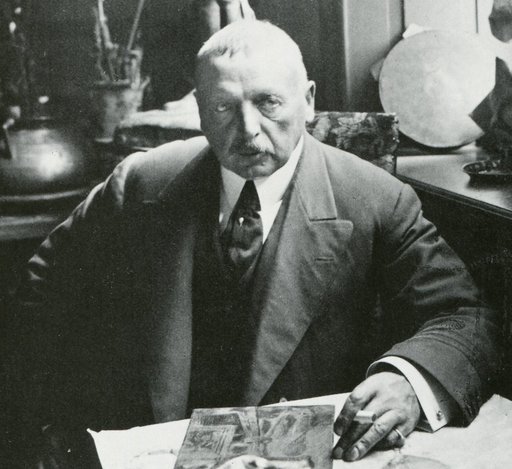
Anders Leonard Zorn was a Swedish artist who attained international success as a painter, sculptor, and etching artist.

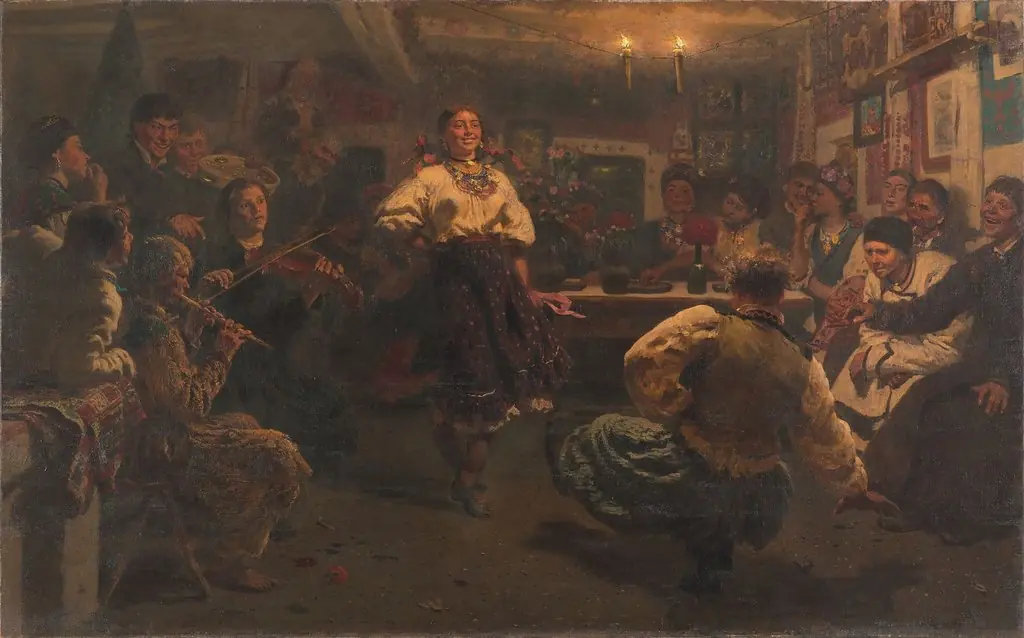 Party
Party A Country Dance in the Hedebo District, Zealand
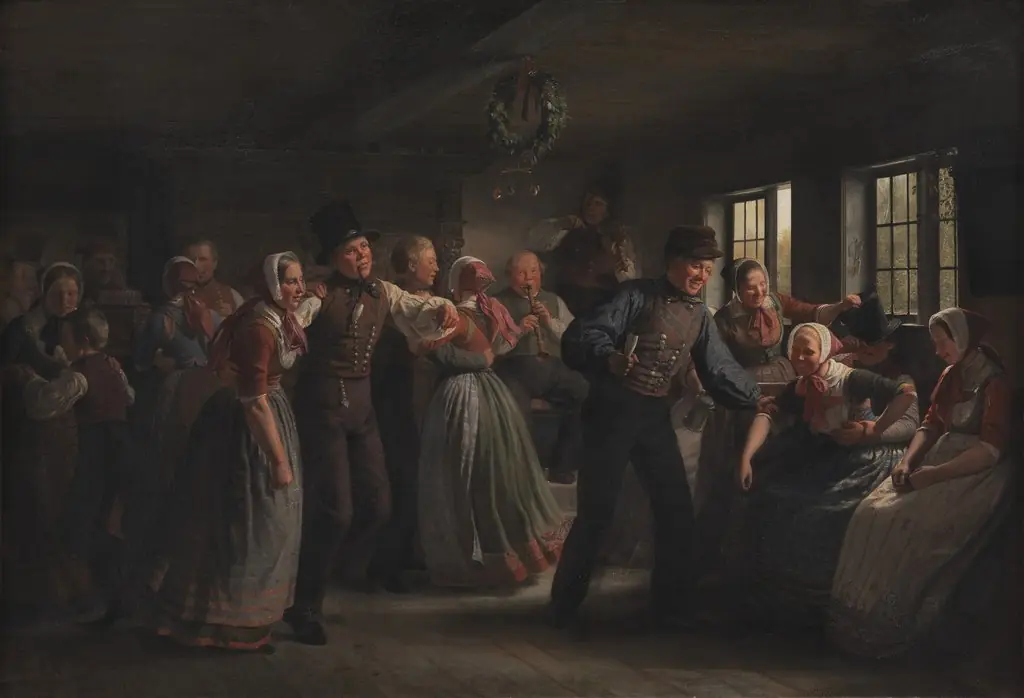 A Country Dance in the Hedebo District, Zealand
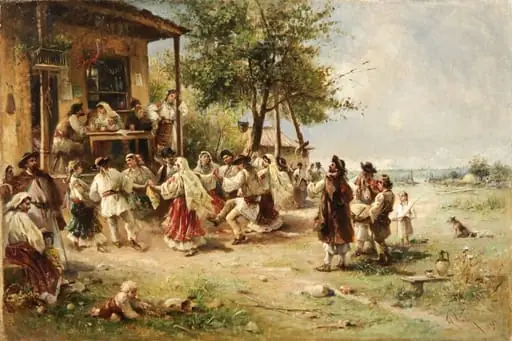 Hora de la Aninoasa
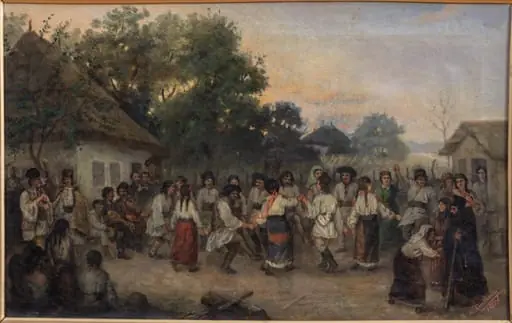 Hora de la Țuțora
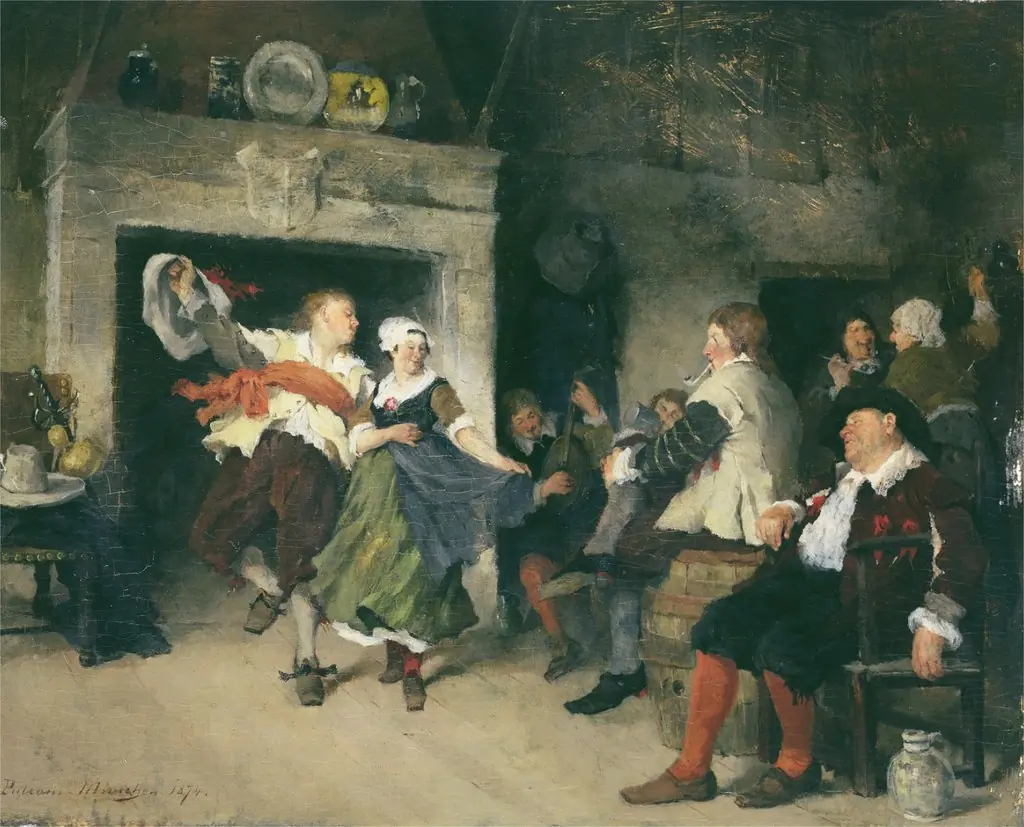 Couple Dancing in a Tavern
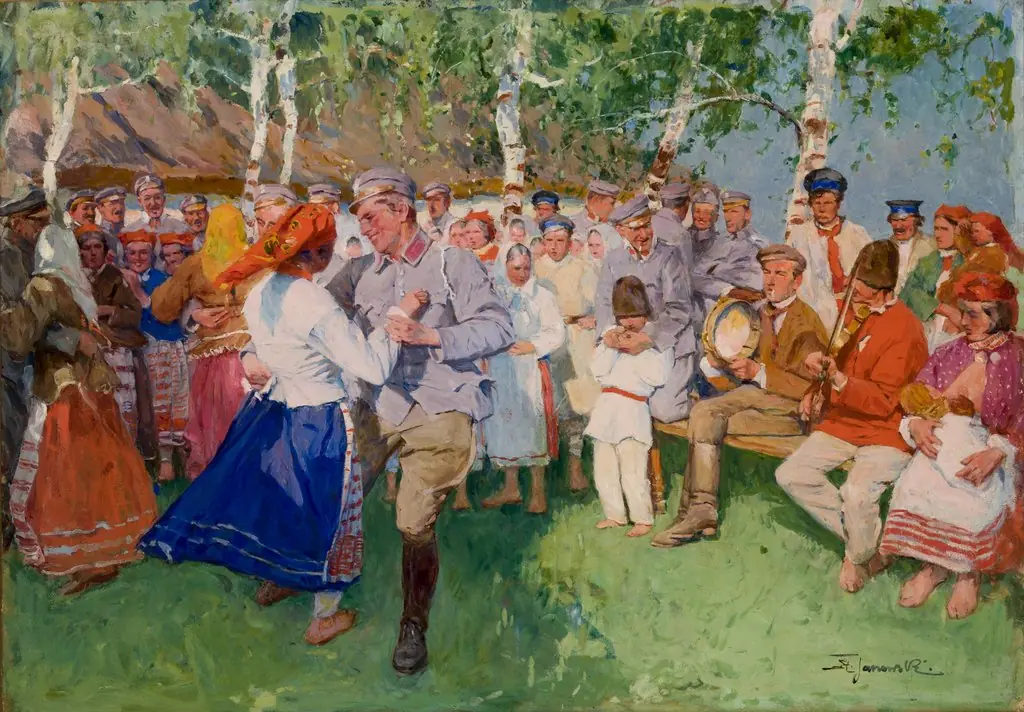 "Uhlans, Uhlans, the Boys Pretty a Picture..."
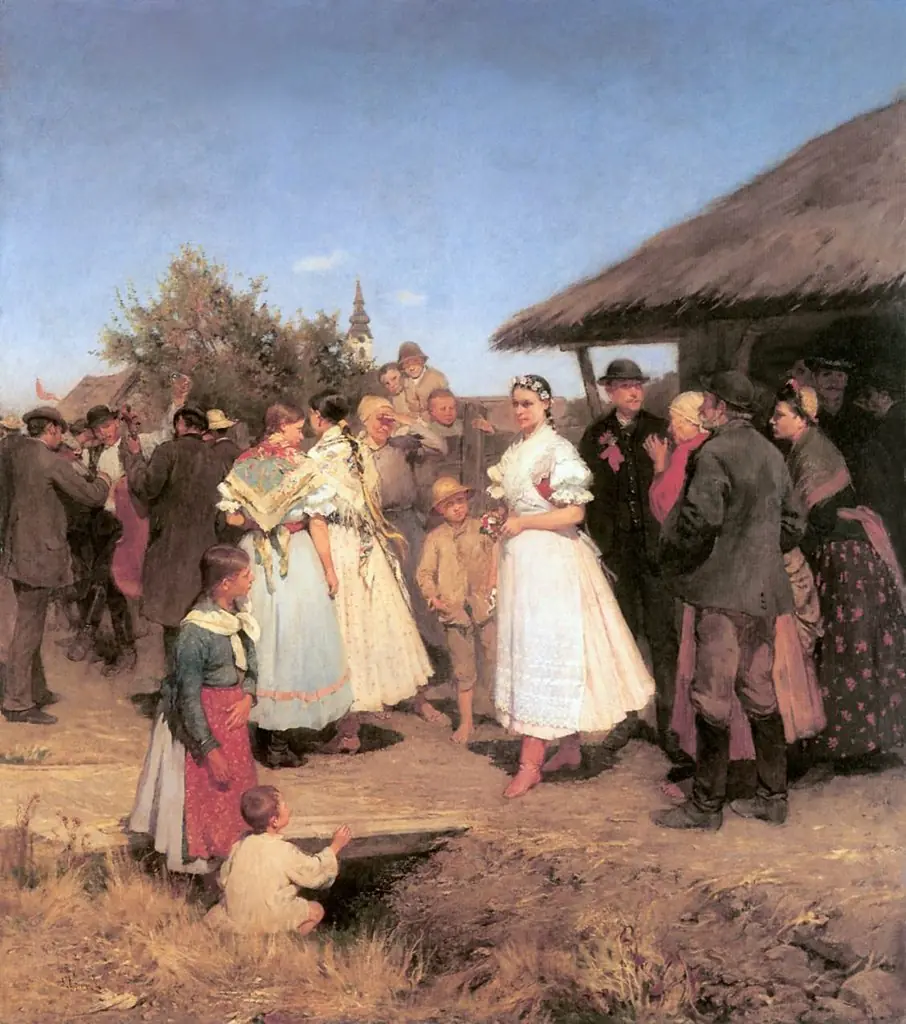 Bridal Procession
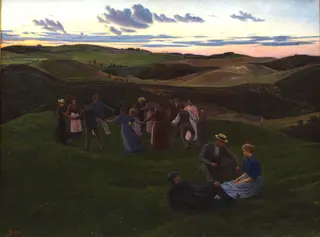 Evening Game in Svanninge Hills
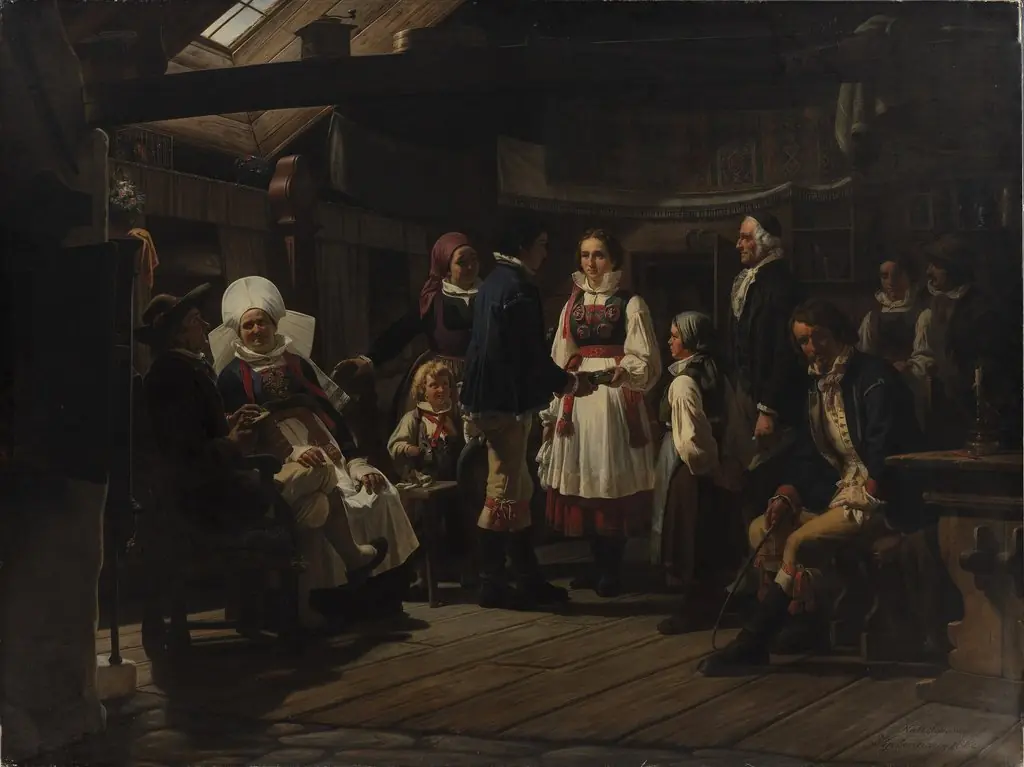 En trolovelse i Herrestad i Skåne
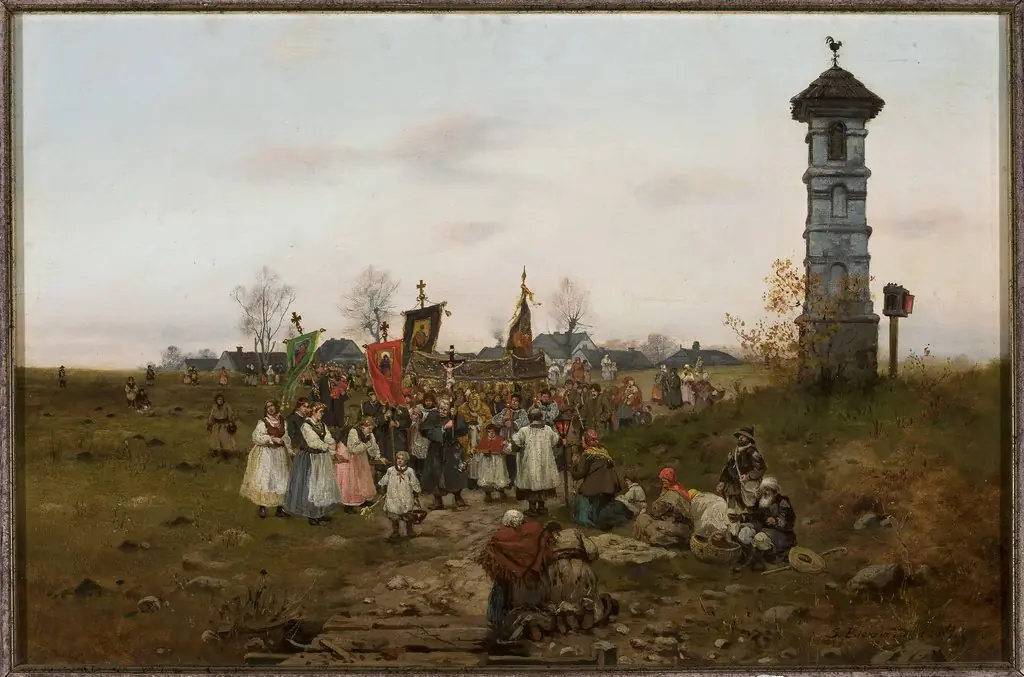 Great procession
- Dances