Artwork
Portrait of a woman in negligée
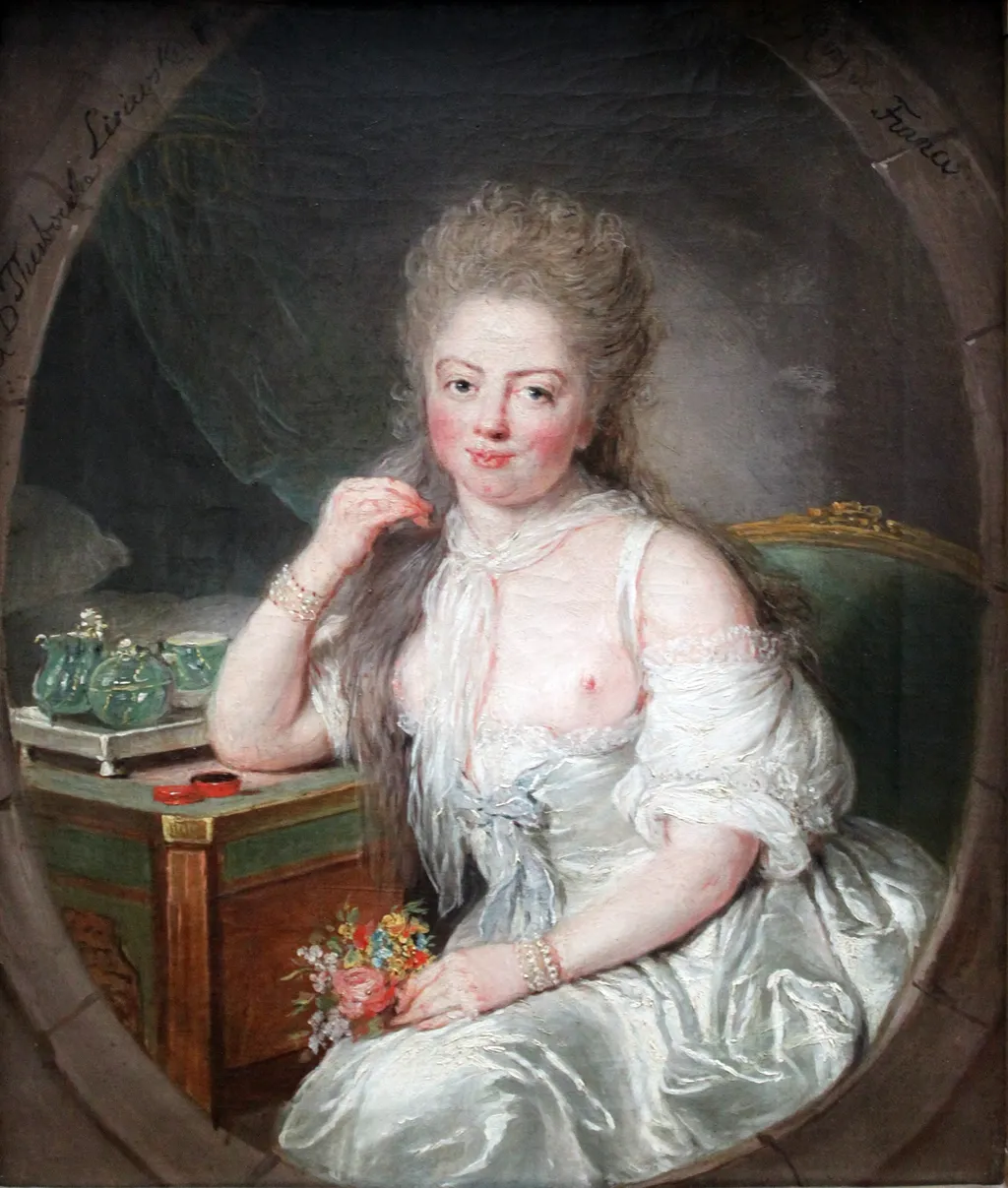
Portrait of a woman in negligée is an oil painting by the Rococo painting artist Anna Dorothea Therbusch. It dates from 1769 and is held in the collection of the Gemäldegalerie Berlin.
About this work
Overview
Portrait of a woman in negligée is an oil painting on canvas completed in 1769 by the Prussian Rococo artist Anna Dorothea Therbusch.
Portrait of a woman in negligée is an oil painting on canvas completed in 1769 by the Prussian Rococo artist Anna Dorothea Therbusch. Measuring 54.5 by 78.5 centimeters, the work depicts an unidentified seated woman in an intimate, informal garment. The painting is held in the Gemäldegalerie Berlin, part of the Staatliche Museen zu Berlin. Created the year Therbusch returned to Berlin following her demanding but transformative period in Paris, the portrait exemplifies the artist's mature style and her successful navigation of courtly portraiture, a genre that brought her considerable acclaim in her later career.
Subject & Meaning
The painting portrays a young woman seated within an oval frame, wearing a loose, white, off-the-shoulder negligée gathered at the waist with a pale blue sash. Her powdered hair is styled high and elaborately curled, signaling her elite social standing. She rests her right elbow on a small wooden table with gilt accents, raising her hand near her shoulder, while her left hand holds a small bouquet of flowers in her lap. The table holds green ceramic vessels with gold detailing and a small red dish. Pearl bracelets adorn both wrists. The negligée, a garment of undress, combined with the floral bouquet, introduces an iconography of intimacy, sensuality, and domestic ease. Such attributes and still life elements provided the layer of symbolism that members of the elite class were keen on displaying to communicate their wealth, status, and refined social position.
Technique & Style
Therbusch employs a palette of soft whites, pale blues, and warm flesh tones set against deep browns and muted greens, with draped green fabric visible behind the sitter. Light falls evenly across the figure, illuminating the luminous fabric of the dress and the rounded forms of the arms and face. Her brushwork is smooth and blended in the rendering of flesh and fabrics, demonstrating a polished finish with careful attention to the sheen of silk and the softness of skin, while the background drapery receives more visible texture. This technical facility in rendering luxurious materials aligns with contemporary observations that Therbusch could paint silk like Gerard ter Borch and flesh like Peter Paul Rubens, an assimilation of influences honed during her time in Paris and her earlier study of French Rococo masters. Handwritten inscriptions appear in the upper corners of the oval surround.
History & Provenance
The painting dates to 1769, a pivotal year marking Therbusch's return to Berlin after leaving Paris heavily indebted but artistically refined. While the exact commission and early ownership chain of this specific work remain unrecorded in the provided sources, its creation coincides with the period when Therbusch re-established herself in Prussia and became one of Berlin's most sought-after portraitists. The painting eventually entered the collection of the Gemäldegalerie Berlin. It was included in recent technical studies conducted between 2022 and 2024, where the Staatliche Museen zu Berlin utilized stereomicroscopy, X-radiography, UV fluorescence testing, and infrared reflectology to analyze Therbusch's working methods and materials across her oeuvre.
Context
Anna Dorothea Therbusch forged a remarkable international career in the eighteenth century, a time when access to artistic academies and education was structurally impeded for women. Born into a family of painters, she received her initial training from her father, Georg Lisiewsky, and absorbed the Frederician Rococo style through artists like Antoine Pesne. After a twenty-year hiatus to raise her children, she resumed painting professionally in 1761 at age forty. She achieved the rare feat of membership in multiple academies, including Stuttgart, Bologna, Vienna, and the Académie Royale in Paris, the latter accepting her in 1767 despite initial resistance. Returning to Berlin in 1769, she secured royal patronage from Frederick the Great and Catherine the Great, establishing herself as a premier portraitist and painter of mythological scenes.
Legacy
Therbusch's legacy has experienced significant revitalization in recent years, driven by both art historians and the public. Feminist scholars such as Ann Sutherland Harris, Linda Nochlin, Rozsika Parker, and Griselda Pollock initially reintroduced her to the English-speaking canon, emphasizing the structural obstacles she overcame. To mark the 300th anniversary of her birth in 2021, the Gemäldegalerie organized the exhibition Anna Dorothea Therbusch: A Berlin Woman Artist of the Age of Enlightenment. This exhibition catalyzed a comprehensive research project culminating in a 2024 publication and an international symposium, which reassessed her working methods, networks, and innovative portrayals of female figures. These efforts have solidified her reputation not merely as a portraitist, but as a central figure of the European Enlightenment who navigated and subverted the gender constraints of her era.
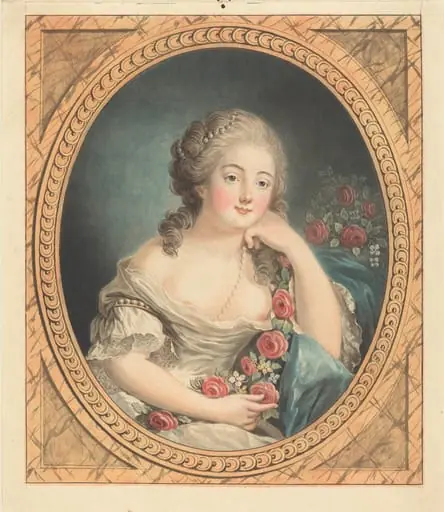
Own this work as a print
Artist & collection
Artist
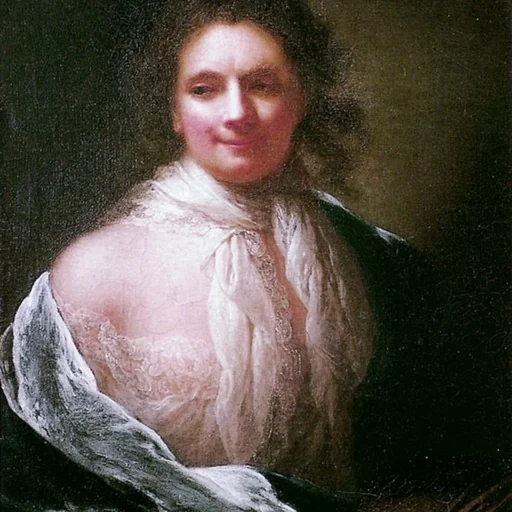
Anna Dorothea Therbusch (born Anna Dorothea Lisiewski, Polish: Anna Dorota Lisiewska, 23 July 1721 – 9 November 1782) was a prominent Rococo painter born in the Kingdom of Prussia.

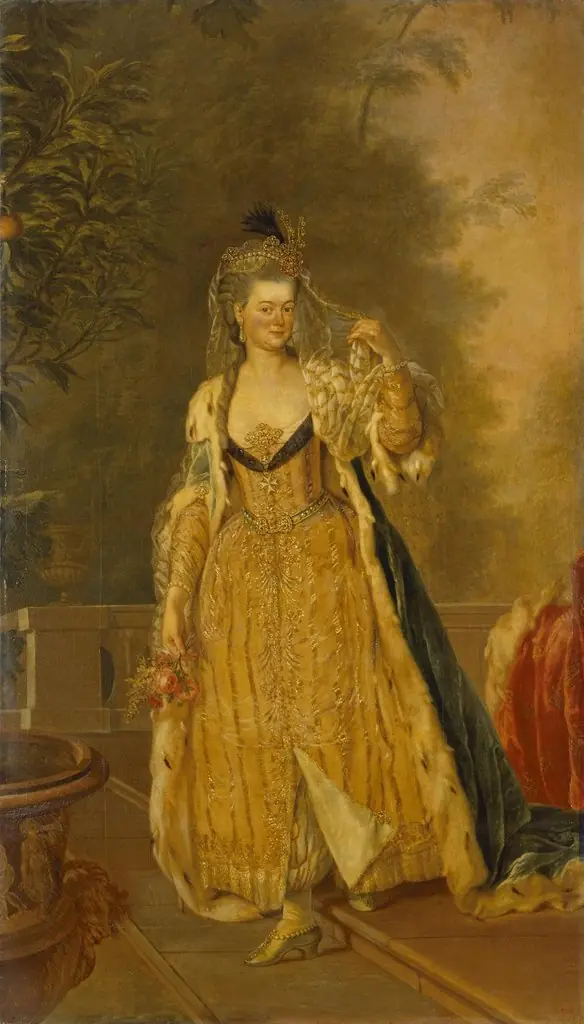 Portrait of Anna Elizabeth Louise Ferdinanda of Prussia
 Self Portrait
 Self-portrait with Monocle
 Portrait of Prince Friedrich Heinrich Ludwig of Prussia
 Bildnis des Kurfürsten Karl Theodor von der Pfalz und Bayern (1724-1799) im blauen Samtanzug
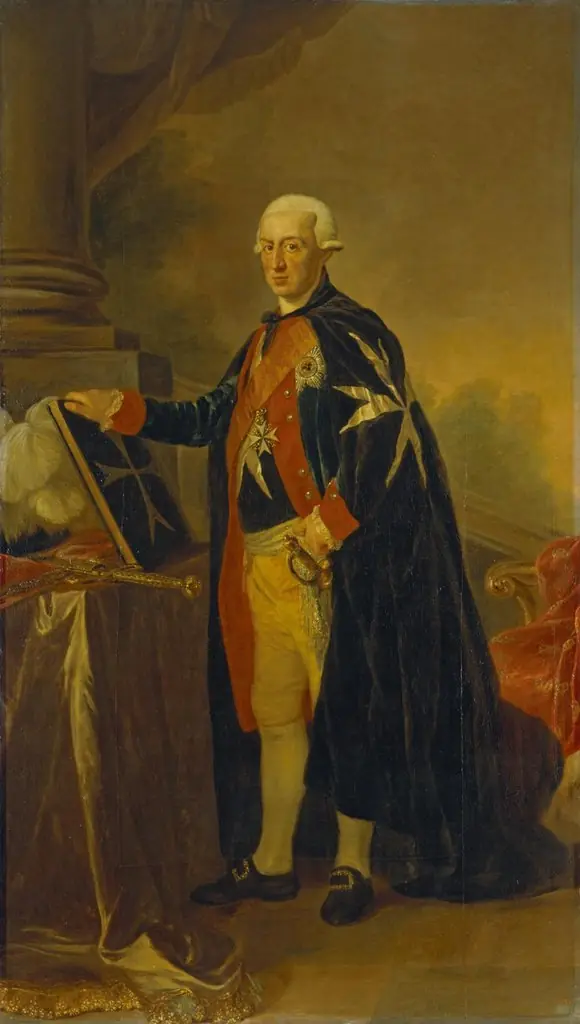 Portrait of Prince Augustus Ferdinand of Prussia
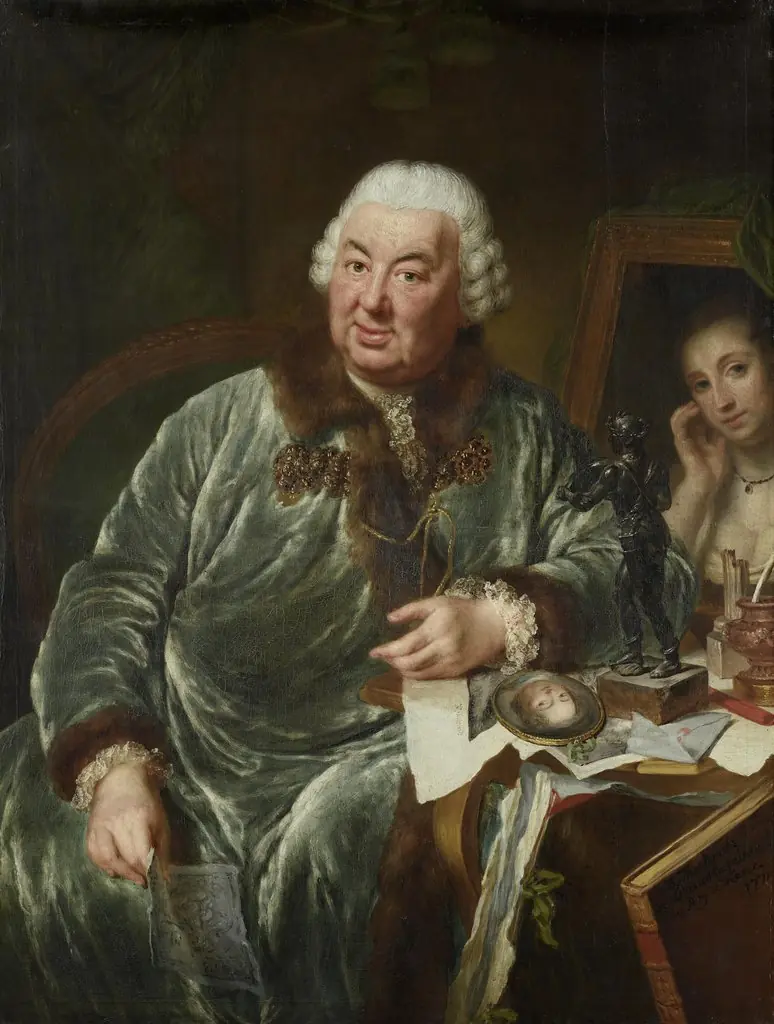 Portrait of Johann Julius von Vieth und Golßenau (1713-1784), Saxonian politician and art collector
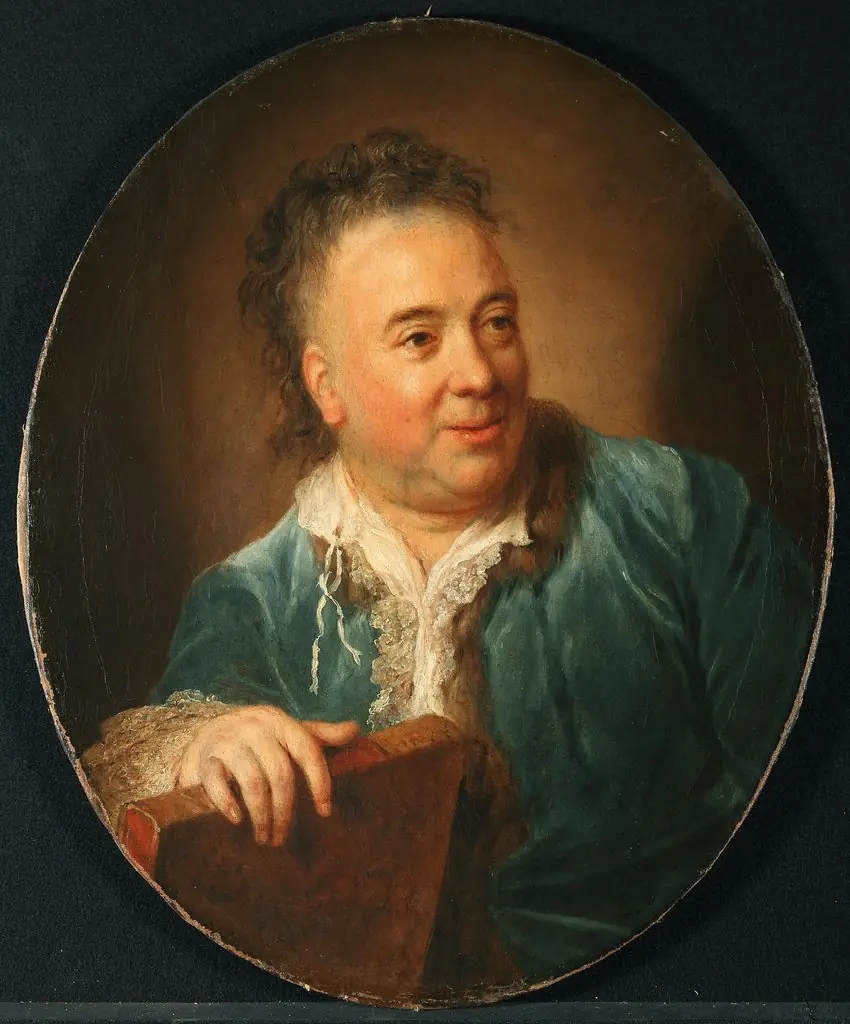 Portrait of an Unknown Man
- L'agreable neglige
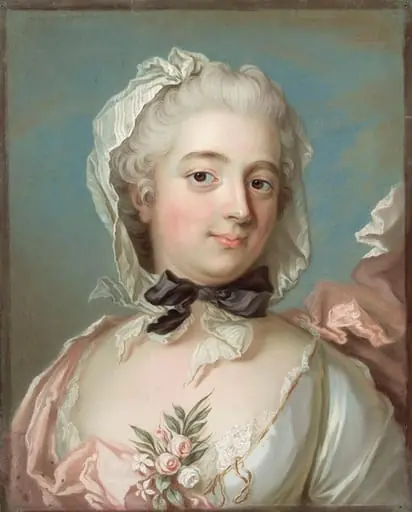 Rouva Werner
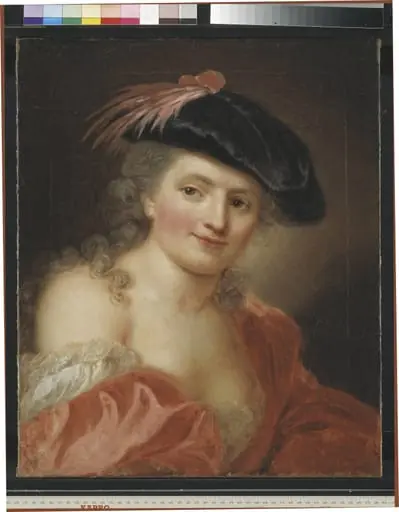 Self Portrait
 Madame du Barry
 Portrait of Maria Anna Sophia of Saxony, Electress of Bavaria (1728-1797)
 Charms of the Morning
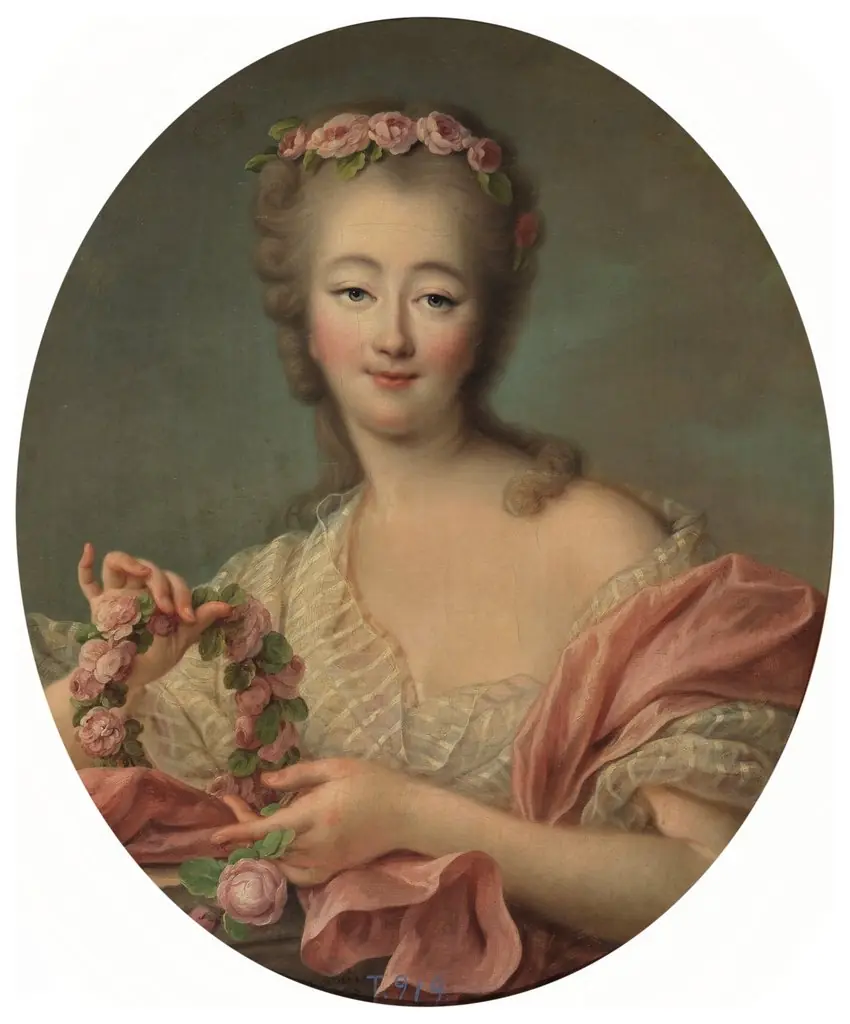 Portrait of Madame du Barry (1743-1793)
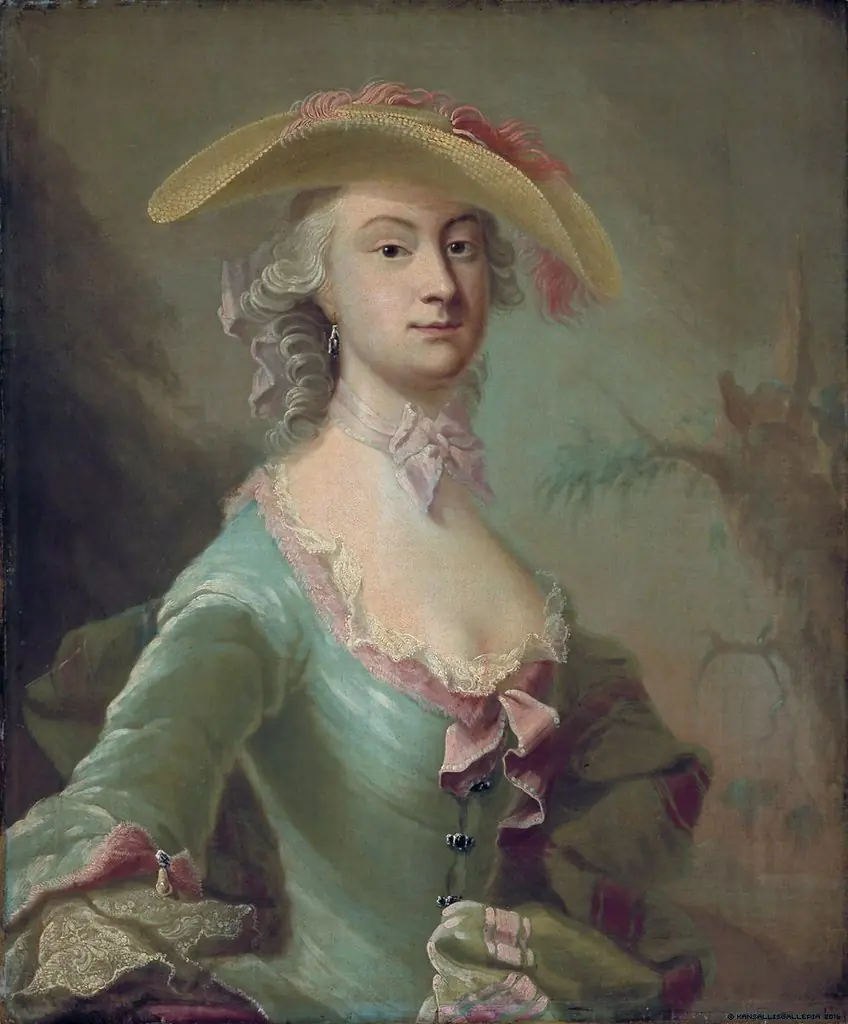 Mrs. Heckford
 Portrait of a Lady
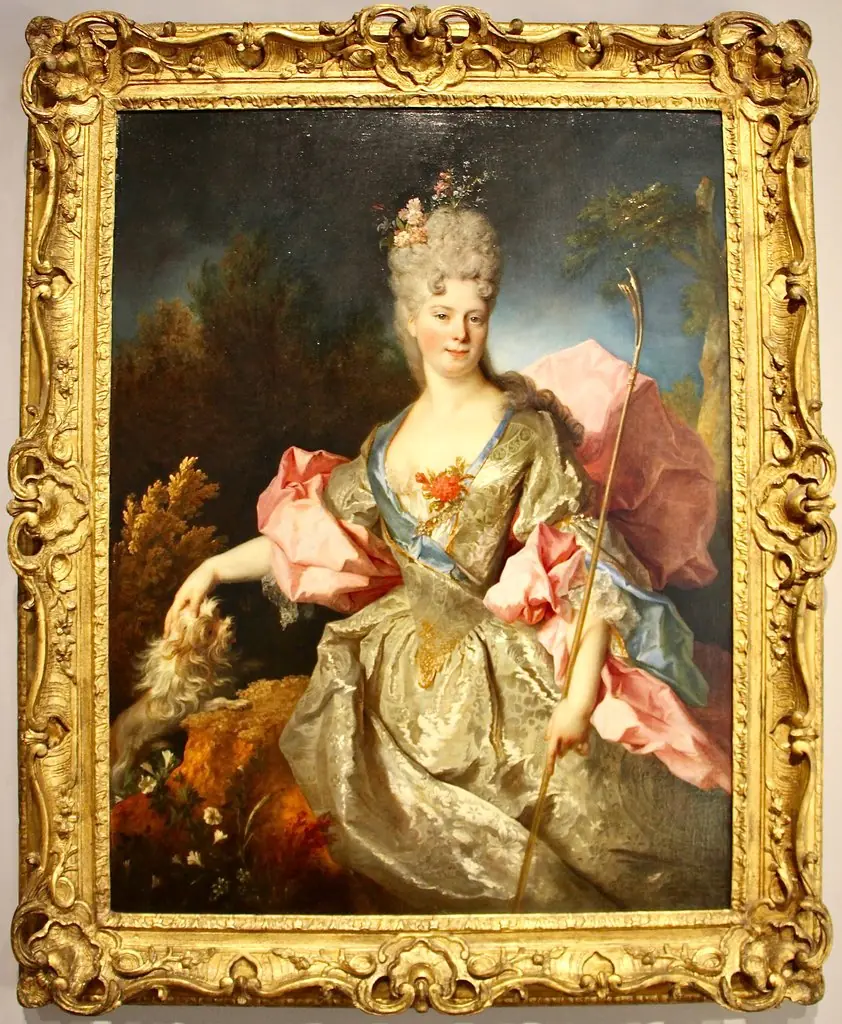 Portrait of a Woman as Astrea, Probably Mary Josephine Drummond, Condesa de Castelblanco
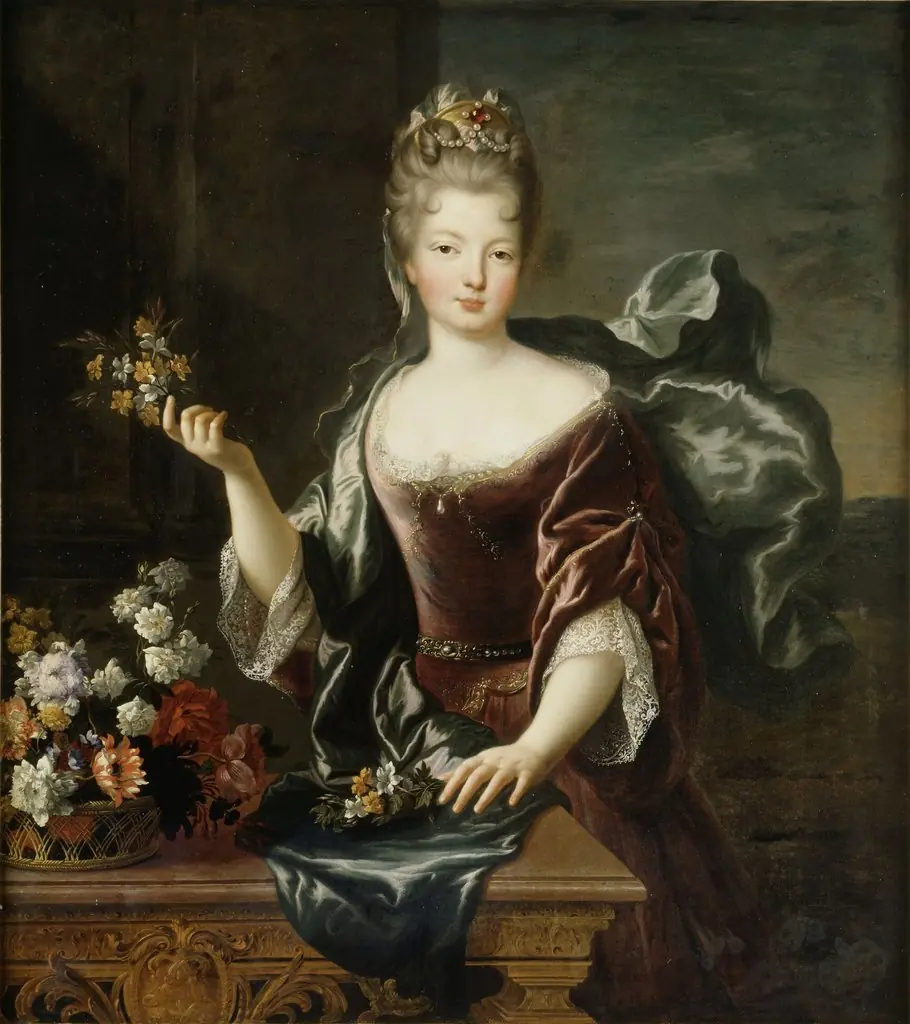 Françoise-Marie de Bourbon, Mademoiselle de Blois, Duchess of Orleans