Artist
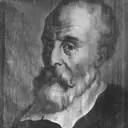
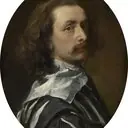
Peter Paul Rubens
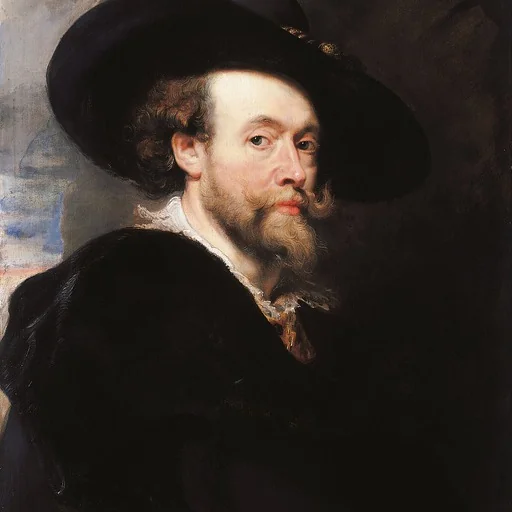
Flemish, 1577–1640
Peter Paul Rubens was a Flemish Flemish Baroque painting painter. 640 works are cataloged here, principally at Museo del Prado, most of them oil paintings. Peter Paul Rubens was born in Siegen.
Sir Peter Paul Rubens ( ROO-bənz; Dutch:; 28 June 1577 – 30 May 1640) was a Flemish artist and diplomat. He is considered the most influential artist of the Flemish Baroque tradition. Rubens's highly charged compositions reference erudite aspects of classical and Christian history.
His unique and immensely popular Baroque style emphasised movement, colour, and sensuality, which followed the immediate, dramatic artistic style promoted in the Counter-Reformation. Rubens was a painter producing altarpieces, portraits, landscapes, and history paintings of mythological and allegorical subjects. He was also a prolific designer of cartoons for the Flemish tapestry workshops and of frontispieces for the publishers in Antwerp.
Rubens was born and raised in the Holy Roman Empire (modern-day Germany) to parents who were refugees from Antwerp in the Duchy of Brabant in the Spanish Netherlands and moved to Antwerp at about 12. In addition to running a large workshop in Antwerp that produced paintings popular with nobility and art collectors throughout Europe, Rubens was a classically educated humanist scholar and diplomat who was knighted by both Philip IV of Spain and Charles I of England. Rubens was a prolific artist.
The catalogue of his works by Michael Jaffé lists 1,403 pieces, excluding numerous copies made in his workshop. His commissioned works were mostly history paintings, which included religious and mythological subjects, and hunt scenes. He painted portraits, especially of friends, and self-portraits, and in later life painted several landscapes.
Rubens designed tapestries and prints, as well as his own house. He also oversaw the ephemeral decorations of the royal entry into Antwerp by the Cardinal-Infante Ferdinand of Austria in 1635. He wrote a book with illustrations of the palaces in Genoa, which was published in 1622 as Palazzi di Genova.
The book was influential in spreading the Genoese palace style in Northern Europe. Rubens was an avid art collector and had one of the largest collections of art and books in Antwerp. He was also an art dealer and is known to have sold important art objects to George Villiers, 1st Duke of Buckingham.
He was one of the last major artists to make consistent use of wooden panels as a support medium, even for very large works, but used canvas as well, especially when the work needed to be sent a long distance. For altarpieces, he sometimes painted on slate to reduce reflection problems.
Works by Peter Paul Rubens
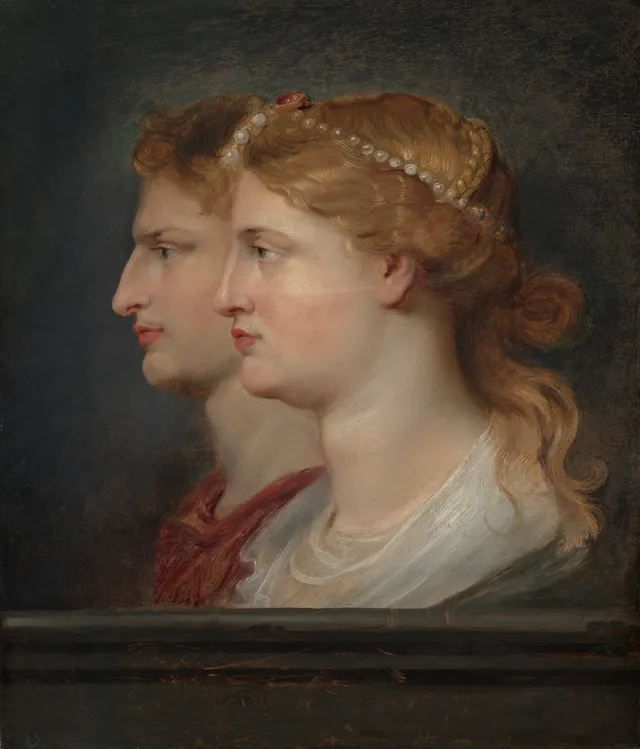 Agrippina and Germanicus
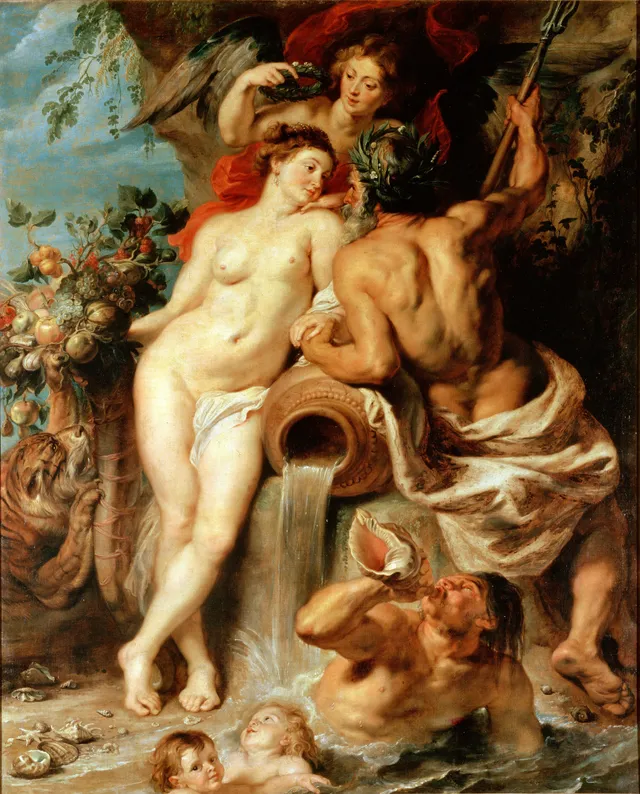 The Union of Earth and Water (Antwerp and the Scheldt)
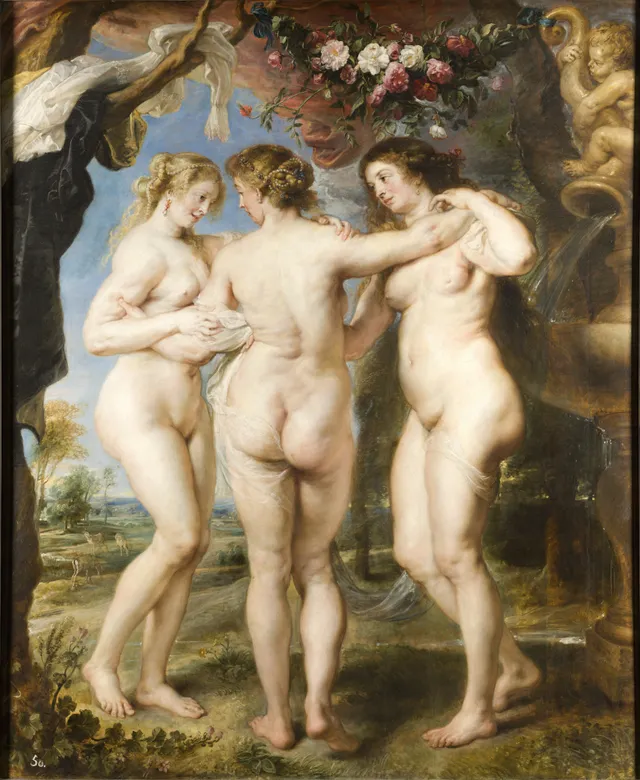 The Three Graces
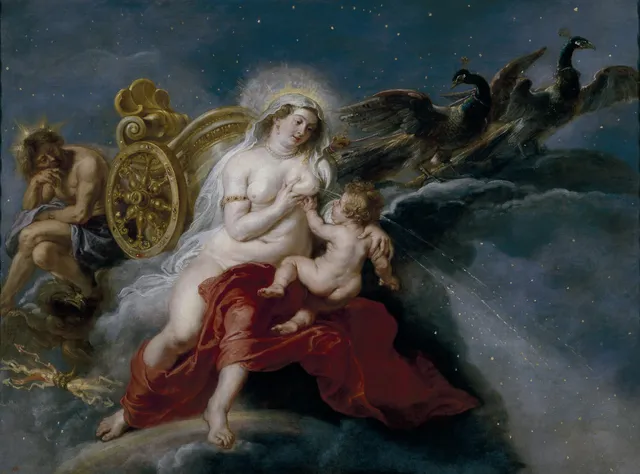 The Origin of the Milky Way
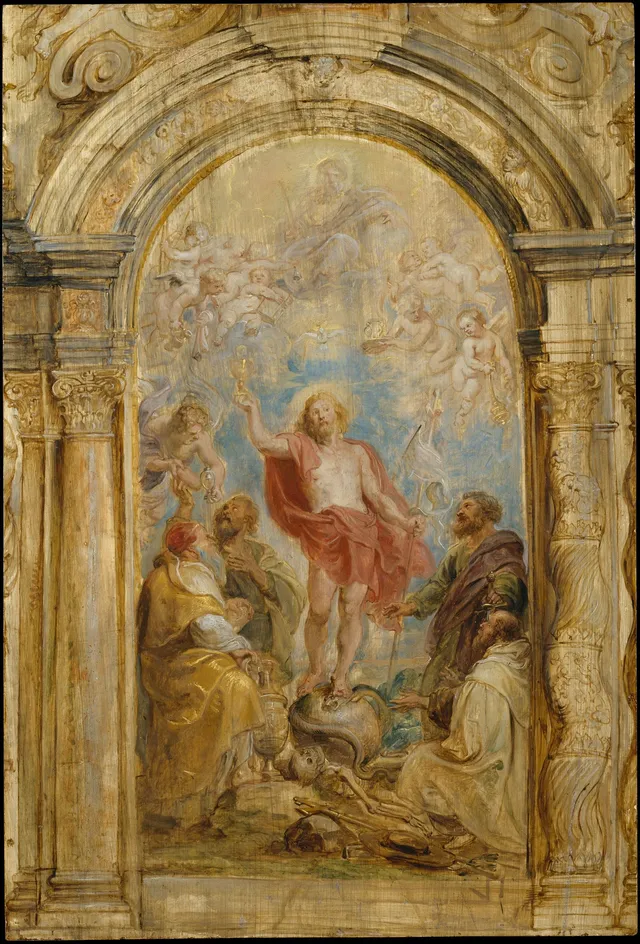 Glorification of the Eucharist
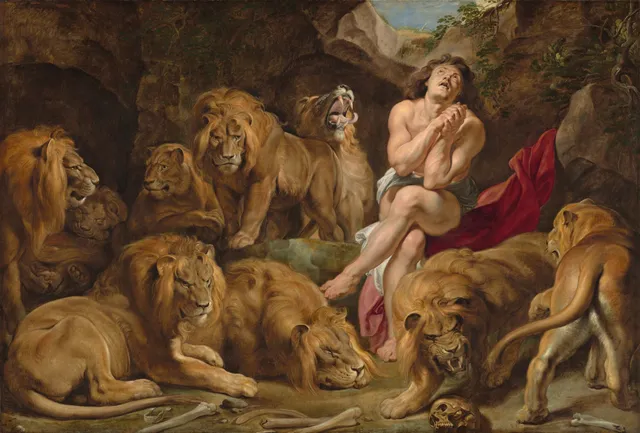 Daniel in the Lions' Den
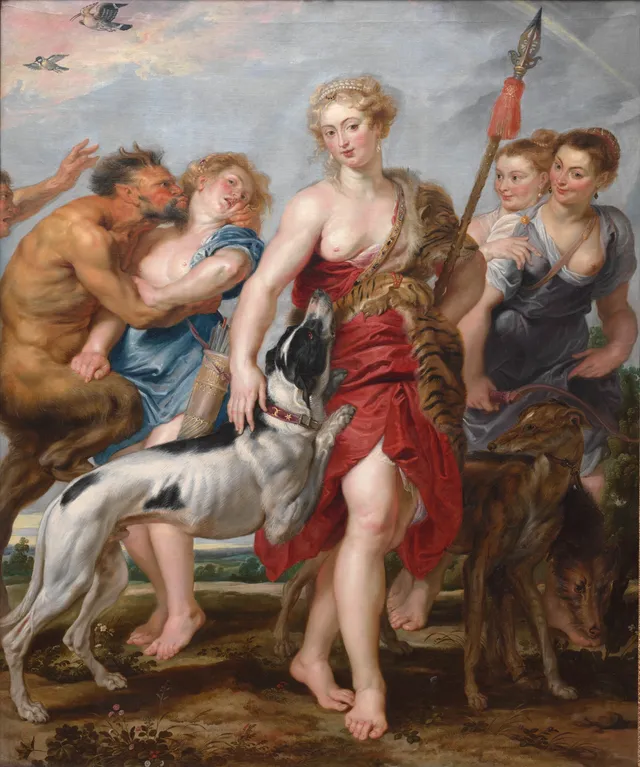 Diana and Her Nymphs Departing for the Hunt
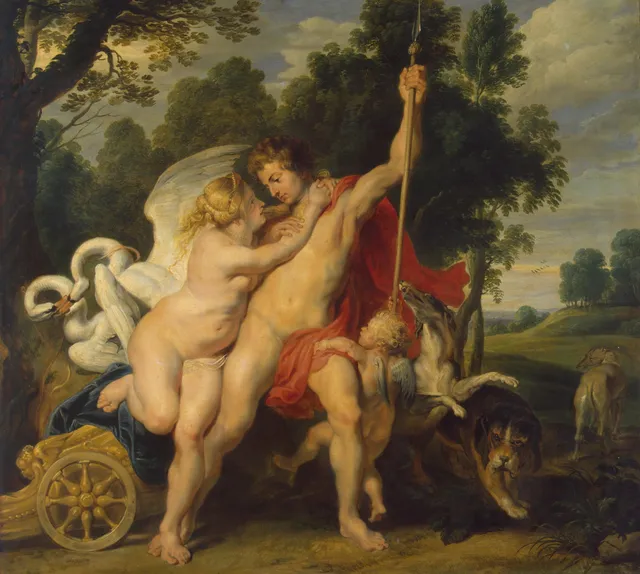 Venus and Adonis (Rubens, 1614)
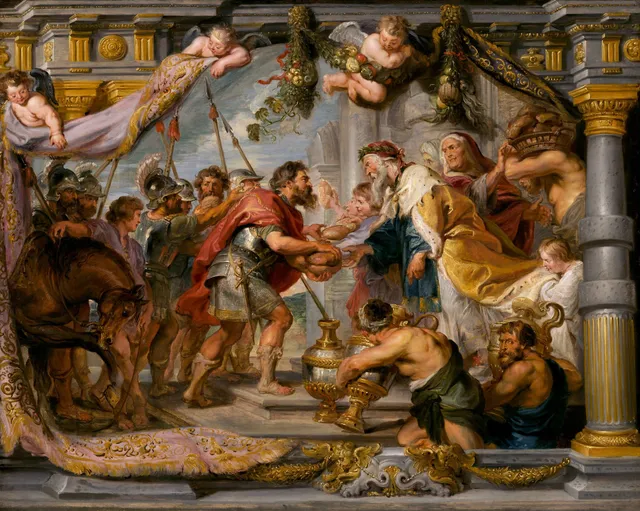 The Meeting of Abraham and Melchizedek
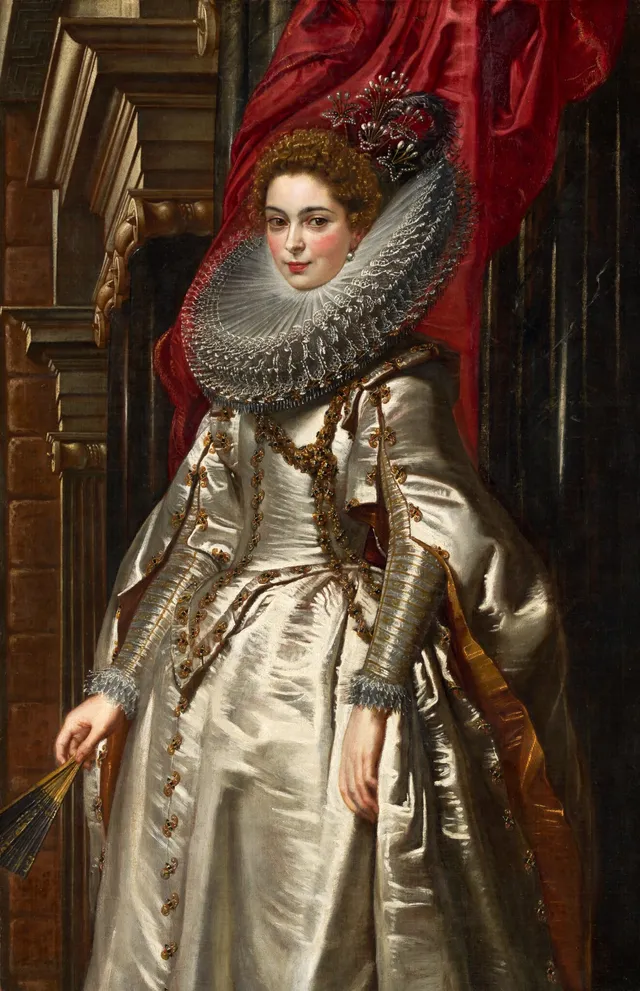 Marchesa Brigida Spinola Doria
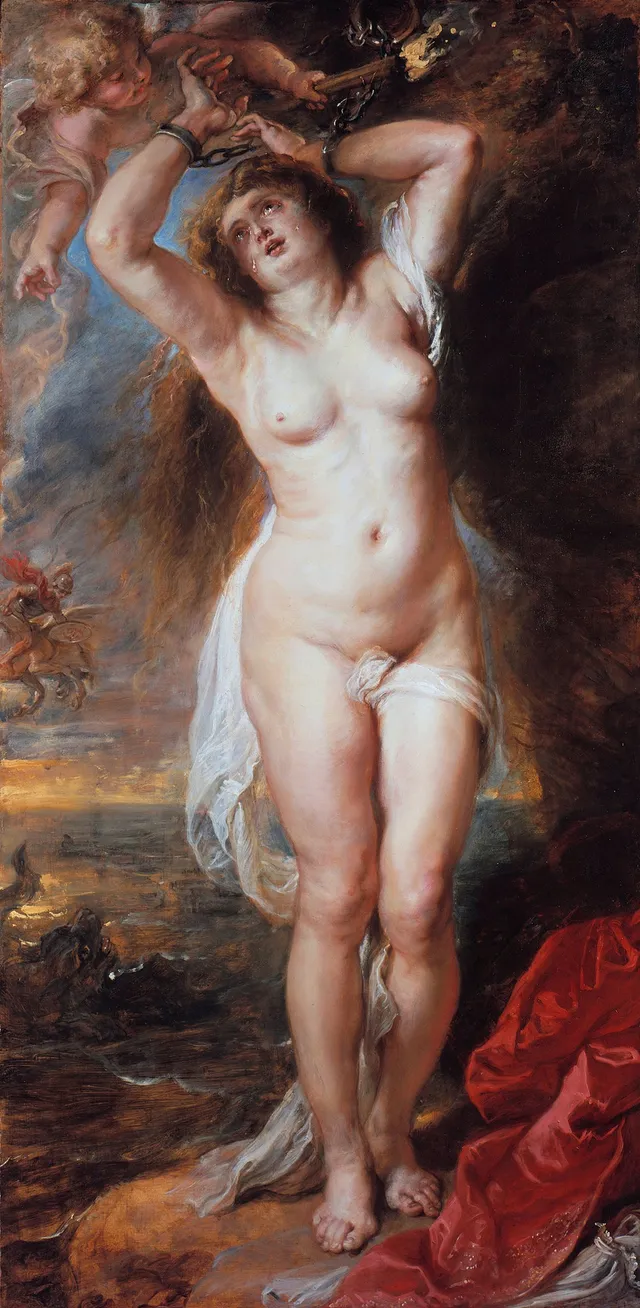 Perseus Freeing Andromeda
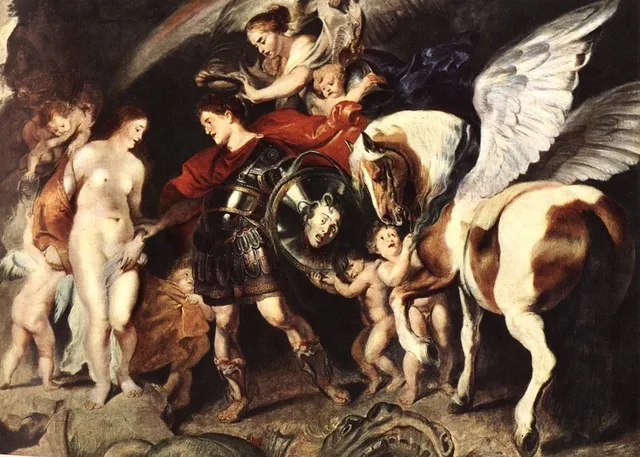 Perseus and Andromeda
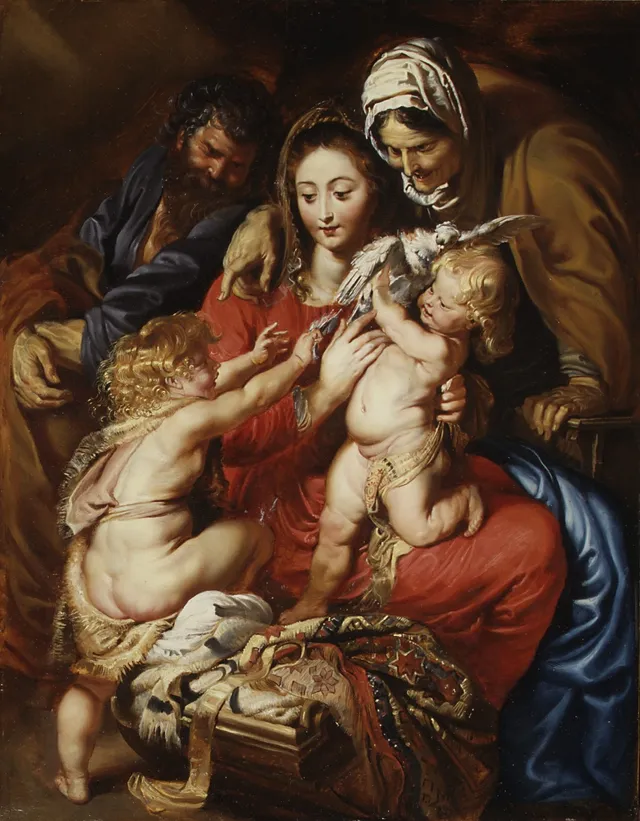 The Holy Family with Saint Elizabeth, Saint John, and a Dove
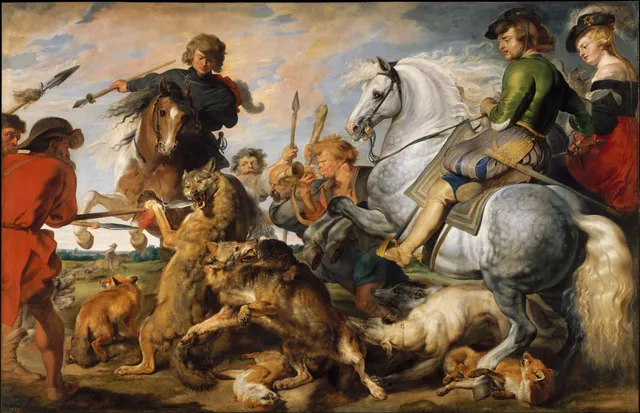 The Wolf and Fox Hunt
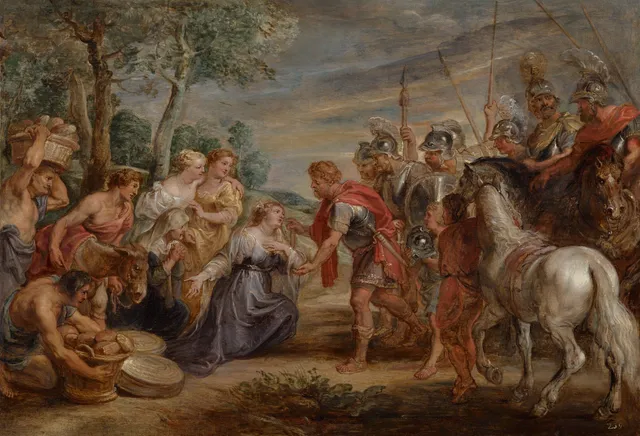 The Meeting of David and Abigail
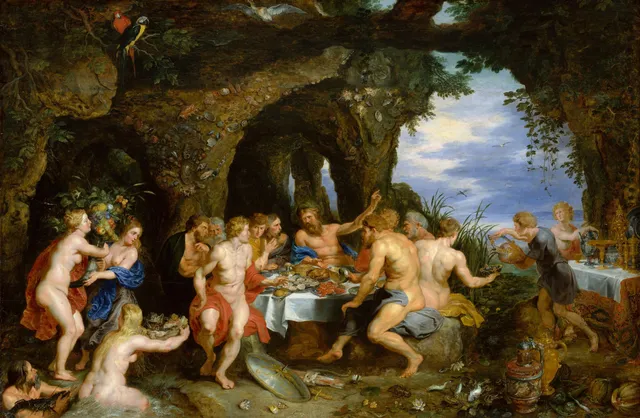 The Feast of Acheloüs
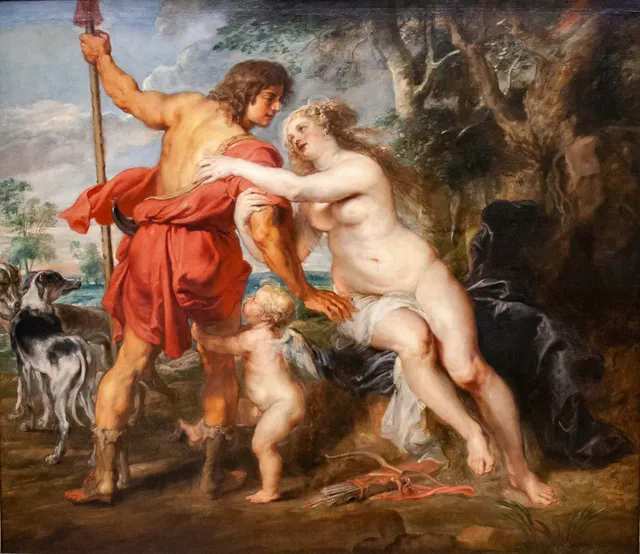 Venus and Adonis
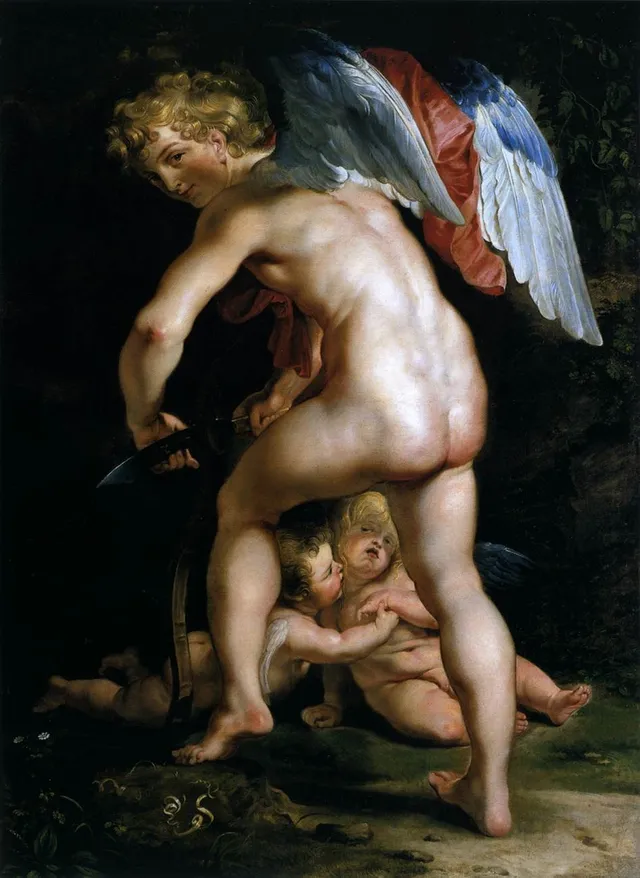 Cupid (Eros) Carves the Bow
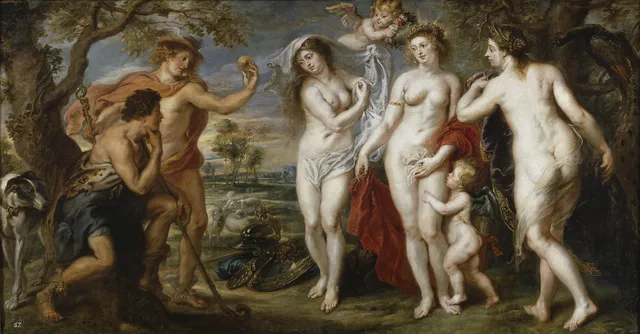 The Judgement of Paris
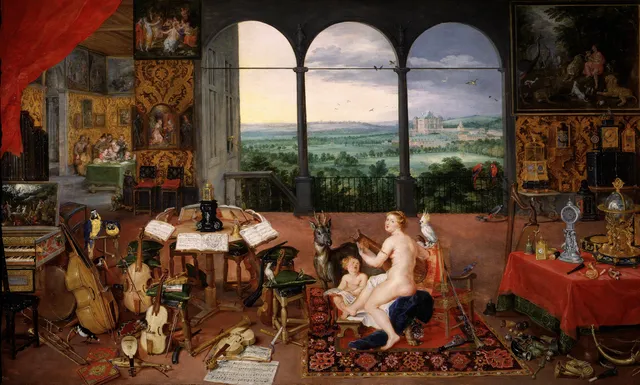 Hearing
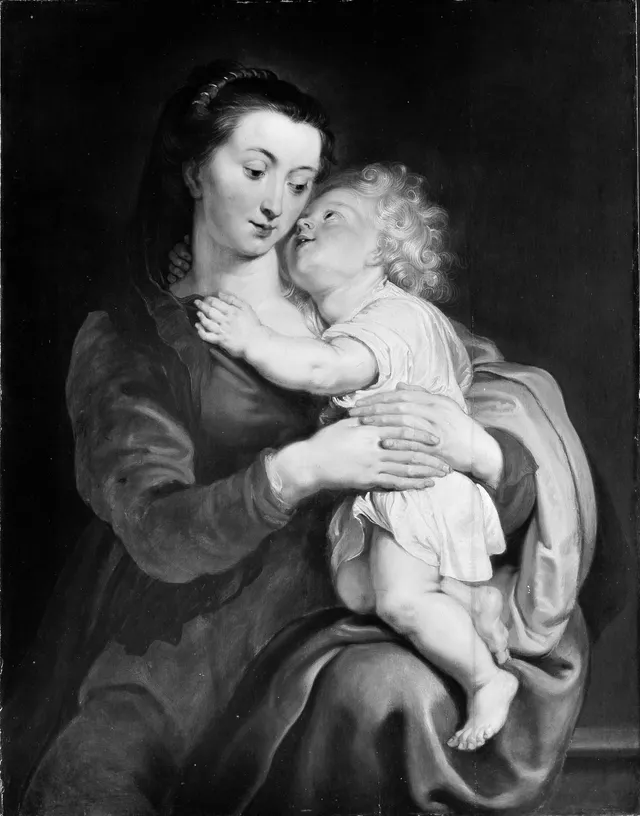 Virgin and Child
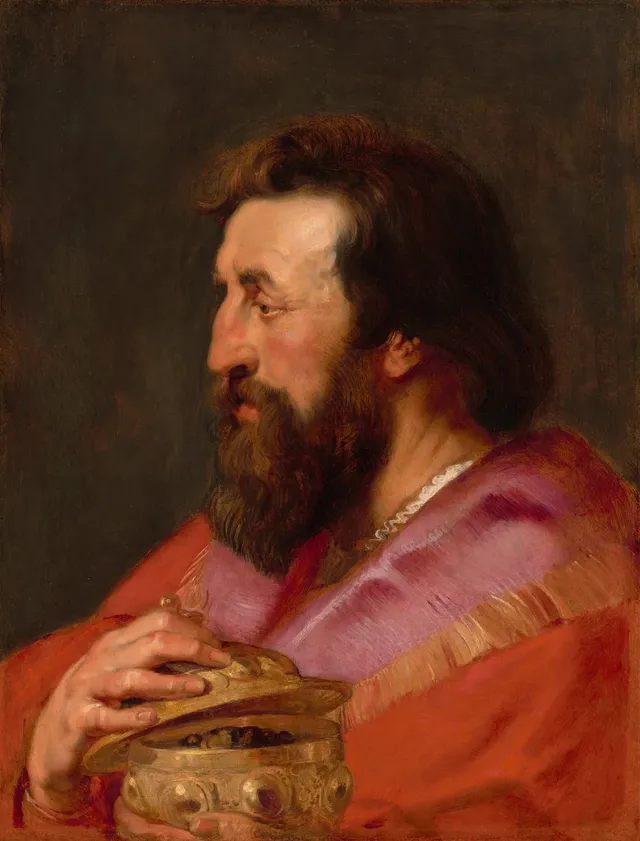 Head of One of the Three Kings: Melchior, The Assyrian King
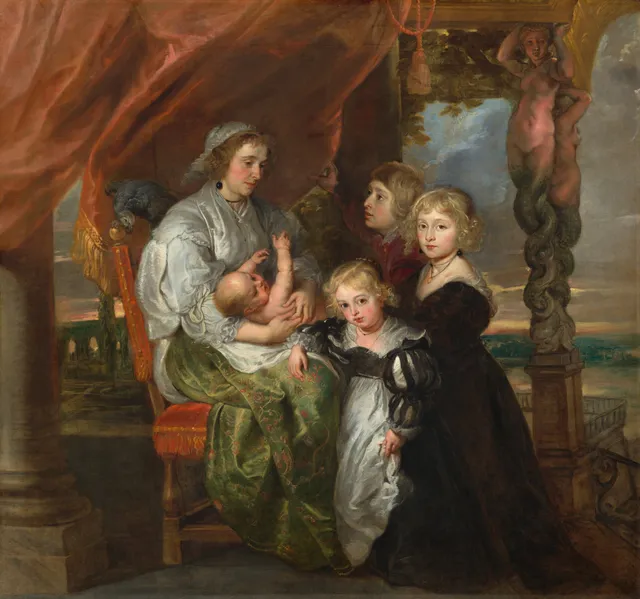 Deborah Kip, Wife of Sir Balthasar Gerbier, and Her Children
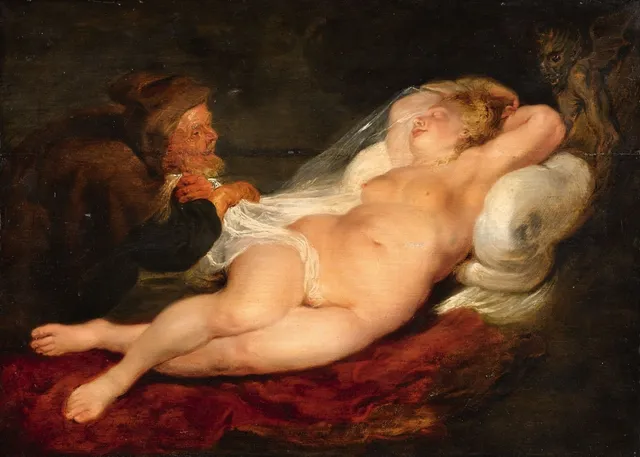 Angelica and the Hermit
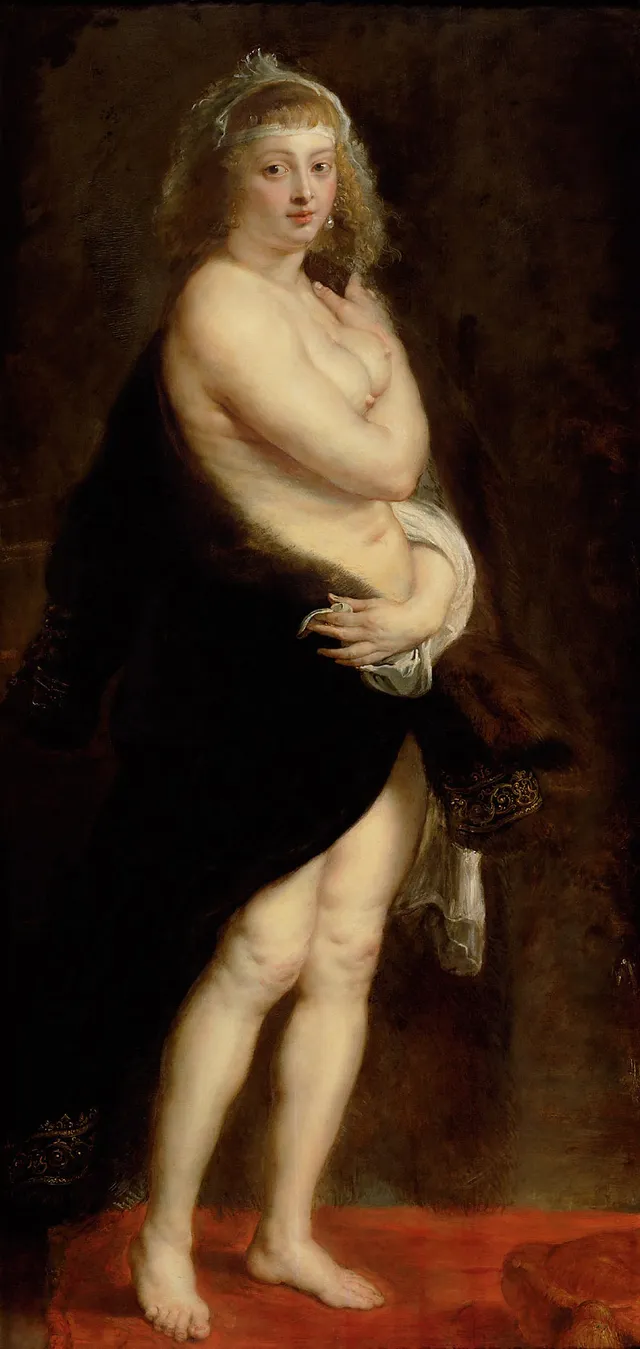 Helena Fourment in a Fur Robe
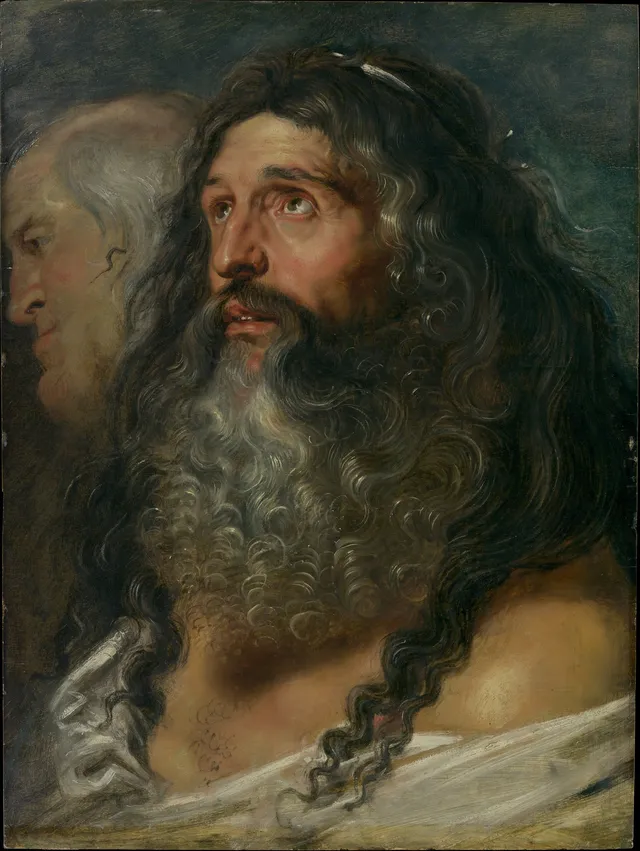 Study of Two Heads
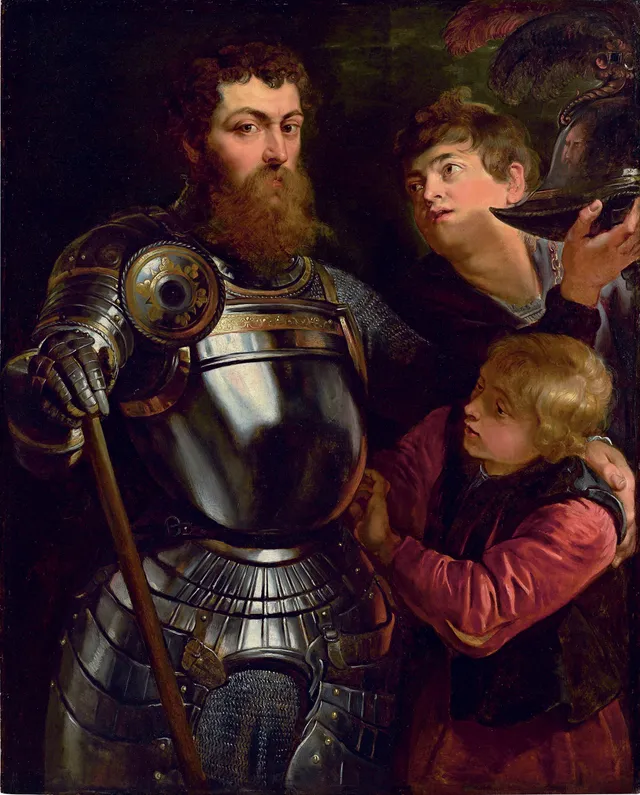 Portrait of a Commander
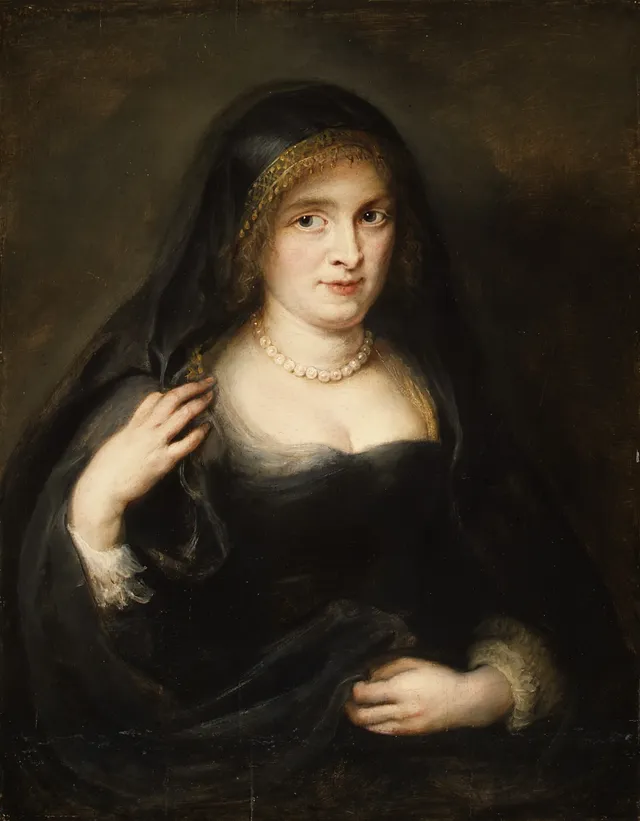 Portrait of a Woman, Probably Susanna Lunden
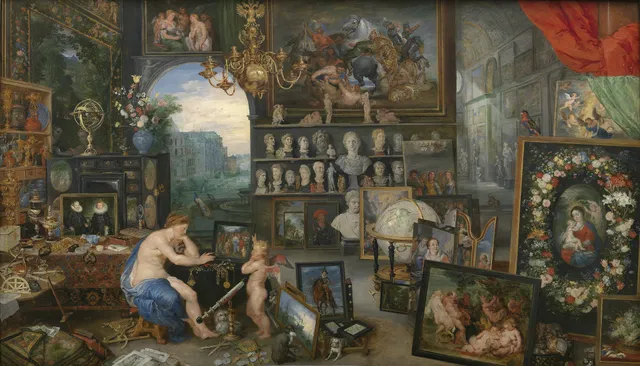 The Sense of Sight
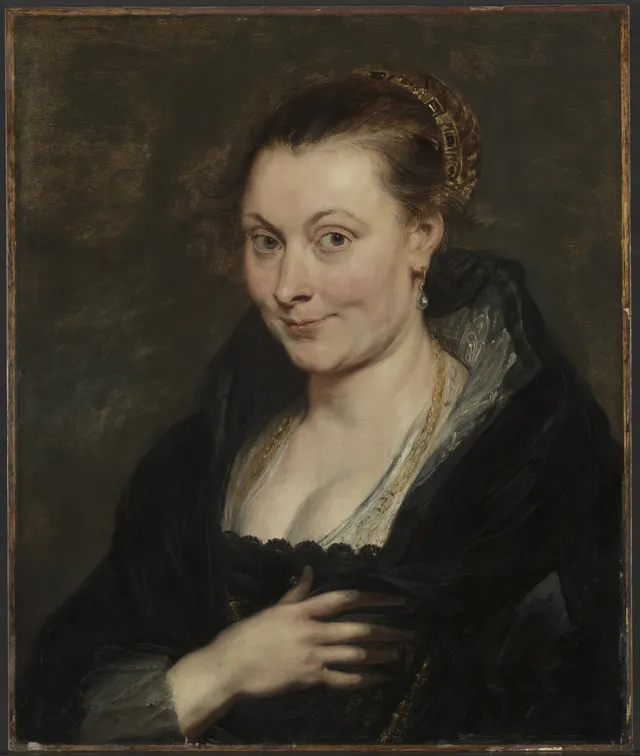 Portrait of Isabella Brant
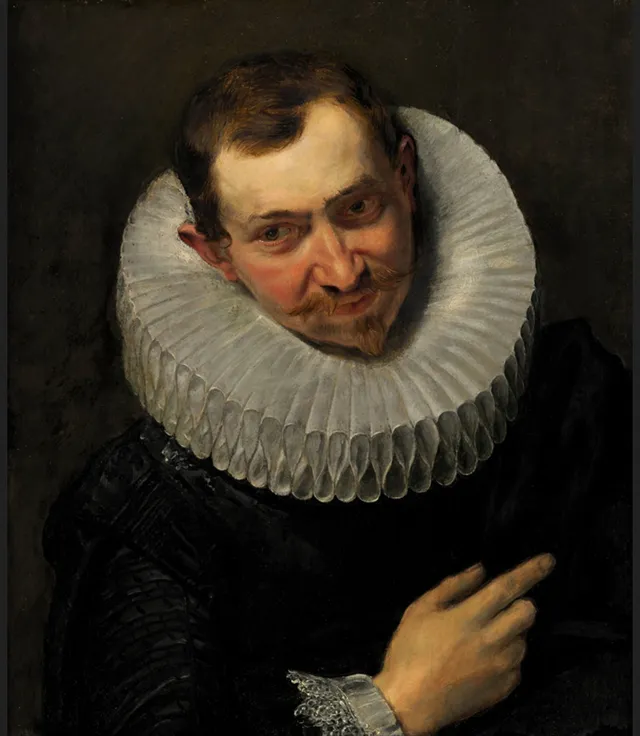 Portrait of the landscape painter Jan Wildens
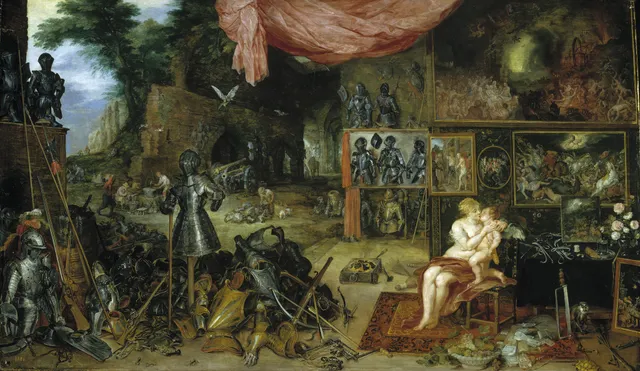 Touch
Touch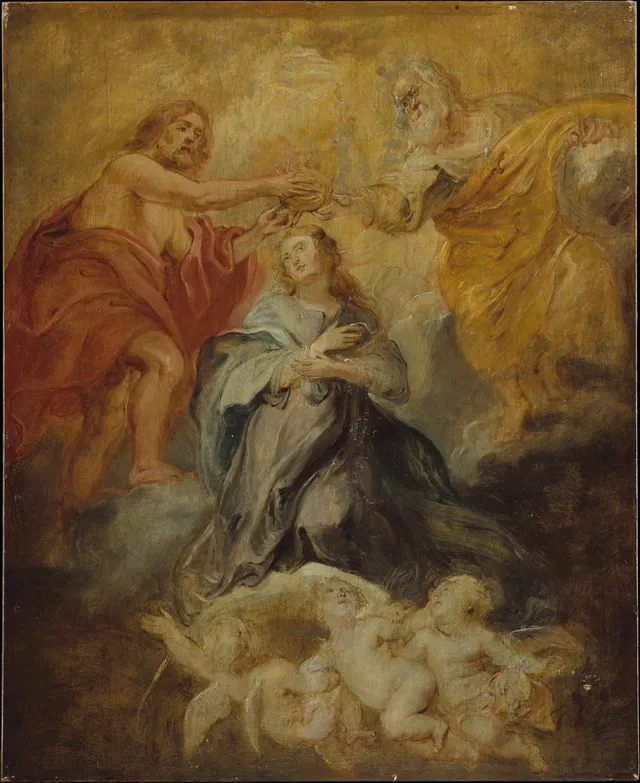 The Coronation of the Virgin
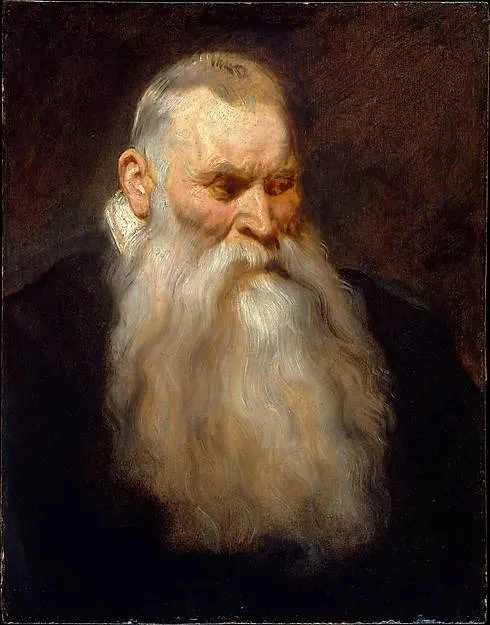 Study Head of an Old Man with a White Beard
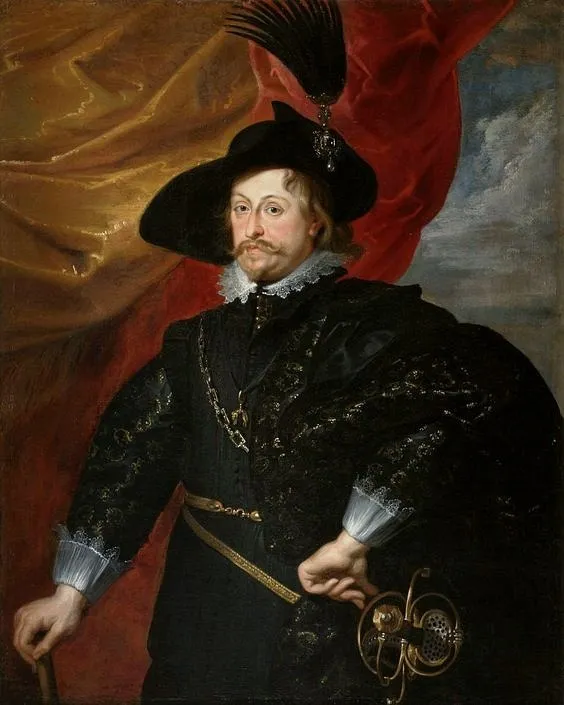 Portrait of Sigismund III Vasa
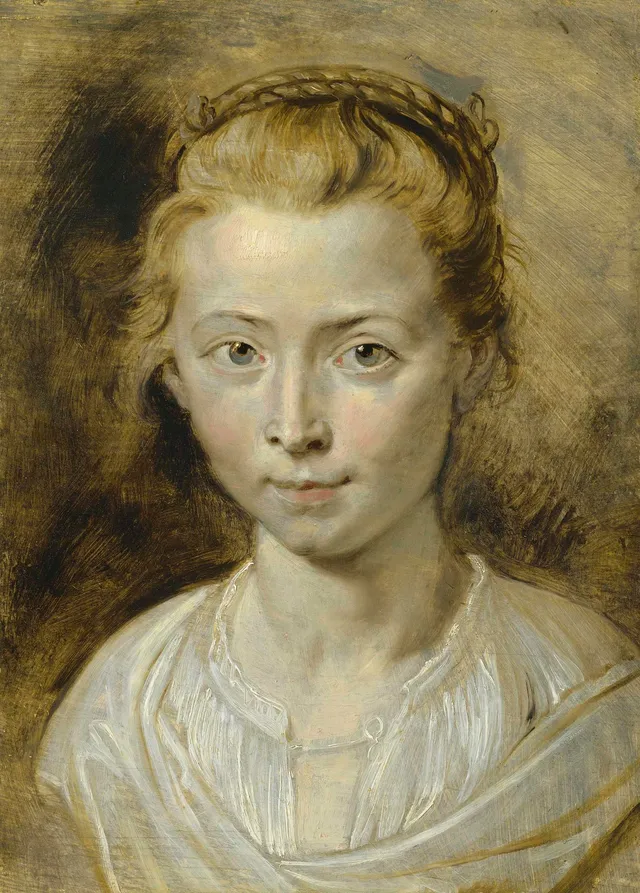 Portrait of Clara Serena Rubens, the artist's daughter
Collections represented


Moments involving Peter Paul Rubens
Movements & circles
Featured in a course
Artists in a similar vein