Artwork
Andrea Renier and His Son Daniele
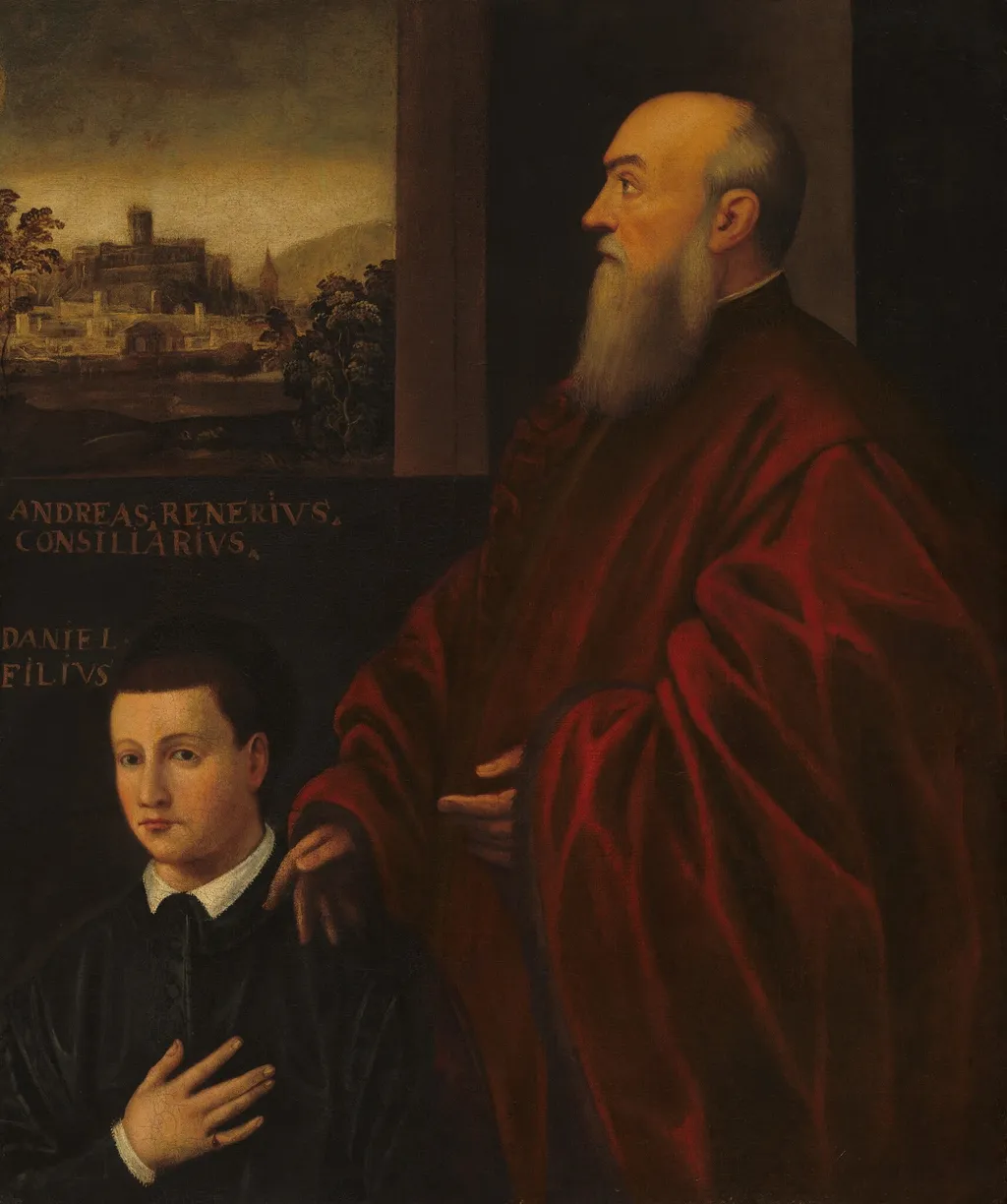
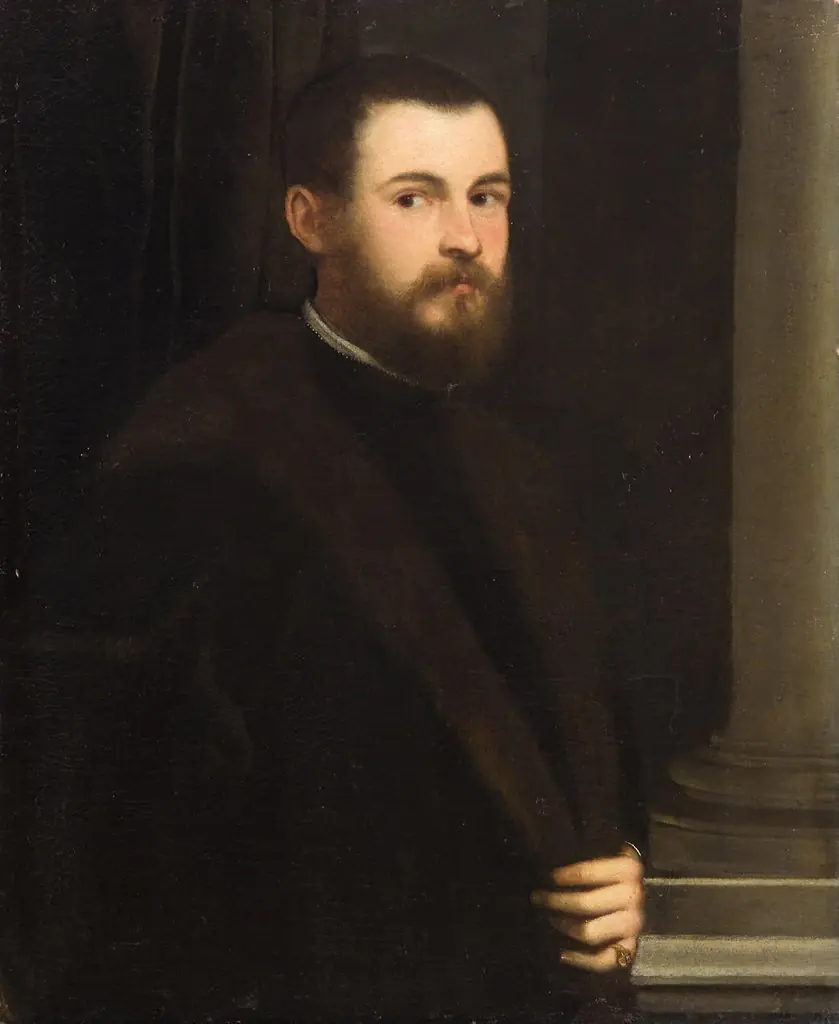
Andrea Renier and His Son Daniele is an oil painting by the Mannerist artist Follower of Jacopo Tintoretto. It dates from 1563 and is held in the collection of the National Gallery of Art.
- Inscription
- Inscribed:center left: ANDREAS. RENERIVS. / CONSILLARIVS. / DANIEL. / FILIVS
About this work
Technique & Style
Andrea Renier and His Son Daniele is executed in oil on canvas, a common medium for Venetian portraiture of the mid-16th century. The support measures 113 by 94.3 centimeters. As a portrait of the period, it depicts the two sitters with a palette of deep reds, blacks, and flesh tones, used to distinguish textures such as silk, velvet, and skin.
History & Provenance
The specific circumstances regarding the original commission or the identity of the patron remain undocumented in available sources.
Created in 1563, the oil-on-canvas portrait Andrea Renier and His Son Daniele is attributed to an anonymous artist, though some records suggest a possible connection to Jacopo Tintoretto. The specific circumstances regarding the original commission or the identity of the patron remain undocumented in available sources. The painting entered the National Gallery of Art in Washington, D.C., in 1951 as a gift of Samuel L. Fuller of New York, and it remains part of the collection.
Its physical dimensions are 113 cm by 94.3 cm, and it is classified as a portrait, with no documented temporary exhibitions listed in the cited sources.
Overview
The oil on canvas work, "Andrea Renier and His Son Daniele," presents a portrait of two individuals within a simple setting. The artist’s direct approach, characterized by a lack of extraneous detail, imparts a sense of quietude and simplicity to the composition. The identity of the painter responsible for this piece remains unknown, contributing to its enigmatic character.
Subject & Meaning
This painting depicts Andrea Renier and his son, Daniele, rendered without elaborate surroundings or symbolic elements. The focus rests squarely on the figures themselves, suggesting an intention to capture their likeness and presence in an unadorned fashion. This straightforward portrayal invites viewers to engage directly with the subjects, emphasizing their individual identities rather than external status.
Artist & collection

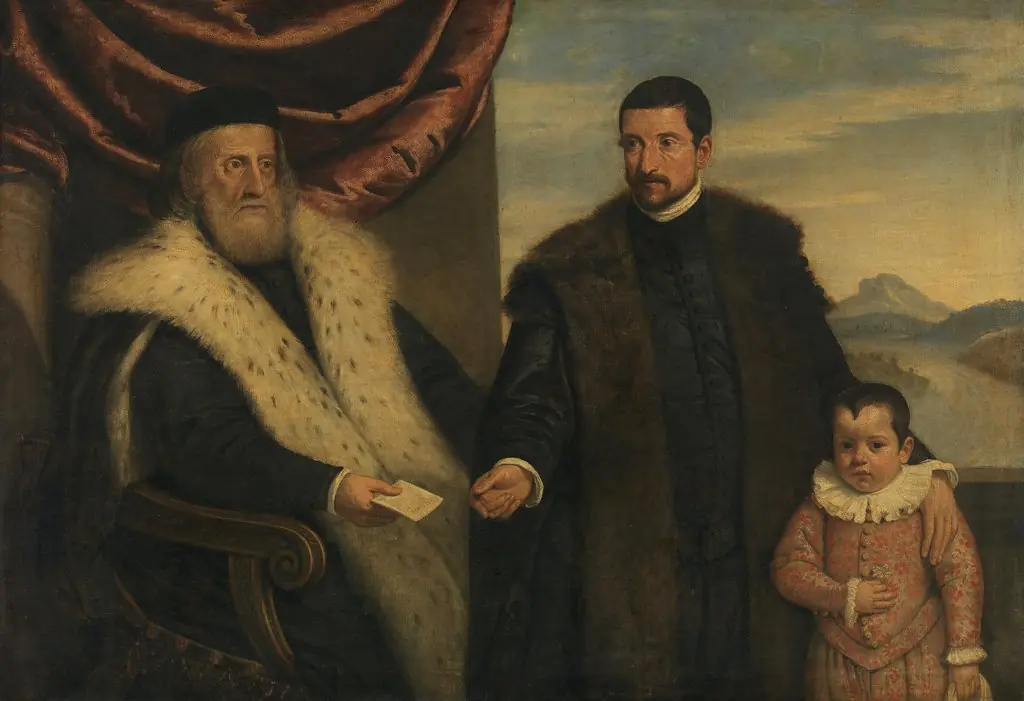
- Gruppenbildnis
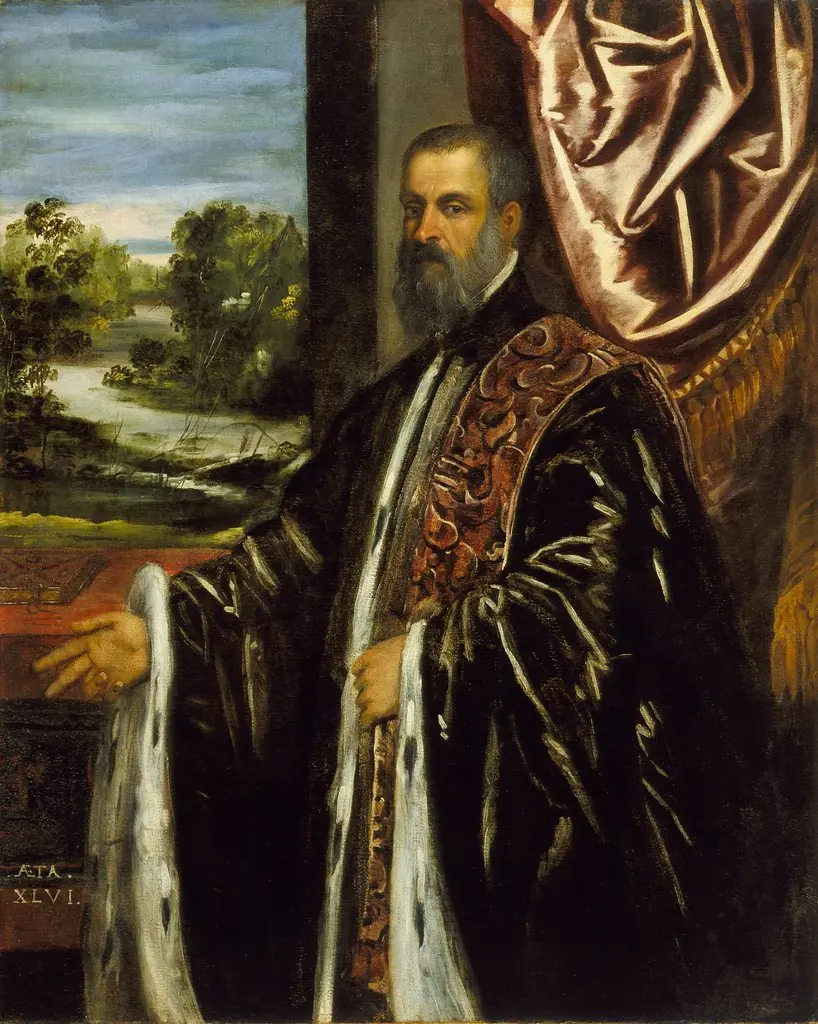 Portrait of Marino Grimani
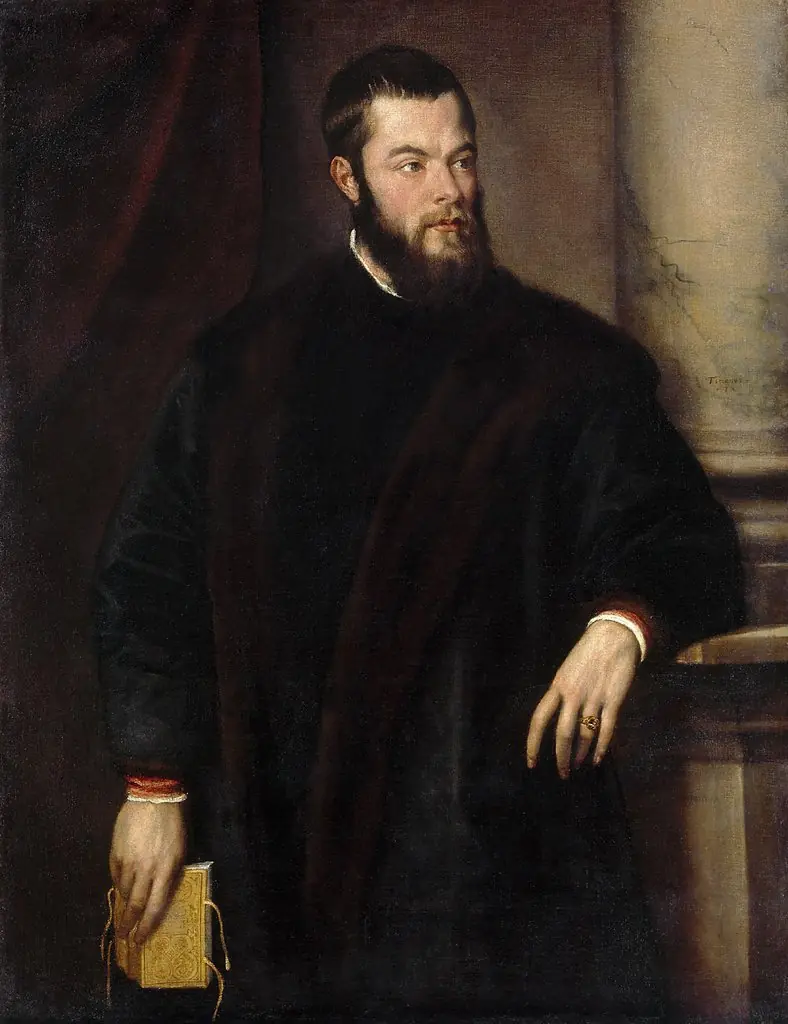 Portrait of Benedetto Varchi
 Portrait of Marcantonio Barbaro (1518-1595) as ambassador to Constantinople
 Portrait of a Man and a Boy (Count Alborghetti & Son)
 Bildnis eines Mannes
 Alessandro Alberti with a Page
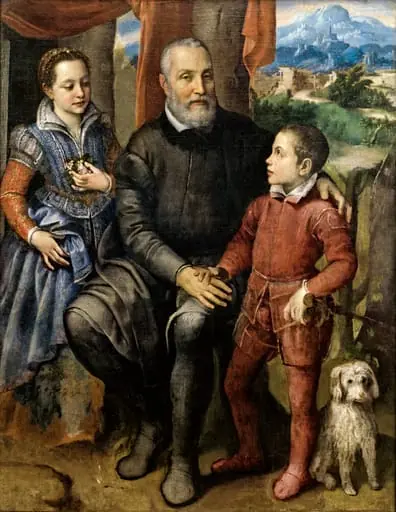 Portrait Group with the Artist’s Father Amilcare Anguissola, Brother Astrubale and Sister Minerva
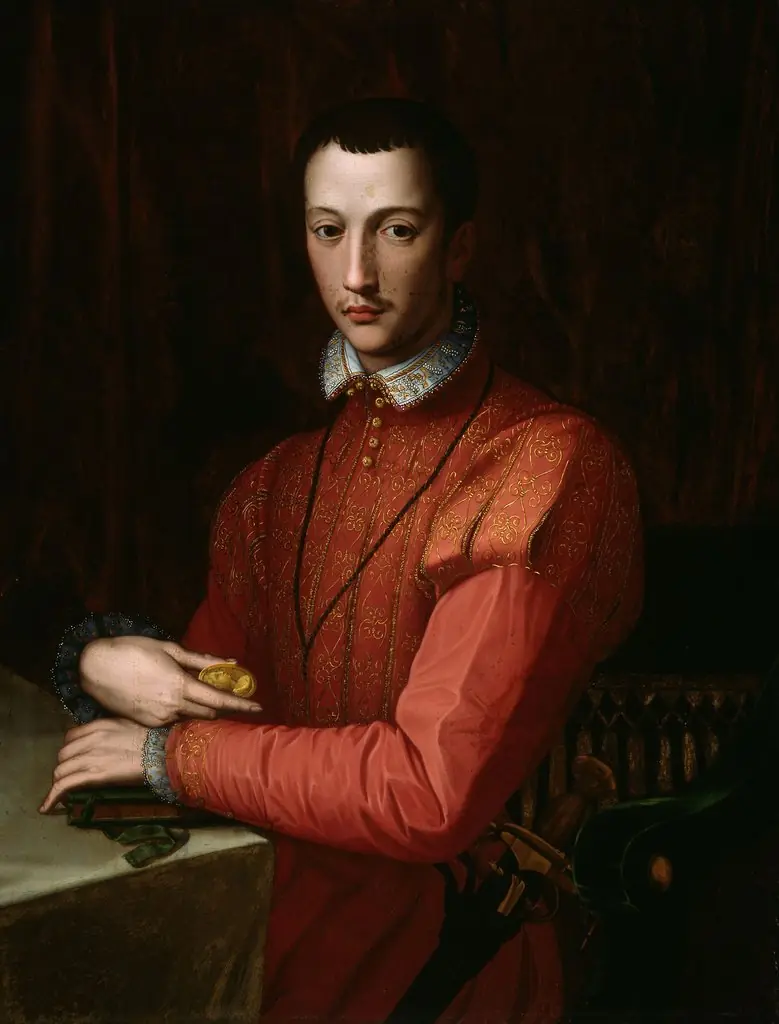 Francesco de' Medici
 Bildnis eines Prokurators
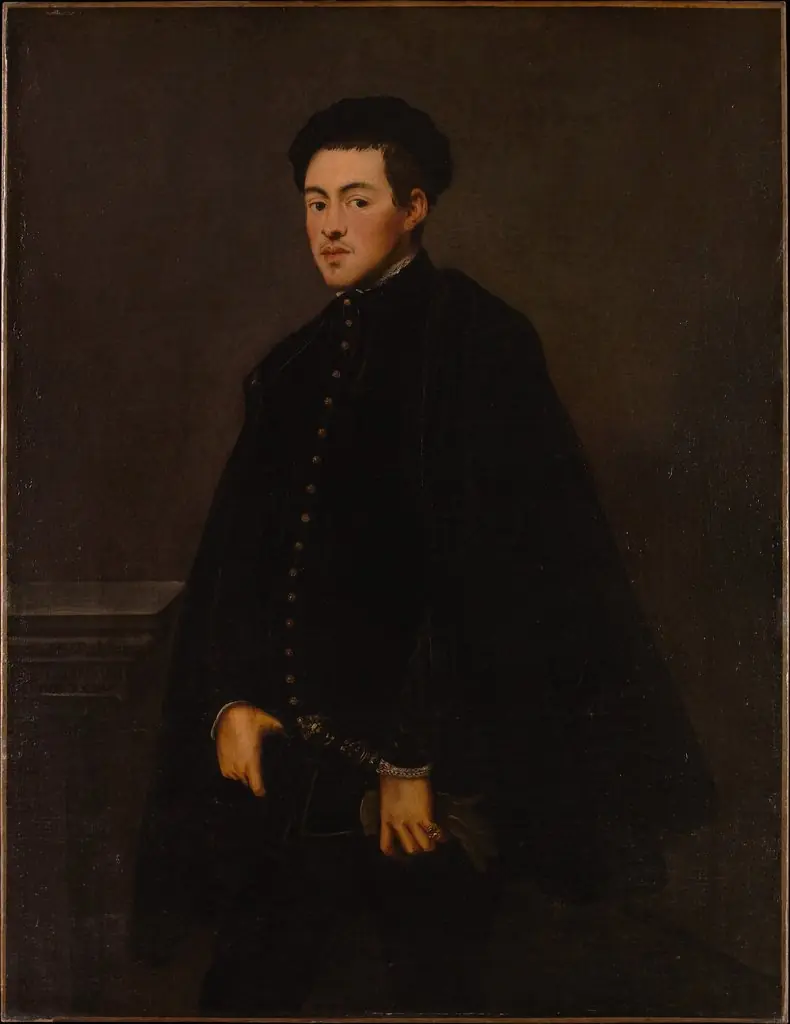 Portrait of a Young Man
 Portrait of a young bearded man