Movement
Mannerism
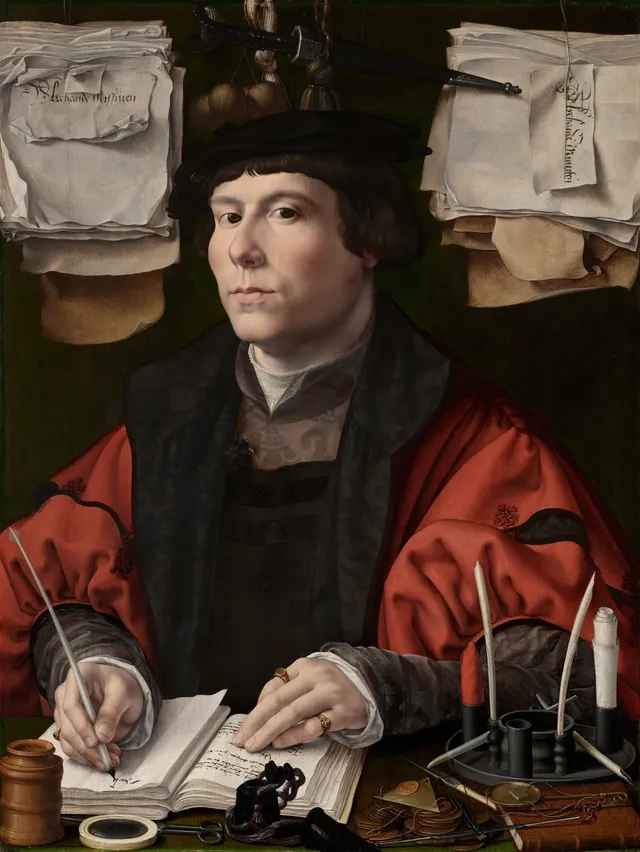
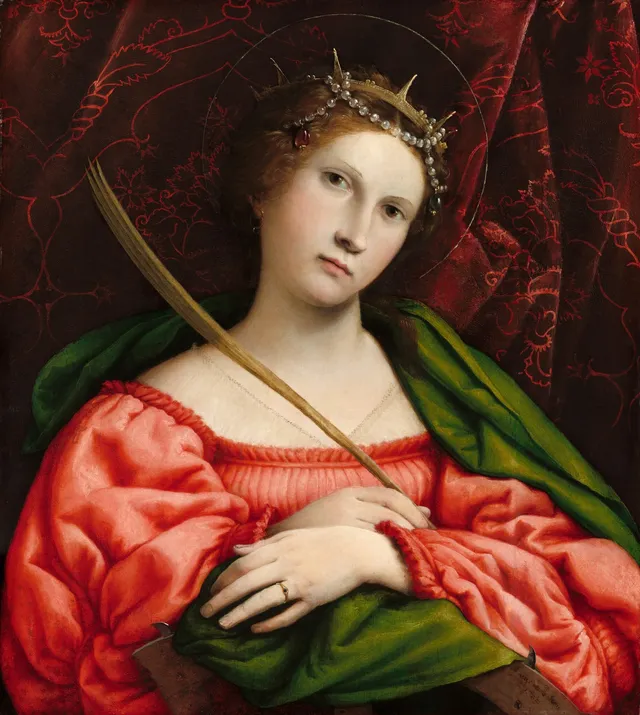
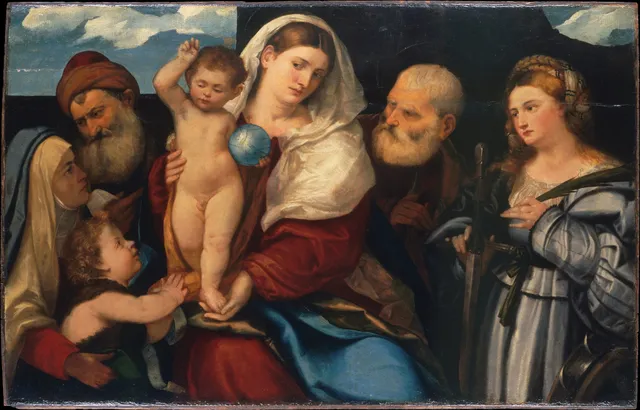
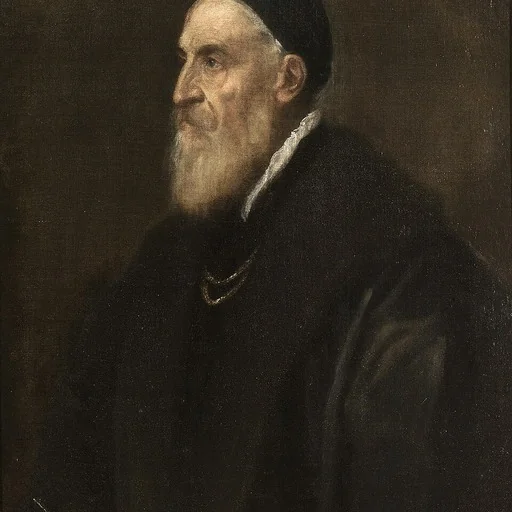
Mannerism is an art movement of the 1520–1600 period. The gallery holds 2,964 works in this movement, including works by Titian, Paolo Veronese and Lorenzo Lotto. Browse Mannerism paintings, portraits, pictures and artworks from the world's public-domain museum collections.
Mannerism was the dominant style of European art from roughly 1520, the end of the High Renaissance, until the emergence of the Baroque around 1590. The name derives from the Italian maniera — "style" or "manner" — a term of praise in Giorgio Vasari's Lives of the Artists that only later, in 18th-century criticism, hardened into a label for the period. The movement arose in Florence and Rome in the wake of Raphael's death in 1520, as a younger generation confronted the seemingly unsurpassable achievements of Leonardo, Raphael, and especially Michelangelo. Rather than extend the High Renaissance ideals of balance, clarity, and idealized naturalism, these artists deliberately departed from them, prizing inventiveness, refinement, and difficulty for their own sake.
The Mannerist visual language favours artifice over observed nature. Figures are elongated and set in restless, spiralling poses — the so-called figura serpentinata derived from Michelangelo, in which head, torso, and limbs twist in opposing directions. Compositions are crowded and often lack a single clear focal point; space is compressed or ambiguous; and colour turns acidic and unexpected, with shimmering pinks, sulphur yellows, and shot silks. The result is an art of elegance, tension, and intellectual sophistication, addressed to cultivated court audiences.
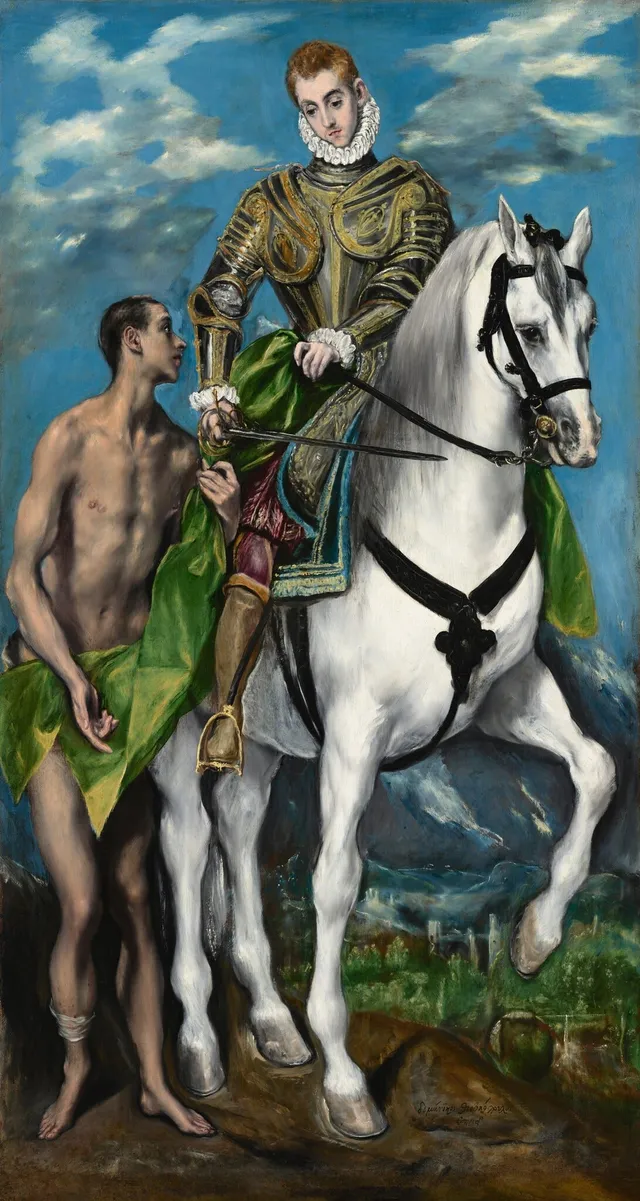
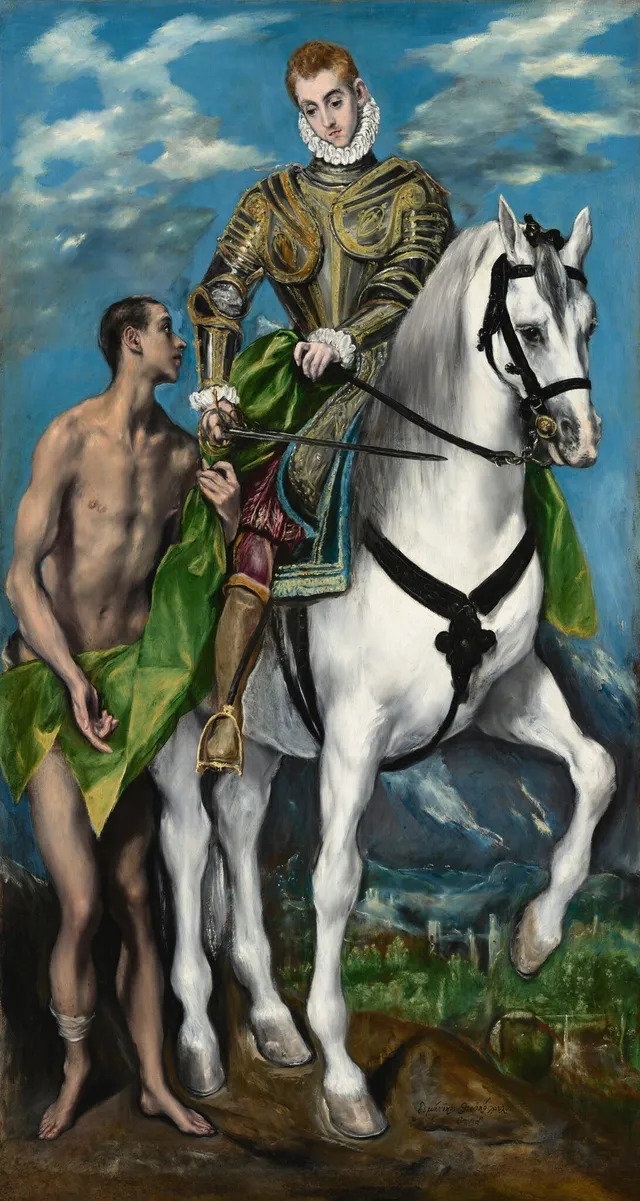
The pioneers were Florentine: Jacopo Pontormo, whose Deposition (c. 1525–28) dissolves into weightless, candy-coloured grief, and Rosso Fiorentino, who carried the style to Rome and then to the French court at Fontainebleau. Parmigianino's Madonna with the Long Neck (1534–40) is the movement's emblem of strained grace, while Agnolo Bronzino produced its coldly polished court portraits and the enigmatic Venus, Cupid, Folly and Time. In Venice, Jacopo Tintoretto brought dramatic foreshortening and dark energy — seen in Venus and Mars Surprised by Vulcan — and in Spain the Greek-born El Greco pushed Mannerist distortion toward visionary spirituality, as in his Saint Martin and the Beggar.
Mannerism spread north through prints and travelling artists, shaping Hendrik Goltzius in the Netherlands and the German Hans Baldung Grien. Long dismissed as decadent, it was reassessed in the 20th century as a vital, self-conscious response to artistic crisis. As a bridge between the ordered High Renaissance and the emotive grandeur of the Baroque, it remains essential to understanding the trajectory of European art.
Key artists
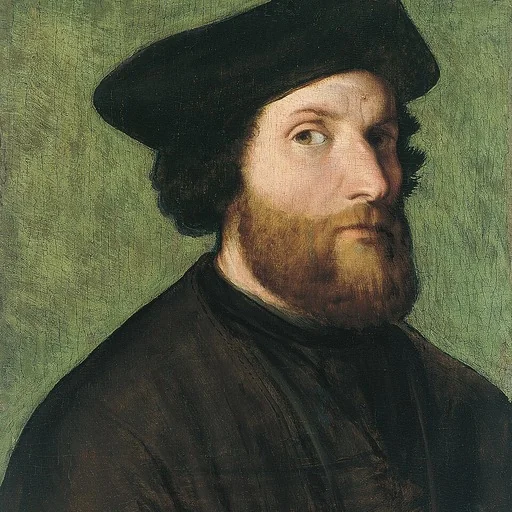
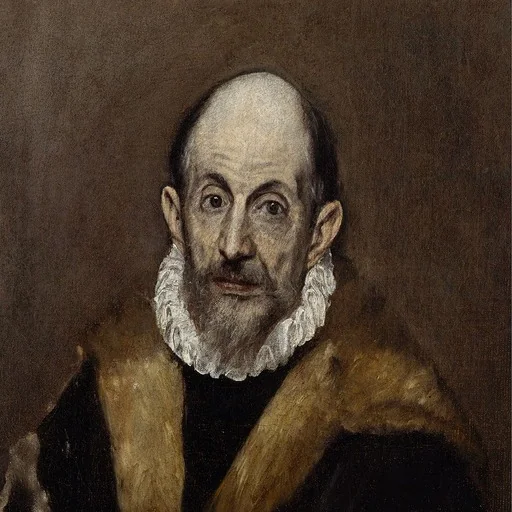
Works
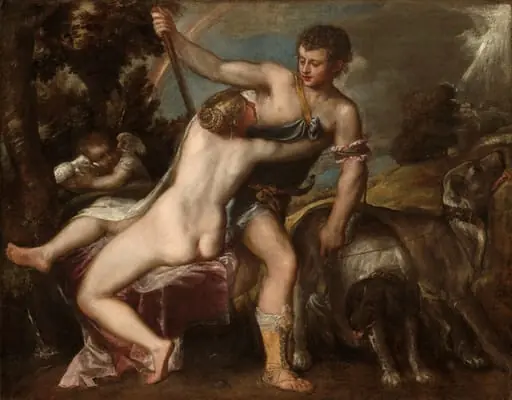 Venus and Adonis
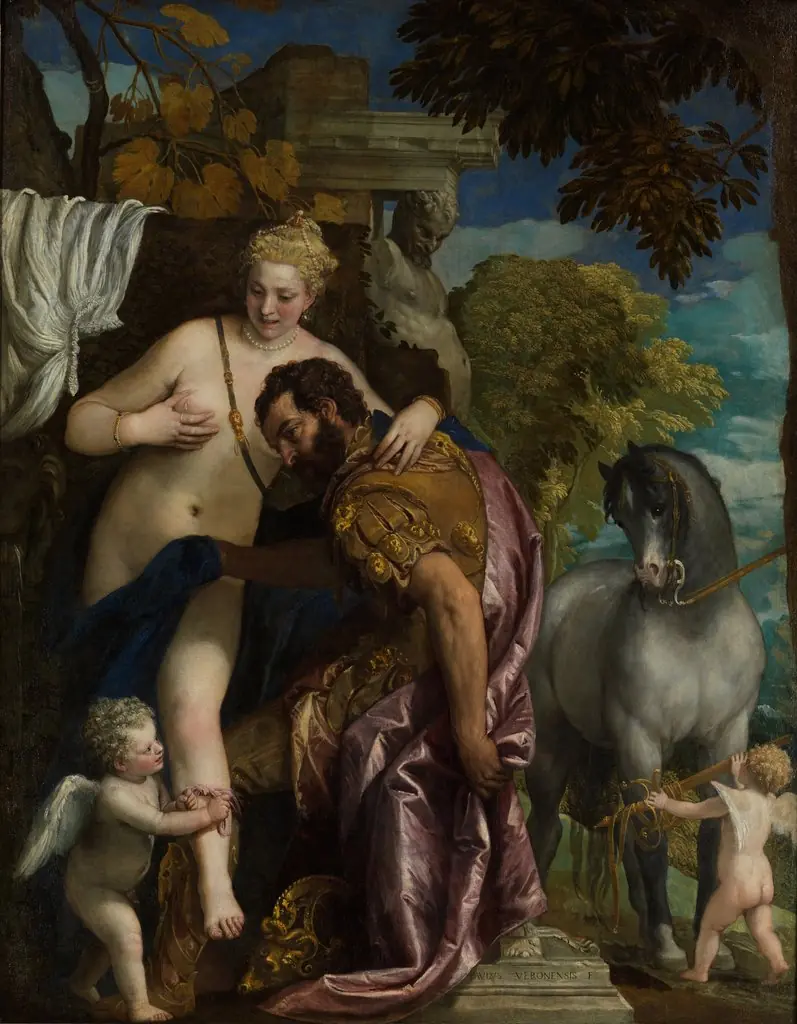 Venus and Mars
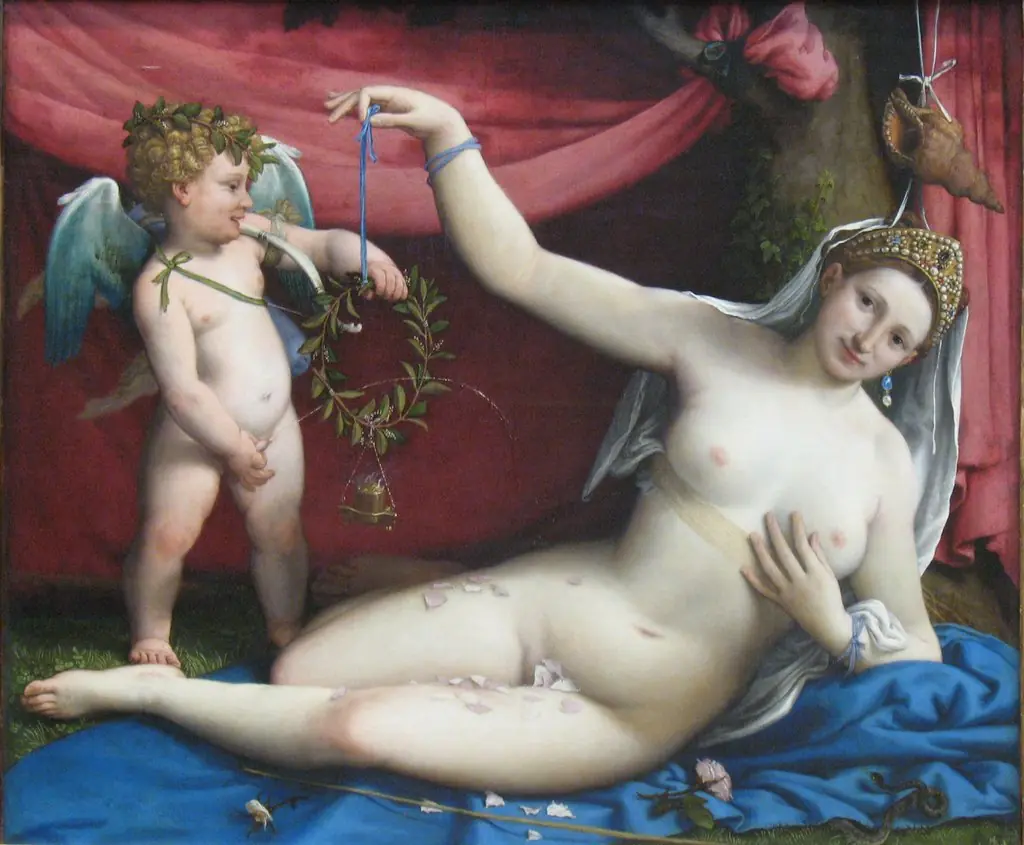 Venus and Cupid
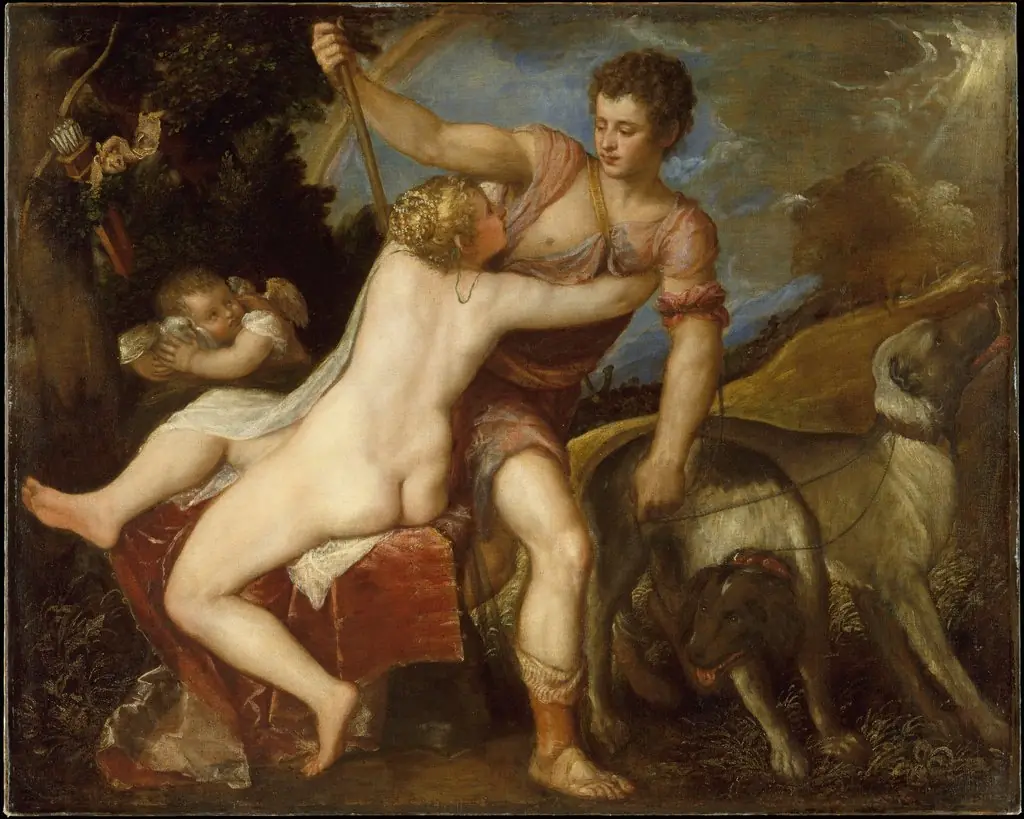 Venus and Adonis
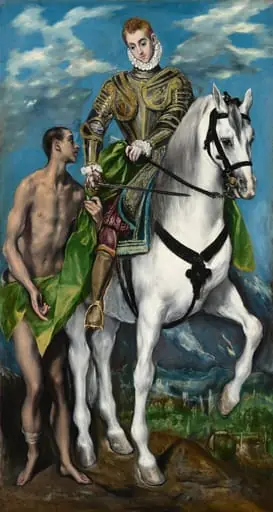 Saint Martin and the Beggar
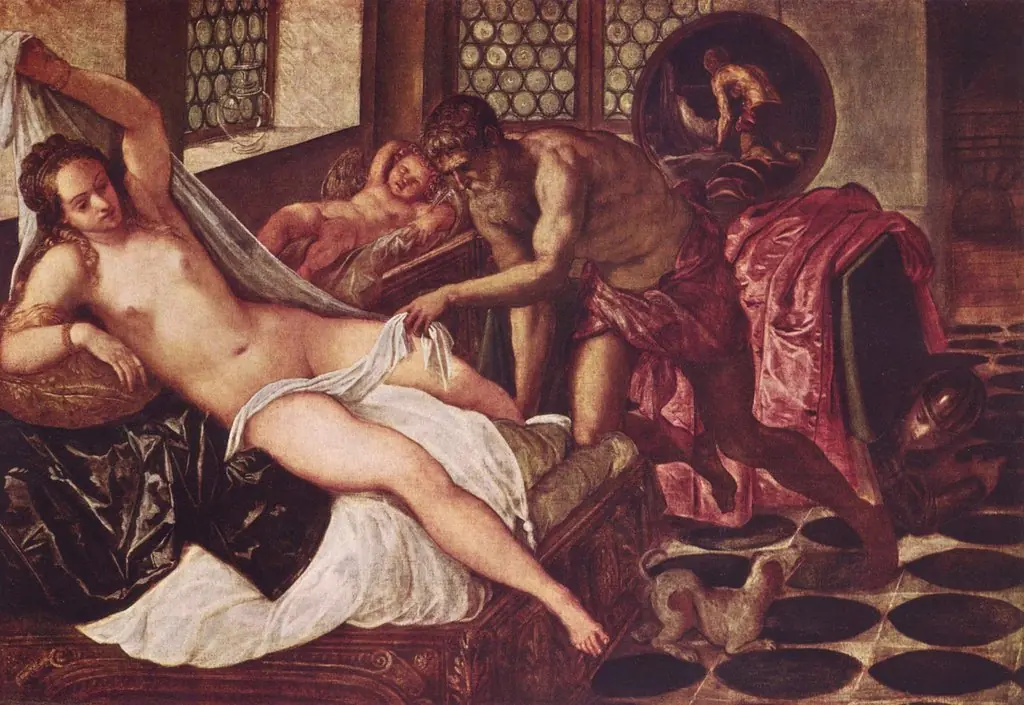 Venus and Mars Surprised by Vulcan
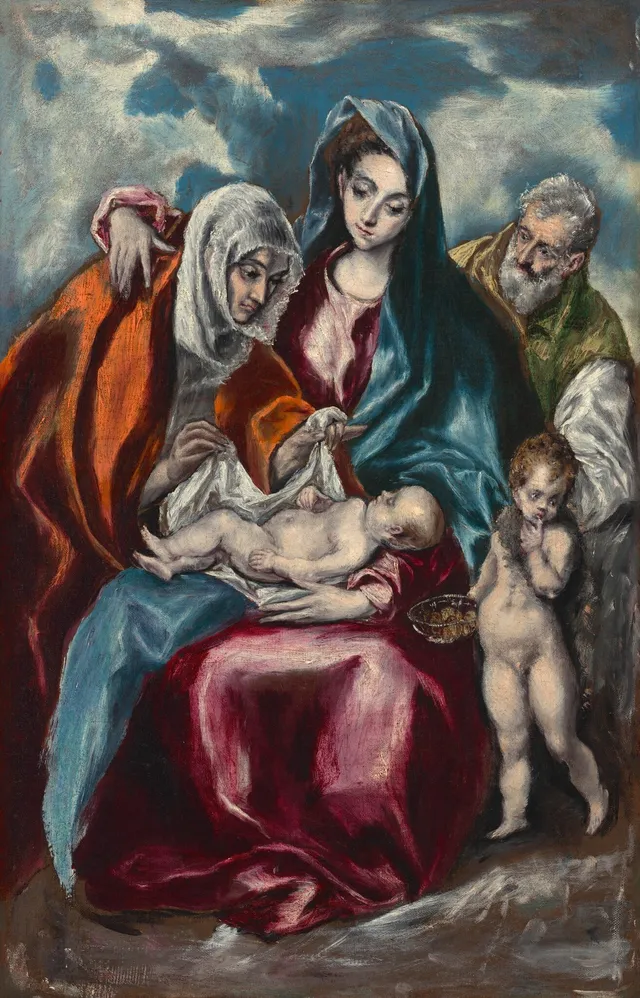
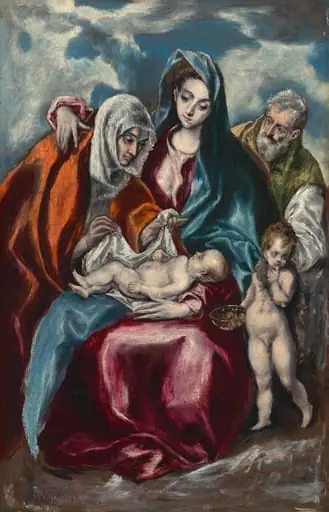 The Holy Family with Saint Anne and the Infant John the Baptist
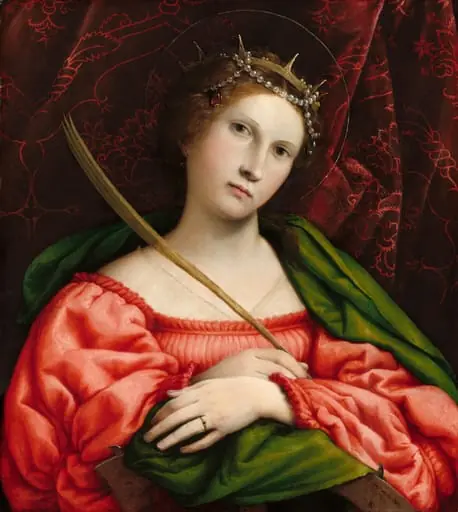 Saint Catherine
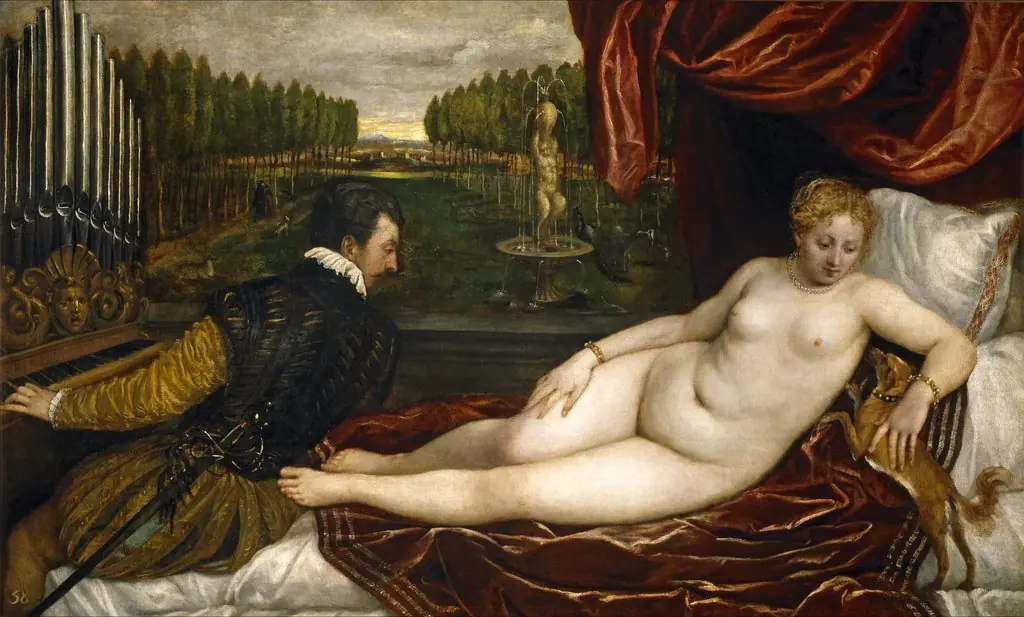 Venus and Music
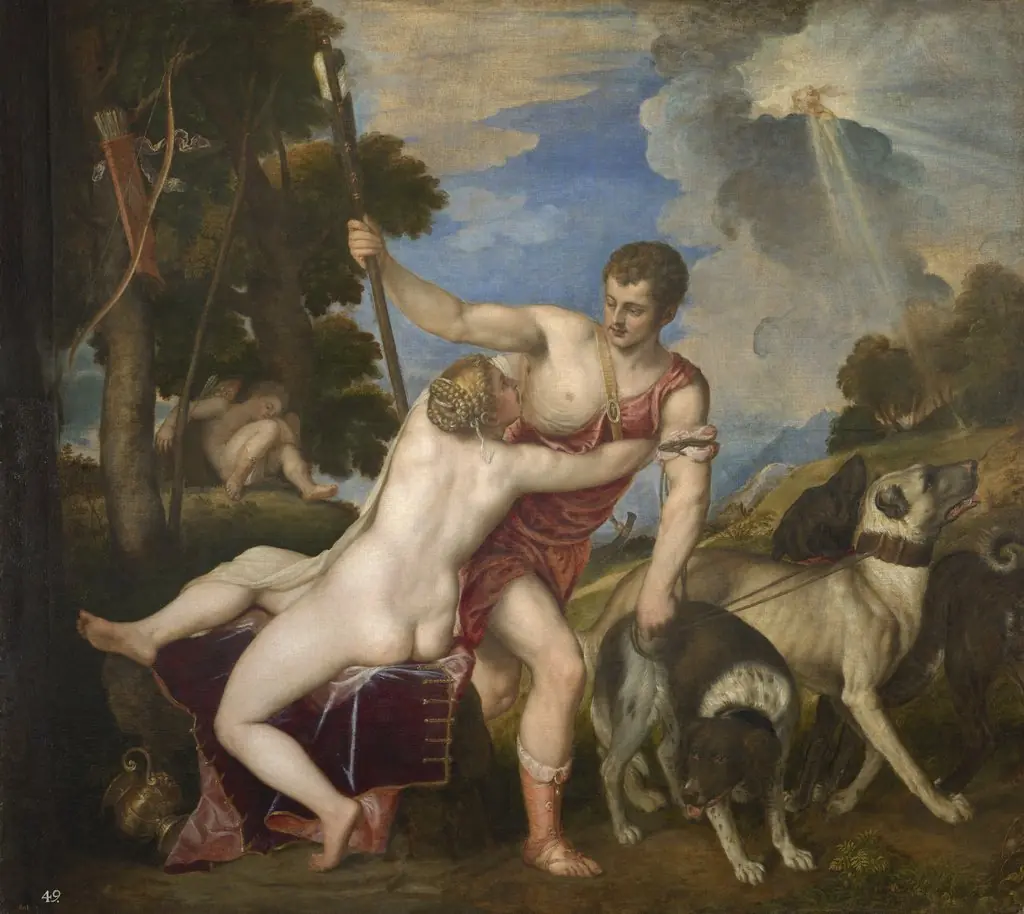 Venus and Adonis
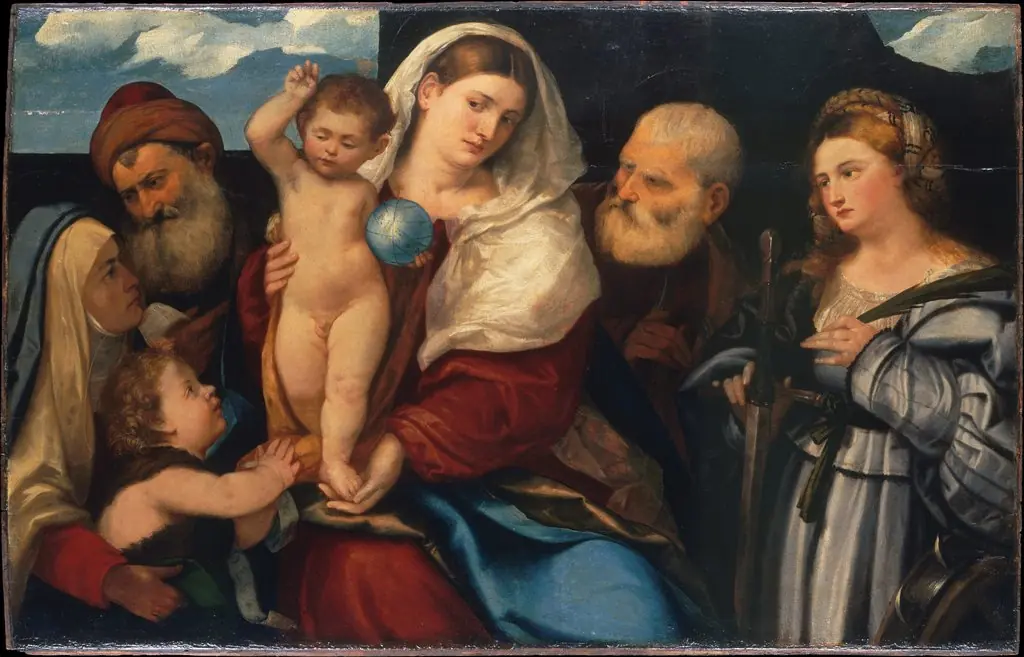 Madonna and Child with Saints
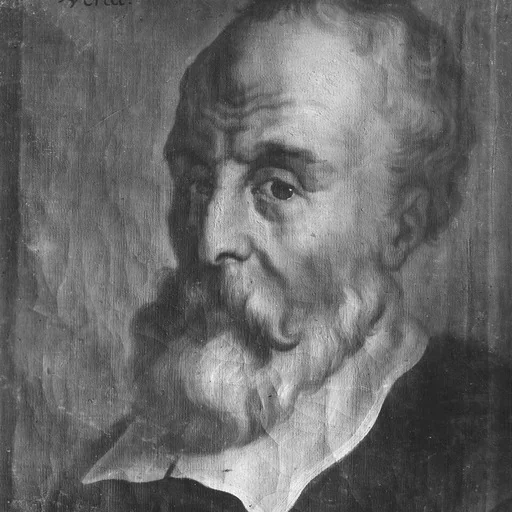
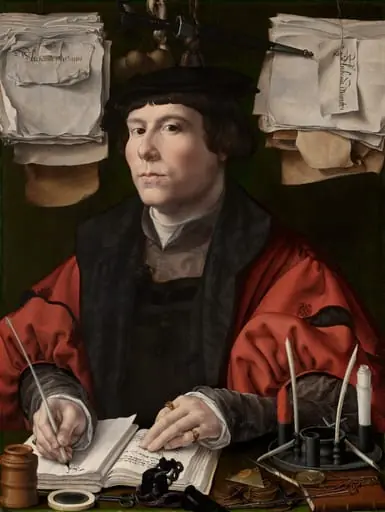 Portrait of a Man, possibly Jan Snoeck
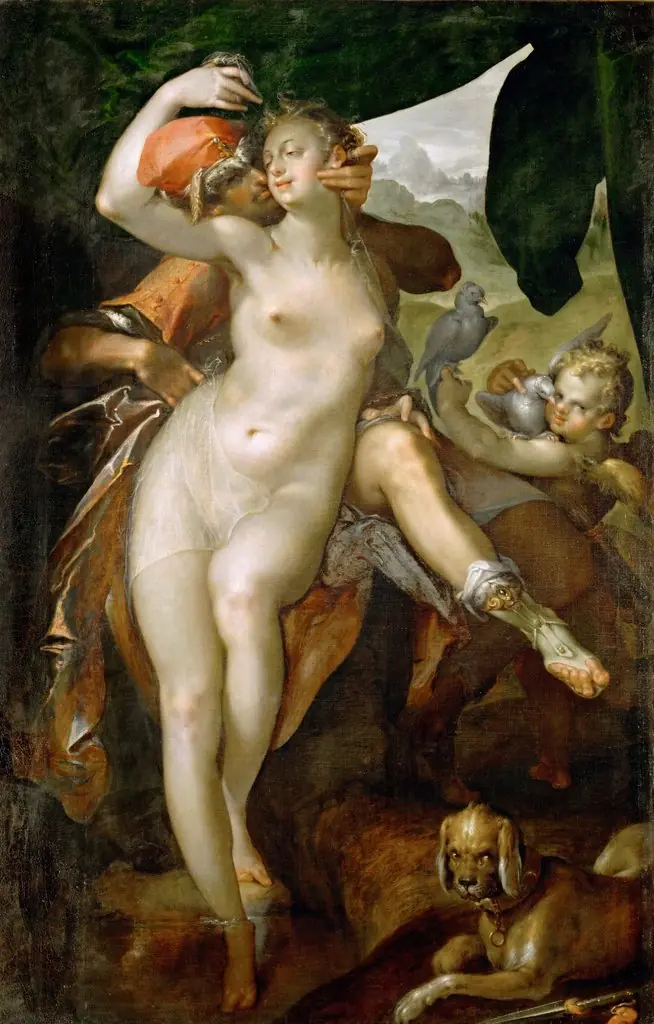 Venus and Adonis
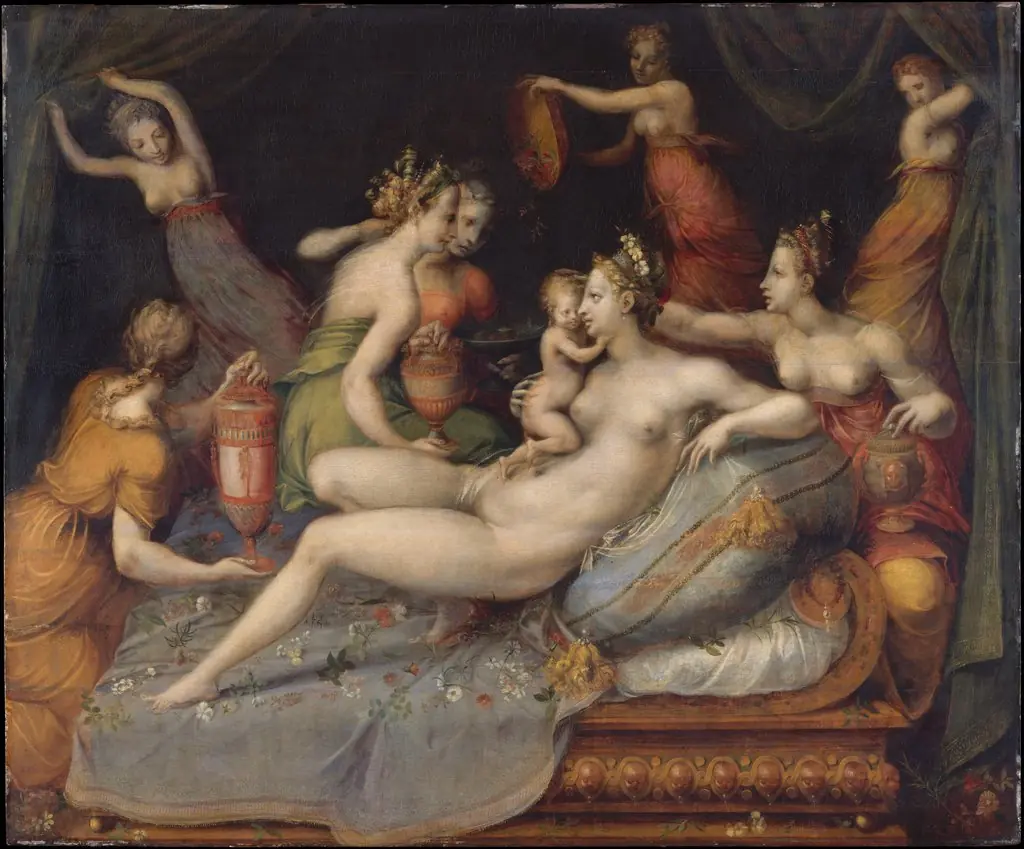 The Birth of Cupid
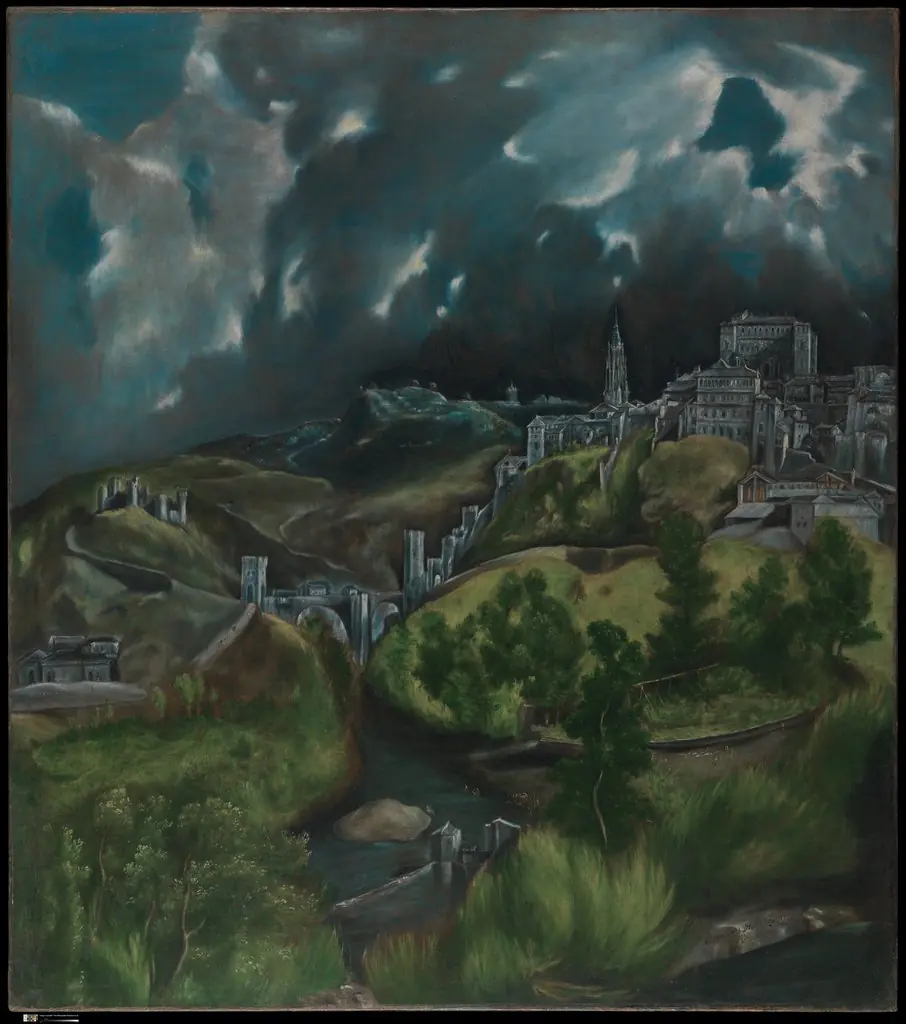 View of Toledo
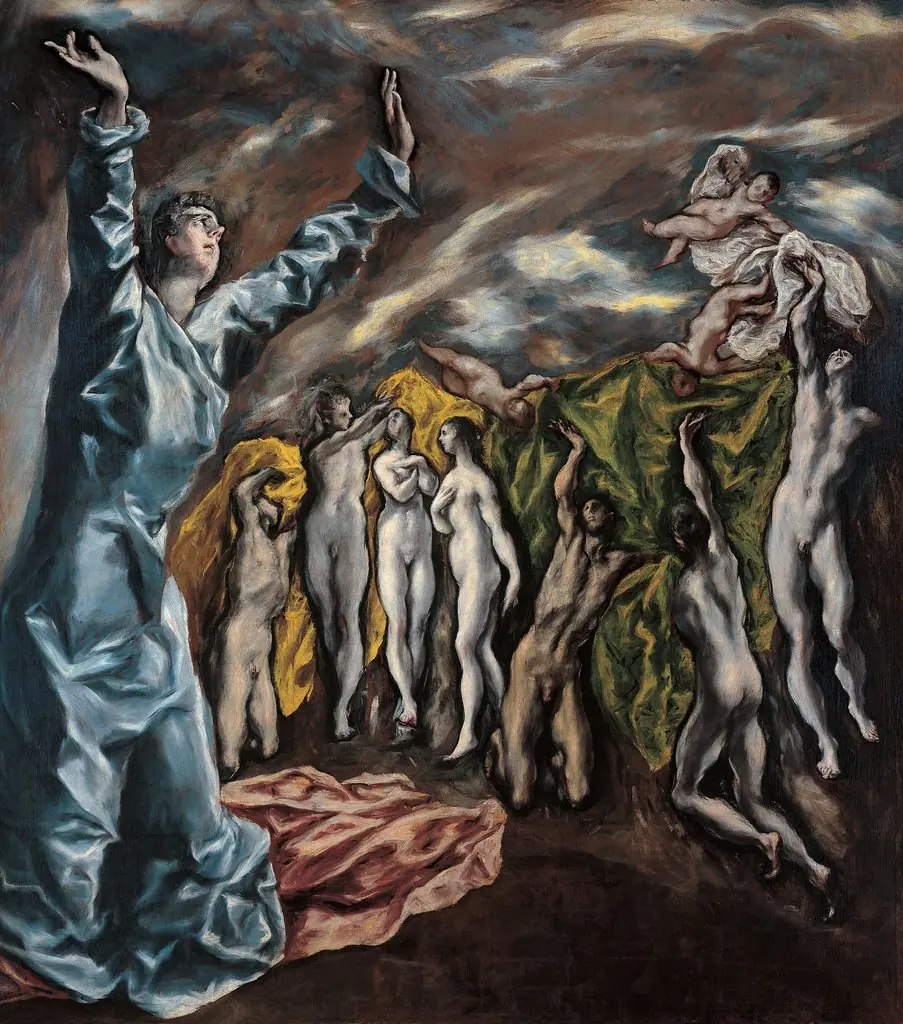 Opening of the Fifth Seal
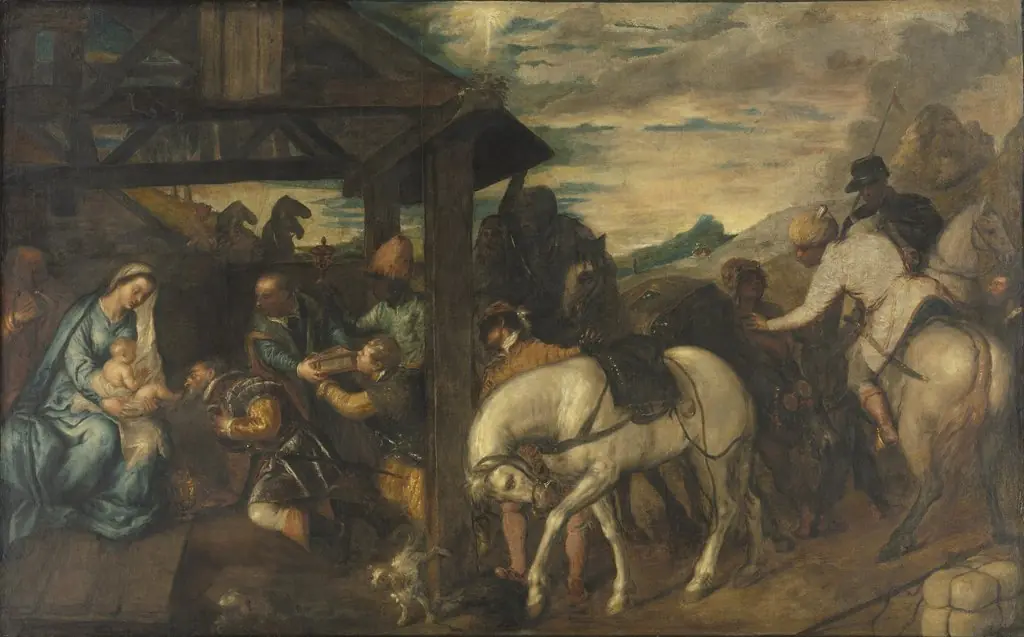 Adoration of the Magi
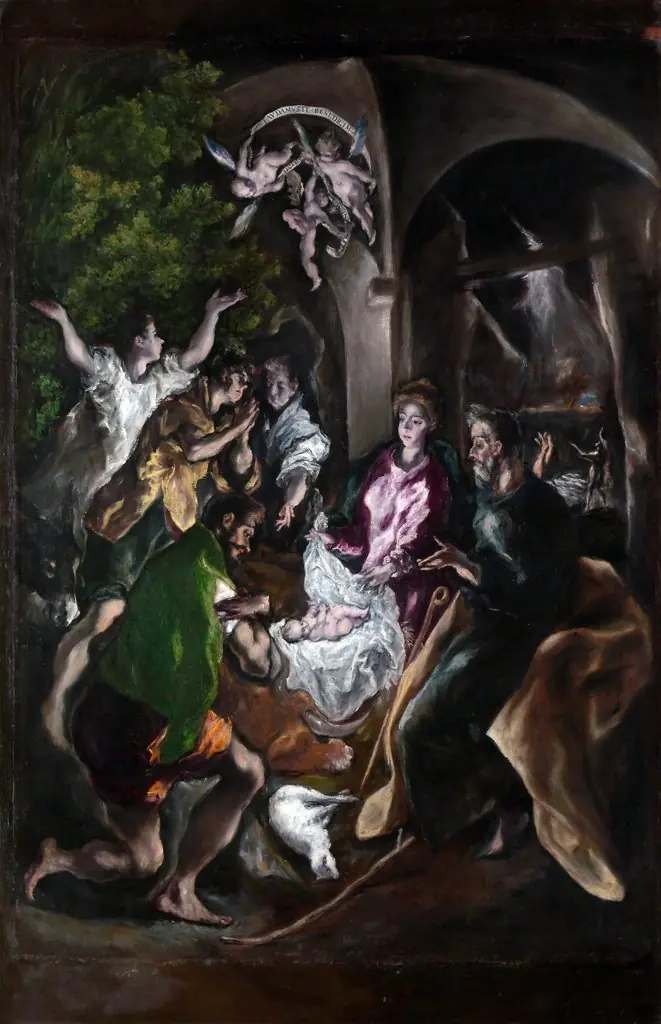 The Adoration of the Shepherds
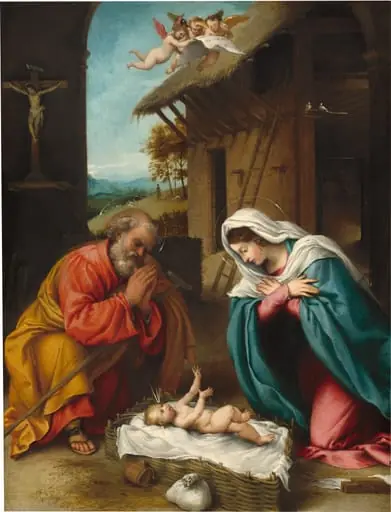 The Nativity
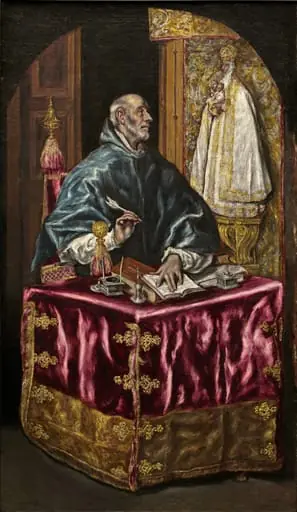 Saint Ildefonso
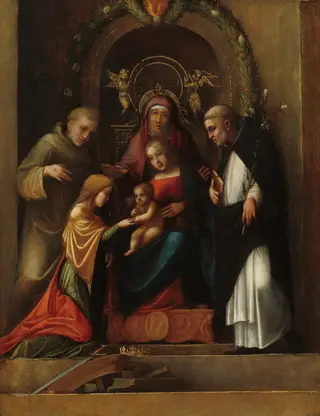 The Mystic Marriage of Saint Catherine
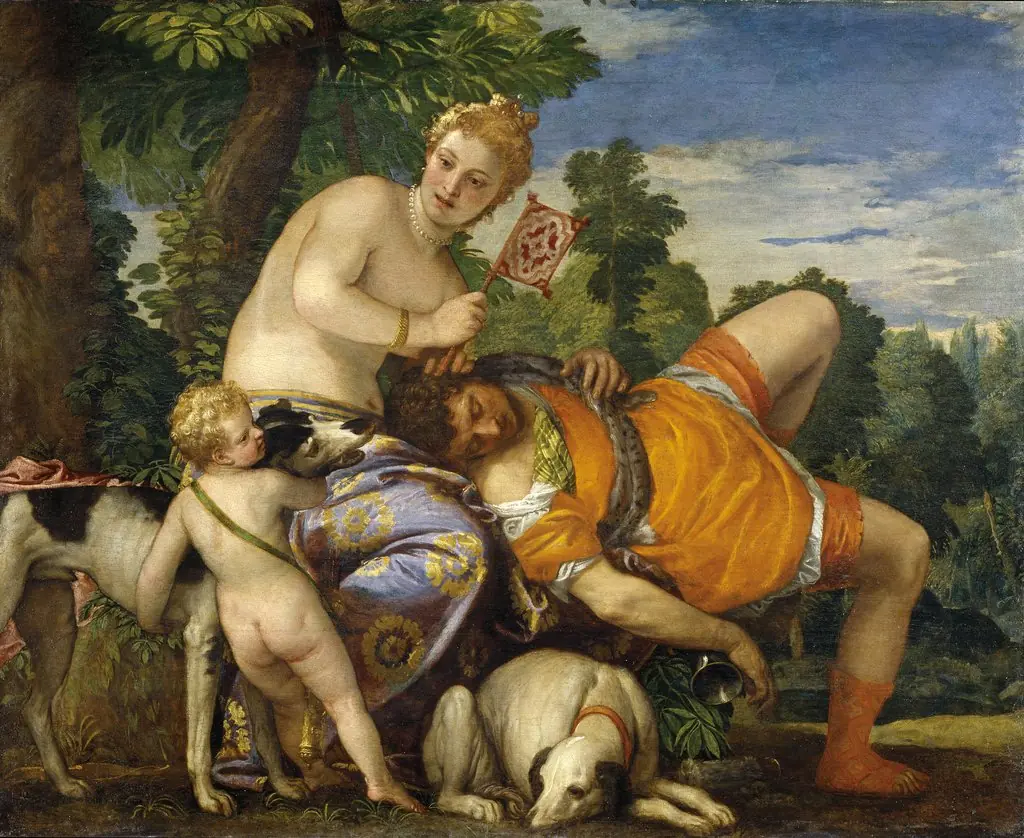 Venus and Adonis
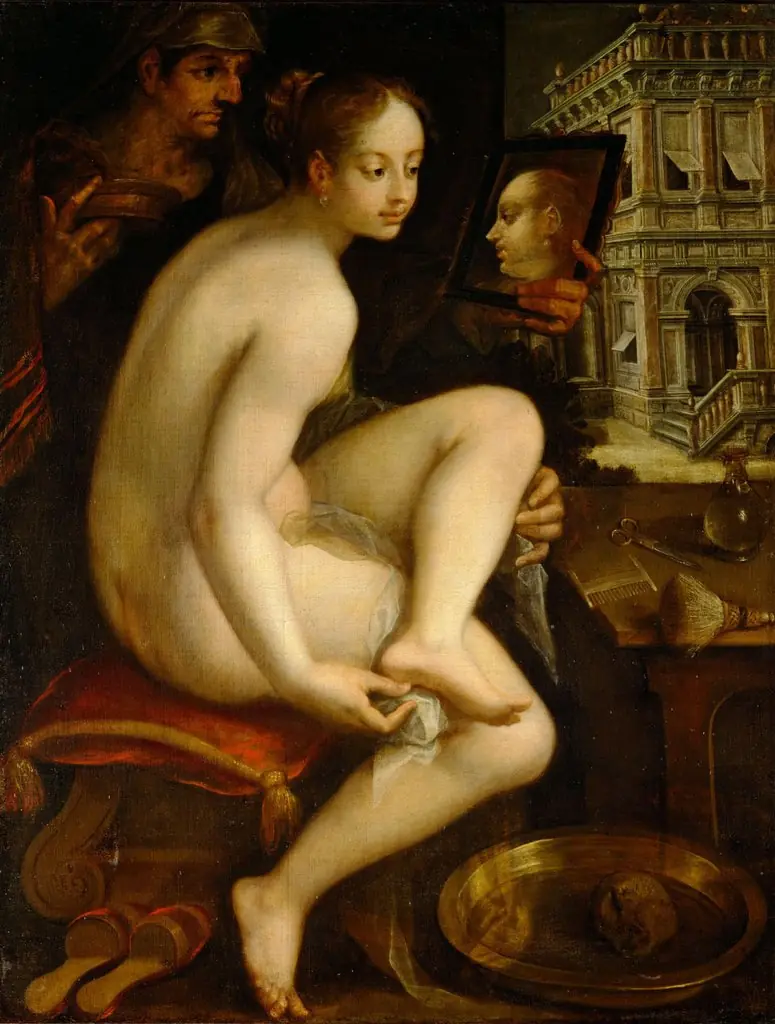 David and Bathsheba
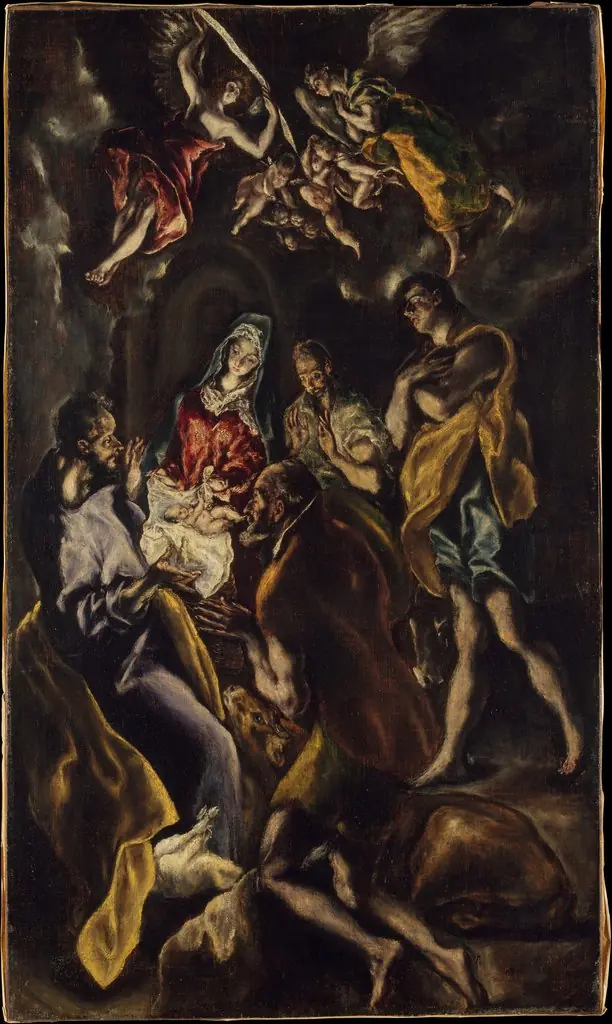 The Adoration of the Shepherds
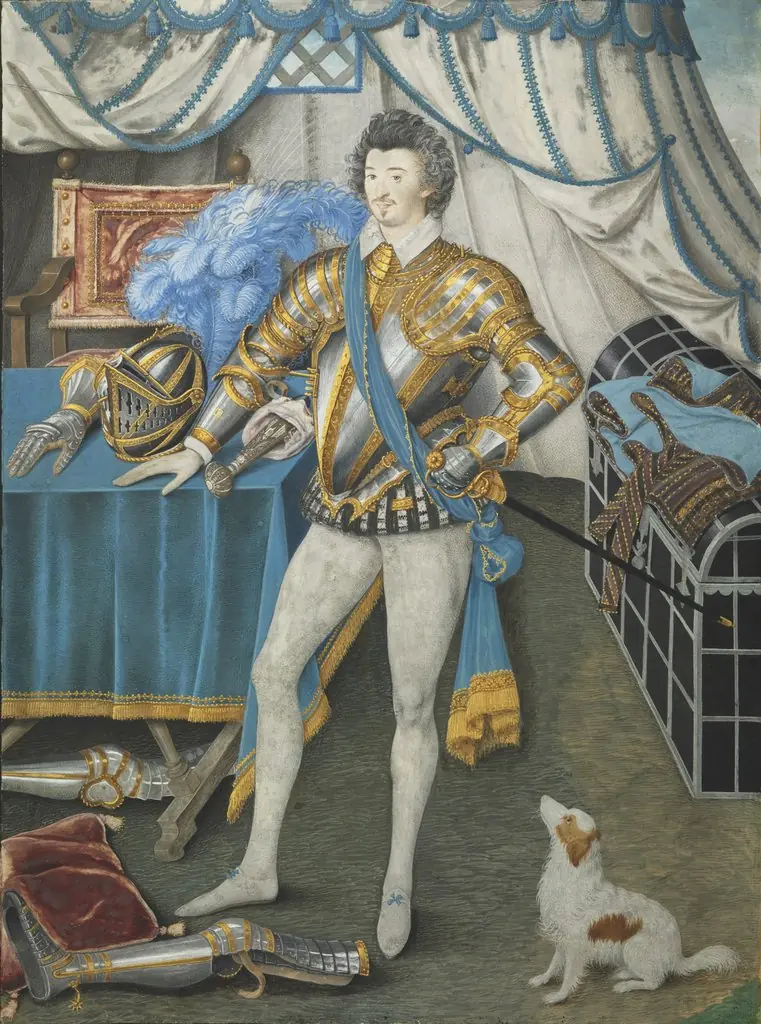 Sir Anthony Mildmay, Knight of Apethorpe, Northamptonshire
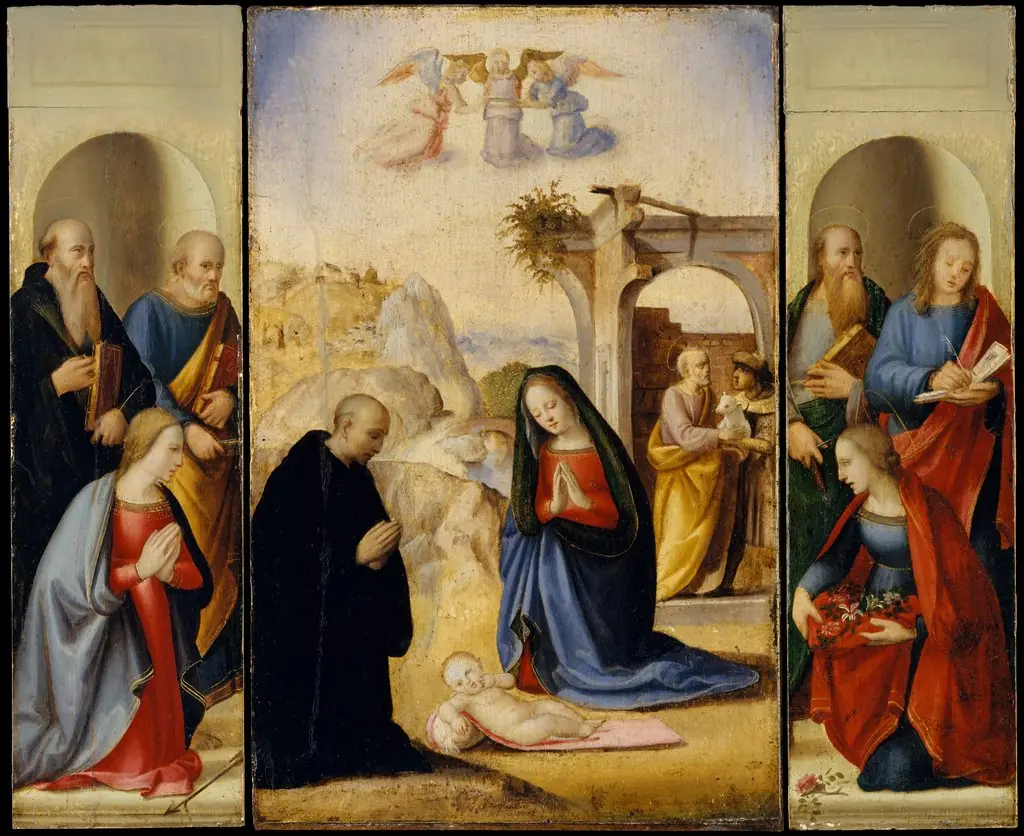 The Nativity with Saints
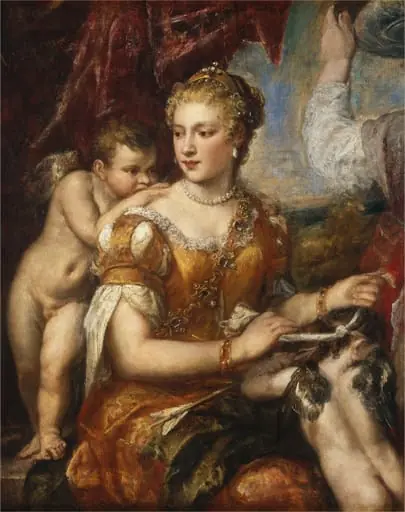 Venus Blindfolding Cupid
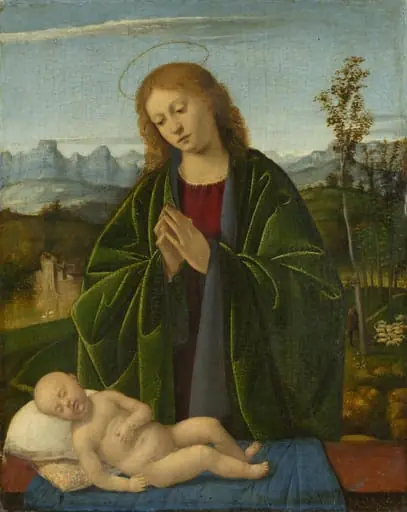 Madonna Adoring the Child
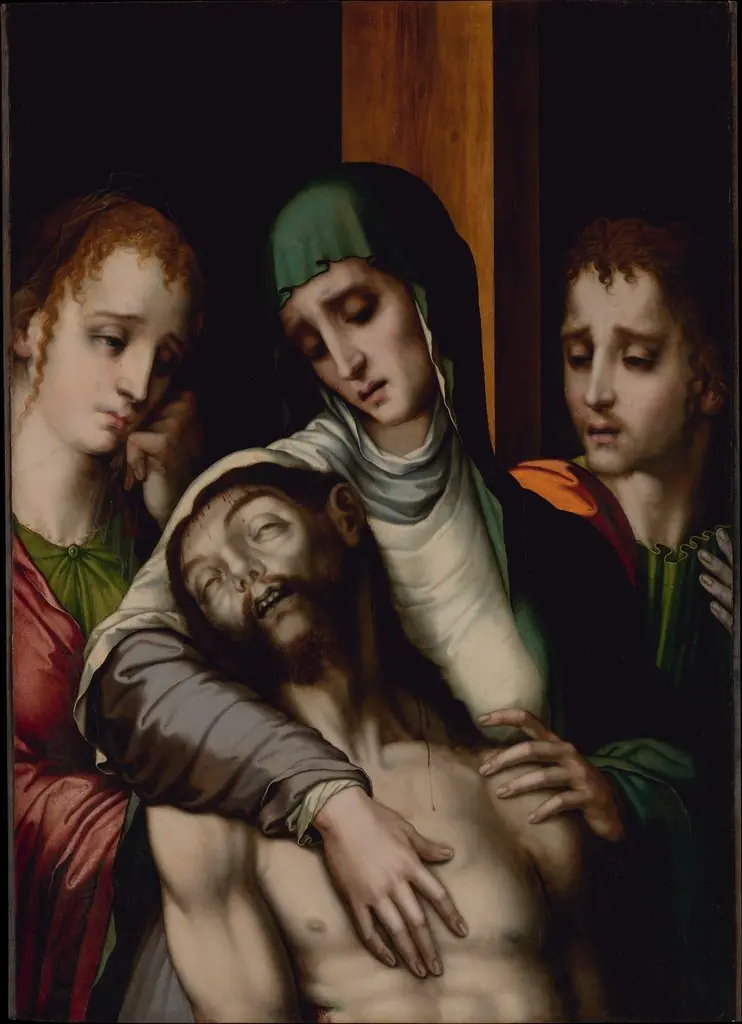 The Lamentation
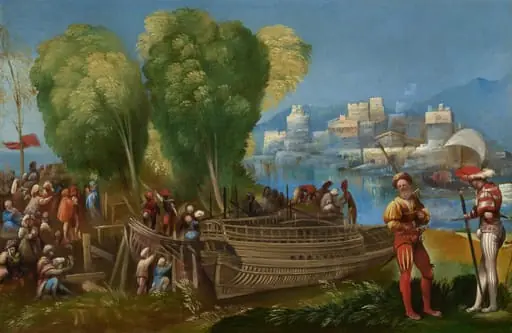 The Trojans Repairing Their Ships in Sicily
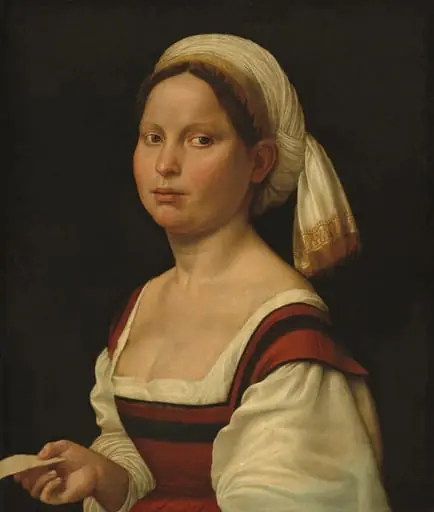 Portrait of a Young Woman
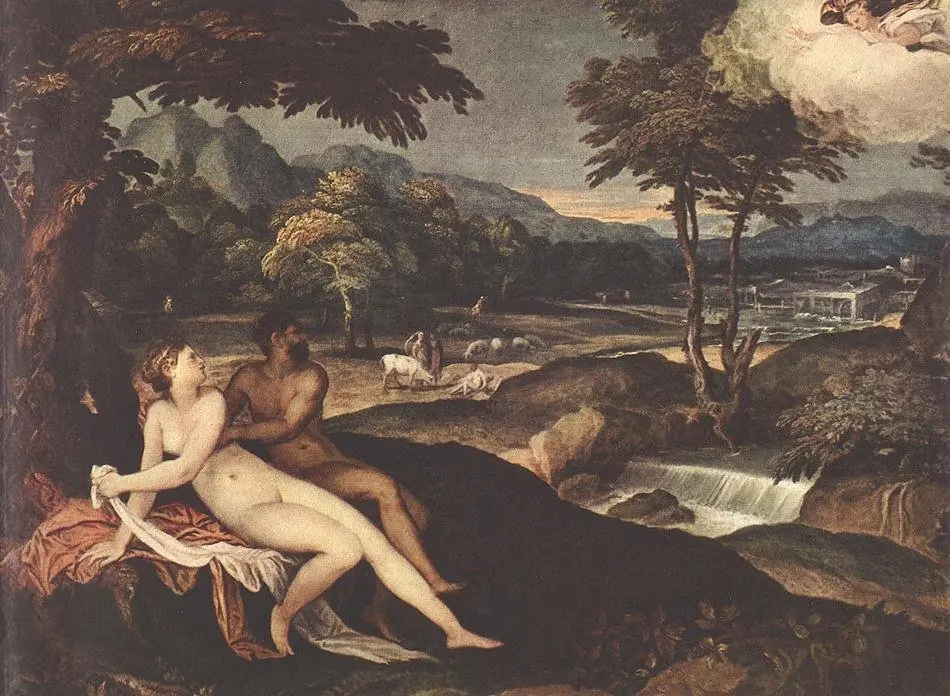 Landscape with Jupiter and Io
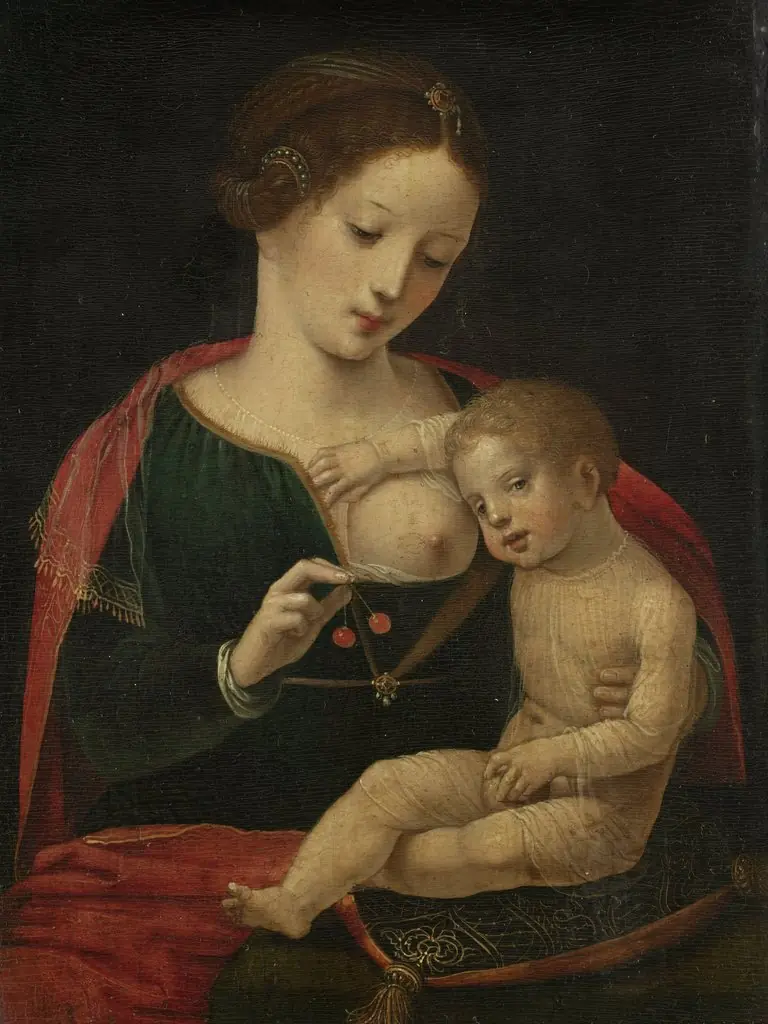 Madonna and child
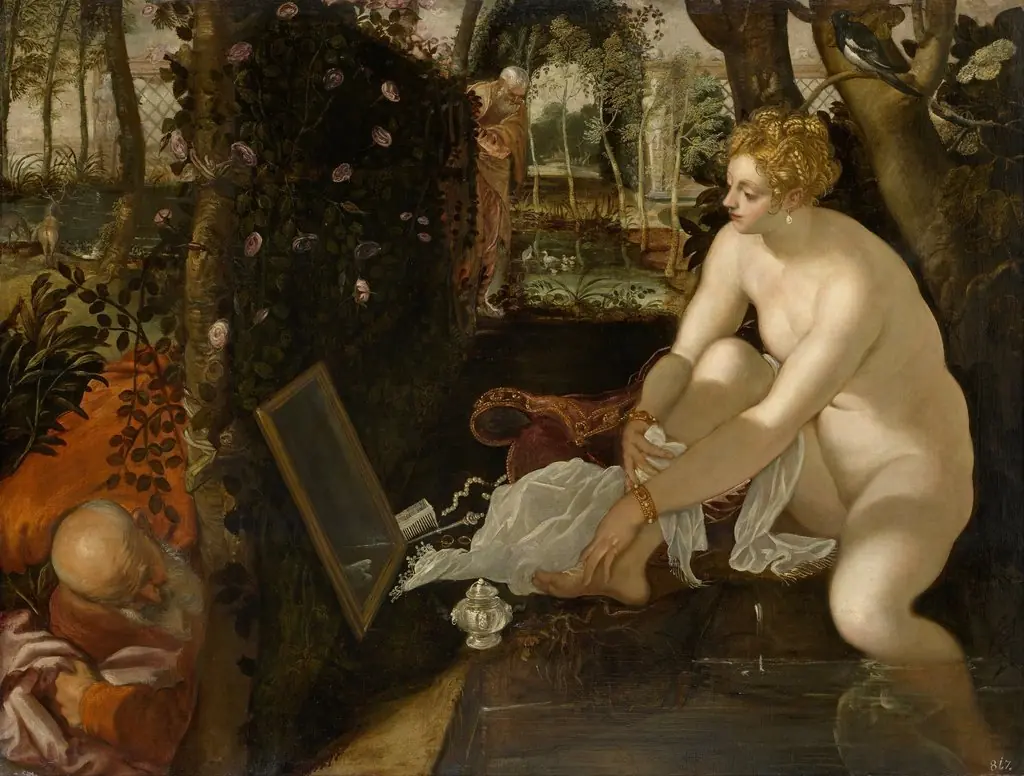 Susanna and the Elders
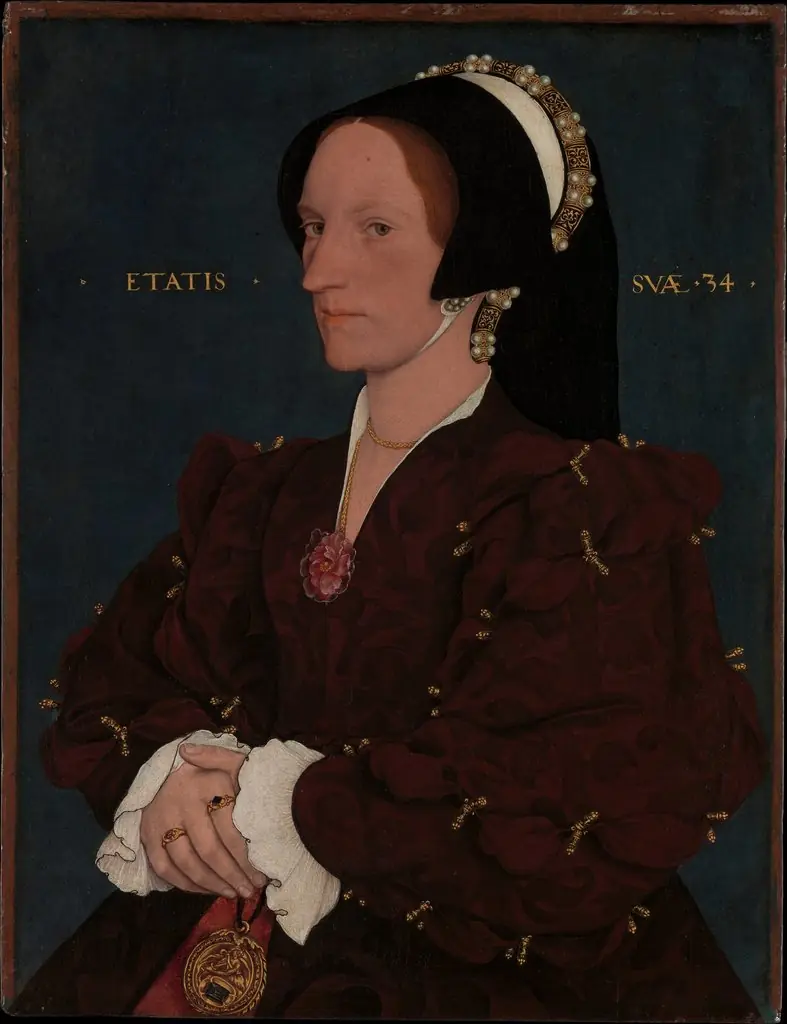 Lady Lee (Margaret Wyatt, born about 1509)
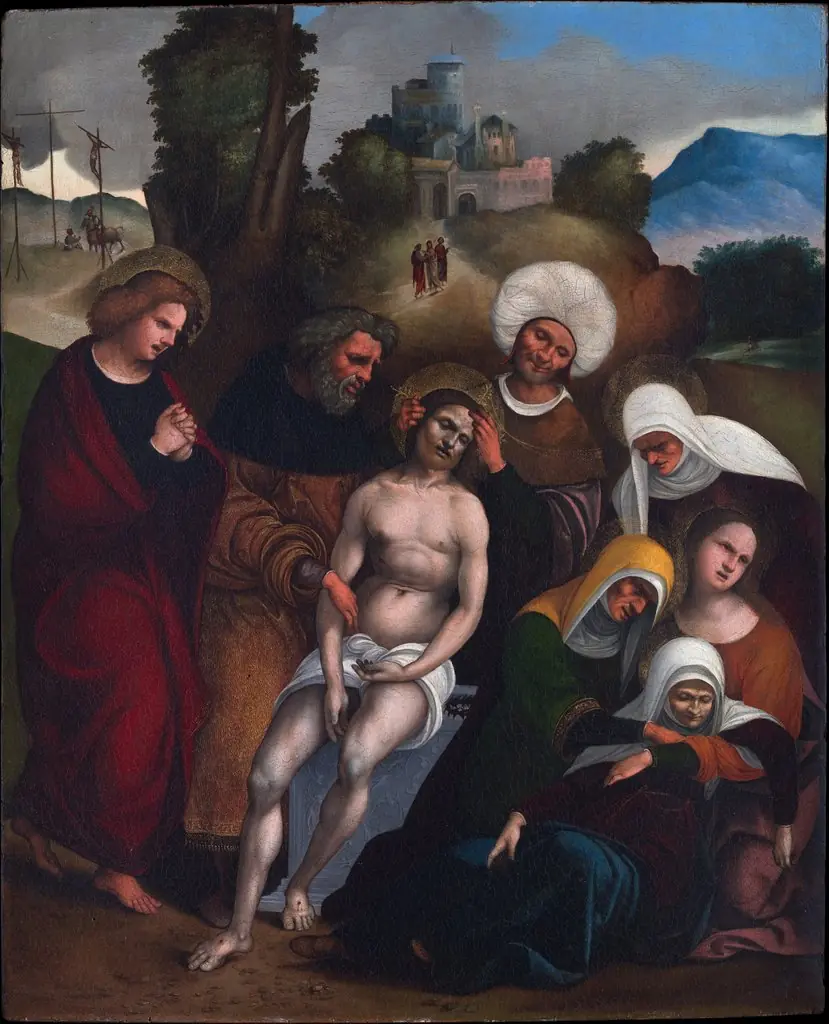 The Lamentation
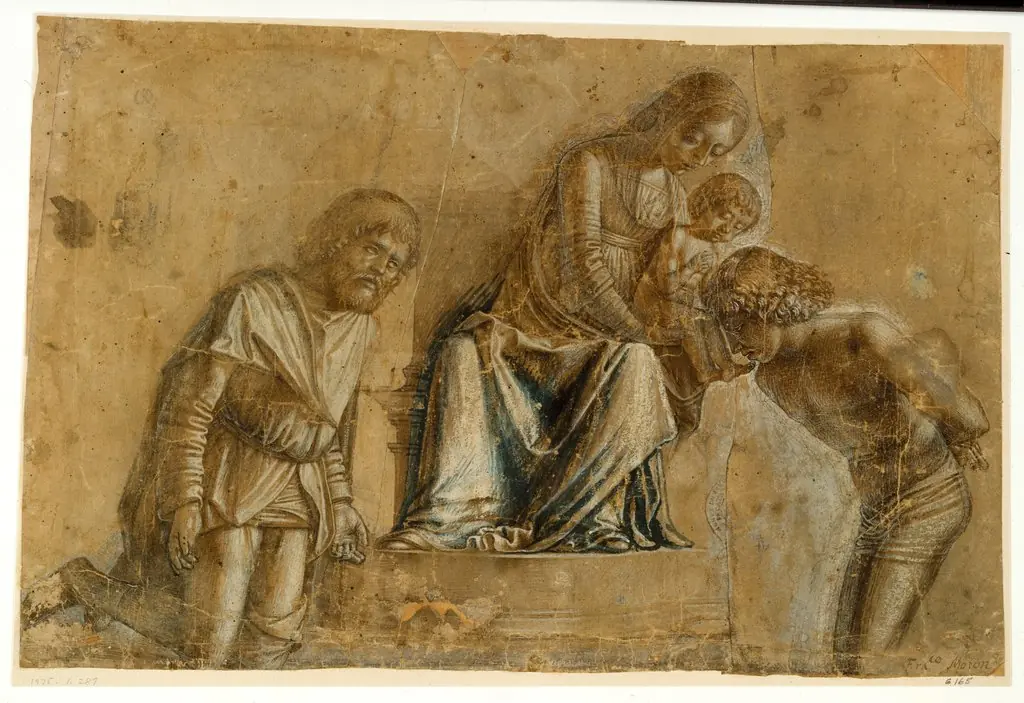 Madonna and Child with Saints Roch and Sebastian
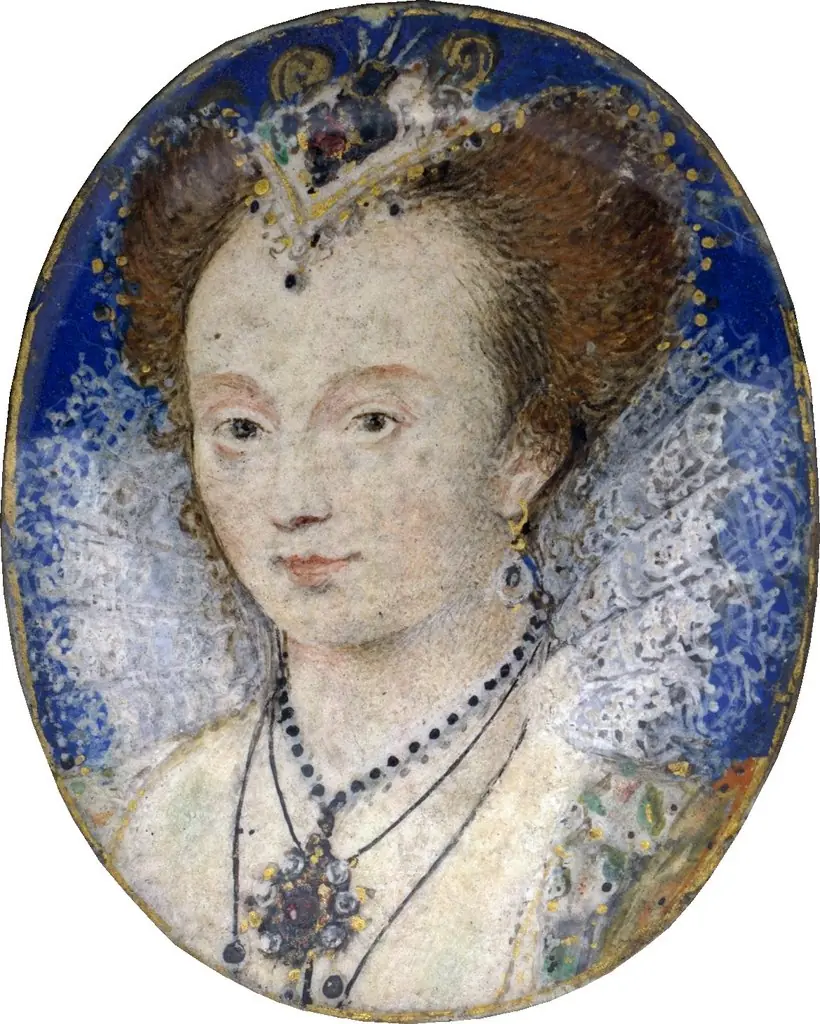 Portrait of a Woman
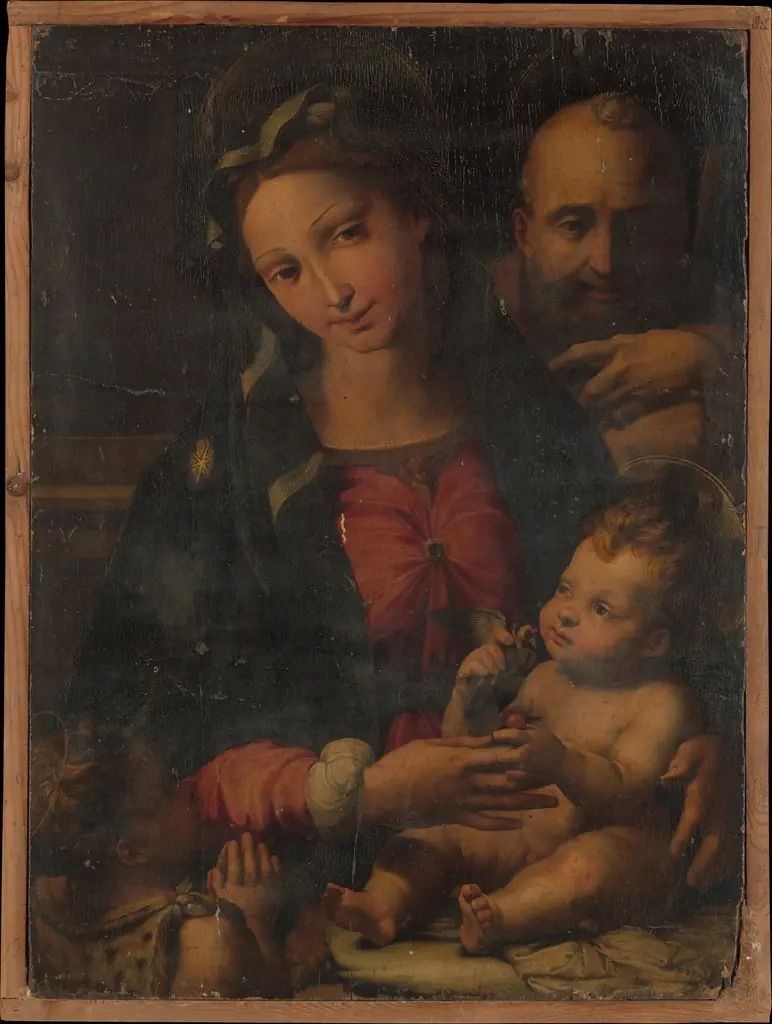 The Holy Family with the Infant Saint John the Baptist
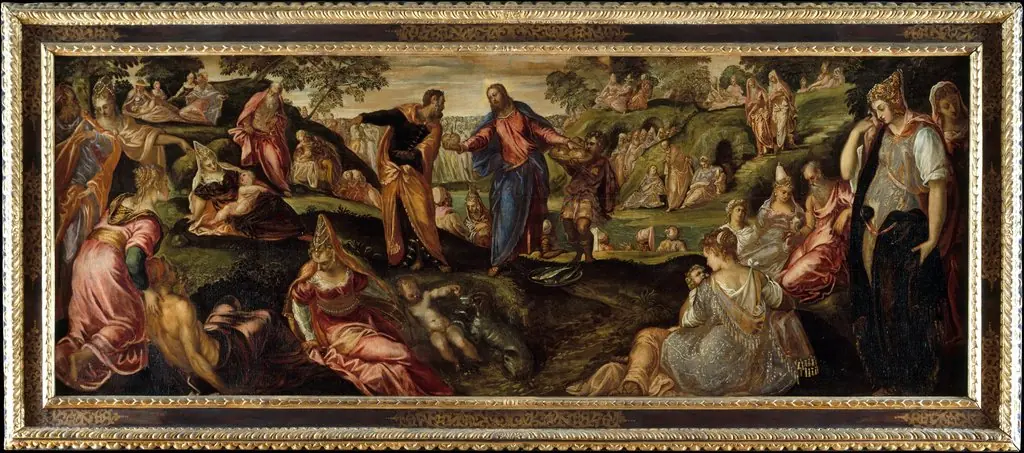 The Miracle of the Loaves and Fishes
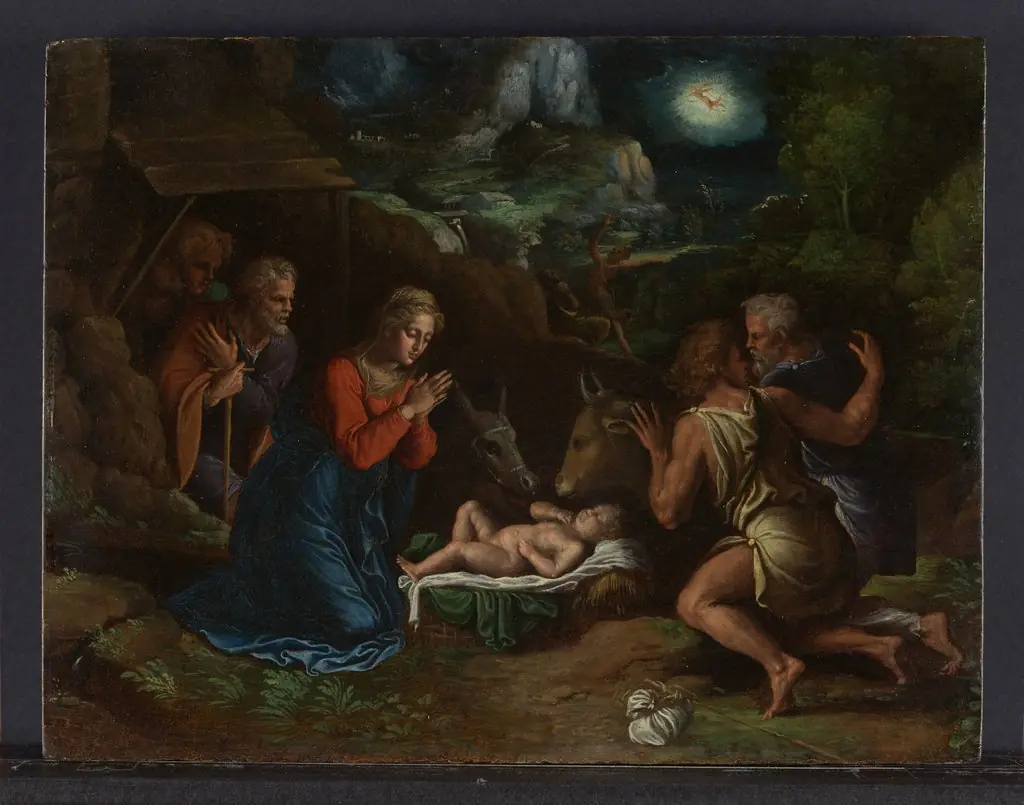 The Adoration of the Shepherds
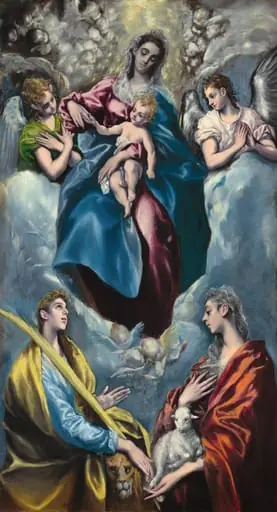 Madonna and Child with Saint Martina and Saint Agnes
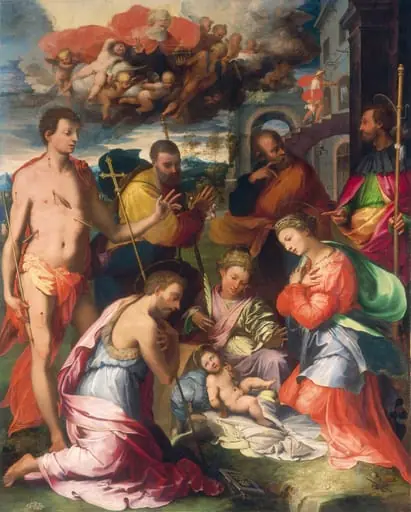 The Nativity
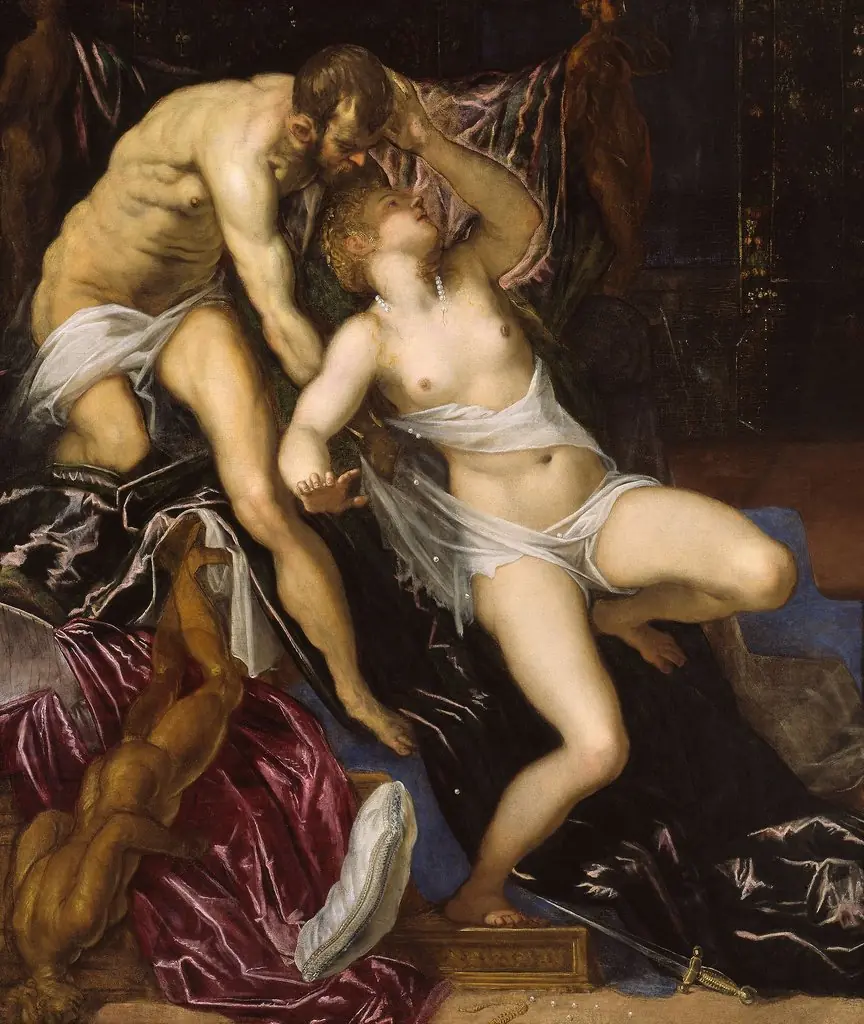 Tarquin and Lucretia
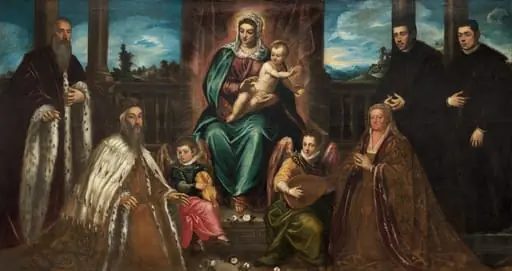 Doge Alvise Mocenigo and Family before the Madonna and Child
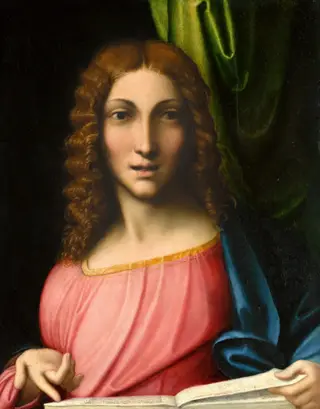 Salvator Mundi
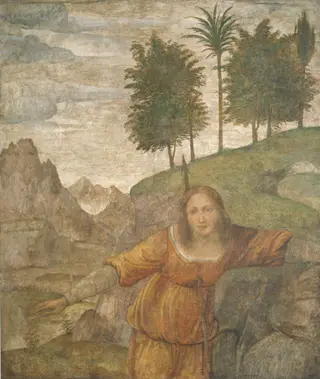 Procris Pierced by Cephalus' Javelin
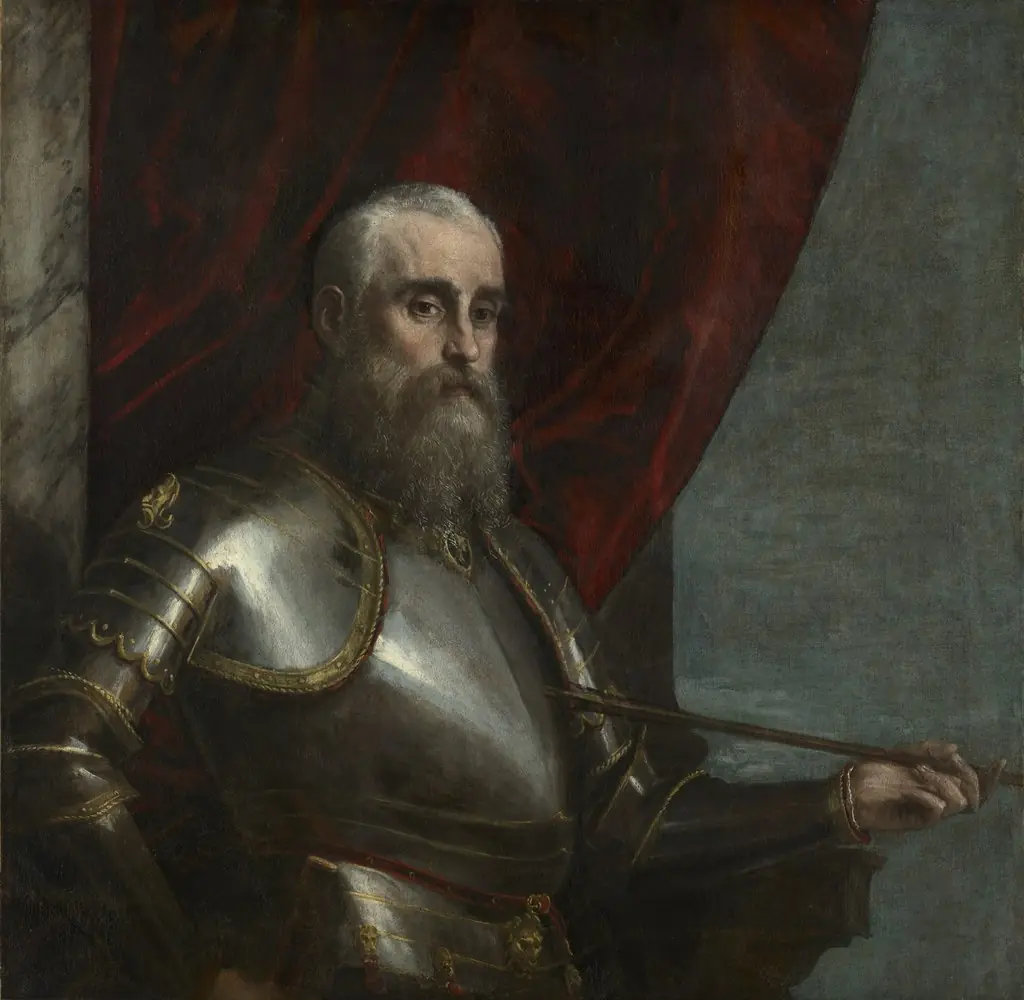 Portrait of Agostino Barbarigo
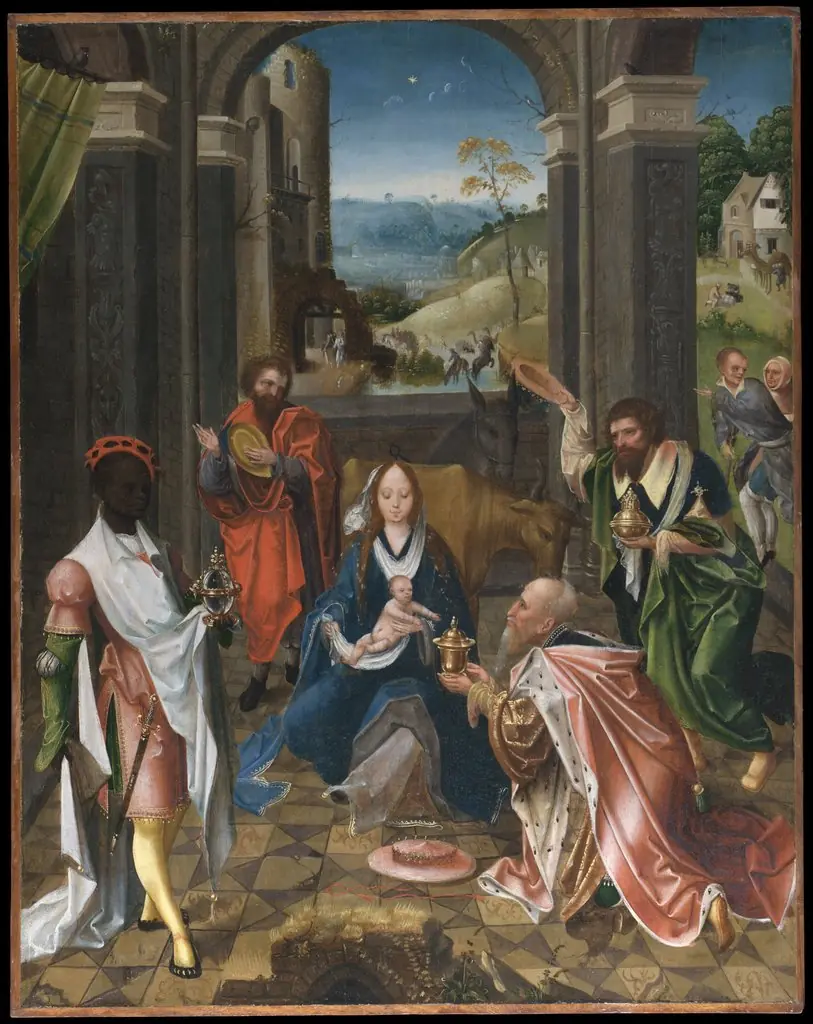 The Adoration of the Magi
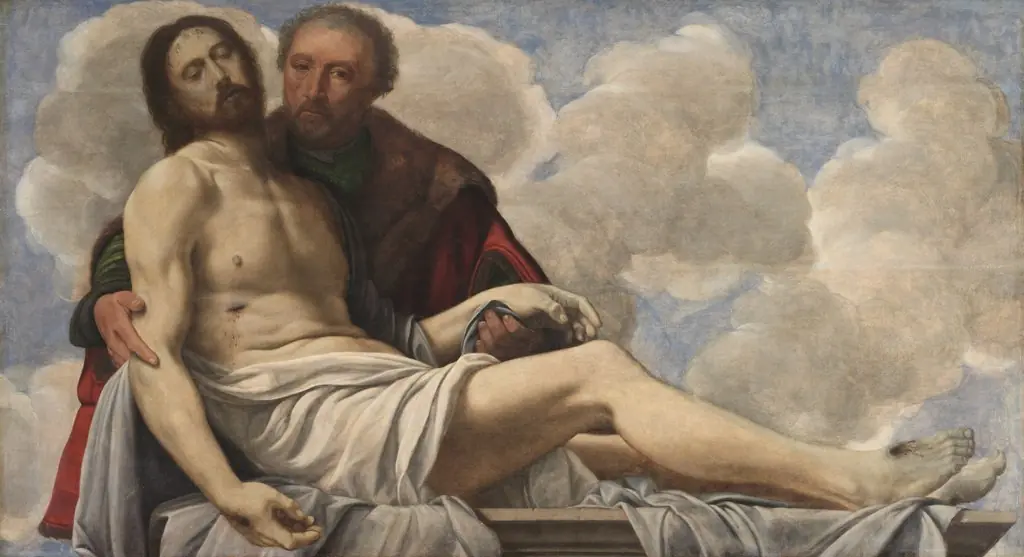 Christ with Joseph of Arimathea
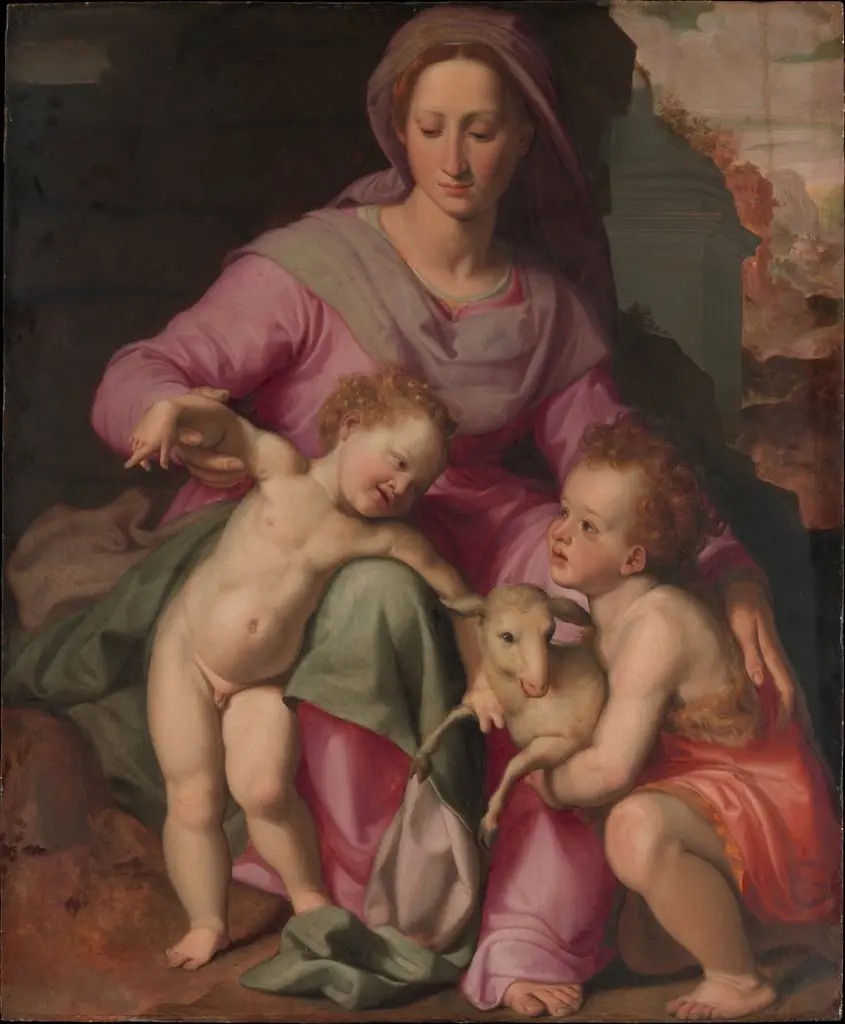 Madonna and Child with the Infant Saint John the Baptist
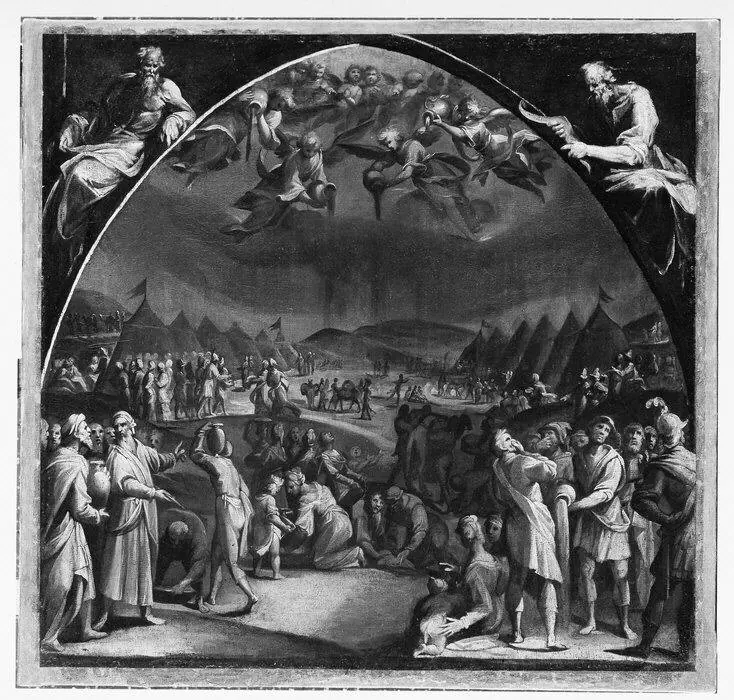 The Gathering of Manna
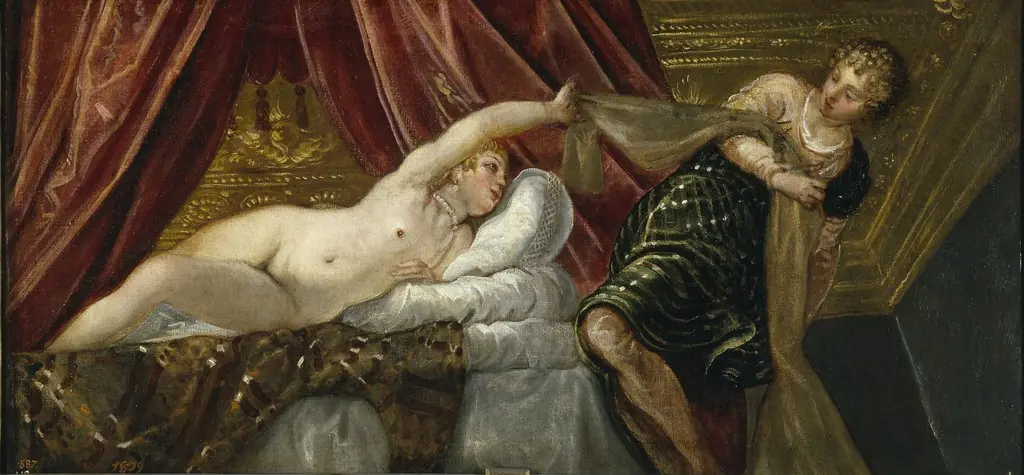 Joseph and Potiphar's Wife
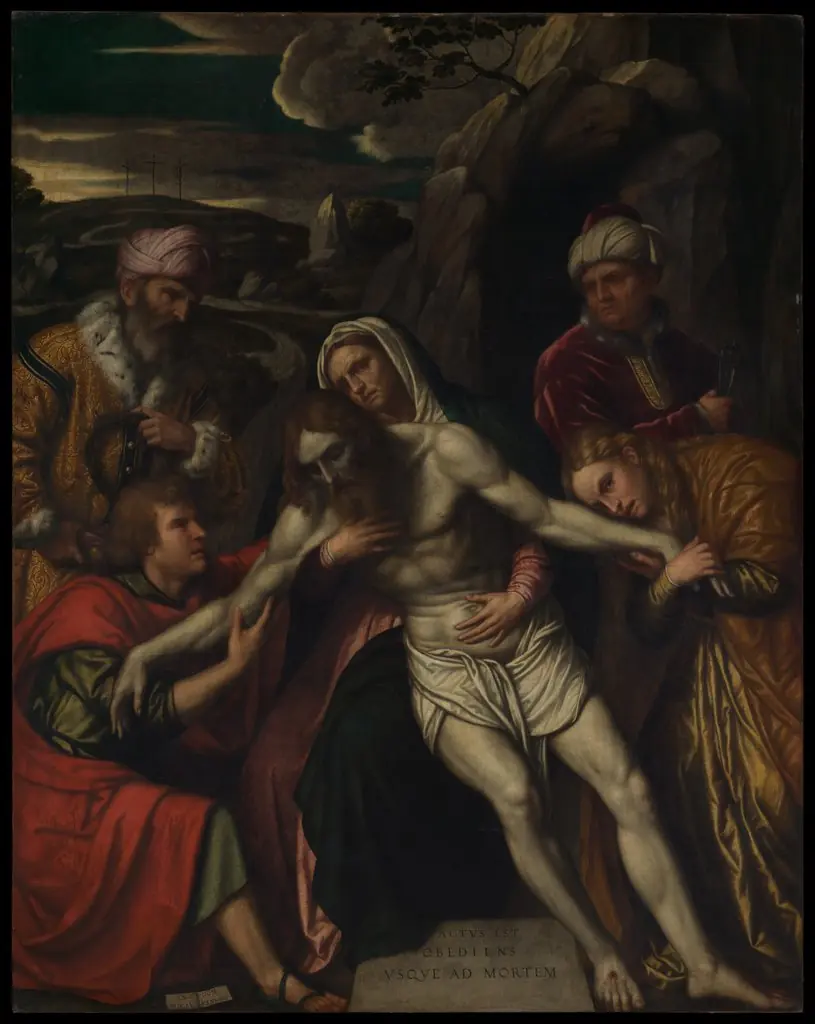 The Entombment
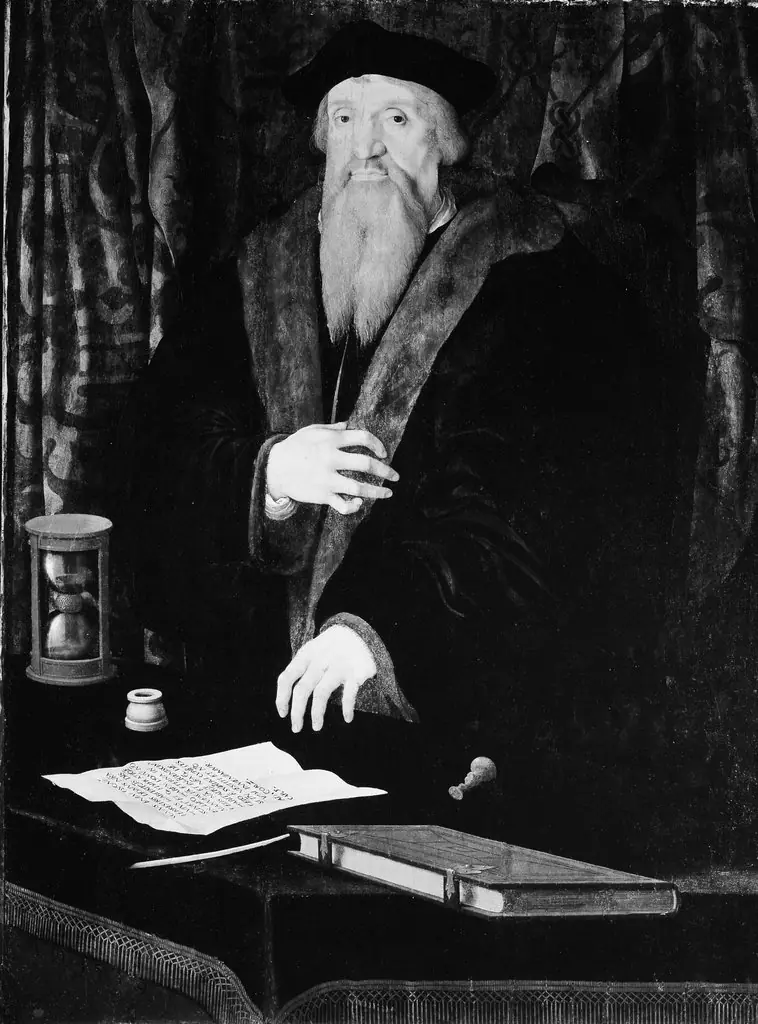 Portrait of a Man, Possibly Jean de Langeac (died 1541), Bishop of Limoges
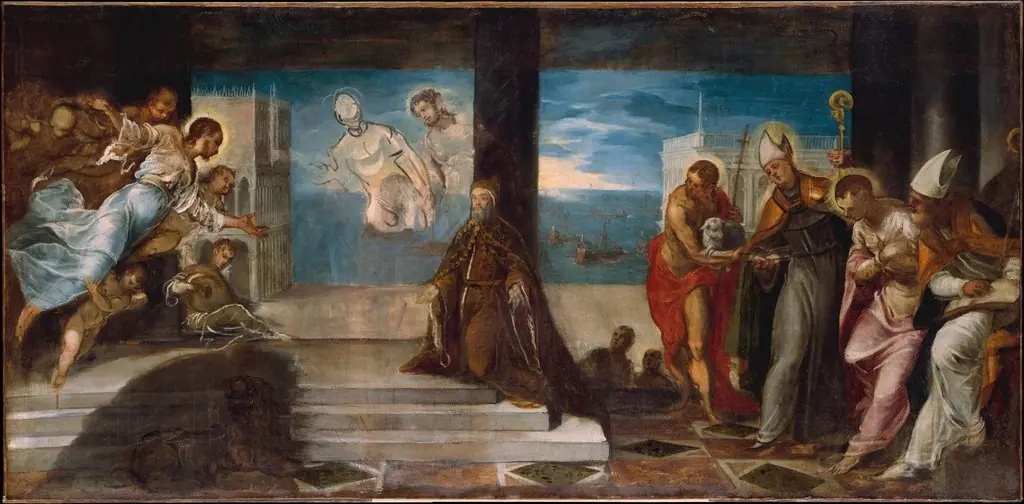 Doge Alvise Mocenigo (1507–1577) Presented to the Redeemer
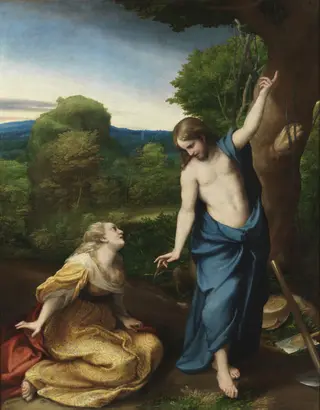 Noli me tangere
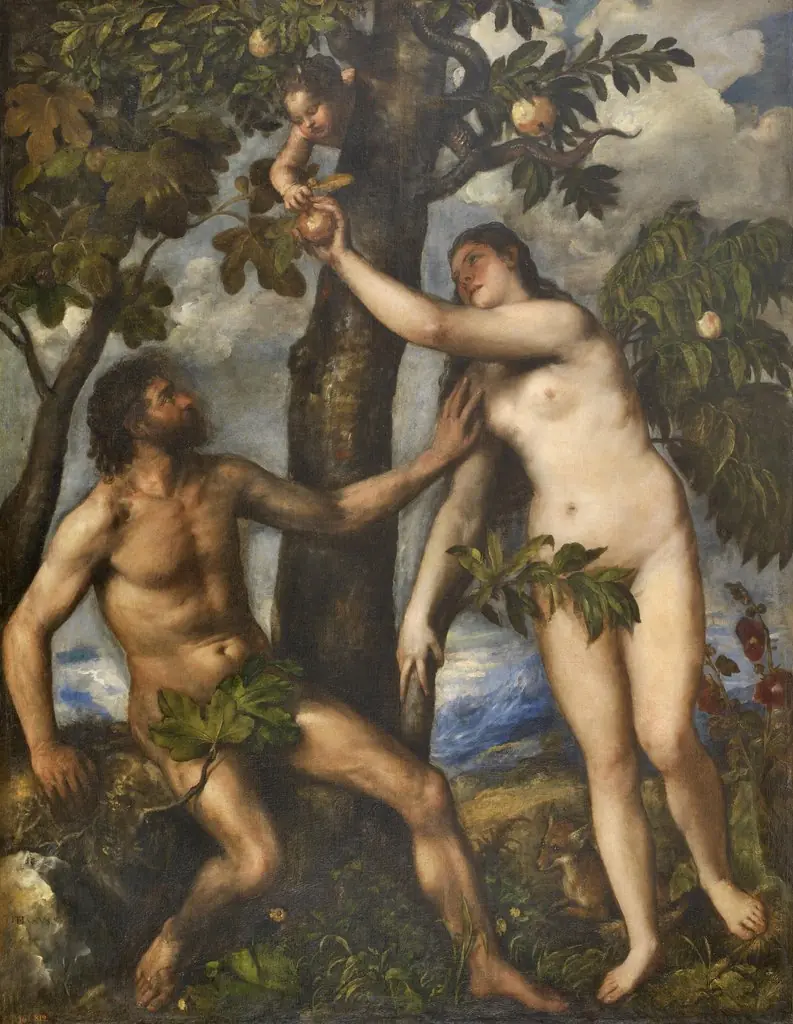 The Fall of Man
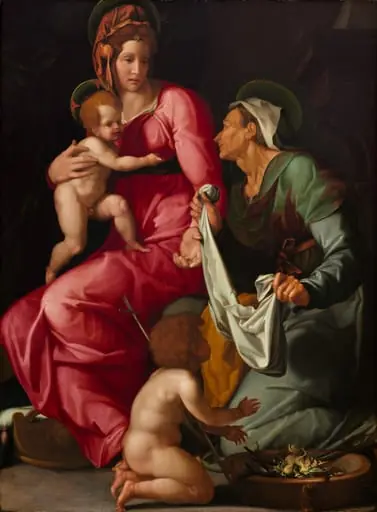 Madonna and Child with Saint Elizabeth and Saint John the Baptist
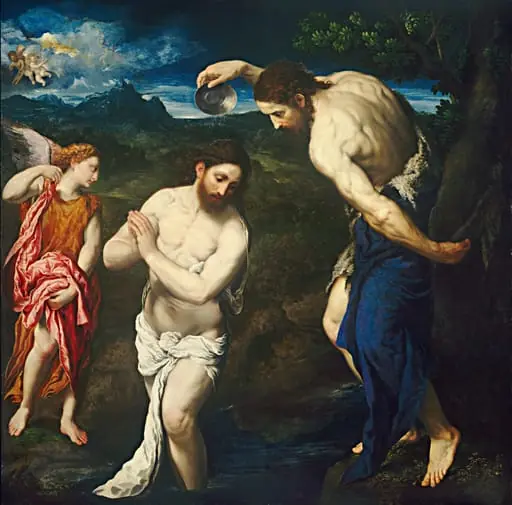 The Baptism of Christ
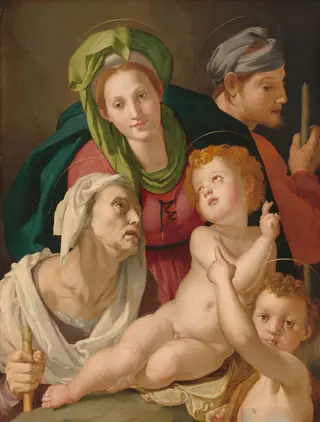 The Holy Family
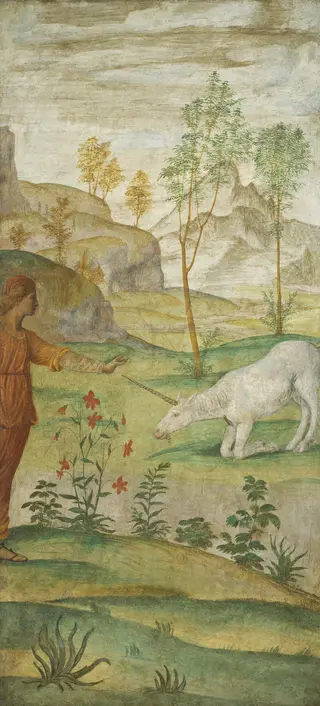 Procris and the Unicorn
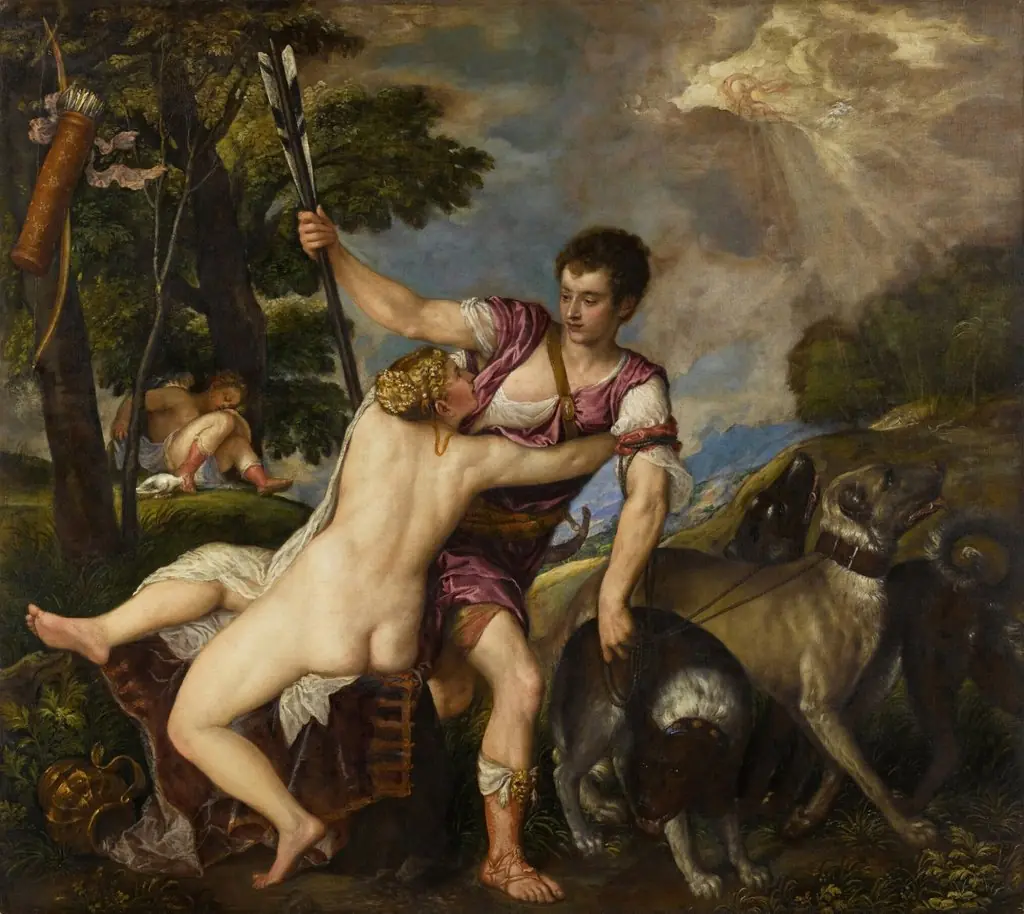 Venus and Adonis
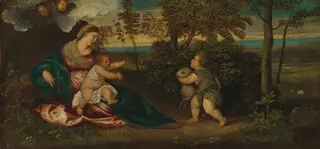 Madonna and Child and the Infant Saint John in a Landscape
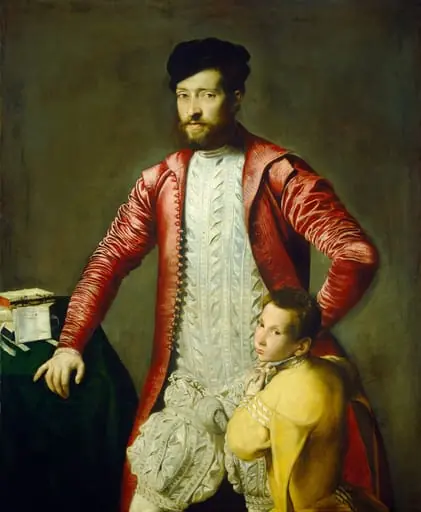 Alessandro Alberti with a Page
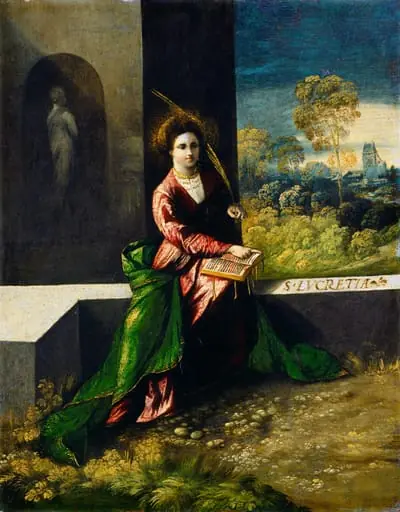 Saint Lucretia
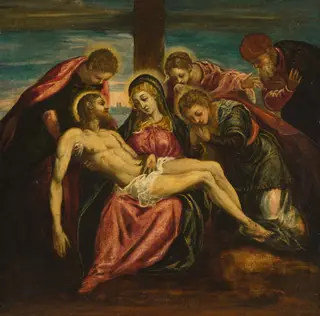 Lamentation
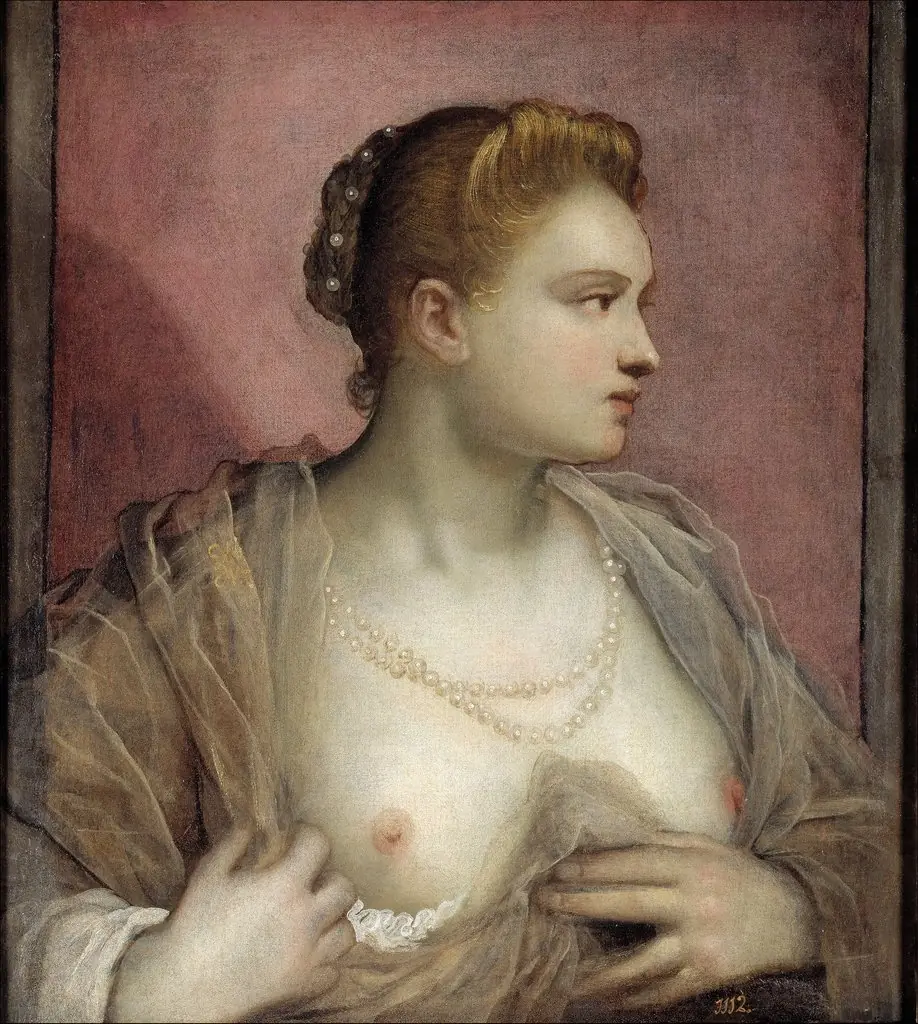 Portrait of a Bare-Breasted Woman
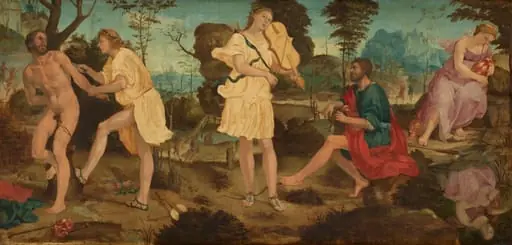 Apollo and Marsyas
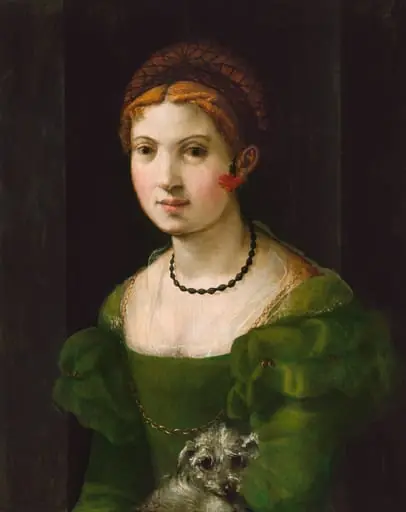 Portrait of a Young Woman
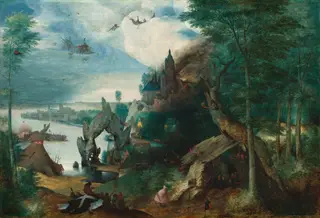 The Temptation of Saint Anthony
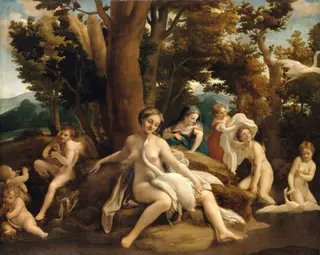 Leda and the Swan
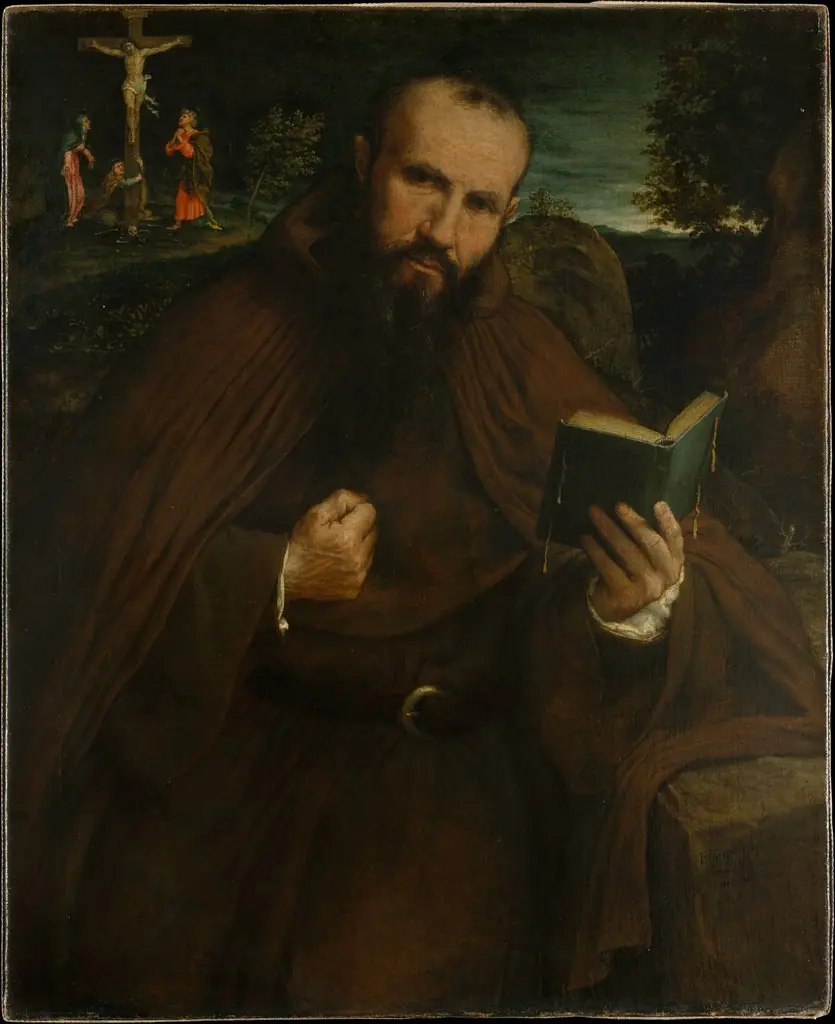 Brother Gregorio Belo of Vicenza
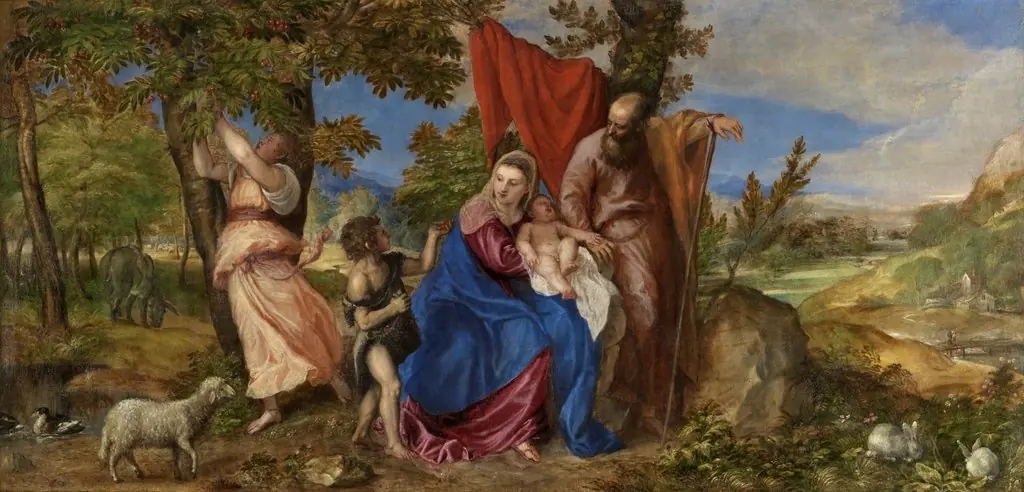 Rest on the Flight into Egypt
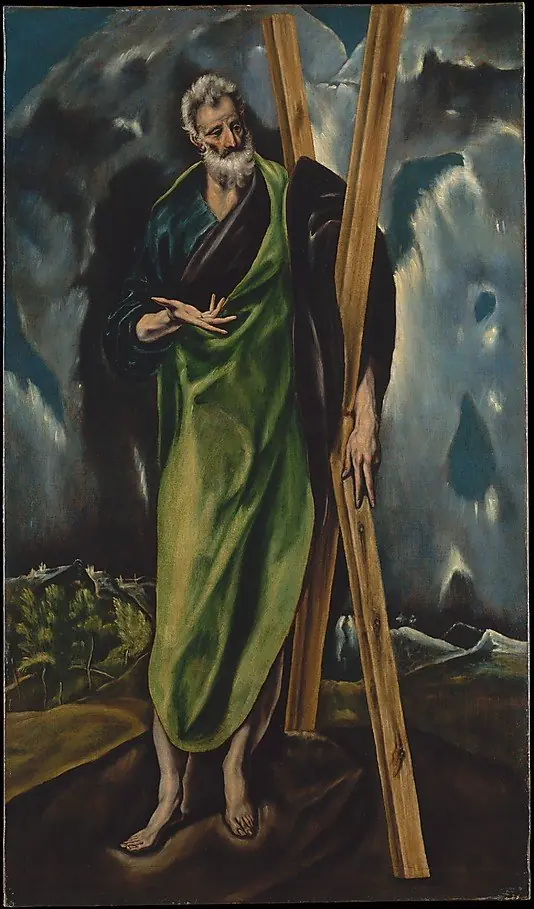 Saint Andrew
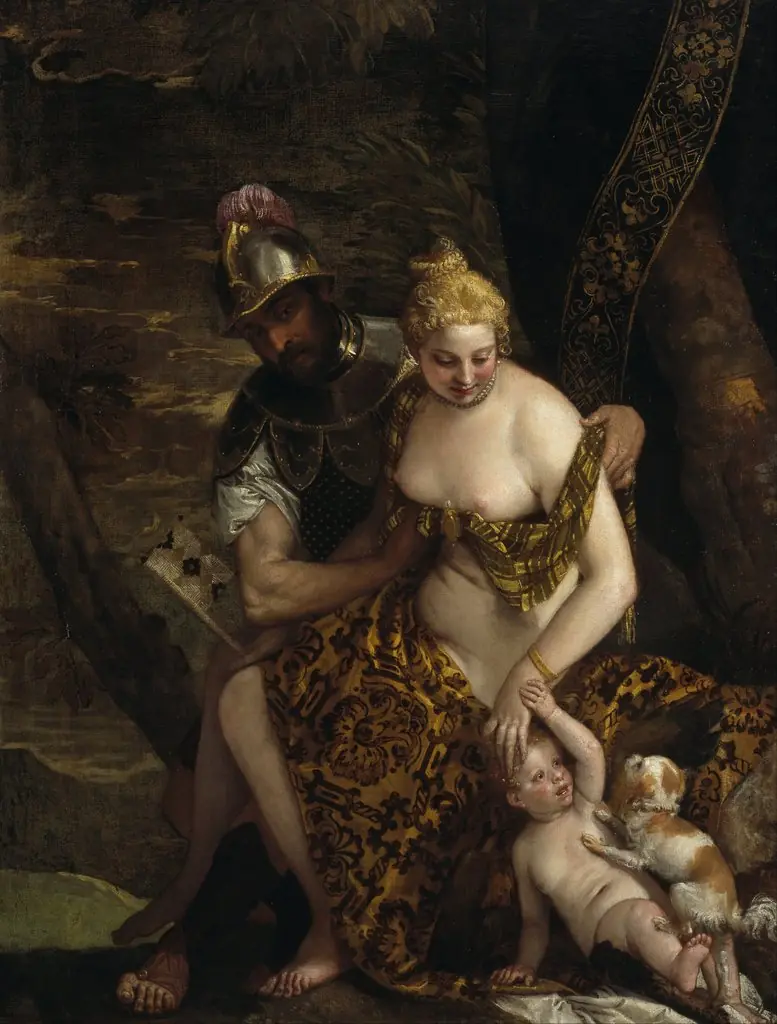 Mars and Venus with Cupid and a Dog
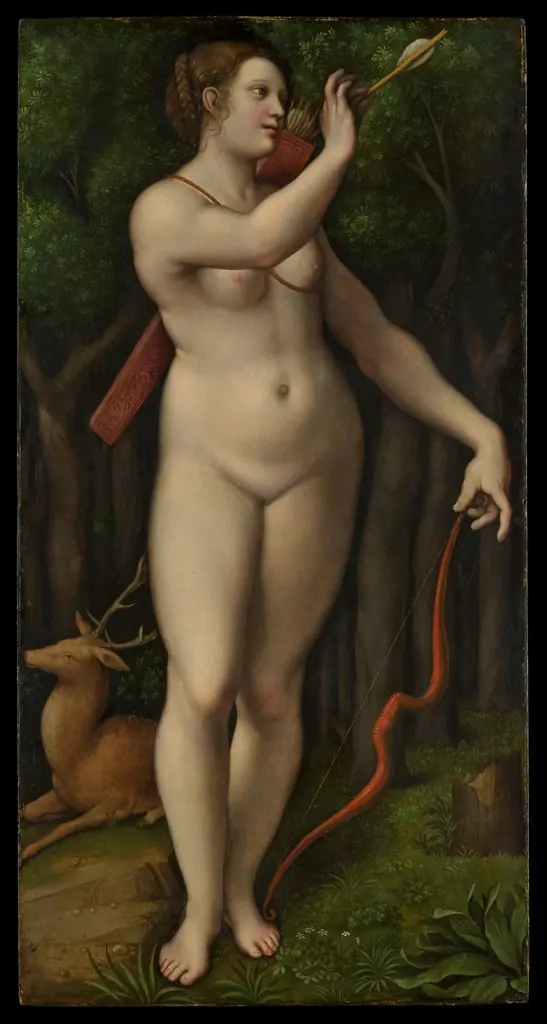 Diana the Huntress
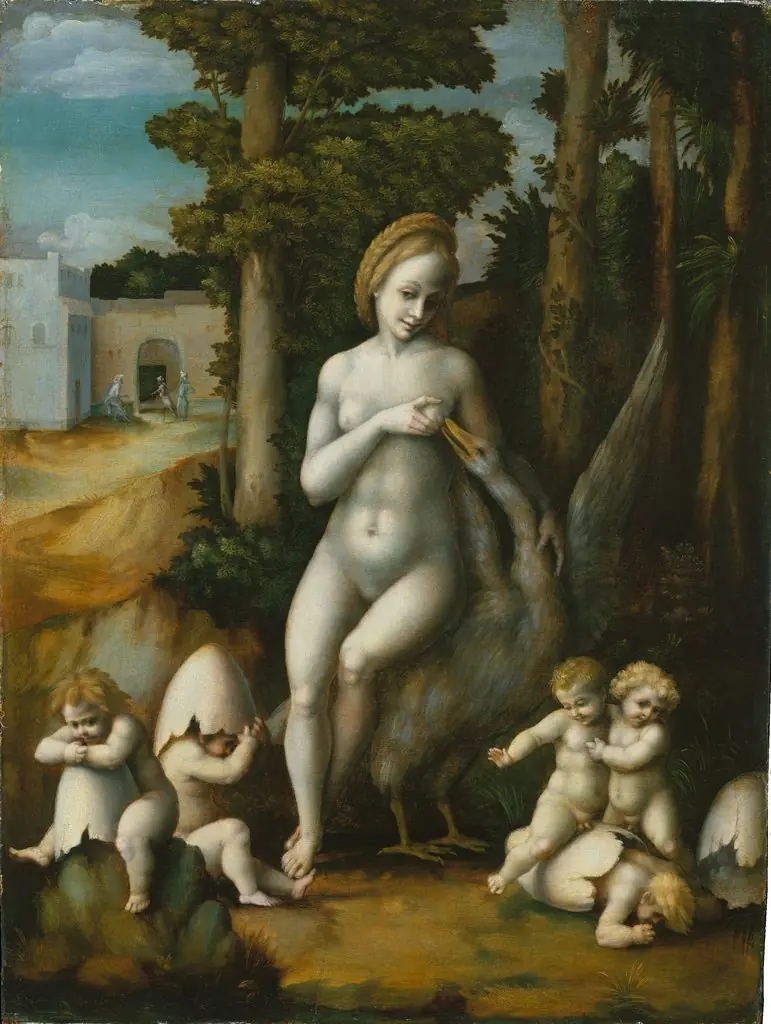 Leda and the Swan
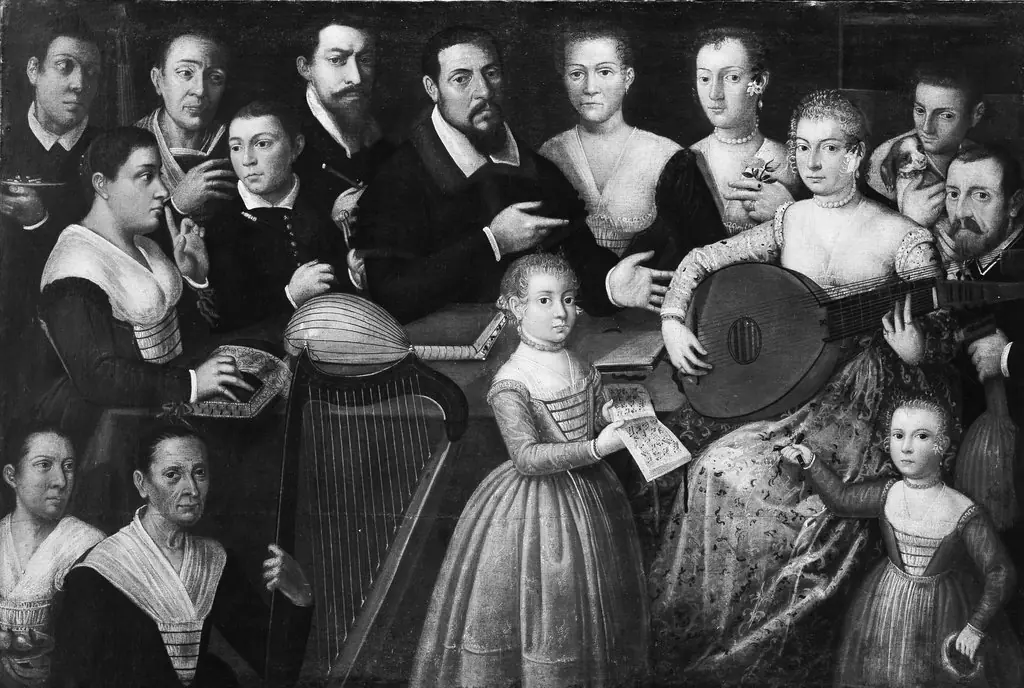 Portrait of a Family
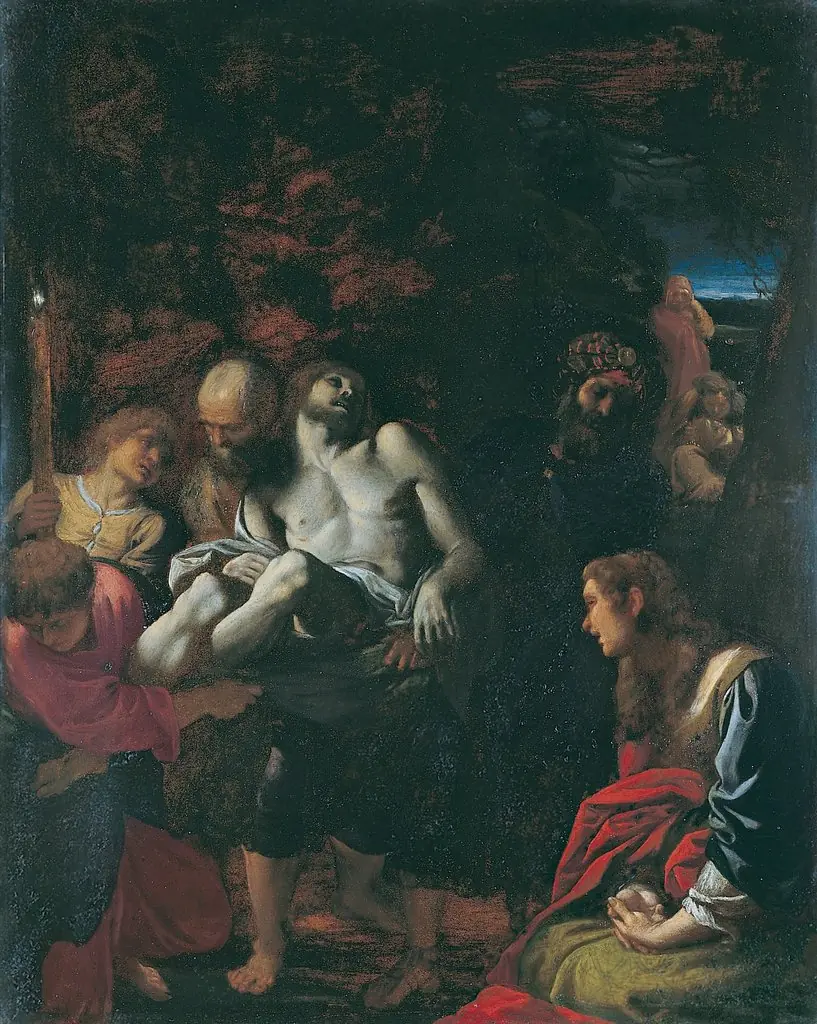 The Burial of Christ
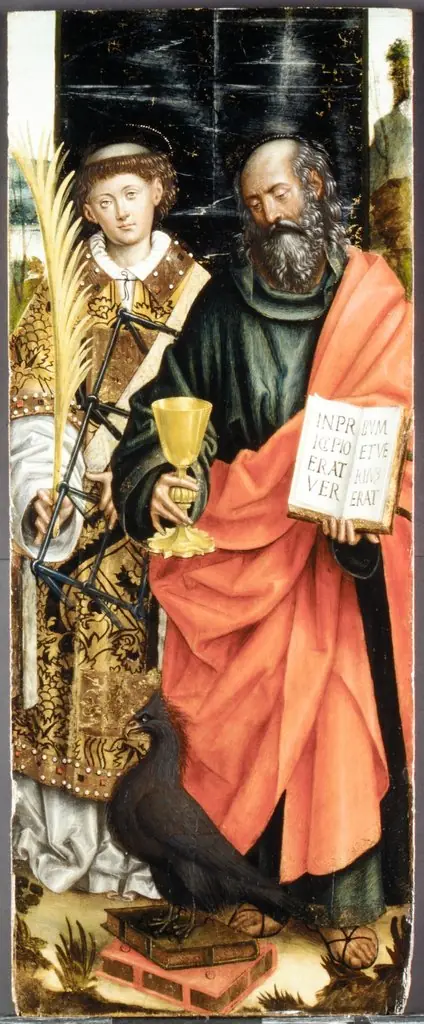 Saints John the Evangelist and Lawrence
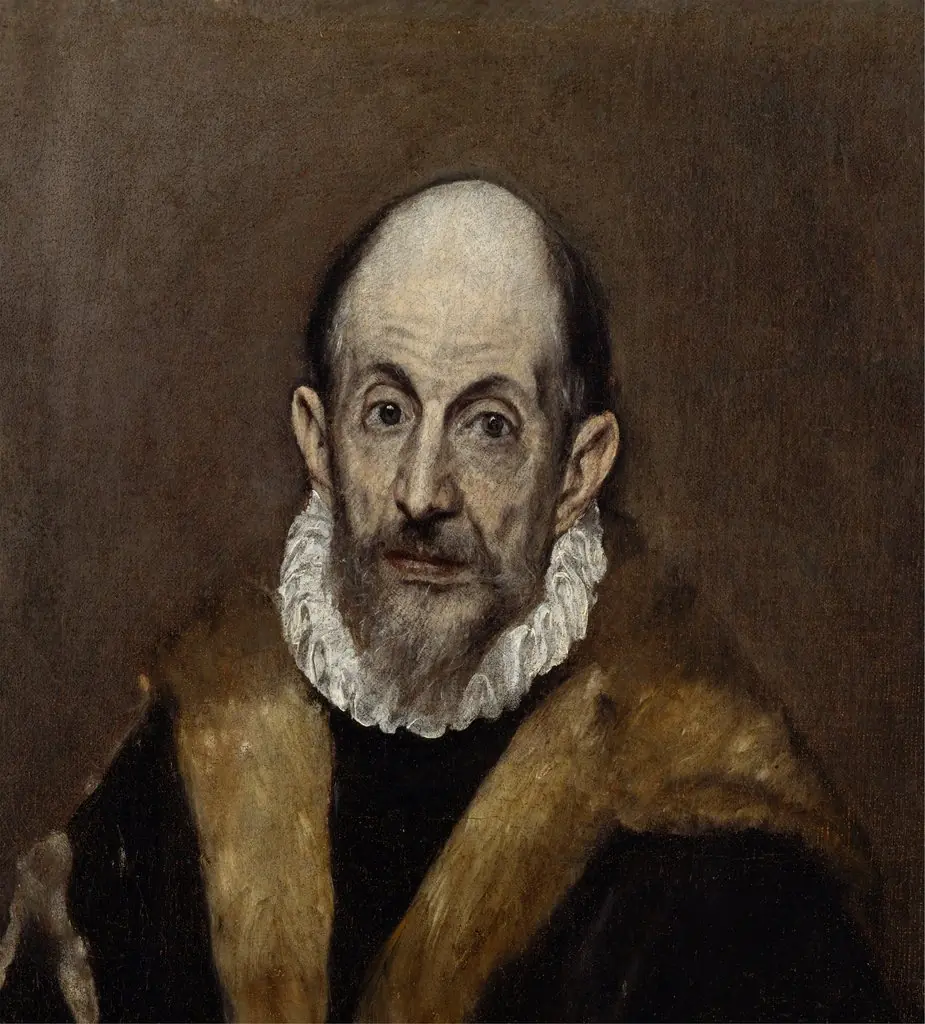 Self-Portrait (?)
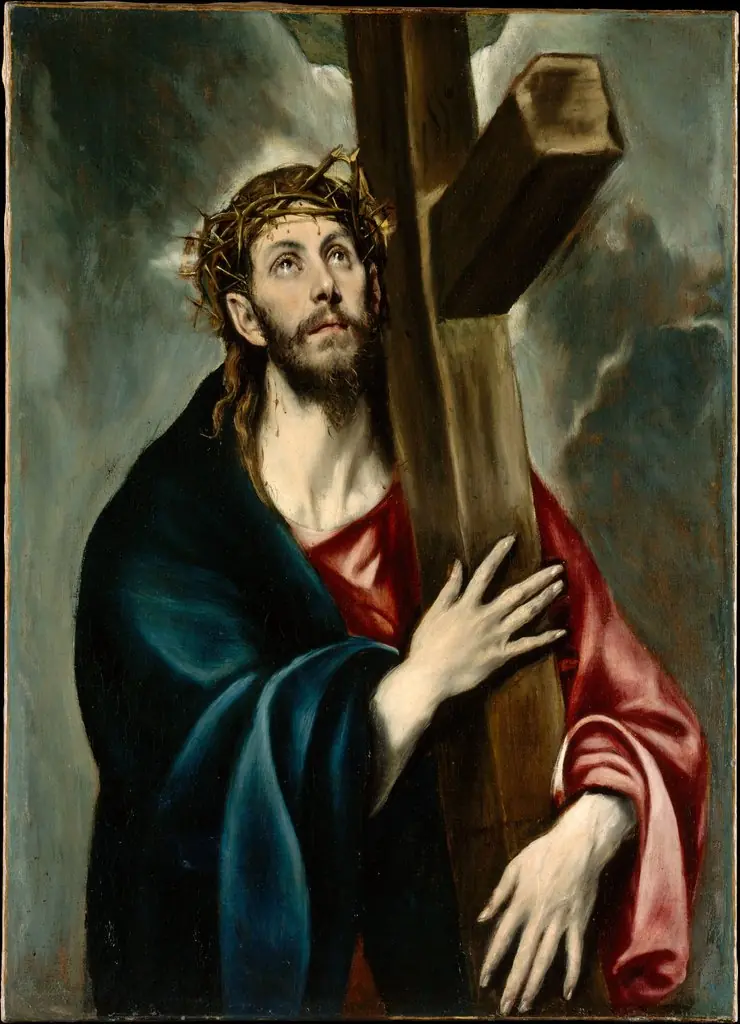 Christ Carrying the Cross
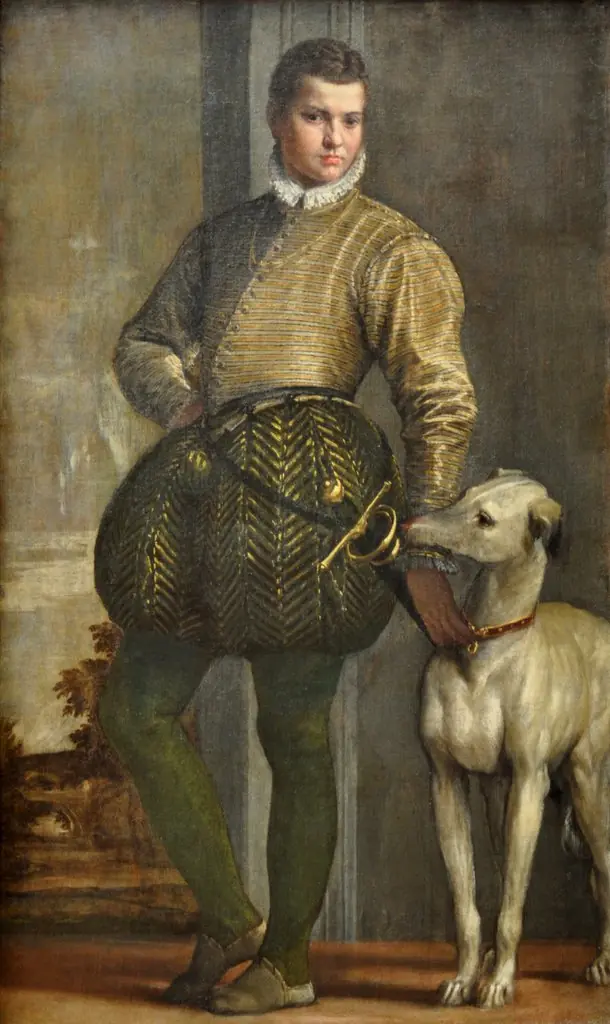 Boy with a Greyhound
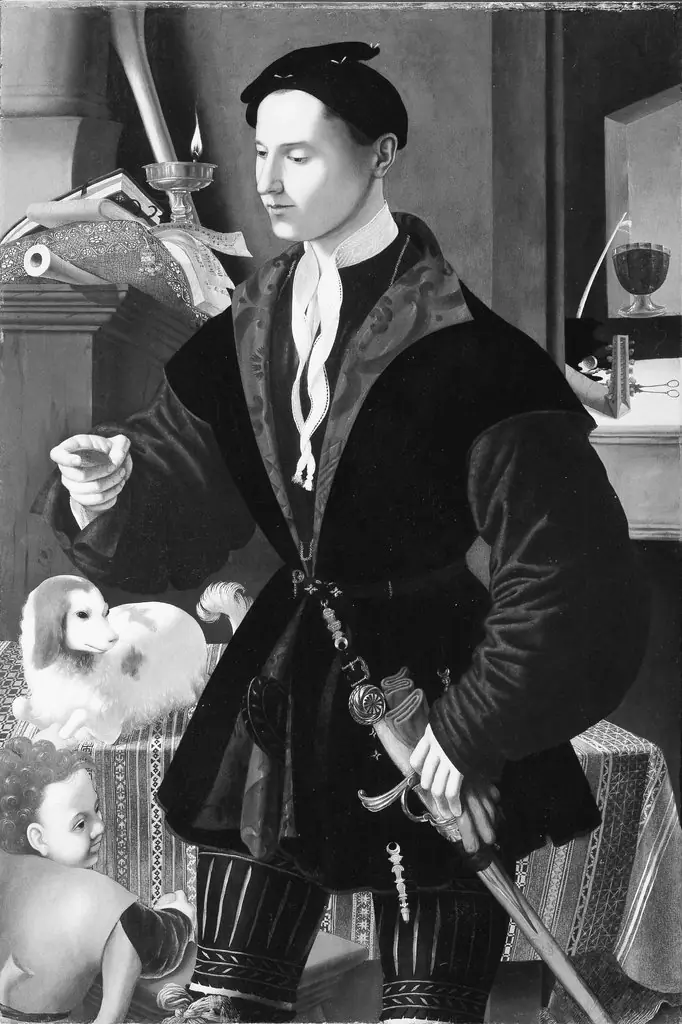 Portrait of a Young Man
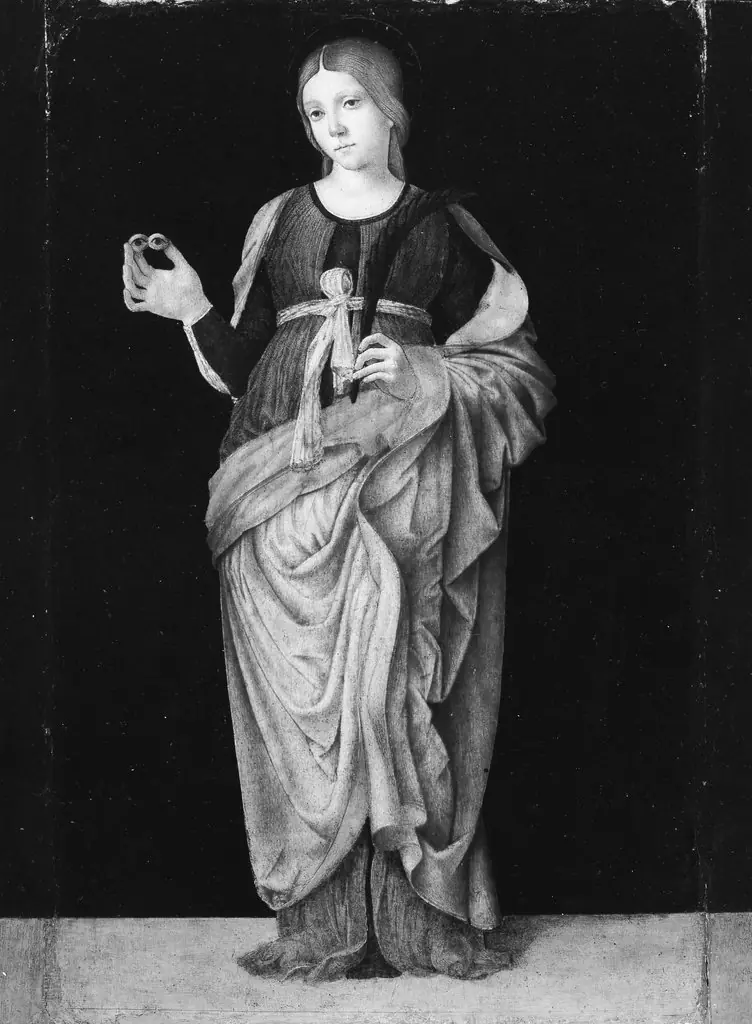 Saint Lucy
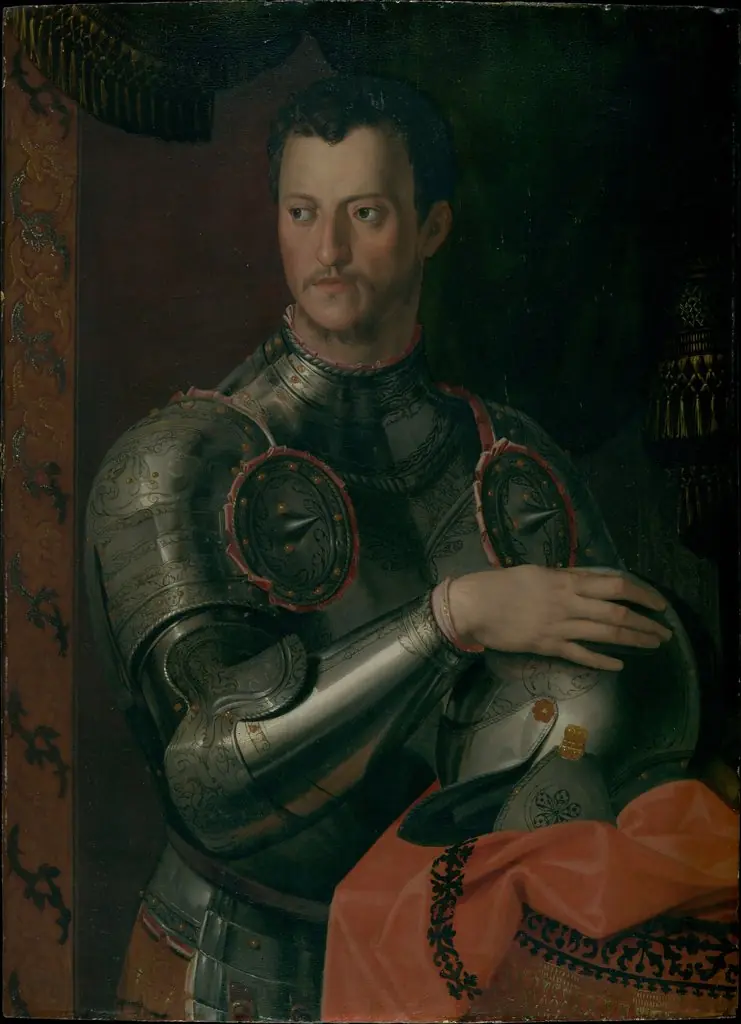 Cosimo I de' Medici (1519–1574)
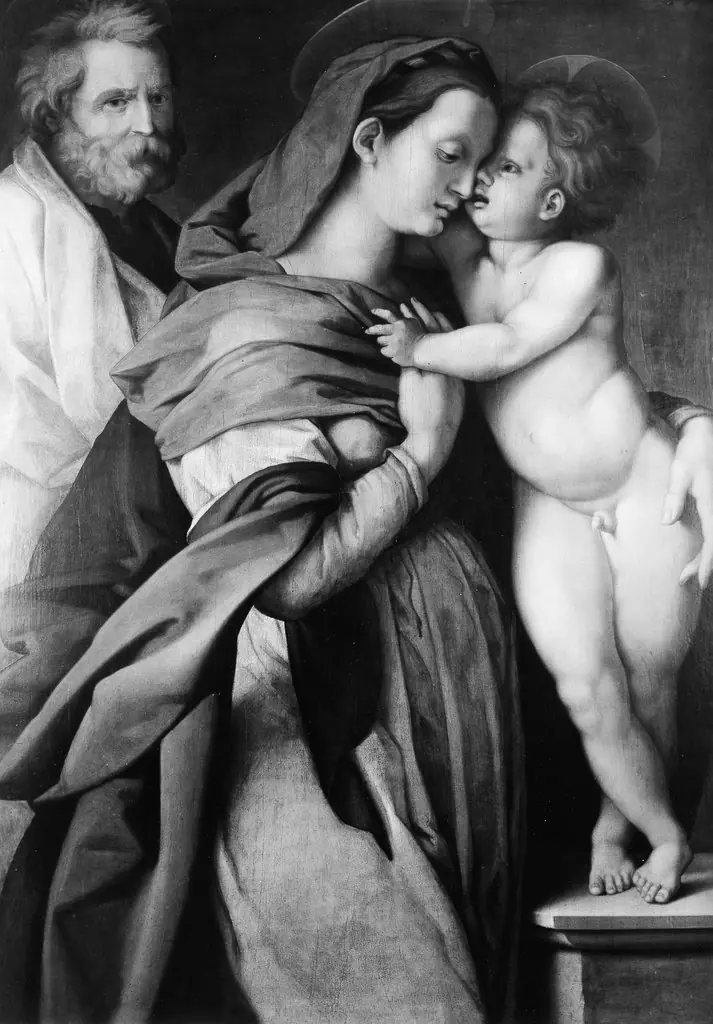 Holy Family
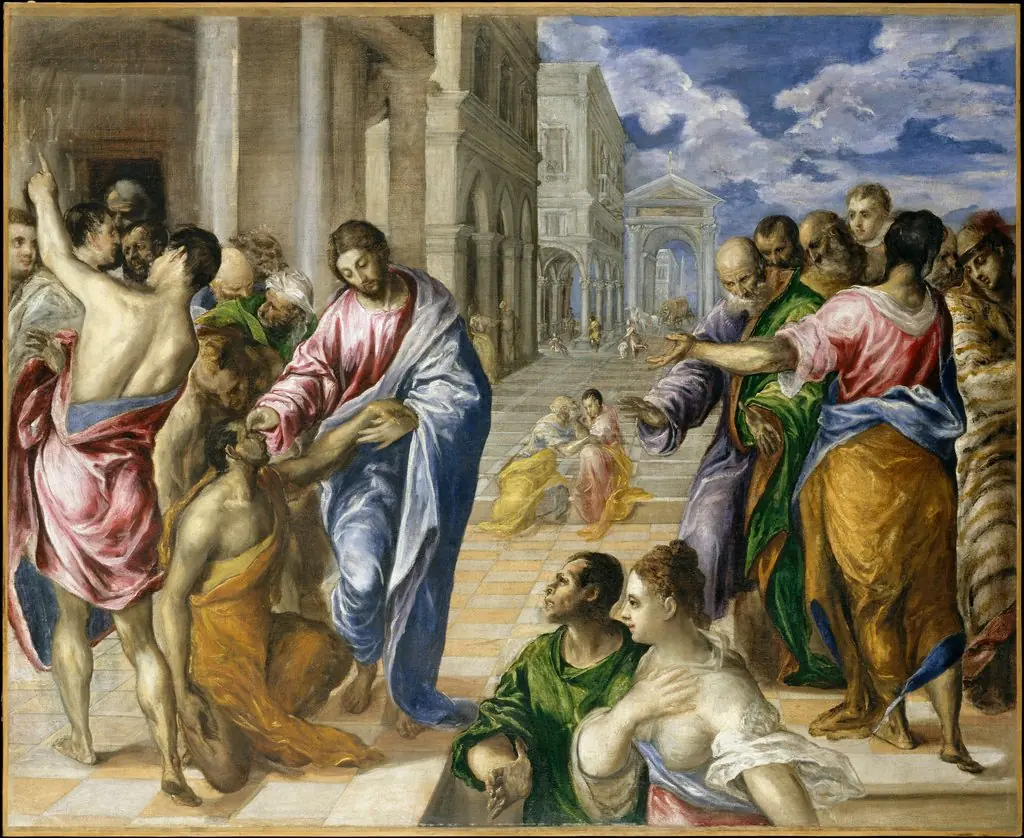 Christ Healing the Blind
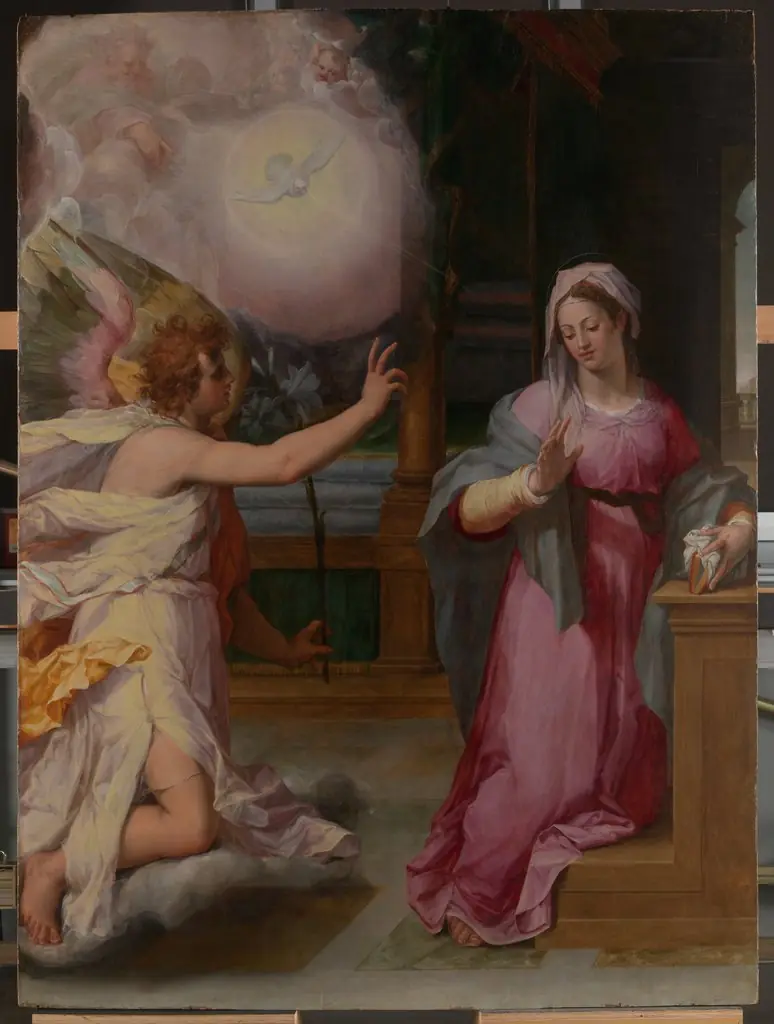 The Annunciation
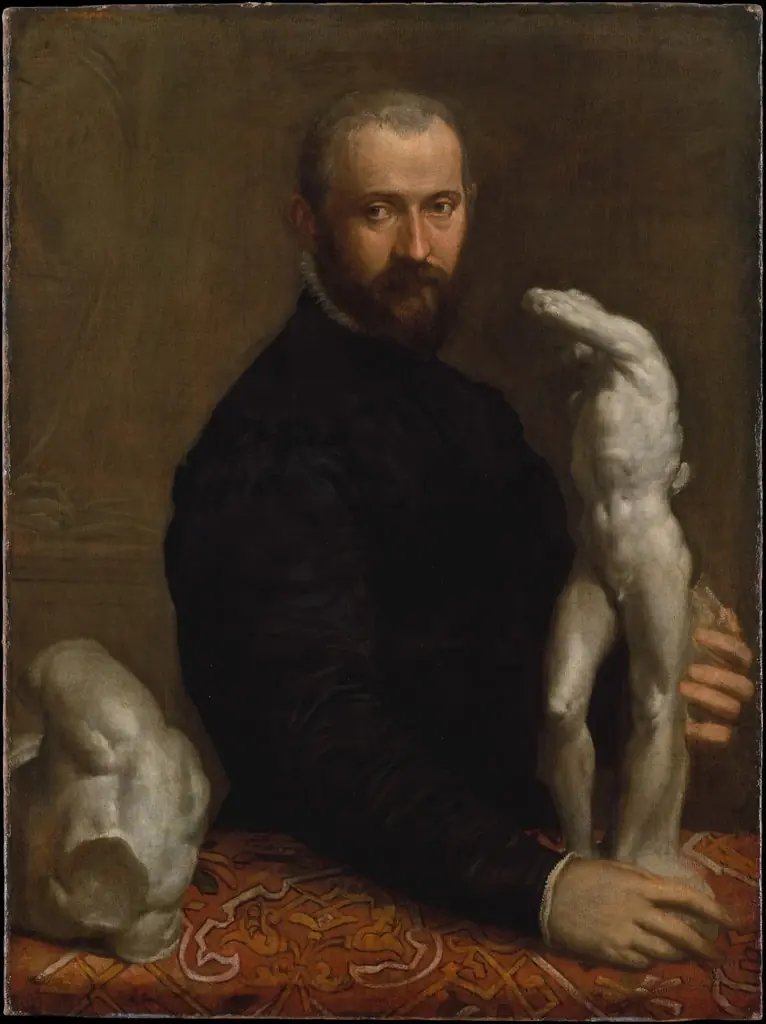 Alessandro Vittoria (1524/25–1608)
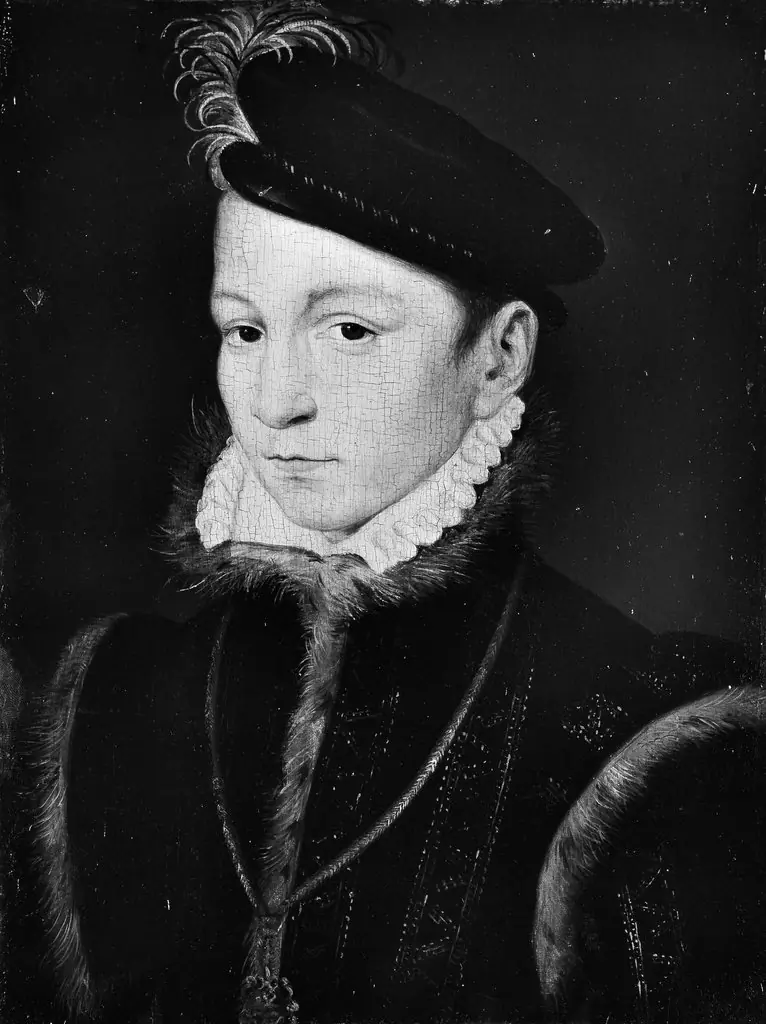 Charles IX (1550–1574), King of France
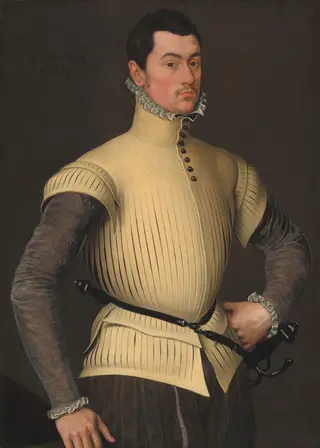 Portrait of a Young Man
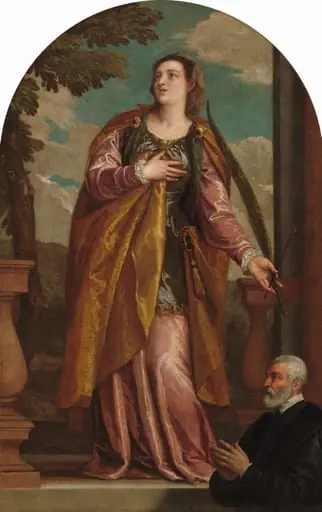 Saint Lucy and a Donor
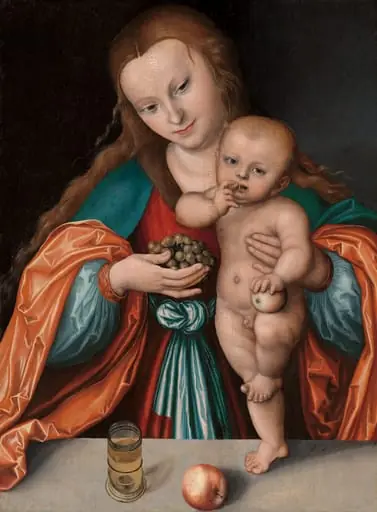 Madonna and Child
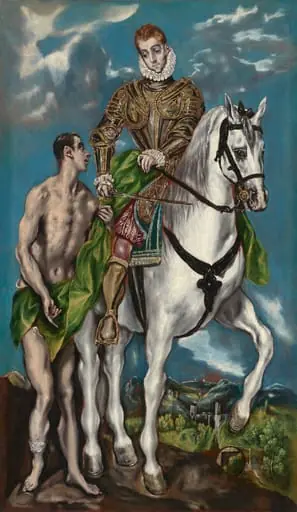 Saint Martin and the Beggar
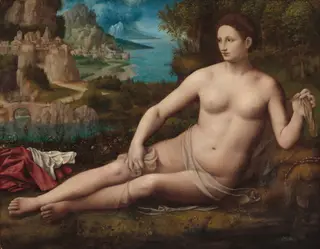 Venus
Venus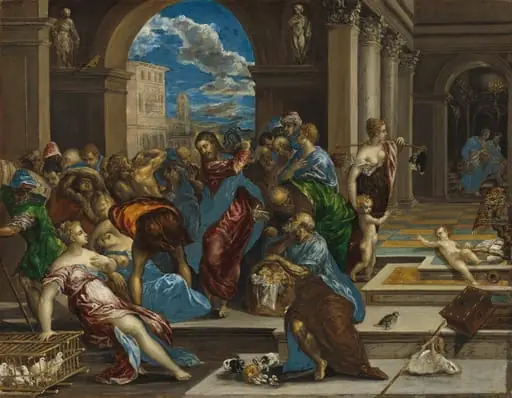 Christ Cleansing the Temple
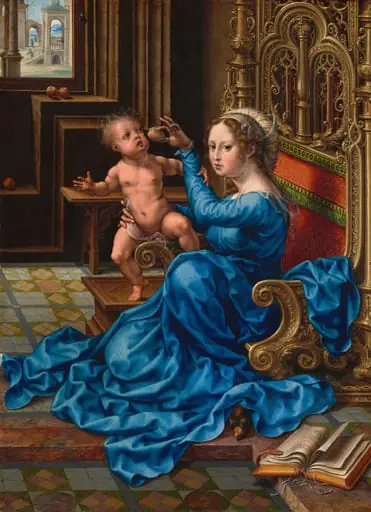 Madonna and Child
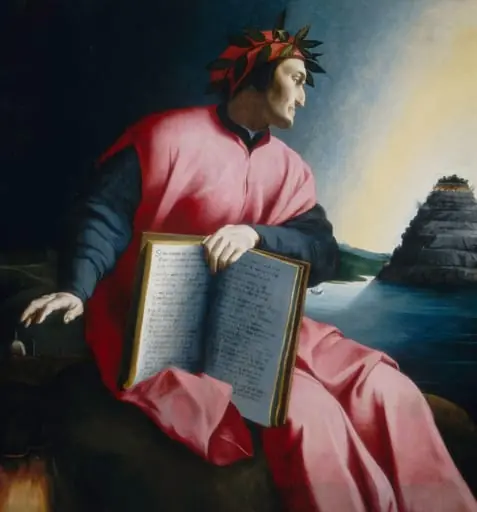 Allegorical Portrait of Dante
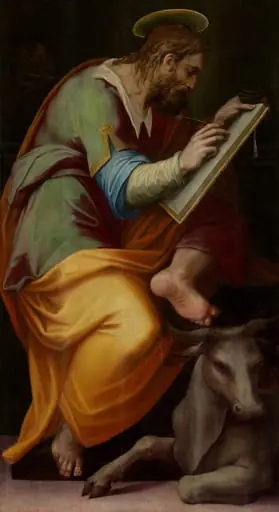 Saint Luke
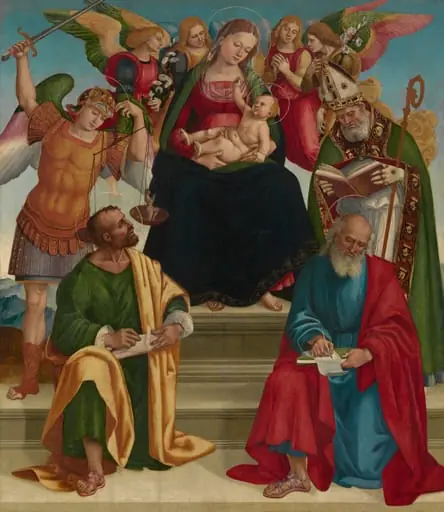 Madonna and Child with Saints and Angels
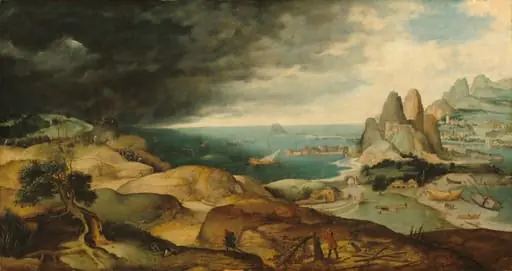 The Martyrdom of Saint Catherine
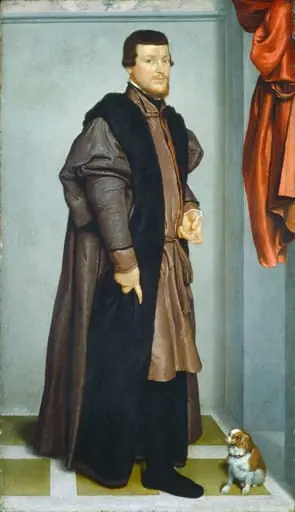 Gian Federico Madruzzo
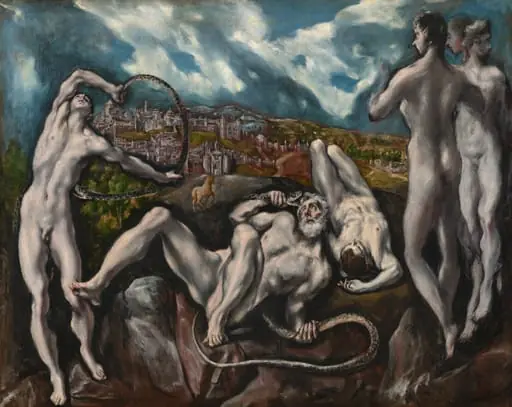 Laocoön
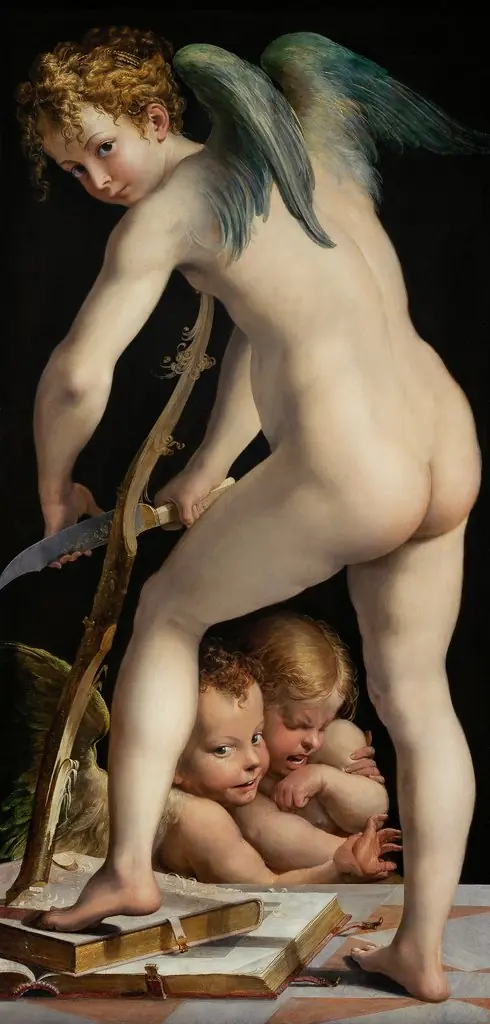 Cupid Making His Arch
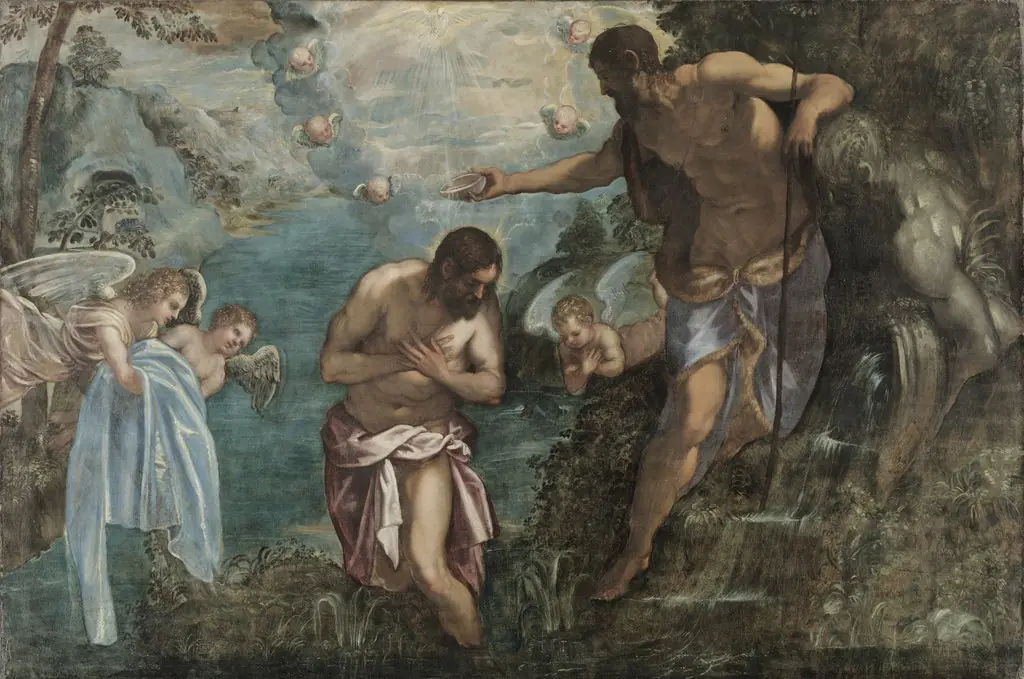 Baptism of Christ
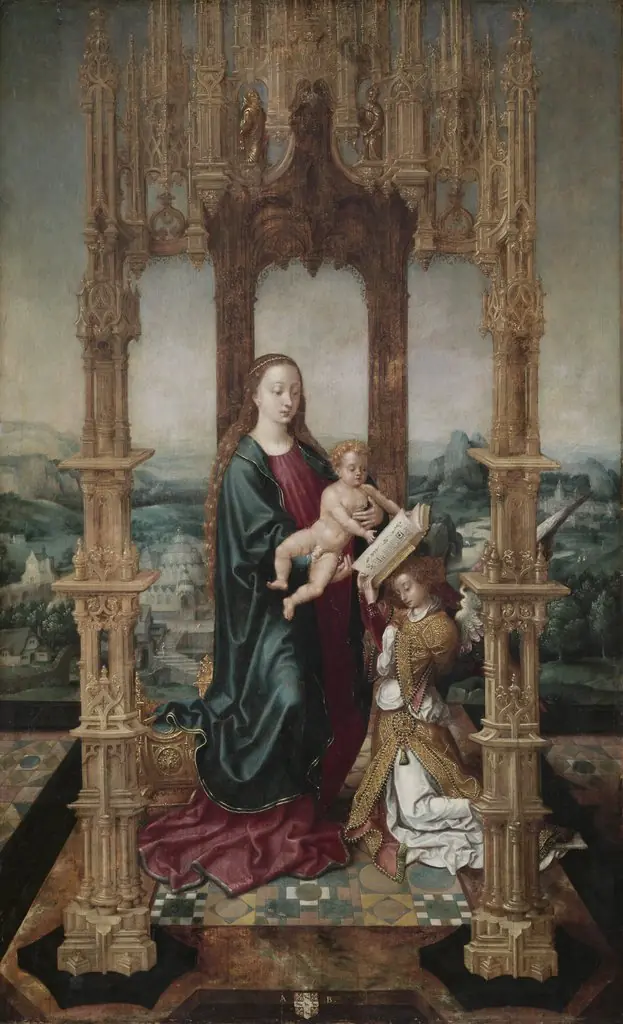 Virgin and Child under a Canopy
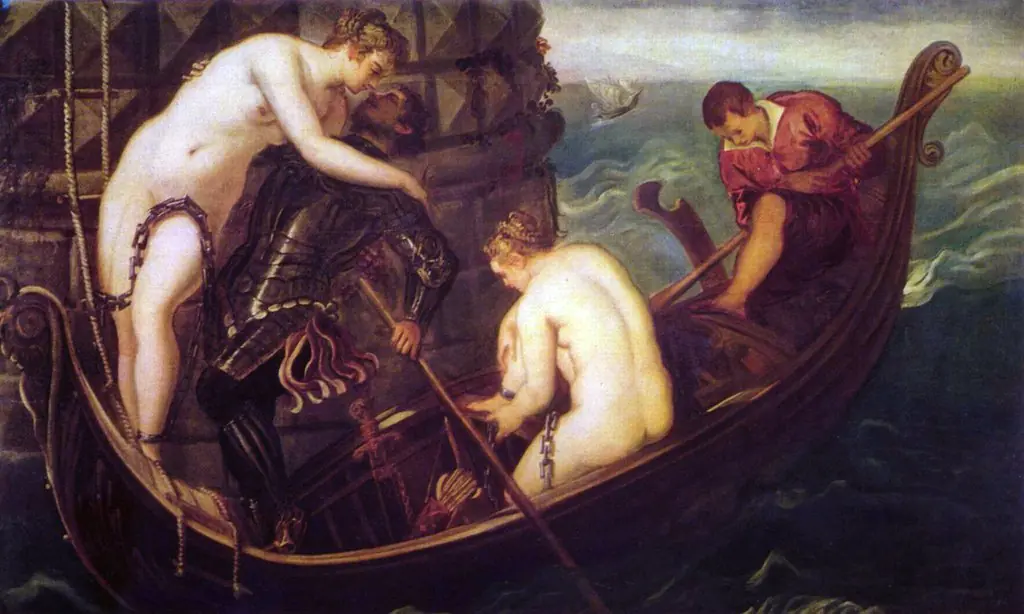 The Deliverance of Arsinoe
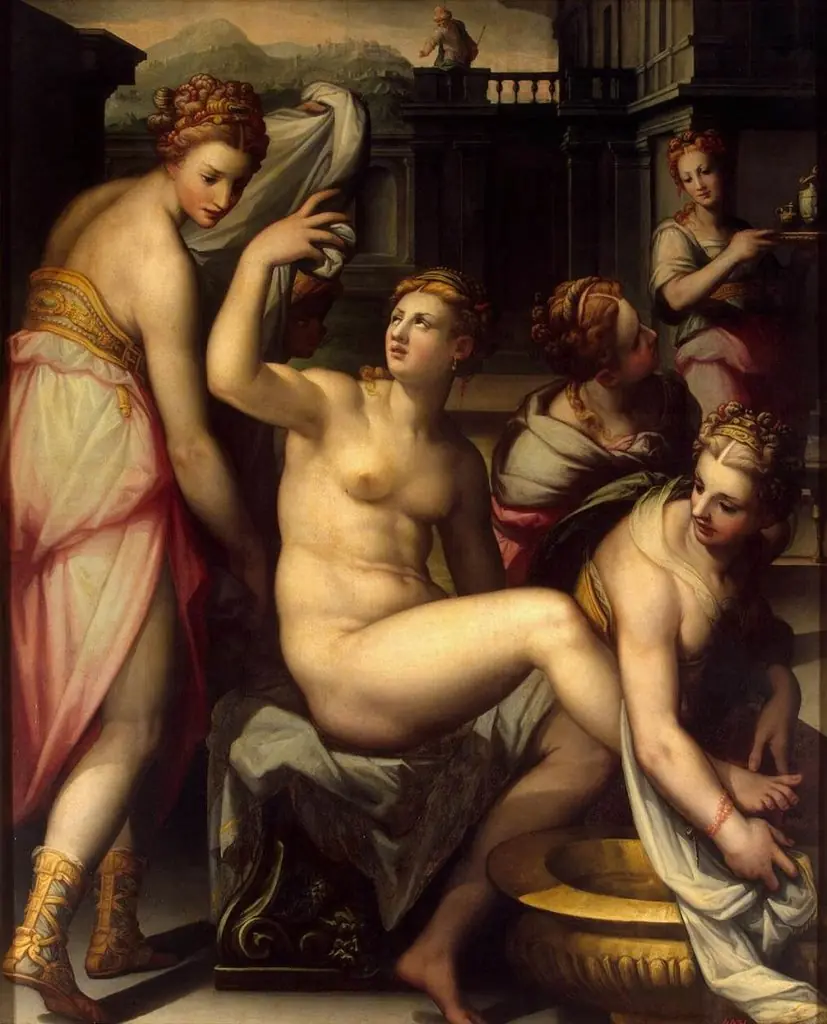 Bathsheba
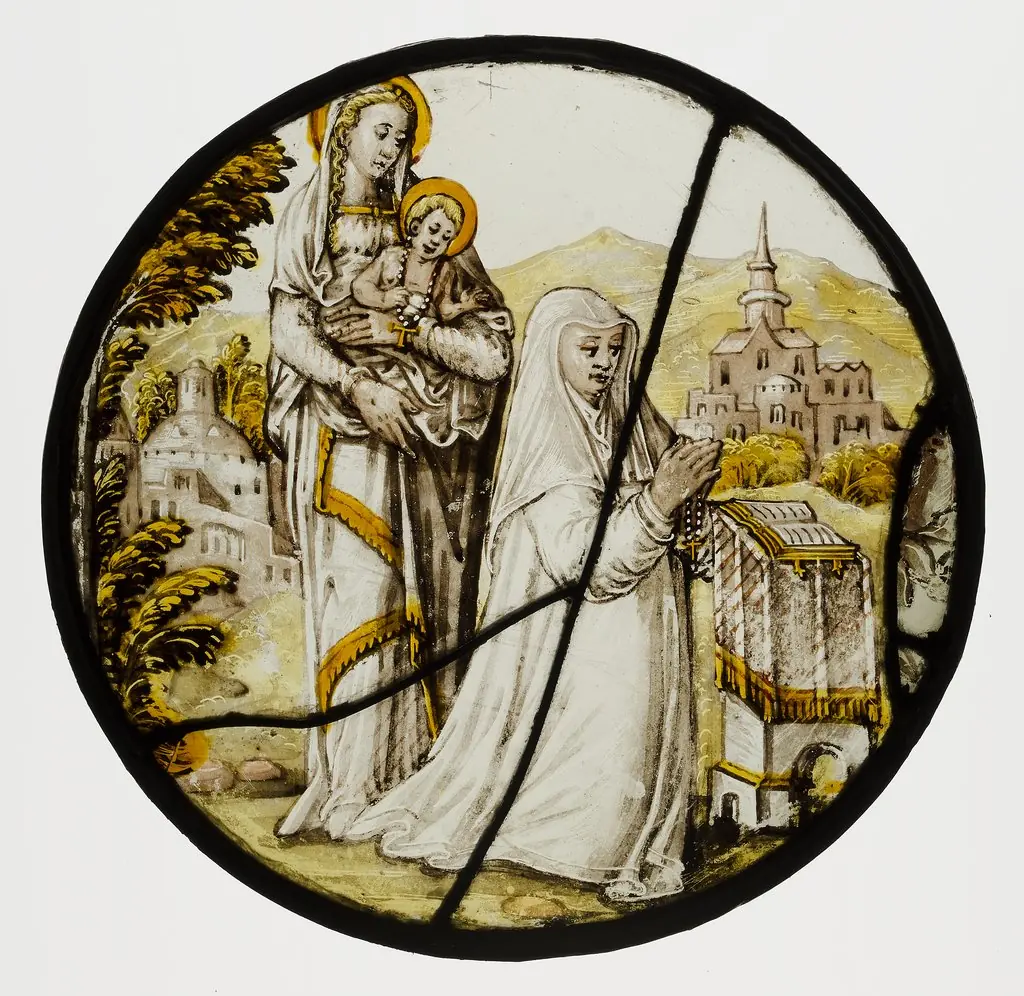 Roundel with Virgin and Child and a Carmelite Donatrix
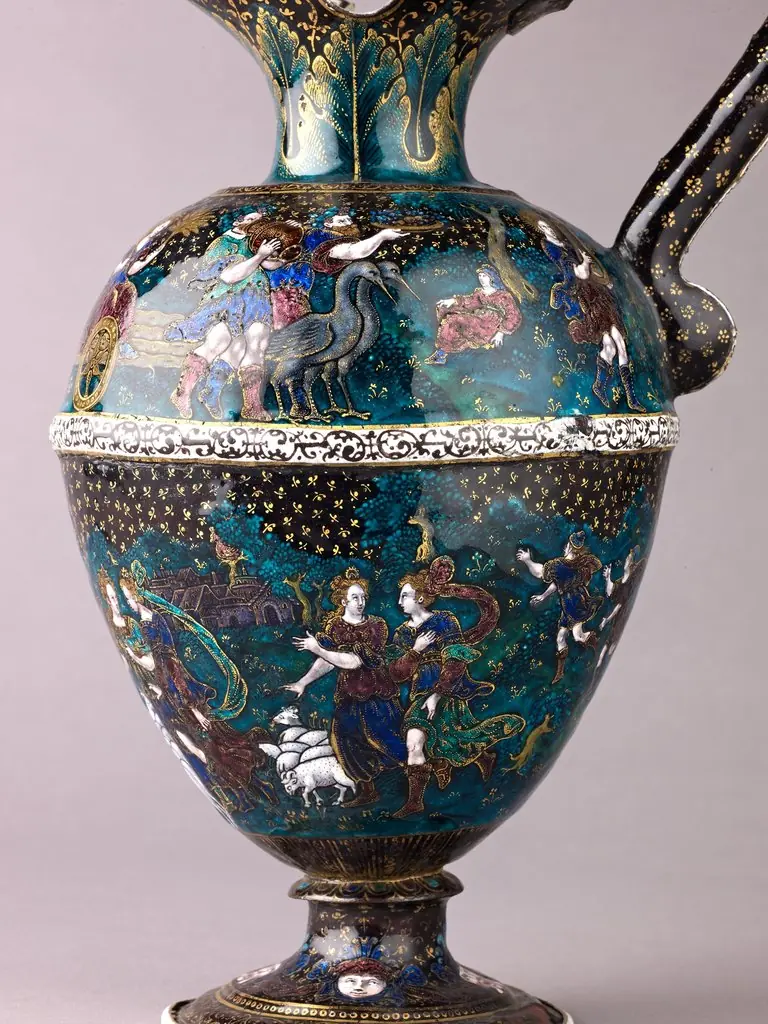 Triumph of Ceres
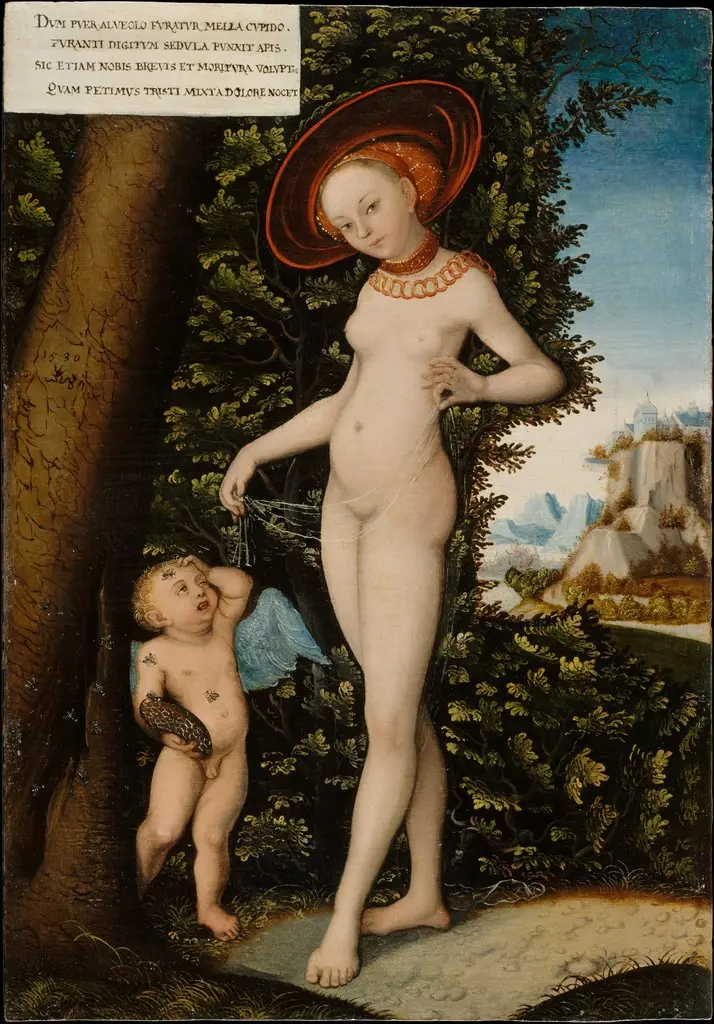 Venus with Cupid the Honey Thief
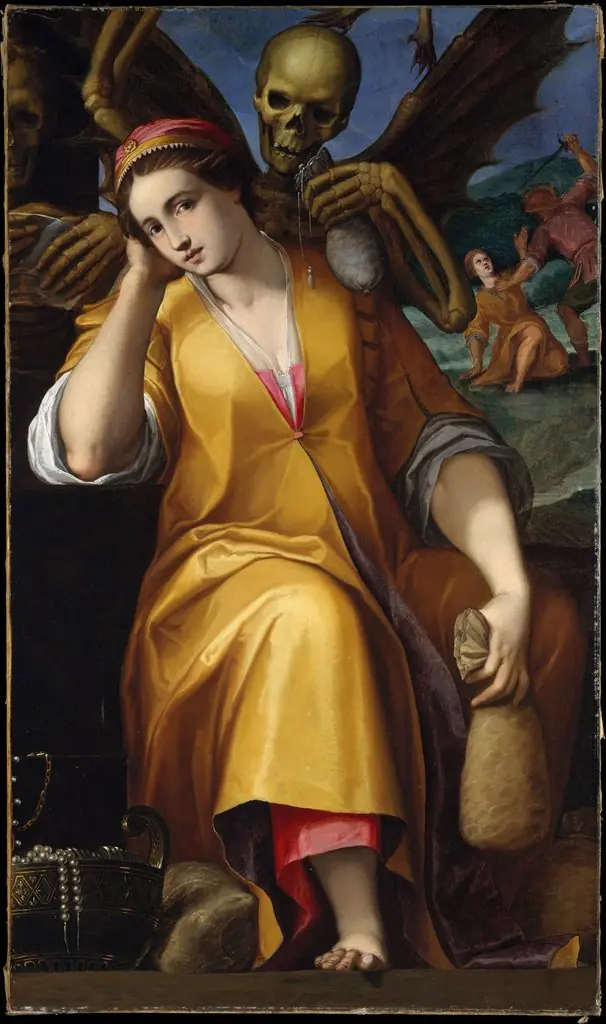 Allegory of Avarice
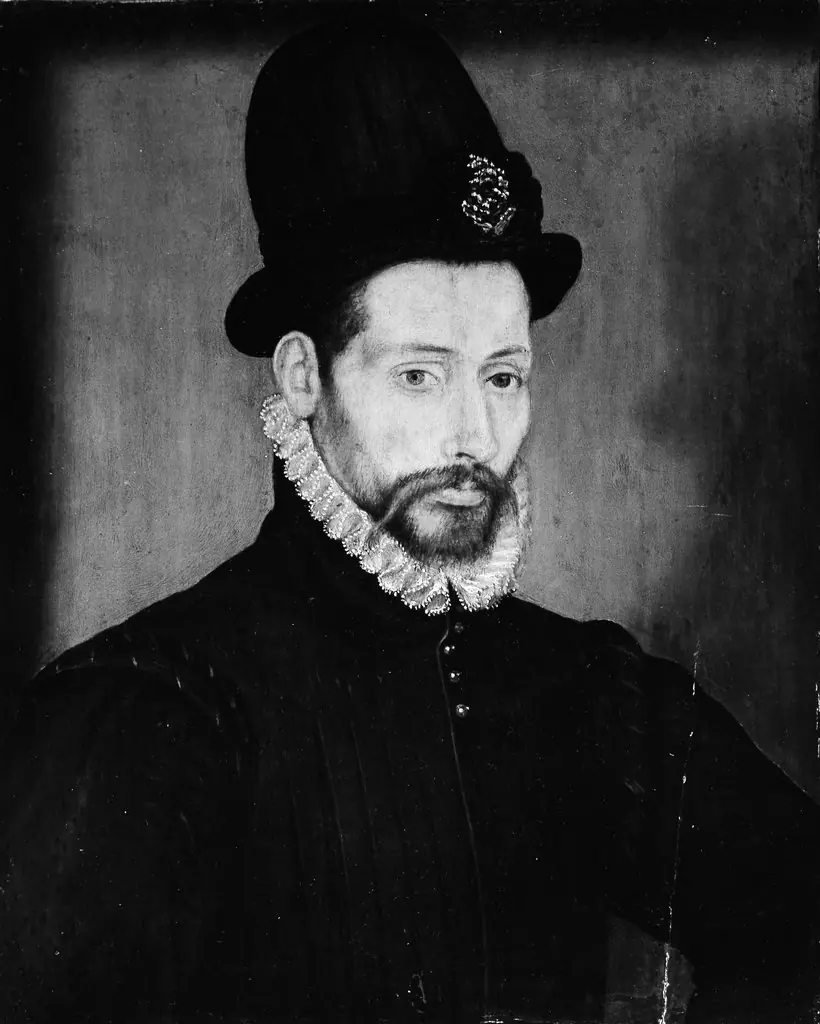 Portrait of a Man with a High Hat
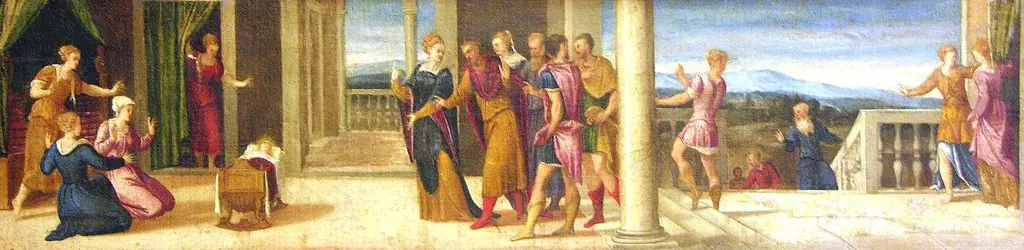 The Legend of the Infant Servius Tullius
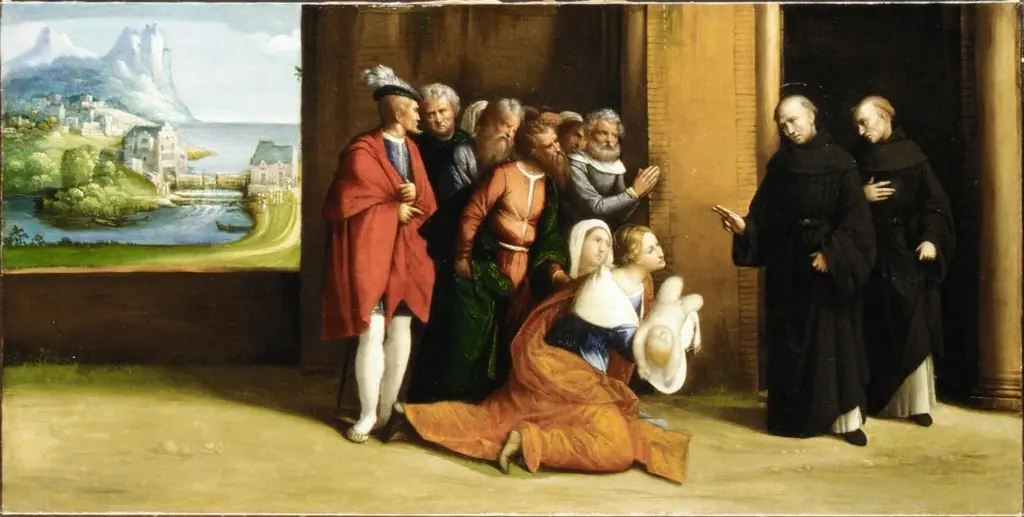 Saint Nicholas of Tolentino Reviving a Child
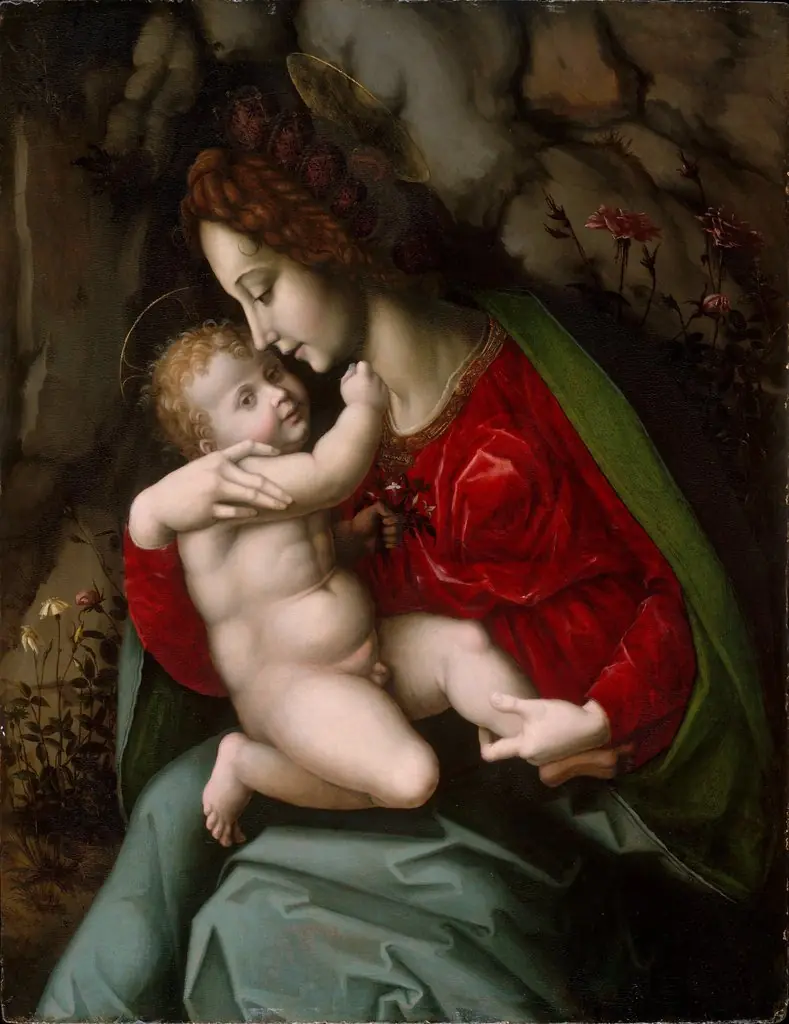 Madonna and Child
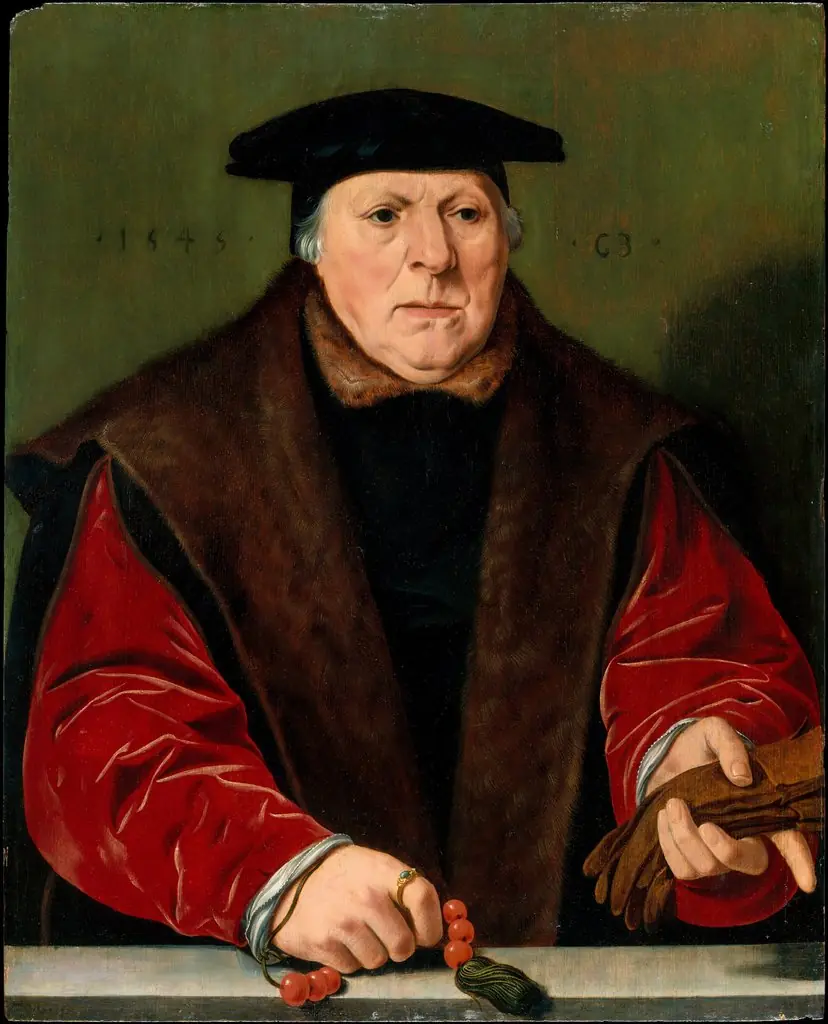 Portrait of a Man with a Rosary
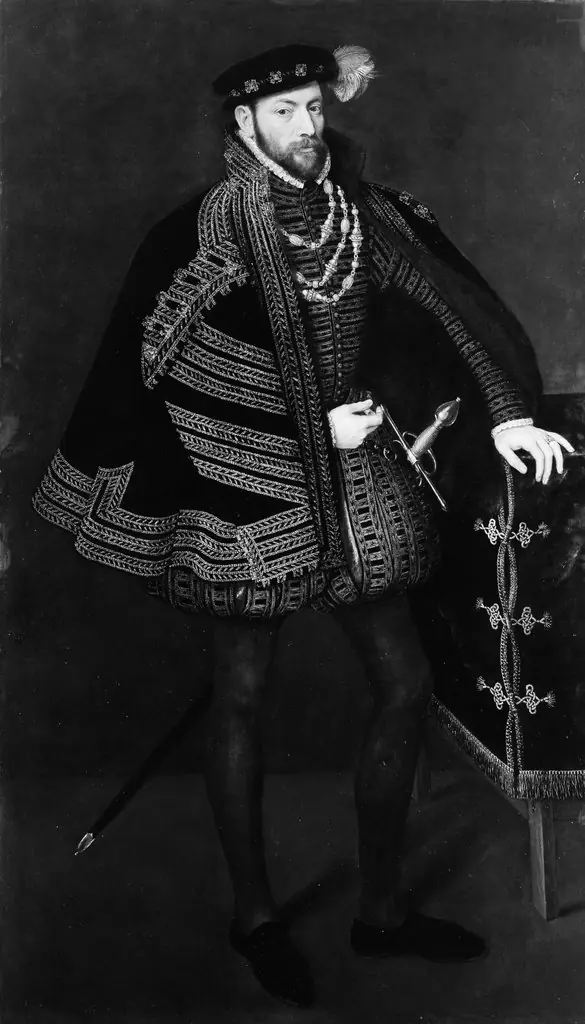 Portrait of a Man, Possibly Ottavio Farnese (1524–1586), Duke of Parma and Piacenza
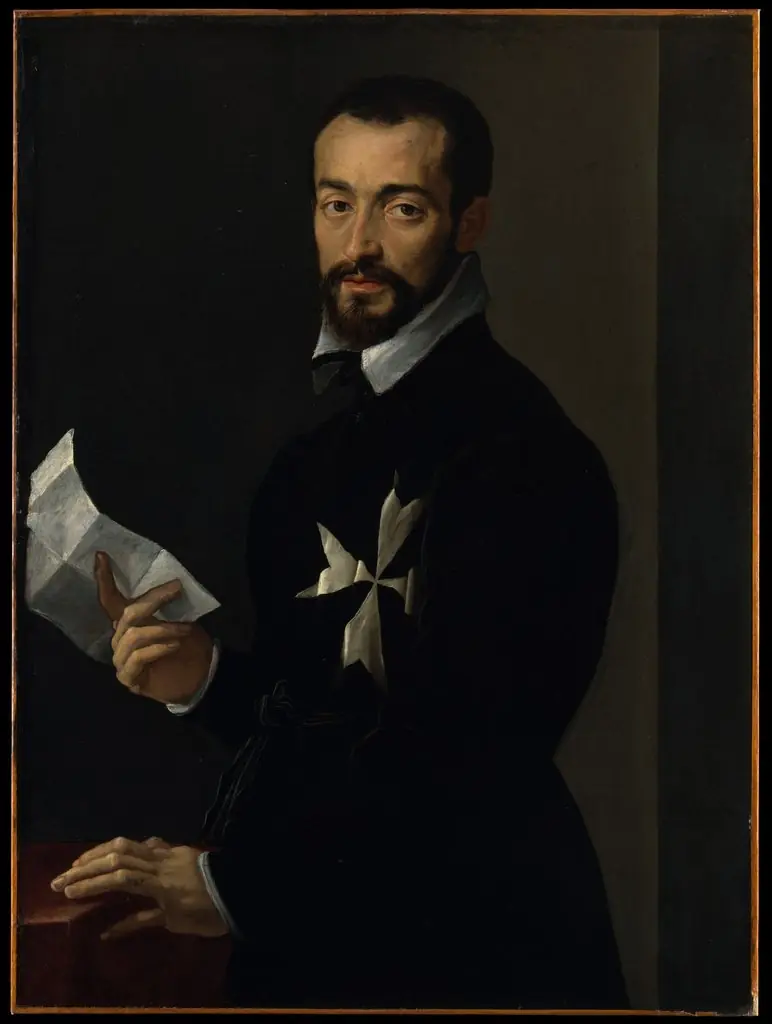 Portrait of a Knight of Malta
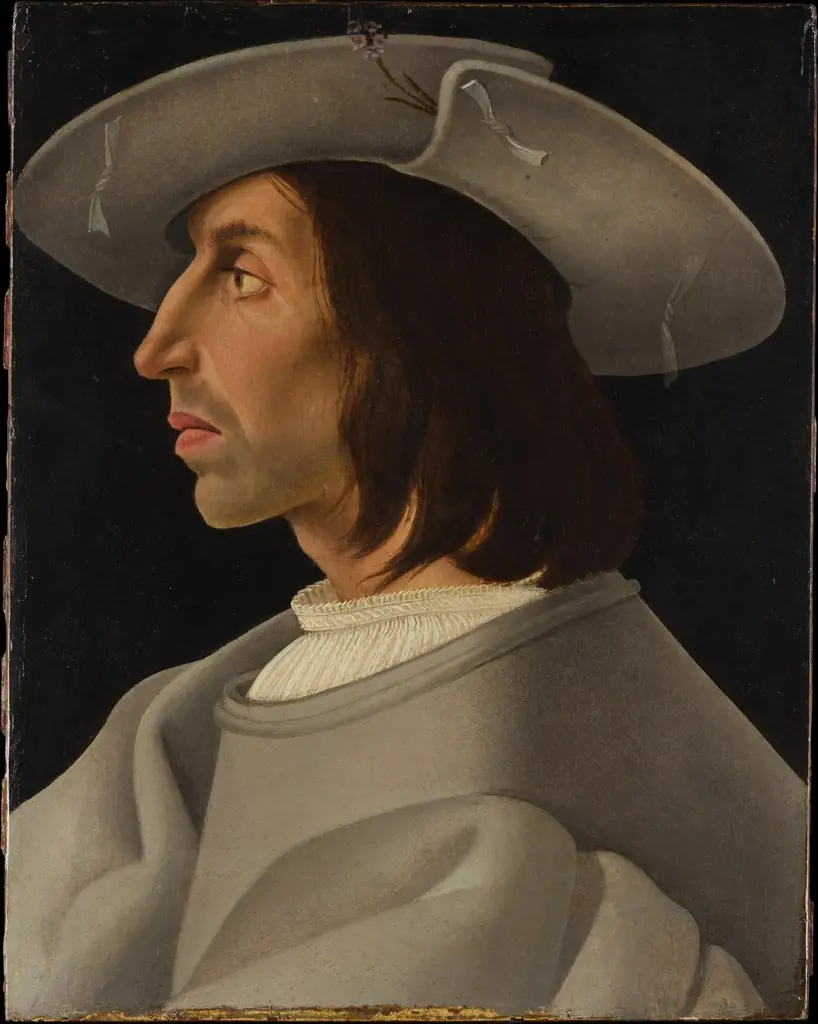 Portrait of a Man in Profile
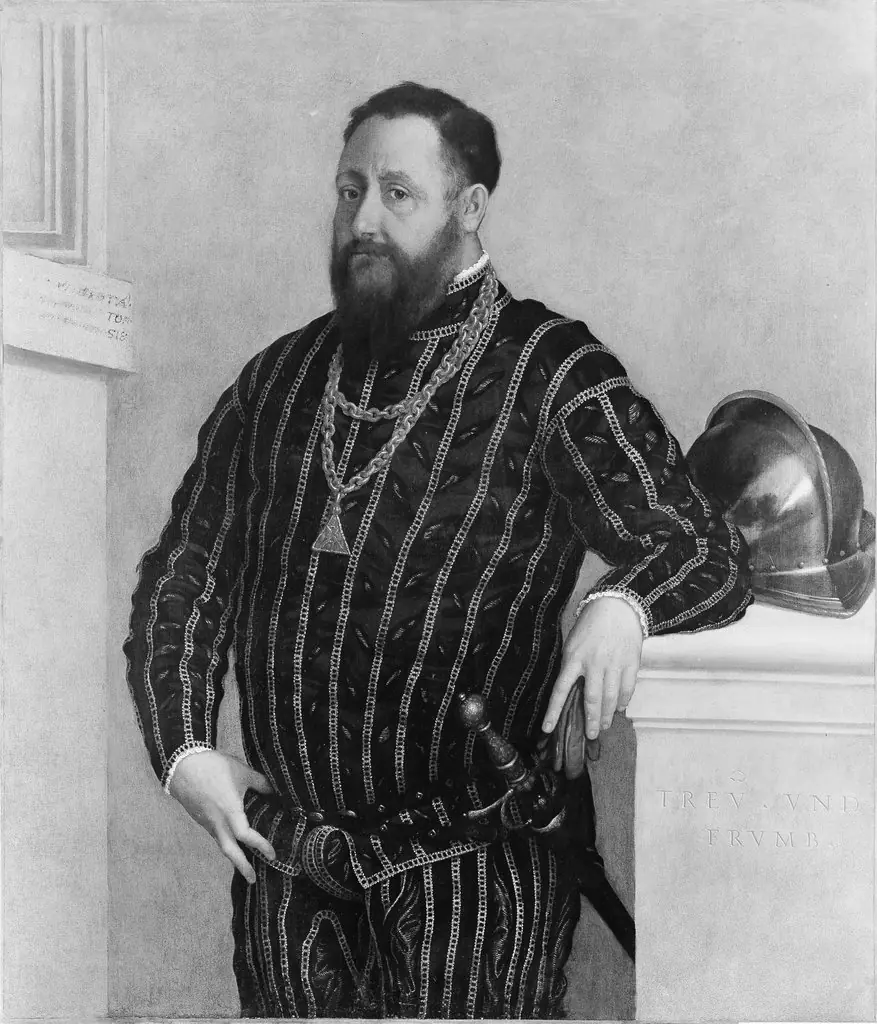 Portrait of a Man
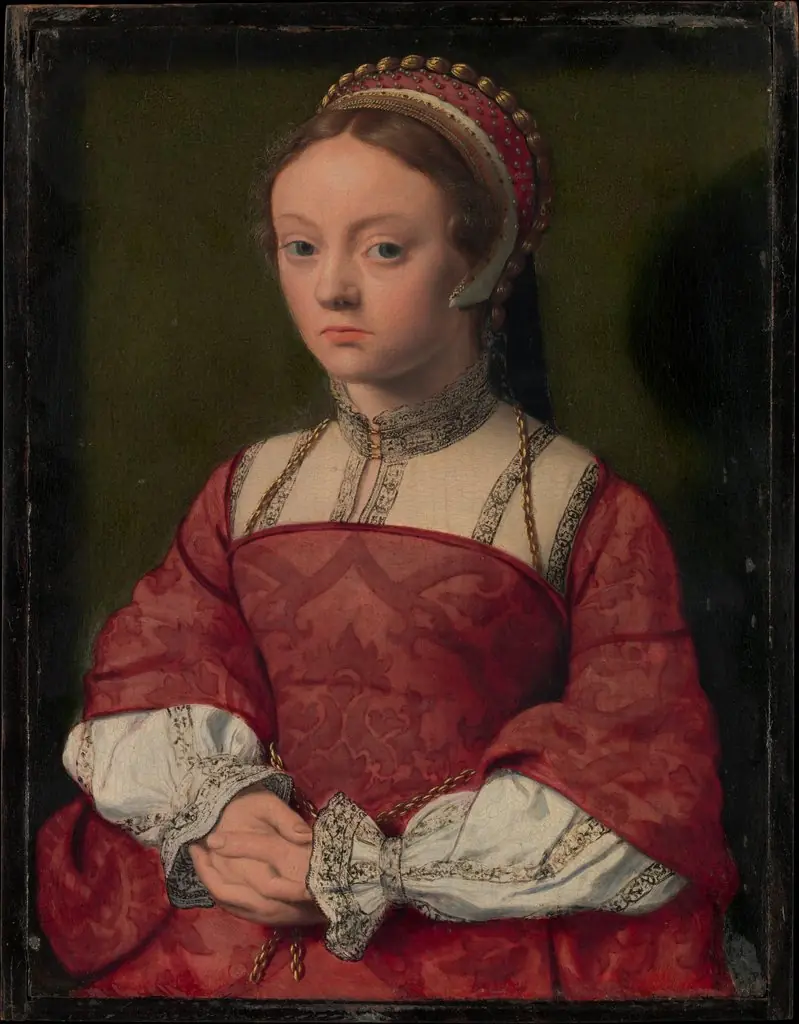 Portrait of a Young Woman
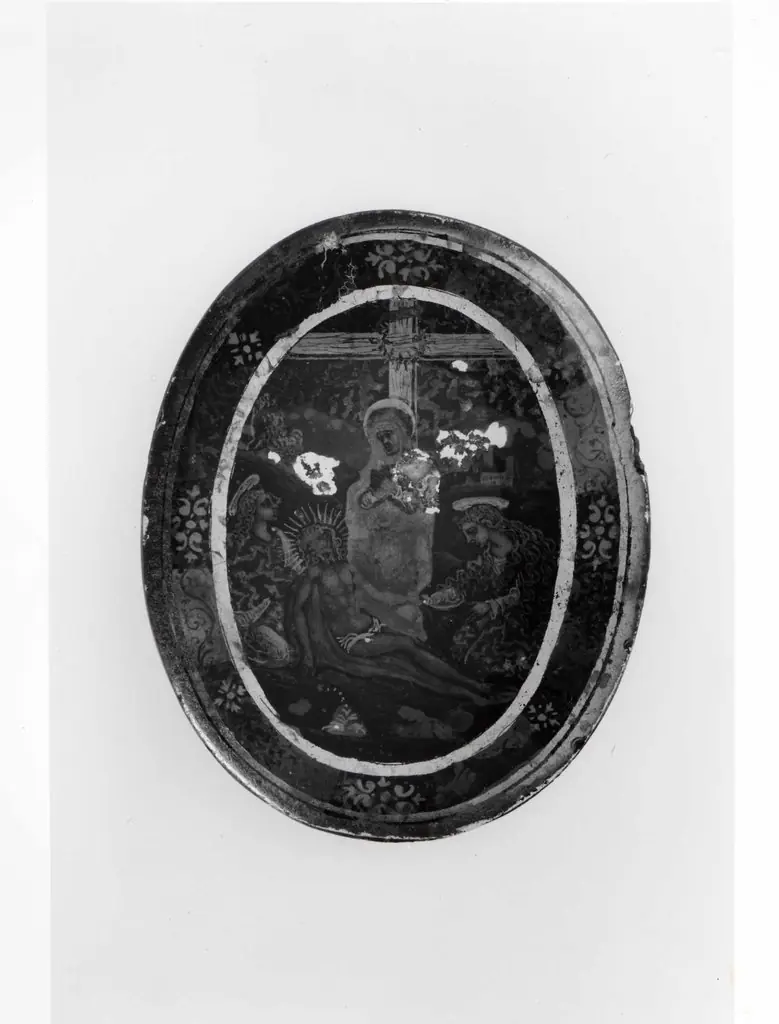 The Deposition
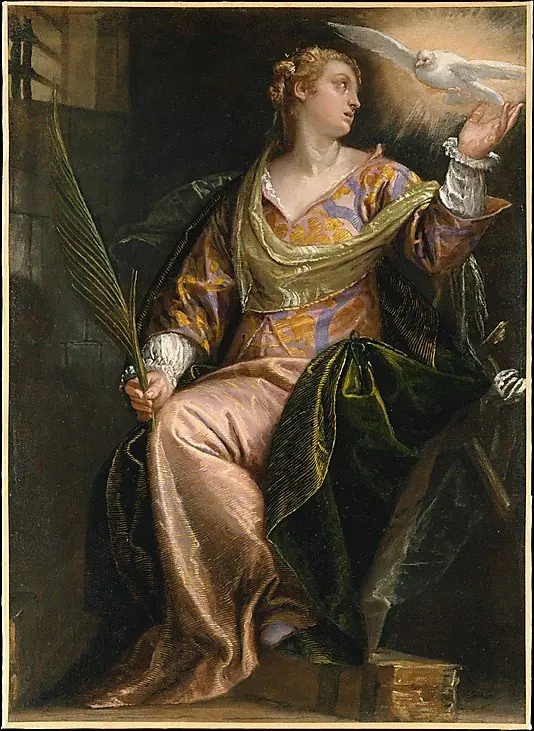 Saint Catherine of Alexandria in Prison
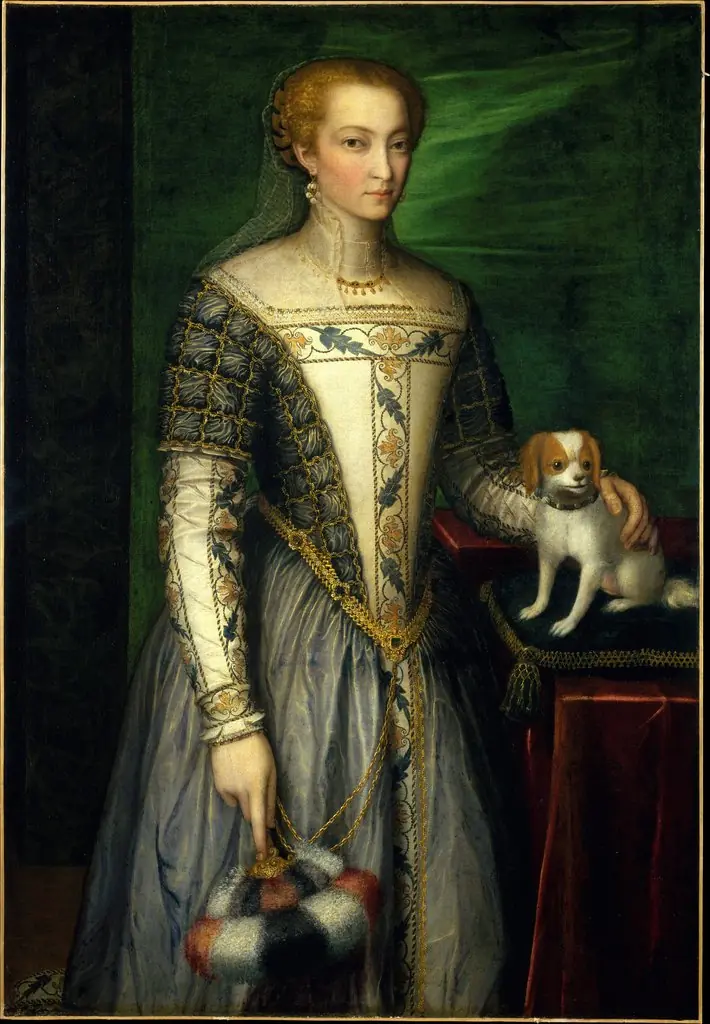 Portrait of a Woman
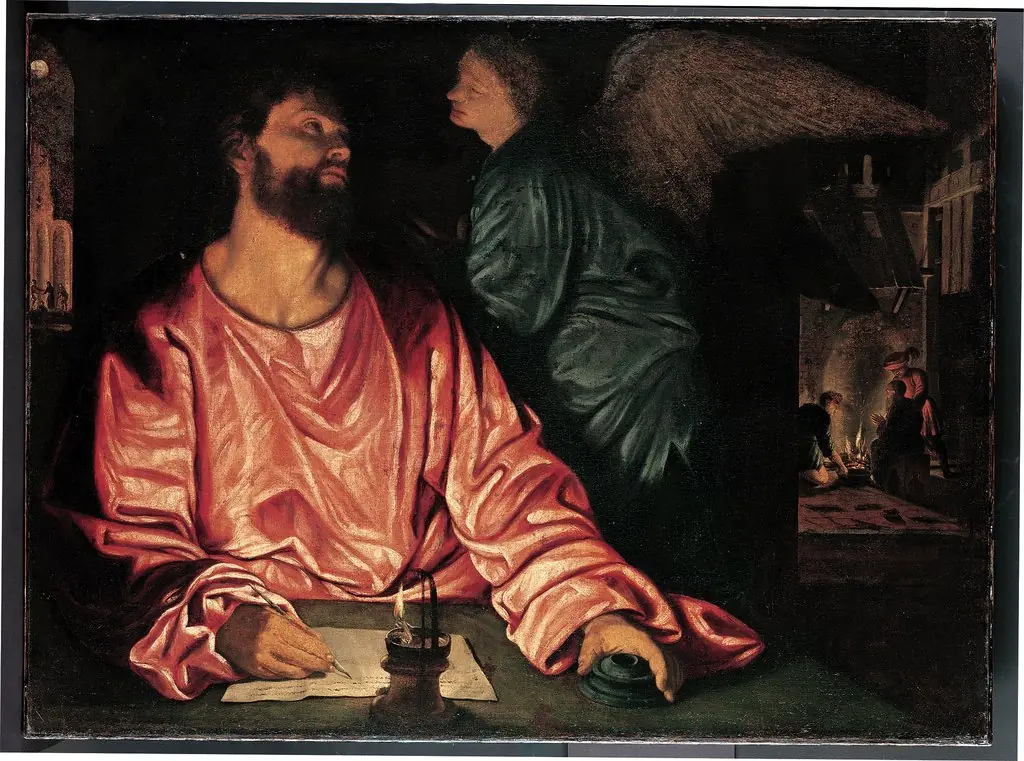 Saint Matthew and the Angel
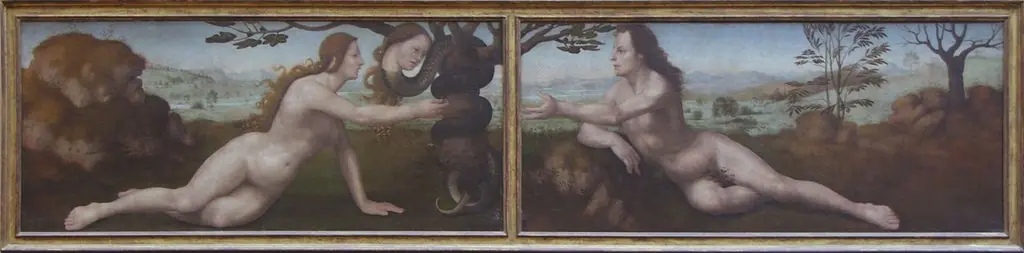 Adam; Eve
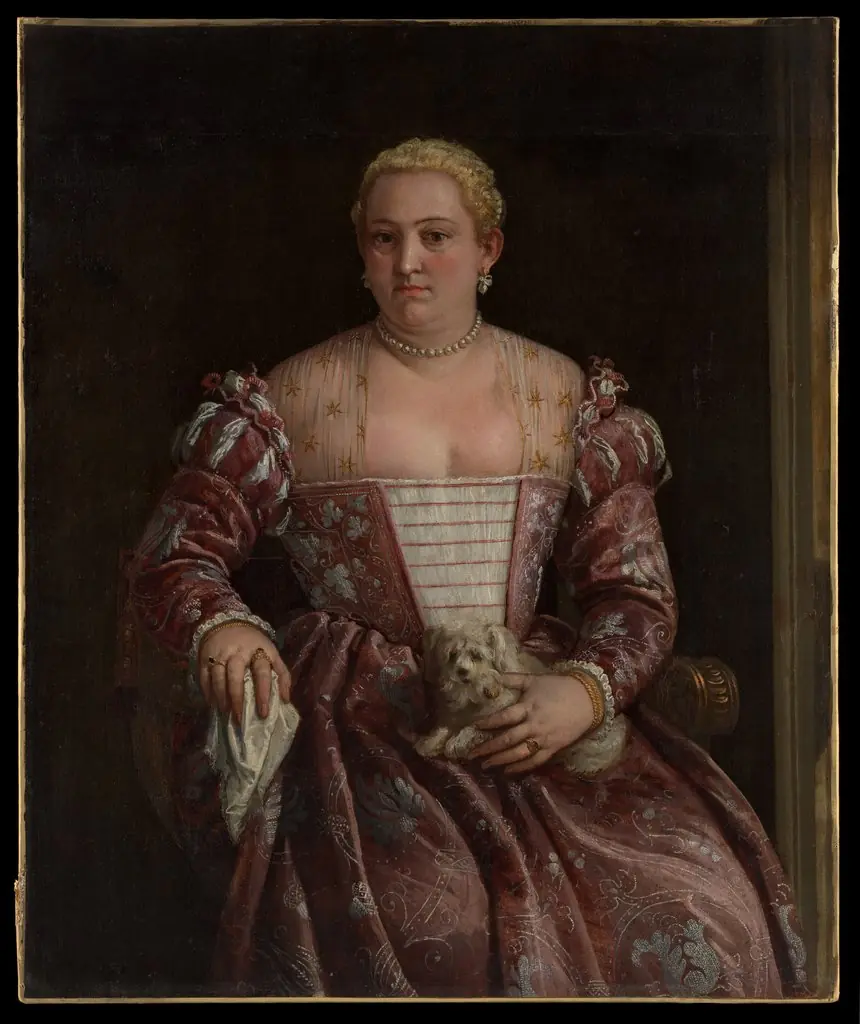 Portrait of a Woman
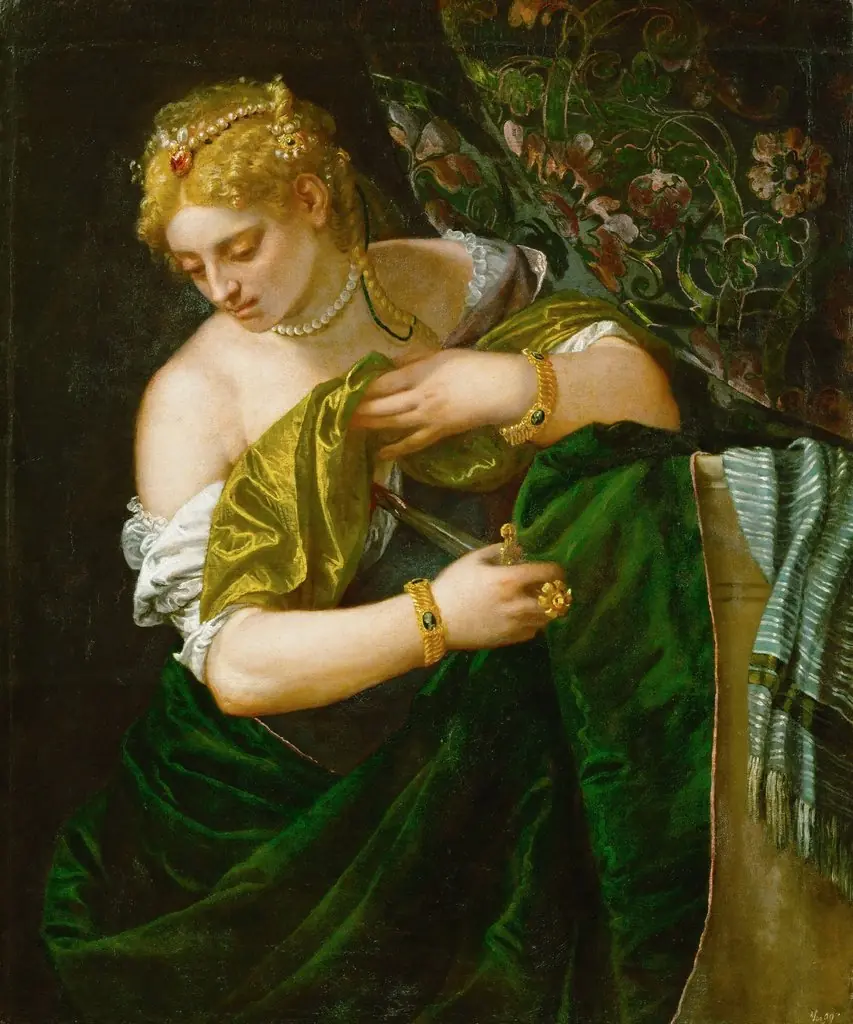 Lucretia
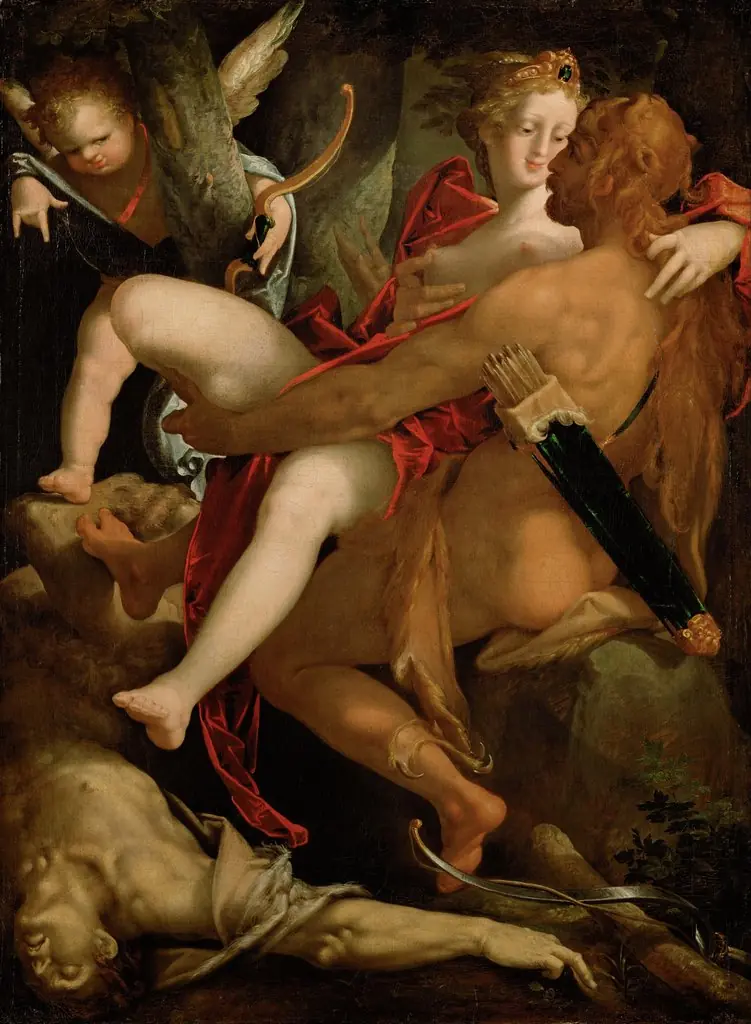 Hercules, Deianira, and Nessus
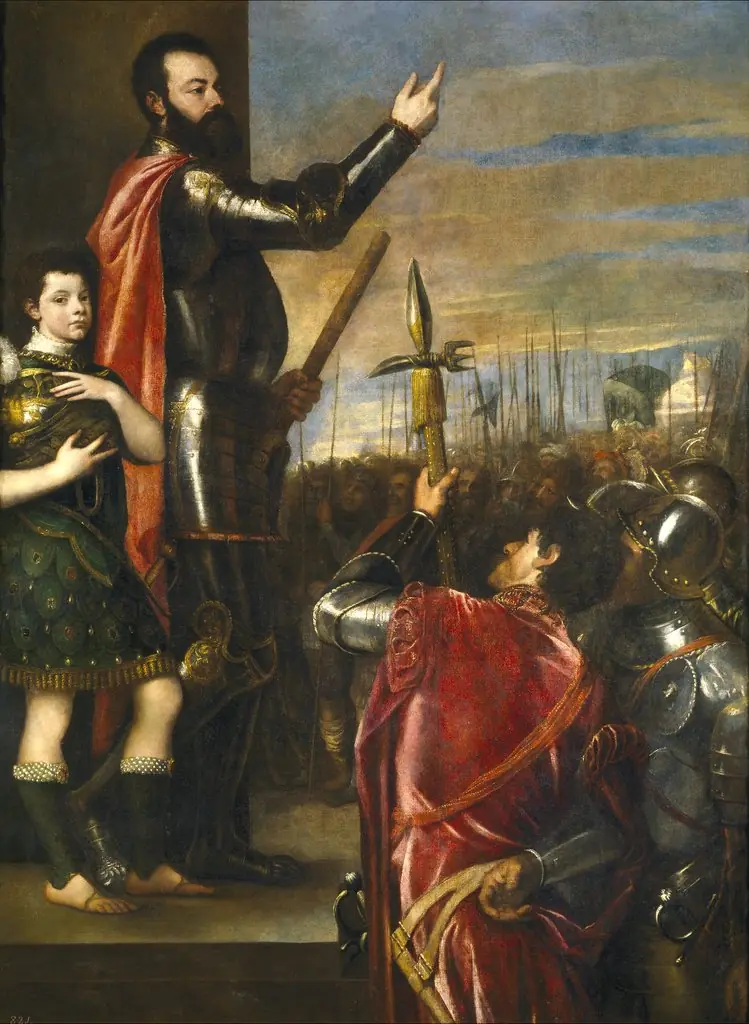 Alfonso d'Avalos Addressing his Troops
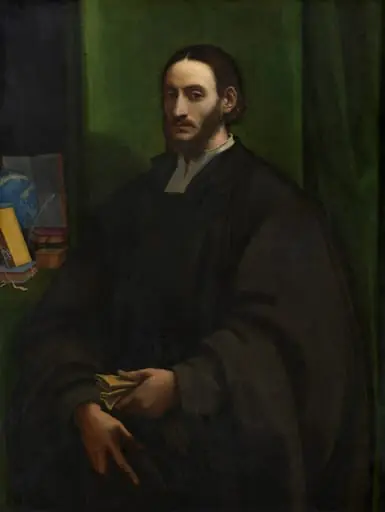 Portrait of a Humanist
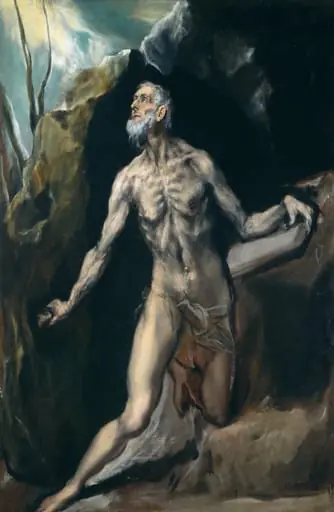 Saint Jerome
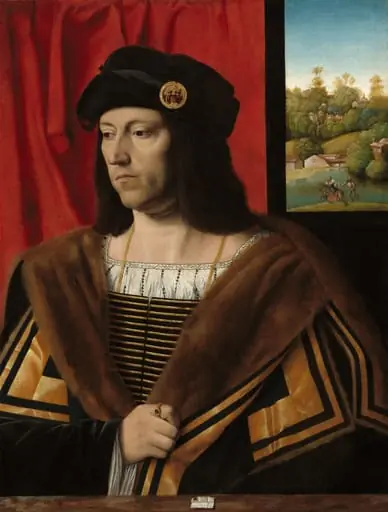 Portrait of a Gentleman
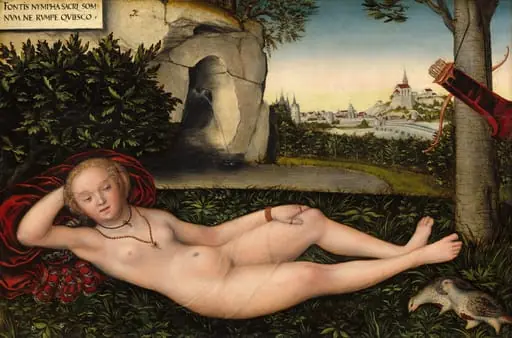 The Nymph of the Spring
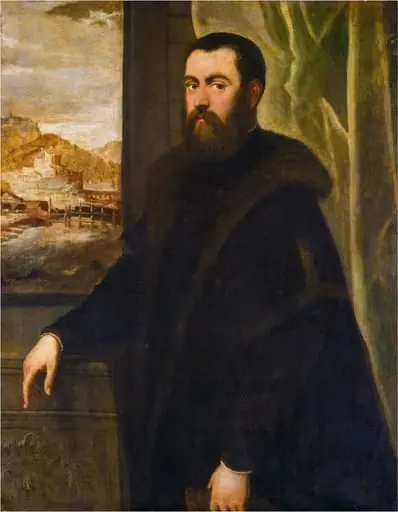 Portrait of a Man with a Landscape View
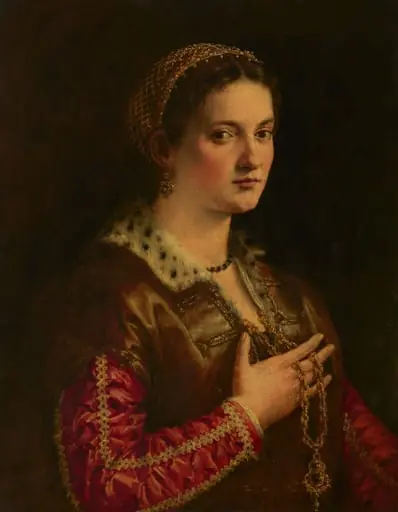 Portrait of a Lady
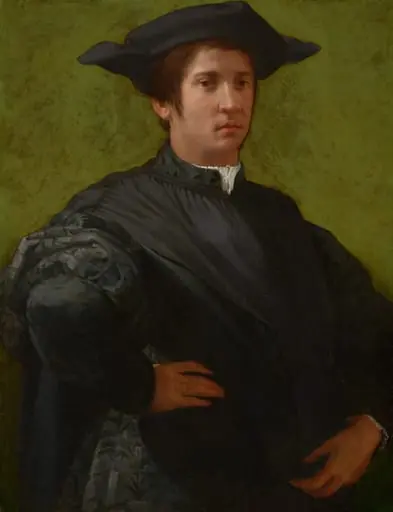 Portrait of a Man
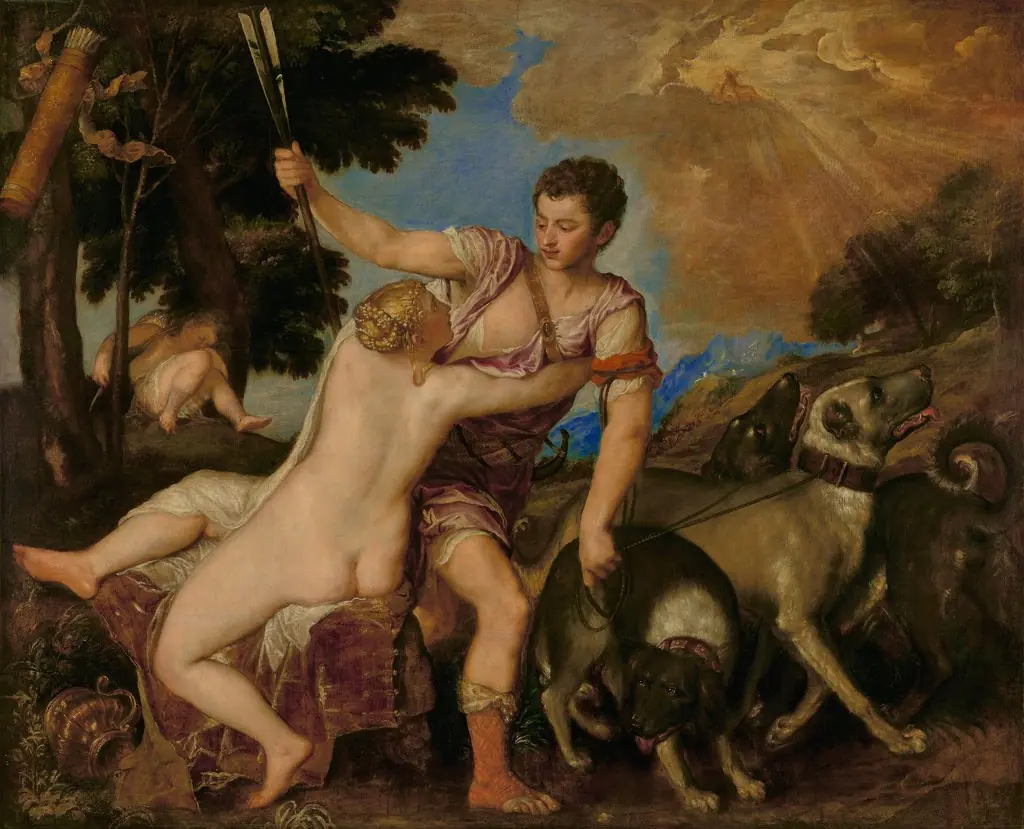 Venus and Adonis
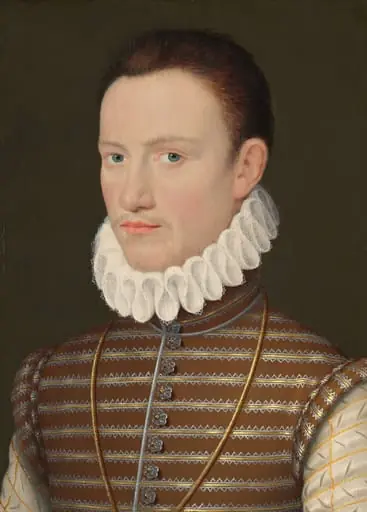 Portrait of a Nobleman
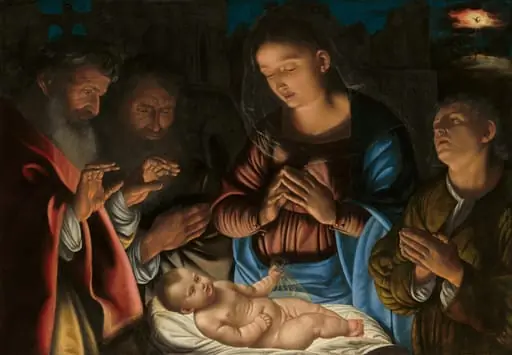 The Adoration of the Shepherds
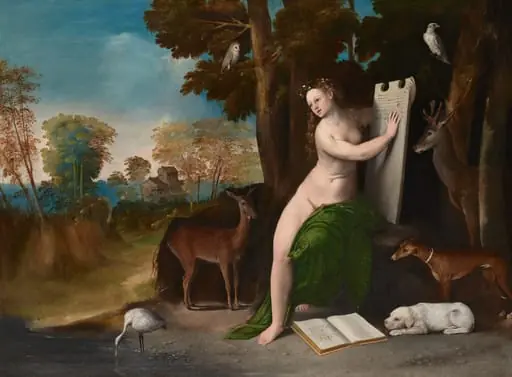 Circe and Her Lovers in a Landscape
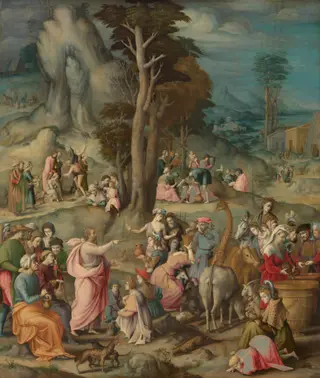 The Gathering of Manna
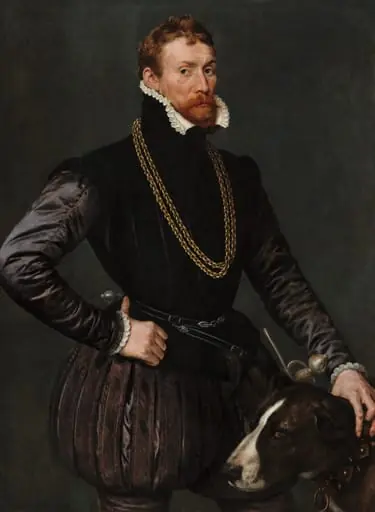 Portrait of a Gentleman
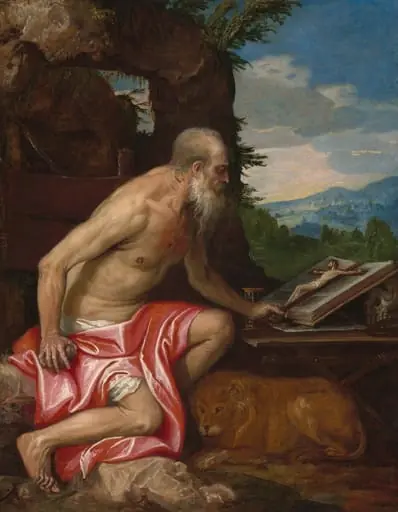 Saint Jerome in the Wilderness
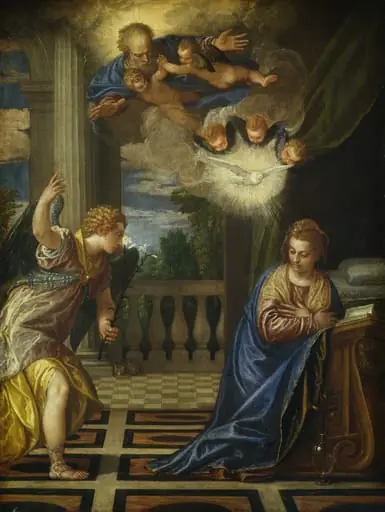 The Annunciation
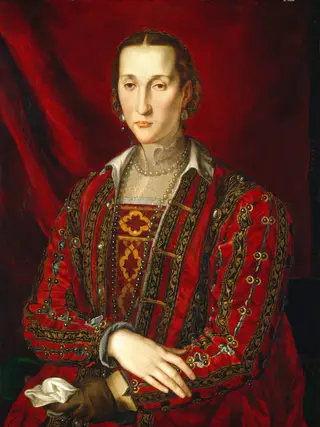 Eleonora di Toledo
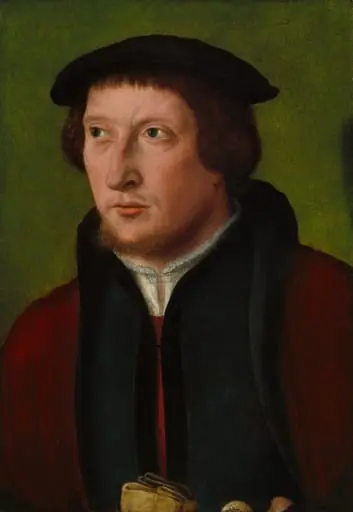 Portrait of a Man
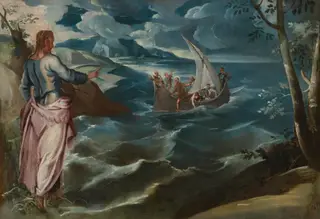 Christ at the Sea of Galilee
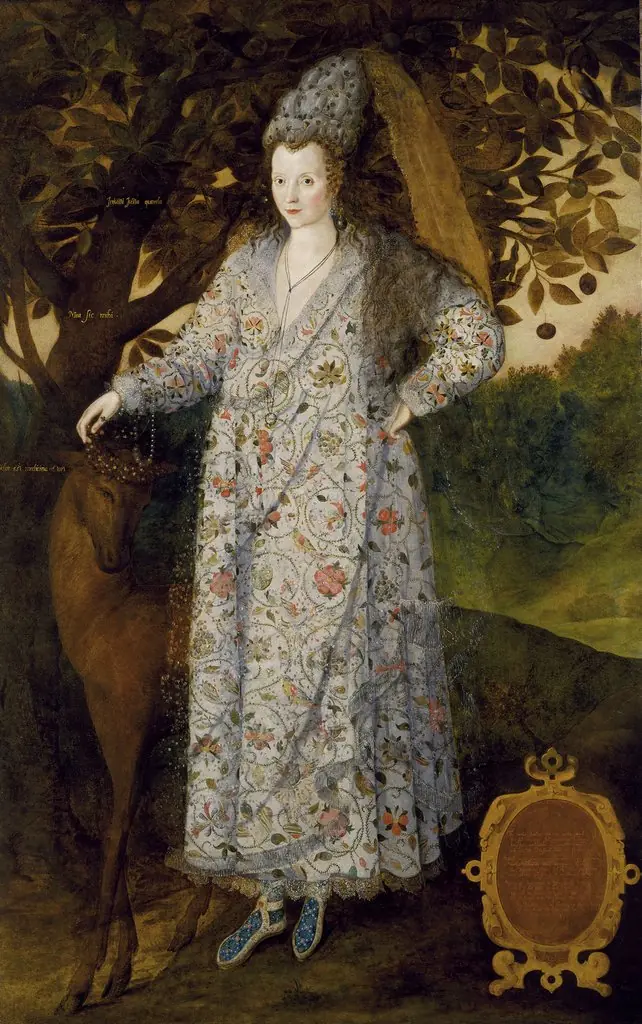 Portrait of an Unknown Woman
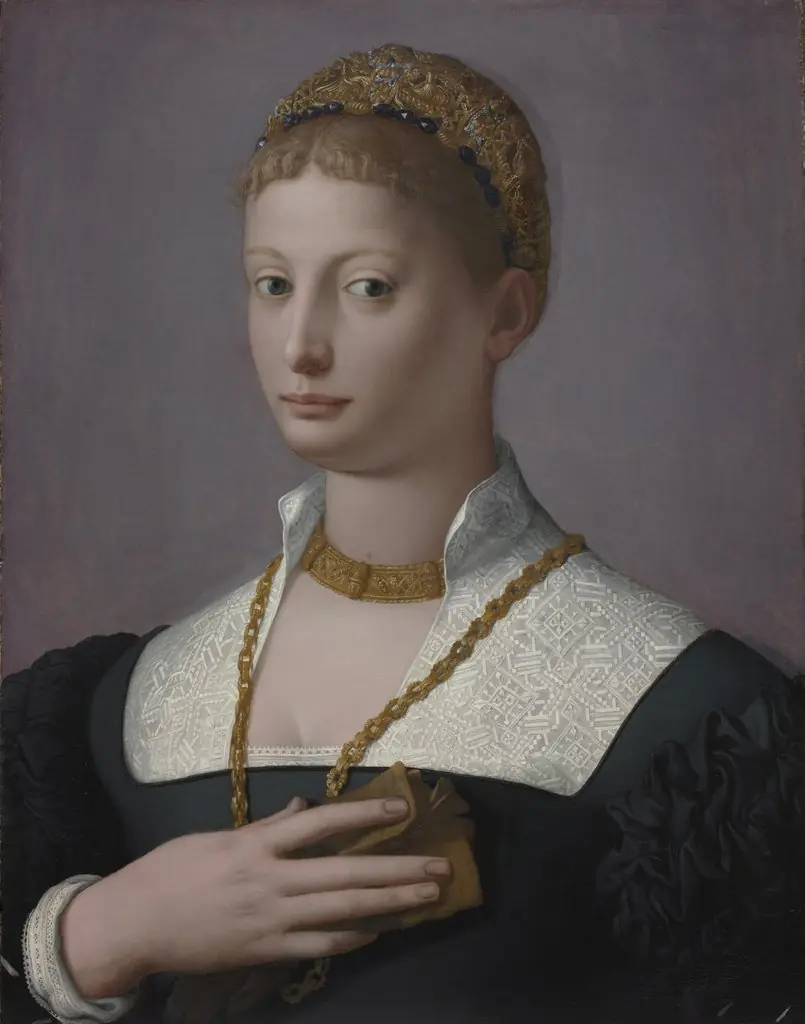 Portrait of a Woman
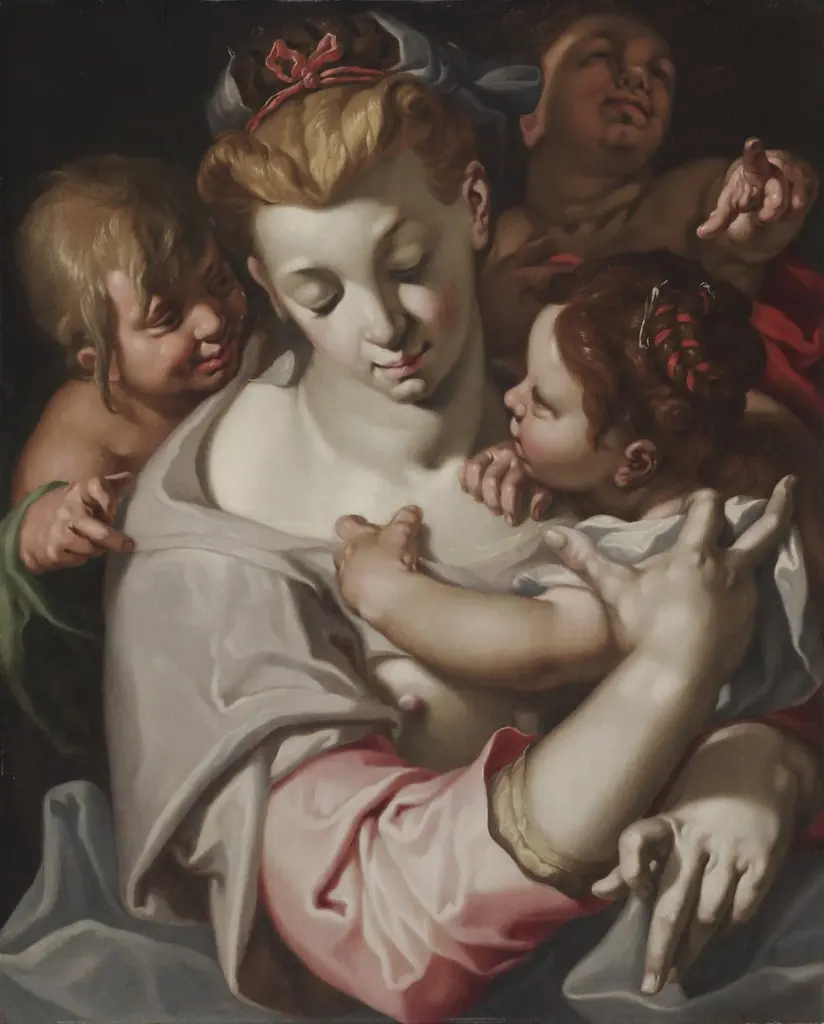 Charity
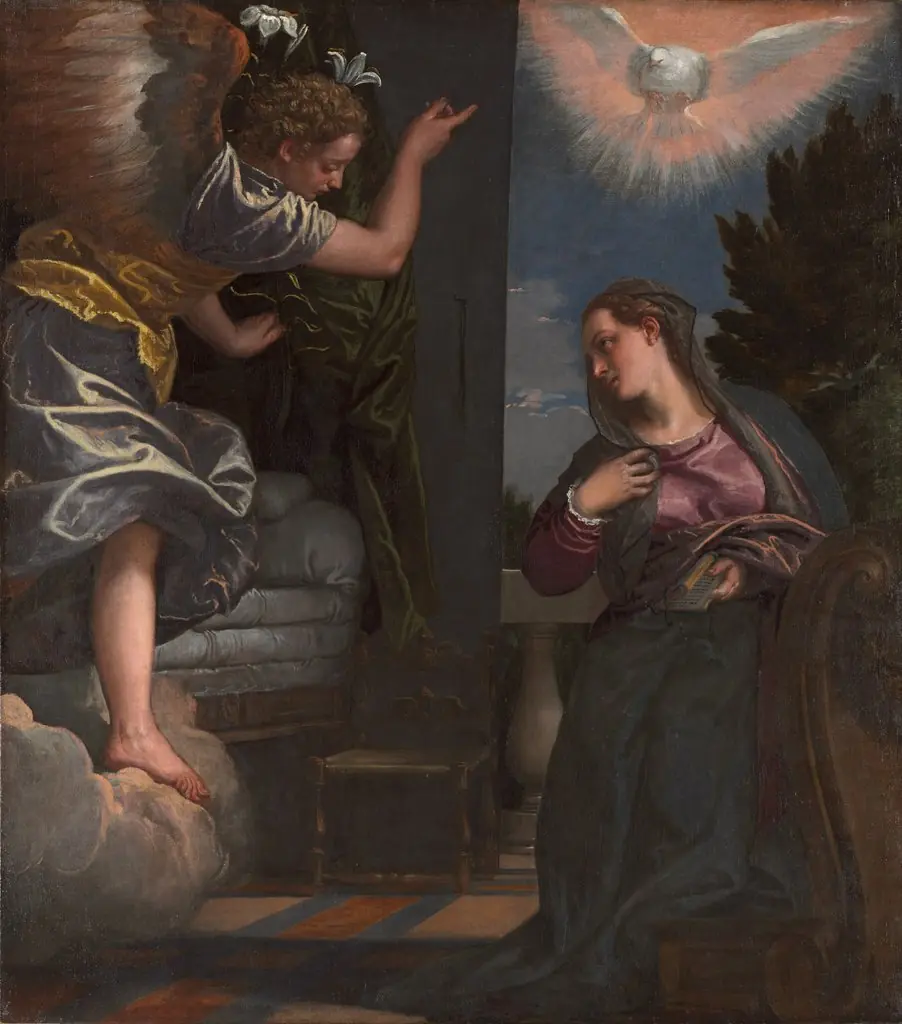 The Annunciation
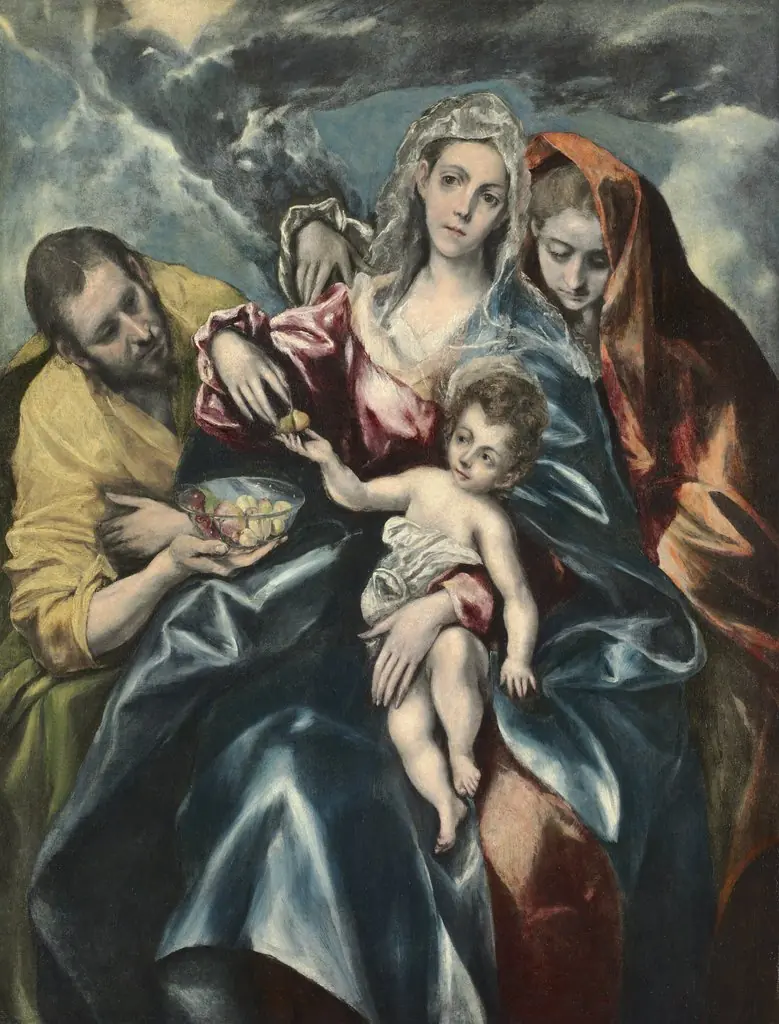 The Holy Family with Mary Magdalen
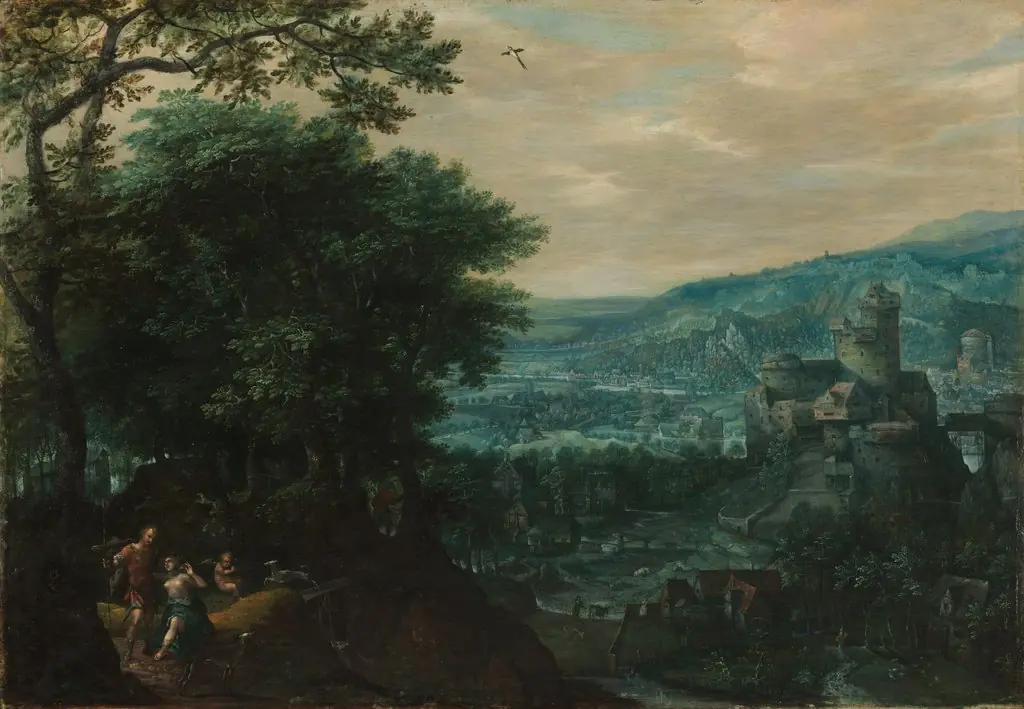 Landscape with Venus and Adonis
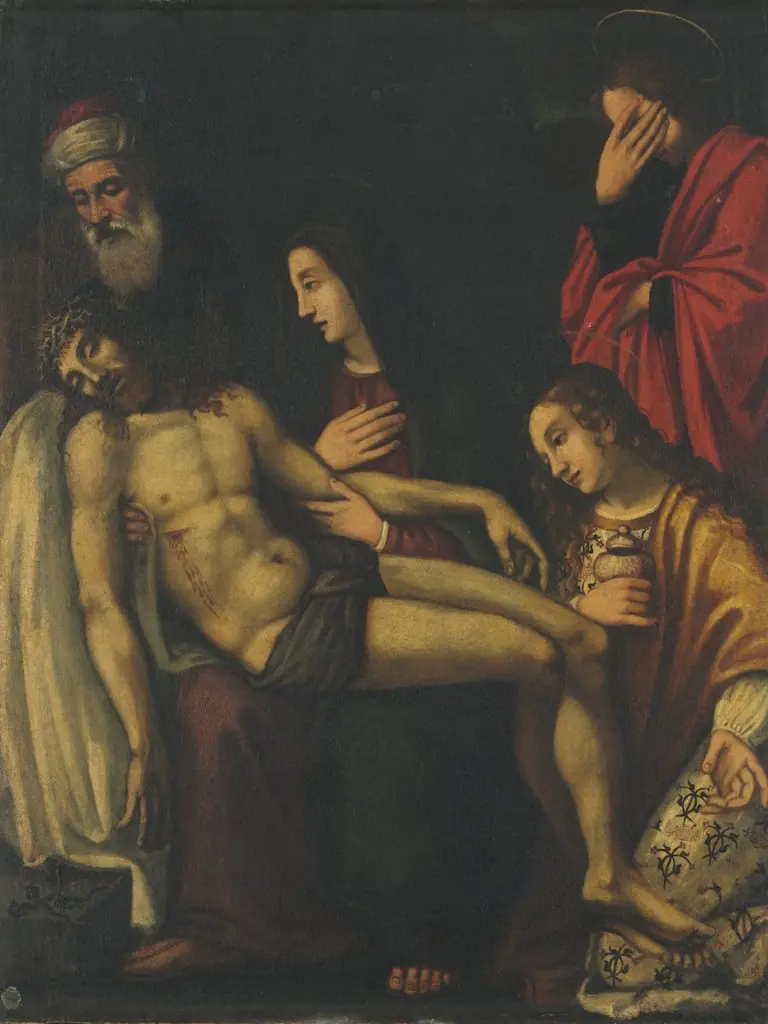 Pietà
Pietà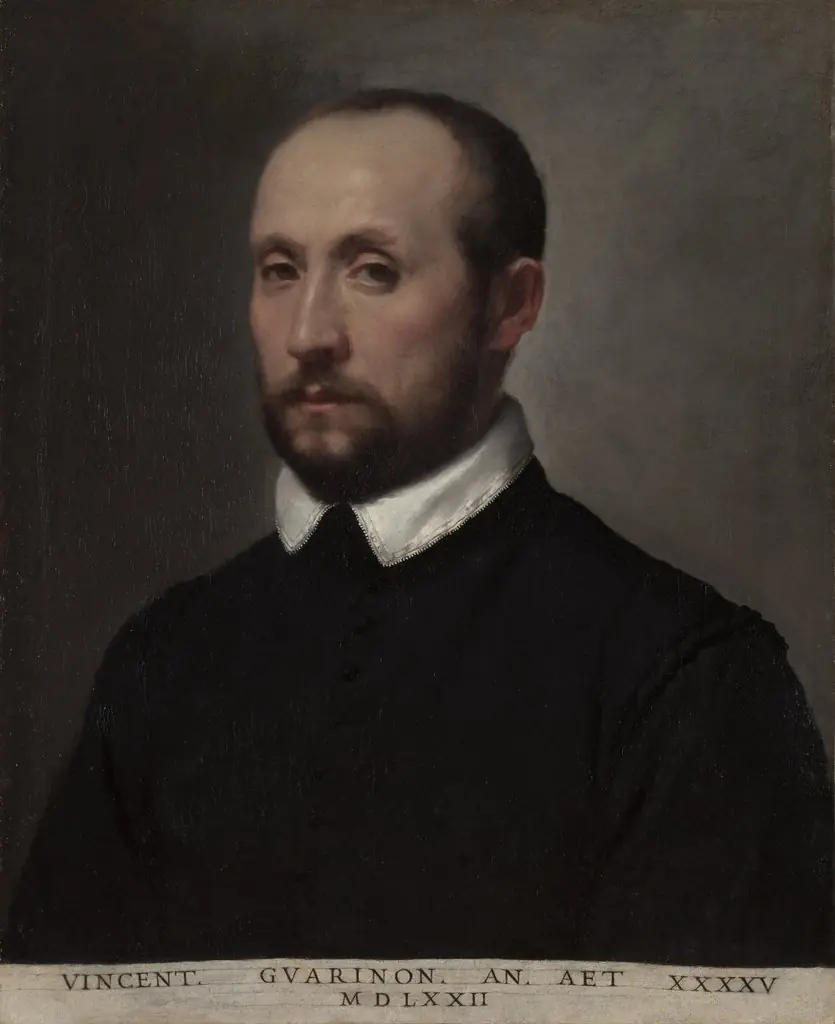 Portrait of Vincenzo Guarignoni
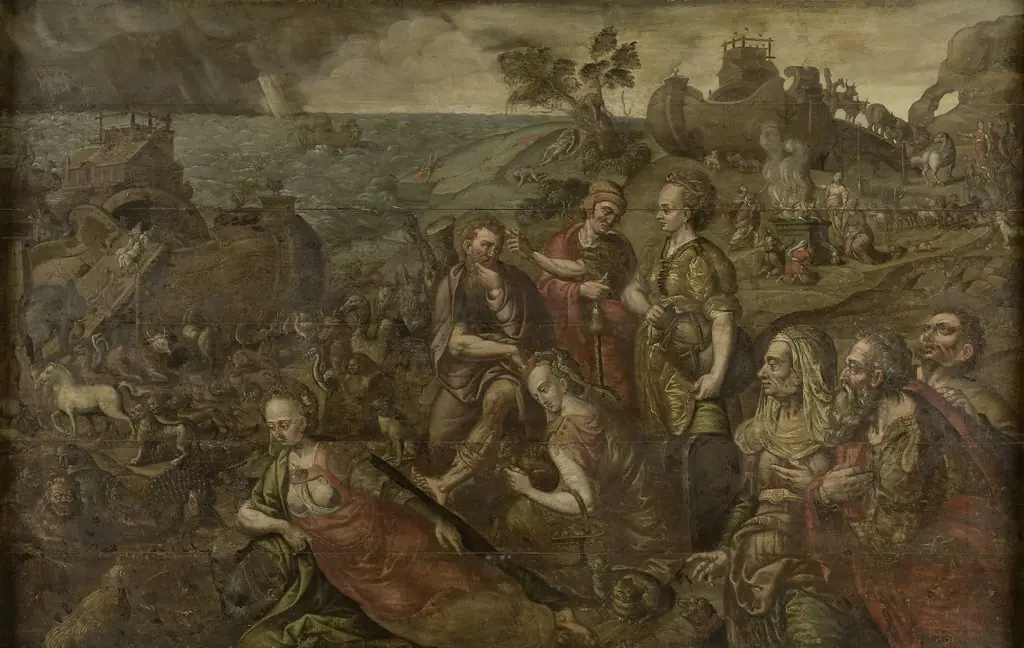 Noah's Ark
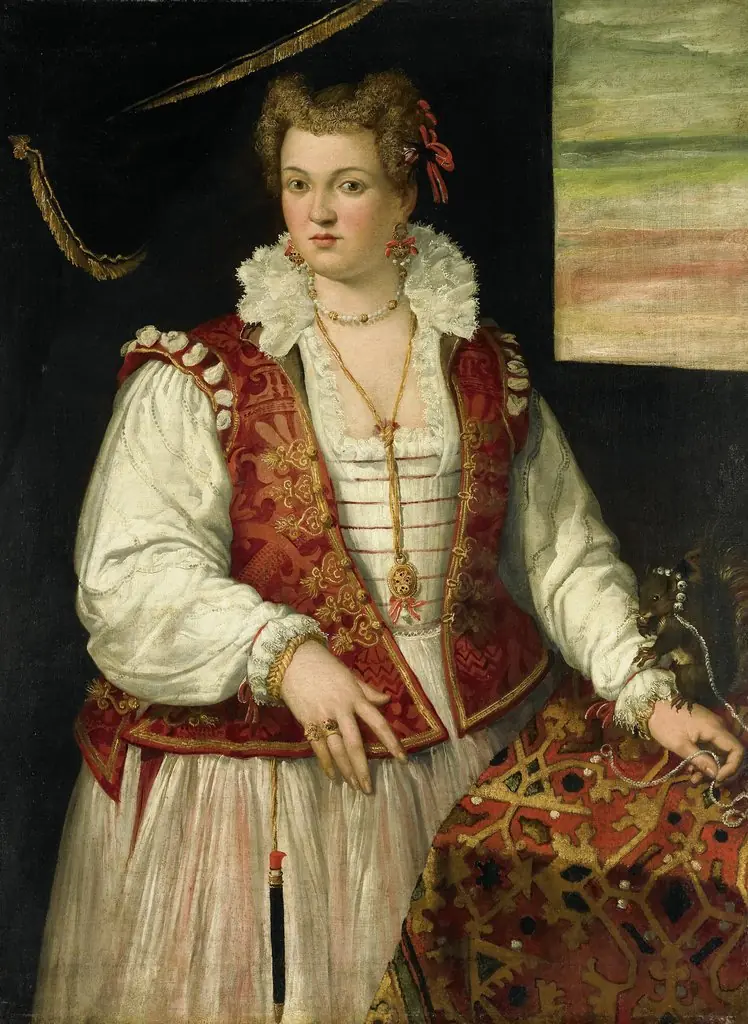 Portrait of a Woman with a Squirrel
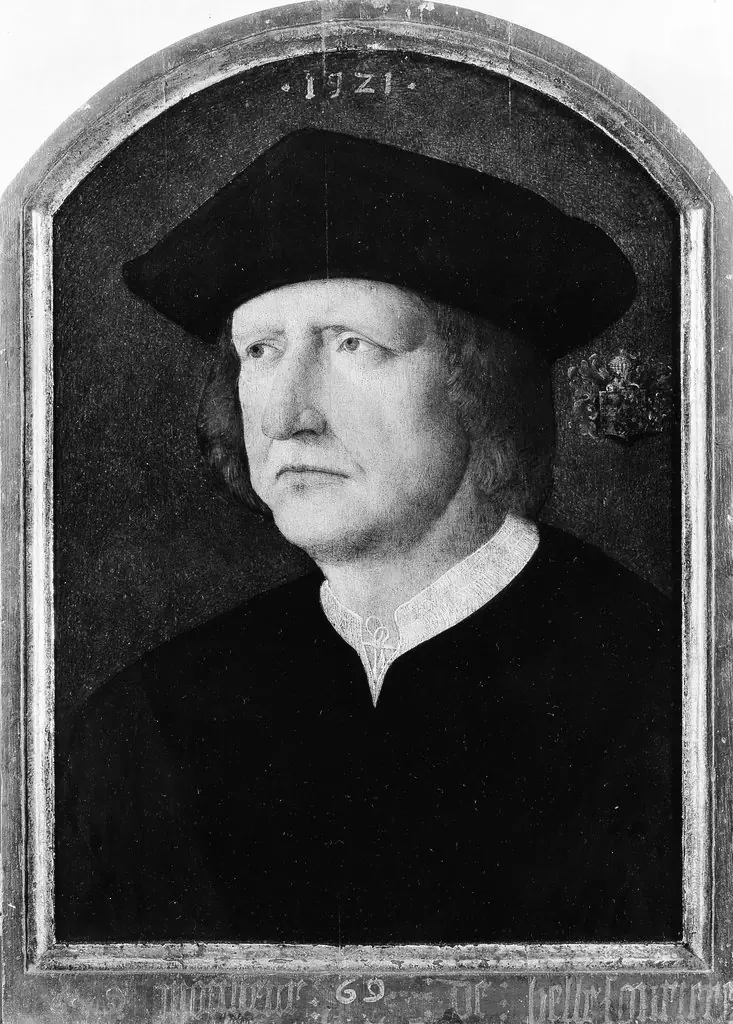 Monsieur de Bellefourière
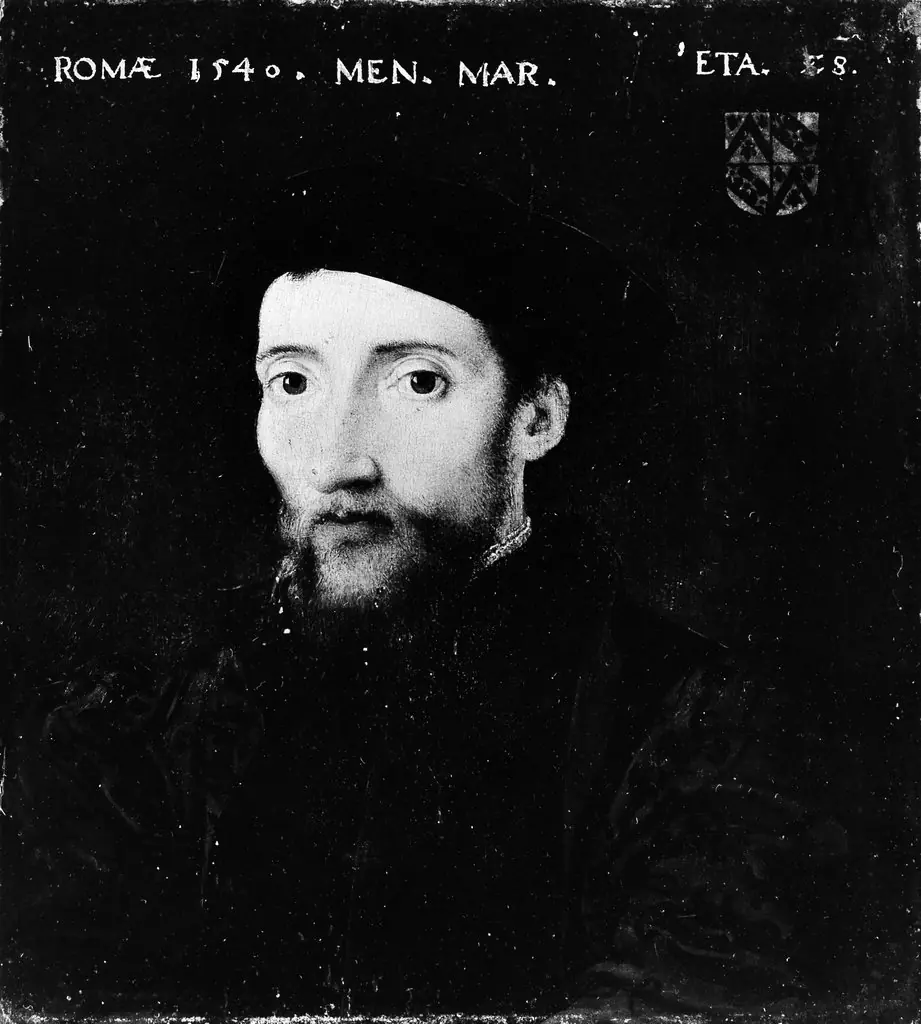 Portrait of a Member of the de Thou Family
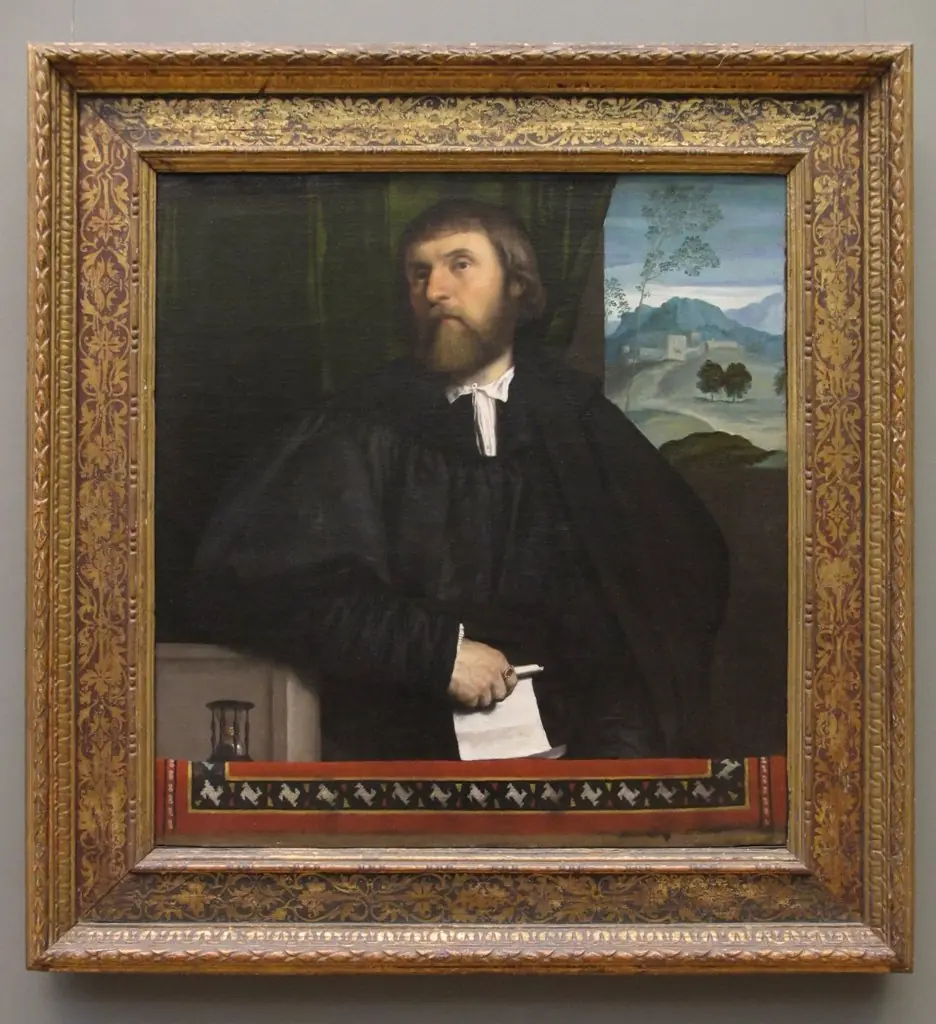 Portrait of a Man
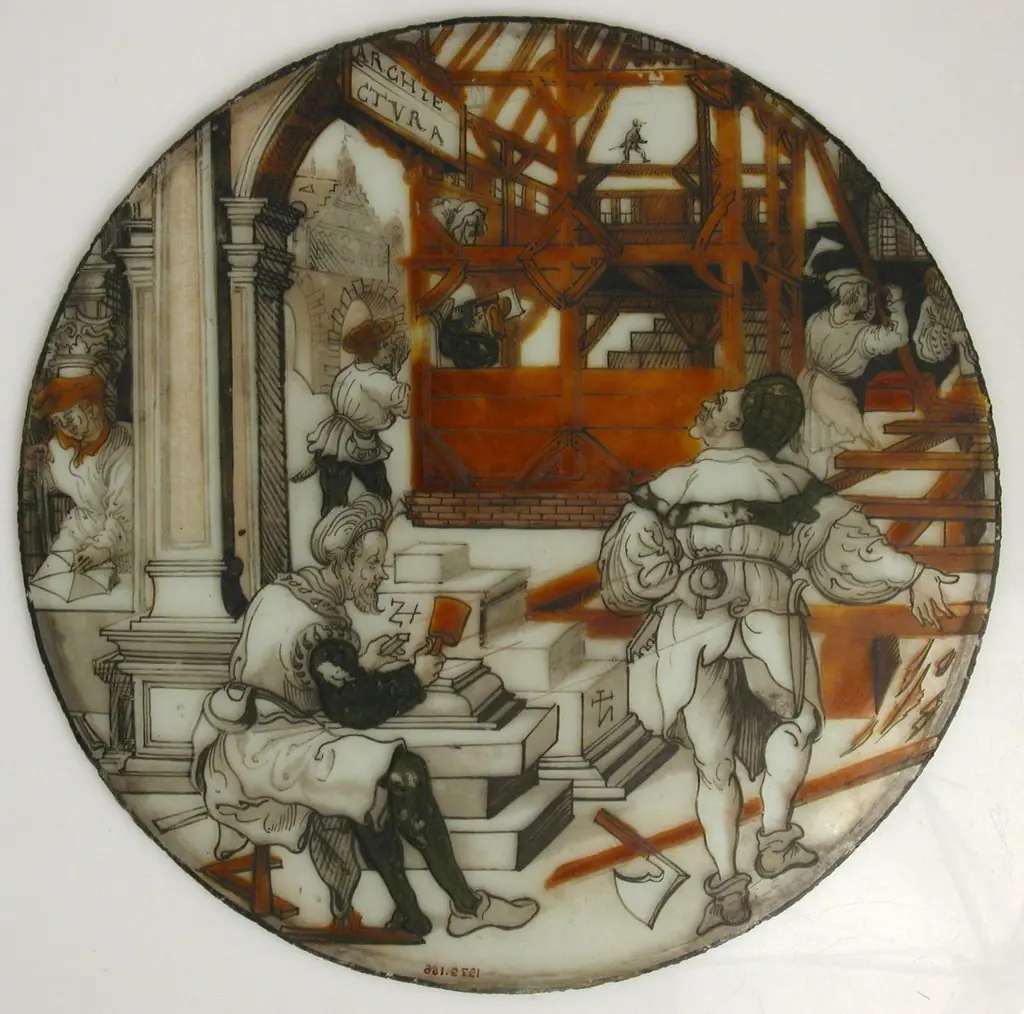 Roundel with Architecture (from a series of The Septem Artes Mechanicae)
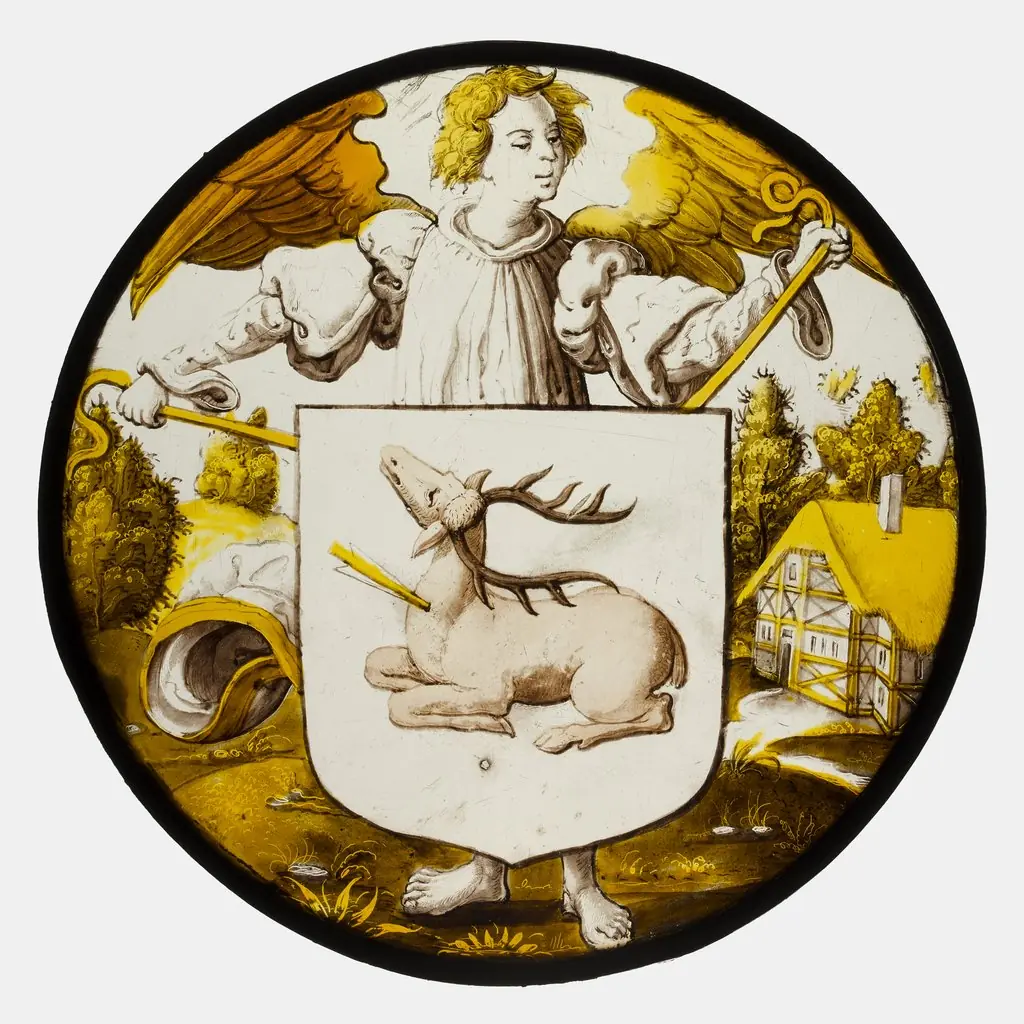 Roundel with Angel Supporting a Heraldic Shield
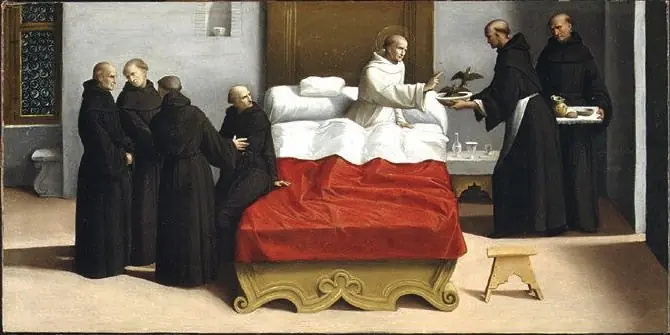 Saint Nicholas of Tolentino Reviving the Birds
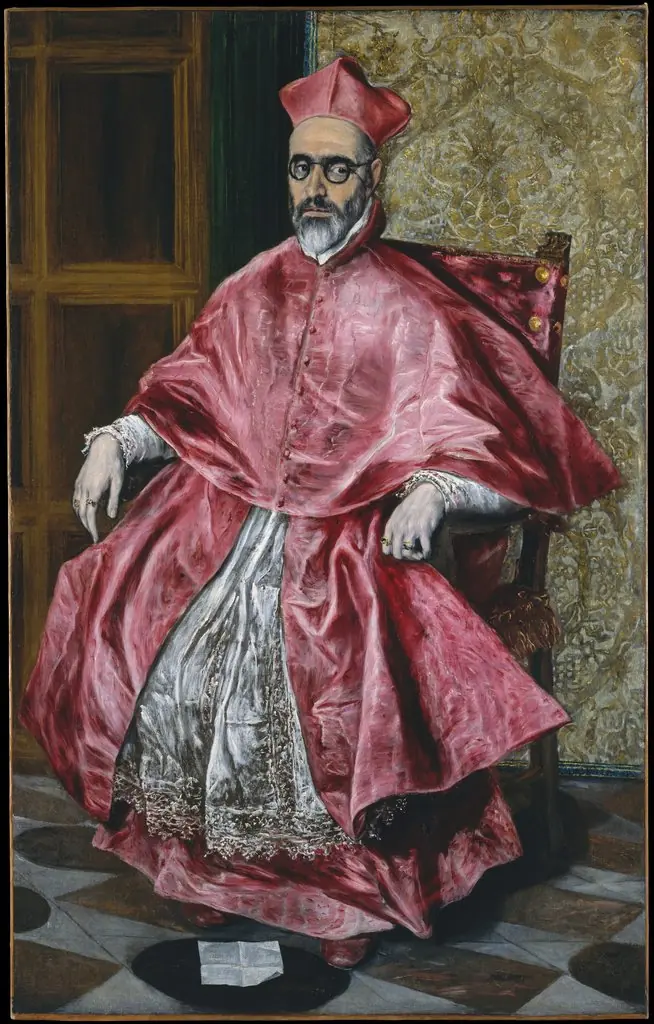 Cardinal Fernando Niño de Guevara
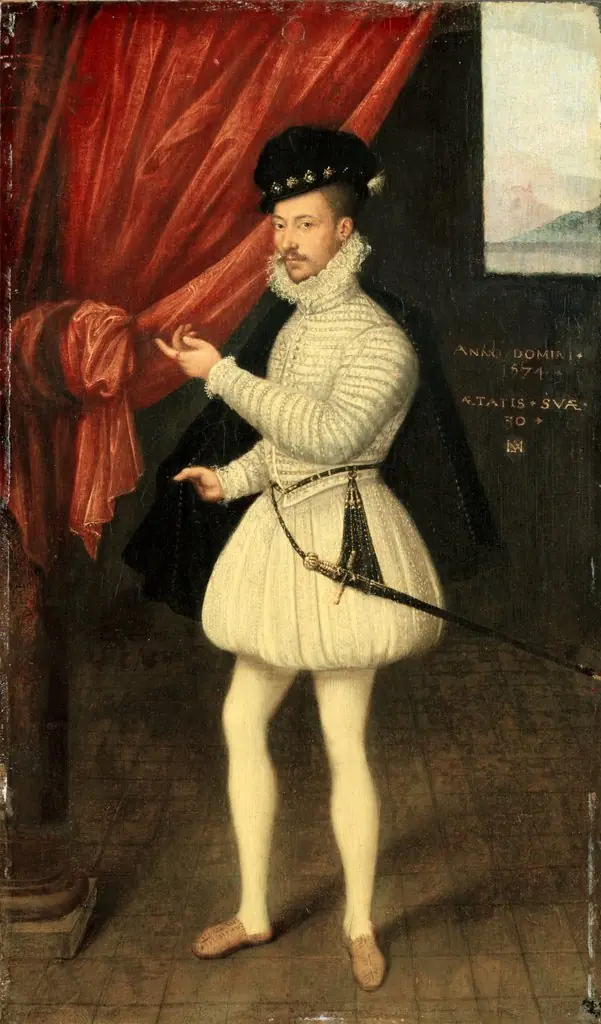 Portrait of a Man in White
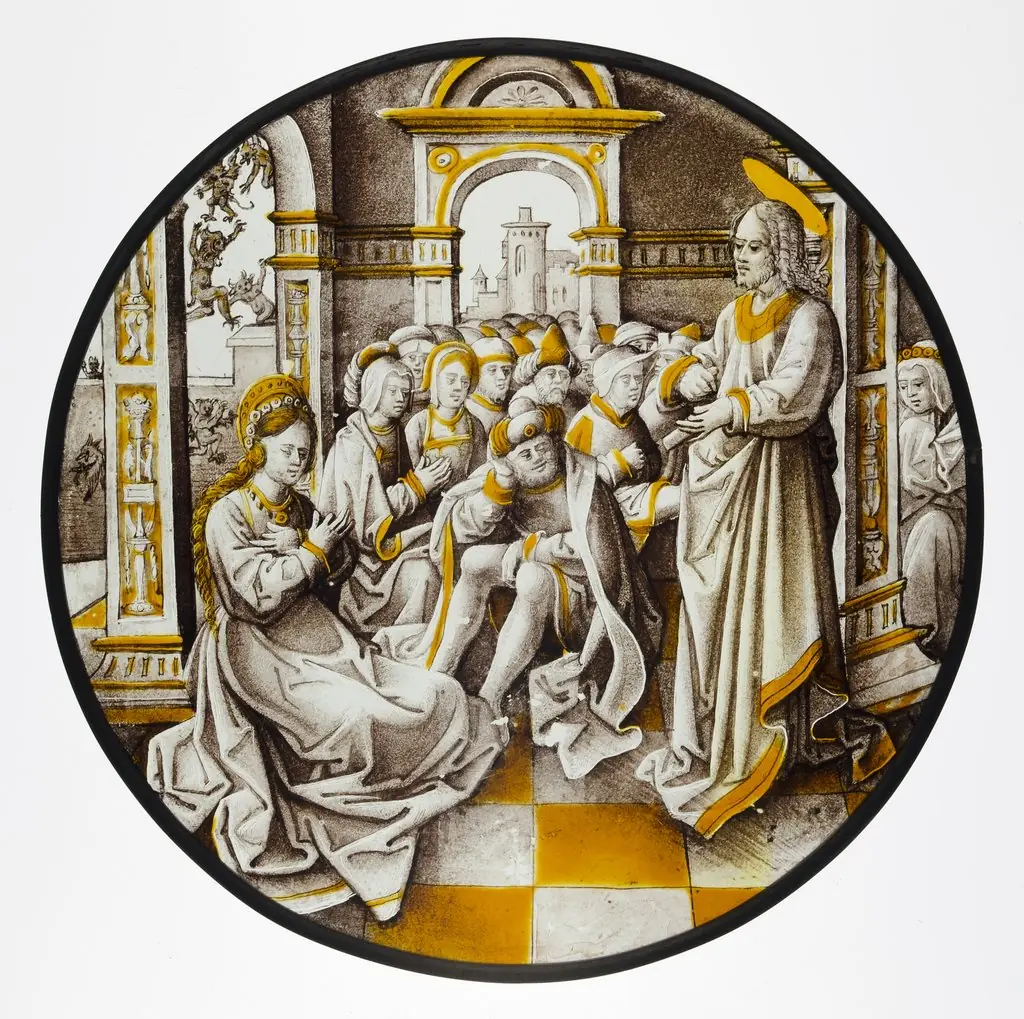 Roundel with Christ and the Adulterous Woman
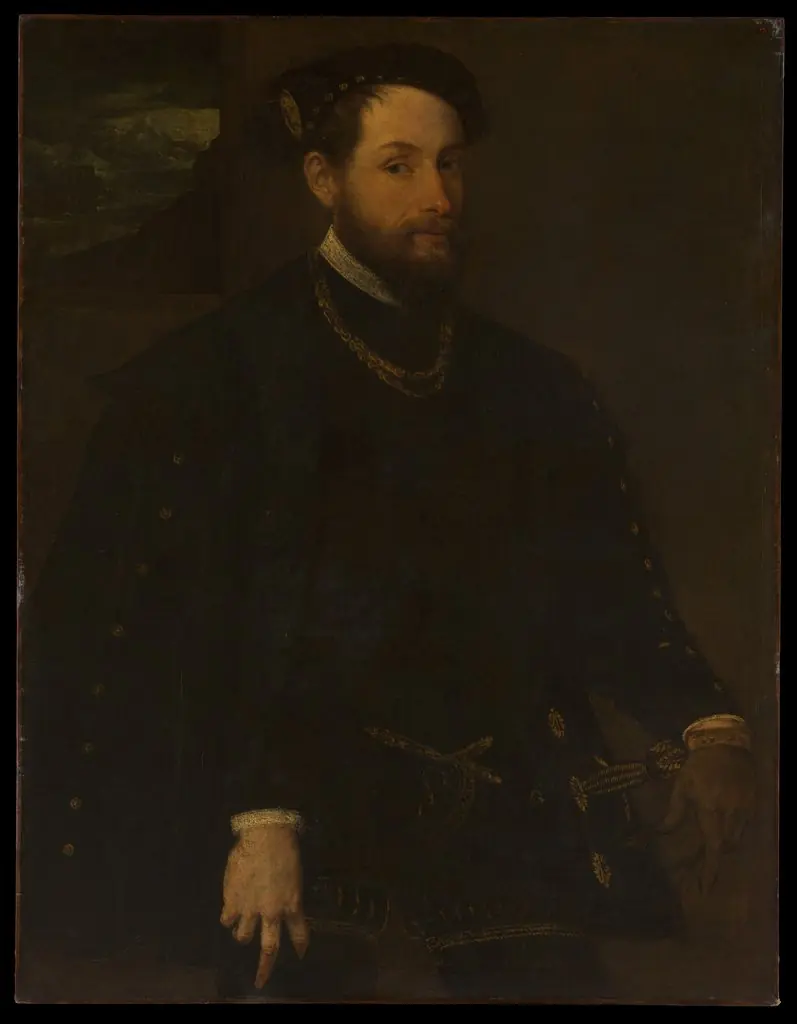 Portrait of a Man
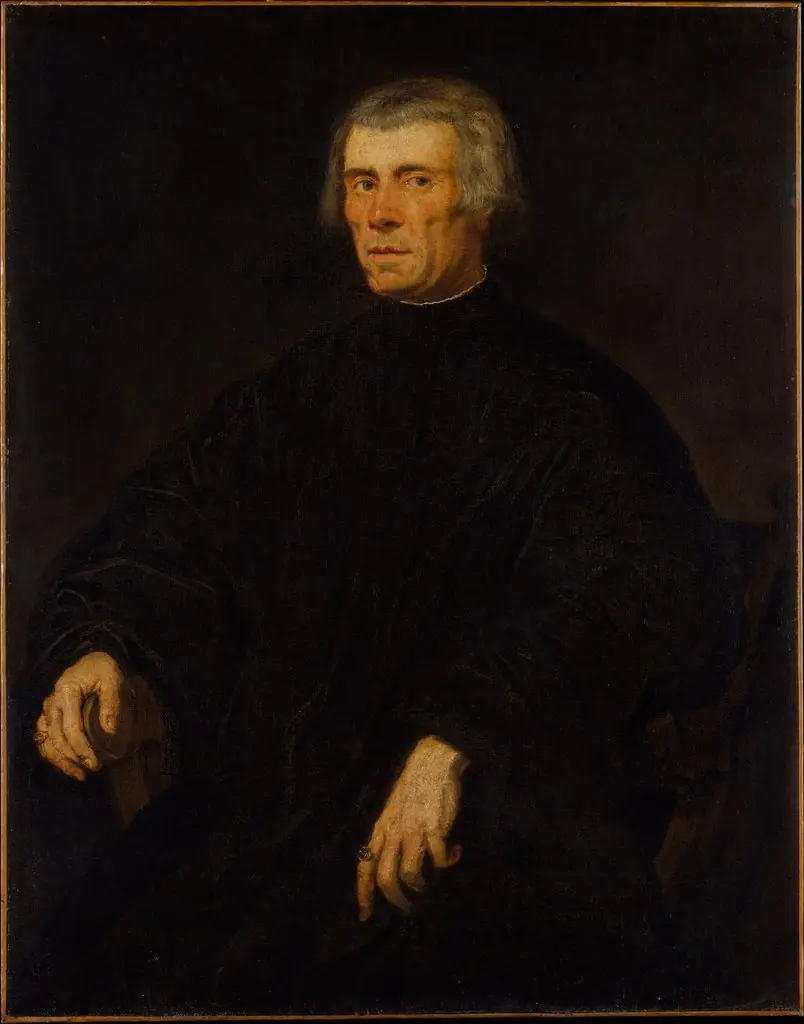 Portrait of a Man
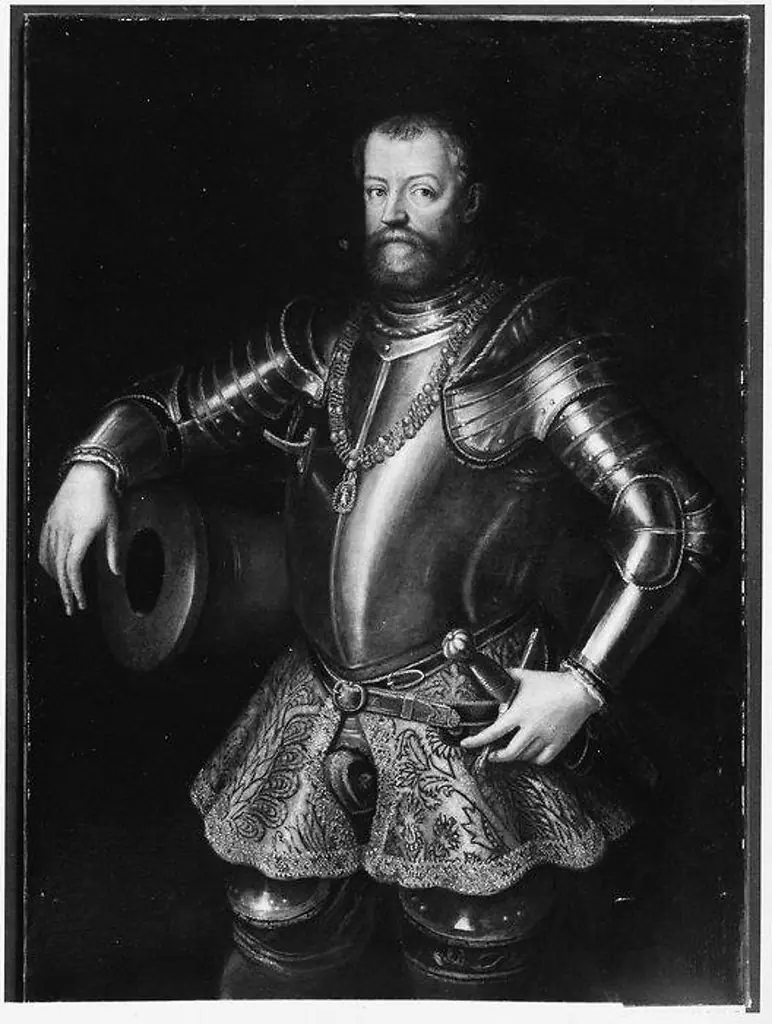 Alfonso I d'Este (1476–1534), Duke of Ferrara
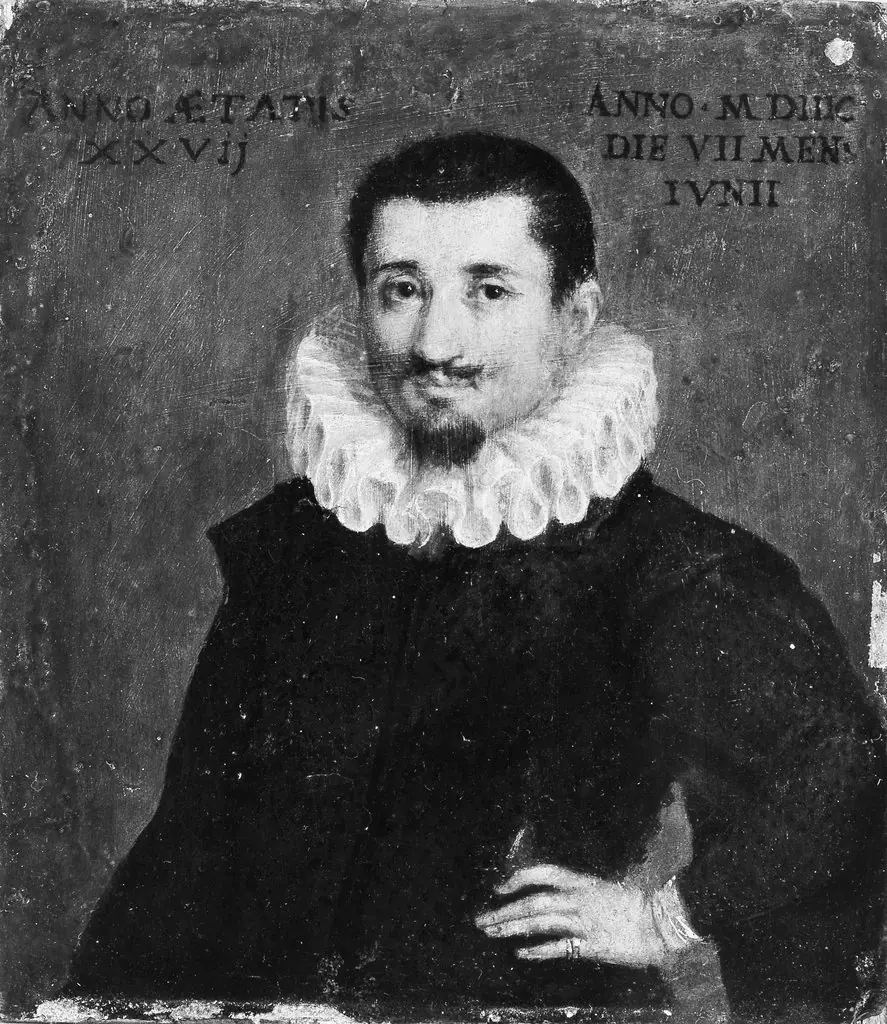 Portrait of a Man
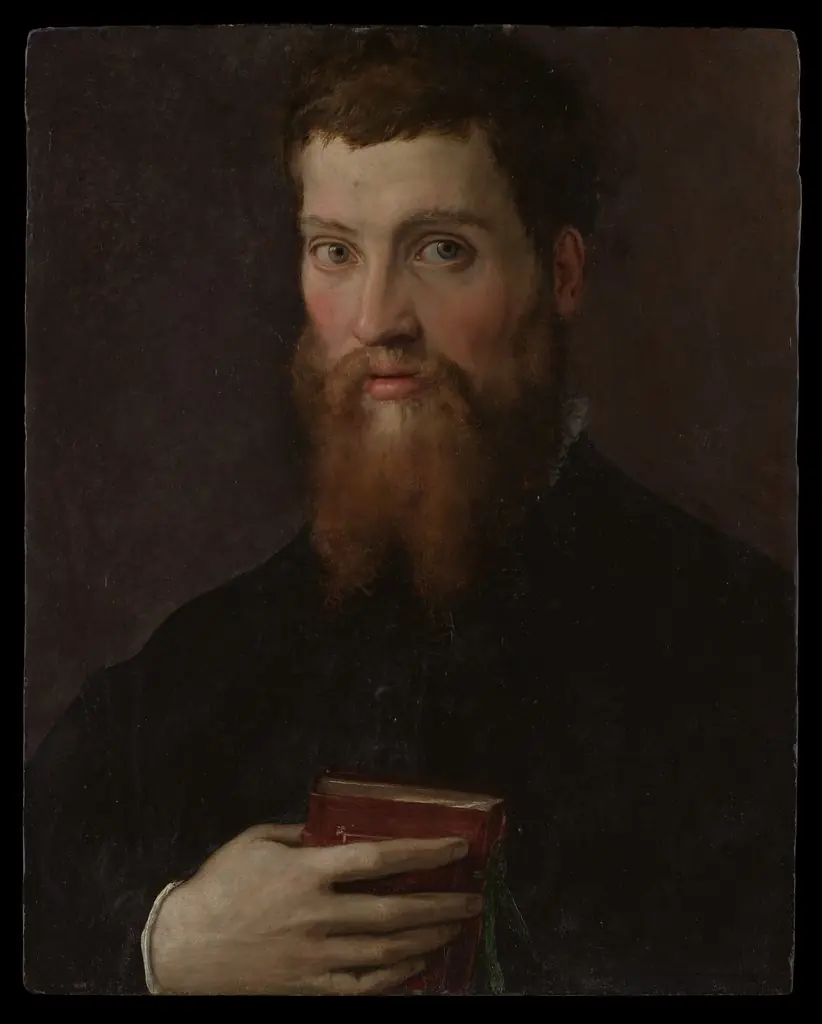 Carlo Rimbotti (1518–1591)
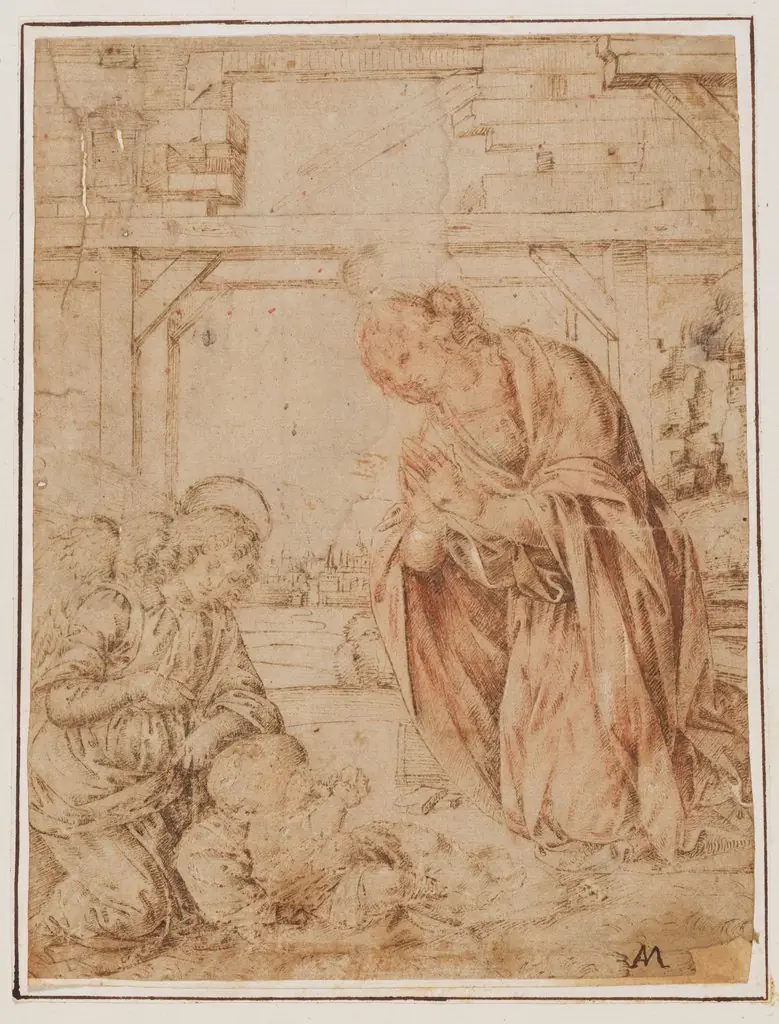 The Madonna Adoring the Child, with an Angel
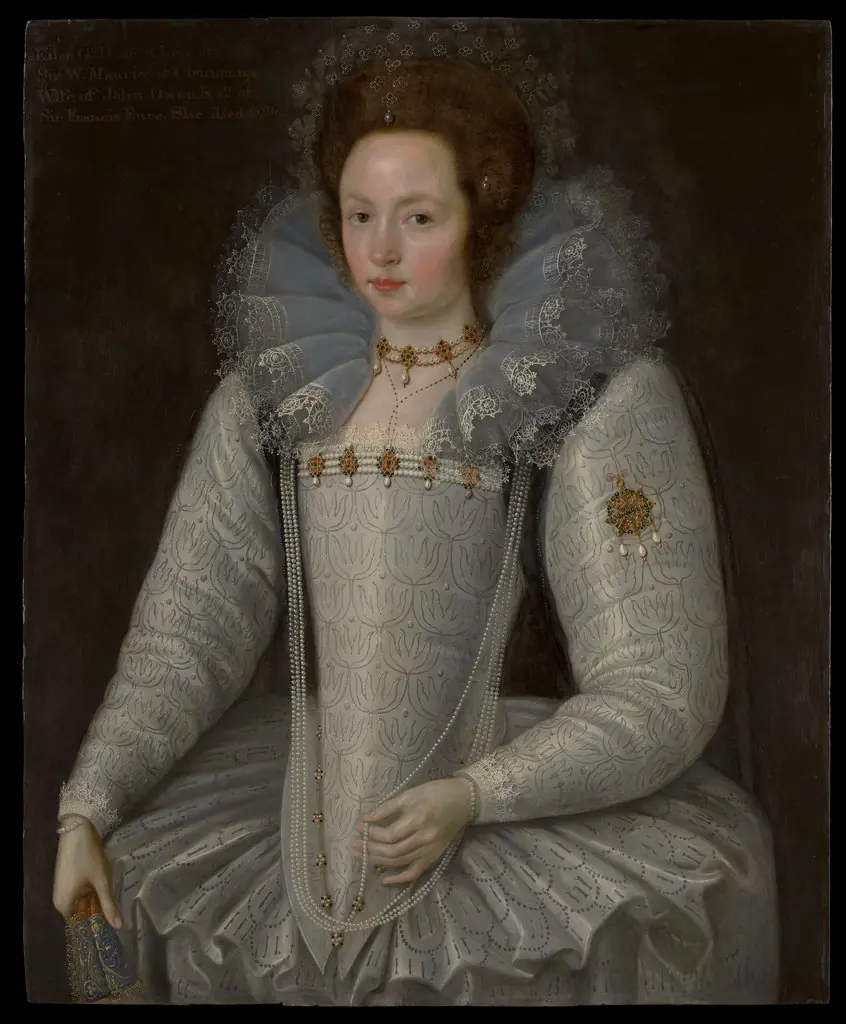 Ellen Maurice (1578–1626)
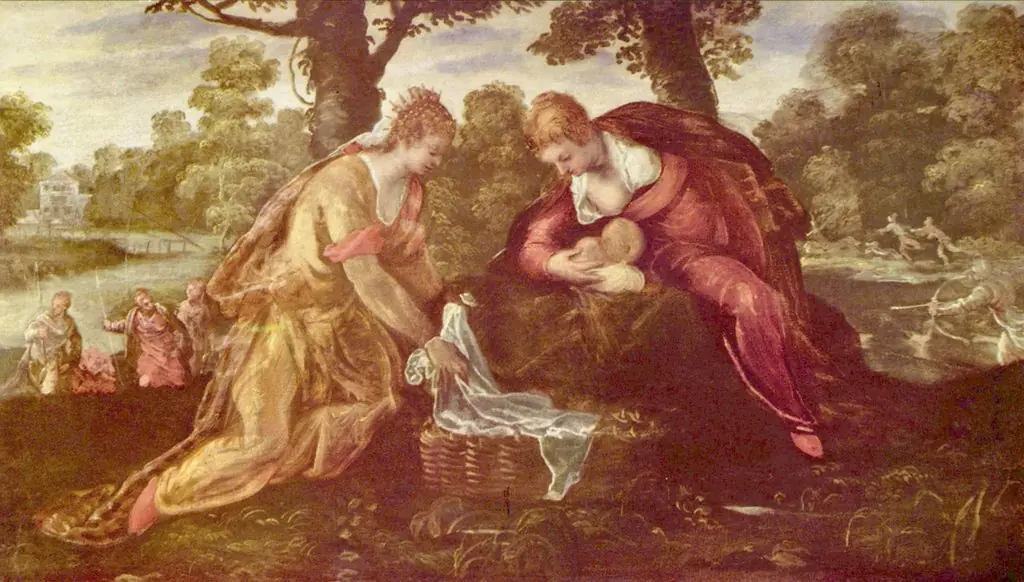 The Finding of Moses
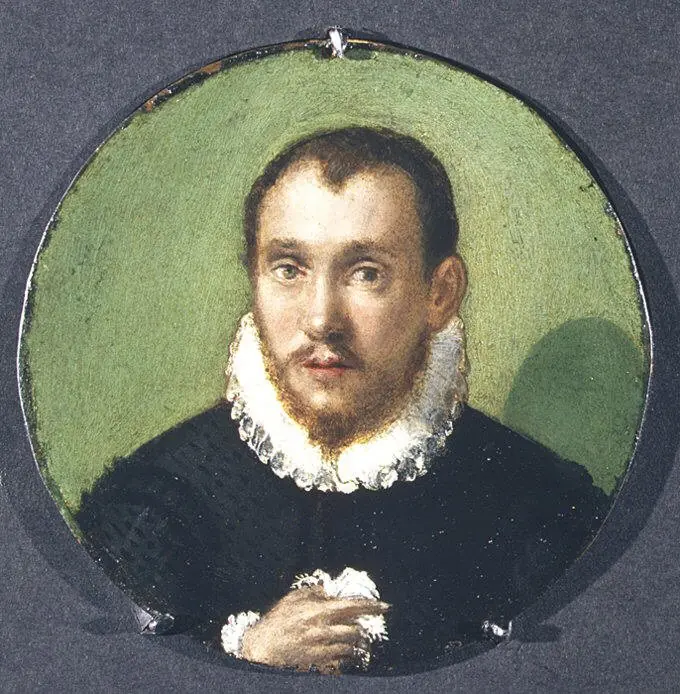 Portrait of a Man
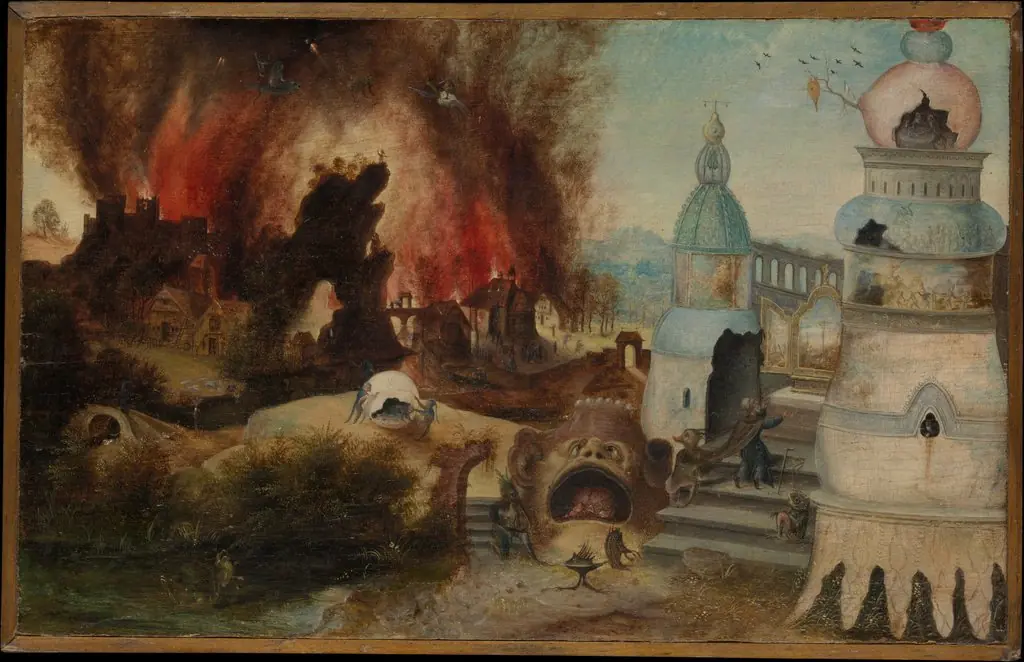 The Temptation of Saint Anthony
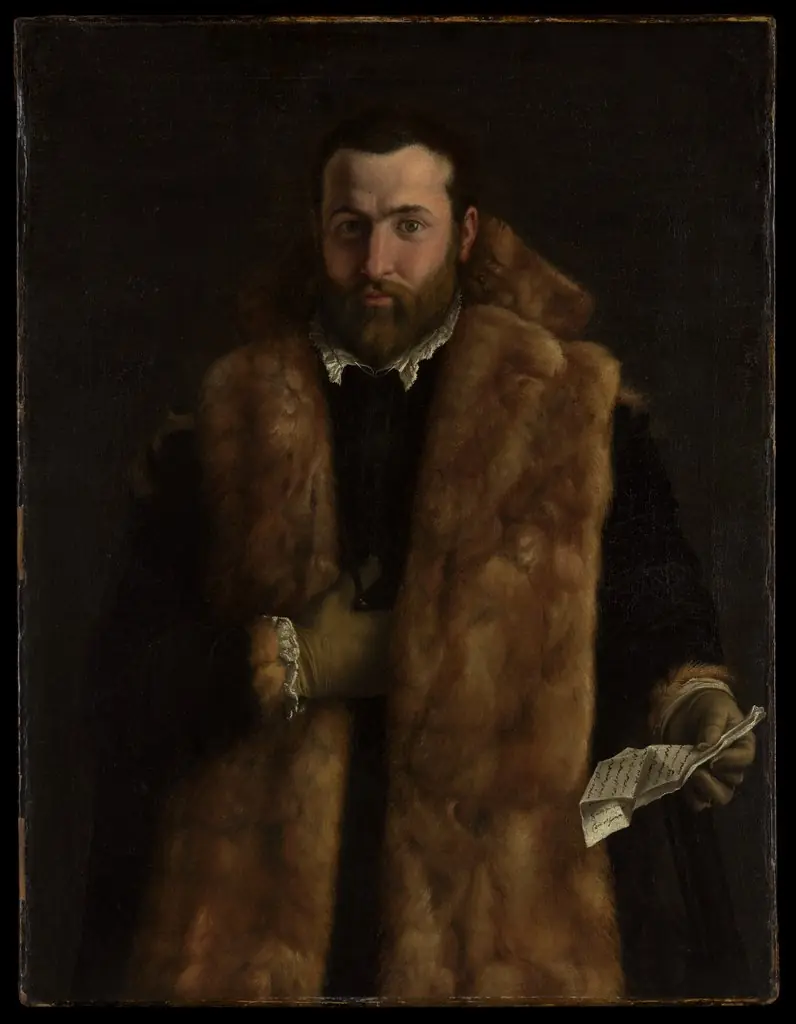 Portrait of a Man in a Fur-Trimmed Coat
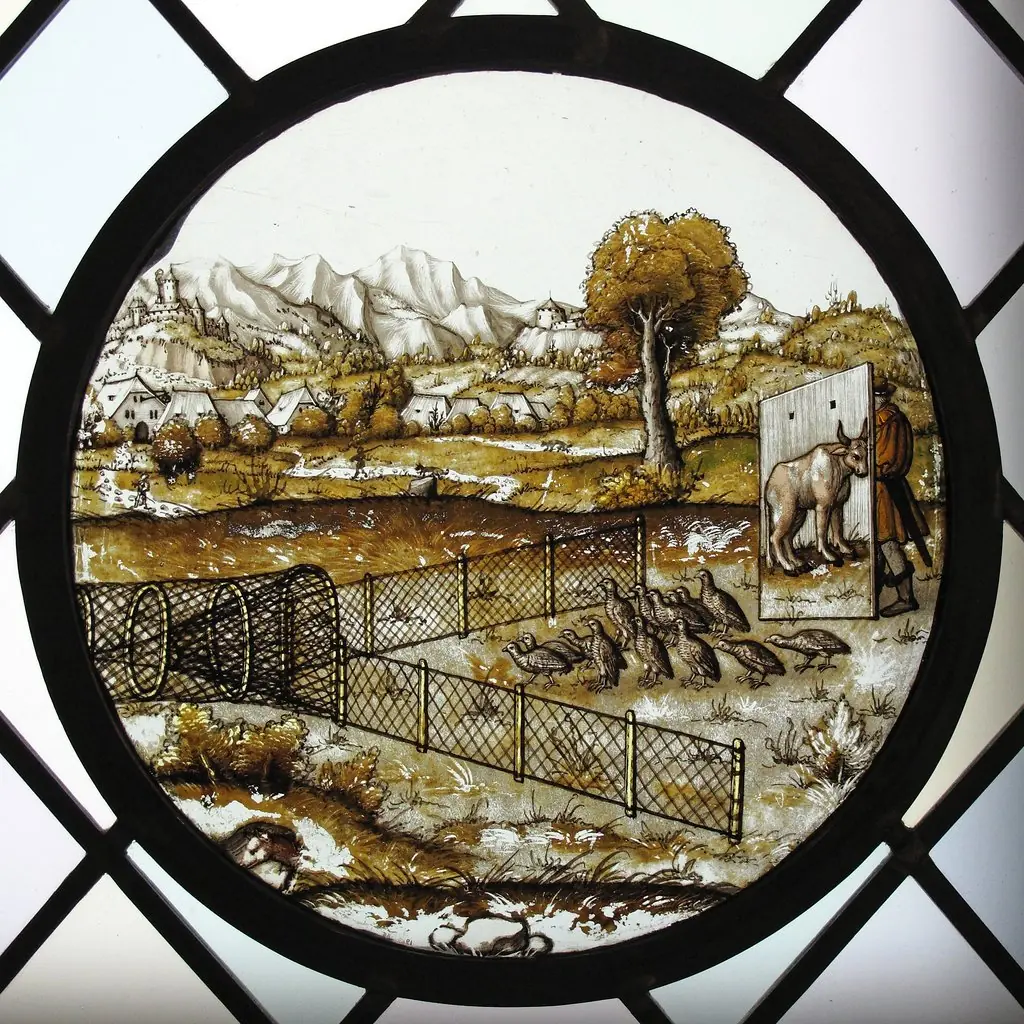 Roundel with Netting Quail
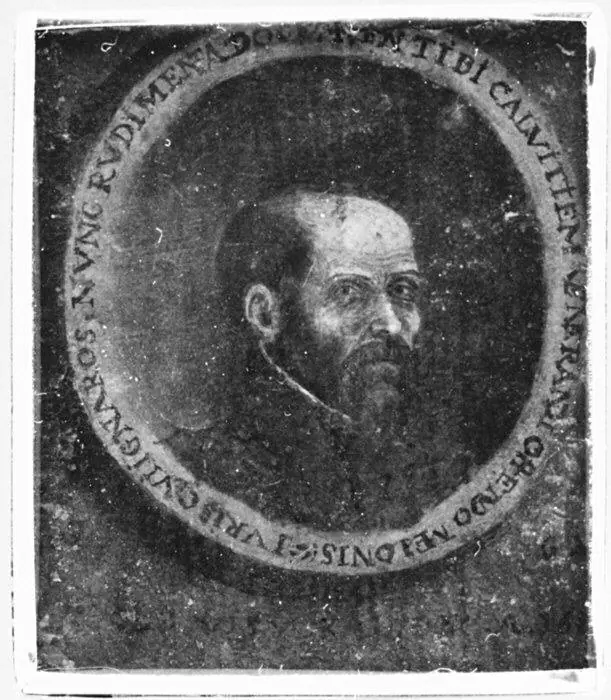 Portrait of a Man
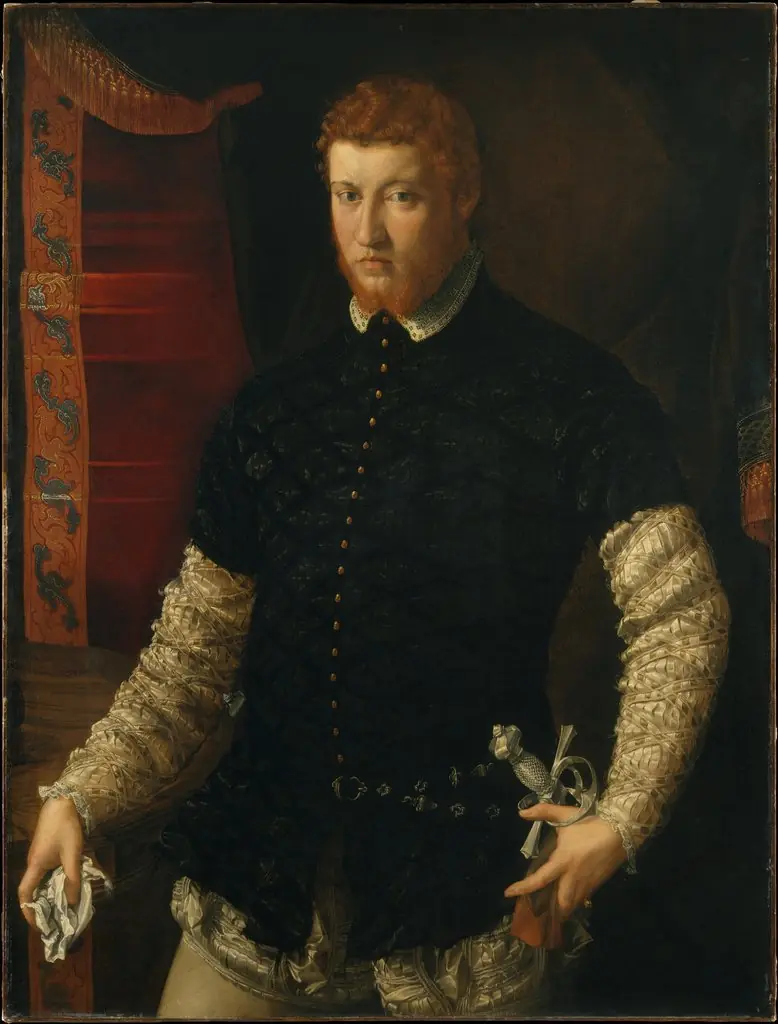 Portrait of a Man
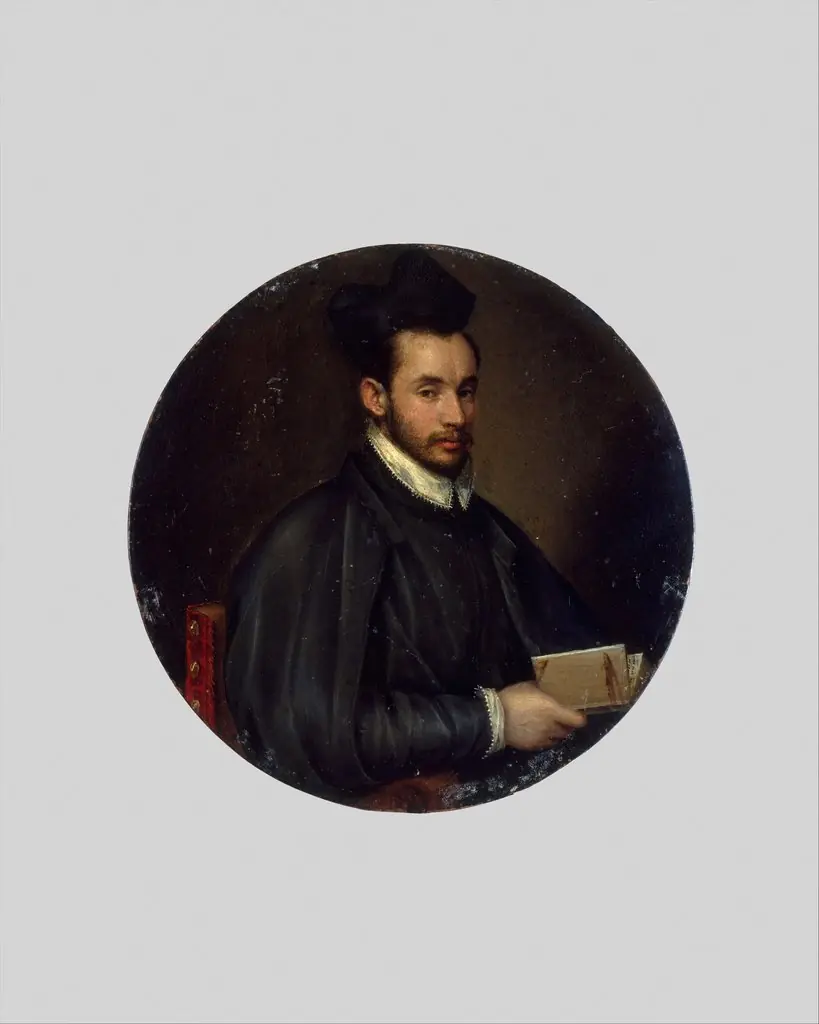 Portrait of a Prelate
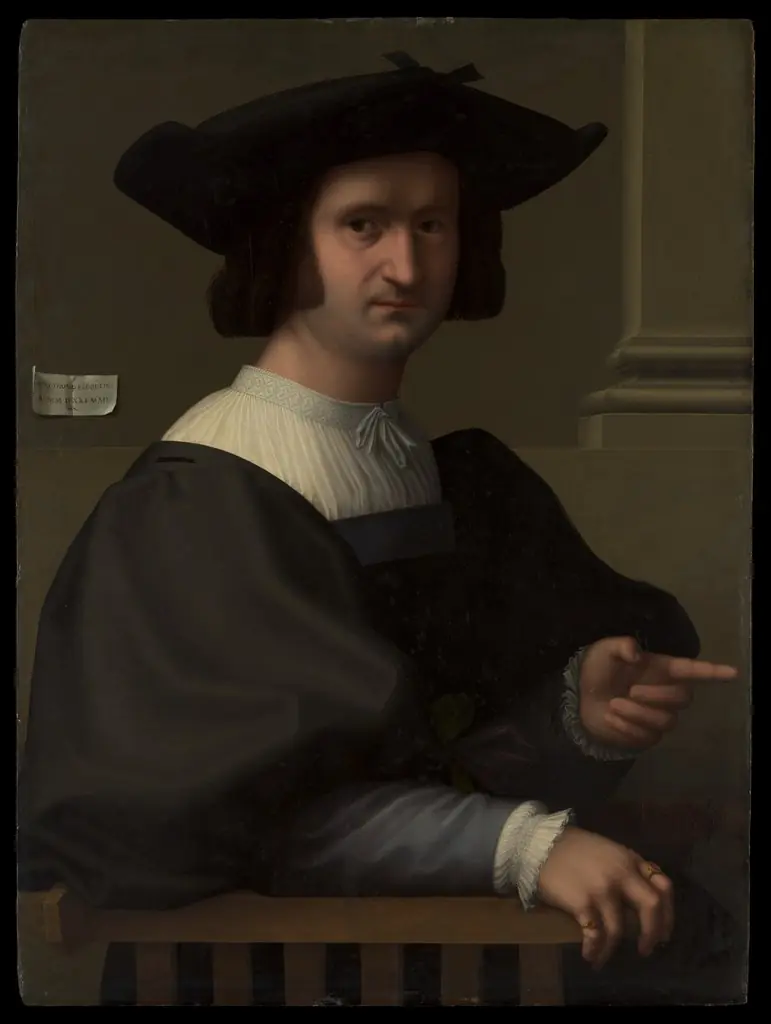 Portrait of a Man
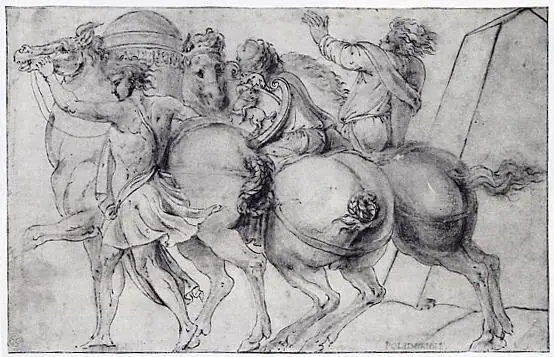 Frieze with Three Horsemen
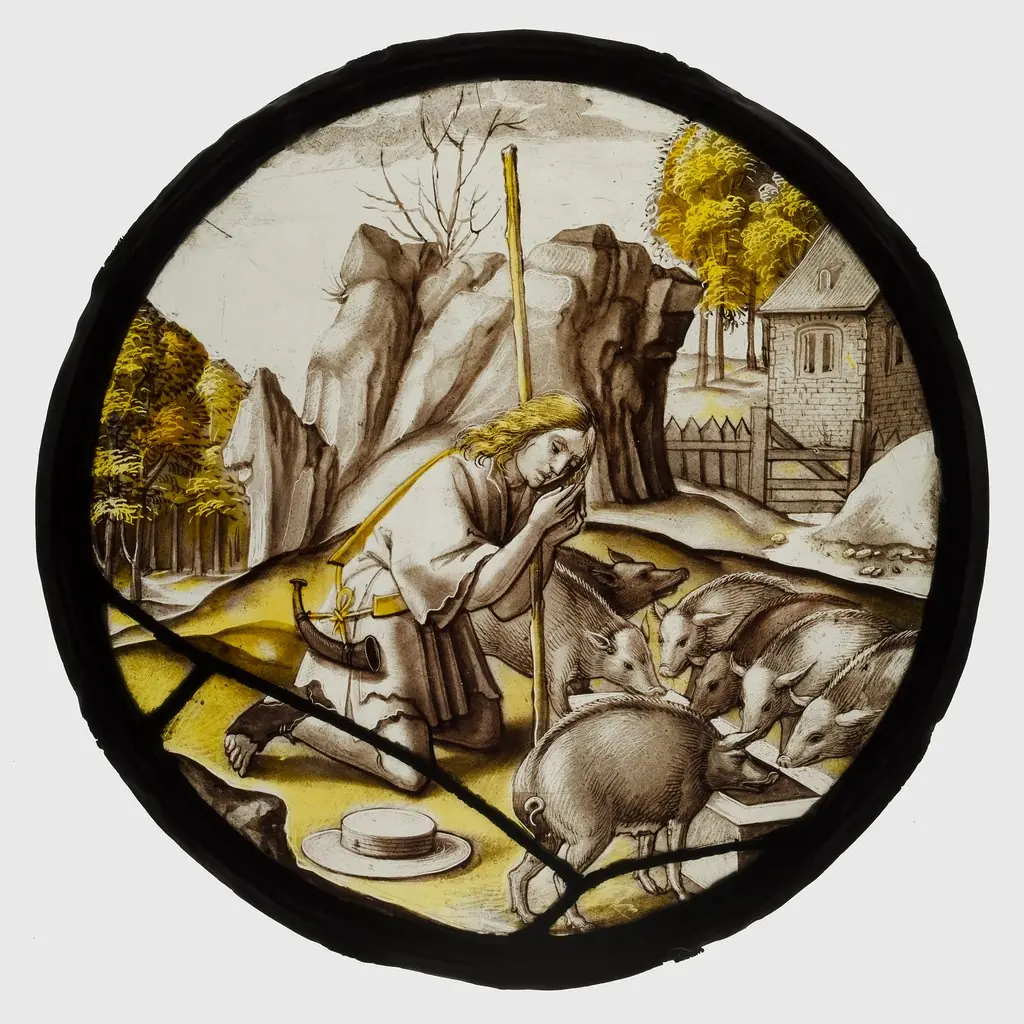 Roundel with the Prodigal Son among the Swine
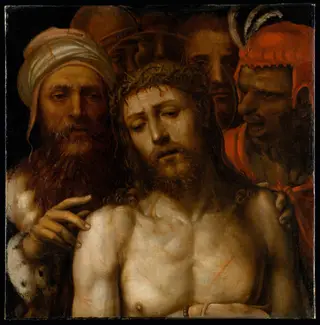 Christ Presented to the People (Ecce Homo)
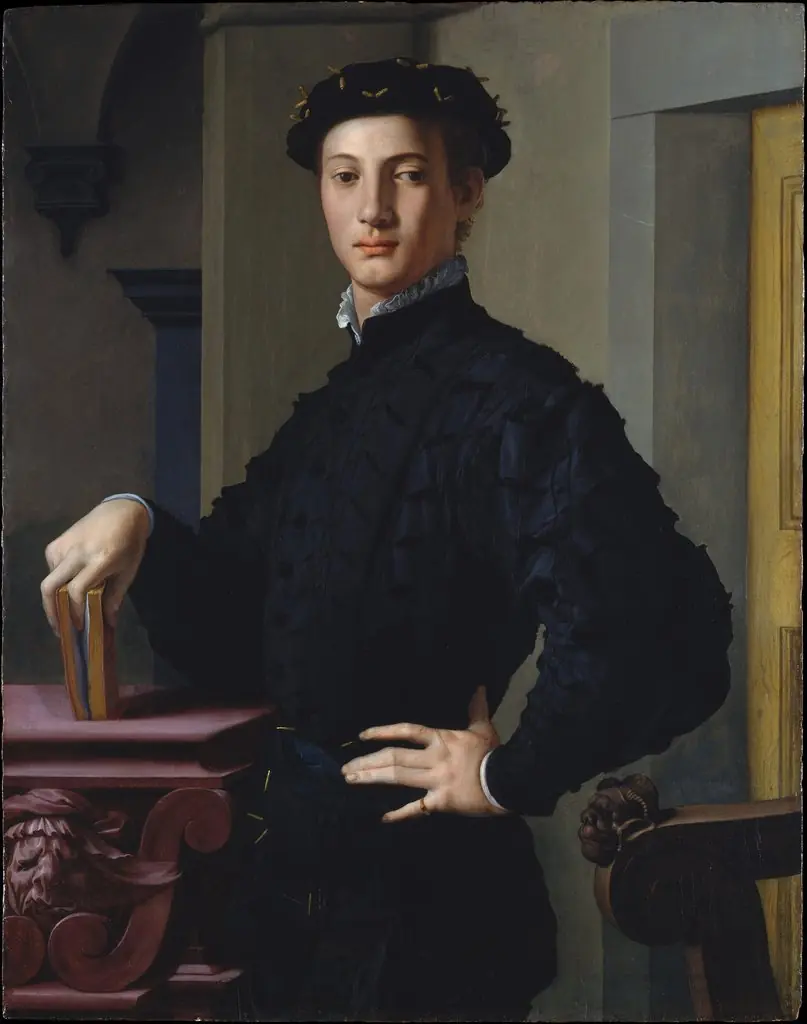 Portrait of a Young Man with a Book
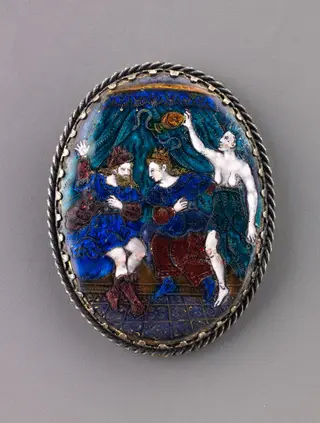 Watchcase cover: Tisiphone Casting Snakes at Athamas and Ino
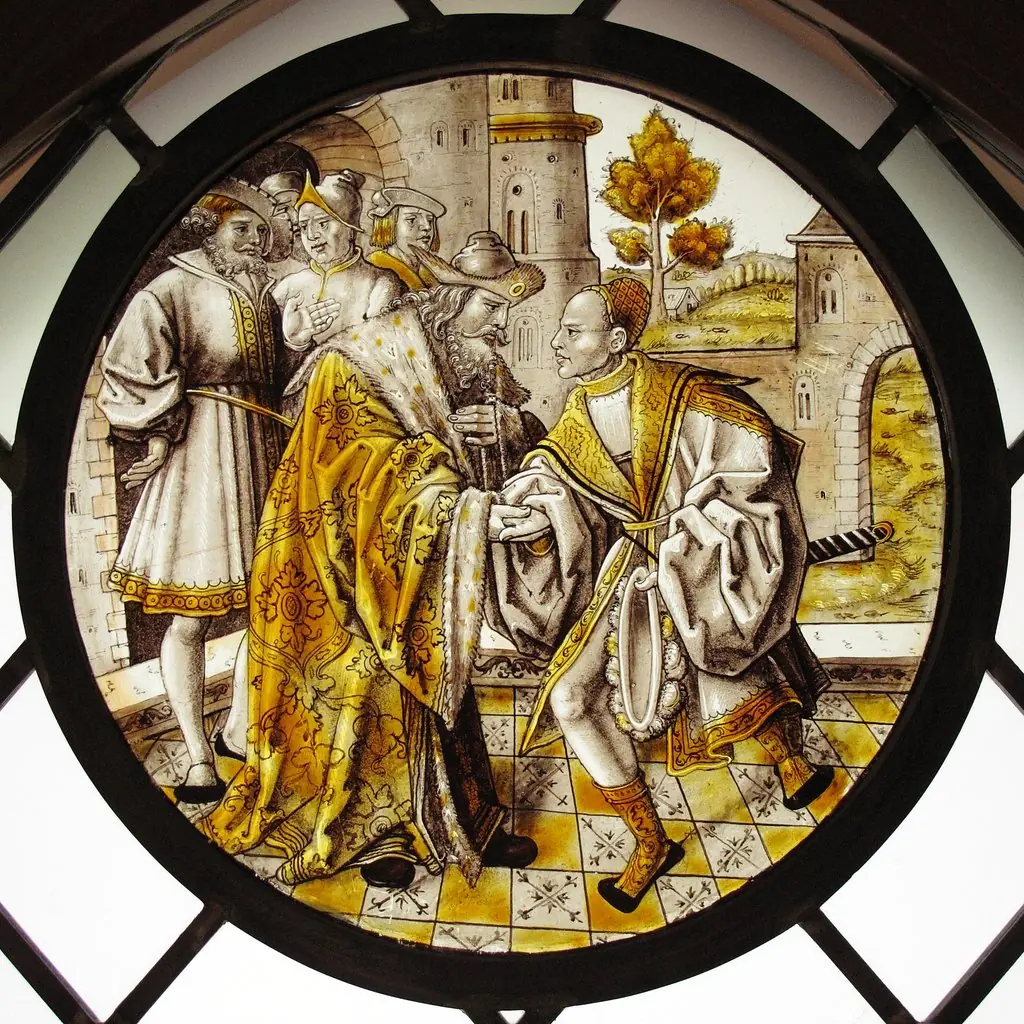 Roundel with Return of the Prodigal Son
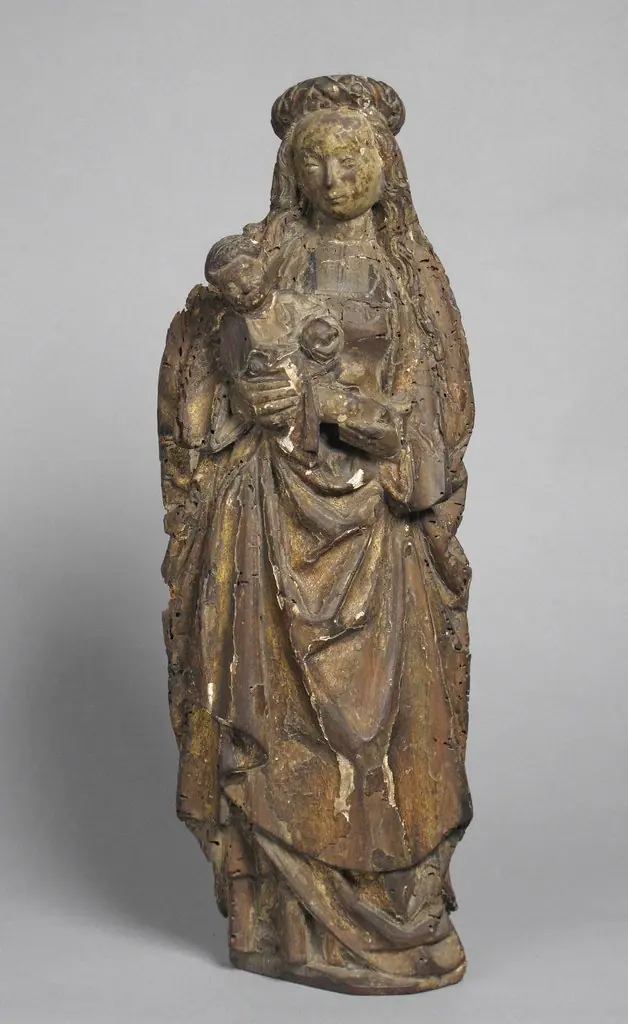 Virgin and Child
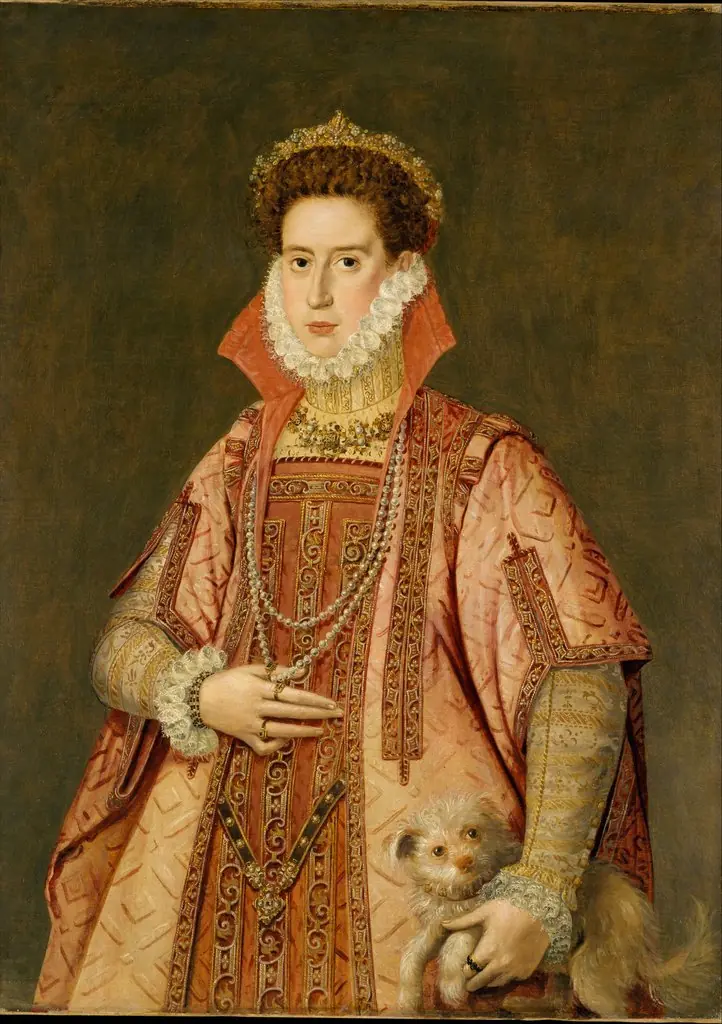 Portrait of a Woman
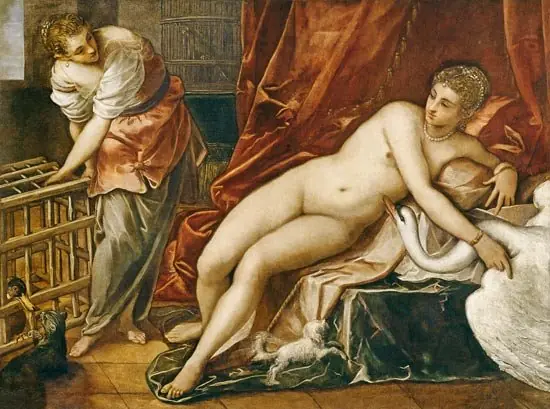 Leda and the Swan
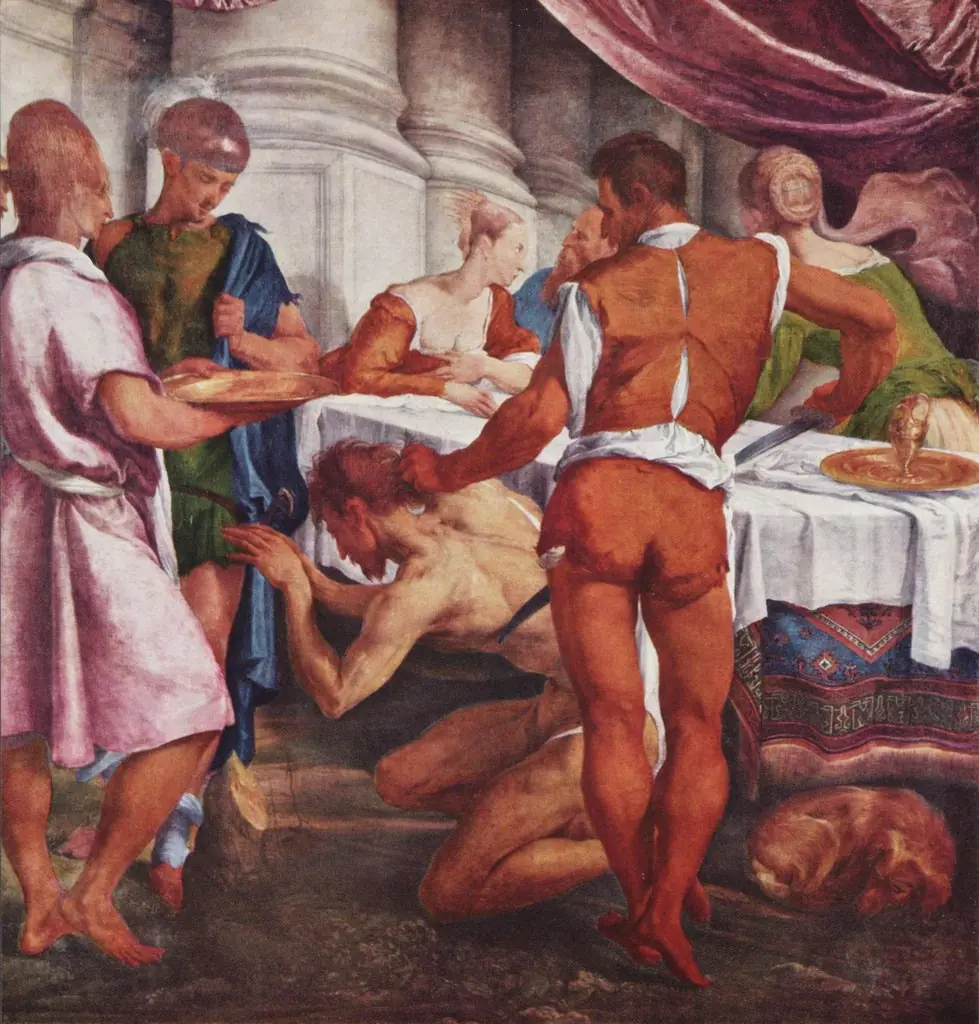 The Decapitation of St John the Baptist
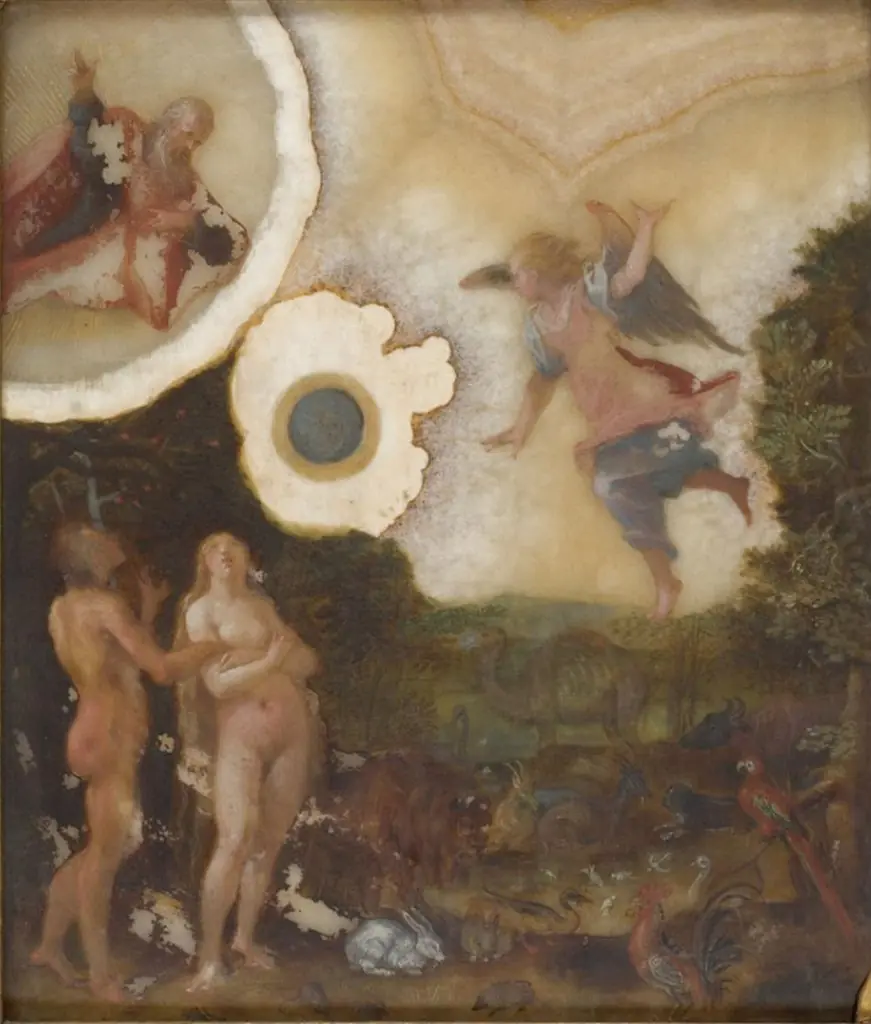 Expulsion from earthly Paradise.
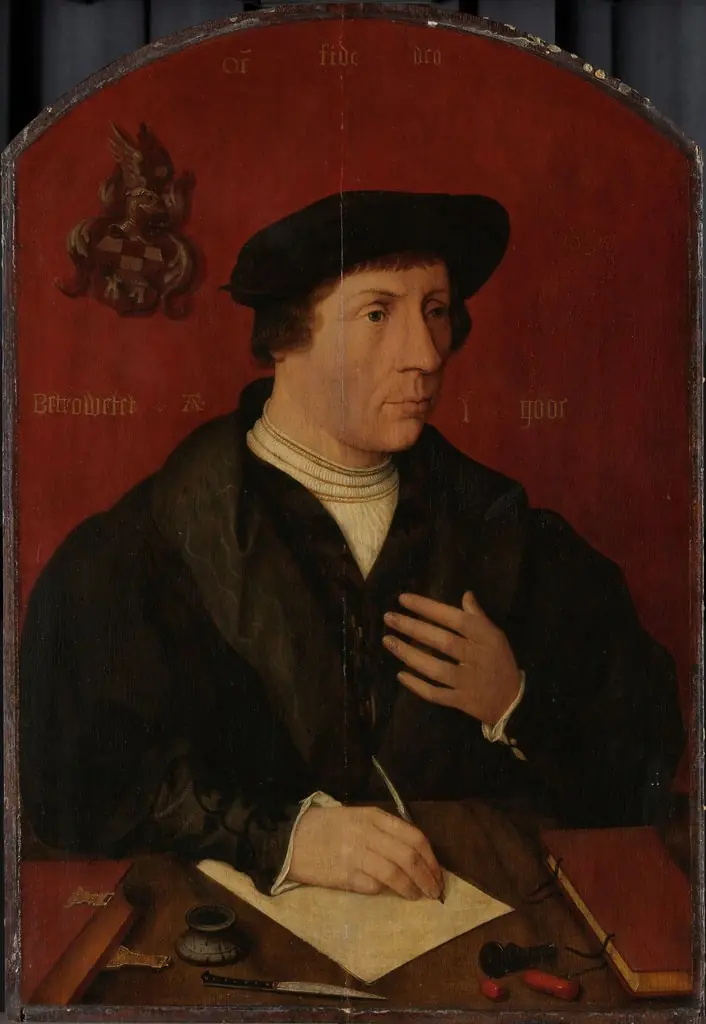 Portrait of a man
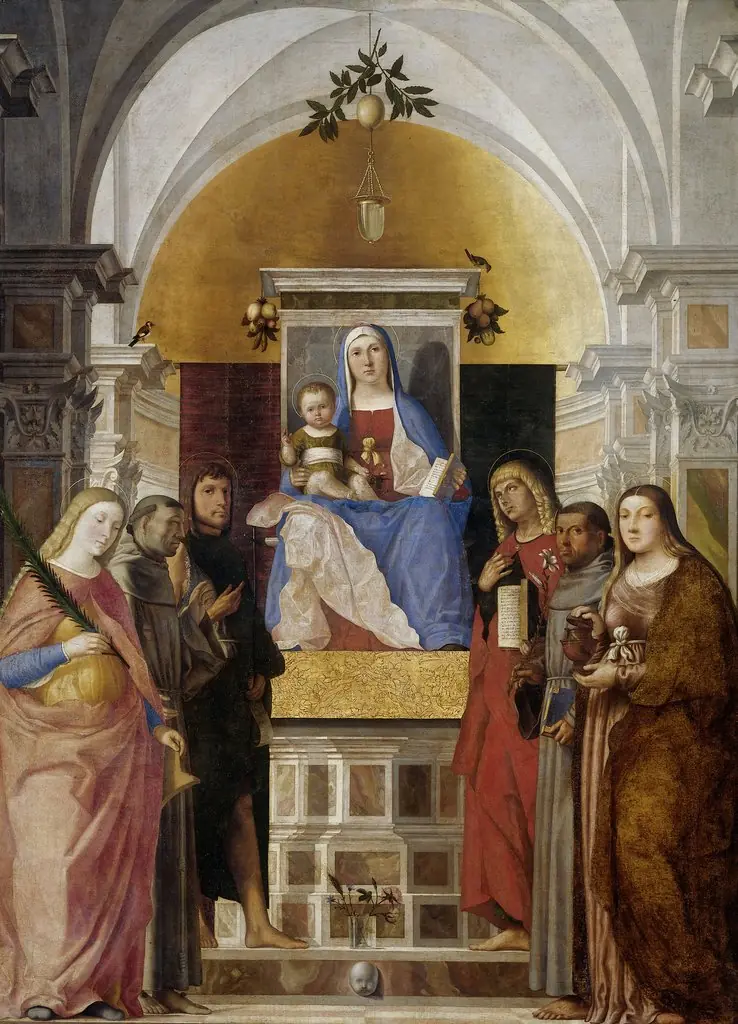 Virgin and Child with Saints Catherine, Francis, John the Baptist, Mary Magdalene, Antony of Padua, John the Evangelist
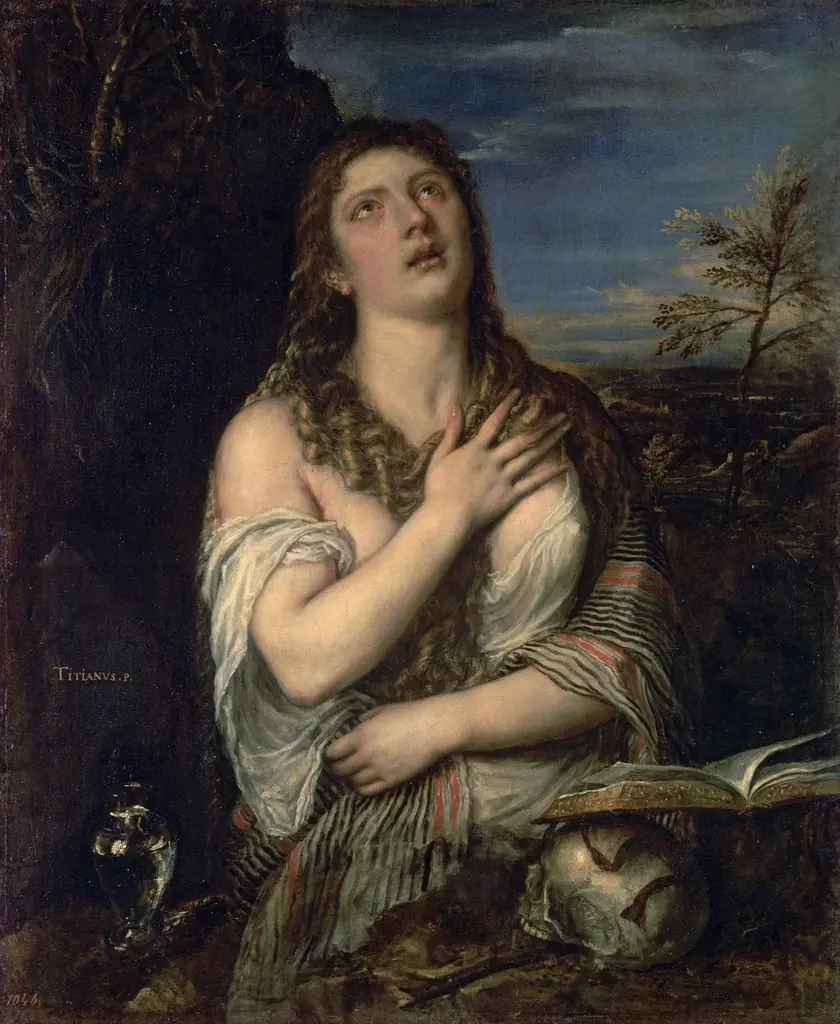 Penitent Magdalene
Groups & collectives
Frequently asked questions
What is Mannerism?
Mannerism is an art movement. The sophisticated, self-conscious style that followed the High Renaissance in Italian art (roughly 1520–1600).
How many Mannerism works does Artifact World Gallery have?
Artifact World Gallery holds 2,964 public-domain Mannerism works, all free to view and download.
Who are the key Mannerism artists?
Key Mannerism artists in the collection include Titian, Paolo Veronese and Lorenzo Lotto.
When did Mannerism take place?
Mannerism dates from 1520–1600.
Where can I see Mannerism works?
Mannerism works in the collection are held by Kunsthistorisches Museum, Bavarian State Painting Collections and Museo del Prado.