Artwork
Hand Sewing Machine
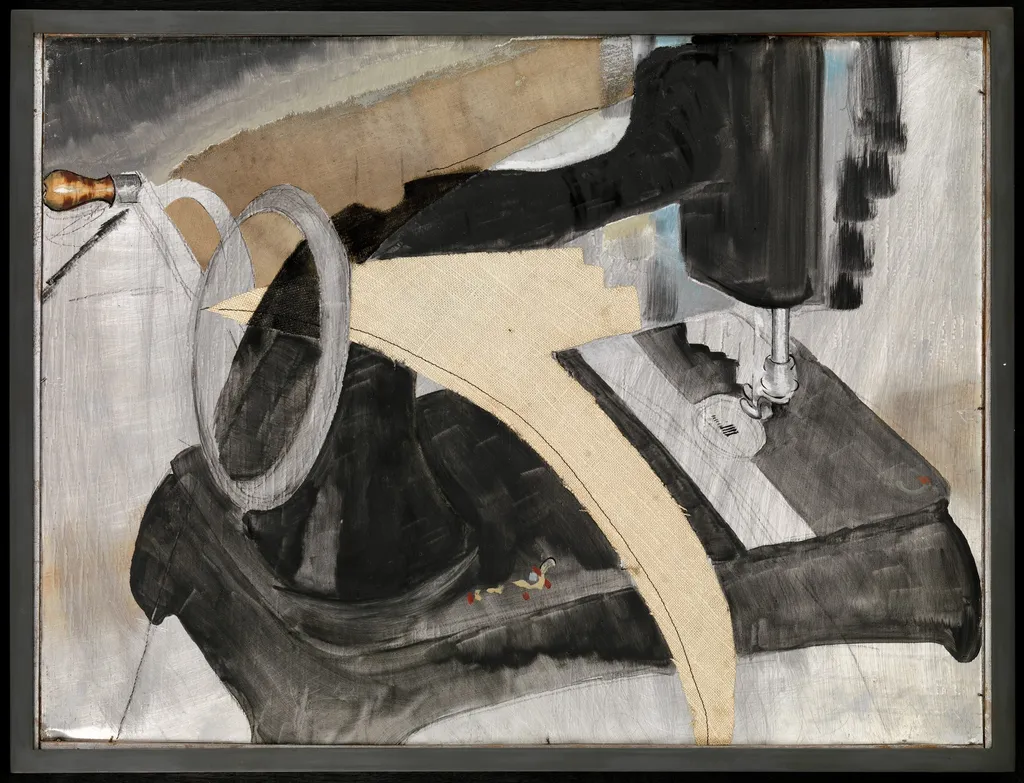
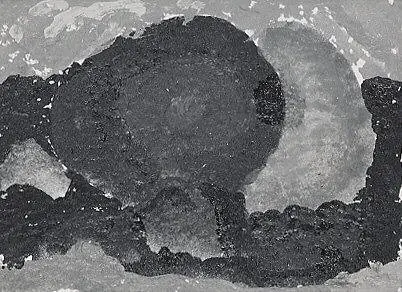
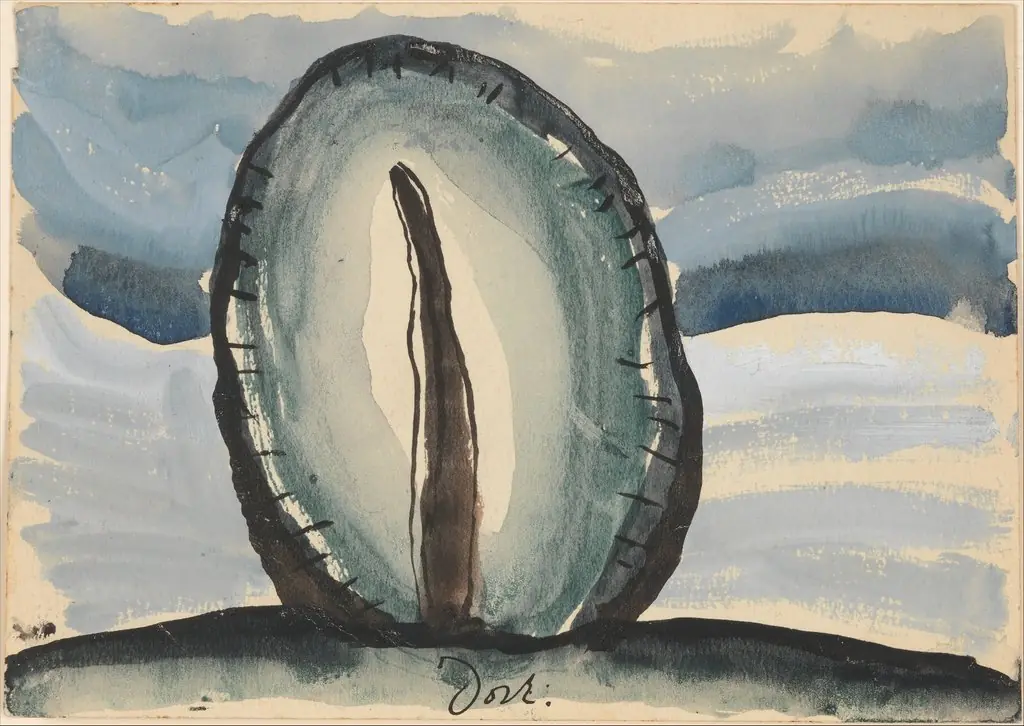
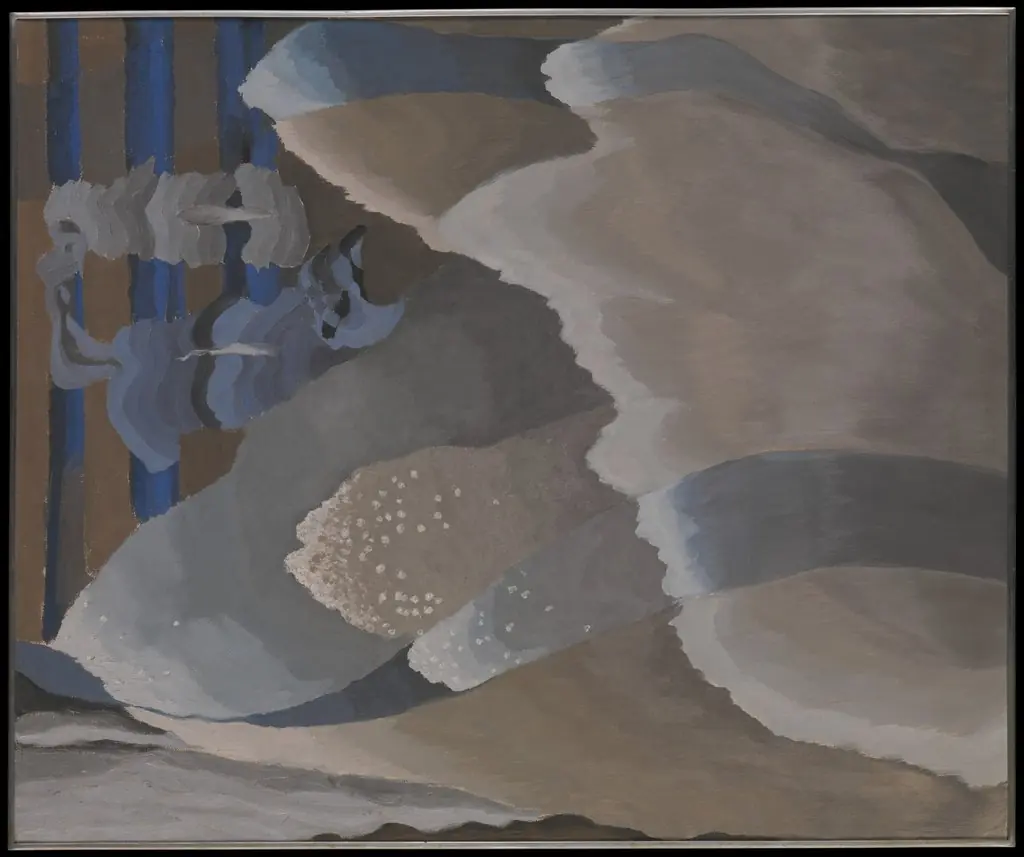
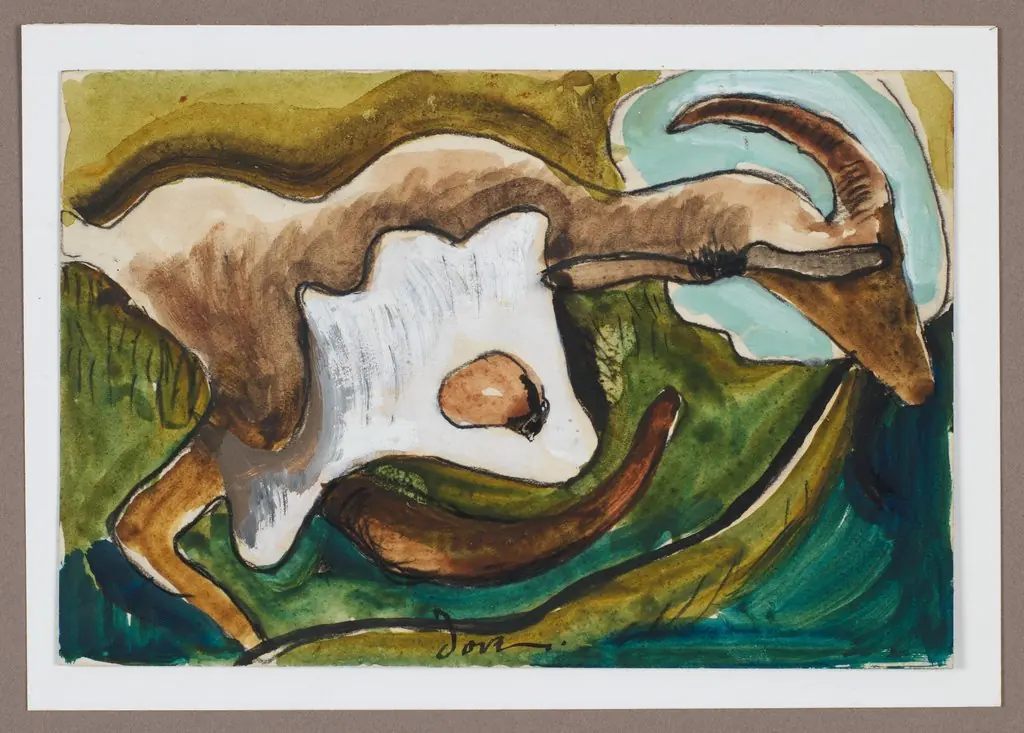
Hand Sewing Machine is an unspecified painting by the Precisionist artist Arthur Dove. It dates from 1927 and is held in the collection of the Metropolitan Museum of Art.
About this work
Subject & Meaning
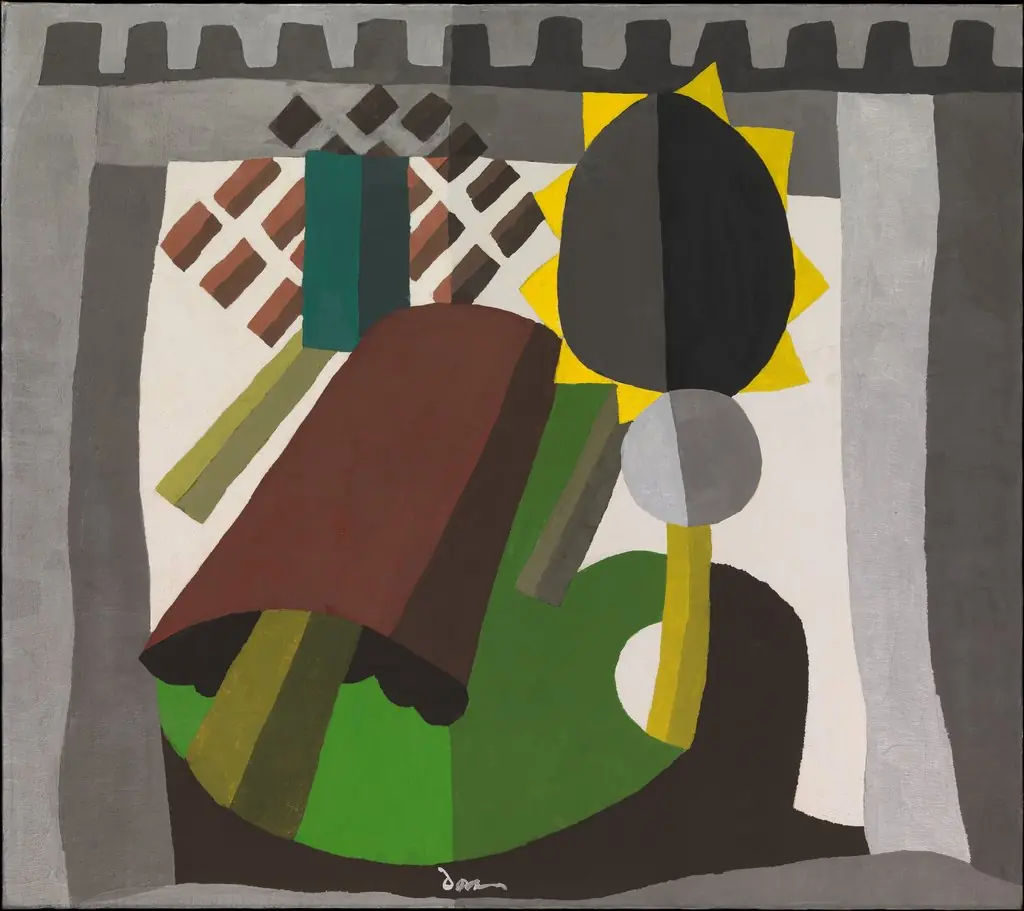
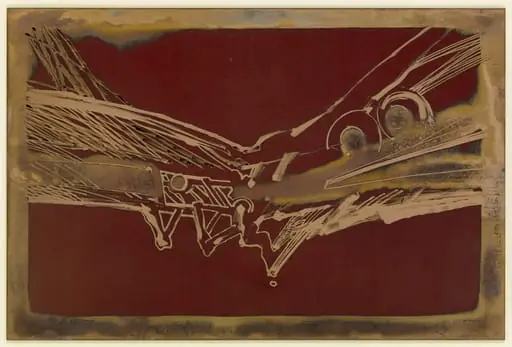
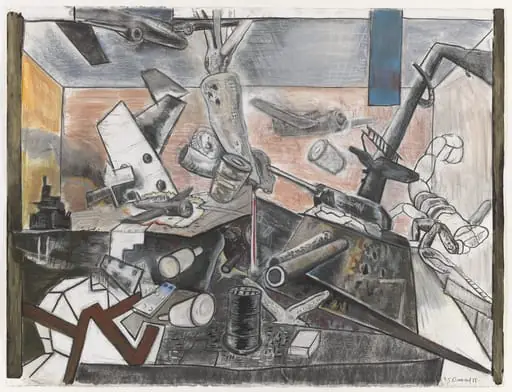
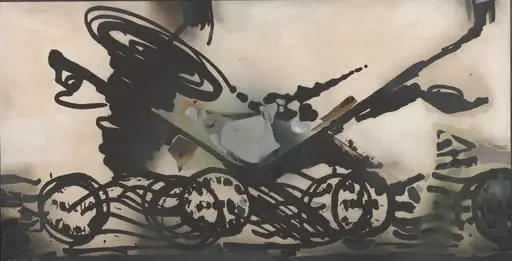
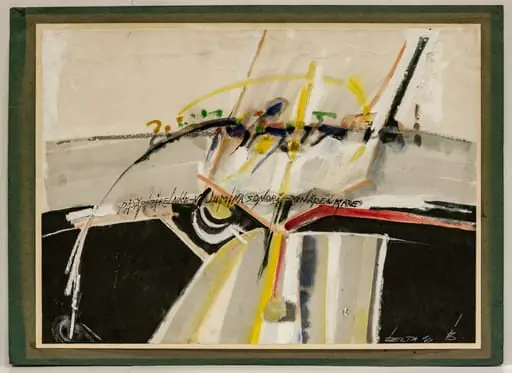
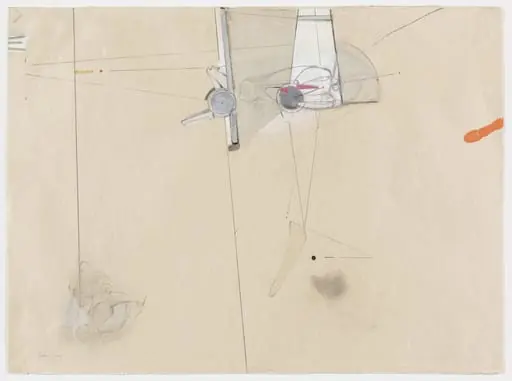
The painting depicts a hand-cranked sewing machine, rendered with Dove’s characteristic abstraction and rhythmic forms.
The painting depicts a hand-cranked sewing machine, rendered with Dove’s characteristic abstraction and rhythmic forms.
Scholars interpret the machine as a symbol of industriousness and modernity, aligning with Dove’s broader engagement with contemporary life and technology in the 1920s. The simplified, almost totemic treatment of the object suggests both utility and an underlying rhythmic order, reflecting Dove’s interest in translating mechanical precision into painterly harmony.
History & Provenance
The work was created in 1927 by Arthur Dove, as indicated by the artist’s date and the Metropolitan Museum of Art’s record of its inception year.
By the time of its cataloguing, the painting entered the collection of the Metropolitan Museum of Art, where it has been held since at least the date of acquisition documented in the museum’s records.
Arthur Dove's 1927 painting Hand Sewing Machine is held in the collection of the Metropolitan Museum of Art. The museum's records indicate the work depicts a sewing machine and measures 37.8 cm in height by 50.2 cm in width. No specific accession number or exhibition history is provided in the available sources.
Overview
Arthur Dove's 1927 painting, Hand Sewing Machine, exemplifies the American modernist style known as Precisionism. This work renders an everyday industrial object with a focus on its underlying geometric structure and clean forms. The painting is part of the esteemed collection at The Metropolitan Museum of Art, representing a key moment in early 20th-century American art.
Technique & Style
The artwork showcases the hallmarks of Precisionism through its sharp delineation and industrial aesthetic. Dove employed a palette primarily of blacks, whites, and grays, accented with subtle browns and blues, to define the machine's components. The artist's manipulation of light and shadow contributes to a sense of depth and texture, while the precise rendering of forms emphasizes the object's mechanical nature.
Context
Arthur Dove, often recognized as a pioneer of American abstraction, engaged with various artistic approaches throughout his career, including the precise rendering seen here. His exploration of different media, sometimes combining oil and tempera, allowed him to experiment with surface and texture. Hand Sewing Machine reflects his broader contribution to American modernism, bridging early abstraction with a focus on industrial subjects.
Own this work as a print
Artist & collection
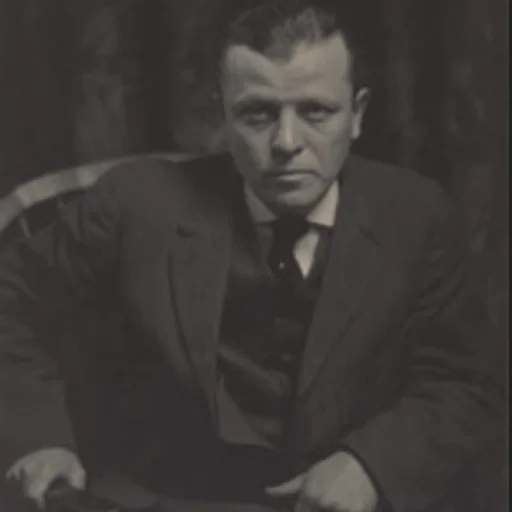
Artist
Arthur Garfield Dove (August 2, 1880 – November 23, 1946) was an American artist.