Artwork
Ερινύα Δ
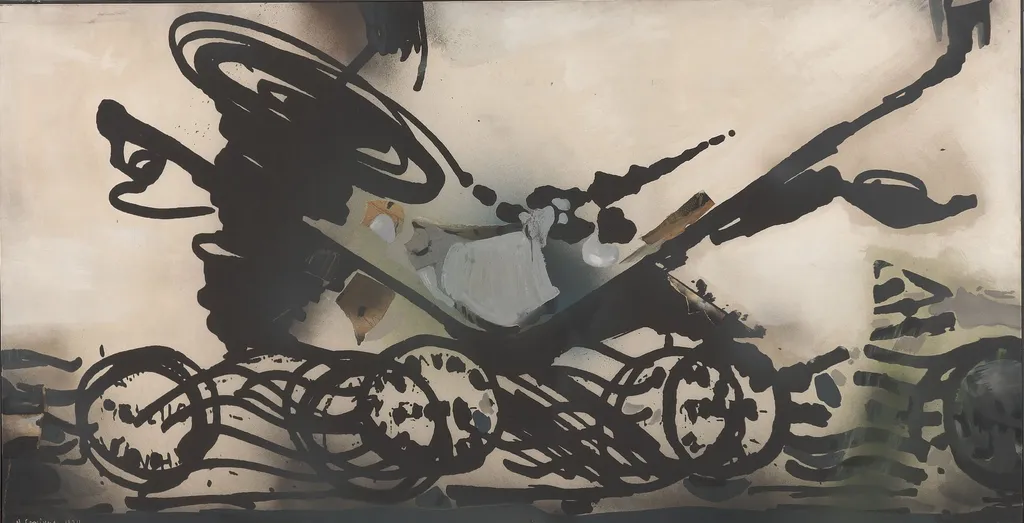
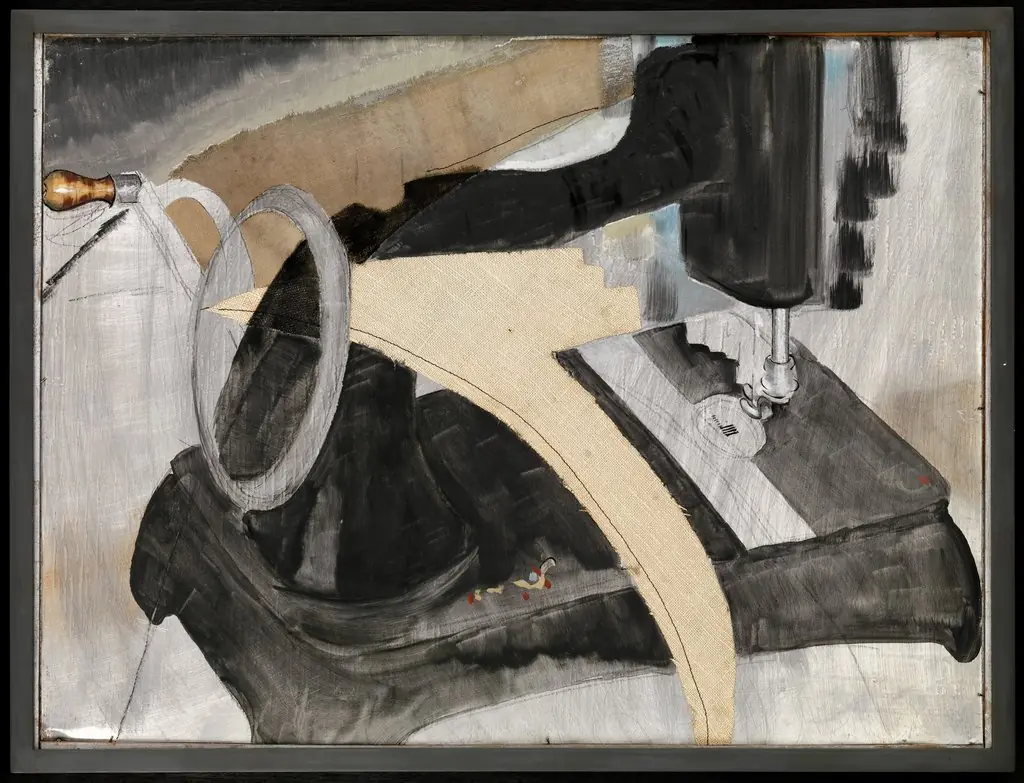
Ερινύα Δ is an unspecified painting by Nikolaos Sachinis. It dates from 1974 and is held in the collection of the Metropolitan Organisation of Museums of Visual Arts of Thessaloniki – MOMus.
About this work
Overview
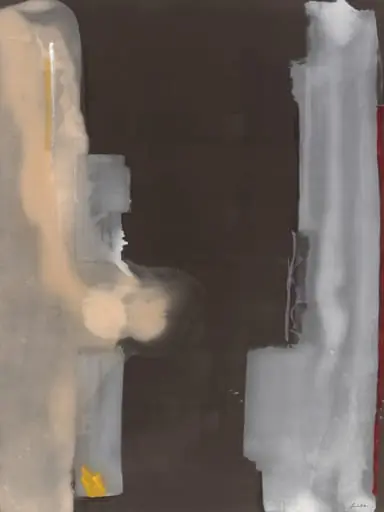
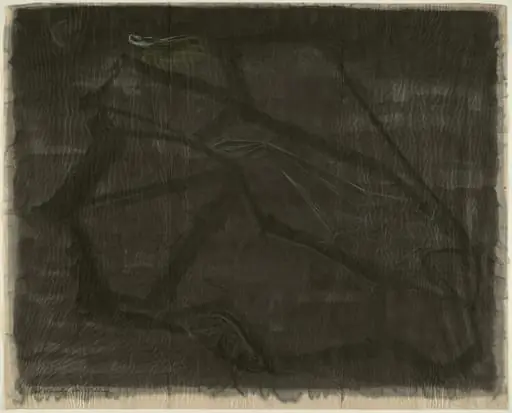
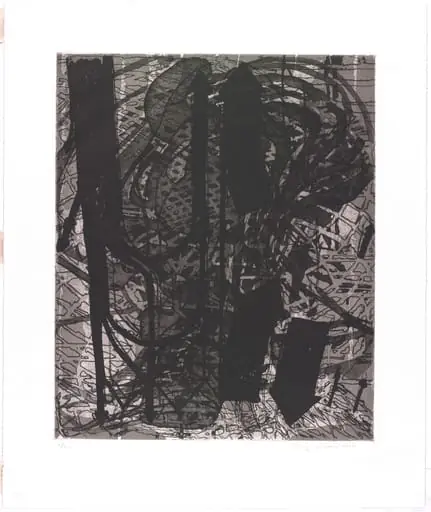
Ερινύα Δ, created by Nikolaos Sachinis in 1974, is a mixed-media artwork housed at the Museum of Ethnography. Characterized by a predominantly black, white, and brown palette, the piece centers on an abstract, dark figure suggestive of a haloed form set against a lighter brown background.
Subject & Meaning
While the work's title, Ερινύα Δ, references the Erinyes (Furies) of Greek mythology, the abstract representation leaves interpretation open. The figure, implied rather than clearly defined, may symbolize the intense, vengeful nature of the Erinyes or serve as a more universal symbol of dynamic energy and emotion.
Technique & Style
The artwork is distinguished by bold, expressive brushstrokes that impart a textured, dynamic quality. This emphasis on gestural mark-making contributes to an overall sense of movement and emotional intensity, aligning with expressive abstract practices.
History & Provenance
Created in 1974 by Nikolaos Sachinis, Ερινύα Δ is part of the collection at the Museum of Ethnography, though its exhibition history and earlier ownership are not detailed here.
Context
Emerging in 1974, the piece reflects the broader mid-20th-century interest in abstract expressionism, though its engagement with mythological themes adds a layer of cultural specificity. The Museum of Ethnography's holdings suggest a contextualization within folkloric or national artistic narratives.
Legacy
The impact and influence of Ερινύα Δ on subsequent artistic practices are not widely documented in available information, suggesting it may be valued more for its expressive qualities and thematic uniqueness within Sachinis's oeuvre and the museum's collection.
Artist & collection
Artist
Museum
Metropolitan Organisation of Museums of Visual Arts of Thessaloniki – MOMus
Continue through works from the same source collection.